User login
Product Update: RESECTR disposable handheld resector, PreTRM Test
DISPOSABLE HANDHELD RESECTOR

Distal Access offers nationwide availability of the RESECTR™ 9 French / 3.0 mm High- Performance Disposable Tissue Resector, a disposable, nonpowered, handheld, and hand-driven system designed to combine the benefits of basic manual devices and complex electro-mechanical systems.
The RESECTR platform is “ready-to-use,” says Distal Access, giving clinicians an important tool to see-and-treat lesions in the hospital, clinic, or office. Starting at the cutting tip, aspiration pulls tissue samples into the cutting window where oscillating blades are controlled by the clinician’s index finger and hand. Clinicians can increase or decrease oscillation and cutting based on what they see and feel during the procedure.
According to Distal Access, for small tissue samples, resection time with the RESECTR can be similar to that with electromechanical devices, with a significantly lower cost. The RESECTR is compatible with available fluid management systems and endoscopic devices.
FOR MORE INFORMATION, VISIT: www.resectr.com
PREDICTIVE TOOL FOR PRETERM BIRTH RISK

Sera Prognostics announced that its PreTRM® Test is the first and only clinically validated blood test to predict preterm birth risk in asymptomatic, singleton pregnancies.
Premature birth, defined as birth before 37 weeks, is the leading cause of death and illness in newborns and is associated with an increased risk of major long-term complications. Previously, the 2 best traditional predictors of premature birth were prior preterm birth history and short cervical length, but these identify only a small percentage of women who deliver early, asserts Sera Prognostics. Implemented during gestational weeks 19 and 20, the PreTRM test uses proteomic technology to measure and analyze 2 proteins in the blood that are highly predictive of preterm birth: IBP4, insulin-like growth factor binding protein 4, and SHBG, sex-hormone binding globulin.
According to Sera Prognostics, data from the 5,501-patient Proteomic Assessment of Preterm Risk (PAPR) study, recently published in American Journal of Obstetrics & Gynecology, confirm that the test can help identify a high percentage of women who are at increased risk early in pregnancy before symptoms occur.
FOR MORE INFORMATION, VISIT: www.pretrm.com
Share your thoughts! Send your Letter to the Editor to [email protected]. Please include your name and the city and state in which you practice.
DISPOSABLE HANDHELD RESECTOR
Distal Access offers nationwide availability of the RESECTR™ 9 French / 3.0 mm High- Performance Disposable Tissue Resector, a disposable, nonpowered, handheld, and hand-driven system designed to combine the benefits of basic manual devices and complex electro-mechanical systems.
The RESECTR platform is “ready-to-use,” says Distal Access, giving clinicians an important tool to see-and-treat lesions in the hospital, clinic, or office. Starting at the cutting tip, aspiration pulls tissue samples into the cutting window where oscillating blades are controlled by the clinician’s index finger and hand. Clinicians can increase or decrease oscillation and cutting based on what they see and feel during the procedure.
According to Distal Access, for small tissue samples, resection time with the RESECTR can be similar to that with electromechanical devices, with a significantly lower cost. The RESECTR is compatible with available fluid management systems and endoscopic devices.
FOR MORE INFORMATION, VISIT: www.resectr.com
PREDICTIVE TOOL FOR PRETERM BIRTH RISK
Sera Prognostics announced that its PreTRM® Test is the first and only clinically validated blood test to predict preterm birth risk in asymptomatic, singleton pregnancies.
Premature birth, defined as birth before 37 weeks, is the leading cause of death and illness in newborns and is associated with an increased risk of major long-term complications. Previously, the 2 best traditional predictors of premature birth were prior preterm birth history and short cervical length, but these identify only a small percentage of women who deliver early, asserts Sera Prognostics. Implemented during gestational weeks 19 and 20, the PreTRM test uses proteomic technology to measure and analyze 2 proteins in the blood that are highly predictive of preterm birth: IBP4, insulin-like growth factor binding protein 4, and SHBG, sex-hormone binding globulin.
According to Sera Prognostics, data from the 5,501-patient Proteomic Assessment of Preterm Risk (PAPR) study, recently published in American Journal of Obstetrics & Gynecology, confirm that the test can help identify a high percentage of women who are at increased risk early in pregnancy before symptoms occur.
FOR MORE INFORMATION, VISIT: www.pretrm.com
Share your thoughts! Send your Letter to the Editor to [email protected]. Please include your name and the city and state in which you practice.
DISPOSABLE HANDHELD RESECTOR
Distal Access offers nationwide availability of the RESECTR™ 9 French / 3.0 mm High- Performance Disposable Tissue Resector, a disposable, nonpowered, handheld, and hand-driven system designed to combine the benefits of basic manual devices and complex electro-mechanical systems.
The RESECTR platform is “ready-to-use,” says Distal Access, giving clinicians an important tool to see-and-treat lesions in the hospital, clinic, or office. Starting at the cutting tip, aspiration pulls tissue samples into the cutting window where oscillating blades are controlled by the clinician’s index finger and hand. Clinicians can increase or decrease oscillation and cutting based on what they see and feel during the procedure.
According to Distal Access, for small tissue samples, resection time with the RESECTR can be similar to that with electromechanical devices, with a significantly lower cost. The RESECTR is compatible with available fluid management systems and endoscopic devices.
FOR MORE INFORMATION, VISIT: www.resectr.com
PREDICTIVE TOOL FOR PRETERM BIRTH RISK
Sera Prognostics announced that its PreTRM® Test is the first and only clinically validated blood test to predict preterm birth risk in asymptomatic, singleton pregnancies.
Premature birth, defined as birth before 37 weeks, is the leading cause of death and illness in newborns and is associated with an increased risk of major long-term complications. Previously, the 2 best traditional predictors of premature birth were prior preterm birth history and short cervical length, but these identify only a small percentage of women who deliver early, asserts Sera Prognostics. Implemented during gestational weeks 19 and 20, the PreTRM test uses proteomic technology to measure and analyze 2 proteins in the blood that are highly predictive of preterm birth: IBP4, insulin-like growth factor binding protein 4, and SHBG, sex-hormone binding globulin.
According to Sera Prognostics, data from the 5,501-patient Proteomic Assessment of Preterm Risk (PAPR) study, recently published in American Journal of Obstetrics & Gynecology, confirm that the test can help identify a high percentage of women who are at increased risk early in pregnancy before symptoms occur.
FOR MORE INFORMATION, VISIT: www.pretrm.com
Share your thoughts! Send your Letter to the Editor to [email protected]. Please include your name and the city and state in which you practice.
VIDEO: Telecardiology improves chronic care management, reduces cost
MINNEAPOLIS – The use of telecardiology can vastly improve outcomes, reduce hospitalizations, and lower health care costs, explained Michael Shen, MD, a cardiologist and chief medical officer at Duxlink Health in Sunrise, Fla.
Dr. Shen recently spoke at the American Telemedicine Association annual meeting about the impact of telecardiology on the practice of cardiology.
“This is at the very beginning of the technology, and it will be very good for cardiologists to be early adopters – to be the early users – so they can engage the technology as leaders, rather than followers,” explained Dr. Shen.
In a video interview at the meeting, he discussed how telecardiology has advanced over the years and how the technology can improve chronic care management. Dr. Shen also shared details about a telecardiology program implemented in his practice, and he discussed how the program has affected patient care and hospital readmissions.
Dr. Shen had no disclosures.
The video associated with this article is no longer available on this site. Please view all of our videos on the MDedge YouTube channel
On Twitter @legal_med
MINNEAPOLIS – The use of telecardiology can vastly improve outcomes, reduce hospitalizations, and lower health care costs, explained Michael Shen, MD, a cardiologist and chief medical officer at Duxlink Health in Sunrise, Fla.
Dr. Shen recently spoke at the American Telemedicine Association annual meeting about the impact of telecardiology on the practice of cardiology.
“This is at the very beginning of the technology, and it will be very good for cardiologists to be early adopters – to be the early users – so they can engage the technology as leaders, rather than followers,” explained Dr. Shen.
In a video interview at the meeting, he discussed how telecardiology has advanced over the years and how the technology can improve chronic care management. Dr. Shen also shared details about a telecardiology program implemented in his practice, and he discussed how the program has affected patient care and hospital readmissions.
Dr. Shen had no disclosures.
The video associated with this article is no longer available on this site. Please view all of our videos on the MDedge YouTube channel
On Twitter @legal_med
MINNEAPOLIS – The use of telecardiology can vastly improve outcomes, reduce hospitalizations, and lower health care costs, explained Michael Shen, MD, a cardiologist and chief medical officer at Duxlink Health in Sunrise, Fla.
Dr. Shen recently spoke at the American Telemedicine Association annual meeting about the impact of telecardiology on the practice of cardiology.
“This is at the very beginning of the technology, and it will be very good for cardiologists to be early adopters – to be the early users – so they can engage the technology as leaders, rather than followers,” explained Dr. Shen.
In a video interview at the meeting, he discussed how telecardiology has advanced over the years and how the technology can improve chronic care management. Dr. Shen also shared details about a telecardiology program implemented in his practice, and he discussed how the program has affected patient care and hospital readmissions.
Dr. Shen had no disclosures.
The video associated with this article is no longer available on this site. Please view all of our videos on the MDedge YouTube channel
On Twitter @legal_med

Simple colon surgery bundle accelerated outcomes improvement
SAN DIEGO – Implementation of a simple colon bundle decreased the rate of colonic and enteric resections faster, compared with improvements seen for other procedures, according to a study that involved 23 hospitals in Tennessee.
At the American College of Surgeons/National Surgical Quality Improvement Program National Conference, Brian J. Daley, MD, discussed findings from an analysis conducted by members of the Tennessee Surgical Quality Collaborative (TSQC), which he described as “a collection of surgeons who put aside their hospital and regional affiliations to work together to help each other and to help our fellow Tennesseans.” Established in 2008 with member hospitals, the TSQC has grown to 23 member hospitals, including 18 community hospitals and 5 academic medical centers. It provides data on nearly 600 surgeons across the state. “While this only represents about half of the surgical procedures in the state, there is sufficient statistical power to make comments about our surgical performance,” said Dr. Daley of the department of surgery at the University of Tennessee Medical Center, Knoxville.

To quantify TSQC’s impact on surgical outcomes, surgeons at the member hospitals evaluated the TSQC colon bundle, which was developed in 2012 and implemented in 2013. It bundles four processes of care: maintaining intraoperative oxygen delivery, maintaining a temperature of 36° C, making sure the patient’s blood glucose is normal, and choosing the appropriate antibiotics. “We kept it simple: easy, not expensive, and hopefully helpful,” Dr. Daley said.
With other procedures as a baseline, they used statistical analyses to determine if implementation of the bundle led to an incremental acceleration of reduced complications, compared with other improvements observed in other procedures. “To understand our outcomes, we needed to prove three points: that the trend improved [a negative trend in the resection rate], that this negative trend was more negative than trends for other comparator procedures, and that the trend for intercept was not equal to the comparator in any way,” Dr. Daley explained.
Following adoption of the bundle, he and his associates observed that the rate of decrease in postoperative recurrences was greater in colectomy, compared with that for all other surgical procedures (P less than .001 for both the trend and the intercept statistical models). Adoption of the bundle also positively impacted decreases in postoperative recurrences among enterectomy cases (P less than .001 for both the trend and the intercept statistical models).
“We were able to demonstrate that our TSQC bundle paid dividends in improving colectomy outcomes,” Dr. Daley concluded. “We have seen these efforts spill over into enterectomy. From this we can also infer that participation in the collaborative improves outcomes and is imperative to maintain the acceleration in surgical improvement.”
Dr. Daley reported that he and his coauthors had no relevant financial disclosures.
SAN DIEGO – Implementation of a simple colon bundle decreased the rate of colonic and enteric resections faster, compared with improvements seen for other procedures, according to a study that involved 23 hospitals in Tennessee.
At the American College of Surgeons/National Surgical Quality Improvement Program National Conference, Brian J. Daley, MD, discussed findings from an analysis conducted by members of the Tennessee Surgical Quality Collaborative (TSQC), which he described as “a collection of surgeons who put aside their hospital and regional affiliations to work together to help each other and to help our fellow Tennesseans.” Established in 2008 with member hospitals, the TSQC has grown to 23 member hospitals, including 18 community hospitals and 5 academic medical centers. It provides data on nearly 600 surgeons across the state. “While this only represents about half of the surgical procedures in the state, there is sufficient statistical power to make comments about our surgical performance,” said Dr. Daley of the department of surgery at the University of Tennessee Medical Center, Knoxville.
To quantify TSQC’s impact on surgical outcomes, surgeons at the member hospitals evaluated the TSQC colon bundle, which was developed in 2012 and implemented in 2013. It bundles four processes of care: maintaining intraoperative oxygen delivery, maintaining a temperature of 36° C, making sure the patient’s blood glucose is normal, and choosing the appropriate antibiotics. “We kept it simple: easy, not expensive, and hopefully helpful,” Dr. Daley said.
With other procedures as a baseline, they used statistical analyses to determine if implementation of the bundle led to an incremental acceleration of reduced complications, compared with other improvements observed in other procedures. “To understand our outcomes, we needed to prove three points: that the trend improved [a negative trend in the resection rate], that this negative trend was more negative than trends for other comparator procedures, and that the trend for intercept was not equal to the comparator in any way,” Dr. Daley explained.
Following adoption of the bundle, he and his associates observed that the rate of decrease in postoperative recurrences was greater in colectomy, compared with that for all other surgical procedures (P less than .001 for both the trend and the intercept statistical models). Adoption of the bundle also positively impacted decreases in postoperative recurrences among enterectomy cases (P less than .001 for both the trend and the intercept statistical models).
“We were able to demonstrate that our TSQC bundle paid dividends in improving colectomy outcomes,” Dr. Daley concluded. “We have seen these efforts spill over into enterectomy. From this we can also infer that participation in the collaborative improves outcomes and is imperative to maintain the acceleration in surgical improvement.”
Dr. Daley reported that he and his coauthors had no relevant financial disclosures.
SAN DIEGO – Implementation of a simple colon bundle decreased the rate of colonic and enteric resections faster, compared with improvements seen for other procedures, according to a study that involved 23 hospitals in Tennessee.
At the American College of Surgeons/National Surgical Quality Improvement Program National Conference, Brian J. Daley, MD, discussed findings from an analysis conducted by members of the Tennessee Surgical Quality Collaborative (TSQC), which he described as “a collection of surgeons who put aside their hospital and regional affiliations to work together to help each other and to help our fellow Tennesseans.” Established in 2008 with member hospitals, the TSQC has grown to 23 member hospitals, including 18 community hospitals and 5 academic medical centers. It provides data on nearly 600 surgeons across the state. “While this only represents about half of the surgical procedures in the state, there is sufficient statistical power to make comments about our surgical performance,” said Dr. Daley of the department of surgery at the University of Tennessee Medical Center, Knoxville.
To quantify TSQC’s impact on surgical outcomes, surgeons at the member hospitals evaluated the TSQC colon bundle, which was developed in 2012 and implemented in 2013. It bundles four processes of care: maintaining intraoperative oxygen delivery, maintaining a temperature of 36° C, making sure the patient’s blood glucose is normal, and choosing the appropriate antibiotics. “We kept it simple: easy, not expensive, and hopefully helpful,” Dr. Daley said.
With other procedures as a baseline, they used statistical analyses to determine if implementation of the bundle led to an incremental acceleration of reduced complications, compared with other improvements observed in other procedures. “To understand our outcomes, we needed to prove three points: that the trend improved [a negative trend in the resection rate], that this negative trend was more negative than trends for other comparator procedures, and that the trend for intercept was not equal to the comparator in any way,” Dr. Daley explained.
Following adoption of the bundle, he and his associates observed that the rate of decrease in postoperative recurrences was greater in colectomy, compared with that for all other surgical procedures (P less than .001 for both the trend and the intercept statistical models). Adoption of the bundle also positively impacted decreases in postoperative recurrences among enterectomy cases (P less than .001 for both the trend and the intercept statistical models).
“We were able to demonstrate that our TSQC bundle paid dividends in improving colectomy outcomes,” Dr. Daley concluded. “We have seen these efforts spill over into enterectomy. From this we can also infer that participation in the collaborative improves outcomes and is imperative to maintain the acceleration in surgical improvement.”
Dr. Daley reported that he and his coauthors had no relevant financial disclosures.
AT THE ACS NSQIP NATIONAL CONFERENCE
Key clinical point: Adoption of a colon bundle by a collaborative of Tennessee hospitals improved certain colectomy outcomes.
Major finding: Following adoption of a colon bundle, the rate of decrease in postoperative recurrences was greater in colectomy than for all other surgical procedures (P less than .001 for both the trend and the intercept statistical models).
Data source: An analysis conducted by members of the Tennessee Surgical Quality Collaborative, which included 23 hospitals in the state.
Disclosures: The researchers reported having no relevant financial disclosures.

Zika virus RNA detected in serum beyond previously estimated time frame
Zika virus RNA was detected in the serum of five pregnant women beyond previously estimated time frames, according to a new case series study.
“This report adds to the existing evidence that Zika virus RNA in serum may be detected longer than previously expected, an observation now reported among at least eight pregnant women,” reported Dr. Dana Meaney-Delman of the Centers for Disease Control & Prevention, and her colleagues wrote. (Obstet Gynecol. 2016. doi: 10.1097/AOG.0000000000001625).

Five pregnant women who had traveled to or lived in one or more countries with active Zika virus transmission and had prolonged detection of Zika virus RNA in serum were reported to the U.S. Zika Pregnancy Registry, an enhanced surveillance initiative developed by the CDC to collect information on maternal exposure history, clinical presentation, laboratory testing, prenatal imaging, pregnancy screening and complications, fetal and neonatal outcomes, and infant development through the first year of life.
Prolonged detection was defined as the presence of Zika virus RNA detected in serum by real-time reverse transcription-polymerase chain reaction at 14 or more days after symptom onset for symptomatic pregnant women or 21 or more days after last possible exposure to Zika virus for asymptomatic pregnant women. A previous study reported a mean Zika viral RNA duration of 9.9 days, with 14 days being the longest duration of Zika virus RNA detection in a nonpregnant person.
Among the four symptomatic pregnant women, Zika virus RNA was detected in the serum at 17, 23, 44, and 46 days following symptom onset. In the one asymptomatic pregnant woman, Zika virus RNA was detected in serum at 53 days after her travel from an area with active Zika transmission.
Among the five pregnancies, one is ongoing, one was aborted and the fetus tested positive for fetal Zika virus infection, and three resulted in live births of healthy neonates with no reported abnormalities.
“Several questions remain regarding the findings of prolonged detection of Zika virus RNA. Most notably, the duration of Zika virus RNA in serum requires further investigation to determine whether there is a correlation between prolonged viral RNA detection and the presence of infectious virus,” the researchers wrote.
Read the study results here.
On Twitter @jessnicolecraig
Zika virus RNA was detected in the serum of five pregnant women beyond previously estimated time frames, according to a new case series study.
“This report adds to the existing evidence that Zika virus RNA in serum may be detected longer than previously expected, an observation now reported among at least eight pregnant women,” reported Dr. Dana Meaney-Delman of the Centers for Disease Control & Prevention, and her colleagues wrote. (Obstet Gynecol. 2016. doi: 10.1097/AOG.0000000000001625).
Five pregnant women who had traveled to or lived in one or more countries with active Zika virus transmission and had prolonged detection of Zika virus RNA in serum were reported to the U.S. Zika Pregnancy Registry, an enhanced surveillance initiative developed by the CDC to collect information on maternal exposure history, clinical presentation, laboratory testing, prenatal imaging, pregnancy screening and complications, fetal and neonatal outcomes, and infant development through the first year of life.
Prolonged detection was defined as the presence of Zika virus RNA detected in serum by real-time reverse transcription-polymerase chain reaction at 14 or more days after symptom onset for symptomatic pregnant women or 21 or more days after last possible exposure to Zika virus for asymptomatic pregnant women. A previous study reported a mean Zika viral RNA duration of 9.9 days, with 14 days being the longest duration of Zika virus RNA detection in a nonpregnant person.
Among the four symptomatic pregnant women, Zika virus RNA was detected in the serum at 17, 23, 44, and 46 days following symptom onset. In the one asymptomatic pregnant woman, Zika virus RNA was detected in serum at 53 days after her travel from an area with active Zika transmission.
Among the five pregnancies, one is ongoing, one was aborted and the fetus tested positive for fetal Zika virus infection, and three resulted in live births of healthy neonates with no reported abnormalities.
“Several questions remain regarding the findings of prolonged detection of Zika virus RNA. Most notably, the duration of Zika virus RNA in serum requires further investigation to determine whether there is a correlation between prolonged viral RNA detection and the presence of infectious virus,” the researchers wrote.
Read the study results here.
On Twitter @jessnicolecraig
Zika virus RNA was detected in the serum of five pregnant women beyond previously estimated time frames, according to a new case series study.
“This report adds to the existing evidence that Zika virus RNA in serum may be detected longer than previously expected, an observation now reported among at least eight pregnant women,” reported Dr. Dana Meaney-Delman of the Centers for Disease Control & Prevention, and her colleagues wrote. (Obstet Gynecol. 2016. doi: 10.1097/AOG.0000000000001625).
Five pregnant women who had traveled to or lived in one or more countries with active Zika virus transmission and had prolonged detection of Zika virus RNA in serum were reported to the U.S. Zika Pregnancy Registry, an enhanced surveillance initiative developed by the CDC to collect information on maternal exposure history, clinical presentation, laboratory testing, prenatal imaging, pregnancy screening and complications, fetal and neonatal outcomes, and infant development through the first year of life.
Prolonged detection was defined as the presence of Zika virus RNA detected in serum by real-time reverse transcription-polymerase chain reaction at 14 or more days after symptom onset for symptomatic pregnant women or 21 or more days after last possible exposure to Zika virus for asymptomatic pregnant women. A previous study reported a mean Zika viral RNA duration of 9.9 days, with 14 days being the longest duration of Zika virus RNA detection in a nonpregnant person.
Among the four symptomatic pregnant women, Zika virus RNA was detected in the serum at 17, 23, 44, and 46 days following symptom onset. In the one asymptomatic pregnant woman, Zika virus RNA was detected in serum at 53 days after her travel from an area with active Zika transmission.
Among the five pregnancies, one is ongoing, one was aborted and the fetus tested positive for fetal Zika virus infection, and three resulted in live births of healthy neonates with no reported abnormalities.
“Several questions remain regarding the findings of prolonged detection of Zika virus RNA. Most notably, the duration of Zika virus RNA in serum requires further investigation to determine whether there is a correlation between prolonged viral RNA detection and the presence of infectious virus,” the researchers wrote.
Read the study results here.
On Twitter @jessnicolecraig
FROM OBSTETRICS & GYNECOLOGY

Oocyte donation may up risk of preterm birth
HELSINKI – The risk of preterm birth and low birth weight is higher following oocyte donation for in vitro fertilization, compared with autologous IVF, according to a review of more than 100,000 singleton live births.
The findings could help in counseling women and when managing pregnancies resulting from oocyte donation IVF, Mohan S. Kamath, MBBS, reported at the annual meeting of the European Society of Human Reproduction and Embryology.

In a review of 100,092 singleton live births among women who underwent either fresh donor oocyte or autologous IVF, the rates of several outcomes were increased among the donor recipients. For example, preterm birth, defined as live birth before 37 weeks’ gestation, occurred in 14.8% vs. 9.4% of patients in the groups, respectively (odds ratio, 1.68), early preterm birth (live birth before 32 weeks’ gestation) occurred in 2.1% and 1.8% of patients (OR, 1.77), low birth weight (less than 2,500 g), occurred in 13.8% vs. 9.5% of patients (OR, 1.53), and very low birth weight (less than 1,500 g) occurred in 2.65% vs. 1.9% of patients (OR, 1.42).
The differences between the groups were statistically significant, said Dr. Kamath of Christian Medical College and Hospital, Vellore, India.
After adjusting for potential confounders, including female age, treatment duration, previous live birth, number of embryos transferred, single vs. multiple pregnancies resulting in singleton birth, and day of embryo transfer (before 5 days vs. 5 days or later), the increase in the risk of adverse perinatal outcomes of preterm birth, early preterm birth, and low birth weight remained significant (adjusted OR, 1.56, 1.41, and 1.43, respectively), he said.
The findings are important because the burden of poor ovarian response following IVF has been increasing, likely as a result of delayed childbearing and thus advanced age among those seeking IVF, Dr. Kamath said. However, little information is available regarding maternal or infant outcomes following oocyte donation, and the data that do exist have been conflicting, he said.
The increased risk of pregnancy complications following assisted reproductive technology, compared with spontaneously conceived pregnancies, has been largely attributed to the underlying infertility itself or to embryo-specific epigenetic modifications because of the in vitro fertilization techniques. The current study was conducted to determine whether use of donor oocytes affects obstetric and perinatal outcomes when compared with pregnancies that follow autologous IVF.
Anonymous data were obtained from the Human Fertilisation & Embryology Authority of the United Kingdom, which has collected data on all assisted reproductive treatment in the United Kingdom since 1991. For the current analysis, data from 1991 to 2011, including all singleton live births following fresh oocyte donor and autologous IVF cycles, were evaluated.
Although the dataset did not include information on potential confounders, such as smoking, body mass index, and medical history during pregnancy, the findings provide important insight into potential outcomes, Dr. Kamath said.
Dr. Kamath reported having no financial disclosures.
HELSINKI – The risk of preterm birth and low birth weight is higher following oocyte donation for in vitro fertilization, compared with autologous IVF, according to a review of more than 100,000 singleton live births.
The findings could help in counseling women and when managing pregnancies resulting from oocyte donation IVF, Mohan S. Kamath, MBBS, reported at the annual meeting of the European Society of Human Reproduction and Embryology.
In a review of 100,092 singleton live births among women who underwent either fresh donor oocyte or autologous IVF, the rates of several outcomes were increased among the donor recipients. For example, preterm birth, defined as live birth before 37 weeks’ gestation, occurred in 14.8% vs. 9.4% of patients in the groups, respectively (odds ratio, 1.68), early preterm birth (live birth before 32 weeks’ gestation) occurred in 2.1% and 1.8% of patients (OR, 1.77), low birth weight (less than 2,500 g), occurred in 13.8% vs. 9.5% of patients (OR, 1.53), and very low birth weight (less than 1,500 g) occurred in 2.65% vs. 1.9% of patients (OR, 1.42).
The differences between the groups were statistically significant, said Dr. Kamath of Christian Medical College and Hospital, Vellore, India.
After adjusting for potential confounders, including female age, treatment duration, previous live birth, number of embryos transferred, single vs. multiple pregnancies resulting in singleton birth, and day of embryo transfer (before 5 days vs. 5 days or later), the increase in the risk of adverse perinatal outcomes of preterm birth, early preterm birth, and low birth weight remained significant (adjusted OR, 1.56, 1.41, and 1.43, respectively), he said.
The findings are important because the burden of poor ovarian response following IVF has been increasing, likely as a result of delayed childbearing and thus advanced age among those seeking IVF, Dr. Kamath said. However, little information is available regarding maternal or infant outcomes following oocyte donation, and the data that do exist have been conflicting, he said.
The increased risk of pregnancy complications following assisted reproductive technology, compared with spontaneously conceived pregnancies, has been largely attributed to the underlying infertility itself or to embryo-specific epigenetic modifications because of the in vitro fertilization techniques. The current study was conducted to determine whether use of donor oocytes affects obstetric and perinatal outcomes when compared with pregnancies that follow autologous IVF.
Anonymous data were obtained from the Human Fertilisation & Embryology Authority of the United Kingdom, which has collected data on all assisted reproductive treatment in the United Kingdom since 1991. For the current analysis, data from 1991 to 2011, including all singleton live births following fresh oocyte donor and autologous IVF cycles, were evaluated.
Although the dataset did not include information on potential confounders, such as smoking, body mass index, and medical history during pregnancy, the findings provide important insight into potential outcomes, Dr. Kamath said.
Dr. Kamath reported having no financial disclosures.
HELSINKI – The risk of preterm birth and low birth weight is higher following oocyte donation for in vitro fertilization, compared with autologous IVF, according to a review of more than 100,000 singleton live births.
The findings could help in counseling women and when managing pregnancies resulting from oocyte donation IVF, Mohan S. Kamath, MBBS, reported at the annual meeting of the European Society of Human Reproduction and Embryology.
In a review of 100,092 singleton live births among women who underwent either fresh donor oocyte or autologous IVF, the rates of several outcomes were increased among the donor recipients. For example, preterm birth, defined as live birth before 37 weeks’ gestation, occurred in 14.8% vs. 9.4% of patients in the groups, respectively (odds ratio, 1.68), early preterm birth (live birth before 32 weeks’ gestation) occurred in 2.1% and 1.8% of patients (OR, 1.77), low birth weight (less than 2,500 g), occurred in 13.8% vs. 9.5% of patients (OR, 1.53), and very low birth weight (less than 1,500 g) occurred in 2.65% vs. 1.9% of patients (OR, 1.42).
The differences between the groups were statistically significant, said Dr. Kamath of Christian Medical College and Hospital, Vellore, India.
After adjusting for potential confounders, including female age, treatment duration, previous live birth, number of embryos transferred, single vs. multiple pregnancies resulting in singleton birth, and day of embryo transfer (before 5 days vs. 5 days or later), the increase in the risk of adverse perinatal outcomes of preterm birth, early preterm birth, and low birth weight remained significant (adjusted OR, 1.56, 1.41, and 1.43, respectively), he said.
The findings are important because the burden of poor ovarian response following IVF has been increasing, likely as a result of delayed childbearing and thus advanced age among those seeking IVF, Dr. Kamath said. However, little information is available regarding maternal or infant outcomes following oocyte donation, and the data that do exist have been conflicting, he said.
The increased risk of pregnancy complications following assisted reproductive technology, compared with spontaneously conceived pregnancies, has been largely attributed to the underlying infertility itself or to embryo-specific epigenetic modifications because of the in vitro fertilization techniques. The current study was conducted to determine whether use of donor oocytes affects obstetric and perinatal outcomes when compared with pregnancies that follow autologous IVF.
Anonymous data were obtained from the Human Fertilisation & Embryology Authority of the United Kingdom, which has collected data on all assisted reproductive treatment in the United Kingdom since 1991. For the current analysis, data from 1991 to 2011, including all singleton live births following fresh oocyte donor and autologous IVF cycles, were evaluated.
Although the dataset did not include information on potential confounders, such as smoking, body mass index, and medical history during pregnancy, the findings provide important insight into potential outcomes, Dr. Kamath said.
Dr. Kamath reported having no financial disclosures.
AT ESHRE 2016
Key clinical point: Risk for preterm birth and low birth weight was increased with oocyte donation, compared with autologous IVF.
Major finding: With oocyte donation, the risk of preterm birth, early preterm birth, and low birth weight were significantly increased (adjusted OR, 1.56, 1.41, and 1.43, respectively), compared with autologous IVF.
Data source: A review of data on 100,092 singleton live births.
Disclosures: Dr. Kamath reported having no financial disclosures.

Abatacept fails to provide benefit in relapsing-remitting MS
Results from the double-blind, randomized, placebo-controlled phase II ACCLAIM study indicate that abatacept has no effect on reducing the number of new gadolinium-enhancing lesions on MRI in patients with relapsing-remitting multiple sclerosis, according to Samia J. Khoury, MD, of Brigham and Women’s Hospital, Boston, and her colleagues from the Immune Tolerance Network.
In the ACCLAIM (A Cooperative Clinical Study of Abatacept in Multiple Sclerosis) study, 42 patients who received abatacept (Orencia) developed a mean of 0.43 new gadolinium-enhancing lesions by week 24, compared with 1.66 for 20 placebo-treated patients (P = .87). None of the secondary MRI endpoints (lesion volume change and percent brain volume change) and clinical endpoints (changes in Multiple Sclerosis Functional Composite score, Expanded Disability Status Scale [EDSS], and annualized relapse rate) at 24 weeks differed significantly between the groups. The rate of patients who met criteria for no evidence of disease activity or its components (no EDSS progression, no clinical exacerbations, and no new gadolinium-enhancing MRI lesion) from week 8 and before week 28 did not differ between the groups.

During a 28-week extension phase in which the groups switched treatments, patients who switched from abatacept to placebo had a greater number of gadolinium-enhancing lesions than did those who switched from placebo to abatacept (1.25 vs. 0.60, respectively), but the difference was not statistically significant.
Abatacept, which is approved for the treatment of rheumatoid arthritis and juvenile idiopathic arthritis, is a CTLA4 immunoglobulin fusion protein that inhibits the activation of T lymphocytes by targeting the adaptive arm of the immune system by blocking the CD28-B7 costimulatory pathway. It was thought to have potential to reduce immune-mediated disease activity in relapsing-remitting multiple sclerosis because T lymphocytes have been implicated in its pathogenesis.
The investigators closed enrollment for the trial early because of slow accrual. The 65 total patients who enrolled in the trial were about half of the number designated in the trial design (n = 123) in order to demonstrate a treatment effect of 50% reduction of new gadolinium-enhancing MRI lesions.
The number of participants “was too small to demonstrate efficacy at the 50% level,” the investigators wrote, and “low numbers of new gadolinium-enhancing MRI lesions in the study population reduced the chances of demonstrating a treatment effect for abatacept.”
A prior phase II trial of abatacept that was stopped early due to safety events yielded inconclusive results because of an imbalance in the baseline disease activity of participants.
Read the full report online in Multiple Sclerosis Journal (Mult Scler J. 2016 Aug 1. doi: 10.1177/1352458516662727).
Results from the double-blind, randomized, placebo-controlled phase II ACCLAIM study indicate that abatacept has no effect on reducing the number of new gadolinium-enhancing lesions on MRI in patients with relapsing-remitting multiple sclerosis, according to Samia J. Khoury, MD, of Brigham and Women’s Hospital, Boston, and her colleagues from the Immune Tolerance Network.
In the ACCLAIM (A Cooperative Clinical Study of Abatacept in Multiple Sclerosis) study, 42 patients who received abatacept (Orencia) developed a mean of 0.43 new gadolinium-enhancing lesions by week 24, compared with 1.66 for 20 placebo-treated patients (P = .87). None of the secondary MRI endpoints (lesion volume change and percent brain volume change) and clinical endpoints (changes in Multiple Sclerosis Functional Composite score, Expanded Disability Status Scale [EDSS], and annualized relapse rate) at 24 weeks differed significantly between the groups. The rate of patients who met criteria for no evidence of disease activity or its components (no EDSS progression, no clinical exacerbations, and no new gadolinium-enhancing MRI lesion) from week 8 and before week 28 did not differ between the groups.
During a 28-week extension phase in which the groups switched treatments, patients who switched from abatacept to placebo had a greater number of gadolinium-enhancing lesions than did those who switched from placebo to abatacept (1.25 vs. 0.60, respectively), but the difference was not statistically significant.
Abatacept, which is approved for the treatment of rheumatoid arthritis and juvenile idiopathic arthritis, is a CTLA4 immunoglobulin fusion protein that inhibits the activation of T lymphocytes by targeting the adaptive arm of the immune system by blocking the CD28-B7 costimulatory pathway. It was thought to have potential to reduce immune-mediated disease activity in relapsing-remitting multiple sclerosis because T lymphocytes have been implicated in its pathogenesis.
The investigators closed enrollment for the trial early because of slow accrual. The 65 total patients who enrolled in the trial were about half of the number designated in the trial design (n = 123) in order to demonstrate a treatment effect of 50% reduction of new gadolinium-enhancing MRI lesions.
The number of participants “was too small to demonstrate efficacy at the 50% level,” the investigators wrote, and “low numbers of new gadolinium-enhancing MRI lesions in the study population reduced the chances of demonstrating a treatment effect for abatacept.”
A prior phase II trial of abatacept that was stopped early due to safety events yielded inconclusive results because of an imbalance in the baseline disease activity of participants.
Read the full report online in Multiple Sclerosis Journal (Mult Scler J. 2016 Aug 1. doi: 10.1177/1352458516662727).
Results from the double-blind, randomized, placebo-controlled phase II ACCLAIM study indicate that abatacept has no effect on reducing the number of new gadolinium-enhancing lesions on MRI in patients with relapsing-remitting multiple sclerosis, according to Samia J. Khoury, MD, of Brigham and Women’s Hospital, Boston, and her colleagues from the Immune Tolerance Network.
In the ACCLAIM (A Cooperative Clinical Study of Abatacept in Multiple Sclerosis) study, 42 patients who received abatacept (Orencia) developed a mean of 0.43 new gadolinium-enhancing lesions by week 24, compared with 1.66 for 20 placebo-treated patients (P = .87). None of the secondary MRI endpoints (lesion volume change and percent brain volume change) and clinical endpoints (changes in Multiple Sclerosis Functional Composite score, Expanded Disability Status Scale [EDSS], and annualized relapse rate) at 24 weeks differed significantly between the groups. The rate of patients who met criteria for no evidence of disease activity or its components (no EDSS progression, no clinical exacerbations, and no new gadolinium-enhancing MRI lesion) from week 8 and before week 28 did not differ between the groups.
During a 28-week extension phase in which the groups switched treatments, patients who switched from abatacept to placebo had a greater number of gadolinium-enhancing lesions than did those who switched from placebo to abatacept (1.25 vs. 0.60, respectively), but the difference was not statistically significant.
Abatacept, which is approved for the treatment of rheumatoid arthritis and juvenile idiopathic arthritis, is a CTLA4 immunoglobulin fusion protein that inhibits the activation of T lymphocytes by targeting the adaptive arm of the immune system by blocking the CD28-B7 costimulatory pathway. It was thought to have potential to reduce immune-mediated disease activity in relapsing-remitting multiple sclerosis because T lymphocytes have been implicated in its pathogenesis.
The investigators closed enrollment for the trial early because of slow accrual. The 65 total patients who enrolled in the trial were about half of the number designated in the trial design (n = 123) in order to demonstrate a treatment effect of 50% reduction of new gadolinium-enhancing MRI lesions.
The number of participants “was too small to demonstrate efficacy at the 50% level,” the investigators wrote, and “low numbers of new gadolinium-enhancing MRI lesions in the study population reduced the chances of demonstrating a treatment effect for abatacept.”
A prior phase II trial of abatacept that was stopped early due to safety events yielded inconclusive results because of an imbalance in the baseline disease activity of participants.
Read the full report online in Multiple Sclerosis Journal (Mult Scler J. 2016 Aug 1. doi: 10.1177/1352458516662727).
FROM MULTIPLE SCLEROSIS JOURNAL

As Zika Looms, Are LARCs the Answer?
In U.S. states where mosquito-borne Zika virus transmission is possible, adult women at risk for unintended pregnancy and sexually active high school girls are primarily using moderately effective and less effective contraceptive methods, according to a report from the Centers for Disease Control & Prevention.
Long-acting reversible contraceptives (LARCs) – considered a highly effective method – are used by fewer than a quarter of nonpregnant women, about one-third of recently postpartum women, and fewer than one-tenth of sexually active high school girls, according to a report published Aug. 2 in the Morbidity and Mortality Weekly Report (doi: 10.15585/mmwr.mm6530e2).
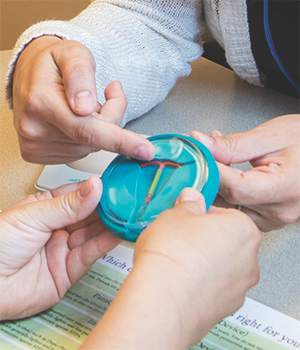
With locally transmitted cases of Zika virus infection increasing rapidly in Florida, the CDC is urging that the full range of FDA-approved contraceptive methods should be readily available and accessible to women who want to avoid or delay pregnancy.
“Given low rates of LARC use, states can implement strategies to remove barriers to the access and availability of LARC including high device costs, limited provider reimbursement, lack of training for providers serving women and adolescents on insertion and removal of LARC, provider lack of knowledge and misperceptions about LARC, limited availability of youth-friendly services that address adolescent confidentiality concerns, inadequate client-centered counseling, and low consumer awareness of the range of contraceptive methods available,” the CDC scientists wrote in the MMWR report.
Among nonpregnant women and recently postpartum women, the proportion not using any contraception ranged from 3.5% to 34.3%. Among sexually active high school girls, the proportion using no contraception ranged from 7.3% to 22.8%. The estimates of contraceptive use are based on 2011-2013 and 2015 survey data from four state-based surveillance systems.
The full MMWR report is available here.
In U.S. states where mosquito-borne Zika virus transmission is possible, adult women at risk for unintended pregnancy and sexually active high school girls are primarily using moderately effective and less effective contraceptive methods, according to a report from the Centers for Disease Control & Prevention.
Long-acting reversible contraceptives (LARCs) – considered a highly effective method – are used by fewer than a quarter of nonpregnant women, about one-third of recently postpartum women, and fewer than one-tenth of sexually active high school girls, according to a report published Aug. 2 in the Morbidity and Mortality Weekly Report (doi: 10.15585/mmwr.mm6530e2).
With locally transmitted cases of Zika virus infection increasing rapidly in Florida, the CDC is urging that the full range of FDA-approved contraceptive methods should be readily available and accessible to women who want to avoid or delay pregnancy.
“Given low rates of LARC use, states can implement strategies to remove barriers to the access and availability of LARC including high device costs, limited provider reimbursement, lack of training for providers serving women and adolescents on insertion and removal of LARC, provider lack of knowledge and misperceptions about LARC, limited availability of youth-friendly services that address adolescent confidentiality concerns, inadequate client-centered counseling, and low consumer awareness of the range of contraceptive methods available,” the CDC scientists wrote in the MMWR report.
Among nonpregnant women and recently postpartum women, the proportion not using any contraception ranged from 3.5% to 34.3%. Among sexually active high school girls, the proportion using no contraception ranged from 7.3% to 22.8%. The estimates of contraceptive use are based on 2011-2013 and 2015 survey data from four state-based surveillance systems.
The full MMWR report is available here.
In U.S. states where mosquito-borne Zika virus transmission is possible, adult women at risk for unintended pregnancy and sexually active high school girls are primarily using moderately effective and less effective contraceptive methods, according to a report from the Centers for Disease Control & Prevention.
Long-acting reversible contraceptives (LARCs) – considered a highly effective method – are used by fewer than a quarter of nonpregnant women, about one-third of recently postpartum women, and fewer than one-tenth of sexually active high school girls, according to a report published Aug. 2 in the Morbidity and Mortality Weekly Report (doi: 10.15585/mmwr.mm6530e2).
With locally transmitted cases of Zika virus infection increasing rapidly in Florida, the CDC is urging that the full range of FDA-approved contraceptive methods should be readily available and accessible to women who want to avoid or delay pregnancy.
“Given low rates of LARC use, states can implement strategies to remove barriers to the access and availability of LARC including high device costs, limited provider reimbursement, lack of training for providers serving women and adolescents on insertion and removal of LARC, provider lack of knowledge and misperceptions about LARC, limited availability of youth-friendly services that address adolescent confidentiality concerns, inadequate client-centered counseling, and low consumer awareness of the range of contraceptive methods available,” the CDC scientists wrote in the MMWR report.
Among nonpregnant women and recently postpartum women, the proportion not using any contraception ranged from 3.5% to 34.3%. Among sexually active high school girls, the proportion using no contraception ranged from 7.3% to 22.8%. The estimates of contraceptive use are based on 2011-2013 and 2015 survey data from four state-based surveillance systems.
The full MMWR report is available here.
FROM MMWR
As Zika looms, are LARCs the answer?
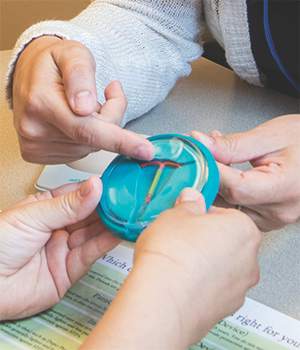
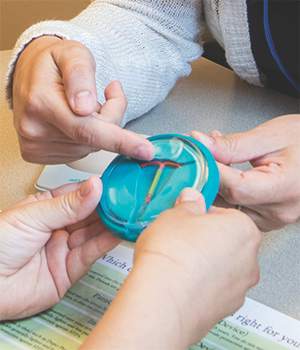
In U.S. states where mosquito-borne Zika virus transmission is possible, adult women at risk for unintended pregnancy and sexually active high school girls are primarily using moderately effective and less effective contraceptive methods, according to a report from the Centers for Disease Control & Prevention.
Long-acting reversible contraceptives (LARCs) – considered a highly effective method – are used by fewer than a quarter of nonpregnant women, about one-third of recently postpartum women, and fewer than one-tenth of sexually active high school girls, according to a report published Aug. 2 in the Morbidity and Mortality Weekly Report (doi: 10.15585/mmwr.mm6530e2).
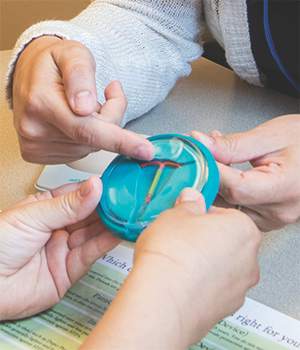
With locally transmitted cases of Zika virus infection increasing rapidly in Florida, the CDC is urging that the full range of FDA-approved contraceptive methods should be readily available and accessible to women who want to avoid or delay pregnancy.
“Given low rates of LARC use, states can implement strategies to remove barriers to the access and availability of LARC including high device costs, limited provider reimbursement, lack of training for providers serving women and adolescents on insertion and removal of LARC, provider lack of knowledge and misperceptions about LARC, limited availability of youth-friendly services that address adolescent confidentiality concerns, inadequate client-centered counseling, and low consumer awareness of the range of contraceptive methods available,” the CDC scientists wrote in the MMWR report.
Among nonpregnant women and recently postpartum women, the proportion not using any contraception ranged from 3.5% to 34.3%. Among sexually active high school girls, the proportion using no contraception ranged from 7.3% to 22.8%. The estimates of contraceptive use are based on 2011-2013 and 2015 survey data from four state-based surveillance systems.
The full MMWR report is available here.
On Twitter @maryellenny
In U.S. states where mosquito-borne Zika virus transmission is possible, adult women at risk for unintended pregnancy and sexually active high school girls are primarily using moderately effective and less effective contraceptive methods, according to a report from the Centers for Disease Control & Prevention.
Long-acting reversible contraceptives (LARCs) – considered a highly effective method – are used by fewer than a quarter of nonpregnant women, about one-third of recently postpartum women, and fewer than one-tenth of sexually active high school girls, according to a report published Aug. 2 in the Morbidity and Mortality Weekly Report (doi: 10.15585/mmwr.mm6530e2).
With locally transmitted cases of Zika virus infection increasing rapidly in Florida, the CDC is urging that the full range of FDA-approved contraceptive methods should be readily available and accessible to women who want to avoid or delay pregnancy.
“Given low rates of LARC use, states can implement strategies to remove barriers to the access and availability of LARC including high device costs, limited provider reimbursement, lack of training for providers serving women and adolescents on insertion and removal of LARC, provider lack of knowledge and misperceptions about LARC, limited availability of youth-friendly services that address adolescent confidentiality concerns, inadequate client-centered counseling, and low consumer awareness of the range of contraceptive methods available,” the CDC scientists wrote in the MMWR report.
Among nonpregnant women and recently postpartum women, the proportion not using any contraception ranged from 3.5% to 34.3%. Among sexually active high school girls, the proportion using no contraception ranged from 7.3% to 22.8%. The estimates of contraceptive use are based on 2011-2013 and 2015 survey data from four state-based surveillance systems.
The full MMWR report is available here.
On Twitter @maryellenny
In U.S. states where mosquito-borne Zika virus transmission is possible, adult women at risk for unintended pregnancy and sexually active high school girls are primarily using moderately effective and less effective contraceptive methods, according to a report from the Centers for Disease Control & Prevention.
Long-acting reversible contraceptives (LARCs) – considered a highly effective method – are used by fewer than a quarter of nonpregnant women, about one-third of recently postpartum women, and fewer than one-tenth of sexually active high school girls, according to a report published Aug. 2 in the Morbidity and Mortality Weekly Report (doi: 10.15585/mmwr.mm6530e2).
With locally transmitted cases of Zika virus infection increasing rapidly in Florida, the CDC is urging that the full range of FDA-approved contraceptive methods should be readily available and accessible to women who want to avoid or delay pregnancy.
“Given low rates of LARC use, states can implement strategies to remove barriers to the access and availability of LARC including high device costs, limited provider reimbursement, lack of training for providers serving women and adolescents on insertion and removal of LARC, provider lack of knowledge and misperceptions about LARC, limited availability of youth-friendly services that address adolescent confidentiality concerns, inadequate client-centered counseling, and low consumer awareness of the range of contraceptive methods available,” the CDC scientists wrote in the MMWR report.
Among nonpregnant women and recently postpartum women, the proportion not using any contraception ranged from 3.5% to 34.3%. Among sexually active high school girls, the proportion using no contraception ranged from 7.3% to 22.8%. The estimates of contraceptive use are based on 2011-2013 and 2015 survey data from four state-based surveillance systems.
The full MMWR report is available here.
On Twitter @maryellenny
FROM MMWR
Race and America’s future
The issues of racial tensions have surfaced in plain sight in America. These are very trying times for our nation, and I fear some of my European American colleagues may not “get it.”
I recall a decade ago when I was involved with the Committee of Black Psychiatrists in crafting the American Psychiatric Association’s position statement, “Resolution Against Racism and Racial Discrimination and Their Adverse Impacts on Mental Health.” There was great concern that some of our European American colleagues would not get it, so in the preamble to the position statement, we explained that African Americans and European Americans had similar and different experiences in America, and that those differences made dialogue between both groups difficult.

Specifically, both groups believed that in America, people should be judged by the content of their character and not the color of their skin; after all, that is a basic value of the United States – it is one of our ideals. So, when a European American is accused of racism, the person often replies: “No, I am not; I believe in the American ideal of not being prejudiced.”
Unfortunately, the experiences of African Americans too often indicate that they are being judged by the color of our skin and not by our character. Most of the gross societal outcome indicators illustrate those disparities. So, African Americans, although occasionally experience the ideal that makes America great, all too often experience the reality of racial discrimination – including, but not limited to, phenomena the founder of the Black Psychiatrists of America, Chester M. Pierce, MD, coined “microinsults” and “microaggressions.” Women, too, experience these subtle and not-so-subtle put-downs by men all the time.
Accordingly, when we come together to dialogue about racial issues in our nation, many European Americans are focused on the ideal, and African Americans are focused on our reality, leaving the two groups on different pages. Having put everyone on the same page with this preface, I am told by members of the APA’s assembly that the position statement passed easily as a result of this understanding.
The problem is that being European American often prevents absorbing the perspective from the other side. So I thought it would be a good idea to share some personal experiences to help illuminate why so many African Americans feel the way they do about law enforcement.
I clearly recall being around 9 years old and being instructed that when running from the police, we should run zigzag, so it would be more difficult for them to shoot and kill us. We were instructed that running around corners worked better, because bullets fly straight and do not turn corners.
Of course, there also was the occasional experience (about two or three times each year) of sitting on a fence with a few of my friends of the same age, talking about what we were going to do when we grew up. A police car would drive up to the curb, and a police officer would call one of us over to talk. I recall clearly once when I got called over – of course, I took my sweet time, as I was not doing anything wrong, other than being 9 years old and black. The police officer got angry that I had tried to preserve my dignity by cruising over to the car. I remember his threat: Since I thought I was smart, he would drive me down to the police station, and he would not be surprised if my hand accidentally got broken in the car door during my transportation. I was 9 years old! Obviously, that abuse of power might have ruined my future career as a physician, but he let me go.
Years later as a teenager, I learned from my brother, a Chicago police officer, that the police are taught to take control of situations and assert their authority to prevent any potential conflicts. My brother also told me that the police were unofficially taught to carry “drop guns” in case they shot an unarmed suspect.
The idea was that they could drop the gun on the person, in other words, plant it and say the person had a gun after they had killed him. (It was always better in these accidents to leave the person dead, so he could not tell his side of the story.)
I often wonder where my brother would stand on this issue in 2016, but unfortunately as a police officer, while in plain clothes, he tried to help some fellow white officers intervene in a robbery. After identifying himself as a Chicago police officer, he and the other two white officers gave chase, but he outran them and trapped the suspect in a vestibule of a Southside Chicago apartment building. While my brother and the suspect were exchanging gunfire, two newer white Chicago police officers came upon a black man (my brother) with a gun, and he was promptly shot and killed. Of course, exactly what happened is murky, but I have my suspicions. Of course, the suspect also was killed during this shootout, so neither of the two black men involved was left alive to tell his side of the story.
Then there was the time I was in college being advised by my white guidance counselor that I should seek a career in something like auto mechanics. Little did he know that my African American grandfather obtained his PhD from Yale in 1924, and my father, like his father, had a couple of PhDs. What caused him to think I could accomplish only blue-collar goals? Charles Pinderhughes, MD, (another wise black psychiatrist) did an excellent dissertation in the American Journal of Psychiatry on “stereotyping,” that explained much of the reason (1979 Jan;136[1]33-7).
Because I was from Chicago and a psychiatrist, I was called in to evaluate several of the more than 100 innocent black men whom Jon Burge (a former Chicago police commander) allegedly tortured to get them to confess to murders they did not commit. Officer Burge was never found guilty of this crime, but he was sent to federal prison for three counts of obstruction of justice and perjury for lying about police torture.
Accordingly, in Chicago we have a saying, “The police hunt black men.” Of course, this statement rang true when a white Chicago police officer was caught on film shooting a 17-year-old child who may have had a developmental disability – Laquan McDonald – 16 times in October 2014.
Until the perceptions of race are viewed from both sides of the equation, there will continue to be racial strife, and America will not be as strong as it could be. I have tried to present some of the perspectives many black people experience as their reality. Of course, there is another side we as Americans believe in – justice and equality for all.
This election places America at a pivotal crossroads – which path will we take? Will we seek a more perfect union – or a country divided?
Dr. Bell is staff psychiatrist at Jackson Park Hospital Family Medicine Clinic in Chicago; clinical psychiatrist emeritus, department of psychiatry at the University of Illinois at Chicago; former president/CEO of Community Mental Health Council; and former director of the Institute for Juvenile Research (birthplace of child psychiatry), also in Chicago.
The issues of racial tensions have surfaced in plain sight in America. These are very trying times for our nation, and I fear some of my European American colleagues may not “get it.”
I recall a decade ago when I was involved with the Committee of Black Psychiatrists in crafting the American Psychiatric Association’s position statement, “Resolution Against Racism and Racial Discrimination and Their Adverse Impacts on Mental Health.” There was great concern that some of our European American colleagues would not get it, so in the preamble to the position statement, we explained that African Americans and European Americans had similar and different experiences in America, and that those differences made dialogue between both groups difficult.
Specifically, both groups believed that in America, people should be judged by the content of their character and not the color of their skin; after all, that is a basic value of the United States – it is one of our ideals. So, when a European American is accused of racism, the person often replies: “No, I am not; I believe in the American ideal of not being prejudiced.”
Unfortunately, the experiences of African Americans too often indicate that they are being judged by the color of our skin and not by our character. Most of the gross societal outcome indicators illustrate those disparities. So, African Americans, although occasionally experience the ideal that makes America great, all too often experience the reality of racial discrimination – including, but not limited to, phenomena the founder of the Black Psychiatrists of America, Chester M. Pierce, MD, coined “microinsults” and “microaggressions.” Women, too, experience these subtle and not-so-subtle put-downs by men all the time.
Accordingly, when we come together to dialogue about racial issues in our nation, many European Americans are focused on the ideal, and African Americans are focused on our reality, leaving the two groups on different pages. Having put everyone on the same page with this preface, I am told by members of the APA’s assembly that the position statement passed easily as a result of this understanding.
The problem is that being European American often prevents absorbing the perspective from the other side. So I thought it would be a good idea to share some personal experiences to help illuminate why so many African Americans feel the way they do about law enforcement.
I clearly recall being around 9 years old and being instructed that when running from the police, we should run zigzag, so it would be more difficult for them to shoot and kill us. We were instructed that running around corners worked better, because bullets fly straight and do not turn corners.
Of course, there also was the occasional experience (about two or three times each year) of sitting on a fence with a few of my friends of the same age, talking about what we were going to do when we grew up. A police car would drive up to the curb, and a police officer would call one of us over to talk. I recall clearly once when I got called over – of course, I took my sweet time, as I was not doing anything wrong, other than being 9 years old and black. The police officer got angry that I had tried to preserve my dignity by cruising over to the car. I remember his threat: Since I thought I was smart, he would drive me down to the police station, and he would not be surprised if my hand accidentally got broken in the car door during my transportation. I was 9 years old! Obviously, that abuse of power might have ruined my future career as a physician, but he let me go.
Years later as a teenager, I learned from my brother, a Chicago police officer, that the police are taught to take control of situations and assert their authority to prevent any potential conflicts. My brother also told me that the police were unofficially taught to carry “drop guns” in case they shot an unarmed suspect.
The idea was that they could drop the gun on the person, in other words, plant it and say the person had a gun after they had killed him. (It was always better in these accidents to leave the person dead, so he could not tell his side of the story.)
I often wonder where my brother would stand on this issue in 2016, but unfortunately as a police officer, while in plain clothes, he tried to help some fellow white officers intervene in a robbery. After identifying himself as a Chicago police officer, he and the other two white officers gave chase, but he outran them and trapped the suspect in a vestibule of a Southside Chicago apartment building. While my brother and the suspect were exchanging gunfire, two newer white Chicago police officers came upon a black man (my brother) with a gun, and he was promptly shot and killed. Of course, exactly what happened is murky, but I have my suspicions. Of course, the suspect also was killed during this shootout, so neither of the two black men involved was left alive to tell his side of the story.
Then there was the time I was in college being advised by my white guidance counselor that I should seek a career in something like auto mechanics. Little did he know that my African American grandfather obtained his PhD from Yale in 1924, and my father, like his father, had a couple of PhDs. What caused him to think I could accomplish only blue-collar goals? Charles Pinderhughes, MD, (another wise black psychiatrist) did an excellent dissertation in the American Journal of Psychiatry on “stereotyping,” that explained much of the reason (1979 Jan;136[1]33-7).
Because I was from Chicago and a psychiatrist, I was called in to evaluate several of the more than 100 innocent black men whom Jon Burge (a former Chicago police commander) allegedly tortured to get them to confess to murders they did not commit. Officer Burge was never found guilty of this crime, but he was sent to federal prison for three counts of obstruction of justice and perjury for lying about police torture.
Accordingly, in Chicago we have a saying, “The police hunt black men.” Of course, this statement rang true when a white Chicago police officer was caught on film shooting a 17-year-old child who may have had a developmental disability – Laquan McDonald – 16 times in October 2014.
Until the perceptions of race are viewed from both sides of the equation, there will continue to be racial strife, and America will not be as strong as it could be. I have tried to present some of the perspectives many black people experience as their reality. Of course, there is another side we as Americans believe in – justice and equality for all.
This election places America at a pivotal crossroads – which path will we take? Will we seek a more perfect union – or a country divided?
Dr. Bell is staff psychiatrist at Jackson Park Hospital Family Medicine Clinic in Chicago; clinical psychiatrist emeritus, department of psychiatry at the University of Illinois at Chicago; former president/CEO of Community Mental Health Council; and former director of the Institute for Juvenile Research (birthplace of child psychiatry), also in Chicago.
The issues of racial tensions have surfaced in plain sight in America. These are very trying times for our nation, and I fear some of my European American colleagues may not “get it.”
I recall a decade ago when I was involved with the Committee of Black Psychiatrists in crafting the American Psychiatric Association’s position statement, “Resolution Against Racism and Racial Discrimination and Their Adverse Impacts on Mental Health.” There was great concern that some of our European American colleagues would not get it, so in the preamble to the position statement, we explained that African Americans and European Americans had similar and different experiences in America, and that those differences made dialogue between both groups difficult.
Specifically, both groups believed that in America, people should be judged by the content of their character and not the color of their skin; after all, that is a basic value of the United States – it is one of our ideals. So, when a European American is accused of racism, the person often replies: “No, I am not; I believe in the American ideal of not being prejudiced.”
Unfortunately, the experiences of African Americans too often indicate that they are being judged by the color of our skin and not by our character. Most of the gross societal outcome indicators illustrate those disparities. So, African Americans, although occasionally experience the ideal that makes America great, all too often experience the reality of racial discrimination – including, but not limited to, phenomena the founder of the Black Psychiatrists of America, Chester M. Pierce, MD, coined “microinsults” and “microaggressions.” Women, too, experience these subtle and not-so-subtle put-downs by men all the time.
Accordingly, when we come together to dialogue about racial issues in our nation, many European Americans are focused on the ideal, and African Americans are focused on our reality, leaving the two groups on different pages. Having put everyone on the same page with this preface, I am told by members of the APA’s assembly that the position statement passed easily as a result of this understanding.
The problem is that being European American often prevents absorbing the perspective from the other side. So I thought it would be a good idea to share some personal experiences to help illuminate why so many African Americans feel the way they do about law enforcement.
I clearly recall being around 9 years old and being instructed that when running from the police, we should run zigzag, so it would be more difficult for them to shoot and kill us. We were instructed that running around corners worked better, because bullets fly straight and do not turn corners.
Of course, there also was the occasional experience (about two or three times each year) of sitting on a fence with a few of my friends of the same age, talking about what we were going to do when we grew up. A police car would drive up to the curb, and a police officer would call one of us over to talk. I recall clearly once when I got called over – of course, I took my sweet time, as I was not doing anything wrong, other than being 9 years old and black. The police officer got angry that I had tried to preserve my dignity by cruising over to the car. I remember his threat: Since I thought I was smart, he would drive me down to the police station, and he would not be surprised if my hand accidentally got broken in the car door during my transportation. I was 9 years old! Obviously, that abuse of power might have ruined my future career as a physician, but he let me go.
Years later as a teenager, I learned from my brother, a Chicago police officer, that the police are taught to take control of situations and assert their authority to prevent any potential conflicts. My brother also told me that the police were unofficially taught to carry “drop guns” in case they shot an unarmed suspect.
The idea was that they could drop the gun on the person, in other words, plant it and say the person had a gun after they had killed him. (It was always better in these accidents to leave the person dead, so he could not tell his side of the story.)
I often wonder where my brother would stand on this issue in 2016, but unfortunately as a police officer, while in plain clothes, he tried to help some fellow white officers intervene in a robbery. After identifying himself as a Chicago police officer, he and the other two white officers gave chase, but he outran them and trapped the suspect in a vestibule of a Southside Chicago apartment building. While my brother and the suspect were exchanging gunfire, two newer white Chicago police officers came upon a black man (my brother) with a gun, and he was promptly shot and killed. Of course, exactly what happened is murky, but I have my suspicions. Of course, the suspect also was killed during this shootout, so neither of the two black men involved was left alive to tell his side of the story.
Then there was the time I was in college being advised by my white guidance counselor that I should seek a career in something like auto mechanics. Little did he know that my African American grandfather obtained his PhD from Yale in 1924, and my father, like his father, had a couple of PhDs. What caused him to think I could accomplish only blue-collar goals? Charles Pinderhughes, MD, (another wise black psychiatrist) did an excellent dissertation in the American Journal of Psychiatry on “stereotyping,” that explained much of the reason (1979 Jan;136[1]33-7).
Because I was from Chicago and a psychiatrist, I was called in to evaluate several of the more than 100 innocent black men whom Jon Burge (a former Chicago police commander) allegedly tortured to get them to confess to murders they did not commit. Officer Burge was never found guilty of this crime, but he was sent to federal prison for three counts of obstruction of justice and perjury for lying about police torture.
Accordingly, in Chicago we have a saying, “The police hunt black men.” Of course, this statement rang true when a white Chicago police officer was caught on film shooting a 17-year-old child who may have had a developmental disability – Laquan McDonald – 16 times in October 2014.
Until the perceptions of race are viewed from both sides of the equation, there will continue to be racial strife, and America will not be as strong as it could be. I have tried to present some of the perspectives many black people experience as their reality. Of course, there is another side we as Americans believe in – justice and equality for all.
This election places America at a pivotal crossroads – which path will we take? Will we seek a more perfect union – or a country divided?
Dr. Bell is staff psychiatrist at Jackson Park Hospital Family Medicine Clinic in Chicago; clinical psychiatrist emeritus, department of psychiatry at the University of Illinois at Chicago; former president/CEO of Community Mental Health Council; and former director of the Institute for Juvenile Research (birthplace of child psychiatry), also in Chicago.

UTIs not caused by E. coli more likely in certain children
Certain children are more highly predisposed to contracting a urinary tract infection caused by a pathogen other than Escherichia coli, which is typically the most common cause of UTIs, a study showed.
“It may be clinically important to predict which children have UTIs caused by organisms other than E. coli because these organisms differ in their patterns of antimicrobial susceptibility,” wrote the study authors led by Nader Shaikh, MD, of the University of Pittsburgh. “Furthermore, some guidelines have suggested that screening for vesicoureteral reflux (VUR) with a voiding cystourethrogram (VCUG) should, at least in part, be based on whether an organism other than E. coli is recovered,” they wrote.

Dr. Shaikh and his coinvestigators examined the medical records of children in the Randomized Intervention for Children With Vesicoureteral Reflux (RIVUR) trial and the Careful Urinary Tract Infection Evaluation (CUTIE), both of which were prospective multicenter studies. Children included in both studies were 2-71 months of age; RIVUR subjects had VUR grades 1-4 and presented with either a first or second febrile or symptomatic UTI, while CUTIE subjects presented with either their first or second UTI but not VUR (Ped Inf Dis J. 2016. doi:10.1097/INF.0000000000001301).
In total, 769 children from 19 centers were included from both studies, of which 703 (91%) were female and 596 (78%) were white. Nine percent of all the children had UTIs that were not caused by E. coli. Circumcised males had the highest odds ratio associated with non–E. coli UTIs, with an OR of 5.5 (95% CI, 1.18-17.1; P = .003). significantly higher than the 1.6 odds ratio for uncircumcised males (95% CI, 0.6-4.6; P = .35).
Hispanic children also had a higher risk (OR = 2.3; 95% CI, 1.1-4.6; P = .02) than either non-Hispanic children or females, which were reference cohorts. Other groups found to be at higher-than-normal risk for non–E. coli UTIs were children without fever (OR = 2.8; 95% CI, 1.2-6.6; P = .02) and children with VUR grade 3 or 4 (OR = 2.2; 95% CI, 1.2-4.1; P = .01).
While more than 90% of children’s UTIs were caused by E. coli, the most common pathogens causing UTIs, causative organisms in the other 70 children were Proteus species (21 children, 30%), Klebsiella species (16, 23%), Enterococcus species (14, 20%), Enterobacter species (8, 11%), and “other species” (11, 16%).
“Children with UTIs caused by organisms other than E. coli were twice as likely to have high-grade VUR (grade 3 and 4), which is consistent with prior studies,” Dr. Shaikh and his coauthors noted, adding, “the association between Hispanic ethnicity and non-E. coli pathogens is novel and may be due to differences in genes involved with susceptibility to UTIs.”
There were no disclosures or sources of funding provided.
In this study of almost 800 children in the Pittsburgh area, the investigators sought to identify children at risk for urinary tract infections that more likely would have a bacterial organism not susceptible to standard first-line empiric antibiotic treatment.
They found that circumcised males, children with grade 3-4 vesicoureteral reflux, Hispanic children, and children without fever were more likely to have a UTI caused by organisms other than Escherichia coli and, therefore, less likely to respond to standard first-line antibiotic therapy. These investigators are the preeminent authorities in UTI management for children, so their findings should be viewed in that light.

|
Dr. Michael E. Pichichero |
The advance from the study is not a major one because all children with a suspected UTI should have a suitable culture specimen obtained before starting antibiotics, and the treatment choice continued or changed based on culture results. So really, the findings apply only to a decision about initial empiric treatment while awaiting culture results.
As a guide, if a clinician were to consider the diagnosis of UTI based on history, examination, and urinalysis, and the child was a circumcised male, a child with known grade 3 or 4 vesicoureteral reflux, Hispanic, or without fever, then the empiric antibiotic selected should be broader spectrum while awaiting urine culture results.
Michael E. Pichichero, MD, a specialist in pediatric infectious diseases, is director of the Research Institute, Rochester (N.Y.) General Hospital. He is also a pediatrician at Legacy Pediatrics in Rochester. Dr. Pichichero said he had no relevant financial disclosures.
In this study of almost 800 children in the Pittsburgh area, the investigators sought to identify children at risk for urinary tract infections that more likely would have a bacterial organism not susceptible to standard first-line empiric antibiotic treatment.
They found that circumcised males, children with grade 3-4 vesicoureteral reflux, Hispanic children, and children without fever were more likely to have a UTI caused by organisms other than Escherichia coli and, therefore, less likely to respond to standard first-line antibiotic therapy. These investigators are the preeminent authorities in UTI management for children, so their findings should be viewed in that light.
|
|
Dr. Michael E. Pichichero |
The advance from the study is not a major one because all children with a suspected UTI should have a suitable culture specimen obtained before starting antibiotics, and the treatment choice continued or changed based on culture results. So really, the findings apply only to a decision about initial empiric treatment while awaiting culture results.
As a guide, if a clinician were to consider the diagnosis of UTI based on history, examination, and urinalysis, and the child was a circumcised male, a child with known grade 3 or 4 vesicoureteral reflux, Hispanic, or without fever, then the empiric antibiotic selected should be broader spectrum while awaiting urine culture results.
Michael E. Pichichero, MD, a specialist in pediatric infectious diseases, is director of the Research Institute, Rochester (N.Y.) General Hospital. He is also a pediatrician at Legacy Pediatrics in Rochester. Dr. Pichichero said he had no relevant financial disclosures.
In this study of almost 800 children in the Pittsburgh area, the investigators sought to identify children at risk for urinary tract infections that more likely would have a bacterial organism not susceptible to standard first-line empiric antibiotic treatment.
They found that circumcised males, children with grade 3-4 vesicoureteral reflux, Hispanic children, and children without fever were more likely to have a UTI caused by organisms other than Escherichia coli and, therefore, less likely to respond to standard first-line antibiotic therapy. These investigators are the preeminent authorities in UTI management for children, so their findings should be viewed in that light.
|
|
Dr. Michael E. Pichichero |
The advance from the study is not a major one because all children with a suspected UTI should have a suitable culture specimen obtained before starting antibiotics, and the treatment choice continued or changed based on culture results. So really, the findings apply only to a decision about initial empiric treatment while awaiting culture results.
As a guide, if a clinician were to consider the diagnosis of UTI based on history, examination, and urinalysis, and the child was a circumcised male, a child with known grade 3 or 4 vesicoureteral reflux, Hispanic, or without fever, then the empiric antibiotic selected should be broader spectrum while awaiting urine culture results.
Michael E. Pichichero, MD, a specialist in pediatric infectious diseases, is director of the Research Institute, Rochester (N.Y.) General Hospital. He is also a pediatrician at Legacy Pediatrics in Rochester. Dr. Pichichero said he had no relevant financial disclosures.
Certain children are more highly predisposed to contracting a urinary tract infection caused by a pathogen other than Escherichia coli, which is typically the most common cause of UTIs, a study showed.
“It may be clinically important to predict which children have UTIs caused by organisms other than E. coli because these organisms differ in their patterns of antimicrobial susceptibility,” wrote the study authors led by Nader Shaikh, MD, of the University of Pittsburgh. “Furthermore, some guidelines have suggested that screening for vesicoureteral reflux (VUR) with a voiding cystourethrogram (VCUG) should, at least in part, be based on whether an organism other than E. coli is recovered,” they wrote.
Dr. Shaikh and his coinvestigators examined the medical records of children in the Randomized Intervention for Children With Vesicoureteral Reflux (RIVUR) trial and the Careful Urinary Tract Infection Evaluation (CUTIE), both of which were prospective multicenter studies. Children included in both studies were 2-71 months of age; RIVUR subjects had VUR grades 1-4 and presented with either a first or second febrile or symptomatic UTI, while CUTIE subjects presented with either their first or second UTI but not VUR (Ped Inf Dis J. 2016. doi:10.1097/INF.0000000000001301).
In total, 769 children from 19 centers were included from both studies, of which 703 (91%) were female and 596 (78%) were white. Nine percent of all the children had UTIs that were not caused by E. coli. Circumcised males had the highest odds ratio associated with non–E. coli UTIs, with an OR of 5.5 (95% CI, 1.18-17.1; P = .003). significantly higher than the 1.6 odds ratio for uncircumcised males (95% CI, 0.6-4.6; P = .35).
Hispanic children also had a higher risk (OR = 2.3; 95% CI, 1.1-4.6; P = .02) than either non-Hispanic children or females, which were reference cohorts. Other groups found to be at higher-than-normal risk for non–E. coli UTIs were children without fever (OR = 2.8; 95% CI, 1.2-6.6; P = .02) and children with VUR grade 3 or 4 (OR = 2.2; 95% CI, 1.2-4.1; P = .01).
While more than 90% of children’s UTIs were caused by E. coli, the most common pathogens causing UTIs, causative organisms in the other 70 children were Proteus species (21 children, 30%), Klebsiella species (16, 23%), Enterococcus species (14, 20%), Enterobacter species (8, 11%), and “other species” (11, 16%).
“Children with UTIs caused by organisms other than E. coli were twice as likely to have high-grade VUR (grade 3 and 4), which is consistent with prior studies,” Dr. Shaikh and his coauthors noted, adding, “the association between Hispanic ethnicity and non-E. coli pathogens is novel and may be due to differences in genes involved with susceptibility to UTIs.”
There were no disclosures or sources of funding provided.
Certain children are more highly predisposed to contracting a urinary tract infection caused by a pathogen other than Escherichia coli, which is typically the most common cause of UTIs, a study showed.
“It may be clinically important to predict which children have UTIs caused by organisms other than E. coli because these organisms differ in their patterns of antimicrobial susceptibility,” wrote the study authors led by Nader Shaikh, MD, of the University of Pittsburgh. “Furthermore, some guidelines have suggested that screening for vesicoureteral reflux (VUR) with a voiding cystourethrogram (VCUG) should, at least in part, be based on whether an organism other than E. coli is recovered,” they wrote.
Dr. Shaikh and his coinvestigators examined the medical records of children in the Randomized Intervention for Children With Vesicoureteral Reflux (RIVUR) trial and the Careful Urinary Tract Infection Evaluation (CUTIE), both of which were prospective multicenter studies. Children included in both studies were 2-71 months of age; RIVUR subjects had VUR grades 1-4 and presented with either a first or second febrile or symptomatic UTI, while CUTIE subjects presented with either their first or second UTI but not VUR (Ped Inf Dis J. 2016. doi:10.1097/INF.0000000000001301).
In total, 769 children from 19 centers were included from both studies, of which 703 (91%) were female and 596 (78%) were white. Nine percent of all the children had UTIs that were not caused by E. coli. Circumcised males had the highest odds ratio associated with non–E. coli UTIs, with an OR of 5.5 (95% CI, 1.18-17.1; P = .003). significantly higher than the 1.6 odds ratio for uncircumcised males (95% CI, 0.6-4.6; P = .35).
Hispanic children also had a higher risk (OR = 2.3; 95% CI, 1.1-4.6; P = .02) than either non-Hispanic children or females, which were reference cohorts. Other groups found to be at higher-than-normal risk for non–E. coli UTIs were children without fever (OR = 2.8; 95% CI, 1.2-6.6; P = .02) and children with VUR grade 3 or 4 (OR = 2.2; 95% CI, 1.2-4.1; P = .01).
While more than 90% of children’s UTIs were caused by E. coli, the most common pathogens causing UTIs, causative organisms in the other 70 children were Proteus species (21 children, 30%), Klebsiella species (16, 23%), Enterococcus species (14, 20%), Enterobacter species (8, 11%), and “other species” (11, 16%).
“Children with UTIs caused by organisms other than E. coli were twice as likely to have high-grade VUR (grade 3 and 4), which is consistent with prior studies,” Dr. Shaikh and his coauthors noted, adding, “the association between Hispanic ethnicity and non-E. coli pathogens is novel and may be due to differences in genes involved with susceptibility to UTIs.”
There were no disclosures or sources of funding provided.
FROM THE PEDIATRIC INFECTIOUS DISEASE JOURNAL
Key clinical point: Non–Escherichia coli urinary tract infections are more likely to occur in children who are uncircumcised, are Hispanic, have no fever, or have grade 3-4 vesicoureteral reflux.
Major finding: Circumcised males had an odds ratio of 5.5 (95% CI, 1.8-17.1; P = .003) of infection by pathogens other than E. coli; the odds ratio for Hispanic children (OR = 2.3; 95% CI, 1.1-4.6; P = .02), children without fever (OR = 2.8; 95% CI, 1.2-6.6; P = .02), and children with grade 3-4 VUR (OR = 2.2; 95% CI, 1.2-4.1; P = .01) also were relatively high.
Data source: A review of data from two prospective multicenter studies involving 769 children with a UTI aged 2-71 months .
Disclosures: Funding sources and individual disclosures were not provided.