User login
Newborn Recipient of Partial Heart Transplant Doing Well
, researchers said.
The surgery was performed on the 18th day of life of a 5-pound newborn boy diagnosed prenatally with persistent truncus arteriosus and severe truncal valve dysfunction. The procedure involved transplantation of the part of the heart containing the aorta and pulmonary valves from an infant donor upon cardiac death.
The standard of care for neonatal heart valve implants are cadaver grafts. But these grafts are not viable and can’t grow or self-repair. Therefore, recipient neonates need to undergo repeated implant-exchange surgeries until an adult-sized heart valve can fit. Clinical outcomes generally are poor.
“We have learned that these partial heart transplant valves, when procured fresh and the [recipient] baby is placed on low-dose antirejection medicine, can grow with the child and function completely normally,” Joseph W. Turek, MD, PhD, MBA of Duke University Medical Center in Durham, North Carolina, told this news organization.
“This represents a new field in heart surgery that could dramatically change the way we care for children with poorly functioning heart valves by allowing valve implants that grow with them.”
A case report describing the novel intervention was published online on January 2, 2024, in JAMA.
‘Expected to Last a Lifetime’
The donor was a 2-day-old female weighing 8 pounds. Delivery had been complicated by hypoxic ischemic brain injury, but echocardiography showed structurally normal, functioning outflow heart valves. The heart was donated after cardiac death and procured using standard surgical techniques.
The recipient infant’s operation involved sternotomy, cardiopulmonary bypass, and cardioplegic arrest of the heart. The pulmonary artery ostia and coronary artery buttons were dissected, and the infant’s irreparable truncal valve was excised.
The donor aortic root was transplanted first, using donor tissue to close the ventricular septal defect. Then, the coronary artery buttons were reimplanted; the right ventricular outflow tract was enlarged; and the pulmonary root was transplanted. Postoperative immunosuppression followed.
On the follow-up at age 14 months, the transplanted valves showed no obstruction or insufficiency on echocardiography. Now, almost 21 months later, the recipient is doing well, Dr. Turek said. “His family has shared his many milestones with me, including eating his first birthday cake, videos of his first steps, and his newfound oral appetite (he was largely g-tube fed for a while).”
“The rationale for partial heart transplant is that pediatric heart transplants grow,” Dr. Turek and coauthors wrote. “Moreover, failure of heart transplant outflow valves is exceedingly rare. While heart transplant long-term outcomes are limited by inevitable ventricular dysfunction, partial heart transplants spare the native ventricles and are therefore expected to last a lifetime.”
‘Domino Hearts’
“While this particular baby had truncus arteriosus, this operation should prove to be beneficial for a host of congenital heart conditions with valves that are either too small or poorly functioning,” Dr. Turek said. “We have performed subsequent partial heart operations for babies with aortic stenosis, tetralogy of Fallot with pulmonary atresia, and biventricular outflow tract obstruction.”
The challenge is organ availability, he noted. “While this procedure does make use of hearts that would be otherwise unusable for full heart transplant, such as hearts with poor ventricular function or hearts removed from recipients of full heart transplants (aka domino hearts), the availability is still low compared to the need.”
With domino hearts, “you could potentially double the number of hearts that are used for the benefit of children with heart disease,” Dr. Turek said in a Duke communication released with the paper. In a domino heart procedure, a patient who has healthy valves but needs stronger heart muscle receives a full heart transplant, and the healthy valves are then donated to another patient in need, creating a domino effect.
Since this breakthrough procedure in 2022, partial heart transplants have been performed 13 times at four centers, including nine at Duke, three of which used the domino technique.
For now, Dr. Turek told this news organization, “we are hoping to receive funds for a clinical trial that will evaluate these partial heart transplant valves on a larger basis and determine an optimal antirejection dose necessary to maintain viability.”
Preclinical research leading to this case report was supported by the Brett Boyer Foundation. Dr. Turek reported no conflicts of interest.
A version of this article appeared on Medscape.com.
, researchers said.
The surgery was performed on the 18th day of life of a 5-pound newborn boy diagnosed prenatally with persistent truncus arteriosus and severe truncal valve dysfunction. The procedure involved transplantation of the part of the heart containing the aorta and pulmonary valves from an infant donor upon cardiac death.
The standard of care for neonatal heart valve implants are cadaver grafts. But these grafts are not viable and can’t grow or self-repair. Therefore, recipient neonates need to undergo repeated implant-exchange surgeries until an adult-sized heart valve can fit. Clinical outcomes generally are poor.
“We have learned that these partial heart transplant valves, when procured fresh and the [recipient] baby is placed on low-dose antirejection medicine, can grow with the child and function completely normally,” Joseph W. Turek, MD, PhD, MBA of Duke University Medical Center in Durham, North Carolina, told this news organization.
“This represents a new field in heart surgery that could dramatically change the way we care for children with poorly functioning heart valves by allowing valve implants that grow with them.”
A case report describing the novel intervention was published online on January 2, 2024, in JAMA.
‘Expected to Last a Lifetime’
The donor was a 2-day-old female weighing 8 pounds. Delivery had been complicated by hypoxic ischemic brain injury, but echocardiography showed structurally normal, functioning outflow heart valves. The heart was donated after cardiac death and procured using standard surgical techniques.
The recipient infant’s operation involved sternotomy, cardiopulmonary bypass, and cardioplegic arrest of the heart. The pulmonary artery ostia and coronary artery buttons were dissected, and the infant’s irreparable truncal valve was excised.
The donor aortic root was transplanted first, using donor tissue to close the ventricular septal defect. Then, the coronary artery buttons were reimplanted; the right ventricular outflow tract was enlarged; and the pulmonary root was transplanted. Postoperative immunosuppression followed.
On the follow-up at age 14 months, the transplanted valves showed no obstruction or insufficiency on echocardiography. Now, almost 21 months later, the recipient is doing well, Dr. Turek said. “His family has shared his many milestones with me, including eating his first birthday cake, videos of his first steps, and his newfound oral appetite (he was largely g-tube fed for a while).”
“The rationale for partial heart transplant is that pediatric heart transplants grow,” Dr. Turek and coauthors wrote. “Moreover, failure of heart transplant outflow valves is exceedingly rare. While heart transplant long-term outcomes are limited by inevitable ventricular dysfunction, partial heart transplants spare the native ventricles and are therefore expected to last a lifetime.”
‘Domino Hearts’
“While this particular baby had truncus arteriosus, this operation should prove to be beneficial for a host of congenital heart conditions with valves that are either too small or poorly functioning,” Dr. Turek said. “We have performed subsequent partial heart operations for babies with aortic stenosis, tetralogy of Fallot with pulmonary atresia, and biventricular outflow tract obstruction.”
The challenge is organ availability, he noted. “While this procedure does make use of hearts that would be otherwise unusable for full heart transplant, such as hearts with poor ventricular function or hearts removed from recipients of full heart transplants (aka domino hearts), the availability is still low compared to the need.”
With domino hearts, “you could potentially double the number of hearts that are used for the benefit of children with heart disease,” Dr. Turek said in a Duke communication released with the paper. In a domino heart procedure, a patient who has healthy valves but needs stronger heart muscle receives a full heart transplant, and the healthy valves are then donated to another patient in need, creating a domino effect.
Since this breakthrough procedure in 2022, partial heart transplants have been performed 13 times at four centers, including nine at Duke, three of which used the domino technique.
For now, Dr. Turek told this news organization, “we are hoping to receive funds for a clinical trial that will evaluate these partial heart transplant valves on a larger basis and determine an optimal antirejection dose necessary to maintain viability.”
Preclinical research leading to this case report was supported by the Brett Boyer Foundation. Dr. Turek reported no conflicts of interest.
A version of this article appeared on Medscape.com.
, researchers said.
The surgery was performed on the 18th day of life of a 5-pound newborn boy diagnosed prenatally with persistent truncus arteriosus and severe truncal valve dysfunction. The procedure involved transplantation of the part of the heart containing the aorta and pulmonary valves from an infant donor upon cardiac death.
The standard of care for neonatal heart valve implants are cadaver grafts. But these grafts are not viable and can’t grow or self-repair. Therefore, recipient neonates need to undergo repeated implant-exchange surgeries until an adult-sized heart valve can fit. Clinical outcomes generally are poor.
“We have learned that these partial heart transplant valves, when procured fresh and the [recipient] baby is placed on low-dose antirejection medicine, can grow with the child and function completely normally,” Joseph W. Turek, MD, PhD, MBA of Duke University Medical Center in Durham, North Carolina, told this news organization.
“This represents a new field in heart surgery that could dramatically change the way we care for children with poorly functioning heart valves by allowing valve implants that grow with them.”
A case report describing the novel intervention was published online on January 2, 2024, in JAMA.
‘Expected to Last a Lifetime’
The donor was a 2-day-old female weighing 8 pounds. Delivery had been complicated by hypoxic ischemic brain injury, but echocardiography showed structurally normal, functioning outflow heart valves. The heart was donated after cardiac death and procured using standard surgical techniques.
The recipient infant’s operation involved sternotomy, cardiopulmonary bypass, and cardioplegic arrest of the heart. The pulmonary artery ostia and coronary artery buttons were dissected, and the infant’s irreparable truncal valve was excised.
The donor aortic root was transplanted first, using donor tissue to close the ventricular septal defect. Then, the coronary artery buttons were reimplanted; the right ventricular outflow tract was enlarged; and the pulmonary root was transplanted. Postoperative immunosuppression followed.
On the follow-up at age 14 months, the transplanted valves showed no obstruction or insufficiency on echocardiography. Now, almost 21 months later, the recipient is doing well, Dr. Turek said. “His family has shared his many milestones with me, including eating his first birthday cake, videos of his first steps, and his newfound oral appetite (he was largely g-tube fed for a while).”
“The rationale for partial heart transplant is that pediatric heart transplants grow,” Dr. Turek and coauthors wrote. “Moreover, failure of heart transplant outflow valves is exceedingly rare. While heart transplant long-term outcomes are limited by inevitable ventricular dysfunction, partial heart transplants spare the native ventricles and are therefore expected to last a lifetime.”
‘Domino Hearts’
“While this particular baby had truncus arteriosus, this operation should prove to be beneficial for a host of congenital heart conditions with valves that are either too small or poorly functioning,” Dr. Turek said. “We have performed subsequent partial heart operations for babies with aortic stenosis, tetralogy of Fallot with pulmonary atresia, and biventricular outflow tract obstruction.”
The challenge is organ availability, he noted. “While this procedure does make use of hearts that would be otherwise unusable for full heart transplant, such as hearts with poor ventricular function or hearts removed from recipients of full heart transplants (aka domino hearts), the availability is still low compared to the need.”
With domino hearts, “you could potentially double the number of hearts that are used for the benefit of children with heart disease,” Dr. Turek said in a Duke communication released with the paper. In a domino heart procedure, a patient who has healthy valves but needs stronger heart muscle receives a full heart transplant, and the healthy valves are then donated to another patient in need, creating a domino effect.
Since this breakthrough procedure in 2022, partial heart transplants have been performed 13 times at four centers, including nine at Duke, three of which used the domino technique.
For now, Dr. Turek told this news organization, “we are hoping to receive funds for a clinical trial that will evaluate these partial heart transplant valves on a larger basis and determine an optimal antirejection dose necessary to maintain viability.”
Preclinical research leading to this case report was supported by the Brett Boyer Foundation. Dr. Turek reported no conflicts of interest.
A version of this article appeared on Medscape.com.
Expert Highlights Biologics in the Pipeline for Atopic Dermatitis
In the opinion of David Rosmarin, MD, the approval of dupilumab in 2017 for the treatment of moderate to severe, resistant atopic dermatitis (AD) marked an inflection point in dermatology.
“Dupilumab has revolutionized AD, and the [interleukin] IL-4 receptor target isn’t going away,” Dr. Rosmarin, who chairs the department of dermatology at Indiana University, said at the Revolutionizing Atopic Dermatitis (RAD) Virtual Conference. “It’s truly an exciting time because we have a lot of different treatments in the pipeline that target IL-4 and other receptors.”
which is being developed by Keymed Biosciences, inhibits IL-4 and IL-13 signaling. In a phase 3 randomized study of patients with moderate to severe AD, presented as an abstract at the 2023 European Academy of Dermatology and Venereology (EADV) meeting, it showed results similar to those of dupilumab. Specifically, at week 16, Eczema Area and Severity Index (EASI)-75 scores were achieved in 66.9% of patients in the CM310 group and 25.8% of patients in the placebo group, while the proportion of patients achieving an Investigator Global Assessment (IGA) score of 0 or 1 (clear or almost clear) with a reduction of greater than or equal to 2 points from baseline was 44.2% in the CM310 group, compared with 16.1% in the placebo group (P < .0001 for both associations). According to Dr. Rosmarin, other novel anti-IL-4 receptor antibodies for AD include AK120, which is being developed by Akeso Biopharma, and CBP-201 (rademikibart), which is being developed by Connect Biopharma.
Eblasakimab. Under development by ASLAN Pharmaceuticals, this biologic is a potential first-in-class, monoclonal antibody that binds to IL-13Ralpha1 with high affinity and blocks the signaling of IL-4 and IL-13 through the type-2 receptor. In the TREK-AD monotherapy phase 2b trial in patients with moderate to severe AD, presented as an abstract at the 2023 EADV meeting, the primary endpoint of EASI percent change from baseline to week 16, was met for eblasakimab doses 600 mg Q4W, 300mg Q2W, and 400mg Q2W vs. placebo (73.0% [P = .001], 69.8% [P = .005], and 65.8% [P = .029] vs. 51.1%), respectively.
Nemolizumab. Under development by Galderma, nemolizumab is a first-in-class IL-31 receptor alpha antagonist. “Many people refer to IL-31 as the itch cytokine,” Dr. Rosmarin said. “That’s probably a little oversimplified, but it’s certainly a powerful medication in development for prurigo nodularis as well as AD.”
Results from the ARCADIA 1 and 2 trials, which included the concurrent use of topical corticosteroids and calcineurin inhibitors and were presented as an abstract at the 2023 EADV meeting, showed that nemolizumab significantly improved skin lesions and itch in adolescent and adult patients with moderate to severe atopic dermatitis, compared with placebo. Specifically, 35.6% and 37.7% of nemolizumab-treated patients in ARCADIA 1 and 2, respectively, reached clearance or almost-clearance of skin lesions when assessed using the IGA score, compared with 24.6% and 26.0% in the placebo group (P < .0006, P = .001). In addition, 43.5% and 42.1% of nemolizumab-treated patients in ARCADIA 1 and 2, respectively, achieved a 75% reduction in the EASI, compared with 29.0% and 30.2% in the placebo group (P < .0001, P = .0011). “There are similar results regardless of the degree of itch patients are starting out with at baseline,” Dr. Rosmarin said. “It’s a very rapid response, by week 4, and that continues to improve through week 16.”
Amlitelimab. Under development by Sanofi, this monoclonal antibody binds to OX40-Ligand, and is designed for patients with moderate to severe AD. According to results of a phase 2b trial that were presented in an abstract at the 2023 EADV meeting, patients treated with amlitelimab 250 mg Q4W with a 500 mg loading dose showed a 61.5% improvement in the average EASI score from baseline at week 16, compared with 29.4% of those who received placebo (P <.0001), with continued improvement seen through 24 weeks. “There are really strong results with EASI scores; clearly this medicine works compared to the placebo,” Dr. Rosmarin said. “It’s also improving other biomarkers as well, including eosinophils, IL-13, TARC [serum thymus and activation-regulated chemokine], and IL-22.”
138559 (Temtokibart). Under development by LEO, 138559 is the first biologic to show the efficacy and safety of an IL-22RA1 targeting antibody for the treatment of moderate-to-severe AD. In a phase 2a study abstract presented at the 2023 EADV meeting, the mean change in EASI from baseline to Week 16 was significantly greater for patients in the 138559-treated group compared with those in the placebo group (–15.3 vs. –3.5; P = .003). In addition, at week 16, significantly greater proportions of patients in the 138559 group relative to those in the placebo group achieved an EASI75 score (41.6% vs. 13.7%; P = .011) and an EASI-90 score (30.8% vs. 3.5%; P = .003). “With this particular receptor you’re not only blocking IL-22, but you’re blocking IL-20 and IL-24 as well,” Dr. Rosmarin said. “It really may be that it’s IL-20 and IL-24 that are more responsible for the pathogenic effect.”
Dr. Rosmarin disclosed that he is speaker for and/or a consultant and advisory board member to many pharmaceutical companies, including Galderma and Sanofi.
In the opinion of David Rosmarin, MD, the approval of dupilumab in 2017 for the treatment of moderate to severe, resistant atopic dermatitis (AD) marked an inflection point in dermatology.
“Dupilumab has revolutionized AD, and the [interleukin] IL-4 receptor target isn’t going away,” Dr. Rosmarin, who chairs the department of dermatology at Indiana University, said at the Revolutionizing Atopic Dermatitis (RAD) Virtual Conference. “It’s truly an exciting time because we have a lot of different treatments in the pipeline that target IL-4 and other receptors.”
which is being developed by Keymed Biosciences, inhibits IL-4 and IL-13 signaling. In a phase 3 randomized study of patients with moderate to severe AD, presented as an abstract at the 2023 European Academy of Dermatology and Venereology (EADV) meeting, it showed results similar to those of dupilumab. Specifically, at week 16, Eczema Area and Severity Index (EASI)-75 scores were achieved in 66.9% of patients in the CM310 group and 25.8% of patients in the placebo group, while the proportion of patients achieving an Investigator Global Assessment (IGA) score of 0 or 1 (clear or almost clear) with a reduction of greater than or equal to 2 points from baseline was 44.2% in the CM310 group, compared with 16.1% in the placebo group (P < .0001 for both associations). According to Dr. Rosmarin, other novel anti-IL-4 receptor antibodies for AD include AK120, which is being developed by Akeso Biopharma, and CBP-201 (rademikibart), which is being developed by Connect Biopharma.
Eblasakimab. Under development by ASLAN Pharmaceuticals, this biologic is a potential first-in-class, monoclonal antibody that binds to IL-13Ralpha1 with high affinity and blocks the signaling of IL-4 and IL-13 through the type-2 receptor. In the TREK-AD monotherapy phase 2b trial in patients with moderate to severe AD, presented as an abstract at the 2023 EADV meeting, the primary endpoint of EASI percent change from baseline to week 16, was met for eblasakimab doses 600 mg Q4W, 300mg Q2W, and 400mg Q2W vs. placebo (73.0% [P = .001], 69.8% [P = .005], and 65.8% [P = .029] vs. 51.1%), respectively.
Nemolizumab. Under development by Galderma, nemolizumab is a first-in-class IL-31 receptor alpha antagonist. “Many people refer to IL-31 as the itch cytokine,” Dr. Rosmarin said. “That’s probably a little oversimplified, but it’s certainly a powerful medication in development for prurigo nodularis as well as AD.”
Results from the ARCADIA 1 and 2 trials, which included the concurrent use of topical corticosteroids and calcineurin inhibitors and were presented as an abstract at the 2023 EADV meeting, showed that nemolizumab significantly improved skin lesions and itch in adolescent and adult patients with moderate to severe atopic dermatitis, compared with placebo. Specifically, 35.6% and 37.7% of nemolizumab-treated patients in ARCADIA 1 and 2, respectively, reached clearance or almost-clearance of skin lesions when assessed using the IGA score, compared with 24.6% and 26.0% in the placebo group (P < .0006, P = .001). In addition, 43.5% and 42.1% of nemolizumab-treated patients in ARCADIA 1 and 2, respectively, achieved a 75% reduction in the EASI, compared with 29.0% and 30.2% in the placebo group (P < .0001, P = .0011). “There are similar results regardless of the degree of itch patients are starting out with at baseline,” Dr. Rosmarin said. “It’s a very rapid response, by week 4, and that continues to improve through week 16.”
Amlitelimab. Under development by Sanofi, this monoclonal antibody binds to OX40-Ligand, and is designed for patients with moderate to severe AD. According to results of a phase 2b trial that were presented in an abstract at the 2023 EADV meeting, patients treated with amlitelimab 250 mg Q4W with a 500 mg loading dose showed a 61.5% improvement in the average EASI score from baseline at week 16, compared with 29.4% of those who received placebo (P <.0001), with continued improvement seen through 24 weeks. “There are really strong results with EASI scores; clearly this medicine works compared to the placebo,” Dr. Rosmarin said. “It’s also improving other biomarkers as well, including eosinophils, IL-13, TARC [serum thymus and activation-regulated chemokine], and IL-22.”
138559 (Temtokibart). Under development by LEO, 138559 is the first biologic to show the efficacy and safety of an IL-22RA1 targeting antibody for the treatment of moderate-to-severe AD. In a phase 2a study abstract presented at the 2023 EADV meeting, the mean change in EASI from baseline to Week 16 was significantly greater for patients in the 138559-treated group compared with those in the placebo group (–15.3 vs. –3.5; P = .003). In addition, at week 16, significantly greater proportions of patients in the 138559 group relative to those in the placebo group achieved an EASI75 score (41.6% vs. 13.7%; P = .011) and an EASI-90 score (30.8% vs. 3.5%; P = .003). “With this particular receptor you’re not only blocking IL-22, but you’re blocking IL-20 and IL-24 as well,” Dr. Rosmarin said. “It really may be that it’s IL-20 and IL-24 that are more responsible for the pathogenic effect.”
Dr. Rosmarin disclosed that he is speaker for and/or a consultant and advisory board member to many pharmaceutical companies, including Galderma and Sanofi.
In the opinion of David Rosmarin, MD, the approval of dupilumab in 2017 for the treatment of moderate to severe, resistant atopic dermatitis (AD) marked an inflection point in dermatology.
“Dupilumab has revolutionized AD, and the [interleukin] IL-4 receptor target isn’t going away,” Dr. Rosmarin, who chairs the department of dermatology at Indiana University, said at the Revolutionizing Atopic Dermatitis (RAD) Virtual Conference. “It’s truly an exciting time because we have a lot of different treatments in the pipeline that target IL-4 and other receptors.”
which is being developed by Keymed Biosciences, inhibits IL-4 and IL-13 signaling. In a phase 3 randomized study of patients with moderate to severe AD, presented as an abstract at the 2023 European Academy of Dermatology and Venereology (EADV) meeting, it showed results similar to those of dupilumab. Specifically, at week 16, Eczema Area and Severity Index (EASI)-75 scores were achieved in 66.9% of patients in the CM310 group and 25.8% of patients in the placebo group, while the proportion of patients achieving an Investigator Global Assessment (IGA) score of 0 or 1 (clear or almost clear) with a reduction of greater than or equal to 2 points from baseline was 44.2% in the CM310 group, compared with 16.1% in the placebo group (P < .0001 for both associations). According to Dr. Rosmarin, other novel anti-IL-4 receptor antibodies for AD include AK120, which is being developed by Akeso Biopharma, and CBP-201 (rademikibart), which is being developed by Connect Biopharma.
Eblasakimab. Under development by ASLAN Pharmaceuticals, this biologic is a potential first-in-class, monoclonal antibody that binds to IL-13Ralpha1 with high affinity and blocks the signaling of IL-4 and IL-13 through the type-2 receptor. In the TREK-AD monotherapy phase 2b trial in patients with moderate to severe AD, presented as an abstract at the 2023 EADV meeting, the primary endpoint of EASI percent change from baseline to week 16, was met for eblasakimab doses 600 mg Q4W, 300mg Q2W, and 400mg Q2W vs. placebo (73.0% [P = .001], 69.8% [P = .005], and 65.8% [P = .029] vs. 51.1%), respectively.
Nemolizumab. Under development by Galderma, nemolizumab is a first-in-class IL-31 receptor alpha antagonist. “Many people refer to IL-31 as the itch cytokine,” Dr. Rosmarin said. “That’s probably a little oversimplified, but it’s certainly a powerful medication in development for prurigo nodularis as well as AD.”
Results from the ARCADIA 1 and 2 trials, which included the concurrent use of topical corticosteroids and calcineurin inhibitors and were presented as an abstract at the 2023 EADV meeting, showed that nemolizumab significantly improved skin lesions and itch in adolescent and adult patients with moderate to severe atopic dermatitis, compared with placebo. Specifically, 35.6% and 37.7% of nemolizumab-treated patients in ARCADIA 1 and 2, respectively, reached clearance or almost-clearance of skin lesions when assessed using the IGA score, compared with 24.6% and 26.0% in the placebo group (P < .0006, P = .001). In addition, 43.5% and 42.1% of nemolizumab-treated patients in ARCADIA 1 and 2, respectively, achieved a 75% reduction in the EASI, compared with 29.0% and 30.2% in the placebo group (P < .0001, P = .0011). “There are similar results regardless of the degree of itch patients are starting out with at baseline,” Dr. Rosmarin said. “It’s a very rapid response, by week 4, and that continues to improve through week 16.”
Amlitelimab. Under development by Sanofi, this monoclonal antibody binds to OX40-Ligand, and is designed for patients with moderate to severe AD. According to results of a phase 2b trial that were presented in an abstract at the 2023 EADV meeting, patients treated with amlitelimab 250 mg Q4W with a 500 mg loading dose showed a 61.5% improvement in the average EASI score from baseline at week 16, compared with 29.4% of those who received placebo (P <.0001), with continued improvement seen through 24 weeks. “There are really strong results with EASI scores; clearly this medicine works compared to the placebo,” Dr. Rosmarin said. “It’s also improving other biomarkers as well, including eosinophils, IL-13, TARC [serum thymus and activation-regulated chemokine], and IL-22.”
138559 (Temtokibart). Under development by LEO, 138559 is the first biologic to show the efficacy and safety of an IL-22RA1 targeting antibody for the treatment of moderate-to-severe AD. In a phase 2a study abstract presented at the 2023 EADV meeting, the mean change in EASI from baseline to Week 16 was significantly greater for patients in the 138559-treated group compared with those in the placebo group (–15.3 vs. –3.5; P = .003). In addition, at week 16, significantly greater proportions of patients in the 138559 group relative to those in the placebo group achieved an EASI75 score (41.6% vs. 13.7%; P = .011) and an EASI-90 score (30.8% vs. 3.5%; P = .003). “With this particular receptor you’re not only blocking IL-22, but you’re blocking IL-20 and IL-24 as well,” Dr. Rosmarin said. “It really may be that it’s IL-20 and IL-24 that are more responsible for the pathogenic effect.”
Dr. Rosmarin disclosed that he is speaker for and/or a consultant and advisory board member to many pharmaceutical companies, including Galderma and Sanofi.
FROM RAD 2023
US Dermatologic Drug Approvals Rose Between 2012 and 2022
TOPLINE:
METHODOLOGY:
- Only five new drugs for diseases treated mostly by dermatologists were approved by the FDA between 1999 and 2009.
- In a cross-sectional analysis to characterize the frequency and degree of innovation of dermatologic drugs approved more recently, researchers identified new and supplemental dermatologic drugs approved between January 1, 2012, and December 31, 2022, from FDA lists, Centers for Medicare & Medicaid Services CenterWatch, and peer-reviewed articles.
- They used five proxy measures to estimate each drug’s degree of innovation: FDA designation (first in class, advance in class, or addition to class), independent clinical usefulness ratings, and benefit ratings by health technology assessment organizations.
TAKEAWAY:
- The study authors identified 52 new drug applications and 26 supplemental new indications approved by the FDA for dermatologic indications between 2012 and 2022.
- Of the 52 new drugs, the researchers categorized 11 (21%) as first in class and 13 (25%) as first in indication.
- An analysis of benefit ratings available for 38 of the drugs showed that 15 (39%) were rated as being clinically useful or having high added therapeutic benefit.
- Of the 10 supplemental new indications with ratings by any organization, 3 (30%) were rated as clinically useful or having high added therapeutic benefit.
IN PRACTICE:
While innovative drug development in dermatology may have increased, “these findings also highlight opportunities to develop more truly innovative dermatologic agents, particularly for diseases with unmet therapeutic need,” the authors wrote.
SOURCE:
First author Samir Kamat, MD, of the Medical Education Department at Icahn School of Medicine at Mount Sinai, New York City, and corresponding author Ravi Gupta, MD, MSHP, of the Internal Medicine Division at Johns Hopkins University, Baltimore, Maryland, led the research. The study was published online as a research letter on December 20, 2023, in JAMA Dermatology.
LIMITATIONS:
They include the use of individual indications to assess clinical usefulness and benefit ratings. Many drugs, particularly supplemental indications, lacked such ratings. Reformulations of already marketed drugs or indications were not included.
DISCLOSURES:
Dr. Kamat and Dr. Gupta had no relevant disclosures. Three coauthors reported having received financial support outside of the submitted work.
A version of this article appeared on Medscape.com.
TOPLINE:
METHODOLOGY:
- Only five new drugs for diseases treated mostly by dermatologists were approved by the FDA between 1999 and 2009.
- In a cross-sectional analysis to characterize the frequency and degree of innovation of dermatologic drugs approved more recently, researchers identified new and supplemental dermatologic drugs approved between January 1, 2012, and December 31, 2022, from FDA lists, Centers for Medicare & Medicaid Services CenterWatch, and peer-reviewed articles.
- They used five proxy measures to estimate each drug’s degree of innovation: FDA designation (first in class, advance in class, or addition to class), independent clinical usefulness ratings, and benefit ratings by health technology assessment organizations.
TAKEAWAY:
- The study authors identified 52 new drug applications and 26 supplemental new indications approved by the FDA for dermatologic indications between 2012 and 2022.
- Of the 52 new drugs, the researchers categorized 11 (21%) as first in class and 13 (25%) as first in indication.
- An analysis of benefit ratings available for 38 of the drugs showed that 15 (39%) were rated as being clinically useful or having high added therapeutic benefit.
- Of the 10 supplemental new indications with ratings by any organization, 3 (30%) were rated as clinically useful or having high added therapeutic benefit.
IN PRACTICE:
While innovative drug development in dermatology may have increased, “these findings also highlight opportunities to develop more truly innovative dermatologic agents, particularly for diseases with unmet therapeutic need,” the authors wrote.
SOURCE:
First author Samir Kamat, MD, of the Medical Education Department at Icahn School of Medicine at Mount Sinai, New York City, and corresponding author Ravi Gupta, MD, MSHP, of the Internal Medicine Division at Johns Hopkins University, Baltimore, Maryland, led the research. The study was published online as a research letter on December 20, 2023, in JAMA Dermatology.
LIMITATIONS:
They include the use of individual indications to assess clinical usefulness and benefit ratings. Many drugs, particularly supplemental indications, lacked such ratings. Reformulations of already marketed drugs or indications were not included.
DISCLOSURES:
Dr. Kamat and Dr. Gupta had no relevant disclosures. Three coauthors reported having received financial support outside of the submitted work.
A version of this article appeared on Medscape.com.
TOPLINE:
METHODOLOGY:
- Only five new drugs for diseases treated mostly by dermatologists were approved by the FDA between 1999 and 2009.
- In a cross-sectional analysis to characterize the frequency and degree of innovation of dermatologic drugs approved more recently, researchers identified new and supplemental dermatologic drugs approved between January 1, 2012, and December 31, 2022, from FDA lists, Centers for Medicare & Medicaid Services CenterWatch, and peer-reviewed articles.
- They used five proxy measures to estimate each drug’s degree of innovation: FDA designation (first in class, advance in class, or addition to class), independent clinical usefulness ratings, and benefit ratings by health technology assessment organizations.
TAKEAWAY:
- The study authors identified 52 new drug applications and 26 supplemental new indications approved by the FDA for dermatologic indications between 2012 and 2022.
- Of the 52 new drugs, the researchers categorized 11 (21%) as first in class and 13 (25%) as first in indication.
- An analysis of benefit ratings available for 38 of the drugs showed that 15 (39%) were rated as being clinically useful or having high added therapeutic benefit.
- Of the 10 supplemental new indications with ratings by any organization, 3 (30%) were rated as clinically useful or having high added therapeutic benefit.
IN PRACTICE:
While innovative drug development in dermatology may have increased, “these findings also highlight opportunities to develop more truly innovative dermatologic agents, particularly for diseases with unmet therapeutic need,” the authors wrote.
SOURCE:
First author Samir Kamat, MD, of the Medical Education Department at Icahn School of Medicine at Mount Sinai, New York City, and corresponding author Ravi Gupta, MD, MSHP, of the Internal Medicine Division at Johns Hopkins University, Baltimore, Maryland, led the research. The study was published online as a research letter on December 20, 2023, in JAMA Dermatology.
LIMITATIONS:
They include the use of individual indications to assess clinical usefulness and benefit ratings. Many drugs, particularly supplemental indications, lacked such ratings. Reformulations of already marketed drugs or indications were not included.
DISCLOSURES:
Dr. Kamat and Dr. Gupta had no relevant disclosures. Three coauthors reported having received financial support outside of the submitted work.
A version of this article appeared on Medscape.com.
Short Course of Amoxicillin Shows Effectiveness for Febrile UTIs
Use of oral amoxicillin-clavulanic acid for 5 days was noninferior to a 10-day course of treatment among children with noncomplicated febrile urinary tract infections (UTIs), according to new research.
Well-appearing children with febrile UTIs are generally treated with a 10-day course of oral antibiotics, but the effectiveness of a 5-day course has not been evaluated, wrote Giovanni Montini, MD, of the University of Milan, Milan, Italy, and colleagues.
Robert W. Frenck Jr, MD, a director of the Center for Vaccine Research at Cincinnati Children’s Hospital Medical Center, Ohio, said he was not surprised that the shorter course was sufficient to treat these cases. The antibiotic concentration in the urine often significantly exceeds the levels in the blood, he said.
Dr. Frenck, who was not involved in the study, said that he saw no real barriers to the use of a shorter course of therapy in clinical practice.
“I think both parents and the medical team would be happy to be able to use a shorter course of therapy,” he said.
In the study published in Pediatrics , researchers randomized 142 children aged 3 months to 5 years with uncomplicated febrile UTIs to 50 mg/kg/d of amoxicillin-clavulanate for either the short or standard period. The study took place at eight pediatric emergency departments in Italy between May 2020 and September 2022. All patients received prescriptions for 5 days of antibiotics, and those randomized to the standard course received a second prescription after randomization.
The primary endpoint was recurrence of the UTI within 30 days of completion of therapy. Secondary endpoints included clinical recovery at the end of treatment, adverse events related to the therapy, and signs of antibiotic resistance.
The UTI recurrence rate within 30 days of treatment completion was 2.8% in the short-course group and 14.3% in the standard group. A post hoc analysis excluding patients with vesicoureteral reflux and non–Escherichia coli UTIs further confirmed the noninferiority of short-course treatment.
“It is a bit surprising that the short-course group had fewer relapses within 30 days of discontinuing antibiotics,” Dr. Frenck said. “However, the differences may be due to small sample sizes and do not appear to be statistically significant differences in recurrence rates.”
Resolution of symptoms was similar between the short-course and standard groups (97.2% and 92.9%, respectively), and indications of antibiotic resistance were similar between the groups. No adverse events were reported in the standard group, and one case of diarrhea occurred in the short-course group.
The findings were limited by the study’s unblinded randomization, so parents were aware of the trial and were potentially sensitized to look for signs of infection. Researchers also relied on parent reports of adverse drug effects rather than through a standardized questionnaire, the researchers noted.
Dr. Frenck said a potential benefit to shortening treatment is that adherence usually increases.
“But you only want to decrease the length of a course of medicine if you can do so without compromising the effectiveness of the treatment,” Dr. Frenck said.
Dr. Frenck also noted a recent study, which demonstrated that 5 days of antibiotics had equivalent efficacy as 10 days for uncomplicated pneumonia.
“The current paper further demonstrates that shorter courses of antibiotics may be possible for other mild forms of infections.”
Looking ahead, researchers could evaluate the use of short-course antibiotics for other common infections such as otitis media, he noted.
The study was supported by the Ministry of Health, Rome, Italy, in collaboration with the Institute for Maternal and Child Health IRCCS Burlo Garofolo, Trieste, Italy. The researchers report no financial conflicts. Dr. Frenck disclosed conducting clinical trials for Pfizer, Moderna, AstraZeneca, Merck, and GSK; none of those trials were for antibiotics or urinary tract infections.
A version of this article appeared on Medscape.com.
Use of oral amoxicillin-clavulanic acid for 5 days was noninferior to a 10-day course of treatment among children with noncomplicated febrile urinary tract infections (UTIs), according to new research.
Well-appearing children with febrile UTIs are generally treated with a 10-day course of oral antibiotics, but the effectiveness of a 5-day course has not been evaluated, wrote Giovanni Montini, MD, of the University of Milan, Milan, Italy, and colleagues.
Robert W. Frenck Jr, MD, a director of the Center for Vaccine Research at Cincinnati Children’s Hospital Medical Center, Ohio, said he was not surprised that the shorter course was sufficient to treat these cases. The antibiotic concentration in the urine often significantly exceeds the levels in the blood, he said.
Dr. Frenck, who was not involved in the study, said that he saw no real barriers to the use of a shorter course of therapy in clinical practice.
“I think both parents and the medical team would be happy to be able to use a shorter course of therapy,” he said.
In the study published in Pediatrics , researchers randomized 142 children aged 3 months to 5 years with uncomplicated febrile UTIs to 50 mg/kg/d of amoxicillin-clavulanate for either the short or standard period. The study took place at eight pediatric emergency departments in Italy between May 2020 and September 2022. All patients received prescriptions for 5 days of antibiotics, and those randomized to the standard course received a second prescription after randomization.
The primary endpoint was recurrence of the UTI within 30 days of completion of therapy. Secondary endpoints included clinical recovery at the end of treatment, adverse events related to the therapy, and signs of antibiotic resistance.
The UTI recurrence rate within 30 days of treatment completion was 2.8% in the short-course group and 14.3% in the standard group. A post hoc analysis excluding patients with vesicoureteral reflux and non–Escherichia coli UTIs further confirmed the noninferiority of short-course treatment.
“It is a bit surprising that the short-course group had fewer relapses within 30 days of discontinuing antibiotics,” Dr. Frenck said. “However, the differences may be due to small sample sizes and do not appear to be statistically significant differences in recurrence rates.”
Resolution of symptoms was similar between the short-course and standard groups (97.2% and 92.9%, respectively), and indications of antibiotic resistance were similar between the groups. No adverse events were reported in the standard group, and one case of diarrhea occurred in the short-course group.
The findings were limited by the study’s unblinded randomization, so parents were aware of the trial and were potentially sensitized to look for signs of infection. Researchers also relied on parent reports of adverse drug effects rather than through a standardized questionnaire, the researchers noted.
Dr. Frenck said a potential benefit to shortening treatment is that adherence usually increases.
“But you only want to decrease the length of a course of medicine if you can do so without compromising the effectiveness of the treatment,” Dr. Frenck said.
Dr. Frenck also noted a recent study, which demonstrated that 5 days of antibiotics had equivalent efficacy as 10 days for uncomplicated pneumonia.
“The current paper further demonstrates that shorter courses of antibiotics may be possible for other mild forms of infections.”
Looking ahead, researchers could evaluate the use of short-course antibiotics for other common infections such as otitis media, he noted.
The study was supported by the Ministry of Health, Rome, Italy, in collaboration with the Institute for Maternal and Child Health IRCCS Burlo Garofolo, Trieste, Italy. The researchers report no financial conflicts. Dr. Frenck disclosed conducting clinical trials for Pfizer, Moderna, AstraZeneca, Merck, and GSK; none of those trials were for antibiotics or urinary tract infections.
A version of this article appeared on Medscape.com.
Use of oral amoxicillin-clavulanic acid for 5 days was noninferior to a 10-day course of treatment among children with noncomplicated febrile urinary tract infections (UTIs), according to new research.
Well-appearing children with febrile UTIs are generally treated with a 10-day course of oral antibiotics, but the effectiveness of a 5-day course has not been evaluated, wrote Giovanni Montini, MD, of the University of Milan, Milan, Italy, and colleagues.
Robert W. Frenck Jr, MD, a director of the Center for Vaccine Research at Cincinnati Children’s Hospital Medical Center, Ohio, said he was not surprised that the shorter course was sufficient to treat these cases. The antibiotic concentration in the urine often significantly exceeds the levels in the blood, he said.
Dr. Frenck, who was not involved in the study, said that he saw no real barriers to the use of a shorter course of therapy in clinical practice.
“I think both parents and the medical team would be happy to be able to use a shorter course of therapy,” he said.
In the study published in Pediatrics , researchers randomized 142 children aged 3 months to 5 years with uncomplicated febrile UTIs to 50 mg/kg/d of amoxicillin-clavulanate for either the short or standard period. The study took place at eight pediatric emergency departments in Italy between May 2020 and September 2022. All patients received prescriptions for 5 days of antibiotics, and those randomized to the standard course received a second prescription after randomization.
The primary endpoint was recurrence of the UTI within 30 days of completion of therapy. Secondary endpoints included clinical recovery at the end of treatment, adverse events related to the therapy, and signs of antibiotic resistance.
The UTI recurrence rate within 30 days of treatment completion was 2.8% in the short-course group and 14.3% in the standard group. A post hoc analysis excluding patients with vesicoureteral reflux and non–Escherichia coli UTIs further confirmed the noninferiority of short-course treatment.
“It is a bit surprising that the short-course group had fewer relapses within 30 days of discontinuing antibiotics,” Dr. Frenck said. “However, the differences may be due to small sample sizes and do not appear to be statistically significant differences in recurrence rates.”
Resolution of symptoms was similar between the short-course and standard groups (97.2% and 92.9%, respectively), and indications of antibiotic resistance were similar between the groups. No adverse events were reported in the standard group, and one case of diarrhea occurred in the short-course group.
The findings were limited by the study’s unblinded randomization, so parents were aware of the trial and were potentially sensitized to look for signs of infection. Researchers also relied on parent reports of adverse drug effects rather than through a standardized questionnaire, the researchers noted.
Dr. Frenck said a potential benefit to shortening treatment is that adherence usually increases.
“But you only want to decrease the length of a course of medicine if you can do so without compromising the effectiveness of the treatment,” Dr. Frenck said.
Dr. Frenck also noted a recent study, which demonstrated that 5 days of antibiotics had equivalent efficacy as 10 days for uncomplicated pneumonia.
“The current paper further demonstrates that shorter courses of antibiotics may be possible for other mild forms of infections.”
Looking ahead, researchers could evaluate the use of short-course antibiotics for other common infections such as otitis media, he noted.
The study was supported by the Ministry of Health, Rome, Italy, in collaboration with the Institute for Maternal and Child Health IRCCS Burlo Garofolo, Trieste, Italy. The researchers report no financial conflicts. Dr. Frenck disclosed conducting clinical trials for Pfizer, Moderna, AstraZeneca, Merck, and GSK; none of those trials were for antibiotics or urinary tract infections.
A version of this article appeared on Medscape.com.
FROM PEDIATRICS
Light Activity in Childhood May Lower Cholesterol
TOPLINE:
Light physical activity during childhood may lower blood cholesterol levels more effectively than moderate to vigorous physical activity, regardless of body fat mass.
METHODOLOGY:
- Researchers analyzed the data of 792 children (58% females) from the Avon Longitudinal Study of Parents and Children (ALSPAC) UK birth cohort.
- The measures included accelerometer-based sedentary time, light physical activity, and moderate to vigorous physical activity at ages 11, 15, and 24 years.
- The children had complete measurements of fasting high-density lipoprotein cholesterol, low-density lipoprotein cholesterol, triglyceride, and total cholesterol levels at ages 15 , 17, and 24 years.
- Data also included measures of body mass, composition (fat and lean mass), insulin resistance, inflammation, and other cardiometabolic, socioeconomic, and lifestyle factors.
- The researchers conducted two types of analyses: Mediation path, to examine how fat and lean body mass affected longitudinal associations of activity level with blood lipids over 13 years, and temporal path, to look at temporal relationships between activity and lipid levels at ages 15 and 24 years only.
TAKEAWAY:
- Higher cumulative light physical activity from childhood through young adulthood was associated with a fivefold to eightfold decrease in total cholesterol, while total body fat mass decreased the impact of light physical activity on total cholesterol by 6%.
- Higher cumulative moderate to vigorous physical activity over 13 years led to a modest decrease in total cholesterol, an effect reduced to nonsignificance by the presence of higher fat mass.
- More cumulative sedentary time was associated with increasing total cholesterol.
IN PRACTICE:
“Light physical activity provides an opportunity for persons with obesity to follow a path to potentially benefit from the lipid-lowering effect of mild exercise,» wrote the author.
SOURCE:
Andrew O. Agbaje, from the Institute of Public Health and Clinical Nutrition, School of Medicine, University of Eastern Finland, Kuopio, Finland, conducted this study. It was published online December 14, 2023, in the Journal of Clinical Endocrinology and Metabolism.
LIMITATIONS:
The study included mostly White participants, so the findings might not apply to diverse racial and ethnic groups. The accelerometer data were gathered using a 60-second epoch, a duration known to underestimate moderate to vigorous physical activity in pediatric populations. There were no measures of fasting plasma lipids at age 11 years. The study also lacked data on participants’ dietary habits, alcohol intake, and menstrual cycle.
DISCLOSURES:
The ALSPAC UK birth cohort is funded by the UK Medical Research Council, the Wellcome Trust, and the University of Bristol. The author is funded by multiple foundations. No conflicts of interest were reported.
A version of this article appeared on Medscape.com.
TOPLINE:
Light physical activity during childhood may lower blood cholesterol levels more effectively than moderate to vigorous physical activity, regardless of body fat mass.
METHODOLOGY:
- Researchers analyzed the data of 792 children (58% females) from the Avon Longitudinal Study of Parents and Children (ALSPAC) UK birth cohort.
- The measures included accelerometer-based sedentary time, light physical activity, and moderate to vigorous physical activity at ages 11, 15, and 24 years.
- The children had complete measurements of fasting high-density lipoprotein cholesterol, low-density lipoprotein cholesterol, triglyceride, and total cholesterol levels at ages 15 , 17, and 24 years.
- Data also included measures of body mass, composition (fat and lean mass), insulin resistance, inflammation, and other cardiometabolic, socioeconomic, and lifestyle factors.
- The researchers conducted two types of analyses: Mediation path, to examine how fat and lean body mass affected longitudinal associations of activity level with blood lipids over 13 years, and temporal path, to look at temporal relationships between activity and lipid levels at ages 15 and 24 years only.
TAKEAWAY:
- Higher cumulative light physical activity from childhood through young adulthood was associated with a fivefold to eightfold decrease in total cholesterol, while total body fat mass decreased the impact of light physical activity on total cholesterol by 6%.
- Higher cumulative moderate to vigorous physical activity over 13 years led to a modest decrease in total cholesterol, an effect reduced to nonsignificance by the presence of higher fat mass.
- More cumulative sedentary time was associated with increasing total cholesterol.
IN PRACTICE:
“Light physical activity provides an opportunity for persons with obesity to follow a path to potentially benefit from the lipid-lowering effect of mild exercise,» wrote the author.
SOURCE:
Andrew O. Agbaje, from the Institute of Public Health and Clinical Nutrition, School of Medicine, University of Eastern Finland, Kuopio, Finland, conducted this study. It was published online December 14, 2023, in the Journal of Clinical Endocrinology and Metabolism.
LIMITATIONS:
The study included mostly White participants, so the findings might not apply to diverse racial and ethnic groups. The accelerometer data were gathered using a 60-second epoch, a duration known to underestimate moderate to vigorous physical activity in pediatric populations. There were no measures of fasting plasma lipids at age 11 years. The study also lacked data on participants’ dietary habits, alcohol intake, and menstrual cycle.
DISCLOSURES:
The ALSPAC UK birth cohort is funded by the UK Medical Research Council, the Wellcome Trust, and the University of Bristol. The author is funded by multiple foundations. No conflicts of interest were reported.
A version of this article appeared on Medscape.com.
TOPLINE:
Light physical activity during childhood may lower blood cholesterol levels more effectively than moderate to vigorous physical activity, regardless of body fat mass.
METHODOLOGY:
- Researchers analyzed the data of 792 children (58% females) from the Avon Longitudinal Study of Parents and Children (ALSPAC) UK birth cohort.
- The measures included accelerometer-based sedentary time, light physical activity, and moderate to vigorous physical activity at ages 11, 15, and 24 years.
- The children had complete measurements of fasting high-density lipoprotein cholesterol, low-density lipoprotein cholesterol, triglyceride, and total cholesterol levels at ages 15 , 17, and 24 years.
- Data also included measures of body mass, composition (fat and lean mass), insulin resistance, inflammation, and other cardiometabolic, socioeconomic, and lifestyle factors.
- The researchers conducted two types of analyses: Mediation path, to examine how fat and lean body mass affected longitudinal associations of activity level with blood lipids over 13 years, and temporal path, to look at temporal relationships between activity and lipid levels at ages 15 and 24 years only.
TAKEAWAY:
- Higher cumulative light physical activity from childhood through young adulthood was associated with a fivefold to eightfold decrease in total cholesterol, while total body fat mass decreased the impact of light physical activity on total cholesterol by 6%.
- Higher cumulative moderate to vigorous physical activity over 13 years led to a modest decrease in total cholesterol, an effect reduced to nonsignificance by the presence of higher fat mass.
- More cumulative sedentary time was associated with increasing total cholesterol.
IN PRACTICE:
“Light physical activity provides an opportunity for persons with obesity to follow a path to potentially benefit from the lipid-lowering effect of mild exercise,» wrote the author.
SOURCE:
Andrew O. Agbaje, from the Institute of Public Health and Clinical Nutrition, School of Medicine, University of Eastern Finland, Kuopio, Finland, conducted this study. It was published online December 14, 2023, in the Journal of Clinical Endocrinology and Metabolism.
LIMITATIONS:
The study included mostly White participants, so the findings might not apply to diverse racial and ethnic groups. The accelerometer data were gathered using a 60-second epoch, a duration known to underestimate moderate to vigorous physical activity in pediatric populations. There were no measures of fasting plasma lipids at age 11 years. The study also lacked data on participants’ dietary habits, alcohol intake, and menstrual cycle.
DISCLOSURES:
The ALSPAC UK birth cohort is funded by the UK Medical Research Council, the Wellcome Trust, and the University of Bristol. The author is funded by multiple foundations. No conflicts of interest were reported.
A version of this article appeared on Medscape.com.
Pediatric Obesity Specialists Struggle to Get GLP-1s
While adults, many of whom don’t meet the clinical definition of obesity, scramble to procure glucagon-like peptide 1 (GLP-1) agonists for weight loss, pediatric obesity specialists said their young patients who could benefit more over the long term often are unable to access the potentially life-altering medications.
The US Food and Drug Administration (FDA) approved two GLP-1 agonists — both marketed by Novo Nordisk — for use in adolescents aged ≥ 12 years: Wegovy (semaglutide) in December 2022 and Saxenda (liraglutide) in December 2020. Novo Nordisk and Eli Lilly — which makes the dual glucose-dependent insulinotropic polypetide/GLP-1 agonist tirzepatide (Zepbound) — are also investigating the drugs for obesity in children as young as age 6 years. The crushing demand for semaglutide in the last year — driving a thriving market in compounded versions and online prescriptions — has made it increasingly difficult to find pharmacies that can fill prescriptions, pediatricians told this news organization.
“It’s been more difficult to get people initiated now than it was a year ago,” said Brooke Sweeney, MD, medical director of weight management services at Children’s Mercy in Kansas City, Missouri. “Because of the supply issues, for the most part we›re not starting anyone new because I don›t have enough medication to keep my patients on it who are already on it,” she said.
Sarah Raatz, MD, a pediatrician at the University of Minnesota’s Center for Pediatric Obesity Medicine, said, “I actually haven’t really been prescribing many of these medications as of late.” Both liraglutide and semaglutide “are largely unavailable or quite hard to get a hold of,” Dr. Raatz told this news organization.
Susma Shanti Vaidya, MPH, MD, associate medical director of the IDEAL pediatric obesity clinic at Children›s National Hospital in Washington, DC, said that patients taking GLP-1 agonists in her practice have reduced their body mass index and have seen resolution of prediabetes, diabetes, and fatty liver disease. «I had one patient who had severe obstructive sleep apnea which resolved with semaglutide.»
But when they can’t find the medications, it can lead to a plateauing of weight loss and a reversal of hard-won victories, Dr. Vaidya said.
Insurance Denials Also Growing
In January 2023, the American Academy of Pediatrics urged aggressive treatment of childhood obesity, including using FDA-approved medications such as GLP-1 agonists combined with lifestyle and dietary modifications.
The US Preventive Services Task Force, however, has issued a draft proposal that recommends a variety of lifestyle and behavior modification interventions for children and adolescents but says the evidence does not yet support recommending bariatric surgery or medications.
Insurance coverage for children — even for FDA-approved indications and the age 12-and-over population — has become increasingly difficult, said the pediatric obesity specialists. Insurers are also creating hurdles that make getting coverage more difficult, they said.
Some insurers track an adolescent’s weight trajectory, “and if they’re not meeting a certain response threshold set by the insurance company, then they can pull coverage and then we have to try to advocate for why continued coverage might be beneficial and necessary,” Dr. Raatz said.
Insurers in the region around Children’s Mercy are erecting similar barriers, said Sweeney. Interim weight loss goals are challenging in pediatrics — given that adolescents are constantly changing and growing, she said.
Dr. Vaidya said she’s had success with commercial insurers but that the Washington, DC, and Maryland Medicaid programs have been stingier.
All the pediatricians said they expect greater restrictions in 2024.
Dr. Vaidya said some patients told her they had been notified that prior authorization will be required for new prescriptions for a GLP-1 agonist.
“We will just kind of be forced to see what happens when these medications are taken away from patients who have benefited from them,” Dr. Raatz said.
Some Parents Asking for GLP-1 Agonists
Pediatric obesity specialists said more parents are asking if a GLP-1 agonist might be appropriate for their children this year than in 2022.
Dr. Sweeney said parents ask for the medications when they feel they have exhausted all other options for their children. “These parents are not coming because they are concerned about the cosmetic effects of the weight,” she said. In most cases, children she sees have been struggling for years with extreme hunger and lack of satiety and may have prediabetes or diabetes. Many are being bullied in school because of their weight. They have only marginally been helped by interventions suggested by primary care or dietitians or other specialists, Dr. Sweeney said.
“Starting semaglutide really is life-changing for some of these patients,” Dr. Vaidya said. One patient said, “it just stopped the food chatter,” she added, noting that the adolescent no longer felt ruled by cravings.
In a recent poll by Morning Consult, 65% of parents of children with weight-related issues said they would be interested in GLP-1 agonists for their kids. A third of all parents said they would be interested in having their children use the drugs if they were available.
Lifelong Medication?
Parents — and adolescents — are generally counseled that obesity is a chronic disease and GLP-1 agonists are likely a lifelong treatment.
With the medications, “our first step is to get induction of weight loss and get your set point decreased enough that we can get you to a healthier weight for your body,” Dr. Sweeney said.
She tells patients and families, “I can’t tell you that you’re necessarily going to be on this medication at this dose for the rest of your life, but you will need treatment for life.”
Based on current knowledge, the risks for lifelong obesity outweigh the risk for the medications. Dr. Sweeney said she would like to see more data. “There absolutely is an evidence gap, and we need more information on the long-term effectiveness and safety.”
“When we start kids on this medication, I’m very clear that we are going to try to get to the lowest effective dose,” Dr. Vaidya said. She also emphasizes to parents that the medications must be used in conjunction with continued lifestyle modifications. She expressed hope that as clinicians gain more experience, and patients’ comorbidities resolve, perhaps it will be possible in some cases to take individuals “off for a period of time, with the understanding that they might have to go back on in a few months.”
“We’re weighing the pros and cons of being on a medication long term but we’re also weighing the pros and cons of weight-related health complications long term,” Dr. Raatz said.
Dr. Raatz also said clinicians have much to learn about the long-term safety of GLP-1 agonists in their pediatric patients.
She tells parents and families, “we expect that this is going to be a long-term medication, and this is going to be something that we’re going to continue to monitor.”
Dr. Sweeney reports that she is a speaker and unpaid consultant on Rhythm Pharmaceuticals’ Imcivree (setmelanotide) medication and that she consults for Eli Lilly. Dr. Raatz is a coprincipal investigator for a Novo Nordisk trial of semaglutide in young children and will be a co-PI for a similar trial for Eli Lilly’s tirzepatide but receives no consulting fees or honoraria. Dr. Vaidya reported no conflicts.
A version of this article appeared on Medscape.com.
While adults, many of whom don’t meet the clinical definition of obesity, scramble to procure glucagon-like peptide 1 (GLP-1) agonists for weight loss, pediatric obesity specialists said their young patients who could benefit more over the long term often are unable to access the potentially life-altering medications.
The US Food and Drug Administration (FDA) approved two GLP-1 agonists — both marketed by Novo Nordisk — for use in adolescents aged ≥ 12 years: Wegovy (semaglutide) in December 2022 and Saxenda (liraglutide) in December 2020. Novo Nordisk and Eli Lilly — which makes the dual glucose-dependent insulinotropic polypetide/GLP-1 agonist tirzepatide (Zepbound) — are also investigating the drugs for obesity in children as young as age 6 years. The crushing demand for semaglutide in the last year — driving a thriving market in compounded versions and online prescriptions — has made it increasingly difficult to find pharmacies that can fill prescriptions, pediatricians told this news organization.
“It’s been more difficult to get people initiated now than it was a year ago,” said Brooke Sweeney, MD, medical director of weight management services at Children’s Mercy in Kansas City, Missouri. “Because of the supply issues, for the most part we›re not starting anyone new because I don›t have enough medication to keep my patients on it who are already on it,” she said.
Sarah Raatz, MD, a pediatrician at the University of Minnesota’s Center for Pediatric Obesity Medicine, said, “I actually haven’t really been prescribing many of these medications as of late.” Both liraglutide and semaglutide “are largely unavailable or quite hard to get a hold of,” Dr. Raatz told this news organization.
Susma Shanti Vaidya, MPH, MD, associate medical director of the IDEAL pediatric obesity clinic at Children›s National Hospital in Washington, DC, said that patients taking GLP-1 agonists in her practice have reduced their body mass index and have seen resolution of prediabetes, diabetes, and fatty liver disease. «I had one patient who had severe obstructive sleep apnea which resolved with semaglutide.»
But when they can’t find the medications, it can lead to a plateauing of weight loss and a reversal of hard-won victories, Dr. Vaidya said.
Insurance Denials Also Growing
In January 2023, the American Academy of Pediatrics urged aggressive treatment of childhood obesity, including using FDA-approved medications such as GLP-1 agonists combined with lifestyle and dietary modifications.
The US Preventive Services Task Force, however, has issued a draft proposal that recommends a variety of lifestyle and behavior modification interventions for children and adolescents but says the evidence does not yet support recommending bariatric surgery or medications.
Insurance coverage for children — even for FDA-approved indications and the age 12-and-over population — has become increasingly difficult, said the pediatric obesity specialists. Insurers are also creating hurdles that make getting coverage more difficult, they said.
Some insurers track an adolescent’s weight trajectory, “and if they’re not meeting a certain response threshold set by the insurance company, then they can pull coverage and then we have to try to advocate for why continued coverage might be beneficial and necessary,” Dr. Raatz said.
Insurers in the region around Children’s Mercy are erecting similar barriers, said Sweeney. Interim weight loss goals are challenging in pediatrics — given that adolescents are constantly changing and growing, she said.
Dr. Vaidya said she’s had success with commercial insurers but that the Washington, DC, and Maryland Medicaid programs have been stingier.
All the pediatricians said they expect greater restrictions in 2024.
Dr. Vaidya said some patients told her they had been notified that prior authorization will be required for new prescriptions for a GLP-1 agonist.
“We will just kind of be forced to see what happens when these medications are taken away from patients who have benefited from them,” Dr. Raatz said.
Some Parents Asking for GLP-1 Agonists
Pediatric obesity specialists said more parents are asking if a GLP-1 agonist might be appropriate for their children this year than in 2022.
Dr. Sweeney said parents ask for the medications when they feel they have exhausted all other options for their children. “These parents are not coming because they are concerned about the cosmetic effects of the weight,” she said. In most cases, children she sees have been struggling for years with extreme hunger and lack of satiety and may have prediabetes or diabetes. Many are being bullied in school because of their weight. They have only marginally been helped by interventions suggested by primary care or dietitians or other specialists, Dr. Sweeney said.
“Starting semaglutide really is life-changing for some of these patients,” Dr. Vaidya said. One patient said, “it just stopped the food chatter,” she added, noting that the adolescent no longer felt ruled by cravings.
In a recent poll by Morning Consult, 65% of parents of children with weight-related issues said they would be interested in GLP-1 agonists for their kids. A third of all parents said they would be interested in having their children use the drugs if they were available.
Lifelong Medication?
Parents — and adolescents — are generally counseled that obesity is a chronic disease and GLP-1 agonists are likely a lifelong treatment.
With the medications, “our first step is to get induction of weight loss and get your set point decreased enough that we can get you to a healthier weight for your body,” Dr. Sweeney said.
She tells patients and families, “I can’t tell you that you’re necessarily going to be on this medication at this dose for the rest of your life, but you will need treatment for life.”
Based on current knowledge, the risks for lifelong obesity outweigh the risk for the medications. Dr. Sweeney said she would like to see more data. “There absolutely is an evidence gap, and we need more information on the long-term effectiveness and safety.”
“When we start kids on this medication, I’m very clear that we are going to try to get to the lowest effective dose,” Dr. Vaidya said. She also emphasizes to parents that the medications must be used in conjunction with continued lifestyle modifications. She expressed hope that as clinicians gain more experience, and patients’ comorbidities resolve, perhaps it will be possible in some cases to take individuals “off for a period of time, with the understanding that they might have to go back on in a few months.”
“We’re weighing the pros and cons of being on a medication long term but we’re also weighing the pros and cons of weight-related health complications long term,” Dr. Raatz said.
Dr. Raatz also said clinicians have much to learn about the long-term safety of GLP-1 agonists in their pediatric patients.
She tells parents and families, “we expect that this is going to be a long-term medication, and this is going to be something that we’re going to continue to monitor.”
Dr. Sweeney reports that she is a speaker and unpaid consultant on Rhythm Pharmaceuticals’ Imcivree (setmelanotide) medication and that she consults for Eli Lilly. Dr. Raatz is a coprincipal investigator for a Novo Nordisk trial of semaglutide in young children and will be a co-PI for a similar trial for Eli Lilly’s tirzepatide but receives no consulting fees or honoraria. Dr. Vaidya reported no conflicts.
A version of this article appeared on Medscape.com.
While adults, many of whom don’t meet the clinical definition of obesity, scramble to procure glucagon-like peptide 1 (GLP-1) agonists for weight loss, pediatric obesity specialists said their young patients who could benefit more over the long term often are unable to access the potentially life-altering medications.
The US Food and Drug Administration (FDA) approved two GLP-1 agonists — both marketed by Novo Nordisk — for use in adolescents aged ≥ 12 years: Wegovy (semaglutide) in December 2022 and Saxenda (liraglutide) in December 2020. Novo Nordisk and Eli Lilly — which makes the dual glucose-dependent insulinotropic polypetide/GLP-1 agonist tirzepatide (Zepbound) — are also investigating the drugs for obesity in children as young as age 6 years. The crushing demand for semaglutide in the last year — driving a thriving market in compounded versions and online prescriptions — has made it increasingly difficult to find pharmacies that can fill prescriptions, pediatricians told this news organization.
“It’s been more difficult to get people initiated now than it was a year ago,” said Brooke Sweeney, MD, medical director of weight management services at Children’s Mercy in Kansas City, Missouri. “Because of the supply issues, for the most part we›re not starting anyone new because I don›t have enough medication to keep my patients on it who are already on it,” she said.
Sarah Raatz, MD, a pediatrician at the University of Minnesota’s Center for Pediatric Obesity Medicine, said, “I actually haven’t really been prescribing many of these medications as of late.” Both liraglutide and semaglutide “are largely unavailable or quite hard to get a hold of,” Dr. Raatz told this news organization.
Susma Shanti Vaidya, MPH, MD, associate medical director of the IDEAL pediatric obesity clinic at Children›s National Hospital in Washington, DC, said that patients taking GLP-1 agonists in her practice have reduced their body mass index and have seen resolution of prediabetes, diabetes, and fatty liver disease. «I had one patient who had severe obstructive sleep apnea which resolved with semaglutide.»
But when they can’t find the medications, it can lead to a plateauing of weight loss and a reversal of hard-won victories, Dr. Vaidya said.
Insurance Denials Also Growing
In January 2023, the American Academy of Pediatrics urged aggressive treatment of childhood obesity, including using FDA-approved medications such as GLP-1 agonists combined with lifestyle and dietary modifications.
The US Preventive Services Task Force, however, has issued a draft proposal that recommends a variety of lifestyle and behavior modification interventions for children and adolescents but says the evidence does not yet support recommending bariatric surgery or medications.
Insurance coverage for children — even for FDA-approved indications and the age 12-and-over population — has become increasingly difficult, said the pediatric obesity specialists. Insurers are also creating hurdles that make getting coverage more difficult, they said.
Some insurers track an adolescent’s weight trajectory, “and if they’re not meeting a certain response threshold set by the insurance company, then they can pull coverage and then we have to try to advocate for why continued coverage might be beneficial and necessary,” Dr. Raatz said.
Insurers in the region around Children’s Mercy are erecting similar barriers, said Sweeney. Interim weight loss goals are challenging in pediatrics — given that adolescents are constantly changing and growing, she said.
Dr. Vaidya said she’s had success with commercial insurers but that the Washington, DC, and Maryland Medicaid programs have been stingier.
All the pediatricians said they expect greater restrictions in 2024.
Dr. Vaidya said some patients told her they had been notified that prior authorization will be required for new prescriptions for a GLP-1 agonist.
“We will just kind of be forced to see what happens when these medications are taken away from patients who have benefited from them,” Dr. Raatz said.
Some Parents Asking for GLP-1 Agonists
Pediatric obesity specialists said more parents are asking if a GLP-1 agonist might be appropriate for their children this year than in 2022.
Dr. Sweeney said parents ask for the medications when they feel they have exhausted all other options for their children. “These parents are not coming because they are concerned about the cosmetic effects of the weight,” she said. In most cases, children she sees have been struggling for years with extreme hunger and lack of satiety and may have prediabetes or diabetes. Many are being bullied in school because of their weight. They have only marginally been helped by interventions suggested by primary care or dietitians or other specialists, Dr. Sweeney said.
“Starting semaglutide really is life-changing for some of these patients,” Dr. Vaidya said. One patient said, “it just stopped the food chatter,” she added, noting that the adolescent no longer felt ruled by cravings.
In a recent poll by Morning Consult, 65% of parents of children with weight-related issues said they would be interested in GLP-1 agonists for their kids. A third of all parents said they would be interested in having their children use the drugs if they were available.
Lifelong Medication?
Parents — and adolescents — are generally counseled that obesity is a chronic disease and GLP-1 agonists are likely a lifelong treatment.
With the medications, “our first step is to get induction of weight loss and get your set point decreased enough that we can get you to a healthier weight for your body,” Dr. Sweeney said.
She tells patients and families, “I can’t tell you that you’re necessarily going to be on this medication at this dose for the rest of your life, but you will need treatment for life.”
Based on current knowledge, the risks for lifelong obesity outweigh the risk for the medications. Dr. Sweeney said she would like to see more data. “There absolutely is an evidence gap, and we need more information on the long-term effectiveness and safety.”
“When we start kids on this medication, I’m very clear that we are going to try to get to the lowest effective dose,” Dr. Vaidya said. She also emphasizes to parents that the medications must be used in conjunction with continued lifestyle modifications. She expressed hope that as clinicians gain more experience, and patients’ comorbidities resolve, perhaps it will be possible in some cases to take individuals “off for a period of time, with the understanding that they might have to go back on in a few months.”
“We’re weighing the pros and cons of being on a medication long term but we’re also weighing the pros and cons of weight-related health complications long term,” Dr. Raatz said.
Dr. Raatz also said clinicians have much to learn about the long-term safety of GLP-1 agonists in their pediatric patients.
She tells parents and families, “we expect that this is going to be a long-term medication, and this is going to be something that we’re going to continue to monitor.”
Dr. Sweeney reports that she is a speaker and unpaid consultant on Rhythm Pharmaceuticals’ Imcivree (setmelanotide) medication and that she consults for Eli Lilly. Dr. Raatz is a coprincipal investigator for a Novo Nordisk trial of semaglutide in young children and will be a co-PI for a similar trial for Eli Lilly’s tirzepatide but receives no consulting fees or honoraria. Dr. Vaidya reported no conflicts.
A version of this article appeared on Medscape.com.
Catch and Treat a Stealth Diagnosis: Obsessive-Compulsive Disorder
“Allie” is a 16-year-old African American female, presenting to her primary care provider for a routine well-child visit. She gets straight As in school, has a boyfriend, and works as a lifeguard. She is always on her phone using Snapchat, TikTok, and Instagram. Over the past year, it’s been taking her longer to turn off the phone and electronics at night. She needs to close the apps one by one and check the power sources a number of times. In the past few months, this ritual has become longer, includes more checks, and is interfering with sleep. She reports knowing this is abnormal and thinking she is “just kind of crazy” but she cannot stop. Her parents reassure her each evening. They now help her doublecheck that her devices are plugged in at least twice.
Unlike its depiction in the movies, many symptoms of obsessive-compulsive disorder (OCD) happen internally. Often patients are aware that these are “not normal” and cover up their experiences. It can be hard for treaters to learn about these challenges. Children spend years suffering from OCD and even regularly attend nonspecific therapy without being diagnosed. However,
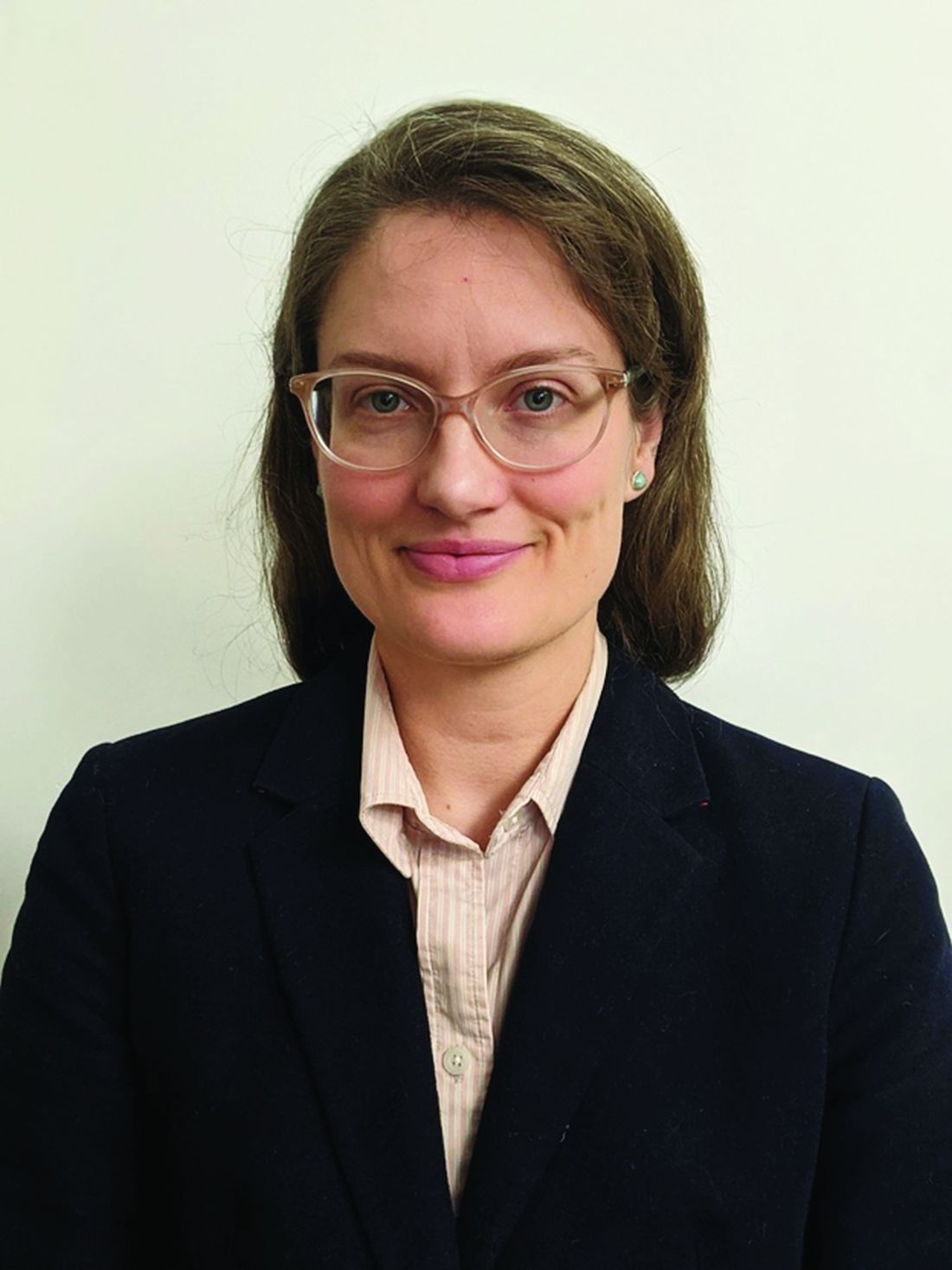
OCD impacts 2.3% of the population in their lifetime but more than 28% of people report symptoms consistent with OCD traits.1 OCD symptoms have increased since the pandemic2 so it is showing up in primary care more frequently. Younger patients meet criteria when their symptoms on the Children’s Yale-Brown Obsessive Compulsive Scale (CY-BOCS) are sufficiently present, and impact the ability to function. The youngest patients with OCD are more likely to be male1 and children are most likely to be identified between ages 8-12 and during the later teenage years,3 although symptoms can occur at any time in life.
Usually, symptom onset happens gradually and then waxes and wanes. Often OCD has been present over months to years but not identified until they reach a functional tipping point. Alternatively, symptoms caused by PANDAS/PANS occur out of the blue and should be treated according to infectious disease/autoimmune workup protocols. Other differential diagnosis for OCD include other anxiety disorders, mood disorders, eating disorders, psychotic disorders, and other compulsive behaviors. OCD, tics, and ADHD are a combination seen more frequently in younger patients.4 Comorbidities frequently occur, including anxiety disorders, mood disorders, impulse control disorders, and substance use disorders.1 PTSD frequently presents with comorbid OCD symptoms.1 Finding the underlying cause is key to effective treatment.
How do I identify OCD in primary care?
Administer the CY-BOCS if these symptoms cause inability to function. The cut off for moderate symptoms is a score of 16 or above. Like all mental health screening, clinical judgment should be used to interpret the score. Many therapists do not screen for OCD.
How do I treat OCD in primary care?
Exposure Therapy with Response Prevention (ERP) is the gold-standard therapy and medication management is most effective when paired with ERP. ERP helps patients list their obsessions and compulsions in order of how much anxiety they cause, then work on gradual exposure starting with those that cause the least amount of anxiety. Picking up on any sneaky internal or external “responses” is important. An example response could include externally checking the rearview mirror to make sure the patient didn’t run over a puppy after they hit a pothole, or internally reassuring themselves. This “response prevention” can be the trickiest part of the therapy and is key to efficacy.
How to access ERP?
The International OCD Foundation offers a list of therapists trained in ERP, and most states’ psychiatry access lines can help primary care providers find available targeted resources. Despite these resources, it can be frustrating to help a family try find any available therapist who takes insurance, let alone a specialist. A recent JAMA article review found that IInternet-based treatment with both therapist- and non-therapist–guided interventions resulted in symptom improvements.2 Interventions that include parents are most helpful for children.
Other therapy options include:
- MGH/McLean/ (iocd.org) hosts an online, low cost ($65 per family) OCD camp for those age 6-17 and caregivers found here.
- Many workbooks are available, Standing Up to OCD Workbook for Kids by Tyson Reuter, PhD, is one good option.
- A book for parents about how not to accidentally reinforce anxiety is Anxious Kids, Anxious Parents: 7 Ways to Stop the Worry Cycle by Lynn Lyons and Reid Wilson.
- Sometimes a therapist without expertise can work with families using workbooks and other supports to help with ERP.
Medication options
Medications alone do not cure OCD, but can help patients better participate in ERP therapy. When the most likely cause of OCD symptoms is OCD (ruling out family history of bipolar or other psychiatric illness), using SSRIs to treat symptoms is the gold standard for medications. There is FDA approval for sertraline (≥ age 6) and fluoxetine (≥ age 7) as first-line options. If tolerated, up-titrate to efficacy. Clomipramine and fluvoxamine also have FDA approval but have more side effects so are not first line. Citalopram has randomized clinical trial support.5
Allie’s primary care provider administered and scored the CY-BOCS, started her on an SSRI, and up-titrated to efficacy over 4 months. The family signed up for an online OCD camp and learned more about OCD at iocdf.org. They talked with her therapist and worked through an OCD workbook together as no specialist was available. Her parents decreased their reassurances. Because of her primary care provider’s intervention, Allie got the care she required and was better prepared to face future exacerbations.
Dr. Spottswood is a child psychiatrist practicing in an integrated care clinic at the Community Health Centers of Burlington, Vermont. She is the medical director of the Vermont Child Psychiatry Access Program and a clinical assistant professor in the department of psychiatry at the University of Vermont.
References
1. Ruscio AM et al. The epidemiology of obsessive-compulsive disorder in the National Comorbidity Survey Replication. Mol Psychiatry. 2010 Jan;15(1):53-63. doi: 10.1038/mp.2008.94.
2. Lattie EG, Stamatis CA. Focusing on accessibility of evidence-based treatments for obsessive-compulsive disorder. JAMA Netw Open. 2022;5(3):e221978. doi: 10.1001/jamanetworkopen.2022.1978.
3. International OCD Foundation pediatric OCD for professionals. https://kids.iocdf.org/professionals/md/pediatric-ocd/. Accessed December 27, 2023.
4. American Psychiatric Association. (2013). Diagnostic and statistical manual of mental disorders (5th ed.). 2013. https://doi.org/10.1176/appi.books.9780890425596. Accessed December 27, 2023.5. Hilt RJ, Nussbaum AM. DSM-5 pocket guide to child and adolescent mental health. Arlington, Virginia: American Psychiatric Association Publishing, 2015.
“Allie” is a 16-year-old African American female, presenting to her primary care provider for a routine well-child visit. She gets straight As in school, has a boyfriend, and works as a lifeguard. She is always on her phone using Snapchat, TikTok, and Instagram. Over the past year, it’s been taking her longer to turn off the phone and electronics at night. She needs to close the apps one by one and check the power sources a number of times. In the past few months, this ritual has become longer, includes more checks, and is interfering with sleep. She reports knowing this is abnormal and thinking she is “just kind of crazy” but she cannot stop. Her parents reassure her each evening. They now help her doublecheck that her devices are plugged in at least twice.
Unlike its depiction in the movies, many symptoms of obsessive-compulsive disorder (OCD) happen internally. Often patients are aware that these are “not normal” and cover up their experiences. It can be hard for treaters to learn about these challenges. Children spend years suffering from OCD and even regularly attend nonspecific therapy without being diagnosed. However,
OCD impacts 2.3% of the population in their lifetime but more than 28% of people report symptoms consistent with OCD traits.1 OCD symptoms have increased since the pandemic2 so it is showing up in primary care more frequently. Younger patients meet criteria when their symptoms on the Children’s Yale-Brown Obsessive Compulsive Scale (CY-BOCS) are sufficiently present, and impact the ability to function. The youngest patients with OCD are more likely to be male1 and children are most likely to be identified between ages 8-12 and during the later teenage years,3 although symptoms can occur at any time in life.
Usually, symptom onset happens gradually and then waxes and wanes. Often OCD has been present over months to years but not identified until they reach a functional tipping point. Alternatively, symptoms caused by PANDAS/PANS occur out of the blue and should be treated according to infectious disease/autoimmune workup protocols. Other differential diagnosis for OCD include other anxiety disorders, mood disorders, eating disorders, psychotic disorders, and other compulsive behaviors. OCD, tics, and ADHD are a combination seen more frequently in younger patients.4 Comorbidities frequently occur, including anxiety disorders, mood disorders, impulse control disorders, and substance use disorders.1 PTSD frequently presents with comorbid OCD symptoms.1 Finding the underlying cause is key to effective treatment.
How do I identify OCD in primary care?
Administer the CY-BOCS if these symptoms cause inability to function. The cut off for moderate symptoms is a score of 16 or above. Like all mental health screening, clinical judgment should be used to interpret the score. Many therapists do not screen for OCD.
How do I treat OCD in primary care?
Exposure Therapy with Response Prevention (ERP) is the gold-standard therapy and medication management is most effective when paired with ERP. ERP helps patients list their obsessions and compulsions in order of how much anxiety they cause, then work on gradual exposure starting with those that cause the least amount of anxiety. Picking up on any sneaky internal or external “responses” is important. An example response could include externally checking the rearview mirror to make sure the patient didn’t run over a puppy after they hit a pothole, or internally reassuring themselves. This “response prevention” can be the trickiest part of the therapy and is key to efficacy.
How to access ERP?
The International OCD Foundation offers a list of therapists trained in ERP, and most states’ psychiatry access lines can help primary care providers find available targeted resources. Despite these resources, it can be frustrating to help a family try find any available therapist who takes insurance, let alone a specialist. A recent JAMA article review found that IInternet-based treatment with both therapist- and non-therapist–guided interventions resulted in symptom improvements.2 Interventions that include parents are most helpful for children.
Other therapy options include:
- MGH/McLean/ (iocd.org) hosts an online, low cost ($65 per family) OCD camp for those age 6-17 and caregivers found here.
- Many workbooks are available, Standing Up to OCD Workbook for Kids by Tyson Reuter, PhD, is one good option.
- A book for parents about how not to accidentally reinforce anxiety is Anxious Kids, Anxious Parents: 7 Ways to Stop the Worry Cycle by Lynn Lyons and Reid Wilson.
- Sometimes a therapist without expertise can work with families using workbooks and other supports to help with ERP.
Medication options
Medications alone do not cure OCD, but can help patients better participate in ERP therapy. When the most likely cause of OCD symptoms is OCD (ruling out family history of bipolar or other psychiatric illness), using SSRIs to treat symptoms is the gold standard for medications. There is FDA approval for sertraline (≥ age 6) and fluoxetine (≥ age 7) as first-line options. If tolerated, up-titrate to efficacy. Clomipramine and fluvoxamine also have FDA approval but have more side effects so are not first line. Citalopram has randomized clinical trial support.5
Allie’s primary care provider administered and scored the CY-BOCS, started her on an SSRI, and up-titrated to efficacy over 4 months. The family signed up for an online OCD camp and learned more about OCD at iocdf.org. They talked with her therapist and worked through an OCD workbook together as no specialist was available. Her parents decreased their reassurances. Because of her primary care provider’s intervention, Allie got the care she required and was better prepared to face future exacerbations.
Dr. Spottswood is a child psychiatrist practicing in an integrated care clinic at the Community Health Centers of Burlington, Vermont. She is the medical director of the Vermont Child Psychiatry Access Program and a clinical assistant professor in the department of psychiatry at the University of Vermont.
References
1. Ruscio AM et al. The epidemiology of obsessive-compulsive disorder in the National Comorbidity Survey Replication. Mol Psychiatry. 2010 Jan;15(1):53-63. doi: 10.1038/mp.2008.94.
2. Lattie EG, Stamatis CA. Focusing on accessibility of evidence-based treatments for obsessive-compulsive disorder. JAMA Netw Open. 2022;5(3):e221978. doi: 10.1001/jamanetworkopen.2022.1978.
3. International OCD Foundation pediatric OCD for professionals. https://kids.iocdf.org/professionals/md/pediatric-ocd/. Accessed December 27, 2023.
4. American Psychiatric Association. (2013). Diagnostic and statistical manual of mental disorders (5th ed.). 2013. https://doi.org/10.1176/appi.books.9780890425596. Accessed December 27, 2023.5. Hilt RJ, Nussbaum AM. DSM-5 pocket guide to child and adolescent mental health. Arlington, Virginia: American Psychiatric Association Publishing, 2015.
“Allie” is a 16-year-old African American female, presenting to her primary care provider for a routine well-child visit. She gets straight As in school, has a boyfriend, and works as a lifeguard. She is always on her phone using Snapchat, TikTok, and Instagram. Over the past year, it’s been taking her longer to turn off the phone and electronics at night. She needs to close the apps one by one and check the power sources a number of times. In the past few months, this ritual has become longer, includes more checks, and is interfering with sleep. She reports knowing this is abnormal and thinking she is “just kind of crazy” but she cannot stop. Her parents reassure her each evening. They now help her doublecheck that her devices are plugged in at least twice.
Unlike its depiction in the movies, many symptoms of obsessive-compulsive disorder (OCD) happen internally. Often patients are aware that these are “not normal” and cover up their experiences. It can be hard for treaters to learn about these challenges. Children spend years suffering from OCD and even regularly attend nonspecific therapy without being diagnosed. However,
OCD impacts 2.3% of the population in their lifetime but more than 28% of people report symptoms consistent with OCD traits.1 OCD symptoms have increased since the pandemic2 so it is showing up in primary care more frequently. Younger patients meet criteria when their symptoms on the Children’s Yale-Brown Obsessive Compulsive Scale (CY-BOCS) are sufficiently present, and impact the ability to function. The youngest patients with OCD are more likely to be male1 and children are most likely to be identified between ages 8-12 and during the later teenage years,3 although symptoms can occur at any time in life.
Usually, symptom onset happens gradually and then waxes and wanes. Often OCD has been present over months to years but not identified until they reach a functional tipping point. Alternatively, symptoms caused by PANDAS/PANS occur out of the blue and should be treated according to infectious disease/autoimmune workup protocols. Other differential diagnosis for OCD include other anxiety disorders, mood disorders, eating disorders, psychotic disorders, and other compulsive behaviors. OCD, tics, and ADHD are a combination seen more frequently in younger patients.4 Comorbidities frequently occur, including anxiety disorders, mood disorders, impulse control disorders, and substance use disorders.1 PTSD frequently presents with comorbid OCD symptoms.1 Finding the underlying cause is key to effective treatment.
How do I identify OCD in primary care?
Administer the CY-BOCS if these symptoms cause inability to function. The cut off for moderate symptoms is a score of 16 or above. Like all mental health screening, clinical judgment should be used to interpret the score. Many therapists do not screen for OCD.
How do I treat OCD in primary care?
Exposure Therapy with Response Prevention (ERP) is the gold-standard therapy and medication management is most effective when paired with ERP. ERP helps patients list their obsessions and compulsions in order of how much anxiety they cause, then work on gradual exposure starting with those that cause the least amount of anxiety. Picking up on any sneaky internal or external “responses” is important. An example response could include externally checking the rearview mirror to make sure the patient didn’t run over a puppy after they hit a pothole, or internally reassuring themselves. This “response prevention” can be the trickiest part of the therapy and is key to efficacy.
How to access ERP?
The International OCD Foundation offers a list of therapists trained in ERP, and most states’ psychiatry access lines can help primary care providers find available targeted resources. Despite these resources, it can be frustrating to help a family try find any available therapist who takes insurance, let alone a specialist. A recent JAMA article review found that IInternet-based treatment with both therapist- and non-therapist–guided interventions resulted in symptom improvements.2 Interventions that include parents are most helpful for children.
Other therapy options include:
- MGH/McLean/ (iocd.org) hosts an online, low cost ($65 per family) OCD camp for those age 6-17 and caregivers found here.
- Many workbooks are available, Standing Up to OCD Workbook for Kids by Tyson Reuter, PhD, is one good option.
- A book for parents about how not to accidentally reinforce anxiety is Anxious Kids, Anxious Parents: 7 Ways to Stop the Worry Cycle by Lynn Lyons and Reid Wilson.
- Sometimes a therapist without expertise can work with families using workbooks and other supports to help with ERP.
Medication options
Medications alone do not cure OCD, but can help patients better participate in ERP therapy. When the most likely cause of OCD symptoms is OCD (ruling out family history of bipolar or other psychiatric illness), using SSRIs to treat symptoms is the gold standard for medications. There is FDA approval for sertraline (≥ age 6) and fluoxetine (≥ age 7) as first-line options. If tolerated, up-titrate to efficacy. Clomipramine and fluvoxamine also have FDA approval but have more side effects so are not first line. Citalopram has randomized clinical trial support.5
Allie’s primary care provider administered and scored the CY-BOCS, started her on an SSRI, and up-titrated to efficacy over 4 months. The family signed up for an online OCD camp and learned more about OCD at iocdf.org. They talked with her therapist and worked through an OCD workbook together as no specialist was available. Her parents decreased their reassurances. Because of her primary care provider’s intervention, Allie got the care she required and was better prepared to face future exacerbations.
Dr. Spottswood is a child psychiatrist practicing in an integrated care clinic at the Community Health Centers of Burlington, Vermont. She is the medical director of the Vermont Child Psychiatry Access Program and a clinical assistant professor in the department of psychiatry at the University of Vermont.
References
1. Ruscio AM et al. The epidemiology of obsessive-compulsive disorder in the National Comorbidity Survey Replication. Mol Psychiatry. 2010 Jan;15(1):53-63. doi: 10.1038/mp.2008.94.
2. Lattie EG, Stamatis CA. Focusing on accessibility of evidence-based treatments for obsessive-compulsive disorder. JAMA Netw Open. 2022;5(3):e221978. doi: 10.1001/jamanetworkopen.2022.1978.
3. International OCD Foundation pediatric OCD for professionals. https://kids.iocdf.org/professionals/md/pediatric-ocd/. Accessed December 27, 2023.
4. American Psychiatric Association. (2013). Diagnostic and statistical manual of mental disorders (5th ed.). 2013. https://doi.org/10.1176/appi.books.9780890425596. Accessed December 27, 2023.5. Hilt RJ, Nussbaum AM. DSM-5 pocket guide to child and adolescent mental health. Arlington, Virginia: American Psychiatric Association Publishing, 2015.
‘Milestone’ Study Zeros in on 5-Year Safety Data From Upadacitinib Trials
, underscoring the medication’s stable safety profile over an extended duration.
Those are among the key findings from an integrated analysis of long-term upadacitinib use presented by Christopher G. Bunick, MD, PhD, during a late-breaking abstract session at the Revolutionizing Atopic Dermatitis Virtual Conference. Upadacitinib (Rinvoq) is an oral Janus kinase (JAK) inhibitor, approved by the Food and Drug Administration for adults and pediatric patients aged 12 years of age and older with refractory, moderate to severe AD in January 2022.
“What makes this study special is that these patients are followed for 260 weeks, or 5 years, and it encompasses over 7,000 patient-years of exposure,” said Dr. Bunick, associate professor of dermatology at Yale University, New Haven, Connecticut. “This is a milestone because it’s the longest safety study ever published for any systemic drug for AD.”

He and his colleagues evaluated the safety data for up to 5 years of upadacitinib 15 mg and 30 mg use in adolescents and adults with moderate to severe AD, based on the results of integrated data from three ongoing global multicenter phase 3 trials: Measure Up 1, Measure Up 2, and AD Up. Patients in the trials were randomized 1:1:1 to receive oral upadacitinib 15 mg, upadacitinib 30 mg, or placebo once daily alone (Measure Up 1 and 2) or with concomitant topical corticosteroids (AD Up). At week 16, patients receiving 15 mg or 30 mg upadacitinib during the double-blind period continued their assigned treatment in the blinded extension (BE) period, whereas patients receiving placebo were randomized 1:1 to receive either 15 mg or 30 mg upadacitinib in the BE period. The integrated analysis included 2683 patients (529 adolescents and 2154 adults) who received at least one dose of upadacitinib. Of these, 1337 received the 15-mg dose, while 1346 received the 30-mg dose. The researchers analyzed treatment-emergent events of special interest as exposure-adjusted rates per 100 patient-years (PY) for the entire treatment period to adjust for potentially different follow-up durations.
According to Dr. Bunick, researchers often refer to “100 patient-years” in safety analyses to measure how common certain events are. “It is a straightforward way to convey the collective experience of the study’s participants over time,” he told this news organization. “For instance, if 100 patients are each monitored for 1 year, or 50 patients for 2 years each, both scenarios amount to 100 patient-years. This metric allows clinicians to understand how often certain adverse events occur across a diverse group over a specific time frame, providing a clear picture of long-term safety.”
Upadacitinib trials in atopic dermatitis have included diverse patient groups with varying risk factors. “Patients were not cherry-picked,” he said. “What I mean by that is that about 50% of patients enrolled in these trials had, at baseline, at least one cardiovascular risk factor: about 30% used tobacco; 10% had hypertension, and 5% had a history of a cardiovascular event.” In addition, about 15% were over age 50 with one cardiovascular risk factor and about 20% had a body mass index (BMI) greater than 30 kg/m2. Among women in the study, about 20% were on oral contraceptives, yet none developed a venous thromboembolism (VTE).
In the integrated analysis, the rate of treatment-emergent adverse events that led to discontinuation of upadacitinib was about 4.2 events per 100 PY, “meaning that this medicine shows durability,” Dr. Bunick said. “Very few people are discontinuing due to adverse events.”
Serious and opportunistic infections ranged from 1.6 to 2.8 events per 100 PY, but these were stable across the 1- to 5-year time points. The rates of active TB were less than 0.1 per 100 PY, while the rates of herpes zoster ranged from 3.5 to 5.5 events per 100 PY. “The key take-home point here is that 5% or less of the patients at baseline had received the shingles vaccine, so it’s very important to talk to patients about receiving the shingles vaccine before they go on upadacitinib,” Dr. Bunick advised, because “this could reduce risk of herpes zoster occurring in upadacitinib-treated patients substantially.”
In other findings, incidence rates of nonmelanoma skin cancer (NMSC) ranged between 0.3 and 0.4 per 100 PY, while the rate of malignancy excluding NMSC ranged between 0.3 and 0.4 per 100 PY. Meanwhile, the rates of gastrointestinal perforations and VTE stood at 0.1 per 100 PY or lower, and MACE incidence rates ranged from 0.1 to 0.2 per 100 PY.
During his presentation, Dr. Bunick compared findings related to malignancy (excluding NMSC), MACE, and VTE to other published real-world background rates observed in moderate to severe AD populations. He noted that, while the malignancy rate in the current trial ranged from 0.3 to 0.4 per 100 PY, an observational study of more than 66,000 AD patients in the United Kingdom reported a malignancy (excluding NMSC) background incidence rate of 0.33 per 100 PY, and SEER data estimate that the malignancy incidence rate in the US general population is 0.45 per 100 PY. “Therefore, patients on upadacitinib at the 5-year mark are right at the AD population baseline risk,” he said.
And while the incidence rate of MACE in the current trial ranged from less than 0.1 to 0.2 per 100 PY, the background incidence rate of MACE in a Danish observational study of more than 2,500 patients with moderate to severe AD was 0.63 per 100 PY. “This suggests that there may be an anti-inflammatory and even a cardiovascular protective effect for patients on upadacitinib,” Dr. Bunick said.
As for VTE, the incidence rate in the current trial was 0.1 per 100 PY, but VTE background incidence rate observed in a moderate to severe AD population in the United States is 0.31 per 100 PY. “Again, this suggests anti-inflammatory and cardiovascular protective effects of upadacitinib in AD patients at the 5-year mark,” he said. “Reporting of MACE, VTE, and malignancy (excluding NMSC) in upadacitinib phase 3 clinical trials for AD generally reflects the background observations of these events in the AD population.”
He acknowledged certain limitations of the study, including the fact that observational data may overestimate the risk of adverse events.
Discussing the incidence rates for MACE, VTE, and malignancy in upadacitinib AD trials, Dr. Bunick remarked, “these are rock-bottom rates that have been low through 5 years of treatment.”
Dr. Bunick disclosed that he has received grant or research support from AbbVie (the manufacturer of upadacitinib), Almirall, Ortho Dermatologics, Timber, and Palvella. He is also a consultant and/or an adviser to AbbVie, Almirall, Apogee, Connect Bropharma, Arcutis, Eli Lilly, Novartis, Pfizer, Sanofi-Regeneron, Ortho Dermatologics, Leo Pharma, and UCB.
, underscoring the medication’s stable safety profile over an extended duration.
Those are among the key findings from an integrated analysis of long-term upadacitinib use presented by Christopher G. Bunick, MD, PhD, during a late-breaking abstract session at the Revolutionizing Atopic Dermatitis Virtual Conference. Upadacitinib (Rinvoq) is an oral Janus kinase (JAK) inhibitor, approved by the Food and Drug Administration for adults and pediatric patients aged 12 years of age and older with refractory, moderate to severe AD in January 2022.
“What makes this study special is that these patients are followed for 260 weeks, or 5 years, and it encompasses over 7,000 patient-years of exposure,” said Dr. Bunick, associate professor of dermatology at Yale University, New Haven, Connecticut. “This is a milestone because it’s the longest safety study ever published for any systemic drug for AD.”
He and his colleagues evaluated the safety data for up to 5 years of upadacitinib 15 mg and 30 mg use in adolescents and adults with moderate to severe AD, based on the results of integrated data from three ongoing global multicenter phase 3 trials: Measure Up 1, Measure Up 2, and AD Up. Patients in the trials were randomized 1:1:1 to receive oral upadacitinib 15 mg, upadacitinib 30 mg, or placebo once daily alone (Measure Up 1 and 2) or with concomitant topical corticosteroids (AD Up). At week 16, patients receiving 15 mg or 30 mg upadacitinib during the double-blind period continued their assigned treatment in the blinded extension (BE) period, whereas patients receiving placebo were randomized 1:1 to receive either 15 mg or 30 mg upadacitinib in the BE period. The integrated analysis included 2683 patients (529 adolescents and 2154 adults) who received at least one dose of upadacitinib. Of these, 1337 received the 15-mg dose, while 1346 received the 30-mg dose. The researchers analyzed treatment-emergent events of special interest as exposure-adjusted rates per 100 patient-years (PY) for the entire treatment period to adjust for potentially different follow-up durations.
According to Dr. Bunick, researchers often refer to “100 patient-years” in safety analyses to measure how common certain events are. “It is a straightforward way to convey the collective experience of the study’s participants over time,” he told this news organization. “For instance, if 100 patients are each monitored for 1 year, or 50 patients for 2 years each, both scenarios amount to 100 patient-years. This metric allows clinicians to understand how often certain adverse events occur across a diverse group over a specific time frame, providing a clear picture of long-term safety.”
Upadacitinib trials in atopic dermatitis have included diverse patient groups with varying risk factors. “Patients were not cherry-picked,” he said. “What I mean by that is that about 50% of patients enrolled in these trials had, at baseline, at least one cardiovascular risk factor: about 30% used tobacco; 10% had hypertension, and 5% had a history of a cardiovascular event.” In addition, about 15% were over age 50 with one cardiovascular risk factor and about 20% had a body mass index (BMI) greater than 30 kg/m2. Among women in the study, about 20% were on oral contraceptives, yet none developed a venous thromboembolism (VTE).
In the integrated analysis, the rate of treatment-emergent adverse events that led to discontinuation of upadacitinib was about 4.2 events per 100 PY, “meaning that this medicine shows durability,” Dr. Bunick said. “Very few people are discontinuing due to adverse events.”
Serious and opportunistic infections ranged from 1.6 to 2.8 events per 100 PY, but these were stable across the 1- to 5-year time points. The rates of active TB were less than 0.1 per 100 PY, while the rates of herpes zoster ranged from 3.5 to 5.5 events per 100 PY. “The key take-home point here is that 5% or less of the patients at baseline had received the shingles vaccine, so it’s very important to talk to patients about receiving the shingles vaccine before they go on upadacitinib,” Dr. Bunick advised, because “this could reduce risk of herpes zoster occurring in upadacitinib-treated patients substantially.”
In other findings, incidence rates of nonmelanoma skin cancer (NMSC) ranged between 0.3 and 0.4 per 100 PY, while the rate of malignancy excluding NMSC ranged between 0.3 and 0.4 per 100 PY. Meanwhile, the rates of gastrointestinal perforations and VTE stood at 0.1 per 100 PY or lower, and MACE incidence rates ranged from 0.1 to 0.2 per 100 PY.
During his presentation, Dr. Bunick compared findings related to malignancy (excluding NMSC), MACE, and VTE to other published real-world background rates observed in moderate to severe AD populations. He noted that, while the malignancy rate in the current trial ranged from 0.3 to 0.4 per 100 PY, an observational study of more than 66,000 AD patients in the United Kingdom reported a malignancy (excluding NMSC) background incidence rate of 0.33 per 100 PY, and SEER data estimate that the malignancy incidence rate in the US general population is 0.45 per 100 PY. “Therefore, patients on upadacitinib at the 5-year mark are right at the AD population baseline risk,” he said.
And while the incidence rate of MACE in the current trial ranged from less than 0.1 to 0.2 per 100 PY, the background incidence rate of MACE in a Danish observational study of more than 2,500 patients with moderate to severe AD was 0.63 per 100 PY. “This suggests that there may be an anti-inflammatory and even a cardiovascular protective effect for patients on upadacitinib,” Dr. Bunick said.
As for VTE, the incidence rate in the current trial was 0.1 per 100 PY, but VTE background incidence rate observed in a moderate to severe AD population in the United States is 0.31 per 100 PY. “Again, this suggests anti-inflammatory and cardiovascular protective effects of upadacitinib in AD patients at the 5-year mark,” he said. “Reporting of MACE, VTE, and malignancy (excluding NMSC) in upadacitinib phase 3 clinical trials for AD generally reflects the background observations of these events in the AD population.”
He acknowledged certain limitations of the study, including the fact that observational data may overestimate the risk of adverse events.
Discussing the incidence rates for MACE, VTE, and malignancy in upadacitinib AD trials, Dr. Bunick remarked, “these are rock-bottom rates that have been low through 5 years of treatment.”
Dr. Bunick disclosed that he has received grant or research support from AbbVie (the manufacturer of upadacitinib), Almirall, Ortho Dermatologics, Timber, and Palvella. He is also a consultant and/or an adviser to AbbVie, Almirall, Apogee, Connect Bropharma, Arcutis, Eli Lilly, Novartis, Pfizer, Sanofi-Regeneron, Ortho Dermatologics, Leo Pharma, and UCB.
, underscoring the medication’s stable safety profile over an extended duration.
Those are among the key findings from an integrated analysis of long-term upadacitinib use presented by Christopher G. Bunick, MD, PhD, during a late-breaking abstract session at the Revolutionizing Atopic Dermatitis Virtual Conference. Upadacitinib (Rinvoq) is an oral Janus kinase (JAK) inhibitor, approved by the Food and Drug Administration for adults and pediatric patients aged 12 years of age and older with refractory, moderate to severe AD in January 2022.
“What makes this study special is that these patients are followed for 260 weeks, or 5 years, and it encompasses over 7,000 patient-years of exposure,” said Dr. Bunick, associate professor of dermatology at Yale University, New Haven, Connecticut. “This is a milestone because it’s the longest safety study ever published for any systemic drug for AD.”
He and his colleagues evaluated the safety data for up to 5 years of upadacitinib 15 mg and 30 mg use in adolescents and adults with moderate to severe AD, based on the results of integrated data from three ongoing global multicenter phase 3 trials: Measure Up 1, Measure Up 2, and AD Up. Patients in the trials were randomized 1:1:1 to receive oral upadacitinib 15 mg, upadacitinib 30 mg, or placebo once daily alone (Measure Up 1 and 2) or with concomitant topical corticosteroids (AD Up). At week 16, patients receiving 15 mg or 30 mg upadacitinib during the double-blind period continued their assigned treatment in the blinded extension (BE) period, whereas patients receiving placebo were randomized 1:1 to receive either 15 mg or 30 mg upadacitinib in the BE period. The integrated analysis included 2683 patients (529 adolescents and 2154 adults) who received at least one dose of upadacitinib. Of these, 1337 received the 15-mg dose, while 1346 received the 30-mg dose. The researchers analyzed treatment-emergent events of special interest as exposure-adjusted rates per 100 patient-years (PY) for the entire treatment period to adjust for potentially different follow-up durations.
According to Dr. Bunick, researchers often refer to “100 patient-years” in safety analyses to measure how common certain events are. “It is a straightforward way to convey the collective experience of the study’s participants over time,” he told this news organization. “For instance, if 100 patients are each monitored for 1 year, or 50 patients for 2 years each, both scenarios amount to 100 patient-years. This metric allows clinicians to understand how often certain adverse events occur across a diverse group over a specific time frame, providing a clear picture of long-term safety.”
Upadacitinib trials in atopic dermatitis have included diverse patient groups with varying risk factors. “Patients were not cherry-picked,” he said. “What I mean by that is that about 50% of patients enrolled in these trials had, at baseline, at least one cardiovascular risk factor: about 30% used tobacco; 10% had hypertension, and 5% had a history of a cardiovascular event.” In addition, about 15% were over age 50 with one cardiovascular risk factor and about 20% had a body mass index (BMI) greater than 30 kg/m2. Among women in the study, about 20% were on oral contraceptives, yet none developed a venous thromboembolism (VTE).
In the integrated analysis, the rate of treatment-emergent adverse events that led to discontinuation of upadacitinib was about 4.2 events per 100 PY, “meaning that this medicine shows durability,” Dr. Bunick said. “Very few people are discontinuing due to adverse events.”
Serious and opportunistic infections ranged from 1.6 to 2.8 events per 100 PY, but these were stable across the 1- to 5-year time points. The rates of active TB were less than 0.1 per 100 PY, while the rates of herpes zoster ranged from 3.5 to 5.5 events per 100 PY. “The key take-home point here is that 5% or less of the patients at baseline had received the shingles vaccine, so it’s very important to talk to patients about receiving the shingles vaccine before they go on upadacitinib,” Dr. Bunick advised, because “this could reduce risk of herpes zoster occurring in upadacitinib-treated patients substantially.”
In other findings, incidence rates of nonmelanoma skin cancer (NMSC) ranged between 0.3 and 0.4 per 100 PY, while the rate of malignancy excluding NMSC ranged between 0.3 and 0.4 per 100 PY. Meanwhile, the rates of gastrointestinal perforations and VTE stood at 0.1 per 100 PY or lower, and MACE incidence rates ranged from 0.1 to 0.2 per 100 PY.
During his presentation, Dr. Bunick compared findings related to malignancy (excluding NMSC), MACE, and VTE to other published real-world background rates observed in moderate to severe AD populations. He noted that, while the malignancy rate in the current trial ranged from 0.3 to 0.4 per 100 PY, an observational study of more than 66,000 AD patients in the United Kingdom reported a malignancy (excluding NMSC) background incidence rate of 0.33 per 100 PY, and SEER data estimate that the malignancy incidence rate in the US general population is 0.45 per 100 PY. “Therefore, patients on upadacitinib at the 5-year mark are right at the AD population baseline risk,” he said.
And while the incidence rate of MACE in the current trial ranged from less than 0.1 to 0.2 per 100 PY, the background incidence rate of MACE in a Danish observational study of more than 2,500 patients with moderate to severe AD was 0.63 per 100 PY. “This suggests that there may be an anti-inflammatory and even a cardiovascular protective effect for patients on upadacitinib,” Dr. Bunick said.
As for VTE, the incidence rate in the current trial was 0.1 per 100 PY, but VTE background incidence rate observed in a moderate to severe AD population in the United States is 0.31 per 100 PY. “Again, this suggests anti-inflammatory and cardiovascular protective effects of upadacitinib in AD patients at the 5-year mark,” he said. “Reporting of MACE, VTE, and malignancy (excluding NMSC) in upadacitinib phase 3 clinical trials for AD generally reflects the background observations of these events in the AD population.”
He acknowledged certain limitations of the study, including the fact that observational data may overestimate the risk of adverse events.
Discussing the incidence rates for MACE, VTE, and malignancy in upadacitinib AD trials, Dr. Bunick remarked, “these are rock-bottom rates that have been low through 5 years of treatment.”
Dr. Bunick disclosed that he has received grant or research support from AbbVie (the manufacturer of upadacitinib), Almirall, Ortho Dermatologics, Timber, and Palvella. He is also a consultant and/or an adviser to AbbVie, Almirall, Apogee, Connect Bropharma, Arcutis, Eli Lilly, Novartis, Pfizer, Sanofi-Regeneron, Ortho Dermatologics, Leo Pharma, and UCB.
FROM RAD 2023
Too Little and Too Late with Obesity Prevention
As we begin to find our way in the new world of obesity management, questions continue to surface more quickly than answers. This isn’t surprising, as we are being asked to view obesity as a disease when for decades the general consensus has been that overweight people are simply will power deficient.
Are the new drugs as effective as we are told by the patients and physicians who have had some experience using and prescribing them? Will they continue to be effective in the very long run? Will their safety record hold up over time? And for those of us in pediatrics, what will be their role for children? As a group we tend to be cautious about drugs that haven’t been thoroughly tested in children. How many years will it take before we feel comfortable with obesity drugs? And, of course, we should be asking ourselves the same questions about bariatric surgery.

Fortunately, while the media spotlight has been focused on the treatment arm of our obesity strategy, there are still some folks looking at what has been up to now the discouraging prospects for prevention. The U.S. Preventive Services Task Force (USPSTF) has recently released a draft of its recommendations that includes evidence supporting the effectiveness of “intensive behavioral interventions” (defined as a minimum of 26 hours of counseling). In reviewing data from nearly 60 randomized controlled trials, which included more than 10,000 children, the task force found that It should be noted that the USPSTF gave the intervention package only a B grade, which means that the agency found evidence of high certainty of a moderate benefit over an unspecified time period. Certainly, not a ringing endorsement.
While I think we must applaud the diligent efforts of the task force and its commitment to prevention, I fear that the strategy is too little too late. That being said, I am willing to accept the idea that targeting age 6 for intensive counseling may qualify for the better-late-than-never category. The task force acknowledges that procuring the resources given our already understaffed mental health clinics is going to be difficult and expensive. I would add that it will be so costly in time and money as to be unrealistic.
Based on my observations of thousands of children, the scaffolding of habits, diet, and preference for inactivity that underly obesity has already been laid by age 6. Are we prepared to shoulder our already overburdened school systems in an attempt to reconfigure this foundation of an obesogenic lifestyle? An effort on this scale after children have been sent off to first grade is doomed to failure.
A recent review of data reported by the CDC and reviewed in the journal Pediatrics reveals that about 2% of children receiving federal assistance from the WIC program are severely obese. It is probably safe to say that these preschoolers represent just the tip of a very concerning iceberg.
By waiting until age 6, we would increase the risk of further stigmatizing the obese child. What will he tell his peers when he is taken out of school or misses a playdate because he has to meet with his “obesity counselor”?
If we are going to take obesity prevention seriously and spend time and money in counseling, doesn’t it make more sense to invest this effort on the parents and the home situation when the child is still under their influence? We must be prepared to unwrap and employ an “intensive behavioral package” the first time we see evidence that the child’s growth chart is heading in an unhealthy direction.
This won’t always be easy. I can recall seeing a 4-year-old whose weight had risen dramatically from her previous curve in the year since her 3-year checkup. The answer became obvious when I discovered that her grandmother, for whom baking was a passion, had taken over as her daycare provider. Arriving at a solution that kept the family on speaking terms took some tact, but it was one of my rare successes in obesity prevention. And, it worked because of early intervention.
Thank you USPSTF, but 6 years is too late.
Dr. Wilkoff practiced primary care pediatrics in Brunswick, Maine, for nearly 40 years. He has authored several books on behavioral pediatrics, including “How to Say No to Your Toddler.” Other than a Littman stethoscope he accepted as a first-year medical student in 1966, Dr. Wilkoff reports having nothing to disclose. Email him at [email protected].
As we begin to find our way in the new world of obesity management, questions continue to surface more quickly than answers. This isn’t surprising, as we are being asked to view obesity as a disease when for decades the general consensus has been that overweight people are simply will power deficient.
Are the new drugs as effective as we are told by the patients and physicians who have had some experience using and prescribing them? Will they continue to be effective in the very long run? Will their safety record hold up over time? And for those of us in pediatrics, what will be their role for children? As a group we tend to be cautious about drugs that haven’t been thoroughly tested in children. How many years will it take before we feel comfortable with obesity drugs? And, of course, we should be asking ourselves the same questions about bariatric surgery.
Fortunately, while the media spotlight has been focused on the treatment arm of our obesity strategy, there are still some folks looking at what has been up to now the discouraging prospects for prevention. The U.S. Preventive Services Task Force (USPSTF) has recently released a draft of its recommendations that includes evidence supporting the effectiveness of “intensive behavioral interventions” (defined as a minimum of 26 hours of counseling). In reviewing data from nearly 60 randomized controlled trials, which included more than 10,000 children, the task force found that It should be noted that the USPSTF gave the intervention package only a B grade, which means that the agency found evidence of high certainty of a moderate benefit over an unspecified time period. Certainly, not a ringing endorsement.
While I think we must applaud the diligent efforts of the task force and its commitment to prevention, I fear that the strategy is too little too late. That being said, I am willing to accept the idea that targeting age 6 for intensive counseling may qualify for the better-late-than-never category. The task force acknowledges that procuring the resources given our already understaffed mental health clinics is going to be difficult and expensive. I would add that it will be so costly in time and money as to be unrealistic.
Based on my observations of thousands of children, the scaffolding of habits, diet, and preference for inactivity that underly obesity has already been laid by age 6. Are we prepared to shoulder our already overburdened school systems in an attempt to reconfigure this foundation of an obesogenic lifestyle? An effort on this scale after children have been sent off to first grade is doomed to failure.
A recent review of data reported by the CDC and reviewed in the journal Pediatrics reveals that about 2% of children receiving federal assistance from the WIC program are severely obese. It is probably safe to say that these preschoolers represent just the tip of a very concerning iceberg.
By waiting until age 6, we would increase the risk of further stigmatizing the obese child. What will he tell his peers when he is taken out of school or misses a playdate because he has to meet with his “obesity counselor”?
If we are going to take obesity prevention seriously and spend time and money in counseling, doesn’t it make more sense to invest this effort on the parents and the home situation when the child is still under their influence? We must be prepared to unwrap and employ an “intensive behavioral package” the first time we see evidence that the child’s growth chart is heading in an unhealthy direction.
This won’t always be easy. I can recall seeing a 4-year-old whose weight had risen dramatically from her previous curve in the year since her 3-year checkup. The answer became obvious when I discovered that her grandmother, for whom baking was a passion, had taken over as her daycare provider. Arriving at a solution that kept the family on speaking terms took some tact, but it was one of my rare successes in obesity prevention. And, it worked because of early intervention.
Thank you USPSTF, but 6 years is too late.
Dr. Wilkoff practiced primary care pediatrics in Brunswick, Maine, for nearly 40 years. He has authored several books on behavioral pediatrics, including “How to Say No to Your Toddler.” Other than a Littman stethoscope he accepted as a first-year medical student in 1966, Dr. Wilkoff reports having nothing to disclose. Email him at [email protected].
As we begin to find our way in the new world of obesity management, questions continue to surface more quickly than answers. This isn’t surprising, as we are being asked to view obesity as a disease when for decades the general consensus has been that overweight people are simply will power deficient.
Are the new drugs as effective as we are told by the patients and physicians who have had some experience using and prescribing them? Will they continue to be effective in the very long run? Will their safety record hold up over time? And for those of us in pediatrics, what will be their role for children? As a group we tend to be cautious about drugs that haven’t been thoroughly tested in children. How many years will it take before we feel comfortable with obesity drugs? And, of course, we should be asking ourselves the same questions about bariatric surgery.
Fortunately, while the media spotlight has been focused on the treatment arm of our obesity strategy, there are still some folks looking at what has been up to now the discouraging prospects for prevention. The U.S. Preventive Services Task Force (USPSTF) has recently released a draft of its recommendations that includes evidence supporting the effectiveness of “intensive behavioral interventions” (defined as a minimum of 26 hours of counseling). In reviewing data from nearly 60 randomized controlled trials, which included more than 10,000 children, the task force found that It should be noted that the USPSTF gave the intervention package only a B grade, which means that the agency found evidence of high certainty of a moderate benefit over an unspecified time period. Certainly, not a ringing endorsement.
While I think we must applaud the diligent efforts of the task force and its commitment to prevention, I fear that the strategy is too little too late. That being said, I am willing to accept the idea that targeting age 6 for intensive counseling may qualify for the better-late-than-never category. The task force acknowledges that procuring the resources given our already understaffed mental health clinics is going to be difficult and expensive. I would add that it will be so costly in time and money as to be unrealistic.
Based on my observations of thousands of children, the scaffolding of habits, diet, and preference for inactivity that underly obesity has already been laid by age 6. Are we prepared to shoulder our already overburdened school systems in an attempt to reconfigure this foundation of an obesogenic lifestyle? An effort on this scale after children have been sent off to first grade is doomed to failure.
A recent review of data reported by the CDC and reviewed in the journal Pediatrics reveals that about 2% of children receiving federal assistance from the WIC program are severely obese. It is probably safe to say that these preschoolers represent just the tip of a very concerning iceberg.
By waiting until age 6, we would increase the risk of further stigmatizing the obese child. What will he tell his peers when he is taken out of school or misses a playdate because he has to meet with his “obesity counselor”?
If we are going to take obesity prevention seriously and spend time and money in counseling, doesn’t it make more sense to invest this effort on the parents and the home situation when the child is still under their influence? We must be prepared to unwrap and employ an “intensive behavioral package” the first time we see evidence that the child’s growth chart is heading in an unhealthy direction.
This won’t always be easy. I can recall seeing a 4-year-old whose weight had risen dramatically from her previous curve in the year since her 3-year checkup. The answer became obvious when I discovered that her grandmother, for whom baking was a passion, had taken over as her daycare provider. Arriving at a solution that kept the family on speaking terms took some tact, but it was one of my rare successes in obesity prevention. And, it worked because of early intervention.
Thank you USPSTF, but 6 years is too late.
Dr. Wilkoff practiced primary care pediatrics in Brunswick, Maine, for nearly 40 years. He has authored several books on behavioral pediatrics, including “How to Say No to Your Toddler.” Other than a Littman stethoscope he accepted as a first-year medical student in 1966, Dr. Wilkoff reports having nothing to disclose. Email him at [email protected].
FDA Approves Topical Gel For Wounds Associated With JEB and DEB
The FDA has approved a topical gel containing birch triterpenes for the treatment of partial thickness wounds in patients 6 months and older with junctional epidermolysis bullosa (JEB) and dystrophic epidermolysis bullosa (DEB).
The gel is marketed under the name Filsuvez. It is the first approved treatment for wounds associated with JEB and the second for patients with DEB, following the approval of Vyjuvek (Krystal Biotech), a topical gene therapy gel, in May 2023.
First developed by Amryt Pharma and intended for home use, Filsuvez is now marketed by Chiesi Global Rare Diseases, which acquired Amryt in January 2023. The gel is applied topically to the wound at each dressing change.
The approval of Filsuvez is based on results from the Efficacy and Safety Study of Oleogel-S10 in Epidermolysis Bullosa (EASE), a randomized, placebo-controlled study of 223 people, the largest-ever phase 3 clinical trial for the treatment of EB, according to the Chiesi news release. The gel was well tolerated and met the primary endpoint with statistical significance, with 41.3% of patients achieving first complete target wound closure within 45 days (compared with 28.9% on placebo).
“I am so excited to say that this is another hurdle cleared and milestone achieved for the EB Community,” Brett Kopelan, executive director at debra of America said in a blog post. “We are now on the road to being able to treat EB more effectively, and to make the worst disease you’ve never heard of chronic, but livable, by making use of multiple therapeutic options in conjunction with each other.”
The FDA has approved a topical gel containing birch triterpenes for the treatment of partial thickness wounds in patients 6 months and older with junctional epidermolysis bullosa (JEB) and dystrophic epidermolysis bullosa (DEB).
The gel is marketed under the name Filsuvez. It is the first approved treatment for wounds associated with JEB and the second for patients with DEB, following the approval of Vyjuvek (Krystal Biotech), a topical gene therapy gel, in May 2023.
First developed by Amryt Pharma and intended for home use, Filsuvez is now marketed by Chiesi Global Rare Diseases, which acquired Amryt in January 2023. The gel is applied topically to the wound at each dressing change.
The approval of Filsuvez is based on results from the Efficacy and Safety Study of Oleogel-S10 in Epidermolysis Bullosa (EASE), a randomized, placebo-controlled study of 223 people, the largest-ever phase 3 clinical trial for the treatment of EB, according to the Chiesi news release. The gel was well tolerated and met the primary endpoint with statistical significance, with 41.3% of patients achieving first complete target wound closure within 45 days (compared with 28.9% on placebo).
“I am so excited to say that this is another hurdle cleared and milestone achieved for the EB Community,” Brett Kopelan, executive director at debra of America said in a blog post. “We are now on the road to being able to treat EB more effectively, and to make the worst disease you’ve never heard of chronic, but livable, by making use of multiple therapeutic options in conjunction with each other.”
The FDA has approved a topical gel containing birch triterpenes for the treatment of partial thickness wounds in patients 6 months and older with junctional epidermolysis bullosa (JEB) and dystrophic epidermolysis bullosa (DEB).
The gel is marketed under the name Filsuvez. It is the first approved treatment for wounds associated with JEB and the second for patients with DEB, following the approval of Vyjuvek (Krystal Biotech), a topical gene therapy gel, in May 2023.
First developed by Amryt Pharma and intended for home use, Filsuvez is now marketed by Chiesi Global Rare Diseases, which acquired Amryt in January 2023. The gel is applied topically to the wound at each dressing change.
The approval of Filsuvez is based on results from the Efficacy and Safety Study of Oleogel-S10 in Epidermolysis Bullosa (EASE), a randomized, placebo-controlled study of 223 people, the largest-ever phase 3 clinical trial for the treatment of EB, according to the Chiesi news release. The gel was well tolerated and met the primary endpoint with statistical significance, with 41.3% of patients achieving first complete target wound closure within 45 days (compared with 28.9% on placebo).
“I am so excited to say that this is another hurdle cleared and milestone achieved for the EB Community,” Brett Kopelan, executive director at debra of America said in a blog post. “We are now on the road to being able to treat EB more effectively, and to make the worst disease you’ve never heard of chronic, but livable, by making use of multiple therapeutic options in conjunction with each other.”