User login
Acne Medications: What Factors Drive Variable Costs?


The Science Behind Monoclonal Antibodies: Practical Applications
Click the link above to review hypothetical case studies that explore different monoclonal antibody (mAb) properties and the practical applications for clinical decision making.
For more information on mAbs, please read "The Science Behind Monoclonal Antibodies: What Neurologists Need to Know"
USA-334-81078
Click the link above to review hypothetical case studies that explore different monoclonal antibody (mAb) properties and the practical applications for clinical decision making.
For more information on mAbs, please read "The Science Behind Monoclonal Antibodies: What Neurologists Need to Know"
USA-334-81078
Click the link above to review hypothetical case studies that explore different monoclonal antibody (mAb) properties and the practical applications for clinical decision making.
For more information on mAbs, please read "The Science Behind Monoclonal Antibodies: What Neurologists Need to Know"
USA-334-81078
Higher lymph node harvest could improve right-side colon cancer outcomes
ORLANDO – The inferior outcomes associated with right-sided colon cancers might be mitigated if a higher lymph node harvest is obtained, a retrospective study suggested.

“These data may provide indirect evidence for complete mesocolic excision to obtain a higher lymph node harvest to improve survival,” said investigator Arman Erkan, MD, of the Center for Colon and Rectal Surgery at Florida Hospital Orlando, in an oral abstract presentation.
This study adds new perspective on recent studies that have also demonstrated worse outcomes for right-sided versus left-sided tumors, which may be related to differences in levels of vascular ligation and nodal harvest. In addition, many studies to date have been limited in their ability to evaluate that hypothesis because of small sample size or other factors, he said in his presentation.
Accordingly, Dr. Erkan and his colleagues queried the National Cancer Database for colectomies for nonmetastatic colon adenocarcinoma occurring between 2004 and 2014, evaluating a total of 504,958 patient records, of which 273,198 were for right-sided tumors. To minimize bias, they used propensity score matching, leaving 148,540 patients in each group for the primary analysis.
Right-sided tumors were associated with inferior 5-year survival for patients with stage II and III disease (P less than .001 for right vs. left in both analyses), the investigators found.
In multivariate analysis, they found a significant interaction between right-sided tumors and a lymph node harvest of greater than 22 nodes toward increased survival, with a hazard ratio of 0.87 (95% confidence interval, 0.84-0.90). “This indicates that survival after right-sided resections can be improved if more than 22 nodes are harvested during the surgery,” Dr. Erkan said.
The difference was most pronounced in stage III of the disease, he added.
Study coauthor Lawrence Lee, MD, a colorectal surgeon at McGill University, said in a related press release that the study findings might prompt surgeons to reevaluate the types of procedures they perform in patients with right-sided tumors. “These patients may need a more extensive resection than is considered to be standard for them.”
Dr. Erkan, Dr. Lee, and other coinvestigators reported no conflicts of interest related to their research.
ORLANDO – The inferior outcomes associated with right-sided colon cancers might be mitigated if a higher lymph node harvest is obtained, a retrospective study suggested.
“These data may provide indirect evidence for complete mesocolic excision to obtain a higher lymph node harvest to improve survival,” said investigator Arman Erkan, MD, of the Center for Colon and Rectal Surgery at Florida Hospital Orlando, in an oral abstract presentation.
This study adds new perspective on recent studies that have also demonstrated worse outcomes for right-sided versus left-sided tumors, which may be related to differences in levels of vascular ligation and nodal harvest. In addition, many studies to date have been limited in their ability to evaluate that hypothesis because of small sample size or other factors, he said in his presentation.
Accordingly, Dr. Erkan and his colleagues queried the National Cancer Database for colectomies for nonmetastatic colon adenocarcinoma occurring between 2004 and 2014, evaluating a total of 504,958 patient records, of which 273,198 were for right-sided tumors. To minimize bias, they used propensity score matching, leaving 148,540 patients in each group for the primary analysis.
Right-sided tumors were associated with inferior 5-year survival for patients with stage II and III disease (P less than .001 for right vs. left in both analyses), the investigators found.
In multivariate analysis, they found a significant interaction between right-sided tumors and a lymph node harvest of greater than 22 nodes toward increased survival, with a hazard ratio of 0.87 (95% confidence interval, 0.84-0.90). “This indicates that survival after right-sided resections can be improved if more than 22 nodes are harvested during the surgery,” Dr. Erkan said.
The difference was most pronounced in stage III of the disease, he added.
Study coauthor Lawrence Lee, MD, a colorectal surgeon at McGill University, said in a related press release that the study findings might prompt surgeons to reevaluate the types of procedures they perform in patients with right-sided tumors. “These patients may need a more extensive resection than is considered to be standard for them.”
Dr. Erkan, Dr. Lee, and other coinvestigators reported no conflicts of interest related to their research.
ORLANDO – The inferior outcomes associated with right-sided colon cancers might be mitigated if a higher lymph node harvest is obtained, a retrospective study suggested.
“These data may provide indirect evidence for complete mesocolic excision to obtain a higher lymph node harvest to improve survival,” said investigator Arman Erkan, MD, of the Center for Colon and Rectal Surgery at Florida Hospital Orlando, in an oral abstract presentation.
This study adds new perspective on recent studies that have also demonstrated worse outcomes for right-sided versus left-sided tumors, which may be related to differences in levels of vascular ligation and nodal harvest. In addition, many studies to date have been limited in their ability to evaluate that hypothesis because of small sample size or other factors, he said in his presentation.
Accordingly, Dr. Erkan and his colleagues queried the National Cancer Database for colectomies for nonmetastatic colon adenocarcinoma occurring between 2004 and 2014, evaluating a total of 504,958 patient records, of which 273,198 were for right-sided tumors. To minimize bias, they used propensity score matching, leaving 148,540 patients in each group for the primary analysis.
Right-sided tumors were associated with inferior 5-year survival for patients with stage II and III disease (P less than .001 for right vs. left in both analyses), the investigators found.
In multivariate analysis, they found a significant interaction between right-sided tumors and a lymph node harvest of greater than 22 nodes toward increased survival, with a hazard ratio of 0.87 (95% confidence interval, 0.84-0.90). “This indicates that survival after right-sided resections can be improved if more than 22 nodes are harvested during the surgery,” Dr. Erkan said.
The difference was most pronounced in stage III of the disease, he added.
Study coauthor Lawrence Lee, MD, a colorectal surgeon at McGill University, said in a related press release that the study findings might prompt surgeons to reevaluate the types of procedures they perform in patients with right-sided tumors. “These patients may need a more extensive resection than is considered to be standard for them.”
Dr. Erkan, Dr. Lee, and other coinvestigators reported no conflicts of interest related to their research.
REPORTING FROM ACSQSC 2018
Perspectives on the 2018 AGA-AASLD Workshop
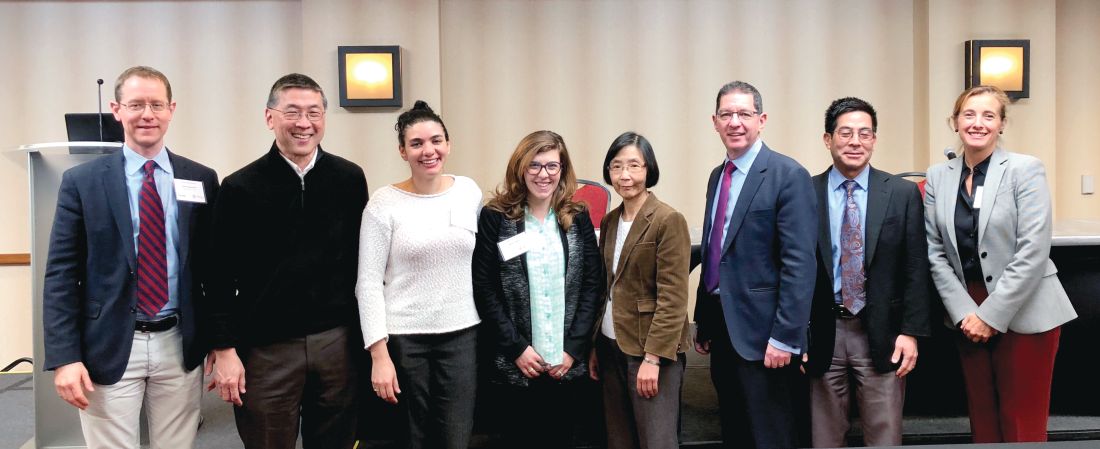
In March 2018, the American Gastroenterological Association (AGA) and American Association for the Study of Liver Diseases (AASLD) sponsored the Academic Skills Workshop in Charlotte, N.C. This year’s chairs Barbara Jung, MD, and Michael W. Fried, MD, FAASLD, as well as codirectors Marcia Cruz-Correa, MD, PhD, AGAF, FASGE, and Raymond Chung, MD, FAASLD, led a 2-day workshop featuring educational sessions and opportunities for mentorship and networking in academic gastroenterology and hepatology. The workshop featured sessions on how to navigate the job market, map out a career trajectory, develop fruitful mentoring relationships, apply for grant funding, and showcase research through manuscripts and oral presentations. Fellows and junior faculty from academic institutions across the United States were able to come together. Herein, two participants share their experiences at this event.
Clinical perspective from Sarah R. Lieber, MD
As a second-year gastroenterology fellow and aspiring transplant hepatologist, I found that this workshop provided an excellent framework and foundation for launching a career in academics and clinical research. It was especially effective at providing practical tips and tools for fellows and junior faculty on how to find an academic job, apply for research funding, and conduct written and oral presentations.

I was particularly moved by the personal stories and anecdotes from faculty members – many of whom are renowned leaders in the fields of GI and hepatology – who divulged the challenges and insecurities they had to overcome early in their careers. Sheila E. Crowe, MD, FRCPC, FACP, FACG, AGAF, gave an especially poignant talk on her career path from fellowship to becoming AGA president. She discussed the challenges unique to women in academic GI and hepatology, but left me feeling empowered and inspired by showcasing the many talents and success stories of her female colleagues and herself as well.

On Saturday, the AASLD held a special session that highlighted the personal stories and career trajectories of clinicians and researchers in the forefront of the field of hepatology – including AASLD president-elect Michael W. Fried, MD, FAASLD, and current AASLD President Ana Lok MD, FAASLD – among others. They emphasized the power of collaborative research that included harnessing the tools of molecular biology and Big Data to investigate the role of the microbiome and other novel subjects in liver disease. They advised us to seek out formal training when available, including master degrees or biostatistics training, to help us develop the skill sets necessary as independent researchers. They elaborated about their experiences serving on professional committees and giving oral presentations – essential to their career development – which allowed them to carve out a research niche and gain recognition as experts in their fields.
There were several powerful lessons and important themes that I take away from this workshop. The first is the importance of citizenship: Being a successful academician means not only putting in the clinical hours and being a prolific researcher but also being a good citizen. Supporting your colleagues, teaching mentees, and being a “team player” are all elements crucial to forming meaningful relationships and standing out as a valuable individual in your department. Second, perseverance is equally important; whether you are resubmitting applications for grant funding or reaching out to mentors in your area of interest, perseverance is the key to a successful career in academics. Third, remember that there is the important distinction between mentorship and sponsorship. While it is essential to have a selfless and supportive mentor who helps you cultivate your clinical and research interests, it is equally important to find a sponsor: an influential academician who can help you launch your career by acting as your advocate and opening doors to professional opportunities. Finally,you must always deliver. When mentors and sponsors give you opportunities to showcase your talents, always invest the time and effort to provide a high-quality performance. Be a good citizen who perseveres, seek out influential mentorship and sponsorship, and deliver on important professional tasks which will prime you to succeed as an academic clinical researcher in GI and hepatology.
Basic scientist perspective from Ana Maldonado-Contreras, PhD
The AGA-AASLD Workshop represented an ideal opportunity to regain perspective on my overall career plan. This year, Dr. Jung restructured the format of the program by substituting “lecture-style” sessions with fully interactive discussion panels in which trainees had the opportunity to initiate discussions about various topics of interest. The faculty leading these interactive sessions were committed to providing honest and clear answers to all of our questions. I believe this was a unique opportunity to go beyond PowerPoint presentations to actually gain insights on the dynamics of an academic department. We learned from department chairs what is considered during hiring, promoting, or allocating funds to make their team successful. Among the topics discussed, collegiality and selfless peer support were highlighted among the qualities of an appreciated department member. Panelists insisted that a balancing act between team support and one’s productivity is fundamental to thriving and maintaining focus.

Another topic with personal relevance was securing funding for my newly formed laboratory – and I was not alone! Prior to the meeting, participants were divided into small groups and assigned to a faculty mentor. Each participant was asked to share a research proposal and CV with her respective mentor. Then, each group had the opportunity to meet during the afternoon mentoring sessions. My group was composed of four participants interested in learning more about National Institutes of Health (NIH) funding strategies based on our current situations. Our assigned mentor, John Inadomi, MD – who thoroughly read our proposals and knew who we were before our encounter – provided practical advice about grant mechanisms to pursue given our current positions and provided detailed tips for successful applications. Dr. Inadomi also was greatly insightful about NIH study sessions and the entire review process. This person-to-person interaction was extremely helpful as it opened the possibility of discussing singularities of each participant’s career plans. Similarly, on the next day we had face time with David Saslowsky, PhD, program director of the National Institute of Diabetes and Digestive and Kidney Diseases at NIH. Dr. Saslowsky also reviewed our research proposals and discussed potential venues for funding within the NIDDK based on individual career trajectories.

Most of the second day was dedicated to reviewing grant opportunities and pertinent tips on how to get funded. We discussed the “most common mistakes” made by junior faculty on grant applications and ways to avoid them. All panelists agreed that the most common mistake is overambition. They advised us to critically consider the aims and activities proposed and, more importantly, seek out advice from mentors with more experience in grant writing.
Undoubtedly, networking with other peers represented an essential part of the experience at this academic workshop. As trainees, we were able to connect with not only seasoned colleagues but also with peers facing the same career challenges. Senior faculty were amazingly personable and committed to sharing experiences with the next generation of clinicians and scientists. They shared their failures, frustrations, and fears as well as their successes. Each story and the words of encouragement from this great community of scientists and clinicians helped me realize my hidden strengths and how to build from my past accomplishments to excel on my path toward becoming a fully independent researcher.
Dr. Lieber is a clinical epidemiology fellow, department of medicine, division of gastroenterology and hepatology, University of North Carolina (UNC), Chapel Hill; Dr. Maldonado-Contreras is an instructor in the department of microbiology and physiological systems and the Center for Microbiome Research, University of Massachusetts, Worcester.
In March 2018, the American Gastroenterological Association (AGA) and American Association for the Study of Liver Diseases (AASLD) sponsored the Academic Skills Workshop in Charlotte, N.C. This year’s chairs Barbara Jung, MD, and Michael W. Fried, MD, FAASLD, as well as codirectors Marcia Cruz-Correa, MD, PhD, AGAF, FASGE, and Raymond Chung, MD, FAASLD, led a 2-day workshop featuring educational sessions and opportunities for mentorship and networking in academic gastroenterology and hepatology. The workshop featured sessions on how to navigate the job market, map out a career trajectory, develop fruitful mentoring relationships, apply for grant funding, and showcase research through manuscripts and oral presentations. Fellows and junior faculty from academic institutions across the United States were able to come together. Herein, two participants share their experiences at this event.
Clinical perspective from Sarah R. Lieber, MD
As a second-year gastroenterology fellow and aspiring transplant hepatologist, I found that this workshop provided an excellent framework and foundation for launching a career in academics and clinical research. It was especially effective at providing practical tips and tools for fellows and junior faculty on how to find an academic job, apply for research funding, and conduct written and oral presentations.
I was particularly moved by the personal stories and anecdotes from faculty members – many of whom are renowned leaders in the fields of GI and hepatology – who divulged the challenges and insecurities they had to overcome early in their careers. Sheila E. Crowe, MD, FRCPC, FACP, FACG, AGAF, gave an especially poignant talk on her career path from fellowship to becoming AGA president. She discussed the challenges unique to women in academic GI and hepatology, but left me feeling empowered and inspired by showcasing the many talents and success stories of her female colleagues and herself as well.
On Saturday, the AASLD held a special session that highlighted the personal stories and career trajectories of clinicians and researchers in the forefront of the field of hepatology – including AASLD president-elect Michael W. Fried, MD, FAASLD, and current AASLD President Ana Lok MD, FAASLD – among others. They emphasized the power of collaborative research that included harnessing the tools of molecular biology and Big Data to investigate the role of the microbiome and other novel subjects in liver disease. They advised us to seek out formal training when available, including master degrees or biostatistics training, to help us develop the skill sets necessary as independent researchers. They elaborated about their experiences serving on professional committees and giving oral presentations – essential to their career development – which allowed them to carve out a research niche and gain recognition as experts in their fields.
There were several powerful lessons and important themes that I take away from this workshop. The first is the importance of citizenship: Being a successful academician means not only putting in the clinical hours and being a prolific researcher but also being a good citizen. Supporting your colleagues, teaching mentees, and being a “team player” are all elements crucial to forming meaningful relationships and standing out as a valuable individual in your department. Second, perseverance is equally important; whether you are resubmitting applications for grant funding or reaching out to mentors in your area of interest, perseverance is the key to a successful career in academics. Third, remember that there is the important distinction between mentorship and sponsorship. While it is essential to have a selfless and supportive mentor who helps you cultivate your clinical and research interests, it is equally important to find a sponsor: an influential academician who can help you launch your career by acting as your advocate and opening doors to professional opportunities. Finally,you must always deliver. When mentors and sponsors give you opportunities to showcase your talents, always invest the time and effort to provide a high-quality performance. Be a good citizen who perseveres, seek out influential mentorship and sponsorship, and deliver on important professional tasks which will prime you to succeed as an academic clinical researcher in GI and hepatology.
Basic scientist perspective from Ana Maldonado-Contreras, PhD
The AGA-AASLD Workshop represented an ideal opportunity to regain perspective on my overall career plan. This year, Dr. Jung restructured the format of the program by substituting “lecture-style” sessions with fully interactive discussion panels in which trainees had the opportunity to initiate discussions about various topics of interest. The faculty leading these interactive sessions were committed to providing honest and clear answers to all of our questions. I believe this was a unique opportunity to go beyond PowerPoint presentations to actually gain insights on the dynamics of an academic department. We learned from department chairs what is considered during hiring, promoting, or allocating funds to make their team successful. Among the topics discussed, collegiality and selfless peer support were highlighted among the qualities of an appreciated department member. Panelists insisted that a balancing act between team support and one’s productivity is fundamental to thriving and maintaining focus.
Another topic with personal relevance was securing funding for my newly formed laboratory – and I was not alone! Prior to the meeting, participants were divided into small groups and assigned to a faculty mentor. Each participant was asked to share a research proposal and CV with her respective mentor. Then, each group had the opportunity to meet during the afternoon mentoring sessions. My group was composed of four participants interested in learning more about National Institutes of Health (NIH) funding strategies based on our current situations. Our assigned mentor, John Inadomi, MD – who thoroughly read our proposals and knew who we were before our encounter – provided practical advice about grant mechanisms to pursue given our current positions and provided detailed tips for successful applications. Dr. Inadomi also was greatly insightful about NIH study sessions and the entire review process. This person-to-person interaction was extremely helpful as it opened the possibility of discussing singularities of each participant’s career plans. Similarly, on the next day we had face time with David Saslowsky, PhD, program director of the National Institute of Diabetes and Digestive and Kidney Diseases at NIH. Dr. Saslowsky also reviewed our research proposals and discussed potential venues for funding within the NIDDK based on individual career trajectories.
Most of the second day was dedicated to reviewing grant opportunities and pertinent tips on how to get funded. We discussed the “most common mistakes” made by junior faculty on grant applications and ways to avoid them. All panelists agreed that the most common mistake is overambition. They advised us to critically consider the aims and activities proposed and, more importantly, seek out advice from mentors with more experience in grant writing.
Undoubtedly, networking with other peers represented an essential part of the experience at this academic workshop. As trainees, we were able to connect with not only seasoned colleagues but also with peers facing the same career challenges. Senior faculty were amazingly personable and committed to sharing experiences with the next generation of clinicians and scientists. They shared their failures, frustrations, and fears as well as their successes. Each story and the words of encouragement from this great community of scientists and clinicians helped me realize my hidden strengths and how to build from my past accomplishments to excel on my path toward becoming a fully independent researcher.
Dr. Lieber is a clinical epidemiology fellow, department of medicine, division of gastroenterology and hepatology, University of North Carolina (UNC), Chapel Hill; Dr. Maldonado-Contreras is an instructor in the department of microbiology and physiological systems and the Center for Microbiome Research, University of Massachusetts, Worcester.
In March 2018, the American Gastroenterological Association (AGA) and American Association for the Study of Liver Diseases (AASLD) sponsored the Academic Skills Workshop in Charlotte, N.C. This year’s chairs Barbara Jung, MD, and Michael W. Fried, MD, FAASLD, as well as codirectors Marcia Cruz-Correa, MD, PhD, AGAF, FASGE, and Raymond Chung, MD, FAASLD, led a 2-day workshop featuring educational sessions and opportunities for mentorship and networking in academic gastroenterology and hepatology. The workshop featured sessions on how to navigate the job market, map out a career trajectory, develop fruitful mentoring relationships, apply for grant funding, and showcase research through manuscripts and oral presentations. Fellows and junior faculty from academic institutions across the United States were able to come together. Herein, two participants share their experiences at this event.
Clinical perspective from Sarah R. Lieber, MD
As a second-year gastroenterology fellow and aspiring transplant hepatologist, I found that this workshop provided an excellent framework and foundation for launching a career in academics and clinical research. It was especially effective at providing practical tips and tools for fellows and junior faculty on how to find an academic job, apply for research funding, and conduct written and oral presentations.
I was particularly moved by the personal stories and anecdotes from faculty members – many of whom are renowned leaders in the fields of GI and hepatology – who divulged the challenges and insecurities they had to overcome early in their careers. Sheila E. Crowe, MD, FRCPC, FACP, FACG, AGAF, gave an especially poignant talk on her career path from fellowship to becoming AGA president. She discussed the challenges unique to women in academic GI and hepatology, but left me feeling empowered and inspired by showcasing the many talents and success stories of her female colleagues and herself as well.
On Saturday, the AASLD held a special session that highlighted the personal stories and career trajectories of clinicians and researchers in the forefront of the field of hepatology – including AASLD president-elect Michael W. Fried, MD, FAASLD, and current AASLD President Ana Lok MD, FAASLD – among others. They emphasized the power of collaborative research that included harnessing the tools of molecular biology and Big Data to investigate the role of the microbiome and other novel subjects in liver disease. They advised us to seek out formal training when available, including master degrees or biostatistics training, to help us develop the skill sets necessary as independent researchers. They elaborated about their experiences serving on professional committees and giving oral presentations – essential to their career development – which allowed them to carve out a research niche and gain recognition as experts in their fields.
There were several powerful lessons and important themes that I take away from this workshop. The first is the importance of citizenship: Being a successful academician means not only putting in the clinical hours and being a prolific researcher but also being a good citizen. Supporting your colleagues, teaching mentees, and being a “team player” are all elements crucial to forming meaningful relationships and standing out as a valuable individual in your department. Second, perseverance is equally important; whether you are resubmitting applications for grant funding or reaching out to mentors in your area of interest, perseverance is the key to a successful career in academics. Third, remember that there is the important distinction between mentorship and sponsorship. While it is essential to have a selfless and supportive mentor who helps you cultivate your clinical and research interests, it is equally important to find a sponsor: an influential academician who can help you launch your career by acting as your advocate and opening doors to professional opportunities. Finally,you must always deliver. When mentors and sponsors give you opportunities to showcase your talents, always invest the time and effort to provide a high-quality performance. Be a good citizen who perseveres, seek out influential mentorship and sponsorship, and deliver on important professional tasks which will prime you to succeed as an academic clinical researcher in GI and hepatology.
Basic scientist perspective from Ana Maldonado-Contreras, PhD
The AGA-AASLD Workshop represented an ideal opportunity to regain perspective on my overall career plan. This year, Dr. Jung restructured the format of the program by substituting “lecture-style” sessions with fully interactive discussion panels in which trainees had the opportunity to initiate discussions about various topics of interest. The faculty leading these interactive sessions were committed to providing honest and clear answers to all of our questions. I believe this was a unique opportunity to go beyond PowerPoint presentations to actually gain insights on the dynamics of an academic department. We learned from department chairs what is considered during hiring, promoting, or allocating funds to make their team successful. Among the topics discussed, collegiality and selfless peer support were highlighted among the qualities of an appreciated department member. Panelists insisted that a balancing act between team support and one’s productivity is fundamental to thriving and maintaining focus.
Another topic with personal relevance was securing funding for my newly formed laboratory – and I was not alone! Prior to the meeting, participants were divided into small groups and assigned to a faculty mentor. Each participant was asked to share a research proposal and CV with her respective mentor. Then, each group had the opportunity to meet during the afternoon mentoring sessions. My group was composed of four participants interested in learning more about National Institutes of Health (NIH) funding strategies based on our current situations. Our assigned mentor, John Inadomi, MD – who thoroughly read our proposals and knew who we were before our encounter – provided practical advice about grant mechanisms to pursue given our current positions and provided detailed tips for successful applications. Dr. Inadomi also was greatly insightful about NIH study sessions and the entire review process. This person-to-person interaction was extremely helpful as it opened the possibility of discussing singularities of each participant’s career plans. Similarly, on the next day we had face time with David Saslowsky, PhD, program director of the National Institute of Diabetes and Digestive and Kidney Diseases at NIH. Dr. Saslowsky also reviewed our research proposals and discussed potential venues for funding within the NIDDK based on individual career trajectories.
Most of the second day was dedicated to reviewing grant opportunities and pertinent tips on how to get funded. We discussed the “most common mistakes” made by junior faculty on grant applications and ways to avoid them. All panelists agreed that the most common mistake is overambition. They advised us to critically consider the aims and activities proposed and, more importantly, seek out advice from mentors with more experience in grant writing.
Undoubtedly, networking with other peers represented an essential part of the experience at this academic workshop. As trainees, we were able to connect with not only seasoned colleagues but also with peers facing the same career challenges. Senior faculty were amazingly personable and committed to sharing experiences with the next generation of clinicians and scientists. They shared their failures, frustrations, and fears as well as their successes. Each story and the words of encouragement from this great community of scientists and clinicians helped me realize my hidden strengths and how to build from my past accomplishments to excel on my path toward becoming a fully independent researcher.
Dr. Lieber is a clinical epidemiology fellow, department of medicine, division of gastroenterology and hepatology, University of North Carolina (UNC), Chapel Hill; Dr. Maldonado-Contreras is an instructor in the department of microbiology and physiological systems and the Center for Microbiome Research, University of Massachusetts, Worcester.
Upper GI tract
Rhonda Souza, MD, AGAF, started off this session with a review of eosinophilic esophagitis (EoE). She explained the challenges of the six-food elimination diet and described an alternative step-up elimination diet. In one study of the step-up elimination diet, food triggers were identified in 88% of patients during the reintroduction of food groups. Proton pump inhibitors are recommended for patients who do not respond to or refuse diet therapy; 30%-50% of patients with EoE will respond to the drugs. She explained that PPIs might have eosinophil-reducing effects independent of gastric acid–lowering effects, and said that PPIs should be stopped for 3-4 weeks before a diagnostic endoscopy is performed if EoE is suspected. Dr. Souza also spoke about topical steroids, biologic agents, and gradual esophageal dilation.
Ronnie Fass, MD, then addressed the management of patients with documented gastroesophageal reflux disease (GERD), or heartburn without documented GERD, who are unresponsive to PPIs. He referred to the management algorithm that he and Prakash Gyawali, MD, MRCP, published this year (Gastroenterology 2018;154:302-18), and described the optimization of PPI therapy before doubling the dose, as well as the testing that should be done if the dose increase does not relieve symptoms. Dr. Fass showed that there are various possible mechanisms for refractory GERD or heartburn, including weakly acidic or alkaline reflux, functional heartburn, and reflux hypersensitivity. He reviewed the Rome IV diagnostic criteria and treatment for the latter two conditions, and discussed the role of esophageal manometry to exclude esophageal motor disorders in patients with refractory GERD and heartburn.

Colin Howden, MD, AGAF, presented data on the risks and benefits of PPIs. He reviewed the Hill criteria to prove causation and methodically reviewed whether these criteria applied to various reported risks of PPIs, from C. difficile infection and bacterial gastroenteritis to kidney disease and interference with calcium absorption. He concluded that the absolute risks are low, that most data are retrospective and prone to bias, and that causality has generally not been demonstrated. Benefit usually outweighs risk if there is a valid indication for PPI use, he said, but the lowest effective dose should be used.
Jan Tack, MD, PhD, then reviewed functional dyspepsia (FD). He described the Rome IV criteria for FD and the two main subtypes of epigastric pain syndrome (EPS) and postprandial distress syndrome (PDS), noting that some patients have both. Dr. Tack then discussed the pathophysiologic mechanisms and treatment approaches. For EPS, he recommended a trial of PPIs, then tricyclic antidepressants, and for refractory cases, behavioral therapy. For PDS, he recommended a prokinetic agent if available or acid suppression. If no response, then a 5HT1A agonist such as buspirone can be used for early satiety or mirtazapine for those with weight loss. In refractory cases, he said, a prokinetic agent such as prucalopride can be considered if there is delayed gastric emptying.
Baharak Moshiree, MD, AGAF, discussed the causes, diagnosis, and treatment of chronic nausea. Gastrointestinal causes include FD, gastroparesis, irritable bowel syndrome, celiac disease, and small intestinal bacterial overgrowth. Dr. Moshiree outlined the Rome IV criteria for chronic nausea and vomiting syndrome, cyclic vomiting syndrome, and cannabinoid hyperemesis syndrome. She also described the overlap between FD and gastroparesis and noted that nausea is a common symptom of both. Various tests can be used to rule out structural GI causes and to measure motility and gastric accommodation. In addition to treatment such as antiemetics, prokinetic agents, and neuromodulators, Dr. Moshiree examined the evidence of emerging therapies such as aprepitant, an NK1 antagonist, for gastroparesis or unexplained chronic nausea and vomiting.
Barham Abu Dayyeh, MD, MPH, addressed endoscopic management of patients after bariatric surgery. He showed that hemorrhage or marginal ulcers postsurgery can be treated with PPIs, hemoclips for bleeding ulcers, and endoscopic suturing or surgery for recalcitrant ulcers. He also discussed the management of a stenosis after Roux-en-Y gastric bypass, which now includes lumen-opposing stents, as well as the management of leaks from sleeve gastrectomy and gastric bypass and the management of biliary complications. Lastly, he reviewed the modifiable risk factors for weight regain after Roux-en-Y gastric bypass, such as gastrogastric fistula and gastrojejunal stoma dilation, and how they can be endoscopically managed.
Dr. Chang is vice-chief, Vatche and Tamar Manoukian division of digestive diseases, program director, UCLA GI fellowship program, codirector, G. Oppenheimer Center for Neurobiology of Stress and Resilience, and professor of medicine at the David Geffen School of Medicine at UCLA. This is a summary provided by the moderator of one of the AGA Postgraduate Courses held at DDW 2018. She is on the advisory board for Synergy, IM HealthSciences, and Salix; an adviser for Metameconnect.com and ModifyHealth; and a speaker for Allergan and Takeda.
Rhonda Souza, MD, AGAF, started off this session with a review of eosinophilic esophagitis (EoE). She explained the challenges of the six-food elimination diet and described an alternative step-up elimination diet. In one study of the step-up elimination diet, food triggers were identified in 88% of patients during the reintroduction of food groups. Proton pump inhibitors are recommended for patients who do not respond to or refuse diet therapy; 30%-50% of patients with EoE will respond to the drugs. She explained that PPIs might have eosinophil-reducing effects independent of gastric acid–lowering effects, and said that PPIs should be stopped for 3-4 weeks before a diagnostic endoscopy is performed if EoE is suspected. Dr. Souza also spoke about topical steroids, biologic agents, and gradual esophageal dilation.
Ronnie Fass, MD, then addressed the management of patients with documented gastroesophageal reflux disease (GERD), or heartburn without documented GERD, who are unresponsive to PPIs. He referred to the management algorithm that he and Prakash Gyawali, MD, MRCP, published this year (Gastroenterology 2018;154:302-18), and described the optimization of PPI therapy before doubling the dose, as well as the testing that should be done if the dose increase does not relieve symptoms. Dr. Fass showed that there are various possible mechanisms for refractory GERD or heartburn, including weakly acidic or alkaline reflux, functional heartburn, and reflux hypersensitivity. He reviewed the Rome IV diagnostic criteria and treatment for the latter two conditions, and discussed the role of esophageal manometry to exclude esophageal motor disorders in patients with refractory GERD and heartburn.
Colin Howden, MD, AGAF, presented data on the risks and benefits of PPIs. He reviewed the Hill criteria to prove causation and methodically reviewed whether these criteria applied to various reported risks of PPIs, from C. difficile infection and bacterial gastroenteritis to kidney disease and interference with calcium absorption. He concluded that the absolute risks are low, that most data are retrospective and prone to bias, and that causality has generally not been demonstrated. Benefit usually outweighs risk if there is a valid indication for PPI use, he said, but the lowest effective dose should be used.
Jan Tack, MD, PhD, then reviewed functional dyspepsia (FD). He described the Rome IV criteria for FD and the two main subtypes of epigastric pain syndrome (EPS) and postprandial distress syndrome (PDS), noting that some patients have both. Dr. Tack then discussed the pathophysiologic mechanisms and treatment approaches. For EPS, he recommended a trial of PPIs, then tricyclic antidepressants, and for refractory cases, behavioral therapy. For PDS, he recommended a prokinetic agent if available or acid suppression. If no response, then a 5HT1A agonist such as buspirone can be used for early satiety or mirtazapine for those with weight loss. In refractory cases, he said, a prokinetic agent such as prucalopride can be considered if there is delayed gastric emptying.
Baharak Moshiree, MD, AGAF, discussed the causes, diagnosis, and treatment of chronic nausea. Gastrointestinal causes include FD, gastroparesis, irritable bowel syndrome, celiac disease, and small intestinal bacterial overgrowth. Dr. Moshiree outlined the Rome IV criteria for chronic nausea and vomiting syndrome, cyclic vomiting syndrome, and cannabinoid hyperemesis syndrome. She also described the overlap between FD and gastroparesis and noted that nausea is a common symptom of both. Various tests can be used to rule out structural GI causes and to measure motility and gastric accommodation. In addition to treatment such as antiemetics, prokinetic agents, and neuromodulators, Dr. Moshiree examined the evidence of emerging therapies such as aprepitant, an NK1 antagonist, for gastroparesis or unexplained chronic nausea and vomiting.
Barham Abu Dayyeh, MD, MPH, addressed endoscopic management of patients after bariatric surgery. He showed that hemorrhage or marginal ulcers postsurgery can be treated with PPIs, hemoclips for bleeding ulcers, and endoscopic suturing or surgery for recalcitrant ulcers. He also discussed the management of a stenosis after Roux-en-Y gastric bypass, which now includes lumen-opposing stents, as well as the management of leaks from sleeve gastrectomy and gastric bypass and the management of biliary complications. Lastly, he reviewed the modifiable risk factors for weight regain after Roux-en-Y gastric bypass, such as gastrogastric fistula and gastrojejunal stoma dilation, and how they can be endoscopically managed.
Dr. Chang is vice-chief, Vatche and Tamar Manoukian division of digestive diseases, program director, UCLA GI fellowship program, codirector, G. Oppenheimer Center for Neurobiology of Stress and Resilience, and professor of medicine at the David Geffen School of Medicine at UCLA. This is a summary provided by the moderator of one of the AGA Postgraduate Courses held at DDW 2018. She is on the advisory board for Synergy, IM HealthSciences, and Salix; an adviser for Metameconnect.com and ModifyHealth; and a speaker for Allergan and Takeda.
Rhonda Souza, MD, AGAF, started off this session with a review of eosinophilic esophagitis (EoE). She explained the challenges of the six-food elimination diet and described an alternative step-up elimination diet. In one study of the step-up elimination diet, food triggers were identified in 88% of patients during the reintroduction of food groups. Proton pump inhibitors are recommended for patients who do not respond to or refuse diet therapy; 30%-50% of patients with EoE will respond to the drugs. She explained that PPIs might have eosinophil-reducing effects independent of gastric acid–lowering effects, and said that PPIs should be stopped for 3-4 weeks before a diagnostic endoscopy is performed if EoE is suspected. Dr. Souza also spoke about topical steroids, biologic agents, and gradual esophageal dilation.
Ronnie Fass, MD, then addressed the management of patients with documented gastroesophageal reflux disease (GERD), or heartburn without documented GERD, who are unresponsive to PPIs. He referred to the management algorithm that he and Prakash Gyawali, MD, MRCP, published this year (Gastroenterology 2018;154:302-18), and described the optimization of PPI therapy before doubling the dose, as well as the testing that should be done if the dose increase does not relieve symptoms. Dr. Fass showed that there are various possible mechanisms for refractory GERD or heartburn, including weakly acidic or alkaline reflux, functional heartburn, and reflux hypersensitivity. He reviewed the Rome IV diagnostic criteria and treatment for the latter two conditions, and discussed the role of esophageal manometry to exclude esophageal motor disorders in patients with refractory GERD and heartburn.
Colin Howden, MD, AGAF, presented data on the risks and benefits of PPIs. He reviewed the Hill criteria to prove causation and methodically reviewed whether these criteria applied to various reported risks of PPIs, from C. difficile infection and bacterial gastroenteritis to kidney disease and interference with calcium absorption. He concluded that the absolute risks are low, that most data are retrospective and prone to bias, and that causality has generally not been demonstrated. Benefit usually outweighs risk if there is a valid indication for PPI use, he said, but the lowest effective dose should be used.
Jan Tack, MD, PhD, then reviewed functional dyspepsia (FD). He described the Rome IV criteria for FD and the two main subtypes of epigastric pain syndrome (EPS) and postprandial distress syndrome (PDS), noting that some patients have both. Dr. Tack then discussed the pathophysiologic mechanisms and treatment approaches. For EPS, he recommended a trial of PPIs, then tricyclic antidepressants, and for refractory cases, behavioral therapy. For PDS, he recommended a prokinetic agent if available or acid suppression. If no response, then a 5HT1A agonist such as buspirone can be used for early satiety or mirtazapine for those with weight loss. In refractory cases, he said, a prokinetic agent such as prucalopride can be considered if there is delayed gastric emptying.
Baharak Moshiree, MD, AGAF, discussed the causes, diagnosis, and treatment of chronic nausea. Gastrointestinal causes include FD, gastroparesis, irritable bowel syndrome, celiac disease, and small intestinal bacterial overgrowth. Dr. Moshiree outlined the Rome IV criteria for chronic nausea and vomiting syndrome, cyclic vomiting syndrome, and cannabinoid hyperemesis syndrome. She also described the overlap between FD and gastroparesis and noted that nausea is a common symptom of both. Various tests can be used to rule out structural GI causes and to measure motility and gastric accommodation. In addition to treatment such as antiemetics, prokinetic agents, and neuromodulators, Dr. Moshiree examined the evidence of emerging therapies such as aprepitant, an NK1 antagonist, for gastroparesis or unexplained chronic nausea and vomiting.
Barham Abu Dayyeh, MD, MPH, addressed endoscopic management of patients after bariatric surgery. He showed that hemorrhage or marginal ulcers postsurgery can be treated with PPIs, hemoclips for bleeding ulcers, and endoscopic suturing or surgery for recalcitrant ulcers. He also discussed the management of a stenosis after Roux-en-Y gastric bypass, which now includes lumen-opposing stents, as well as the management of leaks from sleeve gastrectomy and gastric bypass and the management of biliary complications. Lastly, he reviewed the modifiable risk factors for weight regain after Roux-en-Y gastric bypass, such as gastrogastric fistula and gastrojejunal stoma dilation, and how they can be endoscopically managed.
Dr. Chang is vice-chief, Vatche and Tamar Manoukian division of digestive diseases, program director, UCLA GI fellowship program, codirector, G. Oppenheimer Center for Neurobiology of Stress and Resilience, and professor of medicine at the David Geffen School of Medicine at UCLA. This is a summary provided by the moderator of one of the AGA Postgraduate Courses held at DDW 2018. She is on the advisory board for Synergy, IM HealthSciences, and Salix; an adviser for Metameconnect.com and ModifyHealth; and a speaker for Allergan and Takeda.

The large bowel, featuring side effects from checkpoint inhibitor therapy
The large bowel session focused on functional bowel complaints, colorectal cancer risk assessment, the management of serrated polyps, and finally, the spectrum of GI side effects resulting from checkpoint inhibitor therapy.
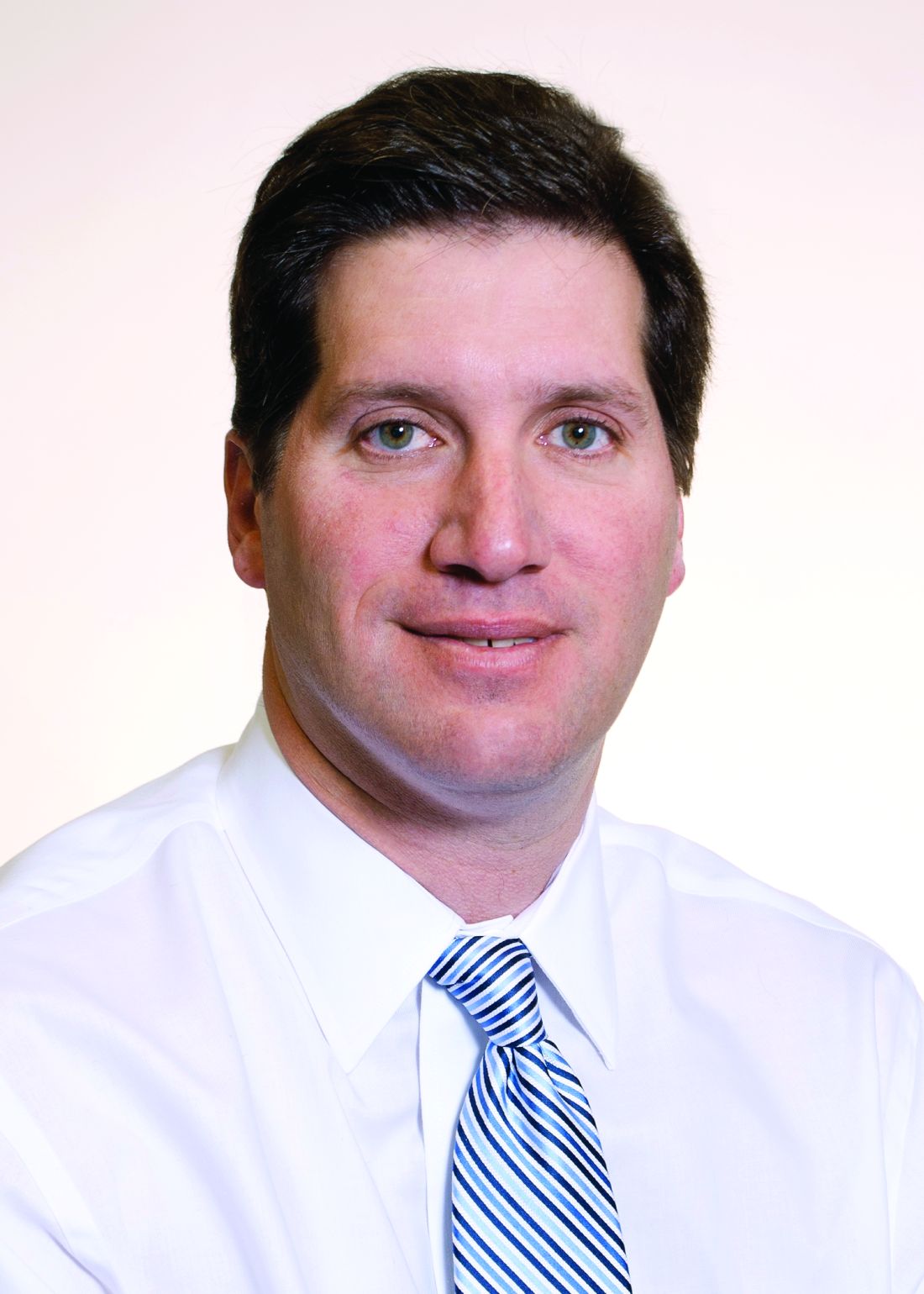
William Chey, MD, led with a review of novel topics in irritable bowel syndrome (IBS). He emphasized the growing influence of the microbiome considerations on current thinking about IBS, in addition to the more traditional concerns regarding altered motility, visceral perception, and brain-gut interaction. He presented data demonstrating the benefit of low-FODMAP and other diets, as well as the role of antibiotic therapy in selected patients. He also reviewed early data on fecal transplants for treating IBS.
Darren Brenner, MD, reviewed current guidelines for the management of chronic constipation. He emphasized the importance of early diagnostic testing for evacuation disorders as a possible explanation for chronic constipation (for example, anorectal manometry, balloon expulsion testing). He also suggested that earlier treatment with prescription-based agents may be warranted after failure of fiber or polyethylene glycol (PEG)–based laxatives. Finally, he discussed treatment options for constipation either induced or worsened by opioid exposure.
The role of serrated polyps in colorectal carcinogenesis has been increasingly recognized. Seth Crockett, MD, reviewed the optimal means for endoscopic recognition and removal of these lesions. Colonoscopy remains the gold standard to detect serrated polyps because stool tests (blood- and DNA-based) and computed tomography colonography typically have low sensitivities to detect these lesions.
Sapna Syngal, MD, discussed the growing role of gene panel testing for patients who have colorectal cancer (CRC) or who are at elevated risk. In most settings, all newly identified CRCs are tested for microsatellite instability – a characteristic of hereditary nonpolyposis colorectal cancer (Lynch syndrome). However, with the advent of less expensive multigene, blood-based screening tests, patients can be tested for a wide variety of genetic abnormalities, some that are typically associated with CRC and others that are not. Dr. Syngal emphasized the potential effects on immediate treatment, as well as risk stratification for other diseases, associated with broad mutation testing.
Finally, Edward Loftus, MD, reviewed the GI complications associated with checkpoint inhibitor therapy, a type of immunotherapy increasingly used for a wide range of cancers. These drugs cause colitis, hepatitis, and pancreatitis, among other adverse effects. Mild cases can typically be handled (usually as in outpatient settings) with oral steroids. However, more severe toxicities may require hospitalization and intravenous, high-dose steroids. Patients with colitis who fail steroids may require infliximab or other anti–tumor necrosis factor medications, while those with hepatitis may benefit from mycophenolate.
Dr. Weinberg is chairman of the department of medicine at Fox Chase Cancer Center, Philadelphia. He has no conflits of interest. This is a summary provided by the moderator of one of the AGA Postgraduate Courses held at DDW 2018.
The large bowel session focused on functional bowel complaints, colorectal cancer risk assessment, the management of serrated polyps, and finally, the spectrum of GI side effects resulting from checkpoint inhibitor therapy.
William Chey, MD, led with a review of novel topics in irritable bowel syndrome (IBS). He emphasized the growing influence of the microbiome considerations on current thinking about IBS, in addition to the more traditional concerns regarding altered motility, visceral perception, and brain-gut interaction. He presented data demonstrating the benefit of low-FODMAP and other diets, as well as the role of antibiotic therapy in selected patients. He also reviewed early data on fecal transplants for treating IBS.
Darren Brenner, MD, reviewed current guidelines for the management of chronic constipation. He emphasized the importance of early diagnostic testing for evacuation disorders as a possible explanation for chronic constipation (for example, anorectal manometry, balloon expulsion testing). He also suggested that earlier treatment with prescription-based agents may be warranted after failure of fiber or polyethylene glycol (PEG)–based laxatives. Finally, he discussed treatment options for constipation either induced or worsened by opioid exposure.
The role of serrated polyps in colorectal carcinogenesis has been increasingly recognized. Seth Crockett, MD, reviewed the optimal means for endoscopic recognition and removal of these lesions. Colonoscopy remains the gold standard to detect serrated polyps because stool tests (blood- and DNA-based) and computed tomography colonography typically have low sensitivities to detect these lesions.
Sapna Syngal, MD, discussed the growing role of gene panel testing for patients who have colorectal cancer (CRC) or who are at elevated risk. In most settings, all newly identified CRCs are tested for microsatellite instability – a characteristic of hereditary nonpolyposis colorectal cancer (Lynch syndrome). However, with the advent of less expensive multigene, blood-based screening tests, patients can be tested for a wide variety of genetic abnormalities, some that are typically associated with CRC and others that are not. Dr. Syngal emphasized the potential effects on immediate treatment, as well as risk stratification for other diseases, associated with broad mutation testing.
Finally, Edward Loftus, MD, reviewed the GI complications associated with checkpoint inhibitor therapy, a type of immunotherapy increasingly used for a wide range of cancers. These drugs cause colitis, hepatitis, and pancreatitis, among other adverse effects. Mild cases can typically be handled (usually as in outpatient settings) with oral steroids. However, more severe toxicities may require hospitalization and intravenous, high-dose steroids. Patients with colitis who fail steroids may require infliximab or other anti–tumor necrosis factor medications, while those with hepatitis may benefit from mycophenolate.
Dr. Weinberg is chairman of the department of medicine at Fox Chase Cancer Center, Philadelphia. He has no conflits of interest. This is a summary provided by the moderator of one of the AGA Postgraduate Courses held at DDW 2018.
The large bowel session focused on functional bowel complaints, colorectal cancer risk assessment, the management of serrated polyps, and finally, the spectrum of GI side effects resulting from checkpoint inhibitor therapy.
William Chey, MD, led with a review of novel topics in irritable bowel syndrome (IBS). He emphasized the growing influence of the microbiome considerations on current thinking about IBS, in addition to the more traditional concerns regarding altered motility, visceral perception, and brain-gut interaction. He presented data demonstrating the benefit of low-FODMAP and other diets, as well as the role of antibiotic therapy in selected patients. He also reviewed early data on fecal transplants for treating IBS.
Darren Brenner, MD, reviewed current guidelines for the management of chronic constipation. He emphasized the importance of early diagnostic testing for evacuation disorders as a possible explanation for chronic constipation (for example, anorectal manometry, balloon expulsion testing). He also suggested that earlier treatment with prescription-based agents may be warranted after failure of fiber or polyethylene glycol (PEG)–based laxatives. Finally, he discussed treatment options for constipation either induced or worsened by opioid exposure.
The role of serrated polyps in colorectal carcinogenesis has been increasingly recognized. Seth Crockett, MD, reviewed the optimal means for endoscopic recognition and removal of these lesions. Colonoscopy remains the gold standard to detect serrated polyps because stool tests (blood- and DNA-based) and computed tomography colonography typically have low sensitivities to detect these lesions.
Sapna Syngal, MD, discussed the growing role of gene panel testing for patients who have colorectal cancer (CRC) or who are at elevated risk. In most settings, all newly identified CRCs are tested for microsatellite instability – a characteristic of hereditary nonpolyposis colorectal cancer (Lynch syndrome). However, with the advent of less expensive multigene, blood-based screening tests, patients can be tested for a wide variety of genetic abnormalities, some that are typically associated with CRC and others that are not. Dr. Syngal emphasized the potential effects on immediate treatment, as well as risk stratification for other diseases, associated with broad mutation testing.
Finally, Edward Loftus, MD, reviewed the GI complications associated with checkpoint inhibitor therapy, a type of immunotherapy increasingly used for a wide range of cancers. These drugs cause colitis, hepatitis, and pancreatitis, among other adverse effects. Mild cases can typically be handled (usually as in outpatient settings) with oral steroids. However, more severe toxicities may require hospitalization and intravenous, high-dose steroids. Patients with colitis who fail steroids may require infliximab or other anti–tumor necrosis factor medications, while those with hepatitis may benefit from mycophenolate.
Dr. Weinberg is chairman of the department of medicine at Fox Chase Cancer Center, Philadelphia. He has no conflits of interest. This is a summary provided by the moderator of one of the AGA Postgraduate Courses held at DDW 2018.
Third-line avelumab for gastric cancer safer than chemotherapy
according to a recent study.
Although no primary or secondary endpoints were met, avelumab demonstrated similar antitumor activity compared with chemotherapy, reported Yung-Jue Bang, MD, PhD, of Seoul National University College of Medicine, South Korea, and his coauthors.
“There currently are no internationally recognized treatment guidelines for patients with advanced gastric cancer/gastroesophageal junction cancer [GC/GEJC] in whom two prior lines of therapy have failed,” the investigators wrote in Annals of Oncology.
The phase 3, randomized JAVELIN Gastric 300 trial compared avelumab, an anti–programmed death ligand 1 (PD-L1) monoclonal antibody, with physician’s choice of chemotherapy in 371 patients with metastatic GC/GEJC who had received two previous lines of systemic therapy. A total of 185 patients received avelumab and 186 patients received chemotherapy. Of those in the chemotherapy group, 120 (64.5%) were given irinotecan, 50 (29.0%) were given paclitaxel, and 3 (1.6%) received best supportive care only. The primary endpoint was overall survival, and secondary endpoints were objective response rate and progression-free survival. Safety and tolerability were also evaluated.
Neither primary nor secondary endpoints were met, and no significant difference in efficacy was found between treatment arms. However, tolerability was notably better in the avelumab treatment group. Treatment-related adverse events occurred in 90 patients (48.9%) in the avelumab group, compared with 131 patients (74.0%) in the chemotherapy group. Grade 3 or higher treatment-related adverse events were also less common in the avelumab group (9.2% vs. 31.6%). In the avelumab treatment arm, 4 patients (2.2%) had grade 3 or higher immune-related adverse events (autoimmune hypothyroidism, autoimmune hepatitis, elevated AST, and colitis).
“These results demonstrate that avelumab is better tolerated than chemotherapy in patients with heavily pretreated GC/GEJC, supporting the potential of avelumab for combination or maintenance therapy, even in later stages of disease,” the investigators wrote. “Nevertheless, the optimal strategy for incorporating checkpoint inhibitors into the continuum of care for patients with advanced GC/GEJC is still unknown, and studies of alternative anti–PD-1/PD-L1 treatment strategies in earlier lines of therapy are warranted.”
The study was funded by Merck and Pfizer. Authors reported compensation from AstraZeneca, Eli Lilly, Novartis, and others.
SOURCE: Bang YJ et al. Ann Oncol. 2018 Jul 24. doi:10.1093/annonc/mdy264.
according to a recent study.
Although no primary or secondary endpoints were met, avelumab demonstrated similar antitumor activity compared with chemotherapy, reported Yung-Jue Bang, MD, PhD, of Seoul National University College of Medicine, South Korea, and his coauthors.
“There currently are no internationally recognized treatment guidelines for patients with advanced gastric cancer/gastroesophageal junction cancer [GC/GEJC] in whom two prior lines of therapy have failed,” the investigators wrote in Annals of Oncology.
The phase 3, randomized JAVELIN Gastric 300 trial compared avelumab, an anti–programmed death ligand 1 (PD-L1) monoclonal antibody, with physician’s choice of chemotherapy in 371 patients with metastatic GC/GEJC who had received two previous lines of systemic therapy. A total of 185 patients received avelumab and 186 patients received chemotherapy. Of those in the chemotherapy group, 120 (64.5%) were given irinotecan, 50 (29.0%) were given paclitaxel, and 3 (1.6%) received best supportive care only. The primary endpoint was overall survival, and secondary endpoints were objective response rate and progression-free survival. Safety and tolerability were also evaluated.
Neither primary nor secondary endpoints were met, and no significant difference in efficacy was found between treatment arms. However, tolerability was notably better in the avelumab treatment group. Treatment-related adverse events occurred in 90 patients (48.9%) in the avelumab group, compared with 131 patients (74.0%) in the chemotherapy group. Grade 3 or higher treatment-related adverse events were also less common in the avelumab group (9.2% vs. 31.6%). In the avelumab treatment arm, 4 patients (2.2%) had grade 3 or higher immune-related adverse events (autoimmune hypothyroidism, autoimmune hepatitis, elevated AST, and colitis).
“These results demonstrate that avelumab is better tolerated than chemotherapy in patients with heavily pretreated GC/GEJC, supporting the potential of avelumab for combination or maintenance therapy, even in later stages of disease,” the investigators wrote. “Nevertheless, the optimal strategy for incorporating checkpoint inhibitors into the continuum of care for patients with advanced GC/GEJC is still unknown, and studies of alternative anti–PD-1/PD-L1 treatment strategies in earlier lines of therapy are warranted.”
The study was funded by Merck and Pfizer. Authors reported compensation from AstraZeneca, Eli Lilly, Novartis, and others.
SOURCE: Bang YJ et al. Ann Oncol. 2018 Jul 24. doi:10.1093/annonc/mdy264.
according to a recent study.
Although no primary or secondary endpoints were met, avelumab demonstrated similar antitumor activity compared with chemotherapy, reported Yung-Jue Bang, MD, PhD, of Seoul National University College of Medicine, South Korea, and his coauthors.
“There currently are no internationally recognized treatment guidelines for patients with advanced gastric cancer/gastroesophageal junction cancer [GC/GEJC] in whom two prior lines of therapy have failed,” the investigators wrote in Annals of Oncology.
The phase 3, randomized JAVELIN Gastric 300 trial compared avelumab, an anti–programmed death ligand 1 (PD-L1) monoclonal antibody, with physician’s choice of chemotherapy in 371 patients with metastatic GC/GEJC who had received two previous lines of systemic therapy. A total of 185 patients received avelumab and 186 patients received chemotherapy. Of those in the chemotherapy group, 120 (64.5%) were given irinotecan, 50 (29.0%) were given paclitaxel, and 3 (1.6%) received best supportive care only. The primary endpoint was overall survival, and secondary endpoints were objective response rate and progression-free survival. Safety and tolerability were also evaluated.
Neither primary nor secondary endpoints were met, and no significant difference in efficacy was found between treatment arms. However, tolerability was notably better in the avelumab treatment group. Treatment-related adverse events occurred in 90 patients (48.9%) in the avelumab group, compared with 131 patients (74.0%) in the chemotherapy group. Grade 3 or higher treatment-related adverse events were also less common in the avelumab group (9.2% vs. 31.6%). In the avelumab treatment arm, 4 patients (2.2%) had grade 3 or higher immune-related adverse events (autoimmune hypothyroidism, autoimmune hepatitis, elevated AST, and colitis).
“These results demonstrate that avelumab is better tolerated than chemotherapy in patients with heavily pretreated GC/GEJC, supporting the potential of avelumab for combination or maintenance therapy, even in later stages of disease,” the investigators wrote. “Nevertheless, the optimal strategy for incorporating checkpoint inhibitors into the continuum of care for patients with advanced GC/GEJC is still unknown, and studies of alternative anti–PD-1/PD-L1 treatment strategies in earlier lines of therapy are warranted.”
The study was funded by Merck and Pfizer. Authors reported compensation from AstraZeneca, Eli Lilly, Novartis, and others.
SOURCE: Bang YJ et al. Ann Oncol. 2018 Jul 24. doi:10.1093/annonc/mdy264.
FROM ANNALS OF ONCOLOGY
Key clinical point: Third-line avelumab for patients with gastric cancer is safer, but no more effective, than chemotherapy.
Major finding: Grade 3 or higher treatment-related adverse events occurred in 9.2% of patients treated with avelumab, compared with 31.6% of patients treated with chemotherapy.
Study details: The phase 3 JAVELIN Gastric 300 trial involved 371 patients with metastatic, nonresectable gastric cancer who had received two previous lines of systemic therapy.
Disclosures: The study was funded by Merck and Pfizer. Authors reported compensation from AstraZeneca, Eli Lilly, Novartis, and others.
Source: Bang YJ et al. Ann Oncol. 2018 Jul 24. doi:10.1093/annonc/mdy264.
Asthma medication ratio identifies high-risk pediatric patients
ATLANTA – An according to researchers from the Medical University of South Carolina (MUSC), Charleston.
The asthma medication ratio (AMR) – the number of prescriptions for controller medications divided by the number of prescriptions for both controller and rescue medications – has been around for a while, but it’s mostly been used as a quality metric. The new study shows that it’s also useful in the clinic to identify children who could benefit from extra attention.
A perfect ratio of 1 means that control is good without rescue inhalers. The ratio falls as the number of rescue inhalers goes up, signaling poorer control. Children with a ratio below 0.5 are considered high risk; they’d hit that mark if, for instance, they were prescribed one control medication such as fluticasone propionate (Flovent) and two albuterol rescue inhalers in a month.
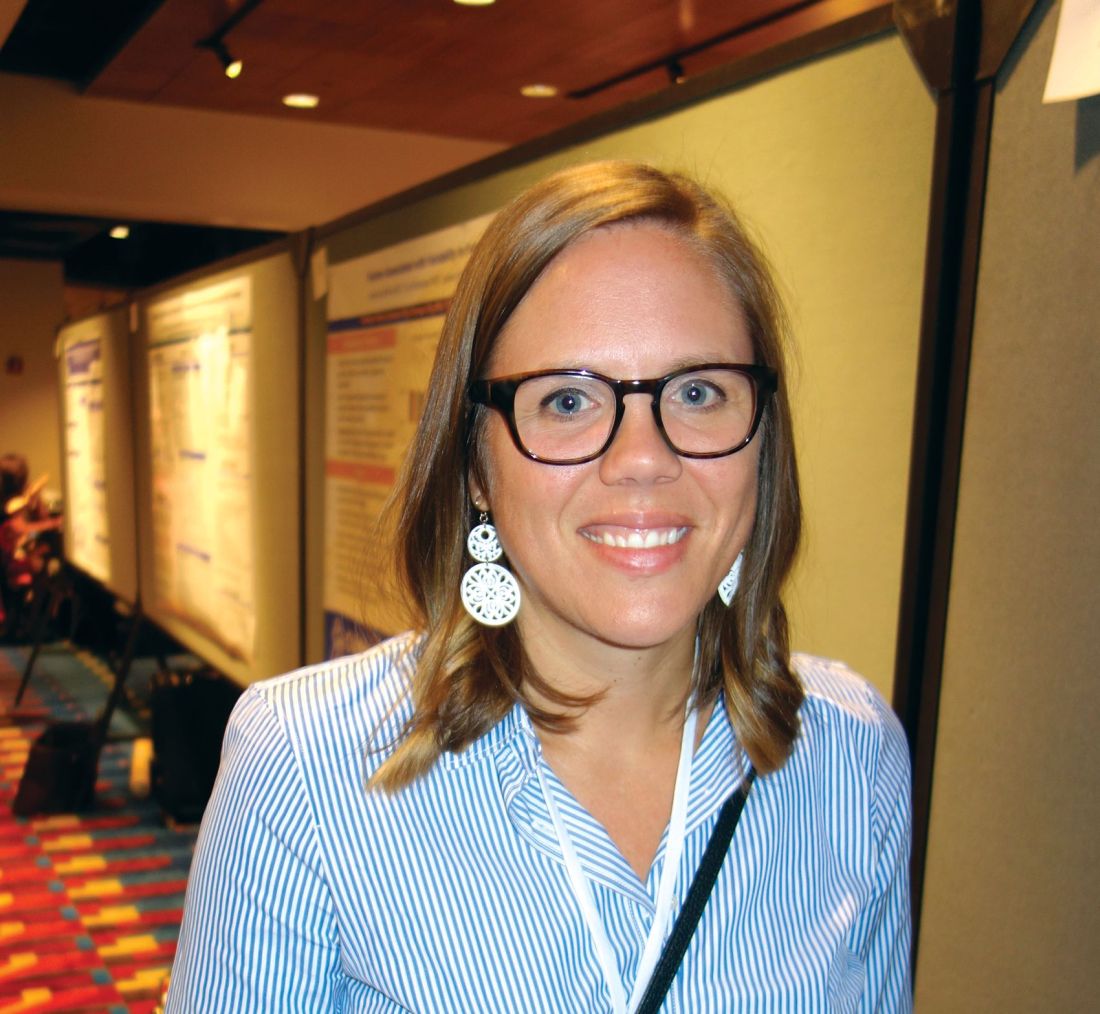
If control is good, “you should only need a rescue inhaler very, very sporadically;” high-risk children probably need a higher dose of their controller, or help with compliance, explained lead investigator Annie L. Andrews, MD, associate professor of pediatrics at MUSC.
The university uses the EPIC records system, which incorporates prescription data from Surescripts, so the number of asthma medication fills is already available. The system just needs to be adjusted to calculate and report AMRs monthly, something Dr. Andrews and her team are working on. “The information is right there, but it’s an untapped resource,” she said. “We just need to crunch the numbers, and operationalize it. Why are we waiting until kids are in the hospital” to intervene?
Dr. Andrews presented a proof-of-concept study at the Pediatric Hospital Medicine meeting. Her team identified 214,452 asthma patients aged 2-17 years with at least one claim for an inhaled corticosteroid in the Truven MarketScan Medicaid database from 2013-14.
They calculated AMRs for each child every 3 months over a 15-month period. About 9% of children at any given time had AMRs below 0.5.
The first AMR was at or above 0.5 in 93,512 children; 18.1% had a subsequent asthma-related event, meaning an ED visit or hospitalization, during the course of the study. Among the 17,635 children with an initial AMR below 0.5, 25% had asthma-related events. The initial AMR couldn’t be calculated in 103,305 children, which likely meant they had less-active disease. Those children had the lowest proportion of asthma events, at 13.9%.
An AMR below 0.5 nearly doubled the risk of an asthma-related hospitalization or ED visit in the subsequent 3 months, with an odds ratios ranging from 1.7 to 1.9, compared with other children. The findings were statistically significant.
In short, serial AMRs helped predict exacerbations among Medicaid children. The team showed the same trend among commercially insured children in a recently published study. The only difference was that Medicaid children had a higher proportion of high-risk AMRs, and a higher number of asthma events (Am J Manag Care. 2018 Jun;24[6]:294-300). Together, the studies validate “the rolling 3-month AMR as an appropriate method for identifying children at high risk for imminent exacerbation,” the investigators concluded.
With automatic AMR reporting already in the works at MUSC, “we are now trying to figure out how to intervene. Do we just tell providers who their high-risk kids are and let them figure out how to contact families, or do we use this information to contact families directly? That’s kind of what I favor: ‘Hey, your kid just popped up as high risk, so let’s figure out what you need. Do you need a new prescription or a reminder to see your doctor?’ ” Dr. Andrews said.
Her team is developing a mobile app to communicate with families.
The mean age in the study was 7.9 years; 59% of the children were boys, and 41% were black.
The work was funded by the National Institutes of Health, among others. Dr. Andrews had no disclosures. The meeting was sponsored by the Society of Hospital Medicine, the American Academy of Pediatrics, and the Academic Pediatric Association.
ATLANTA – An according to researchers from the Medical University of South Carolina (MUSC), Charleston.
The asthma medication ratio (AMR) – the number of prescriptions for controller medications divided by the number of prescriptions for both controller and rescue medications – has been around for a while, but it’s mostly been used as a quality metric. The new study shows that it’s also useful in the clinic to identify children who could benefit from extra attention.
A perfect ratio of 1 means that control is good without rescue inhalers. The ratio falls as the number of rescue inhalers goes up, signaling poorer control. Children with a ratio below 0.5 are considered high risk; they’d hit that mark if, for instance, they were prescribed one control medication such as fluticasone propionate (Flovent) and two albuterol rescue inhalers in a month.
If control is good, “you should only need a rescue inhaler very, very sporadically;” high-risk children probably need a higher dose of their controller, or help with compliance, explained lead investigator Annie L. Andrews, MD, associate professor of pediatrics at MUSC.
The university uses the EPIC records system, which incorporates prescription data from Surescripts, so the number of asthma medication fills is already available. The system just needs to be adjusted to calculate and report AMRs monthly, something Dr. Andrews and her team are working on. “The information is right there, but it’s an untapped resource,” she said. “We just need to crunch the numbers, and operationalize it. Why are we waiting until kids are in the hospital” to intervene?
Dr. Andrews presented a proof-of-concept study at the Pediatric Hospital Medicine meeting. Her team identified 214,452 asthma patients aged 2-17 years with at least one claim for an inhaled corticosteroid in the Truven MarketScan Medicaid database from 2013-14.
They calculated AMRs for each child every 3 months over a 15-month period. About 9% of children at any given time had AMRs below 0.5.
The first AMR was at or above 0.5 in 93,512 children; 18.1% had a subsequent asthma-related event, meaning an ED visit or hospitalization, during the course of the study. Among the 17,635 children with an initial AMR below 0.5, 25% had asthma-related events. The initial AMR couldn’t be calculated in 103,305 children, which likely meant they had less-active disease. Those children had the lowest proportion of asthma events, at 13.9%.
An AMR below 0.5 nearly doubled the risk of an asthma-related hospitalization or ED visit in the subsequent 3 months, with an odds ratios ranging from 1.7 to 1.9, compared with other children. The findings were statistically significant.
In short, serial AMRs helped predict exacerbations among Medicaid children. The team showed the same trend among commercially insured children in a recently published study. The only difference was that Medicaid children had a higher proportion of high-risk AMRs, and a higher number of asthma events (Am J Manag Care. 2018 Jun;24[6]:294-300). Together, the studies validate “the rolling 3-month AMR as an appropriate method for identifying children at high risk for imminent exacerbation,” the investigators concluded.
With automatic AMR reporting already in the works at MUSC, “we are now trying to figure out how to intervene. Do we just tell providers who their high-risk kids are and let them figure out how to contact families, or do we use this information to contact families directly? That’s kind of what I favor: ‘Hey, your kid just popped up as high risk, so let’s figure out what you need. Do you need a new prescription or a reminder to see your doctor?’ ” Dr. Andrews said.
Her team is developing a mobile app to communicate with families.
The mean age in the study was 7.9 years; 59% of the children were boys, and 41% were black.
The work was funded by the National Institutes of Health, among others. Dr. Andrews had no disclosures. The meeting was sponsored by the Society of Hospital Medicine, the American Academy of Pediatrics, and the Academic Pediatric Association.
ATLANTA – An according to researchers from the Medical University of South Carolina (MUSC), Charleston.
The asthma medication ratio (AMR) – the number of prescriptions for controller medications divided by the number of prescriptions for both controller and rescue medications – has been around for a while, but it’s mostly been used as a quality metric. The new study shows that it’s also useful in the clinic to identify children who could benefit from extra attention.
A perfect ratio of 1 means that control is good without rescue inhalers. The ratio falls as the number of rescue inhalers goes up, signaling poorer control. Children with a ratio below 0.5 are considered high risk; they’d hit that mark if, for instance, they were prescribed one control medication such as fluticasone propionate (Flovent) and two albuterol rescue inhalers in a month.
If control is good, “you should only need a rescue inhaler very, very sporadically;” high-risk children probably need a higher dose of their controller, or help with compliance, explained lead investigator Annie L. Andrews, MD, associate professor of pediatrics at MUSC.
The university uses the EPIC records system, which incorporates prescription data from Surescripts, so the number of asthma medication fills is already available. The system just needs to be adjusted to calculate and report AMRs monthly, something Dr. Andrews and her team are working on. “The information is right there, but it’s an untapped resource,” she said. “We just need to crunch the numbers, and operationalize it. Why are we waiting until kids are in the hospital” to intervene?
Dr. Andrews presented a proof-of-concept study at the Pediatric Hospital Medicine meeting. Her team identified 214,452 asthma patients aged 2-17 years with at least one claim for an inhaled corticosteroid in the Truven MarketScan Medicaid database from 2013-14.
They calculated AMRs for each child every 3 months over a 15-month period. About 9% of children at any given time had AMRs below 0.5.
The first AMR was at or above 0.5 in 93,512 children; 18.1% had a subsequent asthma-related event, meaning an ED visit or hospitalization, during the course of the study. Among the 17,635 children with an initial AMR below 0.5, 25% had asthma-related events. The initial AMR couldn’t be calculated in 103,305 children, which likely meant they had less-active disease. Those children had the lowest proportion of asthma events, at 13.9%.
An AMR below 0.5 nearly doubled the risk of an asthma-related hospitalization or ED visit in the subsequent 3 months, with an odds ratios ranging from 1.7 to 1.9, compared with other children. The findings were statistically significant.
In short, serial AMRs helped predict exacerbations among Medicaid children. The team showed the same trend among commercially insured children in a recently published study. The only difference was that Medicaid children had a higher proportion of high-risk AMRs, and a higher number of asthma events (Am J Manag Care. 2018 Jun;24[6]:294-300). Together, the studies validate “the rolling 3-month AMR as an appropriate method for identifying children at high risk for imminent exacerbation,” the investigators concluded.
With automatic AMR reporting already in the works at MUSC, “we are now trying to figure out how to intervene. Do we just tell providers who their high-risk kids are and let them figure out how to contact families, or do we use this information to contact families directly? That’s kind of what I favor: ‘Hey, your kid just popped up as high risk, so let’s figure out what you need. Do you need a new prescription or a reminder to see your doctor?’ ” Dr. Andrews said.
Her team is developing a mobile app to communicate with families.
The mean age in the study was 7.9 years; 59% of the children were boys, and 41% were black.
The work was funded by the National Institutes of Health, among others. Dr. Andrews had no disclosures. The meeting was sponsored by the Society of Hospital Medicine, the American Academy of Pediatrics, and the Academic Pediatric Association.
REPORTING FROM PHM 2018
Key clinical point: The asthma medication ratio is useful in the clinic to identify children who could benefit from extra attention.
Major finding: About 9% of children at any given time had AMRs below 0.5, meaning they were at high risk for acute exacerbations.
Study details: Review of more than 200,000 pediatric asthma patients on Medicaid
Disclosures: The work was funded by the National Institutes of Health, among others. The study lead had no disclosures.
SPOTme addresses unmet need for skin cancer screening
Almost half of the individuals diagnosed with melanoma in a free skin cancer screening program otherwise would not have gone to a doctor to have their skin examined, according to an analysis of the American Academy of Dermatology’s national skin cancer screening program, during 1986-2014.

The SPOTme program, a national skin cancer screening and education program conducted by volunteer dermatologists, was launched in 1985. More than 2 million free screenings have been provided by the program in a “predominantly high-risk population, rendering important clinical diagnoses for hundreds of thousands of participants,” according to first authors Jean-Phillip Okhovat, MD, of Beth Israel Deaconess Medical Center, and Derek Beaulieu, MD, of Tufts University, both in Boston, and their colleagues.
The analysis was published online in the Journal of the American Academy of Dermatology on July 26.
Their study analyzed data on almost 2 million people screened through the program from 1986-2014. About 62% were women; 90% were white, about 2% were black, and almost 4% were Hispanic. Almost 80% had no regular dermatologist, almost 73% had not been screened previously, almost 45% had never had a skin cancer check, and 9% were uninsured. Almost 31% reported a mole that had recently change in size, color, or shape; almost 34% said they had a family history of skin cancer, and about 14% said they had a personal history of skin cancer.
Participants were asked about demographics and risk factors, although some questions changed from year to year (for example, in 2009 and 2010, participants were asked about melanoma risk factors, and from 1992 through 2010, participants were asked about their access to dermatologic care).
During 1991-2014 (which did not include data for 1995, 1996, and 2000, which were not available), the screening program resulted in 20,628 clinical melanoma diagnoses, 156,087 clinical dysplastic nevi diagnoses, 32,893 clinical squamous cell carcinoma diagnoses, and 129,848 clinical basal cell carcinoma diagnoses.
Of those clinically diagnosed with melanoma during 1992-2010, 83% said they did not have a regular dermatologist, 77% said they had not been screened previously, and 47% said they would not have seen a doctor for a skin exam if the SPOTme program had not been available.
Of those screened in 2009 and 2010 , 72% were considered at high risk for melanoma (older than age 65 years, having a history of sunburns, a family history of skin cancer, and/or more than 50 moles or unusual moles).
Among the other findings was that from 1992 to 2010, about 12% of those with a clinical melanoma diagnosis were not insured, which increased over time, from almost 11% during 1992-1999 to almost 16% during 2007-2010.
The “consistently high rates” of multiple skin cancer risk factors among those newly screened in the study are consistent with previously reported data, “suggesting that there is an untapped pool of at-risk Americans who have yet to be screened for skin cancer,” the authors wrote. “While the SPOTme program cannot be expected to meet the demands of this larger at-risk population, increased publicity and educational campaigns led by the AAD and assistance to primary care physicians in triaging of patients who should be seen by dermatologists could decrease the number of Americans who need to be screened,” they added.
Limitations of the study included the inability to confirm the clinical diagnoses with histopathology, and no data from the providers were available.
The authors had no disclosures. SPOTme, part of the AAD’s SPOT Skin Cancer initiative, is supported by a grant from Bristol-Myers Squibb.
SOURCE: Okhovat JP et al. J Am Acad Dermatol. https://doi./org/10.1016.j.jaad.2018.05.1242.
Almost half of the individuals diagnosed with melanoma in a free skin cancer screening program otherwise would not have gone to a doctor to have their skin examined, according to an analysis of the American Academy of Dermatology’s national skin cancer screening program, during 1986-2014.
The SPOTme program, a national skin cancer screening and education program conducted by volunteer dermatologists, was launched in 1985. More than 2 million free screenings have been provided by the program in a “predominantly high-risk population, rendering important clinical diagnoses for hundreds of thousands of participants,” according to first authors Jean-Phillip Okhovat, MD, of Beth Israel Deaconess Medical Center, and Derek Beaulieu, MD, of Tufts University, both in Boston, and their colleagues.
The analysis was published online in the Journal of the American Academy of Dermatology on July 26.
Their study analyzed data on almost 2 million people screened through the program from 1986-2014. About 62% were women; 90% were white, about 2% were black, and almost 4% were Hispanic. Almost 80% had no regular dermatologist, almost 73% had not been screened previously, almost 45% had never had a skin cancer check, and 9% were uninsured. Almost 31% reported a mole that had recently change in size, color, or shape; almost 34% said they had a family history of skin cancer, and about 14% said they had a personal history of skin cancer.
Participants were asked about demographics and risk factors, although some questions changed from year to year (for example, in 2009 and 2010, participants were asked about melanoma risk factors, and from 1992 through 2010, participants were asked about their access to dermatologic care).
During 1991-2014 (which did not include data for 1995, 1996, and 2000, which were not available), the screening program resulted in 20,628 clinical melanoma diagnoses, 156,087 clinical dysplastic nevi diagnoses, 32,893 clinical squamous cell carcinoma diagnoses, and 129,848 clinical basal cell carcinoma diagnoses.
Of those clinically diagnosed with melanoma during 1992-2010, 83% said they did not have a regular dermatologist, 77% said they had not been screened previously, and 47% said they would not have seen a doctor for a skin exam if the SPOTme program had not been available.
Of those screened in 2009 and 2010 , 72% were considered at high risk for melanoma (older than age 65 years, having a history of sunburns, a family history of skin cancer, and/or more than 50 moles or unusual moles).
Among the other findings was that from 1992 to 2010, about 12% of those with a clinical melanoma diagnosis were not insured, which increased over time, from almost 11% during 1992-1999 to almost 16% during 2007-2010.
The “consistently high rates” of multiple skin cancer risk factors among those newly screened in the study are consistent with previously reported data, “suggesting that there is an untapped pool of at-risk Americans who have yet to be screened for skin cancer,” the authors wrote. “While the SPOTme program cannot be expected to meet the demands of this larger at-risk population, increased publicity and educational campaigns led by the AAD and assistance to primary care physicians in triaging of patients who should be seen by dermatologists could decrease the number of Americans who need to be screened,” they added.
Limitations of the study included the inability to confirm the clinical diagnoses with histopathology, and no data from the providers were available.
The authors had no disclosures. SPOTme, part of the AAD’s SPOT Skin Cancer initiative, is supported by a grant from Bristol-Myers Squibb.
SOURCE: Okhovat JP et al. J Am Acad Dermatol. https://doi./org/10.1016.j.jaad.2018.05.1242.
Almost half of the individuals diagnosed with melanoma in a free skin cancer screening program otherwise would not have gone to a doctor to have their skin examined, according to an analysis of the American Academy of Dermatology’s national skin cancer screening program, during 1986-2014.
The SPOTme program, a national skin cancer screening and education program conducted by volunteer dermatologists, was launched in 1985. More than 2 million free screenings have been provided by the program in a “predominantly high-risk population, rendering important clinical diagnoses for hundreds of thousands of participants,” according to first authors Jean-Phillip Okhovat, MD, of Beth Israel Deaconess Medical Center, and Derek Beaulieu, MD, of Tufts University, both in Boston, and their colleagues.
The analysis was published online in the Journal of the American Academy of Dermatology on July 26.
Their study analyzed data on almost 2 million people screened through the program from 1986-2014. About 62% were women; 90% were white, about 2% were black, and almost 4% were Hispanic. Almost 80% had no regular dermatologist, almost 73% had not been screened previously, almost 45% had never had a skin cancer check, and 9% were uninsured. Almost 31% reported a mole that had recently change in size, color, or shape; almost 34% said they had a family history of skin cancer, and about 14% said they had a personal history of skin cancer.
Participants were asked about demographics and risk factors, although some questions changed from year to year (for example, in 2009 and 2010, participants were asked about melanoma risk factors, and from 1992 through 2010, participants were asked about their access to dermatologic care).
During 1991-2014 (which did not include data for 1995, 1996, and 2000, which were not available), the screening program resulted in 20,628 clinical melanoma diagnoses, 156,087 clinical dysplastic nevi diagnoses, 32,893 clinical squamous cell carcinoma diagnoses, and 129,848 clinical basal cell carcinoma diagnoses.
Of those clinically diagnosed with melanoma during 1992-2010, 83% said they did not have a regular dermatologist, 77% said they had not been screened previously, and 47% said they would not have seen a doctor for a skin exam if the SPOTme program had not been available.
Of those screened in 2009 and 2010 , 72% were considered at high risk for melanoma (older than age 65 years, having a history of sunburns, a family history of skin cancer, and/or more than 50 moles or unusual moles).
Among the other findings was that from 1992 to 2010, about 12% of those with a clinical melanoma diagnosis were not insured, which increased over time, from almost 11% during 1992-1999 to almost 16% during 2007-2010.
The “consistently high rates” of multiple skin cancer risk factors among those newly screened in the study are consistent with previously reported data, “suggesting that there is an untapped pool of at-risk Americans who have yet to be screened for skin cancer,” the authors wrote. “While the SPOTme program cannot be expected to meet the demands of this larger at-risk population, increased publicity and educational campaigns led by the AAD and assistance to primary care physicians in triaging of patients who should be seen by dermatologists could decrease the number of Americans who need to be screened,” they added.
Limitations of the study included the inability to confirm the clinical diagnoses with histopathology, and no data from the providers were available.
The authors had no disclosures. SPOTme, part of the AAD’s SPOT Skin Cancer initiative, is supported by a grant from Bristol-Myers Squibb.
SOURCE: Okhovat JP et al. J Am Acad Dermatol. https://doi./org/10.1016.j.jaad.2018.05.1242.
FROM THE JOURNAL OF THE AMERICAN ACADEMY OF DERMATOLOGY
Key clinical point: Free skin cancer screening programs help meet an unmet need for people at high risk for skin cancer.
Major finding: Of those who received a clinical diagnosis of melanoma during 1992-2010, 47% said they would not have seen a doctor for a skin exam if the free program had not been available.
Study details: The study analyzed data on almost 2 million people screened through the free SPOTme skin cancer screening program during 1986-2014.
Disclosures: The authors had no disclosures. SPOTme, part of the AAD’s SPOT Skin Cancer initiative, is supported by a grant from Bristol-Myers Squibb.
Source: Okhovat JP et al. J Am Acad Dermatol. https://doi./org/10.1016.j.jaad.2018.05.1242.
AGA continues to ‘push the envelope,’ President says
“AGA is pushing the envelope in a number of areas,” said outgoing AGA President Sheila E. Crowe MD, AGAF, during the AGA Presidential Plenary at Digestive Disease Week® (DDW). “And in a changing world, there are battlefronts where we must continue to work toward innovative solutions.”
The association continues to push reform in maintenance of certification (MOC). The Gastroenterologist-accountable Professionalism in Practice (G-APP) alternative certification pathway introduced 2 years ago created a strong platform to continue guiding the American Board of Internal Medicine (ABIM) to adapt its own MOC process to be more flexible, less costly, and more reflective of the realities of clinical practice.
“ABIM has responded to our pressure by unveiling the 2-year check-in,” Dr. Crowe said. “This is progress, but it still fails to address all the concerns we have expressed to ABIM. AGA will continue to work collaboratively, but forcefully, to make sure that recertification is convenient, relevant, and meaningful.”
AGA has successfully pushed for improvements to the Medicare Quality Payments program. Dr. Crowe said the association remains committed to reducing the regulatory hoops, red tape, and associated costs that practices must navigate.
The continuing push to ease regulatory burdens of practice is buoyed by successes in other areas.
AGA built a new partnership with the Crohn’s and Colitis Foundation and launched the first annual Crohn’s & Colitis Congress™ earlier this year. Registration for the 2019 Congress opens later this month.
The AGA Community (community.gastro.org) became a vibrant hub for clinicians to discuss their most difficult cases. Most recently, AGA made its patient education materials freely available online through the AGA GI Patient Center (patient.gastro.org). All educational pieces are available in both English and Spanish.
Research has been a top priority since AGA was founded 121 years ago, Dr. Crowe added.
“We are proud to be part of a coalition that aggressively advocated for increases at NIH and were pleased that a $3 billion increase was secured in the budget,” she said. “It was a big win in a tough environment.”
To help bridge the continuing shortfall in federal funding, the AGA Research Foundation launched an active year of fundraising and funding. The Foundation provided $2 million in research funding to 41 young investigators in the past year. An expanded awards program provided more pilot awards and more research scholar awards (RSA).
The past year also saw the launch of the AGA Fecal Microbiota Transplantation (FMT) National Registry. The new registry will assess the short- and long-term patient outcomes associated with FMT. In addition, AGA created a clinical research registry for endoscopic suturing procedures. The annual AGA Tech Summit continues to push for innovation in all areas of GI. The ultimate goal, Dr. Crowe said, is to put the most effective innovations into the hands of clinicians as quickly as possible.
During the plenary, Dr. Crowe presented the annual Julius Friedenwald Medal to Loren Laine, MD, AGAF. In addition to a distinguished academic career, Dr. Laine helped create the AGA Center for Gut Microbiome Research and Education while he was AGA president and helped establish AGA’s guideline development process.
“AGA is pushing the envelope in a number of areas,” said outgoing AGA President Sheila E. Crowe MD, AGAF, during the AGA Presidential Plenary at Digestive Disease Week® (DDW). “And in a changing world, there are battlefronts where we must continue to work toward innovative solutions.”
The association continues to push reform in maintenance of certification (MOC). The Gastroenterologist-accountable Professionalism in Practice (G-APP) alternative certification pathway introduced 2 years ago created a strong platform to continue guiding the American Board of Internal Medicine (ABIM) to adapt its own MOC process to be more flexible, less costly, and more reflective of the realities of clinical practice.
“ABIM has responded to our pressure by unveiling the 2-year check-in,” Dr. Crowe said. “This is progress, but it still fails to address all the concerns we have expressed to ABIM. AGA will continue to work collaboratively, but forcefully, to make sure that recertification is convenient, relevant, and meaningful.”
AGA has successfully pushed for improvements to the Medicare Quality Payments program. Dr. Crowe said the association remains committed to reducing the regulatory hoops, red tape, and associated costs that practices must navigate.
The continuing push to ease regulatory burdens of practice is buoyed by successes in other areas.
AGA built a new partnership with the Crohn’s and Colitis Foundation and launched the first annual Crohn’s & Colitis Congress™ earlier this year. Registration for the 2019 Congress opens later this month.
The AGA Community (community.gastro.org) became a vibrant hub for clinicians to discuss their most difficult cases. Most recently, AGA made its patient education materials freely available online through the AGA GI Patient Center (patient.gastro.org). All educational pieces are available in both English and Spanish.
Research has been a top priority since AGA was founded 121 years ago, Dr. Crowe added.
“We are proud to be part of a coalition that aggressively advocated for increases at NIH and were pleased that a $3 billion increase was secured in the budget,” she said. “It was a big win in a tough environment.”
To help bridge the continuing shortfall in federal funding, the AGA Research Foundation launched an active year of fundraising and funding. The Foundation provided $2 million in research funding to 41 young investigators in the past year. An expanded awards program provided more pilot awards and more research scholar awards (RSA).
The past year also saw the launch of the AGA Fecal Microbiota Transplantation (FMT) National Registry. The new registry will assess the short- and long-term patient outcomes associated with FMT. In addition, AGA created a clinical research registry for endoscopic suturing procedures. The annual AGA Tech Summit continues to push for innovation in all areas of GI. The ultimate goal, Dr. Crowe said, is to put the most effective innovations into the hands of clinicians as quickly as possible.
During the plenary, Dr. Crowe presented the annual Julius Friedenwald Medal to Loren Laine, MD, AGAF. In addition to a distinguished academic career, Dr. Laine helped create the AGA Center for Gut Microbiome Research and Education while he was AGA president and helped establish AGA’s guideline development process.
“AGA is pushing the envelope in a number of areas,” said outgoing AGA President Sheila E. Crowe MD, AGAF, during the AGA Presidential Plenary at Digestive Disease Week® (DDW). “And in a changing world, there are battlefronts where we must continue to work toward innovative solutions.”
The association continues to push reform in maintenance of certification (MOC). The Gastroenterologist-accountable Professionalism in Practice (G-APP) alternative certification pathway introduced 2 years ago created a strong platform to continue guiding the American Board of Internal Medicine (ABIM) to adapt its own MOC process to be more flexible, less costly, and more reflective of the realities of clinical practice.
“ABIM has responded to our pressure by unveiling the 2-year check-in,” Dr. Crowe said. “This is progress, but it still fails to address all the concerns we have expressed to ABIM. AGA will continue to work collaboratively, but forcefully, to make sure that recertification is convenient, relevant, and meaningful.”
AGA has successfully pushed for improvements to the Medicare Quality Payments program. Dr. Crowe said the association remains committed to reducing the regulatory hoops, red tape, and associated costs that practices must navigate.
The continuing push to ease regulatory burdens of practice is buoyed by successes in other areas.
AGA built a new partnership with the Crohn’s and Colitis Foundation and launched the first annual Crohn’s & Colitis Congress™ earlier this year. Registration for the 2019 Congress opens later this month.
The AGA Community (community.gastro.org) became a vibrant hub for clinicians to discuss their most difficult cases. Most recently, AGA made its patient education materials freely available online through the AGA GI Patient Center (patient.gastro.org). All educational pieces are available in both English and Spanish.
Research has been a top priority since AGA was founded 121 years ago, Dr. Crowe added.
“We are proud to be part of a coalition that aggressively advocated for increases at NIH and were pleased that a $3 billion increase was secured in the budget,” she said. “It was a big win in a tough environment.”
To help bridge the continuing shortfall in federal funding, the AGA Research Foundation launched an active year of fundraising and funding. The Foundation provided $2 million in research funding to 41 young investigators in the past year. An expanded awards program provided more pilot awards and more research scholar awards (RSA).
The past year also saw the launch of the AGA Fecal Microbiota Transplantation (FMT) National Registry. The new registry will assess the short- and long-term patient outcomes associated with FMT. In addition, AGA created a clinical research registry for endoscopic suturing procedures. The annual AGA Tech Summit continues to push for innovation in all areas of GI. The ultimate goal, Dr. Crowe said, is to put the most effective innovations into the hands of clinicians as quickly as possible.
During the plenary, Dr. Crowe presented the annual Julius Friedenwald Medal to Loren Laine, MD, AGAF. In addition to a distinguished academic career, Dr. Laine helped create the AGA Center for Gut Microbiome Research and Education while he was AGA president and helped establish AGA’s guideline development process.