User login
What did you learn in med school that you disagree with now?
Medical education has changed drastically over the years. As theories and practices continue to change, what was once standard 10 or 20 years ago has been replaced with newer ideologies, processes, or technology. It seems likely, then, that you may disagree with some of the things that you learned as medical school has evolved.
Many of their answers include newer philosophies and practice methods.
Treat appropriately for pain
Jacqui O’Kane, DO, a 2013 med school graduate, was taught to avoid prescribing controlled medications whenever possible.
“Initially this attitude made sense to me,” says Dr. O’Kane, “but as I became an experienced physician – and patient – I saw the harm that such an attitude could cause. Patients on controlled medication long-term were often viewed as drug-seekers and treated as such, even if their regimen was largely regarded as appropriate. Likewise, those who could benefit from short-term controlled prescriptions were sometimes denied them because of their clinician’s fear.”
Today, Dr. O’Kane believes controlled medications should seldom be the first option for patients suffering pain, anxiety, or insomnia. But, she says, “they should remain on the table and without judgment for those who fail first-line treatment or for whom alternatives are contraindicated.”
Amy Baxter, MD, believes that the amount of time spent on pain education in school needs to change.
“Doctors in the U.S. get only 12 hours of pain education, and most of it is on pharmacology,” says Dr. Baxter, who graduated from med school in 1995. “In addition to incorrect information on home opioids and addiction, I was left with the impression that medication could treat chronic pain. I now have a completely different understanding of pain as a whole-brain warning system. The goal shouldn’t be pain-free, just more comfortable.”
Practice lifestyle and preventive medicine
Dolapo Babalola, MD, went to medical school eager to learn how to care for the human body and her family members’ illnesses, such as the debilitating effects of arthritic pain and other chronic diseases.
“I was taught the pathology behind arthritic pain, symptoms, signs, and treatment – that it has a genetic component and is inevitable to avoid – but nothing about how to prevent it,” says Dr. Babalola, a 2000 graduate.
Twenty years later, she discovered lifestyle medicine when she began to experience knee pain.
“I was introduced to the power of health restoration by discovering the root cause of diseases such as inflammation, hormonal imbalance, and insulin resistance due to poor lifestyle choices such as diet, inactivity, stress, inadequate sleep, and substance abuse,” she says.
Adebisi Alli, DO, who graduated in 2011, remembers being taught to treat type 2 diabetes by delaying progression rather than aiming for remission. But today, “lifestyle-led, team-based approaches are steadily becoming a first prescription across medical training with the goal to put diabetes in remission,” she says.
Patient care is at the core of medicine
Tracey O’Connell, MD, recalls her radiology residency in the early to mid-90s, when radiologists were integral to the health care team.
“We interacted with referrers and followed the course of patients’ diseases,” says Dr. O’Connell. “We knew patient histories, their stories. We were connected to other humans, doctors, nurses, teams, and the patients themselves.”
But with the advent of picture archiving and communication systems, high-speed CT and MRI, digital radiography, and voice recognition, the practice of radiology has changed dramatically.
“There’s no time to review or discuss cases anymore,” she says. “Reports went from eloquent and articulate documents with lists of differential diagnoses to short checklists and templates. The whole field of patient care has become dehumanizing, exactly the opposite of what humans need.”
Mache Seibel, MD, who graduated almost 50 years ago, agrees that patient care has lost its focus, to the detriment of patients.
“What I learned in medical school that is forgotten today is how to listen to patients, take a history, and do an examination using my hands and a stethoscope,” says Dr. Seibel. “Today with technology and time constraints, the focus is too much on the symptom without context, ordering a test, and getting the EMR boxes filled out.”
Physician, heal thyself
Priya Radhakrishnan, MD, remembers learning that a physician’s well-being was their responsibility. “We now know that well-being is the health system’s responsibility and that we need to diagnose ourselves and support each other, especially our trainees,” says Dr. Radhakrishna. She graduated in 1992. “Destigmatizing mental health is essential to well-being.”
Rachel Miller, MD, a 2009 med school graduate was taught that learning about health care systems and policy wasn’t necessary. Dr. Miller says they learned that policy knowledge would come in time. “I currently disagree. It is vital to understand aspects of health care systems and policy. Not knowing these things has partly contributed to the pervasiveness of burnout among physicians and other health care providers.”
Practice with gender at the forefront
Janice L. Werbinski, MD, an ob.gyn., and Elizabeth Anne Comen, MD, a breast cancer oncologist, remember when nearly all medical research was performed on the 140-lb White man. Doctors learned to treat patients through that male lens.
“The majority of the anatomy we saw in medical school was on a male figure,” says Dr. Comen, author of “All in Her Head,” a HarperCollins book slated to be released in February 2024. She graduated from med school in 2004. “The only time we saw anatomy for females was in the female reproductive system. That’s changing for the better.”
Dr. Werbinski chose a residency in obstetrics and gynecology in 1975 because she thought it was the only way she could serve female patients.
“I really thought that was the place for women’s health,” says Dr. Werbinski, cochair of the American Medical Women’s Association Sex & Gender Health Coalition.
“I am happy to say that significant awareness has grown since I graduated from medical school. I hope that when this question is asked of current medical students, they will be able to say that they know to practice with a sex- and gender-focused lens.”
Talk about racial disparities
John McHugh, MD, an ob.gyn., recalls learning little about the social determinants of health when he attended med school more than 30 years ago.
“We saw disparities in outcomes based on race and class but assumed that we would overcome them when we were in practice,” says Dr. McHugh, an AMWA Action Coalition for Equity member. “We didn’t understand the root causes of disparities and had never heard of concepts like epigenetics or weathering. I’m hopeful current research will help our understanding and today’s medical students will serve a safer, healthier, and more equitable world.”
Curtiland Deville, MD, an associate professor of radiation oncology, recalls having few conversations around race; racial disparities; and diversity, equity, and inclusion.
“When I went to medical school, it often felt like you weren’t supposed to talk about the differences in race,” says Dr. Deville, who graduated in 2005. But today, in the post-2020 era between COVID, during which health disparities got highlighted, and calls for racial justice taking center stage, Dr. Deville says many of the things they didn’t talk about have come to the forefront in our medical institutions.
Information at your fingertips
For Paru David, MD, a 1996 graduate, the most significant change is the amount of health and medical information available today. “Before, the information that was taught in medical school was obtained through textbooks or within journal articles,” says Dr. David.
“Now, we have databases of information. The key to success is being able to navigate the information available to us, digest it with a keen eye, and then apply it to patient care in a timely manner.”
A version of this article first appeared on Medscape.com.
Medical education has changed drastically over the years. As theories and practices continue to change, what was once standard 10 or 20 years ago has been replaced with newer ideologies, processes, or technology. It seems likely, then, that you may disagree with some of the things that you learned as medical school has evolved.
Many of their answers include newer philosophies and practice methods.
Treat appropriately for pain
Jacqui O’Kane, DO, a 2013 med school graduate, was taught to avoid prescribing controlled medications whenever possible.
“Initially this attitude made sense to me,” says Dr. O’Kane, “but as I became an experienced physician – and patient – I saw the harm that such an attitude could cause. Patients on controlled medication long-term were often viewed as drug-seekers and treated as such, even if their regimen was largely regarded as appropriate. Likewise, those who could benefit from short-term controlled prescriptions were sometimes denied them because of their clinician’s fear.”
Today, Dr. O’Kane believes controlled medications should seldom be the first option for patients suffering pain, anxiety, or insomnia. But, she says, “they should remain on the table and without judgment for those who fail first-line treatment or for whom alternatives are contraindicated.”
Amy Baxter, MD, believes that the amount of time spent on pain education in school needs to change.
“Doctors in the U.S. get only 12 hours of pain education, and most of it is on pharmacology,” says Dr. Baxter, who graduated from med school in 1995. “In addition to incorrect information on home opioids and addiction, I was left with the impression that medication could treat chronic pain. I now have a completely different understanding of pain as a whole-brain warning system. The goal shouldn’t be pain-free, just more comfortable.”
Practice lifestyle and preventive medicine
Dolapo Babalola, MD, went to medical school eager to learn how to care for the human body and her family members’ illnesses, such as the debilitating effects of arthritic pain and other chronic diseases.
“I was taught the pathology behind arthritic pain, symptoms, signs, and treatment – that it has a genetic component and is inevitable to avoid – but nothing about how to prevent it,” says Dr. Babalola, a 2000 graduate.
Twenty years later, she discovered lifestyle medicine when she began to experience knee pain.
“I was introduced to the power of health restoration by discovering the root cause of diseases such as inflammation, hormonal imbalance, and insulin resistance due to poor lifestyle choices such as diet, inactivity, stress, inadequate sleep, and substance abuse,” she says.
Adebisi Alli, DO, who graduated in 2011, remembers being taught to treat type 2 diabetes by delaying progression rather than aiming for remission. But today, “lifestyle-led, team-based approaches are steadily becoming a first prescription across medical training with the goal to put diabetes in remission,” she says.
Patient care is at the core of medicine
Tracey O’Connell, MD, recalls her radiology residency in the early to mid-90s, when radiologists were integral to the health care team.
“We interacted with referrers and followed the course of patients’ diseases,” says Dr. O’Connell. “We knew patient histories, their stories. We were connected to other humans, doctors, nurses, teams, and the patients themselves.”
But with the advent of picture archiving and communication systems, high-speed CT and MRI, digital radiography, and voice recognition, the practice of radiology has changed dramatically.
“There’s no time to review or discuss cases anymore,” she says. “Reports went from eloquent and articulate documents with lists of differential diagnoses to short checklists and templates. The whole field of patient care has become dehumanizing, exactly the opposite of what humans need.”
Mache Seibel, MD, who graduated almost 50 years ago, agrees that patient care has lost its focus, to the detriment of patients.
“What I learned in medical school that is forgotten today is how to listen to patients, take a history, and do an examination using my hands and a stethoscope,” says Dr. Seibel. “Today with technology and time constraints, the focus is too much on the symptom without context, ordering a test, and getting the EMR boxes filled out.”
Physician, heal thyself
Priya Radhakrishnan, MD, remembers learning that a physician’s well-being was their responsibility. “We now know that well-being is the health system’s responsibility and that we need to diagnose ourselves and support each other, especially our trainees,” says Dr. Radhakrishna. She graduated in 1992. “Destigmatizing mental health is essential to well-being.”
Rachel Miller, MD, a 2009 med school graduate was taught that learning about health care systems and policy wasn’t necessary. Dr. Miller says they learned that policy knowledge would come in time. “I currently disagree. It is vital to understand aspects of health care systems and policy. Not knowing these things has partly contributed to the pervasiveness of burnout among physicians and other health care providers.”
Practice with gender at the forefront
Janice L. Werbinski, MD, an ob.gyn., and Elizabeth Anne Comen, MD, a breast cancer oncologist, remember when nearly all medical research was performed on the 140-lb White man. Doctors learned to treat patients through that male lens.
“The majority of the anatomy we saw in medical school was on a male figure,” says Dr. Comen, author of “All in Her Head,” a HarperCollins book slated to be released in February 2024. She graduated from med school in 2004. “The only time we saw anatomy for females was in the female reproductive system. That’s changing for the better.”
Dr. Werbinski chose a residency in obstetrics and gynecology in 1975 because she thought it was the only way she could serve female patients.
“I really thought that was the place for women’s health,” says Dr. Werbinski, cochair of the American Medical Women’s Association Sex & Gender Health Coalition.
“I am happy to say that significant awareness has grown since I graduated from medical school. I hope that when this question is asked of current medical students, they will be able to say that they know to practice with a sex- and gender-focused lens.”
Talk about racial disparities
John McHugh, MD, an ob.gyn., recalls learning little about the social determinants of health when he attended med school more than 30 years ago.
“We saw disparities in outcomes based on race and class but assumed that we would overcome them when we were in practice,” says Dr. McHugh, an AMWA Action Coalition for Equity member. “We didn’t understand the root causes of disparities and had never heard of concepts like epigenetics or weathering. I’m hopeful current research will help our understanding and today’s medical students will serve a safer, healthier, and more equitable world.”
Curtiland Deville, MD, an associate professor of radiation oncology, recalls having few conversations around race; racial disparities; and diversity, equity, and inclusion.
“When I went to medical school, it often felt like you weren’t supposed to talk about the differences in race,” says Dr. Deville, who graduated in 2005. But today, in the post-2020 era between COVID, during which health disparities got highlighted, and calls for racial justice taking center stage, Dr. Deville says many of the things they didn’t talk about have come to the forefront in our medical institutions.
Information at your fingertips
For Paru David, MD, a 1996 graduate, the most significant change is the amount of health and medical information available today. “Before, the information that was taught in medical school was obtained through textbooks or within journal articles,” says Dr. David.
“Now, we have databases of information. The key to success is being able to navigate the information available to us, digest it with a keen eye, and then apply it to patient care in a timely manner.”
A version of this article first appeared on Medscape.com.
Medical education has changed drastically over the years. As theories and practices continue to change, what was once standard 10 or 20 years ago has been replaced with newer ideologies, processes, or technology. It seems likely, then, that you may disagree with some of the things that you learned as medical school has evolved.
Many of their answers include newer philosophies and practice methods.
Treat appropriately for pain
Jacqui O’Kane, DO, a 2013 med school graduate, was taught to avoid prescribing controlled medications whenever possible.
“Initially this attitude made sense to me,” says Dr. O’Kane, “but as I became an experienced physician – and patient – I saw the harm that such an attitude could cause. Patients on controlled medication long-term were often viewed as drug-seekers and treated as such, even if their regimen was largely regarded as appropriate. Likewise, those who could benefit from short-term controlled prescriptions were sometimes denied them because of their clinician’s fear.”
Today, Dr. O’Kane believes controlled medications should seldom be the first option for patients suffering pain, anxiety, or insomnia. But, she says, “they should remain on the table and without judgment for those who fail first-line treatment or for whom alternatives are contraindicated.”
Amy Baxter, MD, believes that the amount of time spent on pain education in school needs to change.
“Doctors in the U.S. get only 12 hours of pain education, and most of it is on pharmacology,” says Dr. Baxter, who graduated from med school in 1995. “In addition to incorrect information on home opioids and addiction, I was left with the impression that medication could treat chronic pain. I now have a completely different understanding of pain as a whole-brain warning system. The goal shouldn’t be pain-free, just more comfortable.”
Practice lifestyle and preventive medicine
Dolapo Babalola, MD, went to medical school eager to learn how to care for the human body and her family members’ illnesses, such as the debilitating effects of arthritic pain and other chronic diseases.
“I was taught the pathology behind arthritic pain, symptoms, signs, and treatment – that it has a genetic component and is inevitable to avoid – but nothing about how to prevent it,” says Dr. Babalola, a 2000 graduate.
Twenty years later, she discovered lifestyle medicine when she began to experience knee pain.
“I was introduced to the power of health restoration by discovering the root cause of diseases such as inflammation, hormonal imbalance, and insulin resistance due to poor lifestyle choices such as diet, inactivity, stress, inadequate sleep, and substance abuse,” she says.
Adebisi Alli, DO, who graduated in 2011, remembers being taught to treat type 2 diabetes by delaying progression rather than aiming for remission. But today, “lifestyle-led, team-based approaches are steadily becoming a first prescription across medical training with the goal to put diabetes in remission,” she says.
Patient care is at the core of medicine
Tracey O’Connell, MD, recalls her radiology residency in the early to mid-90s, when radiologists were integral to the health care team.
“We interacted with referrers and followed the course of patients’ diseases,” says Dr. O’Connell. “We knew patient histories, their stories. We were connected to other humans, doctors, nurses, teams, and the patients themselves.”
But with the advent of picture archiving and communication systems, high-speed CT and MRI, digital radiography, and voice recognition, the practice of radiology has changed dramatically.
“There’s no time to review or discuss cases anymore,” she says. “Reports went from eloquent and articulate documents with lists of differential diagnoses to short checklists and templates. The whole field of patient care has become dehumanizing, exactly the opposite of what humans need.”
Mache Seibel, MD, who graduated almost 50 years ago, agrees that patient care has lost its focus, to the detriment of patients.
“What I learned in medical school that is forgotten today is how to listen to patients, take a history, and do an examination using my hands and a stethoscope,” says Dr. Seibel. “Today with technology and time constraints, the focus is too much on the symptom without context, ordering a test, and getting the EMR boxes filled out.”
Physician, heal thyself
Priya Radhakrishnan, MD, remembers learning that a physician’s well-being was their responsibility. “We now know that well-being is the health system’s responsibility and that we need to diagnose ourselves and support each other, especially our trainees,” says Dr. Radhakrishna. She graduated in 1992. “Destigmatizing mental health is essential to well-being.”
Rachel Miller, MD, a 2009 med school graduate was taught that learning about health care systems and policy wasn’t necessary. Dr. Miller says they learned that policy knowledge would come in time. “I currently disagree. It is vital to understand aspects of health care systems and policy. Not knowing these things has partly contributed to the pervasiveness of burnout among physicians and other health care providers.”
Practice with gender at the forefront
Janice L. Werbinski, MD, an ob.gyn., and Elizabeth Anne Comen, MD, a breast cancer oncologist, remember when nearly all medical research was performed on the 140-lb White man. Doctors learned to treat patients through that male lens.
“The majority of the anatomy we saw in medical school was on a male figure,” says Dr. Comen, author of “All in Her Head,” a HarperCollins book slated to be released in February 2024. She graduated from med school in 2004. “The only time we saw anatomy for females was in the female reproductive system. That’s changing for the better.”
Dr. Werbinski chose a residency in obstetrics and gynecology in 1975 because she thought it was the only way she could serve female patients.
“I really thought that was the place for women’s health,” says Dr. Werbinski, cochair of the American Medical Women’s Association Sex & Gender Health Coalition.
“I am happy to say that significant awareness has grown since I graduated from medical school. I hope that when this question is asked of current medical students, they will be able to say that they know to practice with a sex- and gender-focused lens.”
Talk about racial disparities
John McHugh, MD, an ob.gyn., recalls learning little about the social determinants of health when he attended med school more than 30 years ago.
“We saw disparities in outcomes based on race and class but assumed that we would overcome them when we were in practice,” says Dr. McHugh, an AMWA Action Coalition for Equity member. “We didn’t understand the root causes of disparities and had never heard of concepts like epigenetics or weathering. I’m hopeful current research will help our understanding and today’s medical students will serve a safer, healthier, and more equitable world.”
Curtiland Deville, MD, an associate professor of radiation oncology, recalls having few conversations around race; racial disparities; and diversity, equity, and inclusion.
“When I went to medical school, it often felt like you weren’t supposed to talk about the differences in race,” says Dr. Deville, who graduated in 2005. But today, in the post-2020 era between COVID, during which health disparities got highlighted, and calls for racial justice taking center stage, Dr. Deville says many of the things they didn’t talk about have come to the forefront in our medical institutions.
Information at your fingertips
For Paru David, MD, a 1996 graduate, the most significant change is the amount of health and medical information available today. “Before, the information that was taught in medical school was obtained through textbooks or within journal articles,” says Dr. David.
“Now, we have databases of information. The key to success is being able to navigate the information available to us, digest it with a keen eye, and then apply it to patient care in a timely manner.”
A version of this article first appeared on Medscape.com.
A1c not linked to postop complications in kids with diabetes
TOPLINE:
- Delaying elective surgeries until A1c is consistently normalized may not be warranted, particularly because this is challenging to accomplish rapidly.
METHODOLOGY:
- A retrospective analysis was done of data from surgery and endocrinology medical records of 438 children aged 1-18 years with type 1 (72%) or type 2 diabetes (28%) undergoing elective noncardiac surgery at Texas Children’s Hospital, January 2011 to June 2021.
- Overall, 28% had an A1c less than 7.0%, 42% had A1c 7%-9%, and 30% had A1c greater than 9%.
- The primary outcome was defined as a new-onset postoperative systemic infection, wound complication, or ketosis.
TAKEAWAY:
- The incidence of any postoperative systemic infections was 0.91% (n = 4); postoperative wound disruption, 3.33% (n = 19); and postoperative ketosis, 3.89% (n = 17).
- A1c levels were not associated with any postoperative systemic infections, wound complications, or ketosis.
- No other preoperative factors, including diabetes type, body mass index, or procedure type, were association with these complications.
IN PRACTICE:
“Current recommendations suggest consulting with the diabetes team before surgery and if glycemic status is suboptimal to consider delaying surgery and, if surgery cannot be delayed, considering admission to the hospital before surgery for acute optimization of glycemia, However, there is no guidance on the level of elevated A1c that should prompt consideration of delaying surgery. This issue is of crucial importance because necessary elective surgery or diagnostic procedures may be delayed unnecessarily or for longer than needed in children with elevated A1c because of the difficulty of improving A1c levels rapidly.”
STUDY DETAILS:
The study was led by Grace Kim, MD, of the division of diabetes and endocrinology, Texas Children’s Hospital, Houston. It was published online August 1, 2023, in Diabetes Care.
LIMITATIONS:
- The postoperative complication rate was low.
- Only elective procedures were included.
DISCLOSURES:
The authors have no disclosures.
A version of this article first appeared on Medscape.com.
TOPLINE:
- Delaying elective surgeries until A1c is consistently normalized may not be warranted, particularly because this is challenging to accomplish rapidly.
METHODOLOGY:
- A retrospective analysis was done of data from surgery and endocrinology medical records of 438 children aged 1-18 years with type 1 (72%) or type 2 diabetes (28%) undergoing elective noncardiac surgery at Texas Children’s Hospital, January 2011 to June 2021.
- Overall, 28% had an A1c less than 7.0%, 42% had A1c 7%-9%, and 30% had A1c greater than 9%.
- The primary outcome was defined as a new-onset postoperative systemic infection, wound complication, or ketosis.
TAKEAWAY:
- The incidence of any postoperative systemic infections was 0.91% (n = 4); postoperative wound disruption, 3.33% (n = 19); and postoperative ketosis, 3.89% (n = 17).
- A1c levels were not associated with any postoperative systemic infections, wound complications, or ketosis.
- No other preoperative factors, including diabetes type, body mass index, or procedure type, were association with these complications.
IN PRACTICE:
“Current recommendations suggest consulting with the diabetes team before surgery and if glycemic status is suboptimal to consider delaying surgery and, if surgery cannot be delayed, considering admission to the hospital before surgery for acute optimization of glycemia, However, there is no guidance on the level of elevated A1c that should prompt consideration of delaying surgery. This issue is of crucial importance because necessary elective surgery or diagnostic procedures may be delayed unnecessarily or for longer than needed in children with elevated A1c because of the difficulty of improving A1c levels rapidly.”
STUDY DETAILS:
The study was led by Grace Kim, MD, of the division of diabetes and endocrinology, Texas Children’s Hospital, Houston. It was published online August 1, 2023, in Diabetes Care.
LIMITATIONS:
- The postoperative complication rate was low.
- Only elective procedures were included.
DISCLOSURES:
The authors have no disclosures.
A version of this article first appeared on Medscape.com.
TOPLINE:
- Delaying elective surgeries until A1c is consistently normalized may not be warranted, particularly because this is challenging to accomplish rapidly.
METHODOLOGY:
- A retrospective analysis was done of data from surgery and endocrinology medical records of 438 children aged 1-18 years with type 1 (72%) or type 2 diabetes (28%) undergoing elective noncardiac surgery at Texas Children’s Hospital, January 2011 to June 2021.
- Overall, 28% had an A1c less than 7.0%, 42% had A1c 7%-9%, and 30% had A1c greater than 9%.
- The primary outcome was defined as a new-onset postoperative systemic infection, wound complication, or ketosis.
TAKEAWAY:
- The incidence of any postoperative systemic infections was 0.91% (n = 4); postoperative wound disruption, 3.33% (n = 19); and postoperative ketosis, 3.89% (n = 17).
- A1c levels were not associated with any postoperative systemic infections, wound complications, or ketosis.
- No other preoperative factors, including diabetes type, body mass index, or procedure type, were association with these complications.
IN PRACTICE:
“Current recommendations suggest consulting with the diabetes team before surgery and if glycemic status is suboptimal to consider delaying surgery and, if surgery cannot be delayed, considering admission to the hospital before surgery for acute optimization of glycemia, However, there is no guidance on the level of elevated A1c that should prompt consideration of delaying surgery. This issue is of crucial importance because necessary elective surgery or diagnostic procedures may be delayed unnecessarily or for longer than needed in children with elevated A1c because of the difficulty of improving A1c levels rapidly.”
STUDY DETAILS:
The study was led by Grace Kim, MD, of the division of diabetes and endocrinology, Texas Children’s Hospital, Houston. It was published online August 1, 2023, in Diabetes Care.
LIMITATIONS:
- The postoperative complication rate was low.
- Only elective procedures were included.
DISCLOSURES:
The authors have no disclosures.
A version of this article first appeared on Medscape.com.
FROM DIABETES CARE
Growth hormone links with worse T2D control in adolescents
SAN DIEGO – Plasma levels of three proteins involved in growth hormone activity showed significant links to the controllability of type 2 diabetes in children, a finding that suggests these proteins may serve as risk markers for incident type 2 diabetes and help identify adolescents who could benefit from aggressive preventive care.
“Plasma growth hormone mediators are associated with glycemic failure in youth with type 2 diabetes,” Chang Lu, MD, said at the at the annual scientific sessions of the American Diabetes Association. “Our hope is that these mediators could be biomarkers for predicting type 2 diabetes onset,” she added in an interview.
Another potential application is to “leverage these data to find predictive markers” that could identify adolescents with type 2 diabetes “at risk for particularly aggressive disease and target them for more intervention,” added Elvira M. Isganaitis, MD, senior author of the report and a pediatric endocrinologist at the Joslin Diabetes Center in Boston.
Does growth hormone cause incident T2D at puberty?
Changes in levels of growth hormone–associated peptides during puberty “could potentially explain why children with type 2 diabetes have a more aggressive course” of the disorder, added Dr. Lu, a pediatric endocrinologist at Joslin and at Boston’s Children’s Hospital.
Puberty-associated changes in growth hormone and related peptides “could be why type 2 diabetes starts during puberty. Type 2 diabetes is almost unheard of before children reach about age 10,” Dr. Isganaitis said in an interview.
A current hypothesis is that “high levels of growth hormone is a cause of insulin resistance during puberty, but in healthy children their beta cells overcome this by making more insulin and so they do not develop diabetes,” said Kristen J. Nadeau, MD, a pediatric endocrinologist and professor at Children’s Hospital Colorado in Denver.
“But this is a stress situation, and if someone has poor beta-cell function they may develop diabetes. The increase in growth hormone [during puberty] can unmask a physiologic and genetic predisposition” to developing type 2 diabetes, Dr. Nadeau said in an interview.
The analyses run by Dr. Lu, Dr. Isganaitis, and their coauthors used data collected in the Treatment Options for Type 2 Diabetes in Adolescents and Youth (TODAY) study, which randomized 699 children aged 10-17 years with type 2 diabetes to one of three antidiabetes treatment regimens and tallied the subsequent incidence of glycemic failure. The study defined the latter as either 6 months with a hemoglobin A1c level of at least 8% or need for insulin treatment.
The primary outcome showed a 39%-52% incidence of failure during 5 years of follow-up depending on the specific treatments the study participants received.
Growth hormone correlates of glycemic failure
The new analyses focused on 310 study participants from TODAY who had plasma specimens available from baseline and a second specimen obtained after 3 years of follow-up. The researchers compared the levels of three peptides that mediate growth hormone signaling at baseline and after 3 years, and assessed these changes relative to the endpoint of glycemic failure.
The results showed that an increase in insulin-like growth factor-1 significantly linked with a reduced incidence of glycemic failure and improved glycemia and beta-cell function.
In contrast, Also, an increase in insulin-like growth factor binding protein-1 significantly linked with glycemic failure and hyperglycemia at 36 months, and with higher insulin sensitivity at baseline. All these analyses adjusted for baseline differences in several demographic and clinical variables.
But these post hoc analyses could not determine whether these associations resulted from, or had a causal role in, treatment failure, cautioned Dr. Lu.
Future studies should examine the relationship of growth hormone signaling and the course of glycemic control in children and adolescents with prediabetes and obesity, Dr. Lu said.
Confirming that these growth hormone-related proteins are reliable predictors of future glycemic dysfunction would open the door to studies of interventions to slow or prevent progression to type 2 diabetes in children identified as high risk.
Potential interventions include early initiation of insulin treatment, which could help preserve beta-cell function, or treatment with a glucagon-like peptide-1 (GLP-1) agonist, a class of agents that may interact with the insulin-like growth factor-1 receptors on beta cells, Dr. Lu said.
The study received no commercial funding. Dr. Lu, Dr. Isganaitis, and Dr. Nadeau reported no relevant financial relationships.
A version of this article appeared on Medscape.com.
SAN DIEGO – Plasma levels of three proteins involved in growth hormone activity showed significant links to the controllability of type 2 diabetes in children, a finding that suggests these proteins may serve as risk markers for incident type 2 diabetes and help identify adolescents who could benefit from aggressive preventive care.
“Plasma growth hormone mediators are associated with glycemic failure in youth with type 2 diabetes,” Chang Lu, MD, said at the at the annual scientific sessions of the American Diabetes Association. “Our hope is that these mediators could be biomarkers for predicting type 2 diabetes onset,” she added in an interview.
Another potential application is to “leverage these data to find predictive markers” that could identify adolescents with type 2 diabetes “at risk for particularly aggressive disease and target them for more intervention,” added Elvira M. Isganaitis, MD, senior author of the report and a pediatric endocrinologist at the Joslin Diabetes Center in Boston.
Does growth hormone cause incident T2D at puberty?
Changes in levels of growth hormone–associated peptides during puberty “could potentially explain why children with type 2 diabetes have a more aggressive course” of the disorder, added Dr. Lu, a pediatric endocrinologist at Joslin and at Boston’s Children’s Hospital.
Puberty-associated changes in growth hormone and related peptides “could be why type 2 diabetes starts during puberty. Type 2 diabetes is almost unheard of before children reach about age 10,” Dr. Isganaitis said in an interview.
A current hypothesis is that “high levels of growth hormone is a cause of insulin resistance during puberty, but in healthy children their beta cells overcome this by making more insulin and so they do not develop diabetes,” said Kristen J. Nadeau, MD, a pediatric endocrinologist and professor at Children’s Hospital Colorado in Denver.
“But this is a stress situation, and if someone has poor beta-cell function they may develop diabetes. The increase in growth hormone [during puberty] can unmask a physiologic and genetic predisposition” to developing type 2 diabetes, Dr. Nadeau said in an interview.
The analyses run by Dr. Lu, Dr. Isganaitis, and their coauthors used data collected in the Treatment Options for Type 2 Diabetes in Adolescents and Youth (TODAY) study, which randomized 699 children aged 10-17 years with type 2 diabetes to one of three antidiabetes treatment regimens and tallied the subsequent incidence of glycemic failure. The study defined the latter as either 6 months with a hemoglobin A1c level of at least 8% or need for insulin treatment.
The primary outcome showed a 39%-52% incidence of failure during 5 years of follow-up depending on the specific treatments the study participants received.
Growth hormone correlates of glycemic failure
The new analyses focused on 310 study participants from TODAY who had plasma specimens available from baseline and a second specimen obtained after 3 years of follow-up. The researchers compared the levels of three peptides that mediate growth hormone signaling at baseline and after 3 years, and assessed these changes relative to the endpoint of glycemic failure.
The results showed that an increase in insulin-like growth factor-1 significantly linked with a reduced incidence of glycemic failure and improved glycemia and beta-cell function.
In contrast, Also, an increase in insulin-like growth factor binding protein-1 significantly linked with glycemic failure and hyperglycemia at 36 months, and with higher insulin sensitivity at baseline. All these analyses adjusted for baseline differences in several demographic and clinical variables.
But these post hoc analyses could not determine whether these associations resulted from, or had a causal role in, treatment failure, cautioned Dr. Lu.
Future studies should examine the relationship of growth hormone signaling and the course of glycemic control in children and adolescents with prediabetes and obesity, Dr. Lu said.
Confirming that these growth hormone-related proteins are reliable predictors of future glycemic dysfunction would open the door to studies of interventions to slow or prevent progression to type 2 diabetes in children identified as high risk.
Potential interventions include early initiation of insulin treatment, which could help preserve beta-cell function, or treatment with a glucagon-like peptide-1 (GLP-1) agonist, a class of agents that may interact with the insulin-like growth factor-1 receptors on beta cells, Dr. Lu said.
The study received no commercial funding. Dr. Lu, Dr. Isganaitis, and Dr. Nadeau reported no relevant financial relationships.
A version of this article appeared on Medscape.com.
SAN DIEGO – Plasma levels of three proteins involved in growth hormone activity showed significant links to the controllability of type 2 diabetes in children, a finding that suggests these proteins may serve as risk markers for incident type 2 diabetes and help identify adolescents who could benefit from aggressive preventive care.
“Plasma growth hormone mediators are associated with glycemic failure in youth with type 2 diabetes,” Chang Lu, MD, said at the at the annual scientific sessions of the American Diabetes Association. “Our hope is that these mediators could be biomarkers for predicting type 2 diabetes onset,” she added in an interview.
Another potential application is to “leverage these data to find predictive markers” that could identify adolescents with type 2 diabetes “at risk for particularly aggressive disease and target them for more intervention,” added Elvira M. Isganaitis, MD, senior author of the report and a pediatric endocrinologist at the Joslin Diabetes Center in Boston.
Does growth hormone cause incident T2D at puberty?
Changes in levels of growth hormone–associated peptides during puberty “could potentially explain why children with type 2 diabetes have a more aggressive course” of the disorder, added Dr. Lu, a pediatric endocrinologist at Joslin and at Boston’s Children’s Hospital.
Puberty-associated changes in growth hormone and related peptides “could be why type 2 diabetes starts during puberty. Type 2 diabetes is almost unheard of before children reach about age 10,” Dr. Isganaitis said in an interview.
A current hypothesis is that “high levels of growth hormone is a cause of insulin resistance during puberty, but in healthy children their beta cells overcome this by making more insulin and so they do not develop diabetes,” said Kristen J. Nadeau, MD, a pediatric endocrinologist and professor at Children’s Hospital Colorado in Denver.
“But this is a stress situation, and if someone has poor beta-cell function they may develop diabetes. The increase in growth hormone [during puberty] can unmask a physiologic and genetic predisposition” to developing type 2 diabetes, Dr. Nadeau said in an interview.
The analyses run by Dr. Lu, Dr. Isganaitis, and their coauthors used data collected in the Treatment Options for Type 2 Diabetes in Adolescents and Youth (TODAY) study, which randomized 699 children aged 10-17 years with type 2 diabetes to one of three antidiabetes treatment regimens and tallied the subsequent incidence of glycemic failure. The study defined the latter as either 6 months with a hemoglobin A1c level of at least 8% or need for insulin treatment.
The primary outcome showed a 39%-52% incidence of failure during 5 years of follow-up depending on the specific treatments the study participants received.
Growth hormone correlates of glycemic failure
The new analyses focused on 310 study participants from TODAY who had plasma specimens available from baseline and a second specimen obtained after 3 years of follow-up. The researchers compared the levels of three peptides that mediate growth hormone signaling at baseline and after 3 years, and assessed these changes relative to the endpoint of glycemic failure.
The results showed that an increase in insulin-like growth factor-1 significantly linked with a reduced incidence of glycemic failure and improved glycemia and beta-cell function.
In contrast, Also, an increase in insulin-like growth factor binding protein-1 significantly linked with glycemic failure and hyperglycemia at 36 months, and with higher insulin sensitivity at baseline. All these analyses adjusted for baseline differences in several demographic and clinical variables.
But these post hoc analyses could not determine whether these associations resulted from, or had a causal role in, treatment failure, cautioned Dr. Lu.
Future studies should examine the relationship of growth hormone signaling and the course of glycemic control in children and adolescents with prediabetes and obesity, Dr. Lu said.
Confirming that these growth hormone-related proteins are reliable predictors of future glycemic dysfunction would open the door to studies of interventions to slow or prevent progression to type 2 diabetes in children identified as high risk.
Potential interventions include early initiation of insulin treatment, which could help preserve beta-cell function, or treatment with a glucagon-like peptide-1 (GLP-1) agonist, a class of agents that may interact with the insulin-like growth factor-1 receptors on beta cells, Dr. Lu said.
The study received no commercial funding. Dr. Lu, Dr. Isganaitis, and Dr. Nadeau reported no relevant financial relationships.
A version of this article appeared on Medscape.com.
AT ADA 2023
Study highlights diagnostic challenges of differentiating lichen sclerosus from vitiligo
of cases.
Researchers who tallied symptoms and physical exam findings observed fewer statistically significant differences between LS and vitiligo patients than expected, and LS and vitiligo were sometimes misdiagnosed as each other.
“LS must be treated aggressively to prevent long-term sequelae such as permanent scarring and vulvar squamous cell carcinoma, making an accurate diagnosis crucial,” the authors write in a poster they presented at the annual meeting of the Society for Pediatric Dermatology.
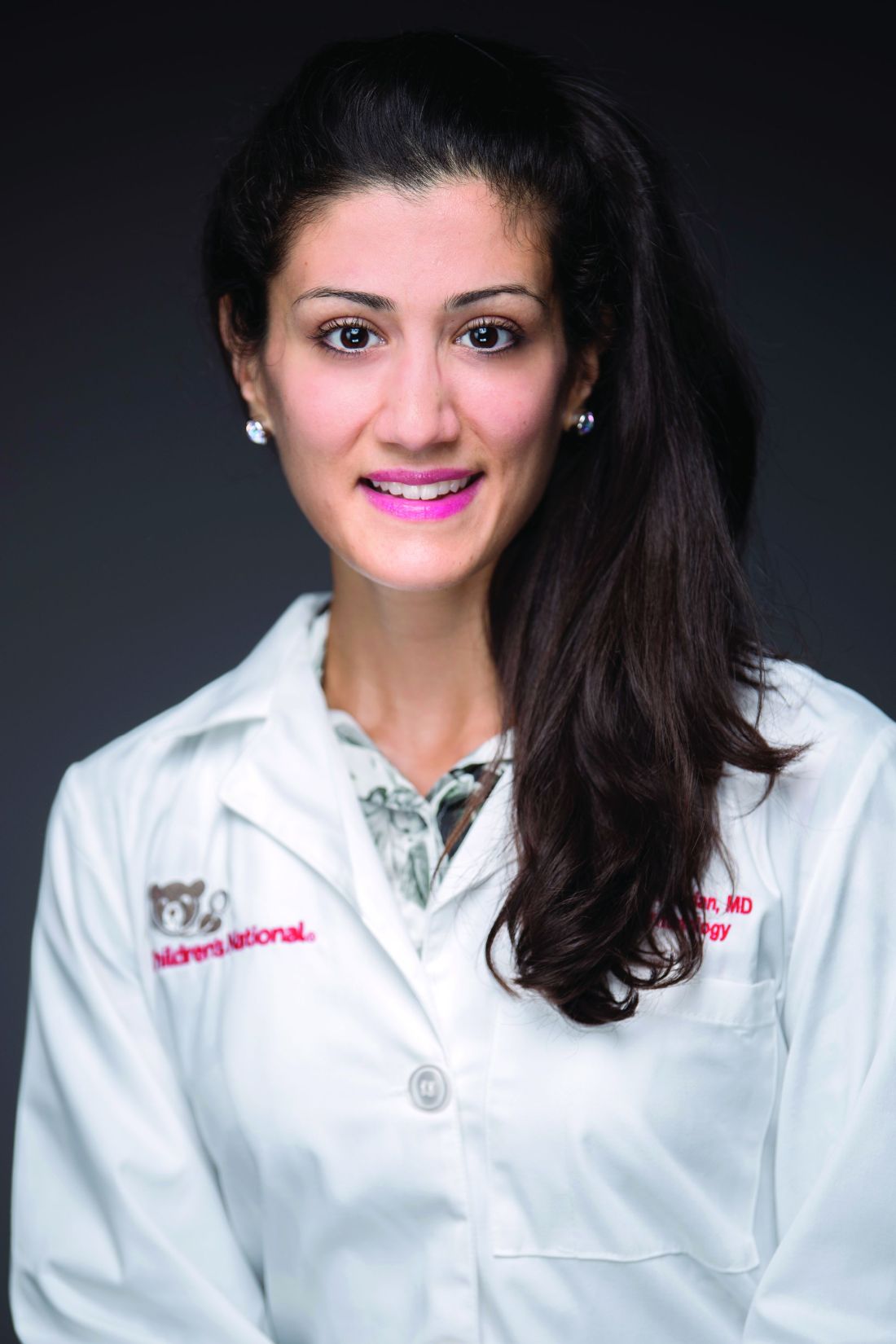
LS is symptomatic and has multiple exam findings, but once treated or quiescent, the discoloration can persist and create diagnostic uncertainty, lead study author Kaiane Habeshian, MD, a pediatric dermatologist at Children’s National Hospital, Washington, told this news organization following the SPD meeting.
The diagnostic uncertainty is especially true in patients with darker skin tones, who may have vitiligoid LS, an LS variant that has overlapping features of both LS and vitiligo.
Vitiligoid LS “presents clinically as a depigmented symmetric white vulvar and perianal white patch, often with minimal signs of inflammation, but is symptomatic and appears consistent with LS on histopathology,” Dr. Habeshian said.
“In our experience, in patients with medium to dark skin tones, there is a variable amount of repigmentation after treating LS,” she added. “After use of high potency topical corticosteroids, some patients almost completely repigment, while others have minimal repigmentation, and this can fluctuate over time, sometimes independent of other signs or symptoms of a flare up. This can lead to diagnostic confusion. For example, if an LS patient is examined after treatment, and their symptoms have resolved, they may subsequently be given a diagnosis of vitiligo.”
In the study, Dr. Habeshian and her coauthors aimed to characterize differences in LS and vitiligo based on history, physical exam, and demographic findings at the time of the initial clinic visit. She and her colleagues extracted and reviewed the medical records of 98 patients with a diagnosis of LS or vitiligo who were seen at a joint pediatric dermatology-gynecology vulvar clinic over 6.8 years. The median and mean age of the study population at diagnosis was about 6 years, with ages ranging from 2 to 20. The team used descriptive statistics and Z tests for data analysis.
The researchers found that pruritus, constipation, and dysuria were the most common symptoms experienced by both LS and vitiligo patients. All were experienced more frequently by LS patients, but only pruritus reached statistical significance (P = .040). Other symptoms experienced only by LS patients included vulvar pain, bleeding, and pain with defecation.
Meanwhile, apart from hypopigmentation and erythema, all physical exam findings were more frequent in LS patients, compared with vitiligo patients, including fissures and purpura/petechiae, but only epidermal atrophy and figure-of-8 distribution of hypopigmentation reached statistical significance (P values of .047 and .036, respectively).
In other findings, LS and vitiligo were misdiagnosed as each other 15 times. Nearly half of the misdiagnoses (46.7%) were made in Black patients, who composed 38.8% of all patients in the study.
“I suspect that some vitiligo cases that were previously ‘misdiagnosed’ as LS were actually LS that just didn’t repigment and then were labeled as vitiligo in the chart,” Dr. Habeshian said.
“And some of those LS cases that previously were misdiagnosed as vitiligo likely had other more subtle LS findings that were missed (shininess and wrinkling of the skin, small fissures, constipation) or that were attributed to comorbid irritant contact dermatitis or another condition,” she said. “It was interesting to see that even in a vulvar dermatology clinic there can be confusion between these diagnoses because the literature on pediatric LS in darker skin tones is so sparse.”
She emphasized that a close exam and detailed history are needed to properly diagnose patients with anogenital skin conditions.
“Don’t forget to ask about constipation and urinary symptoms as well as psychosocial and, in the appropriate patient, sexual and reproductive function,” Dr. Habeshian said. “Based on my experience, pediatric LS is much more common in our community than the literature would suggest. Its psychosocial impact is tremendous but not well documented, particularly in pediatric patients. In my experience, the longer LS is misdiagnosed or mistreated, the more challenging it becomes to manage. You don’t want to miss LS.”
She acknowledged certain limitations of the study, including the fact that photographs were not available for review for many of the earlier years of the clinic. “Therefore, we had to depend on the diagnosis given at the time of the visit,” she said. “This likely accounts in part for the smaller number than expected of significant exam and history findings between LS and vitiligo. We need further studies utilizing a standardized approach to accurate diagnosis.”
Her coauthors were Nikita Menta, Aneka Khilnani, MS, and Tazim Dowlut-McElroy, MD. The researchers reported having no financial disclosures.
of cases.
Researchers who tallied symptoms and physical exam findings observed fewer statistically significant differences between LS and vitiligo patients than expected, and LS and vitiligo were sometimes misdiagnosed as each other.
“LS must be treated aggressively to prevent long-term sequelae such as permanent scarring and vulvar squamous cell carcinoma, making an accurate diagnosis crucial,” the authors write in a poster they presented at the annual meeting of the Society for Pediatric Dermatology.
LS is symptomatic and has multiple exam findings, but once treated or quiescent, the discoloration can persist and create diagnostic uncertainty, lead study author Kaiane Habeshian, MD, a pediatric dermatologist at Children’s National Hospital, Washington, told this news organization following the SPD meeting.
The diagnostic uncertainty is especially true in patients with darker skin tones, who may have vitiligoid LS, an LS variant that has overlapping features of both LS and vitiligo.
Vitiligoid LS “presents clinically as a depigmented symmetric white vulvar and perianal white patch, often with minimal signs of inflammation, but is symptomatic and appears consistent with LS on histopathology,” Dr. Habeshian said.
“In our experience, in patients with medium to dark skin tones, there is a variable amount of repigmentation after treating LS,” she added. “After use of high potency topical corticosteroids, some patients almost completely repigment, while others have minimal repigmentation, and this can fluctuate over time, sometimes independent of other signs or symptoms of a flare up. This can lead to diagnostic confusion. For example, if an LS patient is examined after treatment, and their symptoms have resolved, they may subsequently be given a diagnosis of vitiligo.”
In the study, Dr. Habeshian and her coauthors aimed to characterize differences in LS and vitiligo based on history, physical exam, and demographic findings at the time of the initial clinic visit. She and her colleagues extracted and reviewed the medical records of 98 patients with a diagnosis of LS or vitiligo who were seen at a joint pediatric dermatology-gynecology vulvar clinic over 6.8 years. The median and mean age of the study population at diagnosis was about 6 years, with ages ranging from 2 to 20. The team used descriptive statistics and Z tests for data analysis.
The researchers found that pruritus, constipation, and dysuria were the most common symptoms experienced by both LS and vitiligo patients. All were experienced more frequently by LS patients, but only pruritus reached statistical significance (P = .040). Other symptoms experienced only by LS patients included vulvar pain, bleeding, and pain with defecation.
Meanwhile, apart from hypopigmentation and erythema, all physical exam findings were more frequent in LS patients, compared with vitiligo patients, including fissures and purpura/petechiae, but only epidermal atrophy and figure-of-8 distribution of hypopigmentation reached statistical significance (P values of .047 and .036, respectively).
In other findings, LS and vitiligo were misdiagnosed as each other 15 times. Nearly half of the misdiagnoses (46.7%) were made in Black patients, who composed 38.8% of all patients in the study.
“I suspect that some vitiligo cases that were previously ‘misdiagnosed’ as LS were actually LS that just didn’t repigment and then were labeled as vitiligo in the chart,” Dr. Habeshian said.
“And some of those LS cases that previously were misdiagnosed as vitiligo likely had other more subtle LS findings that were missed (shininess and wrinkling of the skin, small fissures, constipation) or that were attributed to comorbid irritant contact dermatitis or another condition,” she said. “It was interesting to see that even in a vulvar dermatology clinic there can be confusion between these diagnoses because the literature on pediatric LS in darker skin tones is so sparse.”
She emphasized that a close exam and detailed history are needed to properly diagnose patients with anogenital skin conditions.
“Don’t forget to ask about constipation and urinary symptoms as well as psychosocial and, in the appropriate patient, sexual and reproductive function,” Dr. Habeshian said. “Based on my experience, pediatric LS is much more common in our community than the literature would suggest. Its psychosocial impact is tremendous but not well documented, particularly in pediatric patients. In my experience, the longer LS is misdiagnosed or mistreated, the more challenging it becomes to manage. You don’t want to miss LS.”
She acknowledged certain limitations of the study, including the fact that photographs were not available for review for many of the earlier years of the clinic. “Therefore, we had to depend on the diagnosis given at the time of the visit,” she said. “This likely accounts in part for the smaller number than expected of significant exam and history findings between LS and vitiligo. We need further studies utilizing a standardized approach to accurate diagnosis.”
Her coauthors were Nikita Menta, Aneka Khilnani, MS, and Tazim Dowlut-McElroy, MD. The researchers reported having no financial disclosures.
of cases.
Researchers who tallied symptoms and physical exam findings observed fewer statistically significant differences between LS and vitiligo patients than expected, and LS and vitiligo were sometimes misdiagnosed as each other.
“LS must be treated aggressively to prevent long-term sequelae such as permanent scarring and vulvar squamous cell carcinoma, making an accurate diagnosis crucial,” the authors write in a poster they presented at the annual meeting of the Society for Pediatric Dermatology.
LS is symptomatic and has multiple exam findings, but once treated or quiescent, the discoloration can persist and create diagnostic uncertainty, lead study author Kaiane Habeshian, MD, a pediatric dermatologist at Children’s National Hospital, Washington, told this news organization following the SPD meeting.
The diagnostic uncertainty is especially true in patients with darker skin tones, who may have vitiligoid LS, an LS variant that has overlapping features of both LS and vitiligo.
Vitiligoid LS “presents clinically as a depigmented symmetric white vulvar and perianal white patch, often with minimal signs of inflammation, but is symptomatic and appears consistent with LS on histopathology,” Dr. Habeshian said.
“In our experience, in patients with medium to dark skin tones, there is a variable amount of repigmentation after treating LS,” she added. “After use of high potency topical corticosteroids, some patients almost completely repigment, while others have minimal repigmentation, and this can fluctuate over time, sometimes independent of other signs or symptoms of a flare up. This can lead to diagnostic confusion. For example, if an LS patient is examined after treatment, and their symptoms have resolved, they may subsequently be given a diagnosis of vitiligo.”
In the study, Dr. Habeshian and her coauthors aimed to characterize differences in LS and vitiligo based on history, physical exam, and demographic findings at the time of the initial clinic visit. She and her colleagues extracted and reviewed the medical records of 98 patients with a diagnosis of LS or vitiligo who were seen at a joint pediatric dermatology-gynecology vulvar clinic over 6.8 years. The median and mean age of the study population at diagnosis was about 6 years, with ages ranging from 2 to 20. The team used descriptive statistics and Z tests for data analysis.
The researchers found that pruritus, constipation, and dysuria were the most common symptoms experienced by both LS and vitiligo patients. All were experienced more frequently by LS patients, but only pruritus reached statistical significance (P = .040). Other symptoms experienced only by LS patients included vulvar pain, bleeding, and pain with defecation.
Meanwhile, apart from hypopigmentation and erythema, all physical exam findings were more frequent in LS patients, compared with vitiligo patients, including fissures and purpura/petechiae, but only epidermal atrophy and figure-of-8 distribution of hypopigmentation reached statistical significance (P values of .047 and .036, respectively).
In other findings, LS and vitiligo were misdiagnosed as each other 15 times. Nearly half of the misdiagnoses (46.7%) were made in Black patients, who composed 38.8% of all patients in the study.
“I suspect that some vitiligo cases that were previously ‘misdiagnosed’ as LS were actually LS that just didn’t repigment and then were labeled as vitiligo in the chart,” Dr. Habeshian said.
“And some of those LS cases that previously were misdiagnosed as vitiligo likely had other more subtle LS findings that were missed (shininess and wrinkling of the skin, small fissures, constipation) or that were attributed to comorbid irritant contact dermatitis or another condition,” she said. “It was interesting to see that even in a vulvar dermatology clinic there can be confusion between these diagnoses because the literature on pediatric LS in darker skin tones is so sparse.”
She emphasized that a close exam and detailed history are needed to properly diagnose patients with anogenital skin conditions.
“Don’t forget to ask about constipation and urinary symptoms as well as psychosocial and, in the appropriate patient, sexual and reproductive function,” Dr. Habeshian said. “Based on my experience, pediatric LS is much more common in our community than the literature would suggest. Its psychosocial impact is tremendous but not well documented, particularly in pediatric patients. In my experience, the longer LS is misdiagnosed or mistreated, the more challenging it becomes to manage. You don’t want to miss LS.”
She acknowledged certain limitations of the study, including the fact that photographs were not available for review for many of the earlier years of the clinic. “Therefore, we had to depend on the diagnosis given at the time of the visit,” she said. “This likely accounts in part for the smaller number than expected of significant exam and history findings between LS and vitiligo. We need further studies utilizing a standardized approach to accurate diagnosis.”
Her coauthors were Nikita Menta, Aneka Khilnani, MS, and Tazim Dowlut-McElroy, MD. The researchers reported having no financial disclosures.
FROM SPD 2023
Increasing number of children being poisoned by liquid nicotine
Doctors say a 2016 law aimed at lowering the risk contained a big flaw, NBC News reported. The Child Nicotine Poisoning Prevention Act required child-resistant packaging on vaping liquid – but not on the vaping devices themselves.
Contact with the vaping liquid, or liquid nicotine, can cause children to get dizzy, pass out, and suffer drops in blood pressure. A few drops of the liquid can be fatal for a toddler.
Last year, 6,731 cases of vaping-related nicotine exposure were reported, according to Poison Help. “As of June 30, 2023, poison centers have managed 3,863 exposure cases about e-cigarette devices and liquid nicotine,” the organization said.
“Poison centers began receiving calls about e-cigarettes and liquid nicotine products in 2011, which coincides with the initial period where these products reached the U.S. market,” according to Poison Help.
“These products often contain a greater concentration of nicotine, a stimulant, than other nicotine/tobacco products on the market. Some children and toddlers who come in contact with e-cigarette devices or liquid nicotine have become very ill; some even requiring emergency department visits with nausea and vomiting being the most significant symptoms.”
Toxicologist Ryan Marino, MD, told NBC that refillable vapes are designed to hold liquid nicotine in a central reservoir, making them dangerous to children.
“Even vapes that appear more child-resistant – because their nicotine is sealed inside a removable cartridge – present a risk, because the cartridges can be pried open,” NBC said. “And some disposable e-cigarettes, now the top-selling type on the market, allow users to take thousands of ‘puffs’ and contain as much nicotine as multiple packs of cigarettes.”
A spokesperson for the vaping industry said all e-liquid bottles made in this country conform to U.S. law.
“Not only are the caps child-resistant, but the flow of liquid is restricted so that only small amounts can be dispensed,” said April Meyers of the Smoke-Free Alternatives Trade Association, which represents the vaping industry.
A version of this article first appeared on WebMD.com.
Doctors say a 2016 law aimed at lowering the risk contained a big flaw, NBC News reported. The Child Nicotine Poisoning Prevention Act required child-resistant packaging on vaping liquid – but not on the vaping devices themselves.
Contact with the vaping liquid, or liquid nicotine, can cause children to get dizzy, pass out, and suffer drops in blood pressure. A few drops of the liquid can be fatal for a toddler.
Last year, 6,731 cases of vaping-related nicotine exposure were reported, according to Poison Help. “As of June 30, 2023, poison centers have managed 3,863 exposure cases about e-cigarette devices and liquid nicotine,” the organization said.
“Poison centers began receiving calls about e-cigarettes and liquid nicotine products in 2011, which coincides with the initial period where these products reached the U.S. market,” according to Poison Help.
“These products often contain a greater concentration of nicotine, a stimulant, than other nicotine/tobacco products on the market. Some children and toddlers who come in contact with e-cigarette devices or liquid nicotine have become very ill; some even requiring emergency department visits with nausea and vomiting being the most significant symptoms.”
Toxicologist Ryan Marino, MD, told NBC that refillable vapes are designed to hold liquid nicotine in a central reservoir, making them dangerous to children.
“Even vapes that appear more child-resistant – because their nicotine is sealed inside a removable cartridge – present a risk, because the cartridges can be pried open,” NBC said. “And some disposable e-cigarettes, now the top-selling type on the market, allow users to take thousands of ‘puffs’ and contain as much nicotine as multiple packs of cigarettes.”
A spokesperson for the vaping industry said all e-liquid bottles made in this country conform to U.S. law.
“Not only are the caps child-resistant, but the flow of liquid is restricted so that only small amounts can be dispensed,” said April Meyers of the Smoke-Free Alternatives Trade Association, which represents the vaping industry.
A version of this article first appeared on WebMD.com.
Doctors say a 2016 law aimed at lowering the risk contained a big flaw, NBC News reported. The Child Nicotine Poisoning Prevention Act required child-resistant packaging on vaping liquid – but not on the vaping devices themselves.
Contact with the vaping liquid, or liquid nicotine, can cause children to get dizzy, pass out, and suffer drops in blood pressure. A few drops of the liquid can be fatal for a toddler.
Last year, 6,731 cases of vaping-related nicotine exposure were reported, according to Poison Help. “As of June 30, 2023, poison centers have managed 3,863 exposure cases about e-cigarette devices and liquid nicotine,” the organization said.
“Poison centers began receiving calls about e-cigarettes and liquid nicotine products in 2011, which coincides with the initial period where these products reached the U.S. market,” according to Poison Help.
“These products often contain a greater concentration of nicotine, a stimulant, than other nicotine/tobacco products on the market. Some children and toddlers who come in contact with e-cigarette devices or liquid nicotine have become very ill; some even requiring emergency department visits with nausea and vomiting being the most significant symptoms.”
Toxicologist Ryan Marino, MD, told NBC that refillable vapes are designed to hold liquid nicotine in a central reservoir, making them dangerous to children.
“Even vapes that appear more child-resistant – because their nicotine is sealed inside a removable cartridge – present a risk, because the cartridges can be pried open,” NBC said. “And some disposable e-cigarettes, now the top-selling type on the market, allow users to take thousands of ‘puffs’ and contain as much nicotine as multiple packs of cigarettes.”
A spokesperson for the vaping industry said all e-liquid bottles made in this country conform to U.S. law.
“Not only are the caps child-resistant, but the flow of liquid is restricted so that only small amounts can be dispensed,” said April Meyers of the Smoke-Free Alternatives Trade Association, which represents the vaping industry.
A version of this article first appeared on WebMD.com.
Thrombectomy improves outcomes in pediatric stroke
A matched case-control study followed 52 patients in Canada and Australia with acute stroke and assessed functional outcomes at 3 months for those who received thrombectomy, compared with those who did not. Patients receiving the procedure had significantly improved clinical outcomes (odds ratio [OR], 3.76). The procedure is the standard of care for adults with large vessel occlusion (LVO) stroke, but limited data exist for children.
“In the absence of a randomized trial, this case-control study demonstrates better clinical outcomes with thrombectomy than medical management for pediatric patients aged 2 to 18 years with anterior circulation LVO stroke,” the authors concluded. The study was published in JAMA Neurology.
Improved results
Untreated LVO stroke is associated with poor outcomes, indicated in this study with scoring based on the modified Rankin Scale. Based on this scoring, 53.8% of patients who were managed conservatively had poor outcomes (moderate disability or greater) at 3 months, confirming previous findings. The data were drawn from five hospitals in Australia and Canada between January 2011 and April 2022.
Removing blood clots with mechanical thrombectomy resulted in improved outcomes 3 months after stroke for the patients included in the study, compared with the neuroprotective measures of medical therapy alone. The improved outcomes persisted in the final available follow-up (OR, 3.65).
In adults, thrombectomy has previously been demonstrated to be a safe and effective treatment for LVO stroke and is currently the standard of care. This study sought to expand the data for pediatric patients, for whom stroke is rarer and difficult to diagnose.
The authors cautioned, however, that the outcomes are from hospitals with pediatric neurology expertise and should not be generalized to settings without specialists.
Case-control study
While previous population-based studies of children with LVO stroke found that conservative treatment was associated with poor outcomes, these studies may include significant selection bias. The investigators chose to conduct the case-control study as an alternative to a randomized control trial, which would require withholding treatment from some patients and would not be considered ethical.
The study included 26 patients in each cohort, either receiving mechanical thrombectomy or medical treatment alone. The investigators matched patients by site and side of occlusion, age, and sex. Cases that could not be matched by site of occlusion, the primary criterion, were excluded.
With this methodology, the investigators reduced the impact of selection bias with the aim of providing “the next highest level of comparative evidence,” they stated in the study. However, they also noted that, without randomization, there is likely still some selection bias present.
The two cohorts were not significantly different based on factors such as sex or age. All patients in the study presented within 24 hours of symptom onset, with most eligible for thrombectomy by adult standards. There was a difference between the two cohorts in the timing of arrival to a dedicated hospital and imaging. “Our triage, imaging, and decision-making pathways require streamlining,” the authors concluded, regarding the difference.
‘A heterogeneous condition’
In a comment, Ratika Srivastava, MD, a pediatric neurologist at the University of Alberta, Edmonton, said she was glad to see a well-designed study dedicated to pediatric stroke. Neurologists have traditionally extrapolated from research on adult stroke due to the rarity of pediatric stroke and difficulty of diagnosis.
While physicians have previously relied on findings in adults, stroke presents differently in children. “The challenge is that it’s such a heterogeneous condition,” said Dr. Srivastava, who was not involved in the study. In children, stroke may have several different etiologies, such as a lesion in the heart or arterial disease. “Sometimes it’s amenable to taking the clot out and sometimes it’s not. So you have to figure out: Are they a good candidate for thrombectomy?” This study helps demonstrate that thrombectomy is a good option for some children with LVO stroke, she said.
The study was independently supported. Dr. Srivastava reported no relevant financial relationships.
A version of this article first appeared on Medscape.com.
A matched case-control study followed 52 patients in Canada and Australia with acute stroke and assessed functional outcomes at 3 months for those who received thrombectomy, compared with those who did not. Patients receiving the procedure had significantly improved clinical outcomes (odds ratio [OR], 3.76). The procedure is the standard of care for adults with large vessel occlusion (LVO) stroke, but limited data exist for children.
“In the absence of a randomized trial, this case-control study demonstrates better clinical outcomes with thrombectomy than medical management for pediatric patients aged 2 to 18 years with anterior circulation LVO stroke,” the authors concluded. The study was published in JAMA Neurology.
Improved results
Untreated LVO stroke is associated with poor outcomes, indicated in this study with scoring based on the modified Rankin Scale. Based on this scoring, 53.8% of patients who were managed conservatively had poor outcomes (moderate disability or greater) at 3 months, confirming previous findings. The data were drawn from five hospitals in Australia and Canada between January 2011 and April 2022.
Removing blood clots with mechanical thrombectomy resulted in improved outcomes 3 months after stroke for the patients included in the study, compared with the neuroprotective measures of medical therapy alone. The improved outcomes persisted in the final available follow-up (OR, 3.65).
In adults, thrombectomy has previously been demonstrated to be a safe and effective treatment for LVO stroke and is currently the standard of care. This study sought to expand the data for pediatric patients, for whom stroke is rarer and difficult to diagnose.
The authors cautioned, however, that the outcomes are from hospitals with pediatric neurology expertise and should not be generalized to settings without specialists.
Case-control study
While previous population-based studies of children with LVO stroke found that conservative treatment was associated with poor outcomes, these studies may include significant selection bias. The investigators chose to conduct the case-control study as an alternative to a randomized control trial, which would require withholding treatment from some patients and would not be considered ethical.
The study included 26 patients in each cohort, either receiving mechanical thrombectomy or medical treatment alone. The investigators matched patients by site and side of occlusion, age, and sex. Cases that could not be matched by site of occlusion, the primary criterion, were excluded.
With this methodology, the investigators reduced the impact of selection bias with the aim of providing “the next highest level of comparative evidence,” they stated in the study. However, they also noted that, without randomization, there is likely still some selection bias present.
The two cohorts were not significantly different based on factors such as sex or age. All patients in the study presented within 24 hours of symptom onset, with most eligible for thrombectomy by adult standards. There was a difference between the two cohorts in the timing of arrival to a dedicated hospital and imaging. “Our triage, imaging, and decision-making pathways require streamlining,” the authors concluded, regarding the difference.
‘A heterogeneous condition’
In a comment, Ratika Srivastava, MD, a pediatric neurologist at the University of Alberta, Edmonton, said she was glad to see a well-designed study dedicated to pediatric stroke. Neurologists have traditionally extrapolated from research on adult stroke due to the rarity of pediatric stroke and difficulty of diagnosis.
While physicians have previously relied on findings in adults, stroke presents differently in children. “The challenge is that it’s such a heterogeneous condition,” said Dr. Srivastava, who was not involved in the study. In children, stroke may have several different etiologies, such as a lesion in the heart or arterial disease. “Sometimes it’s amenable to taking the clot out and sometimes it’s not. So you have to figure out: Are they a good candidate for thrombectomy?” This study helps demonstrate that thrombectomy is a good option for some children with LVO stroke, she said.
The study was independently supported. Dr. Srivastava reported no relevant financial relationships.
A version of this article first appeared on Medscape.com.
A matched case-control study followed 52 patients in Canada and Australia with acute stroke and assessed functional outcomes at 3 months for those who received thrombectomy, compared with those who did not. Patients receiving the procedure had significantly improved clinical outcomes (odds ratio [OR], 3.76). The procedure is the standard of care for adults with large vessel occlusion (LVO) stroke, but limited data exist for children.
“In the absence of a randomized trial, this case-control study demonstrates better clinical outcomes with thrombectomy than medical management for pediatric patients aged 2 to 18 years with anterior circulation LVO stroke,” the authors concluded. The study was published in JAMA Neurology.
Improved results
Untreated LVO stroke is associated with poor outcomes, indicated in this study with scoring based on the modified Rankin Scale. Based on this scoring, 53.8% of patients who were managed conservatively had poor outcomes (moderate disability or greater) at 3 months, confirming previous findings. The data were drawn from five hospitals in Australia and Canada between January 2011 and April 2022.
Removing blood clots with mechanical thrombectomy resulted in improved outcomes 3 months after stroke for the patients included in the study, compared with the neuroprotective measures of medical therapy alone. The improved outcomes persisted in the final available follow-up (OR, 3.65).
In adults, thrombectomy has previously been demonstrated to be a safe and effective treatment for LVO stroke and is currently the standard of care. This study sought to expand the data for pediatric patients, for whom stroke is rarer and difficult to diagnose.
The authors cautioned, however, that the outcomes are from hospitals with pediatric neurology expertise and should not be generalized to settings without specialists.
Case-control study
While previous population-based studies of children with LVO stroke found that conservative treatment was associated with poor outcomes, these studies may include significant selection bias. The investigators chose to conduct the case-control study as an alternative to a randomized control trial, which would require withholding treatment from some patients and would not be considered ethical.
The study included 26 patients in each cohort, either receiving mechanical thrombectomy or medical treatment alone. The investigators matched patients by site and side of occlusion, age, and sex. Cases that could not be matched by site of occlusion, the primary criterion, were excluded.
With this methodology, the investigators reduced the impact of selection bias with the aim of providing “the next highest level of comparative evidence,” they stated in the study. However, they also noted that, without randomization, there is likely still some selection bias present.
The two cohorts were not significantly different based on factors such as sex or age. All patients in the study presented within 24 hours of symptom onset, with most eligible for thrombectomy by adult standards. There was a difference between the two cohorts in the timing of arrival to a dedicated hospital and imaging. “Our triage, imaging, and decision-making pathways require streamlining,” the authors concluded, regarding the difference.
‘A heterogeneous condition’
In a comment, Ratika Srivastava, MD, a pediatric neurologist at the University of Alberta, Edmonton, said she was glad to see a well-designed study dedicated to pediatric stroke. Neurologists have traditionally extrapolated from research on adult stroke due to the rarity of pediatric stroke and difficulty of diagnosis.
While physicians have previously relied on findings in adults, stroke presents differently in children. “The challenge is that it’s such a heterogeneous condition,” said Dr. Srivastava, who was not involved in the study. In children, stroke may have several different etiologies, such as a lesion in the heart or arterial disease. “Sometimes it’s amenable to taking the clot out and sometimes it’s not. So you have to figure out: Are they a good candidate for thrombectomy?” This study helps demonstrate that thrombectomy is a good option for some children with LVO stroke, she said.
The study was independently supported. Dr. Srivastava reported no relevant financial relationships.
A version of this article first appeared on Medscape.com.
FROM JAMA NEUROLOGY
Offering HPV vaccine at age 9 linked to greater series completion
BALTIMORE – , according to a retrospective cohort study of commercially insured youth presented at the annual clinical and scientific meeting of the American College of Obstetricians and Gynecologists. The research was published ahead of print in Human Vaccines and Immunotherapeutics.
Changing attitudes
“These findings are novel because they emphasize starting at age 9, and that is different than prior studies that emphasize bundling of these vaccines,” Kevin Ault, MD, professor and chair of the department of obstetrics and gynecology at Western Michigan University Homer Stryker MD School of Medicine and a former member of the CDC’s Advisory Committee on Immunization Practices, said in an interview.
Dr. Ault was not involved in the study but noted that these findings support the AAP’s recommendation to start the HPV vaccine series at age 9. The Centers for Disease Control and Prevention currently recommends giving the first dose of the HPV vaccine at ages 11-12, at the same time as the Tdap and meningitis vaccines. This recommendation to “bundle” the HPV vaccine with the Tdap and meningitis vaccines aims to facilitate provider-family discussion about the HPV vaccine, ideally reducing parent hesitancy and concerns about the vaccines. Multiple studies have shown improved HPV vaccine uptake when providers offer the HPV vaccine at the same time as the Tdap and meningococcal vaccines.
However, shifts in parents’ attitudes have occurred toward the HPV vaccine since those studies on bundling: Concerns about sexual activity have receded while concerns about safety remain high. The American Academy of Pediatrics and the American Cancer Society both advise starting the HPV vaccine series at age 9, based on evidence showing that more children complete the series when they get the first shot before age 11 compared to getting it at 11 or 12.
“The bundling was really to vaccinate people by the age of 13, thinking that onset of sexual activity was after that,” study author Sidika Kajtezovic, MD, a resident at Boston Medical Center and Boston University Obstetrics and Gynecology, said in an interview. But Dr. Kajtezovic said she delivers babies for 13-year-old patients. “Kids are having sex sooner or sooner.” It’s also clear that using the bundling strategy is not making up the entire gap right now: Ninety percent of children are getting the meningococcal vaccine while only 49% are getting the HPV vaccine, Dr. Kajtezovic pointed out. “There’s a disconnect happening there, even with the bundling,” she said.
Debundling vaccines
Dr. Kajtezovic and her colleagues used a national database of employee-sponsored health insurance to analyze the records of 100,857 children who were continuously enrolled in a plan from age 9 in 2015 to age 13 in 2019. They calculated the odds of children completing the HPV vaccine series based on whether they started the series before, at the same time as, or after the Tdap vaccination.
Youth who received the HPV vaccine before their Tdap vaccine had 38% greater odds of completing the series – getting both doses – than did those who received the HPV vaccine at the same time as the Tdap vaccine. Meanwhile, in line with prior evidence, those who got the first HPV dose after their Tdap were less likely – 68% lower odds – to complete the two- or three-dose (if starting above age 14) series.
The researchers identified several other factors that were linked to completing the HPV vaccine series. Females had greater odds than did males of completing the series, as did those living in urban, rather than rural, areas. Other factors associated with completing the series included living in the Northeast United States and receiving primary care from a pediatrician rather than a family medicine physician.
Timing is important
“I am encouraged by the findings of this study,” Dr. Ault said in an interview. “However, I would have liked the authors to expand the age range a bit higher. There are data that continuing to discuss the HPV vaccine with parents and teens will increase uptake into the later teen years.”
One challenge is that research shows attendance at primary care visits declines in older adolescence. Since there is no second Tdap or meningitis shot, families need to return for the second HPV vaccine dose after those shots, though they could get the second dose at the same time as other two vaccines if they receive the first dose before age 11. There’s also evidence suggesting that providers find conversations about the HPV vaccine easier when sexual activity is not the focus.
“I often feel that, before a child reaches adolescence, they’re almost, in a way, not sexualized yet, so talking about cancer prevention for an 8- or 9-year-old sometimes sounds a little different to patients versus protecting your 12-year-old, who’s starting to go through adolescence and developing breasts” and other signs of puberty, Dr. Kajtezovic said. Keeping the focus of HPV vaccine discussions on cancer prevention also allows providers to point out the protection against anal cancer, vulvar cancer, vaginal cancer, and head and neck cancer. “They are horrible, and even if they’re treatable, they’re often very hard to treat at an advanced stage,” Dr. Kajtezovic said. “The surgery required is so life disabling and disfiguring.”
The HPV Roundtable advises continuing bundling at practices having success with it but encourages practices to consider earlier vaccination if their uptake is lagging. Quality improvement initiatives, such as earlier electronic medical record prompts and multi-level interventions in pediatric practices, have shown substantial increases in HPV vaccine uptake at 9 and 10 years old. One survey in 2021 found that one in five primary care providers already routinely recommend the HPV vaccine at ages 9-10, and nearly half of others would consider doing so.
“My hope is in the next few years, when [the CDC] refreshes their vaccine recommendations, that they will either unbundle it or move the bar a few years earlier so that you can initiate it to encourage earlier initiation,” Dr. Kajtezovic said.
Dr. Ault had no other disclosures besides prior service on ACIP. Dr. Kajtezovic had no disclosures.
BALTIMORE – , according to a retrospective cohort study of commercially insured youth presented at the annual clinical and scientific meeting of the American College of Obstetricians and Gynecologists. The research was published ahead of print in Human Vaccines and Immunotherapeutics.
Changing attitudes
“These findings are novel because they emphasize starting at age 9, and that is different than prior studies that emphasize bundling of these vaccines,” Kevin Ault, MD, professor and chair of the department of obstetrics and gynecology at Western Michigan University Homer Stryker MD School of Medicine and a former member of the CDC’s Advisory Committee on Immunization Practices, said in an interview.
Dr. Ault was not involved in the study but noted that these findings support the AAP’s recommendation to start the HPV vaccine series at age 9. The Centers for Disease Control and Prevention currently recommends giving the first dose of the HPV vaccine at ages 11-12, at the same time as the Tdap and meningitis vaccines. This recommendation to “bundle” the HPV vaccine with the Tdap and meningitis vaccines aims to facilitate provider-family discussion about the HPV vaccine, ideally reducing parent hesitancy and concerns about the vaccines. Multiple studies have shown improved HPV vaccine uptake when providers offer the HPV vaccine at the same time as the Tdap and meningococcal vaccines.
However, shifts in parents’ attitudes have occurred toward the HPV vaccine since those studies on bundling: Concerns about sexual activity have receded while concerns about safety remain high. The American Academy of Pediatrics and the American Cancer Society both advise starting the HPV vaccine series at age 9, based on evidence showing that more children complete the series when they get the first shot before age 11 compared to getting it at 11 or 12.
“The bundling was really to vaccinate people by the age of 13, thinking that onset of sexual activity was after that,” study author Sidika Kajtezovic, MD, a resident at Boston Medical Center and Boston University Obstetrics and Gynecology, said in an interview. But Dr. Kajtezovic said she delivers babies for 13-year-old patients. “Kids are having sex sooner or sooner.” It’s also clear that using the bundling strategy is not making up the entire gap right now: Ninety percent of children are getting the meningococcal vaccine while only 49% are getting the HPV vaccine, Dr. Kajtezovic pointed out. “There’s a disconnect happening there, even with the bundling,” she said.
Debundling vaccines
Dr. Kajtezovic and her colleagues used a national database of employee-sponsored health insurance to analyze the records of 100,857 children who were continuously enrolled in a plan from age 9 in 2015 to age 13 in 2019. They calculated the odds of children completing the HPV vaccine series based on whether they started the series before, at the same time as, or after the Tdap vaccination.
Youth who received the HPV vaccine before their Tdap vaccine had 38% greater odds of completing the series – getting both doses – than did those who received the HPV vaccine at the same time as the Tdap vaccine. Meanwhile, in line with prior evidence, those who got the first HPV dose after their Tdap were less likely – 68% lower odds – to complete the two- or three-dose (if starting above age 14) series.
The researchers identified several other factors that were linked to completing the HPV vaccine series. Females had greater odds than did males of completing the series, as did those living in urban, rather than rural, areas. Other factors associated with completing the series included living in the Northeast United States and receiving primary care from a pediatrician rather than a family medicine physician.
Timing is important
“I am encouraged by the findings of this study,” Dr. Ault said in an interview. “However, I would have liked the authors to expand the age range a bit higher. There are data that continuing to discuss the HPV vaccine with parents and teens will increase uptake into the later teen years.”
One challenge is that research shows attendance at primary care visits declines in older adolescence. Since there is no second Tdap or meningitis shot, families need to return for the second HPV vaccine dose after those shots, though they could get the second dose at the same time as other two vaccines if they receive the first dose before age 11. There’s also evidence suggesting that providers find conversations about the HPV vaccine easier when sexual activity is not the focus.
“I often feel that, before a child reaches adolescence, they’re almost, in a way, not sexualized yet, so talking about cancer prevention for an 8- or 9-year-old sometimes sounds a little different to patients versus protecting your 12-year-old, who’s starting to go through adolescence and developing breasts” and other signs of puberty, Dr. Kajtezovic said. Keeping the focus of HPV vaccine discussions on cancer prevention also allows providers to point out the protection against anal cancer, vulvar cancer, vaginal cancer, and head and neck cancer. “They are horrible, and even if they’re treatable, they’re often very hard to treat at an advanced stage,” Dr. Kajtezovic said. “The surgery required is so life disabling and disfiguring.”
The HPV Roundtable advises continuing bundling at practices having success with it but encourages practices to consider earlier vaccination if their uptake is lagging. Quality improvement initiatives, such as earlier electronic medical record prompts and multi-level interventions in pediatric practices, have shown substantial increases in HPV vaccine uptake at 9 and 10 years old. One survey in 2021 found that one in five primary care providers already routinely recommend the HPV vaccine at ages 9-10, and nearly half of others would consider doing so.
“My hope is in the next few years, when [the CDC] refreshes their vaccine recommendations, that they will either unbundle it or move the bar a few years earlier so that you can initiate it to encourage earlier initiation,” Dr. Kajtezovic said.
Dr. Ault had no other disclosures besides prior service on ACIP. Dr. Kajtezovic had no disclosures.
BALTIMORE – , according to a retrospective cohort study of commercially insured youth presented at the annual clinical and scientific meeting of the American College of Obstetricians and Gynecologists. The research was published ahead of print in Human Vaccines and Immunotherapeutics.
Changing attitudes
“These findings are novel because they emphasize starting at age 9, and that is different than prior studies that emphasize bundling of these vaccines,” Kevin Ault, MD, professor and chair of the department of obstetrics and gynecology at Western Michigan University Homer Stryker MD School of Medicine and a former member of the CDC’s Advisory Committee on Immunization Practices, said in an interview.
Dr. Ault was not involved in the study but noted that these findings support the AAP’s recommendation to start the HPV vaccine series at age 9. The Centers for Disease Control and Prevention currently recommends giving the first dose of the HPV vaccine at ages 11-12, at the same time as the Tdap and meningitis vaccines. This recommendation to “bundle” the HPV vaccine with the Tdap and meningitis vaccines aims to facilitate provider-family discussion about the HPV vaccine, ideally reducing parent hesitancy and concerns about the vaccines. Multiple studies have shown improved HPV vaccine uptake when providers offer the HPV vaccine at the same time as the Tdap and meningococcal vaccines.
However, shifts in parents’ attitudes have occurred toward the HPV vaccine since those studies on bundling: Concerns about sexual activity have receded while concerns about safety remain high. The American Academy of Pediatrics and the American Cancer Society both advise starting the HPV vaccine series at age 9, based on evidence showing that more children complete the series when they get the first shot before age 11 compared to getting it at 11 or 12.
“The bundling was really to vaccinate people by the age of 13, thinking that onset of sexual activity was after that,” study author Sidika Kajtezovic, MD, a resident at Boston Medical Center and Boston University Obstetrics and Gynecology, said in an interview. But Dr. Kajtezovic said she delivers babies for 13-year-old patients. “Kids are having sex sooner or sooner.” It’s also clear that using the bundling strategy is not making up the entire gap right now: Ninety percent of children are getting the meningococcal vaccine while only 49% are getting the HPV vaccine, Dr. Kajtezovic pointed out. “There’s a disconnect happening there, even with the bundling,” she said.
Debundling vaccines
Dr. Kajtezovic and her colleagues used a national database of employee-sponsored health insurance to analyze the records of 100,857 children who were continuously enrolled in a plan from age 9 in 2015 to age 13 in 2019. They calculated the odds of children completing the HPV vaccine series based on whether they started the series before, at the same time as, or after the Tdap vaccination.
Youth who received the HPV vaccine before their Tdap vaccine had 38% greater odds of completing the series – getting both doses – than did those who received the HPV vaccine at the same time as the Tdap vaccine. Meanwhile, in line with prior evidence, those who got the first HPV dose after their Tdap were less likely – 68% lower odds – to complete the two- or three-dose (if starting above age 14) series.
The researchers identified several other factors that were linked to completing the HPV vaccine series. Females had greater odds than did males of completing the series, as did those living in urban, rather than rural, areas. Other factors associated with completing the series included living in the Northeast United States and receiving primary care from a pediatrician rather than a family medicine physician.
Timing is important
“I am encouraged by the findings of this study,” Dr. Ault said in an interview. “However, I would have liked the authors to expand the age range a bit higher. There are data that continuing to discuss the HPV vaccine with parents and teens will increase uptake into the later teen years.”
One challenge is that research shows attendance at primary care visits declines in older adolescence. Since there is no second Tdap or meningitis shot, families need to return for the second HPV vaccine dose after those shots, though they could get the second dose at the same time as other two vaccines if they receive the first dose before age 11. There’s also evidence suggesting that providers find conversations about the HPV vaccine easier when sexual activity is not the focus.
“I often feel that, before a child reaches adolescence, they’re almost, in a way, not sexualized yet, so talking about cancer prevention for an 8- or 9-year-old sometimes sounds a little different to patients versus protecting your 12-year-old, who’s starting to go through adolescence and developing breasts” and other signs of puberty, Dr. Kajtezovic said. Keeping the focus of HPV vaccine discussions on cancer prevention also allows providers to point out the protection against anal cancer, vulvar cancer, vaginal cancer, and head and neck cancer. “They are horrible, and even if they’re treatable, they’re often very hard to treat at an advanced stage,” Dr. Kajtezovic said. “The surgery required is so life disabling and disfiguring.”
The HPV Roundtable advises continuing bundling at practices having success with it but encourages practices to consider earlier vaccination if their uptake is lagging. Quality improvement initiatives, such as earlier electronic medical record prompts and multi-level interventions in pediatric practices, have shown substantial increases in HPV vaccine uptake at 9 and 10 years old. One survey in 2021 found that one in five primary care providers already routinely recommend the HPV vaccine at ages 9-10, and nearly half of others would consider doing so.
“My hope is in the next few years, when [the CDC] refreshes their vaccine recommendations, that they will either unbundle it or move the bar a few years earlier so that you can initiate it to encourage earlier initiation,” Dr. Kajtezovic said.
Dr. Ault had no other disclosures besides prior service on ACIP. Dr. Kajtezovic had no disclosures.
AT ACOG 2023
Skin reactions common at insulin pump infusion sites
new research suggests.
Insulin pump use is increasingly common, but many patients experience infusion-site failure that in some cases leads to discontinuation. In a novel investigation, researchers at the University of Washington, Seattle, used biopsies and noninvasive imaging to compare insulin pump sites with control sites in 30 patients. Several differences were found at pump sites in comparison with control sites, including fibrosis, inflammation, eosinophils, and increased vessel density.
“These findings support allergic sensitization as a potentially common reaction at [insulin pump] sites. The leading candidates causing this include insulin preservatives, plastic materials, and adhesive glue used in device manufacturing,” wrote Andrea Kalus, MD, of the university’s dermatology division, and colleagues. The findings were published recently in Diabetes Care.
The inflammatory response, they wrote, “may result in tissue changes responsible for the infusion-site failures seen frequently in clinical practice.”
Such infusion site problems represent an “Achilles heel” of these otherwise highly beneficial devices, lead author Irl Hirsch, MD, professor of medicine in the division of metabolism, endocrinology, and nutrition, said in a statement. “It doesn’t really matter how good the technology is. We still don’t understand what is happening with the infusion sites, much less to [be able to] fix it.”
Significant differences between pump and nonpump sites
In the cross-sectional study, Dr. Kalus and colleagues used noninvasive optical coherence tomography (OCT) immediately prior to performing punch biopsies at three sites: the site currently in active use, the “recovery site” used 3-5 days prior to the procedures, and control sites never used for pump infusion. Punch biopsies were also performed at those sites.
The mean age of the patients was 48.3 years, the mean diabetes duration was 30.4 years, and the mean duration of pump use was 15.8 years. Nearly all patients (93.3%) reported itchiness at the site, and 76.7% reported skin redness.
Of the 25 patients for whom OCT imaging was successful, statistical analysis showed significant differences in vascular area density and the optical attenuation coefficient, a surrogate for skin inflammation, between the pump and control sites and between recovery sites and current pump sites. The greater vessel density is likely a result of injury and repair related to catheter insertion, the authors said.
In the biopsy samples, both current and recovery sites showed increased fibrosis, fibrin, inflammation, fat necrosis, vascularity, and eosinophils, compared with the control sites, but no significant differences were found between current and recovery sites.
Eosinophils: ‘The most surprising histologic finding’
Eosinophils were found in 73% of skin biopsy specimens from current sites and in 75% of specimens from recovery sites, compared with none from the control sites (for both, P < .01). In all study participants, eosinophils were found in at least one current and/or recovery infusion site deep in the dermis near the interface with fat. The number of eosinophils ranged from 0 to 31 per high-power field, with a median of 4.
The number of eosinophils didn’t vary by type of insulin or brand of pump, but higher counts were seen in those who had used pumps for less than 10 years, compared with more than 20 years (P = .02).
The prevalence and degree of eosinophils were “the most surprising histologic finding,” the authors wrote, adding that “eosinophils are not typically present as a component of resident inflammatory cells in the skin.”
While eosinophils may be present in normal wound healing, “the absolute number and density of eosinophil in these samples support a delayed-type hypersensitivity response, which is typically observed between 2 and 7 days after exposure to an allergen. ... Eosinophils are often correlated with symptoms of itchiness and likely explain the high percentage of participants who reported itchiness in this study,” Dr. Kalus and colleagues wrote.
Correlation found between inflammation and glycemic control
All participants used the Dexcom G6 continuous glucose monitor as part of their usual care. Inflammation scores were positively correlated with insulin dose (P = .009) and were negatively correlated with time in range (P = .01).
No other OCT or biopsy findings differed by duration of pump use, previous use of animal insulin, or type of insulin.
The reason for these findings is unclear, Dr. Hirsch said. “How much was the catheter or the insulin causing the irritation around the sites? How much was it from the preservatives, or is this because of the insulin pump itself? All these questions need to be answered in future studies. ... The real goal of all of this is to minimize skin damage and improve the experience for our patients.”
The study was funded by the Leona M. and Harry B. Helmsley Charitable Trust. Dr. Hirsch reported grants and contracts from Insulet, Medtronic, and Dexcom outside the submitted work; consulting fees from Abbott Diabetes Care, Lifescan, and Hagar outside the submitted work; and honoraria for lectures, presentations, participation on speaker’s bureaus, manuscript writing, or educational events as section editor for UpToDate outside the submitted work. Dr. Kalus has no disclosures.
A version of this article first appeared on Medscape.com.
new research suggests.
Insulin pump use is increasingly common, but many patients experience infusion-site failure that in some cases leads to discontinuation. In a novel investigation, researchers at the University of Washington, Seattle, used biopsies and noninvasive imaging to compare insulin pump sites with control sites in 30 patients. Several differences were found at pump sites in comparison with control sites, including fibrosis, inflammation, eosinophils, and increased vessel density.
“These findings support allergic sensitization as a potentially common reaction at [insulin pump] sites. The leading candidates causing this include insulin preservatives, plastic materials, and adhesive glue used in device manufacturing,” wrote Andrea Kalus, MD, of the university’s dermatology division, and colleagues. The findings were published recently in Diabetes Care.
The inflammatory response, they wrote, “may result in tissue changes responsible for the infusion-site failures seen frequently in clinical practice.”
Such infusion site problems represent an “Achilles heel” of these otherwise highly beneficial devices, lead author Irl Hirsch, MD, professor of medicine in the division of metabolism, endocrinology, and nutrition, said in a statement. “It doesn’t really matter how good the technology is. We still don’t understand what is happening with the infusion sites, much less to [be able to] fix it.”
Significant differences between pump and nonpump sites
In the cross-sectional study, Dr. Kalus and colleagues used noninvasive optical coherence tomography (OCT) immediately prior to performing punch biopsies at three sites: the site currently in active use, the “recovery site” used 3-5 days prior to the procedures, and control sites never used for pump infusion. Punch biopsies were also performed at those sites.
The mean age of the patients was 48.3 years, the mean diabetes duration was 30.4 years, and the mean duration of pump use was 15.8 years. Nearly all patients (93.3%) reported itchiness at the site, and 76.7% reported skin redness.
Of the 25 patients for whom OCT imaging was successful, statistical analysis showed significant differences in vascular area density and the optical attenuation coefficient, a surrogate for skin inflammation, between the pump and control sites and between recovery sites and current pump sites. The greater vessel density is likely a result of injury and repair related to catheter insertion, the authors said.
In the biopsy samples, both current and recovery sites showed increased fibrosis, fibrin, inflammation, fat necrosis, vascularity, and eosinophils, compared with the control sites, but no significant differences were found between current and recovery sites.
Eosinophils: ‘The most surprising histologic finding’
Eosinophils were found in 73% of skin biopsy specimens from current sites and in 75% of specimens from recovery sites, compared with none from the control sites (for both, P < .01). In all study participants, eosinophils were found in at least one current and/or recovery infusion site deep in the dermis near the interface with fat. The number of eosinophils ranged from 0 to 31 per high-power field, with a median of 4.
The number of eosinophils didn’t vary by type of insulin or brand of pump, but higher counts were seen in those who had used pumps for less than 10 years, compared with more than 20 years (P = .02).
The prevalence and degree of eosinophils were “the most surprising histologic finding,” the authors wrote, adding that “eosinophils are not typically present as a component of resident inflammatory cells in the skin.”
While eosinophils may be present in normal wound healing, “the absolute number and density of eosinophil in these samples support a delayed-type hypersensitivity response, which is typically observed between 2 and 7 days after exposure to an allergen. ... Eosinophils are often correlated with symptoms of itchiness and likely explain the high percentage of participants who reported itchiness in this study,” Dr. Kalus and colleagues wrote.
Correlation found between inflammation and glycemic control
All participants used the Dexcom G6 continuous glucose monitor as part of their usual care. Inflammation scores were positively correlated with insulin dose (P = .009) and were negatively correlated with time in range (P = .01).
No other OCT or biopsy findings differed by duration of pump use, previous use of animal insulin, or type of insulin.
The reason for these findings is unclear, Dr. Hirsch said. “How much was the catheter or the insulin causing the irritation around the sites? How much was it from the preservatives, or is this because of the insulin pump itself? All these questions need to be answered in future studies. ... The real goal of all of this is to minimize skin damage and improve the experience for our patients.”
The study was funded by the Leona M. and Harry B. Helmsley Charitable Trust. Dr. Hirsch reported grants and contracts from Insulet, Medtronic, and Dexcom outside the submitted work; consulting fees from Abbott Diabetes Care, Lifescan, and Hagar outside the submitted work; and honoraria for lectures, presentations, participation on speaker’s bureaus, manuscript writing, or educational events as section editor for UpToDate outside the submitted work. Dr. Kalus has no disclosures.
A version of this article first appeared on Medscape.com.
new research suggests.
Insulin pump use is increasingly common, but many patients experience infusion-site failure that in some cases leads to discontinuation. In a novel investigation, researchers at the University of Washington, Seattle, used biopsies and noninvasive imaging to compare insulin pump sites with control sites in 30 patients. Several differences were found at pump sites in comparison with control sites, including fibrosis, inflammation, eosinophils, and increased vessel density.
“These findings support allergic sensitization as a potentially common reaction at [insulin pump] sites. The leading candidates causing this include insulin preservatives, plastic materials, and adhesive glue used in device manufacturing,” wrote Andrea Kalus, MD, of the university’s dermatology division, and colleagues. The findings were published recently in Diabetes Care.
The inflammatory response, they wrote, “may result in tissue changes responsible for the infusion-site failures seen frequently in clinical practice.”
Such infusion site problems represent an “Achilles heel” of these otherwise highly beneficial devices, lead author Irl Hirsch, MD, professor of medicine in the division of metabolism, endocrinology, and nutrition, said in a statement. “It doesn’t really matter how good the technology is. We still don’t understand what is happening with the infusion sites, much less to [be able to] fix it.”
Significant differences between pump and nonpump sites
In the cross-sectional study, Dr. Kalus and colleagues used noninvasive optical coherence tomography (OCT) immediately prior to performing punch biopsies at three sites: the site currently in active use, the “recovery site” used 3-5 days prior to the procedures, and control sites never used for pump infusion. Punch biopsies were also performed at those sites.
The mean age of the patients was 48.3 years, the mean diabetes duration was 30.4 years, and the mean duration of pump use was 15.8 years. Nearly all patients (93.3%) reported itchiness at the site, and 76.7% reported skin redness.
Of the 25 patients for whom OCT imaging was successful, statistical analysis showed significant differences in vascular area density and the optical attenuation coefficient, a surrogate for skin inflammation, between the pump and control sites and between recovery sites and current pump sites. The greater vessel density is likely a result of injury and repair related to catheter insertion, the authors said.
In the biopsy samples, both current and recovery sites showed increased fibrosis, fibrin, inflammation, fat necrosis, vascularity, and eosinophils, compared with the control sites, but no significant differences were found between current and recovery sites.
Eosinophils: ‘The most surprising histologic finding’
Eosinophils were found in 73% of skin biopsy specimens from current sites and in 75% of specimens from recovery sites, compared with none from the control sites (for both, P < .01). In all study participants, eosinophils were found in at least one current and/or recovery infusion site deep in the dermis near the interface with fat. The number of eosinophils ranged from 0 to 31 per high-power field, with a median of 4.
The number of eosinophils didn’t vary by type of insulin or brand of pump, but higher counts were seen in those who had used pumps for less than 10 years, compared with more than 20 years (P = .02).
The prevalence and degree of eosinophils were “the most surprising histologic finding,” the authors wrote, adding that “eosinophils are not typically present as a component of resident inflammatory cells in the skin.”
While eosinophils may be present in normal wound healing, “the absolute number and density of eosinophil in these samples support a delayed-type hypersensitivity response, which is typically observed between 2 and 7 days after exposure to an allergen. ... Eosinophils are often correlated with symptoms of itchiness and likely explain the high percentage of participants who reported itchiness in this study,” Dr. Kalus and colleagues wrote.
Correlation found between inflammation and glycemic control
All participants used the Dexcom G6 continuous glucose monitor as part of their usual care. Inflammation scores were positively correlated with insulin dose (P = .009) and were negatively correlated with time in range (P = .01).
No other OCT or biopsy findings differed by duration of pump use, previous use of animal insulin, or type of insulin.
The reason for these findings is unclear, Dr. Hirsch said. “How much was the catheter or the insulin causing the irritation around the sites? How much was it from the preservatives, or is this because of the insulin pump itself? All these questions need to be answered in future studies. ... The real goal of all of this is to minimize skin damage and improve the experience for our patients.”
The study was funded by the Leona M. and Harry B. Helmsley Charitable Trust. Dr. Hirsch reported grants and contracts from Insulet, Medtronic, and Dexcom outside the submitted work; consulting fees from Abbott Diabetes Care, Lifescan, and Hagar outside the submitted work; and honoraria for lectures, presentations, participation on speaker’s bureaus, manuscript writing, or educational events as section editor for UpToDate outside the submitted work. Dr. Kalus has no disclosures.
A version of this article first appeared on Medscape.com.
FROM DIABETES CARE
Roflumilast cream appears safe, effective for children with psoriasis, researchers report
In patients aged 2-11 years, roflumilast cream was well tolerated and improved signs and symptoms of psoriasis over 4 weeks, according to results from a pair of phase two studies.
“Limited topical treatments are approved for children younger than 12 years old with psoriasis,” researchers led by Adelaide A. Hebert, MD, wrote in their abstract. The results were presented during a poster session at the annual meeting of the Society for Pediatric Dermatology.
Roflumilast cream 0.3% (Zoryve) is a once-daily, topical nonsteroidal treatment from Arcutis Biotherapeutics. A phosphodiesterase-4 inhibitor, it was approved by the Food and Drug Administration in 2022 for mild, moderate and severe psoriasis in individuals aged 12 and older, including intertriginous psoriasis.
For the analysis, Dr. Hebert, chief of pediatric dermatology at the University of Texas, Houston, and colleagues conducted two 4-week, phase 2, open-label safety studies of roflumilast cream 0.3%.
One, study 216, enrolled 10 children aged 2-5, and all but one were Black. The other, study 215, enrolled 20 children aged 6-11, and half were Black and nearly half were White. At baseline, patients had 2% or greater body surface area (BSA) involvement and an Investigator Global Assessment (IGA) score of at least mild.
Caregivers applied roflumilast cream to all affected areas once daily for 28 days. The researchers collected pharmacokinetic samples at week 2 and week 4. The primary endpoints were pharmacokinetic, safety, and tolerability.
Efficacy was evaluated as exploratory endpoints: An IGA of clear or almost clear plus a 2-grade or more improvement from baseline, a 50% or greater improvement and a 75% or greater improvement on the Psoriasis Area and Severity Index (PASI-50 and PASI-75), a 4-point or greater reduction in the Worst Itch–Numeric Rating Scale (WI-NRS) in patients with a baseline score of 4 or greater, a mean change from baseline in BSA, and improvement in the Children’s Dermatology Life Quality Index (CDLQI).
At baseline, the mean BSA was similar for patients enrolled in studies 216 and 215 (9.6% and 8.8%, respectively), and 80% of all patients had baseline IGA of moderate. By week 2, the mean roflumilast and N-oxide predose plasma concentrations among patients in the younger group were 2.15 and 22.4 ng/mL, compared with 3.15 and 28.9 ng/mL among those in the older group. At week 4, the mean roflumilast and N-oxide predose concentrations were 2.04 and 15.8 ng/mL in the younger group (study 216), compared with 1.68 and 15.7 ng/mL in the older group (study 215).
As for efficacy, 90% and 40% of patients in studies 216 and 215 achieved IGA success at week 4, respectively, while 90% and 50% achieved PASI-75, 90% and 40% achieved WI-NRS success, and the mean BSA reductions at week 4 were 79.1% and 44.4%. Meanwhile, one younger patient in study 216 reported a treatment-emergent adverse event (TEAE) of headache, which was considered mild, while four older patients in study 215 reported 8 TEAEs, which were considered mild and ranged from back pain to nasal congestion.
“The rapid onset of action was surprising but exceedingly rewarding for the subjects enrolled in the study,” Dr. Hebert told this news organization after the meeting. “The PASI scores and itch scores were markedly improved at the end of the 4-week clinical trial. Patient and parents alike were pleased to use a steroid-free option with once-daily application and rapid onset of action to help control plaque psoriasis.”
In the poster abstract, she and her coauthors concluded that “under maximal use conditions in children aged 2-11 years, roflumilast cream 0.3% was well tolerated and improved signs and symptoms of psoriasis with measured improvements in IGA score, PASI score, BSA involvement, CDLQI, and WI-NRS. Overall, pharmacokinetics, safety, tolerability, and efficacy in patients aged 2-11 years were consistent with prior results in adults and adolescents.”
The study was funded by Arcutis Biotherapeutics. Dr. Hebert reported that she is an investigator for Arcutis. About half the coauthors are employees of Arcutis, and the other half disclosed grants, research funding and/or honoraria from the company. Research grants from the company for this study were paid to the McGovern Medical School at the University of Texas.
In patients aged 2-11 years, roflumilast cream was well tolerated and improved signs and symptoms of psoriasis over 4 weeks, according to results from a pair of phase two studies.
“Limited topical treatments are approved for children younger than 12 years old with psoriasis,” researchers led by Adelaide A. Hebert, MD, wrote in their abstract. The results were presented during a poster session at the annual meeting of the Society for Pediatric Dermatology.
Roflumilast cream 0.3% (Zoryve) is a once-daily, topical nonsteroidal treatment from Arcutis Biotherapeutics. A phosphodiesterase-4 inhibitor, it was approved by the Food and Drug Administration in 2022 for mild, moderate and severe psoriasis in individuals aged 12 and older, including intertriginous psoriasis.
For the analysis, Dr. Hebert, chief of pediatric dermatology at the University of Texas, Houston, and colleagues conducted two 4-week, phase 2, open-label safety studies of roflumilast cream 0.3%.
One, study 216, enrolled 10 children aged 2-5, and all but one were Black. The other, study 215, enrolled 20 children aged 6-11, and half were Black and nearly half were White. At baseline, patients had 2% or greater body surface area (BSA) involvement and an Investigator Global Assessment (IGA) score of at least mild.
Caregivers applied roflumilast cream to all affected areas once daily for 28 days. The researchers collected pharmacokinetic samples at week 2 and week 4. The primary endpoints were pharmacokinetic, safety, and tolerability.
Efficacy was evaluated as exploratory endpoints: An IGA of clear or almost clear plus a 2-grade or more improvement from baseline, a 50% or greater improvement and a 75% or greater improvement on the Psoriasis Area and Severity Index (PASI-50 and PASI-75), a 4-point or greater reduction in the Worst Itch–Numeric Rating Scale (WI-NRS) in patients with a baseline score of 4 or greater, a mean change from baseline in BSA, and improvement in the Children’s Dermatology Life Quality Index (CDLQI).
At baseline, the mean BSA was similar for patients enrolled in studies 216 and 215 (9.6% and 8.8%, respectively), and 80% of all patients had baseline IGA of moderate. By week 2, the mean roflumilast and N-oxide predose plasma concentrations among patients in the younger group were 2.15 and 22.4 ng/mL, compared with 3.15 and 28.9 ng/mL among those in the older group. At week 4, the mean roflumilast and N-oxide predose concentrations were 2.04 and 15.8 ng/mL in the younger group (study 216), compared with 1.68 and 15.7 ng/mL in the older group (study 215).
As for efficacy, 90% and 40% of patients in studies 216 and 215 achieved IGA success at week 4, respectively, while 90% and 50% achieved PASI-75, 90% and 40% achieved WI-NRS success, and the mean BSA reductions at week 4 were 79.1% and 44.4%. Meanwhile, one younger patient in study 216 reported a treatment-emergent adverse event (TEAE) of headache, which was considered mild, while four older patients in study 215 reported 8 TEAEs, which were considered mild and ranged from back pain to nasal congestion.
“The rapid onset of action was surprising but exceedingly rewarding for the subjects enrolled in the study,” Dr. Hebert told this news organization after the meeting. “The PASI scores and itch scores were markedly improved at the end of the 4-week clinical trial. Patient and parents alike were pleased to use a steroid-free option with once-daily application and rapid onset of action to help control plaque psoriasis.”
In the poster abstract, she and her coauthors concluded that “under maximal use conditions in children aged 2-11 years, roflumilast cream 0.3% was well tolerated and improved signs and symptoms of psoriasis with measured improvements in IGA score, PASI score, BSA involvement, CDLQI, and WI-NRS. Overall, pharmacokinetics, safety, tolerability, and efficacy in patients aged 2-11 years were consistent with prior results in adults and adolescents.”
The study was funded by Arcutis Biotherapeutics. Dr. Hebert reported that she is an investigator for Arcutis. About half the coauthors are employees of Arcutis, and the other half disclosed grants, research funding and/or honoraria from the company. Research grants from the company for this study were paid to the McGovern Medical School at the University of Texas.
In patients aged 2-11 years, roflumilast cream was well tolerated and improved signs and symptoms of psoriasis over 4 weeks, according to results from a pair of phase two studies.
“Limited topical treatments are approved for children younger than 12 years old with psoriasis,” researchers led by Adelaide A. Hebert, MD, wrote in their abstract. The results were presented during a poster session at the annual meeting of the Society for Pediatric Dermatology.
Roflumilast cream 0.3% (Zoryve) is a once-daily, topical nonsteroidal treatment from Arcutis Biotherapeutics. A phosphodiesterase-4 inhibitor, it was approved by the Food and Drug Administration in 2022 for mild, moderate and severe psoriasis in individuals aged 12 and older, including intertriginous psoriasis.
For the analysis, Dr. Hebert, chief of pediatric dermatology at the University of Texas, Houston, and colleagues conducted two 4-week, phase 2, open-label safety studies of roflumilast cream 0.3%.
One, study 216, enrolled 10 children aged 2-5, and all but one were Black. The other, study 215, enrolled 20 children aged 6-11, and half were Black and nearly half were White. At baseline, patients had 2% or greater body surface area (BSA) involvement and an Investigator Global Assessment (IGA) score of at least mild.
Caregivers applied roflumilast cream to all affected areas once daily for 28 days. The researchers collected pharmacokinetic samples at week 2 and week 4. The primary endpoints were pharmacokinetic, safety, and tolerability.
Efficacy was evaluated as exploratory endpoints: An IGA of clear or almost clear plus a 2-grade or more improvement from baseline, a 50% or greater improvement and a 75% or greater improvement on the Psoriasis Area and Severity Index (PASI-50 and PASI-75), a 4-point or greater reduction in the Worst Itch–Numeric Rating Scale (WI-NRS) in patients with a baseline score of 4 or greater, a mean change from baseline in BSA, and improvement in the Children’s Dermatology Life Quality Index (CDLQI).
At baseline, the mean BSA was similar for patients enrolled in studies 216 and 215 (9.6% and 8.8%, respectively), and 80% of all patients had baseline IGA of moderate. By week 2, the mean roflumilast and N-oxide predose plasma concentrations among patients in the younger group were 2.15 and 22.4 ng/mL, compared with 3.15 and 28.9 ng/mL among those in the older group. At week 4, the mean roflumilast and N-oxide predose concentrations were 2.04 and 15.8 ng/mL in the younger group (study 216), compared with 1.68 and 15.7 ng/mL in the older group (study 215).
As for efficacy, 90% and 40% of patients in studies 216 and 215 achieved IGA success at week 4, respectively, while 90% and 50% achieved PASI-75, 90% and 40% achieved WI-NRS success, and the mean BSA reductions at week 4 were 79.1% and 44.4%. Meanwhile, one younger patient in study 216 reported a treatment-emergent adverse event (TEAE) of headache, which was considered mild, while four older patients in study 215 reported 8 TEAEs, which were considered mild and ranged from back pain to nasal congestion.
“The rapid onset of action was surprising but exceedingly rewarding for the subjects enrolled in the study,” Dr. Hebert told this news organization after the meeting. “The PASI scores and itch scores were markedly improved at the end of the 4-week clinical trial. Patient and parents alike were pleased to use a steroid-free option with once-daily application and rapid onset of action to help control plaque psoriasis.”
In the poster abstract, she and her coauthors concluded that “under maximal use conditions in children aged 2-11 years, roflumilast cream 0.3% was well tolerated and improved signs and symptoms of psoriasis with measured improvements in IGA score, PASI score, BSA involvement, CDLQI, and WI-NRS. Overall, pharmacokinetics, safety, tolerability, and efficacy in patients aged 2-11 years were consistent with prior results in adults and adolescents.”
The study was funded by Arcutis Biotherapeutics. Dr. Hebert reported that she is an investigator for Arcutis. About half the coauthors are employees of Arcutis, and the other half disclosed grants, research funding and/or honoraria from the company. Research grants from the company for this study were paid to the McGovern Medical School at the University of Texas.
FROM SPD 2023
Folic acid supplementation for birth defects reaffirmed
Taking folic acid supplements before conception and in the first trimester of pregnancy continues to be a major line of defense against neural tube defects.
In a statement published in JAMA, the U.S. Preventive Services Task Force recommended that all people planning on becoming pregnant or who could become pregnant take a daily supplement of 0.4-0.8 mg (400-800 mcg) of folic acid to prevent neural tube defects.
The task force also found that folic acid is not associated with maternal cancer or autism, which were the concerns of some researchers. The current findings regarding potential harm align with earlier evidence examining possible risks.
The recommendation also aligns with previous recommendations from the USPSTF and is supported by 12 more recent observational studies. Neural tube defects occur in an estimated 3,000 pregnancies per year.
Folic acid deficiency is common due to diet, impaired folate metabolism, and poor nutrient uptake as a result of medications or bariatric surgery.
“As much as we’ve been trying to get the word out there, we still need to get it out there even more,” Wanda Nicholson, MD, MPH, MBA, vice chair of the USPSTF, told this news organization. “It’s so simple and straightforward and can be so impactful for the health of the baby.”
Neural tube formation occurs 26-28 days after fertilization. Folic acid supplementation is essential for all people who may become pregnant, considering half of the pregnancies in the United States are unplanned, according to the USPSTF.
“In many cases, neural tube formation has already occurred, or not occurred appropriately, before someone realizes that they’re pregnant,” Dr. Nicholson said. “That’s why it’s so important to start taking folic acid one month prior to conception if you’re planning on becoming pregnant, and if you’re capable of being pregnant but not planning pregnancy, yes, we’re advocating that you also proceed with folic acid supplementation.”
Primary care physicians play a key role in patient education and ensuring that all patients receive adequate folic acid, according to Spencer McClelland, MD, an obstetrician-gynecologist at Denver Health, who was not involved in the statement. Dr. McClelland advised that clinicians recommend patients who are or could get pregnant take a multivitamin, because most brands will contain the recommended dosage of folic acid.
“There’s some confusion about folic acid,” he said. “Many patients know that they should be on a prenatal vitamin, but most don’t know that the reason we’re recommending a prenatal vitamin is almost entirely because of the value of folic acid, and everything else in the prenatal vitamin is kind of icing on the cake.”
For patients trying to get pregnant, the risk for neural tube defects “is one of many examples of the importance of preconception counseling,” Dr. McClelland said.
Dr. Nicholson noted that the recommended 0.4-0.8 mg of folic acid per day is for patients without heightened deficiency due to medications or bariatric surgery. At-risk patients should receive counseling from their physician to determine the correct amount to take.
The authors report no conflicts of interest, financial or otherwise.
A version of this article first appeared on Medscape.com.
Taking folic acid supplements before conception and in the first trimester of pregnancy continues to be a major line of defense against neural tube defects.
In a statement published in JAMA, the U.S. Preventive Services Task Force recommended that all people planning on becoming pregnant or who could become pregnant take a daily supplement of 0.4-0.8 mg (400-800 mcg) of folic acid to prevent neural tube defects.
The task force also found that folic acid is not associated with maternal cancer or autism, which were the concerns of some researchers. The current findings regarding potential harm align with earlier evidence examining possible risks.
The recommendation also aligns with previous recommendations from the USPSTF and is supported by 12 more recent observational studies. Neural tube defects occur in an estimated 3,000 pregnancies per year.
Folic acid deficiency is common due to diet, impaired folate metabolism, and poor nutrient uptake as a result of medications or bariatric surgery.
“As much as we’ve been trying to get the word out there, we still need to get it out there even more,” Wanda Nicholson, MD, MPH, MBA, vice chair of the USPSTF, told this news organization. “It’s so simple and straightforward and can be so impactful for the health of the baby.”
Neural tube formation occurs 26-28 days after fertilization. Folic acid supplementation is essential for all people who may become pregnant, considering half of the pregnancies in the United States are unplanned, according to the USPSTF.
“In many cases, neural tube formation has already occurred, or not occurred appropriately, before someone realizes that they’re pregnant,” Dr. Nicholson said. “That’s why it’s so important to start taking folic acid one month prior to conception if you’re planning on becoming pregnant, and if you’re capable of being pregnant but not planning pregnancy, yes, we’re advocating that you also proceed with folic acid supplementation.”
Primary care physicians play a key role in patient education and ensuring that all patients receive adequate folic acid, according to Spencer McClelland, MD, an obstetrician-gynecologist at Denver Health, who was not involved in the statement. Dr. McClelland advised that clinicians recommend patients who are or could get pregnant take a multivitamin, because most brands will contain the recommended dosage of folic acid.
“There’s some confusion about folic acid,” he said. “Many patients know that they should be on a prenatal vitamin, but most don’t know that the reason we’re recommending a prenatal vitamin is almost entirely because of the value of folic acid, and everything else in the prenatal vitamin is kind of icing on the cake.”
For patients trying to get pregnant, the risk for neural tube defects “is one of many examples of the importance of preconception counseling,” Dr. McClelland said.
Dr. Nicholson noted that the recommended 0.4-0.8 mg of folic acid per day is for patients without heightened deficiency due to medications or bariatric surgery. At-risk patients should receive counseling from their physician to determine the correct amount to take.
The authors report no conflicts of interest, financial or otherwise.
A version of this article first appeared on Medscape.com.
Taking folic acid supplements before conception and in the first trimester of pregnancy continues to be a major line of defense against neural tube defects.
In a statement published in JAMA, the U.S. Preventive Services Task Force recommended that all people planning on becoming pregnant or who could become pregnant take a daily supplement of 0.4-0.8 mg (400-800 mcg) of folic acid to prevent neural tube defects.
The task force also found that folic acid is not associated with maternal cancer or autism, which were the concerns of some researchers. The current findings regarding potential harm align with earlier evidence examining possible risks.
The recommendation also aligns with previous recommendations from the USPSTF and is supported by 12 more recent observational studies. Neural tube defects occur in an estimated 3,000 pregnancies per year.
Folic acid deficiency is common due to diet, impaired folate metabolism, and poor nutrient uptake as a result of medications or bariatric surgery.
“As much as we’ve been trying to get the word out there, we still need to get it out there even more,” Wanda Nicholson, MD, MPH, MBA, vice chair of the USPSTF, told this news organization. “It’s so simple and straightforward and can be so impactful for the health of the baby.”
Neural tube formation occurs 26-28 days after fertilization. Folic acid supplementation is essential for all people who may become pregnant, considering half of the pregnancies in the United States are unplanned, according to the USPSTF.
“In many cases, neural tube formation has already occurred, or not occurred appropriately, before someone realizes that they’re pregnant,” Dr. Nicholson said. “That’s why it’s so important to start taking folic acid one month prior to conception if you’re planning on becoming pregnant, and if you’re capable of being pregnant but not planning pregnancy, yes, we’re advocating that you also proceed with folic acid supplementation.”
Primary care physicians play a key role in patient education and ensuring that all patients receive adequate folic acid, according to Spencer McClelland, MD, an obstetrician-gynecologist at Denver Health, who was not involved in the statement. Dr. McClelland advised that clinicians recommend patients who are or could get pregnant take a multivitamin, because most brands will contain the recommended dosage of folic acid.
“There’s some confusion about folic acid,” he said. “Many patients know that they should be on a prenatal vitamin, but most don’t know that the reason we’re recommending a prenatal vitamin is almost entirely because of the value of folic acid, and everything else in the prenatal vitamin is kind of icing on the cake.”
For patients trying to get pregnant, the risk for neural tube defects “is one of many examples of the importance of preconception counseling,” Dr. McClelland said.
Dr. Nicholson noted that the recommended 0.4-0.8 mg of folic acid per day is for patients without heightened deficiency due to medications or bariatric surgery. At-risk patients should receive counseling from their physician to determine the correct amount to take.
The authors report no conflicts of interest, financial or otherwise.
A version of this article first appeared on Medscape.com.
FROM JAMA