User login
PCSK9 inhibitors flunk cost-effectiveness test
At current prices, PCSK9 inhibitors are not cost-effective for patients with heterozygous familial hypercholesterolemia or atherosclerotic cardiovascular disease, according to an analysis published Aug. 16 in JAMA.
The costs of the cholesterol-lowering drugs would have to be reduced by at least two-thirds to reach cost-effectiveness, on the basis of data from the simulation model of atherosclerotic cardiovascular disease in the United States and the 2015 annual PCSK9 inhibitor costs of $14,350.
The high cost of PCSK9 (proprotein convertase subtilisin/kexin type 9) inhibition remains a challenge because it is meant for lifelong use, and “the potential increase in health care expenditures at current or even moderately discounted prices could be staggering,” wrote Kirsten Bibbins-Domingo, MD, PhD, of the University of California, San Francisco, and her colleagues (JAMA 2016 Aug 16;316[7]:743-53).

The researchers used the Cardiovascular Disease Policy Model, which included adults aged 35-94 years and compared the cost-effectiveness of PCSK9 inhibitors and ezetimibe in treating two of the three indications for the drugs, heterozygous familial hypercholesterolemia (FH) or atherosclerotic cardiovascular disease (ASCVD). Homozygous FH was not included in the analysis.
The researchers assumed that statins, ezetimibe, and the two approved PCSK9 inhibitors (evolocumab and alirocumab) each would reduce the risk of cardiovascular events by an identical amount per mg/dL of LDL cholesterol reduction.
They found that, for PCSK9 inhibitors to be cost-effective at less than $100,000 per quality-adjusted life-year (QALY), the annual cost would need to drop from its current cost of roughly $14,000 per patient to $4,536 or less per patient, the researchers said.
Overall, the model showed that adding PCSK9 to statins for patients with heterozygous FH or ASCVD prevented 316,300 major adverse cardiovascular events (defined as cardiovascular death, nonfatal MI, or stroke), compared with adding ezetimibe; the cost was $503,000 per QALY. Adding PCSK9 inhibitors to statins for patients with ASCVD prevented about 4.3 million major cardiac adverse events, compared with adding ezetimibe; the cost was $414,000 per QALY.
In addition, the researchers found that PCSK9 inhibitor use would cut cardiovascular care costs by $29 billion over 5 years. However, the model projected an increase of about $592 in annual drug costs from 2015, as well as a 4% annual increase in U.S. health care costs overall.
The results were limited by several factors including the lack of long-term data on outcomes in patients taking PCSK9 inhibitors, the researchers noted. However, the findings suggest that the best way to improve the value of PCSK9 is to cut the price, they added.
In the meantime, “payers must consider the potential trade-off between paying for new drug treatments like PCSK9 inhibitors and investing in interventions known to improve access, physician prescription rates, and patient adherence to statin therapy among those at high ASCVD risk,” they said.
Dr. Bibbins-Domingo is the chair of the U.S. Preventive Services Task Force, but the study does not represent a recommendation from the USPSTF. She had no personal financial conflicts to disclose. The study was funded in part by the New England Comparative Effectiveness Public Advisory Council, which receives grants from several nonprofit organizations.
At current prices, PCSK9 inhibitors are not cost-effective for patients with heterozygous familial hypercholesterolemia or atherosclerotic cardiovascular disease, according to an analysis published Aug. 16 in JAMA.
The costs of the cholesterol-lowering drugs would have to be reduced by at least two-thirds to reach cost-effectiveness, on the basis of data from the simulation model of atherosclerotic cardiovascular disease in the United States and the 2015 annual PCSK9 inhibitor costs of $14,350.
The high cost of PCSK9 (proprotein convertase subtilisin/kexin type 9) inhibition remains a challenge because it is meant for lifelong use, and “the potential increase in health care expenditures at current or even moderately discounted prices could be staggering,” wrote Kirsten Bibbins-Domingo, MD, PhD, of the University of California, San Francisco, and her colleagues (JAMA 2016 Aug 16;316[7]:743-53).
The researchers used the Cardiovascular Disease Policy Model, which included adults aged 35-94 years and compared the cost-effectiveness of PCSK9 inhibitors and ezetimibe in treating two of the three indications for the drugs, heterozygous familial hypercholesterolemia (FH) or atherosclerotic cardiovascular disease (ASCVD). Homozygous FH was not included in the analysis.
The researchers assumed that statins, ezetimibe, and the two approved PCSK9 inhibitors (evolocumab and alirocumab) each would reduce the risk of cardiovascular events by an identical amount per mg/dL of LDL cholesterol reduction.
They found that, for PCSK9 inhibitors to be cost-effective at less than $100,000 per quality-adjusted life-year (QALY), the annual cost would need to drop from its current cost of roughly $14,000 per patient to $4,536 or less per patient, the researchers said.
Overall, the model showed that adding PCSK9 to statins for patients with heterozygous FH or ASCVD prevented 316,300 major adverse cardiovascular events (defined as cardiovascular death, nonfatal MI, or stroke), compared with adding ezetimibe; the cost was $503,000 per QALY. Adding PCSK9 inhibitors to statins for patients with ASCVD prevented about 4.3 million major cardiac adverse events, compared with adding ezetimibe; the cost was $414,000 per QALY.
In addition, the researchers found that PCSK9 inhibitor use would cut cardiovascular care costs by $29 billion over 5 years. However, the model projected an increase of about $592 in annual drug costs from 2015, as well as a 4% annual increase in U.S. health care costs overall.
The results were limited by several factors including the lack of long-term data on outcomes in patients taking PCSK9 inhibitors, the researchers noted. However, the findings suggest that the best way to improve the value of PCSK9 is to cut the price, they added.
In the meantime, “payers must consider the potential trade-off between paying for new drug treatments like PCSK9 inhibitors and investing in interventions known to improve access, physician prescription rates, and patient adherence to statin therapy among those at high ASCVD risk,” they said.
Dr. Bibbins-Domingo is the chair of the U.S. Preventive Services Task Force, but the study does not represent a recommendation from the USPSTF. She had no personal financial conflicts to disclose. The study was funded in part by the New England Comparative Effectiveness Public Advisory Council, which receives grants from several nonprofit organizations.
At current prices, PCSK9 inhibitors are not cost-effective for patients with heterozygous familial hypercholesterolemia or atherosclerotic cardiovascular disease, according to an analysis published Aug. 16 in JAMA.
The costs of the cholesterol-lowering drugs would have to be reduced by at least two-thirds to reach cost-effectiveness, on the basis of data from the simulation model of atherosclerotic cardiovascular disease in the United States and the 2015 annual PCSK9 inhibitor costs of $14,350.
The high cost of PCSK9 (proprotein convertase subtilisin/kexin type 9) inhibition remains a challenge because it is meant for lifelong use, and “the potential increase in health care expenditures at current or even moderately discounted prices could be staggering,” wrote Kirsten Bibbins-Domingo, MD, PhD, of the University of California, San Francisco, and her colleagues (JAMA 2016 Aug 16;316[7]:743-53).
The researchers used the Cardiovascular Disease Policy Model, which included adults aged 35-94 years and compared the cost-effectiveness of PCSK9 inhibitors and ezetimibe in treating two of the three indications for the drugs, heterozygous familial hypercholesterolemia (FH) or atherosclerotic cardiovascular disease (ASCVD). Homozygous FH was not included in the analysis.
The researchers assumed that statins, ezetimibe, and the two approved PCSK9 inhibitors (evolocumab and alirocumab) each would reduce the risk of cardiovascular events by an identical amount per mg/dL of LDL cholesterol reduction.
They found that, for PCSK9 inhibitors to be cost-effective at less than $100,000 per quality-adjusted life-year (QALY), the annual cost would need to drop from its current cost of roughly $14,000 per patient to $4,536 or less per patient, the researchers said.
Overall, the model showed that adding PCSK9 to statins for patients with heterozygous FH or ASCVD prevented 316,300 major adverse cardiovascular events (defined as cardiovascular death, nonfatal MI, or stroke), compared with adding ezetimibe; the cost was $503,000 per QALY. Adding PCSK9 inhibitors to statins for patients with ASCVD prevented about 4.3 million major cardiac adverse events, compared with adding ezetimibe; the cost was $414,000 per QALY.
In addition, the researchers found that PCSK9 inhibitor use would cut cardiovascular care costs by $29 billion over 5 years. However, the model projected an increase of about $592 in annual drug costs from 2015, as well as a 4% annual increase in U.S. health care costs overall.
The results were limited by several factors including the lack of long-term data on outcomes in patients taking PCSK9 inhibitors, the researchers noted. However, the findings suggest that the best way to improve the value of PCSK9 is to cut the price, they added.
In the meantime, “payers must consider the potential trade-off between paying for new drug treatments like PCSK9 inhibitors and investing in interventions known to improve access, physician prescription rates, and patient adherence to statin therapy among those at high ASCVD risk,” they said.
Dr. Bibbins-Domingo is the chair of the U.S. Preventive Services Task Force, but the study does not represent a recommendation from the USPSTF. She had no personal financial conflicts to disclose. The study was funded in part by the New England Comparative Effectiveness Public Advisory Council, which receives grants from several nonprofit organizations.
FROM JAMA
Key clinical point: PSCK9 inhibitors are not cost-effective for patients with heterozygous familial hypercholesterolemia or atherosclerotic cardiovascular disease.
Major finding: The annual cost of PCSK9 inhibitors would have to be reduced to $4,536 or less per patient from the current annual cost of about $14,000 to be cost-effective.
Data source: A review of cost-effectiveness data based on a simulation model of atherosclerotic cardiovascular disease in the United States and the 2015 annual PCSK9 inhibitor costs of $14,350.
Disclosures: Dr. Bibbins-Domingo had no personal financial conflicts to disclose.

Pre-Courses Announced for Hospital Medicine 2017

- Infectious Disease: Bugs, Drugs, and You: ID Boot Camp for Hospitalists
- Perioperative Medicine: Essential Elements and Latest Advances
- ABIM Maintenance of Certification and Board Review
- Practice Management Success Strategies: Building a Practice That People Want to Be Part Of
- Bedside Procedures for the Hospitalist
- Point-of-Care Ultrasound for the Hospitalist
New to SHM? Receive a FREE membership with your meeting registration. Visit www.hospitalmedicine2017.org to learn more.
- Infectious Disease: Bugs, Drugs, and You: ID Boot Camp for Hospitalists
- Perioperative Medicine: Essential Elements and Latest Advances
- ABIM Maintenance of Certification and Board Review
- Practice Management Success Strategies: Building a Practice That People Want to Be Part Of
- Bedside Procedures for the Hospitalist
- Point-of-Care Ultrasound for the Hospitalist
New to SHM? Receive a FREE membership with your meeting registration. Visit www.hospitalmedicine2017.org to learn more.
- Infectious Disease: Bugs, Drugs, and You: ID Boot Camp for Hospitalists
- Perioperative Medicine: Essential Elements and Latest Advances
- ABIM Maintenance of Certification and Board Review
- Practice Management Success Strategies: Building a Practice That People Want to Be Part Of
- Bedside Procedures for the Hospitalist
- Point-of-Care Ultrasound for the Hospitalist
New to SHM? Receive a FREE membership with your meeting registration. Visit www.hospitalmedicine2017.org to learn more.

New SHM Members – September 2016
G. Alvernaz, Alabama
M. Schloss, Alabama
L. M. Benson, FNP, Arizona
P. Kiesner, Arizona
H. Breen, MD, Arkansas
E. Porter, ACNP, APRN-BC, Arkansas
P. Charugundla, DO, California
J. Leroux, California
R. Liang, DO, California
S. Ramirez, California
A. Sardi, California
K. Waloff, MD, FAAP, California
M. Alami, MD, Colorado
B. Paul, FACP, Colorado
J. Pierce, MD, Colorado
J. Ross, Colorado
C. Schoo, MD, Colorado
R. Ashkar, Connecticut
C. Lodato, Connecticut
R. Nardino, MD, Connecticut
D. No, Connecticut
E. R. H. Pana, MD, Connecticut
J. P. Patel, Connecticut
T. Banks, DO, Delaware
H. Divatia, DO, Delaware
I. Misra, MD, Delaware
D. Baker, ACNP, District of Columbia
G. Baldwin, ACMPE, MS, PA-C, Florida
J. Berquist, Florida
J. Geanes, Florida
J. Mellone, Florida
P. Brown, Georgia
K. Clearo, MD, Georgia
E. Evans, DO, Georgia
F. Fontem, Georgia
N. Gunter, Georgia
Q. L. Ta, FNP, Georgia
J. Kiaffas, BC, Hawaii
K. King, ARNP, Hawaii
Q. J. N. Leo, MBBS, Hawaii
I. Yepishin, DO, Hawaii
P. Costa, MD, Illinois
D. Gibson, MD, Illinois
L. Gimbel, Illinois
E. Lambers, PhD, Illinois
J. Lennon, Illinois
C. Pak, MD, Illinois
J. Yasin, MD, Illinois
F. Zahra, Illinois
T. Adugna, Indiana
N. Akula, FACP, Indiana
M. Aliniazee, MD, Indiana
L. Fick, MD, FACP, Indiana
R. Gotur, AHIP, Indiana
T. Mehta, Indiana
M. Batt, ANP, Iowa
R. Boppana, MD, Iowa
B. Funke, Iowa
C. Gumpert, Iowa
S. Litterer, Iowa
C. Strickler, ANP, Iowa
S. Akidiva, Kansas
T. Core, Kansas
A. Storrer, Kansas
S. Bale, MD, Kentucky
S. Haider, MBBS, Kentucky
A. Hickman, ACNP, Kentucky
A. Depta, Louisiana
M. D. Lindley, MD, MPH, Louisiana
L. Pham, MD, Louisiana
E. Stone, Louisiana
A. Stuart, Louisiana
S. Eleoff Van Durme, MD, MPH, Maryland
P. Guenter, PhD, RN, Maryland
A. Patterson, Maryland
I. Allen, MD, MPH, Massachusetts
R. Berger, MD, Massachusetts
M. Gibbons, MD, Massachusetts
A. C. Kataya, MD, Massachusetts
D. Moran, MD, Massachusetts
J. Sanchez, MD, Massachusetts
R. Hazin, MD, Michigan
L. Johnston, PA-C, Michigan
P. Patel, MD, Michigan
S. Patel, Michigan
J. Hunter, MD, Michigan
J. Coldwell, PA-C, Minnesota
W. Latham, PA-C, Minnesota
S. Tongen, MD, Minnesota
J. Wiederin, MD, Minnesota
V. A. Harrison, MD, FAAP, Mississippi
J. Henry, Mississippi
T. LaGarde, FAAFP, Mississippi
R. Edwards, MD, Missouri
W. El Aneed, MD, Missouri
S. Kolli, MD, Missouri
U. Muthyala, MD, Missouri
T. Thomas, DO, Missouri
C. Cole, PhD, DNP, Montana
K. Lien, MD, FACFM, Montana
N. Lewman, DO, Nevada
M. Makatam-Abrams, MD, New Hampshire
J. Cruz, PharmD, New Jersey
S. Kadiyam, MD, New Jersey
G. Acety, MD, New York
M. Desta, MD, New York
D. Konsky, DO, New York
F. Kumar, MD, New York
S. Ramamoorthy, ANP, New York
R. Ravindran, MD, New York
C. Tauro, MD, New York
P. Vitale, BS, MS, New York
S. Khan, MD, North Carolina
S. Menon, MD, North Carolina
J. Asteriou, MD, Ohio
S. Bearelly, MD, Ohio
K. Clark, MD, Ohio
F. Darmoch, Ohio
L. McKnight, MD, Ohio
A. Pope, APRN-BC, Ohio
D. Abernethy, Oklahoma
I. Liao, MD, Oregon
L. Matlock, FNP, Oregon
M. Bhatta, MD, Pennsylvania
B. Da Silva, MD, Pennsylvania
H. Entero, MD, Pennsylvania
Z. Garbuz, MD, Pennsylvania
B. Goldner, Pennsylvania
J. Goodling, CRNP, Pennsylvania
J. Jablonowski, PA-C, Pennsylvania
S. Kalim, Pennsylvania
J. Kim, Pennsylvania
S. McKimm, DO, Pennsylvania
B. Mosch, Pennsylvania
R. Naik, MBBS, Pennsylvania
V. Patel, MD, Pennsylvania
C. Raffferty, Pennsylvania
S. Ramakrishnan, MD, Pennsylvania
M. Rehr, DO, Pennsylvania
R. Sathi, MD, Pennsylvania
S. Shrestha, MD, Pennsylvania
T. Wigoda, Pennsylvania
B. Yemenu, MD, Pennsylvania
A. Gebru, Rhode Island
J. Freelin, MD, South Carolina
R. Romano Martin, PA-C, South Carolina
D. Njingeh, MD, South Dakota
P. Frost, MD, Tennessee
C. Olechowski, MD, Tennessee
O. Zaka, MD, Tennessee
K. Dowell, MS, Texas
T. Mian, Texas
R. Nuila, Texas
S. Pardinek, Texas
C. Pywell, Texas
K. Sanders, Texas
M. Varwani, MD, Texas
K. Johnson, MD, MPH, Washington
J. A. Levin, MD, Washington
R. Brant, FAAP, West Virginia
E. Hjertstedt, MD, Wisconsin
V. Kumar, Wisconsin
C. A. Valino, MD, Wyoming
E. Nehme, MD, United Arab Emirates
G. Alvernaz, Alabama
M. Schloss, Alabama
L. M. Benson, FNP, Arizona
P. Kiesner, Arizona
H. Breen, MD, Arkansas
E. Porter, ACNP, APRN-BC, Arkansas
P. Charugundla, DO, California
J. Leroux, California
R. Liang, DO, California
S. Ramirez, California
A. Sardi, California
K. Waloff, MD, FAAP, California
M. Alami, MD, Colorado
B. Paul, FACP, Colorado
J. Pierce, MD, Colorado
J. Ross, Colorado
C. Schoo, MD, Colorado
R. Ashkar, Connecticut
C. Lodato, Connecticut
R. Nardino, MD, Connecticut
D. No, Connecticut
E. R. H. Pana, MD, Connecticut
J. P. Patel, Connecticut
T. Banks, DO, Delaware
H. Divatia, DO, Delaware
I. Misra, MD, Delaware
D. Baker, ACNP, District of Columbia
G. Baldwin, ACMPE, MS, PA-C, Florida
J. Berquist, Florida
J. Geanes, Florida
J. Mellone, Florida
P. Brown, Georgia
K. Clearo, MD, Georgia
E. Evans, DO, Georgia
F. Fontem, Georgia
N. Gunter, Georgia
Q. L. Ta, FNP, Georgia
J. Kiaffas, BC, Hawaii
K. King, ARNP, Hawaii
Q. J. N. Leo, MBBS, Hawaii
I. Yepishin, DO, Hawaii
P. Costa, MD, Illinois
D. Gibson, MD, Illinois
L. Gimbel, Illinois
E. Lambers, PhD, Illinois
J. Lennon, Illinois
C. Pak, MD, Illinois
J. Yasin, MD, Illinois
F. Zahra, Illinois
T. Adugna, Indiana
N. Akula, FACP, Indiana
M. Aliniazee, MD, Indiana
L. Fick, MD, FACP, Indiana
R. Gotur, AHIP, Indiana
T. Mehta, Indiana
M. Batt, ANP, Iowa
R. Boppana, MD, Iowa
B. Funke, Iowa
C. Gumpert, Iowa
S. Litterer, Iowa
C. Strickler, ANP, Iowa
S. Akidiva, Kansas
T. Core, Kansas
A. Storrer, Kansas
S. Bale, MD, Kentucky
S. Haider, MBBS, Kentucky
A. Hickman, ACNP, Kentucky
A. Depta, Louisiana
M. D. Lindley, MD, MPH, Louisiana
L. Pham, MD, Louisiana
E. Stone, Louisiana
A. Stuart, Louisiana
S. Eleoff Van Durme, MD, MPH, Maryland
P. Guenter, PhD, RN, Maryland
A. Patterson, Maryland
I. Allen, MD, MPH, Massachusetts
R. Berger, MD, Massachusetts
M. Gibbons, MD, Massachusetts
A. C. Kataya, MD, Massachusetts
D. Moran, MD, Massachusetts
J. Sanchez, MD, Massachusetts
R. Hazin, MD, Michigan
L. Johnston, PA-C, Michigan
P. Patel, MD, Michigan
S. Patel, Michigan
J. Hunter, MD, Michigan
J. Coldwell, PA-C, Minnesota
W. Latham, PA-C, Minnesota
S. Tongen, MD, Minnesota
J. Wiederin, MD, Minnesota
V. A. Harrison, MD, FAAP, Mississippi
J. Henry, Mississippi
T. LaGarde, FAAFP, Mississippi
R. Edwards, MD, Missouri
W. El Aneed, MD, Missouri
S. Kolli, MD, Missouri
U. Muthyala, MD, Missouri
T. Thomas, DO, Missouri
C. Cole, PhD, DNP, Montana
K. Lien, MD, FACFM, Montana
N. Lewman, DO, Nevada
M. Makatam-Abrams, MD, New Hampshire
J. Cruz, PharmD, New Jersey
S. Kadiyam, MD, New Jersey
G. Acety, MD, New York
M. Desta, MD, New York
D. Konsky, DO, New York
F. Kumar, MD, New York
S. Ramamoorthy, ANP, New York
R. Ravindran, MD, New York
C. Tauro, MD, New York
P. Vitale, BS, MS, New York
S. Khan, MD, North Carolina
S. Menon, MD, North Carolina
J. Asteriou, MD, Ohio
S. Bearelly, MD, Ohio
K. Clark, MD, Ohio
F. Darmoch, Ohio
L. McKnight, MD, Ohio
A. Pope, APRN-BC, Ohio
D. Abernethy, Oklahoma
I. Liao, MD, Oregon
L. Matlock, FNP, Oregon
M. Bhatta, MD, Pennsylvania
B. Da Silva, MD, Pennsylvania
H. Entero, MD, Pennsylvania
Z. Garbuz, MD, Pennsylvania
B. Goldner, Pennsylvania
J. Goodling, CRNP, Pennsylvania
J. Jablonowski, PA-C, Pennsylvania
S. Kalim, Pennsylvania
J. Kim, Pennsylvania
S. McKimm, DO, Pennsylvania
B. Mosch, Pennsylvania
R. Naik, MBBS, Pennsylvania
V. Patel, MD, Pennsylvania
C. Raffferty, Pennsylvania
S. Ramakrishnan, MD, Pennsylvania
M. Rehr, DO, Pennsylvania
R. Sathi, MD, Pennsylvania
S. Shrestha, MD, Pennsylvania
T. Wigoda, Pennsylvania
B. Yemenu, MD, Pennsylvania
A. Gebru, Rhode Island
J. Freelin, MD, South Carolina
R. Romano Martin, PA-C, South Carolina
D. Njingeh, MD, South Dakota
P. Frost, MD, Tennessee
C. Olechowski, MD, Tennessee
O. Zaka, MD, Tennessee
K. Dowell, MS, Texas
T. Mian, Texas
R. Nuila, Texas
S. Pardinek, Texas
C. Pywell, Texas
K. Sanders, Texas
M. Varwani, MD, Texas
K. Johnson, MD, MPH, Washington
J. A. Levin, MD, Washington
R. Brant, FAAP, West Virginia
E. Hjertstedt, MD, Wisconsin
V. Kumar, Wisconsin
C. A. Valino, MD, Wyoming
E. Nehme, MD, United Arab Emirates
G. Alvernaz, Alabama
M. Schloss, Alabama
L. M. Benson, FNP, Arizona
P. Kiesner, Arizona
H. Breen, MD, Arkansas
E. Porter, ACNP, APRN-BC, Arkansas
P. Charugundla, DO, California
J. Leroux, California
R. Liang, DO, California
S. Ramirez, California
A. Sardi, California
K. Waloff, MD, FAAP, California
M. Alami, MD, Colorado
B. Paul, FACP, Colorado
J. Pierce, MD, Colorado
J. Ross, Colorado
C. Schoo, MD, Colorado
R. Ashkar, Connecticut
C. Lodato, Connecticut
R. Nardino, MD, Connecticut
D. No, Connecticut
E. R. H. Pana, MD, Connecticut
J. P. Patel, Connecticut
T. Banks, DO, Delaware
H. Divatia, DO, Delaware
I. Misra, MD, Delaware
D. Baker, ACNP, District of Columbia
G. Baldwin, ACMPE, MS, PA-C, Florida
J. Berquist, Florida
J. Geanes, Florida
J. Mellone, Florida
P. Brown, Georgia
K. Clearo, MD, Georgia
E. Evans, DO, Georgia
F. Fontem, Georgia
N. Gunter, Georgia
Q. L. Ta, FNP, Georgia
J. Kiaffas, BC, Hawaii
K. King, ARNP, Hawaii
Q. J. N. Leo, MBBS, Hawaii
I. Yepishin, DO, Hawaii
P. Costa, MD, Illinois
D. Gibson, MD, Illinois
L. Gimbel, Illinois
E. Lambers, PhD, Illinois
J. Lennon, Illinois
C. Pak, MD, Illinois
J. Yasin, MD, Illinois
F. Zahra, Illinois
T. Adugna, Indiana
N. Akula, FACP, Indiana
M. Aliniazee, MD, Indiana
L. Fick, MD, FACP, Indiana
R. Gotur, AHIP, Indiana
T. Mehta, Indiana
M. Batt, ANP, Iowa
R. Boppana, MD, Iowa
B. Funke, Iowa
C. Gumpert, Iowa
S. Litterer, Iowa
C. Strickler, ANP, Iowa
S. Akidiva, Kansas
T. Core, Kansas
A. Storrer, Kansas
S. Bale, MD, Kentucky
S. Haider, MBBS, Kentucky
A. Hickman, ACNP, Kentucky
A. Depta, Louisiana
M. D. Lindley, MD, MPH, Louisiana
L. Pham, MD, Louisiana
E. Stone, Louisiana
A. Stuart, Louisiana
S. Eleoff Van Durme, MD, MPH, Maryland
P. Guenter, PhD, RN, Maryland
A. Patterson, Maryland
I. Allen, MD, MPH, Massachusetts
R. Berger, MD, Massachusetts
M. Gibbons, MD, Massachusetts
A. C. Kataya, MD, Massachusetts
D. Moran, MD, Massachusetts
J. Sanchez, MD, Massachusetts
R. Hazin, MD, Michigan
L. Johnston, PA-C, Michigan
P. Patel, MD, Michigan
S. Patel, Michigan
J. Hunter, MD, Michigan
J. Coldwell, PA-C, Minnesota
W. Latham, PA-C, Minnesota
S. Tongen, MD, Minnesota
J. Wiederin, MD, Minnesota
V. A. Harrison, MD, FAAP, Mississippi
J. Henry, Mississippi
T. LaGarde, FAAFP, Mississippi
R. Edwards, MD, Missouri
W. El Aneed, MD, Missouri
S. Kolli, MD, Missouri
U. Muthyala, MD, Missouri
T. Thomas, DO, Missouri
C. Cole, PhD, DNP, Montana
K. Lien, MD, FACFM, Montana
N. Lewman, DO, Nevada
M. Makatam-Abrams, MD, New Hampshire
J. Cruz, PharmD, New Jersey
S. Kadiyam, MD, New Jersey
G. Acety, MD, New York
M. Desta, MD, New York
D. Konsky, DO, New York
F. Kumar, MD, New York
S. Ramamoorthy, ANP, New York
R. Ravindran, MD, New York
C. Tauro, MD, New York
P. Vitale, BS, MS, New York
S. Khan, MD, North Carolina
S. Menon, MD, North Carolina
J. Asteriou, MD, Ohio
S. Bearelly, MD, Ohio
K. Clark, MD, Ohio
F. Darmoch, Ohio
L. McKnight, MD, Ohio
A. Pope, APRN-BC, Ohio
D. Abernethy, Oklahoma
I. Liao, MD, Oregon
L. Matlock, FNP, Oregon
M. Bhatta, MD, Pennsylvania
B. Da Silva, MD, Pennsylvania
H. Entero, MD, Pennsylvania
Z. Garbuz, MD, Pennsylvania
B. Goldner, Pennsylvania
J. Goodling, CRNP, Pennsylvania
J. Jablonowski, PA-C, Pennsylvania
S. Kalim, Pennsylvania
J. Kim, Pennsylvania
S. McKimm, DO, Pennsylvania
B. Mosch, Pennsylvania
R. Naik, MBBS, Pennsylvania
V. Patel, MD, Pennsylvania
C. Raffferty, Pennsylvania
S. Ramakrishnan, MD, Pennsylvania
M. Rehr, DO, Pennsylvania
R. Sathi, MD, Pennsylvania
S. Shrestha, MD, Pennsylvania
T. Wigoda, Pennsylvania
B. Yemenu, MD, Pennsylvania
A. Gebru, Rhode Island
J. Freelin, MD, South Carolina
R. Romano Martin, PA-C, South Carolina
D. Njingeh, MD, South Dakota
P. Frost, MD, Tennessee
C. Olechowski, MD, Tennessee
O. Zaka, MD, Tennessee
K. Dowell, MS, Texas
T. Mian, Texas
R. Nuila, Texas
S. Pardinek, Texas
C. Pywell, Texas
K. Sanders, Texas
M. Varwani, MD, Texas
K. Johnson, MD, MPH, Washington
J. A. Levin, MD, Washington
R. Brant, FAAP, West Virginia
E. Hjertstedt, MD, Wisconsin
V. Kumar, Wisconsin
C. A. Valino, MD, Wyoming
E. Nehme, MD, United Arab Emirates
VA Touts Telehealth Success Before House Panel
In fiscal year (FY) 2015, VA conducted 2.14 million telehealth visits, reaching more than 677,000 veterans. Telehealth “remains a critical strategy in ensuring veterans can access health care when and where they need it,” Kevin Galpin, MD, acting executive director for telehealth at the VHA told the House Committee on Veterans Affairs earlier this month. “With the support of Congress, we have an opportunity to shape the future and ensure that VA is leveraging cutting-edge technology to provide convenient, accessible, high-quality care to all veterans.”
Related: Madhulika Agarwal on Telehealth at the VHA
Telemental health, in particular, also has seen significant growth. From 2002 through July 2, 2016, Galpin reported, more than 2 million telemental health visits have been provided to more than 389,400 unique veterans. And use of telehealth in the Greater Los Angeles Health Care System alone increased by 61,500, including more than 20,000 telehealth visits, which reached more than 6,000 veterans in southern California.
“For the past 10 years, I have studied many telehealth models and have been most impressed by the VA model as both exemplary and successful,” Herb Rogove, DO, FCCM, FACP, president and chief executive officer, C30 Telemedicine and former board member of the American Telemedicine Association, reported in a statement to the committee.
Related: Telejustice: Reaching Incarcerated Veterans via Telehealth
The VA is testing a new system that will allow veterans to access telehealth from their personal mobile device, smartphone, tablet, or computer. The VA Video Connect (VVC) is currently undergoing field testing for real-time access to VA care and will be fully encrypted to protect patient information. It will complement the VA’s current offerings of home telehealth, using VA-provided devices and store-and-forward telehealth, which allows users to asynchronously acquire and store clinical information (such as data, images, sound, and video) that then can be examined by a provider at another location for clinical evaluation.
Related: Patients Benefit From ICU Telemedicine
Other important telehealth developments include:
- In FY 2015, more than 57,000 rehabilitation encounters for more than 33,000 unique veterans occurred using home telehealth.
- Store-and-forward telehealth has been particularly successful for dermatologic and retinal diagnosis and triage.
- The National Telemental Health Centers have provided access and consults to more than 4,600 veterans at more than 120 sites.
- The Tele-Intensive Care program links VA intensive care units to a central monitoring hub.
- Telesurgical consultation is being used to “enhance the diagnosis, the coordination of care, and the triage of surgical patients.”
In fiscal year (FY) 2015, VA conducted 2.14 million telehealth visits, reaching more than 677,000 veterans. Telehealth “remains a critical strategy in ensuring veterans can access health care when and where they need it,” Kevin Galpin, MD, acting executive director for telehealth at the VHA told the House Committee on Veterans Affairs earlier this month. “With the support of Congress, we have an opportunity to shape the future and ensure that VA is leveraging cutting-edge technology to provide convenient, accessible, high-quality care to all veterans.”
Related: Madhulika Agarwal on Telehealth at the VHA
Telemental health, in particular, also has seen significant growth. From 2002 through July 2, 2016, Galpin reported, more than 2 million telemental health visits have been provided to more than 389,400 unique veterans. And use of telehealth in the Greater Los Angeles Health Care System alone increased by 61,500, including more than 20,000 telehealth visits, which reached more than 6,000 veterans in southern California.
“For the past 10 years, I have studied many telehealth models and have been most impressed by the VA model as both exemplary and successful,” Herb Rogove, DO, FCCM, FACP, president and chief executive officer, C30 Telemedicine and former board member of the American Telemedicine Association, reported in a statement to the committee.
Related: Telejustice: Reaching Incarcerated Veterans via Telehealth
The VA is testing a new system that will allow veterans to access telehealth from their personal mobile device, smartphone, tablet, or computer. The VA Video Connect (VVC) is currently undergoing field testing for real-time access to VA care and will be fully encrypted to protect patient information. It will complement the VA’s current offerings of home telehealth, using VA-provided devices and store-and-forward telehealth, which allows users to asynchronously acquire and store clinical information (such as data, images, sound, and video) that then can be examined by a provider at another location for clinical evaluation.
Related: Patients Benefit From ICU Telemedicine
Other important telehealth developments include:
- In FY 2015, more than 57,000 rehabilitation encounters for more than 33,000 unique veterans occurred using home telehealth.
- Store-and-forward telehealth has been particularly successful for dermatologic and retinal diagnosis and triage.
- The National Telemental Health Centers have provided access and consults to more than 4,600 veterans at more than 120 sites.
- The Tele-Intensive Care program links VA intensive care units to a central monitoring hub.
- Telesurgical consultation is being used to “enhance the diagnosis, the coordination of care, and the triage of surgical patients.”
In fiscal year (FY) 2015, VA conducted 2.14 million telehealth visits, reaching more than 677,000 veterans. Telehealth “remains a critical strategy in ensuring veterans can access health care when and where they need it,” Kevin Galpin, MD, acting executive director for telehealth at the VHA told the House Committee on Veterans Affairs earlier this month. “With the support of Congress, we have an opportunity to shape the future and ensure that VA is leveraging cutting-edge technology to provide convenient, accessible, high-quality care to all veterans.”
Related: Madhulika Agarwal on Telehealth at the VHA
Telemental health, in particular, also has seen significant growth. From 2002 through July 2, 2016, Galpin reported, more than 2 million telemental health visits have been provided to more than 389,400 unique veterans. And use of telehealth in the Greater Los Angeles Health Care System alone increased by 61,500, including more than 20,000 telehealth visits, which reached more than 6,000 veterans in southern California.
“For the past 10 years, I have studied many telehealth models and have been most impressed by the VA model as both exemplary and successful,” Herb Rogove, DO, FCCM, FACP, president and chief executive officer, C30 Telemedicine and former board member of the American Telemedicine Association, reported in a statement to the committee.
Related: Telejustice: Reaching Incarcerated Veterans via Telehealth
The VA is testing a new system that will allow veterans to access telehealth from their personal mobile device, smartphone, tablet, or computer. The VA Video Connect (VVC) is currently undergoing field testing for real-time access to VA care and will be fully encrypted to protect patient information. It will complement the VA’s current offerings of home telehealth, using VA-provided devices and store-and-forward telehealth, which allows users to asynchronously acquire and store clinical information (such as data, images, sound, and video) that then can be examined by a provider at another location for clinical evaluation.
Related: Patients Benefit From ICU Telemedicine
Other important telehealth developments include:
- In FY 2015, more than 57,000 rehabilitation encounters for more than 33,000 unique veterans occurred using home telehealth.
- Store-and-forward telehealth has been particularly successful for dermatologic and retinal diagnosis and triage.
- The National Telemental Health Centers have provided access and consults to more than 4,600 veterans at more than 120 sites.
- The Tele-Intensive Care program links VA intensive care units to a central monitoring hub.
- Telesurgical consultation is being used to “enhance the diagnosis, the coordination of care, and the triage of surgical patients.”

Tips for using EMRs effectively
All young physicians are adept at using electronic medical records. Do you agree? If so, you’d be wrong. It’s true that young, so-called “digital-native” physicians have more training and experience using EMRs, compared with those who trained in the days of paper charts. But young physicians are also inexperienced at caring for patients, and using a keyboard adds complexity to an already difficult task. Some struggle with the sheer volume of work that EMRs create, while others wrestle with the intrusive computer in the exam room. The former is a complex problem, and solving it involves improving both system and individual work flows. The latter is one I’ve had great success with when coaching inexperienced doctors.
One of my roles at Kaiser Permanente, San Diego, is to coach new physicians to help them perform at their best. In particular, we provide one-on-one help for physicians to optimize the quality of service they provide. More often than not, young physicians benefit from optimizing their work flow as much as from modifying their bedside manner.

Here are five common tips I share with them to improve their service while using EMRs:
• Preview coming attractions. High-quality interactions require that prep work be done before the visit begins. Before seeing your patient, review his or her record to learn about the medical history, particularly any recent important health issues. This is true even if the problem is not related to your specialty. This sends a strong signal to your patient that you know and care about him or her as a person.
• Connect with your patient first, then turn to HealthConnect (our version of the EPIC electronic record). For every patient, every visit, spend the first few minutes giving your undivided attention to them while in the room. Conversely, entering the room and logging on the computer immediately diminishes the quality of the experience for patients.
• Ask permission, not forgiveness. When you must use the EMR to review or to chart, ask permission first. Try something like, “This is important. Do you mind if I start typing some of this to be sure it is captured in your record?” I’ve never seen a patient object if you start typing. If they did, then the time isn’t right for you to go to the EMR, and it would best for you to address their concern first.
• Share the screen. Many patients love to see their chart. It’s like giving them a backstage pass. It’s also a great way to keep them engaged while you talk about their issues. Point things out to them and use it to engage in discussion. The better informed your patients are, the more likely they will evaluate you favorably, and the more likely they are to adhere to your advice.
• Complete diagnoses and write any prescriptions while in the room. This is a wonderful opportunity to engage with your patients on the risks and benefits of what you recommend, to review your specific instructions, and to allow them to see their diagnoses written out. Close with a printed copy of what just transpired. The act of giving something tangible makes the encounter feel complete, while also increasing patients’ retention of key information and their likelihood of following up as directed.
As more young physicians join us in the workforce, we know that it doesn’t matter much if you grew up with Facebook and Snapchat; using EMRs effectively is a learned skill that all of us can improve upon.
Dr. Benabio is a partner physician in the department of dermatology of the Southern California Permanente Group in San Diego. Dr. Benabio is @Dermdoc on Twitter. Write to him at [email protected].
All young physicians are adept at using electronic medical records. Do you agree? If so, you’d be wrong. It’s true that young, so-called “digital-native” physicians have more training and experience using EMRs, compared with those who trained in the days of paper charts. But young physicians are also inexperienced at caring for patients, and using a keyboard adds complexity to an already difficult task. Some struggle with the sheer volume of work that EMRs create, while others wrestle with the intrusive computer in the exam room. The former is a complex problem, and solving it involves improving both system and individual work flows. The latter is one I’ve had great success with when coaching inexperienced doctors.
One of my roles at Kaiser Permanente, San Diego, is to coach new physicians to help them perform at their best. In particular, we provide one-on-one help for physicians to optimize the quality of service they provide. More often than not, young physicians benefit from optimizing their work flow as much as from modifying their bedside manner.
Here are five common tips I share with them to improve their service while using EMRs:
• Preview coming attractions. High-quality interactions require that prep work be done before the visit begins. Before seeing your patient, review his or her record to learn about the medical history, particularly any recent important health issues. This is true even if the problem is not related to your specialty. This sends a strong signal to your patient that you know and care about him or her as a person.
• Connect with your patient first, then turn to HealthConnect (our version of the EPIC electronic record). For every patient, every visit, spend the first few minutes giving your undivided attention to them while in the room. Conversely, entering the room and logging on the computer immediately diminishes the quality of the experience for patients.
• Ask permission, not forgiveness. When you must use the EMR to review or to chart, ask permission first. Try something like, “This is important. Do you mind if I start typing some of this to be sure it is captured in your record?” I’ve never seen a patient object if you start typing. If they did, then the time isn’t right for you to go to the EMR, and it would best for you to address their concern first.
• Share the screen. Many patients love to see their chart. It’s like giving them a backstage pass. It’s also a great way to keep them engaged while you talk about their issues. Point things out to them and use it to engage in discussion. The better informed your patients are, the more likely they will evaluate you favorably, and the more likely they are to adhere to your advice.
• Complete diagnoses and write any prescriptions while in the room. This is a wonderful opportunity to engage with your patients on the risks and benefits of what you recommend, to review your specific instructions, and to allow them to see their diagnoses written out. Close with a printed copy of what just transpired. The act of giving something tangible makes the encounter feel complete, while also increasing patients’ retention of key information and their likelihood of following up as directed.
As more young physicians join us in the workforce, we know that it doesn’t matter much if you grew up with Facebook and Snapchat; using EMRs effectively is a learned skill that all of us can improve upon.
Dr. Benabio is a partner physician in the department of dermatology of the Southern California Permanente Group in San Diego. Dr. Benabio is @Dermdoc on Twitter. Write to him at [email protected].
All young physicians are adept at using electronic medical records. Do you agree? If so, you’d be wrong. It’s true that young, so-called “digital-native” physicians have more training and experience using EMRs, compared with those who trained in the days of paper charts. But young physicians are also inexperienced at caring for patients, and using a keyboard adds complexity to an already difficult task. Some struggle with the sheer volume of work that EMRs create, while others wrestle with the intrusive computer in the exam room. The former is a complex problem, and solving it involves improving both system and individual work flows. The latter is one I’ve had great success with when coaching inexperienced doctors.
One of my roles at Kaiser Permanente, San Diego, is to coach new physicians to help them perform at their best. In particular, we provide one-on-one help for physicians to optimize the quality of service they provide. More often than not, young physicians benefit from optimizing their work flow as much as from modifying their bedside manner.
Here are five common tips I share with them to improve their service while using EMRs:
• Preview coming attractions. High-quality interactions require that prep work be done before the visit begins. Before seeing your patient, review his or her record to learn about the medical history, particularly any recent important health issues. This is true even if the problem is not related to your specialty. This sends a strong signal to your patient that you know and care about him or her as a person.
• Connect with your patient first, then turn to HealthConnect (our version of the EPIC electronic record). For every patient, every visit, spend the first few minutes giving your undivided attention to them while in the room. Conversely, entering the room and logging on the computer immediately diminishes the quality of the experience for patients.
• Ask permission, not forgiveness. When you must use the EMR to review or to chart, ask permission first. Try something like, “This is important. Do you mind if I start typing some of this to be sure it is captured in your record?” I’ve never seen a patient object if you start typing. If they did, then the time isn’t right for you to go to the EMR, and it would best for you to address their concern first.
• Share the screen. Many patients love to see their chart. It’s like giving them a backstage pass. It’s also a great way to keep them engaged while you talk about their issues. Point things out to them and use it to engage in discussion. The better informed your patients are, the more likely they will evaluate you favorably, and the more likely they are to adhere to your advice.
• Complete diagnoses and write any prescriptions while in the room. This is a wonderful opportunity to engage with your patients on the risks and benefits of what you recommend, to review your specific instructions, and to allow them to see their diagnoses written out. Close with a printed copy of what just transpired. The act of giving something tangible makes the encounter feel complete, while also increasing patients’ retention of key information and their likelihood of following up as directed.
As more young physicians join us in the workforce, we know that it doesn’t matter much if you grew up with Facebook and Snapchat; using EMRs effectively is a learned skill that all of us can improve upon.
Dr. Benabio is a partner physician in the department of dermatology of the Southern California Permanente Group in San Diego. Dr. Benabio is @Dermdoc on Twitter. Write to him at [email protected].
TEP hernia repair patients have significant QOL improvements
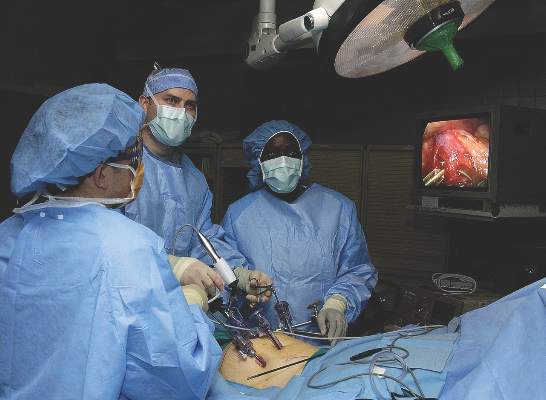
The majority of patients who have undergone laparoscopic totally extraperitoneal groin hernia repair report mild or no symptoms 2 years after the operation, results of a large prospective study indicate.
Researchers assessed 293 patients – 93% of whom were male – who underwent laparoscopic totally extraperitoneal (TEP) groin hernia repair, both before and 3 weeks, 6 months, 1 year, and 2 years after their operation, using the 36-Item Short Form Survey (v2), Surgical Outcomes Measurement System, and Carolinas Comfort Scale.
The study, published in the July issue of the Journal of the American College of Surgeons, found that 98% of individuals reported no or nonbothersome symptoms of sensation of mesh, 95% reported the same for pain, and 97% reported the same for movement limitations when assessed using the Carolinas Comfort Scale 2 years after surgery.
Pain scores, as measured by the Surgical Outcomes Measurement System, also improved significantly from baseline to 2 years after surgery (10 vs. 7.5; P = .025), and at all postoperative points, patients said they were highly satisfied with their quality of life.
“This study found that laparoscopic TEP groin hernia repair improves patient quality of life significantly, as evidenced by two generic and one procedure-specific quality of life instruments,” wrote Matthew E. Gitelis and his colleagues at the department of surgery at NorthShore University HealthSystem, Evanston, Ill. “Additionally, the procedure can be performed safely with minimal morbidity and low recurrence rates.”
According to the 36-Item Short Form Survey, patients showed significant improvements in physical functioning at 2 years after surgery, but not at 3 weeks, 6 months, or 1 year postoperatively. Pain scores initially increased at 3 weeks after surgery, compared with baseline, decreased to baseline levels at 6 months, then improved significantly at 1 and 2 years after surgery.
While surgery did not appear to affect energy/fatigue scores or emotional well-being, patients did report significant improvements in social functioning and role limitations (J Am Coll Surg. 2016 Jul;223:153-161). On average, patients used narcotic pain medication for 2.5 days after surgery, and returned to work and daily activities after 5.4 days.
The study also examined the technical outcomes of the operations, which were all performed by four surgeons specializing in minimally invasive and bariatric surgery at three sites across an academic-affiliated hospital system.
The authors said the decision was made to study the outcomes from more experienced surgeons because of the steep learning curves and specialized skill set required for laparoscopic techniques.
“Looking at the technical outcomes of our cohort as they relate to recurrence rates and complications, we continue to show the importance of reporting the experience of high-volume centers,” they wrote. “Our goal is to better understand the details and duration of quality of life outcomes so that we can better address patient expectations and provide important information used in the decision-making process for patients undergoing an elective procedure.”
There were 66 complications overall, most of which were from seroma (25 patients), hematoma (13 patients), and urinary retention (21 patients), with 7 cases of wound infection reported. Eight patients (2.2%) experienced a hernia recurrence.
“It is worth noting that, in the middle of our study, in an effort to decrease long-term postoperative pain, we switched to lighter-weight mesh (Physiomesh) from the polyester mesh (Parietex anatomical) used previously,” the authors reported. “Carolinas Comfort Scale scores at 1 year did confirm decreased pain scores; however, we also saw significantly higher rates of recurrence during that period.”
No conflicts of interest were declared.
The majority of patients who have undergone laparoscopic totally extraperitoneal groin hernia repair report mild or no symptoms 2 years after the operation, results of a large prospective study indicate.
Researchers assessed 293 patients – 93% of whom were male – who underwent laparoscopic totally extraperitoneal (TEP) groin hernia repair, both before and 3 weeks, 6 months, 1 year, and 2 years after their operation, using the 36-Item Short Form Survey (v2), Surgical Outcomes Measurement System, and Carolinas Comfort Scale.
The study, published in the July issue of the Journal of the American College of Surgeons, found that 98% of individuals reported no or nonbothersome symptoms of sensation of mesh, 95% reported the same for pain, and 97% reported the same for movement limitations when assessed using the Carolinas Comfort Scale 2 years after surgery.
Pain scores, as measured by the Surgical Outcomes Measurement System, also improved significantly from baseline to 2 years after surgery (10 vs. 7.5; P = .025), and at all postoperative points, patients said they were highly satisfied with their quality of life.
“This study found that laparoscopic TEP groin hernia repair improves patient quality of life significantly, as evidenced by two generic and one procedure-specific quality of life instruments,” wrote Matthew E. Gitelis and his colleagues at the department of surgery at NorthShore University HealthSystem, Evanston, Ill. “Additionally, the procedure can be performed safely with minimal morbidity and low recurrence rates.”
According to the 36-Item Short Form Survey, patients showed significant improvements in physical functioning at 2 years after surgery, but not at 3 weeks, 6 months, or 1 year postoperatively. Pain scores initially increased at 3 weeks after surgery, compared with baseline, decreased to baseline levels at 6 months, then improved significantly at 1 and 2 years after surgery.
While surgery did not appear to affect energy/fatigue scores or emotional well-being, patients did report significant improvements in social functioning and role limitations (J Am Coll Surg. 2016 Jul;223:153-161). On average, patients used narcotic pain medication for 2.5 days after surgery, and returned to work and daily activities after 5.4 days.
The study also examined the technical outcomes of the operations, which were all performed by four surgeons specializing in minimally invasive and bariatric surgery at three sites across an academic-affiliated hospital system.
The authors said the decision was made to study the outcomes from more experienced surgeons because of the steep learning curves and specialized skill set required for laparoscopic techniques.
“Looking at the technical outcomes of our cohort as they relate to recurrence rates and complications, we continue to show the importance of reporting the experience of high-volume centers,” they wrote. “Our goal is to better understand the details and duration of quality of life outcomes so that we can better address patient expectations and provide important information used in the decision-making process for patients undergoing an elective procedure.”
There were 66 complications overall, most of which were from seroma (25 patients), hematoma (13 patients), and urinary retention (21 patients), with 7 cases of wound infection reported. Eight patients (2.2%) experienced a hernia recurrence.
“It is worth noting that, in the middle of our study, in an effort to decrease long-term postoperative pain, we switched to lighter-weight mesh (Physiomesh) from the polyester mesh (Parietex anatomical) used previously,” the authors reported. “Carolinas Comfort Scale scores at 1 year did confirm decreased pain scores; however, we also saw significantly higher rates of recurrence during that period.”
No conflicts of interest were declared.
The majority of patients who have undergone laparoscopic totally extraperitoneal groin hernia repair report mild or no symptoms 2 years after the operation, results of a large prospective study indicate.
Researchers assessed 293 patients – 93% of whom were male – who underwent laparoscopic totally extraperitoneal (TEP) groin hernia repair, both before and 3 weeks, 6 months, 1 year, and 2 years after their operation, using the 36-Item Short Form Survey (v2), Surgical Outcomes Measurement System, and Carolinas Comfort Scale.
The study, published in the July issue of the Journal of the American College of Surgeons, found that 98% of individuals reported no or nonbothersome symptoms of sensation of mesh, 95% reported the same for pain, and 97% reported the same for movement limitations when assessed using the Carolinas Comfort Scale 2 years after surgery.
Pain scores, as measured by the Surgical Outcomes Measurement System, also improved significantly from baseline to 2 years after surgery (10 vs. 7.5; P = .025), and at all postoperative points, patients said they were highly satisfied with their quality of life.
“This study found that laparoscopic TEP groin hernia repair improves patient quality of life significantly, as evidenced by two generic and one procedure-specific quality of life instruments,” wrote Matthew E. Gitelis and his colleagues at the department of surgery at NorthShore University HealthSystem, Evanston, Ill. “Additionally, the procedure can be performed safely with minimal morbidity and low recurrence rates.”
According to the 36-Item Short Form Survey, patients showed significant improvements in physical functioning at 2 years after surgery, but not at 3 weeks, 6 months, or 1 year postoperatively. Pain scores initially increased at 3 weeks after surgery, compared with baseline, decreased to baseline levels at 6 months, then improved significantly at 1 and 2 years after surgery.
While surgery did not appear to affect energy/fatigue scores or emotional well-being, patients did report significant improvements in social functioning and role limitations (J Am Coll Surg. 2016 Jul;223:153-161). On average, patients used narcotic pain medication for 2.5 days after surgery, and returned to work and daily activities after 5.4 days.
The study also examined the technical outcomes of the operations, which were all performed by four surgeons specializing in minimally invasive and bariatric surgery at three sites across an academic-affiliated hospital system.
The authors said the decision was made to study the outcomes from more experienced surgeons because of the steep learning curves and specialized skill set required for laparoscopic techniques.
“Looking at the technical outcomes of our cohort as they relate to recurrence rates and complications, we continue to show the importance of reporting the experience of high-volume centers,” they wrote. “Our goal is to better understand the details and duration of quality of life outcomes so that we can better address patient expectations and provide important information used in the decision-making process for patients undergoing an elective procedure.”
There were 66 complications overall, most of which were from seroma (25 patients), hematoma (13 patients), and urinary retention (21 patients), with 7 cases of wound infection reported. Eight patients (2.2%) experienced a hernia recurrence.
“It is worth noting that, in the middle of our study, in an effort to decrease long-term postoperative pain, we switched to lighter-weight mesh (Physiomesh) from the polyester mesh (Parietex anatomical) used previously,” the authors reported. “Carolinas Comfort Scale scores at 1 year did confirm decreased pain scores; however, we also saw significantly higher rates of recurrence during that period.”
No conflicts of interest were declared.
FROM JOURNAL OF THE AMERICAN COLLEGE OF SURGEONS
Key clinical point: The majority of patients who have undergone laparoscopic totally extraperitoneal groin hernia repair report mild or no symptoms 2 years after the operation.
Major finding: More 90% of patients experience no or nonbothersome symptoms of sensation of mesh, pain or movement limitations at 2 years after laparoscopic totally extraperitoneal groin hernia repair.
Data source: Prospective study in 293 patients undergoing laparoscopic totally extraperitoneal groin hernia repair.
Disclosures: No conflicts of interest were declared.
Treg-boosting strategy prevents GVHD in mice

Photo by Aaron Logan
A treatment strategy that increases the production of regulatory T cells (Tregs) can prevent graft-versus-host disease (GVHD) in mice, according to research published in The Journal of Experimental Medicine.
One way to prevent GVHD after allogeneic hematopoietic stem cell transplant (allo-HSCT) is to co-transplant large numbers of Tregs, which can suppress the donor cells’ effects on healthy tissue without affecting their ability to kill tumor cells.
This approach is challenging, however, because the Tregs must first be isolated from the donor’s peripheral blood or bone marrow and then cultivated in the lab to produce sufficient numbers for transplant.
Andreas Beilhack, MD, of University Hospital Würzburg in Germany, and his colleagues have found a way to overcome this obstacle, at least in mice.
The team developed a protein agonist called STAR2, which selectively activates TNFR2. The researchers noted that TNF and its receptors, TNFR1 and TNFR2, have been shown to play a crucial role in both GVHD and the graft-versus-leukemia effect.
With their experiments, Dr Beilhack and his colleagues showed that STAR2 binds to TNFR2, activating a signaling pathway that increases the number of natural Tregs in vitro and in vivo.
The team also tested STAR2 in mice with lymphoma. Pretreating the mice with STAR2 protected them from developing GVHD after allo-HSCT. And the donor-derived cells retained their ability to kill lymphoma cells.
In addition, the researchers found that a slightly modified version of STAR2 has a similar effect on human Tregs, which suggests this approach could also prevent GVHD in humans undergoing allo-HSCT.
“Furthermore, this strategy may be beneficial for other pathological settings in which elevated numbers of regulatory T cells are desirable, such as autoimmune diseases and solid organ transplantation,” Dr Beilhack said. 
Photo by Aaron Logan
A treatment strategy that increases the production of regulatory T cells (Tregs) can prevent graft-versus-host disease (GVHD) in mice, according to research published in The Journal of Experimental Medicine.
One way to prevent GVHD after allogeneic hematopoietic stem cell transplant (allo-HSCT) is to co-transplant large numbers of Tregs, which can suppress the donor cells’ effects on healthy tissue without affecting their ability to kill tumor cells.
This approach is challenging, however, because the Tregs must first be isolated from the donor’s peripheral blood or bone marrow and then cultivated in the lab to produce sufficient numbers for transplant.
Andreas Beilhack, MD, of University Hospital Würzburg in Germany, and his colleagues have found a way to overcome this obstacle, at least in mice.
The team developed a protein agonist called STAR2, which selectively activates TNFR2. The researchers noted that TNF and its receptors, TNFR1 and TNFR2, have been shown to play a crucial role in both GVHD and the graft-versus-leukemia effect.
With their experiments, Dr Beilhack and his colleagues showed that STAR2 binds to TNFR2, activating a signaling pathway that increases the number of natural Tregs in vitro and in vivo.
The team also tested STAR2 in mice with lymphoma. Pretreating the mice with STAR2 protected them from developing GVHD after allo-HSCT. And the donor-derived cells retained their ability to kill lymphoma cells.
In addition, the researchers found that a slightly modified version of STAR2 has a similar effect on human Tregs, which suggests this approach could also prevent GVHD in humans undergoing allo-HSCT.
“Furthermore, this strategy may be beneficial for other pathological settings in which elevated numbers of regulatory T cells are desirable, such as autoimmune diseases and solid organ transplantation,” Dr Beilhack said.
Photo by Aaron Logan
A treatment strategy that increases the production of regulatory T cells (Tregs) can prevent graft-versus-host disease (GVHD) in mice, according to research published in The Journal of Experimental Medicine.
One way to prevent GVHD after allogeneic hematopoietic stem cell transplant (allo-HSCT) is to co-transplant large numbers of Tregs, which can suppress the donor cells’ effects on healthy tissue without affecting their ability to kill tumor cells.
This approach is challenging, however, because the Tregs must first be isolated from the donor’s peripheral blood or bone marrow and then cultivated in the lab to produce sufficient numbers for transplant.
Andreas Beilhack, MD, of University Hospital Würzburg in Germany, and his colleagues have found a way to overcome this obstacle, at least in mice.
The team developed a protein agonist called STAR2, which selectively activates TNFR2. The researchers noted that TNF and its receptors, TNFR1 and TNFR2, have been shown to play a crucial role in both GVHD and the graft-versus-leukemia effect.
With their experiments, Dr Beilhack and his colleagues showed that STAR2 binds to TNFR2, activating a signaling pathway that increases the number of natural Tregs in vitro and in vivo.
The team also tested STAR2 in mice with lymphoma. Pretreating the mice with STAR2 protected them from developing GVHD after allo-HSCT. And the donor-derived cells retained their ability to kill lymphoma cells.
In addition, the researchers found that a slightly modified version of STAR2 has a similar effect on human Tregs, which suggests this approach could also prevent GVHD in humans undergoing allo-HSCT.
“Furthermore, this strategy may be beneficial for other pathological settings in which elevated numbers of regulatory T cells are desirable, such as autoimmune diseases and solid organ transplantation,” Dr Beilhack said.
Genome-editing approach could treat SCD

and a sickled one
Image by Betty Pace
CRISPR-Cas9-mediated genome editing might be a feasible approach for treating sickle cell disease (SCD), according to a group of researchers.
The team used CRISPR to edit hematopoietic stem and progenitor cells (HSPCs) from patients with SCD, which resulted in the production of red blood cells (RBCs) that had enough fetal hemoglobin to be healthy.
The researchers believe this approach might prove effective in treating beta-thalassemia as well.
“Our approach to gene editing is informed by the known benefits of hereditary persistence of fetal hemoglobin,” said study author Mitchell J. Weiss, MD, PhD, of St. Jude Children’s Research Hospital in Memphis, Tennessee.
“It has been known for some time that individuals with genetic mutations that persistently elevate fetal hemoglobin are resistant to the symptoms of sickle cell disease and beta-thalassemia . . . . We have found a way to use CRISPR gene editing to produce similar benefits.”
Dr Weiss and his colleagues described this method in Nature Medicine.
The researchers noted that SCD and beta-thalassemia become symptomatic when fetal gamma-globin expression from 2 genes, HBG1 and HBG2, decreases and the expression of adult beta-globin increases, which shifts RBC hemoglobin from the fetal form to the adult form.
Reversing this shift can raise levels of fetal hemoglobin and ameliorate the symptoms of beta-thalassemia or SCD.
The team also pointed out that, in people with a benign genetic condition known as hereditary persistence of fetal hemoglobin (HPFH), mutations attenuate gamma-globin-to-beta-globin switching, which causes high levels of fetal hemoglobin expression throughout the patients’ lives.
So the researchers set out to mimic this phenomenon in HSPCs from patients with SCD.
The team performed CRISPR–Cas9-mediated genome editing of the HSPCs to mutate a 13-nt sequence present in the promoters of the HBG1 and HBG2 genes.
In this way, they were able to recapitulate a naturally occurring HPFH-associated mutation, so the HSPCs produced RBCs with increased fetal hemoglobin levels.
“Our work has identified a potential DNA target for genome-editing-mediated therapy and offers proof-of-principle for a possible approach to treat sickle cell and beta-thalassemia,” Dr Weiss said.
“We have been able to snip that DNA target using CRISPR, remove a short segment in a ‘control section’ of DNA that stimulates gamma-to-beta switching, and join the ends back up to produce sustained elevation of fetal hemoglobin levels in adult red blood cells.”
Recently, scientists have used several genome-editing approaches to manipulate HSPCs for the possible treatment of SCD and beta-thalassemia, including repair of specific disease-causing mutations and other strategies to inhibit gamma-to-beta switching.
“Our results represent an additional approach to these existing innovative strategies and compare favorably in terms of the levels of fetal hemoglobin that are produced by our experimental system,” Dr Weiss said.
He and his colleagues noted that, at this stage, it is still too early to begin clinical trials of their approach. The researchers want to refine the genome-editing process and perform other experiments to minimize potentially harmful off-target mutations before clinical trials are considered.
In addition, they said it will be important to compare the different genome-editing approaches head-to-head to determine which is safest and most effective.
and a sickled one
Image by Betty Pace
CRISPR-Cas9-mediated genome editing might be a feasible approach for treating sickle cell disease (SCD), according to a group of researchers.
The team used CRISPR to edit hematopoietic stem and progenitor cells (HSPCs) from patients with SCD, which resulted in the production of red blood cells (RBCs) that had enough fetal hemoglobin to be healthy.
The researchers believe this approach might prove effective in treating beta-thalassemia as well.
“Our approach to gene editing is informed by the known benefits of hereditary persistence of fetal hemoglobin,” said study author Mitchell J. Weiss, MD, PhD, of St. Jude Children’s Research Hospital in Memphis, Tennessee.
“It has been known for some time that individuals with genetic mutations that persistently elevate fetal hemoglobin are resistant to the symptoms of sickle cell disease and beta-thalassemia . . . . We have found a way to use CRISPR gene editing to produce similar benefits.”
Dr Weiss and his colleagues described this method in Nature Medicine.
The researchers noted that SCD and beta-thalassemia become symptomatic when fetal gamma-globin expression from 2 genes, HBG1 and HBG2, decreases and the expression of adult beta-globin increases, which shifts RBC hemoglobin from the fetal form to the adult form.
Reversing this shift can raise levels of fetal hemoglobin and ameliorate the symptoms of beta-thalassemia or SCD.
The team also pointed out that, in people with a benign genetic condition known as hereditary persistence of fetal hemoglobin (HPFH), mutations attenuate gamma-globin-to-beta-globin switching, which causes high levels of fetal hemoglobin expression throughout the patients’ lives.
So the researchers set out to mimic this phenomenon in HSPCs from patients with SCD.
The team performed CRISPR–Cas9-mediated genome editing of the HSPCs to mutate a 13-nt sequence present in the promoters of the HBG1 and HBG2 genes.
In this way, they were able to recapitulate a naturally occurring HPFH-associated mutation, so the HSPCs produced RBCs with increased fetal hemoglobin levels.
“Our work has identified a potential DNA target for genome-editing-mediated therapy and offers proof-of-principle for a possible approach to treat sickle cell and beta-thalassemia,” Dr Weiss said.
“We have been able to snip that DNA target using CRISPR, remove a short segment in a ‘control section’ of DNA that stimulates gamma-to-beta switching, and join the ends back up to produce sustained elevation of fetal hemoglobin levels in adult red blood cells.”
Recently, scientists have used several genome-editing approaches to manipulate HSPCs for the possible treatment of SCD and beta-thalassemia, including repair of specific disease-causing mutations and other strategies to inhibit gamma-to-beta switching.
“Our results represent an additional approach to these existing innovative strategies and compare favorably in terms of the levels of fetal hemoglobin that are produced by our experimental system,” Dr Weiss said.
He and his colleagues noted that, at this stage, it is still too early to begin clinical trials of their approach. The researchers want to refine the genome-editing process and perform other experiments to minimize potentially harmful off-target mutations before clinical trials are considered.
In addition, they said it will be important to compare the different genome-editing approaches head-to-head to determine which is safest and most effective.
and a sickled one
Image by Betty Pace
CRISPR-Cas9-mediated genome editing might be a feasible approach for treating sickle cell disease (SCD), according to a group of researchers.
The team used CRISPR to edit hematopoietic stem and progenitor cells (HSPCs) from patients with SCD, which resulted in the production of red blood cells (RBCs) that had enough fetal hemoglobin to be healthy.
The researchers believe this approach might prove effective in treating beta-thalassemia as well.
“Our approach to gene editing is informed by the known benefits of hereditary persistence of fetal hemoglobin,” said study author Mitchell J. Weiss, MD, PhD, of St. Jude Children’s Research Hospital in Memphis, Tennessee.
“It has been known for some time that individuals with genetic mutations that persistently elevate fetal hemoglobin are resistant to the symptoms of sickle cell disease and beta-thalassemia . . . . We have found a way to use CRISPR gene editing to produce similar benefits.”
Dr Weiss and his colleagues described this method in Nature Medicine.
The researchers noted that SCD and beta-thalassemia become symptomatic when fetal gamma-globin expression from 2 genes, HBG1 and HBG2, decreases and the expression of adult beta-globin increases, which shifts RBC hemoglobin from the fetal form to the adult form.
Reversing this shift can raise levels of fetal hemoglobin and ameliorate the symptoms of beta-thalassemia or SCD.
The team also pointed out that, in people with a benign genetic condition known as hereditary persistence of fetal hemoglobin (HPFH), mutations attenuate gamma-globin-to-beta-globin switching, which causes high levels of fetal hemoglobin expression throughout the patients’ lives.
So the researchers set out to mimic this phenomenon in HSPCs from patients with SCD.
The team performed CRISPR–Cas9-mediated genome editing of the HSPCs to mutate a 13-nt sequence present in the promoters of the HBG1 and HBG2 genes.
In this way, they were able to recapitulate a naturally occurring HPFH-associated mutation, so the HSPCs produced RBCs with increased fetal hemoglobin levels.
“Our work has identified a potential DNA target for genome-editing-mediated therapy and offers proof-of-principle for a possible approach to treat sickle cell and beta-thalassemia,” Dr Weiss said.
“We have been able to snip that DNA target using CRISPR, remove a short segment in a ‘control section’ of DNA that stimulates gamma-to-beta switching, and join the ends back up to produce sustained elevation of fetal hemoglobin levels in adult red blood cells.”
Recently, scientists have used several genome-editing approaches to manipulate HSPCs for the possible treatment of SCD and beta-thalassemia, including repair of specific disease-causing mutations and other strategies to inhibit gamma-to-beta switching.
“Our results represent an additional approach to these existing innovative strategies and compare favorably in terms of the levels of fetal hemoglobin that are produced by our experimental system,” Dr Weiss said.
He and his colleagues noted that, at this stage, it is still too early to begin clinical trials of their approach. The researchers want to refine the genome-editing process and perform other experiments to minimize potentially harmful off-target mutations before clinical trials are considered.
In addition, they said it will be important to compare the different genome-editing approaches head-to-head to determine which is safest and most effective.
Drug no longer in development for DLBCL, other cancers
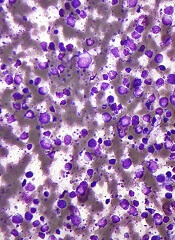
ProNAi Therapeutics recently announced its decision to stop development of PNT2258, a drug designed to treat cancers characterized by overexpression of BCL2.
In June, the company suspended development of PNT2258, closing enrollment in a phase 2 trial of patients with relapsed/refractory diffuse large B-cell lymphoma (DLBCL) and a phase 2 trial of patients with Richter’s transformation.
Now, ProNAi has said it does not plan to resume development of the drug.
“[N]o further investment in PNT2258 or the underlying DNAi platform by ProNAi is contemplated, and the company subsequently has closed its research facility based in Plymouth, Michigan, which supported these programs,” the company said in a statement.
About PNT2258
PNT2258 consists of a single-stranded, 24-base DNAi oligonucleotide known as PNT100 that is encapsulated in lipid nanoparticles.
The DNAi technology platform is based on a discovery that single-stranded DNA oligonucleotides can interact with genomic DNA to interfere with oncogenes. PNT100 DNAi is designed to target a genetic regulatory region associated with BCL2.
Last March, PNT2258 was granted orphan drug designation from the US Food and Drug Administration for the treatment of DLBCL.
ProNAi initially suspended the development of PNT2258 in June, following a review of interim data from the phase 2 Wolverine trial. The company said the drug produced “modest efficacy” in this trial, but it seemed the data were not “robust enough” to justify continued development of PNT2258.
“We have decided to suspend development of PNT2258 pending further review of these data in order to determine next steps for both this asset and the DNAi platform,” Nick Glover, president and CEO of ProNAi, said at the time.
The Wolverine trial was designed to evaluate the safety and efficacy of PNT2258 monotherapy in 61 patients with relapsed/refractory DLBCL.
ProNAi reported interim safety and efficacy data as of April 25, 2016, for the first 37 subjects enrolled. The response rate was 8.1% overall (n=37) and 15.8% in the response-evaluable subgroup (n=19).
Subjects were considered response-evaluable if they met the amended eligibility criteria—a performance status of 0 to 1, 1 to 3 prior systemic treatment regimens, and receipt of at least 8 doses of PNT2258 within 35 days of starting therapy.
PNT2258 was also being evaluated in patients with Richter’s transformation in the phase 2 Brighton study. In June, ProNAi said it had enrolled 5 subjects in this study, and 4 had discontinued. No responses were observed.
“On the basis of these interim assessments, we have decided to close the Wolverine and Brighton studies to further enrollment of new subjects,” Barbara Klencke, chief development officer of ProNAi, said at the time.
PNT2258 was evaluated in 2 prior studies as well. In a phase 1 study (NCT01191775), PNT2258 was given to 22 subjects with advanced solid tumors. The drug was considered well tolerated at doses ranging from 1 mg/m2 through 150 mg/m2.
A pilot study of PNT2258 (NCT01733238) enrolled 13 subjects with relapsed/refractory B-cell non-Hodgkin lymphoma. Responses were observed in subjects with DLBCL and those with follicular lymphoma.
Six subjects were progression-free at 12 months, and progression-free survival extended to 2 years and beyond in 4 subjects. The majority of the adverse events were grade 1 or 2.
ProNAi Therapeutics recently announced its decision to stop development of PNT2258, a drug designed to treat cancers characterized by overexpression of BCL2.
In June, the company suspended development of PNT2258, closing enrollment in a phase 2 trial of patients with relapsed/refractory diffuse large B-cell lymphoma (DLBCL) and a phase 2 trial of patients with Richter’s transformation.
Now, ProNAi has said it does not plan to resume development of the drug.
“[N]o further investment in PNT2258 or the underlying DNAi platform by ProNAi is contemplated, and the company subsequently has closed its research facility based in Plymouth, Michigan, which supported these programs,” the company said in a statement.
About PNT2258
PNT2258 consists of a single-stranded, 24-base DNAi oligonucleotide known as PNT100 that is encapsulated in lipid nanoparticles.
The DNAi technology platform is based on a discovery that single-stranded DNA oligonucleotides can interact with genomic DNA to interfere with oncogenes. PNT100 DNAi is designed to target a genetic regulatory region associated with BCL2.
Last March, PNT2258 was granted orphan drug designation from the US Food and Drug Administration for the treatment of DLBCL.
ProNAi initially suspended the development of PNT2258 in June, following a review of interim data from the phase 2 Wolverine trial. The company said the drug produced “modest efficacy” in this trial, but it seemed the data were not “robust enough” to justify continued development of PNT2258.
“We have decided to suspend development of PNT2258 pending further review of these data in order to determine next steps for both this asset and the DNAi platform,” Nick Glover, president and CEO of ProNAi, said at the time.
The Wolverine trial was designed to evaluate the safety and efficacy of PNT2258 monotherapy in 61 patients with relapsed/refractory DLBCL.
ProNAi reported interim safety and efficacy data as of April 25, 2016, for the first 37 subjects enrolled. The response rate was 8.1% overall (n=37) and 15.8% in the response-evaluable subgroup (n=19).
Subjects were considered response-evaluable if they met the amended eligibility criteria—a performance status of 0 to 1, 1 to 3 prior systemic treatment regimens, and receipt of at least 8 doses of PNT2258 within 35 days of starting therapy.
PNT2258 was also being evaluated in patients with Richter’s transformation in the phase 2 Brighton study. In June, ProNAi said it had enrolled 5 subjects in this study, and 4 had discontinued. No responses were observed.
“On the basis of these interim assessments, we have decided to close the Wolverine and Brighton studies to further enrollment of new subjects,” Barbara Klencke, chief development officer of ProNAi, said at the time.
PNT2258 was evaluated in 2 prior studies as well. In a phase 1 study (NCT01191775), PNT2258 was given to 22 subjects with advanced solid tumors. The drug was considered well tolerated at doses ranging from 1 mg/m2 through 150 mg/m2.
A pilot study of PNT2258 (NCT01733238) enrolled 13 subjects with relapsed/refractory B-cell non-Hodgkin lymphoma. Responses were observed in subjects with DLBCL and those with follicular lymphoma.
Six subjects were progression-free at 12 months, and progression-free survival extended to 2 years and beyond in 4 subjects. The majority of the adverse events were grade 1 or 2.
ProNAi Therapeutics recently announced its decision to stop development of PNT2258, a drug designed to treat cancers characterized by overexpression of BCL2.
In June, the company suspended development of PNT2258, closing enrollment in a phase 2 trial of patients with relapsed/refractory diffuse large B-cell lymphoma (DLBCL) and a phase 2 trial of patients with Richter’s transformation.
Now, ProNAi has said it does not plan to resume development of the drug.
“[N]o further investment in PNT2258 or the underlying DNAi platform by ProNAi is contemplated, and the company subsequently has closed its research facility based in Plymouth, Michigan, which supported these programs,” the company said in a statement.
About PNT2258
PNT2258 consists of a single-stranded, 24-base DNAi oligonucleotide known as PNT100 that is encapsulated in lipid nanoparticles.
The DNAi technology platform is based on a discovery that single-stranded DNA oligonucleotides can interact with genomic DNA to interfere with oncogenes. PNT100 DNAi is designed to target a genetic regulatory region associated with BCL2.
Last March, PNT2258 was granted orphan drug designation from the US Food and Drug Administration for the treatment of DLBCL.
ProNAi initially suspended the development of PNT2258 in June, following a review of interim data from the phase 2 Wolverine trial. The company said the drug produced “modest efficacy” in this trial, but it seemed the data were not “robust enough” to justify continued development of PNT2258.
“We have decided to suspend development of PNT2258 pending further review of these data in order to determine next steps for both this asset and the DNAi platform,” Nick Glover, president and CEO of ProNAi, said at the time.
The Wolverine trial was designed to evaluate the safety and efficacy of PNT2258 monotherapy in 61 patients with relapsed/refractory DLBCL.
ProNAi reported interim safety and efficacy data as of April 25, 2016, for the first 37 subjects enrolled. The response rate was 8.1% overall (n=37) and 15.8% in the response-evaluable subgroup (n=19).
Subjects were considered response-evaluable if they met the amended eligibility criteria—a performance status of 0 to 1, 1 to 3 prior systemic treatment regimens, and receipt of at least 8 doses of PNT2258 within 35 days of starting therapy.
PNT2258 was also being evaluated in patients with Richter’s transformation in the phase 2 Brighton study. In June, ProNAi said it had enrolled 5 subjects in this study, and 4 had discontinued. No responses were observed.
“On the basis of these interim assessments, we have decided to close the Wolverine and Brighton studies to further enrollment of new subjects,” Barbara Klencke, chief development officer of ProNAi, said at the time.
PNT2258 was evaluated in 2 prior studies as well. In a phase 1 study (NCT01191775), PNT2258 was given to 22 subjects with advanced solid tumors. The drug was considered well tolerated at doses ranging from 1 mg/m2 through 150 mg/m2.
A pilot study of PNT2258 (NCT01733238) enrolled 13 subjects with relapsed/refractory B-cell non-Hodgkin lymphoma. Responses were observed in subjects with DLBCL and those with follicular lymphoma.
Six subjects were progression-free at 12 months, and progression-free survival extended to 2 years and beyond in 4 subjects. The majority of the adverse events were grade 1 or 2.
Pulmonary complications affect cancer survivors long-term

Photo by Bill Branson
A new study suggests that survivors of childhood cancer may be plagued by pulmonary complications related to treatment well into their adult lives.
The research indicated that the cumulative incidence of pulmonary complications continues to increase up to 25 years from a patient’s initial cancer diagnosis.
In addition, platinum-based chemotherapy and higher doses of radiation were linked to an increased risk of death from pulmonary causes.
Andrew C. Dietz, MD, of Children’s Hospital Los Angeles in California, and his colleagues reported these findings in Cancer.
The researchers analyzed data from 20,690 five-year cancer survivors who participated in the Childhood Cancer Survivor Study to determine the incidence of death from pulmonary causes.
The team also assessed the incidence of various pulmonary complications in 14,316 of those cancer survivors (who completed a baseline survey and/or 1 of 2 follow-up surveys years later), comparing the results to those seen in a control group of 4027 cancer survivor siblings.
About 34% of the 14,316 cancer survivors had been diagnosed with acute leukemia, and about 21% were diagnosed with Hodgkin or non-Hodgkin lymphoma.
The cancer survivors’ median age at diagnosis was 7 (range, 0-21), and their median age at evaluation was 32 (range, 6-59). The median time from diagnosis was 25 years (range, 5-39).
Compared with controls, cancer survivors were more likely to be male, black, and Hispanic. Cancer survivors were slightly younger and more likely to report a history of congestive heart failure, but they were less likely to be overweight/obese or have ever smoked at the time of the baseline survey.
Results
By age 45, the cumulative incidence of any pulmonary condition was 29.6% among cancer survivors and 26.5% among controls (P=0.001).
The cancer survivors were more likely than controls to report chronic cough (rate ratio [RR]=1.6), the need for extra oxygen (RR=1.8), lung fibrosis (RR=3.5), and recurrent pneumonia (RR=2.0).
Among cancer survivors, the risk of asthma was significantly associated with exposure to asparaginase. Chronic cough was significantly associated with chest wall or lung surgery, anthracyclines, hydroxyurea, and lung radiation doses ≥15 Gy.
Emphysema was significantly associated with lomustine. The need for extra oxygen was significantly associated with hematopoietic stem cell transplant, chest wall or lung surgery, and lung radiation doses ≥10 Gy.
Lung fibrosis was significantly associated with chest wall or lung surgery, asparaginase, platinum-based chemotherapy, and lung radiation doses ≥10 Gy. Recurrent pneumonia was significantly associated with lung radiation doses ≥15 Gy.
The standardized mortality ratio for death from pulmonary causes among all eligible cancer survivors (n=20,690) was 5.9. Pulmonary death was significantly associated with exposure to platinum-based agents and lung radiation doses ≥10 Gy.
“This study adds to our understanding of specific, long-term risks to pulmonary health for survivors of childhood cancer and will help refine guidelines for appropriate screening, health surveillance, and counseling,” said study author Daniel A. Mulrooney, MD, of St. Jude Children’s Research Hospital in Memphis, Tennessee.
He added that this knowledge could potentially contribute to the design and testing of better, targeted interventions to decrease adverse pulmonary events in this population.
Photo by Bill Branson
A new study suggests that survivors of childhood cancer may be plagued by pulmonary complications related to treatment well into their adult lives.
The research indicated that the cumulative incidence of pulmonary complications continues to increase up to 25 years from a patient’s initial cancer diagnosis.
In addition, platinum-based chemotherapy and higher doses of radiation were linked to an increased risk of death from pulmonary causes.
Andrew C. Dietz, MD, of Children’s Hospital Los Angeles in California, and his colleagues reported these findings in Cancer.
The researchers analyzed data from 20,690 five-year cancer survivors who participated in the Childhood Cancer Survivor Study to determine the incidence of death from pulmonary causes.
The team also assessed the incidence of various pulmonary complications in 14,316 of those cancer survivors (who completed a baseline survey and/or 1 of 2 follow-up surveys years later), comparing the results to those seen in a control group of 4027 cancer survivor siblings.
About 34% of the 14,316 cancer survivors had been diagnosed with acute leukemia, and about 21% were diagnosed with Hodgkin or non-Hodgkin lymphoma.
The cancer survivors’ median age at diagnosis was 7 (range, 0-21), and their median age at evaluation was 32 (range, 6-59). The median time from diagnosis was 25 years (range, 5-39).
Compared with controls, cancer survivors were more likely to be male, black, and Hispanic. Cancer survivors were slightly younger and more likely to report a history of congestive heart failure, but they were less likely to be overweight/obese or have ever smoked at the time of the baseline survey.
Results
By age 45, the cumulative incidence of any pulmonary condition was 29.6% among cancer survivors and 26.5% among controls (P=0.001).
The cancer survivors were more likely than controls to report chronic cough (rate ratio [RR]=1.6), the need for extra oxygen (RR=1.8), lung fibrosis (RR=3.5), and recurrent pneumonia (RR=2.0).
Among cancer survivors, the risk of asthma was significantly associated with exposure to asparaginase. Chronic cough was significantly associated with chest wall or lung surgery, anthracyclines, hydroxyurea, and lung radiation doses ≥15 Gy.
Emphysema was significantly associated with lomustine. The need for extra oxygen was significantly associated with hematopoietic stem cell transplant, chest wall or lung surgery, and lung radiation doses ≥10 Gy.
Lung fibrosis was significantly associated with chest wall or lung surgery, asparaginase, platinum-based chemotherapy, and lung radiation doses ≥10 Gy. Recurrent pneumonia was significantly associated with lung radiation doses ≥15 Gy.
The standardized mortality ratio for death from pulmonary causes among all eligible cancer survivors (n=20,690) was 5.9. Pulmonary death was significantly associated with exposure to platinum-based agents and lung radiation doses ≥10 Gy.
“This study adds to our understanding of specific, long-term risks to pulmonary health for survivors of childhood cancer and will help refine guidelines for appropriate screening, health surveillance, and counseling,” said study author Daniel A. Mulrooney, MD, of St. Jude Children’s Research Hospital in Memphis, Tennessee.
He added that this knowledge could potentially contribute to the design and testing of better, targeted interventions to decrease adverse pulmonary events in this population.
Photo by Bill Branson
A new study suggests that survivors of childhood cancer may be plagued by pulmonary complications related to treatment well into their adult lives.
The research indicated that the cumulative incidence of pulmonary complications continues to increase up to 25 years from a patient’s initial cancer diagnosis.
In addition, platinum-based chemotherapy and higher doses of radiation were linked to an increased risk of death from pulmonary causes.
Andrew C. Dietz, MD, of Children’s Hospital Los Angeles in California, and his colleagues reported these findings in Cancer.
The researchers analyzed data from 20,690 five-year cancer survivors who participated in the Childhood Cancer Survivor Study to determine the incidence of death from pulmonary causes.
The team also assessed the incidence of various pulmonary complications in 14,316 of those cancer survivors (who completed a baseline survey and/or 1 of 2 follow-up surveys years later), comparing the results to those seen in a control group of 4027 cancer survivor siblings.
About 34% of the 14,316 cancer survivors had been diagnosed with acute leukemia, and about 21% were diagnosed with Hodgkin or non-Hodgkin lymphoma.
The cancer survivors’ median age at diagnosis was 7 (range, 0-21), and their median age at evaluation was 32 (range, 6-59). The median time from diagnosis was 25 years (range, 5-39).
Compared with controls, cancer survivors were more likely to be male, black, and Hispanic. Cancer survivors were slightly younger and more likely to report a history of congestive heart failure, but they were less likely to be overweight/obese or have ever smoked at the time of the baseline survey.
Results
By age 45, the cumulative incidence of any pulmonary condition was 29.6% among cancer survivors and 26.5% among controls (P=0.001).
The cancer survivors were more likely than controls to report chronic cough (rate ratio [RR]=1.6), the need for extra oxygen (RR=1.8), lung fibrosis (RR=3.5), and recurrent pneumonia (RR=2.0).
Among cancer survivors, the risk of asthma was significantly associated with exposure to asparaginase. Chronic cough was significantly associated with chest wall or lung surgery, anthracyclines, hydroxyurea, and lung radiation doses ≥15 Gy.
Emphysema was significantly associated with lomustine. The need for extra oxygen was significantly associated with hematopoietic stem cell transplant, chest wall or lung surgery, and lung radiation doses ≥10 Gy.
Lung fibrosis was significantly associated with chest wall or lung surgery, asparaginase, platinum-based chemotherapy, and lung radiation doses ≥10 Gy. Recurrent pneumonia was significantly associated with lung radiation doses ≥15 Gy.
The standardized mortality ratio for death from pulmonary causes among all eligible cancer survivors (n=20,690) was 5.9. Pulmonary death was significantly associated with exposure to platinum-based agents and lung radiation doses ≥10 Gy.
“This study adds to our understanding of specific, long-term risks to pulmonary health for survivors of childhood cancer and will help refine guidelines for appropriate screening, health surveillance, and counseling,” said study author Daniel A. Mulrooney, MD, of St. Jude Children’s Research Hospital in Memphis, Tennessee.
He added that this knowledge could potentially contribute to the design and testing of better, targeted interventions to decrease adverse pulmonary events in this population.