User login
Highlights of the 2024 Medicare Physician Fee Schedule proposed rule
The suggested Medicare Physician Fee Schedule for calendar year (CY) 2024 was announced by the Centers for Medicare & Medicaid Services (CMS) in July 2023. Physicians who specialize in pulmonary, critical care, and sleep medicine will be impacted by a number of policy and payment changes. Additionally, keep in mind that this is the proposed rule. Following are some of the key points for our readers:
1. The conversion factor that CMS is suggesting for 2024 is $32.75, which represents a $1.14 (–3.34%) reduction. The current conversion factor is $33.89. This is specifically meant to lower total Medicare spending.
2. It is forecast that pulmonary specialists will experience an estimated 1.09% reduction in Medicare reimbursements if the proposed changes are approved. Medicare reimbursements for critical care specialists will be reduced by 2.51%, and sleep medicine specialists will be seeing a 0.75% increase.
3. Interestingly, CMS is proposing a Healthcare Common Procedure Coding System (HCPCS) code G2211 that will have a distinct add-on payment starting on January 1, 2024. With the help of this add-on code, the resource costs of evaluation and management visits for primary care and long-term treatment of difficult patients will be more accurately recognized. In general, it will be used as an additional payment for outpatient office visits in recognition of the potential expenditures that doctors may face when treating a patient’s single, significant, or complex chronic condition over time. Payment for this add-on code would have a redistributive impact on all other CY 2024 payments, which are still lower than what was previously predicted for this policy in CY 2021 under the Medicare Physician Fee Schedule, which was not implemented at the request of various surgical specialties.
4. As you all are aware, split (or shared) E/M visits in hospitals and other institutional settings are those that are provided in part by doctors and in part by other practitioners of the same specialty but billed under a single provider. Thankfully CMS is recommending delaying the application of the “substantive portion” definition of more than 50% of the total period to at least December 31, 2024. Instead, they are going to keep the present definition of the “substantive portion” for CY 2024, which permits use of either more than half of the visit’s total time or one of the three major components (history, exam, or MDM) to determine who bills the visit. Please remember that Critical Care services (99291/99292) may also be shared or split; however, in this case, billing is based only on time.
5. According to CMS’s current regulatory stance, teaching physicians have to be physically present to charge for services involving residents at the end of the COVID-19 Public Health Emergency. Congress, on the other hand, stepped in and passed legislation to expand Medicare coverage of a number of telehealth services. In accordance with the expanded telehealth policies adopted by Congress, CMS is recommending that teaching physicians be permitted to employ audio/video real-time communications technology when the resident physician provides telehealth services to Medicare beneficiaries for CY 2024.
The CMS’s document is fairly comprehensive, so please visit this link for more information
The suggested Medicare Physician Fee Schedule for calendar year (CY) 2024 was announced by the Centers for Medicare & Medicaid Services (CMS) in July 2023. Physicians who specialize in pulmonary, critical care, and sleep medicine will be impacted by a number of policy and payment changes. Additionally, keep in mind that this is the proposed rule. Following are some of the key points for our readers:
1. The conversion factor that CMS is suggesting for 2024 is $32.75, which represents a $1.14 (–3.34%) reduction. The current conversion factor is $33.89. This is specifically meant to lower total Medicare spending.
2. It is forecast that pulmonary specialists will experience an estimated 1.09% reduction in Medicare reimbursements if the proposed changes are approved. Medicare reimbursements for critical care specialists will be reduced by 2.51%, and sleep medicine specialists will be seeing a 0.75% increase.
3. Interestingly, CMS is proposing a Healthcare Common Procedure Coding System (HCPCS) code G2211 that will have a distinct add-on payment starting on January 1, 2024. With the help of this add-on code, the resource costs of evaluation and management visits for primary care and long-term treatment of difficult patients will be more accurately recognized. In general, it will be used as an additional payment for outpatient office visits in recognition of the potential expenditures that doctors may face when treating a patient’s single, significant, or complex chronic condition over time. Payment for this add-on code would have a redistributive impact on all other CY 2024 payments, which are still lower than what was previously predicted for this policy in CY 2021 under the Medicare Physician Fee Schedule, which was not implemented at the request of various surgical specialties.
4. As you all are aware, split (or shared) E/M visits in hospitals and other institutional settings are those that are provided in part by doctors and in part by other practitioners of the same specialty but billed under a single provider. Thankfully CMS is recommending delaying the application of the “substantive portion” definition of more than 50% of the total period to at least December 31, 2024. Instead, they are going to keep the present definition of the “substantive portion” for CY 2024, which permits use of either more than half of the visit’s total time or one of the three major components (history, exam, or MDM) to determine who bills the visit. Please remember that Critical Care services (99291/99292) may also be shared or split; however, in this case, billing is based only on time.
5. According to CMS’s current regulatory stance, teaching physicians have to be physically present to charge for services involving residents at the end of the COVID-19 Public Health Emergency. Congress, on the other hand, stepped in and passed legislation to expand Medicare coverage of a number of telehealth services. In accordance with the expanded telehealth policies adopted by Congress, CMS is recommending that teaching physicians be permitted to employ audio/video real-time communications technology when the resident physician provides telehealth services to Medicare beneficiaries for CY 2024.
The CMS’s document is fairly comprehensive, so please visit this link for more information
The suggested Medicare Physician Fee Schedule for calendar year (CY) 2024 was announced by the Centers for Medicare & Medicaid Services (CMS) in July 2023. Physicians who specialize in pulmonary, critical care, and sleep medicine will be impacted by a number of policy and payment changes. Additionally, keep in mind that this is the proposed rule. Following are some of the key points for our readers:
1. The conversion factor that CMS is suggesting for 2024 is $32.75, which represents a $1.14 (–3.34%) reduction. The current conversion factor is $33.89. This is specifically meant to lower total Medicare spending.
2. It is forecast that pulmonary specialists will experience an estimated 1.09% reduction in Medicare reimbursements if the proposed changes are approved. Medicare reimbursements for critical care specialists will be reduced by 2.51%, and sleep medicine specialists will be seeing a 0.75% increase.
3. Interestingly, CMS is proposing a Healthcare Common Procedure Coding System (HCPCS) code G2211 that will have a distinct add-on payment starting on January 1, 2024. With the help of this add-on code, the resource costs of evaluation and management visits for primary care and long-term treatment of difficult patients will be more accurately recognized. In general, it will be used as an additional payment for outpatient office visits in recognition of the potential expenditures that doctors may face when treating a patient’s single, significant, or complex chronic condition over time. Payment for this add-on code would have a redistributive impact on all other CY 2024 payments, which are still lower than what was previously predicted for this policy in CY 2021 under the Medicare Physician Fee Schedule, which was not implemented at the request of various surgical specialties.
4. As you all are aware, split (or shared) E/M visits in hospitals and other institutional settings are those that are provided in part by doctors and in part by other practitioners of the same specialty but billed under a single provider. Thankfully CMS is recommending delaying the application of the “substantive portion” definition of more than 50% of the total period to at least December 31, 2024. Instead, they are going to keep the present definition of the “substantive portion” for CY 2024, which permits use of either more than half of the visit’s total time or one of the three major components (history, exam, or MDM) to determine who bills the visit. Please remember that Critical Care services (99291/99292) may also be shared or split; however, in this case, billing is based only on time.
5. According to CMS’s current regulatory stance, teaching physicians have to be physically present to charge for services involving residents at the end of the COVID-19 Public Health Emergency. Congress, on the other hand, stepped in and passed legislation to expand Medicare coverage of a number of telehealth services. In accordance with the expanded telehealth policies adopted by Congress, CMS is recommending that teaching physicians be permitted to employ audio/video real-time communications technology when the resident physician provides telehealth services to Medicare beneficiaries for CY 2024.
The CMS’s document is fairly comprehensive, so please visit this link for more information
Pragmatic solutions to ‘catastrophic’ global stroke burden
Deaths and disability because of stroke are expected to rise alarmingly over the next 30 years, with almost 10 million stroke deaths forecast annually by 2050, according to a new report from the World Stroke Organization–Lancet Neurology Commission Stroke Collaboration Group.
“This highlights the need for urgent measures to reduce stroke burden worldwide, with an emphasis on low- and middle-income countries,” the report authors stated.
These measures include an increase in trained health care workers who can implement effective primary prevention strategies, including the early detection and adequate management of hypertension.
On the basis of a review of evidence-based guidelines, recent surveys, and in-depth interviews with stroke experts around the world, the WSO–Lancet Neurology Commission made evidence-based pragmatic recommendations to reduce the global burden of stroke, including measures to improve surveillance, prevention, acute care, and rehabilitation.
The report was announced on Oct. 10 by WSO President, Sheila Martins, MD, at the World Stroke Conference in Toronto. The report was also published online in The Lancet Neurology.
“Stroke care has changed a lot in the last few years,” said Dr. Martins, who is chief of neurology and neurosurgery at Hospital Moinhos de Vento, Porto Alegre, Brazil, and founder and president of the Brazilian Stroke Network. “We know what we need to do to reduce the global burden of stroke, and high-income countries are making progress in that regard. But the situation in low- and middle-income countries is catastrophic, with mortality rates of up to 80% in individuals who have had a stroke in some countries. There is a very large gap between knowledge and implementation.”
Dr. Martins said that the commission is offering potential innovative suggestions on how to change this reality.
“While we have the knowledge on the strategies needed to reduce stroke burden, the mechanisms needed to implement this knowledge will be different in different countries and cultures. Our commission includes several representatives from low- and middle-income countries, and we will be working with local stakeholders in these countries to try and implement our recommendations,” Dr. Martins explained.
Stroke mortality and disability is on the rise
In the report, the authors pointed out that the global burden of stroke is “huge.” In 2020, stroke was the second leading cause of death (6.6 million deaths) and the third leading cause of disability – responsible for 143 million disability-adjusted life-years – after neonatal disorders and ischemic heart disease. Stroke is also a leading cause of depression and dementia.
The absolute number of people affected by stroke, which includes those who die or remain disabled, has almost doubled in the past 30 years, the report authors noted. Most of the contemporary stroke burden is in low- and middle-income countries, and the burden of disability after a stroke is increasing at a faster pace in low- and middle-income countries than in high-income countries. Alarmingly, the incidence of stroke is increasing in young and middle-aged people globally.
The commission forecasts the burden of stroke from 2020 to 2050, with projections estimating that stroke mortality will increase by 50% to 9.7 million and disability-adjusted life-years growing to over 189.3 million by 2050.
“Stroke exerts an enormous toll on the world’s population, leading to the death and permanent disability of millions of people each year, and costing billions of dollars,” said Valery L. Feigin, MD, of Auckland (New Zealand) University of Technology, and commission cochair. “Precisely forecasting the health and economic impacts of stroke decades into the future is inherently challenging given the levels of uncertainty involved, but these estimates are indicative of the ever-increasing burden we will see in the years ahead unless urgent, effective action is taken.”
The report authors explained that multiple factors contribute to the high burden of stroke in low- and middle-income countries, including undetected and uncontrolled hypertension; lack of easily accessible, high-quality health services; insufficient attention to and investment in prevention, air pollution; population growth; unhealthy lifestyles (for example, poor diet, smoking, sedentary lifestyle, obesity); an earlier age of stroke onset and greater proportion of hemorrhagic strokes than in high-income countries; and the burden of infectious diseases resulting in competition for limited health care resources.
The enormous financial cost of stroke
The total cost of stroke (both direct treatment and rehabilitation costs and indirect costs due to loss of income) is estimated to rise from $891 billion per year in 2017 to as much as $2.31 trillion by 2050. “These substantial increases in the costs associated with stroke will cause distressing financial circumstances for many communities and national health systems,” the authors said.
However, this increase can be avoided because stroke is highly preventable and treatable, they stressed. “These unsustainable trends in burden and costs of stroke underline the importance of identifying interventions to prevent and manage stroke more effectively.”
The Commission pointed out that population-wide primary prevention across the lifespan is extremely cost effective. It has been estimated that for every $1 spent on the prevention of stroke and cardiovascular disease, there is a more than $10 return on investment.
Additionally, primary prevention efforts directed at stroke would probably yield large gains because of the secondary effects of reducing the risk for heart disease, type 2 diabetes, dementia, and some types of cancer that share common risk factors, the authors noted.
“One of the most common problems in implementing stroke prevention and care recommendations is the lack of funding. Our commission recommends introducing legislative regulations and taxations of unhealthy products (such as salt, alcohol, sugary drinks, trans fats) by each and every government in the world,” Dr. Feigin said.
“Such taxation would not only reduce consumption of these products – and therefore lead to the reduction of burden from stroke and major other noncommunicable diseases – but also generate a large revenue sufficient to fund not only prevention programs and services for stroke and other major disorders, but also reduce poverty, inequality in health service provision, and improve wellbeing of the population,” he added.
Recommendations
The commission authors made the following recommendations for key priorities to reduce the burden of stroke:
Surveillance and prevention
- Incorporate stroke events and risk factor surveillance into national stroke action plans.
- Establish a system for population-wide primary and secondary stroke prevention, with emphasis on lifestyle modification for people at any level of risk of stroke and cardiovascular disease.
- Primary and secondary stroke prevention services should be freely accessible and supported by universal health coverage, with access to affordable drugs for management of hypertension, dyslipidemia, diabetes, and clotting disorders.
- Governments must allocate a fixed proportion of their annual health care funding for prevention of stroke and related noncommunicable diseases. This funding could come from taxation of tobacco, salt, alcohol, and sugar.
- Raise public awareness and take action to encourage a healthy lifestyle and prevent stroke via population-wide deployment of digital technologies with simple, inexpensive screening for cardiovascular disease and modifiable risk factors.
- Establish protocol-based shifting of tasks from highly trained health care professionals to supervised paramedical health care workers, to facilitate population-wide primary stroke prevention interventions across rural and urban settings.
Acute care
- Prioritize effective planning of acute stroke care services; capacity building, training, and certification of a multidisciplinary workforce; provision of evidence-based equipment and affordable medicines; and adequate resource allocation at national and regional levels.
- Establish regional networks and protocol-driven services, including community-wide awareness campaigns for early recognition of a stroke, regionally coordinated prehospital services, telemedicine networks, and stroke centers that can triage and treat all cases of acute stroke, and facilitate timely access to reperfusion therapy.
- Integrate acute care networks into the four pillars of the stroke “quadrangle” of resources, including surveillance, prevention, and rehabilitation services, by involving all relevant stakeholders (that is, communities, policy makers, nongovernmental organizations, national and regional stroke organizations, and public and private health care providers) in the stroke care continuum.
Rehabilitation
- Establish multidisciplinary rehabilitation services and adapt evidence-based recommendations to the local context, including the training, support, and supervision of community health care workers and caregivers to assist in long-term care.
- Invest in research to generate innovative low-cost interventions, in public awareness to improve demand for rehabilitation services, and in advocacy to mobilize resources for multidisciplinary rehabilitation.
- Promote the training of stroke rehabilitation professionals. Use digital portals to improve training and to extend the use of assessment tools – such as the Modified Rankin Scale and the U.S. National Institutes of Health Stroke Scale – and quality of life measures to assess functional impairment and monitor recovery.
The commission concluded that, “overall, if the recommendations of this Commission are implemented, the burden of stroke will be reduced substantially ... which will improve brain health and overall wellbeing worldwide.”
Dr. Martins said that the WSO is committed to supporting and accelerating the implementation of these recommendations globally through the WSO Implementation Task Force, with stroke experts to advise the establishment of stroke prevention and care and to contribute with educational programs, and through Global Stroke Alliance meetings facilitating the discussions between stroke experts and policy makers, giving technical support to governments to elaborate national plans for stroke and to include stroke care in universal health coverage packages.
The Commission received funding from the WSO, Bill and Melinda Gates Foundation, Health Research Council of New Zealand, and National Health & Medical Research Council of Australia and was supported by the NIH.
A version of this article first appeared on Medscape.com.
Deaths and disability because of stroke are expected to rise alarmingly over the next 30 years, with almost 10 million stroke deaths forecast annually by 2050, according to a new report from the World Stroke Organization–Lancet Neurology Commission Stroke Collaboration Group.
“This highlights the need for urgent measures to reduce stroke burden worldwide, with an emphasis on low- and middle-income countries,” the report authors stated.
These measures include an increase in trained health care workers who can implement effective primary prevention strategies, including the early detection and adequate management of hypertension.
On the basis of a review of evidence-based guidelines, recent surveys, and in-depth interviews with stroke experts around the world, the WSO–Lancet Neurology Commission made evidence-based pragmatic recommendations to reduce the global burden of stroke, including measures to improve surveillance, prevention, acute care, and rehabilitation.
The report was announced on Oct. 10 by WSO President, Sheila Martins, MD, at the World Stroke Conference in Toronto. The report was also published online in The Lancet Neurology.
“Stroke care has changed a lot in the last few years,” said Dr. Martins, who is chief of neurology and neurosurgery at Hospital Moinhos de Vento, Porto Alegre, Brazil, and founder and president of the Brazilian Stroke Network. “We know what we need to do to reduce the global burden of stroke, and high-income countries are making progress in that regard. But the situation in low- and middle-income countries is catastrophic, with mortality rates of up to 80% in individuals who have had a stroke in some countries. There is a very large gap between knowledge and implementation.”
Dr. Martins said that the commission is offering potential innovative suggestions on how to change this reality.
“While we have the knowledge on the strategies needed to reduce stroke burden, the mechanisms needed to implement this knowledge will be different in different countries and cultures. Our commission includes several representatives from low- and middle-income countries, and we will be working with local stakeholders in these countries to try and implement our recommendations,” Dr. Martins explained.
Stroke mortality and disability is on the rise
In the report, the authors pointed out that the global burden of stroke is “huge.” In 2020, stroke was the second leading cause of death (6.6 million deaths) and the third leading cause of disability – responsible for 143 million disability-adjusted life-years – after neonatal disorders and ischemic heart disease. Stroke is also a leading cause of depression and dementia.
The absolute number of people affected by stroke, which includes those who die or remain disabled, has almost doubled in the past 30 years, the report authors noted. Most of the contemporary stroke burden is in low- and middle-income countries, and the burden of disability after a stroke is increasing at a faster pace in low- and middle-income countries than in high-income countries. Alarmingly, the incidence of stroke is increasing in young and middle-aged people globally.
The commission forecasts the burden of stroke from 2020 to 2050, with projections estimating that stroke mortality will increase by 50% to 9.7 million and disability-adjusted life-years growing to over 189.3 million by 2050.
“Stroke exerts an enormous toll on the world’s population, leading to the death and permanent disability of millions of people each year, and costing billions of dollars,” said Valery L. Feigin, MD, of Auckland (New Zealand) University of Technology, and commission cochair. “Precisely forecasting the health and economic impacts of stroke decades into the future is inherently challenging given the levels of uncertainty involved, but these estimates are indicative of the ever-increasing burden we will see in the years ahead unless urgent, effective action is taken.”
The report authors explained that multiple factors contribute to the high burden of stroke in low- and middle-income countries, including undetected and uncontrolled hypertension; lack of easily accessible, high-quality health services; insufficient attention to and investment in prevention, air pollution; population growth; unhealthy lifestyles (for example, poor diet, smoking, sedentary lifestyle, obesity); an earlier age of stroke onset and greater proportion of hemorrhagic strokes than in high-income countries; and the burden of infectious diseases resulting in competition for limited health care resources.
The enormous financial cost of stroke
The total cost of stroke (both direct treatment and rehabilitation costs and indirect costs due to loss of income) is estimated to rise from $891 billion per year in 2017 to as much as $2.31 trillion by 2050. “These substantial increases in the costs associated with stroke will cause distressing financial circumstances for many communities and national health systems,” the authors said.
However, this increase can be avoided because stroke is highly preventable and treatable, they stressed. “These unsustainable trends in burden and costs of stroke underline the importance of identifying interventions to prevent and manage stroke more effectively.”
The Commission pointed out that population-wide primary prevention across the lifespan is extremely cost effective. It has been estimated that for every $1 spent on the prevention of stroke and cardiovascular disease, there is a more than $10 return on investment.
Additionally, primary prevention efforts directed at stroke would probably yield large gains because of the secondary effects of reducing the risk for heart disease, type 2 diabetes, dementia, and some types of cancer that share common risk factors, the authors noted.
“One of the most common problems in implementing stroke prevention and care recommendations is the lack of funding. Our commission recommends introducing legislative regulations and taxations of unhealthy products (such as salt, alcohol, sugary drinks, trans fats) by each and every government in the world,” Dr. Feigin said.
“Such taxation would not only reduce consumption of these products – and therefore lead to the reduction of burden from stroke and major other noncommunicable diseases – but also generate a large revenue sufficient to fund not only prevention programs and services for stroke and other major disorders, but also reduce poverty, inequality in health service provision, and improve wellbeing of the population,” he added.
Recommendations
The commission authors made the following recommendations for key priorities to reduce the burden of stroke:
Surveillance and prevention
- Incorporate stroke events and risk factor surveillance into national stroke action plans.
- Establish a system for population-wide primary and secondary stroke prevention, with emphasis on lifestyle modification for people at any level of risk of stroke and cardiovascular disease.
- Primary and secondary stroke prevention services should be freely accessible and supported by universal health coverage, with access to affordable drugs for management of hypertension, dyslipidemia, diabetes, and clotting disorders.
- Governments must allocate a fixed proportion of their annual health care funding for prevention of stroke and related noncommunicable diseases. This funding could come from taxation of tobacco, salt, alcohol, and sugar.
- Raise public awareness and take action to encourage a healthy lifestyle and prevent stroke via population-wide deployment of digital technologies with simple, inexpensive screening for cardiovascular disease and modifiable risk factors.
- Establish protocol-based shifting of tasks from highly trained health care professionals to supervised paramedical health care workers, to facilitate population-wide primary stroke prevention interventions across rural and urban settings.
Acute care
- Prioritize effective planning of acute stroke care services; capacity building, training, and certification of a multidisciplinary workforce; provision of evidence-based equipment and affordable medicines; and adequate resource allocation at national and regional levels.
- Establish regional networks and protocol-driven services, including community-wide awareness campaigns for early recognition of a stroke, regionally coordinated prehospital services, telemedicine networks, and stroke centers that can triage and treat all cases of acute stroke, and facilitate timely access to reperfusion therapy.
- Integrate acute care networks into the four pillars of the stroke “quadrangle” of resources, including surveillance, prevention, and rehabilitation services, by involving all relevant stakeholders (that is, communities, policy makers, nongovernmental organizations, national and regional stroke organizations, and public and private health care providers) in the stroke care continuum.
Rehabilitation
- Establish multidisciplinary rehabilitation services and adapt evidence-based recommendations to the local context, including the training, support, and supervision of community health care workers and caregivers to assist in long-term care.
- Invest in research to generate innovative low-cost interventions, in public awareness to improve demand for rehabilitation services, and in advocacy to mobilize resources for multidisciplinary rehabilitation.
- Promote the training of stroke rehabilitation professionals. Use digital portals to improve training and to extend the use of assessment tools – such as the Modified Rankin Scale and the U.S. National Institutes of Health Stroke Scale – and quality of life measures to assess functional impairment and monitor recovery.
The commission concluded that, “overall, if the recommendations of this Commission are implemented, the burden of stroke will be reduced substantially ... which will improve brain health and overall wellbeing worldwide.”
Dr. Martins said that the WSO is committed to supporting and accelerating the implementation of these recommendations globally through the WSO Implementation Task Force, with stroke experts to advise the establishment of stroke prevention and care and to contribute with educational programs, and through Global Stroke Alliance meetings facilitating the discussions between stroke experts and policy makers, giving technical support to governments to elaborate national plans for stroke and to include stroke care in universal health coverage packages.
The Commission received funding from the WSO, Bill and Melinda Gates Foundation, Health Research Council of New Zealand, and National Health & Medical Research Council of Australia and was supported by the NIH.
A version of this article first appeared on Medscape.com.
Deaths and disability because of stroke are expected to rise alarmingly over the next 30 years, with almost 10 million stroke deaths forecast annually by 2050, according to a new report from the World Stroke Organization–Lancet Neurology Commission Stroke Collaboration Group.
“This highlights the need for urgent measures to reduce stroke burden worldwide, with an emphasis on low- and middle-income countries,” the report authors stated.
These measures include an increase in trained health care workers who can implement effective primary prevention strategies, including the early detection and adequate management of hypertension.
On the basis of a review of evidence-based guidelines, recent surveys, and in-depth interviews with stroke experts around the world, the WSO–Lancet Neurology Commission made evidence-based pragmatic recommendations to reduce the global burden of stroke, including measures to improve surveillance, prevention, acute care, and rehabilitation.
The report was announced on Oct. 10 by WSO President, Sheila Martins, MD, at the World Stroke Conference in Toronto. The report was also published online in The Lancet Neurology.
“Stroke care has changed a lot in the last few years,” said Dr. Martins, who is chief of neurology and neurosurgery at Hospital Moinhos de Vento, Porto Alegre, Brazil, and founder and president of the Brazilian Stroke Network. “We know what we need to do to reduce the global burden of stroke, and high-income countries are making progress in that regard. But the situation in low- and middle-income countries is catastrophic, with mortality rates of up to 80% in individuals who have had a stroke in some countries. There is a very large gap between knowledge and implementation.”
Dr. Martins said that the commission is offering potential innovative suggestions on how to change this reality.
“While we have the knowledge on the strategies needed to reduce stroke burden, the mechanisms needed to implement this knowledge will be different in different countries and cultures. Our commission includes several representatives from low- and middle-income countries, and we will be working with local stakeholders in these countries to try and implement our recommendations,” Dr. Martins explained.
Stroke mortality and disability is on the rise
In the report, the authors pointed out that the global burden of stroke is “huge.” In 2020, stroke was the second leading cause of death (6.6 million deaths) and the third leading cause of disability – responsible for 143 million disability-adjusted life-years – after neonatal disorders and ischemic heart disease. Stroke is also a leading cause of depression and dementia.
The absolute number of people affected by stroke, which includes those who die or remain disabled, has almost doubled in the past 30 years, the report authors noted. Most of the contemporary stroke burden is in low- and middle-income countries, and the burden of disability after a stroke is increasing at a faster pace in low- and middle-income countries than in high-income countries. Alarmingly, the incidence of stroke is increasing in young and middle-aged people globally.
The commission forecasts the burden of stroke from 2020 to 2050, with projections estimating that stroke mortality will increase by 50% to 9.7 million and disability-adjusted life-years growing to over 189.3 million by 2050.
“Stroke exerts an enormous toll on the world’s population, leading to the death and permanent disability of millions of people each year, and costing billions of dollars,” said Valery L. Feigin, MD, of Auckland (New Zealand) University of Technology, and commission cochair. “Precisely forecasting the health and economic impacts of stroke decades into the future is inherently challenging given the levels of uncertainty involved, but these estimates are indicative of the ever-increasing burden we will see in the years ahead unless urgent, effective action is taken.”
The report authors explained that multiple factors contribute to the high burden of stroke in low- and middle-income countries, including undetected and uncontrolled hypertension; lack of easily accessible, high-quality health services; insufficient attention to and investment in prevention, air pollution; population growth; unhealthy lifestyles (for example, poor diet, smoking, sedentary lifestyle, obesity); an earlier age of stroke onset and greater proportion of hemorrhagic strokes than in high-income countries; and the burden of infectious diseases resulting in competition for limited health care resources.
The enormous financial cost of stroke
The total cost of stroke (both direct treatment and rehabilitation costs and indirect costs due to loss of income) is estimated to rise from $891 billion per year in 2017 to as much as $2.31 trillion by 2050. “These substantial increases in the costs associated with stroke will cause distressing financial circumstances for many communities and national health systems,” the authors said.
However, this increase can be avoided because stroke is highly preventable and treatable, they stressed. “These unsustainable trends in burden and costs of stroke underline the importance of identifying interventions to prevent and manage stroke more effectively.”
The Commission pointed out that population-wide primary prevention across the lifespan is extremely cost effective. It has been estimated that for every $1 spent on the prevention of stroke and cardiovascular disease, there is a more than $10 return on investment.
Additionally, primary prevention efforts directed at stroke would probably yield large gains because of the secondary effects of reducing the risk for heart disease, type 2 diabetes, dementia, and some types of cancer that share common risk factors, the authors noted.
“One of the most common problems in implementing stroke prevention and care recommendations is the lack of funding. Our commission recommends introducing legislative regulations and taxations of unhealthy products (such as salt, alcohol, sugary drinks, trans fats) by each and every government in the world,” Dr. Feigin said.
“Such taxation would not only reduce consumption of these products – and therefore lead to the reduction of burden from stroke and major other noncommunicable diseases – but also generate a large revenue sufficient to fund not only prevention programs and services for stroke and other major disorders, but also reduce poverty, inequality in health service provision, and improve wellbeing of the population,” he added.
Recommendations
The commission authors made the following recommendations for key priorities to reduce the burden of stroke:
Surveillance and prevention
- Incorporate stroke events and risk factor surveillance into national stroke action plans.
- Establish a system for population-wide primary and secondary stroke prevention, with emphasis on lifestyle modification for people at any level of risk of stroke and cardiovascular disease.
- Primary and secondary stroke prevention services should be freely accessible and supported by universal health coverage, with access to affordable drugs for management of hypertension, dyslipidemia, diabetes, and clotting disorders.
- Governments must allocate a fixed proportion of their annual health care funding for prevention of stroke and related noncommunicable diseases. This funding could come from taxation of tobacco, salt, alcohol, and sugar.
- Raise public awareness and take action to encourage a healthy lifestyle and prevent stroke via population-wide deployment of digital technologies with simple, inexpensive screening for cardiovascular disease and modifiable risk factors.
- Establish protocol-based shifting of tasks from highly trained health care professionals to supervised paramedical health care workers, to facilitate population-wide primary stroke prevention interventions across rural and urban settings.
Acute care
- Prioritize effective planning of acute stroke care services; capacity building, training, and certification of a multidisciplinary workforce; provision of evidence-based equipment and affordable medicines; and adequate resource allocation at national and regional levels.
- Establish regional networks and protocol-driven services, including community-wide awareness campaigns for early recognition of a stroke, regionally coordinated prehospital services, telemedicine networks, and stroke centers that can triage and treat all cases of acute stroke, and facilitate timely access to reperfusion therapy.
- Integrate acute care networks into the four pillars of the stroke “quadrangle” of resources, including surveillance, prevention, and rehabilitation services, by involving all relevant stakeholders (that is, communities, policy makers, nongovernmental organizations, national and regional stroke organizations, and public and private health care providers) in the stroke care continuum.
Rehabilitation
- Establish multidisciplinary rehabilitation services and adapt evidence-based recommendations to the local context, including the training, support, and supervision of community health care workers and caregivers to assist in long-term care.
- Invest in research to generate innovative low-cost interventions, in public awareness to improve demand for rehabilitation services, and in advocacy to mobilize resources for multidisciplinary rehabilitation.
- Promote the training of stroke rehabilitation professionals. Use digital portals to improve training and to extend the use of assessment tools – such as the Modified Rankin Scale and the U.S. National Institutes of Health Stroke Scale – and quality of life measures to assess functional impairment and monitor recovery.
The commission concluded that, “overall, if the recommendations of this Commission are implemented, the burden of stroke will be reduced substantially ... which will improve brain health and overall wellbeing worldwide.”
Dr. Martins said that the WSO is committed to supporting and accelerating the implementation of these recommendations globally through the WSO Implementation Task Force, with stroke experts to advise the establishment of stroke prevention and care and to contribute with educational programs, and through Global Stroke Alliance meetings facilitating the discussions between stroke experts and policy makers, giving technical support to governments to elaborate national plans for stroke and to include stroke care in universal health coverage packages.
The Commission received funding from the WSO, Bill and Melinda Gates Foundation, Health Research Council of New Zealand, and National Health & Medical Research Council of Australia and was supported by the NIH.
A version of this article first appeared on Medscape.com.
FROM THE LANCET NEUROLOGY
Atopic dermatitis: Five things to know
Atopic dermatitis (AD) is a chronic, pruritic inflammatory skin condition that typically affects the face (cheeks), neck, arms, and legs but usually spares the groin and axillary regions. AD usually starts in early infancy but also affects some adults. AD is often associated with elevated levels of immunoglobulin E (IgE). That it is the first disease to present in a series of allergic diseases – including food allergy, asthma, and allergic rhinitis, in order – and has given rise to the “atopic march” theory, which suggests that AD is part of a progression that may lead to subsequent allergic disease at other epithelial barrier surfaces.
.
1. Essential features of AD are pruritus and eczema
The diagnosis of AD is primarily observational. It is made on the basis of patient and family history, pattern of lesions, morphology, and clinical signs. No genetic features or biomarkers are specific enough to reliably aid in diagnosis or severity assessment. Many individual findings are used to diagnose AD, as summarized by the American Academy of Dermatology based on essential, important, associated, and exclusionary features:
- Essential features (must be present for diagnosis) are pruritus and eczema (acute, subacute, or chronic) with typical morphology and age-specific patterns and chronic or relapsing history.
- Important features (usually seen in AD and support the diagnosis) are early age of onset, atopy (personal/family history, IgE reactivity), and xerosis.
- Associated features (nonspecific but suggestive) are atypical vascular response (e.g., delayed blanch response); keratosis pilaris (and some others); ocular/periorbital changes; other regional findings (e.g., perioral changes); and perifollicular accentuation, lichenification, or prurigo lesions.
- Exclusionary conditions (must be excluded to make the AD diagnosis) are scabies, seborrheic dermatitis, contact dermatitis, ichthyoses, cutaneous T-cell lymphoma, psoriasis, photosensitivity dermatoses, immune deficiency diseases, and erythroderma due to other causes.
AD should be differentiated from other red, scaly skin conditions. It is often difficult to separate AD from seborrheic dermatitis in infancy, and the two conditions may overlap in this age group. Particularly if the condition is not responding to therapy, the diagnosis of AD should be re-reviewed and other disorders considered, including more serious nutritional, metabolic, and immunologic conditions in children and cutaneous T-cell lymphoma in adults. Allergic contact dermatitis may be both an alternative diagnosis to AD and an exacerbator of AD in some individuals.
2. Associated comorbidities of AD may exacerbate the condition and lead to other atopic disorders
Reported comorbidities of AD include other atopic or allergic conditions, autoimmune diseases, infections, metabolic conditions, mental health disorders, and cardiovascular disease. Certain aspects of AD, such as chronic pruritus, psychosocial distress, and inflammation, can lead to anxiety, depression, and suicidality. AD is associated with and may predispose to higher risk for other atopic disorders, including asthma, hay fever, food allergy, and eosinophilic esophagitis.
Persons with AD also appear to be at higher risk for infectious diseases. The prevalence of cutaneous and systemic infections in patients with AD is significantly higher than those without AD. Infectious complications can include skin and soft-tissue infections, bacteremia, eczema herpeticum, osteomyelitis, endocarditis, and septic arthritis.
3. Climate change has a profound impact on AD
The incidence of AD has increased over the past several decades, and environmental factors such as climate change have been implicated as a potential mechanism. Climate change–related factors affect the skin’s capacity to maintain homeostasis, leading to various cutaneous diseases. AD, psoriasis, pemphigus, acne vulgaris, melasma, and photoaging are all associated with rising levels of air pollution. Elevated temperatures due to global warming induce disruption of the skin microbiome, thereby affecting AD.
Extreme weather events due to climate change, including floods and wildfires, are implicated in cutaneous injuries, skin infections, and acute worsening of inflammatory skin disorders.
4. The impact and appearance of AD varies in different racial groups
It was once believed that AD was just one single disease affecting people of many different races. More recently, it has been proposed that AD is in fact a group of different diseases. Both epidemiologic and genetic factors may play a role in influencing the main features of AD.
Spongiotic processes such as AD that would be pink or erythematous on white skin are often hypopigmented in individuals with darkly pigmented skin. AD has a higher prevalence and severity in Black and mixed-race populations, probably owing to a combination of environmental and intrinsic factors. Black skin has been shown to have increased transepidermal water loss and lower levels of ceramides, which are important components of the lipid barrier in the stratum corneum.
The American College of Allergy, Asthma & Immunology, along with the Allergy & Asthma Network, are partnering to create Eczema in Skin of Color, a website to aid physicians and patients in recognizing eczema in people with all skin types.
5. New and emerging therapies are poised to improve outcomes with AD treatment
Ruxolitinib cream, a topical Janus kinase (JAK)-1/JAK2 inhibitor, was approved for AD by the U.S. Food and Drug Administration in September 2021. The approval was based on results from the Topical Ruxolitinib Evaluation in AD (TRuE-AD) clinical trial program, which consisted of phase 3 studies that investigated 1,249 patients aged greater than or equal to 12 years with mild to moderate AD (Investigator’s Global Assessment score of 2-3) with a body surface area of 3%-20% (excluding scalp). The 2023 AAD guidelines for topical treatment recommend ruxolitinib cream for adults with mild to moderate AD.
Tralokinumab is a monoclonal antibody that inhibits the interleukin-13 cytokines, which prevents the release of cytokines, chemokines, and IgE. It was approved by the FDA in 2021 for treatment of moderate to severe AD. It is administered by subcutaneous injection every 2 weeks. Approval was based on the phase 3 trials ECZTRA 1, 2, and 3, which assessed the efficacy of tralokinumab in 1,934 adults.
Abrocitinib is an oral, once-daily JAK1 inhibitor for treatment of adults living with refractory, moderate to severe AD. FDA approval was based on results of five clinical trials from a large-scale trial program of more than 1,600 patients. Across the trials, abrocitinib demonstrated a consistent safety profile and profound improvements in skin clearance, extent of disease, and severity, as well as rapid improvement in itch after 2 weeks, for some people living with AD vs placebo.
Upadacitinib, another oral JAK1 inhibitor, was approved by the FDA in January 2022 for refractory moderate to severe AD. Approval was based on three double-blind phase 3 trials (Measure Up 1, Measure Up 2, AD Up) in which 2,584 patients with moderate to severe AD were randomized to receive oral upadacitinib 15 mg/d and 30 mg/d. In Measure Up 1 and Measure Up 2, upadacitinib was evaluated as monotherapy; in AD Up, upadacitinib was evaluated in combination with topical corticosteroids.
On the horizon
Baricitinib, an oral JAK1/2 inhibitor, is not yet approved by the FDA for AD. It is, however, approved for moderate to severe AD treatment in the European Union and many other countries. A 2022 review of studies evaluating baricitinib for the treatment of moderate to severe AD in adults (BREEZE-AD1, -AD2, -AD3, -AD4, -AD5, -AD6) reported that current evidence supports baricitinib, used as monotherapy or in combination with topical corticosteroids, as a safe and effective agent that can be used as an alternative to subcutaneous biologics in adults with moderate to severe AD.
Topical JAK inhibitors
A 2023 systematic review (19 studies, 3,600 participants) reported on several topical JAK inhibitors that are effective for treating AD. It suggests a stronger safety profile and better results, compared with systemic JAK inhibitors. The review focused on topical delgocitinib, tofacitinib, ruxolitinib, cerdulatinib, and ifidancitinib. All agents were effective in treating AD. All of these topical JAK inhibitors had minimal risk for mild to moderate adverse effects.
Biologics
Lebrikizumab was evaluated in a phase 2b, double-blind, placebo-controlled randomized clinical trial. After 16 weeks (280 participants), patients with moderate to severe AD showed a dose-dependent significant improvement in the primary endpoint, compared with placebo. Two phase 3 trials (ADvocate1, ADvocate2) evaluated the safety and efficacy of monotherapy with lebrikizumab in adults and adolescents with moderate to severe AD.
Nemolizumab, assessed in long-term phase 3 trials of AD-associated pruritus, resulted in clinically meaningful improvements from the beginning of treatment to week 68. Nemolizumab is being evaluated in two identical phase 3 studies (Arcadia 1, Arcadia 2) and a long-term extension study.
Dr. Kim is Professor and Vice Chair of Research in the department of dermatology, as well as Director of the Mark Lebwohl Center for Neuroinflammation and Sensation at the Icahn School of Medicine at Mount Sinai, New York. He reported conflicts of interest with 23andMe, Abrax Japan, AbbVie, Almirall, Amgen, and KiiRNA Biotech.
A version of this article first appeared on Medscape.com.
Atopic dermatitis (AD) is a chronic, pruritic inflammatory skin condition that typically affects the face (cheeks), neck, arms, and legs but usually spares the groin and axillary regions. AD usually starts in early infancy but also affects some adults. AD is often associated with elevated levels of immunoglobulin E (IgE). That it is the first disease to present in a series of allergic diseases – including food allergy, asthma, and allergic rhinitis, in order – and has given rise to the “atopic march” theory, which suggests that AD is part of a progression that may lead to subsequent allergic disease at other epithelial barrier surfaces.
.
1. Essential features of AD are pruritus and eczema
The diagnosis of AD is primarily observational. It is made on the basis of patient and family history, pattern of lesions, morphology, and clinical signs. No genetic features or biomarkers are specific enough to reliably aid in diagnosis or severity assessment. Many individual findings are used to diagnose AD, as summarized by the American Academy of Dermatology based on essential, important, associated, and exclusionary features:
- Essential features (must be present for diagnosis) are pruritus and eczema (acute, subacute, or chronic) with typical morphology and age-specific patterns and chronic or relapsing history.
- Important features (usually seen in AD and support the diagnosis) are early age of onset, atopy (personal/family history, IgE reactivity), and xerosis.
- Associated features (nonspecific but suggestive) are atypical vascular response (e.g., delayed blanch response); keratosis pilaris (and some others); ocular/periorbital changes; other regional findings (e.g., perioral changes); and perifollicular accentuation, lichenification, or prurigo lesions.
- Exclusionary conditions (must be excluded to make the AD diagnosis) are scabies, seborrheic dermatitis, contact dermatitis, ichthyoses, cutaneous T-cell lymphoma, psoriasis, photosensitivity dermatoses, immune deficiency diseases, and erythroderma due to other causes.
AD should be differentiated from other red, scaly skin conditions. It is often difficult to separate AD from seborrheic dermatitis in infancy, and the two conditions may overlap in this age group. Particularly if the condition is not responding to therapy, the diagnosis of AD should be re-reviewed and other disorders considered, including more serious nutritional, metabolic, and immunologic conditions in children and cutaneous T-cell lymphoma in adults. Allergic contact dermatitis may be both an alternative diagnosis to AD and an exacerbator of AD in some individuals.
2. Associated comorbidities of AD may exacerbate the condition and lead to other atopic disorders
Reported comorbidities of AD include other atopic or allergic conditions, autoimmune diseases, infections, metabolic conditions, mental health disorders, and cardiovascular disease. Certain aspects of AD, such as chronic pruritus, psychosocial distress, and inflammation, can lead to anxiety, depression, and suicidality. AD is associated with and may predispose to higher risk for other atopic disorders, including asthma, hay fever, food allergy, and eosinophilic esophagitis.
Persons with AD also appear to be at higher risk for infectious diseases. The prevalence of cutaneous and systemic infections in patients with AD is significantly higher than those without AD. Infectious complications can include skin and soft-tissue infections, bacteremia, eczema herpeticum, osteomyelitis, endocarditis, and septic arthritis.
3. Climate change has a profound impact on AD
The incidence of AD has increased over the past several decades, and environmental factors such as climate change have been implicated as a potential mechanism. Climate change–related factors affect the skin’s capacity to maintain homeostasis, leading to various cutaneous diseases. AD, psoriasis, pemphigus, acne vulgaris, melasma, and photoaging are all associated with rising levels of air pollution. Elevated temperatures due to global warming induce disruption of the skin microbiome, thereby affecting AD.
Extreme weather events due to climate change, including floods and wildfires, are implicated in cutaneous injuries, skin infections, and acute worsening of inflammatory skin disorders.
4. The impact and appearance of AD varies in different racial groups
It was once believed that AD was just one single disease affecting people of many different races. More recently, it has been proposed that AD is in fact a group of different diseases. Both epidemiologic and genetic factors may play a role in influencing the main features of AD.
Spongiotic processes such as AD that would be pink or erythematous on white skin are often hypopigmented in individuals with darkly pigmented skin. AD has a higher prevalence and severity in Black and mixed-race populations, probably owing to a combination of environmental and intrinsic factors. Black skin has been shown to have increased transepidermal water loss and lower levels of ceramides, which are important components of the lipid barrier in the stratum corneum.
The American College of Allergy, Asthma & Immunology, along with the Allergy & Asthma Network, are partnering to create Eczema in Skin of Color, a website to aid physicians and patients in recognizing eczema in people with all skin types.
5. New and emerging therapies are poised to improve outcomes with AD treatment
Ruxolitinib cream, a topical Janus kinase (JAK)-1/JAK2 inhibitor, was approved for AD by the U.S. Food and Drug Administration in September 2021. The approval was based on results from the Topical Ruxolitinib Evaluation in AD (TRuE-AD) clinical trial program, which consisted of phase 3 studies that investigated 1,249 patients aged greater than or equal to 12 years with mild to moderate AD (Investigator’s Global Assessment score of 2-3) with a body surface area of 3%-20% (excluding scalp). The 2023 AAD guidelines for topical treatment recommend ruxolitinib cream for adults with mild to moderate AD.
Tralokinumab is a monoclonal antibody that inhibits the interleukin-13 cytokines, which prevents the release of cytokines, chemokines, and IgE. It was approved by the FDA in 2021 for treatment of moderate to severe AD. It is administered by subcutaneous injection every 2 weeks. Approval was based on the phase 3 trials ECZTRA 1, 2, and 3, which assessed the efficacy of tralokinumab in 1,934 adults.
Abrocitinib is an oral, once-daily JAK1 inhibitor for treatment of adults living with refractory, moderate to severe AD. FDA approval was based on results of five clinical trials from a large-scale trial program of more than 1,600 patients. Across the trials, abrocitinib demonstrated a consistent safety profile and profound improvements in skin clearance, extent of disease, and severity, as well as rapid improvement in itch after 2 weeks, for some people living with AD vs placebo.
Upadacitinib, another oral JAK1 inhibitor, was approved by the FDA in January 2022 for refractory moderate to severe AD. Approval was based on three double-blind phase 3 trials (Measure Up 1, Measure Up 2, AD Up) in which 2,584 patients with moderate to severe AD were randomized to receive oral upadacitinib 15 mg/d and 30 mg/d. In Measure Up 1 and Measure Up 2, upadacitinib was evaluated as monotherapy; in AD Up, upadacitinib was evaluated in combination with topical corticosteroids.
On the horizon
Baricitinib, an oral JAK1/2 inhibitor, is not yet approved by the FDA for AD. It is, however, approved for moderate to severe AD treatment in the European Union and many other countries. A 2022 review of studies evaluating baricitinib for the treatment of moderate to severe AD in adults (BREEZE-AD1, -AD2, -AD3, -AD4, -AD5, -AD6) reported that current evidence supports baricitinib, used as monotherapy or in combination with topical corticosteroids, as a safe and effective agent that can be used as an alternative to subcutaneous biologics in adults with moderate to severe AD.
Topical JAK inhibitors
A 2023 systematic review (19 studies, 3,600 participants) reported on several topical JAK inhibitors that are effective for treating AD. It suggests a stronger safety profile and better results, compared with systemic JAK inhibitors. The review focused on topical delgocitinib, tofacitinib, ruxolitinib, cerdulatinib, and ifidancitinib. All agents were effective in treating AD. All of these topical JAK inhibitors had minimal risk for mild to moderate adverse effects.
Biologics
Lebrikizumab was evaluated in a phase 2b, double-blind, placebo-controlled randomized clinical trial. After 16 weeks (280 participants), patients with moderate to severe AD showed a dose-dependent significant improvement in the primary endpoint, compared with placebo. Two phase 3 trials (ADvocate1, ADvocate2) evaluated the safety and efficacy of monotherapy with lebrikizumab in adults and adolescents with moderate to severe AD.
Nemolizumab, assessed in long-term phase 3 trials of AD-associated pruritus, resulted in clinically meaningful improvements from the beginning of treatment to week 68. Nemolizumab is being evaluated in two identical phase 3 studies (Arcadia 1, Arcadia 2) and a long-term extension study.
Dr. Kim is Professor and Vice Chair of Research in the department of dermatology, as well as Director of the Mark Lebwohl Center for Neuroinflammation and Sensation at the Icahn School of Medicine at Mount Sinai, New York. He reported conflicts of interest with 23andMe, Abrax Japan, AbbVie, Almirall, Amgen, and KiiRNA Biotech.
A version of this article first appeared on Medscape.com.
Atopic dermatitis (AD) is a chronic, pruritic inflammatory skin condition that typically affects the face (cheeks), neck, arms, and legs but usually spares the groin and axillary regions. AD usually starts in early infancy but also affects some adults. AD is often associated with elevated levels of immunoglobulin E (IgE). That it is the first disease to present in a series of allergic diseases – including food allergy, asthma, and allergic rhinitis, in order – and has given rise to the “atopic march” theory, which suggests that AD is part of a progression that may lead to subsequent allergic disease at other epithelial barrier surfaces.
.
1. Essential features of AD are pruritus and eczema
The diagnosis of AD is primarily observational. It is made on the basis of patient and family history, pattern of lesions, morphology, and clinical signs. No genetic features or biomarkers are specific enough to reliably aid in diagnosis or severity assessment. Many individual findings are used to diagnose AD, as summarized by the American Academy of Dermatology based on essential, important, associated, and exclusionary features:
- Essential features (must be present for diagnosis) are pruritus and eczema (acute, subacute, or chronic) with typical morphology and age-specific patterns and chronic or relapsing history.
- Important features (usually seen in AD and support the diagnosis) are early age of onset, atopy (personal/family history, IgE reactivity), and xerosis.
- Associated features (nonspecific but suggestive) are atypical vascular response (e.g., delayed blanch response); keratosis pilaris (and some others); ocular/periorbital changes; other regional findings (e.g., perioral changes); and perifollicular accentuation, lichenification, or prurigo lesions.
- Exclusionary conditions (must be excluded to make the AD diagnosis) are scabies, seborrheic dermatitis, contact dermatitis, ichthyoses, cutaneous T-cell lymphoma, psoriasis, photosensitivity dermatoses, immune deficiency diseases, and erythroderma due to other causes.
AD should be differentiated from other red, scaly skin conditions. It is often difficult to separate AD from seborrheic dermatitis in infancy, and the two conditions may overlap in this age group. Particularly if the condition is not responding to therapy, the diagnosis of AD should be re-reviewed and other disorders considered, including more serious nutritional, metabolic, and immunologic conditions in children and cutaneous T-cell lymphoma in adults. Allergic contact dermatitis may be both an alternative diagnosis to AD and an exacerbator of AD in some individuals.
2. Associated comorbidities of AD may exacerbate the condition and lead to other atopic disorders
Reported comorbidities of AD include other atopic or allergic conditions, autoimmune diseases, infections, metabolic conditions, mental health disorders, and cardiovascular disease. Certain aspects of AD, such as chronic pruritus, psychosocial distress, and inflammation, can lead to anxiety, depression, and suicidality. AD is associated with and may predispose to higher risk for other atopic disorders, including asthma, hay fever, food allergy, and eosinophilic esophagitis.
Persons with AD also appear to be at higher risk for infectious diseases. The prevalence of cutaneous and systemic infections in patients with AD is significantly higher than those without AD. Infectious complications can include skin and soft-tissue infections, bacteremia, eczema herpeticum, osteomyelitis, endocarditis, and septic arthritis.
3. Climate change has a profound impact on AD
The incidence of AD has increased over the past several decades, and environmental factors such as climate change have been implicated as a potential mechanism. Climate change–related factors affect the skin’s capacity to maintain homeostasis, leading to various cutaneous diseases. AD, psoriasis, pemphigus, acne vulgaris, melasma, and photoaging are all associated with rising levels of air pollution. Elevated temperatures due to global warming induce disruption of the skin microbiome, thereby affecting AD.
Extreme weather events due to climate change, including floods and wildfires, are implicated in cutaneous injuries, skin infections, and acute worsening of inflammatory skin disorders.
4. The impact and appearance of AD varies in different racial groups
It was once believed that AD was just one single disease affecting people of many different races. More recently, it has been proposed that AD is in fact a group of different diseases. Both epidemiologic and genetic factors may play a role in influencing the main features of AD.
Spongiotic processes such as AD that would be pink or erythematous on white skin are often hypopigmented in individuals with darkly pigmented skin. AD has a higher prevalence and severity in Black and mixed-race populations, probably owing to a combination of environmental and intrinsic factors. Black skin has been shown to have increased transepidermal water loss and lower levels of ceramides, which are important components of the lipid barrier in the stratum corneum.
The American College of Allergy, Asthma & Immunology, along with the Allergy & Asthma Network, are partnering to create Eczema in Skin of Color, a website to aid physicians and patients in recognizing eczema in people with all skin types.
5. New and emerging therapies are poised to improve outcomes with AD treatment
Ruxolitinib cream, a topical Janus kinase (JAK)-1/JAK2 inhibitor, was approved for AD by the U.S. Food and Drug Administration in September 2021. The approval was based on results from the Topical Ruxolitinib Evaluation in AD (TRuE-AD) clinical trial program, which consisted of phase 3 studies that investigated 1,249 patients aged greater than or equal to 12 years with mild to moderate AD (Investigator’s Global Assessment score of 2-3) with a body surface area of 3%-20% (excluding scalp). The 2023 AAD guidelines for topical treatment recommend ruxolitinib cream for adults with mild to moderate AD.
Tralokinumab is a monoclonal antibody that inhibits the interleukin-13 cytokines, which prevents the release of cytokines, chemokines, and IgE. It was approved by the FDA in 2021 for treatment of moderate to severe AD. It is administered by subcutaneous injection every 2 weeks. Approval was based on the phase 3 trials ECZTRA 1, 2, and 3, which assessed the efficacy of tralokinumab in 1,934 adults.
Abrocitinib is an oral, once-daily JAK1 inhibitor for treatment of adults living with refractory, moderate to severe AD. FDA approval was based on results of five clinical trials from a large-scale trial program of more than 1,600 patients. Across the trials, abrocitinib demonstrated a consistent safety profile and profound improvements in skin clearance, extent of disease, and severity, as well as rapid improvement in itch after 2 weeks, for some people living with AD vs placebo.
Upadacitinib, another oral JAK1 inhibitor, was approved by the FDA in January 2022 for refractory moderate to severe AD. Approval was based on three double-blind phase 3 trials (Measure Up 1, Measure Up 2, AD Up) in which 2,584 patients with moderate to severe AD were randomized to receive oral upadacitinib 15 mg/d and 30 mg/d. In Measure Up 1 and Measure Up 2, upadacitinib was evaluated as monotherapy; in AD Up, upadacitinib was evaluated in combination with topical corticosteroids.
On the horizon
Baricitinib, an oral JAK1/2 inhibitor, is not yet approved by the FDA for AD. It is, however, approved for moderate to severe AD treatment in the European Union and many other countries. A 2022 review of studies evaluating baricitinib for the treatment of moderate to severe AD in adults (BREEZE-AD1, -AD2, -AD3, -AD4, -AD5, -AD6) reported that current evidence supports baricitinib, used as monotherapy or in combination with topical corticosteroids, as a safe and effective agent that can be used as an alternative to subcutaneous biologics in adults with moderate to severe AD.
Topical JAK inhibitors
A 2023 systematic review (19 studies, 3,600 participants) reported on several topical JAK inhibitors that are effective for treating AD. It suggests a stronger safety profile and better results, compared with systemic JAK inhibitors. The review focused on topical delgocitinib, tofacitinib, ruxolitinib, cerdulatinib, and ifidancitinib. All agents were effective in treating AD. All of these topical JAK inhibitors had minimal risk for mild to moderate adverse effects.
Biologics
Lebrikizumab was evaluated in a phase 2b, double-blind, placebo-controlled randomized clinical trial. After 16 weeks (280 participants), patients with moderate to severe AD showed a dose-dependent significant improvement in the primary endpoint, compared with placebo. Two phase 3 trials (ADvocate1, ADvocate2) evaluated the safety and efficacy of monotherapy with lebrikizumab in adults and adolescents with moderate to severe AD.
Nemolizumab, assessed in long-term phase 3 trials of AD-associated pruritus, resulted in clinically meaningful improvements from the beginning of treatment to week 68. Nemolizumab is being evaluated in two identical phase 3 studies (Arcadia 1, Arcadia 2) and a long-term extension study.
Dr. Kim is Professor and Vice Chair of Research in the department of dermatology, as well as Director of the Mark Lebwohl Center for Neuroinflammation and Sensation at the Icahn School of Medicine at Mount Sinai, New York. He reported conflicts of interest with 23andMe, Abrax Japan, AbbVie, Almirall, Amgen, and KiiRNA Biotech.
A version of this article first appeared on Medscape.com.
CHEST launches sepsis resources in partnership with the CDC
Earlier this year, CHEST released new clinical resources on sepsis and antibiotic stewardship developed by the Sepsis Resources Steering Committee with grant support from the US Centers for Disease Control and Prevention (CDC).
The resources – including infographics, videos, podcasts, and research commentaries – aim to help clinicians increase their knowledge of sepsis prevention and treatment, especially when considering the use of antibiotics.
According to CHEST Past President, Steven Q. Simpson, MD, FCCP, who serves as Chair of the Sepsis Resources Steering Committee, sepsis is the number one cause of death in U.S. hospitals . It’s also the most expensive condition treated in those hospitals.
“Perhaps the single most important tool we have to fight sepsis is our array of antimicrobial therapies, including antibacterial, antifungal, and antiviral agents,” Dr. Simpson said. “It is vital that we use the antibiotics we have wisely and preserve them for future use.”
He pointed to the apparent tension between the need to administer broad-spectrum antimicrobials quickly to patients with sepsis and the need to limit the use of broad-spectrum agents as much as possible. But these concepts aren’t at odds with each another, he said. They’re allies in the sepsis war.
CHEST’s new resources can help clinicians practice good antimicrobial stewardship as they balance these needs. Included in the collection is a two-part video discussion exploring conservative and aggressive approaches to antibiotic use in suspected sepsis. A series of podcasts delves into complex sepsis cases, and easy-reference infographics outline key components of an antimicrobial stewardship program, rapid diagnostics for infectious diseases in the ICU, and sepsis mimics.
Steering committee members were chosen from CHEST’s membership for their clinical expertise in sepsis, infectious diseases, and antimicrobial stewardship. The committee selected topics based on current practice and knowledge gaps where education is most needed.
Working with the CDC increases CHEST’s impact in this area. Much of the care of patients with sepsis happens before they reach the ICU. The CDC’s broad reach with general and specialty medical audiences allows CHEST to share these resources with a wide array of clinicians who practice inside and outside of the ICU.
“Cooperation with the CDC gives us an opportunity to spread CHEST’s knowledge and expertise to a much broader audience, making the CDC a powerful partner and allowing us to serve the nation and beyond in a way that we cannot do by ourselves,” Dr. Simpson said.
Access the full collection of sepsis resources at chestnet.org/topic-collections/sepsis.
Earlier this year, CHEST released new clinical resources on sepsis and antibiotic stewardship developed by the Sepsis Resources Steering Committee with grant support from the US Centers for Disease Control and Prevention (CDC).
The resources – including infographics, videos, podcasts, and research commentaries – aim to help clinicians increase their knowledge of sepsis prevention and treatment, especially when considering the use of antibiotics.
According to CHEST Past President, Steven Q. Simpson, MD, FCCP, who serves as Chair of the Sepsis Resources Steering Committee, sepsis is the number one cause of death in U.S. hospitals . It’s also the most expensive condition treated in those hospitals.
“Perhaps the single most important tool we have to fight sepsis is our array of antimicrobial therapies, including antibacterial, antifungal, and antiviral agents,” Dr. Simpson said. “It is vital that we use the antibiotics we have wisely and preserve them for future use.”
He pointed to the apparent tension between the need to administer broad-spectrum antimicrobials quickly to patients with sepsis and the need to limit the use of broad-spectrum agents as much as possible. But these concepts aren’t at odds with each another, he said. They’re allies in the sepsis war.
CHEST’s new resources can help clinicians practice good antimicrobial stewardship as they balance these needs. Included in the collection is a two-part video discussion exploring conservative and aggressive approaches to antibiotic use in suspected sepsis. A series of podcasts delves into complex sepsis cases, and easy-reference infographics outline key components of an antimicrobial stewardship program, rapid diagnostics for infectious diseases in the ICU, and sepsis mimics.
Steering committee members were chosen from CHEST’s membership for their clinical expertise in sepsis, infectious diseases, and antimicrobial stewardship. The committee selected topics based on current practice and knowledge gaps where education is most needed.
Working with the CDC increases CHEST’s impact in this area. Much of the care of patients with sepsis happens before they reach the ICU. The CDC’s broad reach with general and specialty medical audiences allows CHEST to share these resources with a wide array of clinicians who practice inside and outside of the ICU.
“Cooperation with the CDC gives us an opportunity to spread CHEST’s knowledge and expertise to a much broader audience, making the CDC a powerful partner and allowing us to serve the nation and beyond in a way that we cannot do by ourselves,” Dr. Simpson said.
Access the full collection of sepsis resources at chestnet.org/topic-collections/sepsis.
Earlier this year, CHEST released new clinical resources on sepsis and antibiotic stewardship developed by the Sepsis Resources Steering Committee with grant support from the US Centers for Disease Control and Prevention (CDC).
The resources – including infographics, videos, podcasts, and research commentaries – aim to help clinicians increase their knowledge of sepsis prevention and treatment, especially when considering the use of antibiotics.
According to CHEST Past President, Steven Q. Simpson, MD, FCCP, who serves as Chair of the Sepsis Resources Steering Committee, sepsis is the number one cause of death in U.S. hospitals . It’s also the most expensive condition treated in those hospitals.
“Perhaps the single most important tool we have to fight sepsis is our array of antimicrobial therapies, including antibacterial, antifungal, and antiviral agents,” Dr. Simpson said. “It is vital that we use the antibiotics we have wisely and preserve them for future use.”
He pointed to the apparent tension between the need to administer broad-spectrum antimicrobials quickly to patients with sepsis and the need to limit the use of broad-spectrum agents as much as possible. But these concepts aren’t at odds with each another, he said. They’re allies in the sepsis war.
CHEST’s new resources can help clinicians practice good antimicrobial stewardship as they balance these needs. Included in the collection is a two-part video discussion exploring conservative and aggressive approaches to antibiotic use in suspected sepsis. A series of podcasts delves into complex sepsis cases, and easy-reference infographics outline key components of an antimicrobial stewardship program, rapid diagnostics for infectious diseases in the ICU, and sepsis mimics.
Steering committee members were chosen from CHEST’s membership for their clinical expertise in sepsis, infectious diseases, and antimicrobial stewardship. The committee selected topics based on current practice and knowledge gaps where education is most needed.
Working with the CDC increases CHEST’s impact in this area. Much of the care of patients with sepsis happens before they reach the ICU. The CDC’s broad reach with general and specialty medical audiences allows CHEST to share these resources with a wide array of clinicians who practice inside and outside of the ICU.
“Cooperation with the CDC gives us an opportunity to spread CHEST’s knowledge and expertise to a much broader audience, making the CDC a powerful partner and allowing us to serve the nation and beyond in a way that we cannot do by ourselves,” Dr. Simpson said.
Access the full collection of sepsis resources at chestnet.org/topic-collections/sepsis.
Tool in development aims to steer telehealth visit appropriateness in rheumatology
Researchers have created a model to suggest which rheumatology visits can be effectively carried out via telehealth and which should remain in-person visits. The model not only could help to alleviate the decision burden on providers but also help to navigate how to incorporate telehealth into daily rheumatology practice as the COVID-19 pandemic subsides, experts say.
The beginning of the pandemic quickly drove rheumatology practices to adopt telehealth – which in the past has been studied only in selective groups of relatively stable patients. In Duke University’s department of rheumatology, nearly 90% of visits were conducted via telehealth for several weeks in April and May 2020, said David L. Leverenz, MD, an assistant professor of medicine at Duke University in Durham, N.C.
Since then, the practice has continued providing telehealth for a wider variety of patients: patients with high disease activity, those with low disease activity, people living 3 hours away or just 5 minutes from the medical center.
“Although the pandemic has really improved, and certainly we feel very safe providing in-person care, we’ve realized that it’s actually really possible to provide telehealth care to a lot of patients,” he said.

The model was then piloted with four Duke University rheumatologists for visits that took place from March through July 2022. A month prior to visits, researchers provided the rheumatologists a list of in-patient visits that the model suggested could be changed to telehealth visits. The list also included false changes, in which randomly selected visits were presented as being recommended for telehealth, although the model had not actually recommended the changes.
Dr. Leverenz and colleagues measured how frequently providers agreed with changes recommended by the model and the false changes. If a provider accepted a model-suggested change, the patient was contacted to either accept or reject the proposed switch. If a provider agreed with a false change, no additional action was taken.
Of the 201 patient encounters, there were 101 model-recommended changes and 100 artificial changes. Nearly all (99%) model-recommended changes suggested moving from in-person visits to telehealth visits. There was one recommendation to change a scheduled telehealth encounter to an in-person encounter. Of the false recommendations, 90 were for scheduled in-person visits, and 10 were for scheduled telehealth appointments.
Providers agreed with 71% of the model-recommended changes and with 21% of the false changes. Dr. Leverenz and colleagues reported “moderate agreement” between providers and model recommendations, reflected by a Cohen kappa coefficient of 0.45.
“This lined up pretty well with what providers thought was appropriate for the patient when presented with the information, and it also showed that, on top of current practice, that the model really does have the ability to expand appropriate telehealth care, which is really what we’re looking to do,” Dr. Leverenz said.
The article describing these results was published in Arthritis Care and Research.
Perhaps unsurprisingly, clinician preference for and experience with telemedicine were the biggest predictors of whether changes suggested by the model were accepted.
Focus model to specific diagnoses or many?
Currently, clinicians who are already juggling many other responsibilities throughout the day must use their own judgment to determine whether telemedicine may be appropriate. A model such as this could help alleviate that decision burden, said Kathleen Fear, PhD, the director of data and analytics at the University of Rochester Medical Center Health Lab, in New York.
“A model that can help with scheduling or prompt a provider or patient for when a visit is appropriate for telemedicine seems like a really effective way to make the most of telemedicine while reducing potential burden on providers,” she said.
Dr. Leverenz imagines that this model could be embedded into electronic health records as a “decision support tool” to aid discussions between patients and providers on whether telehealth might be appropriate for upcoming visits.
But developing a model that can generate predictions for the wide variety of conditions seen in daily rheumatology practice can be a challenge, said Christine Peoples, MD, a clinical associate professor of medicine and director of the tele-rheumatology program at the University of Pittsburgh.
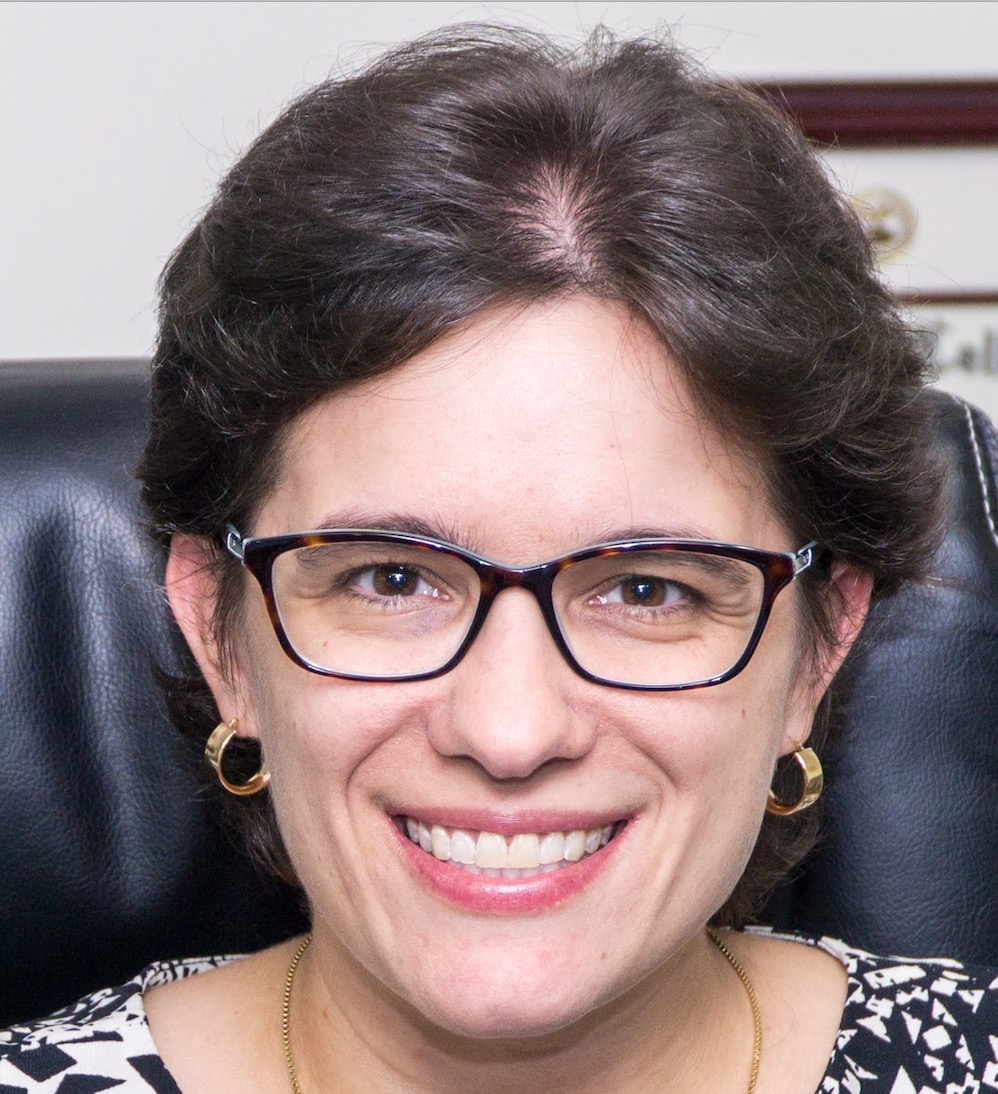
“If you focus the model to certain diagnoses, at least in the beginning, that’s very helpful, because it’s too difficult to have one model for every single reason that folks see a rheumatologist,” she said.
Daniel A. Albert, MD, a professor of medicine and pediatrics at the Geisel School of Medicine at Dartmouth in Hanover, N,H., agreed. The model is “a good start,” he said, and highlights that tele-rheumatology continues to be underutilized in practice. But he argued that the moderate agreement found with the model was relatively low.

A more focused algorithm that targets a single or several more common conditions may be more accurate, he said. “You probably want to break it down,” Dr. Albert said.
But Dr. Leverenz argued that the novelty of this model is that it incorporates the many different conditions seen in daily rheumatology practice, whereas previous programs utilizing telehealth focused on specific conditions and patients with low disease activity.
In addition, the model is currently provider centric and does not take patient preference into account, Dr. Albert added. Dr. Leverenz said that that is the next step in further developing this model. He is currently conducting qualitative analyses with patients to better understand what patients think and how often their views on telehealth differ from that of their care providers.
“Hopefully, we can expand appropriate telehealth visits by teaching providers not just to do what they think is right for the patient but also meet the patient’s expectations and needs, based on what we learn,” he said.
The study was funded by a grant from Pfizer. Dr. Leverenz has received grants from Pfizer and has served as a consultant for Sanofi. None of the study’s other authors report relevant financial relationships. Dr. Peoples is an educational consultant on telehealth for Pfizer. Dr. Alberts has previously received grant funding from Pfizer. Dr. Fear has disclosed no relevant financial relationships.
A version of this article first appeared on Medscape.com.
Researchers have created a model to suggest which rheumatology visits can be effectively carried out via telehealth and which should remain in-person visits. The model not only could help to alleviate the decision burden on providers but also help to navigate how to incorporate telehealth into daily rheumatology practice as the COVID-19 pandemic subsides, experts say.
The beginning of the pandemic quickly drove rheumatology practices to adopt telehealth – which in the past has been studied only in selective groups of relatively stable patients. In Duke University’s department of rheumatology, nearly 90% of visits were conducted via telehealth for several weeks in April and May 2020, said David L. Leverenz, MD, an assistant professor of medicine at Duke University in Durham, N.C.
Since then, the practice has continued providing telehealth for a wider variety of patients: patients with high disease activity, those with low disease activity, people living 3 hours away or just 5 minutes from the medical center.
“Although the pandemic has really improved, and certainly we feel very safe providing in-person care, we’ve realized that it’s actually really possible to provide telehealth care to a lot of patients,” he said.
The model was then piloted with four Duke University rheumatologists for visits that took place from March through July 2022. A month prior to visits, researchers provided the rheumatologists a list of in-patient visits that the model suggested could be changed to telehealth visits. The list also included false changes, in which randomly selected visits were presented as being recommended for telehealth, although the model had not actually recommended the changes.
Dr. Leverenz and colleagues measured how frequently providers agreed with changes recommended by the model and the false changes. If a provider accepted a model-suggested change, the patient was contacted to either accept or reject the proposed switch. If a provider agreed with a false change, no additional action was taken.
Of the 201 patient encounters, there were 101 model-recommended changes and 100 artificial changes. Nearly all (99%) model-recommended changes suggested moving from in-person visits to telehealth visits. There was one recommendation to change a scheduled telehealth encounter to an in-person encounter. Of the false recommendations, 90 were for scheduled in-person visits, and 10 were for scheduled telehealth appointments.
Providers agreed with 71% of the model-recommended changes and with 21% of the false changes. Dr. Leverenz and colleagues reported “moderate agreement” between providers and model recommendations, reflected by a Cohen kappa coefficient of 0.45.
“This lined up pretty well with what providers thought was appropriate for the patient when presented with the information, and it also showed that, on top of current practice, that the model really does have the ability to expand appropriate telehealth care, which is really what we’re looking to do,” Dr. Leverenz said.
The article describing these results was published in Arthritis Care and Research.
Perhaps unsurprisingly, clinician preference for and experience with telemedicine were the biggest predictors of whether changes suggested by the model were accepted.
Focus model to specific diagnoses or many?
Currently, clinicians who are already juggling many other responsibilities throughout the day must use their own judgment to determine whether telemedicine may be appropriate. A model such as this could help alleviate that decision burden, said Kathleen Fear, PhD, the director of data and analytics at the University of Rochester Medical Center Health Lab, in New York.
“A model that can help with scheduling or prompt a provider or patient for when a visit is appropriate for telemedicine seems like a really effective way to make the most of telemedicine while reducing potential burden on providers,” she said.
Dr. Leverenz imagines that this model could be embedded into electronic health records as a “decision support tool” to aid discussions between patients and providers on whether telehealth might be appropriate for upcoming visits.
But developing a model that can generate predictions for the wide variety of conditions seen in daily rheumatology practice can be a challenge, said Christine Peoples, MD, a clinical associate professor of medicine and director of the tele-rheumatology program at the University of Pittsburgh.
“If you focus the model to certain diagnoses, at least in the beginning, that’s very helpful, because it’s too difficult to have one model for every single reason that folks see a rheumatologist,” she said.
Daniel A. Albert, MD, a professor of medicine and pediatrics at the Geisel School of Medicine at Dartmouth in Hanover, N,H., agreed. The model is “a good start,” he said, and highlights that tele-rheumatology continues to be underutilized in practice. But he argued that the moderate agreement found with the model was relatively low.
A more focused algorithm that targets a single or several more common conditions may be more accurate, he said. “You probably want to break it down,” Dr. Albert said.
But Dr. Leverenz argued that the novelty of this model is that it incorporates the many different conditions seen in daily rheumatology practice, whereas previous programs utilizing telehealth focused on specific conditions and patients with low disease activity.
In addition, the model is currently provider centric and does not take patient preference into account, Dr. Albert added. Dr. Leverenz said that that is the next step in further developing this model. He is currently conducting qualitative analyses with patients to better understand what patients think and how often their views on telehealth differ from that of their care providers.
“Hopefully, we can expand appropriate telehealth visits by teaching providers not just to do what they think is right for the patient but also meet the patient’s expectations and needs, based on what we learn,” he said.
The study was funded by a grant from Pfizer. Dr. Leverenz has received grants from Pfizer and has served as a consultant for Sanofi. None of the study’s other authors report relevant financial relationships. Dr. Peoples is an educational consultant on telehealth for Pfizer. Dr. Alberts has previously received grant funding from Pfizer. Dr. Fear has disclosed no relevant financial relationships.
A version of this article first appeared on Medscape.com.
Researchers have created a model to suggest which rheumatology visits can be effectively carried out via telehealth and which should remain in-person visits. The model not only could help to alleviate the decision burden on providers but also help to navigate how to incorporate telehealth into daily rheumatology practice as the COVID-19 pandemic subsides, experts say.
The beginning of the pandemic quickly drove rheumatology practices to adopt telehealth – which in the past has been studied only in selective groups of relatively stable patients. In Duke University’s department of rheumatology, nearly 90% of visits were conducted via telehealth for several weeks in April and May 2020, said David L. Leverenz, MD, an assistant professor of medicine at Duke University in Durham, N.C.
Since then, the practice has continued providing telehealth for a wider variety of patients: patients with high disease activity, those with low disease activity, people living 3 hours away or just 5 minutes from the medical center.
“Although the pandemic has really improved, and certainly we feel very safe providing in-person care, we’ve realized that it’s actually really possible to provide telehealth care to a lot of patients,” he said.
The model was then piloted with four Duke University rheumatologists for visits that took place from March through July 2022. A month prior to visits, researchers provided the rheumatologists a list of in-patient visits that the model suggested could be changed to telehealth visits. The list also included false changes, in which randomly selected visits were presented as being recommended for telehealth, although the model had not actually recommended the changes.
Dr. Leverenz and colleagues measured how frequently providers agreed with changes recommended by the model and the false changes. If a provider accepted a model-suggested change, the patient was contacted to either accept or reject the proposed switch. If a provider agreed with a false change, no additional action was taken.
Of the 201 patient encounters, there were 101 model-recommended changes and 100 artificial changes. Nearly all (99%) model-recommended changes suggested moving from in-person visits to telehealth visits. There was one recommendation to change a scheduled telehealth encounter to an in-person encounter. Of the false recommendations, 90 were for scheduled in-person visits, and 10 were for scheduled telehealth appointments.
Providers agreed with 71% of the model-recommended changes and with 21% of the false changes. Dr. Leverenz and colleagues reported “moderate agreement” between providers and model recommendations, reflected by a Cohen kappa coefficient of 0.45.
“This lined up pretty well with what providers thought was appropriate for the patient when presented with the information, and it also showed that, on top of current practice, that the model really does have the ability to expand appropriate telehealth care, which is really what we’re looking to do,” Dr. Leverenz said.
The article describing these results was published in Arthritis Care and Research.
Perhaps unsurprisingly, clinician preference for and experience with telemedicine were the biggest predictors of whether changes suggested by the model were accepted.
Focus model to specific diagnoses or many?
Currently, clinicians who are already juggling many other responsibilities throughout the day must use their own judgment to determine whether telemedicine may be appropriate. A model such as this could help alleviate that decision burden, said Kathleen Fear, PhD, the director of data and analytics at the University of Rochester Medical Center Health Lab, in New York.
“A model that can help with scheduling or prompt a provider or patient for when a visit is appropriate for telemedicine seems like a really effective way to make the most of telemedicine while reducing potential burden on providers,” she said.
Dr. Leverenz imagines that this model could be embedded into electronic health records as a “decision support tool” to aid discussions between patients and providers on whether telehealth might be appropriate for upcoming visits.
But developing a model that can generate predictions for the wide variety of conditions seen in daily rheumatology practice can be a challenge, said Christine Peoples, MD, a clinical associate professor of medicine and director of the tele-rheumatology program at the University of Pittsburgh.
“If you focus the model to certain diagnoses, at least in the beginning, that’s very helpful, because it’s too difficult to have one model for every single reason that folks see a rheumatologist,” she said.
Daniel A. Albert, MD, a professor of medicine and pediatrics at the Geisel School of Medicine at Dartmouth in Hanover, N,H., agreed. The model is “a good start,” he said, and highlights that tele-rheumatology continues to be underutilized in practice. But he argued that the moderate agreement found with the model was relatively low.
A more focused algorithm that targets a single or several more common conditions may be more accurate, he said. “You probably want to break it down,” Dr. Albert said.
But Dr. Leverenz argued that the novelty of this model is that it incorporates the many different conditions seen in daily rheumatology practice, whereas previous programs utilizing telehealth focused on specific conditions and patients with low disease activity.
In addition, the model is currently provider centric and does not take patient preference into account, Dr. Albert added. Dr. Leverenz said that that is the next step in further developing this model. He is currently conducting qualitative analyses with patients to better understand what patients think and how often their views on telehealth differ from that of their care providers.
“Hopefully, we can expand appropriate telehealth visits by teaching providers not just to do what they think is right for the patient but also meet the patient’s expectations and needs, based on what we learn,” he said.
The study was funded by a grant from Pfizer. Dr. Leverenz has received grants from Pfizer and has served as a consultant for Sanofi. None of the study’s other authors report relevant financial relationships. Dr. Peoples is an educational consultant on telehealth for Pfizer. Dr. Alberts has previously received grant funding from Pfizer. Dr. Fear has disclosed no relevant financial relationships.
A version of this article first appeared on Medscape.com.
FROM ARTHRITIS CARE AND RESEARCH

CHEST philanthropy: Moving into the future
In an ideal world, change would be progressive, the direction would be clear, and adoption would be easy. We learned in these past few years that sometimes change cannot wait. The vulnerabilities of the health care system were laid bare by the pandemic, including vast disparities in treatment and the urgent need to grow our profession.
In the light of these truths, CHEST looked within and asked a difficult question: Are we doing everything we can? This question probably sounds very familiar – one you ask every day, one you know the importance of asking. It was time we asked it of ourselves.
Milestones are a good time to reevaluate
Philanthropy is not new to CHEST. We celebrated 25 years of the CHEST Foundation in Nashville during CHEST 2022. Stories about community and clinical research grants were circulated in website blogs, emails, and newsletters and on social media for years. Our committee member volunteers worked hard developing accurate and credible patient education content for the CHEST Foundation website. Because of our faithful donors, communities around the world had access to better medical care and healthier environments.
This is amazing work, but it was time to ask:
- What can CHEST provide that others cannot?
- Where are the gaps we can fill?
- What is our community passionate about changing?
Working collectively, CHEST and CHEST Foundation leadership, along with staff, rigorously reviewed the success of our past fundraising efforts, areas of commitment our donors had specified, and the direction of interest our membership was leading us toward – like social accountability, growth and diversification of our profession, grassroots community impact, and partnerships to expand our reach. The process took nearly a year to complete – but, in the realm of big changes, that’s equal to the time needed for one good, deep breath.
Focusing on significant change means narrowing our scope
Meeting these goals would mean changing how we worked and letting go of areas better served elsewhere. CHEST needed to:
1. Align philanthropy with our mission to elevate the value placed on giving, making it a core priority and responsibility of CHEST as an organization.
2. Consolidate philanthropy under CHEST to reduce administrative costs and create efficiencies, allowing more funds to go directly to our philanthropic efforts.
3. Establish clear and transparent areas of giving that resonate with our members as a way to grow our impact and make real change.
With the full support of the CHEST Board of Regents, the CHEST Foundation Board of Advisors – under the guidance of Advisory Chair, Robert De Marco, MD, FCCP, and CHEST Foundation President, Ian Nathanson, MD, FCCP – approved a merger of the CHEST Foundation with CHEST.
In order to increase our impact and create greater awareness of CHEST philanthropic efforts, the Board of Advisors got to work defining a giving strategy that would meet the philanthropic goals and priorities of the CHEST membership. Four areas were defined and are referred to as our philanthropic pillars: clinical research, community impact, support of the profession, and dedication to education.
These pillars were approved by the Board of Regents at their spring leadership meeting.
Giving goals without support are just dreams
This transition puts the responsibility for funding the giving pillars in the hands of CHEST. The first step is ensuring the members see the impact of their donations.
“When you see your donation in action, you never doubt that you made a good decision,” said CHEST CEO, Robert A. Musacchio, PhD. “If we can show that to every member, the next 25 years of CHEST philanthropy are limitless.”
Helping connect donors to that experience is Meggie Cramer, the new Director of Philanthropy and Advancement , who has experience working directly with health care systems like Rush University Medical Center in Chicago and Hospital Sister Health System in Green Bay, Wisconsin.
“When you are giving to programs you are passionate about, you feel good about being a part of making a difference,” explained Cramer. “That’s my goal – to help our members find areas they care about and know their gift is part of creating real change.”
For frequently asked questions about the transition, please visit our website.
In an ideal world, change would be progressive, the direction would be clear, and adoption would be easy. We learned in these past few years that sometimes change cannot wait. The vulnerabilities of the health care system were laid bare by the pandemic, including vast disparities in treatment and the urgent need to grow our profession.
In the light of these truths, CHEST looked within and asked a difficult question: Are we doing everything we can? This question probably sounds very familiar – one you ask every day, one you know the importance of asking. It was time we asked it of ourselves.
Milestones are a good time to reevaluate
Philanthropy is not new to CHEST. We celebrated 25 years of the CHEST Foundation in Nashville during CHEST 2022. Stories about community and clinical research grants were circulated in website blogs, emails, and newsletters and on social media for years. Our committee member volunteers worked hard developing accurate and credible patient education content for the CHEST Foundation website. Because of our faithful donors, communities around the world had access to better medical care and healthier environments.
This is amazing work, but it was time to ask:
- What can CHEST provide that others cannot?
- Where are the gaps we can fill?
- What is our community passionate about changing?
Working collectively, CHEST and CHEST Foundation leadership, along with staff, rigorously reviewed the success of our past fundraising efforts, areas of commitment our donors had specified, and the direction of interest our membership was leading us toward – like social accountability, growth and diversification of our profession, grassroots community impact, and partnerships to expand our reach. The process took nearly a year to complete – but, in the realm of big changes, that’s equal to the time needed for one good, deep breath.
Focusing on significant change means narrowing our scope
Meeting these goals would mean changing how we worked and letting go of areas better served elsewhere. CHEST needed to:
1. Align philanthropy with our mission to elevate the value placed on giving, making it a core priority and responsibility of CHEST as an organization.
2. Consolidate philanthropy under CHEST to reduce administrative costs and create efficiencies, allowing more funds to go directly to our philanthropic efforts.
3. Establish clear and transparent areas of giving that resonate with our members as a way to grow our impact and make real change.
With the full support of the CHEST Board of Regents, the CHEST Foundation Board of Advisors – under the guidance of Advisory Chair, Robert De Marco, MD, FCCP, and CHEST Foundation President, Ian Nathanson, MD, FCCP – approved a merger of the CHEST Foundation with CHEST.
In order to increase our impact and create greater awareness of CHEST philanthropic efforts, the Board of Advisors got to work defining a giving strategy that would meet the philanthropic goals and priorities of the CHEST membership. Four areas were defined and are referred to as our philanthropic pillars: clinical research, community impact, support of the profession, and dedication to education.
These pillars were approved by the Board of Regents at their spring leadership meeting.
Giving goals without support are just dreams
This transition puts the responsibility for funding the giving pillars in the hands of CHEST. The first step is ensuring the members see the impact of their donations.
“When you see your donation in action, you never doubt that you made a good decision,” said CHEST CEO, Robert A. Musacchio, PhD. “If we can show that to every member, the next 25 years of CHEST philanthropy are limitless.”
Helping connect donors to that experience is Meggie Cramer, the new Director of Philanthropy and Advancement , who has experience working directly with health care systems like Rush University Medical Center in Chicago and Hospital Sister Health System in Green Bay, Wisconsin.
“When you are giving to programs you are passionate about, you feel good about being a part of making a difference,” explained Cramer. “That’s my goal – to help our members find areas they care about and know their gift is part of creating real change.”
For frequently asked questions about the transition, please visit our website.
In an ideal world, change would be progressive, the direction would be clear, and adoption would be easy. We learned in these past few years that sometimes change cannot wait. The vulnerabilities of the health care system were laid bare by the pandemic, including vast disparities in treatment and the urgent need to grow our profession.
In the light of these truths, CHEST looked within and asked a difficult question: Are we doing everything we can? This question probably sounds very familiar – one you ask every day, one you know the importance of asking. It was time we asked it of ourselves.
Milestones are a good time to reevaluate
Philanthropy is not new to CHEST. We celebrated 25 years of the CHEST Foundation in Nashville during CHEST 2022. Stories about community and clinical research grants were circulated in website blogs, emails, and newsletters and on social media for years. Our committee member volunteers worked hard developing accurate and credible patient education content for the CHEST Foundation website. Because of our faithful donors, communities around the world had access to better medical care and healthier environments.
This is amazing work, but it was time to ask:
- What can CHEST provide that others cannot?
- Where are the gaps we can fill?
- What is our community passionate about changing?
Working collectively, CHEST and CHEST Foundation leadership, along with staff, rigorously reviewed the success of our past fundraising efforts, areas of commitment our donors had specified, and the direction of interest our membership was leading us toward – like social accountability, growth and diversification of our profession, grassroots community impact, and partnerships to expand our reach. The process took nearly a year to complete – but, in the realm of big changes, that’s equal to the time needed for one good, deep breath.
Focusing on significant change means narrowing our scope
Meeting these goals would mean changing how we worked and letting go of areas better served elsewhere. CHEST needed to:
1. Align philanthropy with our mission to elevate the value placed on giving, making it a core priority and responsibility of CHEST as an organization.
2. Consolidate philanthropy under CHEST to reduce administrative costs and create efficiencies, allowing more funds to go directly to our philanthropic efforts.
3. Establish clear and transparent areas of giving that resonate with our members as a way to grow our impact and make real change.
With the full support of the CHEST Board of Regents, the CHEST Foundation Board of Advisors – under the guidance of Advisory Chair, Robert De Marco, MD, FCCP, and CHEST Foundation President, Ian Nathanson, MD, FCCP – approved a merger of the CHEST Foundation with CHEST.
In order to increase our impact and create greater awareness of CHEST philanthropic efforts, the Board of Advisors got to work defining a giving strategy that would meet the philanthropic goals and priorities of the CHEST membership. Four areas were defined and are referred to as our philanthropic pillars: clinical research, community impact, support of the profession, and dedication to education.
These pillars were approved by the Board of Regents at their spring leadership meeting.
Giving goals without support are just dreams
This transition puts the responsibility for funding the giving pillars in the hands of CHEST. The first step is ensuring the members see the impact of their donations.
“When you see your donation in action, you never doubt that you made a good decision,” said CHEST CEO, Robert A. Musacchio, PhD. “If we can show that to every member, the next 25 years of CHEST philanthropy are limitless.”
Helping connect donors to that experience is Meggie Cramer, the new Director of Philanthropy and Advancement , who has experience working directly with health care systems like Rush University Medical Center in Chicago and Hospital Sister Health System in Green Bay, Wisconsin.
“When you are giving to programs you are passionate about, you feel good about being a part of making a difference,” explained Cramer. “That’s my goal – to help our members find areas they care about and know their gift is part of creating real change.”
For frequently asked questions about the transition, please visit our website.
New guidelines for determining brain death released
The consensus practice guideline on brain death, also known as death by neurologic criteria (BD/DNC), was developed by a panel of 20 experts from different specialties, institutions, and medical societies.
As with previous guidelines, the updated version stipulates that brain death should be declared when a patient with a known cause of catastrophic brain injury has permanent loss of function of the brain, including the brain stem, which results in coma, brain stem areflexia, and apnea in the setting of an adequate stimulus.
But the updated version also clarifies questions on neurological examinations and apnea testing and offers new guidance on pre-evaluation targets for blood pressure and body temperature and evaluating brain death in patients who are pregnant, are on extracorporeal membrane oxygenation, or have an injury to the base of the brain.
Also, for the first time, the guidance clarifies that clinicians don’t need to obtain consent before performing a brain death evaluation, unless institutional policy, state laws, or regulations stipulate otherwise.
“The 2023 guidelines will be considered the standard of care in the U.S.,” lead author David M. Greer, MD, chair and chief of neurology, Boston University, and chief of neurology, Boston Medical Center, said in an interview. “Each hospital in the U.S. is responsible for its own policy for BD/DNC determination, and our hope is that they will quickly revise their policies in accordance with this new national standard.”
The guidelines, which are accompanied by a three-page checklist and a free digital app, were published online in Neurology.
Four years in the making
Work on the 85 recommendations in the new report began more than 4 years ago as a collaborative effort by the American Academy of Neurology, the American Academy of Pediatrics, the Child Neurology Society, and the Society of Critical Care Medicine.
A lack of high-quality evidence on brain death determination led panelists to devise an evidence-informed formal consensus process to develop the guidelines, which involved three rounds of anonymous voting on each recommendation and the rationales behind them.
The strength of each recommendation was based on the level of consensus reached through voting, with Level A denoting a recommendation that “must” be followed, Level B one that “should” be followed, and Level C one that “may” be followed.
The majority of recommendations received an A or B rating. Only one recommendation, about whether a second clinical exam is needed in adults, garnered a C rating.
In children, the guidelines recommend that clinicians must perform two clinical examinations and two apnea tests 12 hours apart. In adults, only one exam is required. Both of those recommendations were rated Level A. A recommendation for a second exam in adults received the single Level C rating.
A uniform set of guidelines?
The new guidelines replace adult practice guidance published by AAN in 2010 and guideline for infants and children released in 2011 by AAP, CNS, and SCCM, and for the first time combine brain death guidelines for adult and pediatric patients into one document.
“It is important for clinicians to review the new guideline carefully and ensure their hospital brain death guidelines are updated to be consistent with the new guideline in order to prevent inaccurate determinations of death,” guidelines coauthor Ariane Lewis, MD, NYU Langone Health, New York, said in an interview.
The 1981 Uniform Determination of Death Act (UDDA) is the legal foundation for the declaration of BD/DNC in the United States, but it only stipulates that brain death determination must be made in accordance with accepted medical standards.
There is no single national standard, and states and hospitals are free to adopt their own, which many have done. One goal of the new guidelines was to create a uniform set of guidelines that all institutions follow.
“This is a step toward having a set of guidelines that are accepted by most of the societies and clinical specialties involved in this sort of diagnosis,” that could lead to a national-level policy, Fernando Goldenberg, MD, professor of neurology and director of neuroscience critical care, University of Chicago Medicine, said in an interview.
Dr. Goldenberg was not part of the panel that developed the updated guidelines, but was a coauthor of a consensus statement from the World Brain Death Project in 2020.
Developing a singular global guideline for brain death determination is unlikely, Dr. Goldenberg said. Policies vary widely across the world, and some countries don’t even recognize brain death.
“But this attempts to unify things at the U.S. level, which is very important,” he said.
Permanent vs. irreversible
Dr. Goldenberg said that combining adult and pediatric guidelines into one document will be very helpful for clinicians like him who treat patients from age 16 years and up.
The expanded guidance on apnea testing, recommendations on specific ancillary tests to use or avoid, and inclusion of language stipulating that prior consent is not needed to perform a brain death evaluation are also useful.
He also noted that the section on credentialing and training of clinicians who perform BD/DNC evaluations recognizes advanced practice providers, the first time he recalls seeing these professionals included in brain death guidelines.
However, the panel’s decision to use the term “permanent” to describe loss of brain function instead of “irreversible” gave Dr. Goldenberg pause.
The UDDA provides that an individual is declared legally dead when “circulatory and respiratory functions irreversibly stop; or all functions of the entire brain, including the brain stem, irreversibly stop.”
Earlier in October, the American College of Physicians released a position paper on cardiorespiratory death determination that called for a revision of the UDDA language.
The ACP suggested that “irreversibly” be replaced with “permanently” with regard to the cessation of circulatory and respiratory functions, but that “irreversible” be kept in the description of brain death.
“Permanent means that there is damage that is potentially reversible and irreversible means that the damage is so profound, it cannot be reversed even if an attempt to do so is performed,” Dr. Goldenberg said.
Even though the World Brain Death Project, on which he worked, also used “permanent” to describe brain function loss, Dr. Goldenberg said he aligns with ACP’s position.
“The understanding of brain death is that the damage is so profound, it is irreversible, even if you were to try,” he said. “Therefore, I think that the most appropriate term for brain death should be irreversible as opposed to permanent.”
The report was funded by the American Academy of Neurology. Dr. Greer has received travel funding from Boston University; serves as editor-in-chief for Seminars in Neurology; receives publishing royalties for 50 Studies Every Neurologist Should Know and Successful Leadership in Academic Medicine; has received honoraria from AAN; has received research funding from Becton, Dickinson, and Company; and has served as expert witness in legal proceedings. Dr. Lewis has received honoraria from AAN and Neurodiem, serves as Neurology deputy editor of disputes and debates, and serves as deputy editor of seminars in Neurology. Dr. Goldenberg reported no relevant financial relationships.
A version of this article first appeared on Medscape.com.
The consensus practice guideline on brain death, also known as death by neurologic criteria (BD/DNC), was developed by a panel of 20 experts from different specialties, institutions, and medical societies.
As with previous guidelines, the updated version stipulates that brain death should be declared when a patient with a known cause of catastrophic brain injury has permanent loss of function of the brain, including the brain stem, which results in coma, brain stem areflexia, and apnea in the setting of an adequate stimulus.
But the updated version also clarifies questions on neurological examinations and apnea testing and offers new guidance on pre-evaluation targets for blood pressure and body temperature and evaluating brain death in patients who are pregnant, are on extracorporeal membrane oxygenation, or have an injury to the base of the brain.
Also, for the first time, the guidance clarifies that clinicians don’t need to obtain consent before performing a brain death evaluation, unless institutional policy, state laws, or regulations stipulate otherwise.
“The 2023 guidelines will be considered the standard of care in the U.S.,” lead author David M. Greer, MD, chair and chief of neurology, Boston University, and chief of neurology, Boston Medical Center, said in an interview. “Each hospital in the U.S. is responsible for its own policy for BD/DNC determination, and our hope is that they will quickly revise their policies in accordance with this new national standard.”
The guidelines, which are accompanied by a three-page checklist and a free digital app, were published online in Neurology.
Four years in the making
Work on the 85 recommendations in the new report began more than 4 years ago as a collaborative effort by the American Academy of Neurology, the American Academy of Pediatrics, the Child Neurology Society, and the Society of Critical Care Medicine.
A lack of high-quality evidence on brain death determination led panelists to devise an evidence-informed formal consensus process to develop the guidelines, which involved three rounds of anonymous voting on each recommendation and the rationales behind them.
The strength of each recommendation was based on the level of consensus reached through voting, with Level A denoting a recommendation that “must” be followed, Level B one that “should” be followed, and Level C one that “may” be followed.
The majority of recommendations received an A or B rating. Only one recommendation, about whether a second clinical exam is needed in adults, garnered a C rating.
In children, the guidelines recommend that clinicians must perform two clinical examinations and two apnea tests 12 hours apart. In adults, only one exam is required. Both of those recommendations were rated Level A. A recommendation for a second exam in adults received the single Level C rating.
A uniform set of guidelines?
The new guidelines replace adult practice guidance published by AAN in 2010 and guideline for infants and children released in 2011 by AAP, CNS, and SCCM, and for the first time combine brain death guidelines for adult and pediatric patients into one document.
“It is important for clinicians to review the new guideline carefully and ensure their hospital brain death guidelines are updated to be consistent with the new guideline in order to prevent inaccurate determinations of death,” guidelines coauthor Ariane Lewis, MD, NYU Langone Health, New York, said in an interview.
The 1981 Uniform Determination of Death Act (UDDA) is the legal foundation for the declaration of BD/DNC in the United States, but it only stipulates that brain death determination must be made in accordance with accepted medical standards.
There is no single national standard, and states and hospitals are free to adopt their own, which many have done. One goal of the new guidelines was to create a uniform set of guidelines that all institutions follow.
“This is a step toward having a set of guidelines that are accepted by most of the societies and clinical specialties involved in this sort of diagnosis,” that could lead to a national-level policy, Fernando Goldenberg, MD, professor of neurology and director of neuroscience critical care, University of Chicago Medicine, said in an interview.
Dr. Goldenberg was not part of the panel that developed the updated guidelines, but was a coauthor of a consensus statement from the World Brain Death Project in 2020.
Developing a singular global guideline for brain death determination is unlikely, Dr. Goldenberg said. Policies vary widely across the world, and some countries don’t even recognize brain death.
“But this attempts to unify things at the U.S. level, which is very important,” he said.
Permanent vs. irreversible
Dr. Goldenberg said that combining adult and pediatric guidelines into one document will be very helpful for clinicians like him who treat patients from age 16 years and up.
The expanded guidance on apnea testing, recommendations on specific ancillary tests to use or avoid, and inclusion of language stipulating that prior consent is not needed to perform a brain death evaluation are also useful.
He also noted that the section on credentialing and training of clinicians who perform BD/DNC evaluations recognizes advanced practice providers, the first time he recalls seeing these professionals included in brain death guidelines.
However, the panel’s decision to use the term “permanent” to describe loss of brain function instead of “irreversible” gave Dr. Goldenberg pause.
The UDDA provides that an individual is declared legally dead when “circulatory and respiratory functions irreversibly stop; or all functions of the entire brain, including the brain stem, irreversibly stop.”
Earlier in October, the American College of Physicians released a position paper on cardiorespiratory death determination that called for a revision of the UDDA language.
The ACP suggested that “irreversibly” be replaced with “permanently” with regard to the cessation of circulatory and respiratory functions, but that “irreversible” be kept in the description of brain death.
“Permanent means that there is damage that is potentially reversible and irreversible means that the damage is so profound, it cannot be reversed even if an attempt to do so is performed,” Dr. Goldenberg said.
Even though the World Brain Death Project, on which he worked, also used “permanent” to describe brain function loss, Dr. Goldenberg said he aligns with ACP’s position.
“The understanding of brain death is that the damage is so profound, it is irreversible, even if you were to try,” he said. “Therefore, I think that the most appropriate term for brain death should be irreversible as opposed to permanent.”
The report was funded by the American Academy of Neurology. Dr. Greer has received travel funding from Boston University; serves as editor-in-chief for Seminars in Neurology; receives publishing royalties for 50 Studies Every Neurologist Should Know and Successful Leadership in Academic Medicine; has received honoraria from AAN; has received research funding from Becton, Dickinson, and Company; and has served as expert witness in legal proceedings. Dr. Lewis has received honoraria from AAN and Neurodiem, serves as Neurology deputy editor of disputes and debates, and serves as deputy editor of seminars in Neurology. Dr. Goldenberg reported no relevant financial relationships.
A version of this article first appeared on Medscape.com.
The consensus practice guideline on brain death, also known as death by neurologic criteria (BD/DNC), was developed by a panel of 20 experts from different specialties, institutions, and medical societies.
As with previous guidelines, the updated version stipulates that brain death should be declared when a patient with a known cause of catastrophic brain injury has permanent loss of function of the brain, including the brain stem, which results in coma, brain stem areflexia, and apnea in the setting of an adequate stimulus.
But the updated version also clarifies questions on neurological examinations and apnea testing and offers new guidance on pre-evaluation targets for blood pressure and body temperature and evaluating brain death in patients who are pregnant, are on extracorporeal membrane oxygenation, or have an injury to the base of the brain.
Also, for the first time, the guidance clarifies that clinicians don’t need to obtain consent before performing a brain death evaluation, unless institutional policy, state laws, or regulations stipulate otherwise.
“The 2023 guidelines will be considered the standard of care in the U.S.,” lead author David M. Greer, MD, chair and chief of neurology, Boston University, and chief of neurology, Boston Medical Center, said in an interview. “Each hospital in the U.S. is responsible for its own policy for BD/DNC determination, and our hope is that they will quickly revise their policies in accordance with this new national standard.”
The guidelines, which are accompanied by a three-page checklist and a free digital app, were published online in Neurology.
Four years in the making
Work on the 85 recommendations in the new report began more than 4 years ago as a collaborative effort by the American Academy of Neurology, the American Academy of Pediatrics, the Child Neurology Society, and the Society of Critical Care Medicine.
A lack of high-quality evidence on brain death determination led panelists to devise an evidence-informed formal consensus process to develop the guidelines, which involved three rounds of anonymous voting on each recommendation and the rationales behind them.
The strength of each recommendation was based on the level of consensus reached through voting, with Level A denoting a recommendation that “must” be followed, Level B one that “should” be followed, and Level C one that “may” be followed.
The majority of recommendations received an A or B rating. Only one recommendation, about whether a second clinical exam is needed in adults, garnered a C rating.
In children, the guidelines recommend that clinicians must perform two clinical examinations and two apnea tests 12 hours apart. In adults, only one exam is required. Both of those recommendations were rated Level A. A recommendation for a second exam in adults received the single Level C rating.
A uniform set of guidelines?
The new guidelines replace adult practice guidance published by AAN in 2010 and guideline for infants and children released in 2011 by AAP, CNS, and SCCM, and for the first time combine brain death guidelines for adult and pediatric patients into one document.
“It is important for clinicians to review the new guideline carefully and ensure their hospital brain death guidelines are updated to be consistent with the new guideline in order to prevent inaccurate determinations of death,” guidelines coauthor Ariane Lewis, MD, NYU Langone Health, New York, said in an interview.
The 1981 Uniform Determination of Death Act (UDDA) is the legal foundation for the declaration of BD/DNC in the United States, but it only stipulates that brain death determination must be made in accordance with accepted medical standards.
There is no single national standard, and states and hospitals are free to adopt their own, which many have done. One goal of the new guidelines was to create a uniform set of guidelines that all institutions follow.
“This is a step toward having a set of guidelines that are accepted by most of the societies and clinical specialties involved in this sort of diagnosis,” that could lead to a national-level policy, Fernando Goldenberg, MD, professor of neurology and director of neuroscience critical care, University of Chicago Medicine, said in an interview.
Dr. Goldenberg was not part of the panel that developed the updated guidelines, but was a coauthor of a consensus statement from the World Brain Death Project in 2020.
Developing a singular global guideline for brain death determination is unlikely, Dr. Goldenberg said. Policies vary widely across the world, and some countries don’t even recognize brain death.
“But this attempts to unify things at the U.S. level, which is very important,” he said.
Permanent vs. irreversible
Dr. Goldenberg said that combining adult and pediatric guidelines into one document will be very helpful for clinicians like him who treat patients from age 16 years and up.
The expanded guidance on apnea testing, recommendations on specific ancillary tests to use or avoid, and inclusion of language stipulating that prior consent is not needed to perform a brain death evaluation are also useful.
He also noted that the section on credentialing and training of clinicians who perform BD/DNC evaluations recognizes advanced practice providers, the first time he recalls seeing these professionals included in brain death guidelines.
However, the panel’s decision to use the term “permanent” to describe loss of brain function instead of “irreversible” gave Dr. Goldenberg pause.
The UDDA provides that an individual is declared legally dead when “circulatory and respiratory functions irreversibly stop; or all functions of the entire brain, including the brain stem, irreversibly stop.”
Earlier in October, the American College of Physicians released a position paper on cardiorespiratory death determination that called for a revision of the UDDA language.
The ACP suggested that “irreversibly” be replaced with “permanently” with regard to the cessation of circulatory and respiratory functions, but that “irreversible” be kept in the description of brain death.
“Permanent means that there is damage that is potentially reversible and irreversible means that the damage is so profound, it cannot be reversed even if an attempt to do so is performed,” Dr. Goldenberg said.
Even though the World Brain Death Project, on which he worked, also used “permanent” to describe brain function loss, Dr. Goldenberg said he aligns with ACP’s position.
“The understanding of brain death is that the damage is so profound, it is irreversible, even if you were to try,” he said. “Therefore, I think that the most appropriate term for brain death should be irreversible as opposed to permanent.”
The report was funded by the American Academy of Neurology. Dr. Greer has received travel funding from Boston University; serves as editor-in-chief for Seminars in Neurology; receives publishing royalties for 50 Studies Every Neurologist Should Know and Successful Leadership in Academic Medicine; has received honoraria from AAN; has received research funding from Becton, Dickinson, and Company; and has served as expert witness in legal proceedings. Dr. Lewis has received honoraria from AAN and Neurodiem, serves as Neurology deputy editor of disputes and debates, and serves as deputy editor of seminars in Neurology. Dr. Goldenberg reported no relevant financial relationships.
A version of this article first appeared on Medscape.com.
FROM NEUROLOGY
CHEST Advocates raises awareness against tobacco use
“Ew, gross.”
“Um, no way.”
“Of course not.”
Earlier this summer, I partnered with Dr. Melissa Keene, the medical director of a federally qualified health center in southwest Virginia, to talk about tobacco with middle school students. A few minutes after our arrival, it was clear to us that cigarettes weren’t cool anymore.
We asked hundreds of kids if they or their friends smoked cigarettes. The above quoted responses were repeated over and over.
Tobacco health advocates have spent decades working on public health messaging surrounding cigarette use, which is clearly working in this Virginian middle school.
But our patients, friends, and family who are already dependent on tobacco products still face addiction, morbidity, and premature mortality. And the ever-changing forms of tobacco delivery pose new challenges for our collective cessation efforts.
The Summer 2023 issue of CHEST Advocates features parents, lawyers, doctors, and nonprofit leaders who all share their inspiring stories of action in the fight against tobacco use.
Learn from tobacco experts, Dr. Susan Walley and Dr. Evan Stepp, about evidence-based approaches to tobacco cessation in young people –including why we should start having conversations by age 11 about smoking or vaping and why it’s important to inform youth about big tobacco marketing strategies.
Read an interview with Dr. Anne Melzer, who shares lessons from her career in tobacco advocacy centered in a US veteran population. Dr. Melzer suggests free resources that are available to all clinicians who sometimes struggle to help patients find the best way to quit.
Watch a video of Dr. Iyaad Hasan and Dr. Roy St. John, who run The Breathing Association, a nonprofit in Ohio serving individuals who are underinsured or uninsured. This organization offers a mobile medical unit that provides a free, evidenced-based program to help with smoking cessation via education, counseling, and personalized quit plans.
Learn from Natasha Phelps, JD, the Director of Equity-Centered Policies at The Center for Black Health & Equity. For more than 2 decades, this organization has focused on building community capacity to give local constituents the tools needed for sustainable health improvements, including tobacco cessation.
Hear from Dr. Panagiotis Behrakis, who – after decades of advocacy against tobacco use—the World Health Organization recognized in May for his Smoke Free Greece program. He explains why his work focuses on a two-pronged approach that places equal emphasis on both cessation and prevention.
Listen to a podcast featuring an amazing organization called Parents Against Vaping e-cigarettes, which started in response to a predatory marketing strategy by a tobacco company in a school system.
See how CHEST is fighting the battle against smoking and vaping, as told by Dr. Frank Leone, Chair of the Tobacco/Vaping Work Group for the CHEST Health Policy and Advocacy Committee. And, lastly, interact with a timeline of CHEST’s advocacy work in tobacco cessation and regulation through the decades.
As Dr. Melzer so eloquently stated in her interview featured in this issue, “tobacco cessation is a process that belongs to everybody, and, therefore, sometimes to nobody.” We hope this issue will inspire you to advocate for your patients and partner with your communities in our shared mission to improve education, awareness, and action against tobacco use.
“Ew, gross.”
“Um, no way.”
“Of course not.”
Earlier this summer, I partnered with Dr. Melissa Keene, the medical director of a federally qualified health center in southwest Virginia, to talk about tobacco with middle school students. A few minutes after our arrival, it was clear to us that cigarettes weren’t cool anymore.
We asked hundreds of kids if they or their friends smoked cigarettes. The above quoted responses were repeated over and over.
Tobacco health advocates have spent decades working on public health messaging surrounding cigarette use, which is clearly working in this Virginian middle school.
But our patients, friends, and family who are already dependent on tobacco products still face addiction, morbidity, and premature mortality. And the ever-changing forms of tobacco delivery pose new challenges for our collective cessation efforts.
The Summer 2023 issue of CHEST Advocates features parents, lawyers, doctors, and nonprofit leaders who all share their inspiring stories of action in the fight against tobacco use.
Learn from tobacco experts, Dr. Susan Walley and Dr. Evan Stepp, about evidence-based approaches to tobacco cessation in young people –including why we should start having conversations by age 11 about smoking or vaping and why it’s important to inform youth about big tobacco marketing strategies.
Read an interview with Dr. Anne Melzer, who shares lessons from her career in tobacco advocacy centered in a US veteran population. Dr. Melzer suggests free resources that are available to all clinicians who sometimes struggle to help patients find the best way to quit.
Watch a video of Dr. Iyaad Hasan and Dr. Roy St. John, who run The Breathing Association, a nonprofit in Ohio serving individuals who are underinsured or uninsured. This organization offers a mobile medical unit that provides a free, evidenced-based program to help with smoking cessation via education, counseling, and personalized quit plans.
Learn from Natasha Phelps, JD, the Director of Equity-Centered Policies at The Center for Black Health & Equity. For more than 2 decades, this organization has focused on building community capacity to give local constituents the tools needed for sustainable health improvements, including tobacco cessation.
Hear from Dr. Panagiotis Behrakis, who – after decades of advocacy against tobacco use—the World Health Organization recognized in May for his Smoke Free Greece program. He explains why his work focuses on a two-pronged approach that places equal emphasis on both cessation and prevention.
Listen to a podcast featuring an amazing organization called Parents Against Vaping e-cigarettes, which started in response to a predatory marketing strategy by a tobacco company in a school system.
See how CHEST is fighting the battle against smoking and vaping, as told by Dr. Frank Leone, Chair of the Tobacco/Vaping Work Group for the CHEST Health Policy and Advocacy Committee. And, lastly, interact with a timeline of CHEST’s advocacy work in tobacco cessation and regulation through the decades.
As Dr. Melzer so eloquently stated in her interview featured in this issue, “tobacco cessation is a process that belongs to everybody, and, therefore, sometimes to nobody.” We hope this issue will inspire you to advocate for your patients and partner with your communities in our shared mission to improve education, awareness, and action against tobacco use.
“Ew, gross.”
“Um, no way.”
“Of course not.”
Earlier this summer, I partnered with Dr. Melissa Keene, the medical director of a federally qualified health center in southwest Virginia, to talk about tobacco with middle school students. A few minutes after our arrival, it was clear to us that cigarettes weren’t cool anymore.
We asked hundreds of kids if they or their friends smoked cigarettes. The above quoted responses were repeated over and over.
Tobacco health advocates have spent decades working on public health messaging surrounding cigarette use, which is clearly working in this Virginian middle school.
But our patients, friends, and family who are already dependent on tobacco products still face addiction, morbidity, and premature mortality. And the ever-changing forms of tobacco delivery pose new challenges for our collective cessation efforts.
The Summer 2023 issue of CHEST Advocates features parents, lawyers, doctors, and nonprofit leaders who all share their inspiring stories of action in the fight against tobacco use.
Learn from tobacco experts, Dr. Susan Walley and Dr. Evan Stepp, about evidence-based approaches to tobacco cessation in young people –including why we should start having conversations by age 11 about smoking or vaping and why it’s important to inform youth about big tobacco marketing strategies.
Read an interview with Dr. Anne Melzer, who shares lessons from her career in tobacco advocacy centered in a US veteran population. Dr. Melzer suggests free resources that are available to all clinicians who sometimes struggle to help patients find the best way to quit.
Watch a video of Dr. Iyaad Hasan and Dr. Roy St. John, who run The Breathing Association, a nonprofit in Ohio serving individuals who are underinsured or uninsured. This organization offers a mobile medical unit that provides a free, evidenced-based program to help with smoking cessation via education, counseling, and personalized quit plans.
Learn from Natasha Phelps, JD, the Director of Equity-Centered Policies at The Center for Black Health & Equity. For more than 2 decades, this organization has focused on building community capacity to give local constituents the tools needed for sustainable health improvements, including tobacco cessation.
Hear from Dr. Panagiotis Behrakis, who – after decades of advocacy against tobacco use—the World Health Organization recognized in May for his Smoke Free Greece program. He explains why his work focuses on a two-pronged approach that places equal emphasis on both cessation and prevention.
Listen to a podcast featuring an amazing organization called Parents Against Vaping e-cigarettes, which started in response to a predatory marketing strategy by a tobacco company in a school system.
See how CHEST is fighting the battle against smoking and vaping, as told by Dr. Frank Leone, Chair of the Tobacco/Vaping Work Group for the CHEST Health Policy and Advocacy Committee. And, lastly, interact with a timeline of CHEST’s advocacy work in tobacco cessation and regulation through the decades.
As Dr. Melzer so eloquently stated in her interview featured in this issue, “tobacco cessation is a process that belongs to everybody, and, therefore, sometimes to nobody.” We hope this issue will inspire you to advocate for your patients and partner with your communities in our shared mission to improve education, awareness, and action against tobacco use.
3-D stereophotogrammetry helps detect progression of craniofacial morphea
TOPLINE:
over time.
METHODOLOGY:
- Existing tools that detect disease progression in patients with CM are limited.
- In a prospective cohort study, researchers evaluated the use of 3-D stereophotogrammetry, a noninvasive, radiation-free imaging modality, to detect disease progression in 27 consecutive patients with CM seen at Boston Children’s Hospital and Brigham and Women’s Hospital from April 1, 2019, to March 1, 2023.
- After clinical and 3-D stereophotogrammetry assessments were performed at 2- to 12-month intervals, the 3-D images were rated by an expert (a board-certified plastic craniofacial surgeon) and a nonexpert (a board-certified dermatologist) as demonstrating progression or no progression.
- Kappa coefficients were used to calculate inter-rater reliability.
TAKEAWAY:
- Most of the study participants (73%) were female, their median age was 14 years (range, 5-40 years), and each underwent 3-D stereophotogrammetry imaging at least two times spaced a median of 3 months apart.
- On the basis of clinical assessments during the 48-month study period, 10 patients (37%) experienced progression of their disease.
- 3-D stereophotogrammetry not only corroborated clinical impressions of disease progression with strong inter-rater reliability (kappa = 0.80; 95% confidence interval, 0.61-0.99), but it also detected occult progression of asymmetry not noted on clinical examination in three additional patients.
- In subgroup analyses, assessment of 3-D images demonstrated substantial to near-perfect inter-rater reliability in patients with Fitzpatrick skin types IV-VI.
IN PRACTICE:
“Further work is necessary to validate this measure in a larger cohort and to guide its incorporation into medical decision-making for patients with CM,” the researchers wrote.
SOURCE:
Katharina S. Shaw, MD, of the department of dermatology at the University of Pennsylvania, Philadelphia, led the research. The study was published online in JAMA Dermatology.
LIMITATIONS:
The sample was small, and a criterion standard for assessing CM was lacking.
DISCLOSURES:
The researchers reported having no relevant conflicts of interest.
A version of this article first appeared on Medscape.com.
TOPLINE:
over time.
METHODOLOGY:
- Existing tools that detect disease progression in patients with CM are limited.
- In a prospective cohort study, researchers evaluated the use of 3-D stereophotogrammetry, a noninvasive, radiation-free imaging modality, to detect disease progression in 27 consecutive patients with CM seen at Boston Children’s Hospital and Brigham and Women’s Hospital from April 1, 2019, to March 1, 2023.
- After clinical and 3-D stereophotogrammetry assessments were performed at 2- to 12-month intervals, the 3-D images were rated by an expert (a board-certified plastic craniofacial surgeon) and a nonexpert (a board-certified dermatologist) as demonstrating progression or no progression.
- Kappa coefficients were used to calculate inter-rater reliability.
TAKEAWAY:
- Most of the study participants (73%) were female, their median age was 14 years (range, 5-40 years), and each underwent 3-D stereophotogrammetry imaging at least two times spaced a median of 3 months apart.
- On the basis of clinical assessments during the 48-month study period, 10 patients (37%) experienced progression of their disease.
- 3-D stereophotogrammetry not only corroborated clinical impressions of disease progression with strong inter-rater reliability (kappa = 0.80; 95% confidence interval, 0.61-0.99), but it also detected occult progression of asymmetry not noted on clinical examination in three additional patients.
- In subgroup analyses, assessment of 3-D images demonstrated substantial to near-perfect inter-rater reliability in patients with Fitzpatrick skin types IV-VI.
IN PRACTICE:
“Further work is necessary to validate this measure in a larger cohort and to guide its incorporation into medical decision-making for patients with CM,” the researchers wrote.
SOURCE:
Katharina S. Shaw, MD, of the department of dermatology at the University of Pennsylvania, Philadelphia, led the research. The study was published online in JAMA Dermatology.
LIMITATIONS:
The sample was small, and a criterion standard for assessing CM was lacking.
DISCLOSURES:
The researchers reported having no relevant conflicts of interest.
A version of this article first appeared on Medscape.com.
TOPLINE:
over time.
METHODOLOGY:
- Existing tools that detect disease progression in patients with CM are limited.
- In a prospective cohort study, researchers evaluated the use of 3-D stereophotogrammetry, a noninvasive, radiation-free imaging modality, to detect disease progression in 27 consecutive patients with CM seen at Boston Children’s Hospital and Brigham and Women’s Hospital from April 1, 2019, to March 1, 2023.
- After clinical and 3-D stereophotogrammetry assessments were performed at 2- to 12-month intervals, the 3-D images were rated by an expert (a board-certified plastic craniofacial surgeon) and a nonexpert (a board-certified dermatologist) as demonstrating progression or no progression.
- Kappa coefficients were used to calculate inter-rater reliability.
TAKEAWAY:
- Most of the study participants (73%) were female, their median age was 14 years (range, 5-40 years), and each underwent 3-D stereophotogrammetry imaging at least two times spaced a median of 3 months apart.
- On the basis of clinical assessments during the 48-month study period, 10 patients (37%) experienced progression of their disease.
- 3-D stereophotogrammetry not only corroborated clinical impressions of disease progression with strong inter-rater reliability (kappa = 0.80; 95% confidence interval, 0.61-0.99), but it also detected occult progression of asymmetry not noted on clinical examination in three additional patients.
- In subgroup analyses, assessment of 3-D images demonstrated substantial to near-perfect inter-rater reliability in patients with Fitzpatrick skin types IV-VI.
IN PRACTICE:
“Further work is necessary to validate this measure in a larger cohort and to guide its incorporation into medical decision-making for patients with CM,” the researchers wrote.
SOURCE:
Katharina S. Shaw, MD, of the department of dermatology at the University of Pennsylvania, Philadelphia, led the research. The study was published online in JAMA Dermatology.
LIMITATIONS:
The sample was small, and a criterion standard for assessing CM was lacking.
DISCLOSURES:
The researchers reported having no relevant conflicts of interest.
A version of this article first appeared on Medscape.com.
Pediatric sleep-disordered breathing linked to multilevel risk factors
In the first study evaluating pediatric sleep-disordered breathing (SDB) from both indoor environment and neighborhood perspectives, multilevel risk factors were revealed as being associated with SDB-related symptoms. Beyond known associations with environmental tobacco smoke (ETS), .
Although it has been well known that pediatric SDB affects low socioeconomic status (SES) children disproportionately, the roles of multilevel risk factor drivers including individual health, household SES, indoor exposures to environmental tobacco smoke, pests, and neighborhood characteristics have not been well studied, Gueye-Ndiaye et al. wrote in CHEST Pulmonary.
Pediatric SDB, a known risk factor for many health, neurobehavioral, and functional outcomes, includes habitual snoring and obstructive sleep apnea and may contribute to health disparities. Adenotonsillar hypertrophy and obesity are the most commonly recognized risk factors for SDB in generally healthy school-aged children. A role for other risk factors, however, is suggested by the fact that Black children have a fourfold increased risk for obstructive sleep apnea (OSA), compared with White children, unexplained by obesity, and have decreased response to treatment of OSA with adenotonsillectomy, compared with White children. Several studies point in the direction of neighborhood disadvantages as factors in heightened SDB prevalence or severity, Gueye-Ndiaye et al. stated.
The authors performed cross-sectional analyses on data recorded from 303 children (aged 6-12 years) enrolled in the Environmental Assessment of Sleep Youth (EASY) study from 2018 to 2022. Among them, 39% were Hispanic, Latino, Latina, or Spanish origin, 30% were Black or African American, 22% were White, and 11% were other. Maternal education attainment of a high school diploma or less was reported in 27%, and 65% of the sample lived in disadvantaged neighborhoods. Twenty-eight percent of children met criteria for objective SDB (Apnea-Hypopnea Index/Oxygen Desaturation Index ≥ 5/hr). Exposure documentation was informed by caregiver reports, assays of measured settled dust from the child’s bedroom, and neighborhood-level census data from which the Childhood Opportunity Index characterizing neighborhood disadvantage (ND) was derived. The study primary outcome was the SDB-related symptom burden assessed by the OSA-18 questionnaire total score.
Compared with children with no adverse indoor exposures to ETS and pests, children with such exposures had an approximately 4-12 point increase in total OSA-18 scores, and the increase among those with exposure to both ETS and pests was about 20 points (approximately a 1.3 standard deviation increase), Gueye-Ndiaye et al. reported.
In models adjusted for age, sex, minority race, and ethnicity, low maternal education was associated with a 7.55 (95% confidence interval, 3.44-11.66; P < .01) increased OSA-18 score. In models adjusted for sociodemographics including maternal education, history of asthma and allergic rhinitis were associated with a 13.63 (95% CI, 9.44-17.82; P < .01) and a 6.95 (95% CI, 2.62-11.29; P < .02) increased OSA-18 score, respectively. The authors noted that prior Canadian studies have shown OSA to be three times as likely in children with mothers reporting less than a high school education than in children with university educated mothers.
Speculating on the drivers of this association, they noted that the poor air quality due to tobacco smoke and allergen exposures to rodents, mold, and cockroaches are known contributors to asthma symptoms. Despite the differing pathogenesis of OSA and asthma, they suggest overlapping risk factors. Irritants and allergens may exacerbate SDB by stimulating immune responses manifested as adenotonsillar hypertrophy and by amplifying nasopharyngeal inflammation, adversely affecting upper airway patency. While ETS was not common in the sample, it was associated strongly with SDB. Gueye-Ndiaye et al. also showed associations between pest exposure, bedroom dust, and SDB symptoms. The findings, they concluded, support the importance of household- and bedroom-environmental conditions and sleep health.
OSA-18 scores were also elevated by about 7-14 points with allergic rhinitis and asthma, respectively. The findings, Gueye-Ndiaye et al. stated, underscore that asthma prevention strategies can be leveraged to address SDB disparities. No amplification of pest exposure effects, however, was found for asthma or allergic rhinitis.

“This is an incredibly important study, one that adds to our understanding of the risk factors that contribute to pediatric sleep health disparities,” said assistant professor of pediatrics Anne C. Coates, MD, Tufts University, Boston. “We have previously understood risk factors for sleep-disordered breathing like adenotonsillar hypertrophy, but this adds other elements like environmental tobacco smoke, pests, and home and neighborhood factors,” she told this news organization. “One of the most important takeaways is that beyond the importance of accurate diagnosis, there is the importance of advocating for our patients to ensure that they have the healthiest homes and neighborhoods. We need to inspire our colleagues to be advocates – for example – for pest mitigation, for antismoking policies, for every policy preventing the factors that contribute to the burden of disease.”
Dr. Coates is coauthor of “Advocacy and Health Equity: The Role of the Pediatric Pulmonologist,” currently in press (Clinics in Chest Medicine), and a member of the CHEST Physician Editorial Board.
The authors noted that a study limitation was that the sample was from one geographic area (Boston). Neither the authors nor Dr. Coates listed any conflicts.
In the first study evaluating pediatric sleep-disordered breathing (SDB) from both indoor environment and neighborhood perspectives, multilevel risk factors were revealed as being associated with SDB-related symptoms. Beyond known associations with environmental tobacco smoke (ETS), .
Although it has been well known that pediatric SDB affects low socioeconomic status (SES) children disproportionately, the roles of multilevel risk factor drivers including individual health, household SES, indoor exposures to environmental tobacco smoke, pests, and neighborhood characteristics have not been well studied, Gueye-Ndiaye et al. wrote in CHEST Pulmonary.
Pediatric SDB, a known risk factor for many health, neurobehavioral, and functional outcomes, includes habitual snoring and obstructive sleep apnea and may contribute to health disparities. Adenotonsillar hypertrophy and obesity are the most commonly recognized risk factors for SDB in generally healthy school-aged children. A role for other risk factors, however, is suggested by the fact that Black children have a fourfold increased risk for obstructive sleep apnea (OSA), compared with White children, unexplained by obesity, and have decreased response to treatment of OSA with adenotonsillectomy, compared with White children. Several studies point in the direction of neighborhood disadvantages as factors in heightened SDB prevalence or severity, Gueye-Ndiaye et al. stated.
The authors performed cross-sectional analyses on data recorded from 303 children (aged 6-12 years) enrolled in the Environmental Assessment of Sleep Youth (EASY) study from 2018 to 2022. Among them, 39% were Hispanic, Latino, Latina, or Spanish origin, 30% were Black or African American, 22% were White, and 11% were other. Maternal education attainment of a high school diploma or less was reported in 27%, and 65% of the sample lived in disadvantaged neighborhoods. Twenty-eight percent of children met criteria for objective SDB (Apnea-Hypopnea Index/Oxygen Desaturation Index ≥ 5/hr). Exposure documentation was informed by caregiver reports, assays of measured settled dust from the child’s bedroom, and neighborhood-level census data from which the Childhood Opportunity Index characterizing neighborhood disadvantage (ND) was derived. The study primary outcome was the SDB-related symptom burden assessed by the OSA-18 questionnaire total score.
Compared with children with no adverse indoor exposures to ETS and pests, children with such exposures had an approximately 4-12 point increase in total OSA-18 scores, and the increase among those with exposure to both ETS and pests was about 20 points (approximately a 1.3 standard deviation increase), Gueye-Ndiaye et al. reported.
In models adjusted for age, sex, minority race, and ethnicity, low maternal education was associated with a 7.55 (95% confidence interval, 3.44-11.66; P < .01) increased OSA-18 score. In models adjusted for sociodemographics including maternal education, history of asthma and allergic rhinitis were associated with a 13.63 (95% CI, 9.44-17.82; P < .01) and a 6.95 (95% CI, 2.62-11.29; P < .02) increased OSA-18 score, respectively. The authors noted that prior Canadian studies have shown OSA to be three times as likely in children with mothers reporting less than a high school education than in children with university educated mothers.
Speculating on the drivers of this association, they noted that the poor air quality due to tobacco smoke and allergen exposures to rodents, mold, and cockroaches are known contributors to asthma symptoms. Despite the differing pathogenesis of OSA and asthma, they suggest overlapping risk factors. Irritants and allergens may exacerbate SDB by stimulating immune responses manifested as adenotonsillar hypertrophy and by amplifying nasopharyngeal inflammation, adversely affecting upper airway patency. While ETS was not common in the sample, it was associated strongly with SDB. Gueye-Ndiaye et al. also showed associations between pest exposure, bedroom dust, and SDB symptoms. The findings, they concluded, support the importance of household- and bedroom-environmental conditions and sleep health.
OSA-18 scores were also elevated by about 7-14 points with allergic rhinitis and asthma, respectively. The findings, Gueye-Ndiaye et al. stated, underscore that asthma prevention strategies can be leveraged to address SDB disparities. No amplification of pest exposure effects, however, was found for asthma or allergic rhinitis.
“This is an incredibly important study, one that adds to our understanding of the risk factors that contribute to pediatric sleep health disparities,” said assistant professor of pediatrics Anne C. Coates, MD, Tufts University, Boston. “We have previously understood risk factors for sleep-disordered breathing like adenotonsillar hypertrophy, but this adds other elements like environmental tobacco smoke, pests, and home and neighborhood factors,” she told this news organization. “One of the most important takeaways is that beyond the importance of accurate diagnosis, there is the importance of advocating for our patients to ensure that they have the healthiest homes and neighborhoods. We need to inspire our colleagues to be advocates – for example – for pest mitigation, for antismoking policies, for every policy preventing the factors that contribute to the burden of disease.”
Dr. Coates is coauthor of “Advocacy and Health Equity: The Role of the Pediatric Pulmonologist,” currently in press (Clinics in Chest Medicine), and a member of the CHEST Physician Editorial Board.
The authors noted that a study limitation was that the sample was from one geographic area (Boston). Neither the authors nor Dr. Coates listed any conflicts.
In the first study evaluating pediatric sleep-disordered breathing (SDB) from both indoor environment and neighborhood perspectives, multilevel risk factors were revealed as being associated with SDB-related symptoms. Beyond known associations with environmental tobacco smoke (ETS), .
Although it has been well known that pediatric SDB affects low socioeconomic status (SES) children disproportionately, the roles of multilevel risk factor drivers including individual health, household SES, indoor exposures to environmental tobacco smoke, pests, and neighborhood characteristics have not been well studied, Gueye-Ndiaye et al. wrote in CHEST Pulmonary.
Pediatric SDB, a known risk factor for many health, neurobehavioral, and functional outcomes, includes habitual snoring and obstructive sleep apnea and may contribute to health disparities. Adenotonsillar hypertrophy and obesity are the most commonly recognized risk factors for SDB in generally healthy school-aged children. A role for other risk factors, however, is suggested by the fact that Black children have a fourfold increased risk for obstructive sleep apnea (OSA), compared with White children, unexplained by obesity, and have decreased response to treatment of OSA with adenotonsillectomy, compared with White children. Several studies point in the direction of neighborhood disadvantages as factors in heightened SDB prevalence or severity, Gueye-Ndiaye et al. stated.
The authors performed cross-sectional analyses on data recorded from 303 children (aged 6-12 years) enrolled in the Environmental Assessment of Sleep Youth (EASY) study from 2018 to 2022. Among them, 39% were Hispanic, Latino, Latina, or Spanish origin, 30% were Black or African American, 22% were White, and 11% were other. Maternal education attainment of a high school diploma or less was reported in 27%, and 65% of the sample lived in disadvantaged neighborhoods. Twenty-eight percent of children met criteria for objective SDB (Apnea-Hypopnea Index/Oxygen Desaturation Index ≥ 5/hr). Exposure documentation was informed by caregiver reports, assays of measured settled dust from the child’s bedroom, and neighborhood-level census data from which the Childhood Opportunity Index characterizing neighborhood disadvantage (ND) was derived. The study primary outcome was the SDB-related symptom burden assessed by the OSA-18 questionnaire total score.
Compared with children with no adverse indoor exposures to ETS and pests, children with such exposures had an approximately 4-12 point increase in total OSA-18 scores, and the increase among those with exposure to both ETS and pests was about 20 points (approximately a 1.3 standard deviation increase), Gueye-Ndiaye et al. reported.
In models adjusted for age, sex, minority race, and ethnicity, low maternal education was associated with a 7.55 (95% confidence interval, 3.44-11.66; P < .01) increased OSA-18 score. In models adjusted for sociodemographics including maternal education, history of asthma and allergic rhinitis were associated with a 13.63 (95% CI, 9.44-17.82; P < .01) and a 6.95 (95% CI, 2.62-11.29; P < .02) increased OSA-18 score, respectively. The authors noted that prior Canadian studies have shown OSA to be three times as likely in children with mothers reporting less than a high school education than in children with university educated mothers.
Speculating on the drivers of this association, they noted that the poor air quality due to tobacco smoke and allergen exposures to rodents, mold, and cockroaches are known contributors to asthma symptoms. Despite the differing pathogenesis of OSA and asthma, they suggest overlapping risk factors. Irritants and allergens may exacerbate SDB by stimulating immune responses manifested as adenotonsillar hypertrophy and by amplifying nasopharyngeal inflammation, adversely affecting upper airway patency. While ETS was not common in the sample, it was associated strongly with SDB. Gueye-Ndiaye et al. also showed associations between pest exposure, bedroom dust, and SDB symptoms. The findings, they concluded, support the importance of household- and bedroom-environmental conditions and sleep health.
OSA-18 scores were also elevated by about 7-14 points with allergic rhinitis and asthma, respectively. The findings, Gueye-Ndiaye et al. stated, underscore that asthma prevention strategies can be leveraged to address SDB disparities. No amplification of pest exposure effects, however, was found for asthma or allergic rhinitis.
“This is an incredibly important study, one that adds to our understanding of the risk factors that contribute to pediatric sleep health disparities,” said assistant professor of pediatrics Anne C. Coates, MD, Tufts University, Boston. “We have previously understood risk factors for sleep-disordered breathing like adenotonsillar hypertrophy, but this adds other elements like environmental tobacco smoke, pests, and home and neighborhood factors,” she told this news organization. “One of the most important takeaways is that beyond the importance of accurate diagnosis, there is the importance of advocating for our patients to ensure that they have the healthiest homes and neighborhoods. We need to inspire our colleagues to be advocates – for example – for pest mitigation, for antismoking policies, for every policy preventing the factors that contribute to the burden of disease.”
Dr. Coates is coauthor of “Advocacy and Health Equity: The Role of the Pediatric Pulmonologist,” currently in press (Clinics in Chest Medicine), and a member of the CHEST Physician Editorial Board.
The authors noted that a study limitation was that the sample was from one geographic area (Boston). Neither the authors nor Dr. Coates listed any conflicts.
FROM CHEST PULMONARY