User login
Generalized Acanthosis Nigricans Related to Type B Insulin Resistance Syndrome: A Case Report
NIH at Forefront of New Clinical Trials Push, Director Says
WASHINGTON – Breakthroughs in human genetics combined with funding from the Affordable Care Act have poised the National Institutes of Health to make real progress in the areas of orphan human diseases, according to NIH Director Francis S. Collins.
Speaking with enthusiasm to those he addressed as his "peeps" at the annual meeting of the American Society of Human Genetics, Dr. Collins shared his excitement at the state of human genetics in the post-genomic world, in large part driven by technology that has significantly lowered the cost of DNA sequencing, in turn speeding genetic research tremendously.
This, combined with new ACA funding, has enabled NIH to fund and pursue translational research, moving laboratory results toward and into clinical trials, something that is a new way of thinking for the agency, Dr. Collins said.

Rather than relying on pharmaceutical and biotechnology companies to take charge of the translational research, Dr. Collins encouraged academic researchers to consider partnering with NIH, at least for those orphan disease conditions in which the federal government would not be seen as being in competition with private enterprise.
"There is a serious crisis underway in the way in which this pipeline for drug discovery has been floundering. ... Pharma has been investing a larger and larger amount of money – between $40 and $50 billion dollars a year – and yet in spite of that, FDA approvals of new molecular entities, that is genuinely new drug therapeutics, not ‘me-toos,’ have been dropping steadily over the last 15 years," Dr. Collins said.
The reasons for this are complex, he said, but a big part of the problem involves coming up with appropriate targets and targeting compounds. He said this is an area in which NIH is and can be very much involved.
NIH now encourages academic researchers to take their targets to the assay stage and beyond, providing high-throughput screening (HTS) assistance from the NIH Chemical Genomics Center. Subsequent medicinal chemistry assistance is also available to help to modify HTS hits to enable compounds to become more drug-like and to match current ADME (absorption, distribution, metabolism, and excretion) criteria.
With NIH assistance, more than 150 lead compounds have reached this stage over the last 4-5 years, more than half of which are "poised to go to the next step" of preclinical trials in animals, or the "Valley of Death," according to Dr. Collins, "because this is where projects often go to die."
NIH is now able to assist in this high-risk area through the Therapeutics for Rare and Neglected Diseases (TRND) program in its Office of Rare Diseases Research. The TRND was funded at $24 million in fiscal year 2009.
NIH also is positioned to assist researchers in early phase human trials of orphan diseases through its 240-bed Clinical Center, Dr. Collins said.
"And we have 50 and soon we will have 60 Clinical and Translational Science Awards scattered all across the country which will also be set up to conduct these sorts of trials for new molecular entities," he added.
This new direction in research funding has involved unprecedented cooperation with the Food and Drug Administration, Dr. Collins said, with an NIH-FDA leadership council formed to ensure that new drug candidates are most safely and efficiently moved into the clinical trials framework in ways that would best enable FDA analysis and validation, particularly for rare diseases.
Dr. Collins was particularly excited about five instances in which NIH is using this new model of helping "de-risk" the drug development process for orphan or neglected diseases through TRND. These include four rare diseases (Niemann-Pick Disease Type C, hereditary inclusion body myopathy, sickle cell disease, and chronic lymphocytic leukemia) and one neglected disease (schistosomiasis).
If and when these compounds and those for other rare diseases become ready for marketing and production, NIH would then work with private companies to achieve licensing agreement to enable their manufacture and sale, according to Dr. Collins.
Dr. Collins reported having no financial conflicts of interest with regard to his presentation.
WASHINGTON – Breakthroughs in human genetics combined with funding from the Affordable Care Act have poised the National Institutes of Health to make real progress in the areas of orphan human diseases, according to NIH Director Francis S. Collins.
Speaking with enthusiasm to those he addressed as his "peeps" at the annual meeting of the American Society of Human Genetics, Dr. Collins shared his excitement at the state of human genetics in the post-genomic world, in large part driven by technology that has significantly lowered the cost of DNA sequencing, in turn speeding genetic research tremendously.
This, combined with new ACA funding, has enabled NIH to fund and pursue translational research, moving laboratory results toward and into clinical trials, something that is a new way of thinking for the agency, Dr. Collins said.
Rather than relying on pharmaceutical and biotechnology companies to take charge of the translational research, Dr. Collins encouraged academic researchers to consider partnering with NIH, at least for those orphan disease conditions in which the federal government would not be seen as being in competition with private enterprise.
"There is a serious crisis underway in the way in which this pipeline for drug discovery has been floundering. ... Pharma has been investing a larger and larger amount of money – between $40 and $50 billion dollars a year – and yet in spite of that, FDA approvals of new molecular entities, that is genuinely new drug therapeutics, not ‘me-toos,’ have been dropping steadily over the last 15 years," Dr. Collins said.
The reasons for this are complex, he said, but a big part of the problem involves coming up with appropriate targets and targeting compounds. He said this is an area in which NIH is and can be very much involved.
NIH now encourages academic researchers to take their targets to the assay stage and beyond, providing high-throughput screening (HTS) assistance from the NIH Chemical Genomics Center. Subsequent medicinal chemistry assistance is also available to help to modify HTS hits to enable compounds to become more drug-like and to match current ADME (absorption, distribution, metabolism, and excretion) criteria.
With NIH assistance, more than 150 lead compounds have reached this stage over the last 4-5 years, more than half of which are "poised to go to the next step" of preclinical trials in animals, or the "Valley of Death," according to Dr. Collins, "because this is where projects often go to die."
NIH is now able to assist in this high-risk area through the Therapeutics for Rare and Neglected Diseases (TRND) program in its Office of Rare Diseases Research. The TRND was funded at $24 million in fiscal year 2009.
NIH also is positioned to assist researchers in early phase human trials of orphan diseases through its 240-bed Clinical Center, Dr. Collins said.
"And we have 50 and soon we will have 60 Clinical and Translational Science Awards scattered all across the country which will also be set up to conduct these sorts of trials for new molecular entities," he added.
This new direction in research funding has involved unprecedented cooperation with the Food and Drug Administration, Dr. Collins said, with an NIH-FDA leadership council formed to ensure that new drug candidates are most safely and efficiently moved into the clinical trials framework in ways that would best enable FDA analysis and validation, particularly for rare diseases.
Dr. Collins was particularly excited about five instances in which NIH is using this new model of helping "de-risk" the drug development process for orphan or neglected diseases through TRND. These include four rare diseases (Niemann-Pick Disease Type C, hereditary inclusion body myopathy, sickle cell disease, and chronic lymphocytic leukemia) and one neglected disease (schistosomiasis).
If and when these compounds and those for other rare diseases become ready for marketing and production, NIH would then work with private companies to achieve licensing agreement to enable their manufacture and sale, according to Dr. Collins.
Dr. Collins reported having no financial conflicts of interest with regard to his presentation.
WASHINGTON – Breakthroughs in human genetics combined with funding from the Affordable Care Act have poised the National Institutes of Health to make real progress in the areas of orphan human diseases, according to NIH Director Francis S. Collins.
Speaking with enthusiasm to those he addressed as his "peeps" at the annual meeting of the American Society of Human Genetics, Dr. Collins shared his excitement at the state of human genetics in the post-genomic world, in large part driven by technology that has significantly lowered the cost of DNA sequencing, in turn speeding genetic research tremendously.
This, combined with new ACA funding, has enabled NIH to fund and pursue translational research, moving laboratory results toward and into clinical trials, something that is a new way of thinking for the agency, Dr. Collins said.
Rather than relying on pharmaceutical and biotechnology companies to take charge of the translational research, Dr. Collins encouraged academic researchers to consider partnering with NIH, at least for those orphan disease conditions in which the federal government would not be seen as being in competition with private enterprise.
"There is a serious crisis underway in the way in which this pipeline for drug discovery has been floundering. ... Pharma has been investing a larger and larger amount of money – between $40 and $50 billion dollars a year – and yet in spite of that, FDA approvals of new molecular entities, that is genuinely new drug therapeutics, not ‘me-toos,’ have been dropping steadily over the last 15 years," Dr. Collins said.
The reasons for this are complex, he said, but a big part of the problem involves coming up with appropriate targets and targeting compounds. He said this is an area in which NIH is and can be very much involved.
NIH now encourages academic researchers to take their targets to the assay stage and beyond, providing high-throughput screening (HTS) assistance from the NIH Chemical Genomics Center. Subsequent medicinal chemistry assistance is also available to help to modify HTS hits to enable compounds to become more drug-like and to match current ADME (absorption, distribution, metabolism, and excretion) criteria.
With NIH assistance, more than 150 lead compounds have reached this stage over the last 4-5 years, more than half of which are "poised to go to the next step" of preclinical trials in animals, or the "Valley of Death," according to Dr. Collins, "because this is where projects often go to die."
NIH is now able to assist in this high-risk area through the Therapeutics for Rare and Neglected Diseases (TRND) program in its Office of Rare Diseases Research. The TRND was funded at $24 million in fiscal year 2009.
NIH also is positioned to assist researchers in early phase human trials of orphan diseases through its 240-bed Clinical Center, Dr. Collins said.
"And we have 50 and soon we will have 60 Clinical and Translational Science Awards scattered all across the country which will also be set up to conduct these sorts of trials for new molecular entities," he added.
This new direction in research funding has involved unprecedented cooperation with the Food and Drug Administration, Dr. Collins said, with an NIH-FDA leadership council formed to ensure that new drug candidates are most safely and efficiently moved into the clinical trials framework in ways that would best enable FDA analysis and validation, particularly for rare diseases.
Dr. Collins was particularly excited about five instances in which NIH is using this new model of helping "de-risk" the drug development process for orphan or neglected diseases through TRND. These include four rare diseases (Niemann-Pick Disease Type C, hereditary inclusion body myopathy, sickle cell disease, and chronic lymphocytic leukemia) and one neglected disease (schistosomiasis).
If and when these compounds and those for other rare diseases become ready for marketing and production, NIH would then work with private companies to achieve licensing agreement to enable their manufacture and sale, according to Dr. Collins.
Dr. Collins reported having no financial conflicts of interest with regard to his presentation.
FROM THE ANNUAL MEETING OF THE AMERICAN SOCIETY OF HUMAN GENETICS
Melasma, Hyperpigmentation Require Aggressive Treatment
Pigmentary disorders are more than just a cosmetic concern, according to Dr. Susan C. Taylor.
Studies show that disorders such as melasma and post-inflammatory hyperpigmentation (PIH) are particularly common in women with darker skin, and the conditions can have a profound effect on quality of life, Dr. Taylor said at the Las Vegas Dermatology Seminar sponsored by Skin Disease Education Foundation (SDEF).

In one prospective cohort study, 47% of patients with pigmentation disorders said they felt self-conscious about their skin, 33% reported feeling unattractive, and 33% reported putting effort into hiding pigment changes. Nearly 24% said they thought their skin condition affected their activities, and 22% believed others focused on their skin (J. Cosmet. Dermatol. 2008;7:164-8).
"These conditions should be treated aggressively," said Dr. Taylor, founding director of the Skin of Color Center at St. Luke's–Roosevelt Hospital Center in New York. For both melasma and PIH, that means using treatments that decrease melanin formation, block the transfer of melanosomes, minimize inflammation, and nonselectively suppress melanogenesis, or increase melanin removal through desquamation, she said.

Dr. Taylor, who also is an assistant clinical professor of dermatology at Columbia University, New York, said topical therapies are not curative, but they can be effective.
For melasma, triple combination therapy with a cream containing hydroquinone (4%), retinoic acid (0.05%), and fluocinolone acetonide (0.01%) has been shown to be quite effective in multiple studies, and is Dr. Taylor’s preferred treatment.
Data from two 8-week randomized trials showed that significantly more patients treated with the triple combination cream experienced complete clearing, compared with patients treated with dyad creams (26% vs. 5%). An extension study showed that 80% of patients treated with, or switched to the triple-combination cream, were completely cleared or nearly cleared at 12 months. Only 2.5% of patients discontinued the study because of treatment-related adverse events (J. Drugs. Dermatol. 2005;4:592-7).
Other options shown to be of benefit for the topical treatment of melasma include 0.1% tretinoin cream or 20% azelaic acid cream, Dr. Taylor said.
Oral therapy with procyanidin plus vitamins A, C, and E also shows promise. In an 8-week randomized, double-blind, placebo-controlled trial in 60 Filipino women, treatment was associated with significant improvements in the left and right malar regions, and was safe and well tolerated (Int. J. Dermatol. 2009;48:896-901). However, additional studies are needed to confirm these results, she noted.
Chemical peeling agents can serve as good adjuncts to other therapies for melasma, particularly in recalcitrant cases. In one study, Dr. Taylor said, the addition of eight glycolic acid peels to topical therapy with azelaic acid and adapalene gel improved outcomes vs. the topical treatments alone. Priming agents such as 2% hydroquinone and 0.025% retinoic acid can boost the effects of such peels (J. Dermatol. 2007;34:25-30).
Finally, an emerging treatment option for melasma appears to be fractional photothermolysis.
In a pilot study, 10 female melasma patients who failed prior treatments received four to six fractional laser treatments at 1-2 week intervals using 1,535 nm and 1,550 nm wavelengths and 6-12 mJ/microthermal zone. Most patients (60%) had 75%-100% clearing, and 30% had less than 25% improvement, Dr. Taylor said (Dermatol. Surg. 2005;31:1645-50).
The investigators used microdermabrasion to improve penetration to the target site, followed by an effective tyrosinase inhibitor to suppress melanocytes and remove melanin from the stratum corneum, she explained, adding that sunscreens and topical vitamin C were also used.
"Fractional resurfacing may hold the key to treatment of dermal melasma," she said. It also appears to be useful in PIH.
A case report of its use in a patient with PIH on the neck that had failed to respond to topical therapies for 2 years showed that after 3 treatments, the patient had near-complete clearing with no post-procedural complications or recurrence at 7-month follow-up. Treatment was with a 1,550 nm wavelength erbium-doped Fraxel SR1500 laser at a fluence of 15 mJ, level of 6, with 8-10 passes (Dermatol. Surg. 2009;35:1844-8), Dr. Taylor said.
She cautioned, however, that using lasers in patients with skin of color can potentially cause PIH.
Other treatment options for PIH include hydroquinones, which remain the gold standard, and retinoids, mequinol, and azelaic acid, she said, noting that all patients with melasma and PIH should be advised to use sunblock, protective clothing, and sunglasses and to avoid ultraviolet exposure when possible.
Dr. Taylor serves on advisory boards for Beiersdorf, Johnson & Johnson, Medicis, and GlaxoSmithKline. She has been an investigator for Johnson & Johnson, Medicis, Merz, and Palomar, and is on the speakers bureau of Medicis and Stiefel. She owns stock in T2 Skincare.
SDEF and this news organization are owned by Elsevier.
Pigmentary disorders are more than just a cosmetic concern, according to Dr. Susan C. Taylor.
Studies show that disorders such as melasma and post-inflammatory hyperpigmentation (PIH) are particularly common in women with darker skin, and the conditions can have a profound effect on quality of life, Dr. Taylor said at the Las Vegas Dermatology Seminar sponsored by Skin Disease Education Foundation (SDEF).
In one prospective cohort study, 47% of patients with pigmentation disorders said they felt self-conscious about their skin, 33% reported feeling unattractive, and 33% reported putting effort into hiding pigment changes. Nearly 24% said they thought their skin condition affected their activities, and 22% believed others focused on their skin (J. Cosmet. Dermatol. 2008;7:164-8).
"These conditions should be treated aggressively," said Dr. Taylor, founding director of the Skin of Color Center at St. Luke's–Roosevelt Hospital Center in New York. For both melasma and PIH, that means using treatments that decrease melanin formation, block the transfer of melanosomes, minimize inflammation, and nonselectively suppress melanogenesis, or increase melanin removal through desquamation, she said.
Dr. Taylor, who also is an assistant clinical professor of dermatology at Columbia University, New York, said topical therapies are not curative, but they can be effective.
For melasma, triple combination therapy with a cream containing hydroquinone (4%), retinoic acid (0.05%), and fluocinolone acetonide (0.01%) has been shown to be quite effective in multiple studies, and is Dr. Taylor’s preferred treatment.
Data from two 8-week randomized trials showed that significantly more patients treated with the triple combination cream experienced complete clearing, compared with patients treated with dyad creams (26% vs. 5%). An extension study showed that 80% of patients treated with, or switched to the triple-combination cream, were completely cleared or nearly cleared at 12 months. Only 2.5% of patients discontinued the study because of treatment-related adverse events (J. Drugs. Dermatol. 2005;4:592-7).
Other options shown to be of benefit for the topical treatment of melasma include 0.1% tretinoin cream or 20% azelaic acid cream, Dr. Taylor said.
Oral therapy with procyanidin plus vitamins A, C, and E also shows promise. In an 8-week randomized, double-blind, placebo-controlled trial in 60 Filipino women, treatment was associated with significant improvements in the left and right malar regions, and was safe and well tolerated (Int. J. Dermatol. 2009;48:896-901). However, additional studies are needed to confirm these results, she noted.
Chemical peeling agents can serve as good adjuncts to other therapies for melasma, particularly in recalcitrant cases. In one study, Dr. Taylor said, the addition of eight glycolic acid peels to topical therapy with azelaic acid and adapalene gel improved outcomes vs. the topical treatments alone. Priming agents such as 2% hydroquinone and 0.025% retinoic acid can boost the effects of such peels (J. Dermatol. 2007;34:25-30).
Finally, an emerging treatment option for melasma appears to be fractional photothermolysis.
In a pilot study, 10 female melasma patients who failed prior treatments received four to six fractional laser treatments at 1-2 week intervals using 1,535 nm and 1,550 nm wavelengths and 6-12 mJ/microthermal zone. Most patients (60%) had 75%-100% clearing, and 30% had less than 25% improvement, Dr. Taylor said (Dermatol. Surg. 2005;31:1645-50).
The investigators used microdermabrasion to improve penetration to the target site, followed by an effective tyrosinase inhibitor to suppress melanocytes and remove melanin from the stratum corneum, she explained, adding that sunscreens and topical vitamin C were also used.
"Fractional resurfacing may hold the key to treatment of dermal melasma," she said. It also appears to be useful in PIH.
A case report of its use in a patient with PIH on the neck that had failed to respond to topical therapies for 2 years showed that after 3 treatments, the patient had near-complete clearing with no post-procedural complications or recurrence at 7-month follow-up. Treatment was with a 1,550 nm wavelength erbium-doped Fraxel SR1500 laser at a fluence of 15 mJ, level of 6, with 8-10 passes (Dermatol. Surg. 2009;35:1844-8), Dr. Taylor said.
She cautioned, however, that using lasers in patients with skin of color can potentially cause PIH.
Other treatment options for PIH include hydroquinones, which remain the gold standard, and retinoids, mequinol, and azelaic acid, she said, noting that all patients with melasma and PIH should be advised to use sunblock, protective clothing, and sunglasses and to avoid ultraviolet exposure when possible.
Dr. Taylor serves on advisory boards for Beiersdorf, Johnson & Johnson, Medicis, and GlaxoSmithKline. She has been an investigator for Johnson & Johnson, Medicis, Merz, and Palomar, and is on the speakers bureau of Medicis and Stiefel. She owns stock in T2 Skincare.
SDEF and this news organization are owned by Elsevier.
Pigmentary disorders are more than just a cosmetic concern, according to Dr. Susan C. Taylor.
Studies show that disorders such as melasma and post-inflammatory hyperpigmentation (PIH) are particularly common in women with darker skin, and the conditions can have a profound effect on quality of life, Dr. Taylor said at the Las Vegas Dermatology Seminar sponsored by Skin Disease Education Foundation (SDEF).
In one prospective cohort study, 47% of patients with pigmentation disorders said they felt self-conscious about their skin, 33% reported feeling unattractive, and 33% reported putting effort into hiding pigment changes. Nearly 24% said they thought their skin condition affected their activities, and 22% believed others focused on their skin (J. Cosmet. Dermatol. 2008;7:164-8).
"These conditions should be treated aggressively," said Dr. Taylor, founding director of the Skin of Color Center at St. Luke's–Roosevelt Hospital Center in New York. For both melasma and PIH, that means using treatments that decrease melanin formation, block the transfer of melanosomes, minimize inflammation, and nonselectively suppress melanogenesis, or increase melanin removal through desquamation, she said.
Dr. Taylor, who also is an assistant clinical professor of dermatology at Columbia University, New York, said topical therapies are not curative, but they can be effective.
For melasma, triple combination therapy with a cream containing hydroquinone (4%), retinoic acid (0.05%), and fluocinolone acetonide (0.01%) has been shown to be quite effective in multiple studies, and is Dr. Taylor’s preferred treatment.
Data from two 8-week randomized trials showed that significantly more patients treated with the triple combination cream experienced complete clearing, compared with patients treated with dyad creams (26% vs. 5%). An extension study showed that 80% of patients treated with, or switched to the triple-combination cream, were completely cleared or nearly cleared at 12 months. Only 2.5% of patients discontinued the study because of treatment-related adverse events (J. Drugs. Dermatol. 2005;4:592-7).
Other options shown to be of benefit for the topical treatment of melasma include 0.1% tretinoin cream or 20% azelaic acid cream, Dr. Taylor said.
Oral therapy with procyanidin plus vitamins A, C, and E also shows promise. In an 8-week randomized, double-blind, placebo-controlled trial in 60 Filipino women, treatment was associated with significant improvements in the left and right malar regions, and was safe and well tolerated (Int. J. Dermatol. 2009;48:896-901). However, additional studies are needed to confirm these results, she noted.
Chemical peeling agents can serve as good adjuncts to other therapies for melasma, particularly in recalcitrant cases. In one study, Dr. Taylor said, the addition of eight glycolic acid peels to topical therapy with azelaic acid and adapalene gel improved outcomes vs. the topical treatments alone. Priming agents such as 2% hydroquinone and 0.025% retinoic acid can boost the effects of such peels (J. Dermatol. 2007;34:25-30).
Finally, an emerging treatment option for melasma appears to be fractional photothermolysis.
In a pilot study, 10 female melasma patients who failed prior treatments received four to six fractional laser treatments at 1-2 week intervals using 1,535 nm and 1,550 nm wavelengths and 6-12 mJ/microthermal zone. Most patients (60%) had 75%-100% clearing, and 30% had less than 25% improvement, Dr. Taylor said (Dermatol. Surg. 2005;31:1645-50).
The investigators used microdermabrasion to improve penetration to the target site, followed by an effective tyrosinase inhibitor to suppress melanocytes and remove melanin from the stratum corneum, she explained, adding that sunscreens and topical vitamin C were also used.
"Fractional resurfacing may hold the key to treatment of dermal melasma," she said. It also appears to be useful in PIH.
A case report of its use in a patient with PIH on the neck that had failed to respond to topical therapies for 2 years showed that after 3 treatments, the patient had near-complete clearing with no post-procedural complications or recurrence at 7-month follow-up. Treatment was with a 1,550 nm wavelength erbium-doped Fraxel SR1500 laser at a fluence of 15 mJ, level of 6, with 8-10 passes (Dermatol. Surg. 2009;35:1844-8), Dr. Taylor said.
She cautioned, however, that using lasers in patients with skin of color can potentially cause PIH.
Other treatment options for PIH include hydroquinones, which remain the gold standard, and retinoids, mequinol, and azelaic acid, she said, noting that all patients with melasma and PIH should be advised to use sunblock, protective clothing, and sunglasses and to avoid ultraviolet exposure when possible.
Dr. Taylor serves on advisory boards for Beiersdorf, Johnson & Johnson, Medicis, and GlaxoSmithKline. She has been an investigator for Johnson & Johnson, Medicis, Merz, and Palomar, and is on the speakers bureau of Medicis and Stiefel. She owns stock in T2 Skincare.
SDEF and this news organization are owned by Elsevier.
EXPERT ANALYSIS FROM THE SDEF LAS VEGAS DERMATOLOGY SEMINAR
Kojic Acid
Kojic acid has many uses in dermatologic products, primarily as a skin lightener, but concerns about its irritant properties have limited its role in cosmetics. Research on kojic acid shows both its promise and some evidence to support restrictions on its widespread use.
Kojic acid (5-hydroxy-2[hydroxymethyl]-gamma-pyrone, or C6H6O4), a hydrophilic fungal metabolite derived from various species of Aspergillus, Acetobacter, and Penicillium, is commonly used as a treatment for hyperpigmentation disorders (Biochem. Mol. Biol. Int. 1994;32:731-5; Contact Dermatitis 1998;39:86-7), as a food additive for preventing enzymatic browning, and as an agent to promote the reddening of unripe strawberries (J. Sci. Food. Agr. 1977;28:243). It was discovered as a fungal natural product in 1907 (Nat. Prod. Rep. 2006;23:1046-62). Kojic acid exerts a slow-binding inhibition of tyrosinase activity, mainly by chelating copper (Dermatol. Clin. 2007;25:337-42; J. Pharm. Pharmacol. 1994;46:982-5; Phytother. Res. 2006;20:921-34), and the result is a cutaneous whitening effect.
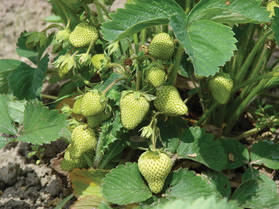
The efficacy of kojic acid in achieving such an effect is similar to that of hydroquinone, the standard and yet still controversial depigmenting agent (Dermatol. Ther. 2004;17:151-7; Skin Therapy Lett. 2004;9:1-3). Used mainly as a skin-lightening agent, kojic acid also exhibits antibiotic, anti-inflammatory, and anodyne properties (Dermatol. Clin. 2007;25:337-42). In addition, it is used in Asia as a dietary antioxidant (Phytother. Res. 2006;20:921-34; Dermatol. Surg. 1999;25:282-4).
Treatment of Hyperpigmentation
Manufacturers, especially in Japan, have used kojic acid since 1988 in cosmetic agents for its capacity to decrease pigmentation (Semin. Cutan. Med. Surg. 2009;28:77-85; J. Pharm. Pharmacol. 1994;46:982-5). In cosmetic formulations, kojic acid enhances the shelf life of products by dint of its preservative and antibiotic activity (Cent. Eur. J. Public Health. 2004;12 [Suppl]:S16-8). Its stability is one of the advantages of kojic acid over hydroquinone and other skin-lightening ingredients (Regul. Toxicol. Pharmacol. 2001;33:80-101).
In two studies, kojic acid combined with glycolic acid was demonstrated to be more effective than 10% glycolic acid combined with 4% hydroquinone for the treatment of hyperpigmentation (Facial Plast. Surg. 1995;11:15-21; Dermatol. Surg. 1996;22:443-7). In one case, Garcia and Fulton set out to assess and compare the effects on melasma and other pigmentary conditions of a glycolic acid/hydroquinone formulation and a glycolic acid/kojic acid formulation. Wood’s light and UV light photography were used to evaluate the effects of the different compounds, one on each side of the face, in 39 patients. The investigators found no statistically significant differences between the reactions; in all, 28% of the patients experienced marked improvements on the kojic acid side, 21% on the hydroquinone side. The responses to each formulation were equal in 51% of the participants. Although the kojic acid formulation was considered more irritating, the investigators found both formulations effective in treating melasma (Dermatol. Surg. 1996;22:443-7).
Treatment for Melasma
Lim studied the effects on melasma of 2% kojic acid in a gel containing 10% glycolic acid and 2% hydroquinone in 40 Chinese women with epidermal melasma. In this 12-week study, subjects were treated with the test formulation, in randomized fashion, on one side of the face and the same formulation minus kojic acid on the other side. Self-assessment questionnaires every 4 weeks, photographs, and clinical evaluations were used to rate the efficacy of the treatment. Lim found that the addition of kojic acid to the glycolic acid/hydroquinone gel improved melasma. Specifically, more than half of the melasma cleared in 24 of 40 patients who received the kojic acid formulation, compared with 19 of 40 who received the kojic acid–free gel. Two patients experienced complete clearance, in both cases on the side of the face on which the kojic acid gel was used (Dermatol. Surg. 1999;25:282-4). Two years later, Ferioli and colleagues found that combining hydroquinone and kojic acid exerted a synergistic effect, with an equimolecular distribution achieving the optimal result (Int. J. Cosmet. Sci. 2001;23:333-40).
As a lone therapy for the treatment of melasma, however, kojic acid is a member of the arsenal but is one of the last options typically selected (Dermatol. Clin. 2007;25:337-42), because it may be irritating to the skin (Skin Therapy Lett. 2006;11:1-6; Dermatol. Nurs. 2004;16:401-6, 413-6). It can be effective, though, in patients who do not tolerate the first-line products, particularly hydroquinone (Dermatol. Nurs. 2004;16:401-6, 413-6). Furthermore, combining a topical corticosteroid with kojic acid can reduce the irritant qualities of the fungal derivative (Int. J. Dermatol. 1998;37:897-903; Phytother. Res. 2006;20:921-34). In the experimental setting, kojic acid is regularly used as a reference or positive control to test the skin-whitening potential of new agents.
Antiwrinkle Properties
Other applications of kojic acid have also been considered. In 2001, Mitani and colleagues investigated the potential antiwrinkle activity of kojic acid given the iron-chelating properties of the acid and the known association between chronic photodamage and cutaneous iron. Over 20 weeks, the investigators topically applied kojic acid prior to exposing hairless mice to UV radiation. The agent successfully inhibited wrinkle development, epidermal hyperplasia, lower dermis fibrosis, and increases in upper dermis extracellular matrix components (Eur. J. Pharmacol. 2001;411:169-74).
Skin-Lightening Properties
The primary use for kojic acid in dermatology, though, remains skin whitening. Kojic acid is second only to hydroquinone in terms of effectiveness as a skin-lightening agent in topical, over-the-counter products (Dermatol. Ther. 2007;20:308-13), and is the most popular agent for treating melasma in East Asia (Dermatol. Surg. 1999;25:282-4; Dermatol. Ther. 2007;20:308-13).This makes sense, given the increasing regulatory scrutiny of hydroquinone, which has been banned in Europe and is tightly regulated in Asia, while remaining available, however tenuously, in the United States. Kojic acid is also a sensitizer. Mild facial erythema is the primary adverse effect reported in association with the typically well-tolerated fungal metabolite (Dermatol. Clin. 2007;25:353-62), which has been banned and then permitted to return to the market as a skin-lightening agent (Dermatol. Ther. 2007;20:308-13).
Kojic acid products are typically used twice daily for 1 to 2 months or until the patient achieves the desired results. Unfortunately, kojic acid has reportedly provoked contact allergies and is considered to exhibit a high sensitizing potential (Contact Dermatitis 1995;32:9-13). Because preparations containing a 2.5% concentration of kojic acid have been associated with facial dermatitis, a concentration of 1% has become more common. However, there have also been some reports of sensitization linked to 1% creams (Contact Dermatitis 1995;32:9-13). As kojic acid has also been extensively used in foods, there have been many reports on its oral safety. In addition, injecting kojic acid has the potential to induce convulsions (Regul. Toxicol. Pharmacol. 2001;33:80-101).
Possible Link With Tumor Promotion
Despite the success of kojic acid at 1% concentrations, particularly in Japan, some studies have indicated that longer term use of the agent may engender contact dermatitis and erythema (Skin Therapy Lett. 2004;9:1-3; Contact Dermatitis 1998;39:86-7; Contact Dermatitis 1995;32:9-13). In addition, an association between hepatic tumors in heterozygous p53-deficient mice and the topical application of kojic acid has been identified (Toxicol. Sci. 2003;73:287-93; Dermatol. Clin. 2007;25:353-62). In 2003, Japan’s health ministry ordered the removal of kojic acid from the market over fears, based on animal studies, that the fungal metabolite might cause cancer (Nature 2004;432:938).
In response to such findings and concerns, specifically the link between potential tumor promotion in mouse and rat livers caused by use of kojic acid, Higa and colleagues examined the presence of initiation activity in rat liver and the potential of photogenotoxicity and carcinogenicity in mouse skin in relation to kojic acid. In one of the team’s multiple experiments, a cream containing 1.0% or 3.0% kojic acid was applied twice to the backs of mice in a 24-hour period, and researchers noted that kojic acid failed to induce epidermal cell micronuclei. In addition, a skin carcinogenesis bioassay for initiation-promotion potential revealed the emergence of no skin nodules that were caused by the topical application of 3.0% kojic acid cream to the backs of mice daily for 7 days or five times a week for 19 weeks, administered during either cancer stage. Overall, the investigators concluded that kojic acid posed a minimal risk of photocarcinogenesis in the skin and did not exhibit skin carcinogenesis initiation nor promotion activity. The findings also lent support to the contention that kojic acid is a safe ingredient in cosmeceuticals (J. Toxicol. Sci. 2007;32:143-59). In addition, Lee and colleagues recently reported on derivatives of kojic acid displaying greater efficiency through increased penetration into the skin (Arch. Pharm. (Weinheim) 2006;339:111-4).
Previously, in 2003, Kim and colleagues studied the effects of a stable kojic acid derivative, 5-[(3-aminopropyl)phosphinooxy]-2-(hydroxymethyl)-4H-pyran-4-one (Kojyl-APPA), on tyrosinase activity and melanin production. The investigators found that Kojyl-APPA is not a direct inhibitor of tyrosinase, but is enzymatically converted to kojic acid in cells. However, the derivative was found to suppress tyrosinase activity markedly 24 hours after treatment in normal human melanocytes and demonstrated a 30% inhibition of tyrosinase in situ (although not in vitro). The kojic acid derivative also lowered melanin content to 75% of control in melanoma cells and neomelanin production to 43% of control in normal human melanocytes. Notably, Kojyl-APPA had an eightfold greater capacity to permeate the skin than did kojic acid (Chem. Pharm. Bull. (Tokyo) 2003;51:113-6). A kojic acid derivative found to be eight times more potent than kojic acid as a tyrosinase inhibitor was also synthesized in 2006. The compound produced by Lee and colleagues also displayed strong inhibitory activity toward melanin production (Arch. Pharm. (Weinheim) 2006;33:111-4).
It is worth noting that although kojic acid yields greater stability than does hydroquinone, the fungal derivative does have labile oxidative properties, which are enhanced by light and heat exposure. For that reason, the inclusion of kojic acid in cosmetic formulations has been through its dipalmitic ester (as kojic dipalmitate) (Talanta 2008;75:407-1).
Conclusion
The fungal derivative kojic acid has maintained a significant role in the dermatologic armamentarium for 2 decades as a skin-whitening agent and is best used in combination with other depigmenting ingredients, which enhance the overall effect of the formulation and blunt the irritating effects of kojic acid. Recent evidence has allayed fears regarding long-term carcinogenic effects, but as always, research is ongoing to develop newer, safer derivatives.
Kojic acid has many uses in dermatologic products, primarily as a skin lightener, but concerns about its irritant properties have limited its role in cosmetics. Research on kojic acid shows both its promise and some evidence to support restrictions on its widespread use.
Kojic acid (5-hydroxy-2[hydroxymethyl]-gamma-pyrone, or C6H6O4), a hydrophilic fungal metabolite derived from various species of Aspergillus, Acetobacter, and Penicillium, is commonly used as a treatment for hyperpigmentation disorders (Biochem. Mol. Biol. Int. 1994;32:731-5; Contact Dermatitis 1998;39:86-7), as a food additive for preventing enzymatic browning, and as an agent to promote the reddening of unripe strawberries (J. Sci. Food. Agr. 1977;28:243). It was discovered as a fungal natural product in 1907 (Nat. Prod. Rep. 2006;23:1046-62). Kojic acid exerts a slow-binding inhibition of tyrosinase activity, mainly by chelating copper (Dermatol. Clin. 2007;25:337-42; J. Pharm. Pharmacol. 1994;46:982-5; Phytother. Res. 2006;20:921-34), and the result is a cutaneous whitening effect.
The efficacy of kojic acid in achieving such an effect is similar to that of hydroquinone, the standard and yet still controversial depigmenting agent (Dermatol. Ther. 2004;17:151-7; Skin Therapy Lett. 2004;9:1-3). Used mainly as a skin-lightening agent, kojic acid also exhibits antibiotic, anti-inflammatory, and anodyne properties (Dermatol. Clin. 2007;25:337-42). In addition, it is used in Asia as a dietary antioxidant (Phytother. Res. 2006;20:921-34; Dermatol. Surg. 1999;25:282-4).
Treatment of Hyperpigmentation
Manufacturers, especially in Japan, have used kojic acid since 1988 in cosmetic agents for its capacity to decrease pigmentation (Semin. Cutan. Med. Surg. 2009;28:77-85; J. Pharm. Pharmacol. 1994;46:982-5). In cosmetic formulations, kojic acid enhances the shelf life of products by dint of its preservative and antibiotic activity (Cent. Eur. J. Public Health. 2004;12 [Suppl]:S16-8). Its stability is one of the advantages of kojic acid over hydroquinone and other skin-lightening ingredients (Regul. Toxicol. Pharmacol. 2001;33:80-101).
In two studies, kojic acid combined with glycolic acid was demonstrated to be more effective than 10% glycolic acid combined with 4% hydroquinone for the treatment of hyperpigmentation (Facial Plast. Surg. 1995;11:15-21; Dermatol. Surg. 1996;22:443-7). In one case, Garcia and Fulton set out to assess and compare the effects on melasma and other pigmentary conditions of a glycolic acid/hydroquinone formulation and a glycolic acid/kojic acid formulation. Wood’s light and UV light photography were used to evaluate the effects of the different compounds, one on each side of the face, in 39 patients. The investigators found no statistically significant differences between the reactions; in all, 28% of the patients experienced marked improvements on the kojic acid side, 21% on the hydroquinone side. The responses to each formulation were equal in 51% of the participants. Although the kojic acid formulation was considered more irritating, the investigators found both formulations effective in treating melasma (Dermatol. Surg. 1996;22:443-7).
Treatment for Melasma
Lim studied the effects on melasma of 2% kojic acid in a gel containing 10% glycolic acid and 2% hydroquinone in 40 Chinese women with epidermal melasma. In this 12-week study, subjects were treated with the test formulation, in randomized fashion, on one side of the face and the same formulation minus kojic acid on the other side. Self-assessment questionnaires every 4 weeks, photographs, and clinical evaluations were used to rate the efficacy of the treatment. Lim found that the addition of kojic acid to the glycolic acid/hydroquinone gel improved melasma. Specifically, more than half of the melasma cleared in 24 of 40 patients who received the kojic acid formulation, compared with 19 of 40 who received the kojic acid–free gel. Two patients experienced complete clearance, in both cases on the side of the face on which the kojic acid gel was used (Dermatol. Surg. 1999;25:282-4). Two years later, Ferioli and colleagues found that combining hydroquinone and kojic acid exerted a synergistic effect, with an equimolecular distribution achieving the optimal result (Int. J. Cosmet. Sci. 2001;23:333-40).
As a lone therapy for the treatment of melasma, however, kojic acid is a member of the arsenal but is one of the last options typically selected (Dermatol. Clin. 2007;25:337-42), because it may be irritating to the skin (Skin Therapy Lett. 2006;11:1-6; Dermatol. Nurs. 2004;16:401-6, 413-6). It can be effective, though, in patients who do not tolerate the first-line products, particularly hydroquinone (Dermatol. Nurs. 2004;16:401-6, 413-6). Furthermore, combining a topical corticosteroid with kojic acid can reduce the irritant qualities of the fungal derivative (Int. J. Dermatol. 1998;37:897-903; Phytother. Res. 2006;20:921-34). In the experimental setting, kojic acid is regularly used as a reference or positive control to test the skin-whitening potential of new agents.
Antiwrinkle Properties
Other applications of kojic acid have also been considered. In 2001, Mitani and colleagues investigated the potential antiwrinkle activity of kojic acid given the iron-chelating properties of the acid and the known association between chronic photodamage and cutaneous iron. Over 20 weeks, the investigators topically applied kojic acid prior to exposing hairless mice to UV radiation. The agent successfully inhibited wrinkle development, epidermal hyperplasia, lower dermis fibrosis, and increases in upper dermis extracellular matrix components (Eur. J. Pharmacol. 2001;411:169-74).
Skin-Lightening Properties
The primary use for kojic acid in dermatology, though, remains skin whitening. Kojic acid is second only to hydroquinone in terms of effectiveness as a skin-lightening agent in topical, over-the-counter products (Dermatol. Ther. 2007;20:308-13), and is the most popular agent for treating melasma in East Asia (Dermatol. Surg. 1999;25:282-4; Dermatol. Ther. 2007;20:308-13).This makes sense, given the increasing regulatory scrutiny of hydroquinone, which has been banned in Europe and is tightly regulated in Asia, while remaining available, however tenuously, in the United States. Kojic acid is also a sensitizer. Mild facial erythema is the primary adverse effect reported in association with the typically well-tolerated fungal metabolite (Dermatol. Clin. 2007;25:353-62), which has been banned and then permitted to return to the market as a skin-lightening agent (Dermatol. Ther. 2007;20:308-13).
Kojic acid products are typically used twice daily for 1 to 2 months or until the patient achieves the desired results. Unfortunately, kojic acid has reportedly provoked contact allergies and is considered to exhibit a high sensitizing potential (Contact Dermatitis 1995;32:9-13). Because preparations containing a 2.5% concentration of kojic acid have been associated with facial dermatitis, a concentration of 1% has become more common. However, there have also been some reports of sensitization linked to 1% creams (Contact Dermatitis 1995;32:9-13). As kojic acid has also been extensively used in foods, there have been many reports on its oral safety. In addition, injecting kojic acid has the potential to induce convulsions (Regul. Toxicol. Pharmacol. 2001;33:80-101).
Possible Link With Tumor Promotion
Despite the success of kojic acid at 1% concentrations, particularly in Japan, some studies have indicated that longer term use of the agent may engender contact dermatitis and erythema (Skin Therapy Lett. 2004;9:1-3; Contact Dermatitis 1998;39:86-7; Contact Dermatitis 1995;32:9-13). In addition, an association between hepatic tumors in heterozygous p53-deficient mice and the topical application of kojic acid has been identified (Toxicol. Sci. 2003;73:287-93; Dermatol. Clin. 2007;25:353-62). In 2003, Japan’s health ministry ordered the removal of kojic acid from the market over fears, based on animal studies, that the fungal metabolite might cause cancer (Nature 2004;432:938).
In response to such findings and concerns, specifically the link between potential tumor promotion in mouse and rat livers caused by use of kojic acid, Higa and colleagues examined the presence of initiation activity in rat liver and the potential of photogenotoxicity and carcinogenicity in mouse skin in relation to kojic acid. In one of the team’s multiple experiments, a cream containing 1.0% or 3.0% kojic acid was applied twice to the backs of mice in a 24-hour period, and researchers noted that kojic acid failed to induce epidermal cell micronuclei. In addition, a skin carcinogenesis bioassay for initiation-promotion potential revealed the emergence of no skin nodules that were caused by the topical application of 3.0% kojic acid cream to the backs of mice daily for 7 days or five times a week for 19 weeks, administered during either cancer stage. Overall, the investigators concluded that kojic acid posed a minimal risk of photocarcinogenesis in the skin and did not exhibit skin carcinogenesis initiation nor promotion activity. The findings also lent support to the contention that kojic acid is a safe ingredient in cosmeceuticals (J. Toxicol. Sci. 2007;32:143-59). In addition, Lee and colleagues recently reported on derivatives of kojic acid displaying greater efficiency through increased penetration into the skin (Arch. Pharm. (Weinheim) 2006;339:111-4).
Previously, in 2003, Kim and colleagues studied the effects of a stable kojic acid derivative, 5-[(3-aminopropyl)phosphinooxy]-2-(hydroxymethyl)-4H-pyran-4-one (Kojyl-APPA), on tyrosinase activity and melanin production. The investigators found that Kojyl-APPA is not a direct inhibitor of tyrosinase, but is enzymatically converted to kojic acid in cells. However, the derivative was found to suppress tyrosinase activity markedly 24 hours after treatment in normal human melanocytes and demonstrated a 30% inhibition of tyrosinase in situ (although not in vitro). The kojic acid derivative also lowered melanin content to 75% of control in melanoma cells and neomelanin production to 43% of control in normal human melanocytes. Notably, Kojyl-APPA had an eightfold greater capacity to permeate the skin than did kojic acid (Chem. Pharm. Bull. (Tokyo) 2003;51:113-6). A kojic acid derivative found to be eight times more potent than kojic acid as a tyrosinase inhibitor was also synthesized in 2006. The compound produced by Lee and colleagues also displayed strong inhibitory activity toward melanin production (Arch. Pharm. (Weinheim) 2006;33:111-4).
It is worth noting that although kojic acid yields greater stability than does hydroquinone, the fungal derivative does have labile oxidative properties, which are enhanced by light and heat exposure. For that reason, the inclusion of kojic acid in cosmetic formulations has been through its dipalmitic ester (as kojic dipalmitate) (Talanta 2008;75:407-1).
Conclusion
The fungal derivative kojic acid has maintained a significant role in the dermatologic armamentarium for 2 decades as a skin-whitening agent and is best used in combination with other depigmenting ingredients, which enhance the overall effect of the formulation and blunt the irritating effects of kojic acid. Recent evidence has allayed fears regarding long-term carcinogenic effects, but as always, research is ongoing to develop newer, safer derivatives.
Kojic acid has many uses in dermatologic products, primarily as a skin lightener, but concerns about its irritant properties have limited its role in cosmetics. Research on kojic acid shows both its promise and some evidence to support restrictions on its widespread use.
Kojic acid (5-hydroxy-2[hydroxymethyl]-gamma-pyrone, or C6H6O4), a hydrophilic fungal metabolite derived from various species of Aspergillus, Acetobacter, and Penicillium, is commonly used as a treatment for hyperpigmentation disorders (Biochem. Mol. Biol. Int. 1994;32:731-5; Contact Dermatitis 1998;39:86-7), as a food additive for preventing enzymatic browning, and as an agent to promote the reddening of unripe strawberries (J. Sci. Food. Agr. 1977;28:243). It was discovered as a fungal natural product in 1907 (Nat. Prod. Rep. 2006;23:1046-62). Kojic acid exerts a slow-binding inhibition of tyrosinase activity, mainly by chelating copper (Dermatol. Clin. 2007;25:337-42; J. Pharm. Pharmacol. 1994;46:982-5; Phytother. Res. 2006;20:921-34), and the result is a cutaneous whitening effect.
The efficacy of kojic acid in achieving such an effect is similar to that of hydroquinone, the standard and yet still controversial depigmenting agent (Dermatol. Ther. 2004;17:151-7; Skin Therapy Lett. 2004;9:1-3). Used mainly as a skin-lightening agent, kojic acid also exhibits antibiotic, anti-inflammatory, and anodyne properties (Dermatol. Clin. 2007;25:337-42). In addition, it is used in Asia as a dietary antioxidant (Phytother. Res. 2006;20:921-34; Dermatol. Surg. 1999;25:282-4).
Treatment of Hyperpigmentation
Manufacturers, especially in Japan, have used kojic acid since 1988 in cosmetic agents for its capacity to decrease pigmentation (Semin. Cutan. Med. Surg. 2009;28:77-85; J. Pharm. Pharmacol. 1994;46:982-5). In cosmetic formulations, kojic acid enhances the shelf life of products by dint of its preservative and antibiotic activity (Cent. Eur. J. Public Health. 2004;12 [Suppl]:S16-8). Its stability is one of the advantages of kojic acid over hydroquinone and other skin-lightening ingredients (Regul. Toxicol. Pharmacol. 2001;33:80-101).
In two studies, kojic acid combined with glycolic acid was demonstrated to be more effective than 10% glycolic acid combined with 4% hydroquinone for the treatment of hyperpigmentation (Facial Plast. Surg. 1995;11:15-21; Dermatol. Surg. 1996;22:443-7). In one case, Garcia and Fulton set out to assess and compare the effects on melasma and other pigmentary conditions of a glycolic acid/hydroquinone formulation and a glycolic acid/kojic acid formulation. Wood’s light and UV light photography were used to evaluate the effects of the different compounds, one on each side of the face, in 39 patients. The investigators found no statistically significant differences between the reactions; in all, 28% of the patients experienced marked improvements on the kojic acid side, 21% on the hydroquinone side. The responses to each formulation were equal in 51% of the participants. Although the kojic acid formulation was considered more irritating, the investigators found both formulations effective in treating melasma (Dermatol. Surg. 1996;22:443-7).
Treatment for Melasma
Lim studied the effects on melasma of 2% kojic acid in a gel containing 10% glycolic acid and 2% hydroquinone in 40 Chinese women with epidermal melasma. In this 12-week study, subjects were treated with the test formulation, in randomized fashion, on one side of the face and the same formulation minus kojic acid on the other side. Self-assessment questionnaires every 4 weeks, photographs, and clinical evaluations were used to rate the efficacy of the treatment. Lim found that the addition of kojic acid to the glycolic acid/hydroquinone gel improved melasma. Specifically, more than half of the melasma cleared in 24 of 40 patients who received the kojic acid formulation, compared with 19 of 40 who received the kojic acid–free gel. Two patients experienced complete clearance, in both cases on the side of the face on which the kojic acid gel was used (Dermatol. Surg. 1999;25:282-4). Two years later, Ferioli and colleagues found that combining hydroquinone and kojic acid exerted a synergistic effect, with an equimolecular distribution achieving the optimal result (Int. J. Cosmet. Sci. 2001;23:333-40).
As a lone therapy for the treatment of melasma, however, kojic acid is a member of the arsenal but is one of the last options typically selected (Dermatol. Clin. 2007;25:337-42), because it may be irritating to the skin (Skin Therapy Lett. 2006;11:1-6; Dermatol. Nurs. 2004;16:401-6, 413-6). It can be effective, though, in patients who do not tolerate the first-line products, particularly hydroquinone (Dermatol. Nurs. 2004;16:401-6, 413-6). Furthermore, combining a topical corticosteroid with kojic acid can reduce the irritant qualities of the fungal derivative (Int. J. Dermatol. 1998;37:897-903; Phytother. Res. 2006;20:921-34). In the experimental setting, kojic acid is regularly used as a reference or positive control to test the skin-whitening potential of new agents.
Antiwrinkle Properties
Other applications of kojic acid have also been considered. In 2001, Mitani and colleagues investigated the potential antiwrinkle activity of kojic acid given the iron-chelating properties of the acid and the known association between chronic photodamage and cutaneous iron. Over 20 weeks, the investigators topically applied kojic acid prior to exposing hairless mice to UV radiation. The agent successfully inhibited wrinkle development, epidermal hyperplasia, lower dermis fibrosis, and increases in upper dermis extracellular matrix components (Eur. J. Pharmacol. 2001;411:169-74).
Skin-Lightening Properties
The primary use for kojic acid in dermatology, though, remains skin whitening. Kojic acid is second only to hydroquinone in terms of effectiveness as a skin-lightening agent in topical, over-the-counter products (Dermatol. Ther. 2007;20:308-13), and is the most popular agent for treating melasma in East Asia (Dermatol. Surg. 1999;25:282-4; Dermatol. Ther. 2007;20:308-13).This makes sense, given the increasing regulatory scrutiny of hydroquinone, which has been banned in Europe and is tightly regulated in Asia, while remaining available, however tenuously, in the United States. Kojic acid is also a sensitizer. Mild facial erythema is the primary adverse effect reported in association with the typically well-tolerated fungal metabolite (Dermatol. Clin. 2007;25:353-62), which has been banned and then permitted to return to the market as a skin-lightening agent (Dermatol. Ther. 2007;20:308-13).
Kojic acid products are typically used twice daily for 1 to 2 months or until the patient achieves the desired results. Unfortunately, kojic acid has reportedly provoked contact allergies and is considered to exhibit a high sensitizing potential (Contact Dermatitis 1995;32:9-13). Because preparations containing a 2.5% concentration of kojic acid have been associated with facial dermatitis, a concentration of 1% has become more common. However, there have also been some reports of sensitization linked to 1% creams (Contact Dermatitis 1995;32:9-13). As kojic acid has also been extensively used in foods, there have been many reports on its oral safety. In addition, injecting kojic acid has the potential to induce convulsions (Regul. Toxicol. Pharmacol. 2001;33:80-101).
Possible Link With Tumor Promotion
Despite the success of kojic acid at 1% concentrations, particularly in Japan, some studies have indicated that longer term use of the agent may engender contact dermatitis and erythema (Skin Therapy Lett. 2004;9:1-3; Contact Dermatitis 1998;39:86-7; Contact Dermatitis 1995;32:9-13). In addition, an association between hepatic tumors in heterozygous p53-deficient mice and the topical application of kojic acid has been identified (Toxicol. Sci. 2003;73:287-93; Dermatol. Clin. 2007;25:353-62). In 2003, Japan’s health ministry ordered the removal of kojic acid from the market over fears, based on animal studies, that the fungal metabolite might cause cancer (Nature 2004;432:938).
In response to such findings and concerns, specifically the link between potential tumor promotion in mouse and rat livers caused by use of kojic acid, Higa and colleagues examined the presence of initiation activity in rat liver and the potential of photogenotoxicity and carcinogenicity in mouse skin in relation to kojic acid. In one of the team’s multiple experiments, a cream containing 1.0% or 3.0% kojic acid was applied twice to the backs of mice in a 24-hour period, and researchers noted that kojic acid failed to induce epidermal cell micronuclei. In addition, a skin carcinogenesis bioassay for initiation-promotion potential revealed the emergence of no skin nodules that were caused by the topical application of 3.0% kojic acid cream to the backs of mice daily for 7 days or five times a week for 19 weeks, administered during either cancer stage. Overall, the investigators concluded that kojic acid posed a minimal risk of photocarcinogenesis in the skin and did not exhibit skin carcinogenesis initiation nor promotion activity. The findings also lent support to the contention that kojic acid is a safe ingredient in cosmeceuticals (J. Toxicol. Sci. 2007;32:143-59). In addition, Lee and colleagues recently reported on derivatives of kojic acid displaying greater efficiency through increased penetration into the skin (Arch. Pharm. (Weinheim) 2006;339:111-4).
Previously, in 2003, Kim and colleagues studied the effects of a stable kojic acid derivative, 5-[(3-aminopropyl)phosphinooxy]-2-(hydroxymethyl)-4H-pyran-4-one (Kojyl-APPA), on tyrosinase activity and melanin production. The investigators found that Kojyl-APPA is not a direct inhibitor of tyrosinase, but is enzymatically converted to kojic acid in cells. However, the derivative was found to suppress tyrosinase activity markedly 24 hours after treatment in normal human melanocytes and demonstrated a 30% inhibition of tyrosinase in situ (although not in vitro). The kojic acid derivative also lowered melanin content to 75% of control in melanoma cells and neomelanin production to 43% of control in normal human melanocytes. Notably, Kojyl-APPA had an eightfold greater capacity to permeate the skin than did kojic acid (Chem. Pharm. Bull. (Tokyo) 2003;51:113-6). A kojic acid derivative found to be eight times more potent than kojic acid as a tyrosinase inhibitor was also synthesized in 2006. The compound produced by Lee and colleagues also displayed strong inhibitory activity toward melanin production (Arch. Pharm. (Weinheim) 2006;33:111-4).
It is worth noting that although kojic acid yields greater stability than does hydroquinone, the fungal derivative does have labile oxidative properties, which are enhanced by light and heat exposure. For that reason, the inclusion of kojic acid in cosmetic formulations has been through its dipalmitic ester (as kojic dipalmitate) (Talanta 2008;75:407-1).
Conclusion
The fungal derivative kojic acid has maintained a significant role in the dermatologic armamentarium for 2 decades as a skin-whitening agent and is best used in combination with other depigmenting ingredients, which enhance the overall effect of the formulation and blunt the irritating effects of kojic acid. Recent evidence has allayed fears regarding long-term carcinogenic effects, but as always, research is ongoing to develop newer, safer derivatives.
Evaluation of a Kojic Acid, Emblica Extract, and Glycolic Acid Formulation Compared With Hydroquinone 4% for Skin Lightening
Acanthosis Nigricans in a Patient Treated With Palifermin
Acne Scar Patients Give Thumbs Up to CO2 Laser Treatment
Single treatment with a carbon dioxide fractional laser was as effective for acne scars as a nonablative fractional system, according to results of a randomized split-face study.
Fractional lasers are well tolerated and widely used to treat scarring, but patients often need multiple sessions to achieve clinical improvement, reported Dr. S.B. Cho of Yonsei University College of Medicine in Seoul, Korea, and colleagues.
However, previous studies have shown that carbon dioxide fractional laser systems can improve scars in as few as three treatments.
In this study, the researchers directly compared improvements in acne scarring after half of a patient’s face underwent a single treatment with a nonablative 1550-nm erbium-doped fractional photothermolysis system (FPS) and the other half underwent a single treatment with an ablative 10,600-nm carbon dioxide fractional laser system (CO2 FS).
The eight patients in the study were Asian males (Fitzpatrick skin type IV) aged 20 to 23 years with mild to severe atrophic acne scars.
At follow-up 3 months after FPS treatment, six of the eight patients showed clinical improvements of 26%-50% from baseline, one patient showed a clinical improvement of 51%-75%, and one showed no clinical improvement (J. Eur. Acad. Dermatol. Venereol. 2010;24:921-5). As for CO2 FS results at 3 months, five of the eight patients had a 26%-50% clinical improvement from baseline, two patients had a 51%-75% improvement, and one had an improvement of over 76%.
The level of clinical improvement was not affected by the type of acne scar (boxcar, icepick, or rolling).
The average VAS pain score on a scale of 0, no pain, to 10, severe pain, was significantly higher after the CO2 FS treatment, compared with the FPS treatment (7.0 vs. 3.9, respectively). However, patient-reported satisfaction was higher after the CO2 FS treatment. Two patients (25%) were “very satisfied,” four (50%) were “satisfied,” one (12.5%) was “slightly satisfied,” and one (12.5%) was “unsatisfied.” After the FPS treatment, none of the patients were very satisfied, two (25%) were satisfied, five (62.5%) were slightly satisfied, and one (12.5%) was unsatisfied.
Common side effects associated with both treatments included crusting, scaling, and erythema. The average duration of crusting or scaling was significantly longer in the CO2 FS group, compared with the FPS group (7.4 days vs. 2.3 days, respectively). However, the difference in post-therapy erythema was not significantly different between the two groups (11.5 days vs. 7.5 days, respectively).
“We could not completely eliminate the possibility of subject bias as the participants experienced different posttreatment responses with FPS and CO2 FS,” the researchers wrote. But the results suggest that a single treatment with CO2 FS might be more effective than a single treatment with FPS.
Although the findings are not conclusive, given the study’s small size, they could serve as a reference for clinicians choosing among laser options for acne scar treatment, the researchers added.
Dr. Cho and colleagues had no financial conflicts to disclose.
Single treatment with a carbon dioxide fractional laser was as effective for acne scars as a nonablative fractional system, according to results of a randomized split-face study.
Fractional lasers are well tolerated and widely used to treat scarring, but patients often need multiple sessions to achieve clinical improvement, reported Dr. S.B. Cho of Yonsei University College of Medicine in Seoul, Korea, and colleagues.
However, previous studies have shown that carbon dioxide fractional laser systems can improve scars in as few as three treatments.
In this study, the researchers directly compared improvements in acne scarring after half of a patient’s face underwent a single treatment with a nonablative 1550-nm erbium-doped fractional photothermolysis system (FPS) and the other half underwent a single treatment with an ablative 10,600-nm carbon dioxide fractional laser system (CO2 FS).
The eight patients in the study were Asian males (Fitzpatrick skin type IV) aged 20 to 23 years with mild to severe atrophic acne scars.
At follow-up 3 months after FPS treatment, six of the eight patients showed clinical improvements of 26%-50% from baseline, one patient showed a clinical improvement of 51%-75%, and one showed no clinical improvement (J. Eur. Acad. Dermatol. Venereol. 2010;24:921-5). As for CO2 FS results at 3 months, five of the eight patients had a 26%-50% clinical improvement from baseline, two patients had a 51%-75% improvement, and one had an improvement of over 76%.
The level of clinical improvement was not affected by the type of acne scar (boxcar, icepick, or rolling).
The average VAS pain score on a scale of 0, no pain, to 10, severe pain, was significantly higher after the CO2 FS treatment, compared with the FPS treatment (7.0 vs. 3.9, respectively). However, patient-reported satisfaction was higher after the CO2 FS treatment. Two patients (25%) were “very satisfied,” four (50%) were “satisfied,” one (12.5%) was “slightly satisfied,” and one (12.5%) was “unsatisfied.” After the FPS treatment, none of the patients were very satisfied, two (25%) were satisfied, five (62.5%) were slightly satisfied, and one (12.5%) was unsatisfied.
Common side effects associated with both treatments included crusting, scaling, and erythema. The average duration of crusting or scaling was significantly longer in the CO2 FS group, compared with the FPS group (7.4 days vs. 2.3 days, respectively). However, the difference in post-therapy erythema was not significantly different between the two groups (11.5 days vs. 7.5 days, respectively).
“We could not completely eliminate the possibility of subject bias as the participants experienced different posttreatment responses with FPS and CO2 FS,” the researchers wrote. But the results suggest that a single treatment with CO2 FS might be more effective than a single treatment with FPS.
Although the findings are not conclusive, given the study’s small size, they could serve as a reference for clinicians choosing among laser options for acne scar treatment, the researchers added.
Dr. Cho and colleagues had no financial conflicts to disclose.
Single treatment with a carbon dioxide fractional laser was as effective for acne scars as a nonablative fractional system, according to results of a randomized split-face study.
Fractional lasers are well tolerated and widely used to treat scarring, but patients often need multiple sessions to achieve clinical improvement, reported Dr. S.B. Cho of Yonsei University College of Medicine in Seoul, Korea, and colleagues.
However, previous studies have shown that carbon dioxide fractional laser systems can improve scars in as few as three treatments.
In this study, the researchers directly compared improvements in acne scarring after half of a patient’s face underwent a single treatment with a nonablative 1550-nm erbium-doped fractional photothermolysis system (FPS) and the other half underwent a single treatment with an ablative 10,600-nm carbon dioxide fractional laser system (CO2 FS).
The eight patients in the study were Asian males (Fitzpatrick skin type IV) aged 20 to 23 years with mild to severe atrophic acne scars.
At follow-up 3 months after FPS treatment, six of the eight patients showed clinical improvements of 26%-50% from baseline, one patient showed a clinical improvement of 51%-75%, and one showed no clinical improvement (J. Eur. Acad. Dermatol. Venereol. 2010;24:921-5). As for CO2 FS results at 3 months, five of the eight patients had a 26%-50% clinical improvement from baseline, two patients had a 51%-75% improvement, and one had an improvement of over 76%.
The level of clinical improvement was not affected by the type of acne scar (boxcar, icepick, or rolling).
The average VAS pain score on a scale of 0, no pain, to 10, severe pain, was significantly higher after the CO2 FS treatment, compared with the FPS treatment (7.0 vs. 3.9, respectively). However, patient-reported satisfaction was higher after the CO2 FS treatment. Two patients (25%) were “very satisfied,” four (50%) were “satisfied,” one (12.5%) was “slightly satisfied,” and one (12.5%) was “unsatisfied.” After the FPS treatment, none of the patients were very satisfied, two (25%) were satisfied, five (62.5%) were slightly satisfied, and one (12.5%) was unsatisfied.
Common side effects associated with both treatments included crusting, scaling, and erythema. The average duration of crusting or scaling was significantly longer in the CO2 FS group, compared with the FPS group (7.4 days vs. 2.3 days, respectively). However, the difference in post-therapy erythema was not significantly different between the two groups (11.5 days vs. 7.5 days, respectively).
“We could not completely eliminate the possibility of subject bias as the participants experienced different posttreatment responses with FPS and CO2 FS,” the researchers wrote. But the results suggest that a single treatment with CO2 FS might be more effective than a single treatment with FPS.
Although the findings are not conclusive, given the study’s small size, they could serve as a reference for clinicians choosing among laser options for acne scar treatment, the researchers added.
Dr. Cho and colleagues had no financial conflicts to disclose.