User login
Mental health questions cut from MD licensing applications in 21 states
Since May, physicians in 21 states are no longer being asked broad mental health or substance abuse questions when they apply for a medical license. That’s a major shift that could ease doctors’ concerns about seeking treatment, according to the Dr. Lorna Breen Heroes› Foundation, a physician burnout prevention group that tracks such changes.
The foundation was named in honor of Lorna Breen, MD, an emergency medicine physician in New York City who died by suicide in April 2020 as the pandemic unfolded. The rate of suicide among physicians is twice that of the general population.
“The issue is not whether a physician may have had a serious or a mild mental illness ... but whether they have any disabilities that may affect their current work,” said Peter Yellowlees, MD, distinguished professor of psychiatry at the University of California, Davis. “Asking about any past mental illness episodes, which may have occurred years previously ... is simply discriminatory and is an example of the stigma associated with mental disorders.”
The Breen Foundation has been working with state medical boards and hospitals to remove stigmatizing mental health and substance abuse questions from licensing and credentialing applications.
Dr. Breen had told her sister and brother-in-law shortly before her suicide that she was afraid she could lose her license and the career she loved if the medical board found out that she had received inpatient mental health treatment, said J. Corey Feist, JD, MBA, her brother-in-law and cofounder and president of the foundation.
She wasn’t aware that New York was a state that didn’t ask physicians questions about their mental health, said Mr. Feist.
“That’s why we want to make it very clear to physicians which states continue to ask these questions and which ones don’t,” Mr. Feist said.
Many physicians share Dr. Breen’s concern about professional consequences.
Four in 10 physicians said that they did not seek help for burnout or depression because they worried that their employer or state medical board would find out, according to the Medscape ‘I Cry but No One Cares’: Physician Burnout & Depression Report 2023.
One Oregon emergency department physician said that informing her state medical board about an episode of mania resulted in public disclosures, a 4-month long investigation, lost income, and poorer work evaluations. Looking back on her decision to be transparent with the board, Susan Haney, MD, said that she was naive. “The board is not your friend.”
Fearing for her career, now-retired ob.gyn. Robyn Alley-Hay, MD, never disclosed on licensing applications that in the 1990s, she had been hospitalized and treated for depression. She stopped practicing medicine in 2014 and now works as a life coach.
“I hated those questions because I felt I could never tell the whole truth,” Dr. Alley-Hay said. “But I could always truthfully answer ‘no’ to questions about impairment. That was a line that I wouldn’t cross – if you’re impaired, you shouldn’t be practicing.”
Does the focus on current impairment protect the public?
New York, Texas, California, Montana, Illinois, and North Carolina are among the 21 states that either ask no health-related questions or ask only a single question to address physical and mental health, said Mr. Feist.
Most of these changes align with the 2018 Federation of State Medical Boards recommendations, said Joe Knickrehm, FSMB vice president of communications. “Application questions must focus only on current impairment and not on illness, diagnosis, or previous treatment in order to be compliant with the Americans With Disabilities Act,” states the FSMB.
Mental health questions were often added to licensing and credentialing applications out of a “misplaced desire to protect patients and families from clinicians who might not be fit to give care. Yet there is no evidence they serve that function,” said Mr. Feist.
Marian Hollingsworth, a patient safety advocate in California, says medical boards have a responsibility to ensure that doctors pose no risk or a negligible risk to the public. She questioned whether the medical boards can adequately protect the public if they only ask about medical conditions rather than mental illness or substance abuse.
“There’s a fine line between privacy and right to know for public protection. I would want to see the approving medical board have assurance from a treating professional that this physician is stable and is doing well with continued treatment,” said Ms. Hollingsworth.
Legislation requires that mental health questions be removed
In March, Virginia became the first state to enact a law that requires all health care profession regulatory boards, including medical boards, to remove or replace mental health questions on licensing, certification, and registration applications.
The law requires that boards use the following wording if they replace mental health questions: “Do you have any reason to believe you would pose a risk to the safety or well-being of patients?” “Are you able to perform the essential functions of your job with or without reasonable accommodations?”
The Illinois General Assembly passed a more limited bill in May that requires medical boards to remove or replace mental health questions on its licensing applications. Gov. J. B. Pritzker (D) is expected to sign the bill.
The Virginia Healthcare and Hospital Association, which represents more than 100 hospitals and health systems in the state, partnered with the Medical Society of Virginia and the Virginia Nurses Association to advocate for the new legislation.
“The reason that the Virginia coalition pushed for the law was because the state’s medical boards weren’t acting quickly enough. Although state laws vary about what medical boards can do, legislation isn’t necessary in most states to change licensing questions,” said Mr. Feist.
Virginia hospitals began working last year with the foundation to change their mental health questions on credentialing applications. About 20% of Virginia’s hospitals have completed the process, including four large health systems: Inova, UVA Health, Centerra, and Children’s Hospitals of King’s Daughters, said Mr. Feist.
The foundation also challenged Lisa MacLean, MD, a psychiatrist and chief clinical wellness officer at the Henry Ford Medical Group in Detroit, to review their credentialing application for any stigmatizing mental health questions.
Dr. MacLean told the American Medical Association that she had found one question that needed to be changed but that it took time to get through the hospital›s approval process. Ultimately, the wording was changed from “a diagnosis or treatment of a physical, mental, chemical dependency or emotional condition” to “a diagnosis or treatment of any condition which could impair your ability to practice medicine.”
National medical organizations back changes
The Joint Commission, which accredits hospitals, has emphasized since 2020 that it doesn’t require hospitals to ask about an applicant’s mental health history.
“We strongly encourage organizations to not ask about past history of mental health conditions or treatment,” the Commission said in a statement. “It is critical that we ensure health care workers can feel free to access mental health resources.”
The Joint Commission said it supports the FSMB recommendations and the AMA’s recommendation that questions about clinicians’ mental health be limited to “conditions that currently impair the clinicians’ ability to perform their job.”
More than 40 professional medical organizations, including the American Academy of Family Physicians and the American Psychiatric Association, signed a joint statement in 2020 calling for changes in disclosure rules about mental health.
“The backing of major organizations is helpful because it’s changing the conversation that occurs within and outside the house of medicine,” said Mr. Feist.
Should doctors answer mental health questions?
Many states continue to ask questions about hospitalization and mental health diagnoses or treatment on their licensing and credentialing applications.
Yellowlees advises doctors to “be honest and not lie or deny past mental health problems, as medical boards tend to take a very serious view of physicians who do not tell the truth.”
However, the questions asked by medical boards can vary by state. “If it’s possible, physicians can give accurate but minimal information while trying to focus mainly on their current work capacity,” said Dr. Yellowlees.
He also suggested that physicians who are uncertain about how to respond to mental health questions consider obtaining advice from lawyers accustomed to working with the relevant medical boards.
Physicians who want to get involved in removing licensing and credentialing barriers to mental health care can find resources here and here.
A version of this article first appeared on Medscape.com.
Since May, physicians in 21 states are no longer being asked broad mental health or substance abuse questions when they apply for a medical license. That’s a major shift that could ease doctors’ concerns about seeking treatment, according to the Dr. Lorna Breen Heroes› Foundation, a physician burnout prevention group that tracks such changes.
The foundation was named in honor of Lorna Breen, MD, an emergency medicine physician in New York City who died by suicide in April 2020 as the pandemic unfolded. The rate of suicide among physicians is twice that of the general population.
“The issue is not whether a physician may have had a serious or a mild mental illness ... but whether they have any disabilities that may affect their current work,” said Peter Yellowlees, MD, distinguished professor of psychiatry at the University of California, Davis. “Asking about any past mental illness episodes, which may have occurred years previously ... is simply discriminatory and is an example of the stigma associated with mental disorders.”
The Breen Foundation has been working with state medical boards and hospitals to remove stigmatizing mental health and substance abuse questions from licensing and credentialing applications.
Dr. Breen had told her sister and brother-in-law shortly before her suicide that she was afraid she could lose her license and the career she loved if the medical board found out that she had received inpatient mental health treatment, said J. Corey Feist, JD, MBA, her brother-in-law and cofounder and president of the foundation.
She wasn’t aware that New York was a state that didn’t ask physicians questions about their mental health, said Mr. Feist.
“That’s why we want to make it very clear to physicians which states continue to ask these questions and which ones don’t,” Mr. Feist said.
Many physicians share Dr. Breen’s concern about professional consequences.
Four in 10 physicians said that they did not seek help for burnout or depression because they worried that their employer or state medical board would find out, according to the Medscape ‘I Cry but No One Cares’: Physician Burnout & Depression Report 2023.
One Oregon emergency department physician said that informing her state medical board about an episode of mania resulted in public disclosures, a 4-month long investigation, lost income, and poorer work evaluations. Looking back on her decision to be transparent with the board, Susan Haney, MD, said that she was naive. “The board is not your friend.”
Fearing for her career, now-retired ob.gyn. Robyn Alley-Hay, MD, never disclosed on licensing applications that in the 1990s, she had been hospitalized and treated for depression. She stopped practicing medicine in 2014 and now works as a life coach.
“I hated those questions because I felt I could never tell the whole truth,” Dr. Alley-Hay said. “But I could always truthfully answer ‘no’ to questions about impairment. That was a line that I wouldn’t cross – if you’re impaired, you shouldn’t be practicing.”
Does the focus on current impairment protect the public?
New York, Texas, California, Montana, Illinois, and North Carolina are among the 21 states that either ask no health-related questions or ask only a single question to address physical and mental health, said Mr. Feist.
Most of these changes align with the 2018 Federation of State Medical Boards recommendations, said Joe Knickrehm, FSMB vice president of communications. “Application questions must focus only on current impairment and not on illness, diagnosis, or previous treatment in order to be compliant with the Americans With Disabilities Act,” states the FSMB.
Mental health questions were often added to licensing and credentialing applications out of a “misplaced desire to protect patients and families from clinicians who might not be fit to give care. Yet there is no evidence they serve that function,” said Mr. Feist.
Marian Hollingsworth, a patient safety advocate in California, says medical boards have a responsibility to ensure that doctors pose no risk or a negligible risk to the public. She questioned whether the medical boards can adequately protect the public if they only ask about medical conditions rather than mental illness or substance abuse.
“There’s a fine line between privacy and right to know for public protection. I would want to see the approving medical board have assurance from a treating professional that this physician is stable and is doing well with continued treatment,” said Ms. Hollingsworth.
Legislation requires that mental health questions be removed
In March, Virginia became the first state to enact a law that requires all health care profession regulatory boards, including medical boards, to remove or replace mental health questions on licensing, certification, and registration applications.
The law requires that boards use the following wording if they replace mental health questions: “Do you have any reason to believe you would pose a risk to the safety or well-being of patients?” “Are you able to perform the essential functions of your job with or without reasonable accommodations?”
The Illinois General Assembly passed a more limited bill in May that requires medical boards to remove or replace mental health questions on its licensing applications. Gov. J. B. Pritzker (D) is expected to sign the bill.
The Virginia Healthcare and Hospital Association, which represents more than 100 hospitals and health systems in the state, partnered with the Medical Society of Virginia and the Virginia Nurses Association to advocate for the new legislation.
“The reason that the Virginia coalition pushed for the law was because the state’s medical boards weren’t acting quickly enough. Although state laws vary about what medical boards can do, legislation isn’t necessary in most states to change licensing questions,” said Mr. Feist.
Virginia hospitals began working last year with the foundation to change their mental health questions on credentialing applications. About 20% of Virginia’s hospitals have completed the process, including four large health systems: Inova, UVA Health, Centerra, and Children’s Hospitals of King’s Daughters, said Mr. Feist.
The foundation also challenged Lisa MacLean, MD, a psychiatrist and chief clinical wellness officer at the Henry Ford Medical Group in Detroit, to review their credentialing application for any stigmatizing mental health questions.
Dr. MacLean told the American Medical Association that she had found one question that needed to be changed but that it took time to get through the hospital›s approval process. Ultimately, the wording was changed from “a diagnosis or treatment of a physical, mental, chemical dependency or emotional condition” to “a diagnosis or treatment of any condition which could impair your ability to practice medicine.”
National medical organizations back changes
The Joint Commission, which accredits hospitals, has emphasized since 2020 that it doesn’t require hospitals to ask about an applicant’s mental health history.
“We strongly encourage organizations to not ask about past history of mental health conditions or treatment,” the Commission said in a statement. “It is critical that we ensure health care workers can feel free to access mental health resources.”
The Joint Commission said it supports the FSMB recommendations and the AMA’s recommendation that questions about clinicians’ mental health be limited to “conditions that currently impair the clinicians’ ability to perform their job.”
More than 40 professional medical organizations, including the American Academy of Family Physicians and the American Psychiatric Association, signed a joint statement in 2020 calling for changes in disclosure rules about mental health.
“The backing of major organizations is helpful because it’s changing the conversation that occurs within and outside the house of medicine,” said Mr. Feist.
Should doctors answer mental health questions?
Many states continue to ask questions about hospitalization and mental health diagnoses or treatment on their licensing and credentialing applications.
Yellowlees advises doctors to “be honest and not lie or deny past mental health problems, as medical boards tend to take a very serious view of physicians who do not tell the truth.”
However, the questions asked by medical boards can vary by state. “If it’s possible, physicians can give accurate but minimal information while trying to focus mainly on their current work capacity,” said Dr. Yellowlees.
He also suggested that physicians who are uncertain about how to respond to mental health questions consider obtaining advice from lawyers accustomed to working with the relevant medical boards.
Physicians who want to get involved in removing licensing and credentialing barriers to mental health care can find resources here and here.
A version of this article first appeared on Medscape.com.
Since May, physicians in 21 states are no longer being asked broad mental health or substance abuse questions when they apply for a medical license. That’s a major shift that could ease doctors’ concerns about seeking treatment, according to the Dr. Lorna Breen Heroes› Foundation, a physician burnout prevention group that tracks such changes.
The foundation was named in honor of Lorna Breen, MD, an emergency medicine physician in New York City who died by suicide in April 2020 as the pandemic unfolded. The rate of suicide among physicians is twice that of the general population.
“The issue is not whether a physician may have had a serious or a mild mental illness ... but whether they have any disabilities that may affect their current work,” said Peter Yellowlees, MD, distinguished professor of psychiatry at the University of California, Davis. “Asking about any past mental illness episodes, which may have occurred years previously ... is simply discriminatory and is an example of the stigma associated with mental disorders.”
The Breen Foundation has been working with state medical boards and hospitals to remove stigmatizing mental health and substance abuse questions from licensing and credentialing applications.
Dr. Breen had told her sister and brother-in-law shortly before her suicide that she was afraid she could lose her license and the career she loved if the medical board found out that she had received inpatient mental health treatment, said J. Corey Feist, JD, MBA, her brother-in-law and cofounder and president of the foundation.
She wasn’t aware that New York was a state that didn’t ask physicians questions about their mental health, said Mr. Feist.
“That’s why we want to make it very clear to physicians which states continue to ask these questions and which ones don’t,” Mr. Feist said.
Many physicians share Dr. Breen’s concern about professional consequences.
Four in 10 physicians said that they did not seek help for burnout or depression because they worried that their employer or state medical board would find out, according to the Medscape ‘I Cry but No One Cares’: Physician Burnout & Depression Report 2023.
One Oregon emergency department physician said that informing her state medical board about an episode of mania resulted in public disclosures, a 4-month long investigation, lost income, and poorer work evaluations. Looking back on her decision to be transparent with the board, Susan Haney, MD, said that she was naive. “The board is not your friend.”
Fearing for her career, now-retired ob.gyn. Robyn Alley-Hay, MD, never disclosed on licensing applications that in the 1990s, she had been hospitalized and treated for depression. She stopped practicing medicine in 2014 and now works as a life coach.
“I hated those questions because I felt I could never tell the whole truth,” Dr. Alley-Hay said. “But I could always truthfully answer ‘no’ to questions about impairment. That was a line that I wouldn’t cross – if you’re impaired, you shouldn’t be practicing.”
Does the focus on current impairment protect the public?
New York, Texas, California, Montana, Illinois, and North Carolina are among the 21 states that either ask no health-related questions or ask only a single question to address physical and mental health, said Mr. Feist.
Most of these changes align with the 2018 Federation of State Medical Boards recommendations, said Joe Knickrehm, FSMB vice president of communications. “Application questions must focus only on current impairment and not on illness, diagnosis, or previous treatment in order to be compliant with the Americans With Disabilities Act,” states the FSMB.
Mental health questions were often added to licensing and credentialing applications out of a “misplaced desire to protect patients and families from clinicians who might not be fit to give care. Yet there is no evidence they serve that function,” said Mr. Feist.
Marian Hollingsworth, a patient safety advocate in California, says medical boards have a responsibility to ensure that doctors pose no risk or a negligible risk to the public. She questioned whether the medical boards can adequately protect the public if they only ask about medical conditions rather than mental illness or substance abuse.
“There’s a fine line between privacy and right to know for public protection. I would want to see the approving medical board have assurance from a treating professional that this physician is stable and is doing well with continued treatment,” said Ms. Hollingsworth.
Legislation requires that mental health questions be removed
In March, Virginia became the first state to enact a law that requires all health care profession regulatory boards, including medical boards, to remove or replace mental health questions on licensing, certification, and registration applications.
The law requires that boards use the following wording if they replace mental health questions: “Do you have any reason to believe you would pose a risk to the safety or well-being of patients?” “Are you able to perform the essential functions of your job with or without reasonable accommodations?”
The Illinois General Assembly passed a more limited bill in May that requires medical boards to remove or replace mental health questions on its licensing applications. Gov. J. B. Pritzker (D) is expected to sign the bill.
The Virginia Healthcare and Hospital Association, which represents more than 100 hospitals and health systems in the state, partnered with the Medical Society of Virginia and the Virginia Nurses Association to advocate for the new legislation.
“The reason that the Virginia coalition pushed for the law was because the state’s medical boards weren’t acting quickly enough. Although state laws vary about what medical boards can do, legislation isn’t necessary in most states to change licensing questions,” said Mr. Feist.
Virginia hospitals began working last year with the foundation to change their mental health questions on credentialing applications. About 20% of Virginia’s hospitals have completed the process, including four large health systems: Inova, UVA Health, Centerra, and Children’s Hospitals of King’s Daughters, said Mr. Feist.
The foundation also challenged Lisa MacLean, MD, a psychiatrist and chief clinical wellness officer at the Henry Ford Medical Group in Detroit, to review their credentialing application for any stigmatizing mental health questions.
Dr. MacLean told the American Medical Association that she had found one question that needed to be changed but that it took time to get through the hospital›s approval process. Ultimately, the wording was changed from “a diagnosis or treatment of a physical, mental, chemical dependency or emotional condition” to “a diagnosis or treatment of any condition which could impair your ability to practice medicine.”
National medical organizations back changes
The Joint Commission, which accredits hospitals, has emphasized since 2020 that it doesn’t require hospitals to ask about an applicant’s mental health history.
“We strongly encourage organizations to not ask about past history of mental health conditions or treatment,” the Commission said in a statement. “It is critical that we ensure health care workers can feel free to access mental health resources.”
The Joint Commission said it supports the FSMB recommendations and the AMA’s recommendation that questions about clinicians’ mental health be limited to “conditions that currently impair the clinicians’ ability to perform their job.”
More than 40 professional medical organizations, including the American Academy of Family Physicians and the American Psychiatric Association, signed a joint statement in 2020 calling for changes in disclosure rules about mental health.
“The backing of major organizations is helpful because it’s changing the conversation that occurs within and outside the house of medicine,” said Mr. Feist.
Should doctors answer mental health questions?
Many states continue to ask questions about hospitalization and mental health diagnoses or treatment on their licensing and credentialing applications.
Yellowlees advises doctors to “be honest and not lie or deny past mental health problems, as medical boards tend to take a very serious view of physicians who do not tell the truth.”
However, the questions asked by medical boards can vary by state. “If it’s possible, physicians can give accurate but minimal information while trying to focus mainly on their current work capacity,” said Dr. Yellowlees.
He also suggested that physicians who are uncertain about how to respond to mental health questions consider obtaining advice from lawyers accustomed to working with the relevant medical boards.
Physicians who want to get involved in removing licensing and credentialing barriers to mental health care can find resources here and here.
A version of this article first appeared on Medscape.com.
Affirmative action 2.0
The recent decisions by the United States Supreme Court (SCOTUS) declaring the current admission policies at Harvard and the University of North Carolina illegal have sent shock waves through the university and graduate school communities. In the minds of many observers, these decisions have effectively eliminated affirmative action as a tool for leveling the playing field for ethnic minorities.
However, there are some commentators who feel that affirmative action has never been as effective as others have believed. They point out that the number of students admitted to the most selective schools is very small compared with the entire nation’s collection of colleges and universities. Regardless of where you come down on the effectiveness of past affirmative action policies, the SCOTUS decision is a done deal. It’s time to move on and begin anew our search for inclusion-promoting strategies that will pass the Court’s litmus test of legality.
I count myself among those who are optimistic that there are enough of us committed individuals that a new and better version of affirmative action is just over the horizon. Some of my supporting evidence can be found in a New York Times article by Stephanie Saul describing the admissions policy at the University of California Davis Medical School. The keystone of the university’s policy is a “socioeconomic disadvantage scale” that takes into account the applicant’s life circumstances, such as parental education and family income. This ranking – on a scale of 0 to 99 – is tossed into the standard mix of grades, test scores, essays, interviews, and recommendations. It shouldn’t surprise that UC Davis is now one of the most diverse medical schools in the United States despite the fact that California voted to ban affirmative action in 1996.
The socioeconomic disadvantage scale may, in the long run, be more effective than the current affirmative action strategies that have been race based. It certainly makes more sense to me. For example, in 2020 the Medical College Admission Test (MCAT) made a significant philosophical change by broadening and deepening its focus on the social sciences. To some extent, this refocusing may have reflected the American Association of Medical Colleges’ search for more well-rounded students and, by extension, more physicians sensitive to the plight of their disadvantaged patients. By weighting the questions more toward subjects such as how bias can influence patient care, it was hoped that the newly minted physicians would view and treat patients not just as victims of illness but as multifaceted individuals who reside in an environment that may be influencing their health.
While I agree with the goal of creating physicians with a broader and more holistic view, the notion that adding questions from social science disciplines is going to achieve this goal never made much sense to me. Answering questions posed by social scientists teaching in a selective academic setting doesn’t necessarily guarantee that the applicant has a full understanding of the real-world consequences of poverty and bias.
On the other hand, an applicant’s responses to a questionnaire about the socioeconomic conditions in which she or he grew up is far more likely to unearth candidates with a deep, broad, and very personal understanding of the challenges that disadvantaged patients face. It’s another one of those been-there-know-how-it-feels kind of things. Reading a book about how to ride a bicycle cannot quite capture the challenge of balancing yourself on two thin wheels.
The pathway to becoming a practicing physician takes a minimum of 6 or 7 years. Much of that education comes in the form of watching and listening to physicians who, in turn, modeled their behavior after the cohort that preceded them in a very old system, and so on. There is no guarantee that even the most sensitively selected students will remain immune to incorporating into their practice style some of the systemic bias that will inevitably surround them. But a socioeconomic disadvantage scale is certainly worth a try.
Dr. Wilkoff practiced primary care pediatrics in Brunswick, Maine, for nearly 40 years. He has authored several books on behavioral pediatrics, including “How to Say No to Your Toddler.” Other than a Littman stethoscope he accepted as a first-year medical student in 1966, Dr. Wilkoff reports having nothing to disclose. Email him at [email protected].
The recent decisions by the United States Supreme Court (SCOTUS) declaring the current admission policies at Harvard and the University of North Carolina illegal have sent shock waves through the university and graduate school communities. In the minds of many observers, these decisions have effectively eliminated affirmative action as a tool for leveling the playing field for ethnic minorities.
However, there are some commentators who feel that affirmative action has never been as effective as others have believed. They point out that the number of students admitted to the most selective schools is very small compared with the entire nation’s collection of colleges and universities. Regardless of where you come down on the effectiveness of past affirmative action policies, the SCOTUS decision is a done deal. It’s time to move on and begin anew our search for inclusion-promoting strategies that will pass the Court’s litmus test of legality.
I count myself among those who are optimistic that there are enough of us committed individuals that a new and better version of affirmative action is just over the horizon. Some of my supporting evidence can be found in a New York Times article by Stephanie Saul describing the admissions policy at the University of California Davis Medical School. The keystone of the university’s policy is a “socioeconomic disadvantage scale” that takes into account the applicant’s life circumstances, such as parental education and family income. This ranking – on a scale of 0 to 99 – is tossed into the standard mix of grades, test scores, essays, interviews, and recommendations. It shouldn’t surprise that UC Davis is now one of the most diverse medical schools in the United States despite the fact that California voted to ban affirmative action in 1996.
The socioeconomic disadvantage scale may, in the long run, be more effective than the current affirmative action strategies that have been race based. It certainly makes more sense to me. For example, in 2020 the Medical College Admission Test (MCAT) made a significant philosophical change by broadening and deepening its focus on the social sciences. To some extent, this refocusing may have reflected the American Association of Medical Colleges’ search for more well-rounded students and, by extension, more physicians sensitive to the plight of their disadvantaged patients. By weighting the questions more toward subjects such as how bias can influence patient care, it was hoped that the newly minted physicians would view and treat patients not just as victims of illness but as multifaceted individuals who reside in an environment that may be influencing their health.
While I agree with the goal of creating physicians with a broader and more holistic view, the notion that adding questions from social science disciplines is going to achieve this goal never made much sense to me. Answering questions posed by social scientists teaching in a selective academic setting doesn’t necessarily guarantee that the applicant has a full understanding of the real-world consequences of poverty and bias.
On the other hand, an applicant’s responses to a questionnaire about the socioeconomic conditions in which she or he grew up is far more likely to unearth candidates with a deep, broad, and very personal understanding of the challenges that disadvantaged patients face. It’s another one of those been-there-know-how-it-feels kind of things. Reading a book about how to ride a bicycle cannot quite capture the challenge of balancing yourself on two thin wheels.
The pathway to becoming a practicing physician takes a minimum of 6 or 7 years. Much of that education comes in the form of watching and listening to physicians who, in turn, modeled their behavior after the cohort that preceded them in a very old system, and so on. There is no guarantee that even the most sensitively selected students will remain immune to incorporating into their practice style some of the systemic bias that will inevitably surround them. But a socioeconomic disadvantage scale is certainly worth a try.
Dr. Wilkoff practiced primary care pediatrics in Brunswick, Maine, for nearly 40 years. He has authored several books on behavioral pediatrics, including “How to Say No to Your Toddler.” Other than a Littman stethoscope he accepted as a first-year medical student in 1966, Dr. Wilkoff reports having nothing to disclose. Email him at [email protected].
The recent decisions by the United States Supreme Court (SCOTUS) declaring the current admission policies at Harvard and the University of North Carolina illegal have sent shock waves through the university and graduate school communities. In the minds of many observers, these decisions have effectively eliminated affirmative action as a tool for leveling the playing field for ethnic minorities.
However, there are some commentators who feel that affirmative action has never been as effective as others have believed. They point out that the number of students admitted to the most selective schools is very small compared with the entire nation’s collection of colleges and universities. Regardless of where you come down on the effectiveness of past affirmative action policies, the SCOTUS decision is a done deal. It’s time to move on and begin anew our search for inclusion-promoting strategies that will pass the Court’s litmus test of legality.
I count myself among those who are optimistic that there are enough of us committed individuals that a new and better version of affirmative action is just over the horizon. Some of my supporting evidence can be found in a New York Times article by Stephanie Saul describing the admissions policy at the University of California Davis Medical School. The keystone of the university’s policy is a “socioeconomic disadvantage scale” that takes into account the applicant’s life circumstances, such as parental education and family income. This ranking – on a scale of 0 to 99 – is tossed into the standard mix of grades, test scores, essays, interviews, and recommendations. It shouldn’t surprise that UC Davis is now one of the most diverse medical schools in the United States despite the fact that California voted to ban affirmative action in 1996.
The socioeconomic disadvantage scale may, in the long run, be more effective than the current affirmative action strategies that have been race based. It certainly makes more sense to me. For example, in 2020 the Medical College Admission Test (MCAT) made a significant philosophical change by broadening and deepening its focus on the social sciences. To some extent, this refocusing may have reflected the American Association of Medical Colleges’ search for more well-rounded students and, by extension, more physicians sensitive to the plight of their disadvantaged patients. By weighting the questions more toward subjects such as how bias can influence patient care, it was hoped that the newly minted physicians would view and treat patients not just as victims of illness but as multifaceted individuals who reside in an environment that may be influencing their health.
While I agree with the goal of creating physicians with a broader and more holistic view, the notion that adding questions from social science disciplines is going to achieve this goal never made much sense to me. Answering questions posed by social scientists teaching in a selective academic setting doesn’t necessarily guarantee that the applicant has a full understanding of the real-world consequences of poverty and bias.
On the other hand, an applicant’s responses to a questionnaire about the socioeconomic conditions in which she or he grew up is far more likely to unearth candidates with a deep, broad, and very personal understanding of the challenges that disadvantaged patients face. It’s another one of those been-there-know-how-it-feels kind of things. Reading a book about how to ride a bicycle cannot quite capture the challenge of balancing yourself on two thin wheels.
The pathway to becoming a practicing physician takes a minimum of 6 or 7 years. Much of that education comes in the form of watching and listening to physicians who, in turn, modeled their behavior after the cohort that preceded them in a very old system, and so on. There is no guarantee that even the most sensitively selected students will remain immune to incorporating into their practice style some of the systemic bias that will inevitably surround them. But a socioeconomic disadvantage scale is certainly worth a try.
Dr. Wilkoff practiced primary care pediatrics in Brunswick, Maine, for nearly 40 years. He has authored several books on behavioral pediatrics, including “How to Say No to Your Toddler.” Other than a Littman stethoscope he accepted as a first-year medical student in 1966, Dr. Wilkoff reports having nothing to disclose. Email him at [email protected].

Catch-up HPV screenings help detect cancer in women over 65
The findings, published in PLOS Medicine, included women between ages 65 and 69 years in Denmark who had no record of cervical cancer screening or an HPV test in the previous 5 years.
“It may be valuable to get women above the current screening age to get this one-time catch-up HPV test if they haven’t had one before,” said Mette Tranberg, PhD, a cancer epidemiologist and researcher at Randers Regional Hospital in Denmark and lead author of the study. “That is valuable knowledge for health care providers and policy makers.”
Cervical cancer in the United States is most often diagnosed in women aged 35-44 years, according to the American Cancer Society, with the average age at diagnosis of 50 years. The cancer rarely occurs in women who have undergone regular screenings.
Though current guidelines recommend that clinicians stop screening women for cervical cancer at age 65 years if their previous screening results have been normal, Dr. Tranberg said that many women do not get screened as they get closer to age 65 years.
A study from researchers at the University of California, Davis, found several factors contribute to older women not receiving adequate screening. Some women may think that they no longer need Pap smears after going through menopause, or they might have received a hysterectomy and think that they no longer require screening. And although Pap tests have built-in HPV screenings, these tend to be less accurate in postmenopausal women.
But women older than 65 years account for about 20% of new cervical cancer cases.
According to the Centers for Disease Control and Prevention, until women reach age 80 years, they are as likely to get cervical cancer as are younger women. Jack Cuzick, PhD, professor of epidemiology at Queen Mary University of London, said that the new data should inform patient care and public health efforts.
“People often don’t realize HPV can last even if people haven’t been sexually active,” Dr. Cuzick said. “Even if somebody is nearing 70, it’s probably still worth getting an exit test.”
The intervention group
Study participants were assigned to two groups, one of which was invited to participate in a free HPV screening, either with their general practitioner or by ordering a vaginal self-sampling kit. The control group received standard care, which in Denmark, includes having the opportunity to undergo routine cervical cytology.
Dr. Tranberg and her colleagues found that among women in the intervention group, 62.2% were screened within 1 year. Among the control group, 2.2% had a Pap test. The rate of diagnosed cervical intraepithelial neoplasia grade 2 or worse was 3.9 cases per 1,000 eligible women in the intervention group and 0.3 cases per 1,000 eligible women in the control group (P < .001).
The study also found that women who had been insufficiently screened between ages 50 and 64 years had a higher prevalence of HPV, with more grade 2 cervical intraepithelial neoplasia lesions or worse, than did those who were sufficiently screened.
High-risk HPV tests are replacing the Pap smear as the primary cervical cancer screening test because of superior sensitivity, according to Dr. Tranberg. Though Pap smears detect abnormal cells on the cervix that can lead to cervical cancer, HPV tests specifically look for certain high-risk types of HPV on the cervix.
In the United States, patient histories of screenings, diagnosis, and treatment of HPV are often unavailable because electronic health records between health systems are often not linked, according to Cosette Wheeler, PhD, professor at the University of New Mexico Comprehensive Cancer Center in Albuquerque, and founding director of the New Mexico HPV Pap Registry. Clinicians may not know whether a patient needs a screening.
HPV tests usually have a high threshold of detection in an effort to produce fewer false positives, according to Dr. Wheeler, who was not involved in the latest study. But fewer false positives means that the test could produce more false negatives. Older women could benefit from more sensitive screening, such as the high-risk test that the Danish researchers used, according to Dr. Wheeler.
Dr. Tranberg said that she was surprised and pleased by the high percentage of women who accepted the screening tests in the intervention group, especially those who received at-home tests and followed up with a clinician.
“Female life expectancy is really increasing and therefore the number of cervical cancers in women over the age of 65 is expected to rise,” Dr. Tranberg said. “That’s a big reason to rethink whether or not we should do something for these older women.”
The HPV test kits in the intervention region were provided by Roche Diagnostics. According to the contract between Roche and Randers Regional Hospital, Roche had no influence on the scientific process and no editorial rights pertaining to this manuscript.
A version of this article first appeared on Medscape.com.
The findings, published in PLOS Medicine, included women between ages 65 and 69 years in Denmark who had no record of cervical cancer screening or an HPV test in the previous 5 years.
“It may be valuable to get women above the current screening age to get this one-time catch-up HPV test if they haven’t had one before,” said Mette Tranberg, PhD, a cancer epidemiologist and researcher at Randers Regional Hospital in Denmark and lead author of the study. “That is valuable knowledge for health care providers and policy makers.”
Cervical cancer in the United States is most often diagnosed in women aged 35-44 years, according to the American Cancer Society, with the average age at diagnosis of 50 years. The cancer rarely occurs in women who have undergone regular screenings.
Though current guidelines recommend that clinicians stop screening women for cervical cancer at age 65 years if their previous screening results have been normal, Dr. Tranberg said that many women do not get screened as they get closer to age 65 years.
A study from researchers at the University of California, Davis, found several factors contribute to older women not receiving adequate screening. Some women may think that they no longer need Pap smears after going through menopause, or they might have received a hysterectomy and think that they no longer require screening. And although Pap tests have built-in HPV screenings, these tend to be less accurate in postmenopausal women.
But women older than 65 years account for about 20% of new cervical cancer cases.
According to the Centers for Disease Control and Prevention, until women reach age 80 years, they are as likely to get cervical cancer as are younger women. Jack Cuzick, PhD, professor of epidemiology at Queen Mary University of London, said that the new data should inform patient care and public health efforts.
“People often don’t realize HPV can last even if people haven’t been sexually active,” Dr. Cuzick said. “Even if somebody is nearing 70, it’s probably still worth getting an exit test.”
The intervention group
Study participants were assigned to two groups, one of which was invited to participate in a free HPV screening, either with their general practitioner or by ordering a vaginal self-sampling kit. The control group received standard care, which in Denmark, includes having the opportunity to undergo routine cervical cytology.
Dr. Tranberg and her colleagues found that among women in the intervention group, 62.2% were screened within 1 year. Among the control group, 2.2% had a Pap test. The rate of diagnosed cervical intraepithelial neoplasia grade 2 or worse was 3.9 cases per 1,000 eligible women in the intervention group and 0.3 cases per 1,000 eligible women in the control group (P < .001).
The study also found that women who had been insufficiently screened between ages 50 and 64 years had a higher prevalence of HPV, with more grade 2 cervical intraepithelial neoplasia lesions or worse, than did those who were sufficiently screened.
High-risk HPV tests are replacing the Pap smear as the primary cervical cancer screening test because of superior sensitivity, according to Dr. Tranberg. Though Pap smears detect abnormal cells on the cervix that can lead to cervical cancer, HPV tests specifically look for certain high-risk types of HPV on the cervix.
In the United States, patient histories of screenings, diagnosis, and treatment of HPV are often unavailable because electronic health records between health systems are often not linked, according to Cosette Wheeler, PhD, professor at the University of New Mexico Comprehensive Cancer Center in Albuquerque, and founding director of the New Mexico HPV Pap Registry. Clinicians may not know whether a patient needs a screening.
HPV tests usually have a high threshold of detection in an effort to produce fewer false positives, according to Dr. Wheeler, who was not involved in the latest study. But fewer false positives means that the test could produce more false negatives. Older women could benefit from more sensitive screening, such as the high-risk test that the Danish researchers used, according to Dr. Wheeler.
Dr. Tranberg said that she was surprised and pleased by the high percentage of women who accepted the screening tests in the intervention group, especially those who received at-home tests and followed up with a clinician.
“Female life expectancy is really increasing and therefore the number of cervical cancers in women over the age of 65 is expected to rise,” Dr. Tranberg said. “That’s a big reason to rethink whether or not we should do something for these older women.”
The HPV test kits in the intervention region were provided by Roche Diagnostics. According to the contract between Roche and Randers Regional Hospital, Roche had no influence on the scientific process and no editorial rights pertaining to this manuscript.
A version of this article first appeared on Medscape.com.
The findings, published in PLOS Medicine, included women between ages 65 and 69 years in Denmark who had no record of cervical cancer screening or an HPV test in the previous 5 years.
“It may be valuable to get women above the current screening age to get this one-time catch-up HPV test if they haven’t had one before,” said Mette Tranberg, PhD, a cancer epidemiologist and researcher at Randers Regional Hospital in Denmark and lead author of the study. “That is valuable knowledge for health care providers and policy makers.”
Cervical cancer in the United States is most often diagnosed in women aged 35-44 years, according to the American Cancer Society, with the average age at diagnosis of 50 years. The cancer rarely occurs in women who have undergone regular screenings.
Though current guidelines recommend that clinicians stop screening women for cervical cancer at age 65 years if their previous screening results have been normal, Dr. Tranberg said that many women do not get screened as they get closer to age 65 years.
A study from researchers at the University of California, Davis, found several factors contribute to older women not receiving adequate screening. Some women may think that they no longer need Pap smears after going through menopause, or they might have received a hysterectomy and think that they no longer require screening. And although Pap tests have built-in HPV screenings, these tend to be less accurate in postmenopausal women.
But women older than 65 years account for about 20% of new cervical cancer cases.
According to the Centers for Disease Control and Prevention, until women reach age 80 years, they are as likely to get cervical cancer as are younger women. Jack Cuzick, PhD, professor of epidemiology at Queen Mary University of London, said that the new data should inform patient care and public health efforts.
“People often don’t realize HPV can last even if people haven’t been sexually active,” Dr. Cuzick said. “Even if somebody is nearing 70, it’s probably still worth getting an exit test.”
The intervention group
Study participants were assigned to two groups, one of which was invited to participate in a free HPV screening, either with their general practitioner or by ordering a vaginal self-sampling kit. The control group received standard care, which in Denmark, includes having the opportunity to undergo routine cervical cytology.
Dr. Tranberg and her colleagues found that among women in the intervention group, 62.2% were screened within 1 year. Among the control group, 2.2% had a Pap test. The rate of diagnosed cervical intraepithelial neoplasia grade 2 or worse was 3.9 cases per 1,000 eligible women in the intervention group and 0.3 cases per 1,000 eligible women in the control group (P < .001).
The study also found that women who had been insufficiently screened between ages 50 and 64 years had a higher prevalence of HPV, with more grade 2 cervical intraepithelial neoplasia lesions or worse, than did those who were sufficiently screened.
High-risk HPV tests are replacing the Pap smear as the primary cervical cancer screening test because of superior sensitivity, according to Dr. Tranberg. Though Pap smears detect abnormal cells on the cervix that can lead to cervical cancer, HPV tests specifically look for certain high-risk types of HPV on the cervix.
In the United States, patient histories of screenings, diagnosis, and treatment of HPV are often unavailable because electronic health records between health systems are often not linked, according to Cosette Wheeler, PhD, professor at the University of New Mexico Comprehensive Cancer Center in Albuquerque, and founding director of the New Mexico HPV Pap Registry. Clinicians may not know whether a patient needs a screening.
HPV tests usually have a high threshold of detection in an effort to produce fewer false positives, according to Dr. Wheeler, who was not involved in the latest study. But fewer false positives means that the test could produce more false negatives. Older women could benefit from more sensitive screening, such as the high-risk test that the Danish researchers used, according to Dr. Wheeler.
Dr. Tranberg said that she was surprised and pleased by the high percentage of women who accepted the screening tests in the intervention group, especially those who received at-home tests and followed up with a clinician.
“Female life expectancy is really increasing and therefore the number of cervical cancers in women over the age of 65 is expected to rise,” Dr. Tranberg said. “That’s a big reason to rethink whether or not we should do something for these older women.”
The HPV test kits in the intervention region were provided by Roche Diagnostics. According to the contract between Roche and Randers Regional Hospital, Roche had no influence on the scientific process and no editorial rights pertaining to this manuscript.
A version of this article first appeared on Medscape.com.
FROM PLOS MEDICINE
Alzheimer’s disease: To treat or not?
Mr. Jones has Alzheimer’s disease, recently diagnosed.
His wife is a retired hospice nurse, who’s seen plenty of patients and families deal with the illness over the years.
She came in recently, just herself, to go over his treatment options and what can be reasonably expected with them. So we went through the usual suspects, new and old.
I intermittently stopped to ask if she had any questions. At one such break she suddenly said:
“I’d rather he die now than be treated with any of these.”
I tried to address her safety concerns with the different medications, but that wasn’t the issue. Her real, and understandable, point is that none of them are cures. They don’t even stop the disease. Realistically, all we’re doing is slowing things down for maybe a year at most.
Families are different, and no one can really know how they’ll react in this situation until it happens.
Some will want me to do a full-court press, because another year of time is more family gatherings and independence, maybe a grandchild’s birth or wedding, or just being able to keep someone at home longer before starting to look into the cost of memory care.
Others, like Mrs. Jones, don’t see a point. The disease is incurable. Why bother to prolong it when the end is the same? Is it worth adding another year of medications, adult diapers, and the occasional 911 call if they wander off?
That’s a valid view, too. She wasn’t advocating a cause, such as euthanasia, but she did have legitimate concerns.
For all the marketing hype over Leqembi today or Cognex (remember that?) in 1989, the issue is the same. We have new and shinier toys, but still no cures. Whether it’s worth it to prolong life (or suffering) is a glass half-full or half-empty question that only patients and their families can answer.
It ain’t easy.
Dr. Block has a solo neurology practice in Scottsdale, Ariz.
Mr. Jones has Alzheimer’s disease, recently diagnosed.
His wife is a retired hospice nurse, who’s seen plenty of patients and families deal with the illness over the years.
She came in recently, just herself, to go over his treatment options and what can be reasonably expected with them. So we went through the usual suspects, new and old.
I intermittently stopped to ask if she had any questions. At one such break she suddenly said:
“I’d rather he die now than be treated with any of these.”
I tried to address her safety concerns with the different medications, but that wasn’t the issue. Her real, and understandable, point is that none of them are cures. They don’t even stop the disease. Realistically, all we’re doing is slowing things down for maybe a year at most.
Families are different, and no one can really know how they’ll react in this situation until it happens.
Some will want me to do a full-court press, because another year of time is more family gatherings and independence, maybe a grandchild’s birth or wedding, or just being able to keep someone at home longer before starting to look into the cost of memory care.
Others, like Mrs. Jones, don’t see a point. The disease is incurable. Why bother to prolong it when the end is the same? Is it worth adding another year of medications, adult diapers, and the occasional 911 call if they wander off?
That’s a valid view, too. She wasn’t advocating a cause, such as euthanasia, but she did have legitimate concerns.
For all the marketing hype over Leqembi today or Cognex (remember that?) in 1989, the issue is the same. We have new and shinier toys, but still no cures. Whether it’s worth it to prolong life (or suffering) is a glass half-full or half-empty question that only patients and their families can answer.
It ain’t easy.
Dr. Block has a solo neurology practice in Scottsdale, Ariz.
Mr. Jones has Alzheimer’s disease, recently diagnosed.
His wife is a retired hospice nurse, who’s seen plenty of patients and families deal with the illness over the years.
She came in recently, just herself, to go over his treatment options and what can be reasonably expected with them. So we went through the usual suspects, new and old.
I intermittently stopped to ask if she had any questions. At one such break she suddenly said:
“I’d rather he die now than be treated with any of these.”
I tried to address her safety concerns with the different medications, but that wasn’t the issue. Her real, and understandable, point is that none of them are cures. They don’t even stop the disease. Realistically, all we’re doing is slowing things down for maybe a year at most.
Families are different, and no one can really know how they’ll react in this situation until it happens.
Some will want me to do a full-court press, because another year of time is more family gatherings and independence, maybe a grandchild’s birth or wedding, or just being able to keep someone at home longer before starting to look into the cost of memory care.
Others, like Mrs. Jones, don’t see a point. The disease is incurable. Why bother to prolong it when the end is the same? Is it worth adding another year of medications, adult diapers, and the occasional 911 call if they wander off?
That’s a valid view, too. She wasn’t advocating a cause, such as euthanasia, but she did have legitimate concerns.
For all the marketing hype over Leqembi today or Cognex (remember that?) in 1989, the issue is the same. We have new and shinier toys, but still no cures. Whether it’s worth it to prolong life (or suffering) is a glass half-full or half-empty question that only patients and their families can answer.
It ain’t easy.
Dr. Block has a solo neurology practice in Scottsdale, Ariz.

As psychiatrists, do we offer hope or do we offer death?
I remember what it was like to be a medical student at a well-known cancer hospital where patients were dying of cancer. In life’s final stages, it was not uncommon for physicians to increase the dose of morphine; it alleviated pain, eased labored breathing, and yes, probably hastened the inevitable for patients who were in their final hours. In these scenarios, no one considered this euthanasia, and no one questioned whether it was the right thing to do.

Fast-forward to 2023 when the act of a physician hastening a patient’s death has become a controversial topic as criteria have expanded. Like all such topics in our polarized society, people aligned on sides, politics and religion rush to the head of the room, legislation is proposed, and words take on new meanings. If you’re in favor of legalization of clinician assistance in a patient’s death, the term is “medical assistance in dying”. If you’re opposed, the term is the more graphic physician-assisted suicide.
The scenario is entirely different from what I saw in my medical school rotations decades ago. It’s no longer an issue of easing the pain and discomfort of patients’ final hours; the question now is whether, faced with a potentially terminal or progressively debilitating physical illness, a patient has the right to determine when, and how, their life will end, and the medical profession is given a role in this.
In many places the bar has been further lowered to incorporate nonterminal conditions, and Belgium and the Netherlands now allow physician-facilitated suicide for psychiatric conditions, a practice that many find reprehensible. In these countries, patients may be provided with medications to ingest, but psychiatrists also administer lethal injections.
While Belgium and the Netherlands were the first countries to legalize physician-facilitated death, it could be argued that Canada has embraced it with the most gusto; physician-assisted suicide has been legal there since 2016.
Canada already has the largest number of physician-assisted deaths of any nation, with 10,064 in 2021 – an increase of 32% from 2020. The Canadian federal government is currently considering adding serious mental illness as an eligible category. If this law passes, the country will have the most liberal assisted-death policy in the world. The Canadian government planned to make serious mental illness an eligible category in March 2023, but in an eleventh-hour announcement, it deferred its decision until March 2024.
In a press release, the government said that the 1-year extension would “provide additional time to prepare for the safe and consistent assessment and provision of MAID in all cases, including where the person’s sole underlying medical condition is a mental illness. It will also allow time for the Government of Canada to fully consider the final report of the Special Joint Committee on MAID, tabled in Parliament on Feb. 15, 2023.”
As a psychiatrist who treats patients with treatment-refractory conditions, I have watched people undergo trial after trial of medications while having psychotherapy, and sometimes transcranial magnetic stimulation or electroconvulsive therapy (ECT). The thing that is sustaining for patients is the hope that they will get better and go on to find meaning and purpose in life, even if it is not in the form they once envisioned.
Where is the line, one wonders, when the patient has not responded to two medications or 12? Must they have ECT before we consider helping them end their lives? Do we try for 6 months or 6 years? What about new research pointing to better medications or psychedelics that are not yet available? According to Canada’s proposed legislation, the patient must be aware that treatment options exist, including facilitated suicide.
Physician-assisted suicide for psychiatric conditions creates a conundrum for psychiatrists. As mental health professionals, we work to prevent suicide and view it as an act that is frequently fueled by depression. Those who are determined to die by their own hand often do. Depression distorts cognition and leads many patients to believe that they would be better off dead and that their loved ones would be better off without them.
These cognitive distortions are part of their illness. So, how do we, as psychiatrists, move from a stance of preventing suicide – using measures such as involuntary treatment when necessary – to being the people who offer and facilitate death for our patients? I’ll leave this for my Canadian colleagues to contemplate, as I live in a state where assisted suicide for any condition remains illegal.
As Canada moves toward facilitating death for serious mental illness, we have to wonder whether racial or socioeconomic factors will play a role. Might those who are poor, who have less access to expensive treatment options and social support, be more likely to request facilitated death? And how do we determine whether patients with serious mental illness are competent to make such a decision or whether it is mental illness that is driving their perception of a future without hope?
As psychiatrists, we often struggle to help our patients overcome the stigma associated with treatments for mental illness. Still, patients often refuse potentially helpful treatments because they worry about the consequences of getting care. These include career repercussions and the disapproval of others. When this legislation is finally passed, will our Canadian colleagues offer it as an option when their patient refuses lithium or antipsychotics, inpatient care, or ECT?
Susan Kalish, MD, is a geriatric and palliative care physician in Boston who favors the availability of facilitated death. She practices in a state where this option is not available.
She told me that she is “in favor of expanding acceptance of, and access to, medical aid in dying for patients who choose to exercise autonomy over their dying process, for those who remain with irremediable suffering, despite provision of optimal palliative care.” However, she added, some countries have lowered the threshold “way too far.”
She noted, “It is complicated and harmful to the general issue of medical aid in dying.”
As psychiatrists, do we offer hope to our most vulnerable patients, or do we offer death? Do we rail against suicide, or do we facilitate it? Do we risk facilitating a patient’s demise when other options are unavailable because of a lack of access to treatment or when social and financial struggles exacerbate a person’s hopelessness? Should we worry that psychiatric euthanasia will turn into a form of eugenics where those who can’t contribute are made to feel that they should bow out? If we, as psychiatrists, aren’t the emissaries of hope, who exactly are we?
Dr. Miller is a coauthor of “Committed: The Battle Over Involuntary Psychiatric Care” (Baltimore: Johns Hopkins University Press, 2016). She has a private practice and is an assistant professor of psychiatry and behavioral sciences at Johns Hopkins University, Baltimore. She disclosed no relevant conflicts of interest.
A version of this article first appeared on Medscape.com.
I remember what it was like to be a medical student at a well-known cancer hospital where patients were dying of cancer. In life’s final stages, it was not uncommon for physicians to increase the dose of morphine; it alleviated pain, eased labored breathing, and yes, probably hastened the inevitable for patients who were in their final hours. In these scenarios, no one considered this euthanasia, and no one questioned whether it was the right thing to do.
Fast-forward to 2023 when the act of a physician hastening a patient’s death has become a controversial topic as criteria have expanded. Like all such topics in our polarized society, people aligned on sides, politics and religion rush to the head of the room, legislation is proposed, and words take on new meanings. If you’re in favor of legalization of clinician assistance in a patient’s death, the term is “medical assistance in dying”. If you’re opposed, the term is the more graphic physician-assisted suicide.
The scenario is entirely different from what I saw in my medical school rotations decades ago. It’s no longer an issue of easing the pain and discomfort of patients’ final hours; the question now is whether, faced with a potentially terminal or progressively debilitating physical illness, a patient has the right to determine when, and how, their life will end, and the medical profession is given a role in this.
In many places the bar has been further lowered to incorporate nonterminal conditions, and Belgium and the Netherlands now allow physician-facilitated suicide for psychiatric conditions, a practice that many find reprehensible. In these countries, patients may be provided with medications to ingest, but psychiatrists also administer lethal injections.
While Belgium and the Netherlands were the first countries to legalize physician-facilitated death, it could be argued that Canada has embraced it with the most gusto; physician-assisted suicide has been legal there since 2016.
Canada already has the largest number of physician-assisted deaths of any nation, with 10,064 in 2021 – an increase of 32% from 2020. The Canadian federal government is currently considering adding serious mental illness as an eligible category. If this law passes, the country will have the most liberal assisted-death policy in the world. The Canadian government planned to make serious mental illness an eligible category in March 2023, but in an eleventh-hour announcement, it deferred its decision until March 2024.
In a press release, the government said that the 1-year extension would “provide additional time to prepare for the safe and consistent assessment and provision of MAID in all cases, including where the person’s sole underlying medical condition is a mental illness. It will also allow time for the Government of Canada to fully consider the final report of the Special Joint Committee on MAID, tabled in Parliament on Feb. 15, 2023.”
As a psychiatrist who treats patients with treatment-refractory conditions, I have watched people undergo trial after trial of medications while having psychotherapy, and sometimes transcranial magnetic stimulation or electroconvulsive therapy (ECT). The thing that is sustaining for patients is the hope that they will get better and go on to find meaning and purpose in life, even if it is not in the form they once envisioned.
Where is the line, one wonders, when the patient has not responded to two medications or 12? Must they have ECT before we consider helping them end their lives? Do we try for 6 months or 6 years? What about new research pointing to better medications or psychedelics that are not yet available? According to Canada’s proposed legislation, the patient must be aware that treatment options exist, including facilitated suicide.
Physician-assisted suicide for psychiatric conditions creates a conundrum for psychiatrists. As mental health professionals, we work to prevent suicide and view it as an act that is frequently fueled by depression. Those who are determined to die by their own hand often do. Depression distorts cognition and leads many patients to believe that they would be better off dead and that their loved ones would be better off without them.
These cognitive distortions are part of their illness. So, how do we, as psychiatrists, move from a stance of preventing suicide – using measures such as involuntary treatment when necessary – to being the people who offer and facilitate death for our patients? I’ll leave this for my Canadian colleagues to contemplate, as I live in a state where assisted suicide for any condition remains illegal.
As Canada moves toward facilitating death for serious mental illness, we have to wonder whether racial or socioeconomic factors will play a role. Might those who are poor, who have less access to expensive treatment options and social support, be more likely to request facilitated death? And how do we determine whether patients with serious mental illness are competent to make such a decision or whether it is mental illness that is driving their perception of a future without hope?
As psychiatrists, we often struggle to help our patients overcome the stigma associated with treatments for mental illness. Still, patients often refuse potentially helpful treatments because they worry about the consequences of getting care. These include career repercussions and the disapproval of others. When this legislation is finally passed, will our Canadian colleagues offer it as an option when their patient refuses lithium or antipsychotics, inpatient care, or ECT?
Susan Kalish, MD, is a geriatric and palliative care physician in Boston who favors the availability of facilitated death. She practices in a state where this option is not available.
She told me that she is “in favor of expanding acceptance of, and access to, medical aid in dying for patients who choose to exercise autonomy over their dying process, for those who remain with irremediable suffering, despite provision of optimal palliative care.” However, she added, some countries have lowered the threshold “way too far.”
She noted, “It is complicated and harmful to the general issue of medical aid in dying.”
As psychiatrists, do we offer hope to our most vulnerable patients, or do we offer death? Do we rail against suicide, or do we facilitate it? Do we risk facilitating a patient’s demise when other options are unavailable because of a lack of access to treatment or when social and financial struggles exacerbate a person’s hopelessness? Should we worry that psychiatric euthanasia will turn into a form of eugenics where those who can’t contribute are made to feel that they should bow out? If we, as psychiatrists, aren’t the emissaries of hope, who exactly are we?
Dr. Miller is a coauthor of “Committed: The Battle Over Involuntary Psychiatric Care” (Baltimore: Johns Hopkins University Press, 2016). She has a private practice and is an assistant professor of psychiatry and behavioral sciences at Johns Hopkins University, Baltimore. She disclosed no relevant conflicts of interest.
A version of this article first appeared on Medscape.com.
I remember what it was like to be a medical student at a well-known cancer hospital where patients were dying of cancer. In life’s final stages, it was not uncommon for physicians to increase the dose of morphine; it alleviated pain, eased labored breathing, and yes, probably hastened the inevitable for patients who were in their final hours. In these scenarios, no one considered this euthanasia, and no one questioned whether it was the right thing to do.
Fast-forward to 2023 when the act of a physician hastening a patient’s death has become a controversial topic as criteria have expanded. Like all such topics in our polarized society, people aligned on sides, politics and religion rush to the head of the room, legislation is proposed, and words take on new meanings. If you’re in favor of legalization of clinician assistance in a patient’s death, the term is “medical assistance in dying”. If you’re opposed, the term is the more graphic physician-assisted suicide.
The scenario is entirely different from what I saw in my medical school rotations decades ago. It’s no longer an issue of easing the pain and discomfort of patients’ final hours; the question now is whether, faced with a potentially terminal or progressively debilitating physical illness, a patient has the right to determine when, and how, their life will end, and the medical profession is given a role in this.
In many places the bar has been further lowered to incorporate nonterminal conditions, and Belgium and the Netherlands now allow physician-facilitated suicide for psychiatric conditions, a practice that many find reprehensible. In these countries, patients may be provided with medications to ingest, but psychiatrists also administer lethal injections.
While Belgium and the Netherlands were the first countries to legalize physician-facilitated death, it could be argued that Canada has embraced it with the most gusto; physician-assisted suicide has been legal there since 2016.
Canada already has the largest number of physician-assisted deaths of any nation, with 10,064 in 2021 – an increase of 32% from 2020. The Canadian federal government is currently considering adding serious mental illness as an eligible category. If this law passes, the country will have the most liberal assisted-death policy in the world. The Canadian government planned to make serious mental illness an eligible category in March 2023, but in an eleventh-hour announcement, it deferred its decision until March 2024.
In a press release, the government said that the 1-year extension would “provide additional time to prepare for the safe and consistent assessment and provision of MAID in all cases, including where the person’s sole underlying medical condition is a mental illness. It will also allow time for the Government of Canada to fully consider the final report of the Special Joint Committee on MAID, tabled in Parliament on Feb. 15, 2023.”
As a psychiatrist who treats patients with treatment-refractory conditions, I have watched people undergo trial after trial of medications while having psychotherapy, and sometimes transcranial magnetic stimulation or electroconvulsive therapy (ECT). The thing that is sustaining for patients is the hope that they will get better and go on to find meaning and purpose in life, even if it is not in the form they once envisioned.
Where is the line, one wonders, when the patient has not responded to two medications or 12? Must they have ECT before we consider helping them end their lives? Do we try for 6 months or 6 years? What about new research pointing to better medications or psychedelics that are not yet available? According to Canada’s proposed legislation, the patient must be aware that treatment options exist, including facilitated suicide.
Physician-assisted suicide for psychiatric conditions creates a conundrum for psychiatrists. As mental health professionals, we work to prevent suicide and view it as an act that is frequently fueled by depression. Those who are determined to die by their own hand often do. Depression distorts cognition and leads many patients to believe that they would be better off dead and that their loved ones would be better off without them.
These cognitive distortions are part of their illness. So, how do we, as psychiatrists, move from a stance of preventing suicide – using measures such as involuntary treatment when necessary – to being the people who offer and facilitate death for our patients? I’ll leave this for my Canadian colleagues to contemplate, as I live in a state where assisted suicide for any condition remains illegal.
As Canada moves toward facilitating death for serious mental illness, we have to wonder whether racial or socioeconomic factors will play a role. Might those who are poor, who have less access to expensive treatment options and social support, be more likely to request facilitated death? And how do we determine whether patients with serious mental illness are competent to make such a decision or whether it is mental illness that is driving their perception of a future without hope?
As psychiatrists, we often struggle to help our patients overcome the stigma associated with treatments for mental illness. Still, patients often refuse potentially helpful treatments because they worry about the consequences of getting care. These include career repercussions and the disapproval of others. When this legislation is finally passed, will our Canadian colleagues offer it as an option when their patient refuses lithium or antipsychotics, inpatient care, or ECT?
Susan Kalish, MD, is a geriatric and palliative care physician in Boston who favors the availability of facilitated death. She practices in a state where this option is not available.
She told me that she is “in favor of expanding acceptance of, and access to, medical aid in dying for patients who choose to exercise autonomy over their dying process, for those who remain with irremediable suffering, despite provision of optimal palliative care.” However, she added, some countries have lowered the threshold “way too far.”
She noted, “It is complicated and harmful to the general issue of medical aid in dying.”
As psychiatrists, do we offer hope to our most vulnerable patients, or do we offer death? Do we rail against suicide, or do we facilitate it? Do we risk facilitating a patient’s demise when other options are unavailable because of a lack of access to treatment or when social and financial struggles exacerbate a person’s hopelessness? Should we worry that psychiatric euthanasia will turn into a form of eugenics where those who can’t contribute are made to feel that they should bow out? If we, as psychiatrists, aren’t the emissaries of hope, who exactly are we?
Dr. Miller is a coauthor of “Committed: The Battle Over Involuntary Psychiatric Care” (Baltimore: Johns Hopkins University Press, 2016). She has a private practice and is an assistant professor of psychiatry and behavioral sciences at Johns Hopkins University, Baltimore. She disclosed no relevant conflicts of interest.
A version of this article first appeared on Medscape.com.

CHEST journal CME program designed to reinforce key points in research
If you’re a regular reader of the journal CHEST®, you may have noticed an exciting new initiative for clinicians looking to enhance their understanding of the latest advances in research, improve their clinical knowledge, and earn credits toward certification: the opportunity to earn continuing medical education (CME) credits from monthly journal issues. Launched in late 2022, this new initiative was inspired by the desire to complement the excellent clinical work already being done by readers of the journal.
“Essentially, the idea was that CHEST journal readers are doing the work to keep themselves current and stay excellent doctors, and they should get credit for that work,” said Amy Morris, MD, FCCP, Chair of the CHEST Journal CME Editorial Board. “We all have to do CME, so why not get some credit for the reading that we do on a regular basis to stay current, and add some additional value for journal readers?”
But the initiative isn’t just an opportunity to offer free credits.
“We try to rotate topics month to month, but more than that, we look for articles that either have a broad impact on current clinical practice for a lot of providers, or convey some particular new interest – a way for our readers to learn about something new and interesting,” she said. “We avoid trivia, essentially “gotcha” questions that simply ensure you read the article, but rather focus on questions that reinforce key points in the article.”
To ensure the content covers a wide breadth of topics, the CME Editorial Board – comprising leaders from pulmonary, critical care, and sleep medicine to ensure the process meets a high clinical standard – reviews articles that are slated for publication monthly and selects one or more manuscripts with impactful findings. Once the articles are selected, they are sent to a cohort of experienced question writers sourced from the Network specialty areas within CHEST to draft clinically relevant questions. The final questions and answers then are returned to the Board for a careful review of their accuracy, quality, and relevancy.
Readers can visit chestnet.org/journalcme every month to see a new selection of CME-eligible articles and access questions from past issues – an offering that will only grow more robust as the initiative progresses.
“We have a regularly accumulating collection of questions such that folks who read the journal every month will always have questions to answer, and those who prefer to do some reading and CME acquisition in bulk can find a rich database of useful, interesting articles that maybe they didn’t have a chance to read when they first came out,” said Dr. Morris.
As the initiative evolves, so too will the content selected and the questions offered – a process readers will have an integral role in guiding. After answering the questions, readers will have the opportunity to provide feedback on whether the activity achieved its learning objectives, future topics to cover, and more.
Although the initiative will evolve with this feedback, said Dr. Morris, one thing remains constant: the commitment of the team developing these resources to their fellow clinicians. “We couldn’t do this without a dedicated team and a lot of volunteer time from individuals who really care about education and clinical practice, and making the literature relevant to clinical practice. It takes a lot of time and effort, and I so appreciate the work those individuals are doing.”
To access the latest CME-eligible research, and review past questions, visit chestnet.org/journalcme.
If you’re a regular reader of the journal CHEST®, you may have noticed an exciting new initiative for clinicians looking to enhance their understanding of the latest advances in research, improve their clinical knowledge, and earn credits toward certification: the opportunity to earn continuing medical education (CME) credits from monthly journal issues. Launched in late 2022, this new initiative was inspired by the desire to complement the excellent clinical work already being done by readers of the journal.
“Essentially, the idea was that CHEST journal readers are doing the work to keep themselves current and stay excellent doctors, and they should get credit for that work,” said Amy Morris, MD, FCCP, Chair of the CHEST Journal CME Editorial Board. “We all have to do CME, so why not get some credit for the reading that we do on a regular basis to stay current, and add some additional value for journal readers?”
But the initiative isn’t just an opportunity to offer free credits.
“We try to rotate topics month to month, but more than that, we look for articles that either have a broad impact on current clinical practice for a lot of providers, or convey some particular new interest – a way for our readers to learn about something new and interesting,” she said. “We avoid trivia, essentially “gotcha” questions that simply ensure you read the article, but rather focus on questions that reinforce key points in the article.”
To ensure the content covers a wide breadth of topics, the CME Editorial Board – comprising leaders from pulmonary, critical care, and sleep medicine to ensure the process meets a high clinical standard – reviews articles that are slated for publication monthly and selects one or more manuscripts with impactful findings. Once the articles are selected, they are sent to a cohort of experienced question writers sourced from the Network specialty areas within CHEST to draft clinically relevant questions. The final questions and answers then are returned to the Board for a careful review of their accuracy, quality, and relevancy.
Readers can visit chestnet.org/journalcme every month to see a new selection of CME-eligible articles and access questions from past issues – an offering that will only grow more robust as the initiative progresses.
“We have a regularly accumulating collection of questions such that folks who read the journal every month will always have questions to answer, and those who prefer to do some reading and CME acquisition in bulk can find a rich database of useful, interesting articles that maybe they didn’t have a chance to read when they first came out,” said Dr. Morris.
As the initiative evolves, so too will the content selected and the questions offered – a process readers will have an integral role in guiding. After answering the questions, readers will have the opportunity to provide feedback on whether the activity achieved its learning objectives, future topics to cover, and more.
Although the initiative will evolve with this feedback, said Dr. Morris, one thing remains constant: the commitment of the team developing these resources to their fellow clinicians. “We couldn’t do this without a dedicated team and a lot of volunteer time from individuals who really care about education and clinical practice, and making the literature relevant to clinical practice. It takes a lot of time and effort, and I so appreciate the work those individuals are doing.”
To access the latest CME-eligible research, and review past questions, visit chestnet.org/journalcme.
If you’re a regular reader of the journal CHEST®, you may have noticed an exciting new initiative for clinicians looking to enhance their understanding of the latest advances in research, improve their clinical knowledge, and earn credits toward certification: the opportunity to earn continuing medical education (CME) credits from monthly journal issues. Launched in late 2022, this new initiative was inspired by the desire to complement the excellent clinical work already being done by readers of the journal.
“Essentially, the idea was that CHEST journal readers are doing the work to keep themselves current and stay excellent doctors, and they should get credit for that work,” said Amy Morris, MD, FCCP, Chair of the CHEST Journal CME Editorial Board. “We all have to do CME, so why not get some credit for the reading that we do on a regular basis to stay current, and add some additional value for journal readers?”
But the initiative isn’t just an opportunity to offer free credits.
“We try to rotate topics month to month, but more than that, we look for articles that either have a broad impact on current clinical practice for a lot of providers, or convey some particular new interest – a way for our readers to learn about something new and interesting,” she said. “We avoid trivia, essentially “gotcha” questions that simply ensure you read the article, but rather focus on questions that reinforce key points in the article.”
To ensure the content covers a wide breadth of topics, the CME Editorial Board – comprising leaders from pulmonary, critical care, and sleep medicine to ensure the process meets a high clinical standard – reviews articles that are slated for publication monthly and selects one or more manuscripts with impactful findings. Once the articles are selected, they are sent to a cohort of experienced question writers sourced from the Network specialty areas within CHEST to draft clinically relevant questions. The final questions and answers then are returned to the Board for a careful review of their accuracy, quality, and relevancy.
Readers can visit chestnet.org/journalcme every month to see a new selection of CME-eligible articles and access questions from past issues – an offering that will only grow more robust as the initiative progresses.
“We have a regularly accumulating collection of questions such that folks who read the journal every month will always have questions to answer, and those who prefer to do some reading and CME acquisition in bulk can find a rich database of useful, interesting articles that maybe they didn’t have a chance to read when they first came out,” said Dr. Morris.
As the initiative evolves, so too will the content selected and the questions offered – a process readers will have an integral role in guiding. After answering the questions, readers will have the opportunity to provide feedback on whether the activity achieved its learning objectives, future topics to cover, and more.
Although the initiative will evolve with this feedback, said Dr. Morris, one thing remains constant: the commitment of the team developing these resources to their fellow clinicians. “We couldn’t do this without a dedicated team and a lot of volunteer time from individuals who really care about education and clinical practice, and making the literature relevant to clinical practice. It takes a lot of time and effort, and I so appreciate the work those individuals are doing.”
To access the latest CME-eligible research, and review past questions, visit chestnet.org/journalcme.
CHEST 2023 Master Classes offer advanced learning from big names in chest medicine
Maximize your learning experiences at CHEST 2023 (October 8-11 in Hawai’i) by attending a Master Class. Taking place before and after the annual meeting, these advanced-level courses on October 7, 12, and 13 will give you a deep dive into specific clinical areas with the guidance of distinguished faculty.

Faculty will explore complex topics, and you will have the opportunity to participate in intensive case-based discussions with master clinicians.
“At CHEST, we’re always looking for ways to tailor the learning experience for the folks who come to the annual meeting. These Master Classes will be particularly useful for seasoned providers who are looking for a challenging education experience,” said Education Committee Chair, Amy E. Morris, MD, FCCP.
These classes will have some didactic elements, but a lot of time will be spent reviewing challenging cases that aren’t easily addressed by guidelines or a quick read of the literature and will go beyond what’s easily found online.
“Master Classes will focus on deeper-dive learning, in-depth pathophysiology and research, and conversational, interactive discussions,” Dr. Morris said.
She encourages everyone to seize the opportunity to attend these classes taught by “true masters of clinical medicine” in Hawai’i after years of strictly virtual learning that didn’t allow for as much interactivity.
“That’s why we’re in medicine – to learn from each other. This is an opportunity not just to learn facts or new ways of doing things, but a chance to interact on a personal level with providers from around the globe and master clinicians who are not always available to us in person,” she said. “In an increasingly digital world, an opportunity like this is harder to come by these days.”
Make the most of your trip to Hawai’i with advanced learning taught by highly regarded speakers. Take a look at the Master Classes available to you this year, and add a course to your meeting registration. For more information on CHEST 2023 educational offerings, browse the preliminary program at chestmeeting.chestnet.org.
October 7 (held in Honolulu on O’ahu)
How I Do It – Challenging Cases in Sleep Medicine
Faculty: Babak Mokhlesi, MD, FCCP; Timothy Morgenthaler, MD, FCCP; Lauren A. Tobias, MD, FCCP; and Lisa F. Wolfe, MD.
Interstitial Lung Disease
Faculty: Ayodeji Adegunsoye, MD, FCCP; Jonathan H. Chung, MD; Tejaswini Kulkarni, MD, MBBS, FCCP; Ganesh Raghu, MD; and Mary Beth Scholand, MD, FCCP.
Advances in Lung Cancer – Rocketing Forward With the Cancer Moonshot
Faculty: A. Christine Argento, MD, FCCP; Frank C. Detterbeck, MD, FCCP; Gerard A. Silvestri, MD, Master FCCP; and Lynn T. Tanoue, MD, FCCP.
Pulmonary Hypertension – Expert Didactics and Discussion
Faculty: Jean M. Elwing, MD, FCCP; Peter Leary, MD, PhD; and Namita Sood, MBBCh, FCCP.
October 12-13 (held in Wailea on Maui)
2023 Pulmonary Literature Review and Complex Case Presentations – An Interactive Course With the Masters in Pulmonology
Faculty: Doreen Addrizzo-Harris, MD, FCCP; Kevin M. Chan, MD, FCCP; Stephanie M. Levine, MD, FCCP; Diego J. Maselli, MD, FCCP; Marcos I. Restrepo, MD, PhD, FCCP; Linda Rogers, MD, FCCP; Gerard A. Silvestri, MD, Master FCCP; and David J. Steiger, MBChB, FCCP.
Avoiding Catastrophic Crisis in the ICU and Mastering Critical Care
Faculty: Kristin Burkart, MD, MS, FCCP; David Janz, MD; Patricia A. Kritek, MD; Matthew E. Prekker, MD; Nida Qadir, MD; Todd W. Rice, MD, FCCP; and Jonathan Sevransky, MD, FCCP.
CHEST 2023 hands-on and interactive learning opportunities
By experiencing the latest developments for yourself through several different kinds of interactive sessions, you’ll take home actionable information that you can apply directly to your patient care. Explore the many ticketed sessions available to add on to your CHEST 2023 registration.
Simulation sessions
Choose from 25 different sessions offering hands-on experience with procedures relevant to your clinical practice.
Problem-based learning sessions
Supplement your schedule with these unique sessions, where you’ll solve real-world clinical problems in small groups and refine your expertise on clinical topics.
Meet the Professor sessions
Connect with leading chest medicine experts during these limited-capacity discussions capped at 24 registrants per session.
Maximize your learning experiences at CHEST 2023 (October 8-11 in Hawai’i) by attending a Master Class. Taking place before and after the annual meeting, these advanced-level courses on October 7, 12, and 13 will give you a deep dive into specific clinical areas with the guidance of distinguished faculty.
Faculty will explore complex topics, and you will have the opportunity to participate in intensive case-based discussions with master clinicians.
“At CHEST, we’re always looking for ways to tailor the learning experience for the folks who come to the annual meeting. These Master Classes will be particularly useful for seasoned providers who are looking for a challenging education experience,” said Education Committee Chair, Amy E. Morris, MD, FCCP.
These classes will have some didactic elements, but a lot of time will be spent reviewing challenging cases that aren’t easily addressed by guidelines or a quick read of the literature and will go beyond what’s easily found online.
“Master Classes will focus on deeper-dive learning, in-depth pathophysiology and research, and conversational, interactive discussions,” Dr. Morris said.
She encourages everyone to seize the opportunity to attend these classes taught by “true masters of clinical medicine” in Hawai’i after years of strictly virtual learning that didn’t allow for as much interactivity.
“That’s why we’re in medicine – to learn from each other. This is an opportunity not just to learn facts or new ways of doing things, but a chance to interact on a personal level with providers from around the globe and master clinicians who are not always available to us in person,” she said. “In an increasingly digital world, an opportunity like this is harder to come by these days.”
Make the most of your trip to Hawai’i with advanced learning taught by highly regarded speakers. Take a look at the Master Classes available to you this year, and add a course to your meeting registration. For more information on CHEST 2023 educational offerings, browse the preliminary program at chestmeeting.chestnet.org.
October 7 (held in Honolulu on O’ahu)
How I Do It – Challenging Cases in Sleep Medicine
Faculty: Babak Mokhlesi, MD, FCCP; Timothy Morgenthaler, MD, FCCP; Lauren A. Tobias, MD, FCCP; and Lisa F. Wolfe, MD.
Interstitial Lung Disease
Faculty: Ayodeji Adegunsoye, MD, FCCP; Jonathan H. Chung, MD; Tejaswini Kulkarni, MD, MBBS, FCCP; Ganesh Raghu, MD; and Mary Beth Scholand, MD, FCCP.
Advances in Lung Cancer – Rocketing Forward With the Cancer Moonshot
Faculty: A. Christine Argento, MD, FCCP; Frank C. Detterbeck, MD, FCCP; Gerard A. Silvestri, MD, Master FCCP; and Lynn T. Tanoue, MD, FCCP.
Pulmonary Hypertension – Expert Didactics and Discussion
Faculty: Jean M. Elwing, MD, FCCP; Peter Leary, MD, PhD; and Namita Sood, MBBCh, FCCP.
October 12-13 (held in Wailea on Maui)
2023 Pulmonary Literature Review and Complex Case Presentations – An Interactive Course With the Masters in Pulmonology
Faculty: Doreen Addrizzo-Harris, MD, FCCP; Kevin M. Chan, MD, FCCP; Stephanie M. Levine, MD, FCCP; Diego J. Maselli, MD, FCCP; Marcos I. Restrepo, MD, PhD, FCCP; Linda Rogers, MD, FCCP; Gerard A. Silvestri, MD, Master FCCP; and David J. Steiger, MBChB, FCCP.
Avoiding Catastrophic Crisis in the ICU and Mastering Critical Care
Faculty: Kristin Burkart, MD, MS, FCCP; David Janz, MD; Patricia A. Kritek, MD; Matthew E. Prekker, MD; Nida Qadir, MD; Todd W. Rice, MD, FCCP; and Jonathan Sevransky, MD, FCCP.
CHEST 2023 hands-on and interactive learning opportunities
By experiencing the latest developments for yourself through several different kinds of interactive sessions, you’ll take home actionable information that you can apply directly to your patient care. Explore the many ticketed sessions available to add on to your CHEST 2023 registration.
Simulation sessions
Choose from 25 different sessions offering hands-on experience with procedures relevant to your clinical practice.
Problem-based learning sessions
Supplement your schedule with these unique sessions, where you’ll solve real-world clinical problems in small groups and refine your expertise on clinical topics.
Meet the Professor sessions
Connect with leading chest medicine experts during these limited-capacity discussions capped at 24 registrants per session.
Maximize your learning experiences at CHEST 2023 (October 8-11 in Hawai’i) by attending a Master Class. Taking place before and after the annual meeting, these advanced-level courses on October 7, 12, and 13 will give you a deep dive into specific clinical areas with the guidance of distinguished faculty.
Faculty will explore complex topics, and you will have the opportunity to participate in intensive case-based discussions with master clinicians.
“At CHEST, we’re always looking for ways to tailor the learning experience for the folks who come to the annual meeting. These Master Classes will be particularly useful for seasoned providers who are looking for a challenging education experience,” said Education Committee Chair, Amy E. Morris, MD, FCCP.
These classes will have some didactic elements, but a lot of time will be spent reviewing challenging cases that aren’t easily addressed by guidelines or a quick read of the literature and will go beyond what’s easily found online.
“Master Classes will focus on deeper-dive learning, in-depth pathophysiology and research, and conversational, interactive discussions,” Dr. Morris said.
She encourages everyone to seize the opportunity to attend these classes taught by “true masters of clinical medicine” in Hawai’i after years of strictly virtual learning that didn’t allow for as much interactivity.
“That’s why we’re in medicine – to learn from each other. This is an opportunity not just to learn facts or new ways of doing things, but a chance to interact on a personal level with providers from around the globe and master clinicians who are not always available to us in person,” she said. “In an increasingly digital world, an opportunity like this is harder to come by these days.”
Make the most of your trip to Hawai’i with advanced learning taught by highly regarded speakers. Take a look at the Master Classes available to you this year, and add a course to your meeting registration. For more information on CHEST 2023 educational offerings, browse the preliminary program at chestmeeting.chestnet.org.
October 7 (held in Honolulu on O’ahu)
How I Do It – Challenging Cases in Sleep Medicine
Faculty: Babak Mokhlesi, MD, FCCP; Timothy Morgenthaler, MD, FCCP; Lauren A. Tobias, MD, FCCP; and Lisa F. Wolfe, MD.
Interstitial Lung Disease
Faculty: Ayodeji Adegunsoye, MD, FCCP; Jonathan H. Chung, MD; Tejaswini Kulkarni, MD, MBBS, FCCP; Ganesh Raghu, MD; and Mary Beth Scholand, MD, FCCP.
Advances in Lung Cancer – Rocketing Forward With the Cancer Moonshot
Faculty: A. Christine Argento, MD, FCCP; Frank C. Detterbeck, MD, FCCP; Gerard A. Silvestri, MD, Master FCCP; and Lynn T. Tanoue, MD, FCCP.
Pulmonary Hypertension – Expert Didactics and Discussion
Faculty: Jean M. Elwing, MD, FCCP; Peter Leary, MD, PhD; and Namita Sood, MBBCh, FCCP.
October 12-13 (held in Wailea on Maui)
2023 Pulmonary Literature Review and Complex Case Presentations – An Interactive Course With the Masters in Pulmonology
Faculty: Doreen Addrizzo-Harris, MD, FCCP; Kevin M. Chan, MD, FCCP; Stephanie M. Levine, MD, FCCP; Diego J. Maselli, MD, FCCP; Marcos I. Restrepo, MD, PhD, FCCP; Linda Rogers, MD, FCCP; Gerard A. Silvestri, MD, Master FCCP; and David J. Steiger, MBChB, FCCP.
Avoiding Catastrophic Crisis in the ICU and Mastering Critical Care
Faculty: Kristin Burkart, MD, MS, FCCP; David Janz, MD; Patricia A. Kritek, MD; Matthew E. Prekker, MD; Nida Qadir, MD; Todd W. Rice, MD, FCCP; and Jonathan Sevransky, MD, FCCP.
CHEST 2023 hands-on and interactive learning opportunities
By experiencing the latest developments for yourself through several different kinds of interactive sessions, you’ll take home actionable information that you can apply directly to your patient care. Explore the many ticketed sessions available to add on to your CHEST 2023 registration.
Simulation sessions
Choose from 25 different sessions offering hands-on experience with procedures relevant to your clinical practice.
Problem-based learning sessions
Supplement your schedule with these unique sessions, where you’ll solve real-world clinical problems in small groups and refine your expertise on clinical topics.
Meet the Professor sessions
Connect with leading chest medicine experts during these limited-capacity discussions capped at 24 registrants per session.

Take this chance to be a mentor at CHEST 2023
When we celebrated Women’s History Month in March, Drs. Carolyn D’Ambrosio, Aneesa Das, and I discussed our experiences as women in chest medicine and why connecting is so important. We touched on the critical role of mentors. This conversation prompted me to dedicate this President’s column to the value of mentorship. The conversation is available on the CHEST YouTube for viewing.
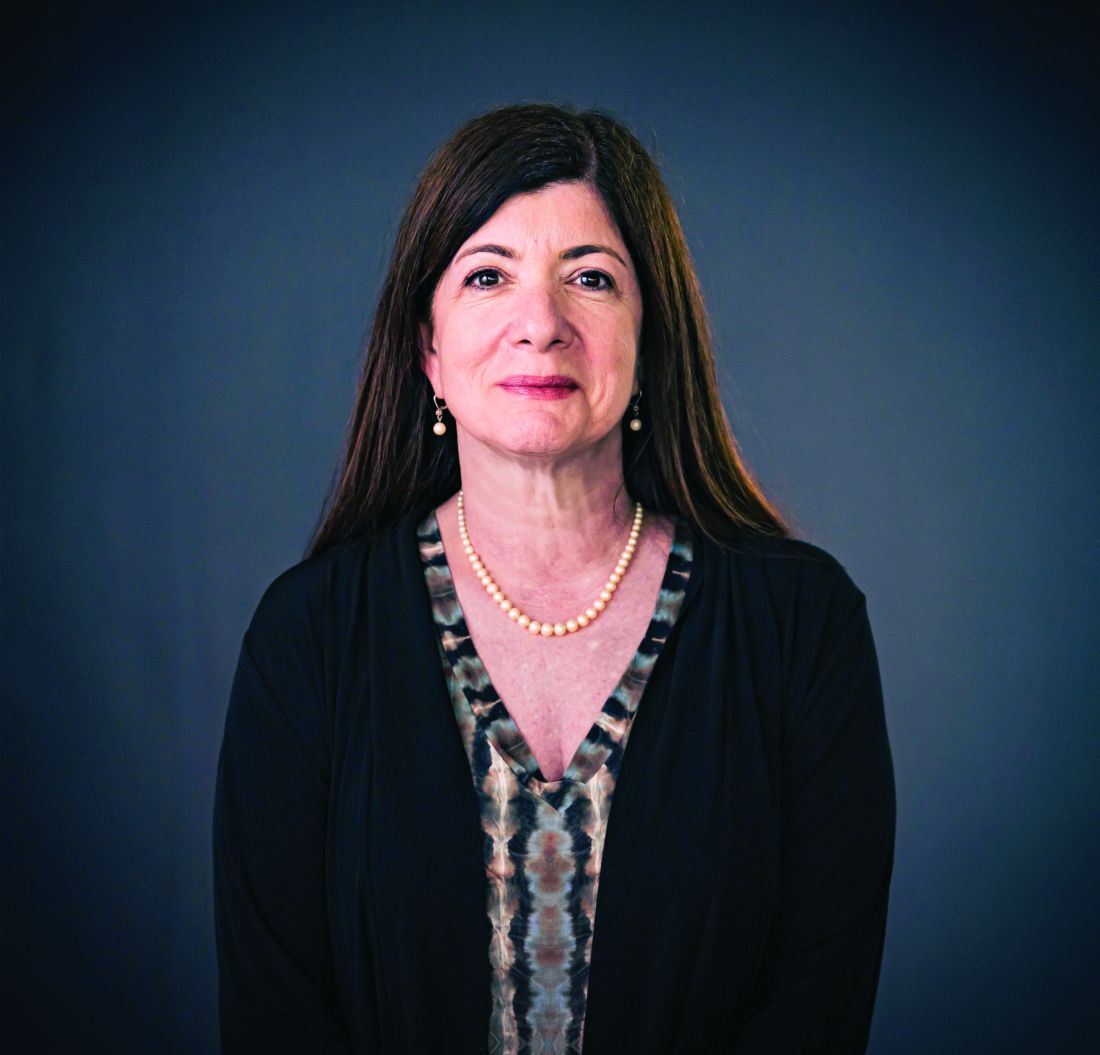
I think many of us who have been successful and fulfilled in our careers can say we were blessed by having great mentors along the way.
I have been blessed in having mentors who were both within my institution and outside, but one of the most important places that I found mentors was through my involvement with CHEST. It is critically important to find a mentor or mentors who can guide you through the initial phases of your career. It is also very important to allow yourself time to be a mentor to those who need you.
To the junior faculty or trainees who have yet to connect with someone to provide guidance, I cannot stress enough the importance of getting involved in an organization like CHEST.
The best way to begin is to attend the annual meeting. Know that you are invited to approach any member of CHEST leadership, introduce yourself, and tell us that you want to get involved. (Conveniently, registration for CHEST 2023 in Hawaii just opened.)
I genuinely believe our community would say yes to anyone looking for guidance.
To my colleagues who are established in their careers, I am issuing a personal request (and a bit of a challenge). Before the upcoming annual meeting, consider who among your newer colleagues could benefit from having a mentor.
Take the time to tell them that you are there to support their development. Making that connection could mean re-establishing a relationship that got off track and that you want to re-engage.
Show how the commitment to mentorship matters by sharing a post (with a picture, if possible) on social media. Tag your post using the hashtags #CHESTMentee and #CHEST2023 to introduce them to your network. This type of exposure and support can have a lasting impact.
While attending CHEST 2023 – ideally with your mentee – be sure to add the mentoring ribbons to your badge. We will be heavily socializing these ribbons, sharing that anyone wearing the “I’m a mentor” ribbon is either open to accepting new mentees or will help facilitate a conversation that may lead to mentorship.
Beyond its incredible education opportunities, the CHEST Annual Meeting is well-known for being a welcoming environment. It’s up to us to take the extra steps to help earlier-career clinicians succeed by providing the best possible education and guidance for years to come.
Until next time,
Doreen J. Addrizzo- Harris, MD, FCCP
When we celebrated Women’s History Month in March, Drs. Carolyn D’Ambrosio, Aneesa Das, and I discussed our experiences as women in chest medicine and why connecting is so important. We touched on the critical role of mentors. This conversation prompted me to dedicate this President’s column to the value of mentorship. The conversation is available on the CHEST YouTube for viewing.
I think many of us who have been successful and fulfilled in our careers can say we were blessed by having great mentors along the way.
I have been blessed in having mentors who were both within my institution and outside, but one of the most important places that I found mentors was through my involvement with CHEST. It is critically important to find a mentor or mentors who can guide you through the initial phases of your career. It is also very important to allow yourself time to be a mentor to those who need you.
To the junior faculty or trainees who have yet to connect with someone to provide guidance, I cannot stress enough the importance of getting involved in an organization like CHEST.
The best way to begin is to attend the annual meeting. Know that you are invited to approach any member of CHEST leadership, introduce yourself, and tell us that you want to get involved. (Conveniently, registration for CHEST 2023 in Hawaii just opened.)
I genuinely believe our community would say yes to anyone looking for guidance.
To my colleagues who are established in their careers, I am issuing a personal request (and a bit of a challenge). Before the upcoming annual meeting, consider who among your newer colleagues could benefit from having a mentor.
Take the time to tell them that you are there to support their development. Making that connection could mean re-establishing a relationship that got off track and that you want to re-engage.
Show how the commitment to mentorship matters by sharing a post (with a picture, if possible) on social media. Tag your post using the hashtags #CHESTMentee and #CHEST2023 to introduce them to your network. This type of exposure and support can have a lasting impact.
While attending CHEST 2023 – ideally with your mentee – be sure to add the mentoring ribbons to your badge. We will be heavily socializing these ribbons, sharing that anyone wearing the “I’m a mentor” ribbon is either open to accepting new mentees or will help facilitate a conversation that may lead to mentorship.
Beyond its incredible education opportunities, the CHEST Annual Meeting is well-known for being a welcoming environment. It’s up to us to take the extra steps to help earlier-career clinicians succeed by providing the best possible education and guidance for years to come.
Until next time,
Doreen J. Addrizzo- Harris, MD, FCCP
When we celebrated Women’s History Month in March, Drs. Carolyn D’Ambrosio, Aneesa Das, and I discussed our experiences as women in chest medicine and why connecting is so important. We touched on the critical role of mentors. This conversation prompted me to dedicate this President’s column to the value of mentorship. The conversation is available on the CHEST YouTube for viewing.
I think many of us who have been successful and fulfilled in our careers can say we were blessed by having great mentors along the way.
I have been blessed in having mentors who were both within my institution and outside, but one of the most important places that I found mentors was through my involvement with CHEST. It is critically important to find a mentor or mentors who can guide you through the initial phases of your career. It is also very important to allow yourself time to be a mentor to those who need you.
To the junior faculty or trainees who have yet to connect with someone to provide guidance, I cannot stress enough the importance of getting involved in an organization like CHEST.
The best way to begin is to attend the annual meeting. Know that you are invited to approach any member of CHEST leadership, introduce yourself, and tell us that you want to get involved. (Conveniently, registration for CHEST 2023 in Hawaii just opened.)
I genuinely believe our community would say yes to anyone looking for guidance.
To my colleagues who are established in their careers, I am issuing a personal request (and a bit of a challenge). Before the upcoming annual meeting, consider who among your newer colleagues could benefit from having a mentor.
Take the time to tell them that you are there to support their development. Making that connection could mean re-establishing a relationship that got off track and that you want to re-engage.
Show how the commitment to mentorship matters by sharing a post (with a picture, if possible) on social media. Tag your post using the hashtags #CHESTMentee and #CHEST2023 to introduce them to your network. This type of exposure and support can have a lasting impact.
While attending CHEST 2023 – ideally with your mentee – be sure to add the mentoring ribbons to your badge. We will be heavily socializing these ribbons, sharing that anyone wearing the “I’m a mentor” ribbon is either open to accepting new mentees or will help facilitate a conversation that may lead to mentorship.
Beyond its incredible education opportunities, the CHEST Annual Meeting is well-known for being a welcoming environment. It’s up to us to take the extra steps to help earlier-career clinicians succeed by providing the best possible education and guidance for years to come.
Until next time,
Doreen J. Addrizzo- Harris, MD, FCCP
CPAP for OSA: What is the verdict?
Obstructive sleep apnea (OSA) affects roughly 1 billion people worldwide, according to a report by the American Academy of Sleep Medicine. Severe OSA has been associated with an elevated risk of all-cause and cardiovascular-specific mortality. Studies support an association between OSA and a host of comorbidities, including hypertension, stroke, atrial fibrillation, mood disorders, and neurocognitive outcomes. Undiagnosed and untreated OSA also has major economic and societal costs, reducing workplace productivity and increasing one’s risk of accidents both on the job and while driving.
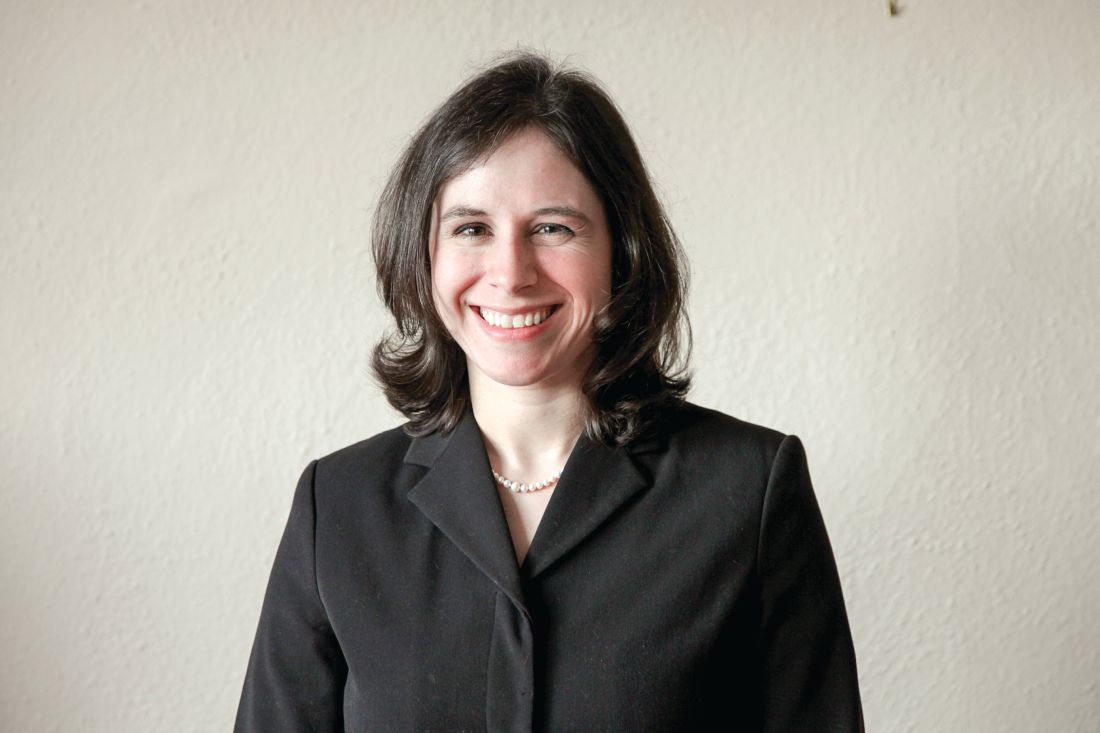
Positive airway pressure (PAP) is widely considered the most effective treatment for OSA. The majority of patients tolerate CPAP: real-world estimates using international big data show good adherence in over 70% of patients. Robust evidence shows that PAP reduces snoring, decreases daytime sleepiness, and improves quality of life in a dose-dependent manner. Economic analyses have also found CPAP to be cost-effective (Streatfeild, et al. Sleep. 2019;42[12]:zsz181).
But what do we know about the impact of PAP on health outcomes? Perhaps the best studied outcome is cardiovascular disease. Results of observational trials have suggested that CPAP adherence was associated with survival (Pepin JL et al. Chest. 2022;161[6]:1657). However, it has been speculated that these findings may have been driven, at least in part, by the “healthy user effect.” This phenomenon refers to the tendency for people who engage in one health-promoting behavior (eg, CPAP adherence) to engage in another as well (eg, eating well, exercising, taking prescribed medications). When we observe that patients who use CPAP live longer, we must ask ourselves whether perhaps their better outcomes resulted from healthy habits in general, as opposed to their CPAP usage per se.
Randomization eliminates the potential for the healthy user effect, by assigning patients to a certain intervention as opposed to simply observing whether they choose to use it. And herein lies one of the great disappointments for our field over the past decade: multiple large-scale randomized controlled trials have failed to demonstrate that CPAP reduces cardiovascular mortality, even in patients with pre-existing CAD. The first two of these were the SAVE (Sleep Apnea Cardiovascular Endpoints) (McEvoy R, et al. N Engl J Med. 2016;375[10]:919) and RICCADSA (Randomized Intervention with Continuous Positive Airway Pressure in CAD and OSA) (Peker Y, et al. Am J Respir Crit Care Med. 2016;194[5]:613) trials evaluating the effects of PAP on a composite endpoint that included cardiovascular death and nonfatal cardiovascular events. Both trials found no difference between PAP and control groups, leading to a conclusion that PAP did not prevent cardiovascular events in patients with moderate-to-severe OSA and established cardiovascular disease. The ISAAC study (Impact of Sleep Apnea syndrome in the evolution of Acute Coronary syndrome) also failed to show a benefit of CPAP for secondary prevention of cardiovascular events in patients with moderate to severe OSA.
These negative findings were echoed in a recent report by the Agency for Healthcare Research and Quality evaluating a variety of long-term health outcomes in obstructive sleep apnea. The authors stated that “RCTs do not provide evidence that CPAP prescription affects long-term, clinically important outcomes. Specifically, with low strength of evidence, RCTs do not demonstrate that CPAP affects all-cause mortality, various CV outcomes, clinically important changes in psychosocial measures, or other clinical events” (AHRQ, Project ID: SLPT0919, 12/1/2022).
What plausible explanations have been offered for these negative results? Perhaps trials were underpowered. Perhaps patients did not use PAP for a sufficient duration to achieve benefit (usage was under 3 hours in most studies). Perhaps the patients selected for these trials were at such low-risk of adverse outcomes in the first place that treating their OSA didn’t have much impact. Many trials have excluded sleepy patients due to ethical concerns about withholding treatment from this population. But this may have effectively excluded the patients most likely to benefit; in other studies, sleepy patients seem to experience the greatest cardiovascular risk reduction with CPAP. For example, a meta-analysis showed that CPAP is most strongly associated with blood pressure reduction in patients who are sleepy, compared with those with minimally symptomatic OSA (Bratton D, et al. Thorax. 2014;69[12]:1128). And, recent work suggests that even among non-sleepy patients, it might be possible to identify a subset who could benefit from CPAP. A recent analysis suggested that non-sleepy patients who exhibit a higher change in heart rate following a respiratory event may derive greater cardiovascular benefit from CPAP therapy (Azarbarzin, et al. Am J Respir Crit Care Med. 2022;206[6]:767).
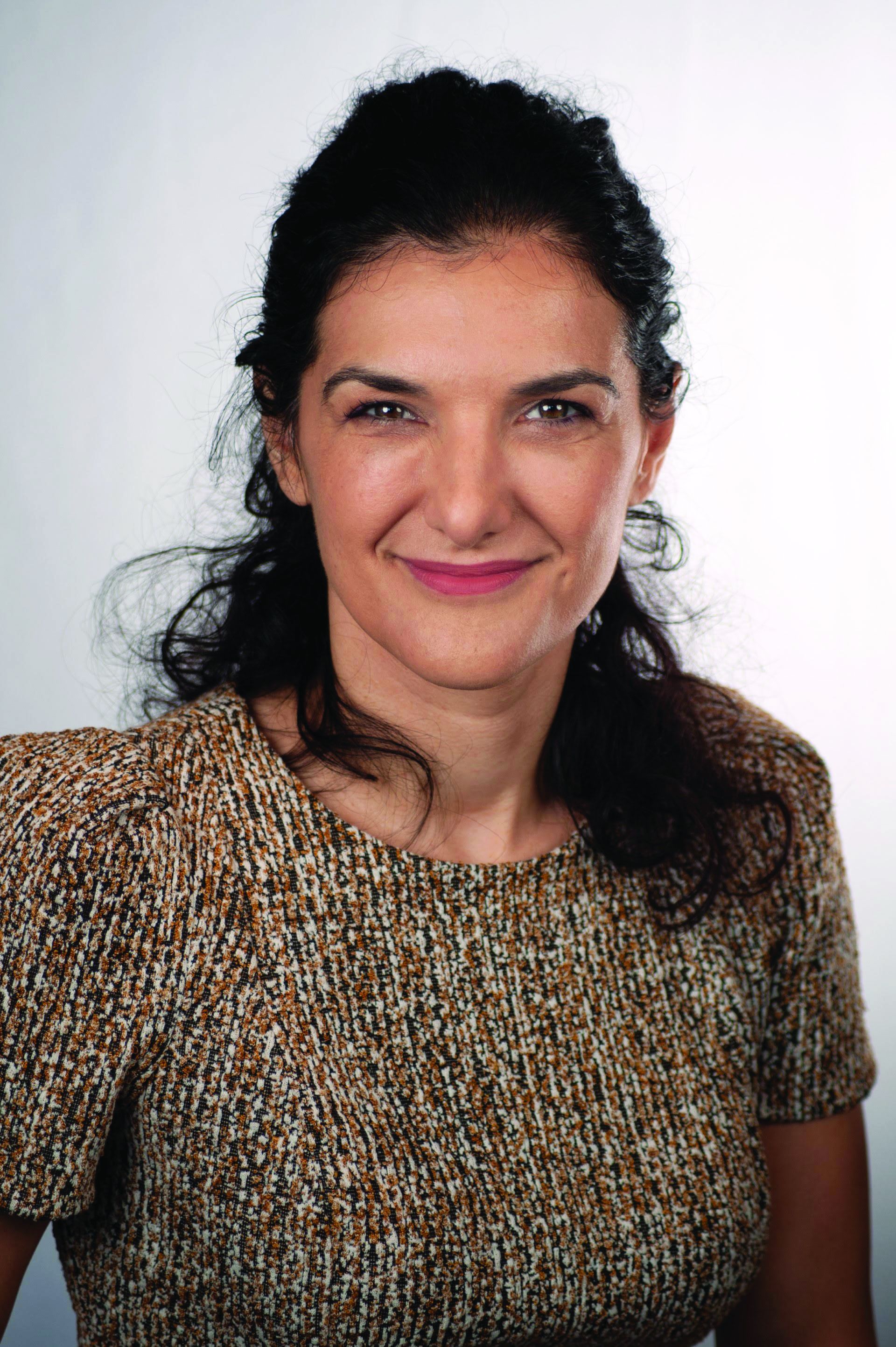
Another, distinct reason for these negative results is that the AHI – our main metric for quantifying OSA severity for several decades – fails to capture the disorder’s heterogeneity. Identifying different phenotypes of OSA may enable more personalized approaches to prognostication as well as treatment. For example, one study identified four symptom clusters of OSA – patients with disturbed sleep, minimally symptomatic, excessively sleepy, and moderately sleepy – who may exhibit different responses to CPAP treatment. Further work is needed to discern whether these clusters reliably predict outcomes in a manner that can be useful clinically (Zinchuk A, et al. Sleep Med Rev. 2017;35:113).
So, what is the verdict for CPAP? Sleepy patients with even mild OSA warrant treatment, as is common practice, and these patients are more likely to adhere to therapy. Patients with other symptoms potentially related to untreated OSA should be offered treatment as well. But in asymptomatic patients, it is difficult to make a compelling case to start CPAP on the basis of the AHI alone. It is our hope that novel ways of classifying OSA severity and phenotype will allow better prediction of which patients will experience a protective effect from CPAP. For example, certain subsets of patients may realize greater benefits from CPAP, including those with a high hypoxic burden (Trzepizur W, et al. Am J Respir Crit Care Med. 2022;205[1]:108).
For now though, we can allow the evidence that has accumulated in recent years to guide our collaborative decision-making with patients about whether to try CPAP. Depending on how exuberantly we sang CPAP’s praises, we may need to temper our song – at least with regards to cardiovascular risk reduction. In the sleep world, patients are educated not only by sleep providers but also by respiratory therapists who help patients with initial CPAP setups. Consistent, evidence-based messaging by the entire health care team is key. We cannot say that “using CPAP prevents heart attacks” but rather “we’re still not quite sure.”
As in other areas of medicine, sleep medicine may see a shift in focus toward symptoms and patient-oriented outcomes as opposed to the presence of comorbidities. In fact, the recently revised International Classification of Sleep Disorders (ICSD-3-TR) released this year eliminated comorbidity criteria from the definition of Obstructive Sleep Apnea in adults. If adopted by Centers for Medicare & Medicaid Services and other insurers, patients with mild OSA by sleep testing (AHI≥5 but <15) who lack symptoms will no longer qualify for CPAP on the basis of having hypertension, a mood disorder, cognitive dysfunction, coronary artery disease, stroke, congestive heart failure, atrial fibrillation, or type 2 diabetes mellitus. How will this major revision impact the sleep medicine world? Practically speaking, it is likely that fewer patients who present without symptoms and are found to have only mild OSA will end up on PAP.
There will undoubtedly be frustration related to these greater restrictions on who qualifies for PAP. On the other hand, perhaps our energy is better focused on procuring PAP not for asymptomatic patients but rather promoting access and adherence in those who are symptomatic. Differential access to CPAP remains a major problem that very likely contributes to health disparities. In fact, a recent international committee acknowledged that the current CMS criteria for PAP coverage create disproportionate difficulties for non-white patients and those of low socioeconomic background to meet adherence criteria. Their specific recommendations to reduce this disparity in PAP access included eradication of requirements for repeat polysomnography and eliminating the 4-hour rule.
We are moving toward a more personalized approach to characterizing OSA, which eventually may allow for more nuanced, individualized counseling rather than a “one-size -called-CPAP-fits-all” approach. Until we are there, a patient-centered approach that elicits the presence of sleep-related symptoms and daytime impairment, as opposed to isolated comorbidities, provides the most compelling justification for CPAP.
Obstructive sleep apnea (OSA) affects roughly 1 billion people worldwide, according to a report by the American Academy of Sleep Medicine. Severe OSA has been associated with an elevated risk of all-cause and cardiovascular-specific mortality. Studies support an association between OSA and a host of comorbidities, including hypertension, stroke, atrial fibrillation, mood disorders, and neurocognitive outcomes. Undiagnosed and untreated OSA also has major economic and societal costs, reducing workplace productivity and increasing one’s risk of accidents both on the job and while driving.
Positive airway pressure (PAP) is widely considered the most effective treatment for OSA. The majority of patients tolerate CPAP: real-world estimates using international big data show good adherence in over 70% of patients. Robust evidence shows that PAP reduces snoring, decreases daytime sleepiness, and improves quality of life in a dose-dependent manner. Economic analyses have also found CPAP to be cost-effective (Streatfeild, et al. Sleep. 2019;42[12]:zsz181).
But what do we know about the impact of PAP on health outcomes? Perhaps the best studied outcome is cardiovascular disease. Results of observational trials have suggested that CPAP adherence was associated with survival (Pepin JL et al. Chest. 2022;161[6]:1657). However, it has been speculated that these findings may have been driven, at least in part, by the “healthy user effect.” This phenomenon refers to the tendency for people who engage in one health-promoting behavior (eg, CPAP adherence) to engage in another as well (eg, eating well, exercising, taking prescribed medications). When we observe that patients who use CPAP live longer, we must ask ourselves whether perhaps their better outcomes resulted from healthy habits in general, as opposed to their CPAP usage per se.
Randomization eliminates the potential for the healthy user effect, by assigning patients to a certain intervention as opposed to simply observing whether they choose to use it. And herein lies one of the great disappointments for our field over the past decade: multiple large-scale randomized controlled trials have failed to demonstrate that CPAP reduces cardiovascular mortality, even in patients with pre-existing CAD. The first two of these were the SAVE (Sleep Apnea Cardiovascular Endpoints) (McEvoy R, et al. N Engl J Med. 2016;375[10]:919) and RICCADSA (Randomized Intervention with Continuous Positive Airway Pressure in CAD and OSA) (Peker Y, et al. Am J Respir Crit Care Med. 2016;194[5]:613) trials evaluating the effects of PAP on a composite endpoint that included cardiovascular death and nonfatal cardiovascular events. Both trials found no difference between PAP and control groups, leading to a conclusion that PAP did not prevent cardiovascular events in patients with moderate-to-severe OSA and established cardiovascular disease. The ISAAC study (Impact of Sleep Apnea syndrome in the evolution of Acute Coronary syndrome) also failed to show a benefit of CPAP for secondary prevention of cardiovascular events in patients with moderate to severe OSA.
These negative findings were echoed in a recent report by the Agency for Healthcare Research and Quality evaluating a variety of long-term health outcomes in obstructive sleep apnea. The authors stated that “RCTs do not provide evidence that CPAP prescription affects long-term, clinically important outcomes. Specifically, with low strength of evidence, RCTs do not demonstrate that CPAP affects all-cause mortality, various CV outcomes, clinically important changes in psychosocial measures, or other clinical events” (AHRQ, Project ID: SLPT0919, 12/1/2022).
What plausible explanations have been offered for these negative results? Perhaps trials were underpowered. Perhaps patients did not use PAP for a sufficient duration to achieve benefit (usage was under 3 hours in most studies). Perhaps the patients selected for these trials were at such low-risk of adverse outcomes in the first place that treating their OSA didn’t have much impact. Many trials have excluded sleepy patients due to ethical concerns about withholding treatment from this population. But this may have effectively excluded the patients most likely to benefit; in other studies, sleepy patients seem to experience the greatest cardiovascular risk reduction with CPAP. For example, a meta-analysis showed that CPAP is most strongly associated with blood pressure reduction in patients who are sleepy, compared with those with minimally symptomatic OSA (Bratton D, et al. Thorax. 2014;69[12]:1128). And, recent work suggests that even among non-sleepy patients, it might be possible to identify a subset who could benefit from CPAP. A recent analysis suggested that non-sleepy patients who exhibit a higher change in heart rate following a respiratory event may derive greater cardiovascular benefit from CPAP therapy (Azarbarzin, et al. Am J Respir Crit Care Med. 2022;206[6]:767).
Another, distinct reason for these negative results is that the AHI – our main metric for quantifying OSA severity for several decades – fails to capture the disorder’s heterogeneity. Identifying different phenotypes of OSA may enable more personalized approaches to prognostication as well as treatment. For example, one study identified four symptom clusters of OSA – patients with disturbed sleep, minimally symptomatic, excessively sleepy, and moderately sleepy – who may exhibit different responses to CPAP treatment. Further work is needed to discern whether these clusters reliably predict outcomes in a manner that can be useful clinically (Zinchuk A, et al. Sleep Med Rev. 2017;35:113).
So, what is the verdict for CPAP? Sleepy patients with even mild OSA warrant treatment, as is common practice, and these patients are more likely to adhere to therapy. Patients with other symptoms potentially related to untreated OSA should be offered treatment as well. But in asymptomatic patients, it is difficult to make a compelling case to start CPAP on the basis of the AHI alone. It is our hope that novel ways of classifying OSA severity and phenotype will allow better prediction of which patients will experience a protective effect from CPAP. For example, certain subsets of patients may realize greater benefits from CPAP, including those with a high hypoxic burden (Trzepizur W, et al. Am J Respir Crit Care Med. 2022;205[1]:108).
For now though, we can allow the evidence that has accumulated in recent years to guide our collaborative decision-making with patients about whether to try CPAP. Depending on how exuberantly we sang CPAP’s praises, we may need to temper our song – at least with regards to cardiovascular risk reduction. In the sleep world, patients are educated not only by sleep providers but also by respiratory therapists who help patients with initial CPAP setups. Consistent, evidence-based messaging by the entire health care team is key. We cannot say that “using CPAP prevents heart attacks” but rather “we’re still not quite sure.”
As in other areas of medicine, sleep medicine may see a shift in focus toward symptoms and patient-oriented outcomes as opposed to the presence of comorbidities. In fact, the recently revised International Classification of Sleep Disorders (ICSD-3-TR) released this year eliminated comorbidity criteria from the definition of Obstructive Sleep Apnea in adults. If adopted by Centers for Medicare & Medicaid Services and other insurers, patients with mild OSA by sleep testing (AHI≥5 but <15) who lack symptoms will no longer qualify for CPAP on the basis of having hypertension, a mood disorder, cognitive dysfunction, coronary artery disease, stroke, congestive heart failure, atrial fibrillation, or type 2 diabetes mellitus. How will this major revision impact the sleep medicine world? Practically speaking, it is likely that fewer patients who present without symptoms and are found to have only mild OSA will end up on PAP.
There will undoubtedly be frustration related to these greater restrictions on who qualifies for PAP. On the other hand, perhaps our energy is better focused on procuring PAP not for asymptomatic patients but rather promoting access and adherence in those who are symptomatic. Differential access to CPAP remains a major problem that very likely contributes to health disparities. In fact, a recent international committee acknowledged that the current CMS criteria for PAP coverage create disproportionate difficulties for non-white patients and those of low socioeconomic background to meet adherence criteria. Their specific recommendations to reduce this disparity in PAP access included eradication of requirements for repeat polysomnography and eliminating the 4-hour rule.
We are moving toward a more personalized approach to characterizing OSA, which eventually may allow for more nuanced, individualized counseling rather than a “one-size -called-CPAP-fits-all” approach. Until we are there, a patient-centered approach that elicits the presence of sleep-related symptoms and daytime impairment, as opposed to isolated comorbidities, provides the most compelling justification for CPAP.
Obstructive sleep apnea (OSA) affects roughly 1 billion people worldwide, according to a report by the American Academy of Sleep Medicine. Severe OSA has been associated with an elevated risk of all-cause and cardiovascular-specific mortality. Studies support an association between OSA and a host of comorbidities, including hypertension, stroke, atrial fibrillation, mood disorders, and neurocognitive outcomes. Undiagnosed and untreated OSA also has major economic and societal costs, reducing workplace productivity and increasing one’s risk of accidents both on the job and while driving.
Positive airway pressure (PAP) is widely considered the most effective treatment for OSA. The majority of patients tolerate CPAP: real-world estimates using international big data show good adherence in over 70% of patients. Robust evidence shows that PAP reduces snoring, decreases daytime sleepiness, and improves quality of life in a dose-dependent manner. Economic analyses have also found CPAP to be cost-effective (Streatfeild, et al. Sleep. 2019;42[12]:zsz181).
But what do we know about the impact of PAP on health outcomes? Perhaps the best studied outcome is cardiovascular disease. Results of observational trials have suggested that CPAP adherence was associated with survival (Pepin JL et al. Chest. 2022;161[6]:1657). However, it has been speculated that these findings may have been driven, at least in part, by the “healthy user effect.” This phenomenon refers to the tendency for people who engage in one health-promoting behavior (eg, CPAP adherence) to engage in another as well (eg, eating well, exercising, taking prescribed medications). When we observe that patients who use CPAP live longer, we must ask ourselves whether perhaps their better outcomes resulted from healthy habits in general, as opposed to their CPAP usage per se.
Randomization eliminates the potential for the healthy user effect, by assigning patients to a certain intervention as opposed to simply observing whether they choose to use it. And herein lies one of the great disappointments for our field over the past decade: multiple large-scale randomized controlled trials have failed to demonstrate that CPAP reduces cardiovascular mortality, even in patients with pre-existing CAD. The first two of these were the SAVE (Sleep Apnea Cardiovascular Endpoints) (McEvoy R, et al. N Engl J Med. 2016;375[10]:919) and RICCADSA (Randomized Intervention with Continuous Positive Airway Pressure in CAD and OSA) (Peker Y, et al. Am J Respir Crit Care Med. 2016;194[5]:613) trials evaluating the effects of PAP on a composite endpoint that included cardiovascular death and nonfatal cardiovascular events. Both trials found no difference between PAP and control groups, leading to a conclusion that PAP did not prevent cardiovascular events in patients with moderate-to-severe OSA and established cardiovascular disease. The ISAAC study (Impact of Sleep Apnea syndrome in the evolution of Acute Coronary syndrome) also failed to show a benefit of CPAP for secondary prevention of cardiovascular events in patients with moderate to severe OSA.
These negative findings were echoed in a recent report by the Agency for Healthcare Research and Quality evaluating a variety of long-term health outcomes in obstructive sleep apnea. The authors stated that “RCTs do not provide evidence that CPAP prescription affects long-term, clinically important outcomes. Specifically, with low strength of evidence, RCTs do not demonstrate that CPAP affects all-cause mortality, various CV outcomes, clinically important changes in psychosocial measures, or other clinical events” (AHRQ, Project ID: SLPT0919, 12/1/2022).
What plausible explanations have been offered for these negative results? Perhaps trials were underpowered. Perhaps patients did not use PAP for a sufficient duration to achieve benefit (usage was under 3 hours in most studies). Perhaps the patients selected for these trials were at such low-risk of adverse outcomes in the first place that treating their OSA didn’t have much impact. Many trials have excluded sleepy patients due to ethical concerns about withholding treatment from this population. But this may have effectively excluded the patients most likely to benefit; in other studies, sleepy patients seem to experience the greatest cardiovascular risk reduction with CPAP. For example, a meta-analysis showed that CPAP is most strongly associated with blood pressure reduction in patients who are sleepy, compared with those with minimally symptomatic OSA (Bratton D, et al. Thorax. 2014;69[12]:1128). And, recent work suggests that even among non-sleepy patients, it might be possible to identify a subset who could benefit from CPAP. A recent analysis suggested that non-sleepy patients who exhibit a higher change in heart rate following a respiratory event may derive greater cardiovascular benefit from CPAP therapy (Azarbarzin, et al. Am J Respir Crit Care Med. 2022;206[6]:767).
Another, distinct reason for these negative results is that the AHI – our main metric for quantifying OSA severity for several decades – fails to capture the disorder’s heterogeneity. Identifying different phenotypes of OSA may enable more personalized approaches to prognostication as well as treatment. For example, one study identified four symptom clusters of OSA – patients with disturbed sleep, minimally symptomatic, excessively sleepy, and moderately sleepy – who may exhibit different responses to CPAP treatment. Further work is needed to discern whether these clusters reliably predict outcomes in a manner that can be useful clinically (Zinchuk A, et al. Sleep Med Rev. 2017;35:113).
So, what is the verdict for CPAP? Sleepy patients with even mild OSA warrant treatment, as is common practice, and these patients are more likely to adhere to therapy. Patients with other symptoms potentially related to untreated OSA should be offered treatment as well. But in asymptomatic patients, it is difficult to make a compelling case to start CPAP on the basis of the AHI alone. It is our hope that novel ways of classifying OSA severity and phenotype will allow better prediction of which patients will experience a protective effect from CPAP. For example, certain subsets of patients may realize greater benefits from CPAP, including those with a high hypoxic burden (Trzepizur W, et al. Am J Respir Crit Care Med. 2022;205[1]:108).
For now though, we can allow the evidence that has accumulated in recent years to guide our collaborative decision-making with patients about whether to try CPAP. Depending on how exuberantly we sang CPAP’s praises, we may need to temper our song – at least with regards to cardiovascular risk reduction. In the sleep world, patients are educated not only by sleep providers but also by respiratory therapists who help patients with initial CPAP setups. Consistent, evidence-based messaging by the entire health care team is key. We cannot say that “using CPAP prevents heart attacks” but rather “we’re still not quite sure.”
As in other areas of medicine, sleep medicine may see a shift in focus toward symptoms and patient-oriented outcomes as opposed to the presence of comorbidities. In fact, the recently revised International Classification of Sleep Disorders (ICSD-3-TR) released this year eliminated comorbidity criteria from the definition of Obstructive Sleep Apnea in adults. If adopted by Centers for Medicare & Medicaid Services and other insurers, patients with mild OSA by sleep testing (AHI≥5 but <15) who lack symptoms will no longer qualify for CPAP on the basis of having hypertension, a mood disorder, cognitive dysfunction, coronary artery disease, stroke, congestive heart failure, atrial fibrillation, or type 2 diabetes mellitus. How will this major revision impact the sleep medicine world? Practically speaking, it is likely that fewer patients who present without symptoms and are found to have only mild OSA will end up on PAP.
There will undoubtedly be frustration related to these greater restrictions on who qualifies for PAP. On the other hand, perhaps our energy is better focused on procuring PAP not for asymptomatic patients but rather promoting access and adherence in those who are symptomatic. Differential access to CPAP remains a major problem that very likely contributes to health disparities. In fact, a recent international committee acknowledged that the current CMS criteria for PAP coverage create disproportionate difficulties for non-white patients and those of low socioeconomic background to meet adherence criteria. Their specific recommendations to reduce this disparity in PAP access included eradication of requirements for repeat polysomnography and eliminating the 4-hour rule.
We are moving toward a more personalized approach to characterizing OSA, which eventually may allow for more nuanced, individualized counseling rather than a “one-size -called-CPAP-fits-all” approach. Until we are there, a patient-centered approach that elicits the presence of sleep-related symptoms and daytime impairment, as opposed to isolated comorbidities, provides the most compelling justification for CPAP.
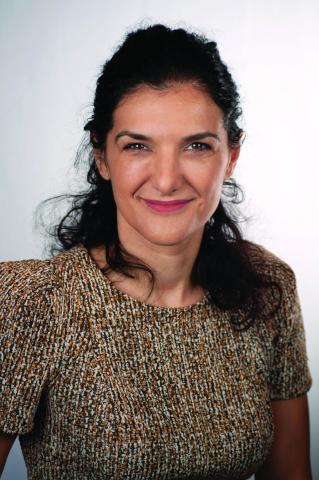
Death anxiety in psychiatry and society: Facing our fears and embracing life
Our fear of death is exposed often in medicine. It is not uncommon to hear the last moments of a patient’s life described as a series of futile, sterile medical interventions that attempt to prolong that life in quasi-sadistic fashion. So much effort is placed in making sure that “everything necessary” is tried that less emphasis is made on providing a comfortable death.
It seems obvious that a profession dedicated to prolonging health would have difficulty confronting death. But it should also be natural for psychiatry to be the specialty able to integrate this discomfort within the medical psyche.
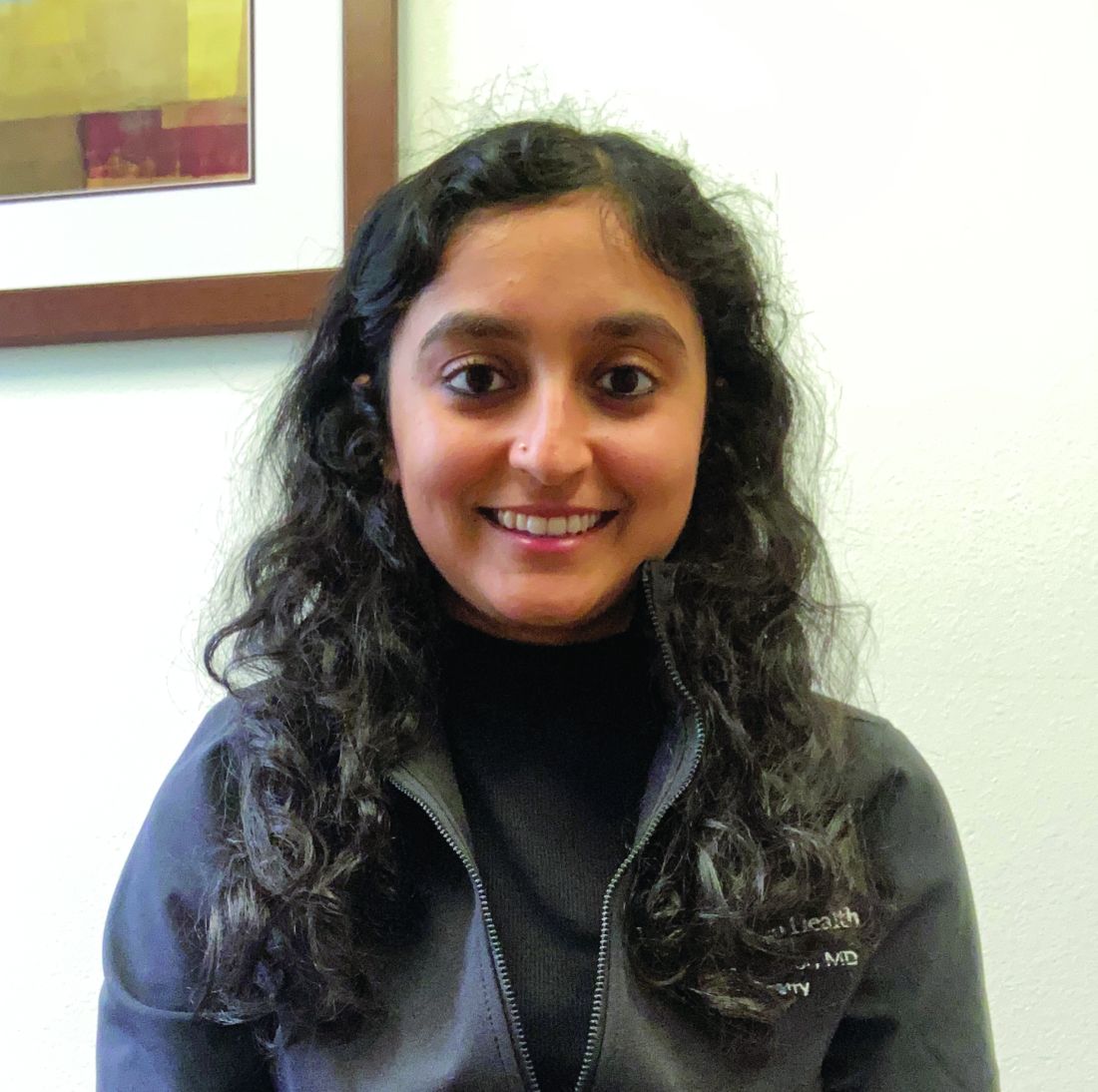
Yet, in training, we have noted much more time spent on the assessment of capacity in patients in order to refuse medical intervention than on time spent educating about the importance to die at the right time, as suggested by Friedrich Nietzsche.1 A psychiatry resident may graduate knowing dozens of questions to assess the ability of a family member to consider the risk, benefits, and alternatives of continued intubation in a comatose patient, but may feel very ill-equipped in discussing the meaning of a rightful life and a rightful death.
Death anxiety can also come outside the context of not having endured enough traumas or successes in one’s life, or not having lived life right. As poignantly described by Dostoevsky in his 1864 novella, “Notes from the Underground,” death anxiety can manifest as a result of the deterministic nature of life.2 Doing everything which is expected of us can feel like a betrayal of our one chance to have lived life authentically. This concept is also particularly familiar to physicians, who may have – in part – chosen their career path in response to a recommendation from their parents, rather than a more authentic feeling. Dostoevsky goads us to transgress, to act in a rebellious way, to truly feel alive. This can serve as a solution for death anxiety – if you are scared to die then live, live your fullest. Even if that means doing the unexpected or changing your path.
The fear of being forgotten after death can also drive many to pursue a legacy. Even a parent choosing to have children and teaching them values and belief systems is a way of leaving behind a mark on the world. For some, finding ways for being remembered after death – whether through fame, fortune, or having children, is a way of dealing with death anxiety.
The Mexican holiday “Dia de los Muertos,” or Day of the Dead, and the Japanese holiday “Obon” are examples from cultures where deceased ancestors are celebrated through rituals and offerings. Such cultures may relieve the anxiety of death by suggesting that one’s descendants will still care for the departed, and their legacy may remain.
Coping with death anxiety
For others, the road to recovery from death anxiety may take a completely different approach. Some may find comfort in the position that, to extinguish death anxiety, one should not live to the fullest but accept the tragic and mostly inconsequential aspects of life. The philosophical movement of “absurdism” addresses this perspective.
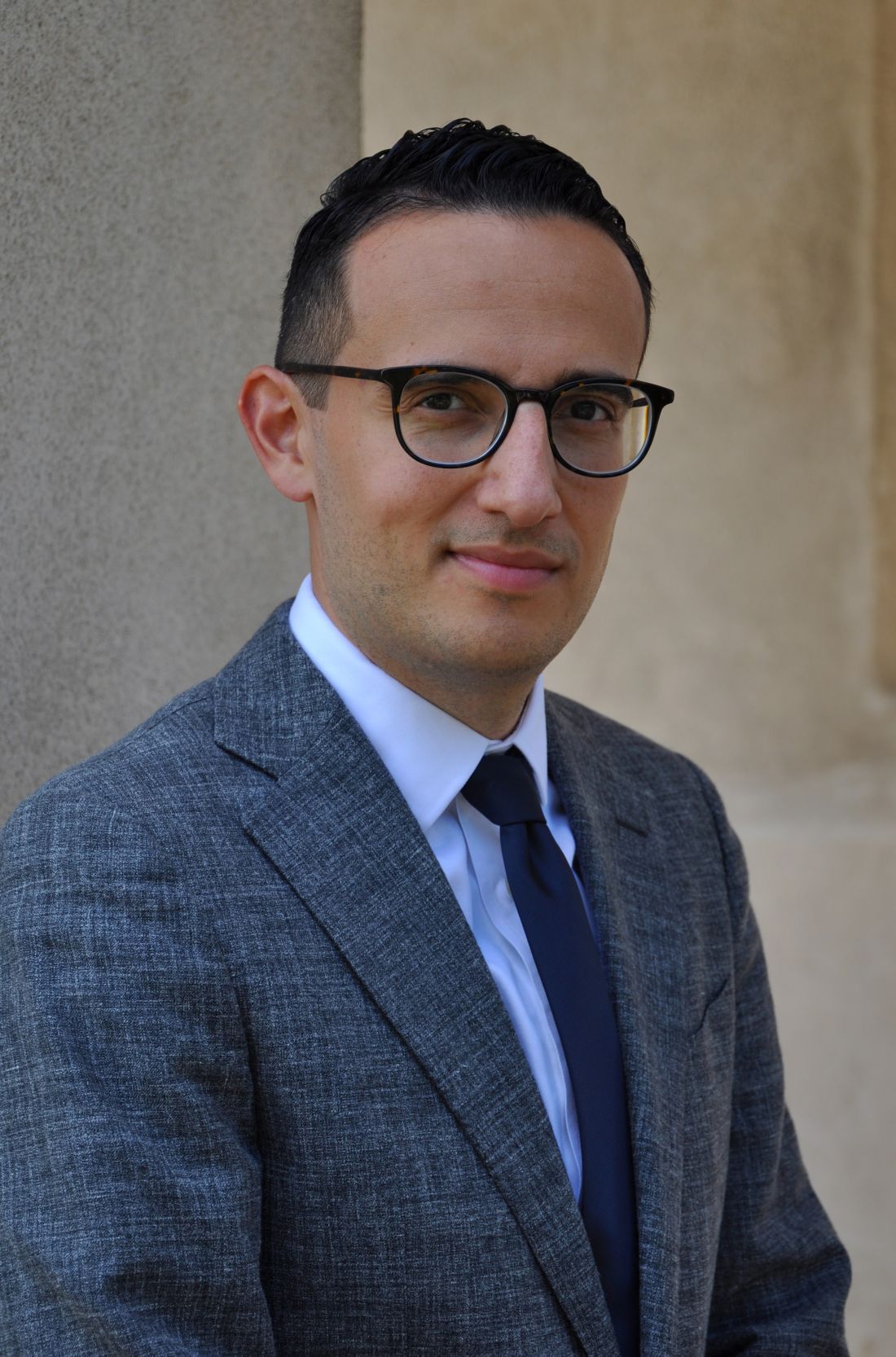
In our modern world, where we are so deeply attached to finding the cause and reason for things, absurdism reminds us that most of our lives and world do not have to make sense. While Albert Camus, arguably the most famous of the absurdist philosophers, encourages us to create meaning and transcend the tragedy and randomness of life,3 some patients can also find comfort in the idea that life is absurd, and thus one should not judge one’s own life and not fear own’s inevitable death.
Death anxiety can also be therapeutic. Especially in the existential tradition, one can enlist the fear of death for motivation. Many patients come to see us with a lack of motivation or drive. They feel paralyzed by their predicament and mental illness. As in the experiments of Martin Seligman, PhD, who shocked animals at random, a human exposed to repeated failure and abuse can get a sense of learned helplessness.4 Such patients can be very hard to reach, yet ultimately their despondence is no match for the reality that life will end. Reminding a patient that any day spent not feeling alive might as well be a metaphor for death is a challenging interpretation, but one that can lead to significant growth.
When considering the fear of death, psychiatry has generally taken the position that it is pathological, a form of anxiety. Psychiatry argues that one should strive to find fulfillment and joy in life. It thus may be a surprise to find that this is not a universally shared perspective.
In his 2010 book, author Thomas Ligotti argues on behalf of pessimistic and antinatalist views.5 Throughout the book he emphasizes the suffering that life can offer and argues against the endless pursuit of more life. To some psychiatrists, such arguments will be understood as insulting to our profession. Some may even interpret his texts as an argument in favor of ending one’s life.
However, psychiatrists must ask themselves “what are my answers to those arguments?” Mr. Ligotti’s book is a series of arguments against the idea that life will be pleasurable. Understanding those arguments and formulating a rebuttal would be an important process for any mental health provider. It is foolish to think that our patients do not have a rich and complicated relationship to death, and that none of our patients find death attractive in some ways. After all, accepting our fears as an important part of our body is a natural coping skill, which can also be taught.6
Part of the difficulty in discussing death and the fear of death may come from society’s resistance at having complicated conversations. It is not uncommon, currently, to include trigger warnings at the mention of discussions about death, even abstract ones. While we appreciate and encourage the articulation of feelings that a discussion about death may raise, we worry that such trigger warnings may be a form of censure that only makes society more resistant to talk about those important topics.
For another example of the avoidance of discussions about death, recall the “death panel” debates of 2009.7 When the U.S. government considered encouraging physicians to have discussions with their patients about end-of-life care, politicians and pundits decried that such discussions were “death panels,” and claimed they were an encouragement to patients to “cut [their] life short.” Such public projection of one’s anxiety about death has made it particularly difficult for psychiatry to make meaningful progress.
Acknowledging and addressing the fear
Death anxiety is such a common aspect of human life that most religions make some effort to address this fear. Many do so by offering a form of afterlife, often one described in idyllic fashion without anxiety.
Heaven, if one believes in it, is appealing for the person dreading death anxiety. Heaven is often described as being offered to those who have lived a rightful life, thus relieving the anxiety regarding the decisions one has made. Reincarnation can also be interpreted as another way of calming death anxiety, by promising a continual repetition of chances at getting life right. However, for many patients, religion doesn’t have the appeal that it once had.
Ultimately, the fear of death is a complex and multifaceted issue that can manifest in various ways. The medical profession, especially psychiatry, has a responsibility to address this fear in patients, but it also struggles with its own discomfort with the topic. The importance of providing a comfortable death is often overshadowed by the emphasis on prolonging life, which may manifest as a series of futile medical interventions.
The fear of death can be therapeutic and motivating, but it can also be pathological and lead to a lack of motivation or drive. The philosophical movements of absurdism and antinatalism offer alternative perspectives on death and life, and it is important for mental health providers to understand and engage with these views.
Yet acknowledging and addressing the fear of death is an important aspect of mental health care and a crucial part of the human experience.
Dr. Akkoor is a psychiatry resident at the University of California, San Diego. She is interested in immigrant mental health, ethics, consultation-liaison psychiatry, and medical education. Dr. Badre is a clinical and forensic psychiatrist in San Diego. He holds teaching positions at the University of California, San Diego, and the University of San Diego. He teaches medical education, psychopharmacology, ethics in psychiatry, and correctional care. Dr. Badre can be reached at his website, BadreMD.com. Dr. Badre and Dr. Akkoor have no conflicts of interest.
References
1. Nietzsche F. Thus Spoke Zarathustra. 1883-1892.
2. Dostoevsky F. Notes from the Underground. 1864.
3. Camus A. The Plague. 1947.
4. Seligman M. Helplessness: On depression, development, and death. 1975.
5. Ligotti T. The Conspiracy Against the Human Race. 2010.
6. Hayes SC. Behav Ther. 2016 Nov;47(6):869-85. doi: 10.1016/j.beth.2016.11.006.
7. Nyhan B. The Forum. 2010 April 27;8(1). doi: 10.2202/1540-8884.1354.
Our fear of death is exposed often in medicine. It is not uncommon to hear the last moments of a patient’s life described as a series of futile, sterile medical interventions that attempt to prolong that life in quasi-sadistic fashion. So much effort is placed in making sure that “everything necessary” is tried that less emphasis is made on providing a comfortable death.
It seems obvious that a profession dedicated to prolonging health would have difficulty confronting death. But it should also be natural for psychiatry to be the specialty able to integrate this discomfort within the medical psyche.
Yet, in training, we have noted much more time spent on the assessment of capacity in patients in order to refuse medical intervention than on time spent educating about the importance to die at the right time, as suggested by Friedrich Nietzsche.1 A psychiatry resident may graduate knowing dozens of questions to assess the ability of a family member to consider the risk, benefits, and alternatives of continued intubation in a comatose patient, but may feel very ill-equipped in discussing the meaning of a rightful life and a rightful death.
Death anxiety can also come outside the context of not having endured enough traumas or successes in one’s life, or not having lived life right. As poignantly described by Dostoevsky in his 1864 novella, “Notes from the Underground,” death anxiety can manifest as a result of the deterministic nature of life.2 Doing everything which is expected of us can feel like a betrayal of our one chance to have lived life authentically. This concept is also particularly familiar to physicians, who may have – in part – chosen their career path in response to a recommendation from their parents, rather than a more authentic feeling. Dostoevsky goads us to transgress, to act in a rebellious way, to truly feel alive. This can serve as a solution for death anxiety – if you are scared to die then live, live your fullest. Even if that means doing the unexpected or changing your path.
The fear of being forgotten after death can also drive many to pursue a legacy. Even a parent choosing to have children and teaching them values and belief systems is a way of leaving behind a mark on the world. For some, finding ways for being remembered after death – whether through fame, fortune, or having children, is a way of dealing with death anxiety.
The Mexican holiday “Dia de los Muertos,” or Day of the Dead, and the Japanese holiday “Obon” are examples from cultures where deceased ancestors are celebrated through rituals and offerings. Such cultures may relieve the anxiety of death by suggesting that one’s descendants will still care for the departed, and their legacy may remain.
Coping with death anxiety
For others, the road to recovery from death anxiety may take a completely different approach. Some may find comfort in the position that, to extinguish death anxiety, one should not live to the fullest but accept the tragic and mostly inconsequential aspects of life. The philosophical movement of “absurdism” addresses this perspective.
In our modern world, where we are so deeply attached to finding the cause and reason for things, absurdism reminds us that most of our lives and world do not have to make sense. While Albert Camus, arguably the most famous of the absurdist philosophers, encourages us to create meaning and transcend the tragedy and randomness of life,3 some patients can also find comfort in the idea that life is absurd, and thus one should not judge one’s own life and not fear own’s inevitable death.
Death anxiety can also be therapeutic. Especially in the existential tradition, one can enlist the fear of death for motivation. Many patients come to see us with a lack of motivation or drive. They feel paralyzed by their predicament and mental illness. As in the experiments of Martin Seligman, PhD, who shocked animals at random, a human exposed to repeated failure and abuse can get a sense of learned helplessness.4 Such patients can be very hard to reach, yet ultimately their despondence is no match for the reality that life will end. Reminding a patient that any day spent not feeling alive might as well be a metaphor for death is a challenging interpretation, but one that can lead to significant growth.
When considering the fear of death, psychiatry has generally taken the position that it is pathological, a form of anxiety. Psychiatry argues that one should strive to find fulfillment and joy in life. It thus may be a surprise to find that this is not a universally shared perspective.
In his 2010 book, author Thomas Ligotti argues on behalf of pessimistic and antinatalist views.5 Throughout the book he emphasizes the suffering that life can offer and argues against the endless pursuit of more life. To some psychiatrists, such arguments will be understood as insulting to our profession. Some may even interpret his texts as an argument in favor of ending one’s life.
However, psychiatrists must ask themselves “what are my answers to those arguments?” Mr. Ligotti’s book is a series of arguments against the idea that life will be pleasurable. Understanding those arguments and formulating a rebuttal would be an important process for any mental health provider. It is foolish to think that our patients do not have a rich and complicated relationship to death, and that none of our patients find death attractive in some ways. After all, accepting our fears as an important part of our body is a natural coping skill, which can also be taught.6
Part of the difficulty in discussing death and the fear of death may come from society’s resistance at having complicated conversations. It is not uncommon, currently, to include trigger warnings at the mention of discussions about death, even abstract ones. While we appreciate and encourage the articulation of feelings that a discussion about death may raise, we worry that such trigger warnings may be a form of censure that only makes society more resistant to talk about those important topics.
For another example of the avoidance of discussions about death, recall the “death panel” debates of 2009.7 When the U.S. government considered encouraging physicians to have discussions with their patients about end-of-life care, politicians and pundits decried that such discussions were “death panels,” and claimed they were an encouragement to patients to “cut [their] life short.” Such public projection of one’s anxiety about death has made it particularly difficult for psychiatry to make meaningful progress.
Acknowledging and addressing the fear
Death anxiety is such a common aspect of human life that most religions make some effort to address this fear. Many do so by offering a form of afterlife, often one described in idyllic fashion without anxiety.
Heaven, if one believes in it, is appealing for the person dreading death anxiety. Heaven is often described as being offered to those who have lived a rightful life, thus relieving the anxiety regarding the decisions one has made. Reincarnation can also be interpreted as another way of calming death anxiety, by promising a continual repetition of chances at getting life right. However, for many patients, religion doesn’t have the appeal that it once had.
Ultimately, the fear of death is a complex and multifaceted issue that can manifest in various ways. The medical profession, especially psychiatry, has a responsibility to address this fear in patients, but it also struggles with its own discomfort with the topic. The importance of providing a comfortable death is often overshadowed by the emphasis on prolonging life, which may manifest as a series of futile medical interventions.
The fear of death can be therapeutic and motivating, but it can also be pathological and lead to a lack of motivation or drive. The philosophical movements of absurdism and antinatalism offer alternative perspectives on death and life, and it is important for mental health providers to understand and engage with these views.
Yet acknowledging and addressing the fear of death is an important aspect of mental health care and a crucial part of the human experience.
Dr. Akkoor is a psychiatry resident at the University of California, San Diego. She is interested in immigrant mental health, ethics, consultation-liaison psychiatry, and medical education. Dr. Badre is a clinical and forensic psychiatrist in San Diego. He holds teaching positions at the University of California, San Diego, and the University of San Diego. He teaches medical education, psychopharmacology, ethics in psychiatry, and correctional care. Dr. Badre can be reached at his website, BadreMD.com. Dr. Badre and Dr. Akkoor have no conflicts of interest.
References
1. Nietzsche F. Thus Spoke Zarathustra. 1883-1892.
2. Dostoevsky F. Notes from the Underground. 1864.
3. Camus A. The Plague. 1947.
4. Seligman M. Helplessness: On depression, development, and death. 1975.
5. Ligotti T. The Conspiracy Against the Human Race. 2010.
6. Hayes SC. Behav Ther. 2016 Nov;47(6):869-85. doi: 10.1016/j.beth.2016.11.006.
7. Nyhan B. The Forum. 2010 April 27;8(1). doi: 10.2202/1540-8884.1354.
Our fear of death is exposed often in medicine. It is not uncommon to hear the last moments of a patient’s life described as a series of futile, sterile medical interventions that attempt to prolong that life in quasi-sadistic fashion. So much effort is placed in making sure that “everything necessary” is tried that less emphasis is made on providing a comfortable death.
It seems obvious that a profession dedicated to prolonging health would have difficulty confronting death. But it should also be natural for psychiatry to be the specialty able to integrate this discomfort within the medical psyche.
Yet, in training, we have noted much more time spent on the assessment of capacity in patients in order to refuse medical intervention than on time spent educating about the importance to die at the right time, as suggested by Friedrich Nietzsche.1 A psychiatry resident may graduate knowing dozens of questions to assess the ability of a family member to consider the risk, benefits, and alternatives of continued intubation in a comatose patient, but may feel very ill-equipped in discussing the meaning of a rightful life and a rightful death.
Death anxiety can also come outside the context of not having endured enough traumas or successes in one’s life, or not having lived life right. As poignantly described by Dostoevsky in his 1864 novella, “Notes from the Underground,” death anxiety can manifest as a result of the deterministic nature of life.2 Doing everything which is expected of us can feel like a betrayal of our one chance to have lived life authentically. This concept is also particularly familiar to physicians, who may have – in part – chosen their career path in response to a recommendation from their parents, rather than a more authentic feeling. Dostoevsky goads us to transgress, to act in a rebellious way, to truly feel alive. This can serve as a solution for death anxiety – if you are scared to die then live, live your fullest. Even if that means doing the unexpected or changing your path.
The fear of being forgotten after death can also drive many to pursue a legacy. Even a parent choosing to have children and teaching them values and belief systems is a way of leaving behind a mark on the world. For some, finding ways for being remembered after death – whether through fame, fortune, or having children, is a way of dealing with death anxiety.
The Mexican holiday “Dia de los Muertos,” or Day of the Dead, and the Japanese holiday “Obon” are examples from cultures where deceased ancestors are celebrated through rituals and offerings. Such cultures may relieve the anxiety of death by suggesting that one’s descendants will still care for the departed, and their legacy may remain.
Coping with death anxiety
For others, the road to recovery from death anxiety may take a completely different approach. Some may find comfort in the position that, to extinguish death anxiety, one should not live to the fullest but accept the tragic and mostly inconsequential aspects of life. The philosophical movement of “absurdism” addresses this perspective.
In our modern world, where we are so deeply attached to finding the cause and reason for things, absurdism reminds us that most of our lives and world do not have to make sense. While Albert Camus, arguably the most famous of the absurdist philosophers, encourages us to create meaning and transcend the tragedy and randomness of life,3 some patients can also find comfort in the idea that life is absurd, and thus one should not judge one’s own life and not fear own’s inevitable death.
Death anxiety can also be therapeutic. Especially in the existential tradition, one can enlist the fear of death for motivation. Many patients come to see us with a lack of motivation or drive. They feel paralyzed by their predicament and mental illness. As in the experiments of Martin Seligman, PhD, who shocked animals at random, a human exposed to repeated failure and abuse can get a sense of learned helplessness.4 Such patients can be very hard to reach, yet ultimately their despondence is no match for the reality that life will end. Reminding a patient that any day spent not feeling alive might as well be a metaphor for death is a challenging interpretation, but one that can lead to significant growth.
When considering the fear of death, psychiatry has generally taken the position that it is pathological, a form of anxiety. Psychiatry argues that one should strive to find fulfillment and joy in life. It thus may be a surprise to find that this is not a universally shared perspective.
In his 2010 book, author Thomas Ligotti argues on behalf of pessimistic and antinatalist views.5 Throughout the book he emphasizes the suffering that life can offer and argues against the endless pursuit of more life. To some psychiatrists, such arguments will be understood as insulting to our profession. Some may even interpret his texts as an argument in favor of ending one’s life.
However, psychiatrists must ask themselves “what are my answers to those arguments?” Mr. Ligotti’s book is a series of arguments against the idea that life will be pleasurable. Understanding those arguments and formulating a rebuttal would be an important process for any mental health provider. It is foolish to think that our patients do not have a rich and complicated relationship to death, and that none of our patients find death attractive in some ways. After all, accepting our fears as an important part of our body is a natural coping skill, which can also be taught.6
Part of the difficulty in discussing death and the fear of death may come from society’s resistance at having complicated conversations. It is not uncommon, currently, to include trigger warnings at the mention of discussions about death, even abstract ones. While we appreciate and encourage the articulation of feelings that a discussion about death may raise, we worry that such trigger warnings may be a form of censure that only makes society more resistant to talk about those important topics.
For another example of the avoidance of discussions about death, recall the “death panel” debates of 2009.7 When the U.S. government considered encouraging physicians to have discussions with their patients about end-of-life care, politicians and pundits decried that such discussions were “death panels,” and claimed they were an encouragement to patients to “cut [their] life short.” Such public projection of one’s anxiety about death has made it particularly difficult for psychiatry to make meaningful progress.
Acknowledging and addressing the fear
Death anxiety is such a common aspect of human life that most religions make some effort to address this fear. Many do so by offering a form of afterlife, often one described in idyllic fashion without anxiety.
Heaven, if one believes in it, is appealing for the person dreading death anxiety. Heaven is often described as being offered to those who have lived a rightful life, thus relieving the anxiety regarding the decisions one has made. Reincarnation can also be interpreted as another way of calming death anxiety, by promising a continual repetition of chances at getting life right. However, for many patients, religion doesn’t have the appeal that it once had.
Ultimately, the fear of death is a complex and multifaceted issue that can manifest in various ways. The medical profession, especially psychiatry, has a responsibility to address this fear in patients, but it also struggles with its own discomfort with the topic. The importance of providing a comfortable death is often overshadowed by the emphasis on prolonging life, which may manifest as a series of futile medical interventions.
The fear of death can be therapeutic and motivating, but it can also be pathological and lead to a lack of motivation or drive. The philosophical movements of absurdism and antinatalism offer alternative perspectives on death and life, and it is important for mental health providers to understand and engage with these views.
Yet acknowledging and addressing the fear of death is an important aspect of mental health care and a crucial part of the human experience.
Dr. Akkoor is a psychiatry resident at the University of California, San Diego. She is interested in immigrant mental health, ethics, consultation-liaison psychiatry, and medical education. Dr. Badre is a clinical and forensic psychiatrist in San Diego. He holds teaching positions at the University of California, San Diego, and the University of San Diego. He teaches medical education, psychopharmacology, ethics in psychiatry, and correctional care. Dr. Badre can be reached at his website, BadreMD.com. Dr. Badre and Dr. Akkoor have no conflicts of interest.
References
1. Nietzsche F. Thus Spoke Zarathustra. 1883-1892.
2. Dostoevsky F. Notes from the Underground. 1864.
3. Camus A. The Plague. 1947.
4. Seligman M. Helplessness: On depression, development, and death. 1975.
5. Ligotti T. The Conspiracy Against the Human Race. 2010.
6. Hayes SC. Behav Ther. 2016 Nov;47(6):869-85. doi: 10.1016/j.beth.2016.11.006.
7. Nyhan B. The Forum. 2010 April 27;8(1). doi: 10.2202/1540-8884.1354.