User login
Argan Oil for Dry Hair
We were recently asked by a reader if there is any scientific evidence on the benefits of using argan oil to treat dry hair and scalp.
Argan oil is native to Morocco and has been used for centuries in foods and topical preparations. It is a plant oil produced from the argan tree (Argania Spinosa L). Studies have found that the oil has cardioprotective and anti-thrombotic effects when ingested.

Over the past several years, it has become popular in hair care products. While the benefits of consumption of argan oil have been well-studied, its use for hair has not been documented in peer-reviewed literature.
Argan oil may be used on any hair type. It is available in shampoos, conditioners, and leave-in products. I have found that argan oil is beneficial for patients with curly hair, particularly those of African or African-American descent, because it helps to reduce frizz and adds shine. A small amount may be applied to the scalp if dry.
In patients with fine hair, too much oil can be greasy and may weigh curls down. In those cases, small amounts of the oil may be more beneficial. If too much product is used, clarifying shampoos may help remove excess oil.
The number of personal care products on the U.S. market with argan oil as an ingredient increased from just 2 in 2007 to over 100 in 2011. There are many hair care brands that contain argan oil including Moroccanoil, DermOrganic, Josie Maran, One 'N Only, and Organix, among others.
There has been one report of anaphylaxis to argan oil in the literature (Allergy 2010;65:662–3). Studies must be done to assess its actual efficacy for dermatologic scalp conditions and use for ethnic hair.
- Naissan Wesley, M.D.
Do you have questions about treating patients with darker skin? If so, send them to [email protected].
We were recently asked by a reader if there is any scientific evidence on the benefits of using argan oil to treat dry hair and scalp.
Argan oil is native to Morocco and has been used for centuries in foods and topical preparations. It is a plant oil produced from the argan tree (Argania Spinosa L). Studies have found that the oil has cardioprotective and anti-thrombotic effects when ingested.
Over the past several years, it has become popular in hair care products. While the benefits of consumption of argan oil have been well-studied, its use for hair has not been documented in peer-reviewed literature.
Argan oil may be used on any hair type. It is available in shampoos, conditioners, and leave-in products. I have found that argan oil is beneficial for patients with curly hair, particularly those of African or African-American descent, because it helps to reduce frizz and adds shine. A small amount may be applied to the scalp if dry.
In patients with fine hair, too much oil can be greasy and may weigh curls down. In those cases, small amounts of the oil may be more beneficial. If too much product is used, clarifying shampoos may help remove excess oil.
The number of personal care products on the U.S. market with argan oil as an ingredient increased from just 2 in 2007 to over 100 in 2011. There are many hair care brands that contain argan oil including Moroccanoil, DermOrganic, Josie Maran, One 'N Only, and Organix, among others.
There has been one report of anaphylaxis to argan oil in the literature (Allergy 2010;65:662–3). Studies must be done to assess its actual efficacy for dermatologic scalp conditions and use for ethnic hair.
- Naissan Wesley, M.D.
Do you have questions about treating patients with darker skin? If so, send them to [email protected].
We were recently asked by a reader if there is any scientific evidence on the benefits of using argan oil to treat dry hair and scalp.
Argan oil is native to Morocco and has been used for centuries in foods and topical preparations. It is a plant oil produced from the argan tree (Argania Spinosa L). Studies have found that the oil has cardioprotective and anti-thrombotic effects when ingested.
Over the past several years, it has become popular in hair care products. While the benefits of consumption of argan oil have been well-studied, its use for hair has not been documented in peer-reviewed literature.
Argan oil may be used on any hair type. It is available in shampoos, conditioners, and leave-in products. I have found that argan oil is beneficial for patients with curly hair, particularly those of African or African-American descent, because it helps to reduce frizz and adds shine. A small amount may be applied to the scalp if dry.
In patients with fine hair, too much oil can be greasy and may weigh curls down. In those cases, small amounts of the oil may be more beneficial. If too much product is used, clarifying shampoos may help remove excess oil.
The number of personal care products on the U.S. market with argan oil as an ingredient increased from just 2 in 2007 to over 100 in 2011. There are many hair care brands that contain argan oil including Moroccanoil, DermOrganic, Josie Maran, One 'N Only, and Organix, among others.
There has been one report of anaphylaxis to argan oil in the literature (Allergy 2010;65:662–3). Studies must be done to assess its actual efficacy for dermatologic scalp conditions and use for ethnic hair.
- Naissan Wesley, M.D.
Do you have questions about treating patients with darker skin? If so, send them to [email protected].
Cosmetic Aspects of Nail Products and Services
Finasteride in the Treatment of Female Pattern (Androgenic) Alopecia: A Case Report and Review of the Literature

New Era in Alopecia Areata Therapy Beckons
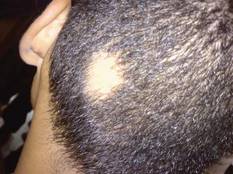
RALEIGH, N.C. – Recent genetic insights into the roots of alopecia areata have fostered the development of new therapeutic targets, with clinical trials offering promising results.
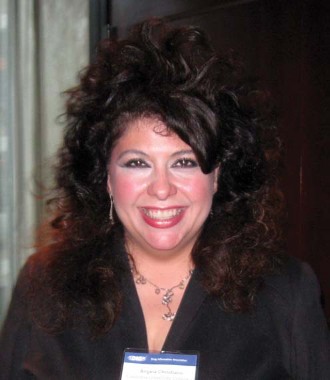
The investigational drugs are, for the first time, addressing the underlying disease mechanism, Angela M. Christiano, Ph.D., said at the annual meeting of the Society for Investigative Dermatology.

Alopecia areata affects roughly 5.3 million Americans of all ages and ethnic groups. The dramatic hair loss exacts an underappreciated, often devastating toll in terms of patient self-esteem and quality of life. To date, treatment has been unsatisfactory, with intralesional injections of glucocorticoids being the mainstay. Wigs are big.
But all of that may be about to change. "Our translational studies offer us the beginning of a therapeutic arsenal," said Dr. Christiano, professor of dermatology and genetics at Columbia University in New York.
She and her colleagues have identified interleukin-15 as a novel and highly promising therapeutic target in alopecia areata.
Interleukin-15 is required for the growth and sustenance of the natural killer-type CD8+ cells that surround the growing end of the hair follicle during active disease. This dense infiltrate of activated T cells, known as the "swarm of bees," is the pathognomonic finding in alopecia areata.
Interleukin-15 is an attractive therapeutic target because it can be addressed along the IL-15 signaling pathway by using Janus kinase inhibitors. Dr. Christiano and her coworkers have found evidence that both the oral and compounded topical formulations of tofacitinib and ruxolitinib are effective for the prevention and treatment of alopecia areata in a mouse model of the disease.
Tofacitinib inhibits the Janus kinase 3 (JAK-3) enzyme located along the IL-15 signaling pathway. The investigational oral agent recently received a thumbs-up recommendation for the treatment of rheumatoid arthritis from a Food and Drug Administration advisory panel.
In Dr. Christiano’s mouse model of alopecia areata, when tofacitinib was administered when mice received diseased grafts, 100% of the animals retained their hair. The same phenomenon occurred when the mice were treated prophylactically with oral ruxolitinib (Jakafi), a JAK1/2 inhibitor marketed for the treatment of myelofibrosis and under investigation for the treatment of other diseases.
Dr. Christiano and her coworkers also formulated the two JAK inhibitors into a 0.5% cream for topical application. The topical agents prevented the development of alopecia areata in mice, and they triggered hair regrowth when applied to mice with established disease. At the molecular level, these drugs resulted in reversal of a pathologic interferon-gamma gene expression signature.
"The follicular expression of molecules changes back to an immune-privileged phenotype. We’re very encouraged by what we’ve seen so far with this," she said.
Alopecia has long been recognized as having a strong genetic component. The relative risk of the disease in first-degree relatives of affected individuals is increased 10-fold. Twin concordance studies have demonstrated that when one monozygotic twin has alopecia areata, there is more than a 50% chance that the other twin will be affected, whereas there is zero concordance in dizygotic twin pairs.
It’s also well recognized in the research community that the normal hair follicle is one of the few tissues in the human body that enjoys a state of immune privilege protecting it from autoimmune attack. Normal hair follicles are cloaked from immune recognition. The collapse of this immune privilege is what allows the "swarm of bees" leading to alopecia areata.
"Notably, the stem cell compartment is spared from the disease, which gives patients the ability, even after many years of longstanding disease, to experience spontaneous regrowth for reasons we really don’t understand," Dr. Christiano explained.
While the JAK inhibitors haven’t made it to clinical studies, another novel therapy in alopecia areata will be the focus of a small clinical trial slated to begin in July. Abatacept (Orencia) is a biologic agent approved for the treatment of rheumatoid arthritis. It is also in ongoing clinical trials for other autoimmune diseases, including type 1 diabetes. Abatacept is a soluble fusion protein that serves as a selective costimulation modulator and T-cell activation suppressant. Last summer, the intravenously administered formulation of abatacept was joined by a subcutaneous version permitting patient self-treatment.
"That makes it more appealing for the treatment of alopecia areata," she noted.
Dr. Christiano’s research is funded by the National Institutes of Health, American Skin Association, and National Alopecia Areata Foundation. She reported having no financial conflicts.
RALEIGH, N.C. – Recent genetic insights into the roots of alopecia areata have fostered the development of new therapeutic targets, with clinical trials offering promising results.
The investigational drugs are, for the first time, addressing the underlying disease mechanism, Angela M. Christiano, Ph.D., said at the annual meeting of the Society for Investigative Dermatology.
Alopecia areata affects roughly 5.3 million Americans of all ages and ethnic groups. The dramatic hair loss exacts an underappreciated, often devastating toll in terms of patient self-esteem and quality of life. To date, treatment has been unsatisfactory, with intralesional injections of glucocorticoids being the mainstay. Wigs are big.
But all of that may be about to change. "Our translational studies offer us the beginning of a therapeutic arsenal," said Dr. Christiano, professor of dermatology and genetics at Columbia University in New York.
She and her colleagues have identified interleukin-15 as a novel and highly promising therapeutic target in alopecia areata.
Interleukin-15 is required for the growth and sustenance of the natural killer-type CD8+ cells that surround the growing end of the hair follicle during active disease. This dense infiltrate of activated T cells, known as the "swarm of bees," is the pathognomonic finding in alopecia areata.
Interleukin-15 is an attractive therapeutic target because it can be addressed along the IL-15 signaling pathway by using Janus kinase inhibitors. Dr. Christiano and her coworkers have found evidence that both the oral and compounded topical formulations of tofacitinib and ruxolitinib are effective for the prevention and treatment of alopecia areata in a mouse model of the disease.
Tofacitinib inhibits the Janus kinase 3 (JAK-3) enzyme located along the IL-15 signaling pathway. The investigational oral agent recently received a thumbs-up recommendation for the treatment of rheumatoid arthritis from a Food and Drug Administration advisory panel.
In Dr. Christiano’s mouse model of alopecia areata, when tofacitinib was administered when mice received diseased grafts, 100% of the animals retained their hair. The same phenomenon occurred when the mice were treated prophylactically with oral ruxolitinib (Jakafi), a JAK1/2 inhibitor marketed for the treatment of myelofibrosis and under investigation for the treatment of other diseases.
Dr. Christiano and her coworkers also formulated the two JAK inhibitors into a 0.5% cream for topical application. The topical agents prevented the development of alopecia areata in mice, and they triggered hair regrowth when applied to mice with established disease. At the molecular level, these drugs resulted in reversal of a pathologic interferon-gamma gene expression signature.
"The follicular expression of molecules changes back to an immune-privileged phenotype. We’re very encouraged by what we’ve seen so far with this," she said.
Alopecia has long been recognized as having a strong genetic component. The relative risk of the disease in first-degree relatives of affected individuals is increased 10-fold. Twin concordance studies have demonstrated that when one monozygotic twin has alopecia areata, there is more than a 50% chance that the other twin will be affected, whereas there is zero concordance in dizygotic twin pairs.
It’s also well recognized in the research community that the normal hair follicle is one of the few tissues in the human body that enjoys a state of immune privilege protecting it from autoimmune attack. Normal hair follicles are cloaked from immune recognition. The collapse of this immune privilege is what allows the "swarm of bees" leading to alopecia areata.
"Notably, the stem cell compartment is spared from the disease, which gives patients the ability, even after many years of longstanding disease, to experience spontaneous regrowth for reasons we really don’t understand," Dr. Christiano explained.
While the JAK inhibitors haven’t made it to clinical studies, another novel therapy in alopecia areata will be the focus of a small clinical trial slated to begin in July. Abatacept (Orencia) is a biologic agent approved for the treatment of rheumatoid arthritis. It is also in ongoing clinical trials for other autoimmune diseases, including type 1 diabetes. Abatacept is a soluble fusion protein that serves as a selective costimulation modulator and T-cell activation suppressant. Last summer, the intravenously administered formulation of abatacept was joined by a subcutaneous version permitting patient self-treatment.
"That makes it more appealing for the treatment of alopecia areata," she noted.
Dr. Christiano’s research is funded by the National Institutes of Health, American Skin Association, and National Alopecia Areata Foundation. She reported having no financial conflicts.
RALEIGH, N.C. – Recent genetic insights into the roots of alopecia areata have fostered the development of new therapeutic targets, with clinical trials offering promising results.
The investigational drugs are, for the first time, addressing the underlying disease mechanism, Angela M. Christiano, Ph.D., said at the annual meeting of the Society for Investigative Dermatology.
Alopecia areata affects roughly 5.3 million Americans of all ages and ethnic groups. The dramatic hair loss exacts an underappreciated, often devastating toll in terms of patient self-esteem and quality of life. To date, treatment has been unsatisfactory, with intralesional injections of glucocorticoids being the mainstay. Wigs are big.
But all of that may be about to change. "Our translational studies offer us the beginning of a therapeutic arsenal," said Dr. Christiano, professor of dermatology and genetics at Columbia University in New York.
She and her colleagues have identified interleukin-15 as a novel and highly promising therapeutic target in alopecia areata.
Interleukin-15 is required for the growth and sustenance of the natural killer-type CD8+ cells that surround the growing end of the hair follicle during active disease. This dense infiltrate of activated T cells, known as the "swarm of bees," is the pathognomonic finding in alopecia areata.
Interleukin-15 is an attractive therapeutic target because it can be addressed along the IL-15 signaling pathway by using Janus kinase inhibitors. Dr. Christiano and her coworkers have found evidence that both the oral and compounded topical formulations of tofacitinib and ruxolitinib are effective for the prevention and treatment of alopecia areata in a mouse model of the disease.
Tofacitinib inhibits the Janus kinase 3 (JAK-3) enzyme located along the IL-15 signaling pathway. The investigational oral agent recently received a thumbs-up recommendation for the treatment of rheumatoid arthritis from a Food and Drug Administration advisory panel.
In Dr. Christiano’s mouse model of alopecia areata, when tofacitinib was administered when mice received diseased grafts, 100% of the animals retained their hair. The same phenomenon occurred when the mice were treated prophylactically with oral ruxolitinib (Jakafi), a JAK1/2 inhibitor marketed for the treatment of myelofibrosis and under investigation for the treatment of other diseases.
Dr. Christiano and her coworkers also formulated the two JAK inhibitors into a 0.5% cream for topical application. The topical agents prevented the development of alopecia areata in mice, and they triggered hair regrowth when applied to mice with established disease. At the molecular level, these drugs resulted in reversal of a pathologic interferon-gamma gene expression signature.
"The follicular expression of molecules changes back to an immune-privileged phenotype. We’re very encouraged by what we’ve seen so far with this," she said.
Alopecia has long been recognized as having a strong genetic component. The relative risk of the disease in first-degree relatives of affected individuals is increased 10-fold. Twin concordance studies have demonstrated that when one monozygotic twin has alopecia areata, there is more than a 50% chance that the other twin will be affected, whereas there is zero concordance in dizygotic twin pairs.
It’s also well recognized in the research community that the normal hair follicle is one of the few tissues in the human body that enjoys a state of immune privilege protecting it from autoimmune attack. Normal hair follicles are cloaked from immune recognition. The collapse of this immune privilege is what allows the "swarm of bees" leading to alopecia areata.
"Notably, the stem cell compartment is spared from the disease, which gives patients the ability, even after many years of longstanding disease, to experience spontaneous regrowth for reasons we really don’t understand," Dr. Christiano explained.
While the JAK inhibitors haven’t made it to clinical studies, another novel therapy in alopecia areata will be the focus of a small clinical trial slated to begin in July. Abatacept (Orencia) is a biologic agent approved for the treatment of rheumatoid arthritis. It is also in ongoing clinical trials for other autoimmune diseases, including type 1 diabetes. Abatacept is a soluble fusion protein that serves as a selective costimulation modulator and T-cell activation suppressant. Last summer, the intravenously administered formulation of abatacept was joined by a subcutaneous version permitting patient self-treatment.
"That makes it more appealing for the treatment of alopecia areata," she noted.
Dr. Christiano’s research is funded by the National Institutes of Health, American Skin Association, and National Alopecia Areata Foundation. She reported having no financial conflicts.
EXPERT ANALYSIS FROM THE ANNUAL MEETING OF THE SOCIETY FOR INVESTIGATIVE DERMATOLOGY
Scalp Cooling Protects Against Chemotherapy-Induced Alopecia
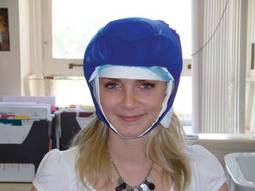
CHICAGO – Wearing a scalp-cooling cap can reduce hair loss in women receiving chemotherapy for breast cancer, the results of a small prospective cohort study suggest.
Among women who used the cooling headgear starting 20 minutes before chemotherapy and continuing for 60-90 minutes after the infusion, 24% did not wear a wig or headband upon completion of chemotherapy, compared with 4% of a control group that did not have access to the device, investigators reported.
Further, patient satisfaction scores were higher than these numbers in a blinded assessment, according to Dr. Julie Lemieux of Laval University in Quebec City and her coinvestigators.
To grade the results with and without the cooling device, a hairdresser looked at before and after photos of women in the study, and was not told which women were in the scalp-cooling group. The criteria for successful hair preservation was characterization of hair loss as "not at all," "a little," or "moderate" from the beginning to the end of chemotherapy. The procedure was deemed a failure if the reviewer rated hair loss as "a lot," or "all," or "hair shaved."
The hairdresser graded the hair loss intervention as successful in 34% of the scalp-cooling group – as did 49% of the women who wore the caps. Only 9% of the control group received a successful grade from the hairdresser; even fewer, 4%, agreed they had not had substantial hair loss.
In all, 69% of women who tried scalp cooling said the advantages outweighed the disadvantages, and 78% said they would recommend it to other women receiving the same chemotherapy for breast cancer.
"When you look at patient evaluations, they are ... more optimistic than the hairdresser evaluations. They were more satisfied," Dr. Lemieux said in a poster-side interview at the annual meeting of the American Society of Clinical Oncology, where she displayed the results.

Scalp-cooling systems are approved for the reduction of alopecia in Canada, she said, but controversy persists among oncologists over safety and impact, if any, on the effectiveness of chemotherapy.
"If you cool the scalp there is vasoconstriction, so there is less blood that goes in the scalp ... that is the main mechanism," Dr. Lemieux explained. One concern is that scalp metastases could increase; another is that patients might receive less chemotherapy as a result.
Dr. Lemieux and her colleagues reviewed seven randomized trials of hair-cooling studies and found no safety signals. In all, 260 women were enrolled, and the studies covered a variety of chemotherapy regimens, including at least one that is not known to cause alopecia.
They also did a retrospective cohort study, and found that the incidence of scalp metastases was about 1% whether women used scalp cooling or not (Breast Cancer Res. Treat. 2009;118:547-52). Subsequently, they reported on two cases where the scalp was the first metastatic site, with metastases occurring 7 and 9 years after cooling (Breast Cancer Res. Treat. 2011;128:563-6).
At the San Antonio Breast Cancer Symposium, Dr. Lemieux and her associates reported on a retrospective study that found no difference in survival between patients who used scalp cooling and those who did not.
For the current study, the researchers compared outcomes in 110 patients at Centre des Maladies du Sein Deschênes-Fabia in Quebec City, which uses scalp cooling routinely, with those in 26 patients at the Centre Hospitalier Universitaire de Montréal, where scalp cooling is not available. The median patient age was in the early 50s, and most of the women had stage I or II, hormone receptor–positive breast cancer. A variety of neoadjuvant and adjuvant regimens were used.
The system tested in the study used a cap that is placed in a freezer and changed every 20-30 minutes, starting 20 minutes before chemotherapy and continuing for 60-90 minutes afterward. A new generation of scalp-cooling systems uses a compressor that circulates cold fluid in the cap, and it does not have to be changed.
Dr. Lemieux said the researchers conceived the study as a pilot for a larger randomized controlled trial that will address efficacy, cost, and quality of life issues. They are seeking to raise funds, as the companies that make the systems are too small to sponsor a large trial.
Cost is a concern, she noted, because of the additional time the women spend in the infusion room. "So you have to have that time available in the chemotherapy room," she said. "We also want to look at the cost of the system, of the extra time that women are in hospital, and at quality of life, too."
The trial was funded by the Fondations des Hôpitaux Enfant-Jésus et Saint-Sacrement, the Canadian Breast Cancer Research Alliance, and Sanofi-Aventis. Dr. Lemieux received a research grant from the Fonds de la Recherche en Santé du Québec.
CHICAGO – Wearing a scalp-cooling cap can reduce hair loss in women receiving chemotherapy for breast cancer, the results of a small prospective cohort study suggest.
Among women who used the cooling headgear starting 20 minutes before chemotherapy and continuing for 60-90 minutes after the infusion, 24% did not wear a wig or headband upon completion of chemotherapy, compared with 4% of a control group that did not have access to the device, investigators reported.
Further, patient satisfaction scores were higher than these numbers in a blinded assessment, according to Dr. Julie Lemieux of Laval University in Quebec City and her coinvestigators.
To grade the results with and without the cooling device, a hairdresser looked at before and after photos of women in the study, and was not told which women were in the scalp-cooling group. The criteria for successful hair preservation was characterization of hair loss as "not at all," "a little," or "moderate" from the beginning to the end of chemotherapy. The procedure was deemed a failure if the reviewer rated hair loss as "a lot," or "all," or "hair shaved."
The hairdresser graded the hair loss intervention as successful in 34% of the scalp-cooling group – as did 49% of the women who wore the caps. Only 9% of the control group received a successful grade from the hairdresser; even fewer, 4%, agreed they had not had substantial hair loss.
In all, 69% of women who tried scalp cooling said the advantages outweighed the disadvantages, and 78% said they would recommend it to other women receiving the same chemotherapy for breast cancer.
"When you look at patient evaluations, they are ... more optimistic than the hairdresser evaluations. They were more satisfied," Dr. Lemieux said in a poster-side interview at the annual meeting of the American Society of Clinical Oncology, where she displayed the results.
Scalp-cooling systems are approved for the reduction of alopecia in Canada, she said, but controversy persists among oncologists over safety and impact, if any, on the effectiveness of chemotherapy.
"If you cool the scalp there is vasoconstriction, so there is less blood that goes in the scalp ... that is the main mechanism," Dr. Lemieux explained. One concern is that scalp metastases could increase; another is that patients might receive less chemotherapy as a result.
Dr. Lemieux and her colleagues reviewed seven randomized trials of hair-cooling studies and found no safety signals. In all, 260 women were enrolled, and the studies covered a variety of chemotherapy regimens, including at least one that is not known to cause alopecia.
They also did a retrospective cohort study, and found that the incidence of scalp metastases was about 1% whether women used scalp cooling or not (Breast Cancer Res. Treat. 2009;118:547-52). Subsequently, they reported on two cases where the scalp was the first metastatic site, with metastases occurring 7 and 9 years after cooling (Breast Cancer Res. Treat. 2011;128:563-6).
At the San Antonio Breast Cancer Symposium, Dr. Lemieux and her associates reported on a retrospective study that found no difference in survival between patients who used scalp cooling and those who did not.
For the current study, the researchers compared outcomes in 110 patients at Centre des Maladies du Sein Deschênes-Fabia in Quebec City, which uses scalp cooling routinely, with those in 26 patients at the Centre Hospitalier Universitaire de Montréal, where scalp cooling is not available. The median patient age was in the early 50s, and most of the women had stage I or II, hormone receptor–positive breast cancer. A variety of neoadjuvant and adjuvant regimens were used.
The system tested in the study used a cap that is placed in a freezer and changed every 20-30 minutes, starting 20 minutes before chemotherapy and continuing for 60-90 minutes afterward. A new generation of scalp-cooling systems uses a compressor that circulates cold fluid in the cap, and it does not have to be changed.
Dr. Lemieux said the researchers conceived the study as a pilot for a larger randomized controlled trial that will address efficacy, cost, and quality of life issues. They are seeking to raise funds, as the companies that make the systems are too small to sponsor a large trial.
Cost is a concern, she noted, because of the additional time the women spend in the infusion room. "So you have to have that time available in the chemotherapy room," she said. "We also want to look at the cost of the system, of the extra time that women are in hospital, and at quality of life, too."
The trial was funded by the Fondations des Hôpitaux Enfant-Jésus et Saint-Sacrement, the Canadian Breast Cancer Research Alliance, and Sanofi-Aventis. Dr. Lemieux received a research grant from the Fonds de la Recherche en Santé du Québec.
CHICAGO – Wearing a scalp-cooling cap can reduce hair loss in women receiving chemotherapy for breast cancer, the results of a small prospective cohort study suggest.
Among women who used the cooling headgear starting 20 minutes before chemotherapy and continuing for 60-90 minutes after the infusion, 24% did not wear a wig or headband upon completion of chemotherapy, compared with 4% of a control group that did not have access to the device, investigators reported.
Further, patient satisfaction scores were higher than these numbers in a blinded assessment, according to Dr. Julie Lemieux of Laval University in Quebec City and her coinvestigators.
To grade the results with and without the cooling device, a hairdresser looked at before and after photos of women in the study, and was not told which women were in the scalp-cooling group. The criteria for successful hair preservation was characterization of hair loss as "not at all," "a little," or "moderate" from the beginning to the end of chemotherapy. The procedure was deemed a failure if the reviewer rated hair loss as "a lot," or "all," or "hair shaved."
The hairdresser graded the hair loss intervention as successful in 34% of the scalp-cooling group – as did 49% of the women who wore the caps. Only 9% of the control group received a successful grade from the hairdresser; even fewer, 4%, agreed they had not had substantial hair loss.
In all, 69% of women who tried scalp cooling said the advantages outweighed the disadvantages, and 78% said they would recommend it to other women receiving the same chemotherapy for breast cancer.
"When you look at patient evaluations, they are ... more optimistic than the hairdresser evaluations. They were more satisfied," Dr. Lemieux said in a poster-side interview at the annual meeting of the American Society of Clinical Oncology, where she displayed the results.
Scalp-cooling systems are approved for the reduction of alopecia in Canada, she said, but controversy persists among oncologists over safety and impact, if any, on the effectiveness of chemotherapy.
"If you cool the scalp there is vasoconstriction, so there is less blood that goes in the scalp ... that is the main mechanism," Dr. Lemieux explained. One concern is that scalp metastases could increase; another is that patients might receive less chemotherapy as a result.
Dr. Lemieux and her colleagues reviewed seven randomized trials of hair-cooling studies and found no safety signals. In all, 260 women were enrolled, and the studies covered a variety of chemotherapy regimens, including at least one that is not known to cause alopecia.
They also did a retrospective cohort study, and found that the incidence of scalp metastases was about 1% whether women used scalp cooling or not (Breast Cancer Res. Treat. 2009;118:547-52). Subsequently, they reported on two cases where the scalp was the first metastatic site, with metastases occurring 7 and 9 years after cooling (Breast Cancer Res. Treat. 2011;128:563-6).
At the San Antonio Breast Cancer Symposium, Dr. Lemieux and her associates reported on a retrospective study that found no difference in survival between patients who used scalp cooling and those who did not.
For the current study, the researchers compared outcomes in 110 patients at Centre des Maladies du Sein Deschênes-Fabia in Quebec City, which uses scalp cooling routinely, with those in 26 patients at the Centre Hospitalier Universitaire de Montréal, where scalp cooling is not available. The median patient age was in the early 50s, and most of the women had stage I or II, hormone receptor–positive breast cancer. A variety of neoadjuvant and adjuvant regimens were used.
The system tested in the study used a cap that is placed in a freezer and changed every 20-30 minutes, starting 20 minutes before chemotherapy and continuing for 60-90 minutes afterward. A new generation of scalp-cooling systems uses a compressor that circulates cold fluid in the cap, and it does not have to be changed.
Dr. Lemieux said the researchers conceived the study as a pilot for a larger randomized controlled trial that will address efficacy, cost, and quality of life issues. They are seeking to raise funds, as the companies that make the systems are too small to sponsor a large trial.
Cost is a concern, she noted, because of the additional time the women spend in the infusion room. "So you have to have that time available in the chemotherapy room," she said. "We also want to look at the cost of the system, of the extra time that women are in hospital, and at quality of life, too."
The trial was funded by the Fondations des Hôpitaux Enfant-Jésus et Saint-Sacrement, the Canadian Breast Cancer Research Alliance, and Sanofi-Aventis. Dr. Lemieux received a research grant from the Fonds de la Recherche en Santé du Québec.
AT THE ANNUAL MEETING OF THE AMERICAN SOCIETY OF CLINICAL ONCOLOGY
A Mending Ozone: The Skinny Podcast
In this month's program, Dr. Axel Hauschild discusses the results of a study that showed a 70% improvement in progression-free survival in patients with melanoma randomized to dabrafenib in the open-label break-3 trial.
Then, our reporter Heidi Splete reviews a study showing that an at-home hair removal device may work no better than standard shaving.

The Environment Protection Agency has reported that the ozone layer is improving, thanks to the worldwide ban of chlorofluorocarbons in 1989. We interviewed Drusilla Hufford at the EPA to find out more.
Cosmetic Counter host, Dr. Lily Talakoub, offers tips for educating patients about retinoids and anti-wrinkle creams. And lastly, Dr. Alan Rockoff tells a story that may induce contractions.
Don’t miss another episode of The Skinny Podcast; subscribe for free on iTunes!
In this month's program, Dr. Axel Hauschild discusses the results of a study that showed a 70% improvement in progression-free survival in patients with melanoma randomized to dabrafenib in the open-label break-3 trial.
Then, our reporter Heidi Splete reviews a study showing that an at-home hair removal device may work no better than standard shaving.
The Environment Protection Agency has reported that the ozone layer is improving, thanks to the worldwide ban of chlorofluorocarbons in 1989. We interviewed Drusilla Hufford at the EPA to find out more.
Cosmetic Counter host, Dr. Lily Talakoub, offers tips for educating patients about retinoids and anti-wrinkle creams. And lastly, Dr. Alan Rockoff tells a story that may induce contractions.
Don’t miss another episode of The Skinny Podcast; subscribe for free on iTunes!
In this month's program, Dr. Axel Hauschild discusses the results of a study that showed a 70% improvement in progression-free survival in patients with melanoma randomized to dabrafenib in the open-label break-3 trial.
Then, our reporter Heidi Splete reviews a study showing that an at-home hair removal device may work no better than standard shaving.
The Environment Protection Agency has reported that the ozone layer is improving, thanks to the worldwide ban of chlorofluorocarbons in 1989. We interviewed Drusilla Hufford at the EPA to find out more.
Cosmetic Counter host, Dr. Lily Talakoub, offers tips for educating patients about retinoids and anti-wrinkle creams. And lastly, Dr. Alan Rockoff tells a story that may induce contractions.
Don’t miss another episode of The Skinny Podcast; subscribe for free on iTunes!
Traction Alopecia Versus Alopecia Areata

Skin of Color: Dry Shampoo
Ethnic hair can become dry, brittle, and fractured when exposed to harsh solvents, heat, and repeat chemical treatments. To combat these issues, consider discussing the use of dry shampoo with your patients.
Dry shampoo is a powdered substance used to absorb oil in hair when traditional shampoo is not available, or for use with hair that dries out after repeat washings.
The ingredients in dry shampoo are called "absorbing agents," which soak up excess oil and dirt on the scalp. The most common absorbing agents are Oryza sativa starch, aluminum starch octenylsuccinate, zea mays starch, and silica.
There are two types of dry shampoo: those that come in a loose powder form and those that come in an aerosol form.
Powder dry shampoo can be applied directly to the scalp from the bottle and either brushed through or massaged in. Dry shampoo aerosol can be sprayed directly onto the scalp from a few inches away.
Recent advances in dry shampoos have instituted different coloring agents to help match the hair, as well as fragrances to mask any odor.
Many of these products can be found on www.dryshampoo.com.
- Lily Talakoub, M.D.
Do you have questions about treating patients with darker skin? If so, send them to [email protected].
Ethnic hair can become dry, brittle, and fractured when exposed to harsh solvents, heat, and repeat chemical treatments. To combat these issues, consider discussing the use of dry shampoo with your patients.
Dry shampoo is a powdered substance used to absorb oil in hair when traditional shampoo is not available, or for use with hair that dries out after repeat washings.
The ingredients in dry shampoo are called "absorbing agents," which soak up excess oil and dirt on the scalp. The most common absorbing agents are Oryza sativa starch, aluminum starch octenylsuccinate, zea mays starch, and silica.
There are two types of dry shampoo: those that come in a loose powder form and those that come in an aerosol form.
Powder dry shampoo can be applied directly to the scalp from the bottle and either brushed through or massaged in. Dry shampoo aerosol can be sprayed directly onto the scalp from a few inches away.
Recent advances in dry shampoos have instituted different coloring agents to help match the hair, as well as fragrances to mask any odor.
Many of these products can be found on www.dryshampoo.com.
- Lily Talakoub, M.D.
Do you have questions about treating patients with darker skin? If so, send them to [email protected].
Ethnic hair can become dry, brittle, and fractured when exposed to harsh solvents, heat, and repeat chemical treatments. To combat these issues, consider discussing the use of dry shampoo with your patients.
Dry shampoo is a powdered substance used to absorb oil in hair when traditional shampoo is not available, or for use with hair that dries out after repeat washings.
The ingredients in dry shampoo are called "absorbing agents," which soak up excess oil and dirt on the scalp. The most common absorbing agents are Oryza sativa starch, aluminum starch octenylsuccinate, zea mays starch, and silica.
There are two types of dry shampoo: those that come in a loose powder form and those that come in an aerosol form.
Powder dry shampoo can be applied directly to the scalp from the bottle and either brushed through or massaged in. Dry shampoo aerosol can be sprayed directly onto the scalp from a few inches away.
Recent advances in dry shampoos have instituted different coloring agents to help match the hair, as well as fragrances to mask any odor.
Many of these products can be found on www.dryshampoo.com.
- Lily Talakoub, M.D.
Do you have questions about treating patients with darker skin? If so, send them to [email protected].
At-Home Hair Removal Device No Better Than Shaving
DANA POINT, CALIF. – An at-home, consumer hot-wire hair removal device worked no better than did standard shaving, according to a recent study.
"Relative to shaving, treatment with the hot-wire device did not produce statistically significant differences in the percentage change from baseline in hair count, duration of hair removal effect, or color and/or thickness of regrowing hair," Dr. Brian S. Biesman said.

There have been no controlled published studies of the no!no! hair removal device (manufactured by Radiancy) in peer-reviewed literature, which led Dr. Biesman to conduct a small study comparing the device’s efficacy with that of standard shaving.
According to information on the no!no! website, the device uses Thermicon technology "to conduct a gentle pulse of heat to the hair," which "instantly removes hair and slows the rate of hair regrowth with no pain." In Dr. Biesman’s study, however, the effectiveness of the hot-wire device, used according to the manufacturer’s recommendations (four passes per session), was found to be equivalent to standard shaving for all study end points.
For instance, active hair follicles and hair regrowth were not affected by a series of treatments with the hair removal device, compared with shaving. Also, hair thickness and color did not change after treatment with the device, Dr. Biesman reported in a poster at the Summit in Aesthetic Medicine sponsored by Skin Disease Education Foundation (SDEF).
A total of 23 patients (7 men, 16 women) aged 18-55 years completed the study; 90% of participants were white. Two sites on one leg of each patient were shaved 4 days before baseline, and then were treated every 3-4 days with the hot-wire device on one site on the leg and by shaving the other site for 8 weeks. The treatment sites were two symmetric 3 × 3 cm areas of the leg that were 3 cm apart and contained at least 15 hairs. The corners of the sites were micro-tattooed with ink, which was visible under black light.
Photographs were taken to measure hair count at baseline, weekly during treatment (before and after), at 4 days following final treatment, and at each follow-up visit (4, 8, and 12 weeks after final treatment), and "blinded visual and digital assessments were made for hair thickness and color," noted Dr. Biesman, who has a private practice in Nashville, Tenn.
The mean baseline hair count of the hot-wire and shaving sites were 86 and 79, respectively, "which remained stable during the 8-week treatment phase. No hair count reduction was seen." At post-treatment follow up, hair counts increased to 95 (treatment site) and 84 (shaving site) at 4 days, 104 and 99 at 1 month, 106 and 100 at 2 months, and 109 and 105 at 3 months. Hair regrowth was noted immediately after ceasing treatment with the hot-wire device.
The mean percent change at 4 days post treatment was 19% with the hot-wire device, compared with 14% with shaving; 41% and 41% at 1 month post treatment; 31% and 28% at 2 months post treatment; and 32% and 37% at 3 months.
A study limitation was that hair removal was evaluated only on the lower leg to sites not randomly assigned.
The study was sponsored by Tria Beauty, for which Dr. Biesman has consulted and from which he has received research support. SDEF and this news organization are owned by Elsevier.
DANA POINT, CALIF. – An at-home, consumer hot-wire hair removal device worked no better than did standard shaving, according to a recent study.
"Relative to shaving, treatment with the hot-wire device did not produce statistically significant differences in the percentage change from baseline in hair count, duration of hair removal effect, or color and/or thickness of regrowing hair," Dr. Brian S. Biesman said.
There have been no controlled published studies of the no!no! hair removal device (manufactured by Radiancy) in peer-reviewed literature, which led Dr. Biesman to conduct a small study comparing the device’s efficacy with that of standard shaving.
According to information on the no!no! website, the device uses Thermicon technology "to conduct a gentle pulse of heat to the hair," which "instantly removes hair and slows the rate of hair regrowth with no pain." In Dr. Biesman’s study, however, the effectiveness of the hot-wire device, used according to the manufacturer’s recommendations (four passes per session), was found to be equivalent to standard shaving for all study end points.
For instance, active hair follicles and hair regrowth were not affected by a series of treatments with the hair removal device, compared with shaving. Also, hair thickness and color did not change after treatment with the device, Dr. Biesman reported in a poster at the Summit in Aesthetic Medicine sponsored by Skin Disease Education Foundation (SDEF).
A total of 23 patients (7 men, 16 women) aged 18-55 years completed the study; 90% of participants were white. Two sites on one leg of each patient were shaved 4 days before baseline, and then were treated every 3-4 days with the hot-wire device on one site on the leg and by shaving the other site for 8 weeks. The treatment sites were two symmetric 3 × 3 cm areas of the leg that were 3 cm apart and contained at least 15 hairs. The corners of the sites were micro-tattooed with ink, which was visible under black light.
Photographs were taken to measure hair count at baseline, weekly during treatment (before and after), at 4 days following final treatment, and at each follow-up visit (4, 8, and 12 weeks after final treatment), and "blinded visual and digital assessments were made for hair thickness and color," noted Dr. Biesman, who has a private practice in Nashville, Tenn.
The mean baseline hair count of the hot-wire and shaving sites were 86 and 79, respectively, "which remained stable during the 8-week treatment phase. No hair count reduction was seen." At post-treatment follow up, hair counts increased to 95 (treatment site) and 84 (shaving site) at 4 days, 104 and 99 at 1 month, 106 and 100 at 2 months, and 109 and 105 at 3 months. Hair regrowth was noted immediately after ceasing treatment with the hot-wire device.
The mean percent change at 4 days post treatment was 19% with the hot-wire device, compared with 14% with shaving; 41% and 41% at 1 month post treatment; 31% and 28% at 2 months post treatment; and 32% and 37% at 3 months.
A study limitation was that hair removal was evaluated only on the lower leg to sites not randomly assigned.
The study was sponsored by Tria Beauty, for which Dr. Biesman has consulted and from which he has received research support. SDEF and this news organization are owned by Elsevier.
DANA POINT, CALIF. – An at-home, consumer hot-wire hair removal device worked no better than did standard shaving, according to a recent study.
"Relative to shaving, treatment with the hot-wire device did not produce statistically significant differences in the percentage change from baseline in hair count, duration of hair removal effect, or color and/or thickness of regrowing hair," Dr. Brian S. Biesman said.
There have been no controlled published studies of the no!no! hair removal device (manufactured by Radiancy) in peer-reviewed literature, which led Dr. Biesman to conduct a small study comparing the device’s efficacy with that of standard shaving.
According to information on the no!no! website, the device uses Thermicon technology "to conduct a gentle pulse of heat to the hair," which "instantly removes hair and slows the rate of hair regrowth with no pain." In Dr. Biesman’s study, however, the effectiveness of the hot-wire device, used according to the manufacturer’s recommendations (four passes per session), was found to be equivalent to standard shaving for all study end points.
For instance, active hair follicles and hair regrowth were not affected by a series of treatments with the hair removal device, compared with shaving. Also, hair thickness and color did not change after treatment with the device, Dr. Biesman reported in a poster at the Summit in Aesthetic Medicine sponsored by Skin Disease Education Foundation (SDEF).
A total of 23 patients (7 men, 16 women) aged 18-55 years completed the study; 90% of participants were white. Two sites on one leg of each patient were shaved 4 days before baseline, and then were treated every 3-4 days with the hot-wire device on one site on the leg and by shaving the other site for 8 weeks. The treatment sites were two symmetric 3 × 3 cm areas of the leg that were 3 cm apart and contained at least 15 hairs. The corners of the sites were micro-tattooed with ink, which was visible under black light.
Photographs were taken to measure hair count at baseline, weekly during treatment (before and after), at 4 days following final treatment, and at each follow-up visit (4, 8, and 12 weeks after final treatment), and "blinded visual and digital assessments were made for hair thickness and color," noted Dr. Biesman, who has a private practice in Nashville, Tenn.
The mean baseline hair count of the hot-wire and shaving sites were 86 and 79, respectively, "which remained stable during the 8-week treatment phase. No hair count reduction was seen." At post-treatment follow up, hair counts increased to 95 (treatment site) and 84 (shaving site) at 4 days, 104 and 99 at 1 month, 106 and 100 at 2 months, and 109 and 105 at 3 months. Hair regrowth was noted immediately after ceasing treatment with the hot-wire device.
The mean percent change at 4 days post treatment was 19% with the hot-wire device, compared with 14% with shaving; 41% and 41% at 1 month post treatment; 31% and 28% at 2 months post treatment; and 32% and 37% at 3 months.
A study limitation was that hair removal was evaluated only on the lower leg to sites not randomly assigned.
The study was sponsored by Tria Beauty, for which Dr. Biesman has consulted and from which he has received research support. SDEF and this news organization are owned by Elsevier.
FROM THE SDEF SUMMIT IN AESTHETIC MEDICINE
Major Finding: The mean percent change at 4 days post treatment was 19% with the hot-wire device, compared with 14% with shaving; 41% and 41% after 1 month; 31% and 28% after 2 months; and 32% and 37% after 3 months.
Data Source: Twenty-three patients (7 men, 16 women) aged 18-55 years completed the study; 90% of participants were white.
Disclosures: The study was sponsored by Tria Beauty, for which Dr. Biesman has consulted and from which he has received research support. SDEF and this news organization are owned by Elsevier.
60 Years and Counting: A Celebration of Dermatologic Surgery
It was questionable whether in 1952, when Dr. Norman Orentreich performed the first hair transplant and Dr. George Mackee reported on his 50-year experience with phenol chemical peels, anyone envisioned how far the field of dermatologic surgery would advance, but there’s no question now: The specialty has come a long way.
"Dermatologic surgery has blossomed into a full and diverse specialty with many elements," Dr. C. William Hanke noted in the June issue of Seminars in Cutaneous Medicine and Surgery (2012;31:52-9). He highlighted key events that shaped the burgeoning specialty.

Historical Highlights
From the first report on phenol peels by Dr. Mackee (Br. J. Dermatol. 1952;64:456-9), to the coining of the term "tumescent local anesthesia" by Dr. Hanke and his colleagues in 1998 – and publication of a comprehensive text on the tumescent technique 2 years later by Dr. Jeffery A. Klein ("Tumescent Technique: Tumescent Anesthesia and Microcannular Liposuction," St. Louis, Mosby, 2000) – Dr. Hanke chronicled the specialty’s evolution.
For example, he noted that in 1961, Dr. Leon Goldman became the first physician to treat patients with lasers. "He is acknowledged as the father of lasers in medicine and surgery," Dr. Hanke, a dermatologist in private practice in Carmel, Indiana, wrote. He added that the pioneer's first medicinal use of a laser launched 3 decades of related leadership, practice, and research.
Among other events that stand out in the history of the specialty, according to Dr. Hanke, are the first reports on cryosurgery with liquid nitrogen in 1966 by Dr. Setrag Zacarian ("Cryosurgery of Skin Cancer and Cutaneous Disorders," Mosby, St. Louis, 1985), and on ambulatory phlebectomy by Dr. Robert Muller the same year (Phlebologie 1966;19:227-9).
And, in 1967, Dr. Frederic E. Mohs founded the American College of Chemosurgery, which is today known as the American College of Mohs Surgery. "Mohs surgery continues to be an important part of the dermatologic surgery curriculum," Dr. Hanke said.
Advancements in vein ablation took pace in 1982 when the first report on hypertonic saline injections for treating leg veins, by Bruce Chrisman, was published (Hawaii Med. J. 1982;41:406-8).

In 1986, Dr. Saul Asken published the "Manual of Liposuction Surgery and Autologous Fat Transplantation Under Local Anesthesia" (Terry and Associates, Irvine, Calif.), and the following year, Dr. Jeffery A. Klein published the first report on the tumescent technique for liposuction (Am. J. Cosm. Surg. 1987;4:263-7).
Dr. Alastair Carruthers and Dr. Jean Carruthers revolutionized the field in 1987 when they began using botulinum toxin for cosmetic purposes. "Their joint observation that botulinum toxin can affect the muscles of facial expression began a revolution in cosmetic dermatology," wrote Dr. Hanke.
He also highlighted the launch of numerous societies and publications that helped to advance the specialty, including the founding of the American Society for Dermatologic Surgery in 1970, the launch of the Journal of Dermatologic Surgery in 1975, and the founding of the American Society for Lasers in Medicine and Surgery in 1981. And the specialty has continued to evolve at a rapid pace since that time, he noted.
Work by Dr. R. Rox Anderson and Dr. John A. Parrish on selective photothermolysis, for example, launched research leading to the fractionated laser technology in use today; and ongoing work by the Carruthers on botulinum toxin launched a new era in noninvasive facial rejuvenation, he said.
"Facelift bypass" procedures have satisfied many patients without subjecting them to the expense or morbidity of extensive facial surgery, Dr. Hanke noted, adding that new filler materials can be placed in the subcutaneous or supraperiosteal planes of the face with good results and minimal complications.
"A newly approved hyaluronic acid from Germany will allow treatment of very superficial wrinkles without the risk of the 'Tyndall effect,' " he added.
Also in the last decade, dermatologic surgery-related educational initiatives have been advanced. In 2004, 1-year fellowship training programs were approved by the Accreditation Council for Graduate Medical Education for training in dermatologic surgery; and last year, there were 47 ACGME-accredited procedural dermatology fellowship training programs in place, he said.
"Dermatologic surgery is an important component of nearly all dermatology postgraduate courses," added Dr. Hanke.
The history of fractional laser technology and fillers were addressed in separate articles in the same issue of Seminars in Cutaneous Medicine and Surgery, underscoring the importance of the two recent developments.
Fillers
The next phase of development in injectable fillers has begun, according to Dr. Richard G. Glogau.

"The concept of augmentation has moved from simple lines, scars, and wrinkles to revolumizing the aging face," noted Dr. Glogau, a clinical professor of dermatology at the University of California, San Francisco. "While seeking extended duration of effect balanced against the safety profile of the injectable, our focus is now directed to extending the lifting or volumizing effect that one can achieve with these fillers."
The initial movement into 3-dimensional correction with injectable fillers began with the dramatic improvement seen in lip volume championed in the 1980s, and each of a litany of fillers that followed, including fat, collagen, silicone, hyaluronic acids, poly-l-lactic acids, calcium hydroxylapatite, and polymethylmethacrylate (Sem. Cut. Med. Surg. 2012;31:78-87).
New fillers, some which represent refinements of existing technologies, continue to undergo review. Aquamid a biocompatible, nonabsorbable, permanent injectable hydrogel implant is currently under review by the Food and Drug Administration and is approved for use in Europe.
It is also possible that fillers will move beyond the traditional concept of inert medical devices and into the realm of true biologics – "materials that will improve the texture, elasticity, radiance, and possibly color, of the skin itself," he added.
"Just as the last 40 years has seen the movement from 2 to 3 dimensions, the next 2 decades will see movement form the macro to the micro level, and fillers will become systems for active metabolic manipulation and protection of the aging skin," he concluded.
Fractionation
The development of fractional photothermolysis was "a milestone in the history of laser technology and cutaneous resurfacing," according to Dr. Nazanin Saedi, a dermatologist in private practice in Chestnut Hill, Mass., and her colleagues.
The technology, noted the study authors, builds on the knowledge gained from early CO2 and Er:YAG laser treatment experiences, achieving greater optimization of parameters to induce the types of benefits seen with CO2 resurfacing, but without the significant postoperative morbidity, complications, and discomfort associated with the earlier technologies.
Furthermore, the older therapies destroyed the barrier protection, which "significantly increased the risk of infection throughout the recovery period and required extensive home care. The risk of scarring, delayed-onset permanent hypopigmentation, and demarcation lines was significant even in the hands of an experienced operator," they wrote (Sem. Cut. Med. Surg. 2012;31:105-9).
In an en effort to overcome these problems, what followed was nonablative dermal remodeling (with less than impressive results), and ultimately, the "idea of fractionated laser technology," they continued.
First used in hair transplant surgery, the technology led to development of the 1,550-nm nonablative "Fraxel" laser (now called the Fraxel Re:Store by Solta Medical), which debuted in the literature in 2004. This and other fractional laser technologies are now used to treat photoaging, superficial and deep rhytids, scars (including in patients with darker skin types), and pigmentation.

Both nonablative and ablative fractional resurfacing have proved to be safer than have traditional ablative lasers, Dr. Saedi and her colleagues noted. However, complications can still occur, such as infections (with herpes simplex virus being the most common), acneiform eruptions, prolonged erythema, pigmentary alteration, and scarring (rare, but can also result from infection associated with treatment).
"Counterintuitively, nonablative or ablative fractionated devices at low energies and densities can be useful in the treatment of scarring, including hypertrophic scars" as previously mentioned, they noted.
"While [fractional lasers are] inherently safer due to the pixelated manner of the treatment, complications can be further prevented with attentive surgical technique and judicious use of prophylaxis," they wrote.
The future of fractional laser technology promises to hold exciting developments. For example, since ablative fractional resurfacing creates microscopic vertical holes in tissue, the delivery of topical drugs through these holes is possible. In animal models, the photosensitizer methylaminolevulinic acid has been delivered using this approach, and tests suggest that low density treatment would be sufficient for deep dermal drug delivery.
"Treatment of skin in a porcine model showed enhanced depth of photodynamic therapy following porphyrin application after pretreatment with fractional resurfacing. An in vitro study utilizing low fluence fractionated Erbium:YAG demonstrated upwards of a 125-fold increase in imiquimod delivery," they noted.
Trials in humans are underway to assess the feasibility and safety of enhanced drug delivery using this approach, and there is speculation that ultimately, it could be used for delivery of biologic peptides and vaccines.
Tattoo removal is another promising use for fractional lasers, with early studies demonstrating good results, noted Dr. Saedi and her colleagues, explaining that ablative fractional lasers, when used in conjunction with a Q-switched laser, appear to provide enhanced tattoo removal capabilities.
"With new devices and wavelengths, the applications of this technology continue to grow," they wrote, concluding that "the future remains bright for fractionated laser devices."
Likewise, the future of dermatologic surgery in general remains promising, Dr. Hanke said. "Many new procedures and advances lie ahead."
Neither Dr. Hanke nor Dr. Saedi had disclosures to report. Another author on the article by Dr. Saedi (Dr. Christopher Zachary) reported receiving an honorarium from Solta Medical.
It was questionable whether in 1952, when Dr. Norman Orentreich performed the first hair transplant and Dr. George Mackee reported on his 50-year experience with phenol chemical peels, anyone envisioned how far the field of dermatologic surgery would advance, but there’s no question now: The specialty has come a long way.
"Dermatologic surgery has blossomed into a full and diverse specialty with many elements," Dr. C. William Hanke noted in the June issue of Seminars in Cutaneous Medicine and Surgery (2012;31:52-9). He highlighted key events that shaped the burgeoning specialty.
Historical Highlights
From the first report on phenol peels by Dr. Mackee (Br. J. Dermatol. 1952;64:456-9), to the coining of the term "tumescent local anesthesia" by Dr. Hanke and his colleagues in 1998 – and publication of a comprehensive text on the tumescent technique 2 years later by Dr. Jeffery A. Klein ("Tumescent Technique: Tumescent Anesthesia and Microcannular Liposuction," St. Louis, Mosby, 2000) – Dr. Hanke chronicled the specialty’s evolution.
For example, he noted that in 1961, Dr. Leon Goldman became the first physician to treat patients with lasers. "He is acknowledged as the father of lasers in medicine and surgery," Dr. Hanke, a dermatologist in private practice in Carmel, Indiana, wrote. He added that the pioneer's first medicinal use of a laser launched 3 decades of related leadership, practice, and research.
Among other events that stand out in the history of the specialty, according to Dr. Hanke, are the first reports on cryosurgery with liquid nitrogen in 1966 by Dr. Setrag Zacarian ("Cryosurgery of Skin Cancer and Cutaneous Disorders," Mosby, St. Louis, 1985), and on ambulatory phlebectomy by Dr. Robert Muller the same year (Phlebologie 1966;19:227-9).
And, in 1967, Dr. Frederic E. Mohs founded the American College of Chemosurgery, which is today known as the American College of Mohs Surgery. "Mohs surgery continues to be an important part of the dermatologic surgery curriculum," Dr. Hanke said.
Advancements in vein ablation took pace in 1982 when the first report on hypertonic saline injections for treating leg veins, by Bruce Chrisman, was published (Hawaii Med. J. 1982;41:406-8).
In 1986, Dr. Saul Asken published the "Manual of Liposuction Surgery and Autologous Fat Transplantation Under Local Anesthesia" (Terry and Associates, Irvine, Calif.), and the following year, Dr. Jeffery A. Klein published the first report on the tumescent technique for liposuction (Am. J. Cosm. Surg. 1987;4:263-7).
Dr. Alastair Carruthers and Dr. Jean Carruthers revolutionized the field in 1987 when they began using botulinum toxin for cosmetic purposes. "Their joint observation that botulinum toxin can affect the muscles of facial expression began a revolution in cosmetic dermatology," wrote Dr. Hanke.
He also highlighted the launch of numerous societies and publications that helped to advance the specialty, including the founding of the American Society for Dermatologic Surgery in 1970, the launch of the Journal of Dermatologic Surgery in 1975, and the founding of the American Society for Lasers in Medicine and Surgery in 1981. And the specialty has continued to evolve at a rapid pace since that time, he noted.
Work by Dr. R. Rox Anderson and Dr. John A. Parrish on selective photothermolysis, for example, launched research leading to the fractionated laser technology in use today; and ongoing work by the Carruthers on botulinum toxin launched a new era in noninvasive facial rejuvenation, he said.
"Facelift bypass" procedures have satisfied many patients without subjecting them to the expense or morbidity of extensive facial surgery, Dr. Hanke noted, adding that new filler materials can be placed in the subcutaneous or supraperiosteal planes of the face with good results and minimal complications.
"A newly approved hyaluronic acid from Germany will allow treatment of very superficial wrinkles without the risk of the 'Tyndall effect,' " he added.
Also in the last decade, dermatologic surgery-related educational initiatives have been advanced. In 2004, 1-year fellowship training programs were approved by the Accreditation Council for Graduate Medical Education for training in dermatologic surgery; and last year, there were 47 ACGME-accredited procedural dermatology fellowship training programs in place, he said.
"Dermatologic surgery is an important component of nearly all dermatology postgraduate courses," added Dr. Hanke.
The history of fractional laser technology and fillers were addressed in separate articles in the same issue of Seminars in Cutaneous Medicine and Surgery, underscoring the importance of the two recent developments.
Fillers
The next phase of development in injectable fillers has begun, according to Dr. Richard G. Glogau.
"The concept of augmentation has moved from simple lines, scars, and wrinkles to revolumizing the aging face," noted Dr. Glogau, a clinical professor of dermatology at the University of California, San Francisco. "While seeking extended duration of effect balanced against the safety profile of the injectable, our focus is now directed to extending the lifting or volumizing effect that one can achieve with these fillers."
The initial movement into 3-dimensional correction with injectable fillers began with the dramatic improvement seen in lip volume championed in the 1980s, and each of a litany of fillers that followed, including fat, collagen, silicone, hyaluronic acids, poly-l-lactic acids, calcium hydroxylapatite, and polymethylmethacrylate (Sem. Cut. Med. Surg. 2012;31:78-87).
New fillers, some which represent refinements of existing technologies, continue to undergo review. Aquamid a biocompatible, nonabsorbable, permanent injectable hydrogel implant is currently under review by the Food and Drug Administration and is approved for use in Europe.
It is also possible that fillers will move beyond the traditional concept of inert medical devices and into the realm of true biologics – "materials that will improve the texture, elasticity, radiance, and possibly color, of the skin itself," he added.
"Just as the last 40 years has seen the movement from 2 to 3 dimensions, the next 2 decades will see movement form the macro to the micro level, and fillers will become systems for active metabolic manipulation and protection of the aging skin," he concluded.
Fractionation
The development of fractional photothermolysis was "a milestone in the history of laser technology and cutaneous resurfacing," according to Dr. Nazanin Saedi, a dermatologist in private practice in Chestnut Hill, Mass., and her colleagues.
The technology, noted the study authors, builds on the knowledge gained from early CO2 and Er:YAG laser treatment experiences, achieving greater optimization of parameters to induce the types of benefits seen with CO2 resurfacing, but without the significant postoperative morbidity, complications, and discomfort associated with the earlier technologies.
Furthermore, the older therapies destroyed the barrier protection, which "significantly increased the risk of infection throughout the recovery period and required extensive home care. The risk of scarring, delayed-onset permanent hypopigmentation, and demarcation lines was significant even in the hands of an experienced operator," they wrote (Sem. Cut. Med. Surg. 2012;31:105-9).
In an en effort to overcome these problems, what followed was nonablative dermal remodeling (with less than impressive results), and ultimately, the "idea of fractionated laser technology," they continued.
First used in hair transplant surgery, the technology led to development of the 1,550-nm nonablative "Fraxel" laser (now called the Fraxel Re:Store by Solta Medical), which debuted in the literature in 2004. This and other fractional laser technologies are now used to treat photoaging, superficial and deep rhytids, scars (including in patients with darker skin types), and pigmentation.
Both nonablative and ablative fractional resurfacing have proved to be safer than have traditional ablative lasers, Dr. Saedi and her colleagues noted. However, complications can still occur, such as infections (with herpes simplex virus being the most common), acneiform eruptions, prolonged erythema, pigmentary alteration, and scarring (rare, but can also result from infection associated with treatment).
"Counterintuitively, nonablative or ablative fractionated devices at low energies and densities can be useful in the treatment of scarring, including hypertrophic scars" as previously mentioned, they noted.
"While [fractional lasers are] inherently safer due to the pixelated manner of the treatment, complications can be further prevented with attentive surgical technique and judicious use of prophylaxis," they wrote.
The future of fractional laser technology promises to hold exciting developments. For example, since ablative fractional resurfacing creates microscopic vertical holes in tissue, the delivery of topical drugs through these holes is possible. In animal models, the photosensitizer methylaminolevulinic acid has been delivered using this approach, and tests suggest that low density treatment would be sufficient for deep dermal drug delivery.
"Treatment of skin in a porcine model showed enhanced depth of photodynamic therapy following porphyrin application after pretreatment with fractional resurfacing. An in vitro study utilizing low fluence fractionated Erbium:YAG demonstrated upwards of a 125-fold increase in imiquimod delivery," they noted.
Trials in humans are underway to assess the feasibility and safety of enhanced drug delivery using this approach, and there is speculation that ultimately, it could be used for delivery of biologic peptides and vaccines.
Tattoo removal is another promising use for fractional lasers, with early studies demonstrating good results, noted Dr. Saedi and her colleagues, explaining that ablative fractional lasers, when used in conjunction with a Q-switched laser, appear to provide enhanced tattoo removal capabilities.
"With new devices and wavelengths, the applications of this technology continue to grow," they wrote, concluding that "the future remains bright for fractionated laser devices."
Likewise, the future of dermatologic surgery in general remains promising, Dr. Hanke said. "Many new procedures and advances lie ahead."
Neither Dr. Hanke nor Dr. Saedi had disclosures to report. Another author on the article by Dr. Saedi (Dr. Christopher Zachary) reported receiving an honorarium from Solta Medical.
It was questionable whether in 1952, when Dr. Norman Orentreich performed the first hair transplant and Dr. George Mackee reported on his 50-year experience with phenol chemical peels, anyone envisioned how far the field of dermatologic surgery would advance, but there’s no question now: The specialty has come a long way.
"Dermatologic surgery has blossomed into a full and diverse specialty with many elements," Dr. C. William Hanke noted in the June issue of Seminars in Cutaneous Medicine and Surgery (2012;31:52-9). He highlighted key events that shaped the burgeoning specialty.
Historical Highlights
From the first report on phenol peels by Dr. Mackee (Br. J. Dermatol. 1952;64:456-9), to the coining of the term "tumescent local anesthesia" by Dr. Hanke and his colleagues in 1998 – and publication of a comprehensive text on the tumescent technique 2 years later by Dr. Jeffery A. Klein ("Tumescent Technique: Tumescent Anesthesia and Microcannular Liposuction," St. Louis, Mosby, 2000) – Dr. Hanke chronicled the specialty’s evolution.
For example, he noted that in 1961, Dr. Leon Goldman became the first physician to treat patients with lasers. "He is acknowledged as the father of lasers in medicine and surgery," Dr. Hanke, a dermatologist in private practice in Carmel, Indiana, wrote. He added that the pioneer's first medicinal use of a laser launched 3 decades of related leadership, practice, and research.
Among other events that stand out in the history of the specialty, according to Dr. Hanke, are the first reports on cryosurgery with liquid nitrogen in 1966 by Dr. Setrag Zacarian ("Cryosurgery of Skin Cancer and Cutaneous Disorders," Mosby, St. Louis, 1985), and on ambulatory phlebectomy by Dr. Robert Muller the same year (Phlebologie 1966;19:227-9).
And, in 1967, Dr. Frederic E. Mohs founded the American College of Chemosurgery, which is today known as the American College of Mohs Surgery. "Mohs surgery continues to be an important part of the dermatologic surgery curriculum," Dr. Hanke said.
Advancements in vein ablation took pace in 1982 when the first report on hypertonic saline injections for treating leg veins, by Bruce Chrisman, was published (Hawaii Med. J. 1982;41:406-8).
In 1986, Dr. Saul Asken published the "Manual of Liposuction Surgery and Autologous Fat Transplantation Under Local Anesthesia" (Terry and Associates, Irvine, Calif.), and the following year, Dr. Jeffery A. Klein published the first report on the tumescent technique for liposuction (Am. J. Cosm. Surg. 1987;4:263-7).
Dr. Alastair Carruthers and Dr. Jean Carruthers revolutionized the field in 1987 when they began using botulinum toxin for cosmetic purposes. "Their joint observation that botulinum toxin can affect the muscles of facial expression began a revolution in cosmetic dermatology," wrote Dr. Hanke.
He also highlighted the launch of numerous societies and publications that helped to advance the specialty, including the founding of the American Society for Dermatologic Surgery in 1970, the launch of the Journal of Dermatologic Surgery in 1975, and the founding of the American Society for Lasers in Medicine and Surgery in 1981. And the specialty has continued to evolve at a rapid pace since that time, he noted.
Work by Dr. R. Rox Anderson and Dr. John A. Parrish on selective photothermolysis, for example, launched research leading to the fractionated laser technology in use today; and ongoing work by the Carruthers on botulinum toxin launched a new era in noninvasive facial rejuvenation, he said.
"Facelift bypass" procedures have satisfied many patients without subjecting them to the expense or morbidity of extensive facial surgery, Dr. Hanke noted, adding that new filler materials can be placed in the subcutaneous or supraperiosteal planes of the face with good results and minimal complications.
"A newly approved hyaluronic acid from Germany will allow treatment of very superficial wrinkles without the risk of the 'Tyndall effect,' " he added.
Also in the last decade, dermatologic surgery-related educational initiatives have been advanced. In 2004, 1-year fellowship training programs were approved by the Accreditation Council for Graduate Medical Education for training in dermatologic surgery; and last year, there were 47 ACGME-accredited procedural dermatology fellowship training programs in place, he said.
"Dermatologic surgery is an important component of nearly all dermatology postgraduate courses," added Dr. Hanke.
The history of fractional laser technology and fillers were addressed in separate articles in the same issue of Seminars in Cutaneous Medicine and Surgery, underscoring the importance of the two recent developments.
Fillers
The next phase of development in injectable fillers has begun, according to Dr. Richard G. Glogau.
"The concept of augmentation has moved from simple lines, scars, and wrinkles to revolumizing the aging face," noted Dr. Glogau, a clinical professor of dermatology at the University of California, San Francisco. "While seeking extended duration of effect balanced against the safety profile of the injectable, our focus is now directed to extending the lifting or volumizing effect that one can achieve with these fillers."
The initial movement into 3-dimensional correction with injectable fillers began with the dramatic improvement seen in lip volume championed in the 1980s, and each of a litany of fillers that followed, including fat, collagen, silicone, hyaluronic acids, poly-l-lactic acids, calcium hydroxylapatite, and polymethylmethacrylate (Sem. Cut. Med. Surg. 2012;31:78-87).
New fillers, some which represent refinements of existing technologies, continue to undergo review. Aquamid a biocompatible, nonabsorbable, permanent injectable hydrogel implant is currently under review by the Food and Drug Administration and is approved for use in Europe.
It is also possible that fillers will move beyond the traditional concept of inert medical devices and into the realm of true biologics – "materials that will improve the texture, elasticity, radiance, and possibly color, of the skin itself," he added.
"Just as the last 40 years has seen the movement from 2 to 3 dimensions, the next 2 decades will see movement form the macro to the micro level, and fillers will become systems for active metabolic manipulation and protection of the aging skin," he concluded.
Fractionation
The development of fractional photothermolysis was "a milestone in the history of laser technology and cutaneous resurfacing," according to Dr. Nazanin Saedi, a dermatologist in private practice in Chestnut Hill, Mass., and her colleagues.
The technology, noted the study authors, builds on the knowledge gained from early CO2 and Er:YAG laser treatment experiences, achieving greater optimization of parameters to induce the types of benefits seen with CO2 resurfacing, but without the significant postoperative morbidity, complications, and discomfort associated with the earlier technologies.
Furthermore, the older therapies destroyed the barrier protection, which "significantly increased the risk of infection throughout the recovery period and required extensive home care. The risk of scarring, delayed-onset permanent hypopigmentation, and demarcation lines was significant even in the hands of an experienced operator," they wrote (Sem. Cut. Med. Surg. 2012;31:105-9).
In an en effort to overcome these problems, what followed was nonablative dermal remodeling (with less than impressive results), and ultimately, the "idea of fractionated laser technology," they continued.
First used in hair transplant surgery, the technology led to development of the 1,550-nm nonablative "Fraxel" laser (now called the Fraxel Re:Store by Solta Medical), which debuted in the literature in 2004. This and other fractional laser technologies are now used to treat photoaging, superficial and deep rhytids, scars (including in patients with darker skin types), and pigmentation.
Both nonablative and ablative fractional resurfacing have proved to be safer than have traditional ablative lasers, Dr. Saedi and her colleagues noted. However, complications can still occur, such as infections (with herpes simplex virus being the most common), acneiform eruptions, prolonged erythema, pigmentary alteration, and scarring (rare, but can also result from infection associated with treatment).
"Counterintuitively, nonablative or ablative fractionated devices at low energies and densities can be useful in the treatment of scarring, including hypertrophic scars" as previously mentioned, they noted.
"While [fractional lasers are] inherently safer due to the pixelated manner of the treatment, complications can be further prevented with attentive surgical technique and judicious use of prophylaxis," they wrote.
The future of fractional laser technology promises to hold exciting developments. For example, since ablative fractional resurfacing creates microscopic vertical holes in tissue, the delivery of topical drugs through these holes is possible. In animal models, the photosensitizer methylaminolevulinic acid has been delivered using this approach, and tests suggest that low density treatment would be sufficient for deep dermal drug delivery.
"Treatment of skin in a porcine model showed enhanced depth of photodynamic therapy following porphyrin application after pretreatment with fractional resurfacing. An in vitro study utilizing low fluence fractionated Erbium:YAG demonstrated upwards of a 125-fold increase in imiquimod delivery," they noted.
Trials in humans are underway to assess the feasibility and safety of enhanced drug delivery using this approach, and there is speculation that ultimately, it could be used for delivery of biologic peptides and vaccines.
Tattoo removal is another promising use for fractional lasers, with early studies demonstrating good results, noted Dr. Saedi and her colleagues, explaining that ablative fractional lasers, when used in conjunction with a Q-switched laser, appear to provide enhanced tattoo removal capabilities.
"With new devices and wavelengths, the applications of this technology continue to grow," they wrote, concluding that "the future remains bright for fractionated laser devices."
Likewise, the future of dermatologic surgery in general remains promising, Dr. Hanke said. "Many new procedures and advances lie ahead."
Neither Dr. Hanke nor Dr. Saedi had disclosures to report. Another author on the article by Dr. Saedi (Dr. Christopher Zachary) reported receiving an honorarium from Solta Medical.
FROM SEMINARS IN CUTANEOUS MEDICINE AND SURGERY