LayerRx Mapping ID
334
Slot System
Featured Buckets
Featured Buckets Admin

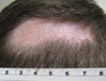
What Is Your Diagnosis? Pressure Alopecia
Article Type
Changed
Display Headline
What Is Your Diagnosis? Pressure Alopecia

Article PDF
Author and Disclosure Information

Mirza RA, Spillane EL, Thomas B

Issue
Cutis - 90(5)
Publications
Topics
Page Number
224, 232
Legacy Keywords
hair disorder, alopecia hair loss, thinning hair, hair diseases
Sections
Author and Disclosure Information

Mirza RA, Spillane EL, Thomas B

Author and Disclosure Information

Mirza RA, Spillane EL, Thomas B

Article PDF
Article PDF

Issue
Cutis - 90(5)
Issue
Cutis - 90(5)
Page Number
224, 232
Page Number
224, 232
Publications
Publications
Topics
Article Type
Display Headline
What Is Your Diagnosis? Pressure Alopecia
Display Headline
What Is Your Diagnosis? Pressure Alopecia
Legacy Keywords
hair disorder, alopecia hair loss, thinning hair, hair diseases
Legacy Keywords
hair disorder, alopecia hair loss, thinning hair, hair diseases
Sections
Article Source

PURLs Copyright

Inside the Article

Article PDF Media

High-Dose Finasteride Halts Hair Loss in Women

Article Type
Changed
Display Headline
High-Dose Finasteride Halts Hair Loss in Women

PRAGUE – Off-label use of oral finasteride at 5 mg/day proved safe and effective for the treatment of female pattern hair loss in 43 premenopausal women in an 18-month study.

Treatment effectiveness was assessed in two ways: patient satisfaction scores and two blinded investigators’ evaluation of photographs. As a precondition for study participation, patients needed to have normal serum androgen levels, no clinical signs of hyperandrogenism, and no wish to become pregnant ever again. They also had to go on drospirenone/ethinyl estradiol for oral contraception.

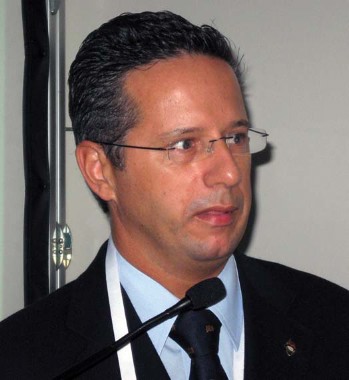
Dr. Rui Oliveira-Soares

At the 6-month mark, 25 patients (58%) characterized their improvement as "huge" and 14 (33%) as moderate; 4 reported no improvement. These results were stable across time, with the women reporting the same results at 12 and 18 months of follow-up.

The investigators’ blinded assessments of patient photos were less generous: They characterized 19 patients (44%) as very improved, 17 as somewhat improved, and 7 as unimproved.

Diminished libido was reported by 8 patients; 4 had transient nausea or headaches, and 4 reported transient metrorrhagia. One patient had elevated liver function test results and was dropped from the study, Dr. Rui Oliveira-Soares said at the annual congress of the European Academy of Dermatology and Venereology.

"None of us are very pleased with the results we’re having with other drugs," Dr. Oliveira-Soares said. "Sometimes they are unsuccessful or have unacceptable adverse effects. Sometimes there is progression of disease despite every drug we use."

It has been known for more than 15 years that finasteride at 1 mg/day is an effective treatment for male pattern hair loss. It is approved for that indication, as well as for benign prostatic hypertrophy at 5 mg/day.

However, investigators found 12 years ago that finasteride at 1 mg/day is ineffective for female pattern hair loss (J. Am. Acad. Dermatol. 2000;43:768-76). And there have been conflicting reports as to whether the therapy is effective in female androgenetic alopecia at 2.5 mg/day, noted Dr. Oliveira-Soares of Hospital Cuf Descobertas in Lisbon.

Having recently shown in an as-yet-unpublished study that finasteride at a dosage of 5 mg/day was beneficial in postmenopausal women with androgenetic alopecia, Dr. Oliveira-Soares said he sought to learn whether this regimen was safe and effective in premenopausal women affected by the disorder. He reported on 43 patients treated with finasteride at 5 mg/day for 18 months, with formal outcome assessments conducted every 6 months.

Future studies should focus on how to identify likely nonresponders. Also, an 18-month study is not sufficient to draw solid conclusions about the possible long-term risks of extended therapy. An increased risk of breast cancer is a theoretic concern, although there are no clinical data to suggest it is an issue, he said.

The problem in conducting larger, longer-term studies of finasteride at 5 mg/day for female pattern hair loss is that because the drug is available as a relatively inexpensive generic, there is no industry interest in funding such research, he added.

Topical 2% minoxidil is the standard treatment for female pattern hair loss. Among the other drugs used are flutamide and spironolactone, which can have hepatic toxicity, and cyproterone acetate, which can have cardiovascular side effects.

Dr. Oliveira-Soares’ study was supported by hospital research funds. He reported having no relevant financial conflicts.
Meeting/Event
Author and Disclosure Information

Publications
Topics
Legacy Keywords
finasteride hair loss, oral finasteride, female pattern hair loss, premenopausal women, Dr. Rui Oliveira-Soares
Sections
Author and Disclosure Information

Author and Disclosure Information

Meeting/Event
Meeting/Event

PRAGUE – Off-label use of oral finasteride at 5 mg/day proved safe and effective for the treatment of female pattern hair loss in 43 premenopausal women in an 18-month study.

Treatment effectiveness was assessed in two ways: patient satisfaction scores and two blinded investigators’ evaluation of photographs. As a precondition for study participation, patients needed to have normal serum androgen levels, no clinical signs of hyperandrogenism, and no wish to become pregnant ever again. They also had to go on drospirenone/ethinyl estradiol for oral contraception.

Dr. Rui Oliveira-Soares

At the 6-month mark, 25 patients (58%) characterized their improvement as "huge" and 14 (33%) as moderate; 4 reported no improvement. These results were stable across time, with the women reporting the same results at 12 and 18 months of follow-up.

The investigators’ blinded assessments of patient photos were less generous: They characterized 19 patients (44%) as very improved, 17 as somewhat improved, and 7 as unimproved.

Diminished libido was reported by 8 patients; 4 had transient nausea or headaches, and 4 reported transient metrorrhagia. One patient had elevated liver function test results and was dropped from the study, Dr. Rui Oliveira-Soares said at the annual congress of the European Academy of Dermatology and Venereology.

"None of us are very pleased with the results we’re having with other drugs," Dr. Oliveira-Soares said. "Sometimes they are unsuccessful or have unacceptable adverse effects. Sometimes there is progression of disease despite every drug we use."

It has been known for more than 15 years that finasteride at 1 mg/day is an effective treatment for male pattern hair loss. It is approved for that indication, as well as for benign prostatic hypertrophy at 5 mg/day.

However, investigators found 12 years ago that finasteride at 1 mg/day is ineffective for female pattern hair loss (J. Am. Acad. Dermatol. 2000;43:768-76). And there have been conflicting reports as to whether the therapy is effective in female androgenetic alopecia at 2.5 mg/day, noted Dr. Oliveira-Soares of Hospital Cuf Descobertas in Lisbon.

Having recently shown in an as-yet-unpublished study that finasteride at a dosage of 5 mg/day was beneficial in postmenopausal women with androgenetic alopecia, Dr. Oliveira-Soares said he sought to learn whether this regimen was safe and effective in premenopausal women affected by the disorder. He reported on 43 patients treated with finasteride at 5 mg/day for 18 months, with formal outcome assessments conducted every 6 months.

Future studies should focus on how to identify likely nonresponders. Also, an 18-month study is not sufficient to draw solid conclusions about the possible long-term risks of extended therapy. An increased risk of breast cancer is a theoretic concern, although there are no clinical data to suggest it is an issue, he said.

The problem in conducting larger, longer-term studies of finasteride at 5 mg/day for female pattern hair loss is that because the drug is available as a relatively inexpensive generic, there is no industry interest in funding such research, he added.

Topical 2% minoxidil is the standard treatment for female pattern hair loss. Among the other drugs used are flutamide and spironolactone, which can have hepatic toxicity, and cyproterone acetate, which can have cardiovascular side effects.

Dr. Oliveira-Soares’ study was supported by hospital research funds. He reported having no relevant financial conflicts.

PRAGUE – Off-label use of oral finasteride at 5 mg/day proved safe and effective for the treatment of female pattern hair loss in 43 premenopausal women in an 18-month study.

Treatment effectiveness was assessed in two ways: patient satisfaction scores and two blinded investigators’ evaluation of photographs. As a precondition for study participation, patients needed to have normal serum androgen levels, no clinical signs of hyperandrogenism, and no wish to become pregnant ever again. They also had to go on drospirenone/ethinyl estradiol for oral contraception.

Dr. Rui Oliveira-Soares

At the 6-month mark, 25 patients (58%) characterized their improvement as "huge" and 14 (33%) as moderate; 4 reported no improvement. These results were stable across time, with the women reporting the same results at 12 and 18 months of follow-up.

The investigators’ blinded assessments of patient photos were less generous: They characterized 19 patients (44%) as very improved, 17 as somewhat improved, and 7 as unimproved.

Diminished libido was reported by 8 patients; 4 had transient nausea or headaches, and 4 reported transient metrorrhagia. One patient had elevated liver function test results and was dropped from the study, Dr. Rui Oliveira-Soares said at the annual congress of the European Academy of Dermatology and Venereology.

"None of us are very pleased with the results we’re having with other drugs," Dr. Oliveira-Soares said. "Sometimes they are unsuccessful or have unacceptable adverse effects. Sometimes there is progression of disease despite every drug we use."

It has been known for more than 15 years that finasteride at 1 mg/day is an effective treatment for male pattern hair loss. It is approved for that indication, as well as for benign prostatic hypertrophy at 5 mg/day.

However, investigators found 12 years ago that finasteride at 1 mg/day is ineffective for female pattern hair loss (J. Am. Acad. Dermatol. 2000;43:768-76). And there have been conflicting reports as to whether the therapy is effective in female androgenetic alopecia at 2.5 mg/day, noted Dr. Oliveira-Soares of Hospital Cuf Descobertas in Lisbon.

Having recently shown in an as-yet-unpublished study that finasteride at a dosage of 5 mg/day was beneficial in postmenopausal women with androgenetic alopecia, Dr. Oliveira-Soares said he sought to learn whether this regimen was safe and effective in premenopausal women affected by the disorder. He reported on 43 patients treated with finasteride at 5 mg/day for 18 months, with formal outcome assessments conducted every 6 months.

Future studies should focus on how to identify likely nonresponders. Also, an 18-month study is not sufficient to draw solid conclusions about the possible long-term risks of extended therapy. An increased risk of breast cancer is a theoretic concern, although there are no clinical data to suggest it is an issue, he said.

The problem in conducting larger, longer-term studies of finasteride at 5 mg/day for female pattern hair loss is that because the drug is available as a relatively inexpensive generic, there is no industry interest in funding such research, he added.

Topical 2% minoxidil is the standard treatment for female pattern hair loss. Among the other drugs used are flutamide and spironolactone, which can have hepatic toxicity, and cyproterone acetate, which can have cardiovascular side effects.

Dr. Oliveira-Soares’ study was supported by hospital research funds. He reported having no relevant financial conflicts.

Publications
Publications
Topics
Article Type
Display Headline
High-Dose Finasteride Halts Hair Loss in Women
Display Headline
High-Dose Finasteride Halts Hair Loss in Women
Legacy Keywords
finasteride hair loss, oral finasteride, female pattern hair loss, premenopausal women, Dr. Rui Oliveira-Soares
Legacy Keywords
finasteride hair loss, oral finasteride, female pattern hair loss, premenopausal women, Dr. Rui Oliveira-Soares
Sections
Article Source

AT THE ANNUAL CONGRESS OF THE EUROPEAN ACADEMY OF DERMATOLOGY AND VENEREOLOGY

PURLs Copyright

Inside the Article

Vitals

Major Finding: Of premenopausal women with androgenetic alopecia, 58% reported major improvement in response to oral finasteride at 5 mg/day, and another 33% reported moderate improvement.

Data Source: This was an open-label study of 43 premenopausal women whose hair loss was assessed at 6-month intervals during 18 months of treatment.

Disclosures: Dr. Oliveira-Soares’ study was supported by hospital research funds. He reported having no relevant financial conflicts.

Menkes Syndrome Presenting as Possible Child Abuse

Article Type
Changed
Display Headline
Menkes Syndrome Presenting as Possible Child Abuse

Article PDF
Author and Disclosure Information

Cronin H, Fussell JN, Pride H, Bellino P

Issue
Cutis - 90(4)
Publications
Topics
Page Number
170-172
Legacy Keywords
pediatric skin disorders, genetic skin disease/disorder, genetic inherited disease, physical signs of child abuse, kinky-hair disease
Sections
Author and Disclosure Information

Cronin H, Fussell JN, Pride H, Bellino P

Author and Disclosure Information

Cronin H, Fussell JN, Pride H, Bellino P

Article PDF
Article PDF

Issue
Cutis - 90(4)
Issue
Cutis - 90(4)
Page Number
170-172
Page Number
170-172
Publications
Publications
Topics
Article Type
Display Headline
Menkes Syndrome Presenting as Possible Child Abuse
Display Headline
Menkes Syndrome Presenting as Possible Child Abuse
Legacy Keywords
pediatric skin disorders, genetic skin disease/disorder, genetic inherited disease, physical signs of child abuse, kinky-hair disease
Legacy Keywords
pediatric skin disorders, genetic skin disease/disorder, genetic inherited disease, physical signs of child abuse, kinky-hair disease
Sections
Article Source

PURLs Copyright

Inside the Article

Article PDF Media

Argan Oil for Dry Hair

Article Type
Changed
Display Headline
Argan Oil for Dry Hair

We were recently asked by a reader if there is any scientific evidence on the benefits of using argan oil to treat dry hair and scalp.

Argan oil is native to Morocco and has been used for centuries in foods and topical preparations. It is a plant oil produced from the argan tree (Argania Spinosa L). Studies have found that the oil has cardioprotective and anti-thrombotic effects when ingested.

Courtesy Wikimedia Commons
The number of personal care products on the U.S. market listing argan oil (derived from kernals of the argan tree, shown here) as an ingredient increased from just 2 in 2007 to over 100 in 2011. 

Over the past several years, it has become popular in hair care products. While the benefits of consumption of argan oil have been well-studied, its use for hair has not been documented in peer-reviewed literature.

Argan oil may be used on any hair type. It is available in shampoos, conditioners, and leave-in products. I have found that argan oil is beneficial for patients with curly hair, particularly those of African or African-American descent, because it helps to reduce frizz and adds shine. A small amount may be applied to the scalp if dry.

In patients with fine hair, too much oil can be greasy and may weigh curls down. In those cases, small amounts of the oil may be more beneficial. If too much product is used, clarifying shampoos may help remove excess oil.

The number of personal care products on the U.S. market with argan oil as an ingredient increased from just 2 in 2007 to over 100 in 2011. There are many hair care brands that contain argan oil including Moroccanoil, DermOrganic, Josie Maran, One 'N Only, and Organix, among others.

There has been one report of anaphylaxis to argan oil in the literature (Allergy 2010;65:662–3). Studies must be done to assess its actual efficacy for dermatologic scalp conditions and use for ethnic hair.

- Naissan Wesley, M.D.

Do you have questions about treating patients with darker skin? If so, send them to [email protected].

Author and Disclosure Information

Publications
Topics
Legacy Keywords
argan oil, hair, scalp, skin of color, black patients hair, black hair, African American hair, argan oil, shampoo, dry scalp, Moroccanoil, DermOrganic, Josie Maran, One 'N Only, Organix
Sections
Author and Disclosure Information

Author and Disclosure Information

We were recently asked by a reader if there is any scientific evidence on the benefits of using argan oil to treat dry hair and scalp.

Argan oil is native to Morocco and has been used for centuries in foods and topical preparations. It is a plant oil produced from the argan tree (Argania Spinosa L). Studies have found that the oil has cardioprotective and anti-thrombotic effects when ingested.

Courtesy Wikimedia Commons
The number of personal care products on the U.S. market listing argan oil (derived from kernals of the argan tree, shown here) as an ingredient increased from just 2 in 2007 to over 100 in 2011. 

Over the past several years, it has become popular in hair care products. While the benefits of consumption of argan oil have been well-studied, its use for hair has not been documented in peer-reviewed literature.

Argan oil may be used on any hair type. It is available in shampoos, conditioners, and leave-in products. I have found that argan oil is beneficial for patients with curly hair, particularly those of African or African-American descent, because it helps to reduce frizz and adds shine. A small amount may be applied to the scalp if dry.

In patients with fine hair, too much oil can be greasy and may weigh curls down. In those cases, small amounts of the oil may be more beneficial. If too much product is used, clarifying shampoos may help remove excess oil.

The number of personal care products on the U.S. market with argan oil as an ingredient increased from just 2 in 2007 to over 100 in 2011. There are many hair care brands that contain argan oil including Moroccanoil, DermOrganic, Josie Maran, One 'N Only, and Organix, among others.

There has been one report of anaphylaxis to argan oil in the literature (Allergy 2010;65:662–3). Studies must be done to assess its actual efficacy for dermatologic scalp conditions and use for ethnic hair.

- Naissan Wesley, M.D.

Do you have questions about treating patients with darker skin? If so, send them to [email protected].

We were recently asked by a reader if there is any scientific evidence on the benefits of using argan oil to treat dry hair and scalp.

Argan oil is native to Morocco and has been used for centuries in foods and topical preparations. It is a plant oil produced from the argan tree (Argania Spinosa L). Studies have found that the oil has cardioprotective and anti-thrombotic effects when ingested.

Courtesy Wikimedia Commons
The number of personal care products on the U.S. market listing argan oil (derived from kernals of the argan tree, shown here) as an ingredient increased from just 2 in 2007 to over 100 in 2011. 

Over the past several years, it has become popular in hair care products. While the benefits of consumption of argan oil have been well-studied, its use for hair has not been documented in peer-reviewed literature.

Argan oil may be used on any hair type. It is available in shampoos, conditioners, and leave-in products. I have found that argan oil is beneficial for patients with curly hair, particularly those of African or African-American descent, because it helps to reduce frizz and adds shine. A small amount may be applied to the scalp if dry.

In patients with fine hair, too much oil can be greasy and may weigh curls down. In those cases, small amounts of the oil may be more beneficial. If too much product is used, clarifying shampoos may help remove excess oil.

The number of personal care products on the U.S. market with argan oil as an ingredient increased from just 2 in 2007 to over 100 in 2011. There are many hair care brands that contain argan oil including Moroccanoil, DermOrganic, Josie Maran, One 'N Only, and Organix, among others.

There has been one report of anaphylaxis to argan oil in the literature (Allergy 2010;65:662–3). Studies must be done to assess its actual efficacy for dermatologic scalp conditions and use for ethnic hair.

- Naissan Wesley, M.D.

Do you have questions about treating patients with darker skin? If so, send them to [email protected].

Publications
Publications
Topics
Article Type
Display Headline
Argan Oil for Dry Hair
Display Headline
Argan Oil for Dry Hair
Legacy Keywords
argan oil, hair, scalp, skin of color, black patients hair, black hair, African American hair, argan oil, shampoo, dry scalp, Moroccanoil, DermOrganic, Josie Maran, One 'N Only, Organix
Legacy Keywords
argan oil, hair, scalp, skin of color, black patients hair, black hair, African American hair, argan oil, shampoo, dry scalp, Moroccanoil, DermOrganic, Josie Maran, One 'N Only, Organix
Sections
Article Source

PURLs Copyright

Inside the Article

Cosmetic Aspects of Nail Products and Services

Article Type
Changed
Display Headline
Cosmetic Aspects of Nail Products and Services

Article PDF
Author and Disclosure Information

Jaleel T, Carney C, Elewski B

Issue
Cutis - 90(2)
Publications
Topics
Page Number
357-363
Legacy Keywords
nail appearance, nail cosmetics, nail dystrophies, nail disease, nail strengthening agents
Sections
Author and Disclosure Information

Jaleel T, Carney C, Elewski B

Author and Disclosure Information

Jaleel T, Carney C, Elewski B

Article PDF
Article PDF

Issue
Cutis - 90(2)
Issue
Cutis - 90(2)
Page Number
357-363
Page Number
357-363
Publications
Publications
Topics
Article Type
Display Headline
Cosmetic Aspects of Nail Products and Services
Display Headline
Cosmetic Aspects of Nail Products and Services
Legacy Keywords
nail appearance, nail cosmetics, nail dystrophies, nail disease, nail strengthening agents
Legacy Keywords
nail appearance, nail cosmetics, nail dystrophies, nail disease, nail strengthening agents
Sections
Article Source

Citation Override
Originally published in Cosmetic Dermatology
PURLs Copyright

Inside the Article

Article PDF Media

Finasteride in the Treatment of Female Pattern (Androgenic) Alopecia: A Case Report and Review of the Literature

Article Type
Changed
Display Headline
Finasteride in the Treatment of Female Pattern (Androgenic) Alopecia: A Case Report and Review of the Literature

Article PDF
Author and Disclosure Information

Boychenko O, Bernstein RM, Schweiger ES

Issue
Cutis - 90(2)
Publications
Topics
Page Number
73-76
Legacy Keywords
FAGA, female androgenic alopecia, female pattern alopecia, hair loss in women, hair loss and dihydrotestosterone
Author and Disclosure Information

Boychenko O, Bernstein RM, Schweiger ES

Author and Disclosure Information

Boychenko O, Bernstein RM, Schweiger ES

Article PDF
Article PDF

Issue
Cutis - 90(2)
Issue
Cutis - 90(2)
Page Number
73-76
Page Number
73-76
Publications
Publications
Topics
Article Type
Display Headline
Finasteride in the Treatment of Female Pattern (Androgenic) Alopecia: A Case Report and Review of the Literature
Display Headline
Finasteride in the Treatment of Female Pattern (Androgenic) Alopecia: A Case Report and Review of the Literature
Legacy Keywords
FAGA, female androgenic alopecia, female pattern alopecia, hair loss in women, hair loss and dihydrotestosterone
Legacy Keywords
FAGA, female androgenic alopecia, female pattern alopecia, hair loss in women, hair loss and dihydrotestosterone
Article Source

PURLs Copyright

Inside the Article

Article PDF Media

New Era in Alopecia Areata Therapy Beckons

Article Type
Changed
Display Headline
New Era in Alopecia Areata Therapy Beckons

RALEIGH, N.C. – Recent genetic insights into the roots of alopecia areata have fostered the development of new therapeutic targets, with clinical trials offering promising results.

The investigational drugs are, for the first time, addressing the underlying disease mechanism, Angela M. Christiano, Ph.D., said at the annual meeting of the Society for Investigative Dermatology.

Dr. Angela M. Christiano

Alopecia areata affects roughly 5.3 million Americans of all ages and ethnic groups. The dramatic hair loss exacts an underappreciated, often devastating toll in terms of patient self-esteem and quality of life. To date, treatment has been unsatisfactory, with intralesional injections of glucocorticoids being the mainstay. Wigs are big.

But all of that may be about to change. "Our translational studies offer us the beginning of a therapeutic arsenal," said Dr. Christiano, professor of dermatology and genetics at Columbia University in New York.

She and her colleagues have identified interleukin-15 as a novel and highly promising therapeutic target in alopecia areata.

Interleukin-15 is required for the growth and sustenance of the natural killer-type CD8+ cells that surround the growing end of the hair follicle during active disease. This dense infiltrate of activated T cells, known as the "swarm of bees," is the pathognomonic finding in alopecia areata.

Interleukin-15 is an attractive therapeutic target because it can be addressed along the IL-15 signaling pathway by using Janus kinase inhibitors. Dr. Christiano and her coworkers have found evidence that both the oral and compounded topical formulations of tofacitinib and ruxolitinib are effective for the prevention and treatment of alopecia areata in a mouse model of the disease.

Tofacitinib inhibits the Janus kinase 3 (JAK-3) enzyme located along the IL-15 signaling pathway. The investigational oral agent recently received a thumbs-up recommendation for the treatment of rheumatoid arthritis from a Food and Drug Administration advisory panel.

In Dr. Christiano’s mouse model of alopecia areata, when tofacitinib was administered when mice received diseased grafts, 100% of the animals retained their hair. The same phenomenon occurred when the mice were treated prophylactically with oral ruxolitinib (Jakafi), a JAK1/2 inhibitor marketed for the treatment of myelofibrosis and under investigation for the treatment of other diseases.

Dr. Christiano and her coworkers also formulated the two JAK inhibitors into a 0.5% cream for topical application. The topical agents prevented the development of alopecia areata in mice, and they triggered hair regrowth when applied to mice with established disease. At the molecular level, these drugs resulted in reversal of a pathologic interferon-gamma gene expression signature.

Courtesy Wikipedia/Abbassyma/Public Domain Image
New drugs are beginning to aim for the roots of alopecia areata.

"The follicular expression of molecules changes back to an immune-privileged phenotype. We’re very encouraged by what we’ve seen so far with this," she said.

Alopecia has long been recognized as having a strong genetic component. The relative risk of the disease in first-degree relatives of affected individuals is increased 10-fold. Twin concordance studies have demonstrated that when one monozygotic twin has alopecia areata, there is more than a 50% chance that the other twin will be affected, whereas there is zero concordance in dizygotic twin pairs.

It’s also well recognized in the research community that the normal hair follicle is one of the few tissues in the human body that enjoys a state of immune privilege protecting it from autoimmune attack. Normal hair follicles are cloaked from immune recognition. The collapse of this immune privilege is what allows the "swarm of bees" leading to alopecia areata.

"Notably, the stem cell compartment is spared from the disease, which gives patients the ability, even after many years of longstanding disease, to experience spontaneous regrowth for reasons we really don’t understand," Dr. Christiano explained.

While the JAK inhibitors haven’t made it to clinical studies, another novel therapy in alopecia areata will be the focus of a small clinical trial slated to begin in July. Abatacept (Orencia) is a biologic agent approved for the treatment of rheumatoid arthritis. It is also in ongoing clinical trials for other autoimmune diseases, including type 1 diabetes. Abatacept is a soluble fusion protein that serves as a selective costimulation modulator and T-cell activation suppressant. Last summer, the intravenously administered formulation of abatacept was joined by a subcutaneous version permitting patient self-treatment.

"That makes it more appealing for the treatment of alopecia areata," she noted.

Dr. Christiano’s research is funded by the National Institutes of Health, American Skin Association, and National Alopecia Areata Foundation. She reported having no financial conflicts.

Meeting/Event
Author and Disclosure Information

Publications
Topics
Legacy Keywords
alopecia areata, therapeutic targets, investigational drugs, Dr. Angela M. Christiano, Society for Investigative Dermatology meeting
Sections
Author and Disclosure Information

Author and Disclosure Information

Meeting/Event
Meeting/Event

RALEIGH, N.C. – Recent genetic insights into the roots of alopecia areata have fostered the development of new therapeutic targets, with clinical trials offering promising results.

The investigational drugs are, for the first time, addressing the underlying disease mechanism, Angela M. Christiano, Ph.D., said at the annual meeting of the Society for Investigative Dermatology.

Dr. Angela M. Christiano

Alopecia areata affects roughly 5.3 million Americans of all ages and ethnic groups. The dramatic hair loss exacts an underappreciated, often devastating toll in terms of patient self-esteem and quality of life. To date, treatment has been unsatisfactory, with intralesional injections of glucocorticoids being the mainstay. Wigs are big.

But all of that may be about to change. "Our translational studies offer us the beginning of a therapeutic arsenal," said Dr. Christiano, professor of dermatology and genetics at Columbia University in New York.

She and her colleagues have identified interleukin-15 as a novel and highly promising therapeutic target in alopecia areata.

Interleukin-15 is required for the growth and sustenance of the natural killer-type CD8+ cells that surround the growing end of the hair follicle during active disease. This dense infiltrate of activated T cells, known as the "swarm of bees," is the pathognomonic finding in alopecia areata.

Interleukin-15 is an attractive therapeutic target because it can be addressed along the IL-15 signaling pathway by using Janus kinase inhibitors. Dr. Christiano and her coworkers have found evidence that both the oral and compounded topical formulations of tofacitinib and ruxolitinib are effective for the prevention and treatment of alopecia areata in a mouse model of the disease.

Tofacitinib inhibits the Janus kinase 3 (JAK-3) enzyme located along the IL-15 signaling pathway. The investigational oral agent recently received a thumbs-up recommendation for the treatment of rheumatoid arthritis from a Food and Drug Administration advisory panel.

In Dr. Christiano’s mouse model of alopecia areata, when tofacitinib was administered when mice received diseased grafts, 100% of the animals retained their hair. The same phenomenon occurred when the mice were treated prophylactically with oral ruxolitinib (Jakafi), a JAK1/2 inhibitor marketed for the treatment of myelofibrosis and under investigation for the treatment of other diseases.

Dr. Christiano and her coworkers also formulated the two JAK inhibitors into a 0.5% cream for topical application. The topical agents prevented the development of alopecia areata in mice, and they triggered hair regrowth when applied to mice with established disease. At the molecular level, these drugs resulted in reversal of a pathologic interferon-gamma gene expression signature.

Courtesy Wikipedia/Abbassyma/Public Domain Image
New drugs are beginning to aim for the roots of alopecia areata.

"The follicular expression of molecules changes back to an immune-privileged phenotype. We’re very encouraged by what we’ve seen so far with this," she said.

Alopecia has long been recognized as having a strong genetic component. The relative risk of the disease in first-degree relatives of affected individuals is increased 10-fold. Twin concordance studies have demonstrated that when one monozygotic twin has alopecia areata, there is more than a 50% chance that the other twin will be affected, whereas there is zero concordance in dizygotic twin pairs.

It’s also well recognized in the research community that the normal hair follicle is one of the few tissues in the human body that enjoys a state of immune privilege protecting it from autoimmune attack. Normal hair follicles are cloaked from immune recognition. The collapse of this immune privilege is what allows the "swarm of bees" leading to alopecia areata.

"Notably, the stem cell compartment is spared from the disease, which gives patients the ability, even after many years of longstanding disease, to experience spontaneous regrowth for reasons we really don’t understand," Dr. Christiano explained.

While the JAK inhibitors haven’t made it to clinical studies, another novel therapy in alopecia areata will be the focus of a small clinical trial slated to begin in July. Abatacept (Orencia) is a biologic agent approved for the treatment of rheumatoid arthritis. It is also in ongoing clinical trials for other autoimmune diseases, including type 1 diabetes. Abatacept is a soluble fusion protein that serves as a selective costimulation modulator and T-cell activation suppressant. Last summer, the intravenously administered formulation of abatacept was joined by a subcutaneous version permitting patient self-treatment.

"That makes it more appealing for the treatment of alopecia areata," she noted.

Dr. Christiano’s research is funded by the National Institutes of Health, American Skin Association, and National Alopecia Areata Foundation. She reported having no financial conflicts.

RALEIGH, N.C. – Recent genetic insights into the roots of alopecia areata have fostered the development of new therapeutic targets, with clinical trials offering promising results.

The investigational drugs are, for the first time, addressing the underlying disease mechanism, Angela M. Christiano, Ph.D., said at the annual meeting of the Society for Investigative Dermatology.

Dr. Angela M. Christiano

Alopecia areata affects roughly 5.3 million Americans of all ages and ethnic groups. The dramatic hair loss exacts an underappreciated, often devastating toll in terms of patient self-esteem and quality of life. To date, treatment has been unsatisfactory, with intralesional injections of glucocorticoids being the mainstay. Wigs are big.

But all of that may be about to change. "Our translational studies offer us the beginning of a therapeutic arsenal," said Dr. Christiano, professor of dermatology and genetics at Columbia University in New York.

She and her colleagues have identified interleukin-15 as a novel and highly promising therapeutic target in alopecia areata.

Interleukin-15 is required for the growth and sustenance of the natural killer-type CD8+ cells that surround the growing end of the hair follicle during active disease. This dense infiltrate of activated T cells, known as the "swarm of bees," is the pathognomonic finding in alopecia areata.

Interleukin-15 is an attractive therapeutic target because it can be addressed along the IL-15 signaling pathway by using Janus kinase inhibitors. Dr. Christiano and her coworkers have found evidence that both the oral and compounded topical formulations of tofacitinib and ruxolitinib are effective for the prevention and treatment of alopecia areata in a mouse model of the disease.

Tofacitinib inhibits the Janus kinase 3 (JAK-3) enzyme located along the IL-15 signaling pathway. The investigational oral agent recently received a thumbs-up recommendation for the treatment of rheumatoid arthritis from a Food and Drug Administration advisory panel.

In Dr. Christiano’s mouse model of alopecia areata, when tofacitinib was administered when mice received diseased grafts, 100% of the animals retained their hair. The same phenomenon occurred when the mice were treated prophylactically with oral ruxolitinib (Jakafi), a JAK1/2 inhibitor marketed for the treatment of myelofibrosis and under investigation for the treatment of other diseases.

Dr. Christiano and her coworkers also formulated the two JAK inhibitors into a 0.5% cream for topical application. The topical agents prevented the development of alopecia areata in mice, and they triggered hair regrowth when applied to mice with established disease. At the molecular level, these drugs resulted in reversal of a pathologic interferon-gamma gene expression signature.

Courtesy Wikipedia/Abbassyma/Public Domain Image
New drugs are beginning to aim for the roots of alopecia areata.

"The follicular expression of molecules changes back to an immune-privileged phenotype. We’re very encouraged by what we’ve seen so far with this," she said.

Alopecia has long been recognized as having a strong genetic component. The relative risk of the disease in first-degree relatives of affected individuals is increased 10-fold. Twin concordance studies have demonstrated that when one monozygotic twin has alopecia areata, there is more than a 50% chance that the other twin will be affected, whereas there is zero concordance in dizygotic twin pairs.

It’s also well recognized in the research community that the normal hair follicle is one of the few tissues in the human body that enjoys a state of immune privilege protecting it from autoimmune attack. Normal hair follicles are cloaked from immune recognition. The collapse of this immune privilege is what allows the "swarm of bees" leading to alopecia areata.

"Notably, the stem cell compartment is spared from the disease, which gives patients the ability, even after many years of longstanding disease, to experience spontaneous regrowth for reasons we really don’t understand," Dr. Christiano explained.

While the JAK inhibitors haven’t made it to clinical studies, another novel therapy in alopecia areata will be the focus of a small clinical trial slated to begin in July. Abatacept (Orencia) is a biologic agent approved for the treatment of rheumatoid arthritis. It is also in ongoing clinical trials for other autoimmune diseases, including type 1 diabetes. Abatacept is a soluble fusion protein that serves as a selective costimulation modulator and T-cell activation suppressant. Last summer, the intravenously administered formulation of abatacept was joined by a subcutaneous version permitting patient self-treatment.

"That makes it more appealing for the treatment of alopecia areata," she noted.

Dr. Christiano’s research is funded by the National Institutes of Health, American Skin Association, and National Alopecia Areata Foundation. She reported having no financial conflicts.

Publications
Publications
Topics
Article Type
Display Headline
New Era in Alopecia Areata Therapy Beckons
Display Headline
New Era in Alopecia Areata Therapy Beckons
Legacy Keywords
alopecia areata, therapeutic targets, investigational drugs, Dr. Angela M. Christiano, Society for Investigative Dermatology meeting
Legacy Keywords
alopecia areata, therapeutic targets, investigational drugs, Dr. Angela M. Christiano, Society for Investigative Dermatology meeting
Sections
Article Source

EXPERT ANALYSIS FROM THE ANNUAL MEETING OF THE SOCIETY FOR INVESTIGATIVE DERMATOLOGY

PURLs Copyright

Inside the Article

Scalp Cooling Protects Against Chemotherapy-Induced Alopecia

Article Type
Changed
Display Headline
Scalp Cooling Protects Against Chemotherapy-Induced Alopecia

CHICAGO – Wearing a scalp-cooling cap can reduce hair loss in women receiving chemotherapy for breast cancer, the results of a small prospective cohort study suggest.

Among women who used the cooling headgear starting 20 minutes before chemotherapy and continuing for 60-90 minutes after the infusion, 24% did not wear a wig or headband upon completion of chemotherapy, compared with 4% of a control group that did not have access to the device, investigators reported.

Courtesy Dr. Julie Lemieux
Nurse models Penguin Cold Cap, a scalp-cooling system worn to reduce chemotherapy-induced alopecia.  

Further, patient satisfaction scores were higher than these numbers in a blinded assessment, according to Dr. Julie Lemieux of Laval University in Quebec City and her coinvestigators.

To grade the results with and without the cooling device, a hairdresser looked at before and after photos of women in the study, and was not told which women were in the scalp-cooling group. The criteria for successful hair preservation was characterization of hair loss as "not at all," "a little," or "moderate" from the beginning to the end of chemotherapy. The procedure was deemed a failure if the reviewer rated hair loss as "a lot," or "all," or "hair shaved."

The hairdresser graded the hair loss intervention as successful in 34% of the scalp-cooling group – as did 49% of the women who wore the caps. Only 9% of the control group received a successful grade from the hairdresser; even fewer, 4%, agreed they had not had substantial hair loss.

In all, 69% of women who tried scalp cooling said the advantages outweighed the disadvantages, and 78% said they would recommend it to other women receiving the same chemotherapy for breast cancer.

"When you look at patient evaluations, they are ... more optimistic than the hairdresser evaluations. They were more satisfied," Dr. Lemieux said in a poster-side interview at the annual meeting of the American Society of Clinical Oncology, where she displayed the results.

    Dr. Julie Lemieux

Scalp-cooling systems are approved for the reduction of alopecia in Canada, she said, but controversy persists among oncologists over safety and impact, if any, on the effectiveness of chemotherapy.

"If you cool the scalp there is vasoconstriction, so there is less blood that goes in the scalp ... that is the main mechanism," Dr. Lemieux explained. One concern is that scalp metastases could increase; another is that patients might receive less chemotherapy as a result.

Dr. Lemieux and her colleagues reviewed seven randomized trials of hair-cooling studies and found no safety signals. In all, 260 women were enrolled, and the studies covered a variety of chemotherapy regimens, including at least one that is not known to cause alopecia.

They also did a retrospective cohort study, and found that the incidence of scalp metastases was about 1% whether women used scalp cooling or not (Breast Cancer Res. Treat. 2009;118:547-52). Subsequently, they reported on two cases where the scalp was the first metastatic site, with metastases occurring 7 and 9 years after cooling (Breast Cancer Res. Treat. 2011;128:563-6).

At the San Antonio Breast Cancer Symposium, Dr. Lemieux and her associates reported on a retrospective study that found no difference in survival between patients who used scalp cooling and those who did not.

For the current study, the researchers compared outcomes in 110 patients at Centre des Maladies du Sein Deschênes-Fabia in Quebec City, which uses scalp cooling routinely, with those in 26 patients at the Centre Hospitalier Universitaire de Montréal, where scalp cooling is not available. The median patient age was in the early 50s, and most of the women had stage I or II, hormone receptor–positive breast cancer. A variety of neoadjuvant and adjuvant regimens were used.

The system tested in the study used a cap that is placed in a freezer and changed every 20-30 minutes, starting 20 minutes before chemotherapy and continuing for 60-90 minutes afterward. A new generation of scalp-cooling systems uses a compressor that circulates cold fluid in the cap, and it does not have to be changed.

Dr. Lemieux said the researchers conceived the study as a pilot for a larger randomized controlled trial that will address efficacy, cost, and quality of life issues. They are seeking to raise funds, as the companies that make the systems are too small to sponsor a large trial.

Cost is a concern, she noted, because of the additional time the women spend in the infusion room. "So you have to have that time available in the chemotherapy room," she said. "We also want to look at the cost of the system, of the extra time that women are in hospital, and at quality of life, too."


The trial was funded by the Fondations des Hôpitaux Enfant-Jésus et Saint-Sacrement, the Canadian Breast Cancer Research Alliance, and Sanofi-Aventis. Dr. Lemieux received a research grant from the Fonds de la Recherche en Santé du Québec.

Meeting/Event
Author and Disclosure Information

Publications
Topics
Legacy Keywords
chemotherapy, breast cancer, hair loss, scalp-cooling cap, alopecia
Sections
Author and Disclosure Information

Author and Disclosure Information

Meeting/Event
Meeting/Event

CHICAGO – Wearing a scalp-cooling cap can reduce hair loss in women receiving chemotherapy for breast cancer, the results of a small prospective cohort study suggest.

Among women who used the cooling headgear starting 20 minutes before chemotherapy and continuing for 60-90 minutes after the infusion, 24% did not wear a wig or headband upon completion of chemotherapy, compared with 4% of a control group that did not have access to the device, investigators reported.

Courtesy Dr. Julie Lemieux
Nurse models Penguin Cold Cap, a scalp-cooling system worn to reduce chemotherapy-induced alopecia.  

Further, patient satisfaction scores were higher than these numbers in a blinded assessment, according to Dr. Julie Lemieux of Laval University in Quebec City and her coinvestigators.

To grade the results with and without the cooling device, a hairdresser looked at before and after photos of women in the study, and was not told which women were in the scalp-cooling group. The criteria for successful hair preservation was characterization of hair loss as "not at all," "a little," or "moderate" from the beginning to the end of chemotherapy. The procedure was deemed a failure if the reviewer rated hair loss as "a lot," or "all," or "hair shaved."

The hairdresser graded the hair loss intervention as successful in 34% of the scalp-cooling group – as did 49% of the women who wore the caps. Only 9% of the control group received a successful grade from the hairdresser; even fewer, 4%, agreed they had not had substantial hair loss.

In all, 69% of women who tried scalp cooling said the advantages outweighed the disadvantages, and 78% said they would recommend it to other women receiving the same chemotherapy for breast cancer.

"When you look at patient evaluations, they are ... more optimistic than the hairdresser evaluations. They were more satisfied," Dr. Lemieux said in a poster-side interview at the annual meeting of the American Society of Clinical Oncology, where she displayed the results.

    Dr. Julie Lemieux

Scalp-cooling systems are approved for the reduction of alopecia in Canada, she said, but controversy persists among oncologists over safety and impact, if any, on the effectiveness of chemotherapy.

"If you cool the scalp there is vasoconstriction, so there is less blood that goes in the scalp ... that is the main mechanism," Dr. Lemieux explained. One concern is that scalp metastases could increase; another is that patients might receive less chemotherapy as a result.

Dr. Lemieux and her colleagues reviewed seven randomized trials of hair-cooling studies and found no safety signals. In all, 260 women were enrolled, and the studies covered a variety of chemotherapy regimens, including at least one that is not known to cause alopecia.

They also did a retrospective cohort study, and found that the incidence of scalp metastases was about 1% whether women used scalp cooling or not (Breast Cancer Res. Treat. 2009;118:547-52). Subsequently, they reported on two cases where the scalp was the first metastatic site, with metastases occurring 7 and 9 years after cooling (Breast Cancer Res. Treat. 2011;128:563-6).

At the San Antonio Breast Cancer Symposium, Dr. Lemieux and her associates reported on a retrospective study that found no difference in survival between patients who used scalp cooling and those who did not.

For the current study, the researchers compared outcomes in 110 patients at Centre des Maladies du Sein Deschênes-Fabia in Quebec City, which uses scalp cooling routinely, with those in 26 patients at the Centre Hospitalier Universitaire de Montréal, where scalp cooling is not available. The median patient age was in the early 50s, and most of the women had stage I or II, hormone receptor–positive breast cancer. A variety of neoadjuvant and adjuvant regimens were used.

The system tested in the study used a cap that is placed in a freezer and changed every 20-30 minutes, starting 20 minutes before chemotherapy and continuing for 60-90 minutes afterward. A new generation of scalp-cooling systems uses a compressor that circulates cold fluid in the cap, and it does not have to be changed.

Dr. Lemieux said the researchers conceived the study as a pilot for a larger randomized controlled trial that will address efficacy, cost, and quality of life issues. They are seeking to raise funds, as the companies that make the systems are too small to sponsor a large trial.

Cost is a concern, she noted, because of the additional time the women spend in the infusion room. "So you have to have that time available in the chemotherapy room," she said. "We also want to look at the cost of the system, of the extra time that women are in hospital, and at quality of life, too."


The trial was funded by the Fondations des Hôpitaux Enfant-Jésus et Saint-Sacrement, the Canadian Breast Cancer Research Alliance, and Sanofi-Aventis. Dr. Lemieux received a research grant from the Fonds de la Recherche en Santé du Québec.

CHICAGO – Wearing a scalp-cooling cap can reduce hair loss in women receiving chemotherapy for breast cancer, the results of a small prospective cohort study suggest.

Among women who used the cooling headgear starting 20 minutes before chemotherapy and continuing for 60-90 minutes after the infusion, 24% did not wear a wig or headband upon completion of chemotherapy, compared with 4% of a control group that did not have access to the device, investigators reported.

Courtesy Dr. Julie Lemieux
Nurse models Penguin Cold Cap, a scalp-cooling system worn to reduce chemotherapy-induced alopecia.  

Further, patient satisfaction scores were higher than these numbers in a blinded assessment, according to Dr. Julie Lemieux of Laval University in Quebec City and her coinvestigators.

To grade the results with and without the cooling device, a hairdresser looked at before and after photos of women in the study, and was not told which women were in the scalp-cooling group. The criteria for successful hair preservation was characterization of hair loss as "not at all," "a little," or "moderate" from the beginning to the end of chemotherapy. The procedure was deemed a failure if the reviewer rated hair loss as "a lot," or "all," or "hair shaved."

The hairdresser graded the hair loss intervention as successful in 34% of the scalp-cooling group – as did 49% of the women who wore the caps. Only 9% of the control group received a successful grade from the hairdresser; even fewer, 4%, agreed they had not had substantial hair loss.

In all, 69% of women who tried scalp cooling said the advantages outweighed the disadvantages, and 78% said they would recommend it to other women receiving the same chemotherapy for breast cancer.

"When you look at patient evaluations, they are ... more optimistic than the hairdresser evaluations. They were more satisfied," Dr. Lemieux said in a poster-side interview at the annual meeting of the American Society of Clinical Oncology, where she displayed the results.

    Dr. Julie Lemieux

Scalp-cooling systems are approved for the reduction of alopecia in Canada, she said, but controversy persists among oncologists over safety and impact, if any, on the effectiveness of chemotherapy.

"If you cool the scalp there is vasoconstriction, so there is less blood that goes in the scalp ... that is the main mechanism," Dr. Lemieux explained. One concern is that scalp metastases could increase; another is that patients might receive less chemotherapy as a result.

Dr. Lemieux and her colleagues reviewed seven randomized trials of hair-cooling studies and found no safety signals. In all, 260 women were enrolled, and the studies covered a variety of chemotherapy regimens, including at least one that is not known to cause alopecia.

They also did a retrospective cohort study, and found that the incidence of scalp metastases was about 1% whether women used scalp cooling or not (Breast Cancer Res. Treat. 2009;118:547-52). Subsequently, they reported on two cases where the scalp was the first metastatic site, with metastases occurring 7 and 9 years after cooling (Breast Cancer Res. Treat. 2011;128:563-6).

At the San Antonio Breast Cancer Symposium, Dr. Lemieux and her associates reported on a retrospective study that found no difference in survival between patients who used scalp cooling and those who did not.

For the current study, the researchers compared outcomes in 110 patients at Centre des Maladies du Sein Deschênes-Fabia in Quebec City, which uses scalp cooling routinely, with those in 26 patients at the Centre Hospitalier Universitaire de Montréal, where scalp cooling is not available. The median patient age was in the early 50s, and most of the women had stage I or II, hormone receptor–positive breast cancer. A variety of neoadjuvant and adjuvant regimens were used.

The system tested in the study used a cap that is placed in a freezer and changed every 20-30 minutes, starting 20 minutes before chemotherapy and continuing for 60-90 minutes afterward. A new generation of scalp-cooling systems uses a compressor that circulates cold fluid in the cap, and it does not have to be changed.

Dr. Lemieux said the researchers conceived the study as a pilot for a larger randomized controlled trial that will address efficacy, cost, and quality of life issues. They are seeking to raise funds, as the companies that make the systems are too small to sponsor a large trial.

Cost is a concern, she noted, because of the additional time the women spend in the infusion room. "So you have to have that time available in the chemotherapy room," she said. "We also want to look at the cost of the system, of the extra time that women are in hospital, and at quality of life, too."


The trial was funded by the Fondations des Hôpitaux Enfant-Jésus et Saint-Sacrement, the Canadian Breast Cancer Research Alliance, and Sanofi-Aventis. Dr. Lemieux received a research grant from the Fonds de la Recherche en Santé du Québec.

Publications
Publications
Topics
Article Type
Display Headline
Scalp Cooling Protects Against Chemotherapy-Induced Alopecia
Display Headline
Scalp Cooling Protects Against Chemotherapy-Induced Alopecia
Legacy Keywords
chemotherapy, breast cancer, hair loss, scalp-cooling cap, alopecia
Legacy Keywords
chemotherapy, breast cancer, hair loss, scalp-cooling cap, alopecia
Sections
Article Source

AT THE ANNUAL MEETING OF THE AMERICAN SOCIETY OF CLINICAL ONCOLOGY

PURLs Copyright

Inside the Article

A Mending Ozone: The Skinny Podcast

Article Type
Changed
Display Headline
A Mending Ozone: The Skinny Podcast

In this month's program, Dr. Axel Hauschild discusses the results of a study that showed a 70% improvement in progression-free survival in patients with melanoma randomized to dabrafenib in the open-label break-3 trial.

Then, our reporter Heidi Splete reviews a study showing that an at-home hair removal device may work no better than standard shaving.


The Environment Protection Agency has reported that the ozone layer is improving, thanks to the worldwide ban of chlorofluorocarbons in 1989. We interviewed Drusilla Hufford at the EPA to find out more.

Cosmetic Counter host, Dr. Lily Talakoub, offers tips for educating patients about retinoids and anti-wrinkle creams. And lastly, Dr. Alan Rockoff tells a story that may induce contractions.

Don’t miss another episode of The Skinny Podcast; subscribe for free on iTunes! 

Author and Disclosure Information

Audio / Podcast
Publications
Topics
Legacy Keywords
skinny podcast, podcast, dermatology, Skin & Allergy News, no!no!, Dr. Alan Rockoff, Dr. Lily Talakoub, hair removal, shaving, dabrafenib, EPA, Environmental Protection Agency, ozone layer
Audio / Podcast
Audio / Podcast
Author and Disclosure Information

Author and Disclosure Information

In this month's program, Dr. Axel Hauschild discusses the results of a study that showed a 70% improvement in progression-free survival in patients with melanoma randomized to dabrafenib in the open-label break-3 trial.

Then, our reporter Heidi Splete reviews a study showing that an at-home hair removal device may work no better than standard shaving.


The Environment Protection Agency has reported that the ozone layer is improving, thanks to the worldwide ban of chlorofluorocarbons in 1989. We interviewed Drusilla Hufford at the EPA to find out more.

Cosmetic Counter host, Dr. Lily Talakoub, offers tips for educating patients about retinoids and anti-wrinkle creams. And lastly, Dr. Alan Rockoff tells a story that may induce contractions.

Don’t miss another episode of The Skinny Podcast; subscribe for free on iTunes! 

In this month's program, Dr. Axel Hauschild discusses the results of a study that showed a 70% improvement in progression-free survival in patients with melanoma randomized to dabrafenib in the open-label break-3 trial.

Then, our reporter Heidi Splete reviews a study showing that an at-home hair removal device may work no better than standard shaving.


The Environment Protection Agency has reported that the ozone layer is improving, thanks to the worldwide ban of chlorofluorocarbons in 1989. We interviewed Drusilla Hufford at the EPA to find out more.

Cosmetic Counter host, Dr. Lily Talakoub, offers tips for educating patients about retinoids and anti-wrinkle creams. And lastly, Dr. Alan Rockoff tells a story that may induce contractions.

Don’t miss another episode of The Skinny Podcast; subscribe for free on iTunes! 

Publications
Publications
Topics
Article Type
Display Headline
A Mending Ozone: The Skinny Podcast
Display Headline
A Mending Ozone: The Skinny Podcast
Legacy Keywords
skinny podcast, podcast, dermatology, Skin & Allergy News, no!no!, Dr. Alan Rockoff, Dr. Lily Talakoub, hair removal, shaving, dabrafenib, EPA, Environmental Protection Agency, ozone layer
Legacy Keywords
skinny podcast, podcast, dermatology, Skin & Allergy News, no!no!, Dr. Alan Rockoff, Dr. Lily Talakoub, hair removal, shaving, dabrafenib, EPA, Environmental Protection Agency, ozone layer
Article Source

PURLs Copyright

Inside the Article

Traction Alopecia Versus Alopecia Areata

Article Type
Changed
Display Headline
Traction Alopecia Versus Alopecia Areata

Author and Disclosure Information

From St. Luke's-Roosevelt Hospital Center in New York, New York.

Publications
Topics
Legacy Keywords
alopecia areata, hair disorders, traction alopecia, hair care practices
Author and Disclosure Information

From St. Luke's-Roosevelt Hospital Center in New York, New York.

Author and Disclosure Information

From St. Luke's-Roosevelt Hospital Center in New York, New York.

Publications
Publications
Topics
Article Type
Display Headline
Traction Alopecia Versus Alopecia Areata
Display Headline
Traction Alopecia Versus Alopecia Areata
Legacy Keywords
alopecia areata, hair disorders, traction alopecia, hair care practices
Legacy Keywords
alopecia areata, hair disorders, traction alopecia, hair care practices
Disallow All Ads
Alternative CME
Use ProPublica