User login
Pili Annulati: A Report of 2 American Families
Molecular Analysis of Dermatophytes Suggests Spread of Infection Among Household Members
Efinaconazole shows effectiveness against toenail fungus
A topical 10% efinaconazole solution was significantly more effective than was placebo against mild to moderate onychomycosis in a pair of randomized, controlled phase III studies comprising more than 1,000 patients.
Current topical therapies for distal lateral subungual onychomycosis (DLSO) are lacquer based, and require nail debridement and the removal of lacquer residue, said Dr. Boni Elewski of the University of Alabama, Birmingham, and her colleagues.
"Oral treatment is limited by drug interactions and risk of acute liver injury (requiring laboratory monitoring)," the researchers noted.

To test the efficacy of topical efinaconazole 10%, 1,655 adults with onychomycosis were randomized in two studies (study 1: 870 patients, study 2: 785 patients) at 118 sites in the United States, Canada, and Japan. In both studies, the mean area of target toenail involvement was approximately 36%, with an average of 2.8 affected nontarget toenails per patient. Demographic characteristics were not significantly different between the treatment and placebo groups in either study.
Overall, 18% and 15% of efinaconazole patients in study 1 and study 2, respectively, met the primary endpoint of complete cure at 52 weeks, compared with 3% and 6% of placebo patients, respectively. In addition, 55% and 53% of treatment patients in the two studies met the secondary endpoint of mycologic cure, compared with 7% of placebo patients in each study. Both complete cure and mycologic cure rates were in the range of cure rates achieved with oral therapies, the researchers noted.
The average age of the patients in studies 1 and 2 was 52 years and 51 years, respectively, and approximately 75% of the participants in both studies were men. Patients in each study were randomized to a topical solution of 10% efinaconazole or a placebo vehicle, self-applied at home once daily for 48 weeks. Patients were assessed at 12-week intervals during the study period, and reexamined at 52 weeks after a 4-week treatment-free period. The findings were published in the Journal of the American Academy of Dermatology (2013;68:600-8).
Overall, the rate of adverse events was similar between the drug and placebo groups. Efinaconazole was not associated with adverse events including redness, swelling, burning, itching, or vesiculation, and localized skin reactions were similar between the groups. A total of 235 patients discontinued the study early; the main reasons were patient request (98), lost to follow-up (78), and adverse events (33).
The study was limited by its specific patient population, which did not include children or those with severe disease, the researchers noted. Efinaconazole has not yet been studied in combination with oral antifungal treatment. But the findings suggest that topical efinaconazole is safe and effective, and "may be the first topical treatment for DLSO that can be considered a viable alternative to oral treatments," the researchers wrote.
Dr. Elewski has served as an adviser to Valeant Dermatology, a division of Valeant Pharmaceuticals, which funded the study and manufactures efinaconazole. Her coauthors disclosed that they were employees and stockholders of, and/or advisers and consultants to, several pharmaceutical companies, including Valeant.
On Twitter @hsplete
A topical 10% efinaconazole solution was significantly more effective than was placebo against mild to moderate onychomycosis in a pair of randomized, controlled phase III studies comprising more than 1,000 patients.
Current topical therapies for distal lateral subungual onychomycosis (DLSO) are lacquer based, and require nail debridement and the removal of lacquer residue, said Dr. Boni Elewski of the University of Alabama, Birmingham, and her colleagues.
"Oral treatment is limited by drug interactions and risk of acute liver injury (requiring laboratory monitoring)," the researchers noted.
To test the efficacy of topical efinaconazole 10%, 1,655 adults with onychomycosis were randomized in two studies (study 1: 870 patients, study 2: 785 patients) at 118 sites in the United States, Canada, and Japan. In both studies, the mean area of target toenail involvement was approximately 36%, with an average of 2.8 affected nontarget toenails per patient. Demographic characteristics were not significantly different between the treatment and placebo groups in either study.
Overall, 18% and 15% of efinaconazole patients in study 1 and study 2, respectively, met the primary endpoint of complete cure at 52 weeks, compared with 3% and 6% of placebo patients, respectively. In addition, 55% and 53% of treatment patients in the two studies met the secondary endpoint of mycologic cure, compared with 7% of placebo patients in each study. Both complete cure and mycologic cure rates were in the range of cure rates achieved with oral therapies, the researchers noted.
The average age of the patients in studies 1 and 2 was 52 years and 51 years, respectively, and approximately 75% of the participants in both studies were men. Patients in each study were randomized to a topical solution of 10% efinaconazole or a placebo vehicle, self-applied at home once daily for 48 weeks. Patients were assessed at 12-week intervals during the study period, and reexamined at 52 weeks after a 4-week treatment-free period. The findings were published in the Journal of the American Academy of Dermatology (2013;68:600-8).
Overall, the rate of adverse events was similar between the drug and placebo groups. Efinaconazole was not associated with adverse events including redness, swelling, burning, itching, or vesiculation, and localized skin reactions were similar between the groups. A total of 235 patients discontinued the study early; the main reasons were patient request (98), lost to follow-up (78), and adverse events (33).
The study was limited by its specific patient population, which did not include children or those with severe disease, the researchers noted. Efinaconazole has not yet been studied in combination with oral antifungal treatment. But the findings suggest that topical efinaconazole is safe and effective, and "may be the first topical treatment for DLSO that can be considered a viable alternative to oral treatments," the researchers wrote.
Dr. Elewski has served as an adviser to Valeant Dermatology, a division of Valeant Pharmaceuticals, which funded the study and manufactures efinaconazole. Her coauthors disclosed that they were employees and stockholders of, and/or advisers and consultants to, several pharmaceutical companies, including Valeant.
On Twitter @hsplete
A topical 10% efinaconazole solution was significantly more effective than was placebo against mild to moderate onychomycosis in a pair of randomized, controlled phase III studies comprising more than 1,000 patients.
Current topical therapies for distal lateral subungual onychomycosis (DLSO) are lacquer based, and require nail debridement and the removal of lacquer residue, said Dr. Boni Elewski of the University of Alabama, Birmingham, and her colleagues.
"Oral treatment is limited by drug interactions and risk of acute liver injury (requiring laboratory monitoring)," the researchers noted.
To test the efficacy of topical efinaconazole 10%, 1,655 adults with onychomycosis were randomized in two studies (study 1: 870 patients, study 2: 785 patients) at 118 sites in the United States, Canada, and Japan. In both studies, the mean area of target toenail involvement was approximately 36%, with an average of 2.8 affected nontarget toenails per patient. Demographic characteristics were not significantly different between the treatment and placebo groups in either study.
Overall, 18% and 15% of efinaconazole patients in study 1 and study 2, respectively, met the primary endpoint of complete cure at 52 weeks, compared with 3% and 6% of placebo patients, respectively. In addition, 55% and 53% of treatment patients in the two studies met the secondary endpoint of mycologic cure, compared with 7% of placebo patients in each study. Both complete cure and mycologic cure rates were in the range of cure rates achieved with oral therapies, the researchers noted.
The average age of the patients in studies 1 and 2 was 52 years and 51 years, respectively, and approximately 75% of the participants in both studies were men. Patients in each study were randomized to a topical solution of 10% efinaconazole or a placebo vehicle, self-applied at home once daily for 48 weeks. Patients were assessed at 12-week intervals during the study period, and reexamined at 52 weeks after a 4-week treatment-free period. The findings were published in the Journal of the American Academy of Dermatology (2013;68:600-8).
Overall, the rate of adverse events was similar between the drug and placebo groups. Efinaconazole was not associated with adverse events including redness, swelling, burning, itching, or vesiculation, and localized skin reactions were similar between the groups. A total of 235 patients discontinued the study early; the main reasons were patient request (98), lost to follow-up (78), and adverse events (33).
The study was limited by its specific patient population, which did not include children or those with severe disease, the researchers noted. Efinaconazole has not yet been studied in combination with oral antifungal treatment. But the findings suggest that topical efinaconazole is safe and effective, and "may be the first topical treatment for DLSO that can be considered a viable alternative to oral treatments," the researchers wrote.
Dr. Elewski has served as an adviser to Valeant Dermatology, a division of Valeant Pharmaceuticals, which funded the study and manufactures efinaconazole. Her coauthors disclosed that they were employees and stockholders of, and/or advisers and consultants to, several pharmaceutical companies, including Valeant.
On Twitter @hsplete
FROM THE JOURNAL OF THE AMERICAN ACADEMY OF DERMATOLOGY
Major finding: Topical efinaconazole 10% was significantly more effective against onychomycosis than was placebo in a pair of studies involving more than 1,000 patients.
Data source: Two multicenter, randomized, double-blind, placebo-controlled phase III studies of adults with onychomycosis.
Disclosures: Dr. Elewski has served as an adviser to Valeant Dermatology, a division of Valeant Pharmaceuticals, which funded the study and manufactures efinaconazole. Her coauthors disclosed that they were employees and stockholders of, or advisers and consultants to, several pharmaceutical companies, including Valeant.

Toxins detected in laser hair removal plume
BOSTON – Performing laser hair removal might be hazardous to your health.
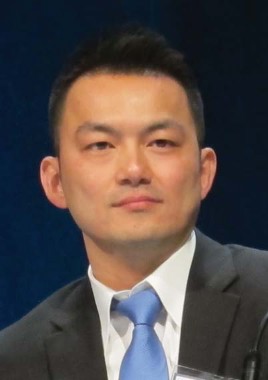
Laser plumes emitted during the procedure contain "a cocktail of volatile organic compounds," at least 13 of which are known to be hazardous to human health, Dr. Gary S. Chuang, of the department of dermatology at Tufts Medical Center, Boston, said at the annual meeting of the American Society for Laser Medicine and Surgery.
The findings further highlight the potential for harm that have already been demonstrated in association with laser procedures in the absence of safeguards such as adequate ventilation, smoke evacuators, and adequate personal protection.
Dr. Chuang and his colleagues at Massachusetts General Hospital, Harvard School of Public Health, and Boston University subjected donor hair samples to a single pulse from a diode or Alexandrite laser, captured the plumes produced, and examined them with gas chromatography. They detected the presence of approximately 300 distinct chemical compounds, 40 of which occurred in higher concentrations and 13 of which have been shown to be harmful in human and animal studies.
The compounds included:
• Benzene, toluene, and ethylbenzene (commonly found in car exhaust, cigarette smoke, glue, paint, wax and detergents, and linked to leukemia and bone marrow abnormalities.
• 2-Methylpyridine, which can cause headache and nausea.
• Diethyl phthalate, used in cosmetics and fragrances, has been shown to cause birth defects in pregnant rats.
• Trimethyl disulfide, which is primarily responsible for the foul odor from singed hair.
• Various soap and perfume components of unknown toxicity.
The researchers also collected dust samples over time to look for the concentration of particles smaller than 1 micron with and without a high-efficiency particulate air (HEPA) equipped smoke evacuator.
Normal street-level concentrations of ultrafine particles are about 4,000/cm3 per cubic centimeter, Dr. Chuang noted. When the investigators took the dust counter into the laser center waiting room, the level jumped to about 16,000/cc. During a laser procedure, the levels rose to nearly 450,000/cc. The levels slowly declined over the next 20 minutes, but still remained about fourfold higher than normal concentrations, he said.
"The National Institute of Occupational Safety and Health recommends that with any surgical procedure that produces a plume, you want a capture velocity of about 100-150 ft/minute, and hopefully, (the evacuator) will have a HEPA filter or ultralow penetrance filter that can remove about 99.97% of airborne particulates up to 0.3 microns or greater," he said.
Additionally, the vacuum must be no farther than 2 inches from the source, because the suction velocity decreases at greater distances. All personnel in the treatment room should wear surgical masks with a NIOSH rating of N95 or greater, he recommended.
"With chemicals, most masks are useless, so hopefully you will get an evacuator that has a chemical cartridge impregnated with charcoal, and that’s able to take out the majority of the [chemicals]," Dr Chuang said.
The study was internally supported. Dr. Chuang reported having no relevant financial disclosures.

|
Neil Osterweil/IMNG Medical Media
|
I think these findings raise a significant concern about safety, especially for those who repeatedly perform laser hair removal procedures. My guess is that we and our staff are at risk when we do these procedures, and so probably are the patients in that room, and the patients in the neighboring room and the hallway. For those repeatedly performing the procedure, those risks are magnified.
Short of wearing a re-breather-type respirator such as those worn by workers who handle hazardous materials, masks and evacuators may not offer sufficient protection against prolonged, repeated exposures to the chemical constituents of laser plumes.
Dr. Jeffrey Dover is the president of ASLMS and a dermatologist in private practice in Chestnut Hill, Mass.
|
|
Neil Osterweil/IMNG Medical Media
|
I think these findings raise a significant concern about safety, especially for those who repeatedly perform laser hair removal procedures. My guess is that we and our staff are at risk when we do these procedures, and so probably are the patients in that room, and the patients in the neighboring room and the hallway. For those repeatedly performing the procedure, those risks are magnified.
Short of wearing a re-breather-type respirator such as those worn by workers who handle hazardous materials, masks and evacuators may not offer sufficient protection against prolonged, repeated exposures to the chemical constituents of laser plumes.
Dr. Jeffrey Dover is the president of ASLMS and a dermatologist in private practice in Chestnut Hill, Mass.
|
|
Neil Osterweil/IMNG Medical Media
|
I think these findings raise a significant concern about safety, especially for those who repeatedly perform laser hair removal procedures. My guess is that we and our staff are at risk when we do these procedures, and so probably are the patients in that room, and the patients in the neighboring room and the hallway. For those repeatedly performing the procedure, those risks are magnified.
Short of wearing a re-breather-type respirator such as those worn by workers who handle hazardous materials, masks and evacuators may not offer sufficient protection against prolonged, repeated exposures to the chemical constituents of laser plumes.
Dr. Jeffrey Dover is the president of ASLMS and a dermatologist in private practice in Chestnut Hill, Mass.
BOSTON – Performing laser hair removal might be hazardous to your health.
Laser plumes emitted during the procedure contain "a cocktail of volatile organic compounds," at least 13 of which are known to be hazardous to human health, Dr. Gary S. Chuang, of the department of dermatology at Tufts Medical Center, Boston, said at the annual meeting of the American Society for Laser Medicine and Surgery.
The findings further highlight the potential for harm that have already been demonstrated in association with laser procedures in the absence of safeguards such as adequate ventilation, smoke evacuators, and adequate personal protection.
Dr. Chuang and his colleagues at Massachusetts General Hospital, Harvard School of Public Health, and Boston University subjected donor hair samples to a single pulse from a diode or Alexandrite laser, captured the plumes produced, and examined them with gas chromatography. They detected the presence of approximately 300 distinct chemical compounds, 40 of which occurred in higher concentrations and 13 of which have been shown to be harmful in human and animal studies.
The compounds included:
• Benzene, toluene, and ethylbenzene (commonly found in car exhaust, cigarette smoke, glue, paint, wax and detergents, and linked to leukemia and bone marrow abnormalities.
• 2-Methylpyridine, which can cause headache and nausea.
• Diethyl phthalate, used in cosmetics and fragrances, has been shown to cause birth defects in pregnant rats.
• Trimethyl disulfide, which is primarily responsible for the foul odor from singed hair.
• Various soap and perfume components of unknown toxicity.
The researchers also collected dust samples over time to look for the concentration of particles smaller than 1 micron with and without a high-efficiency particulate air (HEPA) equipped smoke evacuator.
Normal street-level concentrations of ultrafine particles are about 4,000/cm3 per cubic centimeter, Dr. Chuang noted. When the investigators took the dust counter into the laser center waiting room, the level jumped to about 16,000/cc. During a laser procedure, the levels rose to nearly 450,000/cc. The levels slowly declined over the next 20 minutes, but still remained about fourfold higher than normal concentrations, he said.
"The National Institute of Occupational Safety and Health recommends that with any surgical procedure that produces a plume, you want a capture velocity of about 100-150 ft/minute, and hopefully, (the evacuator) will have a HEPA filter or ultralow penetrance filter that can remove about 99.97% of airborne particulates up to 0.3 microns or greater," he said.
Additionally, the vacuum must be no farther than 2 inches from the source, because the suction velocity decreases at greater distances. All personnel in the treatment room should wear surgical masks with a NIOSH rating of N95 or greater, he recommended.
"With chemicals, most masks are useless, so hopefully you will get an evacuator that has a chemical cartridge impregnated with charcoal, and that’s able to take out the majority of the [chemicals]," Dr Chuang said.
The study was internally supported. Dr. Chuang reported having no relevant financial disclosures.
BOSTON – Performing laser hair removal might be hazardous to your health.
Laser plumes emitted during the procedure contain "a cocktail of volatile organic compounds," at least 13 of which are known to be hazardous to human health, Dr. Gary S. Chuang, of the department of dermatology at Tufts Medical Center, Boston, said at the annual meeting of the American Society for Laser Medicine and Surgery.
The findings further highlight the potential for harm that have already been demonstrated in association with laser procedures in the absence of safeguards such as adequate ventilation, smoke evacuators, and adequate personal protection.
Dr. Chuang and his colleagues at Massachusetts General Hospital, Harvard School of Public Health, and Boston University subjected donor hair samples to a single pulse from a diode or Alexandrite laser, captured the plumes produced, and examined them with gas chromatography. They detected the presence of approximately 300 distinct chemical compounds, 40 of which occurred in higher concentrations and 13 of which have been shown to be harmful in human and animal studies.
The compounds included:
• Benzene, toluene, and ethylbenzene (commonly found in car exhaust, cigarette smoke, glue, paint, wax and detergents, and linked to leukemia and bone marrow abnormalities.
• 2-Methylpyridine, which can cause headache and nausea.
• Diethyl phthalate, used in cosmetics and fragrances, has been shown to cause birth defects in pregnant rats.
• Trimethyl disulfide, which is primarily responsible for the foul odor from singed hair.
• Various soap and perfume components of unknown toxicity.
The researchers also collected dust samples over time to look for the concentration of particles smaller than 1 micron with and without a high-efficiency particulate air (HEPA) equipped smoke evacuator.
Normal street-level concentrations of ultrafine particles are about 4,000/cm3 per cubic centimeter, Dr. Chuang noted. When the investigators took the dust counter into the laser center waiting room, the level jumped to about 16,000/cc. During a laser procedure, the levels rose to nearly 450,000/cc. The levels slowly declined over the next 20 minutes, but still remained about fourfold higher than normal concentrations, he said.
"The National Institute of Occupational Safety and Health recommends that with any surgical procedure that produces a plume, you want a capture velocity of about 100-150 ft/minute, and hopefully, (the evacuator) will have a HEPA filter or ultralow penetrance filter that can remove about 99.97% of airborne particulates up to 0.3 microns or greater," he said.
Additionally, the vacuum must be no farther than 2 inches from the source, because the suction velocity decreases at greater distances. All personnel in the treatment room should wear surgical masks with a NIOSH rating of N95 or greater, he recommended.
"With chemicals, most masks are useless, so hopefully you will get an evacuator that has a chemical cartridge impregnated with charcoal, and that’s able to take out the majority of the [chemicals]," Dr Chuang said.
The study was internally supported. Dr. Chuang reported having no relevant financial disclosures.
AT LASER 2013
Major finding: During a laser procedure, the level of ultrafine particles rose to nearly 450,000/cc.
Data source: Gas chromatography and dust-sample analysis of smoke plumes from laser-destroyed hair samples.
Disclosures: The study was internally supported. Dr. Chuang reported having no relevant financial disclosures.

Don't miss these emerging hair diseases
WASHINGTON – Potentially puzzling hair diseases might be one of three emerging types of alopecia: psoriatic, frontal fibrosing, and permanent chemotherapy induced, according to Dr. Leonard Sperling.
"You have a good chance of seeing these in the coming year," he said.
Psoriatic alopecia claims features of both cicatricial and noncicatricial alopecia, said Dr. Sperling of the Uniformed Services University of the Health Sciences, Bethesda, Md. "It is a histological mimic of alopecia areata," he noted.
However, sebaceous gland atrophy is evident on histology and is a dependable diagnostic feature. "That’s what sets this disease apart," Dr. Sperling said.
A clinical differential diagnosis of psoriatic alopecia may include tinea capitis, chronic cutaneous systemic lupus erythematosus, seborrheic dermatitis, syphilitic alopecia, and psoriasis plus alopecia areata, he said.
Psoriatic alopecia is not new; a case was reported in 1972 (Br. J. Dermatol. 1972;87:73-7).
Clinical studies of treatment outcomes are limited, but one review of data from 47 cases of psoriatic alopecia showed that most patients had complete hair regrowth, although five patients developed residual scarring, Dr. Sperling noted (Dermatology 1992;185:82-7).
"The prognosis for hair regrowth seems to be favorable, but we have more to learn about this condition," he said.
Another emerging hair disease, psoriatic alopecialike reaction to tumor necrosis factor–inhibitor therapy is becoming increasingly common, Dr. Sperling said.
"If you haven’t seen this yet, I predict that you will, as the biologics are more utilized," he said. All the TNF-alpha inhibitors have been associated with this.
It is psoriasis from hell.
"The follicular findings resemble those seen in alopecia areata, in that there is a lot of hair miniaturization" and inflammation, Dr. Sperling said. Numerous different plasma cells and eosinophils are evident on histology, which would be unusual in alopecia areata, he noted. Atrophy of the sebaceous glands also is evident. Recognizing the role of the underlying drug is important to make the diagnosis, he added.
The reason for the atrophy of the sebaceous glands in these cases, as in patients with psoriatic alopecia, remains unknown, Dr. Sperling said.
Frontal fibrosing alopecia is becoming more common, "It’s like an epidemic," said Dr. Sperling. It is becoming more common, especially in the black community, although it was historically described in postmenopausal white women, he said. Frontal fibrosing alopecia can be mistaken for traction alopecia in black women in particular, he noted. However, it can be distinguished from traction alopecia by the loss of eyebrow hair, which might be a clue to consider a biopsy. "The histology is what you would expect in lichen planopilaris," he noted.
Fibrosing alopecia in a pattern distribution is another condition that might be mistaken for lichen planopilaris, Dr. Sperling said. The pattern of hair loss resembles common balding, "but there is inflammation in the zone of thinning," he said. If a biopsy also shows lichenoid changes and obliteration of follicles, consider a diagnosis of fibrosing alopecia in a pattern distribution. "A lot of the inflammation is concentrated around miniaturized hair follicles," he said, but terminal hair follicles are involved as well.
Permanent chemotherapy-induced alopecia occurs in some chemotherapy patients.
"A sizable number of chemotherapy patients develop some type of permanent hair loss after treatment," Dr. Sperling said. Data from biopsies have shown areas of permanent hair loss, but also telogenlike structures, with a curious, amoeboid shape, he said. However, similar structures have been identified in patients with linear morphea, suggesting that these features are not uniquely characteristic of postchemotherapy permanent alopecia, he said.
Instead, they seem to be some sort of end-stage marker for a follicle that isn’t going to grow back, he said.
Dr. Sperling said he had no relevant financial conflicts.
On Twitter @hsplete
WASHINGTON – Potentially puzzling hair diseases might be one of three emerging types of alopecia: psoriatic, frontal fibrosing, and permanent chemotherapy induced, according to Dr. Leonard Sperling.
"You have a good chance of seeing these in the coming year," he said.
Psoriatic alopecia claims features of both cicatricial and noncicatricial alopecia, said Dr. Sperling of the Uniformed Services University of the Health Sciences, Bethesda, Md. "It is a histological mimic of alopecia areata," he noted.
However, sebaceous gland atrophy is evident on histology and is a dependable diagnostic feature. "That’s what sets this disease apart," Dr. Sperling said.
A clinical differential diagnosis of psoriatic alopecia may include tinea capitis, chronic cutaneous systemic lupus erythematosus, seborrheic dermatitis, syphilitic alopecia, and psoriasis plus alopecia areata, he said.
Psoriatic alopecia is not new; a case was reported in 1972 (Br. J. Dermatol. 1972;87:73-7).
Clinical studies of treatment outcomes are limited, but one review of data from 47 cases of psoriatic alopecia showed that most patients had complete hair regrowth, although five patients developed residual scarring, Dr. Sperling noted (Dermatology 1992;185:82-7).
"The prognosis for hair regrowth seems to be favorable, but we have more to learn about this condition," he said.
Another emerging hair disease, psoriatic alopecialike reaction to tumor necrosis factor–inhibitor therapy is becoming increasingly common, Dr. Sperling said.
"If you haven’t seen this yet, I predict that you will, as the biologics are more utilized," he said. All the TNF-alpha inhibitors have been associated with this.
It is psoriasis from hell.
"The follicular findings resemble those seen in alopecia areata, in that there is a lot of hair miniaturization" and inflammation, Dr. Sperling said. Numerous different plasma cells and eosinophils are evident on histology, which would be unusual in alopecia areata, he noted. Atrophy of the sebaceous glands also is evident. Recognizing the role of the underlying drug is important to make the diagnosis, he added.
The reason for the atrophy of the sebaceous glands in these cases, as in patients with psoriatic alopecia, remains unknown, Dr. Sperling said.
Frontal fibrosing alopecia is becoming more common, "It’s like an epidemic," said Dr. Sperling. It is becoming more common, especially in the black community, although it was historically described in postmenopausal white women, he said. Frontal fibrosing alopecia can be mistaken for traction alopecia in black women in particular, he noted. However, it can be distinguished from traction alopecia by the loss of eyebrow hair, which might be a clue to consider a biopsy. "The histology is what you would expect in lichen planopilaris," he noted.
Fibrosing alopecia in a pattern distribution is another condition that might be mistaken for lichen planopilaris, Dr. Sperling said. The pattern of hair loss resembles common balding, "but there is inflammation in the zone of thinning," he said. If a biopsy also shows lichenoid changes and obliteration of follicles, consider a diagnosis of fibrosing alopecia in a pattern distribution. "A lot of the inflammation is concentrated around miniaturized hair follicles," he said, but terminal hair follicles are involved as well.
Permanent chemotherapy-induced alopecia occurs in some chemotherapy patients.
"A sizable number of chemotherapy patients develop some type of permanent hair loss after treatment," Dr. Sperling said. Data from biopsies have shown areas of permanent hair loss, but also telogenlike structures, with a curious, amoeboid shape, he said. However, similar structures have been identified in patients with linear morphea, suggesting that these features are not uniquely characteristic of postchemotherapy permanent alopecia, he said.
Instead, they seem to be some sort of end-stage marker for a follicle that isn’t going to grow back, he said.
Dr. Sperling said he had no relevant financial conflicts.
On Twitter @hsplete
WASHINGTON – Potentially puzzling hair diseases might be one of three emerging types of alopecia: psoriatic, frontal fibrosing, and permanent chemotherapy induced, according to Dr. Leonard Sperling.
"You have a good chance of seeing these in the coming year," he said.
Psoriatic alopecia claims features of both cicatricial and noncicatricial alopecia, said Dr. Sperling of the Uniformed Services University of the Health Sciences, Bethesda, Md. "It is a histological mimic of alopecia areata," he noted.
However, sebaceous gland atrophy is evident on histology and is a dependable diagnostic feature. "That’s what sets this disease apart," Dr. Sperling said.
A clinical differential diagnosis of psoriatic alopecia may include tinea capitis, chronic cutaneous systemic lupus erythematosus, seborrheic dermatitis, syphilitic alopecia, and psoriasis plus alopecia areata, he said.
Psoriatic alopecia is not new; a case was reported in 1972 (Br. J. Dermatol. 1972;87:73-7).
Clinical studies of treatment outcomes are limited, but one review of data from 47 cases of psoriatic alopecia showed that most patients had complete hair regrowth, although five patients developed residual scarring, Dr. Sperling noted (Dermatology 1992;185:82-7).
"The prognosis for hair regrowth seems to be favorable, but we have more to learn about this condition," he said.
Another emerging hair disease, psoriatic alopecialike reaction to tumor necrosis factor–inhibitor therapy is becoming increasingly common, Dr. Sperling said.
"If you haven’t seen this yet, I predict that you will, as the biologics are more utilized," he said. All the TNF-alpha inhibitors have been associated with this.
It is psoriasis from hell.
"The follicular findings resemble those seen in alopecia areata, in that there is a lot of hair miniaturization" and inflammation, Dr. Sperling said. Numerous different plasma cells and eosinophils are evident on histology, which would be unusual in alopecia areata, he noted. Atrophy of the sebaceous glands also is evident. Recognizing the role of the underlying drug is important to make the diagnosis, he added.
The reason for the atrophy of the sebaceous glands in these cases, as in patients with psoriatic alopecia, remains unknown, Dr. Sperling said.
Frontal fibrosing alopecia is becoming more common, "It’s like an epidemic," said Dr. Sperling. It is becoming more common, especially in the black community, although it was historically described in postmenopausal white women, he said. Frontal fibrosing alopecia can be mistaken for traction alopecia in black women in particular, he noted. However, it can be distinguished from traction alopecia by the loss of eyebrow hair, which might be a clue to consider a biopsy. "The histology is what you would expect in lichen planopilaris," he noted.
Fibrosing alopecia in a pattern distribution is another condition that might be mistaken for lichen planopilaris, Dr. Sperling said. The pattern of hair loss resembles common balding, "but there is inflammation in the zone of thinning," he said. If a biopsy also shows lichenoid changes and obliteration of follicles, consider a diagnosis of fibrosing alopecia in a pattern distribution. "A lot of the inflammation is concentrated around miniaturized hair follicles," he said, but terminal hair follicles are involved as well.
Permanent chemotherapy-induced alopecia occurs in some chemotherapy patients.
"A sizable number of chemotherapy patients develop some type of permanent hair loss after treatment," Dr. Sperling said. Data from biopsies have shown areas of permanent hair loss, but also telogenlike structures, with a curious, amoeboid shape, he said. However, similar structures have been identified in patients with linear morphea, suggesting that these features are not uniquely characteristic of postchemotherapy permanent alopecia, he said.
Instead, they seem to be some sort of end-stage marker for a follicle that isn’t going to grow back, he said.
Dr. Sperling said he had no relevant financial conflicts.
On Twitter @hsplete
EXPERT ANALYSIS FROM THE ATLANTIC DERMATOLOGICAL CONFERENCE
Incidental (Malignancy) and Coincidental (Idiopathic Polydactylous Longitudinal Erythronychia) Conditions in Patients With Segmental Neurofibromatosis
Baldness, prostate cancer linked among black men
Baldness seems to confer a significantly increased risk of prostate cancer upon black men – particularly if they lose their hair before age 60 years.
Different patterns of baldness were also related to different grades of cancer, Charnita Zeigler-Johnson, Ph.D., and her colleagues reported in the March 26 online issue of Cancer, Epidemiology, Biomarkers, and Prevention (Canc. Ep. Biomark. Prev. 2013;22: 589-96).Those with frontal baldness were more than twice as likely to have high-grade and high-stage disease at diagnosis than were those with other hair loss patterns, wrote Dr. Zeigler-Johnson of the University of Pennsylvania, Philadelphia, and her coauthors.
The researchers’ case-control study comprised 318 black patients with prostate cancer and 219 black controls. The subjects were matched for age and other baseline characteristics. However, patients were significantly older than controls (60 vs. 57 years), and more likely to report a family history of prostate cancer (36% vs. 27%). Any form of baldness occurred in significantly more patients than in controls (20% vs.13%).
When the investigators conducted a multivariate analysis, they found a number of significant associations between the cancer and hair loss. Compared with those without hair loss, men with any form of baldness were 69% more likely to have prostate cancer. Frontal baldness was associated with more than a doubling in the risk of both high-stage and high-grade disease (odds ratio, 2.61 and 2.20, respectively).
Men with vertex balding who developed prostate cancer were significantly more likely to present with a low-grade tumor (OR, 1.45).
When the authors broke the groups down by age, they found no significant associations with disease severity among men older than 60 years. Instead, these risks were concentrated in men younger than 60 years. Among these, baldness increased the risk of high-stage cancer by more than three times (OR, 3.43) and more than doubled the risk high-grade disease (OR, 2.33). Frontal baldness was a particularly ominous risk factor for younger men, being associated with more than six times the risk of high-stage disease and more than four times the risk of high-grade disease (OR, 6.51 and 4.23, respectively).
There were also significant relationships observed between baldness and prostate specific antigen levels at diagnosis among younger men. Any baldness was associated with a tripling in the risk of a high PSA (10 ng/mL or more) at diagnosis. The association was stronger for men with frontal-only baldness (OR, 5.29).
The authors speculated that the elevated risks are related to genetically determined androgen metabolism. "There are differences in the prevalence of genotypes that metabolize testosterone and influence dihydrotestosterone (DHT) levels," they wrote. "High DHT levels have been associated with both early pattern baldness and prostate cancer processes, including increases in PSA levels."
In particular, they noted, four genes known to be associated with early-onset baldness are also involved in pathways of androgen metabolism, hair development, and age-related neurodegenerative disease.
"Given the high prevalence of prostate cancer in African Americans, early-onset baldness may be a particularly relevant indicator of risk that deserves attention in future studies as we seek to advance our knowledge about high-risk populations."
None of the authors had any financial disclosures. The work was funded by the Department of Defense and the Public Health Service.
Baldness seems to confer a significantly increased risk of prostate cancer upon black men – particularly if they lose their hair before age 60 years.
Different patterns of baldness were also related to different grades of cancer, Charnita Zeigler-Johnson, Ph.D., and her colleagues reported in the March 26 online issue of Cancer, Epidemiology, Biomarkers, and Prevention (Canc. Ep. Biomark. Prev. 2013;22: 589-96).Those with frontal baldness were more than twice as likely to have high-grade and high-stage disease at diagnosis than were those with other hair loss patterns, wrote Dr. Zeigler-Johnson of the University of Pennsylvania, Philadelphia, and her coauthors.
The researchers’ case-control study comprised 318 black patients with prostate cancer and 219 black controls. The subjects were matched for age and other baseline characteristics. However, patients were significantly older than controls (60 vs. 57 years), and more likely to report a family history of prostate cancer (36% vs. 27%). Any form of baldness occurred in significantly more patients than in controls (20% vs.13%).
When the investigators conducted a multivariate analysis, they found a number of significant associations between the cancer and hair loss. Compared with those without hair loss, men with any form of baldness were 69% more likely to have prostate cancer. Frontal baldness was associated with more than a doubling in the risk of both high-stage and high-grade disease (odds ratio, 2.61 and 2.20, respectively).
Men with vertex balding who developed prostate cancer were significantly more likely to present with a low-grade tumor (OR, 1.45).
When the authors broke the groups down by age, they found no significant associations with disease severity among men older than 60 years. Instead, these risks were concentrated in men younger than 60 years. Among these, baldness increased the risk of high-stage cancer by more than three times (OR, 3.43) and more than doubled the risk high-grade disease (OR, 2.33). Frontal baldness was a particularly ominous risk factor for younger men, being associated with more than six times the risk of high-stage disease and more than four times the risk of high-grade disease (OR, 6.51 and 4.23, respectively).
There were also significant relationships observed between baldness and prostate specific antigen levels at diagnosis among younger men. Any baldness was associated with a tripling in the risk of a high PSA (10 ng/mL or more) at diagnosis. The association was stronger for men with frontal-only baldness (OR, 5.29).
The authors speculated that the elevated risks are related to genetically determined androgen metabolism. "There are differences in the prevalence of genotypes that metabolize testosterone and influence dihydrotestosterone (DHT) levels," they wrote. "High DHT levels have been associated with both early pattern baldness and prostate cancer processes, including increases in PSA levels."
In particular, they noted, four genes known to be associated with early-onset baldness are also involved in pathways of androgen metabolism, hair development, and age-related neurodegenerative disease.
"Given the high prevalence of prostate cancer in African Americans, early-onset baldness may be a particularly relevant indicator of risk that deserves attention in future studies as we seek to advance our knowledge about high-risk populations."
None of the authors had any financial disclosures. The work was funded by the Department of Defense and the Public Health Service.
Baldness seems to confer a significantly increased risk of prostate cancer upon black men – particularly if they lose their hair before age 60 years.
Different patterns of baldness were also related to different grades of cancer, Charnita Zeigler-Johnson, Ph.D., and her colleagues reported in the March 26 online issue of Cancer, Epidemiology, Biomarkers, and Prevention (Canc. Ep. Biomark. Prev. 2013;22: 589-96).Those with frontal baldness were more than twice as likely to have high-grade and high-stage disease at diagnosis than were those with other hair loss patterns, wrote Dr. Zeigler-Johnson of the University of Pennsylvania, Philadelphia, and her coauthors.
The researchers’ case-control study comprised 318 black patients with prostate cancer and 219 black controls. The subjects were matched for age and other baseline characteristics. However, patients were significantly older than controls (60 vs. 57 years), and more likely to report a family history of prostate cancer (36% vs. 27%). Any form of baldness occurred in significantly more patients than in controls (20% vs.13%).
When the investigators conducted a multivariate analysis, they found a number of significant associations between the cancer and hair loss. Compared with those without hair loss, men with any form of baldness were 69% more likely to have prostate cancer. Frontal baldness was associated with more than a doubling in the risk of both high-stage and high-grade disease (odds ratio, 2.61 and 2.20, respectively).
Men with vertex balding who developed prostate cancer were significantly more likely to present with a low-grade tumor (OR, 1.45).
When the authors broke the groups down by age, they found no significant associations with disease severity among men older than 60 years. Instead, these risks were concentrated in men younger than 60 years. Among these, baldness increased the risk of high-stage cancer by more than three times (OR, 3.43) and more than doubled the risk high-grade disease (OR, 2.33). Frontal baldness was a particularly ominous risk factor for younger men, being associated with more than six times the risk of high-stage disease and more than four times the risk of high-grade disease (OR, 6.51 and 4.23, respectively).
There were also significant relationships observed between baldness and prostate specific antigen levels at diagnosis among younger men. Any baldness was associated with a tripling in the risk of a high PSA (10 ng/mL or more) at diagnosis. The association was stronger for men with frontal-only baldness (OR, 5.29).
The authors speculated that the elevated risks are related to genetically determined androgen metabolism. "There are differences in the prevalence of genotypes that metabolize testosterone and influence dihydrotestosterone (DHT) levels," they wrote. "High DHT levels have been associated with both early pattern baldness and prostate cancer processes, including increases in PSA levels."
In particular, they noted, four genes known to be associated with early-onset baldness are also involved in pathways of androgen metabolism, hair development, and age-related neurodegenerative disease.
"Given the high prevalence of prostate cancer in African Americans, early-onset baldness may be a particularly relevant indicator of risk that deserves attention in future studies as we seek to advance our knowledge about high-risk populations."
None of the authors had any financial disclosures. The work was funded by the Department of Defense and the Public Health Service.
FROM CANCER, EPIDEMIOLOGY, BIOMARKERS & PREVENTION
Major finding: Black men aged 60 years and younger who have frontal baldness had more than double in the risk of both high-stage and high-grade disease (OR 2.61 and 2.20, respectively).
Data source: The study included 318 cases and 219 controls.
Disclosures: None of the authors had any financial disclosures. The work was funded by the Department of Defense and the Public Health Service.