User login
The top tax breaks that physicians use
Plenty of perks come along with earning a physician’s salary, but a low tax rate isn’t among them. Medscape’s Physicians and Taxes Report 2023 shows that last year, doctors paid an average of nearly $100,000 in state and federal taxes, and three-quarters of them thought that they were paying too much to Uncle Sam. In most cases, it’s impossible to eliminate that tax bill, but physicians told us they have found ways to minimize it.
“The percentage you have to pay in taxes escalates as you earn more money, and most doctors are at the maximum rate,” says Paul Joseph, a certified public accountant and founder of Joseph & Joseph Tax & Payroll in Williamston, Mich. “So every dollar you can deduct from your income is worth more.”
To claim most of these options, you’ll need to itemize your deductions when filing your taxes.
Contribute to charity
Claimed by 70% of physicians in 2022.
Who’s eligible: Anyone.
How it works: If you itemize your taxes, you can deduct the value of cash, securities, or property donations to 501(c)(3) organizations. You’ll need a receipt from the charity and a third-party appraisal for any property donations worth more than $5,000.
Pro tip: Donating stocks that have appreciated in value can deliver additional tax benefits: You get to write off both the value of the contribution and avoid capital gains taxes that you’d face for selling the security.
Contribute to a pre-tax 401(k) account
Claimed by 60% of physicians in 2022.
Who’s eligible: Those who work for a company that sponsors a 401(k) plan.
How it works: Contributions to a 401(k) or 403(b) account come directly out of your paycheck, pre-tax, and grow tax-free until you withdraw them in retirement. Many companies offer a match on contributions. In 2023, you can contribute up to $22,500 ($30,000 if you’re age 50 or older) to a 401(k) account.
Pro tip: If you’re maxing out your 401(k) account, you can stash money in other tax-advantaged accounts such as a health savings account (if you have a high-deductible health plan) or an individual retirement account (IRA). Although employees with access to a 401(k) may not get the pre-tax advantage of the IRA contributions, the money will grow tax-free through retirement, and you may have access to additional investment options unavailable in your workplace plan.
“You want to maximize your retirement contributions,” says Mark Steber, the chief tax information officer for Jackson Hewitt Tax Services. “If you’re not taking full advantage of them, you’re probably leaving some tax dollars on the table.”
If you’re self-employed and don’t have access to a workplace plan, there are several options for tax-advantaged retirement savings, including a SEP IRA and a solo 401(k).
Deduct interest on a home mortgage
Claimed by 52% of physicians.
Who’s eligible: Most homeowners who have a mortgage.
How it works: Homeowners can deduct the interest paid on the first $750,000 of their mortgage. (Those who have had the same mortgage since before December 16, 2007, can deduct interest on the first $1 million of their loan.)
Pro tip: If you purchased a home this year and bought points to reduce the rate, you may be able to deduct the cost of those points on your taxes.
Physicians might also be eligible for other home-related tax benefits, such as for green home improvements under the Inflation Reduction Act or for home equity loans used to improve the value of your home.
Write off eligible business expenses
Claimed by 46% of physicians.
Who’s eligible: Physicians who own all or a portion of their practice, as well as those who work as consultants or contractors paid with a 1099.
How it works: Doctors who run their business using an LLC or S corporation can itemize the deductions on their Schedule C. There are dozens of deductions that might qualify, including for office space and supplies, medical equipment, uniforms, staff wages and benefits, and state and local tax payments. Physicians who work as consultants can deduct home office expenses, travel costs, and the price of supplies purchased for the job.
“For business expenses, you want to make sure that you’re tracking those expenses on an ongoing basis, rather than trying to reconstruct something at the end of the year from 8 months ago,” Mr. Joseph says. “You want to have a system in place that’s calculating those expenses every single day.”
Pro tip: The Tax Cuts and Jobs Act of 2017 also allows owners of pass-through businesses to deduct up to 20% of their business income.
“Not all physicians will qualify for that, because they are in a service-based business and many of them make too much money, but it’s always a good idea to look at whether that’s something they’re eligible for and make sure that they claim it,” says Eric Bronnenkant, head of tax at New York–based investment company Betterment.
Contribute to a 529 college savings plan
Claimed by 27% of physicians.
Who’s eligible: Those who live in the 37 states that offer a credit or deduction for 529 plan contributions.
How it works: The rules and amounts that qualify vary significantly by state. Most states offer benefits for contributions to in-state accounts only, whereas others offer a tax break for contributions to any 529 account.
Although there is no federal income tax benefit for contributions to a 529 plan, the money grows tax-free until tapped for qualified education expenses, which include both private primary and high school tuition and college costs. Starting in 2024, up to $35,000 in unused funds can roll over into a Roth IRA for the beneficiary.
“It’s not just about the immediate deduction with a 529 account,” says Brian Copeland, partner and director of financial planning with Hightower Wealth Advisors in St. Louis. “It’s not saving you a lot on day one; it’s more about as that account grows, you don’t have to pay taxes on it along the way, so you’re sheltering it from taxes for the 18 years you’re saving for your kids’ college.”
Pro tip: Even if you live in a state without a state income tax or without a tax break for 529 contributions, opening an account can be a smart financial move. Because you don’t need to choose an in-state plan for the tax breaks, look for one that offers low fees and investment options that you like.
Sell investments at a loss
Claimed by 22% of physicians.
Who’s eligible: Anyone who has sold stocks, mutual funds, or other investments at a loss.
How it works: After selling a security that has lost value, you can deduct the value of that loss on your taxes to offset capital gains in the same year. If you have more losses than gains, you can use the losses to offset up to $3,000 in ordinary income per year. If you have more than $3,000 in losses, you can carry those losses forward to offset future income or capital gains.
Pro tip: In years with a lot of market volatility, such as this one, there’s potential to engage in “tax loss harvesting” in which you intentionally sell securities that have lost value to realize the losses for the tax benefits. Keep in mind that if you sell a security at a loss, you cannot repurchase the same security within 30 days – the IRS sees that as a “wash sale,” which does not qualify for a capital loss for tax purposes.
Contribute to a backdoor Roth IRA
Claimed by 20% of physicians.
Who’s eligible: Anyone who wishes to contribute to a Roth IRA but is not allowed to do so because their income is too high.
How it works: High earners typically don’t qualify for contributions to a Roth IRA, in which contributions go in after taxes but grow tax-free and distributions in retirement are also tax-free. But there are no income requirements for making after-tax contributions to a traditional and then converting it to a Roth IRA.
There are, however, complex tax rules for those who also have a traditional IRA that’s funded with pre-tax dollars. If that’s the case, work with a tax pro or financial advisor to determine whether a backdoor Roth conversion is the most tax-efficient approach for your situation.
Pro tip: A growing number of workplace retirement plans now include an option for Roth contributions. There are no income limits on a Roth 401(k), so contributing to that type of an account could be a smart route for taxpayers for whom a backdoor conversion doesn’t make sense.
A version of this article appeared on Medscape.com.
Plenty of perks come along with earning a physician’s salary, but a low tax rate isn’t among them. Medscape’s Physicians and Taxes Report 2023 shows that last year, doctors paid an average of nearly $100,000 in state and federal taxes, and three-quarters of them thought that they were paying too much to Uncle Sam. In most cases, it’s impossible to eliminate that tax bill, but physicians told us they have found ways to minimize it.
“The percentage you have to pay in taxes escalates as you earn more money, and most doctors are at the maximum rate,” says Paul Joseph, a certified public accountant and founder of Joseph & Joseph Tax & Payroll in Williamston, Mich. “So every dollar you can deduct from your income is worth more.”
To claim most of these options, you’ll need to itemize your deductions when filing your taxes.
Contribute to charity
Claimed by 70% of physicians in 2022.
Who’s eligible: Anyone.
How it works: If you itemize your taxes, you can deduct the value of cash, securities, or property donations to 501(c)(3) organizations. You’ll need a receipt from the charity and a third-party appraisal for any property donations worth more than $5,000.
Pro tip: Donating stocks that have appreciated in value can deliver additional tax benefits: You get to write off both the value of the contribution and avoid capital gains taxes that you’d face for selling the security.
Contribute to a pre-tax 401(k) account
Claimed by 60% of physicians in 2022.
Who’s eligible: Those who work for a company that sponsors a 401(k) plan.
How it works: Contributions to a 401(k) or 403(b) account come directly out of your paycheck, pre-tax, and grow tax-free until you withdraw them in retirement. Many companies offer a match on contributions. In 2023, you can contribute up to $22,500 ($30,000 if you’re age 50 or older) to a 401(k) account.
Pro tip: If you’re maxing out your 401(k) account, you can stash money in other tax-advantaged accounts such as a health savings account (if you have a high-deductible health plan) or an individual retirement account (IRA). Although employees with access to a 401(k) may not get the pre-tax advantage of the IRA contributions, the money will grow tax-free through retirement, and you may have access to additional investment options unavailable in your workplace plan.
“You want to maximize your retirement contributions,” says Mark Steber, the chief tax information officer for Jackson Hewitt Tax Services. “If you’re not taking full advantage of them, you’re probably leaving some tax dollars on the table.”
If you’re self-employed and don’t have access to a workplace plan, there are several options for tax-advantaged retirement savings, including a SEP IRA and a solo 401(k).
Deduct interest on a home mortgage
Claimed by 52% of physicians.
Who’s eligible: Most homeowners who have a mortgage.
How it works: Homeowners can deduct the interest paid on the first $750,000 of their mortgage. (Those who have had the same mortgage since before December 16, 2007, can deduct interest on the first $1 million of their loan.)
Pro tip: If you purchased a home this year and bought points to reduce the rate, you may be able to deduct the cost of those points on your taxes.
Physicians might also be eligible for other home-related tax benefits, such as for green home improvements under the Inflation Reduction Act or for home equity loans used to improve the value of your home.
Write off eligible business expenses
Claimed by 46% of physicians.
Who’s eligible: Physicians who own all or a portion of their practice, as well as those who work as consultants or contractors paid with a 1099.
How it works: Doctors who run their business using an LLC or S corporation can itemize the deductions on their Schedule C. There are dozens of deductions that might qualify, including for office space and supplies, medical equipment, uniforms, staff wages and benefits, and state and local tax payments. Physicians who work as consultants can deduct home office expenses, travel costs, and the price of supplies purchased for the job.
“For business expenses, you want to make sure that you’re tracking those expenses on an ongoing basis, rather than trying to reconstruct something at the end of the year from 8 months ago,” Mr. Joseph says. “You want to have a system in place that’s calculating those expenses every single day.”
Pro tip: The Tax Cuts and Jobs Act of 2017 also allows owners of pass-through businesses to deduct up to 20% of their business income.
“Not all physicians will qualify for that, because they are in a service-based business and many of them make too much money, but it’s always a good idea to look at whether that’s something they’re eligible for and make sure that they claim it,” says Eric Bronnenkant, head of tax at New York–based investment company Betterment.
Contribute to a 529 college savings plan
Claimed by 27% of physicians.
Who’s eligible: Those who live in the 37 states that offer a credit or deduction for 529 plan contributions.
How it works: The rules and amounts that qualify vary significantly by state. Most states offer benefits for contributions to in-state accounts only, whereas others offer a tax break for contributions to any 529 account.
Although there is no federal income tax benefit for contributions to a 529 plan, the money grows tax-free until tapped for qualified education expenses, which include both private primary and high school tuition and college costs. Starting in 2024, up to $35,000 in unused funds can roll over into a Roth IRA for the beneficiary.
“It’s not just about the immediate deduction with a 529 account,” says Brian Copeland, partner and director of financial planning with Hightower Wealth Advisors in St. Louis. “It’s not saving you a lot on day one; it’s more about as that account grows, you don’t have to pay taxes on it along the way, so you’re sheltering it from taxes for the 18 years you’re saving for your kids’ college.”
Pro tip: Even if you live in a state without a state income tax or without a tax break for 529 contributions, opening an account can be a smart financial move. Because you don’t need to choose an in-state plan for the tax breaks, look for one that offers low fees and investment options that you like.
Sell investments at a loss
Claimed by 22% of physicians.
Who’s eligible: Anyone who has sold stocks, mutual funds, or other investments at a loss.
How it works: After selling a security that has lost value, you can deduct the value of that loss on your taxes to offset capital gains in the same year. If you have more losses than gains, you can use the losses to offset up to $3,000 in ordinary income per year. If you have more than $3,000 in losses, you can carry those losses forward to offset future income or capital gains.
Pro tip: In years with a lot of market volatility, such as this one, there’s potential to engage in “tax loss harvesting” in which you intentionally sell securities that have lost value to realize the losses for the tax benefits. Keep in mind that if you sell a security at a loss, you cannot repurchase the same security within 30 days – the IRS sees that as a “wash sale,” which does not qualify for a capital loss for tax purposes.
Contribute to a backdoor Roth IRA
Claimed by 20% of physicians.
Who’s eligible: Anyone who wishes to contribute to a Roth IRA but is not allowed to do so because their income is too high.
How it works: High earners typically don’t qualify for contributions to a Roth IRA, in which contributions go in after taxes but grow tax-free and distributions in retirement are also tax-free. But there are no income requirements for making after-tax contributions to a traditional and then converting it to a Roth IRA.
There are, however, complex tax rules for those who also have a traditional IRA that’s funded with pre-tax dollars. If that’s the case, work with a tax pro or financial advisor to determine whether a backdoor Roth conversion is the most tax-efficient approach for your situation.
Pro tip: A growing number of workplace retirement plans now include an option for Roth contributions. There are no income limits on a Roth 401(k), so contributing to that type of an account could be a smart route for taxpayers for whom a backdoor conversion doesn’t make sense.
A version of this article appeared on Medscape.com.
Plenty of perks come along with earning a physician’s salary, but a low tax rate isn’t among them. Medscape’s Physicians and Taxes Report 2023 shows that last year, doctors paid an average of nearly $100,000 in state and federal taxes, and three-quarters of them thought that they were paying too much to Uncle Sam. In most cases, it’s impossible to eliminate that tax bill, but physicians told us they have found ways to minimize it.
“The percentage you have to pay in taxes escalates as you earn more money, and most doctors are at the maximum rate,” says Paul Joseph, a certified public accountant and founder of Joseph & Joseph Tax & Payroll in Williamston, Mich. “So every dollar you can deduct from your income is worth more.”
To claim most of these options, you’ll need to itemize your deductions when filing your taxes.
Contribute to charity
Claimed by 70% of physicians in 2022.
Who’s eligible: Anyone.
How it works: If you itemize your taxes, you can deduct the value of cash, securities, or property donations to 501(c)(3) organizations. You’ll need a receipt from the charity and a third-party appraisal for any property donations worth more than $5,000.
Pro tip: Donating stocks that have appreciated in value can deliver additional tax benefits: You get to write off both the value of the contribution and avoid capital gains taxes that you’d face for selling the security.
Contribute to a pre-tax 401(k) account
Claimed by 60% of physicians in 2022.
Who’s eligible: Those who work for a company that sponsors a 401(k) plan.
How it works: Contributions to a 401(k) or 403(b) account come directly out of your paycheck, pre-tax, and grow tax-free until you withdraw them in retirement. Many companies offer a match on contributions. In 2023, you can contribute up to $22,500 ($30,000 if you’re age 50 or older) to a 401(k) account.
Pro tip: If you’re maxing out your 401(k) account, you can stash money in other tax-advantaged accounts such as a health savings account (if you have a high-deductible health plan) or an individual retirement account (IRA). Although employees with access to a 401(k) may not get the pre-tax advantage of the IRA contributions, the money will grow tax-free through retirement, and you may have access to additional investment options unavailable in your workplace plan.
“You want to maximize your retirement contributions,” says Mark Steber, the chief tax information officer for Jackson Hewitt Tax Services. “If you’re not taking full advantage of them, you’re probably leaving some tax dollars on the table.”
If you’re self-employed and don’t have access to a workplace plan, there are several options for tax-advantaged retirement savings, including a SEP IRA and a solo 401(k).
Deduct interest on a home mortgage
Claimed by 52% of physicians.
Who’s eligible: Most homeowners who have a mortgage.
How it works: Homeowners can deduct the interest paid on the first $750,000 of their mortgage. (Those who have had the same mortgage since before December 16, 2007, can deduct interest on the first $1 million of their loan.)
Pro tip: If you purchased a home this year and bought points to reduce the rate, you may be able to deduct the cost of those points on your taxes.
Physicians might also be eligible for other home-related tax benefits, such as for green home improvements under the Inflation Reduction Act or for home equity loans used to improve the value of your home.
Write off eligible business expenses
Claimed by 46% of physicians.
Who’s eligible: Physicians who own all or a portion of their practice, as well as those who work as consultants or contractors paid with a 1099.
How it works: Doctors who run their business using an LLC or S corporation can itemize the deductions on their Schedule C. There are dozens of deductions that might qualify, including for office space and supplies, medical equipment, uniforms, staff wages and benefits, and state and local tax payments. Physicians who work as consultants can deduct home office expenses, travel costs, and the price of supplies purchased for the job.
“For business expenses, you want to make sure that you’re tracking those expenses on an ongoing basis, rather than trying to reconstruct something at the end of the year from 8 months ago,” Mr. Joseph says. “You want to have a system in place that’s calculating those expenses every single day.”
Pro tip: The Tax Cuts and Jobs Act of 2017 also allows owners of pass-through businesses to deduct up to 20% of their business income.
“Not all physicians will qualify for that, because they are in a service-based business and many of them make too much money, but it’s always a good idea to look at whether that’s something they’re eligible for and make sure that they claim it,” says Eric Bronnenkant, head of tax at New York–based investment company Betterment.
Contribute to a 529 college savings plan
Claimed by 27% of physicians.
Who’s eligible: Those who live in the 37 states that offer a credit or deduction for 529 plan contributions.
How it works: The rules and amounts that qualify vary significantly by state. Most states offer benefits for contributions to in-state accounts only, whereas others offer a tax break for contributions to any 529 account.
Although there is no federal income tax benefit for contributions to a 529 plan, the money grows tax-free until tapped for qualified education expenses, which include both private primary and high school tuition and college costs. Starting in 2024, up to $35,000 in unused funds can roll over into a Roth IRA for the beneficiary.
“It’s not just about the immediate deduction with a 529 account,” says Brian Copeland, partner and director of financial planning with Hightower Wealth Advisors in St. Louis. “It’s not saving you a lot on day one; it’s more about as that account grows, you don’t have to pay taxes on it along the way, so you’re sheltering it from taxes for the 18 years you’re saving for your kids’ college.”
Pro tip: Even if you live in a state without a state income tax or without a tax break for 529 contributions, opening an account can be a smart financial move. Because you don’t need to choose an in-state plan for the tax breaks, look for one that offers low fees and investment options that you like.
Sell investments at a loss
Claimed by 22% of physicians.
Who’s eligible: Anyone who has sold stocks, mutual funds, or other investments at a loss.
How it works: After selling a security that has lost value, you can deduct the value of that loss on your taxes to offset capital gains in the same year. If you have more losses than gains, you can use the losses to offset up to $3,000 in ordinary income per year. If you have more than $3,000 in losses, you can carry those losses forward to offset future income or capital gains.
Pro tip: In years with a lot of market volatility, such as this one, there’s potential to engage in “tax loss harvesting” in which you intentionally sell securities that have lost value to realize the losses for the tax benefits. Keep in mind that if you sell a security at a loss, you cannot repurchase the same security within 30 days – the IRS sees that as a “wash sale,” which does not qualify for a capital loss for tax purposes.
Contribute to a backdoor Roth IRA
Claimed by 20% of physicians.
Who’s eligible: Anyone who wishes to contribute to a Roth IRA but is not allowed to do so because their income is too high.
How it works: High earners typically don’t qualify for contributions to a Roth IRA, in which contributions go in after taxes but grow tax-free and distributions in retirement are also tax-free. But there are no income requirements for making after-tax contributions to a traditional and then converting it to a Roth IRA.
There are, however, complex tax rules for those who also have a traditional IRA that’s funded with pre-tax dollars. If that’s the case, work with a tax pro or financial advisor to determine whether a backdoor Roth conversion is the most tax-efficient approach for your situation.
Pro tip: A growing number of workplace retirement plans now include an option for Roth contributions. There are no income limits on a Roth 401(k), so contributing to that type of an account could be a smart route for taxpayers for whom a backdoor conversion doesn’t make sense.
A version of this article appeared on Medscape.com.
Many patients with NSCLC receive immunotherapy ‘indefinitely’ – Are they benefiting?
Most patients with non–small cell lung cancer (NSCLC) who are long-term responders to immunotherapy will continue receiving treatment beyond 2 years. However, the best available evidence to date indicates that receiving immunotherapy after this 2-year mark likely offers no survival benefit.
Is it an overabundance of caution? A desire for more definitive data? Or is it simply a judgment call oncologists make on the basis of the individual patient?
Lova Sun, MD, MSCE, of the University of Pennsylvania in Philadelphia, believes the general inconsistency between the data and clinical practice “likely reflects significant hesitation on the part of clinicians, patients, or both to stop a treatment that is still ‘working.’ ”
H. Jack West, MD, agreed, adding that “in an ambiguous situation, a U.S.-based population is going to err on the side of overtreatment.”
Without “incontrovertible evidence” that immunotherapy should stop at 2 years, “many, many, many patients and clinicians are going to favor continuing ‘doing what you’re doing’ in the absence of either prohibitive toxicity or clinically significant disease progression,” said Dr. West of the City of Hope Comprehensive Cancer Center, Duarte, Calif.
One factor adding to this ambiguity: Most pivotal studies that examine first-line immunotherapy in NSCLC limit therapy duration to 2 years.
Another key factor is the absence of prospective data as to when to stop treatment for these patients, according to Martin Reck, MD, PhD, head of thoracic oncology at the Lung Clinic Grosshansdorf (Germany).
“We have never prospectively investigated the correlation of the duration of a checkpoint blockade and the efficacy of treatment,” Dr. Reck said. “And this is a big problem.” It means “we really do not know how long we should treat the patient.”
To make matters muddier, some data do suggest that more therapy may be better. The recent Checkmate 153 trial, for instance, found that patients who had no signs of disease progression and who received 1-year fixed-duration nivolumab had significantly shorter progression-free and overall survival than those who received treatment indefinitely.
However, randomized trials with longer-term follow-up suggest durable responses can be maintained for years after immunotherapy is stopped.
Data from the KEYNOTE-024 trial, for instance, showed that more than 45% of patients with metastatic NSCLC and high tumor PD-L1 expression who received pembrolizumab for 2 years remained alive at 5 years without further treatment or disease progression. Another trial, KEYNOTE-407, demonstrated similar 5-year survival outcomes among patients with advanced squamous NSCLC, regardless of PD-L1 status, who completed 2 years of chemotherapy plus pembrolizumab followed by maintenance pembrolizumab.
With these studies, however, “we can only speculate about whether the proportion of patients alive without progression would be substantially higher if treatment with immunotherapy continued longer,” Dr. West wrote in a recent editorial .
Perhaps the most telling data so far come from a recent retrospective analysis from Dr. Sun and colleagues. The researchers directly compared survival outcomes among patients who continued receiving immunotherapy indefinitely with outcomes among patients for whom immunotherapy was discontinued at 2 years.
The JAMA Oncology study, which focused on 706 patients with NSCLC who completed 2 years of therapy, found that only 16% stopped receiving immune checkpoint inhibitor therapy at 2 years, whereas the remaining 84% continued receiving treatment indefinitely.
Among patients who continued receiving immunotherapy for 2 additional years, overall survival was not better than among those who stopped receiving immunotherapy at the 2-year mark. Even among the 11 patients whose condition progressed when therapy was discontinued, most still did well after treatment was resumed.
However, the retrospective design of the study limits its impact.
Without more definitive “data about when the treatment can be stopped,” many continue “indefinitely as long as the patient is tolerating treatment and the disease is not progressing,” Conor E. Steuer, MD, and Suresh S. Ramalingam, MD, of Winship Cancer Institute at Emory University, Atlanta, wrote in a recent review.
Impact on practice?
Dr. Sun views her team’s findings not as a recommendation to halt immunotherapy for every patient at 2 years but rather as “one piece of data that may provide reassurance to providers and patients who wish to stop at 2 years.”
Ultimately, however, the decision as to when or whether to stop immunotherapy for long-term responders is “an individualized one that requires shared decision-making and consideration of each patient’s clinical history, preferences, and risk tolerance,” Dr. Sun explained.
Dr. Reck agreed, noting that until prospective trials evaluate a fixed approach, the duration of immunotherapy “has to be determined by the treating physician and the individual patient.”
For a patient with metastatic NSCLC who is having an excellent response to checkpoint blockade, “we are somewhat afraid to stop the immunotherapy,” explained Dr. Reck, “because we are afraid the disease might relapse.” However, he noted, for patients who have a stable response to therapy, it may make sense to consider discontinuing checkpoint blockade.
Outside of survival outcomes, oncologists should also consider quality of life. Stopping treatment at 2 years comes with a “lower risk of toxic effects, less time in treatment for patients, and considerably lower costs for our health care system,” said Dr. West.
But for a fixed strategy to become more standard practice, the burden of proof is high, Dr. West said.
Jonathan W. Goldman, MD, says he understands the mentality, “If it’s going well, why would I change?”
In his experience, at 2 years of immunotherapy, most patients “say they’re feeling great” and “don’t mind coming in every 4 or 6 weeks, depending on the drug,” said Dr. Goldman, director of clinical trials in thoracic oncology at UCLA Medical Center in Santa Monica, Calif.
Dr. Goldman noted that in the future, instead of continuing immunotherapy indefinitely, clinicians may aim to maintain the patient “in the best response possible,” adding an intervention, such as stereotactic body radiotherapy or radiologic ablation, when needed.
“It may be that many of these long-term disease control patients are not cured in a traditional sense,” Dr. Goldman said, “but have controlled cancer that could potentially last years or even decades with ongoing care.”
Dr. Sun has relationships with Regeneron, GenMab, Seagen, and Bayer and has received institutional funding from Blueprint Research, Seagen Research, and IO Biotech Research. Dr. West has relationships with AstraZeneca, Genentech/Roche, Merck, and Regeneron outside the submitted work. Dr. Reck has relationships with Amgen, AstraZeneca, BMS, Boehringer-Ingelheim, Daiichi-Sankyo, GSK, Lilly, Merck, MSD, Mirati, Novartis, Roche Regeneron, and Pfizer.
A version of this article appeared on Medscape.com.
Most patients with non–small cell lung cancer (NSCLC) who are long-term responders to immunotherapy will continue receiving treatment beyond 2 years. However, the best available evidence to date indicates that receiving immunotherapy after this 2-year mark likely offers no survival benefit.
Is it an overabundance of caution? A desire for more definitive data? Or is it simply a judgment call oncologists make on the basis of the individual patient?
Lova Sun, MD, MSCE, of the University of Pennsylvania in Philadelphia, believes the general inconsistency between the data and clinical practice “likely reflects significant hesitation on the part of clinicians, patients, or both to stop a treatment that is still ‘working.’ ”
H. Jack West, MD, agreed, adding that “in an ambiguous situation, a U.S.-based population is going to err on the side of overtreatment.”
Without “incontrovertible evidence” that immunotherapy should stop at 2 years, “many, many, many patients and clinicians are going to favor continuing ‘doing what you’re doing’ in the absence of either prohibitive toxicity or clinically significant disease progression,” said Dr. West of the City of Hope Comprehensive Cancer Center, Duarte, Calif.
One factor adding to this ambiguity: Most pivotal studies that examine first-line immunotherapy in NSCLC limit therapy duration to 2 years.
Another key factor is the absence of prospective data as to when to stop treatment for these patients, according to Martin Reck, MD, PhD, head of thoracic oncology at the Lung Clinic Grosshansdorf (Germany).
“We have never prospectively investigated the correlation of the duration of a checkpoint blockade and the efficacy of treatment,” Dr. Reck said. “And this is a big problem.” It means “we really do not know how long we should treat the patient.”
To make matters muddier, some data do suggest that more therapy may be better. The recent Checkmate 153 trial, for instance, found that patients who had no signs of disease progression and who received 1-year fixed-duration nivolumab had significantly shorter progression-free and overall survival than those who received treatment indefinitely.
However, randomized trials with longer-term follow-up suggest durable responses can be maintained for years after immunotherapy is stopped.
Data from the KEYNOTE-024 trial, for instance, showed that more than 45% of patients with metastatic NSCLC and high tumor PD-L1 expression who received pembrolizumab for 2 years remained alive at 5 years without further treatment or disease progression. Another trial, KEYNOTE-407, demonstrated similar 5-year survival outcomes among patients with advanced squamous NSCLC, regardless of PD-L1 status, who completed 2 years of chemotherapy plus pembrolizumab followed by maintenance pembrolizumab.
With these studies, however, “we can only speculate about whether the proportion of patients alive without progression would be substantially higher if treatment with immunotherapy continued longer,” Dr. West wrote in a recent editorial .
Perhaps the most telling data so far come from a recent retrospective analysis from Dr. Sun and colleagues. The researchers directly compared survival outcomes among patients who continued receiving immunotherapy indefinitely with outcomes among patients for whom immunotherapy was discontinued at 2 years.
The JAMA Oncology study, which focused on 706 patients with NSCLC who completed 2 years of therapy, found that only 16% stopped receiving immune checkpoint inhibitor therapy at 2 years, whereas the remaining 84% continued receiving treatment indefinitely.
Among patients who continued receiving immunotherapy for 2 additional years, overall survival was not better than among those who stopped receiving immunotherapy at the 2-year mark. Even among the 11 patients whose condition progressed when therapy was discontinued, most still did well after treatment was resumed.
However, the retrospective design of the study limits its impact.
Without more definitive “data about when the treatment can be stopped,” many continue “indefinitely as long as the patient is tolerating treatment and the disease is not progressing,” Conor E. Steuer, MD, and Suresh S. Ramalingam, MD, of Winship Cancer Institute at Emory University, Atlanta, wrote in a recent review.
Impact on practice?
Dr. Sun views her team’s findings not as a recommendation to halt immunotherapy for every patient at 2 years but rather as “one piece of data that may provide reassurance to providers and patients who wish to stop at 2 years.”
Ultimately, however, the decision as to when or whether to stop immunotherapy for long-term responders is “an individualized one that requires shared decision-making and consideration of each patient’s clinical history, preferences, and risk tolerance,” Dr. Sun explained.
Dr. Reck agreed, noting that until prospective trials evaluate a fixed approach, the duration of immunotherapy “has to be determined by the treating physician and the individual patient.”
For a patient with metastatic NSCLC who is having an excellent response to checkpoint blockade, “we are somewhat afraid to stop the immunotherapy,” explained Dr. Reck, “because we are afraid the disease might relapse.” However, he noted, for patients who have a stable response to therapy, it may make sense to consider discontinuing checkpoint blockade.
Outside of survival outcomes, oncologists should also consider quality of life. Stopping treatment at 2 years comes with a “lower risk of toxic effects, less time in treatment for patients, and considerably lower costs for our health care system,” said Dr. West.
But for a fixed strategy to become more standard practice, the burden of proof is high, Dr. West said.
Jonathan W. Goldman, MD, says he understands the mentality, “If it’s going well, why would I change?”
In his experience, at 2 years of immunotherapy, most patients “say they’re feeling great” and “don’t mind coming in every 4 or 6 weeks, depending on the drug,” said Dr. Goldman, director of clinical trials in thoracic oncology at UCLA Medical Center in Santa Monica, Calif.
Dr. Goldman noted that in the future, instead of continuing immunotherapy indefinitely, clinicians may aim to maintain the patient “in the best response possible,” adding an intervention, such as stereotactic body radiotherapy or radiologic ablation, when needed.
“It may be that many of these long-term disease control patients are not cured in a traditional sense,” Dr. Goldman said, “but have controlled cancer that could potentially last years or even decades with ongoing care.”
Dr. Sun has relationships with Regeneron, GenMab, Seagen, and Bayer and has received institutional funding from Blueprint Research, Seagen Research, and IO Biotech Research. Dr. West has relationships with AstraZeneca, Genentech/Roche, Merck, and Regeneron outside the submitted work. Dr. Reck has relationships with Amgen, AstraZeneca, BMS, Boehringer-Ingelheim, Daiichi-Sankyo, GSK, Lilly, Merck, MSD, Mirati, Novartis, Roche Regeneron, and Pfizer.
A version of this article appeared on Medscape.com.
Most patients with non–small cell lung cancer (NSCLC) who are long-term responders to immunotherapy will continue receiving treatment beyond 2 years. However, the best available evidence to date indicates that receiving immunotherapy after this 2-year mark likely offers no survival benefit.
Is it an overabundance of caution? A desire for more definitive data? Or is it simply a judgment call oncologists make on the basis of the individual patient?
Lova Sun, MD, MSCE, of the University of Pennsylvania in Philadelphia, believes the general inconsistency between the data and clinical practice “likely reflects significant hesitation on the part of clinicians, patients, or both to stop a treatment that is still ‘working.’ ”
H. Jack West, MD, agreed, adding that “in an ambiguous situation, a U.S.-based population is going to err on the side of overtreatment.”
Without “incontrovertible evidence” that immunotherapy should stop at 2 years, “many, many, many patients and clinicians are going to favor continuing ‘doing what you’re doing’ in the absence of either prohibitive toxicity or clinically significant disease progression,” said Dr. West of the City of Hope Comprehensive Cancer Center, Duarte, Calif.
One factor adding to this ambiguity: Most pivotal studies that examine first-line immunotherapy in NSCLC limit therapy duration to 2 years.
Another key factor is the absence of prospective data as to when to stop treatment for these patients, according to Martin Reck, MD, PhD, head of thoracic oncology at the Lung Clinic Grosshansdorf (Germany).
“We have never prospectively investigated the correlation of the duration of a checkpoint blockade and the efficacy of treatment,” Dr. Reck said. “And this is a big problem.” It means “we really do not know how long we should treat the patient.”
To make matters muddier, some data do suggest that more therapy may be better. The recent Checkmate 153 trial, for instance, found that patients who had no signs of disease progression and who received 1-year fixed-duration nivolumab had significantly shorter progression-free and overall survival than those who received treatment indefinitely.
However, randomized trials with longer-term follow-up suggest durable responses can be maintained for years after immunotherapy is stopped.
Data from the KEYNOTE-024 trial, for instance, showed that more than 45% of patients with metastatic NSCLC and high tumor PD-L1 expression who received pembrolizumab for 2 years remained alive at 5 years without further treatment or disease progression. Another trial, KEYNOTE-407, demonstrated similar 5-year survival outcomes among patients with advanced squamous NSCLC, regardless of PD-L1 status, who completed 2 years of chemotherapy plus pembrolizumab followed by maintenance pembrolizumab.
With these studies, however, “we can only speculate about whether the proportion of patients alive without progression would be substantially higher if treatment with immunotherapy continued longer,” Dr. West wrote in a recent editorial .
Perhaps the most telling data so far come from a recent retrospective analysis from Dr. Sun and colleagues. The researchers directly compared survival outcomes among patients who continued receiving immunotherapy indefinitely with outcomes among patients for whom immunotherapy was discontinued at 2 years.
The JAMA Oncology study, which focused on 706 patients with NSCLC who completed 2 years of therapy, found that only 16% stopped receiving immune checkpoint inhibitor therapy at 2 years, whereas the remaining 84% continued receiving treatment indefinitely.
Among patients who continued receiving immunotherapy for 2 additional years, overall survival was not better than among those who stopped receiving immunotherapy at the 2-year mark. Even among the 11 patients whose condition progressed when therapy was discontinued, most still did well after treatment was resumed.
However, the retrospective design of the study limits its impact.
Without more definitive “data about when the treatment can be stopped,” many continue “indefinitely as long as the patient is tolerating treatment and the disease is not progressing,” Conor E. Steuer, MD, and Suresh S. Ramalingam, MD, of Winship Cancer Institute at Emory University, Atlanta, wrote in a recent review.
Impact on practice?
Dr. Sun views her team’s findings not as a recommendation to halt immunotherapy for every patient at 2 years but rather as “one piece of data that may provide reassurance to providers and patients who wish to stop at 2 years.”
Ultimately, however, the decision as to when or whether to stop immunotherapy for long-term responders is “an individualized one that requires shared decision-making and consideration of each patient’s clinical history, preferences, and risk tolerance,” Dr. Sun explained.
Dr. Reck agreed, noting that until prospective trials evaluate a fixed approach, the duration of immunotherapy “has to be determined by the treating physician and the individual patient.”
For a patient with metastatic NSCLC who is having an excellent response to checkpoint blockade, “we are somewhat afraid to stop the immunotherapy,” explained Dr. Reck, “because we are afraid the disease might relapse.” However, he noted, for patients who have a stable response to therapy, it may make sense to consider discontinuing checkpoint blockade.
Outside of survival outcomes, oncologists should also consider quality of life. Stopping treatment at 2 years comes with a “lower risk of toxic effects, less time in treatment for patients, and considerably lower costs for our health care system,” said Dr. West.
But for a fixed strategy to become more standard practice, the burden of proof is high, Dr. West said.
Jonathan W. Goldman, MD, says he understands the mentality, “If it’s going well, why would I change?”
In his experience, at 2 years of immunotherapy, most patients “say they’re feeling great” and “don’t mind coming in every 4 or 6 weeks, depending on the drug,” said Dr. Goldman, director of clinical trials in thoracic oncology at UCLA Medical Center in Santa Monica, Calif.
Dr. Goldman noted that in the future, instead of continuing immunotherapy indefinitely, clinicians may aim to maintain the patient “in the best response possible,” adding an intervention, such as stereotactic body radiotherapy or radiologic ablation, when needed.
“It may be that many of these long-term disease control patients are not cured in a traditional sense,” Dr. Goldman said, “but have controlled cancer that could potentially last years or even decades with ongoing care.”
Dr. Sun has relationships with Regeneron, GenMab, Seagen, and Bayer and has received institutional funding from Blueprint Research, Seagen Research, and IO Biotech Research. Dr. West has relationships with AstraZeneca, Genentech/Roche, Merck, and Regeneron outside the submitted work. Dr. Reck has relationships with Amgen, AstraZeneca, BMS, Boehringer-Ingelheim, Daiichi-Sankyo, GSK, Lilly, Merck, MSD, Mirati, Novartis, Roche Regeneron, and Pfizer.
A version of this article appeared on Medscape.com.
Antigen tests: After pandemic success, time for bigger role?
Before the pandemic, most of the public probably had a fleeting and limited familiarity with lateral flow tests (LFTs), also known as rapid antigen tests. Perhaps they used, or awaited the results of, a lateral flow home pregnancy test, which detects human chorionic gonadotropin in urine.
Then came COVID-19, and the need for large-scale testing. By late 2022, more than 3 billion tests for SARS-CoV-2 had been done worldwide. Although testing with reverse-transcription polymerase chain reaction (PCR) is the gold standard for diagnosing COVID, LFTs made possible large-scale testing at low cost with rapid results.
As of Sept. 12, the Food and Drug Administration lists 32 rapid antigen tests with emergency use authorizations (EUAs) for home use.
Now, many experts conclude, it’s time to expand the role of LFTs so the technology can help detect a host of other diseases. In a Nature Reviews bioengineering report, global experts from the United States, the United Kingdom, and other countries pointed out that commercial LFTs are currently not available for four of the eight known priority diseases of epidemic potential: Crimean-Congo hemorrhagic fever, Middle East respiratory syndrome coronavirus, Nipah and other henipaviruses, and Rift Valley fever.
Expansion should not only include more tests for more diseases, some experts say, but also make use of existing technology to provide “full-circle” care. After a rapid test, for instance, users could download a mobile phone app, transmit the results to their health care provider, and then set up an appointment if needed or get a prescribed medication at the pharmacy.
Medical community on board
Clinicians support increased availability of LFTs, said Eric J. Topol, MD, professor and executive vice president of Scripps Research, La Jolla, Calif.“Rapid antigen tests are critical, made a big difference in the pandemic, and will be used increasingly for many other applications in the years ahead,” Dr. Topol said in an email.

Physicians welcome their potential, agreed William Schaffner, MD, professor of preventive medicine and infectious disease specialist at Vanderbilt University Medical Center, Nashville, Tenn. At the start of the pandemic, when he was briefed about a lateral flow device in development, he said, “I was blown away by the technology, ease of use, rapidity of getting a result, its reasonable accuracy and its anticipated relatively low price.”
Clinicians would probably see many advantages to having more LFTs for more diseases, Dr. Schaffner said, because they are of use not only at home but also in doctors’ offices and in emergency departments. Their increased use “would help [people] make quick decisions about treatment, especially for flu and COVID.”
How LFTs work
LFTs are capable of targeting antigens, such as for the COVID tests, and antibodies such as IgG or IgM. The tests are also capable of detecting nucleic acids, although the availability of these tests is currently rare.
First, a sample from blood, urine, saliva or other bodily sources is placed onto a sample pad. It travels to a conjugate pad containing antibodies. If the target being looked for is present, the target and antibodies bind and, as the sample moves along to the test line, produces a positive result line along with the control line (to show that the test worked).
Global market outlook
By 2030, the lateral flow assays market is predicted to rise to $14.1 billion, according to a report issued in September by the firm Research and Markets. In 2022, the market was estimated at $9.4 billion, with $3.6 billion of that in the United States.
The report details the performances of 55 major competitors, such as Abbott Laboratories, Siemens, and QuidelOrtho, but smaller companies and start-ups are also involved in LFT development.
LFTs: Pros and cons
Although LFTs give rapid results, their accuracy is lower than that of PCR, especially the sensitivity. For COVID antigen LFTs, the sensitivity ranges from 34.1% to 88.1%, with an overall specificity of 99.6%, according to a Cochrane Review report. The analytical sensitivity performance of PCR testing for COVID is near 100%.
Everyone acknowledges the accuracy challenge of LFTs. The technologies “are generally thought to have limitations of detection that for some applications may present a challenge,” said Douglas C. Bryant, president and CEO of QuidelOrtho, San Diego, which counts the QuickVue rapid test for COVID detection among its products.
However, Mr. Bryant added, “as we saw during the pandemic, there was a place for more sensitive PCR-based technologies that are often run in a lab and there was a place for the use of rapid tests: The key is knowing the strengths and best use cases when applying the different technologies.”
One strength, he said, was that the tests “were shown to be highly effective at detecting active, infectious cases of SARS-CoV-2 and the rapid turnaround time allowed patients to isolate themselves from others quickly to help curb the spread of infection to others.” Another advantage was the ability to screen high-risk populations such as nursing homes to detect positive cases and help prevent outbreaks.
The pandemic familiarized people with the tests, said Jeremy Stackawitz, CEO of Senzo, a start-up in vitro diagnostics company developing an amplified LFT platform for rapid tests for flu, tuberculosis, COVID, and Clostridioides difficile. People liked using them. Physicians generally accepted them. It works great with tele-doc. It works great with personalized medicine.
Now, he said, people used to the COVID self-tests are asking: “Where is my strep test? Where is my sexual health test?”
FDA’s perspective on LFTs
The FDA has no one-size-fits-all standard for evaluating LFTs.
“LFTs are evaluated with respect to their individual indications and the pathway under which they are being reviewed,” said James McKinney, an FDA spokesperson. “A performance recommendation for one type of lateral flow test may not be appropriate for another.”
EUAs, such as those given for the COVID at-home tests, require different levels of evidence than traditional premarket review, he said, whether de novo marketing authorization, 510(k) premarket notification, or premarket approval. The EUAs are evaluated with a risk-benefit analysis to speed up the time it takes to make the devices available.
And, Mr. McKinney said, for some devices, the FDA provides recommendations on the expected performance through guidance documents. For instance, for rapid devices developed to detect influenza A virus antigen, the FDA recommends including enough sample to generate sensitivity of greater than 60% and testing at least 50 samples.
LFTs: The potential, the challenges
Mr. Stackawitz predicted that, as more LFT self-tests become available, more people will seek care, just as they did with the COVID rapid tests. A 22-year-old who thinks he has chlamydia may balk at going to a doctor right away. However, “if he can go buy a soda and a test at CVS, it’s different, it really is. With a little anonymity, people will seek care.”
He has a vision shared by other experts: That testing technology will evolve so that after getting the results at home, people would follow through by sending those results to their health care provider and obtaining needed care or medication. In his opinion, this is superior to the traditional way, which often involves visiting a doctor with symptoms, going for tests, waiting for results, and then beginning treatment.
“It would make more sense if you came in knowing your results,” Mr. Stackawitz said. “It’s a much smarter pathway, gives better outcomes for the patient, is much quicker and at much less cost. And it frees up time for doctors. I think most physicians would embrace that.”
Although rapid testing is gaining well-deserved recognition, funding is an issue, according to the Nature Reviews report. Those experts warned that “a reduction in funding for LFT research post COVID-19 may hamper efforts to capitalize on gains in decentralized testing, especially self-testing, which may be critical to address future pandemic threats.”
A version of this article first appeared on Medscape.com.
Before the pandemic, most of the public probably had a fleeting and limited familiarity with lateral flow tests (LFTs), also known as rapid antigen tests. Perhaps they used, or awaited the results of, a lateral flow home pregnancy test, which detects human chorionic gonadotropin in urine.
Then came COVID-19, and the need for large-scale testing. By late 2022, more than 3 billion tests for SARS-CoV-2 had been done worldwide. Although testing with reverse-transcription polymerase chain reaction (PCR) is the gold standard for diagnosing COVID, LFTs made possible large-scale testing at low cost with rapid results.
As of Sept. 12, the Food and Drug Administration lists 32 rapid antigen tests with emergency use authorizations (EUAs) for home use.
Now, many experts conclude, it’s time to expand the role of LFTs so the technology can help detect a host of other diseases. In a Nature Reviews bioengineering report, global experts from the United States, the United Kingdom, and other countries pointed out that commercial LFTs are currently not available for four of the eight known priority diseases of epidemic potential: Crimean-Congo hemorrhagic fever, Middle East respiratory syndrome coronavirus, Nipah and other henipaviruses, and Rift Valley fever.
Expansion should not only include more tests for more diseases, some experts say, but also make use of existing technology to provide “full-circle” care. After a rapid test, for instance, users could download a mobile phone app, transmit the results to their health care provider, and then set up an appointment if needed or get a prescribed medication at the pharmacy.
Medical community on board
Clinicians support increased availability of LFTs, said Eric J. Topol, MD, professor and executive vice president of Scripps Research, La Jolla, Calif.“Rapid antigen tests are critical, made a big difference in the pandemic, and will be used increasingly for many other applications in the years ahead,” Dr. Topol said in an email.
Physicians welcome their potential, agreed William Schaffner, MD, professor of preventive medicine and infectious disease specialist at Vanderbilt University Medical Center, Nashville, Tenn. At the start of the pandemic, when he was briefed about a lateral flow device in development, he said, “I was blown away by the technology, ease of use, rapidity of getting a result, its reasonable accuracy and its anticipated relatively low price.”
Clinicians would probably see many advantages to having more LFTs for more diseases, Dr. Schaffner said, because they are of use not only at home but also in doctors’ offices and in emergency departments. Their increased use “would help [people] make quick decisions about treatment, especially for flu and COVID.”
How LFTs work
LFTs are capable of targeting antigens, such as for the COVID tests, and antibodies such as IgG or IgM. The tests are also capable of detecting nucleic acids, although the availability of these tests is currently rare.
First, a sample from blood, urine, saliva or other bodily sources is placed onto a sample pad. It travels to a conjugate pad containing antibodies. If the target being looked for is present, the target and antibodies bind and, as the sample moves along to the test line, produces a positive result line along with the control line (to show that the test worked).
Global market outlook
By 2030, the lateral flow assays market is predicted to rise to $14.1 billion, according to a report issued in September by the firm Research and Markets. In 2022, the market was estimated at $9.4 billion, with $3.6 billion of that in the United States.
The report details the performances of 55 major competitors, such as Abbott Laboratories, Siemens, and QuidelOrtho, but smaller companies and start-ups are also involved in LFT development.
LFTs: Pros and cons
Although LFTs give rapid results, their accuracy is lower than that of PCR, especially the sensitivity. For COVID antigen LFTs, the sensitivity ranges from 34.1% to 88.1%, with an overall specificity of 99.6%, according to a Cochrane Review report. The analytical sensitivity performance of PCR testing for COVID is near 100%.
Everyone acknowledges the accuracy challenge of LFTs. The technologies “are generally thought to have limitations of detection that for some applications may present a challenge,” said Douglas C. Bryant, president and CEO of QuidelOrtho, San Diego, which counts the QuickVue rapid test for COVID detection among its products.
However, Mr. Bryant added, “as we saw during the pandemic, there was a place for more sensitive PCR-based technologies that are often run in a lab and there was a place for the use of rapid tests: The key is knowing the strengths and best use cases when applying the different technologies.”
One strength, he said, was that the tests “were shown to be highly effective at detecting active, infectious cases of SARS-CoV-2 and the rapid turnaround time allowed patients to isolate themselves from others quickly to help curb the spread of infection to others.” Another advantage was the ability to screen high-risk populations such as nursing homes to detect positive cases and help prevent outbreaks.
The pandemic familiarized people with the tests, said Jeremy Stackawitz, CEO of Senzo, a start-up in vitro diagnostics company developing an amplified LFT platform for rapid tests for flu, tuberculosis, COVID, and Clostridioides difficile. People liked using them. Physicians generally accepted them. It works great with tele-doc. It works great with personalized medicine.
Now, he said, people used to the COVID self-tests are asking: “Where is my strep test? Where is my sexual health test?”
FDA’s perspective on LFTs
The FDA has no one-size-fits-all standard for evaluating LFTs.
“LFTs are evaluated with respect to their individual indications and the pathway under which they are being reviewed,” said James McKinney, an FDA spokesperson. “A performance recommendation for one type of lateral flow test may not be appropriate for another.”
EUAs, such as those given for the COVID at-home tests, require different levels of evidence than traditional premarket review, he said, whether de novo marketing authorization, 510(k) premarket notification, or premarket approval. The EUAs are evaluated with a risk-benefit analysis to speed up the time it takes to make the devices available.
And, Mr. McKinney said, for some devices, the FDA provides recommendations on the expected performance through guidance documents. For instance, for rapid devices developed to detect influenza A virus antigen, the FDA recommends including enough sample to generate sensitivity of greater than 60% and testing at least 50 samples.
LFTs: The potential, the challenges
Mr. Stackawitz predicted that, as more LFT self-tests become available, more people will seek care, just as they did with the COVID rapid tests. A 22-year-old who thinks he has chlamydia may balk at going to a doctor right away. However, “if he can go buy a soda and a test at CVS, it’s different, it really is. With a little anonymity, people will seek care.”
He has a vision shared by other experts: That testing technology will evolve so that after getting the results at home, people would follow through by sending those results to their health care provider and obtaining needed care or medication. In his opinion, this is superior to the traditional way, which often involves visiting a doctor with symptoms, going for tests, waiting for results, and then beginning treatment.
“It would make more sense if you came in knowing your results,” Mr. Stackawitz said. “It’s a much smarter pathway, gives better outcomes for the patient, is much quicker and at much less cost. And it frees up time for doctors. I think most physicians would embrace that.”
Although rapid testing is gaining well-deserved recognition, funding is an issue, according to the Nature Reviews report. Those experts warned that “a reduction in funding for LFT research post COVID-19 may hamper efforts to capitalize on gains in decentralized testing, especially self-testing, which may be critical to address future pandemic threats.”
A version of this article first appeared on Medscape.com.
Before the pandemic, most of the public probably had a fleeting and limited familiarity with lateral flow tests (LFTs), also known as rapid antigen tests. Perhaps they used, or awaited the results of, a lateral flow home pregnancy test, which detects human chorionic gonadotropin in urine.
Then came COVID-19, and the need for large-scale testing. By late 2022, more than 3 billion tests for SARS-CoV-2 had been done worldwide. Although testing with reverse-transcription polymerase chain reaction (PCR) is the gold standard for diagnosing COVID, LFTs made possible large-scale testing at low cost with rapid results.
As of Sept. 12, the Food and Drug Administration lists 32 rapid antigen tests with emergency use authorizations (EUAs) for home use.
Now, many experts conclude, it’s time to expand the role of LFTs so the technology can help detect a host of other diseases. In a Nature Reviews bioengineering report, global experts from the United States, the United Kingdom, and other countries pointed out that commercial LFTs are currently not available for four of the eight known priority diseases of epidemic potential: Crimean-Congo hemorrhagic fever, Middle East respiratory syndrome coronavirus, Nipah and other henipaviruses, and Rift Valley fever.
Expansion should not only include more tests for more diseases, some experts say, but also make use of existing technology to provide “full-circle” care. After a rapid test, for instance, users could download a mobile phone app, transmit the results to their health care provider, and then set up an appointment if needed or get a prescribed medication at the pharmacy.
Medical community on board
Clinicians support increased availability of LFTs, said Eric J. Topol, MD, professor and executive vice president of Scripps Research, La Jolla, Calif.“Rapid antigen tests are critical, made a big difference in the pandemic, and will be used increasingly for many other applications in the years ahead,” Dr. Topol said in an email.
Physicians welcome their potential, agreed William Schaffner, MD, professor of preventive medicine and infectious disease specialist at Vanderbilt University Medical Center, Nashville, Tenn. At the start of the pandemic, when he was briefed about a lateral flow device in development, he said, “I was blown away by the technology, ease of use, rapidity of getting a result, its reasonable accuracy and its anticipated relatively low price.”
Clinicians would probably see many advantages to having more LFTs for more diseases, Dr. Schaffner said, because they are of use not only at home but also in doctors’ offices and in emergency departments. Their increased use “would help [people] make quick decisions about treatment, especially for flu and COVID.”
How LFTs work
LFTs are capable of targeting antigens, such as for the COVID tests, and antibodies such as IgG or IgM. The tests are also capable of detecting nucleic acids, although the availability of these tests is currently rare.
First, a sample from blood, urine, saliva or other bodily sources is placed onto a sample pad. It travels to a conjugate pad containing antibodies. If the target being looked for is present, the target and antibodies bind and, as the sample moves along to the test line, produces a positive result line along with the control line (to show that the test worked).
Global market outlook
By 2030, the lateral flow assays market is predicted to rise to $14.1 billion, according to a report issued in September by the firm Research and Markets. In 2022, the market was estimated at $9.4 billion, with $3.6 billion of that in the United States.
The report details the performances of 55 major competitors, such as Abbott Laboratories, Siemens, and QuidelOrtho, but smaller companies and start-ups are also involved in LFT development.
LFTs: Pros and cons
Although LFTs give rapid results, their accuracy is lower than that of PCR, especially the sensitivity. For COVID antigen LFTs, the sensitivity ranges from 34.1% to 88.1%, with an overall specificity of 99.6%, according to a Cochrane Review report. The analytical sensitivity performance of PCR testing for COVID is near 100%.
Everyone acknowledges the accuracy challenge of LFTs. The technologies “are generally thought to have limitations of detection that for some applications may present a challenge,” said Douglas C. Bryant, president and CEO of QuidelOrtho, San Diego, which counts the QuickVue rapid test for COVID detection among its products.
However, Mr. Bryant added, “as we saw during the pandemic, there was a place for more sensitive PCR-based technologies that are often run in a lab and there was a place for the use of rapid tests: The key is knowing the strengths and best use cases when applying the different technologies.”
One strength, he said, was that the tests “were shown to be highly effective at detecting active, infectious cases of SARS-CoV-2 and the rapid turnaround time allowed patients to isolate themselves from others quickly to help curb the spread of infection to others.” Another advantage was the ability to screen high-risk populations such as nursing homes to detect positive cases and help prevent outbreaks.
The pandemic familiarized people with the tests, said Jeremy Stackawitz, CEO of Senzo, a start-up in vitro diagnostics company developing an amplified LFT platform for rapid tests for flu, tuberculosis, COVID, and Clostridioides difficile. People liked using them. Physicians generally accepted them. It works great with tele-doc. It works great with personalized medicine.
Now, he said, people used to the COVID self-tests are asking: “Where is my strep test? Where is my sexual health test?”
FDA’s perspective on LFTs
The FDA has no one-size-fits-all standard for evaluating LFTs.
“LFTs are evaluated with respect to their individual indications and the pathway under which they are being reviewed,” said James McKinney, an FDA spokesperson. “A performance recommendation for one type of lateral flow test may not be appropriate for another.”
EUAs, such as those given for the COVID at-home tests, require different levels of evidence than traditional premarket review, he said, whether de novo marketing authorization, 510(k) premarket notification, or premarket approval. The EUAs are evaluated with a risk-benefit analysis to speed up the time it takes to make the devices available.
And, Mr. McKinney said, for some devices, the FDA provides recommendations on the expected performance through guidance documents. For instance, for rapid devices developed to detect influenza A virus antigen, the FDA recommends including enough sample to generate sensitivity of greater than 60% and testing at least 50 samples.
LFTs: The potential, the challenges
Mr. Stackawitz predicted that, as more LFT self-tests become available, more people will seek care, just as they did with the COVID rapid tests. A 22-year-old who thinks he has chlamydia may balk at going to a doctor right away. However, “if he can go buy a soda and a test at CVS, it’s different, it really is. With a little anonymity, people will seek care.”
He has a vision shared by other experts: That testing technology will evolve so that after getting the results at home, people would follow through by sending those results to their health care provider and obtaining needed care or medication. In his opinion, this is superior to the traditional way, which often involves visiting a doctor with symptoms, going for tests, waiting for results, and then beginning treatment.
“It would make more sense if you came in knowing your results,” Mr. Stackawitz said. “It’s a much smarter pathway, gives better outcomes for the patient, is much quicker and at much less cost. And it frees up time for doctors. I think most physicians would embrace that.”
Although rapid testing is gaining well-deserved recognition, funding is an issue, according to the Nature Reviews report. Those experts warned that “a reduction in funding for LFT research post COVID-19 may hamper efforts to capitalize on gains in decentralized testing, especially self-testing, which may be critical to address future pandemic threats.”
A version of this article first appeared on Medscape.com.
Beyond cystic fibrosis: Genetics of PF and other lung diseases
The remarkable story of cystic fibrosis (CF) – from gene discovery in 1989 to highly effective precision-medicine therapies today – inspires Christine Kim Garcia, MD, PhD, as she searches for rare mutations in genes linked to inherited forms of lung fibrosis, termed familial pulmonary fibrosis (FPF).
“Cystic fibrosis has provided a framework for approaching the genetics of lung fibrosis,” said Dr. Garcia, Frode Jensen Professor of Medicine and chief of the pulmonology, allergy, and critical care medicine division at Columbia University, and director of the Columbia Precision Medicine Initiative, both in New York.

Pulmonary fibrosis is more complicated than CF. “Mutations in more than 10 different genes can lead to the increased heritable risk of pulmonary fibrosis that we find in families. Different mutations exist for each gene. Sometimes the mutations are so rare that they are only found in a single family,” she said. “In addition, different subtypes of fibrotic interstitial lung disease can be linked to the same mutation and found in the same family.”
Despite these complexities, genetic discoveries in PF have illuminated pathophysiologic pathways and are driving the research that Dr. Garcia and other experts hope will lead to helpful prognostic tools and to precision therapies. And already, at institutions like Columbia, genetic discoveries are changing clinical care, driving treatment decisions and spurring family screening.
Thomas Ferkol, MD, whose research focuses on genetic factors that contribute to suppurative airway diseases such as CF and primary ciliary dyskinesia (PCD), similarly regards CF as a road map for genetics research and genetic testing in practice.
“The treatments we’re doing now for CF are increasingly based on the genetics of the individual,” said Dr. Ferkol, professor and division chief for pediatric pulmonology at the University of North Carolina at Chapel Hill, where the UNC Children’s Hospital hosts a rare and genetic lung disease program. For PCD, genetic testing has become a front-line diagnostic tool. But in the future, he hopes, it will also become a determinant for personalized treatment for children with PCD.
The cystic fibrosis transmembrane conductance regulator (CFTR) gene was the first lung disease gene to be discovered using gene-mapping techniques. Since then, and especially in the last 15-20 years, “there’s been a lot of progress in the identification of genes for which mutations and variations cause specific forms of pulmonary disease, many of which can now establish a firm diagnosis, and some of which lead to very directed changes in management. There has also been great progress in the availability of genetic testing,” said Benjamin A. Raby, MD, MPH, director of the Pulmonary Genetics Center at Brigham and Women’s Hospital, Boston, which sees patients with a host of cystic lung diseases, bronchiectasic lung diseases, fibrotic lung diseases, and other conditions, including pulmonary fibrosis and PCD.
Pulmonary fibrosis in adults and PCD in children are two examples of lung diseases for which genetic discoveries have exploded in recent years, with important implications for care now and in the future.
Leveraging genetic testing in PF
FPF describes families with two or more members with PF within three degrees of relationship; it is a designation believed to affect 20%-25% of people with PF and occurs predominantly later in the adult years (after 50 years of age), most commonly in autosomal dominant fashion, and amidst a stew of genetic risks, environmental exposures, and other insults.
Dr. Garcia and other researchers have uncovered two main types of genes in which rare variants can give rise to a heritable risk of FP: Genes that contribute to the maintenance of telomere length, and genes involved in surfactant metabolism. [Last year, Dr. Garcia and colleagues reported their discovery of both rare and common variants in a “spindle gene,” KIF15, in patients with IPF, suggesting an additional pathogenic pathway. The gene controls dynamics of cell division. (Am J Respir Crit Care Med. 2022;206[1]:p 56-69.)]
Detection of telomere pathway involvement – most commonly involving the TERT gene – is consequential because patients with telomere-associated gene mutations “tend to progress faster and have a more aggressive disease course than patients without these mutations … regardless of how their scans or biopsies look,” as do patients who have short age-adjusted telomere length, said Dr. Chad Newton, MD, who directs the Interstitial Lung Disease program at the University of Texas Southwestern and researches the genetics of ILD.
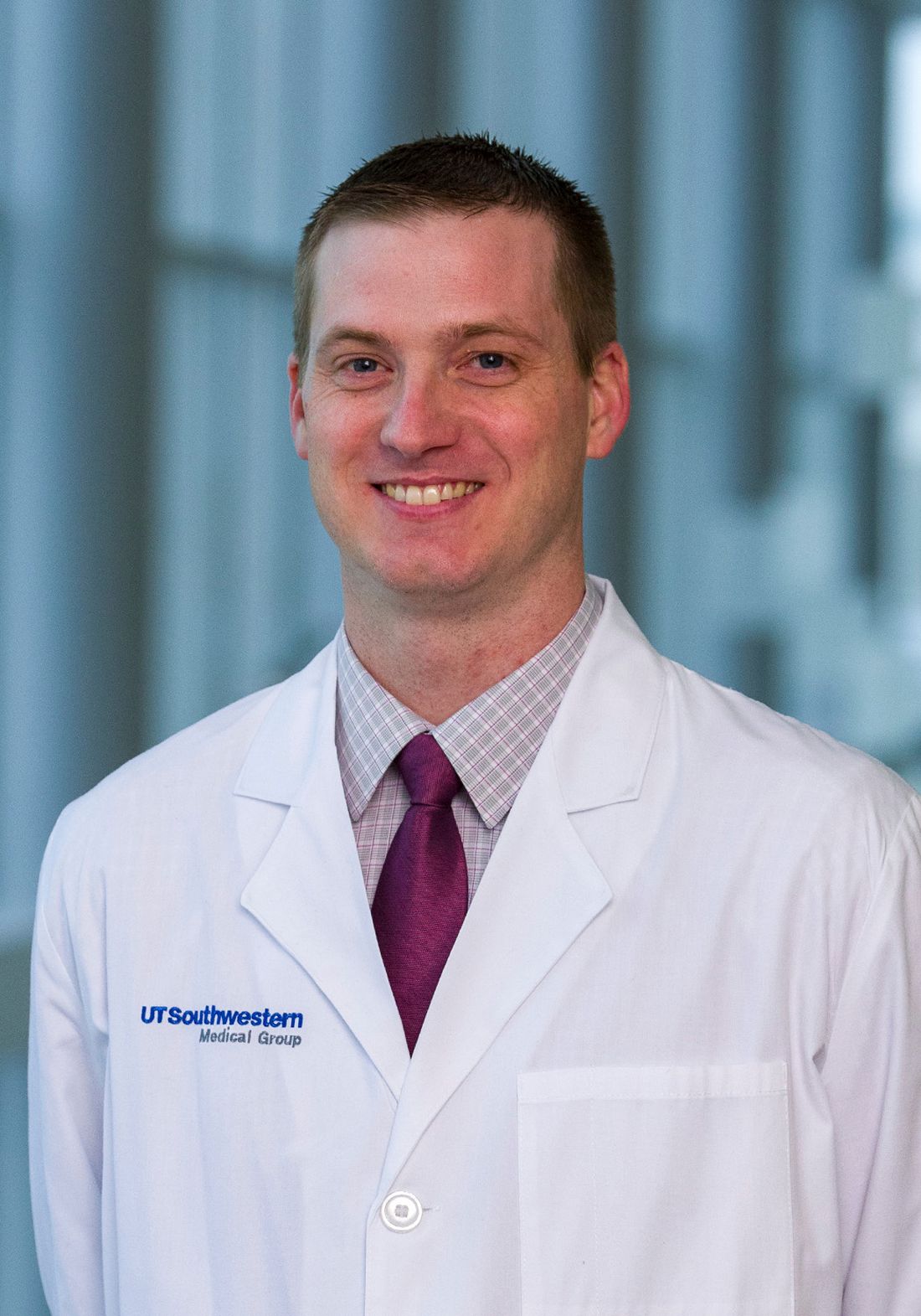
Dr. Newton and Dr. Garcia advise patients with PF and a positive family history to undergo panel-based genetic sequencing, along with telomere length measurement. They also advise that undiagnosed first-degree relatives consider what’s called “cascade testing” – genetic sequencing for any pathogenic or likely pathogenic rare variants found in the patient’s investigation. (Dr. Garcia, who cochairs a National Institutes of Health–funded interstitial lung disease curation panel, said she finds evidence of a pathogenic or likely pathogenic variant in about 25% of patients with a family history of PF.)
“We can use this genetic information to consider starting early [antifibrotic] treatment to try to delay progression … just as we would with other forms of pulmonary fibrosis,” Dr. Newton said, “and to expand our reach to others not sitting in our clinics who have the same rare condition or are at risk.”
After cascade testing, Dr. Garcia said, she invites family members with positive results to have baseline CT scans and pulmonary function testing. “And if there’s anything abnormal, we’re inviting them to have regular follow-up testing,” she said, “because we advise starting antifibrotic treatment at the very first sign of disease worsening.”
Such an approach to genetic testing for patients and relatives is described in a statement commissioned by the Pulmonary Fibrosis Foundation and published last year in the journal Chest (2022:162[2]:394-405). The statement, for which Dr. Newton and Dr. Garcia were among the authors, also lists clinical features within patients and families suggestive of a possible genetic pathway, and describes the potential yield for identifying a variant in different clinical scenarios.
Pathogenic variants in telomere genes as well as findings of short telomere length are associated with various extrapulmonary manifestations such as liver dysfunction, bone marrow dysfunction, and head and neck cancers, Dr. Newton said, making surveillance and referrals important. (Rare variants and short telomere length are associated with disease progression across several non-IPF diagnoses as well.)
Moreover, short telomeres may signal the need to avoid long-term immunosuppression. Research published in 2019 from multiple cohorts, and led by Dr. Newton and Dr. Garcia, showed that short telomere length is associated with worse outcomes (faster time to composite death, transplant, FVC decline, and hospitalization) in patients with IPF who received immunosuppression. These adverse outcomes were not found in IPF patients with normal telomere lengths who received similar immunosuppression (Am J Respir Crit Care Med. 2019;200(3):336-347).
Gene sequencing and telomere length measurement are described in the 2020 Chest statement on the role of genetic testing in PF as yielding “different yet complementary information.” Short age-adjusted telomere length (less than the 10th percentile) is common in those with pathogenic variants in telomere genes, but it can also occur in the absence of identifiable rare telomere-related variants, the statement says. Telomere length testing can be helpful, it notes, in determining the significance of a “variant of unknown significance (VUS)” if gene sequencing identifies one.
The future of genetic screening for PF
Future genetic screening approaches for PF may cast an even wider net while better stratifying risk for family members. At Brigham and Women’s Hospital, where family screening was a major impetus for the 2008 founding of the Pulmonary Genetics Center, research published several years ago by Dr. Raby and his colleagues found that 31% of 107 asymptomatic first-degree relatives of patients with PF had interstitial lung abnormalities on chest CTs – whether or not a family history was reported – and 18% had clear radiographic or physiological manifestations of fibrosis (Am J Respir Crit Care Med. 2020;201[10]:1240-8).

“That’s more than 10-fold higher than what we thought we’d see, based on prior literature. … And the numbers were pretty much the same whether or not there was a family history of fibrosis reported by the patient,” said Dr. Raby, also the Leila and Irving Perlmutter professor of pediatrics at Harvard Medical School, Boston, and chief of the division of pulmonary medicine at Boston Children’s Hospital. “We used to think we only needed to worry about genetic risk when there was a family history. But now we see that sporadic cases are also driven by genetics.”
Their study also included a 2-year follow-up chest CT, in which the majority of the screened relatives participated. Of those, 65% who had interstitial changes at baseline showed progression. Four percent of those without interstitial abnormalities at baseline developed abnormalities (Am J Respir Crit Care Med. 2023;207[2]:211-4). “The fact that 65% progressed suggests that in the majority of patients what we’re finding is something that’s real and is going to be clinically meaningful for patients,” he said.
Genetic signatures
A next phase of research at Brigham & Women’s and Boston Children’s, he said, will address PF’s “complex genetic signature” and test polygenic risk scores for idiopathic PF that take into account not only rare genetic variants that can be solidly linked to disease but many common genetic variants being detected in genome-wide association studies. [By definition, common variants, otherwise known as single-nucleotide polymorphisms (SNPs) occur with greater frequency in the general population (> 5%), generally reside within noncoding regions, and may contribute to disease risk but alone do not cause disease.]
“As technologies and genetic studies improve, we’re seeing we can estimate much better the likelihood of disease than we could 10 years ago,” he said. A “potent” common variant called the MUC5B promoter polymorphism has been shown to confer a 3-fold to 20-fold increased risk for PF, he noted. (Polygenic risk scores are also being developed, he said, for asthma and chronic obstructive pulmonary disease.)
“Every time one sees a patient with PF that is thought to be idiopathic one should start thinking about their at-risk family members, particularly their siblings,” Dr. Raby said. But in doing so, “wouldn’t it be wonderful if we could use polygenic risk scores to assure some [family members] that they’re in the lowest tier of risk and might need pulmonary function studies every 5 years, for example, versus someone we’d want to see more frequently, versus someone [for whom] we’d want to start preventive therapy at the earlier signs of declining lung function?”
Moving forward, he and the others said, the field needs more research to determine how genetic risk factors predict disease progression and prospective clinical trials to test whether long-term outcomes are indeed improved by early institution of antifibrotic therapy and other genetics-driven management decisions. “The data we’re using to inform prognosis and treatment decisions are compelling, but a lot of it is based on cohort studies and retrospective research,” Dr. Newton said.
Multi-institutional transomics studies and other research projects are underway, meanwhile, to build upon gene identifications and learn more about the pathobiology of PF. “We know about two big genetic pathways … but we need to sort it all out,” he said. For instance, “are there intermediate pathways? And where does it actually start? What kind of cell?”
Genetics’ impact on PCD
About 20 years ago, only two genes were linked to PCD, a largely autosomal recessive disorder that results from abnormalities in the cilia and subsequently improper airway clearance. Today, said Dr. Ferkol, there are over 50 known genes that, if defective, can lead to PCD.
“Based on our latest estimates, I’d say we can diagnose people using genetics about 70%, maybe 80%, of the time,” Dr. Ferkol said. Genetic testing has become a first-line diagnostic tool for PCD in North America – a significant development given that a definitive diagnosis has long been challenging, he said.
A genetics-based diagnosis of PCD is sometimes challenged by the finding of variants of unknown significance (VUSs) on genetic testing (often missense mutations) “because some of the genes involved are huge,” noted Dr. Ferkol, who coleads the NIH-funded Genetic Disorders of Mucociliary Clearance Consortium. “But many times, it’s straightforward.”
Children with PCD have repeated or persistent upper respiratory tract infections beginning early in life – like chronic rhinosinusitis or suppurative otitis media – and chronic bronchitis, leading to bronchiectasis. About half of patients have a spectrum of laterality defects, where organs are malpositioned in a mirror image of normal. Some individuals also have cardiac defects, and subfertility in both males and females can frequently occur.
Just as it has become increasingly clear that CF exists as a continuum, with milder and variant forms having been recognized since the advent of genetic testing, “we’re finding genotype-phenotype relationships in PCD,” Dr. Ferkol said. “Certain individuals have more rapid pulmonary decline, which is related in part to their genetics.”
With PCD, “I’m convinced this is a continuum. Some patients have unmistakable, clear-cut PCD, but I’m sure we’re going to find individuals who have milder variants in these PCD-associated genes that lead to milder disease,” he said.
There are no specific treatments that will correct cilia dysfunction, and current therapy options are borrowed from other diseases such as asthma and CF. However, newer treatments targeting specific genetic defects are in early clinical studies. Will the gene discoveries and more research open up new avenues for treating PCD, as happened in CF? Dr. Ferkol hopes so.
Approximately 2,000 genetic variants have been identified in the CFTR gene, though not all are pathogenic. “The newer, highly effective modulators used in CF target a particular CFTR mutation class, so some drugs will work for some people with the disease, but not all,” Dr. Ferkol said. “It’s personalized medicine.”
Modulator therapies designed to correct the malfunctioning proteins made by the CFTR gene have profoundly changed the lives of many with CF, improving lung function and everyday symptoms for patients, allowing them to lead near-normal lives. “It’s astonishing,” he said.
Dr. Garcia reported consulting for Rejuvenation Technologies and Rejuveron Telomere Therapeutics; in addition, her laboratory has received support from Boehringer Ingelheim and Astrazeneca for investigator-initiated research. Dr. Newton reported he has performed consulting for Boehringer Ingelheim. Dr. Ferkol reported involvement in a longitudinal study defining endpoints for future clinical PCD trials funded by ReCode Therapeutics and leadership of an international clinical trial for PCD supported by Parion Sciences. He has received honoraria from the Cystic Fibrosis Foundation and serves as a member of the ReCode Therapeutics PCD Clinical Steering Committee. Dr. Raby reported no relevant disclosures.
The remarkable story of cystic fibrosis (CF) – from gene discovery in 1989 to highly effective precision-medicine therapies today – inspires Christine Kim Garcia, MD, PhD, as she searches for rare mutations in genes linked to inherited forms of lung fibrosis, termed familial pulmonary fibrosis (FPF).
“Cystic fibrosis has provided a framework for approaching the genetics of lung fibrosis,” said Dr. Garcia, Frode Jensen Professor of Medicine and chief of the pulmonology, allergy, and critical care medicine division at Columbia University, and director of the Columbia Precision Medicine Initiative, both in New York.
Pulmonary fibrosis is more complicated than CF. “Mutations in more than 10 different genes can lead to the increased heritable risk of pulmonary fibrosis that we find in families. Different mutations exist for each gene. Sometimes the mutations are so rare that they are only found in a single family,” she said. “In addition, different subtypes of fibrotic interstitial lung disease can be linked to the same mutation and found in the same family.”
Despite these complexities, genetic discoveries in PF have illuminated pathophysiologic pathways and are driving the research that Dr. Garcia and other experts hope will lead to helpful prognostic tools and to precision therapies. And already, at institutions like Columbia, genetic discoveries are changing clinical care, driving treatment decisions and spurring family screening.
Thomas Ferkol, MD, whose research focuses on genetic factors that contribute to suppurative airway diseases such as CF and primary ciliary dyskinesia (PCD), similarly regards CF as a road map for genetics research and genetic testing in practice.
“The treatments we’re doing now for CF are increasingly based on the genetics of the individual,” said Dr. Ferkol, professor and division chief for pediatric pulmonology at the University of North Carolina at Chapel Hill, where the UNC Children’s Hospital hosts a rare and genetic lung disease program. For PCD, genetic testing has become a front-line diagnostic tool. But in the future, he hopes, it will also become a determinant for personalized treatment for children with PCD.
The cystic fibrosis transmembrane conductance regulator (CFTR) gene was the first lung disease gene to be discovered using gene-mapping techniques. Since then, and especially in the last 15-20 years, “there’s been a lot of progress in the identification of genes for which mutations and variations cause specific forms of pulmonary disease, many of which can now establish a firm diagnosis, and some of which lead to very directed changes in management. There has also been great progress in the availability of genetic testing,” said Benjamin A. Raby, MD, MPH, director of the Pulmonary Genetics Center at Brigham and Women’s Hospital, Boston, which sees patients with a host of cystic lung diseases, bronchiectasic lung diseases, fibrotic lung diseases, and other conditions, including pulmonary fibrosis and PCD.
Pulmonary fibrosis in adults and PCD in children are two examples of lung diseases for which genetic discoveries have exploded in recent years, with important implications for care now and in the future.
Leveraging genetic testing in PF
FPF describes families with two or more members with PF within three degrees of relationship; it is a designation believed to affect 20%-25% of people with PF and occurs predominantly later in the adult years (after 50 years of age), most commonly in autosomal dominant fashion, and amidst a stew of genetic risks, environmental exposures, and other insults.
Dr. Garcia and other researchers have uncovered two main types of genes in which rare variants can give rise to a heritable risk of FP: Genes that contribute to the maintenance of telomere length, and genes involved in surfactant metabolism. [Last year, Dr. Garcia and colleagues reported their discovery of both rare and common variants in a “spindle gene,” KIF15, in patients with IPF, suggesting an additional pathogenic pathway. The gene controls dynamics of cell division. (Am J Respir Crit Care Med. 2022;206[1]:p 56-69.)]
Detection of telomere pathway involvement – most commonly involving the TERT gene – is consequential because patients with telomere-associated gene mutations “tend to progress faster and have a more aggressive disease course than patients without these mutations … regardless of how their scans or biopsies look,” as do patients who have short age-adjusted telomere length, said Dr. Chad Newton, MD, who directs the Interstitial Lung Disease program at the University of Texas Southwestern and researches the genetics of ILD.
Dr. Newton and Dr. Garcia advise patients with PF and a positive family history to undergo panel-based genetic sequencing, along with telomere length measurement. They also advise that undiagnosed first-degree relatives consider what’s called “cascade testing” – genetic sequencing for any pathogenic or likely pathogenic rare variants found in the patient’s investigation. (Dr. Garcia, who cochairs a National Institutes of Health–funded interstitial lung disease curation panel, said she finds evidence of a pathogenic or likely pathogenic variant in about 25% of patients with a family history of PF.)
“We can use this genetic information to consider starting early [antifibrotic] treatment to try to delay progression … just as we would with other forms of pulmonary fibrosis,” Dr. Newton said, “and to expand our reach to others not sitting in our clinics who have the same rare condition or are at risk.”
After cascade testing, Dr. Garcia said, she invites family members with positive results to have baseline CT scans and pulmonary function testing. “And if there’s anything abnormal, we’re inviting them to have regular follow-up testing,” she said, “because we advise starting antifibrotic treatment at the very first sign of disease worsening.”
Such an approach to genetic testing for patients and relatives is described in a statement commissioned by the Pulmonary Fibrosis Foundation and published last year in the journal Chest (2022:162[2]:394-405). The statement, for which Dr. Newton and Dr. Garcia were among the authors, also lists clinical features within patients and families suggestive of a possible genetic pathway, and describes the potential yield for identifying a variant in different clinical scenarios.
Pathogenic variants in telomere genes as well as findings of short telomere length are associated with various extrapulmonary manifestations such as liver dysfunction, bone marrow dysfunction, and head and neck cancers, Dr. Newton said, making surveillance and referrals important. (Rare variants and short telomere length are associated with disease progression across several non-IPF diagnoses as well.)
Moreover, short telomeres may signal the need to avoid long-term immunosuppression. Research published in 2019 from multiple cohorts, and led by Dr. Newton and Dr. Garcia, showed that short telomere length is associated with worse outcomes (faster time to composite death, transplant, FVC decline, and hospitalization) in patients with IPF who received immunosuppression. These adverse outcomes were not found in IPF patients with normal telomere lengths who received similar immunosuppression (Am J Respir Crit Care Med. 2019;200(3):336-347).
Gene sequencing and telomere length measurement are described in the 2020 Chest statement on the role of genetic testing in PF as yielding “different yet complementary information.” Short age-adjusted telomere length (less than the 10th percentile) is common in those with pathogenic variants in telomere genes, but it can also occur in the absence of identifiable rare telomere-related variants, the statement says. Telomere length testing can be helpful, it notes, in determining the significance of a “variant of unknown significance (VUS)” if gene sequencing identifies one.
The future of genetic screening for PF
Future genetic screening approaches for PF may cast an even wider net while better stratifying risk for family members. At Brigham and Women’s Hospital, where family screening was a major impetus for the 2008 founding of the Pulmonary Genetics Center, research published several years ago by Dr. Raby and his colleagues found that 31% of 107 asymptomatic first-degree relatives of patients with PF had interstitial lung abnormalities on chest CTs – whether or not a family history was reported – and 18% had clear radiographic or physiological manifestations of fibrosis (Am J Respir Crit Care Med. 2020;201[10]:1240-8).
“That’s more than 10-fold higher than what we thought we’d see, based on prior literature. … And the numbers were pretty much the same whether or not there was a family history of fibrosis reported by the patient,” said Dr. Raby, also the Leila and Irving Perlmutter professor of pediatrics at Harvard Medical School, Boston, and chief of the division of pulmonary medicine at Boston Children’s Hospital. “We used to think we only needed to worry about genetic risk when there was a family history. But now we see that sporadic cases are also driven by genetics.”
Their study also included a 2-year follow-up chest CT, in which the majority of the screened relatives participated. Of those, 65% who had interstitial changes at baseline showed progression. Four percent of those without interstitial abnormalities at baseline developed abnormalities (Am J Respir Crit Care Med. 2023;207[2]:211-4). “The fact that 65% progressed suggests that in the majority of patients what we’re finding is something that’s real and is going to be clinically meaningful for patients,” he said.
Genetic signatures
A next phase of research at Brigham & Women’s and Boston Children’s, he said, will address PF’s “complex genetic signature” and test polygenic risk scores for idiopathic PF that take into account not only rare genetic variants that can be solidly linked to disease but many common genetic variants being detected in genome-wide association studies. [By definition, common variants, otherwise known as single-nucleotide polymorphisms (SNPs) occur with greater frequency in the general population (> 5%), generally reside within noncoding regions, and may contribute to disease risk but alone do not cause disease.]
“As technologies and genetic studies improve, we’re seeing we can estimate much better the likelihood of disease than we could 10 years ago,” he said. A “potent” common variant called the MUC5B promoter polymorphism has been shown to confer a 3-fold to 20-fold increased risk for PF, he noted. (Polygenic risk scores are also being developed, he said, for asthma and chronic obstructive pulmonary disease.)
“Every time one sees a patient with PF that is thought to be idiopathic one should start thinking about their at-risk family members, particularly their siblings,” Dr. Raby said. But in doing so, “wouldn’t it be wonderful if we could use polygenic risk scores to assure some [family members] that they’re in the lowest tier of risk and might need pulmonary function studies every 5 years, for example, versus someone we’d want to see more frequently, versus someone [for whom] we’d want to start preventive therapy at the earlier signs of declining lung function?”
Moving forward, he and the others said, the field needs more research to determine how genetic risk factors predict disease progression and prospective clinical trials to test whether long-term outcomes are indeed improved by early institution of antifibrotic therapy and other genetics-driven management decisions. “The data we’re using to inform prognosis and treatment decisions are compelling, but a lot of it is based on cohort studies and retrospective research,” Dr. Newton said.
Multi-institutional transomics studies and other research projects are underway, meanwhile, to build upon gene identifications and learn more about the pathobiology of PF. “We know about two big genetic pathways … but we need to sort it all out,” he said. For instance, “are there intermediate pathways? And where does it actually start? What kind of cell?”
Genetics’ impact on PCD
About 20 years ago, only two genes were linked to PCD, a largely autosomal recessive disorder that results from abnormalities in the cilia and subsequently improper airway clearance. Today, said Dr. Ferkol, there are over 50 known genes that, if defective, can lead to PCD.
“Based on our latest estimates, I’d say we can diagnose people using genetics about 70%, maybe 80%, of the time,” Dr. Ferkol said. Genetic testing has become a first-line diagnostic tool for PCD in North America – a significant development given that a definitive diagnosis has long been challenging, he said.
A genetics-based diagnosis of PCD is sometimes challenged by the finding of variants of unknown significance (VUSs) on genetic testing (often missense mutations) “because some of the genes involved are huge,” noted Dr. Ferkol, who coleads the NIH-funded Genetic Disorders of Mucociliary Clearance Consortium. “But many times, it’s straightforward.”
Children with PCD have repeated or persistent upper respiratory tract infections beginning early in life – like chronic rhinosinusitis or suppurative otitis media – and chronic bronchitis, leading to bronchiectasis. About half of patients have a spectrum of laterality defects, where organs are malpositioned in a mirror image of normal. Some individuals also have cardiac defects, and subfertility in both males and females can frequently occur.
Just as it has become increasingly clear that CF exists as a continuum, with milder and variant forms having been recognized since the advent of genetic testing, “we’re finding genotype-phenotype relationships in PCD,” Dr. Ferkol said. “Certain individuals have more rapid pulmonary decline, which is related in part to their genetics.”
With PCD, “I’m convinced this is a continuum. Some patients have unmistakable, clear-cut PCD, but I’m sure we’re going to find individuals who have milder variants in these PCD-associated genes that lead to milder disease,” he said.
There are no specific treatments that will correct cilia dysfunction, and current therapy options are borrowed from other diseases such as asthma and CF. However, newer treatments targeting specific genetic defects are in early clinical studies. Will the gene discoveries and more research open up new avenues for treating PCD, as happened in CF? Dr. Ferkol hopes so.
Approximately 2,000 genetic variants have been identified in the CFTR gene, though not all are pathogenic. “The newer, highly effective modulators used in CF target a particular CFTR mutation class, so some drugs will work for some people with the disease, but not all,” Dr. Ferkol said. “It’s personalized medicine.”
Modulator therapies designed to correct the malfunctioning proteins made by the CFTR gene have profoundly changed the lives of many with CF, improving lung function and everyday symptoms for patients, allowing them to lead near-normal lives. “It’s astonishing,” he said.
Dr. Garcia reported consulting for Rejuvenation Technologies and Rejuveron Telomere Therapeutics; in addition, her laboratory has received support from Boehringer Ingelheim and Astrazeneca for investigator-initiated research. Dr. Newton reported he has performed consulting for Boehringer Ingelheim. Dr. Ferkol reported involvement in a longitudinal study defining endpoints for future clinical PCD trials funded by ReCode Therapeutics and leadership of an international clinical trial for PCD supported by Parion Sciences. He has received honoraria from the Cystic Fibrosis Foundation and serves as a member of the ReCode Therapeutics PCD Clinical Steering Committee. Dr. Raby reported no relevant disclosures.
The remarkable story of cystic fibrosis (CF) – from gene discovery in 1989 to highly effective precision-medicine therapies today – inspires Christine Kim Garcia, MD, PhD, as she searches for rare mutations in genes linked to inherited forms of lung fibrosis, termed familial pulmonary fibrosis (FPF).
“Cystic fibrosis has provided a framework for approaching the genetics of lung fibrosis,” said Dr. Garcia, Frode Jensen Professor of Medicine and chief of the pulmonology, allergy, and critical care medicine division at Columbia University, and director of the Columbia Precision Medicine Initiative, both in New York.
Pulmonary fibrosis is more complicated than CF. “Mutations in more than 10 different genes can lead to the increased heritable risk of pulmonary fibrosis that we find in families. Different mutations exist for each gene. Sometimes the mutations are so rare that they are only found in a single family,” she said. “In addition, different subtypes of fibrotic interstitial lung disease can be linked to the same mutation and found in the same family.”
Despite these complexities, genetic discoveries in PF have illuminated pathophysiologic pathways and are driving the research that Dr. Garcia and other experts hope will lead to helpful prognostic tools and to precision therapies. And already, at institutions like Columbia, genetic discoveries are changing clinical care, driving treatment decisions and spurring family screening.
Thomas Ferkol, MD, whose research focuses on genetic factors that contribute to suppurative airway diseases such as CF and primary ciliary dyskinesia (PCD), similarly regards CF as a road map for genetics research and genetic testing in practice.
“The treatments we’re doing now for CF are increasingly based on the genetics of the individual,” said Dr. Ferkol, professor and division chief for pediatric pulmonology at the University of North Carolina at Chapel Hill, where the UNC Children’s Hospital hosts a rare and genetic lung disease program. For PCD, genetic testing has become a front-line diagnostic tool. But in the future, he hopes, it will also become a determinant for personalized treatment for children with PCD.
The cystic fibrosis transmembrane conductance regulator (CFTR) gene was the first lung disease gene to be discovered using gene-mapping techniques. Since then, and especially in the last 15-20 years, “there’s been a lot of progress in the identification of genes for which mutations and variations cause specific forms of pulmonary disease, many of which can now establish a firm diagnosis, and some of which lead to very directed changes in management. There has also been great progress in the availability of genetic testing,” said Benjamin A. Raby, MD, MPH, director of the Pulmonary Genetics Center at Brigham and Women’s Hospital, Boston, which sees patients with a host of cystic lung diseases, bronchiectasic lung diseases, fibrotic lung diseases, and other conditions, including pulmonary fibrosis and PCD.
Pulmonary fibrosis in adults and PCD in children are two examples of lung diseases for which genetic discoveries have exploded in recent years, with important implications for care now and in the future.
Leveraging genetic testing in PF
FPF describes families with two or more members with PF within three degrees of relationship; it is a designation believed to affect 20%-25% of people with PF and occurs predominantly later in the adult years (after 50 years of age), most commonly in autosomal dominant fashion, and amidst a stew of genetic risks, environmental exposures, and other insults.
Dr. Garcia and other researchers have uncovered two main types of genes in which rare variants can give rise to a heritable risk of FP: Genes that contribute to the maintenance of telomere length, and genes involved in surfactant metabolism. [Last year, Dr. Garcia and colleagues reported their discovery of both rare and common variants in a “spindle gene,” KIF15, in patients with IPF, suggesting an additional pathogenic pathway. The gene controls dynamics of cell division. (Am J Respir Crit Care Med. 2022;206[1]:p 56-69.)]
Detection of telomere pathway involvement – most commonly involving the TERT gene – is consequential because patients with telomere-associated gene mutations “tend to progress faster and have a more aggressive disease course than patients without these mutations … regardless of how their scans or biopsies look,” as do patients who have short age-adjusted telomere length, said Dr. Chad Newton, MD, who directs the Interstitial Lung Disease program at the University of Texas Southwestern and researches the genetics of ILD.
Dr. Newton and Dr. Garcia advise patients with PF and a positive family history to undergo panel-based genetic sequencing, along with telomere length measurement. They also advise that undiagnosed first-degree relatives consider what’s called “cascade testing” – genetic sequencing for any pathogenic or likely pathogenic rare variants found in the patient’s investigation. (Dr. Garcia, who cochairs a National Institutes of Health–funded interstitial lung disease curation panel, said she finds evidence of a pathogenic or likely pathogenic variant in about 25% of patients with a family history of PF.)
“We can use this genetic information to consider starting early [antifibrotic] treatment to try to delay progression … just as we would with other forms of pulmonary fibrosis,” Dr. Newton said, “and to expand our reach to others not sitting in our clinics who have the same rare condition or are at risk.”
After cascade testing, Dr. Garcia said, she invites family members with positive results to have baseline CT scans and pulmonary function testing. “And if there’s anything abnormal, we’re inviting them to have regular follow-up testing,” she said, “because we advise starting antifibrotic treatment at the very first sign of disease worsening.”
Such an approach to genetic testing for patients and relatives is described in a statement commissioned by the Pulmonary Fibrosis Foundation and published last year in the journal Chest (2022:162[2]:394-405). The statement, for which Dr. Newton and Dr. Garcia were among the authors, also lists clinical features within patients and families suggestive of a possible genetic pathway, and describes the potential yield for identifying a variant in different clinical scenarios.
Pathogenic variants in telomere genes as well as findings of short telomere length are associated with various extrapulmonary manifestations such as liver dysfunction, bone marrow dysfunction, and head and neck cancers, Dr. Newton said, making surveillance and referrals important. (Rare variants and short telomere length are associated with disease progression across several non-IPF diagnoses as well.)
Moreover, short telomeres may signal the need to avoid long-term immunosuppression. Research published in 2019 from multiple cohorts, and led by Dr. Newton and Dr. Garcia, showed that short telomere length is associated with worse outcomes (faster time to composite death, transplant, FVC decline, and hospitalization) in patients with IPF who received immunosuppression. These adverse outcomes were not found in IPF patients with normal telomere lengths who received similar immunosuppression (Am J Respir Crit Care Med. 2019;200(3):336-347).
Gene sequencing and telomere length measurement are described in the 2020 Chest statement on the role of genetic testing in PF as yielding “different yet complementary information.” Short age-adjusted telomere length (less than the 10th percentile) is common in those with pathogenic variants in telomere genes, but it can also occur in the absence of identifiable rare telomere-related variants, the statement says. Telomere length testing can be helpful, it notes, in determining the significance of a “variant of unknown significance (VUS)” if gene sequencing identifies one.
The future of genetic screening for PF
Future genetic screening approaches for PF may cast an even wider net while better stratifying risk for family members. At Brigham and Women’s Hospital, where family screening was a major impetus for the 2008 founding of the Pulmonary Genetics Center, research published several years ago by Dr. Raby and his colleagues found that 31% of 107 asymptomatic first-degree relatives of patients with PF had interstitial lung abnormalities on chest CTs – whether or not a family history was reported – and 18% had clear radiographic or physiological manifestations of fibrosis (Am J Respir Crit Care Med. 2020;201[10]:1240-8).
“That’s more than 10-fold higher than what we thought we’d see, based on prior literature. … And the numbers were pretty much the same whether or not there was a family history of fibrosis reported by the patient,” said Dr. Raby, also the Leila and Irving Perlmutter professor of pediatrics at Harvard Medical School, Boston, and chief of the division of pulmonary medicine at Boston Children’s Hospital. “We used to think we only needed to worry about genetic risk when there was a family history. But now we see that sporadic cases are also driven by genetics.”
Their study also included a 2-year follow-up chest CT, in which the majority of the screened relatives participated. Of those, 65% who had interstitial changes at baseline showed progression. Four percent of those without interstitial abnormalities at baseline developed abnormalities (Am J Respir Crit Care Med. 2023;207[2]:211-4). “The fact that 65% progressed suggests that in the majority of patients what we’re finding is something that’s real and is going to be clinically meaningful for patients,” he said.
Genetic signatures
A next phase of research at Brigham & Women’s and Boston Children’s, he said, will address PF’s “complex genetic signature” and test polygenic risk scores for idiopathic PF that take into account not only rare genetic variants that can be solidly linked to disease but many common genetic variants being detected in genome-wide association studies. [By definition, common variants, otherwise known as single-nucleotide polymorphisms (SNPs) occur with greater frequency in the general population (> 5%), generally reside within noncoding regions, and may contribute to disease risk but alone do not cause disease.]
“As technologies and genetic studies improve, we’re seeing we can estimate much better the likelihood of disease than we could 10 years ago,” he said. A “potent” common variant called the MUC5B promoter polymorphism has been shown to confer a 3-fold to 20-fold increased risk for PF, he noted. (Polygenic risk scores are also being developed, he said, for asthma and chronic obstructive pulmonary disease.)
“Every time one sees a patient with PF that is thought to be idiopathic one should start thinking about their at-risk family members, particularly their siblings,” Dr. Raby said. But in doing so, “wouldn’t it be wonderful if we could use polygenic risk scores to assure some [family members] that they’re in the lowest tier of risk and might need pulmonary function studies every 5 years, for example, versus someone we’d want to see more frequently, versus someone [for whom] we’d want to start preventive therapy at the earlier signs of declining lung function?”
Moving forward, he and the others said, the field needs more research to determine how genetic risk factors predict disease progression and prospective clinical trials to test whether long-term outcomes are indeed improved by early institution of antifibrotic therapy and other genetics-driven management decisions. “The data we’re using to inform prognosis and treatment decisions are compelling, but a lot of it is based on cohort studies and retrospective research,” Dr. Newton said.
Multi-institutional transomics studies and other research projects are underway, meanwhile, to build upon gene identifications and learn more about the pathobiology of PF. “We know about two big genetic pathways … but we need to sort it all out,” he said. For instance, “are there intermediate pathways? And where does it actually start? What kind of cell?”
Genetics’ impact on PCD
About 20 years ago, only two genes were linked to PCD, a largely autosomal recessive disorder that results from abnormalities in the cilia and subsequently improper airway clearance. Today, said Dr. Ferkol, there are over 50 known genes that, if defective, can lead to PCD.
“Based on our latest estimates, I’d say we can diagnose people using genetics about 70%, maybe 80%, of the time,” Dr. Ferkol said. Genetic testing has become a first-line diagnostic tool for PCD in North America – a significant development given that a definitive diagnosis has long been challenging, he said.
A genetics-based diagnosis of PCD is sometimes challenged by the finding of variants of unknown significance (VUSs) on genetic testing (often missense mutations) “because some of the genes involved are huge,” noted Dr. Ferkol, who coleads the NIH-funded Genetic Disorders of Mucociliary Clearance Consortium. “But many times, it’s straightforward.”
Children with PCD have repeated or persistent upper respiratory tract infections beginning early in life – like chronic rhinosinusitis or suppurative otitis media – and chronic bronchitis, leading to bronchiectasis. About half of patients have a spectrum of laterality defects, where organs are malpositioned in a mirror image of normal. Some individuals also have cardiac defects, and subfertility in both males and females can frequently occur.
Just as it has become increasingly clear that CF exists as a continuum, with milder and variant forms having been recognized since the advent of genetic testing, “we’re finding genotype-phenotype relationships in PCD,” Dr. Ferkol said. “Certain individuals have more rapid pulmonary decline, which is related in part to their genetics.”
With PCD, “I’m convinced this is a continuum. Some patients have unmistakable, clear-cut PCD, but I’m sure we’re going to find individuals who have milder variants in these PCD-associated genes that lead to milder disease,” he said.
There are no specific treatments that will correct cilia dysfunction, and current therapy options are borrowed from other diseases such as asthma and CF. However, newer treatments targeting specific genetic defects are in early clinical studies. Will the gene discoveries and more research open up new avenues for treating PCD, as happened in CF? Dr. Ferkol hopes so.
Approximately 2,000 genetic variants have been identified in the CFTR gene, though not all are pathogenic. “The newer, highly effective modulators used in CF target a particular CFTR mutation class, so some drugs will work for some people with the disease, but not all,” Dr. Ferkol said. “It’s personalized medicine.”
Modulator therapies designed to correct the malfunctioning proteins made by the CFTR gene have profoundly changed the lives of many with CF, improving lung function and everyday symptoms for patients, allowing them to lead near-normal lives. “It’s astonishing,” he said.
Dr. Garcia reported consulting for Rejuvenation Technologies and Rejuveron Telomere Therapeutics; in addition, her laboratory has received support from Boehringer Ingelheim and Astrazeneca for investigator-initiated research. Dr. Newton reported he has performed consulting for Boehringer Ingelheim. Dr. Ferkol reported involvement in a longitudinal study defining endpoints for future clinical PCD trials funded by ReCode Therapeutics and leadership of an international clinical trial for PCD supported by Parion Sciences. He has received honoraria from the Cystic Fibrosis Foundation and serves as a member of the ReCode Therapeutics PCD Clinical Steering Committee. Dr. Raby reported no relevant disclosures.
PCPs prep for ‘less predictable’ respiratory virus season
Hospitalizations for COVID-19 in the United States have increased for 8 weeks in a row.
Data from Florida and Georgia signal that respiratory syncytial virus (RSV) season has begun.
As for flu shots, experts say patients with long COVID should get them in 2023, although federal health agencies have not addressed that specific question.
Paul G. Auwaerter, MD, MBA, an infectious disease consultant, said many patients in his primary care practice worry about “the big three” – COVID, influenza, and RSV.
They discussed how to handle COVID boosters, the use of Paxlovid, vaccine hesitancy, and the correct order of operations for patients getting vaccinated against all three diseases.
Paul G. Auwaerter, MD, MBA, clinical director of the division of infectious diseases and the Sherrilyn and Ken Fisher Professor of Medicine at Johns Hopkins University, BaltimoreQuestion: How should primary care physicians be preparing to handle what everyone is predicting will be a major surge in cases of respiratory infections?
Auwaerter: Although I’m an infectious disease consultant, I still have a small primary care practice. So, I field questions for my patients all the time, and many patients, especially those with health problems, are worried about the big three: RSV, COVID, and influenza – at least, my more motivated patients are.
People frequently ask if they need the COVID booster. I think that’s been something many people think maybe they can avoid. The good news is that the early in vitro data suggest that the XBB1.5x-based vaccine seems to offer sufficient neutralizing activity against the circulating newer variants since the vaccine was approved earlier this year. I am suggesting that everyone get a booster, especially those at high risk, because we know that the risk for hospitalization decreases based on earlier studies for 4-6 months after a COVID booster. We can simultaneously administer the revised COVID booster vaccine and the annual influenza vaccine. The timing is good, as influenza immunization should be accomplished by October or early November at the latest. Like many parts of the country, we in Maryland are in the middle of a COVID boomlet. I have issued more Paxlovid prescriptions since mid-August than I did all spring and early summer.
Q: Are you seeing a lot of rebound COVID in your patients taking Paxlovid [nirmatrelvir/ritonavir]?
Dr. Auwaerter: I think the frequency is probably around 10%. It has been quoted much higher – at 20% – but careful studies have put it down at just single digits. I think it just depends on symptomatology and how you ask the question. But I think it’s important that I try to persuade people to take a direct-acting antiviral if they’re in a high-risk category rather than tough it out. Increasing data suggest taking an antiviral also reduces the risk for long COVID. Also, we know that rebound symptoms are not always infectious virus. Sometimes, they’re just inflammatory. Unless a person is immune suppressed, they rarely have a culturable virus 7-8 days after onset of symptoms. So, for most people, I don’t administer second courses of Paxlovid, although I know some physicians do. One has to realize the risk for hospitalization from a rebound is tiny, and many people don’t even have infectious virus when they take the second course of a drug such as Paxlovid.
Q: You mentioned motivated patients, which seems to be an important factor to consider, particularly for new vaccines.
Dr. Auwaerter: There are always early adopters who are less afraid. And then some people say: This is a brand-new vaccine; I’m going to wait for a year to let this shake out, and make sure it seems safe. People more engaged in their health have asked me about the RSV vaccine. For anyone who has cardiopulmonary problems and other major health problems, I’ve advised it. But if someone’s in good health and 65 or 70, the RSV illness is probably pretty mild if they get it. For them, I would say the vaccine is optional.
For people over 75, I have been advising the RSV vaccine because that is a group we tend to see hospitalized with RSV; they’re the highest-risk group, similar to COVID. The older you are, the more likely this infection will land you in the hospital. You can acquire RSV even if you don’t have young grandchildren around.
Q: You have called respiratory virus seasons unstable? What does it mean, and what is the significance for clinicians?
Dr. Auwaerter: It’s less predictable than in the past. If you had a cough and fever, you could think it was influenza if you knew you had influenza circulating in your community. Maybe you thought about RSV for your immunocompromised or older patients, but we didn’t have any therapy for it anyway. I sometimes refer to the respiratory virus season as a cage match between the major infections. Last year, RSV came out first, and we got some influenza and COVID. What does the situation look like this year? I don’t know at this point, but we are seeing more COVID earlier. What’s different is we continue to have the emergence of viral variants of SARS-CoV-2. Also, with both influenza and COVID, it’s harder to make a clinical judgment about what people have.
I think we have to rely more on tests to treat these patients. Options include having point of care testing in the office for rapid results (molecular assays preferred) for both influenza and SARS-CoV-2 or home antigen testing. There are home kits that do test for both if influenza is known to be circulating significantly in the community. But there are still barriers. For one, COVID and COVID/influenza antigen kits are no longer free, although some health insurance companies do provide COVID kits free of charge. In offices, you don’t want to have ill people with respiratory infections in your waiting room unless you can isolate or have negative pressure rooms. Do you ask for masking in your offices? Telemedicine has been a big help since the pandemic in managing nonsevere respiratory infections at home; however, you must be licensed in the state to practice, which limits helping your out-of-state patients.
Q: How has the advent of in-home antigen tests changed practice?
Dr. Auwaerter: Home antigen tests have been groundbreaking in facilitating care. When I see patients via telemedicine, I don’t want to prescribe medications for influenza and COVID to people simultaneously. I want to pick one or the other – and now I’m able to ask for a COVID test or a COVID/influenza test if the patient or family is able to get a kit. Some offices do have real-time molecular testing, which is the ideal and the CDC-recommended approach, but they’re expensive, and not everyone has access to them.
Q: People talk about the “tripledemic,” but does doing so ignore the fourth horseman of the respiratory apocalypse: pneumococcal pneumonia?
Dr. Auwaerter: Pneumonia remains a leading cause of hospitalization, except we’ve seen much more viral than bacterial pneumonia in recent years of the pandemic. We’ve lost sight, and pneumococcal pneumonia is important, especially in older patients. What we have seen pretty clearly is a rise in group A streptococcal infections. This is another consequence of the pandemic, where people did not socialize for a year or 2. There was much less group A strep infection in younger children, and even in adults, the amount of invasive group A streptococcal infections has clearly taken a jump, according to the NHS in Great Britain. Our pediatric practices here at Johns Hopkins are seeing far more cases of acute rheumatic fever than they’ve seen in decades. And I think, again, this is a consequence of the frequency of group A strep infections definitely taking an uptick. And that was no doubt probably from social mitigation measures and just an interruption in normal circumstances that bacterial and respiratory pathogens tend to circulate and colonize.
Q: Do you have any concerns about immunogenicity or side effects associated with receiving several vaccines at once?
Dr. Auwaerter: I think three injections at once is only for the heroic, and there is actually no guidance for getting all three at the moment. COVID, RSV, and influenza are not live vaccines. I’ve been recommending the new COVID booster and flu together, and then wait 2 weeks and then get RSV or vice-versa. A part of the reason is RSV is new. People have gotten COVID and flu vaccines before; they’re no different than in the past in terms of anticipating adverse effects. But RSV is new, so I’ve usually been recommending that as a standalone to gauge if there are issues as an RSV booster may be recommended at some point down the road.
Q: Unfortunately, some people are going to see or hear misinformation that the COVID boosters have not been properly tested or proven safe. What’s your response to the patient who says something to that effect?
Dr. Auwaerter: My response is, the basic components of the vaccine are the same, right? If you have the mRNA vaccine, you’re getting the vaccine components, the lipids, and the mRNA coding for spike proteins, which has just been modified slightly to adjust to the Omicron subvariant composition. We do the same thing with the influenza vaccine every year, and we don’t see much change in the side effect profile. I think it’s important for my staff in the office and myself to be very comfortable to field questions such as these.
We try to inform all of our staff about a vaccine, especially a new one like RSV, just so they have some comfort level with it, whether they’re getting it or not. Vaccine-hesitant patients need very little to dissuade and to take a pass – to the probable detriment of their health and their family’s health. We know the influenza vaccine helps reduce absenteeism and transmission in addition to reducing serious illness in high-risk patients. Even COVID vaccine efficacy is not as robust as initially reported, falling from 95% to under 70% depending on the study – you are provided with protection against serious illness and hospitalization. The same goes for influenza, and that’s how we try to pitch it to people. Are they going to get the flu? Maybe, but you didn’t land in the hospital. That’s why it’s these vaccines are so important.
Spencer H. Durham, PharmD, associate clinical professor in the department of pharmacy practice at Auburn (Ala.) University, and clinical pharmacist, Internal Medicine & Infectious Diseases, at the UAB Heersink School of Medicine in Huntsville.Q: What is known, if anything, about the risks/desirability of giving three vaccinations at once to patients (particularly older patients) – flu, COVID-19 and RSV? Any potential vaccine interactions physicians should know about?
Dr. Durham: There are currently no data about giving all three of these vaccines together at the same time. However, there is both data and practical experience of giving both the flu and COVID vaccines at the same time. The best approach right now for these three vaccines would be to get the flu and COVID vaccines at the same time, then give the RSV vaccine at a different date. In general, they should be separated by about 2 weeks, although it does not matter in what order they are given (that is, patients could get RSV first, then flu/COVID, or they could get flu/COVID first, followed by RSV).
Having said this, there is no theoretical reason why patients couldn’t get all three at once, so if there is only one opportunity to vaccinate a patient, then it would be okay to give all three. But, if the patient can come for two separate visits, the recommendation would currently be to separate these. In the future, there likely will be data on giving all three vaccines at once, so it may not be an issue to administer all three at the same time.
Lastly, I would point out that the RSV vaccine is not necessarily recommended for everyone age 60 and above. The Advisory Committee on Immunization Practices recommends using shared clinical decision-making to determine if that vaccine is right for the patient. In general, the flu and COVID vaccines are recommended for everyone, although the specific COVID recommendations for fall 2023 have not yet been released. There are no particular vaccine interactions that are concerning with these vaccines.
Q: What if any special considerations are there regarding the storage, handling, and ordering of these vaccines? Should primary care practices take any special steps they might not already be taking?
Dr. Durham: I don’t think there are any special considerations that providers might not already be doing. All of the vaccines do require refrigeration, but each individual product may vary some on beyond-use dates or how long they are good after being reconstituted. All providers administering these vaccines should carefully examine the labeling of each individual product to ensure correct storage and handling. In addition, the Centers for Disease Control and Prevention has an online toolkit for vaccine storage and handling and can be found at https://www.cdc.gov/vaccines/hcp/admin/storage/toolkit/index.html.
Santina J. G. Wheat, MD, MPH, vice chair of diversity, equity, and inclusion, department of family and community medicine, and associate professor of family and community medicine, Northwestern University, ChicagoQ: What can primary care doctors/family physicians and their staff do to increase patient access to the vaccines? Any lessons learned from the earlier phases of the pandemic that might pertain not only to COVID-19 but also to RSV and/or influenza?
Dr. Wheat: I think the most important thing family physicians can do is speak with their patients about the importance of vaccines and specific recommendations they have for the situations of individuals and families. When vaccines started becoming available, I had many patients who wanted to hear from me – as their primary physician – what I truly thought and what I was planning to do for my own family.
I also think if our teams can know where vaccines are easily accessible, that makes it much easier for our patients. I have heard great stories and seen my own clinical support staff look at websites with patients to help them find the best location to get vaccines. In particular, about the RSV vaccine, I have had a handful of patients already come to ask me about my recommendations. When vaccines are available at my location, I find it much easier for my patients to be willing to get vaccinated. Similarly, if I am sending patients to pick up a prescription and they can get it at the same time, I have found success in them being willing to be vaccinated while picking up their prescription. In both instances, they do not need to make an additional stop; they are just able to be vaccinated while already at the clinic or pharmacy.
Q: Do you see any extra difficulties involved in trying to get groups of patients – in this case, older people – to be receptive to three vaccines, especially in this climate where it appears a growing number of people are hostile to immunization?
Dr. Wheat: Recently, I have found myself negotiating vaccines with patients not just with these, but as recommendations have changed for vaccines such as the pneumococcal vaccines and the hepatitis B vaccines. I think primary care providers can recommend all of them, but still help patients prioritize what is most important for that patient and family. For example, if welcoming a new baby soon, they might prioritize the vaccines for pertussis or influenza over the hepatitis vaccine with a plan to revisit the conversations later.
I have had some patients tell me they have gotten enough vaccines – and we know that even before the pandemic there was resistance to the influenza vaccine for some. I think we need to be prepared to address the concerns and, at times, the apathy. We also need to ask every time, because we never know which visit will be the one when a patient agrees.
Dr. Auwaerter reported financial relationships with Pfizer, Shionogi, Gilead, and Wellstat. Dr. Durham and Dr. Wheat disclosed no relevant financial relationships.
A version of this article appeared on Medscape.com.
Hospitalizations for COVID-19 in the United States have increased for 8 weeks in a row.
Data from Florida and Georgia signal that respiratory syncytial virus (RSV) season has begun.
As for flu shots, experts say patients with long COVID should get them in 2023, although federal health agencies have not addressed that specific question.
Paul G. Auwaerter, MD, MBA, an infectious disease consultant, said many patients in his primary care practice worry about “the big three” – COVID, influenza, and RSV.
They discussed how to handle COVID boosters, the use of Paxlovid, vaccine hesitancy, and the correct order of operations for patients getting vaccinated against all three diseases.
Paul G. Auwaerter, MD, MBA, clinical director of the division of infectious diseases and the Sherrilyn and Ken Fisher Professor of Medicine at Johns Hopkins University, BaltimoreQuestion: How should primary care physicians be preparing to handle what everyone is predicting will be a major surge in cases of respiratory infections?
Auwaerter: Although I’m an infectious disease consultant, I still have a small primary care practice. So, I field questions for my patients all the time, and many patients, especially those with health problems, are worried about the big three: RSV, COVID, and influenza – at least, my more motivated patients are.
People frequently ask if they need the COVID booster. I think that’s been something many people think maybe they can avoid. The good news is that the early in vitro data suggest that the XBB1.5x-based vaccine seems to offer sufficient neutralizing activity against the circulating newer variants since the vaccine was approved earlier this year. I am suggesting that everyone get a booster, especially those at high risk, because we know that the risk for hospitalization decreases based on earlier studies for 4-6 months after a COVID booster. We can simultaneously administer the revised COVID booster vaccine and the annual influenza vaccine. The timing is good, as influenza immunization should be accomplished by October or early November at the latest. Like many parts of the country, we in Maryland are in the middle of a COVID boomlet. I have issued more Paxlovid prescriptions since mid-August than I did all spring and early summer.
Q: Are you seeing a lot of rebound COVID in your patients taking Paxlovid [nirmatrelvir/ritonavir]?
Dr. Auwaerter: I think the frequency is probably around 10%. It has been quoted much higher – at 20% – but careful studies have put it down at just single digits. I think it just depends on symptomatology and how you ask the question. But I think it’s important that I try to persuade people to take a direct-acting antiviral if they’re in a high-risk category rather than tough it out. Increasing data suggest taking an antiviral also reduces the risk for long COVID. Also, we know that rebound symptoms are not always infectious virus. Sometimes, they’re just inflammatory. Unless a person is immune suppressed, they rarely have a culturable virus 7-8 days after onset of symptoms. So, for most people, I don’t administer second courses of Paxlovid, although I know some physicians do. One has to realize the risk for hospitalization from a rebound is tiny, and many people don’t even have infectious virus when they take the second course of a drug such as Paxlovid.
Q: You mentioned motivated patients, which seems to be an important factor to consider, particularly for new vaccines.
Dr. Auwaerter: There are always early adopters who are less afraid. And then some people say: This is a brand-new vaccine; I’m going to wait for a year to let this shake out, and make sure it seems safe. People more engaged in their health have asked me about the RSV vaccine. For anyone who has cardiopulmonary problems and other major health problems, I’ve advised it. But if someone’s in good health and 65 or 70, the RSV illness is probably pretty mild if they get it. For them, I would say the vaccine is optional.
For people over 75, I have been advising the RSV vaccine because that is a group we tend to see hospitalized with RSV; they’re the highest-risk group, similar to COVID. The older you are, the more likely this infection will land you in the hospital. You can acquire RSV even if you don’t have young grandchildren around.
Q: You have called respiratory virus seasons unstable? What does it mean, and what is the significance for clinicians?
Dr. Auwaerter: It’s less predictable than in the past. If you had a cough and fever, you could think it was influenza if you knew you had influenza circulating in your community. Maybe you thought about RSV for your immunocompromised or older patients, but we didn’t have any therapy for it anyway. I sometimes refer to the respiratory virus season as a cage match between the major infections. Last year, RSV came out first, and we got some influenza and COVID. What does the situation look like this year? I don’t know at this point, but we are seeing more COVID earlier. What’s different is we continue to have the emergence of viral variants of SARS-CoV-2. Also, with both influenza and COVID, it’s harder to make a clinical judgment about what people have.
I think we have to rely more on tests to treat these patients. Options include having point of care testing in the office for rapid results (molecular assays preferred) for both influenza and SARS-CoV-2 or home antigen testing. There are home kits that do test for both if influenza is known to be circulating significantly in the community. But there are still barriers. For one, COVID and COVID/influenza antigen kits are no longer free, although some health insurance companies do provide COVID kits free of charge. In offices, you don’t want to have ill people with respiratory infections in your waiting room unless you can isolate or have negative pressure rooms. Do you ask for masking in your offices? Telemedicine has been a big help since the pandemic in managing nonsevere respiratory infections at home; however, you must be licensed in the state to practice, which limits helping your out-of-state patients.
Q: How has the advent of in-home antigen tests changed practice?
Dr. Auwaerter: Home antigen tests have been groundbreaking in facilitating care. When I see patients via telemedicine, I don’t want to prescribe medications for influenza and COVID to people simultaneously. I want to pick one or the other – and now I’m able to ask for a COVID test or a COVID/influenza test if the patient or family is able to get a kit. Some offices do have real-time molecular testing, which is the ideal and the CDC-recommended approach, but they’re expensive, and not everyone has access to them.
Q: People talk about the “tripledemic,” but does doing so ignore the fourth horseman of the respiratory apocalypse: pneumococcal pneumonia?
Dr. Auwaerter: Pneumonia remains a leading cause of hospitalization, except we’ve seen much more viral than bacterial pneumonia in recent years of the pandemic. We’ve lost sight, and pneumococcal pneumonia is important, especially in older patients. What we have seen pretty clearly is a rise in group A streptococcal infections. This is another consequence of the pandemic, where people did not socialize for a year or 2. There was much less group A strep infection in younger children, and even in adults, the amount of invasive group A streptococcal infections has clearly taken a jump, according to the NHS in Great Britain. Our pediatric practices here at Johns Hopkins are seeing far more cases of acute rheumatic fever than they’ve seen in decades. And I think, again, this is a consequence of the frequency of group A strep infections definitely taking an uptick. And that was no doubt probably from social mitigation measures and just an interruption in normal circumstances that bacterial and respiratory pathogens tend to circulate and colonize.
Q: Do you have any concerns about immunogenicity or side effects associated with receiving several vaccines at once?
Dr. Auwaerter: I think three injections at once is only for the heroic, and there is actually no guidance for getting all three at the moment. COVID, RSV, and influenza are not live vaccines. I’ve been recommending the new COVID booster and flu together, and then wait 2 weeks and then get RSV or vice-versa. A part of the reason is RSV is new. People have gotten COVID and flu vaccines before; they’re no different than in the past in terms of anticipating adverse effects. But RSV is new, so I’ve usually been recommending that as a standalone to gauge if there are issues as an RSV booster may be recommended at some point down the road.
Q: Unfortunately, some people are going to see or hear misinformation that the COVID boosters have not been properly tested or proven safe. What’s your response to the patient who says something to that effect?
Dr. Auwaerter: My response is, the basic components of the vaccine are the same, right? If you have the mRNA vaccine, you’re getting the vaccine components, the lipids, and the mRNA coding for spike proteins, which has just been modified slightly to adjust to the Omicron subvariant composition. We do the same thing with the influenza vaccine every year, and we don’t see much change in the side effect profile. I think it’s important for my staff in the office and myself to be very comfortable to field questions such as these.
We try to inform all of our staff about a vaccine, especially a new one like RSV, just so they have some comfort level with it, whether they’re getting it or not. Vaccine-hesitant patients need very little to dissuade and to take a pass – to the probable detriment of their health and their family’s health. We know the influenza vaccine helps reduce absenteeism and transmission in addition to reducing serious illness in high-risk patients. Even COVID vaccine efficacy is not as robust as initially reported, falling from 95% to under 70% depending on the study – you are provided with protection against serious illness and hospitalization. The same goes for influenza, and that’s how we try to pitch it to people. Are they going to get the flu? Maybe, but you didn’t land in the hospital. That’s why it’s these vaccines are so important.
Spencer H. Durham, PharmD, associate clinical professor in the department of pharmacy practice at Auburn (Ala.) University, and clinical pharmacist, Internal Medicine & Infectious Diseases, at the UAB Heersink School of Medicine in Huntsville.Q: What is known, if anything, about the risks/desirability of giving three vaccinations at once to patients (particularly older patients) – flu, COVID-19 and RSV? Any potential vaccine interactions physicians should know about?
Dr. Durham: There are currently no data about giving all three of these vaccines together at the same time. However, there is both data and practical experience of giving both the flu and COVID vaccines at the same time. The best approach right now for these three vaccines would be to get the flu and COVID vaccines at the same time, then give the RSV vaccine at a different date. In general, they should be separated by about 2 weeks, although it does not matter in what order they are given (that is, patients could get RSV first, then flu/COVID, or they could get flu/COVID first, followed by RSV).
Having said this, there is no theoretical reason why patients couldn’t get all three at once, so if there is only one opportunity to vaccinate a patient, then it would be okay to give all three. But, if the patient can come for two separate visits, the recommendation would currently be to separate these. In the future, there likely will be data on giving all three vaccines at once, so it may not be an issue to administer all three at the same time.
Lastly, I would point out that the RSV vaccine is not necessarily recommended for everyone age 60 and above. The Advisory Committee on Immunization Practices recommends using shared clinical decision-making to determine if that vaccine is right for the patient. In general, the flu and COVID vaccines are recommended for everyone, although the specific COVID recommendations for fall 2023 have not yet been released. There are no particular vaccine interactions that are concerning with these vaccines.
Q: What if any special considerations are there regarding the storage, handling, and ordering of these vaccines? Should primary care practices take any special steps they might not already be taking?
Dr. Durham: I don’t think there are any special considerations that providers might not already be doing. All of the vaccines do require refrigeration, but each individual product may vary some on beyond-use dates or how long they are good after being reconstituted. All providers administering these vaccines should carefully examine the labeling of each individual product to ensure correct storage and handling. In addition, the Centers for Disease Control and Prevention has an online toolkit for vaccine storage and handling and can be found at https://www.cdc.gov/vaccines/hcp/admin/storage/toolkit/index.html.
Santina J. G. Wheat, MD, MPH, vice chair of diversity, equity, and inclusion, department of family and community medicine, and associate professor of family and community medicine, Northwestern University, ChicagoQ: What can primary care doctors/family physicians and their staff do to increase patient access to the vaccines? Any lessons learned from the earlier phases of the pandemic that might pertain not only to COVID-19 but also to RSV and/or influenza?
Dr. Wheat: I think the most important thing family physicians can do is speak with their patients about the importance of vaccines and specific recommendations they have for the situations of individuals and families. When vaccines started becoming available, I had many patients who wanted to hear from me – as their primary physician – what I truly thought and what I was planning to do for my own family.
I also think if our teams can know where vaccines are easily accessible, that makes it much easier for our patients. I have heard great stories and seen my own clinical support staff look at websites with patients to help them find the best location to get vaccines. In particular, about the RSV vaccine, I have had a handful of patients already come to ask me about my recommendations. When vaccines are available at my location, I find it much easier for my patients to be willing to get vaccinated. Similarly, if I am sending patients to pick up a prescription and they can get it at the same time, I have found success in them being willing to be vaccinated while picking up their prescription. In both instances, they do not need to make an additional stop; they are just able to be vaccinated while already at the clinic or pharmacy.
Q: Do you see any extra difficulties involved in trying to get groups of patients – in this case, older people – to be receptive to three vaccines, especially in this climate where it appears a growing number of people are hostile to immunization?
Dr. Wheat: Recently, I have found myself negotiating vaccines with patients not just with these, but as recommendations have changed for vaccines such as the pneumococcal vaccines and the hepatitis B vaccines. I think primary care providers can recommend all of them, but still help patients prioritize what is most important for that patient and family. For example, if welcoming a new baby soon, they might prioritize the vaccines for pertussis or influenza over the hepatitis vaccine with a plan to revisit the conversations later.
I have had some patients tell me they have gotten enough vaccines – and we know that even before the pandemic there was resistance to the influenza vaccine for some. I think we need to be prepared to address the concerns and, at times, the apathy. We also need to ask every time, because we never know which visit will be the one when a patient agrees.
Dr. Auwaerter reported financial relationships with Pfizer, Shionogi, Gilead, and Wellstat. Dr. Durham and Dr. Wheat disclosed no relevant financial relationships.
A version of this article appeared on Medscape.com.
Hospitalizations for COVID-19 in the United States have increased for 8 weeks in a row.
Data from Florida and Georgia signal that respiratory syncytial virus (RSV) season has begun.
As for flu shots, experts say patients with long COVID should get them in 2023, although federal health agencies have not addressed that specific question.
Paul G. Auwaerter, MD, MBA, an infectious disease consultant, said many patients in his primary care practice worry about “the big three” – COVID, influenza, and RSV.
They discussed how to handle COVID boosters, the use of Paxlovid, vaccine hesitancy, and the correct order of operations for patients getting vaccinated against all three diseases.
Paul G. Auwaerter, MD, MBA, clinical director of the division of infectious diseases and the Sherrilyn and Ken Fisher Professor of Medicine at Johns Hopkins University, BaltimoreQuestion: How should primary care physicians be preparing to handle what everyone is predicting will be a major surge in cases of respiratory infections?
Auwaerter: Although I’m an infectious disease consultant, I still have a small primary care practice. So, I field questions for my patients all the time, and many patients, especially those with health problems, are worried about the big three: RSV, COVID, and influenza – at least, my more motivated patients are.
People frequently ask if they need the COVID booster. I think that’s been something many people think maybe they can avoid. The good news is that the early in vitro data suggest that the XBB1.5x-based vaccine seems to offer sufficient neutralizing activity against the circulating newer variants since the vaccine was approved earlier this year. I am suggesting that everyone get a booster, especially those at high risk, because we know that the risk for hospitalization decreases based on earlier studies for 4-6 months after a COVID booster. We can simultaneously administer the revised COVID booster vaccine and the annual influenza vaccine. The timing is good, as influenza immunization should be accomplished by October or early November at the latest. Like many parts of the country, we in Maryland are in the middle of a COVID boomlet. I have issued more Paxlovid prescriptions since mid-August than I did all spring and early summer.
Q: Are you seeing a lot of rebound COVID in your patients taking Paxlovid [nirmatrelvir/ritonavir]?
Dr. Auwaerter: I think the frequency is probably around 10%. It has been quoted much higher – at 20% – but careful studies have put it down at just single digits. I think it just depends on symptomatology and how you ask the question. But I think it’s important that I try to persuade people to take a direct-acting antiviral if they’re in a high-risk category rather than tough it out. Increasing data suggest taking an antiviral also reduces the risk for long COVID. Also, we know that rebound symptoms are not always infectious virus. Sometimes, they’re just inflammatory. Unless a person is immune suppressed, they rarely have a culturable virus 7-8 days after onset of symptoms. So, for most people, I don’t administer second courses of Paxlovid, although I know some physicians do. One has to realize the risk for hospitalization from a rebound is tiny, and many people don’t even have infectious virus when they take the second course of a drug such as Paxlovid.
Q: You mentioned motivated patients, which seems to be an important factor to consider, particularly for new vaccines.
Dr. Auwaerter: There are always early adopters who are less afraid. And then some people say: This is a brand-new vaccine; I’m going to wait for a year to let this shake out, and make sure it seems safe. People more engaged in their health have asked me about the RSV vaccine. For anyone who has cardiopulmonary problems and other major health problems, I’ve advised it. But if someone’s in good health and 65 or 70, the RSV illness is probably pretty mild if they get it. For them, I would say the vaccine is optional.
For people over 75, I have been advising the RSV vaccine because that is a group we tend to see hospitalized with RSV; they’re the highest-risk group, similar to COVID. The older you are, the more likely this infection will land you in the hospital. You can acquire RSV even if you don’t have young grandchildren around.
Q: You have called respiratory virus seasons unstable? What does it mean, and what is the significance for clinicians?
Dr. Auwaerter: It’s less predictable than in the past. If you had a cough and fever, you could think it was influenza if you knew you had influenza circulating in your community. Maybe you thought about RSV for your immunocompromised or older patients, but we didn’t have any therapy for it anyway. I sometimes refer to the respiratory virus season as a cage match between the major infections. Last year, RSV came out first, and we got some influenza and COVID. What does the situation look like this year? I don’t know at this point, but we are seeing more COVID earlier. What’s different is we continue to have the emergence of viral variants of SARS-CoV-2. Also, with both influenza and COVID, it’s harder to make a clinical judgment about what people have.
I think we have to rely more on tests to treat these patients. Options include having point of care testing in the office for rapid results (molecular assays preferred) for both influenza and SARS-CoV-2 or home antigen testing. There are home kits that do test for both if influenza is known to be circulating significantly in the community. But there are still barriers. For one, COVID and COVID/influenza antigen kits are no longer free, although some health insurance companies do provide COVID kits free of charge. In offices, you don’t want to have ill people with respiratory infections in your waiting room unless you can isolate or have negative pressure rooms. Do you ask for masking in your offices? Telemedicine has been a big help since the pandemic in managing nonsevere respiratory infections at home; however, you must be licensed in the state to practice, which limits helping your out-of-state patients.
Q: How has the advent of in-home antigen tests changed practice?
Dr. Auwaerter: Home antigen tests have been groundbreaking in facilitating care. When I see patients via telemedicine, I don’t want to prescribe medications for influenza and COVID to people simultaneously. I want to pick one or the other – and now I’m able to ask for a COVID test or a COVID/influenza test if the patient or family is able to get a kit. Some offices do have real-time molecular testing, which is the ideal and the CDC-recommended approach, but they’re expensive, and not everyone has access to them.
Q: People talk about the “tripledemic,” but does doing so ignore the fourth horseman of the respiratory apocalypse: pneumococcal pneumonia?
Dr. Auwaerter: Pneumonia remains a leading cause of hospitalization, except we’ve seen much more viral than bacterial pneumonia in recent years of the pandemic. We’ve lost sight, and pneumococcal pneumonia is important, especially in older patients. What we have seen pretty clearly is a rise in group A streptococcal infections. This is another consequence of the pandemic, where people did not socialize for a year or 2. There was much less group A strep infection in younger children, and even in adults, the amount of invasive group A streptococcal infections has clearly taken a jump, according to the NHS in Great Britain. Our pediatric practices here at Johns Hopkins are seeing far more cases of acute rheumatic fever than they’ve seen in decades. And I think, again, this is a consequence of the frequency of group A strep infections definitely taking an uptick. And that was no doubt probably from social mitigation measures and just an interruption in normal circumstances that bacterial and respiratory pathogens tend to circulate and colonize.
Q: Do you have any concerns about immunogenicity or side effects associated with receiving several vaccines at once?
Dr. Auwaerter: I think three injections at once is only for the heroic, and there is actually no guidance for getting all three at the moment. COVID, RSV, and influenza are not live vaccines. I’ve been recommending the new COVID booster and flu together, and then wait 2 weeks and then get RSV or vice-versa. A part of the reason is RSV is new. People have gotten COVID and flu vaccines before; they’re no different than in the past in terms of anticipating adverse effects. But RSV is new, so I’ve usually been recommending that as a standalone to gauge if there are issues as an RSV booster may be recommended at some point down the road.
Q: Unfortunately, some people are going to see or hear misinformation that the COVID boosters have not been properly tested or proven safe. What’s your response to the patient who says something to that effect?
Dr. Auwaerter: My response is, the basic components of the vaccine are the same, right? If you have the mRNA vaccine, you’re getting the vaccine components, the lipids, and the mRNA coding for spike proteins, which has just been modified slightly to adjust to the Omicron subvariant composition. We do the same thing with the influenza vaccine every year, and we don’t see much change in the side effect profile. I think it’s important for my staff in the office and myself to be very comfortable to field questions such as these.
We try to inform all of our staff about a vaccine, especially a new one like RSV, just so they have some comfort level with it, whether they’re getting it or not. Vaccine-hesitant patients need very little to dissuade and to take a pass – to the probable detriment of their health and their family’s health. We know the influenza vaccine helps reduce absenteeism and transmission in addition to reducing serious illness in high-risk patients. Even COVID vaccine efficacy is not as robust as initially reported, falling from 95% to under 70% depending on the study – you are provided with protection against serious illness and hospitalization. The same goes for influenza, and that’s how we try to pitch it to people. Are they going to get the flu? Maybe, but you didn’t land in the hospital. That’s why it’s these vaccines are so important.
Spencer H. Durham, PharmD, associate clinical professor in the department of pharmacy practice at Auburn (Ala.) University, and clinical pharmacist, Internal Medicine & Infectious Diseases, at the UAB Heersink School of Medicine in Huntsville.Q: What is known, if anything, about the risks/desirability of giving three vaccinations at once to patients (particularly older patients) – flu, COVID-19 and RSV? Any potential vaccine interactions physicians should know about?
Dr. Durham: There are currently no data about giving all three of these vaccines together at the same time. However, there is both data and practical experience of giving both the flu and COVID vaccines at the same time. The best approach right now for these three vaccines would be to get the flu and COVID vaccines at the same time, then give the RSV vaccine at a different date. In general, they should be separated by about 2 weeks, although it does not matter in what order they are given (that is, patients could get RSV first, then flu/COVID, or they could get flu/COVID first, followed by RSV).
Having said this, there is no theoretical reason why patients couldn’t get all three at once, so if there is only one opportunity to vaccinate a patient, then it would be okay to give all three. But, if the patient can come for two separate visits, the recommendation would currently be to separate these. In the future, there likely will be data on giving all three vaccines at once, so it may not be an issue to administer all three at the same time.
Lastly, I would point out that the RSV vaccine is not necessarily recommended for everyone age 60 and above. The Advisory Committee on Immunization Practices recommends using shared clinical decision-making to determine if that vaccine is right for the patient. In general, the flu and COVID vaccines are recommended for everyone, although the specific COVID recommendations for fall 2023 have not yet been released. There are no particular vaccine interactions that are concerning with these vaccines.
Q: What if any special considerations are there regarding the storage, handling, and ordering of these vaccines? Should primary care practices take any special steps they might not already be taking?
Dr. Durham: I don’t think there are any special considerations that providers might not already be doing. All of the vaccines do require refrigeration, but each individual product may vary some on beyond-use dates or how long they are good after being reconstituted. All providers administering these vaccines should carefully examine the labeling of each individual product to ensure correct storage and handling. In addition, the Centers for Disease Control and Prevention has an online toolkit for vaccine storage and handling and can be found at https://www.cdc.gov/vaccines/hcp/admin/storage/toolkit/index.html.
Santina J. G. Wheat, MD, MPH, vice chair of diversity, equity, and inclusion, department of family and community medicine, and associate professor of family and community medicine, Northwestern University, ChicagoQ: What can primary care doctors/family physicians and their staff do to increase patient access to the vaccines? Any lessons learned from the earlier phases of the pandemic that might pertain not only to COVID-19 but also to RSV and/or influenza?
Dr. Wheat: I think the most important thing family physicians can do is speak with their patients about the importance of vaccines and specific recommendations they have for the situations of individuals and families. When vaccines started becoming available, I had many patients who wanted to hear from me – as their primary physician – what I truly thought and what I was planning to do for my own family.
I also think if our teams can know where vaccines are easily accessible, that makes it much easier for our patients. I have heard great stories and seen my own clinical support staff look at websites with patients to help them find the best location to get vaccines. In particular, about the RSV vaccine, I have had a handful of patients already come to ask me about my recommendations. When vaccines are available at my location, I find it much easier for my patients to be willing to get vaccinated. Similarly, if I am sending patients to pick up a prescription and they can get it at the same time, I have found success in them being willing to be vaccinated while picking up their prescription. In both instances, they do not need to make an additional stop; they are just able to be vaccinated while already at the clinic or pharmacy.
Q: Do you see any extra difficulties involved in trying to get groups of patients – in this case, older people – to be receptive to three vaccines, especially in this climate where it appears a growing number of people are hostile to immunization?
Dr. Wheat: Recently, I have found myself negotiating vaccines with patients not just with these, but as recommendations have changed for vaccines such as the pneumococcal vaccines and the hepatitis B vaccines. I think primary care providers can recommend all of them, but still help patients prioritize what is most important for that patient and family. For example, if welcoming a new baby soon, they might prioritize the vaccines for pertussis or influenza over the hepatitis vaccine with a plan to revisit the conversations later.
I have had some patients tell me they have gotten enough vaccines – and we know that even before the pandemic there was resistance to the influenza vaccine for some. I think we need to be prepared to address the concerns and, at times, the apathy. We also need to ask every time, because we never know which visit will be the one when a patient agrees.
Dr. Auwaerter reported financial relationships with Pfizer, Shionogi, Gilead, and Wellstat. Dr. Durham and Dr. Wheat disclosed no relevant financial relationships.
A version of this article appeared on Medscape.com.
PCPs facing increased patient demand for knowledgeable menopause care
In 2017, a survey of 20 U.S. residency programs in family medicine, internal medicine, and ob.gyn. showed that only 6.8% of residents felt they were being adequately prepared to manage menopausal patients effectively, including how to use hormone therapy (HT).
Of the 177 residents who responded to the survey, 102 (56%) were in either family medicine or internal medicine.
“My guess is that there has been no substantial evolution in medical training to this day,” said lead survey study author Juliana Kling, MD, MPH, professor of medicine, chair of women’s health internal medicine, and dean, Mayo Clinic Alix School of Medicine, Scottsdale, Ariz.
The survey showed that overall 98% of residents thought it was important to know about menopause. However, 34% said they wouldn’t recommend HT in a severely symptomatic woman with no contraindications, and 60% said they wouldn’t recommend HT until at least the natural age of menopause in a prematurely menopausal woman. Some even recommended against it.
“Hormone therapy is effective, and for most healthy women younger than 60, the benefits are going to outweigh the risks,” said Dr. Kling. “We need to be comfortable, even in internal medicine, with prescribing hormones for the right women.”
The researchers concluded that “residual ambivalence about [hormone therapy] on the part of educators” may have played a role in curriculums that didn’t acknowledge the clinical relevance of menopause or include current evidence on the use of HT. Physicians should be taught to recognize menopausal symptoms, know the risks and benefits of HT and the alternatives, and how to select suitable candidates, they said.
Up to 80% of women in the United States are affected by menopausal vasomotor symptoms, but only one in four receive treatment, Dr. Kling pointed out. “Women will spend about a third of their lives after menopause, so being prepared to manage the consequences of menopause, such as bone health, vaginal dryness and painful intercourse, and increased cardiovascular disease risk, is critically important to all of us caring for women,” she emphasized. “These aren’t just ‘bothersome symptoms.’ ”
It is estimated that by 2060, there will be 90 million postmenopausal women in the United States. “Given the number of women who will experience symptoms of menopause and the considerable associated burden to their health and to the health care system, it is important to invest in educating future clinicians to provide evidence-based, comprehensive menopause management,” said Dr. Kling and coauthors in a February 2023 review of menopause treatments.
HT is the standard for the treatment of hot flashes and night sweats, and is highly effective for the prevention of bone loss and managing genitourinary syndrome of menopause. Among the alternatives to HT, the nonhormonal pharmacologic fezolinetant (Veozah) was approved by the U.S. Food and Drug Administration last May.
Following the early negative reports from the Women’s Health Initiative study of HT in 2002 and 2004, however, steep declines in HT prescription rates were seen among internists and family medicine practitioners. By 2009, only 18% of all HT prescriptions were written by primary care providers, and today, many remain wary about prescribing HT, despite evidence of its clinical value and safety.
“I think there’s a whole generation of family physicians who were taught that [hormone therapy] is dangerous and still feel very uncomfortable about using it to treat menopausal symptoms,” said Santina J.G. Wheat, MD, MPH, associate professor of family and community medicine at Northwestern University, Chicago. “These are the physicians educating the next generation of physicians,” said Dr. Wheat, who is program director for the McGaw Northwestern Family Medicine Residency Erie Humboldt Park.
Heather Hirsch, MD, an internist who specializes in menopause medicine in Columbus, Ohio, estimates that there are 300 internists among the 1,000 or so health care providers currently certified in menopause medicine through The Menopause Society (formerly the North American Menopause Society or NAMS). With 63 million women in the United States between the ages of 34 and 65, “that adds up to one doctor for several million patients,” she pointed out.
“In my opinion, the impact on menopausal care is profound,” said Jennifer T. Allen, MD, associate professor of obstetrics and gynecology, and director of menopause and midlife health at the Medical College of Georgia, Augusta. “If a physician was not exposed to menopause medicine in medical school or residency and does not choose to learn about menopause after training, then the opportunity to fully care for perimenopausal and postmenopausal women is extinguished.”
Not everyone agrees. “There’s no question that women’s health in general and menopausal issues specifically are a critical part of health care that is typically covered in most family medicine curriculums,” said Neil S. Skolnik, MD, professor of family and community medicine at the Sidney Kimmel Medical College in Philadelphia. “In family medicine, we really do attend to women’s health – particularly women’s health around menopause – as an important part of resident physician training,” emphasized Dr. Skolnik who is also and also associate director of the family medicine residency program at Abington Jefferson Health in Jenkintown, Penn.
"Family physicians are in a unique position to offer female patients effective care at perimenopause and beyond," added Karen L. Smith, MD, a family physician from Raeford, N.C., who is a board member of the American Academy of Family Physicians.*
Even so, many primary care physicians remain unsure about the use of HT, according to William E. Golden, MD, an internist and geriatrician, and professor of medicine and public health at the University of Arkansas for Medical Sciences, Little Rock.
“On the whole area of hot flashes and vasomotor instability, I think we’re in a state of significant flux and confusion,” Dr. Golden said in an interview. “For a long time, a lot of doctors told patients, ‘It’s okay, you’ll age out of it.’ Then the data started showing that the vasomotor symptoms continued for years so physicians began to reevaluate how to manage them. Now, the pendulum has swung back to giving estrogen.”
Many family physicians have been left to their own devices to figure out how to manage menopausal patients, said Dr. Wheat. “When there are significant changes to clinical management – or in the case of HT, a real reversal in how menopausal symptoms are managed – getting information out to physicians can be challenging.”
Meanwhile, patient demand for answers to their questions about menopause and the use of HT is changing the conversation, where it’s taking place, and with whom.
Some media-savvy doctors have taken to TikTok, where a lot of women started educating themselves about menopause during the pandemic. Dr. Hirsch is one of them. She uses the social media platform to talk about menopause and FDA-approved HT, but warned that for every clinician who is certified in menopause medicine “there are five more selling snake oil.”
Mainstream media has also jumped on the menopause bandwagon. The New York Times was one of the first, declaring that “menopause is having a moment.” On Feb. 1, the newspaper stormed the gates of the medical establishment with an article asking why more doctors weren’t offering HT to women experiencing hot flashes, sleeplessness, and pain during sex. The headline: “Women have been misled about menopause.”
On April 5, “The Menopause Talk” was posted to Oprah Daily, along with a menopause curriculum to give viewers “the tools to stay firmly in the driver’s seat as you navigate perimenopause and then menopause.” Popular topics included how to get your sex life back, premature menopause survival, and ways to work with insurers so that treatment is affordable.
“There’s been a sea-change in the culture that’s being driven by patient demand,” said Dr. Kling. “The conversation, colloquially, in the media, and with our patients, is evolving. Menopause is no longer such a taboo topic, and our patients are really demanding that we have answers for them. Clinicians are recognizing that they need better training in menopause and seeking that out.”
Last June, “Transforming Women’s Health” – the Mayo Clinic’s annual CME program held in partnership with The Menopause Society – had record physician attendance. “We’re going to make sure that our trainees are learning the up-to-date recommendations, not the ones from 20 years ago when the initial WHI reports made everyone fearful of hormones,” said Dr. Kling.
Dr. Kling disclosed that she is a medical editor for Everyday Health, and has a relationship with Evolve Medical Education. Dr. Skolnik reported relationships with numerous pharmaceutical companies. He is an MDedge Family Medicine board member. Dr. Golden is an MDedge Internal Medicine board member, and Dr. Wheat is an MDedge Family Medicine board member. Dr. Allen reported having no potential conflicts of interest.
* This story was updated on Sept 18, 2023. The quotation is attributable to Dr. Smith, not Dr. Skolnik.
In 2017, a survey of 20 U.S. residency programs in family medicine, internal medicine, and ob.gyn. showed that only 6.8% of residents felt they were being adequately prepared to manage menopausal patients effectively, including how to use hormone therapy (HT).
Of the 177 residents who responded to the survey, 102 (56%) were in either family medicine or internal medicine.
“My guess is that there has been no substantial evolution in medical training to this day,” said lead survey study author Juliana Kling, MD, MPH, professor of medicine, chair of women’s health internal medicine, and dean, Mayo Clinic Alix School of Medicine, Scottsdale, Ariz.
The survey showed that overall 98% of residents thought it was important to know about menopause. However, 34% said they wouldn’t recommend HT in a severely symptomatic woman with no contraindications, and 60% said they wouldn’t recommend HT until at least the natural age of menopause in a prematurely menopausal woman. Some even recommended against it.
“Hormone therapy is effective, and for most healthy women younger than 60, the benefits are going to outweigh the risks,” said Dr. Kling. “We need to be comfortable, even in internal medicine, with prescribing hormones for the right women.”
The researchers concluded that “residual ambivalence about [hormone therapy] on the part of educators” may have played a role in curriculums that didn’t acknowledge the clinical relevance of menopause or include current evidence on the use of HT. Physicians should be taught to recognize menopausal symptoms, know the risks and benefits of HT and the alternatives, and how to select suitable candidates, they said.
Up to 80% of women in the United States are affected by menopausal vasomotor symptoms, but only one in four receive treatment, Dr. Kling pointed out. “Women will spend about a third of their lives after menopause, so being prepared to manage the consequences of menopause, such as bone health, vaginal dryness and painful intercourse, and increased cardiovascular disease risk, is critically important to all of us caring for women,” she emphasized. “These aren’t just ‘bothersome symptoms.’ ”
It is estimated that by 2060, there will be 90 million postmenopausal women in the United States. “Given the number of women who will experience symptoms of menopause and the considerable associated burden to their health and to the health care system, it is important to invest in educating future clinicians to provide evidence-based, comprehensive menopause management,” said Dr. Kling and coauthors in a February 2023 review of menopause treatments.
HT is the standard for the treatment of hot flashes and night sweats, and is highly effective for the prevention of bone loss and managing genitourinary syndrome of menopause. Among the alternatives to HT, the nonhormonal pharmacologic fezolinetant (Veozah) was approved by the U.S. Food and Drug Administration last May.
Following the early negative reports from the Women’s Health Initiative study of HT in 2002 and 2004, however, steep declines in HT prescription rates were seen among internists and family medicine practitioners. By 2009, only 18% of all HT prescriptions were written by primary care providers, and today, many remain wary about prescribing HT, despite evidence of its clinical value and safety.
“I think there’s a whole generation of family physicians who were taught that [hormone therapy] is dangerous and still feel very uncomfortable about using it to treat menopausal symptoms,” said Santina J.G. Wheat, MD, MPH, associate professor of family and community medicine at Northwestern University, Chicago. “These are the physicians educating the next generation of physicians,” said Dr. Wheat, who is program director for the McGaw Northwestern Family Medicine Residency Erie Humboldt Park.
Heather Hirsch, MD, an internist who specializes in menopause medicine in Columbus, Ohio, estimates that there are 300 internists among the 1,000 or so health care providers currently certified in menopause medicine through The Menopause Society (formerly the North American Menopause Society or NAMS). With 63 million women in the United States between the ages of 34 and 65, “that adds up to one doctor for several million patients,” she pointed out.
“In my opinion, the impact on menopausal care is profound,” said Jennifer T. Allen, MD, associate professor of obstetrics and gynecology, and director of menopause and midlife health at the Medical College of Georgia, Augusta. “If a physician was not exposed to menopause medicine in medical school or residency and does not choose to learn about menopause after training, then the opportunity to fully care for perimenopausal and postmenopausal women is extinguished.”
Not everyone agrees. “There’s no question that women’s health in general and menopausal issues specifically are a critical part of health care that is typically covered in most family medicine curriculums,” said Neil S. Skolnik, MD, professor of family and community medicine at the Sidney Kimmel Medical College in Philadelphia. “In family medicine, we really do attend to women’s health – particularly women’s health around menopause – as an important part of resident physician training,” emphasized Dr. Skolnik who is also and also associate director of the family medicine residency program at Abington Jefferson Health in Jenkintown, Penn.
"Family physicians are in a unique position to offer female patients effective care at perimenopause and beyond," added Karen L. Smith, MD, a family physician from Raeford, N.C., who is a board member of the American Academy of Family Physicians.*
Even so, many primary care physicians remain unsure about the use of HT, according to William E. Golden, MD, an internist and geriatrician, and professor of medicine and public health at the University of Arkansas for Medical Sciences, Little Rock.
“On the whole area of hot flashes and vasomotor instability, I think we’re in a state of significant flux and confusion,” Dr. Golden said in an interview. “For a long time, a lot of doctors told patients, ‘It’s okay, you’ll age out of it.’ Then the data started showing that the vasomotor symptoms continued for years so physicians began to reevaluate how to manage them. Now, the pendulum has swung back to giving estrogen.”
Many family physicians have been left to their own devices to figure out how to manage menopausal patients, said Dr. Wheat. “When there are significant changes to clinical management – or in the case of HT, a real reversal in how menopausal symptoms are managed – getting information out to physicians can be challenging.”
Meanwhile, patient demand for answers to their questions about menopause and the use of HT is changing the conversation, where it’s taking place, and with whom.
Some media-savvy doctors have taken to TikTok, where a lot of women started educating themselves about menopause during the pandemic. Dr. Hirsch is one of them. She uses the social media platform to talk about menopause and FDA-approved HT, but warned that for every clinician who is certified in menopause medicine “there are five more selling snake oil.”
Mainstream media has also jumped on the menopause bandwagon. The New York Times was one of the first, declaring that “menopause is having a moment.” On Feb. 1, the newspaper stormed the gates of the medical establishment with an article asking why more doctors weren’t offering HT to women experiencing hot flashes, sleeplessness, and pain during sex. The headline: “Women have been misled about menopause.”
On April 5, “The Menopause Talk” was posted to Oprah Daily, along with a menopause curriculum to give viewers “the tools to stay firmly in the driver’s seat as you navigate perimenopause and then menopause.” Popular topics included how to get your sex life back, premature menopause survival, and ways to work with insurers so that treatment is affordable.
“There’s been a sea-change in the culture that’s being driven by patient demand,” said Dr. Kling. “The conversation, colloquially, in the media, and with our patients, is evolving. Menopause is no longer such a taboo topic, and our patients are really demanding that we have answers for them. Clinicians are recognizing that they need better training in menopause and seeking that out.”
Last June, “Transforming Women’s Health” – the Mayo Clinic’s annual CME program held in partnership with The Menopause Society – had record physician attendance. “We’re going to make sure that our trainees are learning the up-to-date recommendations, not the ones from 20 years ago when the initial WHI reports made everyone fearful of hormones,” said Dr. Kling.
Dr. Kling disclosed that she is a medical editor for Everyday Health, and has a relationship with Evolve Medical Education. Dr. Skolnik reported relationships with numerous pharmaceutical companies. He is an MDedge Family Medicine board member. Dr. Golden is an MDedge Internal Medicine board member, and Dr. Wheat is an MDedge Family Medicine board member. Dr. Allen reported having no potential conflicts of interest.
* This story was updated on Sept 18, 2023. The quotation is attributable to Dr. Smith, not Dr. Skolnik.
In 2017, a survey of 20 U.S. residency programs in family medicine, internal medicine, and ob.gyn. showed that only 6.8% of residents felt they were being adequately prepared to manage menopausal patients effectively, including how to use hormone therapy (HT).
Of the 177 residents who responded to the survey, 102 (56%) were in either family medicine or internal medicine.
“My guess is that there has been no substantial evolution in medical training to this day,” said lead survey study author Juliana Kling, MD, MPH, professor of medicine, chair of women’s health internal medicine, and dean, Mayo Clinic Alix School of Medicine, Scottsdale, Ariz.
The survey showed that overall 98% of residents thought it was important to know about menopause. However, 34% said they wouldn’t recommend HT in a severely symptomatic woman with no contraindications, and 60% said they wouldn’t recommend HT until at least the natural age of menopause in a prematurely menopausal woman. Some even recommended against it.
“Hormone therapy is effective, and for most healthy women younger than 60, the benefits are going to outweigh the risks,” said Dr. Kling. “We need to be comfortable, even in internal medicine, with prescribing hormones for the right women.”
The researchers concluded that “residual ambivalence about [hormone therapy] on the part of educators” may have played a role in curriculums that didn’t acknowledge the clinical relevance of menopause or include current evidence on the use of HT. Physicians should be taught to recognize menopausal symptoms, know the risks and benefits of HT and the alternatives, and how to select suitable candidates, they said.
Up to 80% of women in the United States are affected by menopausal vasomotor symptoms, but only one in four receive treatment, Dr. Kling pointed out. “Women will spend about a third of their lives after menopause, so being prepared to manage the consequences of menopause, such as bone health, vaginal dryness and painful intercourse, and increased cardiovascular disease risk, is critically important to all of us caring for women,” she emphasized. “These aren’t just ‘bothersome symptoms.’ ”
It is estimated that by 2060, there will be 90 million postmenopausal women in the United States. “Given the number of women who will experience symptoms of menopause and the considerable associated burden to their health and to the health care system, it is important to invest in educating future clinicians to provide evidence-based, comprehensive menopause management,” said Dr. Kling and coauthors in a February 2023 review of menopause treatments.
HT is the standard for the treatment of hot flashes and night sweats, and is highly effective for the prevention of bone loss and managing genitourinary syndrome of menopause. Among the alternatives to HT, the nonhormonal pharmacologic fezolinetant (Veozah) was approved by the U.S. Food and Drug Administration last May.
Following the early negative reports from the Women’s Health Initiative study of HT in 2002 and 2004, however, steep declines in HT prescription rates were seen among internists and family medicine practitioners. By 2009, only 18% of all HT prescriptions were written by primary care providers, and today, many remain wary about prescribing HT, despite evidence of its clinical value and safety.
“I think there’s a whole generation of family physicians who were taught that [hormone therapy] is dangerous and still feel very uncomfortable about using it to treat menopausal symptoms,” said Santina J.G. Wheat, MD, MPH, associate professor of family and community medicine at Northwestern University, Chicago. “These are the physicians educating the next generation of physicians,” said Dr. Wheat, who is program director for the McGaw Northwestern Family Medicine Residency Erie Humboldt Park.
Heather Hirsch, MD, an internist who specializes in menopause medicine in Columbus, Ohio, estimates that there are 300 internists among the 1,000 or so health care providers currently certified in menopause medicine through The Menopause Society (formerly the North American Menopause Society or NAMS). With 63 million women in the United States between the ages of 34 and 65, “that adds up to one doctor for several million patients,” she pointed out.
“In my opinion, the impact on menopausal care is profound,” said Jennifer T. Allen, MD, associate professor of obstetrics and gynecology, and director of menopause and midlife health at the Medical College of Georgia, Augusta. “If a physician was not exposed to menopause medicine in medical school or residency and does not choose to learn about menopause after training, then the opportunity to fully care for perimenopausal and postmenopausal women is extinguished.”
Not everyone agrees. “There’s no question that women’s health in general and menopausal issues specifically are a critical part of health care that is typically covered in most family medicine curriculums,” said Neil S. Skolnik, MD, professor of family and community medicine at the Sidney Kimmel Medical College in Philadelphia. “In family medicine, we really do attend to women’s health – particularly women’s health around menopause – as an important part of resident physician training,” emphasized Dr. Skolnik who is also and also associate director of the family medicine residency program at Abington Jefferson Health in Jenkintown, Penn.
"Family physicians are in a unique position to offer female patients effective care at perimenopause and beyond," added Karen L. Smith, MD, a family physician from Raeford, N.C., who is a board member of the American Academy of Family Physicians.*
Even so, many primary care physicians remain unsure about the use of HT, according to William E. Golden, MD, an internist and geriatrician, and professor of medicine and public health at the University of Arkansas for Medical Sciences, Little Rock.
“On the whole area of hot flashes and vasomotor instability, I think we’re in a state of significant flux and confusion,” Dr. Golden said in an interview. “For a long time, a lot of doctors told patients, ‘It’s okay, you’ll age out of it.’ Then the data started showing that the vasomotor symptoms continued for years so physicians began to reevaluate how to manage them. Now, the pendulum has swung back to giving estrogen.”
Many family physicians have been left to their own devices to figure out how to manage menopausal patients, said Dr. Wheat. “When there are significant changes to clinical management – or in the case of HT, a real reversal in how menopausal symptoms are managed – getting information out to physicians can be challenging.”
Meanwhile, patient demand for answers to their questions about menopause and the use of HT is changing the conversation, where it’s taking place, and with whom.
Some media-savvy doctors have taken to TikTok, where a lot of women started educating themselves about menopause during the pandemic. Dr. Hirsch is one of them. She uses the social media platform to talk about menopause and FDA-approved HT, but warned that for every clinician who is certified in menopause medicine “there are five more selling snake oil.”
Mainstream media has also jumped on the menopause bandwagon. The New York Times was one of the first, declaring that “menopause is having a moment.” On Feb. 1, the newspaper stormed the gates of the medical establishment with an article asking why more doctors weren’t offering HT to women experiencing hot flashes, sleeplessness, and pain during sex. The headline: “Women have been misled about menopause.”
On April 5, “The Menopause Talk” was posted to Oprah Daily, along with a menopause curriculum to give viewers “the tools to stay firmly in the driver’s seat as you navigate perimenopause and then menopause.” Popular topics included how to get your sex life back, premature menopause survival, and ways to work with insurers so that treatment is affordable.
“There’s been a sea-change in the culture that’s being driven by patient demand,” said Dr. Kling. “The conversation, colloquially, in the media, and with our patients, is evolving. Menopause is no longer such a taboo topic, and our patients are really demanding that we have answers for them. Clinicians are recognizing that they need better training in menopause and seeking that out.”
Last June, “Transforming Women’s Health” – the Mayo Clinic’s annual CME program held in partnership with The Menopause Society – had record physician attendance. “We’re going to make sure that our trainees are learning the up-to-date recommendations, not the ones from 20 years ago when the initial WHI reports made everyone fearful of hormones,” said Dr. Kling.
Dr. Kling disclosed that she is a medical editor for Everyday Health, and has a relationship with Evolve Medical Education. Dr. Skolnik reported relationships with numerous pharmaceutical companies. He is an MDedge Family Medicine board member. Dr. Golden is an MDedge Internal Medicine board member, and Dr. Wheat is an MDedge Family Medicine board member. Dr. Allen reported having no potential conflicts of interest.
* This story was updated on Sept 18, 2023. The quotation is attributable to Dr. Smith, not Dr. Skolnik.
Your workplace is toxic: Can you make it better?
A physician in your office is hot-tempered, critical, and upsets both the physicians and staff. Two of your partners are arguing over a software vendor and refuse to compromise. One doctor’s spouse is the office manager and snipes at everyone; the lead partner micromanages and second-guesses other doctors’ treatment plans, and no one will stand up to her.
If your practice has similar scenarios, you’re likely dealing with your own anger, irritation, and dread at work. You’re struggling with a toxic practice atmosphere, and you must make changes – fast.
However, this isn’t easy, given that what goes on in a doctor’s office is “high consequence,” says Leonard J. Marcus, PhD, founding director of the program for health care negotiation and conflict resolution at the Harvard School of Public Health in Boston.
The two things that tend to plague medical practices most: A culture of fear and someone who is letting ego run the day-to-day, he says.
“Fear overwhelms any chance for good morale among colleagues,” says Dr. Marcus, who is also the coauthor of “Renegotiating Health Care: Resolving Conflict to Build Collaboration.” “In a work environment where the fear is overwhelming, the ego can take over, and someone at the practice becomes overly concerned about getting credit, taking control, ordering other people around, and deciding who is on top and who is on the bottom.”
Tension, stress, back-biting, and rudeness are also symptoms of a more significant problem, says Jes Montgomery, MD, a psychiatrist and medical director of APN Dallas, a mental health–focused practice.
“If you don’t get toxicity under control, it will blow the office apart,” Dr. Montgomery says.
1. Recognize the signs
Part of the problem with a toxic medical practice is that, culturally, we don’t treat mental health and burnout as real illnesses. “A physician who is depressed is not going to be melancholy or bursting into tears with patients,” Dr. Montgomery says. “They’ll get behind on paperwork, skip meals, or find that it’s difficult to sleep at night. Next, they’ll yell at the partners and staff, always be in a foul mood, and gripe about inconsequential things. Their behavior affects everyone.”
Dr. Montgomery says that physicians aren’t taught to ask for help, making it difficult to see what’s really going on when someone displays toxic behavior in the practice. If it’s a partner, take time to ask what’s going on. If it’s yourself, step back and see if you can ask someone for the help you need.
2. Have difficult conversations
This is tough for most of us, says Jeremy Pollack, PhD, CEO and founder of Pollack Peacebuilding Systems, a conflict resolution consulting firm. If a team member is hot-tempered, disrespectful, or talking to patients in an unproductive manner, see if you can have an effective conversation with that person. The tricky part is critiquing in a way that doesn’t make them feel defensive – and wanting to push back.
For a micromanaging office manager, for example, you could say something like,”You’re doing a great job with the inventory, but I need you to let the staff have some autonomy and not hover over every supply they use in the break room, so that people won’t feel resentful toward us.” Make it clear you’re a team, and this is a team challenge. “However, if a doctor feels like they’ve tried to communicate to that colleague and are still walking on eggshells, it’s time to try to get help from someone – perhaps a practice management organization,” says Dr. Pollack.
3. Open lines of communication
It’s critical to create a comfortable space to speak with your colleagues, says Marisa Garshick, MD, a dermatologist in private practice in New York. “Creating an environment where there is an open line of communication, whether it’s directly to somebody in charge or having a system where you can give feedback more privately or anonymously, is important so that tension doesn’t build.”
“Being a doctor is a social enterprise,” Dr. Marcus says. “The science of medicine is critically important, but patients and the other health care workers on your team are also critically important. In the long run, the most successful physicians pay attention to both. It’s a full package.”
4. Emphasize the positive
Instead of discussing things only when they go wrong, try optimism, Dr. Garshick said. When positive things happen, whether it’s an excellent patient encounter or the office did something really well together, highlight it so everyone has a sense of accomplishment. If a patient compliments a medical assistant or raves about a nurse, share those compliments with the employees so that not every encounter you have calls out problems and staff missteps.
Suppose partners have a conflict with one another or are arguing over something. In that case, you may need to mediate or invest in a meaningful intervention so people can reflect on the narrative they’re contributing to the culture.
5. Practice self-care
Finally, the work of a physician is exhausting, so it’s crucial to practice personal TLC. That may mean taking micro breaks, getting adequate sleep, maintaining a healthy diet, and exercising well and managing stress to maintain energy levels and patience.
“Sometimes, when I’m fed up with the office, I need to get away,” Dr. Montgomery says. “I’ll take a day to go fishing, golfing, and not think about the office.” Just a small break can shift the lens that you see through when you return to the office and put problems in perspective.
A version of this article first appeared on Medscape.com.
A physician in your office is hot-tempered, critical, and upsets both the physicians and staff. Two of your partners are arguing over a software vendor and refuse to compromise. One doctor’s spouse is the office manager and snipes at everyone; the lead partner micromanages and second-guesses other doctors’ treatment plans, and no one will stand up to her.
If your practice has similar scenarios, you’re likely dealing with your own anger, irritation, and dread at work. You’re struggling with a toxic practice atmosphere, and you must make changes – fast.
However, this isn’t easy, given that what goes on in a doctor’s office is “high consequence,” says Leonard J. Marcus, PhD, founding director of the program for health care negotiation and conflict resolution at the Harvard School of Public Health in Boston.
The two things that tend to plague medical practices most: A culture of fear and someone who is letting ego run the day-to-day, he says.
“Fear overwhelms any chance for good morale among colleagues,” says Dr. Marcus, who is also the coauthor of “Renegotiating Health Care: Resolving Conflict to Build Collaboration.” “In a work environment where the fear is overwhelming, the ego can take over, and someone at the practice becomes overly concerned about getting credit, taking control, ordering other people around, and deciding who is on top and who is on the bottom.”
Tension, stress, back-biting, and rudeness are also symptoms of a more significant problem, says Jes Montgomery, MD, a psychiatrist and medical director of APN Dallas, a mental health–focused practice.
“If you don’t get toxicity under control, it will blow the office apart,” Dr. Montgomery says.
1. Recognize the signs
Part of the problem with a toxic medical practice is that, culturally, we don’t treat mental health and burnout as real illnesses. “A physician who is depressed is not going to be melancholy or bursting into tears with patients,” Dr. Montgomery says. “They’ll get behind on paperwork, skip meals, or find that it’s difficult to sleep at night. Next, they’ll yell at the partners and staff, always be in a foul mood, and gripe about inconsequential things. Their behavior affects everyone.”
Dr. Montgomery says that physicians aren’t taught to ask for help, making it difficult to see what’s really going on when someone displays toxic behavior in the practice. If it’s a partner, take time to ask what’s going on. If it’s yourself, step back and see if you can ask someone for the help you need.
2. Have difficult conversations
This is tough for most of us, says Jeremy Pollack, PhD, CEO and founder of Pollack Peacebuilding Systems, a conflict resolution consulting firm. If a team member is hot-tempered, disrespectful, or talking to patients in an unproductive manner, see if you can have an effective conversation with that person. The tricky part is critiquing in a way that doesn’t make them feel defensive – and wanting to push back.
For a micromanaging office manager, for example, you could say something like,”You’re doing a great job with the inventory, but I need you to let the staff have some autonomy and not hover over every supply they use in the break room, so that people won’t feel resentful toward us.” Make it clear you’re a team, and this is a team challenge. “However, if a doctor feels like they’ve tried to communicate to that colleague and are still walking on eggshells, it’s time to try to get help from someone – perhaps a practice management organization,” says Dr. Pollack.
3. Open lines of communication
It’s critical to create a comfortable space to speak with your colleagues, says Marisa Garshick, MD, a dermatologist in private practice in New York. “Creating an environment where there is an open line of communication, whether it’s directly to somebody in charge or having a system where you can give feedback more privately or anonymously, is important so that tension doesn’t build.”
“Being a doctor is a social enterprise,” Dr. Marcus says. “The science of medicine is critically important, but patients and the other health care workers on your team are also critically important. In the long run, the most successful physicians pay attention to both. It’s a full package.”
4. Emphasize the positive
Instead of discussing things only when they go wrong, try optimism, Dr. Garshick said. When positive things happen, whether it’s an excellent patient encounter or the office did something really well together, highlight it so everyone has a sense of accomplishment. If a patient compliments a medical assistant or raves about a nurse, share those compliments with the employees so that not every encounter you have calls out problems and staff missteps.
Suppose partners have a conflict with one another or are arguing over something. In that case, you may need to mediate or invest in a meaningful intervention so people can reflect on the narrative they’re contributing to the culture.
5. Practice self-care
Finally, the work of a physician is exhausting, so it’s crucial to practice personal TLC. That may mean taking micro breaks, getting adequate sleep, maintaining a healthy diet, and exercising well and managing stress to maintain energy levels and patience.
“Sometimes, when I’m fed up with the office, I need to get away,” Dr. Montgomery says. “I’ll take a day to go fishing, golfing, and not think about the office.” Just a small break can shift the lens that you see through when you return to the office and put problems in perspective.
A version of this article first appeared on Medscape.com.
A physician in your office is hot-tempered, critical, and upsets both the physicians and staff. Two of your partners are arguing over a software vendor and refuse to compromise. One doctor’s spouse is the office manager and snipes at everyone; the lead partner micromanages and second-guesses other doctors’ treatment plans, and no one will stand up to her.
If your practice has similar scenarios, you’re likely dealing with your own anger, irritation, and dread at work. You’re struggling with a toxic practice atmosphere, and you must make changes – fast.
However, this isn’t easy, given that what goes on in a doctor’s office is “high consequence,” says Leonard J. Marcus, PhD, founding director of the program for health care negotiation and conflict resolution at the Harvard School of Public Health in Boston.
The two things that tend to plague medical practices most: A culture of fear and someone who is letting ego run the day-to-day, he says.
“Fear overwhelms any chance for good morale among colleagues,” says Dr. Marcus, who is also the coauthor of “Renegotiating Health Care: Resolving Conflict to Build Collaboration.” “In a work environment where the fear is overwhelming, the ego can take over, and someone at the practice becomes overly concerned about getting credit, taking control, ordering other people around, and deciding who is on top and who is on the bottom.”
Tension, stress, back-biting, and rudeness are also symptoms of a more significant problem, says Jes Montgomery, MD, a psychiatrist and medical director of APN Dallas, a mental health–focused practice.
“If you don’t get toxicity under control, it will blow the office apart,” Dr. Montgomery says.
1. Recognize the signs
Part of the problem with a toxic medical practice is that, culturally, we don’t treat mental health and burnout as real illnesses. “A physician who is depressed is not going to be melancholy or bursting into tears with patients,” Dr. Montgomery says. “They’ll get behind on paperwork, skip meals, or find that it’s difficult to sleep at night. Next, they’ll yell at the partners and staff, always be in a foul mood, and gripe about inconsequential things. Their behavior affects everyone.”
Dr. Montgomery says that physicians aren’t taught to ask for help, making it difficult to see what’s really going on when someone displays toxic behavior in the practice. If it’s a partner, take time to ask what’s going on. If it’s yourself, step back and see if you can ask someone for the help you need.
2. Have difficult conversations
This is tough for most of us, says Jeremy Pollack, PhD, CEO and founder of Pollack Peacebuilding Systems, a conflict resolution consulting firm. If a team member is hot-tempered, disrespectful, or talking to patients in an unproductive manner, see if you can have an effective conversation with that person. The tricky part is critiquing in a way that doesn’t make them feel defensive – and wanting to push back.
For a micromanaging office manager, for example, you could say something like,”You’re doing a great job with the inventory, but I need you to let the staff have some autonomy and not hover over every supply they use in the break room, so that people won’t feel resentful toward us.” Make it clear you’re a team, and this is a team challenge. “However, if a doctor feels like they’ve tried to communicate to that colleague and are still walking on eggshells, it’s time to try to get help from someone – perhaps a practice management organization,” says Dr. Pollack.
3. Open lines of communication
It’s critical to create a comfortable space to speak with your colleagues, says Marisa Garshick, MD, a dermatologist in private practice in New York. “Creating an environment where there is an open line of communication, whether it’s directly to somebody in charge or having a system where you can give feedback more privately or anonymously, is important so that tension doesn’t build.”
“Being a doctor is a social enterprise,” Dr. Marcus says. “The science of medicine is critically important, but patients and the other health care workers on your team are also critically important. In the long run, the most successful physicians pay attention to both. It’s a full package.”
4. Emphasize the positive
Instead of discussing things only when they go wrong, try optimism, Dr. Garshick said. When positive things happen, whether it’s an excellent patient encounter or the office did something really well together, highlight it so everyone has a sense of accomplishment. If a patient compliments a medical assistant or raves about a nurse, share those compliments with the employees so that not every encounter you have calls out problems and staff missteps.
Suppose partners have a conflict with one another or are arguing over something. In that case, you may need to mediate or invest in a meaningful intervention so people can reflect on the narrative they’re contributing to the culture.
5. Practice self-care
Finally, the work of a physician is exhausting, so it’s crucial to practice personal TLC. That may mean taking micro breaks, getting adequate sleep, maintaining a healthy diet, and exercising well and managing stress to maintain energy levels and patience.
“Sometimes, when I’m fed up with the office, I need to get away,” Dr. Montgomery says. “I’ll take a day to go fishing, golfing, and not think about the office.” Just a small break can shift the lens that you see through when you return to the office and put problems in perspective.
A version of this article first appeared on Medscape.com.
12 steps to closing your practice without problems
Whether you’ve decided to retire, relocate, or work for your local hospital, unwinding your practice will take time.
“Doctors shouldn’t assume everything takes care of itself. Many don’t think about compliance issues, patient abandonment, or accounts receivable that they need to keep open to collect from billing, which can occur months after the dates of service,” said David Zetter, president of Zetter HealthCare management consultants in Pennsylvania.
Debra Phairas, president of Practice and Liability Consultants, LLC, in California, suggests doctors start planning for the closing of their practice at least 90-120 days from their closing date.
“Many people and entities need to be notified,” said Ms. Phairas. The list includes patients, payers, vendors, employees, licensing boards, and federal and state agencies.
Medical societies may have specific bylaws that apply; malpractice carriers have rules about how long you should retain medical records; and some state laws require that you communicate that you’re closing in a newspaper, Mr. Zetter added.
Ms. Phairas recommends that physicians decide first whether they will sell their practice or if they’ll just shut it down. If they sell and the buyer is a doctor, they may want to provide transition assistance such as introducing patients and staff, she said. Otherwise, doctors may need to terminate their staff.
After doctors make that decision, Mr. Zetter and Ms. Phairas recommend taking these 12 steps to ensure that the process goes smoothly.
What to do 60-90 days out
1. Check your insurance contracts. The Centers for Medicare & Medicaid Services requires physicians to notify them 90 days after deciding to retire or withdraw from Medicare or Medicaid. Other payers may also require 90 days’ notice to terminate their contracts.
You’ll also need to provide payers with a forwarding address for sending payments after the office closes, and notify your malpractice insurance carrier and any other contracted insurance carriers such as workers’ compensation or employee benefit plans.
2. Buy “tail” coverage. Doctors can be sued for malpractice years after they close their practice so this provides coverage against claims reported after the liability policy expires.
3. Check your hospital contracts. Most hospitals where you have privileges require 90 days’ notice that you are closing the practice.
4. Arrange for safe storage of medical records. If you are selling your practice to another physician, that doctor can take charge of them, as long as you obtain a patient’s consent to transfer the medical records, said Ms. Phairas. Otherwise, the practice is required to make someone the guardian of the records after the practice closes, said Mr. Zetter. This allows patients at a later date to obtain copies of their records at a cost.
“This usually means printing all the records to PDF to be retained; otherwise, doctors have to continue to pay the license fee for the EMR software to access the records, and no practice is going to continue to pay this indefinitely,” said Mr. Zetter.
Check with your malpractice insurance carrier for how long they require medical records to be retained, which may vary for adult and pediatric records.
Ms. Phairas also advises doctors to keep their original records. “The biggest mistake doctors can make is to give patients all their records. Your chart is your best defense weapon in a liability claim.”
What to do 30-60 days out
5. Tell your staff. They should not hear that you’re retiring or leaving the practice from other people, said Ms. Phairas. But timing is important. “If you notify them too soon, they may look for another job. I recommend telling them about 45 days out and just before you notify patients, although you may want to tell the office manager sooner.”
Doctors may need help closing the practice and should consider offering the employees a severance bonus to stay until the end, said Ms. Phairas. If they do leave sooner, then you can hire temporary staff.
6. Notify patients to avoid any claims of abandonment. You should notify all active patients, which, depending on your state, can be any patient the physician has treated sometime in the past 12-36 months.
Some state laws require the notice to be published as an advertisement in the local newspaper and will say how far in advance it needs to be published and how long the ad needs to run. Notification also should be posted throughout the practice, and patients who call or visit should be given oral reminders.
“Your biggest expense will be mailing a letter to all patients,” said Mr. Zetter. The letter should include:
- The date of closing.
- The name(s) of the physicians taking over the practice (if applicable).
- Local physicians who would be willing to accept new patients.
- Instructions for how patients can obtain or transfer medical records (with a deadline for submitting record requests).
- How to contact the practice if patients and families have any concerns about the closing.
7. Notify your professional associations. These include your state medical board, credentialing organizations, and professional memberships. It’s critical to renew your license even if you plan to practice in other states. He recalled that one doctor let his license lapse and the medical board notified Medicaid that he was no longer licensed. “CMS went after him because he didn’t notify them that he was no longer operating in Washington. CMS shut him down in every state/territory. This interventional radiologist spent 3 years with two attorneys to get it resolved,” said Mr. Zetter.
8. Terminate any leases with landlords or try to negotiate renting the office space on a month-to-month basis until you close or sell, suggests Ms. Phairas. If the practice owns the space, the partners will need to decide if the space will be sold or leased to a new business.
What to do 30 days out
9. Notify referring physicians of when you plan to close your practice so they don’t send new patients after that date.
10. Send a letter to the Drug Enforcement Agency to deactivate your license if you plan not to write another prescription and after you have safely disposed of prescription drugs following the federal guidelines. Destroy all prescription pads and contact drug representatives to determine what to do with unused samples, if needed.
11. Notify all vendors. Inform medical suppliers, office suppliers, collection agencies, laundry services, housekeeping services, hazardous waste disposal services, and any other vendors. Make sure to request a final statement from them so you can close out your accounts.
12. Process your accounts receivable to collect money owed to you. Consider employing a collection agency or staff member to reconcile accounts after the practice has closed.
Mr. Zetter also suggested retaining a certified accountant to handle the expenses for shutting down the business and to handle your future tax returns. “If you shut down the practice in 2023, you will still have to file a tax return for that year in 2024,” he said.
A version of this article first appeared on Medscape.com.
Whether you’ve decided to retire, relocate, or work for your local hospital, unwinding your practice will take time.
“Doctors shouldn’t assume everything takes care of itself. Many don’t think about compliance issues, patient abandonment, or accounts receivable that they need to keep open to collect from billing, which can occur months after the dates of service,” said David Zetter, president of Zetter HealthCare management consultants in Pennsylvania.
Debra Phairas, president of Practice and Liability Consultants, LLC, in California, suggests doctors start planning for the closing of their practice at least 90-120 days from their closing date.
“Many people and entities need to be notified,” said Ms. Phairas. The list includes patients, payers, vendors, employees, licensing boards, and federal and state agencies.
Medical societies may have specific bylaws that apply; malpractice carriers have rules about how long you should retain medical records; and some state laws require that you communicate that you’re closing in a newspaper, Mr. Zetter added.
Ms. Phairas recommends that physicians decide first whether they will sell their practice or if they’ll just shut it down. If they sell and the buyer is a doctor, they may want to provide transition assistance such as introducing patients and staff, she said. Otherwise, doctors may need to terminate their staff.
After doctors make that decision, Mr. Zetter and Ms. Phairas recommend taking these 12 steps to ensure that the process goes smoothly.
What to do 60-90 days out
1. Check your insurance contracts. The Centers for Medicare & Medicaid Services requires physicians to notify them 90 days after deciding to retire or withdraw from Medicare or Medicaid. Other payers may also require 90 days’ notice to terminate their contracts.
You’ll also need to provide payers with a forwarding address for sending payments after the office closes, and notify your malpractice insurance carrier and any other contracted insurance carriers such as workers’ compensation or employee benefit plans.
2. Buy “tail” coverage. Doctors can be sued for malpractice years after they close their practice so this provides coverage against claims reported after the liability policy expires.
3. Check your hospital contracts. Most hospitals where you have privileges require 90 days’ notice that you are closing the practice.
4. Arrange for safe storage of medical records. If you are selling your practice to another physician, that doctor can take charge of them, as long as you obtain a patient’s consent to transfer the medical records, said Ms. Phairas. Otherwise, the practice is required to make someone the guardian of the records after the practice closes, said Mr. Zetter. This allows patients at a later date to obtain copies of their records at a cost.
“This usually means printing all the records to PDF to be retained; otherwise, doctors have to continue to pay the license fee for the EMR software to access the records, and no practice is going to continue to pay this indefinitely,” said Mr. Zetter.
Check with your malpractice insurance carrier for how long they require medical records to be retained, which may vary for adult and pediatric records.
Ms. Phairas also advises doctors to keep their original records. “The biggest mistake doctors can make is to give patients all their records. Your chart is your best defense weapon in a liability claim.”
What to do 30-60 days out
5. Tell your staff. They should not hear that you’re retiring or leaving the practice from other people, said Ms. Phairas. But timing is important. “If you notify them too soon, they may look for another job. I recommend telling them about 45 days out and just before you notify patients, although you may want to tell the office manager sooner.”
Doctors may need help closing the practice and should consider offering the employees a severance bonus to stay until the end, said Ms. Phairas. If they do leave sooner, then you can hire temporary staff.
6. Notify patients to avoid any claims of abandonment. You should notify all active patients, which, depending on your state, can be any patient the physician has treated sometime in the past 12-36 months.
Some state laws require the notice to be published as an advertisement in the local newspaper and will say how far in advance it needs to be published and how long the ad needs to run. Notification also should be posted throughout the practice, and patients who call or visit should be given oral reminders.
“Your biggest expense will be mailing a letter to all patients,” said Mr. Zetter. The letter should include:
- The date of closing.
- The name(s) of the physicians taking over the practice (if applicable).
- Local physicians who would be willing to accept new patients.
- Instructions for how patients can obtain or transfer medical records (with a deadline for submitting record requests).
- How to contact the practice if patients and families have any concerns about the closing.
7. Notify your professional associations. These include your state medical board, credentialing organizations, and professional memberships. It’s critical to renew your license even if you plan to practice in other states. He recalled that one doctor let his license lapse and the medical board notified Medicaid that he was no longer licensed. “CMS went after him because he didn’t notify them that he was no longer operating in Washington. CMS shut him down in every state/territory. This interventional radiologist spent 3 years with two attorneys to get it resolved,” said Mr. Zetter.
8. Terminate any leases with landlords or try to negotiate renting the office space on a month-to-month basis until you close or sell, suggests Ms. Phairas. If the practice owns the space, the partners will need to decide if the space will be sold or leased to a new business.
What to do 30 days out
9. Notify referring physicians of when you plan to close your practice so they don’t send new patients after that date.
10. Send a letter to the Drug Enforcement Agency to deactivate your license if you plan not to write another prescription and after you have safely disposed of prescription drugs following the federal guidelines. Destroy all prescription pads and contact drug representatives to determine what to do with unused samples, if needed.
11. Notify all vendors. Inform medical suppliers, office suppliers, collection agencies, laundry services, housekeeping services, hazardous waste disposal services, and any other vendors. Make sure to request a final statement from them so you can close out your accounts.
12. Process your accounts receivable to collect money owed to you. Consider employing a collection agency or staff member to reconcile accounts after the practice has closed.
Mr. Zetter also suggested retaining a certified accountant to handle the expenses for shutting down the business and to handle your future tax returns. “If you shut down the practice in 2023, you will still have to file a tax return for that year in 2024,” he said.
A version of this article first appeared on Medscape.com.
Whether you’ve decided to retire, relocate, or work for your local hospital, unwinding your practice will take time.
“Doctors shouldn’t assume everything takes care of itself. Many don’t think about compliance issues, patient abandonment, or accounts receivable that they need to keep open to collect from billing, which can occur months after the dates of service,” said David Zetter, president of Zetter HealthCare management consultants in Pennsylvania.
Debra Phairas, president of Practice and Liability Consultants, LLC, in California, suggests doctors start planning for the closing of their practice at least 90-120 days from their closing date.
“Many people and entities need to be notified,” said Ms. Phairas. The list includes patients, payers, vendors, employees, licensing boards, and federal and state agencies.
Medical societies may have specific bylaws that apply; malpractice carriers have rules about how long you should retain medical records; and some state laws require that you communicate that you’re closing in a newspaper, Mr. Zetter added.
Ms. Phairas recommends that physicians decide first whether they will sell their practice or if they’ll just shut it down. If they sell and the buyer is a doctor, they may want to provide transition assistance such as introducing patients and staff, she said. Otherwise, doctors may need to terminate their staff.
After doctors make that decision, Mr. Zetter and Ms. Phairas recommend taking these 12 steps to ensure that the process goes smoothly.
What to do 60-90 days out
1. Check your insurance contracts. The Centers for Medicare & Medicaid Services requires physicians to notify them 90 days after deciding to retire or withdraw from Medicare or Medicaid. Other payers may also require 90 days’ notice to terminate their contracts.
You’ll also need to provide payers with a forwarding address for sending payments after the office closes, and notify your malpractice insurance carrier and any other contracted insurance carriers such as workers’ compensation or employee benefit plans.
2. Buy “tail” coverage. Doctors can be sued for malpractice years after they close their practice so this provides coverage against claims reported after the liability policy expires.
3. Check your hospital contracts. Most hospitals where you have privileges require 90 days’ notice that you are closing the practice.
4. Arrange for safe storage of medical records. If you are selling your practice to another physician, that doctor can take charge of them, as long as you obtain a patient’s consent to transfer the medical records, said Ms. Phairas. Otherwise, the practice is required to make someone the guardian of the records after the practice closes, said Mr. Zetter. This allows patients at a later date to obtain copies of their records at a cost.
“This usually means printing all the records to PDF to be retained; otherwise, doctors have to continue to pay the license fee for the EMR software to access the records, and no practice is going to continue to pay this indefinitely,” said Mr. Zetter.
Check with your malpractice insurance carrier for how long they require medical records to be retained, which may vary for adult and pediatric records.
Ms. Phairas also advises doctors to keep their original records. “The biggest mistake doctors can make is to give patients all their records. Your chart is your best defense weapon in a liability claim.”
What to do 30-60 days out
5. Tell your staff. They should not hear that you’re retiring or leaving the practice from other people, said Ms. Phairas. But timing is important. “If you notify them too soon, they may look for another job. I recommend telling them about 45 days out and just before you notify patients, although you may want to tell the office manager sooner.”
Doctors may need help closing the practice and should consider offering the employees a severance bonus to stay until the end, said Ms. Phairas. If they do leave sooner, then you can hire temporary staff.
6. Notify patients to avoid any claims of abandonment. You should notify all active patients, which, depending on your state, can be any patient the physician has treated sometime in the past 12-36 months.
Some state laws require the notice to be published as an advertisement in the local newspaper and will say how far in advance it needs to be published and how long the ad needs to run. Notification also should be posted throughout the practice, and patients who call or visit should be given oral reminders.
“Your biggest expense will be mailing a letter to all patients,” said Mr. Zetter. The letter should include:
- The date of closing.
- The name(s) of the physicians taking over the practice (if applicable).
- Local physicians who would be willing to accept new patients.
- Instructions for how patients can obtain or transfer medical records (with a deadline for submitting record requests).
- How to contact the practice if patients and families have any concerns about the closing.
7. Notify your professional associations. These include your state medical board, credentialing organizations, and professional memberships. It’s critical to renew your license even if you plan to practice in other states. He recalled that one doctor let his license lapse and the medical board notified Medicaid that he was no longer licensed. “CMS went after him because he didn’t notify them that he was no longer operating in Washington. CMS shut him down in every state/territory. This interventional radiologist spent 3 years with two attorneys to get it resolved,” said Mr. Zetter.
8. Terminate any leases with landlords or try to negotiate renting the office space on a month-to-month basis until you close or sell, suggests Ms. Phairas. If the practice owns the space, the partners will need to decide if the space will be sold or leased to a new business.
What to do 30 days out
9. Notify referring physicians of when you plan to close your practice so they don’t send new patients after that date.
10. Send a letter to the Drug Enforcement Agency to deactivate your license if you plan not to write another prescription and after you have safely disposed of prescription drugs following the federal guidelines. Destroy all prescription pads and contact drug representatives to determine what to do with unused samples, if needed.
11. Notify all vendors. Inform medical suppliers, office suppliers, collection agencies, laundry services, housekeeping services, hazardous waste disposal services, and any other vendors. Make sure to request a final statement from them so you can close out your accounts.
12. Process your accounts receivable to collect money owed to you. Consider employing a collection agency or staff member to reconcile accounts after the practice has closed.
Mr. Zetter also suggested retaining a certified accountant to handle the expenses for shutting down the business and to handle your future tax returns. “If you shut down the practice in 2023, you will still have to file a tax return for that year in 2024,” he said.
A version of this article first appeared on Medscape.com.
Service dogs help veterans with PTSD lead better lives
When Ryan (not his real name), 37, returned home from two deployments with the 101st Airborne Division in Iraq from 2005 to 2008, he began withdrawing from social situations and experienced chronic anxiety. Nights brought no respite – his sleep was interrupted by punishing nightmares.
“I had every calling card of a veteran in distress,” he said in an interview. When his wife told him she thought he may have posttraumatic stress disorder (PTSD), he shrugged it off. “I wasn’t automatically going to accept [the diagnosis] because as an infantry veteran, we’re big tough guys. We don’t need help with anything.”
The dogs, mostly recruited from rescue organizations, receive 5-7 months of specialized training to assist the veterans.
Life-changing help
While Ryan was skeptical about the program and whether it would work for him, he agreed to try it. After working with Bullet, a cream-colored golden retriever, he realized his life was improving.
“I stopped self-medicating, started advocating for myself, and became more comfortable socializing in public.” In his 3 years with Bullet, Ryan was able to work on his marriage, advance his career, and become a homeowner.
“The dreams I never thought were attainable started coming to fruition, and I was happy and comfortable for the first time in as long as I could remember.”
Unfortunately, Bullet died from a rare heart condition after a few years, and when that happened, NWBB immediately began working with Ryan to find him a new dog to fill the void left by Bullet.
Soon, Ryan began working with Twitch, who, like Bullet, knew when Ryan was becoming anxious, angry, or depressed before he did, he said.
“These dogs pick up on PTSD symptoms and come over and press themselves against you, push their faces into yours, and give you those big puppy dog eyes as if to say, ‘I got you. Everything is going to be okay.’ ”
The same thing happened when Ryan had night terrors and nightmares. “These dogs wake you up, and again, you’re greeted with this sweet puppy dog face.”
NWBB founder and CEO Shannon Walker, who has been training dogs for 25 years and whose father served in the U.S. Air Force in the 1950s, leads a 5-week training course for the veterans and their “battle buddies” so that the veterans can learn how to bond with and benefit from their new service dogs.
Finding the perfect match
Veterans are paired with trained service dogs based on their lifestyle and personality. For instance, a Vietnam veteran who is having trouble walking may be paired with a calm dog while a younger veteran who runs each morning is paired with a more active dog.
NWBB operates on funds from private donors and nonprofit organizations that make it financially feasible for the veterans to travel to Washington State and stay for the time required to train with their service dogs.
“Our service dogs are there in the midnight hour when no one else is,” she said. “Our veterans are fighting internal battles that no one else sees but the dogs. The dogs alert on their adrenaline and bring them back to the moment of now, interrupting suicidal ideations, panic attacks, and night terrors.”
Joshua Morganstein, MD, chair of the American Psychiatric Association’s Committee on the Psychiatric Dimensions of Disaster, said in an interview that “PTSD can be devastating for service members and veterans and is often associated with comorbid mental health conditions, such as anxiety and substance use.”
He noted that for many people, dogs and other animals can be an important source of physical, emotional, and psychological comfort.
“Programs like the Northwest Battle Buddies are important for us to study and better understand the extent to which trained animals are able to help alleviate the symptoms of PTSD and associated disorders and, perhaps most importantly, enhance the ability of service members and veterans to function and live in ways that feel healthy and productive to them,” said Dr. Morganstein.
He added that the concept of a “battle buddy” is a term pioneered by the U.S. Army in 2002 and describes a “formal, rather than ad hoc, system of peer support in which service members are assigned buddies.
“Buddies look out for each other, encourage self-care and self-advocacy and, when needed, help their buddy to seek help. Buddies remind us that someone is looking out for us and there is someone we look out for as well, both of which are protective during difficult times,” he said.
A version of this article first appeared on Medscape.com.
When Ryan (not his real name), 37, returned home from two deployments with the 101st Airborne Division in Iraq from 2005 to 2008, he began withdrawing from social situations and experienced chronic anxiety. Nights brought no respite – his sleep was interrupted by punishing nightmares.
“I had every calling card of a veteran in distress,” he said in an interview. When his wife told him she thought he may have posttraumatic stress disorder (PTSD), he shrugged it off. “I wasn’t automatically going to accept [the diagnosis] because as an infantry veteran, we’re big tough guys. We don’t need help with anything.”
The dogs, mostly recruited from rescue organizations, receive 5-7 months of specialized training to assist the veterans.
Life-changing help
While Ryan was skeptical about the program and whether it would work for him, he agreed to try it. After working with Bullet, a cream-colored golden retriever, he realized his life was improving.
“I stopped self-medicating, started advocating for myself, and became more comfortable socializing in public.” In his 3 years with Bullet, Ryan was able to work on his marriage, advance his career, and become a homeowner.
“The dreams I never thought were attainable started coming to fruition, and I was happy and comfortable for the first time in as long as I could remember.”
Unfortunately, Bullet died from a rare heart condition after a few years, and when that happened, NWBB immediately began working with Ryan to find him a new dog to fill the void left by Bullet.
Soon, Ryan began working with Twitch, who, like Bullet, knew when Ryan was becoming anxious, angry, or depressed before he did, he said.
“These dogs pick up on PTSD symptoms and come over and press themselves against you, push their faces into yours, and give you those big puppy dog eyes as if to say, ‘I got you. Everything is going to be okay.’ ”
The same thing happened when Ryan had night terrors and nightmares. “These dogs wake you up, and again, you’re greeted with this sweet puppy dog face.”
NWBB founder and CEO Shannon Walker, who has been training dogs for 25 years and whose father served in the U.S. Air Force in the 1950s, leads a 5-week training course for the veterans and their “battle buddies” so that the veterans can learn how to bond with and benefit from their new service dogs.
Finding the perfect match
Veterans are paired with trained service dogs based on their lifestyle and personality. For instance, a Vietnam veteran who is having trouble walking may be paired with a calm dog while a younger veteran who runs each morning is paired with a more active dog.
NWBB operates on funds from private donors and nonprofit organizations that make it financially feasible for the veterans to travel to Washington State and stay for the time required to train with their service dogs.
“Our service dogs are there in the midnight hour when no one else is,” she said. “Our veterans are fighting internal battles that no one else sees but the dogs. The dogs alert on their adrenaline and bring them back to the moment of now, interrupting suicidal ideations, panic attacks, and night terrors.”
Joshua Morganstein, MD, chair of the American Psychiatric Association’s Committee on the Psychiatric Dimensions of Disaster, said in an interview that “PTSD can be devastating for service members and veterans and is often associated with comorbid mental health conditions, such as anxiety and substance use.”
He noted that for many people, dogs and other animals can be an important source of physical, emotional, and psychological comfort.
“Programs like the Northwest Battle Buddies are important for us to study and better understand the extent to which trained animals are able to help alleviate the symptoms of PTSD and associated disorders and, perhaps most importantly, enhance the ability of service members and veterans to function and live in ways that feel healthy and productive to them,” said Dr. Morganstein.
He added that the concept of a “battle buddy” is a term pioneered by the U.S. Army in 2002 and describes a “formal, rather than ad hoc, system of peer support in which service members are assigned buddies.
“Buddies look out for each other, encourage self-care and self-advocacy and, when needed, help their buddy to seek help. Buddies remind us that someone is looking out for us and there is someone we look out for as well, both of which are protective during difficult times,” he said.
A version of this article first appeared on Medscape.com.
When Ryan (not his real name), 37, returned home from two deployments with the 101st Airborne Division in Iraq from 2005 to 2008, he began withdrawing from social situations and experienced chronic anxiety. Nights brought no respite – his sleep was interrupted by punishing nightmares.
“I had every calling card of a veteran in distress,” he said in an interview. When his wife told him she thought he may have posttraumatic stress disorder (PTSD), he shrugged it off. “I wasn’t automatically going to accept [the diagnosis] because as an infantry veteran, we’re big tough guys. We don’t need help with anything.”
The dogs, mostly recruited from rescue organizations, receive 5-7 months of specialized training to assist the veterans.
Life-changing help
While Ryan was skeptical about the program and whether it would work for him, he agreed to try it. After working with Bullet, a cream-colored golden retriever, he realized his life was improving.
“I stopped self-medicating, started advocating for myself, and became more comfortable socializing in public.” In his 3 years with Bullet, Ryan was able to work on his marriage, advance his career, and become a homeowner.
“The dreams I never thought were attainable started coming to fruition, and I was happy and comfortable for the first time in as long as I could remember.”
Unfortunately, Bullet died from a rare heart condition after a few years, and when that happened, NWBB immediately began working with Ryan to find him a new dog to fill the void left by Bullet.
Soon, Ryan began working with Twitch, who, like Bullet, knew when Ryan was becoming anxious, angry, or depressed before he did, he said.
“These dogs pick up on PTSD symptoms and come over and press themselves against you, push their faces into yours, and give you those big puppy dog eyes as if to say, ‘I got you. Everything is going to be okay.’ ”
The same thing happened when Ryan had night terrors and nightmares. “These dogs wake you up, and again, you’re greeted with this sweet puppy dog face.”
NWBB founder and CEO Shannon Walker, who has been training dogs for 25 years and whose father served in the U.S. Air Force in the 1950s, leads a 5-week training course for the veterans and their “battle buddies” so that the veterans can learn how to bond with and benefit from their new service dogs.
Finding the perfect match
Veterans are paired with trained service dogs based on their lifestyle and personality. For instance, a Vietnam veteran who is having trouble walking may be paired with a calm dog while a younger veteran who runs each morning is paired with a more active dog.
NWBB operates on funds from private donors and nonprofit organizations that make it financially feasible for the veterans to travel to Washington State and stay for the time required to train with their service dogs.
“Our service dogs are there in the midnight hour when no one else is,” she said. “Our veterans are fighting internal battles that no one else sees but the dogs. The dogs alert on their adrenaline and bring them back to the moment of now, interrupting suicidal ideations, panic attacks, and night terrors.”
Joshua Morganstein, MD, chair of the American Psychiatric Association’s Committee on the Psychiatric Dimensions of Disaster, said in an interview that “PTSD can be devastating for service members and veterans and is often associated with comorbid mental health conditions, such as anxiety and substance use.”
He noted that for many people, dogs and other animals can be an important source of physical, emotional, and psychological comfort.
“Programs like the Northwest Battle Buddies are important for us to study and better understand the extent to which trained animals are able to help alleviate the symptoms of PTSD and associated disorders and, perhaps most importantly, enhance the ability of service members and veterans to function and live in ways that feel healthy and productive to them,” said Dr. Morganstein.
He added that the concept of a “battle buddy” is a term pioneered by the U.S. Army in 2002 and describes a “formal, rather than ad hoc, system of peer support in which service members are assigned buddies.
“Buddies look out for each other, encourage self-care and self-advocacy and, when needed, help their buddy to seek help. Buddies remind us that someone is looking out for us and there is someone we look out for as well, both of which are protective during difficult times,” he said.
A version of this article first appeared on Medscape.com.
Seeking help for burnout may be a gamble for doctors
By the end of 2021, Anuj Peddada, MD, had hit a wall. He couldn’t sleep, couldn’t concentrate, erupted in anger, and felt isolated personally and professionally. To temper pandemic-driven pressures, the Colorado radiation oncologist took an 8-week stress management and resiliency course, but the feelings kept creeping back.
Still, Dr. Peddada, in his own private practice, pushed through, working 60-hour weeks and carrying the workload of two physicians. It wasn’t until he caught himself making uncharacteristic medical errors, including radiation planning for the wrong site, that he knew he needed help – and possibly a temporary break from medicine.
There was just one hitch: He was closing his private practice to start a new in-house job with Centura Health, the Colorado Springs hospital he’d contracted with for over 20 years.
Given the long-standing relationship – Dr. Peddada’s image graced some of the company’s marketing billboards – he expected Centura would understand when, on his doctor’s recommendation, he requested a short-term medical leave that would delay his start date by 1 month.
Instead, Centura abruptly rescinded the employment offer, leaving Dr. Peddada jobless and with no recourse but to sue.
“I was blindsided. The hospital had a physician resiliency program that claimed to encourage physicians to seek help, [so] I thought they would be completely supportive and understanding,” Dr. Peddada said.
He told this news organization that he was naive to have been so honest with the hospital he’d long served as a contractor, including the decade-plus he›d spent directing its radiation oncology department.
“It is exceedingly painful to see hospital leadership use me in their advertisement[s] ... trying to profit off my reputation and work after devastating my career.”
The lawsuit Dr. Peddada filed in July in Colorado federal district court may offer a rare glimpse of the potential career ramifications of seeking help for physician burnout. Despite employers’ oft-stated support for physician wellness, Dr. Peddada’s experience may serve as a cautionary tale for doctors who are open about their struggles.
Centura Health did not respond to requests for comment. In court documents, the health system’s attorneys asked for more time to respond to Dr. Peddada’s complaint.
A plea for help
In the complaint, Dr. Peddada and his attorneys claim that Centura violated the state’s Anti-Discrimination Act and the Americans with Disabilities Act (ADA) when it failed to offer reasonable accommodations after he began experiencing “physiological and psychological symptoms corresponding to burnout.”
Since 1999, Dr. Peddada had contracted exclusively with Centura to provide oncology services at its hospital, Penrose Cancer Center, and began covering a second Centura location in 2021. As medical director of Penrose’s radiation oncology department, he helped establish a community nurse navigator program and accounted for 75% of Centura’s radiation oncology referrals, according to the complaint.
But when his symptoms and fear for the safety of his patients became unbearable, Dr. Peddada requested an urgent evaluation from his primary care physician, who diagnosed him with “physician burnout” and recommended medical leave.
Shortly after presenting the leave request to Centura, rumors began circulating that he was having a “nervous breakdown,” the complaint noted. Dr. Peddada worried that perhaps his private health information was being shared with hospital employees.
After meeting with the hospital’s head of physician resiliency and agreeing to undergo a peer review evaluation by the Colorado Physician Health Program, which would decide the reinstatement timeline and if further therapy was necessary, Dr. Peddada was assured his leave would be approved.
Five days later, his job offer was revoked.
In an email from hospital leadership, the oncologist was informed that he had “declined employment” by failing to sign a revised employment contract sent to him 2 weeks prior when he was out of state on a preapproved vacation, according to the lawsuit.
The lawsuit alleges that Dr. Peddada was wrongfully discharged due to his disability after Centura “exploited [his] extensive patient base, referral network, and reputation to generate growth and profit.”
Colorado employment law attorney Deborah Yim, Esq., who is not involved in Peddada’s case, told this news organization that the ADA requires employers to provide reasonable accommodations for physical or mental impairments that substantially limit at least one major life activity, except when the request imposes an undue hardship on the employer.
“Depression and related mental health conditions would qualify, depending on the circumstances, and courts have certainly found them to be qualifying disabilities entitled to ADA protection in the past,” she said.
Not all employers are receptive to doctors’ needs, says the leadership team at Physicians Just Equity, an organization providing peer support to doctors experiencing workplace conflicts like discrimination and retaliation. They say that Dr. Peddada’s experience, where disclosing burnout results in being “ostracized, penalized, and ultimately ousted,” is the rule rather than the exception.
“Dr. Peddada’s case represents the unfortunate reality faced by many physicians in today’s clinical landscape,” the organization’s board of directors said in a written statement. “The imbalance of unreasonable professional demands, the lack of autonomy, moral injury, and disintegrating practice rewards is unsustainable for the medical professional.”
“Retaliation by employers after speaking up against this imbalance [and] requesting support and time to rejuvenate is a grave failure of health care systems that prioritize the business of delivering health care over the health, well-being, and satisfaction of their most valuable resource – the physician,” the board added in their statement.
Dr. Peddada has since closed his private practice and works as an independent contractor and consultant, his attorney, Iris Halpern, JD, said in an interview. She says Centura could have honored the accommodation request or suggested another option that met his needs, but “not only were they unsupportive, they terminated him.”
Ms. Yim says the parties will have opportunities to reach a settlement and resolve the dispute as the case works through the court system. Otherwise, Dr. Peddada and Centura may eventually head to trial.
Current state of physician burnout
The state of physician burnout is certainly a concerning one. More than half (53%) of physicians responding to this year’s Medscape Physician Burnout & Depression Report said they are burned out. Nearly one-quarter reported feeling depressed. Some of the top reasons they cited were too many bureaucratic tasks (61%), too many work hours (37%), and lack of autonomy (31%).
A 2022 study by the Mayo Clinic found a substantial increase in physician burnout in the first 2 years of the pandemic, with doctors reporting rising emotional exhaustion and depersonalization.
Although burnout affects many physicians and is a priority focus of the National Academy of Medicine’s plan to restore workforce well-being, admitting it is often seen as taboo and can imperil a doctor’s career. In the Medscape report, for example, 39% of physicians said they would not even consider professional treatment for burnout, with many commenting that they would just deal with it themselves.
“Many physicians are frightened to take time out for self-care because [they] fear losing their job, being stigmatized, and potentially ending their careers,” said Dr. Peddada, adding that physicians are commonly asked questions about their mental health when applying for hospital privileges. He says this dynamic forces them to choose between getting help or ignoring their true feelings, leading to poor quality of care and patient safety risks.
Medical licensing boards probe physicians’ mental health, too. As part of its #FightingForDocs campaign, the American Medical Association hopes to remove the stigma around burnout and depression and advocates for licensing boards to revise questions that may discourage physicians from seeking assistance. The AMA recommends that physicians only disclose current physical or mental conditions affecting their ability to practice.
Pringl Miller, MD, founder and executive director of Physician Just Equity, told Medscape that improving physician wellness requires structural change.
“Physicians (who) experience burnout without the proper accommodations run the risk of personal harm, because most physicians will prioritize the health and well-being of their patients over themselves ... [resulting in] suboptimal and unsafe patient care,” she said.
Helping doctors regain a sense of purpose
One change involves reframing how the health care industry thinks about and approaches burnout, says Steven Siegel, MD, chief mental health and wellness officer with Keck Medicine of USC. He told this news organization that these discussions should enhance the physician’s sense of purpose.
“Some people treat burnout as a concrete disorder like cancer, instead of saying, ‘I’m feeling exhausted, demoralized, and don’t enjoy my job anymore. What can we do to restore my enthusiasm for work?’ ”
Dr. Siegel recognizes that these issues existed before the pandemic and have only worsened as physicians feel less connected to and satisfied with their profession – a byproduct, he says, of the commercialization of medicine.
“We’ve moved from practices to systems, then from small to large systems, where it seems the path to survival is cutting costs and increasing margins, even among nonprofits.”
The road ahead
Making headway on these problems will take time. Last year, Keck Medicine received a $2 million grant to launch a 3-year randomized clinical trial to help reconnect physicians and other clinicians with their work. Dr. Siegel says the trial may serve as a national pilot program and will eventually grow to include 400 volunteers.
The trial will investigate the effectiveness of three possible interventions: (1) teaching people how to regulate their internal narratives and emotions through techniques like cognitive behavioral therapy and acceptance and commitment therapy; (2) providing customized EHR training to reduce the burden of navigating the system; and (3) allowing physicians to weigh in on workflow changes.
“We put physicians on teams that make the decisions about workflows,” said Dr. Siegel. The arrangement can give people the agency they desire and help them understand why an idea might not be plausible, which enriches future suggestions and discussions, he says.
A version of this article first appeared on Medscape.com.
By the end of 2021, Anuj Peddada, MD, had hit a wall. He couldn’t sleep, couldn’t concentrate, erupted in anger, and felt isolated personally and professionally. To temper pandemic-driven pressures, the Colorado radiation oncologist took an 8-week stress management and resiliency course, but the feelings kept creeping back.
Still, Dr. Peddada, in his own private practice, pushed through, working 60-hour weeks and carrying the workload of two physicians. It wasn’t until he caught himself making uncharacteristic medical errors, including radiation planning for the wrong site, that he knew he needed help – and possibly a temporary break from medicine.
There was just one hitch: He was closing his private practice to start a new in-house job with Centura Health, the Colorado Springs hospital he’d contracted with for over 20 years.
Given the long-standing relationship – Dr. Peddada’s image graced some of the company’s marketing billboards – he expected Centura would understand when, on his doctor’s recommendation, he requested a short-term medical leave that would delay his start date by 1 month.
Instead, Centura abruptly rescinded the employment offer, leaving Dr. Peddada jobless and with no recourse but to sue.
“I was blindsided. The hospital had a physician resiliency program that claimed to encourage physicians to seek help, [so] I thought they would be completely supportive and understanding,” Dr. Peddada said.
He told this news organization that he was naive to have been so honest with the hospital he’d long served as a contractor, including the decade-plus he›d spent directing its radiation oncology department.
“It is exceedingly painful to see hospital leadership use me in their advertisement[s] ... trying to profit off my reputation and work after devastating my career.”
The lawsuit Dr. Peddada filed in July in Colorado federal district court may offer a rare glimpse of the potential career ramifications of seeking help for physician burnout. Despite employers’ oft-stated support for physician wellness, Dr. Peddada’s experience may serve as a cautionary tale for doctors who are open about their struggles.
Centura Health did not respond to requests for comment. In court documents, the health system’s attorneys asked for more time to respond to Dr. Peddada’s complaint.
A plea for help
In the complaint, Dr. Peddada and his attorneys claim that Centura violated the state’s Anti-Discrimination Act and the Americans with Disabilities Act (ADA) when it failed to offer reasonable accommodations after he began experiencing “physiological and psychological symptoms corresponding to burnout.”
Since 1999, Dr. Peddada had contracted exclusively with Centura to provide oncology services at its hospital, Penrose Cancer Center, and began covering a second Centura location in 2021. As medical director of Penrose’s radiation oncology department, he helped establish a community nurse navigator program and accounted for 75% of Centura’s radiation oncology referrals, according to the complaint.
But when his symptoms and fear for the safety of his patients became unbearable, Dr. Peddada requested an urgent evaluation from his primary care physician, who diagnosed him with “physician burnout” and recommended medical leave.
Shortly after presenting the leave request to Centura, rumors began circulating that he was having a “nervous breakdown,” the complaint noted. Dr. Peddada worried that perhaps his private health information was being shared with hospital employees.
After meeting with the hospital’s head of physician resiliency and agreeing to undergo a peer review evaluation by the Colorado Physician Health Program, which would decide the reinstatement timeline and if further therapy was necessary, Dr. Peddada was assured his leave would be approved.
Five days later, his job offer was revoked.
In an email from hospital leadership, the oncologist was informed that he had “declined employment” by failing to sign a revised employment contract sent to him 2 weeks prior when he was out of state on a preapproved vacation, according to the lawsuit.
The lawsuit alleges that Dr. Peddada was wrongfully discharged due to his disability after Centura “exploited [his] extensive patient base, referral network, and reputation to generate growth and profit.”
Colorado employment law attorney Deborah Yim, Esq., who is not involved in Peddada’s case, told this news organization that the ADA requires employers to provide reasonable accommodations for physical or mental impairments that substantially limit at least one major life activity, except when the request imposes an undue hardship on the employer.
“Depression and related mental health conditions would qualify, depending on the circumstances, and courts have certainly found them to be qualifying disabilities entitled to ADA protection in the past,” she said.
Not all employers are receptive to doctors’ needs, says the leadership team at Physicians Just Equity, an organization providing peer support to doctors experiencing workplace conflicts like discrimination and retaliation. They say that Dr. Peddada’s experience, where disclosing burnout results in being “ostracized, penalized, and ultimately ousted,” is the rule rather than the exception.
“Dr. Peddada’s case represents the unfortunate reality faced by many physicians in today’s clinical landscape,” the organization’s board of directors said in a written statement. “The imbalance of unreasonable professional demands, the lack of autonomy, moral injury, and disintegrating practice rewards is unsustainable for the medical professional.”
“Retaliation by employers after speaking up against this imbalance [and] requesting support and time to rejuvenate is a grave failure of health care systems that prioritize the business of delivering health care over the health, well-being, and satisfaction of their most valuable resource – the physician,” the board added in their statement.
Dr. Peddada has since closed his private practice and works as an independent contractor and consultant, his attorney, Iris Halpern, JD, said in an interview. She says Centura could have honored the accommodation request or suggested another option that met his needs, but “not only were they unsupportive, they terminated him.”
Ms. Yim says the parties will have opportunities to reach a settlement and resolve the dispute as the case works through the court system. Otherwise, Dr. Peddada and Centura may eventually head to trial.
Current state of physician burnout
The state of physician burnout is certainly a concerning one. More than half (53%) of physicians responding to this year’s Medscape Physician Burnout & Depression Report said they are burned out. Nearly one-quarter reported feeling depressed. Some of the top reasons they cited were too many bureaucratic tasks (61%), too many work hours (37%), and lack of autonomy (31%).
A 2022 study by the Mayo Clinic found a substantial increase in physician burnout in the first 2 years of the pandemic, with doctors reporting rising emotional exhaustion and depersonalization.
Although burnout affects many physicians and is a priority focus of the National Academy of Medicine’s plan to restore workforce well-being, admitting it is often seen as taboo and can imperil a doctor’s career. In the Medscape report, for example, 39% of physicians said they would not even consider professional treatment for burnout, with many commenting that they would just deal with it themselves.
“Many physicians are frightened to take time out for self-care because [they] fear losing their job, being stigmatized, and potentially ending their careers,” said Dr. Peddada, adding that physicians are commonly asked questions about their mental health when applying for hospital privileges. He says this dynamic forces them to choose between getting help or ignoring their true feelings, leading to poor quality of care and patient safety risks.
Medical licensing boards probe physicians’ mental health, too. As part of its #FightingForDocs campaign, the American Medical Association hopes to remove the stigma around burnout and depression and advocates for licensing boards to revise questions that may discourage physicians from seeking assistance. The AMA recommends that physicians only disclose current physical or mental conditions affecting their ability to practice.
Pringl Miller, MD, founder and executive director of Physician Just Equity, told Medscape that improving physician wellness requires structural change.
“Physicians (who) experience burnout without the proper accommodations run the risk of personal harm, because most physicians will prioritize the health and well-being of their patients over themselves ... [resulting in] suboptimal and unsafe patient care,” she said.
Helping doctors regain a sense of purpose
One change involves reframing how the health care industry thinks about and approaches burnout, says Steven Siegel, MD, chief mental health and wellness officer with Keck Medicine of USC. He told this news organization that these discussions should enhance the physician’s sense of purpose.
“Some people treat burnout as a concrete disorder like cancer, instead of saying, ‘I’m feeling exhausted, demoralized, and don’t enjoy my job anymore. What can we do to restore my enthusiasm for work?’ ”
Dr. Siegel recognizes that these issues existed before the pandemic and have only worsened as physicians feel less connected to and satisfied with their profession – a byproduct, he says, of the commercialization of medicine.
“We’ve moved from practices to systems, then from small to large systems, where it seems the path to survival is cutting costs and increasing margins, even among nonprofits.”
The road ahead
Making headway on these problems will take time. Last year, Keck Medicine received a $2 million grant to launch a 3-year randomized clinical trial to help reconnect physicians and other clinicians with their work. Dr. Siegel says the trial may serve as a national pilot program and will eventually grow to include 400 volunteers.
The trial will investigate the effectiveness of three possible interventions: (1) teaching people how to regulate their internal narratives and emotions through techniques like cognitive behavioral therapy and acceptance and commitment therapy; (2) providing customized EHR training to reduce the burden of navigating the system; and (3) allowing physicians to weigh in on workflow changes.
“We put physicians on teams that make the decisions about workflows,” said Dr. Siegel. The arrangement can give people the agency they desire and help them understand why an idea might not be plausible, which enriches future suggestions and discussions, he says.
A version of this article first appeared on Medscape.com.
By the end of 2021, Anuj Peddada, MD, had hit a wall. He couldn’t sleep, couldn’t concentrate, erupted in anger, and felt isolated personally and professionally. To temper pandemic-driven pressures, the Colorado radiation oncologist took an 8-week stress management and resiliency course, but the feelings kept creeping back.
Still, Dr. Peddada, in his own private practice, pushed through, working 60-hour weeks and carrying the workload of two physicians. It wasn’t until he caught himself making uncharacteristic medical errors, including radiation planning for the wrong site, that he knew he needed help – and possibly a temporary break from medicine.
There was just one hitch: He was closing his private practice to start a new in-house job with Centura Health, the Colorado Springs hospital he’d contracted with for over 20 years.
Given the long-standing relationship – Dr. Peddada’s image graced some of the company’s marketing billboards – he expected Centura would understand when, on his doctor’s recommendation, he requested a short-term medical leave that would delay his start date by 1 month.
Instead, Centura abruptly rescinded the employment offer, leaving Dr. Peddada jobless and with no recourse but to sue.
“I was blindsided. The hospital had a physician resiliency program that claimed to encourage physicians to seek help, [so] I thought they would be completely supportive and understanding,” Dr. Peddada said.
He told this news organization that he was naive to have been so honest with the hospital he’d long served as a contractor, including the decade-plus he›d spent directing its radiation oncology department.
“It is exceedingly painful to see hospital leadership use me in their advertisement[s] ... trying to profit off my reputation and work after devastating my career.”
The lawsuit Dr. Peddada filed in July in Colorado federal district court may offer a rare glimpse of the potential career ramifications of seeking help for physician burnout. Despite employers’ oft-stated support for physician wellness, Dr. Peddada’s experience may serve as a cautionary tale for doctors who are open about their struggles.
Centura Health did not respond to requests for comment. In court documents, the health system’s attorneys asked for more time to respond to Dr. Peddada’s complaint.
A plea for help
In the complaint, Dr. Peddada and his attorneys claim that Centura violated the state’s Anti-Discrimination Act and the Americans with Disabilities Act (ADA) when it failed to offer reasonable accommodations after he began experiencing “physiological and psychological symptoms corresponding to burnout.”
Since 1999, Dr. Peddada had contracted exclusively with Centura to provide oncology services at its hospital, Penrose Cancer Center, and began covering a second Centura location in 2021. As medical director of Penrose’s radiation oncology department, he helped establish a community nurse navigator program and accounted for 75% of Centura’s radiation oncology referrals, according to the complaint.
But when his symptoms and fear for the safety of his patients became unbearable, Dr. Peddada requested an urgent evaluation from his primary care physician, who diagnosed him with “physician burnout” and recommended medical leave.
Shortly after presenting the leave request to Centura, rumors began circulating that he was having a “nervous breakdown,” the complaint noted. Dr. Peddada worried that perhaps his private health information was being shared with hospital employees.
After meeting with the hospital’s head of physician resiliency and agreeing to undergo a peer review evaluation by the Colorado Physician Health Program, which would decide the reinstatement timeline and if further therapy was necessary, Dr. Peddada was assured his leave would be approved.
Five days later, his job offer was revoked.
In an email from hospital leadership, the oncologist was informed that he had “declined employment” by failing to sign a revised employment contract sent to him 2 weeks prior when he was out of state on a preapproved vacation, according to the lawsuit.
The lawsuit alleges that Dr. Peddada was wrongfully discharged due to his disability after Centura “exploited [his] extensive patient base, referral network, and reputation to generate growth and profit.”
Colorado employment law attorney Deborah Yim, Esq., who is not involved in Peddada’s case, told this news organization that the ADA requires employers to provide reasonable accommodations for physical or mental impairments that substantially limit at least one major life activity, except when the request imposes an undue hardship on the employer.
“Depression and related mental health conditions would qualify, depending on the circumstances, and courts have certainly found them to be qualifying disabilities entitled to ADA protection in the past,” she said.
Not all employers are receptive to doctors’ needs, says the leadership team at Physicians Just Equity, an organization providing peer support to doctors experiencing workplace conflicts like discrimination and retaliation. They say that Dr. Peddada’s experience, where disclosing burnout results in being “ostracized, penalized, and ultimately ousted,” is the rule rather than the exception.
“Dr. Peddada’s case represents the unfortunate reality faced by many physicians in today’s clinical landscape,” the organization’s board of directors said in a written statement. “The imbalance of unreasonable professional demands, the lack of autonomy, moral injury, and disintegrating practice rewards is unsustainable for the medical professional.”
“Retaliation by employers after speaking up against this imbalance [and] requesting support and time to rejuvenate is a grave failure of health care systems that prioritize the business of delivering health care over the health, well-being, and satisfaction of their most valuable resource – the physician,” the board added in their statement.
Dr. Peddada has since closed his private practice and works as an independent contractor and consultant, his attorney, Iris Halpern, JD, said in an interview. She says Centura could have honored the accommodation request or suggested another option that met his needs, but “not only were they unsupportive, they terminated him.”
Ms. Yim says the parties will have opportunities to reach a settlement and resolve the dispute as the case works through the court system. Otherwise, Dr. Peddada and Centura may eventually head to trial.
Current state of physician burnout
The state of physician burnout is certainly a concerning one. More than half (53%) of physicians responding to this year’s Medscape Physician Burnout & Depression Report said they are burned out. Nearly one-quarter reported feeling depressed. Some of the top reasons they cited were too many bureaucratic tasks (61%), too many work hours (37%), and lack of autonomy (31%).
A 2022 study by the Mayo Clinic found a substantial increase in physician burnout in the first 2 years of the pandemic, with doctors reporting rising emotional exhaustion and depersonalization.
Although burnout affects many physicians and is a priority focus of the National Academy of Medicine’s plan to restore workforce well-being, admitting it is often seen as taboo and can imperil a doctor’s career. In the Medscape report, for example, 39% of physicians said they would not even consider professional treatment for burnout, with many commenting that they would just deal with it themselves.
“Many physicians are frightened to take time out for self-care because [they] fear losing their job, being stigmatized, and potentially ending their careers,” said Dr. Peddada, adding that physicians are commonly asked questions about their mental health when applying for hospital privileges. He says this dynamic forces them to choose between getting help or ignoring their true feelings, leading to poor quality of care and patient safety risks.
Medical licensing boards probe physicians’ mental health, too. As part of its #FightingForDocs campaign, the American Medical Association hopes to remove the stigma around burnout and depression and advocates for licensing boards to revise questions that may discourage physicians from seeking assistance. The AMA recommends that physicians only disclose current physical or mental conditions affecting their ability to practice.
Pringl Miller, MD, founder and executive director of Physician Just Equity, told Medscape that improving physician wellness requires structural change.
“Physicians (who) experience burnout without the proper accommodations run the risk of personal harm, because most physicians will prioritize the health and well-being of their patients over themselves ... [resulting in] suboptimal and unsafe patient care,” she said.
Helping doctors regain a sense of purpose
One change involves reframing how the health care industry thinks about and approaches burnout, says Steven Siegel, MD, chief mental health and wellness officer with Keck Medicine of USC. He told this news organization that these discussions should enhance the physician’s sense of purpose.
“Some people treat burnout as a concrete disorder like cancer, instead of saying, ‘I’m feeling exhausted, demoralized, and don’t enjoy my job anymore. What can we do to restore my enthusiasm for work?’ ”
Dr. Siegel recognizes that these issues existed before the pandemic and have only worsened as physicians feel less connected to and satisfied with their profession – a byproduct, he says, of the commercialization of medicine.
“We’ve moved from practices to systems, then from small to large systems, where it seems the path to survival is cutting costs and increasing margins, even among nonprofits.”
The road ahead
Making headway on these problems will take time. Last year, Keck Medicine received a $2 million grant to launch a 3-year randomized clinical trial to help reconnect physicians and other clinicians with their work. Dr. Siegel says the trial may serve as a national pilot program and will eventually grow to include 400 volunteers.
The trial will investigate the effectiveness of three possible interventions: (1) teaching people how to regulate their internal narratives and emotions through techniques like cognitive behavioral therapy and acceptance and commitment therapy; (2) providing customized EHR training to reduce the burden of navigating the system; and (3) allowing physicians to weigh in on workflow changes.
“We put physicians on teams that make the decisions about workflows,” said Dr. Siegel. The arrangement can give people the agency they desire and help them understand why an idea might not be plausible, which enriches future suggestions and discussions, he says.
A version of this article first appeared on Medscape.com.