User login
Dispelling clinicians’ misconceptions about sickle cell disease
Affecting more than 20 million people globally and 100,000 people nationwide, SCD is the most common inherited blood disorder in the United States. It occurs largely but not exclusively among people of African descent.
Patients with SCD develop crescent-shaped or “sickled” red blood cells that, unlike normally round cells, can potentially block blood flow and thus cause a host of problems ranging from a risk of stroke or infections to sometimes severe pain crises, called vaso-occlusive episodes.
To help ward off such complications, some key preventative measures and an array of therapies have become available in recent years: Newborn screening and prophylaxis, including the introduction of pneumococcal vaccines, have substantially reduced rates of invasive pneumococcal infection, which previously accounted for 32% of all causes of death in patients with SCD under the age of 20.
And while hydroxyurea was the only medication from 1998 to 2017 to alleviate acute pain episodes in SCD, newer options have become available in recent years, with l-glutamine, voxelotor, and crizanlizumab gaining FDA approval to further help prevent the episodes.
However, studies show that many if not most patients fail to receive adequate treatment, with one recent report indicating that, between 2016 and 2020, hydroxyurea was prescribed to fewer than 25% of patients with SCD, and fewer than 4% of people with the disease who experience chronic pain episodes had prescriptions for the newer FDA-approved drugs.
Myths and truths
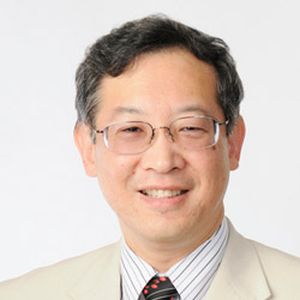
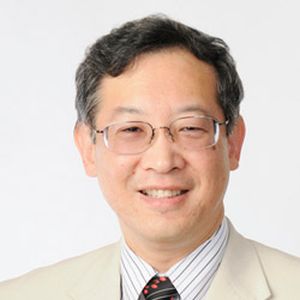
To help clarify some common misconceptions that contribute to the problems, Lewis Hsu, MD, PhD, chief medical officer of the Sickle Cell Disease Association of America, detailed some of the most prevalent and persistent myths among clinicians about SCD:
Pain level
Myths: Firstly, that sickle cell pain is not that bad, and patients therefore don’t really need opioid pain treatment, and secondly, that sickle cell pain is measurable by lab tests, such as the number of sickled red blood cells on a blood smear, reticulocytes, or hemoglobin level.
Truths: “Sickle cell vaso-occlusive pain can be very severe – a 10 on a scale of 10 – but the pain is usually only known by subjective report,” said Dr. Hsu, a pediatric hematologist who serves as director of the Sickle Cell Center and professor of pediatrics for the University of Illinois at Chicago.
“No lab test can be used to measure pain,” he said. “Other lab tests can be abnormal, and some have statistical correlation with lifetime severity of disease course, but the lab tests are not for determination of acute level of pain or absence of pain.”
Blacks only
Myth: SCD only affects Black people.
Truth: People who have sickle cell disease from many ethnic backgrounds and skin colors.
“Around the Mediterranean, there are sickle cell patients from Greece, Turkey, Italy, and Spain. Some are blond and blue-eyed. People in India and Pakistan have sickle cell disease,” Dr. Hsu explained.
In addition, “people from the Arabian Peninsula have sickle cell disease; some Malaysians have sickle cell disease; one child who is about third generation in Hong Kong has sickle cell disease.”
Parental link
Myth: Sickle cell disease only occurs in individuals both of whose parents have the sickle gene.
Truth: “There are types of sickle cell disease [involving] a sickle cell gene from one parent and a gene for hemoglobin C from the other parent,” Dr. Hsu noted. “Others inherited one sickle gene [from one parent] and inherited from the other parent a gene for beta thalassemia. Others involve an inherited sickle gene and hemoglobin E; others have inherited one sickle gene and inherited a gene for hemoglobin D-Punjab, while others have sickle and hemoglobin O-Arab.”
Effects beyond pain
Myth: A person who is not having sickle cell pain is otherwise not significantly affected by their disease.
Truth: “Organs can be damaged silently every day,” Dr. Hsu said. “Kidney failure, retina damage, and pulmonary hypertension are the most notable of organ systems that can suffer damage for a long time without symptoms, then develop symptoms when it is too late to intervene.”
“For this reason, individuals with sickle cell disease should have regular expert care for health maintenance that is disease specific,” Dr. Hsu added.
Consult guidelines
One final concern is a basic failure to utilize critical information sources and guidelines, especially by primary care providers and/or other nonspecialists from whom patients with SCD may often seek treatment. “Awareness of these guidelines is low,” Dr. Hsu said.
Key resources that can be helpful include evidence-based guidelines developed by an expert panel of the National Heart, Lung, and Blood Institute, and the American Society of Hematology has a Pocket Guide app on management of sickle cell disease.
Another key resource being highlighted in September, which is National Sickle Cell Disease Awareness Month, is the NHLBI’s comprehensive website, providing information ranging from fact sheets on the disease and treatments to social media resources and inspiring stories of people with SCD.
“We are trying to bring more sickle cell information and case studies into medical school curricula, nursing curricula, social workers and community health workers awareness, [and] apps and online guidelines are proliferating,” Dr. Hsu says.
He goes on to say, “We need more recognition and resources from insurance providers that quality care for sickle cell disease is measured and rewarded.”
Dr. Hsu coauthored “Hope and Destiny: The Patient and Parent’s Guide to Sickle Cell Disease and Sickle Cell Trait.” He reported relationships with Novartis, Emmaus, Forma Therapeutic, Dupont/Nemours Children’s Hospital, Hilton Publishing, Asklepion, Bayer, CRISPR/Vertex, Cyclerion, Pfizer, and Aruvant.
Affecting more than 20 million people globally and 100,000 people nationwide, SCD is the most common inherited blood disorder in the United States. It occurs largely but not exclusively among people of African descent.
Patients with SCD develop crescent-shaped or “sickled” red blood cells that, unlike normally round cells, can potentially block blood flow and thus cause a host of problems ranging from a risk of stroke or infections to sometimes severe pain crises, called vaso-occlusive episodes.
To help ward off such complications, some key preventative measures and an array of therapies have become available in recent years: Newborn screening and prophylaxis, including the introduction of pneumococcal vaccines, have substantially reduced rates of invasive pneumococcal infection, which previously accounted for 32% of all causes of death in patients with SCD under the age of 20.
And while hydroxyurea was the only medication from 1998 to 2017 to alleviate acute pain episodes in SCD, newer options have become available in recent years, with l-glutamine, voxelotor, and crizanlizumab gaining FDA approval to further help prevent the episodes.
However, studies show that many if not most patients fail to receive adequate treatment, with one recent report indicating that, between 2016 and 2020, hydroxyurea was prescribed to fewer than 25% of patients with SCD, and fewer than 4% of people with the disease who experience chronic pain episodes had prescriptions for the newer FDA-approved drugs.
Myths and truths
To help clarify some common misconceptions that contribute to the problems, Lewis Hsu, MD, PhD, chief medical officer of the Sickle Cell Disease Association of America, detailed some of the most prevalent and persistent myths among clinicians about SCD:
Pain level
Myths: Firstly, that sickle cell pain is not that bad, and patients therefore don’t really need opioid pain treatment, and secondly, that sickle cell pain is measurable by lab tests, such as the number of sickled red blood cells on a blood smear, reticulocytes, or hemoglobin level.
Truths: “Sickle cell vaso-occlusive pain can be very severe – a 10 on a scale of 10 – but the pain is usually only known by subjective report,” said Dr. Hsu, a pediatric hematologist who serves as director of the Sickle Cell Center and professor of pediatrics for the University of Illinois at Chicago.
“No lab test can be used to measure pain,” he said. “Other lab tests can be abnormal, and some have statistical correlation with lifetime severity of disease course, but the lab tests are not for determination of acute level of pain or absence of pain.”
Blacks only
Myth: SCD only affects Black people.
Truth: People who have sickle cell disease from many ethnic backgrounds and skin colors.
“Around the Mediterranean, there are sickle cell patients from Greece, Turkey, Italy, and Spain. Some are blond and blue-eyed. People in India and Pakistan have sickle cell disease,” Dr. Hsu explained.
In addition, “people from the Arabian Peninsula have sickle cell disease; some Malaysians have sickle cell disease; one child who is about third generation in Hong Kong has sickle cell disease.”
Parental link
Myth: Sickle cell disease only occurs in individuals both of whose parents have the sickle gene.
Truth: “There are types of sickle cell disease [involving] a sickle cell gene from one parent and a gene for hemoglobin C from the other parent,” Dr. Hsu noted. “Others inherited one sickle gene [from one parent] and inherited from the other parent a gene for beta thalassemia. Others involve an inherited sickle gene and hemoglobin E; others have inherited one sickle gene and inherited a gene for hemoglobin D-Punjab, while others have sickle and hemoglobin O-Arab.”
Effects beyond pain
Myth: A person who is not having sickle cell pain is otherwise not significantly affected by their disease.
Truth: “Organs can be damaged silently every day,” Dr. Hsu said. “Kidney failure, retina damage, and pulmonary hypertension are the most notable of organ systems that can suffer damage for a long time without symptoms, then develop symptoms when it is too late to intervene.”
“For this reason, individuals with sickle cell disease should have regular expert care for health maintenance that is disease specific,” Dr. Hsu added.
Consult guidelines
One final concern is a basic failure to utilize critical information sources and guidelines, especially by primary care providers and/or other nonspecialists from whom patients with SCD may often seek treatment. “Awareness of these guidelines is low,” Dr. Hsu said.
Key resources that can be helpful include evidence-based guidelines developed by an expert panel of the National Heart, Lung, and Blood Institute, and the American Society of Hematology has a Pocket Guide app on management of sickle cell disease.
Another key resource being highlighted in September, which is National Sickle Cell Disease Awareness Month, is the NHLBI’s comprehensive website, providing information ranging from fact sheets on the disease and treatments to social media resources and inspiring stories of people with SCD.
“We are trying to bring more sickle cell information and case studies into medical school curricula, nursing curricula, social workers and community health workers awareness, [and] apps and online guidelines are proliferating,” Dr. Hsu says.
He goes on to say, “We need more recognition and resources from insurance providers that quality care for sickle cell disease is measured and rewarded.”
Dr. Hsu coauthored “Hope and Destiny: The Patient and Parent’s Guide to Sickle Cell Disease and Sickle Cell Trait.” He reported relationships with Novartis, Emmaus, Forma Therapeutic, Dupont/Nemours Children’s Hospital, Hilton Publishing, Asklepion, Bayer, CRISPR/Vertex, Cyclerion, Pfizer, and Aruvant.
Affecting more than 20 million people globally and 100,000 people nationwide, SCD is the most common inherited blood disorder in the United States. It occurs largely but not exclusively among people of African descent.
Patients with SCD develop crescent-shaped or “sickled” red blood cells that, unlike normally round cells, can potentially block blood flow and thus cause a host of problems ranging from a risk of stroke or infections to sometimes severe pain crises, called vaso-occlusive episodes.
To help ward off such complications, some key preventative measures and an array of therapies have become available in recent years: Newborn screening and prophylaxis, including the introduction of pneumococcal vaccines, have substantially reduced rates of invasive pneumococcal infection, which previously accounted for 32% of all causes of death in patients with SCD under the age of 20.
And while hydroxyurea was the only medication from 1998 to 2017 to alleviate acute pain episodes in SCD, newer options have become available in recent years, with l-glutamine, voxelotor, and crizanlizumab gaining FDA approval to further help prevent the episodes.
However, studies show that many if not most patients fail to receive adequate treatment, with one recent report indicating that, between 2016 and 2020, hydroxyurea was prescribed to fewer than 25% of patients with SCD, and fewer than 4% of people with the disease who experience chronic pain episodes had prescriptions for the newer FDA-approved drugs.
Myths and truths
To help clarify some common misconceptions that contribute to the problems, Lewis Hsu, MD, PhD, chief medical officer of the Sickle Cell Disease Association of America, detailed some of the most prevalent and persistent myths among clinicians about SCD:
Pain level
Myths: Firstly, that sickle cell pain is not that bad, and patients therefore don’t really need opioid pain treatment, and secondly, that sickle cell pain is measurable by lab tests, such as the number of sickled red blood cells on a blood smear, reticulocytes, or hemoglobin level.
Truths: “Sickle cell vaso-occlusive pain can be very severe – a 10 on a scale of 10 – but the pain is usually only known by subjective report,” said Dr. Hsu, a pediatric hematologist who serves as director of the Sickle Cell Center and professor of pediatrics for the University of Illinois at Chicago.
“No lab test can be used to measure pain,” he said. “Other lab tests can be abnormal, and some have statistical correlation with lifetime severity of disease course, but the lab tests are not for determination of acute level of pain or absence of pain.”
Blacks only
Myth: SCD only affects Black people.
Truth: People who have sickle cell disease from many ethnic backgrounds and skin colors.
“Around the Mediterranean, there are sickle cell patients from Greece, Turkey, Italy, and Spain. Some are blond and blue-eyed. People in India and Pakistan have sickle cell disease,” Dr. Hsu explained.
In addition, “people from the Arabian Peninsula have sickle cell disease; some Malaysians have sickle cell disease; one child who is about third generation in Hong Kong has sickle cell disease.”
Parental link
Myth: Sickle cell disease only occurs in individuals both of whose parents have the sickle gene.
Truth: “There are types of sickle cell disease [involving] a sickle cell gene from one parent and a gene for hemoglobin C from the other parent,” Dr. Hsu noted. “Others inherited one sickle gene [from one parent] and inherited from the other parent a gene for beta thalassemia. Others involve an inherited sickle gene and hemoglobin E; others have inherited one sickle gene and inherited a gene for hemoglobin D-Punjab, while others have sickle and hemoglobin O-Arab.”
Effects beyond pain
Myth: A person who is not having sickle cell pain is otherwise not significantly affected by their disease.
Truth: “Organs can be damaged silently every day,” Dr. Hsu said. “Kidney failure, retina damage, and pulmonary hypertension are the most notable of organ systems that can suffer damage for a long time without symptoms, then develop symptoms when it is too late to intervene.”
“For this reason, individuals with sickle cell disease should have regular expert care for health maintenance that is disease specific,” Dr. Hsu added.
Consult guidelines
One final concern is a basic failure to utilize critical information sources and guidelines, especially by primary care providers and/or other nonspecialists from whom patients with SCD may often seek treatment. “Awareness of these guidelines is low,” Dr. Hsu said.
Key resources that can be helpful include evidence-based guidelines developed by an expert panel of the National Heart, Lung, and Blood Institute, and the American Society of Hematology has a Pocket Guide app on management of sickle cell disease.
Another key resource being highlighted in September, which is National Sickle Cell Disease Awareness Month, is the NHLBI’s comprehensive website, providing information ranging from fact sheets on the disease and treatments to social media resources and inspiring stories of people with SCD.
“We are trying to bring more sickle cell information and case studies into medical school curricula, nursing curricula, social workers and community health workers awareness, [and] apps and online guidelines are proliferating,” Dr. Hsu says.
He goes on to say, “We need more recognition and resources from insurance providers that quality care for sickle cell disease is measured and rewarded.”
Dr. Hsu coauthored “Hope and Destiny: The Patient and Parent’s Guide to Sickle Cell Disease and Sickle Cell Trait.” He reported relationships with Novartis, Emmaus, Forma Therapeutic, Dupont/Nemours Children’s Hospital, Hilton Publishing, Asklepion, Bayer, CRISPR/Vertex, Cyclerion, Pfizer, and Aruvant.
Pediatrician with SCD gives her young patients hope
These days, thanks to transformative advances in treating SCD that have substantially improved survival, Dr. Fasipe’s mission for a new generation of patients and their families is to replace their pain and fear with relief and hope.
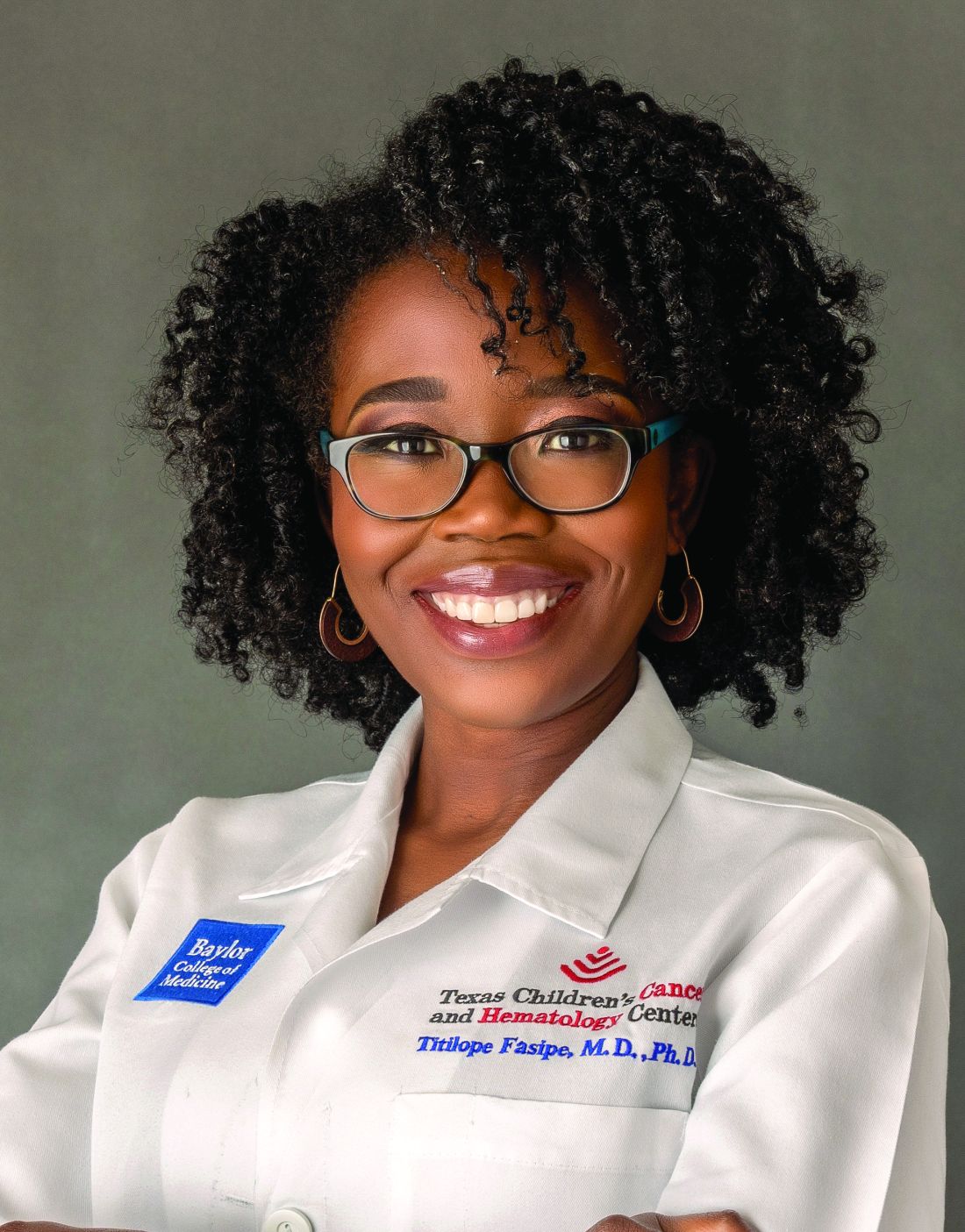
“If you grow up thinking that you’re going to die when you’re 18, it changes your world and your viewpoints, and it impacts your mental health,” she told this news organization.
“We are trying to make sure our children and their families know that there is a new story for sickle cell disease, and you don’t have to use any age as your prediction marker for your lifespan,” Dr. Fasipe said.
SCD, which affects about 100,000 people nationwide, is an inherited blood disorder, with the majority of patients – but not all – being of African descent. This condition is characterized by pain crises, or vaso-occlusive episodes, triggered when cells that are sickled get stuck and impede blood flow. These crises can come on suddenly and range from mild to severe.
Dr. Fasipe was born in Nigeria, where rates of SCD are among the world’s highest. She attended elementary school in the United States, where her father was studying theology, before returning to Nigeria with her family at age 11.
Back in those days, in both nations only about 50% of children with SCD lived beyond their 18th birthday. The survival rates in Nigeria and sub-Saharan Africa countries continue to be poor. In some more developed regions elsewhere, advances such as universal newborn screening, penicillin prophylaxis, pneumococcal vaccination, stroke screening, and hydroxyurea therapy have yielded substantial improvements, with 95% or more patients with SCD reaching their 18th birthday.
“With measures such as newborn screening, we can immediately start prevention measures in sickle cell disease, such as prevention of infection, which was the number one reason why children were dying,” Dr. Fasipe explained. “With global initiatives, we want that story to be the same in sub-Saharan Africa as well.”
Cousin’s early death inspires medical studies
In an essay published by Texas Medical Center that describes her childhood experiences, Dr. Fasipe recounts a pivotal event in her life: The heartbreaking death of her beloved cousin at the age of just 17, from a complication of SCD. This bereavement fueled Dr. Fasipe’s determination to pursue a medical career, to do all that she could to prevent such losses.
“Having sickle cell disease myself wasn’t the trigger that made me become a doctor. But when Femi [her cousin] died, I thought: ‘This shouldn’t happen,’ ” Dr. Fasipe wrote.
When she applied to medical school back in the United States, she declared in her application essay: “I want to cure sickle cell.”
By the time Dr. Fasipe was ready to undertake residency and fellowship applications, her essay had shifted to focus on pediatrics “specifically because I want to reach sickle cell patients before they’ve defined how their lives are going to be,” she said. “I want to give them hope.”
Hope for a cure
Fast-forwarding to this point in Dr. Fasipe’s career, she noted that her dream of a cure for SCD is no longer a distant aspiration, thanks to the advent of stem cell transplantation and more recently, gene therapy. These advancements have elevated her hope for a cure to an entirely new level.
Each new treatment comes with caveats. Stem cell transplantation requires a matching donor, leaving the majority of patients ineligible. And while gene therapy eliminates the need for a donor, treatment can reportedly cost nearly $3 million. Nevertheless, Dr. Fasipe emphasized the promise that these new advancements represent.
“The scientists that work in these spaces do appreciate these [accessibility barriers], and the expectation is these therapies will be more accessible with time and effort,” she said. “We’ve got to start somewhere, and it’s exciting that they’re making these early successes.”
Advice for clinicians
With firsthand knowledge of how it feels to be the patient, as well as on the clinician side of SCD treatment, Dr. Fasipe advises colleagues on some ways that they can improve care while boosting their patients’ hope:
Speak with empathy
Acknowledge the ‘elephant in the room’; the pain that patients with SCD can experience is real.
“When I’m managing any patient with pain, I first acknowledge the suffering because while we may not understand what that person is going through, acknowledgment is part of showing empathy,” she explains.
Seek out resources
Patients with SCD may typically seek treatment in primary care, where expertise in the disease may be lacking, and general practitioners may feel frustrated that there are limited treatment options.
“If you do find yourself treating a sickle cell disease patient, you may not have all of the answers, but there are good resources, whether it’s a nearby sickle cell disease centers or national guidelines,” Dr. Fasipe said.
Access to treatment
With research, including a recent study, showing that only about 25% of patients with SCD are prescribed hydroxyurea and even fewer – only about 5% – receive more recently approved SCD treatments, clinicians should be proactive by making sure that patients receive needed treatments.
“Clearly medicines like hydroxyurea are not as optimized in this community space as they should be, and then there are newer therapies that families, patients, and even providers may not be aware of, so it is important to be informed of the guidelines and provide all patients with comprehensive, high-quality care,” Dr. Fasipe said.
In the ED, patients with SCD are ‘care-seeking,’ not drug-seeking
Due to the sometimes rapid onset of severe pain symptoms, patients with SCD commonly wind up in the emergency department. In this time of an opioid epidemic, patients too often are suspected of merely seeking drugs.
“Sickle cell disease tends to get lumped into a category of a disease of pain, but pain is subjective and it is difficult to quantify, so unfortunately, patients can be labeled as potentially drug-seeking,” Dr. Fasipe explained, citing an article that detailed this problem.
Consequently, patients may have particularly negative experiences in the emergency department, but the use of resources such as a sickle cell disease point-of-care tool developed by the American College of Emergency Physicians and the American Society of Hematology can help improve care for those patients.
“One of the [point-of-care recommendations] before even managing the pain is that physicians show compassion by acknowledging the patient’s pain and that they understand why pain with sickle cell disease might look different than other types of pain,” Dr. Fasipe said.
Building trust
Encounters such as negative emergency department experiences can perpetuate a deeper issue of distrust between those with SCD and the medical community, which originated in long-held, well-documented racial disparities in health care.
“We know historically and even today that there are difficulties facing our families who are impacted by sickle cell disease, and they are related to structural racism and socioeconomic barriers,” Dr. Fasipe explained.
With these issues in mind, she said, “I refer to sickle cell disease as the medical representation of the Black experience in America.” However, she added, the good news is “we are now doing our best now to improve that.”
Among key efforts in building trust is the inclusion of patients with SCD and their families in as many aspects of research and clinical care as possible.
“In the global health care community, it is imperative to invite people with sickle cell disease and from the community to the decision-making table,” she noted.
“Now, when we’re talking about research for therapies, their expectation is that research trials and other initiatives for sickle cell disease must have input from the community; there are no initiatives for sickle cell disease that do not have input from the community.
“The patients and community members may not be experts on the science of sickle cell, but they’re experts on the lived experience and that’s very important when you’re thinking about new bringing in a new therapy.”
Forward momentum
Meanwhile, Dr. Fasipe observed, with the collective, advocacy-driven, forward momentum of the SCD community as a whole, things should only continue to improve.
“Because of the various barriers, some progress may not be immediately around the corner, but I do have confidence that this current generation of children with sickle cell will have improved health equity by the time they reach adulthood,” she said.
“I believe in this future, so I’m doing the work now, and it’s a promise I tell parents: I want your future adult child to live their best life, and we’re working hard to ensure that that becomes their future reality.”
Sickle cell disease awareness
September is National Sickle Cell Disease Awareness Month, and the National Heart, Lung, and Blood Institute offers a comprehensive website that clinicians can pass along to their patients, with information ranging from fact sheets on the disease and treatments to social media resources and inspiring stories of people with the disease.
In a comment, Lewis Hsu, MD, PhD, chief medical officer of the Sickle Cell Disease Association of America, underscored the uniquely important contributions of people like Dr. Fasipe, in providing inspiration to patients and clinicians alike.
“I have worked with several physicians, nurses, psychologists, and public health specialists who have sickle cell disease,” said Dr. Hsu, who is a pediatric hematologist who also serves as director of the Sickle Cell Center and professor of pediatrics for the University of Illinois at Chicago.
“They are ambassadors who have the trust of both patients and healthcare providers,” Dr. Hsu said.
In addition to providing inspiration of resilience, such care providers can serve as “communication bridges,” he explained.
“When they are conference speakers, everybody wants to hear them; when they sit on advisory committees or focus groups, they can help find the compromise or set the priorities.”
“Their impact on the whole sickle cell community is very large,” Dr. Hsu said.
These days, thanks to transformative advances in treating SCD that have substantially improved survival, Dr. Fasipe’s mission for a new generation of patients and their families is to replace their pain and fear with relief and hope.
“If you grow up thinking that you’re going to die when you’re 18, it changes your world and your viewpoints, and it impacts your mental health,” she told this news organization.
“We are trying to make sure our children and their families know that there is a new story for sickle cell disease, and you don’t have to use any age as your prediction marker for your lifespan,” Dr. Fasipe said.
SCD, which affects about 100,000 people nationwide, is an inherited blood disorder, with the majority of patients – but not all – being of African descent. This condition is characterized by pain crises, or vaso-occlusive episodes, triggered when cells that are sickled get stuck and impede blood flow. These crises can come on suddenly and range from mild to severe.
Dr. Fasipe was born in Nigeria, where rates of SCD are among the world’s highest. She attended elementary school in the United States, where her father was studying theology, before returning to Nigeria with her family at age 11.
Back in those days, in both nations only about 50% of children with SCD lived beyond their 18th birthday. The survival rates in Nigeria and sub-Saharan Africa countries continue to be poor. In some more developed regions elsewhere, advances such as universal newborn screening, penicillin prophylaxis, pneumococcal vaccination, stroke screening, and hydroxyurea therapy have yielded substantial improvements, with 95% or more patients with SCD reaching their 18th birthday.
“With measures such as newborn screening, we can immediately start prevention measures in sickle cell disease, such as prevention of infection, which was the number one reason why children were dying,” Dr. Fasipe explained. “With global initiatives, we want that story to be the same in sub-Saharan Africa as well.”
Cousin’s early death inspires medical studies
In an essay published by Texas Medical Center that describes her childhood experiences, Dr. Fasipe recounts a pivotal event in her life: The heartbreaking death of her beloved cousin at the age of just 17, from a complication of SCD. This bereavement fueled Dr. Fasipe’s determination to pursue a medical career, to do all that she could to prevent such losses.
“Having sickle cell disease myself wasn’t the trigger that made me become a doctor. But when Femi [her cousin] died, I thought: ‘This shouldn’t happen,’ ” Dr. Fasipe wrote.
When she applied to medical school back in the United States, she declared in her application essay: “I want to cure sickle cell.”
By the time Dr. Fasipe was ready to undertake residency and fellowship applications, her essay had shifted to focus on pediatrics “specifically because I want to reach sickle cell patients before they’ve defined how their lives are going to be,” she said. “I want to give them hope.”
Hope for a cure
Fast-forwarding to this point in Dr. Fasipe’s career, she noted that her dream of a cure for SCD is no longer a distant aspiration, thanks to the advent of stem cell transplantation and more recently, gene therapy. These advancements have elevated her hope for a cure to an entirely new level.
Each new treatment comes with caveats. Stem cell transplantation requires a matching donor, leaving the majority of patients ineligible. And while gene therapy eliminates the need for a donor, treatment can reportedly cost nearly $3 million. Nevertheless, Dr. Fasipe emphasized the promise that these new advancements represent.
“The scientists that work in these spaces do appreciate these [accessibility barriers], and the expectation is these therapies will be more accessible with time and effort,” she said. “We’ve got to start somewhere, and it’s exciting that they’re making these early successes.”
Advice for clinicians
With firsthand knowledge of how it feels to be the patient, as well as on the clinician side of SCD treatment, Dr. Fasipe advises colleagues on some ways that they can improve care while boosting their patients’ hope:
Speak with empathy
Acknowledge the ‘elephant in the room’; the pain that patients with SCD can experience is real.
“When I’m managing any patient with pain, I first acknowledge the suffering because while we may not understand what that person is going through, acknowledgment is part of showing empathy,” she explains.
Seek out resources
Patients with SCD may typically seek treatment in primary care, where expertise in the disease may be lacking, and general practitioners may feel frustrated that there are limited treatment options.
“If you do find yourself treating a sickle cell disease patient, you may not have all of the answers, but there are good resources, whether it’s a nearby sickle cell disease centers or national guidelines,” Dr. Fasipe said.
Access to treatment
With research, including a recent study, showing that only about 25% of patients with SCD are prescribed hydroxyurea and even fewer – only about 5% – receive more recently approved SCD treatments, clinicians should be proactive by making sure that patients receive needed treatments.
“Clearly medicines like hydroxyurea are not as optimized in this community space as they should be, and then there are newer therapies that families, patients, and even providers may not be aware of, so it is important to be informed of the guidelines and provide all patients with comprehensive, high-quality care,” Dr. Fasipe said.
In the ED, patients with SCD are ‘care-seeking,’ not drug-seeking
Due to the sometimes rapid onset of severe pain symptoms, patients with SCD commonly wind up in the emergency department. In this time of an opioid epidemic, patients too often are suspected of merely seeking drugs.
“Sickle cell disease tends to get lumped into a category of a disease of pain, but pain is subjective and it is difficult to quantify, so unfortunately, patients can be labeled as potentially drug-seeking,” Dr. Fasipe explained, citing an article that detailed this problem.
Consequently, patients may have particularly negative experiences in the emergency department, but the use of resources such as a sickle cell disease point-of-care tool developed by the American College of Emergency Physicians and the American Society of Hematology can help improve care for those patients.
“One of the [point-of-care recommendations] before even managing the pain is that physicians show compassion by acknowledging the patient’s pain and that they understand why pain with sickle cell disease might look different than other types of pain,” Dr. Fasipe said.
Building trust
Encounters such as negative emergency department experiences can perpetuate a deeper issue of distrust between those with SCD and the medical community, which originated in long-held, well-documented racial disparities in health care.
“We know historically and even today that there are difficulties facing our families who are impacted by sickle cell disease, and they are related to structural racism and socioeconomic barriers,” Dr. Fasipe explained.
With these issues in mind, she said, “I refer to sickle cell disease as the medical representation of the Black experience in America.” However, she added, the good news is “we are now doing our best now to improve that.”
Among key efforts in building trust is the inclusion of patients with SCD and their families in as many aspects of research and clinical care as possible.
“In the global health care community, it is imperative to invite people with sickle cell disease and from the community to the decision-making table,” she noted.
“Now, when we’re talking about research for therapies, their expectation is that research trials and other initiatives for sickle cell disease must have input from the community; there are no initiatives for sickle cell disease that do not have input from the community.
“The patients and community members may not be experts on the science of sickle cell, but they’re experts on the lived experience and that’s very important when you’re thinking about new bringing in a new therapy.”
Forward momentum
Meanwhile, Dr. Fasipe observed, with the collective, advocacy-driven, forward momentum of the SCD community as a whole, things should only continue to improve.
“Because of the various barriers, some progress may not be immediately around the corner, but I do have confidence that this current generation of children with sickle cell will have improved health equity by the time they reach adulthood,” she said.
“I believe in this future, so I’m doing the work now, and it’s a promise I tell parents: I want your future adult child to live their best life, and we’re working hard to ensure that that becomes their future reality.”
Sickle cell disease awareness
September is National Sickle Cell Disease Awareness Month, and the National Heart, Lung, and Blood Institute offers a comprehensive website that clinicians can pass along to their patients, with information ranging from fact sheets on the disease and treatments to social media resources and inspiring stories of people with the disease.
In a comment, Lewis Hsu, MD, PhD, chief medical officer of the Sickle Cell Disease Association of America, underscored the uniquely important contributions of people like Dr. Fasipe, in providing inspiration to patients and clinicians alike.
“I have worked with several physicians, nurses, psychologists, and public health specialists who have sickle cell disease,” said Dr. Hsu, who is a pediatric hematologist who also serves as director of the Sickle Cell Center and professor of pediatrics for the University of Illinois at Chicago.
“They are ambassadors who have the trust of both patients and healthcare providers,” Dr. Hsu said.
In addition to providing inspiration of resilience, such care providers can serve as “communication bridges,” he explained.
“When they are conference speakers, everybody wants to hear them; when they sit on advisory committees or focus groups, they can help find the compromise or set the priorities.”
“Their impact on the whole sickle cell community is very large,” Dr. Hsu said.
These days, thanks to transformative advances in treating SCD that have substantially improved survival, Dr. Fasipe’s mission for a new generation of patients and their families is to replace their pain and fear with relief and hope.
“If you grow up thinking that you’re going to die when you’re 18, it changes your world and your viewpoints, and it impacts your mental health,” she told this news organization.
“We are trying to make sure our children and their families know that there is a new story for sickle cell disease, and you don’t have to use any age as your prediction marker for your lifespan,” Dr. Fasipe said.
SCD, which affects about 100,000 people nationwide, is an inherited blood disorder, with the majority of patients – but not all – being of African descent. This condition is characterized by pain crises, or vaso-occlusive episodes, triggered when cells that are sickled get stuck and impede blood flow. These crises can come on suddenly and range from mild to severe.
Dr. Fasipe was born in Nigeria, where rates of SCD are among the world’s highest. She attended elementary school in the United States, where her father was studying theology, before returning to Nigeria with her family at age 11.
Back in those days, in both nations only about 50% of children with SCD lived beyond their 18th birthday. The survival rates in Nigeria and sub-Saharan Africa countries continue to be poor. In some more developed regions elsewhere, advances such as universal newborn screening, penicillin prophylaxis, pneumococcal vaccination, stroke screening, and hydroxyurea therapy have yielded substantial improvements, with 95% or more patients with SCD reaching their 18th birthday.
“With measures such as newborn screening, we can immediately start prevention measures in sickle cell disease, such as prevention of infection, which was the number one reason why children were dying,” Dr. Fasipe explained. “With global initiatives, we want that story to be the same in sub-Saharan Africa as well.”
Cousin’s early death inspires medical studies
In an essay published by Texas Medical Center that describes her childhood experiences, Dr. Fasipe recounts a pivotal event in her life: The heartbreaking death of her beloved cousin at the age of just 17, from a complication of SCD. This bereavement fueled Dr. Fasipe’s determination to pursue a medical career, to do all that she could to prevent such losses.
“Having sickle cell disease myself wasn’t the trigger that made me become a doctor. But when Femi [her cousin] died, I thought: ‘This shouldn’t happen,’ ” Dr. Fasipe wrote.
When she applied to medical school back in the United States, she declared in her application essay: “I want to cure sickle cell.”
By the time Dr. Fasipe was ready to undertake residency and fellowship applications, her essay had shifted to focus on pediatrics “specifically because I want to reach sickle cell patients before they’ve defined how their lives are going to be,” she said. “I want to give them hope.”
Hope for a cure
Fast-forwarding to this point in Dr. Fasipe’s career, she noted that her dream of a cure for SCD is no longer a distant aspiration, thanks to the advent of stem cell transplantation and more recently, gene therapy. These advancements have elevated her hope for a cure to an entirely new level.
Each new treatment comes with caveats. Stem cell transplantation requires a matching donor, leaving the majority of patients ineligible. And while gene therapy eliminates the need for a donor, treatment can reportedly cost nearly $3 million. Nevertheless, Dr. Fasipe emphasized the promise that these new advancements represent.
“The scientists that work in these spaces do appreciate these [accessibility barriers], and the expectation is these therapies will be more accessible with time and effort,” she said. “We’ve got to start somewhere, and it’s exciting that they’re making these early successes.”
Advice for clinicians
With firsthand knowledge of how it feels to be the patient, as well as on the clinician side of SCD treatment, Dr. Fasipe advises colleagues on some ways that they can improve care while boosting their patients’ hope:
Speak with empathy
Acknowledge the ‘elephant in the room’; the pain that patients with SCD can experience is real.
“When I’m managing any patient with pain, I first acknowledge the suffering because while we may not understand what that person is going through, acknowledgment is part of showing empathy,” she explains.
Seek out resources
Patients with SCD may typically seek treatment in primary care, where expertise in the disease may be lacking, and general practitioners may feel frustrated that there are limited treatment options.
“If you do find yourself treating a sickle cell disease patient, you may not have all of the answers, but there are good resources, whether it’s a nearby sickle cell disease centers or national guidelines,” Dr. Fasipe said.
Access to treatment
With research, including a recent study, showing that only about 25% of patients with SCD are prescribed hydroxyurea and even fewer – only about 5% – receive more recently approved SCD treatments, clinicians should be proactive by making sure that patients receive needed treatments.
“Clearly medicines like hydroxyurea are not as optimized in this community space as they should be, and then there are newer therapies that families, patients, and even providers may not be aware of, so it is important to be informed of the guidelines and provide all patients with comprehensive, high-quality care,” Dr. Fasipe said.
In the ED, patients with SCD are ‘care-seeking,’ not drug-seeking
Due to the sometimes rapid onset of severe pain symptoms, patients with SCD commonly wind up in the emergency department. In this time of an opioid epidemic, patients too often are suspected of merely seeking drugs.
“Sickle cell disease tends to get lumped into a category of a disease of pain, but pain is subjective and it is difficult to quantify, so unfortunately, patients can be labeled as potentially drug-seeking,” Dr. Fasipe explained, citing an article that detailed this problem.
Consequently, patients may have particularly negative experiences in the emergency department, but the use of resources such as a sickle cell disease point-of-care tool developed by the American College of Emergency Physicians and the American Society of Hematology can help improve care for those patients.
“One of the [point-of-care recommendations] before even managing the pain is that physicians show compassion by acknowledging the patient’s pain and that they understand why pain with sickle cell disease might look different than other types of pain,” Dr. Fasipe said.
Building trust
Encounters such as negative emergency department experiences can perpetuate a deeper issue of distrust between those with SCD and the medical community, which originated in long-held, well-documented racial disparities in health care.
“We know historically and even today that there are difficulties facing our families who are impacted by sickle cell disease, and they are related to structural racism and socioeconomic barriers,” Dr. Fasipe explained.
With these issues in mind, she said, “I refer to sickle cell disease as the medical representation of the Black experience in America.” However, she added, the good news is “we are now doing our best now to improve that.”
Among key efforts in building trust is the inclusion of patients with SCD and their families in as many aspects of research and clinical care as possible.
“In the global health care community, it is imperative to invite people with sickle cell disease and from the community to the decision-making table,” she noted.
“Now, when we’re talking about research for therapies, their expectation is that research trials and other initiatives for sickle cell disease must have input from the community; there are no initiatives for sickle cell disease that do not have input from the community.
“The patients and community members may not be experts on the science of sickle cell, but they’re experts on the lived experience and that’s very important when you’re thinking about new bringing in a new therapy.”
Forward momentum
Meanwhile, Dr. Fasipe observed, with the collective, advocacy-driven, forward momentum of the SCD community as a whole, things should only continue to improve.
“Because of the various barriers, some progress may not be immediately around the corner, but I do have confidence that this current generation of children with sickle cell will have improved health equity by the time they reach adulthood,” she said.
“I believe in this future, so I’m doing the work now, and it’s a promise I tell parents: I want your future adult child to live their best life, and we’re working hard to ensure that that becomes their future reality.”
Sickle cell disease awareness
September is National Sickle Cell Disease Awareness Month, and the National Heart, Lung, and Blood Institute offers a comprehensive website that clinicians can pass along to their patients, with information ranging from fact sheets on the disease and treatments to social media resources and inspiring stories of people with the disease.
In a comment, Lewis Hsu, MD, PhD, chief medical officer of the Sickle Cell Disease Association of America, underscored the uniquely important contributions of people like Dr. Fasipe, in providing inspiration to patients and clinicians alike.
“I have worked with several physicians, nurses, psychologists, and public health specialists who have sickle cell disease,” said Dr. Hsu, who is a pediatric hematologist who also serves as director of the Sickle Cell Center and professor of pediatrics for the University of Illinois at Chicago.
“They are ambassadors who have the trust of both patients and healthcare providers,” Dr. Hsu said.
In addition to providing inspiration of resilience, such care providers can serve as “communication bridges,” he explained.
“When they are conference speakers, everybody wants to hear them; when they sit on advisory committees or focus groups, they can help find the compromise or set the priorities.”
“Their impact on the whole sickle cell community is very large,” Dr. Hsu said.
The unappreciated healing power of awe
I’m standing atop the Klein Matterhorn, staring out at the Alps, their moonscape peaks forming a jagged, terrifying, glorious white horizon.
I am small. But the emotions are huge. The joy: I get to be a part of all this today. The fear: It could kill me. More than kill me, it could consume me.
That’s what I always used to feel when training in Zermatt, Switzerland.
I was lucky. As a former U.S. Ski Team athlete, I was regularly able to experience such magnificent scenescapes – and feel the tactile insanity of it, too, the rise and fall of helicopters or trams taking us up the mountains, the slicing, frigid air at the summit, and the lurking on-edge feeling that you, tiny human, really aren’t meant to be standing where you are standing.
“Awe puts things in perspective,” said Craig Anderson, PhD, postdoctoral scholar at Washington University at St. Louis, and researcher of emotions and behavior. “It’s about feeling connected with people and part of the larger collective – and that makes it okay to feel small.”
Our modern world is at odds with awe. We tend to shrink into our daily lives, our problems, our devices, and the real-time emotional reactions to those things, especially anger.
It doesn’t have to be that way.
‘In the upper reaches of pleasure and on the boundary of fear’
That’s how New York University ethical leadership professor Jonathan Haidt, PhD, and psychology professor Dacher Keltner, PhD, of the University of California, Berkeley, defined awe in a seminal report from 2003.
The feeling is composed of two elements: perceived vastness (sensing something larger than ourselves) and accommodation (our need to process and understand that vastness). The researchers also wrote that awe could “change the course of life in profound and permanent ways.”
“There’s a correlation between people who are happier and those who report more feelings of awe,” said David Yaden, PhD, assistant professor in the department of psychiatry and behavioral sciences at Johns Hopkins University, Baltimore, and coauthor of “The Varieties of Spiritual Experience.” “It’s unclear, though, which way the causality runs. Is it that having more awe experiences makes people happier? Or that happy people have more awe. But there is a correlation.”
One aspect about awe that’s clear: When people experience it, they report feeling more connected. And that sense of connection can lead to prosocial behavior – such as serving others and engaging with one’s community.
“Feelings of isolation are quite difficult, and we’re social creatures, so when we feel connected, we can benefit from it,” Dr. Yaden said.
A 2022 study published in the Journal of Personality and Social Psychology revealed that awe “awakens self-transcendence, which in turn invigorates pursuit of the authentic self.”
While these effects can be seen as one individual’s benefits, the researchers posited that they also lead to prosocial behaviors. Another study conducted by the same scientists showed that awe led to greater-good behavior during the pandemic, to the tune of an increased willingness to donate blood. In this study, researchers also cited a correlation between feelings of awe and increased empathy.
The awe experience
Dr. Yaden joined Dr. Keltner and other researchers in creating a scale for the “awe experience,” and found six related factors: a feeling that time momentarily slows; a sense of self-diminishment (your sense of self becomes smaller); a sense of connectedness; feeling in the presence of something grand; the need to mentally process the experience; and physical changes, like goosebumps or feeling your jaw slightly drop.
“Any of these factors can be large or small,” Dr. Yaden noted, adding that awe can also feel positive or negative. A hurricane can instill awe, for example, and the experience might not be pleasant.
However, “it’s more common for the awe experience to be positive,” Dr. Yaden said.
How your brain processes awe
Functional MRI, by which brain activity is measured through blood flow, allows researchers to see what’s happening in the brain after an awe experience.
One study that was conducted in the Netherlands and was published in the journal Human Brain Mapping suggested that certain parts of the brain that are responsible for self-reflection were less “activated” when participants watched awe-inspiring videos.
The researchers posit that the “captivating nature of awe stimuli” could be responsible for such reductions, meaning participants’ brains were geared more toward feelings of connection with others or something greater – and a smaller sense of self.
Another study published in the journal Emotion revealed a link between awe and lower levels of inflammatory cytokines, so awe could have positive and potentially protective health benefits, as well.
And of course there are the physical and emotional benefits of nature, as dozens of studies reveal. Dr. Anderson’s research in the journal Emotion showed that nature “experiences” led to more feelings of awe and that the effects of nature also reduced stress and increased well-being.
Why we turn away from awe
The world we inhabit day to day isn’t conducive to experiencing awe – indoors, seated, reacting negatively to work or social media. The mentalities we forge because of this sometimes work against experiencing any form of awe.
Example: Some people don’t like to feel small. That requires a capacity for humility.
“That [feeling] can be threatening,” noted Dr. Anderson, who earned his doctorate studying as part of Dr. Keltner’s “Project Awe” research team at UC Berkeley.
The pandemic and politics and rise in angry Internet culture also contribute. And if you didn’t know, humans have a “negativity bias.”
“Our responses to stress tend to be stronger in magnitude than responses to positive things,” Dr. Anderson said. “Browsing the Internet and seeing negative things can hijack our responses. Anger really narrows our attention on what makes us angry.”
In that sense, anger is the antithesis of awe. As Dr. Anderson puts it: Awe broadens our attention to the world and “opens us up to other people and possibilities,” he said. “When we’re faced with daily hassles, when we experience something vast and awe-inspiring, those other problems aren’t as big of a deal.”
We crave awe in spite of ourselves
An awful lot of us are out there seeking awe, knowingly or not.
People have been stopping at scenic overlooks and climbing local peaks since forever, but let’s start with record-setting attendance at the most basic and accessible source of natural awe we have in the United States: national parks.
In 2022, 68% of the 312 million visitors sought out nature-based or recreational park activities (as opposed to historical or cultural activities). Even though a rise in national park visits in 2021 and 2022 could be attributed to pandemic-related behavior (the need for social distancing and/or the desire to get outside), people were flocking to parks prior to COVID-19. In fact, 33 parks set visitation records in 2019; 12 did so in 2022.
We also seek awe in man-made spectacle. Consider annual visitor numbers for the following:
- Golden Gate Bridge: 10 million
- : 4 million
- : 1.62 million
And what about the most awe-inducing experience ever manufactured: Space tourism. While catering to the wealthy for now, flying to space allows untrained people to enjoy something only a chosen few astronauts have been able to feel: the “overview effect,” a term coined by author Frank White for the shift in perspective that occurs in people who see Earth from space.
Upon his return from his Blue Origin flight, actor William Shatner was candid about his emotional experience. “I was crying,” he told NPR. “I didn’t know what I was crying about. It was the death that I saw in space and the lifeforce that I saw coming from the planet – the blue, the beige, and the white. And I realized one was death and the other was life.”
We want awe. We want to feel this way.
Adding everyday awe to your life
It may seem counterintuitive: Most awe-inspiring places are special occasion destinations, but in truth it’s possible to find awe each day. Outdoors and indoors.
Park Rx America, led by Robert Zarr, MD, MPH, boasts a network of nearly 1500 healthcare providers ready to “prescribe” walks or time in nature as part of healing. “Our growing community of ‘nature prescribers’ incorporate nature as a treatment option for their willing clients and patients,” Dr. Zarr said.
He also noted that awe is all about where you look, including in small places.
“Something as simple as going for a walk and stopping to notice the complexity of fractal patterns in the leaves, for example, leaves me with a sense of awe,” he said. “Although difficult to measure, there is no doubt that an important part of our health is intricately linked to these daily awe-filled moments.”
Nature is not the only way. Dr. Yaden suggested that going to a museum to see art or sporting events is also a way to experience the feeling.
An unexpected source of man-made awe: Screens. A study published in Nature showed that immersive video experiences (in this case, one achieved by virtual reality) were effective in eliciting an awe response in participants.
While virtual reality isn’t ubiquitous, immersive film experiences are. IMAX screens were created for just this purpose (as anyone who saw the Avatar films in this format can attest).
Is it perfect? No. But whether you’re witnessing a birth, hiking an autumn trail bathed in orange, or letting off a little gasp when you see Oppenheimer’s nuclear explosion in 70 mm, it all counts.
Because it’s not about the thing. It’s about your openness to be awed by the thing.
I’m a little like Dr. Zarr in that I can find wonder in the crystalline structures of a snowflake. And I also love to hike and inhale expansive views. If you can get to Switzerland, and specifically Zermatt, take the old red tram to the top. I highly recommend it.
A version of this article appeared on Medscape.com.
I’m standing atop the Klein Matterhorn, staring out at the Alps, their moonscape peaks forming a jagged, terrifying, glorious white horizon.
I am small. But the emotions are huge. The joy: I get to be a part of all this today. The fear: It could kill me. More than kill me, it could consume me.
That’s what I always used to feel when training in Zermatt, Switzerland.
I was lucky. As a former U.S. Ski Team athlete, I was regularly able to experience such magnificent scenescapes – and feel the tactile insanity of it, too, the rise and fall of helicopters or trams taking us up the mountains, the slicing, frigid air at the summit, and the lurking on-edge feeling that you, tiny human, really aren’t meant to be standing where you are standing.
“Awe puts things in perspective,” said Craig Anderson, PhD, postdoctoral scholar at Washington University at St. Louis, and researcher of emotions and behavior. “It’s about feeling connected with people and part of the larger collective – and that makes it okay to feel small.”
Our modern world is at odds with awe. We tend to shrink into our daily lives, our problems, our devices, and the real-time emotional reactions to those things, especially anger.
It doesn’t have to be that way.
‘In the upper reaches of pleasure and on the boundary of fear’
That’s how New York University ethical leadership professor Jonathan Haidt, PhD, and psychology professor Dacher Keltner, PhD, of the University of California, Berkeley, defined awe in a seminal report from 2003.
The feeling is composed of two elements: perceived vastness (sensing something larger than ourselves) and accommodation (our need to process and understand that vastness). The researchers also wrote that awe could “change the course of life in profound and permanent ways.”
“There’s a correlation between people who are happier and those who report more feelings of awe,” said David Yaden, PhD, assistant professor in the department of psychiatry and behavioral sciences at Johns Hopkins University, Baltimore, and coauthor of “The Varieties of Spiritual Experience.” “It’s unclear, though, which way the causality runs. Is it that having more awe experiences makes people happier? Or that happy people have more awe. But there is a correlation.”
One aspect about awe that’s clear: When people experience it, they report feeling more connected. And that sense of connection can lead to prosocial behavior – such as serving others and engaging with one’s community.
“Feelings of isolation are quite difficult, and we’re social creatures, so when we feel connected, we can benefit from it,” Dr. Yaden said.
A 2022 study published in the Journal of Personality and Social Psychology revealed that awe “awakens self-transcendence, which in turn invigorates pursuit of the authentic self.”
While these effects can be seen as one individual’s benefits, the researchers posited that they also lead to prosocial behaviors. Another study conducted by the same scientists showed that awe led to greater-good behavior during the pandemic, to the tune of an increased willingness to donate blood. In this study, researchers also cited a correlation between feelings of awe and increased empathy.
The awe experience
Dr. Yaden joined Dr. Keltner and other researchers in creating a scale for the “awe experience,” and found six related factors: a feeling that time momentarily slows; a sense of self-diminishment (your sense of self becomes smaller); a sense of connectedness; feeling in the presence of something grand; the need to mentally process the experience; and physical changes, like goosebumps or feeling your jaw slightly drop.
“Any of these factors can be large or small,” Dr. Yaden noted, adding that awe can also feel positive or negative. A hurricane can instill awe, for example, and the experience might not be pleasant.
However, “it’s more common for the awe experience to be positive,” Dr. Yaden said.
How your brain processes awe
Functional MRI, by which brain activity is measured through blood flow, allows researchers to see what’s happening in the brain after an awe experience.
One study that was conducted in the Netherlands and was published in the journal Human Brain Mapping suggested that certain parts of the brain that are responsible for self-reflection were less “activated” when participants watched awe-inspiring videos.
The researchers posit that the “captivating nature of awe stimuli” could be responsible for such reductions, meaning participants’ brains were geared more toward feelings of connection with others or something greater – and a smaller sense of self.
Another study published in the journal Emotion revealed a link between awe and lower levels of inflammatory cytokines, so awe could have positive and potentially protective health benefits, as well.
And of course there are the physical and emotional benefits of nature, as dozens of studies reveal. Dr. Anderson’s research in the journal Emotion showed that nature “experiences” led to more feelings of awe and that the effects of nature also reduced stress and increased well-being.
Why we turn away from awe
The world we inhabit day to day isn’t conducive to experiencing awe – indoors, seated, reacting negatively to work or social media. The mentalities we forge because of this sometimes work against experiencing any form of awe.
Example: Some people don’t like to feel small. That requires a capacity for humility.
“That [feeling] can be threatening,” noted Dr. Anderson, who earned his doctorate studying as part of Dr. Keltner’s “Project Awe” research team at UC Berkeley.
The pandemic and politics and rise in angry Internet culture also contribute. And if you didn’t know, humans have a “negativity bias.”
“Our responses to stress tend to be stronger in magnitude than responses to positive things,” Dr. Anderson said. “Browsing the Internet and seeing negative things can hijack our responses. Anger really narrows our attention on what makes us angry.”
In that sense, anger is the antithesis of awe. As Dr. Anderson puts it: Awe broadens our attention to the world and “opens us up to other people and possibilities,” he said. “When we’re faced with daily hassles, when we experience something vast and awe-inspiring, those other problems aren’t as big of a deal.”
We crave awe in spite of ourselves
An awful lot of us are out there seeking awe, knowingly or not.
People have been stopping at scenic overlooks and climbing local peaks since forever, but let’s start with record-setting attendance at the most basic and accessible source of natural awe we have in the United States: national parks.
In 2022, 68% of the 312 million visitors sought out nature-based or recreational park activities (as opposed to historical or cultural activities). Even though a rise in national park visits in 2021 and 2022 could be attributed to pandemic-related behavior (the need for social distancing and/or the desire to get outside), people were flocking to parks prior to COVID-19. In fact, 33 parks set visitation records in 2019; 12 did so in 2022.
We also seek awe in man-made spectacle. Consider annual visitor numbers for the following:
- Golden Gate Bridge: 10 million
- : 4 million
- : 1.62 million
And what about the most awe-inducing experience ever manufactured: Space tourism. While catering to the wealthy for now, flying to space allows untrained people to enjoy something only a chosen few astronauts have been able to feel: the “overview effect,” a term coined by author Frank White for the shift in perspective that occurs in people who see Earth from space.
Upon his return from his Blue Origin flight, actor William Shatner was candid about his emotional experience. “I was crying,” he told NPR. “I didn’t know what I was crying about. It was the death that I saw in space and the lifeforce that I saw coming from the planet – the blue, the beige, and the white. And I realized one was death and the other was life.”
We want awe. We want to feel this way.
Adding everyday awe to your life
It may seem counterintuitive: Most awe-inspiring places are special occasion destinations, but in truth it’s possible to find awe each day. Outdoors and indoors.
Park Rx America, led by Robert Zarr, MD, MPH, boasts a network of nearly 1500 healthcare providers ready to “prescribe” walks or time in nature as part of healing. “Our growing community of ‘nature prescribers’ incorporate nature as a treatment option for their willing clients and patients,” Dr. Zarr said.
He also noted that awe is all about where you look, including in small places.
“Something as simple as going for a walk and stopping to notice the complexity of fractal patterns in the leaves, for example, leaves me with a sense of awe,” he said. “Although difficult to measure, there is no doubt that an important part of our health is intricately linked to these daily awe-filled moments.”
Nature is not the only way. Dr. Yaden suggested that going to a museum to see art or sporting events is also a way to experience the feeling.
An unexpected source of man-made awe: Screens. A study published in Nature showed that immersive video experiences (in this case, one achieved by virtual reality) were effective in eliciting an awe response in participants.
While virtual reality isn’t ubiquitous, immersive film experiences are. IMAX screens were created for just this purpose (as anyone who saw the Avatar films in this format can attest).
Is it perfect? No. But whether you’re witnessing a birth, hiking an autumn trail bathed in orange, or letting off a little gasp when you see Oppenheimer’s nuclear explosion in 70 mm, it all counts.
Because it’s not about the thing. It’s about your openness to be awed by the thing.
I’m a little like Dr. Zarr in that I can find wonder in the crystalline structures of a snowflake. And I also love to hike and inhale expansive views. If you can get to Switzerland, and specifically Zermatt, take the old red tram to the top. I highly recommend it.
A version of this article appeared on Medscape.com.
I’m standing atop the Klein Matterhorn, staring out at the Alps, their moonscape peaks forming a jagged, terrifying, glorious white horizon.
I am small. But the emotions are huge. The joy: I get to be a part of all this today. The fear: It could kill me. More than kill me, it could consume me.
That’s what I always used to feel when training in Zermatt, Switzerland.
I was lucky. As a former U.S. Ski Team athlete, I was regularly able to experience such magnificent scenescapes – and feel the tactile insanity of it, too, the rise and fall of helicopters or trams taking us up the mountains, the slicing, frigid air at the summit, and the lurking on-edge feeling that you, tiny human, really aren’t meant to be standing where you are standing.
“Awe puts things in perspective,” said Craig Anderson, PhD, postdoctoral scholar at Washington University at St. Louis, and researcher of emotions and behavior. “It’s about feeling connected with people and part of the larger collective – and that makes it okay to feel small.”
Our modern world is at odds with awe. We tend to shrink into our daily lives, our problems, our devices, and the real-time emotional reactions to those things, especially anger.
It doesn’t have to be that way.
‘In the upper reaches of pleasure and on the boundary of fear’
That’s how New York University ethical leadership professor Jonathan Haidt, PhD, and psychology professor Dacher Keltner, PhD, of the University of California, Berkeley, defined awe in a seminal report from 2003.
The feeling is composed of two elements: perceived vastness (sensing something larger than ourselves) and accommodation (our need to process and understand that vastness). The researchers also wrote that awe could “change the course of life in profound and permanent ways.”
“There’s a correlation between people who are happier and those who report more feelings of awe,” said David Yaden, PhD, assistant professor in the department of psychiatry and behavioral sciences at Johns Hopkins University, Baltimore, and coauthor of “The Varieties of Spiritual Experience.” “It’s unclear, though, which way the causality runs. Is it that having more awe experiences makes people happier? Or that happy people have more awe. But there is a correlation.”
One aspect about awe that’s clear: When people experience it, they report feeling more connected. And that sense of connection can lead to prosocial behavior – such as serving others and engaging with one’s community.
“Feelings of isolation are quite difficult, and we’re social creatures, so when we feel connected, we can benefit from it,” Dr. Yaden said.
A 2022 study published in the Journal of Personality and Social Psychology revealed that awe “awakens self-transcendence, which in turn invigorates pursuit of the authentic self.”
While these effects can be seen as one individual’s benefits, the researchers posited that they also lead to prosocial behaviors. Another study conducted by the same scientists showed that awe led to greater-good behavior during the pandemic, to the tune of an increased willingness to donate blood. In this study, researchers also cited a correlation between feelings of awe and increased empathy.
The awe experience
Dr. Yaden joined Dr. Keltner and other researchers in creating a scale for the “awe experience,” and found six related factors: a feeling that time momentarily slows; a sense of self-diminishment (your sense of self becomes smaller); a sense of connectedness; feeling in the presence of something grand; the need to mentally process the experience; and physical changes, like goosebumps or feeling your jaw slightly drop.
“Any of these factors can be large or small,” Dr. Yaden noted, adding that awe can also feel positive or negative. A hurricane can instill awe, for example, and the experience might not be pleasant.
However, “it’s more common for the awe experience to be positive,” Dr. Yaden said.
How your brain processes awe
Functional MRI, by which brain activity is measured through blood flow, allows researchers to see what’s happening in the brain after an awe experience.
One study that was conducted in the Netherlands and was published in the journal Human Brain Mapping suggested that certain parts of the brain that are responsible for self-reflection were less “activated” when participants watched awe-inspiring videos.
The researchers posit that the “captivating nature of awe stimuli” could be responsible for such reductions, meaning participants’ brains were geared more toward feelings of connection with others or something greater – and a smaller sense of self.
Another study published in the journal Emotion revealed a link between awe and lower levels of inflammatory cytokines, so awe could have positive and potentially protective health benefits, as well.
And of course there are the physical and emotional benefits of nature, as dozens of studies reveal. Dr. Anderson’s research in the journal Emotion showed that nature “experiences” led to more feelings of awe and that the effects of nature also reduced stress and increased well-being.
Why we turn away from awe
The world we inhabit day to day isn’t conducive to experiencing awe – indoors, seated, reacting negatively to work or social media. The mentalities we forge because of this sometimes work against experiencing any form of awe.
Example: Some people don’t like to feel small. That requires a capacity for humility.
“That [feeling] can be threatening,” noted Dr. Anderson, who earned his doctorate studying as part of Dr. Keltner’s “Project Awe” research team at UC Berkeley.
The pandemic and politics and rise in angry Internet culture also contribute. And if you didn’t know, humans have a “negativity bias.”
“Our responses to stress tend to be stronger in magnitude than responses to positive things,” Dr. Anderson said. “Browsing the Internet and seeing negative things can hijack our responses. Anger really narrows our attention on what makes us angry.”
In that sense, anger is the antithesis of awe. As Dr. Anderson puts it: Awe broadens our attention to the world and “opens us up to other people and possibilities,” he said. “When we’re faced with daily hassles, when we experience something vast and awe-inspiring, those other problems aren’t as big of a deal.”
We crave awe in spite of ourselves
An awful lot of us are out there seeking awe, knowingly or not.
People have been stopping at scenic overlooks and climbing local peaks since forever, but let’s start with record-setting attendance at the most basic and accessible source of natural awe we have in the United States: national parks.
In 2022, 68% of the 312 million visitors sought out nature-based or recreational park activities (as opposed to historical or cultural activities). Even though a rise in national park visits in 2021 and 2022 could be attributed to pandemic-related behavior (the need for social distancing and/or the desire to get outside), people were flocking to parks prior to COVID-19. In fact, 33 parks set visitation records in 2019; 12 did so in 2022.
We also seek awe in man-made spectacle. Consider annual visitor numbers for the following:
- Golden Gate Bridge: 10 million
- : 4 million
- : 1.62 million
And what about the most awe-inducing experience ever manufactured: Space tourism. While catering to the wealthy for now, flying to space allows untrained people to enjoy something only a chosen few astronauts have been able to feel: the “overview effect,” a term coined by author Frank White for the shift in perspective that occurs in people who see Earth from space.
Upon his return from his Blue Origin flight, actor William Shatner was candid about his emotional experience. “I was crying,” he told NPR. “I didn’t know what I was crying about. It was the death that I saw in space and the lifeforce that I saw coming from the planet – the blue, the beige, and the white. And I realized one was death and the other was life.”
We want awe. We want to feel this way.
Adding everyday awe to your life
It may seem counterintuitive: Most awe-inspiring places are special occasion destinations, but in truth it’s possible to find awe each day. Outdoors and indoors.
Park Rx America, led by Robert Zarr, MD, MPH, boasts a network of nearly 1500 healthcare providers ready to “prescribe” walks or time in nature as part of healing. “Our growing community of ‘nature prescribers’ incorporate nature as a treatment option for their willing clients and patients,” Dr. Zarr said.
He also noted that awe is all about where you look, including in small places.
“Something as simple as going for a walk and stopping to notice the complexity of fractal patterns in the leaves, for example, leaves me with a sense of awe,” he said. “Although difficult to measure, there is no doubt that an important part of our health is intricately linked to these daily awe-filled moments.”
Nature is not the only way. Dr. Yaden suggested that going to a museum to see art or sporting events is also a way to experience the feeling.
An unexpected source of man-made awe: Screens. A study published in Nature showed that immersive video experiences (in this case, one achieved by virtual reality) were effective in eliciting an awe response in participants.
While virtual reality isn’t ubiquitous, immersive film experiences are. IMAX screens were created for just this purpose (as anyone who saw the Avatar films in this format can attest).
Is it perfect? No. But whether you’re witnessing a birth, hiking an autumn trail bathed in orange, or letting off a little gasp when you see Oppenheimer’s nuclear explosion in 70 mm, it all counts.
Because it’s not about the thing. It’s about your openness to be awed by the thing.
I’m a little like Dr. Zarr in that I can find wonder in the crystalline structures of a snowflake. And I also love to hike and inhale expansive views. If you can get to Switzerland, and specifically Zermatt, take the old red tram to the top. I highly recommend it.
A version of this article appeared on Medscape.com.
Are ketogenic supplements the key to healthy aging?
A century ago, pediatricians began prescribing for children with intractable seizures the “keto diet,” which they also used to treat diabetes in children and adults. The low-carbohydrate, high-fat meals were designed to induce a near hypoglycemic state, forcing the body to use ketones for fuel instead of glucose.
The strategy fell out of favor after the discovery of insulin in the 1920s and the development of better antiseizure medications. The global market for the ketogenic diet topped $11 billion in 2022.
Is it just a fad, or has the public – and science – caught up with the 100-year-old approach?
Although scientists still don’t know why the ketogenic diet was effective for controlling seizures, they have documented the effectiveness of ketogenic diets for the treatment of diabetes and metabolic syndrome. An extensive body of literature has documented their use in athletes, but less is known regarding conditions such as heart disease and dementia.
Although the data are promising, much of the research has been conducted with mice or has come from trials of short-term use in humans. But recently, the National Institutes of Health awarded a $3.5 million federal grant for a double-blind, randomized, placebo-controlled clinical trial to understand the effects of the long-term use of ketone ester supplementation on frailty. Developed 20 years ago, ketone esters are precursor molecules that the body quickly breaks down into ketone bodies when carbohydrates aren’t available.
“We’ve learned so much recently about how ketone bodies interact with aging biology,” John Newman, MD, PhD, of the Buck Institute for Research on Aging in Novato, Calif., and the study’s principal investigator, said in an interview. “And we’re only just starting to translate that out of the laboratory and into human studies to see how we can take advantage of ketone bodies to improve people’s health.”
Researchers from the Ohio State University and the University of Connecticut will also participate in the TAKEOFF (Targeting Aging With Ketone Ester in Older Adults for Function in Frailty) trial, which seeks to recruit a total of 180 people across the three sites.
Dr. Newman, assistant professor at the Buck Institute and associate professor in the division of geriatrics at the University of California, San Francisco, said
One of the common things that happen during aging is that tissues – such as of the heart, brain, and muscle – lose the ability to metabolize glucose effectively. Over time, resistance to insulin can develop.
Researchers can map out areas of the brain affected by Alzheimer’s disease, for example, by assessing where patients’ glucose uptake drops. In heart failure, the heart has difficulty obtaining enough energy from glucose and instead burns fats and ketone bodies.
How might ketones affect frailty in the elderly?
As a practicing geriatrician, Dr. Newman measures frailty by evaluating patients’ strength, endurance, and how they react to stresses. He and his colleagues believe certain molecular and cellular changes may make patients more likely to fall, to recover more slowly from surgery, or to lose mobility.
The main hypothesis of the TAKEOFF study is “that if you target these fundamental mechanisms of aging, you would be able to impact many different diseases of aging across different organ systems.”
Dr. Newman and Brianna Stubbs, DPhil, lead translational scientist at the Buck Institute, are still finishing up the BIKE (Buck Institute Ketone Ester) pilot study, which was the first double-blind, randomized, placebo-controlled study to evaluate the use of ketone ester supplements in adults older than 65 years. “The BIKE study is 12 weeks long. That’s actually the longest that anyone has studied ketone ester supplements in humans,” Dr. Stubbs said. The results will help them firm up the protocol for the TAKEOFF trial, which will likely treat patients for up to 24 weeks.
The primary outcome measure at all three study sites will be leg press strength. Researchers will also assess a variety of secondary outcomes that cover geriatric and cognitive function – measures such as gait speed and walking endurance, cognitive tests, and quality of life. And at the Buck, Dr. Newman and Dr. Stubbs will be evaluating the use of biomarkers that are often available in clinical labs – insulin, C-reactive protein, cystatin, and natriuretic peptide tests – for use as outcome measures that are responsive to treatment interventions and that can be used to track outcomes in future research on aging.
To achieve the goal of looking broadly at different organ systems likely to be affected by ketogenic supplements, they have assembled a team of coinvestigators with wide-ranging expertise in ketone and aging research.
Jeff Volek, PhD, professor in the department of human sciences at the Ohio State University, in Columbus, has contributed extensively to the literature on the use of ketogenic diets and supplements in a variety of populations, such as endurance athletes and patients with insulin resistance or diabetes.
Dr. Volek has demonstrated that ketones can have an anticatabolic effect on muscle tissue. “They could help offset some of the muscle loss with aging, which would in turn improve their physical functioning and ability to do daily activities,” he said.
The anti-inflammatory property of ketones may provide another benefit to older people. They can reduce oxidative stress, which is considered one of the chief pathologic mechanisms responsible for conditions such as heart disease, Alzheimer’s disease, asthma, and arthritis.
In addition to the main study outcomes, Dr. Volek’s lab will study muscle physiology by performing biopsies at baseline and after consumption of ketogenic supplements to assess metabolic changes in muscle cells as they consume energy. Study participants will also undergo MRIs to detect subtle changes in muscle size before and after treatment.
From elite athletes to everyday agers
As a graduate student in Dr. Volek’s lab, Jenna Bartley, PhD, studied the effects of a ketogenic diet on elite athletes. But her work has taken a turn. Now an assistant professor in the department of immunology and the center on aging at the University of Connecticut in Farmington, she focuses on how immune responses and physical function decline with age.
“Ketogenic diets and the main ketone bodies – mainly beta-hydroxybutyrate – have been shown to have really powerful influences on a lot of things that go wrong with aging,” Dr. Bartley said. The decline in immune function in the elderly is not isolated to one cell type or even one arm of the immune system. There is reason to believe ketone supplementation could improve immune function.
“T cells really love ketones for energy,” Dr. Bartley said. Some data show that production of ketone bodies is impaired in individuals with severe SARS-CoV-2 infection. Mouse models of SARS-CoV-2 infection have found that ketogenic diets led to improvement in the response to antiviral therapy.
In her lab, she’ll assess serum markers of inflammation in patients, as well as cytokine secretion following stimulation of T cells. T cells in culture from older people produce more inflammatory cytokines than those from younger people, leading to a dysfunctional immune response. Dr. Bartley is curious to see whether ketones can fix that. Additional work will include single-cell RNA sequencing of different classes of immune cells to investigate how ketones might change metabolic pathways.
Why use ketogenic supplements instead of having people consume ketogenic diets? “There are no cheat days in the keto diet,” Dr. Bartley said. Administering the diet requires intense supervision of research participants to enforce adherence. Use of supplements will improve compliance and likely make any findings translatable to more of the population, she said.
Drawbacks of the initial formulations of ketone esters, first developed 20 years ago, included high cost and terrible taste. Dr, Stubbs, a former world class rowing champion who competed in the Ironman World Championship last year, has firsthand experience with them as a research participant.
“It tasted like drinking nail polish,” she said. Recent advances in manufacturing have made them cheaper – roughly $5 per day – and more palatable, enabling research studies such as TAKEOFF.
For Dr. Newman, the studies are early building blocks in the emerging field of geroscience, which aims to translate fundamental mechanisms of aging into therapies to treat disease.
“We’re hoping that this will be an example of a proof-of-concept geroscience study that will really help to translate ketone body biology out of the laboratory and hopefully into a diversity of clinical applications,” he said. “There’s a lot we don’t understand still about the molecular mechanisms of frailty.”
Dr. Newman and Dr. Stubbs own stock in BHB Therapeutics Ltd, the company providing the product being studied, and are inventors on patents that relate to the product being studied. The Buck Institute has an ownership interest in BHB Therapeutics. Dr. Bartley and Dr. Volek report no relevant financial relationships.
A version of this article appeared on Medscape.com .
A century ago, pediatricians began prescribing for children with intractable seizures the “keto diet,” which they also used to treat diabetes in children and adults. The low-carbohydrate, high-fat meals were designed to induce a near hypoglycemic state, forcing the body to use ketones for fuel instead of glucose.
The strategy fell out of favor after the discovery of insulin in the 1920s and the development of better antiseizure medications. The global market for the ketogenic diet topped $11 billion in 2022.
Is it just a fad, or has the public – and science – caught up with the 100-year-old approach?
Although scientists still don’t know why the ketogenic diet was effective for controlling seizures, they have documented the effectiveness of ketogenic diets for the treatment of diabetes and metabolic syndrome. An extensive body of literature has documented their use in athletes, but less is known regarding conditions such as heart disease and dementia.
Although the data are promising, much of the research has been conducted with mice or has come from trials of short-term use in humans. But recently, the National Institutes of Health awarded a $3.5 million federal grant for a double-blind, randomized, placebo-controlled clinical trial to understand the effects of the long-term use of ketone ester supplementation on frailty. Developed 20 years ago, ketone esters are precursor molecules that the body quickly breaks down into ketone bodies when carbohydrates aren’t available.
“We’ve learned so much recently about how ketone bodies interact with aging biology,” John Newman, MD, PhD, of the Buck Institute for Research on Aging in Novato, Calif., and the study’s principal investigator, said in an interview. “And we’re only just starting to translate that out of the laboratory and into human studies to see how we can take advantage of ketone bodies to improve people’s health.”
Researchers from the Ohio State University and the University of Connecticut will also participate in the TAKEOFF (Targeting Aging With Ketone Ester in Older Adults for Function in Frailty) trial, which seeks to recruit a total of 180 people across the three sites.
Dr. Newman, assistant professor at the Buck Institute and associate professor in the division of geriatrics at the University of California, San Francisco, said
One of the common things that happen during aging is that tissues – such as of the heart, brain, and muscle – lose the ability to metabolize glucose effectively. Over time, resistance to insulin can develop.
Researchers can map out areas of the brain affected by Alzheimer’s disease, for example, by assessing where patients’ glucose uptake drops. In heart failure, the heart has difficulty obtaining enough energy from glucose and instead burns fats and ketone bodies.
How might ketones affect frailty in the elderly?
As a practicing geriatrician, Dr. Newman measures frailty by evaluating patients’ strength, endurance, and how they react to stresses. He and his colleagues believe certain molecular and cellular changes may make patients more likely to fall, to recover more slowly from surgery, or to lose mobility.
The main hypothesis of the TAKEOFF study is “that if you target these fundamental mechanisms of aging, you would be able to impact many different diseases of aging across different organ systems.”
Dr. Newman and Brianna Stubbs, DPhil, lead translational scientist at the Buck Institute, are still finishing up the BIKE (Buck Institute Ketone Ester) pilot study, which was the first double-blind, randomized, placebo-controlled study to evaluate the use of ketone ester supplements in adults older than 65 years. “The BIKE study is 12 weeks long. That’s actually the longest that anyone has studied ketone ester supplements in humans,” Dr. Stubbs said. The results will help them firm up the protocol for the TAKEOFF trial, which will likely treat patients for up to 24 weeks.
The primary outcome measure at all three study sites will be leg press strength. Researchers will also assess a variety of secondary outcomes that cover geriatric and cognitive function – measures such as gait speed and walking endurance, cognitive tests, and quality of life. And at the Buck, Dr. Newman and Dr. Stubbs will be evaluating the use of biomarkers that are often available in clinical labs – insulin, C-reactive protein, cystatin, and natriuretic peptide tests – for use as outcome measures that are responsive to treatment interventions and that can be used to track outcomes in future research on aging.
To achieve the goal of looking broadly at different organ systems likely to be affected by ketogenic supplements, they have assembled a team of coinvestigators with wide-ranging expertise in ketone and aging research.
Jeff Volek, PhD, professor in the department of human sciences at the Ohio State University, in Columbus, has contributed extensively to the literature on the use of ketogenic diets and supplements in a variety of populations, such as endurance athletes and patients with insulin resistance or diabetes.
Dr. Volek has demonstrated that ketones can have an anticatabolic effect on muscle tissue. “They could help offset some of the muscle loss with aging, which would in turn improve their physical functioning and ability to do daily activities,” he said.
The anti-inflammatory property of ketones may provide another benefit to older people. They can reduce oxidative stress, which is considered one of the chief pathologic mechanisms responsible for conditions such as heart disease, Alzheimer’s disease, asthma, and arthritis.
In addition to the main study outcomes, Dr. Volek’s lab will study muscle physiology by performing biopsies at baseline and after consumption of ketogenic supplements to assess metabolic changes in muscle cells as they consume energy. Study participants will also undergo MRIs to detect subtle changes in muscle size before and after treatment.
From elite athletes to everyday agers
As a graduate student in Dr. Volek’s lab, Jenna Bartley, PhD, studied the effects of a ketogenic diet on elite athletes. But her work has taken a turn. Now an assistant professor in the department of immunology and the center on aging at the University of Connecticut in Farmington, she focuses on how immune responses and physical function decline with age.
“Ketogenic diets and the main ketone bodies – mainly beta-hydroxybutyrate – have been shown to have really powerful influences on a lot of things that go wrong with aging,” Dr. Bartley said. The decline in immune function in the elderly is not isolated to one cell type or even one arm of the immune system. There is reason to believe ketone supplementation could improve immune function.
“T cells really love ketones for energy,” Dr. Bartley said. Some data show that production of ketone bodies is impaired in individuals with severe SARS-CoV-2 infection. Mouse models of SARS-CoV-2 infection have found that ketogenic diets led to improvement in the response to antiviral therapy.
In her lab, she’ll assess serum markers of inflammation in patients, as well as cytokine secretion following stimulation of T cells. T cells in culture from older people produce more inflammatory cytokines than those from younger people, leading to a dysfunctional immune response. Dr. Bartley is curious to see whether ketones can fix that. Additional work will include single-cell RNA sequencing of different classes of immune cells to investigate how ketones might change metabolic pathways.
Why use ketogenic supplements instead of having people consume ketogenic diets? “There are no cheat days in the keto diet,” Dr. Bartley said. Administering the diet requires intense supervision of research participants to enforce adherence. Use of supplements will improve compliance and likely make any findings translatable to more of the population, she said.
Drawbacks of the initial formulations of ketone esters, first developed 20 years ago, included high cost and terrible taste. Dr, Stubbs, a former world class rowing champion who competed in the Ironman World Championship last year, has firsthand experience with them as a research participant.
“It tasted like drinking nail polish,” she said. Recent advances in manufacturing have made them cheaper – roughly $5 per day – and more palatable, enabling research studies such as TAKEOFF.
For Dr. Newman, the studies are early building blocks in the emerging field of geroscience, which aims to translate fundamental mechanisms of aging into therapies to treat disease.
“We’re hoping that this will be an example of a proof-of-concept geroscience study that will really help to translate ketone body biology out of the laboratory and hopefully into a diversity of clinical applications,” he said. “There’s a lot we don’t understand still about the molecular mechanisms of frailty.”
Dr. Newman and Dr. Stubbs own stock in BHB Therapeutics Ltd, the company providing the product being studied, and are inventors on patents that relate to the product being studied. The Buck Institute has an ownership interest in BHB Therapeutics. Dr. Bartley and Dr. Volek report no relevant financial relationships.
A version of this article appeared on Medscape.com .
A century ago, pediatricians began prescribing for children with intractable seizures the “keto diet,” which they also used to treat diabetes in children and adults. The low-carbohydrate, high-fat meals were designed to induce a near hypoglycemic state, forcing the body to use ketones for fuel instead of glucose.
The strategy fell out of favor after the discovery of insulin in the 1920s and the development of better antiseizure medications. The global market for the ketogenic diet topped $11 billion in 2022.
Is it just a fad, or has the public – and science – caught up with the 100-year-old approach?
Although scientists still don’t know why the ketogenic diet was effective for controlling seizures, they have documented the effectiveness of ketogenic diets for the treatment of diabetes and metabolic syndrome. An extensive body of literature has documented their use in athletes, but less is known regarding conditions such as heart disease and dementia.
Although the data are promising, much of the research has been conducted with mice or has come from trials of short-term use in humans. But recently, the National Institutes of Health awarded a $3.5 million federal grant for a double-blind, randomized, placebo-controlled clinical trial to understand the effects of the long-term use of ketone ester supplementation on frailty. Developed 20 years ago, ketone esters are precursor molecules that the body quickly breaks down into ketone bodies when carbohydrates aren’t available.
“We’ve learned so much recently about how ketone bodies interact with aging biology,” John Newman, MD, PhD, of the Buck Institute for Research on Aging in Novato, Calif., and the study’s principal investigator, said in an interview. “And we’re only just starting to translate that out of the laboratory and into human studies to see how we can take advantage of ketone bodies to improve people’s health.”
Researchers from the Ohio State University and the University of Connecticut will also participate in the TAKEOFF (Targeting Aging With Ketone Ester in Older Adults for Function in Frailty) trial, which seeks to recruit a total of 180 people across the three sites.
Dr. Newman, assistant professor at the Buck Institute and associate professor in the division of geriatrics at the University of California, San Francisco, said
One of the common things that happen during aging is that tissues – such as of the heart, brain, and muscle – lose the ability to metabolize glucose effectively. Over time, resistance to insulin can develop.
Researchers can map out areas of the brain affected by Alzheimer’s disease, for example, by assessing where patients’ glucose uptake drops. In heart failure, the heart has difficulty obtaining enough energy from glucose and instead burns fats and ketone bodies.
How might ketones affect frailty in the elderly?
As a practicing geriatrician, Dr. Newman measures frailty by evaluating patients’ strength, endurance, and how they react to stresses. He and his colleagues believe certain molecular and cellular changes may make patients more likely to fall, to recover more slowly from surgery, or to lose mobility.
The main hypothesis of the TAKEOFF study is “that if you target these fundamental mechanisms of aging, you would be able to impact many different diseases of aging across different organ systems.”
Dr. Newman and Brianna Stubbs, DPhil, lead translational scientist at the Buck Institute, are still finishing up the BIKE (Buck Institute Ketone Ester) pilot study, which was the first double-blind, randomized, placebo-controlled study to evaluate the use of ketone ester supplements in adults older than 65 years. “The BIKE study is 12 weeks long. That’s actually the longest that anyone has studied ketone ester supplements in humans,” Dr. Stubbs said. The results will help them firm up the protocol for the TAKEOFF trial, which will likely treat patients for up to 24 weeks.
The primary outcome measure at all three study sites will be leg press strength. Researchers will also assess a variety of secondary outcomes that cover geriatric and cognitive function – measures such as gait speed and walking endurance, cognitive tests, and quality of life. And at the Buck, Dr. Newman and Dr. Stubbs will be evaluating the use of biomarkers that are often available in clinical labs – insulin, C-reactive protein, cystatin, and natriuretic peptide tests – for use as outcome measures that are responsive to treatment interventions and that can be used to track outcomes in future research on aging.
To achieve the goal of looking broadly at different organ systems likely to be affected by ketogenic supplements, they have assembled a team of coinvestigators with wide-ranging expertise in ketone and aging research.
Jeff Volek, PhD, professor in the department of human sciences at the Ohio State University, in Columbus, has contributed extensively to the literature on the use of ketogenic diets and supplements in a variety of populations, such as endurance athletes and patients with insulin resistance or diabetes.
Dr. Volek has demonstrated that ketones can have an anticatabolic effect on muscle tissue. “They could help offset some of the muscle loss with aging, which would in turn improve their physical functioning and ability to do daily activities,” he said.
The anti-inflammatory property of ketones may provide another benefit to older people. They can reduce oxidative stress, which is considered one of the chief pathologic mechanisms responsible for conditions such as heart disease, Alzheimer’s disease, asthma, and arthritis.
In addition to the main study outcomes, Dr. Volek’s lab will study muscle physiology by performing biopsies at baseline and after consumption of ketogenic supplements to assess metabolic changes in muscle cells as they consume energy. Study participants will also undergo MRIs to detect subtle changes in muscle size before and after treatment.
From elite athletes to everyday agers
As a graduate student in Dr. Volek’s lab, Jenna Bartley, PhD, studied the effects of a ketogenic diet on elite athletes. But her work has taken a turn. Now an assistant professor in the department of immunology and the center on aging at the University of Connecticut in Farmington, she focuses on how immune responses and physical function decline with age.
“Ketogenic diets and the main ketone bodies – mainly beta-hydroxybutyrate – have been shown to have really powerful influences on a lot of things that go wrong with aging,” Dr. Bartley said. The decline in immune function in the elderly is not isolated to one cell type or even one arm of the immune system. There is reason to believe ketone supplementation could improve immune function.
“T cells really love ketones for energy,” Dr. Bartley said. Some data show that production of ketone bodies is impaired in individuals with severe SARS-CoV-2 infection. Mouse models of SARS-CoV-2 infection have found that ketogenic diets led to improvement in the response to antiviral therapy.
In her lab, she’ll assess serum markers of inflammation in patients, as well as cytokine secretion following stimulation of T cells. T cells in culture from older people produce more inflammatory cytokines than those from younger people, leading to a dysfunctional immune response. Dr. Bartley is curious to see whether ketones can fix that. Additional work will include single-cell RNA sequencing of different classes of immune cells to investigate how ketones might change metabolic pathways.
Why use ketogenic supplements instead of having people consume ketogenic diets? “There are no cheat days in the keto diet,” Dr. Bartley said. Administering the diet requires intense supervision of research participants to enforce adherence. Use of supplements will improve compliance and likely make any findings translatable to more of the population, she said.
Drawbacks of the initial formulations of ketone esters, first developed 20 years ago, included high cost and terrible taste. Dr, Stubbs, a former world class rowing champion who competed in the Ironman World Championship last year, has firsthand experience with them as a research participant.
“It tasted like drinking nail polish,” she said. Recent advances in manufacturing have made them cheaper – roughly $5 per day – and more palatable, enabling research studies such as TAKEOFF.
For Dr. Newman, the studies are early building blocks in the emerging field of geroscience, which aims to translate fundamental mechanisms of aging into therapies to treat disease.
“We’re hoping that this will be an example of a proof-of-concept geroscience study that will really help to translate ketone body biology out of the laboratory and hopefully into a diversity of clinical applications,” he said. “There’s a lot we don’t understand still about the molecular mechanisms of frailty.”
Dr. Newman and Dr. Stubbs own stock in BHB Therapeutics Ltd, the company providing the product being studied, and are inventors on patents that relate to the product being studied. The Buck Institute has an ownership interest in BHB Therapeutics. Dr. Bartley and Dr. Volek report no relevant financial relationships.
A version of this article appeared on Medscape.com .
How to get paid if your patient passes on
The death of a patient comes with many challenges for physicians, including a range of emotional and professional issues. Beyond those concerns,
“When a patient passes away, obviously there is, unfortunately, a lot of paperwork and stress for families, and it’s a very difficult situation,” says Shikha Jain, MD, an oncologist and associate professor of medicine at the University of Illinois at Chicago. “Talking about finances in that moment can be difficult and uncomfortable, and one thing I’d recommend is that the physicians themselves not get involved.”
Instead, Dr. Jain said, someone in the billing department in the practice or the hospital should take a lead on dealing with any outstanding debts.
“That doctor-patient relationship is a very precious relationship, so you don’t want to mix that financial aspect of providing care with the doctor-patient relationship,” Dr. Jain said. “That’s one thing that’s really important.”
The best approach in such situations is for practices to have a standing policy in place that dictates how to handle bills once a patient has died.
In most cases, the executor of the patient’s will must inform all creditors, including doctors, that the decedent has died, but sometimes there’s a delay.
Hoping the doctor’s office writes it off
“Even though the person in charge of the estate is supposed to contact the doctor’s office and let them know when a patient has passed, that doesn’t always happen,” says Hope Wen, head of billing at practice management platform Soundry Health. “It can be very challenging to track down that information, and sometimes they’re just crossing their fingers hoping that the doctor’s office will just write off the balance, which they often do.”
Some offices use a service that compares accounts receivable lists to Social Security death files and state records to identify deaths more quickly. Some physicians might also use a debt collection agency or an attorney who has experience collecting decedent debts and dealing with executors and probate courts.
Once the practice becomes aware that a patient has died, it can no longer send communications to the name and address on file, although it can continue to go through the billing process with the insurer for any bills incurred up to the date of the death.
At that point, the estate becomes responsible for the debt, and all communication must go to the executor of the estate (in some states, this might be called a personal representative). The office can reach out to any contacts on file to see if they are able to identify the executor.
“You want to do that in a compassionate way,” says Jack Brown III, JD, MBA, president of Gulf Coast Collection Bureau. “You’ll tell them you’re sorry for their loss, but you’re wondering who is responsible for the estate. Once you’ve identified that person and gotten their letter of administration from the probate court or a power of attorney, then you can speak with that person as if they were the patient.”
The names of executors are also public record and are available through the probate court (sometimes called the surrogate court) in the county where the decedent lived.
“Even if there’s no will or no executive named, the court will appoint an administrator for the estate, which is usually a family member,” said Robert Bernstein, an estate lawyer in Parsippany, N.J. “Their information will be on file in the court.”
Insurance coverage
Typically, insurance will pay for treatment (after deductibles and copays) up until the date of the patient’s death. But, of course, it can take months for some insurance companies to make their final payments, allowing physicians to know exactly how much they’re owed by that estate. In such cases, it’s important for physicians to know the rules in the decedent’s state for how long they have to file a claim.
Most states require that claims occur within 6-9 months of the person’s death. However, in some states, claimants can continue to file for much longer if the estate has not yet paid out all of its assets.
“Sometimes there is real estate to sell or a business to wind down, and it can take years for the estate to distribute all of the assets,” Mr. Bernstein says. “If it’s a year later and they still haven’t distributed the assets, the physician can still file the claim and should be paid.”
In some cases, especially if the decedent received compassionate, quality care, their family will want to make good on any outstanding debts to the health care providers who took care of their loved ones in their final days. In other cases, especially when a family member has had a long illness, their assets have been depleted over time or were transferred to other family members so that there is little left in the estate itself when the patient dies.
Regardless of other circumstances, the estate alone is responsible for such payments, and family members, including spouses and children, typically have no liability. (Though rarely enforced, some states do have filial responsibility laws that could hold children responsible for their parents’ debts, including unpaid medical bills. In addition, states with community property laws might require a surviving spouse to cover their partner’s debt, even after death.)
The probate process varies from state to state, but in general, the probate system and the executor will gather all existing assets and then notify all creditors about how to submit a claim. Typically, the claim will need to include information about how much is owed and documentation, such as bills and an explanation of benefits to back up the claim. It should be borne in mind that even those who’ve passed away have privacy protections under the Health Insurance Portability and Accountability Act, so practices must be careful as to how much information they’re sharing through their claim.
Once the estate has received all the claims, the executor will follow a priority of claims, starting with secured creditors. Typically, medical bills, especially those incurred in the last 90 days of the decedent’s life, have priority in the probate process, Mr. Brown says.
How to minimize losses
In that case, the practice would write off the unpaid debt as a business loss. If there are not enough assets in the estate to pay all claims, the executor will follow a state schedule that apportions those assets that are available.
There are some steps that practices can take to protect themselves from incurring such losses. For example, before beginning treatment, practices might consider asking patients to name a guarantor, who will essentially promise to cover any outstanding debts that the patient incurs.
To be binding, the office will need a signature from both the patient and the guarantor. Some offices may also keep a patient credit card number on file with written authorization that they can use to pay bills that are past due, although this payment method would no longer be valid after a patient dies.
While it’s important for all physicians to document and verify the financial information for their patients, oncologists often must consider an additional layer of fiduciary responsibility when it comes to their patients. Ms. Wen suggests that oncology offices check in with insurance companies to determine whether a patient has exhausted their benefits.
“That can happen with cancer patients, depending on how long they’ve been receiving treatment and what type of treatment they’ve been getting,” she said. “Some of the clinical trials, insurance will pay for them, but they’re really expensive and can get toward that max. So knowing where they are with their insurance coverage is big.”
When time is of the essence, some patients will choose to go forward with a treatment before receiving insurance approval. In those cases, the office must have an additional conversation in which the costs of the treatment are discussed. The office should obtain written confirmation of who will pay if the insurer does not, Ms. Wen said. While it’s the patient’s responsibility to keep track of their insurance benefits, oncology practices and hospitals must also exercise due diligence in monitoring the benefits that are available.
“That’s part of their contract with insurance companies if they’re in network, helping patients understand their benefits,” Ms. Wen saids.
It’s also important for practices to keep clear, consistent records to make it easier to identify outstanding bills and the correct contact information for them. If bills had gone unpaid prior to a patient’s death and the office started legal action and received a judgment, that claim would typically go ahead of other creditors’ claims.
Dr. Jain says that some practices might also consider keeping a financial adviser or social worker on staff who can assist patients and their families with understanding their out-of-pocket costs for treatment.
“Financial toxicity in oncology and medical care is a very real problem,” she says. “At the beginning of the relationship, I recommend that my patients get set up with a financial specialist that can help them navigate that aspect, not only when a patient passes away but during the process of receiving treatment, so they’re not shocked by the bills.”
A version of this article first appeared on Medscape.com.
The death of a patient comes with many challenges for physicians, including a range of emotional and professional issues. Beyond those concerns,
“When a patient passes away, obviously there is, unfortunately, a lot of paperwork and stress for families, and it’s a very difficult situation,” says Shikha Jain, MD, an oncologist and associate professor of medicine at the University of Illinois at Chicago. “Talking about finances in that moment can be difficult and uncomfortable, and one thing I’d recommend is that the physicians themselves not get involved.”
Instead, Dr. Jain said, someone in the billing department in the practice or the hospital should take a lead on dealing with any outstanding debts.
“That doctor-patient relationship is a very precious relationship, so you don’t want to mix that financial aspect of providing care with the doctor-patient relationship,” Dr. Jain said. “That’s one thing that’s really important.”
The best approach in such situations is for practices to have a standing policy in place that dictates how to handle bills once a patient has died.
In most cases, the executor of the patient’s will must inform all creditors, including doctors, that the decedent has died, but sometimes there’s a delay.
Hoping the doctor’s office writes it off
“Even though the person in charge of the estate is supposed to contact the doctor’s office and let them know when a patient has passed, that doesn’t always happen,” says Hope Wen, head of billing at practice management platform Soundry Health. “It can be very challenging to track down that information, and sometimes they’re just crossing their fingers hoping that the doctor’s office will just write off the balance, which they often do.”
Some offices use a service that compares accounts receivable lists to Social Security death files and state records to identify deaths more quickly. Some physicians might also use a debt collection agency or an attorney who has experience collecting decedent debts and dealing with executors and probate courts.
Once the practice becomes aware that a patient has died, it can no longer send communications to the name and address on file, although it can continue to go through the billing process with the insurer for any bills incurred up to the date of the death.
At that point, the estate becomes responsible for the debt, and all communication must go to the executor of the estate (in some states, this might be called a personal representative). The office can reach out to any contacts on file to see if they are able to identify the executor.
“You want to do that in a compassionate way,” says Jack Brown III, JD, MBA, president of Gulf Coast Collection Bureau. “You’ll tell them you’re sorry for their loss, but you’re wondering who is responsible for the estate. Once you’ve identified that person and gotten their letter of administration from the probate court or a power of attorney, then you can speak with that person as if they were the patient.”
The names of executors are also public record and are available through the probate court (sometimes called the surrogate court) in the county where the decedent lived.
“Even if there’s no will or no executive named, the court will appoint an administrator for the estate, which is usually a family member,” said Robert Bernstein, an estate lawyer in Parsippany, N.J. “Their information will be on file in the court.”
Insurance coverage
Typically, insurance will pay for treatment (after deductibles and copays) up until the date of the patient’s death. But, of course, it can take months for some insurance companies to make their final payments, allowing physicians to know exactly how much they’re owed by that estate. In such cases, it’s important for physicians to know the rules in the decedent’s state for how long they have to file a claim.
Most states require that claims occur within 6-9 months of the person’s death. However, in some states, claimants can continue to file for much longer if the estate has not yet paid out all of its assets.
“Sometimes there is real estate to sell or a business to wind down, and it can take years for the estate to distribute all of the assets,” Mr. Bernstein says. “If it’s a year later and they still haven’t distributed the assets, the physician can still file the claim and should be paid.”
In some cases, especially if the decedent received compassionate, quality care, their family will want to make good on any outstanding debts to the health care providers who took care of their loved ones in their final days. In other cases, especially when a family member has had a long illness, their assets have been depleted over time or were transferred to other family members so that there is little left in the estate itself when the patient dies.
Regardless of other circumstances, the estate alone is responsible for such payments, and family members, including spouses and children, typically have no liability. (Though rarely enforced, some states do have filial responsibility laws that could hold children responsible for their parents’ debts, including unpaid medical bills. In addition, states with community property laws might require a surviving spouse to cover their partner’s debt, even after death.)
The probate process varies from state to state, but in general, the probate system and the executor will gather all existing assets and then notify all creditors about how to submit a claim. Typically, the claim will need to include information about how much is owed and documentation, such as bills and an explanation of benefits to back up the claim. It should be borne in mind that even those who’ve passed away have privacy protections under the Health Insurance Portability and Accountability Act, so practices must be careful as to how much information they’re sharing through their claim.
Once the estate has received all the claims, the executor will follow a priority of claims, starting with secured creditors. Typically, medical bills, especially those incurred in the last 90 days of the decedent’s life, have priority in the probate process, Mr. Brown says.
How to minimize losses
In that case, the practice would write off the unpaid debt as a business loss. If there are not enough assets in the estate to pay all claims, the executor will follow a state schedule that apportions those assets that are available.
There are some steps that practices can take to protect themselves from incurring such losses. For example, before beginning treatment, practices might consider asking patients to name a guarantor, who will essentially promise to cover any outstanding debts that the patient incurs.
To be binding, the office will need a signature from both the patient and the guarantor. Some offices may also keep a patient credit card number on file with written authorization that they can use to pay bills that are past due, although this payment method would no longer be valid after a patient dies.
While it’s important for all physicians to document and verify the financial information for their patients, oncologists often must consider an additional layer of fiduciary responsibility when it comes to their patients. Ms. Wen suggests that oncology offices check in with insurance companies to determine whether a patient has exhausted their benefits.
“That can happen with cancer patients, depending on how long they’ve been receiving treatment and what type of treatment they’ve been getting,” she said. “Some of the clinical trials, insurance will pay for them, but they’re really expensive and can get toward that max. So knowing where they are with their insurance coverage is big.”
When time is of the essence, some patients will choose to go forward with a treatment before receiving insurance approval. In those cases, the office must have an additional conversation in which the costs of the treatment are discussed. The office should obtain written confirmation of who will pay if the insurer does not, Ms. Wen said. While it’s the patient’s responsibility to keep track of their insurance benefits, oncology practices and hospitals must also exercise due diligence in monitoring the benefits that are available.
“That’s part of their contract with insurance companies if they’re in network, helping patients understand their benefits,” Ms. Wen saids.
It’s also important for practices to keep clear, consistent records to make it easier to identify outstanding bills and the correct contact information for them. If bills had gone unpaid prior to a patient’s death and the office started legal action and received a judgment, that claim would typically go ahead of other creditors’ claims.
Dr. Jain says that some practices might also consider keeping a financial adviser or social worker on staff who can assist patients and their families with understanding their out-of-pocket costs for treatment.
“Financial toxicity in oncology and medical care is a very real problem,” she says. “At the beginning of the relationship, I recommend that my patients get set up with a financial specialist that can help them navigate that aspect, not only when a patient passes away but during the process of receiving treatment, so they’re not shocked by the bills.”
A version of this article first appeared on Medscape.com.
The death of a patient comes with many challenges for physicians, including a range of emotional and professional issues. Beyond those concerns,
“When a patient passes away, obviously there is, unfortunately, a lot of paperwork and stress for families, and it’s a very difficult situation,” says Shikha Jain, MD, an oncologist and associate professor of medicine at the University of Illinois at Chicago. “Talking about finances in that moment can be difficult and uncomfortable, and one thing I’d recommend is that the physicians themselves not get involved.”
Instead, Dr. Jain said, someone in the billing department in the practice or the hospital should take a lead on dealing with any outstanding debts.
“That doctor-patient relationship is a very precious relationship, so you don’t want to mix that financial aspect of providing care with the doctor-patient relationship,” Dr. Jain said. “That’s one thing that’s really important.”
The best approach in such situations is for practices to have a standing policy in place that dictates how to handle bills once a patient has died.
In most cases, the executor of the patient’s will must inform all creditors, including doctors, that the decedent has died, but sometimes there’s a delay.
Hoping the doctor’s office writes it off
“Even though the person in charge of the estate is supposed to contact the doctor’s office and let them know when a patient has passed, that doesn’t always happen,” says Hope Wen, head of billing at practice management platform Soundry Health. “It can be very challenging to track down that information, and sometimes they’re just crossing their fingers hoping that the doctor’s office will just write off the balance, which they often do.”
Some offices use a service that compares accounts receivable lists to Social Security death files and state records to identify deaths more quickly. Some physicians might also use a debt collection agency or an attorney who has experience collecting decedent debts and dealing with executors and probate courts.
Once the practice becomes aware that a patient has died, it can no longer send communications to the name and address on file, although it can continue to go through the billing process with the insurer for any bills incurred up to the date of the death.
At that point, the estate becomes responsible for the debt, and all communication must go to the executor of the estate (in some states, this might be called a personal representative). The office can reach out to any contacts on file to see if they are able to identify the executor.
“You want to do that in a compassionate way,” says Jack Brown III, JD, MBA, president of Gulf Coast Collection Bureau. “You’ll tell them you’re sorry for their loss, but you’re wondering who is responsible for the estate. Once you’ve identified that person and gotten their letter of administration from the probate court or a power of attorney, then you can speak with that person as if they were the patient.”
The names of executors are also public record and are available through the probate court (sometimes called the surrogate court) in the county where the decedent lived.
“Even if there’s no will or no executive named, the court will appoint an administrator for the estate, which is usually a family member,” said Robert Bernstein, an estate lawyer in Parsippany, N.J. “Their information will be on file in the court.”
Insurance coverage
Typically, insurance will pay for treatment (after deductibles and copays) up until the date of the patient’s death. But, of course, it can take months for some insurance companies to make their final payments, allowing physicians to know exactly how much they’re owed by that estate. In such cases, it’s important for physicians to know the rules in the decedent’s state for how long they have to file a claim.
Most states require that claims occur within 6-9 months of the person’s death. However, in some states, claimants can continue to file for much longer if the estate has not yet paid out all of its assets.
“Sometimes there is real estate to sell or a business to wind down, and it can take years for the estate to distribute all of the assets,” Mr. Bernstein says. “If it’s a year later and they still haven’t distributed the assets, the physician can still file the claim and should be paid.”
In some cases, especially if the decedent received compassionate, quality care, their family will want to make good on any outstanding debts to the health care providers who took care of their loved ones in their final days. In other cases, especially when a family member has had a long illness, their assets have been depleted over time or were transferred to other family members so that there is little left in the estate itself when the patient dies.
Regardless of other circumstances, the estate alone is responsible for such payments, and family members, including spouses and children, typically have no liability. (Though rarely enforced, some states do have filial responsibility laws that could hold children responsible for their parents’ debts, including unpaid medical bills. In addition, states with community property laws might require a surviving spouse to cover their partner’s debt, even after death.)
The probate process varies from state to state, but in general, the probate system and the executor will gather all existing assets and then notify all creditors about how to submit a claim. Typically, the claim will need to include information about how much is owed and documentation, such as bills and an explanation of benefits to back up the claim. It should be borne in mind that even those who’ve passed away have privacy protections under the Health Insurance Portability and Accountability Act, so practices must be careful as to how much information they’re sharing through their claim.
Once the estate has received all the claims, the executor will follow a priority of claims, starting with secured creditors. Typically, medical bills, especially those incurred in the last 90 days of the decedent’s life, have priority in the probate process, Mr. Brown says.
How to minimize losses
In that case, the practice would write off the unpaid debt as a business loss. If there are not enough assets in the estate to pay all claims, the executor will follow a state schedule that apportions those assets that are available.
There are some steps that practices can take to protect themselves from incurring such losses. For example, before beginning treatment, practices might consider asking patients to name a guarantor, who will essentially promise to cover any outstanding debts that the patient incurs.
To be binding, the office will need a signature from both the patient and the guarantor. Some offices may also keep a patient credit card number on file with written authorization that they can use to pay bills that are past due, although this payment method would no longer be valid after a patient dies.
While it’s important for all physicians to document and verify the financial information for their patients, oncologists often must consider an additional layer of fiduciary responsibility when it comes to their patients. Ms. Wen suggests that oncology offices check in with insurance companies to determine whether a patient has exhausted their benefits.
“That can happen with cancer patients, depending on how long they’ve been receiving treatment and what type of treatment they’ve been getting,” she said. “Some of the clinical trials, insurance will pay for them, but they’re really expensive and can get toward that max. So knowing where they are with their insurance coverage is big.”
When time is of the essence, some patients will choose to go forward with a treatment before receiving insurance approval. In those cases, the office must have an additional conversation in which the costs of the treatment are discussed. The office should obtain written confirmation of who will pay if the insurer does not, Ms. Wen said. While it’s the patient’s responsibility to keep track of their insurance benefits, oncology practices and hospitals must also exercise due diligence in monitoring the benefits that are available.
“That’s part of their contract with insurance companies if they’re in network, helping patients understand their benefits,” Ms. Wen saids.
It’s also important for practices to keep clear, consistent records to make it easier to identify outstanding bills and the correct contact information for them. If bills had gone unpaid prior to a patient’s death and the office started legal action and received a judgment, that claim would typically go ahead of other creditors’ claims.
Dr. Jain says that some practices might also consider keeping a financial adviser or social worker on staff who can assist patients and their families with understanding their out-of-pocket costs for treatment.
“Financial toxicity in oncology and medical care is a very real problem,” she says. “At the beginning of the relationship, I recommend that my patients get set up with a financial specialist that can help them navigate that aspect, not only when a patient passes away but during the process of receiving treatment, so they’re not shocked by the bills.”
A version of this article first appeared on Medscape.com.
ADHD underappreciated in older adults
Negative consequences can develop from not treating ADHD, including job loss, suppressed income levels, low educational attainment, and difficulty maintaining relationships. Perhaps as many as 5% of adults have ADHD, which is highly hereditary.
Primary care physicians or family medicine clinicians are often best placed to diagnose ADHD in older adults, according to experts interviewed for this article. But first these providers need to tease out whether a patient has ADHD or another condition that is causing difficulties for these older adults.
However, clinicians may have a hard time discerning the symptoms of ADHD from that of other conditions of aging, such as mild cognitive impairment. Literature is lacking on best practices for screening and treating the condition in this population, according to a recent review published in the Expert Review of Neurotherapeutics, and a 2020 study by the same authors, epidemiologists, and psychiatrists based in Europe.
“If you don’t manage it, who will? It can be very hard to get psychiatric consults, almost impossible in some cases,” said Brendan Montano, MD, an internist in Cromwell, Conn., who specializes in treating ADHD.
A critical role for primary care and family medicine
Although no formal U.S. guidelines exist on diagnosis of adult ADHD, Dr. Montano stressed that adults usually present with symptoms such as chronic forgetfulness, distractibility, or procrastination. Hyperactivity is more internalized as a feeling of internal restlessness in this age group, Dr. Montano said, rather than the more visible hyper behavior seen in children.
“The two big ways that people present are thinking they have it or [being] in chaos of some sort,” perhaps because they have been fired or their spouse has asked for a divorce, Dr. Montano explained.
To assess the possibility of ADHD, a clinician could give a patient a six-item screening test that asks questions such as how often over the previous 6 months have they had trouble completing assignments or remembering appointments. If they report difficulty in four or more of the six areas in the brief screener, clinicians can move on to a longer 18-item screening tool developed by the World Health Organization, Dr. Montano said.
To make an ADHD diagnosis definitively, however, a patient needs to report sustained difficulties in at least two aspects of life: work, home, or social situations. And they have to indicate to a clinician that these troubles began before age 12.
“You have to really sit down and paint the picture with the patient: There are no shortcuts here,” said Lenard Adler, MD, a psychiatrist who directs the Adult ADHD program at New York University. Dr. Adler helped develop the six-item screener and is currently on a committee developing formal screening guidelines for adult ADHD in the United States.
He said that often, “ADHD cotravels with other mental health disorders like depression, bipolar disorders, anxiety disorders, and substance use disorders at least half the time.”
To tease out if a patient really has ADHD, clinicians can start with a more general screening for anxiety and hone in on the possibility of the condition if the anxiety screening reveals challenges with distractibility and forgetfulness, according to Karen Smith, MD, a family physician in Raeford, N.C.
“We can’t expect patients to walk through the door with the diagnosis stamped on their foreheads,” said Dr. Smith, who is a member of the board of directors for the American Academy of Family Physicians.
But a patient’s apparent signs of ADHD could be due to another condition such as hyperthyroidism or diabetes, Dr. Smith said. The driving principle is to take enough time to figure out exactly what is going on, she said, and then to treat accordingly. “If you ask the right questions, patients will give you good answers.”
Medications are often prescribed to help manage ADHD symptoms. These can include stimulants, controlled substances that include methylphenidate or amphetamine, or nonstimulants, such as atomoxetine and bupropion. Dr. Montano starts his patients on a lower dose and titrates them up rapidly until they reach the optimum dose that allows them to sustain focus and feel more productive. Patients complete frequent self-reports during this process.
“Any diversion is inappropriate,” said Dr. Montano, who writes a contract with his patients saying that stimulant medications will not be refilled if they are used more quickly than prescribed.
For older adults, physicians should make sure that stimulants do not exacerbate any underlying cardiovascular conditions, Dr. Montano said, and consult a cardiologist when needed.
The benefits of proper ADHD treatment can be profound, Dr. Adler noted, no matter when it begins.
“Older adults have lived their lives feeling they’ve been disorganized and a burden to their significant others, and only when they’ve taken medication have they really been able to organize their days and feel effective in their social interactions and with their families,” Dr. Adler said.
Dr. Montano has reported relationships with AbbVie, Axsome, Corium, Idorsia, Intracellular, Otsuka, Supernus, Sage/Biogen, Biohaven, Boehringer Ingelheim, Cassava, Eli Lilly, Intracellular, Janssen, Jazz, Sage, Supernus, Otsuka, and Tonix. Dr. Adler has reported relationships with Shire/Takeda Pharmaceuticals, National Football League, Major League Baseball, Corium, Otsuka, Neurocentria, Bracket/Signant, and SUNY; and is receiving royalty payments for developing adult ADHD assessments. Dr. Smith has reported no relevant financial relationships.
A version of this article appeared on Medscape.com.
Negative consequences can develop from not treating ADHD, including job loss, suppressed income levels, low educational attainment, and difficulty maintaining relationships. Perhaps as many as 5% of adults have ADHD, which is highly hereditary.
Primary care physicians or family medicine clinicians are often best placed to diagnose ADHD in older adults, according to experts interviewed for this article. But first these providers need to tease out whether a patient has ADHD or another condition that is causing difficulties for these older adults.
However, clinicians may have a hard time discerning the symptoms of ADHD from that of other conditions of aging, such as mild cognitive impairment. Literature is lacking on best practices for screening and treating the condition in this population, according to a recent review published in the Expert Review of Neurotherapeutics, and a 2020 study by the same authors, epidemiologists, and psychiatrists based in Europe.
“If you don’t manage it, who will? It can be very hard to get psychiatric consults, almost impossible in some cases,” said Brendan Montano, MD, an internist in Cromwell, Conn., who specializes in treating ADHD.
A critical role for primary care and family medicine
Although no formal U.S. guidelines exist on diagnosis of adult ADHD, Dr. Montano stressed that adults usually present with symptoms such as chronic forgetfulness, distractibility, or procrastination. Hyperactivity is more internalized as a feeling of internal restlessness in this age group, Dr. Montano said, rather than the more visible hyper behavior seen in children.
“The two big ways that people present are thinking they have it or [being] in chaos of some sort,” perhaps because they have been fired or their spouse has asked for a divorce, Dr. Montano explained.
To assess the possibility of ADHD, a clinician could give a patient a six-item screening test that asks questions such as how often over the previous 6 months have they had trouble completing assignments or remembering appointments. If they report difficulty in four or more of the six areas in the brief screener, clinicians can move on to a longer 18-item screening tool developed by the World Health Organization, Dr. Montano said.
To make an ADHD diagnosis definitively, however, a patient needs to report sustained difficulties in at least two aspects of life: work, home, or social situations. And they have to indicate to a clinician that these troubles began before age 12.
“You have to really sit down and paint the picture with the patient: There are no shortcuts here,” said Lenard Adler, MD, a psychiatrist who directs the Adult ADHD program at New York University. Dr. Adler helped develop the six-item screener and is currently on a committee developing formal screening guidelines for adult ADHD in the United States.
He said that often, “ADHD cotravels with other mental health disorders like depression, bipolar disorders, anxiety disorders, and substance use disorders at least half the time.”
To tease out if a patient really has ADHD, clinicians can start with a more general screening for anxiety and hone in on the possibility of the condition if the anxiety screening reveals challenges with distractibility and forgetfulness, according to Karen Smith, MD, a family physician in Raeford, N.C.
“We can’t expect patients to walk through the door with the diagnosis stamped on their foreheads,” said Dr. Smith, who is a member of the board of directors for the American Academy of Family Physicians.
But a patient’s apparent signs of ADHD could be due to another condition such as hyperthyroidism or diabetes, Dr. Smith said. The driving principle is to take enough time to figure out exactly what is going on, she said, and then to treat accordingly. “If you ask the right questions, patients will give you good answers.”
Medications are often prescribed to help manage ADHD symptoms. These can include stimulants, controlled substances that include methylphenidate or amphetamine, or nonstimulants, such as atomoxetine and bupropion. Dr. Montano starts his patients on a lower dose and titrates them up rapidly until they reach the optimum dose that allows them to sustain focus and feel more productive. Patients complete frequent self-reports during this process.
“Any diversion is inappropriate,” said Dr. Montano, who writes a contract with his patients saying that stimulant medications will not be refilled if they are used more quickly than prescribed.
For older adults, physicians should make sure that stimulants do not exacerbate any underlying cardiovascular conditions, Dr. Montano said, and consult a cardiologist when needed.
The benefits of proper ADHD treatment can be profound, Dr. Adler noted, no matter when it begins.
“Older adults have lived their lives feeling they’ve been disorganized and a burden to their significant others, and only when they’ve taken medication have they really been able to organize their days and feel effective in their social interactions and with their families,” Dr. Adler said.
Dr. Montano has reported relationships with AbbVie, Axsome, Corium, Idorsia, Intracellular, Otsuka, Supernus, Sage/Biogen, Biohaven, Boehringer Ingelheim, Cassava, Eli Lilly, Intracellular, Janssen, Jazz, Sage, Supernus, Otsuka, and Tonix. Dr. Adler has reported relationships with Shire/Takeda Pharmaceuticals, National Football League, Major League Baseball, Corium, Otsuka, Neurocentria, Bracket/Signant, and SUNY; and is receiving royalty payments for developing adult ADHD assessments. Dr. Smith has reported no relevant financial relationships.
A version of this article appeared on Medscape.com.
Negative consequences can develop from not treating ADHD, including job loss, suppressed income levels, low educational attainment, and difficulty maintaining relationships. Perhaps as many as 5% of adults have ADHD, which is highly hereditary.
Primary care physicians or family medicine clinicians are often best placed to diagnose ADHD in older adults, according to experts interviewed for this article. But first these providers need to tease out whether a patient has ADHD or another condition that is causing difficulties for these older adults.
However, clinicians may have a hard time discerning the symptoms of ADHD from that of other conditions of aging, such as mild cognitive impairment. Literature is lacking on best practices for screening and treating the condition in this population, according to a recent review published in the Expert Review of Neurotherapeutics, and a 2020 study by the same authors, epidemiologists, and psychiatrists based in Europe.
“If you don’t manage it, who will? It can be very hard to get psychiatric consults, almost impossible in some cases,” said Brendan Montano, MD, an internist in Cromwell, Conn., who specializes in treating ADHD.
A critical role for primary care and family medicine
Although no formal U.S. guidelines exist on diagnosis of adult ADHD, Dr. Montano stressed that adults usually present with symptoms such as chronic forgetfulness, distractibility, or procrastination. Hyperactivity is more internalized as a feeling of internal restlessness in this age group, Dr. Montano said, rather than the more visible hyper behavior seen in children.
“The two big ways that people present are thinking they have it or [being] in chaos of some sort,” perhaps because they have been fired or their spouse has asked for a divorce, Dr. Montano explained.
To assess the possibility of ADHD, a clinician could give a patient a six-item screening test that asks questions such as how often over the previous 6 months have they had trouble completing assignments or remembering appointments. If they report difficulty in four or more of the six areas in the brief screener, clinicians can move on to a longer 18-item screening tool developed by the World Health Organization, Dr. Montano said.
To make an ADHD diagnosis definitively, however, a patient needs to report sustained difficulties in at least two aspects of life: work, home, or social situations. And they have to indicate to a clinician that these troubles began before age 12.
“You have to really sit down and paint the picture with the patient: There are no shortcuts here,” said Lenard Adler, MD, a psychiatrist who directs the Adult ADHD program at New York University. Dr. Adler helped develop the six-item screener and is currently on a committee developing formal screening guidelines for adult ADHD in the United States.
He said that often, “ADHD cotravels with other mental health disorders like depression, bipolar disorders, anxiety disorders, and substance use disorders at least half the time.”
To tease out if a patient really has ADHD, clinicians can start with a more general screening for anxiety and hone in on the possibility of the condition if the anxiety screening reveals challenges with distractibility and forgetfulness, according to Karen Smith, MD, a family physician in Raeford, N.C.
“We can’t expect patients to walk through the door with the diagnosis stamped on their foreheads,” said Dr. Smith, who is a member of the board of directors for the American Academy of Family Physicians.
But a patient’s apparent signs of ADHD could be due to another condition such as hyperthyroidism or diabetes, Dr. Smith said. The driving principle is to take enough time to figure out exactly what is going on, she said, and then to treat accordingly. “If you ask the right questions, patients will give you good answers.”
Medications are often prescribed to help manage ADHD symptoms. These can include stimulants, controlled substances that include methylphenidate or amphetamine, or nonstimulants, such as atomoxetine and bupropion. Dr. Montano starts his patients on a lower dose and titrates them up rapidly until they reach the optimum dose that allows them to sustain focus and feel more productive. Patients complete frequent self-reports during this process.
“Any diversion is inappropriate,” said Dr. Montano, who writes a contract with his patients saying that stimulant medications will not be refilled if they are used more quickly than prescribed.
For older adults, physicians should make sure that stimulants do not exacerbate any underlying cardiovascular conditions, Dr. Montano said, and consult a cardiologist when needed.
The benefits of proper ADHD treatment can be profound, Dr. Adler noted, no matter when it begins.
“Older adults have lived their lives feeling they’ve been disorganized and a burden to their significant others, and only when they’ve taken medication have they really been able to organize their days and feel effective in their social interactions and with their families,” Dr. Adler said.
Dr. Montano has reported relationships with AbbVie, Axsome, Corium, Idorsia, Intracellular, Otsuka, Supernus, Sage/Biogen, Biohaven, Boehringer Ingelheim, Cassava, Eli Lilly, Intracellular, Janssen, Jazz, Sage, Supernus, Otsuka, and Tonix. Dr. Adler has reported relationships with Shire/Takeda Pharmaceuticals, National Football League, Major League Baseball, Corium, Otsuka, Neurocentria, Bracket/Signant, and SUNY; and is receiving royalty payments for developing adult ADHD assessments. Dr. Smith has reported no relevant financial relationships.
A version of this article appeared on Medscape.com.
How targeted drugs can vanquish a virulent leukemia
“We went almost 3 decades with nothing, then all of a sudden we’ve had nine approvals in 5 or 6 years,” said Harvard Medical School, Boston, leukemia specialist Amir Fathi, MD, in an interview. “We’ve had a lot of advancement and a number of good options emerge.”
However, Dr. Fathi and other hematologists cautioned that the treatment landscape is becoming more complex to navigate. And they noted that prognoses for many older patients with AML remain grim. The expensive new treatments may only extend their lifespans by a matter of months, although some are surviving for years.
As the specialists explained, there are a variety of reasons why AML is especially difficult to treat.
“AML is one of the fastest growing human cancers, with tumor cell doubling times measured in mere hours in some patients. Therefore patients can present critically ill with white blood cell counts in the [hundreds of thousands of white blood cells per microliter instead of the normal range of 4,000-11,000]," said leukemia specialist Eunice S. Wang, MD, of Roswell Park Comprehensive Cancer Center in Buffalo, N.Y. “Because blood cells are found in every organ of the body, the sheer volume of rapidly growing cancer cells can overwhelm multiple organ systems in a very short amount of time. These rapid growing cells and the fact that the median age of diagnosis with AML is 67-70 years old makes this a clinically challenging cancer to treat. Chemotherapy strong enough to kill cancer cells run the risk of also harming the patient as well.”
Also, older patients often have comorbidities, and they face risks of infection from both the disease and its treatments, said AML specialist Nicole R. Grieselhuber, MD, PhD, of the Ohio State University, Columbus, in an interview.
Enter targeted therapy, which “has allowed individuals who previously were not candidates for cytotoxic chemotherapy because of their age or possible toxicities to receive effective therapy for AML,” Dr. Wang said. “Therapy directed at specific biological features of AML cells such as mutations (FLT3, IDH1, IDH2) or surface proteins (CD33) can augment the efficacy of conventional chemotherapy or in some cases (i.e., FLT3 inhibitors) be more effective than chemotherapy in controlling AML.”
Targeted therapy drugs “are expected to more selectively kill cancer cells and spare normal counterparts,” she added.
The FDA has approved nine targeted therapy drugs for AML in the last few years.
Retinoic acid and arsenic trioxide therapy for acute promyelocytic leukemia “has transformed this AML subtype into one of the most curable AML diseases,” Dr. Wang said. A 2017 long-term analysis of the drug combination found that complete remission was reached in 96% of 54 high-risk patients and 133 low-risk patients; the 5-year survival rate was 88%. (Some patients also received gemtuzumab ozogamicin, a CD33 antibody-drug conjugate.)
According to Dr. Wang, three FLT3 inhibitors have been approved for AML with the FLT3 mutation: midostaurin and quizartinib in the frontline setting in conjunction with intensive chemotherapy and gilteritinib for relapsed/refractory FLT3-mutant AML.
A 2017 study linked midostaurin plus chemotherapy to longer survival (hazard ratio for death = 0.78; P = .009), versus placebo plus chemotherapy, in patients aged 18-59. This year, a phase 3 randomized trial of quizartinib versus placebo linked the drug to longer survival median overall (31.9 months versus 15.1 months; P = .032) In a 2019 trial, patients who took gilteritinib had longer median overall survival (9.3 months versus 5.6 months; HR for death = 0.64; P < .001).
The success of these treatments “has led FLT3 mutant AML to be reclassified from a poor risk AML subtype to intermediate risk AML,” Dr. Wang said.
A 2022 report about FLT3 inhibitors cautioned, however, that “several drug resistance mechanisms have been identified” and added that “the benefit of FLT3 inhibitor maintenance therapy, either post chemotherapy or post transplant, remains controversial, although several studies are ongoing.”
Gemtuzumab ozogamicin is a monoclonal antibody connected to a chemotherapy drug, according to the American Cancer Society. “The addition of gemtuzumab ozogamicin to intensive chemotherapy has enhanced outcomes of favorable and intermediate risk disease,” Dr. Wang said.
Ivosidenib, olutasidenib, and enasidenib target the IDH1 or IDH2 genes in ADL. “These drugs seem to work by helping the leukemia cells mature (differentiate) into more normal cells,” according to the American Cancer Society. “Because of this, they are sometimes referred to as differentiation agents.”
In older adults, a combination treatment with venetoclax, a BCL-2 inhibitor, and a hypomethylating agent has become standard, Ohio State’s Dr. Grieselhuber said. The treatment is FDA approved.
There are caveats to targeted therapy in AML. The treatments can be enormously expensive, “and even patients with insurance are often shocked by the copay,” Dr. Grieselhuber said. It helps to work with pharmacists, social workers, or nurse navigators to help patients afford the treatments, she said.
Side effects vary by therapy and can include QT elongation and differentiation syndrome.
Most challenging of all, many AML patients still face shortened lifespans even if new treatments are available for them.
“Typically for older patients with AML, the lifespan of patients with therapy was 5-7 months and without therapy was 2-3 months,” Dr. Wang said. “Now, with regimens specifically designed for elderly and/or unfit subjects, many individuals are now routinely living more than a year: 14-18 months to 3-4 years.”
But “the vast majority of AML patients will still die of their disease with overall 5-year outcomes still less than 30% in all age categories,” she said. In addition, “fewer than 50% of AML patients are eligible for treatment with FDA-approved targeted therapies, as their disease biology does not express the mutation or protein needed for efficacy.”
Still, she said, “this represents a vast improvement.” And, she added, “in younger individuals, the combination of chemotherapy followed by allogeneic transplant has now permitted more of these individuals to be cured of their disease.” Dr. Grieselhuber noted that transplants are now considered appropriate even for patients in their 60s or early 70s, and they can be combined with targeted therapy.
Dr. Grieselhuber urged colleagues to keep in mind that quality-of-life preferences will play a role in some patient choices. For example, a elderly patient may reject burdensome infusion therapy and choose a pill instead, even if it has less efficacy. “There’s really no one-size-fits-all,” she said.
And, she added, it can be difficult to make choices about treatment because of the lack of randomized, head-to-head data regarding new therapies.
What’s on the horizon? Dr. Wang highlighted a novel class of targeted therapies called menin inhibitors for patients with NPM1-mutated AML, which she said accounts for one-third of patients with the disease. A treatment targeting disease in the 5%-10% patients with the KMT2A gene is also in the works, she said.
For now, Dr. Wang said it’s essential for clinicians “to perform timely comprehensive molecular and genomic tests on all AML patients at diagnosis and relapse to determine which individuals would benefit from targeted therapy versus cytotoxic chemotherapy. And participation in clinical trials at every stage of AML therapy can help accelerate clinical development of new agents for this disease.”
Dr. Fathi discloses relationships with Daiichi Sankyo, Pfizer, Rigel, Autolus, Amgen, Servier, Takeda, Orum, Menarini, Remix, AbbVie, Astellas, BMS, Ibsen, Gilead, Genentech, and AstraZeneca. Dr. Wang discloses ties with AbbVie, Astellas, BMS, CTI Biopharma, Daiichi Sankyo, Gilead, GSK, Johnson & Johnson, Kite, Kura, Novartis, Pfizer, Rigel, Sellas, and Sumitomo Pharma. Dr. Grieselhuber has no disclosures.
“We went almost 3 decades with nothing, then all of a sudden we’ve had nine approvals in 5 or 6 years,” said Harvard Medical School, Boston, leukemia specialist Amir Fathi, MD, in an interview. “We’ve had a lot of advancement and a number of good options emerge.”
However, Dr. Fathi and other hematologists cautioned that the treatment landscape is becoming more complex to navigate. And they noted that prognoses for many older patients with AML remain grim. The expensive new treatments may only extend their lifespans by a matter of months, although some are surviving for years.
As the specialists explained, there are a variety of reasons why AML is especially difficult to treat.
“AML is one of the fastest growing human cancers, with tumor cell doubling times measured in mere hours in some patients. Therefore patients can present critically ill with white blood cell counts in the [hundreds of thousands of white blood cells per microliter instead of the normal range of 4,000-11,000]," said leukemia specialist Eunice S. Wang, MD, of Roswell Park Comprehensive Cancer Center in Buffalo, N.Y. “Because blood cells are found in every organ of the body, the sheer volume of rapidly growing cancer cells can overwhelm multiple organ systems in a very short amount of time. These rapid growing cells and the fact that the median age of diagnosis with AML is 67-70 years old makes this a clinically challenging cancer to treat. Chemotherapy strong enough to kill cancer cells run the risk of also harming the patient as well.”
Also, older patients often have comorbidities, and they face risks of infection from both the disease and its treatments, said AML specialist Nicole R. Grieselhuber, MD, PhD, of the Ohio State University, Columbus, in an interview.
Enter targeted therapy, which “has allowed individuals who previously were not candidates for cytotoxic chemotherapy because of their age or possible toxicities to receive effective therapy for AML,” Dr. Wang said. “Therapy directed at specific biological features of AML cells such as mutations (FLT3, IDH1, IDH2) or surface proteins (CD33) can augment the efficacy of conventional chemotherapy or in some cases (i.e., FLT3 inhibitors) be more effective than chemotherapy in controlling AML.”
Targeted therapy drugs “are expected to more selectively kill cancer cells and spare normal counterparts,” she added.
The FDA has approved nine targeted therapy drugs for AML in the last few years.
Retinoic acid and arsenic trioxide therapy for acute promyelocytic leukemia “has transformed this AML subtype into one of the most curable AML diseases,” Dr. Wang said. A 2017 long-term analysis of the drug combination found that complete remission was reached in 96% of 54 high-risk patients and 133 low-risk patients; the 5-year survival rate was 88%. (Some patients also received gemtuzumab ozogamicin, a CD33 antibody-drug conjugate.)
According to Dr. Wang, three FLT3 inhibitors have been approved for AML with the FLT3 mutation: midostaurin and quizartinib in the frontline setting in conjunction with intensive chemotherapy and gilteritinib for relapsed/refractory FLT3-mutant AML.
A 2017 study linked midostaurin plus chemotherapy to longer survival (hazard ratio for death = 0.78; P = .009), versus placebo plus chemotherapy, in patients aged 18-59. This year, a phase 3 randomized trial of quizartinib versus placebo linked the drug to longer survival median overall (31.9 months versus 15.1 months; P = .032) In a 2019 trial, patients who took gilteritinib had longer median overall survival (9.3 months versus 5.6 months; HR for death = 0.64; P < .001).
The success of these treatments “has led FLT3 mutant AML to be reclassified from a poor risk AML subtype to intermediate risk AML,” Dr. Wang said.
A 2022 report about FLT3 inhibitors cautioned, however, that “several drug resistance mechanisms have been identified” and added that “the benefit of FLT3 inhibitor maintenance therapy, either post chemotherapy or post transplant, remains controversial, although several studies are ongoing.”
Gemtuzumab ozogamicin is a monoclonal antibody connected to a chemotherapy drug, according to the American Cancer Society. “The addition of gemtuzumab ozogamicin to intensive chemotherapy has enhanced outcomes of favorable and intermediate risk disease,” Dr. Wang said.
Ivosidenib, olutasidenib, and enasidenib target the IDH1 or IDH2 genes in ADL. “These drugs seem to work by helping the leukemia cells mature (differentiate) into more normal cells,” according to the American Cancer Society. “Because of this, they are sometimes referred to as differentiation agents.”
In older adults, a combination treatment with venetoclax, a BCL-2 inhibitor, and a hypomethylating agent has become standard, Ohio State’s Dr. Grieselhuber said. The treatment is FDA approved.
There are caveats to targeted therapy in AML. The treatments can be enormously expensive, “and even patients with insurance are often shocked by the copay,” Dr. Grieselhuber said. It helps to work with pharmacists, social workers, or nurse navigators to help patients afford the treatments, she said.
Side effects vary by therapy and can include QT elongation and differentiation syndrome.
Most challenging of all, many AML patients still face shortened lifespans even if new treatments are available for them.
“Typically for older patients with AML, the lifespan of patients with therapy was 5-7 months and without therapy was 2-3 months,” Dr. Wang said. “Now, with regimens specifically designed for elderly and/or unfit subjects, many individuals are now routinely living more than a year: 14-18 months to 3-4 years.”
But “the vast majority of AML patients will still die of their disease with overall 5-year outcomes still less than 30% in all age categories,” she said. In addition, “fewer than 50% of AML patients are eligible for treatment with FDA-approved targeted therapies, as their disease biology does not express the mutation or protein needed for efficacy.”
Still, she said, “this represents a vast improvement.” And, she added, “in younger individuals, the combination of chemotherapy followed by allogeneic transplant has now permitted more of these individuals to be cured of their disease.” Dr. Grieselhuber noted that transplants are now considered appropriate even for patients in their 60s or early 70s, and they can be combined with targeted therapy.
Dr. Grieselhuber urged colleagues to keep in mind that quality-of-life preferences will play a role in some patient choices. For example, a elderly patient may reject burdensome infusion therapy and choose a pill instead, even if it has less efficacy. “There’s really no one-size-fits-all,” she said.
And, she added, it can be difficult to make choices about treatment because of the lack of randomized, head-to-head data regarding new therapies.
What’s on the horizon? Dr. Wang highlighted a novel class of targeted therapies called menin inhibitors for patients with NPM1-mutated AML, which she said accounts for one-third of patients with the disease. A treatment targeting disease in the 5%-10% patients with the KMT2A gene is also in the works, she said.
For now, Dr. Wang said it’s essential for clinicians “to perform timely comprehensive molecular and genomic tests on all AML patients at diagnosis and relapse to determine which individuals would benefit from targeted therapy versus cytotoxic chemotherapy. And participation in clinical trials at every stage of AML therapy can help accelerate clinical development of new agents for this disease.”
Dr. Fathi discloses relationships with Daiichi Sankyo, Pfizer, Rigel, Autolus, Amgen, Servier, Takeda, Orum, Menarini, Remix, AbbVie, Astellas, BMS, Ibsen, Gilead, Genentech, and AstraZeneca. Dr. Wang discloses ties with AbbVie, Astellas, BMS, CTI Biopharma, Daiichi Sankyo, Gilead, GSK, Johnson & Johnson, Kite, Kura, Novartis, Pfizer, Rigel, Sellas, and Sumitomo Pharma. Dr. Grieselhuber has no disclosures.
“We went almost 3 decades with nothing, then all of a sudden we’ve had nine approvals in 5 or 6 years,” said Harvard Medical School, Boston, leukemia specialist Amir Fathi, MD, in an interview. “We’ve had a lot of advancement and a number of good options emerge.”
However, Dr. Fathi and other hematologists cautioned that the treatment landscape is becoming more complex to navigate. And they noted that prognoses for many older patients with AML remain grim. The expensive new treatments may only extend their lifespans by a matter of months, although some are surviving for years.
As the specialists explained, there are a variety of reasons why AML is especially difficult to treat.
“AML is one of the fastest growing human cancers, with tumor cell doubling times measured in mere hours in some patients. Therefore patients can present critically ill with white blood cell counts in the [hundreds of thousands of white blood cells per microliter instead of the normal range of 4,000-11,000]," said leukemia specialist Eunice S. Wang, MD, of Roswell Park Comprehensive Cancer Center in Buffalo, N.Y. “Because blood cells are found in every organ of the body, the sheer volume of rapidly growing cancer cells can overwhelm multiple organ systems in a very short amount of time. These rapid growing cells and the fact that the median age of diagnosis with AML is 67-70 years old makes this a clinically challenging cancer to treat. Chemotherapy strong enough to kill cancer cells run the risk of also harming the patient as well.”
Also, older patients often have comorbidities, and they face risks of infection from both the disease and its treatments, said AML specialist Nicole R. Grieselhuber, MD, PhD, of the Ohio State University, Columbus, in an interview.
Enter targeted therapy, which “has allowed individuals who previously were not candidates for cytotoxic chemotherapy because of their age or possible toxicities to receive effective therapy for AML,” Dr. Wang said. “Therapy directed at specific biological features of AML cells such as mutations (FLT3, IDH1, IDH2) or surface proteins (CD33) can augment the efficacy of conventional chemotherapy or in some cases (i.e., FLT3 inhibitors) be more effective than chemotherapy in controlling AML.”
Targeted therapy drugs “are expected to more selectively kill cancer cells and spare normal counterparts,” she added.
The FDA has approved nine targeted therapy drugs for AML in the last few years.
Retinoic acid and arsenic trioxide therapy for acute promyelocytic leukemia “has transformed this AML subtype into one of the most curable AML diseases,” Dr. Wang said. A 2017 long-term analysis of the drug combination found that complete remission was reached in 96% of 54 high-risk patients and 133 low-risk patients; the 5-year survival rate was 88%. (Some patients also received gemtuzumab ozogamicin, a CD33 antibody-drug conjugate.)
According to Dr. Wang, three FLT3 inhibitors have been approved for AML with the FLT3 mutation: midostaurin and quizartinib in the frontline setting in conjunction with intensive chemotherapy and gilteritinib for relapsed/refractory FLT3-mutant AML.
A 2017 study linked midostaurin plus chemotherapy to longer survival (hazard ratio for death = 0.78; P = .009), versus placebo plus chemotherapy, in patients aged 18-59. This year, a phase 3 randomized trial of quizartinib versus placebo linked the drug to longer survival median overall (31.9 months versus 15.1 months; P = .032) In a 2019 trial, patients who took gilteritinib had longer median overall survival (9.3 months versus 5.6 months; HR for death = 0.64; P < .001).
The success of these treatments “has led FLT3 mutant AML to be reclassified from a poor risk AML subtype to intermediate risk AML,” Dr. Wang said.
A 2022 report about FLT3 inhibitors cautioned, however, that “several drug resistance mechanisms have been identified” and added that “the benefit of FLT3 inhibitor maintenance therapy, either post chemotherapy or post transplant, remains controversial, although several studies are ongoing.”
Gemtuzumab ozogamicin is a monoclonal antibody connected to a chemotherapy drug, according to the American Cancer Society. “The addition of gemtuzumab ozogamicin to intensive chemotherapy has enhanced outcomes of favorable and intermediate risk disease,” Dr. Wang said.
Ivosidenib, olutasidenib, and enasidenib target the IDH1 or IDH2 genes in ADL. “These drugs seem to work by helping the leukemia cells mature (differentiate) into more normal cells,” according to the American Cancer Society. “Because of this, they are sometimes referred to as differentiation agents.”
In older adults, a combination treatment with venetoclax, a BCL-2 inhibitor, and a hypomethylating agent has become standard, Ohio State’s Dr. Grieselhuber said. The treatment is FDA approved.
There are caveats to targeted therapy in AML. The treatments can be enormously expensive, “and even patients with insurance are often shocked by the copay,” Dr. Grieselhuber said. It helps to work with pharmacists, social workers, or nurse navigators to help patients afford the treatments, she said.
Side effects vary by therapy and can include QT elongation and differentiation syndrome.
Most challenging of all, many AML patients still face shortened lifespans even if new treatments are available for them.
“Typically for older patients with AML, the lifespan of patients with therapy was 5-7 months and without therapy was 2-3 months,” Dr. Wang said. “Now, with regimens specifically designed for elderly and/or unfit subjects, many individuals are now routinely living more than a year: 14-18 months to 3-4 years.”
But “the vast majority of AML patients will still die of their disease with overall 5-year outcomes still less than 30% in all age categories,” she said. In addition, “fewer than 50% of AML patients are eligible for treatment with FDA-approved targeted therapies, as their disease biology does not express the mutation or protein needed for efficacy.”
Still, she said, “this represents a vast improvement.” And, she added, “in younger individuals, the combination of chemotherapy followed by allogeneic transplant has now permitted more of these individuals to be cured of their disease.” Dr. Grieselhuber noted that transplants are now considered appropriate even for patients in their 60s or early 70s, and they can be combined with targeted therapy.
Dr. Grieselhuber urged colleagues to keep in mind that quality-of-life preferences will play a role in some patient choices. For example, a elderly patient may reject burdensome infusion therapy and choose a pill instead, even if it has less efficacy. “There’s really no one-size-fits-all,” she said.
And, she added, it can be difficult to make choices about treatment because of the lack of randomized, head-to-head data regarding new therapies.
What’s on the horizon? Dr. Wang highlighted a novel class of targeted therapies called menin inhibitors for patients with NPM1-mutated AML, which she said accounts for one-third of patients with the disease. A treatment targeting disease in the 5%-10% patients with the KMT2A gene is also in the works, she said.
For now, Dr. Wang said it’s essential for clinicians “to perform timely comprehensive molecular and genomic tests on all AML patients at diagnosis and relapse to determine which individuals would benefit from targeted therapy versus cytotoxic chemotherapy. And participation in clinical trials at every stage of AML therapy can help accelerate clinical development of new agents for this disease.”
Dr. Fathi discloses relationships with Daiichi Sankyo, Pfizer, Rigel, Autolus, Amgen, Servier, Takeda, Orum, Menarini, Remix, AbbVie, Astellas, BMS, Ibsen, Gilead, Genentech, and AstraZeneca. Dr. Wang discloses ties with AbbVie, Astellas, BMS, CTI Biopharma, Daiichi Sankyo, Gilead, GSK, Johnson & Johnson, Kite, Kura, Novartis, Pfizer, Rigel, Sellas, and Sumitomo Pharma. Dr. Grieselhuber has no disclosures.
Trial halted for bleeding reduction with abelacimab vs. rivaroxaban in AFib
– major and clinically relevant nonmajor bleeding – in patients taking abelacimab versus those on rivaroxaban.
The announcement of topline results of the AZALEA-TIMI 71 trial was made by Anthos Therapeutics, the company developing abelacimab.
“The AZALEA-TIMI 71 study is the largest and longest head-to-head study of a Factor XI inhibitor to provide definitive evidence of a highly significant reduction in bleeding as compared to the standard-of-care anticoagulant,” Marc Sabatine, MD, chair of cardiovascular medicine at Brigham and Women’s Hospital and chair of the TIMI study group, both in Boston, stated in the Anthos press release.
“With a median of 21 months of follow-up, spanning more than 2,000 patient years, AZALEA-TIMI 71 represents a landmark study confirming the promise of Factor XI inhibition as causing substantially less bleeding than a current standard-of-care,” Dr. Sabatine added.
Abelacimab is a novel, highly selective, fully human monoclonal antibody with dual inhibitory activity against factor XI and its active form, factor XIa. At the 150-mg dose given subcutaneously once monthly, the drug maintains around 98% inhibition of factor XI, in line with the benign bleeding profile of patients with genetic factor XI deficiency, the company notes.
The AZALEA-TIMI 71 study is an event-driven, randomized study comparing two blinded doses of abelacimab (90 mg or 150 mg given by subcutaneous injection once-monthly) with rivaroxaban 20 mg daily in 1,287 patients with AFib who are at moderate to high risk for stroke. Full results of the study will be presented at an upcoming scientific congress.
Patients in the rivaroxaban arm can transition to abelacimab in an extension study.
In a previous proof-of-concept study published in The New England Journal of Medicine, a single IV dose of abelacimab achieved a large reduction in venous thromboembolism versus enoxaparin in patients undergoing knee surgery.
A phase 3 trial in AFib patients is now planned. The LILAC-TIMI 76 study is an event-driven, randomized trial to evaluate the efficacy and safety of abelacimab relative to placebo on the rate of ischemic stroke or systemic embolism in AFib patients who have been deemed to be unsuitable for currently available anticoagulation therapy. Patients will be randomized to receive abelacimab 150 mg subcutaneously or matching placebo once monthly. The researchers aim to enroll approximately 1,900 patients from North America, Europe, Latin America, the Middle East, and Asia.
Dan Bloomfield, MD, chief medical officer of Anthos Therapeutics, said that, “Abelacimab embodies its promise as a hemostasis-sparing anticoagulant and represents a paradigm shift in the prevention of stroke and other thrombotic conditions.”
It is estimated that 12.1 million people in the United States will have AFib by 2030, but 40%-60% of patients with AFib are not prescribed anticoagulants today, one of the main reasons being concerns about bleeding, the company notes.
“Abelacimab has the potential to provide a game-changing treatment option for all those patients who live with the daily fear of bleeding while taking current anticoagulants,” said Leslie Lake, president of the National Blood Clot Alliance.
Abelacimab has been granted a fast-track designation by the U.S. Food and Drug Administration for the prevention of stroke and systemic embolism in patients with atrial fibrillation.
Several other Factor XI inhibitors are in development and have also shown promising results in terms of a more benign bleeding profile than current standard-of-care anticoagulants.
A version of this article first appeared on Medscape.com.
– major and clinically relevant nonmajor bleeding – in patients taking abelacimab versus those on rivaroxaban.
The announcement of topline results of the AZALEA-TIMI 71 trial was made by Anthos Therapeutics, the company developing abelacimab.
“The AZALEA-TIMI 71 study is the largest and longest head-to-head study of a Factor XI inhibitor to provide definitive evidence of a highly significant reduction in bleeding as compared to the standard-of-care anticoagulant,” Marc Sabatine, MD, chair of cardiovascular medicine at Brigham and Women’s Hospital and chair of the TIMI study group, both in Boston, stated in the Anthos press release.
“With a median of 21 months of follow-up, spanning more than 2,000 patient years, AZALEA-TIMI 71 represents a landmark study confirming the promise of Factor XI inhibition as causing substantially less bleeding than a current standard-of-care,” Dr. Sabatine added.
Abelacimab is a novel, highly selective, fully human monoclonal antibody with dual inhibitory activity against factor XI and its active form, factor XIa. At the 150-mg dose given subcutaneously once monthly, the drug maintains around 98% inhibition of factor XI, in line with the benign bleeding profile of patients with genetic factor XI deficiency, the company notes.
The AZALEA-TIMI 71 study is an event-driven, randomized study comparing two blinded doses of abelacimab (90 mg or 150 mg given by subcutaneous injection once-monthly) with rivaroxaban 20 mg daily in 1,287 patients with AFib who are at moderate to high risk for stroke. Full results of the study will be presented at an upcoming scientific congress.
Patients in the rivaroxaban arm can transition to abelacimab in an extension study.
In a previous proof-of-concept study published in The New England Journal of Medicine, a single IV dose of abelacimab achieved a large reduction in venous thromboembolism versus enoxaparin in patients undergoing knee surgery.
A phase 3 trial in AFib patients is now planned. The LILAC-TIMI 76 study is an event-driven, randomized trial to evaluate the efficacy and safety of abelacimab relative to placebo on the rate of ischemic stroke or systemic embolism in AFib patients who have been deemed to be unsuitable for currently available anticoagulation therapy. Patients will be randomized to receive abelacimab 150 mg subcutaneously or matching placebo once monthly. The researchers aim to enroll approximately 1,900 patients from North America, Europe, Latin America, the Middle East, and Asia.
Dan Bloomfield, MD, chief medical officer of Anthos Therapeutics, said that, “Abelacimab embodies its promise as a hemostasis-sparing anticoagulant and represents a paradigm shift in the prevention of stroke and other thrombotic conditions.”
It is estimated that 12.1 million people in the United States will have AFib by 2030, but 40%-60% of patients with AFib are not prescribed anticoagulants today, one of the main reasons being concerns about bleeding, the company notes.
“Abelacimab has the potential to provide a game-changing treatment option for all those patients who live with the daily fear of bleeding while taking current anticoagulants,” said Leslie Lake, president of the National Blood Clot Alliance.
Abelacimab has been granted a fast-track designation by the U.S. Food and Drug Administration for the prevention of stroke and systemic embolism in patients with atrial fibrillation.
Several other Factor XI inhibitors are in development and have also shown promising results in terms of a more benign bleeding profile than current standard-of-care anticoagulants.
A version of this article first appeared on Medscape.com.
– major and clinically relevant nonmajor bleeding – in patients taking abelacimab versus those on rivaroxaban.
The announcement of topline results of the AZALEA-TIMI 71 trial was made by Anthos Therapeutics, the company developing abelacimab.
“The AZALEA-TIMI 71 study is the largest and longest head-to-head study of a Factor XI inhibitor to provide definitive evidence of a highly significant reduction in bleeding as compared to the standard-of-care anticoagulant,” Marc Sabatine, MD, chair of cardiovascular medicine at Brigham and Women’s Hospital and chair of the TIMI study group, both in Boston, stated in the Anthos press release.
“With a median of 21 months of follow-up, spanning more than 2,000 patient years, AZALEA-TIMI 71 represents a landmark study confirming the promise of Factor XI inhibition as causing substantially less bleeding than a current standard-of-care,” Dr. Sabatine added.
Abelacimab is a novel, highly selective, fully human monoclonal antibody with dual inhibitory activity against factor XI and its active form, factor XIa. At the 150-mg dose given subcutaneously once monthly, the drug maintains around 98% inhibition of factor XI, in line with the benign bleeding profile of patients with genetic factor XI deficiency, the company notes.
The AZALEA-TIMI 71 study is an event-driven, randomized study comparing two blinded doses of abelacimab (90 mg or 150 mg given by subcutaneous injection once-monthly) with rivaroxaban 20 mg daily in 1,287 patients with AFib who are at moderate to high risk for stroke. Full results of the study will be presented at an upcoming scientific congress.
Patients in the rivaroxaban arm can transition to abelacimab in an extension study.
In a previous proof-of-concept study published in The New England Journal of Medicine, a single IV dose of abelacimab achieved a large reduction in venous thromboembolism versus enoxaparin in patients undergoing knee surgery.
A phase 3 trial in AFib patients is now planned. The LILAC-TIMI 76 study is an event-driven, randomized trial to evaluate the efficacy and safety of abelacimab relative to placebo on the rate of ischemic stroke or systemic embolism in AFib patients who have been deemed to be unsuitable for currently available anticoagulation therapy. Patients will be randomized to receive abelacimab 150 mg subcutaneously or matching placebo once monthly. The researchers aim to enroll approximately 1,900 patients from North America, Europe, Latin America, the Middle East, and Asia.
Dan Bloomfield, MD, chief medical officer of Anthos Therapeutics, said that, “Abelacimab embodies its promise as a hemostasis-sparing anticoagulant and represents a paradigm shift in the prevention of stroke and other thrombotic conditions.”
It is estimated that 12.1 million people in the United States will have AFib by 2030, but 40%-60% of patients with AFib are not prescribed anticoagulants today, one of the main reasons being concerns about bleeding, the company notes.
“Abelacimab has the potential to provide a game-changing treatment option for all those patients who live with the daily fear of bleeding while taking current anticoagulants,” said Leslie Lake, president of the National Blood Clot Alliance.
Abelacimab has been granted a fast-track designation by the U.S. Food and Drug Administration for the prevention of stroke and systemic embolism in patients with atrial fibrillation.
Several other Factor XI inhibitors are in development and have also shown promising results in terms of a more benign bleeding profile than current standard-of-care anticoagulants.
A version of this article first appeared on Medscape.com.
Nationwide hematologists shortage: What’s being done?
Over decades, the shrinking pool of CHs – who are compensated far less than hematologist-oncologists – has put patients at risk without access to adequate and timely care. To alleviate this crisis, individual doctors and national organizations are taking action and making more resources available to CHs and their patients.
`Vicious cycle’
The root cause of the CH shortage can be traced to a dramatic reduction in the number of physicians trained in this field, as Leonard Valentino, MD, President of the National Bleeding Disorders Foundation in New York, explained in an interview.
“There is a vicious cycle where there’s not enough classical hematologists to be program directors, and therefore trainees are often steered to fellowships in oncology,” said Dr. Valentino.
According to data published in JAMA, in 1995 there were 74 classical hematology programs in the United States; by 2018, there were only 2, During this same time period, the number of combined hematology/oncology training programs (HOPs) nearly doubled, from 75 to 146. However, it is estimated that less than 5% of graduates of adult HOPs pursued a career in classical hematology, as reported in Blood Advances. This low percentage can be attributed, at least in part, to the emphasis that most HOPs place on oncology.
Dr. Valentino noted that financial pressures are also diverting medical students from becoming CHs, adding that a hematologist-oncologist can make three times the annual salary of a CH.
Furthermore, when CHs treat bleeding and clotting disorders, they often need to meet with a patient for a 60- to 90-minute initial consultation, then they go on to provide a lifetime of labor-intensive care.
“This work is neither verticalized [that is, supported by radiologists, surgeons, and a cadre of nurses], nor is it billable per hour on a scale comparable to what oncologists can charge,” Dr. Valentino explained.
The survey published in Blood Advances illustrates the consequences of such a disparity in income potential: 34% of hematology/oncology fellows surveyed were likely to enter solid tumor oncology, while 20% and 4.6% would proceed to malignant hematology and CH, respectively.
Toll on patients
Primary care doctors treat some common blood disorders, but they almost always refer more difficult or complicated cases to a shrinking population of CHs.

“For many Americans, it is getting more difficult to find providers who subspecialize in hemostasis and thrombosis disorders. Patients can expect prolonged waiting times to get evaluated after a referral” said Mukul Singal, MD, of the Indiana Hemophilia and Thrombosis Center in Indianapolis.
Dr. Singal said the shortage is so acute that “at many institutions, malignant hematologists or oncologists are having to staff in-patient hematology consult services and see outpatient classical hematology patients. General hematologist/oncologists or medical oncologists are often not as comfortable or experienced with dealing with some of the complex CH conditions.”
A working care model, without enough doctors
In 1975, responding to patient advocacy groups, the federal government began funding hemophilia treatment centers (HTCs). Such centers offer a comprehensive care model that gives patients access to practitioners and administrative staff with the expertise to help them stay as healthy as possible. According to the Centers for Disease Control and Prevention, people with hemophilia who used an HTC were 40% less likely to die of a hemophilia-related complication and 40% less likely to be hospitalized for bleeding complications, compared to those who did not receive such specialized care.
“HTCs are effective at keeping patients out of the hospital and engaged in their lives. Between 80% and 95% of hemophilia patients get their care from an HTC and more patients want more services from them,” said Joe Pugliese, president of the Hemophilia Alliance in Lansdale, Pa.
Expanding care to meet patient demand is challenged by the restrictions on doctors’ salaries. All 140 U.S.-based HTCs share a $4.9 million federal grant but, by law, they can’t pay any provider more than $211,000 a year. “These restrictions push many people to industry, leaving too few doctors to meet patient demand,” Mr. Pugliese explained.
The fact that most HTCs are located in or near major cities also presents patients with the challenge of commuting, sometimes across state lines, to see a specialist. However, an uptick in telemedicine has provided one bright spot for many patients, allowing care to be brought to them.
The Hemophilia Alliance is also working on a multifaceted approach to change the rules, so that CHs are offered better compensation. “We have lobbyists in Washington, as well as an advocacy committee and a payer committee working to better support the HTC model,” Mr. Pugliese said.
Beyond the paycheck: Supporting CHs and patients
As market and regulatory restrictions make it difficult to boost the pay of CHs, doctors and nonprofit organizations are collaborating to support young CHs and bring more into the field. The American Society of Hematology has started and fully funded the Hematology Focused Fellowship Training Program (HFFTP). This program pairs comprehensive classical hematology training with education in transfusion medicine, sickle cell disease, hemostasis/thrombosis, systems-based hematology, health equity research, and global health. According to the program’s website, HFFTP’s goal is to add 50 new academic hematologists nationwide by 2030, in an effort to “improve the lives of patients with blood and bone marrow disorders.”
Additionally, classic hematologists are aiming to attract younger physicians and trainees to their field by introducing them to the various rewarding aspects of dealing with patients with inherited, chronic blood diseases. Programs like the Partners Physicians Academy (PPA), a 5-day training course that is specifically designed to encourage and retain young hematology students as classical hematologists, are essential to this effort.
“Along with preparing physicians to work in an HTC, programs like the Hematology Focused Fellowship Training Program and the Partners Physicians Academy are so important because they might convince young doctors to stick with non–oncology-based hematology careers, through the right mix of knowing about exciting research like gene therapy, financial and mentorship support, and a desire to meet unmet medical need,” explained Dr. Valentino.
The next PPA is taking place Sept. 18-22 in Indianapolis.
Dr. Singal, Dr. Valentino, and Mr. Pugliese had no financial disclosures to report.
Over decades, the shrinking pool of CHs – who are compensated far less than hematologist-oncologists – has put patients at risk without access to adequate and timely care. To alleviate this crisis, individual doctors and national organizations are taking action and making more resources available to CHs and their patients.
`Vicious cycle’
The root cause of the CH shortage can be traced to a dramatic reduction in the number of physicians trained in this field, as Leonard Valentino, MD, President of the National Bleeding Disorders Foundation in New York, explained in an interview.
“There is a vicious cycle where there’s not enough classical hematologists to be program directors, and therefore trainees are often steered to fellowships in oncology,” said Dr. Valentino.
According to data published in JAMA, in 1995 there were 74 classical hematology programs in the United States; by 2018, there were only 2, During this same time period, the number of combined hematology/oncology training programs (HOPs) nearly doubled, from 75 to 146. However, it is estimated that less than 5% of graduates of adult HOPs pursued a career in classical hematology, as reported in Blood Advances. This low percentage can be attributed, at least in part, to the emphasis that most HOPs place on oncology.
Dr. Valentino noted that financial pressures are also diverting medical students from becoming CHs, adding that a hematologist-oncologist can make three times the annual salary of a CH.
Furthermore, when CHs treat bleeding and clotting disorders, they often need to meet with a patient for a 60- to 90-minute initial consultation, then they go on to provide a lifetime of labor-intensive care.
“This work is neither verticalized [that is, supported by radiologists, surgeons, and a cadre of nurses], nor is it billable per hour on a scale comparable to what oncologists can charge,” Dr. Valentino explained.
The survey published in Blood Advances illustrates the consequences of such a disparity in income potential: 34% of hematology/oncology fellows surveyed were likely to enter solid tumor oncology, while 20% and 4.6% would proceed to malignant hematology and CH, respectively.
Toll on patients
Primary care doctors treat some common blood disorders, but they almost always refer more difficult or complicated cases to a shrinking population of CHs.
“For many Americans, it is getting more difficult to find providers who subspecialize in hemostasis and thrombosis disorders. Patients can expect prolonged waiting times to get evaluated after a referral” said Mukul Singal, MD, of the Indiana Hemophilia and Thrombosis Center in Indianapolis.
Dr. Singal said the shortage is so acute that “at many institutions, malignant hematologists or oncologists are having to staff in-patient hematology consult services and see outpatient classical hematology patients. General hematologist/oncologists or medical oncologists are often not as comfortable or experienced with dealing with some of the complex CH conditions.”
A working care model, without enough doctors
In 1975, responding to patient advocacy groups, the federal government began funding hemophilia treatment centers (HTCs). Such centers offer a comprehensive care model that gives patients access to practitioners and administrative staff with the expertise to help them stay as healthy as possible. According to the Centers for Disease Control and Prevention, people with hemophilia who used an HTC were 40% less likely to die of a hemophilia-related complication and 40% less likely to be hospitalized for bleeding complications, compared to those who did not receive such specialized care.
“HTCs are effective at keeping patients out of the hospital and engaged in their lives. Between 80% and 95% of hemophilia patients get their care from an HTC and more patients want more services from them,” said Joe Pugliese, president of the Hemophilia Alliance in Lansdale, Pa.
Expanding care to meet patient demand is challenged by the restrictions on doctors’ salaries. All 140 U.S.-based HTCs share a $4.9 million federal grant but, by law, they can’t pay any provider more than $211,000 a year. “These restrictions push many people to industry, leaving too few doctors to meet patient demand,” Mr. Pugliese explained.
The fact that most HTCs are located in or near major cities also presents patients with the challenge of commuting, sometimes across state lines, to see a specialist. However, an uptick in telemedicine has provided one bright spot for many patients, allowing care to be brought to them.
The Hemophilia Alliance is also working on a multifaceted approach to change the rules, so that CHs are offered better compensation. “We have lobbyists in Washington, as well as an advocacy committee and a payer committee working to better support the HTC model,” Mr. Pugliese said.
Beyond the paycheck: Supporting CHs and patients
As market and regulatory restrictions make it difficult to boost the pay of CHs, doctors and nonprofit organizations are collaborating to support young CHs and bring more into the field. The American Society of Hematology has started and fully funded the Hematology Focused Fellowship Training Program (HFFTP). This program pairs comprehensive classical hematology training with education in transfusion medicine, sickle cell disease, hemostasis/thrombosis, systems-based hematology, health equity research, and global health. According to the program’s website, HFFTP’s goal is to add 50 new academic hematologists nationwide by 2030, in an effort to “improve the lives of patients with blood and bone marrow disorders.”
Additionally, classic hematologists are aiming to attract younger physicians and trainees to their field by introducing them to the various rewarding aspects of dealing with patients with inherited, chronic blood diseases. Programs like the Partners Physicians Academy (PPA), a 5-day training course that is specifically designed to encourage and retain young hematology students as classical hematologists, are essential to this effort.
“Along with preparing physicians to work in an HTC, programs like the Hematology Focused Fellowship Training Program and the Partners Physicians Academy are so important because they might convince young doctors to stick with non–oncology-based hematology careers, through the right mix of knowing about exciting research like gene therapy, financial and mentorship support, and a desire to meet unmet medical need,” explained Dr. Valentino.
The next PPA is taking place Sept. 18-22 in Indianapolis.
Dr. Singal, Dr. Valentino, and Mr. Pugliese had no financial disclosures to report.
Over decades, the shrinking pool of CHs – who are compensated far less than hematologist-oncologists – has put patients at risk without access to adequate and timely care. To alleviate this crisis, individual doctors and national organizations are taking action and making more resources available to CHs and their patients.
`Vicious cycle’
The root cause of the CH shortage can be traced to a dramatic reduction in the number of physicians trained in this field, as Leonard Valentino, MD, President of the National Bleeding Disorders Foundation in New York, explained in an interview.
“There is a vicious cycle where there’s not enough classical hematologists to be program directors, and therefore trainees are often steered to fellowships in oncology,” said Dr. Valentino.
According to data published in JAMA, in 1995 there were 74 classical hematology programs in the United States; by 2018, there were only 2, During this same time period, the number of combined hematology/oncology training programs (HOPs) nearly doubled, from 75 to 146. However, it is estimated that less than 5% of graduates of adult HOPs pursued a career in classical hematology, as reported in Blood Advances. This low percentage can be attributed, at least in part, to the emphasis that most HOPs place on oncology.
Dr. Valentino noted that financial pressures are also diverting medical students from becoming CHs, adding that a hematologist-oncologist can make three times the annual salary of a CH.
Furthermore, when CHs treat bleeding and clotting disorders, they often need to meet with a patient for a 60- to 90-minute initial consultation, then they go on to provide a lifetime of labor-intensive care.
“This work is neither verticalized [that is, supported by radiologists, surgeons, and a cadre of nurses], nor is it billable per hour on a scale comparable to what oncologists can charge,” Dr. Valentino explained.
The survey published in Blood Advances illustrates the consequences of such a disparity in income potential: 34% of hematology/oncology fellows surveyed were likely to enter solid tumor oncology, while 20% and 4.6% would proceed to malignant hematology and CH, respectively.
Toll on patients
Primary care doctors treat some common blood disorders, but they almost always refer more difficult or complicated cases to a shrinking population of CHs.
“For many Americans, it is getting more difficult to find providers who subspecialize in hemostasis and thrombosis disorders. Patients can expect prolonged waiting times to get evaluated after a referral” said Mukul Singal, MD, of the Indiana Hemophilia and Thrombosis Center in Indianapolis.
Dr. Singal said the shortage is so acute that “at many institutions, malignant hematologists or oncologists are having to staff in-patient hematology consult services and see outpatient classical hematology patients. General hematologist/oncologists or medical oncologists are often not as comfortable or experienced with dealing with some of the complex CH conditions.”
A working care model, without enough doctors
In 1975, responding to patient advocacy groups, the federal government began funding hemophilia treatment centers (HTCs). Such centers offer a comprehensive care model that gives patients access to practitioners and administrative staff with the expertise to help them stay as healthy as possible. According to the Centers for Disease Control and Prevention, people with hemophilia who used an HTC were 40% less likely to die of a hemophilia-related complication and 40% less likely to be hospitalized for bleeding complications, compared to those who did not receive such specialized care.
“HTCs are effective at keeping patients out of the hospital and engaged in their lives. Between 80% and 95% of hemophilia patients get their care from an HTC and more patients want more services from them,” said Joe Pugliese, president of the Hemophilia Alliance in Lansdale, Pa.
Expanding care to meet patient demand is challenged by the restrictions on doctors’ salaries. All 140 U.S.-based HTCs share a $4.9 million federal grant but, by law, they can’t pay any provider more than $211,000 a year. “These restrictions push many people to industry, leaving too few doctors to meet patient demand,” Mr. Pugliese explained.
The fact that most HTCs are located in or near major cities also presents patients with the challenge of commuting, sometimes across state lines, to see a specialist. However, an uptick in telemedicine has provided one bright spot for many patients, allowing care to be brought to them.
The Hemophilia Alliance is also working on a multifaceted approach to change the rules, so that CHs are offered better compensation. “We have lobbyists in Washington, as well as an advocacy committee and a payer committee working to better support the HTC model,” Mr. Pugliese said.
Beyond the paycheck: Supporting CHs and patients
As market and regulatory restrictions make it difficult to boost the pay of CHs, doctors and nonprofit organizations are collaborating to support young CHs and bring more into the field. The American Society of Hematology has started and fully funded the Hematology Focused Fellowship Training Program (HFFTP). This program pairs comprehensive classical hematology training with education in transfusion medicine, sickle cell disease, hemostasis/thrombosis, systems-based hematology, health equity research, and global health. According to the program’s website, HFFTP’s goal is to add 50 new academic hematologists nationwide by 2030, in an effort to “improve the lives of patients with blood and bone marrow disorders.”
Additionally, classic hematologists are aiming to attract younger physicians and trainees to their field by introducing them to the various rewarding aspects of dealing with patients with inherited, chronic blood diseases. Programs like the Partners Physicians Academy (PPA), a 5-day training course that is specifically designed to encourage and retain young hematology students as classical hematologists, are essential to this effort.
“Along with preparing physicians to work in an HTC, programs like the Hematology Focused Fellowship Training Program and the Partners Physicians Academy are so important because they might convince young doctors to stick with non–oncology-based hematology careers, through the right mix of knowing about exciting research like gene therapy, financial and mentorship support, and a desire to meet unmet medical need,” explained Dr. Valentino.
The next PPA is taking place Sept. 18-22 in Indianapolis.
Dr. Singal, Dr. Valentino, and Mr. Pugliese had no financial disclosures to report.
Do doctors have a legal right to work from home because of health issues or disability?
A radiologist who claims he was forced to resign after requesting to work from home has settled his discrimination lawsuit with a New York hospital.
Although the case was resolved without a definitive win, legal analysts say the complaint raises important questions about whether some physicians have the right to work from home.
Since the pandemic, employers across the country have become more accepting of professionals working remotely.
Richard Heiden, MD, sued New York City Health and Hospitals in 2020, claiming discrimination and retaliation violations under the American with Disabilities Act (ADA) and the New York State Human Rights Law. Dr. Heiden, who has ulcerative colitis, had asked to work off-site during the start of the pandemic, but the hospital denied his accommodation request. Shortly later, administrators accused Dr. Heiden of poor performance and requested he resign or administrators would terminate him, according to his lawsuit.
Attorneys for New York City Health and Hospitals contended that Dr. Heiden was a poorly performing radiologist who was undergoing a performance review at the time of his accommodation request. The radiologist’s departure was related to the results of the review and had nothing to do with his disability or accommodation request, according to the hospital.
The undisclosed settlement ends a 3-year court battle between Dr. Heiden and the hospital corporation.
In an email, Laura Williams, an attorney for the hospital corporation, said that “the settlement was in the best interest of all parties.”
Dr. Heiden and his attorneys also did not respond to requests for comment.
A critical piece to the puzzle is understanding who is protected under the ADA and is therefore entitled to reasonable accommodations, said Doron Dorfman, JSD, an associate professor at Seton Hall University Law School in Newark, N.J., who focuses on disability law.
A common misconception is that only physicians with a physical disability are “disabled,” he said. However, under the law, a disabled individual is anyone with a physical or mental impairment – including mental illness – that limits major life activities; a person with a history of such impairment; or a person who is perceived by others as having an impairment.
“The law is much broader than many people think,” he said. “I think a lot of people don’t think about those with invisible disabilities, such as people with allergies, those who are immunocompromised, those with chronic illnesses. A lot of people don’t see themselves as disabled, and a lot of employers don’t see them as disabled.”
Working from home has not historically been considered a “reasonable accommodation” under the ADA, Mr. Dorfman said. However, that appears to be changing.
“There has been a sea change,” Mr. Dorfman said. “The question is coming before the courts more frequently, and recent legal decisions show judges may be altering their views on the subject.”
What led to the doctor’s lawsuit?
Dr. Heiden, a longtime radiologist, had practiced at Lincoln Medical and Mental Health Center for about a year when he requested to work remotely. (Lincoln is operated by New York City Health and Hospitals.) At the time, the governor of New York had ordered a statewide lockdown because of COVID-19, and Dr. Heiden expressed concern that his ulcerative colitis made him a high-risk individual for the virus, according to court documents.
In his March 22, 2020, request, Dr. Heiden said that, except for fluoroscopy, his job could be done entirely from his home, according to a district court summary of the case. He also offered to pay for any costs associated with the remote work setup.
Around the same time, New York City Health and Hospitals permitted its facilities to issue a limited number of workstations to radiologists to facilitate remote work in the event of COVID-related staffing shortages. Administrators were in the process of acquiring remote radiology workstations and determining which radiologists at Lincoln would receive them, according to the case summary.
On March 24, the chair of radiology at Lincoln met with Dr. Heiden to review the results of a recent focused professional practice evaluation (FPPE). An FPPE refers to an intensive review of an expansive selection of patient cases handled by the subject physician. During the meeting, the chair that claimed Dr. Heiden was a poor performer and was accurate in his assessments 93.8% of the time, which was below the hospital’s 97% threshold, according to Dr. Heiden’s lawsuit. Dr. Heiden disagreed with the results, and the two engaged in several more meetings.
Meanwhile, Dr. Heiden’s accommodation request was forwarded to other administrators. In an email introduced into court evidence, the chair indicated he did not support the accommodation, writing that Dr. Heiden’s “skill set does not meet the criteria for the initial installations” of the workstations.
On March 26, 2020, the chair allegedly asked Dr. Heiden to either resign or he would be terminated and reported to the New York State Office of Professional Medical Conduct. Four days later, Dr. Heiden learned that his accommodation request had been denied. He resigned on April 2, 2020.
In his lawsuit, Dr. Heiden claimed that the hospital discriminated against him on the basis of his disability in violation of ADA by denying him equal terms and conditions of employment and failing to provide a reasonable accommodation.
The defendants, who included the radiology chair, did not dispute that Dr. Heiden was asked to resign or that administrators warned termination, but they argued the impetus was his FPPE results and a history of inaccurate interpretations. Other clinicians and physicians had expressed concerns about Dr. Heiden’s “lack of clarity [and] interpretive errors,” according to deposition testimony. The hospital emphasized the FPPE had concluded before Dr. Heiden’s accommodation request was made.
New York City Health and Hospitals requested a federal judge dismiss the lawsuit for lack of valid claims. In January 2023, U.S. District Judge Lewis Liman allowed the case to proceed, ruling that some of Dr. Heiden’s claims had merit.
“Plaintiff has satisfied his obligation to proffer sufficient evidence to create an inference of retaliatory or discriminatory intent,” Judge Liman wrote in his decision. “[The chair] had not always planned to ask for plaintiff’s resignation based on the results of the FPPE completed on March 10, 2020. The decision to ask for that resignation arose shortly after the request for the accommodation. And there is evidence from which the jury could find that [the chair] was not receptive to making the accommodation.”
A jury trial was scheduled for July 2023, but the parties reached a settlement on May 31, 2023.
Is working from home reasonable for physicians?
The widespread swing to remote work in recent years has paved a smoother road for physicians who request the accommodation, said Peter Poullos, MD, clinical associate professor of radiology, gastroenterology, and hepatology at Stanford (Calif.) University and founder and cochair of the Stanford Medicine Alliance for Disability Inclusion and Equity.
“There is now a precedent and examples all over that working from home for some is a viable alternative to working in the hospital or a clinic,” Dr. Poullos said. “If a lawyer can point to instances of other people having received the same accommodation, even if the accommodation was given to someone without a disability, it’s much harder for an employer to say: ‘It’s not possible.’ Because clearly, it is.”
A key factor is the employee’s job duties and whether the employee can complete them remotely, said Mr. Dorfman. With physicians, the reasonableness would heavily depend on their specialty.
A radiologist, for example, would probably have a stronger case for performing their duties remotely compared with a surgeon, Dr. Poullos said.
In general, whether an accommodation is reasonable is decided on a case-by-case basis and usually includes reviewing supporting documentation from a medical provider, said Emily Harvey, a Denver-based disability law attorney. Employers are allowed to deny accommodations if they would cause an undue burden to the employer or fundamentally alter the nature or operation of the job or business.
“When it comes to the ADA, and disability rights in general, the analysis is based on the need of the individual,” she said. “Two people with identical diagnoses could need vastly different accommodations to be successful in the same job.”
Mr. Dorfman added that employers are only required to provide an accommodation that is reasonable under the circumstances, whether or not that accommodation meets the preferred request of the employee. For instance, if an immunocompromised physician asked to work from home, but the employer could ensure that all those working around the physician will mask, that could be reasonable enough.
A recent case analysis by Bloomberg Law shows that more courts are siding with employees who request remote work, compared with in past years. Employees who made disability-related remote work requests prevailed in 40% of federal court rulings from 2021 to 2023 versusa success rate of 30% from 2017 to 2019, according to the July 2023 analysis.
The analysis shows that employers still win the majority of the time, but that the gap is closing, Mr. Dorfman said.
In a September 2020 decision, for example, a Massachusetts District Court ruled in favor of an employee with asthma who was precluding from working at home by a behavioral and mental health agency. U.S. Magistrate Judge Katherine Robertson said that the manager was entitled to telework as a reasonable accommodation under the ADA for 60 days or until further notice. The lawsuit was settled in 2021.
“I think judges are much more used to working from home themselves,” Mr. Dorfman said. “That may affect their sense of accepting remote work as a reasonable accommodation. Their personal experience with it [may] actually inform their view of the topic.”
Your accommodation request was denied: Now what?
If you are unsure about your rights under the ADA, a first step is understanding the law’s protections and learning the obligations of your employer.
Keep in mind that not everyone at your workplace may understand the law and what is required, said Dr. Poullos. When making a request to work from home, ensure that you’re using the right words and asking the right people, he advised. Some physicians, for instance, may only discuss the request with their direct supervisor and give up when the request is denied. “The employee might say, ‘I’ve been dealing with some medical issues and I’m really tired and need to adjust my schedule.’ They don’t mention the word ‘disability,’ they don’t mention the ADA, they don’t mention the word ‘accommodation,’ and so that might not trigger the appropriate response.”
Lisa Meeks, PhD, an expert and researcher in disabilities in medical education, encourages physicians and others to follow the appeals process at their institution if they feel their accommodation request has been unjustly denied.
Research shows that physicians who make accommodation requests rarely escalate denials to an appeal, grievance, or complaint, said Dr. Meeks, cohost of the Docs With Disabilities podcast and director of the Docs With Disabilities Initiative. The initiative aims to use research, education, and stories to drive change in perceptions, disability policy, and procedures in health professions and in biomedical and science education.
If an accommodation cannot be agreed on, doctors can reach out the Equal Employment Opportunity Commission and file a discrimination charge. The agency will review the case and provide an opinion on whether the charge has merit. The EEOC’s decision is not binding in court, and even if the agency believes the charge has no merit, employees still have the right to sue, he said.
Ms. Harvey added that the EEOC has many resources on its website, and that most states also have civil rights agencies that have additional resources. Every state and U.S. territory also has a protection and advocacy organization that may be able to help. Physicians can also review their state bar to locate and consult with disability rights attorneys.
Although it may seem like an uphill battle to push for an accommodation, it can be worth it in the end, said Michael Argenyi, MD, an addiction medicine specialist and assistant professor at the University of Massachusetts, Worcester. Dr. Argenyi, who has hearing loss, was featured on the Docs With Disabilities podcast.
“It’s difficult to ‘rock the boat’ and ask for support from the C-suite for employees with disabilities, or to rearrange a small medical office budget to establish a byline just for accommodations,” Dr. Argenyi said. “Yet, the payoff is worthwhile – patients and fellow colleagues notice commitments to diversity building and inclusion.”
A version of this article appeared on Medscape.com.
A radiologist who claims he was forced to resign after requesting to work from home has settled his discrimination lawsuit with a New York hospital.
Although the case was resolved without a definitive win, legal analysts say the complaint raises important questions about whether some physicians have the right to work from home.
Since the pandemic, employers across the country have become more accepting of professionals working remotely.
Richard Heiden, MD, sued New York City Health and Hospitals in 2020, claiming discrimination and retaliation violations under the American with Disabilities Act (ADA) and the New York State Human Rights Law. Dr. Heiden, who has ulcerative colitis, had asked to work off-site during the start of the pandemic, but the hospital denied his accommodation request. Shortly later, administrators accused Dr. Heiden of poor performance and requested he resign or administrators would terminate him, according to his lawsuit.
Attorneys for New York City Health and Hospitals contended that Dr. Heiden was a poorly performing radiologist who was undergoing a performance review at the time of his accommodation request. The radiologist’s departure was related to the results of the review and had nothing to do with his disability or accommodation request, according to the hospital.
The undisclosed settlement ends a 3-year court battle between Dr. Heiden and the hospital corporation.
In an email, Laura Williams, an attorney for the hospital corporation, said that “the settlement was in the best interest of all parties.”
Dr. Heiden and his attorneys also did not respond to requests for comment.
A critical piece to the puzzle is understanding who is protected under the ADA and is therefore entitled to reasonable accommodations, said Doron Dorfman, JSD, an associate professor at Seton Hall University Law School in Newark, N.J., who focuses on disability law.
A common misconception is that only physicians with a physical disability are “disabled,” he said. However, under the law, a disabled individual is anyone with a physical or mental impairment – including mental illness – that limits major life activities; a person with a history of such impairment; or a person who is perceived by others as having an impairment.
“The law is much broader than many people think,” he said. “I think a lot of people don’t think about those with invisible disabilities, such as people with allergies, those who are immunocompromised, those with chronic illnesses. A lot of people don’t see themselves as disabled, and a lot of employers don’t see them as disabled.”
Working from home has not historically been considered a “reasonable accommodation” under the ADA, Mr. Dorfman said. However, that appears to be changing.
“There has been a sea change,” Mr. Dorfman said. “The question is coming before the courts more frequently, and recent legal decisions show judges may be altering their views on the subject.”
What led to the doctor’s lawsuit?
Dr. Heiden, a longtime radiologist, had practiced at Lincoln Medical and Mental Health Center for about a year when he requested to work remotely. (Lincoln is operated by New York City Health and Hospitals.) At the time, the governor of New York had ordered a statewide lockdown because of COVID-19, and Dr. Heiden expressed concern that his ulcerative colitis made him a high-risk individual for the virus, according to court documents.
In his March 22, 2020, request, Dr. Heiden said that, except for fluoroscopy, his job could be done entirely from his home, according to a district court summary of the case. He also offered to pay for any costs associated with the remote work setup.
Around the same time, New York City Health and Hospitals permitted its facilities to issue a limited number of workstations to radiologists to facilitate remote work in the event of COVID-related staffing shortages. Administrators were in the process of acquiring remote radiology workstations and determining which radiologists at Lincoln would receive them, according to the case summary.
On March 24, the chair of radiology at Lincoln met with Dr. Heiden to review the results of a recent focused professional practice evaluation (FPPE). An FPPE refers to an intensive review of an expansive selection of patient cases handled by the subject physician. During the meeting, the chair that claimed Dr. Heiden was a poor performer and was accurate in his assessments 93.8% of the time, which was below the hospital’s 97% threshold, according to Dr. Heiden’s lawsuit. Dr. Heiden disagreed with the results, and the two engaged in several more meetings.
Meanwhile, Dr. Heiden’s accommodation request was forwarded to other administrators. In an email introduced into court evidence, the chair indicated he did not support the accommodation, writing that Dr. Heiden’s “skill set does not meet the criteria for the initial installations” of the workstations.
On March 26, 2020, the chair allegedly asked Dr. Heiden to either resign or he would be terminated and reported to the New York State Office of Professional Medical Conduct. Four days later, Dr. Heiden learned that his accommodation request had been denied. He resigned on April 2, 2020.
In his lawsuit, Dr. Heiden claimed that the hospital discriminated against him on the basis of his disability in violation of ADA by denying him equal terms and conditions of employment and failing to provide a reasonable accommodation.
The defendants, who included the radiology chair, did not dispute that Dr. Heiden was asked to resign or that administrators warned termination, but they argued the impetus was his FPPE results and a history of inaccurate interpretations. Other clinicians and physicians had expressed concerns about Dr. Heiden’s “lack of clarity [and] interpretive errors,” according to deposition testimony. The hospital emphasized the FPPE had concluded before Dr. Heiden’s accommodation request was made.
New York City Health and Hospitals requested a federal judge dismiss the lawsuit for lack of valid claims. In January 2023, U.S. District Judge Lewis Liman allowed the case to proceed, ruling that some of Dr. Heiden’s claims had merit.
“Plaintiff has satisfied his obligation to proffer sufficient evidence to create an inference of retaliatory or discriminatory intent,” Judge Liman wrote in his decision. “[The chair] had not always planned to ask for plaintiff’s resignation based on the results of the FPPE completed on March 10, 2020. The decision to ask for that resignation arose shortly after the request for the accommodation. And there is evidence from which the jury could find that [the chair] was not receptive to making the accommodation.”
A jury trial was scheduled for July 2023, but the parties reached a settlement on May 31, 2023.
Is working from home reasonable for physicians?
The widespread swing to remote work in recent years has paved a smoother road for physicians who request the accommodation, said Peter Poullos, MD, clinical associate professor of radiology, gastroenterology, and hepatology at Stanford (Calif.) University and founder and cochair of the Stanford Medicine Alliance for Disability Inclusion and Equity.
“There is now a precedent and examples all over that working from home for some is a viable alternative to working in the hospital or a clinic,” Dr. Poullos said. “If a lawyer can point to instances of other people having received the same accommodation, even if the accommodation was given to someone without a disability, it’s much harder for an employer to say: ‘It’s not possible.’ Because clearly, it is.”
A key factor is the employee’s job duties and whether the employee can complete them remotely, said Mr. Dorfman. With physicians, the reasonableness would heavily depend on their specialty.
A radiologist, for example, would probably have a stronger case for performing their duties remotely compared with a surgeon, Dr. Poullos said.
In general, whether an accommodation is reasonable is decided on a case-by-case basis and usually includes reviewing supporting documentation from a medical provider, said Emily Harvey, a Denver-based disability law attorney. Employers are allowed to deny accommodations if they would cause an undue burden to the employer or fundamentally alter the nature or operation of the job or business.
“When it comes to the ADA, and disability rights in general, the analysis is based on the need of the individual,” she said. “Two people with identical diagnoses could need vastly different accommodations to be successful in the same job.”
Mr. Dorfman added that employers are only required to provide an accommodation that is reasonable under the circumstances, whether or not that accommodation meets the preferred request of the employee. For instance, if an immunocompromised physician asked to work from home, but the employer could ensure that all those working around the physician will mask, that could be reasonable enough.
A recent case analysis by Bloomberg Law shows that more courts are siding with employees who request remote work, compared with in past years. Employees who made disability-related remote work requests prevailed in 40% of federal court rulings from 2021 to 2023 versusa success rate of 30% from 2017 to 2019, according to the July 2023 analysis.
The analysis shows that employers still win the majority of the time, but that the gap is closing, Mr. Dorfman said.
In a September 2020 decision, for example, a Massachusetts District Court ruled in favor of an employee with asthma who was precluding from working at home by a behavioral and mental health agency. U.S. Magistrate Judge Katherine Robertson said that the manager was entitled to telework as a reasonable accommodation under the ADA for 60 days or until further notice. The lawsuit was settled in 2021.
“I think judges are much more used to working from home themselves,” Mr. Dorfman said. “That may affect their sense of accepting remote work as a reasonable accommodation. Their personal experience with it [may] actually inform their view of the topic.”
Your accommodation request was denied: Now what?
If you are unsure about your rights under the ADA, a first step is understanding the law’s protections and learning the obligations of your employer.
Keep in mind that not everyone at your workplace may understand the law and what is required, said Dr. Poullos. When making a request to work from home, ensure that you’re using the right words and asking the right people, he advised. Some physicians, for instance, may only discuss the request with their direct supervisor and give up when the request is denied. “The employee might say, ‘I’ve been dealing with some medical issues and I’m really tired and need to adjust my schedule.’ They don’t mention the word ‘disability,’ they don’t mention the ADA, they don’t mention the word ‘accommodation,’ and so that might not trigger the appropriate response.”
Lisa Meeks, PhD, an expert and researcher in disabilities in medical education, encourages physicians and others to follow the appeals process at their institution if they feel their accommodation request has been unjustly denied.
Research shows that physicians who make accommodation requests rarely escalate denials to an appeal, grievance, or complaint, said Dr. Meeks, cohost of the Docs With Disabilities podcast and director of the Docs With Disabilities Initiative. The initiative aims to use research, education, and stories to drive change in perceptions, disability policy, and procedures in health professions and in biomedical and science education.
If an accommodation cannot be agreed on, doctors can reach out the Equal Employment Opportunity Commission and file a discrimination charge. The agency will review the case and provide an opinion on whether the charge has merit. The EEOC’s decision is not binding in court, and even if the agency believes the charge has no merit, employees still have the right to sue, he said.
Ms. Harvey added that the EEOC has many resources on its website, and that most states also have civil rights agencies that have additional resources. Every state and U.S. territory also has a protection and advocacy organization that may be able to help. Physicians can also review their state bar to locate and consult with disability rights attorneys.
Although it may seem like an uphill battle to push for an accommodation, it can be worth it in the end, said Michael Argenyi, MD, an addiction medicine specialist and assistant professor at the University of Massachusetts, Worcester. Dr. Argenyi, who has hearing loss, was featured on the Docs With Disabilities podcast.
“It’s difficult to ‘rock the boat’ and ask for support from the C-suite for employees with disabilities, or to rearrange a small medical office budget to establish a byline just for accommodations,” Dr. Argenyi said. “Yet, the payoff is worthwhile – patients and fellow colleagues notice commitments to diversity building and inclusion.”
A version of this article appeared on Medscape.com.
A radiologist who claims he was forced to resign after requesting to work from home has settled his discrimination lawsuit with a New York hospital.
Although the case was resolved without a definitive win, legal analysts say the complaint raises important questions about whether some physicians have the right to work from home.
Since the pandemic, employers across the country have become more accepting of professionals working remotely.
Richard Heiden, MD, sued New York City Health and Hospitals in 2020, claiming discrimination and retaliation violations under the American with Disabilities Act (ADA) and the New York State Human Rights Law. Dr. Heiden, who has ulcerative colitis, had asked to work off-site during the start of the pandemic, but the hospital denied his accommodation request. Shortly later, administrators accused Dr. Heiden of poor performance and requested he resign or administrators would terminate him, according to his lawsuit.
Attorneys for New York City Health and Hospitals contended that Dr. Heiden was a poorly performing radiologist who was undergoing a performance review at the time of his accommodation request. The radiologist’s departure was related to the results of the review and had nothing to do with his disability or accommodation request, according to the hospital.
The undisclosed settlement ends a 3-year court battle between Dr. Heiden and the hospital corporation.
In an email, Laura Williams, an attorney for the hospital corporation, said that “the settlement was in the best interest of all parties.”
Dr. Heiden and his attorneys also did not respond to requests for comment.
A critical piece to the puzzle is understanding who is protected under the ADA and is therefore entitled to reasonable accommodations, said Doron Dorfman, JSD, an associate professor at Seton Hall University Law School in Newark, N.J., who focuses on disability law.
A common misconception is that only physicians with a physical disability are “disabled,” he said. However, under the law, a disabled individual is anyone with a physical or mental impairment – including mental illness – that limits major life activities; a person with a history of such impairment; or a person who is perceived by others as having an impairment.
“The law is much broader than many people think,” he said. “I think a lot of people don’t think about those with invisible disabilities, such as people with allergies, those who are immunocompromised, those with chronic illnesses. A lot of people don’t see themselves as disabled, and a lot of employers don’t see them as disabled.”
Working from home has not historically been considered a “reasonable accommodation” under the ADA, Mr. Dorfman said. However, that appears to be changing.
“There has been a sea change,” Mr. Dorfman said. “The question is coming before the courts more frequently, and recent legal decisions show judges may be altering their views on the subject.”
What led to the doctor’s lawsuit?
Dr. Heiden, a longtime radiologist, had practiced at Lincoln Medical and Mental Health Center for about a year when he requested to work remotely. (Lincoln is operated by New York City Health and Hospitals.) At the time, the governor of New York had ordered a statewide lockdown because of COVID-19, and Dr. Heiden expressed concern that his ulcerative colitis made him a high-risk individual for the virus, according to court documents.
In his March 22, 2020, request, Dr. Heiden said that, except for fluoroscopy, his job could be done entirely from his home, according to a district court summary of the case. He also offered to pay for any costs associated with the remote work setup.
Around the same time, New York City Health and Hospitals permitted its facilities to issue a limited number of workstations to radiologists to facilitate remote work in the event of COVID-related staffing shortages. Administrators were in the process of acquiring remote radiology workstations and determining which radiologists at Lincoln would receive them, according to the case summary.
On March 24, the chair of radiology at Lincoln met with Dr. Heiden to review the results of a recent focused professional practice evaluation (FPPE). An FPPE refers to an intensive review of an expansive selection of patient cases handled by the subject physician. During the meeting, the chair that claimed Dr. Heiden was a poor performer and was accurate in his assessments 93.8% of the time, which was below the hospital’s 97% threshold, according to Dr. Heiden’s lawsuit. Dr. Heiden disagreed with the results, and the two engaged in several more meetings.
Meanwhile, Dr. Heiden’s accommodation request was forwarded to other administrators. In an email introduced into court evidence, the chair indicated he did not support the accommodation, writing that Dr. Heiden’s “skill set does not meet the criteria for the initial installations” of the workstations.
On March 26, 2020, the chair allegedly asked Dr. Heiden to either resign or he would be terminated and reported to the New York State Office of Professional Medical Conduct. Four days later, Dr. Heiden learned that his accommodation request had been denied. He resigned on April 2, 2020.
In his lawsuit, Dr. Heiden claimed that the hospital discriminated against him on the basis of his disability in violation of ADA by denying him equal terms and conditions of employment and failing to provide a reasonable accommodation.
The defendants, who included the radiology chair, did not dispute that Dr. Heiden was asked to resign or that administrators warned termination, but they argued the impetus was his FPPE results and a history of inaccurate interpretations. Other clinicians and physicians had expressed concerns about Dr. Heiden’s “lack of clarity [and] interpretive errors,” according to deposition testimony. The hospital emphasized the FPPE had concluded before Dr. Heiden’s accommodation request was made.
New York City Health and Hospitals requested a federal judge dismiss the lawsuit for lack of valid claims. In January 2023, U.S. District Judge Lewis Liman allowed the case to proceed, ruling that some of Dr. Heiden’s claims had merit.
“Plaintiff has satisfied his obligation to proffer sufficient evidence to create an inference of retaliatory or discriminatory intent,” Judge Liman wrote in his decision. “[The chair] had not always planned to ask for plaintiff’s resignation based on the results of the FPPE completed on March 10, 2020. The decision to ask for that resignation arose shortly after the request for the accommodation. And there is evidence from which the jury could find that [the chair] was not receptive to making the accommodation.”
A jury trial was scheduled for July 2023, but the parties reached a settlement on May 31, 2023.
Is working from home reasonable for physicians?
The widespread swing to remote work in recent years has paved a smoother road for physicians who request the accommodation, said Peter Poullos, MD, clinical associate professor of radiology, gastroenterology, and hepatology at Stanford (Calif.) University and founder and cochair of the Stanford Medicine Alliance for Disability Inclusion and Equity.
“There is now a precedent and examples all over that working from home for some is a viable alternative to working in the hospital or a clinic,” Dr. Poullos said. “If a lawyer can point to instances of other people having received the same accommodation, even if the accommodation was given to someone without a disability, it’s much harder for an employer to say: ‘It’s not possible.’ Because clearly, it is.”
A key factor is the employee’s job duties and whether the employee can complete them remotely, said Mr. Dorfman. With physicians, the reasonableness would heavily depend on their specialty.
A radiologist, for example, would probably have a stronger case for performing their duties remotely compared with a surgeon, Dr. Poullos said.
In general, whether an accommodation is reasonable is decided on a case-by-case basis and usually includes reviewing supporting documentation from a medical provider, said Emily Harvey, a Denver-based disability law attorney. Employers are allowed to deny accommodations if they would cause an undue burden to the employer or fundamentally alter the nature or operation of the job or business.
“When it comes to the ADA, and disability rights in general, the analysis is based on the need of the individual,” she said. “Two people with identical diagnoses could need vastly different accommodations to be successful in the same job.”
Mr. Dorfman added that employers are only required to provide an accommodation that is reasonable under the circumstances, whether or not that accommodation meets the preferred request of the employee. For instance, if an immunocompromised physician asked to work from home, but the employer could ensure that all those working around the physician will mask, that could be reasonable enough.
A recent case analysis by Bloomberg Law shows that more courts are siding with employees who request remote work, compared with in past years. Employees who made disability-related remote work requests prevailed in 40% of federal court rulings from 2021 to 2023 versusa success rate of 30% from 2017 to 2019, according to the July 2023 analysis.
The analysis shows that employers still win the majority of the time, but that the gap is closing, Mr. Dorfman said.
In a September 2020 decision, for example, a Massachusetts District Court ruled in favor of an employee with asthma who was precluding from working at home by a behavioral and mental health agency. U.S. Magistrate Judge Katherine Robertson said that the manager was entitled to telework as a reasonable accommodation under the ADA for 60 days or until further notice. The lawsuit was settled in 2021.
“I think judges are much more used to working from home themselves,” Mr. Dorfman said. “That may affect their sense of accepting remote work as a reasonable accommodation. Their personal experience with it [may] actually inform their view of the topic.”
Your accommodation request was denied: Now what?
If you are unsure about your rights under the ADA, a first step is understanding the law’s protections and learning the obligations of your employer.
Keep in mind that not everyone at your workplace may understand the law and what is required, said Dr. Poullos. When making a request to work from home, ensure that you’re using the right words and asking the right people, he advised. Some physicians, for instance, may only discuss the request with their direct supervisor and give up when the request is denied. “The employee might say, ‘I’ve been dealing with some medical issues and I’m really tired and need to adjust my schedule.’ They don’t mention the word ‘disability,’ they don’t mention the ADA, they don’t mention the word ‘accommodation,’ and so that might not trigger the appropriate response.”
Lisa Meeks, PhD, an expert and researcher in disabilities in medical education, encourages physicians and others to follow the appeals process at their institution if they feel their accommodation request has been unjustly denied.
Research shows that physicians who make accommodation requests rarely escalate denials to an appeal, grievance, or complaint, said Dr. Meeks, cohost of the Docs With Disabilities podcast and director of the Docs With Disabilities Initiative. The initiative aims to use research, education, and stories to drive change in perceptions, disability policy, and procedures in health professions and in biomedical and science education.
If an accommodation cannot be agreed on, doctors can reach out the Equal Employment Opportunity Commission and file a discrimination charge. The agency will review the case and provide an opinion on whether the charge has merit. The EEOC’s decision is not binding in court, and even if the agency believes the charge has no merit, employees still have the right to sue, he said.
Ms. Harvey added that the EEOC has many resources on its website, and that most states also have civil rights agencies that have additional resources. Every state and U.S. territory also has a protection and advocacy organization that may be able to help. Physicians can also review their state bar to locate and consult with disability rights attorneys.
Although it may seem like an uphill battle to push for an accommodation, it can be worth it in the end, said Michael Argenyi, MD, an addiction medicine specialist and assistant professor at the University of Massachusetts, Worcester. Dr. Argenyi, who has hearing loss, was featured on the Docs With Disabilities podcast.
“It’s difficult to ‘rock the boat’ and ask for support from the C-suite for employees with disabilities, or to rearrange a small medical office budget to establish a byline just for accommodations,” Dr. Argenyi said. “Yet, the payoff is worthwhile – patients and fellow colleagues notice commitments to diversity building and inclusion.”
A version of this article appeared on Medscape.com.