User login
Bringing you the latest news, research and reviews, exclusive interviews, podcasts, quizzes, and more.
Powered by CHEST Physician, Clinician Reviews, MDedge Family Medicine, Internal Medicine News, and The Journal of Clinical Outcomes Management.
FDA panel recommends two new strains for 2015-2016 influenza vaccines
SILVER SPRING, MD.– Two components of the trivalent and quadrivalent influenza vaccines used during the current season should be replaced for the 2015-2016 vaccine, including the influenza A(H3N2) component, a Food and Drug Administration advisory panel has stated.
During the current season, most of the influenza activity in the United States has been due to influenza A(H3N2), and more than two-thirds of the A(H3N2) viruses tested at the Centers for Disease Control and Prevention have “drifted” from the A (H3N2) strain included in the current vaccines, reducing their effectiveness.
The FDA’s Vaccines and Related Biologicals Products Advisory Committee voted at a meeting March 4 to recommend that the following viruses be used for the 2015-2016 trivalent vaccine: an A/California/7/2009 (H1N1)pdm09-like virus; an A/Switzerland/9715293/2013 (H3N2)-like virus; and a B/Phuket/3073/2013-like virus (B/Yamagata lineage). The A(H3N2) strain and the B/Yamagata lineage strain would replace the strains in the current vaccine.

The committee recommended a B/Brisbane/60/2008-like virus (B/Victoria lineage) for the second influenza B strain in the quadrivalent vaccine, which is included in the current quadrivalent vaccine. The panel votes separately on the strains; all votes were unanimous, except for the vote on the B/Yamagata lineage strain in the trivalent vaccine, which was supported by a 14-1 vote.
The FDA panel’s recommendation is the same as the recommendation made recently by the World Health Organization for next season’s influenza vaccines in the Northern Hemisphere. Every year, the FDA panel meets at this time and considers the WHO recommendation, as well as information that includes influenza surveillance and epidemiology data in North America and worldwide.
This season has been “moderately severe” and started about 4 weeks earlier than average, peaking in late December and early January, according to Dr. Lisa Grohskopf of the epidemiology & prevention branch in the CDC’s influenza division.
Hospitalization rates for laboratory-confirmed influenza this season have been markedly higher among people aged 65 years and older, compared with younger age groups. As of Feb. 21, the preliminary estimate of hospitalizations in this age group was 51.7 cases per 100,000 people, compared with about 27 per 100,000 during the last season. This is the highest rate recorded for this age group since surveillance began during the 2005-2006 season, she added.
To date, there have been 92 pediatric deaths associated with influenza, compared with 109 reported during the 2013-2014 season, 171 during 2012-2013, and 37 during 2011-2012.
When asked why the hospitalization rate has been so high among the elderly, Dr. Grohskopf said that A(H3N2)-predominant seasons tend to be associated with more severe disease, and vaccine efficacy this season was reduced.
The data for the pediatric deaths are incomplete, but most of these cases have been associated with influenza A, and the subtypes tested have been A(H3N2). Whether they represent drifted strains is not yet known, she said. The children’s vaccination status also is not yet known, but historically about 85%-90% of influenza-associated deaths in children are in those who were not vaccinated, she noted.
Updated estimates of the current vaccine effectiveness against influenza A (H3N2) viruses, provided by the CDC on Feb. 26, is 18%. For all influenza viruses overall, estimated effectiveness is 19%, indicating that the flu vaccine reduced a person’s risk of having to seek medical care at a doctor’s office for flu illness by 19%, according to the update. During seasons when the vaccine is a good match for circulating viruses, vaccine effectiveness is in the 60% range, according to speakers at the FDA panel meeting.
The FDA usually follows the recommendations of its panel members. None of the panelists had disclosures.
SILVER SPRING, MD.– Two components of the trivalent and quadrivalent influenza vaccines used during the current season should be replaced for the 2015-2016 vaccine, including the influenza A(H3N2) component, a Food and Drug Administration advisory panel has stated.
During the current season, most of the influenza activity in the United States has been due to influenza A(H3N2), and more than two-thirds of the A(H3N2) viruses tested at the Centers for Disease Control and Prevention have “drifted” from the A (H3N2) strain included in the current vaccines, reducing their effectiveness.
The FDA’s Vaccines and Related Biologicals Products Advisory Committee voted at a meeting March 4 to recommend that the following viruses be used for the 2015-2016 trivalent vaccine: an A/California/7/2009 (H1N1)pdm09-like virus; an A/Switzerland/9715293/2013 (H3N2)-like virus; and a B/Phuket/3073/2013-like virus (B/Yamagata lineage). The A(H3N2) strain and the B/Yamagata lineage strain would replace the strains in the current vaccine.
The committee recommended a B/Brisbane/60/2008-like virus (B/Victoria lineage) for the second influenza B strain in the quadrivalent vaccine, which is included in the current quadrivalent vaccine. The panel votes separately on the strains; all votes were unanimous, except for the vote on the B/Yamagata lineage strain in the trivalent vaccine, which was supported by a 14-1 vote.
The FDA panel’s recommendation is the same as the recommendation made recently by the World Health Organization for next season’s influenza vaccines in the Northern Hemisphere. Every year, the FDA panel meets at this time and considers the WHO recommendation, as well as information that includes influenza surveillance and epidemiology data in North America and worldwide.
This season has been “moderately severe” and started about 4 weeks earlier than average, peaking in late December and early January, according to Dr. Lisa Grohskopf of the epidemiology & prevention branch in the CDC’s influenza division.
Hospitalization rates for laboratory-confirmed influenza this season have been markedly higher among people aged 65 years and older, compared with younger age groups. As of Feb. 21, the preliminary estimate of hospitalizations in this age group was 51.7 cases per 100,000 people, compared with about 27 per 100,000 during the last season. This is the highest rate recorded for this age group since surveillance began during the 2005-2006 season, she added.
To date, there have been 92 pediatric deaths associated with influenza, compared with 109 reported during the 2013-2014 season, 171 during 2012-2013, and 37 during 2011-2012.
When asked why the hospitalization rate has been so high among the elderly, Dr. Grohskopf said that A(H3N2)-predominant seasons tend to be associated with more severe disease, and vaccine efficacy this season was reduced.
The data for the pediatric deaths are incomplete, but most of these cases have been associated with influenza A, and the subtypes tested have been A(H3N2). Whether they represent drifted strains is not yet known, she said. The children’s vaccination status also is not yet known, but historically about 85%-90% of influenza-associated deaths in children are in those who were not vaccinated, she noted.
Updated estimates of the current vaccine effectiveness against influenza A (H3N2) viruses, provided by the CDC on Feb. 26, is 18%. For all influenza viruses overall, estimated effectiveness is 19%, indicating that the flu vaccine reduced a person’s risk of having to seek medical care at a doctor’s office for flu illness by 19%, according to the update. During seasons when the vaccine is a good match for circulating viruses, vaccine effectiveness is in the 60% range, according to speakers at the FDA panel meeting.
The FDA usually follows the recommendations of its panel members. None of the panelists had disclosures.
SILVER SPRING, MD.– Two components of the trivalent and quadrivalent influenza vaccines used during the current season should be replaced for the 2015-2016 vaccine, including the influenza A(H3N2) component, a Food and Drug Administration advisory panel has stated.
During the current season, most of the influenza activity in the United States has been due to influenza A(H3N2), and more than two-thirds of the A(H3N2) viruses tested at the Centers for Disease Control and Prevention have “drifted” from the A (H3N2) strain included in the current vaccines, reducing their effectiveness.
The FDA’s Vaccines and Related Biologicals Products Advisory Committee voted at a meeting March 4 to recommend that the following viruses be used for the 2015-2016 trivalent vaccine: an A/California/7/2009 (H1N1)pdm09-like virus; an A/Switzerland/9715293/2013 (H3N2)-like virus; and a B/Phuket/3073/2013-like virus (B/Yamagata lineage). The A(H3N2) strain and the B/Yamagata lineage strain would replace the strains in the current vaccine.
The committee recommended a B/Brisbane/60/2008-like virus (B/Victoria lineage) for the second influenza B strain in the quadrivalent vaccine, which is included in the current quadrivalent vaccine. The panel votes separately on the strains; all votes were unanimous, except for the vote on the B/Yamagata lineage strain in the trivalent vaccine, which was supported by a 14-1 vote.
The FDA panel’s recommendation is the same as the recommendation made recently by the World Health Organization for next season’s influenza vaccines in the Northern Hemisphere. Every year, the FDA panel meets at this time and considers the WHO recommendation, as well as information that includes influenza surveillance and epidemiology data in North America and worldwide.
This season has been “moderately severe” and started about 4 weeks earlier than average, peaking in late December and early January, according to Dr. Lisa Grohskopf of the epidemiology & prevention branch in the CDC’s influenza division.
Hospitalization rates for laboratory-confirmed influenza this season have been markedly higher among people aged 65 years and older, compared with younger age groups. As of Feb. 21, the preliminary estimate of hospitalizations in this age group was 51.7 cases per 100,000 people, compared with about 27 per 100,000 during the last season. This is the highest rate recorded for this age group since surveillance began during the 2005-2006 season, she added.
To date, there have been 92 pediatric deaths associated with influenza, compared with 109 reported during the 2013-2014 season, 171 during 2012-2013, and 37 during 2011-2012.
When asked why the hospitalization rate has been so high among the elderly, Dr. Grohskopf said that A(H3N2)-predominant seasons tend to be associated with more severe disease, and vaccine efficacy this season was reduced.
The data for the pediatric deaths are incomplete, but most of these cases have been associated with influenza A, and the subtypes tested have been A(H3N2). Whether they represent drifted strains is not yet known, she said. The children’s vaccination status also is not yet known, but historically about 85%-90% of influenza-associated deaths in children are in those who were not vaccinated, she noted.
Updated estimates of the current vaccine effectiveness against influenza A (H3N2) viruses, provided by the CDC on Feb. 26, is 18%. For all influenza viruses overall, estimated effectiveness is 19%, indicating that the flu vaccine reduced a person’s risk of having to seek medical care at a doctor’s office for flu illness by 19%, according to the update. During seasons when the vaccine is a good match for circulating viruses, vaccine effectiveness is in the 60% range, according to speakers at the FDA panel meeting.
The FDA usually follows the recommendations of its panel members. None of the panelists had disclosures.
AT AN FDA ADVISORY COMMITTEE MEETING

Environmental factors could increase U.S. anthrax cases
WASHINGTON– Recent isolated cases of anthrax in Minnesota and elsewhere, along with the disease’s relative ease of transmission from animals or plants to humans, should heighten U.S. physicians’ awareness of anthrax’s symptoms and treatments, warned Dr. Jason K. Blackburn.
“[Anthrax] is something that our international partners deal with on an annual basis [as] we can see the disease reemerging, or at least increasing, in annual reports on humans in a number of countries,” explained Dr. Blackburn of the University of Florida in Gainesville, at a meeting on biodefense and emerging diseases sponsored by the American Society for Microbiology. “Here in the United States, we’re seeing it shift from a livestock disease [to] a wildlife disease, where we have these populations that we can’t reach with vaccines, and where surveillance is very logistically challenging.”
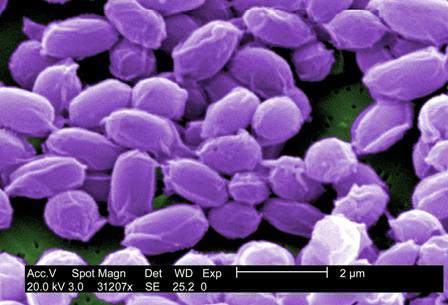
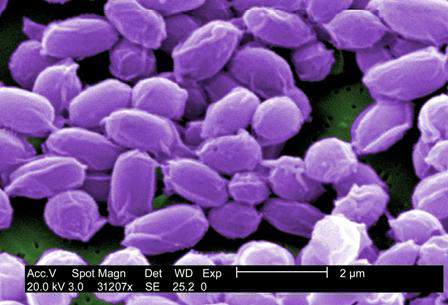
Environmental factors can drive higher incidences of anthrax cases. Temperature, precipitation, and vegetation indices are key variables that facilitate anthrax transmission and spread of the disease. Geographically, lowland areas also have higher prevalences of the disease.
For example, Dr. Blackburn and his colleagues used predictive models to quantify the theory that anthrax case rates increase during years that have wet springs followed by hot, dry summers in the region of western Texas.
Using these data would allow scientists and health care providers to predict which years would have an increased risk for anthrax cases in humans, Dr. Blackburn said, and could help hospitals and clinics effectively prepare to treat a higher influx of these cases and prevent possible outbreaks.
Although relatively large numbers of human anthrax cases persist in parts of world – particularly in Africa and central Asia – cases in the United States have been primarily relegated to livestock.
However, during the last decade, there has been a noticeable shift in cases from livestock to wildlife, particularly in western Texas and Montana, where local populations of elk, bison, and white-tailed deer have been affected. The newfound prevalence in wildlife species, along with continued presence in domestic animals such as cattle and sheep, mean that transmission to humans could become even easier.
“Human cases are usually driven by direct human interaction with mammalian hosts,” said Dr. Blackburn, citing farms and meat factories as prime examples of where the Bacillus anthracis organism would easily spread. In addition, Dr. Blackburn specifically noted a scenario in which flies can transmit the disease from sheep to humans, and have also been found to carry anthrax from carcasses to wildlife and vegetation.
From 2010 to 2012, anthrax cases in Europe, particularly Georgia and Turkey, increased, compared with numbers over a similar time frame between 2000 and 2009. While case reporting can be partly attributed to this increase, Dr. Blackburn indicated that it was most likely evidence of an associative trend between livestock and human anthrax cases.
Dr. Blackburn did not report any disclosures.
WASHINGTON– Recent isolated cases of anthrax in Minnesota and elsewhere, along with the disease’s relative ease of transmission from animals or plants to humans, should heighten U.S. physicians’ awareness of anthrax’s symptoms and treatments, warned Dr. Jason K. Blackburn.
“[Anthrax] is something that our international partners deal with on an annual basis [as] we can see the disease reemerging, or at least increasing, in annual reports on humans in a number of countries,” explained Dr. Blackburn of the University of Florida in Gainesville, at a meeting on biodefense and emerging diseases sponsored by the American Society for Microbiology. “Here in the United States, we’re seeing it shift from a livestock disease [to] a wildlife disease, where we have these populations that we can’t reach with vaccines, and where surveillance is very logistically challenging.”
Environmental factors can drive higher incidences of anthrax cases. Temperature, precipitation, and vegetation indices are key variables that facilitate anthrax transmission and spread of the disease. Geographically, lowland areas also have higher prevalences of the disease.
For example, Dr. Blackburn and his colleagues used predictive models to quantify the theory that anthrax case rates increase during years that have wet springs followed by hot, dry summers in the region of western Texas.
Using these data would allow scientists and health care providers to predict which years would have an increased risk for anthrax cases in humans, Dr. Blackburn said, and could help hospitals and clinics effectively prepare to treat a higher influx of these cases and prevent possible outbreaks.
Although relatively large numbers of human anthrax cases persist in parts of world – particularly in Africa and central Asia – cases in the United States have been primarily relegated to livestock.
However, during the last decade, there has been a noticeable shift in cases from livestock to wildlife, particularly in western Texas and Montana, where local populations of elk, bison, and white-tailed deer have been affected. The newfound prevalence in wildlife species, along with continued presence in domestic animals such as cattle and sheep, mean that transmission to humans could become even easier.
“Human cases are usually driven by direct human interaction with mammalian hosts,” said Dr. Blackburn, citing farms and meat factories as prime examples of where the Bacillus anthracis organism would easily spread. In addition, Dr. Blackburn specifically noted a scenario in which flies can transmit the disease from sheep to humans, and have also been found to carry anthrax from carcasses to wildlife and vegetation.
From 2010 to 2012, anthrax cases in Europe, particularly Georgia and Turkey, increased, compared with numbers over a similar time frame between 2000 and 2009. While case reporting can be partly attributed to this increase, Dr. Blackburn indicated that it was most likely evidence of an associative trend between livestock and human anthrax cases.
Dr. Blackburn did not report any disclosures.
WASHINGTON– Recent isolated cases of anthrax in Minnesota and elsewhere, along with the disease’s relative ease of transmission from animals or plants to humans, should heighten U.S. physicians’ awareness of anthrax’s symptoms and treatments, warned Dr. Jason K. Blackburn.
“[Anthrax] is something that our international partners deal with on an annual basis [as] we can see the disease reemerging, or at least increasing, in annual reports on humans in a number of countries,” explained Dr. Blackburn of the University of Florida in Gainesville, at a meeting on biodefense and emerging diseases sponsored by the American Society for Microbiology. “Here in the United States, we’re seeing it shift from a livestock disease [to] a wildlife disease, where we have these populations that we can’t reach with vaccines, and where surveillance is very logistically challenging.”
Environmental factors can drive higher incidences of anthrax cases. Temperature, precipitation, and vegetation indices are key variables that facilitate anthrax transmission and spread of the disease. Geographically, lowland areas also have higher prevalences of the disease.
For example, Dr. Blackburn and his colleagues used predictive models to quantify the theory that anthrax case rates increase during years that have wet springs followed by hot, dry summers in the region of western Texas.
Using these data would allow scientists and health care providers to predict which years would have an increased risk for anthrax cases in humans, Dr. Blackburn said, and could help hospitals and clinics effectively prepare to treat a higher influx of these cases and prevent possible outbreaks.
Although relatively large numbers of human anthrax cases persist in parts of world – particularly in Africa and central Asia – cases in the United States have been primarily relegated to livestock.
However, during the last decade, there has been a noticeable shift in cases from livestock to wildlife, particularly in western Texas and Montana, where local populations of elk, bison, and white-tailed deer have been affected. The newfound prevalence in wildlife species, along with continued presence in domestic animals such as cattle and sheep, mean that transmission to humans could become even easier.
“Human cases are usually driven by direct human interaction with mammalian hosts,” said Dr. Blackburn, citing farms and meat factories as prime examples of where the Bacillus anthracis organism would easily spread. In addition, Dr. Blackburn specifically noted a scenario in which flies can transmit the disease from sheep to humans, and have also been found to carry anthrax from carcasses to wildlife and vegetation.
From 2010 to 2012, anthrax cases in Europe, particularly Georgia and Turkey, increased, compared with numbers over a similar time frame between 2000 and 2009. While case reporting can be partly attributed to this increase, Dr. Blackburn indicated that it was most likely evidence of an associative trend between livestock and human anthrax cases.
Dr. Blackburn did not report any disclosures.
AT THE ASM BIODEFENSE MEETING
ACIP votes to drop preference for LAIV in healthy children aged 2-8 years
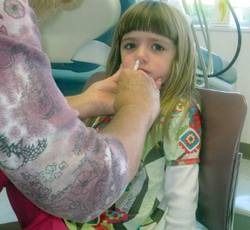
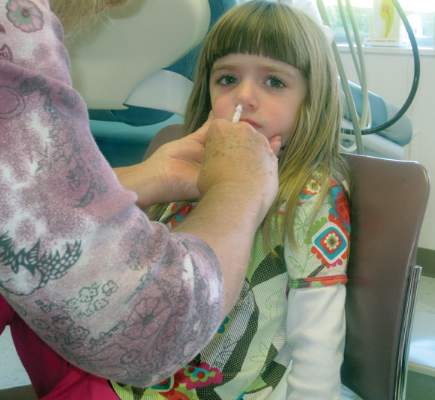
For the next influenza season, there will no longer be a preference for using the nasal spray influenza vaccine over the flu shot for healthy children aged 2-8 years, based on data from recent influenza seasons.
In a 14-0 vote, with one abstention, the Centers for Disease Control and Prevention’s Advisory Committee on Immunization Practices (ACIP) supported the following revision to the influenza vaccine recommendations, for the 2015-2016 influenza season: “For healthy children aged 2 through 8 years who have no contraindications or precautions, either LAIV [live attenuated influenza vaccine] or IIV [inactivated influenza vaccine] is an appropriate option. No preference is expressed for LAIV or IIV or any person aged 2 though 49 years for whom either vaccine is appropriate.”
The recommendation that all people aged 6 months and older should receive the influenza vaccine every year remains unchanged.
Currently, the recommendation is that when “immediately available, LAIV should be used for healthy children aged 2 through 8 years who have no contraindications or precautions,” which was approved in June 2014. This was based on evidence during several influenza seasons that LAIV provided better protection than the IIV for children in this age group. The decision to make the change regarding preference “was made based on new data from more recent seasons, which have not confirmed superior effectiveness of LAIV observed in earlier studies,” according to a statement issued by the CDC following the meeting.
For the next influenza season, there will no longer be a preference for using the nasal spray influenza vaccine over the flu shot for healthy children aged 2-8 years, based on data from recent influenza seasons.
In a 14-0 vote, with one abstention, the Centers for Disease Control and Prevention’s Advisory Committee on Immunization Practices (ACIP) supported the following revision to the influenza vaccine recommendations, for the 2015-2016 influenza season: “For healthy children aged 2 through 8 years who have no contraindications or precautions, either LAIV [live attenuated influenza vaccine] or IIV [inactivated influenza vaccine] is an appropriate option. No preference is expressed for LAIV or IIV or any person aged 2 though 49 years for whom either vaccine is appropriate.”
The recommendation that all people aged 6 months and older should receive the influenza vaccine every year remains unchanged.
Currently, the recommendation is that when “immediately available, LAIV should be used for healthy children aged 2 through 8 years who have no contraindications or precautions,” which was approved in June 2014. This was based on evidence during several influenza seasons that LAIV provided better protection than the IIV for children in this age group. The decision to make the change regarding preference “was made based on new data from more recent seasons, which have not confirmed superior effectiveness of LAIV observed in earlier studies,” according to a statement issued by the CDC following the meeting.
For the next influenza season, there will no longer be a preference for using the nasal spray influenza vaccine over the flu shot for healthy children aged 2-8 years, based on data from recent influenza seasons.
In a 14-0 vote, with one abstention, the Centers for Disease Control and Prevention’s Advisory Committee on Immunization Practices (ACIP) supported the following revision to the influenza vaccine recommendations, for the 2015-2016 influenza season: “For healthy children aged 2 through 8 years who have no contraindications or precautions, either LAIV [live attenuated influenza vaccine] or IIV [inactivated influenza vaccine] is an appropriate option. No preference is expressed for LAIV or IIV or any person aged 2 though 49 years for whom either vaccine is appropriate.”
The recommendation that all people aged 6 months and older should receive the influenza vaccine every year remains unchanged.
Currently, the recommendation is that when “immediately available, LAIV should be used for healthy children aged 2 through 8 years who have no contraindications or precautions,” which was approved in June 2014. This was based on evidence during several influenza seasons that LAIV provided better protection than the IIV for children in this age group. The decision to make the change regarding preference “was made based on new data from more recent seasons, which have not confirmed superior effectiveness of LAIV observed in earlier studies,” according to a statement issued by the CDC following the meeting.
FROM AN ACIP MEETING
Epinephrine use for anaphylaxis in schools: First national survey
HOUSTON – Fully 22% of the anaphylactic events occurring in students while attending U.S. schools, grades kindergarten through high school, are first episodes with no previous known allergy.
That was just one of several surprising findings in the first-ever national study of anaphylactic events and the use of epinephrine autoinjectors in U.S. schools.

“The big surprise for me was how frequently there was no known allergy. For those kids, having epinephrine stocked in the school was potentially life saving. And it underscores the importance that the teaching staff and aides and nurses know how to recognize anaphylaxis, because they wouldn’t know that that child was even at risk,” Dr. Martha V. White said at the annual meeting of the American Academy of Allergy, Asthma, and Immunology.
Dr. White, an allergist in private practice in Wheaton, Md., was lead investigator in the survey of schools participating in the national EPIPEN4SCHOOLS program. The program, conducted by Mylan, provides free EpiPen epinephrine autoinjectors to schools that can document that they have staff trained in their use. The epinephrine autoinjectors (EAIs) are stored at school for use in anyone experiencing anaphylaxis who doesn’t have their own.
The survey provides the clearest picture yet of anaphylaxis in school settings. It included all reported anaphylactic events occurring during the 2013-2014 school year at 6,019 responding U.S. schools. A total of 919 anaphylactic events were reported by 11% of the schools. Eighty-nine percent of the episodes occurred in students, the rest in school staff or visitors.
Twenty percent of anaphylactic events in students were associated with unknown triggers. When a trigger was identified, it was food in 62% of cases, an insect bite or sting in 10%, a medication or environmental trigger in 7%, and latex in 1%.
Among the surprising findings:
Epinephrine wasn’t used in 25% of anaphylactic events. Most of those events were treated with an oral antihistamine, a finding that caused Dr. White to bristle.
“That’s an educational opportunity, because antihistamines won’t stop allergic reactions,” she said in an interview. “They might make you feel like you’re doing something – they might help with the itching – but antihistamines aren’t going to actually stop an allergic reaction.”
Twenty percent of individuals with anaphylaxis weren’t sent to a hospital emergency department. “That’s another opportunity for education because you can have a recurrence of the anaphylaxis,” the allergist noted.
Indeed, roughly 20% of patients who experience anaphylaxis have a biphasic reaction, with recurrence of symptoms up to 38 hours after the first reaction. For this reason, the product labeling for EIAs states that emergency medical follow-up treatment is recommended after treatment of an anaphylactic event.
High school students appear to be at increased risk for in-school anaphylactic events. High schoolers accounted for 18% of the total K-12 student population, but they experienced 49% of all anaphylactic events.
School staff varied widely in their preparedness to recognize anaphylaxis and treat it with an EAI. At 36% of schools, only the school nurse and select staff were trained to recognize anaphylaxis. Twenty-nine percent of schools trained most staff, and 31% trained all staff, including coaches, athletic trainers, and office staff. More adults on campus were trained to recognize anaphylaxis than to actually administer epinephrine.
Mylan is continuing to operate the EPIPEN4SCHOOLS program. That’s good news, Dr. White said, because some major health insurance companies refuse to pay for two sets of EAIs – one for home and another for school – forcing parents to decide in which setting to leave their child unprotected.
“Remember, the autoinjector needs to be where the child is,” Dr. White said.
The survey was supported by Mylan. Dr. White reported serving on Mylan’s scientific advisory board and receiving research grants from most pharmaceutical companies with an interest in asthma medications.
HOUSTON – Fully 22% of the anaphylactic events occurring in students while attending U.S. schools, grades kindergarten through high school, are first episodes with no previous known allergy.
That was just one of several surprising findings in the first-ever national study of anaphylactic events and the use of epinephrine autoinjectors in U.S. schools.
“The big surprise for me was how frequently there was no known allergy. For those kids, having epinephrine stocked in the school was potentially life saving. And it underscores the importance that the teaching staff and aides and nurses know how to recognize anaphylaxis, because they wouldn’t know that that child was even at risk,” Dr. Martha V. White said at the annual meeting of the American Academy of Allergy, Asthma, and Immunology.
Dr. White, an allergist in private practice in Wheaton, Md., was lead investigator in the survey of schools participating in the national EPIPEN4SCHOOLS program. The program, conducted by Mylan, provides free EpiPen epinephrine autoinjectors to schools that can document that they have staff trained in their use. The epinephrine autoinjectors (EAIs) are stored at school for use in anyone experiencing anaphylaxis who doesn’t have their own.
The survey provides the clearest picture yet of anaphylaxis in school settings. It included all reported anaphylactic events occurring during the 2013-2014 school year at 6,019 responding U.S. schools. A total of 919 anaphylactic events were reported by 11% of the schools. Eighty-nine percent of the episodes occurred in students, the rest in school staff or visitors.
Twenty percent of anaphylactic events in students were associated with unknown triggers. When a trigger was identified, it was food in 62% of cases, an insect bite or sting in 10%, a medication or environmental trigger in 7%, and latex in 1%.
Among the surprising findings:
Epinephrine wasn’t used in 25% of anaphylactic events. Most of those events were treated with an oral antihistamine, a finding that caused Dr. White to bristle.
“That’s an educational opportunity, because antihistamines won’t stop allergic reactions,” she said in an interview. “They might make you feel like you’re doing something – they might help with the itching – but antihistamines aren’t going to actually stop an allergic reaction.”
Twenty percent of individuals with anaphylaxis weren’t sent to a hospital emergency department. “That’s another opportunity for education because you can have a recurrence of the anaphylaxis,” the allergist noted.
Indeed, roughly 20% of patients who experience anaphylaxis have a biphasic reaction, with recurrence of symptoms up to 38 hours after the first reaction. For this reason, the product labeling for EIAs states that emergency medical follow-up treatment is recommended after treatment of an anaphylactic event.
High school students appear to be at increased risk for in-school anaphylactic events. High schoolers accounted for 18% of the total K-12 student population, but they experienced 49% of all anaphylactic events.
School staff varied widely in their preparedness to recognize anaphylaxis and treat it with an EAI. At 36% of schools, only the school nurse and select staff were trained to recognize anaphylaxis. Twenty-nine percent of schools trained most staff, and 31% trained all staff, including coaches, athletic trainers, and office staff. More adults on campus were trained to recognize anaphylaxis than to actually administer epinephrine.
Mylan is continuing to operate the EPIPEN4SCHOOLS program. That’s good news, Dr. White said, because some major health insurance companies refuse to pay for two sets of EAIs – one for home and another for school – forcing parents to decide in which setting to leave their child unprotected.
“Remember, the autoinjector needs to be where the child is,” Dr. White said.
The survey was supported by Mylan. Dr. White reported serving on Mylan’s scientific advisory board and receiving research grants from most pharmaceutical companies with an interest in asthma medications.
HOUSTON – Fully 22% of the anaphylactic events occurring in students while attending U.S. schools, grades kindergarten through high school, are first episodes with no previous known allergy.
That was just one of several surprising findings in the first-ever national study of anaphylactic events and the use of epinephrine autoinjectors in U.S. schools.
“The big surprise for me was how frequently there was no known allergy. For those kids, having epinephrine stocked in the school was potentially life saving. And it underscores the importance that the teaching staff and aides and nurses know how to recognize anaphylaxis, because they wouldn’t know that that child was even at risk,” Dr. Martha V. White said at the annual meeting of the American Academy of Allergy, Asthma, and Immunology.
Dr. White, an allergist in private practice in Wheaton, Md., was lead investigator in the survey of schools participating in the national EPIPEN4SCHOOLS program. The program, conducted by Mylan, provides free EpiPen epinephrine autoinjectors to schools that can document that they have staff trained in their use. The epinephrine autoinjectors (EAIs) are stored at school for use in anyone experiencing anaphylaxis who doesn’t have their own.
The survey provides the clearest picture yet of anaphylaxis in school settings. It included all reported anaphylactic events occurring during the 2013-2014 school year at 6,019 responding U.S. schools. A total of 919 anaphylactic events were reported by 11% of the schools. Eighty-nine percent of the episodes occurred in students, the rest in school staff or visitors.
Twenty percent of anaphylactic events in students were associated with unknown triggers. When a trigger was identified, it was food in 62% of cases, an insect bite or sting in 10%, a medication or environmental trigger in 7%, and latex in 1%.
Among the surprising findings:
Epinephrine wasn’t used in 25% of anaphylactic events. Most of those events were treated with an oral antihistamine, a finding that caused Dr. White to bristle.
“That’s an educational opportunity, because antihistamines won’t stop allergic reactions,” she said in an interview. “They might make you feel like you’re doing something – they might help with the itching – but antihistamines aren’t going to actually stop an allergic reaction.”
Twenty percent of individuals with anaphylaxis weren’t sent to a hospital emergency department. “That’s another opportunity for education because you can have a recurrence of the anaphylaxis,” the allergist noted.
Indeed, roughly 20% of patients who experience anaphylaxis have a biphasic reaction, with recurrence of symptoms up to 38 hours after the first reaction. For this reason, the product labeling for EIAs states that emergency medical follow-up treatment is recommended after treatment of an anaphylactic event.
High school students appear to be at increased risk for in-school anaphylactic events. High schoolers accounted for 18% of the total K-12 student population, but they experienced 49% of all anaphylactic events.
School staff varied widely in their preparedness to recognize anaphylaxis and treat it with an EAI. At 36% of schools, only the school nurse and select staff were trained to recognize anaphylaxis. Twenty-nine percent of schools trained most staff, and 31% trained all staff, including coaches, athletic trainers, and office staff. More adults on campus were trained to recognize anaphylaxis than to actually administer epinephrine.
Mylan is continuing to operate the EPIPEN4SCHOOLS program. That’s good news, Dr. White said, because some major health insurance companies refuse to pay for two sets of EAIs – one for home and another for school – forcing parents to decide in which setting to leave their child unprotected.
“Remember, the autoinjector needs to be where the child is,” Dr. White said.
The survey was supported by Mylan. Dr. White reported serving on Mylan’s scientific advisory board and receiving research grants from most pharmaceutical companies with an interest in asthma medications.
AT 2015 AAAAI ANNUAL MEETING
Key clinical point: 11% of U.S. schools reported that one or more anaphylactic events occurred on site during the 2013-2014 school year.
Major finding: 20% of students treated with an epinephrine autoinjector while at school weren’t sent to the emergency department afterwards, even though the product labeling recommends doing so.
Data source: This national survey of anaphylactic episodes included 6,019 U.S. schools, kindergarten through high school.
Disclosures: The survey was funded by Mylan. The presenter reported serving on Mylan’s scientific advisory board and receiving research grants from most pharmaceutical companies with an interest in asthma medications.

Early pneumonia linked with later asthma and wheeze
Lower respiratory illness in childhood is associated with later development of asthma and wheeze that can persist into adulthood, and that are considered risk factors for adult chronic obstructive pulmonary disease, a prospective study has found.
Researchers assessed the lung function of 646 children – 338 of whom had experienced lower respiratory illness (LRI) before age 2 and 308 controls – and found those who had early pneumonia had a nearly twofold increase in the risk of asthma and wheeze up to age 26.
They also had the most severe subsequent deficits in lung function, while those with early nonpneumonia LRI had smaller but still significant impairments in lung function and an increased risk of wheeze, according to a report published online March 2 in Pediatrics (2015;135 [doi:10.1542/peds.2014-3060]).
The children who were included in this study were part of a birth cohort of 1,246 healthy infants enrolled between 1980 and 1984 in the Tucson Children’s Respiratory Study.
Participants included in the current study were required to have complete follow-up for LRIs during the first 3 years of life and to have at least one pulmonary function test completed at ages 11, 16, 22, or 26 years.
Physician-diagnosed asthma with active symptoms and active wheeze during the previous year were assessed prospectively by questionnaires completed by the participant’s parents at ages 11, 13, and 16 years and by the participant at ages 18, 22, 24, 26, and 29 years, according to the researchers.
After the investigators adjusted for covariates, participants with early pneumonia had a significantly higher risk of active physician-diagnosed asthma (odds ratio: 1.95; 95% confidence interval: 1.11-3.44) during the previous year up to age 29 years, compared with those with no LRI during early life.
Early pneumonia was also associated with a significantly increased risk of active wheeze during the previous year up to age 29 years (OR: 1.94; 95% CI: 1.28-2.95) as were other LRIs, although the association with the latter was much weaker than that for pneumonia (OR: 1.37; 95% CI: 1.09-1.72), according to the authors.
“Because there is considerable evidence that asthma associated with airflow limitation is a strong risk factor for subsequent chronic obstructive pulmonary disease, the prevention of early-life pneumonia and of the factors that determine low lung function in infancy may contribute significantly to decrease the public health burden of chronic obstructive pulmonary disease,” wrote Dr. Johnny Y.C. Chan of Kwong Wah Hospital, Kowloon, Hong Kong, and the University of Arizona, Tucson, and his coauthors.
The study was funded by the National Institutes of Health, and no conflicts of interest were declared.
Lower respiratory illness in childhood is associated with later development of asthma and wheeze that can persist into adulthood, and that are considered risk factors for adult chronic obstructive pulmonary disease, a prospective study has found.
Researchers assessed the lung function of 646 children – 338 of whom had experienced lower respiratory illness (LRI) before age 2 and 308 controls – and found those who had early pneumonia had a nearly twofold increase in the risk of asthma and wheeze up to age 26.
They also had the most severe subsequent deficits in lung function, while those with early nonpneumonia LRI had smaller but still significant impairments in lung function and an increased risk of wheeze, according to a report published online March 2 in Pediatrics (2015;135 [doi:10.1542/peds.2014-3060]).
The children who were included in this study were part of a birth cohort of 1,246 healthy infants enrolled between 1980 and 1984 in the Tucson Children’s Respiratory Study.
Participants included in the current study were required to have complete follow-up for LRIs during the first 3 years of life and to have at least one pulmonary function test completed at ages 11, 16, 22, or 26 years.
Physician-diagnosed asthma with active symptoms and active wheeze during the previous year were assessed prospectively by questionnaires completed by the participant’s parents at ages 11, 13, and 16 years and by the participant at ages 18, 22, 24, 26, and 29 years, according to the researchers.
After the investigators adjusted for covariates, participants with early pneumonia had a significantly higher risk of active physician-diagnosed asthma (odds ratio: 1.95; 95% confidence interval: 1.11-3.44) during the previous year up to age 29 years, compared with those with no LRI during early life.
Early pneumonia was also associated with a significantly increased risk of active wheeze during the previous year up to age 29 years (OR: 1.94; 95% CI: 1.28-2.95) as were other LRIs, although the association with the latter was much weaker than that for pneumonia (OR: 1.37; 95% CI: 1.09-1.72), according to the authors.
“Because there is considerable evidence that asthma associated with airflow limitation is a strong risk factor for subsequent chronic obstructive pulmonary disease, the prevention of early-life pneumonia and of the factors that determine low lung function in infancy may contribute significantly to decrease the public health burden of chronic obstructive pulmonary disease,” wrote Dr. Johnny Y.C. Chan of Kwong Wah Hospital, Kowloon, Hong Kong, and the University of Arizona, Tucson, and his coauthors.
The study was funded by the National Institutes of Health, and no conflicts of interest were declared.
Lower respiratory illness in childhood is associated with later development of asthma and wheeze that can persist into adulthood, and that are considered risk factors for adult chronic obstructive pulmonary disease, a prospective study has found.
Researchers assessed the lung function of 646 children – 338 of whom had experienced lower respiratory illness (LRI) before age 2 and 308 controls – and found those who had early pneumonia had a nearly twofold increase in the risk of asthma and wheeze up to age 26.
They also had the most severe subsequent deficits in lung function, while those with early nonpneumonia LRI had smaller but still significant impairments in lung function and an increased risk of wheeze, according to a report published online March 2 in Pediatrics (2015;135 [doi:10.1542/peds.2014-3060]).
The children who were included in this study were part of a birth cohort of 1,246 healthy infants enrolled between 1980 and 1984 in the Tucson Children’s Respiratory Study.
Participants included in the current study were required to have complete follow-up for LRIs during the first 3 years of life and to have at least one pulmonary function test completed at ages 11, 16, 22, or 26 years.
Physician-diagnosed asthma with active symptoms and active wheeze during the previous year were assessed prospectively by questionnaires completed by the participant’s parents at ages 11, 13, and 16 years and by the participant at ages 18, 22, 24, 26, and 29 years, according to the researchers.
After the investigators adjusted for covariates, participants with early pneumonia had a significantly higher risk of active physician-diagnosed asthma (odds ratio: 1.95; 95% confidence interval: 1.11-3.44) during the previous year up to age 29 years, compared with those with no LRI during early life.
Early pneumonia was also associated with a significantly increased risk of active wheeze during the previous year up to age 29 years (OR: 1.94; 95% CI: 1.28-2.95) as were other LRIs, although the association with the latter was much weaker than that for pneumonia (OR: 1.37; 95% CI: 1.09-1.72), according to the authors.
“Because there is considerable evidence that asthma associated with airflow limitation is a strong risk factor for subsequent chronic obstructive pulmonary disease, the prevention of early-life pneumonia and of the factors that determine low lung function in infancy may contribute significantly to decrease the public health burden of chronic obstructive pulmonary disease,” wrote Dr. Johnny Y.C. Chan of Kwong Wah Hospital, Kowloon, Hong Kong, and the University of Arizona, Tucson, and his coauthors.
The study was funded by the National Institutes of Health, and no conflicts of interest were declared.
FROM PEDIATRICS
Key clinical point: Lower respiratory illness in childhood is associated with later development of asthma and wheeze that can persist into adulthood.
Major finding: Children who experienced pneumonia before age 3 had a nearly twofold increase in the risk of asthma and wheeze up to age 26.
Data source: A prospective cohort of 338 children with early lower respiratory illness and 308 controls was analyzed.
Disclosures: The study was funded by the National Institutes of Health, and no conflicts of interest were declared.
Are inhaled steroids effective for a postviral cough?
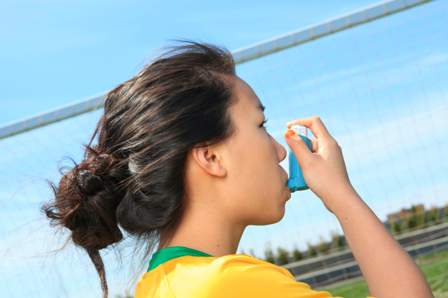
No. Inhaled corticosteroids (ICS) don’t improve postviral cough in adults with subacute (3-8 weeks) or chronic (>8 weeks) cough, adolescents with a history of asthma but without recent asthma activity, or children with a history of episodic viral wheezing without asthma (strength of recommendation [SOR]: B, preponderance of small randomized controlled trials [RCTs]).
EVIDENCE SUMMARY
A systematic review of 7 RCTs with a total of 477 adults that examined the efficacy of ICS compared with placebo for treating subacute (3-8 weeks) and chronic (>8 weeks) cough found inconsistent, but mostly negative results.1 Most trials combined patients with nonspecific subacute and chronic cough.
The evaluated steroids included beclomethasone, budesonide, fluticasone, and mometasone; daily “budesonide equivalent” doses ranged from 320 mcg to 1600 mcg. Six of the 7 trials found that ICS didn’t improve cough. The seventh didn’t treat patients with postviral cough. The authors of the review couldn’t pool data because of heterogeneity.
Steroids don’t affect methacholine challenge in teens
A double-blind, placebo-controlled RCT of 56 adolescents found that giving ICS after viral upper respiratory infection didn’t change the methacholine dosing necessary to produce a 20% reduction in the forced expiratory volume in one second (FEV1).2 Investigators included patients if they had a previous diagnosis of asthma but no use of asthma medications in 2 years, a baseline FEV1 greater than 70% of predicted, and a concentration of methacholine that produced a 20% fall in FEV1 less than 8 mg/mL.
They randomized patients to inhaled budesonide (2 200-mcg puffs bid) or placebo (2 500-mcg puffs micronized lactose bid). Patients underwent spirometry and methacholine challenge testing every 3 months over a 9-month period. The groups didn’t differ in bronchial hyperresponsiveness or FEV1.
Lower respiratory symptoms don’t respond to ICS in nonasthmatic children
A systematic review of 5 RCTs with a total of 339 patients found that in 4 of the 5, ICS didn’t improve lower respiratory symptoms in children with episodic viral wheeze and no history of asthma.3 Investigators evaluated ICS efficacy using lower respiratory symptom scores (based primarily on cough and wheeze) and decreased use of oral steroids or reduced emergency room visits.
Four trials found no benefit from ICS; one trial (52 children with viral-induced wheeze) found that nebulized budesonide (400 mg qid for 2 days, then bid for 7 days) decreased respiratory symptom scores (weighted mean difference= -0.17; 95% confidence interval, -0.34 to -0.003) compared with placebo. Investigators didn’t assess cough separately from wheezing, however.
1. Johnstone KJ, Chang AB, Fong KM, et al. Inhaled corticosteroids for subacute and chronic cough in adults. Cochrane Database Syst Rev. 2013;3:CD009305.
2. Koh YY, Sun YH, Lim HS, et al. Effect of inhaled budesonide on bronchial hyperresponsiveness in adolescents with clinical remission of asthma. Chest. 2001;120:1140-1146.
3. McKean M, Ducharme F. Inhaled steroids for episodic viral wheeze of childhood. Cochrane Database Syst Rev. 2000;(2):CD001107.
No. Inhaled corticosteroids (ICS) don’t improve postviral cough in adults with subacute (3-8 weeks) or chronic (>8 weeks) cough, adolescents with a history of asthma but without recent asthma activity, or children with a history of episodic viral wheezing without asthma (strength of recommendation [SOR]: B, preponderance of small randomized controlled trials [RCTs]).
EVIDENCE SUMMARY
A systematic review of 7 RCTs with a total of 477 adults that examined the efficacy of ICS compared with placebo for treating subacute (3-8 weeks) and chronic (>8 weeks) cough found inconsistent, but mostly negative results.1 Most trials combined patients with nonspecific subacute and chronic cough.
The evaluated steroids included beclomethasone, budesonide, fluticasone, and mometasone; daily “budesonide equivalent” doses ranged from 320 mcg to 1600 mcg. Six of the 7 trials found that ICS didn’t improve cough. The seventh didn’t treat patients with postviral cough. The authors of the review couldn’t pool data because of heterogeneity.
Steroids don’t affect methacholine challenge in teens
A double-blind, placebo-controlled RCT of 56 adolescents found that giving ICS after viral upper respiratory infection didn’t change the methacholine dosing necessary to produce a 20% reduction in the forced expiratory volume in one second (FEV1).2 Investigators included patients if they had a previous diagnosis of asthma but no use of asthma medications in 2 years, a baseline FEV1 greater than 70% of predicted, and a concentration of methacholine that produced a 20% fall in FEV1 less than 8 mg/mL.
They randomized patients to inhaled budesonide (2 200-mcg puffs bid) or placebo (2 500-mcg puffs micronized lactose bid). Patients underwent spirometry and methacholine challenge testing every 3 months over a 9-month period. The groups didn’t differ in bronchial hyperresponsiveness or FEV1.
Lower respiratory symptoms don’t respond to ICS in nonasthmatic children
A systematic review of 5 RCTs with a total of 339 patients found that in 4 of the 5, ICS didn’t improve lower respiratory symptoms in children with episodic viral wheeze and no history of asthma.3 Investigators evaluated ICS efficacy using lower respiratory symptom scores (based primarily on cough and wheeze) and decreased use of oral steroids or reduced emergency room visits.
Four trials found no benefit from ICS; one trial (52 children with viral-induced wheeze) found that nebulized budesonide (400 mg qid for 2 days, then bid for 7 days) decreased respiratory symptom scores (weighted mean difference= -0.17; 95% confidence interval, -0.34 to -0.003) compared with placebo. Investigators didn’t assess cough separately from wheezing, however.
No. Inhaled corticosteroids (ICS) don’t improve postviral cough in adults with subacute (3-8 weeks) or chronic (>8 weeks) cough, adolescents with a history of asthma but without recent asthma activity, or children with a history of episodic viral wheezing without asthma (strength of recommendation [SOR]: B, preponderance of small randomized controlled trials [RCTs]).
EVIDENCE SUMMARY
A systematic review of 7 RCTs with a total of 477 adults that examined the efficacy of ICS compared with placebo for treating subacute (3-8 weeks) and chronic (>8 weeks) cough found inconsistent, but mostly negative results.1 Most trials combined patients with nonspecific subacute and chronic cough.
The evaluated steroids included beclomethasone, budesonide, fluticasone, and mometasone; daily “budesonide equivalent” doses ranged from 320 mcg to 1600 mcg. Six of the 7 trials found that ICS didn’t improve cough. The seventh didn’t treat patients with postviral cough. The authors of the review couldn’t pool data because of heterogeneity.
Steroids don’t affect methacholine challenge in teens
A double-blind, placebo-controlled RCT of 56 adolescents found that giving ICS after viral upper respiratory infection didn’t change the methacholine dosing necessary to produce a 20% reduction in the forced expiratory volume in one second (FEV1).2 Investigators included patients if they had a previous diagnosis of asthma but no use of asthma medications in 2 years, a baseline FEV1 greater than 70% of predicted, and a concentration of methacholine that produced a 20% fall in FEV1 less than 8 mg/mL.
They randomized patients to inhaled budesonide (2 200-mcg puffs bid) or placebo (2 500-mcg puffs micronized lactose bid). Patients underwent spirometry and methacholine challenge testing every 3 months over a 9-month period. The groups didn’t differ in bronchial hyperresponsiveness or FEV1.
Lower respiratory symptoms don’t respond to ICS in nonasthmatic children
A systematic review of 5 RCTs with a total of 339 patients found that in 4 of the 5, ICS didn’t improve lower respiratory symptoms in children with episodic viral wheeze and no history of asthma.3 Investigators evaluated ICS efficacy using lower respiratory symptom scores (based primarily on cough and wheeze) and decreased use of oral steroids or reduced emergency room visits.
Four trials found no benefit from ICS; one trial (52 children with viral-induced wheeze) found that nebulized budesonide (400 mg qid for 2 days, then bid for 7 days) decreased respiratory symptom scores (weighted mean difference= -0.17; 95% confidence interval, -0.34 to -0.003) compared with placebo. Investigators didn’t assess cough separately from wheezing, however.
1. Johnstone KJ, Chang AB, Fong KM, et al. Inhaled corticosteroids for subacute and chronic cough in adults. Cochrane Database Syst Rev. 2013;3:CD009305.
2. Koh YY, Sun YH, Lim HS, et al. Effect of inhaled budesonide on bronchial hyperresponsiveness in adolescents with clinical remission of asthma. Chest. 2001;120:1140-1146.
3. McKean M, Ducharme F. Inhaled steroids for episodic viral wheeze of childhood. Cochrane Database Syst Rev. 2000;(2):CD001107.
1. Johnstone KJ, Chang AB, Fong KM, et al. Inhaled corticosteroids for subacute and chronic cough in adults. Cochrane Database Syst Rev. 2013;3:CD009305.
2. Koh YY, Sun YH, Lim HS, et al. Effect of inhaled budesonide on bronchial hyperresponsiveness in adolescents with clinical remission of asthma. Chest. 2001;120:1140-1146.
3. McKean M, Ducharme F. Inhaled steroids for episodic viral wheeze of childhood. Cochrane Database Syst Rev. 2000;(2):CD001107.
Evidence-based answers from the Family Physicians Inquiries Network
Annual recurrence rate of anaphylaxis in kids is nearly 30%
HOUSTON – The annual incidence of recurrent anaphylaxis in children was 29% in the first prospective study to examine the issue.
“That rate is higher than previously reported in retrospective studies,” Dr. Andrew O’Keefe said at the annual meeting of the American Academy of Allergy, Asthma, and Immunology.

He presented a study conducted as part of the Cross-Canada Anaphylaxis Registry (C-CARE). In the prospective study, the parents of 266 children who presented with anaphylaxis to two Montreal hospitals were contacted annually thereafter and asked about subsequent allergic reactions.
The parents of 96 children participated. Twenty-five of these 96 children experienced a total of 42 recurrent episodes of anaphylaxis, with an annual recurrence rate of 29%. Three-quarters of recurrences were categorized by investigators as moderate in severity, meaning they entailed crampy abdominal pain, recurrent vomiting, diarrhea, a barky cough, stridor, hoarseness, difficulty swallowing, shortness of breath, and/or moderate wheezing.
A striking study finding was that an epinephrine autoinjector was utilized prior to arrival at the hospital in only 52% of recurrences. That’s serious underutilization, commented Dr. O’Keefe, an allergist at Memorial University in St. Johns, Newfoundland.
“Physicians need to educate patients as to how to use the injectable epinephrine devices and encourage them to do so early during an episode of anaphylaxis, when they’re most effective,” he stressed in an interview.
Food was the principal trigger for 91% of recurrent episodes. Interestingly, children with recurrent anaphylaxis were 71% less likely to have peanut as a trigger, most likely because of extra vigilance regarding this notorious allergen, according to Dr. O’Keefe.
He noted a couple of significant study limitations. One is the small sample size. However, the study is being expanded to other academic medical centers across Canada, which will strengthen the findings.
The other limitation is the potential for bias introduced because parents whose child had severe anaphylaxis as the first episode were more than threefold more likely to participate in the prospective study. Still, the finding of a 29% annual recurrence rate among children in the Canadian study is not far afield from the results of some retrospective studies. For example, investigators at the Mayo Clinic reported as part of the Rochester Epidemiology Project a 21% incidence of a second anaphylactic event occurring at a median of 395 days after the first event in both child and adult residents of Olmsted County, Minn. (J. Allergy Clin. Immunol. 2008;122:1161-5).
That study and others also suggest that the incidence of anaphylaxis is increasing. In Olmsted County, the rate rose from 46.9 cases/100,000 persons in 1990 to 58.9 cases/100,000 in 2000.
Asked why the prehospital use of injectable epinephrine was so low in the Montreal children, Dr. O’Keefe said there are several possible reasons.
“We know that the rates among physicians as well as parents and children are lower than what they should be. Some of the reasons include failure to identify anaphylaxis, not having the device with you, and, finally, patients have to know how to use it and be willing to. There’s a psychological hurdle involving fear of misusing the device or hurting their child or using it inappropriately that prevents people from using it,” he said.
The study was supported by research grants from AllerGen, Health Canada, and Sanofi.
HOUSTON – The annual incidence of recurrent anaphylaxis in children was 29% in the first prospective study to examine the issue.
“That rate is higher than previously reported in retrospective studies,” Dr. Andrew O’Keefe said at the annual meeting of the American Academy of Allergy, Asthma, and Immunology.
He presented a study conducted as part of the Cross-Canada Anaphylaxis Registry (C-CARE). In the prospective study, the parents of 266 children who presented with anaphylaxis to two Montreal hospitals were contacted annually thereafter and asked about subsequent allergic reactions.
The parents of 96 children participated. Twenty-five of these 96 children experienced a total of 42 recurrent episodes of anaphylaxis, with an annual recurrence rate of 29%. Three-quarters of recurrences were categorized by investigators as moderate in severity, meaning they entailed crampy abdominal pain, recurrent vomiting, diarrhea, a barky cough, stridor, hoarseness, difficulty swallowing, shortness of breath, and/or moderate wheezing.
A striking study finding was that an epinephrine autoinjector was utilized prior to arrival at the hospital in only 52% of recurrences. That’s serious underutilization, commented Dr. O’Keefe, an allergist at Memorial University in St. Johns, Newfoundland.
“Physicians need to educate patients as to how to use the injectable epinephrine devices and encourage them to do so early during an episode of anaphylaxis, when they’re most effective,” he stressed in an interview.
Food was the principal trigger for 91% of recurrent episodes. Interestingly, children with recurrent anaphylaxis were 71% less likely to have peanut as a trigger, most likely because of extra vigilance regarding this notorious allergen, according to Dr. O’Keefe.
He noted a couple of significant study limitations. One is the small sample size. However, the study is being expanded to other academic medical centers across Canada, which will strengthen the findings.
The other limitation is the potential for bias introduced because parents whose child had severe anaphylaxis as the first episode were more than threefold more likely to participate in the prospective study. Still, the finding of a 29% annual recurrence rate among children in the Canadian study is not far afield from the results of some retrospective studies. For example, investigators at the Mayo Clinic reported as part of the Rochester Epidemiology Project a 21% incidence of a second anaphylactic event occurring at a median of 395 days after the first event in both child and adult residents of Olmsted County, Minn. (J. Allergy Clin. Immunol. 2008;122:1161-5).
That study and others also suggest that the incidence of anaphylaxis is increasing. In Olmsted County, the rate rose from 46.9 cases/100,000 persons in 1990 to 58.9 cases/100,000 in 2000.
Asked why the prehospital use of injectable epinephrine was so low in the Montreal children, Dr. O’Keefe said there are several possible reasons.
“We know that the rates among physicians as well as parents and children are lower than what they should be. Some of the reasons include failure to identify anaphylaxis, not having the device with you, and, finally, patients have to know how to use it and be willing to. There’s a psychological hurdle involving fear of misusing the device or hurting their child or using it inappropriately that prevents people from using it,” he said.
The study was supported by research grants from AllerGen, Health Canada, and Sanofi.
HOUSTON – The annual incidence of recurrent anaphylaxis in children was 29% in the first prospective study to examine the issue.
“That rate is higher than previously reported in retrospective studies,” Dr. Andrew O’Keefe said at the annual meeting of the American Academy of Allergy, Asthma, and Immunology.
He presented a study conducted as part of the Cross-Canada Anaphylaxis Registry (C-CARE). In the prospective study, the parents of 266 children who presented with anaphylaxis to two Montreal hospitals were contacted annually thereafter and asked about subsequent allergic reactions.
The parents of 96 children participated. Twenty-five of these 96 children experienced a total of 42 recurrent episodes of anaphylaxis, with an annual recurrence rate of 29%. Three-quarters of recurrences were categorized by investigators as moderate in severity, meaning they entailed crampy abdominal pain, recurrent vomiting, diarrhea, a barky cough, stridor, hoarseness, difficulty swallowing, shortness of breath, and/or moderate wheezing.
A striking study finding was that an epinephrine autoinjector was utilized prior to arrival at the hospital in only 52% of recurrences. That’s serious underutilization, commented Dr. O’Keefe, an allergist at Memorial University in St. Johns, Newfoundland.
“Physicians need to educate patients as to how to use the injectable epinephrine devices and encourage them to do so early during an episode of anaphylaxis, when they’re most effective,” he stressed in an interview.
Food was the principal trigger for 91% of recurrent episodes. Interestingly, children with recurrent anaphylaxis were 71% less likely to have peanut as a trigger, most likely because of extra vigilance regarding this notorious allergen, according to Dr. O’Keefe.
He noted a couple of significant study limitations. One is the small sample size. However, the study is being expanded to other academic medical centers across Canada, which will strengthen the findings.
The other limitation is the potential for bias introduced because parents whose child had severe anaphylaxis as the first episode were more than threefold more likely to participate in the prospective study. Still, the finding of a 29% annual recurrence rate among children in the Canadian study is not far afield from the results of some retrospective studies. For example, investigators at the Mayo Clinic reported as part of the Rochester Epidemiology Project a 21% incidence of a second anaphylactic event occurring at a median of 395 days after the first event in both child and adult residents of Olmsted County, Minn. (J. Allergy Clin. Immunol. 2008;122:1161-5).
That study and others also suggest that the incidence of anaphylaxis is increasing. In Olmsted County, the rate rose from 46.9 cases/100,000 persons in 1990 to 58.9 cases/100,000 in 2000.
Asked why the prehospital use of injectable epinephrine was so low in the Montreal children, Dr. O’Keefe said there are several possible reasons.
“We know that the rates among physicians as well as parents and children are lower than what they should be. Some of the reasons include failure to identify anaphylaxis, not having the device with you, and, finally, patients have to know how to use it and be willing to. There’s a psychological hurdle involving fear of misusing the device or hurting their child or using it inappropriately that prevents people from using it,” he said.
The study was supported by research grants from AllerGen, Health Canada, and Sanofi.
AT 2015 AAAAI ANNUAL MEETING
Key clinical point: The risk of recurrent anaphylaxis in children who’ve experienced a first episode may be higher than previously recognized.
Major finding: The annual anaphylaxis recurrence rate was 29% in a group of prospectively followed Montreal children.
Data source: A prospective study of 96 children.
Disclosures: The study was supported by research grants from AllerGen, Health Canada, and Sanofi. The presenter reported having no financial conflicts of interest.
Health care association transmission major factor in MERS-CoV outbreak
An outbreak of Middle East respiratory syndrome coronavirus in Jeddah, Saudi Arabia, likely stemmed from health care–associated transmission, according to Dr. Ikwo Oboho and associates.
Of the 255 patients involved in the outbreak, 191 were symptomatic, and 112 had information that could be assessed and were not health care workers. Of those, 109 had recent contact with a health care facility, a person with a confirmed case of MERS-CoV, or a person with some other severe respiratory illness.
The results “underscore the need to strengthen infection prevention and control practices throughout health care facilities, including early recognition and care of patients who are potentially infected with MERS-CoV and who present with mild disease,” the researchers noted.
Find the full study in the New England Journal of Medicine (doi:10.1056/NEJMoa1408636).
An outbreak of Middle East respiratory syndrome coronavirus in Jeddah, Saudi Arabia, likely stemmed from health care–associated transmission, according to Dr. Ikwo Oboho and associates.
Of the 255 patients involved in the outbreak, 191 were symptomatic, and 112 had information that could be assessed and were not health care workers. Of those, 109 had recent contact with a health care facility, a person with a confirmed case of MERS-CoV, or a person with some other severe respiratory illness.
The results “underscore the need to strengthen infection prevention and control practices throughout health care facilities, including early recognition and care of patients who are potentially infected with MERS-CoV and who present with mild disease,” the researchers noted.
Find the full study in the New England Journal of Medicine (doi:10.1056/NEJMoa1408636).
An outbreak of Middle East respiratory syndrome coronavirus in Jeddah, Saudi Arabia, likely stemmed from health care–associated transmission, according to Dr. Ikwo Oboho and associates.
Of the 255 patients involved in the outbreak, 191 were symptomatic, and 112 had information that could be assessed and were not health care workers. Of those, 109 had recent contact with a health care facility, a person with a confirmed case of MERS-CoV, or a person with some other severe respiratory illness.
The results “underscore the need to strengthen infection prevention and control practices throughout health care facilities, including early recognition and care of patients who are potentially infected with MERS-CoV and who present with mild disease,” the researchers noted.
Find the full study in the New England Journal of Medicine (doi:10.1056/NEJMoa1408636).
Selling the better mousetrap
Despite all the hoopla about Ebola and measles this winter, the most common reason for admitting an infant or young child to the hospital continues to be bronchiolitis. Yet clinical practice guidelines for diagnosing and treating this common infection have not been incorporated into clinical practice.
The use of over-the-counter cold medications to treat upper respiratory infections in young children was shown by meta-analysis in the mid-1990’s to be ineffective, but that use continued until the Food and Drug Administration mandated revisions to packaging in 2008. Antibiotics have been commonly prescribed to treat the ear infections and sinusitis that frequently occur with bronchiolitis. But over the past 20 years, the use of antibiotics has become less prevalent. I date that trend to the work of Dr. Jack Paradise, professor emeritus of pediatrics at the University of Pittsburgh, and Dr. Ellen Wald, now chair of pediatrics at the University of Wisconsin, Madison, in the mid-1990’s. RespiGam was approved in 1996, then supplanted with palivizumab, as a medication to reduce the burden of respiratory syncytial virus disease. In the summer of 2014, an updated analysis of the costs, risks, and benefits of RSV prophylaxis led to new recommendations that curtailed the indications for that treatment (Pediatrics 2014:134;415-20). What do these trends have in common? The time frame.

It is often cited that it takes 17 years for new evidence to be assimilated into clinical practice (J.R. Soc. Med. 2011;104:510-20). An Institute of Medicine report in 2001, “Crossing the Quality Chasm,” emphasized the importance of becoming more efficient at making progress. Those recommendations themselves are now 14 years old, and I’m not expecting a revolution in human behavior within the next 3 years.
In the new clinical practice guideline issued by the American Academy of Pediatrics in November 2014 for the treatment of young children with bronchiolitis, Dr. Shawn L. Ralston and her colleagues assessed various treatment modalities, found many to be ineffective, and recommended discontinuing their routine use (Pediatrics 2014;134:e1474-e1502). Beta-agonists were at the forefront of this. Was the new guideline based on new data? For the most part, no. In my reading, itmostly reiterated the concerns about effectiveness that were expressed at the time of the prior guidelines from 2006, but removed the weasel words. I admire the dedication of this committee to evidence-based medicine. But will this revised clinical practice guideline actually change practice?
The saying is, “Build a better mousetrap and the world will beat a path to your door.” That quote has been attributed (without adequate documentation) to Ralph Waldo Emerson. He was a great poet, but not a scientist.
During the same month that the new bronchiolitis guidelinewas being released, America held some elections. In the post mortem, President Obama said, “There is a tendency sometimes for me to start thinking: As long as I get the policy right, then that’s what should matter.” He elaborated that “one thing that I do need to constantly remind myself and my team of is it’s not enough just to build the better mousetrap. People don’t automatically come beating to your door. We’ve got to sell it; we’ve got to reach out to the other side and where possible, persuade” (The Wall Street Journal, Nov. 10, 2014).
That isn’t poetry, but the President’s idea is probably more accurate than Emerson’s.
The bronchiolitis clinical practice guidelinewas written in a standardized fashion with 14 key action statements and 242 references. That makes for a good evidence-based medicine document, but is not the best sales pitch.
What will it take to translate these new guidelines into practice? One option is to teach new residents the new guidelines and expect dinosaurs such as myself to retire. If the average pediatrician works for about 34 years, then over a period of 17 years, we will have replaced half the miscreants simply by attrition.
A program of reaching out to the other side and persuading them to change is a better option.
In discussions about this topic on a listserv for pediatric hospitalists, I focused on my concerns. We need to clarify the harms associated with therapies such as beta-agonists, deep nasal suctioning, and continuous pulse oximetry. We need to clarify the goals of treatment, which might include a shorter length of stay, patient comfort, meeting parents’ expectations that we will do something, and/or explaining why we are contradicting any previous recommendations made to the parents. We need to mesh these bronchiolitis guidelines with the asthma action plans and medication lists advocated for wheezing children who are 24 months of age. My colleagues pointed out that all of that is just continuing to refine the policy.
Getting the policy right is necessary but insufficient. What we are really missing is a campaign strategy to sell it.
Dr. Powell is a pediatric hospitalist and clinical ethics consultant living in St. Louis. He is also listserv moderator for the American Academy of Pediatrics Section on Hospital Medicine.
Despite all the hoopla about Ebola and measles this winter, the most common reason for admitting an infant or young child to the hospital continues to be bronchiolitis. Yet clinical practice guidelines for diagnosing and treating this common infection have not been incorporated into clinical practice.
The use of over-the-counter cold medications to treat upper respiratory infections in young children was shown by meta-analysis in the mid-1990’s to be ineffective, but that use continued until the Food and Drug Administration mandated revisions to packaging in 2008. Antibiotics have been commonly prescribed to treat the ear infections and sinusitis that frequently occur with bronchiolitis. But over the past 20 years, the use of antibiotics has become less prevalent. I date that trend to the work of Dr. Jack Paradise, professor emeritus of pediatrics at the University of Pittsburgh, and Dr. Ellen Wald, now chair of pediatrics at the University of Wisconsin, Madison, in the mid-1990’s. RespiGam was approved in 1996, then supplanted with palivizumab, as a medication to reduce the burden of respiratory syncytial virus disease. In the summer of 2014, an updated analysis of the costs, risks, and benefits of RSV prophylaxis led to new recommendations that curtailed the indications for that treatment (Pediatrics 2014:134;415-20). What do these trends have in common? The time frame.
It is often cited that it takes 17 years for new evidence to be assimilated into clinical practice (J.R. Soc. Med. 2011;104:510-20). An Institute of Medicine report in 2001, “Crossing the Quality Chasm,” emphasized the importance of becoming more efficient at making progress. Those recommendations themselves are now 14 years old, and I’m not expecting a revolution in human behavior within the next 3 years.
In the new clinical practice guideline issued by the American Academy of Pediatrics in November 2014 for the treatment of young children with bronchiolitis, Dr. Shawn L. Ralston and her colleagues assessed various treatment modalities, found many to be ineffective, and recommended discontinuing their routine use (Pediatrics 2014;134:e1474-e1502). Beta-agonists were at the forefront of this. Was the new guideline based on new data? For the most part, no. In my reading, itmostly reiterated the concerns about effectiveness that were expressed at the time of the prior guidelines from 2006, but removed the weasel words. I admire the dedication of this committee to evidence-based medicine. But will this revised clinical practice guideline actually change practice?
The saying is, “Build a better mousetrap and the world will beat a path to your door.” That quote has been attributed (without adequate documentation) to Ralph Waldo Emerson. He was a great poet, but not a scientist.
During the same month that the new bronchiolitis guidelinewas being released, America held some elections. In the post mortem, President Obama said, “There is a tendency sometimes for me to start thinking: As long as I get the policy right, then that’s what should matter.” He elaborated that “one thing that I do need to constantly remind myself and my team of is it’s not enough just to build the better mousetrap. People don’t automatically come beating to your door. We’ve got to sell it; we’ve got to reach out to the other side and where possible, persuade” (The Wall Street Journal, Nov. 10, 2014).
That isn’t poetry, but the President’s idea is probably more accurate than Emerson’s.
The bronchiolitis clinical practice guidelinewas written in a standardized fashion with 14 key action statements and 242 references. That makes for a good evidence-based medicine document, but is not the best sales pitch.
What will it take to translate these new guidelines into practice? One option is to teach new residents the new guidelines and expect dinosaurs such as myself to retire. If the average pediatrician works for about 34 years, then over a period of 17 years, we will have replaced half the miscreants simply by attrition.
A program of reaching out to the other side and persuading them to change is a better option.
In discussions about this topic on a listserv for pediatric hospitalists, I focused on my concerns. We need to clarify the harms associated with therapies such as beta-agonists, deep nasal suctioning, and continuous pulse oximetry. We need to clarify the goals of treatment, which might include a shorter length of stay, patient comfort, meeting parents’ expectations that we will do something, and/or explaining why we are contradicting any previous recommendations made to the parents. We need to mesh these bronchiolitis guidelines with the asthma action plans and medication lists advocated for wheezing children who are 24 months of age. My colleagues pointed out that all of that is just continuing to refine the policy.
Getting the policy right is necessary but insufficient. What we are really missing is a campaign strategy to sell it.
Dr. Powell is a pediatric hospitalist and clinical ethics consultant living in St. Louis. He is also listserv moderator for the American Academy of Pediatrics Section on Hospital Medicine.
Despite all the hoopla about Ebola and measles this winter, the most common reason for admitting an infant or young child to the hospital continues to be bronchiolitis. Yet clinical practice guidelines for diagnosing and treating this common infection have not been incorporated into clinical practice.
The use of over-the-counter cold medications to treat upper respiratory infections in young children was shown by meta-analysis in the mid-1990’s to be ineffective, but that use continued until the Food and Drug Administration mandated revisions to packaging in 2008. Antibiotics have been commonly prescribed to treat the ear infections and sinusitis that frequently occur with bronchiolitis. But over the past 20 years, the use of antibiotics has become less prevalent. I date that trend to the work of Dr. Jack Paradise, professor emeritus of pediatrics at the University of Pittsburgh, and Dr. Ellen Wald, now chair of pediatrics at the University of Wisconsin, Madison, in the mid-1990’s. RespiGam was approved in 1996, then supplanted with palivizumab, as a medication to reduce the burden of respiratory syncytial virus disease. In the summer of 2014, an updated analysis of the costs, risks, and benefits of RSV prophylaxis led to new recommendations that curtailed the indications for that treatment (Pediatrics 2014:134;415-20). What do these trends have in common? The time frame.
It is often cited that it takes 17 years for new evidence to be assimilated into clinical practice (J.R. Soc. Med. 2011;104:510-20). An Institute of Medicine report in 2001, “Crossing the Quality Chasm,” emphasized the importance of becoming more efficient at making progress. Those recommendations themselves are now 14 years old, and I’m not expecting a revolution in human behavior within the next 3 years.
In the new clinical practice guideline issued by the American Academy of Pediatrics in November 2014 for the treatment of young children with bronchiolitis, Dr. Shawn L. Ralston and her colleagues assessed various treatment modalities, found many to be ineffective, and recommended discontinuing their routine use (Pediatrics 2014;134:e1474-e1502). Beta-agonists were at the forefront of this. Was the new guideline based on new data? For the most part, no. In my reading, itmostly reiterated the concerns about effectiveness that were expressed at the time of the prior guidelines from 2006, but removed the weasel words. I admire the dedication of this committee to evidence-based medicine. But will this revised clinical practice guideline actually change practice?
The saying is, “Build a better mousetrap and the world will beat a path to your door.” That quote has been attributed (without adequate documentation) to Ralph Waldo Emerson. He was a great poet, but not a scientist.
During the same month that the new bronchiolitis guidelinewas being released, America held some elections. In the post mortem, President Obama said, “There is a tendency sometimes for me to start thinking: As long as I get the policy right, then that’s what should matter.” He elaborated that “one thing that I do need to constantly remind myself and my team of is it’s not enough just to build the better mousetrap. People don’t automatically come beating to your door. We’ve got to sell it; we’ve got to reach out to the other side and where possible, persuade” (The Wall Street Journal, Nov. 10, 2014).
That isn’t poetry, but the President’s idea is probably more accurate than Emerson’s.
The bronchiolitis clinical practice guidelinewas written in a standardized fashion with 14 key action statements and 242 references. That makes for a good evidence-based medicine document, but is not the best sales pitch.
What will it take to translate these new guidelines into practice? One option is to teach new residents the new guidelines and expect dinosaurs such as myself to retire. If the average pediatrician works for about 34 years, then over a period of 17 years, we will have replaced half the miscreants simply by attrition.
A program of reaching out to the other side and persuading them to change is a better option.
In discussions about this topic on a listserv for pediatric hospitalists, I focused on my concerns. We need to clarify the harms associated with therapies such as beta-agonists, deep nasal suctioning, and continuous pulse oximetry. We need to clarify the goals of treatment, which might include a shorter length of stay, patient comfort, meeting parents’ expectations that we will do something, and/or explaining why we are contradicting any previous recommendations made to the parents. We need to mesh these bronchiolitis guidelines with the asthma action plans and medication lists advocated for wheezing children who are 24 months of age. My colleagues pointed out that all of that is just continuing to refine the policy.
Getting the policy right is necessary but insufficient. What we are really missing is a campaign strategy to sell it.
Dr. Powell is a pediatric hospitalist and clinical ethics consultant living in St. Louis. He is also listserv moderator for the American Academy of Pediatrics Section on Hospital Medicine.

The 2014 AAP COID update on palivizumab
The American Academy of Pediatrics Committee on Infectious Diseases released a 2014 policy statement (Pediatrics 2014:134;415-20) updating guidance on use of palivizumab in high-risk patients infected with respiratory syncytial virus (RSV). The policy statement was accompanied by a detailed technical report to explain the committee’s rationale for the changes made since the previous update in 2012.
Since 2012, several observational studies were published related to risk factors associated with the need for hospitalization for RSV infection. The Committee on Infectious Diseases (COID) referred to these observational studies, along with other historical studies, in its 2014 technical report.
Some aspects of the updated guidance have met with controversy because the new advice limits palivizumab use among premature infants. The 2014 COID policy asserts that preterm infants born at greater than 29 weeks’ gestational age (GA) do not benefit substantially from palivizumab dosing during RSV season. This assertion has met with controversy because the justification detailed in the technical report cites several observational studies that don’t appear to support that conclusion. What percentage of a cohort would need to be hospitalized for RSV infection to identify them as high risk? COID doesn’t draw that line for us. Because approximately 3% of the term birth cohort is hospitalized with RSV, should we use this as the “baseline” and predetermine a percentage of hospitalization beyond baseline to define “at increased risk”?

The 2014 technical report states that RSV hospitalization rates from Stevens et al. (Arch. Pediatr. Adolesc. Med. 2000;154:55-61) were 7.5% and 4.4% for infants 28-30 weeks’ gestational age (GA) and 30-32 weeks’ GA, respectively. However, the rates quoted by COID were not the generalizable rates reported by Dr. T. P. Stevens and his team in their study. The authors calculated community-wide hospitalization rates for these groups to be 10% and 6.4%, respectively. These author-reported community-wide rates closely mirror rates reported in several other large observational studies, and still likely underestimate the true burden of RSV hospitalization based on the lower sensitivity of RSV detection testing done 15 years ago when that study was performed.
Similarly, the COID states that Dr. A.G. Winterstein’s study (JAMA Pediatrics 2013;167:1118-24) shows hospitalization rates among 32-34 weeks’ GA infants of 3.1% and 4.5% in two states based on health care insurance claims. Because fewer than half of infants are ever tested for RSV as the possible cause of their lower respiratory tract infection, these claims data are most certainly an underestimate of true rates. When active testing for RSV is done among hospitalized infants in this same GA category, using sensitive and specific PCR-based technology, hospitalization rates are 9.1%. Dr. Winterstein and associates also reported that RSV hospitalization rates increase as gestational age decreases.
In Dr. Caroline Breese Hall’s 2013 observational study (Pediatrics 2013;132:341-8) she and her associates recognized that hospitalization rates in children under 2 years of age were similar among term and preterm infants. The COID used these data in its 2014 technical report to suggest that preterm infants are no longer at high risk. The detail omitted from the report was that approximately 70% of eligible preterm infants in Dr. Hall’s study (according to the 2012 COID guidelines) had received palivizumab prophylaxis. This suggests that maintaining RSV prophylaxis according to the 2012 COID policy statement (and not the 2014 policy statement) can be successful in reducing the rate of RSV hospitalizations in preterm infants to that observed in term infants.
Finally, the technical report cites “overall declining incidence of hospitalizations for bronchiolitis in the United States” from the 2013 publication by Hasegawa et al. (Pediatrics 2013:132:28-36) without defining this observation for the AAP readers. While Hasegawa did report such a decline, the decline was specific to term infants, as no such decline was observed in the higher-risk preterm infants.
Based on careful review of several of the manuscripts referenced by COID, it’s difficult to determine why the committee’s recommendations changed so dramatically in the most recent iteration. It appears that the data need another look.
Dr. Domachowske is professor of pediatrics and professor of microbiology and immunology at the State University of New York Upstate Medical University in Syracuse. He serves on the New York State American Academy of Pediatrics Chapter 1 executive committee, volunteers as his district’s immunization champion, and is an appointed member of the New York State Immunization Advisory Council. He is a Pediatric News Editorial Advisory Board member. Dr. Domachowske disclosed he does consulting for the vaccine divisions of GlaxoSmithKline, Medimmune, Pfizer, Merck, Sanofi Pasteur, and Novartis; he performs clinical trials with GlaxoSmithKline, Medimmune, Merck, and Novartis; and he does basic and translational research with GlaxoSmithKline. E-mail him at [email protected].
The American Academy of Pediatrics Committee on Infectious Diseases released a 2014 policy statement (Pediatrics 2014:134;415-20) updating guidance on use of palivizumab in high-risk patients infected with respiratory syncytial virus (RSV). The policy statement was accompanied by a detailed technical report to explain the committee’s rationale for the changes made since the previous update in 2012.
Since 2012, several observational studies were published related to risk factors associated with the need for hospitalization for RSV infection. The Committee on Infectious Diseases (COID) referred to these observational studies, along with other historical studies, in its 2014 technical report.
Some aspects of the updated guidance have met with controversy because the new advice limits palivizumab use among premature infants. The 2014 COID policy asserts that preterm infants born at greater than 29 weeks’ gestational age (GA) do not benefit substantially from palivizumab dosing during RSV season. This assertion has met with controversy because the justification detailed in the technical report cites several observational studies that don’t appear to support that conclusion. What percentage of a cohort would need to be hospitalized for RSV infection to identify them as high risk? COID doesn’t draw that line for us. Because approximately 3% of the term birth cohort is hospitalized with RSV, should we use this as the “baseline” and predetermine a percentage of hospitalization beyond baseline to define “at increased risk”?
The 2014 technical report states that RSV hospitalization rates from Stevens et al. (Arch. Pediatr. Adolesc. Med. 2000;154:55-61) were 7.5% and 4.4% for infants 28-30 weeks’ gestational age (GA) and 30-32 weeks’ GA, respectively. However, the rates quoted by COID were not the generalizable rates reported by Dr. T. P. Stevens and his team in their study. The authors calculated community-wide hospitalization rates for these groups to be 10% and 6.4%, respectively. These author-reported community-wide rates closely mirror rates reported in several other large observational studies, and still likely underestimate the true burden of RSV hospitalization based on the lower sensitivity of RSV detection testing done 15 years ago when that study was performed.
Similarly, the COID states that Dr. A.G. Winterstein’s study (JAMA Pediatrics 2013;167:1118-24) shows hospitalization rates among 32-34 weeks’ GA infants of 3.1% and 4.5% in two states based on health care insurance claims. Because fewer than half of infants are ever tested for RSV as the possible cause of their lower respiratory tract infection, these claims data are most certainly an underestimate of true rates. When active testing for RSV is done among hospitalized infants in this same GA category, using sensitive and specific PCR-based technology, hospitalization rates are 9.1%. Dr. Winterstein and associates also reported that RSV hospitalization rates increase as gestational age decreases.
In Dr. Caroline Breese Hall’s 2013 observational study (Pediatrics 2013;132:341-8) she and her associates recognized that hospitalization rates in children under 2 years of age were similar among term and preterm infants. The COID used these data in its 2014 technical report to suggest that preterm infants are no longer at high risk. The detail omitted from the report was that approximately 70% of eligible preterm infants in Dr. Hall’s study (according to the 2012 COID guidelines) had received palivizumab prophylaxis. This suggests that maintaining RSV prophylaxis according to the 2012 COID policy statement (and not the 2014 policy statement) can be successful in reducing the rate of RSV hospitalizations in preterm infants to that observed in term infants.
Finally, the technical report cites “overall declining incidence of hospitalizations for bronchiolitis in the United States” from the 2013 publication by Hasegawa et al. (Pediatrics 2013:132:28-36) without defining this observation for the AAP readers. While Hasegawa did report such a decline, the decline was specific to term infants, as no such decline was observed in the higher-risk preterm infants.
Based on careful review of several of the manuscripts referenced by COID, it’s difficult to determine why the committee’s recommendations changed so dramatically in the most recent iteration. It appears that the data need another look.
Dr. Domachowske is professor of pediatrics and professor of microbiology and immunology at the State University of New York Upstate Medical University in Syracuse. He serves on the New York State American Academy of Pediatrics Chapter 1 executive committee, volunteers as his district’s immunization champion, and is an appointed member of the New York State Immunization Advisory Council. He is a Pediatric News Editorial Advisory Board member. Dr. Domachowske disclosed he does consulting for the vaccine divisions of GlaxoSmithKline, Medimmune, Pfizer, Merck, Sanofi Pasteur, and Novartis; he performs clinical trials with GlaxoSmithKline, Medimmune, Merck, and Novartis; and he does basic and translational research with GlaxoSmithKline. E-mail him at [email protected].
The American Academy of Pediatrics Committee on Infectious Diseases released a 2014 policy statement (Pediatrics 2014:134;415-20) updating guidance on use of palivizumab in high-risk patients infected with respiratory syncytial virus (RSV). The policy statement was accompanied by a detailed technical report to explain the committee’s rationale for the changes made since the previous update in 2012.
Since 2012, several observational studies were published related to risk factors associated with the need for hospitalization for RSV infection. The Committee on Infectious Diseases (COID) referred to these observational studies, along with other historical studies, in its 2014 technical report.
Some aspects of the updated guidance have met with controversy because the new advice limits palivizumab use among premature infants. The 2014 COID policy asserts that preterm infants born at greater than 29 weeks’ gestational age (GA) do not benefit substantially from palivizumab dosing during RSV season. This assertion has met with controversy because the justification detailed in the technical report cites several observational studies that don’t appear to support that conclusion. What percentage of a cohort would need to be hospitalized for RSV infection to identify them as high risk? COID doesn’t draw that line for us. Because approximately 3% of the term birth cohort is hospitalized with RSV, should we use this as the “baseline” and predetermine a percentage of hospitalization beyond baseline to define “at increased risk”?
The 2014 technical report states that RSV hospitalization rates from Stevens et al. (Arch. Pediatr. Adolesc. Med. 2000;154:55-61) were 7.5% and 4.4% for infants 28-30 weeks’ gestational age (GA) and 30-32 weeks’ GA, respectively. However, the rates quoted by COID were not the generalizable rates reported by Dr. T. P. Stevens and his team in their study. The authors calculated community-wide hospitalization rates for these groups to be 10% and 6.4%, respectively. These author-reported community-wide rates closely mirror rates reported in several other large observational studies, and still likely underestimate the true burden of RSV hospitalization based on the lower sensitivity of RSV detection testing done 15 years ago when that study was performed.
Similarly, the COID states that Dr. A.G. Winterstein’s study (JAMA Pediatrics 2013;167:1118-24) shows hospitalization rates among 32-34 weeks’ GA infants of 3.1% and 4.5% in two states based on health care insurance claims. Because fewer than half of infants are ever tested for RSV as the possible cause of their lower respiratory tract infection, these claims data are most certainly an underestimate of true rates. When active testing for RSV is done among hospitalized infants in this same GA category, using sensitive and specific PCR-based technology, hospitalization rates are 9.1%. Dr. Winterstein and associates also reported that RSV hospitalization rates increase as gestational age decreases.
In Dr. Caroline Breese Hall’s 2013 observational study (Pediatrics 2013;132:341-8) she and her associates recognized that hospitalization rates in children under 2 years of age were similar among term and preterm infants. The COID used these data in its 2014 technical report to suggest that preterm infants are no longer at high risk. The detail omitted from the report was that approximately 70% of eligible preterm infants in Dr. Hall’s study (according to the 2012 COID guidelines) had received palivizumab prophylaxis. This suggests that maintaining RSV prophylaxis according to the 2012 COID policy statement (and not the 2014 policy statement) can be successful in reducing the rate of RSV hospitalizations in preterm infants to that observed in term infants.
Finally, the technical report cites “overall declining incidence of hospitalizations for bronchiolitis in the United States” from the 2013 publication by Hasegawa et al. (Pediatrics 2013:132:28-36) without defining this observation for the AAP readers. While Hasegawa did report such a decline, the decline was specific to term infants, as no such decline was observed in the higher-risk preterm infants.
Based on careful review of several of the manuscripts referenced by COID, it’s difficult to determine why the committee’s recommendations changed so dramatically in the most recent iteration. It appears that the data need another look.
Dr. Domachowske is professor of pediatrics and professor of microbiology and immunology at the State University of New York Upstate Medical University in Syracuse. He serves on the New York State American Academy of Pediatrics Chapter 1 executive committee, volunteers as his district’s immunization champion, and is an appointed member of the New York State Immunization Advisory Council. He is a Pediatric News Editorial Advisory Board member. Dr. Domachowske disclosed he does consulting for the vaccine divisions of GlaxoSmithKline, Medimmune, Pfizer, Merck, Sanofi Pasteur, and Novartis; he performs clinical trials with GlaxoSmithKline, Medimmune, Merck, and Novartis; and he does basic and translational research with GlaxoSmithKline. E-mail him at [email protected].