User login
Bringing you the latest news, research and reviews, exclusive interviews, podcasts, quizzes, and more.
Powered by CHEST Physician, Clinician Reviews, MDedge Family Medicine, Internal Medicine News, and The Journal of Clinical Outcomes Management.
VIDEO: Novel three-shot immunotherapy regimen
HOUSTON– Dr. Amber M. Patterson of Nationwide Children’s Hospital and Research Institute in Columbus, Ohio, provides the lowdown on intralymphatic immunotherapy, in which a three-injection protocol of ultrasound-guided lymph node injections spaced 4 weeks apart is being investigated as a treatment for grass pollen-induced rhinoconjunctivitis in adolescents. It’s an attractive alternative to the conventional 3-year regimen of weekly, then monthly subcutaneous immunotherapy injections.
The video associated with this article is no longer available on this site. Please view all of our videos on the MDedge YouTube channel
HOUSTON– Dr. Amber M. Patterson of Nationwide Children’s Hospital and Research Institute in Columbus, Ohio, provides the lowdown on intralymphatic immunotherapy, in which a three-injection protocol of ultrasound-guided lymph node injections spaced 4 weeks apart is being investigated as a treatment for grass pollen-induced rhinoconjunctivitis in adolescents. It’s an attractive alternative to the conventional 3-year regimen of weekly, then monthly subcutaneous immunotherapy injections.
The video associated with this article is no longer available on this site. Please view all of our videos on the MDedge YouTube channel
HOUSTON– Dr. Amber M. Patterson of Nationwide Children’s Hospital and Research Institute in Columbus, Ohio, provides the lowdown on intralymphatic immunotherapy, in which a three-injection protocol of ultrasound-guided lymph node injections spaced 4 weeks apart is being investigated as a treatment for grass pollen-induced rhinoconjunctivitis in adolescents. It’s an attractive alternative to the conventional 3-year regimen of weekly, then monthly subcutaneous immunotherapy injections.
The video associated with this article is no longer available on this site. Please view all of our videos on the MDedge YouTube channel
AT 2015 AAAAI ANNUAL MEETING
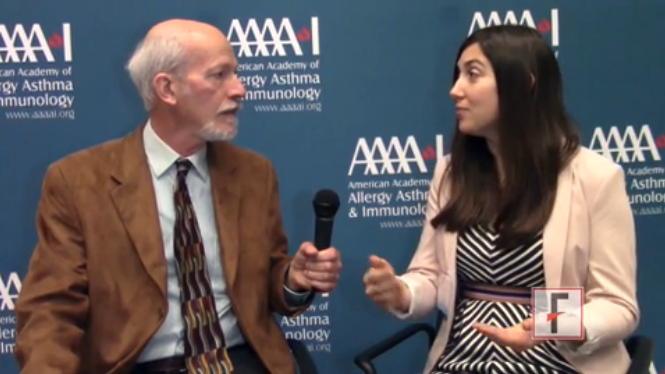
VIDEO: Penicillin skin testing improves inpatient antibiotic stewardship
HOUSTON– Dr. Megan S. Motosue of the Mayo Clinic in Rochester, Minn., discusses the value of penicillin skin testing as a potent tool for improving inpatient antibiotic stewardship. By routinely performing penicillin skin testing using standard methods in a consecutive series of inpatients with a self-reported history of penicillin allergy, roughly 80% were found to not in fact be allergic. And this information changed their physicians’ behavior: prior to testing, vancomycin was the most commonly used antibiotic in the inpatients, but its use was reduced by more than half based upon the skin test results, with a commensurate increase in prescriptions for semi-synthetic penicillins.
The video associated with this article is no longer available on this site. Please view all of our videos on the MDedge YouTube channel
HOUSTON– Dr. Megan S. Motosue of the Mayo Clinic in Rochester, Minn., discusses the value of penicillin skin testing as a potent tool for improving inpatient antibiotic stewardship. By routinely performing penicillin skin testing using standard methods in a consecutive series of inpatients with a self-reported history of penicillin allergy, roughly 80% were found to not in fact be allergic. And this information changed their physicians’ behavior: prior to testing, vancomycin was the most commonly used antibiotic in the inpatients, but its use was reduced by more than half based upon the skin test results, with a commensurate increase in prescriptions for semi-synthetic penicillins.
The video associated with this article is no longer available on this site. Please view all of our videos on the MDedge YouTube channel
HOUSTON– Dr. Megan S. Motosue of the Mayo Clinic in Rochester, Minn., discusses the value of penicillin skin testing as a potent tool for improving inpatient antibiotic stewardship. By routinely performing penicillin skin testing using standard methods in a consecutive series of inpatients with a self-reported history of penicillin allergy, roughly 80% were found to not in fact be allergic. And this information changed their physicians’ behavior: prior to testing, vancomycin was the most commonly used antibiotic in the inpatients, but its use was reduced by more than half based upon the skin test results, with a commensurate increase in prescriptions for semi-synthetic penicillins.
The video associated with this article is no longer available on this site. Please view all of our videos on the MDedge YouTube channel
EXPERT ANALYSIS FROM THE 2015 AAAAI ANNUAL MEETING

When to use SLIT and SCID in atopic dermatitis
HOUSTON – Whether atopic dermatitis should be treated with allergen immunotherapy is still a matter of debate, as high-quality trial evidence remains scant, but clinical practice is starting to recognize the potential use of subcutaneous and sublingual immunotherapy for certain presentations of the disease.
For patients with allergy to house-dust mites, evidence is leaning toward a role for subcutaneous immunotherapy (SCIT) in severe forms of atopic dermatitis (AD), and to sublingual immunotherapy (SLIT) for milder forms, researchers said.
At the annual meeting of the American Academy of Allergy, Asthma, and Immunotherapy, Dr. Linda Cox, an allergist in private practice in Fort Lauderdale, Fla., said that poor trial evidence and a lack of standardization in outcome measures have hindered a better understanding of when SLIT and SCIT might be indicated in atopic dermatitis. Systematic reviews have failed to offer compelling evidence for its efficacy.
This is why current practice guidelines, published in 2012, say only that clinicians “might consider” allergen immunotherapy in selected patients with AD with aeroallergen sensitivity, and the research community has been striving to standardize outcome measures using two published eczema scoring systems, EASI (Eczema Area and Severity Index) and SCORAD (Severity Scoring of Atopic Dermatitis). Dr. Cox, part of the AAAAI/American College of Asthma, Allergy, and Immunology joint task force on allergen immunotherapies, said new clinical guidelines in progress would likely attempt to better define the role of SLIT and SCIT in atopic dermatitis.
Dr. Cox and another speaker at the conference, Dr. Moises Calderon, both pointed to house-dust mite allergy with AD as the most promising indication for immunotherapy in AD. A closer look at the few well-designed trials that have been conducted so far reveal the potential for a better-defined role for SLIT and SCIT, they agreed.
Dr. Calderon of Imperial College London identified four important trials dealing with this issue. The first was a German study of adults with AD aggravated by house-dust mites (n = 168) randomized to SCID or placebo and treated for 18 months. The study revealed no statistically significant differences for the treatment group as a whole, but a subgroup of patients with severe AD showed a statistically significant reduction of SCORAD disease scores by 18% (P = .02), compared with placebo (J Allergy Clin Immunol. 2012;130:925-31).
An Italian trial enrolling house-dust mite–sensitive children with AD (n = 56, randomized 1:1 to treatment with SLIT or placebo) found a significant difference in SCORAD from baseline (P = .25) between the children treated with SLIT and the placebo group starting 9 months after treatment. However, the difference was seen in patients with mild or moderate disease only; minimal benefit was found for children with severe disease (J. Allergy Clin. Immunol. 2007;120:164-70).
Dr. Calderon pointed to two additional studies published that also suggested benefit. The first was an open-label Colombian study enrolling children and young adults (n = 60). Of the 31 patients randomized to treatment with SCIT and topical therapies (controls received only topical treatment), the treatment group had significant SCORAD-measured improvement, compared with the control group (P = .03). At 1 year the active group also used topical steroids and tacrolimus significantly less (P = .02), and also had a significant increase in mite-specific IgG4 (doi:10.5402/2012/183983).
Dr. Calderon also mentioned a recent observational study from Poland that looked at long-term follow-up of a group of 15 AD patients treated with SCIT between 1995 and 2001 and followed for 12 years. The results suggested that SCIT may be associated with lasting improvements even after treatment termination (Eur. Ann. Allergy Clin. Immunol. 2015;47:5-9).
Both Dr. Cox and Dr. Calderon agreed that more and better evidence was needed to understand when and how SLIT and SCIT can work in atopic dermatitis. “AD is a heterogeneous disease, and immunotherapy cannot be a treatment for all types of atopic dermatitis – no one treatment is probably effective for all types of AD,” Dr. Cox cautioned. But “the direction of therapy is headed toward some acceptance.”
Dr, Calderon concurred. “We are on the way to acceptance. But new studies will be key,” he said.
Dr. Cox disclosed financial relationships with Greer and Circassia. Dr. Calderon disclosed no conflicts of interest.
HOUSTON – Whether atopic dermatitis should be treated with allergen immunotherapy is still a matter of debate, as high-quality trial evidence remains scant, but clinical practice is starting to recognize the potential use of subcutaneous and sublingual immunotherapy for certain presentations of the disease.
For patients with allergy to house-dust mites, evidence is leaning toward a role for subcutaneous immunotherapy (SCIT) in severe forms of atopic dermatitis (AD), and to sublingual immunotherapy (SLIT) for milder forms, researchers said.
At the annual meeting of the American Academy of Allergy, Asthma, and Immunotherapy, Dr. Linda Cox, an allergist in private practice in Fort Lauderdale, Fla., said that poor trial evidence and a lack of standardization in outcome measures have hindered a better understanding of when SLIT and SCIT might be indicated in atopic dermatitis. Systematic reviews have failed to offer compelling evidence for its efficacy.
This is why current practice guidelines, published in 2012, say only that clinicians “might consider” allergen immunotherapy in selected patients with AD with aeroallergen sensitivity, and the research community has been striving to standardize outcome measures using two published eczema scoring systems, EASI (Eczema Area and Severity Index) and SCORAD (Severity Scoring of Atopic Dermatitis). Dr. Cox, part of the AAAAI/American College of Asthma, Allergy, and Immunology joint task force on allergen immunotherapies, said new clinical guidelines in progress would likely attempt to better define the role of SLIT and SCIT in atopic dermatitis.
Dr. Cox and another speaker at the conference, Dr. Moises Calderon, both pointed to house-dust mite allergy with AD as the most promising indication for immunotherapy in AD. A closer look at the few well-designed trials that have been conducted so far reveal the potential for a better-defined role for SLIT and SCIT, they agreed.
Dr. Calderon of Imperial College London identified four important trials dealing with this issue. The first was a German study of adults with AD aggravated by house-dust mites (n = 168) randomized to SCID or placebo and treated for 18 months. The study revealed no statistically significant differences for the treatment group as a whole, but a subgroup of patients with severe AD showed a statistically significant reduction of SCORAD disease scores by 18% (P = .02), compared with placebo (J Allergy Clin Immunol. 2012;130:925-31).
An Italian trial enrolling house-dust mite–sensitive children with AD (n = 56, randomized 1:1 to treatment with SLIT or placebo) found a significant difference in SCORAD from baseline (P = .25) between the children treated with SLIT and the placebo group starting 9 months after treatment. However, the difference was seen in patients with mild or moderate disease only; minimal benefit was found for children with severe disease (J. Allergy Clin. Immunol. 2007;120:164-70).
Dr. Calderon pointed to two additional studies published that also suggested benefit. The first was an open-label Colombian study enrolling children and young adults (n = 60). Of the 31 patients randomized to treatment with SCIT and topical therapies (controls received only topical treatment), the treatment group had significant SCORAD-measured improvement, compared with the control group (P = .03). At 1 year the active group also used topical steroids and tacrolimus significantly less (P = .02), and also had a significant increase in mite-specific IgG4 (doi:10.5402/2012/183983).
Dr. Calderon also mentioned a recent observational study from Poland that looked at long-term follow-up of a group of 15 AD patients treated with SCIT between 1995 and 2001 and followed for 12 years. The results suggested that SCIT may be associated with lasting improvements even after treatment termination (Eur. Ann. Allergy Clin. Immunol. 2015;47:5-9).
Both Dr. Cox and Dr. Calderon agreed that more and better evidence was needed to understand when and how SLIT and SCIT can work in atopic dermatitis. “AD is a heterogeneous disease, and immunotherapy cannot be a treatment for all types of atopic dermatitis – no one treatment is probably effective for all types of AD,” Dr. Cox cautioned. But “the direction of therapy is headed toward some acceptance.”
Dr, Calderon concurred. “We are on the way to acceptance. But new studies will be key,” he said.
Dr. Cox disclosed financial relationships with Greer and Circassia. Dr. Calderon disclosed no conflicts of interest.
HOUSTON – Whether atopic dermatitis should be treated with allergen immunotherapy is still a matter of debate, as high-quality trial evidence remains scant, but clinical practice is starting to recognize the potential use of subcutaneous and sublingual immunotherapy for certain presentations of the disease.
For patients with allergy to house-dust mites, evidence is leaning toward a role for subcutaneous immunotherapy (SCIT) in severe forms of atopic dermatitis (AD), and to sublingual immunotherapy (SLIT) for milder forms, researchers said.
At the annual meeting of the American Academy of Allergy, Asthma, and Immunotherapy, Dr. Linda Cox, an allergist in private practice in Fort Lauderdale, Fla., said that poor trial evidence and a lack of standardization in outcome measures have hindered a better understanding of when SLIT and SCIT might be indicated in atopic dermatitis. Systematic reviews have failed to offer compelling evidence for its efficacy.
This is why current practice guidelines, published in 2012, say only that clinicians “might consider” allergen immunotherapy in selected patients with AD with aeroallergen sensitivity, and the research community has been striving to standardize outcome measures using two published eczema scoring systems, EASI (Eczema Area and Severity Index) and SCORAD (Severity Scoring of Atopic Dermatitis). Dr. Cox, part of the AAAAI/American College of Asthma, Allergy, and Immunology joint task force on allergen immunotherapies, said new clinical guidelines in progress would likely attempt to better define the role of SLIT and SCIT in atopic dermatitis.
Dr. Cox and another speaker at the conference, Dr. Moises Calderon, both pointed to house-dust mite allergy with AD as the most promising indication for immunotherapy in AD. A closer look at the few well-designed trials that have been conducted so far reveal the potential for a better-defined role for SLIT and SCIT, they agreed.
Dr. Calderon of Imperial College London identified four important trials dealing with this issue. The first was a German study of adults with AD aggravated by house-dust mites (n = 168) randomized to SCID or placebo and treated for 18 months. The study revealed no statistically significant differences for the treatment group as a whole, but a subgroup of patients with severe AD showed a statistically significant reduction of SCORAD disease scores by 18% (P = .02), compared with placebo (J Allergy Clin Immunol. 2012;130:925-31).
An Italian trial enrolling house-dust mite–sensitive children with AD (n = 56, randomized 1:1 to treatment with SLIT or placebo) found a significant difference in SCORAD from baseline (P = .25) between the children treated with SLIT and the placebo group starting 9 months after treatment. However, the difference was seen in patients with mild or moderate disease only; minimal benefit was found for children with severe disease (J. Allergy Clin. Immunol. 2007;120:164-70).
Dr. Calderon pointed to two additional studies published that also suggested benefit. The first was an open-label Colombian study enrolling children and young adults (n = 60). Of the 31 patients randomized to treatment with SCIT and topical therapies (controls received only topical treatment), the treatment group had significant SCORAD-measured improvement, compared with the control group (P = .03). At 1 year the active group also used topical steroids and tacrolimus significantly less (P = .02), and also had a significant increase in mite-specific IgG4 (doi:10.5402/2012/183983).
Dr. Calderon also mentioned a recent observational study from Poland that looked at long-term follow-up of a group of 15 AD patients treated with SCIT between 1995 and 2001 and followed for 12 years. The results suggested that SCIT may be associated with lasting improvements even after treatment termination (Eur. Ann. Allergy Clin. Immunol. 2015;47:5-9).
Both Dr. Cox and Dr. Calderon agreed that more and better evidence was needed to understand when and how SLIT and SCIT can work in atopic dermatitis. “AD is a heterogeneous disease, and immunotherapy cannot be a treatment for all types of atopic dermatitis – no one treatment is probably effective for all types of AD,” Dr. Cox cautioned. But “the direction of therapy is headed toward some acceptance.”
Dr, Calderon concurred. “We are on the way to acceptance. But new studies will be key,” he said.
Dr. Cox disclosed financial relationships with Greer and Circassia. Dr. Calderon disclosed no conflicts of interest.
AT 2015 AAAAI ANNUAL MEETING
SLIT: Guidelines in progress and practical concerns
HOUSTON – Sublingual immunotherapy, or SLIT, long used by clinicians worldwide, is newly approved for use in the United States, and practice guidelines have yet to be published for U.S. clinicians.
A joint task force of the American Academy of Allergy, Asthma, and Immunology (AAAAI) and the American College of Allergy, Asthma, and Immunology (ACAAI) is drafting the guidelines. While clinicians wait, here is a look at the evidence for efficacy and safety of SLIT – particularly when compared with subcutaneous immunotherapy – as well as at the progress of the guidelines, offered by Dr. Linda Cox, an allergist in private practice in Fort Lauderdale, Fla. Dr. Cox spoke at the annual meeting of the AAAAI.

The guidelines will closely follow package labeling for the three sublingual pollen-allergy medications approved last year by the Food and Drug Administration, Dr. Cox said. These are the multipollen allergen tablet Oralair (Stallergenes), the Timothy grass pollen tablet Grastek (Merck), and the ragweed tablet Ragwitek (Merck). The medicines’ indications differ in terms of minimum age for prescription, ranging from 5 to 18 years, and the timing of treatment, with Grastek indicated as a year-round treatment, and the others as seasonal treatments.
FDA labeling on all three medications recommends coprescription of epinephrine pens in case of systemic reactions, and Dr. Cox said that the AAAAI/ACAAI guidelines would reflect this. Nonetheless, coprescription of epi pens “has never been the standard in Europe or other parts of the globe. We don’t have guidance from the broader community in terms of when to take the epinephrine in terms of a SLIT reaction,” she noted. Physicians should “be aware and think about what sort of instructions you’re going to give your patients” on the use of epi pens.
The guidelines in progress advise physicians to counsel patients that site application symptoms such as itching and swelling are very common during the first week of SLIT treatment, and that the majority of SLIT reactions are local (oral, pharyngeal, or abdominal). These local reactions usually disappear within days to weeks without treatment or dose modification, though some can be severe or bothersome enough to discontinue treatment. Systemic allergic reactions are very uncommon.
The guidelines are also likely to caution physicians that there are insufficient studies comparing SLIT and subcutaneous immunotherapy, or SCIT, to make a definitive statement about efficacy, Dr. Cox said. They will note that available studies suggest SCIT is more effective in the first year of treatment than SLIT, and comparative long-term efficacy studies have not been conducted, she added.
Finally, the guidelines are likely to caution that SLIT is contraindicated in patients who are not likely to survive a systemic adverse reaction or the resultant treatment.
Dr. Cox did not say when the guidelines were likely to be published, just that “we are frantically trying to get this document together,” noting the short time that SLIT has been commercially available in the United States.
At the same session on SLIT, Dr. Desiree Larenas Linneman, an allergist in private practice in Mexico City, spoke at the meeting about practical concerns related to SLIT and how to choose whether a patient is better suited to shots or sublingual therapy.
“When you bring sublingual to the public there are several issues you are going to have to be very careful with,” Dr. Larenas Linneman said. Among these are prescriptions of highly concentrated medications by nonallergists, adherence, and patient preference. “And we still do not have data for SLIT on a vast array of comorbidities,” she said.
“When we only had SCIT, these patients came into our offices and the only decision was, would we go for shots or not?” Now the choices are more complicated. A multiallergic 8-year-old, ordinarily a good candidate for SCIT, might be better treated with tablets if the parent is adamant that the child not get shots, she said. An adult who travels constantly for work might find tablets more convenient.
But for multiallergic and highly allergic patients, SCIT is generally the more flexible and reliable option, Dr. Larenas Linneman said. Allergists have access to a great variety of different allergens they can combine to make SCIT, while the approved tablets cover only pollen. And a tablet is a fixed dose, she said, “so there’s no adjustment for highly allergic patients.”
Dr. Larenas Linneman noted that adherence and patient preference are closely related, something that physicians must keep in mind when choosing the form of immunotherapy to offer. “Adherence is a very important issue because we know adherence is quite poor both with SLIT and SCIT,” she said.
“Physicians think that what’s most important for the patient is efficacy, cost, and side effects,” but patients’ ability to comply is also key, she said, and clinicians should let patient preference guide their decisions when possible.
Dr. Cox disclosed ongoing consulting relationships with Greer and Circassia. Dr. Larenas Linnemann disclosed financial support from AstraZeneca, Pfizer, Novartis, MEDA, Sanofi, and Senosiain.
HOUSTON – Sublingual immunotherapy, or SLIT, long used by clinicians worldwide, is newly approved for use in the United States, and practice guidelines have yet to be published for U.S. clinicians.
A joint task force of the American Academy of Allergy, Asthma, and Immunology (AAAAI) and the American College of Allergy, Asthma, and Immunology (ACAAI) is drafting the guidelines. While clinicians wait, here is a look at the evidence for efficacy and safety of SLIT – particularly when compared with subcutaneous immunotherapy – as well as at the progress of the guidelines, offered by Dr. Linda Cox, an allergist in private practice in Fort Lauderdale, Fla. Dr. Cox spoke at the annual meeting of the AAAAI.
The guidelines will closely follow package labeling for the three sublingual pollen-allergy medications approved last year by the Food and Drug Administration, Dr. Cox said. These are the multipollen allergen tablet Oralair (Stallergenes), the Timothy grass pollen tablet Grastek (Merck), and the ragweed tablet Ragwitek (Merck). The medicines’ indications differ in terms of minimum age for prescription, ranging from 5 to 18 years, and the timing of treatment, with Grastek indicated as a year-round treatment, and the others as seasonal treatments.
FDA labeling on all three medications recommends coprescription of epinephrine pens in case of systemic reactions, and Dr. Cox said that the AAAAI/ACAAI guidelines would reflect this. Nonetheless, coprescription of epi pens “has never been the standard in Europe or other parts of the globe. We don’t have guidance from the broader community in terms of when to take the epinephrine in terms of a SLIT reaction,” she noted. Physicians should “be aware and think about what sort of instructions you’re going to give your patients” on the use of epi pens.
The guidelines in progress advise physicians to counsel patients that site application symptoms such as itching and swelling are very common during the first week of SLIT treatment, and that the majority of SLIT reactions are local (oral, pharyngeal, or abdominal). These local reactions usually disappear within days to weeks without treatment or dose modification, though some can be severe or bothersome enough to discontinue treatment. Systemic allergic reactions are very uncommon.
The guidelines are also likely to caution physicians that there are insufficient studies comparing SLIT and subcutaneous immunotherapy, or SCIT, to make a definitive statement about efficacy, Dr. Cox said. They will note that available studies suggest SCIT is more effective in the first year of treatment than SLIT, and comparative long-term efficacy studies have not been conducted, she added.
Finally, the guidelines are likely to caution that SLIT is contraindicated in patients who are not likely to survive a systemic adverse reaction or the resultant treatment.
Dr. Cox did not say when the guidelines were likely to be published, just that “we are frantically trying to get this document together,” noting the short time that SLIT has been commercially available in the United States.
At the same session on SLIT, Dr. Desiree Larenas Linneman, an allergist in private practice in Mexico City, spoke at the meeting about practical concerns related to SLIT and how to choose whether a patient is better suited to shots or sublingual therapy.
“When you bring sublingual to the public there are several issues you are going to have to be very careful with,” Dr. Larenas Linneman said. Among these are prescriptions of highly concentrated medications by nonallergists, adherence, and patient preference. “And we still do not have data for SLIT on a vast array of comorbidities,” she said.
“When we only had SCIT, these patients came into our offices and the only decision was, would we go for shots or not?” Now the choices are more complicated. A multiallergic 8-year-old, ordinarily a good candidate for SCIT, might be better treated with tablets if the parent is adamant that the child not get shots, she said. An adult who travels constantly for work might find tablets more convenient.
But for multiallergic and highly allergic patients, SCIT is generally the more flexible and reliable option, Dr. Larenas Linneman said. Allergists have access to a great variety of different allergens they can combine to make SCIT, while the approved tablets cover only pollen. And a tablet is a fixed dose, she said, “so there’s no adjustment for highly allergic patients.”
Dr. Larenas Linneman noted that adherence and patient preference are closely related, something that physicians must keep in mind when choosing the form of immunotherapy to offer. “Adherence is a very important issue because we know adherence is quite poor both with SLIT and SCIT,” she said.
“Physicians think that what’s most important for the patient is efficacy, cost, and side effects,” but patients’ ability to comply is also key, she said, and clinicians should let patient preference guide their decisions when possible.
Dr. Cox disclosed ongoing consulting relationships with Greer and Circassia. Dr. Larenas Linnemann disclosed financial support from AstraZeneca, Pfizer, Novartis, MEDA, Sanofi, and Senosiain.
HOUSTON – Sublingual immunotherapy, or SLIT, long used by clinicians worldwide, is newly approved for use in the United States, and practice guidelines have yet to be published for U.S. clinicians.
A joint task force of the American Academy of Allergy, Asthma, and Immunology (AAAAI) and the American College of Allergy, Asthma, and Immunology (ACAAI) is drafting the guidelines. While clinicians wait, here is a look at the evidence for efficacy and safety of SLIT – particularly when compared with subcutaneous immunotherapy – as well as at the progress of the guidelines, offered by Dr. Linda Cox, an allergist in private practice in Fort Lauderdale, Fla. Dr. Cox spoke at the annual meeting of the AAAAI.
The guidelines will closely follow package labeling for the three sublingual pollen-allergy medications approved last year by the Food and Drug Administration, Dr. Cox said. These are the multipollen allergen tablet Oralair (Stallergenes), the Timothy grass pollen tablet Grastek (Merck), and the ragweed tablet Ragwitek (Merck). The medicines’ indications differ in terms of minimum age for prescription, ranging from 5 to 18 years, and the timing of treatment, with Grastek indicated as a year-round treatment, and the others as seasonal treatments.
FDA labeling on all three medications recommends coprescription of epinephrine pens in case of systemic reactions, and Dr. Cox said that the AAAAI/ACAAI guidelines would reflect this. Nonetheless, coprescription of epi pens “has never been the standard in Europe or other parts of the globe. We don’t have guidance from the broader community in terms of when to take the epinephrine in terms of a SLIT reaction,” she noted. Physicians should “be aware and think about what sort of instructions you’re going to give your patients” on the use of epi pens.
The guidelines in progress advise physicians to counsel patients that site application symptoms such as itching and swelling are very common during the first week of SLIT treatment, and that the majority of SLIT reactions are local (oral, pharyngeal, or abdominal). These local reactions usually disappear within days to weeks without treatment or dose modification, though some can be severe or bothersome enough to discontinue treatment. Systemic allergic reactions are very uncommon.
The guidelines are also likely to caution physicians that there are insufficient studies comparing SLIT and subcutaneous immunotherapy, or SCIT, to make a definitive statement about efficacy, Dr. Cox said. They will note that available studies suggest SCIT is more effective in the first year of treatment than SLIT, and comparative long-term efficacy studies have not been conducted, she added.
Finally, the guidelines are likely to caution that SLIT is contraindicated in patients who are not likely to survive a systemic adverse reaction or the resultant treatment.
Dr. Cox did not say when the guidelines were likely to be published, just that “we are frantically trying to get this document together,” noting the short time that SLIT has been commercially available in the United States.
At the same session on SLIT, Dr. Desiree Larenas Linneman, an allergist in private practice in Mexico City, spoke at the meeting about practical concerns related to SLIT and how to choose whether a patient is better suited to shots or sublingual therapy.
“When you bring sublingual to the public there are several issues you are going to have to be very careful with,” Dr. Larenas Linneman said. Among these are prescriptions of highly concentrated medications by nonallergists, adherence, and patient preference. “And we still do not have data for SLIT on a vast array of comorbidities,” she said.
“When we only had SCIT, these patients came into our offices and the only decision was, would we go for shots or not?” Now the choices are more complicated. A multiallergic 8-year-old, ordinarily a good candidate for SCIT, might be better treated with tablets if the parent is adamant that the child not get shots, she said. An adult who travels constantly for work might find tablets more convenient.
But for multiallergic and highly allergic patients, SCIT is generally the more flexible and reliable option, Dr. Larenas Linneman said. Allergists have access to a great variety of different allergens they can combine to make SCIT, while the approved tablets cover only pollen. And a tablet is a fixed dose, she said, “so there’s no adjustment for highly allergic patients.”
Dr. Larenas Linneman noted that adherence and patient preference are closely related, something that physicians must keep in mind when choosing the form of immunotherapy to offer. “Adherence is a very important issue because we know adherence is quite poor both with SLIT and SCIT,” she said.
“Physicians think that what’s most important for the patient is efficacy, cost, and side effects,” but patients’ ability to comply is also key, she said, and clinicians should let patient preference guide their decisions when possible.
Dr. Cox disclosed ongoing consulting relationships with Greer and Circassia. Dr. Larenas Linnemann disclosed financial support from AstraZeneca, Pfizer, Novartis, MEDA, Sanofi, and Senosiain.
AT 2015 AAAAI ANNUAL MEETING

IBD patients have significantly higher risk of DVT, pulmonary embolism
The risk of inflammatory bowel disease (IBD) patients developing deep vein thrombosis and pulmonary embolism was 1.98-fold and 1.80-fold higher, respectively, than those without the disease, according to research published in Thrombosis Research.
To explore the connection between deep vein thrombosis (DVT) and IBD, Dr. Wei-Sheng Chung of Taichung (Taiwan) Hospital and associates compared 11,445 IBD patients and 45,780 controls in a nationwide, population-based cohort study.
The IBD patients had a higher prevalence of comorbidities than their peers, including atrial fibrillation, hypertension, diabetes, heart failure, and cerebral vascular disease. In addition, the IBD patients who were hospitalized twice per year exhibited a significantly greater risk of developing DVT (adjusted hazard ratio, 32.9; 95% confidence interval, 20.5-52.8) and pulmonary embolism (adjusted HR, 24.2; 95% CI, 11.1-52.9) than did the comparison cohort.
Read more here: (Thromb. Res. 2015;135:492-6 [http://dx.doi.org/10.1016/j.thromres.2014.12.025]).
The risk of inflammatory bowel disease (IBD) patients developing deep vein thrombosis and pulmonary embolism was 1.98-fold and 1.80-fold higher, respectively, than those without the disease, according to research published in Thrombosis Research.
To explore the connection between deep vein thrombosis (DVT) and IBD, Dr. Wei-Sheng Chung of Taichung (Taiwan) Hospital and associates compared 11,445 IBD patients and 45,780 controls in a nationwide, population-based cohort study.
The IBD patients had a higher prevalence of comorbidities than their peers, including atrial fibrillation, hypertension, diabetes, heart failure, and cerebral vascular disease. In addition, the IBD patients who were hospitalized twice per year exhibited a significantly greater risk of developing DVT (adjusted hazard ratio, 32.9; 95% confidence interval, 20.5-52.8) and pulmonary embolism (adjusted HR, 24.2; 95% CI, 11.1-52.9) than did the comparison cohort.
Read more here: (Thromb. Res. 2015;135:492-6 [http://dx.doi.org/10.1016/j.thromres.2014.12.025]).
The risk of inflammatory bowel disease (IBD) patients developing deep vein thrombosis and pulmonary embolism was 1.98-fold and 1.80-fold higher, respectively, than those without the disease, according to research published in Thrombosis Research.
To explore the connection between deep vein thrombosis (DVT) and IBD, Dr. Wei-Sheng Chung of Taichung (Taiwan) Hospital and associates compared 11,445 IBD patients and 45,780 controls in a nationwide, population-based cohort study.
The IBD patients had a higher prevalence of comorbidities than their peers, including atrial fibrillation, hypertension, diabetes, heart failure, and cerebral vascular disease. In addition, the IBD patients who were hospitalized twice per year exhibited a significantly greater risk of developing DVT (adjusted hazard ratio, 32.9; 95% confidence interval, 20.5-52.8) and pulmonary embolism (adjusted HR, 24.2; 95% CI, 11.1-52.9) than did the comparison cohort.
Read more here: (Thromb. Res. 2015;135:492-6 [http://dx.doi.org/10.1016/j.thromres.2014.12.025]).
Schizophrenia patients twice as likely to be at risk for DVT and PE
Schizophrenia patients exhibited a twofold higher adjusted risk of deep vein thrombosis and pulmonary embolism development than those without schizophrenia, according to research by Dr. Wen-Yu Hsu of China Medical University in Taiwan published in Schizophrenia Research.
The schizophrenia cohort exhibited a 2.02-fold higher adjusted hazard ratio (HR) for developing DVT and a 1.99-fold higher adjusted HR for developing PE. The population-based cohort study included 60,264 schizophrenia patients in Taiwan, compared with 60,264 control patients, obtained from the National Health Insurance Research Database in Taiwan from 1996 to 2011.
The researchers identified several lifestyle factors that could contribute to the development of DVT and PE, including a decrease in activities of daily living because of either antipsychotics or negative symptoms of schizophrenia, higher rates of smoking and metabolic syndrome among schizophrenia patients, and prolonged antipsychotic exposure. In addition, patients who are immobile could be at greater risk of developing DVT and PE. “Based on the findings of this study, receiving first-generation antipsychotics or receiving second-generation antipsychotics should be considered a contributing factor of DVT and PE development,” the researchers said.
Read more here: (Schizophr. Res. 2015;162:248-52 [doi:10.1016/j.schres.2015.01.012]).
Schizophrenia patients exhibited a twofold higher adjusted risk of deep vein thrombosis and pulmonary embolism development than those without schizophrenia, according to research by Dr. Wen-Yu Hsu of China Medical University in Taiwan published in Schizophrenia Research.
The schizophrenia cohort exhibited a 2.02-fold higher adjusted hazard ratio (HR) for developing DVT and a 1.99-fold higher adjusted HR for developing PE. The population-based cohort study included 60,264 schizophrenia patients in Taiwan, compared with 60,264 control patients, obtained from the National Health Insurance Research Database in Taiwan from 1996 to 2011.
The researchers identified several lifestyle factors that could contribute to the development of DVT and PE, including a decrease in activities of daily living because of either antipsychotics or negative symptoms of schizophrenia, higher rates of smoking and metabolic syndrome among schizophrenia patients, and prolonged antipsychotic exposure. In addition, patients who are immobile could be at greater risk of developing DVT and PE. “Based on the findings of this study, receiving first-generation antipsychotics or receiving second-generation antipsychotics should be considered a contributing factor of DVT and PE development,” the researchers said.
Read more here: (Schizophr. Res. 2015;162:248-52 [doi:10.1016/j.schres.2015.01.012]).
Schizophrenia patients exhibited a twofold higher adjusted risk of deep vein thrombosis and pulmonary embolism development than those without schizophrenia, according to research by Dr. Wen-Yu Hsu of China Medical University in Taiwan published in Schizophrenia Research.
The schizophrenia cohort exhibited a 2.02-fold higher adjusted hazard ratio (HR) for developing DVT and a 1.99-fold higher adjusted HR for developing PE. The population-based cohort study included 60,264 schizophrenia patients in Taiwan, compared with 60,264 control patients, obtained from the National Health Insurance Research Database in Taiwan from 1996 to 2011.
The researchers identified several lifestyle factors that could contribute to the development of DVT and PE, including a decrease in activities of daily living because of either antipsychotics or negative symptoms of schizophrenia, higher rates of smoking and metabolic syndrome among schizophrenia patients, and prolonged antipsychotic exposure. In addition, patients who are immobile could be at greater risk of developing DVT and PE. “Based on the findings of this study, receiving first-generation antipsychotics or receiving second-generation antipsychotics should be considered a contributing factor of DVT and PE development,” the researchers said.
Read more here: (Schizophr. Res. 2015;162:248-52 [doi:10.1016/j.schres.2015.01.012]).
FDA announces new potential side effects for varenicline
The Food and Drug Administration is warning physicians and patients that taking varenicline for smoking cessation can change a patient’s reaction to alcohol and can cause seizures* in patients without prior history.
Some patients who have drunk alcohol while taking varenicline, marketed as Chantix, have reported decreased tolerance to alcohol, including symptoms such as increased drunkenness, unusual or aggressive behavior, or memory loss. Patients have also reported incidence of seizure within a month of starting varenicline, despite having no previous history of seizure.
“Until patients know how Chantix affects their ability to tolerate alcohol, they should decrease the amount of alcohol they drink. Patients who have a seizure while taking Chantix should stop the medicine and seek medical attention immediately,” the FDA recommended.
Find the full announcement on the FDA website.
*Correction, 3/11/2015: An earlier version of this article misstated one of the side effects of varenicline.
The Food and Drug Administration is warning physicians and patients that taking varenicline for smoking cessation can change a patient’s reaction to alcohol and can cause seizures* in patients without prior history.
Some patients who have drunk alcohol while taking varenicline, marketed as Chantix, have reported decreased tolerance to alcohol, including symptoms such as increased drunkenness, unusual or aggressive behavior, or memory loss. Patients have also reported incidence of seizure within a month of starting varenicline, despite having no previous history of seizure.
“Until patients know how Chantix affects their ability to tolerate alcohol, they should decrease the amount of alcohol they drink. Patients who have a seizure while taking Chantix should stop the medicine and seek medical attention immediately,” the FDA recommended.
Find the full announcement on the FDA website.
*Correction, 3/11/2015: An earlier version of this article misstated one of the side effects of varenicline.
The Food and Drug Administration is warning physicians and patients that taking varenicline for smoking cessation can change a patient’s reaction to alcohol and can cause seizures* in patients without prior history.
Some patients who have drunk alcohol while taking varenicline, marketed as Chantix, have reported decreased tolerance to alcohol, including symptoms such as increased drunkenness, unusual or aggressive behavior, or memory loss. Patients have also reported incidence of seizure within a month of starting varenicline, despite having no previous history of seizure.
“Until patients know how Chantix affects their ability to tolerate alcohol, they should decrease the amount of alcohol they drink. Patients who have a seizure while taking Chantix should stop the medicine and seek medical attention immediately,” the FDA recommended.
Find the full announcement on the FDA website.
*Correction, 3/11/2015: An earlier version of this article misstated one of the side effects of varenicline.
Microbiome and innate immunity in the respiratory tract – a primer
The pathogenesis of respiratory infections such as acute otitis media (AOM), sinusitis, and pneumonia involves complex interactions among bacteria, respiratory viruses, and host immune responses.
My clinical and laboratory group and others have described respiratory infections as resulting from the growth of a single otopathogen, such as Streptococcus pneumoniae (Spn), nontypeable Haemophilus influenzae (NTHi), or Moraxella catarrhalis (Mcat) in the nasopharynx (NP) followed by ascension to the middle ear, sinuses, or descent to the lungs. Recent research from my group and others has resulted in a shift from a single pathogen focus toward consideration of respiratory infections as a polymicrobial disease. Bacterial and viral interactions are critical in respiratory infection pathogenesis. Commensal bacteria can alter virulence of bacterial pathogens and interfere with antibiotic treatment.
The traditional view of the immune system is that it is an assembly of human tissues, cells, and molecules that work to eliminate pathogens. Recent discoveries indicate that commensals play a central role in regulating human immune responses. Thus, the key questions in the field are:
1) How do members of the NP microbiome and innate immune responses maintain health in young children over time?
2) Do specific deleterious members of the NP microbiome alter host innate immune responses in a manner that predisposes to respiratory infections?
3) How does the microbiome and innate response in the NP differ when recovery, relapse of infection, or persistent infection occurs?
Virtually all young children are colonized by Spn, NTHi, or Mcat during the first 3 years of life. My group and others have shown that competitive interactions among bacteria influence whether these potential pathogens successfully colonize and cause respiratory infections. Recent studies have demonstrated that hundreds of different bacterial species colonize the upper respiratory tract. Diverse communities have been shown to be more stable and resistant to invasion by foreign species. Data from cross-sectional studies demonstrate that specific commensals, including Dolosigranulum, Corynebacterium, and Lactococcus, are associated with decreased risk of respiratory infections. Prior studies have been limited by the use of culture-based methods or have been cross sectional in design. Therefore, the optimal levels of diversity and NP commensals critical for maintaining health in the upper respiratory tract of children are currently unknown and under study by my group and others. Studies that utilize high-throughput culture-independent molecular detection methods are now used to identify optimal levels of diversity and commensal members of the microbiome critical for maintaining health homeostasis.
The innate immune system constitutes the first line of defense against respiratory pathogen colonization and respiratory virus infection. It relies on pattern recognition receptors on innate immune cells to detect evolutionarily conserved pathogen-associated molecular patterns expressed on pathogen surfaces. Toll-like receptors (TLRs) are crucial in the innate immune response; TLR 3, 7, and 8 recognize respiratory infection-associated viral pathogens. TLR2, 4, and 5 recognize respiratory infection-associated bacterial pathogens, and TLR9 and TLR13 recognize both viral and bacterial pathogens. The activation of TLRs triggers signaling cascades and regulates the expression of a wide range of cytokines leading to antimicrobial and inflammatory responses. Cytokines (there are dozens) associated with the pathogenesis, development, severity, and clinical outcomes of respiratory infections identify hypotheses that our group is exploring to expand our understanding of how innate responses might be manipulated to favor the child host. Importantly, it has already been shown that cytokine profiles differ in the NP depending on the number and type of bacteria and viruses involved.
My group recently has shown that serum IL-10 levels are significantly higher in AOM from Spn than are the levels associated with NTHi and Mcat, suggesting use of detection of this cytokine as a serum biomarker. Others have shown that the levels of IL-1-beta, TNF-alpha, IL-6, IL-8, IL-10, and IL-17a in middle ear fluids from children with recurrent AOM correlate significantly with higher bacterial load (and worse disease). Previous studies on cytokine responses associated with AOM have focused on limited numbers of cytokines and have not examined any relationship with commensals of the NP microbiome. Moreover, the subset of children who experience excessively frequent respiratory infections likely have disturbances in their microbiome (made worse with antibiotics) and innate immune response. Because of our growing knowledge about the microbiome and innate immune response, I see a compelling need to assess interactions of the NP microbiome and innate immune responses in children that are associated with sustained health and control of respiratory infections.
Dr. Pichichero, a specialist in pediatric infectious diseases, is director of the Research Institute, Rochester (N.Y.) General Hospital. He is also a pediatrician at Legacy Pediatrics in Rochester. Dr. Pichichero said the work was supported by a National Institutes of Health grant, and he had no relevant conflicts of interest. E-mail him at [email protected].
The pathogenesis of respiratory infections such as acute otitis media (AOM), sinusitis, and pneumonia involves complex interactions among bacteria, respiratory viruses, and host immune responses.
My clinical and laboratory group and others have described respiratory infections as resulting from the growth of a single otopathogen, such as Streptococcus pneumoniae (Spn), nontypeable Haemophilus influenzae (NTHi), or Moraxella catarrhalis (Mcat) in the nasopharynx (NP) followed by ascension to the middle ear, sinuses, or descent to the lungs. Recent research from my group and others has resulted in a shift from a single pathogen focus toward consideration of respiratory infections as a polymicrobial disease. Bacterial and viral interactions are critical in respiratory infection pathogenesis. Commensal bacteria can alter virulence of bacterial pathogens and interfere with antibiotic treatment.
The traditional view of the immune system is that it is an assembly of human tissues, cells, and molecules that work to eliminate pathogens. Recent discoveries indicate that commensals play a central role in regulating human immune responses. Thus, the key questions in the field are:
1) How do members of the NP microbiome and innate immune responses maintain health in young children over time?
2) Do specific deleterious members of the NP microbiome alter host innate immune responses in a manner that predisposes to respiratory infections?
3) How does the microbiome and innate response in the NP differ when recovery, relapse of infection, or persistent infection occurs?
Virtually all young children are colonized by Spn, NTHi, or Mcat during the first 3 years of life. My group and others have shown that competitive interactions among bacteria influence whether these potential pathogens successfully colonize and cause respiratory infections. Recent studies have demonstrated that hundreds of different bacterial species colonize the upper respiratory tract. Diverse communities have been shown to be more stable and resistant to invasion by foreign species. Data from cross-sectional studies demonstrate that specific commensals, including Dolosigranulum, Corynebacterium, and Lactococcus, are associated with decreased risk of respiratory infections. Prior studies have been limited by the use of culture-based methods or have been cross sectional in design. Therefore, the optimal levels of diversity and NP commensals critical for maintaining health in the upper respiratory tract of children are currently unknown and under study by my group and others. Studies that utilize high-throughput culture-independent molecular detection methods are now used to identify optimal levels of diversity and commensal members of the microbiome critical for maintaining health homeostasis.
The innate immune system constitutes the first line of defense against respiratory pathogen colonization and respiratory virus infection. It relies on pattern recognition receptors on innate immune cells to detect evolutionarily conserved pathogen-associated molecular patterns expressed on pathogen surfaces. Toll-like receptors (TLRs) are crucial in the innate immune response; TLR 3, 7, and 8 recognize respiratory infection-associated viral pathogens. TLR2, 4, and 5 recognize respiratory infection-associated bacterial pathogens, and TLR9 and TLR13 recognize both viral and bacterial pathogens. The activation of TLRs triggers signaling cascades and regulates the expression of a wide range of cytokines leading to antimicrobial and inflammatory responses. Cytokines (there are dozens) associated with the pathogenesis, development, severity, and clinical outcomes of respiratory infections identify hypotheses that our group is exploring to expand our understanding of how innate responses might be manipulated to favor the child host. Importantly, it has already been shown that cytokine profiles differ in the NP depending on the number and type of bacteria and viruses involved.
My group recently has shown that serum IL-10 levels are significantly higher in AOM from Spn than are the levels associated with NTHi and Mcat, suggesting use of detection of this cytokine as a serum biomarker. Others have shown that the levels of IL-1-beta, TNF-alpha, IL-6, IL-8, IL-10, and IL-17a in middle ear fluids from children with recurrent AOM correlate significantly with higher bacterial load (and worse disease). Previous studies on cytokine responses associated with AOM have focused on limited numbers of cytokines and have not examined any relationship with commensals of the NP microbiome. Moreover, the subset of children who experience excessively frequent respiratory infections likely have disturbances in their microbiome (made worse with antibiotics) and innate immune response. Because of our growing knowledge about the microbiome and innate immune response, I see a compelling need to assess interactions of the NP microbiome and innate immune responses in children that are associated with sustained health and control of respiratory infections.
Dr. Pichichero, a specialist in pediatric infectious diseases, is director of the Research Institute, Rochester (N.Y.) General Hospital. He is also a pediatrician at Legacy Pediatrics in Rochester. Dr. Pichichero said the work was supported by a National Institutes of Health grant, and he had no relevant conflicts of interest. E-mail him at [email protected].
The pathogenesis of respiratory infections such as acute otitis media (AOM), sinusitis, and pneumonia involves complex interactions among bacteria, respiratory viruses, and host immune responses.
My clinical and laboratory group and others have described respiratory infections as resulting from the growth of a single otopathogen, such as Streptococcus pneumoniae (Spn), nontypeable Haemophilus influenzae (NTHi), or Moraxella catarrhalis (Mcat) in the nasopharynx (NP) followed by ascension to the middle ear, sinuses, or descent to the lungs. Recent research from my group and others has resulted in a shift from a single pathogen focus toward consideration of respiratory infections as a polymicrobial disease. Bacterial and viral interactions are critical in respiratory infection pathogenesis. Commensal bacteria can alter virulence of bacterial pathogens and interfere with antibiotic treatment.
The traditional view of the immune system is that it is an assembly of human tissues, cells, and molecules that work to eliminate pathogens. Recent discoveries indicate that commensals play a central role in regulating human immune responses. Thus, the key questions in the field are:
1) How do members of the NP microbiome and innate immune responses maintain health in young children over time?
2) Do specific deleterious members of the NP microbiome alter host innate immune responses in a manner that predisposes to respiratory infections?
3) How does the microbiome and innate response in the NP differ when recovery, relapse of infection, or persistent infection occurs?
Virtually all young children are colonized by Spn, NTHi, or Mcat during the first 3 years of life. My group and others have shown that competitive interactions among bacteria influence whether these potential pathogens successfully colonize and cause respiratory infections. Recent studies have demonstrated that hundreds of different bacterial species colonize the upper respiratory tract. Diverse communities have been shown to be more stable and resistant to invasion by foreign species. Data from cross-sectional studies demonstrate that specific commensals, including Dolosigranulum, Corynebacterium, and Lactococcus, are associated with decreased risk of respiratory infections. Prior studies have been limited by the use of culture-based methods or have been cross sectional in design. Therefore, the optimal levels of diversity and NP commensals critical for maintaining health in the upper respiratory tract of children are currently unknown and under study by my group and others. Studies that utilize high-throughput culture-independent molecular detection methods are now used to identify optimal levels of diversity and commensal members of the microbiome critical for maintaining health homeostasis.
The innate immune system constitutes the first line of defense against respiratory pathogen colonization and respiratory virus infection. It relies on pattern recognition receptors on innate immune cells to detect evolutionarily conserved pathogen-associated molecular patterns expressed on pathogen surfaces. Toll-like receptors (TLRs) are crucial in the innate immune response; TLR 3, 7, and 8 recognize respiratory infection-associated viral pathogens. TLR2, 4, and 5 recognize respiratory infection-associated bacterial pathogens, and TLR9 and TLR13 recognize both viral and bacterial pathogens. The activation of TLRs triggers signaling cascades and regulates the expression of a wide range of cytokines leading to antimicrobial and inflammatory responses. Cytokines (there are dozens) associated with the pathogenesis, development, severity, and clinical outcomes of respiratory infections identify hypotheses that our group is exploring to expand our understanding of how innate responses might be manipulated to favor the child host. Importantly, it has already been shown that cytokine profiles differ in the NP depending on the number and type of bacteria and viruses involved.
My group recently has shown that serum IL-10 levels are significantly higher in AOM from Spn than are the levels associated with NTHi and Mcat, suggesting use of detection of this cytokine as a serum biomarker. Others have shown that the levels of IL-1-beta, TNF-alpha, IL-6, IL-8, IL-10, and IL-17a in middle ear fluids from children with recurrent AOM correlate significantly with higher bacterial load (and worse disease). Previous studies on cytokine responses associated with AOM have focused on limited numbers of cytokines and have not examined any relationship with commensals of the NP microbiome. Moreover, the subset of children who experience excessively frequent respiratory infections likely have disturbances in their microbiome (made worse with antibiotics) and innate immune response. Because of our growing knowledge about the microbiome and innate immune response, I see a compelling need to assess interactions of the NP microbiome and innate immune responses in children that are associated with sustained health and control of respiratory infections.
Dr. Pichichero, a specialist in pediatric infectious diseases, is director of the Research Institute, Rochester (N.Y.) General Hospital. He is also a pediatrician at Legacy Pediatrics in Rochester. Dr. Pichichero said the work was supported by a National Institutes of Health grant, and he had no relevant conflicts of interest. E-mail him at [email protected].

Beware common management pitfalls in severe refractory pediatric AD
HOUSTON – Dermatologists, allergists, and other physicians treating children with extremely refractory forms of atopic dermatitis (AD) must be aware of common treatment and management pitfalls before jumping to immunosuppressant or biologic therapies, says pediatric eczema researcher Dr. Donald Y. M. Leung, particularly as this is a patient group for whom no systemic therapies have been approved.
In a presentation at the annual meeting of the American Academy of Allergy, Asthma, and Immunology, Dr. Leung shared insights from his clinical experience at National Jewish Health in Denver, whose pediatric eczema program represents a national referral center for patients with severely refractory disease and their families.

“As managed care continues to march on, you will be faced with taking care of the more difficult patients,” Dr. Leung told clinicians.“You will see all forms of AD in clinical practice, therefore one size does not fit all, and a stepwise approach is needed to [treat] the different forms of eczema.”
Clinicians first need to determine what step, or grade, of eczema a patient has. For example, step 2 and 3 eczema is characterized by moderate disease not controlled by intermittent use of topical steroids or calcineurin inhibitors.
National Jewish Health’s day-based program aims to first clear up children presenting with severe eczema before clinicians attempt diagnostic testing. This is achieved through the use of wet wraps, until skin has healed enough for testing to begin.
With wet wraps and day hospitalization, “you can go from severe to mild within a few days,” Dr. Leung said. For children who do not improve after the wet wraps, ruling out immune deficiency or other diagnoses is key. Dr. Leung and colleagues look for Dock 8 (dedicator of cytokinesis 8) protein deficiency in children who fail to respond to wet-wrap treatment, especially if they have presented with recurrent herpes infections or persistent warts.
Another important function of the day program is to observe how parents manage children with eczema. Many, Dr. Leung said, turn out to be noncompliant with recommendations on bathing and medications, often because of the discomfort it causes the child. The monitoring is essential to reveal errors in care. “You can’t tell this in a 10-minute office visit,” he said.
A top reason children fail therapy, he said, is because parents misinterpret recommendations on applying medicine after bathing. Many think that after applying a topical medication, “you can get better absorption if you put the moisturizer on top of the topical steroid. That really just dilutes the medication and you get ineffective therapy.”
Another upshot of the monitoring is that clinicians can identify parents suffering from depression, stress, or financial problems that prevent them from complying. “As with asthma, psychosocial factors loom big,” he said. Parents are extensively counseled and referred as needed, he said. Children also can be trained not to scratch their skin, and children over 5 years in the eczema program are offered hypnosis and biofeedback training to learn how to control their response to itching.
When taking a history of suspected food reactions, Dr. Leung said, it’s important to note that only hives and anaphylaxis are clearly linked to food allergy. “Skin testing and blood work is what we all do, but that’s helpful only if negative. If it’s positive, it still doesn’t tell you that they have food-induced eczema, and like it or not, some form of the food challenge is necessary.”
Dr. Leung said it is appropriate to conduct some oral food challenges unblinded after a negative test. “If a test is positive, and the parent insists that this food may cause eczema, it’s often necessary to do a double-blind, placebo-controlled test,” he said, which is the gold standard.
In discussing systemic therapies, Dr. Leung noted that general immunosuppressants were an approach favored by dermatologists, but urged caution with regard to interferons, mycophenolate, methotrexate, azathioprine, and cyclosporin A. “These are expensive therapies not approved in children, and you really need very good documentation that they’ve failed other forms of therapy before you’d move to that,” Dr. Leung said.
Oral steroids should be avoided. “I have seen thousands of cases of severe eczema, and I’ve never put somebody on oral steroids unless they happened to have an asthma exacerbation concurrent with AD,” he said. “This is because they often have rebound within a week of stopping oral steroids, and that rebound can be worse than the disease you started with.”
If oral steroids must be used, “you should taper slowly and increase the intensity of skin care, so they don’t have a severe rebound.”
Dr. Leung said that while omalizumab should work in any disease with an elevated serum IgE level, “more often than not it doesn’t,” and it probably should be reserved for patients with a very clear history of allergen-induced eczema, underlying urticaria, or other forms of respiratory allergy that may be triggering asthma.
Two potential approaches in which allergists and dermatologists can work together, Dr. Leung said, are phototherapy and allergy immunotherapy. The latter is controversial in AD, he acknowledged, “but if somebody has mainly dust mite allergy or is monosensitized, it’s more likely you will get good benefit. If they’re polysensitized, it is unlikely because it’s mainly a barrier problem.”
Dr. Leung did not recommend antibiotics except in the case of overt Staphylococcus aureus infection, so as not to select for methicillin-resistant S. aureus (MRSA). “If you’re going to treat with some regimen, keep in mind that staph comes from the nose; that’s the body’s reservoir. You should always use an intranasal Bactroban [mupirocin] along with a systemic antibiotic.” Effective eradication of MRSA infection requires more drastic measures, including treatment of other family members and pets.
Dr. Leung disclosed doing consulting work for Celgene, Novartis, Regeneron, and Sanofi-Aventis, and a research grant from Horizon Pharma.
HOUSTON – Dermatologists, allergists, and other physicians treating children with extremely refractory forms of atopic dermatitis (AD) must be aware of common treatment and management pitfalls before jumping to immunosuppressant or biologic therapies, says pediatric eczema researcher Dr. Donald Y. M. Leung, particularly as this is a patient group for whom no systemic therapies have been approved.
In a presentation at the annual meeting of the American Academy of Allergy, Asthma, and Immunology, Dr. Leung shared insights from his clinical experience at National Jewish Health in Denver, whose pediatric eczema program represents a national referral center for patients with severely refractory disease and their families.
“As managed care continues to march on, you will be faced with taking care of the more difficult patients,” Dr. Leung told clinicians.“You will see all forms of AD in clinical practice, therefore one size does not fit all, and a stepwise approach is needed to [treat] the different forms of eczema.”
Clinicians first need to determine what step, or grade, of eczema a patient has. For example, step 2 and 3 eczema is characterized by moderate disease not controlled by intermittent use of topical steroids or calcineurin inhibitors.
National Jewish Health’s day-based program aims to first clear up children presenting with severe eczema before clinicians attempt diagnostic testing. This is achieved through the use of wet wraps, until skin has healed enough for testing to begin.
With wet wraps and day hospitalization, “you can go from severe to mild within a few days,” Dr. Leung said. For children who do not improve after the wet wraps, ruling out immune deficiency or other diagnoses is key. Dr. Leung and colleagues look for Dock 8 (dedicator of cytokinesis 8) protein deficiency in children who fail to respond to wet-wrap treatment, especially if they have presented with recurrent herpes infections or persistent warts.
Another important function of the day program is to observe how parents manage children with eczema. Many, Dr. Leung said, turn out to be noncompliant with recommendations on bathing and medications, often because of the discomfort it causes the child. The monitoring is essential to reveal errors in care. “You can’t tell this in a 10-minute office visit,” he said.
A top reason children fail therapy, he said, is because parents misinterpret recommendations on applying medicine after bathing. Many think that after applying a topical medication, “you can get better absorption if you put the moisturizer on top of the topical steroid. That really just dilutes the medication and you get ineffective therapy.”
Another upshot of the monitoring is that clinicians can identify parents suffering from depression, stress, or financial problems that prevent them from complying. “As with asthma, psychosocial factors loom big,” he said. Parents are extensively counseled and referred as needed, he said. Children also can be trained not to scratch their skin, and children over 5 years in the eczema program are offered hypnosis and biofeedback training to learn how to control their response to itching.
When taking a history of suspected food reactions, Dr. Leung said, it’s important to note that only hives and anaphylaxis are clearly linked to food allergy. “Skin testing and blood work is what we all do, but that’s helpful only if negative. If it’s positive, it still doesn’t tell you that they have food-induced eczema, and like it or not, some form of the food challenge is necessary.”
Dr. Leung said it is appropriate to conduct some oral food challenges unblinded after a negative test. “If a test is positive, and the parent insists that this food may cause eczema, it’s often necessary to do a double-blind, placebo-controlled test,” he said, which is the gold standard.
In discussing systemic therapies, Dr. Leung noted that general immunosuppressants were an approach favored by dermatologists, but urged caution with regard to interferons, mycophenolate, methotrexate, azathioprine, and cyclosporin A. “These are expensive therapies not approved in children, and you really need very good documentation that they’ve failed other forms of therapy before you’d move to that,” Dr. Leung said.
Oral steroids should be avoided. “I have seen thousands of cases of severe eczema, and I’ve never put somebody on oral steroids unless they happened to have an asthma exacerbation concurrent with AD,” he said. “This is because they often have rebound within a week of stopping oral steroids, and that rebound can be worse than the disease you started with.”
If oral steroids must be used, “you should taper slowly and increase the intensity of skin care, so they don’t have a severe rebound.”
Dr. Leung said that while omalizumab should work in any disease with an elevated serum IgE level, “more often than not it doesn’t,” and it probably should be reserved for patients with a very clear history of allergen-induced eczema, underlying urticaria, or other forms of respiratory allergy that may be triggering asthma.
Two potential approaches in which allergists and dermatologists can work together, Dr. Leung said, are phototherapy and allergy immunotherapy. The latter is controversial in AD, he acknowledged, “but if somebody has mainly dust mite allergy or is monosensitized, it’s more likely you will get good benefit. If they’re polysensitized, it is unlikely because it’s mainly a barrier problem.”
Dr. Leung did not recommend antibiotics except in the case of overt Staphylococcus aureus infection, so as not to select for methicillin-resistant S. aureus (MRSA). “If you’re going to treat with some regimen, keep in mind that staph comes from the nose; that’s the body’s reservoir. You should always use an intranasal Bactroban [mupirocin] along with a systemic antibiotic.” Effective eradication of MRSA infection requires more drastic measures, including treatment of other family members and pets.
Dr. Leung disclosed doing consulting work for Celgene, Novartis, Regeneron, and Sanofi-Aventis, and a research grant from Horizon Pharma.
HOUSTON – Dermatologists, allergists, and other physicians treating children with extremely refractory forms of atopic dermatitis (AD) must be aware of common treatment and management pitfalls before jumping to immunosuppressant or biologic therapies, says pediatric eczema researcher Dr. Donald Y. M. Leung, particularly as this is a patient group for whom no systemic therapies have been approved.
In a presentation at the annual meeting of the American Academy of Allergy, Asthma, and Immunology, Dr. Leung shared insights from his clinical experience at National Jewish Health in Denver, whose pediatric eczema program represents a national referral center for patients with severely refractory disease and their families.
“As managed care continues to march on, you will be faced with taking care of the more difficult patients,” Dr. Leung told clinicians.“You will see all forms of AD in clinical practice, therefore one size does not fit all, and a stepwise approach is needed to [treat] the different forms of eczema.”
Clinicians first need to determine what step, or grade, of eczema a patient has. For example, step 2 and 3 eczema is characterized by moderate disease not controlled by intermittent use of topical steroids or calcineurin inhibitors.
National Jewish Health’s day-based program aims to first clear up children presenting with severe eczema before clinicians attempt diagnostic testing. This is achieved through the use of wet wraps, until skin has healed enough for testing to begin.
With wet wraps and day hospitalization, “you can go from severe to mild within a few days,” Dr. Leung said. For children who do not improve after the wet wraps, ruling out immune deficiency or other diagnoses is key. Dr. Leung and colleagues look for Dock 8 (dedicator of cytokinesis 8) protein deficiency in children who fail to respond to wet-wrap treatment, especially if they have presented with recurrent herpes infections or persistent warts.
Another important function of the day program is to observe how parents manage children with eczema. Many, Dr. Leung said, turn out to be noncompliant with recommendations on bathing and medications, often because of the discomfort it causes the child. The monitoring is essential to reveal errors in care. “You can’t tell this in a 10-minute office visit,” he said.
A top reason children fail therapy, he said, is because parents misinterpret recommendations on applying medicine after bathing. Many think that after applying a topical medication, “you can get better absorption if you put the moisturizer on top of the topical steroid. That really just dilutes the medication and you get ineffective therapy.”
Another upshot of the monitoring is that clinicians can identify parents suffering from depression, stress, or financial problems that prevent them from complying. “As with asthma, psychosocial factors loom big,” he said. Parents are extensively counseled and referred as needed, he said. Children also can be trained not to scratch their skin, and children over 5 years in the eczema program are offered hypnosis and biofeedback training to learn how to control their response to itching.
When taking a history of suspected food reactions, Dr. Leung said, it’s important to note that only hives and anaphylaxis are clearly linked to food allergy. “Skin testing and blood work is what we all do, but that’s helpful only if negative. If it’s positive, it still doesn’t tell you that they have food-induced eczema, and like it or not, some form of the food challenge is necessary.”
Dr. Leung said it is appropriate to conduct some oral food challenges unblinded after a negative test. “If a test is positive, and the parent insists that this food may cause eczema, it’s often necessary to do a double-blind, placebo-controlled test,” he said, which is the gold standard.
In discussing systemic therapies, Dr. Leung noted that general immunosuppressants were an approach favored by dermatologists, but urged caution with regard to interferons, mycophenolate, methotrexate, azathioprine, and cyclosporin A. “These are expensive therapies not approved in children, and you really need very good documentation that they’ve failed other forms of therapy before you’d move to that,” Dr. Leung said.
Oral steroids should be avoided. “I have seen thousands of cases of severe eczema, and I’ve never put somebody on oral steroids unless they happened to have an asthma exacerbation concurrent with AD,” he said. “This is because they often have rebound within a week of stopping oral steroids, and that rebound can be worse than the disease you started with.”
If oral steroids must be used, “you should taper slowly and increase the intensity of skin care, so they don’t have a severe rebound.”
Dr. Leung said that while omalizumab should work in any disease with an elevated serum IgE level, “more often than not it doesn’t,” and it probably should be reserved for patients with a very clear history of allergen-induced eczema, underlying urticaria, or other forms of respiratory allergy that may be triggering asthma.
Two potential approaches in which allergists and dermatologists can work together, Dr. Leung said, are phototherapy and allergy immunotherapy. The latter is controversial in AD, he acknowledged, “but if somebody has mainly dust mite allergy or is monosensitized, it’s more likely you will get good benefit. If they’re polysensitized, it is unlikely because it’s mainly a barrier problem.”
Dr. Leung did not recommend antibiotics except in the case of overt Staphylococcus aureus infection, so as not to select for methicillin-resistant S. aureus (MRSA). “If you’re going to treat with some regimen, keep in mind that staph comes from the nose; that’s the body’s reservoir. You should always use an intranasal Bactroban [mupirocin] along with a systemic antibiotic.” Effective eradication of MRSA infection requires more drastic measures, including treatment of other family members and pets.
Dr. Leung disclosed doing consulting work for Celgene, Novartis, Regeneron, and Sanofi-Aventis, and a research grant from Horizon Pharma.
EXPERT ANALYSIS FROM 2015 AAAAI ANNUAL MEETING

Studies of anesthesia’s effect on upper airway are limited
CORONADO, CALIF. – Studies of the most appropriate anesthetic agents for drug-induced sleep endoscopy are limited, but according to the best available evidence, local anesthetics appear to affect airway reflexes while inhalation anesthetics and opioids exaggerate dynamic airway collapse, so they may not be ideal.
Those are key conclusions from a systematic review of literature on the effects of commonly used anesthetic agents and opioids on the upper airway presented at the Triological Society’s Combined Sections meeting. Drug-induced sleep endoscopy (DISE) “is a great tool to assess upper airway dynamics in order to determine optimal surgical therapy for obstructive sleep apnea,” said Dr. Zarmina Ehsan, a pediatric pulmonary medicine fellow at Cincinnati Children’s Hospital Medical Center. “There’s a lack of understanding regarding how upper airway dynamics are altered by anesthetic agents, compared with normal sleep. This is important because this hinders the development of universal guidelines and protocols for the use of DISE.”

Using PubMed, EMBASE, and other sources, she and her associates conducted a qualitative systematic review of studies related to common anesthetic agents and opioids in the medical literature through September 2014. To be eligible for inclusion, a study must have evaluated the agent’s effect on the upper airway, must have contained an abstract, and must have been published in English. Studies with fewer than seven subjects, no original data, review articles, and those involving animals were excluded. The researchers reviewed 180 abstracts and included 56 full text articles in the final analysis, for a total study population of 8,540 patients. At the meeting Dr. Ehsan summarized the following findings by agent:
• Lidocaine. This agent is safe for topical use, has a rapid onset of action, and an intermediate duration of efficacy. Lidocaine acts on muscles “which are potent dilators and tensors of the pharyngeal and laryngeal structures,” she said. Of 10 studies included in the analysis, 7 assessed the impact of lidocaine on upper airway obstruction. Of these, three showed increased airway obstruction while four showed no significant effects. There were two studies on sleep parameters with conflicting results: One showed an increase in mean apnea duration with lidocaine use while the other did not. From this the researchers concluded that lidocaine does affect upper airway dynamics.
• Propofol. This lipophilic intravenous agent has a quick onset of action and acts by global central nervous system depression. Of 12 studies included in the analysis, 4 examined dose-response characteristics and showed a dose-dependent decrease in airway cross-sectional area with increased dosing of propofol. “So increasing your dose makes airway obstruction more likely,” Dr. Ehsan said. “The levels of obstruction were greatest at the base of tongue, and the closure was primarily in the anterior-posterior direction.” Three studies found that propofol caused a decrease in genioglossus electromyogram activity, while the remaining five studies assessed heterogeneous outcomes. “Overall, the studies showed that propofol had a dose-dependent effect on the upper airway with increasing doses making airway obstruction more likely,” she said.
• Dexmedetomidine (DEX). This agent is an alpha-2 adrenergic agonist with sedative, anxiolytic, and analgesic effects. It’s typically given as a 10-minute loading dose followed by a continuous infusion, and is recommended when you want to preserve spontaneous respiration. Of the four DEX-related studies that were included in the analysis, all demonstrated a minimal effect on upper airway cross-sectional area. “One of the studies looked at sleep parameters and concluded that DEX does approximate non-REM sleep without causing respiratory depression,” Dr. Ehsan added. “So overall, DEX was less likely to result in upper airway obstruction, compared with propofol.”
• Midazolam. This agent is commonly used for procedural sedation, with an onset of action within 1-3 minutes and a duration of 15-60 minutes. Of the six studies involving midazolam, two evaluated sleep staging. One reported lack of REM sleep and increased duration of stage N3 sleep, while the other study found that all sleep stages were observed at a lower dosage. The remaining four studies had heterogeneous outcomes. This led the researchers to conclude that midazolam “may lead to upper airway obstruction,” Dr. Ehsan said. “It’s unclear if this is dose dependent.”
• Pentobarbital. Of the two studies involving this short-acting barbiturate, one showed no effect on pharyngeal critical pressure or respiratory muscle function, while the other found that pentobarbital can increase the upper airway cross-sectional area. “So the effect of pentobarbital is unclear,” she said.
• Ketamine. This N-methyl-D-aspartate receptor has a rapid onset and a minimal effect on the central respiratory drive. Of the three studies involving ketamine, one found a 10% incidence of transient laryngospasm, one found that the incidence of transient laryngospasm was higher when it was delivered intramuscularly vs. intravenously, and one found that ketamine was safe in infants undergoing upper airway endoscopy. The researchers concluded that overall, ketamine “could be useful during DISE.”
• Inhalation anesthetics. There were 11 studies of these agents. Of these, six found that inhalation anesthetics caused upper airway collapse while five had heterogeneous outcomes. “Overall, a majority of studies found that inhalation anesthetics exaggerate dynamic airway collapse,” Dr. Ehsan said.
• Opioids. Of the nine studies involving these agents, six found that opioids caused upper airway obstruction; two found that they caused depression of upper airway reflexes, and one found that they caused a decrease in respiratory compliance. “Overall, opioids increase upper airway obstruction,” she said.
Dr. Ehsan acknowledged certain limitations of the analysis, including the fact that there was little information on sleep state approximated by many of these agents, “which makes it difficult to determine the ideal anesthetic protocol. There was substantial heterogeneity in outcomes, and few prospective studies comparing the ability of anesthetics to approximate natural sleep.” She recommended that future efforts focus on comparative effectiveness studies between the agents, as well as evaluate the impact of combining anesthetic agents. “This is important, because most DISE protocols use a combination of agents,” she said.
The meeting was jointly sponsored by the Triological Society and the American College of Surgeons
Dr. Ehsan reported having no relevant financial conflicts.
On Twitter @dougbrunk
CORONADO, CALIF. – Studies of the most appropriate anesthetic agents for drug-induced sleep endoscopy are limited, but according to the best available evidence, local anesthetics appear to affect airway reflexes while inhalation anesthetics and opioids exaggerate dynamic airway collapse, so they may not be ideal.
Those are key conclusions from a systematic review of literature on the effects of commonly used anesthetic agents and opioids on the upper airway presented at the Triological Society’s Combined Sections meeting. Drug-induced sleep endoscopy (DISE) “is a great tool to assess upper airway dynamics in order to determine optimal surgical therapy for obstructive sleep apnea,” said Dr. Zarmina Ehsan, a pediatric pulmonary medicine fellow at Cincinnati Children’s Hospital Medical Center. “There’s a lack of understanding regarding how upper airway dynamics are altered by anesthetic agents, compared with normal sleep. This is important because this hinders the development of universal guidelines and protocols for the use of DISE.”
Using PubMed, EMBASE, and other sources, she and her associates conducted a qualitative systematic review of studies related to common anesthetic agents and opioids in the medical literature through September 2014. To be eligible for inclusion, a study must have evaluated the agent’s effect on the upper airway, must have contained an abstract, and must have been published in English. Studies with fewer than seven subjects, no original data, review articles, and those involving animals were excluded. The researchers reviewed 180 abstracts and included 56 full text articles in the final analysis, for a total study population of 8,540 patients. At the meeting Dr. Ehsan summarized the following findings by agent:
• Lidocaine. This agent is safe for topical use, has a rapid onset of action, and an intermediate duration of efficacy. Lidocaine acts on muscles “which are potent dilators and tensors of the pharyngeal and laryngeal structures,” she said. Of 10 studies included in the analysis, 7 assessed the impact of lidocaine on upper airway obstruction. Of these, three showed increased airway obstruction while four showed no significant effects. There were two studies on sleep parameters with conflicting results: One showed an increase in mean apnea duration with lidocaine use while the other did not. From this the researchers concluded that lidocaine does affect upper airway dynamics.
• Propofol. This lipophilic intravenous agent has a quick onset of action and acts by global central nervous system depression. Of 12 studies included in the analysis, 4 examined dose-response characteristics and showed a dose-dependent decrease in airway cross-sectional area with increased dosing of propofol. “So increasing your dose makes airway obstruction more likely,” Dr. Ehsan said. “The levels of obstruction were greatest at the base of tongue, and the closure was primarily in the anterior-posterior direction.” Three studies found that propofol caused a decrease in genioglossus electromyogram activity, while the remaining five studies assessed heterogeneous outcomes. “Overall, the studies showed that propofol had a dose-dependent effect on the upper airway with increasing doses making airway obstruction more likely,” she said.
• Dexmedetomidine (DEX). This agent is an alpha-2 adrenergic agonist with sedative, anxiolytic, and analgesic effects. It’s typically given as a 10-minute loading dose followed by a continuous infusion, and is recommended when you want to preserve spontaneous respiration. Of the four DEX-related studies that were included in the analysis, all demonstrated a minimal effect on upper airway cross-sectional area. “One of the studies looked at sleep parameters and concluded that DEX does approximate non-REM sleep without causing respiratory depression,” Dr. Ehsan added. “So overall, DEX was less likely to result in upper airway obstruction, compared with propofol.”
• Midazolam. This agent is commonly used for procedural sedation, with an onset of action within 1-3 minutes and a duration of 15-60 minutes. Of the six studies involving midazolam, two evaluated sleep staging. One reported lack of REM sleep and increased duration of stage N3 sleep, while the other study found that all sleep stages were observed at a lower dosage. The remaining four studies had heterogeneous outcomes. This led the researchers to conclude that midazolam “may lead to upper airway obstruction,” Dr. Ehsan said. “It’s unclear if this is dose dependent.”
• Pentobarbital. Of the two studies involving this short-acting barbiturate, one showed no effect on pharyngeal critical pressure or respiratory muscle function, while the other found that pentobarbital can increase the upper airway cross-sectional area. “So the effect of pentobarbital is unclear,” she said.
• Ketamine. This N-methyl-D-aspartate receptor has a rapid onset and a minimal effect on the central respiratory drive. Of the three studies involving ketamine, one found a 10% incidence of transient laryngospasm, one found that the incidence of transient laryngospasm was higher when it was delivered intramuscularly vs. intravenously, and one found that ketamine was safe in infants undergoing upper airway endoscopy. The researchers concluded that overall, ketamine “could be useful during DISE.”
• Inhalation anesthetics. There were 11 studies of these agents. Of these, six found that inhalation anesthetics caused upper airway collapse while five had heterogeneous outcomes. “Overall, a majority of studies found that inhalation anesthetics exaggerate dynamic airway collapse,” Dr. Ehsan said.
• Opioids. Of the nine studies involving these agents, six found that opioids caused upper airway obstruction; two found that they caused depression of upper airway reflexes, and one found that they caused a decrease in respiratory compliance. “Overall, opioids increase upper airway obstruction,” she said.
Dr. Ehsan acknowledged certain limitations of the analysis, including the fact that there was little information on sleep state approximated by many of these agents, “which makes it difficult to determine the ideal anesthetic protocol. There was substantial heterogeneity in outcomes, and few prospective studies comparing the ability of anesthetics to approximate natural sleep.” She recommended that future efforts focus on comparative effectiveness studies between the agents, as well as evaluate the impact of combining anesthetic agents. “This is important, because most DISE protocols use a combination of agents,” she said.
The meeting was jointly sponsored by the Triological Society and the American College of Surgeons
Dr. Ehsan reported having no relevant financial conflicts.
On Twitter @dougbrunk
CORONADO, CALIF. – Studies of the most appropriate anesthetic agents for drug-induced sleep endoscopy are limited, but according to the best available evidence, local anesthetics appear to affect airway reflexes while inhalation anesthetics and opioids exaggerate dynamic airway collapse, so they may not be ideal.
Those are key conclusions from a systematic review of literature on the effects of commonly used anesthetic agents and opioids on the upper airway presented at the Triological Society’s Combined Sections meeting. Drug-induced sleep endoscopy (DISE) “is a great tool to assess upper airway dynamics in order to determine optimal surgical therapy for obstructive sleep apnea,” said Dr. Zarmina Ehsan, a pediatric pulmonary medicine fellow at Cincinnati Children’s Hospital Medical Center. “There’s a lack of understanding regarding how upper airway dynamics are altered by anesthetic agents, compared with normal sleep. This is important because this hinders the development of universal guidelines and protocols for the use of DISE.”
Using PubMed, EMBASE, and other sources, she and her associates conducted a qualitative systematic review of studies related to common anesthetic agents and opioids in the medical literature through September 2014. To be eligible for inclusion, a study must have evaluated the agent’s effect on the upper airway, must have contained an abstract, and must have been published in English. Studies with fewer than seven subjects, no original data, review articles, and those involving animals were excluded. The researchers reviewed 180 abstracts and included 56 full text articles in the final analysis, for a total study population of 8,540 patients. At the meeting Dr. Ehsan summarized the following findings by agent:
• Lidocaine. This agent is safe for topical use, has a rapid onset of action, and an intermediate duration of efficacy. Lidocaine acts on muscles “which are potent dilators and tensors of the pharyngeal and laryngeal structures,” she said. Of 10 studies included in the analysis, 7 assessed the impact of lidocaine on upper airway obstruction. Of these, three showed increased airway obstruction while four showed no significant effects. There were two studies on sleep parameters with conflicting results: One showed an increase in mean apnea duration with lidocaine use while the other did not. From this the researchers concluded that lidocaine does affect upper airway dynamics.
• Propofol. This lipophilic intravenous agent has a quick onset of action and acts by global central nervous system depression. Of 12 studies included in the analysis, 4 examined dose-response characteristics and showed a dose-dependent decrease in airway cross-sectional area with increased dosing of propofol. “So increasing your dose makes airway obstruction more likely,” Dr. Ehsan said. “The levels of obstruction were greatest at the base of tongue, and the closure was primarily in the anterior-posterior direction.” Three studies found that propofol caused a decrease in genioglossus electromyogram activity, while the remaining five studies assessed heterogeneous outcomes. “Overall, the studies showed that propofol had a dose-dependent effect on the upper airway with increasing doses making airway obstruction more likely,” she said.
• Dexmedetomidine (DEX). This agent is an alpha-2 adrenergic agonist with sedative, anxiolytic, and analgesic effects. It’s typically given as a 10-minute loading dose followed by a continuous infusion, and is recommended when you want to preserve spontaneous respiration. Of the four DEX-related studies that were included in the analysis, all demonstrated a minimal effect on upper airway cross-sectional area. “One of the studies looked at sleep parameters and concluded that DEX does approximate non-REM sleep without causing respiratory depression,” Dr. Ehsan added. “So overall, DEX was less likely to result in upper airway obstruction, compared with propofol.”
• Midazolam. This agent is commonly used for procedural sedation, with an onset of action within 1-3 minutes and a duration of 15-60 minutes. Of the six studies involving midazolam, two evaluated sleep staging. One reported lack of REM sleep and increased duration of stage N3 sleep, while the other study found that all sleep stages were observed at a lower dosage. The remaining four studies had heterogeneous outcomes. This led the researchers to conclude that midazolam “may lead to upper airway obstruction,” Dr. Ehsan said. “It’s unclear if this is dose dependent.”
• Pentobarbital. Of the two studies involving this short-acting barbiturate, one showed no effect on pharyngeal critical pressure or respiratory muscle function, while the other found that pentobarbital can increase the upper airway cross-sectional area. “So the effect of pentobarbital is unclear,” she said.
• Ketamine. This N-methyl-D-aspartate receptor has a rapid onset and a minimal effect on the central respiratory drive. Of the three studies involving ketamine, one found a 10% incidence of transient laryngospasm, one found that the incidence of transient laryngospasm was higher when it was delivered intramuscularly vs. intravenously, and one found that ketamine was safe in infants undergoing upper airway endoscopy. The researchers concluded that overall, ketamine “could be useful during DISE.”
• Inhalation anesthetics. There were 11 studies of these agents. Of these, six found that inhalation anesthetics caused upper airway collapse while five had heterogeneous outcomes. “Overall, a majority of studies found that inhalation anesthetics exaggerate dynamic airway collapse,” Dr. Ehsan said.
• Opioids. Of the nine studies involving these agents, six found that opioids caused upper airway obstruction; two found that they caused depression of upper airway reflexes, and one found that they caused a decrease in respiratory compliance. “Overall, opioids increase upper airway obstruction,” she said.
Dr. Ehsan acknowledged certain limitations of the analysis, including the fact that there was little information on sleep state approximated by many of these agents, “which makes it difficult to determine the ideal anesthetic protocol. There was substantial heterogeneity in outcomes, and few prospective studies comparing the ability of anesthetics to approximate natural sleep.” She recommended that future efforts focus on comparative effectiveness studies between the agents, as well as evaluate the impact of combining anesthetic agents. “This is important, because most DISE protocols use a combination of agents,” she said.
The meeting was jointly sponsored by the Triological Society and the American College of Surgeons
Dr. Ehsan reported having no relevant financial conflicts.
On Twitter @dougbrunk
AT THE COMBINED SECTIONS WINTER MEETING
Key clinical point: Choice of an appropriate anesthetic protocol for drug-induced sleep endoscopy must be based on a limited number of comparative studies.
Major finding: Local anesthetics appear to affect upper airway reflexes while inhalation anesthetics and opioids exaggerate dynamic airway collapse.
Data source: A qualitative systematic review of 56 studies related to common anesthetic agents and opioids published in the medical literature through September 2014.
Disclosures: Dr. Ehsan reported having no financial disclosures.
