User login
Bringing you the latest news, research and reviews, exclusive interviews, podcasts, quizzes, and more.
Powered by CHEST Physician, Clinician Reviews, MDedge Family Medicine, Internal Medicine News, and The Journal of Clinical Outcomes Management.
Warfarin bridge therapy ups bleeding risk, with no reduction in VTE
Bridge therapy for warfarin patients undergoing invasive therapy is unnecessary for most, said investigators who found an increased risk of bleeding associated with the use of short-acting anticoagulant at the time of the procedure.
A retrospective cohort study of 1,812 procedures in 1,178 patients – most of whom were considered to be at low risk of venous thromboembolism recurrence – showed a 17-fold increase in the risk of clinically relevant bleeding in the group that received bridge anticoagulant therapy, compared with the group that didn’t (2.7% vs. 0.2%).

There was, however, no significant difference in the rate of recurrent venous thromboembolism between the bridge-therapy and non–bridge-therapy groups (0 vs. 3), and no deaths were observed in either group, according to an article published online May 26 (JAMA Intern. Med. [doi:10.1001/jamainternmed.2015.1843].
“Our results confirm and strengthen the findings of those previous studies and highlight the need for a risk categorization scheme that identifies patients at highest risk for recurrent VTE who may benefit from bridge therapy,” wrote Thomas Delate, Ph.D., from Kaiser Permanente Colorado, and coauthors.
The study was conducted and supported by Kaiser Permanente Colorado. One author reported consultancies with Astra-Zeneca, Boehringer-Ingelheim, Pfizer, and Sanofi.
|
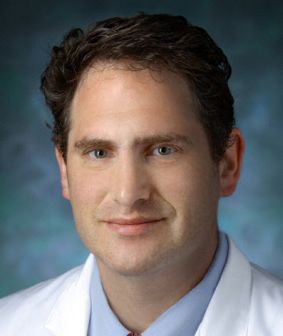
| Dr. Daniel J. Brotman |
There are undoubtedly some patients at such high risk for recurrent venous thromboembolism that bridge therapy is a necessary evil, such as those with acute VTE in the preceding month and those with a prior pattern of brisk VTE recurrence during short-term interruption of anticoagulation therapy.
However, for the vast majority of patients receiving oral anticoagulants for VTE, it is probably safer to simply allow the oral anticoagulant to wash out before the procedure and, if indicated based on the type of surgery, to use routine prophylactic-dose anticoagulation therapy afterward.
Dr. Daniel J. Brotman and Dr. Michael B. Streiff are from Johns Hopkins University, Baltimore. These comments are taken from an accompanying editorial (JAMA Intern. Med. 2015 May 26 [doi:10.1001/jamainternmed.2015.1858]). Dr Streiff declared research funding from Bristol-Myers Squibb and Portola and consultancies for Boehringer-Ingelheim, Daiichi-Sankyo, Eisai, Janssen HealthCare, Pfizer, and Sanofi.
|
|
| Dr. Daniel J. Brotman |
There are undoubtedly some patients at such high risk for recurrent venous thromboembolism that bridge therapy is a necessary evil, such as those with acute VTE in the preceding month and those with a prior pattern of brisk VTE recurrence during short-term interruption of anticoagulation therapy.
However, for the vast majority of patients receiving oral anticoagulants for VTE, it is probably safer to simply allow the oral anticoagulant to wash out before the procedure and, if indicated based on the type of surgery, to use routine prophylactic-dose anticoagulation therapy afterward.
Dr. Daniel J. Brotman and Dr. Michael B. Streiff are from Johns Hopkins University, Baltimore. These comments are taken from an accompanying editorial (JAMA Intern. Med. 2015 May 26 [doi:10.1001/jamainternmed.2015.1858]). Dr Streiff declared research funding from Bristol-Myers Squibb and Portola and consultancies for Boehringer-Ingelheim, Daiichi-Sankyo, Eisai, Janssen HealthCare, Pfizer, and Sanofi.
|
|
| Dr. Daniel J. Brotman |
There are undoubtedly some patients at such high risk for recurrent venous thromboembolism that bridge therapy is a necessary evil, such as those with acute VTE in the preceding month and those with a prior pattern of brisk VTE recurrence during short-term interruption of anticoagulation therapy.
However, for the vast majority of patients receiving oral anticoagulants for VTE, it is probably safer to simply allow the oral anticoagulant to wash out before the procedure and, if indicated based on the type of surgery, to use routine prophylactic-dose anticoagulation therapy afterward.
Dr. Daniel J. Brotman and Dr. Michael B. Streiff are from Johns Hopkins University, Baltimore. These comments are taken from an accompanying editorial (JAMA Intern. Med. 2015 May 26 [doi:10.1001/jamainternmed.2015.1858]). Dr Streiff declared research funding from Bristol-Myers Squibb and Portola and consultancies for Boehringer-Ingelheim, Daiichi-Sankyo, Eisai, Janssen HealthCare, Pfizer, and Sanofi.
Bridge therapy for warfarin patients undergoing invasive therapy is unnecessary for most, said investigators who found an increased risk of bleeding associated with the use of short-acting anticoagulant at the time of the procedure.
A retrospective cohort study of 1,812 procedures in 1,178 patients – most of whom were considered to be at low risk of venous thromboembolism recurrence – showed a 17-fold increase in the risk of clinically relevant bleeding in the group that received bridge anticoagulant therapy, compared with the group that didn’t (2.7% vs. 0.2%).
There was, however, no significant difference in the rate of recurrent venous thromboembolism between the bridge-therapy and non–bridge-therapy groups (0 vs. 3), and no deaths were observed in either group, according to an article published online May 26 (JAMA Intern. Med. [doi:10.1001/jamainternmed.2015.1843].
“Our results confirm and strengthen the findings of those previous studies and highlight the need for a risk categorization scheme that identifies patients at highest risk for recurrent VTE who may benefit from bridge therapy,” wrote Thomas Delate, Ph.D., from Kaiser Permanente Colorado, and coauthors.
The study was conducted and supported by Kaiser Permanente Colorado. One author reported consultancies with Astra-Zeneca, Boehringer-Ingelheim, Pfizer, and Sanofi.
Bridge therapy for warfarin patients undergoing invasive therapy is unnecessary for most, said investigators who found an increased risk of bleeding associated with the use of short-acting anticoagulant at the time of the procedure.
A retrospective cohort study of 1,812 procedures in 1,178 patients – most of whom were considered to be at low risk of venous thromboembolism recurrence – showed a 17-fold increase in the risk of clinically relevant bleeding in the group that received bridge anticoagulant therapy, compared with the group that didn’t (2.7% vs. 0.2%).
There was, however, no significant difference in the rate of recurrent venous thromboembolism between the bridge-therapy and non–bridge-therapy groups (0 vs. 3), and no deaths were observed in either group, according to an article published online May 26 (JAMA Intern. Med. [doi:10.1001/jamainternmed.2015.1843].
“Our results confirm and strengthen the findings of those previous studies and highlight the need for a risk categorization scheme that identifies patients at highest risk for recurrent VTE who may benefit from bridge therapy,” wrote Thomas Delate, Ph.D., from Kaiser Permanente Colorado, and coauthors.
The study was conducted and supported by Kaiser Permanente Colorado. One author reported consultancies with Astra-Zeneca, Boehringer-Ingelheim, Pfizer, and Sanofi.
Key clinical point: Bridge therapy for warfarin patients undergoing invasive therapy is associated with an increased risk of bleeding without a reduction in thromboembolism risk.
Major finding: Patients given bridge therapy during invasive therapy had a 17-fold increase in the risk of clinically significant bleeding.
Data source: A retrospective cohort study of 1,812 procedures in 1,178 patients.
Disclosures: The study was conducted and supported by Kaiser Permanente Colorado. One author reported consultancies with AstraZeneca, Boehringer-Ingelheim, Pfizer, and Sanofi.

CDC: Tdap vaccine coverage during pregnancy is low
Most women who receive the Tetanus-diphtheria-acellular pertussis (Tdap) vaccine do so after delivery, contrary to recommendations from the Advisory Committee on Immunizations Practices, which calls for vaccination during pregnancy.
Data from the Pregnancy Risk Assessment Monitoring System show that among 6,852 survey respondents in 16 states and New York City who had a live birth between September and December 2011, 20.8% did not know their vaccination status. Of the 5,499 who did know their status, more than half reported being vaccinated with Tdap (13.9% before pregnancy, 9.9% during pregnancy, and 30.5% after delivery).
The findings were published May 21 in Morbidity and Mortality Weekly Report (MMWR. 2015;64:522-6).
ACIP guidelines suggest the optimal time for vaccination is at 27-36 weeks’ gestation, according to the report.
Until 2011, it was recommended that women receive the vaccine either before pregnancy or postpartum. In June 2011, the ACIP changed its recommendation to one dose of the vaccine during pregnancy in women who had never received it before. ACIP further expanded this recommendation in 2012 to recommend vaccination during each pregnancy to provide maternal antibodies for each infant.
“Results from this analysis might reflect the early transition from a policy of vaccinating women postpartum to a policy of vaccinating them during pregnancy,” wrote Indu B. Ahluwalia, Ph.D., and coauthors from the CDC’s Division of Reproductive Health at the National Center for Chronic Disease Prevention and Health Promotion.
Physicians can also “assist pregnant women by providing specific information about where to obtain Tdap vaccination, or offering to provide the vaccination, and also to write a prescription in case it is needed,” the authors wrote.
Most women who receive the Tetanus-diphtheria-acellular pertussis (Tdap) vaccine do so after delivery, contrary to recommendations from the Advisory Committee on Immunizations Practices, which calls for vaccination during pregnancy.
Data from the Pregnancy Risk Assessment Monitoring System show that among 6,852 survey respondents in 16 states and New York City who had a live birth between September and December 2011, 20.8% did not know their vaccination status. Of the 5,499 who did know their status, more than half reported being vaccinated with Tdap (13.9% before pregnancy, 9.9% during pregnancy, and 30.5% after delivery).
The findings were published May 21 in Morbidity and Mortality Weekly Report (MMWR. 2015;64:522-6).
ACIP guidelines suggest the optimal time for vaccination is at 27-36 weeks’ gestation, according to the report.
Until 2011, it was recommended that women receive the vaccine either before pregnancy or postpartum. In June 2011, the ACIP changed its recommendation to one dose of the vaccine during pregnancy in women who had never received it before. ACIP further expanded this recommendation in 2012 to recommend vaccination during each pregnancy to provide maternal antibodies for each infant.
“Results from this analysis might reflect the early transition from a policy of vaccinating women postpartum to a policy of vaccinating them during pregnancy,” wrote Indu B. Ahluwalia, Ph.D., and coauthors from the CDC’s Division of Reproductive Health at the National Center for Chronic Disease Prevention and Health Promotion.
Physicians can also “assist pregnant women by providing specific information about where to obtain Tdap vaccination, or offering to provide the vaccination, and also to write a prescription in case it is needed,” the authors wrote.
Most women who receive the Tetanus-diphtheria-acellular pertussis (Tdap) vaccine do so after delivery, contrary to recommendations from the Advisory Committee on Immunizations Practices, which calls for vaccination during pregnancy.
Data from the Pregnancy Risk Assessment Monitoring System show that among 6,852 survey respondents in 16 states and New York City who had a live birth between September and December 2011, 20.8% did not know their vaccination status. Of the 5,499 who did know their status, more than half reported being vaccinated with Tdap (13.9% before pregnancy, 9.9% during pregnancy, and 30.5% after delivery).
The findings were published May 21 in Morbidity and Mortality Weekly Report (MMWR. 2015;64:522-6).
ACIP guidelines suggest the optimal time for vaccination is at 27-36 weeks’ gestation, according to the report.
Until 2011, it was recommended that women receive the vaccine either before pregnancy or postpartum. In June 2011, the ACIP changed its recommendation to one dose of the vaccine during pregnancy in women who had never received it before. ACIP further expanded this recommendation in 2012 to recommend vaccination during each pregnancy to provide maternal antibodies for each infant.
“Results from this analysis might reflect the early transition from a policy of vaccinating women postpartum to a policy of vaccinating them during pregnancy,” wrote Indu B. Ahluwalia, Ph.D., and coauthors from the CDC’s Division of Reproductive Health at the National Center for Chronic Disease Prevention and Health Promotion.
Physicians can also “assist pregnant women by providing specific information about where to obtain Tdap vaccination, or offering to provide the vaccination, and also to write a prescription in case it is needed,” the authors wrote.
PAS: Prophylactic indomethacin not associated with lower risk of BPD, death in preterm infants
SAN DIEGO – Prophylactic indomethacin does not have any association with reducing the risk of bronchopulmonary dysplasia (BPD) or death in infants born extremely premature, according to an observational study presented by Dr. Erik Jensen, a neonatologist at the Children’s Hospital of Philadelphia, at the annual meeting of the Pediatric Academic Societies.
“Observational studies consistently show that patent ductus arteriosus [PDA] is a strong risk factor for [BPD] in very preterm infants [but] it remains uncertain whether PDA is a cause, or simply a marker, of increased BPD risk,” said Dr. Jensen. “Data from randomized trials indicate that prophylactic indomethacin reduces the risk of subsequent symptomatic PDA, yet there is no evidence from these studies that prophylactic indomethacin reduces BPD.”

Infants in the study who received prophylactic indomethacin experienced BPD at a rate of 44%, the exact same as those who did not receive prophylactic indomethacin. The rates of death before 36 weeks postmenstrual age also were not significantly different: 17% in infants receiving prophylactic indomethacin vs. 13% in infants who did not. Death or BPD occurred in 54% of prophylactic indomethacin subjects, and in 51% of infants who did not receive prophylactic indomethacin. An infant was defined as having BPD if they received supplemental oxygen at 36 weeks postmenstrual age.
All subjects in the study were enrolled in the Eunice Kennedy Shriver National Institute of Child Health and Human Development’s Neonatal Research Network generic database between 2008 and 2012, and were less than 29 weeks’ gestational age. The mean age of infants who received prophylactic indomethacin was 25.9 weeks, and the mean age was 26.7 weeks for infants who did not (P < .001). Mean body weight was 777 g for those who received prophylactic indomethacin vs. 912 g for those who did not (P < .001). Males made up 49% of the prophylactic indomethacin cohort and 52% of the other cohort (P < .006).
In total, 8,039 infants were included in the study, with 2,671 receiving prophylactic indomethacin and 5,368 infants who did not receive the drug; of those, commencement of PDA treatment was variable from center to center. PDA treatment after day 1 occurred in 21% of infants who received prophylactic indomethacin, and in 36% of those who did not (P < .001).
Dr. Jensen did not report any relevant financial disclosures.
SAN DIEGO – Prophylactic indomethacin does not have any association with reducing the risk of bronchopulmonary dysplasia (BPD) or death in infants born extremely premature, according to an observational study presented by Dr. Erik Jensen, a neonatologist at the Children’s Hospital of Philadelphia, at the annual meeting of the Pediatric Academic Societies.
“Observational studies consistently show that patent ductus arteriosus [PDA] is a strong risk factor for [BPD] in very preterm infants [but] it remains uncertain whether PDA is a cause, or simply a marker, of increased BPD risk,” said Dr. Jensen. “Data from randomized trials indicate that prophylactic indomethacin reduces the risk of subsequent symptomatic PDA, yet there is no evidence from these studies that prophylactic indomethacin reduces BPD.”
Infants in the study who received prophylactic indomethacin experienced BPD at a rate of 44%, the exact same as those who did not receive prophylactic indomethacin. The rates of death before 36 weeks postmenstrual age also were not significantly different: 17% in infants receiving prophylactic indomethacin vs. 13% in infants who did not. Death or BPD occurred in 54% of prophylactic indomethacin subjects, and in 51% of infants who did not receive prophylactic indomethacin. An infant was defined as having BPD if they received supplemental oxygen at 36 weeks postmenstrual age.
All subjects in the study were enrolled in the Eunice Kennedy Shriver National Institute of Child Health and Human Development’s Neonatal Research Network generic database between 2008 and 2012, and were less than 29 weeks’ gestational age. The mean age of infants who received prophylactic indomethacin was 25.9 weeks, and the mean age was 26.7 weeks for infants who did not (P < .001). Mean body weight was 777 g for those who received prophylactic indomethacin vs. 912 g for those who did not (P < .001). Males made up 49% of the prophylactic indomethacin cohort and 52% of the other cohort (P < .006).
In total, 8,039 infants were included in the study, with 2,671 receiving prophylactic indomethacin and 5,368 infants who did not receive the drug; of those, commencement of PDA treatment was variable from center to center. PDA treatment after day 1 occurred in 21% of infants who received prophylactic indomethacin, and in 36% of those who did not (P < .001).
Dr. Jensen did not report any relevant financial disclosures.
SAN DIEGO – Prophylactic indomethacin does not have any association with reducing the risk of bronchopulmonary dysplasia (BPD) or death in infants born extremely premature, according to an observational study presented by Dr. Erik Jensen, a neonatologist at the Children’s Hospital of Philadelphia, at the annual meeting of the Pediatric Academic Societies.
“Observational studies consistently show that patent ductus arteriosus [PDA] is a strong risk factor for [BPD] in very preterm infants [but] it remains uncertain whether PDA is a cause, or simply a marker, of increased BPD risk,” said Dr. Jensen. “Data from randomized trials indicate that prophylactic indomethacin reduces the risk of subsequent symptomatic PDA, yet there is no evidence from these studies that prophylactic indomethacin reduces BPD.”
Infants in the study who received prophylactic indomethacin experienced BPD at a rate of 44%, the exact same as those who did not receive prophylactic indomethacin. The rates of death before 36 weeks postmenstrual age also were not significantly different: 17% in infants receiving prophylactic indomethacin vs. 13% in infants who did not. Death or BPD occurred in 54% of prophylactic indomethacin subjects, and in 51% of infants who did not receive prophylactic indomethacin. An infant was defined as having BPD if they received supplemental oxygen at 36 weeks postmenstrual age.
All subjects in the study were enrolled in the Eunice Kennedy Shriver National Institute of Child Health and Human Development’s Neonatal Research Network generic database between 2008 and 2012, and were less than 29 weeks’ gestational age. The mean age of infants who received prophylactic indomethacin was 25.9 weeks, and the mean age was 26.7 weeks for infants who did not (P < .001). Mean body weight was 777 g for those who received prophylactic indomethacin vs. 912 g for those who did not (P < .001). Males made up 49% of the prophylactic indomethacin cohort and 52% of the other cohort (P < .006).
In total, 8,039 infants were included in the study, with 2,671 receiving prophylactic indomethacin and 5,368 infants who did not receive the drug; of those, commencement of PDA treatment was variable from center to center. PDA treatment after day 1 occurred in 21% of infants who received prophylactic indomethacin, and in 36% of those who did not (P < .001).
Dr. Jensen did not report any relevant financial disclosures.
AT THE PAS ANNUAL MEETING
Key clinical point: Prophylactic indomethacin does not reduce odds of BPD or death in any significant way for preterm infants.
Major finding: Prophylactic indomethacin vs. no prophylactic indomethacin outcomes for BPD (44% vs. 44%), death before 36 weeks postmenstrual age (17% vs. 13%), death or BPD (54% vs. 51%) showed no significant benefit of prophylactic indomethacin.
Data source: Observational study of 8,039 infants (aged < 29 weeks’ gestational age) who were enrolled in the Neonatal Research Network Generic Database from 2008 to 2012.
Disclosures: Dr. Jensen did not report any relevant financial disclosures.

Larger-gauge PICCs, VTE history increase PICC-DVT risk
Risk factors of upper-extremity deep vein thrombosis associated with peripherally inserted central catheters include a history of venous thromboembolism and a larger-gauge catheter, according to Dr. Vineet Chopra and his associates at the University of Michigan Health System, Ann Arbor.
Compared to 4-Fr gauge PICCs, 5-Fr and 6-Fr PICCs significantly increased PICC-DVT risk, with odds ratios of 2.7 and 7.4, respectively. The OR for patients with a prior history of VTE was 1.7. While any surgery with a PICC in place increased risk, the OR was higher in surgery lasting less than 2 hours (2.75 vs. 2.17). PICCs inserted into the brachial or cephalic vein also increased PICC-DVT risk, compared with the basilic vein, with ORs of 6.8 and 5.8, respectively.
Patients who received both aspirin and statins were at a significantly lower risk of PICC-DVT than those who received only one drug or neither, with an OR of 0.31 for those who got both, compared with 0.77 for aspirin and 0.61 for statins. Pharmacologic VTE prophylaxis also benefited patients with an OR of DVT at 0.72.
“Given the existence of other supportive data regarding the influence of VTE prophylaxis on PICC-DVT and a potentially protective role of statins on thrombosis, further controlled studies of VTE prophylaxis, antiplatelet treatment, and statins to prevent PICC-DVT appear warranted,” the investigators recommended.
Find the full study in Thrombosis Research (doi:10.1016/j.thromres.2015.02.0120).
Risk factors of upper-extremity deep vein thrombosis associated with peripherally inserted central catheters include a history of venous thromboembolism and a larger-gauge catheter, according to Dr. Vineet Chopra and his associates at the University of Michigan Health System, Ann Arbor.
Compared to 4-Fr gauge PICCs, 5-Fr and 6-Fr PICCs significantly increased PICC-DVT risk, with odds ratios of 2.7 and 7.4, respectively. The OR for patients with a prior history of VTE was 1.7. While any surgery with a PICC in place increased risk, the OR was higher in surgery lasting less than 2 hours (2.75 vs. 2.17). PICCs inserted into the brachial or cephalic vein also increased PICC-DVT risk, compared with the basilic vein, with ORs of 6.8 and 5.8, respectively.
Patients who received both aspirin and statins were at a significantly lower risk of PICC-DVT than those who received only one drug or neither, with an OR of 0.31 for those who got both, compared with 0.77 for aspirin and 0.61 for statins. Pharmacologic VTE prophylaxis also benefited patients with an OR of DVT at 0.72.
“Given the existence of other supportive data regarding the influence of VTE prophylaxis on PICC-DVT and a potentially protective role of statins on thrombosis, further controlled studies of VTE prophylaxis, antiplatelet treatment, and statins to prevent PICC-DVT appear warranted,” the investigators recommended.
Find the full study in Thrombosis Research (doi:10.1016/j.thromres.2015.02.0120).
Risk factors of upper-extremity deep vein thrombosis associated with peripherally inserted central catheters include a history of venous thromboembolism and a larger-gauge catheter, according to Dr. Vineet Chopra and his associates at the University of Michigan Health System, Ann Arbor.
Compared to 4-Fr gauge PICCs, 5-Fr and 6-Fr PICCs significantly increased PICC-DVT risk, with odds ratios of 2.7 and 7.4, respectively. The OR for patients with a prior history of VTE was 1.7. While any surgery with a PICC in place increased risk, the OR was higher in surgery lasting less than 2 hours (2.75 vs. 2.17). PICCs inserted into the brachial or cephalic vein also increased PICC-DVT risk, compared with the basilic vein, with ORs of 6.8 and 5.8, respectively.
Patients who received both aspirin and statins were at a significantly lower risk of PICC-DVT than those who received only one drug or neither, with an OR of 0.31 for those who got both, compared with 0.77 for aspirin and 0.61 for statins. Pharmacologic VTE prophylaxis also benefited patients with an OR of DVT at 0.72.
“Given the existence of other supportive data regarding the influence of VTE prophylaxis on PICC-DVT and a potentially protective role of statins on thrombosis, further controlled studies of VTE prophylaxis, antiplatelet treatment, and statins to prevent PICC-DVT appear warranted,” the investigators recommended.
Find the full study in Thrombosis Research (doi:10.1016/j.thromres.2015.02.0120).
ELCC: Survey reveals worldwide underuse of EGFR-mutation testing
GENEVA – Testing for mutations in the epidermal growth factor receptor gene has revolutionized treatment of advanced non–small cell lung cancer, but a significant proportion of patients with these tumors, in North America as well as elsewhere in the world, fail to undergo mutation testing at the time they are diagnosed.
Moreover, even when testing is done and a mutation is identified, a significant minority of patients do not receive treatment with a drug that can exploit their identified mutation, based on results from a recent, worldwide survey of more than 500 clinicians who manage advanced lung cancer patients.

This finding “is especially relevant given recent reports that overall survival is increased compared with chemotherapy when patients receive a specific thymidine kinase inhibitor that is matched to their mutation type,” Dr. James Spicer said at the European Lung Cancer Conference. “The reasons why many patients with cancer that contains a mutation in the EGFR [epidermal growth factor receptor] gene receive chemotherapy first line need to be understood,” said Dr. Spicer, a medical oncologist at Guy’s Hospital, London.
He and his associates ran the survey online during December 2014-January 2015 and received responses from 562 clinicians in 10 countries who manage patients with advanced non–small cell lung cancer (NSCLC), including 412 oncologists, 141 respiratory physicians, and 9 thoracic surgeons. Each clinician treated, on average, 59 newly diagnosed stage-III or -IV NSCLC patients every 3 months. Responses came from 120 U.S. clinicians and 41 from Canada, who formed the North American group of respondents. Another 251 clinicians practice in Europe (France, Germany, Italy, Spain, and the U.K.), and 150 came from Asia (China, Japan, and Korea).
The Asian clinicians tested for the presence of an EGFR mutation most commonly, with 82% saying that they consistently test and await the results before starting treatment, 10% saying they routinely tested but often did not wait for the results before starting treatment, and 8% not testing. This contrasted with 24% of the North American clinicians and 23% of those in Europe who said they did not routinely use EGFR mutation testing; 60% of the North American and 57% of the European clinicians said that they consistently test and use the results to guide their treatment decisions, Dr. Spicer reported.
Clinicians from all three continents showed a similar pattern of reasons why they did not routinely test all advanced NSCLC patients to guide treatment decisions, Tumor histology, for example indicating squamous tissue, was the top reason, cited by two-thirds to three-quarters in the three regions, followed closely by insufficient tissue. Poor performance status of patients was the third most common reason, cited by 21% in Asia, 39% in Europe, and 43% in North America.
Test results not arriving in a timely manner was a problem primarily in Europe and North America. In Europe, 22% of responding clinicians cited delays in getting results and not wanting to wait on initiating treatment as a reason for not testing all patients. In North America, 24% of clinicians cited this reason, compared with 9% of Asian clinicians.

Perhaps most troubling was that, even when testing identifies an EGFR mutation, a significant minority of clinicians on all three continents said that they nonetheless use conventional chemotherapy first and not a thymidine kinase inhibitor. Chemotherapy first was cited by 24% of clinicians in Europe, 19% in Asia, and 17% in North America. In addition, 60% of the clinicians in both Europe and North America said that they do not take into account the specific EGFR mutation identified by testing when deciding on initial treatment, while 28% of Asian respondents said that this was their approach.
“These survey results provide very interesting information but need to be taken with a grain of salt,” commented Dr. Tony S. Mok, the meeting’s designated discussant for the report. “You need to be aware of potential biases,” such as how the survey selected clinicians and the reasons why other clinicians did not respond, information not provided in Dr. Spicer’s report, said Dr. Mok, professor of clinical oncology at the Chinese University of Hong Kong and Prince of Wales Hospital, Hong Kong.
Although there clearly is room for improvement in how EGFR mutation testing is performed worldwide, with the potential to improve specimen quality and cut the time needed to get testing results, the findings from this survey do not provide clear insights into the best ways to improve EGFR mutation testing in patients with newly diagnosed, advanced NSCLC, he said.
The survey was sponsored by Boehringer Ingelheim. Dr. Spicer has been an advisor to and speaker on behalf of Boehringer Ingelheim and had received research funding from the company. Dr. Mok has been a consultant to and speaker on behalf of Boehringer Ingelheim as well as several other drug companies.
On Twitter @mitchelzoler
GENEVA – Testing for mutations in the epidermal growth factor receptor gene has revolutionized treatment of advanced non–small cell lung cancer, but a significant proportion of patients with these tumors, in North America as well as elsewhere in the world, fail to undergo mutation testing at the time they are diagnosed.
Moreover, even when testing is done and a mutation is identified, a significant minority of patients do not receive treatment with a drug that can exploit their identified mutation, based on results from a recent, worldwide survey of more than 500 clinicians who manage advanced lung cancer patients.
This finding “is especially relevant given recent reports that overall survival is increased compared with chemotherapy when patients receive a specific thymidine kinase inhibitor that is matched to their mutation type,” Dr. James Spicer said at the European Lung Cancer Conference. “The reasons why many patients with cancer that contains a mutation in the EGFR [epidermal growth factor receptor] gene receive chemotherapy first line need to be understood,” said Dr. Spicer, a medical oncologist at Guy’s Hospital, London.
He and his associates ran the survey online during December 2014-January 2015 and received responses from 562 clinicians in 10 countries who manage patients with advanced non–small cell lung cancer (NSCLC), including 412 oncologists, 141 respiratory physicians, and 9 thoracic surgeons. Each clinician treated, on average, 59 newly diagnosed stage-III or -IV NSCLC patients every 3 months. Responses came from 120 U.S. clinicians and 41 from Canada, who formed the North American group of respondents. Another 251 clinicians practice in Europe (France, Germany, Italy, Spain, and the U.K.), and 150 came from Asia (China, Japan, and Korea).
The Asian clinicians tested for the presence of an EGFR mutation most commonly, with 82% saying that they consistently test and await the results before starting treatment, 10% saying they routinely tested but often did not wait for the results before starting treatment, and 8% not testing. This contrasted with 24% of the North American clinicians and 23% of those in Europe who said they did not routinely use EGFR mutation testing; 60% of the North American and 57% of the European clinicians said that they consistently test and use the results to guide their treatment decisions, Dr. Spicer reported.
Clinicians from all three continents showed a similar pattern of reasons why they did not routinely test all advanced NSCLC patients to guide treatment decisions, Tumor histology, for example indicating squamous tissue, was the top reason, cited by two-thirds to three-quarters in the three regions, followed closely by insufficient tissue. Poor performance status of patients was the third most common reason, cited by 21% in Asia, 39% in Europe, and 43% in North America.
Test results not arriving in a timely manner was a problem primarily in Europe and North America. In Europe, 22% of responding clinicians cited delays in getting results and not wanting to wait on initiating treatment as a reason for not testing all patients. In North America, 24% of clinicians cited this reason, compared with 9% of Asian clinicians.
Perhaps most troubling was that, even when testing identifies an EGFR mutation, a significant minority of clinicians on all three continents said that they nonetheless use conventional chemotherapy first and not a thymidine kinase inhibitor. Chemotherapy first was cited by 24% of clinicians in Europe, 19% in Asia, and 17% in North America. In addition, 60% of the clinicians in both Europe and North America said that they do not take into account the specific EGFR mutation identified by testing when deciding on initial treatment, while 28% of Asian respondents said that this was their approach.
“These survey results provide very interesting information but need to be taken with a grain of salt,” commented Dr. Tony S. Mok, the meeting’s designated discussant for the report. “You need to be aware of potential biases,” such as how the survey selected clinicians and the reasons why other clinicians did not respond, information not provided in Dr. Spicer’s report, said Dr. Mok, professor of clinical oncology at the Chinese University of Hong Kong and Prince of Wales Hospital, Hong Kong.
Although there clearly is room for improvement in how EGFR mutation testing is performed worldwide, with the potential to improve specimen quality and cut the time needed to get testing results, the findings from this survey do not provide clear insights into the best ways to improve EGFR mutation testing in patients with newly diagnosed, advanced NSCLC, he said.
The survey was sponsored by Boehringer Ingelheim. Dr. Spicer has been an advisor to and speaker on behalf of Boehringer Ingelheim and had received research funding from the company. Dr. Mok has been a consultant to and speaker on behalf of Boehringer Ingelheim as well as several other drug companies.
On Twitter @mitchelzoler
GENEVA – Testing for mutations in the epidermal growth factor receptor gene has revolutionized treatment of advanced non–small cell lung cancer, but a significant proportion of patients with these tumors, in North America as well as elsewhere in the world, fail to undergo mutation testing at the time they are diagnosed.
Moreover, even when testing is done and a mutation is identified, a significant minority of patients do not receive treatment with a drug that can exploit their identified mutation, based on results from a recent, worldwide survey of more than 500 clinicians who manage advanced lung cancer patients.
This finding “is especially relevant given recent reports that overall survival is increased compared with chemotherapy when patients receive a specific thymidine kinase inhibitor that is matched to their mutation type,” Dr. James Spicer said at the European Lung Cancer Conference. “The reasons why many patients with cancer that contains a mutation in the EGFR [epidermal growth factor receptor] gene receive chemotherapy first line need to be understood,” said Dr. Spicer, a medical oncologist at Guy’s Hospital, London.
He and his associates ran the survey online during December 2014-January 2015 and received responses from 562 clinicians in 10 countries who manage patients with advanced non–small cell lung cancer (NSCLC), including 412 oncologists, 141 respiratory physicians, and 9 thoracic surgeons. Each clinician treated, on average, 59 newly diagnosed stage-III or -IV NSCLC patients every 3 months. Responses came from 120 U.S. clinicians and 41 from Canada, who formed the North American group of respondents. Another 251 clinicians practice in Europe (France, Germany, Italy, Spain, and the U.K.), and 150 came from Asia (China, Japan, and Korea).
The Asian clinicians tested for the presence of an EGFR mutation most commonly, with 82% saying that they consistently test and await the results before starting treatment, 10% saying they routinely tested but often did not wait for the results before starting treatment, and 8% not testing. This contrasted with 24% of the North American clinicians and 23% of those in Europe who said they did not routinely use EGFR mutation testing; 60% of the North American and 57% of the European clinicians said that they consistently test and use the results to guide their treatment decisions, Dr. Spicer reported.
Clinicians from all three continents showed a similar pattern of reasons why they did not routinely test all advanced NSCLC patients to guide treatment decisions, Tumor histology, for example indicating squamous tissue, was the top reason, cited by two-thirds to three-quarters in the three regions, followed closely by insufficient tissue. Poor performance status of patients was the third most common reason, cited by 21% in Asia, 39% in Europe, and 43% in North America.
Test results not arriving in a timely manner was a problem primarily in Europe and North America. In Europe, 22% of responding clinicians cited delays in getting results and not wanting to wait on initiating treatment as a reason for not testing all patients. In North America, 24% of clinicians cited this reason, compared with 9% of Asian clinicians.
Perhaps most troubling was that, even when testing identifies an EGFR mutation, a significant minority of clinicians on all three continents said that they nonetheless use conventional chemotherapy first and not a thymidine kinase inhibitor. Chemotherapy first was cited by 24% of clinicians in Europe, 19% in Asia, and 17% in North America. In addition, 60% of the clinicians in both Europe and North America said that they do not take into account the specific EGFR mutation identified by testing when deciding on initial treatment, while 28% of Asian respondents said that this was their approach.
“These survey results provide very interesting information but need to be taken with a grain of salt,” commented Dr. Tony S. Mok, the meeting’s designated discussant for the report. “You need to be aware of potential biases,” such as how the survey selected clinicians and the reasons why other clinicians did not respond, information not provided in Dr. Spicer’s report, said Dr. Mok, professor of clinical oncology at the Chinese University of Hong Kong and Prince of Wales Hospital, Hong Kong.
Although there clearly is room for improvement in how EGFR mutation testing is performed worldwide, with the potential to improve specimen quality and cut the time needed to get testing results, the findings from this survey do not provide clear insights into the best ways to improve EGFR mutation testing in patients with newly diagnosed, advanced NSCLC, he said.
The survey was sponsored by Boehringer Ingelheim. Dr. Spicer has been an advisor to and speaker on behalf of Boehringer Ingelheim and had received research funding from the company. Dr. Mok has been a consultant to and speaker on behalf of Boehringer Ingelheim as well as several other drug companies.
On Twitter @mitchelzoler
AT ELCC 2015
Key clinical point: A significant minority of advanced lung cancer patients worldwide fail to receive initial treatment guided by EGFR-mutation testing.
Major finding: Among patients initially diagnosed with advanced lung cancer 17%-24% received conventional chemotherapy despite having an EGFR mutation.
Data source: Online, worldwide survey of 562 clinicians who routinely manage patients with advanced non–small cell lung cancer.
Disclosures: Survey was sponsored by Boehringer Ingelheim. Dr. Spicer has been an advisor to and speaker on behalf of Boehringer Ingelheim and had received research funding from the company. Dr. Mok has been a consultant to and speaker on behalf of Boehringer Ingelheim as well as several other drug companies.

ATS: Study confirms strong association between sleep apnea, depression
DENVER – Men with previously undiagnosed severe obstructive sleep apnea and excessive daytime sleepiness have a more than four-fold increase in the risk of depression, compared with those without either condition, according to findings from a population-based cohort study.
Those with both severe obstructive sleep apnea (OSA) and excessive daytime sleepiness (EDS) also have a 3.5 times greater risk of depression than do those with either OSA or EDS alone, Carol Lang, Ph.D., reported during a press briefing at an international conference of the American Thoracic Society.
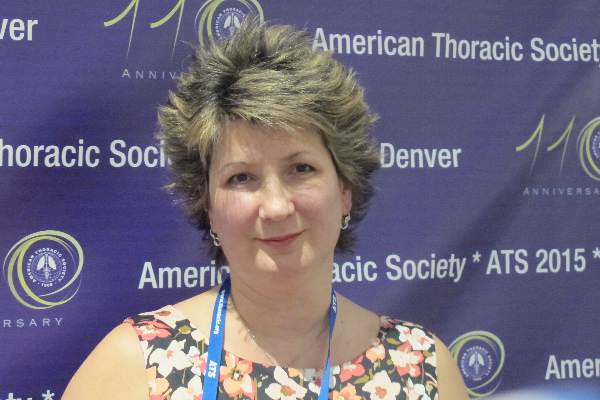
The findings have important implications for clinicians treating patients with depression; clinicians should recognize the risk of OSA in men with depression, and should screen those presenting with OSA – regardless of whether sleepiness is present, said Dr. Lang of the University of Adelaide, Australia.
Study subjects were 1,875 community dwelling Australian men aged 35-83 years who were assessed for depression using the Beck Depression Inventory/Centre for Epidemiological Studies Depression Scale (CES-D) at two times points about 5 years apart. A random sample of 857 men without previously diagnosed OSA underwent at-home polysomnography and completed the Epworth Sleepiness Scale questionnaire, and 1,660 men without depression at baseline were included in the analysis of incident depression.
Previously undiagnosed mild-to-moderate and severe OSA were associated with depression prevalence (adjusted odds ratio 2.1), and this was true even after adjusting for confounders and EDS.
EDS also was associated with depression (adjusted OR, 1.1). she said.
Patients with previously undiagnosed OSA and EDS had greater odds of depression than did those without OSA and EDS (OR, 4.2), and had greater odds of depression than did those with either condition alone (OR, 3.5).
Further, previously diagnosed OSA and previously undiagnosed severe OSA at follow-up were significantly associated with depression onset over a 5-year period (OR, 2.1 and 2.9, respectively), Dr. Lang said.
The findings support those of prior studies that have demonstrated a link between sleep apnea and depression.
As many as 22% of those with OSA also have clinically significant depressive symptoms, compared with 5% of the general population. Daytime sleepiness can occur in those with OSA, but not everyone with OSA reports daytime sleepiness, she said, noting that few prior studies have looked at the relationship between OSA and depression in a community-based population.
“Our study, in a large community-based sample of men, confirms a strong relationship even after adjustment for a number of other potential risk factors,” she said.
The mechanisms underlying the association remain unclear, but it may be that many of the symptoms of and risk factors for OSA and depression overlap.
“Sleep apnea is also associated with lower oxygen levels in the body, and this causes a range of physiological consequences, including altered inflammatory responses, hormonal stimulation, as well as neurological changes in the brain that just happen to be in the same region of the brain that might actually impact depression, feelings of guilt, worthlessness, and suicidal tendencies,” she said.
The message to clinicians based on these findings is that patients who present with symptoms of either OSA or depression should be screened for both.
“Often, I think, when people present with depression, it’s easy to just assume the sleep problems are related to the depression itself ... but there may actually be benefit for the patient if both are investigated and treated,” she concluded.
Dr. Mihaela Teodorescu of the University of Wisconsin, Madison, who moderated the press conference, added that additional data exist to suggest that sleep apnea leads to “more severe, and actually refractory depression,” and further stressed that lack of awareness of the association can be harmful for patients.
“These people just get more antidepressants, including benzodiazepines, which are really detrimental for the obstructive sleep apnea pathogenesis, worsening depression. So it’s very important for the community to be aware about sleep apnea as a potential aggravator and contributor to depression,” she said.
Dr. Lang reported having no relevant financial disclosures.
DENVER – Men with previously undiagnosed severe obstructive sleep apnea and excessive daytime sleepiness have a more than four-fold increase in the risk of depression, compared with those without either condition, according to findings from a population-based cohort study.
Those with both severe obstructive sleep apnea (OSA) and excessive daytime sleepiness (EDS) also have a 3.5 times greater risk of depression than do those with either OSA or EDS alone, Carol Lang, Ph.D., reported during a press briefing at an international conference of the American Thoracic Society.
The findings have important implications for clinicians treating patients with depression; clinicians should recognize the risk of OSA in men with depression, and should screen those presenting with OSA – regardless of whether sleepiness is present, said Dr. Lang of the University of Adelaide, Australia.
Study subjects were 1,875 community dwelling Australian men aged 35-83 years who were assessed for depression using the Beck Depression Inventory/Centre for Epidemiological Studies Depression Scale (CES-D) at two times points about 5 years apart. A random sample of 857 men without previously diagnosed OSA underwent at-home polysomnography and completed the Epworth Sleepiness Scale questionnaire, and 1,660 men without depression at baseline were included in the analysis of incident depression.
Previously undiagnosed mild-to-moderate and severe OSA were associated with depression prevalence (adjusted odds ratio 2.1), and this was true even after adjusting for confounders and EDS.
EDS also was associated with depression (adjusted OR, 1.1). she said.
Patients with previously undiagnosed OSA and EDS had greater odds of depression than did those without OSA and EDS (OR, 4.2), and had greater odds of depression than did those with either condition alone (OR, 3.5).
Further, previously diagnosed OSA and previously undiagnosed severe OSA at follow-up were significantly associated with depression onset over a 5-year period (OR, 2.1 and 2.9, respectively), Dr. Lang said.
The findings support those of prior studies that have demonstrated a link between sleep apnea and depression.
As many as 22% of those with OSA also have clinically significant depressive symptoms, compared with 5% of the general population. Daytime sleepiness can occur in those with OSA, but not everyone with OSA reports daytime sleepiness, she said, noting that few prior studies have looked at the relationship between OSA and depression in a community-based population.
“Our study, in a large community-based sample of men, confirms a strong relationship even after adjustment for a number of other potential risk factors,” she said.
The mechanisms underlying the association remain unclear, but it may be that many of the symptoms of and risk factors for OSA and depression overlap.
“Sleep apnea is also associated with lower oxygen levels in the body, and this causes a range of physiological consequences, including altered inflammatory responses, hormonal stimulation, as well as neurological changes in the brain that just happen to be in the same region of the brain that might actually impact depression, feelings of guilt, worthlessness, and suicidal tendencies,” she said.
The message to clinicians based on these findings is that patients who present with symptoms of either OSA or depression should be screened for both.
“Often, I think, when people present with depression, it’s easy to just assume the sleep problems are related to the depression itself ... but there may actually be benefit for the patient if both are investigated and treated,” she concluded.
Dr. Mihaela Teodorescu of the University of Wisconsin, Madison, who moderated the press conference, added that additional data exist to suggest that sleep apnea leads to “more severe, and actually refractory depression,” and further stressed that lack of awareness of the association can be harmful for patients.
“These people just get more antidepressants, including benzodiazepines, which are really detrimental for the obstructive sleep apnea pathogenesis, worsening depression. So it’s very important for the community to be aware about sleep apnea as a potential aggravator and contributor to depression,” she said.
Dr. Lang reported having no relevant financial disclosures.
DENVER – Men with previously undiagnosed severe obstructive sleep apnea and excessive daytime sleepiness have a more than four-fold increase in the risk of depression, compared with those without either condition, according to findings from a population-based cohort study.
Those with both severe obstructive sleep apnea (OSA) and excessive daytime sleepiness (EDS) also have a 3.5 times greater risk of depression than do those with either OSA or EDS alone, Carol Lang, Ph.D., reported during a press briefing at an international conference of the American Thoracic Society.
The findings have important implications for clinicians treating patients with depression; clinicians should recognize the risk of OSA in men with depression, and should screen those presenting with OSA – regardless of whether sleepiness is present, said Dr. Lang of the University of Adelaide, Australia.
Study subjects were 1,875 community dwelling Australian men aged 35-83 years who were assessed for depression using the Beck Depression Inventory/Centre for Epidemiological Studies Depression Scale (CES-D) at two times points about 5 years apart. A random sample of 857 men without previously diagnosed OSA underwent at-home polysomnography and completed the Epworth Sleepiness Scale questionnaire, and 1,660 men without depression at baseline were included in the analysis of incident depression.
Previously undiagnosed mild-to-moderate and severe OSA were associated with depression prevalence (adjusted odds ratio 2.1), and this was true even after adjusting for confounders and EDS.
EDS also was associated with depression (adjusted OR, 1.1). she said.
Patients with previously undiagnosed OSA and EDS had greater odds of depression than did those without OSA and EDS (OR, 4.2), and had greater odds of depression than did those with either condition alone (OR, 3.5).
Further, previously diagnosed OSA and previously undiagnosed severe OSA at follow-up were significantly associated with depression onset over a 5-year period (OR, 2.1 and 2.9, respectively), Dr. Lang said.
The findings support those of prior studies that have demonstrated a link between sleep apnea and depression.
As many as 22% of those with OSA also have clinically significant depressive symptoms, compared with 5% of the general population. Daytime sleepiness can occur in those with OSA, but not everyone with OSA reports daytime sleepiness, she said, noting that few prior studies have looked at the relationship between OSA and depression in a community-based population.
“Our study, in a large community-based sample of men, confirms a strong relationship even after adjustment for a number of other potential risk factors,” she said.
The mechanisms underlying the association remain unclear, but it may be that many of the symptoms of and risk factors for OSA and depression overlap.
“Sleep apnea is also associated with lower oxygen levels in the body, and this causes a range of physiological consequences, including altered inflammatory responses, hormonal stimulation, as well as neurological changes in the brain that just happen to be in the same region of the brain that might actually impact depression, feelings of guilt, worthlessness, and suicidal tendencies,” she said.
The message to clinicians based on these findings is that patients who present with symptoms of either OSA or depression should be screened for both.
“Often, I think, when people present with depression, it’s easy to just assume the sleep problems are related to the depression itself ... but there may actually be benefit for the patient if both are investigated and treated,” she concluded.
Dr. Mihaela Teodorescu of the University of Wisconsin, Madison, who moderated the press conference, added that additional data exist to suggest that sleep apnea leads to “more severe, and actually refractory depression,” and further stressed that lack of awareness of the association can be harmful for patients.
“These people just get more antidepressants, including benzodiazepines, which are really detrimental for the obstructive sleep apnea pathogenesis, worsening depression. So it’s very important for the community to be aware about sleep apnea as a potential aggravator and contributor to depression,” she said.
Dr. Lang reported having no relevant financial disclosures.
AT ATS 2015
Key clinical point: Patients who present for OSA or depression should be screened for both.
Major finding: Patients with previously undiagnosed OSA and EDS had greater odds of depression than did those without OSA and EDS (OR, 4.2).
Data source: A population-based cohort study of 1,875 men.
Disclosures: Dr. Lang reported having no relevant financial disclosures.
Ischemia a bigger concern than PE recurrence?
Among patients taking anticoagulants after venous thromboembolism, mortality due to ischemic events is twice that due to recurrent pulmonary embolism, according to a report published in the Journal of Vascular Surgery: Venous and Lymphatic Disorders. “In clinical practice in patients with VTE, most of the physician’s attention is often focused on the resolution of VTE signs and symptoms, whereas less attention is paid to the prevention of ischemic events,” said Dr. Olga Madridano of Hospital Universitario Infanta Sofia, Madrid, and her associates.
These study findings show that when prescribing anticoagulation for these patients, it is crucial to identify those who may also require concomitant antiplatelet therapy to prevent ischemic events, the investigators noted.
Dr. Madridano and her colleagues analyzed data from an international registry of VTE cases to determine how often major ischemic events – stroke, MI, limb amputation, or mesenteric ischemia – occur during anticoagulant therapy. They assessed the case reports of 23,370 consecutive patients in 10 European countries, Canada, and Ecuador who were enrolled in the registry during a 5-year period.
During a mean of 9.2 months of anticoagulation treatment, 597 patients developed recurrent VTE: 267 had pulmonary embolism and 330 had deep vein thrombosis. A total of 162 developed major ischemic events: 86 had stroke, 53 had MI, 13 required limb amputation, and 11 had mesenteric ischemia. There were 21 deaths from PE recurrences and 53 from ischemic events.
Thus, the number of PE recurrences was greater than that of ischemic events, but the mortality from PE recurrences was only half that from ischemic events. “We hypothesize that some patients who subsequently died of MI or stroke might have benefited from concomitant therapy with antiplatelets,” Dr. Madridano and her associates said (J. Vasc. Surg.: Venous Lymph. Dis. 2015;3:135-41). However, it is important to note that mortality due to bleeding complications (83 deaths) was even higher than mortality due to PE recurrence and ischemic events put together (74 deaths). Earlier discontinuation of anticoagulant therapy might have reduced the rate of major bleeding, they added.
The VTE registry is supported by an unrestricted grant from Sanofi Spain and by Bayer Pharma AG. Dr. Madridano and her associates reported having no financial disclosures.
Among patients taking anticoagulants after venous thromboembolism, mortality due to ischemic events is twice that due to recurrent pulmonary embolism, according to a report published in the Journal of Vascular Surgery: Venous and Lymphatic Disorders. “In clinical practice in patients with VTE, most of the physician’s attention is often focused on the resolution of VTE signs and symptoms, whereas less attention is paid to the prevention of ischemic events,” said Dr. Olga Madridano of Hospital Universitario Infanta Sofia, Madrid, and her associates.
These study findings show that when prescribing anticoagulation for these patients, it is crucial to identify those who may also require concomitant antiplatelet therapy to prevent ischemic events, the investigators noted.
Dr. Madridano and her colleagues analyzed data from an international registry of VTE cases to determine how often major ischemic events – stroke, MI, limb amputation, or mesenteric ischemia – occur during anticoagulant therapy. They assessed the case reports of 23,370 consecutive patients in 10 European countries, Canada, and Ecuador who were enrolled in the registry during a 5-year period.
During a mean of 9.2 months of anticoagulation treatment, 597 patients developed recurrent VTE: 267 had pulmonary embolism and 330 had deep vein thrombosis. A total of 162 developed major ischemic events: 86 had stroke, 53 had MI, 13 required limb amputation, and 11 had mesenteric ischemia. There were 21 deaths from PE recurrences and 53 from ischemic events.
Thus, the number of PE recurrences was greater than that of ischemic events, but the mortality from PE recurrences was only half that from ischemic events. “We hypothesize that some patients who subsequently died of MI or stroke might have benefited from concomitant therapy with antiplatelets,” Dr. Madridano and her associates said (J. Vasc. Surg.: Venous Lymph. Dis. 2015;3:135-41). However, it is important to note that mortality due to bleeding complications (83 deaths) was even higher than mortality due to PE recurrence and ischemic events put together (74 deaths). Earlier discontinuation of anticoagulant therapy might have reduced the rate of major bleeding, they added.
The VTE registry is supported by an unrestricted grant from Sanofi Spain and by Bayer Pharma AG. Dr. Madridano and her associates reported having no financial disclosures.
Among patients taking anticoagulants after venous thromboembolism, mortality due to ischemic events is twice that due to recurrent pulmonary embolism, according to a report published in the Journal of Vascular Surgery: Venous and Lymphatic Disorders. “In clinical practice in patients with VTE, most of the physician’s attention is often focused on the resolution of VTE signs and symptoms, whereas less attention is paid to the prevention of ischemic events,” said Dr. Olga Madridano of Hospital Universitario Infanta Sofia, Madrid, and her associates.
These study findings show that when prescribing anticoagulation for these patients, it is crucial to identify those who may also require concomitant antiplatelet therapy to prevent ischemic events, the investigators noted.
Dr. Madridano and her colleagues analyzed data from an international registry of VTE cases to determine how often major ischemic events – stroke, MI, limb amputation, or mesenteric ischemia – occur during anticoagulant therapy. They assessed the case reports of 23,370 consecutive patients in 10 European countries, Canada, and Ecuador who were enrolled in the registry during a 5-year period.
During a mean of 9.2 months of anticoagulation treatment, 597 patients developed recurrent VTE: 267 had pulmonary embolism and 330 had deep vein thrombosis. A total of 162 developed major ischemic events: 86 had stroke, 53 had MI, 13 required limb amputation, and 11 had mesenteric ischemia. There were 21 deaths from PE recurrences and 53 from ischemic events.
Thus, the number of PE recurrences was greater than that of ischemic events, but the mortality from PE recurrences was only half that from ischemic events. “We hypothesize that some patients who subsequently died of MI or stroke might have benefited from concomitant therapy with antiplatelets,” Dr. Madridano and her associates said (J. Vasc. Surg.: Venous Lymph. Dis. 2015;3:135-41). However, it is important to note that mortality due to bleeding complications (83 deaths) was even higher than mortality due to PE recurrence and ischemic events put together (74 deaths). Earlier discontinuation of anticoagulant therapy might have reduced the rate of major bleeding, they added.
The VTE registry is supported by an unrestricted grant from Sanofi Spain and by Bayer Pharma AG. Dr. Madridano and her associates reported having no financial disclosures.
Key clinical point: Among patients receiving anticoagulation after VTE, mortality from ischemic events is twice that from recurrent pulmonary embolism.
Major finding: During a mean of 9.2 months of anticoagulation treatment, there were 21 deaths from PE recurrences and 53 from ischemic events.
Data source: An observational cohort study involving 23,370 consecutive patients entered into an international registry of acute VTE cases during a 5-year period.
Disclosures: The VTE registry is supported by an unrestricted grant from Sanofi Spain and by Bayer Pharma AG. Dr. Madridano and her associates reported having no financial disclosures.
ATS: Aclidinium/formoterol bests salmeterol/fluticasone for bronchodilation in COPD
DENVER – In patients with stable COPD, a fixed-dose combination of aclidinium/formoterol provided significantly greater improvements in bronchodilation compared with a fixed-dose combination of salmeterol/fluticasone, with equivalent benefits in symptom control and reduction in exacerbation risk, a randomized, controlled trial showed.
“This study will be important to building further evidence for the clinical use of inhaled long-acting muscarinic antagonist (LAMA) and long-acting beta agonist (LABA) fixed-dose combinations as a valuable tool in the treatment armamentarium for COPD,” Dr. Claus Vogelmeier said in an interview in advance of an international conference of the American Thoracic Society, where the work was presented during a poster session.

“While there have been other positive studies showing benefits in LAMA/LABA fixed-dose combinations over the specific ICS/LABA fixed-dose combination of salmeterol/fluticasone, this is the first head-to-head study that compares the efficacy and safety of aclidinium/formoterol with salmeterol/fluticasone in COPD patients,” he said.
For the phase III study, Dr. Vogelmeier, professor of medicine and head of the pulmonary division at Marburg University Hospital, Germany, and his associates randomized 933 symptomatic COPD patients 1:1 to 24 weeks of treatment with aclidinium/formoterol 400/12 mcg twice daily via Genuair/Pressair (AstraZeneca) or salmeterol/fluticasone 50/500 mcg twice daily via Accuhaler (GlaxoSmithKline).
The primary efficacy endpoint was peak forced expiratory volume in 1 second (FEV1) at week 24. Other efficacy endpoints included peak FEV1 at each visit, Transition Dyspnea Index (TDI) focal score and COPD Assessment Test (CAT) score at week 24, and the proportion of patients who experienced at least one exacerbation defined by health care resource utilization (HCRU) or identified using the Exacerbations of Chronic Pulmonary Disease Tool (EXACT). Adverse events and serious adverse events were monitored throughout the study.
Of the 933 patients, 788 (85%) completed the study. Their mean age was 63 years and 65% were male. Dr. Vogelmeier reported that peak FEV1 was significantly greater with aclidinium/formoterol versus salmeterol/fluticasone after the first dose on day 1, an improvement that was maintained at week 24 (treatment differences of 83 mL and 93 mL, respectively; both P less than .0001).
Improvements in TDI focal score at week 24 were similar in both groups (a mean of 1.88 for both), and there were no significant differences between groups in CAT total score at week 24 (15.81 vs. 16.11). The proportion of patients who experienced one exacerbation or more was comparable between groups when assessed via HCRU (odds ratio .95) or EXACT (OR .94).
The incidence of adverse events was similar among the aclidinium/formoterol and the salmeterol/fluticasone groups (50% vs. 57%, respectively), as were serious adverse events, (7.5% vs. 7.1%), and adverse events leading to study discontinuation (5.4% vs. 7.3%). Adverse events related to inhaled corticosteroid use, including pneumonia and osteoporosis/osteopenia, were more common in patients receiving salmeterol/fluticasone than in patients receiving aclidinium/formoterol (10.7% vs. 4.3%).
“For clinicians like me, it is helpful to have choices available to address our patients’ needs,” Dr. Vogelmeier said. “Knowing that aclidinium/formoterol has shown greater bronchodilation compared to salmeterol/fluticasone will give us confidence in prescribing. These data offer physicians a new perspective and option for treating symptomatic patients at a time when the role of LAMA/LABA fixed-dose combinations is being increasingly recognized in the management of symptomatic COPD.”
He acknowledged certain limitations of the study, including the fact that it was limited to COPD patients who may have experienced up to one exacerbation in the year before the study. The study did not include frequent exacerbators.
The study was funded by Almirall, Barcelona, Spain, and Forest Laboratories, a subsidiary of Actavis. Dr. Vogelmeier disclosed ties with Almirall, AstraZeneca, Boehringer Ingelheim, Chiesi, GlaxoSmithKline, Grifols, Janssen, Mundipharma, Novartis, and Takeda.
On Twitter @dougbrunk
DENVER – In patients with stable COPD, a fixed-dose combination of aclidinium/formoterol provided significantly greater improvements in bronchodilation compared with a fixed-dose combination of salmeterol/fluticasone, with equivalent benefits in symptom control and reduction in exacerbation risk, a randomized, controlled trial showed.
“This study will be important to building further evidence for the clinical use of inhaled long-acting muscarinic antagonist (LAMA) and long-acting beta agonist (LABA) fixed-dose combinations as a valuable tool in the treatment armamentarium for COPD,” Dr. Claus Vogelmeier said in an interview in advance of an international conference of the American Thoracic Society, where the work was presented during a poster session.
“While there have been other positive studies showing benefits in LAMA/LABA fixed-dose combinations over the specific ICS/LABA fixed-dose combination of salmeterol/fluticasone, this is the first head-to-head study that compares the efficacy and safety of aclidinium/formoterol with salmeterol/fluticasone in COPD patients,” he said.
For the phase III study, Dr. Vogelmeier, professor of medicine and head of the pulmonary division at Marburg University Hospital, Germany, and his associates randomized 933 symptomatic COPD patients 1:1 to 24 weeks of treatment with aclidinium/formoterol 400/12 mcg twice daily via Genuair/Pressair (AstraZeneca) or salmeterol/fluticasone 50/500 mcg twice daily via Accuhaler (GlaxoSmithKline).
The primary efficacy endpoint was peak forced expiratory volume in 1 second (FEV1) at week 24. Other efficacy endpoints included peak FEV1 at each visit, Transition Dyspnea Index (TDI) focal score and COPD Assessment Test (CAT) score at week 24, and the proportion of patients who experienced at least one exacerbation defined by health care resource utilization (HCRU) or identified using the Exacerbations of Chronic Pulmonary Disease Tool (EXACT). Adverse events and serious adverse events were monitored throughout the study.
Of the 933 patients, 788 (85%) completed the study. Their mean age was 63 years and 65% were male. Dr. Vogelmeier reported that peak FEV1 was significantly greater with aclidinium/formoterol versus salmeterol/fluticasone after the first dose on day 1, an improvement that was maintained at week 24 (treatment differences of 83 mL and 93 mL, respectively; both P less than .0001).
Improvements in TDI focal score at week 24 were similar in both groups (a mean of 1.88 for both), and there were no significant differences between groups in CAT total score at week 24 (15.81 vs. 16.11). The proportion of patients who experienced one exacerbation or more was comparable between groups when assessed via HCRU (odds ratio .95) or EXACT (OR .94).
The incidence of adverse events was similar among the aclidinium/formoterol and the salmeterol/fluticasone groups (50% vs. 57%, respectively), as were serious adverse events, (7.5% vs. 7.1%), and adverse events leading to study discontinuation (5.4% vs. 7.3%). Adverse events related to inhaled corticosteroid use, including pneumonia and osteoporosis/osteopenia, were more common in patients receiving salmeterol/fluticasone than in patients receiving aclidinium/formoterol (10.7% vs. 4.3%).
“For clinicians like me, it is helpful to have choices available to address our patients’ needs,” Dr. Vogelmeier said. “Knowing that aclidinium/formoterol has shown greater bronchodilation compared to salmeterol/fluticasone will give us confidence in prescribing. These data offer physicians a new perspective and option for treating symptomatic patients at a time when the role of LAMA/LABA fixed-dose combinations is being increasingly recognized in the management of symptomatic COPD.”
He acknowledged certain limitations of the study, including the fact that it was limited to COPD patients who may have experienced up to one exacerbation in the year before the study. The study did not include frequent exacerbators.
The study was funded by Almirall, Barcelona, Spain, and Forest Laboratories, a subsidiary of Actavis. Dr. Vogelmeier disclosed ties with Almirall, AstraZeneca, Boehringer Ingelheim, Chiesi, GlaxoSmithKline, Grifols, Janssen, Mundipharma, Novartis, and Takeda.
On Twitter @dougbrunk
DENVER – In patients with stable COPD, a fixed-dose combination of aclidinium/formoterol provided significantly greater improvements in bronchodilation compared with a fixed-dose combination of salmeterol/fluticasone, with equivalent benefits in symptom control and reduction in exacerbation risk, a randomized, controlled trial showed.
“This study will be important to building further evidence for the clinical use of inhaled long-acting muscarinic antagonist (LAMA) and long-acting beta agonist (LABA) fixed-dose combinations as a valuable tool in the treatment armamentarium for COPD,” Dr. Claus Vogelmeier said in an interview in advance of an international conference of the American Thoracic Society, where the work was presented during a poster session.
“While there have been other positive studies showing benefits in LAMA/LABA fixed-dose combinations over the specific ICS/LABA fixed-dose combination of salmeterol/fluticasone, this is the first head-to-head study that compares the efficacy and safety of aclidinium/formoterol with salmeterol/fluticasone in COPD patients,” he said.
For the phase III study, Dr. Vogelmeier, professor of medicine and head of the pulmonary division at Marburg University Hospital, Germany, and his associates randomized 933 symptomatic COPD patients 1:1 to 24 weeks of treatment with aclidinium/formoterol 400/12 mcg twice daily via Genuair/Pressair (AstraZeneca) or salmeterol/fluticasone 50/500 mcg twice daily via Accuhaler (GlaxoSmithKline).
The primary efficacy endpoint was peak forced expiratory volume in 1 second (FEV1) at week 24. Other efficacy endpoints included peak FEV1 at each visit, Transition Dyspnea Index (TDI) focal score and COPD Assessment Test (CAT) score at week 24, and the proportion of patients who experienced at least one exacerbation defined by health care resource utilization (HCRU) or identified using the Exacerbations of Chronic Pulmonary Disease Tool (EXACT). Adverse events and serious adverse events were monitored throughout the study.
Of the 933 patients, 788 (85%) completed the study. Their mean age was 63 years and 65% were male. Dr. Vogelmeier reported that peak FEV1 was significantly greater with aclidinium/formoterol versus salmeterol/fluticasone after the first dose on day 1, an improvement that was maintained at week 24 (treatment differences of 83 mL and 93 mL, respectively; both P less than .0001).
Improvements in TDI focal score at week 24 were similar in both groups (a mean of 1.88 for both), and there were no significant differences between groups in CAT total score at week 24 (15.81 vs. 16.11). The proportion of patients who experienced one exacerbation or more was comparable between groups when assessed via HCRU (odds ratio .95) or EXACT (OR .94).
The incidence of adverse events was similar among the aclidinium/formoterol and the salmeterol/fluticasone groups (50% vs. 57%, respectively), as were serious adverse events, (7.5% vs. 7.1%), and adverse events leading to study discontinuation (5.4% vs. 7.3%). Adverse events related to inhaled corticosteroid use, including pneumonia and osteoporosis/osteopenia, were more common in patients receiving salmeterol/fluticasone than in patients receiving aclidinium/formoterol (10.7% vs. 4.3%).
“For clinicians like me, it is helpful to have choices available to address our patients’ needs,” Dr. Vogelmeier said. “Knowing that aclidinium/formoterol has shown greater bronchodilation compared to salmeterol/fluticasone will give us confidence in prescribing. These data offer physicians a new perspective and option for treating symptomatic patients at a time when the role of LAMA/LABA fixed-dose combinations is being increasingly recognized in the management of symptomatic COPD.”
He acknowledged certain limitations of the study, including the fact that it was limited to COPD patients who may have experienced up to one exacerbation in the year before the study. The study did not include frequent exacerbators.
The study was funded by Almirall, Barcelona, Spain, and Forest Laboratories, a subsidiary of Actavis. Dr. Vogelmeier disclosed ties with Almirall, AstraZeneca, Boehringer Ingelheim, Chiesi, GlaxoSmithKline, Grifols, Janssen, Mundipharma, Novartis, and Takeda.
On Twitter @dougbrunk
AT ATS 2015
Key clinical point: In patients with COPD, aclidinium/formoterol demonstrated greater bronchodilation, compared with salmeterol/fluticasone.
Major finding: Peak FEV1 was significantly greater with aclidinium/formoterol versus salmeterol/fluticasone after the first dose on day 1, an improvement that was maintained at week 24 (treatment differences of 83 mL and 93 mL, respectively; both P less than .0001).
Data source: A phase III study in which 933 symptomatic COPD patients were randomized 1:1 to 24 weeks’ treatment with aclidinium/formoterol 400/12 mcg twice daily via Genuair/Pressair (AstraZeneca) or salmeterol/fluticasone 50/500 mcg twice daily via Accuhaler (GlaxoSmithKline).
Disclosures: The study was funded by Almirall, Barcelona, and Forest Laboratories, a subsidiary of Actavis. Dr. Vogelmeier disclosed ties with Almirall, AstraZeneca, Boehringer Ingelheim, Chiesi, GlaxoSmithKline, Grifols, Janssen, Mundipharma, Novartis, and Takeda.

VIDEO: Level of e-cigarette power contributes to potentially hazardous effects
DENVER – The higher the power of an e-cigarette, the higher the concentrations of potentially hazardous substances the device produces, including acetaldehyde, acrolein, and formaldehyde.
Those are among the findings presented at an international conference of the American Thoracic Society by lead study author Dr. Daniel Sullivan, an internal medicine resident at the University of Texas Southwestern Medical Center. During his previous training at the University of Alabama, Birmingham, Dr. Sullivan and his associates used a variety of methods including liquid chromatography–mass spectrometry and enzyme-linked immunosorbent assay (ELISA) to study components and nicotine formulations typical of e-cigarette users. Under some test conditions, formaldehyde levels were comparable to those seen in traditional tobacco cigarettes, he said in a video interview.
Dr. Sullivan reported having no relevant financial conflicts.
The video associated with this article is no longer available on this site. Please view all of our videos on the MDedge YouTube channel
On Twitter @dougbrunk
DENVER – The higher the power of an e-cigarette, the higher the concentrations of potentially hazardous substances the device produces, including acetaldehyde, acrolein, and formaldehyde.
Those are among the findings presented at an international conference of the American Thoracic Society by lead study author Dr. Daniel Sullivan, an internal medicine resident at the University of Texas Southwestern Medical Center. During his previous training at the University of Alabama, Birmingham, Dr. Sullivan and his associates used a variety of methods including liquid chromatography–mass spectrometry and enzyme-linked immunosorbent assay (ELISA) to study components and nicotine formulations typical of e-cigarette users. Under some test conditions, formaldehyde levels were comparable to those seen in traditional tobacco cigarettes, he said in a video interview.
Dr. Sullivan reported having no relevant financial conflicts.
The video associated with this article is no longer available on this site. Please view all of our videos on the MDedge YouTube channel
On Twitter @dougbrunk
DENVER – The higher the power of an e-cigarette, the higher the concentrations of potentially hazardous substances the device produces, including acetaldehyde, acrolein, and formaldehyde.
Those are among the findings presented at an international conference of the American Thoracic Society by lead study author Dr. Daniel Sullivan, an internal medicine resident at the University of Texas Southwestern Medical Center. During his previous training at the University of Alabama, Birmingham, Dr. Sullivan and his associates used a variety of methods including liquid chromatography–mass spectrometry and enzyme-linked immunosorbent assay (ELISA) to study components and nicotine formulations typical of e-cigarette users. Under some test conditions, formaldehyde levels were comparable to those seen in traditional tobacco cigarettes, he said in a video interview.
Dr. Sullivan reported having no relevant financial conflicts.
The video associated with this article is no longer available on this site. Please view all of our videos on the MDedge YouTube channel
On Twitter @dougbrunk
AT ATS 2015

VIDEO: E-cigarettes lack long-term data for smoking cessation
DENVER – Although electronic cigarettes are widely promoted as a smoking cessation tool, no sound data exist to support their use beyond 1 month as a way to kick the smoking habit, results from the largest meta-analysis of its kind suggest.
In an interview at an international conference of the America Thoracic Society, study author Dr. Matthew B. Stanbrook highlighted results from the review, which included 297 articles published to May 2014.
The meta-analysis showed that point prevalence abstinence was significantly better for e-cigarettes, compared with placebo, at 1 month (relative risk, 1.71). That effect, however, was no longer observed at 3- or 6-month follow-ups.
The most common adverse events noted in the studies were dry cough, throat irritation, and shortness of breath.
Dr. Stanbrook reported having no relevant financial conflicts.
The video associated with this article is no longer available on this site. Please view all of our videos on the MDedge YouTube channel
On Twitter @dougbrunk
DENVER – Although electronic cigarettes are widely promoted as a smoking cessation tool, no sound data exist to support their use beyond 1 month as a way to kick the smoking habit, results from the largest meta-analysis of its kind suggest.
In an interview at an international conference of the America Thoracic Society, study author Dr. Matthew B. Stanbrook highlighted results from the review, which included 297 articles published to May 2014.
The meta-analysis showed that point prevalence abstinence was significantly better for e-cigarettes, compared with placebo, at 1 month (relative risk, 1.71). That effect, however, was no longer observed at 3- or 6-month follow-ups.
The most common adverse events noted in the studies were dry cough, throat irritation, and shortness of breath.
Dr. Stanbrook reported having no relevant financial conflicts.
The video associated with this article is no longer available on this site. Please view all of our videos on the MDedge YouTube channel
On Twitter @dougbrunk
DENVER – Although electronic cigarettes are widely promoted as a smoking cessation tool, no sound data exist to support their use beyond 1 month as a way to kick the smoking habit, results from the largest meta-analysis of its kind suggest.
In an interview at an international conference of the America Thoracic Society, study author Dr. Matthew B. Stanbrook highlighted results from the review, which included 297 articles published to May 2014.
The meta-analysis showed that point prevalence abstinence was significantly better for e-cigarettes, compared with placebo, at 1 month (relative risk, 1.71). That effect, however, was no longer observed at 3- or 6-month follow-ups.
The most common adverse events noted in the studies were dry cough, throat irritation, and shortness of breath.
Dr. Stanbrook reported having no relevant financial conflicts.
The video associated with this article is no longer available on this site. Please view all of our videos on the MDedge YouTube channel
On Twitter @dougbrunk
AT ATS 2015