User login
Higher buprenorphine doses help OUD patients stay in treatment
SAN FRANCISCO – . Eighty-five percent of patients who were titrated up to 32 mg remained in treatment for 1 year vs. 22% of those who never went higher than 16 mg, and those on higher doses stayed in treatment 3.83 times longer than those who didn’t.
“Simply put, we demonstrated better retention in treatment if patients were given higher buprenorphine doses when they complained of opioid craving,” said Andrew Gilbert, a medical student at California Northstate University, Elk Grove, Calif. He is lead author of a poster presented at the 2023 annual meeting of the American Psychiatric Association.
There’s an ongoing debate over ideal doses of buprenorphine (Suboxone), an opioid that’s used to help treat withdrawal symptoms in users of drugs such as heroin and fentanyl. Some sources recommend lower doses. The Substance Abuse and Mental Health Administration, for example, says “ideally, average dosing does not exceed 16 mg” in a guide to the drug’s usage, referring to the sublingual form. (A long-lasting injectable is also available.) Drugs.com says 24 mg is the maximum, and “higher doses have not shown a clinical advantage.
However, some emergency departments have begun providing doses up to 28 mg or higher amid the increased use of the powerful opioid fentanyl. “There are mountains of evidence demonstrating the safety of higher doses at 32 mg, and even several-fold higher than that,” study coauthor Phillip Summers MD, MPH, medical director of the harm-reduction organization Safer Alternatives Thru Networking and Education, Sacramento, Calif., said in an interview. “The question is: Is there clinical benefit to these higher doses?”
‘Significantly higher’ retention
For the new study, researchers tracked 328 patients who were treated for opioid use disorder at the Transitions Buprenorphine Clinic of Sacramento from 2010 to 2017. They were followed until 2022. Their average age was 36, 37.2% were female, 75.0% were White, and 24.1% had a history of overdose.
Clinicians titrated up the doses of buprenorphine to address withdrawal and craving. Five patients never went past 4 mg, and two of them stayed in treatment for a year. Nine of 19 who went up to 8 mg stayed in treatment for 1 year, and 4 of 21 did among those who reached 12 mg.
“Our data suggest that the highest rate of patient dropout is at the beginning of treatment, and that there is significantly higher treatment retention in patients on greater than 24 mg or higher of buprenorphine,” the researchers wrote.
Mr. Gilbert said clinicians start at 8 mg the first day in patients who haven’t taken buprenorphine before, then they go to 16 mg the second day. “We then reevaluate in at least 1 week, oftentimes sooner if the patient’s opioid craving is uncontrolled, and determine if 16 mg is too low, too high, or the correct dosage for the patient.”
If a dose of over 32 mg is needed, clinicians turn to the long-lasting injectable form of the drug, study coauthor Neil Flynn MD, MPH, former medical director of the Transitions Buprenorphine Clinic of Sacramento, said in an interview. “We controlled craving with this form for every patient that did not have opioid craving relief with 32 mg. We believe this form achieved opioid craving cessation due to increased buprenorphine blood levels and increased ratio of unmetabolized buprenorphine to metabolized buprenorphine in our patients.”
According to Dr. Summers, it’s clear that too-low doses hurt the recovery process. “If we prescribe subtherapeutic doses of buprenorphine, our patients will experience opioid craving, which leads to treatment dropout and most likely to relapse. Higher doses of buprenorphine are more likely to cease opioid cravings, leading patients to remain in treatment for longer periods of time.”
Mr. Gilbert said buprenorphine has few side effects, which include decreased libido and hot flashes in both men and women. Testosterone therapy can relieve these symptoms in men, he said, but “unfortunately, we do not have any good medications for reversing this side effect in women. Further research should investigate eliminating this side effect in women.”
Mr. Gilbert declined to comment on the extra cost of higher doses since that is outside the scope of the study.
Medication is the ‘star’
In an interview, addiction specialist Dave Cundiff, MD, MPH, of Ilwaco, Wash., praised the study and agreed with its conclusions about the value of high doses of buprenorphine.
“They’re confirming what the science has already shown, but the world does not accept,” he said, adding that “for opioid use disorder, the medication is the star of the show, although counseling is a necessary adjunct for some patients.”
Dr. Cundiff said he’s coauthored a pending review article that finds that studies support higher doses of buprenorphine.
MaryAnne Murray, DNP, EdD, MBA, a psychiatric mental health nurse practitioner who’s married to Dr. Cundiff, said in an interview that the evolution of the opioid epidemic supports the use of higher doses. “The old way we used to do with heroin users was to wait until they’re in moderate withdrawal, and then start up buprenorphine, usually slowly. With fentanyl, it takes longer, and the wait is often less bearable – unbearable for many people.”
Transitions Buprenorphine Clinic of Sacramento funded the study. The authors, Dr. Cundiff, and Dr. Murray have no disclosures.
SAN FRANCISCO – . Eighty-five percent of patients who were titrated up to 32 mg remained in treatment for 1 year vs. 22% of those who never went higher than 16 mg, and those on higher doses stayed in treatment 3.83 times longer than those who didn’t.
“Simply put, we demonstrated better retention in treatment if patients were given higher buprenorphine doses when they complained of opioid craving,” said Andrew Gilbert, a medical student at California Northstate University, Elk Grove, Calif. He is lead author of a poster presented at the 2023 annual meeting of the American Psychiatric Association.
There’s an ongoing debate over ideal doses of buprenorphine (Suboxone), an opioid that’s used to help treat withdrawal symptoms in users of drugs such as heroin and fentanyl. Some sources recommend lower doses. The Substance Abuse and Mental Health Administration, for example, says “ideally, average dosing does not exceed 16 mg” in a guide to the drug’s usage, referring to the sublingual form. (A long-lasting injectable is also available.) Drugs.com says 24 mg is the maximum, and “higher doses have not shown a clinical advantage.
However, some emergency departments have begun providing doses up to 28 mg or higher amid the increased use of the powerful opioid fentanyl. “There are mountains of evidence demonstrating the safety of higher doses at 32 mg, and even several-fold higher than that,” study coauthor Phillip Summers MD, MPH, medical director of the harm-reduction organization Safer Alternatives Thru Networking and Education, Sacramento, Calif., said in an interview. “The question is: Is there clinical benefit to these higher doses?”
‘Significantly higher’ retention
For the new study, researchers tracked 328 patients who were treated for opioid use disorder at the Transitions Buprenorphine Clinic of Sacramento from 2010 to 2017. They were followed until 2022. Their average age was 36, 37.2% were female, 75.0% were White, and 24.1% had a history of overdose.
Clinicians titrated up the doses of buprenorphine to address withdrawal and craving. Five patients never went past 4 mg, and two of them stayed in treatment for a year. Nine of 19 who went up to 8 mg stayed in treatment for 1 year, and 4 of 21 did among those who reached 12 mg.
“Our data suggest that the highest rate of patient dropout is at the beginning of treatment, and that there is significantly higher treatment retention in patients on greater than 24 mg or higher of buprenorphine,” the researchers wrote.
Mr. Gilbert said clinicians start at 8 mg the first day in patients who haven’t taken buprenorphine before, then they go to 16 mg the second day. “We then reevaluate in at least 1 week, oftentimes sooner if the patient’s opioid craving is uncontrolled, and determine if 16 mg is too low, too high, or the correct dosage for the patient.”
If a dose of over 32 mg is needed, clinicians turn to the long-lasting injectable form of the drug, study coauthor Neil Flynn MD, MPH, former medical director of the Transitions Buprenorphine Clinic of Sacramento, said in an interview. “We controlled craving with this form for every patient that did not have opioid craving relief with 32 mg. We believe this form achieved opioid craving cessation due to increased buprenorphine blood levels and increased ratio of unmetabolized buprenorphine to metabolized buprenorphine in our patients.”
According to Dr. Summers, it’s clear that too-low doses hurt the recovery process. “If we prescribe subtherapeutic doses of buprenorphine, our patients will experience opioid craving, which leads to treatment dropout and most likely to relapse. Higher doses of buprenorphine are more likely to cease opioid cravings, leading patients to remain in treatment for longer periods of time.”
Mr. Gilbert said buprenorphine has few side effects, which include decreased libido and hot flashes in both men and women. Testosterone therapy can relieve these symptoms in men, he said, but “unfortunately, we do not have any good medications for reversing this side effect in women. Further research should investigate eliminating this side effect in women.”
Mr. Gilbert declined to comment on the extra cost of higher doses since that is outside the scope of the study.
Medication is the ‘star’
In an interview, addiction specialist Dave Cundiff, MD, MPH, of Ilwaco, Wash., praised the study and agreed with its conclusions about the value of high doses of buprenorphine.
“They’re confirming what the science has already shown, but the world does not accept,” he said, adding that “for opioid use disorder, the medication is the star of the show, although counseling is a necessary adjunct for some patients.”
Dr. Cundiff said he’s coauthored a pending review article that finds that studies support higher doses of buprenorphine.
MaryAnne Murray, DNP, EdD, MBA, a psychiatric mental health nurse practitioner who’s married to Dr. Cundiff, said in an interview that the evolution of the opioid epidemic supports the use of higher doses. “The old way we used to do with heroin users was to wait until they’re in moderate withdrawal, and then start up buprenorphine, usually slowly. With fentanyl, it takes longer, and the wait is often less bearable – unbearable for many people.”
Transitions Buprenorphine Clinic of Sacramento funded the study. The authors, Dr. Cundiff, and Dr. Murray have no disclosures.
SAN FRANCISCO – . Eighty-five percent of patients who were titrated up to 32 mg remained in treatment for 1 year vs. 22% of those who never went higher than 16 mg, and those on higher doses stayed in treatment 3.83 times longer than those who didn’t.
“Simply put, we demonstrated better retention in treatment if patients were given higher buprenorphine doses when they complained of opioid craving,” said Andrew Gilbert, a medical student at California Northstate University, Elk Grove, Calif. He is lead author of a poster presented at the 2023 annual meeting of the American Psychiatric Association.
There’s an ongoing debate over ideal doses of buprenorphine (Suboxone), an opioid that’s used to help treat withdrawal symptoms in users of drugs such as heroin and fentanyl. Some sources recommend lower doses. The Substance Abuse and Mental Health Administration, for example, says “ideally, average dosing does not exceed 16 mg” in a guide to the drug’s usage, referring to the sublingual form. (A long-lasting injectable is also available.) Drugs.com says 24 mg is the maximum, and “higher doses have not shown a clinical advantage.
However, some emergency departments have begun providing doses up to 28 mg or higher amid the increased use of the powerful opioid fentanyl. “There are mountains of evidence demonstrating the safety of higher doses at 32 mg, and even several-fold higher than that,” study coauthor Phillip Summers MD, MPH, medical director of the harm-reduction organization Safer Alternatives Thru Networking and Education, Sacramento, Calif., said in an interview. “The question is: Is there clinical benefit to these higher doses?”
‘Significantly higher’ retention
For the new study, researchers tracked 328 patients who were treated for opioid use disorder at the Transitions Buprenorphine Clinic of Sacramento from 2010 to 2017. They were followed until 2022. Their average age was 36, 37.2% were female, 75.0% were White, and 24.1% had a history of overdose.
Clinicians titrated up the doses of buprenorphine to address withdrawal and craving. Five patients never went past 4 mg, and two of them stayed in treatment for a year. Nine of 19 who went up to 8 mg stayed in treatment for 1 year, and 4 of 21 did among those who reached 12 mg.
“Our data suggest that the highest rate of patient dropout is at the beginning of treatment, and that there is significantly higher treatment retention in patients on greater than 24 mg or higher of buprenorphine,” the researchers wrote.
Mr. Gilbert said clinicians start at 8 mg the first day in patients who haven’t taken buprenorphine before, then they go to 16 mg the second day. “We then reevaluate in at least 1 week, oftentimes sooner if the patient’s opioid craving is uncontrolled, and determine if 16 mg is too low, too high, or the correct dosage for the patient.”
If a dose of over 32 mg is needed, clinicians turn to the long-lasting injectable form of the drug, study coauthor Neil Flynn MD, MPH, former medical director of the Transitions Buprenorphine Clinic of Sacramento, said in an interview. “We controlled craving with this form for every patient that did not have opioid craving relief with 32 mg. We believe this form achieved opioid craving cessation due to increased buprenorphine blood levels and increased ratio of unmetabolized buprenorphine to metabolized buprenorphine in our patients.”
According to Dr. Summers, it’s clear that too-low doses hurt the recovery process. “If we prescribe subtherapeutic doses of buprenorphine, our patients will experience opioid craving, which leads to treatment dropout and most likely to relapse. Higher doses of buprenorphine are more likely to cease opioid cravings, leading patients to remain in treatment for longer periods of time.”
Mr. Gilbert said buprenorphine has few side effects, which include decreased libido and hot flashes in both men and women. Testosterone therapy can relieve these symptoms in men, he said, but “unfortunately, we do not have any good medications for reversing this side effect in women. Further research should investigate eliminating this side effect in women.”
Mr. Gilbert declined to comment on the extra cost of higher doses since that is outside the scope of the study.
Medication is the ‘star’
In an interview, addiction specialist Dave Cundiff, MD, MPH, of Ilwaco, Wash., praised the study and agreed with its conclusions about the value of high doses of buprenorphine.
“They’re confirming what the science has already shown, but the world does not accept,” he said, adding that “for opioid use disorder, the medication is the star of the show, although counseling is a necessary adjunct for some patients.”
Dr. Cundiff said he’s coauthored a pending review article that finds that studies support higher doses of buprenorphine.
MaryAnne Murray, DNP, EdD, MBA, a psychiatric mental health nurse practitioner who’s married to Dr. Cundiff, said in an interview that the evolution of the opioid epidemic supports the use of higher doses. “The old way we used to do with heroin users was to wait until they’re in moderate withdrawal, and then start up buprenorphine, usually slowly. With fentanyl, it takes longer, and the wait is often less bearable – unbearable for many people.”
Transitions Buprenorphine Clinic of Sacramento funded the study. The authors, Dr. Cundiff, and Dr. Murray have no disclosures.
AT APA 2023
Peak seasons, times for suicidal thoughts, attempts identified
In addition, the results from Harvard University’s Project Implicit Health also show that people are most likely to make an attempt at suicide between 4 and 6 a.m.
“No research has demonstrated a peak in suicidal ideation in winter until our paper,” study investigator Brian O’Shea, PhD, assistant professor of social psychology at the University of Nottingham, England, told this news organization.
“Most people incorrectly assume that suicide behaviours peak in winter and are surprised, as I was, when learning about this phenomenon, that suicide actually peaks in spring/early summer,” he added.
However, at least one expert cautioned that the database, which comprises mostly responses from younger women, doesn’t capture responses from those who are most likely to attempt suicide: older men with substance abuse.
The findings were published online in Translational Psychiatry.
New insight into suicide risk
Previous studies examining the seasonality of suicides and suicide attempts have reported a peak in spring and early summer, but there has been very little information about why this may be, the investigators noted.
Dr. O’Shea and his colleague from the University of Amsterdam, René Freichel, mined one of the databases from Project Implicit Health, which contains self-report measures on suicidal ideation, self-harm, and past suicide attempts, as well as respondents’ implicit biases on these topics.
The analysis included data from 10,000 respondents living in the United States, United Kingdom, and Canada provided between April 2012 and November 2018.
The sample was predominantly young and female, with 38% (3,247) of the sample reporting that they had made at least one suicide attempt.
The researchers found a peak in negative mood and desire to die occurring in December, especially among those who reported attempting suicide (P ≤ .001)
Suicidal ideation peaked approximately 3-4 months before the annual seasonal crest of suicide attempts in early spring and summer.
“Affected individuals may become severely depressed and experience a lack of energy throughout the winter months. Essentially, this period may put them below a threshold of severe suicide risk as the high level of suicidal ideation coincides with a low level of energy,” said Dr. O’Shea.
When the days get longer, brighter, and warmer, these changes likely improve an individuals’ mood, he explained. “Hence, the most at-risk individuals become slightly less depressed and may gain more energy to contemplate and plan their method to attempt suicide,” Dr. O’Shea noted.
A major limitation of the study is that all responses included in analysis were based on self-report.
To confirm the findings, future research should include ecological momentary assessment, which involves using a large community sample to question participants about suicidal intent at various time points, along with real-time monitoring of vital signs, said Dr. O’Shea.
Ideally, the investigators noted, the study’s findings will inform clinician assessments of patients who are at risk for suicide.
A research gap?
Commenting on the findings, Justin Shuster, MD, MPH, assistant professor of psychiatry at the University of Pittsburgh and medical director of two psychiatric units at Western Psychiatric Hospital, noted that the database used in the study did not include responses from those who were most likely to attempt or commit suicide: older men with a history of substance abuse, who require social supports, and who have a family history of suicide.
Though Dr. Shuster agreed with Dr. O’Shea about the possibility that spring brought energy to a desire to take one’s life, he had another theory.
“When people are depressed in the winter, they expect to feel better with the advent of the warmer weather in spring. When they don’t feel better, they may think to themselves, ‘If I’m going to feel like this forever, I may as well follow through with these plans,’ ” he said.
As for the early morning attempts, he noted that 4-6 a.m. is often when people are alone, and there are fewer distractions.
“The other thing I see a great deal of clinically is intoxication,” said Dr. Shuster. “Either intoxication with substances or alcohol, or the fact that intoxication is waning at those early morning hours, and people are becoming desperate as they face a new day,” he said.
The study was funded by a German Academic Exchange Service Scholarship and an EU Horizon 2020 Fellowship. Dr. O’Shea reports being an unpaid member of Project Implicit’s scientific advisory board and is on the executive committee of Project Implicit Health.
A version of this article first appeared on Medscape.com.
In addition, the results from Harvard University’s Project Implicit Health also show that people are most likely to make an attempt at suicide between 4 and 6 a.m.
“No research has demonstrated a peak in suicidal ideation in winter until our paper,” study investigator Brian O’Shea, PhD, assistant professor of social psychology at the University of Nottingham, England, told this news organization.
“Most people incorrectly assume that suicide behaviours peak in winter and are surprised, as I was, when learning about this phenomenon, that suicide actually peaks in spring/early summer,” he added.
However, at least one expert cautioned that the database, which comprises mostly responses from younger women, doesn’t capture responses from those who are most likely to attempt suicide: older men with substance abuse.
The findings were published online in Translational Psychiatry.
New insight into suicide risk
Previous studies examining the seasonality of suicides and suicide attempts have reported a peak in spring and early summer, but there has been very little information about why this may be, the investigators noted.
Dr. O’Shea and his colleague from the University of Amsterdam, René Freichel, mined one of the databases from Project Implicit Health, which contains self-report measures on suicidal ideation, self-harm, and past suicide attempts, as well as respondents’ implicit biases on these topics.
The analysis included data from 10,000 respondents living in the United States, United Kingdom, and Canada provided between April 2012 and November 2018.
The sample was predominantly young and female, with 38% (3,247) of the sample reporting that they had made at least one suicide attempt.
The researchers found a peak in negative mood and desire to die occurring in December, especially among those who reported attempting suicide (P ≤ .001)
Suicidal ideation peaked approximately 3-4 months before the annual seasonal crest of suicide attempts in early spring and summer.
“Affected individuals may become severely depressed and experience a lack of energy throughout the winter months. Essentially, this period may put them below a threshold of severe suicide risk as the high level of suicidal ideation coincides with a low level of energy,” said Dr. O’Shea.
When the days get longer, brighter, and warmer, these changes likely improve an individuals’ mood, he explained. “Hence, the most at-risk individuals become slightly less depressed and may gain more energy to contemplate and plan their method to attempt suicide,” Dr. O’Shea noted.
A major limitation of the study is that all responses included in analysis were based on self-report.
To confirm the findings, future research should include ecological momentary assessment, which involves using a large community sample to question participants about suicidal intent at various time points, along with real-time monitoring of vital signs, said Dr. O’Shea.
Ideally, the investigators noted, the study’s findings will inform clinician assessments of patients who are at risk for suicide.
A research gap?
Commenting on the findings, Justin Shuster, MD, MPH, assistant professor of psychiatry at the University of Pittsburgh and medical director of two psychiatric units at Western Psychiatric Hospital, noted that the database used in the study did not include responses from those who were most likely to attempt or commit suicide: older men with a history of substance abuse, who require social supports, and who have a family history of suicide.
Though Dr. Shuster agreed with Dr. O’Shea about the possibility that spring brought energy to a desire to take one’s life, he had another theory.
“When people are depressed in the winter, they expect to feel better with the advent of the warmer weather in spring. When they don’t feel better, they may think to themselves, ‘If I’m going to feel like this forever, I may as well follow through with these plans,’ ” he said.
As for the early morning attempts, he noted that 4-6 a.m. is often when people are alone, and there are fewer distractions.
“The other thing I see a great deal of clinically is intoxication,” said Dr. Shuster. “Either intoxication with substances or alcohol, or the fact that intoxication is waning at those early morning hours, and people are becoming desperate as they face a new day,” he said.
The study was funded by a German Academic Exchange Service Scholarship and an EU Horizon 2020 Fellowship. Dr. O’Shea reports being an unpaid member of Project Implicit’s scientific advisory board and is on the executive committee of Project Implicit Health.
A version of this article first appeared on Medscape.com.
In addition, the results from Harvard University’s Project Implicit Health also show that people are most likely to make an attempt at suicide between 4 and 6 a.m.
“No research has demonstrated a peak in suicidal ideation in winter until our paper,” study investigator Brian O’Shea, PhD, assistant professor of social psychology at the University of Nottingham, England, told this news organization.
“Most people incorrectly assume that suicide behaviours peak in winter and are surprised, as I was, when learning about this phenomenon, that suicide actually peaks in spring/early summer,” he added.
However, at least one expert cautioned that the database, which comprises mostly responses from younger women, doesn’t capture responses from those who are most likely to attempt suicide: older men with substance abuse.
The findings were published online in Translational Psychiatry.
New insight into suicide risk
Previous studies examining the seasonality of suicides and suicide attempts have reported a peak in spring and early summer, but there has been very little information about why this may be, the investigators noted.
Dr. O’Shea and his colleague from the University of Amsterdam, René Freichel, mined one of the databases from Project Implicit Health, which contains self-report measures on suicidal ideation, self-harm, and past suicide attempts, as well as respondents’ implicit biases on these topics.
The analysis included data from 10,000 respondents living in the United States, United Kingdom, and Canada provided between April 2012 and November 2018.
The sample was predominantly young and female, with 38% (3,247) of the sample reporting that they had made at least one suicide attempt.
The researchers found a peak in negative mood and desire to die occurring in December, especially among those who reported attempting suicide (P ≤ .001)
Suicidal ideation peaked approximately 3-4 months before the annual seasonal crest of suicide attempts in early spring and summer.
“Affected individuals may become severely depressed and experience a lack of energy throughout the winter months. Essentially, this period may put them below a threshold of severe suicide risk as the high level of suicidal ideation coincides with a low level of energy,” said Dr. O’Shea.
When the days get longer, brighter, and warmer, these changes likely improve an individuals’ mood, he explained. “Hence, the most at-risk individuals become slightly less depressed and may gain more energy to contemplate and plan their method to attempt suicide,” Dr. O’Shea noted.
A major limitation of the study is that all responses included in analysis were based on self-report.
To confirm the findings, future research should include ecological momentary assessment, which involves using a large community sample to question participants about suicidal intent at various time points, along with real-time monitoring of vital signs, said Dr. O’Shea.
Ideally, the investigators noted, the study’s findings will inform clinician assessments of patients who are at risk for suicide.
A research gap?
Commenting on the findings, Justin Shuster, MD, MPH, assistant professor of psychiatry at the University of Pittsburgh and medical director of two psychiatric units at Western Psychiatric Hospital, noted that the database used in the study did not include responses from those who were most likely to attempt or commit suicide: older men with a history of substance abuse, who require social supports, and who have a family history of suicide.
Though Dr. Shuster agreed with Dr. O’Shea about the possibility that spring brought energy to a desire to take one’s life, he had another theory.
“When people are depressed in the winter, they expect to feel better with the advent of the warmer weather in spring. When they don’t feel better, they may think to themselves, ‘If I’m going to feel like this forever, I may as well follow through with these plans,’ ” he said.
As for the early morning attempts, he noted that 4-6 a.m. is often when people are alone, and there are fewer distractions.
“The other thing I see a great deal of clinically is intoxication,” said Dr. Shuster. “Either intoxication with substances or alcohol, or the fact that intoxication is waning at those early morning hours, and people are becoming desperate as they face a new day,” he said.
The study was funded by a German Academic Exchange Service Scholarship and an EU Horizon 2020 Fellowship. Dr. O’Shea reports being an unpaid member of Project Implicit’s scientific advisory board and is on the executive committee of Project Implicit Health.
A version of this article first appeared on Medscape.com.
FROM TRANSLATIONAL PSYCHIATRY
Oncologist pleads guilty to prescription drug fraud
, according to a press release from the U.S. Attorney’s Office for the District of New Jersey.
Instead, the drug purchases were part of a fraudulent profit-making scheme.
Anise Kachadourian, MD, of Towaco, N.J. – located about 20 miles from Manhattan – now faces a maximum of 3 years in prison and a $10,000 fine. Her sentencing is scheduled for Feb. 6, 2024.
Overall, “Kachadourian was paid more than $170,000 for purchasing and allowing others to purchase in her name millions of dollars in prescription drugs during the scheme, which ran from October 2016 through January 2019,” the office said in the release.
The scheme involved Dr. Kachadourian and others making “numerous false and misleading representations to the pharmaceutical manufacturers and authorized distributors, including that Dr. Kachadourian purchased the drugs to use to treat her patients, and that the drugs would not be resold or redistributed,” the office said.
However, none of the drugs were administered to any of Dr. Kachadourian’s patients.
The press release explained that while working in her medical practice’s offices in various parts of New Jersey, Dr. Kachadourian was recruited by an individual who owned a pharmacy as well as two wholesale prescription drug distributors.
At this individual’s request and at the request of others who worked for him, Dr. Kachadourian used her medical license and allowed others to use it to purchase expensive drugs. The drugs primarily included cold-chain biologic infusion medications, such as trastuzumab and rituximab, often use to treat cancer, macular degeneration, and autoimmune diseases.
In return, Dr. Kachadourian received a kickback of approximately $5,000 per month.
“By recruiting and using Kachadourian and her medical license to purchase the drugs, these individuals were able to obtain prescription drugs from the pharmaceutical manufacturers’ authorized distributors that they would not otherwise have been permitted to purchase,” the DA’s office said.
The drugs were ultimately sold to customers of the two wholesale distributor businesses “at a significant profit.”
For example, according to a court document, on April 26, 2018, trastuzumab 150 mg was purchased for $254,189.04 and then sold by the wholesale distributor businesses at $336,000, for a profit of $81,810.95.
Dr. Kachadourian is the third doctor to plead guilty to the scheme. The press release didn’t name the other two doctors or the pharmacy owner and their two businesses. A court document did name a coconspirator, Jon Paul Dadaian, MD, a board-certified anesthesiologist and pain management specialist who had offices at several locations in New Jersey.
A version of this article first appeared on Medscape.com.
, according to a press release from the U.S. Attorney’s Office for the District of New Jersey.
Instead, the drug purchases were part of a fraudulent profit-making scheme.
Anise Kachadourian, MD, of Towaco, N.J. – located about 20 miles from Manhattan – now faces a maximum of 3 years in prison and a $10,000 fine. Her sentencing is scheduled for Feb. 6, 2024.
Overall, “Kachadourian was paid more than $170,000 for purchasing and allowing others to purchase in her name millions of dollars in prescription drugs during the scheme, which ran from October 2016 through January 2019,” the office said in the release.
The scheme involved Dr. Kachadourian and others making “numerous false and misleading representations to the pharmaceutical manufacturers and authorized distributors, including that Dr. Kachadourian purchased the drugs to use to treat her patients, and that the drugs would not be resold or redistributed,” the office said.
However, none of the drugs were administered to any of Dr. Kachadourian’s patients.
The press release explained that while working in her medical practice’s offices in various parts of New Jersey, Dr. Kachadourian was recruited by an individual who owned a pharmacy as well as two wholesale prescription drug distributors.
At this individual’s request and at the request of others who worked for him, Dr. Kachadourian used her medical license and allowed others to use it to purchase expensive drugs. The drugs primarily included cold-chain biologic infusion medications, such as trastuzumab and rituximab, often use to treat cancer, macular degeneration, and autoimmune diseases.
In return, Dr. Kachadourian received a kickback of approximately $5,000 per month.
“By recruiting and using Kachadourian and her medical license to purchase the drugs, these individuals were able to obtain prescription drugs from the pharmaceutical manufacturers’ authorized distributors that they would not otherwise have been permitted to purchase,” the DA’s office said.
The drugs were ultimately sold to customers of the two wholesale distributor businesses “at a significant profit.”
For example, according to a court document, on April 26, 2018, trastuzumab 150 mg was purchased for $254,189.04 and then sold by the wholesale distributor businesses at $336,000, for a profit of $81,810.95.
Dr. Kachadourian is the third doctor to plead guilty to the scheme. The press release didn’t name the other two doctors or the pharmacy owner and their two businesses. A court document did name a coconspirator, Jon Paul Dadaian, MD, a board-certified anesthesiologist and pain management specialist who had offices at several locations in New Jersey.
A version of this article first appeared on Medscape.com.
, according to a press release from the U.S. Attorney’s Office for the District of New Jersey.
Instead, the drug purchases were part of a fraudulent profit-making scheme.
Anise Kachadourian, MD, of Towaco, N.J. – located about 20 miles from Manhattan – now faces a maximum of 3 years in prison and a $10,000 fine. Her sentencing is scheduled for Feb. 6, 2024.
Overall, “Kachadourian was paid more than $170,000 for purchasing and allowing others to purchase in her name millions of dollars in prescription drugs during the scheme, which ran from October 2016 through January 2019,” the office said in the release.
The scheme involved Dr. Kachadourian and others making “numerous false and misleading representations to the pharmaceutical manufacturers and authorized distributors, including that Dr. Kachadourian purchased the drugs to use to treat her patients, and that the drugs would not be resold or redistributed,” the office said.
However, none of the drugs were administered to any of Dr. Kachadourian’s patients.
The press release explained that while working in her medical practice’s offices in various parts of New Jersey, Dr. Kachadourian was recruited by an individual who owned a pharmacy as well as two wholesale prescription drug distributors.
At this individual’s request and at the request of others who worked for him, Dr. Kachadourian used her medical license and allowed others to use it to purchase expensive drugs. The drugs primarily included cold-chain biologic infusion medications, such as trastuzumab and rituximab, often use to treat cancer, macular degeneration, and autoimmune diseases.
In return, Dr. Kachadourian received a kickback of approximately $5,000 per month.
“By recruiting and using Kachadourian and her medical license to purchase the drugs, these individuals were able to obtain prescription drugs from the pharmaceutical manufacturers’ authorized distributors that they would not otherwise have been permitted to purchase,” the DA’s office said.
The drugs were ultimately sold to customers of the two wholesale distributor businesses “at a significant profit.”
For example, according to a court document, on April 26, 2018, trastuzumab 150 mg was purchased for $254,189.04 and then sold by the wholesale distributor businesses at $336,000, for a profit of $81,810.95.
Dr. Kachadourian is the third doctor to plead guilty to the scheme. The press release didn’t name the other two doctors or the pharmacy owner and their two businesses. A court document did name a coconspirator, Jon Paul Dadaian, MD, a board-certified anesthesiologist and pain management specialist who had offices at several locations in New Jersey.
A version of this article first appeared on Medscape.com.
Antibody-drug conjugate changes standard of care for platinum-resistant ovarian cancer
The conclusion of this study marks the first time that a novel therapy has demonstrated an overall survival (OS) improvement in any phase 3 trial in this population, according to lead investigator Kathleen Moore, MD.
“We believe these data are practice changing and position mirvetuximab [soravtansine] as the new standard of care for patients with folate receptor–alpha positive, platinum-resistant ovarian cancer,” said Dr. Moore during a presentation of the study at a special session of the annual meeting of the American Society of Clinical Oncology devoted solely to the MIRASOL study.
New standard of care
Following Dr. Moore’s presentation, Roisin Eilish O’Cearbhaill, MD, served as a discussant, and she confirmed the trial’s importance.
“It has firmly established the role of mirvetuximab [soravtansine] in folate receptor–alpha high-expression, platinum-resistant ovarian cancer,” said Dr. O’Cearbhaill, who is Research director of the gynecologic medical oncology service and clinical director of the solid tumor, cellular therapy service at Memorial Sloan Kettering Cancer Center, New York.
Mirvetuximab soravtansine received accelerated FDA approval in November based on the results of the single-arm SORAYA trial, which demonstrated a progression-free survival (PFS) benefit in platinum-resistant patients who had been previously treated with one to three treatment regimens, at least one of which having included bevacizumab.
The new study compared MIRV with physician choice chemotherapy and found both a PFS and OS benefit in the MIRV arm. The results garnered significant enthusiasm from the audience, and others reacted positively as well.
“The results that she presented are just astounding, with a significant improvement in both progression-free and overall survival. I think certainly the overall survival needs to be highlighted here, because this is a patient population that’s notoriously difficult to treat,” said Ana Valente, MD, a gynecologic oncologist at the Ochsner Health System in New Orleans. Dr. Valente, who did not attend the presentation but was asked to comment on the study, is also a member of the Society of Gynecological Oncologist communications committee.
Unlike SORAYA, MIRASOL was open to patients who had not received bevacizumab, and Dr. Moore and colleagues found similar survival benefits in patients who had not received bevacizumab as in those who had, said Dr. Moore, who is the associate director of clinical research at Stephenson Cancer Center and director of the Oklahoma TSET Phase 1 Program, both in Oklahoma City. This opens the possibility of using MIRV instead of bevacizumab combined with chemotherapy in platinum-resistant patients.
“I think this data really shows you can move right to mirvetuximab [soravtansine] and feel pretty solid about the decision in a biomarker selected [population],” Dr. Moore said, during an interview.
Not just for high expression levels
MIRASOL was restricted to patients with high levels of expression of folate receptor–alpha, which is MIRV’s target on the surface of tumor cells. High expression is defined as at least 75% of viable tumor cells exhibiting a minimum of 2+ level membrane staining intensity by immunohistochemistry. That represents about 35% of patients, according to Dr. Moore, but she said that the drug also shows promise in patients with medium levels of folate receptor–alpha expression.
“I think it’s just going to be now starting to get those label extension studies launched to branch it out. Then you account for 60% of your population which [have] medium to high [expression levels], and that’s really where you see benefit,” said Dr. Moore. Medium expression levels of folate receptor–alpha are defined as 50% to greater than 75% of tumor cells with 2+ level membrane staining intensity.
She also noted that the FORWARD II trial combining mirvetuximab soravtansine with bevacizumab in platinum-resistant ovarian cancer is showing good results.
“We have really beautiful data [from FORWARD II]. If I have a medium expresser, I’m using the doublet [of MIRV and bevacizumab], and it works,” said Dr. Moore, while also pointing out that this remains an off-label use.
It’s possible that the drug could be extended even to low expression levels, defined as 25% to less than 50% of tumor cells with 2+ level membrane staining intensity. “[We are] currently working on that strategy with already available data,” said Dr. Moore.
She speculated that the improved OS may be attributed to the reduced toxicity of MIRV, compared with chemotherapy agents, which leaves patients feeling better and more able to pursue other treatments, which in turn may increase survival odds.
Dr. O’Cearbhaill touted the benefits of ADCs and their ability to target powerful cytotoxic agents while limiting side effects, and she is looking forward to more new therapies on the horizon.
“There are four [ADCs] in late stages of development [for platinum-resistant ovarian cancer], so hopefully there will be other ones coming online as well,” Dr. O’Cearbhaill said in an interview. “Then we’ll have to figure out how to sequence them, which drug will be best in class. Will we be just giving one or will be giving ADC followed by ADC?”
Study methods and results
The study enrolled 453 patients and randomized them to treatment with MIRV or investigator’s choice of chemotherapy, which could be paclitaxel, pegylated liposomal doxorubicin, or topotecan. The MIRV dose was 6 mg/kg adjusted ideal body weight every 3 weeks. The median age was 62 in the chemotherapy arm and 63 years in the MIRV arm. About 63% of the chemotherapy arm had prior bevacizumab exposure, as did 61% of the MIRV arm.
Median PFS was 5.62 months in the MIRV arm and 3.98 months in the chemotherapy arm (hazard ratio, 0.65; P less than .0001). The overall response rate was 42% in the MIRV arm and 16% in the chemotherapy arm (P < .0001).
The safety outcomes also favored MIRV: 42% experienced grade 3 or higher treatment-emergent adverse events (TEAEs) versus 54% in the chemotherapy group. Severe adverse events were also lower in MIRV, 24% versus 33%. Just 9% of patients in the MIRV discontinued because of TEAEs, compared with 16% in the chemotherapy arm.
MIRV was associated with blurred vision (41%), keratopathy (32%), and dry eye (28%), but these issues were generally manageable through collaboration with optometrists or ophthalmologists.
Dr. Moore and Dr. O’Cearbhaill reported receiving honoraria, research funding, and travel expenses from numerous pharmaceutical companies. Dr. O’Cearbhaill has consulted for or advised Aptitude Health, Bayer, Carina Biotech, Fresenius Kabi, GlaxoSmithKline, GOG Foundation, Immunogen, R-Pharm, Regeneron, and Seagen.
The conclusion of this study marks the first time that a novel therapy has demonstrated an overall survival (OS) improvement in any phase 3 trial in this population, according to lead investigator Kathleen Moore, MD.
“We believe these data are practice changing and position mirvetuximab [soravtansine] as the new standard of care for patients with folate receptor–alpha positive, platinum-resistant ovarian cancer,” said Dr. Moore during a presentation of the study at a special session of the annual meeting of the American Society of Clinical Oncology devoted solely to the MIRASOL study.
New standard of care
Following Dr. Moore’s presentation, Roisin Eilish O’Cearbhaill, MD, served as a discussant, and she confirmed the trial’s importance.
“It has firmly established the role of mirvetuximab [soravtansine] in folate receptor–alpha high-expression, platinum-resistant ovarian cancer,” said Dr. O’Cearbhaill, who is Research director of the gynecologic medical oncology service and clinical director of the solid tumor, cellular therapy service at Memorial Sloan Kettering Cancer Center, New York.
Mirvetuximab soravtansine received accelerated FDA approval in November based on the results of the single-arm SORAYA trial, which demonstrated a progression-free survival (PFS) benefit in platinum-resistant patients who had been previously treated with one to three treatment regimens, at least one of which having included bevacizumab.
The new study compared MIRV with physician choice chemotherapy and found both a PFS and OS benefit in the MIRV arm. The results garnered significant enthusiasm from the audience, and others reacted positively as well.
“The results that she presented are just astounding, with a significant improvement in both progression-free and overall survival. I think certainly the overall survival needs to be highlighted here, because this is a patient population that’s notoriously difficult to treat,” said Ana Valente, MD, a gynecologic oncologist at the Ochsner Health System in New Orleans. Dr. Valente, who did not attend the presentation but was asked to comment on the study, is also a member of the Society of Gynecological Oncologist communications committee.
Unlike SORAYA, MIRASOL was open to patients who had not received bevacizumab, and Dr. Moore and colleagues found similar survival benefits in patients who had not received bevacizumab as in those who had, said Dr. Moore, who is the associate director of clinical research at Stephenson Cancer Center and director of the Oklahoma TSET Phase 1 Program, both in Oklahoma City. This opens the possibility of using MIRV instead of bevacizumab combined with chemotherapy in platinum-resistant patients.
“I think this data really shows you can move right to mirvetuximab [soravtansine] and feel pretty solid about the decision in a biomarker selected [population],” Dr. Moore said, during an interview.
Not just for high expression levels
MIRASOL was restricted to patients with high levels of expression of folate receptor–alpha, which is MIRV’s target on the surface of tumor cells. High expression is defined as at least 75% of viable tumor cells exhibiting a minimum of 2+ level membrane staining intensity by immunohistochemistry. That represents about 35% of patients, according to Dr. Moore, but she said that the drug also shows promise in patients with medium levels of folate receptor–alpha expression.
“I think it’s just going to be now starting to get those label extension studies launched to branch it out. Then you account for 60% of your population which [have] medium to high [expression levels], and that’s really where you see benefit,” said Dr. Moore. Medium expression levels of folate receptor–alpha are defined as 50% to greater than 75% of tumor cells with 2+ level membrane staining intensity.
She also noted that the FORWARD II trial combining mirvetuximab soravtansine with bevacizumab in platinum-resistant ovarian cancer is showing good results.
“We have really beautiful data [from FORWARD II]. If I have a medium expresser, I’m using the doublet [of MIRV and bevacizumab], and it works,” said Dr. Moore, while also pointing out that this remains an off-label use.
It’s possible that the drug could be extended even to low expression levels, defined as 25% to less than 50% of tumor cells with 2+ level membrane staining intensity. “[We are] currently working on that strategy with already available data,” said Dr. Moore.
She speculated that the improved OS may be attributed to the reduced toxicity of MIRV, compared with chemotherapy agents, which leaves patients feeling better and more able to pursue other treatments, which in turn may increase survival odds.
Dr. O’Cearbhaill touted the benefits of ADCs and their ability to target powerful cytotoxic agents while limiting side effects, and she is looking forward to more new therapies on the horizon.
“There are four [ADCs] in late stages of development [for platinum-resistant ovarian cancer], so hopefully there will be other ones coming online as well,” Dr. O’Cearbhaill said in an interview. “Then we’ll have to figure out how to sequence them, which drug will be best in class. Will we be just giving one or will be giving ADC followed by ADC?”
Study methods and results
The study enrolled 453 patients and randomized them to treatment with MIRV or investigator’s choice of chemotherapy, which could be paclitaxel, pegylated liposomal doxorubicin, or topotecan. The MIRV dose was 6 mg/kg adjusted ideal body weight every 3 weeks. The median age was 62 in the chemotherapy arm and 63 years in the MIRV arm. About 63% of the chemotherapy arm had prior bevacizumab exposure, as did 61% of the MIRV arm.
Median PFS was 5.62 months in the MIRV arm and 3.98 months in the chemotherapy arm (hazard ratio, 0.65; P less than .0001). The overall response rate was 42% in the MIRV arm and 16% in the chemotherapy arm (P < .0001).
The safety outcomes also favored MIRV: 42% experienced grade 3 or higher treatment-emergent adverse events (TEAEs) versus 54% in the chemotherapy group. Severe adverse events were also lower in MIRV, 24% versus 33%. Just 9% of patients in the MIRV discontinued because of TEAEs, compared with 16% in the chemotherapy arm.
MIRV was associated with blurred vision (41%), keratopathy (32%), and dry eye (28%), but these issues were generally manageable through collaboration with optometrists or ophthalmologists.
Dr. Moore and Dr. O’Cearbhaill reported receiving honoraria, research funding, and travel expenses from numerous pharmaceutical companies. Dr. O’Cearbhaill has consulted for or advised Aptitude Health, Bayer, Carina Biotech, Fresenius Kabi, GlaxoSmithKline, GOG Foundation, Immunogen, R-Pharm, Regeneron, and Seagen.
The conclusion of this study marks the first time that a novel therapy has demonstrated an overall survival (OS) improvement in any phase 3 trial in this population, according to lead investigator Kathleen Moore, MD.
“We believe these data are practice changing and position mirvetuximab [soravtansine] as the new standard of care for patients with folate receptor–alpha positive, platinum-resistant ovarian cancer,” said Dr. Moore during a presentation of the study at a special session of the annual meeting of the American Society of Clinical Oncology devoted solely to the MIRASOL study.
New standard of care
Following Dr. Moore’s presentation, Roisin Eilish O’Cearbhaill, MD, served as a discussant, and she confirmed the trial’s importance.
“It has firmly established the role of mirvetuximab [soravtansine] in folate receptor–alpha high-expression, platinum-resistant ovarian cancer,” said Dr. O’Cearbhaill, who is Research director of the gynecologic medical oncology service and clinical director of the solid tumor, cellular therapy service at Memorial Sloan Kettering Cancer Center, New York.
Mirvetuximab soravtansine received accelerated FDA approval in November based on the results of the single-arm SORAYA trial, which demonstrated a progression-free survival (PFS) benefit in platinum-resistant patients who had been previously treated with one to three treatment regimens, at least one of which having included bevacizumab.
The new study compared MIRV with physician choice chemotherapy and found both a PFS and OS benefit in the MIRV arm. The results garnered significant enthusiasm from the audience, and others reacted positively as well.
“The results that she presented are just astounding, with a significant improvement in both progression-free and overall survival. I think certainly the overall survival needs to be highlighted here, because this is a patient population that’s notoriously difficult to treat,” said Ana Valente, MD, a gynecologic oncologist at the Ochsner Health System in New Orleans. Dr. Valente, who did not attend the presentation but was asked to comment on the study, is also a member of the Society of Gynecological Oncologist communications committee.
Unlike SORAYA, MIRASOL was open to patients who had not received bevacizumab, and Dr. Moore and colleagues found similar survival benefits in patients who had not received bevacizumab as in those who had, said Dr. Moore, who is the associate director of clinical research at Stephenson Cancer Center and director of the Oklahoma TSET Phase 1 Program, both in Oklahoma City. This opens the possibility of using MIRV instead of bevacizumab combined with chemotherapy in platinum-resistant patients.
“I think this data really shows you can move right to mirvetuximab [soravtansine] and feel pretty solid about the decision in a biomarker selected [population],” Dr. Moore said, during an interview.
Not just for high expression levels
MIRASOL was restricted to patients with high levels of expression of folate receptor–alpha, which is MIRV’s target on the surface of tumor cells. High expression is defined as at least 75% of viable tumor cells exhibiting a minimum of 2+ level membrane staining intensity by immunohistochemistry. That represents about 35% of patients, according to Dr. Moore, but she said that the drug also shows promise in patients with medium levels of folate receptor–alpha expression.
“I think it’s just going to be now starting to get those label extension studies launched to branch it out. Then you account for 60% of your population which [have] medium to high [expression levels], and that’s really where you see benefit,” said Dr. Moore. Medium expression levels of folate receptor–alpha are defined as 50% to greater than 75% of tumor cells with 2+ level membrane staining intensity.
She also noted that the FORWARD II trial combining mirvetuximab soravtansine with bevacizumab in platinum-resistant ovarian cancer is showing good results.
“We have really beautiful data [from FORWARD II]. If I have a medium expresser, I’m using the doublet [of MIRV and bevacizumab], and it works,” said Dr. Moore, while also pointing out that this remains an off-label use.
It’s possible that the drug could be extended even to low expression levels, defined as 25% to less than 50% of tumor cells with 2+ level membrane staining intensity. “[We are] currently working on that strategy with already available data,” said Dr. Moore.
She speculated that the improved OS may be attributed to the reduced toxicity of MIRV, compared with chemotherapy agents, which leaves patients feeling better and more able to pursue other treatments, which in turn may increase survival odds.
Dr. O’Cearbhaill touted the benefits of ADCs and their ability to target powerful cytotoxic agents while limiting side effects, and she is looking forward to more new therapies on the horizon.
“There are four [ADCs] in late stages of development [for platinum-resistant ovarian cancer], so hopefully there will be other ones coming online as well,” Dr. O’Cearbhaill said in an interview. “Then we’ll have to figure out how to sequence them, which drug will be best in class. Will we be just giving one or will be giving ADC followed by ADC?”
Study methods and results
The study enrolled 453 patients and randomized them to treatment with MIRV or investigator’s choice of chemotherapy, which could be paclitaxel, pegylated liposomal doxorubicin, or topotecan. The MIRV dose was 6 mg/kg adjusted ideal body weight every 3 weeks. The median age was 62 in the chemotherapy arm and 63 years in the MIRV arm. About 63% of the chemotherapy arm had prior bevacizumab exposure, as did 61% of the MIRV arm.
Median PFS was 5.62 months in the MIRV arm and 3.98 months in the chemotherapy arm (hazard ratio, 0.65; P less than .0001). The overall response rate was 42% in the MIRV arm and 16% in the chemotherapy arm (P < .0001).
The safety outcomes also favored MIRV: 42% experienced grade 3 or higher treatment-emergent adverse events (TEAEs) versus 54% in the chemotherapy group. Severe adverse events were also lower in MIRV, 24% versus 33%. Just 9% of patients in the MIRV discontinued because of TEAEs, compared with 16% in the chemotherapy arm.
MIRV was associated with blurred vision (41%), keratopathy (32%), and dry eye (28%), but these issues were generally manageable through collaboration with optometrists or ophthalmologists.
Dr. Moore and Dr. O’Cearbhaill reported receiving honoraria, research funding, and travel expenses from numerous pharmaceutical companies. Dr. O’Cearbhaill has consulted for or advised Aptitude Health, Bayer, Carina Biotech, Fresenius Kabi, GlaxoSmithKline, GOG Foundation, Immunogen, R-Pharm, Regeneron, and Seagen.
AT ASCO 2023
IL-17 inhibitor approved in Europe for hidradenitis suppurativa
The biologic is the first interleukin-17A (IL-17A) inhibitor to be approved for the treatment of moderate to severe HS. The manufacturer, Novartis, expects a regulatory decision from the U.S. Food and Drug Administration later this year, according to a company press release announcing the approval.
The European approval is based on the results from the phase 3 SUNSHINE and SUNRISE trials, which evaluated the efficacy, safety, and tolerability of the drug. The multicenter, randomized, placebo-controlled, double-blind trials enrolled a total of more than 1,000 adults with moderate to severe HS.
Patients were randomly assigned either to receive subcutaneous secukinumab 300 mg every 2 weeks or 4 weeks or to receive placebo. The treatment was effective at improving the symptoms of HS when given every 2 weeks, according to results recently published in The Lancet.
The primary outcome measure for both trials was HS clinical response – defined as a decrease in abscess and inflammatory nodule count by 50% or more with no increase in the number of abscesses or draining fistulae, compared with baseline.
In the studies, 42% and 45% of patients treated with secukinumab every 2 weeks in the SUNRISE and SUNSHINE trials, respectively, had a clinical response at 16 weeks, compared with 31% and 34% among those who received placebo, which were statistically significant differences. A significant clinical response was seen at week 4 in the SUNSHINE trial and in week 2 in the SUNRISE trial. In both trials, clinical efficacy was sustained to the end of the trial, at week 52.
Headaches were the most common side effect. They affected approximately 1 in 10 patients in both trials.
HS, also called acne inversa, is a chronic skin condition that causes painful lesions. The condition affects 1%- 2% of the U.S. population, according to the nonprofit Hidradenitis Suppurativa Foundation. It also disproportionately affects young adults, women, and Black patients.
In Europe, about 200,000 people live with moderate to severe stages of the condition, according to the Novartis press release.
Secukinumab inhibits IL-17A, a cytokine involved in the inflammation of psoriatic arthritis, plaque psoriasis, ankylosing spondylitis, and nonradiographic axial spondylarthritis. It has been approved for the treatment of those conditions, as well as for the treatment of juvenile idiopathic arthritis and enthesitis-related arthritis in the United States and the European Union.
The only other approved biologic therapy for HS is the tumor necrosis factor inhibitor adalimumab.
Novartis is investigating the potential application of secukinumab for the treatment of lupus nephritis and giant cell arteritis, as well as polymyalgia rheumatica and rotator cuff tendinopathy, according to the company press release.
The study published in The Lancet was funded by Novartis.
A version of this article first appeared on Medscape.com.
The biologic is the first interleukin-17A (IL-17A) inhibitor to be approved for the treatment of moderate to severe HS. The manufacturer, Novartis, expects a regulatory decision from the U.S. Food and Drug Administration later this year, according to a company press release announcing the approval.
The European approval is based on the results from the phase 3 SUNSHINE and SUNRISE trials, which evaluated the efficacy, safety, and tolerability of the drug. The multicenter, randomized, placebo-controlled, double-blind trials enrolled a total of more than 1,000 adults with moderate to severe HS.
Patients were randomly assigned either to receive subcutaneous secukinumab 300 mg every 2 weeks or 4 weeks or to receive placebo. The treatment was effective at improving the symptoms of HS when given every 2 weeks, according to results recently published in The Lancet.
The primary outcome measure for both trials was HS clinical response – defined as a decrease in abscess and inflammatory nodule count by 50% or more with no increase in the number of abscesses or draining fistulae, compared with baseline.
In the studies, 42% and 45% of patients treated with secukinumab every 2 weeks in the SUNRISE and SUNSHINE trials, respectively, had a clinical response at 16 weeks, compared with 31% and 34% among those who received placebo, which were statistically significant differences. A significant clinical response was seen at week 4 in the SUNSHINE trial and in week 2 in the SUNRISE trial. In both trials, clinical efficacy was sustained to the end of the trial, at week 52.
Headaches were the most common side effect. They affected approximately 1 in 10 patients in both trials.
HS, also called acne inversa, is a chronic skin condition that causes painful lesions. The condition affects 1%- 2% of the U.S. population, according to the nonprofit Hidradenitis Suppurativa Foundation. It also disproportionately affects young adults, women, and Black patients.
In Europe, about 200,000 people live with moderate to severe stages of the condition, according to the Novartis press release.
Secukinumab inhibits IL-17A, a cytokine involved in the inflammation of psoriatic arthritis, plaque psoriasis, ankylosing spondylitis, and nonradiographic axial spondylarthritis. It has been approved for the treatment of those conditions, as well as for the treatment of juvenile idiopathic arthritis and enthesitis-related arthritis in the United States and the European Union.
The only other approved biologic therapy for HS is the tumor necrosis factor inhibitor adalimumab.
Novartis is investigating the potential application of secukinumab for the treatment of lupus nephritis and giant cell arteritis, as well as polymyalgia rheumatica and rotator cuff tendinopathy, according to the company press release.
The study published in The Lancet was funded by Novartis.
A version of this article first appeared on Medscape.com.
The biologic is the first interleukin-17A (IL-17A) inhibitor to be approved for the treatment of moderate to severe HS. The manufacturer, Novartis, expects a regulatory decision from the U.S. Food and Drug Administration later this year, according to a company press release announcing the approval.
The European approval is based on the results from the phase 3 SUNSHINE and SUNRISE trials, which evaluated the efficacy, safety, and tolerability of the drug. The multicenter, randomized, placebo-controlled, double-blind trials enrolled a total of more than 1,000 adults with moderate to severe HS.
Patients were randomly assigned either to receive subcutaneous secukinumab 300 mg every 2 weeks or 4 weeks or to receive placebo. The treatment was effective at improving the symptoms of HS when given every 2 weeks, according to results recently published in The Lancet.
The primary outcome measure for both trials was HS clinical response – defined as a decrease in abscess and inflammatory nodule count by 50% or more with no increase in the number of abscesses or draining fistulae, compared with baseline.
In the studies, 42% and 45% of patients treated with secukinumab every 2 weeks in the SUNRISE and SUNSHINE trials, respectively, had a clinical response at 16 weeks, compared with 31% and 34% among those who received placebo, which were statistically significant differences. A significant clinical response was seen at week 4 in the SUNSHINE trial and in week 2 in the SUNRISE trial. In both trials, clinical efficacy was sustained to the end of the trial, at week 52.
Headaches were the most common side effect. They affected approximately 1 in 10 patients in both trials.
HS, also called acne inversa, is a chronic skin condition that causes painful lesions. The condition affects 1%- 2% of the U.S. population, according to the nonprofit Hidradenitis Suppurativa Foundation. It also disproportionately affects young adults, women, and Black patients.
In Europe, about 200,000 people live with moderate to severe stages of the condition, according to the Novartis press release.
Secukinumab inhibits IL-17A, a cytokine involved in the inflammation of psoriatic arthritis, plaque psoriasis, ankylosing spondylitis, and nonradiographic axial spondylarthritis. It has been approved for the treatment of those conditions, as well as for the treatment of juvenile idiopathic arthritis and enthesitis-related arthritis in the United States and the European Union.
The only other approved biologic therapy for HS is the tumor necrosis factor inhibitor adalimumab.
Novartis is investigating the potential application of secukinumab for the treatment of lupus nephritis and giant cell arteritis, as well as polymyalgia rheumatica and rotator cuff tendinopathy, according to the company press release.
The study published in The Lancet was funded by Novartis.
A version of this article first appeared on Medscape.com.
Finding a home in psychiatry: A medical student’s story
Perched on a meditation cushion with the day’s first light creeping up the Himalayan foothills around me, I felt more at ease within myself than I could ever recall over my previous 19 years.
My immersion in daily conversations within the Tibetan monastic community on achieving a more harmonious relationship to our thoughts and feelings awoke a consideration of myself and my inner life in a way that I’d never truly contemplated before. These reflections gave me a vocabulary and a toolkit for navigating my own internal landscape that I have used ever since.
However, upon returning home, I was forced to acknowledge how fortunate I had been, and that these tools and the underlying spirit of inquiry are not commonplace in our society. Despite great strides in shifting views toward mental illness over the past few decades, our public discourse rarely captures the nuances of the mental health crisis that our culture has faced well before COVID-19 catalyzed even greater distress. We all pay the price of this cultural deficit to varying degrees, and I became captivated by the notion that things could be different.
I followed that thread of inquiry through the practices of Buddhist studies, massage therapy, yoga instruction, and refugee aid before coming to psychiatry as the unlikely yet ideal crucible for integrating my experiences in these spaces. Since arriving at medical school, however, my vision of myself as a psychiatrist has changed dramatically as my aspirations have collided with the realities of clinical experience and been tempered by the wisdom of mentors, colleagues, and patients, opening up a space for a deeper appreciation of what psychiatry might offer.
Clinical experience changes perspective
Short on clinical experience, I had previously imagined my future practice primarily as one of mindful listening and finding presence with each patient as a kind ear, supplemented by the ability to prescribe medication. Since then, working with patients has offered me insight into the ways in which my personality, perception, and potential access to a range of affective stances can serve as tools for skillfully developing the therapeutic encounter.
Moreover, “challenging” patients have taught me that my role is not always to offer unbounded empathetic support, but to potentially initiate compassionately tactful confrontation, shifting my sense of my role in the therapeutic relationship.
This is a lofty goal, which might entail modeling the successful navigation of potential ruptures and the subsequent repair of relationships so that they can live more adaptably in the world.
However, while I can support their envisioning of a realistic future for themselves and facilitate their acquisition of the tools needed to get there, my role is significant yet limited. This has been a hard truth to reckon with, but one that’s opened up pathways to greater empathy and a deeper understanding of each patient’s struggles. As a result, my view of pathology as a state has shifted to one of a dynamic process that emerges through the interaction of their genes, environment, life history, pharmacological supplements, psychodynamic tendencies, diet, and more.
Yet, while holding this reality of the complexities of mental illness, clinical decision-making often hinges on making binary choices regarding diagnoses, medications, and criteria for legal determinations. Developing this capacity to simultaneously practice different ways of knowing and sit with uncertainty excites me tremendously, not only equipping me to balance clinical practice with the demands of the modern health care system, but also nourishing the roots of a rich and ethical life.
Psychiatry calls to me for this expectation of sustaining an appropriate tension between uncertainty and decisiveness. It also inspires a deeper dive into the history of the field in order to learn the roots of its theories and perspectives so I can better understand how those inform contemporary practice in ways that are both helpful and harmful.
From individual to community
In tandem with this outer work of learning to appropriately position myself within individual patient relationships, the broader health care system, and the legacy of the field, I’ve also sought to develop a better understanding of how my own history, beliefs, and motivations shape my collaborative efforts.
Through my mindfulness practice and participation in exploratory psychoanalysis, I’ve caught glimpses of my own countertransference investments and opened up space for seeing how patients might experience me as a clinician. This has allowed for tuning in to my own response to them, identifying where in the typology of personality structures our reciprocal experiences might exist, and learning to manage those feelings to ultimately foster empathy through the interaction.
This has shifted my sense of the work from solely mindfully listening and thoughtfully responding to honing deliberate ways of both listening and responding in a way that is directly informed by the person sitting in front of me so I can best support them in creating change.
Given the responsibility inherent to this work, I have treated my medical education as an opportunity to build a foundation for stepping into this role. This has involved going beyond exploring these dynamics within individual clinician-patient relationships and carried over into my experiences with community-based research and program development. It has asked me to recognize the perceptual frames and prioritization of values that I bring to any given project.
This process has sharpened my aim of discovering each community’s understanding of their mental health needs so that I’m not implicitly imposing my own notions of psychological wholeness and “wellness” on others.
Working with San Diego’s Somali and Spanish-speaking populations has helped me to better understand each community’s own conceptualization of their strengths and needs, teaching me how to engage in reciprocal partnerships that honor each of our areas of expertise. Investing myself in medical school curricular reform represents the flip side of this coin, serving as an attempt to better understand my own medical community, how we think about health, and how we can best care for ourselves.
These experiences have offered opportunities to refine my skills in appreciative inquiry, coalition building, navigating institutional dynamics, and initiating and sustaining change within complex systems to carry the lessons of psychiatry beyond explicitly clinical spaces.
Toward integrative care
Ultimately, I view my community-based research and academic program development as outgrowths of my commitment to clinical psychiatry and my desire to learn how to provide people with the tools for changing their relationship to themselves, others, and their communities.
Equipped with formal medical training as the bedrock of this skill set, I have actively sought out opportunities to draw from practices that are outside the scope of the formal curriculum. These range from psychoanalysis and narrative medicine to cultural psychiatry and psychological anthropology, as well as my background in bodywork and mindfulness education. I’m eager to dive more fully into psychiatric practice as I work to integrate these disparate knowledge bases with the biomedical and psychodynamic views of the mind to develop a strengths-based practice that tends to patients’ bodies, minds, and spirits by bringing forth their own knowledge of themselves and their lives as they imagine what could be.
These realizations bring me back to that Himalayan sunrise more than a decade ago. They affirm that my heart lies with traversing disciplines to provide integrative psychiatric care in the community and developing infrastructure that supports these efforts. I’m filled with enthusiasm by the breadth of what psychiatry training offers as I continue expanding my capacity to support patients in this lifelong healing journey.
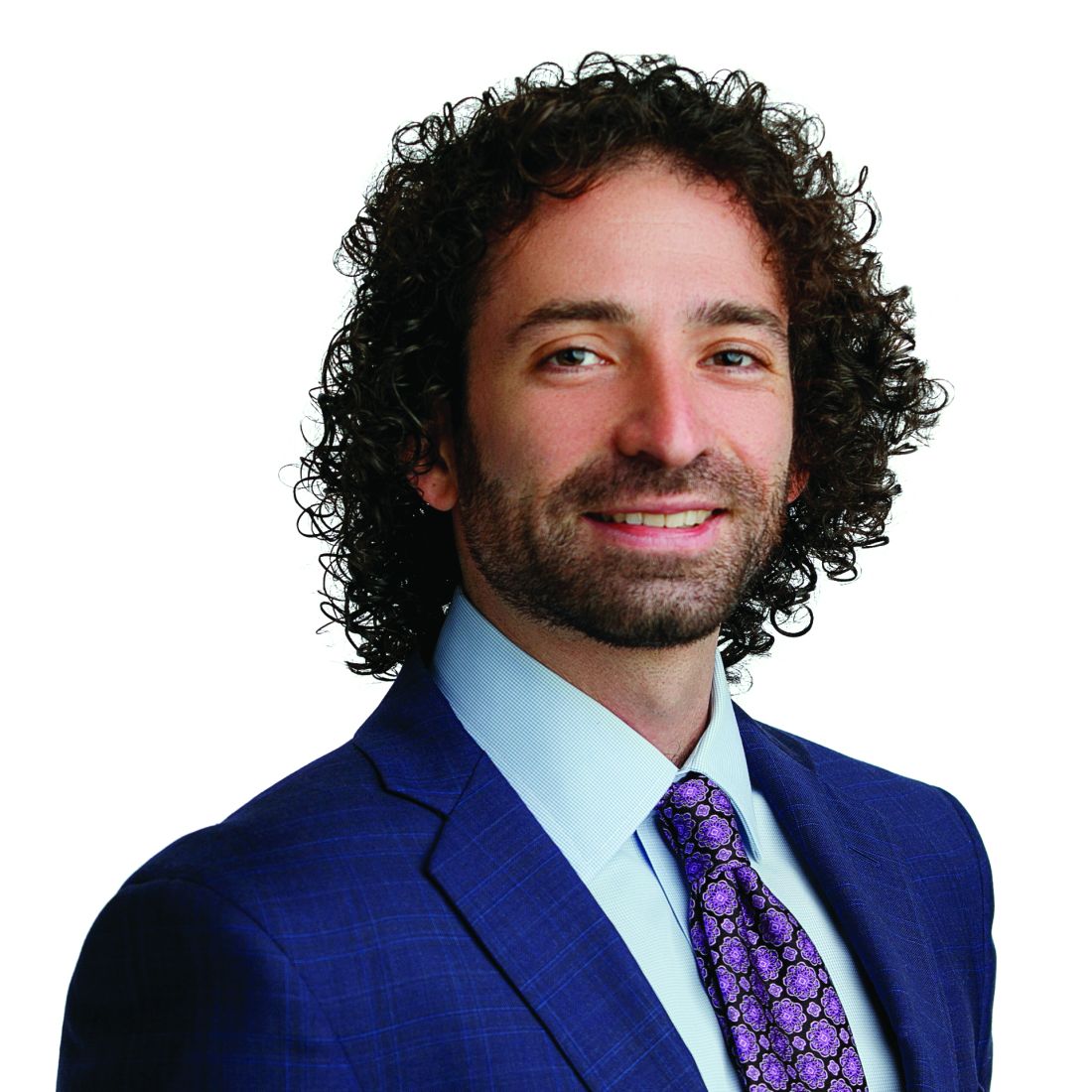
Alec Terrana is a rising fourth-year medical student at the University of California, San Diego, who intends to apply into psychiatry residency programs. He’s invested in exploring how we can more effectively conceptualize and measure mental health outcomes within San Diego’s Somali and Spanish-speaking communities, as well as advancing mindfulness and compassion training in undergraduate medical education. His professional interests also include implementation science, cultural psychiatry, psychodynamics, and strengthening public mental health infrastructure.
Perched on a meditation cushion with the day’s first light creeping up the Himalayan foothills around me, I felt more at ease within myself than I could ever recall over my previous 19 years.
My immersion in daily conversations within the Tibetan monastic community on achieving a more harmonious relationship to our thoughts and feelings awoke a consideration of myself and my inner life in a way that I’d never truly contemplated before. These reflections gave me a vocabulary and a toolkit for navigating my own internal landscape that I have used ever since.
However, upon returning home, I was forced to acknowledge how fortunate I had been, and that these tools and the underlying spirit of inquiry are not commonplace in our society. Despite great strides in shifting views toward mental illness over the past few decades, our public discourse rarely captures the nuances of the mental health crisis that our culture has faced well before COVID-19 catalyzed even greater distress. We all pay the price of this cultural deficit to varying degrees, and I became captivated by the notion that things could be different.
I followed that thread of inquiry through the practices of Buddhist studies, massage therapy, yoga instruction, and refugee aid before coming to psychiatry as the unlikely yet ideal crucible for integrating my experiences in these spaces. Since arriving at medical school, however, my vision of myself as a psychiatrist has changed dramatically as my aspirations have collided with the realities of clinical experience and been tempered by the wisdom of mentors, colleagues, and patients, opening up a space for a deeper appreciation of what psychiatry might offer.
Clinical experience changes perspective
Short on clinical experience, I had previously imagined my future practice primarily as one of mindful listening and finding presence with each patient as a kind ear, supplemented by the ability to prescribe medication. Since then, working with patients has offered me insight into the ways in which my personality, perception, and potential access to a range of affective stances can serve as tools for skillfully developing the therapeutic encounter.
Moreover, “challenging” patients have taught me that my role is not always to offer unbounded empathetic support, but to potentially initiate compassionately tactful confrontation, shifting my sense of my role in the therapeutic relationship.
This is a lofty goal, which might entail modeling the successful navigation of potential ruptures and the subsequent repair of relationships so that they can live more adaptably in the world.
However, while I can support their envisioning of a realistic future for themselves and facilitate their acquisition of the tools needed to get there, my role is significant yet limited. This has been a hard truth to reckon with, but one that’s opened up pathways to greater empathy and a deeper understanding of each patient’s struggles. As a result, my view of pathology as a state has shifted to one of a dynamic process that emerges through the interaction of their genes, environment, life history, pharmacological supplements, psychodynamic tendencies, diet, and more.
Yet, while holding this reality of the complexities of mental illness, clinical decision-making often hinges on making binary choices regarding diagnoses, medications, and criteria for legal determinations. Developing this capacity to simultaneously practice different ways of knowing and sit with uncertainty excites me tremendously, not only equipping me to balance clinical practice with the demands of the modern health care system, but also nourishing the roots of a rich and ethical life.
Psychiatry calls to me for this expectation of sustaining an appropriate tension between uncertainty and decisiveness. It also inspires a deeper dive into the history of the field in order to learn the roots of its theories and perspectives so I can better understand how those inform contemporary practice in ways that are both helpful and harmful.
From individual to community
In tandem with this outer work of learning to appropriately position myself within individual patient relationships, the broader health care system, and the legacy of the field, I’ve also sought to develop a better understanding of how my own history, beliefs, and motivations shape my collaborative efforts.
Through my mindfulness practice and participation in exploratory psychoanalysis, I’ve caught glimpses of my own countertransference investments and opened up space for seeing how patients might experience me as a clinician. This has allowed for tuning in to my own response to them, identifying where in the typology of personality structures our reciprocal experiences might exist, and learning to manage those feelings to ultimately foster empathy through the interaction.
This has shifted my sense of the work from solely mindfully listening and thoughtfully responding to honing deliberate ways of both listening and responding in a way that is directly informed by the person sitting in front of me so I can best support them in creating change.
Given the responsibility inherent to this work, I have treated my medical education as an opportunity to build a foundation for stepping into this role. This has involved going beyond exploring these dynamics within individual clinician-patient relationships and carried over into my experiences with community-based research and program development. It has asked me to recognize the perceptual frames and prioritization of values that I bring to any given project.
This process has sharpened my aim of discovering each community’s understanding of their mental health needs so that I’m not implicitly imposing my own notions of psychological wholeness and “wellness” on others.
Working with San Diego’s Somali and Spanish-speaking populations has helped me to better understand each community’s own conceptualization of their strengths and needs, teaching me how to engage in reciprocal partnerships that honor each of our areas of expertise. Investing myself in medical school curricular reform represents the flip side of this coin, serving as an attempt to better understand my own medical community, how we think about health, and how we can best care for ourselves.
These experiences have offered opportunities to refine my skills in appreciative inquiry, coalition building, navigating institutional dynamics, and initiating and sustaining change within complex systems to carry the lessons of psychiatry beyond explicitly clinical spaces.
Toward integrative care
Ultimately, I view my community-based research and academic program development as outgrowths of my commitment to clinical psychiatry and my desire to learn how to provide people with the tools for changing their relationship to themselves, others, and their communities.
Equipped with formal medical training as the bedrock of this skill set, I have actively sought out opportunities to draw from practices that are outside the scope of the formal curriculum. These range from psychoanalysis and narrative medicine to cultural psychiatry and psychological anthropology, as well as my background in bodywork and mindfulness education. I’m eager to dive more fully into psychiatric practice as I work to integrate these disparate knowledge bases with the biomedical and psychodynamic views of the mind to develop a strengths-based practice that tends to patients’ bodies, minds, and spirits by bringing forth their own knowledge of themselves and their lives as they imagine what could be.
These realizations bring me back to that Himalayan sunrise more than a decade ago. They affirm that my heart lies with traversing disciplines to provide integrative psychiatric care in the community and developing infrastructure that supports these efforts. I’m filled with enthusiasm by the breadth of what psychiatry training offers as I continue expanding my capacity to support patients in this lifelong healing journey.
Alec Terrana is a rising fourth-year medical student at the University of California, San Diego, who intends to apply into psychiatry residency programs. He’s invested in exploring how we can more effectively conceptualize and measure mental health outcomes within San Diego’s Somali and Spanish-speaking communities, as well as advancing mindfulness and compassion training in undergraduate medical education. His professional interests also include implementation science, cultural psychiatry, psychodynamics, and strengthening public mental health infrastructure.
Perched on a meditation cushion with the day’s first light creeping up the Himalayan foothills around me, I felt more at ease within myself than I could ever recall over my previous 19 years.
My immersion in daily conversations within the Tibetan monastic community on achieving a more harmonious relationship to our thoughts and feelings awoke a consideration of myself and my inner life in a way that I’d never truly contemplated before. These reflections gave me a vocabulary and a toolkit for navigating my own internal landscape that I have used ever since.
However, upon returning home, I was forced to acknowledge how fortunate I had been, and that these tools and the underlying spirit of inquiry are not commonplace in our society. Despite great strides in shifting views toward mental illness over the past few decades, our public discourse rarely captures the nuances of the mental health crisis that our culture has faced well before COVID-19 catalyzed even greater distress. We all pay the price of this cultural deficit to varying degrees, and I became captivated by the notion that things could be different.
I followed that thread of inquiry through the practices of Buddhist studies, massage therapy, yoga instruction, and refugee aid before coming to psychiatry as the unlikely yet ideal crucible for integrating my experiences in these spaces. Since arriving at medical school, however, my vision of myself as a psychiatrist has changed dramatically as my aspirations have collided with the realities of clinical experience and been tempered by the wisdom of mentors, colleagues, and patients, opening up a space for a deeper appreciation of what psychiatry might offer.
Clinical experience changes perspective
Short on clinical experience, I had previously imagined my future practice primarily as one of mindful listening and finding presence with each patient as a kind ear, supplemented by the ability to prescribe medication. Since then, working with patients has offered me insight into the ways in which my personality, perception, and potential access to a range of affective stances can serve as tools for skillfully developing the therapeutic encounter.
Moreover, “challenging” patients have taught me that my role is not always to offer unbounded empathetic support, but to potentially initiate compassionately tactful confrontation, shifting my sense of my role in the therapeutic relationship.
This is a lofty goal, which might entail modeling the successful navigation of potential ruptures and the subsequent repair of relationships so that they can live more adaptably in the world.
However, while I can support their envisioning of a realistic future for themselves and facilitate their acquisition of the tools needed to get there, my role is significant yet limited. This has been a hard truth to reckon with, but one that’s opened up pathways to greater empathy and a deeper understanding of each patient’s struggles. As a result, my view of pathology as a state has shifted to one of a dynamic process that emerges through the interaction of their genes, environment, life history, pharmacological supplements, psychodynamic tendencies, diet, and more.
Yet, while holding this reality of the complexities of mental illness, clinical decision-making often hinges on making binary choices regarding diagnoses, medications, and criteria for legal determinations. Developing this capacity to simultaneously practice different ways of knowing and sit with uncertainty excites me tremendously, not only equipping me to balance clinical practice with the demands of the modern health care system, but also nourishing the roots of a rich and ethical life.
Psychiatry calls to me for this expectation of sustaining an appropriate tension between uncertainty and decisiveness. It also inspires a deeper dive into the history of the field in order to learn the roots of its theories and perspectives so I can better understand how those inform contemporary practice in ways that are both helpful and harmful.
From individual to community
In tandem with this outer work of learning to appropriately position myself within individual patient relationships, the broader health care system, and the legacy of the field, I’ve also sought to develop a better understanding of how my own history, beliefs, and motivations shape my collaborative efforts.
Through my mindfulness practice and participation in exploratory psychoanalysis, I’ve caught glimpses of my own countertransference investments and opened up space for seeing how patients might experience me as a clinician. This has allowed for tuning in to my own response to them, identifying where in the typology of personality structures our reciprocal experiences might exist, and learning to manage those feelings to ultimately foster empathy through the interaction.
This has shifted my sense of the work from solely mindfully listening and thoughtfully responding to honing deliberate ways of both listening and responding in a way that is directly informed by the person sitting in front of me so I can best support them in creating change.
Given the responsibility inherent to this work, I have treated my medical education as an opportunity to build a foundation for stepping into this role. This has involved going beyond exploring these dynamics within individual clinician-patient relationships and carried over into my experiences with community-based research and program development. It has asked me to recognize the perceptual frames and prioritization of values that I bring to any given project.
This process has sharpened my aim of discovering each community’s understanding of their mental health needs so that I’m not implicitly imposing my own notions of psychological wholeness and “wellness” on others.
Working with San Diego’s Somali and Spanish-speaking populations has helped me to better understand each community’s own conceptualization of their strengths and needs, teaching me how to engage in reciprocal partnerships that honor each of our areas of expertise. Investing myself in medical school curricular reform represents the flip side of this coin, serving as an attempt to better understand my own medical community, how we think about health, and how we can best care for ourselves.
These experiences have offered opportunities to refine my skills in appreciative inquiry, coalition building, navigating institutional dynamics, and initiating and sustaining change within complex systems to carry the lessons of psychiatry beyond explicitly clinical spaces.
Toward integrative care
Ultimately, I view my community-based research and academic program development as outgrowths of my commitment to clinical psychiatry and my desire to learn how to provide people with the tools for changing their relationship to themselves, others, and their communities.
Equipped with formal medical training as the bedrock of this skill set, I have actively sought out opportunities to draw from practices that are outside the scope of the formal curriculum. These range from psychoanalysis and narrative medicine to cultural psychiatry and psychological anthropology, as well as my background in bodywork and mindfulness education. I’m eager to dive more fully into psychiatric practice as I work to integrate these disparate knowledge bases with the biomedical and psychodynamic views of the mind to develop a strengths-based practice that tends to patients’ bodies, minds, and spirits by bringing forth their own knowledge of themselves and their lives as they imagine what could be.
These realizations bring me back to that Himalayan sunrise more than a decade ago. They affirm that my heart lies with traversing disciplines to provide integrative psychiatric care in the community and developing infrastructure that supports these efforts. I’m filled with enthusiasm by the breadth of what psychiatry training offers as I continue expanding my capacity to support patients in this lifelong healing journey.
Alec Terrana is a rising fourth-year medical student at the University of California, San Diego, who intends to apply into psychiatry residency programs. He’s invested in exploring how we can more effectively conceptualize and measure mental health outcomes within San Diego’s Somali and Spanish-speaking communities, as well as advancing mindfulness and compassion training in undergraduate medical education. His professional interests also include implementation science, cultural psychiatry, psychodynamics, and strengthening public mental health infrastructure.
What’s in a drug name?
My use of drug names is a mixed bag of terms.
In medical school we learn drugs by their generic names, but it doesn’t take long before we realize that each has both a generic name and one (or more) brand names. I suppose there’s also the chemical names, but no one outside the lab uses those. They’re waaaaay too long.
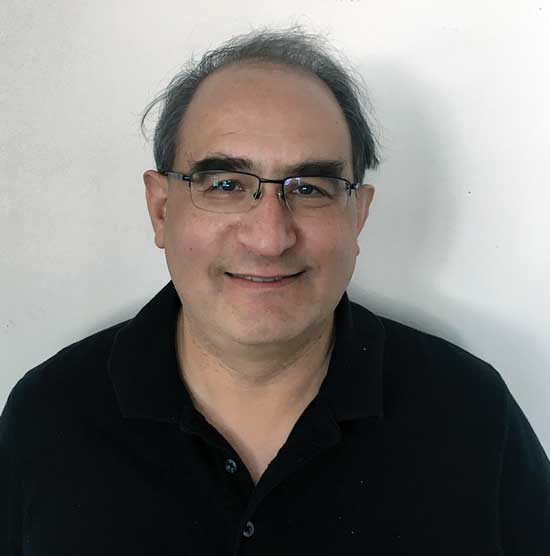
There is, for better or worse, a lot of variability in this. The purists (almost always academics, or cardiologists, or academic cardiologists) insist on generic names only. In their notes, conversations, presentations, whatever. If you’re a medical student or resident under them, you learn fast not to use the brand name.
After 30 years of doing this ... I don’t care. My notes are a mishmash of both.
Let’s face it, brand names are generally shorter and easier to type, spell, and pronounce than the generic names. I still need to know both, but when I’m writing up a note Keppra is far easier than levetiracetam. And most patients find the brand names a lot easier to say and remember.
An even weirder point, which is my own, is that one of my teaching attendings insisted that we capitalize both generic and brand names while on his rotation. Why? He never explained that, but he was pretty insistent. Now, for whatever reason, the habit has stuck with me. I’m sure the cardiologist down the hall would love to send my notes back, heavily marked up with red ink.
There’s even a weird subdivisions in this: Aspirin is a brand name by Bayer. Shouldn’t it be capitalized in our notes? But it isn’t, and to make things more confusing that varies by country. Why? (if you’re curious, it’s a strange combination of 100-year-old patent claims, generic trademark rulings, and also what country you’re in, whether it was involved in World War I, and, if so, which side. Really).
So the medical lists in my notes are certainly understandable, though aren’t going to score me any points for academic correctness. Not that I care. As a medical Shakespeare might have written, Imitrex, Onzetra, Zembrace, Tosymra, Sumavel, Alsuma, Imigran, Migraitan, and Zecuity ... are still sumatriptan by any other name.
Dr. Block has a solo neurology practice in Scottsdale, Ariz.
My use of drug names is a mixed bag of terms.
In medical school we learn drugs by their generic names, but it doesn’t take long before we realize that each has both a generic name and one (or more) brand names. I suppose there’s also the chemical names, but no one outside the lab uses those. They’re waaaaay too long.
There is, for better or worse, a lot of variability in this. The purists (almost always academics, or cardiologists, or academic cardiologists) insist on generic names only. In their notes, conversations, presentations, whatever. If you’re a medical student or resident under them, you learn fast not to use the brand name.
After 30 years of doing this ... I don’t care. My notes are a mishmash of both.
Let’s face it, brand names are generally shorter and easier to type, spell, and pronounce than the generic names. I still need to know both, but when I’m writing up a note Keppra is far easier than levetiracetam. And most patients find the brand names a lot easier to say and remember.
An even weirder point, which is my own, is that one of my teaching attendings insisted that we capitalize both generic and brand names while on his rotation. Why? He never explained that, but he was pretty insistent. Now, for whatever reason, the habit has stuck with me. I’m sure the cardiologist down the hall would love to send my notes back, heavily marked up with red ink.
There’s even a weird subdivisions in this: Aspirin is a brand name by Bayer. Shouldn’t it be capitalized in our notes? But it isn’t, and to make things more confusing that varies by country. Why? (if you’re curious, it’s a strange combination of 100-year-old patent claims, generic trademark rulings, and also what country you’re in, whether it was involved in World War I, and, if so, which side. Really).
So the medical lists in my notes are certainly understandable, though aren’t going to score me any points for academic correctness. Not that I care. As a medical Shakespeare might have written, Imitrex, Onzetra, Zembrace, Tosymra, Sumavel, Alsuma, Imigran, Migraitan, and Zecuity ... are still sumatriptan by any other name.
Dr. Block has a solo neurology practice in Scottsdale, Ariz.
My use of drug names is a mixed bag of terms.
In medical school we learn drugs by their generic names, but it doesn’t take long before we realize that each has both a generic name and one (or more) brand names. I suppose there’s also the chemical names, but no one outside the lab uses those. They’re waaaaay too long.
There is, for better or worse, a lot of variability in this. The purists (almost always academics, or cardiologists, or academic cardiologists) insist on generic names only. In their notes, conversations, presentations, whatever. If you’re a medical student or resident under them, you learn fast not to use the brand name.
After 30 years of doing this ... I don’t care. My notes are a mishmash of both.
Let’s face it, brand names are generally shorter and easier to type, spell, and pronounce than the generic names. I still need to know both, but when I’m writing up a note Keppra is far easier than levetiracetam. And most patients find the brand names a lot easier to say and remember.
An even weirder point, which is my own, is that one of my teaching attendings insisted that we capitalize both generic and brand names while on his rotation. Why? He never explained that, but he was pretty insistent. Now, for whatever reason, the habit has stuck with me. I’m sure the cardiologist down the hall would love to send my notes back, heavily marked up with red ink.
There’s even a weird subdivisions in this: Aspirin is a brand name by Bayer. Shouldn’t it be capitalized in our notes? But it isn’t, and to make things more confusing that varies by country. Why? (if you’re curious, it’s a strange combination of 100-year-old patent claims, generic trademark rulings, and also what country you’re in, whether it was involved in World War I, and, if so, which side. Really).
So the medical lists in my notes are certainly understandable, though aren’t going to score me any points for academic correctness. Not that I care. As a medical Shakespeare might have written, Imitrex, Onzetra, Zembrace, Tosymra, Sumavel, Alsuma, Imigran, Migraitan, and Zecuity ... are still sumatriptan by any other name.
Dr. Block has a solo neurology practice in Scottsdale, Ariz.
New CLL meds: Improved survival rates, 1990-2018
“The clinical take-away from our study is that population-based statistics show a decline in mortality and an increase in survival that is concurrent with the introduction of new therapies for treating CLL,” said lead study author Nadia Howlader, PhD, of the Surveillance Research Program, Division of Cancer Control and Population Sciences, National Cancer Institute, Bethesda, Md. This research was published in Cancer Epidemiology, Biomarkers & Prevention.

From 1992 to 2011, CLL mortality decreased 1.1% annually, then the pace of the decline hastened to 3.6% per year from 2011 to 2021 among adults aged ≥ 20 years. Furthermore, 5-year survival rates among patients with CLL increased 0.7% per year on average from 1992 to 2016. To account for yearly random fluctuations in the number of cases detected, incidence data was fit to a model to determine the trend.
Although the study was not designed to specify which treatments were disseminated among patients or to estimate the impact of a specific drug, there were only six new drugs approved for CLL from 1991 to 2010. In contrast, between 2011 and 2018, 11 new CLL drugs (in particular the approval of new tyrosine kinase inhibitors (TKIs)) ushered in a period of more rapid annual decreases in mortality.
“The approval of ibrutinib [2014] was a sea change in decreasing CLL mortality. Earlier therapies like chemoimmunotherapies were not as effective in patients with TP53 mutation and/or 17P deletions,” said Binsah George, MD, of McGovern Medical School at UTHealth, Houston, who was not associated with the study.
New TKIs not only decrease mortality, but also have fewer side effects than earlier cytotoxic therapies, do not require inpatient treatment, and are available to all patients on Medicare and Medicaid.
Although patients with relapsed CLL may benefit from bone marrow transplants or CAR T-cell therapy, these treatments are not available at many community oncology practices. Furthermore, some patients are too sick to receive them or don’t have the economic and social resources to get them.
Even though TKIs increase overall survival in patients with CLL, they are not curative and require lifelong treatment.
“The estimated cost for CLL treatment is around $600,000 in a lifetime per patient, possibly placing significant burden on patients and the health care system,” said Dr. George.
“Certain trials are looking at stopping TKI treatment after a fixed period of time. This will let us learn more about the disease and could possibly lead to a decrease in cost and side effects of therapy,” concluded Dr. George.
Due to the study’s retrospective nature and data being sourced from state cancer registries and federal statistics, authors posited that rates of CLL could be underestimated, due to miscoding and missing information, particularly from those who get treatment outside of hospital settings. Additionally, some of the improvement in mortality could be attributed to better supportive care and less toxicity in medications, rather than then efficacy of novel agents.
Dr. Howlader and Dr. Binsah reported no conflicts of interest.
“The clinical take-away from our study is that population-based statistics show a decline in mortality and an increase in survival that is concurrent with the introduction of new therapies for treating CLL,” said lead study author Nadia Howlader, PhD, of the Surveillance Research Program, Division of Cancer Control and Population Sciences, National Cancer Institute, Bethesda, Md. This research was published in Cancer Epidemiology, Biomarkers & Prevention.
From 1992 to 2011, CLL mortality decreased 1.1% annually, then the pace of the decline hastened to 3.6% per year from 2011 to 2021 among adults aged ≥ 20 years. Furthermore, 5-year survival rates among patients with CLL increased 0.7% per year on average from 1992 to 2016. To account for yearly random fluctuations in the number of cases detected, incidence data was fit to a model to determine the trend.
Although the study was not designed to specify which treatments were disseminated among patients or to estimate the impact of a specific drug, there were only six new drugs approved for CLL from 1991 to 2010. In contrast, between 2011 and 2018, 11 new CLL drugs (in particular the approval of new tyrosine kinase inhibitors (TKIs)) ushered in a period of more rapid annual decreases in mortality.
“The approval of ibrutinib [2014] was a sea change in decreasing CLL mortality. Earlier therapies like chemoimmunotherapies were not as effective in patients with TP53 mutation and/or 17P deletions,” said Binsah George, MD, of McGovern Medical School at UTHealth, Houston, who was not associated with the study.
New TKIs not only decrease mortality, but also have fewer side effects than earlier cytotoxic therapies, do not require inpatient treatment, and are available to all patients on Medicare and Medicaid.
Although patients with relapsed CLL may benefit from bone marrow transplants or CAR T-cell therapy, these treatments are not available at many community oncology practices. Furthermore, some patients are too sick to receive them or don’t have the economic and social resources to get them.
Even though TKIs increase overall survival in patients with CLL, they are not curative and require lifelong treatment.
“The estimated cost for CLL treatment is around $600,000 in a lifetime per patient, possibly placing significant burden on patients and the health care system,” said Dr. George.
“Certain trials are looking at stopping TKI treatment after a fixed period of time. This will let us learn more about the disease and could possibly lead to a decrease in cost and side effects of therapy,” concluded Dr. George.
Due to the study’s retrospective nature and data being sourced from state cancer registries and federal statistics, authors posited that rates of CLL could be underestimated, due to miscoding and missing information, particularly from those who get treatment outside of hospital settings. Additionally, some of the improvement in mortality could be attributed to better supportive care and less toxicity in medications, rather than then efficacy of novel agents.
Dr. Howlader and Dr. Binsah reported no conflicts of interest.
“The clinical take-away from our study is that population-based statistics show a decline in mortality and an increase in survival that is concurrent with the introduction of new therapies for treating CLL,” said lead study author Nadia Howlader, PhD, of the Surveillance Research Program, Division of Cancer Control and Population Sciences, National Cancer Institute, Bethesda, Md. This research was published in Cancer Epidemiology, Biomarkers & Prevention.
From 1992 to 2011, CLL mortality decreased 1.1% annually, then the pace of the decline hastened to 3.6% per year from 2011 to 2021 among adults aged ≥ 20 years. Furthermore, 5-year survival rates among patients with CLL increased 0.7% per year on average from 1992 to 2016. To account for yearly random fluctuations in the number of cases detected, incidence data was fit to a model to determine the trend.
Although the study was not designed to specify which treatments were disseminated among patients or to estimate the impact of a specific drug, there were only six new drugs approved for CLL from 1991 to 2010. In contrast, between 2011 and 2018, 11 new CLL drugs (in particular the approval of new tyrosine kinase inhibitors (TKIs)) ushered in a period of more rapid annual decreases in mortality.
“The approval of ibrutinib [2014] was a sea change in decreasing CLL mortality. Earlier therapies like chemoimmunotherapies were not as effective in patients with TP53 mutation and/or 17P deletions,” said Binsah George, MD, of McGovern Medical School at UTHealth, Houston, who was not associated with the study.
New TKIs not only decrease mortality, but also have fewer side effects than earlier cytotoxic therapies, do not require inpatient treatment, and are available to all patients on Medicare and Medicaid.
Although patients with relapsed CLL may benefit from bone marrow transplants or CAR T-cell therapy, these treatments are not available at many community oncology practices. Furthermore, some patients are too sick to receive them or don’t have the economic and social resources to get them.
Even though TKIs increase overall survival in patients with CLL, they are not curative and require lifelong treatment.
“The estimated cost for CLL treatment is around $600,000 in a lifetime per patient, possibly placing significant burden on patients and the health care system,” said Dr. George.
“Certain trials are looking at stopping TKI treatment after a fixed period of time. This will let us learn more about the disease and could possibly lead to a decrease in cost and side effects of therapy,” concluded Dr. George.
Due to the study’s retrospective nature and data being sourced from state cancer registries and federal statistics, authors posited that rates of CLL could be underestimated, due to miscoding and missing information, particularly from those who get treatment outside of hospital settings. Additionally, some of the improvement in mortality could be attributed to better supportive care and less toxicity in medications, rather than then efficacy of novel agents.
Dr. Howlader and Dr. Binsah reported no conflicts of interest.
FROM CANCER EPIDEMIOLOGY, BIOMARKERS & PREVENTION

Prenatal sleep problems, depression linked to poorer outcomes
BALTIMORE – , according to research presented at the annual clinical and scientific meeting of the American College of Obstetricians and Gynecologists.
Together, the two studies suggest that commonly overlooked experiences in the prenatal period can have negative effects down the line if clinicians aren’t asking patients about them and addressing the issue.
”I think the national conversation around mental health in general will hopefully carry us forward to better supporting the patients who are coming in with preexisting conditions,” lead author Minnie Jang, a 4th-year medical student at Johns Hopkins University, Baltimore, said in an interview.
Most of the attention on mood disorders of pregnancy focus on the postpartum period, but preexisting or new-onset depression during pregnancy deserves more attention, Ms. Jang told attendees. ACOG recommends that clinicians screen all patients at least once during the perinatal period, but that could be anywhere from early pregnancy to the postpartum period. Ms. Jang would like to see recommendations addressing both early pregnancy and the postpartum period.
“I think there’s this framing that postpartum depression is a distinct entity from other mental health conditions whereas it’s really part of a continuum,” Ms. Jang said in an interview.
She retrospectively analyzed the medical records of all pregnant women who completed the Edinburgh Postnatal Depression Scale (EPDS) during their first or second trimesters between 2002 and 2021 at Johns Hopkins Hospital. Among the 718 women who were screened in early pregnancy, 44.6% were Black or African American, 39.7% were white, and 15.7% were of a different race. Nearly all (94%) were not Hispanic/Latino.
Most (59%) were partnered, employed (68%), and had private insurance (58%). Only 7% used tobacco while 11% used alcohol and 6% used illicit drugs.
Twelve percent of the patients scored positive for depression, with a score of at least 10 or an affirmative answer to question 10 regarding self-harm. These women tended to be younger (P = .034), with an median age of 28 at their first visit versus 31 for those who screened negative, and were more likely to be publicly insured (P = .013) and without a partner (P = .005).
Patients who screened positive were more likely to have a history of substance use or history of a previous psychiatric diagnosis (P < .0001 for both). In addition, more patients who screened positive (49%) than those who screened negative (26%) had fetal complications (P < .001).
”There are some interesting subgroups of patients who are screening positive for depressive symptoms early on in pregnancy,” Ms. Jang said. Some come into pregnancy with preexisting mental health conditions while others have situational depressive symptoms, such as the subgroup referred to social work who had diagnosed fetal complications, she said. “Then there’s a whole other group of patients who are developing new symptoms during pregnancy.”
Patients who screened positive tended to start prenatal care later, at a median 12.3 weeks gestational age, than patients who screened negative, at a median 10.7 weeks gestational age (P = .002), the analysis found.
The number of routine prenatal care visits did not significantly differ between those who screened positive and those who screened negative, but patients with positive depression screens were almost half as likely to complete glucose tolerance testing (odds ratio, 0.6) or group B streptococcus testing (OR, 0.56) after adjusting for insurance status, gravidity, and gestational age at the patient’s first visit.
The researchers also identified a significant positive association between higher EPDS scores and the number of labor and delivery triage visits (P = .006). There were no significant differences in the rates of Tdap vaccination or screening for sexually transmitted infections between the two groups.
Poor sleep linked to later depression
The other study was prospective, using data from the PATCH Prenatal Care and Maternal and Child Health Outcomes study, which initially “compared health outcomes and satisfaction with prenatal care between patients receiving Centering Pregnancy group prenatal care and patients receiving traditional prenatal care,” the authors explained. This secondary analysis looked at sleep problems and postpartum depression.
“We don’t routinely ask patients about sleep or screen patients for sleeping issues,” lead author Carolyn Sinow, MD, a 4th-year resident at Kaiser Permanente Santa Clara (Calif.) Medical Center, said in an interview. “I think that we need to take sleep complaints more seriously overall, especially in early pregnancy.” While sleep problems in the third trimester often have more to do with discomforts from pregnancy itself, better sleep “in the first and second trimester is something we can really target with good sleep hygiene,” she added.
The 336 pregnant participants were recruited from Health Connect as long as they had a singleton pregnancy, were receiving prenatal care from Kaiser Permanente Northern California, and completed baseline questionnaires about their sleep and depression and anxiety symptoms during their first trimester between August 2020 and April 2021. Those with clinical depression or a high-risk pregnancy were excluded. The participants then completed the questionnaires again between 4 and 8 weeks post partum.
After adjusting for baseline depression and potential confounders, patients with poor sleep quality, indicated by a score greater than 5 on the Pittsburgh Sleep Quality Index (PSQI), were 12% more likely to develop postpartum depression, indicated by a score on the Patient Health Questionnaire depression scale (PHQ-8) of 10 or greater (relative risk, 1.12; 95% confidence interval, 1.01-1.25).
The two aspects of sleep that specifically correlated with postpartum depression were sleep quality and sleep latency, or taking a long time to fall asleep. Those reporting poor sleep quality were twice as likely to develop postpartum depression (relative risk, 2.18; 95% CI, 1.22-3.91), and those who took a while to fall asleep were 52% more likely to develop postpartum depression (RR, 1.52; 95% CI, 1.06-2.17).
Though the study also found prenatal sleep problems correlated with higher postpartum anxiety scores on the General Anxiety Disorder scale (GAD-7), the results were not statistically significant.
Kathleen Morrell, MD, MPH, an ob.gyn. in New York, was not involved in the study and said she was surprised it wasn’t something that had been studied much before because it makes sense.
“I always like it when studies confirm what we think should make sense, so it’s nice to see it,” Dr. Morrell said in an interview. “I think anytime you put something out, research it, and define it with numbers for doctors, that sometimes allows us to [realize], ‘Oh, that’s probably something we should be paying more attention to, especially if we have available treatments for it,’” she added.
“The clinical takeaway is that we really need to be screening for sleep pattern disruptions early in pregnancy, because even though it makes logical sense, it might not be something on our radar to think about,” Dr. Morrell said. “If people aren’t sleeping, well, their mental health is negatively affected.”
The most promising therapy for sleep issues currently is cognitive-behavioral therapy, which can accessed through various apps, Dr. Sinow said in an interview. “There are also safe interventions, such as melatonin and Unisom, that are totally safe in pregnancy that we can use to target sleep in early pregnancy.”
Dr. Morrell added that vitamin B6, often taken for nausea and vomiting during pregnancy, can also sometimes help people sleep and is safe during pregnancy.
“We know that postpartum depression does not necessarily only have a negative effect on the mother, but also has a negative effect on the infant and the family dynamic as well,” Dr. Morrell said. “So, we should be looking and screening for it so that we can offer people potential treatment because we know it can have long-term effects.”
Ms. Jang and Dr. Sinow did not have any disclosures. Dr. Morrell has done training for Nexplanon. Neither study noted external funding.
BALTIMORE – , according to research presented at the annual clinical and scientific meeting of the American College of Obstetricians and Gynecologists.
Together, the two studies suggest that commonly overlooked experiences in the prenatal period can have negative effects down the line if clinicians aren’t asking patients about them and addressing the issue.
”I think the national conversation around mental health in general will hopefully carry us forward to better supporting the patients who are coming in with preexisting conditions,” lead author Minnie Jang, a 4th-year medical student at Johns Hopkins University, Baltimore, said in an interview.
Most of the attention on mood disorders of pregnancy focus on the postpartum period, but preexisting or new-onset depression during pregnancy deserves more attention, Ms. Jang told attendees. ACOG recommends that clinicians screen all patients at least once during the perinatal period, but that could be anywhere from early pregnancy to the postpartum period. Ms. Jang would like to see recommendations addressing both early pregnancy and the postpartum period.
“I think there’s this framing that postpartum depression is a distinct entity from other mental health conditions whereas it’s really part of a continuum,” Ms. Jang said in an interview.
She retrospectively analyzed the medical records of all pregnant women who completed the Edinburgh Postnatal Depression Scale (EPDS) during their first or second trimesters between 2002 and 2021 at Johns Hopkins Hospital. Among the 718 women who were screened in early pregnancy, 44.6% were Black or African American, 39.7% were white, and 15.7% were of a different race. Nearly all (94%) were not Hispanic/Latino.
Most (59%) were partnered, employed (68%), and had private insurance (58%). Only 7% used tobacco while 11% used alcohol and 6% used illicit drugs.
Twelve percent of the patients scored positive for depression, with a score of at least 10 or an affirmative answer to question 10 regarding self-harm. These women tended to be younger (P = .034), with an median age of 28 at their first visit versus 31 for those who screened negative, and were more likely to be publicly insured (P = .013) and without a partner (P = .005).
Patients who screened positive were more likely to have a history of substance use or history of a previous psychiatric diagnosis (P < .0001 for both). In addition, more patients who screened positive (49%) than those who screened negative (26%) had fetal complications (P < .001).
”There are some interesting subgroups of patients who are screening positive for depressive symptoms early on in pregnancy,” Ms. Jang said. Some come into pregnancy with preexisting mental health conditions while others have situational depressive symptoms, such as the subgroup referred to social work who had diagnosed fetal complications, she said. “Then there’s a whole other group of patients who are developing new symptoms during pregnancy.”
Patients who screened positive tended to start prenatal care later, at a median 12.3 weeks gestational age, than patients who screened negative, at a median 10.7 weeks gestational age (P = .002), the analysis found.
The number of routine prenatal care visits did not significantly differ between those who screened positive and those who screened negative, but patients with positive depression screens were almost half as likely to complete glucose tolerance testing (odds ratio, 0.6) or group B streptococcus testing (OR, 0.56) after adjusting for insurance status, gravidity, and gestational age at the patient’s first visit.
The researchers also identified a significant positive association between higher EPDS scores and the number of labor and delivery triage visits (P = .006). There were no significant differences in the rates of Tdap vaccination or screening for sexually transmitted infections between the two groups.
Poor sleep linked to later depression
The other study was prospective, using data from the PATCH Prenatal Care and Maternal and Child Health Outcomes study, which initially “compared health outcomes and satisfaction with prenatal care between patients receiving Centering Pregnancy group prenatal care and patients receiving traditional prenatal care,” the authors explained. This secondary analysis looked at sleep problems and postpartum depression.
“We don’t routinely ask patients about sleep or screen patients for sleeping issues,” lead author Carolyn Sinow, MD, a 4th-year resident at Kaiser Permanente Santa Clara (Calif.) Medical Center, said in an interview. “I think that we need to take sleep complaints more seriously overall, especially in early pregnancy.” While sleep problems in the third trimester often have more to do with discomforts from pregnancy itself, better sleep “in the first and second trimester is something we can really target with good sleep hygiene,” she added.
The 336 pregnant participants were recruited from Health Connect as long as they had a singleton pregnancy, were receiving prenatal care from Kaiser Permanente Northern California, and completed baseline questionnaires about their sleep and depression and anxiety symptoms during their first trimester between August 2020 and April 2021. Those with clinical depression or a high-risk pregnancy were excluded. The participants then completed the questionnaires again between 4 and 8 weeks post partum.
After adjusting for baseline depression and potential confounders, patients with poor sleep quality, indicated by a score greater than 5 on the Pittsburgh Sleep Quality Index (PSQI), were 12% more likely to develop postpartum depression, indicated by a score on the Patient Health Questionnaire depression scale (PHQ-8) of 10 or greater (relative risk, 1.12; 95% confidence interval, 1.01-1.25).
The two aspects of sleep that specifically correlated with postpartum depression were sleep quality and sleep latency, or taking a long time to fall asleep. Those reporting poor sleep quality were twice as likely to develop postpartum depression (relative risk, 2.18; 95% CI, 1.22-3.91), and those who took a while to fall asleep were 52% more likely to develop postpartum depression (RR, 1.52; 95% CI, 1.06-2.17).
Though the study also found prenatal sleep problems correlated with higher postpartum anxiety scores on the General Anxiety Disorder scale (GAD-7), the results were not statistically significant.
Kathleen Morrell, MD, MPH, an ob.gyn. in New York, was not involved in the study and said she was surprised it wasn’t something that had been studied much before because it makes sense.
“I always like it when studies confirm what we think should make sense, so it’s nice to see it,” Dr. Morrell said in an interview. “I think anytime you put something out, research it, and define it with numbers for doctors, that sometimes allows us to [realize], ‘Oh, that’s probably something we should be paying more attention to, especially if we have available treatments for it,’” she added.
“The clinical takeaway is that we really need to be screening for sleep pattern disruptions early in pregnancy, because even though it makes logical sense, it might not be something on our radar to think about,” Dr. Morrell said. “If people aren’t sleeping, well, their mental health is negatively affected.”
The most promising therapy for sleep issues currently is cognitive-behavioral therapy, which can accessed through various apps, Dr. Sinow said in an interview. “There are also safe interventions, such as melatonin and Unisom, that are totally safe in pregnancy that we can use to target sleep in early pregnancy.”
Dr. Morrell added that vitamin B6, often taken for nausea and vomiting during pregnancy, can also sometimes help people sleep and is safe during pregnancy.
“We know that postpartum depression does not necessarily only have a negative effect on the mother, but also has a negative effect on the infant and the family dynamic as well,” Dr. Morrell said. “So, we should be looking and screening for it so that we can offer people potential treatment because we know it can have long-term effects.”
Ms. Jang and Dr. Sinow did not have any disclosures. Dr. Morrell has done training for Nexplanon. Neither study noted external funding.
BALTIMORE – , according to research presented at the annual clinical and scientific meeting of the American College of Obstetricians and Gynecologists.
Together, the two studies suggest that commonly overlooked experiences in the prenatal period can have negative effects down the line if clinicians aren’t asking patients about them and addressing the issue.
”I think the national conversation around mental health in general will hopefully carry us forward to better supporting the patients who are coming in with preexisting conditions,” lead author Minnie Jang, a 4th-year medical student at Johns Hopkins University, Baltimore, said in an interview.
Most of the attention on mood disorders of pregnancy focus on the postpartum period, but preexisting or new-onset depression during pregnancy deserves more attention, Ms. Jang told attendees. ACOG recommends that clinicians screen all patients at least once during the perinatal period, but that could be anywhere from early pregnancy to the postpartum period. Ms. Jang would like to see recommendations addressing both early pregnancy and the postpartum period.
“I think there’s this framing that postpartum depression is a distinct entity from other mental health conditions whereas it’s really part of a continuum,” Ms. Jang said in an interview.
She retrospectively analyzed the medical records of all pregnant women who completed the Edinburgh Postnatal Depression Scale (EPDS) during their first or second trimesters between 2002 and 2021 at Johns Hopkins Hospital. Among the 718 women who were screened in early pregnancy, 44.6% were Black or African American, 39.7% were white, and 15.7% were of a different race. Nearly all (94%) were not Hispanic/Latino.
Most (59%) were partnered, employed (68%), and had private insurance (58%). Only 7% used tobacco while 11% used alcohol and 6% used illicit drugs.
Twelve percent of the patients scored positive for depression, with a score of at least 10 or an affirmative answer to question 10 regarding self-harm. These women tended to be younger (P = .034), with an median age of 28 at their first visit versus 31 for those who screened negative, and were more likely to be publicly insured (P = .013) and without a partner (P = .005).
Patients who screened positive were more likely to have a history of substance use or history of a previous psychiatric diagnosis (P < .0001 for both). In addition, more patients who screened positive (49%) than those who screened negative (26%) had fetal complications (P < .001).
”There are some interesting subgroups of patients who are screening positive for depressive symptoms early on in pregnancy,” Ms. Jang said. Some come into pregnancy with preexisting mental health conditions while others have situational depressive symptoms, such as the subgroup referred to social work who had diagnosed fetal complications, she said. “Then there’s a whole other group of patients who are developing new symptoms during pregnancy.”
Patients who screened positive tended to start prenatal care later, at a median 12.3 weeks gestational age, than patients who screened negative, at a median 10.7 weeks gestational age (P = .002), the analysis found.
The number of routine prenatal care visits did not significantly differ between those who screened positive and those who screened negative, but patients with positive depression screens were almost half as likely to complete glucose tolerance testing (odds ratio, 0.6) or group B streptococcus testing (OR, 0.56) after adjusting for insurance status, gravidity, and gestational age at the patient’s first visit.
The researchers also identified a significant positive association between higher EPDS scores and the number of labor and delivery triage visits (P = .006). There were no significant differences in the rates of Tdap vaccination or screening for sexually transmitted infections between the two groups.
Poor sleep linked to later depression
The other study was prospective, using data from the PATCH Prenatal Care and Maternal and Child Health Outcomes study, which initially “compared health outcomes and satisfaction with prenatal care between patients receiving Centering Pregnancy group prenatal care and patients receiving traditional prenatal care,” the authors explained. This secondary analysis looked at sleep problems and postpartum depression.
“We don’t routinely ask patients about sleep or screen patients for sleeping issues,” lead author Carolyn Sinow, MD, a 4th-year resident at Kaiser Permanente Santa Clara (Calif.) Medical Center, said in an interview. “I think that we need to take sleep complaints more seriously overall, especially in early pregnancy.” While sleep problems in the third trimester often have more to do with discomforts from pregnancy itself, better sleep “in the first and second trimester is something we can really target with good sleep hygiene,” she added.
The 336 pregnant participants were recruited from Health Connect as long as they had a singleton pregnancy, were receiving prenatal care from Kaiser Permanente Northern California, and completed baseline questionnaires about their sleep and depression and anxiety symptoms during their first trimester between August 2020 and April 2021. Those with clinical depression or a high-risk pregnancy were excluded. The participants then completed the questionnaires again between 4 and 8 weeks post partum.
After adjusting for baseline depression and potential confounders, patients with poor sleep quality, indicated by a score greater than 5 on the Pittsburgh Sleep Quality Index (PSQI), were 12% more likely to develop postpartum depression, indicated by a score on the Patient Health Questionnaire depression scale (PHQ-8) of 10 or greater (relative risk, 1.12; 95% confidence interval, 1.01-1.25).
The two aspects of sleep that specifically correlated with postpartum depression were sleep quality and sleep latency, or taking a long time to fall asleep. Those reporting poor sleep quality were twice as likely to develop postpartum depression (relative risk, 2.18; 95% CI, 1.22-3.91), and those who took a while to fall asleep were 52% more likely to develop postpartum depression (RR, 1.52; 95% CI, 1.06-2.17).
Though the study also found prenatal sleep problems correlated with higher postpartum anxiety scores on the General Anxiety Disorder scale (GAD-7), the results were not statistically significant.
Kathleen Morrell, MD, MPH, an ob.gyn. in New York, was not involved in the study and said she was surprised it wasn’t something that had been studied much before because it makes sense.
“I always like it when studies confirm what we think should make sense, so it’s nice to see it,” Dr. Morrell said in an interview. “I think anytime you put something out, research it, and define it with numbers for doctors, that sometimes allows us to [realize], ‘Oh, that’s probably something we should be paying more attention to, especially if we have available treatments for it,’” she added.
“The clinical takeaway is that we really need to be screening for sleep pattern disruptions early in pregnancy, because even though it makes logical sense, it might not be something on our radar to think about,” Dr. Morrell said. “If people aren’t sleeping, well, their mental health is negatively affected.”
The most promising therapy for sleep issues currently is cognitive-behavioral therapy, which can accessed through various apps, Dr. Sinow said in an interview. “There are also safe interventions, such as melatonin and Unisom, that are totally safe in pregnancy that we can use to target sleep in early pregnancy.”
Dr. Morrell added that vitamin B6, often taken for nausea and vomiting during pregnancy, can also sometimes help people sleep and is safe during pregnancy.
“We know that postpartum depression does not necessarily only have a negative effect on the mother, but also has a negative effect on the infant and the family dynamic as well,” Dr. Morrell said. “So, we should be looking and screening for it so that we can offer people potential treatment because we know it can have long-term effects.”
Ms. Jang and Dr. Sinow did not have any disclosures. Dr. Morrell has done training for Nexplanon. Neither study noted external funding.
AT ACOG 2023
We may need a new defense against new COVID variants
At the end of 2022, the European Medicines Agency’s Emergency Task Force warned European regulatory bodies, governments, and doctors that Antiviral drugs remain available but have many limitations. And, of course, there are still vaccines, which can significantly reduce (but not remove) the risk of severe cases and decrease the number of deaths, although they have lost the efficacy that they once had in countering the original virus.
Research therefore continues. Immunologists continue to search for new targets to synthesize broadly neutralizing monoclonal antibodies for treating or preventing the infection. These results could also lead to new vaccines that induce longer-lasting immunity not only against the thousands of subvariants and recombinant versions of SARS-CoV-2 being identified around the world, but also possibly against other coronaviruses that could emerge in the coming years. A study conducted at Stanford (Calif.) University and published in the journal Science Translational Medicine has afforded a glimmer of hope by discovering the broadly neutralizing efficacy of some antibodies produced by macaque monkeys in response to vaccination with AS03 (squalene) adjuvanted monovalent subunit vaccines.
The speed with which the virus continues to evolve has rendered the plan for annual vaccine updates, which initially was envisioned early in the pandemic, unfeasible for the time being. In 2020, scientists were considering updating vaccines annually based on the prevalent variants of the disease, similar to the approach to the flu. Perhaps that day will come, but in the meantime, laboratories are pursuing other routes: finding spike epitopes that are preserved more than others each time the virus evolves or focusing on other virus proteins that still manage to induce a neutralizing antibody response.
Eventually, artificial intelligence might be able to custom design monoclonal antibodies that are even more effective than natural ones. Or researchers could completely change tack and shift their attention to the host, rather than the virus itself.
This is the approach taken by one study published in Nature Microbiology, which starts from a simple assumption: SARS-CoV-2 continues to modify its spike protein because of the evolutionary pressure of the antibodies produced by millions of infected people, but all these variants and subvariants, both present and future, enter cells by binding – not solely, but mostly – to the ACE2 receptor. Instead of neutralizing the virus, why not try to block its access to the cells occupying its route in? In this way, we could also be ready for future emerging sarbecoviruses that will have a spike sequence that cannot yet be predicted.
Researchers at Rockefeller University, New York, have generated six human monoclonal antibodies that bind to the ACE2 receptor, rather than to the spike, preventing infection by all sarbecoviruses tested, even at low concentrations, including the virus that originated in Wuhan, China; the aggressive Delta variant; and various forms of Omicron.
The monoclonal antibodies bind to the ACE2 receptor at a part of the protein that is distal to the active enzyme portion that converts angiotensin and does not modify its expression on the cell surface. Therefore, no adverse effects are expected at this level. In animal models, these monoclonal antibodies succeed in stopping the infection. Moving into the clinical phase will be needed to find out if it will be possible to create products adapted to preventing and treating all SARS-CoV-2 variants, and perhaps also the next coronavirus large enough to spill over into a new epidemic that threatens the human race.
This article was translated from Univadis Italy. A version appeared on Medscape.com.
At the end of 2022, the European Medicines Agency’s Emergency Task Force warned European regulatory bodies, governments, and doctors that Antiviral drugs remain available but have many limitations. And, of course, there are still vaccines, which can significantly reduce (but not remove) the risk of severe cases and decrease the number of deaths, although they have lost the efficacy that they once had in countering the original virus.
Research therefore continues. Immunologists continue to search for new targets to synthesize broadly neutralizing monoclonal antibodies for treating or preventing the infection. These results could also lead to new vaccines that induce longer-lasting immunity not only against the thousands of subvariants and recombinant versions of SARS-CoV-2 being identified around the world, but also possibly against other coronaviruses that could emerge in the coming years. A study conducted at Stanford (Calif.) University and published in the journal Science Translational Medicine has afforded a glimmer of hope by discovering the broadly neutralizing efficacy of some antibodies produced by macaque monkeys in response to vaccination with AS03 (squalene) adjuvanted monovalent subunit vaccines.
The speed with which the virus continues to evolve has rendered the plan for annual vaccine updates, which initially was envisioned early in the pandemic, unfeasible for the time being. In 2020, scientists were considering updating vaccines annually based on the prevalent variants of the disease, similar to the approach to the flu. Perhaps that day will come, but in the meantime, laboratories are pursuing other routes: finding spike epitopes that are preserved more than others each time the virus evolves or focusing on other virus proteins that still manage to induce a neutralizing antibody response.
Eventually, artificial intelligence might be able to custom design monoclonal antibodies that are even more effective than natural ones. Or researchers could completely change tack and shift their attention to the host, rather than the virus itself.
This is the approach taken by one study published in Nature Microbiology, which starts from a simple assumption: SARS-CoV-2 continues to modify its spike protein because of the evolutionary pressure of the antibodies produced by millions of infected people, but all these variants and subvariants, both present and future, enter cells by binding – not solely, but mostly – to the ACE2 receptor. Instead of neutralizing the virus, why not try to block its access to the cells occupying its route in? In this way, we could also be ready for future emerging sarbecoviruses that will have a spike sequence that cannot yet be predicted.
Researchers at Rockefeller University, New York, have generated six human monoclonal antibodies that bind to the ACE2 receptor, rather than to the spike, preventing infection by all sarbecoviruses tested, even at low concentrations, including the virus that originated in Wuhan, China; the aggressive Delta variant; and various forms of Omicron.
The monoclonal antibodies bind to the ACE2 receptor at a part of the protein that is distal to the active enzyme portion that converts angiotensin and does not modify its expression on the cell surface. Therefore, no adverse effects are expected at this level. In animal models, these monoclonal antibodies succeed in stopping the infection. Moving into the clinical phase will be needed to find out if it will be possible to create products adapted to preventing and treating all SARS-CoV-2 variants, and perhaps also the next coronavirus large enough to spill over into a new epidemic that threatens the human race.
This article was translated from Univadis Italy. A version appeared on Medscape.com.
At the end of 2022, the European Medicines Agency’s Emergency Task Force warned European regulatory bodies, governments, and doctors that Antiviral drugs remain available but have many limitations. And, of course, there are still vaccines, which can significantly reduce (but not remove) the risk of severe cases and decrease the number of deaths, although they have lost the efficacy that they once had in countering the original virus.
Research therefore continues. Immunologists continue to search for new targets to synthesize broadly neutralizing monoclonal antibodies for treating or preventing the infection. These results could also lead to new vaccines that induce longer-lasting immunity not only against the thousands of subvariants and recombinant versions of SARS-CoV-2 being identified around the world, but also possibly against other coronaviruses that could emerge in the coming years. A study conducted at Stanford (Calif.) University and published in the journal Science Translational Medicine has afforded a glimmer of hope by discovering the broadly neutralizing efficacy of some antibodies produced by macaque monkeys in response to vaccination with AS03 (squalene) adjuvanted monovalent subunit vaccines.
The speed with which the virus continues to evolve has rendered the plan for annual vaccine updates, which initially was envisioned early in the pandemic, unfeasible for the time being. In 2020, scientists were considering updating vaccines annually based on the prevalent variants of the disease, similar to the approach to the flu. Perhaps that day will come, but in the meantime, laboratories are pursuing other routes: finding spike epitopes that are preserved more than others each time the virus evolves or focusing on other virus proteins that still manage to induce a neutralizing antibody response.
Eventually, artificial intelligence might be able to custom design monoclonal antibodies that are even more effective than natural ones. Or researchers could completely change tack and shift their attention to the host, rather than the virus itself.
This is the approach taken by one study published in Nature Microbiology, which starts from a simple assumption: SARS-CoV-2 continues to modify its spike protein because of the evolutionary pressure of the antibodies produced by millions of infected people, but all these variants and subvariants, both present and future, enter cells by binding – not solely, but mostly – to the ACE2 receptor. Instead of neutralizing the virus, why not try to block its access to the cells occupying its route in? In this way, we could also be ready for future emerging sarbecoviruses that will have a spike sequence that cannot yet be predicted.
Researchers at Rockefeller University, New York, have generated six human monoclonal antibodies that bind to the ACE2 receptor, rather than to the spike, preventing infection by all sarbecoviruses tested, even at low concentrations, including the virus that originated in Wuhan, China; the aggressive Delta variant; and various forms of Omicron.
The monoclonal antibodies bind to the ACE2 receptor at a part of the protein that is distal to the active enzyme portion that converts angiotensin and does not modify its expression on the cell surface. Therefore, no adverse effects are expected at this level. In animal models, these monoclonal antibodies succeed in stopping the infection. Moving into the clinical phase will be needed to find out if it will be possible to create products adapted to preventing and treating all SARS-CoV-2 variants, and perhaps also the next coronavirus large enough to spill over into a new epidemic that threatens the human race.
This article was translated from Univadis Italy. A version appeared on Medscape.com.