User login
FDA approves first gene therapy for hemophilia A
Valoctocogene roxaparvovec, a one-time, single-dose IV infusion, is the first gene therapy approved in the United States for severe hemophilia A and will cost around $2.9 million. BioMarin has said the price tag reflects “the possibility of freedom from years” of infusions, which come to about $800,000 each year.
However, last December, the Institute for Clinical and Economic Review (ICER) set the upper bounds for the gene therapy at about $1.96 million. The extent to which the gene therapy will provide freedom from infusions, for how long, and in which patients are not completely understood.
Hemophilia A is caused by a mutation in the gene that produces a protein called coagulation factor VIII, which is essential for blood clotting. Valoctocogene roxaparvovec delivers a functional gene to liver cells via an adeno-associated virus serotype 5; the gene instructs the cells to make the missing clotting factor.
“Adults with severe hemophilia A face a lifelong burden, with frequent infusions and a high risk of health complications, including uncontrolled bleeding and irreversible joint damage,” Steven Pipe, MD, professor of pediatrics and pathology at the University of Michigan, Ann Arbor, and an investigator for the phase 3 study that led to the approval, said in a statement. The approval of valoctocogene roxaparvovec “has the potential to transform the way we treat adults based on years of bleed control following a single, one-time infusion.”
About 6,500 U.S. adults live with severe hemophilia A, and BioMarin said it anticipates approximately 2,500 will be eligible to receive the gene therapy following the approval. The U.S. indication is limited to patients without a history of factor VIII inhibitors and without detectable antibodies to the adeno-associated virus serotype 5.
Last August, the European Medicines Agency authorized the gene therapy for use in Europe, but according to Forbes and PharmaPhorum, uptake in Europe has been delayed because of reimbursement issues, given the cost of treatment and clinical uncertainties.
Data to date, however, are promising for most patients. Approval was based on BioMarin’s open-label, single-arm GENEr8-1 study in 134 men with severe congenital hemophilia A. Patients received a single infusion of 6 x 10¹³ vector genomes per kilogram.
Among the 132 patients available for 2-year evaluation, median factor VIII activity was in the range for mild hemophilia (6%-39% of normal) with an 84.5% reduction in bleeding events from baseline.
More than 80% of participants had no bleeding events requiring treatment, and there was a 98% reduction from baseline in mean use of exogenous factor VIII.
Overall, at 2 years, only 4.5% of patients had factor VIII activity consistent with severe hemophilia A; 9.1% had activity consistent with moderate disease; 59.8% had activity consistent with mild disease, and 26.5% had activity in the normal range above 40 IU/dL.
Trial investigators estimated that the typical half-life of the transgene-derived factor VIII production system is 123 weeks.
Among the six men who resumed prophylaxis, most had fewer bleeding events than when they were on prophylaxis before the infusion. All patients developed antibodies to the virus delivery vector, precluding retreatment.
Elevated alanine aminotransferase levels were the most common adverse event, occurring in 88.8% of patients, who were treated with immunosuppressants for a median of 33 weeks. Elevations persisted at 2 years in 29% of patients.
The other most common adverse events were headache (38.1%), nausea (37.3%), and increases in aspartate aminotransferase (35.1%).
A version of this article first appeared on Medscape.com.
Valoctocogene roxaparvovec, a one-time, single-dose IV infusion, is the first gene therapy approved in the United States for severe hemophilia A and will cost around $2.9 million. BioMarin has said the price tag reflects “the possibility of freedom from years” of infusions, which come to about $800,000 each year.
However, last December, the Institute for Clinical and Economic Review (ICER) set the upper bounds for the gene therapy at about $1.96 million. The extent to which the gene therapy will provide freedom from infusions, for how long, and in which patients are not completely understood.
Hemophilia A is caused by a mutation in the gene that produces a protein called coagulation factor VIII, which is essential for blood clotting. Valoctocogene roxaparvovec delivers a functional gene to liver cells via an adeno-associated virus serotype 5; the gene instructs the cells to make the missing clotting factor.
“Adults with severe hemophilia A face a lifelong burden, with frequent infusions and a high risk of health complications, including uncontrolled bleeding and irreversible joint damage,” Steven Pipe, MD, professor of pediatrics and pathology at the University of Michigan, Ann Arbor, and an investigator for the phase 3 study that led to the approval, said in a statement. The approval of valoctocogene roxaparvovec “has the potential to transform the way we treat adults based on years of bleed control following a single, one-time infusion.”
About 6,500 U.S. adults live with severe hemophilia A, and BioMarin said it anticipates approximately 2,500 will be eligible to receive the gene therapy following the approval. The U.S. indication is limited to patients without a history of factor VIII inhibitors and without detectable antibodies to the adeno-associated virus serotype 5.
Last August, the European Medicines Agency authorized the gene therapy for use in Europe, but according to Forbes and PharmaPhorum, uptake in Europe has been delayed because of reimbursement issues, given the cost of treatment and clinical uncertainties.
Data to date, however, are promising for most patients. Approval was based on BioMarin’s open-label, single-arm GENEr8-1 study in 134 men with severe congenital hemophilia A. Patients received a single infusion of 6 x 10¹³ vector genomes per kilogram.
Among the 132 patients available for 2-year evaluation, median factor VIII activity was in the range for mild hemophilia (6%-39% of normal) with an 84.5% reduction in bleeding events from baseline.
More than 80% of participants had no bleeding events requiring treatment, and there was a 98% reduction from baseline in mean use of exogenous factor VIII.
Overall, at 2 years, only 4.5% of patients had factor VIII activity consistent with severe hemophilia A; 9.1% had activity consistent with moderate disease; 59.8% had activity consistent with mild disease, and 26.5% had activity in the normal range above 40 IU/dL.
Trial investigators estimated that the typical half-life of the transgene-derived factor VIII production system is 123 weeks.
Among the six men who resumed prophylaxis, most had fewer bleeding events than when they were on prophylaxis before the infusion. All patients developed antibodies to the virus delivery vector, precluding retreatment.
Elevated alanine aminotransferase levels were the most common adverse event, occurring in 88.8% of patients, who were treated with immunosuppressants for a median of 33 weeks. Elevations persisted at 2 years in 29% of patients.
The other most common adverse events were headache (38.1%), nausea (37.3%), and increases in aspartate aminotransferase (35.1%).
A version of this article first appeared on Medscape.com.
Valoctocogene roxaparvovec, a one-time, single-dose IV infusion, is the first gene therapy approved in the United States for severe hemophilia A and will cost around $2.9 million. BioMarin has said the price tag reflects “the possibility of freedom from years” of infusions, which come to about $800,000 each year.
However, last December, the Institute for Clinical and Economic Review (ICER) set the upper bounds for the gene therapy at about $1.96 million. The extent to which the gene therapy will provide freedom from infusions, for how long, and in which patients are not completely understood.
Hemophilia A is caused by a mutation in the gene that produces a protein called coagulation factor VIII, which is essential for blood clotting. Valoctocogene roxaparvovec delivers a functional gene to liver cells via an adeno-associated virus serotype 5; the gene instructs the cells to make the missing clotting factor.
“Adults with severe hemophilia A face a lifelong burden, with frequent infusions and a high risk of health complications, including uncontrolled bleeding and irreversible joint damage,” Steven Pipe, MD, professor of pediatrics and pathology at the University of Michigan, Ann Arbor, and an investigator for the phase 3 study that led to the approval, said in a statement. The approval of valoctocogene roxaparvovec “has the potential to transform the way we treat adults based on years of bleed control following a single, one-time infusion.”
About 6,500 U.S. adults live with severe hemophilia A, and BioMarin said it anticipates approximately 2,500 will be eligible to receive the gene therapy following the approval. The U.S. indication is limited to patients without a history of factor VIII inhibitors and without detectable antibodies to the adeno-associated virus serotype 5.
Last August, the European Medicines Agency authorized the gene therapy for use in Europe, but according to Forbes and PharmaPhorum, uptake in Europe has been delayed because of reimbursement issues, given the cost of treatment and clinical uncertainties.
Data to date, however, are promising for most patients. Approval was based on BioMarin’s open-label, single-arm GENEr8-1 study in 134 men with severe congenital hemophilia A. Patients received a single infusion of 6 x 10¹³ vector genomes per kilogram.
Among the 132 patients available for 2-year evaluation, median factor VIII activity was in the range for mild hemophilia (6%-39% of normal) with an 84.5% reduction in bleeding events from baseline.
More than 80% of participants had no bleeding events requiring treatment, and there was a 98% reduction from baseline in mean use of exogenous factor VIII.
Overall, at 2 years, only 4.5% of patients had factor VIII activity consistent with severe hemophilia A; 9.1% had activity consistent with moderate disease; 59.8% had activity consistent with mild disease, and 26.5% had activity in the normal range above 40 IU/dL.
Trial investigators estimated that the typical half-life of the transgene-derived factor VIII production system is 123 weeks.
Among the six men who resumed prophylaxis, most had fewer bleeding events than when they were on prophylaxis before the infusion. All patients developed antibodies to the virus delivery vector, precluding retreatment.
Elevated alanine aminotransferase levels were the most common adverse event, occurring in 88.8% of patients, who were treated with immunosuppressants for a median of 33 weeks. Elevations persisted at 2 years in 29% of patients.
The other most common adverse events were headache (38.1%), nausea (37.3%), and increases in aspartate aminotransferase (35.1%).
A version of this article first appeared on Medscape.com.
For psoriasis, review finds several biosimilars as safe and effective as biologics
The effectiveness and safety of biosimilars for psoriasis appear to be similar to the originator biologics, reported the authors of a review of studies comparing the two.
“This systematic review found that there was no clinically or statistically significant difference in the efficacy and safety between biosimilars and originators of adalimumab, etanercept, infliximab, and ustekinumab for the treatment of psoriasis,” senior study author and clinical lecturer Zenas Z. N. Yiu, MBChB, PhD, and his colleagues at the University of Manchester, England, wrote in JAMA Dermatology.“The biosimilars evaluated in this study could be considered alongside originators for biologic-naive patients to improve the accessibility of biological treatments,” they added. “Switching patients currently on originators to biosimilars could be considered where clinically appropriate to reduce treatment costs.”
Biologics versus biosimilars
In contrast to most chemically synthesized drugs, biologics are created from living organisms, and they have complex structures that can vary slightly from batch to batch, Luigi Naldi, MD, director of the department of dermatology of Ospedale San Bortolo, Vicenza, Italy, and Antonio Addis, PharmD, researcher in the department of epidemiology, Regione Lazio, in Rome, wrote in an accompanying editorial.
Once the patent on the “originator” biologic expires, U.S. and European regulators allow other manufacturers to develop similar molecules – biosimilars – through an abbreviated approval process. If the results of a limited number of equivalence or noninferiority clinical trials are acceptable, registration for all the indications of the originator is allowed for its biosimilars. Referring to the expense of biologics, Dr. Naldi and Dr. Addis noted that in the United States, “biologics comprise less than 3% of the volume of drugs on the market, but account for more than one-third of all drug spending.”
Systematic review
Dr. Yiu and his colleagues queried standard medical research databases in August 2022, and included 14 randomized clinical trials (10 adalimumab, 2 etanercept, 1 infliximab, and 1 ustekinumab) and 3 cohort studies (1 adalimumab, 1 etanercept, 1 infliximab and etanercept) in their review.
Twelve trials compared biosimilars vs. originators in originator-naive patients, and 11 trials compared switching from originators to biosimilars vs. continuous treatment with the originator.
The researchers found the following:
At week 16, mean PASI75 (Psoriasis Area and Severity Index) response rates ranges from 60.7% to 90.6% for adalimumab biosimilars, vs. 61.5% to 91.7% for the originator. Mean PASI75 responses for the two etanercept biosimilars were 56.1% and 76.7% vs. 55.5% and 73.4% for the originator. In the ustekinumab study, mean PASI75 responses were 86.1% for the biosimilar vs. 84.0% for the originator.
At week 52, mean PASI75 responses were between 86.3% and 92.8% for adalimumab biosimilars vs. 84.9% and 93.9% for the originator. In the one comparison of an etanercept biosimilar, mean PAS175 responses were 80.9% for the biosimilar vs. 82.9% for the originator.
In studies involving patients switching from the originator to a biosimilar vs. continuing treatment with the originator, 32-week response rates ranged from 87.0% to 91.3% for adalimumab biosimilars and from 88.2% to 93.2% for the originator. In the one ustekinumab study, the 32-week mean PASI75 response was 92.6% after switching from the originator to a biosimilar vs. 92.9% with continuous treatment with the originator.
At week 52, mean PASI75 responses to adalimumab were between 84.2% and 94.8% for patients who switched to biosimilars and between 88.1% and 93.9% for those who stayed on the originator.
At week 52, in all the randomized trials, the incidence of adverse events and serious adverse events among those who switched to the biosimilar and those who continued with the originator were similar. Two cohort studies showed similar safety outcomes between originators and biosimilars, but one reported more adverse events in patients who switched to adalimumab biosimilars (P = .04).
Three clinical trials showed low risk for bias, 11 had moderate risk, and all cohort studies had moderate to high risk for bias.
Experts weigh in
Asked to comment on the study, Steven R. Feldman, MD, PhD, professor of dermatology at Wake Forest University, Winston-Salem, N.C., told this news organization that he expects that the results will affect patient care.
However, he added, “I believe the decision of whether to use a biosimilar instead of the originator biologic may be more in the hands of the insurers than in the hands of physicians and patients.
“Biologics for psoriasis are so complicated that even the originator products vary from batch to batch. A biosimilar is basically like another batch of the innovative product,” explained Dr. Feldman, who was not involved in the study. “If we’re comfortable with patients being on different batches of the innovator product, we probably should be comfortable with them being on a biosimilar, as we have more evidence for the similarity of the biosimilar than we do for the current batch of the originator product.”
Aída Lugo-Somolinos, MD, professor of dermatology and director of the Contact Dermatitis Clinic at the University of North Carolina, Chapel Hill, said that “biologics have become the treatment of choice for moderate to severe psoriasis, and the use of biosimilars may be an alternative to reduce psoriasis treatment costs.
“Unfortunately, this study included a comparison of the existing biosimilars, which are drugs that are not the first line of treatment for psoriasis any longer,” added Dr. Lugo-Somolinos, who was not involved in the study.
Neil J. Korman, MD, PhD, professor of dermatology and codirector of the Skin Study Center at Case Western Reserve University, Cleveland, said the study was an important systematic review.
“This is a very timely publication because in the United States, several biosimilars are reaching the market in 2023,” he said. “The costs of the originator biologics are extraordinarily high, and the promise of biosimilars is that their costs will be significantly lower.”
Because all the studies were short term, Dr. Korman, who was not involved in the study, joins the study authors in recommending further related research into the long-term safety and efficacy of these agents.
Dr. Feldman, as well as one study author and one editorial author, reported relevant relationships with various pharmaceutical companies, including those that develop biosimilars. The remaining study authors, as well as Dr. Lugo-Somolinos and Dr. Korman, reported no relevant relationships. The study was funded by the Psoriasis Association and supported by the NIHR (National Institute for Health and Care Research) Manchester Biomedical Research Centre. All outside experts commented by email.
The effectiveness and safety of biosimilars for psoriasis appear to be similar to the originator biologics, reported the authors of a review of studies comparing the two.
“This systematic review found that there was no clinically or statistically significant difference in the efficacy and safety between biosimilars and originators of adalimumab, etanercept, infliximab, and ustekinumab for the treatment of psoriasis,” senior study author and clinical lecturer Zenas Z. N. Yiu, MBChB, PhD, and his colleagues at the University of Manchester, England, wrote in JAMA Dermatology.“The biosimilars evaluated in this study could be considered alongside originators for biologic-naive patients to improve the accessibility of biological treatments,” they added. “Switching patients currently on originators to biosimilars could be considered where clinically appropriate to reduce treatment costs.”
Biologics versus biosimilars
In contrast to most chemically synthesized drugs, biologics are created from living organisms, and they have complex structures that can vary slightly from batch to batch, Luigi Naldi, MD, director of the department of dermatology of Ospedale San Bortolo, Vicenza, Italy, and Antonio Addis, PharmD, researcher in the department of epidemiology, Regione Lazio, in Rome, wrote in an accompanying editorial.
Once the patent on the “originator” biologic expires, U.S. and European regulators allow other manufacturers to develop similar molecules – biosimilars – through an abbreviated approval process. If the results of a limited number of equivalence or noninferiority clinical trials are acceptable, registration for all the indications of the originator is allowed for its biosimilars. Referring to the expense of biologics, Dr. Naldi and Dr. Addis noted that in the United States, “biologics comprise less than 3% of the volume of drugs on the market, but account for more than one-third of all drug spending.”
Systematic review
Dr. Yiu and his colleagues queried standard medical research databases in August 2022, and included 14 randomized clinical trials (10 adalimumab, 2 etanercept, 1 infliximab, and 1 ustekinumab) and 3 cohort studies (1 adalimumab, 1 etanercept, 1 infliximab and etanercept) in their review.
Twelve trials compared biosimilars vs. originators in originator-naive patients, and 11 trials compared switching from originators to biosimilars vs. continuous treatment with the originator.
The researchers found the following:
At week 16, mean PASI75 (Psoriasis Area and Severity Index) response rates ranges from 60.7% to 90.6% for adalimumab biosimilars, vs. 61.5% to 91.7% for the originator. Mean PASI75 responses for the two etanercept biosimilars were 56.1% and 76.7% vs. 55.5% and 73.4% for the originator. In the ustekinumab study, mean PASI75 responses were 86.1% for the biosimilar vs. 84.0% for the originator.
At week 52, mean PASI75 responses were between 86.3% and 92.8% for adalimumab biosimilars vs. 84.9% and 93.9% for the originator. In the one comparison of an etanercept biosimilar, mean PAS175 responses were 80.9% for the biosimilar vs. 82.9% for the originator.
In studies involving patients switching from the originator to a biosimilar vs. continuing treatment with the originator, 32-week response rates ranged from 87.0% to 91.3% for adalimumab biosimilars and from 88.2% to 93.2% for the originator. In the one ustekinumab study, the 32-week mean PASI75 response was 92.6% after switching from the originator to a biosimilar vs. 92.9% with continuous treatment with the originator.
At week 52, mean PASI75 responses to adalimumab were between 84.2% and 94.8% for patients who switched to biosimilars and between 88.1% and 93.9% for those who stayed on the originator.
At week 52, in all the randomized trials, the incidence of adverse events and serious adverse events among those who switched to the biosimilar and those who continued with the originator were similar. Two cohort studies showed similar safety outcomes between originators and biosimilars, but one reported more adverse events in patients who switched to adalimumab biosimilars (P = .04).
Three clinical trials showed low risk for bias, 11 had moderate risk, and all cohort studies had moderate to high risk for bias.
Experts weigh in
Asked to comment on the study, Steven R. Feldman, MD, PhD, professor of dermatology at Wake Forest University, Winston-Salem, N.C., told this news organization that he expects that the results will affect patient care.
However, he added, “I believe the decision of whether to use a biosimilar instead of the originator biologic may be more in the hands of the insurers than in the hands of physicians and patients.
“Biologics for psoriasis are so complicated that even the originator products vary from batch to batch. A biosimilar is basically like another batch of the innovative product,” explained Dr. Feldman, who was not involved in the study. “If we’re comfortable with patients being on different batches of the innovator product, we probably should be comfortable with them being on a biosimilar, as we have more evidence for the similarity of the biosimilar than we do for the current batch of the originator product.”
Aída Lugo-Somolinos, MD, professor of dermatology and director of the Contact Dermatitis Clinic at the University of North Carolina, Chapel Hill, said that “biologics have become the treatment of choice for moderate to severe psoriasis, and the use of biosimilars may be an alternative to reduce psoriasis treatment costs.
“Unfortunately, this study included a comparison of the existing biosimilars, which are drugs that are not the first line of treatment for psoriasis any longer,” added Dr. Lugo-Somolinos, who was not involved in the study.
Neil J. Korman, MD, PhD, professor of dermatology and codirector of the Skin Study Center at Case Western Reserve University, Cleveland, said the study was an important systematic review.
“This is a very timely publication because in the United States, several biosimilars are reaching the market in 2023,” he said. “The costs of the originator biologics are extraordinarily high, and the promise of biosimilars is that their costs will be significantly lower.”
Because all the studies were short term, Dr. Korman, who was not involved in the study, joins the study authors in recommending further related research into the long-term safety and efficacy of these agents.
Dr. Feldman, as well as one study author and one editorial author, reported relevant relationships with various pharmaceutical companies, including those that develop biosimilars. The remaining study authors, as well as Dr. Lugo-Somolinos and Dr. Korman, reported no relevant relationships. The study was funded by the Psoriasis Association and supported by the NIHR (National Institute for Health and Care Research) Manchester Biomedical Research Centre. All outside experts commented by email.
The effectiveness and safety of biosimilars for psoriasis appear to be similar to the originator biologics, reported the authors of a review of studies comparing the two.
“This systematic review found that there was no clinically or statistically significant difference in the efficacy and safety between biosimilars and originators of adalimumab, etanercept, infliximab, and ustekinumab for the treatment of psoriasis,” senior study author and clinical lecturer Zenas Z. N. Yiu, MBChB, PhD, and his colleagues at the University of Manchester, England, wrote in JAMA Dermatology.“The biosimilars evaluated in this study could be considered alongside originators for biologic-naive patients to improve the accessibility of biological treatments,” they added. “Switching patients currently on originators to biosimilars could be considered where clinically appropriate to reduce treatment costs.”
Biologics versus biosimilars
In contrast to most chemically synthesized drugs, biologics are created from living organisms, and they have complex structures that can vary slightly from batch to batch, Luigi Naldi, MD, director of the department of dermatology of Ospedale San Bortolo, Vicenza, Italy, and Antonio Addis, PharmD, researcher in the department of epidemiology, Regione Lazio, in Rome, wrote in an accompanying editorial.
Once the patent on the “originator” biologic expires, U.S. and European regulators allow other manufacturers to develop similar molecules – biosimilars – through an abbreviated approval process. If the results of a limited number of equivalence or noninferiority clinical trials are acceptable, registration for all the indications of the originator is allowed for its biosimilars. Referring to the expense of biologics, Dr. Naldi and Dr. Addis noted that in the United States, “biologics comprise less than 3% of the volume of drugs on the market, but account for more than one-third of all drug spending.”
Systematic review
Dr. Yiu and his colleagues queried standard medical research databases in August 2022, and included 14 randomized clinical trials (10 adalimumab, 2 etanercept, 1 infliximab, and 1 ustekinumab) and 3 cohort studies (1 adalimumab, 1 etanercept, 1 infliximab and etanercept) in their review.
Twelve trials compared biosimilars vs. originators in originator-naive patients, and 11 trials compared switching from originators to biosimilars vs. continuous treatment with the originator.
The researchers found the following:
At week 16, mean PASI75 (Psoriasis Area and Severity Index) response rates ranges from 60.7% to 90.6% for adalimumab biosimilars, vs. 61.5% to 91.7% for the originator. Mean PASI75 responses for the two etanercept biosimilars were 56.1% and 76.7% vs. 55.5% and 73.4% for the originator. In the ustekinumab study, mean PASI75 responses were 86.1% for the biosimilar vs. 84.0% for the originator.
At week 52, mean PASI75 responses were between 86.3% and 92.8% for adalimumab biosimilars vs. 84.9% and 93.9% for the originator. In the one comparison of an etanercept biosimilar, mean PAS175 responses were 80.9% for the biosimilar vs. 82.9% for the originator.
In studies involving patients switching from the originator to a biosimilar vs. continuing treatment with the originator, 32-week response rates ranged from 87.0% to 91.3% for adalimumab biosimilars and from 88.2% to 93.2% for the originator. In the one ustekinumab study, the 32-week mean PASI75 response was 92.6% after switching from the originator to a biosimilar vs. 92.9% with continuous treatment with the originator.
At week 52, mean PASI75 responses to adalimumab were between 84.2% and 94.8% for patients who switched to biosimilars and between 88.1% and 93.9% for those who stayed on the originator.
At week 52, in all the randomized trials, the incidence of adverse events and serious adverse events among those who switched to the biosimilar and those who continued with the originator were similar. Two cohort studies showed similar safety outcomes between originators and biosimilars, but one reported more adverse events in patients who switched to adalimumab biosimilars (P = .04).
Three clinical trials showed low risk for bias, 11 had moderate risk, and all cohort studies had moderate to high risk for bias.
Experts weigh in
Asked to comment on the study, Steven R. Feldman, MD, PhD, professor of dermatology at Wake Forest University, Winston-Salem, N.C., told this news organization that he expects that the results will affect patient care.
However, he added, “I believe the decision of whether to use a biosimilar instead of the originator biologic may be more in the hands of the insurers than in the hands of physicians and patients.
“Biologics for psoriasis are so complicated that even the originator products vary from batch to batch. A biosimilar is basically like another batch of the innovative product,” explained Dr. Feldman, who was not involved in the study. “If we’re comfortable with patients being on different batches of the innovator product, we probably should be comfortable with them being on a biosimilar, as we have more evidence for the similarity of the biosimilar than we do for the current batch of the originator product.”
Aída Lugo-Somolinos, MD, professor of dermatology and director of the Contact Dermatitis Clinic at the University of North Carolina, Chapel Hill, said that “biologics have become the treatment of choice for moderate to severe psoriasis, and the use of biosimilars may be an alternative to reduce psoriasis treatment costs.
“Unfortunately, this study included a comparison of the existing biosimilars, which are drugs that are not the first line of treatment for psoriasis any longer,” added Dr. Lugo-Somolinos, who was not involved in the study.
Neil J. Korman, MD, PhD, professor of dermatology and codirector of the Skin Study Center at Case Western Reserve University, Cleveland, said the study was an important systematic review.
“This is a very timely publication because in the United States, several biosimilars are reaching the market in 2023,” he said. “The costs of the originator biologics are extraordinarily high, and the promise of biosimilars is that their costs will be significantly lower.”
Because all the studies were short term, Dr. Korman, who was not involved in the study, joins the study authors in recommending further related research into the long-term safety and efficacy of these agents.
Dr. Feldman, as well as one study author and one editorial author, reported relevant relationships with various pharmaceutical companies, including those that develop biosimilars. The remaining study authors, as well as Dr. Lugo-Somolinos and Dr. Korman, reported no relevant relationships. The study was funded by the Psoriasis Association and supported by the NIHR (National Institute for Health and Care Research) Manchester Biomedical Research Centre. All outside experts commented by email.
FROM JAMA DERMATOLOGY
FDA pilot program aims to reduce risk of diagnostic tests for cancer
The Food and Drug Administration recently released final guidance on a voluntary pilot program to help reduce the risks associated with certain diagnostic biomarker tests used to guide cancer treatment decisions for patients.
These laboratory-developed tests were designed to detect cancer biomarkers to help clinicians find the most appropriate cancer treatments for their patients. But the agency explained it has “become increasingly concerned that some tests made by laboratories and not authorized by the FDA may not provide accurate and reliable test results or perform as well as FDA-authorized tests.”
Currently, in most circumstances, an in vitro companion diagnostic would be granted marketing authorization alongside the approval of a corresponding cancer therapy. Under limited circumstances, however, the FDA may decide to approve a cancer therapy that requires a diagnostic test, which has not yet received marketing authorization. In these instances, “the benefits from the use of the therapeutic product are so pronounced as to outweigh the risks from the lack of an [in vitro companion diagnostic] with marketing authorization,” the FDA explained in 2014 in a guidance titled, In Vitro Companion Diagnostic Devices .
The new pilot program now aims to “address concerns and questions around the use of unauthorized diagnostics” and help improve cancer care for patients, Richard Pazdur, MD, director of the FDA’s Oncology Center of Excellence and acting director of the Office of Oncologic Diseases in the FDA’s Center for Drug Evaluation and Research, said in a press announcement.
The voluntary program will seek to provide greater transparency surrounding performance recommendations for these diagnostic tests. More specifically, the FDA will ask drug manufacturers to provide performance information for tests used to enroll patients in clinical trials that support drug approval. The agency will assess the performance information and establish the minimum performance criteria recommended for similar tests used to select cancer treatments for patients. The results, posted to the FDA’s website, may be used by laboratories to guide their development of diagnostic tests.
The FDA plans to evaluate no more than nine drug sponsors for the pilot program. This initial phase of the program is anticipated to last up to a year.
“We believe this guidance and the launch of the pilot program are important steps toward addressing safety risks posed by the use of poorly performing laboratory developed tests,” Jeff Shuren, MD, JD, director of the FDA’s Center for Devices and Radiological Health, said in a statement.
A version of this article first appeared on Medscape.com.
The Food and Drug Administration recently released final guidance on a voluntary pilot program to help reduce the risks associated with certain diagnostic biomarker tests used to guide cancer treatment decisions for patients.
These laboratory-developed tests were designed to detect cancer biomarkers to help clinicians find the most appropriate cancer treatments for their patients. But the agency explained it has “become increasingly concerned that some tests made by laboratories and not authorized by the FDA may not provide accurate and reliable test results or perform as well as FDA-authorized tests.”
Currently, in most circumstances, an in vitro companion diagnostic would be granted marketing authorization alongside the approval of a corresponding cancer therapy. Under limited circumstances, however, the FDA may decide to approve a cancer therapy that requires a diagnostic test, which has not yet received marketing authorization. In these instances, “the benefits from the use of the therapeutic product are so pronounced as to outweigh the risks from the lack of an [in vitro companion diagnostic] with marketing authorization,” the FDA explained in 2014 in a guidance titled, In Vitro Companion Diagnostic Devices .
The new pilot program now aims to “address concerns and questions around the use of unauthorized diagnostics” and help improve cancer care for patients, Richard Pazdur, MD, director of the FDA’s Oncology Center of Excellence and acting director of the Office of Oncologic Diseases in the FDA’s Center for Drug Evaluation and Research, said in a press announcement.
The voluntary program will seek to provide greater transparency surrounding performance recommendations for these diagnostic tests. More specifically, the FDA will ask drug manufacturers to provide performance information for tests used to enroll patients in clinical trials that support drug approval. The agency will assess the performance information and establish the minimum performance criteria recommended for similar tests used to select cancer treatments for patients. The results, posted to the FDA’s website, may be used by laboratories to guide their development of diagnostic tests.
The FDA plans to evaluate no more than nine drug sponsors for the pilot program. This initial phase of the program is anticipated to last up to a year.
“We believe this guidance and the launch of the pilot program are important steps toward addressing safety risks posed by the use of poorly performing laboratory developed tests,” Jeff Shuren, MD, JD, director of the FDA’s Center for Devices and Radiological Health, said in a statement.
A version of this article first appeared on Medscape.com.
The Food and Drug Administration recently released final guidance on a voluntary pilot program to help reduce the risks associated with certain diagnostic biomarker tests used to guide cancer treatment decisions for patients.
These laboratory-developed tests were designed to detect cancer biomarkers to help clinicians find the most appropriate cancer treatments for their patients. But the agency explained it has “become increasingly concerned that some tests made by laboratories and not authorized by the FDA may not provide accurate and reliable test results or perform as well as FDA-authorized tests.”
Currently, in most circumstances, an in vitro companion diagnostic would be granted marketing authorization alongside the approval of a corresponding cancer therapy. Under limited circumstances, however, the FDA may decide to approve a cancer therapy that requires a diagnostic test, which has not yet received marketing authorization. In these instances, “the benefits from the use of the therapeutic product are so pronounced as to outweigh the risks from the lack of an [in vitro companion diagnostic] with marketing authorization,” the FDA explained in 2014 in a guidance titled, In Vitro Companion Diagnostic Devices .
The new pilot program now aims to “address concerns and questions around the use of unauthorized diagnostics” and help improve cancer care for patients, Richard Pazdur, MD, director of the FDA’s Oncology Center of Excellence and acting director of the Office of Oncologic Diseases in the FDA’s Center for Drug Evaluation and Research, said in a press announcement.
The voluntary program will seek to provide greater transparency surrounding performance recommendations for these diagnostic tests. More specifically, the FDA will ask drug manufacturers to provide performance information for tests used to enroll patients in clinical trials that support drug approval. The agency will assess the performance information and establish the minimum performance criteria recommended for similar tests used to select cancer treatments for patients. The results, posted to the FDA’s website, may be used by laboratories to guide their development of diagnostic tests.
The FDA plans to evaluate no more than nine drug sponsors for the pilot program. This initial phase of the program is anticipated to last up to a year.
“We believe this guidance and the launch of the pilot program are important steps toward addressing safety risks posed by the use of poorly performing laboratory developed tests,” Jeff Shuren, MD, JD, director of the FDA’s Center for Devices and Radiological Health, said in a statement.
A version of this article first appeared on Medscape.com.
FDA OKs Suflave, a lower-volume colonoscopy prep drink
, the manufacturer, Sebela Pharmaceuticals, has announced.
Suflave comes in a carton containing two bottles and two flavor packets. Each bottle contains 178.7 g polyethylene glycol 3350, 7.3 g sodium sulfate, 1.12 g potassium chloride, 0.9 g magnesium sulfate, and 0.5 g sodium chloride. One bottle and one flavor packet are equivalent to one dose.
Administration of both doses is required for a complete preparation for colonoscopy. After each dose, an additional 16 ounces of water must be consumed.
In a clinical trial, 94% of patients achieved successful bowel cleansing with Suflave, the company said in a news release.
Most patients reported that Suflave tastes like a sports drink and described the taste as “neutral to very pleasant.” Most patients also reported that Suflave was “tolerable to very easy” to consume and indicated they would request it for a subsequent colonoscopy.
“Patients frequently struggle with the taste and volume of traditional bowel preparations – and fear related to the preparation can also negatively affect patient willingness to undergo follow-up colonoscopy if it is indicated,” Douglas K. Rex, MD, gastroenterologist and distinguished professor emeritus at Indiana University, Indianapolis, said in the release.
“I believe the palatable lemon-lime flavor of Suflave will be a welcomed option for patients – reducing preparation hesitancy and giving more people the chance to feel comfortable during preparation and getting a successful and effective procedure,” Dr. Rex added.
Suflave will be available by prescription to patients in the United States in early August.
A version of this article originally appeared on Medscape.com.
, the manufacturer, Sebela Pharmaceuticals, has announced.
Suflave comes in a carton containing two bottles and two flavor packets. Each bottle contains 178.7 g polyethylene glycol 3350, 7.3 g sodium sulfate, 1.12 g potassium chloride, 0.9 g magnesium sulfate, and 0.5 g sodium chloride. One bottle and one flavor packet are equivalent to one dose.
Administration of both doses is required for a complete preparation for colonoscopy. After each dose, an additional 16 ounces of water must be consumed.
In a clinical trial, 94% of patients achieved successful bowel cleansing with Suflave, the company said in a news release.
Most patients reported that Suflave tastes like a sports drink and described the taste as “neutral to very pleasant.” Most patients also reported that Suflave was “tolerable to very easy” to consume and indicated they would request it for a subsequent colonoscopy.
“Patients frequently struggle with the taste and volume of traditional bowel preparations – and fear related to the preparation can also negatively affect patient willingness to undergo follow-up colonoscopy if it is indicated,” Douglas K. Rex, MD, gastroenterologist and distinguished professor emeritus at Indiana University, Indianapolis, said in the release.
“I believe the palatable lemon-lime flavor of Suflave will be a welcomed option for patients – reducing preparation hesitancy and giving more people the chance to feel comfortable during preparation and getting a successful and effective procedure,” Dr. Rex added.
Suflave will be available by prescription to patients in the United States in early August.
A version of this article originally appeared on Medscape.com.
, the manufacturer, Sebela Pharmaceuticals, has announced.
Suflave comes in a carton containing two bottles and two flavor packets. Each bottle contains 178.7 g polyethylene glycol 3350, 7.3 g sodium sulfate, 1.12 g potassium chloride, 0.9 g magnesium sulfate, and 0.5 g sodium chloride. One bottle and one flavor packet are equivalent to one dose.
Administration of both doses is required for a complete preparation for colonoscopy. After each dose, an additional 16 ounces of water must be consumed.
In a clinical trial, 94% of patients achieved successful bowel cleansing with Suflave, the company said in a news release.
Most patients reported that Suflave tastes like a sports drink and described the taste as “neutral to very pleasant.” Most patients also reported that Suflave was “tolerable to very easy” to consume and indicated they would request it for a subsequent colonoscopy.
“Patients frequently struggle with the taste and volume of traditional bowel preparations – and fear related to the preparation can also negatively affect patient willingness to undergo follow-up colonoscopy if it is indicated,” Douglas K. Rex, MD, gastroenterologist and distinguished professor emeritus at Indiana University, Indianapolis, said in the release.
“I believe the palatable lemon-lime flavor of Suflave will be a welcomed option for patients – reducing preparation hesitancy and giving more people the chance to feel comfortable during preparation and getting a successful and effective procedure,” Dr. Rex added.
Suflave will be available by prescription to patients in the United States in early August.
A version of this article originally appeared on Medscape.com.
WHO plans to declare common sweetener as possible carcinogen
The World Health Organization is set to list the artificial sweetener aspartame as a possible carcinogen.
The move, reported by multiple media sources, is expected during a July 14 meeting of WHO research experts – the International Agency for Research on Cancer. Reuters cited two unnamed sources “with knowledge of the process,” noting that aspartame is one of the world’s most commonly used sweeteners.
Aspartame is 200 times sweeter than sugar and was first approved by the Food and Drug Administration in 1974 for use as a tabletop sweetener and in chewing gum and cold breakfast cereals, as well as instant coffee, gelatins, puddings and fillings, and dairy products. Up to 95% of carbonated soft drinks that have a sweetener use aspartame, and the substance is often added by consumers to beverages (it’s the blue packet of sweetener in the array of packets that appear on diner and restaurant tables), The Washington Post reported.
The WHO currently lists 126 agents as known to be carcinogenic to humans, ranging from alcohol and tobacco to outdoor air pollution. The WHO also lists 94 agents as “probably” carcinogenic to humans and 322 agents as “possibly” carcinogenic to humans. Aspartame would join the “possibly” group, which includes gasoline engine exhaust and working as a dry cleaner.
Earlier this year, the WHO warned that people should not use nonsugar sweeteners to control their weight because of potential health risks.
A version of this article originally appeared on WebMD.com.
The World Health Organization is set to list the artificial sweetener aspartame as a possible carcinogen.
The move, reported by multiple media sources, is expected during a July 14 meeting of WHO research experts – the International Agency for Research on Cancer. Reuters cited two unnamed sources “with knowledge of the process,” noting that aspartame is one of the world’s most commonly used sweeteners.
Aspartame is 200 times sweeter than sugar and was first approved by the Food and Drug Administration in 1974 for use as a tabletop sweetener and in chewing gum and cold breakfast cereals, as well as instant coffee, gelatins, puddings and fillings, and dairy products. Up to 95% of carbonated soft drinks that have a sweetener use aspartame, and the substance is often added by consumers to beverages (it’s the blue packet of sweetener in the array of packets that appear on diner and restaurant tables), The Washington Post reported.
The WHO currently lists 126 agents as known to be carcinogenic to humans, ranging from alcohol and tobacco to outdoor air pollution. The WHO also lists 94 agents as “probably” carcinogenic to humans and 322 agents as “possibly” carcinogenic to humans. Aspartame would join the “possibly” group, which includes gasoline engine exhaust and working as a dry cleaner.
Earlier this year, the WHO warned that people should not use nonsugar sweeteners to control their weight because of potential health risks.
A version of this article originally appeared on WebMD.com.
The World Health Organization is set to list the artificial sweetener aspartame as a possible carcinogen.
The move, reported by multiple media sources, is expected during a July 14 meeting of WHO research experts – the International Agency for Research on Cancer. Reuters cited two unnamed sources “with knowledge of the process,” noting that aspartame is one of the world’s most commonly used sweeteners.
Aspartame is 200 times sweeter than sugar and was first approved by the Food and Drug Administration in 1974 for use as a tabletop sweetener and in chewing gum and cold breakfast cereals, as well as instant coffee, gelatins, puddings and fillings, and dairy products. Up to 95% of carbonated soft drinks that have a sweetener use aspartame, and the substance is often added by consumers to beverages (it’s the blue packet of sweetener in the array of packets that appear on diner and restaurant tables), The Washington Post reported.
The WHO currently lists 126 agents as known to be carcinogenic to humans, ranging from alcohol and tobacco to outdoor air pollution. The WHO also lists 94 agents as “probably” carcinogenic to humans and 322 agents as “possibly” carcinogenic to humans. Aspartame would join the “possibly” group, which includes gasoline engine exhaust and working as a dry cleaner.
Earlier this year, the WHO warned that people should not use nonsugar sweeteners to control their weight because of potential health risks.
A version of this article originally appeared on WebMD.com.
Residency match process under scrutiny again, this time by AMA
The American Medical Association is considering whether to study alternatives to the current residency matching program in an effort to improve residents’ compensation and other job-related issues. A recent call-to-action resolution by the AMA’s House of Delegates is the latest in a long string of debates about whether to change the annual process that matches future doctors with compatible residency programs.
AMA’s Resident and Fellow Section introduced the resolution in March, and the delegates approved it earlier in June at AMA’s annual meeting. The resolution states that the match process of the National Resident Matching Program (NRMP) “poses significant anticompetition concerns.” Those include preventing residents from negotiating for higher wages, better benefits, and improved working conditions, according to the approved resolution.
The full AMA board still has to consider the resolution and hasn’t set a date for that review, though it’s expected to be in the next few months, according to Jennifer Sellers, AMA’s public information officer. She said in an interview that the organization declined to comment, wanting to hold off until the board decides how to proceed.
The NRMP, which oversees the matching process, told this news organization that the AMA doesn’t play a role in the Match.
The organization doesn’t believe studying alternative placement methods benefits applicants and residents, and returning to a pre-Match environment, would harm applicants and programs, according to Donna Lamb, DHSc, MBA, BSN, president and CEO.
“The NRMP has no role in determining, publishing, or setting resident salaries nor does the NRMP have a role in the contracting or employment of residents, and it never has.”
Dr. Lamb said changing the Match would “subject applicants to undue pressure and coercion to accept an offer of training. This will exacerbate disparities in candidate selection already evident in medical education and potentially result in salary reductions in more competitive specialties and in more desirable geographic locations.”
The latest push to reform the match process dates back two decades to a 2002 class action antitrust lawsuit by residents and doctors against the NRMP and other organizations involved in the Match.
The residents argued at that time that by restraining competition among teaching hospitals, the matching system allowed hospitals to keep residents’ wages artificially low. The defendants, which included large teaching hospitals, successfully lobbied Congress for an exemption to the antitrust laws, and the case was subsequently dismissed.
The AMA was one of the defendants, so if it moves forward to review the match process, it likely would pit the organization against the NRMP.
Sherman Marek, the attorney who represented the residents, said in an interview that he was not surprised by the latest AMA resolution. “Maybe the AMA leadership has come around to the idea that it’s better for young physicians to not have the match in place,” he says. “I would applaud that sort of evolution.”
Tyler Ramsey, DO, an internal medicine resident and AMA member, said he believes the group’s current president, Jesse Ehrenfeld, MD, MPH, empathizes with doctors in training. “I think he understands [our] views and is more progressive.”
The NRMP also has considered ways to improve the match process to make it easier and more equitable for applicants. In its latest effort, the organization is studying whether programs should certify their rank order list in advance of applicants. This change would give applicants more flexibility to visit residency locations before the programs consider changing their rankings, Dr. Lamb explained. The NRMP also is mulling the possibilities of a two-phase match after deciding in 2022 not to move forward with a previous version of the proposal.
The recent House of Delegates resolution states that “residents are using other means to obtain fair wages, safe working conditions, and other benefits that are unable to be negotiated within the current system.”
Dr. Ramsey, who trains in North Carolina, said the “other means” may include negotiating through a union. “The AMA realizes that there is a problem and that people are unionizing,” he said. “Obviously, as an organization, we’re not doing something correctly, to the point where people are feeling the need to get their rights a different way.”
The Committee of Interns and Residents, which represents 30,000 members, reported a rise in medical trainee unions across the country in 2022.
Not everyone believes that ditching the Match would benefit applicants and residents. Sam Payabvash, MD, assistant professor of radiology at Yale, New Haven, Conn., School of Medicine, tweeted about the resolution as part of a larger Twitter discussion that alternatives are likely to be “more onerous and expensive for applicants.”
An advantage of the match program, Dr. Lamb argued, is that it “improves the reach of applicants into medically underserved communities through widespread program participation.”
Dr. Ramsey agreed that the match program has benefits and drawbacks, but he believes it favors programs over residents. “It comes as no surprise that numerous residents suffer from depression and our suicide rates are the highest amongst all professions due to the lack of control or negotiation of fair salary and working conditions. Overall, the way things are now, residents just do not have a lot of rights.”
A version of this article originally appeared on Medscape.com.
The American Medical Association is considering whether to study alternatives to the current residency matching program in an effort to improve residents’ compensation and other job-related issues. A recent call-to-action resolution by the AMA’s House of Delegates is the latest in a long string of debates about whether to change the annual process that matches future doctors with compatible residency programs.
AMA’s Resident and Fellow Section introduced the resolution in March, and the delegates approved it earlier in June at AMA’s annual meeting. The resolution states that the match process of the National Resident Matching Program (NRMP) “poses significant anticompetition concerns.” Those include preventing residents from negotiating for higher wages, better benefits, and improved working conditions, according to the approved resolution.
The full AMA board still has to consider the resolution and hasn’t set a date for that review, though it’s expected to be in the next few months, according to Jennifer Sellers, AMA’s public information officer. She said in an interview that the organization declined to comment, wanting to hold off until the board decides how to proceed.
The NRMP, which oversees the matching process, told this news organization that the AMA doesn’t play a role in the Match.
The organization doesn’t believe studying alternative placement methods benefits applicants and residents, and returning to a pre-Match environment, would harm applicants and programs, according to Donna Lamb, DHSc, MBA, BSN, president and CEO.
“The NRMP has no role in determining, publishing, or setting resident salaries nor does the NRMP have a role in the contracting or employment of residents, and it never has.”
Dr. Lamb said changing the Match would “subject applicants to undue pressure and coercion to accept an offer of training. This will exacerbate disparities in candidate selection already evident in medical education and potentially result in salary reductions in more competitive specialties and in more desirable geographic locations.”
The latest push to reform the match process dates back two decades to a 2002 class action antitrust lawsuit by residents and doctors against the NRMP and other organizations involved in the Match.
The residents argued at that time that by restraining competition among teaching hospitals, the matching system allowed hospitals to keep residents’ wages artificially low. The defendants, which included large teaching hospitals, successfully lobbied Congress for an exemption to the antitrust laws, and the case was subsequently dismissed.
The AMA was one of the defendants, so if it moves forward to review the match process, it likely would pit the organization against the NRMP.
Sherman Marek, the attorney who represented the residents, said in an interview that he was not surprised by the latest AMA resolution. “Maybe the AMA leadership has come around to the idea that it’s better for young physicians to not have the match in place,” he says. “I would applaud that sort of evolution.”
Tyler Ramsey, DO, an internal medicine resident and AMA member, said he believes the group’s current president, Jesse Ehrenfeld, MD, MPH, empathizes with doctors in training. “I think he understands [our] views and is more progressive.”
The NRMP also has considered ways to improve the match process to make it easier and more equitable for applicants. In its latest effort, the organization is studying whether programs should certify their rank order list in advance of applicants. This change would give applicants more flexibility to visit residency locations before the programs consider changing their rankings, Dr. Lamb explained. The NRMP also is mulling the possibilities of a two-phase match after deciding in 2022 not to move forward with a previous version of the proposal.
The recent House of Delegates resolution states that “residents are using other means to obtain fair wages, safe working conditions, and other benefits that are unable to be negotiated within the current system.”
Dr. Ramsey, who trains in North Carolina, said the “other means” may include negotiating through a union. “The AMA realizes that there is a problem and that people are unionizing,” he said. “Obviously, as an organization, we’re not doing something correctly, to the point where people are feeling the need to get their rights a different way.”
The Committee of Interns and Residents, which represents 30,000 members, reported a rise in medical trainee unions across the country in 2022.
Not everyone believes that ditching the Match would benefit applicants and residents. Sam Payabvash, MD, assistant professor of radiology at Yale, New Haven, Conn., School of Medicine, tweeted about the resolution as part of a larger Twitter discussion that alternatives are likely to be “more onerous and expensive for applicants.”
An advantage of the match program, Dr. Lamb argued, is that it “improves the reach of applicants into medically underserved communities through widespread program participation.”
Dr. Ramsey agreed that the match program has benefits and drawbacks, but he believes it favors programs over residents. “It comes as no surprise that numerous residents suffer from depression and our suicide rates are the highest amongst all professions due to the lack of control or negotiation of fair salary and working conditions. Overall, the way things are now, residents just do not have a lot of rights.”
A version of this article originally appeared on Medscape.com.
The American Medical Association is considering whether to study alternatives to the current residency matching program in an effort to improve residents’ compensation and other job-related issues. A recent call-to-action resolution by the AMA’s House of Delegates is the latest in a long string of debates about whether to change the annual process that matches future doctors with compatible residency programs.
AMA’s Resident and Fellow Section introduced the resolution in March, and the delegates approved it earlier in June at AMA’s annual meeting. The resolution states that the match process of the National Resident Matching Program (NRMP) “poses significant anticompetition concerns.” Those include preventing residents from negotiating for higher wages, better benefits, and improved working conditions, according to the approved resolution.
The full AMA board still has to consider the resolution and hasn’t set a date for that review, though it’s expected to be in the next few months, according to Jennifer Sellers, AMA’s public information officer. She said in an interview that the organization declined to comment, wanting to hold off until the board decides how to proceed.
The NRMP, which oversees the matching process, told this news organization that the AMA doesn’t play a role in the Match.
The organization doesn’t believe studying alternative placement methods benefits applicants and residents, and returning to a pre-Match environment, would harm applicants and programs, according to Donna Lamb, DHSc, MBA, BSN, president and CEO.
“The NRMP has no role in determining, publishing, or setting resident salaries nor does the NRMP have a role in the contracting or employment of residents, and it never has.”
Dr. Lamb said changing the Match would “subject applicants to undue pressure and coercion to accept an offer of training. This will exacerbate disparities in candidate selection already evident in medical education and potentially result in salary reductions in more competitive specialties and in more desirable geographic locations.”
The latest push to reform the match process dates back two decades to a 2002 class action antitrust lawsuit by residents and doctors against the NRMP and other organizations involved in the Match.
The residents argued at that time that by restraining competition among teaching hospitals, the matching system allowed hospitals to keep residents’ wages artificially low. The defendants, which included large teaching hospitals, successfully lobbied Congress for an exemption to the antitrust laws, and the case was subsequently dismissed.
The AMA was one of the defendants, so if it moves forward to review the match process, it likely would pit the organization against the NRMP.
Sherman Marek, the attorney who represented the residents, said in an interview that he was not surprised by the latest AMA resolution. “Maybe the AMA leadership has come around to the idea that it’s better for young physicians to not have the match in place,” he says. “I would applaud that sort of evolution.”
Tyler Ramsey, DO, an internal medicine resident and AMA member, said he believes the group’s current president, Jesse Ehrenfeld, MD, MPH, empathizes with doctors in training. “I think he understands [our] views and is more progressive.”
The NRMP also has considered ways to improve the match process to make it easier and more equitable for applicants. In its latest effort, the organization is studying whether programs should certify their rank order list in advance of applicants. This change would give applicants more flexibility to visit residency locations before the programs consider changing their rankings, Dr. Lamb explained. The NRMP also is mulling the possibilities of a two-phase match after deciding in 2022 not to move forward with a previous version of the proposal.
The recent House of Delegates resolution states that “residents are using other means to obtain fair wages, safe working conditions, and other benefits that are unable to be negotiated within the current system.”
Dr. Ramsey, who trains in North Carolina, said the “other means” may include negotiating through a union. “The AMA realizes that there is a problem and that people are unionizing,” he said. “Obviously, as an organization, we’re not doing something correctly, to the point where people are feeling the need to get their rights a different way.”
The Committee of Interns and Residents, which represents 30,000 members, reported a rise in medical trainee unions across the country in 2022.
Not everyone believes that ditching the Match would benefit applicants and residents. Sam Payabvash, MD, assistant professor of radiology at Yale, New Haven, Conn., School of Medicine, tweeted about the resolution as part of a larger Twitter discussion that alternatives are likely to be “more onerous and expensive for applicants.”
An advantage of the match program, Dr. Lamb argued, is that it “improves the reach of applicants into medically underserved communities through widespread program participation.”
Dr. Ramsey agreed that the match program has benefits and drawbacks, but he believes it favors programs over residents. “It comes as no surprise that numerous residents suffer from depression and our suicide rates are the highest amongst all professions due to the lack of control or negotiation of fair salary and working conditions. Overall, the way things are now, residents just do not have a lot of rights.”
A version of this article originally appeared on Medscape.com.
Does colchicine have a role in treating excess ASCVD risk in patients with chronic inflammatory conditions?
The recent Food and Drug Administration approval of colchicine 0.5 mg (Lodoco) for use in atherosclerotic cardiovascular disease (ASCVD) prevention will possibly create opportunities to use the drug to treat residual risk for ASCVD in some patients with immune-mediated inflammatory diseases, particularly in rheumatology.
Potential in rheumatology
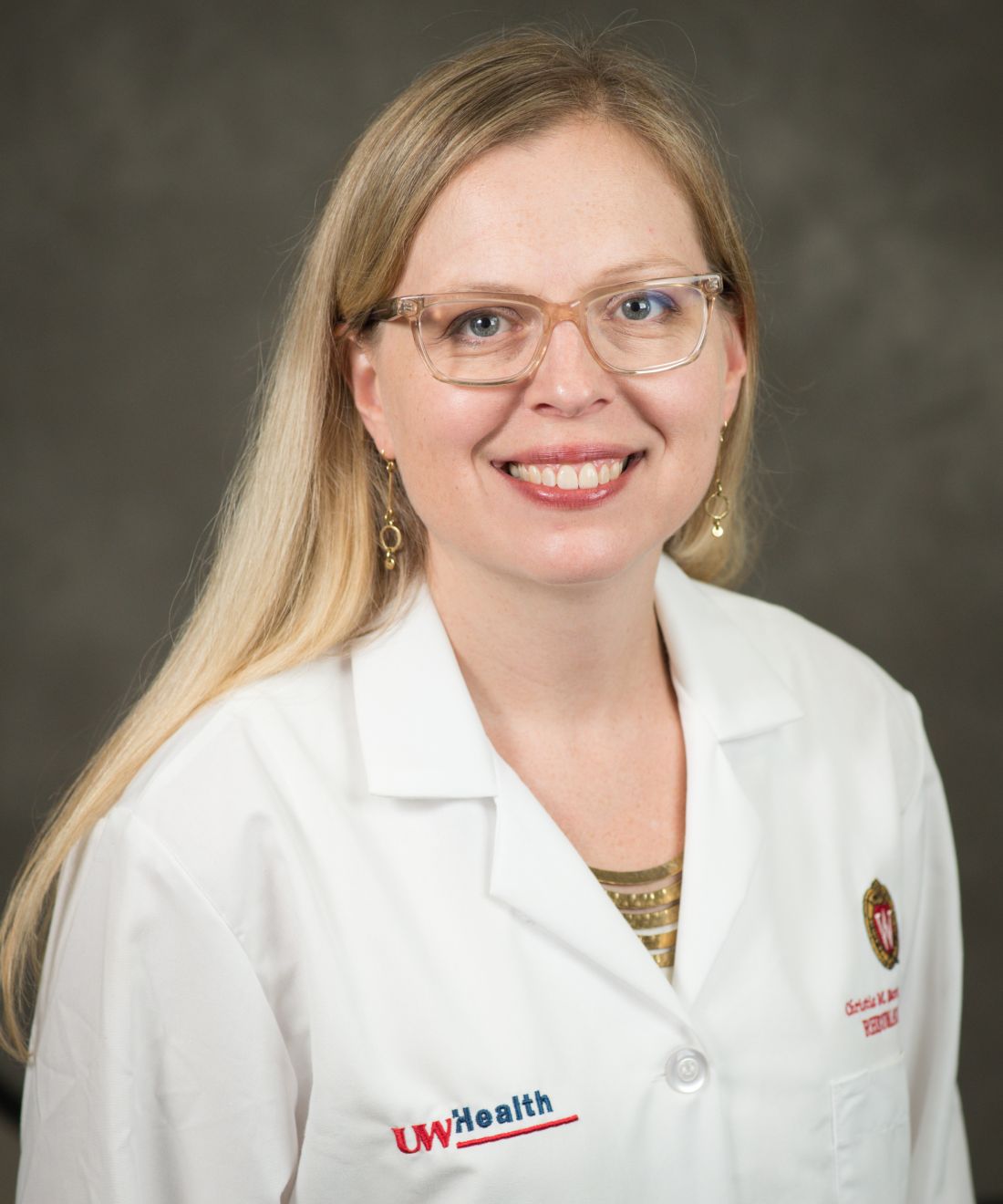
The 0.5-mg dose is just a shade under the 0.6-mg, twice daily dosing rheumatologists typically prescribe for gout, Christie Bartels, MD, MS, chief of rheumatology at the University of Wisconsin–Madison, said in an interview. Clinicians also use the 0.6-mg dose off-label for pseudogout or calcium pyrophosphate deposition disease (CPPD), Dr. Bartels noted.
The new formulation opens the consideration for using colchicine more in patients with psoriatic arthritis, lupus, and rheumatoid arthritis, she said. “I think we could certainly discuss it, particularly, in secondary prevention patients who already had an event or who are at the highest risk and already on optimal traditional agents,” she said.
She cited previous comments by Paul Ridker, MD, director of the center for cardiovascular disease prevention at Brigham and Women’s Hospital in Boston, and developer of the high-sensitivity C-reactive protein (hsCRP) test for measuring inflammatory markers. “We might not know the answer because Dr. Ridker pointed out he used colchicine 0.5 mg in patients that had a high-sensitivity CRP that was high; we need patients who have had inflammation of unknown origin, so those patients presumably weren’t already on another anti-inflammatory,” she said, noting that hydroxychloroquine, methotrexate, and some biologics provide some protection from cardiovascular risks.
However, a potential role for long-term colchicine 0.5 mg in ASCVD prevention may cause consideration for changing the drug’s role in gout treatment, Dr. Bartels said. “In gout, where we do have an FDA-approved indication for colchicine, we used to use it only for the first 6 months while we were getting patients to goal on allopurinol, which was usually then monotherapy after the first 6 months,” she said. “I think this will likely change how I treat gout patients in that I may also offer to continue both medications [colchicine and allopurinol] if they are tolerating them well.
“And then in patients where I’m using it off-label in CPPD, I might again share with them that in addition to possibly helping their CPPD, there may be this added benefit to reduce inflammation just in discussing the risks and benefits of the medicine.”
However, rheumatologists must be careful in using colchicine beyond the typical 6-month cycle, Dr. Bartels said. “One of the tricky things with colchicine, and part of the reason we did not traditionally continue it specifically past the first 6 months, was that it can cause myopathies or cytopenias, so we still have to counsel patients regarding these risks and monitor that,” she said.
Additionally, colchicine can have drug interactions with statins or calcium channel blockers that can change colchicine levels. “I think the dose here is so low, the 0.5 mg, that it’s probably still safe, but again, it’s something that we have to take a look at in the patient’s whole picture and the rest of their burden of their meds in order to make a decision with them,” Dr. Bartels said.
Possibilities in dermatology
The LoDoCo2 trial one of two major randomized trials that supported approval of colchicine 0.5 mg, reported that treated patients had a 60% lower rate of gout than the placebo group (1.4% vs. 3.4%). Joel Gelfand, MD, MSCE, the James J. Leyden professor of dermatology and epidemiology at the University of Pennsylvania, Philadelphia, pointed to this in evaluating the dermatologic implications of the drug’s approval. “This may be of particular interest as people with psoriasis have an increased risk of gout,” he said in emailed comments.
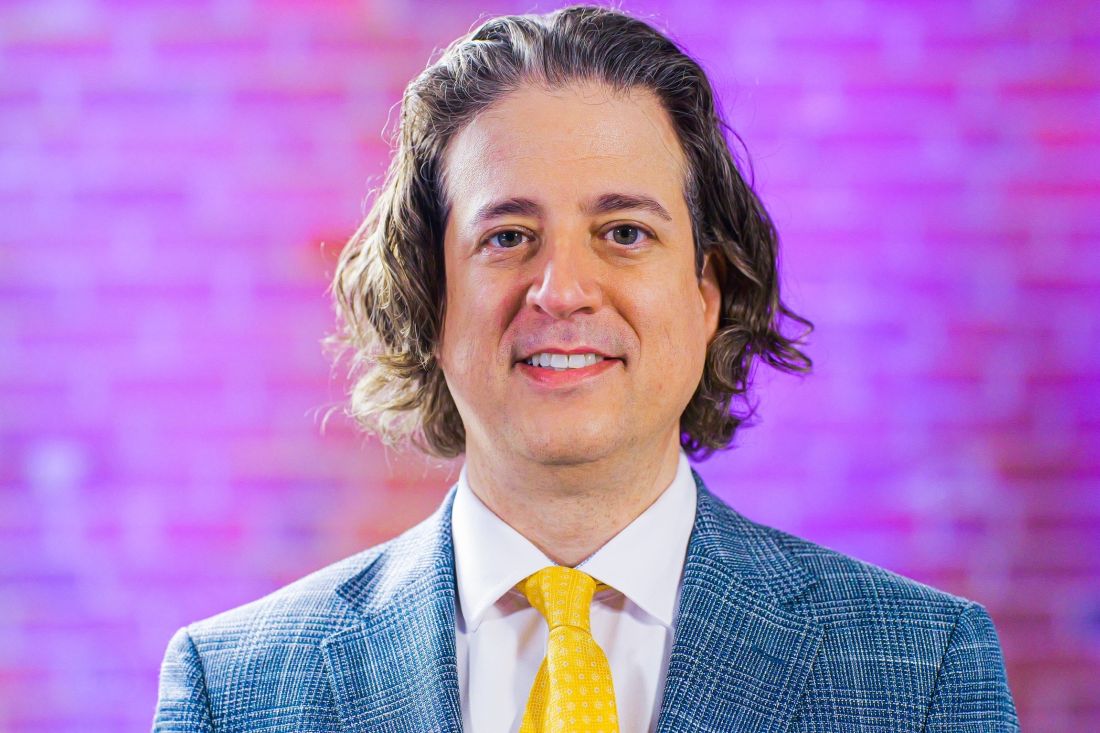
Colchicine’s mechanism of action to reduce inflammation parallels that of tumor necrosis factor (TNF) inhibitors used for dermatologic indications, namely by inhibiting leukocyte adhesion to disrupt the downregulation of TNF receptors, Dr. Gelfand said.
“Interestingly, observational data suggests biologics that target TNF such as adalimumab, etanercept, etc., are associated with a reduction in CV events, and in placebo-controlled trials we conducted in psoriasis patients, it reduced key inflammatory mediators of cardiovascular disease, including IL [interleukin]-6,” he said. “Randomized clinical trials to evaluate the ability of TNF inhibitors, which are now available as biosimilars, to prevent cardiovascular events in high-risk patients, should be conducted, and more work is needed to identify which additional immune-targeted treatments may lower CV risk with an acceptable safety profile.”
Colchicine currently has few indications for rare conditions in dermatology, Dr. Gelfand said, including Sweets syndrome, subcorneal pustular dermatosis, and cutaneous vasculitis. “There are some reports to suggest it may help psoriatic disease, but current data are limited and insufficient to recommend its use for psoriasis and/or psoriatic arthritis,” he said.
The approval of colchicine 0.5 mg for ASCVD could be meaningful for people with psoriasis who are also being treated for CV risk factors, Dr. Gelfand said. “Additional considerations such as signs of residual inflammation (elevated hsCRP) and CV imaging findings may be used to further guide shared decision-making for optimal use,” he said.
Another consideration he noted: “This is also a novel 0.5-mg formulation, and thus cost may be an issue.”
Would side effects bar use in gastroenterology?
Colchicine 0.5 mg may not move the needle much for expanding treatment of ASCVD in patients with inflammatory bowel disease (IBD) and potentially other gastrointestinal conditions, Edward Loftus Jr., MD, the Maxine and Jack Zarrow Family professor of gastroenterology specifically for IBD at the Mayo Clinic in Rochester, Minn., told MDEdge in emailed comments. “Given the GI side effect profile [of colchicine], I am not sure I would go there,” he said.

“Hopefully, the prescribers of this low-dose formulation are aware of the gastrointestinal side effects, such as diarrhea and nausea, and educate patients about these side effects so that a proper risk-benefit discussion can ensue,” he said.
Dr. Bartels reporting a previous financial relationship with Pfizer. Dr. Gelfand said he has financial relationships with AbbVie, Amgen, Bristol-Myers Squibb, Boehringer Ingelheim, Celldex, GlaxoSmithKline, Twill, Lilly, Leo, Moonlake, Janssen Biologics, Novartis, Pfizer, UCB, Neuroderm, and Veolia North America. Dr. Loftus disclosed relationships with AbbVie, Alvotech, Amgen, Arena, Avalo, Boehringer Ingelheim, Bristol-Myers Squibb, Celgene/Receptos, Celltrion Healthcare, Eli Lilly, Fresenius Kabi, Genentech, Gilead, GlaxoSmithKline, Gossamer Bio, Iterative Health, Janssen, KSL Diagnostics, Morphic, Ono, Pfizer, Sun, Surrozen, Takeda, Theravance, and UCB.
The recent Food and Drug Administration approval of colchicine 0.5 mg (Lodoco) for use in atherosclerotic cardiovascular disease (ASCVD) prevention will possibly create opportunities to use the drug to treat residual risk for ASCVD in some patients with immune-mediated inflammatory diseases, particularly in rheumatology.
Potential in rheumatology
The 0.5-mg dose is just a shade under the 0.6-mg, twice daily dosing rheumatologists typically prescribe for gout, Christie Bartels, MD, MS, chief of rheumatology at the University of Wisconsin–Madison, said in an interview. Clinicians also use the 0.6-mg dose off-label for pseudogout or calcium pyrophosphate deposition disease (CPPD), Dr. Bartels noted.
The new formulation opens the consideration for using colchicine more in patients with psoriatic arthritis, lupus, and rheumatoid arthritis, she said. “I think we could certainly discuss it, particularly, in secondary prevention patients who already had an event or who are at the highest risk and already on optimal traditional agents,” she said.
She cited previous comments by Paul Ridker, MD, director of the center for cardiovascular disease prevention at Brigham and Women’s Hospital in Boston, and developer of the high-sensitivity C-reactive protein (hsCRP) test for measuring inflammatory markers. “We might not know the answer because Dr. Ridker pointed out he used colchicine 0.5 mg in patients that had a high-sensitivity CRP that was high; we need patients who have had inflammation of unknown origin, so those patients presumably weren’t already on another anti-inflammatory,” she said, noting that hydroxychloroquine, methotrexate, and some biologics provide some protection from cardiovascular risks.
However, a potential role for long-term colchicine 0.5 mg in ASCVD prevention may cause consideration for changing the drug’s role in gout treatment, Dr. Bartels said. “In gout, where we do have an FDA-approved indication for colchicine, we used to use it only for the first 6 months while we were getting patients to goal on allopurinol, which was usually then monotherapy after the first 6 months,” she said. “I think this will likely change how I treat gout patients in that I may also offer to continue both medications [colchicine and allopurinol] if they are tolerating them well.
“And then in patients where I’m using it off-label in CPPD, I might again share with them that in addition to possibly helping their CPPD, there may be this added benefit to reduce inflammation just in discussing the risks and benefits of the medicine.”
However, rheumatologists must be careful in using colchicine beyond the typical 6-month cycle, Dr. Bartels said. “One of the tricky things with colchicine, and part of the reason we did not traditionally continue it specifically past the first 6 months, was that it can cause myopathies or cytopenias, so we still have to counsel patients regarding these risks and monitor that,” she said.
Additionally, colchicine can have drug interactions with statins or calcium channel blockers that can change colchicine levels. “I think the dose here is so low, the 0.5 mg, that it’s probably still safe, but again, it’s something that we have to take a look at in the patient’s whole picture and the rest of their burden of their meds in order to make a decision with them,” Dr. Bartels said.
Possibilities in dermatology
The LoDoCo2 trial one of two major randomized trials that supported approval of colchicine 0.5 mg, reported that treated patients had a 60% lower rate of gout than the placebo group (1.4% vs. 3.4%). Joel Gelfand, MD, MSCE, the James J. Leyden professor of dermatology and epidemiology at the University of Pennsylvania, Philadelphia, pointed to this in evaluating the dermatologic implications of the drug’s approval. “This may be of particular interest as people with psoriasis have an increased risk of gout,” he said in emailed comments.
Colchicine’s mechanism of action to reduce inflammation parallels that of tumor necrosis factor (TNF) inhibitors used for dermatologic indications, namely by inhibiting leukocyte adhesion to disrupt the downregulation of TNF receptors, Dr. Gelfand said.
“Interestingly, observational data suggests biologics that target TNF such as adalimumab, etanercept, etc., are associated with a reduction in CV events, and in placebo-controlled trials we conducted in psoriasis patients, it reduced key inflammatory mediators of cardiovascular disease, including IL [interleukin]-6,” he said. “Randomized clinical trials to evaluate the ability of TNF inhibitors, which are now available as biosimilars, to prevent cardiovascular events in high-risk patients, should be conducted, and more work is needed to identify which additional immune-targeted treatments may lower CV risk with an acceptable safety profile.”
Colchicine currently has few indications for rare conditions in dermatology, Dr. Gelfand said, including Sweets syndrome, subcorneal pustular dermatosis, and cutaneous vasculitis. “There are some reports to suggest it may help psoriatic disease, but current data are limited and insufficient to recommend its use for psoriasis and/or psoriatic arthritis,” he said.
The approval of colchicine 0.5 mg for ASCVD could be meaningful for people with psoriasis who are also being treated for CV risk factors, Dr. Gelfand said. “Additional considerations such as signs of residual inflammation (elevated hsCRP) and CV imaging findings may be used to further guide shared decision-making for optimal use,” he said.
Another consideration he noted: “This is also a novel 0.5-mg formulation, and thus cost may be an issue.”
Would side effects bar use in gastroenterology?
Colchicine 0.5 mg may not move the needle much for expanding treatment of ASCVD in patients with inflammatory bowel disease (IBD) and potentially other gastrointestinal conditions, Edward Loftus Jr., MD, the Maxine and Jack Zarrow Family professor of gastroenterology specifically for IBD at the Mayo Clinic in Rochester, Minn., told MDEdge in emailed comments. “Given the GI side effect profile [of colchicine], I am not sure I would go there,” he said.
“Hopefully, the prescribers of this low-dose formulation are aware of the gastrointestinal side effects, such as diarrhea and nausea, and educate patients about these side effects so that a proper risk-benefit discussion can ensue,” he said.
Dr. Bartels reporting a previous financial relationship with Pfizer. Dr. Gelfand said he has financial relationships with AbbVie, Amgen, Bristol-Myers Squibb, Boehringer Ingelheim, Celldex, GlaxoSmithKline, Twill, Lilly, Leo, Moonlake, Janssen Biologics, Novartis, Pfizer, UCB, Neuroderm, and Veolia North America. Dr. Loftus disclosed relationships with AbbVie, Alvotech, Amgen, Arena, Avalo, Boehringer Ingelheim, Bristol-Myers Squibb, Celgene/Receptos, Celltrion Healthcare, Eli Lilly, Fresenius Kabi, Genentech, Gilead, GlaxoSmithKline, Gossamer Bio, Iterative Health, Janssen, KSL Diagnostics, Morphic, Ono, Pfizer, Sun, Surrozen, Takeda, Theravance, and UCB.
The recent Food and Drug Administration approval of colchicine 0.5 mg (Lodoco) for use in atherosclerotic cardiovascular disease (ASCVD) prevention will possibly create opportunities to use the drug to treat residual risk for ASCVD in some patients with immune-mediated inflammatory diseases, particularly in rheumatology.
Potential in rheumatology
The 0.5-mg dose is just a shade under the 0.6-mg, twice daily dosing rheumatologists typically prescribe for gout, Christie Bartels, MD, MS, chief of rheumatology at the University of Wisconsin–Madison, said in an interview. Clinicians also use the 0.6-mg dose off-label for pseudogout or calcium pyrophosphate deposition disease (CPPD), Dr. Bartels noted.
The new formulation opens the consideration for using colchicine more in patients with psoriatic arthritis, lupus, and rheumatoid arthritis, she said. “I think we could certainly discuss it, particularly, in secondary prevention patients who already had an event or who are at the highest risk and already on optimal traditional agents,” she said.
She cited previous comments by Paul Ridker, MD, director of the center for cardiovascular disease prevention at Brigham and Women’s Hospital in Boston, and developer of the high-sensitivity C-reactive protein (hsCRP) test for measuring inflammatory markers. “We might not know the answer because Dr. Ridker pointed out he used colchicine 0.5 mg in patients that had a high-sensitivity CRP that was high; we need patients who have had inflammation of unknown origin, so those patients presumably weren’t already on another anti-inflammatory,” she said, noting that hydroxychloroquine, methotrexate, and some biologics provide some protection from cardiovascular risks.
However, a potential role for long-term colchicine 0.5 mg in ASCVD prevention may cause consideration for changing the drug’s role in gout treatment, Dr. Bartels said. “In gout, where we do have an FDA-approved indication for colchicine, we used to use it only for the first 6 months while we were getting patients to goal on allopurinol, which was usually then monotherapy after the first 6 months,” she said. “I think this will likely change how I treat gout patients in that I may also offer to continue both medications [colchicine and allopurinol] if they are tolerating them well.
“And then in patients where I’m using it off-label in CPPD, I might again share with them that in addition to possibly helping their CPPD, there may be this added benefit to reduce inflammation just in discussing the risks and benefits of the medicine.”
However, rheumatologists must be careful in using colchicine beyond the typical 6-month cycle, Dr. Bartels said. “One of the tricky things with colchicine, and part of the reason we did not traditionally continue it specifically past the first 6 months, was that it can cause myopathies or cytopenias, so we still have to counsel patients regarding these risks and monitor that,” she said.
Additionally, colchicine can have drug interactions with statins or calcium channel blockers that can change colchicine levels. “I think the dose here is so low, the 0.5 mg, that it’s probably still safe, but again, it’s something that we have to take a look at in the patient’s whole picture and the rest of their burden of their meds in order to make a decision with them,” Dr. Bartels said.
Possibilities in dermatology
The LoDoCo2 trial one of two major randomized trials that supported approval of colchicine 0.5 mg, reported that treated patients had a 60% lower rate of gout than the placebo group (1.4% vs. 3.4%). Joel Gelfand, MD, MSCE, the James J. Leyden professor of dermatology and epidemiology at the University of Pennsylvania, Philadelphia, pointed to this in evaluating the dermatologic implications of the drug’s approval. “This may be of particular interest as people with psoriasis have an increased risk of gout,” he said in emailed comments.
Colchicine’s mechanism of action to reduce inflammation parallels that of tumor necrosis factor (TNF) inhibitors used for dermatologic indications, namely by inhibiting leukocyte adhesion to disrupt the downregulation of TNF receptors, Dr. Gelfand said.
“Interestingly, observational data suggests biologics that target TNF such as adalimumab, etanercept, etc., are associated with a reduction in CV events, and in placebo-controlled trials we conducted in psoriasis patients, it reduced key inflammatory mediators of cardiovascular disease, including IL [interleukin]-6,” he said. “Randomized clinical trials to evaluate the ability of TNF inhibitors, which are now available as biosimilars, to prevent cardiovascular events in high-risk patients, should be conducted, and more work is needed to identify which additional immune-targeted treatments may lower CV risk with an acceptable safety profile.”
Colchicine currently has few indications for rare conditions in dermatology, Dr. Gelfand said, including Sweets syndrome, subcorneal pustular dermatosis, and cutaneous vasculitis. “There are some reports to suggest it may help psoriatic disease, but current data are limited and insufficient to recommend its use for psoriasis and/or psoriatic arthritis,” he said.
The approval of colchicine 0.5 mg for ASCVD could be meaningful for people with psoriasis who are also being treated for CV risk factors, Dr. Gelfand said. “Additional considerations such as signs of residual inflammation (elevated hsCRP) and CV imaging findings may be used to further guide shared decision-making for optimal use,” he said.
Another consideration he noted: “This is also a novel 0.5-mg formulation, and thus cost may be an issue.”
Would side effects bar use in gastroenterology?
Colchicine 0.5 mg may not move the needle much for expanding treatment of ASCVD in patients with inflammatory bowel disease (IBD) and potentially other gastrointestinal conditions, Edward Loftus Jr., MD, the Maxine and Jack Zarrow Family professor of gastroenterology specifically for IBD at the Mayo Clinic in Rochester, Minn., told MDEdge in emailed comments. “Given the GI side effect profile [of colchicine], I am not sure I would go there,” he said.
“Hopefully, the prescribers of this low-dose formulation are aware of the gastrointestinal side effects, such as diarrhea and nausea, and educate patients about these side effects so that a proper risk-benefit discussion can ensue,” he said.
Dr. Bartels reporting a previous financial relationship with Pfizer. Dr. Gelfand said he has financial relationships with AbbVie, Amgen, Bristol-Myers Squibb, Boehringer Ingelheim, Celldex, GlaxoSmithKline, Twill, Lilly, Leo, Moonlake, Janssen Biologics, Novartis, Pfizer, UCB, Neuroderm, and Veolia North America. Dr. Loftus disclosed relationships with AbbVie, Alvotech, Amgen, Arena, Avalo, Boehringer Ingelheim, Bristol-Myers Squibb, Celgene/Receptos, Celltrion Healthcare, Eli Lilly, Fresenius Kabi, Genentech, Gilead, GlaxoSmithKline, Gossamer Bio, Iterative Health, Janssen, KSL Diagnostics, Morphic, Ono, Pfizer, Sun, Surrozen, Takeda, Theravance, and UCB.
MRI identifies rectal cancer patients who can skip CRT
Guidelines recommend chemoradiation (CRT) before surgery for patients with clinical stage II-III rectal cancer in order to lower the risk of locoregional recurrence, but there is a growing concern among oncologists that the approach leads to overtreatment.
However, the issue has been how best to identify patients who would do well with less intensive treatment.
A German team reported a promising approach to this issue, describing the use of preoperative MRI to assess the mesorectal fascia (MRF) for the presence of a tumor. The paper was published in the Journal of Clinical Oncology.
The thinking is that with uninvolved MRF, the tumor is removed by total mesorectal excision (TME) alone, while patients with involved MRF need neoadjuvant chemoradiation therapy to shrink the tumor before resection.
The team put the idea to the test in 884 patients with cT2-4 rectal cancer.
There were 530 patients (60%) with clear MRFs, and they proceeded directly to total mesorectal excision. The 5-year locoregional recurrence rate was just 2.9% in this group.
In comparison, almost 6% of the 354 patients who received neoadjuvant CRT in this study had a locoregional recurrence within 5 years of TME.
Neoadjuvant chemoradiation offers “no advantage over optimized surgery” for such patients “if a 5-year [locoregional recurrence] rate of approximately 5% is acceptable,” said investigators, led by Reinhard Ruppert, MD, of the department of general and visceral surgery, endocrine surgery, and coloproctology at the Municipal Hospital of Munich-Neuperlach.
If so, neoadjuvant chemoradiation “and its adverse effects can be avoided in 60% of the total population and in 45% of patients with clinical stage II and III cancer” as found in the study, they said.
“The risk of undertreatment because of the omission of” neoadjuvant chemoradiation is low, they commented. Of the 10 patients who had a negative MRF but turned out to have positive resection margins at surgery, only one had a recurrence, the team noted.
Overall, the study suggests that neoadjuvant chemoradiation therapy can be restricted to patients at high risk of locoregional recurrence. “These findings may be used for guiding clinical surgical practice and the administration of neoadjuvant radiotherapy or neoadjuvant chemoradiotherapy,” the investigators said.
Concern about reproducibility
Approached for comment, Alan Venook, MD, a gastrointestinal oncologist at the University of California, San Francisco, said, “This is another paper that pretty much confirms the assumption that we overtreat many patients with rectal cancer.”
These “data support the principle that many, if not most, patients with localized rectal cancer do not require trimodality therapy (chemotherapy, radiation, surgery) to achieve cure. That said, it remains a real challenge to figure out which of the modalities can or should be omitted in the average patient,” Dr. Venook told this news organization.
Overall, the German results “are excellent” but it’s unknown if the results can be replicated in community settings, given the expertise needed to discern MRF involvement on MRI and the fact that not every patient gets TME, the gold-standard surgery used in the trial, he said.
Venook said that at his university, given the rapidly evolving literature on de-escalating treatment, every rectal cancer case is discussed at a multidisciplinary tumor board to decide the best course of action.
Study details
Patients in the trial were treated at 14 centers in Germany from 2007 to 2016; nodal involvement was allowed, but subjects had no distant metastases. The call on whether or not they had MRF involvement was based on the distance between the MRF on preoperative MRI and their tumor, suspicious lymph nodes, and tumor deposits.
Patients with a distance greater than 1 mm were considered low risk for recurrence and underwent upfront total mesorectal excision. Those with a distance of 1 mm or fewer as well as patients with cT4 tumors and cT3 tumors in the lower rectal third – a location that makes it difficult to assess the MRF involvement – received up to 50.4 Gy radiation plus fluorouracil before surgery.
The 5-year rate of distant metastases was 15.9% in the upfront surgery group versus 30.5% in the nCRT arm; 11% of the upfront surgery group died of rectal cancer during follow-up versus 21.8% of the nCRT arm.
The work was funded by Johannes Gutenberg University Mainz. Dr. Ruppert and Dr. Venook report no relevant financial relationships. Three investigators reported honoraria and/or travel expenses from Intuitive Surgical, AbbVie, Johnson & Johnson, and other companies.
A version of this article originally appeared on Medscape.com.
Guidelines recommend chemoradiation (CRT) before surgery for patients with clinical stage II-III rectal cancer in order to lower the risk of locoregional recurrence, but there is a growing concern among oncologists that the approach leads to overtreatment.
However, the issue has been how best to identify patients who would do well with less intensive treatment.
A German team reported a promising approach to this issue, describing the use of preoperative MRI to assess the mesorectal fascia (MRF) for the presence of a tumor. The paper was published in the Journal of Clinical Oncology.
The thinking is that with uninvolved MRF, the tumor is removed by total mesorectal excision (TME) alone, while patients with involved MRF need neoadjuvant chemoradiation therapy to shrink the tumor before resection.
The team put the idea to the test in 884 patients with cT2-4 rectal cancer.
There were 530 patients (60%) with clear MRFs, and they proceeded directly to total mesorectal excision. The 5-year locoregional recurrence rate was just 2.9% in this group.
In comparison, almost 6% of the 354 patients who received neoadjuvant CRT in this study had a locoregional recurrence within 5 years of TME.
Neoadjuvant chemoradiation offers “no advantage over optimized surgery” for such patients “if a 5-year [locoregional recurrence] rate of approximately 5% is acceptable,” said investigators, led by Reinhard Ruppert, MD, of the department of general and visceral surgery, endocrine surgery, and coloproctology at the Municipal Hospital of Munich-Neuperlach.
If so, neoadjuvant chemoradiation “and its adverse effects can be avoided in 60% of the total population and in 45% of patients with clinical stage II and III cancer” as found in the study, they said.
“The risk of undertreatment because of the omission of” neoadjuvant chemoradiation is low, they commented. Of the 10 patients who had a negative MRF but turned out to have positive resection margins at surgery, only one had a recurrence, the team noted.
Overall, the study suggests that neoadjuvant chemoradiation therapy can be restricted to patients at high risk of locoregional recurrence. “These findings may be used for guiding clinical surgical practice and the administration of neoadjuvant radiotherapy or neoadjuvant chemoradiotherapy,” the investigators said.
Concern about reproducibility
Approached for comment, Alan Venook, MD, a gastrointestinal oncologist at the University of California, San Francisco, said, “This is another paper that pretty much confirms the assumption that we overtreat many patients with rectal cancer.”
These “data support the principle that many, if not most, patients with localized rectal cancer do not require trimodality therapy (chemotherapy, radiation, surgery) to achieve cure. That said, it remains a real challenge to figure out which of the modalities can or should be omitted in the average patient,” Dr. Venook told this news organization.
Overall, the German results “are excellent” but it’s unknown if the results can be replicated in community settings, given the expertise needed to discern MRF involvement on MRI and the fact that not every patient gets TME, the gold-standard surgery used in the trial, he said.
Venook said that at his university, given the rapidly evolving literature on de-escalating treatment, every rectal cancer case is discussed at a multidisciplinary tumor board to decide the best course of action.
Study details
Patients in the trial were treated at 14 centers in Germany from 2007 to 2016; nodal involvement was allowed, but subjects had no distant metastases. The call on whether or not they had MRF involvement was based on the distance between the MRF on preoperative MRI and their tumor, suspicious lymph nodes, and tumor deposits.
Patients with a distance greater than 1 mm were considered low risk for recurrence and underwent upfront total mesorectal excision. Those with a distance of 1 mm or fewer as well as patients with cT4 tumors and cT3 tumors in the lower rectal third – a location that makes it difficult to assess the MRF involvement – received up to 50.4 Gy radiation plus fluorouracil before surgery.
The 5-year rate of distant metastases was 15.9% in the upfront surgery group versus 30.5% in the nCRT arm; 11% of the upfront surgery group died of rectal cancer during follow-up versus 21.8% of the nCRT arm.
The work was funded by Johannes Gutenberg University Mainz. Dr. Ruppert and Dr. Venook report no relevant financial relationships. Three investigators reported honoraria and/or travel expenses from Intuitive Surgical, AbbVie, Johnson & Johnson, and other companies.
A version of this article originally appeared on Medscape.com.
Guidelines recommend chemoradiation (CRT) before surgery for patients with clinical stage II-III rectal cancer in order to lower the risk of locoregional recurrence, but there is a growing concern among oncologists that the approach leads to overtreatment.
However, the issue has been how best to identify patients who would do well with less intensive treatment.
A German team reported a promising approach to this issue, describing the use of preoperative MRI to assess the mesorectal fascia (MRF) for the presence of a tumor. The paper was published in the Journal of Clinical Oncology.
The thinking is that with uninvolved MRF, the tumor is removed by total mesorectal excision (TME) alone, while patients with involved MRF need neoadjuvant chemoradiation therapy to shrink the tumor before resection.
The team put the idea to the test in 884 patients with cT2-4 rectal cancer.
There were 530 patients (60%) with clear MRFs, and they proceeded directly to total mesorectal excision. The 5-year locoregional recurrence rate was just 2.9% in this group.
In comparison, almost 6% of the 354 patients who received neoadjuvant CRT in this study had a locoregional recurrence within 5 years of TME.
Neoadjuvant chemoradiation offers “no advantage over optimized surgery” for such patients “if a 5-year [locoregional recurrence] rate of approximately 5% is acceptable,” said investigators, led by Reinhard Ruppert, MD, of the department of general and visceral surgery, endocrine surgery, and coloproctology at the Municipal Hospital of Munich-Neuperlach.
If so, neoadjuvant chemoradiation “and its adverse effects can be avoided in 60% of the total population and in 45% of patients with clinical stage II and III cancer” as found in the study, they said.
“The risk of undertreatment because of the omission of” neoadjuvant chemoradiation is low, they commented. Of the 10 patients who had a negative MRF but turned out to have positive resection margins at surgery, only one had a recurrence, the team noted.
Overall, the study suggests that neoadjuvant chemoradiation therapy can be restricted to patients at high risk of locoregional recurrence. “These findings may be used for guiding clinical surgical practice and the administration of neoadjuvant radiotherapy or neoadjuvant chemoradiotherapy,” the investigators said.
Concern about reproducibility
Approached for comment, Alan Venook, MD, a gastrointestinal oncologist at the University of California, San Francisco, said, “This is another paper that pretty much confirms the assumption that we overtreat many patients with rectal cancer.”
These “data support the principle that many, if not most, patients with localized rectal cancer do not require trimodality therapy (chemotherapy, radiation, surgery) to achieve cure. That said, it remains a real challenge to figure out which of the modalities can or should be omitted in the average patient,” Dr. Venook told this news organization.
Overall, the German results “are excellent” but it’s unknown if the results can be replicated in community settings, given the expertise needed to discern MRF involvement on MRI and the fact that not every patient gets TME, the gold-standard surgery used in the trial, he said.
Venook said that at his university, given the rapidly evolving literature on de-escalating treatment, every rectal cancer case is discussed at a multidisciplinary tumor board to decide the best course of action.
Study details
Patients in the trial were treated at 14 centers in Germany from 2007 to 2016; nodal involvement was allowed, but subjects had no distant metastases. The call on whether or not they had MRF involvement was based on the distance between the MRF on preoperative MRI and their tumor, suspicious lymph nodes, and tumor deposits.
Patients with a distance greater than 1 mm were considered low risk for recurrence and underwent upfront total mesorectal excision. Those with a distance of 1 mm or fewer as well as patients with cT4 tumors and cT3 tumors in the lower rectal third – a location that makes it difficult to assess the MRF involvement – received up to 50.4 Gy radiation plus fluorouracil before surgery.
The 5-year rate of distant metastases was 15.9% in the upfront surgery group versus 30.5% in the nCRT arm; 11% of the upfront surgery group died of rectal cancer during follow-up versus 21.8% of the nCRT arm.
The work was funded by Johannes Gutenberg University Mainz. Dr. Ruppert and Dr. Venook report no relevant financial relationships. Three investigators reported honoraria and/or travel expenses from Intuitive Surgical, AbbVie, Johnson & Johnson, and other companies.
A version of this article originally appeared on Medscape.com.
MD rushes in after lightning strikes four people at White House
It was one of those dog days of August where the humidity is palpable and the pressure is so hot and thick you can almost feel the ions in the air. At the time (2022), I was a White House fellow and senior adviser in the West Wing Office of Public Engagement and in the Office of the Vice President.
I was leaving the White House around 7:00 p.m. through the front gate on Lafayette Square. I had a dinner reservation with a friend, so I was in a rush. It was super overcast. Lo and behold, three steps after I closed the gate behind me, it started pouring. Rain came down so hard I had to take shelter.
There’s a stone building in front of the White House with archways, so I took cover underneath one of them, hoping that in a couple of minutes the rain would pass. Behind the archways are these thick, black, iron gates.
Just as I was about to make a run for it, I heard: BOOM!
It was like a bomb had gone off. In one moment, I saw the lightning bolt, heard the thunder, and felt the heat. It was all one rush of sensation. I couldn’t remember having been that scared in a long time.
I thought, “I definitely have to get out of here. In a couple of minutes there might be another strike, and I’m sitting next to iron gates!” I saw a little bit of a window in the downpour, so I started booking it. I knew there was a sheltered Secret Service area around the corner where they park their cars. A much safer place to be.
I was sprinting on the sidewalk and spotted a bunch of Secret Service agents on their bikes riding in the opposite direction, back toward the park. I knew they wouldn’t be out on bikes in this mess without a reason. As they reached me, one agent said, “Clear the sidewalk! We’re coming through with a bunch of equipment.”
I yelled, “What’s going on?”
“Four people were just struck by lightning,” he said as he zoomed past.
I thought: “Sh*t. I have to go back.”
It was like two different parts of my brain were active at the exact same time. My subcortical brain at the level of the amygdala was like: “You just ran from there, idiot. Why are you running back?” And another part of my brain was like: “This is who you are.”
The lightning had struck one of the largest trees in the park. Four bodies splayed out in one direction from the tree. They’d been taking shelter underneath it when they were hit and were blown off to one side. By the time I got there, two Secret Service agents were on the scene doing CPR. Some bystanders had started to run over.
I did a quick round of pulse checks to see everyone’s status, and all four were apneic and pulseless. I told the two Secret Service agents to keep doing compressions on the first person. Two bystanders also began compressions on another person, an older man.
More Secret Service agents arrived, and I said, “We need to do compressions on this other person right now.” One of the agents took a moment to question who I could be and why I was there. I said, “I’m a doctor. I know I’m not dressed like one, but I’m a physician.”
I told some agents to go find an AED, because these people needed to be shocked.
After they left, I was effectively trying to triage which of these four people would get the AED first. Initially, I spent more of my time on the young man, and we began to get some response from him. I then spent some time with the young woman.
It turned out there were AEDs in the pouches on the Secret Service bikes, but they were very small, dinky AEDs. We tried to apply the pads, but it was downpouring so much that the adhesive wouldn’t stick. I told one of the agents we needed a towel.
Through all this I was concerned we were going to be struck again. I mean, the metal statue of Lafayette was right there! They say lighting doesn’t strike in the same place twice, but who knows if that’s really true?
The towel arrived, and we were able to get the chests of the younger people dry enough for the AED pads. We applied two shocks first to the woman, then the young man. We got his pulse back quickly. The woman’s came back as well, but it felt much weaker.
EMS arrived shortly thereafter. We got all four patients on the transport, and they were transferred to the hospital.
The whole experience had taken 14 minutes.
At the time, I felt confident that the young man was going to survive. We’re taught that lightning bolt strikes are survivable if you can shock someone quickly. He also got pretty good CPR. But the next day I was watching the news and learned that he had passed away. So, of course I was thinking the worst about the others as well.
But a week and a half later, I learned that the young woman had been discharged from the ICU. She was the only one who made it. Her name is Amber, and we got connected through a reporter. About 2 weeks later, I invited her to the White House. I took her to the Oval Office. I met her mom and dad and husband, and we had dinner. We’ve been in touch ever since.
I remember the first time we talked on the phone, Amber said something along the lines of, “This sucks. Obviously, I was not planning for any of this to happen. But I also think there’s something good that could come from this.”
I was so surprised and happy to hear her say that. I had something similar happen to me when I was a teenager – caught in the wrong place at the wrong time. I tried to intervene in a gang fight in my neighborhood. I thought a kid was going to get killed, so I jumped in, imagining I could save the day. I didn’t. They broke a bunch of my bones and I was in the hospital for a bit.
I remember thinking then that my life was over. But after some time, I found a new perspective, which was: Maybe that life is over. But maybe this could be the beginning of a new one. And maybe those things that I’ve been afraid of doing, the dreams that I have, maybe now I’m actually free to go after them.
I told Amber, if there are things that you have been waiting to do, this could be the time. She wants to be an international human rights activist, and she is kicking butt in a graduate school program to begin on that pathway. It’s been really cool to watch her chase this dream with way more vigor than she had before.
I think we bonded because we’ve gone through – obviously not the same thing, but a similar moment of being confronted with your own mortality. Realizing that life can just shatter. And so, while we’re here, we might as well go for it with all the force of a person who knows this could all disappear in an instant.
It was an extremely humbling moment. It reaffirmed that my life is not about me. I have to use the time that I’ve got on behalf of other people as much as I can. What is my life about if not being useful?
Dr. Martin is an emergency medicine physician and faculty member at the MGH Center for Social Justice and Health Equity at Harvard Medical School, Boston.
A version of this article first appeared on Medscape.com.
It was one of those dog days of August where the humidity is palpable and the pressure is so hot and thick you can almost feel the ions in the air. At the time (2022), I was a White House fellow and senior adviser in the West Wing Office of Public Engagement and in the Office of the Vice President.
I was leaving the White House around 7:00 p.m. through the front gate on Lafayette Square. I had a dinner reservation with a friend, so I was in a rush. It was super overcast. Lo and behold, three steps after I closed the gate behind me, it started pouring. Rain came down so hard I had to take shelter.
There’s a stone building in front of the White House with archways, so I took cover underneath one of them, hoping that in a couple of minutes the rain would pass. Behind the archways are these thick, black, iron gates.
Just as I was about to make a run for it, I heard: BOOM!
It was like a bomb had gone off. In one moment, I saw the lightning bolt, heard the thunder, and felt the heat. It was all one rush of sensation. I couldn’t remember having been that scared in a long time.
I thought, “I definitely have to get out of here. In a couple of minutes there might be another strike, and I’m sitting next to iron gates!” I saw a little bit of a window in the downpour, so I started booking it. I knew there was a sheltered Secret Service area around the corner where they park their cars. A much safer place to be.
I was sprinting on the sidewalk and spotted a bunch of Secret Service agents on their bikes riding in the opposite direction, back toward the park. I knew they wouldn’t be out on bikes in this mess without a reason. As they reached me, one agent said, “Clear the sidewalk! We’re coming through with a bunch of equipment.”
I yelled, “What’s going on?”
“Four people were just struck by lightning,” he said as he zoomed past.
I thought: “Sh*t. I have to go back.”
It was like two different parts of my brain were active at the exact same time. My subcortical brain at the level of the amygdala was like: “You just ran from there, idiot. Why are you running back?” And another part of my brain was like: “This is who you are.”
The lightning had struck one of the largest trees in the park. Four bodies splayed out in one direction from the tree. They’d been taking shelter underneath it when they were hit and were blown off to one side. By the time I got there, two Secret Service agents were on the scene doing CPR. Some bystanders had started to run over.
I did a quick round of pulse checks to see everyone’s status, and all four were apneic and pulseless. I told the two Secret Service agents to keep doing compressions on the first person. Two bystanders also began compressions on another person, an older man.
More Secret Service agents arrived, and I said, “We need to do compressions on this other person right now.” One of the agents took a moment to question who I could be and why I was there. I said, “I’m a doctor. I know I’m not dressed like one, but I’m a physician.”
I told some agents to go find an AED, because these people needed to be shocked.
After they left, I was effectively trying to triage which of these four people would get the AED first. Initially, I spent more of my time on the young man, and we began to get some response from him. I then spent some time with the young woman.
It turned out there were AEDs in the pouches on the Secret Service bikes, but they were very small, dinky AEDs. We tried to apply the pads, but it was downpouring so much that the adhesive wouldn’t stick. I told one of the agents we needed a towel.
Through all this I was concerned we were going to be struck again. I mean, the metal statue of Lafayette was right there! They say lighting doesn’t strike in the same place twice, but who knows if that’s really true?
The towel arrived, and we were able to get the chests of the younger people dry enough for the AED pads. We applied two shocks first to the woman, then the young man. We got his pulse back quickly. The woman’s came back as well, but it felt much weaker.
EMS arrived shortly thereafter. We got all four patients on the transport, and they were transferred to the hospital.
The whole experience had taken 14 minutes.
At the time, I felt confident that the young man was going to survive. We’re taught that lightning bolt strikes are survivable if you can shock someone quickly. He also got pretty good CPR. But the next day I was watching the news and learned that he had passed away. So, of course I was thinking the worst about the others as well.
But a week and a half later, I learned that the young woman had been discharged from the ICU. She was the only one who made it. Her name is Amber, and we got connected through a reporter. About 2 weeks later, I invited her to the White House. I took her to the Oval Office. I met her mom and dad and husband, and we had dinner. We’ve been in touch ever since.
I remember the first time we talked on the phone, Amber said something along the lines of, “This sucks. Obviously, I was not planning for any of this to happen. But I also think there’s something good that could come from this.”
I was so surprised and happy to hear her say that. I had something similar happen to me when I was a teenager – caught in the wrong place at the wrong time. I tried to intervene in a gang fight in my neighborhood. I thought a kid was going to get killed, so I jumped in, imagining I could save the day. I didn’t. They broke a bunch of my bones and I was in the hospital for a bit.
I remember thinking then that my life was over. But after some time, I found a new perspective, which was: Maybe that life is over. But maybe this could be the beginning of a new one. And maybe those things that I’ve been afraid of doing, the dreams that I have, maybe now I’m actually free to go after them.
I told Amber, if there are things that you have been waiting to do, this could be the time. She wants to be an international human rights activist, and she is kicking butt in a graduate school program to begin on that pathway. It’s been really cool to watch her chase this dream with way more vigor than she had before.
I think we bonded because we’ve gone through – obviously not the same thing, but a similar moment of being confronted with your own mortality. Realizing that life can just shatter. And so, while we’re here, we might as well go for it with all the force of a person who knows this could all disappear in an instant.
It was an extremely humbling moment. It reaffirmed that my life is not about me. I have to use the time that I’ve got on behalf of other people as much as I can. What is my life about if not being useful?
Dr. Martin is an emergency medicine physician and faculty member at the MGH Center for Social Justice and Health Equity at Harvard Medical School, Boston.
A version of this article first appeared on Medscape.com.
It was one of those dog days of August where the humidity is palpable and the pressure is so hot and thick you can almost feel the ions in the air. At the time (2022), I was a White House fellow and senior adviser in the West Wing Office of Public Engagement and in the Office of the Vice President.
I was leaving the White House around 7:00 p.m. through the front gate on Lafayette Square. I had a dinner reservation with a friend, so I was in a rush. It was super overcast. Lo and behold, three steps after I closed the gate behind me, it started pouring. Rain came down so hard I had to take shelter.
There’s a stone building in front of the White House with archways, so I took cover underneath one of them, hoping that in a couple of minutes the rain would pass. Behind the archways are these thick, black, iron gates.
Just as I was about to make a run for it, I heard: BOOM!
It was like a bomb had gone off. In one moment, I saw the lightning bolt, heard the thunder, and felt the heat. It was all one rush of sensation. I couldn’t remember having been that scared in a long time.
I thought, “I definitely have to get out of here. In a couple of minutes there might be another strike, and I’m sitting next to iron gates!” I saw a little bit of a window in the downpour, so I started booking it. I knew there was a sheltered Secret Service area around the corner where they park their cars. A much safer place to be.
I was sprinting on the sidewalk and spotted a bunch of Secret Service agents on their bikes riding in the opposite direction, back toward the park. I knew they wouldn’t be out on bikes in this mess without a reason. As they reached me, one agent said, “Clear the sidewalk! We’re coming through with a bunch of equipment.”
I yelled, “What’s going on?”
“Four people were just struck by lightning,” he said as he zoomed past.
I thought: “Sh*t. I have to go back.”
It was like two different parts of my brain were active at the exact same time. My subcortical brain at the level of the amygdala was like: “You just ran from there, idiot. Why are you running back?” And another part of my brain was like: “This is who you are.”
The lightning had struck one of the largest trees in the park. Four bodies splayed out in one direction from the tree. They’d been taking shelter underneath it when they were hit and were blown off to one side. By the time I got there, two Secret Service agents were on the scene doing CPR. Some bystanders had started to run over.
I did a quick round of pulse checks to see everyone’s status, and all four were apneic and pulseless. I told the two Secret Service agents to keep doing compressions on the first person. Two bystanders also began compressions on another person, an older man.
More Secret Service agents arrived, and I said, “We need to do compressions on this other person right now.” One of the agents took a moment to question who I could be and why I was there. I said, “I’m a doctor. I know I’m not dressed like one, but I’m a physician.”
I told some agents to go find an AED, because these people needed to be shocked.
After they left, I was effectively trying to triage which of these four people would get the AED first. Initially, I spent more of my time on the young man, and we began to get some response from him. I then spent some time with the young woman.
It turned out there were AEDs in the pouches on the Secret Service bikes, but they were very small, dinky AEDs. We tried to apply the pads, but it was downpouring so much that the adhesive wouldn’t stick. I told one of the agents we needed a towel.
Through all this I was concerned we were going to be struck again. I mean, the metal statue of Lafayette was right there! They say lighting doesn’t strike in the same place twice, but who knows if that’s really true?
The towel arrived, and we were able to get the chests of the younger people dry enough for the AED pads. We applied two shocks first to the woman, then the young man. We got his pulse back quickly. The woman’s came back as well, but it felt much weaker.
EMS arrived shortly thereafter. We got all four patients on the transport, and they were transferred to the hospital.
The whole experience had taken 14 minutes.
At the time, I felt confident that the young man was going to survive. We’re taught that lightning bolt strikes are survivable if you can shock someone quickly. He also got pretty good CPR. But the next day I was watching the news and learned that he had passed away. So, of course I was thinking the worst about the others as well.
But a week and a half later, I learned that the young woman had been discharged from the ICU. She was the only one who made it. Her name is Amber, and we got connected through a reporter. About 2 weeks later, I invited her to the White House. I took her to the Oval Office. I met her mom and dad and husband, and we had dinner. We’ve been in touch ever since.
I remember the first time we talked on the phone, Amber said something along the lines of, “This sucks. Obviously, I was not planning for any of this to happen. But I also think there’s something good that could come from this.”
I was so surprised and happy to hear her say that. I had something similar happen to me when I was a teenager – caught in the wrong place at the wrong time. I tried to intervene in a gang fight in my neighborhood. I thought a kid was going to get killed, so I jumped in, imagining I could save the day. I didn’t. They broke a bunch of my bones and I was in the hospital for a bit.
I remember thinking then that my life was over. But after some time, I found a new perspective, which was: Maybe that life is over. But maybe this could be the beginning of a new one. And maybe those things that I’ve been afraid of doing, the dreams that I have, maybe now I’m actually free to go after them.
I told Amber, if there are things that you have been waiting to do, this could be the time. She wants to be an international human rights activist, and she is kicking butt in a graduate school program to begin on that pathway. It’s been really cool to watch her chase this dream with way more vigor than she had before.
I think we bonded because we’ve gone through – obviously not the same thing, but a similar moment of being confronted with your own mortality. Realizing that life can just shatter. And so, while we’re here, we might as well go for it with all the force of a person who knows this could all disappear in an instant.
It was an extremely humbling moment. It reaffirmed that my life is not about me. I have to use the time that I’ve got on behalf of other people as much as I can. What is my life about if not being useful?
Dr. Martin is an emergency medicine physician and faculty member at the MGH Center for Social Justice and Health Equity at Harvard Medical School, Boston.
A version of this article first appeared on Medscape.com.
PET-CT scans move more women with LABC up to stage IV
In women who have locally advanced breast cancer (LABC), staging defines the extent of the disease and guides therapy.
Researchers have found in the first large, randomized, controlled study on the subject that 18 F-labeled fluorodeoxyglucose positron emission tomography–computed tomography (PET-CT) finds more distant metastases and allows more accurate staging than usual staging, which is determined by a bone scan and computed tomography (CT) of the thorax/abdomen and pelvis.
Findings of the study, led by Ian S. Dayes, MD, MSc, with the department of oncology at McMaster University in Hamilton, Ont., were published online in the Journal of Clinical Oncology.
Scans indicate less aggressive treatment strategy
The authors of the new study wrote that women with LABC, who are at high risk of metastatic disease, have large tumors that “can involve the chest wall or skin, clinically fixed axillary lymph nodes, or infraclavicular, supraclavicular, or internal mammary lymphadenopathy.”
If staging does not detect metastases, treatment is centered on combined modality therapy with curative intent (neoadjuvant chemotherapy and surgery, followed by regional radiation). If metastases are found, the treatment goal changes to controlling the disease.
In this study, twice as many women saw their stage increase from stage IIB or III to stage IV when PET-CT was used instead of conventional staging, guiding their treatment toward less aggressive care to control, rather than attempt to cure, the disease.
The women included in this study had histological evidence of invasive ductal carcinoma of the breast and TNM stage III or IIb (T3N0, but not T2N1).
Methods and results
Between December 2016 and April 2022, consenting patients from six regional cancer centers in Ontario were randomly assigned to one of two groups: 184 patients were randomly assigned to whole-body PET-CT and 185 patients to conventional staging.
Overall, the authors wrote, 43 (23%) of PET-CT patients “were upstaged” to stage IV compared with 21 (11%) of the conventionally staged patients (relative risk, 2.4; 95% confidence interval [CI], 1.4-4.2, P = .002).
There were 33 patients in a subset with inflammatory breast cancer and, among them, 4 of 16 (25%) PET-CT patients were upstaged to stage IV compared with 4 of 17 (24%) conventionally staged patients.
In the patients who did not have inflammatory breast cancer, 39 of 168 (23%) PET-CT patients were upstaged compared with 17 (10%) of 168 in the conventionally staged group.
Journal of Clinical Oncology (JCO) Senior Deputy Editor Kathy D. Miller, MD, said that, “PET/CT staging identifies distant disease in more patients and changes goals of therapy. Further research is needed to determine the impact on patient outcome.”
Findings have already changed practice
Senior author, Mark Levine, MD, MSc, also with McMaster, said in an interview that the results of this study have already changed practice in Canada, and he expects the United States to follow suit.
Dr. Levine said the study is important “in terms of helping plan therapy and being very open and honest with patients as to their prognosis.”
The findings constitute level 1 evidence in favor of PET-CT. Already, in Canada, “because of the results of the study, people with stage III breast cancer can get a PET scan,” he said.
Dr. Levine said he expects this evidence also to clarify “wishy-washy” National Comprehensive Cancer Network guidelines on using PET scans for LABC in the United States when the guidelines are next updated.
“That will make it easier for payers in the United States,” he added.
Cost effectiveness, Dr. Levine said, is complicated, because on one hand PET scans are quite costly. But its use would lead to more women getting less aggressive and expensive therapy and surgery.
Dr. Levine noted that his team will be analyzing cost-effectiveness over the next year.
New questions with more in stage IV
In an editorial, Lajos Pusztai, MD, DPhil, scientific codirector of the breast center at Yale University in New Haven, Conn., noted that, “all good studies raise new questions” and this one is no exception.
He pointed out that the number of women with stage IV metastatic breast cancer (MBC) has been increasing over the past 2 decades because of more sensitive staging methods. At the same time the number of women with recurrent metastatic disease is decreasing, because adjuvant therapies have improved.
Findings highlight need for stage IV treatment studies
Dr. Pusztai noted that the patients who have de novo oligometastatic stage IV disease “are a unique subset among patients with MBC,” and the best treatment [for them] has not been established in randomized, controlled trials.
“Almost all randomized trials that targeted oligometastatic patients accrued mostly recurrent metastatic cancers; many included various cancer types, and none have tested the value of systemic multidrug regimens administered with curative intent,” he wrote.
If the health care systems adopt PET-CT for routine staging of locally advanced breast cancer, that will increase the diagnosis of de novo oligometastatic stage IV breast cancer, Dr. Pusztai said. That “underlines the importance of conducting studies for this unique subset of patients to establish level 1 evidence-based treatment strategies.”
Dr. Dayes has received honoraria from Verity Pharmaceuticals. One coauthor is employed by Point Biopharma. Other coauthors reported ties with AbbVie, Agendia, Genomic Health, InMode and Lutronic. Dr. Pusztai’s institution has received research funding from Merck, Genentech, Seagen, AstraZeneca, Bristol Myers Squibb, and Pfizer. He has received honoraria and travel expenses and has served in a consulting role for several pharmaceutical companies. Full disclosures are available on Open Payments.
In women who have locally advanced breast cancer (LABC), staging defines the extent of the disease and guides therapy.
Researchers have found in the first large, randomized, controlled study on the subject that 18 F-labeled fluorodeoxyglucose positron emission tomography–computed tomography (PET-CT) finds more distant metastases and allows more accurate staging than usual staging, which is determined by a bone scan and computed tomography (CT) of the thorax/abdomen and pelvis.
Findings of the study, led by Ian S. Dayes, MD, MSc, with the department of oncology at McMaster University in Hamilton, Ont., were published online in the Journal of Clinical Oncology.
Scans indicate less aggressive treatment strategy
The authors of the new study wrote that women with LABC, who are at high risk of metastatic disease, have large tumors that “can involve the chest wall or skin, clinically fixed axillary lymph nodes, or infraclavicular, supraclavicular, or internal mammary lymphadenopathy.”
If staging does not detect metastases, treatment is centered on combined modality therapy with curative intent (neoadjuvant chemotherapy and surgery, followed by regional radiation). If metastases are found, the treatment goal changes to controlling the disease.
In this study, twice as many women saw their stage increase from stage IIB or III to stage IV when PET-CT was used instead of conventional staging, guiding their treatment toward less aggressive care to control, rather than attempt to cure, the disease.
The women included in this study had histological evidence of invasive ductal carcinoma of the breast and TNM stage III or IIb (T3N0, but not T2N1).
Methods and results
Between December 2016 and April 2022, consenting patients from six regional cancer centers in Ontario were randomly assigned to one of two groups: 184 patients were randomly assigned to whole-body PET-CT and 185 patients to conventional staging.
Overall, the authors wrote, 43 (23%) of PET-CT patients “were upstaged” to stage IV compared with 21 (11%) of the conventionally staged patients (relative risk, 2.4; 95% confidence interval [CI], 1.4-4.2, P = .002).
There were 33 patients in a subset with inflammatory breast cancer and, among them, 4 of 16 (25%) PET-CT patients were upstaged to stage IV compared with 4 of 17 (24%) conventionally staged patients.
In the patients who did not have inflammatory breast cancer, 39 of 168 (23%) PET-CT patients were upstaged compared with 17 (10%) of 168 in the conventionally staged group.
Journal of Clinical Oncology (JCO) Senior Deputy Editor Kathy D. Miller, MD, said that, “PET/CT staging identifies distant disease in more patients and changes goals of therapy. Further research is needed to determine the impact on patient outcome.”
Findings have already changed practice
Senior author, Mark Levine, MD, MSc, also with McMaster, said in an interview that the results of this study have already changed practice in Canada, and he expects the United States to follow suit.
Dr. Levine said the study is important “in terms of helping plan therapy and being very open and honest with patients as to their prognosis.”
The findings constitute level 1 evidence in favor of PET-CT. Already, in Canada, “because of the results of the study, people with stage III breast cancer can get a PET scan,” he said.
Dr. Levine said he expects this evidence also to clarify “wishy-washy” National Comprehensive Cancer Network guidelines on using PET scans for LABC in the United States when the guidelines are next updated.
“That will make it easier for payers in the United States,” he added.
Cost effectiveness, Dr. Levine said, is complicated, because on one hand PET scans are quite costly. But its use would lead to more women getting less aggressive and expensive therapy and surgery.
Dr. Levine noted that his team will be analyzing cost-effectiveness over the next year.
New questions with more in stage IV
In an editorial, Lajos Pusztai, MD, DPhil, scientific codirector of the breast center at Yale University in New Haven, Conn., noted that, “all good studies raise new questions” and this one is no exception.
He pointed out that the number of women with stage IV metastatic breast cancer (MBC) has been increasing over the past 2 decades because of more sensitive staging methods. At the same time the number of women with recurrent metastatic disease is decreasing, because adjuvant therapies have improved.
Findings highlight need for stage IV treatment studies
Dr. Pusztai noted that the patients who have de novo oligometastatic stage IV disease “are a unique subset among patients with MBC,” and the best treatment [for them] has not been established in randomized, controlled trials.
“Almost all randomized trials that targeted oligometastatic patients accrued mostly recurrent metastatic cancers; many included various cancer types, and none have tested the value of systemic multidrug regimens administered with curative intent,” he wrote.
If the health care systems adopt PET-CT for routine staging of locally advanced breast cancer, that will increase the diagnosis of de novo oligometastatic stage IV breast cancer, Dr. Pusztai said. That “underlines the importance of conducting studies for this unique subset of patients to establish level 1 evidence-based treatment strategies.”
Dr. Dayes has received honoraria from Verity Pharmaceuticals. One coauthor is employed by Point Biopharma. Other coauthors reported ties with AbbVie, Agendia, Genomic Health, InMode and Lutronic. Dr. Pusztai’s institution has received research funding from Merck, Genentech, Seagen, AstraZeneca, Bristol Myers Squibb, and Pfizer. He has received honoraria and travel expenses and has served in a consulting role for several pharmaceutical companies. Full disclosures are available on Open Payments.
In women who have locally advanced breast cancer (LABC), staging defines the extent of the disease and guides therapy.
Researchers have found in the first large, randomized, controlled study on the subject that 18 F-labeled fluorodeoxyglucose positron emission tomography–computed tomography (PET-CT) finds more distant metastases and allows more accurate staging than usual staging, which is determined by a bone scan and computed tomography (CT) of the thorax/abdomen and pelvis.
Findings of the study, led by Ian S. Dayes, MD, MSc, with the department of oncology at McMaster University in Hamilton, Ont., were published online in the Journal of Clinical Oncology.
Scans indicate less aggressive treatment strategy
The authors of the new study wrote that women with LABC, who are at high risk of metastatic disease, have large tumors that “can involve the chest wall or skin, clinically fixed axillary lymph nodes, or infraclavicular, supraclavicular, or internal mammary lymphadenopathy.”
If staging does not detect metastases, treatment is centered on combined modality therapy with curative intent (neoadjuvant chemotherapy and surgery, followed by regional radiation). If metastases are found, the treatment goal changes to controlling the disease.
In this study, twice as many women saw their stage increase from stage IIB or III to stage IV when PET-CT was used instead of conventional staging, guiding their treatment toward less aggressive care to control, rather than attempt to cure, the disease.
The women included in this study had histological evidence of invasive ductal carcinoma of the breast and TNM stage III or IIb (T3N0, but not T2N1).
Methods and results
Between December 2016 and April 2022, consenting patients from six regional cancer centers in Ontario were randomly assigned to one of two groups: 184 patients were randomly assigned to whole-body PET-CT and 185 patients to conventional staging.
Overall, the authors wrote, 43 (23%) of PET-CT patients “were upstaged” to stage IV compared with 21 (11%) of the conventionally staged patients (relative risk, 2.4; 95% confidence interval [CI], 1.4-4.2, P = .002).
There were 33 patients in a subset with inflammatory breast cancer and, among them, 4 of 16 (25%) PET-CT patients were upstaged to stage IV compared with 4 of 17 (24%) conventionally staged patients.
In the patients who did not have inflammatory breast cancer, 39 of 168 (23%) PET-CT patients were upstaged compared with 17 (10%) of 168 in the conventionally staged group.
Journal of Clinical Oncology (JCO) Senior Deputy Editor Kathy D. Miller, MD, said that, “PET/CT staging identifies distant disease in more patients and changes goals of therapy. Further research is needed to determine the impact on patient outcome.”
Findings have already changed practice
Senior author, Mark Levine, MD, MSc, also with McMaster, said in an interview that the results of this study have already changed practice in Canada, and he expects the United States to follow suit.
Dr. Levine said the study is important “in terms of helping plan therapy and being very open and honest with patients as to their prognosis.”
The findings constitute level 1 evidence in favor of PET-CT. Already, in Canada, “because of the results of the study, people with stage III breast cancer can get a PET scan,” he said.
Dr. Levine said he expects this evidence also to clarify “wishy-washy” National Comprehensive Cancer Network guidelines on using PET scans for LABC in the United States when the guidelines are next updated.
“That will make it easier for payers in the United States,” he added.
Cost effectiveness, Dr. Levine said, is complicated, because on one hand PET scans are quite costly. But its use would lead to more women getting less aggressive and expensive therapy and surgery.
Dr. Levine noted that his team will be analyzing cost-effectiveness over the next year.
New questions with more in stage IV
In an editorial, Lajos Pusztai, MD, DPhil, scientific codirector of the breast center at Yale University in New Haven, Conn., noted that, “all good studies raise new questions” and this one is no exception.
He pointed out that the number of women with stage IV metastatic breast cancer (MBC) has been increasing over the past 2 decades because of more sensitive staging methods. At the same time the number of women with recurrent metastatic disease is decreasing, because adjuvant therapies have improved.
Findings highlight need for stage IV treatment studies
Dr. Pusztai noted that the patients who have de novo oligometastatic stage IV disease “are a unique subset among patients with MBC,” and the best treatment [for them] has not been established in randomized, controlled trials.
“Almost all randomized trials that targeted oligometastatic patients accrued mostly recurrent metastatic cancers; many included various cancer types, and none have tested the value of systemic multidrug regimens administered with curative intent,” he wrote.
If the health care systems adopt PET-CT for routine staging of locally advanced breast cancer, that will increase the diagnosis of de novo oligometastatic stage IV breast cancer, Dr. Pusztai said. That “underlines the importance of conducting studies for this unique subset of patients to establish level 1 evidence-based treatment strategies.”
Dr. Dayes has received honoraria from Verity Pharmaceuticals. One coauthor is employed by Point Biopharma. Other coauthors reported ties with AbbVie, Agendia, Genomic Health, InMode and Lutronic. Dr. Pusztai’s institution has received research funding from Merck, Genentech, Seagen, AstraZeneca, Bristol Myers Squibb, and Pfizer. He has received honoraria and travel expenses and has served in a consulting role for several pharmaceutical companies. Full disclosures are available on Open Payments.
FROM JOURNAL OF CLINICAL ONCOLOGY