User login
Check out our Vascular Annual Meeting Coverage Online
For individual stories every day and to see the complete daily issues of Vascular Connections, the official on-site newspaper of the Vascular Annual Meeting, check us out at our website.

Featuring the President’s Address, the E. Stanley Crawford Critical Issues Forum and ‘person on the street’ interviews, as well as plenary talks and breakfast sessions, it is your one stop shopping for coverage.
And be sure to follow our continuing advanced coverage of the Vascular Annual Meeting in future issues of Vascular Specialist.
For individual stories every day and to see the complete daily issues of Vascular Connections, the official on-site newspaper of the Vascular Annual Meeting, check us out at our website.
Featuring the President’s Address, the E. Stanley Crawford Critical Issues Forum and ‘person on the street’ interviews, as well as plenary talks and breakfast sessions, it is your one stop shopping for coverage.
And be sure to follow our continuing advanced coverage of the Vascular Annual Meeting in future issues of Vascular Specialist.
For individual stories every day and to see the complete daily issues of Vascular Connections, the official on-site newspaper of the Vascular Annual Meeting, check us out at our website.
Featuring the President’s Address, the E. Stanley Crawford Critical Issues Forum and ‘person on the street’ interviews, as well as plenary talks and breakfast sessions, it is your one stop shopping for coverage.
And be sure to follow our continuing advanced coverage of the Vascular Annual Meeting in future issues of Vascular Specialist.
VIDEO: ASD doesn’t appear any more prevalent in children with type 1 diabetes
NEW ORLEANS – The prevalence of autism spectrum disorder in children and adolescents with type 1 diabetes appears to be similar to that in the general pediatric population, according to a study conducted in Colorado.
“There is no known literature on management of patients with autism spectrum disorder and type 1 diabetes to assess if management is different in this population,” Dr. Shideh Majidi said in an interview at the annual scientific sessions of the American Diabetes Association.
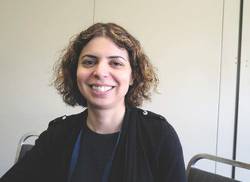
In what she said is the first study of its kind conducted in the United States, Dr. Majidi and her associates investigated the prevalence of autism spectrum disorder (ASD) in a large diabetes center to better understand the diabetes characteristics and management of those with both type 1 diabetes and ASD. The researchers evaluated 2,360 patients aged 18 months to 18 years cared for at the Barbara Davis Center for Childhood Diabetes at the University of Colorado, Aurora. Of the 2,360 patients, 30 (28 males and 2 females) had ASD, for a prevalence of 1 in 87 (1.15%). This was similar to the prevalence of ASD in the general Colorado population, which is estimated to be 1 in 85 (1.18%).
Patients with type 1 diabetes and ASD had a mean age of 12.9 years and had the disease for a mean of 5 years. There were fewer females with type 1 diabetes and ASD, compared with those who had type 1 diabetes only (7% vs. 48%, respectively; P less than .001).
Compared with patients who had type 1 diabetes, those with type 1 diabetes and ASD had similar hemoglobin A1c levels (a median of 8.2% vs. 8.8%, P = .17) and number of blood glucose tests per day (a median of 5.1 vs. 4.9, P = .32), but were less likely to be on an insulin pump (43.3% vs. 57%, P = .14).
The overall findings suggest that management in patients with ASD and type 1 diabetes does not necessarily need to differ from those without ASD. “For instance, it is possible for ASD patients to do well on an insulin pump,” said Dr. Majidi, who is a pediatric endocrinologist at the Barbara Davis Center for Childhood Diabetes. “Also, A1c and blood sugar checks are similar between those with and without ASD, and thus similar intensive management can be recommended for this group. So just like in patients without ASD, diabetes should be managed on an individual basis, looking at individual needs, but having a diagnosis of ASD does not have to limit our views as providers of what types of management we can offer for ideal diabetes management.”
She acknowledged certain limitations of the study, including its single-center design and relatively small sample size. “It would be beneficial to obtain larger numbers of patients with ASD and type 1 diabetes via multicenter studies in order to get a larger group of patients with both diagnoses, in order to see if our results remain when looking on a larger scale.”
In a video interview at the meeting, Dr. Majidi and Dr. Kelly Stanek of the Barbara Davis Center for Childhood Diabetes discussed the study's findings and the next steps for research, including a closer examination of the challenges parents face in caring for children with type 1 diabetes and ASD.
Dr. Majidi and Dr. Stanek reported having no relevant financial disclosures.
The video associated with this article is no longer available on this site. Please view all of our videos on the MDedge YouTube channel
NEW ORLEANS – The prevalence of autism spectrum disorder in children and adolescents with type 1 diabetes appears to be similar to that in the general pediatric population, according to a study conducted in Colorado.
“There is no known literature on management of patients with autism spectrum disorder and type 1 diabetes to assess if management is different in this population,” Dr. Shideh Majidi said in an interview at the annual scientific sessions of the American Diabetes Association.
In what she said is the first study of its kind conducted in the United States, Dr. Majidi and her associates investigated the prevalence of autism spectrum disorder (ASD) in a large diabetes center to better understand the diabetes characteristics and management of those with both type 1 diabetes and ASD. The researchers evaluated 2,360 patients aged 18 months to 18 years cared for at the Barbara Davis Center for Childhood Diabetes at the University of Colorado, Aurora. Of the 2,360 patients, 30 (28 males and 2 females) had ASD, for a prevalence of 1 in 87 (1.15%). This was similar to the prevalence of ASD in the general Colorado population, which is estimated to be 1 in 85 (1.18%).
Patients with type 1 diabetes and ASD had a mean age of 12.9 years and had the disease for a mean of 5 years. There were fewer females with type 1 diabetes and ASD, compared with those who had type 1 diabetes only (7% vs. 48%, respectively; P less than .001).
Compared with patients who had type 1 diabetes, those with type 1 diabetes and ASD had similar hemoglobin A1c levels (a median of 8.2% vs. 8.8%, P = .17) and number of blood glucose tests per day (a median of 5.1 vs. 4.9, P = .32), but were less likely to be on an insulin pump (43.3% vs. 57%, P = .14).
The overall findings suggest that management in patients with ASD and type 1 diabetes does not necessarily need to differ from those without ASD. “For instance, it is possible for ASD patients to do well on an insulin pump,” said Dr. Majidi, who is a pediatric endocrinologist at the Barbara Davis Center for Childhood Diabetes. “Also, A1c and blood sugar checks are similar between those with and without ASD, and thus similar intensive management can be recommended for this group. So just like in patients without ASD, diabetes should be managed on an individual basis, looking at individual needs, but having a diagnosis of ASD does not have to limit our views as providers of what types of management we can offer for ideal diabetes management.”
She acknowledged certain limitations of the study, including its single-center design and relatively small sample size. “It would be beneficial to obtain larger numbers of patients with ASD and type 1 diabetes via multicenter studies in order to get a larger group of patients with both diagnoses, in order to see if our results remain when looking on a larger scale.”
In a video interview at the meeting, Dr. Majidi and Dr. Kelly Stanek of the Barbara Davis Center for Childhood Diabetes discussed the study's findings and the next steps for research, including a closer examination of the challenges parents face in caring for children with type 1 diabetes and ASD.
Dr. Majidi and Dr. Stanek reported having no relevant financial disclosures.
The video associated with this article is no longer available on this site. Please view all of our videos on the MDedge YouTube channel
NEW ORLEANS – The prevalence of autism spectrum disorder in children and adolescents with type 1 diabetes appears to be similar to that in the general pediatric population, according to a study conducted in Colorado.
“There is no known literature on management of patients with autism spectrum disorder and type 1 diabetes to assess if management is different in this population,” Dr. Shideh Majidi said in an interview at the annual scientific sessions of the American Diabetes Association.
In what she said is the first study of its kind conducted in the United States, Dr. Majidi and her associates investigated the prevalence of autism spectrum disorder (ASD) in a large diabetes center to better understand the diabetes characteristics and management of those with both type 1 diabetes and ASD. The researchers evaluated 2,360 patients aged 18 months to 18 years cared for at the Barbara Davis Center for Childhood Diabetes at the University of Colorado, Aurora. Of the 2,360 patients, 30 (28 males and 2 females) had ASD, for a prevalence of 1 in 87 (1.15%). This was similar to the prevalence of ASD in the general Colorado population, which is estimated to be 1 in 85 (1.18%).
Patients with type 1 diabetes and ASD had a mean age of 12.9 years and had the disease for a mean of 5 years. There were fewer females with type 1 diabetes and ASD, compared with those who had type 1 diabetes only (7% vs. 48%, respectively; P less than .001).
Compared with patients who had type 1 diabetes, those with type 1 diabetes and ASD had similar hemoglobin A1c levels (a median of 8.2% vs. 8.8%, P = .17) and number of blood glucose tests per day (a median of 5.1 vs. 4.9, P = .32), but were less likely to be on an insulin pump (43.3% vs. 57%, P = .14).
The overall findings suggest that management in patients with ASD and type 1 diabetes does not necessarily need to differ from those without ASD. “For instance, it is possible for ASD patients to do well on an insulin pump,” said Dr. Majidi, who is a pediatric endocrinologist at the Barbara Davis Center for Childhood Diabetes. “Also, A1c and blood sugar checks are similar between those with and without ASD, and thus similar intensive management can be recommended for this group. So just like in patients without ASD, diabetes should be managed on an individual basis, looking at individual needs, but having a diagnosis of ASD does not have to limit our views as providers of what types of management we can offer for ideal diabetes management.”
She acknowledged certain limitations of the study, including its single-center design and relatively small sample size. “It would be beneficial to obtain larger numbers of patients with ASD and type 1 diabetes via multicenter studies in order to get a larger group of patients with both diagnoses, in order to see if our results remain when looking on a larger scale.”
In a video interview at the meeting, Dr. Majidi and Dr. Kelly Stanek of the Barbara Davis Center for Childhood Diabetes discussed the study's findings and the next steps for research, including a closer examination of the challenges parents face in caring for children with type 1 diabetes and ASD.
Dr. Majidi and Dr. Stanek reported having no relevant financial disclosures.
The video associated with this article is no longer available on this site. Please view all of our videos on the MDedge YouTube channel
AT THE ADA SCIENTIFIC SESSIONS
Key clinical point: Overall, the prevalence of autism spectrum disorder among Colorado youth with type 1 diabetes is similar to the prevalence of ASD in the general Colorado pediatric population.
Major finding: The prevalence of pediatric patients in Colorado with type 1 diabetes and ASD was 1 in 87 (1.15%), which was similar to the prevalence of ASD in the general Colorado pediatric population, 1 in 85 (1.18%).
Data source: An analysis of 2,360 patients with type 1 diabetes aged 18 months to 18 years old who were cared for at a single center in Colorado.
Disclosures: Dr. Majidi and Dr. Stanek reported having no relevant financial disclosures.

Transgender youth can successfully transition to adulthood
ORLANDO – In the case of transgender youth and adults – those with what is now called gender dysphoria – physicians are faced with treating individuals who generally have no physical disease or abnormalities.
Endocrinologists are the professionals who are often tasked with the medical aspects of treating gender dysphoria. In an effort to help them understand the underpinnings and aspects of the conditions, Dr. Stephen Rosenthal, professor of pediatrics and medical director of the Child and Adolescent Medical Gender Center at the University of California, San Francisco, reviewed current knowledge about the biological basis for gender identity, current treatment models, and barriers to care of patients with gender dysphoria.
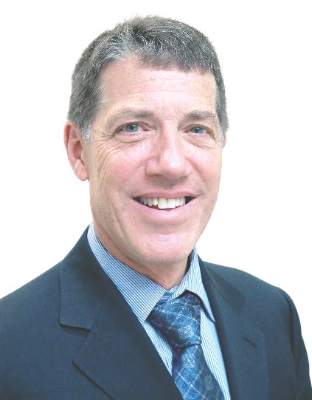
Speaking at the annual meeting of the American Association of Clinical Endocrinologists, Dr. Rosenthal said the dysphoria derives from the significant emotional distress that may be associated with a transgender identity, essentially from the social and psychological pressures of being born and living in a body (the “natal sex”) that does not match an individual’s gender identity, defined as one’s fundamental sense of self as male or female. “It’s not always limited to those two choices, and it’s not always binary,” he said, since individuals may identify with aspects of both or, at times, neither gender.
He defined some terms, such as transgender, which refers to a transient or persistent identification with gender different from the one others assume based on physical sex characteristics at birth. That gender becomes the one of rearing, which may not be how the individual feels growing up. Gender identity should not be confused with sexual identity or orientation because people of any gender can have any sexual orientation.
“Gender Identity Disorder,” a term used in the DSM IV (Diagnostic and Statistical Manual of Mental Disorders IV) has been replaced by “Gender Dysphoria in Children” in DSM 5. And even that term may be revised since transgender identity in itself is not a pathology.
In one survey of 28,176 people, 0.5% self-identified as transgender. Another survey showed statistically significant risks associated with being transgender. Comparing 180 transgender youth with 180 non–transgender youth (average age, 19.6 years; range, 12-29 years), researchers found a two- to threefold increased risk of depression, anxiety disorder, suicidal ideation, suicide attempt, and self- harm without lethal intent among the transgender youths. Parental support helped alleviate some of these risks, especially suicide attempts, but did not eliminate them entirely; that support also contributed to better mental and physical health, improved self-esteem, and even adequate food and housing for transgender adolescents.
Clues to biological influences
A complex interplay of biological, environmental, and cultural factors affect the determination of gender identity. Evidence points to the role of biology in gender identity development through studies of genetics, hormones, and the brain, but none of these is a “litmus test” for gender identity, Dr. Rosenthal said.
A study of 23 monozygotic twin pairs, 21 same-sex dizygotic twin pairs, and 7 opposite-sex twin pairs showed a 39.1% concordance for gender dysphoria among the monozygotic twins but none for the other sets.
Most transgender individuals do not have any obvious disorder of sexual development, but that is not to rule out a role of prenatal or postnatal androgens (specifically enzymes of the steroid pathways), androgen insensitivity, or extragonadal sources of androgen, as in congenital adrenal hyperplasia (CAH). Among 250 46XX females with CAH raised as female, 5.2% had male gender identity or gender dysphoria (a 10- to 20-fold increased risk vs. controls), suggesting a possible role for prenatal androgens in gender identity development.
A neurobiological basis for transgender is supported by some studies of sexually dimorphic brain structures but is by no means conclusive. Numerous studies of gray and white matter showed that sexually dimorphic structures are more closely aligned with gender identity than with physical sex (even before cross-sex hormones have been applied). But morphometry on areas of the brain that show the largest sex differences found that variability was more prevalent than was consistency in the 1,400 brains studied.
Tests of “functional sexual dimorphism” used PET or MRI to measure changes in regional blood flow in the anterior hypothalamus when control adolescent girls or boys or those with gender dysphoria were asked to smell substances containing pheromones of the opposite sex (for girls: androstadienone in a mixture of male sweat and semen; for boys: estrogen-like compounds in urine of pregnant women). Both girls and boys with gender dysphoria had responses significantly different from those of their respective controls.
Natural history of gender dysphoria
Dr. Rosenthal said symptoms of gender dysphoria in prepubertal children decrease or disappear in 70%-95% of cases, but if they persist into early puberty, the individual is likely to be transgender as an adult. Children with more intense gender dysphoria and those who believed they “were” the opposite sex were more likely to have persistent gender dysphoria as adults. In a study based on parents’ completed measures, prepubescent transgender boys and girls who have socially transitioned had depression scores no higher than those of matched nontransgender controls. They had much lower anxiety and depression, compared with non–socially transitioned transgender historical control children.
Medically induced sexual transitioning
For pediatric and adolescent transsexual patients who express a desire to transition to the opposite sex, an Endocrine Society clinical practice guideline on endocrine treatment recommends that a mental health professional make the diagnosis of gender dysphoria. Then the medical provider needs to ensure that the patient understands the consequences of hormone suppression and cross-sex hormone therapy prior to beginning treatments. Only after early puberty has begun should gonadotropin-releasing hormone (GnRH) agonists be used to suppress pubertal hormones. At about age 16 years, cross-sex hormone treatments can begin, with surgery deferred at least until age 18 years if the patient desires full transitioning.
A Dutch study (Pediatrics. 2014 Oct. 134:696-704) showed that after gender reassignment, in young adulthood, gender dysphoria “was alleviated and psychological functioning had steadily improved. Well-being was similar to or better than same-age young adults from the general population.” No patients reported any regret during any stages of the sex-reassignment protocol.
There is some concern about adverse effects of the GnRH agonists, such as on bone mass and health, the brain, and fertility. But no detrimental effects were observed in a study on executive functioning, which undergoes significant development during puberty, in either male-to-female or female-to-male individuals.
Future parenthood may be an option if the patient is old enough. “We always encourage them to either freeze sperm, or we can potentially freeze eggs before embarking on phenotypic transition,” Dr. Rosenthal said. But allowing a patient to get to a stage of spermatogenesis or egg production would allow puberty to proceed to a significant degree. “So one of the exciting areas of research is actually taking prepubertal tissue … [in mice] they took neonatal testicular tissue and they basically showed you could take it all the way through the steps of full maturation and get progeny that were reproductively competent,” he said. Similar studies are being done in humans, mainly because there is interest in preserving fertility of children undergoing cancer treatments.
Barriers to care for transgender youth include limited access to medications, including off-label use, great expense, and insurance company denials of reimbursement. There are also relatively few clinical programs and a lack of training for health care professionals, as well as prejudice and misunderstanding, even among professionals.
ORLANDO – In the case of transgender youth and adults – those with what is now called gender dysphoria – physicians are faced with treating individuals who generally have no physical disease or abnormalities.
Endocrinologists are the professionals who are often tasked with the medical aspects of treating gender dysphoria. In an effort to help them understand the underpinnings and aspects of the conditions, Dr. Stephen Rosenthal, professor of pediatrics and medical director of the Child and Adolescent Medical Gender Center at the University of California, San Francisco, reviewed current knowledge about the biological basis for gender identity, current treatment models, and barriers to care of patients with gender dysphoria.
Speaking at the annual meeting of the American Association of Clinical Endocrinologists, Dr. Rosenthal said the dysphoria derives from the significant emotional distress that may be associated with a transgender identity, essentially from the social and psychological pressures of being born and living in a body (the “natal sex”) that does not match an individual’s gender identity, defined as one’s fundamental sense of self as male or female. “It’s not always limited to those two choices, and it’s not always binary,” he said, since individuals may identify with aspects of both or, at times, neither gender.
He defined some terms, such as transgender, which refers to a transient or persistent identification with gender different from the one others assume based on physical sex characteristics at birth. That gender becomes the one of rearing, which may not be how the individual feels growing up. Gender identity should not be confused with sexual identity or orientation because people of any gender can have any sexual orientation.
“Gender Identity Disorder,” a term used in the DSM IV (Diagnostic and Statistical Manual of Mental Disorders IV) has been replaced by “Gender Dysphoria in Children” in DSM 5. And even that term may be revised since transgender identity in itself is not a pathology.
In one survey of 28,176 people, 0.5% self-identified as transgender. Another survey showed statistically significant risks associated with being transgender. Comparing 180 transgender youth with 180 non–transgender youth (average age, 19.6 years; range, 12-29 years), researchers found a two- to threefold increased risk of depression, anxiety disorder, suicidal ideation, suicide attempt, and self- harm without lethal intent among the transgender youths. Parental support helped alleviate some of these risks, especially suicide attempts, but did not eliminate them entirely; that support also contributed to better mental and physical health, improved self-esteem, and even adequate food and housing for transgender adolescents.
Clues to biological influences
A complex interplay of biological, environmental, and cultural factors affect the determination of gender identity. Evidence points to the role of biology in gender identity development through studies of genetics, hormones, and the brain, but none of these is a “litmus test” for gender identity, Dr. Rosenthal said.
A study of 23 monozygotic twin pairs, 21 same-sex dizygotic twin pairs, and 7 opposite-sex twin pairs showed a 39.1% concordance for gender dysphoria among the monozygotic twins but none for the other sets.
Most transgender individuals do not have any obvious disorder of sexual development, but that is not to rule out a role of prenatal or postnatal androgens (specifically enzymes of the steroid pathways), androgen insensitivity, or extragonadal sources of androgen, as in congenital adrenal hyperplasia (CAH). Among 250 46XX females with CAH raised as female, 5.2% had male gender identity or gender dysphoria (a 10- to 20-fold increased risk vs. controls), suggesting a possible role for prenatal androgens in gender identity development.
A neurobiological basis for transgender is supported by some studies of sexually dimorphic brain structures but is by no means conclusive. Numerous studies of gray and white matter showed that sexually dimorphic structures are more closely aligned with gender identity than with physical sex (even before cross-sex hormones have been applied). But morphometry on areas of the brain that show the largest sex differences found that variability was more prevalent than was consistency in the 1,400 brains studied.
Tests of “functional sexual dimorphism” used PET or MRI to measure changes in regional blood flow in the anterior hypothalamus when control adolescent girls or boys or those with gender dysphoria were asked to smell substances containing pheromones of the opposite sex (for girls: androstadienone in a mixture of male sweat and semen; for boys: estrogen-like compounds in urine of pregnant women). Both girls and boys with gender dysphoria had responses significantly different from those of their respective controls.
Natural history of gender dysphoria
Dr. Rosenthal said symptoms of gender dysphoria in prepubertal children decrease or disappear in 70%-95% of cases, but if they persist into early puberty, the individual is likely to be transgender as an adult. Children with more intense gender dysphoria and those who believed they “were” the opposite sex were more likely to have persistent gender dysphoria as adults. In a study based on parents’ completed measures, prepubescent transgender boys and girls who have socially transitioned had depression scores no higher than those of matched nontransgender controls. They had much lower anxiety and depression, compared with non–socially transitioned transgender historical control children.
Medically induced sexual transitioning
For pediatric and adolescent transsexual patients who express a desire to transition to the opposite sex, an Endocrine Society clinical practice guideline on endocrine treatment recommends that a mental health professional make the diagnosis of gender dysphoria. Then the medical provider needs to ensure that the patient understands the consequences of hormone suppression and cross-sex hormone therapy prior to beginning treatments. Only after early puberty has begun should gonadotropin-releasing hormone (GnRH) agonists be used to suppress pubertal hormones. At about age 16 years, cross-sex hormone treatments can begin, with surgery deferred at least until age 18 years if the patient desires full transitioning.
A Dutch study (Pediatrics. 2014 Oct. 134:696-704) showed that after gender reassignment, in young adulthood, gender dysphoria “was alleviated and psychological functioning had steadily improved. Well-being was similar to or better than same-age young adults from the general population.” No patients reported any regret during any stages of the sex-reassignment protocol.
There is some concern about adverse effects of the GnRH agonists, such as on bone mass and health, the brain, and fertility. But no detrimental effects were observed in a study on executive functioning, which undergoes significant development during puberty, in either male-to-female or female-to-male individuals.
Future parenthood may be an option if the patient is old enough. “We always encourage them to either freeze sperm, or we can potentially freeze eggs before embarking on phenotypic transition,” Dr. Rosenthal said. But allowing a patient to get to a stage of spermatogenesis or egg production would allow puberty to proceed to a significant degree. “So one of the exciting areas of research is actually taking prepubertal tissue … [in mice] they took neonatal testicular tissue and they basically showed you could take it all the way through the steps of full maturation and get progeny that were reproductively competent,” he said. Similar studies are being done in humans, mainly because there is interest in preserving fertility of children undergoing cancer treatments.
Barriers to care for transgender youth include limited access to medications, including off-label use, great expense, and insurance company denials of reimbursement. There are also relatively few clinical programs and a lack of training for health care professionals, as well as prejudice and misunderstanding, even among professionals.
ORLANDO – In the case of transgender youth and adults – those with what is now called gender dysphoria – physicians are faced with treating individuals who generally have no physical disease or abnormalities.
Endocrinologists are the professionals who are often tasked with the medical aspects of treating gender dysphoria. In an effort to help them understand the underpinnings and aspects of the conditions, Dr. Stephen Rosenthal, professor of pediatrics and medical director of the Child and Adolescent Medical Gender Center at the University of California, San Francisco, reviewed current knowledge about the biological basis for gender identity, current treatment models, and barriers to care of patients with gender dysphoria.
Speaking at the annual meeting of the American Association of Clinical Endocrinologists, Dr. Rosenthal said the dysphoria derives from the significant emotional distress that may be associated with a transgender identity, essentially from the social and psychological pressures of being born and living in a body (the “natal sex”) that does not match an individual’s gender identity, defined as one’s fundamental sense of self as male or female. “It’s not always limited to those two choices, and it’s not always binary,” he said, since individuals may identify with aspects of both or, at times, neither gender.
He defined some terms, such as transgender, which refers to a transient or persistent identification with gender different from the one others assume based on physical sex characteristics at birth. That gender becomes the one of rearing, which may not be how the individual feels growing up. Gender identity should not be confused with sexual identity or orientation because people of any gender can have any sexual orientation.
“Gender Identity Disorder,” a term used in the DSM IV (Diagnostic and Statistical Manual of Mental Disorders IV) has been replaced by “Gender Dysphoria in Children” in DSM 5. And even that term may be revised since transgender identity in itself is not a pathology.
In one survey of 28,176 people, 0.5% self-identified as transgender. Another survey showed statistically significant risks associated with being transgender. Comparing 180 transgender youth with 180 non–transgender youth (average age, 19.6 years; range, 12-29 years), researchers found a two- to threefold increased risk of depression, anxiety disorder, suicidal ideation, suicide attempt, and self- harm without lethal intent among the transgender youths. Parental support helped alleviate some of these risks, especially suicide attempts, but did not eliminate them entirely; that support also contributed to better mental and physical health, improved self-esteem, and even adequate food and housing for transgender adolescents.
Clues to biological influences
A complex interplay of biological, environmental, and cultural factors affect the determination of gender identity. Evidence points to the role of biology in gender identity development through studies of genetics, hormones, and the brain, but none of these is a “litmus test” for gender identity, Dr. Rosenthal said.
A study of 23 monozygotic twin pairs, 21 same-sex dizygotic twin pairs, and 7 opposite-sex twin pairs showed a 39.1% concordance for gender dysphoria among the monozygotic twins but none for the other sets.
Most transgender individuals do not have any obvious disorder of sexual development, but that is not to rule out a role of prenatal or postnatal androgens (specifically enzymes of the steroid pathways), androgen insensitivity, or extragonadal sources of androgen, as in congenital adrenal hyperplasia (CAH). Among 250 46XX females with CAH raised as female, 5.2% had male gender identity or gender dysphoria (a 10- to 20-fold increased risk vs. controls), suggesting a possible role for prenatal androgens in gender identity development.
A neurobiological basis for transgender is supported by some studies of sexually dimorphic brain structures but is by no means conclusive. Numerous studies of gray and white matter showed that sexually dimorphic structures are more closely aligned with gender identity than with physical sex (even before cross-sex hormones have been applied). But morphometry on areas of the brain that show the largest sex differences found that variability was more prevalent than was consistency in the 1,400 brains studied.
Tests of “functional sexual dimorphism” used PET or MRI to measure changes in regional blood flow in the anterior hypothalamus when control adolescent girls or boys or those with gender dysphoria were asked to smell substances containing pheromones of the opposite sex (for girls: androstadienone in a mixture of male sweat and semen; for boys: estrogen-like compounds in urine of pregnant women). Both girls and boys with gender dysphoria had responses significantly different from those of their respective controls.
Natural history of gender dysphoria
Dr. Rosenthal said symptoms of gender dysphoria in prepubertal children decrease or disappear in 70%-95% of cases, but if they persist into early puberty, the individual is likely to be transgender as an adult. Children with more intense gender dysphoria and those who believed they “were” the opposite sex were more likely to have persistent gender dysphoria as adults. In a study based on parents’ completed measures, prepubescent transgender boys and girls who have socially transitioned had depression scores no higher than those of matched nontransgender controls. They had much lower anxiety and depression, compared with non–socially transitioned transgender historical control children.
Medically induced sexual transitioning
For pediatric and adolescent transsexual patients who express a desire to transition to the opposite sex, an Endocrine Society clinical practice guideline on endocrine treatment recommends that a mental health professional make the diagnosis of gender dysphoria. Then the medical provider needs to ensure that the patient understands the consequences of hormone suppression and cross-sex hormone therapy prior to beginning treatments. Only after early puberty has begun should gonadotropin-releasing hormone (GnRH) agonists be used to suppress pubertal hormones. At about age 16 years, cross-sex hormone treatments can begin, with surgery deferred at least until age 18 years if the patient desires full transitioning.
A Dutch study (Pediatrics. 2014 Oct. 134:696-704) showed that after gender reassignment, in young adulthood, gender dysphoria “was alleviated and psychological functioning had steadily improved. Well-being was similar to or better than same-age young adults from the general population.” No patients reported any regret during any stages of the sex-reassignment protocol.
There is some concern about adverse effects of the GnRH agonists, such as on bone mass and health, the brain, and fertility. But no detrimental effects were observed in a study on executive functioning, which undergoes significant development during puberty, in either male-to-female or female-to-male individuals.
Future parenthood may be an option if the patient is old enough. “We always encourage them to either freeze sperm, or we can potentially freeze eggs before embarking on phenotypic transition,” Dr. Rosenthal said. But allowing a patient to get to a stage of spermatogenesis or egg production would allow puberty to proceed to a significant degree. “So one of the exciting areas of research is actually taking prepubertal tissue … [in mice] they took neonatal testicular tissue and they basically showed you could take it all the way through the steps of full maturation and get progeny that were reproductively competent,” he said. Similar studies are being done in humans, mainly because there is interest in preserving fertility of children undergoing cancer treatments.
Barriers to care for transgender youth include limited access to medications, including off-label use, great expense, and insurance company denials of reimbursement. There are also relatively few clinical programs and a lack of training for health care professionals, as well as prejudice and misunderstanding, even among professionals.
EXPERT ANALYSIS FROM AACE 2016

Most CML patients who stop nilotinib stay in remission

© ASCO/Matt Herp
CHICAGO—Nearly 60% of chronic myeloid leukemia (CML) patients who switch to nilotinib from imatinib maintain treatment-free remission for 48 weeks after stopping treatment, according to a new study, ENESTop, presented at the 2016 ASCO Annual Meeting (abstract 7054).
Treatment-free remission (TFR)—stopping tyrosine kinase inhibitor therapy after achieving a sustained deep molecular response—is an emerging treatment goal for patients with CML in chronic phase (CML-CP).
Results from Evaluating Nilotinib Efficacy and Safety in Clinical Trials–Complete Molecular Response (ENESTcmr) demonstrated that patients on long-term imatinib who had not achieved MR4.5 were more likely to achieve this response by switching to nilotinib than by remaining on imatinib.
“This suggests that, compared with remaining on imatinib, switching to nilotinib may enable more of these patients to reach a molecular response level required for attempting to achieve TFR in clinical trials,” said lead author Timothy Hughes, MD, of University of Adelaide in Australia.
ENESTop is the first study, providing the largest set of prospective TFR data to date, to specifically assess TFR in patients who achieved a sustained deep molecular response after switching from imatinib to nilotinib.
The trial evaluated 126 patients who were able to achieve a sustained deep molecular response with nilotinib, but not with prior imatinib therapy.
The study met its primary endpoint of the proportion of patients without confirmed loss of MR4.0 or loss of major molecular response (MMR) within 48 weeks of nilotinib discontinuation in the TFR phase.
Some 57.9% patients who achieved a sustained deep molecular response following at least three years of nilotinib therapy maintained a molecular response 48 weeks after stopping treatment.
Of the 51 patients with confirmed loss of MR4.0 or loss of MMR who restarted nilotinib, 98.0% regained at least MMR, with 94.1% regaining MR4.0 and 92.2% regaining MR4.5.
By weeks 12 and 13 of treatment reinitiation with nilotinib, half of retreated patients already achieved MR4.0 and MR4.5, respectively.
One patient entered the treatment reinitiation phase, but did not regain MMR by 20 weeks and discontinued the study.
“MR4.5 achieved following the switch from imatinib to nilotinib,” Dr Hughes said, “was durable in most patients; more than three quarters of enrolled patients were eligible to enter the TFR phase.”
No new safety signals were observed, Dr Hughes said. Consistent with reports in imatinib-treated patients, the rates of all grade musculoskeletal pain were 42.1% in the first year of the TFR phase versus 14.3% while still taking nilotinib in the consolidation phase.
Dr Hughes said the results suggest “TFR can be maintained in the majority of patients who achieve a sustained deep molecular response with nilotinib following switch from imatinib.”
He continued, “The results from ENESTop, together with those from ENESTcmr, show that a higher proportion of patients switching to nilotinib achieve MR 4.5, suggesting that a higher proportion of patients switching to nilotinib will achieve TFR compared with patients continuing on imatinib.”
Novartis is the sponsor of ENESTop and the manufacturer of imatinib (Gleevec) and nilotinib (Tasigna). Dr Hughes disclosed that he has received honoraria and research funding from Novartis. 
© ASCO/Matt Herp
CHICAGO—Nearly 60% of chronic myeloid leukemia (CML) patients who switch to nilotinib from imatinib maintain treatment-free remission for 48 weeks after stopping treatment, according to a new study, ENESTop, presented at the 2016 ASCO Annual Meeting (abstract 7054).
Treatment-free remission (TFR)—stopping tyrosine kinase inhibitor therapy after achieving a sustained deep molecular response—is an emerging treatment goal for patients with CML in chronic phase (CML-CP).
Results from Evaluating Nilotinib Efficacy and Safety in Clinical Trials–Complete Molecular Response (ENESTcmr) demonstrated that patients on long-term imatinib who had not achieved MR4.5 were more likely to achieve this response by switching to nilotinib than by remaining on imatinib.
“This suggests that, compared with remaining on imatinib, switching to nilotinib may enable more of these patients to reach a molecular response level required for attempting to achieve TFR in clinical trials,” said lead author Timothy Hughes, MD, of University of Adelaide in Australia.
ENESTop is the first study, providing the largest set of prospective TFR data to date, to specifically assess TFR in patients who achieved a sustained deep molecular response after switching from imatinib to nilotinib.
The trial evaluated 126 patients who were able to achieve a sustained deep molecular response with nilotinib, but not with prior imatinib therapy.
The study met its primary endpoint of the proportion of patients without confirmed loss of MR4.0 or loss of major molecular response (MMR) within 48 weeks of nilotinib discontinuation in the TFR phase.
Some 57.9% patients who achieved a sustained deep molecular response following at least three years of nilotinib therapy maintained a molecular response 48 weeks after stopping treatment.
Of the 51 patients with confirmed loss of MR4.0 or loss of MMR who restarted nilotinib, 98.0% regained at least MMR, with 94.1% regaining MR4.0 and 92.2% regaining MR4.5.
By weeks 12 and 13 of treatment reinitiation with nilotinib, half of retreated patients already achieved MR4.0 and MR4.5, respectively.
One patient entered the treatment reinitiation phase, but did not regain MMR by 20 weeks and discontinued the study.
“MR4.5 achieved following the switch from imatinib to nilotinib,” Dr Hughes said, “was durable in most patients; more than three quarters of enrolled patients were eligible to enter the TFR phase.”
No new safety signals were observed, Dr Hughes said. Consistent with reports in imatinib-treated patients, the rates of all grade musculoskeletal pain were 42.1% in the first year of the TFR phase versus 14.3% while still taking nilotinib in the consolidation phase.
Dr Hughes said the results suggest “TFR can be maintained in the majority of patients who achieve a sustained deep molecular response with nilotinib following switch from imatinib.”
He continued, “The results from ENESTop, together with those from ENESTcmr, show that a higher proportion of patients switching to nilotinib achieve MR 4.5, suggesting that a higher proportion of patients switching to nilotinib will achieve TFR compared with patients continuing on imatinib.”
Novartis is the sponsor of ENESTop and the manufacturer of imatinib (Gleevec) and nilotinib (Tasigna). Dr Hughes disclosed that he has received honoraria and research funding from Novartis.
© ASCO/Matt Herp
CHICAGO—Nearly 60% of chronic myeloid leukemia (CML) patients who switch to nilotinib from imatinib maintain treatment-free remission for 48 weeks after stopping treatment, according to a new study, ENESTop, presented at the 2016 ASCO Annual Meeting (abstract 7054).
Treatment-free remission (TFR)—stopping tyrosine kinase inhibitor therapy after achieving a sustained deep molecular response—is an emerging treatment goal for patients with CML in chronic phase (CML-CP).
Results from Evaluating Nilotinib Efficacy and Safety in Clinical Trials–Complete Molecular Response (ENESTcmr) demonstrated that patients on long-term imatinib who had not achieved MR4.5 were more likely to achieve this response by switching to nilotinib than by remaining on imatinib.
“This suggests that, compared with remaining on imatinib, switching to nilotinib may enable more of these patients to reach a molecular response level required for attempting to achieve TFR in clinical trials,” said lead author Timothy Hughes, MD, of University of Adelaide in Australia.
ENESTop is the first study, providing the largest set of prospective TFR data to date, to specifically assess TFR in patients who achieved a sustained deep molecular response after switching from imatinib to nilotinib.
The trial evaluated 126 patients who were able to achieve a sustained deep molecular response with nilotinib, but not with prior imatinib therapy.
The study met its primary endpoint of the proportion of patients without confirmed loss of MR4.0 or loss of major molecular response (MMR) within 48 weeks of nilotinib discontinuation in the TFR phase.
Some 57.9% patients who achieved a sustained deep molecular response following at least three years of nilotinib therapy maintained a molecular response 48 weeks after stopping treatment.
Of the 51 patients with confirmed loss of MR4.0 or loss of MMR who restarted nilotinib, 98.0% regained at least MMR, with 94.1% regaining MR4.0 and 92.2% regaining MR4.5.
By weeks 12 and 13 of treatment reinitiation with nilotinib, half of retreated patients already achieved MR4.0 and MR4.5, respectively.
One patient entered the treatment reinitiation phase, but did not regain MMR by 20 weeks and discontinued the study.
“MR4.5 achieved following the switch from imatinib to nilotinib,” Dr Hughes said, “was durable in most patients; more than three quarters of enrolled patients were eligible to enter the TFR phase.”
No new safety signals were observed, Dr Hughes said. Consistent with reports in imatinib-treated patients, the rates of all grade musculoskeletal pain were 42.1% in the first year of the TFR phase versus 14.3% while still taking nilotinib in the consolidation phase.
Dr Hughes said the results suggest “TFR can be maintained in the majority of patients who achieve a sustained deep molecular response with nilotinib following switch from imatinib.”
He continued, “The results from ENESTop, together with those from ENESTcmr, show that a higher proportion of patients switching to nilotinib achieve MR 4.5, suggesting that a higher proportion of patients switching to nilotinib will achieve TFR compared with patients continuing on imatinib.”
Novartis is the sponsor of ENESTop and the manufacturer of imatinib (Gleevec) and nilotinib (Tasigna). Dr Hughes disclosed that he has received honoraria and research funding from Novartis.
Inotuzumab bests standard of care in adult ALL

Photo courtesy of MDACC
In multiple categories, the antibody-drug conjuagate inotuzumab ozogamicin achieved significantly better results than the standard of care in the treatment of adults with acute lymphoblastic leukemia (ALL).
Patients in the inotuzumab arm experienced a higher rate of complete remissions, a greater frequency of achieving minimal residual disease negativity, and longer progression-free survival and overall survival.
However, veno-occlusive liver disease occurred more frequently in the inotuzumab-treated patients.
Inotuzumab ozogamicin, an anti-CD22 antibody conjugated to calicheamicin, received breakthrough designation for ALL from the US Food and Drug Administration last October.
For this phase 3 trial, called INO-VATE, investigators randomized 326 patients to receive inotuzumab or the investigator’s choice of standard therapy. The first 218 patients, 109 in each arm, were included in the intent-to-treat analysis of complete remission.
Hagop M. Kantarjian, MD, of MD Anderson Cancer Center in Houston, Texas, presented the findings at the European Hematology Association meeting as abstract LB2233*. The study was simultaneously published in NEJM. Data cited here are based on the published paper.
Patients had to be 18 years of age or older and had to have relapsed or refractory disease with 5% or more blasts in the bone marrow. They had to be CD22-positive and could be either Philadelphia chromosome positive or negative. Patients had to be scheduled for their first or second salvage therapy.
No cross-over between the groups was allowed.
The primary endpoints were complete remission including complete remission with incomplete hematologic recovery, and overall survival.
Treatments
Patients in the inotuzumab arm received the drug intravenously at a starting dose of 1.8 mg/m2 per cycle for up to 6 cycles. Once a patient achieved complete remission or remission with incomplete hematologic recovery, the dose per cycle was reduced to 1.5 mg/m2.
Patients in the standard therapy arm could receive one of three regimens: FLAG (fludarabine, cytarabine, and granulocyte colony-stimulating factor), cytarabine plus mitoxantrone, or high-dose cytarabine. These regimens were chosen because they are commonly used for the treatment of relapsed or refractory ALL.
Patient characteristics
Patients in both arms were a median age of 47, range 18 – 79. And a little more than a third in each arm were 55 or older. Most patients were white, and about half had an ECOG performance status of 1.
Almost three quarters of the patients in each arm had bone marrow blasts of 50% or more.
Results
Patients in the inotuzumab arm received a median of 3 cycles of therapy and those in the standard therapy arm received a median of 1 cycle.
More patients in the inotuzumab arm received treatment for 2 or more cycles (73%) compared to the standard therapy arm (22%), a finding the investigators said was expected.
Dose reductions were more common in the inotuzumab arm (12%) compared with the standard therapy arm (3%).
More inotuzumab-treated patients discontinued therapy due to achieving complete remission (35%) than in the standard arm (15%).
And fewer patients in the inotuzumab arm (10%) discontinued treatment because of resistant disease than in the standard arm (40%).
Efficacy
The rate of complete remission, including incomplete hematologic recovery, was significantly higher in the inotuzumab group (80.7%) than in the standard group (29.4%), P<0.001.
In both groups, patients who achieved complete remission, including those with incomplete hematologic recovery, did so at the end of cycle 1.
"Standard chemotherapy regimens result in complete remission in 31 to 41 percent of patients who relapse earlier,” Dr Kantarjian noted, “and just 18 to 25 percent in those who relapse later."
"Patients in the inotuzumab ozogamicin study,” he continued, “had remission rates of 58% higher than previously reported, possibly due to patients being treated later in the disease course."
Among the complete responders, significantly more patients achieved minimal residual disease (MRD) negativity in the inotuzumab arm (78.4%) than in the standard therapy group (28.1%), P<0.001.
The median duration of remission was 4.6 months in the inotuzumab arm and 3.1 months in the standard therapy group, P=0.03.
And more patients treated with inotuzumab (41%) proceeded to stem cell transplant directly after treatment than in the standard therapy group (11%), P<0.001.
"Given that stem cell transplant is considered the only curative treatment option,” Dr Kantarjian said, “the ability of inotuzumab ozogamicin to increase the number of patients able to bridge to transplant is encouraging."
Survival
The intention-to-treat survival analysis included 164 patients in the inotuzumab arm and 162 in the standard therapy arm.
Progression-free survival (PFS) was significantly longer in the inotuzumab arm than in the standard therapy arm, a median of 5.0 months compared to 1.8 months, respectively, P<0.001.
The second primary objective of longer overall survival at the prespecified boundary of P=0.0208 was not met. Median overall survival was 7.7 months in the inotuzumab arm and 6.7 months in the standard therapy group, P=0.04.
Safety
In both treatment groups, the most common hematologic adverse events of any cause occurring during treatment were cytopenias.
Thrombocytopenia of grade 3 or higher was lower in the inotuzumab arm (37%) than in the standard therapy arm (59%).
Febrile neutropenia of grade 3 or higher occurred in 24% of inotuzumab-treated patients compared with 49% of patients in the standard therapy group.
In the inotuzumab group, the most common non-hematologic adverse events of any grade included nausea (32%), headache (28%), and pyrexia (27%). Grade 3 or higher nausea, headache, and pyrexia occurred in 2%, 1%, and 4%, respectively.
In the standard therapy arm, the most common non-hematologic events of any grade included nausea (47%), pyrexia (43%), and diarrhea (40%). Grade 3 or higher nausea, pyrexia, and diarrhea occurred in 0%, 5%, and 1%, respectively.
Febrile neutropenia was the most frequently reported serious adverse event, occurring in 12% of the inotuzumab-treated patients and 18% in the standard therapy group.
And liver-related adverse events were more common in the inotuzumab arm.
The most frequent liver-related adverse event of any grade was increased aspartate aminotransferase level, 20% in the inotuzumab group and 10% in the standard therapy group, hyperbilirubinemia, 15% and 10%, respectively, and increased alanine aminotransferase level, 14% and 11%, respectively.
Veno-occlusive liver disease (VOD) occurred more frequently with inotuzumab (11%, 15 patients) compared with standard therapy (1%, 1 patient). And cases were reported up to 2 years after randomization.
Five of the 15 patients developed VOD during or shortly after inotuzumab treatment. No cases of VOD occurred during the administration of standard therapy.
Seventeen deaths occurred during treatment in the inotuzumab arm and 11 in the standard therapy arm. Four deaths in the inotuzumab group and 2 in the standard therapy group were believed to be treatment-related.
The study was funded by Pfizer.
*Data in the abstract differ from those published in NEJM.
Photo courtesy of MDACC
In multiple categories, the antibody-drug conjuagate inotuzumab ozogamicin achieved significantly better results than the standard of care in the treatment of adults with acute lymphoblastic leukemia (ALL).
Patients in the inotuzumab arm experienced a higher rate of complete remissions, a greater frequency of achieving minimal residual disease negativity, and longer progression-free survival and overall survival.
However, veno-occlusive liver disease occurred more frequently in the inotuzumab-treated patients.
Inotuzumab ozogamicin, an anti-CD22 antibody conjugated to calicheamicin, received breakthrough designation for ALL from the US Food and Drug Administration last October.
For this phase 3 trial, called INO-VATE, investigators randomized 326 patients to receive inotuzumab or the investigator’s choice of standard therapy. The first 218 patients, 109 in each arm, were included in the intent-to-treat analysis of complete remission.
Hagop M. Kantarjian, MD, of MD Anderson Cancer Center in Houston, Texas, presented the findings at the European Hematology Association meeting as abstract LB2233*. The study was simultaneously published in NEJM. Data cited here are based on the published paper.
Patients had to be 18 years of age or older and had to have relapsed or refractory disease with 5% or more blasts in the bone marrow. They had to be CD22-positive and could be either Philadelphia chromosome positive or negative. Patients had to be scheduled for their first or second salvage therapy.
No cross-over between the groups was allowed.
The primary endpoints were complete remission including complete remission with incomplete hematologic recovery, and overall survival.
Treatments
Patients in the inotuzumab arm received the drug intravenously at a starting dose of 1.8 mg/m2 per cycle for up to 6 cycles. Once a patient achieved complete remission or remission with incomplete hematologic recovery, the dose per cycle was reduced to 1.5 mg/m2.
Patients in the standard therapy arm could receive one of three regimens: FLAG (fludarabine, cytarabine, and granulocyte colony-stimulating factor), cytarabine plus mitoxantrone, or high-dose cytarabine. These regimens were chosen because they are commonly used for the treatment of relapsed or refractory ALL.
Patient characteristics
Patients in both arms were a median age of 47, range 18 – 79. And a little more than a third in each arm were 55 or older. Most patients were white, and about half had an ECOG performance status of 1.
Almost three quarters of the patients in each arm had bone marrow blasts of 50% or more.
Results
Patients in the inotuzumab arm received a median of 3 cycles of therapy and those in the standard therapy arm received a median of 1 cycle.
More patients in the inotuzumab arm received treatment for 2 or more cycles (73%) compared to the standard therapy arm (22%), a finding the investigators said was expected.
Dose reductions were more common in the inotuzumab arm (12%) compared with the standard therapy arm (3%).
More inotuzumab-treated patients discontinued therapy due to achieving complete remission (35%) than in the standard arm (15%).
And fewer patients in the inotuzumab arm (10%) discontinued treatment because of resistant disease than in the standard arm (40%).
Efficacy
The rate of complete remission, including incomplete hematologic recovery, was significantly higher in the inotuzumab group (80.7%) than in the standard group (29.4%), P<0.001.
In both groups, patients who achieved complete remission, including those with incomplete hematologic recovery, did so at the end of cycle 1.
"Standard chemotherapy regimens result in complete remission in 31 to 41 percent of patients who relapse earlier,” Dr Kantarjian noted, “and just 18 to 25 percent in those who relapse later."
"Patients in the inotuzumab ozogamicin study,” he continued, “had remission rates of 58% higher than previously reported, possibly due to patients being treated later in the disease course."
Among the complete responders, significantly more patients achieved minimal residual disease (MRD) negativity in the inotuzumab arm (78.4%) than in the standard therapy group (28.1%), P<0.001.
The median duration of remission was 4.6 months in the inotuzumab arm and 3.1 months in the standard therapy group, P=0.03.
And more patients treated with inotuzumab (41%) proceeded to stem cell transplant directly after treatment than in the standard therapy group (11%), P<0.001.
"Given that stem cell transplant is considered the only curative treatment option,” Dr Kantarjian said, “the ability of inotuzumab ozogamicin to increase the number of patients able to bridge to transplant is encouraging."
Survival
The intention-to-treat survival analysis included 164 patients in the inotuzumab arm and 162 in the standard therapy arm.
Progression-free survival (PFS) was significantly longer in the inotuzumab arm than in the standard therapy arm, a median of 5.0 months compared to 1.8 months, respectively, P<0.001.
The second primary objective of longer overall survival at the prespecified boundary of P=0.0208 was not met. Median overall survival was 7.7 months in the inotuzumab arm and 6.7 months in the standard therapy group, P=0.04.
Safety
In both treatment groups, the most common hematologic adverse events of any cause occurring during treatment were cytopenias.
Thrombocytopenia of grade 3 or higher was lower in the inotuzumab arm (37%) than in the standard therapy arm (59%).
Febrile neutropenia of grade 3 or higher occurred in 24% of inotuzumab-treated patients compared with 49% of patients in the standard therapy group.
In the inotuzumab group, the most common non-hematologic adverse events of any grade included nausea (32%), headache (28%), and pyrexia (27%). Grade 3 or higher nausea, headache, and pyrexia occurred in 2%, 1%, and 4%, respectively.
In the standard therapy arm, the most common non-hematologic events of any grade included nausea (47%), pyrexia (43%), and diarrhea (40%). Grade 3 or higher nausea, pyrexia, and diarrhea occurred in 0%, 5%, and 1%, respectively.
Febrile neutropenia was the most frequently reported serious adverse event, occurring in 12% of the inotuzumab-treated patients and 18% in the standard therapy group.
And liver-related adverse events were more common in the inotuzumab arm.
The most frequent liver-related adverse event of any grade was increased aspartate aminotransferase level, 20% in the inotuzumab group and 10% in the standard therapy group, hyperbilirubinemia, 15% and 10%, respectively, and increased alanine aminotransferase level, 14% and 11%, respectively.
Veno-occlusive liver disease (VOD) occurred more frequently with inotuzumab (11%, 15 patients) compared with standard therapy (1%, 1 patient). And cases were reported up to 2 years after randomization.
Five of the 15 patients developed VOD during or shortly after inotuzumab treatment. No cases of VOD occurred during the administration of standard therapy.
Seventeen deaths occurred during treatment in the inotuzumab arm and 11 in the standard therapy arm. Four deaths in the inotuzumab group and 2 in the standard therapy group were believed to be treatment-related.
The study was funded by Pfizer.
*Data in the abstract differ from those published in NEJM.
Photo courtesy of MDACC
In multiple categories, the antibody-drug conjuagate inotuzumab ozogamicin achieved significantly better results than the standard of care in the treatment of adults with acute lymphoblastic leukemia (ALL).
Patients in the inotuzumab arm experienced a higher rate of complete remissions, a greater frequency of achieving minimal residual disease negativity, and longer progression-free survival and overall survival.
However, veno-occlusive liver disease occurred more frequently in the inotuzumab-treated patients.
Inotuzumab ozogamicin, an anti-CD22 antibody conjugated to calicheamicin, received breakthrough designation for ALL from the US Food and Drug Administration last October.
For this phase 3 trial, called INO-VATE, investigators randomized 326 patients to receive inotuzumab or the investigator’s choice of standard therapy. The first 218 patients, 109 in each arm, were included in the intent-to-treat analysis of complete remission.
Hagop M. Kantarjian, MD, of MD Anderson Cancer Center in Houston, Texas, presented the findings at the European Hematology Association meeting as abstract LB2233*. The study was simultaneously published in NEJM. Data cited here are based on the published paper.
Patients had to be 18 years of age or older and had to have relapsed or refractory disease with 5% or more blasts in the bone marrow. They had to be CD22-positive and could be either Philadelphia chromosome positive or negative. Patients had to be scheduled for their first or second salvage therapy.
No cross-over between the groups was allowed.
The primary endpoints were complete remission including complete remission with incomplete hematologic recovery, and overall survival.
Treatments
Patients in the inotuzumab arm received the drug intravenously at a starting dose of 1.8 mg/m2 per cycle for up to 6 cycles. Once a patient achieved complete remission or remission with incomplete hematologic recovery, the dose per cycle was reduced to 1.5 mg/m2.
Patients in the standard therapy arm could receive one of three regimens: FLAG (fludarabine, cytarabine, and granulocyte colony-stimulating factor), cytarabine plus mitoxantrone, or high-dose cytarabine. These regimens were chosen because they are commonly used for the treatment of relapsed or refractory ALL.
Patient characteristics
Patients in both arms were a median age of 47, range 18 – 79. And a little more than a third in each arm were 55 or older. Most patients were white, and about half had an ECOG performance status of 1.
Almost three quarters of the patients in each arm had bone marrow blasts of 50% or more.
Results
Patients in the inotuzumab arm received a median of 3 cycles of therapy and those in the standard therapy arm received a median of 1 cycle.
More patients in the inotuzumab arm received treatment for 2 or more cycles (73%) compared to the standard therapy arm (22%), a finding the investigators said was expected.
Dose reductions were more common in the inotuzumab arm (12%) compared with the standard therapy arm (3%).
More inotuzumab-treated patients discontinued therapy due to achieving complete remission (35%) than in the standard arm (15%).
And fewer patients in the inotuzumab arm (10%) discontinued treatment because of resistant disease than in the standard arm (40%).
Efficacy
The rate of complete remission, including incomplete hematologic recovery, was significantly higher in the inotuzumab group (80.7%) than in the standard group (29.4%), P<0.001.
In both groups, patients who achieved complete remission, including those with incomplete hematologic recovery, did so at the end of cycle 1.
"Standard chemotherapy regimens result in complete remission in 31 to 41 percent of patients who relapse earlier,” Dr Kantarjian noted, “and just 18 to 25 percent in those who relapse later."
"Patients in the inotuzumab ozogamicin study,” he continued, “had remission rates of 58% higher than previously reported, possibly due to patients being treated later in the disease course."
Among the complete responders, significantly more patients achieved minimal residual disease (MRD) negativity in the inotuzumab arm (78.4%) than in the standard therapy group (28.1%), P<0.001.
The median duration of remission was 4.6 months in the inotuzumab arm and 3.1 months in the standard therapy group, P=0.03.
And more patients treated with inotuzumab (41%) proceeded to stem cell transplant directly after treatment than in the standard therapy group (11%), P<0.001.
"Given that stem cell transplant is considered the only curative treatment option,” Dr Kantarjian said, “the ability of inotuzumab ozogamicin to increase the number of patients able to bridge to transplant is encouraging."
Survival
The intention-to-treat survival analysis included 164 patients in the inotuzumab arm and 162 in the standard therapy arm.
Progression-free survival (PFS) was significantly longer in the inotuzumab arm than in the standard therapy arm, a median of 5.0 months compared to 1.8 months, respectively, P<0.001.
The second primary objective of longer overall survival at the prespecified boundary of P=0.0208 was not met. Median overall survival was 7.7 months in the inotuzumab arm and 6.7 months in the standard therapy group, P=0.04.
Safety
In both treatment groups, the most common hematologic adverse events of any cause occurring during treatment were cytopenias.
Thrombocytopenia of grade 3 or higher was lower in the inotuzumab arm (37%) than in the standard therapy arm (59%).
Febrile neutropenia of grade 3 or higher occurred in 24% of inotuzumab-treated patients compared with 49% of patients in the standard therapy group.
In the inotuzumab group, the most common non-hematologic adverse events of any grade included nausea (32%), headache (28%), and pyrexia (27%). Grade 3 or higher nausea, headache, and pyrexia occurred in 2%, 1%, and 4%, respectively.
In the standard therapy arm, the most common non-hematologic events of any grade included nausea (47%), pyrexia (43%), and diarrhea (40%). Grade 3 or higher nausea, pyrexia, and diarrhea occurred in 0%, 5%, and 1%, respectively.
Febrile neutropenia was the most frequently reported serious adverse event, occurring in 12% of the inotuzumab-treated patients and 18% in the standard therapy group.
And liver-related adverse events were more common in the inotuzumab arm.
The most frequent liver-related adverse event of any grade was increased aspartate aminotransferase level, 20% in the inotuzumab group and 10% in the standard therapy group, hyperbilirubinemia, 15% and 10%, respectively, and increased alanine aminotransferase level, 14% and 11%, respectively.
Veno-occlusive liver disease (VOD) occurred more frequently with inotuzumab (11%, 15 patients) compared with standard therapy (1%, 1 patient). And cases were reported up to 2 years after randomization.
Five of the 15 patients developed VOD during or shortly after inotuzumab treatment. No cases of VOD occurred during the administration of standard therapy.
Seventeen deaths occurred during treatment in the inotuzumab arm and 11 in the standard therapy arm. Four deaths in the inotuzumab group and 2 in the standard therapy group were believed to be treatment-related.
The study was funded by Pfizer.
*Data in the abstract differ from those published in NEJM.
Promoting Scholarship for Hospitalists
Academic hospital medicine is a fast‐growing specialty and has a strong emphasis on high‐value care, efficiency, and quality improvement (QI).[1] Developing scholarly work in these areas and describing findings in peer‐reviewed publications can help disseminate ideas and innovations more widely. In addition, success in academic medicine, at least in part, continues to be measured by traditional academic benchmarks, including the production of scholarly publications, conference presentations, and abstracts.[2]
Hospital medicine, however, faces challenges in providing an academic environment conducive to fostering scholarly work. As a relatively young specialty, there may be a dearth of senior mentors and experienced researchers; lack of structured mentorship can be associated with failure to produce publications or lead national teaching sessions.[3] Relatively few hospitalists undergo fellowships or other specialized training that provides a clinical research background, and internal medicine residency programs rarely provide the comprehensive research skill set required to design, implement, or disseminate academic work.[4, 5, 6] Finally, heavy clinical responsibilities may hinder efforts to conduct and sustain research.
A works‐in‐progress (WIP) session, commonly employed in clinical research groups, can provide a forum to discuss and receive feedback on evolving projects and can foster mentorship, motivation, and training.[7] Although a WIP session may stimulate discussion and advance project ideas, academic hospitalist groups do not commonly employ this model, and it is not known if a regularly scheduled WIP session can provide the mentorship, training, and motivation necessary to assist junior faculty in advancing scholarly project to completion.[8] In this article, we describe how we developed a regular WIP series to promote scholarship activities within our rapidly growing, primarily clinically focused Division of Hospital Medicine (DHM) at the University of California, San Francisco (UCSF), and the results of a survey of WIP participants. We hope that our experience can help illustrate key features of such a model, as well as describe inherent challenges and lessons learned to help promote successful academic efforts at other institutions.
METHODS
Program Setting
During years 2010 to 2013, the time period captured by our survey, the DHM at UCSF grew from 37 to 46 full‐time hospitalists, with 76% primarily clinical faculty (nonresearchers) and 24% primarily clinician‐investigators (researchers), defined as individuals having completed a 2‐year clinical research fellowship and/or dedicating 70% time in their faculty position to clinical research. In addition, there were between 1 and 3 hospitalist fellows per year. In 2012, a PhD researcher joined the division to support research and academic activities within the division as well as to pursue an independent research career.
Program Description
The DHM WIP, named the Incubator, was initially developed in 2007 when researchers recognized the need and desire for a forum where scholarly projects could be reviewed and evaluated. In the first year, the Incubator was primarily utilized by junior research‐trained mentees applying for National Institutes of Health career development awards. However, it soon became clear that nonresearch trained junior fellow and faculty members were pursuing scholarly projects needing additional guidance and input. In particular, the Incubator became frequently utilized by academic hospital medicine fellows and resident trainees pursuing QI and education projects. Over time, more DHM faculty, and junior faculty in particular, began to present their projects and receive structured feedback from researchers as well as other senior members of the group.
Incubator is structured as a 50‐minute session held from 1:10 to 2:00 pm on Thursdays in a DHM conference room. The time was selected because it did not conflict with other divisional conferences and to reserve mornings for clinical responsibilities. Incubator is held on most weeks of the year except for holidays or when there is no scheduled presenter. Presenting at Incubator is voluntary, and presenters sign up for open spots in advance with the upcoming presenter schedule sent out to the division in advance of the conference. Incubator is also used as a forum to provide feedback on anticipated abstract submissions for professional society meetings. For the purposes of the survey described in this article, we did not include Incubator sessions on reviewing abstracts/posters. Trainees and hospitalists present a broad range of projects at any stage of preparation. These include project ideas, grant applications, manuscripts, abstracts, and oral presentations at any stage of completion for feedback. Our mission was to create a forum where researchers, clinicians, and educators meet to provide the tools and guidance necessary to promote scholarly projects across the range of the division's activities by connecting individuals with complementary skills and interests and providing necessary mentorship and peer support. We have defined scholarship broadly, including evaluation of QI, global health, or other health system innovations, as well as advancements in medical education and traditional clinical research.
All faculty are invited to Incubator, and attendees include senior and junior faculty, researchers in the division, fellows, and occasionally residents and medical students. One week prior to the session, an administrative assistant solicits project information, including any related materials and questions the presenter may have for the group using a prespecified template, and emails this information to division members for review. In addition, the same materials are also printed prior to Incubator for any attendees who may not have reviewed the material in advance. Also, prior to the session, a physician is specified to serve as moderator of the discussion, and another physician is assigned the role of primary reviewer to provide the initial specific feedback and recommendations. The role of the moderator is to manage the discussion and keep the focus on time, and is assigned to a researcher or senior clinical faculty member. The role of primary reviewer is assigned to provide more junior faculty (both researchers and nonresearchers) the opportunity to practice their editing and critiquing skills by providing the initial feedback. Presenters and moderators receive worksheets outlining the structure of Incubator and their respective roles (see Supporting Information, Appendix 1, in the online version of this article).
Incubator begins with the presenter providing a brief synopsis of their project and their specific goals and objectives for the session. The moderator then leads the discussion and guides the format, often starting with any questions the group may have for the presenter followed by the specific feedback from the primary reviewer. The primary reviewer, having reviewed the materials in advance of the session, answers the prespecified questions as listed by the presenter, occasionally providing additional targeted feedback. The session is then opened to the rest of the group for feedback and suggestions. Meanwhile, the presenter is encouraged to wait until the end of the hour to summarize their take on the feedback and what their initial thoughts on the next to do items would be (Table 1).
| Presenter | Administrative assistant |
| 2‐ to 3‐sentence summary of career focus | Schedule session and conference room |
| Distribute short set of materials in advance | Collect presenters' materials in advance |
| Summarize feedback at end of session | Prepare materials for Incubator |
| Brainstorm on next steps at end of session | Monitor attendance and topics of presentation |
| Primary reviewer | Moderator |
| Junior faculty (24 years) | Senior or research faculty |
| Provide brief overview of project | Keep session on time |
| Reiterate key questions | Give additional input |
| Provide 2 major, 3 minor suggestions | Summarize comments from group at the end |
| Constructive, outside the box feedback | Allow last 10 minutes for presenter to discuss plans |
Program Evaluation
Survey Respondents and Process
We retrospectively surveyed the lead presenter for each Incubator session held between May 2010 through November 2013. Surveys were administered through the Research Electronic Data Capture application (REDCap).[9] Participants who were lead presenters at Incubator for more than 1 Incubator session completed a survey for each individual presentation. Therefore, some presenters completed more than 1 survey. The presenters included resident physicians, hospital medicine fellows, junior faculty, and researchers. We defined researchers as hospitalists who had completed a 2‐year research fellowship and/or devoted at least 70% time in their faculty position to research.
Survey Development and Domains
We developed a survey questionnaire using the Kirkpatrick 4‐level model to evaluate the educational experience of the primary presenters and to determine how the session impacted their progress on the project, with each model component graded according to a Likert scale.[10] The 4 major components of the model are: (1) Reaction: participants' estimates of satisfaction with Incubator; (2) Learning: extent of knowledge acquisition achieved at Incubator; (3) Behavior: extent to which learning has been applied or transfer of skills through participation in Incubator; and (4) Results: results of the project, wider changes in organizational scholarship as impacted by Incubator.
We also collected information on the presenter's status at time of presentation including career paths (researcher or nonresearcher), their job description (faculty, fellow, resident), and the total number of years on faculty (if applicable). Hospitalists in their first 2 years on the faculty were considered junior physicians. We also collected information on the number of times they had presented at the Incubator sessions and stage of progress of the project, whether in the early, mid, or late phase at the time of presentation. Early phase was defined as presenting an initial project idea or brainstorming possible project options and/or directions. Mid phase was defined as presenting initial results, data, and initial drafts prior to completion of analysis. Late phase was defined as presenting a project nearing completion such as a written abstract, oral presentation, paper, or grant application. Respondents were also asked to identify the main focus of their projects, selecting the categories based on the interests of the division, including medical education, clinical research, QI, high‐value care, and global health.
Survey Data Analysis
We converted Likert scale data into dichotomous variables, with paring of positive responses versus the negative options. We summarized survey responses using descriptive statistics and determined if there were any differences in responses between career researchers and nonresearchers using 2 tests. All analysis was performed using StataSE version 13.1 (StataCorp, College Station, TX).
RESULTS
Survey Respondent Characteristics
We received 51 completed surveys from presenters at an Incubator session, for a total survey response rate of 70%. Of the 51 presentations, 26 (51%) of the projects were led by physicians in training or junior faculty, and 35 (69%) of the presenters were nonresearchers.
Project Characteristics
The most frequently presented topic areas were QI (N = 20), clinical research (N = 14), medical education (N = 6), and global health (N = 6). Whereas researchers were more likely to present clinical research topics and grant applications, nonresearchers more often presented on QI or medical education projects (Table 2). Projects were presented at all stages of development, with the middle stage, where presenters presented initial results, being the most common phase.
| All | Nonresearcher, No. (%) | Researcher, No. (%) | P Value | |
|---|---|---|---|---|
| ||||
| Total | 51 | 35 | 16 | |
| Trainee or junior faculty | 19 (54%) | 7 (44%) | 0.49 | |
| Topic of project | 0.02 | |||
| Quality improvement | 20 (39%) | 15 (43%) | 5 (31%) | |
| Clinical research | 14 (27%) | 8 (23%) | 6 (38%) | |
| Medical education | 6 (12%) | 5 (14%) | 1 (6%) | |
| Health technology | 4 (8%) | 0 (0%) | 4 (25%) | |
| High‐value care | 1 (2%) | 1 (3%) | 0 (0%) | |
| Global health | 6 (12%) | 6 (12%) | 0 (0%) | |
| Stage of project | 0.31 | |||
| Early* | 12 (23%) | 7 (20%) | 5 (31%) | |
| Middle | 24 (47%) | 19 (54%) | 5 (31%) | |
| Late | 15 (29%) | 9 (26%) | 6 (38%) | |
Impact of Incubator
The reaction to the session was very positive, with 100% of respondents recommending Incubator to others (Table 3), and 35% reported learning as a result of the session. Twenty‐three (45%) of respondents reported that the session helped reframe the project idea and changed the study design, and 20 (39%) reported improved written or oral presentation style. A majority (45, 88%) reported that Incubator was valuable in advancing the project to completion.
| All | Nonresearcher, No. (%) | Researcher, No. (%) | P Value | |
|---|---|---|---|---|
| ||||
| Trainee or junior faculty | 51 | 35 (69%) | 16 (31%) | 0.49 |
| Reaction | ||||
| Satisfied with their WIP session | 50 (98%) | 35 (100%) | 15 (94%) | 0.25 |
| Would recommend WIP to others | 51 (100%) | 35 (100%) | 16 (100%) | 1.00 |
| Any of the above | 35 (100%) | 16 (100%) | 1.00 | |
| Learning | ||||
| Advanced research methodology | 18 (35%) | 12 (34%) | 6 (38%) | 0.82 |
| Advanced knowledge in the area | 9 (18%) | 5 (14%) | 4 (25%) | 0.35 |
| Any of the above | 14 (40%) | 9 (56%) | 0.28 | |
| Behavior | ||||
| Current project | ||||
| Reframed project idea | 23 (45%) | 15 (43%) | 8 (50%) | 0.63 |
| Changed study design or methodology | 23 (45%) | 16 (46%) | 7 (44%) | 0.9 |
| Improved written or oral presentation style | 20 (39%) | 15 (43%) | 5 (31%) | 0.43 |
| Future projects | ||||
| Changed approach to future projects | 19 (37%) | 17 (49%) | 2 (13%) | 0.01 |
| Any of the above | 34 (97%) | 14 (88%) | 0.17 | |
| Results | ||||
| Valuable in advancing project to completion | 45 (88%) | 31 (89%) | 14 (88%) | 0.18 |
| Provided mentoring and peer support | 29 (57%) | 24 (69%) | 5 (31%) | 0.01 |
| Connected individuals with similar results | 13 (13%) | 9 (26%) | 4 (25%) | 0.96 |
| Any of the above | 34 (97%) | 14 (88%) | 0.17 | |
Survey results of researchers compared to nonresearchers were similar overall, although nonresearchers were more likely to report changes in behavior and in improved mentoring as a result of presenting at Incubator. Notably, 17 (49%) of nonresearchers reported that Incubator changed their approach to future projects as opposed to only 2 (13%) researchers (P = 0.01). In addition, 24 (69%) nonresearchers reported value in mentorship and peer support compared to 5 (31%) researchers (P = 0.01). A reasonably large proportion of projects originally presented during the Incubator sessions became published articles at the time of survey completion (N = 19, 37%) or were publications in progress (N = 14, 27%). For all remaining items, there were no statistically significant differences in the survey responses among junior faculty/trainees (N = 26) compared to nonjunior faculty (N = 25) presenters (P > 0.05).
Attendance at Incubator During the Study Period
Attendance at Incubator was open and voluntary for all DHM faculty, fellows, and collaborating UCSF trainees. From July 2012, when we began tracking attendance, through the end of the survey period in November 2013, the average number of attendees for each session was 10.7 (standard deviation [SD] 3.8). On average, 50% (SD 16%) of attendees at Incubator were career researchers.
DISCUSSION
The results of this program evaluation suggest that a WIP session employed by an academic division of hospital medicine, consisting of a weekly moderated session, can help advance scholarly work. Our evaluation found that presenters, both researchers and nonresearchers, favorably viewed the regular WIP sessions and reported that feedback in the Incubator helped them advance their project to completion. Importantly, nonresearch‐focused faculty and fellows reported the biggest gains in learning from presenting at Incubator. Whereas half the Incubator attendees were career researchers, consistent with the observation that researchers within the division were most committed to attending Incubator regularly, 69% of the presenters were nonresearchers, demonstrating strong participation among both researchers and nonresearchers within the division.
WIP sessions, though informal, are interactive, inspire critical self‐reflection, and encourage physicians to act on generated ideas, as evidenced by the change in behavior of the participants after the session. These sessions allow for transformative learning by encouraging physicians to be open to alternative viewpoints and engage in discourse, boosting learning beyond just content knowledge. Prior assessments of WIP seminars similarly found high satisfaction with these formats.[11]
Although we cannot identify specifically which features made Incubator effective, we believe that our WIP had some characteristics that may have contributed to its success and may aid in implementation at other institutions: holding the session regularly, voluntary participation, distributing the materials and questions for the group in advance, and designating a moderator for the session in advance to facilitate discussion.
A potential strength of the Incubator is that both researchers and nonresearchers attend. We hypothesize that combining these groups provides improved mentorship and learning for nonresearchers, in particular. In addition, it creates a mutually beneficial environment where each group is able to witness the diversity of projects within the division and learn to provide focused, constructive feedback on the presented work. Not only did this create a transparent environment with better understanding of divisional activities, but also fostered collaboration among hospitalists with similar interests and complementary skills.
Challenges, Setbacks, Updated Approaches
The creation of a successful Incubator session, however, was not without its challenges. At initial inception, the WIP was attended primarily by researchers and had low overall attendance. Members of the division who were primarily clinicians initially perceived the conferences as largely inapplicable to their career objectives and had competing demands from patient care, educational, or administrative responsibilities. However, over time and with encouragement from divisional leaders and service line directors, increasing numbers of hospitalists began to participate in Incubator. The timing of Incubator during afternoons after the Department of Medicine Grand Rounds was chosen specifically to allow clinicians to complete their responsibilities, including morning rounds and teaching, to allow better attendance.
In addition, the results of our survey informed changes to the structure of Incubator. The efficacy of assigning a primary reviewer for each session was not clear, so this component was eventually dropped. The finding that nonresearchers in particular reported a benefit from mentoring and peer‐support at Incubator led to the implementation of querying the presenter for a wish list of faculty attendees at their Incubator session. We then sent a special invitation to those faculty members thought to have special insights on the project. This gave junior faculty the opportunity to present their projects to more senior faculty members within their areas of research, as well as to receive focused expert feedback.
Finally, we have initiated special Incubator sessions focused more on didactics to teach the process of writing manuscripts and brainstorming workshop ideas for national meetings.
Limitations
Our study has limitations. It is a single‐center study based on a small overall sample size, and it is not certain whether a similar innovation would have comparable effects at another institution. In addition, generalizability of our results may be limited for hospital medicine groups without a robust research program. We did not have a control group nor do we know whether participants would have been equally successful without Incubator. We also were unable to assess how Incubator affected long‐term outcomes such as promotion and overall publication record, as we do not have detailed data on productivity prior to the survey period. Finally, we are unable to quantify the effect of Incubator on scholarly success in the division. Although the numbers of published articles and grant funding has increased since the Incubator began (data not shown), the division also grew both in number of research‐focused and nonresearch‐focused faculty, and this study does not account for other temporal changes that may have contributed to improvements in the scholarly output of the division.
CONCLUSIONS
In summary, the Incubator has been a successful program that fostered progress on scholarly projects within a largely clinically focused DHM. Given the importance of scholarship in academic hospital medicine, a WIP session such as the one we describe is a valuable way to support and mentor junior hospitalists and nonresearchers.
Acknowledgements
The authors extend special thanks to Oralia Schatzman, divisional administrative assistant, who organized and arranged the Incubator sessions and recorded attendance, and to Katherine Li, who collected data on numbers of faculty within the division over the duration of the study.
Disclosures: Dr. Hemali Patel, Dr. Margaret Fang, and Mr. James Harrison report no conflicts of interest. At the time the research was conducted, Dr. Kangelaris was supported by the National Heart, Lung, and Blood Institute (1K23HL116800‐01). Dr. Auerbach was supported by the National Heart, Lung, and Blood Institute (K24 K24HL098372).
- , , , . Investing in the future: building an academic hospitalist faculty development program. J Hosp Med. 2011;6(3):161–166.
- , , , , . Tried and true: a survey of successfully promoted academic hospitalists. J Hosp Med. 2011;6(7):411–415.
- , , , , , . Mentorship, productivity, and promotion among academic hospitalists. J Gen Intern Med. 2012;27(1):23–27.
- , , , , , . The PRIME curriculum. J Gen Intern Med. 2006;21(5):506–509.
- , , , . Hospital medicine fellowships: works in progress. Am J Med. 2006;119(1):72.e1–7.
- , , . Instituting systems‐based practice and practice‐based learning and improvement: a curriculum of inquiry. Med Educ Online. 2013;18:21612.
- , , , et al. A physician peer support writing group. Fam Med. 2003;35(3):195–201.
- , , , . Research in progress conference for hospitalists provides valuable peer mentoring. J Hosp Med. 2011;6(1):43–46.
- , , , , , . Research electronic data capture (REDCap)—a metadata‐driven methodology and workflow process for providing translational research informatics support. J Biomed Inform. 2009;42(2):377–381.
- , . Evaluating Training Programs: The Four Levels. 3rd ed. San Francisco, CA: Berrett‐Koehler; 2006.
- , , . Works‐in‐progress: guiding junior scientists through career development applications. J Cancer Educ. 2008;23(3):142–148.
Academic hospital medicine is a fast‐growing specialty and has a strong emphasis on high‐value care, efficiency, and quality improvement (QI).[1] Developing scholarly work in these areas and describing findings in peer‐reviewed publications can help disseminate ideas and innovations more widely. In addition, success in academic medicine, at least in part, continues to be measured by traditional academic benchmarks, including the production of scholarly publications, conference presentations, and abstracts.[2]
Hospital medicine, however, faces challenges in providing an academic environment conducive to fostering scholarly work. As a relatively young specialty, there may be a dearth of senior mentors and experienced researchers; lack of structured mentorship can be associated with failure to produce publications or lead national teaching sessions.[3] Relatively few hospitalists undergo fellowships or other specialized training that provides a clinical research background, and internal medicine residency programs rarely provide the comprehensive research skill set required to design, implement, or disseminate academic work.[4, 5, 6] Finally, heavy clinical responsibilities may hinder efforts to conduct and sustain research.
A works‐in‐progress (WIP) session, commonly employed in clinical research groups, can provide a forum to discuss and receive feedback on evolving projects and can foster mentorship, motivation, and training.[7] Although a WIP session may stimulate discussion and advance project ideas, academic hospitalist groups do not commonly employ this model, and it is not known if a regularly scheduled WIP session can provide the mentorship, training, and motivation necessary to assist junior faculty in advancing scholarly project to completion.[8] In this article, we describe how we developed a regular WIP series to promote scholarship activities within our rapidly growing, primarily clinically focused Division of Hospital Medicine (DHM) at the University of California, San Francisco (UCSF), and the results of a survey of WIP participants. We hope that our experience can help illustrate key features of such a model, as well as describe inherent challenges and lessons learned to help promote successful academic efforts at other institutions.
METHODS
Program Setting
During years 2010 to 2013, the time period captured by our survey, the DHM at UCSF grew from 37 to 46 full‐time hospitalists, with 76% primarily clinical faculty (nonresearchers) and 24% primarily clinician‐investigators (researchers), defined as individuals having completed a 2‐year clinical research fellowship and/or dedicating 70% time in their faculty position to clinical research. In addition, there were between 1 and 3 hospitalist fellows per year. In 2012, a PhD researcher joined the division to support research and academic activities within the division as well as to pursue an independent research career.
Program Description
The DHM WIP, named the Incubator, was initially developed in 2007 when researchers recognized the need and desire for a forum where scholarly projects could be reviewed and evaluated. In the first year, the Incubator was primarily utilized by junior research‐trained mentees applying for National Institutes of Health career development awards. However, it soon became clear that nonresearch trained junior fellow and faculty members were pursuing scholarly projects needing additional guidance and input. In particular, the Incubator became frequently utilized by academic hospital medicine fellows and resident trainees pursuing QI and education projects. Over time, more DHM faculty, and junior faculty in particular, began to present their projects and receive structured feedback from researchers as well as other senior members of the group.
Incubator is structured as a 50‐minute session held from 1:10 to 2:00 pm on Thursdays in a DHM conference room. The time was selected because it did not conflict with other divisional conferences and to reserve mornings for clinical responsibilities. Incubator is held on most weeks of the year except for holidays or when there is no scheduled presenter. Presenting at Incubator is voluntary, and presenters sign up for open spots in advance with the upcoming presenter schedule sent out to the division in advance of the conference. Incubator is also used as a forum to provide feedback on anticipated abstract submissions for professional society meetings. For the purposes of the survey described in this article, we did not include Incubator sessions on reviewing abstracts/posters. Trainees and hospitalists present a broad range of projects at any stage of preparation. These include project ideas, grant applications, manuscripts, abstracts, and oral presentations at any stage of completion for feedback. Our mission was to create a forum where researchers, clinicians, and educators meet to provide the tools and guidance necessary to promote scholarly projects across the range of the division's activities by connecting individuals with complementary skills and interests and providing necessary mentorship and peer support. We have defined scholarship broadly, including evaluation of QI, global health, or other health system innovations, as well as advancements in medical education and traditional clinical research.
All faculty are invited to Incubator, and attendees include senior and junior faculty, researchers in the division, fellows, and occasionally residents and medical students. One week prior to the session, an administrative assistant solicits project information, including any related materials and questions the presenter may have for the group using a prespecified template, and emails this information to division members for review. In addition, the same materials are also printed prior to Incubator for any attendees who may not have reviewed the material in advance. Also, prior to the session, a physician is specified to serve as moderator of the discussion, and another physician is assigned the role of primary reviewer to provide the initial specific feedback and recommendations. The role of the moderator is to manage the discussion and keep the focus on time, and is assigned to a researcher or senior clinical faculty member. The role of primary reviewer is assigned to provide more junior faculty (both researchers and nonresearchers) the opportunity to practice their editing and critiquing skills by providing the initial feedback. Presenters and moderators receive worksheets outlining the structure of Incubator and their respective roles (see Supporting Information, Appendix 1, in the online version of this article).
Incubator begins with the presenter providing a brief synopsis of their project and their specific goals and objectives for the session. The moderator then leads the discussion and guides the format, often starting with any questions the group may have for the presenter followed by the specific feedback from the primary reviewer. The primary reviewer, having reviewed the materials in advance of the session, answers the prespecified questions as listed by the presenter, occasionally providing additional targeted feedback. The session is then opened to the rest of the group for feedback and suggestions. Meanwhile, the presenter is encouraged to wait until the end of the hour to summarize their take on the feedback and what their initial thoughts on the next to do items would be (Table 1).
| Presenter | Administrative assistant |
| 2‐ to 3‐sentence summary of career focus | Schedule session and conference room |
| Distribute short set of materials in advance | Collect presenters' materials in advance |
| Summarize feedback at end of session | Prepare materials for Incubator |
| Brainstorm on next steps at end of session | Monitor attendance and topics of presentation |
| Primary reviewer | Moderator |
| Junior faculty (24 years) | Senior or research faculty |
| Provide brief overview of project | Keep session on time |
| Reiterate key questions | Give additional input |
| Provide 2 major, 3 minor suggestions | Summarize comments from group at the end |
| Constructive, outside the box feedback | Allow last 10 minutes for presenter to discuss plans |
Program Evaluation
Survey Respondents and Process
We retrospectively surveyed the lead presenter for each Incubator session held between May 2010 through November 2013. Surveys were administered through the Research Electronic Data Capture application (REDCap).[9] Participants who were lead presenters at Incubator for more than 1 Incubator session completed a survey for each individual presentation. Therefore, some presenters completed more than 1 survey. The presenters included resident physicians, hospital medicine fellows, junior faculty, and researchers. We defined researchers as hospitalists who had completed a 2‐year research fellowship and/or devoted at least 70% time in their faculty position to research.
Survey Development and Domains
We developed a survey questionnaire using the Kirkpatrick 4‐level model to evaluate the educational experience of the primary presenters and to determine how the session impacted their progress on the project, with each model component graded according to a Likert scale.[10] The 4 major components of the model are: (1) Reaction: participants' estimates of satisfaction with Incubator; (2) Learning: extent of knowledge acquisition achieved at Incubator; (3) Behavior: extent to which learning has been applied or transfer of skills through participation in Incubator; and (4) Results: results of the project, wider changes in organizational scholarship as impacted by Incubator.
We also collected information on the presenter's status at time of presentation including career paths (researcher or nonresearcher), their job description (faculty, fellow, resident), and the total number of years on faculty (if applicable). Hospitalists in their first 2 years on the faculty were considered junior physicians. We also collected information on the number of times they had presented at the Incubator sessions and stage of progress of the project, whether in the early, mid, or late phase at the time of presentation. Early phase was defined as presenting an initial project idea or brainstorming possible project options and/or directions. Mid phase was defined as presenting initial results, data, and initial drafts prior to completion of analysis. Late phase was defined as presenting a project nearing completion such as a written abstract, oral presentation, paper, or grant application. Respondents were also asked to identify the main focus of their projects, selecting the categories based on the interests of the division, including medical education, clinical research, QI, high‐value care, and global health.
Survey Data Analysis
We converted Likert scale data into dichotomous variables, with paring of positive responses versus the negative options. We summarized survey responses using descriptive statistics and determined if there were any differences in responses between career researchers and nonresearchers using 2 tests. All analysis was performed using StataSE version 13.1 (StataCorp, College Station, TX).
RESULTS
Survey Respondent Characteristics
We received 51 completed surveys from presenters at an Incubator session, for a total survey response rate of 70%. Of the 51 presentations, 26 (51%) of the projects were led by physicians in training or junior faculty, and 35 (69%) of the presenters were nonresearchers.
Project Characteristics
The most frequently presented topic areas were QI (N = 20), clinical research (N = 14), medical education (N = 6), and global health (N = 6). Whereas researchers were more likely to present clinical research topics and grant applications, nonresearchers more often presented on QI or medical education projects (Table 2). Projects were presented at all stages of development, with the middle stage, where presenters presented initial results, being the most common phase.
| All | Nonresearcher, No. (%) | Researcher, No. (%) | P Value | |
|---|---|---|---|---|
| ||||
| Total | 51 | 35 | 16 | |
| Trainee or junior faculty | 19 (54%) | 7 (44%) | 0.49 | |
| Topic of project | 0.02 | |||
| Quality improvement | 20 (39%) | 15 (43%) | 5 (31%) | |
| Clinical research | 14 (27%) | 8 (23%) | 6 (38%) | |
| Medical education | 6 (12%) | 5 (14%) | 1 (6%) | |
| Health technology | 4 (8%) | 0 (0%) | 4 (25%) | |
| High‐value care | 1 (2%) | 1 (3%) | 0 (0%) | |
| Global health | 6 (12%) | 6 (12%) | 0 (0%) | |
| Stage of project | 0.31 | |||
| Early* | 12 (23%) | 7 (20%) | 5 (31%) | |
| Middle | 24 (47%) | 19 (54%) | 5 (31%) | |
| Late | 15 (29%) | 9 (26%) | 6 (38%) | |
Impact of Incubator
The reaction to the session was very positive, with 100% of respondents recommending Incubator to others (Table 3), and 35% reported learning as a result of the session. Twenty‐three (45%) of respondents reported that the session helped reframe the project idea and changed the study design, and 20 (39%) reported improved written or oral presentation style. A majority (45, 88%) reported that Incubator was valuable in advancing the project to completion.
| All | Nonresearcher, No. (%) | Researcher, No. (%) | P Value | |
|---|---|---|---|---|
| ||||
| Trainee or junior faculty | 51 | 35 (69%) | 16 (31%) | 0.49 |
| Reaction | ||||
| Satisfied with their WIP session | 50 (98%) | 35 (100%) | 15 (94%) | 0.25 |
| Would recommend WIP to others | 51 (100%) | 35 (100%) | 16 (100%) | 1.00 |
| Any of the above | 35 (100%) | 16 (100%) | 1.00 | |
| Learning | ||||
| Advanced research methodology | 18 (35%) | 12 (34%) | 6 (38%) | 0.82 |
| Advanced knowledge in the area | 9 (18%) | 5 (14%) | 4 (25%) | 0.35 |
| Any of the above | 14 (40%) | 9 (56%) | 0.28 | |
| Behavior | ||||
| Current project | ||||
| Reframed project idea | 23 (45%) | 15 (43%) | 8 (50%) | 0.63 |
| Changed study design or methodology | 23 (45%) | 16 (46%) | 7 (44%) | 0.9 |
| Improved written or oral presentation style | 20 (39%) | 15 (43%) | 5 (31%) | 0.43 |
| Future projects | ||||
| Changed approach to future projects | 19 (37%) | 17 (49%) | 2 (13%) | 0.01 |
| Any of the above | 34 (97%) | 14 (88%) | 0.17 | |
| Results | ||||
| Valuable in advancing project to completion | 45 (88%) | 31 (89%) | 14 (88%) | 0.18 |
| Provided mentoring and peer support | 29 (57%) | 24 (69%) | 5 (31%) | 0.01 |
| Connected individuals with similar results | 13 (13%) | 9 (26%) | 4 (25%) | 0.96 |
| Any of the above | 34 (97%) | 14 (88%) | 0.17 | |
Survey results of researchers compared to nonresearchers were similar overall, although nonresearchers were more likely to report changes in behavior and in improved mentoring as a result of presenting at Incubator. Notably, 17 (49%) of nonresearchers reported that Incubator changed their approach to future projects as opposed to only 2 (13%) researchers (P = 0.01). In addition, 24 (69%) nonresearchers reported value in mentorship and peer support compared to 5 (31%) researchers (P = 0.01). A reasonably large proportion of projects originally presented during the Incubator sessions became published articles at the time of survey completion (N = 19, 37%) or were publications in progress (N = 14, 27%). For all remaining items, there were no statistically significant differences in the survey responses among junior faculty/trainees (N = 26) compared to nonjunior faculty (N = 25) presenters (P > 0.05).
Attendance at Incubator During the Study Period
Attendance at Incubator was open and voluntary for all DHM faculty, fellows, and collaborating UCSF trainees. From July 2012, when we began tracking attendance, through the end of the survey period in November 2013, the average number of attendees for each session was 10.7 (standard deviation [SD] 3.8). On average, 50% (SD 16%) of attendees at Incubator were career researchers.
DISCUSSION
The results of this program evaluation suggest that a WIP session employed by an academic division of hospital medicine, consisting of a weekly moderated session, can help advance scholarly work. Our evaluation found that presenters, both researchers and nonresearchers, favorably viewed the regular WIP sessions and reported that feedback in the Incubator helped them advance their project to completion. Importantly, nonresearch‐focused faculty and fellows reported the biggest gains in learning from presenting at Incubator. Whereas half the Incubator attendees were career researchers, consistent with the observation that researchers within the division were most committed to attending Incubator regularly, 69% of the presenters were nonresearchers, demonstrating strong participation among both researchers and nonresearchers within the division.
WIP sessions, though informal, are interactive, inspire critical self‐reflection, and encourage physicians to act on generated ideas, as evidenced by the change in behavior of the participants after the session. These sessions allow for transformative learning by encouraging physicians to be open to alternative viewpoints and engage in discourse, boosting learning beyond just content knowledge. Prior assessments of WIP seminars similarly found high satisfaction with these formats.[11]
Although we cannot identify specifically which features made Incubator effective, we believe that our WIP had some characteristics that may have contributed to its success and may aid in implementation at other institutions: holding the session regularly, voluntary participation, distributing the materials and questions for the group in advance, and designating a moderator for the session in advance to facilitate discussion.
A potential strength of the Incubator is that both researchers and nonresearchers attend. We hypothesize that combining these groups provides improved mentorship and learning for nonresearchers, in particular. In addition, it creates a mutually beneficial environment where each group is able to witness the diversity of projects within the division and learn to provide focused, constructive feedback on the presented work. Not only did this create a transparent environment with better understanding of divisional activities, but also fostered collaboration among hospitalists with similar interests and complementary skills.
Challenges, Setbacks, Updated Approaches
The creation of a successful Incubator session, however, was not without its challenges. At initial inception, the WIP was attended primarily by researchers and had low overall attendance. Members of the division who were primarily clinicians initially perceived the conferences as largely inapplicable to their career objectives and had competing demands from patient care, educational, or administrative responsibilities. However, over time and with encouragement from divisional leaders and service line directors, increasing numbers of hospitalists began to participate in Incubator. The timing of Incubator during afternoons after the Department of Medicine Grand Rounds was chosen specifically to allow clinicians to complete their responsibilities, including morning rounds and teaching, to allow better attendance.
In addition, the results of our survey informed changes to the structure of Incubator. The efficacy of assigning a primary reviewer for each session was not clear, so this component was eventually dropped. The finding that nonresearchers in particular reported a benefit from mentoring and peer‐support at Incubator led to the implementation of querying the presenter for a wish list of faculty attendees at their Incubator session. We then sent a special invitation to those faculty members thought to have special insights on the project. This gave junior faculty the opportunity to present their projects to more senior faculty members within their areas of research, as well as to receive focused expert feedback.
Finally, we have initiated special Incubator sessions focused more on didactics to teach the process of writing manuscripts and brainstorming workshop ideas for national meetings.
Limitations
Our study has limitations. It is a single‐center study based on a small overall sample size, and it is not certain whether a similar innovation would have comparable effects at another institution. In addition, generalizability of our results may be limited for hospital medicine groups without a robust research program. We did not have a control group nor do we know whether participants would have been equally successful without Incubator. We also were unable to assess how Incubator affected long‐term outcomes such as promotion and overall publication record, as we do not have detailed data on productivity prior to the survey period. Finally, we are unable to quantify the effect of Incubator on scholarly success in the division. Although the numbers of published articles and grant funding has increased since the Incubator began (data not shown), the division also grew both in number of research‐focused and nonresearch‐focused faculty, and this study does not account for other temporal changes that may have contributed to improvements in the scholarly output of the division.
CONCLUSIONS
In summary, the Incubator has been a successful program that fostered progress on scholarly projects within a largely clinically focused DHM. Given the importance of scholarship in academic hospital medicine, a WIP session such as the one we describe is a valuable way to support and mentor junior hospitalists and nonresearchers.
Acknowledgements
The authors extend special thanks to Oralia Schatzman, divisional administrative assistant, who organized and arranged the Incubator sessions and recorded attendance, and to Katherine Li, who collected data on numbers of faculty within the division over the duration of the study.
Disclosures: Dr. Hemali Patel, Dr. Margaret Fang, and Mr. James Harrison report no conflicts of interest. At the time the research was conducted, Dr. Kangelaris was supported by the National Heart, Lung, and Blood Institute (1K23HL116800‐01). Dr. Auerbach was supported by the National Heart, Lung, and Blood Institute (K24 K24HL098372).
Academic hospital medicine is a fast‐growing specialty and has a strong emphasis on high‐value care, efficiency, and quality improvement (QI).[1] Developing scholarly work in these areas and describing findings in peer‐reviewed publications can help disseminate ideas and innovations more widely. In addition, success in academic medicine, at least in part, continues to be measured by traditional academic benchmarks, including the production of scholarly publications, conference presentations, and abstracts.[2]
Hospital medicine, however, faces challenges in providing an academic environment conducive to fostering scholarly work. As a relatively young specialty, there may be a dearth of senior mentors and experienced researchers; lack of structured mentorship can be associated with failure to produce publications or lead national teaching sessions.[3] Relatively few hospitalists undergo fellowships or other specialized training that provides a clinical research background, and internal medicine residency programs rarely provide the comprehensive research skill set required to design, implement, or disseminate academic work.[4, 5, 6] Finally, heavy clinical responsibilities may hinder efforts to conduct and sustain research.
A works‐in‐progress (WIP) session, commonly employed in clinical research groups, can provide a forum to discuss and receive feedback on evolving projects and can foster mentorship, motivation, and training.[7] Although a WIP session may stimulate discussion and advance project ideas, academic hospitalist groups do not commonly employ this model, and it is not known if a regularly scheduled WIP session can provide the mentorship, training, and motivation necessary to assist junior faculty in advancing scholarly project to completion.[8] In this article, we describe how we developed a regular WIP series to promote scholarship activities within our rapidly growing, primarily clinically focused Division of Hospital Medicine (DHM) at the University of California, San Francisco (UCSF), and the results of a survey of WIP participants. We hope that our experience can help illustrate key features of such a model, as well as describe inherent challenges and lessons learned to help promote successful academic efforts at other institutions.
METHODS
Program Setting
During years 2010 to 2013, the time period captured by our survey, the DHM at UCSF grew from 37 to 46 full‐time hospitalists, with 76% primarily clinical faculty (nonresearchers) and 24% primarily clinician‐investigators (researchers), defined as individuals having completed a 2‐year clinical research fellowship and/or dedicating 70% time in their faculty position to clinical research. In addition, there were between 1 and 3 hospitalist fellows per year. In 2012, a PhD researcher joined the division to support research and academic activities within the division as well as to pursue an independent research career.
Program Description
The DHM WIP, named the Incubator, was initially developed in 2007 when researchers recognized the need and desire for a forum where scholarly projects could be reviewed and evaluated. In the first year, the Incubator was primarily utilized by junior research‐trained mentees applying for National Institutes of Health career development awards. However, it soon became clear that nonresearch trained junior fellow and faculty members were pursuing scholarly projects needing additional guidance and input. In particular, the Incubator became frequently utilized by academic hospital medicine fellows and resident trainees pursuing QI and education projects. Over time, more DHM faculty, and junior faculty in particular, began to present their projects and receive structured feedback from researchers as well as other senior members of the group.
Incubator is structured as a 50‐minute session held from 1:10 to 2:00 pm on Thursdays in a DHM conference room. The time was selected because it did not conflict with other divisional conferences and to reserve mornings for clinical responsibilities. Incubator is held on most weeks of the year except for holidays or when there is no scheduled presenter. Presenting at Incubator is voluntary, and presenters sign up for open spots in advance with the upcoming presenter schedule sent out to the division in advance of the conference. Incubator is also used as a forum to provide feedback on anticipated abstract submissions for professional society meetings. For the purposes of the survey described in this article, we did not include Incubator sessions on reviewing abstracts/posters. Trainees and hospitalists present a broad range of projects at any stage of preparation. These include project ideas, grant applications, manuscripts, abstracts, and oral presentations at any stage of completion for feedback. Our mission was to create a forum where researchers, clinicians, and educators meet to provide the tools and guidance necessary to promote scholarly projects across the range of the division's activities by connecting individuals with complementary skills and interests and providing necessary mentorship and peer support. We have defined scholarship broadly, including evaluation of QI, global health, or other health system innovations, as well as advancements in medical education and traditional clinical research.
All faculty are invited to Incubator, and attendees include senior and junior faculty, researchers in the division, fellows, and occasionally residents and medical students. One week prior to the session, an administrative assistant solicits project information, including any related materials and questions the presenter may have for the group using a prespecified template, and emails this information to division members for review. In addition, the same materials are also printed prior to Incubator for any attendees who may not have reviewed the material in advance. Also, prior to the session, a physician is specified to serve as moderator of the discussion, and another physician is assigned the role of primary reviewer to provide the initial specific feedback and recommendations. The role of the moderator is to manage the discussion and keep the focus on time, and is assigned to a researcher or senior clinical faculty member. The role of primary reviewer is assigned to provide more junior faculty (both researchers and nonresearchers) the opportunity to practice their editing and critiquing skills by providing the initial feedback. Presenters and moderators receive worksheets outlining the structure of Incubator and their respective roles (see Supporting Information, Appendix 1, in the online version of this article).
Incubator begins with the presenter providing a brief synopsis of their project and their specific goals and objectives for the session. The moderator then leads the discussion and guides the format, often starting with any questions the group may have for the presenter followed by the specific feedback from the primary reviewer. The primary reviewer, having reviewed the materials in advance of the session, answers the prespecified questions as listed by the presenter, occasionally providing additional targeted feedback. The session is then opened to the rest of the group for feedback and suggestions. Meanwhile, the presenter is encouraged to wait until the end of the hour to summarize their take on the feedback and what their initial thoughts on the next to do items would be (Table 1).
| Presenter | Administrative assistant |
| 2‐ to 3‐sentence summary of career focus | Schedule session and conference room |
| Distribute short set of materials in advance | Collect presenters' materials in advance |
| Summarize feedback at end of session | Prepare materials for Incubator |
| Brainstorm on next steps at end of session | Monitor attendance and topics of presentation |
| Primary reviewer | Moderator |
| Junior faculty (24 years) | Senior or research faculty |
| Provide brief overview of project | Keep session on time |
| Reiterate key questions | Give additional input |
| Provide 2 major, 3 minor suggestions | Summarize comments from group at the end |
| Constructive, outside the box feedback | Allow last 10 minutes for presenter to discuss plans |
Program Evaluation
Survey Respondents and Process
We retrospectively surveyed the lead presenter for each Incubator session held between May 2010 through November 2013. Surveys were administered through the Research Electronic Data Capture application (REDCap).[9] Participants who were lead presenters at Incubator for more than 1 Incubator session completed a survey for each individual presentation. Therefore, some presenters completed more than 1 survey. The presenters included resident physicians, hospital medicine fellows, junior faculty, and researchers. We defined researchers as hospitalists who had completed a 2‐year research fellowship and/or devoted at least 70% time in their faculty position to research.
Survey Development and Domains
We developed a survey questionnaire using the Kirkpatrick 4‐level model to evaluate the educational experience of the primary presenters and to determine how the session impacted their progress on the project, with each model component graded according to a Likert scale.[10] The 4 major components of the model are: (1) Reaction: participants' estimates of satisfaction with Incubator; (2) Learning: extent of knowledge acquisition achieved at Incubator; (3) Behavior: extent to which learning has been applied or transfer of skills through participation in Incubator; and (4) Results: results of the project, wider changes in organizational scholarship as impacted by Incubator.
We also collected information on the presenter's status at time of presentation including career paths (researcher or nonresearcher), their job description (faculty, fellow, resident), and the total number of years on faculty (if applicable). Hospitalists in their first 2 years on the faculty were considered junior physicians. We also collected information on the number of times they had presented at the Incubator sessions and stage of progress of the project, whether in the early, mid, or late phase at the time of presentation. Early phase was defined as presenting an initial project idea or brainstorming possible project options and/or directions. Mid phase was defined as presenting initial results, data, and initial drafts prior to completion of analysis. Late phase was defined as presenting a project nearing completion such as a written abstract, oral presentation, paper, or grant application. Respondents were also asked to identify the main focus of their projects, selecting the categories based on the interests of the division, including medical education, clinical research, QI, high‐value care, and global health.
Survey Data Analysis
We converted Likert scale data into dichotomous variables, with paring of positive responses versus the negative options. We summarized survey responses using descriptive statistics and determined if there were any differences in responses between career researchers and nonresearchers using 2 tests. All analysis was performed using StataSE version 13.1 (StataCorp, College Station, TX).
RESULTS
Survey Respondent Characteristics
We received 51 completed surveys from presenters at an Incubator session, for a total survey response rate of 70%. Of the 51 presentations, 26 (51%) of the projects were led by physicians in training or junior faculty, and 35 (69%) of the presenters were nonresearchers.
Project Characteristics
The most frequently presented topic areas were QI (N = 20), clinical research (N = 14), medical education (N = 6), and global health (N = 6). Whereas researchers were more likely to present clinical research topics and grant applications, nonresearchers more often presented on QI or medical education projects (Table 2). Projects were presented at all stages of development, with the middle stage, where presenters presented initial results, being the most common phase.
| All | Nonresearcher, No. (%) | Researcher, No. (%) | P Value | |
|---|---|---|---|---|
| ||||
| Total | 51 | 35 | 16 | |
| Trainee or junior faculty | 19 (54%) | 7 (44%) | 0.49 | |
| Topic of project | 0.02 | |||
| Quality improvement | 20 (39%) | 15 (43%) | 5 (31%) | |
| Clinical research | 14 (27%) | 8 (23%) | 6 (38%) | |
| Medical education | 6 (12%) | 5 (14%) | 1 (6%) | |
| Health technology | 4 (8%) | 0 (0%) | 4 (25%) | |
| High‐value care | 1 (2%) | 1 (3%) | 0 (0%) | |
| Global health | 6 (12%) | 6 (12%) | 0 (0%) | |
| Stage of project | 0.31 | |||
| Early* | 12 (23%) | 7 (20%) | 5 (31%) | |
| Middle | 24 (47%) | 19 (54%) | 5 (31%) | |
| Late | 15 (29%) | 9 (26%) | 6 (38%) | |
Impact of Incubator
The reaction to the session was very positive, with 100% of respondents recommending Incubator to others (Table 3), and 35% reported learning as a result of the session. Twenty‐three (45%) of respondents reported that the session helped reframe the project idea and changed the study design, and 20 (39%) reported improved written or oral presentation style. A majority (45, 88%) reported that Incubator was valuable in advancing the project to completion.
| All | Nonresearcher, No. (%) | Researcher, No. (%) | P Value | |
|---|---|---|---|---|
| ||||
| Trainee or junior faculty | 51 | 35 (69%) | 16 (31%) | 0.49 |
| Reaction | ||||
| Satisfied with their WIP session | 50 (98%) | 35 (100%) | 15 (94%) | 0.25 |
| Would recommend WIP to others | 51 (100%) | 35 (100%) | 16 (100%) | 1.00 |
| Any of the above | 35 (100%) | 16 (100%) | 1.00 | |
| Learning | ||||
| Advanced research methodology | 18 (35%) | 12 (34%) | 6 (38%) | 0.82 |
| Advanced knowledge in the area | 9 (18%) | 5 (14%) | 4 (25%) | 0.35 |
| Any of the above | 14 (40%) | 9 (56%) | 0.28 | |
| Behavior | ||||
| Current project | ||||
| Reframed project idea | 23 (45%) | 15 (43%) | 8 (50%) | 0.63 |
| Changed study design or methodology | 23 (45%) | 16 (46%) | 7 (44%) | 0.9 |
| Improved written or oral presentation style | 20 (39%) | 15 (43%) | 5 (31%) | 0.43 |
| Future projects | ||||
| Changed approach to future projects | 19 (37%) | 17 (49%) | 2 (13%) | 0.01 |
| Any of the above | 34 (97%) | 14 (88%) | 0.17 | |
| Results | ||||
| Valuable in advancing project to completion | 45 (88%) | 31 (89%) | 14 (88%) | 0.18 |
| Provided mentoring and peer support | 29 (57%) | 24 (69%) | 5 (31%) | 0.01 |
| Connected individuals with similar results | 13 (13%) | 9 (26%) | 4 (25%) | 0.96 |
| Any of the above | 34 (97%) | 14 (88%) | 0.17 | |
Survey results of researchers compared to nonresearchers were similar overall, although nonresearchers were more likely to report changes in behavior and in improved mentoring as a result of presenting at Incubator. Notably, 17 (49%) of nonresearchers reported that Incubator changed their approach to future projects as opposed to only 2 (13%) researchers (P = 0.01). In addition, 24 (69%) nonresearchers reported value in mentorship and peer support compared to 5 (31%) researchers (P = 0.01). A reasonably large proportion of projects originally presented during the Incubator sessions became published articles at the time of survey completion (N = 19, 37%) or were publications in progress (N = 14, 27%). For all remaining items, there were no statistically significant differences in the survey responses among junior faculty/trainees (N = 26) compared to nonjunior faculty (N = 25) presenters (P > 0.05).
Attendance at Incubator During the Study Period
Attendance at Incubator was open and voluntary for all DHM faculty, fellows, and collaborating UCSF trainees. From July 2012, when we began tracking attendance, through the end of the survey period in November 2013, the average number of attendees for each session was 10.7 (standard deviation [SD] 3.8). On average, 50% (SD 16%) of attendees at Incubator were career researchers.
DISCUSSION
The results of this program evaluation suggest that a WIP session employed by an academic division of hospital medicine, consisting of a weekly moderated session, can help advance scholarly work. Our evaluation found that presenters, both researchers and nonresearchers, favorably viewed the regular WIP sessions and reported that feedback in the Incubator helped them advance their project to completion. Importantly, nonresearch‐focused faculty and fellows reported the biggest gains in learning from presenting at Incubator. Whereas half the Incubator attendees were career researchers, consistent with the observation that researchers within the division were most committed to attending Incubator regularly, 69% of the presenters were nonresearchers, demonstrating strong participation among both researchers and nonresearchers within the division.
WIP sessions, though informal, are interactive, inspire critical self‐reflection, and encourage physicians to act on generated ideas, as evidenced by the change in behavior of the participants after the session. These sessions allow for transformative learning by encouraging physicians to be open to alternative viewpoints and engage in discourse, boosting learning beyond just content knowledge. Prior assessments of WIP seminars similarly found high satisfaction with these formats.[11]
Although we cannot identify specifically which features made Incubator effective, we believe that our WIP had some characteristics that may have contributed to its success and may aid in implementation at other institutions: holding the session regularly, voluntary participation, distributing the materials and questions for the group in advance, and designating a moderator for the session in advance to facilitate discussion.
A potential strength of the Incubator is that both researchers and nonresearchers attend. We hypothesize that combining these groups provides improved mentorship and learning for nonresearchers, in particular. In addition, it creates a mutually beneficial environment where each group is able to witness the diversity of projects within the division and learn to provide focused, constructive feedback on the presented work. Not only did this create a transparent environment with better understanding of divisional activities, but also fostered collaboration among hospitalists with similar interests and complementary skills.
Challenges, Setbacks, Updated Approaches
The creation of a successful Incubator session, however, was not without its challenges. At initial inception, the WIP was attended primarily by researchers and had low overall attendance. Members of the division who were primarily clinicians initially perceived the conferences as largely inapplicable to their career objectives and had competing demands from patient care, educational, or administrative responsibilities. However, over time and with encouragement from divisional leaders and service line directors, increasing numbers of hospitalists began to participate in Incubator. The timing of Incubator during afternoons after the Department of Medicine Grand Rounds was chosen specifically to allow clinicians to complete their responsibilities, including morning rounds and teaching, to allow better attendance.
In addition, the results of our survey informed changes to the structure of Incubator. The efficacy of assigning a primary reviewer for each session was not clear, so this component was eventually dropped. The finding that nonresearchers in particular reported a benefit from mentoring and peer‐support at Incubator led to the implementation of querying the presenter for a wish list of faculty attendees at their Incubator session. We then sent a special invitation to those faculty members thought to have special insights on the project. This gave junior faculty the opportunity to present their projects to more senior faculty members within their areas of research, as well as to receive focused expert feedback.
Finally, we have initiated special Incubator sessions focused more on didactics to teach the process of writing manuscripts and brainstorming workshop ideas for national meetings.
Limitations
Our study has limitations. It is a single‐center study based on a small overall sample size, and it is not certain whether a similar innovation would have comparable effects at another institution. In addition, generalizability of our results may be limited for hospital medicine groups without a robust research program. We did not have a control group nor do we know whether participants would have been equally successful without Incubator. We also were unable to assess how Incubator affected long‐term outcomes such as promotion and overall publication record, as we do not have detailed data on productivity prior to the survey period. Finally, we are unable to quantify the effect of Incubator on scholarly success in the division. Although the numbers of published articles and grant funding has increased since the Incubator began (data not shown), the division also grew both in number of research‐focused and nonresearch‐focused faculty, and this study does not account for other temporal changes that may have contributed to improvements in the scholarly output of the division.
CONCLUSIONS
In summary, the Incubator has been a successful program that fostered progress on scholarly projects within a largely clinically focused DHM. Given the importance of scholarship in academic hospital medicine, a WIP session such as the one we describe is a valuable way to support and mentor junior hospitalists and nonresearchers.
Acknowledgements
The authors extend special thanks to Oralia Schatzman, divisional administrative assistant, who organized and arranged the Incubator sessions and recorded attendance, and to Katherine Li, who collected data on numbers of faculty within the division over the duration of the study.
Disclosures: Dr. Hemali Patel, Dr. Margaret Fang, and Mr. James Harrison report no conflicts of interest. At the time the research was conducted, Dr. Kangelaris was supported by the National Heart, Lung, and Blood Institute (1K23HL116800‐01). Dr. Auerbach was supported by the National Heart, Lung, and Blood Institute (K24 K24HL098372).
- , , , . Investing in the future: building an academic hospitalist faculty development program. J Hosp Med. 2011;6(3):161–166.
- , , , , . Tried and true: a survey of successfully promoted academic hospitalists. J Hosp Med. 2011;6(7):411–415.
- , , , , , . Mentorship, productivity, and promotion among academic hospitalists. J Gen Intern Med. 2012;27(1):23–27.
- , , , , , . The PRIME curriculum. J Gen Intern Med. 2006;21(5):506–509.
- , , , . Hospital medicine fellowships: works in progress. Am J Med. 2006;119(1):72.e1–7.
- , , . Instituting systems‐based practice and practice‐based learning and improvement: a curriculum of inquiry. Med Educ Online. 2013;18:21612.
- , , , et al. A physician peer support writing group. Fam Med. 2003;35(3):195–201.
- , , , . Research in progress conference for hospitalists provides valuable peer mentoring. J Hosp Med. 2011;6(1):43–46.
- , , , , , . Research electronic data capture (REDCap)—a metadata‐driven methodology and workflow process for providing translational research informatics support. J Biomed Inform. 2009;42(2):377–381.
- , . Evaluating Training Programs: The Four Levels. 3rd ed. San Francisco, CA: Berrett‐Koehler; 2006.
- , , . Works‐in‐progress: guiding junior scientists through career development applications. J Cancer Educ. 2008;23(3):142–148.
- , , , . Investing in the future: building an academic hospitalist faculty development program. J Hosp Med. 2011;6(3):161–166.
- , , , , . Tried and true: a survey of successfully promoted academic hospitalists. J Hosp Med. 2011;6(7):411–415.
- , , , , , . Mentorship, productivity, and promotion among academic hospitalists. J Gen Intern Med. 2012;27(1):23–27.
- , , , , , . The PRIME curriculum. J Gen Intern Med. 2006;21(5):506–509.
- , , , . Hospital medicine fellowships: works in progress. Am J Med. 2006;119(1):72.e1–7.
- , , . Instituting systems‐based practice and practice‐based learning and improvement: a curriculum of inquiry. Med Educ Online. 2013;18:21612.
- , , , et al. A physician peer support writing group. Fam Med. 2003;35(3):195–201.
- , , , . Research in progress conference for hospitalists provides valuable peer mentoring. J Hosp Med. 2011;6(1):43–46.
- , , , , , . Research electronic data capture (REDCap)—a metadata‐driven methodology and workflow process for providing translational research informatics support. J Biomed Inform. 2009;42(2):377–381.
- , . Evaluating Training Programs: The Four Levels. 3rd ed. San Francisco, CA: Berrett‐Koehler; 2006.
- , , . Works‐in‐progress: guiding junior scientists through career development applications. J Cancer Educ. 2008;23(3):142–148.
© 2016 Society of Hospital Medicine
Los Angeles: Fun for the Whole Family
When you travel to Los Angeles for CHEST 2016, October 22 - 26, your intentions will be clear. You’ll want to connect with your colleagues from around the globe, earn CME and MOC, and learn in an innovative, hands-on environment. We’ve got that covered with cutting-edge sessions and a community of innovative problem-solvers. But why travel by yourself when your destination is known for beautiful weather, sandy beaches, amusement parks, and entertainment for the whole family? In LA, your whole family can enjoy a vacation, and you can join in some fun in the sun during your free time or before or after the meeting.
Disney
If you haven’t taken your kids to Disneyland, this may be a great opportunity to visit “the happiest place on earth.” Anaheim, home to Disneyland, is about an hour drive from the Los Angeles Convention Center. Take flight with Dumbo the Elephant, visit the Haunted Mansion, spin around in tea cups, ride Mickey’s Fun Wheel, and much more.
Universal Studios
Located in Hollywood, Universal Studios is only about a half-hour’s drive from the convention center. You’ll enjoy theme park rides and shows, a real working movie studio, and lots of lovable characters. Plus, you can explore a new offering, the mysteries of Hogwarts castle at the Wizarding World of Harry Potter.
Knott’s Berry Farm
This theme park and amusement park is about 50 minutes from the convention center. The park has roller coasters, children’s rides, water rides, and plenty of fun and scary activities to try out during the weeks leading up to Halloween.
Los Angeles Zoo and Botanical Gardens
About 25 minutes from the convention center, the Los Angeles Zoo and Botanical Gardens is home to more than 1,100 mammals, birds, amphibians, and reptiles representing more than 250 different species, of which 29 are endangered. Learn about animals from around the world and their habitats.
California Science Center
Just a 10-minute drive from the convention center, the California Science Center is fun for all ages. The center includes four major exhibits that focus on air and space, technology, commonalities of living organisms, and ecosystems. There is also an educationally focused IMAX theater with a seven-story screen.
CHEST 2016
Los Angeles will energize you with its family-friendly entertainment, and CHEST 2016 will keep you current with the latest developments in chest medicine. Don’t miss out on the opportunity to inspire your patient care. Learn more and register today at chestmeeting.chestnet.org.
When you travel to Los Angeles for CHEST 2016, October 22 - 26, your intentions will be clear. You’ll want to connect with your colleagues from around the globe, earn CME and MOC, and learn in an innovative, hands-on environment. We’ve got that covered with cutting-edge sessions and a community of innovative problem-solvers. But why travel by yourself when your destination is known for beautiful weather, sandy beaches, amusement parks, and entertainment for the whole family? In LA, your whole family can enjoy a vacation, and you can join in some fun in the sun during your free time or before or after the meeting.
Disney
If you haven’t taken your kids to Disneyland, this may be a great opportunity to visit “the happiest place on earth.” Anaheim, home to Disneyland, is about an hour drive from the Los Angeles Convention Center. Take flight with Dumbo the Elephant, visit the Haunted Mansion, spin around in tea cups, ride Mickey’s Fun Wheel, and much more.
Universal Studios
Located in Hollywood, Universal Studios is only about a half-hour’s drive from the convention center. You’ll enjoy theme park rides and shows, a real working movie studio, and lots of lovable characters. Plus, you can explore a new offering, the mysteries of Hogwarts castle at the Wizarding World of Harry Potter.
Knott’s Berry Farm
This theme park and amusement park is about 50 minutes from the convention center. The park has roller coasters, children’s rides, water rides, and plenty of fun and scary activities to try out during the weeks leading up to Halloween.
Los Angeles Zoo and Botanical Gardens
About 25 minutes from the convention center, the Los Angeles Zoo and Botanical Gardens is home to more than 1,100 mammals, birds, amphibians, and reptiles representing more than 250 different species, of which 29 are endangered. Learn about animals from around the world and their habitats.
California Science Center
Just a 10-minute drive from the convention center, the California Science Center is fun for all ages. The center includes four major exhibits that focus on air and space, technology, commonalities of living organisms, and ecosystems. There is also an educationally focused IMAX theater with a seven-story screen.
CHEST 2016
Los Angeles will energize you with its family-friendly entertainment, and CHEST 2016 will keep you current with the latest developments in chest medicine. Don’t miss out on the opportunity to inspire your patient care. Learn more and register today at chestmeeting.chestnet.org.
When you travel to Los Angeles for CHEST 2016, October 22 - 26, your intentions will be clear. You’ll want to connect with your colleagues from around the globe, earn CME and MOC, and learn in an innovative, hands-on environment. We’ve got that covered with cutting-edge sessions and a community of innovative problem-solvers. But why travel by yourself when your destination is known for beautiful weather, sandy beaches, amusement parks, and entertainment for the whole family? In LA, your whole family can enjoy a vacation, and you can join in some fun in the sun during your free time or before or after the meeting.
Disney
If you haven’t taken your kids to Disneyland, this may be a great opportunity to visit “the happiest place on earth.” Anaheim, home to Disneyland, is about an hour drive from the Los Angeles Convention Center. Take flight with Dumbo the Elephant, visit the Haunted Mansion, spin around in tea cups, ride Mickey’s Fun Wheel, and much more.
Universal Studios
Located in Hollywood, Universal Studios is only about a half-hour’s drive from the convention center. You’ll enjoy theme park rides and shows, a real working movie studio, and lots of lovable characters. Plus, you can explore a new offering, the mysteries of Hogwarts castle at the Wizarding World of Harry Potter.
Knott’s Berry Farm
This theme park and amusement park is about 50 minutes from the convention center. The park has roller coasters, children’s rides, water rides, and plenty of fun and scary activities to try out during the weeks leading up to Halloween.
Los Angeles Zoo and Botanical Gardens
About 25 minutes from the convention center, the Los Angeles Zoo and Botanical Gardens is home to more than 1,100 mammals, birds, amphibians, and reptiles representing more than 250 different species, of which 29 are endangered. Learn about animals from around the world and their habitats.
California Science Center
Just a 10-minute drive from the convention center, the California Science Center is fun for all ages. The center includes four major exhibits that focus on air and space, technology, commonalities of living organisms, and ecosystems. There is also an educationally focused IMAX theater with a seven-story screen.
CHEST 2016
Los Angeles will energize you with its family-friendly entertainment, and CHEST 2016 will keep you current with the latest developments in chest medicine. Don’t miss out on the opportunity to inspire your patient care. Learn more and register today at chestmeeting.chestnet.org.
CHEST Foundation Margaret Pfrommer: The Impact of the Highly Motivated
In 1956, Margaret Pfrommer, a healthy teenager, became a quadriplegic with limited head control, no use of her upper extremities, no vital capacity. She used a wheelchair the rest of her 42 years.
When she was forced into a nursing home more than a decade later, Margaret’s frustration with her circumstances compelled her to become an advocate for herself and for all those with significant disabilities. She was one of the first to pilot a motorized wheelchair with a “sip-and-puff” mechanism. Her consultation and feedback were instrumental in developing the prototype and other technologies that allowed Margaret and many others with severe disabilities to live independently.
As a champion for improving patient care, Margaret served as president of the Coalition of the Physically Handicapped (COPH), chair of the Citizen’s Council, chair of the Illinois Delegation to the National White House Conference on Handicapped Individuals, chair of the board of directors of Access Living of Metropolitan Chicago, and was a member of the board of directors of the Rehabilitation Engineering and Assistive Technology Society of North America (RESNA).
Margaret also made it her mission to highlight the importance of the clinician and patient relationship. She emphasized understanding the patient and family perspective and respecting their knowledge. Her insistence that patients and clinicians collaborate to determine a most effective care management plan has proven invaluable to many chest medicine professionals.
Margaret died in 1998. Less than a year following her death, Dr. Allen I Goldberg, MD, MBA, Master FCCP, and Eveline A. M. Faure, MD, helped created the Margaret Pfrommer Memorial Lecture in Long-term Mechanical Ventilation. The memorial lecture is partially supported by generous gifts from CHEST and the CHEST Foundation, Post-Polio Health International, and numerous friends of the foundation.
Understanding the patient’s perspective was Margaret’s passion, and through these lectures, we are able to ensure that her legacy lives on for those who champion her effort and admire her dedication. To support the Margaret Pfrommer Memorial Lecture, go to chestnet.org/donate or call 224/521-9517.
In 1956, Margaret Pfrommer, a healthy teenager, became a quadriplegic with limited head control, no use of her upper extremities, no vital capacity. She used a wheelchair the rest of her 42 years.
When she was forced into a nursing home more than a decade later, Margaret’s frustration with her circumstances compelled her to become an advocate for herself and for all those with significant disabilities. She was one of the first to pilot a motorized wheelchair with a “sip-and-puff” mechanism. Her consultation and feedback were instrumental in developing the prototype and other technologies that allowed Margaret and many others with severe disabilities to live independently.
As a champion for improving patient care, Margaret served as president of the Coalition of the Physically Handicapped (COPH), chair of the Citizen’s Council, chair of the Illinois Delegation to the National White House Conference on Handicapped Individuals, chair of the board of directors of Access Living of Metropolitan Chicago, and was a member of the board of directors of the Rehabilitation Engineering and Assistive Technology Society of North America (RESNA).
Margaret also made it her mission to highlight the importance of the clinician and patient relationship. She emphasized understanding the patient and family perspective and respecting their knowledge. Her insistence that patients and clinicians collaborate to determine a most effective care management plan has proven invaluable to many chest medicine professionals.
Margaret died in 1998. Less than a year following her death, Dr. Allen I Goldberg, MD, MBA, Master FCCP, and Eveline A. M. Faure, MD, helped created the Margaret Pfrommer Memorial Lecture in Long-term Mechanical Ventilation. The memorial lecture is partially supported by generous gifts from CHEST and the CHEST Foundation, Post-Polio Health International, and numerous friends of the foundation.
Understanding the patient’s perspective was Margaret’s passion, and through these lectures, we are able to ensure that her legacy lives on for those who champion her effort and admire her dedication. To support the Margaret Pfrommer Memorial Lecture, go to chestnet.org/donate or call 224/521-9517.
In 1956, Margaret Pfrommer, a healthy teenager, became a quadriplegic with limited head control, no use of her upper extremities, no vital capacity. She used a wheelchair the rest of her 42 years.
When she was forced into a nursing home more than a decade later, Margaret’s frustration with her circumstances compelled her to become an advocate for herself and for all those with significant disabilities. She was one of the first to pilot a motorized wheelchair with a “sip-and-puff” mechanism. Her consultation and feedback were instrumental in developing the prototype and other technologies that allowed Margaret and many others with severe disabilities to live independently.
As a champion for improving patient care, Margaret served as president of the Coalition of the Physically Handicapped (COPH), chair of the Citizen’s Council, chair of the Illinois Delegation to the National White House Conference on Handicapped Individuals, chair of the board of directors of Access Living of Metropolitan Chicago, and was a member of the board of directors of the Rehabilitation Engineering and Assistive Technology Society of North America (RESNA).
Margaret also made it her mission to highlight the importance of the clinician and patient relationship. She emphasized understanding the patient and family perspective and respecting their knowledge. Her insistence that patients and clinicians collaborate to determine a most effective care management plan has proven invaluable to many chest medicine professionals.
Margaret died in 1998. Less than a year following her death, Dr. Allen I Goldberg, MD, MBA, Master FCCP, and Eveline A. M. Faure, MD, helped created the Margaret Pfrommer Memorial Lecture in Long-term Mechanical Ventilation. The memorial lecture is partially supported by generous gifts from CHEST and the CHEST Foundation, Post-Polio Health International, and numerous friends of the foundation.
Understanding the patient’s perspective was Margaret’s passion, and through these lectures, we are able to ensure that her legacy lives on for those who champion her effort and admire her dedication. To support the Margaret Pfrommer Memorial Lecture, go to chestnet.org/donate or call 224/521-9517.
NAMDRC Signals Concern Over CMS Proposed Changes in Payment Methodology
CMS has proposed a dramatic change in the methodology used to determine payment to physician offices that provide drugs covered under the Part B Medicare benefit. Under current policy, physician offices are reimbursed at a rate of the average sales price (ASP) +6%. While not exactly a “moneymaker” in the pulmonary space, this policy has been particularly attractive to oncologists who have the opportunity to select expensive medicines that, according to CMS, may overlook very similar, less expensive drugs.
The proposal, in effect a nationwide pilot, reduces the payment to ASP + 3%, plus a $16 administrative fee. The response from the oncology community has been vociferous opposition, and it has garnered significant support on Capitol Hill. But the impact on the pulmonary community has, for the most part, been muted, thanks to uncertainty about the impact such a policy change may trigger. NAMDRC submitted detailed comments to CMS, highlighting concerns that this initiative, which is mandatory and nationwide in scope, could adversely impact the medical care of seniors who suffer from COPD and other related pulmonary diseases. NAMDRC is also concerned about the precedent this policy sets by using limited demonstration authority to change statutory payment policy nationwide.
While NAMDRC supports the goals of developing new health-care delivery methods to increase quality and provide more efficient patient care, it is nevertheless troubled by the Part B drug reimbursement policy proposed by CMS, as it appears to have been created in a vacuum without any input from stakeholders involved, particularly beneficiaries and their physicians. Forcing vulnerable Medicare beneficiaries, many with potentially life-threatening conditions, including COPD, the third leading cause of death in the United States, and asthma, to be exposed to a new mandatory payment initiative that runs the notable risk of impeding access to life-saving therapies runs counter to the initiatives that Congress has put forth.
While NAMDRC understands the need to look seriously at cost issues within our core health programs, we must not subject beneficiaries and their physicians to the problematic choice between practice economics and prescribing the most medically appropriate treatment for each individual patient. As CMS knows, biologic medications for treatment of asthma are likely to take an important role in treatment protocols in the immediate future; one new biologic for asthma was approved recently, and two new biologics in the pipeline are likely to be approved by the end of the year. Beyond asthma, the development of new biologics in the pulmonary field is likely to expand in the foreseeable future.
As noted above, in the proposed rule, CMS expresses concern that the current 6% ASP add-on payment “may encourage the use of more expensive drugs because the 6% add-on generates more revenue for more expensive drugs.” In addition to lacking any data to support this premise, the reimbursement changes contemplated under this model may actually increase overall health-care spending by causing patients to receive care in more expensive settings.
Most importantly, there is no evidence indicating that the payment changes contemplated by the model will improve quality of care and may adversely impact those patients who lose access to their most appropriate treatments. Instead, NAMDRC believes that Medicare beneficiaries would be best served by a more patient-centric approach with appropriate safeguards, while also fostering physician-patient collaboration and ensuring that the unique needs of seniors are met. Therefore, NAMDRC strongly requested that CMS withdraw the proposed rule and obtain meaningful stakeholder input, including from patients and providers, before proceeding with Phase 2 of the proposed pilot.
2017 Educational Conference planning underway: NAMDRC’s 2017 Program Committee is targeting the middle of July for completion of the primary program for the 2017 conference to be held at the Meritage Resort, Napa, CA March 23-25, 2017. For information on the program, visit www.namdrc.org or call the Executive Office at 703/752-4359.
CMS has proposed a dramatic change in the methodology used to determine payment to physician offices that provide drugs covered under the Part B Medicare benefit. Under current policy, physician offices are reimbursed at a rate of the average sales price (ASP) +6%. While not exactly a “moneymaker” in the pulmonary space, this policy has been particularly attractive to oncologists who have the opportunity to select expensive medicines that, according to CMS, may overlook very similar, less expensive drugs.
The proposal, in effect a nationwide pilot, reduces the payment to ASP + 3%, plus a $16 administrative fee. The response from the oncology community has been vociferous opposition, and it has garnered significant support on Capitol Hill. But the impact on the pulmonary community has, for the most part, been muted, thanks to uncertainty about the impact such a policy change may trigger. NAMDRC submitted detailed comments to CMS, highlighting concerns that this initiative, which is mandatory and nationwide in scope, could adversely impact the medical care of seniors who suffer from COPD and other related pulmonary diseases. NAMDRC is also concerned about the precedent this policy sets by using limited demonstration authority to change statutory payment policy nationwide.
While NAMDRC supports the goals of developing new health-care delivery methods to increase quality and provide more efficient patient care, it is nevertheless troubled by the Part B drug reimbursement policy proposed by CMS, as it appears to have been created in a vacuum without any input from stakeholders involved, particularly beneficiaries and their physicians. Forcing vulnerable Medicare beneficiaries, many with potentially life-threatening conditions, including COPD, the third leading cause of death in the United States, and asthma, to be exposed to a new mandatory payment initiative that runs the notable risk of impeding access to life-saving therapies runs counter to the initiatives that Congress has put forth.
While NAMDRC understands the need to look seriously at cost issues within our core health programs, we must not subject beneficiaries and their physicians to the problematic choice between practice economics and prescribing the most medically appropriate treatment for each individual patient. As CMS knows, biologic medications for treatment of asthma are likely to take an important role in treatment protocols in the immediate future; one new biologic for asthma was approved recently, and two new biologics in the pipeline are likely to be approved by the end of the year. Beyond asthma, the development of new biologics in the pulmonary field is likely to expand in the foreseeable future.
As noted above, in the proposed rule, CMS expresses concern that the current 6% ASP add-on payment “may encourage the use of more expensive drugs because the 6% add-on generates more revenue for more expensive drugs.” In addition to lacking any data to support this premise, the reimbursement changes contemplated under this model may actually increase overall health-care spending by causing patients to receive care in more expensive settings.
Most importantly, there is no evidence indicating that the payment changes contemplated by the model will improve quality of care and may adversely impact those patients who lose access to their most appropriate treatments. Instead, NAMDRC believes that Medicare beneficiaries would be best served by a more patient-centric approach with appropriate safeguards, while also fostering physician-patient collaboration and ensuring that the unique needs of seniors are met. Therefore, NAMDRC strongly requested that CMS withdraw the proposed rule and obtain meaningful stakeholder input, including from patients and providers, before proceeding with Phase 2 of the proposed pilot.
2017 Educational Conference planning underway: NAMDRC’s 2017 Program Committee is targeting the middle of July for completion of the primary program for the 2017 conference to be held at the Meritage Resort, Napa, CA March 23-25, 2017. For information on the program, visit www.namdrc.org or call the Executive Office at 703/752-4359.
CMS has proposed a dramatic change in the methodology used to determine payment to physician offices that provide drugs covered under the Part B Medicare benefit. Under current policy, physician offices are reimbursed at a rate of the average sales price (ASP) +6%. While not exactly a “moneymaker” in the pulmonary space, this policy has been particularly attractive to oncologists who have the opportunity to select expensive medicines that, according to CMS, may overlook very similar, less expensive drugs.
The proposal, in effect a nationwide pilot, reduces the payment to ASP + 3%, plus a $16 administrative fee. The response from the oncology community has been vociferous opposition, and it has garnered significant support on Capitol Hill. But the impact on the pulmonary community has, for the most part, been muted, thanks to uncertainty about the impact such a policy change may trigger. NAMDRC submitted detailed comments to CMS, highlighting concerns that this initiative, which is mandatory and nationwide in scope, could adversely impact the medical care of seniors who suffer from COPD and other related pulmonary diseases. NAMDRC is also concerned about the precedent this policy sets by using limited demonstration authority to change statutory payment policy nationwide.
While NAMDRC supports the goals of developing new health-care delivery methods to increase quality and provide more efficient patient care, it is nevertheless troubled by the Part B drug reimbursement policy proposed by CMS, as it appears to have been created in a vacuum without any input from stakeholders involved, particularly beneficiaries and their physicians. Forcing vulnerable Medicare beneficiaries, many with potentially life-threatening conditions, including COPD, the third leading cause of death in the United States, and asthma, to be exposed to a new mandatory payment initiative that runs the notable risk of impeding access to life-saving therapies runs counter to the initiatives that Congress has put forth.
While NAMDRC understands the need to look seriously at cost issues within our core health programs, we must not subject beneficiaries and their physicians to the problematic choice between practice economics and prescribing the most medically appropriate treatment for each individual patient. As CMS knows, biologic medications for treatment of asthma are likely to take an important role in treatment protocols in the immediate future; one new biologic for asthma was approved recently, and two new biologics in the pipeline are likely to be approved by the end of the year. Beyond asthma, the development of new biologics in the pulmonary field is likely to expand in the foreseeable future.
As noted above, in the proposed rule, CMS expresses concern that the current 6% ASP add-on payment “may encourage the use of more expensive drugs because the 6% add-on generates more revenue for more expensive drugs.” In addition to lacking any data to support this premise, the reimbursement changes contemplated under this model may actually increase overall health-care spending by causing patients to receive care in more expensive settings.
Most importantly, there is no evidence indicating that the payment changes contemplated by the model will improve quality of care and may adversely impact those patients who lose access to their most appropriate treatments. Instead, NAMDRC believes that Medicare beneficiaries would be best served by a more patient-centric approach with appropriate safeguards, while also fostering physician-patient collaboration and ensuring that the unique needs of seniors are met. Therefore, NAMDRC strongly requested that CMS withdraw the proposed rule and obtain meaningful stakeholder input, including from patients and providers, before proceeding with Phase 2 of the proposed pilot.
2017 Educational Conference planning underway: NAMDRC’s 2017 Program Committee is targeting the middle of July for completion of the primary program for the 2017 conference to be held at the Meritage Resort, Napa, CA March 23-25, 2017. For information on the program, visit www.namdrc.org or call the Executive Office at 703/752-4359.
Alert - Edit Errors on EBUS
Beginning this year, the CPT® code for endobronchial ultrasound (EBUS) 31620 was replaced by three new codes that more accurately describe the procedure as it is currently performed. Codes 31652 and 31653 are reported when EBUS is used for sampling proximal lesions (mediastinal or hilar). Code 31654 is used in identifying more distal lesions. As with other bronchoscopy procedures, the diagnostic code, 31622, is included with these three new codes and the multiple endoscopy rule applies.
CPT code 31652 is utilized when one samples two or fewer proximal locations. CPT code 31653 is utilized when one samples three or more proximal locations. 31652 and 31653 may not be used together; use the code that best describes the work that was done. These two codes include the sampling procedures and, therefore, one does not use CPT codes for sampling, e.g., 31628 or 31629, with either 31652 or 31653. However, if additional procedures are performed on structures distal to the hila, then it is appropriate to use other bronchoscopy codes with 31652 and 31653.
CPT code 31654 is an “add-on” code that is used to identify more peripheral lesions for sampling. As such, it may be used with all of the other bronchoscopy codes.
Unfortunately, when CMS originally published the National Correct Coding Initiative (NCCI) edits for these new codes, there were errors present. NCCI edits are used to instruct CMS payers and clinicians when two distinct CPT codes may or may not be used together. The NCCI edits for 31652 and 31653 published on January 1, 2016, had a value of “0” for all other bronchoscopy codes; this instructed payers to reject any claims for 31652 or 31653 if any other bronchoscopy code was appended. The societies alerted CMS to these problems, and the NCCI edits were corrected. However, these corrections did not take effect until April 1, 2016. It is, therefore, quite possible that some claims will have been rejected by CMS and other carriers from January 1 until March 31. All claims for EBUS procedures during this time should be reviewed and resubmitted if rejected. You have 1 year to resubmit these claims to avoid nonpayment for untimely filing.
Beginning this year, the CPT® code for endobronchial ultrasound (EBUS) 31620 was replaced by three new codes that more accurately describe the procedure as it is currently performed. Codes 31652 and 31653 are reported when EBUS is used for sampling proximal lesions (mediastinal or hilar). Code 31654 is used in identifying more distal lesions. As with other bronchoscopy procedures, the diagnostic code, 31622, is included with these three new codes and the multiple endoscopy rule applies.
CPT code 31652 is utilized when one samples two or fewer proximal locations. CPT code 31653 is utilized when one samples three or more proximal locations. 31652 and 31653 may not be used together; use the code that best describes the work that was done. These two codes include the sampling procedures and, therefore, one does not use CPT codes for sampling, e.g., 31628 or 31629, with either 31652 or 31653. However, if additional procedures are performed on structures distal to the hila, then it is appropriate to use other bronchoscopy codes with 31652 and 31653.
CPT code 31654 is an “add-on” code that is used to identify more peripheral lesions for sampling. As such, it may be used with all of the other bronchoscopy codes.
Unfortunately, when CMS originally published the National Correct Coding Initiative (NCCI) edits for these new codes, there were errors present. NCCI edits are used to instruct CMS payers and clinicians when two distinct CPT codes may or may not be used together. The NCCI edits for 31652 and 31653 published on January 1, 2016, had a value of “0” for all other bronchoscopy codes; this instructed payers to reject any claims for 31652 or 31653 if any other bronchoscopy code was appended. The societies alerted CMS to these problems, and the NCCI edits were corrected. However, these corrections did not take effect until April 1, 2016. It is, therefore, quite possible that some claims will have been rejected by CMS and other carriers from January 1 until March 31. All claims for EBUS procedures during this time should be reviewed and resubmitted if rejected. You have 1 year to resubmit these claims to avoid nonpayment for untimely filing.
Beginning this year, the CPT® code for endobronchial ultrasound (EBUS) 31620 was replaced by three new codes that more accurately describe the procedure as it is currently performed. Codes 31652 and 31653 are reported when EBUS is used for sampling proximal lesions (mediastinal or hilar). Code 31654 is used in identifying more distal lesions. As with other bronchoscopy procedures, the diagnostic code, 31622, is included with these three new codes and the multiple endoscopy rule applies.
CPT code 31652 is utilized when one samples two or fewer proximal locations. CPT code 31653 is utilized when one samples three or more proximal locations. 31652 and 31653 may not be used together; use the code that best describes the work that was done. These two codes include the sampling procedures and, therefore, one does not use CPT codes for sampling, e.g., 31628 or 31629, with either 31652 or 31653. However, if additional procedures are performed on structures distal to the hila, then it is appropriate to use other bronchoscopy codes with 31652 and 31653.
CPT code 31654 is an “add-on” code that is used to identify more peripheral lesions for sampling. As such, it may be used with all of the other bronchoscopy codes.
Unfortunately, when CMS originally published the National Correct Coding Initiative (NCCI) edits for these new codes, there were errors present. NCCI edits are used to instruct CMS payers and clinicians when two distinct CPT codes may or may not be used together. The NCCI edits for 31652 and 31653 published on January 1, 2016, had a value of “0” for all other bronchoscopy codes; this instructed payers to reject any claims for 31652 or 31653 if any other bronchoscopy code was appended. The societies alerted CMS to these problems, and the NCCI edits were corrected. However, these corrections did not take effect until April 1, 2016. It is, therefore, quite possible that some claims will have been rejected by CMS and other carriers from January 1 until March 31. All claims for EBUS procedures during this time should be reviewed and resubmitted if rejected. You have 1 year to resubmit these claims to avoid nonpayment for untimely filing.