User login
AVAHO
div[contains(@class, 'header__large-screen')]
div[contains(@class, 'read-next-article')]
div[contains(@class, 'nav-primary')]
nav[contains(@class, 'nav-primary')]
section[contains(@class, 'footer-nav-section-wrapper')]
footer[@id='footer']
div[contains(@class, 'main-prefix')]
section[contains(@class, 'nav-hidden')]
div[contains(@class, 'ce-card-content')]
nav[contains(@class, 'nav-ce-stack')]

Urine test predicts future bladder cancer 12 years before symptoms
an international team of researchers claims.
The test, if validated in further studies, has the potential to serve as a cancer screening tool for individuals at elevated risk for bladder cancer due to genetics, smoking, or from environmental exposures to known carcinogens, and it could help to reduce the frequency of unnecessary cystoscopies, say urologists who were not involved in the research.
The test involved was performed using a next-generation sequencing assay (UroAmp, Convergent Genomics, based in San Francisco) that identifies mutations in 60 genes associated with bladder cancer. New research reported at the annual congress of the European Association of Urology described the screening model that focused on 10 key genes covered in the assay.
In training and validation cohorts, the urinary comprehensive genomic profiling test accurately predicted future bladder cancer in 66% of patient urine samples, including some that had been collected more than a decade prior to being tested, reported Florence Le Calvez-Kelm, PhD, MSc, from the International Agency for Research on Cancer, Lyon, France.
“Our results provide first evidence from a population-based cohort study of preclinical urothelial cancer detection with urinary comprehensive genomic profiling,” she told the meeting.
The results were consistent both in individuals with known risk factors for bladder cancer who were undergoing cystoscopy and in those with no evidence of disease, she said.
“Research of this nature is very encouraging, as it shows that our ability to identify molecular alterations in liquid biopsies such as urine that might indicate cancer is constantly improving,” commented Joost Boormans, MD, PhD, a urologist at the Erasmus University Medical Center, Rotterdam, Netherlands, and a member of the EAU Scientific Congress Office.
“While we do need to develop more accurate diagnostics, it’s unlikely that we’ll have a mass screening program for bladder cancer in the near future,” he continued. “Where a urine test for genetic mutations could show its value is in reducing cystoscopies and scans in bladder cancer patients who are being monitored for recurrence, as well as those referred for blood in their urine. A simple urine test would be far easier for patients to undergo than invasive procedures or scans, as well as being less costly for health services.”
Dr. Le Calvez-Kelm and colleagues had previously shown that promoter mutations in the gene encoding for the enzyme telomerase reverse transcriptase (TERT) identified in urine were “promising noninvasive biomarkers” for early detection of bladder cancer.
They found that TERT mutations in urine could predict which patients were likely to develop urothelial cancer with 48% sensitivity and 100% specificity.
In the study presented at EAU23, they hypothesized that uCGP of DNA in urine could offer enhanced sensitivity for early detection of urothelial cancer.
They first used the 60-gene assay to create a training set using urine samples from 46 patients with de novo urothelial cancer, 40 with recurrent cancer, and 140 healthy controls.
They then tested the model in two validation cohorts. The first validation cohort consisted of samples from 22 patients with de novo cancer, 48 with recurrent urothelial cancer, and 96 controls from a case-control study conducted at Massachusetts General Hospital, Boston, and Ohio State University, Columbus.
The second validation cohort included 29 patients from the prospective Golestan Cohort Study who subsequently developed urothelial cancer, with 98 controls.
In all, 10 genes were identified as optimal for inclusion in a screening model, which was trained to an overall sensitivity of 88% and a 97% sensitivity for high-grade tumors, with a specificity of 94%.
In the MGH/OSU validation cohort the sensitivity of the models was 71%, and the specificity was 94%. In the Golestan cohort, the sensitivity was 66%, with a specificity of 94%. This compared favorably with the performance of the TERT-only screening model, which, as noted before, had a sensitivity of 48%, albeit with 100% specificity.
“Interestingly, when we broke down the analysis according to the lag time between urine collection and diagnosis, sensitivity increased as the time to diagnosis decreased, so the closer we got to the diagnosis, the higher was the sensitivity,” Dr. Le Calvez-Kelm said.
When the analysis was limited to urothelial cancers diagnosed within 7 years of sample collection, the sensitivity for detecting preclinical cancer improved to 86%, compared with 57% for a test of TERT promoter mutations alone.
Among the patients in the Golestan cohort, uCGP-predicted positive results were associated with a more than eightfold higher risk for worse cancer-free survival, compared with uCGP-predicted negatives (hazard ratio 8.5, P < .0001).
“Of course, further studies are needed to validate this finding and to assess the clinical utility in other longitudinal cohorts,” Dr. Le Calvez-Kelm concluded.
A version of this article first appeared on Medscape.com.
an international team of researchers claims.
The test, if validated in further studies, has the potential to serve as a cancer screening tool for individuals at elevated risk for bladder cancer due to genetics, smoking, or from environmental exposures to known carcinogens, and it could help to reduce the frequency of unnecessary cystoscopies, say urologists who were not involved in the research.
The test involved was performed using a next-generation sequencing assay (UroAmp, Convergent Genomics, based in San Francisco) that identifies mutations in 60 genes associated with bladder cancer. New research reported at the annual congress of the European Association of Urology described the screening model that focused on 10 key genes covered in the assay.
In training and validation cohorts, the urinary comprehensive genomic profiling test accurately predicted future bladder cancer in 66% of patient urine samples, including some that had been collected more than a decade prior to being tested, reported Florence Le Calvez-Kelm, PhD, MSc, from the International Agency for Research on Cancer, Lyon, France.
“Our results provide first evidence from a population-based cohort study of preclinical urothelial cancer detection with urinary comprehensive genomic profiling,” she told the meeting.
The results were consistent both in individuals with known risk factors for bladder cancer who were undergoing cystoscopy and in those with no evidence of disease, she said.
“Research of this nature is very encouraging, as it shows that our ability to identify molecular alterations in liquid biopsies such as urine that might indicate cancer is constantly improving,” commented Joost Boormans, MD, PhD, a urologist at the Erasmus University Medical Center, Rotterdam, Netherlands, and a member of the EAU Scientific Congress Office.
“While we do need to develop more accurate diagnostics, it’s unlikely that we’ll have a mass screening program for bladder cancer in the near future,” he continued. “Where a urine test for genetic mutations could show its value is in reducing cystoscopies and scans in bladder cancer patients who are being monitored for recurrence, as well as those referred for blood in their urine. A simple urine test would be far easier for patients to undergo than invasive procedures or scans, as well as being less costly for health services.”
Dr. Le Calvez-Kelm and colleagues had previously shown that promoter mutations in the gene encoding for the enzyme telomerase reverse transcriptase (TERT) identified in urine were “promising noninvasive biomarkers” for early detection of bladder cancer.
They found that TERT mutations in urine could predict which patients were likely to develop urothelial cancer with 48% sensitivity and 100% specificity.
In the study presented at EAU23, they hypothesized that uCGP of DNA in urine could offer enhanced sensitivity for early detection of urothelial cancer.
They first used the 60-gene assay to create a training set using urine samples from 46 patients with de novo urothelial cancer, 40 with recurrent cancer, and 140 healthy controls.
They then tested the model in two validation cohorts. The first validation cohort consisted of samples from 22 patients with de novo cancer, 48 with recurrent urothelial cancer, and 96 controls from a case-control study conducted at Massachusetts General Hospital, Boston, and Ohio State University, Columbus.
The second validation cohort included 29 patients from the prospective Golestan Cohort Study who subsequently developed urothelial cancer, with 98 controls.
In all, 10 genes were identified as optimal for inclusion in a screening model, which was trained to an overall sensitivity of 88% and a 97% sensitivity for high-grade tumors, with a specificity of 94%.
In the MGH/OSU validation cohort the sensitivity of the models was 71%, and the specificity was 94%. In the Golestan cohort, the sensitivity was 66%, with a specificity of 94%. This compared favorably with the performance of the TERT-only screening model, which, as noted before, had a sensitivity of 48%, albeit with 100% specificity.
“Interestingly, when we broke down the analysis according to the lag time between urine collection and diagnosis, sensitivity increased as the time to diagnosis decreased, so the closer we got to the diagnosis, the higher was the sensitivity,” Dr. Le Calvez-Kelm said.
When the analysis was limited to urothelial cancers diagnosed within 7 years of sample collection, the sensitivity for detecting preclinical cancer improved to 86%, compared with 57% for a test of TERT promoter mutations alone.
Among the patients in the Golestan cohort, uCGP-predicted positive results were associated with a more than eightfold higher risk for worse cancer-free survival, compared with uCGP-predicted negatives (hazard ratio 8.5, P < .0001).
“Of course, further studies are needed to validate this finding and to assess the clinical utility in other longitudinal cohorts,” Dr. Le Calvez-Kelm concluded.
A version of this article first appeared on Medscape.com.
an international team of researchers claims.
The test, if validated in further studies, has the potential to serve as a cancer screening tool for individuals at elevated risk for bladder cancer due to genetics, smoking, or from environmental exposures to known carcinogens, and it could help to reduce the frequency of unnecessary cystoscopies, say urologists who were not involved in the research.
The test involved was performed using a next-generation sequencing assay (UroAmp, Convergent Genomics, based in San Francisco) that identifies mutations in 60 genes associated with bladder cancer. New research reported at the annual congress of the European Association of Urology described the screening model that focused on 10 key genes covered in the assay.
In training and validation cohorts, the urinary comprehensive genomic profiling test accurately predicted future bladder cancer in 66% of patient urine samples, including some that had been collected more than a decade prior to being tested, reported Florence Le Calvez-Kelm, PhD, MSc, from the International Agency for Research on Cancer, Lyon, France.
“Our results provide first evidence from a population-based cohort study of preclinical urothelial cancer detection with urinary comprehensive genomic profiling,” she told the meeting.
The results were consistent both in individuals with known risk factors for bladder cancer who were undergoing cystoscopy and in those with no evidence of disease, she said.
“Research of this nature is very encouraging, as it shows that our ability to identify molecular alterations in liquid biopsies such as urine that might indicate cancer is constantly improving,” commented Joost Boormans, MD, PhD, a urologist at the Erasmus University Medical Center, Rotterdam, Netherlands, and a member of the EAU Scientific Congress Office.
“While we do need to develop more accurate diagnostics, it’s unlikely that we’ll have a mass screening program for bladder cancer in the near future,” he continued. “Where a urine test for genetic mutations could show its value is in reducing cystoscopies and scans in bladder cancer patients who are being monitored for recurrence, as well as those referred for blood in their urine. A simple urine test would be far easier for patients to undergo than invasive procedures or scans, as well as being less costly for health services.”
Dr. Le Calvez-Kelm and colleagues had previously shown that promoter mutations in the gene encoding for the enzyme telomerase reverse transcriptase (TERT) identified in urine were “promising noninvasive biomarkers” for early detection of bladder cancer.
They found that TERT mutations in urine could predict which patients were likely to develop urothelial cancer with 48% sensitivity and 100% specificity.
In the study presented at EAU23, they hypothesized that uCGP of DNA in urine could offer enhanced sensitivity for early detection of urothelial cancer.
They first used the 60-gene assay to create a training set using urine samples from 46 patients with de novo urothelial cancer, 40 with recurrent cancer, and 140 healthy controls.
They then tested the model in two validation cohorts. The first validation cohort consisted of samples from 22 patients with de novo cancer, 48 with recurrent urothelial cancer, and 96 controls from a case-control study conducted at Massachusetts General Hospital, Boston, and Ohio State University, Columbus.
The second validation cohort included 29 patients from the prospective Golestan Cohort Study who subsequently developed urothelial cancer, with 98 controls.
In all, 10 genes were identified as optimal for inclusion in a screening model, which was trained to an overall sensitivity of 88% and a 97% sensitivity for high-grade tumors, with a specificity of 94%.
In the MGH/OSU validation cohort the sensitivity of the models was 71%, and the specificity was 94%. In the Golestan cohort, the sensitivity was 66%, with a specificity of 94%. This compared favorably with the performance of the TERT-only screening model, which, as noted before, had a sensitivity of 48%, albeit with 100% specificity.
“Interestingly, when we broke down the analysis according to the lag time between urine collection and diagnosis, sensitivity increased as the time to diagnosis decreased, so the closer we got to the diagnosis, the higher was the sensitivity,” Dr. Le Calvez-Kelm said.
When the analysis was limited to urothelial cancers diagnosed within 7 years of sample collection, the sensitivity for detecting preclinical cancer improved to 86%, compared with 57% for a test of TERT promoter mutations alone.
Among the patients in the Golestan cohort, uCGP-predicted positive results were associated with a more than eightfold higher risk for worse cancer-free survival, compared with uCGP-predicted negatives (hazard ratio 8.5, P < .0001).
“Of course, further studies are needed to validate this finding and to assess the clinical utility in other longitudinal cohorts,” Dr. Le Calvez-Kelm concluded.
A version of this article first appeared on Medscape.com.
FROM EAU23
Review explores the boundaries of endoscopic resection for esophageal adenocarcinoma
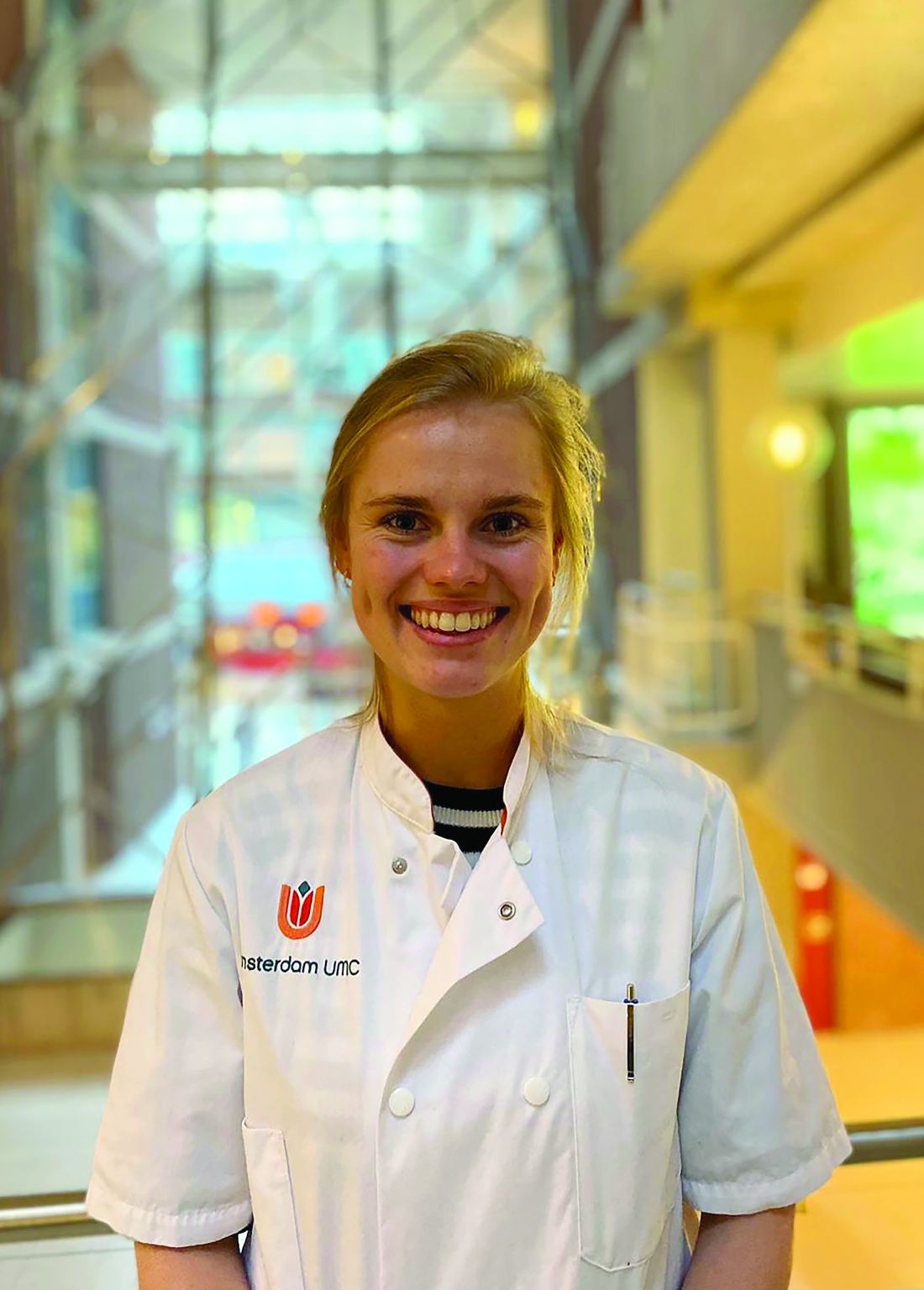
A growing body of evidence shows that deeper and larger tumors can be safely removed with endoscopy instead of surgery when individual patient risk is taken into account, according to a review by Eva P.D. Verheij, a doctoral candidate at Amsterdam University Medical Center, and colleagues.
“Management of patients with superficial esophageal adenocarcinoma (EAC) is becoming less invasive and more patient-tailored,” the researchers wrote in Techniques and Innovations in Gastrointestinal Endoscopy. “In the future, watchful waiting may be a valid alternative to surgery in selected cases.”
The investigators examined new advances that have been made in the management of superficial esophageal adenocarcinomas by endoscopy, and they address how guidelines may be falling short in light of newly published evidence.
Surgery is usually the first choice for the management of advanced esophageal adenocarcinoma. “Endoscopic treatment has become the cornerstone for early cancer confined to the mucosa,” the authors wrote.
“For low-risk submucosal EAC, which only invades the superficial submucosa (sm1, i.e. less than 500 mcm) without any other risk factors, endoscopic treatment as an alternative to surgery is gaining acceptance because multiple studies have demonstrated a very low risk of lymph node metastases (less than 2% for these lesions),” the investigators wrote. Although surgical resection with lymphadenectomy is currently the recommended treatment for cases with deep submucosal invasion, poor differentiation, or lymphovascular invasion, the investigators suggested that even these tumors may be within an endoscopist’s reach.
While the rate of lymph node metastasis for such patients has been reported to be as high as 46%, more recent endoscopic studies show a metastasis rate range of up to 20% after 23-63 months of follow-up.
“One possible explanation for the discrepancy in lymph node metastases rates between surgical and endoscopic studies could be the different preparation of slides for histopathological assessment,” the investigators wrote. “In general, the cuts in surgical specimen are made with wider intervals (±5 mm) than the cuts in endoscopic resection specimens (2-3 mm), with additional cuts in case of submucosal invasion. The hypothesis is that this wider interval may result in missing the area with the deepest tumor infiltration. This could result in an underdiagnosis of the actual invasion depth, and therefore an overestimation of the associated lymph node metastases risk.” A study published in August 2022 in Gastrointestinal Endoscopy found an annual metastases risk of 6.9% in patients with high-risk T1a EAC.
“Given its invasiveness and associated morbidity and mortality, esophagectomy may be overtreatment in those patients who will not develop lymph node metastases,” the investigators wrote. “Given the technical advances in endoscopy that enable us to radically remove large EACs, and to perform more meticulous follow-up, it might be time to swing the pendulum and only send those patients for surgery who have an indisputable indication for surgery, instead of performing esophagectomy as a prophylactic treatment.”
To truly find the limits of endoscopic resection for EAC, however, more research is needed.
“Ongoing studies are necessary to evaluate the lymph node metastases risk on an individual basis, using presence of histological risk factors. By predicting the risk of lymph node metastases, and considering patients’ wishes and condition, one might decide to perform esophagectomy or watchful waiting with strict endoscopic follow-up. In high-risk cases, we may use sentinel node navigated surgery in the future as an extra safety check before deciding on optimal management,” the authors wrote.
The investigators disclosed relationships Medtronic, C2 Therapeutics/Pentax Medical, MicroTech, and Aqua Medical.
Barrett’s esophagus (BE) is the only known precursor lesion to esophageal adenocarcinoma, a cancer with rising incidence and stage-dependent survival. Early detection of BE-related neoplasia provides the opportunity to intervene through endoscopic eradication therapy and avoid the morbidity associated with esophagectomy. Verheji and colleagues, a group from a robust BE expert center in the Netherlands, provide a comprehensive and detailed overview of the role of endoscopic therapy for superficial esophageal adenocarcinoma (EAC), which is gaining popularity. In this review, they nicely highlight the benefits of this approach as a minimally invasive, organ-preserving, safe, and effective treatment option.

Jennifer M. Kolb, MD, MS, is assistant professor of medicine, Vatche and Tamar Manoukian Division of Digestive Diseases University of California, Los Angeles. She also is affiliated with VA Greater Los Angeles Health Care System. She has no relevant conflicts of interest.
Barrett’s esophagus (BE) is the only known precursor lesion to esophageal adenocarcinoma, a cancer with rising incidence and stage-dependent survival. Early detection of BE-related neoplasia provides the opportunity to intervene through endoscopic eradication therapy and avoid the morbidity associated with esophagectomy. Verheji and colleagues, a group from a robust BE expert center in the Netherlands, provide a comprehensive and detailed overview of the role of endoscopic therapy for superficial esophageal adenocarcinoma (EAC), which is gaining popularity. In this review, they nicely highlight the benefits of this approach as a minimally invasive, organ-preserving, safe, and effective treatment option.
Jennifer M. Kolb, MD, MS, is assistant professor of medicine, Vatche and Tamar Manoukian Division of Digestive Diseases University of California, Los Angeles. She also is affiliated with VA Greater Los Angeles Health Care System. She has no relevant conflicts of interest.
Barrett’s esophagus (BE) is the only known precursor lesion to esophageal adenocarcinoma, a cancer with rising incidence and stage-dependent survival. Early detection of BE-related neoplasia provides the opportunity to intervene through endoscopic eradication therapy and avoid the morbidity associated with esophagectomy. Verheji and colleagues, a group from a robust BE expert center in the Netherlands, provide a comprehensive and detailed overview of the role of endoscopic therapy for superficial esophageal adenocarcinoma (EAC), which is gaining popularity. In this review, they nicely highlight the benefits of this approach as a minimally invasive, organ-preserving, safe, and effective treatment option.
Jennifer M. Kolb, MD, MS, is assistant professor of medicine, Vatche and Tamar Manoukian Division of Digestive Diseases University of California, Los Angeles. She also is affiliated with VA Greater Los Angeles Health Care System. She has no relevant conflicts of interest.
A growing body of evidence shows that deeper and larger tumors can be safely removed with endoscopy instead of surgery when individual patient risk is taken into account, according to a review by Eva P.D. Verheij, a doctoral candidate at Amsterdam University Medical Center, and colleagues.
“Management of patients with superficial esophageal adenocarcinoma (EAC) is becoming less invasive and more patient-tailored,” the researchers wrote in Techniques and Innovations in Gastrointestinal Endoscopy. “In the future, watchful waiting may be a valid alternative to surgery in selected cases.”
The investigators examined new advances that have been made in the management of superficial esophageal adenocarcinomas by endoscopy, and they address how guidelines may be falling short in light of newly published evidence.
Surgery is usually the first choice for the management of advanced esophageal adenocarcinoma. “Endoscopic treatment has become the cornerstone for early cancer confined to the mucosa,” the authors wrote.
“For low-risk submucosal EAC, which only invades the superficial submucosa (sm1, i.e. less than 500 mcm) without any other risk factors, endoscopic treatment as an alternative to surgery is gaining acceptance because multiple studies have demonstrated a very low risk of lymph node metastases (less than 2% for these lesions),” the investigators wrote. Although surgical resection with lymphadenectomy is currently the recommended treatment for cases with deep submucosal invasion, poor differentiation, or lymphovascular invasion, the investigators suggested that even these tumors may be within an endoscopist’s reach.
While the rate of lymph node metastasis for such patients has been reported to be as high as 46%, more recent endoscopic studies show a metastasis rate range of up to 20% after 23-63 months of follow-up.
“One possible explanation for the discrepancy in lymph node metastases rates between surgical and endoscopic studies could be the different preparation of slides for histopathological assessment,” the investigators wrote. “In general, the cuts in surgical specimen are made with wider intervals (±5 mm) than the cuts in endoscopic resection specimens (2-3 mm), with additional cuts in case of submucosal invasion. The hypothesis is that this wider interval may result in missing the area with the deepest tumor infiltration. This could result in an underdiagnosis of the actual invasion depth, and therefore an overestimation of the associated lymph node metastases risk.” A study published in August 2022 in Gastrointestinal Endoscopy found an annual metastases risk of 6.9% in patients with high-risk T1a EAC.
“Given its invasiveness and associated morbidity and mortality, esophagectomy may be overtreatment in those patients who will not develop lymph node metastases,” the investigators wrote. “Given the technical advances in endoscopy that enable us to radically remove large EACs, and to perform more meticulous follow-up, it might be time to swing the pendulum and only send those patients for surgery who have an indisputable indication for surgery, instead of performing esophagectomy as a prophylactic treatment.”
To truly find the limits of endoscopic resection for EAC, however, more research is needed.
“Ongoing studies are necessary to evaluate the lymph node metastases risk on an individual basis, using presence of histological risk factors. By predicting the risk of lymph node metastases, and considering patients’ wishes and condition, one might decide to perform esophagectomy or watchful waiting with strict endoscopic follow-up. In high-risk cases, we may use sentinel node navigated surgery in the future as an extra safety check before deciding on optimal management,” the authors wrote.
The investigators disclosed relationships Medtronic, C2 Therapeutics/Pentax Medical, MicroTech, and Aqua Medical.
A growing body of evidence shows that deeper and larger tumors can be safely removed with endoscopy instead of surgery when individual patient risk is taken into account, according to a review by Eva P.D. Verheij, a doctoral candidate at Amsterdam University Medical Center, and colleagues.
“Management of patients with superficial esophageal adenocarcinoma (EAC) is becoming less invasive and more patient-tailored,” the researchers wrote in Techniques and Innovations in Gastrointestinal Endoscopy. “In the future, watchful waiting may be a valid alternative to surgery in selected cases.”
The investigators examined new advances that have been made in the management of superficial esophageal adenocarcinomas by endoscopy, and they address how guidelines may be falling short in light of newly published evidence.
Surgery is usually the first choice for the management of advanced esophageal adenocarcinoma. “Endoscopic treatment has become the cornerstone for early cancer confined to the mucosa,” the authors wrote.
“For low-risk submucosal EAC, which only invades the superficial submucosa (sm1, i.e. less than 500 mcm) without any other risk factors, endoscopic treatment as an alternative to surgery is gaining acceptance because multiple studies have demonstrated a very low risk of lymph node metastases (less than 2% for these lesions),” the investigators wrote. Although surgical resection with lymphadenectomy is currently the recommended treatment for cases with deep submucosal invasion, poor differentiation, or lymphovascular invasion, the investigators suggested that even these tumors may be within an endoscopist’s reach.
While the rate of lymph node metastasis for such patients has been reported to be as high as 46%, more recent endoscopic studies show a metastasis rate range of up to 20% after 23-63 months of follow-up.
“One possible explanation for the discrepancy in lymph node metastases rates between surgical and endoscopic studies could be the different preparation of slides for histopathological assessment,” the investigators wrote. “In general, the cuts in surgical specimen are made with wider intervals (±5 mm) than the cuts in endoscopic resection specimens (2-3 mm), with additional cuts in case of submucosal invasion. The hypothesis is that this wider interval may result in missing the area with the deepest tumor infiltration. This could result in an underdiagnosis of the actual invasion depth, and therefore an overestimation of the associated lymph node metastases risk.” A study published in August 2022 in Gastrointestinal Endoscopy found an annual metastases risk of 6.9% in patients with high-risk T1a EAC.
“Given its invasiveness and associated morbidity and mortality, esophagectomy may be overtreatment in those patients who will not develop lymph node metastases,” the investigators wrote. “Given the technical advances in endoscopy that enable us to radically remove large EACs, and to perform more meticulous follow-up, it might be time to swing the pendulum and only send those patients for surgery who have an indisputable indication for surgery, instead of performing esophagectomy as a prophylactic treatment.”
To truly find the limits of endoscopic resection for EAC, however, more research is needed.
“Ongoing studies are necessary to evaluate the lymph node metastases risk on an individual basis, using presence of histological risk factors. By predicting the risk of lymph node metastases, and considering patients’ wishes and condition, one might decide to perform esophagectomy or watchful waiting with strict endoscopic follow-up. In high-risk cases, we may use sentinel node navigated surgery in the future as an extra safety check before deciding on optimal management,” the authors wrote.
The investigators disclosed relationships Medtronic, C2 Therapeutics/Pentax Medical, MicroTech, and Aqua Medical.
FROM TECHNIQUES AND INNOVATIONS IN GASTROINTESTINAL ENDOSCOPY
Silicone-based film for radiation dermatitis: It works, so why isn’t it used?
Radiation dermatitis is one of the most common side effects of radiotherapy for women with breast cancer. Results from a phase 3 trial add to previous evidence from smaller trials that show that a silicone-based film can protect skin from this side effect.
But it is not being used much in clinical practice. Instead, radiation dermatitis is usually treated after the fact, most often with aqueous creams.
said Edward Chow, MBBS, PhD, of the department of radiation oncology, Odette Cancer Centre, Sunnybrook Health Sciences Centre, Toronto, who was the senior author of the phase 3 study published recently in the Journal of Clinical Oncology.
“Other doctors think that because radiation dermatitis isn’t life-threatening it isn’t as important, but the condition does affect the quality of life for patients,” Dr. Chow said. “If we can lessen the pain and discomfort, why wouldn’t we as physicians?”
Dr. Chow’s open-label, multicenter trial was conducted in 376 women with large breasts (bra cup size C or larger) who were undergoing radiotherapy after lumpectomy or mastectomy. The primary endpoint was grade 2 or 3 radiation dermatitis using the Common Terminology Criteria for Adverse Events. (Grade 2 is described as moderate, whereas grade 3 is severe.)
The film significantly reduced the incidence of grade 2 or 3 radiation dermatitis, down to 15.5% compared with 45.6% in patients receiving standard care (odds ratio, 0.20, 95% confidence interval, 0.12-0.34, P < .0001).
There was also a significant reduction in grade 3 radiation dermatitis (2.8% vs. 13.6%; OR, 0.19; P < .0002) and moist desquamation (8% vs. 19.2%; OR, 0.36; P = .002).
“The film was remarkably effective and helped protect patients from potentially debilitating side effects,” commented Corey Speers, MD, PhD, a radiation oncologist with University Hospitals, Cleveland, who saw the study data presented during a plenary session at the annual meeting of the American Society of Clinical Oncology.
He believes that preventing radiation dermatitis before it develops is the best way to care for patients.
“[Radiation dermatitis] is usually associated with pain and discomfort and can lead to more serious issues like infection or delayed wound healing, and unfortunately, there aren’t effective treatments for it once it’s developed, so preventing it is our most effective strategy,” Dr. Speers said.
One reason for the film not being used much could be that it takes time apply the film, suggested Patries Herst, PhD, department of radiation therapy, University of Otago, Wellington, New Zealand. She was the lead author of a study published in 2014 that also analyzed the effectiveness of the film in preventing radiation dermatitis.
In their trial, a research radiation therapist applied the film to women when they were starting their radiotherapy. The film is applied to a portion of the breast or chest wall, and Dr. Herst emphasized the importance of applying the film correctly, making sure the film is not stretched during application and not overlapping other pieces of the film, while also making sure that it conforms to the breast shape. The film was replaced when it would curl too much around the sides, approximately every 1 or 2 weeks.
“Radiation therapy itself is very short. And so you have about 10 minutes for every patient,” she explained.
“But applying the film adds 20-30 minutes and it’s really awkward to apply properly,” Dr. Herst said. “You have to tap it in and then have to maybe cut it so that it fits better. And hospitals say, ‘We don’t have the time’ and that is still the biggest issue that we’re seeing right now.”
In Dr. Chow’s study, the average time spent applying the film on lumpectomy patients was 55 minutes and was slightly shorter at 45 minutes for mastectomy patients. He acknowledged that it does take time that staff at most hospitals and clinics simply don’t have.
Dr. Chow suggested that perhaps a family member or other caregiver could apply the film, and he referenced an educational video from the manufacturer that provides in-depth instructions on the correct way to apply the film for radiotherapy patients. However, this could lead to errors and a waste of product if not the film was not applied properly.
The cost of Mepitel film may also be a deterrent. Dr. Chow’s study noted that, during the entire course of radiotherapy, the cost for the film was about $80-$100 per patient. However, he believes the benefits outweigh the cost.
In addition, there have been issues with supplies, and it has been difficult for people to get their hands on the actual product.
Currently, the Mayo Clinic is also conducting a study testing Mepitel Film for radiation dermatitis in breast cancer patients following mastectomy. Mayo Clinic principal investigator Kimberly Corbin, MD, could not go into great detail about the ongoing trial, but she said it has been difficult to get the product.
“We have been using the film at Mayo for a number of years,” Dr. Corbin said, but we “have found that it is challenging to get supplies.”
“While we have generally been able to have some supply established through our store here, we know that is not typical and it is difficult for patients to access,” she said. In addition, “there are not a ton of centers with experience in application.”
A representative with Mölnlycke Health Care, Allyson Bower-Willner, could not comment on the distribution of Mepitel film in the United States or if the company plans to increase the amount of product shipped. The film is available “to a limited set of customers,” she said.
A version of this article first appeared on Medscape.com.
Radiation dermatitis is one of the most common side effects of radiotherapy for women with breast cancer. Results from a phase 3 trial add to previous evidence from smaller trials that show that a silicone-based film can protect skin from this side effect.
But it is not being used much in clinical practice. Instead, radiation dermatitis is usually treated after the fact, most often with aqueous creams.
said Edward Chow, MBBS, PhD, of the department of radiation oncology, Odette Cancer Centre, Sunnybrook Health Sciences Centre, Toronto, who was the senior author of the phase 3 study published recently in the Journal of Clinical Oncology.
“Other doctors think that because radiation dermatitis isn’t life-threatening it isn’t as important, but the condition does affect the quality of life for patients,” Dr. Chow said. “If we can lessen the pain and discomfort, why wouldn’t we as physicians?”
Dr. Chow’s open-label, multicenter trial was conducted in 376 women with large breasts (bra cup size C or larger) who were undergoing radiotherapy after lumpectomy or mastectomy. The primary endpoint was grade 2 or 3 radiation dermatitis using the Common Terminology Criteria for Adverse Events. (Grade 2 is described as moderate, whereas grade 3 is severe.)
The film significantly reduced the incidence of grade 2 or 3 radiation dermatitis, down to 15.5% compared with 45.6% in patients receiving standard care (odds ratio, 0.20, 95% confidence interval, 0.12-0.34, P < .0001).
There was also a significant reduction in grade 3 radiation dermatitis (2.8% vs. 13.6%; OR, 0.19; P < .0002) and moist desquamation (8% vs. 19.2%; OR, 0.36; P = .002).
“The film was remarkably effective and helped protect patients from potentially debilitating side effects,” commented Corey Speers, MD, PhD, a radiation oncologist with University Hospitals, Cleveland, who saw the study data presented during a plenary session at the annual meeting of the American Society of Clinical Oncology.
He believes that preventing radiation dermatitis before it develops is the best way to care for patients.
“[Radiation dermatitis] is usually associated with pain and discomfort and can lead to more serious issues like infection or delayed wound healing, and unfortunately, there aren’t effective treatments for it once it’s developed, so preventing it is our most effective strategy,” Dr. Speers said.
One reason for the film not being used much could be that it takes time apply the film, suggested Patries Herst, PhD, department of radiation therapy, University of Otago, Wellington, New Zealand. She was the lead author of a study published in 2014 that also analyzed the effectiveness of the film in preventing radiation dermatitis.
In their trial, a research radiation therapist applied the film to women when they were starting their radiotherapy. The film is applied to a portion of the breast or chest wall, and Dr. Herst emphasized the importance of applying the film correctly, making sure the film is not stretched during application and not overlapping other pieces of the film, while also making sure that it conforms to the breast shape. The film was replaced when it would curl too much around the sides, approximately every 1 or 2 weeks.
“Radiation therapy itself is very short. And so you have about 10 minutes for every patient,” she explained.
“But applying the film adds 20-30 minutes and it’s really awkward to apply properly,” Dr. Herst said. “You have to tap it in and then have to maybe cut it so that it fits better. And hospitals say, ‘We don’t have the time’ and that is still the biggest issue that we’re seeing right now.”
In Dr. Chow’s study, the average time spent applying the film on lumpectomy patients was 55 minutes and was slightly shorter at 45 minutes for mastectomy patients. He acknowledged that it does take time that staff at most hospitals and clinics simply don’t have.
Dr. Chow suggested that perhaps a family member or other caregiver could apply the film, and he referenced an educational video from the manufacturer that provides in-depth instructions on the correct way to apply the film for radiotherapy patients. However, this could lead to errors and a waste of product if not the film was not applied properly.
The cost of Mepitel film may also be a deterrent. Dr. Chow’s study noted that, during the entire course of radiotherapy, the cost for the film was about $80-$100 per patient. However, he believes the benefits outweigh the cost.
In addition, there have been issues with supplies, and it has been difficult for people to get their hands on the actual product.
Currently, the Mayo Clinic is also conducting a study testing Mepitel Film for radiation dermatitis in breast cancer patients following mastectomy. Mayo Clinic principal investigator Kimberly Corbin, MD, could not go into great detail about the ongoing trial, but she said it has been difficult to get the product.
“We have been using the film at Mayo for a number of years,” Dr. Corbin said, but we “have found that it is challenging to get supplies.”
“While we have generally been able to have some supply established through our store here, we know that is not typical and it is difficult for patients to access,” she said. In addition, “there are not a ton of centers with experience in application.”
A representative with Mölnlycke Health Care, Allyson Bower-Willner, could not comment on the distribution of Mepitel film in the United States or if the company plans to increase the amount of product shipped. The film is available “to a limited set of customers,” she said.
A version of this article first appeared on Medscape.com.
Radiation dermatitis is one of the most common side effects of radiotherapy for women with breast cancer. Results from a phase 3 trial add to previous evidence from smaller trials that show that a silicone-based film can protect skin from this side effect.
But it is not being used much in clinical practice. Instead, radiation dermatitis is usually treated after the fact, most often with aqueous creams.
said Edward Chow, MBBS, PhD, of the department of radiation oncology, Odette Cancer Centre, Sunnybrook Health Sciences Centre, Toronto, who was the senior author of the phase 3 study published recently in the Journal of Clinical Oncology.
“Other doctors think that because radiation dermatitis isn’t life-threatening it isn’t as important, but the condition does affect the quality of life for patients,” Dr. Chow said. “If we can lessen the pain and discomfort, why wouldn’t we as physicians?”
Dr. Chow’s open-label, multicenter trial was conducted in 376 women with large breasts (bra cup size C or larger) who were undergoing radiotherapy after lumpectomy or mastectomy. The primary endpoint was grade 2 or 3 radiation dermatitis using the Common Terminology Criteria for Adverse Events. (Grade 2 is described as moderate, whereas grade 3 is severe.)
The film significantly reduced the incidence of grade 2 or 3 radiation dermatitis, down to 15.5% compared with 45.6% in patients receiving standard care (odds ratio, 0.20, 95% confidence interval, 0.12-0.34, P < .0001).
There was also a significant reduction in grade 3 radiation dermatitis (2.8% vs. 13.6%; OR, 0.19; P < .0002) and moist desquamation (8% vs. 19.2%; OR, 0.36; P = .002).
“The film was remarkably effective and helped protect patients from potentially debilitating side effects,” commented Corey Speers, MD, PhD, a radiation oncologist with University Hospitals, Cleveland, who saw the study data presented during a plenary session at the annual meeting of the American Society of Clinical Oncology.
He believes that preventing radiation dermatitis before it develops is the best way to care for patients.
“[Radiation dermatitis] is usually associated with pain and discomfort and can lead to more serious issues like infection or delayed wound healing, and unfortunately, there aren’t effective treatments for it once it’s developed, so preventing it is our most effective strategy,” Dr. Speers said.
One reason for the film not being used much could be that it takes time apply the film, suggested Patries Herst, PhD, department of radiation therapy, University of Otago, Wellington, New Zealand. She was the lead author of a study published in 2014 that also analyzed the effectiveness of the film in preventing radiation dermatitis.
In their trial, a research radiation therapist applied the film to women when they were starting their radiotherapy. The film is applied to a portion of the breast or chest wall, and Dr. Herst emphasized the importance of applying the film correctly, making sure the film is not stretched during application and not overlapping other pieces of the film, while also making sure that it conforms to the breast shape. The film was replaced when it would curl too much around the sides, approximately every 1 or 2 weeks.
“Radiation therapy itself is very short. And so you have about 10 minutes for every patient,” she explained.
“But applying the film adds 20-30 minutes and it’s really awkward to apply properly,” Dr. Herst said. “You have to tap it in and then have to maybe cut it so that it fits better. And hospitals say, ‘We don’t have the time’ and that is still the biggest issue that we’re seeing right now.”
In Dr. Chow’s study, the average time spent applying the film on lumpectomy patients was 55 minutes and was slightly shorter at 45 minutes for mastectomy patients. He acknowledged that it does take time that staff at most hospitals and clinics simply don’t have.
Dr. Chow suggested that perhaps a family member or other caregiver could apply the film, and he referenced an educational video from the manufacturer that provides in-depth instructions on the correct way to apply the film for radiotherapy patients. However, this could lead to errors and a waste of product if not the film was not applied properly.
The cost of Mepitel film may also be a deterrent. Dr. Chow’s study noted that, during the entire course of radiotherapy, the cost for the film was about $80-$100 per patient. However, he believes the benefits outweigh the cost.
In addition, there have been issues with supplies, and it has been difficult for people to get their hands on the actual product.
Currently, the Mayo Clinic is also conducting a study testing Mepitel Film for radiation dermatitis in breast cancer patients following mastectomy. Mayo Clinic principal investigator Kimberly Corbin, MD, could not go into great detail about the ongoing trial, but she said it has been difficult to get the product.
“We have been using the film at Mayo for a number of years,” Dr. Corbin said, but we “have found that it is challenging to get supplies.”
“While we have generally been able to have some supply established through our store here, we know that is not typical and it is difficult for patients to access,” she said. In addition, “there are not a ton of centers with experience in application.”
A representative with Mölnlycke Health Care, Allyson Bower-Willner, could not comment on the distribution of Mepitel film in the United States or if the company plans to increase the amount of product shipped. The film is available “to a limited set of customers,” she said.
A version of this article first appeared on Medscape.com.
FROM THE JOURNAL OF CLINICAL ONCOLOGY
Erythema extent predicts death in cutaneous GVHD
“There is value in collecting erythema serially over time as a continuous variable on a scale of 0%-100%” to identify high-risk patients for prophylactic and preemptive treatment, say investigators led by dermatologist Emily Baumrin, MD, director of the GVHD clinic at the University of Pennsylvania, Philadelphia.
They report a study of more than 300 patients with ccGVHD, which found that the extent of skin erythema strongly predicted the risk for death from GVHD.
Of the 267 patients with cutaneous GVHD at baseline, 103 patients died, the majority without a relapse of their blood cancer.
With additional research, erythema body surface area (BSA) should be “introduced as an outcome measure in clinical practice and trials,” they conclude.
At the moment, the NIH Skin Score is commonly used for risk assessment in cutaneous GVHD, but the researchers found that erythema BSA out-predicts this score.
The investigators explain that the NIH Skin Score does incorporate erythema surface area, but it does so as a categorical variable, not a continuous variable. Among other additional factors, it also includes assessments of skin sclerosis, which the investigators found was not associated with GVHD mortality.
Overall, the composite score waters down the weight given to erythema BSA because the score is “driven by stable sclerotic features, and erythema changes are missed,” they explain.
The study was published online in JAMA Dermatology.
Study details
The study included 469 patients with chronic GVHD (cGVHD), of whom 267 (57%) had cutaneous cGVHD at enrollment and 89 (19%) developed skin involvement subsequently.
All of the patients were on systemic immunosuppression for GVHD after allogeneic stem cell transplants for various blood cancers.
They were enrolled from 2007 through 2012 at nine U.S. medical centers – all members of the Chronic Graft Versus Host Disease Consortium – and they were followed until 2018.
Erythema BSA and NIH Skin Score were assessed at baseline and then every 3-6 months. Erythema was the first manifestation of skin involvement in the majority of patients, with a median surface area involvement of 11% at baseline.
The study team found that the extent of erythema at first follow-up visit was associated with both nonrelapse mortality (hazard ratio, 1.33 per 10% BSA increase; P < .001) and overall survival (HR, 1.28 per 10% BSA increase; P < .001), whereas extent of sclerotic skin involvement was not associated with either.
Participants in the study were predominantly White. The investigators note that “BSA assessments of erythema may be less reliable in patients with darker skin.”
The work was funded by the Department of Veterans Affairs and the National Institutes of Health. Dr. Baumrin had no disclosures; one coauthor is an employee of CorEvitas, and two others reported grants/adviser fees from several companies, including Janssen, Mallinckrodt, and Pfizer.
A version of this article first appeared on Medscape.com.
“There is value in collecting erythema serially over time as a continuous variable on a scale of 0%-100%” to identify high-risk patients for prophylactic and preemptive treatment, say investigators led by dermatologist Emily Baumrin, MD, director of the GVHD clinic at the University of Pennsylvania, Philadelphia.
They report a study of more than 300 patients with ccGVHD, which found that the extent of skin erythema strongly predicted the risk for death from GVHD.
Of the 267 patients with cutaneous GVHD at baseline, 103 patients died, the majority without a relapse of their blood cancer.
With additional research, erythema body surface area (BSA) should be “introduced as an outcome measure in clinical practice and trials,” they conclude.
At the moment, the NIH Skin Score is commonly used for risk assessment in cutaneous GVHD, but the researchers found that erythema BSA out-predicts this score.
The investigators explain that the NIH Skin Score does incorporate erythema surface area, but it does so as a categorical variable, not a continuous variable. Among other additional factors, it also includes assessments of skin sclerosis, which the investigators found was not associated with GVHD mortality.
Overall, the composite score waters down the weight given to erythema BSA because the score is “driven by stable sclerotic features, and erythema changes are missed,” they explain.
The study was published online in JAMA Dermatology.
Study details
The study included 469 patients with chronic GVHD (cGVHD), of whom 267 (57%) had cutaneous cGVHD at enrollment and 89 (19%) developed skin involvement subsequently.
All of the patients were on systemic immunosuppression for GVHD after allogeneic stem cell transplants for various blood cancers.
They were enrolled from 2007 through 2012 at nine U.S. medical centers – all members of the Chronic Graft Versus Host Disease Consortium – and they were followed until 2018.
Erythema BSA and NIH Skin Score were assessed at baseline and then every 3-6 months. Erythema was the first manifestation of skin involvement in the majority of patients, with a median surface area involvement of 11% at baseline.
The study team found that the extent of erythema at first follow-up visit was associated with both nonrelapse mortality (hazard ratio, 1.33 per 10% BSA increase; P < .001) and overall survival (HR, 1.28 per 10% BSA increase; P < .001), whereas extent of sclerotic skin involvement was not associated with either.
Participants in the study were predominantly White. The investigators note that “BSA assessments of erythema may be less reliable in patients with darker skin.”
The work was funded by the Department of Veterans Affairs and the National Institutes of Health. Dr. Baumrin had no disclosures; one coauthor is an employee of CorEvitas, and two others reported grants/adviser fees from several companies, including Janssen, Mallinckrodt, and Pfizer.
A version of this article first appeared on Medscape.com.
“There is value in collecting erythema serially over time as a continuous variable on a scale of 0%-100%” to identify high-risk patients for prophylactic and preemptive treatment, say investigators led by dermatologist Emily Baumrin, MD, director of the GVHD clinic at the University of Pennsylvania, Philadelphia.
They report a study of more than 300 patients with ccGVHD, which found that the extent of skin erythema strongly predicted the risk for death from GVHD.
Of the 267 patients with cutaneous GVHD at baseline, 103 patients died, the majority without a relapse of their blood cancer.
With additional research, erythema body surface area (BSA) should be “introduced as an outcome measure in clinical practice and trials,” they conclude.
At the moment, the NIH Skin Score is commonly used for risk assessment in cutaneous GVHD, but the researchers found that erythema BSA out-predicts this score.
The investigators explain that the NIH Skin Score does incorporate erythema surface area, but it does so as a categorical variable, not a continuous variable. Among other additional factors, it also includes assessments of skin sclerosis, which the investigators found was not associated with GVHD mortality.
Overall, the composite score waters down the weight given to erythema BSA because the score is “driven by stable sclerotic features, and erythema changes are missed,” they explain.
The study was published online in JAMA Dermatology.
Study details
The study included 469 patients with chronic GVHD (cGVHD), of whom 267 (57%) had cutaneous cGVHD at enrollment and 89 (19%) developed skin involvement subsequently.
All of the patients were on systemic immunosuppression for GVHD after allogeneic stem cell transplants for various blood cancers.
They were enrolled from 2007 through 2012 at nine U.S. medical centers – all members of the Chronic Graft Versus Host Disease Consortium – and they were followed until 2018.
Erythema BSA and NIH Skin Score were assessed at baseline and then every 3-6 months. Erythema was the first manifestation of skin involvement in the majority of patients, with a median surface area involvement of 11% at baseline.
The study team found that the extent of erythema at first follow-up visit was associated with both nonrelapse mortality (hazard ratio, 1.33 per 10% BSA increase; P < .001) and overall survival (HR, 1.28 per 10% BSA increase; P < .001), whereas extent of sclerotic skin involvement was not associated with either.
Participants in the study were predominantly White. The investigators note that “BSA assessments of erythema may be less reliable in patients with darker skin.”
The work was funded by the Department of Veterans Affairs and the National Institutes of Health. Dr. Baumrin had no disclosures; one coauthor is an employee of CorEvitas, and two others reported grants/adviser fees from several companies, including Janssen, Mallinckrodt, and Pfizer.
A version of this article first appeared on Medscape.com.
Venetoclax shows promise for r/r hairy cell leukemia
Venetoclax is already approved for adults with chronic lymphocytic leukemia, small lymphocytic leukemia, and as part of a treatment combination in certain patients with acute myeloid leukemia.
The new findings suggest that the drug could also be a chemotherapy-free treatment option for HCL patients after the failure of multiple prior lines of therapy, including vemurafenib plus rituximab, the investigators wrote in a letter to the editor published in the New England Journal of Medicine.
Treatment options for such patients are limited, they noted.
Enrico Tiacci, MD, of the University of Perugia (Italy), and colleagues decided to explore the use of venetoclax in this patient population after reports of in vitro findings showing a possible benefit.
The investigators administered the drug off-label to six patients who had received vemurafenib plus rituximab as their most recent prior therapy; one was resistant and five relapsed after that therapy, they reported. Venetoclax was delivered in 29-day cycles.
After 6 or 12 cycles, two patients experienced complete remission with minimal residual disease (MRD), and one had partial remission, although each had incomplete platelet recovery.
Adding rituximab at a dose of 375 mg per square meter of body-surface area for three to eight cycles improved the depth of response in a patient who had a previous minor response, further reduced MRD in one who had a complete remission to venetoclax, and led to hematologic remission in one who had no response to venetoclax, they noted.
Progression-free survival ranged from 23 to 53-plus months in all five patients who did not have early progression and was similar or better than PFS seen after vemurafenib plus rituximab.
The main toxic effect of venetoclax was worsening of baseline neutropenia, which was sometimes complicated by infections or febrile neutropenia and was managed by dose reductions and granulocyte colony-stimulating factor.
“Thus, venetoclax with or without rituximab may serve as a safe and effective salvage option after failure of vemurafenib plus rituximab treatment, especially in patients who do not require a rapid recovery of blood count,” they concluded.
The study was supported by grants from Fondazione Associazione Italiana per la Ricerca sul Cancro and the Italian Ministry of Health.
A version of this article first appeared on Medscape.com.
Venetoclax is already approved for adults with chronic lymphocytic leukemia, small lymphocytic leukemia, and as part of a treatment combination in certain patients with acute myeloid leukemia.
The new findings suggest that the drug could also be a chemotherapy-free treatment option for HCL patients after the failure of multiple prior lines of therapy, including vemurafenib plus rituximab, the investigators wrote in a letter to the editor published in the New England Journal of Medicine.
Treatment options for such patients are limited, they noted.
Enrico Tiacci, MD, of the University of Perugia (Italy), and colleagues decided to explore the use of venetoclax in this patient population after reports of in vitro findings showing a possible benefit.
The investigators administered the drug off-label to six patients who had received vemurafenib plus rituximab as their most recent prior therapy; one was resistant and five relapsed after that therapy, they reported. Venetoclax was delivered in 29-day cycles.
After 6 or 12 cycles, two patients experienced complete remission with minimal residual disease (MRD), and one had partial remission, although each had incomplete platelet recovery.
Adding rituximab at a dose of 375 mg per square meter of body-surface area for three to eight cycles improved the depth of response in a patient who had a previous minor response, further reduced MRD in one who had a complete remission to venetoclax, and led to hematologic remission in one who had no response to venetoclax, they noted.
Progression-free survival ranged from 23 to 53-plus months in all five patients who did not have early progression and was similar or better than PFS seen after vemurafenib plus rituximab.
The main toxic effect of venetoclax was worsening of baseline neutropenia, which was sometimes complicated by infections or febrile neutropenia and was managed by dose reductions and granulocyte colony-stimulating factor.
“Thus, venetoclax with or without rituximab may serve as a safe and effective salvage option after failure of vemurafenib plus rituximab treatment, especially in patients who do not require a rapid recovery of blood count,” they concluded.
The study was supported by grants from Fondazione Associazione Italiana per la Ricerca sul Cancro and the Italian Ministry of Health.
A version of this article first appeared on Medscape.com.
Venetoclax is already approved for adults with chronic lymphocytic leukemia, small lymphocytic leukemia, and as part of a treatment combination in certain patients with acute myeloid leukemia.
The new findings suggest that the drug could also be a chemotherapy-free treatment option for HCL patients after the failure of multiple prior lines of therapy, including vemurafenib plus rituximab, the investigators wrote in a letter to the editor published in the New England Journal of Medicine.
Treatment options for such patients are limited, they noted.
Enrico Tiacci, MD, of the University of Perugia (Italy), and colleagues decided to explore the use of venetoclax in this patient population after reports of in vitro findings showing a possible benefit.
The investigators administered the drug off-label to six patients who had received vemurafenib plus rituximab as their most recent prior therapy; one was resistant and five relapsed after that therapy, they reported. Venetoclax was delivered in 29-day cycles.
After 6 or 12 cycles, two patients experienced complete remission with minimal residual disease (MRD), and one had partial remission, although each had incomplete platelet recovery.
Adding rituximab at a dose of 375 mg per square meter of body-surface area for three to eight cycles improved the depth of response in a patient who had a previous minor response, further reduced MRD in one who had a complete remission to venetoclax, and led to hematologic remission in one who had no response to venetoclax, they noted.
Progression-free survival ranged from 23 to 53-plus months in all five patients who did not have early progression and was similar or better than PFS seen after vemurafenib plus rituximab.
The main toxic effect of venetoclax was worsening of baseline neutropenia, which was sometimes complicated by infections or febrile neutropenia and was managed by dose reductions and granulocyte colony-stimulating factor.
“Thus, venetoclax with or without rituximab may serve as a safe and effective salvage option after failure of vemurafenib plus rituximab treatment, especially in patients who do not require a rapid recovery of blood count,” they concluded.
The study was supported by grants from Fondazione Associazione Italiana per la Ricerca sul Cancro and the Italian Ministry of Health.
A version of this article first appeared on Medscape.com.
FROM THE NEW ENGLAND JOURNAL OF MEDICINE
FDA strengthens mammography regulations: Final rule
A final rule, updating the regulations issued under the Mammography Quality Standards Act of 1992, requires that mammography facilities notify patients about the density of their breasts, strengthens the FDA’s oversight of facilities, and provides guidance to help physicians better categorize and assess mammograms, according to a March 9 press release.
The rule requires implementation of the changes within 18 months.
According to the final rule document, the updates are “intended to improve the delivery of mammography services” in ways that reflect changes in mammography technology, quality standards, and the way results are categorized, reported, and communicated to patients and providers.
For instance, mammography reports must include an assessment of breast density to provide greater detail on the potential limitations of the mammogram results and allow patients and physicians to make more informed decisions, such as the possibility of additional imaging for women with dense breast tissue.
“Today’s action represents the agency’s broader commitment to support innovation to prevent, detect and treat cancer,” said Hilary Marston, MD, MPH, FDA’s chief medical officer, in the agency’s press release. The FDA remains “committed to advancing efforts to improve the health of women and strengthen the fight against breast cancer.”
A version of this article first appeared on Medscape.com.
A final rule, updating the regulations issued under the Mammography Quality Standards Act of 1992, requires that mammography facilities notify patients about the density of their breasts, strengthens the FDA’s oversight of facilities, and provides guidance to help physicians better categorize and assess mammograms, according to a March 9 press release.
The rule requires implementation of the changes within 18 months.
According to the final rule document, the updates are “intended to improve the delivery of mammography services” in ways that reflect changes in mammography technology, quality standards, and the way results are categorized, reported, and communicated to patients and providers.
For instance, mammography reports must include an assessment of breast density to provide greater detail on the potential limitations of the mammogram results and allow patients and physicians to make more informed decisions, such as the possibility of additional imaging for women with dense breast tissue.
“Today’s action represents the agency’s broader commitment to support innovation to prevent, detect and treat cancer,” said Hilary Marston, MD, MPH, FDA’s chief medical officer, in the agency’s press release. The FDA remains “committed to advancing efforts to improve the health of women and strengthen the fight against breast cancer.”
A version of this article first appeared on Medscape.com.
A final rule, updating the regulations issued under the Mammography Quality Standards Act of 1992, requires that mammography facilities notify patients about the density of their breasts, strengthens the FDA’s oversight of facilities, and provides guidance to help physicians better categorize and assess mammograms, according to a March 9 press release.
The rule requires implementation of the changes within 18 months.
According to the final rule document, the updates are “intended to improve the delivery of mammography services” in ways that reflect changes in mammography technology, quality standards, and the way results are categorized, reported, and communicated to patients and providers.
For instance, mammography reports must include an assessment of breast density to provide greater detail on the potential limitations of the mammogram results and allow patients and physicians to make more informed decisions, such as the possibility of additional imaging for women with dense breast tissue.
“Today’s action represents the agency’s broader commitment to support innovation to prevent, detect and treat cancer,” said Hilary Marston, MD, MPH, FDA’s chief medical officer, in the agency’s press release. The FDA remains “committed to advancing efforts to improve the health of women and strengthen the fight against breast cancer.”
A version of this article first appeared on Medscape.com.
Cancer clinical trials: Can industry stack the deck?
A year before the COVID-19 pandemic began, a team of clinical statisticians at the University of Texas MD Anderson Cancer Center sat together in small office for a year, painstakingly hand coding data from the U.S. clinical trials database, www.clinicaltrials.gov.
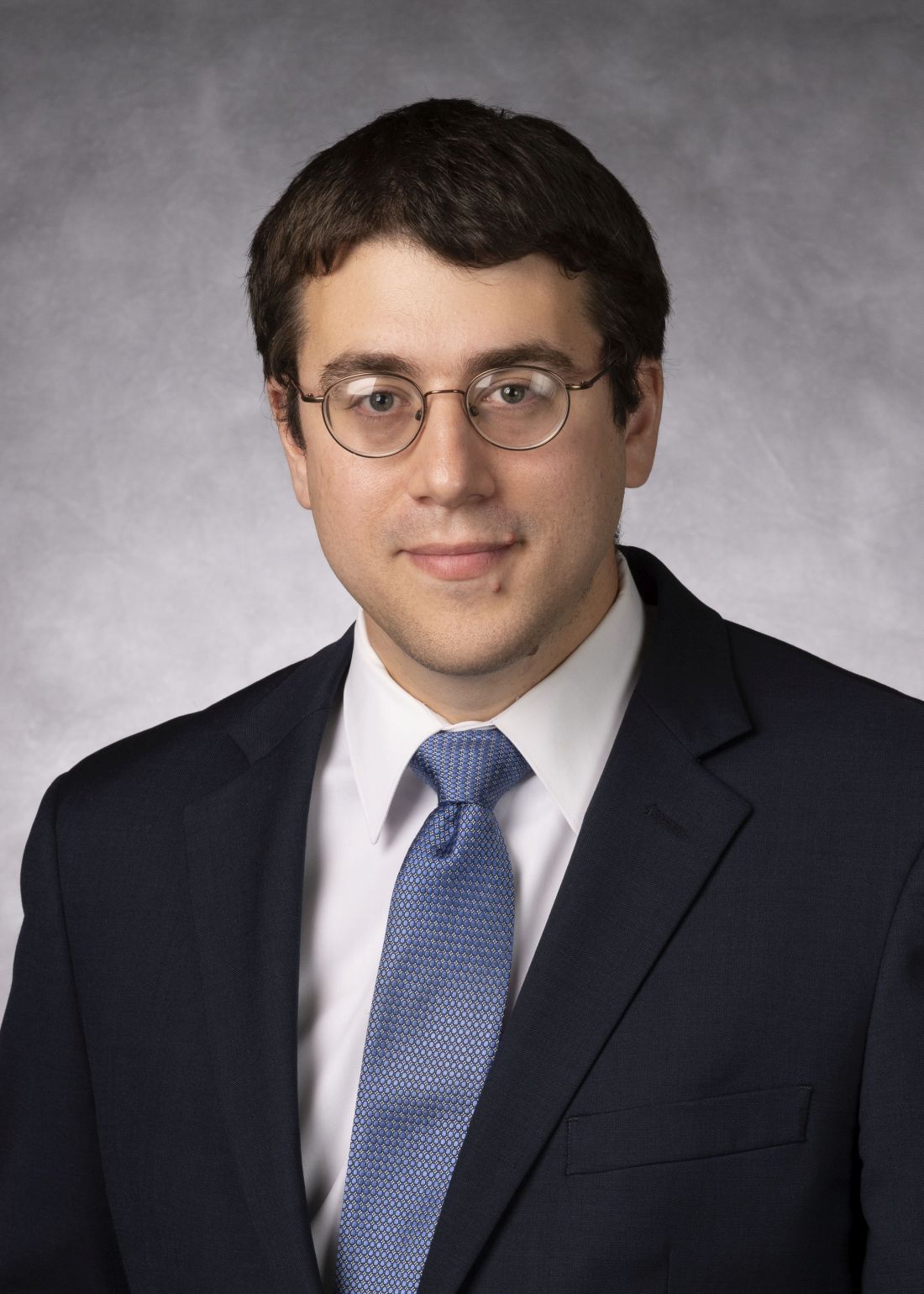
“We found marked disparities across different disease sites. ... The patients that are enrolling on studies are markedly younger than the average patient seen in the population with those same conditions,” said team leader Ethan Ludmir, MD, assistant professor, Division of Radiation Oncology at the University of Texas.
And this age disparity was significantly greater in industry-funded trials.
Researchers have known for 20 years that cancer trial participants are not representative of the wider cancer population, and numerous government guidance documents have been issued on the matter. However, this Texas team’s findings were the first unambiguous evidence that pharmaceutical companies seem to be selecting younger patients to test their drugs.
“If we’re being generous then perhaps the answer is: They’re looking for some element of homogeneity, which is to say they don’t want competing risks to make the signal-to-noise ratio uninterpretable,” said Dr. Ludmir.
Dr. Laura Bothwell, PhD, assistant professor, Yale School of Public Health, recently coauthored a 259-page consensus report for the National Academies of Sciences, Engineering and Medicine on how to increase the research involvement of under-represented groups.
Dr. Bothwell said, “The problem with industry funded research is that ... it’s an inevitable conflict of interest that exists. They want the research to show that their products work. And older populations ... have a lot more complications, which leads to potentially less favorable results.”
The MD Anderson findings were published in JAMA Oncology. “That was the starting point in our journey,” said Dr. Ludmir. For the next 3 years, the researchers mined their painstakingly constructed database to understand what was preventing greater numbers of older patients from enrollment in cancer trials.
Meanwhile, answers were coming from elsewhere. In parallel with the work at MD Anderson, a team in California led by Mina Sedrak, MD, a medical oncologist at the City of Hope National Medical Center, had also started investigating age disparities in clinical trials.
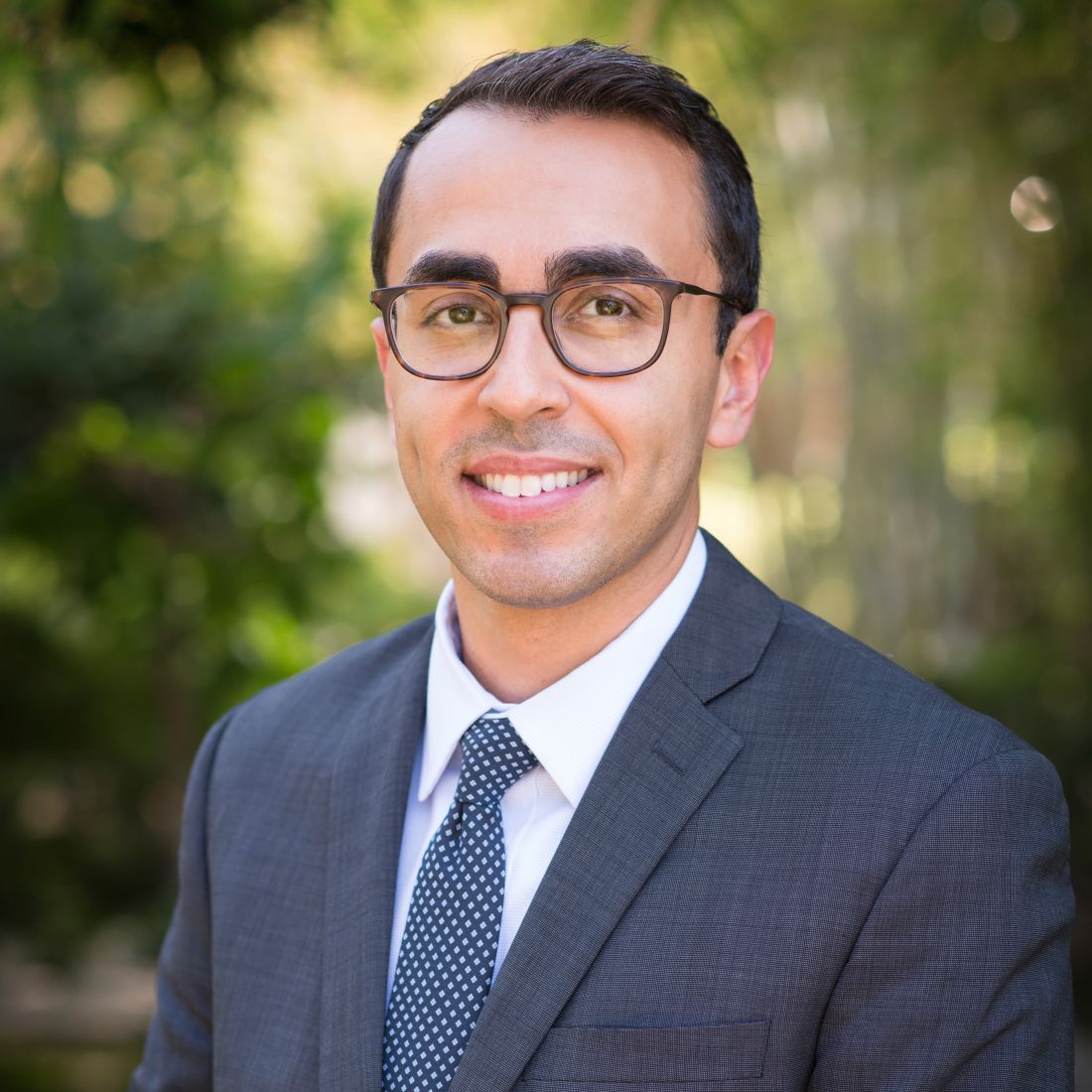
Dr. Sedrak, who also serves as deputy director of Clinical Trials at the Center for Cancer and Aging, said he had become increasingly concerned that he did not have adequate information on new cancer therapies for his older patients.
“I was caring for a large number of people who were ... older adults,” said Dr. Sedrak, “But the data that was being used to get the standard-of-care treatment for cancer did not include older adults. And so there was this lack of applicability.”
He summed up the challenges in a 2021 review paper: “Most of what we know about cancer therapeutics is based on clinical trials conducted in younger, healthier patients.”
By 2030, it is estimated that 70% of all new cancer diagnoses will be in patients 65 years old and older. By contrast, patients over age 65 still account for only 40% of patients in cancer trials registered with the FDA (2015 figures) and older adults make up only 44% of participants in practice-changing cancer trials, according to a 2022 study.
So what is going on? Are studies specifically designed to squeeze out older patients?
Surprisingly, patients are not being kept out of trials by formal age limits, according to Dr. Ludmir. His team found that only 10% of phase 3 trials over the past 30 years had an upper limit for age, and age restrictions have been dropping by 1% a year. (For example, 16% of trials that enrolled in 2002-2005 had an upper age limit, compared with just 8% of trials that started in 2010-2014.)
Dr. Sedrak’s team found that “clinician bias” may be a factor, a situation in which trial investigators – particularly academic oncologists – are subconsciously picking younger, healthier patients for trials and excluding older, sicker patients to protect them from drug toxicities.
Dr. Ludmir said this was understandable, especially in the case of industry-driven trials, which tend to have demanding endpoints and “an overall posture of more treatment aggressiveness.”
“These are typically not trials where they’re saying, `Hey, if we add acupuncture ... are we going to see improved patient reported outcomes?’” Dr. Ludmir explained. “You’re asking ... I’ve got this cocktail of two pretty rough chemos: I want to see what happens if I add an immunotherapy to that. If I’m the clinician in clinic, I might reasonably, subconsciously, say, is the 75-year-old really who I want on this?”
What about patient bias? Perhaps fewer older patients wish to join clinical trials?
Not so, at least not at community cancer centers, said Dr. Sedrak. His team’s analysis of the National Cancer Institute Community Oncology Research Program database for 2016-2019 revealed that older patients were just as keen as the younger patients to participate in trials (68% of patients aged 50-69 years and 65% of patients 70+; P = .28).
However, drug companies may be excluding older patients by more subtle means. One-fifth of patients over 65 have had a prior cancer. Dr. Ludmir and coauthor Roshal Patel, MD, used their hand-coded www.clinicaltrials.gov database to look at prior malignancy exclusion criteria (PMEC). The analysis found “pervasive utilization” of PMEC in phase 3 trials, cropping up in 41% of studies over the past 30 years.
PMEC was significantly associated with age disparities and was significantly more common in industry-funded trials.
When asked whether PMEC are “age restriction by stealth” on the part of drug companies, Dr. Ludmir was reluctant to assign blame, but stood by his data: “The wider you restrict people in terms of having a prior cancer, the wider the age disparities in the subsequent studies, which to me is about as strong, in terms of causal understanding of these phenomena, as you can reasonably get at this level.”
In March the FDA released a guidance document titled Inclusion of Older Adults in Cancer Clinical Trials. However, its recommendations are “nonbinding” and “do not have the force and effect of law.”
To fix the issues, said Dr. Sedrak, the FDA must be given teeth.
“Okay, you write guidelines,” he said. “But if you don’t actually hold people accountable to following the guidelines, how are we going to implement and make sure that we’re transforming policy into action?”
Dr. Bothwell of Yale’s School of Public Health agreed. “Accountability has been the weakest link for decades now.”
She concluded, “In medicine there’s a tendency to believe that a therapy, because it exists and it has been tested and it’s shown some efficacy, it’s useful. But we don’t know the answer to that question unless we have statistically valid research in the population that we’re using it in.”
Dr. Bothwell and Dr. Ludmir report no conflicts of interest. In his publications, Dr. Sedrak reports industry grants from Seattle Genetics, Eli Lilly, Novartis, and Pfizer Foundation.
A year before the COVID-19 pandemic began, a team of clinical statisticians at the University of Texas MD Anderson Cancer Center sat together in small office for a year, painstakingly hand coding data from the U.S. clinical trials database, www.clinicaltrials.gov.
“We found marked disparities across different disease sites. ... The patients that are enrolling on studies are markedly younger than the average patient seen in the population with those same conditions,” said team leader Ethan Ludmir, MD, assistant professor, Division of Radiation Oncology at the University of Texas.
And this age disparity was significantly greater in industry-funded trials.
Researchers have known for 20 years that cancer trial participants are not representative of the wider cancer population, and numerous government guidance documents have been issued on the matter. However, this Texas team’s findings were the first unambiguous evidence that pharmaceutical companies seem to be selecting younger patients to test their drugs.
“If we’re being generous then perhaps the answer is: They’re looking for some element of homogeneity, which is to say they don’t want competing risks to make the signal-to-noise ratio uninterpretable,” said Dr. Ludmir.
Dr. Laura Bothwell, PhD, assistant professor, Yale School of Public Health, recently coauthored a 259-page consensus report for the National Academies of Sciences, Engineering and Medicine on how to increase the research involvement of under-represented groups.
Dr. Bothwell said, “The problem with industry funded research is that ... it’s an inevitable conflict of interest that exists. They want the research to show that their products work. And older populations ... have a lot more complications, which leads to potentially less favorable results.”
The MD Anderson findings were published in JAMA Oncology. “That was the starting point in our journey,” said Dr. Ludmir. For the next 3 years, the researchers mined their painstakingly constructed database to understand what was preventing greater numbers of older patients from enrollment in cancer trials.
Meanwhile, answers were coming from elsewhere. In parallel with the work at MD Anderson, a team in California led by Mina Sedrak, MD, a medical oncologist at the City of Hope National Medical Center, had also started investigating age disparities in clinical trials.
Dr. Sedrak, who also serves as deputy director of Clinical Trials at the Center for Cancer and Aging, said he had become increasingly concerned that he did not have adequate information on new cancer therapies for his older patients.
“I was caring for a large number of people who were ... older adults,” said Dr. Sedrak, “But the data that was being used to get the standard-of-care treatment for cancer did not include older adults. And so there was this lack of applicability.”
He summed up the challenges in a 2021 review paper: “Most of what we know about cancer therapeutics is based on clinical trials conducted in younger, healthier patients.”
By 2030, it is estimated that 70% of all new cancer diagnoses will be in patients 65 years old and older. By contrast, patients over age 65 still account for only 40% of patients in cancer trials registered with the FDA (2015 figures) and older adults make up only 44% of participants in practice-changing cancer trials, according to a 2022 study.
So what is going on? Are studies specifically designed to squeeze out older patients?
Surprisingly, patients are not being kept out of trials by formal age limits, according to Dr. Ludmir. His team found that only 10% of phase 3 trials over the past 30 years had an upper limit for age, and age restrictions have been dropping by 1% a year. (For example, 16% of trials that enrolled in 2002-2005 had an upper age limit, compared with just 8% of trials that started in 2010-2014.)
Dr. Sedrak’s team found that “clinician bias” may be a factor, a situation in which trial investigators – particularly academic oncologists – are subconsciously picking younger, healthier patients for trials and excluding older, sicker patients to protect them from drug toxicities.
Dr. Ludmir said this was understandable, especially in the case of industry-driven trials, which tend to have demanding endpoints and “an overall posture of more treatment aggressiveness.”
“These are typically not trials where they’re saying, `Hey, if we add acupuncture ... are we going to see improved patient reported outcomes?’” Dr. Ludmir explained. “You’re asking ... I’ve got this cocktail of two pretty rough chemos: I want to see what happens if I add an immunotherapy to that. If I’m the clinician in clinic, I might reasonably, subconsciously, say, is the 75-year-old really who I want on this?”
What about patient bias? Perhaps fewer older patients wish to join clinical trials?
Not so, at least not at community cancer centers, said Dr. Sedrak. His team’s analysis of the National Cancer Institute Community Oncology Research Program database for 2016-2019 revealed that older patients were just as keen as the younger patients to participate in trials (68% of patients aged 50-69 years and 65% of patients 70+; P = .28).
However, drug companies may be excluding older patients by more subtle means. One-fifth of patients over 65 have had a prior cancer. Dr. Ludmir and coauthor Roshal Patel, MD, used their hand-coded www.clinicaltrials.gov database to look at prior malignancy exclusion criteria (PMEC). The analysis found “pervasive utilization” of PMEC in phase 3 trials, cropping up in 41% of studies over the past 30 years.
PMEC was significantly associated with age disparities and was significantly more common in industry-funded trials.
When asked whether PMEC are “age restriction by stealth” on the part of drug companies, Dr. Ludmir was reluctant to assign blame, but stood by his data: “The wider you restrict people in terms of having a prior cancer, the wider the age disparities in the subsequent studies, which to me is about as strong, in terms of causal understanding of these phenomena, as you can reasonably get at this level.”
In March the FDA released a guidance document titled Inclusion of Older Adults in Cancer Clinical Trials. However, its recommendations are “nonbinding” and “do not have the force and effect of law.”
To fix the issues, said Dr. Sedrak, the FDA must be given teeth.
“Okay, you write guidelines,” he said. “But if you don’t actually hold people accountable to following the guidelines, how are we going to implement and make sure that we’re transforming policy into action?”
Dr. Bothwell of Yale’s School of Public Health agreed. “Accountability has been the weakest link for decades now.”
She concluded, “In medicine there’s a tendency to believe that a therapy, because it exists and it has been tested and it’s shown some efficacy, it’s useful. But we don’t know the answer to that question unless we have statistically valid research in the population that we’re using it in.”
Dr. Bothwell and Dr. Ludmir report no conflicts of interest. In his publications, Dr. Sedrak reports industry grants from Seattle Genetics, Eli Lilly, Novartis, and Pfizer Foundation.
A year before the COVID-19 pandemic began, a team of clinical statisticians at the University of Texas MD Anderson Cancer Center sat together in small office for a year, painstakingly hand coding data from the U.S. clinical trials database, www.clinicaltrials.gov.
“We found marked disparities across different disease sites. ... The patients that are enrolling on studies are markedly younger than the average patient seen in the population with those same conditions,” said team leader Ethan Ludmir, MD, assistant professor, Division of Radiation Oncology at the University of Texas.
And this age disparity was significantly greater in industry-funded trials.
Researchers have known for 20 years that cancer trial participants are not representative of the wider cancer population, and numerous government guidance documents have been issued on the matter. However, this Texas team’s findings were the first unambiguous evidence that pharmaceutical companies seem to be selecting younger patients to test their drugs.
“If we’re being generous then perhaps the answer is: They’re looking for some element of homogeneity, which is to say they don’t want competing risks to make the signal-to-noise ratio uninterpretable,” said Dr. Ludmir.
Dr. Laura Bothwell, PhD, assistant professor, Yale School of Public Health, recently coauthored a 259-page consensus report for the National Academies of Sciences, Engineering and Medicine on how to increase the research involvement of under-represented groups.
Dr. Bothwell said, “The problem with industry funded research is that ... it’s an inevitable conflict of interest that exists. They want the research to show that their products work. And older populations ... have a lot more complications, which leads to potentially less favorable results.”
The MD Anderson findings were published in JAMA Oncology. “That was the starting point in our journey,” said Dr. Ludmir. For the next 3 years, the researchers mined their painstakingly constructed database to understand what was preventing greater numbers of older patients from enrollment in cancer trials.
Meanwhile, answers were coming from elsewhere. In parallel with the work at MD Anderson, a team in California led by Mina Sedrak, MD, a medical oncologist at the City of Hope National Medical Center, had also started investigating age disparities in clinical trials.
Dr. Sedrak, who also serves as deputy director of Clinical Trials at the Center for Cancer and Aging, said he had become increasingly concerned that he did not have adequate information on new cancer therapies for his older patients.
“I was caring for a large number of people who were ... older adults,” said Dr. Sedrak, “But the data that was being used to get the standard-of-care treatment for cancer did not include older adults. And so there was this lack of applicability.”
He summed up the challenges in a 2021 review paper: “Most of what we know about cancer therapeutics is based on clinical trials conducted in younger, healthier patients.”
By 2030, it is estimated that 70% of all new cancer diagnoses will be in patients 65 years old and older. By contrast, patients over age 65 still account for only 40% of patients in cancer trials registered with the FDA (2015 figures) and older adults make up only 44% of participants in practice-changing cancer trials, according to a 2022 study.
So what is going on? Are studies specifically designed to squeeze out older patients?
Surprisingly, patients are not being kept out of trials by formal age limits, according to Dr. Ludmir. His team found that only 10% of phase 3 trials over the past 30 years had an upper limit for age, and age restrictions have been dropping by 1% a year. (For example, 16% of trials that enrolled in 2002-2005 had an upper age limit, compared with just 8% of trials that started in 2010-2014.)
Dr. Sedrak’s team found that “clinician bias” may be a factor, a situation in which trial investigators – particularly academic oncologists – are subconsciously picking younger, healthier patients for trials and excluding older, sicker patients to protect them from drug toxicities.
Dr. Ludmir said this was understandable, especially in the case of industry-driven trials, which tend to have demanding endpoints and “an overall posture of more treatment aggressiveness.”
“These are typically not trials where they’re saying, `Hey, if we add acupuncture ... are we going to see improved patient reported outcomes?’” Dr. Ludmir explained. “You’re asking ... I’ve got this cocktail of two pretty rough chemos: I want to see what happens if I add an immunotherapy to that. If I’m the clinician in clinic, I might reasonably, subconsciously, say, is the 75-year-old really who I want on this?”
What about patient bias? Perhaps fewer older patients wish to join clinical trials?
Not so, at least not at community cancer centers, said Dr. Sedrak. His team’s analysis of the National Cancer Institute Community Oncology Research Program database for 2016-2019 revealed that older patients were just as keen as the younger patients to participate in trials (68% of patients aged 50-69 years and 65% of patients 70+; P = .28).
However, drug companies may be excluding older patients by more subtle means. One-fifth of patients over 65 have had a prior cancer. Dr. Ludmir and coauthor Roshal Patel, MD, used their hand-coded www.clinicaltrials.gov database to look at prior malignancy exclusion criteria (PMEC). The analysis found “pervasive utilization” of PMEC in phase 3 trials, cropping up in 41% of studies over the past 30 years.
PMEC was significantly associated with age disparities and was significantly more common in industry-funded trials.
When asked whether PMEC are “age restriction by stealth” on the part of drug companies, Dr. Ludmir was reluctant to assign blame, but stood by his data: “The wider you restrict people in terms of having a prior cancer, the wider the age disparities in the subsequent studies, which to me is about as strong, in terms of causal understanding of these phenomena, as you can reasonably get at this level.”
In March the FDA released a guidance document titled Inclusion of Older Adults in Cancer Clinical Trials. However, its recommendations are “nonbinding” and “do not have the force and effect of law.”
To fix the issues, said Dr. Sedrak, the FDA must be given teeth.
“Okay, you write guidelines,” he said. “But if you don’t actually hold people accountable to following the guidelines, how are we going to implement and make sure that we’re transforming policy into action?”
Dr. Bothwell of Yale’s School of Public Health agreed. “Accountability has been the weakest link for decades now.”
She concluded, “In medicine there’s a tendency to believe that a therapy, because it exists and it has been tested and it’s shown some efficacy, it’s useful. But we don’t know the answer to that question unless we have statistically valid research in the population that we’re using it in.”
Dr. Bothwell and Dr. Ludmir report no conflicts of interest. In his publications, Dr. Sedrak reports industry grants from Seattle Genetics, Eli Lilly, Novartis, and Pfizer Foundation.
Defensiveness may drive refusal for colon cancer screening
An Irish study attempting to get at the root of why men and women delay colon cancer screening found that, despite an uptick in colon cancer cases among younger adults, screening isn’t a priority for some adults while others are under the impression that a healthy diet with regular bowel movements negates the need for regular screening.
The findings are based on a survey of over 2,000 adults who participated in a population-based fecal immunochemical test (FIT) screening program. The authors found that denying the immediacy of the need to be tested and self-exempting from screening because of a belief in a healthy lifestyle were key drivers for opting out of FIT screening.
“What we found was that people who didn’t take part [in the survey] responded much more defensively to the invitation,” said Nicholas Clarke, PhD, a researcher at Dublin City University, who served as the lead author of the study published in the journal Cancer.
The domain of denying immediacy, which covers decisions like putting off a test because of more pressing life events, was associated with a 47% reduction in screening probability. “That’s quite a high percentage. They’re not saying I won’t do it. They’re saying: ‘I’ll wait to get tested for colon cancer until my other health concerns are under control, or until there’s a better test,’ ” he said.
The other suppression category of self-exempting was associated with a 20% reduction in the odds of participation. “They’re saying: ‘I don’t need to be tested because I have enough vegetables in my diet or because I have regular bowel movements,’ ” Dr. Clarke said.
Despite the proven efficacy of screening, many individuals still resist screening. In previous research, Dr. Clarke found that men in Ireland were less likely than women to undergo screening.
FIT works by identifying small amounts of blood in the stool that could suggest the presence of a tumor or precancerous polyps. The test also looks for methylation and DNA mutations that are indicative of precancer polyps or tumors. A positive test calls for a follow-up procedure such as a colonoscopy, where precancerous polyps can be removed to prevent them from developing into tumors.
FIT has similar sensitivity to colonoscopy in detecting cancers (93% vs. 95%), but is less effective with respect to polyps (42% vs. 75%-93%). For average risk adults between 50-75 years old, the U.S Preventive Services Task Force recommends colonoscopy every 10 years; flexible sigmoidoscopy or CT colonography every 5 years, or flexible sigmoidoscopy every 10 years plus fecal immunochemical test (FIT) every year; FIT DNA test every 3 years; guaiac-based fecal occult blood test or FIT test annually.
Findings from the new study
In the new study, researchers contacted both 2,299 responders and nonresponders to FIT tests that had been mailed out as part of a Dublin colorectal cancer screening program between 2008 and 2012. Researchers employed the McQueen defensive information processing (DIP) measure, which includes four domains of defensive attitudes that include information avoidance, mental disengagement or denial, suppression through belief that one is immune, and arguing against the evidence.
In this study, 7,476 men and women in Dublin were invited to participate in a population‐based FIT screening program. In follow-up questionnaires sent to those who did or did not complete FIT, 53% of those who completed FIT screening answered the questionnaire, while 8% of those who did not complete the screening returned the questionnaire. Those who didn’t complete the FIT test had higher DIP scores suggesting more rates of opting out of receiving health information, avoiding doctor visits, prevention avoidance, continually delaying screening, either claiming colon cancer is rare or normalizing cancer risk, and falsely aligning regular bowel movements with good health which was directly associated with less screening.
Increasing rates of early onset colorectal cancer
The research may shed light on reasons for increasing rates of early-onset colorectal cancer. “Often younger people feel invincible and as Beverly Green, MD, MPH, pointed out in an editorial on defensive information processing, invincibility is a good example of self-exemption DIP,” Dr. Clarke said.
“I think what’s underlying these two pieces is a lack of awareness of the trajectory of colorectal cancer, but it’s also the future consequences of not taking part [in screening]. A person can have their colorectal cancer for about 10 years before they begin to feel any symptoms from it, and usually at that point, the disease has gone to an advanced stage, so it’s much more difficult to treat, and the person will have much poorer outcomes. If it’s detected at stage 1, the outcomes are far better,” Dr. Clarke said.
Doctors should react calmly to defensiveness and listen to the patient’s concerns. “Informing them of the aim of screening, i.e. to detect it when its precancerous or at the earliest possible stage, is very important. Letting them know they are taking responsibility for their own health and giving them the best chance of a healthy old age may be a good way of counteracting defensiveness,” he said.
Dr. Green noted that nonresponders claiming lack of immediacy could be swayed with the right approach. She has conducted similar research and subjects themselves suggested the use of marketing techniques “like what happens on Amazon. People remind you frequently the same thing when they get a clue that you have an interest in that behavior. Or, they tell you it’s on sale, and you might lose out from that big bargain if you don’t buy it now. There’s a deadline. I think a lot of the things we might do to nudge people are similar to what’s already happening in marketing,” said Dr. Green, who is a family physician and a researcher at the Kaiser Permanente Washington Health Research Institute.
Dr. Clarke and Dr. Green have no relevant financial disclosures.
An Irish study attempting to get at the root of why men and women delay colon cancer screening found that, despite an uptick in colon cancer cases among younger adults, screening isn’t a priority for some adults while others are under the impression that a healthy diet with regular bowel movements negates the need for regular screening.
The findings are based on a survey of over 2,000 adults who participated in a population-based fecal immunochemical test (FIT) screening program. The authors found that denying the immediacy of the need to be tested and self-exempting from screening because of a belief in a healthy lifestyle were key drivers for opting out of FIT screening.
“What we found was that people who didn’t take part [in the survey] responded much more defensively to the invitation,” said Nicholas Clarke, PhD, a researcher at Dublin City University, who served as the lead author of the study published in the journal Cancer.
The domain of denying immediacy, which covers decisions like putting off a test because of more pressing life events, was associated with a 47% reduction in screening probability. “That’s quite a high percentage. They’re not saying I won’t do it. They’re saying: ‘I’ll wait to get tested for colon cancer until my other health concerns are under control, or until there’s a better test,’ ” he said.
The other suppression category of self-exempting was associated with a 20% reduction in the odds of participation. “They’re saying: ‘I don’t need to be tested because I have enough vegetables in my diet or because I have regular bowel movements,’ ” Dr. Clarke said.
Despite the proven efficacy of screening, many individuals still resist screening. In previous research, Dr. Clarke found that men in Ireland were less likely than women to undergo screening.
FIT works by identifying small amounts of blood in the stool that could suggest the presence of a tumor or precancerous polyps. The test also looks for methylation and DNA mutations that are indicative of precancer polyps or tumors. A positive test calls for a follow-up procedure such as a colonoscopy, where precancerous polyps can be removed to prevent them from developing into tumors.
FIT has similar sensitivity to colonoscopy in detecting cancers (93% vs. 95%), but is less effective with respect to polyps (42% vs. 75%-93%). For average risk adults between 50-75 years old, the U.S Preventive Services Task Force recommends colonoscopy every 10 years; flexible sigmoidoscopy or CT colonography every 5 years, or flexible sigmoidoscopy every 10 years plus fecal immunochemical test (FIT) every year; FIT DNA test every 3 years; guaiac-based fecal occult blood test or FIT test annually.
Findings from the new study
In the new study, researchers contacted both 2,299 responders and nonresponders to FIT tests that had been mailed out as part of a Dublin colorectal cancer screening program between 2008 and 2012. Researchers employed the McQueen defensive information processing (DIP) measure, which includes four domains of defensive attitudes that include information avoidance, mental disengagement or denial, suppression through belief that one is immune, and arguing against the evidence.
In this study, 7,476 men and women in Dublin were invited to participate in a population‐based FIT screening program. In follow-up questionnaires sent to those who did or did not complete FIT, 53% of those who completed FIT screening answered the questionnaire, while 8% of those who did not complete the screening returned the questionnaire. Those who didn’t complete the FIT test had higher DIP scores suggesting more rates of opting out of receiving health information, avoiding doctor visits, prevention avoidance, continually delaying screening, either claiming colon cancer is rare or normalizing cancer risk, and falsely aligning regular bowel movements with good health which was directly associated with less screening.
Increasing rates of early onset colorectal cancer
The research may shed light on reasons for increasing rates of early-onset colorectal cancer. “Often younger people feel invincible and as Beverly Green, MD, MPH, pointed out in an editorial on defensive information processing, invincibility is a good example of self-exemption DIP,” Dr. Clarke said.
“I think what’s underlying these two pieces is a lack of awareness of the trajectory of colorectal cancer, but it’s also the future consequences of not taking part [in screening]. A person can have their colorectal cancer for about 10 years before they begin to feel any symptoms from it, and usually at that point, the disease has gone to an advanced stage, so it’s much more difficult to treat, and the person will have much poorer outcomes. If it’s detected at stage 1, the outcomes are far better,” Dr. Clarke said.
Doctors should react calmly to defensiveness and listen to the patient’s concerns. “Informing them of the aim of screening, i.e. to detect it when its precancerous or at the earliest possible stage, is very important. Letting them know they are taking responsibility for their own health and giving them the best chance of a healthy old age may be a good way of counteracting defensiveness,” he said.
Dr. Green noted that nonresponders claiming lack of immediacy could be swayed with the right approach. She has conducted similar research and subjects themselves suggested the use of marketing techniques “like what happens on Amazon. People remind you frequently the same thing when they get a clue that you have an interest in that behavior. Or, they tell you it’s on sale, and you might lose out from that big bargain if you don’t buy it now. There’s a deadline. I think a lot of the things we might do to nudge people are similar to what’s already happening in marketing,” said Dr. Green, who is a family physician and a researcher at the Kaiser Permanente Washington Health Research Institute.
Dr. Clarke and Dr. Green have no relevant financial disclosures.
An Irish study attempting to get at the root of why men and women delay colon cancer screening found that, despite an uptick in colon cancer cases among younger adults, screening isn’t a priority for some adults while others are under the impression that a healthy diet with regular bowel movements negates the need for regular screening.
The findings are based on a survey of over 2,000 adults who participated in a population-based fecal immunochemical test (FIT) screening program. The authors found that denying the immediacy of the need to be tested and self-exempting from screening because of a belief in a healthy lifestyle were key drivers for opting out of FIT screening.
“What we found was that people who didn’t take part [in the survey] responded much more defensively to the invitation,” said Nicholas Clarke, PhD, a researcher at Dublin City University, who served as the lead author of the study published in the journal Cancer.
The domain of denying immediacy, which covers decisions like putting off a test because of more pressing life events, was associated with a 47% reduction in screening probability. “That’s quite a high percentage. They’re not saying I won’t do it. They’re saying: ‘I’ll wait to get tested for colon cancer until my other health concerns are under control, or until there’s a better test,’ ” he said.
The other suppression category of self-exempting was associated with a 20% reduction in the odds of participation. “They’re saying: ‘I don’t need to be tested because I have enough vegetables in my diet or because I have regular bowel movements,’ ” Dr. Clarke said.
Despite the proven efficacy of screening, many individuals still resist screening. In previous research, Dr. Clarke found that men in Ireland were less likely than women to undergo screening.
FIT works by identifying small amounts of blood in the stool that could suggest the presence of a tumor or precancerous polyps. The test also looks for methylation and DNA mutations that are indicative of precancer polyps or tumors. A positive test calls for a follow-up procedure such as a colonoscopy, where precancerous polyps can be removed to prevent them from developing into tumors.
FIT has similar sensitivity to colonoscopy in detecting cancers (93% vs. 95%), but is less effective with respect to polyps (42% vs. 75%-93%). For average risk adults between 50-75 years old, the U.S Preventive Services Task Force recommends colonoscopy every 10 years; flexible sigmoidoscopy or CT colonography every 5 years, or flexible sigmoidoscopy every 10 years plus fecal immunochemical test (FIT) every year; FIT DNA test every 3 years; guaiac-based fecal occult blood test or FIT test annually.
Findings from the new study
In the new study, researchers contacted both 2,299 responders and nonresponders to FIT tests that had been mailed out as part of a Dublin colorectal cancer screening program between 2008 and 2012. Researchers employed the McQueen defensive information processing (DIP) measure, which includes four domains of defensive attitudes that include information avoidance, mental disengagement or denial, suppression through belief that one is immune, and arguing against the evidence.
In this study, 7,476 men and women in Dublin were invited to participate in a population‐based FIT screening program. In follow-up questionnaires sent to those who did or did not complete FIT, 53% of those who completed FIT screening answered the questionnaire, while 8% of those who did not complete the screening returned the questionnaire. Those who didn’t complete the FIT test had higher DIP scores suggesting more rates of opting out of receiving health information, avoiding doctor visits, prevention avoidance, continually delaying screening, either claiming colon cancer is rare or normalizing cancer risk, and falsely aligning regular bowel movements with good health which was directly associated with less screening.
Increasing rates of early onset colorectal cancer
The research may shed light on reasons for increasing rates of early-onset colorectal cancer. “Often younger people feel invincible and as Beverly Green, MD, MPH, pointed out in an editorial on defensive information processing, invincibility is a good example of self-exemption DIP,” Dr. Clarke said.
“I think what’s underlying these two pieces is a lack of awareness of the trajectory of colorectal cancer, but it’s also the future consequences of not taking part [in screening]. A person can have their colorectal cancer for about 10 years before they begin to feel any symptoms from it, and usually at that point, the disease has gone to an advanced stage, so it’s much more difficult to treat, and the person will have much poorer outcomes. If it’s detected at stage 1, the outcomes are far better,” Dr. Clarke said.
Doctors should react calmly to defensiveness and listen to the patient’s concerns. “Informing them of the aim of screening, i.e. to detect it when its precancerous or at the earliest possible stage, is very important. Letting them know they are taking responsibility for their own health and giving them the best chance of a healthy old age may be a good way of counteracting defensiveness,” he said.
Dr. Green noted that nonresponders claiming lack of immediacy could be swayed with the right approach. She has conducted similar research and subjects themselves suggested the use of marketing techniques “like what happens on Amazon. People remind you frequently the same thing when they get a clue that you have an interest in that behavior. Or, they tell you it’s on sale, and you might lose out from that big bargain if you don’t buy it now. There’s a deadline. I think a lot of the things we might do to nudge people are similar to what’s already happening in marketing,” said Dr. Green, who is a family physician and a researcher at the Kaiser Permanente Washington Health Research Institute.
Dr. Clarke and Dr. Green have no relevant financial disclosures.
FROM CANCER
Taking a break from TKIs unlikely to shorten survival
That might soon change with the publication of a unique study. Lasting 10 years, the phase 3 STAR trial involved 920 patients across 60 cancer centers. These patients had advanced kidney cancer and were taking either sunitinib (Sutent) or pazopanib (Votrient).
The results showed that taking an occasional respite from TKI therapy had little impact on the patient’s survival.
The study was published online in The Lancet Oncology.
The study was funded by the United Kingdom’s National Institute for Health and Care Research because drug companies never run studies on how to reduce the use of their drug, commented lead author Janet Brown, MD, of the University of Sheffield (England).
“We rely on the NIHR to do these important trials that … companies wouldn’t do,” she commented to this news organization.
Commenting on the rationale for STAR, coauthor Jenny Hewison, PhD, of Leeds (England) University School of Medicine, explained that patients often find it difficult to tolerate TKIs. “Although these patients are getting the best treatment that we can offer them, it’s very demanding. … It could make them feel tired, quite unwell. And there can be a range of other effects including sickness and diarrhea.”
As an example, 77% of patients in the pivotal trial of sunitinib in kidney cancer experienced grade 3 or 4 adverse events such as hypertension (13%), fatigue (15%), diarrhea (10%) and hand-foot syndrome (8%).
Both sunitinib and pazopanib carry label warnings of severe and fatal hepatotoxicity.
Also, in contrast to conventional chemotherapy, which is usually given in a finite number of courses, treatment with TKIs carries on indefinitely.
“It feels like you’re taking [TKIs] for the whole of the rest of your life,” said Dr. Brown.
Study details
The STAR trial, an open-label, noninferiority, randomized controlled study, is the first phase 3 study of treatment breaks in renal cell carcinoma. The participants had inoperable locoregional or metastatic clear cell renal cell carcinoma (ccRCC) and had received no systemic therapy for advanced disease.
They were randomly assigned before TKI treatment to a conventional continuation strategy or a drug-free interval approach. The treating physician decided whether a patient would take sunitinib or pazopanib.
All participants took their drugs for four cycles (6 weeks each cycle). At the 24-week point, those with a complete response, partial response, or stable disease began their randomized assignment.
Individuals who took a break continued until their disease progressed, at which point therapy was resumed. They could take further treatment breaks once their disease was back under control. The group on continuous treatment kept going until disease progression or intolerable toxicities. Median follow up was 58 months.
In both the per-protocol and intent-to-treat (ITT) populations, overall survival was 28 months for the people who received continuous treatment vs. 27 months for those who took a break. Statistical noninferiority was established in the ITT population but not in the per-protocol population.
The median length of all treatment breaks was 87 days. Many people took two or more breaks; one patient took nine breaks overall. The breaks were popular: only 3% of participants who were meant to stop therapy withdrew from the study in order to continue their treatment.
Said Dr. Hewison: “In the very early days of planning the study there were some doubts as to whether it would succeed because of potential unwillingness of people to stop treatment for a while.”
Dr. Brown agreed: “People did worry about that initially, but it actually seemed to be more the other way around. By that time – 6 months – people were relieved to be there. …We actually had some people from the other arm asking, could they also have a break?”
To understand better the benefits of treatment breaks to patients, Janine Bestall, PhD, a senior research fellow in applied health research at the University of Leeds, conducted a qualitative study in parallel with the main trial.
Summing up the patients’ experiences, Dr. Bestall said the drug-free periods “gave them more time.”
Dr. Bestall quoted one patient who said: “I know that things can happen and it grows back, but you’ve always got the buffer there knowing that you can go back and get help. But you actually lead a normal life and the advantage is, yeah, you can go on holiday, you can actually do more things in the garden, cleaning up, painting, whatever needs doing, you do it.”
Dr. Brown said, “I had a lady who, when she was on the trial, had four breaks in total, one when her daughter got married, and [she said] that was really nice for her to do all the shopping and all the normal things that you do, and not be on something that was making her tired and causing sore hands and diarrhea.”
The drug-free interval strategy provided annual cost savings of 3,235 pounds sterling ($3,850) and a noninferior quality-adjusted life-year (QALY) benefit in both the ITT and per-protocol populations.
Serious adverse reactions occurred in 9% of patients in the treatment-break group versus 12% of the continuous-treatment group.
The authors of the study concluded, “Treatment breaks might be a feasible and cost-effective option with lifestyle benefits for patients during tyrosine kinase inhibitor therapy in patients with renal cell carcinoma.”
Changes in treatment strategies
The STAR trial started recruiting in January 2012.
Since that time, immunotherapy has taken over as first-line treatment for many patients with advanced ccRCC in both the United Kingdom and the United States.
However, TKIs still have a place. The NCCN Kidney Cancer 2022 Guidelines recommend both sunitinib and pazopanib as options for first-line therapy in advanced disease. The 2022 ASCO Metastatic ccRCC guidelines recommend either drug as first-line treatment in combination with an immune checkpoint inhibitor or in monotherapy if there are “coexisting medical problems.”
In the United States, intermittent sunitinib in metastatic RCC was tested in a small study in 2017 with little activity in the literature since then. The authors, led by Moshe Ornstein, MD, from the Cleveland Clinic, concluded at the time that sunitinib treatment breaks were feasible and “clinical efficacy does not seem to be compromised.” Dr. Ornstein was approached for comment on this latest U.K. study but declined.
Back in the United Kingdom, the results of STAR arrived just in time.
Said Dr. Brown: “This has … been really helpful in the U.K. in the pandemic when people said, can these patients have extra breaks? At the worst of the pandemic we were able to say, sure, if it’s stable, we can keep them off for 3-6 months. …And so that’s already had a powerful impact.”
Dr. Brown concluded, “I think what the trial does allow us to do, as individual oncologists, is to look at the patients that this might be suitable for – it won’t be everybody – and to say yes, it’s okay to personalize things.”
The study was funded by the U.K.’s National Institute for Health and Care Research. Dr. Bestall reported no relevant financial relationships. Dr. Hewison reported funding to her institution from the NIHR Health Technology Assessment. Dr. Brown reports having served as a consultant or adviser for Novartis, Ipsen, Amgen, Merck Sharp & Dohme, Bristol-Myers Squibb, and Bayer; honoraria from Novartis, Ipsen, Amgen, Merck Sharp & Dohme, Bristol-Myers Squibb, and Bayer; research funding paid to their institution from the National Institute for Health and Care Research; and travel expenses from Ipsen. Other coauthors reported numerous relationships with industry.
A version of this article first appeared on Medscape.com.
That might soon change with the publication of a unique study. Lasting 10 years, the phase 3 STAR trial involved 920 patients across 60 cancer centers. These patients had advanced kidney cancer and were taking either sunitinib (Sutent) or pazopanib (Votrient).
The results showed that taking an occasional respite from TKI therapy had little impact on the patient’s survival.
The study was published online in The Lancet Oncology.
The study was funded by the United Kingdom’s National Institute for Health and Care Research because drug companies never run studies on how to reduce the use of their drug, commented lead author Janet Brown, MD, of the University of Sheffield (England).
“We rely on the NIHR to do these important trials that … companies wouldn’t do,” she commented to this news organization.
Commenting on the rationale for STAR, coauthor Jenny Hewison, PhD, of Leeds (England) University School of Medicine, explained that patients often find it difficult to tolerate TKIs. “Although these patients are getting the best treatment that we can offer them, it’s very demanding. … It could make them feel tired, quite unwell. And there can be a range of other effects including sickness and diarrhea.”
As an example, 77% of patients in the pivotal trial of sunitinib in kidney cancer experienced grade 3 or 4 adverse events such as hypertension (13%), fatigue (15%), diarrhea (10%) and hand-foot syndrome (8%).
Both sunitinib and pazopanib carry label warnings of severe and fatal hepatotoxicity.
Also, in contrast to conventional chemotherapy, which is usually given in a finite number of courses, treatment with TKIs carries on indefinitely.
“It feels like you’re taking [TKIs] for the whole of the rest of your life,” said Dr. Brown.
Study details
The STAR trial, an open-label, noninferiority, randomized controlled study, is the first phase 3 study of treatment breaks in renal cell carcinoma. The participants had inoperable locoregional or metastatic clear cell renal cell carcinoma (ccRCC) and had received no systemic therapy for advanced disease.
They were randomly assigned before TKI treatment to a conventional continuation strategy or a drug-free interval approach. The treating physician decided whether a patient would take sunitinib or pazopanib.
All participants took their drugs for four cycles (6 weeks each cycle). At the 24-week point, those with a complete response, partial response, or stable disease began their randomized assignment.
Individuals who took a break continued until their disease progressed, at which point therapy was resumed. They could take further treatment breaks once their disease was back under control. The group on continuous treatment kept going until disease progression or intolerable toxicities. Median follow up was 58 months.
In both the per-protocol and intent-to-treat (ITT) populations, overall survival was 28 months for the people who received continuous treatment vs. 27 months for those who took a break. Statistical noninferiority was established in the ITT population but not in the per-protocol population.
The median length of all treatment breaks was 87 days. Many people took two or more breaks; one patient took nine breaks overall. The breaks were popular: only 3% of participants who were meant to stop therapy withdrew from the study in order to continue their treatment.
Said Dr. Hewison: “In the very early days of planning the study there were some doubts as to whether it would succeed because of potential unwillingness of people to stop treatment for a while.”
Dr. Brown agreed: “People did worry about that initially, but it actually seemed to be more the other way around. By that time – 6 months – people were relieved to be there. …We actually had some people from the other arm asking, could they also have a break?”
To understand better the benefits of treatment breaks to patients, Janine Bestall, PhD, a senior research fellow in applied health research at the University of Leeds, conducted a qualitative study in parallel with the main trial.
Summing up the patients’ experiences, Dr. Bestall said the drug-free periods “gave them more time.”
Dr. Bestall quoted one patient who said: “I know that things can happen and it grows back, but you’ve always got the buffer there knowing that you can go back and get help. But you actually lead a normal life and the advantage is, yeah, you can go on holiday, you can actually do more things in the garden, cleaning up, painting, whatever needs doing, you do it.”
Dr. Brown said, “I had a lady who, when she was on the trial, had four breaks in total, one when her daughter got married, and [she said] that was really nice for her to do all the shopping and all the normal things that you do, and not be on something that was making her tired and causing sore hands and diarrhea.”
The drug-free interval strategy provided annual cost savings of 3,235 pounds sterling ($3,850) and a noninferior quality-adjusted life-year (QALY) benefit in both the ITT and per-protocol populations.
Serious adverse reactions occurred in 9% of patients in the treatment-break group versus 12% of the continuous-treatment group.
The authors of the study concluded, “Treatment breaks might be a feasible and cost-effective option with lifestyle benefits for patients during tyrosine kinase inhibitor therapy in patients with renal cell carcinoma.”
Changes in treatment strategies
The STAR trial started recruiting in January 2012.
Since that time, immunotherapy has taken over as first-line treatment for many patients with advanced ccRCC in both the United Kingdom and the United States.
However, TKIs still have a place. The NCCN Kidney Cancer 2022 Guidelines recommend both sunitinib and pazopanib as options for first-line therapy in advanced disease. The 2022 ASCO Metastatic ccRCC guidelines recommend either drug as first-line treatment in combination with an immune checkpoint inhibitor or in monotherapy if there are “coexisting medical problems.”
In the United States, intermittent sunitinib in metastatic RCC was tested in a small study in 2017 with little activity in the literature since then. The authors, led by Moshe Ornstein, MD, from the Cleveland Clinic, concluded at the time that sunitinib treatment breaks were feasible and “clinical efficacy does not seem to be compromised.” Dr. Ornstein was approached for comment on this latest U.K. study but declined.
Back in the United Kingdom, the results of STAR arrived just in time.
Said Dr. Brown: “This has … been really helpful in the U.K. in the pandemic when people said, can these patients have extra breaks? At the worst of the pandemic we were able to say, sure, if it’s stable, we can keep them off for 3-6 months. …And so that’s already had a powerful impact.”
Dr. Brown concluded, “I think what the trial does allow us to do, as individual oncologists, is to look at the patients that this might be suitable for – it won’t be everybody – and to say yes, it’s okay to personalize things.”
The study was funded by the U.K.’s National Institute for Health and Care Research. Dr. Bestall reported no relevant financial relationships. Dr. Hewison reported funding to her institution from the NIHR Health Technology Assessment. Dr. Brown reports having served as a consultant or adviser for Novartis, Ipsen, Amgen, Merck Sharp & Dohme, Bristol-Myers Squibb, and Bayer; honoraria from Novartis, Ipsen, Amgen, Merck Sharp & Dohme, Bristol-Myers Squibb, and Bayer; research funding paid to their institution from the National Institute for Health and Care Research; and travel expenses from Ipsen. Other coauthors reported numerous relationships with industry.
A version of this article first appeared on Medscape.com.
That might soon change with the publication of a unique study. Lasting 10 years, the phase 3 STAR trial involved 920 patients across 60 cancer centers. These patients had advanced kidney cancer and were taking either sunitinib (Sutent) or pazopanib (Votrient).
The results showed that taking an occasional respite from TKI therapy had little impact on the patient’s survival.
The study was published online in The Lancet Oncology.
The study was funded by the United Kingdom’s National Institute for Health and Care Research because drug companies never run studies on how to reduce the use of their drug, commented lead author Janet Brown, MD, of the University of Sheffield (England).
“We rely on the NIHR to do these important trials that … companies wouldn’t do,” she commented to this news organization.
Commenting on the rationale for STAR, coauthor Jenny Hewison, PhD, of Leeds (England) University School of Medicine, explained that patients often find it difficult to tolerate TKIs. “Although these patients are getting the best treatment that we can offer them, it’s very demanding. … It could make them feel tired, quite unwell. And there can be a range of other effects including sickness and diarrhea.”
As an example, 77% of patients in the pivotal trial of sunitinib in kidney cancer experienced grade 3 or 4 adverse events such as hypertension (13%), fatigue (15%), diarrhea (10%) and hand-foot syndrome (8%).
Both sunitinib and pazopanib carry label warnings of severe and fatal hepatotoxicity.
Also, in contrast to conventional chemotherapy, which is usually given in a finite number of courses, treatment with TKIs carries on indefinitely.
“It feels like you’re taking [TKIs] for the whole of the rest of your life,” said Dr. Brown.
Study details
The STAR trial, an open-label, noninferiority, randomized controlled study, is the first phase 3 study of treatment breaks in renal cell carcinoma. The participants had inoperable locoregional or metastatic clear cell renal cell carcinoma (ccRCC) and had received no systemic therapy for advanced disease.
They were randomly assigned before TKI treatment to a conventional continuation strategy or a drug-free interval approach. The treating physician decided whether a patient would take sunitinib or pazopanib.
All participants took their drugs for four cycles (6 weeks each cycle). At the 24-week point, those with a complete response, partial response, or stable disease began their randomized assignment.
Individuals who took a break continued until their disease progressed, at which point therapy was resumed. They could take further treatment breaks once their disease was back under control. The group on continuous treatment kept going until disease progression or intolerable toxicities. Median follow up was 58 months.
In both the per-protocol and intent-to-treat (ITT) populations, overall survival was 28 months for the people who received continuous treatment vs. 27 months for those who took a break. Statistical noninferiority was established in the ITT population but not in the per-protocol population.
The median length of all treatment breaks was 87 days. Many people took two or more breaks; one patient took nine breaks overall. The breaks were popular: only 3% of participants who were meant to stop therapy withdrew from the study in order to continue their treatment.
Said Dr. Hewison: “In the very early days of planning the study there were some doubts as to whether it would succeed because of potential unwillingness of people to stop treatment for a while.”
Dr. Brown agreed: “People did worry about that initially, but it actually seemed to be more the other way around. By that time – 6 months – people were relieved to be there. …We actually had some people from the other arm asking, could they also have a break?”
To understand better the benefits of treatment breaks to patients, Janine Bestall, PhD, a senior research fellow in applied health research at the University of Leeds, conducted a qualitative study in parallel with the main trial.
Summing up the patients’ experiences, Dr. Bestall said the drug-free periods “gave them more time.”
Dr. Bestall quoted one patient who said: “I know that things can happen and it grows back, but you’ve always got the buffer there knowing that you can go back and get help. But you actually lead a normal life and the advantage is, yeah, you can go on holiday, you can actually do more things in the garden, cleaning up, painting, whatever needs doing, you do it.”
Dr. Brown said, “I had a lady who, when she was on the trial, had four breaks in total, one when her daughter got married, and [she said] that was really nice for her to do all the shopping and all the normal things that you do, and not be on something that was making her tired and causing sore hands and diarrhea.”
The drug-free interval strategy provided annual cost savings of 3,235 pounds sterling ($3,850) and a noninferior quality-adjusted life-year (QALY) benefit in both the ITT and per-protocol populations.
Serious adverse reactions occurred in 9% of patients in the treatment-break group versus 12% of the continuous-treatment group.
The authors of the study concluded, “Treatment breaks might be a feasible and cost-effective option with lifestyle benefits for patients during tyrosine kinase inhibitor therapy in patients with renal cell carcinoma.”
Changes in treatment strategies
The STAR trial started recruiting in January 2012.
Since that time, immunotherapy has taken over as first-line treatment for many patients with advanced ccRCC in both the United Kingdom and the United States.
However, TKIs still have a place. The NCCN Kidney Cancer 2022 Guidelines recommend both sunitinib and pazopanib as options for first-line therapy in advanced disease. The 2022 ASCO Metastatic ccRCC guidelines recommend either drug as first-line treatment in combination with an immune checkpoint inhibitor or in monotherapy if there are “coexisting medical problems.”
In the United States, intermittent sunitinib in metastatic RCC was tested in a small study in 2017 with little activity in the literature since then. The authors, led by Moshe Ornstein, MD, from the Cleveland Clinic, concluded at the time that sunitinib treatment breaks were feasible and “clinical efficacy does not seem to be compromised.” Dr. Ornstein was approached for comment on this latest U.K. study but declined.
Back in the United Kingdom, the results of STAR arrived just in time.
Said Dr. Brown: “This has … been really helpful in the U.K. in the pandemic when people said, can these patients have extra breaks? At the worst of the pandemic we were able to say, sure, if it’s stable, we can keep them off for 3-6 months. …And so that’s already had a powerful impact.”
Dr. Brown concluded, “I think what the trial does allow us to do, as individual oncologists, is to look at the patients that this might be suitable for – it won’t be everybody – and to say yes, it’s okay to personalize things.”
The study was funded by the U.K.’s National Institute for Health and Care Research. Dr. Bestall reported no relevant financial relationships. Dr. Hewison reported funding to her institution from the NIHR Health Technology Assessment. Dr. Brown reports having served as a consultant or adviser for Novartis, Ipsen, Amgen, Merck Sharp & Dohme, Bristol-Myers Squibb, and Bayer; honoraria from Novartis, Ipsen, Amgen, Merck Sharp & Dohme, Bristol-Myers Squibb, and Bayer; research funding paid to their institution from the National Institute for Health and Care Research; and travel expenses from Ipsen. Other coauthors reported numerous relationships with industry.
A version of this article first appeared on Medscape.com.
FROM THE LANCET ONCOLOGY
Popular book by USC oncologist pulled because of plagiarism
The Los Angeles Times reported earlier this week that it identified at least 95 instances of plagiarism by author David B. Agus, MD, in “The Book of Animal Secrets: Nature’s Lessons for a Long and Happy Life.”
According to the LA Times, Dr. Agus copied passages from numerous sources, including The New York Times, National Geographic, Wikipedia, and smaller niche sites. Some instances involved a sentence or two; others involved multiparagraph, word-for-word copying without attribution.
The book by Dr. Agus – who interviews celebrities for a health-related miniseries on Paramount Plus – had reached the top spot on Amazon’s list of best-selling books about animals a week before its planned March 7 release.
Publisher Simon & Schuster released a statement announcing a recall of the book at Dr. Agus’ expense “until a fully revised and corrected edition can be released.”
Dr. Agus included his own statement apologizing “to the scientists and writers whose work or words were used or not fully attributed,” and said he will “rewrite the passages in question with new language, will provide proper and full attribution, and when ready will announce a new publication date.”
“Writers should always be credited for their work, and I deeply regret these mistakes and the lack of rigor in finalizing the book,” he stated, adding that “[t]his book contains important lessons, messages, and guidance about health that I wanted to convey to the readers. I do not want these mistakes to interfere with that effort.”
A version of this article first appeared on Medscape.com.
The Los Angeles Times reported earlier this week that it identified at least 95 instances of plagiarism by author David B. Agus, MD, in “The Book of Animal Secrets: Nature’s Lessons for a Long and Happy Life.”
According to the LA Times, Dr. Agus copied passages from numerous sources, including The New York Times, National Geographic, Wikipedia, and smaller niche sites. Some instances involved a sentence or two; others involved multiparagraph, word-for-word copying without attribution.
The book by Dr. Agus – who interviews celebrities for a health-related miniseries on Paramount Plus – had reached the top spot on Amazon’s list of best-selling books about animals a week before its planned March 7 release.
Publisher Simon & Schuster released a statement announcing a recall of the book at Dr. Agus’ expense “until a fully revised and corrected edition can be released.”
Dr. Agus included his own statement apologizing “to the scientists and writers whose work or words were used or not fully attributed,” and said he will “rewrite the passages in question with new language, will provide proper and full attribution, and when ready will announce a new publication date.”
“Writers should always be credited for their work, and I deeply regret these mistakes and the lack of rigor in finalizing the book,” he stated, adding that “[t]his book contains important lessons, messages, and guidance about health that I wanted to convey to the readers. I do not want these mistakes to interfere with that effort.”
A version of this article first appeared on Medscape.com.
The Los Angeles Times reported earlier this week that it identified at least 95 instances of plagiarism by author David B. Agus, MD, in “The Book of Animal Secrets: Nature’s Lessons for a Long and Happy Life.”
According to the LA Times, Dr. Agus copied passages from numerous sources, including The New York Times, National Geographic, Wikipedia, and smaller niche sites. Some instances involved a sentence or two; others involved multiparagraph, word-for-word copying without attribution.
The book by Dr. Agus – who interviews celebrities for a health-related miniseries on Paramount Plus – had reached the top spot on Amazon’s list of best-selling books about animals a week before its planned March 7 release.
Publisher Simon & Schuster released a statement announcing a recall of the book at Dr. Agus’ expense “until a fully revised and corrected edition can be released.”
Dr. Agus included his own statement apologizing “to the scientists and writers whose work or words were used or not fully attributed,” and said he will “rewrite the passages in question with new language, will provide proper and full attribution, and when ready will announce a new publication date.”
“Writers should always be credited for their work, and I deeply regret these mistakes and the lack of rigor in finalizing the book,” he stated, adding that “[t]his book contains important lessons, messages, and guidance about health that I wanted to convey to the readers. I do not want these mistakes to interfere with that effort.”
A version of this article first appeared on Medscape.com.