User login
Microwave Technology Outlasts Botulinum Toxin for Hyperhidrosis
Microwave technology is a new hyperhidrosis treatment that offers longer-term efficacy than botulinum toxin.
"With microwave thermolysis, we now have a reliable and safe method with long-term efficacy to treat our patients who suffer from hyperhidrosis," said Dr. Michael S. Kaminer, at the Hawaii Dermatology Seminar sponsored by Skin Disease Education Foundation (SDEF).

A hyperhidrosis diagnosis is made in patients who have visible, excessive sweating for at least 6 months without apparent cause, and with at least two of the following characteristics (J. Am. Acad. Dermatol. 2004;51:274-86):
• Impairs daily activities.
• Frequency of at least one episode per week.
• Bilateral and symmetric.
• Age of onset before 25 years.
• Positive family history.
• Cessation during sleep.
In the United states, approximately 7.6 million people, or 4% of all U.S. adults, are estimated to have axillary hyperhidrosis with a level on the Hyperhidrosis Disease Severity Scale (HDSS) of either 3 ("My sweating is barely tolerable and frequently interferes with my daily activities.") or 4 ("My sweating is intolerable and always interferes with my daily activities."), according to Dr. Kaminer, managing partner, SkinCare Physicians, Chestnut Hill, Mass. Another 32.5 million are "sweat bothered," with an HDSS level of 2 ("My sweating is tolerable but sometimes interferes with my daily activities.") or 1 ("My sweating is never noticeable and never interferes with my daily activities.").
Axillary hyperhidrosis causes considerable distress among patients. In one survey of the Dermatology Life Quality Index, the condition scored just below atopic dermatitis, close to psoriasis, and above acne vulgaris in terms of quality of life impairment, with a mean baseline score of 10.45, compared with 11.20 for atopic dermatitis, 10.53 for psoriasis, and 7.45 for acne vulgaris (Br. J. Dermatol. 2008;159:997-1035).
Current treatment options include various topical over-the-counter products, iontophoresis, sympathectomy, botulinum toxin, ultrasound (in early trials), and now microwave thermolysis.
The proprietary microwave thermolysis system, MiraDry (Miramar Labs), focuses energy delivery to the dermal-fat interface. Microwave energy is absorbed by electric dipoles. The ion content of sweat is a perfect target for this, said Dr. Kaminer, who is also with the departments of dermatology at Yale University, New Haven, Conn.; Dartmouth College, Hanover, N.H.; and Brown University, Providence, R.I.
Energy becomes concentrated along this interface and creates a focal energy zone. Continuous hydroceramic cooling prevents thermal conduction of heat superficially, and creates a heat zone at the level of sweat glands resulting in thermolysis. The procedure involves injectable local anesthesia. Treatment time is about 30 minutes, with rapid recovery.
Long-term efficacy of the device was demonstrated in the DRIUP study (Dermatologic Reduction in Underarm Perspiration), in which 120 patients with HDSS scores of 3 or 4 were randomized in a 2:1 ratio to one to three active treatments (using a prior investigational version of the microwave device) or sham treatment at seven U.S. sites. Efficacy, defined as patients reporting a reduction to an HDSS score of 1 or 2, was 89% at 30 days, 74% at 3 months, 67% at 6 months, and 69% at the 9- and 12-month visits. In the sham group, efficacy was 54% at 30 days and 44% for the 3- and 6-month visits. At all time points, the differences between the treatment and sham groups were significant.
There were 45 treatment-related adverse events, with 28% of the treatment group and 13% of the sham group patients experiencing at least one adverse event. The most common of these was an area of transient altered sensation in the arm, occurring in 10% of patients in the active treatment group. All but one adverse event resolved over time; the patient withdrew from the study, reporting altered sweating on the face. In all, 71% of the events were rated as mild in severity and didn’t affect patients’ daily activities (Dermatol Surg. 2012;38:185-91). Swelling was common, self-limited, and proportional to the energy delivered, Dr. Kaminer noted.
When compared with botulinum toxin, both approaches are effective, noninvasive (injections only), and involve minimal to no downtime. However, the duration of effect is 6.7 months for botulinum toxin, compared with stable efficacy beginning at 3 months and lasting through 12 months follow-up for microwave thermolysis, he said.
Overall, the advantages of microwave thermolysis over other treatments are its long-term efficacy (greater than 12 months, and likely longer), and its efficacy in more than 90% of patients with the latest-generation device. Disadvantages include the need for two procedures and the less than 100% responder rate. Botulinum toxin, in contrast, is easier to perform, and nearly 100% effective. However, it has the downside of the need for repeat treatments approximately every 6 months, and its cost, along with problematic insurance coverage.
Dr. Kaminer said that his practice participated in a registry-type study in the summer and fall of 2011 and was one of the first clinics in the country to purchase a MiraDry System, in December 2011. "Our staff has found the procedure easy to incorporate into the flow of our practice, and patients have found it to be rather easy to have done. We have seen some modest swelling for up to 1 week after treatment, but that is expected. So far, our experience has been pretty much what we would have expected, and if anything, a little better."
He added that, "Interest in offering this new treatment option to patients with excessive underarm sweating has been extremely high. Between clinics in Japan and the U.S., there have been over 1,500 patients treated."
In all, safety results have been consistent with prior experiences. "As with any procedure that we do, it is important to clearly communicate with the patients what to expect from the procedure and the recovery. Our feedback allowed the company to fine-tune their training program so that clinics that purchase the system have tools they can use to make the experience a very positive one for their patients."
Miramar is in the early stages of commercialization for the MiraDry system. It is being placed in a controlled strategy and is expected to reach "a significant number of practices across the U.S. by the middle of this year," he said.
Dr. Kaminer is chairman of the Miramar Labs scientific advisory board. His institution served as a research study site for the phase II study. SDEF and this news organization are owned by Elsevier.
Microwave technology is a new hyperhidrosis treatment that offers longer-term efficacy than botulinum toxin.
"With microwave thermolysis, we now have a reliable and safe method with long-term efficacy to treat our patients who suffer from hyperhidrosis," said Dr. Michael S. Kaminer, at the Hawaii Dermatology Seminar sponsored by Skin Disease Education Foundation (SDEF).
A hyperhidrosis diagnosis is made in patients who have visible, excessive sweating for at least 6 months without apparent cause, and with at least two of the following characteristics (J. Am. Acad. Dermatol. 2004;51:274-86):
• Impairs daily activities.
• Frequency of at least one episode per week.
• Bilateral and symmetric.
• Age of onset before 25 years.
• Positive family history.
• Cessation during sleep.
In the United states, approximately 7.6 million people, or 4% of all U.S. adults, are estimated to have axillary hyperhidrosis with a level on the Hyperhidrosis Disease Severity Scale (HDSS) of either 3 ("My sweating is barely tolerable and frequently interferes with my daily activities.") or 4 ("My sweating is intolerable and always interferes with my daily activities."), according to Dr. Kaminer, managing partner, SkinCare Physicians, Chestnut Hill, Mass. Another 32.5 million are "sweat bothered," with an HDSS level of 2 ("My sweating is tolerable but sometimes interferes with my daily activities.") or 1 ("My sweating is never noticeable and never interferes with my daily activities.").
Axillary hyperhidrosis causes considerable distress among patients. In one survey of the Dermatology Life Quality Index, the condition scored just below atopic dermatitis, close to psoriasis, and above acne vulgaris in terms of quality of life impairment, with a mean baseline score of 10.45, compared with 11.20 for atopic dermatitis, 10.53 for psoriasis, and 7.45 for acne vulgaris (Br. J. Dermatol. 2008;159:997-1035).
Current treatment options include various topical over-the-counter products, iontophoresis, sympathectomy, botulinum toxin, ultrasound (in early trials), and now microwave thermolysis.
The proprietary microwave thermolysis system, MiraDry (Miramar Labs), focuses energy delivery to the dermal-fat interface. Microwave energy is absorbed by electric dipoles. The ion content of sweat is a perfect target for this, said Dr. Kaminer, who is also with the departments of dermatology at Yale University, New Haven, Conn.; Dartmouth College, Hanover, N.H.; and Brown University, Providence, R.I.
Energy becomes concentrated along this interface and creates a focal energy zone. Continuous hydroceramic cooling prevents thermal conduction of heat superficially, and creates a heat zone at the level of sweat glands resulting in thermolysis. The procedure involves injectable local anesthesia. Treatment time is about 30 minutes, with rapid recovery.
Long-term efficacy of the device was demonstrated in the DRIUP study (Dermatologic Reduction in Underarm Perspiration), in which 120 patients with HDSS scores of 3 or 4 were randomized in a 2:1 ratio to one to three active treatments (using a prior investigational version of the microwave device) or sham treatment at seven U.S. sites. Efficacy, defined as patients reporting a reduction to an HDSS score of 1 or 2, was 89% at 30 days, 74% at 3 months, 67% at 6 months, and 69% at the 9- and 12-month visits. In the sham group, efficacy was 54% at 30 days and 44% for the 3- and 6-month visits. At all time points, the differences between the treatment and sham groups were significant.
There were 45 treatment-related adverse events, with 28% of the treatment group and 13% of the sham group patients experiencing at least one adverse event. The most common of these was an area of transient altered sensation in the arm, occurring in 10% of patients in the active treatment group. All but one adverse event resolved over time; the patient withdrew from the study, reporting altered sweating on the face. In all, 71% of the events were rated as mild in severity and didn’t affect patients’ daily activities (Dermatol Surg. 2012;38:185-91). Swelling was common, self-limited, and proportional to the energy delivered, Dr. Kaminer noted.
When compared with botulinum toxin, both approaches are effective, noninvasive (injections only), and involve minimal to no downtime. However, the duration of effect is 6.7 months for botulinum toxin, compared with stable efficacy beginning at 3 months and lasting through 12 months follow-up for microwave thermolysis, he said.
Overall, the advantages of microwave thermolysis over other treatments are its long-term efficacy (greater than 12 months, and likely longer), and its efficacy in more than 90% of patients with the latest-generation device. Disadvantages include the need for two procedures and the less than 100% responder rate. Botulinum toxin, in contrast, is easier to perform, and nearly 100% effective. However, it has the downside of the need for repeat treatments approximately every 6 months, and its cost, along with problematic insurance coverage.
Dr. Kaminer said that his practice participated in a registry-type study in the summer and fall of 2011 and was one of the first clinics in the country to purchase a MiraDry System, in December 2011. "Our staff has found the procedure easy to incorporate into the flow of our practice, and patients have found it to be rather easy to have done. We have seen some modest swelling for up to 1 week after treatment, but that is expected. So far, our experience has been pretty much what we would have expected, and if anything, a little better."
He added that, "Interest in offering this new treatment option to patients with excessive underarm sweating has been extremely high. Between clinics in Japan and the U.S., there have been over 1,500 patients treated."
In all, safety results have been consistent with prior experiences. "As with any procedure that we do, it is important to clearly communicate with the patients what to expect from the procedure and the recovery. Our feedback allowed the company to fine-tune their training program so that clinics that purchase the system have tools they can use to make the experience a very positive one for their patients."
Miramar is in the early stages of commercialization for the MiraDry system. It is being placed in a controlled strategy and is expected to reach "a significant number of practices across the U.S. by the middle of this year," he said.
Dr. Kaminer is chairman of the Miramar Labs scientific advisory board. His institution served as a research study site for the phase II study. SDEF and this news organization are owned by Elsevier.
Microwave technology is a new hyperhidrosis treatment that offers longer-term efficacy than botulinum toxin.
"With microwave thermolysis, we now have a reliable and safe method with long-term efficacy to treat our patients who suffer from hyperhidrosis," said Dr. Michael S. Kaminer, at the Hawaii Dermatology Seminar sponsored by Skin Disease Education Foundation (SDEF).
A hyperhidrosis diagnosis is made in patients who have visible, excessive sweating for at least 6 months without apparent cause, and with at least two of the following characteristics (J. Am. Acad. Dermatol. 2004;51:274-86):
• Impairs daily activities.
• Frequency of at least one episode per week.
• Bilateral and symmetric.
• Age of onset before 25 years.
• Positive family history.
• Cessation during sleep.
In the United states, approximately 7.6 million people, or 4% of all U.S. adults, are estimated to have axillary hyperhidrosis with a level on the Hyperhidrosis Disease Severity Scale (HDSS) of either 3 ("My sweating is barely tolerable and frequently interferes with my daily activities.") or 4 ("My sweating is intolerable and always interferes with my daily activities."), according to Dr. Kaminer, managing partner, SkinCare Physicians, Chestnut Hill, Mass. Another 32.5 million are "sweat bothered," with an HDSS level of 2 ("My sweating is tolerable but sometimes interferes with my daily activities.") or 1 ("My sweating is never noticeable and never interferes with my daily activities.").
Axillary hyperhidrosis causes considerable distress among patients. In one survey of the Dermatology Life Quality Index, the condition scored just below atopic dermatitis, close to psoriasis, and above acne vulgaris in terms of quality of life impairment, with a mean baseline score of 10.45, compared with 11.20 for atopic dermatitis, 10.53 for psoriasis, and 7.45 for acne vulgaris (Br. J. Dermatol. 2008;159:997-1035).
Current treatment options include various topical over-the-counter products, iontophoresis, sympathectomy, botulinum toxin, ultrasound (in early trials), and now microwave thermolysis.
The proprietary microwave thermolysis system, MiraDry (Miramar Labs), focuses energy delivery to the dermal-fat interface. Microwave energy is absorbed by electric dipoles. The ion content of sweat is a perfect target for this, said Dr. Kaminer, who is also with the departments of dermatology at Yale University, New Haven, Conn.; Dartmouth College, Hanover, N.H.; and Brown University, Providence, R.I.
Energy becomes concentrated along this interface and creates a focal energy zone. Continuous hydroceramic cooling prevents thermal conduction of heat superficially, and creates a heat zone at the level of sweat glands resulting in thermolysis. The procedure involves injectable local anesthesia. Treatment time is about 30 minutes, with rapid recovery.
Long-term efficacy of the device was demonstrated in the DRIUP study (Dermatologic Reduction in Underarm Perspiration), in which 120 patients with HDSS scores of 3 or 4 were randomized in a 2:1 ratio to one to three active treatments (using a prior investigational version of the microwave device) or sham treatment at seven U.S. sites. Efficacy, defined as patients reporting a reduction to an HDSS score of 1 or 2, was 89% at 30 days, 74% at 3 months, 67% at 6 months, and 69% at the 9- and 12-month visits. In the sham group, efficacy was 54% at 30 days and 44% for the 3- and 6-month visits. At all time points, the differences between the treatment and sham groups were significant.
There were 45 treatment-related adverse events, with 28% of the treatment group and 13% of the sham group patients experiencing at least one adverse event. The most common of these was an area of transient altered sensation in the arm, occurring in 10% of patients in the active treatment group. All but one adverse event resolved over time; the patient withdrew from the study, reporting altered sweating on the face. In all, 71% of the events were rated as mild in severity and didn’t affect patients’ daily activities (Dermatol Surg. 2012;38:185-91). Swelling was common, self-limited, and proportional to the energy delivered, Dr. Kaminer noted.
When compared with botulinum toxin, both approaches are effective, noninvasive (injections only), and involve minimal to no downtime. However, the duration of effect is 6.7 months for botulinum toxin, compared with stable efficacy beginning at 3 months and lasting through 12 months follow-up for microwave thermolysis, he said.
Overall, the advantages of microwave thermolysis over other treatments are its long-term efficacy (greater than 12 months, and likely longer), and its efficacy in more than 90% of patients with the latest-generation device. Disadvantages include the need for two procedures and the less than 100% responder rate. Botulinum toxin, in contrast, is easier to perform, and nearly 100% effective. However, it has the downside of the need for repeat treatments approximately every 6 months, and its cost, along with problematic insurance coverage.
Dr. Kaminer said that his practice participated in a registry-type study in the summer and fall of 2011 and was one of the first clinics in the country to purchase a MiraDry System, in December 2011. "Our staff has found the procedure easy to incorporate into the flow of our practice, and patients have found it to be rather easy to have done. We have seen some modest swelling for up to 1 week after treatment, but that is expected. So far, our experience has been pretty much what we would have expected, and if anything, a little better."
He added that, "Interest in offering this new treatment option to patients with excessive underarm sweating has been extremely high. Between clinics in Japan and the U.S., there have been over 1,500 patients treated."
In all, safety results have been consistent with prior experiences. "As with any procedure that we do, it is important to clearly communicate with the patients what to expect from the procedure and the recovery. Our feedback allowed the company to fine-tune their training program so that clinics that purchase the system have tools they can use to make the experience a very positive one for their patients."
Miramar is in the early stages of commercialization for the MiraDry system. It is being placed in a controlled strategy and is expected to reach "a significant number of practices across the U.S. by the middle of this year," he said.
Dr. Kaminer is chairman of the Miramar Labs scientific advisory board. His institution served as a research study site for the phase II study. SDEF and this news organization are owned by Elsevier.
FROM THE SDEF HAWAII DERMATOLOGY SEMINAR
Major Finding: Efficacy was 89% at 30 days, 74% at 3 months, 67% at 6 months, and 69% at the 9- and 12-month visits.
Data Source: Patients (120) with HDSS scores of 3 or 4 were randomized in a 2:1 ratio to one to three active treatments (using a prior investigational version of the microwave device) or sham treatment at seven U.S. sites.
Disclosures: Dr. Kaminer is chairman of the Miramar Labs scientific advisory board. His institution served as a research study site for the phase II study. SDEF and this news organization are owned by Elsevier.
Jaw Complications Persist With Head & Neck Cancer Treatment
PHOENIX – An analysis of Medicare data for more than 1,800 head and neck cancer patients suggests that jaw complications following radiation treatment may be more common than recognized.
Moreover, intensity-modulated radiation therapy (IMRT) was not associated with significantly lower rates of jaw complications, compared with older radiation techniques, although there was a slight trend in that direction and the interval to developing jaw complications was longer following IMRT, reported Dr. Beth M. Beadle at a head and neck cancer symposium sponsored by the American Society for Radiation Oncology.
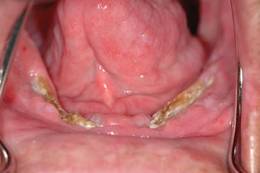
In the literature, osteoradionecrosis (ORN), the most severe jaw manifestation resulting from head/neck radiation, was reported on average in 11.8% of patients in 10 studies (total, 3,312 irradiated patients) from the 1930s through the 1960s, said Dr. Beadle, a radiation oncologist at the University of Texas M.D. Anderson Cancer Center, Houston.
With improved technologies, the rate dropped to 5.4%, as documented in 21 studies involving a total of 11,077 patients conducted from the 1970s through the early 1990s. Since 1997, 25 retrospective and prospective studies involving 9,632 patients overall have reported an overall average ORN rate of 3.0%, she said.
For the current study, data were taken from the SEER (Surveillance, Epidemiology, and End Results) database for Medicare beneficiaries. Patients who were diagnosed with oral cancers in 1999-2007 were identified using SEER, ICD-9, and CPT codes. Primary tumor sites included those of the lip, tongue, floor of mouth, gum, tonsil, oropharynx, and other oral cavity and pharynx.
Of 1,848 patients overall, 16.1% (297) had at least one osteoradionecrosis code within 90 days of radiation therapy completion. Of those, 256 patients had ICD-9 diagnostic codes that included those for osteonecrosis of jaw (733.45), osteomyelitis of jaw (526.4), and other diseases of the jaws, including inflammatory conditions, alveolitis, and periradicular pathology (all 526.x).
Some 41 patients (3.8% of the total) had CPT procedure codes, including drainage of abscess (41800), alveolectomy (41830), operations on facial bones or joints with concurrent ORN diagnosis (76.3), or hyperbaric oxygen therapy (99183), and 30 patients (1.6% of the total) had both a diagnostic and a procedural ORN code, Dr. Beadle said.

The percentage of patients who required intervention for ORN (3.8%) is more consistent with the overall ORN rates from the literature, suggesting that most previous studies have captured only the more severe osteoradionecrosis, which is usually defined as that requiring a procedure, she explained.
In univariate analysis, female sex, not receiving chemotherapy, and a lower number of comorbidities on the Charlson Comorbidity Index were the only factors significantly associated with all jaw complications.
Receipt of IMRT was not a significant predictor, although there was a trend. Patients who received IMRT differed significantly from non-IMRT patients in several ways, however, including their younger age and their greater likelihood to be male, to have advanced-stage disease, to have received definitive vs. adjuvant treatment, to have received chemotherapy, and to have fewer comorbidities.
Although IMRT per se did not predict jaw complications, there was a longer time interval between treatment and the development of jaw complications among the patients who received IMRT (462 days vs. 386 days for the non-IMRT patient).
In response to questions from the audience, Dr. Beadle said that it wasn’t clear why jaw complications would be more common among patients who did not receive chemotherapy, but it might be that those patients received higher doses of radiation. As for the sex difference, she suggested it may be that women have better follow-up care, or it might relate to either osteoporosis or use of bisphosphonates. Her group is investigating those possibilities.
Dr. Beadle stated that she has no disclosures.
PHOENIX – An analysis of Medicare data for more than 1,800 head and neck cancer patients suggests that jaw complications following radiation treatment may be more common than recognized.
Moreover, intensity-modulated radiation therapy (IMRT) was not associated with significantly lower rates of jaw complications, compared with older radiation techniques, although there was a slight trend in that direction and the interval to developing jaw complications was longer following IMRT, reported Dr. Beth M. Beadle at a head and neck cancer symposium sponsored by the American Society for Radiation Oncology.
In the literature, osteoradionecrosis (ORN), the most severe jaw manifestation resulting from head/neck radiation, was reported on average in 11.8% of patients in 10 studies (total, 3,312 irradiated patients) from the 1930s through the 1960s, said Dr. Beadle, a radiation oncologist at the University of Texas M.D. Anderson Cancer Center, Houston.
With improved technologies, the rate dropped to 5.4%, as documented in 21 studies involving a total of 11,077 patients conducted from the 1970s through the early 1990s. Since 1997, 25 retrospective and prospective studies involving 9,632 patients overall have reported an overall average ORN rate of 3.0%, she said.
For the current study, data were taken from the SEER (Surveillance, Epidemiology, and End Results) database for Medicare beneficiaries. Patients who were diagnosed with oral cancers in 1999-2007 were identified using SEER, ICD-9, and CPT codes. Primary tumor sites included those of the lip, tongue, floor of mouth, gum, tonsil, oropharynx, and other oral cavity and pharynx.
Of 1,848 patients overall, 16.1% (297) had at least one osteoradionecrosis code within 90 days of radiation therapy completion. Of those, 256 patients had ICD-9 diagnostic codes that included those for osteonecrosis of jaw (733.45), osteomyelitis of jaw (526.4), and other diseases of the jaws, including inflammatory conditions, alveolitis, and periradicular pathology (all 526.x).
Some 41 patients (3.8% of the total) had CPT procedure codes, including drainage of abscess (41800), alveolectomy (41830), operations on facial bones or joints with concurrent ORN diagnosis (76.3), or hyperbaric oxygen therapy (99183), and 30 patients (1.6% of the total) had both a diagnostic and a procedural ORN code, Dr. Beadle said.
The percentage of patients who required intervention for ORN (3.8%) is more consistent with the overall ORN rates from the literature, suggesting that most previous studies have captured only the more severe osteoradionecrosis, which is usually defined as that requiring a procedure, she explained.
In univariate analysis, female sex, not receiving chemotherapy, and a lower number of comorbidities on the Charlson Comorbidity Index were the only factors significantly associated with all jaw complications.
Receipt of IMRT was not a significant predictor, although there was a trend. Patients who received IMRT differed significantly from non-IMRT patients in several ways, however, including their younger age and their greater likelihood to be male, to have advanced-stage disease, to have received definitive vs. adjuvant treatment, to have received chemotherapy, and to have fewer comorbidities.
Although IMRT per se did not predict jaw complications, there was a longer time interval between treatment and the development of jaw complications among the patients who received IMRT (462 days vs. 386 days for the non-IMRT patient).
In response to questions from the audience, Dr. Beadle said that it wasn’t clear why jaw complications would be more common among patients who did not receive chemotherapy, but it might be that those patients received higher doses of radiation. As for the sex difference, she suggested it may be that women have better follow-up care, or it might relate to either osteoporosis or use of bisphosphonates. Her group is investigating those possibilities.
Dr. Beadle stated that she has no disclosures.
PHOENIX – An analysis of Medicare data for more than 1,800 head and neck cancer patients suggests that jaw complications following radiation treatment may be more common than recognized.
Moreover, intensity-modulated radiation therapy (IMRT) was not associated with significantly lower rates of jaw complications, compared with older radiation techniques, although there was a slight trend in that direction and the interval to developing jaw complications was longer following IMRT, reported Dr. Beth M. Beadle at a head and neck cancer symposium sponsored by the American Society for Radiation Oncology.
In the literature, osteoradionecrosis (ORN), the most severe jaw manifestation resulting from head/neck radiation, was reported on average in 11.8% of patients in 10 studies (total, 3,312 irradiated patients) from the 1930s through the 1960s, said Dr. Beadle, a radiation oncologist at the University of Texas M.D. Anderson Cancer Center, Houston.
With improved technologies, the rate dropped to 5.4%, as documented in 21 studies involving a total of 11,077 patients conducted from the 1970s through the early 1990s. Since 1997, 25 retrospective and prospective studies involving 9,632 patients overall have reported an overall average ORN rate of 3.0%, she said.
For the current study, data were taken from the SEER (Surveillance, Epidemiology, and End Results) database for Medicare beneficiaries. Patients who were diagnosed with oral cancers in 1999-2007 were identified using SEER, ICD-9, and CPT codes. Primary tumor sites included those of the lip, tongue, floor of mouth, gum, tonsil, oropharynx, and other oral cavity and pharynx.
Of 1,848 patients overall, 16.1% (297) had at least one osteoradionecrosis code within 90 days of radiation therapy completion. Of those, 256 patients had ICD-9 diagnostic codes that included those for osteonecrosis of jaw (733.45), osteomyelitis of jaw (526.4), and other diseases of the jaws, including inflammatory conditions, alveolitis, and periradicular pathology (all 526.x).
Some 41 patients (3.8% of the total) had CPT procedure codes, including drainage of abscess (41800), alveolectomy (41830), operations on facial bones or joints with concurrent ORN diagnosis (76.3), or hyperbaric oxygen therapy (99183), and 30 patients (1.6% of the total) had both a diagnostic and a procedural ORN code, Dr. Beadle said.
The percentage of patients who required intervention for ORN (3.8%) is more consistent with the overall ORN rates from the literature, suggesting that most previous studies have captured only the more severe osteoradionecrosis, which is usually defined as that requiring a procedure, she explained.
In univariate analysis, female sex, not receiving chemotherapy, and a lower number of comorbidities on the Charlson Comorbidity Index were the only factors significantly associated with all jaw complications.
Receipt of IMRT was not a significant predictor, although there was a trend. Patients who received IMRT differed significantly from non-IMRT patients in several ways, however, including their younger age and their greater likelihood to be male, to have advanced-stage disease, to have received definitive vs. adjuvant treatment, to have received chemotherapy, and to have fewer comorbidities.
Although IMRT per se did not predict jaw complications, there was a longer time interval between treatment and the development of jaw complications among the patients who received IMRT (462 days vs. 386 days for the non-IMRT patient).
In response to questions from the audience, Dr. Beadle said that it wasn’t clear why jaw complications would be more common among patients who did not receive chemotherapy, but it might be that those patients received higher doses of radiation. As for the sex difference, she suggested it may be that women have better follow-up care, or it might relate to either osteoporosis or use of bisphosphonates. Her group is investigating those possibilities.
Dr. Beadle stated that she has no disclosures.
FROM A HEAD AND NECK CANCER SYMPOSIUM SPONSORED BY THE AMERICAN SOCIETY FOR RADIATION ONCOLOGY
Major Finding: Of a total 1,848 patients with oral cancers, 16% (297) had at least one osteoradionecrosis code within 90 days of radiation therapy completion.
Data source: Data were taken from the SEER database for Medicare beneficiaries.
Disclosures: Dr. Beadle reported having no financial disclosures.
Toxicity Drives Costly Head and Neck Cancer Readmissions
PHOENIX – Unplanned hospitalizations due to toxicities associated with head and neck cancer treatment were a source of substantial cost in a retrospective chart review of 141 patients treated at a single cancer center during 2007-2011.
Much of the increased cost was among patients who underwent docetaxel plus cisplatin and fluorouracil induction chemotherapy (TPF) plus chemoradiotherapy.

"In recent years, induction chemotherapy has been increasingly incorporated into multimodality regimens for selected patients with locally advanced primary squamous cell carcinoma of the head and neck (HNSCC) ... Although efficacious (N. Engl. J. Med. 2007;357:1705-15), TPF has the potential for toxicities [that] may lead to unplanned admissions during treatment. Concurrent use of chemotherapy with radiation is well documented to intensify therapeutic effect and toxicity," Dr. Regan D. Rostorfer and his associates said in a poster.
Symptoms leading to the unplanned readmissions during induction chemotherapy (27 readmissions, 18 patients) included dehydration (in 13 of the 27 readmissions), infection (8), diarrhea (6), nausea/vomiting (5), pain (4), and mucositis (3).
A range of strategies can be used to avoid readmissions and thereby reduce these costs, including careful patient selection, use of prophylactic antimicrobials, standardized use of growth factor support, post-treatment support with outpatient intravenous fluids, integration of home health care services, early gastrostomy-tube placement, use of long-acting antiemetics during treatment, and frequent outpatient office visits during treatment, Dr. Rostorfer and his associates said.
"A number of initiatives are ongoing at our center in efforts to decrease readmission rates during combined modality treatment. Further studies are planned to assess the impact of these measures on readmission rates, and impact on costs of care," the investigators said in their poster.
In an interview, Dr. Rostorfer said the study was initially intended to simply to gather statistics about readmission for head/neck cancer treatment-related toxicity, since there were no published data on it.
"We decided to look at data from our own institution, simply to see how frequently patients were readmitted, and the reason for readmission. More recently, costs have become an issue at almost every hospital in the country, so we decided to look at the excess costs associated with these unplanned admissions, as well.
The investigators reviewed charts for 91 randomly assigned patients with locally advanced primary HNSCC who received treatment with concurrent chemoradiotherapy, and for another 50 patients who received induction TPF chemotherapy followed by chemoradiation. The oropharynx was the most common cancer site, in 24 of the induction group (48%) and 59 of the concurrent group (65%).
A total of 19 induction patients (38%) required unplanned readmission, with 8 requiring more than one. Median length of stay for those total 27 unplanned stays was 6 days (range 1-25). In the concurrent group, 47 patients required unplanned readmission (52%), with 19 requiring more than one. That group had a total 77 unplanned readmissions, with a median stay of 7.8 days (1-65).
Total costs of admissions in the induction group were $3,368,583 for the planned admissions and $1,777,136 for the unplanned admissions. The median cost per planned hospital stay – elective admission for chemotherapy – was $32,276. In contrast, the cost per unplanned hospital stay was $42,390. For the concurrent group, which did not have planned hospitalizations, the cost per unplanned stay was $69,460, said Dr. Rostorfer, medical oncology and hematology chief fellow at MD Anderson Cancer Center Orlando, and his associates.
"Obviously this was a small, retrospective review, but the numbers can be quite alarming. We have begun to implement measures to reduce the numbers of readmission, so hopefully to reduce the cost associated with care. We will see the difference it makes."
Dr. Rostorfer stated that he has no disclosures.
PHOENIX – Unplanned hospitalizations due to toxicities associated with head and neck cancer treatment were a source of substantial cost in a retrospective chart review of 141 patients treated at a single cancer center during 2007-2011.
Much of the increased cost was among patients who underwent docetaxel plus cisplatin and fluorouracil induction chemotherapy (TPF) plus chemoradiotherapy.
"In recent years, induction chemotherapy has been increasingly incorporated into multimodality regimens for selected patients with locally advanced primary squamous cell carcinoma of the head and neck (HNSCC) ... Although efficacious (N. Engl. J. Med. 2007;357:1705-15), TPF has the potential for toxicities [that] may lead to unplanned admissions during treatment. Concurrent use of chemotherapy with radiation is well documented to intensify therapeutic effect and toxicity," Dr. Regan D. Rostorfer and his associates said in a poster.
Symptoms leading to the unplanned readmissions during induction chemotherapy (27 readmissions, 18 patients) included dehydration (in 13 of the 27 readmissions), infection (8), diarrhea (6), nausea/vomiting (5), pain (4), and mucositis (3).
A range of strategies can be used to avoid readmissions and thereby reduce these costs, including careful patient selection, use of prophylactic antimicrobials, standardized use of growth factor support, post-treatment support with outpatient intravenous fluids, integration of home health care services, early gastrostomy-tube placement, use of long-acting antiemetics during treatment, and frequent outpatient office visits during treatment, Dr. Rostorfer and his associates said.
"A number of initiatives are ongoing at our center in efforts to decrease readmission rates during combined modality treatment. Further studies are planned to assess the impact of these measures on readmission rates, and impact on costs of care," the investigators said in their poster.
In an interview, Dr. Rostorfer said the study was initially intended to simply to gather statistics about readmission for head/neck cancer treatment-related toxicity, since there were no published data on it.
"We decided to look at data from our own institution, simply to see how frequently patients were readmitted, and the reason for readmission. More recently, costs have become an issue at almost every hospital in the country, so we decided to look at the excess costs associated with these unplanned admissions, as well.
The investigators reviewed charts for 91 randomly assigned patients with locally advanced primary HNSCC who received treatment with concurrent chemoradiotherapy, and for another 50 patients who received induction TPF chemotherapy followed by chemoradiation. The oropharynx was the most common cancer site, in 24 of the induction group (48%) and 59 of the concurrent group (65%).
A total of 19 induction patients (38%) required unplanned readmission, with 8 requiring more than one. Median length of stay for those total 27 unplanned stays was 6 days (range 1-25). In the concurrent group, 47 patients required unplanned readmission (52%), with 19 requiring more than one. That group had a total 77 unplanned readmissions, with a median stay of 7.8 days (1-65).
Total costs of admissions in the induction group were $3,368,583 for the planned admissions and $1,777,136 for the unplanned admissions. The median cost per planned hospital stay – elective admission for chemotherapy – was $32,276. In contrast, the cost per unplanned hospital stay was $42,390. For the concurrent group, which did not have planned hospitalizations, the cost per unplanned stay was $69,460, said Dr. Rostorfer, medical oncology and hematology chief fellow at MD Anderson Cancer Center Orlando, and his associates.
"Obviously this was a small, retrospective review, but the numbers can be quite alarming. We have begun to implement measures to reduce the numbers of readmission, so hopefully to reduce the cost associated with care. We will see the difference it makes."
Dr. Rostorfer stated that he has no disclosures.
PHOENIX – Unplanned hospitalizations due to toxicities associated with head and neck cancer treatment were a source of substantial cost in a retrospective chart review of 141 patients treated at a single cancer center during 2007-2011.
Much of the increased cost was among patients who underwent docetaxel plus cisplatin and fluorouracil induction chemotherapy (TPF) plus chemoradiotherapy.
"In recent years, induction chemotherapy has been increasingly incorporated into multimodality regimens for selected patients with locally advanced primary squamous cell carcinoma of the head and neck (HNSCC) ... Although efficacious (N. Engl. J. Med. 2007;357:1705-15), TPF has the potential for toxicities [that] may lead to unplanned admissions during treatment. Concurrent use of chemotherapy with radiation is well documented to intensify therapeutic effect and toxicity," Dr. Regan D. Rostorfer and his associates said in a poster.
Symptoms leading to the unplanned readmissions during induction chemotherapy (27 readmissions, 18 patients) included dehydration (in 13 of the 27 readmissions), infection (8), diarrhea (6), nausea/vomiting (5), pain (4), and mucositis (3).
A range of strategies can be used to avoid readmissions and thereby reduce these costs, including careful patient selection, use of prophylactic antimicrobials, standardized use of growth factor support, post-treatment support with outpatient intravenous fluids, integration of home health care services, early gastrostomy-tube placement, use of long-acting antiemetics during treatment, and frequent outpatient office visits during treatment, Dr. Rostorfer and his associates said.
"A number of initiatives are ongoing at our center in efforts to decrease readmission rates during combined modality treatment. Further studies are planned to assess the impact of these measures on readmission rates, and impact on costs of care," the investigators said in their poster.
In an interview, Dr. Rostorfer said the study was initially intended to simply to gather statistics about readmission for head/neck cancer treatment-related toxicity, since there were no published data on it.
"We decided to look at data from our own institution, simply to see how frequently patients were readmitted, and the reason for readmission. More recently, costs have become an issue at almost every hospital in the country, so we decided to look at the excess costs associated with these unplanned admissions, as well.
The investigators reviewed charts for 91 randomly assigned patients with locally advanced primary HNSCC who received treatment with concurrent chemoradiotherapy, and for another 50 patients who received induction TPF chemotherapy followed by chemoradiation. The oropharynx was the most common cancer site, in 24 of the induction group (48%) and 59 of the concurrent group (65%).
A total of 19 induction patients (38%) required unplanned readmission, with 8 requiring more than one. Median length of stay for those total 27 unplanned stays was 6 days (range 1-25). In the concurrent group, 47 patients required unplanned readmission (52%), with 19 requiring more than one. That group had a total 77 unplanned readmissions, with a median stay of 7.8 days (1-65).
Total costs of admissions in the induction group were $3,368,583 for the planned admissions and $1,777,136 for the unplanned admissions. The median cost per planned hospital stay – elective admission for chemotherapy – was $32,276. In contrast, the cost per unplanned hospital stay was $42,390. For the concurrent group, which did not have planned hospitalizations, the cost per unplanned stay was $69,460, said Dr. Rostorfer, medical oncology and hematology chief fellow at MD Anderson Cancer Center Orlando, and his associates.
"Obviously this was a small, retrospective review, but the numbers can be quite alarming. We have begun to implement measures to reduce the numbers of readmission, so hopefully to reduce the cost associated with care. We will see the difference it makes."
Dr. Rostorfer stated that he has no disclosures.
FROM A HEAD AND NECK CANCER SYMPOSIUM SPONSORED BY THE AMERICAN SOCIETY FOR RADIATION ONCOLOGY
Major Finding: Total costs of all admissions for the induction group were $3,368,583 for the planned admissions and $1,777,136 for the unplanned admissions. The median cost per planned hospital stay, that is, the elective admission for chemotherapy, was $32,276. In contrast, the cost per unplanned hospital stay was $42,390. For the concurrent group, the cost per unplanned stay was $69,460.
Data Source: The findings come from a retrospective chart review of 141 patients with locally advanced head and neck cancer seen at a single center.
Disclosures: Dr. Rostorfer reported having no financial disclosures.
IMRT Provides Better QOL in Head and Neck Cancers
PHOENIX – Intensity-modulated radiotherapy is more expensive than 3-D–conformal radiotherapy is and has not been shown to improve standard outcomes in patients with head and neck cancer. But it results in better quality of life.
These findings from two studies presented at the Multidisciplinary Head and Neck Cancer Symposium raise the question: Does improved quality of life justify the greater expense of intensity modulated radiotherapy (IMRT), which has been rapidly adopted for the treatment of head and neck cancer?

Because IMRT spares surrounding tissues, it reduces the likelihood of developing xerostomia, noted Dr. Nathan C. Sheets, who presented data on billing charges associated with IMRT, compared with 3-D–conformal radiotherapy (CRT). IMRT is reimbursed at a substantially higher level than CRT, however, and it is unclear how to assess this cost relative to other aspects of care in this population, said Dr. Sheets, a radiation oncology resident at the University of North Carolina, Chapel Hill.
A separate study presented by Dr. Allen M. Chen compared quality of life in patients who received IMRT vs. CRT. "There’s very little data to suggest IMRT is better than non-IMRT using traditional end points. But the question is: How do you define ‘better’?" said Dr. Chen, director of the radiation oncology residency training program at the University of California, Davis in Sacramento.
"IMRT might not particularly involve better cure rates, but it could make a difference in terms of other end points, such as quality of life, which we all know is very important to patients," he said.
Gap Ranges from $5,000 to $6,000
The cost study analyzed data for 184 patients who had received definitive radiation therapy for head and neck squamous cell cancer at the University of North Carolina at Chapel Hill during 2000-2009 and for whom billing records were available.
The median year of treatment was 2004 for 89 patients treated with CRT, and 2007 for 95 IMRT patients, reflecting the shift to use of IMRT over time. The majority of patients – 87% of CRT and 94% of IMRT – received concurrent chemotherapy. More IMRT patients received positron emission tomography (PET) scans at any point (69% vs. 37%).
Over 36 months’ follow-up, locoregional control was nearly identical for the two patient groups (P = .73). Mean total costs, from the time of diagnosis through the first year of follow-up, were considerably higher for IMRT, at $50,502 vs. $38,977 for CRT. Outpatient costs accounted for the bulk of the difference ($35,418 IMRT vs. $22,696 CRT), whereas inpatient costs were similar, Dr. Sheets reported.
Multivariate analysis showed that factors associated with increased cost of radiotherapy included IMRT, recurrent disease, comorbidities, non-white race, and use of positron-emission scanning. After adjustment for inflation, each of these factors, including IMRT, independently increased the total cost by approximately $5,000-$6000. (Treatment failure was much more expensive, contributing about $14,274 to the total cost.)
Dr. Sheets ended his presentation with the question, "Do the benefits of IMRT outweigh the costs?"
QOL Improves Over 2 Years’ Follow-up
Dr. Chen’s quality of life study addressed that question. The study used the University of Washington Quality of Life instrument (UW-QOL), a previously validated, self-administered questionnaire given to patients returning for follow-up after completion of radiation therapy for head and neck cancer. The University of California, Davis, routinely uses the measure in clinical practice.
Scores on the UW-QOL were retrospectively reviewed for 155 patients with squamous cell carcinomas of the head and neck requiring bilateral neck irradiation for locally advanced disease. Only patients who were clinically without evidence of recurrent disease and with at least 2 years of follow-up were included in the analysis. Definitive radiation therapy was given to 82 patients (53%), while 73 (47%) underwent postoperative treatment.
IMRT was used in 84 patients (54%), with inclusion of the low neck in an extended field. The remaining 71 patients (46%) were treated with 3-D–CRT using opposed lateral fields matched to a low anterior neck field. Concurrent chemotherapy was administered with radiation therapy for 73 patients (47%).
The mean global quality of life scores for the IMRT patients were 67.5 at 1 year and 80.1 at 2 years, compared with 55.4 and 57.0, respectively, for the CRT patients (P less than .001). At 1 year after completion of radiation therapy, the proportion of patients who rated their global quality of life as "very good" or "outstanding" 51% of the IMRT patients, compared with 41% of those treated with CRT (P = .11).
Those numbers became statistically significant at 2 years, with "very good" or "outstanding" quality of life reported by 73% of the IMRT patients and 49% of the CRT group (P less than .001). At last follow-up, 80% of patients treated by IMRT reported that their health-related quality of life was "much better" or "somewhat better," compared with the month before developing cancer, compared with 61% among patients treated by 3-D–CRT (P less than .001).
On multivariate analysis accounting for gender, age, radiation intent (definitive vs. postoperative), radiation dose, T stage, primary site, use of concurrent chemotherapy, and neck dissection, the use of IMRT was the only variable independently associated with improved quality of life (P = .01).

In 1- and 2-year analyses of factors contributing to the difference in UW-QOL score, only "saliva" was found to be significantly different between IMRT and CRT (P less than .001) for both time points. Other examined factors that did not affect the score included pain, appearance, activity, recreation, chewing, swallowing, speech, mood, and anxiety.
"Treatments for dry mouth are fairly primitive and ineffective at present, so preventing dry mouth is so critical. It’s a huge problem. Imagine not being able to make any saliva. And, there are health consequences with respect to things like oral hygiene and dental caries. There’s a cost associated with chronic dry mouth," Dr. Chen said in the interview.
Increased Cost Not That Big
The increase in cost with IMRT isn’t that big, Dr. Bhisham Chera, the principal investigator for the cost study and a radiation oncologist at the University of North Carolina said in an interview.
"On average, it was about $5,000-$6,000 more total," he said. "It is more expensive, but what was shocking to me is that it wasn’t much more expensive as some therapies – like newer chemotherapy drugs, compared to older ones, where there’s a hundred thousand dollar difference in cost and the survival improvement is only a few months."
"We think the incremental increase in cost is justified because of the improvement in dry mouth. If you really compare it to other therapies such as using transperineal prostatectomy vs. robotic prostatectomy or cisplatin vs. cetuximab chemotherapy, the cost difference is vastly greater," he added. "Here, the incremental difference is not that much. It is more expensive, but it’s not astronomically more expensive."
Dr. Sheets, Dr. Chen, and Dr. Chera all stated that they had no disclosures.
PHOENIX – Intensity-modulated radiotherapy is more expensive than 3-D–conformal radiotherapy is and has not been shown to improve standard outcomes in patients with head and neck cancer. But it results in better quality of life.
These findings from two studies presented at the Multidisciplinary Head and Neck Cancer Symposium raise the question: Does improved quality of life justify the greater expense of intensity modulated radiotherapy (IMRT), which has been rapidly adopted for the treatment of head and neck cancer?
Because IMRT spares surrounding tissues, it reduces the likelihood of developing xerostomia, noted Dr. Nathan C. Sheets, who presented data on billing charges associated with IMRT, compared with 3-D–conformal radiotherapy (CRT). IMRT is reimbursed at a substantially higher level than CRT, however, and it is unclear how to assess this cost relative to other aspects of care in this population, said Dr. Sheets, a radiation oncology resident at the University of North Carolina, Chapel Hill.
A separate study presented by Dr. Allen M. Chen compared quality of life in patients who received IMRT vs. CRT. "There’s very little data to suggest IMRT is better than non-IMRT using traditional end points. But the question is: How do you define ‘better’?" said Dr. Chen, director of the radiation oncology residency training program at the University of California, Davis in Sacramento.
"IMRT might not particularly involve better cure rates, but it could make a difference in terms of other end points, such as quality of life, which we all know is very important to patients," he said.
Gap Ranges from $5,000 to $6,000
The cost study analyzed data for 184 patients who had received definitive radiation therapy for head and neck squamous cell cancer at the University of North Carolina at Chapel Hill during 2000-2009 and for whom billing records were available.
The median year of treatment was 2004 for 89 patients treated with CRT, and 2007 for 95 IMRT patients, reflecting the shift to use of IMRT over time. The majority of patients – 87% of CRT and 94% of IMRT – received concurrent chemotherapy. More IMRT patients received positron emission tomography (PET) scans at any point (69% vs. 37%).
Over 36 months’ follow-up, locoregional control was nearly identical for the two patient groups (P = .73). Mean total costs, from the time of diagnosis through the first year of follow-up, were considerably higher for IMRT, at $50,502 vs. $38,977 for CRT. Outpatient costs accounted for the bulk of the difference ($35,418 IMRT vs. $22,696 CRT), whereas inpatient costs were similar, Dr. Sheets reported.
Multivariate analysis showed that factors associated with increased cost of radiotherapy included IMRT, recurrent disease, comorbidities, non-white race, and use of positron-emission scanning. After adjustment for inflation, each of these factors, including IMRT, independently increased the total cost by approximately $5,000-$6000. (Treatment failure was much more expensive, contributing about $14,274 to the total cost.)
Dr. Sheets ended his presentation with the question, "Do the benefits of IMRT outweigh the costs?"
QOL Improves Over 2 Years’ Follow-up
Dr. Chen’s quality of life study addressed that question. The study used the University of Washington Quality of Life instrument (UW-QOL), a previously validated, self-administered questionnaire given to patients returning for follow-up after completion of radiation therapy for head and neck cancer. The University of California, Davis, routinely uses the measure in clinical practice.
Scores on the UW-QOL were retrospectively reviewed for 155 patients with squamous cell carcinomas of the head and neck requiring bilateral neck irradiation for locally advanced disease. Only patients who were clinically without evidence of recurrent disease and with at least 2 years of follow-up were included in the analysis. Definitive radiation therapy was given to 82 patients (53%), while 73 (47%) underwent postoperative treatment.
IMRT was used in 84 patients (54%), with inclusion of the low neck in an extended field. The remaining 71 patients (46%) were treated with 3-D–CRT using opposed lateral fields matched to a low anterior neck field. Concurrent chemotherapy was administered with radiation therapy for 73 patients (47%).
The mean global quality of life scores for the IMRT patients were 67.5 at 1 year and 80.1 at 2 years, compared with 55.4 and 57.0, respectively, for the CRT patients (P less than .001). At 1 year after completion of radiation therapy, the proportion of patients who rated their global quality of life as "very good" or "outstanding" 51% of the IMRT patients, compared with 41% of those treated with CRT (P = .11).
Those numbers became statistically significant at 2 years, with "very good" or "outstanding" quality of life reported by 73% of the IMRT patients and 49% of the CRT group (P less than .001). At last follow-up, 80% of patients treated by IMRT reported that their health-related quality of life was "much better" or "somewhat better," compared with the month before developing cancer, compared with 61% among patients treated by 3-D–CRT (P less than .001).
On multivariate analysis accounting for gender, age, radiation intent (definitive vs. postoperative), radiation dose, T stage, primary site, use of concurrent chemotherapy, and neck dissection, the use of IMRT was the only variable independently associated with improved quality of life (P = .01).
In 1- and 2-year analyses of factors contributing to the difference in UW-QOL score, only "saliva" was found to be significantly different between IMRT and CRT (P less than .001) for both time points. Other examined factors that did not affect the score included pain, appearance, activity, recreation, chewing, swallowing, speech, mood, and anxiety.
"Treatments for dry mouth are fairly primitive and ineffective at present, so preventing dry mouth is so critical. It’s a huge problem. Imagine not being able to make any saliva. And, there are health consequences with respect to things like oral hygiene and dental caries. There’s a cost associated with chronic dry mouth," Dr. Chen said in the interview.
Increased Cost Not That Big
The increase in cost with IMRT isn’t that big, Dr. Bhisham Chera, the principal investigator for the cost study and a radiation oncologist at the University of North Carolina said in an interview.
"On average, it was about $5,000-$6,000 more total," he said. "It is more expensive, but what was shocking to me is that it wasn’t much more expensive as some therapies – like newer chemotherapy drugs, compared to older ones, where there’s a hundred thousand dollar difference in cost and the survival improvement is only a few months."
"We think the incremental increase in cost is justified because of the improvement in dry mouth. If you really compare it to other therapies such as using transperineal prostatectomy vs. robotic prostatectomy or cisplatin vs. cetuximab chemotherapy, the cost difference is vastly greater," he added. "Here, the incremental difference is not that much. It is more expensive, but it’s not astronomically more expensive."
Dr. Sheets, Dr. Chen, and Dr. Chera all stated that they had no disclosures.
PHOENIX – Intensity-modulated radiotherapy is more expensive than 3-D–conformal radiotherapy is and has not been shown to improve standard outcomes in patients with head and neck cancer. But it results in better quality of life.
These findings from two studies presented at the Multidisciplinary Head and Neck Cancer Symposium raise the question: Does improved quality of life justify the greater expense of intensity modulated radiotherapy (IMRT), which has been rapidly adopted for the treatment of head and neck cancer?
Because IMRT spares surrounding tissues, it reduces the likelihood of developing xerostomia, noted Dr. Nathan C. Sheets, who presented data on billing charges associated with IMRT, compared with 3-D–conformal radiotherapy (CRT). IMRT is reimbursed at a substantially higher level than CRT, however, and it is unclear how to assess this cost relative to other aspects of care in this population, said Dr. Sheets, a radiation oncology resident at the University of North Carolina, Chapel Hill.
A separate study presented by Dr. Allen M. Chen compared quality of life in patients who received IMRT vs. CRT. "There’s very little data to suggest IMRT is better than non-IMRT using traditional end points. But the question is: How do you define ‘better’?" said Dr. Chen, director of the radiation oncology residency training program at the University of California, Davis in Sacramento.
"IMRT might not particularly involve better cure rates, but it could make a difference in terms of other end points, such as quality of life, which we all know is very important to patients," he said.
Gap Ranges from $5,000 to $6,000
The cost study analyzed data for 184 patients who had received definitive radiation therapy for head and neck squamous cell cancer at the University of North Carolina at Chapel Hill during 2000-2009 and for whom billing records were available.
The median year of treatment was 2004 for 89 patients treated with CRT, and 2007 for 95 IMRT patients, reflecting the shift to use of IMRT over time. The majority of patients – 87% of CRT and 94% of IMRT – received concurrent chemotherapy. More IMRT patients received positron emission tomography (PET) scans at any point (69% vs. 37%).
Over 36 months’ follow-up, locoregional control was nearly identical for the two patient groups (P = .73). Mean total costs, from the time of diagnosis through the first year of follow-up, were considerably higher for IMRT, at $50,502 vs. $38,977 for CRT. Outpatient costs accounted for the bulk of the difference ($35,418 IMRT vs. $22,696 CRT), whereas inpatient costs were similar, Dr. Sheets reported.
Multivariate analysis showed that factors associated with increased cost of radiotherapy included IMRT, recurrent disease, comorbidities, non-white race, and use of positron-emission scanning. After adjustment for inflation, each of these factors, including IMRT, independently increased the total cost by approximately $5,000-$6000. (Treatment failure was much more expensive, contributing about $14,274 to the total cost.)
Dr. Sheets ended his presentation with the question, "Do the benefits of IMRT outweigh the costs?"
QOL Improves Over 2 Years’ Follow-up
Dr. Chen’s quality of life study addressed that question. The study used the University of Washington Quality of Life instrument (UW-QOL), a previously validated, self-administered questionnaire given to patients returning for follow-up after completion of radiation therapy for head and neck cancer. The University of California, Davis, routinely uses the measure in clinical practice.
Scores on the UW-QOL were retrospectively reviewed for 155 patients with squamous cell carcinomas of the head and neck requiring bilateral neck irradiation for locally advanced disease. Only patients who were clinically without evidence of recurrent disease and with at least 2 years of follow-up were included in the analysis. Definitive radiation therapy was given to 82 patients (53%), while 73 (47%) underwent postoperative treatment.
IMRT was used in 84 patients (54%), with inclusion of the low neck in an extended field. The remaining 71 patients (46%) were treated with 3-D–CRT using opposed lateral fields matched to a low anterior neck field. Concurrent chemotherapy was administered with radiation therapy for 73 patients (47%).
The mean global quality of life scores for the IMRT patients were 67.5 at 1 year and 80.1 at 2 years, compared with 55.4 and 57.0, respectively, for the CRT patients (P less than .001). At 1 year after completion of radiation therapy, the proportion of patients who rated their global quality of life as "very good" or "outstanding" 51% of the IMRT patients, compared with 41% of those treated with CRT (P = .11).
Those numbers became statistically significant at 2 years, with "very good" or "outstanding" quality of life reported by 73% of the IMRT patients and 49% of the CRT group (P less than .001). At last follow-up, 80% of patients treated by IMRT reported that their health-related quality of life was "much better" or "somewhat better," compared with the month before developing cancer, compared with 61% among patients treated by 3-D–CRT (P less than .001).
On multivariate analysis accounting for gender, age, radiation intent (definitive vs. postoperative), radiation dose, T stage, primary site, use of concurrent chemotherapy, and neck dissection, the use of IMRT was the only variable independently associated with improved quality of life (P = .01).
In 1- and 2-year analyses of factors contributing to the difference in UW-QOL score, only "saliva" was found to be significantly different between IMRT and CRT (P less than .001) for both time points. Other examined factors that did not affect the score included pain, appearance, activity, recreation, chewing, swallowing, speech, mood, and anxiety.
"Treatments for dry mouth are fairly primitive and ineffective at present, so preventing dry mouth is so critical. It’s a huge problem. Imagine not being able to make any saliva. And, there are health consequences with respect to things like oral hygiene and dental caries. There’s a cost associated with chronic dry mouth," Dr. Chen said in the interview.
Increased Cost Not That Big
The increase in cost with IMRT isn’t that big, Dr. Bhisham Chera, the principal investigator for the cost study and a radiation oncologist at the University of North Carolina said in an interview.
"On average, it was about $5,000-$6,000 more total," he said. "It is more expensive, but what was shocking to me is that it wasn’t much more expensive as some therapies – like newer chemotherapy drugs, compared to older ones, where there’s a hundred thousand dollar difference in cost and the survival improvement is only a few months."
"We think the incremental increase in cost is justified because of the improvement in dry mouth. If you really compare it to other therapies such as using transperineal prostatectomy vs. robotic prostatectomy or cisplatin vs. cetuximab chemotherapy, the cost difference is vastly greater," he added. "Here, the incremental difference is not that much. It is more expensive, but it’s not astronomically more expensive."
Dr. Sheets, Dr. Chen, and Dr. Chera all stated that they had no disclosures.
A HEAD AND NECK CANCER SYMPOSIUM SPONSORED BY THE AMERICAN SOCIETY FOR RADIATION ONCOLOGY
Major Finding: IMRT was about $5,000-$6,000 more expensive than was 3-D–CRT. But 73% of IMRT patients reported very good or outstanding quality of life at 2 years vs. 49% of CRT patients (P less than .001).
Data Source: Investigators presented separate retrospective studies comparing IMRT with 3D-CRT in head and neck cancers at their institutions.
Disclosures: Dr. Sheets, Dr. Chen, and Dr. Chera all stated that they had no disclosures.
Novel Meningococcal Serogroup B Vaccine is Immunogenic
An investigational recombinant vaccine against meningococcal serogroup B was immunogenic when given along with other vaccines in a study of more than 1,800 healthy infants.
The vaccine "was immunogenic, generally well tolerated, and showed minimal interference with routine vaccines in the first year of life. The flexibility in schedule allows it to be incorporated into a range of country-specific immunization schedules and for primary immunization to be completed in early infancy," said Dr. Nicoletta Gossger of Oxford Vaccine Group, University of Oxford, England, and her associates (JAMA 2012;307:573-82).
Currently available capsular polysaccharide-based vaccines protect against Neisseria meningitidis serogroups C, W-135, and Y but not B, because its capsular polysaccharide is poorly immunogenic in humans. Novartis Vaccines and Diagnostics developed a multicomponent serogroup B meningococcal vaccine (4CMenB) by combining novel antigens with outer membrane vesicles (OMV). Small studies in infants demonstrated immunogenicity of 4CMenB against reference strains (Clin. Infect. Dis. 2010;51:1127-37; Pediatr. Infect. Dis J. 2010;29:e71-9).
In the current phase IIb, open-label, parallel group, randomized controlled trial funded by the company, Dr. Gossger and her associates assessed the immunogenicity and reactogenicity of 4CMenB in 1,885 healthy, full-term 2-month-old infants from 60 centers in six European countries. The infants were randomized to one of three primary 4CMenB schedules: ages 2, 4, and 6 months, together with routine infant vaccines (concomitant); 2, 4, and 6 months, with routine vaccines given separately at 3, 5, and 7 months (intercalated); and 2, 3, and 4 months, concomitantly with routine infant vaccines (accelerated).
A control group received the diphtheria, tetanus, acellular pertussis, hepatitis B, inactivated poliomyelitis and Haemophilus influenzae type b conjugate vaccine (Infanrix hexa) and the 7-valent pneumococcal conjugate vaccine (Prevnar) only at 2, 3, and 4 months. All immunization time points used in the study were chosen to reflect schedules currently used in different countries, Dr. Gossger and her associates noted.
Median age of the infants at enrollment was 68.7 days for all groups, 48%-53% of each group was boys, and 93% of all participants were white. Human complement serum bactericidal activity (hSBA) was assessed against three MenB strains specific for vaccine antigens. After immunization with 4CMenB and routine vaccines together at either 2, 4, and 6 months or 2, 3, and 4 months, 99% or more of participants had hSBA titers of 1:5 or greater (considered protective) for two of the strains (44/76-SL and 5/99) in the modified intention-to-treat immunogenicity analysis, which included 1,636 of the entire cohort.
For strain NZ98/254, which was chosen to determine the immunogenicity of the OMV, the percentages were 79% following the concomitant schedule, 86% for the intercalated schedule, and 82% following the accelerated schedule. Immune responses to all three strains met the predefined sufficiency criteria, the investigators reported.
Responses to routine vaccines given with 4CMenB were noninferior to routine vaccines alone for all antigens, except for the responses to pertactin and serotype 6B pneumococcal polysaccharide. This is "unlikely to be of clinical significance," based on experience with other vaccines, Dr. Gossger and her associates commented.
During the study, less than 1% of the infants had severe erythema, swelling, or induration at the vaccination sites. Nonetheless, 12% to 16% in the concomitant and accelerated groups, respectively, had severe local pain after a dose of 4CMenB, compared with 1% to 3% after doses of DTaP-HBV-IPV/Hib or PCV7 in the control group.
Fever after any vaccination was reported in 80% the concomitant group and 76% in the accelerated group, compared with 51% in the control group and 71% in the intercalated group. For the intercalated group, there were twice as many immunization days, and thus there was more opportunity for fever to occur, they noted.
There were 166 serious adverse events reported in 158 infants, 63 (10%) in the concomitant group, 57 (9%) in the intercalated group, 19 (6%) in the accelerated group, and 19 (6%) in the control group. Of these adverse events, 20 (9 concomitant, 7 intercalated, 3 accelerated, and 1 control) were considered to be possibly related to 4CMenB or routine vaccinations.
"If licensed, the decisions regarding vaccine introduction will require detailed assessment of potential vaccine coverage at a regional level and monitoring after implementation to determine the accuracy of such predictions. Nevertheless, this vaccine could potentially provide improved protection for infants against meningococcal disease beyond the protection provided by currently licensed vaccines," Dr. Gossger and her associates said.
This study was funded by Novartis Vaccines and Diagnostics. Dr. Gossger reported no relevant financial disclosures. Several of the other study authors reported financial relationships with Novartis and other vaccine manufacturers and noncommercial funding bodies.
In the last 10 years, introducing meningococcal conjugate vaccines has substantially reduced meningococcal disease. "Monovalent serogroup C vaccines have virtually eliminated serogroup C disease from the United Kingdom and other countries, and serogroup A, C, W, and Y vaccines have reduced disease among adolescents in the United States. These accomplishments have been dampened by the lack of effective serogroup B meningococcal vaccines. Serogroup B meningococcal disease causes substantial morbidity and mortality globally, especially in young infants," said Dr. Amanda C. Cohn and Dr. Nancy E. Messonnier.
"Serogroup B disease can be devastating," they emphasized. Five to ten percent of children with the disease die, and another 10%-20% may suffer hearing loss, limb loss, and neurologic deficits. Incidence of serogroup B disease is lower in the United States than in other countries, at 0.16 per 100,000 population but 3.08 per 100,000 population among infants younger than 1 year. Incidence of serogroup B disease in some of the countries in Europe, including the United Kingdom, is about ten times higher than in the United States.
"The report by Gossger and colleagues represents a major step forward in developing a broadly protective serogroup B vaccine that is safe and immunogenic in young infants," Dr. Cohn and Dr. Messonnier said. In fact, "studies evaluating antigen expression using isolates collected from surveillance suggest that 4CMenB vaccine could be protective against approximately 76% of strains circulating in Europe."
"Although the overall safety profile of the 4CMenB vaccine was similar to that of other routine infant vaccines, the rates of fever were higher. Six children who received 4CMenB vaccine (about 0.4%) were hospitalized for fever following 4CMenB vaccine, and one child experienced a febrile seizure," they noted. The high rates of fever are not surprising, based on previous data. "However, the high fever rates may cause some additional strain on the health system, including additional ambulatory visits and hospitalizations, and may dampen parental acceptance. The fever profile will likely be more acceptable in countries with a higher burden of serogroup B disease," they said.
"Booster doses may be required to sustain protection but may not confer the same degree of immunologic memory as conjugate vaccines. Countries will have to weigh the benefits of serogroup B vaccination against the costs of adding vaccines to the infant schedule. However, the anticipated licensure of this vaccine in Europe and other countries means that for the first time vaccines to prevent all five of the serogroups that cause most meningococcal disease worldwide will be available," Dr. Cohn and Messonnier concluded.
Dr. Cohn and Dr. Messonnier are at the National Center for Immunizations and Respiratory Diseases, Centers for Disease Control and Prevention, Atlanta. Their comments are drawn from an editorial accompanying Dr. Gossger’s article (JAMA 2012;307:614-5). Dr. Cohn and Dr. Messonnier said they had no relevant financial disclosures.
In the last 10 years, introducing meningococcal conjugate vaccines has substantially reduced meningococcal disease. "Monovalent serogroup C vaccines have virtually eliminated serogroup C disease from the United Kingdom and other countries, and serogroup A, C, W, and Y vaccines have reduced disease among adolescents in the United States. These accomplishments have been dampened by the lack of effective serogroup B meningococcal vaccines. Serogroup B meningococcal disease causes substantial morbidity and mortality globally, especially in young infants," said Dr. Amanda C. Cohn and Dr. Nancy E. Messonnier.
"Serogroup B disease can be devastating," they emphasized. Five to ten percent of children with the disease die, and another 10%-20% may suffer hearing loss, limb loss, and neurologic deficits. Incidence of serogroup B disease is lower in the United States than in other countries, at 0.16 per 100,000 population but 3.08 per 100,000 population among infants younger than 1 year. Incidence of serogroup B disease in some of the countries in Europe, including the United Kingdom, is about ten times higher than in the United States.
"The report by Gossger and colleagues represents a major step forward in developing a broadly protective serogroup B vaccine that is safe and immunogenic in young infants," Dr. Cohn and Dr. Messonnier said. In fact, "studies evaluating antigen expression using isolates collected from surveillance suggest that 4CMenB vaccine could be protective against approximately 76% of strains circulating in Europe."
"Although the overall safety profile of the 4CMenB vaccine was similar to that of other routine infant vaccines, the rates of fever were higher. Six children who received 4CMenB vaccine (about 0.4%) were hospitalized for fever following 4CMenB vaccine, and one child experienced a febrile seizure," they noted. The high rates of fever are not surprising, based on previous data. "However, the high fever rates may cause some additional strain on the health system, including additional ambulatory visits and hospitalizations, and may dampen parental acceptance. The fever profile will likely be more acceptable in countries with a higher burden of serogroup B disease," they said.
"Booster doses may be required to sustain protection but may not confer the same degree of immunologic memory as conjugate vaccines. Countries will have to weigh the benefits of serogroup B vaccination against the costs of adding vaccines to the infant schedule. However, the anticipated licensure of this vaccine in Europe and other countries means that for the first time vaccines to prevent all five of the serogroups that cause most meningococcal disease worldwide will be available," Dr. Cohn and Messonnier concluded.
Dr. Cohn and Dr. Messonnier are at the National Center for Immunizations and Respiratory Diseases, Centers for Disease Control and Prevention, Atlanta. Their comments are drawn from an editorial accompanying Dr. Gossger’s article (JAMA 2012;307:614-5). Dr. Cohn and Dr. Messonnier said they had no relevant financial disclosures.
In the last 10 years, introducing meningococcal conjugate vaccines has substantially reduced meningococcal disease. "Monovalent serogroup C vaccines have virtually eliminated serogroup C disease from the United Kingdom and other countries, and serogroup A, C, W, and Y vaccines have reduced disease among adolescents in the United States. These accomplishments have been dampened by the lack of effective serogroup B meningococcal vaccines. Serogroup B meningococcal disease causes substantial morbidity and mortality globally, especially in young infants," said Dr. Amanda C. Cohn and Dr. Nancy E. Messonnier.
"Serogroup B disease can be devastating," they emphasized. Five to ten percent of children with the disease die, and another 10%-20% may suffer hearing loss, limb loss, and neurologic deficits. Incidence of serogroup B disease is lower in the United States than in other countries, at 0.16 per 100,000 population but 3.08 per 100,000 population among infants younger than 1 year. Incidence of serogroup B disease in some of the countries in Europe, including the United Kingdom, is about ten times higher than in the United States.
"The report by Gossger and colleagues represents a major step forward in developing a broadly protective serogroup B vaccine that is safe and immunogenic in young infants," Dr. Cohn and Dr. Messonnier said. In fact, "studies evaluating antigen expression using isolates collected from surveillance suggest that 4CMenB vaccine could be protective against approximately 76% of strains circulating in Europe."
"Although the overall safety profile of the 4CMenB vaccine was similar to that of other routine infant vaccines, the rates of fever were higher. Six children who received 4CMenB vaccine (about 0.4%) were hospitalized for fever following 4CMenB vaccine, and one child experienced a febrile seizure," they noted. The high rates of fever are not surprising, based on previous data. "However, the high fever rates may cause some additional strain on the health system, including additional ambulatory visits and hospitalizations, and may dampen parental acceptance. The fever profile will likely be more acceptable in countries with a higher burden of serogroup B disease," they said.
"Booster doses may be required to sustain protection but may not confer the same degree of immunologic memory as conjugate vaccines. Countries will have to weigh the benefits of serogroup B vaccination against the costs of adding vaccines to the infant schedule. However, the anticipated licensure of this vaccine in Europe and other countries means that for the first time vaccines to prevent all five of the serogroups that cause most meningococcal disease worldwide will be available," Dr. Cohn and Messonnier concluded.
Dr. Cohn and Dr. Messonnier are at the National Center for Immunizations and Respiratory Diseases, Centers for Disease Control and Prevention, Atlanta. Their comments are drawn from an editorial accompanying Dr. Gossger’s article (JAMA 2012;307:614-5). Dr. Cohn and Dr. Messonnier said they had no relevant financial disclosures.
An investigational recombinant vaccine against meningococcal serogroup B was immunogenic when given along with other vaccines in a study of more than 1,800 healthy infants.
The vaccine "was immunogenic, generally well tolerated, and showed minimal interference with routine vaccines in the first year of life. The flexibility in schedule allows it to be incorporated into a range of country-specific immunization schedules and for primary immunization to be completed in early infancy," said Dr. Nicoletta Gossger of Oxford Vaccine Group, University of Oxford, England, and her associates (JAMA 2012;307:573-82).
Currently available capsular polysaccharide-based vaccines protect against Neisseria meningitidis serogroups C, W-135, and Y but not B, because its capsular polysaccharide is poorly immunogenic in humans. Novartis Vaccines and Diagnostics developed a multicomponent serogroup B meningococcal vaccine (4CMenB) by combining novel antigens with outer membrane vesicles (OMV). Small studies in infants demonstrated immunogenicity of 4CMenB against reference strains (Clin. Infect. Dis. 2010;51:1127-37; Pediatr. Infect. Dis J. 2010;29:e71-9).
In the current phase IIb, open-label, parallel group, randomized controlled trial funded by the company, Dr. Gossger and her associates assessed the immunogenicity and reactogenicity of 4CMenB in 1,885 healthy, full-term 2-month-old infants from 60 centers in six European countries. The infants were randomized to one of three primary 4CMenB schedules: ages 2, 4, and 6 months, together with routine infant vaccines (concomitant); 2, 4, and 6 months, with routine vaccines given separately at 3, 5, and 7 months (intercalated); and 2, 3, and 4 months, concomitantly with routine infant vaccines (accelerated).
A control group received the diphtheria, tetanus, acellular pertussis, hepatitis B, inactivated poliomyelitis and Haemophilus influenzae type b conjugate vaccine (Infanrix hexa) and the 7-valent pneumococcal conjugate vaccine (Prevnar) only at 2, 3, and 4 months. All immunization time points used in the study were chosen to reflect schedules currently used in different countries, Dr. Gossger and her associates noted.
Median age of the infants at enrollment was 68.7 days for all groups, 48%-53% of each group was boys, and 93% of all participants were white. Human complement serum bactericidal activity (hSBA) was assessed against three MenB strains specific for vaccine antigens. After immunization with 4CMenB and routine vaccines together at either 2, 4, and 6 months or 2, 3, and 4 months, 99% or more of participants had hSBA titers of 1:5 or greater (considered protective) for two of the strains (44/76-SL and 5/99) in the modified intention-to-treat immunogenicity analysis, which included 1,636 of the entire cohort.
For strain NZ98/254, which was chosen to determine the immunogenicity of the OMV, the percentages were 79% following the concomitant schedule, 86% for the intercalated schedule, and 82% following the accelerated schedule. Immune responses to all three strains met the predefined sufficiency criteria, the investigators reported.
Responses to routine vaccines given with 4CMenB were noninferior to routine vaccines alone for all antigens, except for the responses to pertactin and serotype 6B pneumococcal polysaccharide. This is "unlikely to be of clinical significance," based on experience with other vaccines, Dr. Gossger and her associates commented.
During the study, less than 1% of the infants had severe erythema, swelling, or induration at the vaccination sites. Nonetheless, 12% to 16% in the concomitant and accelerated groups, respectively, had severe local pain after a dose of 4CMenB, compared with 1% to 3% after doses of DTaP-HBV-IPV/Hib or PCV7 in the control group.
Fever after any vaccination was reported in 80% the concomitant group and 76% in the accelerated group, compared with 51% in the control group and 71% in the intercalated group. For the intercalated group, there were twice as many immunization days, and thus there was more opportunity for fever to occur, they noted.
There were 166 serious adverse events reported in 158 infants, 63 (10%) in the concomitant group, 57 (9%) in the intercalated group, 19 (6%) in the accelerated group, and 19 (6%) in the control group. Of these adverse events, 20 (9 concomitant, 7 intercalated, 3 accelerated, and 1 control) were considered to be possibly related to 4CMenB or routine vaccinations.
"If licensed, the decisions regarding vaccine introduction will require detailed assessment of potential vaccine coverage at a regional level and monitoring after implementation to determine the accuracy of such predictions. Nevertheless, this vaccine could potentially provide improved protection for infants against meningococcal disease beyond the protection provided by currently licensed vaccines," Dr. Gossger and her associates said.
This study was funded by Novartis Vaccines and Diagnostics. Dr. Gossger reported no relevant financial disclosures. Several of the other study authors reported financial relationships with Novartis and other vaccine manufacturers and noncommercial funding bodies.
An investigational recombinant vaccine against meningococcal serogroup B was immunogenic when given along with other vaccines in a study of more than 1,800 healthy infants.
The vaccine "was immunogenic, generally well tolerated, and showed minimal interference with routine vaccines in the first year of life. The flexibility in schedule allows it to be incorporated into a range of country-specific immunization schedules and for primary immunization to be completed in early infancy," said Dr. Nicoletta Gossger of Oxford Vaccine Group, University of Oxford, England, and her associates (JAMA 2012;307:573-82).
Currently available capsular polysaccharide-based vaccines protect against Neisseria meningitidis serogroups C, W-135, and Y but not B, because its capsular polysaccharide is poorly immunogenic in humans. Novartis Vaccines and Diagnostics developed a multicomponent serogroup B meningococcal vaccine (4CMenB) by combining novel antigens with outer membrane vesicles (OMV). Small studies in infants demonstrated immunogenicity of 4CMenB against reference strains (Clin. Infect. Dis. 2010;51:1127-37; Pediatr. Infect. Dis J. 2010;29:e71-9).
In the current phase IIb, open-label, parallel group, randomized controlled trial funded by the company, Dr. Gossger and her associates assessed the immunogenicity and reactogenicity of 4CMenB in 1,885 healthy, full-term 2-month-old infants from 60 centers in six European countries. The infants were randomized to one of three primary 4CMenB schedules: ages 2, 4, and 6 months, together with routine infant vaccines (concomitant); 2, 4, and 6 months, with routine vaccines given separately at 3, 5, and 7 months (intercalated); and 2, 3, and 4 months, concomitantly with routine infant vaccines (accelerated).
A control group received the diphtheria, tetanus, acellular pertussis, hepatitis B, inactivated poliomyelitis and Haemophilus influenzae type b conjugate vaccine (Infanrix hexa) and the 7-valent pneumococcal conjugate vaccine (Prevnar) only at 2, 3, and 4 months. All immunization time points used in the study were chosen to reflect schedules currently used in different countries, Dr. Gossger and her associates noted.
Median age of the infants at enrollment was 68.7 days for all groups, 48%-53% of each group was boys, and 93% of all participants were white. Human complement serum bactericidal activity (hSBA) was assessed against three MenB strains specific for vaccine antigens. After immunization with 4CMenB and routine vaccines together at either 2, 4, and 6 months or 2, 3, and 4 months, 99% or more of participants had hSBA titers of 1:5 or greater (considered protective) for two of the strains (44/76-SL and 5/99) in the modified intention-to-treat immunogenicity analysis, which included 1,636 of the entire cohort.
For strain NZ98/254, which was chosen to determine the immunogenicity of the OMV, the percentages were 79% following the concomitant schedule, 86% for the intercalated schedule, and 82% following the accelerated schedule. Immune responses to all three strains met the predefined sufficiency criteria, the investigators reported.
Responses to routine vaccines given with 4CMenB were noninferior to routine vaccines alone for all antigens, except for the responses to pertactin and serotype 6B pneumococcal polysaccharide. This is "unlikely to be of clinical significance," based on experience with other vaccines, Dr. Gossger and her associates commented.
During the study, less than 1% of the infants had severe erythema, swelling, or induration at the vaccination sites. Nonetheless, 12% to 16% in the concomitant and accelerated groups, respectively, had severe local pain after a dose of 4CMenB, compared with 1% to 3% after doses of DTaP-HBV-IPV/Hib or PCV7 in the control group.
Fever after any vaccination was reported in 80% the concomitant group and 76% in the accelerated group, compared with 51% in the control group and 71% in the intercalated group. For the intercalated group, there were twice as many immunization days, and thus there was more opportunity for fever to occur, they noted.
There were 166 serious adverse events reported in 158 infants, 63 (10%) in the concomitant group, 57 (9%) in the intercalated group, 19 (6%) in the accelerated group, and 19 (6%) in the control group. Of these adverse events, 20 (9 concomitant, 7 intercalated, 3 accelerated, and 1 control) were considered to be possibly related to 4CMenB or routine vaccinations.
"If licensed, the decisions regarding vaccine introduction will require detailed assessment of potential vaccine coverage at a regional level and monitoring after implementation to determine the accuracy of such predictions. Nevertheless, this vaccine could potentially provide improved protection for infants against meningococcal disease beyond the protection provided by currently licensed vaccines," Dr. Gossger and her associates said.
This study was funded by Novartis Vaccines and Diagnostics. Dr. Gossger reported no relevant financial disclosures. Several of the other study authors reported financial relationships with Novartis and other vaccine manufacturers and noncommercial funding bodies.
FROM JAMA
Major Finding: After immunization with 4CMenB and routine vaccines together at either 2, 4, and 6 months or 2, 3, and 4 months, 99% or more of participants had hSBA titers of 1:5 or greater (considered protective) for two of the strains (44/76-SL and 5/99) in the modified intention-to-treat immunogenicity analysis. For strain NZ98/254, chosen to determine the immunogenicity of the OMV, percentages were 79% following the concomitant schedule, 86% for the intercalated schedule, and 82% following the accelerated schedule.
Data Source: The data come from a phase IIb, open-label, parallel group, randomized controlled trial of 1,885 healthy, full-term 2-month-old infants from 60 centers in six European countries.
Disclosures: This study was funded by Novartis Vaccines and Diagnostics. Dr. Gossger reported no relevant financial disclosures. Several of the other study authors reported financial relationships with Novartis and other vaccine manufacturers and noncommercial funding bodies.
Cisplatin Aids Survival of High-Risk Head and Neck Cancer
PHOENIX – Adding chemotherapy to radiotherapy improved 10-year survival of resectable head and neck carcinomas among high-risk patients who had microscopically involved resection margins and/or extracapsular spread of disease – but not in high-risk patients who only had tumor in multiple lymph nodes.
The findings come from a long-term update and unplanned subset analysis of 410 evaluable patients from the RTOG (Radiation Therapy Oncology Group) 9501 phase III study, which previously showed no overall survival advantage from the addition of cisplatin chemotherapy to radiation.
The new data are "good news," according to lead author Dr. Jay Cooper, director of Maimonides Cancer Center in Brooklyn, N.Y.
"We now can eradicate some advanced head and neck tumors that we couldn’t before by adding chemotherapy to radiation therapy. At the same time, we can spare other patients who would not do better with the addition of chemotherapy from its side effects," he said at a head and neck cancer symposium sponsored by the American Society for Radiation Therapy.
The RTOG 9501 study randomized 459 patients with high-risk, resected head and neck cancers to receive either radiation therapy of 60 Gy in 6 weeks (RT), or identical radiotherapy plus cisplatin at 100 mg/m2 IV on days 1, 22, and 43 (RT+CT).
When reported at a median follow-up of 45.9 months, the locoregional control rate was significantly higher in the combined-therapy group than in the group given radiotherapy alone (hazard ratio for locoregional recurrence, 0.61); disease-free survival was significantly longer with combined therapy (HR for disease or death, 0.78), but overall survival was not (HR for death, 0.84). Moreover, four patients who received combination therapy died as a result of treatment (N. Engl. J. Med. 2004;350:1937-44).
In the current updated analysis conducted 10 years post treatment, none of the primary outcomes differed significantly between the two groups. The evaluable population comprised 208 patients who received RT and 202 given RT+CT. For patients treated by RT vs. RT+CT, the rates were, respectively, 28.8% vs. 22.3% (P = .10) for locoregional failure, 19.1% vs. 20.1% (P = .25) for disease-free survival, and 27.0% vs. 29.1% (P = .31) for overall survival.
In a subset analysis that had not been performed previously, however, statistically significant differences appeared within the 242 patients who had microscopically involved resection margins and/or extracapsular spread of disease. In this group, 115 patients received RT and 127 were given RT+CT. Locoregional failure occurred in 33.1% of the CT group vs. 21.0% of those treated with RT+CT (P = .02). The disease-free survival rate was 12.3% vs. 18.4% (P = .05), and the overall survival rate was 19.6% vs. 27.1% (P = .07), with both end points favoring RT+CT.
That left 168 patients who did not have involved margins or extracapsular extension and were included in the trial solely because they had multiple involved nodes. In this group, 93 received RT and 75 RT+CT, with no significant difference in long-term outcomes.
There was a trend in improved cause-specific survival with RT+CT for patients whose death resulted from head and neck cancer, but more deaths not due to the study cancer were observed in patients treated with concurrent cisplatin. This is a hypothesis-generating finding that needs to be investigated in future trials, Dr. Cooper noted.
In an interview, he explained that the rationale for looking specifically at the patients with microscopically involved resection margins and/or extracapsular spread came from a previous analysis of the raw data from the RTOG trial combined with those of a concurrently published study conducted by the EORTC (European Organisation for Research and Treatment of Cancer).
Although the design of the EORTC 22931 study was similar, the outcome was different. Of a total 167 patients who had been randomized to RT or RT+CT, the rate of progression-free survival at a median follow-up of 60 months was significantly higher in the combined-therapy group than in the group given radiotherapy alone (P = .04) (N. Engl. J. Med. 2004;350:1945-52).
When the data from RTOG and EORTC were combined, it became clear that the main reason for the difference in outcome was in the different entry criteria for the two trials, and that extracapsular extension (ECE) and/or microscopically involved surgical margins were the only risk factors for which the impact of adjuvant chemotherapy-enhanced radiation therapy was significant in both trials (Head Neck 2005;27:843-50).
"What we learned from that analysis is that the patients who got on one of the trials but wouldn’t have qualified for the other trial were not getting much benefit from the study regimen, whereas those who qualified for either study – due to having involved margins and/or extracapsular extension – did better with chemotherapy on all three measures.
"These results were highly significant. But more importantly, the data suggested a subgroup where the big bang for the buck was," Dr. Cooper said in the interview.
The findings don’t mean that the patients who did not benefit are not "high risk," Dr. Cooper said. "Would they benefit from other chemotherapy? We don’t know. Would they benefit from different drugs or different regimens? Maybe. But we can now fairly comfortably say that in both the short and long run, if patients are high risk only because of involved lymph nodes, don’t treat them with this combination, and spare them the toxicity."
Dr. Cooper stated that he has no disclosures, as did nine coauthors. One additional coauthor is an employee of Lilly USA.
PHOENIX – Adding chemotherapy to radiotherapy improved 10-year survival of resectable head and neck carcinomas among high-risk patients who had microscopically involved resection margins and/or extracapsular spread of disease – but not in high-risk patients who only had tumor in multiple lymph nodes.
The findings come from a long-term update and unplanned subset analysis of 410 evaluable patients from the RTOG (Radiation Therapy Oncology Group) 9501 phase III study, which previously showed no overall survival advantage from the addition of cisplatin chemotherapy to radiation.
The new data are "good news," according to lead author Dr. Jay Cooper, director of Maimonides Cancer Center in Brooklyn, N.Y.
"We now can eradicate some advanced head and neck tumors that we couldn’t before by adding chemotherapy to radiation therapy. At the same time, we can spare other patients who would not do better with the addition of chemotherapy from its side effects," he said at a head and neck cancer symposium sponsored by the American Society for Radiation Therapy.
The RTOG 9501 study randomized 459 patients with high-risk, resected head and neck cancers to receive either radiation therapy of 60 Gy in 6 weeks (RT), or identical radiotherapy plus cisplatin at 100 mg/m2 IV on days 1, 22, and 43 (RT+CT).
When reported at a median follow-up of 45.9 months, the locoregional control rate was significantly higher in the combined-therapy group than in the group given radiotherapy alone (hazard ratio for locoregional recurrence, 0.61); disease-free survival was significantly longer with combined therapy (HR for disease or death, 0.78), but overall survival was not (HR for death, 0.84). Moreover, four patients who received combination therapy died as a result of treatment (N. Engl. J. Med. 2004;350:1937-44).
In the current updated analysis conducted 10 years post treatment, none of the primary outcomes differed significantly between the two groups. The evaluable population comprised 208 patients who received RT and 202 given RT+CT. For patients treated by RT vs. RT+CT, the rates were, respectively, 28.8% vs. 22.3% (P = .10) for locoregional failure, 19.1% vs. 20.1% (P = .25) for disease-free survival, and 27.0% vs. 29.1% (P = .31) for overall survival.
In a subset analysis that had not been performed previously, however, statistically significant differences appeared within the 242 patients who had microscopically involved resection margins and/or extracapsular spread of disease. In this group, 115 patients received RT and 127 were given RT+CT. Locoregional failure occurred in 33.1% of the CT group vs. 21.0% of those treated with RT+CT (P = .02). The disease-free survival rate was 12.3% vs. 18.4% (P = .05), and the overall survival rate was 19.6% vs. 27.1% (P = .07), with both end points favoring RT+CT.
That left 168 patients who did not have involved margins or extracapsular extension and were included in the trial solely because they had multiple involved nodes. In this group, 93 received RT and 75 RT+CT, with no significant difference in long-term outcomes.
There was a trend in improved cause-specific survival with RT+CT for patients whose death resulted from head and neck cancer, but more deaths not due to the study cancer were observed in patients treated with concurrent cisplatin. This is a hypothesis-generating finding that needs to be investigated in future trials, Dr. Cooper noted.
In an interview, he explained that the rationale for looking specifically at the patients with microscopically involved resection margins and/or extracapsular spread came from a previous analysis of the raw data from the RTOG trial combined with those of a concurrently published study conducted by the EORTC (European Organisation for Research and Treatment of Cancer).
Although the design of the EORTC 22931 study was similar, the outcome was different. Of a total 167 patients who had been randomized to RT or RT+CT, the rate of progression-free survival at a median follow-up of 60 months was significantly higher in the combined-therapy group than in the group given radiotherapy alone (P = .04) (N. Engl. J. Med. 2004;350:1945-52).
When the data from RTOG and EORTC were combined, it became clear that the main reason for the difference in outcome was in the different entry criteria for the two trials, and that extracapsular extension (ECE) and/or microscopically involved surgical margins were the only risk factors for which the impact of adjuvant chemotherapy-enhanced radiation therapy was significant in both trials (Head Neck 2005;27:843-50).
"What we learned from that analysis is that the patients who got on one of the trials but wouldn’t have qualified for the other trial were not getting much benefit from the study regimen, whereas those who qualified for either study – due to having involved margins and/or extracapsular extension – did better with chemotherapy on all three measures.
"These results were highly significant. But more importantly, the data suggested a subgroup where the big bang for the buck was," Dr. Cooper said in the interview.
The findings don’t mean that the patients who did not benefit are not "high risk," Dr. Cooper said. "Would they benefit from other chemotherapy? We don’t know. Would they benefit from different drugs or different regimens? Maybe. But we can now fairly comfortably say that in both the short and long run, if patients are high risk only because of involved lymph nodes, don’t treat them with this combination, and spare them the toxicity."
Dr. Cooper stated that he has no disclosures, as did nine coauthors. One additional coauthor is an employee of Lilly USA.
PHOENIX – Adding chemotherapy to radiotherapy improved 10-year survival of resectable head and neck carcinomas among high-risk patients who had microscopically involved resection margins and/or extracapsular spread of disease – but not in high-risk patients who only had tumor in multiple lymph nodes.
The findings come from a long-term update and unplanned subset analysis of 410 evaluable patients from the RTOG (Radiation Therapy Oncology Group) 9501 phase III study, which previously showed no overall survival advantage from the addition of cisplatin chemotherapy to radiation.
The new data are "good news," according to lead author Dr. Jay Cooper, director of Maimonides Cancer Center in Brooklyn, N.Y.
"We now can eradicate some advanced head and neck tumors that we couldn’t before by adding chemotherapy to radiation therapy. At the same time, we can spare other patients who would not do better with the addition of chemotherapy from its side effects," he said at a head and neck cancer symposium sponsored by the American Society for Radiation Therapy.
The RTOG 9501 study randomized 459 patients with high-risk, resected head and neck cancers to receive either radiation therapy of 60 Gy in 6 weeks (RT), or identical radiotherapy plus cisplatin at 100 mg/m2 IV on days 1, 22, and 43 (RT+CT).
When reported at a median follow-up of 45.9 months, the locoregional control rate was significantly higher in the combined-therapy group than in the group given radiotherapy alone (hazard ratio for locoregional recurrence, 0.61); disease-free survival was significantly longer with combined therapy (HR for disease or death, 0.78), but overall survival was not (HR for death, 0.84). Moreover, four patients who received combination therapy died as a result of treatment (N. Engl. J. Med. 2004;350:1937-44).
In the current updated analysis conducted 10 years post treatment, none of the primary outcomes differed significantly between the two groups. The evaluable population comprised 208 patients who received RT and 202 given RT+CT. For patients treated by RT vs. RT+CT, the rates were, respectively, 28.8% vs. 22.3% (P = .10) for locoregional failure, 19.1% vs. 20.1% (P = .25) for disease-free survival, and 27.0% vs. 29.1% (P = .31) for overall survival.
In a subset analysis that had not been performed previously, however, statistically significant differences appeared within the 242 patients who had microscopically involved resection margins and/or extracapsular spread of disease. In this group, 115 patients received RT and 127 were given RT+CT. Locoregional failure occurred in 33.1% of the CT group vs. 21.0% of those treated with RT+CT (P = .02). The disease-free survival rate was 12.3% vs. 18.4% (P = .05), and the overall survival rate was 19.6% vs. 27.1% (P = .07), with both end points favoring RT+CT.
That left 168 patients who did not have involved margins or extracapsular extension and were included in the trial solely because they had multiple involved nodes. In this group, 93 received RT and 75 RT+CT, with no significant difference in long-term outcomes.
There was a trend in improved cause-specific survival with RT+CT for patients whose death resulted from head and neck cancer, but more deaths not due to the study cancer were observed in patients treated with concurrent cisplatin. This is a hypothesis-generating finding that needs to be investigated in future trials, Dr. Cooper noted.
In an interview, he explained that the rationale for looking specifically at the patients with microscopically involved resection margins and/or extracapsular spread came from a previous analysis of the raw data from the RTOG trial combined with those of a concurrently published study conducted by the EORTC (European Organisation for Research and Treatment of Cancer).
Although the design of the EORTC 22931 study was similar, the outcome was different. Of a total 167 patients who had been randomized to RT or RT+CT, the rate of progression-free survival at a median follow-up of 60 months was significantly higher in the combined-therapy group than in the group given radiotherapy alone (P = .04) (N. Engl. J. Med. 2004;350:1945-52).
When the data from RTOG and EORTC were combined, it became clear that the main reason for the difference in outcome was in the different entry criteria for the two trials, and that extracapsular extension (ECE) and/or microscopically involved surgical margins were the only risk factors for which the impact of adjuvant chemotherapy-enhanced radiation therapy was significant in both trials (Head Neck 2005;27:843-50).
"What we learned from that analysis is that the patients who got on one of the trials but wouldn’t have qualified for the other trial were not getting much benefit from the study regimen, whereas those who qualified for either study – due to having involved margins and/or extracapsular extension – did better with chemotherapy on all three measures.
"These results were highly significant. But more importantly, the data suggested a subgroup where the big bang for the buck was," Dr. Cooper said in the interview.
The findings don’t mean that the patients who did not benefit are not "high risk," Dr. Cooper said. "Would they benefit from other chemotherapy? We don’t know. Would they benefit from different drugs or different regimens? Maybe. But we can now fairly comfortably say that in both the short and long run, if patients are high risk only because of involved lymph nodes, don’t treat them with this combination, and spare them the toxicity."
Dr. Cooper stated that he has no disclosures, as did nine coauthors. One additional coauthor is an employee of Lilly USA.
FROM A HEAD AND NECK CANCER SYMPOSIUM SPONOSORED BY THE AMERICAN SOCIETY FOR RADIATION ONCOLOGY
Major Finding: At 10 years post treatment, the overall survival rate was higher when cisplatin was added to adjuvant radiotherapy in patients who had microscopically involved resection margins and/or extracapsular spread of disease (27.1% vs. 19.6% with RT alone; P = .07).
Data Source: The data come from an unplanned analysis of 410 patients in the randomized phase III RTOG 9501.
Disclosures: Dr. Cooper stated that he has no disclosures, as did nine coauthors. One additional coauthor is an employee of Lilly USA.
Changes to HPV, Influenza Vaccine Recs Top 2012 Schedule
The "Recommended Childhood and Adolescent Immunization Schedules – United States, 2012" includes updated schedules for children aged 0-6 years, 7-18 years, and a catch-up schedule for children with late or incomplete immunizations.
Major changes regarding three vaccines are included this year:
• All males 11- or 12-years-old should receive the HPV vaccine in a three-dose series, which can be started as early as 9 years of age.
• The meningococcal vaccine can now be given to children as young as 9 months if they are residents of or travelers to countries with epidemic disease or are at increased risk of developing meningococcal disease. Routine immunization with the meningococcal vaccine should begin at age 11-12 years, with a booster dose administered at 16 years.
• The influenza vaccine should be administered in two doses for children aged 6 months through 8 years who did not receive at least one dose of the vaccine in 2010-2011. Children who received one dose last season require only one dose for the 2011-2012 influenza season.
Click here for the Recommended Immunization Schedule for Persons Aged 0 Through 6 Years - United States, 2012.
Click here for the Recommended Immunization Schedule for Persons Aged 7 Through 18 Years - United States, 2012.
Click here for the Catch-up Immunization Schedule for Persons Aged 4 Months Through 18 Years Who Start Late or Who Are More Than 1 Month Behind - United States, 2012.
The schedule reflects current recommendations for use of Food and Drug Administration–licensed vaccines and has been approved by the American Academy of Pediatrics, the Advisory Committee on Immunization Practices of the Centers for Disease Control and Prevention, and the American Academy of Family Physicians.
The "Recommended Childhood and Adolescent Immunization Schedules – United States, 2012" includes updated schedules for children aged 0-6 years, 7-18 years, and a catch-up schedule for children with late or incomplete immunizations.
Major changes regarding three vaccines are included this year:
• All males 11- or 12-years-old should receive the HPV vaccine in a three-dose series, which can be started as early as 9 years of age.
• The meningococcal vaccine can now be given to children as young as 9 months if they are residents of or travelers to countries with epidemic disease or are at increased risk of developing meningococcal disease. Routine immunization with the meningococcal vaccine should begin at age 11-12 years, with a booster dose administered at 16 years.
• The influenza vaccine should be administered in two doses for children aged 6 months through 8 years who did not receive at least one dose of the vaccine in 2010-2011. Children who received one dose last season require only one dose for the 2011-2012 influenza season.
Click here for the Recommended Immunization Schedule for Persons Aged 0 Through 6 Years - United States, 2012.
Click here for the Recommended Immunization Schedule for Persons Aged 7 Through 18 Years - United States, 2012.
Click here for the Catch-up Immunization Schedule for Persons Aged 4 Months Through 18 Years Who Start Late or Who Are More Than 1 Month Behind - United States, 2012.
The schedule reflects current recommendations for use of Food and Drug Administration–licensed vaccines and has been approved by the American Academy of Pediatrics, the Advisory Committee on Immunization Practices of the Centers for Disease Control and Prevention, and the American Academy of Family Physicians.
The "Recommended Childhood and Adolescent Immunization Schedules – United States, 2012" includes updated schedules for children aged 0-6 years, 7-18 years, and a catch-up schedule for children with late or incomplete immunizations.
Major changes regarding three vaccines are included this year:
• All males 11- or 12-years-old should receive the HPV vaccine in a three-dose series, which can be started as early as 9 years of age.
• The meningococcal vaccine can now be given to children as young as 9 months if they are residents of or travelers to countries with epidemic disease or are at increased risk of developing meningococcal disease. Routine immunization with the meningococcal vaccine should begin at age 11-12 years, with a booster dose administered at 16 years.
• The influenza vaccine should be administered in two doses for children aged 6 months through 8 years who did not receive at least one dose of the vaccine in 2010-2011. Children who received one dose last season require only one dose for the 2011-2012 influenza season.
Click here for the Recommended Immunization Schedule for Persons Aged 0 Through 6 Years - United States, 2012.
Click here for the Recommended Immunization Schedule for Persons Aged 7 Through 18 Years - United States, 2012.
Click here for the Catch-up Immunization Schedule for Persons Aged 4 Months Through 18 Years Who Start Late or Who Are More Than 1 Month Behind - United States, 2012.
The schedule reflects current recommendations for use of Food and Drug Administration–licensed vaccines and has been approved by the American Academy of Pediatrics, the Advisory Committee on Immunization Practices of the Centers for Disease Control and Prevention, and the American Academy of Family Physicians.
FROM PEDIATRICS
New Antiepileptic No Better for Bones Than Older Drugs
BALTIMORE – Levetiracetam had effects on bone mineral density and markers of bone turnover that were similar to those seen with the older antiepileptic drugs carbamazepine and sodium valproate in a 12-month, randomized, controlled trial of 84 patients with partial epilepsy.
The finding was counter to the expectation that levetiracetam (Keppra) would have neutral or more benign effects on bone health because of its “cleaner pharmacokinetics – no effect on vitamin D metabolism – and a different mechanism of action,” study investigator Dr. Terence J. O'Brien said in an interview.
“Most [experts] thought it would be better for bone health. However, there is a previous study in rats that did show effect on bone. … The clinical message is that neurologists need to monitor bone heath on all their patients chronically treated with AEDs,” he said.
Chronic antiepileptic drug use has been associated with increased risk of both bone disease and fracture, as well as weight gain and insulin resistance. It has been hoped that newer antiepileptic drugs with different mechanisms of action would minimize or eliminate these effects. One of these newer agents, levetiracetam, has a novel mechanism of action, binding to the SV2A receptors that interfere with synaptic vesicle exocytosis. It is not hepatically metabolized, so it does not affect hormonal levels.
“There are plenty of reasons to believe it would have fewer bone and metabolic effects, but this had never been tested before in a randomized, controlled trial,” said Dr. O'Brien, a professor of medicine at the University of Melbourne and head of the department of medicine at the Royal Melbourne Hospital.
Of 84 patients randomized to open-label substitution monotherapy with either levetiracetam or carbamazepine or valproate in the KONQUEST trial, 40 levetiracetam patients and 30 carbamazepine/valproate patients completed an assessment at 15 months. Dosing in the trial was flexible, and was increased or decreased by the treating neurologist according to tolerability and seizure control.
Dual energy X-ray absorptiometry (DXA) measurements of areal bone mineral density (aBMD) in the forearm was significantly lower at 15 months in both the levetiracetam and carbamazepine/valproate groups, compared with measurements taken at 3 months, but more so for levetiracetam, with reductions of 1.4% (P less than .001) and 0.96% (P = .015), respectively. Peripheral quantitative CT measurement of trabecular BMD in the radius was also reduced in both groups, by 2.25% (P = .005) with levetiracetam and by 2.9% (P = .001) for the older AEDs. There were no differences from 3-month assessments in aBMD of the lumbar spine or hip in either treatment group.
Markers of bone formation and resorption were among the secondary end points. The bone resorption marker beta C-terminal telopeptide of type 1 collagen was reduced in both treatment groups, by 12.8% (P = .021) with levetiracetam and by 15.6% (P = .028) with carbamazepine/valproate. However, the bone formation marker procollagen type 1 N-terminal propeptide was reduced only with the older AEDs, by 20.9% (P = .008). There were no differences in vitamin D or other markers of calcium homeostasis, Dr. O'Brien said.
Reduction in serum markers of bone turnover suggests reduced bone remodeling with AEDs, “an atypical mechanism for bone loss which warrants further study,” he said.
In the interview, he added that the lack of effect on markers of bone formation for levetiracetam may indicate some differences in the mechanism of its effect, or may just have been a lack of power.
The exploratory end points of femoral neck aBMD, total bone area (trabecular), trabecular bone mineral content, and total bone area (cortical) were all significantly reduced in both groups. However, the anthropometric exploratory end points of weight and body mass index were increased only with the older AEDs, by 2.0% (P = .039) and 2.15% (P = .044), respectively.
There are no clear guidelines for bone health monitoring in patients on AEDs. “What we recommend is when you start the drug, [get] a baseline, and then [monitor] every 3–5 years. Vitamin D levels should also be checked and supplemented if deficient,” he said in the interview.
A UCB Pharma spokeswoman declined to comment on the findings of KONQUEST.
BALTIMORE – Levetiracetam had effects on bone mineral density and markers of bone turnover that were similar to those seen with the older antiepileptic drugs carbamazepine and sodium valproate in a 12-month, randomized, controlled trial of 84 patients with partial epilepsy.
The finding was counter to the expectation that levetiracetam (Keppra) would have neutral or more benign effects on bone health because of its “cleaner pharmacokinetics – no effect on vitamin D metabolism – and a different mechanism of action,” study investigator Dr. Terence J. O'Brien said in an interview.
“Most [experts] thought it would be better for bone health. However, there is a previous study in rats that did show effect on bone. … The clinical message is that neurologists need to monitor bone heath on all their patients chronically treated with AEDs,” he said.
Chronic antiepileptic drug use has been associated with increased risk of both bone disease and fracture, as well as weight gain and insulin resistance. It has been hoped that newer antiepileptic drugs with different mechanisms of action would minimize or eliminate these effects. One of these newer agents, levetiracetam, has a novel mechanism of action, binding to the SV2A receptors that interfere with synaptic vesicle exocytosis. It is not hepatically metabolized, so it does not affect hormonal levels.
“There are plenty of reasons to believe it would have fewer bone and metabolic effects, but this had never been tested before in a randomized, controlled trial,” said Dr. O'Brien, a professor of medicine at the University of Melbourne and head of the department of medicine at the Royal Melbourne Hospital.
Of 84 patients randomized to open-label substitution monotherapy with either levetiracetam or carbamazepine or valproate in the KONQUEST trial, 40 levetiracetam patients and 30 carbamazepine/valproate patients completed an assessment at 15 months. Dosing in the trial was flexible, and was increased or decreased by the treating neurologist according to tolerability and seizure control.
Dual energy X-ray absorptiometry (DXA) measurements of areal bone mineral density (aBMD) in the forearm was significantly lower at 15 months in both the levetiracetam and carbamazepine/valproate groups, compared with measurements taken at 3 months, but more so for levetiracetam, with reductions of 1.4% (P less than .001) and 0.96% (P = .015), respectively. Peripheral quantitative CT measurement of trabecular BMD in the radius was also reduced in both groups, by 2.25% (P = .005) with levetiracetam and by 2.9% (P = .001) for the older AEDs. There were no differences from 3-month assessments in aBMD of the lumbar spine or hip in either treatment group.
Markers of bone formation and resorption were among the secondary end points. The bone resorption marker beta C-terminal telopeptide of type 1 collagen was reduced in both treatment groups, by 12.8% (P = .021) with levetiracetam and by 15.6% (P = .028) with carbamazepine/valproate. However, the bone formation marker procollagen type 1 N-terminal propeptide was reduced only with the older AEDs, by 20.9% (P = .008). There were no differences in vitamin D or other markers of calcium homeostasis, Dr. O'Brien said.
Reduction in serum markers of bone turnover suggests reduced bone remodeling with AEDs, “an atypical mechanism for bone loss which warrants further study,” he said.
In the interview, he added that the lack of effect on markers of bone formation for levetiracetam may indicate some differences in the mechanism of its effect, or may just have been a lack of power.
The exploratory end points of femoral neck aBMD, total bone area (trabecular), trabecular bone mineral content, and total bone area (cortical) were all significantly reduced in both groups. However, the anthropometric exploratory end points of weight and body mass index were increased only with the older AEDs, by 2.0% (P = .039) and 2.15% (P = .044), respectively.
There are no clear guidelines for bone health monitoring in patients on AEDs. “What we recommend is when you start the drug, [get] a baseline, and then [monitor] every 3–5 years. Vitamin D levels should also be checked and supplemented if deficient,” he said in the interview.
A UCB Pharma spokeswoman declined to comment on the findings of KONQUEST.
BALTIMORE – Levetiracetam had effects on bone mineral density and markers of bone turnover that were similar to those seen with the older antiepileptic drugs carbamazepine and sodium valproate in a 12-month, randomized, controlled trial of 84 patients with partial epilepsy.
The finding was counter to the expectation that levetiracetam (Keppra) would have neutral or more benign effects on bone health because of its “cleaner pharmacokinetics – no effect on vitamin D metabolism – and a different mechanism of action,” study investigator Dr. Terence J. O'Brien said in an interview.
“Most [experts] thought it would be better for bone health. However, there is a previous study in rats that did show effect on bone. … The clinical message is that neurologists need to monitor bone heath on all their patients chronically treated with AEDs,” he said.
Chronic antiepileptic drug use has been associated with increased risk of both bone disease and fracture, as well as weight gain and insulin resistance. It has been hoped that newer antiepileptic drugs with different mechanisms of action would minimize or eliminate these effects. One of these newer agents, levetiracetam, has a novel mechanism of action, binding to the SV2A receptors that interfere with synaptic vesicle exocytosis. It is not hepatically metabolized, so it does not affect hormonal levels.
“There are plenty of reasons to believe it would have fewer bone and metabolic effects, but this had never been tested before in a randomized, controlled trial,” said Dr. O'Brien, a professor of medicine at the University of Melbourne and head of the department of medicine at the Royal Melbourne Hospital.
Of 84 patients randomized to open-label substitution monotherapy with either levetiracetam or carbamazepine or valproate in the KONQUEST trial, 40 levetiracetam patients and 30 carbamazepine/valproate patients completed an assessment at 15 months. Dosing in the trial was flexible, and was increased or decreased by the treating neurologist according to tolerability and seizure control.
Dual energy X-ray absorptiometry (DXA) measurements of areal bone mineral density (aBMD) in the forearm was significantly lower at 15 months in both the levetiracetam and carbamazepine/valproate groups, compared with measurements taken at 3 months, but more so for levetiracetam, with reductions of 1.4% (P less than .001) and 0.96% (P = .015), respectively. Peripheral quantitative CT measurement of trabecular BMD in the radius was also reduced in both groups, by 2.25% (P = .005) with levetiracetam and by 2.9% (P = .001) for the older AEDs. There were no differences from 3-month assessments in aBMD of the lumbar spine or hip in either treatment group.
Markers of bone formation and resorption were among the secondary end points. The bone resorption marker beta C-terminal telopeptide of type 1 collagen was reduced in both treatment groups, by 12.8% (P = .021) with levetiracetam and by 15.6% (P = .028) with carbamazepine/valproate. However, the bone formation marker procollagen type 1 N-terminal propeptide was reduced only with the older AEDs, by 20.9% (P = .008). There were no differences in vitamin D or other markers of calcium homeostasis, Dr. O'Brien said.
Reduction in serum markers of bone turnover suggests reduced bone remodeling with AEDs, “an atypical mechanism for bone loss which warrants further study,” he said.
In the interview, he added that the lack of effect on markers of bone formation for levetiracetam may indicate some differences in the mechanism of its effect, or may just have been a lack of power.
The exploratory end points of femoral neck aBMD, total bone area (trabecular), trabecular bone mineral content, and total bone area (cortical) were all significantly reduced in both groups. However, the anthropometric exploratory end points of weight and body mass index were increased only with the older AEDs, by 2.0% (P = .039) and 2.15% (P = .044), respectively.
There are no clear guidelines for bone health monitoring in patients on AEDs. “What we recommend is when you start the drug, [get] a baseline, and then [monitor] every 3–5 years. Vitamin D levels should also be checked and supplemented if deficient,” he said in the interview.
A UCB Pharma spokeswoman declined to comment on the findings of KONQUEST.
FROM THE ANNUAL MEETING OF THE AMERICAN EPILEPSY SOCIETY
Major Finding: Forearm aBMD was significantly lower at 15
months in both the levetiracetam and carbamazepine/valproate groups, but
more so for levetiracetam, with reductions of 1.4% (P less than .001) and 0.96% (P = .015), respectively.
Data Source: Single-center, open-label, randomized study of 84 epilepsy patients.
Disclosures:
The study was partially funded by UCB Pharma, but it had no role in its
design, data collection, analysis, or interpretation. Dr. O'Brien had
no additional disclosures.
Hep B for Diabetes Patients Tops Vaccine Recs for 2012
Major changes regarding the use of the human papillomavirus vaccine in males, the hepatitis B vaccine in adults with diabetes, the tetanus-diphtheria-acellular pertussis vaccine in pregnant women, and the influenza in egg-allergic individuals are among the highlights in the 2012 Adult Immunization Schedule from the Advisory Committee on Immunization Practices. The recommendations were published online Jan. 31 in Annals of Internal Medicine.
The new routine recommendation for use of the 4-valent HPV vaccine (Gardasil) in males starts at age 11 years, as with females, but extends routine vaccination to males only through age 21 years vs. 26 years for females. Men who have sex with men and immunocompromised and HIV-positive males "should" be vaccinated through age 26 years, according to the recommendations.
Hepatitis B vaccination is now routinely recommended for unvaccinated adults with diabetes through age 59 years. This age cutoff was chosen on the basis of disease risk and cost-effectiveness. There is also a softer recommendation that hepatitis B vaccine "may" be administered to older diabetes patients at physician discretion.
The tetanus, diphtheria, and acellular pertussis (Tdap) booster is now recommended during pregnancy, preferably after 20 weeks of gestation, so that protective maternal antibodies then pass to the fetus. Previous guidance had advised Tdap immediately postpartum. The Tdap booster is still recommended for family, household contacts, and health care personnel who come into contact with newborns.
Egg allergy is no longer a contraindication to influenza vaccination, although egg-allergic patients can receive only the inactivated flu vaccine. No skin tests are needed before vaccinating, and the entire vaccine dose can be given at one time. Patients should be observed for 30 minutes after receiving the vaccine.
Also, a new intradermal flu formulation (Fluzone Intradermal) is now an option for adults aged 18-64 years.
Click here for the Recommended Adult Immunization Schedule- United States- 2012.
The immunization recommendations were approved by the ACIP, a part of the Centers for Disease Control and Prevention; the American College of Physicians; the American Academy of Family Physicians; the American College of Obstetricians and Gynecologists; and the American College of Nurse-Midwives.
Major changes regarding the use of the human papillomavirus vaccine in males, the hepatitis B vaccine in adults with diabetes, the tetanus-diphtheria-acellular pertussis vaccine in pregnant women, and the influenza in egg-allergic individuals are among the highlights in the 2012 Adult Immunization Schedule from the Advisory Committee on Immunization Practices. The recommendations were published online Jan. 31 in Annals of Internal Medicine.
The new routine recommendation for use of the 4-valent HPV vaccine (Gardasil) in males starts at age 11 years, as with females, but extends routine vaccination to males only through age 21 years vs. 26 years for females. Men who have sex with men and immunocompromised and HIV-positive males "should" be vaccinated through age 26 years, according to the recommendations.
Hepatitis B vaccination is now routinely recommended for unvaccinated adults with diabetes through age 59 years. This age cutoff was chosen on the basis of disease risk and cost-effectiveness. There is also a softer recommendation that hepatitis B vaccine "may" be administered to older diabetes patients at physician discretion.
The tetanus, diphtheria, and acellular pertussis (Tdap) booster is now recommended during pregnancy, preferably after 20 weeks of gestation, so that protective maternal antibodies then pass to the fetus. Previous guidance had advised Tdap immediately postpartum. The Tdap booster is still recommended for family, household contacts, and health care personnel who come into contact with newborns.
Egg allergy is no longer a contraindication to influenza vaccination, although egg-allergic patients can receive only the inactivated flu vaccine. No skin tests are needed before vaccinating, and the entire vaccine dose can be given at one time. Patients should be observed for 30 minutes after receiving the vaccine.
Also, a new intradermal flu formulation (Fluzone Intradermal) is now an option for adults aged 18-64 years.
Click here for the Recommended Adult Immunization Schedule- United States- 2012.
The immunization recommendations were approved by the ACIP, a part of the Centers for Disease Control and Prevention; the American College of Physicians; the American Academy of Family Physicians; the American College of Obstetricians and Gynecologists; and the American College of Nurse-Midwives.
Major changes regarding the use of the human papillomavirus vaccine in males, the hepatitis B vaccine in adults with diabetes, the tetanus-diphtheria-acellular pertussis vaccine in pregnant women, and the influenza in egg-allergic individuals are among the highlights in the 2012 Adult Immunization Schedule from the Advisory Committee on Immunization Practices. The recommendations were published online Jan. 31 in Annals of Internal Medicine.
The new routine recommendation for use of the 4-valent HPV vaccine (Gardasil) in males starts at age 11 years, as with females, but extends routine vaccination to males only through age 21 years vs. 26 years for females. Men who have sex with men and immunocompromised and HIV-positive males "should" be vaccinated through age 26 years, according to the recommendations.
Hepatitis B vaccination is now routinely recommended for unvaccinated adults with diabetes through age 59 years. This age cutoff was chosen on the basis of disease risk and cost-effectiveness. There is also a softer recommendation that hepatitis B vaccine "may" be administered to older diabetes patients at physician discretion.
The tetanus, diphtheria, and acellular pertussis (Tdap) booster is now recommended during pregnancy, preferably after 20 weeks of gestation, so that protective maternal antibodies then pass to the fetus. Previous guidance had advised Tdap immediately postpartum. The Tdap booster is still recommended for family, household contacts, and health care personnel who come into contact with newborns.
Egg allergy is no longer a contraindication to influenza vaccination, although egg-allergic patients can receive only the inactivated flu vaccine. No skin tests are needed before vaccinating, and the entire vaccine dose can be given at one time. Patients should be observed for 30 minutes after receiving the vaccine.
Also, a new intradermal flu formulation (Fluzone Intradermal) is now an option for adults aged 18-64 years.
Click here for the Recommended Adult Immunization Schedule- United States- 2012.
The immunization recommendations were approved by the ACIP, a part of the Centers for Disease Control and Prevention; the American College of Physicians; the American Academy of Family Physicians; the American College of Obstetricians and Gynecologists; and the American College of Nurse-Midwives.
FROM ANNALS OF INTERNAL MEDICINE
PET/CT Detects Early Recurrence of Head and Neck Cancer
PHOENIX – Routine use of positron emission tomography/computed tomography scans can detect locoregional recurrences of squamous cell carcinoma of the head and neck before they became clinically apparent, according to a retrospective chart review of 234 patients who had been treated with chemoradiation between 2006 and 2010.
The finding suggests that routine use of positron emission tomography/computed tomography (PET/CT) may improve the outcome of salvage therapy, said Dr. Yasir Rudha, who reported the study at the Multidisciplinary Head and Neck Symposium sponsored by the American Society for Radiation Oncology.

PET/CT was associated with a high false positive rate, which should be considered when ordering radiological exams and biopsies, but a negative posttherapy PET scan appears to be an excellent predictor of freedom from future locoregional recurrence, said Dr. Rudha of St. John Hospital/Van Elslander Cancer Center, Grosse Pointe Woods, Mich.
The technology is relatively new, and its use for routine follow-up in patients with head and neck cancer is still controversial, he acknowledged. "Only a few publications have reported the value of PET examination at a fixed time interval after the end of treatment," he said. "PET scan is often ordered in our hospital as a routine surveillance tool following successful completion of treatment."
The review of charts for all 234 patients identified 45 who had achieved clinical no-evidence-of-disease status at the time of posttreatment imaging. In this group, PET/CT scanning at 6-9 weeks identified 15 patients with abnormalities that required further evaluation. Of those, eight patients (53%) were proven to have malignancies based on biopsy findings: six showed occult persistent disease at the primary site, and two were diagnosed with regional lymph node recurrence and colon cancer, respectively.
In the remaining seven cases, imaging findings were shown to represent false positive results with unnecessary work-up and/or biopsy evaluation. All patients who had negative PET/CT scans remained free from locoregional relapse at the time of last follow-up.
Thus, Dr. Rudha said the true positive rate for routine PET/CT surveillance in head and neck cancer patients was estimated as 8/15, or 53%, and the false positive rate as 7/15, or 46%.
"With malignancies found in 53% of abnormal scans in this study, our research proves that PET/CT scans are valuable as routine follow-up and as a surveillance method for head and neck cancer patients ... However, since the rate of false positives was 46%, caution should be shown when ordering biopsies after abnormal scans to prevent excessive unnecessary biopsies," he said.
During a press briefing, Dr. Rudha said that the 46% false positive rate was lower than what he and his colleagues expected. "Actually we expected the false positive ratio to be about 90%," he said.
In an interview, he said that at his institution patients with positive PET/CT scans at 6-9 weeks postsurgery are followed in a variety of ways, depending primarily on the PET standard uptake volume (SUV). If low, the patient might undergo another PET scan at about 3 months. But if SUV is high, the patient would likely be referred for another test such as magnetic resonance imaging, ultrasound, or biopsy at the site of recurrence.
However, if the postsurgery PET/CT scan is negative, "according to this research, it gives a great indication that the patient is free from disease and the treatment is successful."
Dr. Rudha and his coauthors stated that they had no disclosures.
PET/CT is being evaluated in a variety of different situations. We’re still looking at programs that are combining PET/CT imaging with functional DCI/MRI imaging in part to help oncologists find the tumor volume and define how to plan our treatments in regard to what the target volumes are both on the ipsilateral and contralateral side of the neck.

|
|
In the posttreatment setting, it’s been absolutely critical for us in terms of determining who should go on to further evaluation or who could be watched carefully. For instance, a University of Maryland group has shown quite nicely that in patients who have a clinical complete response and a complete response by PET imaging, almost all those patients do not need a neck dissection (Head Neck 2010;32:46-52). ... That’s a significant savings in health care costs, whereas in the past, almost all of those patients 10-15 years ago would have gone on to a neck dissection.
The current study also offers important data. I believe 6 weeks is too early. We recommend a minimum of 8 weeks, preferably 12 weeks posttreatment, to allow inflammation to subside. That may help reduce the false positive rate. I think use of PET/CT continues to evolve, and hopefully additional functional imaging studies will help us nail down which patients need to go on to further treatment or biopsy.
Dr. David Raben is professor of radiation oncology at the University of Colorado, Denver. He had no disclosures
PET/CT is being evaluated in a variety of different situations. We’re still looking at programs that are combining PET/CT imaging with functional DCI/MRI imaging in part to help oncologists find the tumor volume and define how to plan our treatments in regard to what the target volumes are both on the ipsilateral and contralateral side of the neck.
|
|
|
In the posttreatment setting, it’s been absolutely critical for us in terms of determining who should go on to further evaluation or who could be watched carefully. For instance, a University of Maryland group has shown quite nicely that in patients who have a clinical complete response and a complete response by PET imaging, almost all those patients do not need a neck dissection (Head Neck 2010;32:46-52). ... That’s a significant savings in health care costs, whereas in the past, almost all of those patients 10-15 years ago would have gone on to a neck dissection.
The current study also offers important data. I believe 6 weeks is too early. We recommend a minimum of 8 weeks, preferably 12 weeks posttreatment, to allow inflammation to subside. That may help reduce the false positive rate. I think use of PET/CT continues to evolve, and hopefully additional functional imaging studies will help us nail down which patients need to go on to further treatment or biopsy.
Dr. David Raben is professor of radiation oncology at the University of Colorado, Denver. He had no disclosures
PET/CT is being evaluated in a variety of different situations. We’re still looking at programs that are combining PET/CT imaging with functional DCI/MRI imaging in part to help oncologists find the tumor volume and define how to plan our treatments in regard to what the target volumes are both on the ipsilateral and contralateral side of the neck.
|
|
|
In the posttreatment setting, it’s been absolutely critical for us in terms of determining who should go on to further evaluation or who could be watched carefully. For instance, a University of Maryland group has shown quite nicely that in patients who have a clinical complete response and a complete response by PET imaging, almost all those patients do not need a neck dissection (Head Neck 2010;32:46-52). ... That’s a significant savings in health care costs, whereas in the past, almost all of those patients 10-15 years ago would have gone on to a neck dissection.
The current study also offers important data. I believe 6 weeks is too early. We recommend a minimum of 8 weeks, preferably 12 weeks posttreatment, to allow inflammation to subside. That may help reduce the false positive rate. I think use of PET/CT continues to evolve, and hopefully additional functional imaging studies will help us nail down which patients need to go on to further treatment or biopsy.
Dr. David Raben is professor of radiation oncology at the University of Colorado, Denver. He had no disclosures
PHOENIX – Routine use of positron emission tomography/computed tomography scans can detect locoregional recurrences of squamous cell carcinoma of the head and neck before they became clinically apparent, according to a retrospective chart review of 234 patients who had been treated with chemoradiation between 2006 and 2010.
The finding suggests that routine use of positron emission tomography/computed tomography (PET/CT) may improve the outcome of salvage therapy, said Dr. Yasir Rudha, who reported the study at the Multidisciplinary Head and Neck Symposium sponsored by the American Society for Radiation Oncology.
PET/CT was associated with a high false positive rate, which should be considered when ordering radiological exams and biopsies, but a negative posttherapy PET scan appears to be an excellent predictor of freedom from future locoregional recurrence, said Dr. Rudha of St. John Hospital/Van Elslander Cancer Center, Grosse Pointe Woods, Mich.
The technology is relatively new, and its use for routine follow-up in patients with head and neck cancer is still controversial, he acknowledged. "Only a few publications have reported the value of PET examination at a fixed time interval after the end of treatment," he said. "PET scan is often ordered in our hospital as a routine surveillance tool following successful completion of treatment."
The review of charts for all 234 patients identified 45 who had achieved clinical no-evidence-of-disease status at the time of posttreatment imaging. In this group, PET/CT scanning at 6-9 weeks identified 15 patients with abnormalities that required further evaluation. Of those, eight patients (53%) were proven to have malignancies based on biopsy findings: six showed occult persistent disease at the primary site, and two were diagnosed with regional lymph node recurrence and colon cancer, respectively.
In the remaining seven cases, imaging findings were shown to represent false positive results with unnecessary work-up and/or biopsy evaluation. All patients who had negative PET/CT scans remained free from locoregional relapse at the time of last follow-up.
Thus, Dr. Rudha said the true positive rate for routine PET/CT surveillance in head and neck cancer patients was estimated as 8/15, or 53%, and the false positive rate as 7/15, or 46%.
"With malignancies found in 53% of abnormal scans in this study, our research proves that PET/CT scans are valuable as routine follow-up and as a surveillance method for head and neck cancer patients ... However, since the rate of false positives was 46%, caution should be shown when ordering biopsies after abnormal scans to prevent excessive unnecessary biopsies," he said.
During a press briefing, Dr. Rudha said that the 46% false positive rate was lower than what he and his colleagues expected. "Actually we expected the false positive ratio to be about 90%," he said.
In an interview, he said that at his institution patients with positive PET/CT scans at 6-9 weeks postsurgery are followed in a variety of ways, depending primarily on the PET standard uptake volume (SUV). If low, the patient might undergo another PET scan at about 3 months. But if SUV is high, the patient would likely be referred for another test such as magnetic resonance imaging, ultrasound, or biopsy at the site of recurrence.
However, if the postsurgery PET/CT scan is negative, "according to this research, it gives a great indication that the patient is free from disease and the treatment is successful."
Dr. Rudha and his coauthors stated that they had no disclosures.
PHOENIX – Routine use of positron emission tomography/computed tomography scans can detect locoregional recurrences of squamous cell carcinoma of the head and neck before they became clinically apparent, according to a retrospective chart review of 234 patients who had been treated with chemoradiation between 2006 and 2010.
The finding suggests that routine use of positron emission tomography/computed tomography (PET/CT) may improve the outcome of salvage therapy, said Dr. Yasir Rudha, who reported the study at the Multidisciplinary Head and Neck Symposium sponsored by the American Society for Radiation Oncology.
PET/CT was associated with a high false positive rate, which should be considered when ordering radiological exams and biopsies, but a negative posttherapy PET scan appears to be an excellent predictor of freedom from future locoregional recurrence, said Dr. Rudha of St. John Hospital/Van Elslander Cancer Center, Grosse Pointe Woods, Mich.
The technology is relatively new, and its use for routine follow-up in patients with head and neck cancer is still controversial, he acknowledged. "Only a few publications have reported the value of PET examination at a fixed time interval after the end of treatment," he said. "PET scan is often ordered in our hospital as a routine surveillance tool following successful completion of treatment."
The review of charts for all 234 patients identified 45 who had achieved clinical no-evidence-of-disease status at the time of posttreatment imaging. In this group, PET/CT scanning at 6-9 weeks identified 15 patients with abnormalities that required further evaluation. Of those, eight patients (53%) were proven to have malignancies based on biopsy findings: six showed occult persistent disease at the primary site, and two were diagnosed with regional lymph node recurrence and colon cancer, respectively.
In the remaining seven cases, imaging findings were shown to represent false positive results with unnecessary work-up and/or biopsy evaluation. All patients who had negative PET/CT scans remained free from locoregional relapse at the time of last follow-up.
Thus, Dr. Rudha said the true positive rate for routine PET/CT surveillance in head and neck cancer patients was estimated as 8/15, or 53%, and the false positive rate as 7/15, or 46%.
"With malignancies found in 53% of abnormal scans in this study, our research proves that PET/CT scans are valuable as routine follow-up and as a surveillance method for head and neck cancer patients ... However, since the rate of false positives was 46%, caution should be shown when ordering biopsies after abnormal scans to prevent excessive unnecessary biopsies," he said.
During a press briefing, Dr. Rudha said that the 46% false positive rate was lower than what he and his colleagues expected. "Actually we expected the false positive ratio to be about 90%," he said.
In an interview, he said that at his institution patients with positive PET/CT scans at 6-9 weeks postsurgery are followed in a variety of ways, depending primarily on the PET standard uptake volume (SUV). If low, the patient might undergo another PET scan at about 3 months. But if SUV is high, the patient would likely be referred for another test such as magnetic resonance imaging, ultrasound, or biopsy at the site of recurrence.
However, if the postsurgery PET/CT scan is negative, "according to this research, it gives a great indication that the patient is free from disease and the treatment is successful."
Dr. Rudha and his coauthors stated that they had no disclosures.
FROM A HEAD AND NECK CANCER SYMPOSIUM SPONSORED BY THE AMERICAN SOCIETY FOR RADIATION ONCOLOGY
Major Finding: The true positive rate for routine PET/CT surveillance in head and neck cancer patients was estimated as 8/15, or 53%, and the false positive rate as 7/15, or 46%.
Data Source: The data come from 45 patients with no evidence of disease after treatment with chemoradiation between 2006 and 2010.
Disclosures: Dr. Rudha and his coauthors reported having no disclosures.