User login
Left liver grafts may benefit from hepatic vein/IVC anastomosis
WASHINGTON – A novel anastomosis technique may help avoid small-for-size syndrome in adult living donor liver transplantation, according to Dr. Mitsuhisa Takatsuki.
Reconstructing the hepatic vein by cross-clamping with the inferior vena cava creates improved outflow from the graft. This can avert the potential failure of a left liver graft, which, because of its smaller size, is more prone to the syndrome than is a right liver graft, said Dr. Takatsuki of Nagasaki (Japan) University.
A left liver graft is the first choice for living donor transplant in Japan because this graft is less likely to experience congestion than is a right lobe graft. Donors with a left graft are also less likely to have serious postoperative complications or to die. However, the graft volume of the left liver is less than that of the right, making it susceptible to the problems of a high portal inflow. Dr. Takatsuki’s novel securing of the hepatic vein to the inferior vena cava increases liver outflow and, hopefully, prevents graft congestion, he said at the annual clinical congress of the American College of Surgeons.
The conventional hepatic vein reconstruction side clamps the middle and left hepatic veins. This common trunk is then joined to the graft hepatic vein. Dr. Takatsuki’s technique takes advantage of the inferior vena cava to increase graft outflow, he noted.
He closes the right hepatic vein with a vascular stapler. He then opens the common trunk of the middle and left hepatic veins and creates a wide cavotomy in the inferior vena cava. "This wide orifice of hepatic vein is anastomosed to the graft hepatic vein. The size of the hepatic vein orifice is easily adjustable to suit the size of the graft hepatic vein," Dr. Takatsuki said.
He reported the results of a study of 47 adult living donor transplants. Of these 47 patients, 21 had the side clamp hepatic vein reconstruction and 26, the new technique of cross-clamping the inferior vena cava.
The patients were a mean of 56 years old and evenly split between men and women. The mean Model for End-Stage Liver Disease(MELD) score was 15.5. Surgery lasted a mean of 915 minutes in the side clamp group and 746 minutes in the cross-clamp group – a significant difference. Blood loss was also significantly less in the cross-clamp group (3,800 g vs.5,450 g).
By postoperative day 7, there were no significant between-group differences in total bilirubin or prothrombin time. There was significantly less ascites in the cross-clamp group.
Dr. Takatsuki saw the same results in a subgroup of 17 patients (7 in the side clamp group and 10 in the cross-clamp group) in whom the graft weight/recipient standard liver volume was less than 30%.
Among these patients – who were at the highest risk for graft failure because of the weight/volume differential – those with the cross-clamped anastomosis had significantly higher graft survival (90% vs. 71%) at 1 year.
Dr. Takatsuki said he had no relevant financial disclosures.
WASHINGTON – A novel anastomosis technique may help avoid small-for-size syndrome in adult living donor liver transplantation, according to Dr. Mitsuhisa Takatsuki.
Reconstructing the hepatic vein by cross-clamping with the inferior vena cava creates improved outflow from the graft. This can avert the potential failure of a left liver graft, which, because of its smaller size, is more prone to the syndrome than is a right liver graft, said Dr. Takatsuki of Nagasaki (Japan) University.
A left liver graft is the first choice for living donor transplant in Japan because this graft is less likely to experience congestion than is a right lobe graft. Donors with a left graft are also less likely to have serious postoperative complications or to die. However, the graft volume of the left liver is less than that of the right, making it susceptible to the problems of a high portal inflow. Dr. Takatsuki’s novel securing of the hepatic vein to the inferior vena cava increases liver outflow and, hopefully, prevents graft congestion, he said at the annual clinical congress of the American College of Surgeons.
The conventional hepatic vein reconstruction side clamps the middle and left hepatic veins. This common trunk is then joined to the graft hepatic vein. Dr. Takatsuki’s technique takes advantage of the inferior vena cava to increase graft outflow, he noted.
He closes the right hepatic vein with a vascular stapler. He then opens the common trunk of the middle and left hepatic veins and creates a wide cavotomy in the inferior vena cava. "This wide orifice of hepatic vein is anastomosed to the graft hepatic vein. The size of the hepatic vein orifice is easily adjustable to suit the size of the graft hepatic vein," Dr. Takatsuki said.
He reported the results of a study of 47 adult living donor transplants. Of these 47 patients, 21 had the side clamp hepatic vein reconstruction and 26, the new technique of cross-clamping the inferior vena cava.
The patients were a mean of 56 years old and evenly split between men and women. The mean Model for End-Stage Liver Disease(MELD) score was 15.5. Surgery lasted a mean of 915 minutes in the side clamp group and 746 minutes in the cross-clamp group – a significant difference. Blood loss was also significantly less in the cross-clamp group (3,800 g vs.5,450 g).
By postoperative day 7, there were no significant between-group differences in total bilirubin or prothrombin time. There was significantly less ascites in the cross-clamp group.
Dr. Takatsuki saw the same results in a subgroup of 17 patients (7 in the side clamp group and 10 in the cross-clamp group) in whom the graft weight/recipient standard liver volume was less than 30%.
Among these patients – who were at the highest risk for graft failure because of the weight/volume differential – those with the cross-clamped anastomosis had significantly higher graft survival (90% vs. 71%) at 1 year.
Dr. Takatsuki said he had no relevant financial disclosures.
WASHINGTON – A novel anastomosis technique may help avoid small-for-size syndrome in adult living donor liver transplantation, according to Dr. Mitsuhisa Takatsuki.
Reconstructing the hepatic vein by cross-clamping with the inferior vena cava creates improved outflow from the graft. This can avert the potential failure of a left liver graft, which, because of its smaller size, is more prone to the syndrome than is a right liver graft, said Dr. Takatsuki of Nagasaki (Japan) University.
A left liver graft is the first choice for living donor transplant in Japan because this graft is less likely to experience congestion than is a right lobe graft. Donors with a left graft are also less likely to have serious postoperative complications or to die. However, the graft volume of the left liver is less than that of the right, making it susceptible to the problems of a high portal inflow. Dr. Takatsuki’s novel securing of the hepatic vein to the inferior vena cava increases liver outflow and, hopefully, prevents graft congestion, he said at the annual clinical congress of the American College of Surgeons.
The conventional hepatic vein reconstruction side clamps the middle and left hepatic veins. This common trunk is then joined to the graft hepatic vein. Dr. Takatsuki’s technique takes advantage of the inferior vena cava to increase graft outflow, he noted.
He closes the right hepatic vein with a vascular stapler. He then opens the common trunk of the middle and left hepatic veins and creates a wide cavotomy in the inferior vena cava. "This wide orifice of hepatic vein is anastomosed to the graft hepatic vein. The size of the hepatic vein orifice is easily adjustable to suit the size of the graft hepatic vein," Dr. Takatsuki said.
He reported the results of a study of 47 adult living donor transplants. Of these 47 patients, 21 had the side clamp hepatic vein reconstruction and 26, the new technique of cross-clamping the inferior vena cava.
The patients were a mean of 56 years old and evenly split between men and women. The mean Model for End-Stage Liver Disease(MELD) score was 15.5. Surgery lasted a mean of 915 minutes in the side clamp group and 746 minutes in the cross-clamp group – a significant difference. Blood loss was also significantly less in the cross-clamp group (3,800 g vs.5,450 g).
By postoperative day 7, there were no significant between-group differences in total bilirubin or prothrombin time. There was significantly less ascites in the cross-clamp group.
Dr. Takatsuki saw the same results in a subgroup of 17 patients (7 in the side clamp group and 10 in the cross-clamp group) in whom the graft weight/recipient standard liver volume was less than 30%.
Among these patients – who were at the highest risk for graft failure because of the weight/volume differential – those with the cross-clamped anastomosis had significantly higher graft survival (90% vs. 71%) at 1 year.
Dr. Takatsuki said he had no relevant financial disclosures.
AT THE ACS Clincal Congress
Major finding: One-year liver graft survival was significantly better in patients with a hepatic vein/inferior vena cava anastomosis than in those who had the traditional hepatic vein side clamp (90% vs. 71%).
Data source: A randomized study involving 47 patients who received a living donor left liver transplant.
Disclosures: Dr. Takatsuki said he had no relevant financial disclosures.
Early myeloablative therapy may benefit subset of high-risk non-Hodgkin’s lymphoma patients
Autologous stem cell transplantation was associated with a significant survival benefit at 2 years, compared with induction therapy alone, in a subset of patients with high-risk non-Hodgkin’s lymphoma, based on results from a 40-site study conducted by the Southwest Oncology Group.
In the high-risk subgroup, the 2-year survival rate was 82% in the transplant group and 64% in the induction therapy only group (P = .01). The finding was not part of the preplanned analysis of the SWOG 9704 trial, however. The study was not powered to address the question, so the results must be cautiously interpreted, Dr. Patrick J. Stiff and his colleagues wrote in the study published Oct. 31 (N. Engl. J. Med .2013;369;1681-90).
"The finding needs to be verified prospectively, although undertaking such a trial would be difficult, given the small fraction of patients presenting with high-risk disease," wrote Dr. Stiff of Loyola University, Maywood, Ill., and his coauthors. "However, our analysis ... compares favorably to the 50% progression-free survival rate seen after treatment with (induction therapy) alone, suggesting that early transplantation may be warranted in high-risk disease."

In the overall results of the study, however, patients with aggressive non-Hodgkin’s lymphoma experienced short-term benefits from autologous stem cell transplantation, but their long-term survival was similar to that of patients who had additional cycles of induction therapy.
By the median follow-up of 6 years, the estimated overall survival rate for the two groups was not statistically different at 74% and 71%, respectively. The multivariate analysis found a nonsignificant 26% increase in the risk of death in the control group (P = .30).
The researchers noted that 29% of the control patients who had a relapse or progression after standard therapy had long-term progression-free survival after salvage therapy that often included transplantation. "Thus, early transplantation and late transplantation achieve roughly equivalent overall survival in the combined risk groups," the researchers said.
In the SWOG 9704 study, 253 induction-eligible patients were randomly assigned to the transplantation group or the control group. Patients were a median of 51 years old at baseline. Most (89%) had B-cell lymphoma; the others had T-cell disease. The majority (63%) had stage IV disease; 31% had stage III disease, and 6% were stage II with bulky disease.
All had responded to five cycles of induction therapy with cyclophosphamide, doxorubicin, vincristine and prednisone with or without rituximab (CHOP and R-CHOP).
The 128 patients in the control group received three more CHOP cycles. The 125 patients in the transplantation group got one more CHOP cycle plus an autologous stem cell transplant.
The primary endpoints were 2-year progression-free and overall survival, with 6-year survival as a secondary endpoint.
Disease progression or death occurred at 2 years in 46 of the 125 patients in the transplantation group and in 68 of the 128 patients in the control group. In a multivariate analysis, the hazard ratio for progression or death in the control group vs. the transplantation group was 1.72 (95% confidence interval [CI], 1.18-2.51; P = 0.005; P = .002 in a one-sided test).
At a median follow-up of 6.3 years, however, 37 of the 125 patients in the transplantation group and 47 of the 128 patients in the control group had died. In a multivariate analysis, the hazard ratio for death in the control group versus the transplantation group was 1.26 (95% CI, 0.82-1.94; P = .30; P = .15 in a one-sided test).
The treatment effect did differ, however, between high risk patients and high-intermediate-risk patients for both progression-free survival (P = .04 for interaction) and overall survival (P = .01 for interaction).
In the subset of 165 high-intermediate risk patients, the 2-year progression-free survival rate was 66% among patients in the transplantation group and 63% among patients in the control group (P =.32). In the subset of 88 high-risk patients, the 2-year progression-free survival rates were 75% and 41%, respectively (P = 0001). The estimated overall survival rates for high-intermediate-risk patients in the transplantation and control groups were 70% and 75%, respectively (P = .48), and those for high-risk patients were 82% and 64% (P = .01).
Treatment-related adverse effects were more common in the transplantation group than the control group. The most common adverse events included infection (50% vs. 13%), gastrointestinal effects (26% vs. 5%), metabolic effects (13% vs. 1%), lung effects (11% vs. 2%), and cardiovascular effects (10% vs. 4%).
Six patients in the transplantation group died from treatment toxicity (lung hemorrhage in three; renal failure in one; infection in one; multiorgan failure in one). In the control group, there were three deaths (cardiovascular toxic effects, infection, and unknown factors.)
Salvage chemotherapy and transplantation may have accounted for the comparable late outcomes, the researchers proposed.
In the control group, 29 of the 62 (47%) patients who relapsed underwent salvage chemotherapy and transplantation, and 11 (38%) of them survived without disease progression. An additional seven patients survived without progression after alternative salvage therapy.
In the transplantation group, 23 of the 28 (82%) patients who relapsed died, most after salvage chemoimmunotherapy failed to induce a second remission. Two of the three patients who had allogeneic stem cell transplantation died from toxic effects.
There were 11 secondary cancers among 10 patients in the control group and 12 among 11 patients in the transplantation group. There were no significant survival differences for patients with high-risk B-cell vs. T-cell disease.
Dr. Stiff reported no financial disclosures. However, 8 of the other 18 authors reported financial associations with multiple drug or medical device companies.
*Correction (11/7/2013): A previous version of this article included a headline incorrectly referring to Hodgkin's lymphoma. It should have read as non-Hodgkin's lymphoma. The headline has been updated.
In patients with diffuse large B-cell lymphoma, the survival rate remains about 60% among those in an International Prognostic Index (IPI) category of high-intermediate risk or high risk. Thus, the results of this study of early myeloablative treatment bring hope for high-risk patients, but also merit discussion as to whether they can be applied broadly, in view of the greater toxicity and what has been learned in the years since this study was initiated.
Going forward, it should be possible to better select patients for enrollment in trials of early myeloablative therapy, and the selection should not be based simply on the IPI risk category. We must identify patients at highest risk for nonresponse to standard treatment (about 15% of patients) and those at highest risk for relapse (about 25% of patients), so that they can be given alternative treatments; we must also give patients without these risk factors an excellent chance of cure with easier-to-administer and less-toxic chemotherapeutic agents.
One possibility is to select patients who have poor prognoses with standard treatment, such as those with "double-hit" lymphomas characterized by deregulation of the MYC proto-oncogene in association with overexpression of BCL2. These lymphomas can be easily identified by immunohistochemical analysis of tumor samples and may account for 20% of cases of diffuse large B-cell lymphoma, regardless of IPI risk category.
Alternatively, the subset of patients who have negative results on positron emission tomographic scans performed after a few cycles of R-CHOP have an excellent prognosis with standard treatment. Even when such patients are in a high IPI risk category, myeloablative therapy may be unnecessary for them.
Dr. Noel Milpied is chief of hematology and cellular therapy at the University Hospital of Bordeaux, France. He made his remarks in an editorial that accompanied the published study (N. Engl. J. Med. 2013;368:1681-2). Dr. Milpied reported financial relationships with multiple pharmaceutical companies.
In patients with diffuse large B-cell lymphoma, the survival rate remains about 60% among those in an International Prognostic Index (IPI) category of high-intermediate risk or high risk. Thus, the results of this study of early myeloablative treatment bring hope for high-risk patients, but also merit discussion as to whether they can be applied broadly, in view of the greater toxicity and what has been learned in the years since this study was initiated.
Going forward, it should be possible to better select patients for enrollment in trials of early myeloablative therapy, and the selection should not be based simply on the IPI risk category. We must identify patients at highest risk for nonresponse to standard treatment (about 15% of patients) and those at highest risk for relapse (about 25% of patients), so that they can be given alternative treatments; we must also give patients without these risk factors an excellent chance of cure with easier-to-administer and less-toxic chemotherapeutic agents.
One possibility is to select patients who have poor prognoses with standard treatment, such as those with "double-hit" lymphomas characterized by deregulation of the MYC proto-oncogene in association with overexpression of BCL2. These lymphomas can be easily identified by immunohistochemical analysis of tumor samples and may account for 20% of cases of diffuse large B-cell lymphoma, regardless of IPI risk category.
Alternatively, the subset of patients who have negative results on positron emission tomographic scans performed after a few cycles of R-CHOP have an excellent prognosis with standard treatment. Even when such patients are in a high IPI risk category, myeloablative therapy may be unnecessary for them.
Dr. Noel Milpied is chief of hematology and cellular therapy at the University Hospital of Bordeaux, France. He made his remarks in an editorial that accompanied the published study (N. Engl. J. Med. 2013;368:1681-2). Dr. Milpied reported financial relationships with multiple pharmaceutical companies.
In patients with diffuse large B-cell lymphoma, the survival rate remains about 60% among those in an International Prognostic Index (IPI) category of high-intermediate risk or high risk. Thus, the results of this study of early myeloablative treatment bring hope for high-risk patients, but also merit discussion as to whether they can be applied broadly, in view of the greater toxicity and what has been learned in the years since this study was initiated.
Going forward, it should be possible to better select patients for enrollment in trials of early myeloablative therapy, and the selection should not be based simply on the IPI risk category. We must identify patients at highest risk for nonresponse to standard treatment (about 15% of patients) and those at highest risk for relapse (about 25% of patients), so that they can be given alternative treatments; we must also give patients without these risk factors an excellent chance of cure with easier-to-administer and less-toxic chemotherapeutic agents.
One possibility is to select patients who have poor prognoses with standard treatment, such as those with "double-hit" lymphomas characterized by deregulation of the MYC proto-oncogene in association with overexpression of BCL2. These lymphomas can be easily identified by immunohistochemical analysis of tumor samples and may account for 20% of cases of diffuse large B-cell lymphoma, regardless of IPI risk category.
Alternatively, the subset of patients who have negative results on positron emission tomographic scans performed after a few cycles of R-CHOP have an excellent prognosis with standard treatment. Even when such patients are in a high IPI risk category, myeloablative therapy may be unnecessary for them.
Dr. Noel Milpied is chief of hematology and cellular therapy at the University Hospital of Bordeaux, France. He made his remarks in an editorial that accompanied the published study (N. Engl. J. Med. 2013;368:1681-2). Dr. Milpied reported financial relationships with multiple pharmaceutical companies.
Autologous stem cell transplantation was associated with a significant survival benefit at 2 years, compared with induction therapy alone, in a subset of patients with high-risk non-Hodgkin’s lymphoma, based on results from a 40-site study conducted by the Southwest Oncology Group.
In the high-risk subgroup, the 2-year survival rate was 82% in the transplant group and 64% in the induction therapy only group (P = .01). The finding was not part of the preplanned analysis of the SWOG 9704 trial, however. The study was not powered to address the question, so the results must be cautiously interpreted, Dr. Patrick J. Stiff and his colleagues wrote in the study published Oct. 31 (N. Engl. J. Med .2013;369;1681-90).
"The finding needs to be verified prospectively, although undertaking such a trial would be difficult, given the small fraction of patients presenting with high-risk disease," wrote Dr. Stiff of Loyola University, Maywood, Ill., and his coauthors. "However, our analysis ... compares favorably to the 50% progression-free survival rate seen after treatment with (induction therapy) alone, suggesting that early transplantation may be warranted in high-risk disease."
In the overall results of the study, however, patients with aggressive non-Hodgkin’s lymphoma experienced short-term benefits from autologous stem cell transplantation, but their long-term survival was similar to that of patients who had additional cycles of induction therapy.
By the median follow-up of 6 years, the estimated overall survival rate for the two groups was not statistically different at 74% and 71%, respectively. The multivariate analysis found a nonsignificant 26% increase in the risk of death in the control group (P = .30).
The researchers noted that 29% of the control patients who had a relapse or progression after standard therapy had long-term progression-free survival after salvage therapy that often included transplantation. "Thus, early transplantation and late transplantation achieve roughly equivalent overall survival in the combined risk groups," the researchers said.
In the SWOG 9704 study, 253 induction-eligible patients were randomly assigned to the transplantation group or the control group. Patients were a median of 51 years old at baseline. Most (89%) had B-cell lymphoma; the others had T-cell disease. The majority (63%) had stage IV disease; 31% had stage III disease, and 6% were stage II with bulky disease.
All had responded to five cycles of induction therapy with cyclophosphamide, doxorubicin, vincristine and prednisone with or without rituximab (CHOP and R-CHOP).
The 128 patients in the control group received three more CHOP cycles. The 125 patients in the transplantation group got one more CHOP cycle plus an autologous stem cell transplant.
The primary endpoints were 2-year progression-free and overall survival, with 6-year survival as a secondary endpoint.
Disease progression or death occurred at 2 years in 46 of the 125 patients in the transplantation group and in 68 of the 128 patients in the control group. In a multivariate analysis, the hazard ratio for progression or death in the control group vs. the transplantation group was 1.72 (95% confidence interval [CI], 1.18-2.51; P = 0.005; P = .002 in a one-sided test).
At a median follow-up of 6.3 years, however, 37 of the 125 patients in the transplantation group and 47 of the 128 patients in the control group had died. In a multivariate analysis, the hazard ratio for death in the control group versus the transplantation group was 1.26 (95% CI, 0.82-1.94; P = .30; P = .15 in a one-sided test).
The treatment effect did differ, however, between high risk patients and high-intermediate-risk patients for both progression-free survival (P = .04 for interaction) and overall survival (P = .01 for interaction).
In the subset of 165 high-intermediate risk patients, the 2-year progression-free survival rate was 66% among patients in the transplantation group and 63% among patients in the control group (P =.32). In the subset of 88 high-risk patients, the 2-year progression-free survival rates were 75% and 41%, respectively (P = 0001). The estimated overall survival rates for high-intermediate-risk patients in the transplantation and control groups were 70% and 75%, respectively (P = .48), and those for high-risk patients were 82% and 64% (P = .01).
Treatment-related adverse effects were more common in the transplantation group than the control group. The most common adverse events included infection (50% vs. 13%), gastrointestinal effects (26% vs. 5%), metabolic effects (13% vs. 1%), lung effects (11% vs. 2%), and cardiovascular effects (10% vs. 4%).
Six patients in the transplantation group died from treatment toxicity (lung hemorrhage in three; renal failure in one; infection in one; multiorgan failure in one). In the control group, there were three deaths (cardiovascular toxic effects, infection, and unknown factors.)
Salvage chemotherapy and transplantation may have accounted for the comparable late outcomes, the researchers proposed.
In the control group, 29 of the 62 (47%) patients who relapsed underwent salvage chemotherapy and transplantation, and 11 (38%) of them survived without disease progression. An additional seven patients survived without progression after alternative salvage therapy.
In the transplantation group, 23 of the 28 (82%) patients who relapsed died, most after salvage chemoimmunotherapy failed to induce a second remission. Two of the three patients who had allogeneic stem cell transplantation died from toxic effects.
There were 11 secondary cancers among 10 patients in the control group and 12 among 11 patients in the transplantation group. There were no significant survival differences for patients with high-risk B-cell vs. T-cell disease.
Dr. Stiff reported no financial disclosures. However, 8 of the other 18 authors reported financial associations with multiple drug or medical device companies.
*Correction (11/7/2013): A previous version of this article included a headline incorrectly referring to Hodgkin's lymphoma. It should have read as non-Hodgkin's lymphoma. The headline has been updated.
Autologous stem cell transplantation was associated with a significant survival benefit at 2 years, compared with induction therapy alone, in a subset of patients with high-risk non-Hodgkin’s lymphoma, based on results from a 40-site study conducted by the Southwest Oncology Group.
In the high-risk subgroup, the 2-year survival rate was 82% in the transplant group and 64% in the induction therapy only group (P = .01). The finding was not part of the preplanned analysis of the SWOG 9704 trial, however. The study was not powered to address the question, so the results must be cautiously interpreted, Dr. Patrick J. Stiff and his colleagues wrote in the study published Oct. 31 (N. Engl. J. Med .2013;369;1681-90).
"The finding needs to be verified prospectively, although undertaking such a trial would be difficult, given the small fraction of patients presenting with high-risk disease," wrote Dr. Stiff of Loyola University, Maywood, Ill., and his coauthors. "However, our analysis ... compares favorably to the 50% progression-free survival rate seen after treatment with (induction therapy) alone, suggesting that early transplantation may be warranted in high-risk disease."
In the overall results of the study, however, patients with aggressive non-Hodgkin’s lymphoma experienced short-term benefits from autologous stem cell transplantation, but their long-term survival was similar to that of patients who had additional cycles of induction therapy.
By the median follow-up of 6 years, the estimated overall survival rate for the two groups was not statistically different at 74% and 71%, respectively. The multivariate analysis found a nonsignificant 26% increase in the risk of death in the control group (P = .30).
The researchers noted that 29% of the control patients who had a relapse or progression after standard therapy had long-term progression-free survival after salvage therapy that often included transplantation. "Thus, early transplantation and late transplantation achieve roughly equivalent overall survival in the combined risk groups," the researchers said.
In the SWOG 9704 study, 253 induction-eligible patients were randomly assigned to the transplantation group or the control group. Patients were a median of 51 years old at baseline. Most (89%) had B-cell lymphoma; the others had T-cell disease. The majority (63%) had stage IV disease; 31% had stage III disease, and 6% were stage II with bulky disease.
All had responded to five cycles of induction therapy with cyclophosphamide, doxorubicin, vincristine and prednisone with or without rituximab (CHOP and R-CHOP).
The 128 patients in the control group received three more CHOP cycles. The 125 patients in the transplantation group got one more CHOP cycle plus an autologous stem cell transplant.
The primary endpoints were 2-year progression-free and overall survival, with 6-year survival as a secondary endpoint.
Disease progression or death occurred at 2 years in 46 of the 125 patients in the transplantation group and in 68 of the 128 patients in the control group. In a multivariate analysis, the hazard ratio for progression or death in the control group vs. the transplantation group was 1.72 (95% confidence interval [CI], 1.18-2.51; P = 0.005; P = .002 in a one-sided test).
At a median follow-up of 6.3 years, however, 37 of the 125 patients in the transplantation group and 47 of the 128 patients in the control group had died. In a multivariate analysis, the hazard ratio for death in the control group versus the transplantation group was 1.26 (95% CI, 0.82-1.94; P = .30; P = .15 in a one-sided test).
The treatment effect did differ, however, between high risk patients and high-intermediate-risk patients for both progression-free survival (P = .04 for interaction) and overall survival (P = .01 for interaction).
In the subset of 165 high-intermediate risk patients, the 2-year progression-free survival rate was 66% among patients in the transplantation group and 63% among patients in the control group (P =.32). In the subset of 88 high-risk patients, the 2-year progression-free survival rates were 75% and 41%, respectively (P = 0001). The estimated overall survival rates for high-intermediate-risk patients in the transplantation and control groups were 70% and 75%, respectively (P = .48), and those for high-risk patients were 82% and 64% (P = .01).
Treatment-related adverse effects were more common in the transplantation group than the control group. The most common adverse events included infection (50% vs. 13%), gastrointestinal effects (26% vs. 5%), metabolic effects (13% vs. 1%), lung effects (11% vs. 2%), and cardiovascular effects (10% vs. 4%).
Six patients in the transplantation group died from treatment toxicity (lung hemorrhage in three; renal failure in one; infection in one; multiorgan failure in one). In the control group, there were three deaths (cardiovascular toxic effects, infection, and unknown factors.)
Salvage chemotherapy and transplantation may have accounted for the comparable late outcomes, the researchers proposed.
In the control group, 29 of the 62 (47%) patients who relapsed underwent salvage chemotherapy and transplantation, and 11 (38%) of them survived without disease progression. An additional seven patients survived without progression after alternative salvage therapy.
In the transplantation group, 23 of the 28 (82%) patients who relapsed died, most after salvage chemoimmunotherapy failed to induce a second remission. Two of the three patients who had allogeneic stem cell transplantation died from toxic effects.
There were 11 secondary cancers among 10 patients in the control group and 12 among 11 patients in the transplantation group. There were no significant survival differences for patients with high-risk B-cell vs. T-cell disease.
Dr. Stiff reported no financial disclosures. However, 8 of the other 18 authors reported financial associations with multiple drug or medical device companies.
*Correction (11/7/2013): A previous version of this article included a headline incorrectly referring to Hodgkin's lymphoma. It should have read as non-Hodgkin's lymphoma. The headline has been updated.
FROM THE NEW ENGLAND JOURNAL OF MEDICINE
Major finding: In the high-risk subgroup, the 2-year survival rate was 82% in the transplant group and 64% in the induction therapy only group (P=0.01).
Data source: In the SWOG 9704 study, 253 induction-eligible patients (89% with B-cell lymphoma and 11% with T-cell disease) were randomly assigned to the transplantation or control group. The majority, 63%, had stage IV disease; 31% had stage III disease; and 6% were stage II with bulky disease.
Disclosures: Dr. Stiff reported no financial disclosures. Eight of the 18 study authors reported financial associations with multiple drug or medical device companies.

Five criteria doubled palliative care, cut hospital readmissions
Using five characteristics doubled palliative care consults for patients with solid tumors in a small study at one facility. As a result, hospice utilization rates increased by more than 10% and 30-day readmission rates decreased from 36% to 17%, Dr. Kerin Adelson reported during a press briefing held in advance of the symposium on quality care sponsored by the American Society of Clinical Oncology, where the results of the pilot program will be presented in full.
The criteria used to prompt palliative care consults in patients with sold tumors are as follows:
• Stage IV disease.
• Stage III lung or pancreatic cancer.
• Prior hospitalization within 30-days, excluding routine chemotherapy.
• Hospitalization lasting longer than 7 days.
• Uncontrolled symptoms including pain, nausea/vomiting, dyspnea, delirium, and psychological distress.
"Too many patients receive palliative care too late or go without it altogether. This results in inadequate pain control, emotional distress for patients and caregivers, and overuse of aggressive medical interventions. By increasing access to palliative care services, we hoped to help patients clarify their own treatment goals and, in turn, align our clinical goals with those of our patients," said Dr. Adelson of Mount Sinai Hospital, N.Y.
Over 3 months, 68 patients at the center with solid tumors qualified for the palliative care consultations. The investigators compared outcomes for these patients with rates of palliative care for 51 patients during a 6-week period before the program was implemented.
Before the routine use of the criteria, 41% of the patients received a palliative care consultation. After the program was implemented, this rate doubled to 82% – a significant increase (P less than .0001). Thirty-day readmission rates fell from 36% before use of the criteria to 17% after use of the criteria – also a significant improvement (P = .022). Hospice utilization increased from 14% before to 25% after – a difference that was not statistically significant (P = .146).
The investigators also assessed data from the entire Mount Sinai University Health System Consortium, comparing outcomes during the pilot study to the averages seen within the system during the previous year.
Projecting results from the pilot study onto that data, about 60% of patients admitted with a solid tumor would have been eligible for a consult under the investigational criteria. The intervention would have reduced 30-day readmission rates from 22% to 13% and would have significantly lowered the mortality index – an inpatient death rate that controls for the severity of illness – from 1.39 to 0.59, according to Dr. Adelson.
"This means that fewer patients were dying in acute hospital settings than would be expected for the severity of illness," she said.
Before the five criteria were established, the facility had no guidelines and relied on the treating oncologist’s discretion for identifying patients who needed palliative care consults, said Dr. Adelson, who determined the criteria in collaboration with her Mount Sinai colleagues. Now, patients who meet any of the criteria are offered a palliative care consultation, which could lead to new symptomatic treatments or to hospice care at home or in the hospital.
The facility has now decided to create a palliative care team that will provide consultation for every patient who meets the new criteria, she added.
Dr. Adelson had no financial disclosures related to her presentation.
Using five characteristics doubled palliative care consults for patients with solid tumors in a small study at one facility. As a result, hospice utilization rates increased by more than 10% and 30-day readmission rates decreased from 36% to 17%, Dr. Kerin Adelson reported during a press briefing held in advance of the symposium on quality care sponsored by the American Society of Clinical Oncology, where the results of the pilot program will be presented in full.
The criteria used to prompt palliative care consults in patients with sold tumors are as follows:
• Stage IV disease.
• Stage III lung or pancreatic cancer.
• Prior hospitalization within 30-days, excluding routine chemotherapy.
• Hospitalization lasting longer than 7 days.
• Uncontrolled symptoms including pain, nausea/vomiting, dyspnea, delirium, and psychological distress.
"Too many patients receive palliative care too late or go without it altogether. This results in inadequate pain control, emotional distress for patients and caregivers, and overuse of aggressive medical interventions. By increasing access to palliative care services, we hoped to help patients clarify their own treatment goals and, in turn, align our clinical goals with those of our patients," said Dr. Adelson of Mount Sinai Hospital, N.Y.
Over 3 months, 68 patients at the center with solid tumors qualified for the palliative care consultations. The investigators compared outcomes for these patients with rates of palliative care for 51 patients during a 6-week period before the program was implemented.
Before the routine use of the criteria, 41% of the patients received a palliative care consultation. After the program was implemented, this rate doubled to 82% – a significant increase (P less than .0001). Thirty-day readmission rates fell from 36% before use of the criteria to 17% after use of the criteria – also a significant improvement (P = .022). Hospice utilization increased from 14% before to 25% after – a difference that was not statistically significant (P = .146).
The investigators also assessed data from the entire Mount Sinai University Health System Consortium, comparing outcomes during the pilot study to the averages seen within the system during the previous year.
Projecting results from the pilot study onto that data, about 60% of patients admitted with a solid tumor would have been eligible for a consult under the investigational criteria. The intervention would have reduced 30-day readmission rates from 22% to 13% and would have significantly lowered the mortality index – an inpatient death rate that controls for the severity of illness – from 1.39 to 0.59, according to Dr. Adelson.
"This means that fewer patients were dying in acute hospital settings than would be expected for the severity of illness," she said.
Before the five criteria were established, the facility had no guidelines and relied on the treating oncologist’s discretion for identifying patients who needed palliative care consults, said Dr. Adelson, who determined the criteria in collaboration with her Mount Sinai colleagues. Now, patients who meet any of the criteria are offered a palliative care consultation, which could lead to new symptomatic treatments or to hospice care at home or in the hospital.
The facility has now decided to create a palliative care team that will provide consultation for every patient who meets the new criteria, she added.
Dr. Adelson had no financial disclosures related to her presentation.
Using five characteristics doubled palliative care consults for patients with solid tumors in a small study at one facility. As a result, hospice utilization rates increased by more than 10% and 30-day readmission rates decreased from 36% to 17%, Dr. Kerin Adelson reported during a press briefing held in advance of the symposium on quality care sponsored by the American Society of Clinical Oncology, where the results of the pilot program will be presented in full.
The criteria used to prompt palliative care consults in patients with sold tumors are as follows:
• Stage IV disease.
• Stage III lung or pancreatic cancer.
• Prior hospitalization within 30-days, excluding routine chemotherapy.
• Hospitalization lasting longer than 7 days.
• Uncontrolled symptoms including pain, nausea/vomiting, dyspnea, delirium, and psychological distress.
"Too many patients receive palliative care too late or go without it altogether. This results in inadequate pain control, emotional distress for patients and caregivers, and overuse of aggressive medical interventions. By increasing access to palliative care services, we hoped to help patients clarify their own treatment goals and, in turn, align our clinical goals with those of our patients," said Dr. Adelson of Mount Sinai Hospital, N.Y.
Over 3 months, 68 patients at the center with solid tumors qualified for the palliative care consultations. The investigators compared outcomes for these patients with rates of palliative care for 51 patients during a 6-week period before the program was implemented.
Before the routine use of the criteria, 41% of the patients received a palliative care consultation. After the program was implemented, this rate doubled to 82% – a significant increase (P less than .0001). Thirty-day readmission rates fell from 36% before use of the criteria to 17% after use of the criteria – also a significant improvement (P = .022). Hospice utilization increased from 14% before to 25% after – a difference that was not statistically significant (P = .146).
The investigators also assessed data from the entire Mount Sinai University Health System Consortium, comparing outcomes during the pilot study to the averages seen within the system during the previous year.
Projecting results from the pilot study onto that data, about 60% of patients admitted with a solid tumor would have been eligible for a consult under the investigational criteria. The intervention would have reduced 30-day readmission rates from 22% to 13% and would have significantly lowered the mortality index – an inpatient death rate that controls for the severity of illness – from 1.39 to 0.59, according to Dr. Adelson.
"This means that fewer patients were dying in acute hospital settings than would be expected for the severity of illness," she said.
Before the five criteria were established, the facility had no guidelines and relied on the treating oncologist’s discretion for identifying patients who needed palliative care consults, said Dr. Adelson, who determined the criteria in collaboration with her Mount Sinai colleagues. Now, patients who meet any of the criteria are offered a palliative care consultation, which could lead to new symptomatic treatments or to hospice care at home or in the hospital.
The facility has now decided to create a palliative care team that will provide consultation for every patient who meets the new criteria, she added.
Dr. Adelson had no financial disclosures related to her presentation.
FROM THE ASCO QUALITY CARE SYMPOSIUM
Major finding: Thirty-day readmission rates fell from 36% before use of the criteria to 17% after use of the criteria – a significant improvement (P = .022).
Data source: A comparison of outcomes in 68 patients treated over 3 months with the criteria in place and in 51 patients treated during a 6-week period before the program was implemented.
Disclosures: The researchers had no relevant financial disclosures.
High-dose flu vaccine protects seniors better than regular dose
A high-dose influenza vaccine for elderly patients provided 24% more protection against the disease than did the standard-dose vaccine in a randomized postlicensure study.
Switching seniors to the higher-dose formulation could prevent as many as five cases of flu per 1,000 people aged 65 years and older each year, Dr. David Greenberg said at a meeting of the Centers for Disease Control and Prevention’s Advisory Committee on Immunization Practices (ACIP).
Fluzone High-Dose vaccine (Sanofi Pasteur) is a trivalent, inactivated, split-virus influenza vaccine that contains 16 mcg hemagglutinin per dose of each included strain (aH1N1, B, and aH3N2). This is four times more antigen than in the standard Fluzone (15 mcg/dose). The high-dose formulation was developed to induce better antibody responses in adults aged 65 years or older, in an attempt to provide better protection and avert some of the disease burden that accompanies influenza in older people.
"Older adults represent about 13% of the U.S. population, but account for 63% of the hospitalizations for influenzalike illness, and more than 80% of influenza-related deaths," Dr. Greenberg said.
The Food and Drug Administration approved the high-dose vaccine on its accelerated approval pathway in late 2009. A prelicensure phase III study was conducted in 3,600 elderly adults. The high-dose vaccine stimulated significantly more protective antibody responses against all three strains than did the corresponding regular-dose vaccine; the high-dose vaccine met the FDA superiority requirement for both A strains. The response was stable across age, sex, and the presence of comorbid conditions.
"Last year, however, only an estimated 19% of vaccinated seniors got the high-dose vaccine, largely because policy groups and providers have been waiting for the results of this postlicensure trial," Dr. Greenberg said. He reported these results – most of which came in just last week – at the meeting in Atlanta.
The postlicensure study comprised more than 32,000 persons aged 65 years and older. They were enrolled at 126 sites in the United States and Canada. The trial spanned two flu seasons (2011-2012 and 2012-2013). Participants were randomized to either one dose of the high concentration vaccine or one dose of the regular vaccine.
Over both seasons, the high-dose vaccine was an average of 24% more effective in preventing influenza-like illness from types A and B combined than the regular-dose vaccine.
That benefit was more pronounced in older subjects, Dr. Greenberg noted. Among those aged 65-74 years, the relative efficacy was almost 20%; among those aged 75 years and older, the relative efficacy was 32%. The benefit held whether the illness was defined as lab confirmed (24%) or culture confirmed (23%).
The high-dose vaccine significantly reduced the risk of pneumonia associated with laboratory-confirmed influenza by up to 53%. The risk of cardiorespiratory illness within 30 days of flu onset dropped by almost 30%, while the risk of flu-related 30-day hospital admissions fell by about 40%.
Safety outcomes were good when compared with the regular-dose vaccine, Dr. Greenberg said. Serious adverse events occurred in 8% of the high dose group and 9% of the regular-dose group.
Sanofi Pasteur will continue to analyze the study data, Dr. Greenberg said. The company intends to submit a clinical study report to the FDA’s Center for Biologics Evaluation and Research by the first quarter of next year. Sanofi will also seek a revision of the prescribing information supporting the vaccine’s clinical superiority to the regular-dose vaccine.
Dr. Greenberg is the senior director of U.S. scientific and medical affairs for Sanofi Pasteur.
A high-dose influenza vaccine for elderly patients provided 24% more protection against the disease than did the standard-dose vaccine in a randomized postlicensure study.
Switching seniors to the higher-dose formulation could prevent as many as five cases of flu per 1,000 people aged 65 years and older each year, Dr. David Greenberg said at a meeting of the Centers for Disease Control and Prevention’s Advisory Committee on Immunization Practices (ACIP).
Fluzone High-Dose vaccine (Sanofi Pasteur) is a trivalent, inactivated, split-virus influenza vaccine that contains 16 mcg hemagglutinin per dose of each included strain (aH1N1, B, and aH3N2). This is four times more antigen than in the standard Fluzone (15 mcg/dose). The high-dose formulation was developed to induce better antibody responses in adults aged 65 years or older, in an attempt to provide better protection and avert some of the disease burden that accompanies influenza in older people.
"Older adults represent about 13% of the U.S. population, but account for 63% of the hospitalizations for influenzalike illness, and more than 80% of influenza-related deaths," Dr. Greenberg said.
The Food and Drug Administration approved the high-dose vaccine on its accelerated approval pathway in late 2009. A prelicensure phase III study was conducted in 3,600 elderly adults. The high-dose vaccine stimulated significantly more protective antibody responses against all three strains than did the corresponding regular-dose vaccine; the high-dose vaccine met the FDA superiority requirement for both A strains. The response was stable across age, sex, and the presence of comorbid conditions.
"Last year, however, only an estimated 19% of vaccinated seniors got the high-dose vaccine, largely because policy groups and providers have been waiting for the results of this postlicensure trial," Dr. Greenberg said. He reported these results – most of which came in just last week – at the meeting in Atlanta.
The postlicensure study comprised more than 32,000 persons aged 65 years and older. They were enrolled at 126 sites in the United States and Canada. The trial spanned two flu seasons (2011-2012 and 2012-2013). Participants were randomized to either one dose of the high concentration vaccine or one dose of the regular vaccine.
Over both seasons, the high-dose vaccine was an average of 24% more effective in preventing influenza-like illness from types A and B combined than the regular-dose vaccine.
That benefit was more pronounced in older subjects, Dr. Greenberg noted. Among those aged 65-74 years, the relative efficacy was almost 20%; among those aged 75 years and older, the relative efficacy was 32%. The benefit held whether the illness was defined as lab confirmed (24%) or culture confirmed (23%).
The high-dose vaccine significantly reduced the risk of pneumonia associated with laboratory-confirmed influenza by up to 53%. The risk of cardiorespiratory illness within 30 days of flu onset dropped by almost 30%, while the risk of flu-related 30-day hospital admissions fell by about 40%.
Safety outcomes were good when compared with the regular-dose vaccine, Dr. Greenberg said. Serious adverse events occurred in 8% of the high dose group and 9% of the regular-dose group.
Sanofi Pasteur will continue to analyze the study data, Dr. Greenberg said. The company intends to submit a clinical study report to the FDA’s Center for Biologics Evaluation and Research by the first quarter of next year. Sanofi will also seek a revision of the prescribing information supporting the vaccine’s clinical superiority to the regular-dose vaccine.
Dr. Greenberg is the senior director of U.S. scientific and medical affairs for Sanofi Pasteur.
A high-dose influenza vaccine for elderly patients provided 24% more protection against the disease than did the standard-dose vaccine in a randomized postlicensure study.
Switching seniors to the higher-dose formulation could prevent as many as five cases of flu per 1,000 people aged 65 years and older each year, Dr. David Greenberg said at a meeting of the Centers for Disease Control and Prevention’s Advisory Committee on Immunization Practices (ACIP).
Fluzone High-Dose vaccine (Sanofi Pasteur) is a trivalent, inactivated, split-virus influenza vaccine that contains 16 mcg hemagglutinin per dose of each included strain (aH1N1, B, and aH3N2). This is four times more antigen than in the standard Fluzone (15 mcg/dose). The high-dose formulation was developed to induce better antibody responses in adults aged 65 years or older, in an attempt to provide better protection and avert some of the disease burden that accompanies influenza in older people.
"Older adults represent about 13% of the U.S. population, but account for 63% of the hospitalizations for influenzalike illness, and more than 80% of influenza-related deaths," Dr. Greenberg said.
The Food and Drug Administration approved the high-dose vaccine on its accelerated approval pathway in late 2009. A prelicensure phase III study was conducted in 3,600 elderly adults. The high-dose vaccine stimulated significantly more protective antibody responses against all three strains than did the corresponding regular-dose vaccine; the high-dose vaccine met the FDA superiority requirement for both A strains. The response was stable across age, sex, and the presence of comorbid conditions.
"Last year, however, only an estimated 19% of vaccinated seniors got the high-dose vaccine, largely because policy groups and providers have been waiting for the results of this postlicensure trial," Dr. Greenberg said. He reported these results – most of which came in just last week – at the meeting in Atlanta.
The postlicensure study comprised more than 32,000 persons aged 65 years and older. They were enrolled at 126 sites in the United States and Canada. The trial spanned two flu seasons (2011-2012 and 2012-2013). Participants were randomized to either one dose of the high concentration vaccine or one dose of the regular vaccine.
Over both seasons, the high-dose vaccine was an average of 24% more effective in preventing influenza-like illness from types A and B combined than the regular-dose vaccine.
That benefit was more pronounced in older subjects, Dr. Greenberg noted. Among those aged 65-74 years, the relative efficacy was almost 20%; among those aged 75 years and older, the relative efficacy was 32%. The benefit held whether the illness was defined as lab confirmed (24%) or culture confirmed (23%).
The high-dose vaccine significantly reduced the risk of pneumonia associated with laboratory-confirmed influenza by up to 53%. The risk of cardiorespiratory illness within 30 days of flu onset dropped by almost 30%, while the risk of flu-related 30-day hospital admissions fell by about 40%.
Safety outcomes were good when compared with the regular-dose vaccine, Dr. Greenberg said. Serious adverse events occurred in 8% of the high dose group and 9% of the regular-dose group.
Sanofi Pasteur will continue to analyze the study data, Dr. Greenberg said. The company intends to submit a clinical study report to the FDA’s Center for Biologics Evaluation and Research by the first quarter of next year. Sanofi will also seek a revision of the prescribing information supporting the vaccine’s clinical superiority to the regular-dose vaccine.
Dr. Greenberg is the senior director of U.S. scientific and medical affairs for Sanofi Pasteur.
Single-drug chemo for breast cancer makes ASCO’s Choosing Wisely list
A recommendation to consider the use of single-drug chemotherapy in most women with metastatic breast cancer is one of five newly recommended changes issued in the second round of the Choosing Wisely campaign.
The recommendations advise reconsidering tests and treatments that are often seen as routine, yet add costs without necessarily benefitting patients.
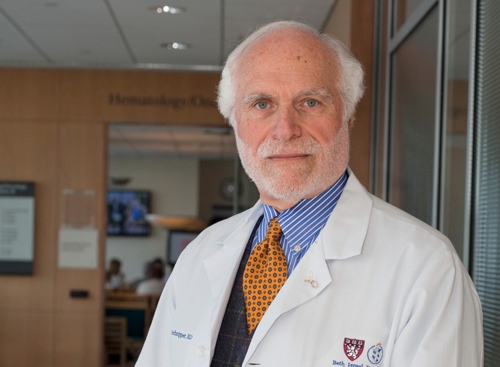
The action items are meant as a guide, not a demand, Dr. Lowell Schnipper said during a press briefing announcing the recommendations in advance of their release at a symposium on quality care sponsored by the American Society of Clinical Oncology.
"This is an attempt to encourage physicians and patients to curb the use of certain tests and procedures that are not supported by clinical research," said Dr. Schnipper, clinical director of Beth Israel Deaconess Medical Center Cancer Center in New York. "They are not meant to be legislative dictums. They are evidence-based suggestions presented as a foundation for discussion between doctor and patient – but there may be individual circumstances when they may decide to do otherwise."
The goal of the Choosing Wisely campaign – led by the American Board of Internal Medicine Foundation and joined by much of organized medicine – is to promote conversations that help patients and physicians choose care that is evidence driven, does not replicate care already provided, is free from harm, and is truly necessary.
ASCO’s second list of recommendations as part of the Choosing Wisely campaign includes the following:
• Restrict the use of antiemetic drugs to patients who are on chemotherapy regimens with a high risk of inducing nausea.
"One of the most important and unpleasant side effects of cancer drugs is nausea and vomiting," Dr. Schnipper said. "Over the years there has been an enormous degree of progress in medications to reduce and sometimes completely negate this."
But some of these drugs are "phenomenally expensive," he said. They should be saved for use in regimens that have a high potential to produce severe or persistent nausea and vomiting.
• Consider the use of single-drug chemotherapy in metastatic breast cancer.
"How much treatment is the optimal amount for metastatic breast cancer?" Dr. Schnipper said. "The concept is that more is better, but if we look at the outcomes for the majority of women, multiple drugs don’t add to survival and sometimes, because of the toxicities, actually detract from quality of life."
ASCO suggests that single drugs be used consecutively – a regimen that that may improve quality of life, even if it does not extend life. Multiple-drug regimens "should only be used in exceptional circumstances when a very rapid response to severe symptoms or life-threatening complications is at hand," according to the recommendation. "In a patient with advanced breast cancer who is not heavily pretreated and in whom symptomatic visceral crisis is apparent and rapid tumor response necessary, short courses of multiple agent
chemotherapy may be useful. However, as a general rule,
administration of sequential single agents lowers the risk of adverse
effects, may improve a patient’s quality of life, and does not typically
compromise overall survival.
• Avoid PET or PET-CT scans as part of routine follow-up care to monitor for recurrence in asymptomatic patients.
For patients who have completed treatment and show no clinical signs of relapse or new disease, routine imaging may not be necessary, Dr. Schnipper said.
"When we look too hard we almost always find some abnormality that, because of the patient’s medical history, we feel compelled to pursue. We don’t believe there’s any evidence showing that routine surveillance with CT or PET imaging provides anything that helps us keep patients alive longer. We think we can care for patients better with fewer risks, avoiding the cost of expensive imaging, and not compromising the cancer care they have received."
The report noted that "the utility of PET or PET-CT scanning for surveillance of both solid tumors and lymphomas remains unproven. In addition to clinical and economic considerations, the specter of unnecessary interventions and associated morbidity is a concern in the routine use of this technology for post-treatment surveillance."
• Avoid PSA testing in men who have a life expectancy of 10 years or less.
Again, the issue is whether any benefit of treatment would be worth the risk. "It’s not uncommon for these men to have comorbid illnesses that are more threatening than a low-grade prostate cancer. Most studies don’t show that treating affects mortality at all," although it can confer problems that really detract from quality of life.
Reserve targeted therapies intended for use against tumors with a specific genetic blueprint unless the patient’s tumor cells are expected to respond.
"These drugs are incredibly expensive," and there is no evidence that they are helpful in any but the rare cancers with specific biomarkers, Dr. Schnipper said.
"We can use biomarkers to identify patients who might have a good response – and also to identify patients who are not appropriate for these drugs," he said. "This is a good example of doing less while still maintaining a high quality of care."
Dr. Schnipper had no financial disclosures.
A recommendation to consider the use of single-drug chemotherapy in most women with metastatic breast cancer is one of five newly recommended changes issued in the second round of the Choosing Wisely campaign.
The recommendations advise reconsidering tests and treatments that are often seen as routine, yet add costs without necessarily benefitting patients.
The action items are meant as a guide, not a demand, Dr. Lowell Schnipper said during a press briefing announcing the recommendations in advance of their release at a symposium on quality care sponsored by the American Society of Clinical Oncology.
"This is an attempt to encourage physicians and patients to curb the use of certain tests and procedures that are not supported by clinical research," said Dr. Schnipper, clinical director of Beth Israel Deaconess Medical Center Cancer Center in New York. "They are not meant to be legislative dictums. They are evidence-based suggestions presented as a foundation for discussion between doctor and patient – but there may be individual circumstances when they may decide to do otherwise."
The goal of the Choosing Wisely campaign – led by the American Board of Internal Medicine Foundation and joined by much of organized medicine – is to promote conversations that help patients and physicians choose care that is evidence driven, does not replicate care already provided, is free from harm, and is truly necessary.
ASCO’s second list of recommendations as part of the Choosing Wisely campaign includes the following:
• Restrict the use of antiemetic drugs to patients who are on chemotherapy regimens with a high risk of inducing nausea.
"One of the most important and unpleasant side effects of cancer drugs is nausea and vomiting," Dr. Schnipper said. "Over the years there has been an enormous degree of progress in medications to reduce and sometimes completely negate this."
But some of these drugs are "phenomenally expensive," he said. They should be saved for use in regimens that have a high potential to produce severe or persistent nausea and vomiting.
• Consider the use of single-drug chemotherapy in metastatic breast cancer.
"How much treatment is the optimal amount for metastatic breast cancer?" Dr. Schnipper said. "The concept is that more is better, but if we look at the outcomes for the majority of women, multiple drugs don’t add to survival and sometimes, because of the toxicities, actually detract from quality of life."
ASCO suggests that single drugs be used consecutively – a regimen that that may improve quality of life, even if it does not extend life. Multiple-drug regimens "should only be used in exceptional circumstances when a very rapid response to severe symptoms or life-threatening complications is at hand," according to the recommendation. "In a patient with advanced breast cancer who is not heavily pretreated and in whom symptomatic visceral crisis is apparent and rapid tumor response necessary, short courses of multiple agent
chemotherapy may be useful. However, as a general rule,
administration of sequential single agents lowers the risk of adverse
effects, may improve a patient’s quality of life, and does not typically
compromise overall survival.
• Avoid PET or PET-CT scans as part of routine follow-up care to monitor for recurrence in asymptomatic patients.
For patients who have completed treatment and show no clinical signs of relapse or new disease, routine imaging may not be necessary, Dr. Schnipper said.
"When we look too hard we almost always find some abnormality that, because of the patient’s medical history, we feel compelled to pursue. We don’t believe there’s any evidence showing that routine surveillance with CT or PET imaging provides anything that helps us keep patients alive longer. We think we can care for patients better with fewer risks, avoiding the cost of expensive imaging, and not compromising the cancer care they have received."
The report noted that "the utility of PET or PET-CT scanning for surveillance of both solid tumors and lymphomas remains unproven. In addition to clinical and economic considerations, the specter of unnecessary interventions and associated morbidity is a concern in the routine use of this technology for post-treatment surveillance."
• Avoid PSA testing in men who have a life expectancy of 10 years or less.
Again, the issue is whether any benefit of treatment would be worth the risk. "It’s not uncommon for these men to have comorbid illnesses that are more threatening than a low-grade prostate cancer. Most studies don’t show that treating affects mortality at all," although it can confer problems that really detract from quality of life.
Reserve targeted therapies intended for use against tumors with a specific genetic blueprint unless the patient’s tumor cells are expected to respond.
"These drugs are incredibly expensive," and there is no evidence that they are helpful in any but the rare cancers with specific biomarkers, Dr. Schnipper said.
"We can use biomarkers to identify patients who might have a good response – and also to identify patients who are not appropriate for these drugs," he said. "This is a good example of doing less while still maintaining a high quality of care."
Dr. Schnipper had no financial disclosures.
A recommendation to consider the use of single-drug chemotherapy in most women with metastatic breast cancer is one of five newly recommended changes issued in the second round of the Choosing Wisely campaign.
The recommendations advise reconsidering tests and treatments that are often seen as routine, yet add costs without necessarily benefitting patients.
The action items are meant as a guide, not a demand, Dr. Lowell Schnipper said during a press briefing announcing the recommendations in advance of their release at a symposium on quality care sponsored by the American Society of Clinical Oncology.
"This is an attempt to encourage physicians and patients to curb the use of certain tests and procedures that are not supported by clinical research," said Dr. Schnipper, clinical director of Beth Israel Deaconess Medical Center Cancer Center in New York. "They are not meant to be legislative dictums. They are evidence-based suggestions presented as a foundation for discussion between doctor and patient – but there may be individual circumstances when they may decide to do otherwise."
The goal of the Choosing Wisely campaign – led by the American Board of Internal Medicine Foundation and joined by much of organized medicine – is to promote conversations that help patients and physicians choose care that is evidence driven, does not replicate care already provided, is free from harm, and is truly necessary.
ASCO’s second list of recommendations as part of the Choosing Wisely campaign includes the following:
• Restrict the use of antiemetic drugs to patients who are on chemotherapy regimens with a high risk of inducing nausea.
"One of the most important and unpleasant side effects of cancer drugs is nausea and vomiting," Dr. Schnipper said. "Over the years there has been an enormous degree of progress in medications to reduce and sometimes completely negate this."
But some of these drugs are "phenomenally expensive," he said. They should be saved for use in regimens that have a high potential to produce severe or persistent nausea and vomiting.
• Consider the use of single-drug chemotherapy in metastatic breast cancer.
"How much treatment is the optimal amount for metastatic breast cancer?" Dr. Schnipper said. "The concept is that more is better, but if we look at the outcomes for the majority of women, multiple drugs don’t add to survival and sometimes, because of the toxicities, actually detract from quality of life."
ASCO suggests that single drugs be used consecutively – a regimen that that may improve quality of life, even if it does not extend life. Multiple-drug regimens "should only be used in exceptional circumstances when a very rapid response to severe symptoms or life-threatening complications is at hand," according to the recommendation. "In a patient with advanced breast cancer who is not heavily pretreated and in whom symptomatic visceral crisis is apparent and rapid tumor response necessary, short courses of multiple agent
chemotherapy may be useful. However, as a general rule,
administration of sequential single agents lowers the risk of adverse
effects, may improve a patient’s quality of life, and does not typically
compromise overall survival.
• Avoid PET or PET-CT scans as part of routine follow-up care to monitor for recurrence in asymptomatic patients.
For patients who have completed treatment and show no clinical signs of relapse or new disease, routine imaging may not be necessary, Dr. Schnipper said.
"When we look too hard we almost always find some abnormality that, because of the patient’s medical history, we feel compelled to pursue. We don’t believe there’s any evidence showing that routine surveillance with CT or PET imaging provides anything that helps us keep patients alive longer. We think we can care for patients better with fewer risks, avoiding the cost of expensive imaging, and not compromising the cancer care they have received."
The report noted that "the utility of PET or PET-CT scanning for surveillance of both solid tumors and lymphomas remains unproven. In addition to clinical and economic considerations, the specter of unnecessary interventions and associated morbidity is a concern in the routine use of this technology for post-treatment surveillance."
• Avoid PSA testing in men who have a life expectancy of 10 years or less.
Again, the issue is whether any benefit of treatment would be worth the risk. "It’s not uncommon for these men to have comorbid illnesses that are more threatening than a low-grade prostate cancer. Most studies don’t show that treating affects mortality at all," although it can confer problems that really detract from quality of life.
Reserve targeted therapies intended for use against tumors with a specific genetic blueprint unless the patient’s tumor cells are expected to respond.
"These drugs are incredibly expensive," and there is no evidence that they are helpful in any but the rare cancers with specific biomarkers, Dr. Schnipper said.
"We can use biomarkers to identify patients who might have a good response – and also to identify patients who are not appropriate for these drugs," he said. "This is a good example of doing less while still maintaining a high quality of care."
Dr. Schnipper had no financial disclosures.
FROM AN ASCO PRESS BRIEFING
FDA okays flutemetamol for color-enhanced amyloid imaging
The Food and Drug Administration has approved a new amyloid imaging agent, which, during a positron emission tomography scan, produces colored images of the brain plaques that are the diagnostic hallmark of Alzheimer’s disease.
Flutemetamol F 18 injection is indicated as a diagnostic aid only. A positive scan indicates that there is some amyloid in the brain but doesn’t establish a diagnosis. A negative scan means there is little or no amyloid present, which means that Alzheimer’s disease (AD) is probably not the cause of cognitive symptoms. The scans can be read only by clinicians who undergo a specialized training program, according to the FDA announcement.
GE Health care will market flutemetamol as Vizamyl. The drug is manufactured for GE Healthcare by Medi-Physics Inc.
"Vizamyl represents a new and important option to augment the current methods we have available to evaluate patients with symptoms of Alzheimer’s disease," Dr. William E. Klunk, codirector of the Alzheimer Disease Research Center at the University of Pittsburgh, said in a GE Healthcare statement. "The ability to detect or exclude the presence of beta amyloid plaques in the brain may help physicians make more accurate assessments of patients with suspected cognitive disorders, including AD."
Dr. Klunk was a member of the team that invented Pittsburg Compound B (PiB), the first radioligand used to examine amyloid plaques in living brains. Although PiB was a breakthrough research tool, its extremely short half-life (20 minutes) severely limits its usefulness as a diagnostic tool. Like other radioligands containing fluorine-18, flutemetamol has a 2-hour half-life.

Flutemetamol was approved based on data from two pivotal phase III studies involving 384 patients who had a wide range of cognitive function. All received the drug by intravenous infusion and underwent positron emission tomography (PET) scanning. It detected beta amyloid with a median sensitivity of 75%-100% and specificity of 99%-100%. A similar accuracy also was found in a subset of subjects who underwent autopsy. There was a high level of agreement among trained readers who assessed the scans visually.
In safety studies, flutemetamol was generally well tolerated. The most common adverse reactions reported in clinical trials were flushing, increased blood pressure, headache, nausea, and dizziness; these occurred at rates of 2% or less. One subject had a serious hypersensitivity reaction (flushing, dyspnea, and chest pressure) within minutes of administration and recovered with treatment.
Flutemetamol is the second fluorine-18 radioligand to be licensed. Florbetapir (Amyvid) was approved in April 2012. In contrast to flutemetamol color scans, images produced with florbetapir are in black and white. They can be color enhanced, but prescribing information states that they must be read in black and white.
In August 2012, the FDA reprimanded Eli Lilly, the maker of florbetapir, for using "misleading," color-enhanced scans on its Amyvid home page. Physicians who read the scans must pass a specific training class, which uses the black and white images. Using color images suggested that colorized scans can be used for reading – something FDA said could increase the chance of misinterpretation.
Lilly immediately removed the color images and replaced them with the more representative black and white images, which are currently seen.
With the rise of Alzheimer’s disease – and no cure or effective preventive strategy in sight – researchers and clinicians are homing in on early detection as the best way to get a handle on the disease. Imaging agents are key to this effort, but despite their proven ability to detect even small amounts of amyloid, these scans are not yet covered by public insurance.
The Centers for Medicare and Medicaid Services announced in July that it would cover only one scan per person, and then only if the scan was done in the context of a clinical study. That decision covers all of the amyloid imaging agents and hamstrings the clinical utility of PET scanning, said Dr. Richard J. Caselli, director of the Clinical Core of the Arizona Alzheimer’s Disease Center at the Mayo Clinic, Scottsdale, Ariz.
"Current CMS policy with regard to reimbursement basically restricts payment to a single amyloid PET scan that is required for entry into a research trial. Lack of reimbursement generally has been a limiting factor in the performance of these scans for routine diagnostic purposes," he said in an interview.
Dr. Klunk was an investigator on one of the phase III trials of flutemetamol and is a consultant to GE Healthcare. Dr. Caselli has no financial disclosures.
On Twitter @Alz_Gal
The Food and Drug Administration has approved a new amyloid imaging agent, which, during a positron emission tomography scan, produces colored images of the brain plaques that are the diagnostic hallmark of Alzheimer’s disease.
Flutemetamol F 18 injection is indicated as a diagnostic aid only. A positive scan indicates that there is some amyloid in the brain but doesn’t establish a diagnosis. A negative scan means there is little or no amyloid present, which means that Alzheimer’s disease (AD) is probably not the cause of cognitive symptoms. The scans can be read only by clinicians who undergo a specialized training program, according to the FDA announcement.
GE Health care will market flutemetamol as Vizamyl. The drug is manufactured for GE Healthcare by Medi-Physics Inc.
"Vizamyl represents a new and important option to augment the current methods we have available to evaluate patients with symptoms of Alzheimer’s disease," Dr. William E. Klunk, codirector of the Alzheimer Disease Research Center at the University of Pittsburgh, said in a GE Healthcare statement. "The ability to detect or exclude the presence of beta amyloid plaques in the brain may help physicians make more accurate assessments of patients with suspected cognitive disorders, including AD."
Dr. Klunk was a member of the team that invented Pittsburg Compound B (PiB), the first radioligand used to examine amyloid plaques in living brains. Although PiB was a breakthrough research tool, its extremely short half-life (20 minutes) severely limits its usefulness as a diagnostic tool. Like other radioligands containing fluorine-18, flutemetamol has a 2-hour half-life.
Flutemetamol was approved based on data from two pivotal phase III studies involving 384 patients who had a wide range of cognitive function. All received the drug by intravenous infusion and underwent positron emission tomography (PET) scanning. It detected beta amyloid with a median sensitivity of 75%-100% and specificity of 99%-100%. A similar accuracy also was found in a subset of subjects who underwent autopsy. There was a high level of agreement among trained readers who assessed the scans visually.
In safety studies, flutemetamol was generally well tolerated. The most common adverse reactions reported in clinical trials were flushing, increased blood pressure, headache, nausea, and dizziness; these occurred at rates of 2% or less. One subject had a serious hypersensitivity reaction (flushing, dyspnea, and chest pressure) within minutes of administration and recovered with treatment.
Flutemetamol is the second fluorine-18 radioligand to be licensed. Florbetapir (Amyvid) was approved in April 2012. In contrast to flutemetamol color scans, images produced with florbetapir are in black and white. They can be color enhanced, but prescribing information states that they must be read in black and white.
In August 2012, the FDA reprimanded Eli Lilly, the maker of florbetapir, for using "misleading," color-enhanced scans on its Amyvid home page. Physicians who read the scans must pass a specific training class, which uses the black and white images. Using color images suggested that colorized scans can be used for reading – something FDA said could increase the chance of misinterpretation.
Lilly immediately removed the color images and replaced them with the more representative black and white images, which are currently seen.
With the rise of Alzheimer’s disease – and no cure or effective preventive strategy in sight – researchers and clinicians are homing in on early detection as the best way to get a handle on the disease. Imaging agents are key to this effort, but despite their proven ability to detect even small amounts of amyloid, these scans are not yet covered by public insurance.
The Centers for Medicare and Medicaid Services announced in July that it would cover only one scan per person, and then only if the scan was done in the context of a clinical study. That decision covers all of the amyloid imaging agents and hamstrings the clinical utility of PET scanning, said Dr. Richard J. Caselli, director of the Clinical Core of the Arizona Alzheimer’s Disease Center at the Mayo Clinic, Scottsdale, Ariz.
"Current CMS policy with regard to reimbursement basically restricts payment to a single amyloid PET scan that is required for entry into a research trial. Lack of reimbursement generally has been a limiting factor in the performance of these scans for routine diagnostic purposes," he said in an interview.
Dr. Klunk was an investigator on one of the phase III trials of flutemetamol and is a consultant to GE Healthcare. Dr. Caselli has no financial disclosures.
On Twitter @Alz_Gal
The Food and Drug Administration has approved a new amyloid imaging agent, which, during a positron emission tomography scan, produces colored images of the brain plaques that are the diagnostic hallmark of Alzheimer’s disease.
Flutemetamol F 18 injection is indicated as a diagnostic aid only. A positive scan indicates that there is some amyloid in the brain but doesn’t establish a diagnosis. A negative scan means there is little or no amyloid present, which means that Alzheimer’s disease (AD) is probably not the cause of cognitive symptoms. The scans can be read only by clinicians who undergo a specialized training program, according to the FDA announcement.
GE Health care will market flutemetamol as Vizamyl. The drug is manufactured for GE Healthcare by Medi-Physics Inc.
"Vizamyl represents a new and important option to augment the current methods we have available to evaluate patients with symptoms of Alzheimer’s disease," Dr. William E. Klunk, codirector of the Alzheimer Disease Research Center at the University of Pittsburgh, said in a GE Healthcare statement. "The ability to detect or exclude the presence of beta amyloid plaques in the brain may help physicians make more accurate assessments of patients with suspected cognitive disorders, including AD."
Dr. Klunk was a member of the team that invented Pittsburg Compound B (PiB), the first radioligand used to examine amyloid plaques in living brains. Although PiB was a breakthrough research tool, its extremely short half-life (20 minutes) severely limits its usefulness as a diagnostic tool. Like other radioligands containing fluorine-18, flutemetamol has a 2-hour half-life.
Flutemetamol was approved based on data from two pivotal phase III studies involving 384 patients who had a wide range of cognitive function. All received the drug by intravenous infusion and underwent positron emission tomography (PET) scanning. It detected beta amyloid with a median sensitivity of 75%-100% and specificity of 99%-100%. A similar accuracy also was found in a subset of subjects who underwent autopsy. There was a high level of agreement among trained readers who assessed the scans visually.
In safety studies, flutemetamol was generally well tolerated. The most common adverse reactions reported in clinical trials were flushing, increased blood pressure, headache, nausea, and dizziness; these occurred at rates of 2% or less. One subject had a serious hypersensitivity reaction (flushing, dyspnea, and chest pressure) within minutes of administration and recovered with treatment.
Flutemetamol is the second fluorine-18 radioligand to be licensed. Florbetapir (Amyvid) was approved in April 2012. In contrast to flutemetamol color scans, images produced with florbetapir are in black and white. They can be color enhanced, but prescribing information states that they must be read in black and white.
In August 2012, the FDA reprimanded Eli Lilly, the maker of florbetapir, for using "misleading," color-enhanced scans on its Amyvid home page. Physicians who read the scans must pass a specific training class, which uses the black and white images. Using color images suggested that colorized scans can be used for reading – something FDA said could increase the chance of misinterpretation.
Lilly immediately removed the color images and replaced them with the more representative black and white images, which are currently seen.
With the rise of Alzheimer’s disease – and no cure or effective preventive strategy in sight – researchers and clinicians are homing in on early detection as the best way to get a handle on the disease. Imaging agents are key to this effort, but despite their proven ability to detect even small amounts of amyloid, these scans are not yet covered by public insurance.
The Centers for Medicare and Medicaid Services announced in July that it would cover only one scan per person, and then only if the scan was done in the context of a clinical study. That decision covers all of the amyloid imaging agents and hamstrings the clinical utility of PET scanning, said Dr. Richard J. Caselli, director of the Clinical Core of the Arizona Alzheimer’s Disease Center at the Mayo Clinic, Scottsdale, Ariz.
"Current CMS policy with regard to reimbursement basically restricts payment to a single amyloid PET scan that is required for entry into a research trial. Lack of reimbursement generally has been a limiting factor in the performance of these scans for routine diagnostic purposes," he said in an interview.
Dr. Klunk was an investigator on one of the phase III trials of flutemetamol and is a consultant to GE Healthcare. Dr. Caselli has no financial disclosures.
On Twitter @Alz_Gal

New HPV vaccine promises to prevent 85% of invasive cervical cancer
An investigational 9-valent human papillomavirus vaccine could prevent up to 85% of invasive cervical cancer, according to a spokesman for Merck, the company developing the product.
The vaccine (V503) adds five new HPV strains to the four already included in the current quadrivalent vaccine. The addition of HPV strains 31/33/45/52/58 should protect against the 30% of cervical cancers that are not caused by HPV 16 and 18, Dr Alain Luxembourg said at a meeting of the Centers for Disease Control and Prevention’s Advisory Committee on Immunization Practices in Atlanta.

"The 9-valent could increase coverage from 50% to 85% of high-grade lesions – which matches the best screening program – and increase the prevention of cervical intraepithelial neoplasia," said Dr. Luxembourg of Merck. "It also provides substantial additional coverage for cervical dysplasia, which will have a lot of potential impact."
The new vaccine has the same aluminum salt adjuvant as the quadrivalent and would be administered on the same three-dose schedule (initial injection followed by others 2 months and 6 months later). It would still be targeted at girls, women, boys, and men aged 9-26 years. In a press statement, Merck said it will submit a Biologics License Application to the Food and Drug Administration by the end of this year. Merck will be seeking a full transition from the quadrivalent vaccine.
The pivotal trial, along with five other phase III safety and efficacy studies, will form the basis of the FDA application, Dr. Luxembourg said at the meeting in Atlanta. All have been completed; two are still in study extension periods. The pivotal trial results will be released next month at a meeting of the European research Organization for Genital Infection and Neoplasia, he noted.
The pivotal trial comprised 14,000 girls and women aged 9-26 years. Because it would be unethical for a control group to take a placebo, all of the subjects received either V503 or the existing quadrivalent vaccine. The main endpoints were noninferior immunogenicity to the four types included in both vaccines. For the newly included strains, the main endpoints were superior efficacy compared with both the quadrivalent vaccine and controls included in the quadrivalent vaccine trials. This was determined by comparing the rates of invasive cervical and vaginal cancer caused by the new types; the rates of cervical, vulvar, and vaginal disease of any grade; 6- and 12-month persistent infections; and PAP abnormalities. The follow-up period is 4.5 years.
Dr. Luxembourg is an employee of Merck.
An investigational 9-valent human papillomavirus vaccine could prevent up to 85% of invasive cervical cancer, according to a spokesman for Merck, the company developing the product.
The vaccine (V503) adds five new HPV strains to the four already included in the current quadrivalent vaccine. The addition of HPV strains 31/33/45/52/58 should protect against the 30% of cervical cancers that are not caused by HPV 16 and 18, Dr Alain Luxembourg said at a meeting of the Centers for Disease Control and Prevention’s Advisory Committee on Immunization Practices in Atlanta.
"The 9-valent could increase coverage from 50% to 85% of high-grade lesions – which matches the best screening program – and increase the prevention of cervical intraepithelial neoplasia," said Dr. Luxembourg of Merck. "It also provides substantial additional coverage for cervical dysplasia, which will have a lot of potential impact."
The new vaccine has the same aluminum salt adjuvant as the quadrivalent and would be administered on the same three-dose schedule (initial injection followed by others 2 months and 6 months later). It would still be targeted at girls, women, boys, and men aged 9-26 years. In a press statement, Merck said it will submit a Biologics License Application to the Food and Drug Administration by the end of this year. Merck will be seeking a full transition from the quadrivalent vaccine.
The pivotal trial, along with five other phase III safety and efficacy studies, will form the basis of the FDA application, Dr. Luxembourg said at the meeting in Atlanta. All have been completed; two are still in study extension periods. The pivotal trial results will be released next month at a meeting of the European research Organization for Genital Infection and Neoplasia, he noted.
The pivotal trial comprised 14,000 girls and women aged 9-26 years. Because it would be unethical for a control group to take a placebo, all of the subjects received either V503 or the existing quadrivalent vaccine. The main endpoints were noninferior immunogenicity to the four types included in both vaccines. For the newly included strains, the main endpoints were superior efficacy compared with both the quadrivalent vaccine and controls included in the quadrivalent vaccine trials. This was determined by comparing the rates of invasive cervical and vaginal cancer caused by the new types; the rates of cervical, vulvar, and vaginal disease of any grade; 6- and 12-month persistent infections; and PAP abnormalities. The follow-up period is 4.5 years.
Dr. Luxembourg is an employee of Merck.
An investigational 9-valent human papillomavirus vaccine could prevent up to 85% of invasive cervical cancer, according to a spokesman for Merck, the company developing the product.
The vaccine (V503) adds five new HPV strains to the four already included in the current quadrivalent vaccine. The addition of HPV strains 31/33/45/52/58 should protect against the 30% of cervical cancers that are not caused by HPV 16 and 18, Dr Alain Luxembourg said at a meeting of the Centers for Disease Control and Prevention’s Advisory Committee on Immunization Practices in Atlanta.
"The 9-valent could increase coverage from 50% to 85% of high-grade lesions – which matches the best screening program – and increase the prevention of cervical intraepithelial neoplasia," said Dr. Luxembourg of Merck. "It also provides substantial additional coverage for cervical dysplasia, which will have a lot of potential impact."
The new vaccine has the same aluminum salt adjuvant as the quadrivalent and would be administered on the same three-dose schedule (initial injection followed by others 2 months and 6 months later). It would still be targeted at girls, women, boys, and men aged 9-26 years. In a press statement, Merck said it will submit a Biologics License Application to the Food and Drug Administration by the end of this year. Merck will be seeking a full transition from the quadrivalent vaccine.
The pivotal trial, along with five other phase III safety and efficacy studies, will form the basis of the FDA application, Dr. Luxembourg said at the meeting in Atlanta. All have been completed; two are still in study extension periods. The pivotal trial results will be released next month at a meeting of the European research Organization for Genital Infection and Neoplasia, he noted.
The pivotal trial comprised 14,000 girls and women aged 9-26 years. Because it would be unethical for a control group to take a placebo, all of the subjects received either V503 or the existing quadrivalent vaccine. The main endpoints were noninferior immunogenicity to the four types included in both vaccines. For the newly included strains, the main endpoints were superior efficacy compared with both the quadrivalent vaccine and controls included in the quadrivalent vaccine trials. This was determined by comparing the rates of invasive cervical and vaginal cancer caused by the new types; the rates of cervical, vulvar, and vaginal disease of any grade; 6- and 12-month persistent infections; and PAP abnormalities. The follow-up period is 4.5 years.
Dr. Luxembourg is an employee of Merck.
FROM ACIP

High-dose flu vaccine protects seniors better than regular dose
A high-dose influenza vaccine for elderly patients provided 24% more protection against the disease than did the standard-dose vaccine in a randomized postlicensure study.
Switching seniors to the higher-dose formulation could prevent as many as five cases of flu per 1,000 people aged 65 years and older each year, Dr. David Greenberg said at a meeting of the Centers for Disease Control and Prevention’s Advisory Committee on Immunization Practices (ACIP).
Fluzone High-Dose vaccine (Sanofi Pasteur) is a trivalent, inactivated, split-virus influenza vaccine that contains 16 mcg hemagglutinin per dose of each included strain (aH1N1, B, and aH3N2). This is four times more antigen than in the standard Fluzone (15 mcg/dose). The high-dose formulation was developed to induce better antibody responses in adults aged 65 years or older, in an attempt to provide better protection and avert some of the disease burden that accompanies influenza in older people.
"Older adults represent about 13% of the U.S. population, but account for 63% of the hospitalizations for influenzalike illness, and more than 80% of influenza-related deaths," Dr. Greenberg said.
The Food and Drug Administration approved the high-dose vaccine on its accelerated approval pathway in late 2009. A prelicensure phase III study was conducted in 3,600 elderly adults. The high-dose vaccine stimulated significantly more protective antibody responses against all three strains than did the corresponding regular-dose vaccine; the high-dose vaccine met the FDA superiority requirement for both A strains. The response was stable across age, sex, and the presence of comorbid conditions.
"Last year, however, only an estimated 19% of vaccinated seniors got the high-dose vaccine, largely because policy groups and providers have been waiting for the results of this postlicensure trial," Dr. Greenberg said. He reported these results – most of which came in just last week – at the meeting in Atlanta.
The postlicensure study comprised more than 32,000 persons aged 65 years and older. They were enrolled at 126 sites in the United States and Canada. The trial spanned two flu seasons (2011-2012 and 2012-2013). Participants were randomized to either one dose of the high concentration vaccine or one dose of the regular vaccine.
Over both seasons, the high-dose vaccine was an average of 24% more effective in preventing influenza-like illness from types A and B combined than the regular-dose vaccine.
That benefit was more pronounced in older subjects, Dr. Greenberg noted. Among those aged 65-74 years, the relative efficacy was almost 20%; among those aged 75 years and older, the relative efficacy was 32%. The benefit held whether the illness was defined as lab confirmed (24%) or culture confirmed (23%).
The high-dose vaccine significantly reduced the risk of pneumonia associated with laboratory-confirmed influenza by up to 53%. The risk of cardiorespiratory illness within 30 days of flu onset dropped by almost 30%, while the risk of flu-related 30-day hospital admissions fell by about 40%.
Safety outcomes were good when compared with the regular-dose vaccine, Dr. Greenberg said. Serious adverse events occurred in 8% of the high dose group and 9% of the regular-dose group.
Sanofi Pasteur will continue to analyze the study data, Dr. Greenberg said. The company intends to submit a clinical study report to the FDA’s Center for Biologics Evaluation and Research by the first quarter of next year. Sanofi will also seek a revision of the prescribing information supporting the vaccine’s clinical superiority to the regular-dose vaccine.
Dr. Greenberg is the senior director of U.S. scientific and medical affairs for Sanofi Pasteur.
A high-dose influenza vaccine for elderly patients provided 24% more protection against the disease than did the standard-dose vaccine in a randomized postlicensure study.
Switching seniors to the higher-dose formulation could prevent as many as five cases of flu per 1,000 people aged 65 years and older each year, Dr. David Greenberg said at a meeting of the Centers for Disease Control and Prevention’s Advisory Committee on Immunization Practices (ACIP).
Fluzone High-Dose vaccine (Sanofi Pasteur) is a trivalent, inactivated, split-virus influenza vaccine that contains 16 mcg hemagglutinin per dose of each included strain (aH1N1, B, and aH3N2). This is four times more antigen than in the standard Fluzone (15 mcg/dose). The high-dose formulation was developed to induce better antibody responses in adults aged 65 years or older, in an attempt to provide better protection and avert some of the disease burden that accompanies influenza in older people.
"Older adults represent about 13% of the U.S. population, but account for 63% of the hospitalizations for influenzalike illness, and more than 80% of influenza-related deaths," Dr. Greenberg said.
The Food and Drug Administration approved the high-dose vaccine on its accelerated approval pathway in late 2009. A prelicensure phase III study was conducted in 3,600 elderly adults. The high-dose vaccine stimulated significantly more protective antibody responses against all three strains than did the corresponding regular-dose vaccine; the high-dose vaccine met the FDA superiority requirement for both A strains. The response was stable across age, sex, and the presence of comorbid conditions.
"Last year, however, only an estimated 19% of vaccinated seniors got the high-dose vaccine, largely because policy groups and providers have been waiting for the results of this postlicensure trial," Dr. Greenberg said. He reported these results – most of which came in just last week – at the meeting in Atlanta.
The postlicensure study comprised more than 32,000 persons aged 65 years and older. They were enrolled at 126 sites in the United States and Canada. The trial spanned two flu seasons (2011-2012 and 2012-2013). Participants were randomized to either one dose of the high concentration vaccine or one dose of the regular vaccine.
Over both seasons, the high-dose vaccine was an average of 24% more effective in preventing influenza-like illness from types A and B combined than the regular-dose vaccine.
That benefit was more pronounced in older subjects, Dr. Greenberg noted. Among those aged 65-74 years, the relative efficacy was almost 20%; among those aged 75 years and older, the relative efficacy was 32%. The benefit held whether the illness was defined as lab confirmed (24%) or culture confirmed (23%).
The high-dose vaccine significantly reduced the risk of pneumonia associated with laboratory-confirmed influenza by up to 53%. The risk of cardiorespiratory illness within 30 days of flu onset dropped by almost 30%, while the risk of flu-related 30-day hospital admissions fell by about 40%.
Safety outcomes were good when compared with the regular-dose vaccine, Dr. Greenberg said. Serious adverse events occurred in 8% of the high dose group and 9% of the regular-dose group.
Sanofi Pasteur will continue to analyze the study data, Dr. Greenberg said. The company intends to submit a clinical study report to the FDA’s Center for Biologics Evaluation and Research by the first quarter of next year. Sanofi will also seek a revision of the prescribing information supporting the vaccine’s clinical superiority to the regular-dose vaccine.
Dr. Greenberg is the senior director of U.S. scientific and medical affairs for Sanofi Pasteur.
A high-dose influenza vaccine for elderly patients provided 24% more protection against the disease than did the standard-dose vaccine in a randomized postlicensure study.
Switching seniors to the higher-dose formulation could prevent as many as five cases of flu per 1,000 people aged 65 years and older each year, Dr. David Greenberg said at a meeting of the Centers for Disease Control and Prevention’s Advisory Committee on Immunization Practices (ACIP).
Fluzone High-Dose vaccine (Sanofi Pasteur) is a trivalent, inactivated, split-virus influenza vaccine that contains 16 mcg hemagglutinin per dose of each included strain (aH1N1, B, and aH3N2). This is four times more antigen than in the standard Fluzone (15 mcg/dose). The high-dose formulation was developed to induce better antibody responses in adults aged 65 years or older, in an attempt to provide better protection and avert some of the disease burden that accompanies influenza in older people.
"Older adults represent about 13% of the U.S. population, but account for 63% of the hospitalizations for influenzalike illness, and more than 80% of influenza-related deaths," Dr. Greenberg said.
The Food and Drug Administration approved the high-dose vaccine on its accelerated approval pathway in late 2009. A prelicensure phase III study was conducted in 3,600 elderly adults. The high-dose vaccine stimulated significantly more protective antibody responses against all three strains than did the corresponding regular-dose vaccine; the high-dose vaccine met the FDA superiority requirement for both A strains. The response was stable across age, sex, and the presence of comorbid conditions.
"Last year, however, only an estimated 19% of vaccinated seniors got the high-dose vaccine, largely because policy groups and providers have been waiting for the results of this postlicensure trial," Dr. Greenberg said. He reported these results – most of which came in just last week – at the meeting in Atlanta.
The postlicensure study comprised more than 32,000 persons aged 65 years and older. They were enrolled at 126 sites in the United States and Canada. The trial spanned two flu seasons (2011-2012 and 2012-2013). Participants were randomized to either one dose of the high concentration vaccine or one dose of the regular vaccine.
Over both seasons, the high-dose vaccine was an average of 24% more effective in preventing influenza-like illness from types A and B combined than the regular-dose vaccine.
That benefit was more pronounced in older subjects, Dr. Greenberg noted. Among those aged 65-74 years, the relative efficacy was almost 20%; among those aged 75 years and older, the relative efficacy was 32%. The benefit held whether the illness was defined as lab confirmed (24%) or culture confirmed (23%).
The high-dose vaccine significantly reduced the risk of pneumonia associated with laboratory-confirmed influenza by up to 53%. The risk of cardiorespiratory illness within 30 days of flu onset dropped by almost 30%, while the risk of flu-related 30-day hospital admissions fell by about 40%.
Safety outcomes were good when compared with the regular-dose vaccine, Dr. Greenberg said. Serious adverse events occurred in 8% of the high dose group and 9% of the regular-dose group.
Sanofi Pasteur will continue to analyze the study data, Dr. Greenberg said. The company intends to submit a clinical study report to the FDA’s Center for Biologics Evaluation and Research by the first quarter of next year. Sanofi will also seek a revision of the prescribing information supporting the vaccine’s clinical superiority to the regular-dose vaccine.
Dr. Greenberg is the senior director of U.S. scientific and medical affairs for Sanofi Pasteur.
FROM ACIP
Major finding: A high-dose influenza vaccine was 24% more effective in people aged 65 years and older than was the corresponding regular-dose vaccine.
Data source: The randomized, postlicensure study included more than 13,000 subjects.
Disclosures: Dr. David Greenberg is the senior director of U.S. scientific and medical affairs for Sanofi Pasteur.
Laparoscopic colon surgery may keep older patients independent longer
WASHINGTON – Elderly patients who undergo laparoscopic colon surgery are significantly more likely to be discharged back to their homes than to a long-term care facility.
In a retrospective study of almost 10,000 elderly patients, 12.5% of those who had a laparoscopic procedure went to a nursing home, compared with 20% of those who had open surgery. In a multivariate analysis, laparoscopic surgery was associated with a significant, 39% decrease in the risk of being discharged to a nursing home, Dr. Richard Liu said at the annual clinical congress of the American College of Surgeons.

"For patients in their early 70s who do not have advanced disease or significant comorbidities, laparoscopic colon cancer resection is an option not only to prolong survival but also to preserve quality of life," said Dr. Liu, a surgical resident at Dalhousie University, Halifax, N.S.
The study highlights some important differences in the ways surgeons and patients perceive surgical outcomes. Surgeons and researchers often focus on 5-year survival rates and short-term morbidity and mortality, Dr. Liu said. But prior research done by his group found that immediate quality of life was at least as important to elderly patients – and sometimes more so.
"We have looked at elderly patients in our emergency services and followed up with them several times after admission," he said in an interview. "A common theme that came up was quality of life after hospitalization. Some were actually refusing to have operations for fear of what might become of them afterward."
Dr. Liu’s study comprised 9,416 patients from the U.S. National Inpatient Sample database. All were older than 70 years (mean age 79) and all were living independently at home. They underwent elective colon surgery during 2009-2010 for either cancer or a resection. The primary outcome was discharge back to home or to a long-term care facility. None of the patients were discharged to home health care or to hospice.
Most of the group (61%) had open surgery; the remainder had laparoscopy. Of those who had open surgery, 20% were discharged to a nursing facility, compared with 12.5% of the laparoscopy group – a significant difference.
Laparoscopy significantly decreased the chance of a nursing home admission by 39% in a multivariate analysis that controlled for age, sex, race, comorbidity score, cancer stage, income and insurance, and hospital size.
Factors significantly associated with nursing home discharge included advancing age and cancer stage.
Generally speaking, open surgery is physically more trying for elderly patients. A difficult recovery could be just enough to tip them over the edge from independent living, Dr. Liu said.
Dr. Liu had no financial disclosures.
WASHINGTON – Elderly patients who undergo laparoscopic colon surgery are significantly more likely to be discharged back to their homes than to a long-term care facility.
In a retrospective study of almost 10,000 elderly patients, 12.5% of those who had a laparoscopic procedure went to a nursing home, compared with 20% of those who had open surgery. In a multivariate analysis, laparoscopic surgery was associated with a significant, 39% decrease in the risk of being discharged to a nursing home, Dr. Richard Liu said at the annual clinical congress of the American College of Surgeons.
"For patients in their early 70s who do not have advanced disease or significant comorbidities, laparoscopic colon cancer resection is an option not only to prolong survival but also to preserve quality of life," said Dr. Liu, a surgical resident at Dalhousie University, Halifax, N.S.
The study highlights some important differences in the ways surgeons and patients perceive surgical outcomes. Surgeons and researchers often focus on 5-year survival rates and short-term morbidity and mortality, Dr. Liu said. But prior research done by his group found that immediate quality of life was at least as important to elderly patients – and sometimes more so.
"We have looked at elderly patients in our emergency services and followed up with them several times after admission," he said in an interview. "A common theme that came up was quality of life after hospitalization. Some were actually refusing to have operations for fear of what might become of them afterward."
Dr. Liu’s study comprised 9,416 patients from the U.S. National Inpatient Sample database. All were older than 70 years (mean age 79) and all were living independently at home. They underwent elective colon surgery during 2009-2010 for either cancer or a resection. The primary outcome was discharge back to home or to a long-term care facility. None of the patients were discharged to home health care or to hospice.
Most of the group (61%) had open surgery; the remainder had laparoscopy. Of those who had open surgery, 20% were discharged to a nursing facility, compared with 12.5% of the laparoscopy group – a significant difference.
Laparoscopy significantly decreased the chance of a nursing home admission by 39% in a multivariate analysis that controlled for age, sex, race, comorbidity score, cancer stage, income and insurance, and hospital size.
Factors significantly associated with nursing home discharge included advancing age and cancer stage.
Generally speaking, open surgery is physically more trying for elderly patients. A difficult recovery could be just enough to tip them over the edge from independent living, Dr. Liu said.
Dr. Liu had no financial disclosures.
WASHINGTON – Elderly patients who undergo laparoscopic colon surgery are significantly more likely to be discharged back to their homes than to a long-term care facility.
In a retrospective study of almost 10,000 elderly patients, 12.5% of those who had a laparoscopic procedure went to a nursing home, compared with 20% of those who had open surgery. In a multivariate analysis, laparoscopic surgery was associated with a significant, 39% decrease in the risk of being discharged to a nursing home, Dr. Richard Liu said at the annual clinical congress of the American College of Surgeons.
"For patients in their early 70s who do not have advanced disease or significant comorbidities, laparoscopic colon cancer resection is an option not only to prolong survival but also to preserve quality of life," said Dr. Liu, a surgical resident at Dalhousie University, Halifax, N.S.
The study highlights some important differences in the ways surgeons and patients perceive surgical outcomes. Surgeons and researchers often focus on 5-year survival rates and short-term morbidity and mortality, Dr. Liu said. But prior research done by his group found that immediate quality of life was at least as important to elderly patients – and sometimes more so.
"We have looked at elderly patients in our emergency services and followed up with them several times after admission," he said in an interview. "A common theme that came up was quality of life after hospitalization. Some were actually refusing to have operations for fear of what might become of them afterward."
Dr. Liu’s study comprised 9,416 patients from the U.S. National Inpatient Sample database. All were older than 70 years (mean age 79) and all were living independently at home. They underwent elective colon surgery during 2009-2010 for either cancer or a resection. The primary outcome was discharge back to home or to a long-term care facility. None of the patients were discharged to home health care or to hospice.
Most of the group (61%) had open surgery; the remainder had laparoscopy. Of those who had open surgery, 20% were discharged to a nursing facility, compared with 12.5% of the laparoscopy group – a significant difference.
Laparoscopy significantly decreased the chance of a nursing home admission by 39% in a multivariate analysis that controlled for age, sex, race, comorbidity score, cancer stage, income and insurance, and hospital size.
Factors significantly associated with nursing home discharge included advancing age and cancer stage.
Generally speaking, open surgery is physically more trying for elderly patients. A difficult recovery could be just enough to tip them over the edge from independent living, Dr. Liu said.
Dr. Liu had no financial disclosures.
AT THE ACS CLINICAL CONGRESS
Major finding: Of those older patients who had open surgery, 20% were discharged to a nursing facility, compared with 12.5% of the laparoscopy group, a significant difference.
Data source: The study included data on 9,416 patients.
Disclosures: Dr. Richard Liu had no financial disclosures.
Women surgeons are more likely to use assisted reproductive technology, have fewer children
WASHINGTON – Women surgeons have significantly fewer children, bear them later, and are three times more likely to use assisted reproductive techniques to achieve pregnancy, compared with the general U.S. population.
The findings probably speak to the time it takes to launch a surgical career, leading to delayed childbearing and the physiologic problems that accompany advanced maternal age, Dr. Elizabeth A. Phillips said in a poster at the annual clinical congress of the American College of Surgeons.

"Our survey found that 32% of women surgeons had difficulty with fertility at some point in their childbearing career, compared with 11% of women in the general population," said Dr. Phillips of Boston Medical Center. "When we compared the rates of fertility services to [national] data, we saw that 15% of women surgeons used assisted reproduction, compared to just 5% of the U.S. population."
She conducted an anonymous, 199-question survey on reproductive health, which was distributed to female surgeon interest groups in the areas of general surgery, gynecology, neurosurgery, ophthalmology, orthopedics, otolaryngology, plastic surgery, podiatry, and urology. She received 1,021 replies, which she compared with data from the CDC National Survey for Family Growth from 2006-2010, and the National Institutes of Health.
Of the total responses, 784 women had attempted to become pregnant. Of these, 251 (32%) reported fertility problems. Most of these (210; 84%) underwent a fertility work-up; 76% then attempted pregnancy using some form of assisted reproductive technology (ART). These women bore 185 children.
Most surgeons reported unexplained infertility (70%). Other causes were anovulation (23%); advanced maternal age or premature ovarian failure (22%); polycystic ovarian disease (19%); endometriosis (13%); and recurrent miscarriage (12%). Male factor infertility contributed to 19% of the cases.
Specialties with the highest rates of infertility were otolaryngology (29%), general surgery (22%), and orthopedics (18%).
Surgeons conceived at a significantly older age than the general population (33 vs. 23 years) did and had significantly fewer children (1.4 vs. 2.6 national average). Among those who used ART, the average maternal age at birth was even older – 35 years.
There may be several reasons why women surgeons may turn to ART so much more frequently than do nonsurgeons, Dr. Phillips said in an interview. "One theory is that female surgeons have different relationships with fertility specialists, where they are receiving treatment that would not be offered for another 45-year-old who walked into the office. They also may have the financial means to pay for this treatment."
The survey brings up the question of how women surgeons should factor childbearing into their already busy, stressful lives, she said.
"With so many more women going into surgical subspecialties, should we have family planning tracks? Is there some way to encourage women who want to become pregnant to do so during training, or shortly thereafter?"
"I’ve talked to surgeons who have been pregnant during training, residency, and practice, and by far, the best time to have a child seemed to be during residency, when there were more people to absorb the absence. But most women will say, ‘There’s never a perfect time.’ It’s something that, if it’s a goal in life, you simply have to make it a priority."
Dr. Phillips won the ACS Award for Best Scientific Poster presentation by Junior Investigator. She had no financial disclosures.
Dr. Phillips and colleagues have identified yet another issue that may add to the complexity of surgical training, i.e., pregnancy. Both surgical training and having children are time-sensitive priorities that may conflict with one another and add extra stress to the decision matrix. There is no perfect answer here. So, even after the decision is made to have a child, there will still be many other conflicts coming down the pike.

|
| Dr. Rozycki |
The key to managing such issues is to realize the following: Be flexible. You can "do it all" but not all at once. You have a whole lifetime to accomplish goals and from time to time, adjustments in plans have to be made: You lead life, it does not lead you. There is no "yellow brick road." This is where surgeons excel. They exhibit strength and courage when facing such conflicts and recognize that they have the skills and stamina to move their lives forward even in the face of complex challenges.
Grace Rozycki, M.D., FACS, is the Willis D. Gatch Professor of Surgery and executive vice chair of the department of surgery, Indiana University Schoolof Medicine, Indianapolis.
Being pregnant at 40 is miserable but being pregnant at 40 is also incredibly lucky. I just returned from maternity leave after my third child and promise you this is true. As this study demonstrates, despite what we may tell ourselves, we are biologically engineered to procreate in our 20s, not in our 40s. The problem is that in our 20s and early 30s, we are so focused on our career that we all too often neglect our personal life.
We talk about the "choice" of many women surgeons to not have children as an active one, which simplifies a very complex issue. There are many reasons why women surgeons have fewer children than the general population and often it does not represent an active choice.
Dr. Greenberg |

Infertility is an intensely personal and emotional issue that is rarely discussed. As such, we often don't realize how many of our colleagues are facing this challenge and can feel isolated when discussions of work/life balance are overly focused on the challenges of raising children.Our discipline is changing in many positive ways that may improve these statistics so that more women surgeons can have a fulfilling career and enjoy motherhood if they so choose. Research such as this will hopefully help the younger generation to start thinking about these issues earlier and motivate the older generation to provide an environment that is conducive to having children at any stage of a surgical career.
Caprice Greenberg, M.D., FACS, is associate professor of surgery, University of Wisconsin, Madison, and director of the Wisconsin Surgical Outcomes Research Program.
As a medical student applying into a surgical subspecialty, I am sobered but certainly not surprised by these findings. I approach my career and desire for a family with wary readiness to face a lifetime of setting tough priorities that at times may feel isolating. Is a career as a surgeon incompatible with pregnancy, lasting marriage, and well -behavedcared for children? I would say no, though it depends on who your partner is, where you work, and careful timing. With increasing numbers of women entering surgery who refuse to compromise mothering their own children, the work environment will have to change.
Ms. Gamble |

Part of this changing landscape may mean that female surgeons will undergo assisted reproductive technologies at higher rates than their nonsurgeon counterparts. It may mean that shift work becomes more acceptable. The changes we create as a medical community should affect both men and women; we should be wary of designing special tracks or programs that can lend to further isolation and hand-waving of leadership. To ensure gender equity in surgery, we are asking for institutional change - something for which there is never a perfect or easy time. Surgeons simply have to make it a priority.
Charlotte R. Gamble is a fourth-year medical student at the University of Michigan, Ann Arbor.
Dr. Phillips and colleagues have identified yet another issue that may add to the complexity of surgical training, i.e., pregnancy. Both surgical training and having children are time-sensitive priorities that may conflict with one another and add extra stress to the decision matrix. There is no perfect answer here. So, even after the decision is made to have a child, there will still be many other conflicts coming down the pike.
|
|
| Dr. Rozycki |
The key to managing such issues is to realize the following: Be flexible. You can "do it all" but not all at once. You have a whole lifetime to accomplish goals and from time to time, adjustments in plans have to be made: You lead life, it does not lead you. There is no "yellow brick road." This is where surgeons excel. They exhibit strength and courage when facing such conflicts and recognize that they have the skills and stamina to move their lives forward even in the face of complex challenges.
Grace Rozycki, M.D., FACS, is the Willis D. Gatch Professor of Surgery and executive vice chair of the department of surgery, Indiana University Schoolof Medicine, Indianapolis.
Being pregnant at 40 is miserable but being pregnant at 40 is also incredibly lucky. I just returned from maternity leave after my third child and promise you this is true. As this study demonstrates, despite what we may tell ourselves, we are biologically engineered to procreate in our 20s, not in our 40s. The problem is that in our 20s and early 30s, we are so focused on our career that we all too often neglect our personal life.
We talk about the "choice" of many women surgeons to not have children as an active one, which simplifies a very complex issue. There are many reasons why women surgeons have fewer children than the general population and often it does not represent an active choice.
Dr. Greenberg |
Infertility is an intensely personal and emotional issue that is rarely discussed. As such, we often don't realize how many of our colleagues are facing this challenge and can feel isolated when discussions of work/life balance are overly focused on the challenges of raising children.Our discipline is changing in many positive ways that may improve these statistics so that more women surgeons can have a fulfilling career and enjoy motherhood if they so choose. Research such as this will hopefully help the younger generation to start thinking about these issues earlier and motivate the older generation to provide an environment that is conducive to having children at any stage of a surgical career.
Caprice Greenberg, M.D., FACS, is associate professor of surgery, University of Wisconsin, Madison, and director of the Wisconsin Surgical Outcomes Research Program.
As a medical student applying into a surgical subspecialty, I am sobered but certainly not surprised by these findings. I approach my career and desire for a family with wary readiness to face a lifetime of setting tough priorities that at times may feel isolating. Is a career as a surgeon incompatible with pregnancy, lasting marriage, and well -behavedcared for children? I would say no, though it depends on who your partner is, where you work, and careful timing. With increasing numbers of women entering surgery who refuse to compromise mothering their own children, the work environment will have to change.
Ms. Gamble |
Part of this changing landscape may mean that female surgeons will undergo assisted reproductive technologies at higher rates than their nonsurgeon counterparts. It may mean that shift work becomes more acceptable. The changes we create as a medical community should affect both men and women; we should be wary of designing special tracks or programs that can lend to further isolation and hand-waving of leadership. To ensure gender equity in surgery, we are asking for institutional change - something for which there is never a perfect or easy time. Surgeons simply have to make it a priority.
Charlotte R. Gamble is a fourth-year medical student at the University of Michigan, Ann Arbor.
Dr. Phillips and colleagues have identified yet another issue that may add to the complexity of surgical training, i.e., pregnancy. Both surgical training and having children are time-sensitive priorities that may conflict with one another and add extra stress to the decision matrix. There is no perfect answer here. So, even after the decision is made to have a child, there will still be many other conflicts coming down the pike.
|
|
| Dr. Rozycki |
The key to managing such issues is to realize the following: Be flexible. You can "do it all" but not all at once. You have a whole lifetime to accomplish goals and from time to time, adjustments in plans have to be made: You lead life, it does not lead you. There is no "yellow brick road." This is where surgeons excel. They exhibit strength and courage when facing such conflicts and recognize that they have the skills and stamina to move their lives forward even in the face of complex challenges.
Grace Rozycki, M.D., FACS, is the Willis D. Gatch Professor of Surgery and executive vice chair of the department of surgery, Indiana University Schoolof Medicine, Indianapolis.
Being pregnant at 40 is miserable but being pregnant at 40 is also incredibly lucky. I just returned from maternity leave after my third child and promise you this is true. As this study demonstrates, despite what we may tell ourselves, we are biologically engineered to procreate in our 20s, not in our 40s. The problem is that in our 20s and early 30s, we are so focused on our career that we all too often neglect our personal life.
We talk about the "choice" of many women surgeons to not have children as an active one, which simplifies a very complex issue. There are many reasons why women surgeons have fewer children than the general population and often it does not represent an active choice.
Dr. Greenberg |
Infertility is an intensely personal and emotional issue that is rarely discussed. As such, we often don't realize how many of our colleagues are facing this challenge and can feel isolated when discussions of work/life balance are overly focused on the challenges of raising children.Our discipline is changing in many positive ways that may improve these statistics so that more women surgeons can have a fulfilling career and enjoy motherhood if they so choose. Research such as this will hopefully help the younger generation to start thinking about these issues earlier and motivate the older generation to provide an environment that is conducive to having children at any stage of a surgical career.
Caprice Greenberg, M.D., FACS, is associate professor of surgery, University of Wisconsin, Madison, and director of the Wisconsin Surgical Outcomes Research Program.
As a medical student applying into a surgical subspecialty, I am sobered but certainly not surprised by these findings. I approach my career and desire for a family with wary readiness to face a lifetime of setting tough priorities that at times may feel isolating. Is a career as a surgeon incompatible with pregnancy, lasting marriage, and well -behavedcared for children? I would say no, though it depends on who your partner is, where you work, and careful timing. With increasing numbers of women entering surgery who refuse to compromise mothering their own children, the work environment will have to change.
Ms. Gamble |
Part of this changing landscape may mean that female surgeons will undergo assisted reproductive technologies at higher rates than their nonsurgeon counterparts. It may mean that shift work becomes more acceptable. The changes we create as a medical community should affect both men and women; we should be wary of designing special tracks or programs that can lend to further isolation and hand-waving of leadership. To ensure gender equity in surgery, we are asking for institutional change - something for which there is never a perfect or easy time. Surgeons simply have to make it a priority.
Charlotte R. Gamble is a fourth-year medical student at the University of Michigan, Ann Arbor.
WASHINGTON – Women surgeons have significantly fewer children, bear them later, and are three times more likely to use assisted reproductive techniques to achieve pregnancy, compared with the general U.S. population.
The findings probably speak to the time it takes to launch a surgical career, leading to delayed childbearing and the physiologic problems that accompany advanced maternal age, Dr. Elizabeth A. Phillips said in a poster at the annual clinical congress of the American College of Surgeons.
"Our survey found that 32% of women surgeons had difficulty with fertility at some point in their childbearing career, compared with 11% of women in the general population," said Dr. Phillips of Boston Medical Center. "When we compared the rates of fertility services to [national] data, we saw that 15% of women surgeons used assisted reproduction, compared to just 5% of the U.S. population."
She conducted an anonymous, 199-question survey on reproductive health, which was distributed to female surgeon interest groups in the areas of general surgery, gynecology, neurosurgery, ophthalmology, orthopedics, otolaryngology, plastic surgery, podiatry, and urology. She received 1,021 replies, which she compared with data from the CDC National Survey for Family Growth from 2006-2010, and the National Institutes of Health.
Of the total responses, 784 women had attempted to become pregnant. Of these, 251 (32%) reported fertility problems. Most of these (210; 84%) underwent a fertility work-up; 76% then attempted pregnancy using some form of assisted reproductive technology (ART). These women bore 185 children.
Most surgeons reported unexplained infertility (70%). Other causes were anovulation (23%); advanced maternal age or premature ovarian failure (22%); polycystic ovarian disease (19%); endometriosis (13%); and recurrent miscarriage (12%). Male factor infertility contributed to 19% of the cases.
Specialties with the highest rates of infertility were otolaryngology (29%), general surgery (22%), and orthopedics (18%).
Surgeons conceived at a significantly older age than the general population (33 vs. 23 years) did and had significantly fewer children (1.4 vs. 2.6 national average). Among those who used ART, the average maternal age at birth was even older – 35 years.
There may be several reasons why women surgeons may turn to ART so much more frequently than do nonsurgeons, Dr. Phillips said in an interview. "One theory is that female surgeons have different relationships with fertility specialists, where they are receiving treatment that would not be offered for another 45-year-old who walked into the office. They also may have the financial means to pay for this treatment."
The survey brings up the question of how women surgeons should factor childbearing into their already busy, stressful lives, she said.
"With so many more women going into surgical subspecialties, should we have family planning tracks? Is there some way to encourage women who want to become pregnant to do so during training, or shortly thereafter?"
"I’ve talked to surgeons who have been pregnant during training, residency, and practice, and by far, the best time to have a child seemed to be during residency, when there were more people to absorb the absence. But most women will say, ‘There’s never a perfect time.’ It’s something that, if it’s a goal in life, you simply have to make it a priority."
Dr. Phillips won the ACS Award for Best Scientific Poster presentation by Junior Investigator. She had no financial disclosures.
WASHINGTON – Women surgeons have significantly fewer children, bear them later, and are three times more likely to use assisted reproductive techniques to achieve pregnancy, compared with the general U.S. population.
The findings probably speak to the time it takes to launch a surgical career, leading to delayed childbearing and the physiologic problems that accompany advanced maternal age, Dr. Elizabeth A. Phillips said in a poster at the annual clinical congress of the American College of Surgeons.
"Our survey found that 32% of women surgeons had difficulty with fertility at some point in their childbearing career, compared with 11% of women in the general population," said Dr. Phillips of Boston Medical Center. "When we compared the rates of fertility services to [national] data, we saw that 15% of women surgeons used assisted reproduction, compared to just 5% of the U.S. population."
She conducted an anonymous, 199-question survey on reproductive health, which was distributed to female surgeon interest groups in the areas of general surgery, gynecology, neurosurgery, ophthalmology, orthopedics, otolaryngology, plastic surgery, podiatry, and urology. She received 1,021 replies, which she compared with data from the CDC National Survey for Family Growth from 2006-2010, and the National Institutes of Health.
Of the total responses, 784 women had attempted to become pregnant. Of these, 251 (32%) reported fertility problems. Most of these (210; 84%) underwent a fertility work-up; 76% then attempted pregnancy using some form of assisted reproductive technology (ART). These women bore 185 children.
Most surgeons reported unexplained infertility (70%). Other causes were anovulation (23%); advanced maternal age or premature ovarian failure (22%); polycystic ovarian disease (19%); endometriosis (13%); and recurrent miscarriage (12%). Male factor infertility contributed to 19% of the cases.
Specialties with the highest rates of infertility were otolaryngology (29%), general surgery (22%), and orthopedics (18%).
Surgeons conceived at a significantly older age than the general population (33 vs. 23 years) did and had significantly fewer children (1.4 vs. 2.6 national average). Among those who used ART, the average maternal age at birth was even older – 35 years.
There may be several reasons why women surgeons may turn to ART so much more frequently than do nonsurgeons, Dr. Phillips said in an interview. "One theory is that female surgeons have different relationships with fertility specialists, where they are receiving treatment that would not be offered for another 45-year-old who walked into the office. They also may have the financial means to pay for this treatment."
The survey brings up the question of how women surgeons should factor childbearing into their already busy, stressful lives, she said.
"With so many more women going into surgical subspecialties, should we have family planning tracks? Is there some way to encourage women who want to become pregnant to do so during training, or shortly thereafter?"
"I’ve talked to surgeons who have been pregnant during training, residency, and practice, and by far, the best time to have a child seemed to be during residency, when there were more people to absorb the absence. But most women will say, ‘There’s never a perfect time.’ It’s something that, if it’s a goal in life, you simply have to make it a priority."
Dr. Phillips won the ACS Award for Best Scientific Poster presentation by Junior Investigator. She had no financial disclosures.
AT THE ACS CLINICAL CONGRESS
Major finding: Women surgeons are three times more likely to report infertility than is the general U.S. population.
Data source: The survey contained information from 1,021 women surgeons.
Disclosures: Dr. Phillips had no financial disclosures.