User login
Official Newspaper of the American College of Surgeons
The 'Jolie effect' on BRCA risks
Angelina Jolie caused a social and public media storm recently when she revealed that she carries a mutation in the BRCA1 gene, thus putting her at heightened risk for developing breast cancer and ovarian cancer. She also disclosed her very personal decision to have preventative bilateral mastectomy, at the age of 37, to reduce her risk of breast cancer, which she was informed was 87%.
Jolie was courageous in sharing this personal decision and bringing the conversation of genetics and one’s health to the forefront. It did spark discussion and debate on genetic testing and how to manage the risk associated with having a BRCA mutation. When a star of Jolie’s status makes such an announcement, it provides an opportunity to help educate patients and discuss their management options. It gives them the chance to decide on a risk reduction strategy that is medically sound and their own personal choice.
My clinic did see an influx of patients calling about having BRCA testing. But what was more interesting were the calls from former patients who had tested positive for a BRCA mutation – they were concerned about the actual level of risk (87%) being quoted by the media’s medical correspondents, many of whom were physicians. They were worried about whether "they are doing enough" to manage their risk, given that they had decided on a different strategy involving high-risk breast cancer screening, which consists of an annual breast MRI, an annual mammogram, a clinical breast exam every 6 months (one with a breast specialist), and a self-exam monthly.
These patients’ reactions raise an important point: Physicians need to have an ongoing conversation about the different options for managing risk – specifically, about screening vs. prevention.
While mastectomy is certainly a medically sound option, high-risk screening is, too, if the protocol is followed. There are additional ways to reduce risk, and the conversation cannot be one-sided in favor of surgery.
Many women who choose the option of high-risk breast cancer screening will opt to take tamoxifen preventively. This can reduce breast cancer risk up to 50% and, when combined with high-risk screening, is a medically sound plan. A similar reduction in breast cancer risk is achieved with prophylactic salpingo-oophorectomy, if performed premenopausally, which is necessary to manage the ovarian cancer risk associated with the BRCA genes.
Finally, making a decision on the right risk-reduction strategy to pursue relies on having an appropriate understanding of risk – so one can understand what "reducing risk by 50%" really means. The 87% breast cancer risk that made the media reports is a very high estimate based on early studies in BRCA families. Most genetics professionals would quote lower lifetime estimates (60%-70%) and use age-adjusted data that are more recent.
For example, Dr. Sining Chen and Dr. Giovanni Parmigiani have provided a nice meta-analysis to estimate BRCA1 and BRCA2 mutation carriers’ risks of developing breast cancer or ovarian cancer, broken down by decade, all the way to age 70 years (J. Clin. Oncol. 2007;25:1329-33).
In Angelina Jolie’s case, her BRCA1-associated risk from age 40 to age 70 is approximately 49%. For comparison, the risk for a BRCA2 carrier from age 40 to age 70 is approximately 38%. Granted, the risk remains elevated (average breast cancer risk is 12% lifetime), and there is risk beyond age 70. But the data provide a more informed perspective on actual risk.
This is key to having patients understand their own risk and the timing of that risk. That understanding can help them make an informed decision regarding their strategy to manage BRCA-related cancer risks.
While Jolie’s decision is sound medically, there are sound alternatives. Choosing the right plan requires an in-depth conversation with our patients to make sure they understand their risk and devise a medically sound plan that is personalized to them.
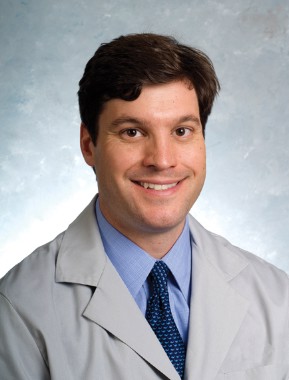
Dr. Hulick is a medical geneticist at NorthShore University HealthSystem, Evanston, Ill., and a clinician educator at the University of Chicago. He reported having no conflicts of interest.
Angelina Jolie caused a social and public media storm recently when she revealed that she carries a mutation in the BRCA1 gene, thus putting her at heightened risk for developing breast cancer and ovarian cancer. She also disclosed her very personal decision to have preventative bilateral mastectomy, at the age of 37, to reduce her risk of breast cancer, which she was informed was 87%.
Jolie was courageous in sharing this personal decision and bringing the conversation of genetics and one’s health to the forefront. It did spark discussion and debate on genetic testing and how to manage the risk associated with having a BRCA mutation. When a star of Jolie’s status makes such an announcement, it provides an opportunity to help educate patients and discuss their management options. It gives them the chance to decide on a risk reduction strategy that is medically sound and their own personal choice.
My clinic did see an influx of patients calling about having BRCA testing. But what was more interesting were the calls from former patients who had tested positive for a BRCA mutation – they were concerned about the actual level of risk (87%) being quoted by the media’s medical correspondents, many of whom were physicians. They were worried about whether "they are doing enough" to manage their risk, given that they had decided on a different strategy involving high-risk breast cancer screening, which consists of an annual breast MRI, an annual mammogram, a clinical breast exam every 6 months (one with a breast specialist), and a self-exam monthly.
These patients’ reactions raise an important point: Physicians need to have an ongoing conversation about the different options for managing risk – specifically, about screening vs. prevention.
While mastectomy is certainly a medically sound option, high-risk screening is, too, if the protocol is followed. There are additional ways to reduce risk, and the conversation cannot be one-sided in favor of surgery.
Many women who choose the option of high-risk breast cancer screening will opt to take tamoxifen preventively. This can reduce breast cancer risk up to 50% and, when combined with high-risk screening, is a medically sound plan. A similar reduction in breast cancer risk is achieved with prophylactic salpingo-oophorectomy, if performed premenopausally, which is necessary to manage the ovarian cancer risk associated with the BRCA genes.
Finally, making a decision on the right risk-reduction strategy to pursue relies on having an appropriate understanding of risk – so one can understand what "reducing risk by 50%" really means. The 87% breast cancer risk that made the media reports is a very high estimate based on early studies in BRCA families. Most genetics professionals would quote lower lifetime estimates (60%-70%) and use age-adjusted data that are more recent.
For example, Dr. Sining Chen and Dr. Giovanni Parmigiani have provided a nice meta-analysis to estimate BRCA1 and BRCA2 mutation carriers’ risks of developing breast cancer or ovarian cancer, broken down by decade, all the way to age 70 years (J. Clin. Oncol. 2007;25:1329-33).
In Angelina Jolie’s case, her BRCA1-associated risk from age 40 to age 70 is approximately 49%. For comparison, the risk for a BRCA2 carrier from age 40 to age 70 is approximately 38%. Granted, the risk remains elevated (average breast cancer risk is 12% lifetime), and there is risk beyond age 70. But the data provide a more informed perspective on actual risk.
This is key to having patients understand their own risk and the timing of that risk. That understanding can help them make an informed decision regarding their strategy to manage BRCA-related cancer risks.
While Jolie’s decision is sound medically, there are sound alternatives. Choosing the right plan requires an in-depth conversation with our patients to make sure they understand their risk and devise a medically sound plan that is personalized to them.
Dr. Hulick is a medical geneticist at NorthShore University HealthSystem, Evanston, Ill., and a clinician educator at the University of Chicago. He reported having no conflicts of interest.
Angelina Jolie caused a social and public media storm recently when she revealed that she carries a mutation in the BRCA1 gene, thus putting her at heightened risk for developing breast cancer and ovarian cancer. She also disclosed her very personal decision to have preventative bilateral mastectomy, at the age of 37, to reduce her risk of breast cancer, which she was informed was 87%.
Jolie was courageous in sharing this personal decision and bringing the conversation of genetics and one’s health to the forefront. It did spark discussion and debate on genetic testing and how to manage the risk associated with having a BRCA mutation. When a star of Jolie’s status makes such an announcement, it provides an opportunity to help educate patients and discuss their management options. It gives them the chance to decide on a risk reduction strategy that is medically sound and their own personal choice.
My clinic did see an influx of patients calling about having BRCA testing. But what was more interesting were the calls from former patients who had tested positive for a BRCA mutation – they were concerned about the actual level of risk (87%) being quoted by the media’s medical correspondents, many of whom were physicians. They were worried about whether "they are doing enough" to manage their risk, given that they had decided on a different strategy involving high-risk breast cancer screening, which consists of an annual breast MRI, an annual mammogram, a clinical breast exam every 6 months (one with a breast specialist), and a self-exam monthly.
These patients’ reactions raise an important point: Physicians need to have an ongoing conversation about the different options for managing risk – specifically, about screening vs. prevention.
While mastectomy is certainly a medically sound option, high-risk screening is, too, if the protocol is followed. There are additional ways to reduce risk, and the conversation cannot be one-sided in favor of surgery.
Many women who choose the option of high-risk breast cancer screening will opt to take tamoxifen preventively. This can reduce breast cancer risk up to 50% and, when combined with high-risk screening, is a medically sound plan. A similar reduction in breast cancer risk is achieved with prophylactic salpingo-oophorectomy, if performed premenopausally, which is necessary to manage the ovarian cancer risk associated with the BRCA genes.
Finally, making a decision on the right risk-reduction strategy to pursue relies on having an appropriate understanding of risk – so one can understand what "reducing risk by 50%" really means. The 87% breast cancer risk that made the media reports is a very high estimate based on early studies in BRCA families. Most genetics professionals would quote lower lifetime estimates (60%-70%) and use age-adjusted data that are more recent.
For example, Dr. Sining Chen and Dr. Giovanni Parmigiani have provided a nice meta-analysis to estimate BRCA1 and BRCA2 mutation carriers’ risks of developing breast cancer or ovarian cancer, broken down by decade, all the way to age 70 years (J. Clin. Oncol. 2007;25:1329-33).
In Angelina Jolie’s case, her BRCA1-associated risk from age 40 to age 70 is approximately 49%. For comparison, the risk for a BRCA2 carrier from age 40 to age 70 is approximately 38%. Granted, the risk remains elevated (average breast cancer risk is 12% lifetime), and there is risk beyond age 70. But the data provide a more informed perspective on actual risk.
This is key to having patients understand their own risk and the timing of that risk. That understanding can help them make an informed decision regarding their strategy to manage BRCA-related cancer risks.
While Jolie’s decision is sound medically, there are sound alternatives. Choosing the right plan requires an in-depth conversation with our patients to make sure they understand their risk and devise a medically sound plan that is personalized to them.
Dr. Hulick is a medical geneticist at NorthShore University HealthSystem, Evanston, Ill., and a clinician educator at the University of Chicago. He reported having no conflicts of interest.

Opioid overdose deaths skyrocket in women
American women are dying from prescription drug overdose at historically high rates, the Centers for Disease Control and Prevention announced July 2.
Between 1999 and 2010, the percentage increase in deaths from prescription opioid pain relievers increased more than 415% among women, compared with 265% among men, according to an analysis of national data sets.
In addition, for every woman who died of a prescription painkiller overdose, 30 went to the emergency department for painkiller misuse or abuse.

"Mothers, wives, sisters, and daughters are dying from overdoses at rates that we have never seen before," Dr. Tom Frieden, CDC director, said during a media teleconference. "The increase in opiate overdoses and opiate overdose deaths is directly proportional to the increase in prescribing of painkillers."
Prescriptions for opioid pain relievers such as hydrocodone, oxycodone, and oxymorphone "are increasing to an extent that we would not have anticipated and that could not possibly be clinically indicated," he said.
The findings underscore the importance of reserving prescriptions of opioid pain relievers for situations such as severe cancer pain, "where they can provide important and essential palliation," Dr. Frieden said. "But in many other situations, the risks far outweigh the benefits. Prescribing an opiate may condemn a patient to lifelong addiction and life-threatening complications."
For the analysis, CDC researchers used data from the 1999-2010 National Vital Statistics System and the 2004-2010 Drug Abuse Warning Network to analyze rates of fatal overdoses and ED visits related to drug use or misuse among women (MMWR 2013;62:1-6).
In 2010, 15,323 deaths among women were linked to drug overdose, for a rate of 9.8 per 100,000 population. Between 1999 and 2010, 47,935 women died of opioid pain reliever overdoses. Over that time period, the percentage increase in deaths related to opioid pain relievers was 415% for women and 265% for men. Rates for all drug overdose deaths were highest among women aged 45-54 years (a rate of 21.8 per 100,000 population).
The researchers also reported that in 2010, women made 943,365 ED visits for drug misuse or abuse, a rate of 601 per 100,000 population. The highest ED visit rates were for cocaine or heroin (147.2 per 100,000), benzodiazepines (134.6 per 100,000) and opioid pain relievers (129.6 per 100,000). ED visit rates among women for all drugs tended to be highest among those aged 25-34 years.
Compared with men, Dr. Frieden said that women "are more likely to have chronic pain, to be prescribed painkillers and other medications, to be given higher doses, and to use them for longer time periods. It may be that some of the most common forms of pain are more prevalent among women than men [such as] abdominal pain, migraines, and musculoskeletal pain."
Dr. Frieden advised prescribing clinicians to talk with patients about the risks and benefits of taking opioid pain relievers and to follow guidelines for responsible prescribing "such as screening and monitoring patients for substance abuse and for mental health problems, and [using] prescription drug monitoring programs to identify patients who may be improperly using prescription painkillers."
He also called on states to "improve and implement prescription drug monitoring programs. These programs are just getting up and running in many states."
States "need to do more to ensure that the programs are real-time, complete, and actively managed so that we identify patients who need drug treatment and doctors who need [prescribing] information and education," Dr. Frieden said.
As an example, Dr. Frieden highlighted efforts made in recent years in the state of Washington. Officials there worked with clinicians, health care insurers, and worker compensation programs to develop a consensus on how and when prescription opioids should be used, what some of the alternative treatments are, and resources for patients who are addicted.
"They enforced those guidelines through regulation and saw a more than 20% reduction in opioid deaths in about 3 years," he said.
In the MMWR article, researchers acknowledged certain limitations of the study, including the fact that vital statistics "underestimate the rates of drug involvement in deaths because the type of drug is not specified on many death certificates" and that injury mortality data "might underestimate by up to 35% the actual numbers of deaths for American Indian/Alaska natives and certain other racial/ethnic populations (e.g., Hispanics) because of the misclassification of race/ethnicity of decedents on death certificates."
The researchers had no relevant financial conflicts to disclose.
American women are dying from prescription drug overdose at historically high rates, the Centers for Disease Control and Prevention announced July 2.
Between 1999 and 2010, the percentage increase in deaths from prescription opioid pain relievers increased more than 415% among women, compared with 265% among men, according to an analysis of national data sets.
In addition, for every woman who died of a prescription painkiller overdose, 30 went to the emergency department for painkiller misuse or abuse.
"Mothers, wives, sisters, and daughters are dying from overdoses at rates that we have never seen before," Dr. Tom Frieden, CDC director, said during a media teleconference. "The increase in opiate overdoses and opiate overdose deaths is directly proportional to the increase in prescribing of painkillers."
Prescriptions for opioid pain relievers such as hydrocodone, oxycodone, and oxymorphone "are increasing to an extent that we would not have anticipated and that could not possibly be clinically indicated," he said.
The findings underscore the importance of reserving prescriptions of opioid pain relievers for situations such as severe cancer pain, "where they can provide important and essential palliation," Dr. Frieden said. "But in many other situations, the risks far outweigh the benefits. Prescribing an opiate may condemn a patient to lifelong addiction and life-threatening complications."
For the analysis, CDC researchers used data from the 1999-2010 National Vital Statistics System and the 2004-2010 Drug Abuse Warning Network to analyze rates of fatal overdoses and ED visits related to drug use or misuse among women (MMWR 2013;62:1-6).
In 2010, 15,323 deaths among women were linked to drug overdose, for a rate of 9.8 per 100,000 population. Between 1999 and 2010, 47,935 women died of opioid pain reliever overdoses. Over that time period, the percentage increase in deaths related to opioid pain relievers was 415% for women and 265% for men. Rates for all drug overdose deaths were highest among women aged 45-54 years (a rate of 21.8 per 100,000 population).
The researchers also reported that in 2010, women made 943,365 ED visits for drug misuse or abuse, a rate of 601 per 100,000 population. The highest ED visit rates were for cocaine or heroin (147.2 per 100,000), benzodiazepines (134.6 per 100,000) and opioid pain relievers (129.6 per 100,000). ED visit rates among women for all drugs tended to be highest among those aged 25-34 years.
Compared with men, Dr. Frieden said that women "are more likely to have chronic pain, to be prescribed painkillers and other medications, to be given higher doses, and to use them for longer time periods. It may be that some of the most common forms of pain are more prevalent among women than men [such as] abdominal pain, migraines, and musculoskeletal pain."
Dr. Frieden advised prescribing clinicians to talk with patients about the risks and benefits of taking opioid pain relievers and to follow guidelines for responsible prescribing "such as screening and monitoring patients for substance abuse and for mental health problems, and [using] prescription drug monitoring programs to identify patients who may be improperly using prescription painkillers."
He also called on states to "improve and implement prescription drug monitoring programs. These programs are just getting up and running in many states."
States "need to do more to ensure that the programs are real-time, complete, and actively managed so that we identify patients who need drug treatment and doctors who need [prescribing] information and education," Dr. Frieden said.
As an example, Dr. Frieden highlighted efforts made in recent years in the state of Washington. Officials there worked with clinicians, health care insurers, and worker compensation programs to develop a consensus on how and when prescription opioids should be used, what some of the alternative treatments are, and resources for patients who are addicted.
"They enforced those guidelines through regulation and saw a more than 20% reduction in opioid deaths in about 3 years," he said.
In the MMWR article, researchers acknowledged certain limitations of the study, including the fact that vital statistics "underestimate the rates of drug involvement in deaths because the type of drug is not specified on many death certificates" and that injury mortality data "might underestimate by up to 35% the actual numbers of deaths for American Indian/Alaska natives and certain other racial/ethnic populations (e.g., Hispanics) because of the misclassification of race/ethnicity of decedents on death certificates."
The researchers had no relevant financial conflicts to disclose.
American women are dying from prescription drug overdose at historically high rates, the Centers for Disease Control and Prevention announced July 2.
Between 1999 and 2010, the percentage increase in deaths from prescription opioid pain relievers increased more than 415% among women, compared with 265% among men, according to an analysis of national data sets.
In addition, for every woman who died of a prescription painkiller overdose, 30 went to the emergency department for painkiller misuse or abuse.
"Mothers, wives, sisters, and daughters are dying from overdoses at rates that we have never seen before," Dr. Tom Frieden, CDC director, said during a media teleconference. "The increase in opiate overdoses and opiate overdose deaths is directly proportional to the increase in prescribing of painkillers."
Prescriptions for opioid pain relievers such as hydrocodone, oxycodone, and oxymorphone "are increasing to an extent that we would not have anticipated and that could not possibly be clinically indicated," he said.
The findings underscore the importance of reserving prescriptions of opioid pain relievers for situations such as severe cancer pain, "where they can provide important and essential palliation," Dr. Frieden said. "But in many other situations, the risks far outweigh the benefits. Prescribing an opiate may condemn a patient to lifelong addiction and life-threatening complications."
For the analysis, CDC researchers used data from the 1999-2010 National Vital Statistics System and the 2004-2010 Drug Abuse Warning Network to analyze rates of fatal overdoses and ED visits related to drug use or misuse among women (MMWR 2013;62:1-6).
In 2010, 15,323 deaths among women were linked to drug overdose, for a rate of 9.8 per 100,000 population. Between 1999 and 2010, 47,935 women died of opioid pain reliever overdoses. Over that time period, the percentage increase in deaths related to opioid pain relievers was 415% for women and 265% for men. Rates for all drug overdose deaths were highest among women aged 45-54 years (a rate of 21.8 per 100,000 population).
The researchers also reported that in 2010, women made 943,365 ED visits for drug misuse or abuse, a rate of 601 per 100,000 population. The highest ED visit rates were for cocaine or heroin (147.2 per 100,000), benzodiazepines (134.6 per 100,000) and opioid pain relievers (129.6 per 100,000). ED visit rates among women for all drugs tended to be highest among those aged 25-34 years.
Compared with men, Dr. Frieden said that women "are more likely to have chronic pain, to be prescribed painkillers and other medications, to be given higher doses, and to use them for longer time periods. It may be that some of the most common forms of pain are more prevalent among women than men [such as] abdominal pain, migraines, and musculoskeletal pain."
Dr. Frieden advised prescribing clinicians to talk with patients about the risks and benefits of taking opioid pain relievers and to follow guidelines for responsible prescribing "such as screening and monitoring patients for substance abuse and for mental health problems, and [using] prescription drug monitoring programs to identify patients who may be improperly using prescription painkillers."
He also called on states to "improve and implement prescription drug monitoring programs. These programs are just getting up and running in many states."
States "need to do more to ensure that the programs are real-time, complete, and actively managed so that we identify patients who need drug treatment and doctors who need [prescribing] information and education," Dr. Frieden said.
As an example, Dr. Frieden highlighted efforts made in recent years in the state of Washington. Officials there worked with clinicians, health care insurers, and worker compensation programs to develop a consensus on how and when prescription opioids should be used, what some of the alternative treatments are, and resources for patients who are addicted.
"They enforced those guidelines through regulation and saw a more than 20% reduction in opioid deaths in about 3 years," he said.
In the MMWR article, researchers acknowledged certain limitations of the study, including the fact that vital statistics "underestimate the rates of drug involvement in deaths because the type of drug is not specified on many death certificates" and that injury mortality data "might underestimate by up to 35% the actual numbers of deaths for American Indian/Alaska natives and certain other racial/ethnic populations (e.g., Hispanics) because of the misclassification of race/ethnicity of decedents on death certificates."
The researchers had no relevant financial conflicts to disclose.
FROM MORBIDITY AND MORTALITY WEEKLY REPORT
Major finding: Between 1999 and 2010, the percentage increase in deaths from overdose of opioid pain relievers rose 415% among women, compared with 265% among men.
Data source: Analysis of data from the 1999-2010 National Vital Statistics System and the 2004-2010 Drug Abuse Warning Network.
Disclosures: The researchers disclosed no relevant financial conflicts of interest.

Continuing nonmedical education credits
I attended a grand rounds recently on a nonacademic topic: improving work flows with electronic medical records (EMR). It was standing room only, a unique phenomenon. Clinicians of all shapes and sizes were in attendance to listen to one of their colleagues provide "useful suggestions" about navigating a somewhat cumbersome and nonintuitive EMR system.
In this "How To" session, we learned about segregating physician notes from other encounters; methods to transpose a comprehensive review of systems from one note to the next; how to filter cardiac test results from all other test data; and more.

The speaker was selected because of his recognized facility with and apparent mastery over the EMR; he knew the shortcuts and every aspect of the system’s functionality.
Herein lies a new definition of the "triple threat": a good clinician, teacher, and EMR navigator.
But is this last skill truly a preferred one? Should we start to select medical students and residents on the basis of computer skills rather than GPA, MCAT, personal history, board scores, or personality? Maybe we should add an EMR challenge to the interview process? After all, successful navigation of EMR seems to be a new metric. Every time I log in, I am provided inane scores on a 0 to 100 scale based on promptness of completing notes, adding new diagnoses, etc. I suspect that the grand rounds speaker scores 100. I do not but take some solace in the fact that I’m nicely and consistently situated near 85. Adequate and acceptable, I hope, until my pay is somehow tied to my EMR "performance."
What does any of this mean to the patient? Is our grand round speaker able to appreciate jugular venous distention, an S3, a precordial knock? Is he listening to the patient? Is he empathic?
All I know is that the next time I click on the imaging tab and see results for a foot x-ray instead of a cardiac echo, it will be clear that I missed something vital during the presentation. Time to deduct some of my Continuing Nonmedical Education credits!
Dr. Hauptman is professor of internal medicine and assistant dean of clinical-translational research at Saint Louis University and director of heart failure at Saint Louis University Hospital. He is an associate editor for Circulation: Heart Failure and blogs while staring out his office window at the Arch.
I attended a grand rounds recently on a nonacademic topic: improving work flows with electronic medical records (EMR). It was standing room only, a unique phenomenon. Clinicians of all shapes and sizes were in attendance to listen to one of their colleagues provide "useful suggestions" about navigating a somewhat cumbersome and nonintuitive EMR system.
In this "How To" session, we learned about segregating physician notes from other encounters; methods to transpose a comprehensive review of systems from one note to the next; how to filter cardiac test results from all other test data; and more.
The speaker was selected because of his recognized facility with and apparent mastery over the EMR; he knew the shortcuts and every aspect of the system’s functionality.
Herein lies a new definition of the "triple threat": a good clinician, teacher, and EMR navigator.
But is this last skill truly a preferred one? Should we start to select medical students and residents on the basis of computer skills rather than GPA, MCAT, personal history, board scores, or personality? Maybe we should add an EMR challenge to the interview process? After all, successful navigation of EMR seems to be a new metric. Every time I log in, I am provided inane scores on a 0 to 100 scale based on promptness of completing notes, adding new diagnoses, etc. I suspect that the grand rounds speaker scores 100. I do not but take some solace in the fact that I’m nicely and consistently situated near 85. Adequate and acceptable, I hope, until my pay is somehow tied to my EMR "performance."
What does any of this mean to the patient? Is our grand round speaker able to appreciate jugular venous distention, an S3, a precordial knock? Is he listening to the patient? Is he empathic?
All I know is that the next time I click on the imaging tab and see results for a foot x-ray instead of a cardiac echo, it will be clear that I missed something vital during the presentation. Time to deduct some of my Continuing Nonmedical Education credits!
Dr. Hauptman is professor of internal medicine and assistant dean of clinical-translational research at Saint Louis University and director of heart failure at Saint Louis University Hospital. He is an associate editor for Circulation: Heart Failure and blogs while staring out his office window at the Arch.
I attended a grand rounds recently on a nonacademic topic: improving work flows with electronic medical records (EMR). It was standing room only, a unique phenomenon. Clinicians of all shapes and sizes were in attendance to listen to one of their colleagues provide "useful suggestions" about navigating a somewhat cumbersome and nonintuitive EMR system.
In this "How To" session, we learned about segregating physician notes from other encounters; methods to transpose a comprehensive review of systems from one note to the next; how to filter cardiac test results from all other test data; and more.
The speaker was selected because of his recognized facility with and apparent mastery over the EMR; he knew the shortcuts and every aspect of the system’s functionality.
Herein lies a new definition of the "triple threat": a good clinician, teacher, and EMR navigator.
But is this last skill truly a preferred one? Should we start to select medical students and residents on the basis of computer skills rather than GPA, MCAT, personal history, board scores, or personality? Maybe we should add an EMR challenge to the interview process? After all, successful navigation of EMR seems to be a new metric. Every time I log in, I am provided inane scores on a 0 to 100 scale based on promptness of completing notes, adding new diagnoses, etc. I suspect that the grand rounds speaker scores 100. I do not but take some solace in the fact that I’m nicely and consistently situated near 85. Adequate and acceptable, I hope, until my pay is somehow tied to my EMR "performance."
What does any of this mean to the patient? Is our grand round speaker able to appreciate jugular venous distention, an S3, a precordial knock? Is he listening to the patient? Is he empathic?
All I know is that the next time I click on the imaging tab and see results for a foot x-ray instead of a cardiac echo, it will be clear that I missed something vital during the presentation. Time to deduct some of my Continuing Nonmedical Education credits!
Dr. Hauptman is professor of internal medicine and assistant dean of clinical-translational research at Saint Louis University and director of heart failure at Saint Louis University Hospital. He is an associate editor for Circulation: Heart Failure and blogs while staring out his office window at the Arch.

Less may be more in postop colorectal cancer follow-up
CHICAGO – Long-term intensive blood and computed tomography follow-up offered no significant advantage over minimal follow-up for detecting colorectal cancer recurrences in the phase III FACS trial.
The proportion of patients with recurrence treated surgically with curative intent was 6.7% with intensive carcinoembryonic antigen (CEA) testing, 8% with monthly computed tomography imaging and 6.6% with combination CEA plus CT, compared with 2.3% with minimal follow-up involving a single CT scan.
After adjustment, it was about three times more likely that patients would have a recurrence with CEA (adjusted odds ratio, 2.70; P = .035), monthly CT imaging (OR, 3.45; P = .007) and CEA plus CT (OR, 2.95; P = .021) than with minimal follow-up.
"This result appeared to be quite robust" and was independent of cancer stage, co-primary investigator Dr. David Mant said at the annual meeting of the American Society of Clinical Oncology.
There was virtually no deviation in protocol by patients, however, the desire for unscheduled CT scans by surgeons meant that up to 30% in the minimal follow-up arm had 1 or more additional CTs, he noted. Still, in a per protocol analysis, the absolute differences in recurrence were 3.8- to 5.4-times higher with intensive follow-up. Again, there was no evidence of an additive effect of CEA plus CT.
Guidelines in the United States and Europe stress intensive follow-up including routine history and physical examination, CEA monitoring, yearly colonoscopy and repeated CT scans in those at high risk of recurrence.
The FACS (Follow-Up After Colorectal Surgery) trial looked at whether long-term intensive follow-up was worthwhile. Though commonplace after curative surgery, economic modeling suggests intensive followup may not be cost-effective and claims of a substantial overall survival benefit are inconsistent with the reported frequency and effectiveness of treatment for recurrence, explained Dr. David Mant, emeritus professor of general practice, Oxford University.
"As a long-term family physician, I’d seen many patients being followed-up for cancer and watched their cycle of deep anxiety, followed usually by relief, but sometimes with misery, as they waited for their follow-up appointments," he added. "It seemed to me that it was a very bad idea to carry on with this practice, unless it was to their benefit."
FACS involved 1,202 patients who were disease free on colonoscopy and CT imaging and had a blood CEA level of 10 mcg/L or less (Dukes’ stages A-C) after treatment for primary colorectal cancer. Their median age was 70 years.
Patients were randomly assigned to one of four follow-up regimens: "minimal" follow-up based mainly on symptoms and a single CT scan at 12-18 months; "CEA," which included minimal follow-up, plus 3 monthly blood CEA tests for 2 years then 6 monthly tests in years 3-5; "CT," which included minimal follow-up plus intensive CT imaging involving 6 monthly scans of the chest, abdomen, and pelvis for 2 years, and then annually for another 3 years; and "CEA plus CT," which included the CEA regimen in group 2 and the CT measures in group 3.
If during monitoring, a patient’s CEA level was 7 mcg/L or more above their baseline level at trial entry, the test was repeated as soon as possible. If the second test was also above the threshold, the patient’s physician was asked to refer the patient urgently to the local hospital.
Overall, 6% of patients (71/1,202) developed a recurrence treated surgically with curative intent. There was little difference between patients according to Duke’s staging (stage A, 5.1%; stage B, 6.1%; stage C, 6.2%), reported Dr. Mant and coprincipal investigator Dr. John Primrose of University of Southhampton, U.K.
"You actually do need rigorous initial staging to detect residual disease before you embark on any follow-up," Dr. Mant stressed. "I think both John and I are convinced that the reason why we have a 6% overall recurrence rate is because the people in this trial were appropriately staged. The survival curves don’t suggest they were any less sick than patients in other trials."
At the time of the analysis, 59% of patients with a recurrence treated with curative intent were still alive, but there was no statistical difference in colorectal cancer deaths (P = .66) or total deaths (P = .45) between the minimum and intensive follow-up arms, he said.
In a meta-analysis that integrated the FACS data with that from three previous trials, the overall effect of intensive follow-up was not significant (OR, 0.96; P = .56), Dr. Mant said. The number needed to treat to detect potentially curable recurrence with intensive follow-up is about 20 to 25 and that predicts a number-needed-to-treat of about 40 to 50 for 5-year post-recurrence survival.
Dr. Maughan said the disparity between the current meta-analysis and the Cochrane review may be because the latter included six studies, not three, and that the survival data from FACS may not be fully mature. A further analysis of the FACS data is planned in about 18 months.
Dr. Mant and his coauthors reported having no financial disclosures.
Mant, D., et al. "Effect of 3-5 years of scheduled CED and CT follow-up to detect recurrence of colorectal cancer: FACS randomized controlled trial." Ab. 3500.
Current guidelines are based on older data indicating that follow-up for patients with resected colorectal cancer adds as much benefit to overall survival as does adjuvant chemotherapy (hazard ratio 0.73) (Cochrane Database Syst Rev. 2007;CD002200). This conclusion may not reflect the outcomes associated with more current treatments.
Although FACS was of insufficient statistical power to estimate survival advantage, the lack of difference between the three intensive follow-up protocols challenges our current practice of repeated CT scans with their extra radiation exposure.
Clinicians also may want to rethink the emphasis on history and physical exam in the follow-up of these patients. FACS shows that symptomatic follow-up and clinical appointments add nothing to the detection of resectable recurrence. The main effect of monitoring was seen with a single CT scan at 12-18 months.
Dr. Tim Maughan is professor of clinical oncology at Oxford University and was the invited discussant of the paper at the meeting. He reported a consultant/advisory role with Sanofi and research funding from Merck Serono.
Current guidelines are based on older data indicating that follow-up for patients with resected colorectal cancer adds as much benefit to overall survival as does adjuvant chemotherapy (hazard ratio 0.73) (Cochrane Database Syst Rev. 2007;CD002200). This conclusion may not reflect the outcomes associated with more current treatments.
Although FACS was of insufficient statistical power to estimate survival advantage, the lack of difference between the three intensive follow-up protocols challenges our current practice of repeated CT scans with their extra radiation exposure.
Clinicians also may want to rethink the emphasis on history and physical exam in the follow-up of these patients. FACS shows that symptomatic follow-up and clinical appointments add nothing to the detection of resectable recurrence. The main effect of monitoring was seen with a single CT scan at 12-18 months.
Dr. Tim Maughan is professor of clinical oncology at Oxford University and was the invited discussant of the paper at the meeting. He reported a consultant/advisory role with Sanofi and research funding from Merck Serono.
Current guidelines are based on older data indicating that follow-up for patients with resected colorectal cancer adds as much benefit to overall survival as does adjuvant chemotherapy (hazard ratio 0.73) (Cochrane Database Syst Rev. 2007;CD002200). This conclusion may not reflect the outcomes associated with more current treatments.
Although FACS was of insufficient statistical power to estimate survival advantage, the lack of difference between the three intensive follow-up protocols challenges our current practice of repeated CT scans with their extra radiation exposure.
Clinicians also may want to rethink the emphasis on history and physical exam in the follow-up of these patients. FACS shows that symptomatic follow-up and clinical appointments add nothing to the detection of resectable recurrence. The main effect of monitoring was seen with a single CT scan at 12-18 months.
Dr. Tim Maughan is professor of clinical oncology at Oxford University and was the invited discussant of the paper at the meeting. He reported a consultant/advisory role with Sanofi and research funding from Merck Serono.
CHICAGO – Long-term intensive blood and computed tomography follow-up offered no significant advantage over minimal follow-up for detecting colorectal cancer recurrences in the phase III FACS trial.
The proportion of patients with recurrence treated surgically with curative intent was 6.7% with intensive carcinoembryonic antigen (CEA) testing, 8% with monthly computed tomography imaging and 6.6% with combination CEA plus CT, compared with 2.3% with minimal follow-up involving a single CT scan.
After adjustment, it was about three times more likely that patients would have a recurrence with CEA (adjusted odds ratio, 2.70; P = .035), monthly CT imaging (OR, 3.45; P = .007) and CEA plus CT (OR, 2.95; P = .021) than with minimal follow-up.
"This result appeared to be quite robust" and was independent of cancer stage, co-primary investigator Dr. David Mant said at the annual meeting of the American Society of Clinical Oncology.
There was virtually no deviation in protocol by patients, however, the desire for unscheduled CT scans by surgeons meant that up to 30% in the minimal follow-up arm had 1 or more additional CTs, he noted. Still, in a per protocol analysis, the absolute differences in recurrence were 3.8- to 5.4-times higher with intensive follow-up. Again, there was no evidence of an additive effect of CEA plus CT.
Guidelines in the United States and Europe stress intensive follow-up including routine history and physical examination, CEA monitoring, yearly colonoscopy and repeated CT scans in those at high risk of recurrence.
The FACS (Follow-Up After Colorectal Surgery) trial looked at whether long-term intensive follow-up was worthwhile. Though commonplace after curative surgery, economic modeling suggests intensive followup may not be cost-effective and claims of a substantial overall survival benefit are inconsistent with the reported frequency and effectiveness of treatment for recurrence, explained Dr. David Mant, emeritus professor of general practice, Oxford University.
"As a long-term family physician, I’d seen many patients being followed-up for cancer and watched their cycle of deep anxiety, followed usually by relief, but sometimes with misery, as they waited for their follow-up appointments," he added. "It seemed to me that it was a very bad idea to carry on with this practice, unless it was to their benefit."
FACS involved 1,202 patients who were disease free on colonoscopy and CT imaging and had a blood CEA level of 10 mcg/L or less (Dukes’ stages A-C) after treatment for primary colorectal cancer. Their median age was 70 years.
Patients were randomly assigned to one of four follow-up regimens: "minimal" follow-up based mainly on symptoms and a single CT scan at 12-18 months; "CEA," which included minimal follow-up, plus 3 monthly blood CEA tests for 2 years then 6 monthly tests in years 3-5; "CT," which included minimal follow-up plus intensive CT imaging involving 6 monthly scans of the chest, abdomen, and pelvis for 2 years, and then annually for another 3 years; and "CEA plus CT," which included the CEA regimen in group 2 and the CT measures in group 3.
If during monitoring, a patient’s CEA level was 7 mcg/L or more above their baseline level at trial entry, the test was repeated as soon as possible. If the second test was also above the threshold, the patient’s physician was asked to refer the patient urgently to the local hospital.
Overall, 6% of patients (71/1,202) developed a recurrence treated surgically with curative intent. There was little difference between patients according to Duke’s staging (stage A, 5.1%; stage B, 6.1%; stage C, 6.2%), reported Dr. Mant and coprincipal investigator Dr. John Primrose of University of Southhampton, U.K.
"You actually do need rigorous initial staging to detect residual disease before you embark on any follow-up," Dr. Mant stressed. "I think both John and I are convinced that the reason why we have a 6% overall recurrence rate is because the people in this trial were appropriately staged. The survival curves don’t suggest they were any less sick than patients in other trials."
At the time of the analysis, 59% of patients with a recurrence treated with curative intent were still alive, but there was no statistical difference in colorectal cancer deaths (P = .66) or total deaths (P = .45) between the minimum and intensive follow-up arms, he said.
In a meta-analysis that integrated the FACS data with that from three previous trials, the overall effect of intensive follow-up was not significant (OR, 0.96; P = .56), Dr. Mant said. The number needed to treat to detect potentially curable recurrence with intensive follow-up is about 20 to 25 and that predicts a number-needed-to-treat of about 40 to 50 for 5-year post-recurrence survival.
Dr. Maughan said the disparity between the current meta-analysis and the Cochrane review may be because the latter included six studies, not three, and that the survival data from FACS may not be fully mature. A further analysis of the FACS data is planned in about 18 months.
Dr. Mant and his coauthors reported having no financial disclosures.
Mant, D., et al. "Effect of 3-5 years of scheduled CED and CT follow-up to detect recurrence of colorectal cancer: FACS randomized controlled trial." Ab. 3500.
CHICAGO – Long-term intensive blood and computed tomography follow-up offered no significant advantage over minimal follow-up for detecting colorectal cancer recurrences in the phase III FACS trial.
The proportion of patients with recurrence treated surgically with curative intent was 6.7% with intensive carcinoembryonic antigen (CEA) testing, 8% with monthly computed tomography imaging and 6.6% with combination CEA plus CT, compared with 2.3% with minimal follow-up involving a single CT scan.
After adjustment, it was about three times more likely that patients would have a recurrence with CEA (adjusted odds ratio, 2.70; P = .035), monthly CT imaging (OR, 3.45; P = .007) and CEA plus CT (OR, 2.95; P = .021) than with minimal follow-up.
"This result appeared to be quite robust" and was independent of cancer stage, co-primary investigator Dr. David Mant said at the annual meeting of the American Society of Clinical Oncology.
There was virtually no deviation in protocol by patients, however, the desire for unscheduled CT scans by surgeons meant that up to 30% in the minimal follow-up arm had 1 or more additional CTs, he noted. Still, in a per protocol analysis, the absolute differences in recurrence were 3.8- to 5.4-times higher with intensive follow-up. Again, there was no evidence of an additive effect of CEA plus CT.
Guidelines in the United States and Europe stress intensive follow-up including routine history and physical examination, CEA monitoring, yearly colonoscopy and repeated CT scans in those at high risk of recurrence.
The FACS (Follow-Up After Colorectal Surgery) trial looked at whether long-term intensive follow-up was worthwhile. Though commonplace after curative surgery, economic modeling suggests intensive followup may not be cost-effective and claims of a substantial overall survival benefit are inconsistent with the reported frequency and effectiveness of treatment for recurrence, explained Dr. David Mant, emeritus professor of general practice, Oxford University.
"As a long-term family physician, I’d seen many patients being followed-up for cancer and watched their cycle of deep anxiety, followed usually by relief, but sometimes with misery, as they waited for their follow-up appointments," he added. "It seemed to me that it was a very bad idea to carry on with this practice, unless it was to their benefit."
FACS involved 1,202 patients who were disease free on colonoscopy and CT imaging and had a blood CEA level of 10 mcg/L or less (Dukes’ stages A-C) after treatment for primary colorectal cancer. Their median age was 70 years.
Patients were randomly assigned to one of four follow-up regimens: "minimal" follow-up based mainly on symptoms and a single CT scan at 12-18 months; "CEA," which included minimal follow-up, plus 3 monthly blood CEA tests for 2 years then 6 monthly tests in years 3-5; "CT," which included minimal follow-up plus intensive CT imaging involving 6 monthly scans of the chest, abdomen, and pelvis for 2 years, and then annually for another 3 years; and "CEA plus CT," which included the CEA regimen in group 2 and the CT measures in group 3.
If during monitoring, a patient’s CEA level was 7 mcg/L or more above their baseline level at trial entry, the test was repeated as soon as possible. If the second test was also above the threshold, the patient’s physician was asked to refer the patient urgently to the local hospital.
Overall, 6% of patients (71/1,202) developed a recurrence treated surgically with curative intent. There was little difference between patients according to Duke’s staging (stage A, 5.1%; stage B, 6.1%; stage C, 6.2%), reported Dr. Mant and coprincipal investigator Dr. John Primrose of University of Southhampton, U.K.
"You actually do need rigorous initial staging to detect residual disease before you embark on any follow-up," Dr. Mant stressed. "I think both John and I are convinced that the reason why we have a 6% overall recurrence rate is because the people in this trial were appropriately staged. The survival curves don’t suggest they were any less sick than patients in other trials."
At the time of the analysis, 59% of patients with a recurrence treated with curative intent were still alive, but there was no statistical difference in colorectal cancer deaths (P = .66) or total deaths (P = .45) between the minimum and intensive follow-up arms, he said.
In a meta-analysis that integrated the FACS data with that from three previous trials, the overall effect of intensive follow-up was not significant (OR, 0.96; P = .56), Dr. Mant said. The number needed to treat to detect potentially curable recurrence with intensive follow-up is about 20 to 25 and that predicts a number-needed-to-treat of about 40 to 50 for 5-year post-recurrence survival.
Dr. Maughan said the disparity between the current meta-analysis and the Cochrane review may be because the latter included six studies, not three, and that the survival data from FACS may not be fully mature. A further analysis of the FACS data is planned in about 18 months.
Dr. Mant and his coauthors reported having no financial disclosures.
Mant, D., et al. "Effect of 3-5 years of scheduled CED and CT follow-up to detect recurrence of colorectal cancer: FACS randomized controlled trial." Ab. 3500.
AT ASCO ANNUAL MEETING 2013
Major finding: The risk of recurrence after surgical treatment with curative intent was about three times higher with intensive carcinoembryonic antigen monitoring (odds ratio, 2.70; P = .035), computed tomography (OR, 3.45; P = .007) and CEA plus CT follow-up (OR, 2.95; P = .021) than with minimal follow-up. At analysis, 59% of patients with a recurrence treated with curative intent were still alive, but there was no statistical difference in colorectal cancer deaths (P = .66) or total deaths (P = .45) between the minimum and intensive follow-up arms.
Data source: Phase III trial of 1,202 patients from 39 U.K. hospitals who had completed curative treatment for colorectal cancer.
Disclosures: Dr. Mant and his coauthors reported having no financial disclosures.
Extended postoperative VTE prophylaxis appears warranted for IBD patients
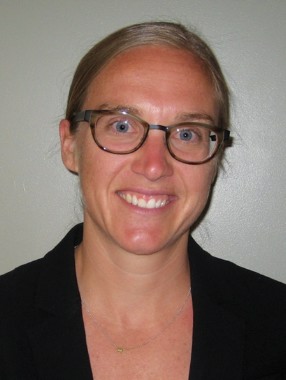
PHOENIX – Patients with inflammatory bowel disease undergoing major abdominal surgery have a persistent elevation of the risk of blood clots postoperatively that warrants extended prophylaxis similar to that recommended for patients with colorectal cancer, new data suggest.
Investigators led by Dr. Molly Gross, a colorectal surgeon at the University of Utah in Salt Lake City, retrospectively analyzed data from the National Surgical Quality Improvement Program (NSQIP) database, assessing rates of venous thromboembolism (VTE) among nearly 46,000 patients with inflammatory bowel disease (IBD) or colorectal cancer who had major abdominal surgery.
Study results, reported at the annual meeting of the American Society of Colon and Rectal Surgeons, showed that the IBD group had a 35% higher adjusted risk of VTE at 30 days relative to the colorectal cancer group. Also, the majority of the events in the IBD group occurred a week or more after surgery, by which time most patients would have been leaving the hospital or already home.
"The National Comprehensive Cancer Network (NCCN) currently recommends that colorectal cancer patients undergoing major abdominal surgery receive up to 4 weeks of postoperative out-of-hospital prophylaxis with either subcutaneous heparin or Lovenox [enoxaparin]," Dr. Gross commented. "There are currently no such recommendations for IBD patients undergoing similar operations."
Taken together, the study’s findings "lead to our conclusion that postdischarge VTE prophylaxis recommendations for IBD patients should mirror those for colorectal cancer patients," she maintained. "This would suggest a change in clinical practice to extend out-of-hospital VTE prophylaxis in IBD patients."
"You have done excellent work, and I congratulate you on the statistical rigor that’s quite evident in your study," said Dr. Justin Lee, of St. Elizabeth’s Medical Center in Brighton, Mass., who was invited to discuss the study.
However, he questioned the low absolute 30-day rates of VTE seen in the study – 2.7% in the IBD group and 2.1% in the colorectal cancer group – as compared with those reported in other studies.
The NCCN guidelines for patients with colorectal cancer "are based on large prospective studies considered to be closer to real-time data than NSQIP. If you look at those studies, they show anywhere from a 7% to 12% 30-day rate of deep vein thrombosis in colorectal cancer patients. And if you treat them with long-term prophylaxis within 30 days after surgery, it brings the rate down to 4% or 4.5%," he explained – about twice that in the presented study.
"How do you reconcile [these rates]?" Dr. Lee asked. "And should you apply your recommended 30-day postop prophylaxis to all IBD surgical patients when in fact the 2.7% is actually lower than the literature-quoted rate of deep vein thrombosis" in patients with colorectal cancer on anticoagulation?
Dr. Gross speculated that the difference in rates between the cancer studies and the current study was multifactorial in origin, stemming from differing study designs (randomized controlled trial vs. retrospective review), differing surgical populations (patients undergoing open surgery only in an older era vs. patients undergoing open or laparoscopic surgery in the current era), and uncertainty in their study about how many patients with colorectal cancer received extended prophylaxis.
Given the generally low rates of VTE events, "it would be difficult to adequately power a large randomized controlled trial," she added. "So we are kind of making a lot of assumptions that we hope we could decrease morbidity and mortality in IBD patients without significantly causing increased cost or bleeding complications" by using extended prophylaxis.
Dr. John Migaly of the Duke University Medical Center in Durham, N.C., who comoderated the session, noted that the incidence of VTE after surgery showed a sharp drop-off at approximately day 20. "That would be about 2 weeks after discharge. Is there an optimal length, in your opinion, of VTE prophylaxis, instead of just saying 4 weeks is fine?" he asked.
The investigators based that 4-week recommendation on the conclusions of a trial among oncology patients (N. Engl. J. Med. 2002;346:975-80), according to Dr. Gross. "It is probably variable based on patient condition: how much they are ambulating, how much they are back to their regular status, and how active their IBD is. So I think it would be difficult to come up with an ideal for every patient; that [4 weeks] is an arbitrary number created from that study."
For the study, Dr. Gross’ team analyzed data from the NSQIP database for the years 2005 through 2010, restricting analyses to 8,888 patients with IBD and 37,076 patients with colorectal cancer who had major abdominal surgery.
"Previous studies looking at IBD and VTE risk included perineal and benign anorectal procedures, as well as open procedures," Dr. Gross noted. "But we only included open and laparoscopic abdominal procedures that involved resection of bowel."
The 30-day rate of VTE (deep vein thrombosis and/or pulmonary embolism) was significantly higher in the IBD group than in the colorectal cancer group (2.7% vs. 2.1%, P less than .001).
In a multivariate analysis, relative to their peers with colorectal cancer, patients with IBD still had a significantly elevated risk of this outcome (odds ratio, 1.35; P = .005).
"The [temporal] distribution of VTE events in IBD patients mirrors that in colorectal cancer patients," commented Dr. Gross, who disclosed no conflicts of interest related to the research; in both groups, events continued to occur out to 30 days.
In the IBD group, fully 55% of events occurred on day 7 or later. "At this time, most patients will have been discharged or will be discharged soon," she pointed out.
PHOENIX – Patients with inflammatory bowel disease undergoing major abdominal surgery have a persistent elevation of the risk of blood clots postoperatively that warrants extended prophylaxis similar to that recommended for patients with colorectal cancer, new data suggest.
Investigators led by Dr. Molly Gross, a colorectal surgeon at the University of Utah in Salt Lake City, retrospectively analyzed data from the National Surgical Quality Improvement Program (NSQIP) database, assessing rates of venous thromboembolism (VTE) among nearly 46,000 patients with inflammatory bowel disease (IBD) or colorectal cancer who had major abdominal surgery.
Study results, reported at the annual meeting of the American Society of Colon and Rectal Surgeons, showed that the IBD group had a 35% higher adjusted risk of VTE at 30 days relative to the colorectal cancer group. Also, the majority of the events in the IBD group occurred a week or more after surgery, by which time most patients would have been leaving the hospital or already home.
"The National Comprehensive Cancer Network (NCCN) currently recommends that colorectal cancer patients undergoing major abdominal surgery receive up to 4 weeks of postoperative out-of-hospital prophylaxis with either subcutaneous heparin or Lovenox [enoxaparin]," Dr. Gross commented. "There are currently no such recommendations for IBD patients undergoing similar operations."
Taken together, the study’s findings "lead to our conclusion that postdischarge VTE prophylaxis recommendations for IBD patients should mirror those for colorectal cancer patients," she maintained. "This would suggest a change in clinical practice to extend out-of-hospital VTE prophylaxis in IBD patients."
"You have done excellent work, and I congratulate you on the statistical rigor that’s quite evident in your study," said Dr. Justin Lee, of St. Elizabeth’s Medical Center in Brighton, Mass., who was invited to discuss the study.
However, he questioned the low absolute 30-day rates of VTE seen in the study – 2.7% in the IBD group and 2.1% in the colorectal cancer group – as compared with those reported in other studies.
The NCCN guidelines for patients with colorectal cancer "are based on large prospective studies considered to be closer to real-time data than NSQIP. If you look at those studies, they show anywhere from a 7% to 12% 30-day rate of deep vein thrombosis in colorectal cancer patients. And if you treat them with long-term prophylaxis within 30 days after surgery, it brings the rate down to 4% or 4.5%," he explained – about twice that in the presented study.
"How do you reconcile [these rates]?" Dr. Lee asked. "And should you apply your recommended 30-day postop prophylaxis to all IBD surgical patients when in fact the 2.7% is actually lower than the literature-quoted rate of deep vein thrombosis" in patients with colorectal cancer on anticoagulation?
Dr. Gross speculated that the difference in rates between the cancer studies and the current study was multifactorial in origin, stemming from differing study designs (randomized controlled trial vs. retrospective review), differing surgical populations (patients undergoing open surgery only in an older era vs. patients undergoing open or laparoscopic surgery in the current era), and uncertainty in their study about how many patients with colorectal cancer received extended prophylaxis.
Given the generally low rates of VTE events, "it would be difficult to adequately power a large randomized controlled trial," she added. "So we are kind of making a lot of assumptions that we hope we could decrease morbidity and mortality in IBD patients without significantly causing increased cost or bleeding complications" by using extended prophylaxis.
Dr. John Migaly of the Duke University Medical Center in Durham, N.C., who comoderated the session, noted that the incidence of VTE after surgery showed a sharp drop-off at approximately day 20. "That would be about 2 weeks after discharge. Is there an optimal length, in your opinion, of VTE prophylaxis, instead of just saying 4 weeks is fine?" he asked.
The investigators based that 4-week recommendation on the conclusions of a trial among oncology patients (N. Engl. J. Med. 2002;346:975-80), according to Dr. Gross. "It is probably variable based on patient condition: how much they are ambulating, how much they are back to their regular status, and how active their IBD is. So I think it would be difficult to come up with an ideal for every patient; that [4 weeks] is an arbitrary number created from that study."
For the study, Dr. Gross’ team analyzed data from the NSQIP database for the years 2005 through 2010, restricting analyses to 8,888 patients with IBD and 37,076 patients with colorectal cancer who had major abdominal surgery.
"Previous studies looking at IBD and VTE risk included perineal and benign anorectal procedures, as well as open procedures," Dr. Gross noted. "But we only included open and laparoscopic abdominal procedures that involved resection of bowel."
The 30-day rate of VTE (deep vein thrombosis and/or pulmonary embolism) was significantly higher in the IBD group than in the colorectal cancer group (2.7% vs. 2.1%, P less than .001).
In a multivariate analysis, relative to their peers with colorectal cancer, patients with IBD still had a significantly elevated risk of this outcome (odds ratio, 1.35; P = .005).
"The [temporal] distribution of VTE events in IBD patients mirrors that in colorectal cancer patients," commented Dr. Gross, who disclosed no conflicts of interest related to the research; in both groups, events continued to occur out to 30 days.
In the IBD group, fully 55% of events occurred on day 7 or later. "At this time, most patients will have been discharged or will be discharged soon," she pointed out.
PHOENIX – Patients with inflammatory bowel disease undergoing major abdominal surgery have a persistent elevation of the risk of blood clots postoperatively that warrants extended prophylaxis similar to that recommended for patients with colorectal cancer, new data suggest.
Investigators led by Dr. Molly Gross, a colorectal surgeon at the University of Utah in Salt Lake City, retrospectively analyzed data from the National Surgical Quality Improvement Program (NSQIP) database, assessing rates of venous thromboembolism (VTE) among nearly 46,000 patients with inflammatory bowel disease (IBD) or colorectal cancer who had major abdominal surgery.
Study results, reported at the annual meeting of the American Society of Colon and Rectal Surgeons, showed that the IBD group had a 35% higher adjusted risk of VTE at 30 days relative to the colorectal cancer group. Also, the majority of the events in the IBD group occurred a week or more after surgery, by which time most patients would have been leaving the hospital or already home.
"The National Comprehensive Cancer Network (NCCN) currently recommends that colorectal cancer patients undergoing major abdominal surgery receive up to 4 weeks of postoperative out-of-hospital prophylaxis with either subcutaneous heparin or Lovenox [enoxaparin]," Dr. Gross commented. "There are currently no such recommendations for IBD patients undergoing similar operations."
Taken together, the study’s findings "lead to our conclusion that postdischarge VTE prophylaxis recommendations for IBD patients should mirror those for colorectal cancer patients," she maintained. "This would suggest a change in clinical practice to extend out-of-hospital VTE prophylaxis in IBD patients."
"You have done excellent work, and I congratulate you on the statistical rigor that’s quite evident in your study," said Dr. Justin Lee, of St. Elizabeth’s Medical Center in Brighton, Mass., who was invited to discuss the study.
However, he questioned the low absolute 30-day rates of VTE seen in the study – 2.7% in the IBD group and 2.1% in the colorectal cancer group – as compared with those reported in other studies.
The NCCN guidelines for patients with colorectal cancer "are based on large prospective studies considered to be closer to real-time data than NSQIP. If you look at those studies, they show anywhere from a 7% to 12% 30-day rate of deep vein thrombosis in colorectal cancer patients. And if you treat them with long-term prophylaxis within 30 days after surgery, it brings the rate down to 4% or 4.5%," he explained – about twice that in the presented study.
"How do you reconcile [these rates]?" Dr. Lee asked. "And should you apply your recommended 30-day postop prophylaxis to all IBD surgical patients when in fact the 2.7% is actually lower than the literature-quoted rate of deep vein thrombosis" in patients with colorectal cancer on anticoagulation?
Dr. Gross speculated that the difference in rates between the cancer studies and the current study was multifactorial in origin, stemming from differing study designs (randomized controlled trial vs. retrospective review), differing surgical populations (patients undergoing open surgery only in an older era vs. patients undergoing open or laparoscopic surgery in the current era), and uncertainty in their study about how many patients with colorectal cancer received extended prophylaxis.
Given the generally low rates of VTE events, "it would be difficult to adequately power a large randomized controlled trial," she added. "So we are kind of making a lot of assumptions that we hope we could decrease morbidity and mortality in IBD patients without significantly causing increased cost or bleeding complications" by using extended prophylaxis.
Dr. John Migaly of the Duke University Medical Center in Durham, N.C., who comoderated the session, noted that the incidence of VTE after surgery showed a sharp drop-off at approximately day 20. "That would be about 2 weeks after discharge. Is there an optimal length, in your opinion, of VTE prophylaxis, instead of just saying 4 weeks is fine?" he asked.
The investigators based that 4-week recommendation on the conclusions of a trial among oncology patients (N. Engl. J. Med. 2002;346:975-80), according to Dr. Gross. "It is probably variable based on patient condition: how much they are ambulating, how much they are back to their regular status, and how active their IBD is. So I think it would be difficult to come up with an ideal for every patient; that [4 weeks] is an arbitrary number created from that study."
For the study, Dr. Gross’ team analyzed data from the NSQIP database for the years 2005 through 2010, restricting analyses to 8,888 patients with IBD and 37,076 patients with colorectal cancer who had major abdominal surgery.
"Previous studies looking at IBD and VTE risk included perineal and benign anorectal procedures, as well as open procedures," Dr. Gross noted. "But we only included open and laparoscopic abdominal procedures that involved resection of bowel."
The 30-day rate of VTE (deep vein thrombosis and/or pulmonary embolism) was significantly higher in the IBD group than in the colorectal cancer group (2.7% vs. 2.1%, P less than .001).
In a multivariate analysis, relative to their peers with colorectal cancer, patients with IBD still had a significantly elevated risk of this outcome (odds ratio, 1.35; P = .005).
"The [temporal] distribution of VTE events in IBD patients mirrors that in colorectal cancer patients," commented Dr. Gross, who disclosed no conflicts of interest related to the research; in both groups, events continued to occur out to 30 days.
In the IBD group, fully 55% of events occurred on day 7 or later. "At this time, most patients will have been discharged or will be discharged soon," she pointed out.
AT THE ASCRS ANNUAL MEETING
Major finding: Compared with patients with colorectal cancer, patients with IBD had a 35% higher risk of venous thromboembolism. In the IBD group, 55% of venous thromboembolic events occurred a week or more after surgery.
Data source: A retrospective population-based cohort study comparing patients with IBD (n = 8,888) and patients with colorectal cancer (n = 37,076) undergoing major abdominal surgery
Disclosures: Dr. Gross disclosed no relevant conflicts of interest.
AMA delegates decry ICD-10, EHRs
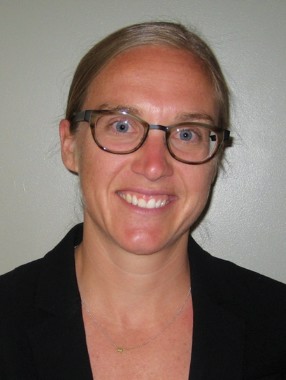
CHICAGO – Coding and computers were among key concerns for physician leaders at the American Medical Association’s annual House of Delegates meeting.
Resolutions from several delegations aimed to delay or scuttle the transition to the newest incarnation of the International Classification of Diseases, ICD-10.

Delegates from the American College of Rheumatology (ACR) introduced a resolution urging the association to keep up its campaign to stop ICD-10 implementation, specifically via federal legislation.
Without a statement supporting delay, there is a "perception out there that the AMA has essentially caved on the issue of ICD-10," said Dr. Gary Bryant, an ACR delegate. "Now that’s not my perception, but I believe it’s the perception, to some degree, among American physicians."
The House adopted instead a resolution calling for the AMA to support federal legislation to delay ICD-10 implementation for 2 years. During that time, payers would not be allowed to deny payment based on the specificity of the diagnosis, but they would be required to provide feedback in the case of an incorrect diagnosis. The resolution was brought by the Colorado delegation.
Dr. Reid Blackwelder, president-elect of the American Academy of Family Physicians, spoke in favor of the resolution.
"It’s not likely that we’re moving from ICD-9, we are." Instead, the resolution "allows our members to have a period of time to get used to the sticker shock," he said.
The AMA has estimated that the cost of implementing ICD-10 could range from $83,290 to more than $2.7 million per practice, depending on practice size.
Delegates also sought to slow the adoption of electronic health records, citing major problems with interoperability.
Karthik Sarmah, medical student alternate delegate in the California delegation, cited interoperability as a major concern.
"The lack of interoperability is the primary driver of why so many people in this room hate their EHR system," he said, adding that interoperability standards exist, but that there are no incentives for venders to create ways to allow physicians to share their patient data with each other.
Dr. Melissa Garretson, a delegate from the American Academy of Pediatrics, agreed.
"I can’t tell you the number of times I have to repeat labs," and CT scans because data can’t be accessed from other physicians, Dr. Garretson said. She called the lack of interoperability an unfunded mandate on physicians because the vendors aren’t making it possible. "If we force them to do this through legislation, it will finally happen."
Other delegates were skeptical.
"I have been waiting now for about 12 years for this interoperability to occur and I think I’ll either be retired or dead before it finally does," said Dr. Arthur E. Palamara, a vascular surgeon with the Florida delegation.
The House approved a resolution "seeking legislation or regulation to require all EHR vendors to use standard and interoperable software technology to enable cost-efficient use of electronic health records across all health care delivery systems, including institutional and community-based settings of care delivery."
On Twitter @aliciaault
CHICAGO – Coding and computers were among key concerns for physician leaders at the American Medical Association’s annual House of Delegates meeting.
Resolutions from several delegations aimed to delay or scuttle the transition to the newest incarnation of the International Classification of Diseases, ICD-10.
Delegates from the American College of Rheumatology (ACR) introduced a resolution urging the association to keep up its campaign to stop ICD-10 implementation, specifically via federal legislation.
Without a statement supporting delay, there is a "perception out there that the AMA has essentially caved on the issue of ICD-10," said Dr. Gary Bryant, an ACR delegate. "Now that’s not my perception, but I believe it’s the perception, to some degree, among American physicians."
The House adopted instead a resolution calling for the AMA to support federal legislation to delay ICD-10 implementation for 2 years. During that time, payers would not be allowed to deny payment based on the specificity of the diagnosis, but they would be required to provide feedback in the case of an incorrect diagnosis. The resolution was brought by the Colorado delegation.
Dr. Reid Blackwelder, president-elect of the American Academy of Family Physicians, spoke in favor of the resolution.
"It’s not likely that we’re moving from ICD-9, we are." Instead, the resolution "allows our members to have a period of time to get used to the sticker shock," he said.
The AMA has estimated that the cost of implementing ICD-10 could range from $83,290 to more than $2.7 million per practice, depending on practice size.
Delegates also sought to slow the adoption of electronic health records, citing major problems with interoperability.
Karthik Sarmah, medical student alternate delegate in the California delegation, cited interoperability as a major concern.
"The lack of interoperability is the primary driver of why so many people in this room hate their EHR system," he said, adding that interoperability standards exist, but that there are no incentives for venders to create ways to allow physicians to share their patient data with each other.
Dr. Melissa Garretson, a delegate from the American Academy of Pediatrics, agreed.
"I can’t tell you the number of times I have to repeat labs," and CT scans because data can’t be accessed from other physicians, Dr. Garretson said. She called the lack of interoperability an unfunded mandate on physicians because the vendors aren’t making it possible. "If we force them to do this through legislation, it will finally happen."
Other delegates were skeptical.
"I have been waiting now for about 12 years for this interoperability to occur and I think I’ll either be retired or dead before it finally does," said Dr. Arthur E. Palamara, a vascular surgeon with the Florida delegation.
The House approved a resolution "seeking legislation or regulation to require all EHR vendors to use standard and interoperable software technology to enable cost-efficient use of electronic health records across all health care delivery systems, including institutional and community-based settings of care delivery."
On Twitter @aliciaault
CHICAGO – Coding and computers were among key concerns for physician leaders at the American Medical Association’s annual House of Delegates meeting.
Resolutions from several delegations aimed to delay or scuttle the transition to the newest incarnation of the International Classification of Diseases, ICD-10.
Delegates from the American College of Rheumatology (ACR) introduced a resolution urging the association to keep up its campaign to stop ICD-10 implementation, specifically via federal legislation.
Without a statement supporting delay, there is a "perception out there that the AMA has essentially caved on the issue of ICD-10," said Dr. Gary Bryant, an ACR delegate. "Now that’s not my perception, but I believe it’s the perception, to some degree, among American physicians."
The House adopted instead a resolution calling for the AMA to support federal legislation to delay ICD-10 implementation for 2 years. During that time, payers would not be allowed to deny payment based on the specificity of the diagnosis, but they would be required to provide feedback in the case of an incorrect diagnosis. The resolution was brought by the Colorado delegation.
Dr. Reid Blackwelder, president-elect of the American Academy of Family Physicians, spoke in favor of the resolution.
"It’s not likely that we’re moving from ICD-9, we are." Instead, the resolution "allows our members to have a period of time to get used to the sticker shock," he said.
The AMA has estimated that the cost of implementing ICD-10 could range from $83,290 to more than $2.7 million per practice, depending on practice size.
Delegates also sought to slow the adoption of electronic health records, citing major problems with interoperability.
Karthik Sarmah, medical student alternate delegate in the California delegation, cited interoperability as a major concern.
"The lack of interoperability is the primary driver of why so many people in this room hate their EHR system," he said, adding that interoperability standards exist, but that there are no incentives for venders to create ways to allow physicians to share their patient data with each other.
Dr. Melissa Garretson, a delegate from the American Academy of Pediatrics, agreed.
"I can’t tell you the number of times I have to repeat labs," and CT scans because data can’t be accessed from other physicians, Dr. Garretson said. She called the lack of interoperability an unfunded mandate on physicians because the vendors aren’t making it possible. "If we force them to do this through legislation, it will finally happen."
Other delegates were skeptical.
"I have been waiting now for about 12 years for this interoperability to occur and I think I’ll either be retired or dead before it finally does," said Dr. Arthur E. Palamara, a vascular surgeon with the Florida delegation.
The House approved a resolution "seeking legislation or regulation to require all EHR vendors to use standard and interoperable software technology to enable cost-efficient use of electronic health records across all health care delivery systems, including institutional and community-based settings of care delivery."
On Twitter @aliciaault
AT THE AMA HOUSE OF DELEGATES

Oxygen debt the lynchpin in multiple organ dysfunction syndrome
SAN FRANCISCO – In the opinion of Dr. Larry H. Hollier, multiple organ dysfunction syndrome is a condition "underappreciated" by many of today’s clinicians, as optimal ways to treat it remain elusive.
At the Society for Vascular Surgery Annual Meeting, Dr. Hollier, professor of surgery and chancellor of the Louisiana State University Health Sciences Center, New Orleans, defined multiple organ dysfunction syndrome (MODS) as altered organ functions in an acutely ill patient requiring intervention to achieve homeostasis. "That’s a pretty broad definition, but it’s one of the most common causes of death in surgical intensive care units," he said. "Numerous precipitating factors classically described in multiple organ dysfunction syndrome include sepsis, trauma, cardiac arrest, visceral ischemia, burns, pancreatitis, shock, and major surgery with postoperative instability."
The pathophysiology of MODS "is fairly straightforward," he continued. "Some event results in ischemia and tissue hypoxia. Reperfusion occurs with the activation of cytokines, and an exaggerated inflammatory response generates oxygen-free radicals, tissue damage, and then organ dysfunction." Dr. Hollier discussed these issues as the invited speaker for the prestigious John Homans Lectureship of the SVS.
The major underlying issue in MODS stems from uncorrected oxygen debt in tissues. In fact, the level of perioperative tissue debt has a direct relationship on postoperative morbidity and mortality. According to Dr. Hollier, the predicted outcome by acutely accumulated oxygen debt in the first 4 hours post injury works like this: 8 L/m2 leads to a severe flulike syndrome (mild SIRS); 26 L/m2 leads to multiple organ dysfunction syndrome; and 33 L/m2 or more leads to death. "The uncorrected oxygen debt in tissues that is initiated is not the end of it," he said. "There’s an accumulating oxygen debt that amasses to keep biomass viable during low oxygen delivery. After resuscitation, there’s increased oxygen required above the basal rate, because explosive oxygen needs occur in order to fuel the inflammation of reperfusion injury."
Conventional therapies for MODS include volume resuscitation, ionotropic agents to improve cardiac performance and increase oxygen delivery, and ventilator support to improve oxygen input. Multiple experimental therapies have also been used, including steroids, antiendotoxin monoclonal antibodies, IL-1 receptor antagonists, anti-TNF antibodies, antioxidants, inhibition of nitric oxide, and oxygen manipulation in the form of extracorporeal support and perfluorocarbons. "While there is some research experience, in the clinical arena, there has universally not been a treatment that reverses the multiple organ dysfunction syndrome," he said. "Early diagnosis and prompt treatment of organ hypoperfusion and hypoxia are of utmost importance. The major goal is to increase oxygen delivery as soon as possible."
Vascular surgeons are most likely to encounter MODS in cases of extensive blunt trauma, aortic transection/dissection, crush injury, severe ischemia following acute aortic occlusion, mesenteric infarction, and thoracoabdominal aortic surgery, both with extensive direct repair and with hybrid repair. The "hypoxia cascade" can occur without progression to the full multiple organ dysfunction syndrome. "This is where we have some of the opportunities to improve the situation and possibly prevent the full MODS," Dr. Hollier said. "The cascade can occur in refractory hypotension following repair of ruptured aortic aneurysm or other major vascular procedure, during brain ischemia, visceral ischemia, delayed onset paraplegia following repair of thoracoabdominal aortic aneurysms, and during the compartment syndrome."
Recommendations for intraoperative management of thoracoabdominal aortic aneurysms include maintaining visceral perfusion with a pump or a bypass or using visceral perfusion catheters, and perioperative CSF drainage "to allow reduction in the pressure around the spinal cord," he said. It’s less clear what approach to take for the patient who develops severe cytokine activation and is on course to develop MODS.
"Since high-dose hyperbaric oxygen therapy appears to abort cytokine activation in experimental studies, should we consider hyperbaric oxygen therapy for management of severe cytokine activation postoperatively?" Dr. Hollier asked. "Hyperbaric oxygen therapy has been demonstrated by controlled human studies to be useful in resuscitation and tissue salvage in crush injury and traumatic brain injury. I don’t have the answers to this. These are the areas of investigations that I urge the members of this society and our young students, residents, and fellows to consider."
Dr. Hollier said that management of serious injury in the commercial diver in the field has afforded two observations. First, high-dose hyperbaric oxygen, used very early in acute resuscitation of the severely injured, "effectively reduces oxygen debt." Second, the quick reduction of the oxygen debt by high-dose hyperbaric oxygen leverages chances of recovery. "We need research on this to find the answer," he said. "What we do know is that there is only one variable that consistently predicts both mortality and multiple organ dysfunction syndrome following traumatic shock. That is oxygen debt."
Dr. Hollier said that he had no relevant financial disclosures to make.
SAN FRANCISCO – In the opinion of Dr. Larry H. Hollier, multiple organ dysfunction syndrome is a condition "underappreciated" by many of today’s clinicians, as optimal ways to treat it remain elusive.
At the Society for Vascular Surgery Annual Meeting, Dr. Hollier, professor of surgery and chancellor of the Louisiana State University Health Sciences Center, New Orleans, defined multiple organ dysfunction syndrome (MODS) as altered organ functions in an acutely ill patient requiring intervention to achieve homeostasis. "That’s a pretty broad definition, but it’s one of the most common causes of death in surgical intensive care units," he said. "Numerous precipitating factors classically described in multiple organ dysfunction syndrome include sepsis, trauma, cardiac arrest, visceral ischemia, burns, pancreatitis, shock, and major surgery with postoperative instability."
The pathophysiology of MODS "is fairly straightforward," he continued. "Some event results in ischemia and tissue hypoxia. Reperfusion occurs with the activation of cytokines, and an exaggerated inflammatory response generates oxygen-free radicals, tissue damage, and then organ dysfunction." Dr. Hollier discussed these issues as the invited speaker for the prestigious John Homans Lectureship of the SVS.
The major underlying issue in MODS stems from uncorrected oxygen debt in tissues. In fact, the level of perioperative tissue debt has a direct relationship on postoperative morbidity and mortality. According to Dr. Hollier, the predicted outcome by acutely accumulated oxygen debt in the first 4 hours post injury works like this: 8 L/m2 leads to a severe flulike syndrome (mild SIRS); 26 L/m2 leads to multiple organ dysfunction syndrome; and 33 L/m2 or more leads to death. "The uncorrected oxygen debt in tissues that is initiated is not the end of it," he said. "There’s an accumulating oxygen debt that amasses to keep biomass viable during low oxygen delivery. After resuscitation, there’s increased oxygen required above the basal rate, because explosive oxygen needs occur in order to fuel the inflammation of reperfusion injury."
Conventional therapies for MODS include volume resuscitation, ionotropic agents to improve cardiac performance and increase oxygen delivery, and ventilator support to improve oxygen input. Multiple experimental therapies have also been used, including steroids, antiendotoxin monoclonal antibodies, IL-1 receptor antagonists, anti-TNF antibodies, antioxidants, inhibition of nitric oxide, and oxygen manipulation in the form of extracorporeal support and perfluorocarbons. "While there is some research experience, in the clinical arena, there has universally not been a treatment that reverses the multiple organ dysfunction syndrome," he said. "Early diagnosis and prompt treatment of organ hypoperfusion and hypoxia are of utmost importance. The major goal is to increase oxygen delivery as soon as possible."
Vascular surgeons are most likely to encounter MODS in cases of extensive blunt trauma, aortic transection/dissection, crush injury, severe ischemia following acute aortic occlusion, mesenteric infarction, and thoracoabdominal aortic surgery, both with extensive direct repair and with hybrid repair. The "hypoxia cascade" can occur without progression to the full multiple organ dysfunction syndrome. "This is where we have some of the opportunities to improve the situation and possibly prevent the full MODS," Dr. Hollier said. "The cascade can occur in refractory hypotension following repair of ruptured aortic aneurysm or other major vascular procedure, during brain ischemia, visceral ischemia, delayed onset paraplegia following repair of thoracoabdominal aortic aneurysms, and during the compartment syndrome."
Recommendations for intraoperative management of thoracoabdominal aortic aneurysms include maintaining visceral perfusion with a pump or a bypass or using visceral perfusion catheters, and perioperative CSF drainage "to allow reduction in the pressure around the spinal cord," he said. It’s less clear what approach to take for the patient who develops severe cytokine activation and is on course to develop MODS.
"Since high-dose hyperbaric oxygen therapy appears to abort cytokine activation in experimental studies, should we consider hyperbaric oxygen therapy for management of severe cytokine activation postoperatively?" Dr. Hollier asked. "Hyperbaric oxygen therapy has been demonstrated by controlled human studies to be useful in resuscitation and tissue salvage in crush injury and traumatic brain injury. I don’t have the answers to this. These are the areas of investigations that I urge the members of this society and our young students, residents, and fellows to consider."
Dr. Hollier said that management of serious injury in the commercial diver in the field has afforded two observations. First, high-dose hyperbaric oxygen, used very early in acute resuscitation of the severely injured, "effectively reduces oxygen debt." Second, the quick reduction of the oxygen debt by high-dose hyperbaric oxygen leverages chances of recovery. "We need research on this to find the answer," he said. "What we do know is that there is only one variable that consistently predicts both mortality and multiple organ dysfunction syndrome following traumatic shock. That is oxygen debt."
Dr. Hollier said that he had no relevant financial disclosures to make.
SAN FRANCISCO – In the opinion of Dr. Larry H. Hollier, multiple organ dysfunction syndrome is a condition "underappreciated" by many of today’s clinicians, as optimal ways to treat it remain elusive.
At the Society for Vascular Surgery Annual Meeting, Dr. Hollier, professor of surgery and chancellor of the Louisiana State University Health Sciences Center, New Orleans, defined multiple organ dysfunction syndrome (MODS) as altered organ functions in an acutely ill patient requiring intervention to achieve homeostasis. "That’s a pretty broad definition, but it’s one of the most common causes of death in surgical intensive care units," he said. "Numerous precipitating factors classically described in multiple organ dysfunction syndrome include sepsis, trauma, cardiac arrest, visceral ischemia, burns, pancreatitis, shock, and major surgery with postoperative instability."
The pathophysiology of MODS "is fairly straightforward," he continued. "Some event results in ischemia and tissue hypoxia. Reperfusion occurs with the activation of cytokines, and an exaggerated inflammatory response generates oxygen-free radicals, tissue damage, and then organ dysfunction." Dr. Hollier discussed these issues as the invited speaker for the prestigious John Homans Lectureship of the SVS.
The major underlying issue in MODS stems from uncorrected oxygen debt in tissues. In fact, the level of perioperative tissue debt has a direct relationship on postoperative morbidity and mortality. According to Dr. Hollier, the predicted outcome by acutely accumulated oxygen debt in the first 4 hours post injury works like this: 8 L/m2 leads to a severe flulike syndrome (mild SIRS); 26 L/m2 leads to multiple organ dysfunction syndrome; and 33 L/m2 or more leads to death. "The uncorrected oxygen debt in tissues that is initiated is not the end of it," he said. "There’s an accumulating oxygen debt that amasses to keep biomass viable during low oxygen delivery. After resuscitation, there’s increased oxygen required above the basal rate, because explosive oxygen needs occur in order to fuel the inflammation of reperfusion injury."
Conventional therapies for MODS include volume resuscitation, ionotropic agents to improve cardiac performance and increase oxygen delivery, and ventilator support to improve oxygen input. Multiple experimental therapies have also been used, including steroids, antiendotoxin monoclonal antibodies, IL-1 receptor antagonists, anti-TNF antibodies, antioxidants, inhibition of nitric oxide, and oxygen manipulation in the form of extracorporeal support and perfluorocarbons. "While there is some research experience, in the clinical arena, there has universally not been a treatment that reverses the multiple organ dysfunction syndrome," he said. "Early diagnosis and prompt treatment of organ hypoperfusion and hypoxia are of utmost importance. The major goal is to increase oxygen delivery as soon as possible."
Vascular surgeons are most likely to encounter MODS in cases of extensive blunt trauma, aortic transection/dissection, crush injury, severe ischemia following acute aortic occlusion, mesenteric infarction, and thoracoabdominal aortic surgery, both with extensive direct repair and with hybrid repair. The "hypoxia cascade" can occur without progression to the full multiple organ dysfunction syndrome. "This is where we have some of the opportunities to improve the situation and possibly prevent the full MODS," Dr. Hollier said. "The cascade can occur in refractory hypotension following repair of ruptured aortic aneurysm or other major vascular procedure, during brain ischemia, visceral ischemia, delayed onset paraplegia following repair of thoracoabdominal aortic aneurysms, and during the compartment syndrome."
Recommendations for intraoperative management of thoracoabdominal aortic aneurysms include maintaining visceral perfusion with a pump or a bypass or using visceral perfusion catheters, and perioperative CSF drainage "to allow reduction in the pressure around the spinal cord," he said. It’s less clear what approach to take for the patient who develops severe cytokine activation and is on course to develop MODS.
"Since high-dose hyperbaric oxygen therapy appears to abort cytokine activation in experimental studies, should we consider hyperbaric oxygen therapy for management of severe cytokine activation postoperatively?" Dr. Hollier asked. "Hyperbaric oxygen therapy has been demonstrated by controlled human studies to be useful in resuscitation and tissue salvage in crush injury and traumatic brain injury. I don’t have the answers to this. These are the areas of investigations that I urge the members of this society and our young students, residents, and fellows to consider."
Dr. Hollier said that management of serious injury in the commercial diver in the field has afforded two observations. First, high-dose hyperbaric oxygen, used very early in acute resuscitation of the severely injured, "effectively reduces oxygen debt." Second, the quick reduction of the oxygen debt by high-dose hyperbaric oxygen leverages chances of recovery. "We need research on this to find the answer," he said. "What we do know is that there is only one variable that consistently predicts both mortality and multiple organ dysfunction syndrome following traumatic shock. That is oxygen debt."
Dr. Hollier said that he had no relevant financial disclosures to make.
EXPERT ANALYSIS AT THE SVS ANNUAL MEETING
FDA: No starch solutions for critically ill, cardiopulmonary bypass patients
The Food and Drug Administration is warning that hydroxyethyl starch solutions should no longer be used in the treatment of critically ill adult patients –including patients with sepsis and those admitted to an intensive care unit – after completing an analysis of data indicating that treatment with these solutions increases the risk of death and renal injury in these groups.
In a statement, the agency also recommended that the use of hydroxyethyl starch (HES) solutions, used as plasma volume expanders, be avoided in patients who are having open heart surgery with cardiopulmonary bypass, because of an increased risk of excessive bleeding.
The FDA is making these recommendations after completing an analysis of data from randomized controlled trials, meta-analyses, and observational studies in thousands of critically ill patients, and from a meta-analysis of 18 randomized controlled trials of almost 1,000 patients undergoing open heart surgery with cardiopulmonary bypass. The risks and benefits of HES products were the focus of a meeting in September 2012 convened by the FDA.
"Based on the totality of the evidence, [the] FDA considers increased mortality and renal injury requiring RRT [renal replacement therapy] in critically ill adult patients, including patients with sepsis and those admitted to the ICU, and excess bleeding in patients undergoing open heart surgery in association with cardiopulmonary bypass, to be HES class effects," according to the statement. The agency also recommended that health care professionals avoid the use of these products in patients with preexisting renal dysfunction, discontinue their use at the first sign of renal injury, and monitor renal function for at least 90 days in all patients. In addition, HES products should be discontinued "at the first sign of coagulopathy."
The data on critically ill adults included three double-blind, multicenter, randomized controlled studies published in 2012, which compared HES with saline solution or Ringer’s acetate, in patients with severe sepsis (two studies), or patients in the ICU who had sepsis, had undergone elective surgery, and had an APACHE II score of at least 25. In these studies, which monitored patients for 90 days, HES was associated with increased mortality and/or renal injury requiring RRT, the FDA statements said. The results of meta-analyses and observational studies in similar populations lend additional support to these findings, the statement added.
But there was no evidence of an increased risk of renal injury associated with these products in a review of 59 randomized controlled studies of adult and pediatric surgical patients who received HES in the operating room and were followed for less than a week. This could have been due to less exposure to the product, a relatively short follow-up, being relatively healthy, or some unknown factor, the statement said.
In the meta-analysis of studies of patients undergoing open heart surgery with cardiopulmonary bypass, the "use of different HES products, irrespective of molecular weight or degree of molar substitution, was associated with increased bleeding," according to the statement. The meta-analysis was published in 2012 (J. Thoracic Cardiovasc. Surg. 2012:144;223-30).
A boxed warning about the risk in ICU and septic patients is being added to the labels of HES products, and the information about the excessive bleeding risk in open heart surgery patients is being added to the warnings and precautions section.
There are four FDA-approved HES products for treating and preventing hypovolemia; they are used when plasma volume expansion is needed: HESPAN (6% HES 450/0.7a in sodium chloride injection) manufactured by B. Braun Medical); Hetastarch (6%) in 0.9% sodium chloride injection, a generic equivalent of Hespan, manufactured by Teva Pharmaceuticals USA; Hextend (6% HES 450/0.7 in physiologic solution), manufactured by BioTime; and Voluven (6% HES 130/0.4 in normal saline), manufactured by Fresenius Kabi USA.
The advisory is available at www.fda.gov/BiologicsBloodVaccines/SafetyAvailability/ucm358271.htm. Adverse events associated with HES solutions should be reported to the FDA’s MedWatch program at 80-332-1088 or www.fda.gov/Safety/MedWatch/HowToReport/default.htm.
The Food and Drug Administration is warning that hydroxyethyl starch solutions should no longer be used in the treatment of critically ill adult patients –including patients with sepsis and those admitted to an intensive care unit – after completing an analysis of data indicating that treatment with these solutions increases the risk of death and renal injury in these groups.
In a statement, the agency also recommended that the use of hydroxyethyl starch (HES) solutions, used as plasma volume expanders, be avoided in patients who are having open heart surgery with cardiopulmonary bypass, because of an increased risk of excessive bleeding.
The FDA is making these recommendations after completing an analysis of data from randomized controlled trials, meta-analyses, and observational studies in thousands of critically ill patients, and from a meta-analysis of 18 randomized controlled trials of almost 1,000 patients undergoing open heart surgery with cardiopulmonary bypass. The risks and benefits of HES products were the focus of a meeting in September 2012 convened by the FDA.
"Based on the totality of the evidence, [the] FDA considers increased mortality and renal injury requiring RRT [renal replacement therapy] in critically ill adult patients, including patients with sepsis and those admitted to the ICU, and excess bleeding in patients undergoing open heart surgery in association with cardiopulmonary bypass, to be HES class effects," according to the statement. The agency also recommended that health care professionals avoid the use of these products in patients with preexisting renal dysfunction, discontinue their use at the first sign of renal injury, and monitor renal function for at least 90 days in all patients. In addition, HES products should be discontinued "at the first sign of coagulopathy."
The data on critically ill adults included three double-blind, multicenter, randomized controlled studies published in 2012, which compared HES with saline solution or Ringer’s acetate, in patients with severe sepsis (two studies), or patients in the ICU who had sepsis, had undergone elective surgery, and had an APACHE II score of at least 25. In these studies, which monitored patients for 90 days, HES was associated with increased mortality and/or renal injury requiring RRT, the FDA statements said. The results of meta-analyses and observational studies in similar populations lend additional support to these findings, the statement added.
But there was no evidence of an increased risk of renal injury associated with these products in a review of 59 randomized controlled studies of adult and pediatric surgical patients who received HES in the operating room and were followed for less than a week. This could have been due to less exposure to the product, a relatively short follow-up, being relatively healthy, or some unknown factor, the statement said.
In the meta-analysis of studies of patients undergoing open heart surgery with cardiopulmonary bypass, the "use of different HES products, irrespective of molecular weight or degree of molar substitution, was associated with increased bleeding," according to the statement. The meta-analysis was published in 2012 (J. Thoracic Cardiovasc. Surg. 2012:144;223-30).
A boxed warning about the risk in ICU and septic patients is being added to the labels of HES products, and the information about the excessive bleeding risk in open heart surgery patients is being added to the warnings and precautions section.
There are four FDA-approved HES products for treating and preventing hypovolemia; they are used when plasma volume expansion is needed: HESPAN (6% HES 450/0.7a in sodium chloride injection) manufactured by B. Braun Medical); Hetastarch (6%) in 0.9% sodium chloride injection, a generic equivalent of Hespan, manufactured by Teva Pharmaceuticals USA; Hextend (6% HES 450/0.7 in physiologic solution), manufactured by BioTime; and Voluven (6% HES 130/0.4 in normal saline), manufactured by Fresenius Kabi USA.
The advisory is available at www.fda.gov/BiologicsBloodVaccines/SafetyAvailability/ucm358271.htm. Adverse events associated with HES solutions should be reported to the FDA’s MedWatch program at 80-332-1088 or www.fda.gov/Safety/MedWatch/HowToReport/default.htm.
The Food and Drug Administration is warning that hydroxyethyl starch solutions should no longer be used in the treatment of critically ill adult patients –including patients with sepsis and those admitted to an intensive care unit – after completing an analysis of data indicating that treatment with these solutions increases the risk of death and renal injury in these groups.
In a statement, the agency also recommended that the use of hydroxyethyl starch (HES) solutions, used as plasma volume expanders, be avoided in patients who are having open heart surgery with cardiopulmonary bypass, because of an increased risk of excessive bleeding.
The FDA is making these recommendations after completing an analysis of data from randomized controlled trials, meta-analyses, and observational studies in thousands of critically ill patients, and from a meta-analysis of 18 randomized controlled trials of almost 1,000 patients undergoing open heart surgery with cardiopulmonary bypass. The risks and benefits of HES products were the focus of a meeting in September 2012 convened by the FDA.
"Based on the totality of the evidence, [the] FDA considers increased mortality and renal injury requiring RRT [renal replacement therapy] in critically ill adult patients, including patients with sepsis and those admitted to the ICU, and excess bleeding in patients undergoing open heart surgery in association with cardiopulmonary bypass, to be HES class effects," according to the statement. The agency also recommended that health care professionals avoid the use of these products in patients with preexisting renal dysfunction, discontinue their use at the first sign of renal injury, and monitor renal function for at least 90 days in all patients. In addition, HES products should be discontinued "at the first sign of coagulopathy."
The data on critically ill adults included three double-blind, multicenter, randomized controlled studies published in 2012, which compared HES with saline solution or Ringer’s acetate, in patients with severe sepsis (two studies), or patients in the ICU who had sepsis, had undergone elective surgery, and had an APACHE II score of at least 25. In these studies, which monitored patients for 90 days, HES was associated with increased mortality and/or renal injury requiring RRT, the FDA statements said. The results of meta-analyses and observational studies in similar populations lend additional support to these findings, the statement added.
But there was no evidence of an increased risk of renal injury associated with these products in a review of 59 randomized controlled studies of adult and pediatric surgical patients who received HES in the operating room and were followed for less than a week. This could have been due to less exposure to the product, a relatively short follow-up, being relatively healthy, or some unknown factor, the statement said.
In the meta-analysis of studies of patients undergoing open heart surgery with cardiopulmonary bypass, the "use of different HES products, irrespective of molecular weight or degree of molar substitution, was associated with increased bleeding," according to the statement. The meta-analysis was published in 2012 (J. Thoracic Cardiovasc. Surg. 2012:144;223-30).
A boxed warning about the risk in ICU and septic patients is being added to the labels of HES products, and the information about the excessive bleeding risk in open heart surgery patients is being added to the warnings and precautions section.
There are four FDA-approved HES products for treating and preventing hypovolemia; they are used when plasma volume expansion is needed: HESPAN (6% HES 450/0.7a in sodium chloride injection) manufactured by B. Braun Medical); Hetastarch (6%) in 0.9% sodium chloride injection, a generic equivalent of Hespan, manufactured by Teva Pharmaceuticals USA; Hextend (6% HES 450/0.7 in physiologic solution), manufactured by BioTime; and Voluven (6% HES 130/0.4 in normal saline), manufactured by Fresenius Kabi USA.
The advisory is available at www.fda.gov/BiologicsBloodVaccines/SafetyAvailability/ucm358271.htm. Adverse events associated with HES solutions should be reported to the FDA’s MedWatch program at 80-332-1088 or www.fda.gov/Safety/MedWatch/HowToReport/default.htm.
Collateral bed occlusion linked to spinal cord ischemia
SAN FRANCISCO – The occlusion of at least one collateral bed was a significant predictor of immediate-onset spinal cord ischemia and reduced the chances of recovery and survival from the condition, results from a prospective study demonstrated.
"Endovascular aortic repair, particularly thoracoabdominal aortic aneurysm repair, mandates the occlusion of important collateral network vessels, specifically the intercostal and lumbar arteries," Dr. Matthew J. Eagleton said at Society for Vascular Surgery Annual Meeting. "Occlusion of at least one other collateral network vessel, whether that’s the hypogastric artery or the subclavian artery, is associated with early onset SCI, reduced recovery from SCI, and reduced survival."
Dr. Eagleton of the department of vascular surgery at the Cleveland Clinic, described spinal cord ischemia (SCI) as "a devastating complication after aortic surgery. In the past, much effort has been directed toward understanding the pathophysiology of spinal cord ischemia development, developing preventive strategies, and developing treatment strategies."
Endovascular aortic surgery "changes our approach to aortic disease," he continued. "While it offers a potentially less invasive option, there are some caveats to that when it comes to SCI. In many instances, especially in extensive aneurysms, we are unable to preserve important intercostal and lumbar arteries. In comparison to open surgery, we don’t know if spinal cord ischemia develops at the same rate, for the same reasons, with similar presentations and clinical course, or whether our current preventive and treatment algorithms are applicable in this patient population."
In an effort to evaluate factors affecting outcomes from SCI associated with endovascular aortic aneurysm repair, Dr. Eagleton and his associates evaluated 1,251 patients enrolled in three physician-sponsored investigational device exemption (IDE) trials from 1998 to 2010. They identified patients with confirmed SCI, reviewed their medical records and imaging studies, and used these to supplement prospectively collected data. Outcome measures included the timing of onset of SCI, recovery from SCI, and survival.
In all, 1,251 patients were treated with aortic endografts. Of these, 351 (28%) were infrarenal endografts, 201 (16%) were thoracic endografts, 227 (18%) were fenestrated endografts, and 472 (38%) were visceral branch grafts.
Dr. Eagleton and his associates identified 36 patients with SCI, for a rate of 2.9%. Their mean age was 73 years and 72% were male. The mean aneurysm size in SCI patients was 65 mm; 47% had undergone prior aortic surgery, predominately repair of an infrarenal AAA; and 25% required a conduit. The majority of conduits (78%) were placed at the time of endograft placement while the remainder were placed on an elective basis. The mean percentage length of aorta covered was 67%.
A total of 11 patients (31%) with SCI had at least one occluded collateral vessel. The majority of patients presented with either a motor deficit or a motor and sensory deficit (44% and 47%, respectively). Nearly three-quarters of SCI symptoms (72%) were bilateral in nature.
Onset of symptoms ranged from 0 to 240 hours. Immediate onset occurred in 42% of patients, with delayed onset in the remaining 58%. The one clinical factor that was significantly associated with immediate onset of SCI was the occlusion of at least one collateral bed (P = .021).
During a mean follow-up of 22 months, 30-day survival was 92%, 1-year survival was 56%, and 3-year survival was 45%. Survival was significantly reduced in patients who did not recover from their symptoms of SCI.
The relatively small size of the study cohort "limits extensive statistical analysis," Dr. Eagleton said. "The retrospective nature of clinical data limits more detailed information about clinical presentation and it provides little information about why these patients developed SCI as compared to their counterparts. This will certainly require a more focused evaluation of those who are at higher risk for the development of SCI."
In the meantime, he said, "aggressive efforts need to be made to maintain all collateral flow possible and prevent perioperative complications that diminish spinal cord perfusion. We need to evaluate other methods to augment these preventive strategies."
Dr. Eagleton disclosed that he is a consultant for Bolton Medical and Cook Medical.
SAN FRANCISCO – The occlusion of at least one collateral bed was a significant predictor of immediate-onset spinal cord ischemia and reduced the chances of recovery and survival from the condition, results from a prospective study demonstrated.
"Endovascular aortic repair, particularly thoracoabdominal aortic aneurysm repair, mandates the occlusion of important collateral network vessels, specifically the intercostal and lumbar arteries," Dr. Matthew J. Eagleton said at Society for Vascular Surgery Annual Meeting. "Occlusion of at least one other collateral network vessel, whether that’s the hypogastric artery or the subclavian artery, is associated with early onset SCI, reduced recovery from SCI, and reduced survival."
Dr. Eagleton of the department of vascular surgery at the Cleveland Clinic, described spinal cord ischemia (SCI) as "a devastating complication after aortic surgery. In the past, much effort has been directed toward understanding the pathophysiology of spinal cord ischemia development, developing preventive strategies, and developing treatment strategies."
Endovascular aortic surgery "changes our approach to aortic disease," he continued. "While it offers a potentially less invasive option, there are some caveats to that when it comes to SCI. In many instances, especially in extensive aneurysms, we are unable to preserve important intercostal and lumbar arteries. In comparison to open surgery, we don’t know if spinal cord ischemia develops at the same rate, for the same reasons, with similar presentations and clinical course, or whether our current preventive and treatment algorithms are applicable in this patient population."
In an effort to evaluate factors affecting outcomes from SCI associated with endovascular aortic aneurysm repair, Dr. Eagleton and his associates evaluated 1,251 patients enrolled in three physician-sponsored investigational device exemption (IDE) trials from 1998 to 2010. They identified patients with confirmed SCI, reviewed their medical records and imaging studies, and used these to supplement prospectively collected data. Outcome measures included the timing of onset of SCI, recovery from SCI, and survival.
In all, 1,251 patients were treated with aortic endografts. Of these, 351 (28%) were infrarenal endografts, 201 (16%) were thoracic endografts, 227 (18%) were fenestrated endografts, and 472 (38%) were visceral branch grafts.
Dr. Eagleton and his associates identified 36 patients with SCI, for a rate of 2.9%. Their mean age was 73 years and 72% were male. The mean aneurysm size in SCI patients was 65 mm; 47% had undergone prior aortic surgery, predominately repair of an infrarenal AAA; and 25% required a conduit. The majority of conduits (78%) were placed at the time of endograft placement while the remainder were placed on an elective basis. The mean percentage length of aorta covered was 67%.
A total of 11 patients (31%) with SCI had at least one occluded collateral vessel. The majority of patients presented with either a motor deficit or a motor and sensory deficit (44% and 47%, respectively). Nearly three-quarters of SCI symptoms (72%) were bilateral in nature.
Onset of symptoms ranged from 0 to 240 hours. Immediate onset occurred in 42% of patients, with delayed onset in the remaining 58%. The one clinical factor that was significantly associated with immediate onset of SCI was the occlusion of at least one collateral bed (P = .021).
During a mean follow-up of 22 months, 30-day survival was 92%, 1-year survival was 56%, and 3-year survival was 45%. Survival was significantly reduced in patients who did not recover from their symptoms of SCI.
The relatively small size of the study cohort "limits extensive statistical analysis," Dr. Eagleton said. "The retrospective nature of clinical data limits more detailed information about clinical presentation and it provides little information about why these patients developed SCI as compared to their counterparts. This will certainly require a more focused evaluation of those who are at higher risk for the development of SCI."
In the meantime, he said, "aggressive efforts need to be made to maintain all collateral flow possible and prevent perioperative complications that diminish spinal cord perfusion. We need to evaluate other methods to augment these preventive strategies."
Dr. Eagleton disclosed that he is a consultant for Bolton Medical and Cook Medical.
SAN FRANCISCO – The occlusion of at least one collateral bed was a significant predictor of immediate-onset spinal cord ischemia and reduced the chances of recovery and survival from the condition, results from a prospective study demonstrated.
"Endovascular aortic repair, particularly thoracoabdominal aortic aneurysm repair, mandates the occlusion of important collateral network vessels, specifically the intercostal and lumbar arteries," Dr. Matthew J. Eagleton said at Society for Vascular Surgery Annual Meeting. "Occlusion of at least one other collateral network vessel, whether that’s the hypogastric artery or the subclavian artery, is associated with early onset SCI, reduced recovery from SCI, and reduced survival."
Dr. Eagleton of the department of vascular surgery at the Cleveland Clinic, described spinal cord ischemia (SCI) as "a devastating complication after aortic surgery. In the past, much effort has been directed toward understanding the pathophysiology of spinal cord ischemia development, developing preventive strategies, and developing treatment strategies."
Endovascular aortic surgery "changes our approach to aortic disease," he continued. "While it offers a potentially less invasive option, there are some caveats to that when it comes to SCI. In many instances, especially in extensive aneurysms, we are unable to preserve important intercostal and lumbar arteries. In comparison to open surgery, we don’t know if spinal cord ischemia develops at the same rate, for the same reasons, with similar presentations and clinical course, or whether our current preventive and treatment algorithms are applicable in this patient population."
In an effort to evaluate factors affecting outcomes from SCI associated with endovascular aortic aneurysm repair, Dr. Eagleton and his associates evaluated 1,251 patients enrolled in three physician-sponsored investigational device exemption (IDE) trials from 1998 to 2010. They identified patients with confirmed SCI, reviewed their medical records and imaging studies, and used these to supplement prospectively collected data. Outcome measures included the timing of onset of SCI, recovery from SCI, and survival.
In all, 1,251 patients were treated with aortic endografts. Of these, 351 (28%) were infrarenal endografts, 201 (16%) were thoracic endografts, 227 (18%) were fenestrated endografts, and 472 (38%) were visceral branch grafts.
Dr. Eagleton and his associates identified 36 patients with SCI, for a rate of 2.9%. Their mean age was 73 years and 72% were male. The mean aneurysm size in SCI patients was 65 mm; 47% had undergone prior aortic surgery, predominately repair of an infrarenal AAA; and 25% required a conduit. The majority of conduits (78%) were placed at the time of endograft placement while the remainder were placed on an elective basis. The mean percentage length of aorta covered was 67%.
A total of 11 patients (31%) with SCI had at least one occluded collateral vessel. The majority of patients presented with either a motor deficit or a motor and sensory deficit (44% and 47%, respectively). Nearly three-quarters of SCI symptoms (72%) were bilateral in nature.
Onset of symptoms ranged from 0 to 240 hours. Immediate onset occurred in 42% of patients, with delayed onset in the remaining 58%. The one clinical factor that was significantly associated with immediate onset of SCI was the occlusion of at least one collateral bed (P = .021).
During a mean follow-up of 22 months, 30-day survival was 92%, 1-year survival was 56%, and 3-year survival was 45%. Survival was significantly reduced in patients who did not recover from their symptoms of SCI.
The relatively small size of the study cohort "limits extensive statistical analysis," Dr. Eagleton said. "The retrospective nature of clinical data limits more detailed information about clinical presentation and it provides little information about why these patients developed SCI as compared to their counterparts. This will certainly require a more focused evaluation of those who are at higher risk for the development of SCI."
In the meantime, he said, "aggressive efforts need to be made to maintain all collateral flow possible and prevent perioperative complications that diminish spinal cord perfusion. We need to evaluate other methods to augment these preventive strategies."
Dr. Eagleton disclosed that he is a consultant for Bolton Medical and Cook Medical.
AT THE SVS ANNUAL MEETING
Major finding: The sole clinical factor that was significantly associated with the immediate onset of spinal cord ischemia after endovascular aortic aneurysm repair was the occlusion of at least one collateral bed (P = .021).
Data source: An analysis of 1,251 patients enrolled in three physician-sponsored investigational device exemption trials from 1998 to 2010.
Disclosures: Dr. Eagleton disclosed that he is a consultant for Bolton Medical and Cook Medical.
More complications seen in retrievable vs. permanent IVC filters
SAN FRANCISCO – Significantly higher rates of complications were observed in patients with indwelling retrievable inferior vena cava filters, compared with those who had permanent filters placed, results from a large single-center study showed.
"Venous thromboembolism is a significant cause of morbidity and mortality," Dr. Tina R. Desai said at the Society for Vascular Surgery Annual Meeting. "The primary treatment for this remains anticoagulation. However, since the initial introduction of the Greenfield filter in 1973, there has been a steady increase in the use of inferior vena cava filters." The introduction of retrievable filters in 2003 further contributed to this increase in use of filters, said Dr. Desai, a vascular surgeon at NorthShore University HealthSystem in Skokie, Ill.

"The retrievable filters were approved to be left in place indefinitely, and they have a theoretical advantage of being able to be retrieved when the patient no longer has a significant risk of pulmonary embolism," she said. "Interestingly, if you look at current-day studies, these retrievable filters are quite uncommonly retrieved. In fact, most of them end up being permanent."
To better understand the difference in complications between retrievable and permanent filters, Dr. Desai and her associates conducted a retrospective study of 1,234 patients who had IVC filters placed at NorthShore between 2005 and 2010. Of the 1,234 patients, 449 had retrievable filters placed while 785 had permanent filters placed.
Patients in the permanent filter group were older than those in the indwelling retrievable group (mean age, 75 vs. 64 years, respectively). They were also sicker, with significantly higher rates of cancer, hypertension, diabetes, and coronary artery disease. "Most of our filters were placed for a diagnosis of acute venous thromboembolism, with a relative minority placed for prophylactic reasons," Dr. Desai said. "All filters were placed by an interventional radiologist or a vascular surgeon. The majority of the retrievable filters were Cook Celect filters, and the majority of permanent filters were Braun Vena Tech filters. For our primary analysis, we defined complications as symptomatic events – either periprocedurally or directly related to the filter – that patients experienced."
Of the 449 retrievable filters placed, 67 of them were electively retrieved. This left a group of 382 indwelling retrievable filters. Dr. Desai reported that the rate of symptomatic complications was significantly higher in the indwelling retrievable filter group than in the permanent filter group (8.9% vs. 2.9%; P = .0001). Thrombotic complications were the most common type of symptomatic complication in both groups. They occurred more often in the retrievable filter group than in the permanent filter group (4.2% vs. 1.8%), but this difference did not reach significance.
The researchers did find a statistically significant difference in the number of device-related symptomatic complications that occurred in the indwelling retrievable filter group, compared with the permanent filter group (2.6% vs. 0.5%; P = .006). The number of systemic-related symptomatic complications was higher in the indwelling retrievable filter group than in the permanent filter group (1.3% vs. 0.4%), but this difference did not reach significance.
"In addition to the complications that we saw, we found a number of patient findings such as those shown on CT scan, which shows perforation of filter struts through the wall of the vena cava," Dr. Desai noted. "Others have made similar observations. While we don’t completely understand the significance of these symptomatic findings, it’s hard to ignore these effects when we’re trying to make decisions about whether we should be leaving these retrievable filters in place indefinitely or not."
When the researchers factored both incidental and symptomatic findings into their analysis, the rate of device-related complications was 8.9% in the indwelling retrievable filter group, compared with 0.9% in the permanent filter group, a difference that reached significance (P less than .0001).
With these findings in mind, Dr. Desai recommended that retrievable filters "only be used in conditions where retrieval is highly likely; in all other patients, permanent filters should be used when IVC filters are indicated."
She acknowledged certain limitations of the study, including the fact that its retrospective design "likely results in an underestimation of the number of asymptomatic complications," she said. "Also, we cannot draw meaningful conclusions related to the effects of anticoagulation on thrombotic complications. Organized programs to track and follow patients who receive retrievable filters are necessary to optimize retrieval rates. Further study is needed to determine the significance of asymptomatic device fracture and device penetration through the IVC."
Dr. Desai said that she had no relevant financial conflicts to disclose.
SAN FRANCISCO – Significantly higher rates of complications were observed in patients with indwelling retrievable inferior vena cava filters, compared with those who had permanent filters placed, results from a large single-center study showed.
"Venous thromboembolism is a significant cause of morbidity and mortality," Dr. Tina R. Desai said at the Society for Vascular Surgery Annual Meeting. "The primary treatment for this remains anticoagulation. However, since the initial introduction of the Greenfield filter in 1973, there has been a steady increase in the use of inferior vena cava filters." The introduction of retrievable filters in 2003 further contributed to this increase in use of filters, said Dr. Desai, a vascular surgeon at NorthShore University HealthSystem in Skokie, Ill.
"The retrievable filters were approved to be left in place indefinitely, and they have a theoretical advantage of being able to be retrieved when the patient no longer has a significant risk of pulmonary embolism," she said. "Interestingly, if you look at current-day studies, these retrievable filters are quite uncommonly retrieved. In fact, most of them end up being permanent."
To better understand the difference in complications between retrievable and permanent filters, Dr. Desai and her associates conducted a retrospective study of 1,234 patients who had IVC filters placed at NorthShore between 2005 and 2010. Of the 1,234 patients, 449 had retrievable filters placed while 785 had permanent filters placed.
Patients in the permanent filter group were older than those in the indwelling retrievable group (mean age, 75 vs. 64 years, respectively). They were also sicker, with significantly higher rates of cancer, hypertension, diabetes, and coronary artery disease. "Most of our filters were placed for a diagnosis of acute venous thromboembolism, with a relative minority placed for prophylactic reasons," Dr. Desai said. "All filters were placed by an interventional radiologist or a vascular surgeon. The majority of the retrievable filters were Cook Celect filters, and the majority of permanent filters were Braun Vena Tech filters. For our primary analysis, we defined complications as symptomatic events – either periprocedurally or directly related to the filter – that patients experienced."
Of the 449 retrievable filters placed, 67 of them were electively retrieved. This left a group of 382 indwelling retrievable filters. Dr. Desai reported that the rate of symptomatic complications was significantly higher in the indwelling retrievable filter group than in the permanent filter group (8.9% vs. 2.9%; P = .0001). Thrombotic complications were the most common type of symptomatic complication in both groups. They occurred more often in the retrievable filter group than in the permanent filter group (4.2% vs. 1.8%), but this difference did not reach significance.
The researchers did find a statistically significant difference in the number of device-related symptomatic complications that occurred in the indwelling retrievable filter group, compared with the permanent filter group (2.6% vs. 0.5%; P = .006). The number of systemic-related symptomatic complications was higher in the indwelling retrievable filter group than in the permanent filter group (1.3% vs. 0.4%), but this difference did not reach significance.
"In addition to the complications that we saw, we found a number of patient findings such as those shown on CT scan, which shows perforation of filter struts through the wall of the vena cava," Dr. Desai noted. "Others have made similar observations. While we don’t completely understand the significance of these symptomatic findings, it’s hard to ignore these effects when we’re trying to make decisions about whether we should be leaving these retrievable filters in place indefinitely or not."
When the researchers factored both incidental and symptomatic findings into their analysis, the rate of device-related complications was 8.9% in the indwelling retrievable filter group, compared with 0.9% in the permanent filter group, a difference that reached significance (P less than .0001).
With these findings in mind, Dr. Desai recommended that retrievable filters "only be used in conditions where retrieval is highly likely; in all other patients, permanent filters should be used when IVC filters are indicated."
She acknowledged certain limitations of the study, including the fact that its retrospective design "likely results in an underestimation of the number of asymptomatic complications," she said. "Also, we cannot draw meaningful conclusions related to the effects of anticoagulation on thrombotic complications. Organized programs to track and follow patients who receive retrievable filters are necessary to optimize retrieval rates. Further study is needed to determine the significance of asymptomatic device fracture and device penetration through the IVC."
Dr. Desai said that she had no relevant financial conflicts to disclose.
SAN FRANCISCO – Significantly higher rates of complications were observed in patients with indwelling retrievable inferior vena cava filters, compared with those who had permanent filters placed, results from a large single-center study showed.
"Venous thromboembolism is a significant cause of morbidity and mortality," Dr. Tina R. Desai said at the Society for Vascular Surgery Annual Meeting. "The primary treatment for this remains anticoagulation. However, since the initial introduction of the Greenfield filter in 1973, there has been a steady increase in the use of inferior vena cava filters." The introduction of retrievable filters in 2003 further contributed to this increase in use of filters, said Dr. Desai, a vascular surgeon at NorthShore University HealthSystem in Skokie, Ill.
"The retrievable filters were approved to be left in place indefinitely, and they have a theoretical advantage of being able to be retrieved when the patient no longer has a significant risk of pulmonary embolism," she said. "Interestingly, if you look at current-day studies, these retrievable filters are quite uncommonly retrieved. In fact, most of them end up being permanent."
To better understand the difference in complications between retrievable and permanent filters, Dr. Desai and her associates conducted a retrospective study of 1,234 patients who had IVC filters placed at NorthShore between 2005 and 2010. Of the 1,234 patients, 449 had retrievable filters placed while 785 had permanent filters placed.
Patients in the permanent filter group were older than those in the indwelling retrievable group (mean age, 75 vs. 64 years, respectively). They were also sicker, with significantly higher rates of cancer, hypertension, diabetes, and coronary artery disease. "Most of our filters were placed for a diagnosis of acute venous thromboembolism, with a relative minority placed for prophylactic reasons," Dr. Desai said. "All filters were placed by an interventional radiologist or a vascular surgeon. The majority of the retrievable filters were Cook Celect filters, and the majority of permanent filters were Braun Vena Tech filters. For our primary analysis, we defined complications as symptomatic events – either periprocedurally or directly related to the filter – that patients experienced."
Of the 449 retrievable filters placed, 67 of them were electively retrieved. This left a group of 382 indwelling retrievable filters. Dr. Desai reported that the rate of symptomatic complications was significantly higher in the indwelling retrievable filter group than in the permanent filter group (8.9% vs. 2.9%; P = .0001). Thrombotic complications were the most common type of symptomatic complication in both groups. They occurred more often in the retrievable filter group than in the permanent filter group (4.2% vs. 1.8%), but this difference did not reach significance.
The researchers did find a statistically significant difference in the number of device-related symptomatic complications that occurred in the indwelling retrievable filter group, compared with the permanent filter group (2.6% vs. 0.5%; P = .006). The number of systemic-related symptomatic complications was higher in the indwelling retrievable filter group than in the permanent filter group (1.3% vs. 0.4%), but this difference did not reach significance.
"In addition to the complications that we saw, we found a number of patient findings such as those shown on CT scan, which shows perforation of filter struts through the wall of the vena cava," Dr. Desai noted. "Others have made similar observations. While we don’t completely understand the significance of these symptomatic findings, it’s hard to ignore these effects when we’re trying to make decisions about whether we should be leaving these retrievable filters in place indefinitely or not."
When the researchers factored both incidental and symptomatic findings into their analysis, the rate of device-related complications was 8.9% in the indwelling retrievable filter group, compared with 0.9% in the permanent filter group, a difference that reached significance (P less than .0001).
With these findings in mind, Dr. Desai recommended that retrievable filters "only be used in conditions where retrieval is highly likely; in all other patients, permanent filters should be used when IVC filters are indicated."
She acknowledged certain limitations of the study, including the fact that its retrospective design "likely results in an underestimation of the number of asymptomatic complications," she said. "Also, we cannot draw meaningful conclusions related to the effects of anticoagulation on thrombotic complications. Organized programs to track and follow patients who receive retrievable filters are necessary to optimize retrieval rates. Further study is needed to determine the significance of asymptomatic device fracture and device penetration through the IVC."
Dr. Desai said that she had no relevant financial conflicts to disclose.
AT THE SVS ANNUAL MEETING
Major finding: The rate of symptomatic complications was significantly higher in patients who received indwelling retrievable inferior vena cava filters than in those who received permanent IVC filters (8.9% vs. 2.9%, respectively; P = .0001).
Data source: A retrospective study of 1,234 patients who had IVC filters placed at NorthShore University HealthSystem in Skokie, Ill., between 2005 and 2010.
Disclosures: Dr. Desai said that she had no relevant financial conflicts to disclose.