User login
New COVID vaccines force bivalents out
COVID vaccines will have a new formulation in 2023, according to a decision announced by the U.S. Food and Drug Administration, that will focus efforts on circulating variants. The move pushes last year’s bivalent vaccines out of circulation because they will no longer be authorized for use in the United States.
The updated mRNA vaccines for 2023-2024 are being revised to include a single component that corresponds to the Omicron variant XBB.1.5. Like the bivalents offered before, the new monovalents are being manufactured by Moderna and Pfizer.
The new vaccines are authorized for use in individuals age 6 months and older. And the new options are being developed using a similar process as previous formulations, according to the FDA.
Targeting circulating variants
In recent studies, regulators point out the extent of neutralization observed by the updated vaccines against currently circulating viral variants causing COVID-19, including EG.5, BA.2.86, appears to be of a similar magnitude to the extent of neutralization observed with previous versions of the vaccines against corresponding prior variants.
“This suggests that the vaccines are a good match for protecting against the currently circulating COVID-19 variants,” according to the report.
Hundreds of millions of people in the United States have already received previously approved mRNA COVID vaccines, according to regulators who say the benefit-to-risk profile is well understood as they move forward with new formulations.
“Vaccination remains critical to public health and continued protection against serious consequences of COVID-19, including hospitalization and death,” Peter Marks, MD, PhD, director of the FDA’s Center for Biologics Evaluation and Research, said in a statement. “The public can be assured that these updated vaccines have met the agency’s rigorous scientific standards for safety, effectiveness, and manufacturing quality. We very much encourage those who are eligible to consider getting vaccinated.”
Timing the effort
On Sept. 12 the U.S. Centers for Disease Control and Prevention recommended that everyone 6 months and older get an updated COVID-19 vaccine. Updated vaccines from Pfizer-BioNTech and Moderna will be available later this week, according to the agency.
This article was updated 9/14/23.
A version of this article appeared on Medscape.com.
COVID vaccines will have a new formulation in 2023, according to a decision announced by the U.S. Food and Drug Administration, that will focus efforts on circulating variants. The move pushes last year’s bivalent vaccines out of circulation because they will no longer be authorized for use in the United States.
The updated mRNA vaccines for 2023-2024 are being revised to include a single component that corresponds to the Omicron variant XBB.1.5. Like the bivalents offered before, the new monovalents are being manufactured by Moderna and Pfizer.
The new vaccines are authorized for use in individuals age 6 months and older. And the new options are being developed using a similar process as previous formulations, according to the FDA.
Targeting circulating variants
In recent studies, regulators point out the extent of neutralization observed by the updated vaccines against currently circulating viral variants causing COVID-19, including EG.5, BA.2.86, appears to be of a similar magnitude to the extent of neutralization observed with previous versions of the vaccines against corresponding prior variants.
“This suggests that the vaccines are a good match for protecting against the currently circulating COVID-19 variants,” according to the report.
Hundreds of millions of people in the United States have already received previously approved mRNA COVID vaccines, according to regulators who say the benefit-to-risk profile is well understood as they move forward with new formulations.
“Vaccination remains critical to public health and continued protection against serious consequences of COVID-19, including hospitalization and death,” Peter Marks, MD, PhD, director of the FDA’s Center for Biologics Evaluation and Research, said in a statement. “The public can be assured that these updated vaccines have met the agency’s rigorous scientific standards for safety, effectiveness, and manufacturing quality. We very much encourage those who are eligible to consider getting vaccinated.”
Timing the effort
On Sept. 12 the U.S. Centers for Disease Control and Prevention recommended that everyone 6 months and older get an updated COVID-19 vaccine. Updated vaccines from Pfizer-BioNTech and Moderna will be available later this week, according to the agency.
This article was updated 9/14/23.
A version of this article appeared on Medscape.com.
COVID vaccines will have a new formulation in 2023, according to a decision announced by the U.S. Food and Drug Administration, that will focus efforts on circulating variants. The move pushes last year’s bivalent vaccines out of circulation because they will no longer be authorized for use in the United States.
The updated mRNA vaccines for 2023-2024 are being revised to include a single component that corresponds to the Omicron variant XBB.1.5. Like the bivalents offered before, the new monovalents are being manufactured by Moderna and Pfizer.
The new vaccines are authorized for use in individuals age 6 months and older. And the new options are being developed using a similar process as previous formulations, according to the FDA.
Targeting circulating variants
In recent studies, regulators point out the extent of neutralization observed by the updated vaccines against currently circulating viral variants causing COVID-19, including EG.5, BA.2.86, appears to be of a similar magnitude to the extent of neutralization observed with previous versions of the vaccines against corresponding prior variants.
“This suggests that the vaccines are a good match for protecting against the currently circulating COVID-19 variants,” according to the report.
Hundreds of millions of people in the United States have already received previously approved mRNA COVID vaccines, according to regulators who say the benefit-to-risk profile is well understood as they move forward with new formulations.
“Vaccination remains critical to public health and continued protection against serious consequences of COVID-19, including hospitalization and death,” Peter Marks, MD, PhD, director of the FDA’s Center for Biologics Evaluation and Research, said in a statement. “The public can be assured that these updated vaccines have met the agency’s rigorous scientific standards for safety, effectiveness, and manufacturing quality. We very much encourage those who are eligible to consider getting vaccinated.”
Timing the effort
On Sept. 12 the U.S. Centers for Disease Control and Prevention recommended that everyone 6 months and older get an updated COVID-19 vaccine. Updated vaccines from Pfizer-BioNTech and Moderna will be available later this week, according to the agency.
This article was updated 9/14/23.
A version of this article appeared on Medscape.com.
Effect of COVID-19 Vaccination on Disease Severity in Patients With Stable Plaque Psoriasis: A Cross-sectional Study
To the Editor:
COVID-19 infection has resulted in 6.9 million deaths worldwide. India has the third highest mortality from COVID-19 infection after the United States and Brazil.1 Vaccination plays a crucial role in containing COVID-19 infection and reducing its severity. At present, 11 vaccines have been approved by the World Health Organization. India started its vaccination program on January 16, 2021, with approval for use of Covaxin (Bharat Biotech) and Covishield (Oxford/AstraZeneca formulation)(Serum Institute of India). More than 2 billion doses have been administered since then.2,3
Patients with psoriasis are prone to develop a severe form of COVID-19 due to comorbidities and the intake of immunosuppressive drugs.4 These patients often are hesitant to receive the vaccine without an expert opinion. COVID-19 vaccines are considered to increase tumor necrosis factor α (TNF-α) and IFN-γ production by CD4+ T cells. Tumor necrosis factor α is a key proinflammatory cytokine implicated in the pathogenesis of psoriasis. COVID-19 messenger RNA vaccines induce elevation of IL-6 and helper T cells (TH17), which can induce a flare of psoriasis in a subset of patients.5The International Psoriasis Council recommends that patients with psoriasis receive one of the vaccines approved to prevent COVID-19 infection as soon as possible.6 Reports of new-onset psoriasis and flare of psoriasis after the use of COVID-19 vaccines, such as those manufactured by Pfizer-BioNTech, Moderna, and AstraZeneca, have been published from different parts of the world.7 India used locally developed whole virion inactivated BBV152 (Covaxin) and nonreplicating viral vaccine ChAdOx1 nCoV-19 (Covishield) in its vaccination program and exported them to other developing countries. There is a dearth of data on the safety of these vaccines in patients with psoriasis, which needs to be assessed. Later, Covaxin, ZyCoV-D (DNA plasmid vaccine; Cadila Healthcare), and CorbeVax (protein subunit vaccine; Biological E) were approved for usage in children.8 We conducted a cross-sectional study using the direct interview method.
Patients with psoriasis who attended the outpatient department of the Postgraduate Institute of Medical Education and Research (Chandigarh, India) from April 2022 to June 2022 were invited to participate in the study after written informed consent was received. Patients 18 years and older with chronic plaque psoriasis who had received a COVID-19 vaccine dose in the last 90 days were enrolled. Data on demographics, comorbidities, treatment received for psoriasis, vaccination concerns, history of COVID-19 infection, type of vaccine received with doses, adverse effects, and psoriasis flare after receiving the vaccine (considered up to 2 weeks from the date of vaccination) were collected. Ordinal logistic regression was used to identify factors associated with a psoriasis flare following vaccination. P<.05 was considered statistically significant.
A total of 202 patients with chronic plaque psoriasis who received either Covaxin or Covishield were enrolled during the study period. The mean age (SD) was 40.3 (13.1) years, and 149 (73.8%) patients were male. One hundred thirty-five (66.8%) patients completed 2 doses of the vaccine. eTable 1 provides the clinicodemographic details of the patients. Eighty-three (41.1%) patients had a fear of psoriasis flare after vaccination. Seventy-two (35.6%) patients received the vaccine after clearance from their treating physician/dermatologist. One hundred sixty-four (81.2%) patients received the Covishield vaccine, and 38 (18.8%) patients received Covaxin. Eighty-three (41.1%) patients reported flulike symptoms, such as fever, myalgia, or body pain, within the first week of vaccination. Sixty-one (30.2%) patients reported a psoriasis flare after vaccination in the form of new lesions or worsening of pre-existing lesions. Of these patients, 51 reported a flare after receiving the first dose of vaccine, 8 patients reported a flare after receiving the second dose of vaccine, and 2 patients reported a flare after receiving both doses of vaccine. The mean (SD) flare onset was 8.1 (3.4) days after the vaccination. Eighteen patients considered the flare to be severe. Seventeen (8.4%) patients reported a positive history of COVID-19 infection before vaccination. None of the patients reported breakthrough COVID-19 infection or pustular aggravation of psoriasis following the vaccination.
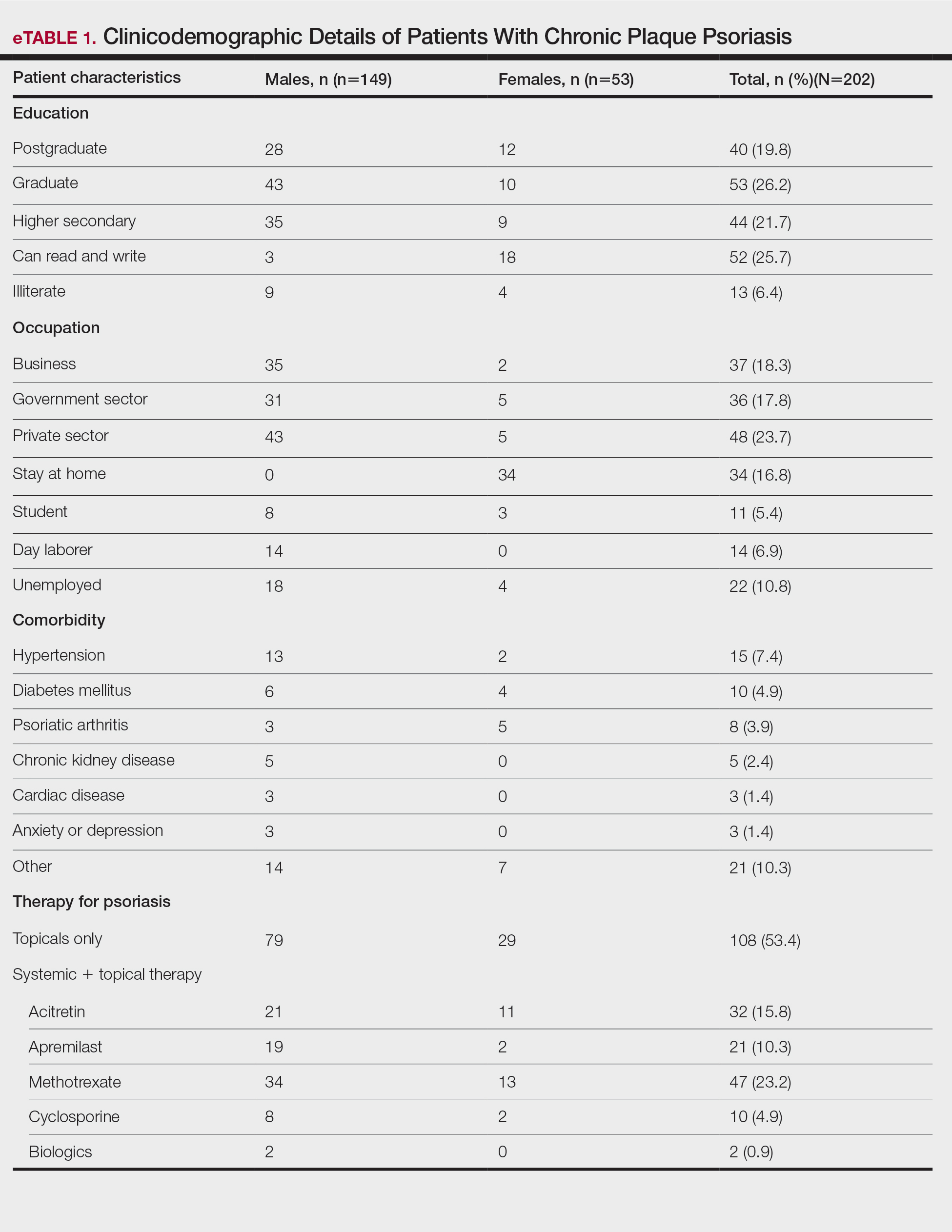
The self-reported psoriasis flare after receiving the COVID-19 vaccine was significantly higher in patients who experienced immediate adverse effects (P=.005), which included fever, myalgia, joint pain, and injection-site reaction. The reported postvaccination psoriasis flare was not significantly associated with patient sex, history of COVID-19 infection, type of vaccine received, comorbidities, or therapy for psoriasis (eTable 2).

Nearly 30% of our patients reported a postvaccination psoriasis flare, which was more common after the first vaccine dose. Sotiriou et al7 reported 14 cases of psoriasis flare in patients after receiving Pfizer-BioNTech, Moderna, and AstraZeneca COVID-19 vaccines. These patients experienced an exacerbation of disease soon after the second dose of vaccine (mean [SD], 10.36 [7.71] days), and 21% of the 713 enrolled patients wanted to forego the immunization due to concern of a postvaccination psoriasis flare.7 In another report, 14 (27%) patients developed a psoriasis flare after COVID-19 vaccination; the mean (SD) flare onset was 9.3 (4.3) days after vaccination.9
Data on the safety of the COVID-19 vaccine in patients using immunosuppressive drugs are limited. We did not find a significant association between the psoriasis flare and use of immunosuppressive drugs or type of vaccine received. Huang and Tsai9 observed similar results, with no association between psoriasis flare and use of immunosuppressive drugs or biologics, while Damiani et al10 demonstrated a protective role of biologics in preventing vaccine-induced psoriasis flare.
Similar to another study from India,11 the immediate adverse effects due to immunization with Covaxin and Covishield were mild in our study and resolved within a week. The incidence of psoriasis flare was significantly higher in patients who reported adverse effects (P=.005). Activation of immune response after vaccination leads to the release of proinflammatory and pyrogenic cytokines (ie, IL-1, IL-6, TNF-α), which may explain the higher incidence of psoriasis flare in patients experiencing adverse effects to vaccination.12
Our study showed approximately 30% of patients developed a psoriasis flare after COVID-19 vaccination, with no patients experiencing any vaccine-related serious adverse events, which suggests that Covaxin and Covishield are safe for patients with psoriasis in India. Limitations of our study include potential inaccuracy of the patient’s self-assessment of symptoms and disease flare, recall bias that may lead to errors in estimating patient-reported outcomes, the flare of psoriasis potentially being a part of disease fluctuation, and flare being enhanced by the psychological stress of vaccination.
Considering a high risk for severe COVID-19 infection in patients with psoriasis with comorbidities and those using immunosuppressive drugs, Covaxin and Covishield can be safely recommended in India. However, caution needs to be exercised when vaccinating patients with an unstable disease or severe psoriasis.
- COVID-19 coronavirus pandemic: weekly trends. Worldometer. Accessed August 21, 2023. https://www.worldometers.info/coronavirus/
- National COVID-19 vaccination programme meets its goals by overcoming R&D and logistical challenges, says economic survey 2022-23. Government of India Press Information Bureau website. Published January 31, 2023. Accessed August 24, 2023. https://pib.gov.in/PressReleasePage.aspx?PRID=1894907
- Ministry of Health and Family Welfare. CoWIN. Accessed August 21, 2023. https://www.cowin.gov.in/
- Griffiths CEM, Armstrong AW, Gudjonsson JE, et al. Psoriasis. Lancet. 2021;397:1301-1315.
- Wu D, Yang XO. TH17 responses in cytokine storm of COVID-19: anemerging target of JAK2 inhibitor fedratinib. J Microbiol Immunol Infect. 2020;53:368-370.
- International Psoriasis Council. Revised IPC statement on COVID-19. Published December 19, 2022. Accessed August 24, 2023. https://psoriasiscouncil.org/covid-19/revised-statement-covid-19/
- Sotiriou E, Tsentemeidou A, Bakirtzi K, et al. Psoriasis exacerbation after COVID-19 vaccination: a report of 14 cases from a single centre. J Eur Acad Dermatol Venereol. 2021;35:E857-E859.
- Kaul R. India clears 2 vaccines for kids under 12 years. Hindustan Times. Published April 27, 2022. Accessed August 24, 2023. https://www.hindustantimes.com/india-news/india-clears-2-vaccines-for-kids-under-12-years-101650998027336.html
- Huang YW, Tsai TF. Exacerbation of psoriasis following COVID-19 vaccination: report from a single center. Front Med (Lausanne). 2021;8:812010.
- Damiani G, Allocco F, Young Dermatologists Italian Network, et al. COVID-19 vaccination and patients with psoriasis under biologics: real-life evidence on safety and effectiveness from Italian vaccinated healthcare workers. Clin Exp Dermatol. 2021;460:1106-1108.
- Joshi RK, Muralidharan CG, Gulati DS, et al. Higher incidence of reported adverse events following immunisation (AEFI) after first dose of COVID-19 vaccine among previously infected health care workers. Med J Armed Forces India. 2021;77(suppl 2):S505-S507.
- Hervé C, Laupèze B, Del Giudice G, et al. The how’s and what’s of vaccine reactogenicity. NPJ Vaccines. 2019;4:39.
To the Editor:
COVID-19 infection has resulted in 6.9 million deaths worldwide. India has the third highest mortality from COVID-19 infection after the United States and Brazil.1 Vaccination plays a crucial role in containing COVID-19 infection and reducing its severity. At present, 11 vaccines have been approved by the World Health Organization. India started its vaccination program on January 16, 2021, with approval for use of Covaxin (Bharat Biotech) and Covishield (Oxford/AstraZeneca formulation)(Serum Institute of India). More than 2 billion doses have been administered since then.2,3
Patients with psoriasis are prone to develop a severe form of COVID-19 due to comorbidities and the intake of immunosuppressive drugs.4 These patients often are hesitant to receive the vaccine without an expert opinion. COVID-19 vaccines are considered to increase tumor necrosis factor α (TNF-α) and IFN-γ production by CD4+ T cells. Tumor necrosis factor α is a key proinflammatory cytokine implicated in the pathogenesis of psoriasis. COVID-19 messenger RNA vaccines induce elevation of IL-6 and helper T cells (TH17), which can induce a flare of psoriasis in a subset of patients.5The International Psoriasis Council recommends that patients with psoriasis receive one of the vaccines approved to prevent COVID-19 infection as soon as possible.6 Reports of new-onset psoriasis and flare of psoriasis after the use of COVID-19 vaccines, such as those manufactured by Pfizer-BioNTech, Moderna, and AstraZeneca, have been published from different parts of the world.7 India used locally developed whole virion inactivated BBV152 (Covaxin) and nonreplicating viral vaccine ChAdOx1 nCoV-19 (Covishield) in its vaccination program and exported them to other developing countries. There is a dearth of data on the safety of these vaccines in patients with psoriasis, which needs to be assessed. Later, Covaxin, ZyCoV-D (DNA plasmid vaccine; Cadila Healthcare), and CorbeVax (protein subunit vaccine; Biological E) were approved for usage in children.8 We conducted a cross-sectional study using the direct interview method.
Patients with psoriasis who attended the outpatient department of the Postgraduate Institute of Medical Education and Research (Chandigarh, India) from April 2022 to June 2022 were invited to participate in the study after written informed consent was received. Patients 18 years and older with chronic plaque psoriasis who had received a COVID-19 vaccine dose in the last 90 days were enrolled. Data on demographics, comorbidities, treatment received for psoriasis, vaccination concerns, history of COVID-19 infection, type of vaccine received with doses, adverse effects, and psoriasis flare after receiving the vaccine (considered up to 2 weeks from the date of vaccination) were collected. Ordinal logistic regression was used to identify factors associated with a psoriasis flare following vaccination. P<.05 was considered statistically significant.
A total of 202 patients with chronic plaque psoriasis who received either Covaxin or Covishield were enrolled during the study period. The mean age (SD) was 40.3 (13.1) years, and 149 (73.8%) patients were male. One hundred thirty-five (66.8%) patients completed 2 doses of the vaccine. eTable 1 provides the clinicodemographic details of the patients. Eighty-three (41.1%) patients had a fear of psoriasis flare after vaccination. Seventy-two (35.6%) patients received the vaccine after clearance from their treating physician/dermatologist. One hundred sixty-four (81.2%) patients received the Covishield vaccine, and 38 (18.8%) patients received Covaxin. Eighty-three (41.1%) patients reported flulike symptoms, such as fever, myalgia, or body pain, within the first week of vaccination. Sixty-one (30.2%) patients reported a psoriasis flare after vaccination in the form of new lesions or worsening of pre-existing lesions. Of these patients, 51 reported a flare after receiving the first dose of vaccine, 8 patients reported a flare after receiving the second dose of vaccine, and 2 patients reported a flare after receiving both doses of vaccine. The mean (SD) flare onset was 8.1 (3.4) days after the vaccination. Eighteen patients considered the flare to be severe. Seventeen (8.4%) patients reported a positive history of COVID-19 infection before vaccination. None of the patients reported breakthrough COVID-19 infection or pustular aggravation of psoriasis following the vaccination.
The self-reported psoriasis flare after receiving the COVID-19 vaccine was significantly higher in patients who experienced immediate adverse effects (P=.005), which included fever, myalgia, joint pain, and injection-site reaction. The reported postvaccination psoriasis flare was not significantly associated with patient sex, history of COVID-19 infection, type of vaccine received, comorbidities, or therapy for psoriasis (eTable 2).
Nearly 30% of our patients reported a postvaccination psoriasis flare, which was more common after the first vaccine dose. Sotiriou et al7 reported 14 cases of psoriasis flare in patients after receiving Pfizer-BioNTech, Moderna, and AstraZeneca COVID-19 vaccines. These patients experienced an exacerbation of disease soon after the second dose of vaccine (mean [SD], 10.36 [7.71] days), and 21% of the 713 enrolled patients wanted to forego the immunization due to concern of a postvaccination psoriasis flare.7 In another report, 14 (27%) patients developed a psoriasis flare after COVID-19 vaccination; the mean (SD) flare onset was 9.3 (4.3) days after vaccination.9
Data on the safety of the COVID-19 vaccine in patients using immunosuppressive drugs are limited. We did not find a significant association between the psoriasis flare and use of immunosuppressive drugs or type of vaccine received. Huang and Tsai9 observed similar results, with no association between psoriasis flare and use of immunosuppressive drugs or biologics, while Damiani et al10 demonstrated a protective role of biologics in preventing vaccine-induced psoriasis flare.
Similar to another study from India,11 the immediate adverse effects due to immunization with Covaxin and Covishield were mild in our study and resolved within a week. The incidence of psoriasis flare was significantly higher in patients who reported adverse effects (P=.005). Activation of immune response after vaccination leads to the release of proinflammatory and pyrogenic cytokines (ie, IL-1, IL-6, TNF-α), which may explain the higher incidence of psoriasis flare in patients experiencing adverse effects to vaccination.12
Our study showed approximately 30% of patients developed a psoriasis flare after COVID-19 vaccination, with no patients experiencing any vaccine-related serious adverse events, which suggests that Covaxin and Covishield are safe for patients with psoriasis in India. Limitations of our study include potential inaccuracy of the patient’s self-assessment of symptoms and disease flare, recall bias that may lead to errors in estimating patient-reported outcomes, the flare of psoriasis potentially being a part of disease fluctuation, and flare being enhanced by the psychological stress of vaccination.
Considering a high risk for severe COVID-19 infection in patients with psoriasis with comorbidities and those using immunosuppressive drugs, Covaxin and Covishield can be safely recommended in India. However, caution needs to be exercised when vaccinating patients with an unstable disease or severe psoriasis.
To the Editor:
COVID-19 infection has resulted in 6.9 million deaths worldwide. India has the third highest mortality from COVID-19 infection after the United States and Brazil.1 Vaccination plays a crucial role in containing COVID-19 infection and reducing its severity. At present, 11 vaccines have been approved by the World Health Organization. India started its vaccination program on January 16, 2021, with approval for use of Covaxin (Bharat Biotech) and Covishield (Oxford/AstraZeneca formulation)(Serum Institute of India). More than 2 billion doses have been administered since then.2,3
Patients with psoriasis are prone to develop a severe form of COVID-19 due to comorbidities and the intake of immunosuppressive drugs.4 These patients often are hesitant to receive the vaccine without an expert opinion. COVID-19 vaccines are considered to increase tumor necrosis factor α (TNF-α) and IFN-γ production by CD4+ T cells. Tumor necrosis factor α is a key proinflammatory cytokine implicated in the pathogenesis of psoriasis. COVID-19 messenger RNA vaccines induce elevation of IL-6 and helper T cells (TH17), which can induce a flare of psoriasis in a subset of patients.5The International Psoriasis Council recommends that patients with psoriasis receive one of the vaccines approved to prevent COVID-19 infection as soon as possible.6 Reports of new-onset psoriasis and flare of psoriasis after the use of COVID-19 vaccines, such as those manufactured by Pfizer-BioNTech, Moderna, and AstraZeneca, have been published from different parts of the world.7 India used locally developed whole virion inactivated BBV152 (Covaxin) and nonreplicating viral vaccine ChAdOx1 nCoV-19 (Covishield) in its vaccination program and exported them to other developing countries. There is a dearth of data on the safety of these vaccines in patients with psoriasis, which needs to be assessed. Later, Covaxin, ZyCoV-D (DNA plasmid vaccine; Cadila Healthcare), and CorbeVax (protein subunit vaccine; Biological E) were approved for usage in children.8 We conducted a cross-sectional study using the direct interview method.
Patients with psoriasis who attended the outpatient department of the Postgraduate Institute of Medical Education and Research (Chandigarh, India) from April 2022 to June 2022 were invited to participate in the study after written informed consent was received. Patients 18 years and older with chronic plaque psoriasis who had received a COVID-19 vaccine dose in the last 90 days were enrolled. Data on demographics, comorbidities, treatment received for psoriasis, vaccination concerns, history of COVID-19 infection, type of vaccine received with doses, adverse effects, and psoriasis flare after receiving the vaccine (considered up to 2 weeks from the date of vaccination) were collected. Ordinal logistic regression was used to identify factors associated with a psoriasis flare following vaccination. P<.05 was considered statistically significant.
A total of 202 patients with chronic plaque psoriasis who received either Covaxin or Covishield were enrolled during the study period. The mean age (SD) was 40.3 (13.1) years, and 149 (73.8%) patients were male. One hundred thirty-five (66.8%) patients completed 2 doses of the vaccine. eTable 1 provides the clinicodemographic details of the patients. Eighty-three (41.1%) patients had a fear of psoriasis flare after vaccination. Seventy-two (35.6%) patients received the vaccine after clearance from their treating physician/dermatologist. One hundred sixty-four (81.2%) patients received the Covishield vaccine, and 38 (18.8%) patients received Covaxin. Eighty-three (41.1%) patients reported flulike symptoms, such as fever, myalgia, or body pain, within the first week of vaccination. Sixty-one (30.2%) patients reported a psoriasis flare after vaccination in the form of new lesions or worsening of pre-existing lesions. Of these patients, 51 reported a flare after receiving the first dose of vaccine, 8 patients reported a flare after receiving the second dose of vaccine, and 2 patients reported a flare after receiving both doses of vaccine. The mean (SD) flare onset was 8.1 (3.4) days after the vaccination. Eighteen patients considered the flare to be severe. Seventeen (8.4%) patients reported a positive history of COVID-19 infection before vaccination. None of the patients reported breakthrough COVID-19 infection or pustular aggravation of psoriasis following the vaccination.
The self-reported psoriasis flare after receiving the COVID-19 vaccine was significantly higher in patients who experienced immediate adverse effects (P=.005), which included fever, myalgia, joint pain, and injection-site reaction. The reported postvaccination psoriasis flare was not significantly associated with patient sex, history of COVID-19 infection, type of vaccine received, comorbidities, or therapy for psoriasis (eTable 2).
Nearly 30% of our patients reported a postvaccination psoriasis flare, which was more common after the first vaccine dose. Sotiriou et al7 reported 14 cases of psoriasis flare in patients after receiving Pfizer-BioNTech, Moderna, and AstraZeneca COVID-19 vaccines. These patients experienced an exacerbation of disease soon after the second dose of vaccine (mean [SD], 10.36 [7.71] days), and 21% of the 713 enrolled patients wanted to forego the immunization due to concern of a postvaccination psoriasis flare.7 In another report, 14 (27%) patients developed a psoriasis flare after COVID-19 vaccination; the mean (SD) flare onset was 9.3 (4.3) days after vaccination.9
Data on the safety of the COVID-19 vaccine in patients using immunosuppressive drugs are limited. We did not find a significant association between the psoriasis flare and use of immunosuppressive drugs or type of vaccine received. Huang and Tsai9 observed similar results, with no association between psoriasis flare and use of immunosuppressive drugs or biologics, while Damiani et al10 demonstrated a protective role of biologics in preventing vaccine-induced psoriasis flare.
Similar to another study from India,11 the immediate adverse effects due to immunization with Covaxin and Covishield were mild in our study and resolved within a week. The incidence of psoriasis flare was significantly higher in patients who reported adverse effects (P=.005). Activation of immune response after vaccination leads to the release of proinflammatory and pyrogenic cytokines (ie, IL-1, IL-6, TNF-α), which may explain the higher incidence of psoriasis flare in patients experiencing adverse effects to vaccination.12
Our study showed approximately 30% of patients developed a psoriasis flare after COVID-19 vaccination, with no patients experiencing any vaccine-related serious adverse events, which suggests that Covaxin and Covishield are safe for patients with psoriasis in India. Limitations of our study include potential inaccuracy of the patient’s self-assessment of symptoms and disease flare, recall bias that may lead to errors in estimating patient-reported outcomes, the flare of psoriasis potentially being a part of disease fluctuation, and flare being enhanced by the psychological stress of vaccination.
Considering a high risk for severe COVID-19 infection in patients with psoriasis with comorbidities and those using immunosuppressive drugs, Covaxin and Covishield can be safely recommended in India. However, caution needs to be exercised when vaccinating patients with an unstable disease or severe psoriasis.
- COVID-19 coronavirus pandemic: weekly trends. Worldometer. Accessed August 21, 2023. https://www.worldometers.info/coronavirus/
- National COVID-19 vaccination programme meets its goals by overcoming R&D and logistical challenges, says economic survey 2022-23. Government of India Press Information Bureau website. Published January 31, 2023. Accessed August 24, 2023. https://pib.gov.in/PressReleasePage.aspx?PRID=1894907
- Ministry of Health and Family Welfare. CoWIN. Accessed August 21, 2023. https://www.cowin.gov.in/
- Griffiths CEM, Armstrong AW, Gudjonsson JE, et al. Psoriasis. Lancet. 2021;397:1301-1315.
- Wu D, Yang XO. TH17 responses in cytokine storm of COVID-19: anemerging target of JAK2 inhibitor fedratinib. J Microbiol Immunol Infect. 2020;53:368-370.
- International Psoriasis Council. Revised IPC statement on COVID-19. Published December 19, 2022. Accessed August 24, 2023. https://psoriasiscouncil.org/covid-19/revised-statement-covid-19/
- Sotiriou E, Tsentemeidou A, Bakirtzi K, et al. Psoriasis exacerbation after COVID-19 vaccination: a report of 14 cases from a single centre. J Eur Acad Dermatol Venereol. 2021;35:E857-E859.
- Kaul R. India clears 2 vaccines for kids under 12 years. Hindustan Times. Published April 27, 2022. Accessed August 24, 2023. https://www.hindustantimes.com/india-news/india-clears-2-vaccines-for-kids-under-12-years-101650998027336.html
- Huang YW, Tsai TF. Exacerbation of psoriasis following COVID-19 vaccination: report from a single center. Front Med (Lausanne). 2021;8:812010.
- Damiani G, Allocco F, Young Dermatologists Italian Network, et al. COVID-19 vaccination and patients with psoriasis under biologics: real-life evidence on safety and effectiveness from Italian vaccinated healthcare workers. Clin Exp Dermatol. 2021;460:1106-1108.
- Joshi RK, Muralidharan CG, Gulati DS, et al. Higher incidence of reported adverse events following immunisation (AEFI) after first dose of COVID-19 vaccine among previously infected health care workers. Med J Armed Forces India. 2021;77(suppl 2):S505-S507.
- Hervé C, Laupèze B, Del Giudice G, et al. The how’s and what’s of vaccine reactogenicity. NPJ Vaccines. 2019;4:39.
- COVID-19 coronavirus pandemic: weekly trends. Worldometer. Accessed August 21, 2023. https://www.worldometers.info/coronavirus/
- National COVID-19 vaccination programme meets its goals by overcoming R&D and logistical challenges, says economic survey 2022-23. Government of India Press Information Bureau website. Published January 31, 2023. Accessed August 24, 2023. https://pib.gov.in/PressReleasePage.aspx?PRID=1894907
- Ministry of Health and Family Welfare. CoWIN. Accessed August 21, 2023. https://www.cowin.gov.in/
- Griffiths CEM, Armstrong AW, Gudjonsson JE, et al. Psoriasis. Lancet. 2021;397:1301-1315.
- Wu D, Yang XO. TH17 responses in cytokine storm of COVID-19: anemerging target of JAK2 inhibitor fedratinib. J Microbiol Immunol Infect. 2020;53:368-370.
- International Psoriasis Council. Revised IPC statement on COVID-19. Published December 19, 2022. Accessed August 24, 2023. https://psoriasiscouncil.org/covid-19/revised-statement-covid-19/
- Sotiriou E, Tsentemeidou A, Bakirtzi K, et al. Psoriasis exacerbation after COVID-19 vaccination: a report of 14 cases from a single centre. J Eur Acad Dermatol Venereol. 2021;35:E857-E859.
- Kaul R. India clears 2 vaccines for kids under 12 years. Hindustan Times. Published April 27, 2022. Accessed August 24, 2023. https://www.hindustantimes.com/india-news/india-clears-2-vaccines-for-kids-under-12-years-101650998027336.html
- Huang YW, Tsai TF. Exacerbation of psoriasis following COVID-19 vaccination: report from a single center. Front Med (Lausanne). 2021;8:812010.
- Damiani G, Allocco F, Young Dermatologists Italian Network, et al. COVID-19 vaccination and patients with psoriasis under biologics: real-life evidence on safety and effectiveness from Italian vaccinated healthcare workers. Clin Exp Dermatol. 2021;460:1106-1108.
- Joshi RK, Muralidharan CG, Gulati DS, et al. Higher incidence of reported adverse events following immunisation (AEFI) after first dose of COVID-19 vaccine among previously infected health care workers. Med J Armed Forces India. 2021;77(suppl 2):S505-S507.
- Hervé C, Laupèze B, Del Giudice G, et al. The how’s and what’s of vaccine reactogenicity. NPJ Vaccines. 2019;4:39.
Practice Points
- Vaccines are known to induce a psoriasis flare.
- Given the high risk for severe COVID infection in individuals with psoriasis who have comorbidities, vaccination with Covaxin and Covishield can be safely recommended in India for this population.
Making one key connection may increase HPV vax uptake
The understanding that human papillomavirus (HPV) causes oropharyngeal squamous cell carcinoma (OPSCC) has been linked with increased likelihood of adults having been vaccinated for HPV, new research indicates.
In a study published online in JAMA Otolaryngology–Head and Neck Surgery, most of the 288 adults surveyed with validated questions were not aware that HPV causes OPSCC and had not been told of the relationship by their health care provider.
Researchers found that when participants knew about the relationship between HPV infection and OPSCC they were more than three times as likely to be vaccinated (odds ratio, 3.7; 95% confidence interval, 1.8-7.6) as those without the knowledge.
The survey was paired with a novel point-of-care adult vaccination program within an otolaryngology clinic.
“Targeted education aimed at unvaccinated adults establishing the relationship between HPV infection and OPSCC, paired with point-of-care vaccination, may be an innovative strategy for increasing HPV vaccination rates in adults,” write the authors, led by Jacob C. Bloom, MD, with the department of otolaryngology–head and neck surgery at Boston Medical Center.
Current HPV vaccination recommendations include three parts:
- Routine vaccination at age 11 or 12 years
- Catch-up vaccination at ages 13-26 years if not adequately vaccinated
- Shared clinical decision-making in adults aged 27-45 years if the vaccine series has not been completed.
Despite proven efficacy and safety of the HPV vaccine, vaccination rates are low for adults. Although 75% of adolescents aged 13-17 years have initiated the HPV vaccine, recent studies show only 16% of U.S. men aged 18-21 years have received at least 1 dose of the HPV vaccine, the authors write.
Christiana Zhang, MD, with the division of internal medicine at Johns Hopkins University in Baltimore, who was not part of the study, said she was not surprised by the lack of knowledge about the HPV-OPSCC link.
Patients are often counseled on the relationship between HPV and genital warts or anogenital cancers like cervical cancer, she says, but there is less patient education surrounding the relationship between HPV and oropharyngeal cancers.
She says she does counsel patients on the link with OPSCC, but not all providers do and provider knowledge in general surrounding HPV is low.
“Research has shown that knowledge and confidence among health care providers surrounding HPV vaccination is generally low, and this corresponds with a low vaccination recommendation rate,” she says.
She adds, “Patient education on HPV infection and its relationship with OPSCC, paired with point-of-care vaccination for qualifying patients, is a great approach.”
But the education needs to go beyond patients, she says.
“Given the important role that health care providers play in vaccine uptake, I think further efforts are needed to educate providers on HPV vaccination as well,” she says.
The study included patients aged 18-45 years who sought routine outpatient care at the otolaryngology clinic at Boston Medical Center from Sept. 1, 2020, to May 19, 2021.
Limitations of this study include studying a population from a single otolaryngology clinic in an urban, academic medical center. The population was more racially and ethnically diverse than the U.S. population with 60.3% identifying as racial and ethnic minorities. Gender and educational levels were also not reflective of U.S. demographics as half (50.8%) of the participants had a college degree or higher and 58.3% were women.
Dr. Bloom reports grants from the American Head and Neck Cancer Society during the conduct of the study. Coauthor Dr. Faden reports personal fees from Merck, Neotic, Focus, BMS, Chrystalis Biomedical Advisors, and Guidepoint; receiving nonfinancial support from BostonGene and Predicine; and receiving grants from Calico outside the submitted work. Dr. Zhang reports no relevant financial relationships.
The understanding that human papillomavirus (HPV) causes oropharyngeal squamous cell carcinoma (OPSCC) has been linked with increased likelihood of adults having been vaccinated for HPV, new research indicates.
In a study published online in JAMA Otolaryngology–Head and Neck Surgery, most of the 288 adults surveyed with validated questions were not aware that HPV causes OPSCC and had not been told of the relationship by their health care provider.
Researchers found that when participants knew about the relationship between HPV infection and OPSCC they were more than three times as likely to be vaccinated (odds ratio, 3.7; 95% confidence interval, 1.8-7.6) as those without the knowledge.
The survey was paired with a novel point-of-care adult vaccination program within an otolaryngology clinic.
“Targeted education aimed at unvaccinated adults establishing the relationship between HPV infection and OPSCC, paired with point-of-care vaccination, may be an innovative strategy for increasing HPV vaccination rates in adults,” write the authors, led by Jacob C. Bloom, MD, with the department of otolaryngology–head and neck surgery at Boston Medical Center.
Current HPV vaccination recommendations include three parts:
- Routine vaccination at age 11 or 12 years
- Catch-up vaccination at ages 13-26 years if not adequately vaccinated
- Shared clinical decision-making in adults aged 27-45 years if the vaccine series has not been completed.
Despite proven efficacy and safety of the HPV vaccine, vaccination rates are low for adults. Although 75% of adolescents aged 13-17 years have initiated the HPV vaccine, recent studies show only 16% of U.S. men aged 18-21 years have received at least 1 dose of the HPV vaccine, the authors write.
Christiana Zhang, MD, with the division of internal medicine at Johns Hopkins University in Baltimore, who was not part of the study, said she was not surprised by the lack of knowledge about the HPV-OPSCC link.
Patients are often counseled on the relationship between HPV and genital warts or anogenital cancers like cervical cancer, she says, but there is less patient education surrounding the relationship between HPV and oropharyngeal cancers.
She says she does counsel patients on the link with OPSCC, but not all providers do and provider knowledge in general surrounding HPV is low.
“Research has shown that knowledge and confidence among health care providers surrounding HPV vaccination is generally low, and this corresponds with a low vaccination recommendation rate,” she says.
She adds, “Patient education on HPV infection and its relationship with OPSCC, paired with point-of-care vaccination for qualifying patients, is a great approach.”
But the education needs to go beyond patients, she says.
“Given the important role that health care providers play in vaccine uptake, I think further efforts are needed to educate providers on HPV vaccination as well,” she says.
The study included patients aged 18-45 years who sought routine outpatient care at the otolaryngology clinic at Boston Medical Center from Sept. 1, 2020, to May 19, 2021.
Limitations of this study include studying a population from a single otolaryngology clinic in an urban, academic medical center. The population was more racially and ethnically diverse than the U.S. population with 60.3% identifying as racial and ethnic minorities. Gender and educational levels were also not reflective of U.S. demographics as half (50.8%) of the participants had a college degree or higher and 58.3% were women.
Dr. Bloom reports grants from the American Head and Neck Cancer Society during the conduct of the study. Coauthor Dr. Faden reports personal fees from Merck, Neotic, Focus, BMS, Chrystalis Biomedical Advisors, and Guidepoint; receiving nonfinancial support from BostonGene and Predicine; and receiving grants from Calico outside the submitted work. Dr. Zhang reports no relevant financial relationships.
The understanding that human papillomavirus (HPV) causes oropharyngeal squamous cell carcinoma (OPSCC) has been linked with increased likelihood of adults having been vaccinated for HPV, new research indicates.
In a study published online in JAMA Otolaryngology–Head and Neck Surgery, most of the 288 adults surveyed with validated questions were not aware that HPV causes OPSCC and had not been told of the relationship by their health care provider.
Researchers found that when participants knew about the relationship between HPV infection and OPSCC they were more than three times as likely to be vaccinated (odds ratio, 3.7; 95% confidence interval, 1.8-7.6) as those without the knowledge.
The survey was paired with a novel point-of-care adult vaccination program within an otolaryngology clinic.
“Targeted education aimed at unvaccinated adults establishing the relationship between HPV infection and OPSCC, paired with point-of-care vaccination, may be an innovative strategy for increasing HPV vaccination rates in adults,” write the authors, led by Jacob C. Bloom, MD, with the department of otolaryngology–head and neck surgery at Boston Medical Center.
Current HPV vaccination recommendations include three parts:
- Routine vaccination at age 11 or 12 years
- Catch-up vaccination at ages 13-26 years if not adequately vaccinated
- Shared clinical decision-making in adults aged 27-45 years if the vaccine series has not been completed.
Despite proven efficacy and safety of the HPV vaccine, vaccination rates are low for adults. Although 75% of adolescents aged 13-17 years have initiated the HPV vaccine, recent studies show only 16% of U.S. men aged 18-21 years have received at least 1 dose of the HPV vaccine, the authors write.
Christiana Zhang, MD, with the division of internal medicine at Johns Hopkins University in Baltimore, who was not part of the study, said she was not surprised by the lack of knowledge about the HPV-OPSCC link.
Patients are often counseled on the relationship between HPV and genital warts or anogenital cancers like cervical cancer, she says, but there is less patient education surrounding the relationship between HPV and oropharyngeal cancers.
She says she does counsel patients on the link with OPSCC, but not all providers do and provider knowledge in general surrounding HPV is low.
“Research has shown that knowledge and confidence among health care providers surrounding HPV vaccination is generally low, and this corresponds with a low vaccination recommendation rate,” she says.
She adds, “Patient education on HPV infection and its relationship with OPSCC, paired with point-of-care vaccination for qualifying patients, is a great approach.”
But the education needs to go beyond patients, she says.
“Given the important role that health care providers play in vaccine uptake, I think further efforts are needed to educate providers on HPV vaccination as well,” she says.
The study included patients aged 18-45 years who sought routine outpatient care at the otolaryngology clinic at Boston Medical Center from Sept. 1, 2020, to May 19, 2021.
Limitations of this study include studying a population from a single otolaryngology clinic in an urban, academic medical center. The population was more racially and ethnically diverse than the U.S. population with 60.3% identifying as racial and ethnic minorities. Gender and educational levels were also not reflective of U.S. demographics as half (50.8%) of the participants had a college degree or higher and 58.3% were women.
Dr. Bloom reports grants from the American Head and Neck Cancer Society during the conduct of the study. Coauthor Dr. Faden reports personal fees from Merck, Neotic, Focus, BMS, Chrystalis Biomedical Advisors, and Guidepoint; receiving nonfinancial support from BostonGene and Predicine; and receiving grants from Calico outside the submitted work. Dr. Zhang reports no relevant financial relationships.
FROM JAMA OTOLARYNGOLOGY–HEAD AND NECK SURGERY
New COVID strain may evade vaccines, alarming health officials
The strain is called BA.2.86 and is of particular concern because of its more than 30 mutations, which means it may behave very differently than previous versions of the virus. That number of mutations is on par with the difference between variants so serious that they were formally named, such as between Delta and Omicron, the CDC explained in the risk assessment issued Aug. 23.
Worldwide, health agencies are issuing a flurry of updates on BA.2.86. The strain only recently landed on the World Health Organization’s radar when it was named a “variant under monitoring” on Aug. 17. The CDC announced the same day that it had been detected in the United States.
Among the characteristics the CDC monitors for are how contagious a strain is, how well it responds to treatment, and how severely it affects people.
“BA.2.86 may be more capable of causing infection in people who have previously had COVID-19 or who have received COVID-19 vaccines,” the CDC risk assessment stated.
The agency is evaluating how well the forthcoming updated vaccine, due out in September, performs against BA.2.86.
A new forecast also released this week by the CDC predicts hospitalizations due to the virus will continue their upward trend through at least mid-September. Currently, about 1,800 people are hospitalized daily with COVID-19. The new prediction shows that number has a small potential to drop as low as 1,100 daily, but it could also increase by as many as 7,500 per day. The most likely scenario lands somewhere in the middle of that range, with daily hospital admissions of between 2,000 and 4,000 people by Sept. 18.
The CDC said there is “no evidence” that BA.2.86 is causing more severe illness but said that could change as more information becomes available. Health experts typically gauge severity by the rate of COVID hospitalizations.
The journal Nature reported that many scientists see similarities between the emergence of BA.2.86 and that of Omicron, which rapidly spread around the world in late 2021.
“There’s a little bit of déjà vu all over again,” University of Michigan virologist Adam Lauring, MD, PhD, whose lab detected one of the first U.S. cases of BA.2.86, told Nature.
Dr. Lauring, as well as the CDC and the WHO, all caution that more data is needed to truly understand the threat posed by BA.2.86.
“There’s good reason to think it won’t be like the Omicron wave, but it’s early days,” Dr. Lauring said.
A version of this article first appeared on Medscape.com.
The strain is called BA.2.86 and is of particular concern because of its more than 30 mutations, which means it may behave very differently than previous versions of the virus. That number of mutations is on par with the difference between variants so serious that they were formally named, such as between Delta and Omicron, the CDC explained in the risk assessment issued Aug. 23.
Worldwide, health agencies are issuing a flurry of updates on BA.2.86. The strain only recently landed on the World Health Organization’s radar when it was named a “variant under monitoring” on Aug. 17. The CDC announced the same day that it had been detected in the United States.
Among the characteristics the CDC monitors for are how contagious a strain is, how well it responds to treatment, and how severely it affects people.
“BA.2.86 may be more capable of causing infection in people who have previously had COVID-19 or who have received COVID-19 vaccines,” the CDC risk assessment stated.
The agency is evaluating how well the forthcoming updated vaccine, due out in September, performs against BA.2.86.
A new forecast also released this week by the CDC predicts hospitalizations due to the virus will continue their upward trend through at least mid-September. Currently, about 1,800 people are hospitalized daily with COVID-19. The new prediction shows that number has a small potential to drop as low as 1,100 daily, but it could also increase by as many as 7,500 per day. The most likely scenario lands somewhere in the middle of that range, with daily hospital admissions of between 2,000 and 4,000 people by Sept. 18.
The CDC said there is “no evidence” that BA.2.86 is causing more severe illness but said that could change as more information becomes available. Health experts typically gauge severity by the rate of COVID hospitalizations.
The journal Nature reported that many scientists see similarities between the emergence of BA.2.86 and that of Omicron, which rapidly spread around the world in late 2021.
“There’s a little bit of déjà vu all over again,” University of Michigan virologist Adam Lauring, MD, PhD, whose lab detected one of the first U.S. cases of BA.2.86, told Nature.
Dr. Lauring, as well as the CDC and the WHO, all caution that more data is needed to truly understand the threat posed by BA.2.86.
“There’s good reason to think it won’t be like the Omicron wave, but it’s early days,” Dr. Lauring said.
A version of this article first appeared on Medscape.com.
The strain is called BA.2.86 and is of particular concern because of its more than 30 mutations, which means it may behave very differently than previous versions of the virus. That number of mutations is on par with the difference between variants so serious that they were formally named, such as between Delta and Omicron, the CDC explained in the risk assessment issued Aug. 23.
Worldwide, health agencies are issuing a flurry of updates on BA.2.86. The strain only recently landed on the World Health Organization’s radar when it was named a “variant under monitoring” on Aug. 17. The CDC announced the same day that it had been detected in the United States.
Among the characteristics the CDC monitors for are how contagious a strain is, how well it responds to treatment, and how severely it affects people.
“BA.2.86 may be more capable of causing infection in people who have previously had COVID-19 or who have received COVID-19 vaccines,” the CDC risk assessment stated.
The agency is evaluating how well the forthcoming updated vaccine, due out in September, performs against BA.2.86.
A new forecast also released this week by the CDC predicts hospitalizations due to the virus will continue their upward trend through at least mid-September. Currently, about 1,800 people are hospitalized daily with COVID-19. The new prediction shows that number has a small potential to drop as low as 1,100 daily, but it could also increase by as many as 7,500 per day. The most likely scenario lands somewhere in the middle of that range, with daily hospital admissions of between 2,000 and 4,000 people by Sept. 18.
The CDC said there is “no evidence” that BA.2.86 is causing more severe illness but said that could change as more information becomes available. Health experts typically gauge severity by the rate of COVID hospitalizations.
The journal Nature reported that many scientists see similarities between the emergence of BA.2.86 and that of Omicron, which rapidly spread around the world in late 2021.
“There’s a little bit of déjà vu all over again,” University of Michigan virologist Adam Lauring, MD, PhD, whose lab detected one of the first U.S. cases of BA.2.86, told Nature.
Dr. Lauring, as well as the CDC and the WHO, all caution that more data is needed to truly understand the threat posed by BA.2.86.
“There’s good reason to think it won’t be like the Omicron wave, but it’s early days,” Dr. Lauring said.
A version of this article first appeared on Medscape.com.
COVID vax: Primary care back at forefront of care delivery
With COVID-19 hospitalizations up by 22% and deaths up by 8% as of Aug. 12, primary care clinicians are readying to distribute the new COVID-19 booster that is expected to arrive in September.
David Cutler, MD, is hoping to vaccinate as many of his patients who want the shots. He and other primary care clinicians are finally back in the business of prevention after being sidelined during the pandemic.
Most primary care clinicians weren’t provided with the vaccine through the height of the pandemic, when federal officials instead focused their efforts on vaccine distribution through hospital systems and retail pharmacies. The consequence, primary care clinicians say, is that they have no records for patients who need the vaccine; they cannot send patients reminders; and they have no idea if an at-risk patient is ready for a booster.
“The role of primary care is educating people about COVID-19, testing for COVID-19 and other infections, providing access to vaccines and treatment, and sustaining our health care system to provide care, fight disease, and save lives,” said Dr. Cutler, a family physician at Providence Saint John’s Health Center in Santa Monica, Calif.
A study published in Health Affairs confirmed that primary care practices were not included in the federal vaccine strategy. The researchers found that by the end of 2021, 43.1% of 2,000 primary care practices had no records of COVID-19 vaccinations for patients. More than 90% had records for historically routine immunizations, such as influenza and shingles.
“I do believe if PCPs had earlier access to the vaccine, we could have done a better job vaccinating more people,” said Ann Greiner, MCP, president and chief executive officer of the Primary Care Collaborative, a nonprofit organization. “We need to make sure they’re back in that seat, providing the lion’s share of those vaccines.”
The roadblocks to vaccines
More than 20,000 primary care clinicians applied to distribute vaccines to patients as of April 2021, according to the Centers for Disease Control and Prevention. A quarter of those received the shots. Fewer than 5% of all vaccine doses were provided to primary care offices during that early stage of rollout.
Natasha Beauvais, MD, MPH, a family physician at Northern Virginia Family Practice in Alexandria, Va., said trying to vaccinate patients back then was a herculean task.
“We were desperate to get the vaccine, like many practices,” Dr. Beauvais said.
It was only by chance – through one of the physician’s work connections – that they got in touch with the city’s health department to request a supply of immunizations.
The requirements for becoming a vaccine provider were stringent: Dr. Beauvais had to show that her practice could appropriately refrigerate or freeze doses at much colder temperatures than most immunizations, monitor the storage unit at all times, and accurately record and schedule every dose. What’s more, most primary care practices lacked the bandwidth to conduct mass vaccinations like larger medical systems.
Robert L. Phillips Jr., MD, MSPH, founding executive director at the American Board of Family Medicine Foundation, said that the decision to sideline primary care practices, along with a poor records system, left clinicians struggling to leverage relationships with patients to boost rates of vaccination.
“Primary care is where most people have trusted health relationships, and it should be more than a footnote in the nation’s epidemic response plans,” said Dr. Phillips, a corresponding author of the Health Affairs study.
The exclusion of primary care has deep roots: These clinicians were mentioned as a footnote in the CDC’s 2017 Pandemic Influenza Plan, according to Dr. Phillips.
“There’s no one in the federal government who wakes up in the morning thinking of primary care,” Dr. Phillips said. “It’s not the only reason the numbers were down, but a big reason.”
Other countries, including Australia, utilized the specialty for vaccine distribution. A 2022 article in Australian Health Review noted that the success of Australia’s COVID-19 vaccine rollout came down to the involvement of primary care.
Dr. Cutler said his clinic also did as much as they could during the early pandemic – from keeping their urgent care clinic open to providing COVID-19 antibody testing and infusions. His practice was able to start vaccinating patients in March 2021, and by that summer, the office had provided the immunization to 4,000 patients. Dr. Cutler was also able to address any health problems these patients reported during their vaccination visit.
“A vaccine is not just a vaccine: It’s an opportunity to have a conversation between a primary care physician and a patient about other health issues, and it encultures people to get important preventive care,” Ms. Greiner said.
The Health Affairs study was supported by the CDC.
A version of this article first appeared on Medscape.com.
With COVID-19 hospitalizations up by 22% and deaths up by 8% as of Aug. 12, primary care clinicians are readying to distribute the new COVID-19 booster that is expected to arrive in September.
David Cutler, MD, is hoping to vaccinate as many of his patients who want the shots. He and other primary care clinicians are finally back in the business of prevention after being sidelined during the pandemic.
Most primary care clinicians weren’t provided with the vaccine through the height of the pandemic, when federal officials instead focused their efforts on vaccine distribution through hospital systems and retail pharmacies. The consequence, primary care clinicians say, is that they have no records for patients who need the vaccine; they cannot send patients reminders; and they have no idea if an at-risk patient is ready for a booster.
“The role of primary care is educating people about COVID-19, testing for COVID-19 and other infections, providing access to vaccines and treatment, and sustaining our health care system to provide care, fight disease, and save lives,” said Dr. Cutler, a family physician at Providence Saint John’s Health Center in Santa Monica, Calif.
A study published in Health Affairs confirmed that primary care practices were not included in the federal vaccine strategy. The researchers found that by the end of 2021, 43.1% of 2,000 primary care practices had no records of COVID-19 vaccinations for patients. More than 90% had records for historically routine immunizations, such as influenza and shingles.
“I do believe if PCPs had earlier access to the vaccine, we could have done a better job vaccinating more people,” said Ann Greiner, MCP, president and chief executive officer of the Primary Care Collaborative, a nonprofit organization. “We need to make sure they’re back in that seat, providing the lion’s share of those vaccines.”
The roadblocks to vaccines
More than 20,000 primary care clinicians applied to distribute vaccines to patients as of April 2021, according to the Centers for Disease Control and Prevention. A quarter of those received the shots. Fewer than 5% of all vaccine doses were provided to primary care offices during that early stage of rollout.
Natasha Beauvais, MD, MPH, a family physician at Northern Virginia Family Practice in Alexandria, Va., said trying to vaccinate patients back then was a herculean task.
“We were desperate to get the vaccine, like many practices,” Dr. Beauvais said.
It was only by chance – through one of the physician’s work connections – that they got in touch with the city’s health department to request a supply of immunizations.
The requirements for becoming a vaccine provider were stringent: Dr. Beauvais had to show that her practice could appropriately refrigerate or freeze doses at much colder temperatures than most immunizations, monitor the storage unit at all times, and accurately record and schedule every dose. What’s more, most primary care practices lacked the bandwidth to conduct mass vaccinations like larger medical systems.
Robert L. Phillips Jr., MD, MSPH, founding executive director at the American Board of Family Medicine Foundation, said that the decision to sideline primary care practices, along with a poor records system, left clinicians struggling to leverage relationships with patients to boost rates of vaccination.
“Primary care is where most people have trusted health relationships, and it should be more than a footnote in the nation’s epidemic response plans,” said Dr. Phillips, a corresponding author of the Health Affairs study.
The exclusion of primary care has deep roots: These clinicians were mentioned as a footnote in the CDC’s 2017 Pandemic Influenza Plan, according to Dr. Phillips.
“There’s no one in the federal government who wakes up in the morning thinking of primary care,” Dr. Phillips said. “It’s not the only reason the numbers were down, but a big reason.”
Other countries, including Australia, utilized the specialty for vaccine distribution. A 2022 article in Australian Health Review noted that the success of Australia’s COVID-19 vaccine rollout came down to the involvement of primary care.
Dr. Cutler said his clinic also did as much as they could during the early pandemic – from keeping their urgent care clinic open to providing COVID-19 antibody testing and infusions. His practice was able to start vaccinating patients in March 2021, and by that summer, the office had provided the immunization to 4,000 patients. Dr. Cutler was also able to address any health problems these patients reported during their vaccination visit.
“A vaccine is not just a vaccine: It’s an opportunity to have a conversation between a primary care physician and a patient about other health issues, and it encultures people to get important preventive care,” Ms. Greiner said.
The Health Affairs study was supported by the CDC.
A version of this article first appeared on Medscape.com.
With COVID-19 hospitalizations up by 22% and deaths up by 8% as of Aug. 12, primary care clinicians are readying to distribute the new COVID-19 booster that is expected to arrive in September.
David Cutler, MD, is hoping to vaccinate as many of his patients who want the shots. He and other primary care clinicians are finally back in the business of prevention after being sidelined during the pandemic.
Most primary care clinicians weren’t provided with the vaccine through the height of the pandemic, when federal officials instead focused their efforts on vaccine distribution through hospital systems and retail pharmacies. The consequence, primary care clinicians say, is that they have no records for patients who need the vaccine; they cannot send patients reminders; and they have no idea if an at-risk patient is ready for a booster.
“The role of primary care is educating people about COVID-19, testing for COVID-19 and other infections, providing access to vaccines and treatment, and sustaining our health care system to provide care, fight disease, and save lives,” said Dr. Cutler, a family physician at Providence Saint John’s Health Center in Santa Monica, Calif.
A study published in Health Affairs confirmed that primary care practices were not included in the federal vaccine strategy. The researchers found that by the end of 2021, 43.1% of 2,000 primary care practices had no records of COVID-19 vaccinations for patients. More than 90% had records for historically routine immunizations, such as influenza and shingles.
“I do believe if PCPs had earlier access to the vaccine, we could have done a better job vaccinating more people,” said Ann Greiner, MCP, president and chief executive officer of the Primary Care Collaborative, a nonprofit organization. “We need to make sure they’re back in that seat, providing the lion’s share of those vaccines.”
The roadblocks to vaccines
More than 20,000 primary care clinicians applied to distribute vaccines to patients as of April 2021, according to the Centers for Disease Control and Prevention. A quarter of those received the shots. Fewer than 5% of all vaccine doses were provided to primary care offices during that early stage of rollout.
Natasha Beauvais, MD, MPH, a family physician at Northern Virginia Family Practice in Alexandria, Va., said trying to vaccinate patients back then was a herculean task.
“We were desperate to get the vaccine, like many practices,” Dr. Beauvais said.
It was only by chance – through one of the physician’s work connections – that they got in touch with the city’s health department to request a supply of immunizations.
The requirements for becoming a vaccine provider were stringent: Dr. Beauvais had to show that her practice could appropriately refrigerate or freeze doses at much colder temperatures than most immunizations, monitor the storage unit at all times, and accurately record and schedule every dose. What’s more, most primary care practices lacked the bandwidth to conduct mass vaccinations like larger medical systems.
Robert L. Phillips Jr., MD, MSPH, founding executive director at the American Board of Family Medicine Foundation, said that the decision to sideline primary care practices, along with a poor records system, left clinicians struggling to leverage relationships with patients to boost rates of vaccination.
“Primary care is where most people have trusted health relationships, and it should be more than a footnote in the nation’s epidemic response plans,” said Dr. Phillips, a corresponding author of the Health Affairs study.
The exclusion of primary care has deep roots: These clinicians were mentioned as a footnote in the CDC’s 2017 Pandemic Influenza Plan, according to Dr. Phillips.
“There’s no one in the federal government who wakes up in the morning thinking of primary care,” Dr. Phillips said. “It’s not the only reason the numbers were down, but a big reason.”
Other countries, including Australia, utilized the specialty for vaccine distribution. A 2022 article in Australian Health Review noted that the success of Australia’s COVID-19 vaccine rollout came down to the involvement of primary care.
Dr. Cutler said his clinic also did as much as they could during the early pandemic – from keeping their urgent care clinic open to providing COVID-19 antibody testing and infusions. His practice was able to start vaccinating patients in March 2021, and by that summer, the office had provided the immunization to 4,000 patients. Dr. Cutler was also able to address any health problems these patients reported during their vaccination visit.
“A vaccine is not just a vaccine: It’s an opportunity to have a conversation between a primary care physician and a patient about other health issues, and it encultures people to get important preventive care,” Ms. Greiner said.
The Health Affairs study was supported by the CDC.
A version of this article first appeared on Medscape.com.
Getting COVID shots in same arm may be more effective, study says
Scientists in Germany looked at health data for 303 people who got the mRNA vaccine and then a booster shot. Their antibody levels were measured two weeks after the second shot. None of the people had had COVID before the vaccinations.
Scientists found that the number of protective “killer T cells” was higher in the 147 study participants who got both shots in the same arm, said the study published in EBioMedicine.
The killer cells were found in 67% of cases in which both shots went into the same arm, compared with 43% of cases with different arms.
“That may suggest that that ipsilateral vaccination (in the same arm) is more likely to provide better protection should the vaccinated person become infected with the SARS-CoV-2 virus,” Laura Ziegler, a doctoral student at Saarland University, Germany, said in a news release.
William Schaffner, MD, a professor in the Division of Infectious Diseases at Vanderbilt University Medical Center, Nashville, Tenn., told CBS News that same-arm vaccinations may work better because the cells that provide the immune response are in local lymph nodes.
There’s greater immunological response if the immune cells in the lymph nodes are restimulated in the same place, said Dr. Schaffner, who was not involved in the German study.
The scientists from Saarland University said more research is needed before they can be certain that having vaccinations in the same arm is actually more effective for COVID shots and sequential vaccinations against diseases such as the flu.
A version of this article first appeared on Medscape.com.
Scientists in Germany looked at health data for 303 people who got the mRNA vaccine and then a booster shot. Their antibody levels were measured two weeks after the second shot. None of the people had had COVID before the vaccinations.
Scientists found that the number of protective “killer T cells” was higher in the 147 study participants who got both shots in the same arm, said the study published in EBioMedicine.
The killer cells were found in 67% of cases in which both shots went into the same arm, compared with 43% of cases with different arms.
“That may suggest that that ipsilateral vaccination (in the same arm) is more likely to provide better protection should the vaccinated person become infected with the SARS-CoV-2 virus,” Laura Ziegler, a doctoral student at Saarland University, Germany, said in a news release.
William Schaffner, MD, a professor in the Division of Infectious Diseases at Vanderbilt University Medical Center, Nashville, Tenn., told CBS News that same-arm vaccinations may work better because the cells that provide the immune response are in local lymph nodes.
There’s greater immunological response if the immune cells in the lymph nodes are restimulated in the same place, said Dr. Schaffner, who was not involved in the German study.
The scientists from Saarland University said more research is needed before they can be certain that having vaccinations in the same arm is actually more effective for COVID shots and sequential vaccinations against diseases such as the flu.
A version of this article first appeared on Medscape.com.
Scientists in Germany looked at health data for 303 people who got the mRNA vaccine and then a booster shot. Their antibody levels were measured two weeks after the second shot. None of the people had had COVID before the vaccinations.
Scientists found that the number of protective “killer T cells” was higher in the 147 study participants who got both shots in the same arm, said the study published in EBioMedicine.
The killer cells were found in 67% of cases in which both shots went into the same arm, compared with 43% of cases with different arms.
“That may suggest that that ipsilateral vaccination (in the same arm) is more likely to provide better protection should the vaccinated person become infected with the SARS-CoV-2 virus,” Laura Ziegler, a doctoral student at Saarland University, Germany, said in a news release.
William Schaffner, MD, a professor in the Division of Infectious Diseases at Vanderbilt University Medical Center, Nashville, Tenn., told CBS News that same-arm vaccinations may work better because the cells that provide the immune response are in local lymph nodes.
There’s greater immunological response if the immune cells in the lymph nodes are restimulated in the same place, said Dr. Schaffner, who was not involved in the German study.
The scientists from Saarland University said more research is needed before they can be certain that having vaccinations in the same arm is actually more effective for COVID shots and sequential vaccinations against diseases such as the flu.
A version of this article first appeared on Medscape.com.
FROM EBIOMEDICINE
FDA approves first RSV vaccine for pregnancy
The vaccine, known as Abrysvo, can be given between weeks 32 and 36 of pregnancy and is designed to protect infants from the virus from birth to 6 months of age.
Administered as a single-dose, intramuscular injection, the FDA approved Abrysvo at the end of May for the prevention of lower respiratory tract illness caused by RSV in people aged 60 years and older.
However, “RSV is a common cause of illness in children, and infants are among those at highest risk for severe disease, which can lead to hospitalization,” Peter Marks, MD, PhD, director of the FDA’s Center for Biologics Evaluation and Research, pointed out in a news release. “This approval provides an option for health care providers and pregnant individuals to protect infants from this potentially life-threatening disease.”
Most children are infected with the contagious virus at least once by the time they reach age 2 years. Very young children are at particular risk of severe complications, such as pneumonia or bronchitis, and in clinical trials, the new vaccine reduced that risk by up to 82%.
Before the vaccine became available, up to 3% of infants infected with RSV needed to be hospitalized, according to the Centers for Disease Control and Prevention. In the hospital, treatment typically includes oxygen, intravenous fluids, and mechanical ventilation.
RSV often causes common cold symptoms, but the virus poses the risk of severe complications that can lead to death among young children and older people. The CDC estimates 100-300 deaths of children younger than 5 years and 6,000-10,000 deaths of people aged 65 years and older are linked to RSV annually.
This is also the first year that an antibody shot is available to be given after birth to prevent severe RSV in infants younger than 1 year.
In its approval announcement, the FDA pointed out that preeclampsia occurred in 1.8% of pregnancies after Abrysvo, compared with 1.4% of those who received placebo. The FDA also reported that, in infants, low birth weight and jaundice occurred at a higher rate among the pregnant Abrysvo recipients, compared with the placebo group.
Studies have also shown that pregnant vaccine recipients experienced preterm birth at a rate of 5.7%, compared with a rate of 4.7% among those who received placebo. The FDA called the difference “a numerical imbalance” but said in the approval announcement that a “causal relationship” could not be established.
The FDA also noted that people already at high risk of preterm birth were excluded from clinical trials and that Pfizer must conduct ongoing studies to monitor the risk of preeclampsia as well as preterm birth.
A version of this article first appeared on Medscape.com.
The vaccine, known as Abrysvo, can be given between weeks 32 and 36 of pregnancy and is designed to protect infants from the virus from birth to 6 months of age.
Administered as a single-dose, intramuscular injection, the FDA approved Abrysvo at the end of May for the prevention of lower respiratory tract illness caused by RSV in people aged 60 years and older.
However, “RSV is a common cause of illness in children, and infants are among those at highest risk for severe disease, which can lead to hospitalization,” Peter Marks, MD, PhD, director of the FDA’s Center for Biologics Evaluation and Research, pointed out in a news release. “This approval provides an option for health care providers and pregnant individuals to protect infants from this potentially life-threatening disease.”
Most children are infected with the contagious virus at least once by the time they reach age 2 years. Very young children are at particular risk of severe complications, such as pneumonia or bronchitis, and in clinical trials, the new vaccine reduced that risk by up to 82%.
Before the vaccine became available, up to 3% of infants infected with RSV needed to be hospitalized, according to the Centers for Disease Control and Prevention. In the hospital, treatment typically includes oxygen, intravenous fluids, and mechanical ventilation.
RSV often causes common cold symptoms, but the virus poses the risk of severe complications that can lead to death among young children and older people. The CDC estimates 100-300 deaths of children younger than 5 years and 6,000-10,000 deaths of people aged 65 years and older are linked to RSV annually.
This is also the first year that an antibody shot is available to be given after birth to prevent severe RSV in infants younger than 1 year.
In its approval announcement, the FDA pointed out that preeclampsia occurred in 1.8% of pregnancies after Abrysvo, compared with 1.4% of those who received placebo. The FDA also reported that, in infants, low birth weight and jaundice occurred at a higher rate among the pregnant Abrysvo recipients, compared with the placebo group.
Studies have also shown that pregnant vaccine recipients experienced preterm birth at a rate of 5.7%, compared with a rate of 4.7% among those who received placebo. The FDA called the difference “a numerical imbalance” but said in the approval announcement that a “causal relationship” could not be established.
The FDA also noted that people already at high risk of preterm birth were excluded from clinical trials and that Pfizer must conduct ongoing studies to monitor the risk of preeclampsia as well as preterm birth.
A version of this article first appeared on Medscape.com.
The vaccine, known as Abrysvo, can be given between weeks 32 and 36 of pregnancy and is designed to protect infants from the virus from birth to 6 months of age.
Administered as a single-dose, intramuscular injection, the FDA approved Abrysvo at the end of May for the prevention of lower respiratory tract illness caused by RSV in people aged 60 years and older.
However, “RSV is a common cause of illness in children, and infants are among those at highest risk for severe disease, which can lead to hospitalization,” Peter Marks, MD, PhD, director of the FDA’s Center for Biologics Evaluation and Research, pointed out in a news release. “This approval provides an option for health care providers and pregnant individuals to protect infants from this potentially life-threatening disease.”
Most children are infected with the contagious virus at least once by the time they reach age 2 years. Very young children are at particular risk of severe complications, such as pneumonia or bronchitis, and in clinical trials, the new vaccine reduced that risk by up to 82%.
Before the vaccine became available, up to 3% of infants infected with RSV needed to be hospitalized, according to the Centers for Disease Control and Prevention. In the hospital, treatment typically includes oxygen, intravenous fluids, and mechanical ventilation.
RSV often causes common cold symptoms, but the virus poses the risk of severe complications that can lead to death among young children and older people. The CDC estimates 100-300 deaths of children younger than 5 years and 6,000-10,000 deaths of people aged 65 years and older are linked to RSV annually.
This is also the first year that an antibody shot is available to be given after birth to prevent severe RSV in infants younger than 1 year.
In its approval announcement, the FDA pointed out that preeclampsia occurred in 1.8% of pregnancies after Abrysvo, compared with 1.4% of those who received placebo. The FDA also reported that, in infants, low birth weight and jaundice occurred at a higher rate among the pregnant Abrysvo recipients, compared with the placebo group.
Studies have also shown that pregnant vaccine recipients experienced preterm birth at a rate of 5.7%, compared with a rate of 4.7% among those who received placebo. The FDA called the difference “a numerical imbalance” but said in the approval announcement that a “causal relationship” could not be established.
The FDA also noted that people already at high risk of preterm birth were excluded from clinical trials and that Pfizer must conduct ongoing studies to monitor the risk of preeclampsia as well as preterm birth.
A version of this article first appeared on Medscape.com.
CDC tracking new COVID strain
On Aug. 17, the agency posted on X, formerly known as Twitter, that the lineage has been detected in the United States, Denmark, and Israel.
“As we learn more about BA.2.86, CDC’s advice on protecting yourself from COVID-19 remains the same,” the CDC said on X.
A case of BA.2.86 was detected at a laboratory at the University of Michigan, CBS News reported. It’s not clear how the university obtained the sample that was sequenced. A case was also detected in the United Kingdom, the news outlet said.
The World Health Organization is also tracking BA.2.86 and has classified it as a “variant under monitoring.”
“More data are needed to understand this COVID-19 variant and the extent of its spread, but the number of mutations warrants attention. WHO will update countries and the public as we learn more,” the WHO said on X.
The strain is so new that scientists don’t know if BA.2.86 is more easily spread, causes more severe symptoms than existing strains, or will be more resistant to vaccines and natural immunity developed over the last few years.
Early research indicates BA.2.86 “will have equal or greater escape than XBB.1.5 from antibodies elicited by pre-Omicron and first-generation Omicron variants,” Jesse Bloom, PhD, a virologist at the Fred Hutchinson Cancer Center, said in a slide deck published Aug. 17. (XBB.1.5 is the Omicron subvariant that is targeted in the updated COVID booster shot to be released soon.)
Still, Dr. Bloom noted that “even if a highly mutated new variant like BA.2.86 starts to spread, we will be in a far better place than we were in 2020 and 2021, since most people have some immunity to SARS-CoV-2 now.”
A version of this article first appeared on WebMD.com.
On Aug. 17, the agency posted on X, formerly known as Twitter, that the lineage has been detected in the United States, Denmark, and Israel.
“As we learn more about BA.2.86, CDC’s advice on protecting yourself from COVID-19 remains the same,” the CDC said on X.
A case of BA.2.86 was detected at a laboratory at the University of Michigan, CBS News reported. It’s not clear how the university obtained the sample that was sequenced. A case was also detected in the United Kingdom, the news outlet said.
The World Health Organization is also tracking BA.2.86 and has classified it as a “variant under monitoring.”
“More data are needed to understand this COVID-19 variant and the extent of its spread, but the number of mutations warrants attention. WHO will update countries and the public as we learn more,” the WHO said on X.
The strain is so new that scientists don’t know if BA.2.86 is more easily spread, causes more severe symptoms than existing strains, or will be more resistant to vaccines and natural immunity developed over the last few years.
Early research indicates BA.2.86 “will have equal or greater escape than XBB.1.5 from antibodies elicited by pre-Omicron and first-generation Omicron variants,” Jesse Bloom, PhD, a virologist at the Fred Hutchinson Cancer Center, said in a slide deck published Aug. 17. (XBB.1.5 is the Omicron subvariant that is targeted in the updated COVID booster shot to be released soon.)
Still, Dr. Bloom noted that “even if a highly mutated new variant like BA.2.86 starts to spread, we will be in a far better place than we were in 2020 and 2021, since most people have some immunity to SARS-CoV-2 now.”
A version of this article first appeared on WebMD.com.
On Aug. 17, the agency posted on X, formerly known as Twitter, that the lineage has been detected in the United States, Denmark, and Israel.
“As we learn more about BA.2.86, CDC’s advice on protecting yourself from COVID-19 remains the same,” the CDC said on X.
A case of BA.2.86 was detected at a laboratory at the University of Michigan, CBS News reported. It’s not clear how the university obtained the sample that was sequenced. A case was also detected in the United Kingdom, the news outlet said.
The World Health Organization is also tracking BA.2.86 and has classified it as a “variant under monitoring.”
“More data are needed to understand this COVID-19 variant and the extent of its spread, but the number of mutations warrants attention. WHO will update countries and the public as we learn more,” the WHO said on X.
The strain is so new that scientists don’t know if BA.2.86 is more easily spread, causes more severe symptoms than existing strains, or will be more resistant to vaccines and natural immunity developed over the last few years.
Early research indicates BA.2.86 “will have equal or greater escape than XBB.1.5 from antibodies elicited by pre-Omicron and first-generation Omicron variants,” Jesse Bloom, PhD, a virologist at the Fred Hutchinson Cancer Center, said in a slide deck published Aug. 17. (XBB.1.5 is the Omicron subvariant that is targeted in the updated COVID booster shot to be released soon.)
Still, Dr. Bloom noted that “even if a highly mutated new variant like BA.2.86 starts to spread, we will be in a far better place than we were in 2020 and 2021, since most people have some immunity to SARS-CoV-2 now.”
A version of this article first appeared on WebMD.com.
On the trail of a new vaccine for Lyme disease
The results of their study were published in the journal Microbiome.
Ticks are vectors of many harmful pathogens that can cause life-threatening illnesses. Ixodes ricinus (in Europe) and Ixodes scapularis (in Canada and the United States) carry Borrelia, the bacteria that cause Lyme disease. At the moment, there is no vaccine for this disease. But that could all change, thanks to the findings of scientists at the National Research Institute for Agriculture, Food, and Environment (INRAE), in collaboration with the Agency for Food, Environmental, and Occupational Health and Safety and the National Veterinary School of Alfort, France.
“Ticks can transmit a broad variety of pathogens of medical importance, including Borrelia afzelii, the causative agent of Lyme borreliosis in Europe. Tick microbiota is an important factor modulating not only vector physiology, but also the vector competence,” the team reported. They focused their efforts on developing a vaccine that would disturb the tick microbiota and thus reduce Borrelia colonization.
To explore this indirect approach, they injected a harmless strain of Escherichia coli bacteria into mice, which then produced antibodies. Their reasoning was that when a tick bites one of these mice, the antibodies would pass into the arachnid’s microbiota and disturb it, thereby making the tick less harmful. And indeed, the researchers’ work showed that in the ticks that fed on vaccinated mice, levels of Borrelia levels were much lower than in than ticks that fed on unvaccinated mice (see video for an explanation). So, when given to a mouse, this vaccine “protects” the tick against colonization by Borrelia but does not protect the mouse against the disease.
The study has advanced this area of research in two significant ways: It provides new information on the importance of the microbiota when it comes to ticks that are infected with Borrelia, and it suggests an innovative vaccination strategy. Indeed, the results confirm that tick microbiota is essential for the development of Borrelia in the arachnid. As noted in an INRAE press release, “This is a key piece of data that opens the door to one day having an innovative vaccination strategy aimed at perturbing the microbiota of the vector of the Lyme disease agent.”
Dengue, Zika virus, and malaria are also transmitted by a vector – the mosquito. Innovative antimicrobiota vaccines may be able to control these diseases as well.
This article was translated from the Medscape French Edition. A version of this article appeared on Medscape.com.
The results of their study were published in the journal Microbiome.
Ticks are vectors of many harmful pathogens that can cause life-threatening illnesses. Ixodes ricinus (in Europe) and Ixodes scapularis (in Canada and the United States) carry Borrelia, the bacteria that cause Lyme disease. At the moment, there is no vaccine for this disease. But that could all change, thanks to the findings of scientists at the National Research Institute for Agriculture, Food, and Environment (INRAE), in collaboration with the Agency for Food, Environmental, and Occupational Health and Safety and the National Veterinary School of Alfort, France.
“Ticks can transmit a broad variety of pathogens of medical importance, including Borrelia afzelii, the causative agent of Lyme borreliosis in Europe. Tick microbiota is an important factor modulating not only vector physiology, but also the vector competence,” the team reported. They focused their efforts on developing a vaccine that would disturb the tick microbiota and thus reduce Borrelia colonization.
To explore this indirect approach, they injected a harmless strain of Escherichia coli bacteria into mice, which then produced antibodies. Their reasoning was that when a tick bites one of these mice, the antibodies would pass into the arachnid’s microbiota and disturb it, thereby making the tick less harmful. And indeed, the researchers’ work showed that in the ticks that fed on vaccinated mice, levels of Borrelia levels were much lower than in than ticks that fed on unvaccinated mice (see video for an explanation). So, when given to a mouse, this vaccine “protects” the tick against colonization by Borrelia but does not protect the mouse against the disease.
The study has advanced this area of research in two significant ways: It provides new information on the importance of the microbiota when it comes to ticks that are infected with Borrelia, and it suggests an innovative vaccination strategy. Indeed, the results confirm that tick microbiota is essential for the development of Borrelia in the arachnid. As noted in an INRAE press release, “This is a key piece of data that opens the door to one day having an innovative vaccination strategy aimed at perturbing the microbiota of the vector of the Lyme disease agent.”
Dengue, Zika virus, and malaria are also transmitted by a vector – the mosquito. Innovative antimicrobiota vaccines may be able to control these diseases as well.
This article was translated from the Medscape French Edition. A version of this article appeared on Medscape.com.
The results of their study were published in the journal Microbiome.
Ticks are vectors of many harmful pathogens that can cause life-threatening illnesses. Ixodes ricinus (in Europe) and Ixodes scapularis (in Canada and the United States) carry Borrelia, the bacteria that cause Lyme disease. At the moment, there is no vaccine for this disease. But that could all change, thanks to the findings of scientists at the National Research Institute for Agriculture, Food, and Environment (INRAE), in collaboration with the Agency for Food, Environmental, and Occupational Health and Safety and the National Veterinary School of Alfort, France.
“Ticks can transmit a broad variety of pathogens of medical importance, including Borrelia afzelii, the causative agent of Lyme borreliosis in Europe. Tick microbiota is an important factor modulating not only vector physiology, but also the vector competence,” the team reported. They focused their efforts on developing a vaccine that would disturb the tick microbiota and thus reduce Borrelia colonization.
To explore this indirect approach, they injected a harmless strain of Escherichia coli bacteria into mice, which then produced antibodies. Their reasoning was that when a tick bites one of these mice, the antibodies would pass into the arachnid’s microbiota and disturb it, thereby making the tick less harmful. And indeed, the researchers’ work showed that in the ticks that fed on vaccinated mice, levels of Borrelia levels were much lower than in than ticks that fed on unvaccinated mice (see video for an explanation). So, when given to a mouse, this vaccine “protects” the tick against colonization by Borrelia but does not protect the mouse against the disease.
The study has advanced this area of research in two significant ways: It provides new information on the importance of the microbiota when it comes to ticks that are infected with Borrelia, and it suggests an innovative vaccination strategy. Indeed, the results confirm that tick microbiota is essential for the development of Borrelia in the arachnid. As noted in an INRAE press release, “This is a key piece of data that opens the door to one day having an innovative vaccination strategy aimed at perturbing the microbiota of the vector of the Lyme disease agent.”
Dengue, Zika virus, and malaria are also transmitted by a vector – the mosquito. Innovative antimicrobiota vaccines may be able to control these diseases as well.
This article was translated from the Medscape French Edition. A version of this article appeared on Medscape.com.
FROM MICROBIOME
Telehealth visit helps reconnect adolescents lost to follow-up
A telehealth primary care visit more than doubled the well-visit show rate for a cohort of hard-to-reach adolescents, results of a small pilot study show.
Brian P. Jenssen, MD, MSHP, department of pediatrics, University of Pennsylvania, Philadelphia, led the pilot study and the project team, which included physicians, researchers, and experts in innovation, quality improvement, and data analytics.
Findings were published online in Annals of Family Medicine.
Keeping adolescents in consistent primary care can be challenging for many reasons. The study authors note, “Only 50% of adolescents have had a health supervision visit in the past year, missing a critical opportunity for clinicians to influence health, development, screening, and counseling.”
Interest high in hard-to-reach group
This study included a particularly hard-to-reach group of 18-year-old patients at an urban primary care clinic who were lost to follow-up and had Medicaid insurance. They had not completed a well visit in more than 2 years and had a history of no-show visits.
Interest in the pilot program was high. The authors write: “We contacted patients (or their caregivers) to gauge interest in a virtual well visit with a goal to fill five telehealth slots in one evening block with one clinician. Due to high patient interest and demand, we expanded to 15 slots over three evenings, filling the slots after contacting just 24 patients.”
Professional organizations have recommended a telehealth/in-person hybrid care model to meet hard-to-reach adolescents “wherever they are,” the authors note, but the concept has not been well studied.
Under the hybrid model, the first visit is through telehealth and in-person follow-up is scheduled as needed.
Navigators contacted patients to remind them of the appointment, and helped activate the patient portal and complete previsit screening questions for depression and other health risks.
Telehealth visits were billed as preventive visits and in-person follow-up visits as no-charge nurse visits, and these payments were supported by Medicaid.
Sharp increase in show rate
In the pilot study, of the 15 patients scheduled for the telehealth visit, 11 connected virtually (73% show rate). Of those, nine needed in-person follow-up, and five completed the follow-up.
Before the intervention, the average well-visit show rate for this patient group was 33%.
Clinicians counseled all the patients about substance use and safe sex. One patient screened positive for depression and was then connected to services. Two patients were started on birth control.
During the in-person follow-up, all patients received vaccinations (influenza, meningococcal, and/or COVID-19) and were screened for sexually transmitted infection. Eight patients completed the satisfaction survey and all said they liked the convenience of the telehealth visit.
Telehealth may reduce barriers for teens
Anthony Cheng, MD, a family medicine physician at Oregon Health & Science University in Portland, who was not part of the study, said he found the hybrid model promising.
One reason is that telehealth eliminates the need for transportation to medical appointments, which can be a barrier for adolescents.
Among the top causes of death for young people are mental health issues and addressing those, Dr. Cheng noted, is well-suited to a telehealth visit.
“There’s so much we can do if we can establish a relationship and maintain a relationship with our patients as young adults,” he said. “People do better when they have a regular source of care.”
He added that adolescents also have grown up communicating via screens so it’s often more comfortable for them to communicate with health care providers this way.
Dr. Cheng said adopting such a model may be difficult for providers reluctant to switch from the practice model with which they are most comfortable.
“We prefer to do things we have the most confidence in,” he said. “It does take an investment to train staff and build your own clinical comfort. If that experience wasn’t good over the past 3 years, you may be anxious to get back to your normal way of doing business.”
The authors and Dr. Cheng have no relevant financial relationships to disclose.
A telehealth primary care visit more than doubled the well-visit show rate for a cohort of hard-to-reach adolescents, results of a small pilot study show.
Brian P. Jenssen, MD, MSHP, department of pediatrics, University of Pennsylvania, Philadelphia, led the pilot study and the project team, which included physicians, researchers, and experts in innovation, quality improvement, and data analytics.
Findings were published online in Annals of Family Medicine.
Keeping adolescents in consistent primary care can be challenging for many reasons. The study authors note, “Only 50% of adolescents have had a health supervision visit in the past year, missing a critical opportunity for clinicians to influence health, development, screening, and counseling.”
Interest high in hard-to-reach group
This study included a particularly hard-to-reach group of 18-year-old patients at an urban primary care clinic who were lost to follow-up and had Medicaid insurance. They had not completed a well visit in more than 2 years and had a history of no-show visits.
Interest in the pilot program was high. The authors write: “We contacted patients (or their caregivers) to gauge interest in a virtual well visit with a goal to fill five telehealth slots in one evening block with one clinician. Due to high patient interest and demand, we expanded to 15 slots over three evenings, filling the slots after contacting just 24 patients.”
Professional organizations have recommended a telehealth/in-person hybrid care model to meet hard-to-reach adolescents “wherever they are,” the authors note, but the concept has not been well studied.
Under the hybrid model, the first visit is through telehealth and in-person follow-up is scheduled as needed.
Navigators contacted patients to remind them of the appointment, and helped activate the patient portal and complete previsit screening questions for depression and other health risks.
Telehealth visits were billed as preventive visits and in-person follow-up visits as no-charge nurse visits, and these payments were supported by Medicaid.
Sharp increase in show rate
In the pilot study, of the 15 patients scheduled for the telehealth visit, 11 connected virtually (73% show rate). Of those, nine needed in-person follow-up, and five completed the follow-up.
Before the intervention, the average well-visit show rate for this patient group was 33%.
Clinicians counseled all the patients about substance use and safe sex. One patient screened positive for depression and was then connected to services. Two patients were started on birth control.
During the in-person follow-up, all patients received vaccinations (influenza, meningococcal, and/or COVID-19) and were screened for sexually transmitted infection. Eight patients completed the satisfaction survey and all said they liked the convenience of the telehealth visit.
Telehealth may reduce barriers for teens
Anthony Cheng, MD, a family medicine physician at Oregon Health & Science University in Portland, who was not part of the study, said he found the hybrid model promising.
One reason is that telehealth eliminates the need for transportation to medical appointments, which can be a barrier for adolescents.
Among the top causes of death for young people are mental health issues and addressing those, Dr. Cheng noted, is well-suited to a telehealth visit.
“There’s so much we can do if we can establish a relationship and maintain a relationship with our patients as young adults,” he said. “People do better when they have a regular source of care.”
He added that adolescents also have grown up communicating via screens so it’s often more comfortable for them to communicate with health care providers this way.
Dr. Cheng said adopting such a model may be difficult for providers reluctant to switch from the practice model with which they are most comfortable.
“We prefer to do things we have the most confidence in,” he said. “It does take an investment to train staff and build your own clinical comfort. If that experience wasn’t good over the past 3 years, you may be anxious to get back to your normal way of doing business.”
The authors and Dr. Cheng have no relevant financial relationships to disclose.
A telehealth primary care visit more than doubled the well-visit show rate for a cohort of hard-to-reach adolescents, results of a small pilot study show.
Brian P. Jenssen, MD, MSHP, department of pediatrics, University of Pennsylvania, Philadelphia, led the pilot study and the project team, which included physicians, researchers, and experts in innovation, quality improvement, and data analytics.
Findings were published online in Annals of Family Medicine.
Keeping adolescents in consistent primary care can be challenging for many reasons. The study authors note, “Only 50% of adolescents have had a health supervision visit in the past year, missing a critical opportunity for clinicians to influence health, development, screening, and counseling.”
Interest high in hard-to-reach group
This study included a particularly hard-to-reach group of 18-year-old patients at an urban primary care clinic who were lost to follow-up and had Medicaid insurance. They had not completed a well visit in more than 2 years and had a history of no-show visits.
Interest in the pilot program was high. The authors write: “We contacted patients (or their caregivers) to gauge interest in a virtual well visit with a goal to fill five telehealth slots in one evening block with one clinician. Due to high patient interest and demand, we expanded to 15 slots over three evenings, filling the slots after contacting just 24 patients.”
Professional organizations have recommended a telehealth/in-person hybrid care model to meet hard-to-reach adolescents “wherever they are,” the authors note, but the concept has not been well studied.
Under the hybrid model, the first visit is through telehealth and in-person follow-up is scheduled as needed.
Navigators contacted patients to remind them of the appointment, and helped activate the patient portal and complete previsit screening questions for depression and other health risks.
Telehealth visits were billed as preventive visits and in-person follow-up visits as no-charge nurse visits, and these payments were supported by Medicaid.
Sharp increase in show rate
In the pilot study, of the 15 patients scheduled for the telehealth visit, 11 connected virtually (73% show rate). Of those, nine needed in-person follow-up, and five completed the follow-up.
Before the intervention, the average well-visit show rate for this patient group was 33%.
Clinicians counseled all the patients about substance use and safe sex. One patient screened positive for depression and was then connected to services. Two patients were started on birth control.
During the in-person follow-up, all patients received vaccinations (influenza, meningococcal, and/or COVID-19) and were screened for sexually transmitted infection. Eight patients completed the satisfaction survey and all said they liked the convenience of the telehealth visit.
Telehealth may reduce barriers for teens
Anthony Cheng, MD, a family medicine physician at Oregon Health & Science University in Portland, who was not part of the study, said he found the hybrid model promising.
One reason is that telehealth eliminates the need for transportation to medical appointments, which can be a barrier for adolescents.
Among the top causes of death for young people are mental health issues and addressing those, Dr. Cheng noted, is well-suited to a telehealth visit.
“There’s so much we can do if we can establish a relationship and maintain a relationship with our patients as young adults,” he said. “People do better when they have a regular source of care.”
He added that adolescents also have grown up communicating via screens so it’s often more comfortable for them to communicate with health care providers this way.
Dr. Cheng said adopting such a model may be difficult for providers reluctant to switch from the practice model with which they are most comfortable.
“We prefer to do things we have the most confidence in,” he said. “It does take an investment to train staff and build your own clinical comfort. If that experience wasn’t good over the past 3 years, you may be anxious to get back to your normal way of doing business.”
The authors and Dr. Cheng have no relevant financial relationships to disclose.
FROM ANNALS OF INTERNAL MEDICINE