User login
AGA Clinical Practice Update: Refer early Barrett’s dysplasia to a specialist
Low-grade esophageal dysplasia must be confirmed by a GI pathologist with a special interest in Barrett’s esophagus, one who deals with the problem on a daily basis and whom peers recognize as an expert in the field, according to a new expert review from the American Gastroenterological Association (Gastroenterology. doi: http://dx.doi.org/10.1053/j.gastro.2016.09.040).
In the absence of reliable biomarkers, it’s the best guarantee that low-grade dysplasia (LGD) is truly present. Overdiagnosis of early dysplasia is common, and it leads to mistreatment and uncertainty about study results, the AGA said.

In the absence of reliable biomarkers, AGA turned to expertise to combat mistreatment. Although it’s clear that high-grade disease and esophageal adenocarcinoma need intervention, LGD sometimes seems to regress on its own, but it’s unclear if it’s due to natural history or diagnosis in patients who don’t really have it.
For now, expertise is the best solution. “Unfortunately, there is no database that clearly identifies experts in the field of Barrett’s esophagus,” but most practitioners can identify people to “refer these patients to within their state or region.” Meanwhile, “we are working tirelessly” to establish a referral and outcome database. “We owe it to” patients to let them know “how good the” people we are referring them to are, Dr. Wani said.
Given the diagnosis uncertainty, AGA side-stepped the biggest controversy in LGD: whether patients should be treated or watched. Among “patients with confirmed Barrett’s esophagus with LGD by expert GI pathology review that persists on a [second] endoscopy despite intensification of acid-suppressive therapy” at 8-12 weeks with proton pump inhibitors twice a day, “risks and benefits of management options of endoscopic eradication therapy (specifically adverse events associated with endoscopic resection and ablation) and ongoing surveillance should be discussed and documented,” the group said.
When patients opt for treatment, endoscopic eradication should proceed “with the goal of achieving complete eradication of intestinal metaplasia ... radiofrequency ablation should be used,” AGA said.
Meanwhile, “patients with LGD undergoing surveillance rather than endoscopic eradication therapy should undergo surveillance every 6 months times two, then annually unless there is reversion to nondysplastic Barrett’s esophagus. Biopsies should be obtained in 4-quadrants every 1-2 cm and of any visible lesions.”
AGA funded the work. Dr. Wani is a Medtronic and Boston Scientific consultant.
Low-grade esophageal dysplasia must be confirmed by a GI pathologist with a special interest in Barrett’s esophagus, one who deals with the problem on a daily basis and whom peers recognize as an expert in the field, according to a new expert review from the American Gastroenterological Association (Gastroenterology. doi: http://dx.doi.org/10.1053/j.gastro.2016.09.040).
In the absence of reliable biomarkers, it’s the best guarantee that low-grade dysplasia (LGD) is truly present. Overdiagnosis of early dysplasia is common, and it leads to mistreatment and uncertainty about study results, the AGA said.
In the absence of reliable biomarkers, AGA turned to expertise to combat mistreatment. Although it’s clear that high-grade disease and esophageal adenocarcinoma need intervention, LGD sometimes seems to regress on its own, but it’s unclear if it’s due to natural history or diagnosis in patients who don’t really have it.
For now, expertise is the best solution. “Unfortunately, there is no database that clearly identifies experts in the field of Barrett’s esophagus,” but most practitioners can identify people to “refer these patients to within their state or region.” Meanwhile, “we are working tirelessly” to establish a referral and outcome database. “We owe it to” patients to let them know “how good the” people we are referring them to are, Dr. Wani said.
Given the diagnosis uncertainty, AGA side-stepped the biggest controversy in LGD: whether patients should be treated or watched. Among “patients with confirmed Barrett’s esophagus with LGD by expert GI pathology review that persists on a [second] endoscopy despite intensification of acid-suppressive therapy” at 8-12 weeks with proton pump inhibitors twice a day, “risks and benefits of management options of endoscopic eradication therapy (specifically adverse events associated with endoscopic resection and ablation) and ongoing surveillance should be discussed and documented,” the group said.
When patients opt for treatment, endoscopic eradication should proceed “with the goal of achieving complete eradication of intestinal metaplasia ... radiofrequency ablation should be used,” AGA said.
Meanwhile, “patients with LGD undergoing surveillance rather than endoscopic eradication therapy should undergo surveillance every 6 months times two, then annually unless there is reversion to nondysplastic Barrett’s esophagus. Biopsies should be obtained in 4-quadrants every 1-2 cm and of any visible lesions.”
AGA funded the work. Dr. Wani is a Medtronic and Boston Scientific consultant.
Low-grade esophageal dysplasia must be confirmed by a GI pathologist with a special interest in Barrett’s esophagus, one who deals with the problem on a daily basis and whom peers recognize as an expert in the field, according to a new expert review from the American Gastroenterological Association (Gastroenterology. doi: http://dx.doi.org/10.1053/j.gastro.2016.09.040).
In the absence of reliable biomarkers, it’s the best guarantee that low-grade dysplasia (LGD) is truly present. Overdiagnosis of early dysplasia is common, and it leads to mistreatment and uncertainty about study results, the AGA said.
In the absence of reliable biomarkers, AGA turned to expertise to combat mistreatment. Although it’s clear that high-grade disease and esophageal adenocarcinoma need intervention, LGD sometimes seems to regress on its own, but it’s unclear if it’s due to natural history or diagnosis in patients who don’t really have it.
For now, expertise is the best solution. “Unfortunately, there is no database that clearly identifies experts in the field of Barrett’s esophagus,” but most practitioners can identify people to “refer these patients to within their state or region.” Meanwhile, “we are working tirelessly” to establish a referral and outcome database. “We owe it to” patients to let them know “how good the” people we are referring them to are, Dr. Wani said.
Given the diagnosis uncertainty, AGA side-stepped the biggest controversy in LGD: whether patients should be treated or watched. Among “patients with confirmed Barrett’s esophagus with LGD by expert GI pathology review that persists on a [second] endoscopy despite intensification of acid-suppressive therapy” at 8-12 weeks with proton pump inhibitors twice a day, “risks and benefits of management options of endoscopic eradication therapy (specifically adverse events associated with endoscopic resection and ablation) and ongoing surveillance should be discussed and documented,” the group said.
When patients opt for treatment, endoscopic eradication should proceed “with the goal of achieving complete eradication of intestinal metaplasia ... radiofrequency ablation should be used,” AGA said.
Meanwhile, “patients with LGD undergoing surveillance rather than endoscopic eradication therapy should undergo surveillance every 6 months times two, then annually unless there is reversion to nondysplastic Barrett’s esophagus. Biopsies should be obtained in 4-quadrants every 1-2 cm and of any visible lesions.”
AGA funded the work. Dr. Wani is a Medtronic and Boston Scientific consultant.
Oral bacterium linked to poor esophageal cancer survival
Fusobacterium nucleatum, a component of the human microbiome, appears to be associated with shorter survival in esophageal cancer, according to new findings.
F. nucleatum, generally found in the oral cavity and associated with periodontal disease, may have a potential role as a prognostic biomarker, and it might also contribute to aggressive tumor behavior via activation of chemokines, the study authors suggest (Clin Cancer Res. 2016 Oct. doi: 10.1158/1078-0432.CCR-16-1786).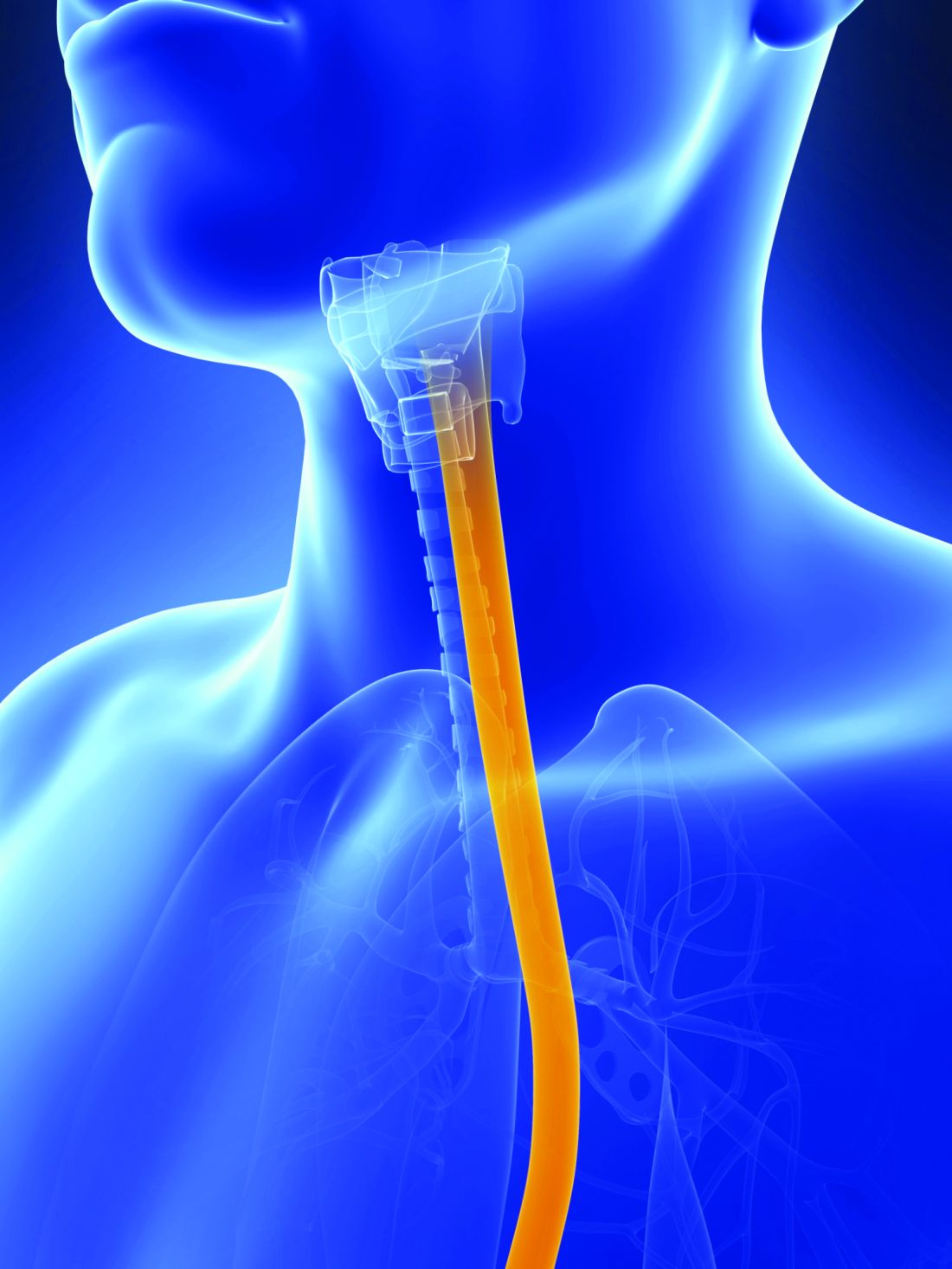
They add that this is “the first study to provide the evidence for the relationship between F. nucleatum and poor prognosis in esophageal cancer.”
An assessment of F. nucleatum DNA in esophageal cancer tissues by qPCR assay showed that levels were higher in malignant tissue than in paired adjacent nontumor tissues (P = .021). The relative F. nucleatum DNA levels were also measured in samples from 325 esophageal cancer cases.
Within those samples, F. nucleatum was detected in 74 (23%) of 325 cases. F. nucleatum positivity was not associated with most clinicopathologic features including patient sex, year of surgery, preoperative performance status, smoking history, alcohol history, comorbidity, tumor location, histology, tumor size, or preoperative therapy (all P greater than .05). However, it was associated with tumor stage (P = .016), T stage (P less than .01), and N stage (P = .039).
There were a total of 112 deaths among the 325 esophageal cancer patients, with 75 specific to the disease. The median follow-up time for censored patients was 2.6 years.
Patients positive for F. nucleatum had significantly shorter cancer-specific survival (logrank P = .0039) and overall survival (logrank P = .046) as compared with those who were F. nucleatum negative. In an analysis of F. nucleatum DNA status by Cox regression analysis, patients who were positive had significantly higher cancer-specific mortality as compared with those who were negative (hazard ratio, 2.01; P = .0068). After the analysis was adjusted for clinical, pathologic, and epidemiologic features, F. nucleatum positivity was associated with significantly higher cancer-specific mortality (multivariate HR, 1.78; P = .032), and similar findings were observed for overall mortality.
Dr. Yamamura and his team had also hypothesized that F. nucleatum might contribute to aggressive tumor behavior by activation of chemokines, and they were able to confirm that the presence or absence of F. nucleatum was significantly associated with CCL20 expression status, which was identified as the most upregulated chemokine.
*This article was updated 10/26/2016.
Fusobacterium nucleatum, a component of the human microbiome, appears to be associated with shorter survival in esophageal cancer, according to new findings.
F. nucleatum, generally found in the oral cavity and associated with periodontal disease, may have a potential role as a prognostic biomarker, and it might also contribute to aggressive tumor behavior via activation of chemokines, the study authors suggest (Clin Cancer Res. 2016 Oct. doi: 10.1158/1078-0432.CCR-16-1786).
They add that this is “the first study to provide the evidence for the relationship between F. nucleatum and poor prognosis in esophageal cancer.”
An assessment of F. nucleatum DNA in esophageal cancer tissues by qPCR assay showed that levels were higher in malignant tissue than in paired adjacent nontumor tissues (P = .021). The relative F. nucleatum DNA levels were also measured in samples from 325 esophageal cancer cases.
Within those samples, F. nucleatum was detected in 74 (23%) of 325 cases. F. nucleatum positivity was not associated with most clinicopathologic features including patient sex, year of surgery, preoperative performance status, smoking history, alcohol history, comorbidity, tumor location, histology, tumor size, or preoperative therapy (all P greater than .05). However, it was associated with tumor stage (P = .016), T stage (P less than .01), and N stage (P = .039).
There were a total of 112 deaths among the 325 esophageal cancer patients, with 75 specific to the disease. The median follow-up time for censored patients was 2.6 years.
Patients positive for F. nucleatum had significantly shorter cancer-specific survival (logrank P = .0039) and overall survival (logrank P = .046) as compared with those who were F. nucleatum negative. In an analysis of F. nucleatum DNA status by Cox regression analysis, patients who were positive had significantly higher cancer-specific mortality as compared with those who were negative (hazard ratio, 2.01; P = .0068). After the analysis was adjusted for clinical, pathologic, and epidemiologic features, F. nucleatum positivity was associated with significantly higher cancer-specific mortality (multivariate HR, 1.78; P = .032), and similar findings were observed for overall mortality.
Dr. Yamamura and his team had also hypothesized that F. nucleatum might contribute to aggressive tumor behavior by activation of chemokines, and they were able to confirm that the presence or absence of F. nucleatum was significantly associated with CCL20 expression status, which was identified as the most upregulated chemokine.
*This article was updated 10/26/2016.
Fusobacterium nucleatum, a component of the human microbiome, appears to be associated with shorter survival in esophageal cancer, according to new findings.
F. nucleatum, generally found in the oral cavity and associated with periodontal disease, may have a potential role as a prognostic biomarker, and it might also contribute to aggressive tumor behavior via activation of chemokines, the study authors suggest (Clin Cancer Res. 2016 Oct. doi: 10.1158/1078-0432.CCR-16-1786).
They add that this is “the first study to provide the evidence for the relationship between F. nucleatum and poor prognosis in esophageal cancer.”
An assessment of F. nucleatum DNA in esophageal cancer tissues by qPCR assay showed that levels were higher in malignant tissue than in paired adjacent nontumor tissues (P = .021). The relative F. nucleatum DNA levels were also measured in samples from 325 esophageal cancer cases.
Within those samples, F. nucleatum was detected in 74 (23%) of 325 cases. F. nucleatum positivity was not associated with most clinicopathologic features including patient sex, year of surgery, preoperative performance status, smoking history, alcohol history, comorbidity, tumor location, histology, tumor size, or preoperative therapy (all P greater than .05). However, it was associated with tumor stage (P = .016), T stage (P less than .01), and N stage (P = .039).
There were a total of 112 deaths among the 325 esophageal cancer patients, with 75 specific to the disease. The median follow-up time for censored patients was 2.6 years.
Patients positive for F. nucleatum had significantly shorter cancer-specific survival (logrank P = .0039) and overall survival (logrank P = .046) as compared with those who were F. nucleatum negative. In an analysis of F. nucleatum DNA status by Cox regression analysis, patients who were positive had significantly higher cancer-specific mortality as compared with those who were negative (hazard ratio, 2.01; P = .0068). After the analysis was adjusted for clinical, pathologic, and epidemiologic features, F. nucleatum positivity was associated with significantly higher cancer-specific mortality (multivariate HR, 1.78; P = .032), and similar findings were observed for overall mortality.
Dr. Yamamura and his team had also hypothesized that F. nucleatum might contribute to aggressive tumor behavior by activation of chemokines, and they were able to confirm that the presence or absence of F. nucleatum was significantly associated with CCL20 expression status, which was identified as the most upregulated chemokine.
*This article was updated 10/26/2016.
FROM CLINICAL CANCER RESEARCH
Key clinical point: F. nucleatum present in esophageal cancer tissue is associated with poorer prognosis.
Major finding: Patients positive for F. nucleatum had significantly shorter cancer-specific survival (logrank P = .0039) and OS (logrank P = .046).
Data source: Tissue samples from 325 patients with esophageal cancer.
Disclosures: This study was supported in part by the SGH Foundation. The authors have no disclosures.
Tryptase gene variant linked to GI, joint, and skin symptoms
Researchers have identified a genetic variant associated with inherited elevated basal serum tryptase levels and linked to a distinct group of comorbid multisystem complaints.
These features, including cutaneous flushing, certain chronic pain disorders, autonomic dysfunction, and gastrointestinal dysmotility, have been reported in association with genetic disorders or joint hypermobility syndromes such as Ehlers-Danlos syndrome type III (hypermobility type, EDS III) and often follow a dominant inheritance pattern in affected families, providing a reason to look into a genetic basis for these patient characteristics, according to Jonathan J. Lyons, MD, of the National Institute of Allergy and Infectious Diseases, and his coauthors. The researchers reported their findings Oct. 17 in Nature Genetics.
The researchers recruited 96 individuals from 35 families with a syndrome of elevated basal serum tryptase levels and multiple comorbid symptoms following an autosomal dominant pattern of inheritance.
These symptoms included gastrointestinal dysmotility such as irritable bowel syndrome or chronic gastroesophageal reflux, connective tissue abnormalities such as joint hypermobility, congenital skeletal abnormalities, retained primary dentition, symptoms suggestive of autonomic dysfunction such as postural orthostatic tachycardia syndrome, and elevated composite autonomic symptom scores. Other symptoms included recurrent cutaneous flushing and pruritus – often associated with urticaria and complaints of sleep disruption – and systemic reaction to stinging insects.
Using exome and genome sequencing followed by linkage analysis, researchers identified duplications and triplications within the TPSAB1 gene encoding alpha-tryptase (Nat Genet. 2016 Oct 17. doi: 10.1038/ng.3696). Further analysis found elevated alpha-tryptase/beta-tryptase ratios among affected family members and suggested that multiple copies of the alpha-tryptase sequence were inherited together.
To confirm the finding, researchers examined genetic data from a cohort of healthy unrelated volunteers in the National Human Genome Research Institute ClinSeq cohort, which identified 125 samples with partially enriched duplication of alpha tryptase–encoding sequence using a common haplotype.
Of these, three individuals had single-allele duplications of the alpha tryptase–encoding sequence and also presented with similar symptoms to the original cohort: cutaneous flushing, itching, or hives, systemic venom reactions, irritable bowel syndrome, retained primary dentition, and elevated autonomic symptom scores.
“We have found that this phenotype is most frequently inherited in an autosomal dominant manner and that, when this occurs, it is exclusively associated with increased copy number on a single allele of alpha tryptase–encoding sequence in the TPSAB1 gene, a genetic trait we have termed hereditary alpha-tryptasemia,” the researchers reported. “The families studied in our initial cohort likely represent the most severe phenotypes among individuals affected with hereditary alpha-tryptasemia, owing in part to the lack of detection of triplication of alpha tryptase–encoding sequence in unselected populations, which we have tentatively designated as hereditary alpha-tryptasemia syndrome.”
The authors suggested that part of the clinical presentation of this syndrome included symptoms that may be associated clinically with mast cell mediator release. In the context of elevated basal serum tryptase levels, this might prompt a doctor to investigate for clonal mast cell disease, which would include bone-marrow biopsy.
However, given that such an investigation would be challenging, and given that elevated tryptase levels are not uncommon in the generally population, they suggested tryptase genotyping may be warranted.
The study was supported by the National Institute of Allergy and Infectious Diseases, the ARTrust/the Mastocytosis Society, and the National Human Genome Research Institute. One author declared royalties associated with the tryptase UniCAP assay, and consulting fees from Genentech. Another author declared an advisory position and royalties from private industry.
Researchers have identified a genetic variant associated with inherited elevated basal serum tryptase levels and linked to a distinct group of comorbid multisystem complaints.
These features, including cutaneous flushing, certain chronic pain disorders, autonomic dysfunction, and gastrointestinal dysmotility, have been reported in association with genetic disorders or joint hypermobility syndromes such as Ehlers-Danlos syndrome type III (hypermobility type, EDS III) and often follow a dominant inheritance pattern in affected families, providing a reason to look into a genetic basis for these patient characteristics, according to Jonathan J. Lyons, MD, of the National Institute of Allergy and Infectious Diseases, and his coauthors. The researchers reported their findings Oct. 17 in Nature Genetics.
The researchers recruited 96 individuals from 35 families with a syndrome of elevated basal serum tryptase levels and multiple comorbid symptoms following an autosomal dominant pattern of inheritance.
These symptoms included gastrointestinal dysmotility such as irritable bowel syndrome or chronic gastroesophageal reflux, connective tissue abnormalities such as joint hypermobility, congenital skeletal abnormalities, retained primary dentition, symptoms suggestive of autonomic dysfunction such as postural orthostatic tachycardia syndrome, and elevated composite autonomic symptom scores. Other symptoms included recurrent cutaneous flushing and pruritus – often associated with urticaria and complaints of sleep disruption – and systemic reaction to stinging insects.
Using exome and genome sequencing followed by linkage analysis, researchers identified duplications and triplications within the TPSAB1 gene encoding alpha-tryptase (Nat Genet. 2016 Oct 17. doi: 10.1038/ng.3696). Further analysis found elevated alpha-tryptase/beta-tryptase ratios among affected family members and suggested that multiple copies of the alpha-tryptase sequence were inherited together.
To confirm the finding, researchers examined genetic data from a cohort of healthy unrelated volunteers in the National Human Genome Research Institute ClinSeq cohort, which identified 125 samples with partially enriched duplication of alpha tryptase–encoding sequence using a common haplotype.
Of these, three individuals had single-allele duplications of the alpha tryptase–encoding sequence and also presented with similar symptoms to the original cohort: cutaneous flushing, itching, or hives, systemic venom reactions, irritable bowel syndrome, retained primary dentition, and elevated autonomic symptom scores.
“We have found that this phenotype is most frequently inherited in an autosomal dominant manner and that, when this occurs, it is exclusively associated with increased copy number on a single allele of alpha tryptase–encoding sequence in the TPSAB1 gene, a genetic trait we have termed hereditary alpha-tryptasemia,” the researchers reported. “The families studied in our initial cohort likely represent the most severe phenotypes among individuals affected with hereditary alpha-tryptasemia, owing in part to the lack of detection of triplication of alpha tryptase–encoding sequence in unselected populations, which we have tentatively designated as hereditary alpha-tryptasemia syndrome.”
The authors suggested that part of the clinical presentation of this syndrome included symptoms that may be associated clinically with mast cell mediator release. In the context of elevated basal serum tryptase levels, this might prompt a doctor to investigate for clonal mast cell disease, which would include bone-marrow biopsy.
However, given that such an investigation would be challenging, and given that elevated tryptase levels are not uncommon in the generally population, they suggested tryptase genotyping may be warranted.
The study was supported by the National Institute of Allergy and Infectious Diseases, the ARTrust/the Mastocytosis Society, and the National Human Genome Research Institute. One author declared royalties associated with the tryptase UniCAP assay, and consulting fees from Genentech. Another author declared an advisory position and royalties from private industry.
Researchers have identified a genetic variant associated with inherited elevated basal serum tryptase levels and linked to a distinct group of comorbid multisystem complaints.
These features, including cutaneous flushing, certain chronic pain disorders, autonomic dysfunction, and gastrointestinal dysmotility, have been reported in association with genetic disorders or joint hypermobility syndromes such as Ehlers-Danlos syndrome type III (hypermobility type, EDS III) and often follow a dominant inheritance pattern in affected families, providing a reason to look into a genetic basis for these patient characteristics, according to Jonathan J. Lyons, MD, of the National Institute of Allergy and Infectious Diseases, and his coauthors. The researchers reported their findings Oct. 17 in Nature Genetics.
The researchers recruited 96 individuals from 35 families with a syndrome of elevated basal serum tryptase levels and multiple comorbid symptoms following an autosomal dominant pattern of inheritance.
These symptoms included gastrointestinal dysmotility such as irritable bowel syndrome or chronic gastroesophageal reflux, connective tissue abnormalities such as joint hypermobility, congenital skeletal abnormalities, retained primary dentition, symptoms suggestive of autonomic dysfunction such as postural orthostatic tachycardia syndrome, and elevated composite autonomic symptom scores. Other symptoms included recurrent cutaneous flushing and pruritus – often associated with urticaria and complaints of sleep disruption – and systemic reaction to stinging insects.
Using exome and genome sequencing followed by linkage analysis, researchers identified duplications and triplications within the TPSAB1 gene encoding alpha-tryptase (Nat Genet. 2016 Oct 17. doi: 10.1038/ng.3696). Further analysis found elevated alpha-tryptase/beta-tryptase ratios among affected family members and suggested that multiple copies of the alpha-tryptase sequence were inherited together.
To confirm the finding, researchers examined genetic data from a cohort of healthy unrelated volunteers in the National Human Genome Research Institute ClinSeq cohort, which identified 125 samples with partially enriched duplication of alpha tryptase–encoding sequence using a common haplotype.
Of these, three individuals had single-allele duplications of the alpha tryptase–encoding sequence and also presented with similar symptoms to the original cohort: cutaneous flushing, itching, or hives, systemic venom reactions, irritable bowel syndrome, retained primary dentition, and elevated autonomic symptom scores.
“We have found that this phenotype is most frequently inherited in an autosomal dominant manner and that, when this occurs, it is exclusively associated with increased copy number on a single allele of alpha tryptase–encoding sequence in the TPSAB1 gene, a genetic trait we have termed hereditary alpha-tryptasemia,” the researchers reported. “The families studied in our initial cohort likely represent the most severe phenotypes among individuals affected with hereditary alpha-tryptasemia, owing in part to the lack of detection of triplication of alpha tryptase–encoding sequence in unselected populations, which we have tentatively designated as hereditary alpha-tryptasemia syndrome.”
The authors suggested that part of the clinical presentation of this syndrome included symptoms that may be associated clinically with mast cell mediator release. In the context of elevated basal serum tryptase levels, this might prompt a doctor to investigate for clonal mast cell disease, which would include bone-marrow biopsy.
However, given that such an investigation would be challenging, and given that elevated tryptase levels are not uncommon in the generally population, they suggested tryptase genotyping may be warranted.
The study was supported by the National Institute of Allergy and Infectious Diseases, the ARTrust/the Mastocytosis Society, and the National Human Genome Research Institute. One author declared royalties associated with the tryptase UniCAP assay, and consulting fees from Genentech. Another author declared an advisory position and royalties from private industry.
FROM NATURE GENETICS
Key clinical point:
Major finding: Increased copy number on a single allele of alpha tryptase–encoding sequence in the TPSAB1 gene is associated with elevated basal serum tryptase and a collection of symptoms including irritable bowel syndrome, joint hypermobility, and autonomic dysfunction.
Data source: Study of 96 individuals from 35 families with a syndrome of elevated basal serum tryptase levels and multiple comorbid symptoms.
Disclosures: The study was supported by the National Institute of Allergy and Infectious Diseases, the ARTrust/the Mastocytosis Society, and the National Human Genome Research Institute. One author declared royalties associated with the tryptase UniCAP assay, and consulting fees from Genentech. Another author declared an advisory position and royalties from private industry.
Yosprala offers aspirin mitigator for ulcer risk patients
The Food and Drug Administration has approved the aspirin/omeprazole combination drug Yosprala for patients who seek to prevent secondary cardiovascular events but who avoid aspirin because of their risk for gastric ulcers. The approval was announced in a press release Sept. 15 from Aralez Pharmaceuticals.
The medication contains 40 mg of immediate-release omeprazole and either 81 mg or 325 mg of aspirin in an enteric-coated core for delayed release. The immediate-release omeprazole “is designed to elevate the gastric pH into a gastroprotective zone,” according to the company. “The enteric-coated aspirin dissolves after the pH has been elevated to at least 5.5 within the gastroprotective zone, thereby reducing stomach ulcer risk.”
The approval is based on data from a pair of randomized, double-blind, controlled trials. In these studies, patients at risk for gastric ulcers were significantly less likely to report ulcers and significantly less likely to discontinue the medication than were controls who received aspirin alone. Side effects were not significantly different between the groups; the most common side effects were indigestion, stomach pain, nausea, diarrhea, gastric polyps, and chest pain.
The studies did not examine whether the medication had an impact on the risk of GI bleeding. The drug is not approved for use in children.
The Food and Drug Administration has approved the aspirin/omeprazole combination drug Yosprala for patients who seek to prevent secondary cardiovascular events but who avoid aspirin because of their risk for gastric ulcers. The approval was announced in a press release Sept. 15 from Aralez Pharmaceuticals.
The medication contains 40 mg of immediate-release omeprazole and either 81 mg or 325 mg of aspirin in an enteric-coated core for delayed release. The immediate-release omeprazole “is designed to elevate the gastric pH into a gastroprotective zone,” according to the company. “The enteric-coated aspirin dissolves after the pH has been elevated to at least 5.5 within the gastroprotective zone, thereby reducing stomach ulcer risk.”
The approval is based on data from a pair of randomized, double-blind, controlled trials. In these studies, patients at risk for gastric ulcers were significantly less likely to report ulcers and significantly less likely to discontinue the medication than were controls who received aspirin alone. Side effects were not significantly different between the groups; the most common side effects were indigestion, stomach pain, nausea, diarrhea, gastric polyps, and chest pain.
The studies did not examine whether the medication had an impact on the risk of GI bleeding. The drug is not approved for use in children.
The Food and Drug Administration has approved the aspirin/omeprazole combination drug Yosprala for patients who seek to prevent secondary cardiovascular events but who avoid aspirin because of their risk for gastric ulcers. The approval was announced in a press release Sept. 15 from Aralez Pharmaceuticals.
The medication contains 40 mg of immediate-release omeprazole and either 81 mg or 325 mg of aspirin in an enteric-coated core for delayed release. The immediate-release omeprazole “is designed to elevate the gastric pH into a gastroprotective zone,” according to the company. “The enteric-coated aspirin dissolves after the pH has been elevated to at least 5.5 within the gastroprotective zone, thereby reducing stomach ulcer risk.”
The approval is based on data from a pair of randomized, double-blind, controlled trials. In these studies, patients at risk for gastric ulcers were significantly less likely to report ulcers and significantly less likely to discontinue the medication than were controls who received aspirin alone. Side effects were not significantly different between the groups; the most common side effects were indigestion, stomach pain, nausea, diarrhea, gastric polyps, and chest pain.
The studies did not examine whether the medication had an impact on the risk of GI bleeding. The drug is not approved for use in children.
Data are mixed on cancerous transformation of cardiac mucosa in Barrett’s esophagus
CHICAGO – If scouring data is what makes a gastroenterologist feel good about risk assessment, there may be a lot of unhappy gastroenterologists out there, at least when it comes to the risk of cancer arising from cardiac mucosa in Barrett’s esophagus, according to Nicholas J. Shaheen, MD.
The risk arising from this nonintestinal metaplasia growth is probably quite low in real life, but the extant literature gives doctors a lot of contradictions, he said at the meeting sponsored by the American Gastroenterological Association.
“The risk of cancer with cardiac mucosa is unclear,” said Dr. Shaheen of the University of North Carolina at Chapel Hill. “Some data do suggest that, at least when present in the tubular esophagus in patients with gastroesophageal reflux symptoms, there may be a risk of adenocarcinoma close to what’s seen in patients with intestinal metaplasia. Other data suggest the risk is quite low, perhaps even approximating that of the general population.”
The reasons for what Dr. Shaheen called “remarkable variability” in these data probably arise more from sampling error than real life. The studies are retrospective, and many lack long-term follow-up data, are plagued with insufficient numbers, and – perhaps most importantly – are not grounded in any standard clinical methodology.
“People who do endoscopy for a living understand that the stuff you read about systematic biopsy protocols is hardly ever honored in the breach. None of these studies ever reports the biopsy protocol from which the samples were taken.”
This lack of protocol means that studies on the cancer risk of columnar lined esophagus (CLE), which is negative for intestinal metaplasia are probably flawed from the beginning.
“The truth is that most gastroenterologists do a lousy job of biopsying Barrett’s, so there is probably a lot of sampling error in these studies, and they are contaminated with a high rate of intestinal metaplasia [IM],” said Dr. Shaheen.
And these studies do not report on the length of the CLE segment from which the biopsy was taken. “The likelihood of finding goblet cells [a characteristic of cardiac mucosa] increases with the length of Barrett’s. None of the studies is normalized for Barrett’s length. When we see studies saying the cancer risk is higher in the presence of goblet cells, length could be a partially confounding association.”
A 2009 study with a small sample size of 68 CLE patients found that abnormal DNA was just as likely in IM-negative samples as IM-positive ones. All of the samples were significantly different from the control samples, suggesting that any metaplasia in the CLE may already be on the path to cancer, Dr. Shaheen said (Am J Gastro. 2009;104:816-24)
In fact, a 2007 Scandinavian study supported the idea that IM isn’t even necessary for neoplastic progression of CLE (Scand J Gastroenterol 2007;42:1271-4). The investigators followed 712 patients for 12 years, and found that the adenocarcinoma rate was about 0.4 per patient per year whether the sample was IM positive or not.
“This study was enough to put a little shudder in the endoscopy community. If IM doesn’t matter, you’re talking about increasing the work in the endoscopy lab by 100%, because there are twice as many non-IM patients as those with IM.”
A 2008 study seemingly found something similar – but with a caveat, Dr. Shaheen said. The CLE patients in this study were followed for 3.5 years, and the cancer rate was virtually identical. But as the follow-up progressed, more and more biopsies turned up IM positive. “A first negative biopsy looked like it was associated with disease-free survival, but almost all IM-negative samples eventually became IM positive, so this didn’t really answer our question.”
Other studies have found that non-IM CLE has a very low neoplastic risk, and that IM is almost always a prerequisite for cancer to develop. The largest of these was conducted in the Northern Ireland Barrett’s Esophagus Registry in 2011. It followed more than 8,000 patients for 7 years. Patients with IM were 3.5 times more likely to develop a related adenocarcinoma than were those without IM (J Natl Cancer Inst. 2011;103:1049-57).
The contradictory evidence leads Dr. Shaheen to suggest a specific biopsy protocol for patients with Barrett’s esophagus.
“In my opinion, if you see a long segment of Barrett’s – more than 2 cm – and the biopsy is negative for IM, there is a good chance that you have a sampling error there, and a second endoscopy and biopsy are not unreasonable. If you see a short segment of Barrett’s and the biopsy is negative for IM, the cancer risk is unclear, but in general it’s probably pretty low, whether there are goblet cells there or not. I would say retaining these patients under endoscopic surveillance is of dubious value. [With] the likely low absolute risk of cancer in this patient population, no blanket recommendation for surveillance is advisable.”
Dr. Shaheen had no relevant financial disclosures.
On Twitter @Alz_Gal
CHICAGO – If scouring data is what makes a gastroenterologist feel good about risk assessment, there may be a lot of unhappy gastroenterologists out there, at least when it comes to the risk of cancer arising from cardiac mucosa in Barrett’s esophagus, according to Nicholas J. Shaheen, MD.
The risk arising from this nonintestinal metaplasia growth is probably quite low in real life, but the extant literature gives doctors a lot of contradictions, he said at the meeting sponsored by the American Gastroenterological Association.
“The risk of cancer with cardiac mucosa is unclear,” said Dr. Shaheen of the University of North Carolina at Chapel Hill. “Some data do suggest that, at least when present in the tubular esophagus in patients with gastroesophageal reflux symptoms, there may be a risk of adenocarcinoma close to what’s seen in patients with intestinal metaplasia. Other data suggest the risk is quite low, perhaps even approximating that of the general population.”
The reasons for what Dr. Shaheen called “remarkable variability” in these data probably arise more from sampling error than real life. The studies are retrospective, and many lack long-term follow-up data, are plagued with insufficient numbers, and – perhaps most importantly – are not grounded in any standard clinical methodology.
“People who do endoscopy for a living understand that the stuff you read about systematic biopsy protocols is hardly ever honored in the breach. None of these studies ever reports the biopsy protocol from which the samples were taken.”
This lack of protocol means that studies on the cancer risk of columnar lined esophagus (CLE), which is negative for intestinal metaplasia are probably flawed from the beginning.
“The truth is that most gastroenterologists do a lousy job of biopsying Barrett’s, so there is probably a lot of sampling error in these studies, and they are contaminated with a high rate of intestinal metaplasia [IM],” said Dr. Shaheen.
And these studies do not report on the length of the CLE segment from which the biopsy was taken. “The likelihood of finding goblet cells [a characteristic of cardiac mucosa] increases with the length of Barrett’s. None of the studies is normalized for Barrett’s length. When we see studies saying the cancer risk is higher in the presence of goblet cells, length could be a partially confounding association.”
A 2009 study with a small sample size of 68 CLE patients found that abnormal DNA was just as likely in IM-negative samples as IM-positive ones. All of the samples were significantly different from the control samples, suggesting that any metaplasia in the CLE may already be on the path to cancer, Dr. Shaheen said (Am J Gastro. 2009;104:816-24)
In fact, a 2007 Scandinavian study supported the idea that IM isn’t even necessary for neoplastic progression of CLE (Scand J Gastroenterol 2007;42:1271-4). The investigators followed 712 patients for 12 years, and found that the adenocarcinoma rate was about 0.4 per patient per year whether the sample was IM positive or not.
“This study was enough to put a little shudder in the endoscopy community. If IM doesn’t matter, you’re talking about increasing the work in the endoscopy lab by 100%, because there are twice as many non-IM patients as those with IM.”
A 2008 study seemingly found something similar – but with a caveat, Dr. Shaheen said. The CLE patients in this study were followed for 3.5 years, and the cancer rate was virtually identical. But as the follow-up progressed, more and more biopsies turned up IM positive. “A first negative biopsy looked like it was associated with disease-free survival, but almost all IM-negative samples eventually became IM positive, so this didn’t really answer our question.”
Other studies have found that non-IM CLE has a very low neoplastic risk, and that IM is almost always a prerequisite for cancer to develop. The largest of these was conducted in the Northern Ireland Barrett’s Esophagus Registry in 2011. It followed more than 8,000 patients for 7 years. Patients with IM were 3.5 times more likely to develop a related adenocarcinoma than were those without IM (J Natl Cancer Inst. 2011;103:1049-57).
The contradictory evidence leads Dr. Shaheen to suggest a specific biopsy protocol for patients with Barrett’s esophagus.
“In my opinion, if you see a long segment of Barrett’s – more than 2 cm – and the biopsy is negative for IM, there is a good chance that you have a sampling error there, and a second endoscopy and biopsy are not unreasonable. If you see a short segment of Barrett’s and the biopsy is negative for IM, the cancer risk is unclear, but in general it’s probably pretty low, whether there are goblet cells there or not. I would say retaining these patients under endoscopic surveillance is of dubious value. [With] the likely low absolute risk of cancer in this patient population, no blanket recommendation for surveillance is advisable.”
Dr. Shaheen had no relevant financial disclosures.
On Twitter @Alz_Gal
CHICAGO – If scouring data is what makes a gastroenterologist feel good about risk assessment, there may be a lot of unhappy gastroenterologists out there, at least when it comes to the risk of cancer arising from cardiac mucosa in Barrett’s esophagus, according to Nicholas J. Shaheen, MD.
The risk arising from this nonintestinal metaplasia growth is probably quite low in real life, but the extant literature gives doctors a lot of contradictions, he said at the meeting sponsored by the American Gastroenterological Association.
“The risk of cancer with cardiac mucosa is unclear,” said Dr. Shaheen of the University of North Carolina at Chapel Hill. “Some data do suggest that, at least when present in the tubular esophagus in patients with gastroesophageal reflux symptoms, there may be a risk of adenocarcinoma close to what’s seen in patients with intestinal metaplasia. Other data suggest the risk is quite low, perhaps even approximating that of the general population.”
The reasons for what Dr. Shaheen called “remarkable variability” in these data probably arise more from sampling error than real life. The studies are retrospective, and many lack long-term follow-up data, are plagued with insufficient numbers, and – perhaps most importantly – are not grounded in any standard clinical methodology.
“People who do endoscopy for a living understand that the stuff you read about systematic biopsy protocols is hardly ever honored in the breach. None of these studies ever reports the biopsy protocol from which the samples were taken.”
This lack of protocol means that studies on the cancer risk of columnar lined esophagus (CLE), which is negative for intestinal metaplasia are probably flawed from the beginning.
“The truth is that most gastroenterologists do a lousy job of biopsying Barrett’s, so there is probably a lot of sampling error in these studies, and they are contaminated with a high rate of intestinal metaplasia [IM],” said Dr. Shaheen.
And these studies do not report on the length of the CLE segment from which the biopsy was taken. “The likelihood of finding goblet cells [a characteristic of cardiac mucosa] increases with the length of Barrett’s. None of the studies is normalized for Barrett’s length. When we see studies saying the cancer risk is higher in the presence of goblet cells, length could be a partially confounding association.”
A 2009 study with a small sample size of 68 CLE patients found that abnormal DNA was just as likely in IM-negative samples as IM-positive ones. All of the samples were significantly different from the control samples, suggesting that any metaplasia in the CLE may already be on the path to cancer, Dr. Shaheen said (Am J Gastro. 2009;104:816-24)
In fact, a 2007 Scandinavian study supported the idea that IM isn’t even necessary for neoplastic progression of CLE (Scand J Gastroenterol 2007;42:1271-4). The investigators followed 712 patients for 12 years, and found that the adenocarcinoma rate was about 0.4 per patient per year whether the sample was IM positive or not.
“This study was enough to put a little shudder in the endoscopy community. If IM doesn’t matter, you’re talking about increasing the work in the endoscopy lab by 100%, because there are twice as many non-IM patients as those with IM.”
A 2008 study seemingly found something similar – but with a caveat, Dr. Shaheen said. The CLE patients in this study were followed for 3.5 years, and the cancer rate was virtually identical. But as the follow-up progressed, more and more biopsies turned up IM positive. “A first negative biopsy looked like it was associated with disease-free survival, but almost all IM-negative samples eventually became IM positive, so this didn’t really answer our question.”
Other studies have found that non-IM CLE has a very low neoplastic risk, and that IM is almost always a prerequisite for cancer to develop. The largest of these was conducted in the Northern Ireland Barrett’s Esophagus Registry in 2011. It followed more than 8,000 patients for 7 years. Patients with IM were 3.5 times more likely to develop a related adenocarcinoma than were those without IM (J Natl Cancer Inst. 2011;103:1049-57).
The contradictory evidence leads Dr. Shaheen to suggest a specific biopsy protocol for patients with Barrett’s esophagus.
“In my opinion, if you see a long segment of Barrett’s – more than 2 cm – and the biopsy is negative for IM, there is a good chance that you have a sampling error there, and a second endoscopy and biopsy are not unreasonable. If you see a short segment of Barrett’s and the biopsy is negative for IM, the cancer risk is unclear, but in general it’s probably pretty low, whether there are goblet cells there or not. I would say retaining these patients under endoscopic surveillance is of dubious value. [With] the likely low absolute risk of cancer in this patient population, no blanket recommendation for surveillance is advisable.”
Dr. Shaheen had no relevant financial disclosures.
On Twitter @Alz_Gal
EXPERT ANALYSIS FROM THE 2016 JAMES W. FRESTON CONFERENCE
Strange bedfellows: FMT and esophageal disease
Fecal microbiota transplant (FMT) and esophageal disease were strange bedfellows in a series of informative lectures by world experts in their respective fields.
FMT breaks the cycle of resistant Clostridium difficile infection, where resistant bacteria overwhelm innate gut flora following antibiotic use. FMT introduces competition for nutrients and microbiota-derived bacteriocins targeting resistant bacteria, restores secondary bile salt metabolism, and stimulates mucosal immunity against resistant bacteria. The potential for FMT to benefit diseases other than recurrent C. difficile infection continues to be explored.

Eosinophilic esophagitis (EoE) is characterized clinically by dysphagia and food impaction, and pathologically by eosinophil-dominant inflammation (at least 15 eosinophils/high-power field on biopsy). Esophageal subepithelial fibrosis contributes to a narrow caliber, poorly distensible esophagus. Alternative causes of esophageal eosinophilia, particularly that induced by reflux, need to be excluded. Proton pump inhibitor (PPI) response does not distinguish EoE from reflux disease, but management starts with these drugs. Swallowed topical steroids, and the six-food elimination diet are alternative effective therapies. Biologic agents are being evaluated as future therapeutic options.
High-resolution manometry (HRM) has improved acquisition and display of esophageal pressure data, simplifying interpretation using three software tools, integrated relaxation pressure, distal contractile integral, and distal latency. Stationary impedance with HRM (high-resolution impedance manometry, HRIM) provides further gains in esophageal bolus transit assessment. Automated impedance manometry analysis, esophageal impedance integral ratio, bolus flow time, and functional lumen imaging probe–derived metrics add to esophageal physiologic assessments and esophageal function testing.
Rare disorders such as esophageal lichen planus can manifest with dysphagia and esophageal inflammation and strictures; these disorders are managed with immunosuppressive agents and cautious endoscopic dilation. Rumination (regurgitation of recently ingested food) and belching (with aerophagy) mimic reflux disease. These are distinguished using HRIM and pH-impedance monitoring, and treated with diaphragmatic breathing. Early postfundoplication dysphagia is common and responds to dilation; peptic strictures or slipped fundoplication needing wrap revision can cause late dysphagia. Scleroderma esophagus can be difficult to differentiate from advanced achalasia. Pneumatic dilation can benefit postmyotomy dysphagia.
Low-grade dysplasia within Barrett’s esophagus has a variable natural history, primarily from overdiagnosis and interobserver variation; many patients are down-staged upon review. Progression to high-grade dysplasia or intramucosal cancer (0.5%-1.7% per annum) is higher with confirmed low-grade dysplasia. Consequently, guidelines recommend review by expert pathologists and surveillance after 6-12 months. Evidence for radiofrequency ablation in carefully selected patients continues to grow. Radiofrequency ablation eliminates dysplasia and reduces the risk of progression to high-grade dysplasia. Better markers for diagnosis and prognosis continue to be studied.
Dr. Gyawali is professor of medicine, division of gastroenterology, Washington University in St. Louis. He has consulted for and received speaking fees or research funding from Medtronic, Torax, Ironwood, and Allergan.
This is a summary provided by the moderator of one of the spring postgraduate course sessions held at DDW 2016.
Fecal microbiota transplant (FMT) and esophageal disease were strange bedfellows in a series of informative lectures by world experts in their respective fields.
FMT breaks the cycle of resistant Clostridium difficile infection, where resistant bacteria overwhelm innate gut flora following antibiotic use. FMT introduces competition for nutrients and microbiota-derived bacteriocins targeting resistant bacteria, restores secondary bile salt metabolism, and stimulates mucosal immunity against resistant bacteria. The potential for FMT to benefit diseases other than recurrent C. difficile infection continues to be explored.
Eosinophilic esophagitis (EoE) is characterized clinically by dysphagia and food impaction, and pathologically by eosinophil-dominant inflammation (at least 15 eosinophils/high-power field on biopsy). Esophageal subepithelial fibrosis contributes to a narrow caliber, poorly distensible esophagus. Alternative causes of esophageal eosinophilia, particularly that induced by reflux, need to be excluded. Proton pump inhibitor (PPI) response does not distinguish EoE from reflux disease, but management starts with these drugs. Swallowed topical steroids, and the six-food elimination diet are alternative effective therapies. Biologic agents are being evaluated as future therapeutic options.
High-resolution manometry (HRM) has improved acquisition and display of esophageal pressure data, simplifying interpretation using three software tools, integrated relaxation pressure, distal contractile integral, and distal latency. Stationary impedance with HRM (high-resolution impedance manometry, HRIM) provides further gains in esophageal bolus transit assessment. Automated impedance manometry analysis, esophageal impedance integral ratio, bolus flow time, and functional lumen imaging probe–derived metrics add to esophageal physiologic assessments and esophageal function testing.
Rare disorders such as esophageal lichen planus can manifest with dysphagia and esophageal inflammation and strictures; these disorders are managed with immunosuppressive agents and cautious endoscopic dilation. Rumination (regurgitation of recently ingested food) and belching (with aerophagy) mimic reflux disease. These are distinguished using HRIM and pH-impedance monitoring, and treated with diaphragmatic breathing. Early postfundoplication dysphagia is common and responds to dilation; peptic strictures or slipped fundoplication needing wrap revision can cause late dysphagia. Scleroderma esophagus can be difficult to differentiate from advanced achalasia. Pneumatic dilation can benefit postmyotomy dysphagia.
Low-grade dysplasia within Barrett’s esophagus has a variable natural history, primarily from overdiagnosis and interobserver variation; many patients are down-staged upon review. Progression to high-grade dysplasia or intramucosal cancer (0.5%-1.7% per annum) is higher with confirmed low-grade dysplasia. Consequently, guidelines recommend review by expert pathologists and surveillance after 6-12 months. Evidence for radiofrequency ablation in carefully selected patients continues to grow. Radiofrequency ablation eliminates dysplasia and reduces the risk of progression to high-grade dysplasia. Better markers for diagnosis and prognosis continue to be studied.
Dr. Gyawali is professor of medicine, division of gastroenterology, Washington University in St. Louis. He has consulted for and received speaking fees or research funding from Medtronic, Torax, Ironwood, and Allergan.
This is a summary provided by the moderator of one of the spring postgraduate course sessions held at DDW 2016.
Fecal microbiota transplant (FMT) and esophageal disease were strange bedfellows in a series of informative lectures by world experts in their respective fields.
FMT breaks the cycle of resistant Clostridium difficile infection, where resistant bacteria overwhelm innate gut flora following antibiotic use. FMT introduces competition for nutrients and microbiota-derived bacteriocins targeting resistant bacteria, restores secondary bile salt metabolism, and stimulates mucosal immunity against resistant bacteria. The potential for FMT to benefit diseases other than recurrent C. difficile infection continues to be explored.
Eosinophilic esophagitis (EoE) is characterized clinically by dysphagia and food impaction, and pathologically by eosinophil-dominant inflammation (at least 15 eosinophils/high-power field on biopsy). Esophageal subepithelial fibrosis contributes to a narrow caliber, poorly distensible esophagus. Alternative causes of esophageal eosinophilia, particularly that induced by reflux, need to be excluded. Proton pump inhibitor (PPI) response does not distinguish EoE from reflux disease, but management starts with these drugs. Swallowed topical steroids, and the six-food elimination diet are alternative effective therapies. Biologic agents are being evaluated as future therapeutic options.
High-resolution manometry (HRM) has improved acquisition and display of esophageal pressure data, simplifying interpretation using three software tools, integrated relaxation pressure, distal contractile integral, and distal latency. Stationary impedance with HRM (high-resolution impedance manometry, HRIM) provides further gains in esophageal bolus transit assessment. Automated impedance manometry analysis, esophageal impedance integral ratio, bolus flow time, and functional lumen imaging probe–derived metrics add to esophageal physiologic assessments and esophageal function testing.
Rare disorders such as esophageal lichen planus can manifest with dysphagia and esophageal inflammation and strictures; these disorders are managed with immunosuppressive agents and cautious endoscopic dilation. Rumination (regurgitation of recently ingested food) and belching (with aerophagy) mimic reflux disease. These are distinguished using HRIM and pH-impedance monitoring, and treated with diaphragmatic breathing. Early postfundoplication dysphagia is common and responds to dilation; peptic strictures or slipped fundoplication needing wrap revision can cause late dysphagia. Scleroderma esophagus can be difficult to differentiate from advanced achalasia. Pneumatic dilation can benefit postmyotomy dysphagia.
Low-grade dysplasia within Barrett’s esophagus has a variable natural history, primarily from overdiagnosis and interobserver variation; many patients are down-staged upon review. Progression to high-grade dysplasia or intramucosal cancer (0.5%-1.7% per annum) is higher with confirmed low-grade dysplasia. Consequently, guidelines recommend review by expert pathologists and surveillance after 6-12 months. Evidence for radiofrequency ablation in carefully selected patients continues to grow. Radiofrequency ablation eliminates dysplasia and reduces the risk of progression to high-grade dysplasia. Better markers for diagnosis and prognosis continue to be studied.
Dr. Gyawali is professor of medicine, division of gastroenterology, Washington University in St. Louis. He has consulted for and received speaking fees or research funding from Medtronic, Torax, Ironwood, and Allergan.
This is a summary provided by the moderator of one of the spring postgraduate course sessions held at DDW 2016.

GERD – new thinking turns pathology away from acid injury to inflammatory overdrive
CHICAGO – A new model of gastroesophageal reflux disease (GERD) paints it as a disease caused by inflammatory molecules, rather than a reaction to an acid-inflicted wound.
And rather than esophagitis due to GERD being a top-down process, from surface epithelium to submucosa, multiple lines of evidence now suggest it is a bottom-up phenomenon sparked by activation of a hypoxia-inducible factor that occurs when esophageal epithelium is exposed to acidic bile salts, Rhonda Souza, MD, said at the meeting sponsored by the American Gastroenterological Association.
“We’re proposing that reflux is a cytokine-mediated injury,” said Dr. Souza of the University of Texas Southwestern Medical Center, Dallas, and the Dallas VA Medical Center. “The reflux of acid and bile doesn’t destroy the epithelial cells directly, but induces them to produce proinflammatory cytokines. These cytokines attract lymphocytes first, which induce the basal cell proliferation characteristic of GERD. Ultimately, it’s these inflammatory cells that mediate the epithelial injury – not the direct caustic effects of gastric acid.”
Dr. Souza and her colleagues, including Dr. Stuart Spechler and Dr. Kerry Dunbar, also of UT Southwestern and the Dallas VA Medical Center, have been building this case for several years, beginning with a surgical rat model of GERD. Their histologic findings in this model have been recapitulated in human cell lines and, most recently, in a clinical trial of 12 patients (JAMA. 2016. doi:10.1001/jama.2016.5657).
The rat model, published in 2009 (Gastroenterology. 2009. doi:10.1053/j.gastro.2009.07.055) provided one of the first very early looks at the pathogenesis of acute GERD.
Rats underwent esophagoduodenostomy, a procedure that left the stomach in place so that both gastric and duodenal contents could reflux into the esophagus, thus ensuring immediate esophageal exposure to acid and bile acids. But the investigators were puzzled as to why it took weeks to see changes in the esophageal surface. “The epithelial mucosa stayed intact for far longer than it should have – up to 3 weeks – if acid simply caused a caustic injury as the mechanism of cell death and replacement,” Dr. Souza said.
What she did see, however, was a rapid migration of T cells into the submucosa. “By postoperative week 3, we observed profound basal cell and papillary hyperplasia, but the surface cells were still intact, so this hyperplasia was not due to the death of surface cells.”
The team proceeded to an in vitro model using esophageal squamous cell lines established from endoscopic biopsies obtained from GERD patients. When the squamous cells were exposed in culture to acidic bile salts, the cells ramped up their production of several proinflammatory cytokines, including interleukin-8 and interleukin-1b. The production of proinflammatory cytokines released into the surrounding media were potent recruitment signals for lymphocytes.
The researchers saw this same signaling response in their rat model. “We saw a dramatic increase in IL-8 by postoperative week 2. It was in the intracellular spaces between cells at the epithelial surface and in the cell cytoplasm, and we also saw it in the submucosa and in the lamina propria.”
Acute reflux esophagitis has been almost impossible to observe in humans, Dr. Souza said, because most patients don’t seek medical attention until they’ve had months or years of acid reflux symptoms. By then, the injury response to gastroesophageal reflux has become chronic and well established.
The human study, published in May, confirmed the findings in the rat model. It comprised 12 patients with severe GERD who had been on twice-daily proton pump inhibitor (PPI) therapy for at least 1 month. Successful PPI treatment heals reflux esophagitis rapidly, and healing was endoscopically confirmed at baseline in all these patients. Then, however, they gave up their medication so that the damage would begin again. Dr. Souza and her colleagues could travel back in time, clinically speaking, and track the histopatholgic changes as they occurred. Within 2 weeks, esophagitis had reappeared in every patient: Three had the least-severe LA (Los Angeles) grade A, four had LA grade B, and five had LA grade C esophagitis, with extensive mucosal breaks.
“We know from older studies that within 6 months of going off of PPIs, most patients with reflux esophagitis develop it again, but we weren’t sure we would get this response within 2 weeks. It was surprising that not only did everyone get it, but that a few were so severe,” Dr. Souza said.
Biopsies at weeks 1 and 2 showed the same kind of inflammatory signaling seen in the rats. Again, the responding cells were almost exclusively lymphocytes; neutrophils and eosinophils were very rare or absent in all specimens. The team also observed basal cell and papillary hyperplasia and areas of spongiosis, even though the surface cells were still intact.
The lymphocyte-predominant response is the key to this new pathogenic theory, Dr. Souza wrote in her JAMA paper.
“If the traditional notion were true, that acute GERD is caused by refluxed acid directly inflicting lethal, chemical injury to surface epithelial cells, then basal cell and papillary hyperplasia would have been expected only in areas with surface erosions, and the infiltrating inflammatory cells would have been granulocytes primarily.”
She also suggested that PPIs may be healing esophagitis not simply by preventing acid reflux, but by exerting anti-inflammatory properties.
“Cytokines like IL-8 may also have proliferative effects which might have contributed to esophageal basal cell and papillary hyperplasia observed in the absence of surface erosions. In esophageal epithelial cells in culture, PPIs inhibit secretion of IL-8 through acid-independent mechanisms. This observation raises the interesting possibility that anti-inflammatory PPI effects, independent of their effects on acid inhibition, might contribute to GERD healing by PPIs.”
Dr. Souza said she continues to investigate, focusing now on how the initial insult of acidic bile salts on esophageal epithelium stimulates this inflammatory response. The key may be in a small protein called hypoxia-inducible factor-2 alpha (HIF-2a), one of a family of transcription factors that enable cells to respond to hypoxic stress.
Under normal oxygen conditions, HIF proteins are low, their levels regulated by an enzyme called prolyl hydroxylase. This enzyme is inactivated under hypoxic conditions, or in the presence of reactive oxygen species. HIF factors then rise and, among other functions, stimulate a strong inflammatory response. Inflamed tissues like those seen in esophagitis are frequently hypoxic, Dr. Souza said, and this state could be activating HIFs.
She examined HIF levels in her 12-patient cohort. These results were presented earlier this year at the Digestive Disease Weekmeeting in San Diego.
“At weeks 1 and 2, we found large associations between HIF-2a and increases in a number of proinflammatory cytokines including IL-8 and intercellular adhesion molecule–1,” a protein that facilitates leukocyte migration. Preliminary studies of HIF-2a inhibition in esophageal squamous cells in culture exposed to acidic bile salts show promising results as a potential therapeutic strategy to reduce proinflammatory cytokine expression. It is conceivable that anti-inflammatory therapies directed at HIF-2a may be on the horizon for the prevention and treatment of reflux esophagitis, she added.
Neither Dr. Souza nor her colleagues had any relevant financial disclosures.
On Twitter @Alz_Gal
CHICAGO – A new model of gastroesophageal reflux disease (GERD) paints it as a disease caused by inflammatory molecules, rather than a reaction to an acid-inflicted wound.
And rather than esophagitis due to GERD being a top-down process, from surface epithelium to submucosa, multiple lines of evidence now suggest it is a bottom-up phenomenon sparked by activation of a hypoxia-inducible factor that occurs when esophageal epithelium is exposed to acidic bile salts, Rhonda Souza, MD, said at the meeting sponsored by the American Gastroenterological Association.
“We’re proposing that reflux is a cytokine-mediated injury,” said Dr. Souza of the University of Texas Southwestern Medical Center, Dallas, and the Dallas VA Medical Center. “The reflux of acid and bile doesn’t destroy the epithelial cells directly, but induces them to produce proinflammatory cytokines. These cytokines attract lymphocytes first, which induce the basal cell proliferation characteristic of GERD. Ultimately, it’s these inflammatory cells that mediate the epithelial injury – not the direct caustic effects of gastric acid.”
Dr. Souza and her colleagues, including Dr. Stuart Spechler and Dr. Kerry Dunbar, also of UT Southwestern and the Dallas VA Medical Center, have been building this case for several years, beginning with a surgical rat model of GERD. Their histologic findings in this model have been recapitulated in human cell lines and, most recently, in a clinical trial of 12 patients (JAMA. 2016. doi:10.1001/jama.2016.5657).
The rat model, published in 2009 (Gastroenterology. 2009. doi:10.1053/j.gastro.2009.07.055) provided one of the first very early looks at the pathogenesis of acute GERD.
Rats underwent esophagoduodenostomy, a procedure that left the stomach in place so that both gastric and duodenal contents could reflux into the esophagus, thus ensuring immediate esophageal exposure to acid and bile acids. But the investigators were puzzled as to why it took weeks to see changes in the esophageal surface. “The epithelial mucosa stayed intact for far longer than it should have – up to 3 weeks – if acid simply caused a caustic injury as the mechanism of cell death and replacement,” Dr. Souza said.
What she did see, however, was a rapid migration of T cells into the submucosa. “By postoperative week 3, we observed profound basal cell and papillary hyperplasia, but the surface cells were still intact, so this hyperplasia was not due to the death of surface cells.”
The team proceeded to an in vitro model using esophageal squamous cell lines established from endoscopic biopsies obtained from GERD patients. When the squamous cells were exposed in culture to acidic bile salts, the cells ramped up their production of several proinflammatory cytokines, including interleukin-8 and interleukin-1b. The production of proinflammatory cytokines released into the surrounding media were potent recruitment signals for lymphocytes.
The researchers saw this same signaling response in their rat model. “We saw a dramatic increase in IL-8 by postoperative week 2. It was in the intracellular spaces between cells at the epithelial surface and in the cell cytoplasm, and we also saw it in the submucosa and in the lamina propria.”
Acute reflux esophagitis has been almost impossible to observe in humans, Dr. Souza said, because most patients don’t seek medical attention until they’ve had months or years of acid reflux symptoms. By then, the injury response to gastroesophageal reflux has become chronic and well established.
The human study, published in May, confirmed the findings in the rat model. It comprised 12 patients with severe GERD who had been on twice-daily proton pump inhibitor (PPI) therapy for at least 1 month. Successful PPI treatment heals reflux esophagitis rapidly, and healing was endoscopically confirmed at baseline in all these patients. Then, however, they gave up their medication so that the damage would begin again. Dr. Souza and her colleagues could travel back in time, clinically speaking, and track the histopatholgic changes as they occurred. Within 2 weeks, esophagitis had reappeared in every patient: Three had the least-severe LA (Los Angeles) grade A, four had LA grade B, and five had LA grade C esophagitis, with extensive mucosal breaks.
“We know from older studies that within 6 months of going off of PPIs, most patients with reflux esophagitis develop it again, but we weren’t sure we would get this response within 2 weeks. It was surprising that not only did everyone get it, but that a few were so severe,” Dr. Souza said.
Biopsies at weeks 1 and 2 showed the same kind of inflammatory signaling seen in the rats. Again, the responding cells were almost exclusively lymphocytes; neutrophils and eosinophils were very rare or absent in all specimens. The team also observed basal cell and papillary hyperplasia and areas of spongiosis, even though the surface cells were still intact.
The lymphocyte-predominant response is the key to this new pathogenic theory, Dr. Souza wrote in her JAMA paper.
“If the traditional notion were true, that acute GERD is caused by refluxed acid directly inflicting lethal, chemical injury to surface epithelial cells, then basal cell and papillary hyperplasia would have been expected only in areas with surface erosions, and the infiltrating inflammatory cells would have been granulocytes primarily.”
She also suggested that PPIs may be healing esophagitis not simply by preventing acid reflux, but by exerting anti-inflammatory properties.
“Cytokines like IL-8 may also have proliferative effects which might have contributed to esophageal basal cell and papillary hyperplasia observed in the absence of surface erosions. In esophageal epithelial cells in culture, PPIs inhibit secretion of IL-8 through acid-independent mechanisms. This observation raises the interesting possibility that anti-inflammatory PPI effects, independent of their effects on acid inhibition, might contribute to GERD healing by PPIs.”
Dr. Souza said she continues to investigate, focusing now on how the initial insult of acidic bile salts on esophageal epithelium stimulates this inflammatory response. The key may be in a small protein called hypoxia-inducible factor-2 alpha (HIF-2a), one of a family of transcription factors that enable cells to respond to hypoxic stress.
Under normal oxygen conditions, HIF proteins are low, their levels regulated by an enzyme called prolyl hydroxylase. This enzyme is inactivated under hypoxic conditions, or in the presence of reactive oxygen species. HIF factors then rise and, among other functions, stimulate a strong inflammatory response. Inflamed tissues like those seen in esophagitis are frequently hypoxic, Dr. Souza said, and this state could be activating HIFs.
She examined HIF levels in her 12-patient cohort. These results were presented earlier this year at the Digestive Disease Weekmeeting in San Diego.
“At weeks 1 and 2, we found large associations between HIF-2a and increases in a number of proinflammatory cytokines including IL-8 and intercellular adhesion molecule–1,” a protein that facilitates leukocyte migration. Preliminary studies of HIF-2a inhibition in esophageal squamous cells in culture exposed to acidic bile salts show promising results as a potential therapeutic strategy to reduce proinflammatory cytokine expression. It is conceivable that anti-inflammatory therapies directed at HIF-2a may be on the horizon for the prevention and treatment of reflux esophagitis, she added.
Neither Dr. Souza nor her colleagues had any relevant financial disclosures.
On Twitter @Alz_Gal
CHICAGO – A new model of gastroesophageal reflux disease (GERD) paints it as a disease caused by inflammatory molecules, rather than a reaction to an acid-inflicted wound.
And rather than esophagitis due to GERD being a top-down process, from surface epithelium to submucosa, multiple lines of evidence now suggest it is a bottom-up phenomenon sparked by activation of a hypoxia-inducible factor that occurs when esophageal epithelium is exposed to acidic bile salts, Rhonda Souza, MD, said at the meeting sponsored by the American Gastroenterological Association.
“We’re proposing that reflux is a cytokine-mediated injury,” said Dr. Souza of the University of Texas Southwestern Medical Center, Dallas, and the Dallas VA Medical Center. “The reflux of acid and bile doesn’t destroy the epithelial cells directly, but induces them to produce proinflammatory cytokines. These cytokines attract lymphocytes first, which induce the basal cell proliferation characteristic of GERD. Ultimately, it’s these inflammatory cells that mediate the epithelial injury – not the direct caustic effects of gastric acid.”
Dr. Souza and her colleagues, including Dr. Stuart Spechler and Dr. Kerry Dunbar, also of UT Southwestern and the Dallas VA Medical Center, have been building this case for several years, beginning with a surgical rat model of GERD. Their histologic findings in this model have been recapitulated in human cell lines and, most recently, in a clinical trial of 12 patients (JAMA. 2016. doi:10.1001/jama.2016.5657).
The rat model, published in 2009 (Gastroenterology. 2009. doi:10.1053/j.gastro.2009.07.055) provided one of the first very early looks at the pathogenesis of acute GERD.
Rats underwent esophagoduodenostomy, a procedure that left the stomach in place so that both gastric and duodenal contents could reflux into the esophagus, thus ensuring immediate esophageal exposure to acid and bile acids. But the investigators were puzzled as to why it took weeks to see changes in the esophageal surface. “The epithelial mucosa stayed intact for far longer than it should have – up to 3 weeks – if acid simply caused a caustic injury as the mechanism of cell death and replacement,” Dr. Souza said.
What she did see, however, was a rapid migration of T cells into the submucosa. “By postoperative week 3, we observed profound basal cell and papillary hyperplasia, but the surface cells were still intact, so this hyperplasia was not due to the death of surface cells.”
The team proceeded to an in vitro model using esophageal squamous cell lines established from endoscopic biopsies obtained from GERD patients. When the squamous cells were exposed in culture to acidic bile salts, the cells ramped up their production of several proinflammatory cytokines, including interleukin-8 and interleukin-1b. The production of proinflammatory cytokines released into the surrounding media were potent recruitment signals for lymphocytes.
The researchers saw this same signaling response in their rat model. “We saw a dramatic increase in IL-8 by postoperative week 2. It was in the intracellular spaces between cells at the epithelial surface and in the cell cytoplasm, and we also saw it in the submucosa and in the lamina propria.”
Acute reflux esophagitis has been almost impossible to observe in humans, Dr. Souza said, because most patients don’t seek medical attention until they’ve had months or years of acid reflux symptoms. By then, the injury response to gastroesophageal reflux has become chronic and well established.
The human study, published in May, confirmed the findings in the rat model. It comprised 12 patients with severe GERD who had been on twice-daily proton pump inhibitor (PPI) therapy for at least 1 month. Successful PPI treatment heals reflux esophagitis rapidly, and healing was endoscopically confirmed at baseline in all these patients. Then, however, they gave up their medication so that the damage would begin again. Dr. Souza and her colleagues could travel back in time, clinically speaking, and track the histopatholgic changes as they occurred. Within 2 weeks, esophagitis had reappeared in every patient: Three had the least-severe LA (Los Angeles) grade A, four had LA grade B, and five had LA grade C esophagitis, with extensive mucosal breaks.
“We know from older studies that within 6 months of going off of PPIs, most patients with reflux esophagitis develop it again, but we weren’t sure we would get this response within 2 weeks. It was surprising that not only did everyone get it, but that a few were so severe,” Dr. Souza said.
Biopsies at weeks 1 and 2 showed the same kind of inflammatory signaling seen in the rats. Again, the responding cells were almost exclusively lymphocytes; neutrophils and eosinophils were very rare or absent in all specimens. The team also observed basal cell and papillary hyperplasia and areas of spongiosis, even though the surface cells were still intact.
The lymphocyte-predominant response is the key to this new pathogenic theory, Dr. Souza wrote in her JAMA paper.
“If the traditional notion were true, that acute GERD is caused by refluxed acid directly inflicting lethal, chemical injury to surface epithelial cells, then basal cell and papillary hyperplasia would have been expected only in areas with surface erosions, and the infiltrating inflammatory cells would have been granulocytes primarily.”
She also suggested that PPIs may be healing esophagitis not simply by preventing acid reflux, but by exerting anti-inflammatory properties.
“Cytokines like IL-8 may also have proliferative effects which might have contributed to esophageal basal cell and papillary hyperplasia observed in the absence of surface erosions. In esophageal epithelial cells in culture, PPIs inhibit secretion of IL-8 through acid-independent mechanisms. This observation raises the interesting possibility that anti-inflammatory PPI effects, independent of their effects on acid inhibition, might contribute to GERD healing by PPIs.”
Dr. Souza said she continues to investigate, focusing now on how the initial insult of acidic bile salts on esophageal epithelium stimulates this inflammatory response. The key may be in a small protein called hypoxia-inducible factor-2 alpha (HIF-2a), one of a family of transcription factors that enable cells to respond to hypoxic stress.
Under normal oxygen conditions, HIF proteins are low, their levels regulated by an enzyme called prolyl hydroxylase. This enzyme is inactivated under hypoxic conditions, or in the presence of reactive oxygen species. HIF factors then rise and, among other functions, stimulate a strong inflammatory response. Inflamed tissues like those seen in esophagitis are frequently hypoxic, Dr. Souza said, and this state could be activating HIFs.
She examined HIF levels in her 12-patient cohort. These results were presented earlier this year at the Digestive Disease Weekmeeting in San Diego.
“At weeks 1 and 2, we found large associations between HIF-2a and increases in a number of proinflammatory cytokines including IL-8 and intercellular adhesion molecule–1,” a protein that facilitates leukocyte migration. Preliminary studies of HIF-2a inhibition in esophageal squamous cells in culture exposed to acidic bile salts show promising results as a potential therapeutic strategy to reduce proinflammatory cytokine expression. It is conceivable that anti-inflammatory therapies directed at HIF-2a may be on the horizon for the prevention and treatment of reflux esophagitis, she added.
Neither Dr. Souza nor her colleagues had any relevant financial disclosures.
On Twitter @Alz_Gal
AT THE 2016 JAMES W. FRESTON CONFERENCE
As preventive, H2RA poses risks for patients on clopidogrel after bleeding ulcer
SAN DIEGO – New research suggests histamine-2 receptor antagonists aren’t a viable alternative to proton pump inhibitors to prevent recurrence of bleeding peptic ulcers in clopidogrel users.
U.S. and European agencies have warned of interactions between proton pump inhibitors (PPIs) and clopidogrel. But a study presented at the annual Digestive Disease Week finds significant upper GI events were much more common in patients who took famotidine (Protonix), a histamine-2 receptor antagonist (H2RA), compared with those who took pantoprazole (Pepcid), a PPI, as a preventive treatment.

“The findings will change the practice of some physicians who prescribe H2RA to prevent UGI [upper GI] events in clopidogrel users,” said study lead author Dr. Ping-I Hsu, chief of gastroenterology at Kaohsiung Veterans General Hospital and professor of medicine at National Yang-Ming University, both in Taiwan.
Currently, Dr. Hsu said, “physicians often use PPIs to prevent ulcer complications in clopidogrel users because it is the only drug proven useful in the prevention of peptic ulcers and ulcer complications in clopidogrel users.”
But “both the U.S. Food & Drug Administration and the European Medicines Agency have posted safety warnings and discourage the use of PPIs with clopidogrel unless absolutely necessary,” he said.
Enter the prospect of H2RA medications as an alternative. The new study, Dr. Hsu said, is the first to explore the GI protection effect and safety of H2RAs in patients on clopidogrel monotherapy.
The randomized prospective study followed 120 patients with a history of peptic ulcer bleeding (but not at initial endoscopy) and atherosclerosis. All long-term users of ADP receptor antagonists, they were assigned to pantoprazole (40 mg daily) or famotidine (40 mg daily) for 48 weeks.
Patients were examined via endoscopy when they experienced events like severe epigastric discomfort.
The famotidine group had more significant upper GI events (13.3%) than the pantoprazole group (1.7%). Diarrhea was equal in both groups (1.7%). Pneumonia was comparable (0% and 1.7% for pantoprazole and famotidine, respectively), as was fracture (1.7% and 0%).
Wider differences were found in acute myocardial infarction (1.5% and 4.5%), and cerebral vascular accident (0% and 3.4%) for pantoprazole and famotidine, respectively.
According to Dr. Hsu, three earlier studies linked concurrent use of PPIs and clopidogrel to significant increases in cardiovascular events. But this study linked a higher cardiac risk to the H2RA medication.
The researchers found no differences between the drugs in sequential changes of serum magnesium levels and bone mineral densities.
Dr. Hsu made this recommendation to physicians: “Please don’t use H2RAs to prevent peptic ulcer or ulcer complications in clopidogrel users. It is ineffective to prevent UGI [upper GI] events in clopidogrel users who have a history of ulcer bleeding. PPIs can effectively prevent UGI events in clopidogrel users with a history of ulcer bleeding.”
In addition, he said, the risk of thrombotic events is lower on a PPI.
SAN DIEGO – New research suggests histamine-2 receptor antagonists aren’t a viable alternative to proton pump inhibitors to prevent recurrence of bleeding peptic ulcers in clopidogrel users.
U.S. and European agencies have warned of interactions between proton pump inhibitors (PPIs) and clopidogrel. But a study presented at the annual Digestive Disease Week finds significant upper GI events were much more common in patients who took famotidine (Protonix), a histamine-2 receptor antagonist (H2RA), compared with those who took pantoprazole (Pepcid), a PPI, as a preventive treatment.
“The findings will change the practice of some physicians who prescribe H2RA to prevent UGI [upper GI] events in clopidogrel users,” said study lead author Dr. Ping-I Hsu, chief of gastroenterology at Kaohsiung Veterans General Hospital and professor of medicine at National Yang-Ming University, both in Taiwan.
Currently, Dr. Hsu said, “physicians often use PPIs to prevent ulcer complications in clopidogrel users because it is the only drug proven useful in the prevention of peptic ulcers and ulcer complications in clopidogrel users.”
But “both the U.S. Food & Drug Administration and the European Medicines Agency have posted safety warnings and discourage the use of PPIs with clopidogrel unless absolutely necessary,” he said.
Enter the prospect of H2RA medications as an alternative. The new study, Dr. Hsu said, is the first to explore the GI protection effect and safety of H2RAs in patients on clopidogrel monotherapy.
The randomized prospective study followed 120 patients with a history of peptic ulcer bleeding (but not at initial endoscopy) and atherosclerosis. All long-term users of ADP receptor antagonists, they were assigned to pantoprazole (40 mg daily) or famotidine (40 mg daily) for 48 weeks.
Patients were examined via endoscopy when they experienced events like severe epigastric discomfort.
The famotidine group had more significant upper GI events (13.3%) than the pantoprazole group (1.7%). Diarrhea was equal in both groups (1.7%). Pneumonia was comparable (0% and 1.7% for pantoprazole and famotidine, respectively), as was fracture (1.7% and 0%).
Wider differences were found in acute myocardial infarction (1.5% and 4.5%), and cerebral vascular accident (0% and 3.4%) for pantoprazole and famotidine, respectively.
According to Dr. Hsu, three earlier studies linked concurrent use of PPIs and clopidogrel to significant increases in cardiovascular events. But this study linked a higher cardiac risk to the H2RA medication.
The researchers found no differences between the drugs in sequential changes of serum magnesium levels and bone mineral densities.
Dr. Hsu made this recommendation to physicians: “Please don’t use H2RAs to prevent peptic ulcer or ulcer complications in clopidogrel users. It is ineffective to prevent UGI [upper GI] events in clopidogrel users who have a history of ulcer bleeding. PPIs can effectively prevent UGI events in clopidogrel users with a history of ulcer bleeding.”
In addition, he said, the risk of thrombotic events is lower on a PPI.
SAN DIEGO – New research suggests histamine-2 receptor antagonists aren’t a viable alternative to proton pump inhibitors to prevent recurrence of bleeding peptic ulcers in clopidogrel users.
U.S. and European agencies have warned of interactions between proton pump inhibitors (PPIs) and clopidogrel. But a study presented at the annual Digestive Disease Week finds significant upper GI events were much more common in patients who took famotidine (Protonix), a histamine-2 receptor antagonist (H2RA), compared with those who took pantoprazole (Pepcid), a PPI, as a preventive treatment.
“The findings will change the practice of some physicians who prescribe H2RA to prevent UGI [upper GI] events in clopidogrel users,” said study lead author Dr. Ping-I Hsu, chief of gastroenterology at Kaohsiung Veterans General Hospital and professor of medicine at National Yang-Ming University, both in Taiwan.
Currently, Dr. Hsu said, “physicians often use PPIs to prevent ulcer complications in clopidogrel users because it is the only drug proven useful in the prevention of peptic ulcers and ulcer complications in clopidogrel users.”
But “both the U.S. Food & Drug Administration and the European Medicines Agency have posted safety warnings and discourage the use of PPIs with clopidogrel unless absolutely necessary,” he said.
Enter the prospect of H2RA medications as an alternative. The new study, Dr. Hsu said, is the first to explore the GI protection effect and safety of H2RAs in patients on clopidogrel monotherapy.
The randomized prospective study followed 120 patients with a history of peptic ulcer bleeding (but not at initial endoscopy) and atherosclerosis. All long-term users of ADP receptor antagonists, they were assigned to pantoprazole (40 mg daily) or famotidine (40 mg daily) for 48 weeks.
Patients were examined via endoscopy when they experienced events like severe epigastric discomfort.
The famotidine group had more significant upper GI events (13.3%) than the pantoprazole group (1.7%). Diarrhea was equal in both groups (1.7%). Pneumonia was comparable (0% and 1.7% for pantoprazole and famotidine, respectively), as was fracture (1.7% and 0%).
Wider differences were found in acute myocardial infarction (1.5% and 4.5%), and cerebral vascular accident (0% and 3.4%) for pantoprazole and famotidine, respectively.
According to Dr. Hsu, three earlier studies linked concurrent use of PPIs and clopidogrel to significant increases in cardiovascular events. But this study linked a higher cardiac risk to the H2RA medication.
The researchers found no differences between the drugs in sequential changes of serum magnesium levels and bone mineral densities.
Dr. Hsu made this recommendation to physicians: “Please don’t use H2RAs to prevent peptic ulcer or ulcer complications in clopidogrel users. It is ineffective to prevent UGI [upper GI] events in clopidogrel users who have a history of ulcer bleeding. PPIs can effectively prevent UGI events in clopidogrel users with a history of ulcer bleeding.”
In addition, he said, the risk of thrombotic events is lower on a PPI.
AT DDW® 2016
Key clinical point: Compared with PPIs, H2RAs pose more risks – on both GI and cardiovascular fronts – as a preventive in patients with atherosclerosis and a history of peptic ulcer bleeding.
Major finding: After 48 weeks, 1.7% of patients in the pantoprazole (PPI) group (n = 60) suffered significant upper GI events; 13.3% of patients in the famotidine (H2RA) group (n = 60) did (P = 0.017). Cardiovascular events were also more common in the H2RA group.
Data source: Randomized prospective study of 120 patients with history of peptic ulcer bleeding (but not at initial endoscopy) assigned to pantoprazole (40 mg daily) or famotidine (40 mg daily) for 48 weeks.
Disclosures: The study is hospital funded. The authors report no disclosures.

Bezlotoxumab beats placebo at preventing recurrent C. difficile infections in high-risk patients
SAN DIEGO – Bezlotoxumab prevented recurrent Clostridium difficile infections (CDIs) among high-risk patients even more effectively than in the overall populations of the placebo-controlled MODIFY I and MODIFY II trials, according to a report at the annual Digestive Disease Week.
“In those key subpopulations at high risk for recurrence [of C. difficile infection], bezlotoxumab both reduced recurrence and increased rates of global cure,” said Dr. Ciaran P. Kelly of Harvard Medical School and Beth Israel Deaconess Medical Center in Boston. The biologic was especially effective among older adults and patients with at least one recent episode of CDI, Dr. Kelly and his associates found.

Bezlotoxumab is a monoclonal antibody targeting Clostridium difficile toxin B. The international, randomized, double-blind, 12-week MODIFY I and II trials included 2,656 patients with laboratory-confirmed CDI who were randomly assigned to receive either a single intravenous dose of the biologic (10 mg per kg) or placebo in addition to standard care antibiotics – that is, oral metronidazole and vancomycin; intravenous metronidazole with oral vancomycin; oral fidaxomicin; or oral fidaxomicin with intravenous metronidazole.
In both trials, bezlotoxumab was associated with a 10% decrease in rates of recurrent CDI, compared with placebo (P = .0003). Bezlotoxumab also achieved a 9.7% increase in rates of global cure, defined as clinical cure of the initial episode with no recurrence, Dr. Kelly said.
For the current analysis, he and his associates examined the efficacy of bezlotoxumab among patients at increased risk for recurrent CDI. These patients were older than 65 years, were immunocompromised, had a history of recurrent CDI, had been diagnosed with CDI within 6 months, and/or had severe CDI or were infected with hypervirulent, binary toxin positive strain. Most patients in the trials fell into at least one of these categories, Dr. Kelly said.
For each subgroup, bezlotoxumab was associated with lower rates of CDI recurrence and higher rates of global cure than in the overall study population, he emphasized. Compared with placebo, the most dramatic improvements in recurrence and global cure rates were among older patients (a 16% decrease and a 16% increase, respectively), patients with recent CDI (a 16% increase and a 12% decrease), patients with a history of recurrent CDI (a 13% decrease and a 12% increase) and immunocompromised patients (a 13% decrease and a 15% increase).
Neither trial generated a concerning safety signal, according to Dr. Kelly. There were “slight increases” in infusion reactions in the bezlotoxumab arms, but these were mostly minor and short lived, he added. “Serious adverse events were, in fact, slightly more common in the placebo group, mainly because of adverse events related to recurrence.”
The MODIFY trials were funded by Merck. Dr. Kelly reported consulting and advisory relationships with Merck, Sanofi Pasteur, Seres Therapeutics, Summit, and Alba.
SAN DIEGO – Bezlotoxumab prevented recurrent Clostridium difficile infections (CDIs) among high-risk patients even more effectively than in the overall populations of the placebo-controlled MODIFY I and MODIFY II trials, according to a report at the annual Digestive Disease Week.
“In those key subpopulations at high risk for recurrence [of C. difficile infection], bezlotoxumab both reduced recurrence and increased rates of global cure,” said Dr. Ciaran P. Kelly of Harvard Medical School and Beth Israel Deaconess Medical Center in Boston. The biologic was especially effective among older adults and patients with at least one recent episode of CDI, Dr. Kelly and his associates found.
Bezlotoxumab is a monoclonal antibody targeting Clostridium difficile toxin B. The international, randomized, double-blind, 12-week MODIFY I and II trials included 2,656 patients with laboratory-confirmed CDI who were randomly assigned to receive either a single intravenous dose of the biologic (10 mg per kg) or placebo in addition to standard care antibiotics – that is, oral metronidazole and vancomycin; intravenous metronidazole with oral vancomycin; oral fidaxomicin; or oral fidaxomicin with intravenous metronidazole.
In both trials, bezlotoxumab was associated with a 10% decrease in rates of recurrent CDI, compared with placebo (P = .0003). Bezlotoxumab also achieved a 9.7% increase in rates of global cure, defined as clinical cure of the initial episode with no recurrence, Dr. Kelly said.
For the current analysis, he and his associates examined the efficacy of bezlotoxumab among patients at increased risk for recurrent CDI. These patients were older than 65 years, were immunocompromised, had a history of recurrent CDI, had been diagnosed with CDI within 6 months, and/or had severe CDI or were infected with hypervirulent, binary toxin positive strain. Most patients in the trials fell into at least one of these categories, Dr. Kelly said.
For each subgroup, bezlotoxumab was associated with lower rates of CDI recurrence and higher rates of global cure than in the overall study population, he emphasized. Compared with placebo, the most dramatic improvements in recurrence and global cure rates were among older patients (a 16% decrease and a 16% increase, respectively), patients with recent CDI (a 16% increase and a 12% decrease), patients with a history of recurrent CDI (a 13% decrease and a 12% increase) and immunocompromised patients (a 13% decrease and a 15% increase).
Neither trial generated a concerning safety signal, according to Dr. Kelly. There were “slight increases” in infusion reactions in the bezlotoxumab arms, but these were mostly minor and short lived, he added. “Serious adverse events were, in fact, slightly more common in the placebo group, mainly because of adverse events related to recurrence.”
The MODIFY trials were funded by Merck. Dr. Kelly reported consulting and advisory relationships with Merck, Sanofi Pasteur, Seres Therapeutics, Summit, and Alba.
SAN DIEGO – Bezlotoxumab prevented recurrent Clostridium difficile infections (CDIs) among high-risk patients even more effectively than in the overall populations of the placebo-controlled MODIFY I and MODIFY II trials, according to a report at the annual Digestive Disease Week.
“In those key subpopulations at high risk for recurrence [of C. difficile infection], bezlotoxumab both reduced recurrence and increased rates of global cure,” said Dr. Ciaran P. Kelly of Harvard Medical School and Beth Israel Deaconess Medical Center in Boston. The biologic was especially effective among older adults and patients with at least one recent episode of CDI, Dr. Kelly and his associates found.
Bezlotoxumab is a monoclonal antibody targeting Clostridium difficile toxin B. The international, randomized, double-blind, 12-week MODIFY I and II trials included 2,656 patients with laboratory-confirmed CDI who were randomly assigned to receive either a single intravenous dose of the biologic (10 mg per kg) or placebo in addition to standard care antibiotics – that is, oral metronidazole and vancomycin; intravenous metronidazole with oral vancomycin; oral fidaxomicin; or oral fidaxomicin with intravenous metronidazole.
In both trials, bezlotoxumab was associated with a 10% decrease in rates of recurrent CDI, compared with placebo (P = .0003). Bezlotoxumab also achieved a 9.7% increase in rates of global cure, defined as clinical cure of the initial episode with no recurrence, Dr. Kelly said.
For the current analysis, he and his associates examined the efficacy of bezlotoxumab among patients at increased risk for recurrent CDI. These patients were older than 65 years, were immunocompromised, had a history of recurrent CDI, had been diagnosed with CDI within 6 months, and/or had severe CDI or were infected with hypervirulent, binary toxin positive strain. Most patients in the trials fell into at least one of these categories, Dr. Kelly said.
For each subgroup, bezlotoxumab was associated with lower rates of CDI recurrence and higher rates of global cure than in the overall study population, he emphasized. Compared with placebo, the most dramatic improvements in recurrence and global cure rates were among older patients (a 16% decrease and a 16% increase, respectively), patients with recent CDI (a 16% increase and a 12% decrease), patients with a history of recurrent CDI (a 13% decrease and a 12% increase) and immunocompromised patients (a 13% decrease and a 15% increase).
Neither trial generated a concerning safety signal, according to Dr. Kelly. There were “slight increases” in infusion reactions in the bezlotoxumab arms, but these were mostly minor and short lived, he added. “Serious adverse events were, in fact, slightly more common in the placebo group, mainly because of adverse events related to recurrence.”
The MODIFY trials were funded by Merck. Dr. Kelly reported consulting and advisory relationships with Merck, Sanofi Pasteur, Seres Therapeutics, Summit, and Alba.
AT DDW® 2016
Key clinical point: The monoclonal antibody bezlotoxumab prevented recurrent CDIs among patients at high risk for this outcome.
Major finding: Compared with placebo, bezlotoxumab achieved the most dramatic differences in rates of CDI recurrence and global cure for older patients (a 16% decrease and a 16% increase, respectively).
Data source: An analysis of the international, randomized, double-blind, 12-week MODIFY I and II trials, which included 2,656 patients with laboratory-confirmed CDI.
Disclosures: The MODIFY trials were funded by Merck. Dr. Kelly reported consulting and advisory relationships with Merck, Sanofi Pasteur, Seres Therapeutics, Summit, and Alba.

Disappointing results for GI bleed prevention in high-risk aspirin users
SAN DIEGO – Neither a proton pump inhibitor nor an H2 antagonist is an optimal choice for users of low-dose aspirin with previously confirmed ulcer bleeding, according to data from a 12-month randomized trial.
“This is one of the largest clinical trials focusing on aspirin users with a history of ulcer bleeding. Previous trials of aspirin users were mostly endoscopic trials. The important message here is that – while PPI may be useful as gastroprotection for patients with a history of ulcer bleed – it seems that neither treatment is sufficiently protective,” Dr. Francis Chan said at the annual Digestive Disease Week.
Findings from earlier research by the same investigators showed that cotreatment with aspirin and a PPI seemed to be effective as secondary prevention for aspirin-induced ulcer bleeding. He noted that PPIs have a warning for high-risk aspirin users, so alternatives are being sought.
In the present randomized trial, even with PPI prophylaxis, 7.9% of these high-risk aspirin users developed recurrent bleed or endoscopic ulcers versus 12.4% of the group treated with an H2 antagonist, a nonsignificant difference.

The prospective, randomized double-blind trial randomized 270 patients in a 1:1 ratio to 1 year of treatment with either 20 mg rabeprazole (a PPI) once daily or 40 mg of the H2 antagonist famotidine once daily. All patients’ ulcers had healed, and all tested negative for Helicobacter pylori prior to randomization. Study participants were taking 80 mg of aspirin daily.
Patients were followed for 12 months. Endoscopy was repeated if there was suspicion of recurrent bleed or they reached 12 months of treatment.
The primary endpoint was a composite of upper gastrointestinal bleed or recurrent ulcer. Secondary endpoints included a composite of recurrent bleed, ulcers visible on endoscopy, and early withdrawal due to severe dyspepsia; lower GI bleeding; and cardiothrombotic events.
Study participants had a mean age of 73 years. At baseline, all patients were negative for H. pylori and hepatitis B virus infection. Both treatment arms were comparable for indication for aspirin. A history of coronary disease was noted in 37% of the PPI group and 40.2% of the H2 antagonist group. A history of cerebrovascular disease was present in 35.5% and 37.1%, respectively.
The source of previous bleeding was comparable in the two groups.
In an intent-to-treat analysis that included all patients who took at least one dose of study medication as well as those who underwent endoscopy at 12 months, 24 cases of suspected bleeding were found: 14 in the PPI group (1 confirmed) and 10 in the H2 antagonist group (4 confirmed). The rate of recurrent bleeding was 5.1% for the PPI and 8.1% for the H2 antagonist.
Lower GI bleeding was reported in 11 patients (8.9%) on the PPI and 6 patients (5%) on the H2 antagonist.
Cardiothrombotic events were reported in five patients: two on the PPI (1.6%) and three on the H2 antagonist (2.5%) .
“We didn’t see any trends for cardiovascular bleeding in either group,” Dr. Chan noted.
An audience member asked what the best way is to treat these patients, given that neither drug provided adequate protection against upper GI bleeding.
“The answer is, I don’t know. We need more study of high-risk patients, and we should study a combination of PPI plus misoprostol. In the absence of larger studies, I currently treat my patients with PPI plus low-dose misoprostol,” he said.
SAN DIEGO – Neither a proton pump inhibitor nor an H2 antagonist is an optimal choice for users of low-dose aspirin with previously confirmed ulcer bleeding, according to data from a 12-month randomized trial.
“This is one of the largest clinical trials focusing on aspirin users with a history of ulcer bleeding. Previous trials of aspirin users were mostly endoscopic trials. The important message here is that – while PPI may be useful as gastroprotection for patients with a history of ulcer bleed – it seems that neither treatment is sufficiently protective,” Dr. Francis Chan said at the annual Digestive Disease Week.
Findings from earlier research by the same investigators showed that cotreatment with aspirin and a PPI seemed to be effective as secondary prevention for aspirin-induced ulcer bleeding. He noted that PPIs have a warning for high-risk aspirin users, so alternatives are being sought.
In the present randomized trial, even with PPI prophylaxis, 7.9% of these high-risk aspirin users developed recurrent bleed or endoscopic ulcers versus 12.4% of the group treated with an H2 antagonist, a nonsignificant difference.
The prospective, randomized double-blind trial randomized 270 patients in a 1:1 ratio to 1 year of treatment with either 20 mg rabeprazole (a PPI) once daily or 40 mg of the H2 antagonist famotidine once daily. All patients’ ulcers had healed, and all tested negative for Helicobacter pylori prior to randomization. Study participants were taking 80 mg of aspirin daily.
Patients were followed for 12 months. Endoscopy was repeated if there was suspicion of recurrent bleed or they reached 12 months of treatment.
The primary endpoint was a composite of upper gastrointestinal bleed or recurrent ulcer. Secondary endpoints included a composite of recurrent bleed, ulcers visible on endoscopy, and early withdrawal due to severe dyspepsia; lower GI bleeding; and cardiothrombotic events.
Study participants had a mean age of 73 years. At baseline, all patients were negative for H. pylori and hepatitis B virus infection. Both treatment arms were comparable for indication for aspirin. A history of coronary disease was noted in 37% of the PPI group and 40.2% of the H2 antagonist group. A history of cerebrovascular disease was present in 35.5% and 37.1%, respectively.
The source of previous bleeding was comparable in the two groups.
In an intent-to-treat analysis that included all patients who took at least one dose of study medication as well as those who underwent endoscopy at 12 months, 24 cases of suspected bleeding were found: 14 in the PPI group (1 confirmed) and 10 in the H2 antagonist group (4 confirmed). The rate of recurrent bleeding was 5.1% for the PPI and 8.1% for the H2 antagonist.
Lower GI bleeding was reported in 11 patients (8.9%) on the PPI and 6 patients (5%) on the H2 antagonist.
Cardiothrombotic events were reported in five patients: two on the PPI (1.6%) and three on the H2 antagonist (2.5%) .
“We didn’t see any trends for cardiovascular bleeding in either group,” Dr. Chan noted.
An audience member asked what the best way is to treat these patients, given that neither drug provided adequate protection against upper GI bleeding.
“The answer is, I don’t know. We need more study of high-risk patients, and we should study a combination of PPI plus misoprostol. In the absence of larger studies, I currently treat my patients with PPI plus low-dose misoprostol,” he said.
SAN DIEGO – Neither a proton pump inhibitor nor an H2 antagonist is an optimal choice for users of low-dose aspirin with previously confirmed ulcer bleeding, according to data from a 12-month randomized trial.
“This is one of the largest clinical trials focusing on aspirin users with a history of ulcer bleeding. Previous trials of aspirin users were mostly endoscopic trials. The important message here is that – while PPI may be useful as gastroprotection for patients with a history of ulcer bleed – it seems that neither treatment is sufficiently protective,” Dr. Francis Chan said at the annual Digestive Disease Week.
Findings from earlier research by the same investigators showed that cotreatment with aspirin and a PPI seemed to be effective as secondary prevention for aspirin-induced ulcer bleeding. He noted that PPIs have a warning for high-risk aspirin users, so alternatives are being sought.
In the present randomized trial, even with PPI prophylaxis, 7.9% of these high-risk aspirin users developed recurrent bleed or endoscopic ulcers versus 12.4% of the group treated with an H2 antagonist, a nonsignificant difference.
The prospective, randomized double-blind trial randomized 270 patients in a 1:1 ratio to 1 year of treatment with either 20 mg rabeprazole (a PPI) once daily or 40 mg of the H2 antagonist famotidine once daily. All patients’ ulcers had healed, and all tested negative for Helicobacter pylori prior to randomization. Study participants were taking 80 mg of aspirin daily.
Patients were followed for 12 months. Endoscopy was repeated if there was suspicion of recurrent bleed or they reached 12 months of treatment.
The primary endpoint was a composite of upper gastrointestinal bleed or recurrent ulcer. Secondary endpoints included a composite of recurrent bleed, ulcers visible on endoscopy, and early withdrawal due to severe dyspepsia; lower GI bleeding; and cardiothrombotic events.
Study participants had a mean age of 73 years. At baseline, all patients were negative for H. pylori and hepatitis B virus infection. Both treatment arms were comparable for indication for aspirin. A history of coronary disease was noted in 37% of the PPI group and 40.2% of the H2 antagonist group. A history of cerebrovascular disease was present in 35.5% and 37.1%, respectively.
The source of previous bleeding was comparable in the two groups.
In an intent-to-treat analysis that included all patients who took at least one dose of study medication as well as those who underwent endoscopy at 12 months, 24 cases of suspected bleeding were found: 14 in the PPI group (1 confirmed) and 10 in the H2 antagonist group (4 confirmed). The rate of recurrent bleeding was 5.1% for the PPI and 8.1% for the H2 antagonist.
Lower GI bleeding was reported in 11 patients (8.9%) on the PPI and 6 patients (5%) on the H2 antagonist.
Cardiothrombotic events were reported in five patients: two on the PPI (1.6%) and three on the H2 antagonist (2.5%) .
“We didn’t see any trends for cardiovascular bleeding in either group,” Dr. Chan noted.
An audience member asked what the best way is to treat these patients, given that neither drug provided adequate protection against upper GI bleeding.
“The answer is, I don’t know. We need more study of high-risk patients, and we should study a combination of PPI plus misoprostol. In the absence of larger studies, I currently treat my patients with PPI plus low-dose misoprostol,” he said.
AT DDW® 2016
Key clinical point: Neither a PPI nor an H2 antagonist provided sufficient gastroprotection in high-risk aspirin users.
Major finding: The rate of recurrent bleeding or endoscopic ulcers was 7.9% with a PPI versus 12.4% with an H2 antagonist.
Data source: A randomized, controlled trial of 270 patients with a previous history of ulcers.
Disclosures: Dr. Chan has received financial support from Pfizer and Eisai.