User login
Three symptoms suggest higher risk for self-injury in cancer
, according to a Canadian study.
In a population-based, case-control study, each of these symptoms was associated with an increase of at least 60% in the risk for NFSI in the following 180 days, the investigators report.
“Clinicians should know that self-injury is a real problem after a cancer diagnosis,” lead investigator Julie Hallet, MD, an associate scientist at Sunnybrook Health Sciences Centre in Toronto, told this news organization.
Self-injury “does not necessarily represent an attempted suicide,” she added. “While our data do not allow us to know what the intent was, we know from other work that the repercussions of distress in patients with cancer are much broader than suicide. Self-injury can be a means to cope with psychological difficulties for some patients, without intent for suicide.”
The study was published online in JAMA Oncology.
Nine common symptoms
The study included adults who were diagnosed with cancer between Jan. 1, 2007, and March 31, 2019, and had completed the Edmonton Symptom Assessment System (ESAS) evaluation within 36 months of their index cancer diagnosis. ESAS evaluates nine common cancer-associated symptoms, including pain, tiredness, nausea, depression, anxiety, drowsiness, appetite, well-being, and shortness of breath, on a patient-reported scale of 0 (absence of symptom) to 10 (worst possible symptom).
The analysis included 406 patients who had visited an emergency department for an NFSI within 180 days of their ESAS evaluation, as well as 1,624 matched control patients with cancer who did not have an NFSI. Case patients and control patients were matched according to age at cancer diagnosis, sex, prior self-injury within 5 years of being diagnosed with cancer, and cancer type. Nonmatched covariates included psychiatric illness and therapy received before NFSI, comorbidity burden, material deprivation, and cancer stage.
Toward tailored intervention
A higher proportion of case patients than control patients reported moderate to severe scores for all nine ESAS symptoms. In an adjusted analysis, moderate to severe anxiety (odds ratio, 1.61), depression (OR, 1.66), and shortness of breath (OR, 1.65) were independently associated with higher odds of subsequent NFSI. Each 10-point increase in total ESAS score also was associated with increased risk (OR, 1.51).
“These findings are important to enhance the use of screening ESAS scores to better support patients,” say the authors. “Scores from ESAS assessments can be used to identify patients at higher risk of NFSI, indicating higher level of distress, and help direct tailored assessment and intervention.”
In prior work, Dr. Hallet’s group showed that NFSI occurs in 3 of every 1,000 patients with cancer. NFSI is more frequent among younger patients and those with a history of prior mental illness. “Identifying patients at risk in clinical practice requires you to inquire about a patient’s prior history, identify high symptom scores and ask about them, and trigger intervention pathways when risk is identified,” said Dr. Hallet.
“For example, a young patient with head and neck cancer and a prior history of mental illness who reports high scores for anxiety and drowsiness would be at high risk of self-injury,” she added. Such a patient should be referred to psycho-oncology, psychiatry, or social work. “To facilitate this, we are working on prognostic scores that can be integrated in clinical practice, such as an electronic medical record, to flag patients at risk,” said Dr. Hallet. “Future work will also need to identify the optimal care pathways for at-risk patients.”
Self-injury vs. suicidality
Commenting on the study for this news organization, Madeline Li, MD, PhD, a psychiatrist and clinician-scientist at Toronto’s Princess Margaret Cancer Centre, said that the findings are “underwhelming” because they tell us what is already known – that “NFSI is associated with distress, and cancer is a stressor.” It would have been more interesting to ask how to distinguish patients at risk for suicide from those at risk for self-harm without suicide, she added.
“The way these authors formulated NFSI included both self-harm intent and suicidal intent,” she explained. The researchers compared patients who were at risk for these two types of events with patients without NFSI. “When we see self-harm without suicidal intent in the emergency room, it’s mostly people making cries for help,” said Dr. Li. “These are people who cut their wrists or take small overdoses on purpose without the intent to die. It would have been more interesting to see if there are different risk factors for people who are just going to self-harm vs. those who are actually going to attempt suicide.”
The study’s identification of risk factors for NSFI is important because “it does tell us that when there’s anxiety, depression, and shortness of breath, we should pay attention to these patients and do something about it,” said Dr. Li. Still, research in cancer psychiatry needs to shift its focus from identifying and addressing existing risk factors to preventing them from developing, she added.
“We need to move earlier and provide emotional and mental health support to cancer patients to prevent them from becoming suicidal, rather than intervening when somebody already is,” Dr. Li concluded.
The study was funded by the Hanna Research Award from the division of surgical oncology at the Odette Cancer Centre–Sunnybrook Health Sciences Centre and by a Sunnybrook Health Sciences Centre Alternate Funding Plan Innovation grant. It was also supported by ICES, which is funded by an annual grant from the Ontario Ministry of Health and Long-Term Care. Dr. Hallet has received personal fees from Ipsen Biopharmaceuticals Canada and AAA outside the submitted work. Dr. Li reported no relevant financial relationships.
A version of this article first appeared on Medscape.com.
, according to a Canadian study.
In a population-based, case-control study, each of these symptoms was associated with an increase of at least 60% in the risk for NFSI in the following 180 days, the investigators report.
“Clinicians should know that self-injury is a real problem after a cancer diagnosis,” lead investigator Julie Hallet, MD, an associate scientist at Sunnybrook Health Sciences Centre in Toronto, told this news organization.
Self-injury “does not necessarily represent an attempted suicide,” she added. “While our data do not allow us to know what the intent was, we know from other work that the repercussions of distress in patients with cancer are much broader than suicide. Self-injury can be a means to cope with psychological difficulties for some patients, without intent for suicide.”
The study was published online in JAMA Oncology.
Nine common symptoms
The study included adults who were diagnosed with cancer between Jan. 1, 2007, and March 31, 2019, and had completed the Edmonton Symptom Assessment System (ESAS) evaluation within 36 months of their index cancer diagnosis. ESAS evaluates nine common cancer-associated symptoms, including pain, tiredness, nausea, depression, anxiety, drowsiness, appetite, well-being, and shortness of breath, on a patient-reported scale of 0 (absence of symptom) to 10 (worst possible symptom).
The analysis included 406 patients who had visited an emergency department for an NFSI within 180 days of their ESAS evaluation, as well as 1,624 matched control patients with cancer who did not have an NFSI. Case patients and control patients were matched according to age at cancer diagnosis, sex, prior self-injury within 5 years of being diagnosed with cancer, and cancer type. Nonmatched covariates included psychiatric illness and therapy received before NFSI, comorbidity burden, material deprivation, and cancer stage.
Toward tailored intervention
A higher proportion of case patients than control patients reported moderate to severe scores for all nine ESAS symptoms. In an adjusted analysis, moderate to severe anxiety (odds ratio, 1.61), depression (OR, 1.66), and shortness of breath (OR, 1.65) were independently associated with higher odds of subsequent NFSI. Each 10-point increase in total ESAS score also was associated with increased risk (OR, 1.51).
“These findings are important to enhance the use of screening ESAS scores to better support patients,” say the authors. “Scores from ESAS assessments can be used to identify patients at higher risk of NFSI, indicating higher level of distress, and help direct tailored assessment and intervention.”
In prior work, Dr. Hallet’s group showed that NFSI occurs in 3 of every 1,000 patients with cancer. NFSI is more frequent among younger patients and those with a history of prior mental illness. “Identifying patients at risk in clinical practice requires you to inquire about a patient’s prior history, identify high symptom scores and ask about them, and trigger intervention pathways when risk is identified,” said Dr. Hallet.
“For example, a young patient with head and neck cancer and a prior history of mental illness who reports high scores for anxiety and drowsiness would be at high risk of self-injury,” she added. Such a patient should be referred to psycho-oncology, psychiatry, or social work. “To facilitate this, we are working on prognostic scores that can be integrated in clinical practice, such as an electronic medical record, to flag patients at risk,” said Dr. Hallet. “Future work will also need to identify the optimal care pathways for at-risk patients.”
Self-injury vs. suicidality
Commenting on the study for this news organization, Madeline Li, MD, PhD, a psychiatrist and clinician-scientist at Toronto’s Princess Margaret Cancer Centre, said that the findings are “underwhelming” because they tell us what is already known – that “NFSI is associated with distress, and cancer is a stressor.” It would have been more interesting to ask how to distinguish patients at risk for suicide from those at risk for self-harm without suicide, she added.
“The way these authors formulated NFSI included both self-harm intent and suicidal intent,” she explained. The researchers compared patients who were at risk for these two types of events with patients without NFSI. “When we see self-harm without suicidal intent in the emergency room, it’s mostly people making cries for help,” said Dr. Li. “These are people who cut their wrists or take small overdoses on purpose without the intent to die. It would have been more interesting to see if there are different risk factors for people who are just going to self-harm vs. those who are actually going to attempt suicide.”
The study’s identification of risk factors for NSFI is important because “it does tell us that when there’s anxiety, depression, and shortness of breath, we should pay attention to these patients and do something about it,” said Dr. Li. Still, research in cancer psychiatry needs to shift its focus from identifying and addressing existing risk factors to preventing them from developing, she added.
“We need to move earlier and provide emotional and mental health support to cancer patients to prevent them from becoming suicidal, rather than intervening when somebody already is,” Dr. Li concluded.
The study was funded by the Hanna Research Award from the division of surgical oncology at the Odette Cancer Centre–Sunnybrook Health Sciences Centre and by a Sunnybrook Health Sciences Centre Alternate Funding Plan Innovation grant. It was also supported by ICES, which is funded by an annual grant from the Ontario Ministry of Health and Long-Term Care. Dr. Hallet has received personal fees from Ipsen Biopharmaceuticals Canada and AAA outside the submitted work. Dr. Li reported no relevant financial relationships.
A version of this article first appeared on Medscape.com.
, according to a Canadian study.
In a population-based, case-control study, each of these symptoms was associated with an increase of at least 60% in the risk for NFSI in the following 180 days, the investigators report.
“Clinicians should know that self-injury is a real problem after a cancer diagnosis,” lead investigator Julie Hallet, MD, an associate scientist at Sunnybrook Health Sciences Centre in Toronto, told this news organization.
Self-injury “does not necessarily represent an attempted suicide,” she added. “While our data do not allow us to know what the intent was, we know from other work that the repercussions of distress in patients with cancer are much broader than suicide. Self-injury can be a means to cope with psychological difficulties for some patients, without intent for suicide.”
The study was published online in JAMA Oncology.
Nine common symptoms
The study included adults who were diagnosed with cancer between Jan. 1, 2007, and March 31, 2019, and had completed the Edmonton Symptom Assessment System (ESAS) evaluation within 36 months of their index cancer diagnosis. ESAS evaluates nine common cancer-associated symptoms, including pain, tiredness, nausea, depression, anxiety, drowsiness, appetite, well-being, and shortness of breath, on a patient-reported scale of 0 (absence of symptom) to 10 (worst possible symptom).
The analysis included 406 patients who had visited an emergency department for an NFSI within 180 days of their ESAS evaluation, as well as 1,624 matched control patients with cancer who did not have an NFSI. Case patients and control patients were matched according to age at cancer diagnosis, sex, prior self-injury within 5 years of being diagnosed with cancer, and cancer type. Nonmatched covariates included psychiatric illness and therapy received before NFSI, comorbidity burden, material deprivation, and cancer stage.
Toward tailored intervention
A higher proportion of case patients than control patients reported moderate to severe scores for all nine ESAS symptoms. In an adjusted analysis, moderate to severe anxiety (odds ratio, 1.61), depression (OR, 1.66), and shortness of breath (OR, 1.65) were independently associated with higher odds of subsequent NFSI. Each 10-point increase in total ESAS score also was associated with increased risk (OR, 1.51).
“These findings are important to enhance the use of screening ESAS scores to better support patients,” say the authors. “Scores from ESAS assessments can be used to identify patients at higher risk of NFSI, indicating higher level of distress, and help direct tailored assessment and intervention.”
In prior work, Dr. Hallet’s group showed that NFSI occurs in 3 of every 1,000 patients with cancer. NFSI is more frequent among younger patients and those with a history of prior mental illness. “Identifying patients at risk in clinical practice requires you to inquire about a patient’s prior history, identify high symptom scores and ask about them, and trigger intervention pathways when risk is identified,” said Dr. Hallet.
“For example, a young patient with head and neck cancer and a prior history of mental illness who reports high scores for anxiety and drowsiness would be at high risk of self-injury,” she added. Such a patient should be referred to psycho-oncology, psychiatry, or social work. “To facilitate this, we are working on prognostic scores that can be integrated in clinical practice, such as an electronic medical record, to flag patients at risk,” said Dr. Hallet. “Future work will also need to identify the optimal care pathways for at-risk patients.”
Self-injury vs. suicidality
Commenting on the study for this news organization, Madeline Li, MD, PhD, a psychiatrist and clinician-scientist at Toronto’s Princess Margaret Cancer Centre, said that the findings are “underwhelming” because they tell us what is already known – that “NFSI is associated with distress, and cancer is a stressor.” It would have been more interesting to ask how to distinguish patients at risk for suicide from those at risk for self-harm without suicide, she added.
“The way these authors formulated NFSI included both self-harm intent and suicidal intent,” she explained. The researchers compared patients who were at risk for these two types of events with patients without NFSI. “When we see self-harm without suicidal intent in the emergency room, it’s mostly people making cries for help,” said Dr. Li. “These are people who cut their wrists or take small overdoses on purpose without the intent to die. It would have been more interesting to see if there are different risk factors for people who are just going to self-harm vs. those who are actually going to attempt suicide.”
The study’s identification of risk factors for NSFI is important because “it does tell us that when there’s anxiety, depression, and shortness of breath, we should pay attention to these patients and do something about it,” said Dr. Li. Still, research in cancer psychiatry needs to shift its focus from identifying and addressing existing risk factors to preventing them from developing, she added.
“We need to move earlier and provide emotional and mental health support to cancer patients to prevent them from becoming suicidal, rather than intervening when somebody already is,” Dr. Li concluded.
The study was funded by the Hanna Research Award from the division of surgical oncology at the Odette Cancer Centre–Sunnybrook Health Sciences Centre and by a Sunnybrook Health Sciences Centre Alternate Funding Plan Innovation grant. It was also supported by ICES, which is funded by an annual grant from the Ontario Ministry of Health and Long-Term Care. Dr. Hallet has received personal fees from Ipsen Biopharmaceuticals Canada and AAA outside the submitted work. Dr. Li reported no relevant financial relationships.
A version of this article first appeared on Medscape.com.
FROM JAMA ONCOLOGY
Age, skin cancer risks for ICI-induced bullous pemphigoid identified
that may result in treatment interruption or cessation.
Investigators in Boston report that among patients receiving ICIs, being aged 70 years or older and having skin cancer are both significant risk factors for bullous pemphigoid. On the plus side, ICI-induced bullous pemphigoid also appears to be a marker for improved tumor responses to therapy.
In a nested case-control study of 5,636 patients with cancer who received either a programmed death 1 inhibitor such as pembrolizumab (Keytruda) or nivolumab (Opdivo) or a cytotoxic T-lymphocyte–associated protein 4 inhibitor such as ipilimumab (Yervoy), 35 patients (0.6%) developed bullous pemphigoid. The study by Nicole R. LeBoeuf, MD, MPH, from Brigham and Women’s Hospital in Boston and colleagues was published online in JAMA Dermatology.
“What is interesting is that 0.6 is a small number, but we’re seeing bullous pemphigoid at considerably higher frequency than is expected in the general population,” Dr. LeBoeuf said in an interview.
And although bullous pemphigoid has the potential to disrupt ICI therapy, it also appears to be a marker for a favorable tumor response, the investigators found.
Their findings suggest that management of bullous pemphigoid for patients receiving ICIs should focus on early identification and management with therapies directed at the specific toxicity, Dr. LeBoeuf said.
“When you make a specific diagnosis like bullous pemphigoid, then you can treat that specific disease with very targeted therapies, such as omalizumab or dupilumab or rituximab – things that are not globally immune suppressing like steroid or other T-cell–depleting agents. Studies have shown that depleting B cells with anti-CD20 agents is not detrimental to immune checkpoint inhibitor therapy,” she said.
Dermatologic AEs common
About 40% of patients with cancer treated with ICIs experience immune-related dermatologic adverse events (AEs) that can range from mild rashes and hair and nail changes to uncommon but life-threatening complications, such as Stevens-Johnson syndrome, a form of toxic epidermal necrolysis, according to members of a European Academy of Dermatology and Venereology task force.
“The desirable, immune-mediated oncologic response is often achieved at the cost of immune-related adverse events (irAEs) that may potentially affect any organ system,” they wrote in a position statement on the management of ICI-derived dermatologic adverse events.
Dr. LeBoeuf and colleagues note that, while reported risk factors for idiopathic bullous pemphigoid include advanced age, type 2 diabetes, use of dipeptidyl peptidase-4 inhibitors, cerebrovascular disease, and neurocognitive disease, risk factors for bullous pemphigoid and other adverse dermatologic events associated with ICIs are less well known.
Study details
To identify risk factors for bullous pemphigoid in patients receiving ICI, the investigators performed a case-control study nested within a retrospective cohort study.
They evaluated records for all patients in the three Harvard-affiliated hospitals to identify patients with ICI-associated bullous pemphigoid from October 2014 through December 2020. Control persons were all patients in the Dana-Farber cancer registry who received ICIs during the study period.
The investigators chose age at ICI initiation (69 years and younger or 70 years and older), sex, ICI agents, and cancer type as potential risk factors.
They used propensity score matching based on age, cancer type, ICI agent, and number of ICI cycles to match two control persons with each case patient.
Of the 5,636 patients treated with ICIs during the study period, 35 (0.6%) developed bullous pemphigoid. The median age was 72.8 years, and 71.4% were men.
In a multivariate logistic regression model that included 2,955 patients with complete data in the cancer registry, factors significantly associated with developing bullous pemphigoid included age 70 years or older (odds ratio, 2.32; P = .01), having melanoma (OR, 3.21; P < .001), and having nonmelanoma skin cancer (OR, 8.32; P < .001).
In comparing the 35 case patients with their matched control patients, a complete or partial response at first restaging imaging was significantly associated with developing bullous pemphigoid (OR, 3.37; P = .01). In addition, there was a higher likelihood of tumor responses to ICIs among patients with bullous pemphigoid, compared with matched control patients (objective response rate, 82.9% vs. 61.4%; P = .03).
Prudent toxicity management
Ryan Sullivan, MD, who treats patients with skin cancer at Massachusetts General Hospital Cancer Center, Boston, but was not involved in the study, commented that the findings raise questions about the relationship between skin cancers and immune-related adverse events.
“It is compelling that bullous pemphigoid is a skin toxicity and is more common to happen in skin cancer patients,” he noted. “That’s a very interesting finding, and the reason that it’s interesting is that it’s harder to understand why a presumably antibody-mediated side effect would be more likely to have that cross-reactivity where the tumor started and where the toxicity happened,” he said in an interview.
He noted that the benefits of ICIs for patients with skin cancers far outweigh the risks of dermatologic adverse events such as bullous pemphigoid and that ICI-associated events require judicious management.
“This is true across the spectrum of toxicities: There are clear manifestations of toxicity that we should be more thoughtful about what’s driving them, more thoughtful about what it is, and more thoughtful about treating them, other than just pouring steroids into patients in industrial doses and hoping that everything’s going to be OK,” he said.
No funding source for the study was reported. Dr. LeBoeuf reported receiving grants from the National Institutes of Health National Cancer Institute during the conduct of the study and personal fees for serving as a consultant for several companies outside the study. Coauthor Arash Mostaghimi, MD, MPA, MPH, is associate editor of JAMA Dermatology but was not involved in study selection or evaluation for publication. Dr. Sullivan disclosed consulting for ICI makers Bristol-Myers Squibb and Merck.
A version of this article first appeared on Medscape.com.
that may result in treatment interruption or cessation.
Investigators in Boston report that among patients receiving ICIs, being aged 70 years or older and having skin cancer are both significant risk factors for bullous pemphigoid. On the plus side, ICI-induced bullous pemphigoid also appears to be a marker for improved tumor responses to therapy.
In a nested case-control study of 5,636 patients with cancer who received either a programmed death 1 inhibitor such as pembrolizumab (Keytruda) or nivolumab (Opdivo) or a cytotoxic T-lymphocyte–associated protein 4 inhibitor such as ipilimumab (Yervoy), 35 patients (0.6%) developed bullous pemphigoid. The study by Nicole R. LeBoeuf, MD, MPH, from Brigham and Women’s Hospital in Boston and colleagues was published online in JAMA Dermatology.
“What is interesting is that 0.6 is a small number, but we’re seeing bullous pemphigoid at considerably higher frequency than is expected in the general population,” Dr. LeBoeuf said in an interview.
And although bullous pemphigoid has the potential to disrupt ICI therapy, it also appears to be a marker for a favorable tumor response, the investigators found.
Their findings suggest that management of bullous pemphigoid for patients receiving ICIs should focus on early identification and management with therapies directed at the specific toxicity, Dr. LeBoeuf said.
“When you make a specific diagnosis like bullous pemphigoid, then you can treat that specific disease with very targeted therapies, such as omalizumab or dupilumab or rituximab – things that are not globally immune suppressing like steroid or other T-cell–depleting agents. Studies have shown that depleting B cells with anti-CD20 agents is not detrimental to immune checkpoint inhibitor therapy,” she said.
Dermatologic AEs common
About 40% of patients with cancer treated with ICIs experience immune-related dermatologic adverse events (AEs) that can range from mild rashes and hair and nail changes to uncommon but life-threatening complications, such as Stevens-Johnson syndrome, a form of toxic epidermal necrolysis, according to members of a European Academy of Dermatology and Venereology task force.
“The desirable, immune-mediated oncologic response is often achieved at the cost of immune-related adverse events (irAEs) that may potentially affect any organ system,” they wrote in a position statement on the management of ICI-derived dermatologic adverse events.
Dr. LeBoeuf and colleagues note that, while reported risk factors for idiopathic bullous pemphigoid include advanced age, type 2 diabetes, use of dipeptidyl peptidase-4 inhibitors, cerebrovascular disease, and neurocognitive disease, risk factors for bullous pemphigoid and other adverse dermatologic events associated with ICIs are less well known.
Study details
To identify risk factors for bullous pemphigoid in patients receiving ICI, the investigators performed a case-control study nested within a retrospective cohort study.
They evaluated records for all patients in the three Harvard-affiliated hospitals to identify patients with ICI-associated bullous pemphigoid from October 2014 through December 2020. Control persons were all patients in the Dana-Farber cancer registry who received ICIs during the study period.
The investigators chose age at ICI initiation (69 years and younger or 70 years and older), sex, ICI agents, and cancer type as potential risk factors.
They used propensity score matching based on age, cancer type, ICI agent, and number of ICI cycles to match two control persons with each case patient.
Of the 5,636 patients treated with ICIs during the study period, 35 (0.6%) developed bullous pemphigoid. The median age was 72.8 years, and 71.4% were men.
In a multivariate logistic regression model that included 2,955 patients with complete data in the cancer registry, factors significantly associated with developing bullous pemphigoid included age 70 years or older (odds ratio, 2.32; P = .01), having melanoma (OR, 3.21; P < .001), and having nonmelanoma skin cancer (OR, 8.32; P < .001).
In comparing the 35 case patients with their matched control patients, a complete or partial response at first restaging imaging was significantly associated with developing bullous pemphigoid (OR, 3.37; P = .01). In addition, there was a higher likelihood of tumor responses to ICIs among patients with bullous pemphigoid, compared with matched control patients (objective response rate, 82.9% vs. 61.4%; P = .03).
Prudent toxicity management
Ryan Sullivan, MD, who treats patients with skin cancer at Massachusetts General Hospital Cancer Center, Boston, but was not involved in the study, commented that the findings raise questions about the relationship between skin cancers and immune-related adverse events.
“It is compelling that bullous pemphigoid is a skin toxicity and is more common to happen in skin cancer patients,” he noted. “That’s a very interesting finding, and the reason that it’s interesting is that it’s harder to understand why a presumably antibody-mediated side effect would be more likely to have that cross-reactivity where the tumor started and where the toxicity happened,” he said in an interview.
He noted that the benefits of ICIs for patients with skin cancers far outweigh the risks of dermatologic adverse events such as bullous pemphigoid and that ICI-associated events require judicious management.
“This is true across the spectrum of toxicities: There are clear manifestations of toxicity that we should be more thoughtful about what’s driving them, more thoughtful about what it is, and more thoughtful about treating them, other than just pouring steroids into patients in industrial doses and hoping that everything’s going to be OK,” he said.
No funding source for the study was reported. Dr. LeBoeuf reported receiving grants from the National Institutes of Health National Cancer Institute during the conduct of the study and personal fees for serving as a consultant for several companies outside the study. Coauthor Arash Mostaghimi, MD, MPA, MPH, is associate editor of JAMA Dermatology but was not involved in study selection or evaluation for publication. Dr. Sullivan disclosed consulting for ICI makers Bristol-Myers Squibb and Merck.
A version of this article first appeared on Medscape.com.
that may result in treatment interruption or cessation.
Investigators in Boston report that among patients receiving ICIs, being aged 70 years or older and having skin cancer are both significant risk factors for bullous pemphigoid. On the plus side, ICI-induced bullous pemphigoid also appears to be a marker for improved tumor responses to therapy.
In a nested case-control study of 5,636 patients with cancer who received either a programmed death 1 inhibitor such as pembrolizumab (Keytruda) or nivolumab (Opdivo) or a cytotoxic T-lymphocyte–associated protein 4 inhibitor such as ipilimumab (Yervoy), 35 patients (0.6%) developed bullous pemphigoid. The study by Nicole R. LeBoeuf, MD, MPH, from Brigham and Women’s Hospital in Boston and colleagues was published online in JAMA Dermatology.
“What is interesting is that 0.6 is a small number, but we’re seeing bullous pemphigoid at considerably higher frequency than is expected in the general population,” Dr. LeBoeuf said in an interview.
And although bullous pemphigoid has the potential to disrupt ICI therapy, it also appears to be a marker for a favorable tumor response, the investigators found.
Their findings suggest that management of bullous pemphigoid for patients receiving ICIs should focus on early identification and management with therapies directed at the specific toxicity, Dr. LeBoeuf said.
“When you make a specific diagnosis like bullous pemphigoid, then you can treat that specific disease with very targeted therapies, such as omalizumab or dupilumab or rituximab – things that are not globally immune suppressing like steroid or other T-cell–depleting agents. Studies have shown that depleting B cells with anti-CD20 agents is not detrimental to immune checkpoint inhibitor therapy,” she said.
Dermatologic AEs common
About 40% of patients with cancer treated with ICIs experience immune-related dermatologic adverse events (AEs) that can range from mild rashes and hair and nail changes to uncommon but life-threatening complications, such as Stevens-Johnson syndrome, a form of toxic epidermal necrolysis, according to members of a European Academy of Dermatology and Venereology task force.
“The desirable, immune-mediated oncologic response is often achieved at the cost of immune-related adverse events (irAEs) that may potentially affect any organ system,” they wrote in a position statement on the management of ICI-derived dermatologic adverse events.
Dr. LeBoeuf and colleagues note that, while reported risk factors for idiopathic bullous pemphigoid include advanced age, type 2 diabetes, use of dipeptidyl peptidase-4 inhibitors, cerebrovascular disease, and neurocognitive disease, risk factors for bullous pemphigoid and other adverse dermatologic events associated with ICIs are less well known.
Study details
To identify risk factors for bullous pemphigoid in patients receiving ICI, the investigators performed a case-control study nested within a retrospective cohort study.
They evaluated records for all patients in the three Harvard-affiliated hospitals to identify patients with ICI-associated bullous pemphigoid from October 2014 through December 2020. Control persons were all patients in the Dana-Farber cancer registry who received ICIs during the study period.
The investigators chose age at ICI initiation (69 years and younger or 70 years and older), sex, ICI agents, and cancer type as potential risk factors.
They used propensity score matching based on age, cancer type, ICI agent, and number of ICI cycles to match two control persons with each case patient.
Of the 5,636 patients treated with ICIs during the study period, 35 (0.6%) developed bullous pemphigoid. The median age was 72.8 years, and 71.4% were men.
In a multivariate logistic regression model that included 2,955 patients with complete data in the cancer registry, factors significantly associated with developing bullous pemphigoid included age 70 years or older (odds ratio, 2.32; P = .01), having melanoma (OR, 3.21; P < .001), and having nonmelanoma skin cancer (OR, 8.32; P < .001).
In comparing the 35 case patients with their matched control patients, a complete or partial response at first restaging imaging was significantly associated with developing bullous pemphigoid (OR, 3.37; P = .01). In addition, there was a higher likelihood of tumor responses to ICIs among patients with bullous pemphigoid, compared with matched control patients (objective response rate, 82.9% vs. 61.4%; P = .03).
Prudent toxicity management
Ryan Sullivan, MD, who treats patients with skin cancer at Massachusetts General Hospital Cancer Center, Boston, but was not involved in the study, commented that the findings raise questions about the relationship between skin cancers and immune-related adverse events.
“It is compelling that bullous pemphigoid is a skin toxicity and is more common to happen in skin cancer patients,” he noted. “That’s a very interesting finding, and the reason that it’s interesting is that it’s harder to understand why a presumably antibody-mediated side effect would be more likely to have that cross-reactivity where the tumor started and where the toxicity happened,” he said in an interview.
He noted that the benefits of ICIs for patients with skin cancers far outweigh the risks of dermatologic adverse events such as bullous pemphigoid and that ICI-associated events require judicious management.
“This is true across the spectrum of toxicities: There are clear manifestations of toxicity that we should be more thoughtful about what’s driving them, more thoughtful about what it is, and more thoughtful about treating them, other than just pouring steroids into patients in industrial doses and hoping that everything’s going to be OK,” he said.
No funding source for the study was reported. Dr. LeBoeuf reported receiving grants from the National Institutes of Health National Cancer Institute during the conduct of the study and personal fees for serving as a consultant for several companies outside the study. Coauthor Arash Mostaghimi, MD, MPA, MPH, is associate editor of JAMA Dermatology but was not involved in study selection or evaluation for publication. Dr. Sullivan disclosed consulting for ICI makers Bristol-Myers Squibb and Merck.
A version of this article first appeared on Medscape.com.
FROM JAMA DERMATOLOGY
Doc accused of killing 14 patients found not guilty
In an unprecedented murder case about end-of-life care, a physician accused of killing 14 critically ill patients with opioid overdoses in a Columbus, Ohio, hospital ICU over a period of 4 years was found not guilty by a jury April 20.
The jury, after a 7-week trial featuring more than 50 witnesses in the Franklin County Court of Common Pleas, declared William Husel, DO, not guilty on 14 counts of murder and attempted murder.
In a news conference after the verdict was announced, lead defense attorney Jose Baez said Dr. Husel, whom he called a “great doctor,” hopes to practice medicine again in the future. “They don’t need to be looking over their shoulders worrying about whether they’ll get charged with crimes,” he said.
The prosecutors in the case declined to comment, other than to say they “accept” the verdict.
Legal experts said it’s highly unlikely that Ohio or any other state would restore Dr. Husel’s suspended medical license. “I doubt he could ever work in medicine again,” said Mark Schumacher, a Columbus medical malpractice defense attorney who retired in 2020 after practicing for 39 years. Mr. Schumacher followed the trial closely.
The trial raised the specific issue of what constitutes a medically justifiable dose of opioid painkillers during the end-of-life procedure known as palliative extubation, in which critically ill patients are withdrawn from the ventilator when they are expected to die. Under medicine’s so-called double-effect principle, physicians must weigh the benefits and risks of ordering potentially lethal doses of painkillers and sedatives to provide comfort care for critically ill patients.
To many observers, however, the case really centered on the largely hidden debate over whether it’s acceptable to hasten the deaths of dying patients who haven’t chosen that path. That’s called euthanasia, which is illegal in the United States. In contrast, 10 states plus the District of Columbia allow physicians to prescribe lethal drugs to terminally ill, mentally competent adults who can self-administer them. That’s called medical aid in dying, or physician-assisted dying or suicide.
“Maybe this is a wake-up call that people believe this is the right thing to do,” said Lewis Nelson, MD, chair of emergency medicine at New Jersey Medical School in Newark. “The medical community has a sense that we often prolong life unnecessarily. But a physician cannot unilaterally decide it’s time for someone to die. It sounds like [Dr. Husel] took that decision into his own hands.”
The case also exposed major gaps in the patient safety culture at Mount Carmel West Hospital in Columbus, which is owned by the Catholic chain Trinity Health. Experts say failures by hospital staff to question physicians’ orders and raise patient safety concerns, as happened at Mount Carmel, occur at many hospitals around the country. Experts say the Husel case offers vital lessons for health care professionals about improving safety procedures.
“This is an extreme example, that everyone should learn from, about what not to do,” said Michael Cohen, RPh, founder and president emeritus of the Institute for Safe Medication Practices. “Husel was giving massive overdoses of drugs, people knew it was problematic, and someone didn’t put their foot down. You’ve got to have a process in place to address these situations where there is disagreement over the safety of a medication order.”
Dr. Husel was charged with killing the 14 patients from 2015 through 2018 by ordering single large doses of the painkiller fentanyl – from 500 to 2,000 micrograms – often in combination with other opioids and sedatives, while working as the solo physician on the overnight shift in the ICU at Mount Carmel West Hospital and at Mount Carmel St. Ann’s Hospital in Westerville, Ohio.
Dr. Husel ordered administration of the drugs while his patients were having an endotracheal tube removed as part of palliative extubation. There was conflicting testimony during the trial about whether the patients were showing signs of pain or were even capable of feeling pain.
Prosecutors argued that Dr. Husel, who did a residency and fellowship in critical care medicine at Cleveland Clinic and started working at Mount Carmel in 2013 in his first job as a full-fledged physician, intended to kill the patients or hasten their deaths. They contended that the inexperienced nurses in the ICU went along with his large drug doses because they were “in thrall” to him because of his prestigious background at the Cleveland Clinic and his willingness to take the time to teach them.
“With his training in anesthesiology, he knew what those drugs do,” assistant prosecutor David Zeyen said in closing arguments. “This isn’t negligence. This is on purpose ... Euthanizing animals with the intent to kill is fine in veterinary medicine. It’s not fine in the ICU at Mount Carmel or anywhere.”
The defense team argued that Dr. Husel was a caring and compassionate physician who ordered the drugs to relieve the patients’ pain and discomfort during the extubation process. He did not testify.
“Common sense says Dr Husel had no motive to harm patients,” defense attorney Baez said in his closing. “He dedicated his life to taking care of patients and saving lives, not taking them. ... Why would this man risk his family, career, and 17 years of trying to be a doctor to hasten someone’s death or kill them?”
There were 35 Mount Carmel patients who died in the ICU under Dr. Husel’s care after receiving large fentanyl doses during palliative extubation. The state originally charged him with murder in 25 of those cases, then reduced that to 14.
Many of Dr. Husel’s drug orders were given verbally instead of through the regular process of being entered into the electronic health record. He and the nurses on duty also skipped the standard nonemergency process of getting approval from the pharmacist on duty, instead using the override function on Mount Carmel’s automated Pyxis drug dispensing system.
Dr. Husel’s unusual dosing patterns were first reported to Mount Carmel officials by pharmacists in October 2018, spurring an investigation. The hospital system let him go in December 2018, after concluding that the opioid dosages he used were “significantly excessive and potentially fatal” and “went beyond providing comfort.”
Nearly two dozen RNs and two pharmacists involved in these cases have faced state disciplinary action, mostly license suspension. Federal and state agencies have cited the Mount Carmel system for faults in its patient safety processes and culture that were exposed by the Husel cases.
The Mount Carmel CEO; the chief clinical officer; other physician, nursing, and pharmacy leaders; and dozens of nurses and pharmacists were forced out following the Husel investigation.
In 2019, the Centers for Medicare & Medicaid Services, after threatening to cut off federal reimbursements to Mount Carmel, accepted the hospital system’s correction plan restricting the use of verbal drug orders and prohibiting Pyxis system overrides for opioids except in life-threatening emergencies. The Ohio Board of Pharmacy hit Mount Carmel with $477,000 in fines and costs for pharmacy rules violations.
Mount Carmel and Trinity have settled a number of civil wrongful death lawsuits filed by the families of Dr. Husel’s patients for nearly $20 million, with many more suits pending. Gerry Leeseberg, a Columbus medical malpractice plaintiff attorney who is representing 17 of the families, said a number of the cases are set for trial starting in June.
During the trial, family members of many of the 14 patients whom Dr. Husel allegedly murdered testified that Dr. Husel told them their loved ones were dying. Some said they felt rushed into making a decision to extubate the person.
Before performing a palliative extubation, physicians commonly administer opioids and/or sedatives to ease pain and discomfort, and spare family members from witnessing their loved ones gasping for breath. But most medical experts – including the state’s two physician expert witnesses – say the fentanyl doses Dr. Husel ordered were 5-20 times larger than doses normally used in palliative extubation. Such doses, they say, will quickly kill most patients – except those with high opioid tolerance – by stopping their breathing.
Physicians say they typically give much smaller doses of fentanyl or morphine, then administer more as needed if they observe the patient experiencing pain or distress. Mount Carmel’s 2016 guidelines for IV administration of fentanyl specified a dosage range of 50-100 micrograms for relieving pain, and its 2018 guidelines reduced that to 25-50 micrograms.
The doses Dr. Husel ordered are lethal, even for most patients with some tolerance to opioids, said Rutgers EM chair Dr. Nelson, who practices medical toxicology and addiction medicine. “Those are doses to provide euthanasia, not to relieve pain.”
At trial, the prosecutors had to overcome two big challenges to win murder convictions against Dr. Husel: They had to prove beyond a reasonable doubt that the drugs Dr. Husel ordered are what directly caused these critically ill patients to die, and that he intended to kill them.
Late in the trial, at the state’s request, the judge ruled to allow the jury to also consider attempted murder charges, which require proof of intent but not that the defendant’s actions directly caused the deaths.
Another challenge was that physicians have certain legal protections for administering drugs to patients for the purpose of relieving pain and suffering, even if the drugs hasten the patients’ deaths – as long the intent was not to cause death and the drugs were properly used. This is known as the double-effect principle. In contrast, intentional killing to relieve pain and suffering is called euthanasia. That’s what prosecutors accused Dr. Husel of doing.
“If you hasten a person’s death, even if their death is as sure as the sun is going to rise in the morning ... you have caused their death in the eyes of the law,” assistant prosecutor Mr. Zeyen said in his closing. “You don’t get a pass for killing a dying man ...”
Mr. Leeseberg said it was always going to be extremely hard to convince a jury to convict a physician of murder, with the potential of life in prison, in a case where the physician’s acts occurred openly over 4 years in a hospital setting where no one did anything to stop him. It would have been much easier to convince a jury to convict him of reckless homicide, a lesser offense with a shorter prison term. That would have required proving that he acted in reckless disregard for his patients’ health and safety.
In post-verdict comments to the news media, Judge Michael Holbrook said jurors told him that the procedures for the dispensing of fentanyl and other drugs at Mount Carmel weren’t properly explained to them during the trial, and that they were confused by the large number of prosecution witnesses. He also said they were confused that no one had stated a maximum dosage for fentanyl.
Mr. Schumacher, the retired malpractice defense lawyer who followed the trial, disagreed with defense attorney Baez’s takeaway about the impact of the case on pain-relief practices. In his view, the case likely will heighten rather than reduce the anxiety of physicians and nurses about administering opioids, even when the dosages are clearly needed and appropriate. He doesn’t think Dr. Husel’s dosages can be justified, however.
“Physicians have a naive overreaction to any legal development, and overgeneralize from a particular case to everyday practice,” he said.
There is only one known prior case that’s somewhat comparable of a physician tried for murder or attempted murder for giving a critically ill patient opioids for pain relief. In 1996, a Kansas jury convicted Lloyd Stanley Naramore, DO, of attempted murder in the death of a patient to whom he gave an opioid, and of second-degree murder for removing a patient from a ventilator. After Dr. Naramore served 6 months in prison, an appellate court reversed the convictions for lack of evidence.
In March, RaDonda Vaught, a nurse who worked at Vanderbilt University Medical Center in Nashville, Tenn., was convicted of criminal neglect and negligent homicide for mistakenly administering a fatal dose of the paralyzing drug vecuronium, instead of the prescribed drug Versed (midazolam), to a patient. Providers around the country were alarmed by her criminal prosecution for what was clearly an unintentional error.
But legal and medical experts said Dr. Husel’s case was sharply different from Vaught’s and Dr. Naramore’s because he deliberately and repeatedly ordered large doses of fentanyl and other drugs that he knew or should have known were potentially lethal. “You don’t need 2,000 micrograms of fentanyl plus other drugs for comfort care, and repeat that again and again for patient after patient,” said Mr. Cohen, of the Institute for Safe Medication Practices. “No one gives that to patients. You’ll knock them off.”
During the trial, prosecutors said repeatedly that no one except Dr. Husel knows what he was thinking when he ordered those huge drug dosages for his ICU patients. Judge Holbrook told the jury the state did not have to prove motive, only intent. But many observers still have wondered what his motives were.
Dr. Husel’s own view of his care in these cases soon will become public. Immediately after the April 20 verdict, Mr. Leeseberg filed a notice requesting a May 9 deposition of Dr. Husel, who will no longer be able to claim the Fifth Amendment right against self-incrimination. He predicted the deposition will last about a week, and then the transcript will be publicly available.
A version of this article first appeared on Medscape.com.
In an unprecedented murder case about end-of-life care, a physician accused of killing 14 critically ill patients with opioid overdoses in a Columbus, Ohio, hospital ICU over a period of 4 years was found not guilty by a jury April 20.
The jury, after a 7-week trial featuring more than 50 witnesses in the Franklin County Court of Common Pleas, declared William Husel, DO, not guilty on 14 counts of murder and attempted murder.
In a news conference after the verdict was announced, lead defense attorney Jose Baez said Dr. Husel, whom he called a “great doctor,” hopes to practice medicine again in the future. “They don’t need to be looking over their shoulders worrying about whether they’ll get charged with crimes,” he said.
The prosecutors in the case declined to comment, other than to say they “accept” the verdict.
Legal experts said it’s highly unlikely that Ohio or any other state would restore Dr. Husel’s suspended medical license. “I doubt he could ever work in medicine again,” said Mark Schumacher, a Columbus medical malpractice defense attorney who retired in 2020 after practicing for 39 years. Mr. Schumacher followed the trial closely.
The trial raised the specific issue of what constitutes a medically justifiable dose of opioid painkillers during the end-of-life procedure known as palliative extubation, in which critically ill patients are withdrawn from the ventilator when they are expected to die. Under medicine’s so-called double-effect principle, physicians must weigh the benefits and risks of ordering potentially lethal doses of painkillers and sedatives to provide comfort care for critically ill patients.
To many observers, however, the case really centered on the largely hidden debate over whether it’s acceptable to hasten the deaths of dying patients who haven’t chosen that path. That’s called euthanasia, which is illegal in the United States. In contrast, 10 states plus the District of Columbia allow physicians to prescribe lethal drugs to terminally ill, mentally competent adults who can self-administer them. That’s called medical aid in dying, or physician-assisted dying or suicide.
“Maybe this is a wake-up call that people believe this is the right thing to do,” said Lewis Nelson, MD, chair of emergency medicine at New Jersey Medical School in Newark. “The medical community has a sense that we often prolong life unnecessarily. But a physician cannot unilaterally decide it’s time for someone to die. It sounds like [Dr. Husel] took that decision into his own hands.”
The case also exposed major gaps in the patient safety culture at Mount Carmel West Hospital in Columbus, which is owned by the Catholic chain Trinity Health. Experts say failures by hospital staff to question physicians’ orders and raise patient safety concerns, as happened at Mount Carmel, occur at many hospitals around the country. Experts say the Husel case offers vital lessons for health care professionals about improving safety procedures.
“This is an extreme example, that everyone should learn from, about what not to do,” said Michael Cohen, RPh, founder and president emeritus of the Institute for Safe Medication Practices. “Husel was giving massive overdoses of drugs, people knew it was problematic, and someone didn’t put their foot down. You’ve got to have a process in place to address these situations where there is disagreement over the safety of a medication order.”
Dr. Husel was charged with killing the 14 patients from 2015 through 2018 by ordering single large doses of the painkiller fentanyl – from 500 to 2,000 micrograms – often in combination with other opioids and sedatives, while working as the solo physician on the overnight shift in the ICU at Mount Carmel West Hospital and at Mount Carmel St. Ann’s Hospital in Westerville, Ohio.
Dr. Husel ordered administration of the drugs while his patients were having an endotracheal tube removed as part of palliative extubation. There was conflicting testimony during the trial about whether the patients were showing signs of pain or were even capable of feeling pain.
Prosecutors argued that Dr. Husel, who did a residency and fellowship in critical care medicine at Cleveland Clinic and started working at Mount Carmel in 2013 in his first job as a full-fledged physician, intended to kill the patients or hasten their deaths. They contended that the inexperienced nurses in the ICU went along with his large drug doses because they were “in thrall” to him because of his prestigious background at the Cleveland Clinic and his willingness to take the time to teach them.
“With his training in anesthesiology, he knew what those drugs do,” assistant prosecutor David Zeyen said in closing arguments. “This isn’t negligence. This is on purpose ... Euthanizing animals with the intent to kill is fine in veterinary medicine. It’s not fine in the ICU at Mount Carmel or anywhere.”
The defense team argued that Dr. Husel was a caring and compassionate physician who ordered the drugs to relieve the patients’ pain and discomfort during the extubation process. He did not testify.
“Common sense says Dr Husel had no motive to harm patients,” defense attorney Baez said in his closing. “He dedicated his life to taking care of patients and saving lives, not taking them. ... Why would this man risk his family, career, and 17 years of trying to be a doctor to hasten someone’s death or kill them?”
There were 35 Mount Carmel patients who died in the ICU under Dr. Husel’s care after receiving large fentanyl doses during palliative extubation. The state originally charged him with murder in 25 of those cases, then reduced that to 14.
Many of Dr. Husel’s drug orders were given verbally instead of through the regular process of being entered into the electronic health record. He and the nurses on duty also skipped the standard nonemergency process of getting approval from the pharmacist on duty, instead using the override function on Mount Carmel’s automated Pyxis drug dispensing system.
Dr. Husel’s unusual dosing patterns were first reported to Mount Carmel officials by pharmacists in October 2018, spurring an investigation. The hospital system let him go in December 2018, after concluding that the opioid dosages he used were “significantly excessive and potentially fatal” and “went beyond providing comfort.”
Nearly two dozen RNs and two pharmacists involved in these cases have faced state disciplinary action, mostly license suspension. Federal and state agencies have cited the Mount Carmel system for faults in its patient safety processes and culture that were exposed by the Husel cases.
The Mount Carmel CEO; the chief clinical officer; other physician, nursing, and pharmacy leaders; and dozens of nurses and pharmacists were forced out following the Husel investigation.
In 2019, the Centers for Medicare & Medicaid Services, after threatening to cut off federal reimbursements to Mount Carmel, accepted the hospital system’s correction plan restricting the use of verbal drug orders and prohibiting Pyxis system overrides for opioids except in life-threatening emergencies. The Ohio Board of Pharmacy hit Mount Carmel with $477,000 in fines and costs for pharmacy rules violations.
Mount Carmel and Trinity have settled a number of civil wrongful death lawsuits filed by the families of Dr. Husel’s patients for nearly $20 million, with many more suits pending. Gerry Leeseberg, a Columbus medical malpractice plaintiff attorney who is representing 17 of the families, said a number of the cases are set for trial starting in June.
During the trial, family members of many of the 14 patients whom Dr. Husel allegedly murdered testified that Dr. Husel told them their loved ones were dying. Some said they felt rushed into making a decision to extubate the person.
Before performing a palliative extubation, physicians commonly administer opioids and/or sedatives to ease pain and discomfort, and spare family members from witnessing their loved ones gasping for breath. But most medical experts – including the state’s two physician expert witnesses – say the fentanyl doses Dr. Husel ordered were 5-20 times larger than doses normally used in palliative extubation. Such doses, they say, will quickly kill most patients – except those with high opioid tolerance – by stopping their breathing.
Physicians say they typically give much smaller doses of fentanyl or morphine, then administer more as needed if they observe the patient experiencing pain or distress. Mount Carmel’s 2016 guidelines for IV administration of fentanyl specified a dosage range of 50-100 micrograms for relieving pain, and its 2018 guidelines reduced that to 25-50 micrograms.
The doses Dr. Husel ordered are lethal, even for most patients with some tolerance to opioids, said Rutgers EM chair Dr. Nelson, who practices medical toxicology and addiction medicine. “Those are doses to provide euthanasia, not to relieve pain.”
At trial, the prosecutors had to overcome two big challenges to win murder convictions against Dr. Husel: They had to prove beyond a reasonable doubt that the drugs Dr. Husel ordered are what directly caused these critically ill patients to die, and that he intended to kill them.
Late in the trial, at the state’s request, the judge ruled to allow the jury to also consider attempted murder charges, which require proof of intent but not that the defendant’s actions directly caused the deaths.
Another challenge was that physicians have certain legal protections for administering drugs to patients for the purpose of relieving pain and suffering, even if the drugs hasten the patients’ deaths – as long the intent was not to cause death and the drugs were properly used. This is known as the double-effect principle. In contrast, intentional killing to relieve pain and suffering is called euthanasia. That’s what prosecutors accused Dr. Husel of doing.
“If you hasten a person’s death, even if their death is as sure as the sun is going to rise in the morning ... you have caused their death in the eyes of the law,” assistant prosecutor Mr. Zeyen said in his closing. “You don’t get a pass for killing a dying man ...”
Mr. Leeseberg said it was always going to be extremely hard to convince a jury to convict a physician of murder, with the potential of life in prison, in a case where the physician’s acts occurred openly over 4 years in a hospital setting where no one did anything to stop him. It would have been much easier to convince a jury to convict him of reckless homicide, a lesser offense with a shorter prison term. That would have required proving that he acted in reckless disregard for his patients’ health and safety.
In post-verdict comments to the news media, Judge Michael Holbrook said jurors told him that the procedures for the dispensing of fentanyl and other drugs at Mount Carmel weren’t properly explained to them during the trial, and that they were confused by the large number of prosecution witnesses. He also said they were confused that no one had stated a maximum dosage for fentanyl.
Mr. Schumacher, the retired malpractice defense lawyer who followed the trial, disagreed with defense attorney Baez’s takeaway about the impact of the case on pain-relief practices. In his view, the case likely will heighten rather than reduce the anxiety of physicians and nurses about administering opioids, even when the dosages are clearly needed and appropriate. He doesn’t think Dr. Husel’s dosages can be justified, however.
“Physicians have a naive overreaction to any legal development, and overgeneralize from a particular case to everyday practice,” he said.
There is only one known prior case that’s somewhat comparable of a physician tried for murder or attempted murder for giving a critically ill patient opioids for pain relief. In 1996, a Kansas jury convicted Lloyd Stanley Naramore, DO, of attempted murder in the death of a patient to whom he gave an opioid, and of second-degree murder for removing a patient from a ventilator. After Dr. Naramore served 6 months in prison, an appellate court reversed the convictions for lack of evidence.
In March, RaDonda Vaught, a nurse who worked at Vanderbilt University Medical Center in Nashville, Tenn., was convicted of criminal neglect and negligent homicide for mistakenly administering a fatal dose of the paralyzing drug vecuronium, instead of the prescribed drug Versed (midazolam), to a patient. Providers around the country were alarmed by her criminal prosecution for what was clearly an unintentional error.
But legal and medical experts said Dr. Husel’s case was sharply different from Vaught’s and Dr. Naramore’s because he deliberately and repeatedly ordered large doses of fentanyl and other drugs that he knew or should have known were potentially lethal. “You don’t need 2,000 micrograms of fentanyl plus other drugs for comfort care, and repeat that again and again for patient after patient,” said Mr. Cohen, of the Institute for Safe Medication Practices. “No one gives that to patients. You’ll knock them off.”
During the trial, prosecutors said repeatedly that no one except Dr. Husel knows what he was thinking when he ordered those huge drug dosages for his ICU patients. Judge Holbrook told the jury the state did not have to prove motive, only intent. But many observers still have wondered what his motives were.
Dr. Husel’s own view of his care in these cases soon will become public. Immediately after the April 20 verdict, Mr. Leeseberg filed a notice requesting a May 9 deposition of Dr. Husel, who will no longer be able to claim the Fifth Amendment right against self-incrimination. He predicted the deposition will last about a week, and then the transcript will be publicly available.
A version of this article first appeared on Medscape.com.
In an unprecedented murder case about end-of-life care, a physician accused of killing 14 critically ill patients with opioid overdoses in a Columbus, Ohio, hospital ICU over a period of 4 years was found not guilty by a jury April 20.
The jury, after a 7-week trial featuring more than 50 witnesses in the Franklin County Court of Common Pleas, declared William Husel, DO, not guilty on 14 counts of murder and attempted murder.
In a news conference after the verdict was announced, lead defense attorney Jose Baez said Dr. Husel, whom he called a “great doctor,” hopes to practice medicine again in the future. “They don’t need to be looking over their shoulders worrying about whether they’ll get charged with crimes,” he said.
The prosecutors in the case declined to comment, other than to say they “accept” the verdict.
Legal experts said it’s highly unlikely that Ohio or any other state would restore Dr. Husel’s suspended medical license. “I doubt he could ever work in medicine again,” said Mark Schumacher, a Columbus medical malpractice defense attorney who retired in 2020 after practicing for 39 years. Mr. Schumacher followed the trial closely.
The trial raised the specific issue of what constitutes a medically justifiable dose of opioid painkillers during the end-of-life procedure known as palliative extubation, in which critically ill patients are withdrawn from the ventilator when they are expected to die. Under medicine’s so-called double-effect principle, physicians must weigh the benefits and risks of ordering potentially lethal doses of painkillers and sedatives to provide comfort care for critically ill patients.
To many observers, however, the case really centered on the largely hidden debate over whether it’s acceptable to hasten the deaths of dying patients who haven’t chosen that path. That’s called euthanasia, which is illegal in the United States. In contrast, 10 states plus the District of Columbia allow physicians to prescribe lethal drugs to terminally ill, mentally competent adults who can self-administer them. That’s called medical aid in dying, or physician-assisted dying or suicide.
“Maybe this is a wake-up call that people believe this is the right thing to do,” said Lewis Nelson, MD, chair of emergency medicine at New Jersey Medical School in Newark. “The medical community has a sense that we often prolong life unnecessarily. But a physician cannot unilaterally decide it’s time for someone to die. It sounds like [Dr. Husel] took that decision into his own hands.”
The case also exposed major gaps in the patient safety culture at Mount Carmel West Hospital in Columbus, which is owned by the Catholic chain Trinity Health. Experts say failures by hospital staff to question physicians’ orders and raise patient safety concerns, as happened at Mount Carmel, occur at many hospitals around the country. Experts say the Husel case offers vital lessons for health care professionals about improving safety procedures.
“This is an extreme example, that everyone should learn from, about what not to do,” said Michael Cohen, RPh, founder and president emeritus of the Institute for Safe Medication Practices. “Husel was giving massive overdoses of drugs, people knew it was problematic, and someone didn’t put their foot down. You’ve got to have a process in place to address these situations where there is disagreement over the safety of a medication order.”
Dr. Husel was charged with killing the 14 patients from 2015 through 2018 by ordering single large doses of the painkiller fentanyl – from 500 to 2,000 micrograms – often in combination with other opioids and sedatives, while working as the solo physician on the overnight shift in the ICU at Mount Carmel West Hospital and at Mount Carmel St. Ann’s Hospital in Westerville, Ohio.
Dr. Husel ordered administration of the drugs while his patients were having an endotracheal tube removed as part of palliative extubation. There was conflicting testimony during the trial about whether the patients were showing signs of pain or were even capable of feeling pain.
Prosecutors argued that Dr. Husel, who did a residency and fellowship in critical care medicine at Cleveland Clinic and started working at Mount Carmel in 2013 in his first job as a full-fledged physician, intended to kill the patients or hasten their deaths. They contended that the inexperienced nurses in the ICU went along with his large drug doses because they were “in thrall” to him because of his prestigious background at the Cleveland Clinic and his willingness to take the time to teach them.
“With his training in anesthesiology, he knew what those drugs do,” assistant prosecutor David Zeyen said in closing arguments. “This isn’t negligence. This is on purpose ... Euthanizing animals with the intent to kill is fine in veterinary medicine. It’s not fine in the ICU at Mount Carmel or anywhere.”
The defense team argued that Dr. Husel was a caring and compassionate physician who ordered the drugs to relieve the patients’ pain and discomfort during the extubation process. He did not testify.
“Common sense says Dr Husel had no motive to harm patients,” defense attorney Baez said in his closing. “He dedicated his life to taking care of patients and saving lives, not taking them. ... Why would this man risk his family, career, and 17 years of trying to be a doctor to hasten someone’s death or kill them?”
There were 35 Mount Carmel patients who died in the ICU under Dr. Husel’s care after receiving large fentanyl doses during palliative extubation. The state originally charged him with murder in 25 of those cases, then reduced that to 14.
Many of Dr. Husel’s drug orders were given verbally instead of through the regular process of being entered into the electronic health record. He and the nurses on duty also skipped the standard nonemergency process of getting approval from the pharmacist on duty, instead using the override function on Mount Carmel’s automated Pyxis drug dispensing system.
Dr. Husel’s unusual dosing patterns were first reported to Mount Carmel officials by pharmacists in October 2018, spurring an investigation. The hospital system let him go in December 2018, after concluding that the opioid dosages he used were “significantly excessive and potentially fatal” and “went beyond providing comfort.”
Nearly two dozen RNs and two pharmacists involved in these cases have faced state disciplinary action, mostly license suspension. Federal and state agencies have cited the Mount Carmel system for faults in its patient safety processes and culture that were exposed by the Husel cases.
The Mount Carmel CEO; the chief clinical officer; other physician, nursing, and pharmacy leaders; and dozens of nurses and pharmacists were forced out following the Husel investigation.
In 2019, the Centers for Medicare & Medicaid Services, after threatening to cut off federal reimbursements to Mount Carmel, accepted the hospital system’s correction plan restricting the use of verbal drug orders and prohibiting Pyxis system overrides for opioids except in life-threatening emergencies. The Ohio Board of Pharmacy hit Mount Carmel with $477,000 in fines and costs for pharmacy rules violations.
Mount Carmel and Trinity have settled a number of civil wrongful death lawsuits filed by the families of Dr. Husel’s patients for nearly $20 million, with many more suits pending. Gerry Leeseberg, a Columbus medical malpractice plaintiff attorney who is representing 17 of the families, said a number of the cases are set for trial starting in June.
During the trial, family members of many of the 14 patients whom Dr. Husel allegedly murdered testified that Dr. Husel told them their loved ones were dying. Some said they felt rushed into making a decision to extubate the person.
Before performing a palliative extubation, physicians commonly administer opioids and/or sedatives to ease pain and discomfort, and spare family members from witnessing their loved ones gasping for breath. But most medical experts – including the state’s two physician expert witnesses – say the fentanyl doses Dr. Husel ordered were 5-20 times larger than doses normally used in palliative extubation. Such doses, they say, will quickly kill most patients – except those with high opioid tolerance – by stopping their breathing.
Physicians say they typically give much smaller doses of fentanyl or morphine, then administer more as needed if they observe the patient experiencing pain or distress. Mount Carmel’s 2016 guidelines for IV administration of fentanyl specified a dosage range of 50-100 micrograms for relieving pain, and its 2018 guidelines reduced that to 25-50 micrograms.
The doses Dr. Husel ordered are lethal, even for most patients with some tolerance to opioids, said Rutgers EM chair Dr. Nelson, who practices medical toxicology and addiction medicine. “Those are doses to provide euthanasia, not to relieve pain.”
At trial, the prosecutors had to overcome two big challenges to win murder convictions against Dr. Husel: They had to prove beyond a reasonable doubt that the drugs Dr. Husel ordered are what directly caused these critically ill patients to die, and that he intended to kill them.
Late in the trial, at the state’s request, the judge ruled to allow the jury to also consider attempted murder charges, which require proof of intent but not that the defendant’s actions directly caused the deaths.
Another challenge was that physicians have certain legal protections for administering drugs to patients for the purpose of relieving pain and suffering, even if the drugs hasten the patients’ deaths – as long the intent was not to cause death and the drugs were properly used. This is known as the double-effect principle. In contrast, intentional killing to relieve pain and suffering is called euthanasia. That’s what prosecutors accused Dr. Husel of doing.
“If you hasten a person’s death, even if their death is as sure as the sun is going to rise in the morning ... you have caused their death in the eyes of the law,” assistant prosecutor Mr. Zeyen said in his closing. “You don’t get a pass for killing a dying man ...”
Mr. Leeseberg said it was always going to be extremely hard to convince a jury to convict a physician of murder, with the potential of life in prison, in a case where the physician’s acts occurred openly over 4 years in a hospital setting where no one did anything to stop him. It would have been much easier to convince a jury to convict him of reckless homicide, a lesser offense with a shorter prison term. That would have required proving that he acted in reckless disregard for his patients’ health and safety.
In post-verdict comments to the news media, Judge Michael Holbrook said jurors told him that the procedures for the dispensing of fentanyl and other drugs at Mount Carmel weren’t properly explained to them during the trial, and that they were confused by the large number of prosecution witnesses. He also said they were confused that no one had stated a maximum dosage for fentanyl.
Mr. Schumacher, the retired malpractice defense lawyer who followed the trial, disagreed with defense attorney Baez’s takeaway about the impact of the case on pain-relief practices. In his view, the case likely will heighten rather than reduce the anxiety of physicians and nurses about administering opioids, even when the dosages are clearly needed and appropriate. He doesn’t think Dr. Husel’s dosages can be justified, however.
“Physicians have a naive overreaction to any legal development, and overgeneralize from a particular case to everyday practice,” he said.
There is only one known prior case that’s somewhat comparable of a physician tried for murder or attempted murder for giving a critically ill patient opioids for pain relief. In 1996, a Kansas jury convicted Lloyd Stanley Naramore, DO, of attempted murder in the death of a patient to whom he gave an opioid, and of second-degree murder for removing a patient from a ventilator. After Dr. Naramore served 6 months in prison, an appellate court reversed the convictions for lack of evidence.
In March, RaDonda Vaught, a nurse who worked at Vanderbilt University Medical Center in Nashville, Tenn., was convicted of criminal neglect and negligent homicide for mistakenly administering a fatal dose of the paralyzing drug vecuronium, instead of the prescribed drug Versed (midazolam), to a patient. Providers around the country were alarmed by her criminal prosecution for what was clearly an unintentional error.
But legal and medical experts said Dr. Husel’s case was sharply different from Vaught’s and Dr. Naramore’s because he deliberately and repeatedly ordered large doses of fentanyl and other drugs that he knew or should have known were potentially lethal. “You don’t need 2,000 micrograms of fentanyl plus other drugs for comfort care, and repeat that again and again for patient after patient,” said Mr. Cohen, of the Institute for Safe Medication Practices. “No one gives that to patients. You’ll knock them off.”
During the trial, prosecutors said repeatedly that no one except Dr. Husel knows what he was thinking when he ordered those huge drug dosages for his ICU patients. Judge Holbrook told the jury the state did not have to prove motive, only intent. But many observers still have wondered what his motives were.
Dr. Husel’s own view of his care in these cases soon will become public. Immediately after the April 20 verdict, Mr. Leeseberg filed a notice requesting a May 9 deposition of Dr. Husel, who will no longer be able to claim the Fifth Amendment right against self-incrimination. He predicted the deposition will last about a week, and then the transcript will be publicly available.
A version of this article first appeared on Medscape.com.
Cancer survivors: Move more, sit less for a longer life, study says
Being physically active, on the other hand, lowers the risk of early death, new research shows.
What’s “alarming” is that so many cancer survivors have a sedentary lifestyle, Chao Cao and Lin Yang, PhD, with Alberta Health Services in Calgary, who worked on the study, said in an interview.
The American Cancer Society recommends that cancer survivors follow the same physical activity guidance as the general population. The target is 150-300 minutes of moderate activity or 75-150 minutes of vigorous activity each week (or a combination of these).
“Getting to or exceeding the upper limit of 300 minutes is ideal,” Mr. Cao and Dr. Yang say.
Yet in their study of more than 1,500 cancer survivors, more than half (57%) were inactive, reporting no weekly leisure-time physical activity in the past week.
About 16% were “insufficiently” active, or getting less than 150 minutes per week. Meanwhile, 28% were active, achieving more than 150 minutes of weekly physical activity.
Digging deeper, the researchers found that more than one-third of cancer survivors reported sitting for 6-8 hours each day, and one-quarter reported sitting for more than 8 hours per day.
Over the course of up to 9 years, 293 of the cancer survivors died – 114 from cancer, 41 from heart diseases, and 138 from other causes.
After accounting for things that might influence the results, the risk of dying from any cause or cancer was about 65% lower in cancer survivors who were physically active, relative to their inactive peers.
Sitting for long periods was especially risky, according to the study in JAMA Oncology.
Compared with cancer survivors who sat for less than 4 hours each day, cancer survivors who reported sitting for more than 8 hours a day had nearly twice the risk of dying from any cause and more than twice the risk of dying from cancer.
Cancer survivors who sat for more than 8 hours a day, and were inactive or not active enough, had as much as five times the risk of death from any cause or cancer.
“Be active and sit less, move more, and move frequently,” advise Mr. Cao and Dr. Yang. “Avoiding prolonged sitting is essential for most cancer survivors to reduce excess mortality risks.”
A version of this article first appeared on WebMD.com.
Being physically active, on the other hand, lowers the risk of early death, new research shows.
What’s “alarming” is that so many cancer survivors have a sedentary lifestyle, Chao Cao and Lin Yang, PhD, with Alberta Health Services in Calgary, who worked on the study, said in an interview.
The American Cancer Society recommends that cancer survivors follow the same physical activity guidance as the general population. The target is 150-300 minutes of moderate activity or 75-150 minutes of vigorous activity each week (or a combination of these).
“Getting to or exceeding the upper limit of 300 minutes is ideal,” Mr. Cao and Dr. Yang say.
Yet in their study of more than 1,500 cancer survivors, more than half (57%) were inactive, reporting no weekly leisure-time physical activity in the past week.
About 16% were “insufficiently” active, or getting less than 150 minutes per week. Meanwhile, 28% were active, achieving more than 150 minutes of weekly physical activity.
Digging deeper, the researchers found that more than one-third of cancer survivors reported sitting for 6-8 hours each day, and one-quarter reported sitting for more than 8 hours per day.
Over the course of up to 9 years, 293 of the cancer survivors died – 114 from cancer, 41 from heart diseases, and 138 from other causes.
After accounting for things that might influence the results, the risk of dying from any cause or cancer was about 65% lower in cancer survivors who were physically active, relative to their inactive peers.
Sitting for long periods was especially risky, according to the study in JAMA Oncology.
Compared with cancer survivors who sat for less than 4 hours each day, cancer survivors who reported sitting for more than 8 hours a day had nearly twice the risk of dying from any cause and more than twice the risk of dying from cancer.
Cancer survivors who sat for more than 8 hours a day, and were inactive or not active enough, had as much as five times the risk of death from any cause or cancer.
“Be active and sit less, move more, and move frequently,” advise Mr. Cao and Dr. Yang. “Avoiding prolonged sitting is essential for most cancer survivors to reduce excess mortality risks.”
A version of this article first appeared on WebMD.com.
Being physically active, on the other hand, lowers the risk of early death, new research shows.
What’s “alarming” is that so many cancer survivors have a sedentary lifestyle, Chao Cao and Lin Yang, PhD, with Alberta Health Services in Calgary, who worked on the study, said in an interview.
The American Cancer Society recommends that cancer survivors follow the same physical activity guidance as the general population. The target is 150-300 minutes of moderate activity or 75-150 minutes of vigorous activity each week (or a combination of these).
“Getting to or exceeding the upper limit of 300 minutes is ideal,” Mr. Cao and Dr. Yang say.
Yet in their study of more than 1,500 cancer survivors, more than half (57%) were inactive, reporting no weekly leisure-time physical activity in the past week.
About 16% were “insufficiently” active, or getting less than 150 minutes per week. Meanwhile, 28% were active, achieving more than 150 minutes of weekly physical activity.
Digging deeper, the researchers found that more than one-third of cancer survivors reported sitting for 6-8 hours each day, and one-quarter reported sitting for more than 8 hours per day.
Over the course of up to 9 years, 293 of the cancer survivors died – 114 from cancer, 41 from heart diseases, and 138 from other causes.
After accounting for things that might influence the results, the risk of dying from any cause or cancer was about 65% lower in cancer survivors who were physically active, relative to their inactive peers.
Sitting for long periods was especially risky, according to the study in JAMA Oncology.
Compared with cancer survivors who sat for less than 4 hours each day, cancer survivors who reported sitting for more than 8 hours a day had nearly twice the risk of dying from any cause and more than twice the risk of dying from cancer.
Cancer survivors who sat for more than 8 hours a day, and were inactive or not active enough, had as much as five times the risk of death from any cause or cancer.
“Be active and sit less, move more, and move frequently,” advise Mr. Cao and Dr. Yang. “Avoiding prolonged sitting is essential for most cancer survivors to reduce excess mortality risks.”
A version of this article first appeared on WebMD.com.
FROM JAMA ONCOLOGY
Lancet Commission reexamines the current approach to death
“The story of dying in the 21st century is a story of paradox.” This is the opening line of a report recently published in the Lancet, in which the Lancet Commission experts tackle what is, for many, a very sensitive topic: the end of life. The recommendations they present aim at “bringing death back into life.”
What makes the story a paradox is that, in end-of-life situations, many people are overtreated, and on the other hand, many people are undertreated.
In short, when all is said and done, “people die bad deaths.” A natural event, a natural part of life, has turned into something that people fear or, in some cases, refuse to even acknowledge or talk about.
This was the motivating factor for the Lancet Commission, a group of experts from various disciplines, to come together to try to better understand this complex concept. , as well as a balance between life and death.
This sensitive topic was explored by Marina Sozzi, PhD. She is the director of the Association for the Support and Assistance of People With Chronic and Oncological Diseases, a nonprofit organization that for more than 30 years has been dedicated to “providing palliative care and supporting individuals with oncological or other chronic and degenerative diseases.”
Call for rebalancing
To give people an idea of a better system in which life and death are in balance, the Lancet Commission experts described a realistic utopia, which they summarized in the following five principles:
- The social determinants of death, dying, and grieving are confronted.
- Dying is understood to be a relational and spiritual process rather than simply a physiological event.
- Networks of care provide support for people who are dying, those caring for them, and those grieving.
- Conversations and stories about everyday death, dying, and grief become common.
- Death is recognized as having value.
Achieving this utopia will not be easy, especially considering the current systems that are in place. “There have been tremendous medical advances over the last hundred years, particularly in increasing life expectancy and curing diseases that were once considered death sentences,” Dr. Sozzi explained. “Indeed, over the course of that time period, medical science acquired an enormous degree of social power, and matters of death – which in previous centuries had been within the purview of religions and houses of worship – were handed over to be handled by doctors and nurses.”
The COVID-19 pandemic has made the medical field’s role in matters of death more prominent: every day, people saw footage of dying people in hospital beds being cared for by health care professionals in masks and gowns. These patients were otherwise alone, their only contact with loved ones being over the phone or online. They died the ultimate medicalized deaths, stripped of almost all opportunities to get emotional support from family and friends.
New perspective needed
The Lancet Commission experts were certain about one point: The need to move away from the reductionist approach to death in order to integrate a more holistic approach, one that takes into account all of the dimensions of death without limiting itself only to the medical aspects.
“Medicine has its own take on the death phenomenon and on disease, which is a reductionist take,” said Dr. Sozzi, noting that, thanks to processes that make it possible to reduce phenomena to the measurable, medicine has managed to make tremendous progress. The same approach has been applied to the view of death, which has by and large become a biologic event.
“The problem is that, in reality, death is a much more complex phenomenon: cultural, social, involving families and society,” she explained. “Not all of these aspects are taken into consideration by medicine, and therefore, our culture has diminished its view of the death phenomenon.” Dr. Sozzi pointed out that, if looked upon more closely, the very question: “What did the person die of?” presupposes, in a certain sense, that it might have been possible to prevent that death – if only medicine had the right technology. So, death comes to be seen as something that could have been avoided.
Power of palliative care
Changing the approach to death requires a profound culture shift and, therefore, a lot of time. The good news is that, although there is still a long way to go, a few steps have been taken in this direction. “Talking about death, and even organizing courses aimed at health care professionals, is definitely easier these days than it was even just 10 years ago,” said Dr. Sozzi, citing, as an example, a project she developed for training nursing home operators in palliative care.
It is in palliative care where the greatest progress has been made in end-of-life matters. “The culture of palliative care allows us to think about death in very different terms and to recognize that moment when we should stop looking at curative care and direct our efforts at ‘comfort care.’ And this care of the dying has to be holistic,” Dr. Sozzi explained. She adds that we are increasingly talking about simultaneous palliative care – care that is not limited to the final days of a person’s life but that rather starts early on, when active treatments are still in place.
Dr. Sozzi mentioned Italy’s Law 38, which took effect in 2010. It regulates access to palliative care and pain management, expanding the right to receive these treatments to patients “in any health care setting, at any stage of life, and for any chronic or progressive condition which has no treatment or has a treatment that is not sufficient to stabilize it.”
A culture shift is also needed in this area; there has already been a movement away from general practitioners to health care professionals who can and must direct a patient to palliative care.
“We need to provide these doctors with more training and make them more aware of what a difference this kind of care can make throughout a patient’s life, not only during the final stages,” said Dr. Sozzi. Concerning training, she mentioned that Italy had recently introduced a specialization in palliative care for medical school graduates. This is another small step and one that adds a sense of dignity to this new approach to life and to death.
The experts’ recommendations
In attempting to find a balance between life and death, we must not look at the period prior to the 1900s as some kind of golden age. Dr. Sozzi explained that back then there was almost none of the medical technology now available to treat people at the end of life. “Palliative care has also set forth original technical aspects for eliminating pain. Without having eliminated a patient’s pain, I can hardly begin a discussion with them about spiritual aspects,” she said, emphasizing the importance of always contextualizing approaches to death.
The Lancet Commission experts assessed the approach to death in many different contexts. They recommended that, to best handle end-of-life matters in all their complexity, one should keep in mind the importance of relationships and networks across society.
They recommended that health care and social care professionals improve their skills and their capacity for taking care of dying patients and their families. When the patient has a life-limiting illness, a caring and compassionate approach should be taken when providing clear information about all interventions involved in palliative care, as well as when having conversations about death.
Governments and policy makers are advised to implement actions to allow all citizens to have the same access to necessary palliative care. In addition, all strategies and reports on social care and well-being more broadly should always include consideration of death, dying, and grieving. It’s an uphill climb, but one that must be made if we’re to build a new culture aimed at bringing death back into life. “As we continue stepping toward this new culture, let us each put a stone in place,” Dr. Sozzi concluded.
A version of this article first appeared on Medscape.com.
“The story of dying in the 21st century is a story of paradox.” This is the opening line of a report recently published in the Lancet, in which the Lancet Commission experts tackle what is, for many, a very sensitive topic: the end of life. The recommendations they present aim at “bringing death back into life.”
What makes the story a paradox is that, in end-of-life situations, many people are overtreated, and on the other hand, many people are undertreated.
In short, when all is said and done, “people die bad deaths.” A natural event, a natural part of life, has turned into something that people fear or, in some cases, refuse to even acknowledge or talk about.
This was the motivating factor for the Lancet Commission, a group of experts from various disciplines, to come together to try to better understand this complex concept. , as well as a balance between life and death.
This sensitive topic was explored by Marina Sozzi, PhD. She is the director of the Association for the Support and Assistance of People With Chronic and Oncological Diseases, a nonprofit organization that for more than 30 years has been dedicated to “providing palliative care and supporting individuals with oncological or other chronic and degenerative diseases.”
Call for rebalancing
To give people an idea of a better system in which life and death are in balance, the Lancet Commission experts described a realistic utopia, which they summarized in the following five principles:
- The social determinants of death, dying, and grieving are confronted.
- Dying is understood to be a relational and spiritual process rather than simply a physiological event.
- Networks of care provide support for people who are dying, those caring for them, and those grieving.
- Conversations and stories about everyday death, dying, and grief become common.
- Death is recognized as having value.
Achieving this utopia will not be easy, especially considering the current systems that are in place. “There have been tremendous medical advances over the last hundred years, particularly in increasing life expectancy and curing diseases that were once considered death sentences,” Dr. Sozzi explained. “Indeed, over the course of that time period, medical science acquired an enormous degree of social power, and matters of death – which in previous centuries had been within the purview of religions and houses of worship – were handed over to be handled by doctors and nurses.”
The COVID-19 pandemic has made the medical field’s role in matters of death more prominent: every day, people saw footage of dying people in hospital beds being cared for by health care professionals in masks and gowns. These patients were otherwise alone, their only contact with loved ones being over the phone or online. They died the ultimate medicalized deaths, stripped of almost all opportunities to get emotional support from family and friends.
New perspective needed
The Lancet Commission experts were certain about one point: The need to move away from the reductionist approach to death in order to integrate a more holistic approach, one that takes into account all of the dimensions of death without limiting itself only to the medical aspects.
“Medicine has its own take on the death phenomenon and on disease, which is a reductionist take,” said Dr. Sozzi, noting that, thanks to processes that make it possible to reduce phenomena to the measurable, medicine has managed to make tremendous progress. The same approach has been applied to the view of death, which has by and large become a biologic event.
“The problem is that, in reality, death is a much more complex phenomenon: cultural, social, involving families and society,” she explained. “Not all of these aspects are taken into consideration by medicine, and therefore, our culture has diminished its view of the death phenomenon.” Dr. Sozzi pointed out that, if looked upon more closely, the very question: “What did the person die of?” presupposes, in a certain sense, that it might have been possible to prevent that death – if only medicine had the right technology. So, death comes to be seen as something that could have been avoided.
Power of palliative care
Changing the approach to death requires a profound culture shift and, therefore, a lot of time. The good news is that, although there is still a long way to go, a few steps have been taken in this direction. “Talking about death, and even organizing courses aimed at health care professionals, is definitely easier these days than it was even just 10 years ago,” said Dr. Sozzi, citing, as an example, a project she developed for training nursing home operators in palliative care.
It is in palliative care where the greatest progress has been made in end-of-life matters. “The culture of palliative care allows us to think about death in very different terms and to recognize that moment when we should stop looking at curative care and direct our efforts at ‘comfort care.’ And this care of the dying has to be holistic,” Dr. Sozzi explained. She adds that we are increasingly talking about simultaneous palliative care – care that is not limited to the final days of a person’s life but that rather starts early on, when active treatments are still in place.
Dr. Sozzi mentioned Italy’s Law 38, which took effect in 2010. It regulates access to palliative care and pain management, expanding the right to receive these treatments to patients “in any health care setting, at any stage of life, and for any chronic or progressive condition which has no treatment or has a treatment that is not sufficient to stabilize it.”
A culture shift is also needed in this area; there has already been a movement away from general practitioners to health care professionals who can and must direct a patient to palliative care.
“We need to provide these doctors with more training and make them more aware of what a difference this kind of care can make throughout a patient’s life, not only during the final stages,” said Dr. Sozzi. Concerning training, she mentioned that Italy had recently introduced a specialization in palliative care for medical school graduates. This is another small step and one that adds a sense of dignity to this new approach to life and to death.
The experts’ recommendations
In attempting to find a balance between life and death, we must not look at the period prior to the 1900s as some kind of golden age. Dr. Sozzi explained that back then there was almost none of the medical technology now available to treat people at the end of life. “Palliative care has also set forth original technical aspects for eliminating pain. Without having eliminated a patient’s pain, I can hardly begin a discussion with them about spiritual aspects,” she said, emphasizing the importance of always contextualizing approaches to death.
The Lancet Commission experts assessed the approach to death in many different contexts. They recommended that, to best handle end-of-life matters in all their complexity, one should keep in mind the importance of relationships and networks across society.
They recommended that health care and social care professionals improve their skills and their capacity for taking care of dying patients and their families. When the patient has a life-limiting illness, a caring and compassionate approach should be taken when providing clear information about all interventions involved in palliative care, as well as when having conversations about death.
Governments and policy makers are advised to implement actions to allow all citizens to have the same access to necessary palliative care. In addition, all strategies and reports on social care and well-being more broadly should always include consideration of death, dying, and grieving. It’s an uphill climb, but one that must be made if we’re to build a new culture aimed at bringing death back into life. “As we continue stepping toward this new culture, let us each put a stone in place,” Dr. Sozzi concluded.
A version of this article first appeared on Medscape.com.
“The story of dying in the 21st century is a story of paradox.” This is the opening line of a report recently published in the Lancet, in which the Lancet Commission experts tackle what is, for many, a very sensitive topic: the end of life. The recommendations they present aim at “bringing death back into life.”
What makes the story a paradox is that, in end-of-life situations, many people are overtreated, and on the other hand, many people are undertreated.
In short, when all is said and done, “people die bad deaths.” A natural event, a natural part of life, has turned into something that people fear or, in some cases, refuse to even acknowledge or talk about.
This was the motivating factor for the Lancet Commission, a group of experts from various disciplines, to come together to try to better understand this complex concept. , as well as a balance between life and death.
This sensitive topic was explored by Marina Sozzi, PhD. She is the director of the Association for the Support and Assistance of People With Chronic and Oncological Diseases, a nonprofit organization that for more than 30 years has been dedicated to “providing palliative care and supporting individuals with oncological or other chronic and degenerative diseases.”
Call for rebalancing
To give people an idea of a better system in which life and death are in balance, the Lancet Commission experts described a realistic utopia, which they summarized in the following five principles:
- The social determinants of death, dying, and grieving are confronted.
- Dying is understood to be a relational and spiritual process rather than simply a physiological event.
- Networks of care provide support for people who are dying, those caring for them, and those grieving.
- Conversations and stories about everyday death, dying, and grief become common.
- Death is recognized as having value.
Achieving this utopia will not be easy, especially considering the current systems that are in place. “There have been tremendous medical advances over the last hundred years, particularly in increasing life expectancy and curing diseases that were once considered death sentences,” Dr. Sozzi explained. “Indeed, over the course of that time period, medical science acquired an enormous degree of social power, and matters of death – which in previous centuries had been within the purview of religions and houses of worship – were handed over to be handled by doctors and nurses.”
The COVID-19 pandemic has made the medical field’s role in matters of death more prominent: every day, people saw footage of dying people in hospital beds being cared for by health care professionals in masks and gowns. These patients were otherwise alone, their only contact with loved ones being over the phone or online. They died the ultimate medicalized deaths, stripped of almost all opportunities to get emotional support from family and friends.
New perspective needed
The Lancet Commission experts were certain about one point: The need to move away from the reductionist approach to death in order to integrate a more holistic approach, one that takes into account all of the dimensions of death without limiting itself only to the medical aspects.
“Medicine has its own take on the death phenomenon and on disease, which is a reductionist take,” said Dr. Sozzi, noting that, thanks to processes that make it possible to reduce phenomena to the measurable, medicine has managed to make tremendous progress. The same approach has been applied to the view of death, which has by and large become a biologic event.
“The problem is that, in reality, death is a much more complex phenomenon: cultural, social, involving families and society,” she explained. “Not all of these aspects are taken into consideration by medicine, and therefore, our culture has diminished its view of the death phenomenon.” Dr. Sozzi pointed out that, if looked upon more closely, the very question: “What did the person die of?” presupposes, in a certain sense, that it might have been possible to prevent that death – if only medicine had the right technology. So, death comes to be seen as something that could have been avoided.
Power of palliative care
Changing the approach to death requires a profound culture shift and, therefore, a lot of time. The good news is that, although there is still a long way to go, a few steps have been taken in this direction. “Talking about death, and even organizing courses aimed at health care professionals, is definitely easier these days than it was even just 10 years ago,” said Dr. Sozzi, citing, as an example, a project she developed for training nursing home operators in palliative care.
It is in palliative care where the greatest progress has been made in end-of-life matters. “The culture of palliative care allows us to think about death in very different terms and to recognize that moment when we should stop looking at curative care and direct our efforts at ‘comfort care.’ And this care of the dying has to be holistic,” Dr. Sozzi explained. She adds that we are increasingly talking about simultaneous palliative care – care that is not limited to the final days of a person’s life but that rather starts early on, when active treatments are still in place.
Dr. Sozzi mentioned Italy’s Law 38, which took effect in 2010. It regulates access to palliative care and pain management, expanding the right to receive these treatments to patients “in any health care setting, at any stage of life, and for any chronic or progressive condition which has no treatment or has a treatment that is not sufficient to stabilize it.”
A culture shift is also needed in this area; there has already been a movement away from general practitioners to health care professionals who can and must direct a patient to palliative care.
“We need to provide these doctors with more training and make them more aware of what a difference this kind of care can make throughout a patient’s life, not only during the final stages,” said Dr. Sozzi. Concerning training, she mentioned that Italy had recently introduced a specialization in palliative care for medical school graduates. This is another small step and one that adds a sense of dignity to this new approach to life and to death.
The experts’ recommendations
In attempting to find a balance between life and death, we must not look at the period prior to the 1900s as some kind of golden age. Dr. Sozzi explained that back then there was almost none of the medical technology now available to treat people at the end of life. “Palliative care has also set forth original technical aspects for eliminating pain. Without having eliminated a patient’s pain, I can hardly begin a discussion with them about spiritual aspects,” she said, emphasizing the importance of always contextualizing approaches to death.
The Lancet Commission experts assessed the approach to death in many different contexts. They recommended that, to best handle end-of-life matters in all their complexity, one should keep in mind the importance of relationships and networks across society.
They recommended that health care and social care professionals improve their skills and their capacity for taking care of dying patients and their families. When the patient has a life-limiting illness, a caring and compassionate approach should be taken when providing clear information about all interventions involved in palliative care, as well as when having conversations about death.
Governments and policy makers are advised to implement actions to allow all citizens to have the same access to necessary palliative care. In addition, all strategies and reports on social care and well-being more broadly should always include consideration of death, dying, and grieving. It’s an uphill climb, but one that must be made if we’re to build a new culture aimed at bringing death back into life. “As we continue stepping toward this new culture, let us each put a stone in place,” Dr. Sozzi concluded.
A version of this article first appeared on Medscape.com.
FROM THE LANCET
Ways to lessen toxic effects of chemo in older adults
Age-related changes that potentiate adverse drug reactions include alterations in absorption, distribution, metabolism, and excretion. As such, older patients often require adjustments in medications to optimize safety and use. Medication adjustment is especially important for older patients on complex medication regimens for multiple conditions, such as those undergoing cancer treatment. Three recent high-quality randomized trials evaluated the use of geriatric assessment (GA) in older adults with cancer.1-3
Interdisciplinary GA can identify aging-related conditions associated with poor outcomes in older patients with cancer (e.g., toxic effects of chemotherapy) and provide recommendations aimed at improving health outcomes. The results of these trials suggest that interdisciplinary GA can improve care outcomes and oncologists’ communication for older adults with cancer, and should be considered an emerging standard of care.
Geriatric assessment and chemotherapy-related toxic effects
A cluster randomized trial1 at City of Hope National Medical Center conducted between August 2015 and February 2019 enrolled 613 participants and randomly assigned them to receive a GA-guided intervention or usual standard of care in a 2-to-1 ratio. Participants were eligible for the study if they were aged ≥65 years; had a diagnosis of solid malignant neoplasm of any stage; were starting a new chemotherapy regimen; and were fluent in English, Spanish, or Chinese.
The intervention included a GA at baseline followed by assessments focused on six common areas: sleep problems, problems with eating and feeding, incontinence, confusion, evidence of falls, and skin breakdown. An interdisciplinary team (oncologist, nurse practitioner, pharmacist, physical therapist, occupational therapist, social worker, and nutritionist) performed the assessment and developed a plan of care. Interventions were multifactorial and could include referral to specialists; recommendations for medication changes; symptom management; nutritional intervention with diet recommendations and supplementation; and interventions targeting social, spiritual, and functional well-being. Follow-up by a nurse practitioner continued until completion of chemotherapy or 6 months after starting chemotherapy, whichever was earlier.
The primary outcome was grade 3 or higher chemotherapy-related toxic effects using National Cancer Institute criteria, and secondary outcomes were advance directive completion, emergency room visits and unplanned hospitalizations, and survival up to 12 months. Results showed a 10% absolute reduction in the incidence of grade 3 or higher toxic effects (P = .02), with a number needed to treat of 10. Advance directive completion also increased by 15%, but no differences were observed for other outcomes. This study offers high-quality evidence that a GA-based intervention can reduce toxic effects of chemotherapy regimens for older adults with cancer.
Geriatric assessment in community oncology practices
A recent study by Supriya G. Mohile, MD, and colleagues2 is the first nationwide multicenter clinical trial to demonstrate the effects of GA and GA-guided management. This study was conducted in 40 oncology practices from the University of Rochester National Cancer Institute Community Oncology Research Program network. Centers were randomly assigned to intervention or usual care (362 patients treated by 68 oncologists in the intervention group and 371 patients treated by 91 oncologists in the usual-care group). Eligibility criteria were age ≥70 years; impairment in at least one GA domain other than polypharmacy; incurable advanced solid tumor or lymphoma with a plan to start new cancer treatment with a high risk for toxic effects within 4 weeks; and English language fluency. Both study groups underwent a baseline GA that assessed patients’ physical performance, functional status, comorbidity, cognition, nutrition, social support, polypharmacy, and psychological status. For the intervention group, a summary and management recommendations were provided to the treating oncologists.
The primary outcome was grade 3 or higher toxic effects within 3 months of starting a new regimen; secondary outcomes included treatment intensity and survival and GA outcomes within 3 months. A smaller proportion of patients in the intervention group experienced toxicity (51% vs. 71%), with an absolute risk reduction of 20%. Patients in the intervention group also had fewer falls and a greater reduction in medications used; there were no other differences in secondary outcomes. This study offers very strong and generalizable evidence that incorporating GA in the care of older adults with cancer at risk for toxicity can reduce toxicity as well as improve other outcomes, such as falls and polypharmacy.
Geriatric assessment and oncologist-patient communication
A secondary analysis3 of data from Dr. Mohile and colleagues2 evaluated the effect of GA-guided recommendations on oncologist-patient communication regarding comorbidities. Patients (n = 541) included in this analysis were 76.6 years of age on average and had 3.2 (standard deviation, 1.9) comorbid conditions. All patients underwent GA, but only oncologists in the intervention arm received GA-based recommendations. Clinical encounters between oncologist and patient immediately following the GA were audio recorded and analyzed to examine communication between oncologists and participants as it relates to chronic comorbid conditions.
In the intervention arm, more discussions regarding comorbidities took place, and more participants’ concerns about comorbidities were acknowledged. More importantly, participants in the intervention group were 2.4 times more likely to have their concerns about comorbidities addressed through referral or education, compared with the usual-care group (P = .004). Moreover, 41% of oncologists in the intervention arm modified dosage or cancer treatment schedule because of concern about tolerability or comorbidities. This study demonstrates beneficial effects of GA in increasing communication and perhaps consideration of comorbidities of older adults when planning cancer treatment.
Dr. Hung is professor of geriatrics and palliative care at Mount Sinai Hospital, New York. He disclosed no relevant conflicts of interest.
References
1. Li D et al. JAMA Oncol. 2021;7:e214158.
2. Mohile SG et al. Lancet. 2021;398:1894-1904.
3. Kleckner AS et al. JCO Oncol Pract. 2022;18:e9-19.
A version of this article first appeared on Medscape.com.
Age-related changes that potentiate adverse drug reactions include alterations in absorption, distribution, metabolism, and excretion. As such, older patients often require adjustments in medications to optimize safety and use. Medication adjustment is especially important for older patients on complex medication regimens for multiple conditions, such as those undergoing cancer treatment. Three recent high-quality randomized trials evaluated the use of geriatric assessment (GA) in older adults with cancer.1-3
Interdisciplinary GA can identify aging-related conditions associated with poor outcomes in older patients with cancer (e.g., toxic effects of chemotherapy) and provide recommendations aimed at improving health outcomes. The results of these trials suggest that interdisciplinary GA can improve care outcomes and oncologists’ communication for older adults with cancer, and should be considered an emerging standard of care.
Geriatric assessment and chemotherapy-related toxic effects
A cluster randomized trial1 at City of Hope National Medical Center conducted between August 2015 and February 2019 enrolled 613 participants and randomly assigned them to receive a GA-guided intervention or usual standard of care in a 2-to-1 ratio. Participants were eligible for the study if they were aged ≥65 years; had a diagnosis of solid malignant neoplasm of any stage; were starting a new chemotherapy regimen; and were fluent in English, Spanish, or Chinese.
The intervention included a GA at baseline followed by assessments focused on six common areas: sleep problems, problems with eating and feeding, incontinence, confusion, evidence of falls, and skin breakdown. An interdisciplinary team (oncologist, nurse practitioner, pharmacist, physical therapist, occupational therapist, social worker, and nutritionist) performed the assessment and developed a plan of care. Interventions were multifactorial and could include referral to specialists; recommendations for medication changes; symptom management; nutritional intervention with diet recommendations and supplementation; and interventions targeting social, spiritual, and functional well-being. Follow-up by a nurse practitioner continued until completion of chemotherapy or 6 months after starting chemotherapy, whichever was earlier.
The primary outcome was grade 3 or higher chemotherapy-related toxic effects using National Cancer Institute criteria, and secondary outcomes were advance directive completion, emergency room visits and unplanned hospitalizations, and survival up to 12 months. Results showed a 10% absolute reduction in the incidence of grade 3 or higher toxic effects (P = .02), with a number needed to treat of 10. Advance directive completion also increased by 15%, but no differences were observed for other outcomes. This study offers high-quality evidence that a GA-based intervention can reduce toxic effects of chemotherapy regimens for older adults with cancer.
Geriatric assessment in community oncology practices
A recent study by Supriya G. Mohile, MD, and colleagues2 is the first nationwide multicenter clinical trial to demonstrate the effects of GA and GA-guided management. This study was conducted in 40 oncology practices from the University of Rochester National Cancer Institute Community Oncology Research Program network. Centers were randomly assigned to intervention or usual care (362 patients treated by 68 oncologists in the intervention group and 371 patients treated by 91 oncologists in the usual-care group). Eligibility criteria were age ≥70 years; impairment in at least one GA domain other than polypharmacy; incurable advanced solid tumor or lymphoma with a plan to start new cancer treatment with a high risk for toxic effects within 4 weeks; and English language fluency. Both study groups underwent a baseline GA that assessed patients’ physical performance, functional status, comorbidity, cognition, nutrition, social support, polypharmacy, and psychological status. For the intervention group, a summary and management recommendations were provided to the treating oncologists.
The primary outcome was grade 3 or higher toxic effects within 3 months of starting a new regimen; secondary outcomes included treatment intensity and survival and GA outcomes within 3 months. A smaller proportion of patients in the intervention group experienced toxicity (51% vs. 71%), with an absolute risk reduction of 20%. Patients in the intervention group also had fewer falls and a greater reduction in medications used; there were no other differences in secondary outcomes. This study offers very strong and generalizable evidence that incorporating GA in the care of older adults with cancer at risk for toxicity can reduce toxicity as well as improve other outcomes, such as falls and polypharmacy.
Geriatric assessment and oncologist-patient communication
A secondary analysis3 of data from Dr. Mohile and colleagues2 evaluated the effect of GA-guided recommendations on oncologist-patient communication regarding comorbidities. Patients (n = 541) included in this analysis were 76.6 years of age on average and had 3.2 (standard deviation, 1.9) comorbid conditions. All patients underwent GA, but only oncologists in the intervention arm received GA-based recommendations. Clinical encounters between oncologist and patient immediately following the GA were audio recorded and analyzed to examine communication between oncologists and participants as it relates to chronic comorbid conditions.
In the intervention arm, more discussions regarding comorbidities took place, and more participants’ concerns about comorbidities were acknowledged. More importantly, participants in the intervention group were 2.4 times more likely to have their concerns about comorbidities addressed through referral or education, compared with the usual-care group (P = .004). Moreover, 41% of oncologists in the intervention arm modified dosage or cancer treatment schedule because of concern about tolerability or comorbidities. This study demonstrates beneficial effects of GA in increasing communication and perhaps consideration of comorbidities of older adults when planning cancer treatment.
Dr. Hung is professor of geriatrics and palliative care at Mount Sinai Hospital, New York. He disclosed no relevant conflicts of interest.
References
1. Li D et al. JAMA Oncol. 2021;7:e214158.
2. Mohile SG et al. Lancet. 2021;398:1894-1904.
3. Kleckner AS et al. JCO Oncol Pract. 2022;18:e9-19.
A version of this article first appeared on Medscape.com.
Age-related changes that potentiate adverse drug reactions include alterations in absorption, distribution, metabolism, and excretion. As such, older patients often require adjustments in medications to optimize safety and use. Medication adjustment is especially important for older patients on complex medication regimens for multiple conditions, such as those undergoing cancer treatment. Three recent high-quality randomized trials evaluated the use of geriatric assessment (GA) in older adults with cancer.1-3
Interdisciplinary GA can identify aging-related conditions associated with poor outcomes in older patients with cancer (e.g., toxic effects of chemotherapy) and provide recommendations aimed at improving health outcomes. The results of these trials suggest that interdisciplinary GA can improve care outcomes and oncologists’ communication for older adults with cancer, and should be considered an emerging standard of care.
Geriatric assessment and chemotherapy-related toxic effects
A cluster randomized trial1 at City of Hope National Medical Center conducted between August 2015 and February 2019 enrolled 613 participants and randomly assigned them to receive a GA-guided intervention or usual standard of care in a 2-to-1 ratio. Participants were eligible for the study if they were aged ≥65 years; had a diagnosis of solid malignant neoplasm of any stage; were starting a new chemotherapy regimen; and were fluent in English, Spanish, or Chinese.
The intervention included a GA at baseline followed by assessments focused on six common areas: sleep problems, problems with eating and feeding, incontinence, confusion, evidence of falls, and skin breakdown. An interdisciplinary team (oncologist, nurse practitioner, pharmacist, physical therapist, occupational therapist, social worker, and nutritionist) performed the assessment and developed a plan of care. Interventions were multifactorial and could include referral to specialists; recommendations for medication changes; symptom management; nutritional intervention with diet recommendations and supplementation; and interventions targeting social, spiritual, and functional well-being. Follow-up by a nurse practitioner continued until completion of chemotherapy or 6 months after starting chemotherapy, whichever was earlier.
The primary outcome was grade 3 or higher chemotherapy-related toxic effects using National Cancer Institute criteria, and secondary outcomes were advance directive completion, emergency room visits and unplanned hospitalizations, and survival up to 12 months. Results showed a 10% absolute reduction in the incidence of grade 3 or higher toxic effects (P = .02), with a number needed to treat of 10. Advance directive completion also increased by 15%, but no differences were observed for other outcomes. This study offers high-quality evidence that a GA-based intervention can reduce toxic effects of chemotherapy regimens for older adults with cancer.
Geriatric assessment in community oncology practices
A recent study by Supriya G. Mohile, MD, and colleagues2 is the first nationwide multicenter clinical trial to demonstrate the effects of GA and GA-guided management. This study was conducted in 40 oncology practices from the University of Rochester National Cancer Institute Community Oncology Research Program network. Centers were randomly assigned to intervention or usual care (362 patients treated by 68 oncologists in the intervention group and 371 patients treated by 91 oncologists in the usual-care group). Eligibility criteria were age ≥70 years; impairment in at least one GA domain other than polypharmacy; incurable advanced solid tumor or lymphoma with a plan to start new cancer treatment with a high risk for toxic effects within 4 weeks; and English language fluency. Both study groups underwent a baseline GA that assessed patients’ physical performance, functional status, comorbidity, cognition, nutrition, social support, polypharmacy, and psychological status. For the intervention group, a summary and management recommendations were provided to the treating oncologists.
The primary outcome was grade 3 or higher toxic effects within 3 months of starting a new regimen; secondary outcomes included treatment intensity and survival and GA outcomes within 3 months. A smaller proportion of patients in the intervention group experienced toxicity (51% vs. 71%), with an absolute risk reduction of 20%. Patients in the intervention group also had fewer falls and a greater reduction in medications used; there were no other differences in secondary outcomes. This study offers very strong and generalizable evidence that incorporating GA in the care of older adults with cancer at risk for toxicity can reduce toxicity as well as improve other outcomes, such as falls and polypharmacy.
Geriatric assessment and oncologist-patient communication
A secondary analysis3 of data from Dr. Mohile and colleagues2 evaluated the effect of GA-guided recommendations on oncologist-patient communication regarding comorbidities. Patients (n = 541) included in this analysis were 76.6 years of age on average and had 3.2 (standard deviation, 1.9) comorbid conditions. All patients underwent GA, but only oncologists in the intervention arm received GA-based recommendations. Clinical encounters between oncologist and patient immediately following the GA were audio recorded and analyzed to examine communication between oncologists and participants as it relates to chronic comorbid conditions.
In the intervention arm, more discussions regarding comorbidities took place, and more participants’ concerns about comorbidities were acknowledged. More importantly, participants in the intervention group were 2.4 times more likely to have their concerns about comorbidities addressed through referral or education, compared with the usual-care group (P = .004). Moreover, 41% of oncologists in the intervention arm modified dosage or cancer treatment schedule because of concern about tolerability or comorbidities. This study demonstrates beneficial effects of GA in increasing communication and perhaps consideration of comorbidities of older adults when planning cancer treatment.
Dr. Hung is professor of geriatrics and palliative care at Mount Sinai Hospital, New York. He disclosed no relevant conflicts of interest.
References
1. Li D et al. JAMA Oncol. 2021;7:e214158.
2. Mohile SG et al. Lancet. 2021;398:1894-1904.
3. Kleckner AS et al. JCO Oncol Pract. 2022;18:e9-19.
A version of this article first appeared on Medscape.com.
Why is there an increased risk of cancer in depressed patients?
LAS VEGAS – Is the relationship between major depressive disorder and the development of cancer, cardiovascular disease, and other medical conditions a coincidence, or is there more at play?
According to Charles B. Nemeroff, MD, PhD, a host of circumstances potentially underlies this association, including treatment of the medical disorder itself.
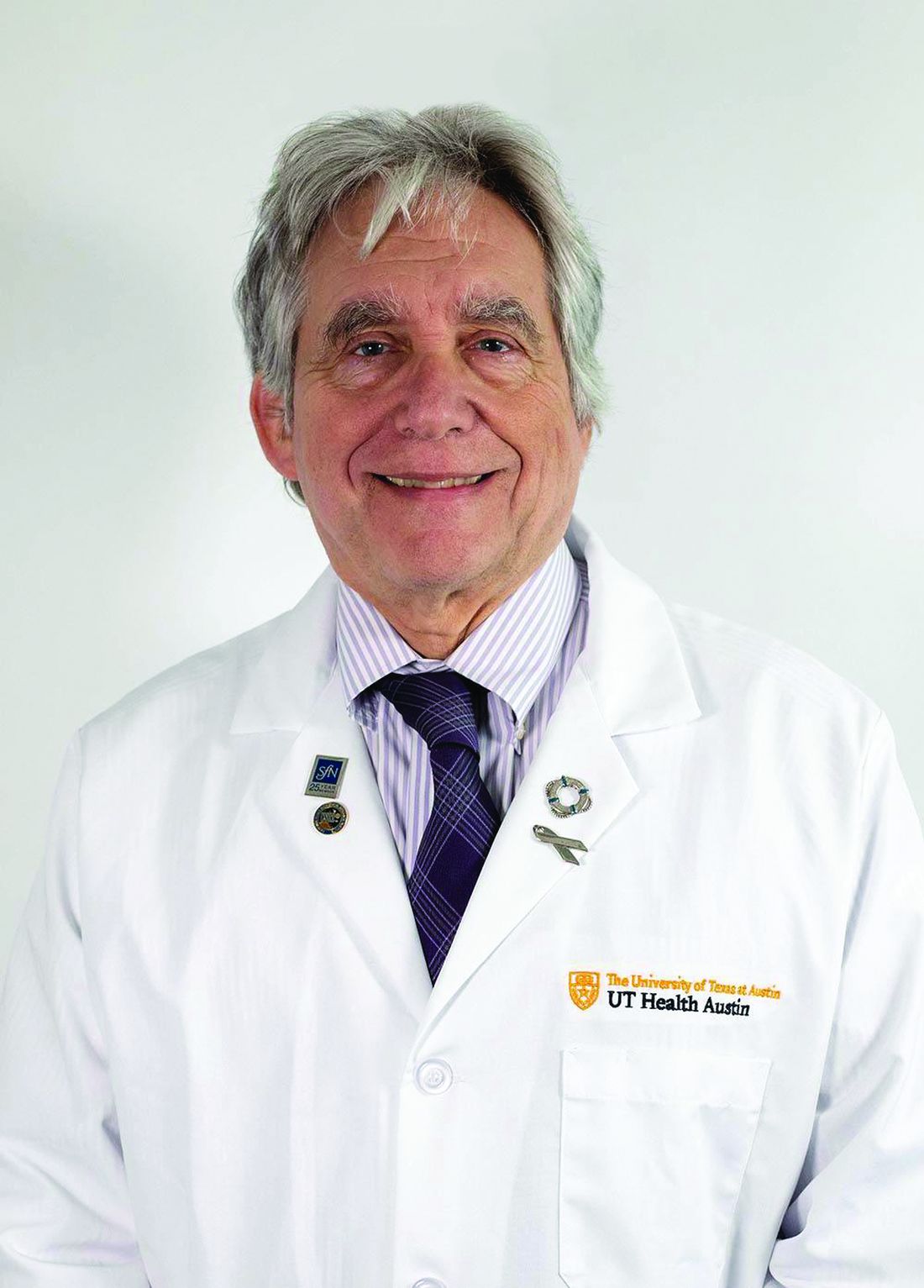
“The best example of that is probably the use of interferon-alpha for the treatment of malignant melanoma,” Dr. Nemeroff, professor and chair of the department of psychiatry and behavioral sciences at the University of Texas at Austin, said during an annual psychopharmacology update held by the Nevada Psychiatric Association. “Many patients treated with interferon-alpha ended up with very severe depression, including several documented suicides. Another possibility of the relationship between depression and medical disorders is that treating a patient for depression could result in a medical disorder. The best example of this is the use of 20 mg of olanzapine to augment the effects of an antidepressant, resulting in a 50-pound weight gain and the development of type 2 diabetes and metabolic syndrome. Both of those scenarios are well understood.”
Then there’s the behavioral aspects of the relationship, he continued, in which patients adopt the mindset that “I’m depressed. I don’t want to exercise. I’m a couch potato. I have been gaining a lot of weight. It’s bad for my heart.”
Converging biology is another possibility. “Is it possible that the biology of depression is linked to the biology of other disorders?” asked Dr. Nemeroff, who directs the university’s Institute for Early Life Adversity Research. “We can talk about this in relation to thyroid disease, a well known cause of depression, but we can also talk about the relationship to other disorders. There’s amazing epidemiologic evidence that patients with PTSD are much more likely to develop Alzheimer’s disease than patients without PTSD.”
Psychosocial issues also play a role. He recalled seeing patient in a clinic for the underserved who had underlying severe ulcerative colitis and anemia and couldn’t afford medical treatment. “The patient had a low hemoglobin, so it was impossible to distinguish between that and whether they had a primary depressive disorder or not,” he said.
In a study that explored the relationship between major depression and cancer, Dr. Nemeroff and colleagues found that the prevalence was highest in those with pancreatic cancer (50%), followed by oropharyngeal (40%), colon (13-25%), breast (18-25%), and gynecologic (23%), and Hodgkin’s lymphoma (17%) (Arch Gen Psychiatry 1995;52[2]:89-99). “Not all cancers have the same rate of depression,” he said. “One of the central questions is, not so much is the cancer patient depressed, but is depression a risk factor for developing cancer? The answer is a resounding yes. But what we don’t know is if you treat the depression aggressively, can you reduce that risk of either developing cancer or the progression of cancer?”
Dr. Nemeroff spotlighted several studies largely from the oncology literature, including a prospective survival analysis of 578 women with early-stage breast cancer (Lancet 1999;354:1331-6). After 5 years, 395 were alive and without relapse, 50 were alive with relapse, and 133 had died. The researchers found a significantly increased risk of death from all causes by 5 years in women with a high depression score (HR 3.59). There was a significantly increased risk of relapse or death at 5 years in women with high scores on helplessness and hopelessness measures.
In an analysis of the association between breast cancer and traumatic events, women who had severe stress or a traumatic event had lower rates of disease-free intervals (J Psychosomatic Res 2007;63:233-9). Another study by the same investigators found that a decrease in depression symptoms is associated with longer survival in patients with metastatic breast cancer (J Clin Oncol 2010;29:413-20). The median survival was 53.6 months for women with decreasing depression scores over 1 year and 25.1 months for women with increasing depression scores.
A more recent study of cervical cancer patients found that those exposed to psychological stress had an increased risk of cancer-specific mortality (HR 1.33) (Cancer Res 2019;79:3965-72). The association was mainly driven by distress experienced within 1 year before or after diagnosis (HR 1.30) but not afterward (HR 1.12). In addition, data from the large longitudinal Nurses’ Health Study II found that women with high PTSD symptoms had a twofold greater risk of ovarian cancer compared with women who had no trauma exposure (Cancer Res 2019;79:5113-20).
Authors of a separate study analyzed data from the Women’s Health Initiative to examine if depression precedes the development of a cancer diagnosis. They found that depression 3 years before a diagnosis of breast cancer was associated with all-cause mortality (HR 1.35) (Cancer 2017;123[16]:3107-15). Meanwhile, among women with late-stage breast cancer, newly developed depression at year 3 was significantly associated with all-cause mortality (HR 2.0) and breast cancer-specific mortality (HR 2.42). “That’s a pretty amazing finding,” Dr. Nemeroff said. “We have to think about depression as a systemic illness. What is depression doing that’s creating a fertile environment for cancer or worsening of cancer?”
He then discussed the risk of suicide in patients who are newly diagnosed with cancer. “No one ever talks about this, and I can’t get anybody to support research in this area,” he said. In one of the first studies on the topic, researchers conducted a case-control study of Medicare patients and determined risk of suicide among those with cancer was 2.3-fold higher compared with controls, even after adjustment for psychiatric illness and the risk of dying within a year (J Clin Oncol 2008;26[29]:4720-4). More recently, authors of a large population-based study in England found that the overall standardized mortality ratio for suicide was 1.20 (JAMA Psychiatry 2019;76[1]51-60). The risk was highest among patients with mesothelioma, with a 4.51-fold risk, followed by pancreatic (3.89-fold), esophageal (2.65-fold), lung (2.57-fold), and stomach cancer (2.20-fold). “They reported that the first 6 months after the diagnosis is associated with an increased risk of suicide – unrelated to prognosis,” Dr. Nemeroff said.
A separate analysis of SEER data from 1973-2014 and comprising more than 8.6 million cancer patients found that newly diagnosed cancer patients are 4.4 times more likely to die from suicide than patients in the same age group without cancer (Nat Commun 2019;10[1]:207). The highest risk was in lung cancer, followed by head and neck, testes, bladder, and Hodgkin’s lymphoma.
According to Dr. Nemeroff, For example, he said, if the depressed environment is associated with a marked increase in tumor necrosis factor, interleukin 6, and other inflammatory markers, “that probably contributes to the body’s ability to fight disease. Ironically, depression is associated with an increase in inflammation but a decreased in T cell function. Remember, there are two fundamental types of immunity: the antibody response and the cellular response. What’s odd about depression is that there’s an increase in inflammatory markers but a decrease in the ability of T cells to function in terms of cellular immunity.”
Dr. Nemeroff disclosed that he has served as a consultant and/or scientific adviser for numerous pharmaceutical companies. He has received research and grant support from the National Institutes of Health.
LAS VEGAS – Is the relationship between major depressive disorder and the development of cancer, cardiovascular disease, and other medical conditions a coincidence, or is there more at play?
According to Charles B. Nemeroff, MD, PhD, a host of circumstances potentially underlies this association, including treatment of the medical disorder itself.
“The best example of that is probably the use of interferon-alpha for the treatment of malignant melanoma,” Dr. Nemeroff, professor and chair of the department of psychiatry and behavioral sciences at the University of Texas at Austin, said during an annual psychopharmacology update held by the Nevada Psychiatric Association. “Many patients treated with interferon-alpha ended up with very severe depression, including several documented suicides. Another possibility of the relationship between depression and medical disorders is that treating a patient for depression could result in a medical disorder. The best example of this is the use of 20 mg of olanzapine to augment the effects of an antidepressant, resulting in a 50-pound weight gain and the development of type 2 diabetes and metabolic syndrome. Both of those scenarios are well understood.”
Then there’s the behavioral aspects of the relationship, he continued, in which patients adopt the mindset that “I’m depressed. I don’t want to exercise. I’m a couch potato. I have been gaining a lot of weight. It’s bad for my heart.”
Converging biology is another possibility. “Is it possible that the biology of depression is linked to the biology of other disorders?” asked Dr. Nemeroff, who directs the university’s Institute for Early Life Adversity Research. “We can talk about this in relation to thyroid disease, a well known cause of depression, but we can also talk about the relationship to other disorders. There’s amazing epidemiologic evidence that patients with PTSD are much more likely to develop Alzheimer’s disease than patients without PTSD.”
Psychosocial issues also play a role. He recalled seeing patient in a clinic for the underserved who had underlying severe ulcerative colitis and anemia and couldn’t afford medical treatment. “The patient had a low hemoglobin, so it was impossible to distinguish between that and whether they had a primary depressive disorder or not,” he said.
In a study that explored the relationship between major depression and cancer, Dr. Nemeroff and colleagues found that the prevalence was highest in those with pancreatic cancer (50%), followed by oropharyngeal (40%), colon (13-25%), breast (18-25%), and gynecologic (23%), and Hodgkin’s lymphoma (17%) (Arch Gen Psychiatry 1995;52[2]:89-99). “Not all cancers have the same rate of depression,” he said. “One of the central questions is, not so much is the cancer patient depressed, but is depression a risk factor for developing cancer? The answer is a resounding yes. But what we don’t know is if you treat the depression aggressively, can you reduce that risk of either developing cancer or the progression of cancer?”
Dr. Nemeroff spotlighted several studies largely from the oncology literature, including a prospective survival analysis of 578 women with early-stage breast cancer (Lancet 1999;354:1331-6). After 5 years, 395 were alive and without relapse, 50 were alive with relapse, and 133 had died. The researchers found a significantly increased risk of death from all causes by 5 years in women with a high depression score (HR 3.59). There was a significantly increased risk of relapse or death at 5 years in women with high scores on helplessness and hopelessness measures.
In an analysis of the association between breast cancer and traumatic events, women who had severe stress or a traumatic event had lower rates of disease-free intervals (J Psychosomatic Res 2007;63:233-9). Another study by the same investigators found that a decrease in depression symptoms is associated with longer survival in patients with metastatic breast cancer (J Clin Oncol 2010;29:413-20). The median survival was 53.6 months for women with decreasing depression scores over 1 year and 25.1 months for women with increasing depression scores.
A more recent study of cervical cancer patients found that those exposed to psychological stress had an increased risk of cancer-specific mortality (HR 1.33) (Cancer Res 2019;79:3965-72). The association was mainly driven by distress experienced within 1 year before or after diagnosis (HR 1.30) but not afterward (HR 1.12). In addition, data from the large longitudinal Nurses’ Health Study II found that women with high PTSD symptoms had a twofold greater risk of ovarian cancer compared with women who had no trauma exposure (Cancer Res 2019;79:5113-20).
Authors of a separate study analyzed data from the Women’s Health Initiative to examine if depression precedes the development of a cancer diagnosis. They found that depression 3 years before a diagnosis of breast cancer was associated with all-cause mortality (HR 1.35) (Cancer 2017;123[16]:3107-15). Meanwhile, among women with late-stage breast cancer, newly developed depression at year 3 was significantly associated with all-cause mortality (HR 2.0) and breast cancer-specific mortality (HR 2.42). “That’s a pretty amazing finding,” Dr. Nemeroff said. “We have to think about depression as a systemic illness. What is depression doing that’s creating a fertile environment for cancer or worsening of cancer?”
He then discussed the risk of suicide in patients who are newly diagnosed with cancer. “No one ever talks about this, and I can’t get anybody to support research in this area,” he said. In one of the first studies on the topic, researchers conducted a case-control study of Medicare patients and determined risk of suicide among those with cancer was 2.3-fold higher compared with controls, even after adjustment for psychiatric illness and the risk of dying within a year (J Clin Oncol 2008;26[29]:4720-4). More recently, authors of a large population-based study in England found that the overall standardized mortality ratio for suicide was 1.20 (JAMA Psychiatry 2019;76[1]51-60). The risk was highest among patients with mesothelioma, with a 4.51-fold risk, followed by pancreatic (3.89-fold), esophageal (2.65-fold), lung (2.57-fold), and stomach cancer (2.20-fold). “They reported that the first 6 months after the diagnosis is associated with an increased risk of suicide – unrelated to prognosis,” Dr. Nemeroff said.
A separate analysis of SEER data from 1973-2014 and comprising more than 8.6 million cancer patients found that newly diagnosed cancer patients are 4.4 times more likely to die from suicide than patients in the same age group without cancer (Nat Commun 2019;10[1]:207). The highest risk was in lung cancer, followed by head and neck, testes, bladder, and Hodgkin’s lymphoma.
According to Dr. Nemeroff, For example, he said, if the depressed environment is associated with a marked increase in tumor necrosis factor, interleukin 6, and other inflammatory markers, “that probably contributes to the body’s ability to fight disease. Ironically, depression is associated with an increase in inflammation but a decreased in T cell function. Remember, there are two fundamental types of immunity: the antibody response and the cellular response. What’s odd about depression is that there’s an increase in inflammatory markers but a decrease in the ability of T cells to function in terms of cellular immunity.”
Dr. Nemeroff disclosed that he has served as a consultant and/or scientific adviser for numerous pharmaceutical companies. He has received research and grant support from the National Institutes of Health.
LAS VEGAS – Is the relationship between major depressive disorder and the development of cancer, cardiovascular disease, and other medical conditions a coincidence, or is there more at play?
According to Charles B. Nemeroff, MD, PhD, a host of circumstances potentially underlies this association, including treatment of the medical disorder itself.
“The best example of that is probably the use of interferon-alpha for the treatment of malignant melanoma,” Dr. Nemeroff, professor and chair of the department of psychiatry and behavioral sciences at the University of Texas at Austin, said during an annual psychopharmacology update held by the Nevada Psychiatric Association. “Many patients treated with interferon-alpha ended up with very severe depression, including several documented suicides. Another possibility of the relationship between depression and medical disorders is that treating a patient for depression could result in a medical disorder. The best example of this is the use of 20 mg of olanzapine to augment the effects of an antidepressant, resulting in a 50-pound weight gain and the development of type 2 diabetes and metabolic syndrome. Both of those scenarios are well understood.”
Then there’s the behavioral aspects of the relationship, he continued, in which patients adopt the mindset that “I’m depressed. I don’t want to exercise. I’m a couch potato. I have been gaining a lot of weight. It’s bad for my heart.”
Converging biology is another possibility. “Is it possible that the biology of depression is linked to the biology of other disorders?” asked Dr. Nemeroff, who directs the university’s Institute for Early Life Adversity Research. “We can talk about this in relation to thyroid disease, a well known cause of depression, but we can also talk about the relationship to other disorders. There’s amazing epidemiologic evidence that patients with PTSD are much more likely to develop Alzheimer’s disease than patients without PTSD.”
Psychosocial issues also play a role. He recalled seeing patient in a clinic for the underserved who had underlying severe ulcerative colitis and anemia and couldn’t afford medical treatment. “The patient had a low hemoglobin, so it was impossible to distinguish between that and whether they had a primary depressive disorder or not,” he said.
In a study that explored the relationship between major depression and cancer, Dr. Nemeroff and colleagues found that the prevalence was highest in those with pancreatic cancer (50%), followed by oropharyngeal (40%), colon (13-25%), breast (18-25%), and gynecologic (23%), and Hodgkin’s lymphoma (17%) (Arch Gen Psychiatry 1995;52[2]:89-99). “Not all cancers have the same rate of depression,” he said. “One of the central questions is, not so much is the cancer patient depressed, but is depression a risk factor for developing cancer? The answer is a resounding yes. But what we don’t know is if you treat the depression aggressively, can you reduce that risk of either developing cancer or the progression of cancer?”
Dr. Nemeroff spotlighted several studies largely from the oncology literature, including a prospective survival analysis of 578 women with early-stage breast cancer (Lancet 1999;354:1331-6). After 5 years, 395 were alive and without relapse, 50 were alive with relapse, and 133 had died. The researchers found a significantly increased risk of death from all causes by 5 years in women with a high depression score (HR 3.59). There was a significantly increased risk of relapse or death at 5 years in women with high scores on helplessness and hopelessness measures.
In an analysis of the association between breast cancer and traumatic events, women who had severe stress or a traumatic event had lower rates of disease-free intervals (J Psychosomatic Res 2007;63:233-9). Another study by the same investigators found that a decrease in depression symptoms is associated with longer survival in patients with metastatic breast cancer (J Clin Oncol 2010;29:413-20). The median survival was 53.6 months for women with decreasing depression scores over 1 year and 25.1 months for women with increasing depression scores.
A more recent study of cervical cancer patients found that those exposed to psychological stress had an increased risk of cancer-specific mortality (HR 1.33) (Cancer Res 2019;79:3965-72). The association was mainly driven by distress experienced within 1 year before or after diagnosis (HR 1.30) but not afterward (HR 1.12). In addition, data from the large longitudinal Nurses’ Health Study II found that women with high PTSD symptoms had a twofold greater risk of ovarian cancer compared with women who had no trauma exposure (Cancer Res 2019;79:5113-20).
Authors of a separate study analyzed data from the Women’s Health Initiative to examine if depression precedes the development of a cancer diagnosis. They found that depression 3 years before a diagnosis of breast cancer was associated with all-cause mortality (HR 1.35) (Cancer 2017;123[16]:3107-15). Meanwhile, among women with late-stage breast cancer, newly developed depression at year 3 was significantly associated with all-cause mortality (HR 2.0) and breast cancer-specific mortality (HR 2.42). “That’s a pretty amazing finding,” Dr. Nemeroff said. “We have to think about depression as a systemic illness. What is depression doing that’s creating a fertile environment for cancer or worsening of cancer?”
He then discussed the risk of suicide in patients who are newly diagnosed with cancer. “No one ever talks about this, and I can’t get anybody to support research in this area,” he said. In one of the first studies on the topic, researchers conducted a case-control study of Medicare patients and determined risk of suicide among those with cancer was 2.3-fold higher compared with controls, even after adjustment for psychiatric illness and the risk of dying within a year (J Clin Oncol 2008;26[29]:4720-4). More recently, authors of a large population-based study in England found that the overall standardized mortality ratio for suicide was 1.20 (JAMA Psychiatry 2019;76[1]51-60). The risk was highest among patients with mesothelioma, with a 4.51-fold risk, followed by pancreatic (3.89-fold), esophageal (2.65-fold), lung (2.57-fold), and stomach cancer (2.20-fold). “They reported that the first 6 months after the diagnosis is associated with an increased risk of suicide – unrelated to prognosis,” Dr. Nemeroff said.
A separate analysis of SEER data from 1973-2014 and comprising more than 8.6 million cancer patients found that newly diagnosed cancer patients are 4.4 times more likely to die from suicide than patients in the same age group without cancer (Nat Commun 2019;10[1]:207). The highest risk was in lung cancer, followed by head and neck, testes, bladder, and Hodgkin’s lymphoma.
According to Dr. Nemeroff, For example, he said, if the depressed environment is associated with a marked increase in tumor necrosis factor, interleukin 6, and other inflammatory markers, “that probably contributes to the body’s ability to fight disease. Ironically, depression is associated with an increase in inflammation but a decreased in T cell function. Remember, there are two fundamental types of immunity: the antibody response and the cellular response. What’s odd about depression is that there’s an increase in inflammatory markers but a decrease in the ability of T cells to function in terms of cellular immunity.”
Dr. Nemeroff disclosed that he has served as a consultant and/or scientific adviser for numerous pharmaceutical companies. He has received research and grant support from the National Institutes of Health.
FROM NPA 2022
Filling opioid prescriptions akin to a Sisyphean task
Pain management is a huge part of how we in palliative care help patients – and most of the time, I think we do it well, but in the regulatory environment of the opioid epidemic,
A patient – let’s call her Joan – calls me in distress. She is a 62-year-old woman with widespread metastatic breast cancer. Her pain is mainly due to bone metastases, but she also has discomfort due to the cancer’s invasion of the thin membranes that line her lungs and abdomen.
She was started on a combination opioid and acetaminophen tablet about 2 months ago by her oncologist, but is now requiring it around the clock, nearing the ceiling dose for this particular medication.
Given that her pain is escalating, Joan and I discuss starting a long-acting opioid to better manage the peak and trough effect of short-acting opioids, which can make a patient feel that the pain is relieved only for a few hours at a time, with sharp spikes throughout the day that mandate the next dose of short-acting opioid. This tethers the patient to the clock, having to take as many as six or eight doses of medication per day, and can be very disruptive to daily life.

I send an e-prescription for the same opioid Joan’s currently taking, but in a long-acting format that will slow-release over 8-10 hours, relieving her of the need to take a medication every 3-4 hours. I have learned over the years that nearly every long-acting opioid automatically generates a prior authorization request from the patient’s insurance company and so I immediately email our prior authorization team to submit to Joan’s insurance right away to avoid this extra delay.
Our prior authorization team is exceptionally responsive and submits these requests with urgency every time – they understand that cancer pain is a serious problem and we can’t wait 5 business days for answers. They are typically able to obtain an approved prior authorization for nearly every long-acting opioid I write within 24-48 hours.
But here’s where things go sideways.
First, the insurance company denies the prior authorization request, demanding that I revise the prescription from the long-acting version of the opioid she is currently taking to a cheaper, older opioid that she’s never tried before. In other words, they won’t cover the drug I requested without Joan first trying a completely different drug and failing it. This only makes sense for the insurance company’s bottom line – it makes no clinical sense at all. Why would I try a novel compound that Joan’s never had and one to which I have no idea how she’ll respond when I could keep her on the same compound knowing that she tolerates it just fine?
Past experience tells me insurance companies rarely budge on this, and appealing the decision would just introduce even more delay of care, so I begrudgingly change the prescription and send it again to the pharmacy. I message Joan to let her know that her insurance won’t cover my drug of choice and that we have to try this older one first.
A few hours later, Joan sends me a message: “My pharmacy says it’s going to take A WEEK to get the long-acting medicine!”
In the meantime, Joan has been using her short-acting opioid faster than anticipated because of her escalating pain – so she’s now running low on that as well.
I write for more of her short-acting opioid and e-script it to her pharmacy.
Within a few hours, we get another automatic response from her insurance that we’re going to need a prior authorization for additional short-acting opioid because she’s exceeded “quantity limitations,” which as far as I can tell is a completely arbitrary number not based on clinical evidence.
The prior auth team jumps on it and submits to override the quantity limit – successfully – and sends the override code to her pharmacy to reprocess the prescription.
But now the pharmacist tells Joan that they won’t fill the Rx anyway because it’s “too early.” They tell her that “state laws” prevent them from filling the scrip.
Is this true? I have no idea. I’m not an expert on California pharmacy law. All I know is that my patient is in pain and something needs to happen quickly.
I write for a second short-acting opioid – again a completely different compound. Ironically, this Rx goes through instantly without need for prior authorization. But now Joan has to switch to another new drug for no good medical reason.
If you’re still with me this far into the weeds, I’m grateful. In all it took a combined 4 hours of work (between myself and the prior auth team) to get two opioid Rx’s filled – and these were completely different medications than the ones I originally wrote for. I also had to move her prescriptions to the hospital’s pharmacy (another inconvenience for Joan and her family) so that she could get the medications in a timely manner. All this work to ensure that a single patient had adequate and timely pain relief and to prevent her from having to make an unnecessary visit to the emergency department for pain crisis.
This is just a regular day in outpatient palliative care in the era of the opioid epidemic.
The epidemic has caused tremendous pain and suffering for millions of people over the past 2 decades – namely those lost to opioid overdoses and their loved ones. And for the most part, tightening access to opioids for routine aches and pains among a relatively healthy population is not wrong, in my opinion, as long as those restrictions are based in good faith on robust evidence.
But the hidden cost of the Centers for Disease Control and Prevention’s 2016 opioid prescribing guidelines for nonmalignant pain, as well as the flurry of restrictive state laws they generated, is felt every day by patients with serious illness even though the guidelines were never meant to affect them. Patients with active cancer, receiving palliative care services, or at the end of life, were supposed to be exempted from these guidelines since good evidence supports the use of opioids in these populations.
Instead of preserving access to desperately needed pain medicine for those suffering with serious illness, states and insurers have aggressively sought to gatekeep opioids from everyone, resulting in stigma, delays, and needless suffering.
Several recent studies have revealed the effects of this gatekeeping on patients with cancer.
A qualitative study with 26 advanced cancer patients described the demoralization and stigma many patients felt when taking opioids, which they directly tied to media messaging around the opioid epidemic. Even when they reluctantly agreed to take opioids to treat cancer-related pain, there were systemic impediments to achieving adequate pain relief – similar to my experience with Joan – that were directly caused by insurance and pharmacy constraints.
Those of us who care for oncology patients also appear to be undertreating cancer-related pain. Another recent study that found the amount of opioid medications prescribed to an advanced cancer patient near the end of life dropped by 38% between 2007 and 2017. The authors suggest that a direct consequence of this decline in appropriate opioid prescribing is an observed 50% rise in emergency department visits over the same time period by cancer patients for pain-related reasons.
This makes sense – if patients aren’t routinely prescribed the opioids they need to manage their cancer-related pain; or, if the stigma against using opioids is so harsh that it causes patients to shun opioids; or, if there are so many system barriers in place to prevent patients from obtaining opioids in a timely manner – then patients’ pain will crescendo, leaving them with little alternative but to head to the emergency department.
This undertreatment is corroborated by another study that examined data from the Centers for Medicare & Medicaid Services Part D prescriber database between 2013 and 2017, finding that both oncologists and nononcologists prescribed about 21% fewer opioids to Medicare beneficiaries during that time, compared with the period prior to 2013.
Interestingly, the researchers also found that opioid prescribing by palliative care providers increased by 15% over the same period. On a positive note, this suggests the presence of a growing outpatient palliative care workforce. But it may also reflect growing unease among oncologists with the perceived liability for prescribing opioids and a desire to ask other specialists to take on this liability. At the same time, it may reflect the very real and ever-increasing administrative burden associated with prescribing opioids and the fact that busy oncologists may not have time to spend on this aspect of cancer care. Thus, as palliative care clinicians become more visible and numerous in the outpatient arena, oncologists may increasingly ask palliative care clinicians like myself to take this on.
The problem with this is that merely handing off the administrative burden to another clinician doesn’t address the underlying problem. Anecdotal evidence suggests (and my own experiences corroborate) this administrative burden can cause real harm. A survey of 1,000 physicians conducted by the American Medical Association in 2021 found that 93% of respondents reported a delay in patient care due to prior authorization burden and 34% of respondents reported that their patients had suffered a “serious adverse event” due to prior authorization requirements.
The CDC recently announced it will take steps to revise the 2016 opioid prescribing guidelines for chronic pain after hearing from members of the medical community as well as patients living with chronic pain about the harsh, unintended consequences of the guidelines. I can only hope that insurance companies will follow suit, revising their opioid prior authorization requirements to finally come into alignment with the rational, safe use of opioids in patients with advanced cancer. It’s too bad that any improvement in the future will be too late for the millions of patients who have suffered irreversible iatrogenic harms due to delays in achieving adequate pain relief.
Sarah F. D’Ambruoso, NP, is a palliative care nurse practitioner in Santa Monica, Calif.
Pain management is a huge part of how we in palliative care help patients – and most of the time, I think we do it well, but in the regulatory environment of the opioid epidemic,
A patient – let’s call her Joan – calls me in distress. She is a 62-year-old woman with widespread metastatic breast cancer. Her pain is mainly due to bone metastases, but she also has discomfort due to the cancer’s invasion of the thin membranes that line her lungs and abdomen.
She was started on a combination opioid and acetaminophen tablet about 2 months ago by her oncologist, but is now requiring it around the clock, nearing the ceiling dose for this particular medication.
Given that her pain is escalating, Joan and I discuss starting a long-acting opioid to better manage the peak and trough effect of short-acting opioids, which can make a patient feel that the pain is relieved only for a few hours at a time, with sharp spikes throughout the day that mandate the next dose of short-acting opioid. This tethers the patient to the clock, having to take as many as six or eight doses of medication per day, and can be very disruptive to daily life.
I send an e-prescription for the same opioid Joan’s currently taking, but in a long-acting format that will slow-release over 8-10 hours, relieving her of the need to take a medication every 3-4 hours. I have learned over the years that nearly every long-acting opioid automatically generates a prior authorization request from the patient’s insurance company and so I immediately email our prior authorization team to submit to Joan’s insurance right away to avoid this extra delay.
Our prior authorization team is exceptionally responsive and submits these requests with urgency every time – they understand that cancer pain is a serious problem and we can’t wait 5 business days for answers. They are typically able to obtain an approved prior authorization for nearly every long-acting opioid I write within 24-48 hours.
But here’s where things go sideways.
First, the insurance company denies the prior authorization request, demanding that I revise the prescription from the long-acting version of the opioid she is currently taking to a cheaper, older opioid that she’s never tried before. In other words, they won’t cover the drug I requested without Joan first trying a completely different drug and failing it. This only makes sense for the insurance company’s bottom line – it makes no clinical sense at all. Why would I try a novel compound that Joan’s never had and one to which I have no idea how she’ll respond when I could keep her on the same compound knowing that she tolerates it just fine?
Past experience tells me insurance companies rarely budge on this, and appealing the decision would just introduce even more delay of care, so I begrudgingly change the prescription and send it again to the pharmacy. I message Joan to let her know that her insurance won’t cover my drug of choice and that we have to try this older one first.
A few hours later, Joan sends me a message: “My pharmacy says it’s going to take A WEEK to get the long-acting medicine!”
In the meantime, Joan has been using her short-acting opioid faster than anticipated because of her escalating pain – so she’s now running low on that as well.
I write for more of her short-acting opioid and e-script it to her pharmacy.
Within a few hours, we get another automatic response from her insurance that we’re going to need a prior authorization for additional short-acting opioid because she’s exceeded “quantity limitations,” which as far as I can tell is a completely arbitrary number not based on clinical evidence.
The prior auth team jumps on it and submits to override the quantity limit – successfully – and sends the override code to her pharmacy to reprocess the prescription.
But now the pharmacist tells Joan that they won’t fill the Rx anyway because it’s “too early.” They tell her that “state laws” prevent them from filling the scrip.
Is this true? I have no idea. I’m not an expert on California pharmacy law. All I know is that my patient is in pain and something needs to happen quickly.
I write for a second short-acting opioid – again a completely different compound. Ironically, this Rx goes through instantly without need for prior authorization. But now Joan has to switch to another new drug for no good medical reason.
If you’re still with me this far into the weeds, I’m grateful. In all it took a combined 4 hours of work (between myself and the prior auth team) to get two opioid Rx’s filled – and these were completely different medications than the ones I originally wrote for. I also had to move her prescriptions to the hospital’s pharmacy (another inconvenience for Joan and her family) so that she could get the medications in a timely manner. All this work to ensure that a single patient had adequate and timely pain relief and to prevent her from having to make an unnecessary visit to the emergency department for pain crisis.
This is just a regular day in outpatient palliative care in the era of the opioid epidemic.
The epidemic has caused tremendous pain and suffering for millions of people over the past 2 decades – namely those lost to opioid overdoses and their loved ones. And for the most part, tightening access to opioids for routine aches and pains among a relatively healthy population is not wrong, in my opinion, as long as those restrictions are based in good faith on robust evidence.
But the hidden cost of the Centers for Disease Control and Prevention’s 2016 opioid prescribing guidelines for nonmalignant pain, as well as the flurry of restrictive state laws they generated, is felt every day by patients with serious illness even though the guidelines were never meant to affect them. Patients with active cancer, receiving palliative care services, or at the end of life, were supposed to be exempted from these guidelines since good evidence supports the use of opioids in these populations.
Instead of preserving access to desperately needed pain medicine for those suffering with serious illness, states and insurers have aggressively sought to gatekeep opioids from everyone, resulting in stigma, delays, and needless suffering.
Several recent studies have revealed the effects of this gatekeeping on patients with cancer.
A qualitative study with 26 advanced cancer patients described the demoralization and stigma many patients felt when taking opioids, which they directly tied to media messaging around the opioid epidemic. Even when they reluctantly agreed to take opioids to treat cancer-related pain, there were systemic impediments to achieving adequate pain relief – similar to my experience with Joan – that were directly caused by insurance and pharmacy constraints.
Those of us who care for oncology patients also appear to be undertreating cancer-related pain. Another recent study that found the amount of opioid medications prescribed to an advanced cancer patient near the end of life dropped by 38% between 2007 and 2017. The authors suggest that a direct consequence of this decline in appropriate opioid prescribing is an observed 50% rise in emergency department visits over the same time period by cancer patients for pain-related reasons.
This makes sense – if patients aren’t routinely prescribed the opioids they need to manage their cancer-related pain; or, if the stigma against using opioids is so harsh that it causes patients to shun opioids; or, if there are so many system barriers in place to prevent patients from obtaining opioids in a timely manner – then patients’ pain will crescendo, leaving them with little alternative but to head to the emergency department.
This undertreatment is corroborated by another study that examined data from the Centers for Medicare & Medicaid Services Part D prescriber database between 2013 and 2017, finding that both oncologists and nononcologists prescribed about 21% fewer opioids to Medicare beneficiaries during that time, compared with the period prior to 2013.
Interestingly, the researchers also found that opioid prescribing by palliative care providers increased by 15% over the same period. On a positive note, this suggests the presence of a growing outpatient palliative care workforce. But it may also reflect growing unease among oncologists with the perceived liability for prescribing opioids and a desire to ask other specialists to take on this liability. At the same time, it may reflect the very real and ever-increasing administrative burden associated with prescribing opioids and the fact that busy oncologists may not have time to spend on this aspect of cancer care. Thus, as palliative care clinicians become more visible and numerous in the outpatient arena, oncologists may increasingly ask palliative care clinicians like myself to take this on.
The problem with this is that merely handing off the administrative burden to another clinician doesn’t address the underlying problem. Anecdotal evidence suggests (and my own experiences corroborate) this administrative burden can cause real harm. A survey of 1,000 physicians conducted by the American Medical Association in 2021 found that 93% of respondents reported a delay in patient care due to prior authorization burden and 34% of respondents reported that their patients had suffered a “serious adverse event” due to prior authorization requirements.
The CDC recently announced it will take steps to revise the 2016 opioid prescribing guidelines for chronic pain after hearing from members of the medical community as well as patients living with chronic pain about the harsh, unintended consequences of the guidelines. I can only hope that insurance companies will follow suit, revising their opioid prior authorization requirements to finally come into alignment with the rational, safe use of opioids in patients with advanced cancer. It’s too bad that any improvement in the future will be too late for the millions of patients who have suffered irreversible iatrogenic harms due to delays in achieving adequate pain relief.
Sarah F. D’Ambruoso, NP, is a palliative care nurse practitioner in Santa Monica, Calif.
Pain management is a huge part of how we in palliative care help patients – and most of the time, I think we do it well, but in the regulatory environment of the opioid epidemic,
A patient – let’s call her Joan – calls me in distress. She is a 62-year-old woman with widespread metastatic breast cancer. Her pain is mainly due to bone metastases, but she also has discomfort due to the cancer’s invasion of the thin membranes that line her lungs and abdomen.
She was started on a combination opioid and acetaminophen tablet about 2 months ago by her oncologist, but is now requiring it around the clock, nearing the ceiling dose for this particular medication.
Given that her pain is escalating, Joan and I discuss starting a long-acting opioid to better manage the peak and trough effect of short-acting opioids, which can make a patient feel that the pain is relieved only for a few hours at a time, with sharp spikes throughout the day that mandate the next dose of short-acting opioid. This tethers the patient to the clock, having to take as many as six or eight doses of medication per day, and can be very disruptive to daily life.
I send an e-prescription for the same opioid Joan’s currently taking, but in a long-acting format that will slow-release over 8-10 hours, relieving her of the need to take a medication every 3-4 hours. I have learned over the years that nearly every long-acting opioid automatically generates a prior authorization request from the patient’s insurance company and so I immediately email our prior authorization team to submit to Joan’s insurance right away to avoid this extra delay.
Our prior authorization team is exceptionally responsive and submits these requests with urgency every time – they understand that cancer pain is a serious problem and we can’t wait 5 business days for answers. They are typically able to obtain an approved prior authorization for nearly every long-acting opioid I write within 24-48 hours.
But here’s where things go sideways.
First, the insurance company denies the prior authorization request, demanding that I revise the prescription from the long-acting version of the opioid she is currently taking to a cheaper, older opioid that she’s never tried before. In other words, they won’t cover the drug I requested without Joan first trying a completely different drug and failing it. This only makes sense for the insurance company’s bottom line – it makes no clinical sense at all. Why would I try a novel compound that Joan’s never had and one to which I have no idea how she’ll respond when I could keep her on the same compound knowing that she tolerates it just fine?
Past experience tells me insurance companies rarely budge on this, and appealing the decision would just introduce even more delay of care, so I begrudgingly change the prescription and send it again to the pharmacy. I message Joan to let her know that her insurance won’t cover my drug of choice and that we have to try this older one first.
A few hours later, Joan sends me a message: “My pharmacy says it’s going to take A WEEK to get the long-acting medicine!”
In the meantime, Joan has been using her short-acting opioid faster than anticipated because of her escalating pain – so she’s now running low on that as well.
I write for more of her short-acting opioid and e-script it to her pharmacy.
Within a few hours, we get another automatic response from her insurance that we’re going to need a prior authorization for additional short-acting opioid because she’s exceeded “quantity limitations,” which as far as I can tell is a completely arbitrary number not based on clinical evidence.
The prior auth team jumps on it and submits to override the quantity limit – successfully – and sends the override code to her pharmacy to reprocess the prescription.
But now the pharmacist tells Joan that they won’t fill the Rx anyway because it’s “too early.” They tell her that “state laws” prevent them from filling the scrip.
Is this true? I have no idea. I’m not an expert on California pharmacy law. All I know is that my patient is in pain and something needs to happen quickly.
I write for a second short-acting opioid – again a completely different compound. Ironically, this Rx goes through instantly without need for prior authorization. But now Joan has to switch to another new drug for no good medical reason.
If you’re still with me this far into the weeds, I’m grateful. In all it took a combined 4 hours of work (between myself and the prior auth team) to get two opioid Rx’s filled – and these were completely different medications than the ones I originally wrote for. I also had to move her prescriptions to the hospital’s pharmacy (another inconvenience for Joan and her family) so that she could get the medications in a timely manner. All this work to ensure that a single patient had adequate and timely pain relief and to prevent her from having to make an unnecessary visit to the emergency department for pain crisis.
This is just a regular day in outpatient palliative care in the era of the opioid epidemic.
The epidemic has caused tremendous pain and suffering for millions of people over the past 2 decades – namely those lost to opioid overdoses and their loved ones. And for the most part, tightening access to opioids for routine aches and pains among a relatively healthy population is not wrong, in my opinion, as long as those restrictions are based in good faith on robust evidence.
But the hidden cost of the Centers for Disease Control and Prevention’s 2016 opioid prescribing guidelines for nonmalignant pain, as well as the flurry of restrictive state laws they generated, is felt every day by patients with serious illness even though the guidelines were never meant to affect them. Patients with active cancer, receiving palliative care services, or at the end of life, were supposed to be exempted from these guidelines since good evidence supports the use of opioids in these populations.
Instead of preserving access to desperately needed pain medicine for those suffering with serious illness, states and insurers have aggressively sought to gatekeep opioids from everyone, resulting in stigma, delays, and needless suffering.
Several recent studies have revealed the effects of this gatekeeping on patients with cancer.
A qualitative study with 26 advanced cancer patients described the demoralization and stigma many patients felt when taking opioids, which they directly tied to media messaging around the opioid epidemic. Even when they reluctantly agreed to take opioids to treat cancer-related pain, there were systemic impediments to achieving adequate pain relief – similar to my experience with Joan – that were directly caused by insurance and pharmacy constraints.
Those of us who care for oncology patients also appear to be undertreating cancer-related pain. Another recent study that found the amount of opioid medications prescribed to an advanced cancer patient near the end of life dropped by 38% between 2007 and 2017. The authors suggest that a direct consequence of this decline in appropriate opioid prescribing is an observed 50% rise in emergency department visits over the same time period by cancer patients for pain-related reasons.
This makes sense – if patients aren’t routinely prescribed the opioids they need to manage their cancer-related pain; or, if the stigma against using opioids is so harsh that it causes patients to shun opioids; or, if there are so many system barriers in place to prevent patients from obtaining opioids in a timely manner – then patients’ pain will crescendo, leaving them with little alternative but to head to the emergency department.
This undertreatment is corroborated by another study that examined data from the Centers for Medicare & Medicaid Services Part D prescriber database between 2013 and 2017, finding that both oncologists and nononcologists prescribed about 21% fewer opioids to Medicare beneficiaries during that time, compared with the period prior to 2013.
Interestingly, the researchers also found that opioid prescribing by palliative care providers increased by 15% over the same period. On a positive note, this suggests the presence of a growing outpatient palliative care workforce. But it may also reflect growing unease among oncologists with the perceived liability for prescribing opioids and a desire to ask other specialists to take on this liability. At the same time, it may reflect the very real and ever-increasing administrative burden associated with prescribing opioids and the fact that busy oncologists may not have time to spend on this aspect of cancer care. Thus, as palliative care clinicians become more visible and numerous in the outpatient arena, oncologists may increasingly ask palliative care clinicians like myself to take this on.
The problem with this is that merely handing off the administrative burden to another clinician doesn’t address the underlying problem. Anecdotal evidence suggests (and my own experiences corroborate) this administrative burden can cause real harm. A survey of 1,000 physicians conducted by the American Medical Association in 2021 found that 93% of respondents reported a delay in patient care due to prior authorization burden and 34% of respondents reported that their patients had suffered a “serious adverse event” due to prior authorization requirements.
The CDC recently announced it will take steps to revise the 2016 opioid prescribing guidelines for chronic pain after hearing from members of the medical community as well as patients living with chronic pain about the harsh, unintended consequences of the guidelines. I can only hope that insurance companies will follow suit, revising their opioid prior authorization requirements to finally come into alignment with the rational, safe use of opioids in patients with advanced cancer. It’s too bad that any improvement in the future will be too late for the millions of patients who have suffered irreversible iatrogenic harms due to delays in achieving adequate pain relief.
Sarah F. D’Ambruoso, NP, is a palliative care nurse practitioner in Santa Monica, Calif.
Women at higher risk of serious adverse events from cancer therapy
and this is seen with chemotherapy, targeted agents, and especially with immunotherapy.
The finding comes from a review of more than 23,000 participants across 202 trials of various cancers (excluding sex-related cancers) that has been conducted over the past 40 years.
The investigators found a 34% increased risk of severe AEs among women, compared with men, climbing to a 49% higher risk with immunotherapy.
Women had a substantially greater risk of severe symptomatic AEs, including with immune checkpoint inhibitors and targeted tyrosine kinase inhibitors, and were more likely to experience severe hematologic AEs with chemotherapy and immunotherapy.
The particularly large sex differences with immunotherapy suggest “that studying AEs from these agents is a priority,” the investigators comment.
The article was published online on Feb. 4 in the Journal of Clinical Oncology.
“It has been understood that women have more toxicity from chemotherapy than men, but almost no research has aimed to understand whether that pattern held for novel treatments like immunotherapy or targeted therapies. We found similar large differences, especially for immune treatments,” said lead investigator Joseph Unger, PhD, a biostatistician and health services researcher at the Fred Hutchinson Cancer Research Center, Seattle, in an institutional press release.
A “better understanding of the nature of the underlying mechanisms could potentially lead to interventions or delivery modifications to reduce toxicity in women,” the investigators comment in their article.
Among a sea of possible explanations for the finding, there could be differences in how men and women metabolize cancer therapies or differences in how they perceive symptoms. Women may also receive relatively higher doses because of their body size or have higher adherence to treatment.
Whatever the case, as cancer treatment becomes increasingly individualized, “sex may be an important consideration,” Dr. Unger said.
Study details
The study involved 8,838 women and 14,458 men across the trials, which were phase 2 or 3 investigations conducted by the SWOG Cancer Research Network from 1980 to 2019. Trials including sex-related cancers were excluded. In the trials included in the review, the most common cancers were gastrointestinal and lung, followed by leukemia.
Seventy-five percent of the subjects received chemotherapy, and the rest received either targeted therapy or immunotherapy.
Two-thirds of the subjects had at least one grade 3 or higher AE; women had a 25% higher risk than men of having AEs of grade 5 or higher.
After adjusting for age, race, disease prognosis, and other factors, women were at increased risk of severe symptomatic AEs, such as nausea and pain, across all treatment lines and especially with immunotherapy, for which reports of symptomatic AEs were 66% higher.
Women also had a higher risk of symptomatic gastrointestinal AEs with all three treatments and a higher risk of sleep-related AEs with chemotherapy and immunotherapy, which “could be a function of hormonal effects interacting with cancer treatment,” the investigators said.
As for readily measurable AEs, women were at higher risk than men for objective hematologic AEs with chemotherapy, immunotherapy, and targeted therapy. There were no statistically significant sex differences in the risk of nonhematologic objective AEs.
The team notes that increased toxicity among women has been associated with improved survival, which may give AEs more time to develop. Higher rates of AEs might also signal increased delivery or efficacy of cancer treatments.
However, a previous study found that men may have a better response to immunotherapy than women. Immune checkpoint inhibitors were twice as effective as standard cancer therapies in the treatment of men with advanced solid tumors compared to their female counterparts, concluded a team that carried out a meta-analysis of 20 randomized controlled trials involving more than 11,351 patients.
The study was funded by the National Cancer Institute and others. Dr. Unger has disclosed no relevant financial relationships. Several coauthors have reported ties to a handful of companies, including Johnson & Johnson and Seattle Genetics. One is an employee of AIM Specialty Health.
A version of this article first appeared on Medscape.com.
and this is seen with chemotherapy, targeted agents, and especially with immunotherapy.
The finding comes from a review of more than 23,000 participants across 202 trials of various cancers (excluding sex-related cancers) that has been conducted over the past 40 years.
The investigators found a 34% increased risk of severe AEs among women, compared with men, climbing to a 49% higher risk with immunotherapy.
Women had a substantially greater risk of severe symptomatic AEs, including with immune checkpoint inhibitors and targeted tyrosine kinase inhibitors, and were more likely to experience severe hematologic AEs with chemotherapy and immunotherapy.
The particularly large sex differences with immunotherapy suggest “that studying AEs from these agents is a priority,” the investigators comment.
The article was published online on Feb. 4 in the Journal of Clinical Oncology.
“It has been understood that women have more toxicity from chemotherapy than men, but almost no research has aimed to understand whether that pattern held for novel treatments like immunotherapy or targeted therapies. We found similar large differences, especially for immune treatments,” said lead investigator Joseph Unger, PhD, a biostatistician and health services researcher at the Fred Hutchinson Cancer Research Center, Seattle, in an institutional press release.
A “better understanding of the nature of the underlying mechanisms could potentially lead to interventions or delivery modifications to reduce toxicity in women,” the investigators comment in their article.
Among a sea of possible explanations for the finding, there could be differences in how men and women metabolize cancer therapies or differences in how they perceive symptoms. Women may also receive relatively higher doses because of their body size or have higher adherence to treatment.
Whatever the case, as cancer treatment becomes increasingly individualized, “sex may be an important consideration,” Dr. Unger said.
Study details
The study involved 8,838 women and 14,458 men across the trials, which were phase 2 or 3 investigations conducted by the SWOG Cancer Research Network from 1980 to 2019. Trials including sex-related cancers were excluded. In the trials included in the review, the most common cancers were gastrointestinal and lung, followed by leukemia.
Seventy-five percent of the subjects received chemotherapy, and the rest received either targeted therapy or immunotherapy.
Two-thirds of the subjects had at least one grade 3 or higher AE; women had a 25% higher risk than men of having AEs of grade 5 or higher.
After adjusting for age, race, disease prognosis, and other factors, women were at increased risk of severe symptomatic AEs, such as nausea and pain, across all treatment lines and especially with immunotherapy, for which reports of symptomatic AEs were 66% higher.
Women also had a higher risk of symptomatic gastrointestinal AEs with all three treatments and a higher risk of sleep-related AEs with chemotherapy and immunotherapy, which “could be a function of hormonal effects interacting with cancer treatment,” the investigators said.
As for readily measurable AEs, women were at higher risk than men for objective hematologic AEs with chemotherapy, immunotherapy, and targeted therapy. There were no statistically significant sex differences in the risk of nonhematologic objective AEs.
The team notes that increased toxicity among women has been associated with improved survival, which may give AEs more time to develop. Higher rates of AEs might also signal increased delivery or efficacy of cancer treatments.
However, a previous study found that men may have a better response to immunotherapy than women. Immune checkpoint inhibitors were twice as effective as standard cancer therapies in the treatment of men with advanced solid tumors compared to their female counterparts, concluded a team that carried out a meta-analysis of 20 randomized controlled trials involving more than 11,351 patients.
The study was funded by the National Cancer Institute and others. Dr. Unger has disclosed no relevant financial relationships. Several coauthors have reported ties to a handful of companies, including Johnson & Johnson and Seattle Genetics. One is an employee of AIM Specialty Health.
A version of this article first appeared on Medscape.com.
and this is seen with chemotherapy, targeted agents, and especially with immunotherapy.
The finding comes from a review of more than 23,000 participants across 202 trials of various cancers (excluding sex-related cancers) that has been conducted over the past 40 years.
The investigators found a 34% increased risk of severe AEs among women, compared with men, climbing to a 49% higher risk with immunotherapy.
Women had a substantially greater risk of severe symptomatic AEs, including with immune checkpoint inhibitors and targeted tyrosine kinase inhibitors, and were more likely to experience severe hematologic AEs with chemotherapy and immunotherapy.
The particularly large sex differences with immunotherapy suggest “that studying AEs from these agents is a priority,” the investigators comment.
The article was published online on Feb. 4 in the Journal of Clinical Oncology.
“It has been understood that women have more toxicity from chemotherapy than men, but almost no research has aimed to understand whether that pattern held for novel treatments like immunotherapy or targeted therapies. We found similar large differences, especially for immune treatments,” said lead investigator Joseph Unger, PhD, a biostatistician and health services researcher at the Fred Hutchinson Cancer Research Center, Seattle, in an institutional press release.
A “better understanding of the nature of the underlying mechanisms could potentially lead to interventions or delivery modifications to reduce toxicity in women,” the investigators comment in their article.
Among a sea of possible explanations for the finding, there could be differences in how men and women metabolize cancer therapies or differences in how they perceive symptoms. Women may also receive relatively higher doses because of their body size or have higher adherence to treatment.
Whatever the case, as cancer treatment becomes increasingly individualized, “sex may be an important consideration,” Dr. Unger said.
Study details
The study involved 8,838 women and 14,458 men across the trials, which were phase 2 or 3 investigations conducted by the SWOG Cancer Research Network from 1980 to 2019. Trials including sex-related cancers were excluded. In the trials included in the review, the most common cancers were gastrointestinal and lung, followed by leukemia.
Seventy-five percent of the subjects received chemotherapy, and the rest received either targeted therapy or immunotherapy.
Two-thirds of the subjects had at least one grade 3 or higher AE; women had a 25% higher risk than men of having AEs of grade 5 or higher.
After adjusting for age, race, disease prognosis, and other factors, women were at increased risk of severe symptomatic AEs, such as nausea and pain, across all treatment lines and especially with immunotherapy, for which reports of symptomatic AEs were 66% higher.
Women also had a higher risk of symptomatic gastrointestinal AEs with all three treatments and a higher risk of sleep-related AEs with chemotherapy and immunotherapy, which “could be a function of hormonal effects interacting with cancer treatment,” the investigators said.
As for readily measurable AEs, women were at higher risk than men for objective hematologic AEs with chemotherapy, immunotherapy, and targeted therapy. There were no statistically significant sex differences in the risk of nonhematologic objective AEs.
The team notes that increased toxicity among women has been associated with improved survival, which may give AEs more time to develop. Higher rates of AEs might also signal increased delivery or efficacy of cancer treatments.
However, a previous study found that men may have a better response to immunotherapy than women. Immune checkpoint inhibitors were twice as effective as standard cancer therapies in the treatment of men with advanced solid tumors compared to their female counterparts, concluded a team that carried out a meta-analysis of 20 randomized controlled trials involving more than 11,351 patients.
The study was funded by the National Cancer Institute and others. Dr. Unger has disclosed no relevant financial relationships. Several coauthors have reported ties to a handful of companies, including Johnson & Johnson and Seattle Genetics. One is an employee of AIM Specialty Health.
A version of this article first appeared on Medscape.com.
Alleviating chemo-related nausea is a huge unmet need
This transcript has been edited for clarity. The transcript and an accompanying video first appeared on Medscape.com.
This is Mark Kris from chilly New York and Memorial Sloan Kettering. Today I want to talk about a recent article in the Journal of Clinical Oncology that reported a study of a new neurokinin-1 antagonist called fosnetupitant. This was a well-conducted trial that demonstrates the noninferiority of IV fosnetupitant when compared with IV fosaprepitant. By their study criteria, fosnetupitant was not inferior.
But my reason for discussing this is that the paper and the trial miss the point for the field right now. Although the authors talk about the prevention of nausea and vomiting in the introduction, in the paper itself and in the abstract results section, there’s not a single mention about the medication’s ability to control nausea, which is the critical issue for our patients today. You have to go into the supplementary data to find it mentioned, and what you find is that the prevention of nausea is 50% for both the control and this new drug. We control nausea in only half of the patients who receive cisplatin in 2022. That is a huge issue.
When you ask patients what are the effects of cancer treatment that they fear most, that concerns them most, it’s nausea and emesis; indeed, nausea has replaced emesis as the biggest concern. And although this trial used emesis as the main endpoint, and it was useful in defining the drug, it was not useful in coming up with a new treatment that addresses a huge need. Further, the authors talk about an advantage to fosnetupitant based on infusion reactions, but it is a difference of 0.3% vs. 3%. They talk about that sort of thing in the abstract and in the discussion section but don’t include nausea as part of the key endpoint of this trial. Again, you had to dig deeply to find out that, frankly, fosnetupitant was no better than the drugs we already have.
The other concerning point is that we do have another drug that works well. If you go to the American Society of Clinical Oncology or National Comprehensive Cancer Network guidelines for patients receiving high dosages of cisplatin, you find a four-drug regimen, including olanzapine, and that was not used here. Why is olanzapine so critical? It’s an available drug, it’s an inexpensive drug, it’s a safe drug, and it improves nausea by 15%.
So they did this huge trial to show noninferiority, and they neglected to give a drug that could deal with the most serious side effect of cancer therapy – nausea – and improve things by 15%.
A challenge to people in this field: We have to do better. Nausea is a big problem. While noninferiority trials can be helpful for drug development, they’re not really helpful for the field. With a problem of this magnitude, we need better drugs to control nausea. In the meantime, I urge you all to follow the guidelines for high doses of cisplatin. Please use the four-drug regimen that is recommended in the guidelines and widely used in the United States. Going forward, make sure that when we expend huge amounts of energy to develop new agents and report them in our medical journals, that we look for ways to advance care where there are significant gaps in our ability to deliver what we want. Delivering better control of nausea is something we all need to be committed to. It’s a huge unmet need, and I hope future trials will address that need. Our patients will be better for it and we’ll be better in that we’re delivering what patients deserve, what they need, and what they ask for.
Mark G. Kris, MD, is chief of the thoracic oncology service and the William and Joy Ruane Chair in Thoracic Oncology at Memorial Sloan Kettering Cancer Center in New York City. He reported serving as a director, officer, partner, employee, adviser, consultant, or trustee for AstraZeneca, Roche/Genentech, and Ariad Pharmaceuticals, and has received research grants from Pfizer, PUMA, and Roche/Genentech.
This transcript has been edited for clarity. The transcript and an accompanying video first appeared on Medscape.com.
This is Mark Kris from chilly New York and Memorial Sloan Kettering. Today I want to talk about a recent article in the Journal of Clinical Oncology that reported a study of a new neurokinin-1 antagonist called fosnetupitant. This was a well-conducted trial that demonstrates the noninferiority of IV fosnetupitant when compared with IV fosaprepitant. By their study criteria, fosnetupitant was not inferior.
But my reason for discussing this is that the paper and the trial miss the point for the field right now. Although the authors talk about the prevention of nausea and vomiting in the introduction, in the paper itself and in the abstract results section, there’s not a single mention about the medication’s ability to control nausea, which is the critical issue for our patients today. You have to go into the supplementary data to find it mentioned, and what you find is that the prevention of nausea is 50% for both the control and this new drug. We control nausea in only half of the patients who receive cisplatin in 2022. That is a huge issue.
When you ask patients what are the effects of cancer treatment that they fear most, that concerns them most, it’s nausea and emesis; indeed, nausea has replaced emesis as the biggest concern. And although this trial used emesis as the main endpoint, and it was useful in defining the drug, it was not useful in coming up with a new treatment that addresses a huge need. Further, the authors talk about an advantage to fosnetupitant based on infusion reactions, but it is a difference of 0.3% vs. 3%. They talk about that sort of thing in the abstract and in the discussion section but don’t include nausea as part of the key endpoint of this trial. Again, you had to dig deeply to find out that, frankly, fosnetupitant was no better than the drugs we already have.
The other concerning point is that we do have another drug that works well. If you go to the American Society of Clinical Oncology or National Comprehensive Cancer Network guidelines for patients receiving high dosages of cisplatin, you find a four-drug regimen, including olanzapine, and that was not used here. Why is olanzapine so critical? It’s an available drug, it’s an inexpensive drug, it’s a safe drug, and it improves nausea by 15%.
So they did this huge trial to show noninferiority, and they neglected to give a drug that could deal with the most serious side effect of cancer therapy – nausea – and improve things by 15%.
A challenge to people in this field: We have to do better. Nausea is a big problem. While noninferiority trials can be helpful for drug development, they’re not really helpful for the field. With a problem of this magnitude, we need better drugs to control nausea. In the meantime, I urge you all to follow the guidelines for high doses of cisplatin. Please use the four-drug regimen that is recommended in the guidelines and widely used in the United States. Going forward, make sure that when we expend huge amounts of energy to develop new agents and report them in our medical journals, that we look for ways to advance care where there are significant gaps in our ability to deliver what we want. Delivering better control of nausea is something we all need to be committed to. It’s a huge unmet need, and I hope future trials will address that need. Our patients will be better for it and we’ll be better in that we’re delivering what patients deserve, what they need, and what they ask for.
Mark G. Kris, MD, is chief of the thoracic oncology service and the William and Joy Ruane Chair in Thoracic Oncology at Memorial Sloan Kettering Cancer Center in New York City. He reported serving as a director, officer, partner, employee, adviser, consultant, or trustee for AstraZeneca, Roche/Genentech, and Ariad Pharmaceuticals, and has received research grants from Pfizer, PUMA, and Roche/Genentech.
This transcript has been edited for clarity. The transcript and an accompanying video first appeared on Medscape.com.
This is Mark Kris from chilly New York and Memorial Sloan Kettering. Today I want to talk about a recent article in the Journal of Clinical Oncology that reported a study of a new neurokinin-1 antagonist called fosnetupitant. This was a well-conducted trial that demonstrates the noninferiority of IV fosnetupitant when compared with IV fosaprepitant. By their study criteria, fosnetupitant was not inferior.
But my reason for discussing this is that the paper and the trial miss the point for the field right now. Although the authors talk about the prevention of nausea and vomiting in the introduction, in the paper itself and in the abstract results section, there’s not a single mention about the medication’s ability to control nausea, which is the critical issue for our patients today. You have to go into the supplementary data to find it mentioned, and what you find is that the prevention of nausea is 50% for both the control and this new drug. We control nausea in only half of the patients who receive cisplatin in 2022. That is a huge issue.
When you ask patients what are the effects of cancer treatment that they fear most, that concerns them most, it’s nausea and emesis; indeed, nausea has replaced emesis as the biggest concern. And although this trial used emesis as the main endpoint, and it was useful in defining the drug, it was not useful in coming up with a new treatment that addresses a huge need. Further, the authors talk about an advantage to fosnetupitant based on infusion reactions, but it is a difference of 0.3% vs. 3%. They talk about that sort of thing in the abstract and in the discussion section but don’t include nausea as part of the key endpoint of this trial. Again, you had to dig deeply to find out that, frankly, fosnetupitant was no better than the drugs we already have.
The other concerning point is that we do have another drug that works well. If you go to the American Society of Clinical Oncology or National Comprehensive Cancer Network guidelines for patients receiving high dosages of cisplatin, you find a four-drug regimen, including olanzapine, and that was not used here. Why is olanzapine so critical? It’s an available drug, it’s an inexpensive drug, it’s a safe drug, and it improves nausea by 15%.
So they did this huge trial to show noninferiority, and they neglected to give a drug that could deal with the most serious side effect of cancer therapy – nausea – and improve things by 15%.
A challenge to people in this field: We have to do better. Nausea is a big problem. While noninferiority trials can be helpful for drug development, they’re not really helpful for the field. With a problem of this magnitude, we need better drugs to control nausea. In the meantime, I urge you all to follow the guidelines for high doses of cisplatin. Please use the four-drug regimen that is recommended in the guidelines and widely used in the United States. Going forward, make sure that when we expend huge amounts of energy to develop new agents and report them in our medical journals, that we look for ways to advance care where there are significant gaps in our ability to deliver what we want. Delivering better control of nausea is something we all need to be committed to. It’s a huge unmet need, and I hope future trials will address that need. Our patients will be better for it and we’ll be better in that we’re delivering what patients deserve, what they need, and what they ask for.
Mark G. Kris, MD, is chief of the thoracic oncology service and the William and Joy Ruane Chair in Thoracic Oncology at Memorial Sloan Kettering Cancer Center in New York City. He reported serving as a director, officer, partner, employee, adviser, consultant, or trustee for AstraZeneca, Roche/Genentech, and Ariad Pharmaceuticals, and has received research grants from Pfizer, PUMA, and Roche/Genentech.