User login
For MD-IQ use only
Achieving recovery not a one-size-fits-all proposition
The experience of recovering from addiction can look different in different people, according to a Washington Post article. Some patients hit “rock bottom” and are able to climb back after connecting with a therapist. Others maintain sobriety by working with sponsors through 12-step programs. Still others are able to attain sobriety and maintain it by carefully vetting social invitations and bypassing situations in which drugs or lots of alcohol are involved. Medications that manage cravings are another intervention used by some of the 22 million Americans reportedly in recovery from drugs and alcohol. A major milestone for those seeking recovery is reaching the 3- to 5-year mark, said Robert D. Ashford, MSW, of the Substance Use Disorders Institute at the University of Pennsylvania, Philadelphia. “That benchmark can signal a reduced risk of returning to substance use because The Washington Post.
University life can be rewarding, but stress is a reality – and for some, that stress can either exacerbate or trigger mental health challenges. More universities have recognized the mental toll that campus life can exact and have put supports in place. At the University of California, Los Angeles, Internet-based screenings and online mental health treatment are offered with one-on-one personal contact with “resilience peers.” The latter are not licensed counselors, but they are trained to listen and provide an outlet for stressed students. The online help teaches skills that are useful in combating anxiety and depression. The goal is to help as many students as fast as possible. “This program fundamentally changed who I am and how I approach my life,” said UCLA student Nivi Ahlawat. “I may not remember the structures of all the intermediates of the glycolysis pathway I learned in biochemistry class. But I’ll remember what I’ve learned about active listening, motivational interviewing, and mindfulness intervention for the rest of my life.” Meanwhile, Kent (Ohio) State University has provided mental health training to more than 700 students, faculty, and staff. And at Jefferson Community College in Watertown, N.Y., mental health help includes a “wraparound” model that provides aid to economically disadvantaged students whose stress includes putting food on the table for their children. The New York Times.
Sen. Richard Briggs, MD, has proposed a resolution that seeks to loosen the purses of insurance companies in Tennessee, with the aim of better coverage for those with mental health or substance use issues who are seeking treatment. In introducing the resolution, Dr. Briggs noted that, despite the opioid crisis in his state, there is an “undeniable difference in coverage for mental health and substance abuse services for Tennesseans suffering from substance use disorder or opioid use disorder,” compared with the way other traditional diseases are covered and insured. “Mental illness is an illness just like any other medical illness, and should be treated and reimbursed to physicians in the same manner,” said Dr. Briggs, a heart and lung surgeon who served combat tours in Iraq and Afghanistan. NewsChannel 5 in Nashville.
“When I tell you I moved down to Miami for the weather, I really mean I moved to South Florida to escape my depression,” wrote Minhae Shim Roth. But for some, other factors get in the way. “The problem is that the heat and humidity can be so oppressive that people are forced indoors, negating the positive benefits of the sunshine,” said Daniel E. Jimenez, PhD, an assistant professor of psychiatry and behavioral sciences at the University of Miami. Last year, more than 560,000 Floridians – or 3.5% of the state’s adults – reportedly contemplated suicide, statistics show. Those stats are comparable with those of New York state. One difference, however, is that people in Miami are less willing to talk about mental health challenges, Ms. Roth suggested. “It’s easy to believe living in the Magic City is like a booze-, drug-, and fun-filled party that never stops. This pervasive hedonistic reputation makes it unpopular and shameful to admit you’re depressed. Everyone’s having fun, so why aren’t you?” Ms. Roth wrote. Those who seek help face an understaffed and underfunded system where an appointment with a psychiatrist can take months to secure. Help needs to come in other forms, according to Ms. Roth, and include “compassion and empathy, public initiatives aimed at combating the stigma of mental illness, greater accessibility to mental health services, and readily available intervention tools.” Miami New Times.
Seven in 10 U.S. teens see anxiety and depression as major problems among their peers. The concerns cut across gender, racial and socioeconomic lines, according to a survey of 920 teens aged 13-17 years. The major reason for the anxiety and depression is school, with 61% of the respondents feeling pressure to excel academically. Girls were far more likely than boys to say they planned to attend a 4-year college (68% vs. 51%). About half of the teens surveyed viewed drug addiction and alcohol consumption as major problems among people their age. Pew Research Center.
The experience of recovering from addiction can look different in different people, according to a Washington Post article. Some patients hit “rock bottom” and are able to climb back after connecting with a therapist. Others maintain sobriety by working with sponsors through 12-step programs. Still others are able to attain sobriety and maintain it by carefully vetting social invitations and bypassing situations in which drugs or lots of alcohol are involved. Medications that manage cravings are another intervention used by some of the 22 million Americans reportedly in recovery from drugs and alcohol. A major milestone for those seeking recovery is reaching the 3- to 5-year mark, said Robert D. Ashford, MSW, of the Substance Use Disorders Institute at the University of Pennsylvania, Philadelphia. “That benchmark can signal a reduced risk of returning to substance use because The Washington Post.
University life can be rewarding, but stress is a reality – and for some, that stress can either exacerbate or trigger mental health challenges. More universities have recognized the mental toll that campus life can exact and have put supports in place. At the University of California, Los Angeles, Internet-based screenings and online mental health treatment are offered with one-on-one personal contact with “resilience peers.” The latter are not licensed counselors, but they are trained to listen and provide an outlet for stressed students. The online help teaches skills that are useful in combating anxiety and depression. The goal is to help as many students as fast as possible. “This program fundamentally changed who I am and how I approach my life,” said UCLA student Nivi Ahlawat. “I may not remember the structures of all the intermediates of the glycolysis pathway I learned in biochemistry class. But I’ll remember what I’ve learned about active listening, motivational interviewing, and mindfulness intervention for the rest of my life.” Meanwhile, Kent (Ohio) State University has provided mental health training to more than 700 students, faculty, and staff. And at Jefferson Community College in Watertown, N.Y., mental health help includes a “wraparound” model that provides aid to economically disadvantaged students whose stress includes putting food on the table for their children. The New York Times.
Sen. Richard Briggs, MD, has proposed a resolution that seeks to loosen the purses of insurance companies in Tennessee, with the aim of better coverage for those with mental health or substance use issues who are seeking treatment. In introducing the resolution, Dr. Briggs noted that, despite the opioid crisis in his state, there is an “undeniable difference in coverage for mental health and substance abuse services for Tennesseans suffering from substance use disorder or opioid use disorder,” compared with the way other traditional diseases are covered and insured. “Mental illness is an illness just like any other medical illness, and should be treated and reimbursed to physicians in the same manner,” said Dr. Briggs, a heart and lung surgeon who served combat tours in Iraq and Afghanistan. NewsChannel 5 in Nashville.
“When I tell you I moved down to Miami for the weather, I really mean I moved to South Florida to escape my depression,” wrote Minhae Shim Roth. But for some, other factors get in the way. “The problem is that the heat and humidity can be so oppressive that people are forced indoors, negating the positive benefits of the sunshine,” said Daniel E. Jimenez, PhD, an assistant professor of psychiatry and behavioral sciences at the University of Miami. Last year, more than 560,000 Floridians – or 3.5% of the state’s adults – reportedly contemplated suicide, statistics show. Those stats are comparable with those of New York state. One difference, however, is that people in Miami are less willing to talk about mental health challenges, Ms. Roth suggested. “It’s easy to believe living in the Magic City is like a booze-, drug-, and fun-filled party that never stops. This pervasive hedonistic reputation makes it unpopular and shameful to admit you’re depressed. Everyone’s having fun, so why aren’t you?” Ms. Roth wrote. Those who seek help face an understaffed and underfunded system where an appointment with a psychiatrist can take months to secure. Help needs to come in other forms, according to Ms. Roth, and include “compassion and empathy, public initiatives aimed at combating the stigma of mental illness, greater accessibility to mental health services, and readily available intervention tools.” Miami New Times.
Seven in 10 U.S. teens see anxiety and depression as major problems among their peers. The concerns cut across gender, racial and socioeconomic lines, according to a survey of 920 teens aged 13-17 years. The major reason for the anxiety and depression is school, with 61% of the respondents feeling pressure to excel academically. Girls were far more likely than boys to say they planned to attend a 4-year college (68% vs. 51%). About half of the teens surveyed viewed drug addiction and alcohol consumption as major problems among people their age. Pew Research Center.
The experience of recovering from addiction can look different in different people, according to a Washington Post article. Some patients hit “rock bottom” and are able to climb back after connecting with a therapist. Others maintain sobriety by working with sponsors through 12-step programs. Still others are able to attain sobriety and maintain it by carefully vetting social invitations and bypassing situations in which drugs or lots of alcohol are involved. Medications that manage cravings are another intervention used by some of the 22 million Americans reportedly in recovery from drugs and alcohol. A major milestone for those seeking recovery is reaching the 3- to 5-year mark, said Robert D. Ashford, MSW, of the Substance Use Disorders Institute at the University of Pennsylvania, Philadelphia. “That benchmark can signal a reduced risk of returning to substance use because The Washington Post.
University life can be rewarding, but stress is a reality – and for some, that stress can either exacerbate or trigger mental health challenges. More universities have recognized the mental toll that campus life can exact and have put supports in place. At the University of California, Los Angeles, Internet-based screenings and online mental health treatment are offered with one-on-one personal contact with “resilience peers.” The latter are not licensed counselors, but they are trained to listen and provide an outlet for stressed students. The online help teaches skills that are useful in combating anxiety and depression. The goal is to help as many students as fast as possible. “This program fundamentally changed who I am and how I approach my life,” said UCLA student Nivi Ahlawat. “I may not remember the structures of all the intermediates of the glycolysis pathway I learned in biochemistry class. But I’ll remember what I’ve learned about active listening, motivational interviewing, and mindfulness intervention for the rest of my life.” Meanwhile, Kent (Ohio) State University has provided mental health training to more than 700 students, faculty, and staff. And at Jefferson Community College in Watertown, N.Y., mental health help includes a “wraparound” model that provides aid to economically disadvantaged students whose stress includes putting food on the table for their children. The New York Times.
Sen. Richard Briggs, MD, has proposed a resolution that seeks to loosen the purses of insurance companies in Tennessee, with the aim of better coverage for those with mental health or substance use issues who are seeking treatment. In introducing the resolution, Dr. Briggs noted that, despite the opioid crisis in his state, there is an “undeniable difference in coverage for mental health and substance abuse services for Tennesseans suffering from substance use disorder or opioid use disorder,” compared with the way other traditional diseases are covered and insured. “Mental illness is an illness just like any other medical illness, and should be treated and reimbursed to physicians in the same manner,” said Dr. Briggs, a heart and lung surgeon who served combat tours in Iraq and Afghanistan. NewsChannel 5 in Nashville.
“When I tell you I moved down to Miami for the weather, I really mean I moved to South Florida to escape my depression,” wrote Minhae Shim Roth. But for some, other factors get in the way. “The problem is that the heat and humidity can be so oppressive that people are forced indoors, negating the positive benefits of the sunshine,” said Daniel E. Jimenez, PhD, an assistant professor of psychiatry and behavioral sciences at the University of Miami. Last year, more than 560,000 Floridians – or 3.5% of the state’s adults – reportedly contemplated suicide, statistics show. Those stats are comparable with those of New York state. One difference, however, is that people in Miami are less willing to talk about mental health challenges, Ms. Roth suggested. “It’s easy to believe living in the Magic City is like a booze-, drug-, and fun-filled party that never stops. This pervasive hedonistic reputation makes it unpopular and shameful to admit you’re depressed. Everyone’s having fun, so why aren’t you?” Ms. Roth wrote. Those who seek help face an understaffed and underfunded system where an appointment with a psychiatrist can take months to secure. Help needs to come in other forms, according to Ms. Roth, and include “compassion and empathy, public initiatives aimed at combating the stigma of mental illness, greater accessibility to mental health services, and readily available intervention tools.” Miami New Times.
Seven in 10 U.S. teens see anxiety and depression as major problems among their peers. The concerns cut across gender, racial and socioeconomic lines, according to a survey of 920 teens aged 13-17 years. The major reason for the anxiety and depression is school, with 61% of the respondents feeling pressure to excel academically. Girls were far more likely than boys to say they planned to attend a 4-year college (68% vs. 51%). About half of the teens surveyed viewed drug addiction and alcohol consumption as major problems among people their age. Pew Research Center.
CDC Expands Assessment Study of Toxic Chemicals Near Military Bases
Per- and polyfluoroalkyl substances (PFAS) are manmade chemicals used in industry and consumer products, such as nonstick cookware, water-repellent clothing, and stain-resistant fabrics. Studies have shown that exposure to PFAS can—among other things—affect growth, learning, and behavior of infants and children; reduce a woman’s chance of getting pregnant; affect the immune system; and increase the risk of cancer.
The 2018 National Defense Authorization Act allowed the CDC and the Agency for Toxic Substances and Disease Registry (ATSDR) to look at PFAS exposure in communities near current or former military bases that are known to have had PFAS in the drinking water. In a pilot study, researchers conducted assessments in Bucks and Montgomery counties in Pennsylvania (near Horsham Air Guard Station and former Naval Air Warfare Center), and in Westhampton, New York (near Gabreski Air National Guard Base).
Now, CDC/ATSDR have expanded the assessments to 8 other communities:
- Berkeley County (WV) near Shepherd Field Air National Guard Base
- El Paso County (CO) near Peterson Air Force Base
- Fairbanks North Star Borough (AK) near Eielson Air Force Base
- Hampden County (MA) near Barnes Air National Guard Base
- Lubbock County (TX) near Reese Technology Center
- Orange County (NY) near Stewart Air National Guard Base
- New Castle County (DE) near New Castle Air National Guard Base
- Spokane County (WA) near Fairchild Air Force Base
The researchers will randomly select people in each community to participate by having their PFAS levels checked in blood and urine samples. The sampling results will provide researchers and public health professionals with information about community-level exposure but also be used to help communities understand the level of risk and how to reduce PFAS exposure.
The assessments, expected to begin this year and continue through 2020, will also “lay the groundwork,” the CDC says, for a multisite health study that will examine the relationship between PFAS exposure and health outcomes.
For more information about PFAS and the Exposure Assessment, visit https://www.atsdr.cdc.gov/pfas/index.html.
Per- and polyfluoroalkyl substances (PFAS) are manmade chemicals used in industry and consumer products, such as nonstick cookware, water-repellent clothing, and stain-resistant fabrics. Studies have shown that exposure to PFAS can—among other things—affect growth, learning, and behavior of infants and children; reduce a woman’s chance of getting pregnant; affect the immune system; and increase the risk of cancer.
The 2018 National Defense Authorization Act allowed the CDC and the Agency for Toxic Substances and Disease Registry (ATSDR) to look at PFAS exposure in communities near current or former military bases that are known to have had PFAS in the drinking water. In a pilot study, researchers conducted assessments in Bucks and Montgomery counties in Pennsylvania (near Horsham Air Guard Station and former Naval Air Warfare Center), and in Westhampton, New York (near Gabreski Air National Guard Base).
Now, CDC/ATSDR have expanded the assessments to 8 other communities:
- Berkeley County (WV) near Shepherd Field Air National Guard Base
- El Paso County (CO) near Peterson Air Force Base
- Fairbanks North Star Borough (AK) near Eielson Air Force Base
- Hampden County (MA) near Barnes Air National Guard Base
- Lubbock County (TX) near Reese Technology Center
- Orange County (NY) near Stewart Air National Guard Base
- New Castle County (DE) near New Castle Air National Guard Base
- Spokane County (WA) near Fairchild Air Force Base
The researchers will randomly select people in each community to participate by having their PFAS levels checked in blood and urine samples. The sampling results will provide researchers and public health professionals with information about community-level exposure but also be used to help communities understand the level of risk and how to reduce PFAS exposure.
The assessments, expected to begin this year and continue through 2020, will also “lay the groundwork,” the CDC says, for a multisite health study that will examine the relationship between PFAS exposure and health outcomes.
For more information about PFAS and the Exposure Assessment, visit https://www.atsdr.cdc.gov/pfas/index.html.
Per- and polyfluoroalkyl substances (PFAS) are manmade chemicals used in industry and consumer products, such as nonstick cookware, water-repellent clothing, and stain-resistant fabrics. Studies have shown that exposure to PFAS can—among other things—affect growth, learning, and behavior of infants and children; reduce a woman’s chance of getting pregnant; affect the immune system; and increase the risk of cancer.
The 2018 National Defense Authorization Act allowed the CDC and the Agency for Toxic Substances and Disease Registry (ATSDR) to look at PFAS exposure in communities near current or former military bases that are known to have had PFAS in the drinking water. In a pilot study, researchers conducted assessments in Bucks and Montgomery counties in Pennsylvania (near Horsham Air Guard Station and former Naval Air Warfare Center), and in Westhampton, New York (near Gabreski Air National Guard Base).
Now, CDC/ATSDR have expanded the assessments to 8 other communities:
- Berkeley County (WV) near Shepherd Field Air National Guard Base
- El Paso County (CO) near Peterson Air Force Base
- Fairbanks North Star Borough (AK) near Eielson Air Force Base
- Hampden County (MA) near Barnes Air National Guard Base
- Lubbock County (TX) near Reese Technology Center
- Orange County (NY) near Stewart Air National Guard Base
- New Castle County (DE) near New Castle Air National Guard Base
- Spokane County (WA) near Fairchild Air Force Base
The researchers will randomly select people in each community to participate by having their PFAS levels checked in blood and urine samples. The sampling results will provide researchers and public health professionals with information about community-level exposure but also be used to help communities understand the level of risk and how to reduce PFAS exposure.
The assessments, expected to begin this year and continue through 2020, will also “lay the groundwork,” the CDC says, for a multisite health study that will examine the relationship between PFAS exposure and health outcomes.
For more information about PFAS and the Exposure Assessment, visit https://www.atsdr.cdc.gov/pfas/index.html.
Cancer-battling breath, Zombie Bambi, and hops as health food
Does my breath smell like reduced cancer risk?
Cancer prevention just got a whole lot more ... fragrant. Allium vegetables – garlic, onions, leeks, chives, and shallots – have been found to decrease the risk of colorectal cancer (CRC), according to a Chinese study published last year. Very good news for Italians, but it looks like the risk of CRC in the vampire population might continue to rise.

The study authors reported that high allium intake correlated with lower CRC risk in both men and women, in the northeast Chinese population sampled. Bioactive compounds in these vegetables have anticarcinogenic properties, and researchers found that eating at least 35 pounds of allium vegetables per year could reduce cancer risk.
Unclear if this study was secretly funded by Big Onion, but as fans of delicious and anticancer flavor, we here at LOTME support these findings. However, we strongly advise against going the Tony Abbott route of chomping into whole onions.
An IPA a day keeps the doctor away
After you’re finished eating your annual 35 pounds of garlic and onions (sure, do it all in 1 day if you want), you might be a little thirsty. And we’ve got good news for you – have a brewski, it’s good for ya! Turns out, hops might have some health benefits, so drink up.

Hops contain a class of compound called isohumulones, which gives them that bitter taste. There have been multiple studies showing the metabolic effects of isohumulones, including cell inflammation suppression, reduced weight gain, reduced hyperglycemia, and increased glucose tolerance.
These isohumulones (try typing that 10 times in a row) interact with the bitter taste receptors in the gut, and researchers are hopeful that this could lead to isohumulone-esque drugs to treat metabolic disorders. In the meantime, maybe just chug a few IPAs a day.
My kingdom for a helmet
Most people like to root for the underdog. You know, the whole David vs. Goliath thing, the little guy who goes against overwhelming odds to take on some form of the Big Establishment.

But what if the little guy happens to be a fairly normal-sized lacrosse player with a very large head?
Alex Chu, a freshman at Division III Wheaton College in Norton, Mass., is just such a guy. “My head is wide,” he told WJAR TV. He wants to play goalie for the school’s lacrosse team, but he can’t because no current helmet will fit on the 25-inch-circumference head that sits atop his 6-foot-tall, 265-pound body.
He’s up against Big Sports Equipment in the form of Cascade-Maverik and Warrior, the two major manufacturers of lacrosse helmets, which won’t build him a custom helmet. It would be too expensive, they say – but the Boston Globe reported that there is a lacrosse player at a Division I school who wears a very large helmet “that was produced after [his] coaches and Cascade ‘huddled up.’ ”
We wish Mr. Chu well, and perhaps one day he will be mentioned with such large-skulled high achievers as Jay Leno, LeBron James, Jennifer Garner, Tyrannosaurus rex, Rihanna, Napoleon Bonaparte, SpongeBob SquarePants, and Simon Cowell.
We’ll just have the salad
Zombies, beware: You might want to eat us, but now, we can eat you.

Okay, “zombie” deer aren’t actually zombies, but they are infected with something almost as terrifying. Chronic wasting disease is a prion disorder similar to bovine spongiform encephalopathy, or mad cow disease, and has been found in deer across 24 U.S. states as of January 2019.
While venison is less commonly eaten than beef, if mad cow disease can make the jump to humans, can people who eat meat infected with chronic wasting disease also become infected?
Thanks to an Oneida County, N.Y., fire company and a 2005 Sportsmen’s feast we’re sure someone’s never heard the end of, we know the answer to be “no.”
The fire company accidentally served meat from a deer that was infected with chronic wasting disease, and more than 200 people were exposed. A group of about 80 of these individuals have been monitored since then by a research team from the Oneida County Health Department and the State University of New York at Binghamton. At the most recent follow-up, no individual had developed the disease.
Experts do caution that it’s entirely possible chronic wasting disease will make the jump to humans eventually, despite the species gap. But for now, you can enjoy without fear your sweet ironic revenge on those zombies.

Does my breath smell like reduced cancer risk?
Cancer prevention just got a whole lot more ... fragrant. Allium vegetables – garlic, onions, leeks, chives, and shallots – have been found to decrease the risk of colorectal cancer (CRC), according to a Chinese study published last year. Very good news for Italians, but it looks like the risk of CRC in the vampire population might continue to rise.
The study authors reported that high allium intake correlated with lower CRC risk in both men and women, in the northeast Chinese population sampled. Bioactive compounds in these vegetables have anticarcinogenic properties, and researchers found that eating at least 35 pounds of allium vegetables per year could reduce cancer risk.
Unclear if this study was secretly funded by Big Onion, but as fans of delicious and anticancer flavor, we here at LOTME support these findings. However, we strongly advise against going the Tony Abbott route of chomping into whole onions.
An IPA a day keeps the doctor away
After you’re finished eating your annual 35 pounds of garlic and onions (sure, do it all in 1 day if you want), you might be a little thirsty. And we’ve got good news for you – have a brewski, it’s good for ya! Turns out, hops might have some health benefits, so drink up.
Hops contain a class of compound called isohumulones, which gives them that bitter taste. There have been multiple studies showing the metabolic effects of isohumulones, including cell inflammation suppression, reduced weight gain, reduced hyperglycemia, and increased glucose tolerance.
These isohumulones (try typing that 10 times in a row) interact with the bitter taste receptors in the gut, and researchers are hopeful that this could lead to isohumulone-esque drugs to treat metabolic disorders. In the meantime, maybe just chug a few IPAs a day.
My kingdom for a helmet
Most people like to root for the underdog. You know, the whole David vs. Goliath thing, the little guy who goes against overwhelming odds to take on some form of the Big Establishment.
But what if the little guy happens to be a fairly normal-sized lacrosse player with a very large head?
Alex Chu, a freshman at Division III Wheaton College in Norton, Mass., is just such a guy. “My head is wide,” he told WJAR TV. He wants to play goalie for the school’s lacrosse team, but he can’t because no current helmet will fit on the 25-inch-circumference head that sits atop his 6-foot-tall, 265-pound body.
He’s up against Big Sports Equipment in the form of Cascade-Maverik and Warrior, the two major manufacturers of lacrosse helmets, which won’t build him a custom helmet. It would be too expensive, they say – but the Boston Globe reported that there is a lacrosse player at a Division I school who wears a very large helmet “that was produced after [his] coaches and Cascade ‘huddled up.’ ”
We wish Mr. Chu well, and perhaps one day he will be mentioned with such large-skulled high achievers as Jay Leno, LeBron James, Jennifer Garner, Tyrannosaurus rex, Rihanna, Napoleon Bonaparte, SpongeBob SquarePants, and Simon Cowell.
We’ll just have the salad
Zombies, beware: You might want to eat us, but now, we can eat you.
Okay, “zombie” deer aren’t actually zombies, but they are infected with something almost as terrifying. Chronic wasting disease is a prion disorder similar to bovine spongiform encephalopathy, or mad cow disease, and has been found in deer across 24 U.S. states as of January 2019.
While venison is less commonly eaten than beef, if mad cow disease can make the jump to humans, can people who eat meat infected with chronic wasting disease also become infected?
Thanks to an Oneida County, N.Y., fire company and a 2005 Sportsmen’s feast we’re sure someone’s never heard the end of, we know the answer to be “no.”
The fire company accidentally served meat from a deer that was infected with chronic wasting disease, and more than 200 people were exposed. A group of about 80 of these individuals have been monitored since then by a research team from the Oneida County Health Department and the State University of New York at Binghamton. At the most recent follow-up, no individual had developed the disease.
Experts do caution that it’s entirely possible chronic wasting disease will make the jump to humans eventually, despite the species gap. But for now, you can enjoy without fear your sweet ironic revenge on those zombies.
Does my breath smell like reduced cancer risk?
Cancer prevention just got a whole lot more ... fragrant. Allium vegetables – garlic, onions, leeks, chives, and shallots – have been found to decrease the risk of colorectal cancer (CRC), according to a Chinese study published last year. Very good news for Italians, but it looks like the risk of CRC in the vampire population might continue to rise.
The study authors reported that high allium intake correlated with lower CRC risk in both men and women, in the northeast Chinese population sampled. Bioactive compounds in these vegetables have anticarcinogenic properties, and researchers found that eating at least 35 pounds of allium vegetables per year could reduce cancer risk.
Unclear if this study was secretly funded by Big Onion, but as fans of delicious and anticancer flavor, we here at LOTME support these findings. However, we strongly advise against going the Tony Abbott route of chomping into whole onions.
An IPA a day keeps the doctor away
After you’re finished eating your annual 35 pounds of garlic and onions (sure, do it all in 1 day if you want), you might be a little thirsty. And we’ve got good news for you – have a brewski, it’s good for ya! Turns out, hops might have some health benefits, so drink up.
Hops contain a class of compound called isohumulones, which gives them that bitter taste. There have been multiple studies showing the metabolic effects of isohumulones, including cell inflammation suppression, reduced weight gain, reduced hyperglycemia, and increased glucose tolerance.
These isohumulones (try typing that 10 times in a row) interact with the bitter taste receptors in the gut, and researchers are hopeful that this could lead to isohumulone-esque drugs to treat metabolic disorders. In the meantime, maybe just chug a few IPAs a day.
My kingdom for a helmet
Most people like to root for the underdog. You know, the whole David vs. Goliath thing, the little guy who goes against overwhelming odds to take on some form of the Big Establishment.
But what if the little guy happens to be a fairly normal-sized lacrosse player with a very large head?
Alex Chu, a freshman at Division III Wheaton College in Norton, Mass., is just such a guy. “My head is wide,” he told WJAR TV. He wants to play goalie for the school’s lacrosse team, but he can’t because no current helmet will fit on the 25-inch-circumference head that sits atop his 6-foot-tall, 265-pound body.
He’s up against Big Sports Equipment in the form of Cascade-Maverik and Warrior, the two major manufacturers of lacrosse helmets, which won’t build him a custom helmet. It would be too expensive, they say – but the Boston Globe reported that there is a lacrosse player at a Division I school who wears a very large helmet “that was produced after [his] coaches and Cascade ‘huddled up.’ ”
We wish Mr. Chu well, and perhaps one day he will be mentioned with such large-skulled high achievers as Jay Leno, LeBron James, Jennifer Garner, Tyrannosaurus rex, Rihanna, Napoleon Bonaparte, SpongeBob SquarePants, and Simon Cowell.
We’ll just have the salad
Zombies, beware: You might want to eat us, but now, we can eat you.
Okay, “zombie” deer aren’t actually zombies, but they are infected with something almost as terrifying. Chronic wasting disease is a prion disorder similar to bovine spongiform encephalopathy, or mad cow disease, and has been found in deer across 24 U.S. states as of January 2019.
While venison is less commonly eaten than beef, if mad cow disease can make the jump to humans, can people who eat meat infected with chronic wasting disease also become infected?
Thanks to an Oneida County, N.Y., fire company and a 2005 Sportsmen’s feast we’re sure someone’s never heard the end of, we know the answer to be “no.”
The fire company accidentally served meat from a deer that was infected with chronic wasting disease, and more than 200 people were exposed. A group of about 80 of these individuals have been monitored since then by a research team from the Oneida County Health Department and the State University of New York at Binghamton. At the most recent follow-up, no individual had developed the disease.
Experts do caution that it’s entirely possible chronic wasting disease will make the jump to humans eventually, despite the species gap. But for now, you can enjoy without fear your sweet ironic revenge on those zombies.
Will having fewer primary care physicians shorten Americans’ lifespans?
Opportunities are being missed for advance care planning for elderly ICU patients. Insulin-treated diabetes in pregnancy carries a strong preterm risk. And U.S. measles cases are up to 159 for the year.
Amazon Alexa
Apple Podcasts
Google Podcasts
Spotify
Opportunities are being missed for advance care planning for elderly ICU patients. Insulin-treated diabetes in pregnancy carries a strong preterm risk. And U.S. measles cases are up to 159 for the year.
Amazon Alexa
Apple Podcasts
Google Podcasts
Spotify
Opportunities are being missed for advance care planning for elderly ICU patients. Insulin-treated diabetes in pregnancy carries a strong preterm risk. And U.S. measles cases are up to 159 for the year.
Amazon Alexa
Apple Podcasts
Google Podcasts
Spotify

Commentary: Should AVFs be ligated after kidney transplant?
Hemodynamic complications of arteriovenous (AV) access are uncommon but can be potentially life threatening. Fistulas and grafts can cause a decrease in systemic vascular resistance and secondary increase in cardiac output in patients who may already have myocardial dysfunction secondary to their end-stage renal disease.1 This increased cardiac output is usually insignificant but in rare cases can result in clinically significant cardiac failure. Patients with high-output fistulas with volume flow greater than 2 L/min may be at increased risk of heart failure but volume flow less than 2 L/min does not preclude this complication.2
In patients with AV access–related heart failure, optimal medical management and reduction of fistula flow or ligation of the dialysis access should be considered. If continued hemodialysis is necessary, loss of a functioning dialysis access is problematic and difficult management decisions must be made. Following successful renal transplantation, ligation of vascular access in the presence of symptomatic heart failure may represent a straightforward decision. Nonetheless, there is no clear consensus of how to manage patent fistulas or grafts in patients following renal transplantation in the absence of significant cardiac symptoms with particular concern to the important issues of transplant survival and long-term cardiac prognosis. Yaffe and Greenstein3 recommend preservation of almost all fistulas after transplantation in the absence of significant complications such as venous hypertension, pseudoaneurysm, significant high-output cardiac failure or hand ischemia. They recommend taking into account the 10-year adjusted renal transplantation graft survival rates and the relative paucity of donors, recognizing the possibility that the patient may have to return to dialysis at some point in the future. They also reference the lack of information regarding the beneficial impact of fistula ligation on cardiac morphology and function as a rationale for access preservation.
A recent presentation at the American Heart Association Scientific Sessions by Michael B. Stokes, MD,4 from the department of cardiology at Royal Adelaide Hospital in Australia, suggests that cardiovascular disease is responsible for 40% of deaths among kidney transplant recipients and that left ventricular (LV) mass is strongly associated with cardiovascular mortality.
He states that, although there is no guideline consensus on the management of an AV fistula following successful renal transplantation, the fistula continues to contribute adversely to cardiac remodeling and function. The lack of previous randomized controlled trials in this area led Dr. Stokes and his colleagues to randomly assign 64 patients at least 1 year following successful kidney transplantation with stable renal function and a functioning AV fistula to either fistula ligation or no intervention. All patients underwent cardiac MRI at baseline and 6 months.
The primary endpoint of decrease in LV mass at 6 months was significant in the ligation group but not in the control group. The ligation group also had significant decrease in LV end diastolic volume, LV end systolic volume, and multiple other parameters. In addition, NT-proBNP levels and left atrial volume were significantly reduced in the ligation group when compared with the control group. Complications in the ligation group included six patients with thrombosis of their fistula vein and two infections, all of which resolved with outpatient anti-inflammatory or antimicrobial therapy.
Dr. Stokes believes that control patients in his study face “persisting and substantial deleterious cardiac remodeling” and that “further investigation would clarify the impact of AV fistula ligation on clinical outcomes following kidney transplantation.”
I believe this is important information and represents the first randomized controlled data regarding the long-term adverse cardiac effects of a patent fistula after renal transplantation. Unfortunately, information regarding baseline fistula volume flow is not provided in this abstract. As discussed earlier, patients with high-flow fistulas may be at increased risk of heart failure and hemodynamic data can be critical in establishing an algorithm for managing these challenging patients.
Ligation of a functioning and asymptomatic access in a patient with a successful renal transplant should be recommended only after informed discussion with the patient weighing the ongoing potential negative effects on cardiac function of continued access patency versus the potential need for future hemodialysis. Dr. Stokes presents interesting data that must be considered in this controversy. I believe that, in the absence of a universally applicable algorithm, the clinical decision to recommend AV fistula ligation after successful kidney transplantation should be individualized and based on ongoing assessment of cardiac and renal function and fistula complications and hemodynamics.
References
1. Eur Heart J 2017;38:1913-23.
2. Nephrol Dial Transplant 2008;23:282-7.
3. J Vasc Access 2012;13:405-8.
4. Stokes MB, et al. LBS.05 – Late Breaking Clinical Trial: Hot News in HF. Presented at American Heart Association Scientific Sessions. 2018 Nov 10-12. Chicago.
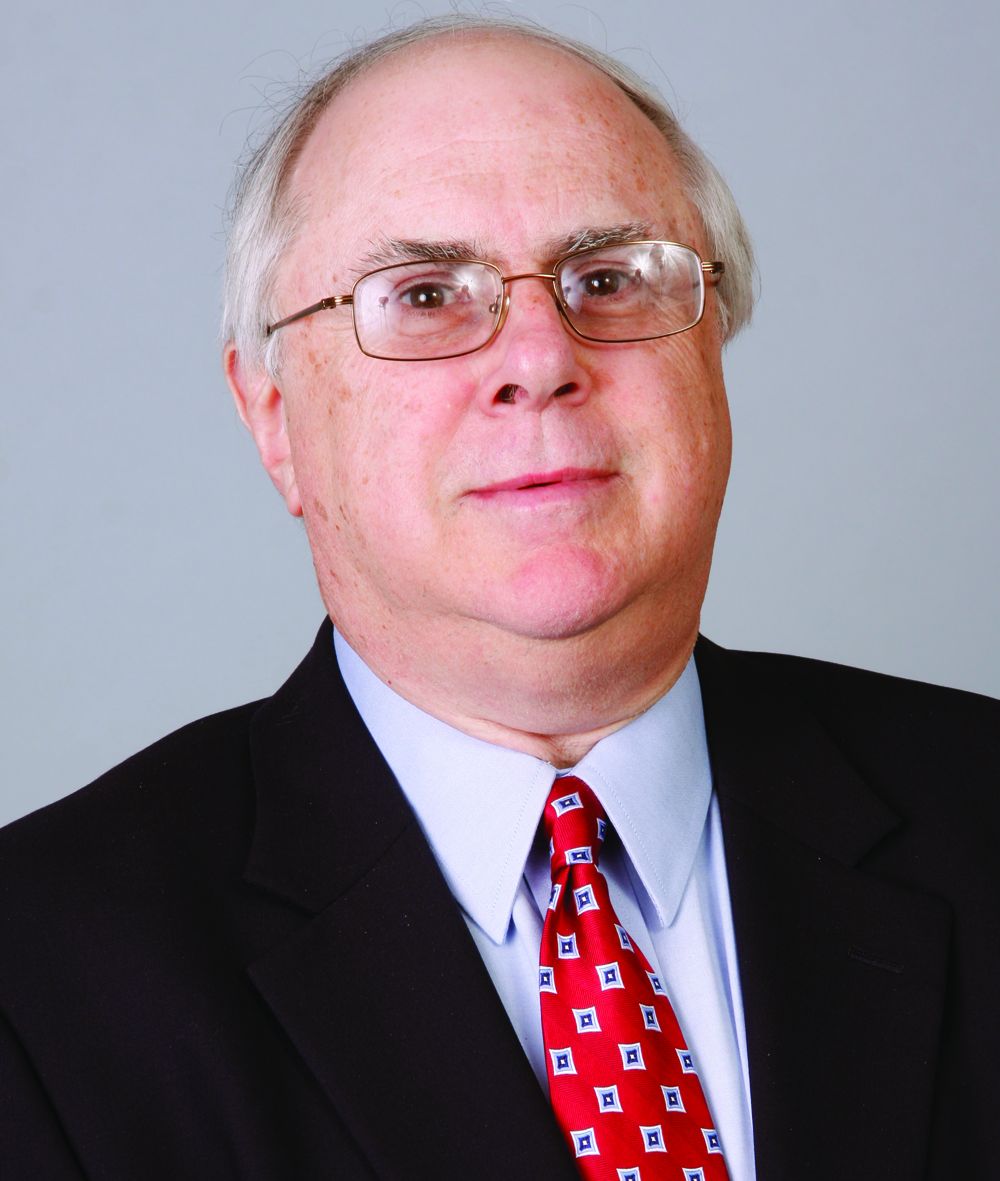
Larry A. Scher, MD, is a vascular surgeon at the Montefiore Greene Medical Arts Pavilion, New York, and an associate medical editor for Vascular Specialist.
Hemodynamic complications of arteriovenous (AV) access are uncommon but can be potentially life threatening. Fistulas and grafts can cause a decrease in systemic vascular resistance and secondary increase in cardiac output in patients who may already have myocardial dysfunction secondary to their end-stage renal disease.1 This increased cardiac output is usually insignificant but in rare cases can result in clinically significant cardiac failure. Patients with high-output fistulas with volume flow greater than 2 L/min may be at increased risk of heart failure but volume flow less than 2 L/min does not preclude this complication.2
In patients with AV access–related heart failure, optimal medical management and reduction of fistula flow or ligation of the dialysis access should be considered. If continued hemodialysis is necessary, loss of a functioning dialysis access is problematic and difficult management decisions must be made. Following successful renal transplantation, ligation of vascular access in the presence of symptomatic heart failure may represent a straightforward decision. Nonetheless, there is no clear consensus of how to manage patent fistulas or grafts in patients following renal transplantation in the absence of significant cardiac symptoms with particular concern to the important issues of transplant survival and long-term cardiac prognosis. Yaffe and Greenstein3 recommend preservation of almost all fistulas after transplantation in the absence of significant complications such as venous hypertension, pseudoaneurysm, significant high-output cardiac failure or hand ischemia. They recommend taking into account the 10-year adjusted renal transplantation graft survival rates and the relative paucity of donors, recognizing the possibility that the patient may have to return to dialysis at some point in the future. They also reference the lack of information regarding the beneficial impact of fistula ligation on cardiac morphology and function as a rationale for access preservation.
A recent presentation at the American Heart Association Scientific Sessions by Michael B. Stokes, MD,4 from the department of cardiology at Royal Adelaide Hospital in Australia, suggests that cardiovascular disease is responsible for 40% of deaths among kidney transplant recipients and that left ventricular (LV) mass is strongly associated with cardiovascular mortality.
He states that, although there is no guideline consensus on the management of an AV fistula following successful renal transplantation, the fistula continues to contribute adversely to cardiac remodeling and function. The lack of previous randomized controlled trials in this area led Dr. Stokes and his colleagues to randomly assign 64 patients at least 1 year following successful kidney transplantation with stable renal function and a functioning AV fistula to either fistula ligation or no intervention. All patients underwent cardiac MRI at baseline and 6 months.
The primary endpoint of decrease in LV mass at 6 months was significant in the ligation group but not in the control group. The ligation group also had significant decrease in LV end diastolic volume, LV end systolic volume, and multiple other parameters. In addition, NT-proBNP levels and left atrial volume were significantly reduced in the ligation group when compared with the control group. Complications in the ligation group included six patients with thrombosis of their fistula vein and two infections, all of which resolved with outpatient anti-inflammatory or antimicrobial therapy.
Dr. Stokes believes that control patients in his study face “persisting and substantial deleterious cardiac remodeling” and that “further investigation would clarify the impact of AV fistula ligation on clinical outcomes following kidney transplantation.”
I believe this is important information and represents the first randomized controlled data regarding the long-term adverse cardiac effects of a patent fistula after renal transplantation. Unfortunately, information regarding baseline fistula volume flow is not provided in this abstract. As discussed earlier, patients with high-flow fistulas may be at increased risk of heart failure and hemodynamic data can be critical in establishing an algorithm for managing these challenging patients.
Ligation of a functioning and asymptomatic access in a patient with a successful renal transplant should be recommended only after informed discussion with the patient weighing the ongoing potential negative effects on cardiac function of continued access patency versus the potential need for future hemodialysis. Dr. Stokes presents interesting data that must be considered in this controversy. I believe that, in the absence of a universally applicable algorithm, the clinical decision to recommend AV fistula ligation after successful kidney transplantation should be individualized and based on ongoing assessment of cardiac and renal function and fistula complications and hemodynamics.
References
1. Eur Heart J 2017;38:1913-23.
2. Nephrol Dial Transplant 2008;23:282-7.
3. J Vasc Access 2012;13:405-8.
4. Stokes MB, et al. LBS.05 – Late Breaking Clinical Trial: Hot News in HF. Presented at American Heart Association Scientific Sessions. 2018 Nov 10-12. Chicago.
Larry A. Scher, MD, is a vascular surgeon at the Montefiore Greene Medical Arts Pavilion, New York, and an associate medical editor for Vascular Specialist.
Hemodynamic complications of arteriovenous (AV) access are uncommon but can be potentially life threatening. Fistulas and grafts can cause a decrease in systemic vascular resistance and secondary increase in cardiac output in patients who may already have myocardial dysfunction secondary to their end-stage renal disease.1 This increased cardiac output is usually insignificant but in rare cases can result in clinically significant cardiac failure. Patients with high-output fistulas with volume flow greater than 2 L/min may be at increased risk of heart failure but volume flow less than 2 L/min does not preclude this complication.2
In patients with AV access–related heart failure, optimal medical management and reduction of fistula flow or ligation of the dialysis access should be considered. If continued hemodialysis is necessary, loss of a functioning dialysis access is problematic and difficult management decisions must be made. Following successful renal transplantation, ligation of vascular access in the presence of symptomatic heart failure may represent a straightforward decision. Nonetheless, there is no clear consensus of how to manage patent fistulas or grafts in patients following renal transplantation in the absence of significant cardiac symptoms with particular concern to the important issues of transplant survival and long-term cardiac prognosis. Yaffe and Greenstein3 recommend preservation of almost all fistulas after transplantation in the absence of significant complications such as venous hypertension, pseudoaneurysm, significant high-output cardiac failure or hand ischemia. They recommend taking into account the 10-year adjusted renal transplantation graft survival rates and the relative paucity of donors, recognizing the possibility that the patient may have to return to dialysis at some point in the future. They also reference the lack of information regarding the beneficial impact of fistula ligation on cardiac morphology and function as a rationale for access preservation.
A recent presentation at the American Heart Association Scientific Sessions by Michael B. Stokes, MD,4 from the department of cardiology at Royal Adelaide Hospital in Australia, suggests that cardiovascular disease is responsible for 40% of deaths among kidney transplant recipients and that left ventricular (LV) mass is strongly associated with cardiovascular mortality.
He states that, although there is no guideline consensus on the management of an AV fistula following successful renal transplantation, the fistula continues to contribute adversely to cardiac remodeling and function. The lack of previous randomized controlled trials in this area led Dr. Stokes and his colleagues to randomly assign 64 patients at least 1 year following successful kidney transplantation with stable renal function and a functioning AV fistula to either fistula ligation or no intervention. All patients underwent cardiac MRI at baseline and 6 months.
The primary endpoint of decrease in LV mass at 6 months was significant in the ligation group but not in the control group. The ligation group also had significant decrease in LV end diastolic volume, LV end systolic volume, and multiple other parameters. In addition, NT-proBNP levels and left atrial volume were significantly reduced in the ligation group when compared with the control group. Complications in the ligation group included six patients with thrombosis of their fistula vein and two infections, all of which resolved with outpatient anti-inflammatory or antimicrobial therapy.
Dr. Stokes believes that control patients in his study face “persisting and substantial deleterious cardiac remodeling” and that “further investigation would clarify the impact of AV fistula ligation on clinical outcomes following kidney transplantation.”
I believe this is important information and represents the first randomized controlled data regarding the long-term adverse cardiac effects of a patent fistula after renal transplantation. Unfortunately, information regarding baseline fistula volume flow is not provided in this abstract. As discussed earlier, patients with high-flow fistulas may be at increased risk of heart failure and hemodynamic data can be critical in establishing an algorithm for managing these challenging patients.
Ligation of a functioning and asymptomatic access in a patient with a successful renal transplant should be recommended only after informed discussion with the patient weighing the ongoing potential negative effects on cardiac function of continued access patency versus the potential need for future hemodialysis. Dr. Stokes presents interesting data that must be considered in this controversy. I believe that, in the absence of a universally applicable algorithm, the clinical decision to recommend AV fistula ligation after successful kidney transplantation should be individualized and based on ongoing assessment of cardiac and renal function and fistula complications and hemodynamics.
References
1. Eur Heart J 2017;38:1913-23.
2. Nephrol Dial Transplant 2008;23:282-7.
3. J Vasc Access 2012;13:405-8.
4. Stokes MB, et al. LBS.05 – Late Breaking Clinical Trial: Hot News in HF. Presented at American Heart Association Scientific Sessions. 2018 Nov 10-12. Chicago.
Larry A. Scher, MD, is a vascular surgeon at the Montefiore Greene Medical Arts Pavilion, New York, and an associate medical editor for Vascular Specialist.
Caring for aging HIV-infected patients requires close attention to unrelated diseases
A substantial proportion of non–AIDS-defining cancers, and other noninfectious comorbid diseases, could be prevented with interventions on traditional risk factors in HIV-infected patients, according to the results of large database analysis published online in The Lancet HIV.

The researchers analyzed traditional and HIV-related risk factors for four validated noncommunicable disease outcomes (non–AIDS-defining cancers, myocardial infarction, end-stage liver disease, and end-stage renal disease) among participants of the North American AIDS Cohort Collaboration on Research and Design (NA-ACCORD), according to Keri N. Althoff, PhD, of Johns Hopkins University, Baltimore, and her colleagues on behalf of the NA-ACCORD.
The study comprised individuals with the assessed disease conditions from among more than 180,000 adults (aged 18 years or older) with HIV from more than 200 sites who had at least two care visits within 12 months. The researchers used a population attributable fraction (PAF) approach to quantify the proportion of noncommunicable diseases that could be eliminated if particular risk factors were not present. According to the researchers, PAF can be used to inform prioritization of interventions.
Dr. Althoff and her colleagues found that, for non–AIDS-defining cancer, the significant preventable or modifiable risk factors were smoking, low CD4 cell count, detectable HIV RNA, a history of clinical AIDS diagnosis, and hepatitis B infection.
For myocardial infarction, the significant factors were smoking, elevated total cholesterol, hypertension, stage 4 chronic kidney disease, a low CD4 cell count, detectable HIV RNA, and hepatitis C infection.
For end-stage liver disease, the significant factors were low CD4 cell count, detectable HIV RNA, a history of a clinical AIDS diagnosis, and hepatitis B or C infection.
For end-stage renal disease, the significantly associated risk factors were elevated total cholesterol, hypertension, diabetes, low CD4 cell count, detectable HIV RNA, and a history of clinical AIDS diagnosis.
The most substantial PAF for each of the respective diseases was as follows: smoking for non–AIDS-related cancers (24%; 95% confidence interval, 13%-35%), elevated total cholesterol for myocardial infarction (44%; 95% CI, 30%-58%), and hepatitis C infection for end-stage liver disease (30%; 95% CI, 21%-39%). In addition, hypertension had the highest PAF for end-stage renal disease (39%; 95% CI, 26%-51%).
“Modifications to individual-level interventions and models of HIV care, and the implementation of structural and policy-level interventions that focus on prevention and modification of traditional risk factors are necessary to avoid noncommunicable diseases and preserve health among successfully antiretroviral-treated adults aging with HIV,” the researchers concluded.
The study was funded by the National Institutes of Health and the NA-ACCORD. Dr. Althoff reported having no relevant disclosures.
SOURCE: Althoff KN et al. The Lancet HIV. 2019 Jan 22. doi: 10.1016/S2352-3018(18)30295-9.
A substantial proportion of non–AIDS-defining cancers, and other noninfectious comorbid diseases, could be prevented with interventions on traditional risk factors in HIV-infected patients, according to the results of large database analysis published online in The Lancet HIV.
The researchers analyzed traditional and HIV-related risk factors for four validated noncommunicable disease outcomes (non–AIDS-defining cancers, myocardial infarction, end-stage liver disease, and end-stage renal disease) among participants of the North American AIDS Cohort Collaboration on Research and Design (NA-ACCORD), according to Keri N. Althoff, PhD, of Johns Hopkins University, Baltimore, and her colleagues on behalf of the NA-ACCORD.
The study comprised individuals with the assessed disease conditions from among more than 180,000 adults (aged 18 years or older) with HIV from more than 200 sites who had at least two care visits within 12 months. The researchers used a population attributable fraction (PAF) approach to quantify the proportion of noncommunicable diseases that could be eliminated if particular risk factors were not present. According to the researchers, PAF can be used to inform prioritization of interventions.
Dr. Althoff and her colleagues found that, for non–AIDS-defining cancer, the significant preventable or modifiable risk factors were smoking, low CD4 cell count, detectable HIV RNA, a history of clinical AIDS diagnosis, and hepatitis B infection.
For myocardial infarction, the significant factors were smoking, elevated total cholesterol, hypertension, stage 4 chronic kidney disease, a low CD4 cell count, detectable HIV RNA, and hepatitis C infection.
For end-stage liver disease, the significant factors were low CD4 cell count, detectable HIV RNA, a history of a clinical AIDS diagnosis, and hepatitis B or C infection.
For end-stage renal disease, the significantly associated risk factors were elevated total cholesterol, hypertension, diabetes, low CD4 cell count, detectable HIV RNA, and a history of clinical AIDS diagnosis.
The most substantial PAF for each of the respective diseases was as follows: smoking for non–AIDS-related cancers (24%; 95% confidence interval, 13%-35%), elevated total cholesterol for myocardial infarction (44%; 95% CI, 30%-58%), and hepatitis C infection for end-stage liver disease (30%; 95% CI, 21%-39%). In addition, hypertension had the highest PAF for end-stage renal disease (39%; 95% CI, 26%-51%).
“Modifications to individual-level interventions and models of HIV care, and the implementation of structural and policy-level interventions that focus on prevention and modification of traditional risk factors are necessary to avoid noncommunicable diseases and preserve health among successfully antiretroviral-treated adults aging with HIV,” the researchers concluded.
The study was funded by the National Institutes of Health and the NA-ACCORD. Dr. Althoff reported having no relevant disclosures.
SOURCE: Althoff KN et al. The Lancet HIV. 2019 Jan 22. doi: 10.1016/S2352-3018(18)30295-9.
A substantial proportion of non–AIDS-defining cancers, and other noninfectious comorbid diseases, could be prevented with interventions on traditional risk factors in HIV-infected patients, according to the results of large database analysis published online in The Lancet HIV.
The researchers analyzed traditional and HIV-related risk factors for four validated noncommunicable disease outcomes (non–AIDS-defining cancers, myocardial infarction, end-stage liver disease, and end-stage renal disease) among participants of the North American AIDS Cohort Collaboration on Research and Design (NA-ACCORD), according to Keri N. Althoff, PhD, of Johns Hopkins University, Baltimore, and her colleagues on behalf of the NA-ACCORD.
The study comprised individuals with the assessed disease conditions from among more than 180,000 adults (aged 18 years or older) with HIV from more than 200 sites who had at least two care visits within 12 months. The researchers used a population attributable fraction (PAF) approach to quantify the proportion of noncommunicable diseases that could be eliminated if particular risk factors were not present. According to the researchers, PAF can be used to inform prioritization of interventions.
Dr. Althoff and her colleagues found that, for non–AIDS-defining cancer, the significant preventable or modifiable risk factors were smoking, low CD4 cell count, detectable HIV RNA, a history of clinical AIDS diagnosis, and hepatitis B infection.
For myocardial infarction, the significant factors were smoking, elevated total cholesterol, hypertension, stage 4 chronic kidney disease, a low CD4 cell count, detectable HIV RNA, and hepatitis C infection.
For end-stage liver disease, the significant factors were low CD4 cell count, detectable HIV RNA, a history of a clinical AIDS diagnosis, and hepatitis B or C infection.
For end-stage renal disease, the significantly associated risk factors were elevated total cholesterol, hypertension, diabetes, low CD4 cell count, detectable HIV RNA, and a history of clinical AIDS diagnosis.
The most substantial PAF for each of the respective diseases was as follows: smoking for non–AIDS-related cancers (24%; 95% confidence interval, 13%-35%), elevated total cholesterol for myocardial infarction (44%; 95% CI, 30%-58%), and hepatitis C infection for end-stage liver disease (30%; 95% CI, 21%-39%). In addition, hypertension had the highest PAF for end-stage renal disease (39%; 95% CI, 26%-51%).
“Modifications to individual-level interventions and models of HIV care, and the implementation of structural and policy-level interventions that focus on prevention and modification of traditional risk factors are necessary to avoid noncommunicable diseases and preserve health among successfully antiretroviral-treated adults aging with HIV,” the researchers concluded.
The study was funded by the National Institutes of Health and the NA-ACCORD. Dr. Althoff reported having no relevant disclosures.
SOURCE: Althoff KN et al. The Lancet HIV. 2019 Jan 22. doi: 10.1016/S2352-3018(18)30295-9.
FROM THE LANCET HIV
Online vitriol’s expansion into doctor discussion sites
The web is full of doctor discussion sites. Sermo, Doximity, and many others. Each is slightly different, but the idea is similar. Give docs a place to joke, discuss cases, etc. A virtual doctors’ lounge.

Roughly 10 years ago I was active on Sermo. It was fun to check in a few days a week after work, ask questions about my own cases, and see if anyone had ideas on them, make a few suggestions on others, occasionally gripe about administrative issues at my hospital and commiserate about such online.
I don’t do that anymore.
This morning I logged in to see if anyone had previously encountered an unusual case, but was quickly pushed off by venom.
Yes, they do have a political discussion board, but staying away from politics is easier said than done online. Like mud, it tends to ooze into places it doesn’t belong. Even a routine post asking about new treatments for multiple sclerosis quickly degenerates. In a demonstration of Godwin’s Law, any comment about the pros and cons of a new agent devolves into a fight over government vs. private insurance, the United States’ vs. other countries’ health systems, and, inevitably, Trump, Obama, and name calling.
Makes it hard to actually kick around thoughts on Ocrevus (or whatever).
Generally, this won’t happen in a real doctors’ lounge because you know each other. Even if you’re not friends, people generally (not always) tend to be civil in person. Even differences are usually handled with a polite agreement to disagree.
I suspect the majority of people on Sermo and similar sites are reasonable and joined the sites for the same reasons I did. Unfortunately, we’ve been drowned out by a handful of angry voices who hijack these sites by posting intentionally inflammatory statements just to pick a fight or derail a thoughtful discussion on epilepsy management with nasty jabs relating medical issues directly to politics.
So my time using these sites has dropped. Occasionally, if I was bored, I’d log in to see if there were any interesting cases in my field, but even those often get dragged down by the angry as you try to contribute thoughts and answer questions in the comments.
Sadly, this has became the norm rather then the exception. For me, at least, it’s easier to just walk away entirely.
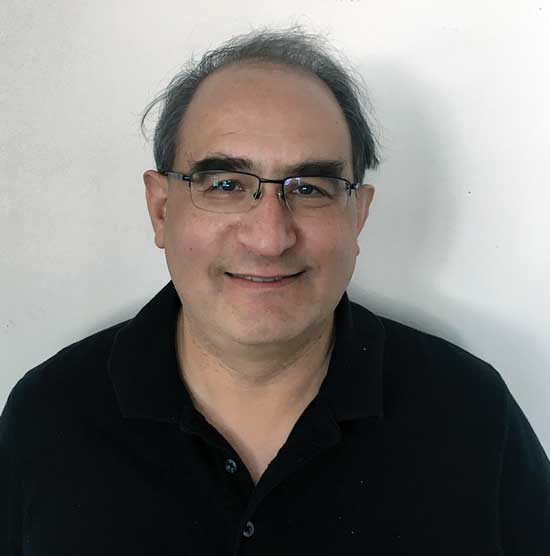
Dr. Block has a solo neurology practice in Scottsdale, Ariz.
The web is full of doctor discussion sites. Sermo, Doximity, and many others. Each is slightly different, but the idea is similar. Give docs a place to joke, discuss cases, etc. A virtual doctors’ lounge.
Roughly 10 years ago I was active on Sermo. It was fun to check in a few days a week after work, ask questions about my own cases, and see if anyone had ideas on them, make a few suggestions on others, occasionally gripe about administrative issues at my hospital and commiserate about such online.
I don’t do that anymore.
This morning I logged in to see if anyone had previously encountered an unusual case, but was quickly pushed off by venom.
Yes, they do have a political discussion board, but staying away from politics is easier said than done online. Like mud, it tends to ooze into places it doesn’t belong. Even a routine post asking about new treatments for multiple sclerosis quickly degenerates. In a demonstration of Godwin’s Law, any comment about the pros and cons of a new agent devolves into a fight over government vs. private insurance, the United States’ vs. other countries’ health systems, and, inevitably, Trump, Obama, and name calling.
Makes it hard to actually kick around thoughts on Ocrevus (or whatever).
Generally, this won’t happen in a real doctors’ lounge because you know each other. Even if you’re not friends, people generally (not always) tend to be civil in person. Even differences are usually handled with a polite agreement to disagree.
I suspect the majority of people on Sermo and similar sites are reasonable and joined the sites for the same reasons I did. Unfortunately, we’ve been drowned out by a handful of angry voices who hijack these sites by posting intentionally inflammatory statements just to pick a fight or derail a thoughtful discussion on epilepsy management with nasty jabs relating medical issues directly to politics.
So my time using these sites has dropped. Occasionally, if I was bored, I’d log in to see if there were any interesting cases in my field, but even those often get dragged down by the angry as you try to contribute thoughts and answer questions in the comments.
Sadly, this has became the norm rather then the exception. For me, at least, it’s easier to just walk away entirely.
Dr. Block has a solo neurology practice in Scottsdale, Ariz.
The web is full of doctor discussion sites. Sermo, Doximity, and many others. Each is slightly different, but the idea is similar. Give docs a place to joke, discuss cases, etc. A virtual doctors’ lounge.
Roughly 10 years ago I was active on Sermo. It was fun to check in a few days a week after work, ask questions about my own cases, and see if anyone had ideas on them, make a few suggestions on others, occasionally gripe about administrative issues at my hospital and commiserate about such online.
I don’t do that anymore.
This morning I logged in to see if anyone had previously encountered an unusual case, but was quickly pushed off by venom.
Yes, they do have a political discussion board, but staying away from politics is easier said than done online. Like mud, it tends to ooze into places it doesn’t belong. Even a routine post asking about new treatments for multiple sclerosis quickly degenerates. In a demonstration of Godwin’s Law, any comment about the pros and cons of a new agent devolves into a fight over government vs. private insurance, the United States’ vs. other countries’ health systems, and, inevitably, Trump, Obama, and name calling.
Makes it hard to actually kick around thoughts on Ocrevus (or whatever).
Generally, this won’t happen in a real doctors’ lounge because you know each other. Even if you’re not friends, people generally (not always) tend to be civil in person. Even differences are usually handled with a polite agreement to disagree.
I suspect the majority of people on Sermo and similar sites are reasonable and joined the sites for the same reasons I did. Unfortunately, we’ve been drowned out by a handful of angry voices who hijack these sites by posting intentionally inflammatory statements just to pick a fight or derail a thoughtful discussion on epilepsy management with nasty jabs relating medical issues directly to politics.
So my time using these sites has dropped. Occasionally, if I was bored, I’d log in to see if there were any interesting cases in my field, but even those often get dragged down by the angry as you try to contribute thoughts and answer questions in the comments.
Sadly, this has became the norm rather then the exception. For me, at least, it’s easier to just walk away entirely.
Dr. Block has a solo neurology practice in Scottsdale, Ariz.
Trump targets abortion by denying family planning funds
The Trump administration bars federal funds for clinics that provide abortion counseling or referrals. Physician PAC dollars support candidates who don’t back gun regulation. Consider obesity as a cardiovascular disease risk factor in children. And the final ‘Vision’ report addresses maintenance of certification woes.
Amazon Alexa
Apple Podcasts
Google Podcasts
Spotify
The Trump administration bars federal funds for clinics that provide abortion counseling or referrals. Physician PAC dollars support candidates who don’t back gun regulation. Consider obesity as a cardiovascular disease risk factor in children. And the final ‘Vision’ report addresses maintenance of certification woes.
Amazon Alexa
Apple Podcasts
Google Podcasts
Spotify
The Trump administration bars federal funds for clinics that provide abortion counseling or referrals. Physician PAC dollars support candidates who don’t back gun regulation. Consider obesity as a cardiovascular disease risk factor in children. And the final ‘Vision’ report addresses maintenance of certification woes.
Amazon Alexa
Apple Podcasts
Google Podcasts
Spotify

Peripheral perfusion fails septic shock test, but optimism remains
SAN DIEGO – During resuscitation of patients but missed statistical significance.

Although the paper, published online in JAMA, concludes that normalization of capillary refill time cannot be recommended over targeting serum lactate levels, Glenn Hernández, MD, PhD, sounded more optimistic after presenting the study at the Critical Care Congress sponsored by the Society of Critical Care Medicine. “I think it’s good news to develop techniques that, even though they have this integrated variability, they can provide a signal that is also very close to the [underlying] physiology,” Dr. Hernández, who is a professor of intensive medicine at Pontifical Catholic University in Santiago, Chile. The Peripheral perfusion was also associated with lower mean Sequential Organ Failure Assessment (SOFA) Score at 72 hours.
The technique involves pressing a glass microscope slide to the ventral surface of the right index finger distal phalanx, increasing pressure and maintaining pressure for 10 seconds. After release, a chronometer assessed return of normal skin color, with refill times over 3 seconds considered abnormal. Clinicians applied the technique every 30 minutes during until normalization (every hour after that), compared with every 2 hours for the lactate arm of the study.
The ANDROMEDA-SHOCK randomized clinical trial was conducted at 28 hospitals in five countries (Argentina, Chile, Colombia, Ecuador, Uruguay). The trial did not demonstrate superiority of capillary refill, and it was not designed for noninferiority. It nevertheless seems unlikely that assessment of capillary refill is inferior to lactate levels, according an accompanying editorial by JAMA-associated editor Derek Angus, MD, who also is a professor of critical care medicine at the University of Pittsburgh. The simplicity of using a capillary refill could be particularly useful in resource-limited settings, since it can be accomplished visually.
It also a natural marker for resuscitation. The body slows fluid flow to peripheral tissues until vital organs are well perfused. Normal capillary refill time “is an indirect signal of reperfusion,” said Dr. Hernández.
The researchers are not calling for this technique to replace lactate measurements, noting that in many ways the techniques can be complementary, since lactate levels are a good indicator of the patient’s overall improvement. In any case, it would take more research to prove superiority of the capillary refill, and that’s not something Dr. Hernández is planning to undertake. The current study had no external funding and required about half of his time over a 2-year period. Getting the work done at all “was sort of a miracle. We would not repeat this,” he said.
The researchers randomized 416 patients with septic shock (mean age, 63 years; 53% of whom were women) to be managed by peripheral perfusion or lactate measurement. By day 28, 43.4% in the lactate group had died, compared with 34.9% in the peripheral perfusion group (hazard ratio, 0.75; P = .06). At 72 hours, the peripheral perfusion group had less organ dysfunction as measured by SOFA (mean, 5.6 vs. 6.6; P = .045). Six other secondary outcomes revealed no between-group differences.
The peripheral perfusion group received an average of 408 fewer mL of resuscitation fluids during the first 8 hours (P = .01).
That result fits with the greater responsiveness of peripheral perfusion measurements, and it’s relevant because some septic shock patients who are unresponsive to fluids often receive fluids anyway. “The general knowledge, though not correct, is that you treat lactate or blood pressure with fluids,” said coauthor Jan Bakker, MD, PhD, who is a professor at New York-Presbyterian Hospital Columbia University, and Erasmus University Rotterdam, the Netherlands.
After a series of observational studies suggested that warm, well-perfused patients were doing well, the idea was tested in a small interventional trial in which physicians were forbidden from giving fluids once patients were warm and well perfused. Patients did better than did those on standard of care. “We have said, if the patient is warm and well perfused, even if they are hypotensive, don’t give fluids, it won’t benefit them anymore. Give vasopressors or whatever, but don’t give fluids,” said Dr. Bakker.
The latest research also reinforced a signal from the earlier, smaller trial. “You get less organ failure if you use [fewer] fluids,” Dr. Bakker added.
The study received no external funding. Dr. Hernández and Dr. Bakker had no relevant financial disclosures. Dr. Angus received consulting fees from Ferring Pharmaceutical, Bristol-Myers Squibb, Bayer AG, and others outside the submitted work; he also has patents pending for compounds, compositions, and methods for treating sepsis and for proteomic biomarkers.
SOURCE: Hernández G et al. JAMA 2019 Feb 17. doi: 10.1001/jama.2019.0071.
SAN DIEGO – During resuscitation of patients but missed statistical significance.
Although the paper, published online in JAMA, concludes that normalization of capillary refill time cannot be recommended over targeting serum lactate levels, Glenn Hernández, MD, PhD, sounded more optimistic after presenting the study at the Critical Care Congress sponsored by the Society of Critical Care Medicine. “I think it’s good news to develop techniques that, even though they have this integrated variability, they can provide a signal that is also very close to the [underlying] physiology,” Dr. Hernández, who is a professor of intensive medicine at Pontifical Catholic University in Santiago, Chile. The Peripheral perfusion was also associated with lower mean Sequential Organ Failure Assessment (SOFA) Score at 72 hours.
The technique involves pressing a glass microscope slide to the ventral surface of the right index finger distal phalanx, increasing pressure and maintaining pressure for 10 seconds. After release, a chronometer assessed return of normal skin color, with refill times over 3 seconds considered abnormal. Clinicians applied the technique every 30 minutes during until normalization (every hour after that), compared with every 2 hours for the lactate arm of the study.
The ANDROMEDA-SHOCK randomized clinical trial was conducted at 28 hospitals in five countries (Argentina, Chile, Colombia, Ecuador, Uruguay). The trial did not demonstrate superiority of capillary refill, and it was not designed for noninferiority. It nevertheless seems unlikely that assessment of capillary refill is inferior to lactate levels, according an accompanying editorial by JAMA-associated editor Derek Angus, MD, who also is a professor of critical care medicine at the University of Pittsburgh. The simplicity of using a capillary refill could be particularly useful in resource-limited settings, since it can be accomplished visually.
It also a natural marker for resuscitation. The body slows fluid flow to peripheral tissues until vital organs are well perfused. Normal capillary refill time “is an indirect signal of reperfusion,” said Dr. Hernández.
The researchers are not calling for this technique to replace lactate measurements, noting that in many ways the techniques can be complementary, since lactate levels are a good indicator of the patient’s overall improvement. In any case, it would take more research to prove superiority of the capillary refill, and that’s not something Dr. Hernández is planning to undertake. The current study had no external funding and required about half of his time over a 2-year period. Getting the work done at all “was sort of a miracle. We would not repeat this,” he said.
The researchers randomized 416 patients with septic shock (mean age, 63 years; 53% of whom were women) to be managed by peripheral perfusion or lactate measurement. By day 28, 43.4% in the lactate group had died, compared with 34.9% in the peripheral perfusion group (hazard ratio, 0.75; P = .06). At 72 hours, the peripheral perfusion group had less organ dysfunction as measured by SOFA (mean, 5.6 vs. 6.6; P = .045). Six other secondary outcomes revealed no between-group differences.
The peripheral perfusion group received an average of 408 fewer mL of resuscitation fluids during the first 8 hours (P = .01).
That result fits with the greater responsiveness of peripheral perfusion measurements, and it’s relevant because some septic shock patients who are unresponsive to fluids often receive fluids anyway. “The general knowledge, though not correct, is that you treat lactate or blood pressure with fluids,” said coauthor Jan Bakker, MD, PhD, who is a professor at New York-Presbyterian Hospital Columbia University, and Erasmus University Rotterdam, the Netherlands.
After a series of observational studies suggested that warm, well-perfused patients were doing well, the idea was tested in a small interventional trial in which physicians were forbidden from giving fluids once patients were warm and well perfused. Patients did better than did those on standard of care. “We have said, if the patient is warm and well perfused, even if they are hypotensive, don’t give fluids, it won’t benefit them anymore. Give vasopressors or whatever, but don’t give fluids,” said Dr. Bakker.
The latest research also reinforced a signal from the earlier, smaller trial. “You get less organ failure if you use [fewer] fluids,” Dr. Bakker added.
The study received no external funding. Dr. Hernández and Dr. Bakker had no relevant financial disclosures. Dr. Angus received consulting fees from Ferring Pharmaceutical, Bristol-Myers Squibb, Bayer AG, and others outside the submitted work; he also has patents pending for compounds, compositions, and methods for treating sepsis and for proteomic biomarkers.
SOURCE: Hernández G et al. JAMA 2019 Feb 17. doi: 10.1001/jama.2019.0071.
SAN DIEGO – During resuscitation of patients but missed statistical significance.
Although the paper, published online in JAMA, concludes that normalization of capillary refill time cannot be recommended over targeting serum lactate levels, Glenn Hernández, MD, PhD, sounded more optimistic after presenting the study at the Critical Care Congress sponsored by the Society of Critical Care Medicine. “I think it’s good news to develop techniques that, even though they have this integrated variability, they can provide a signal that is also very close to the [underlying] physiology,” Dr. Hernández, who is a professor of intensive medicine at Pontifical Catholic University in Santiago, Chile. The Peripheral perfusion was also associated with lower mean Sequential Organ Failure Assessment (SOFA) Score at 72 hours.
The technique involves pressing a glass microscope slide to the ventral surface of the right index finger distal phalanx, increasing pressure and maintaining pressure for 10 seconds. After release, a chronometer assessed return of normal skin color, with refill times over 3 seconds considered abnormal. Clinicians applied the technique every 30 minutes during until normalization (every hour after that), compared with every 2 hours for the lactate arm of the study.
The ANDROMEDA-SHOCK randomized clinical trial was conducted at 28 hospitals in five countries (Argentina, Chile, Colombia, Ecuador, Uruguay). The trial did not demonstrate superiority of capillary refill, and it was not designed for noninferiority. It nevertheless seems unlikely that assessment of capillary refill is inferior to lactate levels, according an accompanying editorial by JAMA-associated editor Derek Angus, MD, who also is a professor of critical care medicine at the University of Pittsburgh. The simplicity of using a capillary refill could be particularly useful in resource-limited settings, since it can be accomplished visually.
It also a natural marker for resuscitation. The body slows fluid flow to peripheral tissues until vital organs are well perfused. Normal capillary refill time “is an indirect signal of reperfusion,” said Dr. Hernández.
The researchers are not calling for this technique to replace lactate measurements, noting that in many ways the techniques can be complementary, since lactate levels are a good indicator of the patient’s overall improvement. In any case, it would take more research to prove superiority of the capillary refill, and that’s not something Dr. Hernández is planning to undertake. The current study had no external funding and required about half of his time over a 2-year period. Getting the work done at all “was sort of a miracle. We would not repeat this,” he said.
The researchers randomized 416 patients with septic shock (mean age, 63 years; 53% of whom were women) to be managed by peripheral perfusion or lactate measurement. By day 28, 43.4% in the lactate group had died, compared with 34.9% in the peripheral perfusion group (hazard ratio, 0.75; P = .06). At 72 hours, the peripheral perfusion group had less organ dysfunction as measured by SOFA (mean, 5.6 vs. 6.6; P = .045). Six other secondary outcomes revealed no between-group differences.
The peripheral perfusion group received an average of 408 fewer mL of resuscitation fluids during the first 8 hours (P = .01).
That result fits with the greater responsiveness of peripheral perfusion measurements, and it’s relevant because some septic shock patients who are unresponsive to fluids often receive fluids anyway. “The general knowledge, though not correct, is that you treat lactate or blood pressure with fluids,” said coauthor Jan Bakker, MD, PhD, who is a professor at New York-Presbyterian Hospital Columbia University, and Erasmus University Rotterdam, the Netherlands.
After a series of observational studies suggested that warm, well-perfused patients were doing well, the idea was tested in a small interventional trial in which physicians were forbidden from giving fluids once patients were warm and well perfused. Patients did better than did those on standard of care. “We have said, if the patient is warm and well perfused, even if they are hypotensive, don’t give fluids, it won’t benefit them anymore. Give vasopressors or whatever, but don’t give fluids,” said Dr. Bakker.
The latest research also reinforced a signal from the earlier, smaller trial. “You get less organ failure if you use [fewer] fluids,” Dr. Bakker added.
The study received no external funding. Dr. Hernández and Dr. Bakker had no relevant financial disclosures. Dr. Angus received consulting fees from Ferring Pharmaceutical, Bristol-Myers Squibb, Bayer AG, and others outside the submitted work; he also has patents pending for compounds, compositions, and methods for treating sepsis and for proteomic biomarkers.
SOURCE: Hernández G et al. JAMA 2019 Feb 17. doi: 10.1001/jama.2019.0071.
REPORTING FROM CCC48
Parental leave inequities: Kirti Magudia and Thomas Ng, Part I
The research was published in JAMA. Dr. Magudia talks about their experience doing this research, what they learned, and what the next steps are.
Apple Podcasts
Google Podcasts
Spotify
The research was published in JAMA. Dr. Magudia talks about their experience doing this research, what they learned, and what the next steps are.
Apple Podcasts
Google Podcasts
Spotify
The research was published in JAMA. Dr. Magudia talks about their experience doing this research, what they learned, and what the next steps are.
Apple Podcasts
Google Podcasts
Spotify