User login
Fracture risk varied by renal function equations
SAN FRANCISCO – Assessing renal health using a modified Cockroft-Gault equation to measure creatinine clearance was more sensitive than using the Modification of Diet in Renal Disease equation to estimate glomerular filtration rate when estimating risk for osteoporosis and fracture, an award-winning study of 400 postmenopausal Puerto Rican women showed.
The study found a high prevalence of mild renal dysfunction (stage 2 chronic kidney disease) in 54%-59% of women, depending on the equation used. With the Cockroft-Gault equation adjusted for body surface area, a determination of mild renal dysfunction was associated with significantly decreased bone mineral density and with a doubling in risk for vertebral or nonvertebral fractures. When the Modification of Diet in Renal Disease (MDRD) equation was used, however, no significant associations were found between mild renal dysfunction and fracture risk, Dr. Loida A. González-Rodriguez reported.
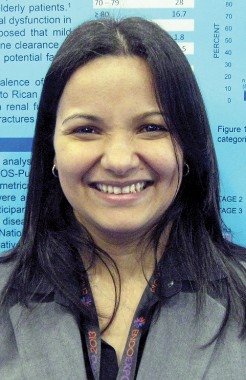
Previous data have shown that severe renal dysfunction is associated with reduced bone mineral density and fractures, and that a creatinine clearance below 65 mL/min per 1.73 m2 is associated with a higher risk for falls and hip fractures in elderly people. Less is known about the effects of mild renal dysfunction on bone mineral density.
"We are postulating that this Cockroft-Gault equation is better to estimate bone," because it includes factors such as weight and age, and is adjusted for body surface area, Dr. González-Rodriguez said in an interview at the annual meeting of the Endocrine Society. She received an award at the meeting for her retrospective secondary analysis of data from the Latin American Vertebral Osteoporosis Study, the first population-based study of vertebral fractures in Latin America.
Many clinicians use the MDRD equation to estimate renal function. Dr. González-Rodriguez of the University of Puerto Rico, San Juan, said she has switched to using the Cockroft-Gault equation, and is trying to get colleagues at her institution to do the same. The MDRD equation will miss some patients who are at risk for osteopenia, osteoporosis, and fracture, she said.
Seventeen percent of patients in the study had normal bone mineral density, 43% had osteopenia, and 41% had osteoporosis. (Percentages were rounded and so exceed 100%.)
When the Cockroft-Gault equation was used to categorize renal function, 9% of patients had stage 1 chronic kidney disease, 54% had stage 2, 35% had stage 3, and 2% had stage 4. When the MDRD equation was used, 2% of patients had stage 1 chronic kidney disease, 59% had stage 2, 38% had stage 3, and 1% had stage 4.
Among patients with stage 2 chronic kidney disease as assessed by the Cockroft-Gault equation, 19% had normal bone mineral density, 49% had osteopenia, and 32% had osteoporosis. Among patients with stage 2 disease assessed using the MDRD equation, 4% had normal bone mineral density, 35% had osteopenia, and 60% had osteoporosis.
Vertebral fractures occurred in 9% and nonvertebral fractures occurred in 18% of patients with stage 2 disease assessed with the Cockroft-Gault equation. When the MDRD equation was used, 9% of patients with stage 2 disease developed vertebral fractures and 24% developed nonvertebral fractures.
Among patients with stage 3 chronic kidney disease assessed using the Cockroft-Gault equation, 18% developed vertebral fractures and 31% developed nonvertebral fractures, compared with vertebral fractures in 16% and nonvertebral fractures in 22% of patients with stage 3 disease assessed using the MDRD equation.
"One of the most important risk factors for vertebral and nonvertebral fractures is osteoporosis," Dr. González-Rodriguez noted. "So, if we can identify earlier the patients that have mild renal dysfunction" using the Cockroft-Gault equation and manage the osteoporosis risk, some fractures may be prevented.
The findings are limited by the retrospective design of the study, a lack of blood pressure measurements to assess arterial hypertension, self-reported nonvertebral fractures, and a lack of measurements of intact parathyroid hormone, 25-hydroxyvitamin D, and microalbuminuria.
Dr. González-Rodriguez reported having no relevant financial disclosures. The National Center for Research Resources and the National Institute on Minority Health and Health Disparities funded the study.
On Twitter @sherryboschert
SAN FRANCISCO – Assessing renal health using a modified Cockroft-Gault equation to measure creatinine clearance was more sensitive than using the Modification of Diet in Renal Disease equation to estimate glomerular filtration rate when estimating risk for osteoporosis and fracture, an award-winning study of 400 postmenopausal Puerto Rican women showed.
The study found a high prevalence of mild renal dysfunction (stage 2 chronic kidney disease) in 54%-59% of women, depending on the equation used. With the Cockroft-Gault equation adjusted for body surface area, a determination of mild renal dysfunction was associated with significantly decreased bone mineral density and with a doubling in risk for vertebral or nonvertebral fractures. When the Modification of Diet in Renal Disease (MDRD) equation was used, however, no significant associations were found between mild renal dysfunction and fracture risk, Dr. Loida A. González-Rodriguez reported.
Previous data have shown that severe renal dysfunction is associated with reduced bone mineral density and fractures, and that a creatinine clearance below 65 mL/min per 1.73 m2 is associated with a higher risk for falls and hip fractures in elderly people. Less is known about the effects of mild renal dysfunction on bone mineral density.
"We are postulating that this Cockroft-Gault equation is better to estimate bone," because it includes factors such as weight and age, and is adjusted for body surface area, Dr. González-Rodriguez said in an interview at the annual meeting of the Endocrine Society. She received an award at the meeting for her retrospective secondary analysis of data from the Latin American Vertebral Osteoporosis Study, the first population-based study of vertebral fractures in Latin America.
Many clinicians use the MDRD equation to estimate renal function. Dr. González-Rodriguez of the University of Puerto Rico, San Juan, said she has switched to using the Cockroft-Gault equation, and is trying to get colleagues at her institution to do the same. The MDRD equation will miss some patients who are at risk for osteopenia, osteoporosis, and fracture, she said.
Seventeen percent of patients in the study had normal bone mineral density, 43% had osteopenia, and 41% had osteoporosis. (Percentages were rounded and so exceed 100%.)
When the Cockroft-Gault equation was used to categorize renal function, 9% of patients had stage 1 chronic kidney disease, 54% had stage 2, 35% had stage 3, and 2% had stage 4. When the MDRD equation was used, 2% of patients had stage 1 chronic kidney disease, 59% had stage 2, 38% had stage 3, and 1% had stage 4.
Among patients with stage 2 chronic kidney disease as assessed by the Cockroft-Gault equation, 19% had normal bone mineral density, 49% had osteopenia, and 32% had osteoporosis. Among patients with stage 2 disease assessed using the MDRD equation, 4% had normal bone mineral density, 35% had osteopenia, and 60% had osteoporosis.
Vertebral fractures occurred in 9% and nonvertebral fractures occurred in 18% of patients with stage 2 disease assessed with the Cockroft-Gault equation. When the MDRD equation was used, 9% of patients with stage 2 disease developed vertebral fractures and 24% developed nonvertebral fractures.
Among patients with stage 3 chronic kidney disease assessed using the Cockroft-Gault equation, 18% developed vertebral fractures and 31% developed nonvertebral fractures, compared with vertebral fractures in 16% and nonvertebral fractures in 22% of patients with stage 3 disease assessed using the MDRD equation.
"One of the most important risk factors for vertebral and nonvertebral fractures is osteoporosis," Dr. González-Rodriguez noted. "So, if we can identify earlier the patients that have mild renal dysfunction" using the Cockroft-Gault equation and manage the osteoporosis risk, some fractures may be prevented.
The findings are limited by the retrospective design of the study, a lack of blood pressure measurements to assess arterial hypertension, self-reported nonvertebral fractures, and a lack of measurements of intact parathyroid hormone, 25-hydroxyvitamin D, and microalbuminuria.
Dr. González-Rodriguez reported having no relevant financial disclosures. The National Center for Research Resources and the National Institute on Minority Health and Health Disparities funded the study.
On Twitter @sherryboschert
SAN FRANCISCO – Assessing renal health using a modified Cockroft-Gault equation to measure creatinine clearance was more sensitive than using the Modification of Diet in Renal Disease equation to estimate glomerular filtration rate when estimating risk for osteoporosis and fracture, an award-winning study of 400 postmenopausal Puerto Rican women showed.
The study found a high prevalence of mild renal dysfunction (stage 2 chronic kidney disease) in 54%-59% of women, depending on the equation used. With the Cockroft-Gault equation adjusted for body surface area, a determination of mild renal dysfunction was associated with significantly decreased bone mineral density and with a doubling in risk for vertebral or nonvertebral fractures. When the Modification of Diet in Renal Disease (MDRD) equation was used, however, no significant associations were found between mild renal dysfunction and fracture risk, Dr. Loida A. González-Rodriguez reported.
Previous data have shown that severe renal dysfunction is associated with reduced bone mineral density and fractures, and that a creatinine clearance below 65 mL/min per 1.73 m2 is associated with a higher risk for falls and hip fractures in elderly people. Less is known about the effects of mild renal dysfunction on bone mineral density.
"We are postulating that this Cockroft-Gault equation is better to estimate bone," because it includes factors such as weight and age, and is adjusted for body surface area, Dr. González-Rodriguez said in an interview at the annual meeting of the Endocrine Society. She received an award at the meeting for her retrospective secondary analysis of data from the Latin American Vertebral Osteoporosis Study, the first population-based study of vertebral fractures in Latin America.
Many clinicians use the MDRD equation to estimate renal function. Dr. González-Rodriguez of the University of Puerto Rico, San Juan, said she has switched to using the Cockroft-Gault equation, and is trying to get colleagues at her institution to do the same. The MDRD equation will miss some patients who are at risk for osteopenia, osteoporosis, and fracture, she said.
Seventeen percent of patients in the study had normal bone mineral density, 43% had osteopenia, and 41% had osteoporosis. (Percentages were rounded and so exceed 100%.)
When the Cockroft-Gault equation was used to categorize renal function, 9% of patients had stage 1 chronic kidney disease, 54% had stage 2, 35% had stage 3, and 2% had stage 4. When the MDRD equation was used, 2% of patients had stage 1 chronic kidney disease, 59% had stage 2, 38% had stage 3, and 1% had stage 4.
Among patients with stage 2 chronic kidney disease as assessed by the Cockroft-Gault equation, 19% had normal bone mineral density, 49% had osteopenia, and 32% had osteoporosis. Among patients with stage 2 disease assessed using the MDRD equation, 4% had normal bone mineral density, 35% had osteopenia, and 60% had osteoporosis.
Vertebral fractures occurred in 9% and nonvertebral fractures occurred in 18% of patients with stage 2 disease assessed with the Cockroft-Gault equation. When the MDRD equation was used, 9% of patients with stage 2 disease developed vertebral fractures and 24% developed nonvertebral fractures.
Among patients with stage 3 chronic kidney disease assessed using the Cockroft-Gault equation, 18% developed vertebral fractures and 31% developed nonvertebral fractures, compared with vertebral fractures in 16% and nonvertebral fractures in 22% of patients with stage 3 disease assessed using the MDRD equation.
"One of the most important risk factors for vertebral and nonvertebral fractures is osteoporosis," Dr. González-Rodriguez noted. "So, if we can identify earlier the patients that have mild renal dysfunction" using the Cockroft-Gault equation and manage the osteoporosis risk, some fractures may be prevented.
The findings are limited by the retrospective design of the study, a lack of blood pressure measurements to assess arterial hypertension, self-reported nonvertebral fractures, and a lack of measurements of intact parathyroid hormone, 25-hydroxyvitamin D, and microalbuminuria.
Dr. González-Rodriguez reported having no relevant financial disclosures. The National Center for Research Resources and the National Institute on Minority Health and Health Disparities funded the study.
On Twitter @sherryboschert
AT ENDO 2013
Major finding: Fracture risk doubled in women with mild renal dysfunction as assessed by the Cockroft-Gault equation but not when renal function was assessed using the Modification of Diet in Renal Disease equation.
Data source: A retrospective secondary analysis of data on 400 postmenopausal Puerto Rican women.
Disclosures: Dr. Loida A. González-Rodriguez reported having no relevant financial disclosures. The National Center for Research Resources and the National Institute on Minority Health and Health Disparities funded the study.
Slight cognition benefit found for testosterone gel after menopause
SAN FRANCISCO – Postmenopausal women showed a modest improvement in verbal learning and memory after being on testosterone gel for 6 months, according to researchers from Monash University in Melbourne.
Ninety healthy, cognitively normal women aged 55-65 years were randomized in the trial to 0.22 g transdermal testosterone gel (LibiGel) daily, or to placebo.
At the end of 26 weeks, women on testosterone scored 1.6 points better on the 48-point International Shopping List Task, meaning that they recalled a total of 1.6 more words while being read three lists containing 16 words each. The placebo group improved a bit from the mean baseline score of 33.7 words, as well, but not quite as much. There were no other significant differences in well-being and cognitive function.

Lead investigator Susan Davis, chair of Women’s Health at Monash, said the finding, and a few similar ones from previous work, provide "evidence for the conduct of large-scale clinical studies" to see if testosterone can help preserve cognition as women age. "Possibly, there’s a beneficial effect, but it does need to be explored."
"Women complain of loss of memory after menopause. ... We hypothesize that women after menopause are not operating in their optimum cognitive range." That could have something to do with naturally declining levels of testosterone; supplementation could be more about "optimizing normality rather than treating a disease," she said at the Endocrine Society’s annual meeting.
There’s evidence, mostly from trials in men, that the hormone has "an important role in brain function," she said.
Mean serum total testosterone was at the lower limit of normal in both groups at baseline; it increased a mean of 1.9 nmol/L in the treated group and remained largely unchanged in the placebo group. Women on systemic hormone therapy were excluded from the study.
Dr. Davis did not mention any adverse events but noted that the literature on testosterone therapy in women "has not shown anything sinister" with physiologic doses.
She was the lead investigator in a trial of 814 women that found a modest benefit for testosterone patches on libido. Breast cancer was diagnosed in four women treated for up to 2 years in the study, but none in the placebo group; vaginal bleeding was more common in the treated group, as well (N. Engl. J. Med. 2008;359:2005-17).
Dr. Davis is the principal investigator and a scientific board member for BioSante Pharmaceuticals, makers of the testosterone gel used in the study. She is also an investigator for and consultant to Trimel, maker of an intranasal testosterone gel. The work was supported by BioSante.
BioSante Pharmaceuticals,
SAN FRANCISCO – Postmenopausal women showed a modest improvement in verbal learning and memory after being on testosterone gel for 6 months, according to researchers from Monash University in Melbourne.
Ninety healthy, cognitively normal women aged 55-65 years were randomized in the trial to 0.22 g transdermal testosterone gel (LibiGel) daily, or to placebo.
At the end of 26 weeks, women on testosterone scored 1.6 points better on the 48-point International Shopping List Task, meaning that they recalled a total of 1.6 more words while being read three lists containing 16 words each. The placebo group improved a bit from the mean baseline score of 33.7 words, as well, but not quite as much. There were no other significant differences in well-being and cognitive function.
Lead investigator Susan Davis, chair of Women’s Health at Monash, said the finding, and a few similar ones from previous work, provide "evidence for the conduct of large-scale clinical studies" to see if testosterone can help preserve cognition as women age. "Possibly, there’s a beneficial effect, but it does need to be explored."
"Women complain of loss of memory after menopause. ... We hypothesize that women after menopause are not operating in their optimum cognitive range." That could have something to do with naturally declining levels of testosterone; supplementation could be more about "optimizing normality rather than treating a disease," she said at the Endocrine Society’s annual meeting.
There’s evidence, mostly from trials in men, that the hormone has "an important role in brain function," she said.
Mean serum total testosterone was at the lower limit of normal in both groups at baseline; it increased a mean of 1.9 nmol/L in the treated group and remained largely unchanged in the placebo group. Women on systemic hormone therapy were excluded from the study.
Dr. Davis did not mention any adverse events but noted that the literature on testosterone therapy in women "has not shown anything sinister" with physiologic doses.
She was the lead investigator in a trial of 814 women that found a modest benefit for testosterone patches on libido. Breast cancer was diagnosed in four women treated for up to 2 years in the study, but none in the placebo group; vaginal bleeding was more common in the treated group, as well (N. Engl. J. Med. 2008;359:2005-17).
Dr. Davis is the principal investigator and a scientific board member for BioSante Pharmaceuticals, makers of the testosterone gel used in the study. She is also an investigator for and consultant to Trimel, maker of an intranasal testosterone gel. The work was supported by BioSante.
SAN FRANCISCO – Postmenopausal women showed a modest improvement in verbal learning and memory after being on testosterone gel for 6 months, according to researchers from Monash University in Melbourne.
Ninety healthy, cognitively normal women aged 55-65 years were randomized in the trial to 0.22 g transdermal testosterone gel (LibiGel) daily, or to placebo.
At the end of 26 weeks, women on testosterone scored 1.6 points better on the 48-point International Shopping List Task, meaning that they recalled a total of 1.6 more words while being read three lists containing 16 words each. The placebo group improved a bit from the mean baseline score of 33.7 words, as well, but not quite as much. There were no other significant differences in well-being and cognitive function.
Lead investigator Susan Davis, chair of Women’s Health at Monash, said the finding, and a few similar ones from previous work, provide "evidence for the conduct of large-scale clinical studies" to see if testosterone can help preserve cognition as women age. "Possibly, there’s a beneficial effect, but it does need to be explored."
"Women complain of loss of memory after menopause. ... We hypothesize that women after menopause are not operating in their optimum cognitive range." That could have something to do with naturally declining levels of testosterone; supplementation could be more about "optimizing normality rather than treating a disease," she said at the Endocrine Society’s annual meeting.
There’s evidence, mostly from trials in men, that the hormone has "an important role in brain function," she said.
Mean serum total testosterone was at the lower limit of normal in both groups at baseline; it increased a mean of 1.9 nmol/L in the treated group and remained largely unchanged in the placebo group. Women on systemic hormone therapy were excluded from the study.
Dr. Davis did not mention any adverse events but noted that the literature on testosterone therapy in women "has not shown anything sinister" with physiologic doses.
She was the lead investigator in a trial of 814 women that found a modest benefit for testosterone patches on libido. Breast cancer was diagnosed in four women treated for up to 2 years in the study, but none in the placebo group; vaginal bleeding was more common in the treated group, as well (N. Engl. J. Med. 2008;359:2005-17).
Dr. Davis is the principal investigator and a scientific board member for BioSante Pharmaceuticals, makers of the testosterone gel used in the study. She is also an investigator for and consultant to Trimel, maker of an intranasal testosterone gel. The work was supported by BioSante.
BioSante Pharmaceuticals,
BioSante Pharmaceuticals,
AT ENDO 2013
Major finding: After 6 months of daily testosterone gel, women scored 1.57 points better on the 48-point International Shopping List Task test.
Data Source: A randomized, placebo-controlled trial in 90 postmenopausal women.
Disclosures: The lead investigator is the principal investigator and a scientific board member for BioSante Pharmaceuticals, makers of the testosterone gel used in the study. She is also an investigator for and consultant to Trimel, maker of an intranasal testosterone gel.

Pilot study: Vitamin D promising for diabetic pain
CHICAGO – High-dose vitamin D2 supplementation shows promise for the treatment of chronic pain among women with type 2 diabetes and comorbid depression, according to a single-arm pilot study known as the Sunshine Study.
The vitamin D2 supplementation at 50,000 IU/week for 6 months also was associated with significant improvement in major depressive disorder in this uncontrolled study, Sue M. Penckofer, Ph.D., reported at the annual scientific sessions of the American Diabetes Association.

This was a small, hypothesis-generating study of a relatively low-cost and safe potential therapy for a common clinical condition. The encouraging results have led to a $1.5 million grant from the National Institutes of Health for a considerably larger 4-year randomized controlled trial due to begin later this year, said Dr. Penckofer, professor of nursing at Loyola University in Maywood, Ill.
The pilot study included 46 women with type 2 diabetes, major depressive disorder, and vitamin D insufficiency as evidenced by their mean baseline serum level of 18 ng/mL. They averaged 54.6 years of age, with a 7.8-year history of diabetes and a mean hemoglobin A1c of 6.8%. Twenty-eight of the women had neuropathic pain involving their legs and 34 had sensory pain, with numbness or tingling in their feet and/or legs.
After 6 months of weekly vitamin D supplementation, the subjects’ mean vitamin D blood level had climbed to 38 ng/mL. Their median score on the Center for Epidemiologic Studies Depression Scale improved from 26.8 at baseline to 12.2 and their depression rating on the Patient Health Questionnaire (PHQ-9) improved from 11.5 to 5.2, although their antidepressant medication regimens were not required to be held constant.
Scores on the neuropathic pain subscale of the Diabetes Symptom Checklist improved from a baseline of 3.2 to 1.8 at 3 months and 2.1 at 6 months. Scores on the sensory pain subscale improved from 7.3 at baseline to 5.0 at 3 months and 5.9 at 6 months. These favorable trends didn’t attain statistical significance in such a small study population, but patients in the top half of the group in terms of neuropathic or sensory pain did show statistically significant improvement over time. Those in the high baseline neuropathic pain group went from an average score of 5.2 at enrollment to 2.5 at 3 months and 2.8 at 6 months. Similarly, the high sensory pain subgroup improved from a baseline score of 10.6 to 6.8 at 3 months and 6.9 at 6 months, according to Dr. Penckofer.
The Sunshine Study was funded by the National Institute of Diabetes and Digestive and Kidney Diseases. Dr. Penckofer reported having no conflicts of interest.
CHICAGO – High-dose vitamin D2 supplementation shows promise for the treatment of chronic pain among women with type 2 diabetes and comorbid depression, according to a single-arm pilot study known as the Sunshine Study.
The vitamin D2 supplementation at 50,000 IU/week for 6 months also was associated with significant improvement in major depressive disorder in this uncontrolled study, Sue M. Penckofer, Ph.D., reported at the annual scientific sessions of the American Diabetes Association.
This was a small, hypothesis-generating study of a relatively low-cost and safe potential therapy for a common clinical condition. The encouraging results have led to a $1.5 million grant from the National Institutes of Health for a considerably larger 4-year randomized controlled trial due to begin later this year, said Dr. Penckofer, professor of nursing at Loyola University in Maywood, Ill.
The pilot study included 46 women with type 2 diabetes, major depressive disorder, and vitamin D insufficiency as evidenced by their mean baseline serum level of 18 ng/mL. They averaged 54.6 years of age, with a 7.8-year history of diabetes and a mean hemoglobin A1c of 6.8%. Twenty-eight of the women had neuropathic pain involving their legs and 34 had sensory pain, with numbness or tingling in their feet and/or legs.
After 6 months of weekly vitamin D supplementation, the subjects’ mean vitamin D blood level had climbed to 38 ng/mL. Their median score on the Center for Epidemiologic Studies Depression Scale improved from 26.8 at baseline to 12.2 and their depression rating on the Patient Health Questionnaire (PHQ-9) improved from 11.5 to 5.2, although their antidepressant medication regimens were not required to be held constant.
Scores on the neuropathic pain subscale of the Diabetes Symptom Checklist improved from a baseline of 3.2 to 1.8 at 3 months and 2.1 at 6 months. Scores on the sensory pain subscale improved from 7.3 at baseline to 5.0 at 3 months and 5.9 at 6 months. These favorable trends didn’t attain statistical significance in such a small study population, but patients in the top half of the group in terms of neuropathic or sensory pain did show statistically significant improvement over time. Those in the high baseline neuropathic pain group went from an average score of 5.2 at enrollment to 2.5 at 3 months and 2.8 at 6 months. Similarly, the high sensory pain subgroup improved from a baseline score of 10.6 to 6.8 at 3 months and 6.9 at 6 months, according to Dr. Penckofer.
The Sunshine Study was funded by the National Institute of Diabetes and Digestive and Kidney Diseases. Dr. Penckofer reported having no conflicts of interest.
CHICAGO – High-dose vitamin D2 supplementation shows promise for the treatment of chronic pain among women with type 2 diabetes and comorbid depression, according to a single-arm pilot study known as the Sunshine Study.
The vitamin D2 supplementation at 50,000 IU/week for 6 months also was associated with significant improvement in major depressive disorder in this uncontrolled study, Sue M. Penckofer, Ph.D., reported at the annual scientific sessions of the American Diabetes Association.
This was a small, hypothesis-generating study of a relatively low-cost and safe potential therapy for a common clinical condition. The encouraging results have led to a $1.5 million grant from the National Institutes of Health for a considerably larger 4-year randomized controlled trial due to begin later this year, said Dr. Penckofer, professor of nursing at Loyola University in Maywood, Ill.
The pilot study included 46 women with type 2 diabetes, major depressive disorder, and vitamin D insufficiency as evidenced by their mean baseline serum level of 18 ng/mL. They averaged 54.6 years of age, with a 7.8-year history of diabetes and a mean hemoglobin A1c of 6.8%. Twenty-eight of the women had neuropathic pain involving their legs and 34 had sensory pain, with numbness or tingling in their feet and/or legs.
After 6 months of weekly vitamin D supplementation, the subjects’ mean vitamin D blood level had climbed to 38 ng/mL. Their median score on the Center for Epidemiologic Studies Depression Scale improved from 26.8 at baseline to 12.2 and their depression rating on the Patient Health Questionnaire (PHQ-9) improved from 11.5 to 5.2, although their antidepressant medication regimens were not required to be held constant.
Scores on the neuropathic pain subscale of the Diabetes Symptom Checklist improved from a baseline of 3.2 to 1.8 at 3 months and 2.1 at 6 months. Scores on the sensory pain subscale improved from 7.3 at baseline to 5.0 at 3 months and 5.9 at 6 months. These favorable trends didn’t attain statistical significance in such a small study population, but patients in the top half of the group in terms of neuropathic or sensory pain did show statistically significant improvement over time. Those in the high baseline neuropathic pain group went from an average score of 5.2 at enrollment to 2.5 at 3 months and 2.8 at 6 months. Similarly, the high sensory pain subgroup improved from a baseline score of 10.6 to 6.8 at 3 months and 6.9 at 6 months, according to Dr. Penckofer.
The Sunshine Study was funded by the National Institute of Diabetes and Digestive and Kidney Diseases. Dr. Penckofer reported having no conflicts of interest.
AT THE ADA ANNUAL SCIENTIFIC SESSIONS
Major finding: Type 2 diabetes patients with comorbid depression and baseline elevated neuropathic and/or sensory pain symptoms showed significant improvement in pain scores after 6 months of high-dose vitamin D2 supplementation.
Data source: The Sunshine Study was a prospective, uncontrolled study in which 46 women with type 2 diabetes, comorbid major depression and chronic pain, and vitamin D insufficiency received 50,000 IU/week of vitamin D2 for 6 months.
Disclosures: The study was funded by the National Institute of Diabetes and Digestive and Kidney Diseases. Dr. Penckofer reported having no conflicts of interest.

When prescribed by mail, vitamin D compliance is low
SAN FRANCISCO – Only one-quarter of patients who were informed by mail to take vitamin D because of insufficient levels found in a blood test met their target of at least 30 ng/mL 6 months later, according to a chart review.
This less-than-ideal compliance among 338 osteopenic patients in a University of Toronto osteoporosis program may be partly attributable to the fact that the importance of the treatment wasn’t adequately addressed while the patients were in the clinic.

After blood tests there, 265 patients (78%) were mailed a form letter telling them that they had insufficient vitamin D levels, defined as 20-29 ng/mL, and to take 4,000 IU/day for 3 months and then 2,000 IU/day thereafter.
Meanwhile, 73 (22%) received a letter telling them they were deficient, with levels of less than 20 ng/mL, and to take one 50,000 IU pill per week and 2,000 IU/day for 3 months, then switch to 2,000 IU/day.
"We were recommending fairly high doses of vitamin D, and that may have been intimidating," especially for a largely asymptomatic condition. "There was no chance really for them to discuss face-to-face with a clinician what their vitamin D status meant, and what treatment entailed," lead investigator Dr. Vithika Sivabalasundaram, an internal medicine resident at the university, said at the Endocrine Society’s annual meeting.
Perhaps not surprisingly, only half (169) of the patients followed through with repeat blood tests after 6 months, as instructed. Of those, just 56% (95) met the target of at least 30 ng/mL. The others (74) were largely unchanged or actually lost ground.
The lesson is probably that "we need to inform our patients of the benefits of vitamin D on bone health, and that there’s fairly low toxicity associated with taking vitamin D," Dr. Sivabalasundaram said.
To that end, when patients get their blood drawn in the clinic, they’re now "informed that they might be placed on this vitamin D protocol, so when they receive the letter, they are not surprised by it and they understand what it means. That wasn’t done before. We are [also] having a nurse phone [patients] to discuss their vitamin D status and answer their questions. We are developing an information pamphlet" as well, and plan to translate the letter into other languages, she said, adding that "right now, we are just sending [it] out in English," which may be a problem for the clinic’s multicultural population.
The only predictor of hitting the 30 ng/mL mark in the study was how soon after 6 months patients got their blood checked, which was probably a surrogate for how seriously they took the protocol, Dr. Sivabalasundaram said.
Baseline vitamin D status and use of glucocorticoids didn’t predict success, nor did past osteoporotic fractures. "We thought that would motivate patients, but we didn’t see that," she said.
Patients with malabsorption syndrome were less likely to hit the mark, as were obese patients, "which makes sense because vitamin D is sequestered into fat cells," she said.
Patients were about 60 years old on average, mostly women, and mostly white.
Dr. Sivabalasundaram said that she had no conflicts to disclose. One of her coinvestigators has been a speaker and advisory group member for several pharmaceutical companies.
SAN FRANCISCO – Only one-quarter of patients who were informed by mail to take vitamin D because of insufficient levels found in a blood test met their target of at least 30 ng/mL 6 months later, according to a chart review.
This less-than-ideal compliance among 338 osteopenic patients in a University of Toronto osteoporosis program may be partly attributable to the fact that the importance of the treatment wasn’t adequately addressed while the patients were in the clinic.
After blood tests there, 265 patients (78%) were mailed a form letter telling them that they had insufficient vitamin D levels, defined as 20-29 ng/mL, and to take 4,000 IU/day for 3 months and then 2,000 IU/day thereafter.
Meanwhile, 73 (22%) received a letter telling them they were deficient, with levels of less than 20 ng/mL, and to take one 50,000 IU pill per week and 2,000 IU/day for 3 months, then switch to 2,000 IU/day.
"We were recommending fairly high doses of vitamin D, and that may have been intimidating," especially for a largely asymptomatic condition. "There was no chance really for them to discuss face-to-face with a clinician what their vitamin D status meant, and what treatment entailed," lead investigator Dr. Vithika Sivabalasundaram, an internal medicine resident at the university, said at the Endocrine Society’s annual meeting.
Perhaps not surprisingly, only half (169) of the patients followed through with repeat blood tests after 6 months, as instructed. Of those, just 56% (95) met the target of at least 30 ng/mL. The others (74) were largely unchanged or actually lost ground.
The lesson is probably that "we need to inform our patients of the benefits of vitamin D on bone health, and that there’s fairly low toxicity associated with taking vitamin D," Dr. Sivabalasundaram said.
To that end, when patients get their blood drawn in the clinic, they’re now "informed that they might be placed on this vitamin D protocol, so when they receive the letter, they are not surprised by it and they understand what it means. That wasn’t done before. We are [also] having a nurse phone [patients] to discuss their vitamin D status and answer their questions. We are developing an information pamphlet" as well, and plan to translate the letter into other languages, she said, adding that "right now, we are just sending [it] out in English," which may be a problem for the clinic’s multicultural population.
The only predictor of hitting the 30 ng/mL mark in the study was how soon after 6 months patients got their blood checked, which was probably a surrogate for how seriously they took the protocol, Dr. Sivabalasundaram said.
Baseline vitamin D status and use of glucocorticoids didn’t predict success, nor did past osteoporotic fractures. "We thought that would motivate patients, but we didn’t see that," she said.
Patients with malabsorption syndrome were less likely to hit the mark, as were obese patients, "which makes sense because vitamin D is sequestered into fat cells," she said.
Patients were about 60 years old on average, mostly women, and mostly white.
Dr. Sivabalasundaram said that she had no conflicts to disclose. One of her coinvestigators has been a speaker and advisory group member for several pharmaceutical companies.
SAN FRANCISCO – Only one-quarter of patients who were informed by mail to take vitamin D because of insufficient levels found in a blood test met their target of at least 30 ng/mL 6 months later, according to a chart review.
This less-than-ideal compliance among 338 osteopenic patients in a University of Toronto osteoporosis program may be partly attributable to the fact that the importance of the treatment wasn’t adequately addressed while the patients were in the clinic.
After blood tests there, 265 patients (78%) were mailed a form letter telling them that they had insufficient vitamin D levels, defined as 20-29 ng/mL, and to take 4,000 IU/day for 3 months and then 2,000 IU/day thereafter.
Meanwhile, 73 (22%) received a letter telling them they were deficient, with levels of less than 20 ng/mL, and to take one 50,000 IU pill per week and 2,000 IU/day for 3 months, then switch to 2,000 IU/day.
"We were recommending fairly high doses of vitamin D, and that may have been intimidating," especially for a largely asymptomatic condition. "There was no chance really for them to discuss face-to-face with a clinician what their vitamin D status meant, and what treatment entailed," lead investigator Dr. Vithika Sivabalasundaram, an internal medicine resident at the university, said at the Endocrine Society’s annual meeting.
Perhaps not surprisingly, only half (169) of the patients followed through with repeat blood tests after 6 months, as instructed. Of those, just 56% (95) met the target of at least 30 ng/mL. The others (74) were largely unchanged or actually lost ground.
The lesson is probably that "we need to inform our patients of the benefits of vitamin D on bone health, and that there’s fairly low toxicity associated with taking vitamin D," Dr. Sivabalasundaram said.
To that end, when patients get their blood drawn in the clinic, they’re now "informed that they might be placed on this vitamin D protocol, so when they receive the letter, they are not surprised by it and they understand what it means. That wasn’t done before. We are [also] having a nurse phone [patients] to discuss their vitamin D status and answer their questions. We are developing an information pamphlet" as well, and plan to translate the letter into other languages, she said, adding that "right now, we are just sending [it] out in English," which may be a problem for the clinic’s multicultural population.
The only predictor of hitting the 30 ng/mL mark in the study was how soon after 6 months patients got their blood checked, which was probably a surrogate for how seriously they took the protocol, Dr. Sivabalasundaram said.
Baseline vitamin D status and use of glucocorticoids didn’t predict success, nor did past osteoporotic fractures. "We thought that would motivate patients, but we didn’t see that," she said.
Patients with malabsorption syndrome were less likely to hit the mark, as were obese patients, "which makes sense because vitamin D is sequestered into fat cells," she said.
Patients were about 60 years old on average, mostly women, and mostly white.
Dr. Sivabalasundaram said that she had no conflicts to disclose. One of her coinvestigators has been a speaker and advisory group member for several pharmaceutical companies.
AT ENDO 2013
Major finding: Roughly half of 338 osteopenic women completed a 6-month vitamin D protocol, and just over half of those who did hit the target of 30 ng/mL.
Data Source: Chart review.
Disclosures: Dr. Sivabalasundaram said that she had no disclosures. One of her coinvestigators has been a speaker and advisory group member for several pharmaceutical companies.

Low-dose paroxetine approved for hot flashes
The Food and Drug Administration June 28 approved paroxetine (Brisdelle) for moderate to severe hot flashes, but in a dose lower than paroxetine formulations indicated for depression, obsessive-compulsive disorder, and other psychiatric problems.
"There are a significant number of women who suffer from hot flashes associated with menopause and who cannot or do not want to use hormonal treatments. Today’s approval provides women with the first FDA-approved, nonhormonal therapeutic option to help ease the hot flashes that are so common in menopause," Dr. Hylton Joffe, director of the Division of Bone, Reproductive and Urologic Products in the agency’s Center for Drug Evaluation and Research, said in a statement. All other approved treatments contain estrogen or estrogen plus a progestin.

Brisdelle is to be taken in a 7.5-mg dose once daily at bedtime. Approval came after two randomized, double-blind, placebo-controlled studies in 1,175 postmenopausal women with at least seven to eight hot flashes per day, or 50-60 per week. Treatment lasted 12 weeks in one study and 24 weeks in the other. At week 4 in the 24 week study, treated women had 28.9 fewer hot flashes per week, vs. 19 fewer on placebo; at week 12, they had 37.2 fewer, vs. 27.6 fewer on placebo. Differences persisted at 24 weeks and were statistically significant. Results were similar in the 12 week trial.
Headache, fatigue, and nausea/vomiting were the most common side effects.
"All medications that are approved for treating depression, including Paxil and Pexeva, have a boxed warning about an increased risk of suicide in children and young adults. Because Brisdelle contains the same active ingredient as Paxil and Pexeva, a boxed warning about suicidality is included in the Brisdelle label," the agency noted.
Brisdelle’s label also warns of a possible reduction in the effectiveness of tamoxifen if both medications are used together, an increased risk of bleeding; and a risk of developing serotonin syndrome. The drug will come with a Medication Guide for patients.
Brisdelle and Pexeva are marketed by Noven Therapeutics. GlaxoSmithKline markets Paxil.
The Food and Drug Administration June 28 approved paroxetine (Brisdelle) for moderate to severe hot flashes, but in a dose lower than paroxetine formulations indicated for depression, obsessive-compulsive disorder, and other psychiatric problems.
"There are a significant number of women who suffer from hot flashes associated with menopause and who cannot or do not want to use hormonal treatments. Today’s approval provides women with the first FDA-approved, nonhormonal therapeutic option to help ease the hot flashes that are so common in menopause," Dr. Hylton Joffe, director of the Division of Bone, Reproductive and Urologic Products in the agency’s Center for Drug Evaluation and Research, said in a statement. All other approved treatments contain estrogen or estrogen plus a progestin.
Brisdelle is to be taken in a 7.5-mg dose once daily at bedtime. Approval came after two randomized, double-blind, placebo-controlled studies in 1,175 postmenopausal women with at least seven to eight hot flashes per day, or 50-60 per week. Treatment lasted 12 weeks in one study and 24 weeks in the other. At week 4 in the 24 week study, treated women had 28.9 fewer hot flashes per week, vs. 19 fewer on placebo; at week 12, they had 37.2 fewer, vs. 27.6 fewer on placebo. Differences persisted at 24 weeks and were statistically significant. Results were similar in the 12 week trial.
Headache, fatigue, and nausea/vomiting were the most common side effects.
"All medications that are approved for treating depression, including Paxil and Pexeva, have a boxed warning about an increased risk of suicide in children and young adults. Because Brisdelle contains the same active ingredient as Paxil and Pexeva, a boxed warning about suicidality is included in the Brisdelle label," the agency noted.
Brisdelle’s label also warns of a possible reduction in the effectiveness of tamoxifen if both medications are used together, an increased risk of bleeding; and a risk of developing serotonin syndrome. The drug will come with a Medication Guide for patients.
Brisdelle and Pexeva are marketed by Noven Therapeutics. GlaxoSmithKline markets Paxil.
The Food and Drug Administration June 28 approved paroxetine (Brisdelle) for moderate to severe hot flashes, but in a dose lower than paroxetine formulations indicated for depression, obsessive-compulsive disorder, and other psychiatric problems.
"There are a significant number of women who suffer from hot flashes associated with menopause and who cannot or do not want to use hormonal treatments. Today’s approval provides women with the first FDA-approved, nonhormonal therapeutic option to help ease the hot flashes that are so common in menopause," Dr. Hylton Joffe, director of the Division of Bone, Reproductive and Urologic Products in the agency’s Center for Drug Evaluation and Research, said in a statement. All other approved treatments contain estrogen or estrogen plus a progestin.
Brisdelle is to be taken in a 7.5-mg dose once daily at bedtime. Approval came after two randomized, double-blind, placebo-controlled studies in 1,175 postmenopausal women with at least seven to eight hot flashes per day, or 50-60 per week. Treatment lasted 12 weeks in one study and 24 weeks in the other. At week 4 in the 24 week study, treated women had 28.9 fewer hot flashes per week, vs. 19 fewer on placebo; at week 12, they had 37.2 fewer, vs. 27.6 fewer on placebo. Differences persisted at 24 weeks and were statistically significant. Results were similar in the 12 week trial.
Headache, fatigue, and nausea/vomiting were the most common side effects.
"All medications that are approved for treating depression, including Paxil and Pexeva, have a boxed warning about an increased risk of suicide in children and young adults. Because Brisdelle contains the same active ingredient as Paxil and Pexeva, a boxed warning about suicidality is included in the Brisdelle label," the agency noted.
Brisdelle’s label also warns of a possible reduction in the effectiveness of tamoxifen if both medications are used together, an increased risk of bleeding; and a risk of developing serotonin syndrome. The drug will come with a Medication Guide for patients.
Brisdelle and Pexeva are marketed by Noven Therapeutics. GlaxoSmithKline markets Paxil.

When estrogen isn't an option, here is how I treat menopausal symptoms
CASE: COWDEN SYNDROME PRECLUDES USE OF HORMONE THERAPY
A 35-year-old G2P2 woman presented with abnormal uterine bleeding. An endometrial biopsy revealed adenocarcinoma. A total abdominal hysterectomy and bilateral salpingo-oophorectomy (TAH-BSO) was performed. The histologic examination detected an endometrial adenocarcinoma, grade 1/3 with no myometrial or vascular invasion and normal pelvic lymph nodes. Surprisingly, an endometrioid adenocarcinoma of the left ovary also was detected. The patient had a colonoscopy, which demonstrated dozens of ganglioneuromas and hamartomatous polyps of the colon.
Given the detection of tumors in the uterus, ovary, and colon, tissue was tested for Lynch mutations; none were detected. A mutation in the PTEN gene was detected, and a diagnosis of Cowden syndrome was made. Cowden syndrome is caused by an autosomal dominant mutation in the PTEN tumor suppressor gene and is associated with an increased risk of tumors of the breast, thyroid, endometrium, colon, rectum, and kidney.
Following her TAH-BSO, the patient was suffering from insomnia, severe hot flashes, and dry vagina. Her oncologist forbade the use of estrogen or progestins because she believed that Cowden syndrome tumors are estrogen sensitive.
Which nonhormonal options are effective treatments for your patient's symptoms of insomnia, hot flashes, and dry vagina?
SLEEP DISORDERS
Consider sleep hygiene, gabapentin 300 mg nightly, zolpidem 5 mg nightly, or eszopiclone 2 mg nightly
For hypoestrogenic women with sleep problems, three proven interventions are:
- improved sleep hygiene
- gabapentin (Neurontin) prior to bedtime
- gamma-aminobutyric acid type A-receptor agonists, such as eszopiclone (Lunesta) and zolpidem (Ambien).
Interventions to improve sleep hygiene include: keeping the bedroom cool, avoiding naps, exercising daily, sticking to a regular sleep-wake schedule, keeping the bedroom dark and quiet, dimming ambient lighting in the evening, avoiding caffeine after lunch and alcohol late in the evening, stopping smoking, and limiting fluids before bedtime.
Gabapentin is FDA-approved for seizures and postherpetic neuralgia (shingles). The drug also has been used off label to treat diabetic neuropathy, chronic pain, and restless leg syndrome. Clinical trials have shown that gabapentin is also effective for treating insomnia and hot flushes.1,2
In my practice, I prescribe gabapentin 300 mg and instruct patients to take it 1 to 2 hours before bedtime. For some patients, 600 mg of the drug is needed to produce sleep improvement.
The most common side effects of gabapentin are somnolence, drowsiness, dizziness, and a "spacey" feeling. These effects tend to subside after a month of treatment. Gabapentin has a half-life of 5 to 7 hours, which means that a single dose taken prior to bedtime will have an effect throughout the night.
RELATED ARTICLE: Cases in Menopause: Your menopausal patient's breast biopsy reveals atypical hyperplasia
Eszopiclone and zolpidem are FDA-approved to treat sleep problems. An extended-release form of zolpidem (Ambien CR) is also available. Eszopiclone and extended-release zolpidem are approved for long-term use. Generic zolpidem is less expensive than eszopiclone or extended-release zolpidem.
In a trial of more than 400 perimenopausal women who had symptoms of insomnia, eszopiclone 3 mg nightly for 4 weeks significantly improved sleep onset, sleep maintenance, sleep duration, sleep quality, and daytime functioning, compared with placebo.3
In my practice, in order to minimize side effects (see paragraph below), I use either a 5-mg dose of immediate-release zolpidem or a 2-mg dose of eszopiclone.
Warn your patients of side effects
The most commonly reported side effects of these nonhormonal insomnia medications are headache, somnolence, and dizziness. The FDA has recently issued a warning that all drugs taken for insomnia can impair driving and activities that require alertness the morning after use.4 In addition, the FDA recommends that "the bedtime dose of zolpidem be lowered because new data show that blood levels in some patients may be high enough the morning after use to impair activities that require alertness, including driving."
The recommended dose of immediate-release zolpidem has been lowered from 10 mg to 5 mg. The recommended dose of extended-release zolpidem has been reduced from 12.5 mg to 6.25 mg. The FDA is "continuing to evaluate the risk of impaired mental alertness with other insomnia drugs."
Vasomotor symptoms
Consider venlafaxine 75 mg daily or gabapentin 600 mg nightly
Estrogen is a highly effective treatment for menopausal vasomotor symptoms. For women with vasomotor symptoms who cannot take estrogen, however, moderately effective alternative treatments are selective serotonin reuptake inhibitors (SSRIs), serotonin-norepinephrine reuptake inhibitors (SNRIs), and gabapentin.
A meta-analysis of seven clinical trials of the SSRI and SNRI antidepressants and three trials of gabapentin provided evidence of the efficacy of these agents for the treatment of vasomotor symptoms.5 In the meta-analysis, placebo treatment resulted in an average 24% reduction in reported vasomotor symptoms. The active treatments resulted in significantly greater reductions in vasomotor symptoms, compared with placebo. Venlafaxine 75 mg daily resulted in a 33% greater reduction in vasomotor symptoms than placebo. Gabapentin 900 mg to 2500 mg daily resulted in a 35% to 38% greater reduction in hot flashes than placebo. Paroxetine (25 mg daily), fluoxetine (20 mg daily), and sertraline (50 mg daily) also were effective. Desvenlafaxine at a dose of 100 mg daily recently has been reported to be effective for the treatment of hot flashes.6
In my practice, I use either:
- extended-release venlafaxine, starting at a dose of 37.5 mg daily for 1 week and then increasing the dose to 75 mg once daily, or
- immediate-release venlafaxine, starting at a dose of 37.5 mg daily for 1 week followed by 37.5 mg twice daily.
- Immediate-release venlafaxine is less expensive than the extended-release formulations.
Gabapentin. Three clinical trials have reported that gabapentin at low doses, 600 mg to 900 mg daily, is effective for the treatment of hot flashes. In two clinical trials, investigators reported that gabapentin 300 mg three times daily reduced hot flashes better than placebo.7,8 In a third clinical trial, gabapentin 600 mg-prescribed as a single daily dose prior to bedtime-reduced hot flashes almost as well as low-dosage transdermal estradiol.9
Nonestrogen treatment of dry vagina
Recommend vaginal moisturizers and vaginal lubricants
There are many vaginal moisturizers available for use, including: Replens, Me Again, Vagisil Feminine Moisturizer, Feminease, and K-Y Silk-E. These moisturizers are best used at least one or more times per week. In two small studies, the vaginal moisturizer Replens was reported to be similar in effectiveness to vaginal estrogen treatment.10,11
In my practice, vaginal estrogen is superior to vaginal moisturizers for providing patients with relief from symptoms of dry vagina, but moisturizers are more effective than no treatment.
The vaginal pH levels in premenopausal and postmenopausal women are <4.5 and >5.0, respectively. A new moisturizing gel that contains lactic acid may help create a more acidic vaginal pH, which may decrease vaginal irritation, dryness, and dyspareunia more than a gel without lactic acid.12 Luvena is a "bioengineered" vaginal moisturizer and lubricant that contains ingredients to suppress the growth of anaerobic bacteria and to reduce the development of a harmful vaginal biofilm.
Many postmenopausal women with symptoms of dry vagina use a vaginal moisturizer on a regular basis and also use a lubricant prior to sexual intercourse. Many lubricants are available, including Astroglide, Slippery Stuff, K-Y Jelly, Pjur Eros, ID Millennium, and Elegance Women's Lubricant.
In my practice I have recommended hydrogenated vegetable oil as a lubricant. For example, Crisco is a hydrogenated vegetable oil that is solid at room temperature and has been reported to be an effective lubricant for vaginal dryness.
Application of a small amount of Crisco to the posterior vaginal area creates a protective and lubricated layer over the skin most susceptible to microtrauma during sexual intercourse. To make application easier, the Crisco can be removed from its container and stored in a small decorative glass jar by the bedside or in the bathroom.
My recommendation
Estrogen is typically the most effective treatment of such menopausal symptoms as sleep disorders, hot flashes, and dry vagina. However, many women prefer nonhormonal treatment of these symptoms, and for some women (such as those with estrogen-sensitive cancer) estrogen treatment is contraindicated. Three nonhormonal interventions that I have found useful in my practice are gabapentin for sleep disorders, venlafaxine for hot flashes, and Crisco as a lubricant for symptoms related to a dry vagina.
- Lo HS, Yang CM, Lo HG, Lee CY, Ting H, Tzang BS. Treatment effects of gabapentin for primary insomnia. Clin Neuropharmacol. 2010;33(2):84-90.
- Guttuso T Jr. Nighttime awakenings responding to gabapentin therapy in late premenopausal women: a case series. J Clin Sleep Med. 2012;8(2):187-189.
- Soares CN, Joffe H, Rubens R, Caron J, Roth T, Cohen L. Eszopiclone in patients with insomnia during perimenopause and early postmenopause: a randomized controlled trial. Obstet Gynecol. 2006;108(6):1402-1410.
- US Food and Drug Administration. Zolpidem Containing Products: Drug Safety Communication - FDA Requires Lower Recommended Doses. http://www.fda.gov/Safety/MedWatch/SafetyInformation/SafetyAlertsforHumanMedi calProducts/ucm334738.htm. Posted January 10, 2013. Accessed May 3, 2013.
- Loprinzi CL, Sloan J, Stearns V, et al. Newer antidepressants and gabapentin for hot flashes: an individual patient pooled analysis. J Clin Oncol. 2009;27(17):2831-2837.
- Pinkerton JV, Constantine G, Hwang E, Cheng RJ; Study 3353 Investigators. Desvenlafaxine compared with placebo for treatment of menopausal vasomotor symptoms: a 12-week, multicenter, parallel-group, randomized, double blind, placebo-controlled efficacy trial. Menopause. 2013;20(1):28-37.
- Guttuso T Jr, Kurlan R, McDermott MP, Kieburtz K. Gabapentin's effect on hot flashes in postmenopausal women: a randomized controlled trial. Obstet Gynecol. 2003;101(2):337-345.
- Butt DA, Lock M, Lewis JE, Ross S, Moineddin R. Gabapentin for the treatment of menopausal hot flashes: a randomized controlled clinical trial. Menopause. 2008;15(2):310-318.
- Aguirre W, Chedraul P, Mendoza J, Ruilova I. Gabapentin vs. low-dose transdermal estradiol for treating postmenopausal women with hot flashes. Gynecol Endocrinol. 2010;26(5):333-337.
- Bygdeman M, Swahn ML. Replens versus dienoestrel cream in the symptomatic treatment of vaginal atrophy in postmenopausal women. Maturitas. 1996;23(3):259-263.
- Nachtigall LE. Comparative study: Replens versus local estrogen in menopausal women. Fertil Steril. 1994;61(1):178-180.
- Lee YK, Chung HH, Kim JW, et al. Vaginal pH-balanced gel for the control of atrophic vaginitis among breast cancer survivors: a randomized controlled trial. Obstet Gynecol. 2011;117(4):922-927.

Robert L. Barbieri, MD
Editor in Chief
Dr. Barbieri reports no financial relationships relevant to this article.
Robert L. Barbieri, MD
Editor in Chief
Dr. Barbieri reports no financial relationships relevant to this article.
Robert L. Barbieri, MD
Editor in Chief
Dr. Barbieri reports no financial relationships relevant to this article.
CASE: COWDEN SYNDROME PRECLUDES USE OF HORMONE THERAPY
A 35-year-old G2P2 woman presented with abnormal uterine bleeding. An endometrial biopsy revealed adenocarcinoma. A total abdominal hysterectomy and bilateral salpingo-oophorectomy (TAH-BSO) was performed. The histologic examination detected an endometrial adenocarcinoma, grade 1/3 with no myometrial or vascular invasion and normal pelvic lymph nodes. Surprisingly, an endometrioid adenocarcinoma of the left ovary also was detected. The patient had a colonoscopy, which demonstrated dozens of ganglioneuromas and hamartomatous polyps of the colon.
Given the detection of tumors in the uterus, ovary, and colon, tissue was tested for Lynch mutations; none were detected. A mutation in the PTEN gene was detected, and a diagnosis of Cowden syndrome was made. Cowden syndrome is caused by an autosomal dominant mutation in the PTEN tumor suppressor gene and is associated with an increased risk of tumors of the breast, thyroid, endometrium, colon, rectum, and kidney.
Following her TAH-BSO, the patient was suffering from insomnia, severe hot flashes, and dry vagina. Her oncologist forbade the use of estrogen or progestins because she believed that Cowden syndrome tumors are estrogen sensitive.
Which nonhormonal options are effective treatments for your patient's symptoms of insomnia, hot flashes, and dry vagina?
SLEEP DISORDERS
Consider sleep hygiene, gabapentin 300 mg nightly, zolpidem 5 mg nightly, or eszopiclone 2 mg nightly
For hypoestrogenic women with sleep problems, three proven interventions are:
- improved sleep hygiene
- gabapentin (Neurontin) prior to bedtime
- gamma-aminobutyric acid type A-receptor agonists, such as eszopiclone (Lunesta) and zolpidem (Ambien).
Interventions to improve sleep hygiene include: keeping the bedroom cool, avoiding naps, exercising daily, sticking to a regular sleep-wake schedule, keeping the bedroom dark and quiet, dimming ambient lighting in the evening, avoiding caffeine after lunch and alcohol late in the evening, stopping smoking, and limiting fluids before bedtime.
Gabapentin is FDA-approved for seizures and postherpetic neuralgia (shingles). The drug also has been used off label to treat diabetic neuropathy, chronic pain, and restless leg syndrome. Clinical trials have shown that gabapentin is also effective for treating insomnia and hot flushes.1,2
In my practice, I prescribe gabapentin 300 mg and instruct patients to take it 1 to 2 hours before bedtime. For some patients, 600 mg of the drug is needed to produce sleep improvement.
The most common side effects of gabapentin are somnolence, drowsiness, dizziness, and a "spacey" feeling. These effects tend to subside after a month of treatment. Gabapentin has a half-life of 5 to 7 hours, which means that a single dose taken prior to bedtime will have an effect throughout the night.
RELATED ARTICLE: Cases in Menopause: Your menopausal patient's breast biopsy reveals atypical hyperplasia
Eszopiclone and zolpidem are FDA-approved to treat sleep problems. An extended-release form of zolpidem (Ambien CR) is also available. Eszopiclone and extended-release zolpidem are approved for long-term use. Generic zolpidem is less expensive than eszopiclone or extended-release zolpidem.
In a trial of more than 400 perimenopausal women who had symptoms of insomnia, eszopiclone 3 mg nightly for 4 weeks significantly improved sleep onset, sleep maintenance, sleep duration, sleep quality, and daytime functioning, compared with placebo.3
In my practice, in order to minimize side effects (see paragraph below), I use either a 5-mg dose of immediate-release zolpidem or a 2-mg dose of eszopiclone.
Warn your patients of side effects
The most commonly reported side effects of these nonhormonal insomnia medications are headache, somnolence, and dizziness. The FDA has recently issued a warning that all drugs taken for insomnia can impair driving and activities that require alertness the morning after use.4 In addition, the FDA recommends that "the bedtime dose of zolpidem be lowered because new data show that blood levels in some patients may be high enough the morning after use to impair activities that require alertness, including driving."
The recommended dose of immediate-release zolpidem has been lowered from 10 mg to 5 mg. The recommended dose of extended-release zolpidem has been reduced from 12.5 mg to 6.25 mg. The FDA is "continuing to evaluate the risk of impaired mental alertness with other insomnia drugs."
Vasomotor symptoms
Consider venlafaxine 75 mg daily or gabapentin 600 mg nightly
Estrogen is a highly effective treatment for menopausal vasomotor symptoms. For women with vasomotor symptoms who cannot take estrogen, however, moderately effective alternative treatments are selective serotonin reuptake inhibitors (SSRIs), serotonin-norepinephrine reuptake inhibitors (SNRIs), and gabapentin.
A meta-analysis of seven clinical trials of the SSRI and SNRI antidepressants and three trials of gabapentin provided evidence of the efficacy of these agents for the treatment of vasomotor symptoms.5 In the meta-analysis, placebo treatment resulted in an average 24% reduction in reported vasomotor symptoms. The active treatments resulted in significantly greater reductions in vasomotor symptoms, compared with placebo. Venlafaxine 75 mg daily resulted in a 33% greater reduction in vasomotor symptoms than placebo. Gabapentin 900 mg to 2500 mg daily resulted in a 35% to 38% greater reduction in hot flashes than placebo. Paroxetine (25 mg daily), fluoxetine (20 mg daily), and sertraline (50 mg daily) also were effective. Desvenlafaxine at a dose of 100 mg daily recently has been reported to be effective for the treatment of hot flashes.6
In my practice, I use either:
- extended-release venlafaxine, starting at a dose of 37.5 mg daily for 1 week and then increasing the dose to 75 mg once daily, or
- immediate-release venlafaxine, starting at a dose of 37.5 mg daily for 1 week followed by 37.5 mg twice daily.
- Immediate-release venlafaxine is less expensive than the extended-release formulations.
Gabapentin. Three clinical trials have reported that gabapentin at low doses, 600 mg to 900 mg daily, is effective for the treatment of hot flashes. In two clinical trials, investigators reported that gabapentin 300 mg three times daily reduced hot flashes better than placebo.7,8 In a third clinical trial, gabapentin 600 mg-prescribed as a single daily dose prior to bedtime-reduced hot flashes almost as well as low-dosage transdermal estradiol.9
Nonestrogen treatment of dry vagina
Recommend vaginal moisturizers and vaginal lubricants
There are many vaginal moisturizers available for use, including: Replens, Me Again, Vagisil Feminine Moisturizer, Feminease, and K-Y Silk-E. These moisturizers are best used at least one or more times per week. In two small studies, the vaginal moisturizer Replens was reported to be similar in effectiveness to vaginal estrogen treatment.10,11
In my practice, vaginal estrogen is superior to vaginal moisturizers for providing patients with relief from symptoms of dry vagina, but moisturizers are more effective than no treatment.
The vaginal pH levels in premenopausal and postmenopausal women are <4.5 and >5.0, respectively. A new moisturizing gel that contains lactic acid may help create a more acidic vaginal pH, which may decrease vaginal irritation, dryness, and dyspareunia more than a gel without lactic acid.12 Luvena is a "bioengineered" vaginal moisturizer and lubricant that contains ingredients to suppress the growth of anaerobic bacteria and to reduce the development of a harmful vaginal biofilm.
Many postmenopausal women with symptoms of dry vagina use a vaginal moisturizer on a regular basis and also use a lubricant prior to sexual intercourse. Many lubricants are available, including Astroglide, Slippery Stuff, K-Y Jelly, Pjur Eros, ID Millennium, and Elegance Women's Lubricant.
In my practice I have recommended hydrogenated vegetable oil as a lubricant. For example, Crisco is a hydrogenated vegetable oil that is solid at room temperature and has been reported to be an effective lubricant for vaginal dryness.
Application of a small amount of Crisco to the posterior vaginal area creates a protective and lubricated layer over the skin most susceptible to microtrauma during sexual intercourse. To make application easier, the Crisco can be removed from its container and stored in a small decorative glass jar by the bedside or in the bathroom.
My recommendation
Estrogen is typically the most effective treatment of such menopausal symptoms as sleep disorders, hot flashes, and dry vagina. However, many women prefer nonhormonal treatment of these symptoms, and for some women (such as those with estrogen-sensitive cancer) estrogen treatment is contraindicated. Three nonhormonal interventions that I have found useful in my practice are gabapentin for sleep disorders, venlafaxine for hot flashes, and Crisco as a lubricant for symptoms related to a dry vagina.
CASE: COWDEN SYNDROME PRECLUDES USE OF HORMONE THERAPY
A 35-year-old G2P2 woman presented with abnormal uterine bleeding. An endometrial biopsy revealed adenocarcinoma. A total abdominal hysterectomy and bilateral salpingo-oophorectomy (TAH-BSO) was performed. The histologic examination detected an endometrial adenocarcinoma, grade 1/3 with no myometrial or vascular invasion and normal pelvic lymph nodes. Surprisingly, an endometrioid adenocarcinoma of the left ovary also was detected. The patient had a colonoscopy, which demonstrated dozens of ganglioneuromas and hamartomatous polyps of the colon.
Given the detection of tumors in the uterus, ovary, and colon, tissue was tested for Lynch mutations; none were detected. A mutation in the PTEN gene was detected, and a diagnosis of Cowden syndrome was made. Cowden syndrome is caused by an autosomal dominant mutation in the PTEN tumor suppressor gene and is associated with an increased risk of tumors of the breast, thyroid, endometrium, colon, rectum, and kidney.
Following her TAH-BSO, the patient was suffering from insomnia, severe hot flashes, and dry vagina. Her oncologist forbade the use of estrogen or progestins because she believed that Cowden syndrome tumors are estrogen sensitive.
Which nonhormonal options are effective treatments for your patient's symptoms of insomnia, hot flashes, and dry vagina?
SLEEP DISORDERS
Consider sleep hygiene, gabapentin 300 mg nightly, zolpidem 5 mg nightly, or eszopiclone 2 mg nightly
For hypoestrogenic women with sleep problems, three proven interventions are:
- improved sleep hygiene
- gabapentin (Neurontin) prior to bedtime
- gamma-aminobutyric acid type A-receptor agonists, such as eszopiclone (Lunesta) and zolpidem (Ambien).
Interventions to improve sleep hygiene include: keeping the bedroom cool, avoiding naps, exercising daily, sticking to a regular sleep-wake schedule, keeping the bedroom dark and quiet, dimming ambient lighting in the evening, avoiding caffeine after lunch and alcohol late in the evening, stopping smoking, and limiting fluids before bedtime.
Gabapentin is FDA-approved for seizures and postherpetic neuralgia (shingles). The drug also has been used off label to treat diabetic neuropathy, chronic pain, and restless leg syndrome. Clinical trials have shown that gabapentin is also effective for treating insomnia and hot flushes.1,2
In my practice, I prescribe gabapentin 300 mg and instruct patients to take it 1 to 2 hours before bedtime. For some patients, 600 mg of the drug is needed to produce sleep improvement.
The most common side effects of gabapentin are somnolence, drowsiness, dizziness, and a "spacey" feeling. These effects tend to subside after a month of treatment. Gabapentin has a half-life of 5 to 7 hours, which means that a single dose taken prior to bedtime will have an effect throughout the night.
RELATED ARTICLE: Cases in Menopause: Your menopausal patient's breast biopsy reveals atypical hyperplasia
Eszopiclone and zolpidem are FDA-approved to treat sleep problems. An extended-release form of zolpidem (Ambien CR) is also available. Eszopiclone and extended-release zolpidem are approved for long-term use. Generic zolpidem is less expensive than eszopiclone or extended-release zolpidem.
In a trial of more than 400 perimenopausal women who had symptoms of insomnia, eszopiclone 3 mg nightly for 4 weeks significantly improved sleep onset, sleep maintenance, sleep duration, sleep quality, and daytime functioning, compared with placebo.3
In my practice, in order to minimize side effects (see paragraph below), I use either a 5-mg dose of immediate-release zolpidem or a 2-mg dose of eszopiclone.
Warn your patients of side effects
The most commonly reported side effects of these nonhormonal insomnia medications are headache, somnolence, and dizziness. The FDA has recently issued a warning that all drugs taken for insomnia can impair driving and activities that require alertness the morning after use.4 In addition, the FDA recommends that "the bedtime dose of zolpidem be lowered because new data show that blood levels in some patients may be high enough the morning after use to impair activities that require alertness, including driving."
The recommended dose of immediate-release zolpidem has been lowered from 10 mg to 5 mg. The recommended dose of extended-release zolpidem has been reduced from 12.5 mg to 6.25 mg. The FDA is "continuing to evaluate the risk of impaired mental alertness with other insomnia drugs."
Vasomotor symptoms
Consider venlafaxine 75 mg daily or gabapentin 600 mg nightly
Estrogen is a highly effective treatment for menopausal vasomotor symptoms. For women with vasomotor symptoms who cannot take estrogen, however, moderately effective alternative treatments are selective serotonin reuptake inhibitors (SSRIs), serotonin-norepinephrine reuptake inhibitors (SNRIs), and gabapentin.
A meta-analysis of seven clinical trials of the SSRI and SNRI antidepressants and three trials of gabapentin provided evidence of the efficacy of these agents for the treatment of vasomotor symptoms.5 In the meta-analysis, placebo treatment resulted in an average 24% reduction in reported vasomotor symptoms. The active treatments resulted in significantly greater reductions in vasomotor symptoms, compared with placebo. Venlafaxine 75 mg daily resulted in a 33% greater reduction in vasomotor symptoms than placebo. Gabapentin 900 mg to 2500 mg daily resulted in a 35% to 38% greater reduction in hot flashes than placebo. Paroxetine (25 mg daily), fluoxetine (20 mg daily), and sertraline (50 mg daily) also were effective. Desvenlafaxine at a dose of 100 mg daily recently has been reported to be effective for the treatment of hot flashes.6
In my practice, I use either:
- extended-release venlafaxine, starting at a dose of 37.5 mg daily for 1 week and then increasing the dose to 75 mg once daily, or
- immediate-release venlafaxine, starting at a dose of 37.5 mg daily for 1 week followed by 37.5 mg twice daily.
- Immediate-release venlafaxine is less expensive than the extended-release formulations.
Gabapentin. Three clinical trials have reported that gabapentin at low doses, 600 mg to 900 mg daily, is effective for the treatment of hot flashes. In two clinical trials, investigators reported that gabapentin 300 mg three times daily reduced hot flashes better than placebo.7,8 In a third clinical trial, gabapentin 600 mg-prescribed as a single daily dose prior to bedtime-reduced hot flashes almost as well as low-dosage transdermal estradiol.9
Nonestrogen treatment of dry vagina
Recommend vaginal moisturizers and vaginal lubricants
There are many vaginal moisturizers available for use, including: Replens, Me Again, Vagisil Feminine Moisturizer, Feminease, and K-Y Silk-E. These moisturizers are best used at least one or more times per week. In two small studies, the vaginal moisturizer Replens was reported to be similar in effectiveness to vaginal estrogen treatment.10,11
In my practice, vaginal estrogen is superior to vaginal moisturizers for providing patients with relief from symptoms of dry vagina, but moisturizers are more effective than no treatment.
The vaginal pH levels in premenopausal and postmenopausal women are <4.5 and >5.0, respectively. A new moisturizing gel that contains lactic acid may help create a more acidic vaginal pH, which may decrease vaginal irritation, dryness, and dyspareunia more than a gel without lactic acid.12 Luvena is a "bioengineered" vaginal moisturizer and lubricant that contains ingredients to suppress the growth of anaerobic bacteria and to reduce the development of a harmful vaginal biofilm.
Many postmenopausal women with symptoms of dry vagina use a vaginal moisturizer on a regular basis and also use a lubricant prior to sexual intercourse. Many lubricants are available, including Astroglide, Slippery Stuff, K-Y Jelly, Pjur Eros, ID Millennium, and Elegance Women's Lubricant.
In my practice I have recommended hydrogenated vegetable oil as a lubricant. For example, Crisco is a hydrogenated vegetable oil that is solid at room temperature and has been reported to be an effective lubricant for vaginal dryness.
Application of a small amount of Crisco to the posterior vaginal area creates a protective and lubricated layer over the skin most susceptible to microtrauma during sexual intercourse. To make application easier, the Crisco can be removed from its container and stored in a small decorative glass jar by the bedside or in the bathroom.
My recommendation
Estrogen is typically the most effective treatment of such menopausal symptoms as sleep disorders, hot flashes, and dry vagina. However, many women prefer nonhormonal treatment of these symptoms, and for some women (such as those with estrogen-sensitive cancer) estrogen treatment is contraindicated. Three nonhormonal interventions that I have found useful in my practice are gabapentin for sleep disorders, venlafaxine for hot flashes, and Crisco as a lubricant for symptoms related to a dry vagina.
- Lo HS, Yang CM, Lo HG, Lee CY, Ting H, Tzang BS. Treatment effects of gabapentin for primary insomnia. Clin Neuropharmacol. 2010;33(2):84-90.
- Guttuso T Jr. Nighttime awakenings responding to gabapentin therapy in late premenopausal women: a case series. J Clin Sleep Med. 2012;8(2):187-189.
- Soares CN, Joffe H, Rubens R, Caron J, Roth T, Cohen L. Eszopiclone in patients with insomnia during perimenopause and early postmenopause: a randomized controlled trial. Obstet Gynecol. 2006;108(6):1402-1410.
- US Food and Drug Administration. Zolpidem Containing Products: Drug Safety Communication - FDA Requires Lower Recommended Doses. http://www.fda.gov/Safety/MedWatch/SafetyInformation/SafetyAlertsforHumanMedi calProducts/ucm334738.htm. Posted January 10, 2013. Accessed May 3, 2013.
- Loprinzi CL, Sloan J, Stearns V, et al. Newer antidepressants and gabapentin for hot flashes: an individual patient pooled analysis. J Clin Oncol. 2009;27(17):2831-2837.
- Pinkerton JV, Constantine G, Hwang E, Cheng RJ; Study 3353 Investigators. Desvenlafaxine compared with placebo for treatment of menopausal vasomotor symptoms: a 12-week, multicenter, parallel-group, randomized, double blind, placebo-controlled efficacy trial. Menopause. 2013;20(1):28-37.
- Guttuso T Jr, Kurlan R, McDermott MP, Kieburtz K. Gabapentin's effect on hot flashes in postmenopausal women: a randomized controlled trial. Obstet Gynecol. 2003;101(2):337-345.
- Butt DA, Lock M, Lewis JE, Ross S, Moineddin R. Gabapentin for the treatment of menopausal hot flashes: a randomized controlled clinical trial. Menopause. 2008;15(2):310-318.
- Aguirre W, Chedraul P, Mendoza J, Ruilova I. Gabapentin vs. low-dose transdermal estradiol for treating postmenopausal women with hot flashes. Gynecol Endocrinol. 2010;26(5):333-337.
- Bygdeman M, Swahn ML. Replens versus dienoestrel cream in the symptomatic treatment of vaginal atrophy in postmenopausal women. Maturitas. 1996;23(3):259-263.
- Nachtigall LE. Comparative study: Replens versus local estrogen in menopausal women. Fertil Steril. 1994;61(1):178-180.
- Lee YK, Chung HH, Kim JW, et al. Vaginal pH-balanced gel for the control of atrophic vaginitis among breast cancer survivors: a randomized controlled trial. Obstet Gynecol. 2011;117(4):922-927.
- Lo HS, Yang CM, Lo HG, Lee CY, Ting H, Tzang BS. Treatment effects of gabapentin for primary insomnia. Clin Neuropharmacol. 2010;33(2):84-90.
- Guttuso T Jr. Nighttime awakenings responding to gabapentin therapy in late premenopausal women: a case series. J Clin Sleep Med. 2012;8(2):187-189.
- Soares CN, Joffe H, Rubens R, Caron J, Roth T, Cohen L. Eszopiclone in patients with insomnia during perimenopause and early postmenopause: a randomized controlled trial. Obstet Gynecol. 2006;108(6):1402-1410.
- US Food and Drug Administration. Zolpidem Containing Products: Drug Safety Communication - FDA Requires Lower Recommended Doses. http://www.fda.gov/Safety/MedWatch/SafetyInformation/SafetyAlertsforHumanMedi calProducts/ucm334738.htm. Posted January 10, 2013. Accessed May 3, 2013.
- Loprinzi CL, Sloan J, Stearns V, et al. Newer antidepressants and gabapentin for hot flashes: an individual patient pooled analysis. J Clin Oncol. 2009;27(17):2831-2837.
- Pinkerton JV, Constantine G, Hwang E, Cheng RJ; Study 3353 Investigators. Desvenlafaxine compared with placebo for treatment of menopausal vasomotor symptoms: a 12-week, multicenter, parallel-group, randomized, double blind, placebo-controlled efficacy trial. Menopause. 2013;20(1):28-37.
- Guttuso T Jr, Kurlan R, McDermott MP, Kieburtz K. Gabapentin's effect on hot flashes in postmenopausal women: a randomized controlled trial. Obstet Gynecol. 2003;101(2):337-345.
- Butt DA, Lock M, Lewis JE, Ross S, Moineddin R. Gabapentin for the treatment of menopausal hot flashes: a randomized controlled clinical trial. Menopause. 2008;15(2):310-318.
- Aguirre W, Chedraul P, Mendoza J, Ruilova I. Gabapentin vs. low-dose transdermal estradiol for treating postmenopausal women with hot flashes. Gynecol Endocrinol. 2010;26(5):333-337.
- Bygdeman M, Swahn ML. Replens versus dienoestrel cream in the symptomatic treatment of vaginal atrophy in postmenopausal women. Maturitas. 1996;23(3):259-263.
- Nachtigall LE. Comparative study: Replens versus local estrogen in menopausal women. Fertil Steril. 1994;61(1):178-180.
- Lee YK, Chung HH, Kim JW, et al. Vaginal pH-balanced gel for the control of atrophic vaginitis among breast cancer survivors: a randomized controlled trial. Obstet Gynecol. 2011;117(4):922-927.
HT yields no cognitive harm or benefit
Postmenopausal hormone therapy taken at age 50-55 years produces no sustained benefit or harm to cognitive function, according to a report published online June 24 in JAMA Internal Medicine.
Women randomly assigned to receive a mean of 7 years of treatment with conjugated equine estrogens (CEEs) showed similar global cognitive function, as well as similar function in several individual cognitive domains, as those randomly assigned to receive placebo in the Women’s Health Initiative Memory Study of Younger Women (WHIMS-Y).
A previous study of WHI participants who were at least 65 years old at enrollment showed that women given hormone therapy (HT) had small deficits in global and domain-specific cognitive functioning that persisted for years after treatment ended. Therefore, these findings concerning younger women "provide reassurance that CEE-based therapies, when administered to women earlier in the postmenopausal period, do not seem to convey long-term adverse consequences for cognitive function," said Mark A. Espeland, Ph.D., of the department of biostatistical sciences, Wake Forest University, Winston-Salem, N.C., and his associates.

However, these results also refute the "window of opportunity" hypothesis that HT might preserve or promote brain health when given just as ovarian function declines at the onset of menopause, rather than later in the process.
The WHIMS-Y study was an extension of the WHI in which 1,372 women agreed to participate in long-term follow-up after the WHI concluded. These women had been 50-55 years of age at enrollment in the WHI and had taken either HT or placebo for a mean of 7 years (range, 4-10 years) for that study.
For the WHIMS-Y study, they underwent cognitive assessment at a mean age of 68 years (range, 63-74 years).
The primary outcome was global cognitive function as measured by the Telephone Interview for Cognitive Status-modified (TICS-m). There was "essentially no difference" on this measure between women who had taken active HT and those who had taken placebo, after the data were adjusted for patient age.
In addition, no significant differences were found between the two study groups on measures of immediate and delayed verbal memory, attention, executive function, verbal fluency, and working memory, Dr. Espeland and his colleagues reported (JAMA Intern. Med. 2013 June 24 [doi: 10.1001/jamainternmed.2013.7727]).
These findings were consistent, regardless of whether the HT had been CEE alone or CEE in combination with medroxyprogesterone acetate.
Adjusting the data to account for risk factors for cognitive impairment did not alter the results. The findings also remained consistent across several subgroup analyses, with one exception: Women who had taken and then stopped HT before enrollment in the WHI and who had then resumed HT as part of the WHI showed a deficit in verbal fluency. However, this might have been a chance finding, the researchers noted.
"Although we cannot rule out acute benefits or harm, these do not appear to be present to any degree a mean of 7 years after cessation of [HT]," they said.
This study was supported by the National Institute on Aging; the WHI was funded by the National Heart, Lung, and Blood Institute. Dr. Espeland had no disclosures. One of his associates reported ties to several companies, including Amarin, Amgen, and Daiichi-Sankyo.
Francine Grodstein, Sc.D., commented: It is reassuring that HT didn’t worsen cognitive function, but the findings nonetheless may be considered disappointing because they refute the "window of opportunity" hypothesis.
"Briefly, this hypothesis suggests that hormone therapy may help prevent some chronic diseases and health conditions (in particular, dementia as well as coronary heart disease) when used at younger ages, near menopause," she said.
Other studies, including the Kronos Early Estrogen Prevention Study (KEEPS)also have failed to find any improvement in cognitive functioning after HT, despite extensive cognitive testing. Still other research, including the Nurses’ Health Study, also has found that "for other neurologic diseases as well, there does not seem to be any window of opportunity for hormone use," Dr. Grodstein said.
Dr. Grodstein is in the Channing Division of Network Medicine at Brigham and Women’s Hospital and Harvard Medical School, both in Boston. She reported no financial conflicts of interest. These remarks were taken from her invited commentary accompanying Dr. Espeland’s report (JAMA Intern. Med. 2013 June 24 [doi: 10.1001/jamainternmed.2013.6827]).
Francine Grodstein, Sc.D., commented: It is reassuring that HT didn’t worsen cognitive function, but the findings nonetheless may be considered disappointing because they refute the "window of opportunity" hypothesis.
"Briefly, this hypothesis suggests that hormone therapy may help prevent some chronic diseases and health conditions (in particular, dementia as well as coronary heart disease) when used at younger ages, near menopause," she said.
Other studies, including the Kronos Early Estrogen Prevention Study (KEEPS)also have failed to find any improvement in cognitive functioning after HT, despite extensive cognitive testing. Still other research, including the Nurses’ Health Study, also has found that "for other neurologic diseases as well, there does not seem to be any window of opportunity for hormone use," Dr. Grodstein said.
Dr. Grodstein is in the Channing Division of Network Medicine at Brigham and Women’s Hospital and Harvard Medical School, both in Boston. She reported no financial conflicts of interest. These remarks were taken from her invited commentary accompanying Dr. Espeland’s report (JAMA Intern. Med. 2013 June 24 [doi: 10.1001/jamainternmed.2013.6827]).
Francine Grodstein, Sc.D., commented: It is reassuring that HT didn’t worsen cognitive function, but the findings nonetheless may be considered disappointing because they refute the "window of opportunity" hypothesis.
"Briefly, this hypothesis suggests that hormone therapy may help prevent some chronic diseases and health conditions (in particular, dementia as well as coronary heart disease) when used at younger ages, near menopause," she said.
Other studies, including the Kronos Early Estrogen Prevention Study (KEEPS)also have failed to find any improvement in cognitive functioning after HT, despite extensive cognitive testing. Still other research, including the Nurses’ Health Study, also has found that "for other neurologic diseases as well, there does not seem to be any window of opportunity for hormone use," Dr. Grodstein said.
Dr. Grodstein is in the Channing Division of Network Medicine at Brigham and Women’s Hospital and Harvard Medical School, both in Boston. She reported no financial conflicts of interest. These remarks were taken from her invited commentary accompanying Dr. Espeland’s report (JAMA Intern. Med. 2013 June 24 [doi: 10.1001/jamainternmed.2013.6827]).
Postmenopausal hormone therapy taken at age 50-55 years produces no sustained benefit or harm to cognitive function, according to a report published online June 24 in JAMA Internal Medicine.
Women randomly assigned to receive a mean of 7 years of treatment with conjugated equine estrogens (CEEs) showed similar global cognitive function, as well as similar function in several individual cognitive domains, as those randomly assigned to receive placebo in the Women’s Health Initiative Memory Study of Younger Women (WHIMS-Y).
A previous study of WHI participants who were at least 65 years old at enrollment showed that women given hormone therapy (HT) had small deficits in global and domain-specific cognitive functioning that persisted for years after treatment ended. Therefore, these findings concerning younger women "provide reassurance that CEE-based therapies, when administered to women earlier in the postmenopausal period, do not seem to convey long-term adverse consequences for cognitive function," said Mark A. Espeland, Ph.D., of the department of biostatistical sciences, Wake Forest University, Winston-Salem, N.C., and his associates.
However, these results also refute the "window of opportunity" hypothesis that HT might preserve or promote brain health when given just as ovarian function declines at the onset of menopause, rather than later in the process.
The WHIMS-Y study was an extension of the WHI in which 1,372 women agreed to participate in long-term follow-up after the WHI concluded. These women had been 50-55 years of age at enrollment in the WHI and had taken either HT or placebo for a mean of 7 years (range, 4-10 years) for that study.
For the WHIMS-Y study, they underwent cognitive assessment at a mean age of 68 years (range, 63-74 years).
The primary outcome was global cognitive function as measured by the Telephone Interview for Cognitive Status-modified (TICS-m). There was "essentially no difference" on this measure between women who had taken active HT and those who had taken placebo, after the data were adjusted for patient age.
In addition, no significant differences were found between the two study groups on measures of immediate and delayed verbal memory, attention, executive function, verbal fluency, and working memory, Dr. Espeland and his colleagues reported (JAMA Intern. Med. 2013 June 24 [doi: 10.1001/jamainternmed.2013.7727]).
These findings were consistent, regardless of whether the HT had been CEE alone or CEE in combination with medroxyprogesterone acetate.
Adjusting the data to account for risk factors for cognitive impairment did not alter the results. The findings also remained consistent across several subgroup analyses, with one exception: Women who had taken and then stopped HT before enrollment in the WHI and who had then resumed HT as part of the WHI showed a deficit in verbal fluency. However, this might have been a chance finding, the researchers noted.
"Although we cannot rule out acute benefits or harm, these do not appear to be present to any degree a mean of 7 years after cessation of [HT]," they said.
This study was supported by the National Institute on Aging; the WHI was funded by the National Heart, Lung, and Blood Institute. Dr. Espeland had no disclosures. One of his associates reported ties to several companies, including Amarin, Amgen, and Daiichi-Sankyo.
Postmenopausal hormone therapy taken at age 50-55 years produces no sustained benefit or harm to cognitive function, according to a report published online June 24 in JAMA Internal Medicine.
Women randomly assigned to receive a mean of 7 years of treatment with conjugated equine estrogens (CEEs) showed similar global cognitive function, as well as similar function in several individual cognitive domains, as those randomly assigned to receive placebo in the Women’s Health Initiative Memory Study of Younger Women (WHIMS-Y).
A previous study of WHI participants who were at least 65 years old at enrollment showed that women given hormone therapy (HT) had small deficits in global and domain-specific cognitive functioning that persisted for years after treatment ended. Therefore, these findings concerning younger women "provide reassurance that CEE-based therapies, when administered to women earlier in the postmenopausal period, do not seem to convey long-term adverse consequences for cognitive function," said Mark A. Espeland, Ph.D., of the department of biostatistical sciences, Wake Forest University, Winston-Salem, N.C., and his associates.
However, these results also refute the "window of opportunity" hypothesis that HT might preserve or promote brain health when given just as ovarian function declines at the onset of menopause, rather than later in the process.
The WHIMS-Y study was an extension of the WHI in which 1,372 women agreed to participate in long-term follow-up after the WHI concluded. These women had been 50-55 years of age at enrollment in the WHI and had taken either HT or placebo for a mean of 7 years (range, 4-10 years) for that study.
For the WHIMS-Y study, they underwent cognitive assessment at a mean age of 68 years (range, 63-74 years).
The primary outcome was global cognitive function as measured by the Telephone Interview for Cognitive Status-modified (TICS-m). There was "essentially no difference" on this measure between women who had taken active HT and those who had taken placebo, after the data were adjusted for patient age.
In addition, no significant differences were found between the two study groups on measures of immediate and delayed verbal memory, attention, executive function, verbal fluency, and working memory, Dr. Espeland and his colleagues reported (JAMA Intern. Med. 2013 June 24 [doi: 10.1001/jamainternmed.2013.7727]).
These findings were consistent, regardless of whether the HT had been CEE alone or CEE in combination with medroxyprogesterone acetate.
Adjusting the data to account for risk factors for cognitive impairment did not alter the results. The findings also remained consistent across several subgroup analyses, with one exception: Women who had taken and then stopped HT before enrollment in the WHI and who had then resumed HT as part of the WHI showed a deficit in verbal fluency. However, this might have been a chance finding, the researchers noted.
"Although we cannot rule out acute benefits or harm, these do not appear to be present to any degree a mean of 7 years after cessation of [HT]," they said.
This study was supported by the National Institute on Aging; the WHI was funded by the National Heart, Lung, and Blood Institute. Dr. Espeland had no disclosures. One of his associates reported ties to several companies, including Amarin, Amgen, and Daiichi-Sankyo.
FROM JAMA INTERNAL MEDICINE
Major finding: Women who had taken hormone therapy for a mean of 7 years showed "essentially the same" global cognitive function a decade later as did those who had taken placebo.
Data source: An extended follow-up study involving 1,326 participants in the Women’s Health Initiative who had been aged 50-55 years at enrollment and who underwent cognitive assessment at a mean age of 68 years.
Disclosures: This study was supported by the National Institute on Aging; the WHI was funded by the National Heart, Lung, and Blood Institute. Dr. Espeland had no disclosures. One of his associates reported ties to several companies, including Amarin, Amgen, and Daiichi-Sankyo.

UPDATE ON MENOPAUSE
Ten years have passed since the Women’s Health Initiative (WHI) investigators published initial findings from the estrogen-progestin arm, shaking up the field of menopause management and leading to a sharp decline in the number of prescriptions being written for hormone therapy (HT). Over the course of the ensuing decade, numerous studies have filled in gaps in our understanding of the menopausal transition and the decades that follow—studies that have been detailed in OBG Management in this Update in Menopause and other articles. In this installment of the Update, I review:
- two studies that address the lower risk of venous thromboembolism (VTE) when transdermal HT is prescribed rather than oral estrogen
- the characteristics of a new oral medication to treat vulvar and vaginal atrophy
- a study highlighting the distinct effects on the breast of unopposed estrogen and combination estrogen-progestin HT
- two reports on ovarian conservation at the time of hysterectomy for benign indications
- a study from Sweden on the health impact of early menopause
- a closer look at the mood effects—or lack of them—of progestin therapy.
In addition, JoAnn E. Manson, MD, DrPH, NCMP, weighs in on what we have learned from the WHI and the Kronos Early Estrogen Prevention Study (KEEPS).
ACCUMULATING EVIDENCE POINTS TO A LOWER RISK OF VTE WITH TRANSDERMAL VERSUS ORAL HT
American College of Obstetricians and Gynecologists. Committee Opinion #556: Postmenopausal estrogen therapy: Route of administration and risk of venous thromboembolism. Obstet Gynecol. 2013;121(4):887–890.
Roach RE, Lijfering WM, Helmerhorst FM, Cannegieter SC, Rosendaal FR, van Hylckama Vlieg A. The risk of venous thrombosis in women over 50 years old using oral contraception or postmenopausal hormone therapy. J Thromb Haemost. 2013;11(1):124–131.
Sweetland S, Beral V, Balkwill A, et al; The Million Women Study Collaborators. Venous thromboembolism risk in relation to use of different types of postmenopausal hormone therapy in a large prospective study [published online ahead of print September 10, 2012]. J Thromb Haemost. doi:10.1111/j.1538-7836.2012.04919.x.
The estrogen-progestin arm of the WHI clarified the most statistically prominent risk associated with combination HT: a higher incidence of VTE in women allocated to oral conjugated equine estrogen and medroxyprogesterone acetate (MPA).1
Although no randomized trials have been large enough to compare the safety of oral versus transdermal HT with respect to VTE in a statistically meaningful manner, the issue has been investigated in observational (case-control and cohort) studies. In past Updates in Menopause, I have detailed studies from France,2,3 the United Kingdom,4 and the United States,5 each of which has suggested that, in contrast with oral HT, transdermal HT does not increase the risk of VTE.
One British study also indicated that while oral estrogen therapy slightly increased the risk of stroke (as demonstrated by the WHI), transdermal estradiol at a dose of 0.05 mg or less did not.6 In 2012, two additional observational reports—one from the United Kingdom and one from Holland—provided additional data confirming the safety of transdermal HT with respect to thrombosis.
Sweetland and colleagues drew from a large population
Using data from the massive British Million Women’s Study (MWS), investigators compared the risk of VTE between oral and transdermal HT. Of 1,058,259 postmenopausal women followed in the MWS cohort, 36% were current HT users. Of current users, 23% were using oral and 14% were using transdermal HT.
The risk of VTE—including deep venous thrombosis and pulmonary embolism—was significantly elevated with the use of oral HT, with a relative risk (RR) of 1.42, compared with nonuse of HT (95% confidence interval [CI], 1.21–1.66).
The risk of VTE was not elevated among users of transdermal therapy (RR, 0.82; 95% CI, 0.54–1.06).
Roach and colleagues studied VTE among 1,000 HT users
In a large case-control study from the Netherlands, investigators identified 1,082 cases of VTE among women older than age 50. Women who used oral estrogen-progestin HT had four times the risk of VTE, compared with nonusers. Although oral unopposed estrogen therapy was also associated with an elevated risk of VTE, this risk was lower than with combination HT and appeared to be dose-dependent.
In contrast, the risk of VTE associated with transdermal estrogen therapy was almost identical to the risk observed in nonusers.
With the addition of these two new studies, there are now six observational studies that agree that transdermal estrogen is safer than oral estrogen with respect to the risk of VTE.2–5
ACOG weighs in
In April 2013, ACOG published a Committee Opinion on the route of administration of HT and the risk of VTE, stating: “When prescribing estrogen therapy, the gynecologist should take into consideration the possible thrombosis-sparing properties of transdermal forms of estrogen therapy.”
What this EVIDENCE means for practice
Although the data comparing the risk of VTE between oral and transdermal estrogen is observational, my perspective is that it would be inappropriate to wait for randomized trials before informing our patients that transdermal estrogen appears to be safer than the oral route. Given the costs, logistical challenges (including likely low adherence to study medications) and time involved, we are unlikely to see randomized trials of HT large enough to more definitively compare the risks and benefits between oral and transdermal HT.
In my practice, although I continue to prescribe both oral and transdermal HT, a high percentage of my prescriptions are for transdermal formulations. For women who have an elevated baseline risk of VTE (especially overweight and obese women), I emphasize the safety benefits of transdermal HT in my counseling.
FDA APPROVES A NEW ORAL DRUG FOR VULVAR AND VAGINAL ATROPHY
Portman DJ, Bachmann GA, Simon JA; the Ospemifene Study Group. Ospemifene, a novel selective estrogen receptor modulator for treating dyspareunia associated with postmenopausal vulvar and vaginal atrophy [published online ahead of print January 28, 2013]. Menopause. doi:10.1097/gme.0b013e318279ba64.
Simon JA, Lin VH, Radovich C, Bachmann GA. The Ospemifene Study Group. One-year long-term safety extension study of ospemifene for the treatment of vulvar and vaginal atrophy in postmenopausal women with a uterus. Menopause. 2013;20(4):418–427.
In February 2013, the US Food and Drug Administration (FDA) approved ospemifene (Osphena), an orally administered, tissue-selective estrogen agonist/antagonist, for the treatment of dyspareunia caused by vulvar and vaginal atrophy (VVA) in menopausal women. As with its pharmacologic relatives tamoxifen and raloxifene, ospemifene acts as an estrogen agonist in some tissues and an estrogen antagonist in others. In clinical trials, ospemifene has been found to reduce pain with sexual intercourse and increase vaginal mucosal maturation and vaginal pH to a greater extent than placebo.
Contraindications listed in package labeling for ospemifene include estrogen-dependent neoplasia, VTE (or a history of VTE), stroke, and myocardial infarction (or a history of it).
Although ospemifene acts as an estrogen agonist on the endometrium, no cases of endometrial cancer were noted in clinical trials, the longest of which was 12 months.
Adverse reactions most frequently reported in clinical trials were hot flushes (7.5% with ospemifene vs 2.6% with placebo), vaginal discharge (3.8% vs 0.3%), and muscle spasms (3.2% vs 0.9%).
VVA has reached epidemic proportions
Although most women expect to continue their sexual lives during postmenopause, fewer of them are using hormone therapy. The result is an epidemic of symptomatic VVA. Against this backdrop, new treatment options represent good news for women.
Ospemifene may have special appeal for symptomatic women who prefer not to use vaginal cream, tablets, or the vaginal ring. However, in contrast with vaginal estrogen therapy, ospemifene increases hot flushes. In addition, like tamoxifen and raloxifene, it may increase the risk of VTE.
What this EVIDENCE means for practice
Package labeling recommends that clinicians consider adding a progestin to prevent endometrial neoplasia in women with an intact uterus using ospemifene, and that endometrial monitoring also be considered in long-term users. As with all menopausal women, any vaginal bleeding in a woman using ospemifene should be evaluated.
The use of vaginal or systemic estrogen is contraindicated in women with a history of breast cancer. As the ospemifene package label indicates, the drug has not been studied adequately in women with breast cancer; therefore, the FDA advises against the use of ospemifene in women with known or suspected breast cancer or a history of the malignancy.
UNOPPOSED ESTROGEN AND COMBINATION HORMONE THERAPY HAVE DISTINCTLY DIFFERENT EFFECTS ON THE BREAST
Anderson GL, Chlebowski RT, Aragaki AK, et al. Conjugated equine oestrogen and breast cancer incidence and mortality in postmenopausal women with hysterectomy: extended follow-up of the Women’s Health Initiative randomised placebo-controlled trial. Lancet Oncol. 2012;13(5):476–486.
As I reported in this Update last year, a key finding of the WHI estrogen-only arm was a persistently reduced risk of invasive breast cancer among women without a uterus who used unopposed oral conjugated equine estrogen (CEE) for a median of 5.9 years.7 Since then, WHI investigators have reported additional details about breast cancer incidence and mortality after a median follow-up of 11.8 years.
They found CEE to be associated with a lower incidence of invasive breast cancer than placebo (annual incidence, 0.27% vs 0.35%; HR, 0.77; P = .02). The level of protection against breast cancer associated with CEE did not vary by duration of use during the intervention or postintervention phases. The incidence of breast cancer was even lower (HR, 0.68) when the analysis was restricted to patients most adherent to the study medication.
Among women given a diagnosis of breast cancer, both overall and breast cancer–related mortality were significantly lower in the CEE arm (HR, 0.62 and 0.37, respectively).
Detection bias is unlikely
Although many observational studies have reported a modestly elevated risk of breast cancer in women who use estrogen therapy, their findings could reflect detection bias. That is, women who use any HT tend to have more contact with clinicians and, as a result, may undergo more screening mammograms than nonusers. In the WHI randomized trial, however, screening frequencies were similar among CEE and placebo users during and following the intervention phase.
What this EVIDENCE means for practice
These findings should reassure women who use estrogen to manage menopausal symptoms or prevent osteoporosis after hysterectomy that this therapy does not increase the risk of breast cancer.
The findings also underscore the importance of distinguishing between estrogen-only and estrogen-progestin therapy as we help our patients make sound decisions about HT.
NEW DATA SUPPORT THE PRACTICE OF OVARIAN CONSERVATION DURING BENIGN HYSTERECTOMY
Parker WH, Feskanich D, Broder MS, et al. Long-term mortality associated with oophorectomy compared with ovarian conservation in the Nurses’ Health Study. Obstet Gynecol. 2013;121(4):709–716.
Perera HK, Ananth CV, Richards CA, et al. Variation in ovarian conservation in women undergoing hysterectomy for benign indications. Obstet Gynecol. 2013;121(4):717–726.
In recent years, studies have documented the health risks of routine bilateral salpingo-oophorectomy (BSO) at the time of hysterectomy for benign indications. The body of evidence of the potential risks of BSO continues to expand, with publication, in April 2013, of two large analyses.
In the first analysis, investigators from the Nurses’ Health Study (NHS), a large prospective cohort, extended follow-up to 28 years. Among more than 30,000 participating nurses who underwent hysterectomy for benign indications, 16.8% of those who underwent BSO died during follow-up, compared with 13.3% of those with ovarian conservation (hazard ratio [HR], 1.13; 95% CI, 1.06–1.21).
BSO was associated with a lower risk of fatal ovarian cancer and, if performed before age 47.5 years, a lower risk of breast cancer as well. However, at all ages, BSO was associated with higher other cause-specific deaths (coronary artery disease, stroke, lung cancer, colorectal malignancy) as well as all-cause mortality. Similar increases in overall and breast cancer deaths were associated with BSO regardless of family history (sibling or mother) of breast or ovarian cancer.
Among women younger than age 50 who had never used estrogen therapy at the time of BSO, the surgery was associated with significantly increased all-cause mortality (HR, 1.41; 95% CI, 1.04–1.92). However, BSO before age 50 was not associated with significantly higher all-cause mortality in current or previous users of estrogen (HR, 1.05; 95% CI, 0.94–1.17).
Ovarian conservation is more common in younger women
In the second large analysis published this year, Perera and colleagues used records that include approximately 15% of all US hospital discharges to explore recent practices with respect to ovarian conservation at the time of hysterectomy for benign indications. They found that, among more than 750,000 women who underwent hysterectomy between 2000 and 2010, the ovaries were conserved in 53.6% of cases.
Ovarian conservation was more common in younger women, as it was practiced in 74.3% of cases involving women younger than age 40 and in 31% of cases involving women aged 60 to 64 years.
Ovarian conservation was also more common in recent hysterectomies than in surgeries performed more remotely in time.
It is heartening to observe that US gynecologists are practicing ovarian conservation more often at the time of hysterectomy for benign indications. The new analysis from the NHS supports this practice unless the patient has a mutation (BRCA, Lynch) that substantially increases her risk of ovarian cancer.
What this EVIDENCE means for practice
Unless contraindications apply, ObGyns should encourage women who undergo BSO before age 50 to use HT, at least until they reach the normal age of spontaneous menopause.
Clinicians who are considering performing elective BSO at the time of hysterectomy despite this guidance should recognize that in the aftermath of the WHI, and in the absence of contraindications,it may not be wise to perform BSO in women younger than age 50, since many women currently are reluctant to use estrogen therapy.
SWEDISH COHORT CONFIRMS THE ILL EFFECTS OF EARLY MENOPAUSE
Svejme O, Ahlborg HG, Nilsson JA, Karlsson MK. Early menopause and risk of osteoporosis, fracture and mortality: a 34-year prospective observational study in 390 women. BJOG. 2012;119(7):810–816.
Although early menopause has been linked to osteoporosis and fragility fractures, most studies documenting this association have been cross-sectional and retrospective, raising concerns about recall bias (inaccurate recall of when menopause occurred).
In 1977, investigators began a study of women living in Malmö, Sweden, who were born in 1929. This ethnically homogeneous (white, Northern European) cohort of 390 women (age 48 at enrollment) underwent bone mineral density (BMD) assessment and were stratified into two groups:
- early menopause – those who entered menopause before age 47
- late menopause – those who became menopausal at or after age 47.
At age 77, 198 of the 298 surviving participants underwent BMD reassessment. Fracture history and mortality were documented at the study’s end in 2011.
BMD measurement at age 77 revealed osteoporosis in 56% of women with early menopause, compared with 30% of those with late menopause (P = .01). The incidence of fragility fractures per 1,000 person-years was 19.4 in the early menopause group, compared with 11.6 for late menopause (P = .01). The death rate during the 34-year follow-up was 52.4% for the early menopause group, compared with 35.2% for late menopause (P = .01). Twenty-two percent of women with early menopause had used HT, compared with 10% of those with late menopause (P = .05).
Because it tracked health and mortality over multiple decades, this prospective, population-based study is particularly credible.
The use of HT was uncommon among women in this cohort.
What this EVIDENCE means for practice
Given our current understanding of the efficacy of HT in lowering the risk of osteoporotic fractures in menopausal women and reducing coronary artery disease and overall mortality among women in their 50s (or within 10 years of the onset of menopause), it is important to advise women who undergo early menopause to use HT unless they have specific contraindications.8,9
PROGESTIN THERAPY MAY NOT IMPAIR MOOD, AFTER ALL
Rogines-Velo MP, Heberle AE, Joffe H. Effect of medroxyprogesterone on depressive symptoms in depressed and nondepressed perimenopausal and postmenopausal women after discontinuation of transdermal estradiol therapy. Menopause. 2012;19(4):471–475.
Although many ObGyns have noted anecdotally that progestin therapy precipitates negative mood reactions in some menopausal women, data addressing this issue have been scarce and inconsistent.
Rogines-Velo and colleagues analyzed the results of two short-term trials involving perimenopausal and postmenopausal women. One trial enrolled 52 nondepressed women, and the other enrolled 72 women with clinical depression. Participants were randomly allocated to transdermal estradiol or placebo for 2 or 3 months.
In both trials, women in the estradiol group who had a uterus received medroxyprogesterone acetate (MPA; 10 mg daily) for an additional 2 weeks to prevent endometrial hyperplasia. Depressive symptoms were assessed using the Beck Depression Inventory at study entry, after estradiol therapy, and again at the conclusion of MPA treatment.
Among women who received estradiol, 24 of 26 nondepressed women and 14 of 21 depressed women completed the course of MPA. Estradiol therapy was associated with mood improvement in both trials, with greater improvement among depressed women (P = .02). Subsequent use of MPA did not affect mood significantly in either depressed or nondepressed women, even after adjustment for educational status and presence of vasomotor symptoms.
What this EVIDENCE means for practice
Although considerable anecdotal experience suggests that progestational treatment can cause mood deterioration in some women, this effect had not been studied in depressed populations.10,11 The two short-term trials on which this report is based confirm that estrogen has a positive effect on mood. Their findings suggest that progestin need not be withheld from depressed women on the assumption that it will worsen mood.
- Roussouw JE, Anderson GL, Prentice RL, et al; Writing Group for the Women’s Health Initiative Investigators. Risks and benefits of estrogen plus progestin in healthy postmenopausal women: Principal results from the Women’s Health Initiative randomized controlled trial. JAMA. 2002;288(3):321–333.
- Scarabin PY, Oger E, Plu-Bureau G; EStrogen and THromboEmbolism Risk (ESTHER) Study Group. Differential association of oral and transdermal oestrogen-replacement therapy with venous thromboembolism risk. Lancet. 2003;362(9382):428–432.
- Canonico M, Fournier A, Carcaillon L, et al. Postmenopausal hormone therapy and risk of idiopathic venous thromboembolism: results from the E3N cohort study. Arterioscler Thromb Vasc Biol. 2010;30(2):340–345.
- Renoux C, Dell’Aniello S, Suissa S. Hormone replacement therapy and the risk of venous thromboembolism: A population-based study. J Thromb Haemost. 2010;8(5):979–986.
- Laliberté F, Dea K, Duh MS, Kahler KH, Rolli M, Lefebvre P. Does the route of administration for estrogen hormone therapy impact the risk of venous thromboembolism? Estradiol transdermal system versus oral estrogen-only hormone therapy. Menopause. 2011;18(10):1052–1059.
- Renoux C, Dell’Aniello S, Garbe E, Suissa S. Transdermal and oral hormone replacement therapy and the risk of stroke: A nested case-control study. BMJ. 2010;340:c2519. doi: 10.1136/bmj.c2519.
- LaCroix AZ, Chlebowski, Manson JE, et al; Women’s Health Initiative Investigators. Health outcomes after stopping conjugated equine estrogens among postmenopausal women with prior hysterectomy: A randomized controlled trial. JAMA. 2011;305(13):1305–1314.
- Cauley JA, Robbins J, Chen Z, et al; Women’s Health Initiative Investigators. Effects of estrogen plus progestin on risk of fracture and bone mineral density: The Women’s Health Initiative randomized trial. JAMA. 2003;290(13):1729–1738.
- Rossouw JE, Prentice RL, Manson JE, et al. Postmenopausal hormone therapy and risk of cardiovascular disease by age and years since menopause. JAMA. 2007;297(13):1465–1477.
- Joffe H, Hall JE, Gruber S, et al. Estrogen therapy selectively enhances prefrontal cognitive processes: A randomized, double-blind, placebo-controlled study with functional magnetic resonance imaging in perimenopausal and recently postmenopausal women. Menopause. 2006;13(3):411–422.
- Joffe H, Petrillo LF, Koukopoulos A, et al. Increased estradiol and improved sleep, but not hot flashes, predict enhanced mood during the menopausal transition. J Clin Endocrinol Metab. 2011;96(7):E1044–E1054. doi:10.1210/jc.2010-2503.

Andrew M. Kaunitz, MD
Dr. Kaunitz is Professor and Associate Chairman, Department of Obstetrics and Gynecology, University of Florida College of Medicine–Jacksonville. He serves on the OBG Management Board of Editors.
Dr. Kaunitz reports that his department at the University of Florida-Jacksonville receives grant or research support from Teva, Noven, Agile, Endoceutics, and Trimel. He is a consultant to Teva, Merck, and Bayer, and is a member of the Board of Trustees of the North American Menopause Society.
Andrew M. Kaunitz, MD
Dr. Kaunitz is Professor and Associate Chairman, Department of Obstetrics and Gynecology, University of Florida College of Medicine–Jacksonville. He serves on the OBG Management Board of Editors.
Dr. Kaunitz reports that his department at the University of Florida-Jacksonville receives grant or research support from Teva, Noven, Agile, Endoceutics, and Trimel. He is a consultant to Teva, Merck, and Bayer, and is a member of the Board of Trustees of the North American Menopause Society.
Andrew M. Kaunitz, MD
Dr. Kaunitz is Professor and Associate Chairman, Department of Obstetrics and Gynecology, University of Florida College of Medicine–Jacksonville. He serves on the OBG Management Board of Editors.
Dr. Kaunitz reports that his department at the University of Florida-Jacksonville receives grant or research support from Teva, Noven, Agile, Endoceutics, and Trimel. He is a consultant to Teva, Merck, and Bayer, and is a member of the Board of Trustees of the North American Menopause Society.
Ten years have passed since the Women’s Health Initiative (WHI) investigators published initial findings from the estrogen-progestin arm, shaking up the field of menopause management and leading to a sharp decline in the number of prescriptions being written for hormone therapy (HT). Over the course of the ensuing decade, numerous studies have filled in gaps in our understanding of the menopausal transition and the decades that follow—studies that have been detailed in OBG Management in this Update in Menopause and other articles. In this installment of the Update, I review:
- two studies that address the lower risk of venous thromboembolism (VTE) when transdermal HT is prescribed rather than oral estrogen
- the characteristics of a new oral medication to treat vulvar and vaginal atrophy
- a study highlighting the distinct effects on the breast of unopposed estrogen and combination estrogen-progestin HT
- two reports on ovarian conservation at the time of hysterectomy for benign indications
- a study from Sweden on the health impact of early menopause
- a closer look at the mood effects—or lack of them—of progestin therapy.
In addition, JoAnn E. Manson, MD, DrPH, NCMP, weighs in on what we have learned from the WHI and the Kronos Early Estrogen Prevention Study (KEEPS).
ACCUMULATING EVIDENCE POINTS TO A LOWER RISK OF VTE WITH TRANSDERMAL VERSUS ORAL HT
American College of Obstetricians and Gynecologists. Committee Opinion #556: Postmenopausal estrogen therapy: Route of administration and risk of venous thromboembolism. Obstet Gynecol. 2013;121(4):887–890.
Roach RE, Lijfering WM, Helmerhorst FM, Cannegieter SC, Rosendaal FR, van Hylckama Vlieg A. The risk of venous thrombosis in women over 50 years old using oral contraception or postmenopausal hormone therapy. J Thromb Haemost. 2013;11(1):124–131.
Sweetland S, Beral V, Balkwill A, et al; The Million Women Study Collaborators. Venous thromboembolism risk in relation to use of different types of postmenopausal hormone therapy in a large prospective study [published online ahead of print September 10, 2012]. J Thromb Haemost. doi:10.1111/j.1538-7836.2012.04919.x.
The estrogen-progestin arm of the WHI clarified the most statistically prominent risk associated with combination HT: a higher incidence of VTE in women allocated to oral conjugated equine estrogen and medroxyprogesterone acetate (MPA).1
Although no randomized trials have been large enough to compare the safety of oral versus transdermal HT with respect to VTE in a statistically meaningful manner, the issue has been investigated in observational (case-control and cohort) studies. In past Updates in Menopause, I have detailed studies from France,2,3 the United Kingdom,4 and the United States,5 each of which has suggested that, in contrast with oral HT, transdermal HT does not increase the risk of VTE.
One British study also indicated that while oral estrogen therapy slightly increased the risk of stroke (as demonstrated by the WHI), transdermal estradiol at a dose of 0.05 mg or less did not.6 In 2012, two additional observational reports—one from the United Kingdom and one from Holland—provided additional data confirming the safety of transdermal HT with respect to thrombosis.
Sweetland and colleagues drew from a large population
Using data from the massive British Million Women’s Study (MWS), investigators compared the risk of VTE between oral and transdermal HT. Of 1,058,259 postmenopausal women followed in the MWS cohort, 36% were current HT users. Of current users, 23% were using oral and 14% were using transdermal HT.
The risk of VTE—including deep venous thrombosis and pulmonary embolism—was significantly elevated with the use of oral HT, with a relative risk (RR) of 1.42, compared with nonuse of HT (95% confidence interval [CI], 1.21–1.66).
The risk of VTE was not elevated among users of transdermal therapy (RR, 0.82; 95% CI, 0.54–1.06).
Roach and colleagues studied VTE among 1,000 HT users
In a large case-control study from the Netherlands, investigators identified 1,082 cases of VTE among women older than age 50. Women who used oral estrogen-progestin HT had four times the risk of VTE, compared with nonusers. Although oral unopposed estrogen therapy was also associated with an elevated risk of VTE, this risk was lower than with combination HT and appeared to be dose-dependent.
In contrast, the risk of VTE associated with transdermal estrogen therapy was almost identical to the risk observed in nonusers.
With the addition of these two new studies, there are now six observational studies that agree that transdermal estrogen is safer than oral estrogen with respect to the risk of VTE.2–5
ACOG weighs in
In April 2013, ACOG published a Committee Opinion on the route of administration of HT and the risk of VTE, stating: “When prescribing estrogen therapy, the gynecologist should take into consideration the possible thrombosis-sparing properties of transdermal forms of estrogen therapy.”
What this EVIDENCE means for practice
Although the data comparing the risk of VTE between oral and transdermal estrogen is observational, my perspective is that it would be inappropriate to wait for randomized trials before informing our patients that transdermal estrogen appears to be safer than the oral route. Given the costs, logistical challenges (including likely low adherence to study medications) and time involved, we are unlikely to see randomized trials of HT large enough to more definitively compare the risks and benefits between oral and transdermal HT.
In my practice, although I continue to prescribe both oral and transdermal HT, a high percentage of my prescriptions are for transdermal formulations. For women who have an elevated baseline risk of VTE (especially overweight and obese women), I emphasize the safety benefits of transdermal HT in my counseling.
FDA APPROVES A NEW ORAL DRUG FOR VULVAR AND VAGINAL ATROPHY
Portman DJ, Bachmann GA, Simon JA; the Ospemifene Study Group. Ospemifene, a novel selective estrogen receptor modulator for treating dyspareunia associated with postmenopausal vulvar and vaginal atrophy [published online ahead of print January 28, 2013]. Menopause. doi:10.1097/gme.0b013e318279ba64.
Simon JA, Lin VH, Radovich C, Bachmann GA. The Ospemifene Study Group. One-year long-term safety extension study of ospemifene for the treatment of vulvar and vaginal atrophy in postmenopausal women with a uterus. Menopause. 2013;20(4):418–427.
In February 2013, the US Food and Drug Administration (FDA) approved ospemifene (Osphena), an orally administered, tissue-selective estrogen agonist/antagonist, for the treatment of dyspareunia caused by vulvar and vaginal atrophy (VVA) in menopausal women. As with its pharmacologic relatives tamoxifen and raloxifene, ospemifene acts as an estrogen agonist in some tissues and an estrogen antagonist in others. In clinical trials, ospemifene has been found to reduce pain with sexual intercourse and increase vaginal mucosal maturation and vaginal pH to a greater extent than placebo.
Contraindications listed in package labeling for ospemifene include estrogen-dependent neoplasia, VTE (or a history of VTE), stroke, and myocardial infarction (or a history of it).
Although ospemifene acts as an estrogen agonist on the endometrium, no cases of endometrial cancer were noted in clinical trials, the longest of which was 12 months.
Adverse reactions most frequently reported in clinical trials were hot flushes (7.5% with ospemifene vs 2.6% with placebo), vaginal discharge (3.8% vs 0.3%), and muscle spasms (3.2% vs 0.9%).
VVA has reached epidemic proportions
Although most women expect to continue their sexual lives during postmenopause, fewer of them are using hormone therapy. The result is an epidemic of symptomatic VVA. Against this backdrop, new treatment options represent good news for women.
Ospemifene may have special appeal for symptomatic women who prefer not to use vaginal cream, tablets, or the vaginal ring. However, in contrast with vaginal estrogen therapy, ospemifene increases hot flushes. In addition, like tamoxifen and raloxifene, it may increase the risk of VTE.
What this EVIDENCE means for practice
Package labeling recommends that clinicians consider adding a progestin to prevent endometrial neoplasia in women with an intact uterus using ospemifene, and that endometrial monitoring also be considered in long-term users. As with all menopausal women, any vaginal bleeding in a woman using ospemifene should be evaluated.
The use of vaginal or systemic estrogen is contraindicated in women with a history of breast cancer. As the ospemifene package label indicates, the drug has not been studied adequately in women with breast cancer; therefore, the FDA advises against the use of ospemifene in women with known or suspected breast cancer or a history of the malignancy.
UNOPPOSED ESTROGEN AND COMBINATION HORMONE THERAPY HAVE DISTINCTLY DIFFERENT EFFECTS ON THE BREAST
Anderson GL, Chlebowski RT, Aragaki AK, et al. Conjugated equine oestrogen and breast cancer incidence and mortality in postmenopausal women with hysterectomy: extended follow-up of the Women’s Health Initiative randomised placebo-controlled trial. Lancet Oncol. 2012;13(5):476–486.
As I reported in this Update last year, a key finding of the WHI estrogen-only arm was a persistently reduced risk of invasive breast cancer among women without a uterus who used unopposed oral conjugated equine estrogen (CEE) for a median of 5.9 years.7 Since then, WHI investigators have reported additional details about breast cancer incidence and mortality after a median follow-up of 11.8 years.
They found CEE to be associated with a lower incidence of invasive breast cancer than placebo (annual incidence, 0.27% vs 0.35%; HR, 0.77; P = .02). The level of protection against breast cancer associated with CEE did not vary by duration of use during the intervention or postintervention phases. The incidence of breast cancer was even lower (HR, 0.68) when the analysis was restricted to patients most adherent to the study medication.
Among women given a diagnosis of breast cancer, both overall and breast cancer–related mortality were significantly lower in the CEE arm (HR, 0.62 and 0.37, respectively).
Detection bias is unlikely
Although many observational studies have reported a modestly elevated risk of breast cancer in women who use estrogen therapy, their findings could reflect detection bias. That is, women who use any HT tend to have more contact with clinicians and, as a result, may undergo more screening mammograms than nonusers. In the WHI randomized trial, however, screening frequencies were similar among CEE and placebo users during and following the intervention phase.
What this EVIDENCE means for practice
These findings should reassure women who use estrogen to manage menopausal symptoms or prevent osteoporosis after hysterectomy that this therapy does not increase the risk of breast cancer.
The findings also underscore the importance of distinguishing between estrogen-only and estrogen-progestin therapy as we help our patients make sound decisions about HT.
NEW DATA SUPPORT THE PRACTICE OF OVARIAN CONSERVATION DURING BENIGN HYSTERECTOMY
Parker WH, Feskanich D, Broder MS, et al. Long-term mortality associated with oophorectomy compared with ovarian conservation in the Nurses’ Health Study. Obstet Gynecol. 2013;121(4):709–716.
Perera HK, Ananth CV, Richards CA, et al. Variation in ovarian conservation in women undergoing hysterectomy for benign indications. Obstet Gynecol. 2013;121(4):717–726.
In recent years, studies have documented the health risks of routine bilateral salpingo-oophorectomy (BSO) at the time of hysterectomy for benign indications. The body of evidence of the potential risks of BSO continues to expand, with publication, in April 2013, of two large analyses.
In the first analysis, investigators from the Nurses’ Health Study (NHS), a large prospective cohort, extended follow-up to 28 years. Among more than 30,000 participating nurses who underwent hysterectomy for benign indications, 16.8% of those who underwent BSO died during follow-up, compared with 13.3% of those with ovarian conservation (hazard ratio [HR], 1.13; 95% CI, 1.06–1.21).
BSO was associated with a lower risk of fatal ovarian cancer and, if performed before age 47.5 years, a lower risk of breast cancer as well. However, at all ages, BSO was associated with higher other cause-specific deaths (coronary artery disease, stroke, lung cancer, colorectal malignancy) as well as all-cause mortality. Similar increases in overall and breast cancer deaths were associated with BSO regardless of family history (sibling or mother) of breast or ovarian cancer.
Among women younger than age 50 who had never used estrogen therapy at the time of BSO, the surgery was associated with significantly increased all-cause mortality (HR, 1.41; 95% CI, 1.04–1.92). However, BSO before age 50 was not associated with significantly higher all-cause mortality in current or previous users of estrogen (HR, 1.05; 95% CI, 0.94–1.17).
Ovarian conservation is more common in younger women
In the second large analysis published this year, Perera and colleagues used records that include approximately 15% of all US hospital discharges to explore recent practices with respect to ovarian conservation at the time of hysterectomy for benign indications. They found that, among more than 750,000 women who underwent hysterectomy between 2000 and 2010, the ovaries were conserved in 53.6% of cases.
Ovarian conservation was more common in younger women, as it was practiced in 74.3% of cases involving women younger than age 40 and in 31% of cases involving women aged 60 to 64 years.
Ovarian conservation was also more common in recent hysterectomies than in surgeries performed more remotely in time.
It is heartening to observe that US gynecologists are practicing ovarian conservation more often at the time of hysterectomy for benign indications. The new analysis from the NHS supports this practice unless the patient has a mutation (BRCA, Lynch) that substantially increases her risk of ovarian cancer.
What this EVIDENCE means for practice
Unless contraindications apply, ObGyns should encourage women who undergo BSO before age 50 to use HT, at least until they reach the normal age of spontaneous menopause.
Clinicians who are considering performing elective BSO at the time of hysterectomy despite this guidance should recognize that in the aftermath of the WHI, and in the absence of contraindications,it may not be wise to perform BSO in women younger than age 50, since many women currently are reluctant to use estrogen therapy.
SWEDISH COHORT CONFIRMS THE ILL EFFECTS OF EARLY MENOPAUSE
Svejme O, Ahlborg HG, Nilsson JA, Karlsson MK. Early menopause and risk of osteoporosis, fracture and mortality: a 34-year prospective observational study in 390 women. BJOG. 2012;119(7):810–816.
Although early menopause has been linked to osteoporosis and fragility fractures, most studies documenting this association have been cross-sectional and retrospective, raising concerns about recall bias (inaccurate recall of when menopause occurred).
In 1977, investigators began a study of women living in Malmö, Sweden, who were born in 1929. This ethnically homogeneous (white, Northern European) cohort of 390 women (age 48 at enrollment) underwent bone mineral density (BMD) assessment and were stratified into two groups:
- early menopause – those who entered menopause before age 47
- late menopause – those who became menopausal at or after age 47.
At age 77, 198 of the 298 surviving participants underwent BMD reassessment. Fracture history and mortality were documented at the study’s end in 2011.
BMD measurement at age 77 revealed osteoporosis in 56% of women with early menopause, compared with 30% of those with late menopause (P = .01). The incidence of fragility fractures per 1,000 person-years was 19.4 in the early menopause group, compared with 11.6 for late menopause (P = .01). The death rate during the 34-year follow-up was 52.4% for the early menopause group, compared with 35.2% for late menopause (P = .01). Twenty-two percent of women with early menopause had used HT, compared with 10% of those with late menopause (P = .05).
Because it tracked health and mortality over multiple decades, this prospective, population-based study is particularly credible.
The use of HT was uncommon among women in this cohort.
What this EVIDENCE means for practice
Given our current understanding of the efficacy of HT in lowering the risk of osteoporotic fractures in menopausal women and reducing coronary artery disease and overall mortality among women in their 50s (or within 10 years of the onset of menopause), it is important to advise women who undergo early menopause to use HT unless they have specific contraindications.8,9
PROGESTIN THERAPY MAY NOT IMPAIR MOOD, AFTER ALL
Rogines-Velo MP, Heberle AE, Joffe H. Effect of medroxyprogesterone on depressive symptoms in depressed and nondepressed perimenopausal and postmenopausal women after discontinuation of transdermal estradiol therapy. Menopause. 2012;19(4):471–475.
Although many ObGyns have noted anecdotally that progestin therapy precipitates negative mood reactions in some menopausal women, data addressing this issue have been scarce and inconsistent.
Rogines-Velo and colleagues analyzed the results of two short-term trials involving perimenopausal and postmenopausal women. One trial enrolled 52 nondepressed women, and the other enrolled 72 women with clinical depression. Participants were randomly allocated to transdermal estradiol or placebo for 2 or 3 months.
In both trials, women in the estradiol group who had a uterus received medroxyprogesterone acetate (MPA; 10 mg daily) for an additional 2 weeks to prevent endometrial hyperplasia. Depressive symptoms were assessed using the Beck Depression Inventory at study entry, after estradiol therapy, and again at the conclusion of MPA treatment.
Among women who received estradiol, 24 of 26 nondepressed women and 14 of 21 depressed women completed the course of MPA. Estradiol therapy was associated with mood improvement in both trials, with greater improvement among depressed women (P = .02). Subsequent use of MPA did not affect mood significantly in either depressed or nondepressed women, even after adjustment for educational status and presence of vasomotor symptoms.
What this EVIDENCE means for practice
Although considerable anecdotal experience suggests that progestational treatment can cause mood deterioration in some women, this effect had not been studied in depressed populations.10,11 The two short-term trials on which this report is based confirm that estrogen has a positive effect on mood. Their findings suggest that progestin need not be withheld from depressed women on the assumption that it will worsen mood.
Ten years have passed since the Women’s Health Initiative (WHI) investigators published initial findings from the estrogen-progestin arm, shaking up the field of menopause management and leading to a sharp decline in the number of prescriptions being written for hormone therapy (HT). Over the course of the ensuing decade, numerous studies have filled in gaps in our understanding of the menopausal transition and the decades that follow—studies that have been detailed in OBG Management in this Update in Menopause and other articles. In this installment of the Update, I review:
- two studies that address the lower risk of venous thromboembolism (VTE) when transdermal HT is prescribed rather than oral estrogen
- the characteristics of a new oral medication to treat vulvar and vaginal atrophy
- a study highlighting the distinct effects on the breast of unopposed estrogen and combination estrogen-progestin HT
- two reports on ovarian conservation at the time of hysterectomy for benign indications
- a study from Sweden on the health impact of early menopause
- a closer look at the mood effects—or lack of them—of progestin therapy.
In addition, JoAnn E. Manson, MD, DrPH, NCMP, weighs in on what we have learned from the WHI and the Kronos Early Estrogen Prevention Study (KEEPS).
ACCUMULATING EVIDENCE POINTS TO A LOWER RISK OF VTE WITH TRANSDERMAL VERSUS ORAL HT
American College of Obstetricians and Gynecologists. Committee Opinion #556: Postmenopausal estrogen therapy: Route of administration and risk of venous thromboembolism. Obstet Gynecol. 2013;121(4):887–890.
Roach RE, Lijfering WM, Helmerhorst FM, Cannegieter SC, Rosendaal FR, van Hylckama Vlieg A. The risk of venous thrombosis in women over 50 years old using oral contraception or postmenopausal hormone therapy. J Thromb Haemost. 2013;11(1):124–131.
Sweetland S, Beral V, Balkwill A, et al; The Million Women Study Collaborators. Venous thromboembolism risk in relation to use of different types of postmenopausal hormone therapy in a large prospective study [published online ahead of print September 10, 2012]. J Thromb Haemost. doi:10.1111/j.1538-7836.2012.04919.x.
The estrogen-progestin arm of the WHI clarified the most statistically prominent risk associated with combination HT: a higher incidence of VTE in women allocated to oral conjugated equine estrogen and medroxyprogesterone acetate (MPA).1
Although no randomized trials have been large enough to compare the safety of oral versus transdermal HT with respect to VTE in a statistically meaningful manner, the issue has been investigated in observational (case-control and cohort) studies. In past Updates in Menopause, I have detailed studies from France,2,3 the United Kingdom,4 and the United States,5 each of which has suggested that, in contrast with oral HT, transdermal HT does not increase the risk of VTE.
One British study also indicated that while oral estrogen therapy slightly increased the risk of stroke (as demonstrated by the WHI), transdermal estradiol at a dose of 0.05 mg or less did not.6 In 2012, two additional observational reports—one from the United Kingdom and one from Holland—provided additional data confirming the safety of transdermal HT with respect to thrombosis.
Sweetland and colleagues drew from a large population
Using data from the massive British Million Women’s Study (MWS), investigators compared the risk of VTE between oral and transdermal HT. Of 1,058,259 postmenopausal women followed in the MWS cohort, 36% were current HT users. Of current users, 23% were using oral and 14% were using transdermal HT.
The risk of VTE—including deep venous thrombosis and pulmonary embolism—was significantly elevated with the use of oral HT, with a relative risk (RR) of 1.42, compared with nonuse of HT (95% confidence interval [CI], 1.21–1.66).
The risk of VTE was not elevated among users of transdermal therapy (RR, 0.82; 95% CI, 0.54–1.06).
Roach and colleagues studied VTE among 1,000 HT users
In a large case-control study from the Netherlands, investigators identified 1,082 cases of VTE among women older than age 50. Women who used oral estrogen-progestin HT had four times the risk of VTE, compared with nonusers. Although oral unopposed estrogen therapy was also associated with an elevated risk of VTE, this risk was lower than with combination HT and appeared to be dose-dependent.
In contrast, the risk of VTE associated with transdermal estrogen therapy was almost identical to the risk observed in nonusers.
With the addition of these two new studies, there are now six observational studies that agree that transdermal estrogen is safer than oral estrogen with respect to the risk of VTE.2–5
ACOG weighs in
In April 2013, ACOG published a Committee Opinion on the route of administration of HT and the risk of VTE, stating: “When prescribing estrogen therapy, the gynecologist should take into consideration the possible thrombosis-sparing properties of transdermal forms of estrogen therapy.”
What this EVIDENCE means for practice
Although the data comparing the risk of VTE between oral and transdermal estrogen is observational, my perspective is that it would be inappropriate to wait for randomized trials before informing our patients that transdermal estrogen appears to be safer than the oral route. Given the costs, logistical challenges (including likely low adherence to study medications) and time involved, we are unlikely to see randomized trials of HT large enough to more definitively compare the risks and benefits between oral and transdermal HT.
In my practice, although I continue to prescribe both oral and transdermal HT, a high percentage of my prescriptions are for transdermal formulations. For women who have an elevated baseline risk of VTE (especially overweight and obese women), I emphasize the safety benefits of transdermal HT in my counseling.
FDA APPROVES A NEW ORAL DRUG FOR VULVAR AND VAGINAL ATROPHY
Portman DJ, Bachmann GA, Simon JA; the Ospemifene Study Group. Ospemifene, a novel selective estrogen receptor modulator for treating dyspareunia associated with postmenopausal vulvar and vaginal atrophy [published online ahead of print January 28, 2013]. Menopause. doi:10.1097/gme.0b013e318279ba64.
Simon JA, Lin VH, Radovich C, Bachmann GA. The Ospemifene Study Group. One-year long-term safety extension study of ospemifene for the treatment of vulvar and vaginal atrophy in postmenopausal women with a uterus. Menopause. 2013;20(4):418–427.
In February 2013, the US Food and Drug Administration (FDA) approved ospemifene (Osphena), an orally administered, tissue-selective estrogen agonist/antagonist, for the treatment of dyspareunia caused by vulvar and vaginal atrophy (VVA) in menopausal women. As with its pharmacologic relatives tamoxifen and raloxifene, ospemifene acts as an estrogen agonist in some tissues and an estrogen antagonist in others. In clinical trials, ospemifene has been found to reduce pain with sexual intercourse and increase vaginal mucosal maturation and vaginal pH to a greater extent than placebo.
Contraindications listed in package labeling for ospemifene include estrogen-dependent neoplasia, VTE (or a history of VTE), stroke, and myocardial infarction (or a history of it).
Although ospemifene acts as an estrogen agonist on the endometrium, no cases of endometrial cancer were noted in clinical trials, the longest of which was 12 months.
Adverse reactions most frequently reported in clinical trials were hot flushes (7.5% with ospemifene vs 2.6% with placebo), vaginal discharge (3.8% vs 0.3%), and muscle spasms (3.2% vs 0.9%).
VVA has reached epidemic proportions
Although most women expect to continue their sexual lives during postmenopause, fewer of them are using hormone therapy. The result is an epidemic of symptomatic VVA. Against this backdrop, new treatment options represent good news for women.
Ospemifene may have special appeal for symptomatic women who prefer not to use vaginal cream, tablets, or the vaginal ring. However, in contrast with vaginal estrogen therapy, ospemifene increases hot flushes. In addition, like tamoxifen and raloxifene, it may increase the risk of VTE.
What this EVIDENCE means for practice
Package labeling recommends that clinicians consider adding a progestin to prevent endometrial neoplasia in women with an intact uterus using ospemifene, and that endometrial monitoring also be considered in long-term users. As with all menopausal women, any vaginal bleeding in a woman using ospemifene should be evaluated.
The use of vaginal or systemic estrogen is contraindicated in women with a history of breast cancer. As the ospemifene package label indicates, the drug has not been studied adequately in women with breast cancer; therefore, the FDA advises against the use of ospemifene in women with known or suspected breast cancer or a history of the malignancy.
UNOPPOSED ESTROGEN AND COMBINATION HORMONE THERAPY HAVE DISTINCTLY DIFFERENT EFFECTS ON THE BREAST
Anderson GL, Chlebowski RT, Aragaki AK, et al. Conjugated equine oestrogen and breast cancer incidence and mortality in postmenopausal women with hysterectomy: extended follow-up of the Women’s Health Initiative randomised placebo-controlled trial. Lancet Oncol. 2012;13(5):476–486.
As I reported in this Update last year, a key finding of the WHI estrogen-only arm was a persistently reduced risk of invasive breast cancer among women without a uterus who used unopposed oral conjugated equine estrogen (CEE) for a median of 5.9 years.7 Since then, WHI investigators have reported additional details about breast cancer incidence and mortality after a median follow-up of 11.8 years.
They found CEE to be associated with a lower incidence of invasive breast cancer than placebo (annual incidence, 0.27% vs 0.35%; HR, 0.77; P = .02). The level of protection against breast cancer associated with CEE did not vary by duration of use during the intervention or postintervention phases. The incidence of breast cancer was even lower (HR, 0.68) when the analysis was restricted to patients most adherent to the study medication.
Among women given a diagnosis of breast cancer, both overall and breast cancer–related mortality were significantly lower in the CEE arm (HR, 0.62 and 0.37, respectively).
Detection bias is unlikely
Although many observational studies have reported a modestly elevated risk of breast cancer in women who use estrogen therapy, their findings could reflect detection bias. That is, women who use any HT tend to have more contact with clinicians and, as a result, may undergo more screening mammograms than nonusers. In the WHI randomized trial, however, screening frequencies were similar among CEE and placebo users during and following the intervention phase.
What this EVIDENCE means for practice
These findings should reassure women who use estrogen to manage menopausal symptoms or prevent osteoporosis after hysterectomy that this therapy does not increase the risk of breast cancer.
The findings also underscore the importance of distinguishing between estrogen-only and estrogen-progestin therapy as we help our patients make sound decisions about HT.
NEW DATA SUPPORT THE PRACTICE OF OVARIAN CONSERVATION DURING BENIGN HYSTERECTOMY
Parker WH, Feskanich D, Broder MS, et al. Long-term mortality associated with oophorectomy compared with ovarian conservation in the Nurses’ Health Study. Obstet Gynecol. 2013;121(4):709–716.
Perera HK, Ananth CV, Richards CA, et al. Variation in ovarian conservation in women undergoing hysterectomy for benign indications. Obstet Gynecol. 2013;121(4):717–726.
In recent years, studies have documented the health risks of routine bilateral salpingo-oophorectomy (BSO) at the time of hysterectomy for benign indications. The body of evidence of the potential risks of BSO continues to expand, with publication, in April 2013, of two large analyses.
In the first analysis, investigators from the Nurses’ Health Study (NHS), a large prospective cohort, extended follow-up to 28 years. Among more than 30,000 participating nurses who underwent hysterectomy for benign indications, 16.8% of those who underwent BSO died during follow-up, compared with 13.3% of those with ovarian conservation (hazard ratio [HR], 1.13; 95% CI, 1.06–1.21).
BSO was associated with a lower risk of fatal ovarian cancer and, if performed before age 47.5 years, a lower risk of breast cancer as well. However, at all ages, BSO was associated with higher other cause-specific deaths (coronary artery disease, stroke, lung cancer, colorectal malignancy) as well as all-cause mortality. Similar increases in overall and breast cancer deaths were associated with BSO regardless of family history (sibling or mother) of breast or ovarian cancer.
Among women younger than age 50 who had never used estrogen therapy at the time of BSO, the surgery was associated with significantly increased all-cause mortality (HR, 1.41; 95% CI, 1.04–1.92). However, BSO before age 50 was not associated with significantly higher all-cause mortality in current or previous users of estrogen (HR, 1.05; 95% CI, 0.94–1.17).
Ovarian conservation is more common in younger women
In the second large analysis published this year, Perera and colleagues used records that include approximately 15% of all US hospital discharges to explore recent practices with respect to ovarian conservation at the time of hysterectomy for benign indications. They found that, among more than 750,000 women who underwent hysterectomy between 2000 and 2010, the ovaries were conserved in 53.6% of cases.
Ovarian conservation was more common in younger women, as it was practiced in 74.3% of cases involving women younger than age 40 and in 31% of cases involving women aged 60 to 64 years.
Ovarian conservation was also more common in recent hysterectomies than in surgeries performed more remotely in time.
It is heartening to observe that US gynecologists are practicing ovarian conservation more often at the time of hysterectomy for benign indications. The new analysis from the NHS supports this practice unless the patient has a mutation (BRCA, Lynch) that substantially increases her risk of ovarian cancer.
What this EVIDENCE means for practice
Unless contraindications apply, ObGyns should encourage women who undergo BSO before age 50 to use HT, at least until they reach the normal age of spontaneous menopause.
Clinicians who are considering performing elective BSO at the time of hysterectomy despite this guidance should recognize that in the aftermath of the WHI, and in the absence of contraindications,it may not be wise to perform BSO in women younger than age 50, since many women currently are reluctant to use estrogen therapy.
SWEDISH COHORT CONFIRMS THE ILL EFFECTS OF EARLY MENOPAUSE
Svejme O, Ahlborg HG, Nilsson JA, Karlsson MK. Early menopause and risk of osteoporosis, fracture and mortality: a 34-year prospective observational study in 390 women. BJOG. 2012;119(7):810–816.
Although early menopause has been linked to osteoporosis and fragility fractures, most studies documenting this association have been cross-sectional and retrospective, raising concerns about recall bias (inaccurate recall of when menopause occurred).
In 1977, investigators began a study of women living in Malmö, Sweden, who were born in 1929. This ethnically homogeneous (white, Northern European) cohort of 390 women (age 48 at enrollment) underwent bone mineral density (BMD) assessment and were stratified into two groups:
- early menopause – those who entered menopause before age 47
- late menopause – those who became menopausal at or after age 47.
At age 77, 198 of the 298 surviving participants underwent BMD reassessment. Fracture history and mortality were documented at the study’s end in 2011.
BMD measurement at age 77 revealed osteoporosis in 56% of women with early menopause, compared with 30% of those with late menopause (P = .01). The incidence of fragility fractures per 1,000 person-years was 19.4 in the early menopause group, compared with 11.6 for late menopause (P = .01). The death rate during the 34-year follow-up was 52.4% for the early menopause group, compared with 35.2% for late menopause (P = .01). Twenty-two percent of women with early menopause had used HT, compared with 10% of those with late menopause (P = .05).
Because it tracked health and mortality over multiple decades, this prospective, population-based study is particularly credible.
The use of HT was uncommon among women in this cohort.
What this EVIDENCE means for practice
Given our current understanding of the efficacy of HT in lowering the risk of osteoporotic fractures in menopausal women and reducing coronary artery disease and overall mortality among women in their 50s (or within 10 years of the onset of menopause), it is important to advise women who undergo early menopause to use HT unless they have specific contraindications.8,9
PROGESTIN THERAPY MAY NOT IMPAIR MOOD, AFTER ALL
Rogines-Velo MP, Heberle AE, Joffe H. Effect of medroxyprogesterone on depressive symptoms in depressed and nondepressed perimenopausal and postmenopausal women after discontinuation of transdermal estradiol therapy. Menopause. 2012;19(4):471–475.
Although many ObGyns have noted anecdotally that progestin therapy precipitates negative mood reactions in some menopausal women, data addressing this issue have been scarce and inconsistent.
Rogines-Velo and colleagues analyzed the results of two short-term trials involving perimenopausal and postmenopausal women. One trial enrolled 52 nondepressed women, and the other enrolled 72 women with clinical depression. Participants were randomly allocated to transdermal estradiol or placebo for 2 or 3 months.
In both trials, women in the estradiol group who had a uterus received medroxyprogesterone acetate (MPA; 10 mg daily) for an additional 2 weeks to prevent endometrial hyperplasia. Depressive symptoms were assessed using the Beck Depression Inventory at study entry, after estradiol therapy, and again at the conclusion of MPA treatment.
Among women who received estradiol, 24 of 26 nondepressed women and 14 of 21 depressed women completed the course of MPA. Estradiol therapy was associated with mood improvement in both trials, with greater improvement among depressed women (P = .02). Subsequent use of MPA did not affect mood significantly in either depressed or nondepressed women, even after adjustment for educational status and presence of vasomotor symptoms.
What this EVIDENCE means for practice
Although considerable anecdotal experience suggests that progestational treatment can cause mood deterioration in some women, this effect had not been studied in depressed populations.10,11 The two short-term trials on which this report is based confirm that estrogen has a positive effect on mood. Their findings suggest that progestin need not be withheld from depressed women on the assumption that it will worsen mood.
- Roussouw JE, Anderson GL, Prentice RL, et al; Writing Group for the Women’s Health Initiative Investigators. Risks and benefits of estrogen plus progestin in healthy postmenopausal women: Principal results from the Women’s Health Initiative randomized controlled trial. JAMA. 2002;288(3):321–333.
- Scarabin PY, Oger E, Plu-Bureau G; EStrogen and THromboEmbolism Risk (ESTHER) Study Group. Differential association of oral and transdermal oestrogen-replacement therapy with venous thromboembolism risk. Lancet. 2003;362(9382):428–432.
- Canonico M, Fournier A, Carcaillon L, et al. Postmenopausal hormone therapy and risk of idiopathic venous thromboembolism: results from the E3N cohort study. Arterioscler Thromb Vasc Biol. 2010;30(2):340–345.
- Renoux C, Dell’Aniello S, Suissa S. Hormone replacement therapy and the risk of venous thromboembolism: A population-based study. J Thromb Haemost. 2010;8(5):979–986.
- Laliberté F, Dea K, Duh MS, Kahler KH, Rolli M, Lefebvre P. Does the route of administration for estrogen hormone therapy impact the risk of venous thromboembolism? Estradiol transdermal system versus oral estrogen-only hormone therapy. Menopause. 2011;18(10):1052–1059.
- Renoux C, Dell’Aniello S, Garbe E, Suissa S. Transdermal and oral hormone replacement therapy and the risk of stroke: A nested case-control study. BMJ. 2010;340:c2519. doi: 10.1136/bmj.c2519.
- LaCroix AZ, Chlebowski, Manson JE, et al; Women’s Health Initiative Investigators. Health outcomes after stopping conjugated equine estrogens among postmenopausal women with prior hysterectomy: A randomized controlled trial. JAMA. 2011;305(13):1305–1314.
- Cauley JA, Robbins J, Chen Z, et al; Women’s Health Initiative Investigators. Effects of estrogen plus progestin on risk of fracture and bone mineral density: The Women’s Health Initiative randomized trial. JAMA. 2003;290(13):1729–1738.
- Rossouw JE, Prentice RL, Manson JE, et al. Postmenopausal hormone therapy and risk of cardiovascular disease by age and years since menopause. JAMA. 2007;297(13):1465–1477.
- Joffe H, Hall JE, Gruber S, et al. Estrogen therapy selectively enhances prefrontal cognitive processes: A randomized, double-blind, placebo-controlled study with functional magnetic resonance imaging in perimenopausal and recently postmenopausal women. Menopause. 2006;13(3):411–422.
- Joffe H, Petrillo LF, Koukopoulos A, et al. Increased estradiol and improved sleep, but not hot flashes, predict enhanced mood during the menopausal transition. J Clin Endocrinol Metab. 2011;96(7):E1044–E1054. doi:10.1210/jc.2010-2503.
- Roussouw JE, Anderson GL, Prentice RL, et al; Writing Group for the Women’s Health Initiative Investigators. Risks and benefits of estrogen plus progestin in healthy postmenopausal women: Principal results from the Women’s Health Initiative randomized controlled trial. JAMA. 2002;288(3):321–333.
- Scarabin PY, Oger E, Plu-Bureau G; EStrogen and THromboEmbolism Risk (ESTHER) Study Group. Differential association of oral and transdermal oestrogen-replacement therapy with venous thromboembolism risk. Lancet. 2003;362(9382):428–432.
- Canonico M, Fournier A, Carcaillon L, et al. Postmenopausal hormone therapy and risk of idiopathic venous thromboembolism: results from the E3N cohort study. Arterioscler Thromb Vasc Biol. 2010;30(2):340–345.
- Renoux C, Dell’Aniello S, Suissa S. Hormone replacement therapy and the risk of venous thromboembolism: A population-based study. J Thromb Haemost. 2010;8(5):979–986.
- Laliberté F, Dea K, Duh MS, Kahler KH, Rolli M, Lefebvre P. Does the route of administration for estrogen hormone therapy impact the risk of venous thromboembolism? Estradiol transdermal system versus oral estrogen-only hormone therapy. Menopause. 2011;18(10):1052–1059.
- Renoux C, Dell’Aniello S, Garbe E, Suissa S. Transdermal and oral hormone replacement therapy and the risk of stroke: A nested case-control study. BMJ. 2010;340:c2519. doi: 10.1136/bmj.c2519.
- LaCroix AZ, Chlebowski, Manson JE, et al; Women’s Health Initiative Investigators. Health outcomes after stopping conjugated equine estrogens among postmenopausal women with prior hysterectomy: A randomized controlled trial. JAMA. 2011;305(13):1305–1314.
- Cauley JA, Robbins J, Chen Z, et al; Women’s Health Initiative Investigators. Effects of estrogen plus progestin on risk of fracture and bone mineral density: The Women’s Health Initiative randomized trial. JAMA. 2003;290(13):1729–1738.
- Rossouw JE, Prentice RL, Manson JE, et al. Postmenopausal hormone therapy and risk of cardiovascular disease by age and years since menopause. JAMA. 2007;297(13):1465–1477.
- Joffe H, Hall JE, Gruber S, et al. Estrogen therapy selectively enhances prefrontal cognitive processes: A randomized, double-blind, placebo-controlled study with functional magnetic resonance imaging in perimenopausal and recently postmenopausal women. Menopause. 2006;13(3):411–422.
- Joffe H, Petrillo LF, Koukopoulos A, et al. Increased estradiol and improved sleep, but not hot flashes, predict enhanced mood during the menopausal transition. J Clin Endocrinol Metab. 2011;96(7):E1044–E1054. doi:10.1210/jc.2010-2503.
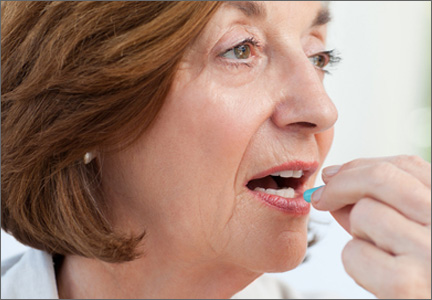
Bremelanotide improves female sexual dysfunction
HOLLYWOOD, FLA. – Subcutaneous bremelanotide self-administered at home by premenopausal women with sexual dysfunction significantly boosted sexual arousal and desire and their number of satisfying sexual events, based on data from a phase IIb clinical trial.
The novel therapy proved effective both in women with hypoactive sexual desire disorder and in those with combined hypoactive sexual desire disorder/female sexual arousal disorder, among the most common forms of female sexual dysfunction, Dr. Anita H. Clayton noted at a meeting of the New Clinical Drug Evaluation Unit sponsored by the National Institute of Mental Health.
Female sexual dysfunction is distressing, very common, and multifactorial, and there is at present no approved pharmacotherapy for these disorders, according to Dr. Clayton, professor of psychiatry and neurobehavioral sciences at the University of Virginia, Charlottesville. Thus, this represents an area of significant unmet medical need, she said.
Bremelanotide is a cyclic 7-amino-acid melanocortin peptide. It is a synthetic analog of the hormone alpha-melanocyte–stimulating hormone (alpha-MSH). It functions as a melanocortin-4 receptor agonist. Bremelanotide, like alpha-MSH, is thought to modulate brain pathways involved in sexual response, Dr. Clayton explained.
She reported data from a phase IIb randomized, double-blind, multicenter trial involving 327 women who met diagnostic criteria for hypoactive sexual desire disorder or combined hypoactive sexual desire disorder/female sexual arousal disorder. After receiving instruction in self-administration of subcutaneous injections, all participants underwent 4 weeks of single-blind placebo self-dosing at home on an as-needed basis. Then they were randomized to 12 weeks of double-blind home treatment with placebo or bremelanotide at 0.75 mg, 1.25 mg, or 1.75 mg in prefilled syringes. Participants were instructed to inject themselves approximately 45 minutes prior to sexual activity. They were not to exceed 1 dose per day, or 16 doses in a 4-week period.
The primary endpoint was change between the numbers of satisfying sexual events during the 28-day baseline period on placebo and during the final 28 days of the 12-week double-blind study period, using the Female Sexual Encounter Profile-Revised
The mean increase was 0.2 events in placebo-treated controls. Women randomized to 0.75 of bremelanotide didn’t fare significantly better than that.
However, women using bremelanotide at 1.25 mg had a mean 0.7-event increase from baseline, and those on 1.75 mg averaged a 0.8-event increase, both of which were significantly better than placebo.
Secondary endpoints were also positive, in dose-dependent fashion. The mean change over time in the Female Sexual Function Index total score, a validated measure of overall sexual functioning, was 1.88 for placebo, 3.6 in the pooled analysis of patients on bremelanotide at 1.25 or 1.75 mg, and 4.4 in those on 1.75 mg.
Similarly, the mean improvement on the FSDS-DAO (Female Sexual Distress Scale-Desire/Arousal/Orgasm) total score, an indicator of sexual dysfunction–related distress, was –6.8 for placebo, –11.1 for the pooled group on 1.25 or 1.75 mg of bremelanotide, and –13.1 for women on 1.75 mg.
These are clinically meaningful improvements, according to Dr. Clayton. Of note, the mean total score improvements, compared with baseline on these outcome measures, were still growing during the third and final month of double-blind treatment.
Also encouraging was the large percentage of women on bremelanotide whose scores reached thresholds indicative of normal levels of sexual function, she continued. For example, a Female Sexual Function Index total score greater than 26.5 was achieved in 42.7% of women on bremelanotide at 0.75 mg, 45.5% of those on 1.25 mg, and 49% on 1.75 mg, compared with 36.5% of placebo-treated controls. Moreover, a FSDS-DAO total score less than 18 was attained by 28.5% of women on placebo, 40.5% of those on bremelanotide at 0.75 mg, 45.6% on 1.25 mg, and 47.5% of those on 1.75 mg.
The drug therapy was safe and generally well tolerated. The most common bremelanotide-associated side effects were nausea, facial flushing, and headache, which affected 9%-24% of patients in dose-dependent fashion and were typically mild to moderate in nature.
Bremelanotide-treated patients averaged an increase in blood pressure of approximately 2 mm Hg, largely restricted to the first 4 hours after dosing. The number of patients forced to withdraw from the study based on predefined blood pressure change criteria was evenly distributed among the placebo and treatment groups, which was reassuring, Dr. Clayton said. Approximately 5 years ago, development of an intranasal formulation of bremelanotide for treatment of male erectile dysfunction as well as female sexual dysfunction was discontinued because of concerns about significant drug-induced hypertension. The current study, as well as other data, indicates that hypertension isn’t an issue with subcutaneous administration, she noted.
A definitive phase III clinical trial of at-home, self-administered subcutaneous bremelanotide for treatment of female sexual dysfunction is anticipated to start later this year.
Dr. Clayton reported receiving research support and consulting fees from Palatin Technologies, which is developing bremelanotide, as well as from other pharmaceutical companies.
HOLLYWOOD, FLA. – Subcutaneous bremelanotide self-administered at home by premenopausal women with sexual dysfunction significantly boosted sexual arousal and desire and their number of satisfying sexual events, based on data from a phase IIb clinical trial.
The novel therapy proved effective both in women with hypoactive sexual desire disorder and in those with combined hypoactive sexual desire disorder/female sexual arousal disorder, among the most common forms of female sexual dysfunction, Dr. Anita H. Clayton noted at a meeting of the New Clinical Drug Evaluation Unit sponsored by the National Institute of Mental Health.
Female sexual dysfunction is distressing, very common, and multifactorial, and there is at present no approved pharmacotherapy for these disorders, according to Dr. Clayton, professor of psychiatry and neurobehavioral sciences at the University of Virginia, Charlottesville. Thus, this represents an area of significant unmet medical need, she said.
Bremelanotide is a cyclic 7-amino-acid melanocortin peptide. It is a synthetic analog of the hormone alpha-melanocyte–stimulating hormone (alpha-MSH). It functions as a melanocortin-4 receptor agonist. Bremelanotide, like alpha-MSH, is thought to modulate brain pathways involved in sexual response, Dr. Clayton explained.
She reported data from a phase IIb randomized, double-blind, multicenter trial involving 327 women who met diagnostic criteria for hypoactive sexual desire disorder or combined hypoactive sexual desire disorder/female sexual arousal disorder. After receiving instruction in self-administration of subcutaneous injections, all participants underwent 4 weeks of single-blind placebo self-dosing at home on an as-needed basis. Then they were randomized to 12 weeks of double-blind home treatment with placebo or bremelanotide at 0.75 mg, 1.25 mg, or 1.75 mg in prefilled syringes. Participants were instructed to inject themselves approximately 45 minutes prior to sexual activity. They were not to exceed 1 dose per day, or 16 doses in a 4-week period.
The primary endpoint was change between the numbers of satisfying sexual events during the 28-day baseline period on placebo and during the final 28 days of the 12-week double-blind study period, using the Female Sexual Encounter Profile-Revised
The mean increase was 0.2 events in placebo-treated controls. Women randomized to 0.75 of bremelanotide didn’t fare significantly better than that.
However, women using bremelanotide at 1.25 mg had a mean 0.7-event increase from baseline, and those on 1.75 mg averaged a 0.8-event increase, both of which were significantly better than placebo.
Secondary endpoints were also positive, in dose-dependent fashion. The mean change over time in the Female Sexual Function Index total score, a validated measure of overall sexual functioning, was 1.88 for placebo, 3.6 in the pooled analysis of patients on bremelanotide at 1.25 or 1.75 mg, and 4.4 in those on 1.75 mg.
Similarly, the mean improvement on the FSDS-DAO (Female Sexual Distress Scale-Desire/Arousal/Orgasm) total score, an indicator of sexual dysfunction–related distress, was –6.8 for placebo, –11.1 for the pooled group on 1.25 or 1.75 mg of bremelanotide, and –13.1 for women on 1.75 mg.
These are clinically meaningful improvements, according to Dr. Clayton. Of note, the mean total score improvements, compared with baseline on these outcome measures, were still growing during the third and final month of double-blind treatment.
Also encouraging was the large percentage of women on bremelanotide whose scores reached thresholds indicative of normal levels of sexual function, she continued. For example, a Female Sexual Function Index total score greater than 26.5 was achieved in 42.7% of women on bremelanotide at 0.75 mg, 45.5% of those on 1.25 mg, and 49% on 1.75 mg, compared with 36.5% of placebo-treated controls. Moreover, a FSDS-DAO total score less than 18 was attained by 28.5% of women on placebo, 40.5% of those on bremelanotide at 0.75 mg, 45.6% on 1.25 mg, and 47.5% of those on 1.75 mg.
The drug therapy was safe and generally well tolerated. The most common bremelanotide-associated side effects were nausea, facial flushing, and headache, which affected 9%-24% of patients in dose-dependent fashion and were typically mild to moderate in nature.
Bremelanotide-treated patients averaged an increase in blood pressure of approximately 2 mm Hg, largely restricted to the first 4 hours after dosing. The number of patients forced to withdraw from the study based on predefined blood pressure change criteria was evenly distributed among the placebo and treatment groups, which was reassuring, Dr. Clayton said. Approximately 5 years ago, development of an intranasal formulation of bremelanotide for treatment of male erectile dysfunction as well as female sexual dysfunction was discontinued because of concerns about significant drug-induced hypertension. The current study, as well as other data, indicates that hypertension isn’t an issue with subcutaneous administration, she noted.
A definitive phase III clinical trial of at-home, self-administered subcutaneous bremelanotide for treatment of female sexual dysfunction is anticipated to start later this year.
Dr. Clayton reported receiving research support and consulting fees from Palatin Technologies, which is developing bremelanotide, as well as from other pharmaceutical companies.
HOLLYWOOD, FLA. – Subcutaneous bremelanotide self-administered at home by premenopausal women with sexual dysfunction significantly boosted sexual arousal and desire and their number of satisfying sexual events, based on data from a phase IIb clinical trial.
The novel therapy proved effective both in women with hypoactive sexual desire disorder and in those with combined hypoactive sexual desire disorder/female sexual arousal disorder, among the most common forms of female sexual dysfunction, Dr. Anita H. Clayton noted at a meeting of the New Clinical Drug Evaluation Unit sponsored by the National Institute of Mental Health.
Female sexual dysfunction is distressing, very common, and multifactorial, and there is at present no approved pharmacotherapy for these disorders, according to Dr. Clayton, professor of psychiatry and neurobehavioral sciences at the University of Virginia, Charlottesville. Thus, this represents an area of significant unmet medical need, she said.
Bremelanotide is a cyclic 7-amino-acid melanocortin peptide. It is a synthetic analog of the hormone alpha-melanocyte–stimulating hormone (alpha-MSH). It functions as a melanocortin-4 receptor agonist. Bremelanotide, like alpha-MSH, is thought to modulate brain pathways involved in sexual response, Dr. Clayton explained.
She reported data from a phase IIb randomized, double-blind, multicenter trial involving 327 women who met diagnostic criteria for hypoactive sexual desire disorder or combined hypoactive sexual desire disorder/female sexual arousal disorder. After receiving instruction in self-administration of subcutaneous injections, all participants underwent 4 weeks of single-blind placebo self-dosing at home on an as-needed basis. Then they were randomized to 12 weeks of double-blind home treatment with placebo or bremelanotide at 0.75 mg, 1.25 mg, or 1.75 mg in prefilled syringes. Participants were instructed to inject themselves approximately 45 minutes prior to sexual activity. They were not to exceed 1 dose per day, or 16 doses in a 4-week period.
The primary endpoint was change between the numbers of satisfying sexual events during the 28-day baseline period on placebo and during the final 28 days of the 12-week double-blind study period, using the Female Sexual Encounter Profile-Revised
The mean increase was 0.2 events in placebo-treated controls. Women randomized to 0.75 of bremelanotide didn’t fare significantly better than that.
However, women using bremelanotide at 1.25 mg had a mean 0.7-event increase from baseline, and those on 1.75 mg averaged a 0.8-event increase, both of which were significantly better than placebo.
Secondary endpoints were also positive, in dose-dependent fashion. The mean change over time in the Female Sexual Function Index total score, a validated measure of overall sexual functioning, was 1.88 for placebo, 3.6 in the pooled analysis of patients on bremelanotide at 1.25 or 1.75 mg, and 4.4 in those on 1.75 mg.
Similarly, the mean improvement on the FSDS-DAO (Female Sexual Distress Scale-Desire/Arousal/Orgasm) total score, an indicator of sexual dysfunction–related distress, was –6.8 for placebo, –11.1 for the pooled group on 1.25 or 1.75 mg of bremelanotide, and –13.1 for women on 1.75 mg.
These are clinically meaningful improvements, according to Dr. Clayton. Of note, the mean total score improvements, compared with baseline on these outcome measures, were still growing during the third and final month of double-blind treatment.
Also encouraging was the large percentage of women on bremelanotide whose scores reached thresholds indicative of normal levels of sexual function, she continued. For example, a Female Sexual Function Index total score greater than 26.5 was achieved in 42.7% of women on bremelanotide at 0.75 mg, 45.5% of those on 1.25 mg, and 49% on 1.75 mg, compared with 36.5% of placebo-treated controls. Moreover, a FSDS-DAO total score less than 18 was attained by 28.5% of women on placebo, 40.5% of those on bremelanotide at 0.75 mg, 45.6% on 1.25 mg, and 47.5% of those on 1.75 mg.
The drug therapy was safe and generally well tolerated. The most common bremelanotide-associated side effects were nausea, facial flushing, and headache, which affected 9%-24% of patients in dose-dependent fashion and were typically mild to moderate in nature.
Bremelanotide-treated patients averaged an increase in blood pressure of approximately 2 mm Hg, largely restricted to the first 4 hours after dosing. The number of patients forced to withdraw from the study based on predefined blood pressure change criteria was evenly distributed among the placebo and treatment groups, which was reassuring, Dr. Clayton said. Approximately 5 years ago, development of an intranasal formulation of bremelanotide for treatment of male erectile dysfunction as well as female sexual dysfunction was discontinued because of concerns about significant drug-induced hypertension. The current study, as well as other data, indicates that hypertension isn’t an issue with subcutaneous administration, she noted.
A definitive phase III clinical trial of at-home, self-administered subcutaneous bremelanotide for treatment of female sexual dysfunction is anticipated to start later this year.
Dr. Clayton reported receiving research support and consulting fees from Palatin Technologies, which is developing bremelanotide, as well as from other pharmaceutical companies.
AT THE NCDEU MEETING
Major finding: Self-administered subcutaneous injections of the novel agent bremelanotide at the top dose tested resulted in quadruple the number of satisfying sexual events, compared with placebo, in premenopausal women with female sexual dysfunction.
Data source: A multicenter, double-blind, phase IIb randomized trial involving 397 women with female sexual dysfunction, 327 of whom were evaluable.
Disclosures: The phase IIb study was sponsored by Palatin Technologies. The presenter has received research funding and consulting fees from this and other pharmaceutical companies.
New treatment option for vulvar and vaginal atrophy
Have you read Cases in Menopause in the May issue? Click here to access the article.
In February 2013, the FDA approved ospemifeme (Osphena 60 mg tablets, Shionogi Inc, Florham Park, NJ), an orally administered tissue-selective estrogen agonist/antagonist, for the treatment of dyspareunia caused by vulvar and vaginal atrophy (VVA) in menopausal women.1 As with its pharmacologic relatives tamoxifen and raloxifene, ospemifene acts as an estrogen agonist in some tissues and an estrogen antagonist in other tissues.
In clinical trials, ospemifene has been found to reduce pain with sexual intercourse and increase vaginal mucosal maturation and vaginal pH to a greater extent than placebo.2 Contraindications listed in package labeling for ospemifene include estrogen-dependent neoplasia and active or prior venous thromboembolism (VTE), stroke, or myocardial infarction.3 Although ospemifene has an estrogen-agonist impact on the endometrium, no cases of endometrial cancer were noted in clinical trials (the longest of which was 12 months).4 Adverse reactions most frequently reported in clinical trials were hot flushes (7.5% with ospemifene vs 2.6% with placebo), vaginal discharge (3.8% vs 0.3%, respectively), and muscle spasms (3.2% vs 0.9%, respectively).2
Women today have greater expectations regarding sexuality during their menopausal years. However, fewer menopausal women are using hormone therapy, leading to an epidemic of symptomatic VVA. Against this backdrop, new treatment options represent good news for women. Ospemifene may be of particular appeal for symptomatic women who prefer not to use estrogen vaginal cream, tablets, or the vaginal ring. However, in contrast to vaginal estrogen therapy, ospemifene increases hot flushes and may (like tamoxifen and raloxifene) increase the risk of VTE. As with vaginal estrogen, package labeling does not specifically recommend the use of progestin with ospemifene to prevent endometrial neoplasia in women with an intact uterus. However, and again, as with vaginal estrogen, endometrial monitoring should be considered in long-term users, and any vaginal bleeding occurring in users should be evaluated.
Use of vaginal or systemic estrogen is contraindicated in women with a history of breast cancer. As the package labeling indicates, “Osphena [ospemifene] 60 mg has not been adequately studied in women with breast cancer…”3 Accordingly, the FDA’s guidance is that, as with vaginal estrogen, ospemifene “…should not be used in women with known or suspected breast cancer or with a history of breast cancer.”1
1. FDA approves osphena for postmenopausal women experiencing pain during sex [news release]. Silver Spring, MD: US Food and Drug Administration; February 26, 2013. http://www.fda.gov/NewsEvents/Newsroom/PressAnnouncements/ucm341128.htm. Accessed April 12, 2013.
2. Portman DJ, Bachmann GA, Simon JA. The Ospemifene Study Group. Ospemifene, a novel selective estrogen receptor modulator for treating dyspareunia associated with postmenopausal vulvar and vaginal atrophy [published online ahead of print January 28, 2013]. Menopause. doi:10.1097/gme.0b013e318279ba64.
3. Osphena [prescribing information]. Florham Park, NJ: Shionogi Inc; 2013. http://osphena.com/. Accessed April 12, 2013.
4. Simon JA, Lin VH, Radovich C, Bachmann GA. The Ospemifene Study Group. One-year long-term safety extension study of ospemifene for the treatment of vulvar and vaginal atrophy in postmenopausal women with a uterus. Menopause. 2013;20(4):418-427.
We want to hear from you! Tell us what you think.
More NEWS FOR YOUR PRACTICE…
<list type="bullet"> <item><para>Full-term gestational age tied to improved mental and psychomotor functions at 12 months</para></item> <item><para>Surgical treatment of endometriosis lowers the risk of
ovarian cancer</para></item> <item><para>Sales reps provide inadequate safety information during promotional visits</para></item> <item><para>Diclegis now FDA-approved to treat nausea and vomiting
in pregnancy</para></item> <item><para>Vitamin D in pregnancy and postmenopause: Recent evidence implies it may not be so important</para></item> <item><para>The newly approved IUD: Which patients is Skyla
appropriate for?</para></item> <item><para>Native tissue is superior to vaginal mesh for prolapse repair, two studies report</para></item> <item><para>Postpartum anxiety more common than depression</para></item> <item><para>Robotic surgery not the best for hysterectomy, ACOG says</para></item> <item><para>Robotically assisted hysterectomy is on the rise for benign gynecologic disorders</para></item> <item><para>Maternal folic acid use linked to reduced autism risk</para></item> </list>
Have you read Cases in Menopause in the May issue? Click here to access the article.
In February 2013, the FDA approved ospemifeme (Osphena 60 mg tablets, Shionogi Inc, Florham Park, NJ), an orally administered tissue-selective estrogen agonist/antagonist, for the treatment of dyspareunia caused by vulvar and vaginal atrophy (VVA) in menopausal women.1 As with its pharmacologic relatives tamoxifen and raloxifene, ospemifene acts as an estrogen agonist in some tissues and an estrogen antagonist in other tissues.
In clinical trials, ospemifene has been found to reduce pain with sexual intercourse and increase vaginal mucosal maturation and vaginal pH to a greater extent than placebo.2 Contraindications listed in package labeling for ospemifene include estrogen-dependent neoplasia and active or prior venous thromboembolism (VTE), stroke, or myocardial infarction.3 Although ospemifene has an estrogen-agonist impact on the endometrium, no cases of endometrial cancer were noted in clinical trials (the longest of which was 12 months).4 Adverse reactions most frequently reported in clinical trials were hot flushes (7.5% with ospemifene vs 2.6% with placebo), vaginal discharge (3.8% vs 0.3%, respectively), and muscle spasms (3.2% vs 0.9%, respectively).2
Women today have greater expectations regarding sexuality during their menopausal years. However, fewer menopausal women are using hormone therapy, leading to an epidemic of symptomatic VVA. Against this backdrop, new treatment options represent good news for women. Ospemifene may be of particular appeal for symptomatic women who prefer not to use estrogen vaginal cream, tablets, or the vaginal ring. However, in contrast to vaginal estrogen therapy, ospemifene increases hot flushes and may (like tamoxifen and raloxifene) increase the risk of VTE. As with vaginal estrogen, package labeling does not specifically recommend the use of progestin with ospemifene to prevent endometrial neoplasia in women with an intact uterus. However, and again, as with vaginal estrogen, endometrial monitoring should be considered in long-term users, and any vaginal bleeding occurring in users should be evaluated.
Use of vaginal or systemic estrogen is contraindicated in women with a history of breast cancer. As the package labeling indicates, “Osphena [ospemifene] 60 mg has not been adequately studied in women with breast cancer…”3 Accordingly, the FDA’s guidance is that, as with vaginal estrogen, ospemifene “…should not be used in women with known or suspected breast cancer or with a history of breast cancer.”1
Have you read Cases in Menopause in the May issue? Click here to access the article.
In February 2013, the FDA approved ospemifeme (Osphena 60 mg tablets, Shionogi Inc, Florham Park, NJ), an orally administered tissue-selective estrogen agonist/antagonist, for the treatment of dyspareunia caused by vulvar and vaginal atrophy (VVA) in menopausal women.1 As with its pharmacologic relatives tamoxifen and raloxifene, ospemifene acts as an estrogen agonist in some tissues and an estrogen antagonist in other tissues.
In clinical trials, ospemifene has been found to reduce pain with sexual intercourse and increase vaginal mucosal maturation and vaginal pH to a greater extent than placebo.2 Contraindications listed in package labeling for ospemifene include estrogen-dependent neoplasia and active or prior venous thromboembolism (VTE), stroke, or myocardial infarction.3 Although ospemifene has an estrogen-agonist impact on the endometrium, no cases of endometrial cancer were noted in clinical trials (the longest of which was 12 months).4 Adverse reactions most frequently reported in clinical trials were hot flushes (7.5% with ospemifene vs 2.6% with placebo), vaginal discharge (3.8% vs 0.3%, respectively), and muscle spasms (3.2% vs 0.9%, respectively).2
Women today have greater expectations regarding sexuality during their menopausal years. However, fewer menopausal women are using hormone therapy, leading to an epidemic of symptomatic VVA. Against this backdrop, new treatment options represent good news for women. Ospemifene may be of particular appeal for symptomatic women who prefer not to use estrogen vaginal cream, tablets, or the vaginal ring. However, in contrast to vaginal estrogen therapy, ospemifene increases hot flushes and may (like tamoxifen and raloxifene) increase the risk of VTE. As with vaginal estrogen, package labeling does not specifically recommend the use of progestin with ospemifene to prevent endometrial neoplasia in women with an intact uterus. However, and again, as with vaginal estrogen, endometrial monitoring should be considered in long-term users, and any vaginal bleeding occurring in users should be evaluated.
Use of vaginal or systemic estrogen is contraindicated in women with a history of breast cancer. As the package labeling indicates, “Osphena [ospemifene] 60 mg has not been adequately studied in women with breast cancer…”3 Accordingly, the FDA’s guidance is that, as with vaginal estrogen, ospemifene “…should not be used in women with known or suspected breast cancer or with a history of breast cancer.”1
1. FDA approves osphena for postmenopausal women experiencing pain during sex [news release]. Silver Spring, MD: US Food and Drug Administration; February 26, 2013. http://www.fda.gov/NewsEvents/Newsroom/PressAnnouncements/ucm341128.htm. Accessed April 12, 2013.
2. Portman DJ, Bachmann GA, Simon JA. The Ospemifene Study Group. Ospemifene, a novel selective estrogen receptor modulator for treating dyspareunia associated with postmenopausal vulvar and vaginal atrophy [published online ahead of print January 28, 2013]. Menopause. doi:10.1097/gme.0b013e318279ba64.
3. Osphena [prescribing information]. Florham Park, NJ: Shionogi Inc; 2013. http://osphena.com/. Accessed April 12, 2013.
4. Simon JA, Lin VH, Radovich C, Bachmann GA. The Ospemifene Study Group. One-year long-term safety extension study of ospemifene for the treatment of vulvar and vaginal atrophy in postmenopausal women with a uterus. Menopause. 2013;20(4):418-427.
We want to hear from you! Tell us what you think.
More NEWS FOR YOUR PRACTICE…
<list type="bullet"> <item><para>Full-term gestational age tied to improved mental and psychomotor functions at 12 months</para></item> <item><para>Surgical treatment of endometriosis lowers the risk of
ovarian cancer</para></item> <item><para>Sales reps provide inadequate safety information during promotional visits</para></item> <item><para>Diclegis now FDA-approved to treat nausea and vomiting
in pregnancy</para></item> <item><para>Vitamin D in pregnancy and postmenopause: Recent evidence implies it may not be so important</para></item> <item><para>The newly approved IUD: Which patients is Skyla
appropriate for?</para></item> <item><para>Native tissue is superior to vaginal mesh for prolapse repair, two studies report</para></item> <item><para>Postpartum anxiety more common than depression</para></item> <item><para>Robotic surgery not the best for hysterectomy, ACOG says</para></item> <item><para>Robotically assisted hysterectomy is on the rise for benign gynecologic disorders</para></item> <item><para>Maternal folic acid use linked to reduced autism risk</para></item> </list>
1. FDA approves osphena for postmenopausal women experiencing pain during sex [news release]. Silver Spring, MD: US Food and Drug Administration; February 26, 2013. http://www.fda.gov/NewsEvents/Newsroom/PressAnnouncements/ucm341128.htm. Accessed April 12, 2013.
2. Portman DJ, Bachmann GA, Simon JA. The Ospemifene Study Group. Ospemifene, a novel selective estrogen receptor modulator for treating dyspareunia associated with postmenopausal vulvar and vaginal atrophy [published online ahead of print January 28, 2013]. Menopause. doi:10.1097/gme.0b013e318279ba64.
3. Osphena [prescribing information]. Florham Park, NJ: Shionogi Inc; 2013. http://osphena.com/. Accessed April 12, 2013.
4. Simon JA, Lin VH, Radovich C, Bachmann GA. The Ospemifene Study Group. One-year long-term safety extension study of ospemifene for the treatment of vulvar and vaginal atrophy in postmenopausal women with a uterus. Menopause. 2013;20(4):418-427.
We want to hear from you! Tell us what you think.
More NEWS FOR YOUR PRACTICE…
<list type="bullet"> <item><para>Full-term gestational age tied to improved mental and psychomotor functions at 12 months</para></item> <item><para>Surgical treatment of endometriosis lowers the risk of
ovarian cancer</para></item> <item><para>Sales reps provide inadequate safety information during promotional visits</para></item> <item><para>Diclegis now FDA-approved to treat nausea and vomiting
in pregnancy</para></item> <item><para>Vitamin D in pregnancy and postmenopause: Recent evidence implies it may not be so important</para></item> <item><para>The newly approved IUD: Which patients is Skyla
appropriate for?</para></item> <item><para>Native tissue is superior to vaginal mesh for prolapse repair, two studies report</para></item> <item><para>Postpartum anxiety more common than depression</para></item> <item><para>Robotic surgery not the best for hysterectomy, ACOG says</para></item> <item><para>Robotically assisted hysterectomy is on the rise for benign gynecologic disorders</para></item> <item><para>Maternal folic acid use linked to reduced autism risk</para></item> </list>