User login
A fib ablation in HFrEF patients gains momentum
The video associated with this article is no longer available on this site. Please view all of our videos on the MDedge YouTube channel
BOSTON – Results from two recent trials suggest that cardiologists may have a new way to improve outcomes in patients with heart failure with reduced ejection fraction if they also have atrial fibrillation: Cut the patient’s atrial fibrillation burden with catheter ablation.
This seemingly off-target approach to improving survival, avoiding heart failure hospitalizations, and possibly reducing other adverse events first gained attention with results from the CASTLE-AF (Catheter Ablation vs. Standard Conventional Treatment in Patients With LV Dysfunction and AF) randomized trial, first reported in 2017. The study showed in 363 patients that atrial fibrillation (AF) ablation in patients with heart failure with reduced ejection fraction (HFrEF) led to a statistically significant 38% relative reduction in the primary endpoint of mortality or heart failure hospitalization during a median 38 months of follow-up (N Engl J Med. 2018 Feb 1;378[5]:417-27).
This groundbreaking finding then received some degree of confirmation when Douglas L. Packer, MD, reported primary results from CABANA (Catheter Ablation vs Anti-arrhythmic Drug Therapy for Atrial Fibrillation Trial) at the annual scientific sessions of the Heart Rhythm Society. CABANA compared upfront ablation against first-line medical management of AF in 2,203 patients. While the primary endpoint of the cumulative rate of all-cause death, disabling stroke, serious bleeding, or cardiac arrest over a median follow-up of just over 4 years was neutral, with no statistically significant difference between the two treatment arms, a subgroup analysis showed a tantalizing suggestion of benefit in the 337 enrolled patients with a history of congestive heart failure (15% of the total study group).
In this subgroup, treatment with ablation cut the primary endpoint by 39% relative to those treated upfront with medical management, an effect that came close to statistical significance. In addition, Dr. Packer took special note of the per-protocol analysis, which censored out the crossover patients who constituted roughly a fifth of all enrolled patients. In the subgroup analysis using the per-protocol data, ablation was linked with a statistically significant 49% relative reduction in the primary endpoint among patients with a history of heart failure.
The patients for whom there may be the quickest shift to upfront ablation to treat AF based on the CABANA results will be those with heart failure and others with high underlying risk, Dr. Packer predicted at the meeting.
“The CASTLE-AF results were interesting, but in fewer than 400 patients. Now we’ve basically seen the same thing” in CABANA, said Dr. Packer, professor and a cardiac electrophysiologist at the Mayo Clinic in Rochester, Minn.
Notably however, the results Dr. Packer reported on the heart failure subgroup did not include any information on how many of these were patients who had HFrEF or heart failure with preserved ejection fraction and how the apparent benefit from AF ablation affected each of these two heart failure types. In addition, the reported CABANA results did not have an endpoint result that completely matched the mortality and heart failure hospitalization composite endpoint used in CASTLE-AF. The closest endpoint that Dr. Packer reported from CABANA was a composite of mortality and cardiovascular hospitalization that showed, for the entire CABANA cohort, a statistically significant 17% relative reduction with ablation in the intention-to-treat analysis. Dr. Packer gave no data on how this outcome shook out in the subgroup of heart failure patients.
Despite these limitations, in trying to synthesize the CABANA and CASTLE-AF results, several electrophysiologists who heard the results agreed with Dr. Packer that the CABANA results confirmed the CASTLE-AF findings and helped strengthen the case for strongly considering AF ablation as first-line treatment in patients with heart failure.
“It’s clear that sinus rhythm is important in patients with heart failure. CASTLE-AF and now these results; that’s very strong to me,” said Eric N. Prystowsky, MD, a cardiac electrophysiologist with the St. Vincent Medical Group in Indianapolis and designated discussant for CABANA at the meeting.
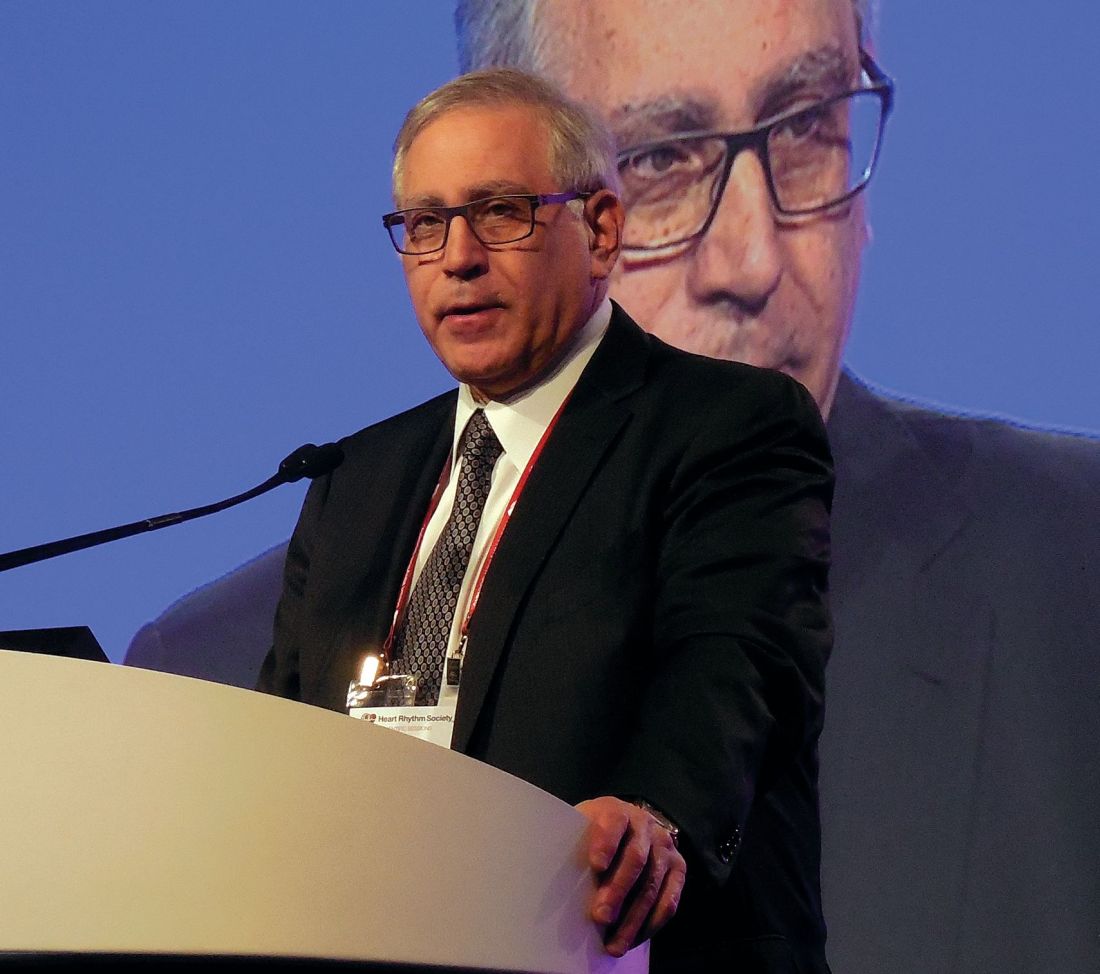
“It’s confirmatory,” said Nassir F. Marrouche, MD, lead investigator for CASTLE-AF, and professor and director of the electrophysiology laboratory at the University of Utah in Salt Lake City.
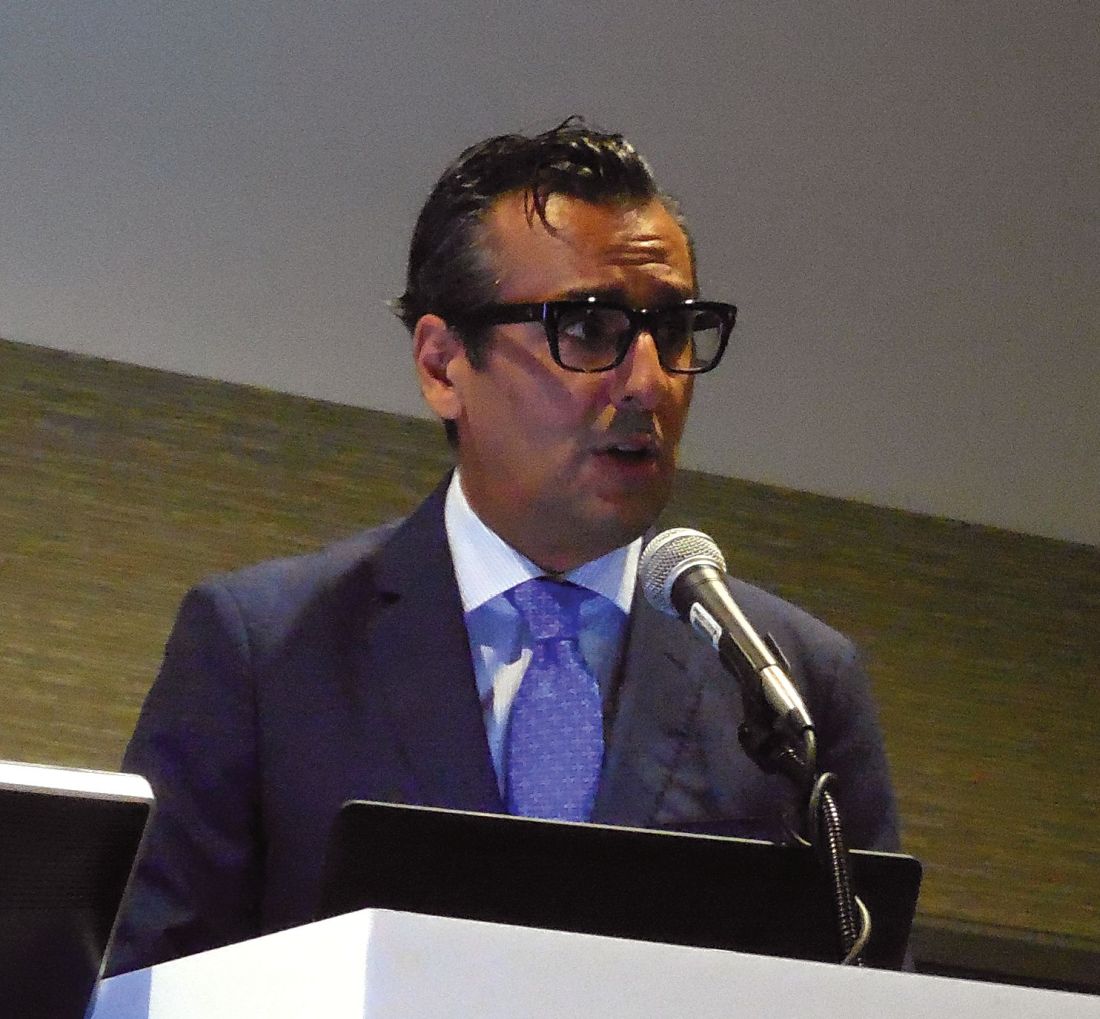
The “signal” of benefit from AF ablation in heart failure patients in CABANA “replicates what was seen in CASTLE-AF. The results are highly consistent and very important regarding how to treat patients with AF and heart failure,” said Jeremy N. Ruskin, MD, professor of medicine at Harvard Medical School and director of the cardiac arrhythmia service at Massachusetts General Hospital, both in Boston. “The data strongly suggest that catheter ablation is helpful for restoring and preserving [heart] muscle function,” Dr. Ruskin said in a video interview. He noted that AF occurs in at least about a quarter of heart failure patients.
Other cardiologists at the meeting noted that, on the basis of the CASTLE-AF results alone, they have already become more aggressive about treating AF with ablation in patients with heart failure in routine practice.

“It adds to the armamentarium for treatment of patients with heart failure,” said Johannes Brachmann, MD, professor and chief of cardiology at the Coburg (Germany) Clinic and a senior coinvestigator for CASTLE-AF.
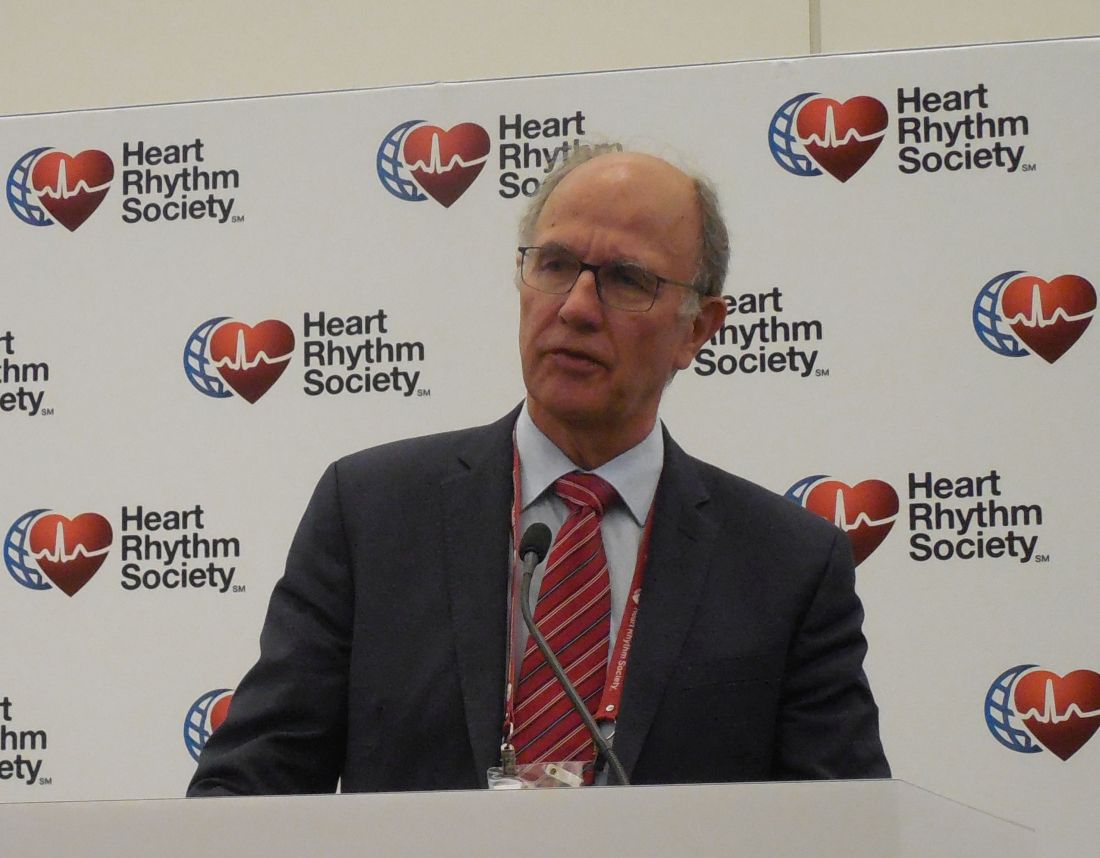
William T. Abraham, MD, a heart failure specialist at The Ohio State University in Columbus, offered a broader perspective on where AF diagnosis, treatment, and ablation currently stand in U.S. heart failure practice.
“There is a very tight link between AF burden and worse outcomes in heart failure, so there is something intuitively appealing about restoring sinus rhythm in heart failure patients. I think most heart failure clinicians believe, like me, that heart failure patients with AF benefit from restoration of normal sinus rhythm. But I don’t believe that the CASTLE-AF results have so far had much impact on practice, in part because it was a relatively small study. The heart failure community is looking for some confirmation,” said Dr. Abraham, professor and director of cardiovascular medicine at Ohio State.
“I think the CABANA results are encouraging, but they came from only 15% of the enrolled patients who also had heart failure. CABANA adds to our knowledge, but I’m not sure it’s definitive for the heart failure population. I’m not sure it tells us if you treat patients with heart failure with anti-arrhythmia drugs and successfully maintain sinus rhythm do those patients do just as well as those who get ablated,” he said in an interview. “I’d love to see a study of heart failure patients maintained in sinus rhythm with drugs compared with those treated with ablation.”
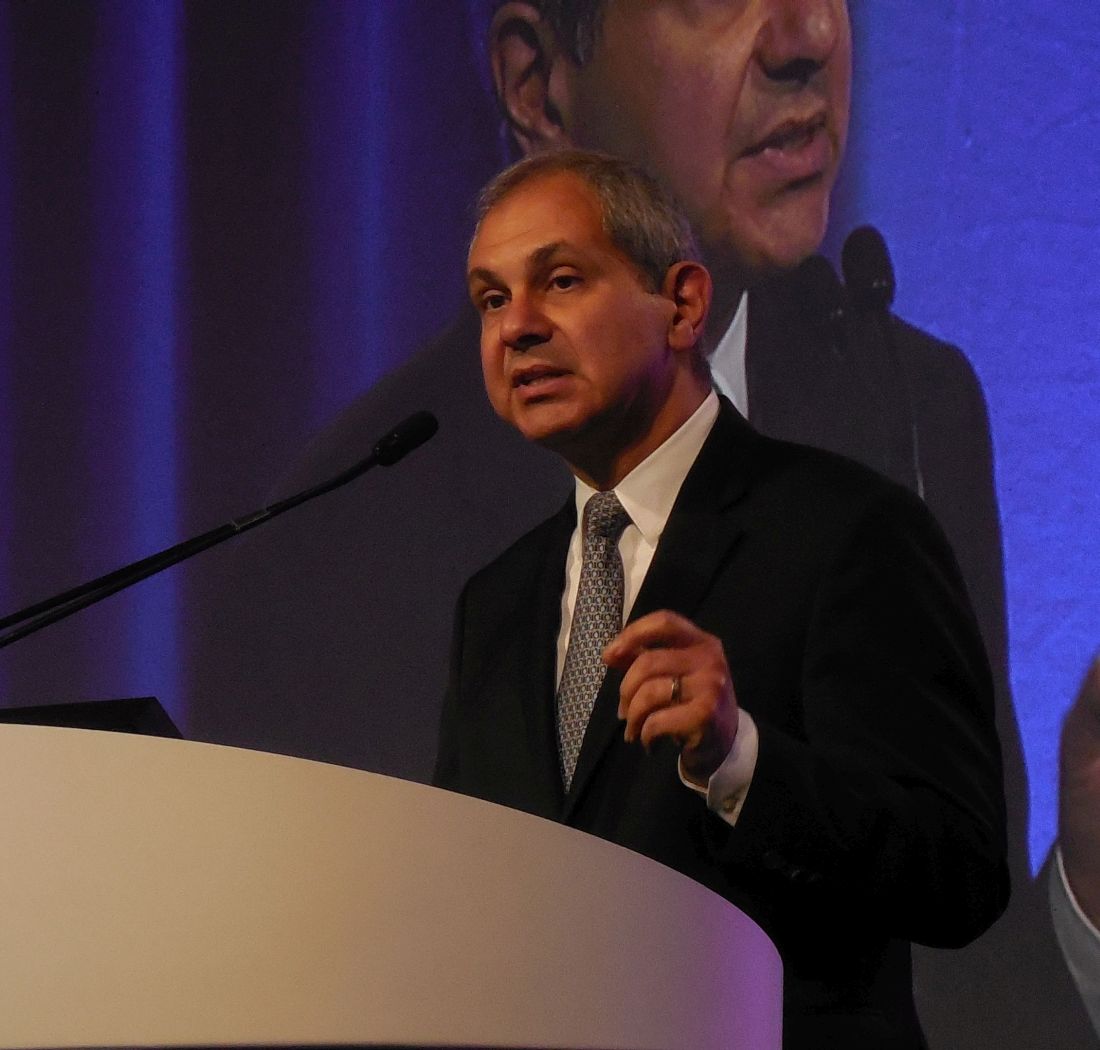
For most patients with heart failure, the coexistence of AF is identified because of AF symptoms, or when asymptomatic AF is found in recordings made by an implanted cardiac device. “I’m more aggressive about addressing asymptomatic AF in my heart failure patients, and I believe the heart failure community is moving rapidly in that direction because of the association between higher AF burden and worse heart failure outcomes,” Dr. Abraham said.
A more cautious view came from another heart failure specialist, Clyde Yancy, MD, professor and chief of cardiology at Northwestern University in Chicago. “It’s pretty evident that in certain patients with heart failure AF ablation might be the right treatment, but is it every HFrEF patient with AF?” he wondered. “It’s nice to have more evidence so we can be more comfortable sending heart failure patients for ablation, but I want to see more information about the risk” from ablation in heart failure patients, “the sustainability of the effect, and the consequences of ablation.”

But the reservations expressed by cardiologists like Dr. Yancy contrasted with the views of colleagues who consider the current evidence much more convincing.
“It seems logical to look harder for AF” in heart failure patients, based on the accumulated evidence from CASTLE-AF and CABANA, said Dr. Ruskin. “I don’t think we can offer advice to heart failure physicians to screen their heart failure patients for AF, but if it’s seen I think we have some useful information on how to address it.”
CASTLE-AF was funded by Biotronik. CABANA received partial funding from Biosense Webster, Boston Scientific, Medtronic, and St. Jude. Dr. Packer has been a consultant to and has received research funding from Biosense Webster, Boston Scientific, Medtronic, and St. Jude, and also from several other companies. Dr. Prystowsky as been a consultant to CardioNet and Medtronic, he has an equity interest in Stereotaxis, and he receives fellowship support from Medtronic and St. Jude. Dr. Marrouche has been a consultant to Biosense Webster, Biotronik, Boston Scientific, and St. Jude. He has received research support from Medtronic, and he has had financial relationships with several other companies. Dr. Ruskin has been a consultant to Biosense Webster and Medtronic and several other companies, has an ownership interest in Amgen, Cameron Health, InfoBionic, Newpace, Portola, and Regeneron, and has a fiduciary role in Pharmaco-Kinesis. Dr. Russo and Dr. Yancy had no disclosures. Dr. Brachmann has been a consultant to and has received research funding from Biotronik, Boston Scientific, St. Jude, and several other companies. Dr. Abraham has been a consultant to Abbott Vascular, Medtronic, Novartis, and St. Jude.
The video associated with this article is no longer available on this site. Please view all of our videos on the MDedge YouTube channel
BOSTON – Results from two recent trials suggest that cardiologists may have a new way to improve outcomes in patients with heart failure with reduced ejection fraction if they also have atrial fibrillation: Cut the patient’s atrial fibrillation burden with catheter ablation.
This seemingly off-target approach to improving survival, avoiding heart failure hospitalizations, and possibly reducing other adverse events first gained attention with results from the CASTLE-AF (Catheter Ablation vs. Standard Conventional Treatment in Patients With LV Dysfunction and AF) randomized trial, first reported in 2017. The study showed in 363 patients that atrial fibrillation (AF) ablation in patients with heart failure with reduced ejection fraction (HFrEF) led to a statistically significant 38% relative reduction in the primary endpoint of mortality or heart failure hospitalization during a median 38 months of follow-up (N Engl J Med. 2018 Feb 1;378[5]:417-27).
This groundbreaking finding then received some degree of confirmation when Douglas L. Packer, MD, reported primary results from CABANA (Catheter Ablation vs Anti-arrhythmic Drug Therapy for Atrial Fibrillation Trial) at the annual scientific sessions of the Heart Rhythm Society. CABANA compared upfront ablation against first-line medical management of AF in 2,203 patients. While the primary endpoint of the cumulative rate of all-cause death, disabling stroke, serious bleeding, or cardiac arrest over a median follow-up of just over 4 years was neutral, with no statistically significant difference between the two treatment arms, a subgroup analysis showed a tantalizing suggestion of benefit in the 337 enrolled patients with a history of congestive heart failure (15% of the total study group).
In this subgroup, treatment with ablation cut the primary endpoint by 39% relative to those treated upfront with medical management, an effect that came close to statistical significance. In addition, Dr. Packer took special note of the per-protocol analysis, which censored out the crossover patients who constituted roughly a fifth of all enrolled patients. In the subgroup analysis using the per-protocol data, ablation was linked with a statistically significant 49% relative reduction in the primary endpoint among patients with a history of heart failure.
The patients for whom there may be the quickest shift to upfront ablation to treat AF based on the CABANA results will be those with heart failure and others with high underlying risk, Dr. Packer predicted at the meeting.
“The CASTLE-AF results were interesting, but in fewer than 400 patients. Now we’ve basically seen the same thing” in CABANA, said Dr. Packer, professor and a cardiac electrophysiologist at the Mayo Clinic in Rochester, Minn.
Notably however, the results Dr. Packer reported on the heart failure subgroup did not include any information on how many of these were patients who had HFrEF or heart failure with preserved ejection fraction and how the apparent benefit from AF ablation affected each of these two heart failure types. In addition, the reported CABANA results did not have an endpoint result that completely matched the mortality and heart failure hospitalization composite endpoint used in CASTLE-AF. The closest endpoint that Dr. Packer reported from CABANA was a composite of mortality and cardiovascular hospitalization that showed, for the entire CABANA cohort, a statistically significant 17% relative reduction with ablation in the intention-to-treat analysis. Dr. Packer gave no data on how this outcome shook out in the subgroup of heart failure patients.
Despite these limitations, in trying to synthesize the CABANA and CASTLE-AF results, several electrophysiologists who heard the results agreed with Dr. Packer that the CABANA results confirmed the CASTLE-AF findings and helped strengthen the case for strongly considering AF ablation as first-line treatment in patients with heart failure.
“It’s clear that sinus rhythm is important in patients with heart failure. CASTLE-AF and now these results; that’s very strong to me,” said Eric N. Prystowsky, MD, a cardiac electrophysiologist with the St. Vincent Medical Group in Indianapolis and designated discussant for CABANA at the meeting.
“It’s confirmatory,” said Nassir F. Marrouche, MD, lead investigator for CASTLE-AF, and professor and director of the electrophysiology laboratory at the University of Utah in Salt Lake City.
The “signal” of benefit from AF ablation in heart failure patients in CABANA “replicates what was seen in CASTLE-AF. The results are highly consistent and very important regarding how to treat patients with AF and heart failure,” said Jeremy N. Ruskin, MD, professor of medicine at Harvard Medical School and director of the cardiac arrhythmia service at Massachusetts General Hospital, both in Boston. “The data strongly suggest that catheter ablation is helpful for restoring and preserving [heart] muscle function,” Dr. Ruskin said in a video interview. He noted that AF occurs in at least about a quarter of heart failure patients.
Other cardiologists at the meeting noted that, on the basis of the CASTLE-AF results alone, they have already become more aggressive about treating AF with ablation in patients with heart failure in routine practice.
“It adds to the armamentarium for treatment of patients with heart failure,” said Johannes Brachmann, MD, professor and chief of cardiology at the Coburg (Germany) Clinic and a senior coinvestigator for CASTLE-AF.
William T. Abraham, MD, a heart failure specialist at The Ohio State University in Columbus, offered a broader perspective on where AF diagnosis, treatment, and ablation currently stand in U.S. heart failure practice.
“There is a very tight link between AF burden and worse outcomes in heart failure, so there is something intuitively appealing about restoring sinus rhythm in heart failure patients. I think most heart failure clinicians believe, like me, that heart failure patients with AF benefit from restoration of normal sinus rhythm. But I don’t believe that the CASTLE-AF results have so far had much impact on practice, in part because it was a relatively small study. The heart failure community is looking for some confirmation,” said Dr. Abraham, professor and director of cardiovascular medicine at Ohio State.
“I think the CABANA results are encouraging, but they came from only 15% of the enrolled patients who also had heart failure. CABANA adds to our knowledge, but I’m not sure it’s definitive for the heart failure population. I’m not sure it tells us if you treat patients with heart failure with anti-arrhythmia drugs and successfully maintain sinus rhythm do those patients do just as well as those who get ablated,” he said in an interview. “I’d love to see a study of heart failure patients maintained in sinus rhythm with drugs compared with those treated with ablation.”
For most patients with heart failure, the coexistence of AF is identified because of AF symptoms, or when asymptomatic AF is found in recordings made by an implanted cardiac device. “I’m more aggressive about addressing asymptomatic AF in my heart failure patients, and I believe the heart failure community is moving rapidly in that direction because of the association between higher AF burden and worse heart failure outcomes,” Dr. Abraham said.
A more cautious view came from another heart failure specialist, Clyde Yancy, MD, professor and chief of cardiology at Northwestern University in Chicago. “It’s pretty evident that in certain patients with heart failure AF ablation might be the right treatment, but is it every HFrEF patient with AF?” he wondered. “It’s nice to have more evidence so we can be more comfortable sending heart failure patients for ablation, but I want to see more information about the risk” from ablation in heart failure patients, “the sustainability of the effect, and the consequences of ablation.”
But the reservations expressed by cardiologists like Dr. Yancy contrasted with the views of colleagues who consider the current evidence much more convincing.
“It seems logical to look harder for AF” in heart failure patients, based on the accumulated evidence from CASTLE-AF and CABANA, said Dr. Ruskin. “I don’t think we can offer advice to heart failure physicians to screen their heart failure patients for AF, but if it’s seen I think we have some useful information on how to address it.”
CASTLE-AF was funded by Biotronik. CABANA received partial funding from Biosense Webster, Boston Scientific, Medtronic, and St. Jude. Dr. Packer has been a consultant to and has received research funding from Biosense Webster, Boston Scientific, Medtronic, and St. Jude, and also from several other companies. Dr. Prystowsky as been a consultant to CardioNet and Medtronic, he has an equity interest in Stereotaxis, and he receives fellowship support from Medtronic and St. Jude. Dr. Marrouche has been a consultant to Biosense Webster, Biotronik, Boston Scientific, and St. Jude. He has received research support from Medtronic, and he has had financial relationships with several other companies. Dr. Ruskin has been a consultant to Biosense Webster and Medtronic and several other companies, has an ownership interest in Amgen, Cameron Health, InfoBionic, Newpace, Portola, and Regeneron, and has a fiduciary role in Pharmaco-Kinesis. Dr. Russo and Dr. Yancy had no disclosures. Dr. Brachmann has been a consultant to and has received research funding from Biotronik, Boston Scientific, St. Jude, and several other companies. Dr. Abraham has been a consultant to Abbott Vascular, Medtronic, Novartis, and St. Jude.
The video associated with this article is no longer available on this site. Please view all of our videos on the MDedge YouTube channel
BOSTON – Results from two recent trials suggest that cardiologists may have a new way to improve outcomes in patients with heart failure with reduced ejection fraction if they also have atrial fibrillation: Cut the patient’s atrial fibrillation burden with catheter ablation.
This seemingly off-target approach to improving survival, avoiding heart failure hospitalizations, and possibly reducing other adverse events first gained attention with results from the CASTLE-AF (Catheter Ablation vs. Standard Conventional Treatment in Patients With LV Dysfunction and AF) randomized trial, first reported in 2017. The study showed in 363 patients that atrial fibrillation (AF) ablation in patients with heart failure with reduced ejection fraction (HFrEF) led to a statistically significant 38% relative reduction in the primary endpoint of mortality or heart failure hospitalization during a median 38 months of follow-up (N Engl J Med. 2018 Feb 1;378[5]:417-27).
This groundbreaking finding then received some degree of confirmation when Douglas L. Packer, MD, reported primary results from CABANA (Catheter Ablation vs Anti-arrhythmic Drug Therapy for Atrial Fibrillation Trial) at the annual scientific sessions of the Heart Rhythm Society. CABANA compared upfront ablation against first-line medical management of AF in 2,203 patients. While the primary endpoint of the cumulative rate of all-cause death, disabling stroke, serious bleeding, or cardiac arrest over a median follow-up of just over 4 years was neutral, with no statistically significant difference between the two treatment arms, a subgroup analysis showed a tantalizing suggestion of benefit in the 337 enrolled patients with a history of congestive heart failure (15% of the total study group).
In this subgroup, treatment with ablation cut the primary endpoint by 39% relative to those treated upfront with medical management, an effect that came close to statistical significance. In addition, Dr. Packer took special note of the per-protocol analysis, which censored out the crossover patients who constituted roughly a fifth of all enrolled patients. In the subgroup analysis using the per-protocol data, ablation was linked with a statistically significant 49% relative reduction in the primary endpoint among patients with a history of heart failure.
The patients for whom there may be the quickest shift to upfront ablation to treat AF based on the CABANA results will be those with heart failure and others with high underlying risk, Dr. Packer predicted at the meeting.
“The CASTLE-AF results were interesting, but in fewer than 400 patients. Now we’ve basically seen the same thing” in CABANA, said Dr. Packer, professor and a cardiac electrophysiologist at the Mayo Clinic in Rochester, Minn.
Notably however, the results Dr. Packer reported on the heart failure subgroup did not include any information on how many of these were patients who had HFrEF or heart failure with preserved ejection fraction and how the apparent benefit from AF ablation affected each of these two heart failure types. In addition, the reported CABANA results did not have an endpoint result that completely matched the mortality and heart failure hospitalization composite endpoint used in CASTLE-AF. The closest endpoint that Dr. Packer reported from CABANA was a composite of mortality and cardiovascular hospitalization that showed, for the entire CABANA cohort, a statistically significant 17% relative reduction with ablation in the intention-to-treat analysis. Dr. Packer gave no data on how this outcome shook out in the subgroup of heart failure patients.
Despite these limitations, in trying to synthesize the CABANA and CASTLE-AF results, several electrophysiologists who heard the results agreed with Dr. Packer that the CABANA results confirmed the CASTLE-AF findings and helped strengthen the case for strongly considering AF ablation as first-line treatment in patients with heart failure.
“It’s clear that sinus rhythm is important in patients with heart failure. CASTLE-AF and now these results; that’s very strong to me,” said Eric N. Prystowsky, MD, a cardiac electrophysiologist with the St. Vincent Medical Group in Indianapolis and designated discussant for CABANA at the meeting.
“It’s confirmatory,” said Nassir F. Marrouche, MD, lead investigator for CASTLE-AF, and professor and director of the electrophysiology laboratory at the University of Utah in Salt Lake City.
The “signal” of benefit from AF ablation in heart failure patients in CABANA “replicates what was seen in CASTLE-AF. The results are highly consistent and very important regarding how to treat patients with AF and heart failure,” said Jeremy N. Ruskin, MD, professor of medicine at Harvard Medical School and director of the cardiac arrhythmia service at Massachusetts General Hospital, both in Boston. “The data strongly suggest that catheter ablation is helpful for restoring and preserving [heart] muscle function,” Dr. Ruskin said in a video interview. He noted that AF occurs in at least about a quarter of heart failure patients.
Other cardiologists at the meeting noted that, on the basis of the CASTLE-AF results alone, they have already become more aggressive about treating AF with ablation in patients with heart failure in routine practice.
“It adds to the armamentarium for treatment of patients with heart failure,” said Johannes Brachmann, MD, professor and chief of cardiology at the Coburg (Germany) Clinic and a senior coinvestigator for CASTLE-AF.
William T. Abraham, MD, a heart failure specialist at The Ohio State University in Columbus, offered a broader perspective on where AF diagnosis, treatment, and ablation currently stand in U.S. heart failure practice.
“There is a very tight link between AF burden and worse outcomes in heart failure, so there is something intuitively appealing about restoring sinus rhythm in heart failure patients. I think most heart failure clinicians believe, like me, that heart failure patients with AF benefit from restoration of normal sinus rhythm. But I don’t believe that the CASTLE-AF results have so far had much impact on practice, in part because it was a relatively small study. The heart failure community is looking for some confirmation,” said Dr. Abraham, professor and director of cardiovascular medicine at Ohio State.
“I think the CABANA results are encouraging, but they came from only 15% of the enrolled patients who also had heart failure. CABANA adds to our knowledge, but I’m not sure it’s definitive for the heart failure population. I’m not sure it tells us if you treat patients with heart failure with anti-arrhythmia drugs and successfully maintain sinus rhythm do those patients do just as well as those who get ablated,” he said in an interview. “I’d love to see a study of heart failure patients maintained in sinus rhythm with drugs compared with those treated with ablation.”
For most patients with heart failure, the coexistence of AF is identified because of AF symptoms, or when asymptomatic AF is found in recordings made by an implanted cardiac device. “I’m more aggressive about addressing asymptomatic AF in my heart failure patients, and I believe the heart failure community is moving rapidly in that direction because of the association between higher AF burden and worse heart failure outcomes,” Dr. Abraham said.
A more cautious view came from another heart failure specialist, Clyde Yancy, MD, professor and chief of cardiology at Northwestern University in Chicago. “It’s pretty evident that in certain patients with heart failure AF ablation might be the right treatment, but is it every HFrEF patient with AF?” he wondered. “It’s nice to have more evidence so we can be more comfortable sending heart failure patients for ablation, but I want to see more information about the risk” from ablation in heart failure patients, “the sustainability of the effect, and the consequences of ablation.”
But the reservations expressed by cardiologists like Dr. Yancy contrasted with the views of colleagues who consider the current evidence much more convincing.
“It seems logical to look harder for AF” in heart failure patients, based on the accumulated evidence from CASTLE-AF and CABANA, said Dr. Ruskin. “I don’t think we can offer advice to heart failure physicians to screen their heart failure patients for AF, but if it’s seen I think we have some useful information on how to address it.”
CASTLE-AF was funded by Biotronik. CABANA received partial funding from Biosense Webster, Boston Scientific, Medtronic, and St. Jude. Dr. Packer has been a consultant to and has received research funding from Biosense Webster, Boston Scientific, Medtronic, and St. Jude, and also from several other companies. Dr. Prystowsky as been a consultant to CardioNet and Medtronic, he has an equity interest in Stereotaxis, and he receives fellowship support from Medtronic and St. Jude. Dr. Marrouche has been a consultant to Biosense Webster, Biotronik, Boston Scientific, and St. Jude. He has received research support from Medtronic, and he has had financial relationships with several other companies. Dr. Ruskin has been a consultant to Biosense Webster and Medtronic and several other companies, has an ownership interest in Amgen, Cameron Health, InfoBionic, Newpace, Portola, and Regeneron, and has a fiduciary role in Pharmaco-Kinesis. Dr. Russo and Dr. Yancy had no disclosures. Dr. Brachmann has been a consultant to and has received research funding from Biotronik, Boston Scientific, St. Jude, and several other companies. Dr. Abraham has been a consultant to Abbott Vascular, Medtronic, Novartis, and St. Jude.
EXPERT ANALYSIS FROM HEART RHYTHM 2018
SAMHSA’s new general embarks on a new mission
Elinore F. McCance-Katz, MD, PhD, is by turns passionate and impatient, empathetic and brusquely no-nonsense. She is a person who knows what she wants to do and knows how to do it.
Accomplishing that on the idealogic battlefield of a presidential appointment is the focus of her considerable energy.
Dr. McCance-Katz carries the newly minted banner of assistant secretary for mental health and substance use. Her troops comprise more than 100 related federal agencies. Her charge is at once simple and mind-numbingly complex: Overhaul the nation’s mental health care system. for their illnesses before they can begin to heal.
It’s the precise opposite of the Substance Abuse and Mental Health Services Administration’s prior targeting, which focused heavily on providing healthy social support for patients with mental health and substance abuse disorders. To Dr. McCance-Katz’s way of thinking, dollars spent on such are largely wasted, because terribly ill people simply can’t function in healthy ways until they begin to get better. Why, she reasoned, should the government waste money on peer-support services while ignoring – or even openly rejecting – evidence-based psychiatric treatment paradigms that are proven to help heal?
It’s this philosophical dichotomy – combined with what she perceived as a palpable dismissal of psychiatric science – that drove her away from her first SAMHSA appointment as the agency’s first chief medical officer. She aired her frustration in an editorial, published 2 years ago in Psychiatric Times.
“There is a perceptible hostility toward psychiatric medicine: a resistance to addressing the treatment needs of those with serious mental illness and a questioning by some at SAMHSA as to whether mental disorders even exist – for example, is psychosis just a ‘different way of thinking for some experiencing stress?’ … Nowhere in SAMHSA’s strategic initiatives is psychiatric treatment of mental illness a priority. The occasional vague reference to treatment is no substitute for the urgent need for programs that address these issues.”
In the same letter, she outlined a new battle plan, one that includes funding for better outpatient treatments, more psychiatric hospital beds, clinician education and support, and money to beef up the dwindling supply of psychiatrists, advanced-practice psychiatric nurses, and psychologists.
In an exclusive video interview, Dr. McCance-Katz sat down with MDedge Psychiatry to discuss the path that brought her to this station and the long road ahead.
Elinore F. McCance-Katz, MD, PhD, is by turns passionate and impatient, empathetic and brusquely no-nonsense. She is a person who knows what she wants to do and knows how to do it.
Accomplishing that on the idealogic battlefield of a presidential appointment is the focus of her considerable energy.
Dr. McCance-Katz carries the newly minted banner of assistant secretary for mental health and substance use. Her troops comprise more than 100 related federal agencies. Her charge is at once simple and mind-numbingly complex: Overhaul the nation’s mental health care system. for their illnesses before they can begin to heal.
It’s the precise opposite of the Substance Abuse and Mental Health Services Administration’s prior targeting, which focused heavily on providing healthy social support for patients with mental health and substance abuse disorders. To Dr. McCance-Katz’s way of thinking, dollars spent on such are largely wasted, because terribly ill people simply can’t function in healthy ways until they begin to get better. Why, she reasoned, should the government waste money on peer-support services while ignoring – or even openly rejecting – evidence-based psychiatric treatment paradigms that are proven to help heal?
It’s this philosophical dichotomy – combined with what she perceived as a palpable dismissal of psychiatric science – that drove her away from her first SAMHSA appointment as the agency’s first chief medical officer. She aired her frustration in an editorial, published 2 years ago in Psychiatric Times.
“There is a perceptible hostility toward psychiatric medicine: a resistance to addressing the treatment needs of those with serious mental illness and a questioning by some at SAMHSA as to whether mental disorders even exist – for example, is psychosis just a ‘different way of thinking for some experiencing stress?’ … Nowhere in SAMHSA’s strategic initiatives is psychiatric treatment of mental illness a priority. The occasional vague reference to treatment is no substitute for the urgent need for programs that address these issues.”
In the same letter, she outlined a new battle plan, one that includes funding for better outpatient treatments, more psychiatric hospital beds, clinician education and support, and money to beef up the dwindling supply of psychiatrists, advanced-practice psychiatric nurses, and psychologists.
In an exclusive video interview, Dr. McCance-Katz sat down with MDedge Psychiatry to discuss the path that brought her to this station and the long road ahead.
Elinore F. McCance-Katz, MD, PhD, is by turns passionate and impatient, empathetic and brusquely no-nonsense. She is a person who knows what she wants to do and knows how to do it.
Accomplishing that on the idealogic battlefield of a presidential appointment is the focus of her considerable energy.
Dr. McCance-Katz carries the newly minted banner of assistant secretary for mental health and substance use. Her troops comprise more than 100 related federal agencies. Her charge is at once simple and mind-numbingly complex: Overhaul the nation’s mental health care system. for their illnesses before they can begin to heal.
It’s the precise opposite of the Substance Abuse and Mental Health Services Administration’s prior targeting, which focused heavily on providing healthy social support for patients with mental health and substance abuse disorders. To Dr. McCance-Katz’s way of thinking, dollars spent on such are largely wasted, because terribly ill people simply can’t function in healthy ways until they begin to get better. Why, she reasoned, should the government waste money on peer-support services while ignoring – or even openly rejecting – evidence-based psychiatric treatment paradigms that are proven to help heal?
It’s this philosophical dichotomy – combined with what she perceived as a palpable dismissal of psychiatric science – that drove her away from her first SAMHSA appointment as the agency’s first chief medical officer. She aired her frustration in an editorial, published 2 years ago in Psychiatric Times.
“There is a perceptible hostility toward psychiatric medicine: a resistance to addressing the treatment needs of those with serious mental illness and a questioning by some at SAMHSA as to whether mental disorders even exist – for example, is psychosis just a ‘different way of thinking for some experiencing stress?’ … Nowhere in SAMHSA’s strategic initiatives is psychiatric treatment of mental illness a priority. The occasional vague reference to treatment is no substitute for the urgent need for programs that address these issues.”
In the same letter, she outlined a new battle plan, one that includes funding for better outpatient treatments, more psychiatric hospital beds, clinician education and support, and money to beef up the dwindling supply of psychiatrists, advanced-practice psychiatric nurses, and psychologists.
In an exclusive video interview, Dr. McCance-Katz sat down with MDedge Psychiatry to discuss the path that brought her to this station and the long road ahead.
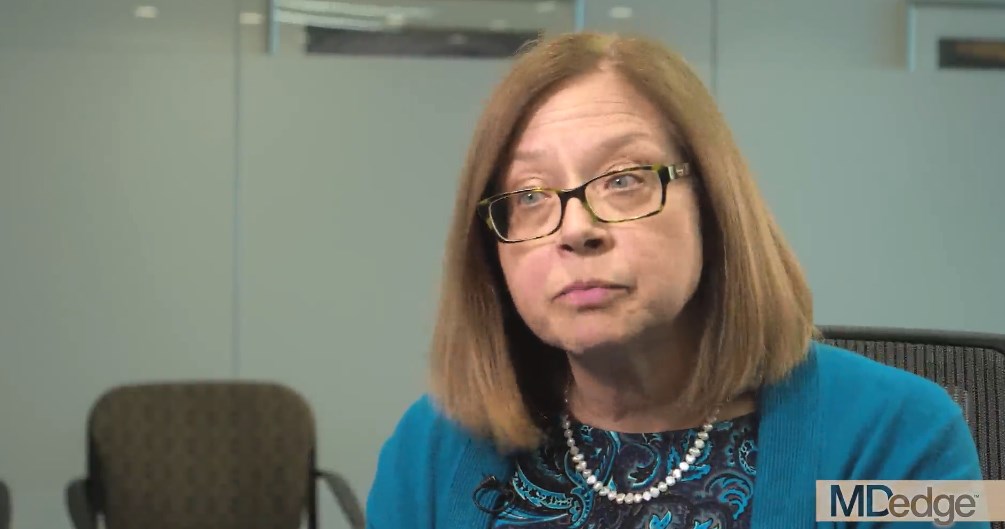
SUSTAIN-7: GLP-1 receptor agonists effective in elderly
BOSTON – Efficacy and safety of two glucagonlike peptide 1 (GLP-1) receptor agonists in type 2 diabetes mellitus were similar between older and younger adults, according to a post hoc analysis of the SUSTAIN 7 clinical trial data.
However, said the study’s first author, Vanita Aroda, MD, associate director for clinical diabetes research at Brigham and Women’s Hospital, Boston.
The video associated with this article is no longer available on this site. Please view all of our videos on the MDedge YouTube channel
The SUSTAIN 7 trial compared low-dose semaglutide (0.5 mg) with low-dose dulaglutide (0.75 mg), and high-dose semaglutide (1.0 mg) with high-dose dulaglutide (1.5 mg) as add-on therapy to metformin for adults with type 2 diabetes. All medications were given as once-weekly subcutaneous injections.
Dr. Aroda and her collaborators performed a subgroup analysis of the SUSTAIN 7 data that compared 260 patients aged 65 years and older (mean, 69.3 years) with 939 patients younger than 65 years (mean, 51.9 years).
“What we found is that the efficacy results … were similar to what we saw in the general population. We did not lose the efficacy in the older adult population,” said Dr. Aroda in an interview at the annual meeting of the American Association for Clinical Endocrinology.
Weight loss was similar in older and younger patients, though there was “maybe a tiny bit more in the older adults,” said Dr. Aroda: Older participants had a 4.4-kg reduction in weight, compared with 4.9-kg reduction in the younger population, on low-dose semaglutide. For low-dose dulaglutide, losses were an average 2.6 kg in the elderly versus 2.2 kg in the younger participants.
The higher doses of each resulted in greater weight loss, up to a mean 6.7 kg in elderly participants on high-dose semaglutide, with the same marginally greater losses seen in older participants.
Both agents were efficacious in the older population, Dr. Aroda said, with slightly better efficacy than in younger patients. As a caveat, she noted that the older patients came into the study with slightly better glycemic control and slightly lower body weight.
An array of endpoints for the 40-week study included achieving hemoglobin A1c less than 7%, less than or equal to 6.5%, and less than 7% without weight gain or hypoglycemia. A higher proportion of elderly patients met these endpoints; for example, 83% of elderly patients on high-dose semaglutide reached the composite endpoint of HbA1c less than 7% with no weight gain or hypoglycemia, compared to 72.1% of younger participants.
The analysis also looked at safety data for SUSTAIN 7. “The next question is, are you seeing this efficacy in terms of glycemic change and weight loss, at any cost of hypoglycemia? And the answer to that was no,” said Dr. Aroda. There were very rare to zero hypoglycemic events in the various study arms, she said.
However, older adults taking the higher doses of both GLP-1 receptor agonists had a high incidence of nausea, vomiting, and other gastrointestinal disturbances. These adverse events were seen in 52.8% of older patients on high-dose semaglutide and 52.2% of those on high-dose dulaglutide. Rates for the younger study population at these doses were 42.5% for semaglutide and 46.6% for dulaglutide.
The clinical take-home message? Don’t be afraid to reach for a GLP-1 receptor agonist for an older patient who’s not reaching target on metformin. “You have good efficacy with both of the therapies … but you just need to watch out for tolerability at the higher doses,” said Dr. Aroda.
Dr. Aroda reported receiving research funding from AstraZeneca, Calibri, Eisai, Novo Nordisk, Sanofi, and Theracos. She was formerly affiliated with Medstar Health Research Institute, Hyattsville, Md.
SOURCE: Aroda V et al. AACE 2018. Abstract 245.
BOSTON – Efficacy and safety of two glucagonlike peptide 1 (GLP-1) receptor agonists in type 2 diabetes mellitus were similar between older and younger adults, according to a post hoc analysis of the SUSTAIN 7 clinical trial data.
However, said the study’s first author, Vanita Aroda, MD, associate director for clinical diabetes research at Brigham and Women’s Hospital, Boston.
The video associated with this article is no longer available on this site. Please view all of our videos on the MDedge YouTube channel
The SUSTAIN 7 trial compared low-dose semaglutide (0.5 mg) with low-dose dulaglutide (0.75 mg), and high-dose semaglutide (1.0 mg) with high-dose dulaglutide (1.5 mg) as add-on therapy to metformin for adults with type 2 diabetes. All medications were given as once-weekly subcutaneous injections.
Dr. Aroda and her collaborators performed a subgroup analysis of the SUSTAIN 7 data that compared 260 patients aged 65 years and older (mean, 69.3 years) with 939 patients younger than 65 years (mean, 51.9 years).
“What we found is that the efficacy results … were similar to what we saw in the general population. We did not lose the efficacy in the older adult population,” said Dr. Aroda in an interview at the annual meeting of the American Association for Clinical Endocrinology.
Weight loss was similar in older and younger patients, though there was “maybe a tiny bit more in the older adults,” said Dr. Aroda: Older participants had a 4.4-kg reduction in weight, compared with 4.9-kg reduction in the younger population, on low-dose semaglutide. For low-dose dulaglutide, losses were an average 2.6 kg in the elderly versus 2.2 kg in the younger participants.
The higher doses of each resulted in greater weight loss, up to a mean 6.7 kg in elderly participants on high-dose semaglutide, with the same marginally greater losses seen in older participants.
Both agents were efficacious in the older population, Dr. Aroda said, with slightly better efficacy than in younger patients. As a caveat, she noted that the older patients came into the study with slightly better glycemic control and slightly lower body weight.
An array of endpoints for the 40-week study included achieving hemoglobin A1c less than 7%, less than or equal to 6.5%, and less than 7% without weight gain or hypoglycemia. A higher proportion of elderly patients met these endpoints; for example, 83% of elderly patients on high-dose semaglutide reached the composite endpoint of HbA1c less than 7% with no weight gain or hypoglycemia, compared to 72.1% of younger participants.
The analysis also looked at safety data for SUSTAIN 7. “The next question is, are you seeing this efficacy in terms of glycemic change and weight loss, at any cost of hypoglycemia? And the answer to that was no,” said Dr. Aroda. There were very rare to zero hypoglycemic events in the various study arms, she said.
However, older adults taking the higher doses of both GLP-1 receptor agonists had a high incidence of nausea, vomiting, and other gastrointestinal disturbances. These adverse events were seen in 52.8% of older patients on high-dose semaglutide and 52.2% of those on high-dose dulaglutide. Rates for the younger study population at these doses were 42.5% for semaglutide and 46.6% for dulaglutide.
The clinical take-home message? Don’t be afraid to reach for a GLP-1 receptor agonist for an older patient who’s not reaching target on metformin. “You have good efficacy with both of the therapies … but you just need to watch out for tolerability at the higher doses,” said Dr. Aroda.
Dr. Aroda reported receiving research funding from AstraZeneca, Calibri, Eisai, Novo Nordisk, Sanofi, and Theracos. She was formerly affiliated with Medstar Health Research Institute, Hyattsville, Md.
SOURCE: Aroda V et al. AACE 2018. Abstract 245.
BOSTON – Efficacy and safety of two glucagonlike peptide 1 (GLP-1) receptor agonists in type 2 diabetes mellitus were similar between older and younger adults, according to a post hoc analysis of the SUSTAIN 7 clinical trial data.
However, said the study’s first author, Vanita Aroda, MD, associate director for clinical diabetes research at Brigham and Women’s Hospital, Boston.
The video associated with this article is no longer available on this site. Please view all of our videos on the MDedge YouTube channel
The SUSTAIN 7 trial compared low-dose semaglutide (0.5 mg) with low-dose dulaglutide (0.75 mg), and high-dose semaglutide (1.0 mg) with high-dose dulaglutide (1.5 mg) as add-on therapy to metformin for adults with type 2 diabetes. All medications were given as once-weekly subcutaneous injections.
Dr. Aroda and her collaborators performed a subgroup analysis of the SUSTAIN 7 data that compared 260 patients aged 65 years and older (mean, 69.3 years) with 939 patients younger than 65 years (mean, 51.9 years).
“What we found is that the efficacy results … were similar to what we saw in the general population. We did not lose the efficacy in the older adult population,” said Dr. Aroda in an interview at the annual meeting of the American Association for Clinical Endocrinology.
Weight loss was similar in older and younger patients, though there was “maybe a tiny bit more in the older adults,” said Dr. Aroda: Older participants had a 4.4-kg reduction in weight, compared with 4.9-kg reduction in the younger population, on low-dose semaglutide. For low-dose dulaglutide, losses were an average 2.6 kg in the elderly versus 2.2 kg in the younger participants.
The higher doses of each resulted in greater weight loss, up to a mean 6.7 kg in elderly participants on high-dose semaglutide, with the same marginally greater losses seen in older participants.
Both agents were efficacious in the older population, Dr. Aroda said, with slightly better efficacy than in younger patients. As a caveat, she noted that the older patients came into the study with slightly better glycemic control and slightly lower body weight.
An array of endpoints for the 40-week study included achieving hemoglobin A1c less than 7%, less than or equal to 6.5%, and less than 7% without weight gain or hypoglycemia. A higher proportion of elderly patients met these endpoints; for example, 83% of elderly patients on high-dose semaglutide reached the composite endpoint of HbA1c less than 7% with no weight gain or hypoglycemia, compared to 72.1% of younger participants.
The analysis also looked at safety data for SUSTAIN 7. “The next question is, are you seeing this efficacy in terms of glycemic change and weight loss, at any cost of hypoglycemia? And the answer to that was no,” said Dr. Aroda. There were very rare to zero hypoglycemic events in the various study arms, she said.
However, older adults taking the higher doses of both GLP-1 receptor agonists had a high incidence of nausea, vomiting, and other gastrointestinal disturbances. These adverse events were seen in 52.8% of older patients on high-dose semaglutide and 52.2% of those on high-dose dulaglutide. Rates for the younger study population at these doses were 42.5% for semaglutide and 46.6% for dulaglutide.
The clinical take-home message? Don’t be afraid to reach for a GLP-1 receptor agonist for an older patient who’s not reaching target on metformin. “You have good efficacy with both of the therapies … but you just need to watch out for tolerability at the higher doses,” said Dr. Aroda.
Dr. Aroda reported receiving research funding from AstraZeneca, Calibri, Eisai, Novo Nordisk, Sanofi, and Theracos. She was formerly affiliated with Medstar Health Research Institute, Hyattsville, Md.
SOURCE: Aroda V et al. AACE 2018. Abstract 245.
REPORTING FROM AACE 2018
Atopic dermatitis severity reduced by topical microbiome treatment
The Beginning Assessment of Cutaneous Treatment Efficacy of Roseomonas in Atopic Dermatitis trial; BACTERiAD I/II study, an open-label phase I/II trial, first looked at the therapeutic use of R. mucosa in 10 adults aged 18 years or older. Three sucrose mixtures with increasing doses of live R. mucosa bacteria were topically applied to two body areas – the antecubital fossae and a body surface of their choice – twice per week for 2 weeks per dose. At 6 weeks, the patients stopped using the mixtures and followed a 4-week washout phase.
Treatment was found to reduce mean antecubital SCORAD (SCORing Atopic Dermatitis) scores by 59.8%. Reduction in pruritus was even more pronounced, with a mean decrease of 78.5%. Treating the hands did not improve disease severity, even in patients whose symptoms improved in other body areas. One explanation may be the increased exposure of the hands to topical antimicrobials and environmental exposures, the researchers noted.
With the success in the adult cohort, the researchers enrolled five children aged 7-17 years in the study. These patients were treated twice weekly for 16 weeks. The pediatric patients experienced a mean decrease of 70.3% in their SCORAD scores. The mean decrease in pruritis was 78.8%.
All adults who responded continued to report improved symptoms after the washout period. The pediatric patients are now being evaluated in a washout period.
Four patients did not respond; three of them had a family history of AD persisting into adulthood. “The association between these complex medical histories and the lack of clinical response suggests that differences in heritable host and/or microbial factors may impact treatment responses,” wrote Ian A. Myles, MD, and his colleagues.
“Overall, our findings suggest the safety of topical R. mucosa therapy and justify continuation of our ongoing trial to assess safety and activity in a pediatric cohort of patients with AD. These studies will additionally assess changes in host serum markers, skin metabolomics, and the skin microbiota by culture and genomic methods.”
The researchers noted that expanding to the pediatric population will deepen understanding of topical microbiome transplantation and lay the foundation for placebo-controlled trials to assess efficacy.
This work was supported by the Intramural Research Program of the National Institutes of Allergy and Infectious Diseases and the National Institutes of Health. The researchers had no disclosures.
SOURCE: Myles IA et al. JCI Insight. 2018 May 3. doi: 10.1172/jci.insight.120608.
The Beginning Assessment of Cutaneous Treatment Efficacy of Roseomonas in Atopic Dermatitis trial; BACTERiAD I/II study, an open-label phase I/II trial, first looked at the therapeutic use of R. mucosa in 10 adults aged 18 years or older. Three sucrose mixtures with increasing doses of live R. mucosa bacteria were topically applied to two body areas – the antecubital fossae and a body surface of their choice – twice per week for 2 weeks per dose. At 6 weeks, the patients stopped using the mixtures and followed a 4-week washout phase.
Treatment was found to reduce mean antecubital SCORAD (SCORing Atopic Dermatitis) scores by 59.8%. Reduction in pruritus was even more pronounced, with a mean decrease of 78.5%. Treating the hands did not improve disease severity, even in patients whose symptoms improved in other body areas. One explanation may be the increased exposure of the hands to topical antimicrobials and environmental exposures, the researchers noted.
With the success in the adult cohort, the researchers enrolled five children aged 7-17 years in the study. These patients were treated twice weekly for 16 weeks. The pediatric patients experienced a mean decrease of 70.3% in their SCORAD scores. The mean decrease in pruritis was 78.8%.
All adults who responded continued to report improved symptoms after the washout period. The pediatric patients are now being evaluated in a washout period.
Four patients did not respond; three of them had a family history of AD persisting into adulthood. “The association between these complex medical histories and the lack of clinical response suggests that differences in heritable host and/or microbial factors may impact treatment responses,” wrote Ian A. Myles, MD, and his colleagues.
“Overall, our findings suggest the safety of topical R. mucosa therapy and justify continuation of our ongoing trial to assess safety and activity in a pediatric cohort of patients with AD. These studies will additionally assess changes in host serum markers, skin metabolomics, and the skin microbiota by culture and genomic methods.”
The researchers noted that expanding to the pediatric population will deepen understanding of topical microbiome transplantation and lay the foundation for placebo-controlled trials to assess efficacy.
This work was supported by the Intramural Research Program of the National Institutes of Allergy and Infectious Diseases and the National Institutes of Health. The researchers had no disclosures.
SOURCE: Myles IA et al. JCI Insight. 2018 May 3. doi: 10.1172/jci.insight.120608.
The Beginning Assessment of Cutaneous Treatment Efficacy of Roseomonas in Atopic Dermatitis trial; BACTERiAD I/II study, an open-label phase I/II trial, first looked at the therapeutic use of R. mucosa in 10 adults aged 18 years or older. Three sucrose mixtures with increasing doses of live R. mucosa bacteria were topically applied to two body areas – the antecubital fossae and a body surface of their choice – twice per week for 2 weeks per dose. At 6 weeks, the patients stopped using the mixtures and followed a 4-week washout phase.
Treatment was found to reduce mean antecubital SCORAD (SCORing Atopic Dermatitis) scores by 59.8%. Reduction in pruritus was even more pronounced, with a mean decrease of 78.5%. Treating the hands did not improve disease severity, even in patients whose symptoms improved in other body areas. One explanation may be the increased exposure of the hands to topical antimicrobials and environmental exposures, the researchers noted.
With the success in the adult cohort, the researchers enrolled five children aged 7-17 years in the study. These patients were treated twice weekly for 16 weeks. The pediatric patients experienced a mean decrease of 70.3% in their SCORAD scores. The mean decrease in pruritis was 78.8%.
All adults who responded continued to report improved symptoms after the washout period. The pediatric patients are now being evaluated in a washout period.
Four patients did not respond; three of them had a family history of AD persisting into adulthood. “The association between these complex medical histories and the lack of clinical response suggests that differences in heritable host and/or microbial factors may impact treatment responses,” wrote Ian A. Myles, MD, and his colleagues.
“Overall, our findings suggest the safety of topical R. mucosa therapy and justify continuation of our ongoing trial to assess safety and activity in a pediatric cohort of patients with AD. These studies will additionally assess changes in host serum markers, skin metabolomics, and the skin microbiota by culture and genomic methods.”
The researchers noted that expanding to the pediatric population will deepen understanding of topical microbiome transplantation and lay the foundation for placebo-controlled trials to assess efficacy.
This work was supported by the Intramural Research Program of the National Institutes of Allergy and Infectious Diseases and the National Institutes of Health. The researchers had no disclosures.
SOURCE: Myles IA et al. JCI Insight. 2018 May 3. doi: 10.1172/jci.insight.120608.
FROM JCI INSIGHT
Key clinical point: Roseomonas mucosa reduces disease severity.
Major finding: There were reductions in SCORAD scores of 78.5% and 70.3% in the adult and pediatric cohorts, respectively.
Study details: Case study of 10 adult and 5 pediatric patients with atopic dermatitis.
Disclosures: No relevant financial disclosures were reported.
Source: Myles IA et al. JCI Insight. 2018 May 3. doi: 10.1172/jci.insight.120608.

VIDEO: Second wave of psoriatic arthritis therapies
SANDESTIN, FLA. – An array of potential new options for psoriatic arthritis offers new targeted options and poses challenges for how to use the drugs, Arthur Kavanaugh, MD, professor of medicine at the University of California, San Diego, said in a video interview at the annual Congress of Clinical Rheumatology.
“We’re seeing a second wave – a second wave driven by the additional ways that we have to target aspects of the immune system relevant to psoriatic arthritis,” he said.
First used to treat rheumatoid arthritis, monoclonal antibodies to interleukin targets, including IL12 and IL23 (ustekinumab) and IL17 (secukinumab and ixekizumab), have become established psoriatic arthritis therapies. Additionally, the Janus kinase (JAK) inhibitor tofacitinib has become an option.
Other options in the pipeline include the JAK inhibitor baricitinib; the anti-IL23 monoclonal antibodies guselkumab, risankizumab, and tildrakizumab; and even more anti-IL17 therapies, including brodalumab and bimekizumab .
“Now we have the synergy of having novel therapeutic approaches to maybe address some of the different domains of disease,” he said. Despite efforts to develop better biomarkers, it’s hard to predict how an individual patient will respond to a specific therapy. The longer the menu of therapeutic options, the better it is for patients.
As methotrexate remains a go-to treatment for many patients, new data from the SEAM trial assessing etanercept and methotrexate will address the question of whether the conventional drug and tumor necrosis factor inhibitors create therapeutic synergy in patients with psoriatic arthritis.
Dr. Kavanaugh discussed the implications of the trial’s findings, which are expected to go public this summer.
SANDESTIN, FLA. – An array of potential new options for psoriatic arthritis offers new targeted options and poses challenges for how to use the drugs, Arthur Kavanaugh, MD, professor of medicine at the University of California, San Diego, said in a video interview at the annual Congress of Clinical Rheumatology.
“We’re seeing a second wave – a second wave driven by the additional ways that we have to target aspects of the immune system relevant to psoriatic arthritis,” he said.
First used to treat rheumatoid arthritis, monoclonal antibodies to interleukin targets, including IL12 and IL23 (ustekinumab) and IL17 (secukinumab and ixekizumab), have become established psoriatic arthritis therapies. Additionally, the Janus kinase (JAK) inhibitor tofacitinib has become an option.
Other options in the pipeline include the JAK inhibitor baricitinib; the anti-IL23 monoclonal antibodies guselkumab, risankizumab, and tildrakizumab; and even more anti-IL17 therapies, including brodalumab and bimekizumab .
“Now we have the synergy of having novel therapeutic approaches to maybe address some of the different domains of disease,” he said. Despite efforts to develop better biomarkers, it’s hard to predict how an individual patient will respond to a specific therapy. The longer the menu of therapeutic options, the better it is for patients.
As methotrexate remains a go-to treatment for many patients, new data from the SEAM trial assessing etanercept and methotrexate will address the question of whether the conventional drug and tumor necrosis factor inhibitors create therapeutic synergy in patients with psoriatic arthritis.
Dr. Kavanaugh discussed the implications of the trial’s findings, which are expected to go public this summer.
SANDESTIN, FLA. – An array of potential new options for psoriatic arthritis offers new targeted options and poses challenges for how to use the drugs, Arthur Kavanaugh, MD, professor of medicine at the University of California, San Diego, said in a video interview at the annual Congress of Clinical Rheumatology.
“We’re seeing a second wave – a second wave driven by the additional ways that we have to target aspects of the immune system relevant to psoriatic arthritis,” he said.
First used to treat rheumatoid arthritis, monoclonal antibodies to interleukin targets, including IL12 and IL23 (ustekinumab) and IL17 (secukinumab and ixekizumab), have become established psoriatic arthritis therapies. Additionally, the Janus kinase (JAK) inhibitor tofacitinib has become an option.
Other options in the pipeline include the JAK inhibitor baricitinib; the anti-IL23 monoclonal antibodies guselkumab, risankizumab, and tildrakizumab; and even more anti-IL17 therapies, including brodalumab and bimekizumab .
“Now we have the synergy of having novel therapeutic approaches to maybe address some of the different domains of disease,” he said. Despite efforts to develop better biomarkers, it’s hard to predict how an individual patient will respond to a specific therapy. The longer the menu of therapeutic options, the better it is for patients.
As methotrexate remains a go-to treatment for many patients, new data from the SEAM trial assessing etanercept and methotrexate will address the question of whether the conventional drug and tumor necrosis factor inhibitors create therapeutic synergy in patients with psoriatic arthritis.
Dr. Kavanaugh discussed the implications of the trial’s findings, which are expected to go public this summer.
REPORTING FROM CCR
VIDEO: Characteristic flora define intestinal microbiome in scleroderma
SANDESTIN, FLA. – Scleroderma patients appear to have a characteristic microbiome composition, which is consistent in samples taken around the world.
These patients showed decreased populations of beneficial commensal flora and increased populations of proinflammatory species, Elizabeth Volkmann, MD, said at the annual Congress of Clinical Rheumatology.
Furthermore, specific species seem to correlate with specific gastrointestinal symptoms, said Dr. Volkmann of the University of California, Los Angeles. “Features also unexpectedly overlap with the consortium typical for Crohn’s disease, a disease with both inflammatory and fibrosing phenotype,” she said.
The video associated with this article is no longer available on this site. Please view all of our videos on the MDedge YouTube channel
Her recent exploration of this topic included 17 patients with scleroderma and GI symptoms and 17 matched healthy controls (BMJ Open Gastro. 2017;3:e000134). Everyone underwent a bowel prep and colonoscopy, during which cecum and sigmoid mucosal lavage samples were obtained. Those samples underwent RNA sequencing.
In addition to quantifying the species present, Dr. Volkmann sought to associate populations with symptoms. The primary assessment tool was the GIT 2.0, which measures distention/bloating; diarrhea; fecal soilage; constipation; emotional well-being; and social functioning.
Similar to the findings in inflammatory disease states, scleroderma patients had decreased levels of commensal Clostridia, a class of Firmicutes that is established in early infancy and very important in the maintenance of gut homeostasis. They also showed a decreased proportion of Faecalibacterium, a genus with anti-inflammatory activity; this finding has been observed in patients with Crohn’s disease.
Patients also showed relative increases in pathobionts. These are potentially pathological organisms that, under normal circumstances, live symbiotically. Janet Chow, PhD, who coined the term in a 2011 paper, said these species are typically proinflammatory (Curr Opin Immunol. 2011 Aug; 23[4]:473-80).
“Organisms proposed as pathobionts are associated with chronic inflammatory conditions – unlike opportunistic pathogens, which often cause acute infections and are typically acquired from the environment or other parts of the body. In addition, pathobionts are innocuous to the host under normal conditions,” wrote Dr. Chow of the California Institute of Technology, Pasadena.
In Dr. Volkmann’s study, Bifidobacterium and Lactobacillus, which are usually reduced in proinflammatory disorders, were relatively abundant in patients, compared with controls.
She noted specific associations with both symptoms. Parabacteroides and Enterobacteriaceae were associated with increased constipation. Prevotella was associated with increased diarrhea and increased distention/bloating.
Her results are consistent with a Swedish study (Arthritis Res Ther. 2016 Nov 1;18[1]:278) and three Italian studies conducted in Rome, Milan, and Piacenza.
“It’s fascinating that we seem to be identifying a consistent microbiome profile for scleroderma patients,” Dr. Volkmann said.
Dr. Volkmann had no relevant financial disclosures.
SANDESTIN, FLA. – Scleroderma patients appear to have a characteristic microbiome composition, which is consistent in samples taken around the world.
These patients showed decreased populations of beneficial commensal flora and increased populations of proinflammatory species, Elizabeth Volkmann, MD, said at the annual Congress of Clinical Rheumatology.
Furthermore, specific species seem to correlate with specific gastrointestinal symptoms, said Dr. Volkmann of the University of California, Los Angeles. “Features also unexpectedly overlap with the consortium typical for Crohn’s disease, a disease with both inflammatory and fibrosing phenotype,” she said.
The video associated with this article is no longer available on this site. Please view all of our videos on the MDedge YouTube channel
Her recent exploration of this topic included 17 patients with scleroderma and GI symptoms and 17 matched healthy controls (BMJ Open Gastro. 2017;3:e000134). Everyone underwent a bowel prep and colonoscopy, during which cecum and sigmoid mucosal lavage samples were obtained. Those samples underwent RNA sequencing.
In addition to quantifying the species present, Dr. Volkmann sought to associate populations with symptoms. The primary assessment tool was the GIT 2.0, which measures distention/bloating; diarrhea; fecal soilage; constipation; emotional well-being; and social functioning.
Similar to the findings in inflammatory disease states, scleroderma patients had decreased levels of commensal Clostridia, a class of Firmicutes that is established in early infancy and very important in the maintenance of gut homeostasis. They also showed a decreased proportion of Faecalibacterium, a genus with anti-inflammatory activity; this finding has been observed in patients with Crohn’s disease.
Patients also showed relative increases in pathobionts. These are potentially pathological organisms that, under normal circumstances, live symbiotically. Janet Chow, PhD, who coined the term in a 2011 paper, said these species are typically proinflammatory (Curr Opin Immunol. 2011 Aug; 23[4]:473-80).
“Organisms proposed as pathobionts are associated with chronic inflammatory conditions – unlike opportunistic pathogens, which often cause acute infections and are typically acquired from the environment or other parts of the body. In addition, pathobionts are innocuous to the host under normal conditions,” wrote Dr. Chow of the California Institute of Technology, Pasadena.
In Dr. Volkmann’s study, Bifidobacterium and Lactobacillus, which are usually reduced in proinflammatory disorders, were relatively abundant in patients, compared with controls.
She noted specific associations with both symptoms. Parabacteroides and Enterobacteriaceae were associated with increased constipation. Prevotella was associated with increased diarrhea and increased distention/bloating.
Her results are consistent with a Swedish study (Arthritis Res Ther. 2016 Nov 1;18[1]:278) and three Italian studies conducted in Rome, Milan, and Piacenza.
“It’s fascinating that we seem to be identifying a consistent microbiome profile for scleroderma patients,” Dr. Volkmann said.
Dr. Volkmann had no relevant financial disclosures.
SANDESTIN, FLA. – Scleroderma patients appear to have a characteristic microbiome composition, which is consistent in samples taken around the world.
These patients showed decreased populations of beneficial commensal flora and increased populations of proinflammatory species, Elizabeth Volkmann, MD, said at the annual Congress of Clinical Rheumatology.
Furthermore, specific species seem to correlate with specific gastrointestinal symptoms, said Dr. Volkmann of the University of California, Los Angeles. “Features also unexpectedly overlap with the consortium typical for Crohn’s disease, a disease with both inflammatory and fibrosing phenotype,” she said.
The video associated with this article is no longer available on this site. Please view all of our videos on the MDedge YouTube channel
Her recent exploration of this topic included 17 patients with scleroderma and GI symptoms and 17 matched healthy controls (BMJ Open Gastro. 2017;3:e000134). Everyone underwent a bowel prep and colonoscopy, during which cecum and sigmoid mucosal lavage samples were obtained. Those samples underwent RNA sequencing.
In addition to quantifying the species present, Dr. Volkmann sought to associate populations with symptoms. The primary assessment tool was the GIT 2.0, which measures distention/bloating; diarrhea; fecal soilage; constipation; emotional well-being; and social functioning.
Similar to the findings in inflammatory disease states, scleroderma patients had decreased levels of commensal Clostridia, a class of Firmicutes that is established in early infancy and very important in the maintenance of gut homeostasis. They also showed a decreased proportion of Faecalibacterium, a genus with anti-inflammatory activity; this finding has been observed in patients with Crohn’s disease.
Patients also showed relative increases in pathobionts. These are potentially pathological organisms that, under normal circumstances, live symbiotically. Janet Chow, PhD, who coined the term in a 2011 paper, said these species are typically proinflammatory (Curr Opin Immunol. 2011 Aug; 23[4]:473-80).
“Organisms proposed as pathobionts are associated with chronic inflammatory conditions – unlike opportunistic pathogens, which often cause acute infections and are typically acquired from the environment or other parts of the body. In addition, pathobionts are innocuous to the host under normal conditions,” wrote Dr. Chow of the California Institute of Technology, Pasadena.
In Dr. Volkmann’s study, Bifidobacterium and Lactobacillus, which are usually reduced in proinflammatory disorders, were relatively abundant in patients, compared with controls.
She noted specific associations with both symptoms. Parabacteroides and Enterobacteriaceae were associated with increased constipation. Prevotella was associated with increased diarrhea and increased distention/bloating.
Her results are consistent with a Swedish study (Arthritis Res Ther. 2016 Nov 1;18[1]:278) and three Italian studies conducted in Rome, Milan, and Piacenza.
“It’s fascinating that we seem to be identifying a consistent microbiome profile for scleroderma patients,” Dr. Volkmann said.
Dr. Volkmann had no relevant financial disclosures.
REPORTING FROM CCR 18
VIDEO: Skin exam crucial in rheumatic diseases, expert says
SANDESTIN, FLA. – Even when you know a patient’s serology and hear their symptoms and think you have a bead on their rheumatic disease, you might not. It’s vital to check the skin in patients with rheumatic disease to be sure the right disease is being treated and that they don’t actually have a more severe condition that might progress suddenly if left unchecked, said Alisa Femia, MD, assistant professor of dermatology at the annual Congress of Clinical Rheumatology.
In a session filled with pearls for rheumatologists on what to look for on their patients’ skin to help guide diagnosis and treatment, she told the story of a woman whom a rheumatologist colleague had correctly diagnosed with dermatomyositis. She was started on prednisone and mycophenolate mofetil, but her skin disease did not clear.
After examining her skin, Dr. Femia became immediately concerned.
“Despite prednisone, despite mycophenolate, here not only does she have Gottron’s papules, but she has erosions within her Gottron’s papules,” Dr. Femia said. The woman also had erosions within papules on her palms.
These were telltale signs of MDA5-associated dermatomyositis, which studies have found to be linked with interstitial lung disease (J Am Acad Dermatol. 2011 Jul;65[1]:25-34). Under her care, these patients ideally undergo lung monitoring every 3 months, Dr. Femia said.
“That is a form of dermatomyositis that you cannot miss,” she said.
The effects of discoid lupus are another reason to take special care in skin examination. Once the disease, which involves a scaling of the skin, is obvious, there can be permanent aesthetic effects that could have been avoided with earlier detection and treatment, Dr. Femia said.
Clinicians should also be on the lookout for volume loss, or contour change, in discoid lupus patients, because that’s a sign of lupus panniculitis, which involves deeper lesions mainly to fatty areas such as the cheeks or thighs. The disease can progress fast, with sudden, massive loss of body volume, so therapy should be escalated quickly, she said.
“We want to treat these patients aggressively in order to avoid this.”
SOURCE: Femia A. CCR 2018.
SANDESTIN, FLA. – Even when you know a patient’s serology and hear their symptoms and think you have a bead on their rheumatic disease, you might not. It’s vital to check the skin in patients with rheumatic disease to be sure the right disease is being treated and that they don’t actually have a more severe condition that might progress suddenly if left unchecked, said Alisa Femia, MD, assistant professor of dermatology at the annual Congress of Clinical Rheumatology.
In a session filled with pearls for rheumatologists on what to look for on their patients’ skin to help guide diagnosis and treatment, she told the story of a woman whom a rheumatologist colleague had correctly diagnosed with dermatomyositis. She was started on prednisone and mycophenolate mofetil, but her skin disease did not clear.
After examining her skin, Dr. Femia became immediately concerned.
“Despite prednisone, despite mycophenolate, here not only does she have Gottron’s papules, but she has erosions within her Gottron’s papules,” Dr. Femia said. The woman also had erosions within papules on her palms.
These were telltale signs of MDA5-associated dermatomyositis, which studies have found to be linked with interstitial lung disease (J Am Acad Dermatol. 2011 Jul;65[1]:25-34). Under her care, these patients ideally undergo lung monitoring every 3 months, Dr. Femia said.
“That is a form of dermatomyositis that you cannot miss,” she said.
The effects of discoid lupus are another reason to take special care in skin examination. Once the disease, which involves a scaling of the skin, is obvious, there can be permanent aesthetic effects that could have been avoided with earlier detection and treatment, Dr. Femia said.
Clinicians should also be on the lookout for volume loss, or contour change, in discoid lupus patients, because that’s a sign of lupus panniculitis, which involves deeper lesions mainly to fatty areas such as the cheeks or thighs. The disease can progress fast, with sudden, massive loss of body volume, so therapy should be escalated quickly, she said.
“We want to treat these patients aggressively in order to avoid this.”
SOURCE: Femia A. CCR 2018.
SANDESTIN, FLA. – Even when you know a patient’s serology and hear their symptoms and think you have a bead on their rheumatic disease, you might not. It’s vital to check the skin in patients with rheumatic disease to be sure the right disease is being treated and that they don’t actually have a more severe condition that might progress suddenly if left unchecked, said Alisa Femia, MD, assistant professor of dermatology at the annual Congress of Clinical Rheumatology.
In a session filled with pearls for rheumatologists on what to look for on their patients’ skin to help guide diagnosis and treatment, she told the story of a woman whom a rheumatologist colleague had correctly diagnosed with dermatomyositis. She was started on prednisone and mycophenolate mofetil, but her skin disease did not clear.
After examining her skin, Dr. Femia became immediately concerned.
“Despite prednisone, despite mycophenolate, here not only does she have Gottron’s papules, but she has erosions within her Gottron’s papules,” Dr. Femia said. The woman also had erosions within papules on her palms.
These were telltale signs of MDA5-associated dermatomyositis, which studies have found to be linked with interstitial lung disease (J Am Acad Dermatol. 2011 Jul;65[1]:25-34). Under her care, these patients ideally undergo lung monitoring every 3 months, Dr. Femia said.
“That is a form of dermatomyositis that you cannot miss,” she said.
The effects of discoid lupus are another reason to take special care in skin examination. Once the disease, which involves a scaling of the skin, is obvious, there can be permanent aesthetic effects that could have been avoided with earlier detection and treatment, Dr. Femia said.
Clinicians should also be on the lookout for volume loss, or contour change, in discoid lupus patients, because that’s a sign of lupus panniculitis, which involves deeper lesions mainly to fatty areas such as the cheeks or thighs. The disease can progress fast, with sudden, massive loss of body volume, so therapy should be escalated quickly, she said.
“We want to treat these patients aggressively in order to avoid this.”
SOURCE: Femia A. CCR 2018.
EXPERT ANALYSIS AT CCR 18
VIDEO: Researchers seek end to early corticosteroid use in AAV
SANDESTIN, FLA. – Clinicians have long wanted to avoid using corticosteroids in the treatment of ANCA-associated vasculitis (AAV). They’re drawing closer to getting their wish, said Christian Pagnoux, MD, of the department of internal medicine at Mount Sinai Hospital in Toronto.
The drugs have been a cornerstone in the treatments of these diseases – including granulomatosis with polyangiitis (GPA) and microscopic polyangiitis (MPA) – for decades, but they come at the price of osteoporosis, cardiovascular comorbidities, diabetes, increased infection risk, and other problems.
The video associated with this article is no longer available on this site. Please view all of our videos on the MDedge YouTube channel
The emergence of newer therapies such as rituximab and complement C5a-blocker avacopan could mean less of a reliance on corticosteroids, Dr. Pagnoux said. The ongoing ADVOCATE trial is assessing the efficacy of avacopan with rituximab or cyclophosphamide, with or without a tapered dose of prednisone for the first 21 weeks.
“Whether we can use a lighter, briefer, shorter corticosteroid regimen for induction is really a burning question,” Dr. Pagnoux said. Avacopan “may totally replace corticosteroids in the very near future,” he said.
Another trial taking an intense look at winnowing corticosteroids from GPA and MPA treatment is the eagerly awaited PEXIVAS trial, an international effort of 700 patients that is the largest ever in AAV, Dr. Pagnoux said.
The primary endpoint in the trial is assessing plasma exchange versus no plasma exchange, but the use of corticosteroids is being assessed as well.
“The PEXIVAS [trial] may give you some additional information,” Dr. Pagnoux said. “Patients were not only randomized to receive plasma exchange or no plasma exchange, but they were also randomized to receive the standard regimen of corticosteroids with a slow taper ... or a much faster regimen with a much faster tapering of the corticosteroids.” The fast taper involves a steep drop every week, so that, after just 1 month, doses have fallen from 60 mg to 10 mg.
Dr. Pagnoux said he can imagine the day when corticosteroids can be completely eliminated from induction treatment for GPA and MPA. But he added there are studies looking at the efficacy and safety of the drugs in maintenance treatment even once they’re eliminated from induction, but at far lower doses.
“The good news is that it would only be 5 mg per day, for example.”
SOURCE: Pagnoux C. CCR 2018.
SANDESTIN, FLA. – Clinicians have long wanted to avoid using corticosteroids in the treatment of ANCA-associated vasculitis (AAV). They’re drawing closer to getting their wish, said Christian Pagnoux, MD, of the department of internal medicine at Mount Sinai Hospital in Toronto.
The drugs have been a cornerstone in the treatments of these diseases – including granulomatosis with polyangiitis (GPA) and microscopic polyangiitis (MPA) – for decades, but they come at the price of osteoporosis, cardiovascular comorbidities, diabetes, increased infection risk, and other problems.
The video associated with this article is no longer available on this site. Please view all of our videos on the MDedge YouTube channel
The emergence of newer therapies such as rituximab and complement C5a-blocker avacopan could mean less of a reliance on corticosteroids, Dr. Pagnoux said. The ongoing ADVOCATE trial is assessing the efficacy of avacopan with rituximab or cyclophosphamide, with or without a tapered dose of prednisone for the first 21 weeks.
“Whether we can use a lighter, briefer, shorter corticosteroid regimen for induction is really a burning question,” Dr. Pagnoux said. Avacopan “may totally replace corticosteroids in the very near future,” he said.
Another trial taking an intense look at winnowing corticosteroids from GPA and MPA treatment is the eagerly awaited PEXIVAS trial, an international effort of 700 patients that is the largest ever in AAV, Dr. Pagnoux said.
The primary endpoint in the trial is assessing plasma exchange versus no plasma exchange, but the use of corticosteroids is being assessed as well.
“The PEXIVAS [trial] may give you some additional information,” Dr. Pagnoux said. “Patients were not only randomized to receive plasma exchange or no plasma exchange, but they were also randomized to receive the standard regimen of corticosteroids with a slow taper ... or a much faster regimen with a much faster tapering of the corticosteroids.” The fast taper involves a steep drop every week, so that, after just 1 month, doses have fallen from 60 mg to 10 mg.
Dr. Pagnoux said he can imagine the day when corticosteroids can be completely eliminated from induction treatment for GPA and MPA. But he added there are studies looking at the efficacy and safety of the drugs in maintenance treatment even once they’re eliminated from induction, but at far lower doses.
“The good news is that it would only be 5 mg per day, for example.”
SOURCE: Pagnoux C. CCR 2018.
SANDESTIN, FLA. – Clinicians have long wanted to avoid using corticosteroids in the treatment of ANCA-associated vasculitis (AAV). They’re drawing closer to getting their wish, said Christian Pagnoux, MD, of the department of internal medicine at Mount Sinai Hospital in Toronto.
The drugs have been a cornerstone in the treatments of these diseases – including granulomatosis with polyangiitis (GPA) and microscopic polyangiitis (MPA) – for decades, but they come at the price of osteoporosis, cardiovascular comorbidities, diabetes, increased infection risk, and other problems.
The video associated with this article is no longer available on this site. Please view all of our videos on the MDedge YouTube channel
The emergence of newer therapies such as rituximab and complement C5a-blocker avacopan could mean less of a reliance on corticosteroids, Dr. Pagnoux said. The ongoing ADVOCATE trial is assessing the efficacy of avacopan with rituximab or cyclophosphamide, with or without a tapered dose of prednisone for the first 21 weeks.
“Whether we can use a lighter, briefer, shorter corticosteroid regimen for induction is really a burning question,” Dr. Pagnoux said. Avacopan “may totally replace corticosteroids in the very near future,” he said.
Another trial taking an intense look at winnowing corticosteroids from GPA and MPA treatment is the eagerly awaited PEXIVAS trial, an international effort of 700 patients that is the largest ever in AAV, Dr. Pagnoux said.
The primary endpoint in the trial is assessing plasma exchange versus no plasma exchange, but the use of corticosteroids is being assessed as well.
“The PEXIVAS [trial] may give you some additional information,” Dr. Pagnoux said. “Patients were not only randomized to receive plasma exchange or no plasma exchange, but they were also randomized to receive the standard regimen of corticosteroids with a slow taper ... or a much faster regimen with a much faster tapering of the corticosteroids.” The fast taper involves a steep drop every week, so that, after just 1 month, doses have fallen from 60 mg to 10 mg.
Dr. Pagnoux said he can imagine the day when corticosteroids can be completely eliminated from induction treatment for GPA and MPA. But he added there are studies looking at the efficacy and safety of the drugs in maintenance treatment even once they’re eliminated from induction, but at far lower doses.
“The good news is that it would only be 5 mg per day, for example.”
SOURCE: Pagnoux C. CCR 2018.
EXPERT ANALYSIS AT CCR 18
VIDEO: Let clinical scenario, not imaging, guide sarcoidosis treatment
SANDESTIN, FLA. – Don’t be a slave to imaging when evaluating the patient with sarcoidosis.
“Sometimes, the worst-looking patients [on imaging] have the best prognosis,” Daniel Culver, DO, said at the annual Congress of Clinical Rheumatology. Patients with Löfgren’s syndrome are a very good example of this tenet, he said in an interview. Scans can look alarming, with multiple widespread granulomas. But Löfgren’s is generally a benign condition, despite its threatening mien.
The video associated with this article is no longer available on this site. Please view all of our videos on the MDedge YouTube channel
Instead of imaging, “Let two things drive your decision to treat: danger to an organ, and quality of life,” said Dr. Culver, a pulmonologist and director of the Sarcoidosis Center of Excellence at the Cleveland Clinic in Ohio; he is also president of the World Association for Sarcoidosis.
He agrees with a decision schema published in 2015 (Clin Chest Med. 2015;36[4]:751-67).
Six factors weigh in favor of treatment:
- Symptomatic disease.
- Impaired organ function.
- Disease endangering an organ.
- Progressive disease.
- Clear-cut disease activity.
- Low likelihood of remission.
These must be balanced – with patient input as the fulcrum – against five factors that favor conservative management:
- Minimal symptoms.
- Good organ function.
- Low risk of danger to organs.
- Inactive disease.
- Higher likelihood of remission.
The decision to embark on a treatment program, usually starting with a steroid-based regimen, can’t be taken lightly, Dr. Culver said. A 2017 study showed that steroids pose a cumulative risk of toxicities for sarcoidosis patients (Respir Med. 2017 Nov;132:9-14). Patients who started steroids faced more than a doubling in the risk of a toxic side effect by 96 months when compared with those who didn’t. But even short-term steroid use increased the risk of a toxicity, Dr. Culver said. The study noted that problems can begin to occur in as little as 1 month, at a cumulative dose as low as 1 g.
For patients who fall onto the “treat” side of the risk teeter-totter, Dr. Culver recommended starting with an initial course of prednisone at 20-30 mg daily for no more than 4 weeks. Responders can taper to less than 10 mg/day. Those who continue to do well can maintain low-dose prednisone for up to 12 months and then complete the taper. Patients who relapse can add an immune modulator (methotrexate, azathioprine, leflunomide, or mycophenolate).
Those who have an inadequate response to the initial prednisone course should then get an immune modulator. If they do well, that can be maintained; a second modulator can be brought on board if necessary.
For those who don’t respond at all to the initial prednisone course, it’s necessary to proceed immediately to an immunosuppressive regimen to prevent irreversible fibrosis.
Dr. Culver noted associations with multiple pharmaceutical companies, but said none were relevant to his talk.
SOURCE: Culver D. CCR 2018.
SANDESTIN, FLA. – Don’t be a slave to imaging when evaluating the patient with sarcoidosis.
“Sometimes, the worst-looking patients [on imaging] have the best prognosis,” Daniel Culver, DO, said at the annual Congress of Clinical Rheumatology. Patients with Löfgren’s syndrome are a very good example of this tenet, he said in an interview. Scans can look alarming, with multiple widespread granulomas. But Löfgren’s is generally a benign condition, despite its threatening mien.
The video associated with this article is no longer available on this site. Please view all of our videos on the MDedge YouTube channel
Instead of imaging, “Let two things drive your decision to treat: danger to an organ, and quality of life,” said Dr. Culver, a pulmonologist and director of the Sarcoidosis Center of Excellence at the Cleveland Clinic in Ohio; he is also president of the World Association for Sarcoidosis.
He agrees with a decision schema published in 2015 (Clin Chest Med. 2015;36[4]:751-67).
Six factors weigh in favor of treatment:
- Symptomatic disease.
- Impaired organ function.
- Disease endangering an organ.
- Progressive disease.
- Clear-cut disease activity.
- Low likelihood of remission.
These must be balanced – with patient input as the fulcrum – against five factors that favor conservative management:
- Minimal symptoms.
- Good organ function.
- Low risk of danger to organs.
- Inactive disease.
- Higher likelihood of remission.
The decision to embark on a treatment program, usually starting with a steroid-based regimen, can’t be taken lightly, Dr. Culver said. A 2017 study showed that steroids pose a cumulative risk of toxicities for sarcoidosis patients (Respir Med. 2017 Nov;132:9-14). Patients who started steroids faced more than a doubling in the risk of a toxic side effect by 96 months when compared with those who didn’t. But even short-term steroid use increased the risk of a toxicity, Dr. Culver said. The study noted that problems can begin to occur in as little as 1 month, at a cumulative dose as low as 1 g.
For patients who fall onto the “treat” side of the risk teeter-totter, Dr. Culver recommended starting with an initial course of prednisone at 20-30 mg daily for no more than 4 weeks. Responders can taper to less than 10 mg/day. Those who continue to do well can maintain low-dose prednisone for up to 12 months and then complete the taper. Patients who relapse can add an immune modulator (methotrexate, azathioprine, leflunomide, or mycophenolate).
Those who have an inadequate response to the initial prednisone course should then get an immune modulator. If they do well, that can be maintained; a second modulator can be brought on board if necessary.
For those who don’t respond at all to the initial prednisone course, it’s necessary to proceed immediately to an immunosuppressive regimen to prevent irreversible fibrosis.
Dr. Culver noted associations with multiple pharmaceutical companies, but said none were relevant to his talk.
SOURCE: Culver D. CCR 2018.
SANDESTIN, FLA. – Don’t be a slave to imaging when evaluating the patient with sarcoidosis.
“Sometimes, the worst-looking patients [on imaging] have the best prognosis,” Daniel Culver, DO, said at the annual Congress of Clinical Rheumatology. Patients with Löfgren’s syndrome are a very good example of this tenet, he said in an interview. Scans can look alarming, with multiple widespread granulomas. But Löfgren’s is generally a benign condition, despite its threatening mien.
The video associated with this article is no longer available on this site. Please view all of our videos on the MDedge YouTube channel
Instead of imaging, “Let two things drive your decision to treat: danger to an organ, and quality of life,” said Dr. Culver, a pulmonologist and director of the Sarcoidosis Center of Excellence at the Cleveland Clinic in Ohio; he is also president of the World Association for Sarcoidosis.
He agrees with a decision schema published in 2015 (Clin Chest Med. 2015;36[4]:751-67).
Six factors weigh in favor of treatment:
- Symptomatic disease.
- Impaired organ function.
- Disease endangering an organ.
- Progressive disease.
- Clear-cut disease activity.
- Low likelihood of remission.
These must be balanced – with patient input as the fulcrum – against five factors that favor conservative management:
- Minimal symptoms.
- Good organ function.
- Low risk of danger to organs.
- Inactive disease.
- Higher likelihood of remission.
The decision to embark on a treatment program, usually starting with a steroid-based regimen, can’t be taken lightly, Dr. Culver said. A 2017 study showed that steroids pose a cumulative risk of toxicities for sarcoidosis patients (Respir Med. 2017 Nov;132:9-14). Patients who started steroids faced more than a doubling in the risk of a toxic side effect by 96 months when compared with those who didn’t. But even short-term steroid use increased the risk of a toxicity, Dr. Culver said. The study noted that problems can begin to occur in as little as 1 month, at a cumulative dose as low as 1 g.
For patients who fall onto the “treat” side of the risk teeter-totter, Dr. Culver recommended starting with an initial course of prednisone at 20-30 mg daily for no more than 4 weeks. Responders can taper to less than 10 mg/day. Those who continue to do well can maintain low-dose prednisone for up to 12 months and then complete the taper. Patients who relapse can add an immune modulator (methotrexate, azathioprine, leflunomide, or mycophenolate).
Those who have an inadequate response to the initial prednisone course should then get an immune modulator. If they do well, that can be maintained; a second modulator can be brought on board if necessary.
For those who don’t respond at all to the initial prednisone course, it’s necessary to proceed immediately to an immunosuppressive regimen to prevent irreversible fibrosis.
Dr. Culver noted associations with multiple pharmaceutical companies, but said none were relevant to his talk.
SOURCE: Culver D. CCR 2018.
REPORTING FROM CCR 18
Transgender care mandates endocrinologists share their expertise
BOSTON – Endocrinologists need to be familiar with new practice guidelines and changes in the landscape of transgender health care, Joshua D. Safer, MD, executive director of the Mount Sinai Center for Transgender Medicine and Surgery, New York, said in a video interview at the annual meeting of the American Association of Clinical Endocrinologists.
“We endocrinologists ... need to be able to help (gender-dysphoric/gender-incongruent) individuals, even if it’s just an occasional patient, to do what is safe and to be expert (in transgender health care), just as we are with other hormone treatments,” he said in a discussion of aspects of the Endocrine Society clinical practice guideline on endocrine treatment of gender-dysphoric/gender-incongruent individuals.
The video associated with this article is no longer available on this site. Please view all of our videos on the MDedge YouTube channel
The new guidelines, published in November 2017, update 2009 guidance from the society. Among the big changes are the recognition that there may be “compelling reasons” to start cross-sex hormonal therapy prior to the old age cutoff of 16 years, which is “very late if you’re thinking about it from a biological perspective,” said Dr. Safer.
Another major change challenges the idea that a mental health professional is necessary to diagnose adults. Rather, any knowledgeable clinician could make the diagnosis, according to Dr. Safer.
The guidelines also recommend that endocrinologists provide education regarding onset and time course of physical changes induced by sex hormone treatments to transgender individuals undergoing treatment.
BOSTON – Endocrinologists need to be familiar with new practice guidelines and changes in the landscape of transgender health care, Joshua D. Safer, MD, executive director of the Mount Sinai Center for Transgender Medicine and Surgery, New York, said in a video interview at the annual meeting of the American Association of Clinical Endocrinologists.
“We endocrinologists ... need to be able to help (gender-dysphoric/gender-incongruent) individuals, even if it’s just an occasional patient, to do what is safe and to be expert (in transgender health care), just as we are with other hormone treatments,” he said in a discussion of aspects of the Endocrine Society clinical practice guideline on endocrine treatment of gender-dysphoric/gender-incongruent individuals.
The video associated with this article is no longer available on this site. Please view all of our videos on the MDedge YouTube channel
The new guidelines, published in November 2017, update 2009 guidance from the society. Among the big changes are the recognition that there may be “compelling reasons” to start cross-sex hormonal therapy prior to the old age cutoff of 16 years, which is “very late if you’re thinking about it from a biological perspective,” said Dr. Safer.
Another major change challenges the idea that a mental health professional is necessary to diagnose adults. Rather, any knowledgeable clinician could make the diagnosis, according to Dr. Safer.
The guidelines also recommend that endocrinologists provide education regarding onset and time course of physical changes induced by sex hormone treatments to transgender individuals undergoing treatment.
BOSTON – Endocrinologists need to be familiar with new practice guidelines and changes in the landscape of transgender health care, Joshua D. Safer, MD, executive director of the Mount Sinai Center for Transgender Medicine and Surgery, New York, said in a video interview at the annual meeting of the American Association of Clinical Endocrinologists.
“We endocrinologists ... need to be able to help (gender-dysphoric/gender-incongruent) individuals, even if it’s just an occasional patient, to do what is safe and to be expert (in transgender health care), just as we are with other hormone treatments,” he said in a discussion of aspects of the Endocrine Society clinical practice guideline on endocrine treatment of gender-dysphoric/gender-incongruent individuals.
The video associated with this article is no longer available on this site. Please view all of our videos on the MDedge YouTube channel
The new guidelines, published in November 2017, update 2009 guidance from the society. Among the big changes are the recognition that there may be “compelling reasons” to start cross-sex hormonal therapy prior to the old age cutoff of 16 years, which is “very late if you’re thinking about it from a biological perspective,” said Dr. Safer.
Another major change challenges the idea that a mental health professional is necessary to diagnose adults. Rather, any knowledgeable clinician could make the diagnosis, according to Dr. Safer.
The guidelines also recommend that endocrinologists provide education regarding onset and time course of physical changes induced by sex hormone treatments to transgender individuals undergoing treatment.
REPORTING FROM AACE 2018