User login
Bringing you the latest news, research and reviews, exclusive interviews, podcasts, quizzes, and more.
Powered by CHEST Physician, Clinician Reviews, MDedge Family Medicine, Internal Medicine News, and The Journal of Clinical Outcomes Management.
Respiratory infections in early years of life linked to celiac disease
in those with a family history of CD, according to Renata Auricchio, MD, University of Naples (Italy) Federico II, and her associates.
In a prospective cohort study, 373 newborns from families with at least one relative with CD were recruited. The cumulative incidence of new cases of CD was 6% at 3 years and 13.5% at 5 years of age, the researchers noted. In the first year when no child produced anti-tissue transglutaminase (anti-tTG) antibodies, respiratory infections (upper and lower tract) were more common among the case patients than among the controls (58% vs. 40%). During the second year, respiratory infections were again more frequent among the case patients than among controls (52% vs. 32%). And in the third year of life when most of the case patients were diagnosed with CD, no clinical event was more frequent in the case patients than in the control group.
“In this study, we report that early infections significantly contribute to the risk of developing CD,” Dr. Auricchio and her associates concluded. “It is possible that the exposure to early infection stimulates a genetically predisposed immune profile, which contributes to the switch from tolerance to intolerance to gluten, which is a common food antigen.”
Read the full study in Pediatrics (doi: 10.1542/peds.2016-4102).
in those with a family history of CD, according to Renata Auricchio, MD, University of Naples (Italy) Federico II, and her associates.
In a prospective cohort study, 373 newborns from families with at least one relative with CD were recruited. The cumulative incidence of new cases of CD was 6% at 3 years and 13.5% at 5 years of age, the researchers noted. In the first year when no child produced anti-tissue transglutaminase (anti-tTG) antibodies, respiratory infections (upper and lower tract) were more common among the case patients than among the controls (58% vs. 40%). During the second year, respiratory infections were again more frequent among the case patients than among controls (52% vs. 32%). And in the third year of life when most of the case patients were diagnosed with CD, no clinical event was more frequent in the case patients than in the control group.
“In this study, we report that early infections significantly contribute to the risk of developing CD,” Dr. Auricchio and her associates concluded. “It is possible that the exposure to early infection stimulates a genetically predisposed immune profile, which contributes to the switch from tolerance to intolerance to gluten, which is a common food antigen.”
Read the full study in Pediatrics (doi: 10.1542/peds.2016-4102).
in those with a family history of CD, according to Renata Auricchio, MD, University of Naples (Italy) Federico II, and her associates.
In a prospective cohort study, 373 newborns from families with at least one relative with CD were recruited. The cumulative incidence of new cases of CD was 6% at 3 years and 13.5% at 5 years of age, the researchers noted. In the first year when no child produced anti-tissue transglutaminase (anti-tTG) antibodies, respiratory infections (upper and lower tract) were more common among the case patients than among the controls (58% vs. 40%). During the second year, respiratory infections were again more frequent among the case patients than among controls (52% vs. 32%). And in the third year of life when most of the case patients were diagnosed with CD, no clinical event was more frequent in the case patients than in the control group.
“In this study, we report that early infections significantly contribute to the risk of developing CD,” Dr. Auricchio and her associates concluded. “It is possible that the exposure to early infection stimulates a genetically predisposed immune profile, which contributes to the switch from tolerance to intolerance to gluten, which is a common food antigen.”
Read the full study in Pediatrics (doi: 10.1542/peds.2016-4102).
FROM PEDIATRICS
CANTOS sings of novel strategy for cardiovascular, cancer prevention
BARCELONA – Inhibiting the interleukin-1 beta innate immunity pathway with canakinumab reduced recurrent cardiovascular events and lung cancer in the groundbreaking phase III CANTOS trial, Paul M. Ridker, MD, reported at the annual congress of the European Society of Cardiology.
“These data provide the first proof that inflammation inhibition in the absence of lipid lowering can improve atherogenic outcomes and potentially alter progression of some fatal cancers,” declared Dr. Ridker, director of the Center for Cardiovascular Disease Prevention at Brigham and Women’s Hospital, Boston, and professor of medicine at Harvard Medical School.

“Just like we’ve learned that lower LDL is better, I think we’re now learning that lower inflammation is better,” he said.
CANTOS (Canakinumab Anti-inflammatory Thrombosis Outcome Study) was a randomized, double-blind, placebo-controlled trial involving 10,061 patients in 39 countries, all of whom had a previous MI and a chronically high level of systemic inflammation as reflected in a median baseline high-sensitivity C-reactive protein (CRP) level of 4.1 mg/L. Ninety-one percent of participants were on statin therapy, with a median LDL cholesterol of 82 mg/dL when randomized to subcutaneous canakinumab at 50, 150, or 300 mg or to placebo once every 3 months.
Canakinumab is a fully human monoclonal antibody targeting IL-1B, a key player in systemic inflammation. The cytokine is activated by the nucleotide-binding oligomerization domain-like receptor protein 3 (NLRP3) inflammasome, a part of the innate immune system. Canakinumab is approved as Ilaris for treatment of several uncommon rheumatologic diseases, including cryopryin-associated periodic syndrome and systemic juvenile idiopathic arthritis.
At a median follow-up of 3.7 years, the incidence of the primary composite efficacy endpoint of nonfatal MI, nonfatal stroke, or cardiovascular death was 4.5 events per 100 person-years in the control group, significantly higher than the 3.86 and 3.9 events per 100 person-years in patients on canakinumab at 150 and 300 mg, respectively.
Since event rates were virtually identical in the 150- and 300-mg study arms, Dr. Ridker combined those two patient groups in his analysis. They showed a 15% reduction in the risk of the primary efficacy endpoint, compared with placebo-treated controls, along with a 39% reduction from baseline in CRP. They also were 30% less likely to undergo percutaneous coronary intervention or coronary artery bypass graft during follow-up.
“That’s quite important, because that’s a progression-of-atherosclerosis endpoint and also obviously a cost and financial endpoint,” he observed.
A key finding in CANTOS was that patients with a reduction in CRP at or exceeding the median decrease just 3 months into the study – that is, after a single injection – had a 27% reduction in major vascular events during follow-up. Patients with a lesser reduction in CRP at that point did not experience a significant reduction in the primary endpoint, compared with placebo.
“The clinician in me would say we probably ought to give a single dose of the drug, see what happens, and if you get a large inflammation reduction we could perhaps consider treating that patient, but if you did not get a large reduction perhaps this is not a therapy for that patient. Why not avoid the toxicity in people who aren’t going to respond?” Dr. Ridker said.
Side effects related to canakinumab consisted of mild leukopenia and a small but statistically significant increase in fatal infections, which he called “not surprising.”
“It’s in the same range as one gets in treating rheumatoid arthritis with a biologic drug, which rheumatologists are very comfortable doing. You would imagine that if this does become a treatment, physicians will get much better at bringing patients in early when they have signs and symptoms of infection,” the cardiologist continued.
Patients on canakinumab showed significant reductions in incident rheumatoid arthritis, gout, and osteoarthritis. The drug had no kidney or liver adverse events.
Cancer was a prespecified secondary outcome in CANTOS. The investigators saw the trial as an opportunity to test a longstanding hypothesis that inhibiting IL-1B would have a positive impact on lung cancer in particular.
“Smoking, exposure to diesel fuel, inhalation of asbestos or other silicates – these cause inflammation which activates the NLRP3 inflammasome, but in the pulmonary system rather than the arteries,” Dr. Ridker explained.
An entry requirement in CANTOS was that patients needed to be free of known cancer. During study follow-up, 129 patients were diagnosed with lung cancer. The risk was reduced in dose-dependent fashion with canakinumab: by 39% relative to placebo in the 150-mg group and by 67% in the 300-mg group. Lung cancer mortality was reduced by 77% in the canakinumab 300-mg group.
“I don’t think this is about oncogenesis per se. I think the tumors are already there, but they don’t progress because we’ve altered the tumor’s inflammatory microenvironment,” he continued.
Since CANTOS was first and foremost a study of atherosclerotic disease prevention, the cancer results need to be replicated on a high-priority basis. Dr. Ridker predicted that Novartis, which sponsored CANTOS, will quickly mount a clinical trial examining canakinumab’s potential as an adjunctive treatment to either chemotherapy or radiation following resection of lung cancer.
He stressed that CANTOS is only the beginning stanza in what will be an entirely new approach to preventive cardiology. Numerous other inflammatory pathways also might serve as targets.
“I think this is going to open up all kinds of approaches using a variety of agents that have really been in the rheumatology and immunology world,” the cardiologist predicted.
For example, he is principal investigator in the ongoing National Heart, Lung, and Blood Institute–sponsored Cardiovascular Inflammation Reduction Trial (CIRT), a randomized, double-blind, placebo-controlled study of low-dose methotrexate for prevention of cardiovascular events in a planned 7,000 patients with type 2 diabetes or metabolic syndrome who’ve had an MI or have multivessel CAD. Results are probably 4-6 years off.
“Right now, we know canakinumab works. If methotrexate were to work, then we’d have a generic, inexpensive approach as well,” Dr. Ridker noted.
Novartis officials indicated that, on the basis of the positive CANTOS results, the company plans to file for an expanded indication for canakinumab for cardiovascular prevention. The company also is gearing up for studies of the drug in oncology.
Simultaneous with Dr. Ridker’s presentation in Barcelona, both the atherosclerotic disease findings (N Engl J Med. 2017 Aug 27. doi: 10.1056/NEJMoa1707914) and the cancer findings (Lancet. 2017 Aug 27. doi: 10.1016/S0140-6736(17)32247-X) were published.
He reported serving as a consultant to Novartis.
BARCELONA – Inhibiting the interleukin-1 beta innate immunity pathway with canakinumab reduced recurrent cardiovascular events and lung cancer in the groundbreaking phase III CANTOS trial, Paul M. Ridker, MD, reported at the annual congress of the European Society of Cardiology.
“These data provide the first proof that inflammation inhibition in the absence of lipid lowering can improve atherogenic outcomes and potentially alter progression of some fatal cancers,” declared Dr. Ridker, director of the Center for Cardiovascular Disease Prevention at Brigham and Women’s Hospital, Boston, and professor of medicine at Harvard Medical School.
“Just like we’ve learned that lower LDL is better, I think we’re now learning that lower inflammation is better,” he said.
CANTOS (Canakinumab Anti-inflammatory Thrombosis Outcome Study) was a randomized, double-blind, placebo-controlled trial involving 10,061 patients in 39 countries, all of whom had a previous MI and a chronically high level of systemic inflammation as reflected in a median baseline high-sensitivity C-reactive protein (CRP) level of 4.1 mg/L. Ninety-one percent of participants were on statin therapy, with a median LDL cholesterol of 82 mg/dL when randomized to subcutaneous canakinumab at 50, 150, or 300 mg or to placebo once every 3 months.
Canakinumab is a fully human monoclonal antibody targeting IL-1B, a key player in systemic inflammation. The cytokine is activated by the nucleotide-binding oligomerization domain-like receptor protein 3 (NLRP3) inflammasome, a part of the innate immune system. Canakinumab is approved as Ilaris for treatment of several uncommon rheumatologic diseases, including cryopryin-associated periodic syndrome and systemic juvenile idiopathic arthritis.
At a median follow-up of 3.7 years, the incidence of the primary composite efficacy endpoint of nonfatal MI, nonfatal stroke, or cardiovascular death was 4.5 events per 100 person-years in the control group, significantly higher than the 3.86 and 3.9 events per 100 person-years in patients on canakinumab at 150 and 300 mg, respectively.
Since event rates were virtually identical in the 150- and 300-mg study arms, Dr. Ridker combined those two patient groups in his analysis. They showed a 15% reduction in the risk of the primary efficacy endpoint, compared with placebo-treated controls, along with a 39% reduction from baseline in CRP. They also were 30% less likely to undergo percutaneous coronary intervention or coronary artery bypass graft during follow-up.
“That’s quite important, because that’s a progression-of-atherosclerosis endpoint and also obviously a cost and financial endpoint,” he observed.
A key finding in CANTOS was that patients with a reduction in CRP at or exceeding the median decrease just 3 months into the study – that is, after a single injection – had a 27% reduction in major vascular events during follow-up. Patients with a lesser reduction in CRP at that point did not experience a significant reduction in the primary endpoint, compared with placebo.
“The clinician in me would say we probably ought to give a single dose of the drug, see what happens, and if you get a large inflammation reduction we could perhaps consider treating that patient, but if you did not get a large reduction perhaps this is not a therapy for that patient. Why not avoid the toxicity in people who aren’t going to respond?” Dr. Ridker said.
Side effects related to canakinumab consisted of mild leukopenia and a small but statistically significant increase in fatal infections, which he called “not surprising.”
“It’s in the same range as one gets in treating rheumatoid arthritis with a biologic drug, which rheumatologists are very comfortable doing. You would imagine that if this does become a treatment, physicians will get much better at bringing patients in early when they have signs and symptoms of infection,” the cardiologist continued.
Patients on canakinumab showed significant reductions in incident rheumatoid arthritis, gout, and osteoarthritis. The drug had no kidney or liver adverse events.
Cancer was a prespecified secondary outcome in CANTOS. The investigators saw the trial as an opportunity to test a longstanding hypothesis that inhibiting IL-1B would have a positive impact on lung cancer in particular.
“Smoking, exposure to diesel fuel, inhalation of asbestos or other silicates – these cause inflammation which activates the NLRP3 inflammasome, but in the pulmonary system rather than the arteries,” Dr. Ridker explained.
An entry requirement in CANTOS was that patients needed to be free of known cancer. During study follow-up, 129 patients were diagnosed with lung cancer. The risk was reduced in dose-dependent fashion with canakinumab: by 39% relative to placebo in the 150-mg group and by 67% in the 300-mg group. Lung cancer mortality was reduced by 77% in the canakinumab 300-mg group.
“I don’t think this is about oncogenesis per se. I think the tumors are already there, but they don’t progress because we’ve altered the tumor’s inflammatory microenvironment,” he continued.
Since CANTOS was first and foremost a study of atherosclerotic disease prevention, the cancer results need to be replicated on a high-priority basis. Dr. Ridker predicted that Novartis, which sponsored CANTOS, will quickly mount a clinical trial examining canakinumab’s potential as an adjunctive treatment to either chemotherapy or radiation following resection of lung cancer.
He stressed that CANTOS is only the beginning stanza in what will be an entirely new approach to preventive cardiology. Numerous other inflammatory pathways also might serve as targets.
“I think this is going to open up all kinds of approaches using a variety of agents that have really been in the rheumatology and immunology world,” the cardiologist predicted.
For example, he is principal investigator in the ongoing National Heart, Lung, and Blood Institute–sponsored Cardiovascular Inflammation Reduction Trial (CIRT), a randomized, double-blind, placebo-controlled study of low-dose methotrexate for prevention of cardiovascular events in a planned 7,000 patients with type 2 diabetes or metabolic syndrome who’ve had an MI or have multivessel CAD. Results are probably 4-6 years off.
“Right now, we know canakinumab works. If methotrexate were to work, then we’d have a generic, inexpensive approach as well,” Dr. Ridker noted.
Novartis officials indicated that, on the basis of the positive CANTOS results, the company plans to file for an expanded indication for canakinumab for cardiovascular prevention. The company also is gearing up for studies of the drug in oncology.
Simultaneous with Dr. Ridker’s presentation in Barcelona, both the atherosclerotic disease findings (N Engl J Med. 2017 Aug 27. doi: 10.1056/NEJMoa1707914) and the cancer findings (Lancet. 2017 Aug 27. doi: 10.1016/S0140-6736(17)32247-X) were published.
He reported serving as a consultant to Novartis.
BARCELONA – Inhibiting the interleukin-1 beta innate immunity pathway with canakinumab reduced recurrent cardiovascular events and lung cancer in the groundbreaking phase III CANTOS trial, Paul M. Ridker, MD, reported at the annual congress of the European Society of Cardiology.
“These data provide the first proof that inflammation inhibition in the absence of lipid lowering can improve atherogenic outcomes and potentially alter progression of some fatal cancers,” declared Dr. Ridker, director of the Center for Cardiovascular Disease Prevention at Brigham and Women’s Hospital, Boston, and professor of medicine at Harvard Medical School.
“Just like we’ve learned that lower LDL is better, I think we’re now learning that lower inflammation is better,” he said.
CANTOS (Canakinumab Anti-inflammatory Thrombosis Outcome Study) was a randomized, double-blind, placebo-controlled trial involving 10,061 patients in 39 countries, all of whom had a previous MI and a chronically high level of systemic inflammation as reflected in a median baseline high-sensitivity C-reactive protein (CRP) level of 4.1 mg/L. Ninety-one percent of participants were on statin therapy, with a median LDL cholesterol of 82 mg/dL when randomized to subcutaneous canakinumab at 50, 150, or 300 mg or to placebo once every 3 months.
Canakinumab is a fully human monoclonal antibody targeting IL-1B, a key player in systemic inflammation. The cytokine is activated by the nucleotide-binding oligomerization domain-like receptor protein 3 (NLRP3) inflammasome, a part of the innate immune system. Canakinumab is approved as Ilaris for treatment of several uncommon rheumatologic diseases, including cryopryin-associated periodic syndrome and systemic juvenile idiopathic arthritis.
At a median follow-up of 3.7 years, the incidence of the primary composite efficacy endpoint of nonfatal MI, nonfatal stroke, or cardiovascular death was 4.5 events per 100 person-years in the control group, significantly higher than the 3.86 and 3.9 events per 100 person-years in patients on canakinumab at 150 and 300 mg, respectively.
Since event rates were virtually identical in the 150- and 300-mg study arms, Dr. Ridker combined those two patient groups in his analysis. They showed a 15% reduction in the risk of the primary efficacy endpoint, compared with placebo-treated controls, along with a 39% reduction from baseline in CRP. They also were 30% less likely to undergo percutaneous coronary intervention or coronary artery bypass graft during follow-up.
“That’s quite important, because that’s a progression-of-atherosclerosis endpoint and also obviously a cost and financial endpoint,” he observed.
A key finding in CANTOS was that patients with a reduction in CRP at or exceeding the median decrease just 3 months into the study – that is, after a single injection – had a 27% reduction in major vascular events during follow-up. Patients with a lesser reduction in CRP at that point did not experience a significant reduction in the primary endpoint, compared with placebo.
“The clinician in me would say we probably ought to give a single dose of the drug, see what happens, and if you get a large inflammation reduction we could perhaps consider treating that patient, but if you did not get a large reduction perhaps this is not a therapy for that patient. Why not avoid the toxicity in people who aren’t going to respond?” Dr. Ridker said.
Side effects related to canakinumab consisted of mild leukopenia and a small but statistically significant increase in fatal infections, which he called “not surprising.”
“It’s in the same range as one gets in treating rheumatoid arthritis with a biologic drug, which rheumatologists are very comfortable doing. You would imagine that if this does become a treatment, physicians will get much better at bringing patients in early when they have signs and symptoms of infection,” the cardiologist continued.
Patients on canakinumab showed significant reductions in incident rheumatoid arthritis, gout, and osteoarthritis. The drug had no kidney or liver adverse events.
Cancer was a prespecified secondary outcome in CANTOS. The investigators saw the trial as an opportunity to test a longstanding hypothesis that inhibiting IL-1B would have a positive impact on lung cancer in particular.
“Smoking, exposure to diesel fuel, inhalation of asbestos or other silicates – these cause inflammation which activates the NLRP3 inflammasome, but in the pulmonary system rather than the arteries,” Dr. Ridker explained.
An entry requirement in CANTOS was that patients needed to be free of known cancer. During study follow-up, 129 patients were diagnosed with lung cancer. The risk was reduced in dose-dependent fashion with canakinumab: by 39% relative to placebo in the 150-mg group and by 67% in the 300-mg group. Lung cancer mortality was reduced by 77% in the canakinumab 300-mg group.
“I don’t think this is about oncogenesis per se. I think the tumors are already there, but they don’t progress because we’ve altered the tumor’s inflammatory microenvironment,” he continued.
Since CANTOS was first and foremost a study of atherosclerotic disease prevention, the cancer results need to be replicated on a high-priority basis. Dr. Ridker predicted that Novartis, which sponsored CANTOS, will quickly mount a clinical trial examining canakinumab’s potential as an adjunctive treatment to either chemotherapy or radiation following resection of lung cancer.
He stressed that CANTOS is only the beginning stanza in what will be an entirely new approach to preventive cardiology. Numerous other inflammatory pathways also might serve as targets.
“I think this is going to open up all kinds of approaches using a variety of agents that have really been in the rheumatology and immunology world,” the cardiologist predicted.
For example, he is principal investigator in the ongoing National Heart, Lung, and Blood Institute–sponsored Cardiovascular Inflammation Reduction Trial (CIRT), a randomized, double-blind, placebo-controlled study of low-dose methotrexate for prevention of cardiovascular events in a planned 7,000 patients with type 2 diabetes or metabolic syndrome who’ve had an MI or have multivessel CAD. Results are probably 4-6 years off.
“Right now, we know canakinumab works. If methotrexate were to work, then we’d have a generic, inexpensive approach as well,” Dr. Ridker noted.
Novartis officials indicated that, on the basis of the positive CANTOS results, the company plans to file for an expanded indication for canakinumab for cardiovascular prevention. The company also is gearing up for studies of the drug in oncology.
Simultaneous with Dr. Ridker’s presentation in Barcelona, both the atherosclerotic disease findings (N Engl J Med. 2017 Aug 27. doi: 10.1056/NEJMoa1707914) and the cancer findings (Lancet. 2017 Aug 27. doi: 10.1016/S0140-6736(17)32247-X) were published.
He reported serving as a consultant to Novartis.
AT THE ESC CONGRESS 2017
Key clinical point:
Major finding: Canakinumab reduced the risk of recurrent cardiovascular events in a very-high-risk population by 15%, compared with placebo, while cutting incident lung cancer by 67% in a major clinical trial.
Data source: CANTOS was a phase III, randomized, double-blind, placebo-controlled trial involving 10,061 patients in 39 countries, all with a previous MI and chronically high systemic inflammation.
Disclosures: The study was sponsored by Novartis. The presenter reported serving as a consultant to the company.
New acellular pertussis vaccine may solve waning immunogenicity problem
MADRID – A novel, monovalent, acellular pertussis vaccine containing a recombinant, genetically inactivated pertussis toxin displayed markedly greater sustained immunogenicity than the widely used Sanofi Pasteur Tdap, known as Adacel, which is used as a booster vaccination of adolescents and young adults, in a pivotal phase 3, randomized trial, Simonetta Viviani, MD, reported at the annual meeting of the European Society for Paediatric Infectious Diseases.

“Our interpretation of these results is that they open up a new way to approach pertussis vaccination,” declared Dr. Viviani, director of clinical development at BioNet-Asia, a Bangkok-based biotech vaccine company.
The impetus for developing new acellular pertussis vaccines is the documented resurgence of pertussis.
“One suggested approach has been to replace chemically inactivated PT with a genetically inactivated PT. The rationale for that is the epitopes of the PT are conserved in the genetically modified PT toxin, as opposed to being destroyed in the chemical inactivation process,” Dr. Viviani explained.
The significant phase 3 trial included 450 Thai 12- to 17-year-olds who were randomized to a single 0.5-mL dose of Pertagen, Boostagen, or Adacel. Both Pertagen and Boostagen contain 5 mcg of the genetically inactivated PT and 5 mcg of filamentous hemagglutinin.
The seroconversion rate, defined as the proportion of subjects who reached at least a fourfold increase in titers of PT and filamentous-hemagglutinin antibodies over baseline, was far superior at both 28 days and 1 year in subjects who got Pertagen or Boostagen, compared with those who received Adacel.

Session chair Ulrich Heininger, MD, declared, “This is really, really exciting.”
It now will be very important that the monovalent Pertagen vaccine be formally studied in pregnant women, he observed.
“Since we’d like to immunize women in every pregnancy and they don’t necessarily need the Td component of Tdap every time, a monovalent vaccine might open a new path for acceptance,” commented Dr. Heininger, professor of pediatric infectious diseases at University Children’s Hospital in Basel, Switz.
Dr. Viviani said that a study in pregnant women is now in the early planning stages.
The study was sponsored by BioNet-Asia and Mahidol University. Dr. Viviani is a BioNet employee.
MADRID – A novel, monovalent, acellular pertussis vaccine containing a recombinant, genetically inactivated pertussis toxin displayed markedly greater sustained immunogenicity than the widely used Sanofi Pasteur Tdap, known as Adacel, which is used as a booster vaccination of adolescents and young adults, in a pivotal phase 3, randomized trial, Simonetta Viviani, MD, reported at the annual meeting of the European Society for Paediatric Infectious Diseases.
“Our interpretation of these results is that they open up a new way to approach pertussis vaccination,” declared Dr. Viviani, director of clinical development at BioNet-Asia, a Bangkok-based biotech vaccine company.
The impetus for developing new acellular pertussis vaccines is the documented resurgence of pertussis.
“One suggested approach has been to replace chemically inactivated PT with a genetically inactivated PT. The rationale for that is the epitopes of the PT are conserved in the genetically modified PT toxin, as opposed to being destroyed in the chemical inactivation process,” Dr. Viviani explained.
The significant phase 3 trial included 450 Thai 12- to 17-year-olds who were randomized to a single 0.5-mL dose of Pertagen, Boostagen, or Adacel. Both Pertagen and Boostagen contain 5 mcg of the genetically inactivated PT and 5 mcg of filamentous hemagglutinin.
The seroconversion rate, defined as the proportion of subjects who reached at least a fourfold increase in titers of PT and filamentous-hemagglutinin antibodies over baseline, was far superior at both 28 days and 1 year in subjects who got Pertagen or Boostagen, compared with those who received Adacel.
Session chair Ulrich Heininger, MD, declared, “This is really, really exciting.”
It now will be very important that the monovalent Pertagen vaccine be formally studied in pregnant women, he observed.
“Since we’d like to immunize women in every pregnancy and they don’t necessarily need the Td component of Tdap every time, a monovalent vaccine might open a new path for acceptance,” commented Dr. Heininger, professor of pediatric infectious diseases at University Children’s Hospital in Basel, Switz.
Dr. Viviani said that a study in pregnant women is now in the early planning stages.
The study was sponsored by BioNet-Asia and Mahidol University. Dr. Viviani is a BioNet employee.
MADRID – A novel, monovalent, acellular pertussis vaccine containing a recombinant, genetically inactivated pertussis toxin displayed markedly greater sustained immunogenicity than the widely used Sanofi Pasteur Tdap, known as Adacel, which is used as a booster vaccination of adolescents and young adults, in a pivotal phase 3, randomized trial, Simonetta Viviani, MD, reported at the annual meeting of the European Society for Paediatric Infectious Diseases.
“Our interpretation of these results is that they open up a new way to approach pertussis vaccination,” declared Dr. Viviani, director of clinical development at BioNet-Asia, a Bangkok-based biotech vaccine company.
The impetus for developing new acellular pertussis vaccines is the documented resurgence of pertussis.
“One suggested approach has been to replace chemically inactivated PT with a genetically inactivated PT. The rationale for that is the epitopes of the PT are conserved in the genetically modified PT toxin, as opposed to being destroyed in the chemical inactivation process,” Dr. Viviani explained.
The significant phase 3 trial included 450 Thai 12- to 17-year-olds who were randomized to a single 0.5-mL dose of Pertagen, Boostagen, or Adacel. Both Pertagen and Boostagen contain 5 mcg of the genetically inactivated PT and 5 mcg of filamentous hemagglutinin.
The seroconversion rate, defined as the proportion of subjects who reached at least a fourfold increase in titers of PT and filamentous-hemagglutinin antibodies over baseline, was far superior at both 28 days and 1 year in subjects who got Pertagen or Boostagen, compared with those who received Adacel.
Session chair Ulrich Heininger, MD, declared, “This is really, really exciting.”
It now will be very important that the monovalent Pertagen vaccine be formally studied in pregnant women, he observed.
“Since we’d like to immunize women in every pregnancy and they don’t necessarily need the Td component of Tdap every time, a monovalent vaccine might open a new path for acceptance,” commented Dr. Heininger, professor of pediatric infectious diseases at University Children’s Hospital in Basel, Switz.
Dr. Viviani said that a study in pregnant women is now in the early planning stages.
The study was sponsored by BioNet-Asia and Mahidol University. Dr. Viviani is a BioNet employee.
AT ESPID 2017
Key clinical point:
Major finding: One year after teens received a single dose of a novel acellular pertussis vaccine, they had a geometric mean titer of PT neutralizing antibody of 77 IU/mL, compared with just 12 IU/mL in adolescents who received a conventional Tdap vaccine.
Data source: This randomized, triple-arm, pivotal phase 3 clinical trial included 450 Thai 12- to 17-year-olds followed for 1 year after receiving a single dose of a novel monovalent pertussis vaccine or a novel Tdap vaccine, both of which contain genetically inactivated pertussis toxin, or, instead of those, a widely utilized conventional Tdap vaccine.
Disclosures: The study was sponsored by BioNet-Asia and Mahidol University. Dr. Viviani is a BioNet employee.
Inactivated quadrivalent influenza vaccine safe, effective in 6- to 35-month-olds
MADRID – An intramuscular inactivated quadrivalent influenza vaccine reduced the risk of laboratory-confirmed influenza by up to 69% in previously unvaccinated children aged 6-35 months in a large randomized trial, Stephanie Pepin, MD, reported at the annual meeting of the European Society for Paediatric Infectious Diseases.

The quadrivalent influenza vaccine (QIV) is licensed by the Food and Drug Administration as Fluzone Quadrivalent for use in patients as young as 6 months of age. It contains two A- and two B-lineage influenza strains in order to address the common problem of mismatches between circulating influenza B and the single B-lineage strain included in trivalent vaccines.
The incidence of any laboratory confirmed strain of influenza illness during the period from 14 days post-vaccination to the end of flu season was 4.72% in the QIV group, compared with 9.84% in controls who received placebo, which translated to 52% efficacy. The incidence of influenza from vaccine-similar strains as determined by the Sanger sequencing method was 1.01% in children randomized to QIV, compared with 3.28% with placebo, for a 69% efficacy rate.
The QIV had a safety profile in this young population that was similar to the older licensed trivalent vaccine. The most frequently reported adverse reactions to the QIV were injection site pain, irritability, loss of appetite, abnormal crying, and malaise, each reported in 19%-25% of children after the first injection and in 14%-18% after the second. These were typically mild grade 1 or 2 reactions, which arose in the first 3 days after vaccination and resolved spontaneously 1-3 days later.
The trial was sponsored by Sanofi Pasteur and presented by a company employee.
MADRID – An intramuscular inactivated quadrivalent influenza vaccine reduced the risk of laboratory-confirmed influenza by up to 69% in previously unvaccinated children aged 6-35 months in a large randomized trial, Stephanie Pepin, MD, reported at the annual meeting of the European Society for Paediatric Infectious Diseases.
The quadrivalent influenza vaccine (QIV) is licensed by the Food and Drug Administration as Fluzone Quadrivalent for use in patients as young as 6 months of age. It contains two A- and two B-lineage influenza strains in order to address the common problem of mismatches between circulating influenza B and the single B-lineage strain included in trivalent vaccines.
The incidence of any laboratory confirmed strain of influenza illness during the period from 14 days post-vaccination to the end of flu season was 4.72% in the QIV group, compared with 9.84% in controls who received placebo, which translated to 52% efficacy. The incidence of influenza from vaccine-similar strains as determined by the Sanger sequencing method was 1.01% in children randomized to QIV, compared with 3.28% with placebo, for a 69% efficacy rate.
The QIV had a safety profile in this young population that was similar to the older licensed trivalent vaccine. The most frequently reported adverse reactions to the QIV were injection site pain, irritability, loss of appetite, abnormal crying, and malaise, each reported in 19%-25% of children after the first injection and in 14%-18% after the second. These were typically mild grade 1 or 2 reactions, which arose in the first 3 days after vaccination and resolved spontaneously 1-3 days later.
The trial was sponsored by Sanofi Pasteur and presented by a company employee.
MADRID – An intramuscular inactivated quadrivalent influenza vaccine reduced the risk of laboratory-confirmed influenza by up to 69% in previously unvaccinated children aged 6-35 months in a large randomized trial, Stephanie Pepin, MD, reported at the annual meeting of the European Society for Paediatric Infectious Diseases.
The quadrivalent influenza vaccine (QIV) is licensed by the Food and Drug Administration as Fluzone Quadrivalent for use in patients as young as 6 months of age. It contains two A- and two B-lineage influenza strains in order to address the common problem of mismatches between circulating influenza B and the single B-lineage strain included in trivalent vaccines.
The incidence of any laboratory confirmed strain of influenza illness during the period from 14 days post-vaccination to the end of flu season was 4.72% in the QIV group, compared with 9.84% in controls who received placebo, which translated to 52% efficacy. The incidence of influenza from vaccine-similar strains as determined by the Sanger sequencing method was 1.01% in children randomized to QIV, compared with 3.28% with placebo, for a 69% efficacy rate.
The QIV had a safety profile in this young population that was similar to the older licensed trivalent vaccine. The most frequently reported adverse reactions to the QIV were injection site pain, irritability, loss of appetite, abnormal crying, and malaise, each reported in 19%-25% of children after the first injection and in 14%-18% after the second. These were typically mild grade 1 or 2 reactions, which arose in the first 3 days after vaccination and resolved spontaneously 1-3 days later.
The trial was sponsored by Sanofi Pasteur and presented by a company employee.
AT ESPID 2017
Key clinical point:
Major finding: The intramuscular inactivated influenza vaccine, Fluzone Quadrivalent, reduced the risk of laboratory-confirmed influenza by up to 69% in 6- to 35-month-olds.
Data source: This randomized, multinational, placebo-controlled trial included 5,806 healthy 6- to 35-month-old children.
Disclosures: The study was sponsored by Sanofi Pasteur and presented by a company employee.
Physicians express mixed views on new FDA tobacco plan
Physicians associations are expressing mixed opinions about the Food and Drug Administration’s new plan for regulating tobacco products, such as flavored cigars, hookah tobacco, and e-cigarettes.
As part of the new plan, announced July 28, the FDA will relax previous application deadlines set for makers of newer tobacco products. The agency will also seek more public input on the role of flavors in tobacco products before moving forward with specific regulations.

“The delay outlined in [FDA Commissioner Scott Gottlieb’s] vision will cost the American public continued death and disease as a result of tobacco use,” Enid Neptune, MD, vice chair of the ATS Tobacco Action Committee said in the statement. “In short, Dr. Gottlieb’s announcement of the FDA’s new vision for regulating tobacco products is long on delay and short on action. The health of the American public, and particularly today’s youth, will suffer as a result of the FDA’s failure to act.”
The American College of Chest Physicians, meanwhile, applauded the FDA’s plan and expressed its support of the actions outlined.
“We welcome opportunities and actions that reduce tobacco use, addiction, and tobacco-related disease and death,” said Gerard Silvestri, MD, president for the college, in a statement. “We support the actions proposed by the FDA, which are likely to improve public health and reduce the burden of disease on patients and our country.”
As part of the FDA’s revised plan, the agency intends to begin a public dialogue about lowering nicotine levels in combustible cigarettes to nonaddictive levels through “achievable product standards.” The agency also plans to issue an advance notice of proposed rule making to seek input on the potential public health benefits and possible adverse effects of lowering nicotine in cigarettes.
Under revised time lines, applications for newly regulated combustible products, such as cigars, pipe tobacco, and hookah tobacco, must be submitted by makers to the FDA by Aug. 8, 2021, and applications for noncombustible products, such as e-cigarettes, must be submitted by Aug. 8, 2022. Manufacturers can continue to market their products while the agency reviews their product applications. The time frames push back previous deadlines that were established in a May 2016 final rule by the FDA. In the prior rule, manufacturers of all new tobacco products had 12-24 months to prepare and send applications for marketing authorization to the FDA and a 12-month continued compliance period after those dates in which to obtain FDA authorization.

“This comprehensive plan and sweeping approach to tobacco and nicotine allows the FDA to apply the powerful tools given by Congress to achieve the most significant public health impact,” Mitch Zeller, director of the FDA’s Center for Tobacco Products said in a statement. “Public input on these complex issues will help ensure the agency has the proper science-based policies in place to meaningfully reduce the harms caused by tobacco use.”
However, the ATS said that many of the issues raised in the FDA’s revised plan have already been discussed at length in the scientific literature and with the public.
“Scientific literature documenting the role cigars play in tobacco-related disease is extensive,” said Harold J. Farber, MD, chair of the ATS Tobacco Action Committee. “The FDA sought and received extensive public and industry input regarding exempting cigars during the proposed deeming rule. The FDA provided an extensive rational for why premium cigars should be regulated in its final deeming rule.”
In addition, the role of flavoring agents in tobacco products has also been discussed by the FDA, Dr. Neptune added. The agency previously sought, and received, extensive scientific, industry, and public input on the role of flavoring agents in tobacco products, she said. In addition, multiple reports have been issued on the role of flavoring agents, showing that flavoring agents increase tobacco initiation and make tobacco cessation harder, she noted.
“While more scientific information is always welcomed, Commissioner Gottlieb’s call for a new public discussion seeks to hide or ignore the extensive public discussion that has already occurred,” Dr. Neptune said. “In short, Commissioner Gottlieb has more than enough information to take action on flavored nicotine products today.”
[email protected]
On Twitter @legal_med

Physicians associations are expressing mixed opinions about the Food and Drug Administration’s new plan for regulating tobacco products, such as flavored cigars, hookah tobacco, and e-cigarettes.
As part of the new plan, announced July 28, the FDA will relax previous application deadlines set for makers of newer tobacco products. The agency will also seek more public input on the role of flavors in tobacco products before moving forward with specific regulations.
“The delay outlined in [FDA Commissioner Scott Gottlieb’s] vision will cost the American public continued death and disease as a result of tobacco use,” Enid Neptune, MD, vice chair of the ATS Tobacco Action Committee said in the statement. “In short, Dr. Gottlieb’s announcement of the FDA’s new vision for regulating tobacco products is long on delay and short on action. The health of the American public, and particularly today’s youth, will suffer as a result of the FDA’s failure to act.”
The American College of Chest Physicians, meanwhile, applauded the FDA’s plan and expressed its support of the actions outlined.
“We welcome opportunities and actions that reduce tobacco use, addiction, and tobacco-related disease and death,” said Gerard Silvestri, MD, president for the college, in a statement. “We support the actions proposed by the FDA, which are likely to improve public health and reduce the burden of disease on patients and our country.”
As part of the FDA’s revised plan, the agency intends to begin a public dialogue about lowering nicotine levels in combustible cigarettes to nonaddictive levels through “achievable product standards.” The agency also plans to issue an advance notice of proposed rule making to seek input on the potential public health benefits and possible adverse effects of lowering nicotine in cigarettes.
Under revised time lines, applications for newly regulated combustible products, such as cigars, pipe tobacco, and hookah tobacco, must be submitted by makers to the FDA by Aug. 8, 2021, and applications for noncombustible products, such as e-cigarettes, must be submitted by Aug. 8, 2022. Manufacturers can continue to market their products while the agency reviews their product applications. The time frames push back previous deadlines that were established in a May 2016 final rule by the FDA. In the prior rule, manufacturers of all new tobacco products had 12-24 months to prepare and send applications for marketing authorization to the FDA and a 12-month continued compliance period after those dates in which to obtain FDA authorization.
“This comprehensive plan and sweeping approach to tobacco and nicotine allows the FDA to apply the powerful tools given by Congress to achieve the most significant public health impact,” Mitch Zeller, director of the FDA’s Center for Tobacco Products said in a statement. “Public input on these complex issues will help ensure the agency has the proper science-based policies in place to meaningfully reduce the harms caused by tobacco use.”
However, the ATS said that many of the issues raised in the FDA’s revised plan have already been discussed at length in the scientific literature and with the public.
“Scientific literature documenting the role cigars play in tobacco-related disease is extensive,” said Harold J. Farber, MD, chair of the ATS Tobacco Action Committee. “The FDA sought and received extensive public and industry input regarding exempting cigars during the proposed deeming rule. The FDA provided an extensive rational for why premium cigars should be regulated in its final deeming rule.”
In addition, the role of flavoring agents in tobacco products has also been discussed by the FDA, Dr. Neptune added. The agency previously sought, and received, extensive scientific, industry, and public input on the role of flavoring agents in tobacco products, she said. In addition, multiple reports have been issued on the role of flavoring agents, showing that flavoring agents increase tobacco initiation and make tobacco cessation harder, she noted.
“While more scientific information is always welcomed, Commissioner Gottlieb’s call for a new public discussion seeks to hide or ignore the extensive public discussion that has already occurred,” Dr. Neptune said. “In short, Commissioner Gottlieb has more than enough information to take action on flavored nicotine products today.”
[email protected]
On Twitter @legal_med
Physicians associations are expressing mixed opinions about the Food and Drug Administration’s new plan for regulating tobacco products, such as flavored cigars, hookah tobacco, and e-cigarettes.
As part of the new plan, announced July 28, the FDA will relax previous application deadlines set for makers of newer tobacco products. The agency will also seek more public input on the role of flavors in tobacco products before moving forward with specific regulations.
“The delay outlined in [FDA Commissioner Scott Gottlieb’s] vision will cost the American public continued death and disease as a result of tobacco use,” Enid Neptune, MD, vice chair of the ATS Tobacco Action Committee said in the statement. “In short, Dr. Gottlieb’s announcement of the FDA’s new vision for regulating tobacco products is long on delay and short on action. The health of the American public, and particularly today’s youth, will suffer as a result of the FDA’s failure to act.”
The American College of Chest Physicians, meanwhile, applauded the FDA’s plan and expressed its support of the actions outlined.
“We welcome opportunities and actions that reduce tobacco use, addiction, and tobacco-related disease and death,” said Gerard Silvestri, MD, president for the college, in a statement. “We support the actions proposed by the FDA, which are likely to improve public health and reduce the burden of disease on patients and our country.”
As part of the FDA’s revised plan, the agency intends to begin a public dialogue about lowering nicotine levels in combustible cigarettes to nonaddictive levels through “achievable product standards.” The agency also plans to issue an advance notice of proposed rule making to seek input on the potential public health benefits and possible adverse effects of lowering nicotine in cigarettes.
Under revised time lines, applications for newly regulated combustible products, such as cigars, pipe tobacco, and hookah tobacco, must be submitted by makers to the FDA by Aug. 8, 2021, and applications for noncombustible products, such as e-cigarettes, must be submitted by Aug. 8, 2022. Manufacturers can continue to market their products while the agency reviews their product applications. The time frames push back previous deadlines that were established in a May 2016 final rule by the FDA. In the prior rule, manufacturers of all new tobacco products had 12-24 months to prepare and send applications for marketing authorization to the FDA and a 12-month continued compliance period after those dates in which to obtain FDA authorization.
“This comprehensive plan and sweeping approach to tobacco and nicotine allows the FDA to apply the powerful tools given by Congress to achieve the most significant public health impact,” Mitch Zeller, director of the FDA’s Center for Tobacco Products said in a statement. “Public input on these complex issues will help ensure the agency has the proper science-based policies in place to meaningfully reduce the harms caused by tobacco use.”
However, the ATS said that many of the issues raised in the FDA’s revised plan have already been discussed at length in the scientific literature and with the public.
“Scientific literature documenting the role cigars play in tobacco-related disease is extensive,” said Harold J. Farber, MD, chair of the ATS Tobacco Action Committee. “The FDA sought and received extensive public and industry input regarding exempting cigars during the proposed deeming rule. The FDA provided an extensive rational for why premium cigars should be regulated in its final deeming rule.”
In addition, the role of flavoring agents in tobacco products has also been discussed by the FDA, Dr. Neptune added. The agency previously sought, and received, extensive scientific, industry, and public input on the role of flavoring agents in tobacco products, she said. In addition, multiple reports have been issued on the role of flavoring agents, showing that flavoring agents increase tobacco initiation and make tobacco cessation harder, she noted.
“While more scientific information is always welcomed, Commissioner Gottlieb’s call for a new public discussion seeks to hide or ignore the extensive public discussion that has already occurred,” Dr. Neptune said. “In short, Commissioner Gottlieb has more than enough information to take action on flavored nicotine products today.”
[email protected]
On Twitter @legal_med
Pertussis resurgence is real, but possible solutions exist
MADRID – The explanation for the ongoing resurgence in pertussis in adolescents and adults in the United States and other developed countries lies largely in the waning effectiveness of current acellular pertussis vaccines as early as 2-3 years post boosters, according to Stanley A. Plotkin, MD, chair of the steering committee for the Global Pertussis Initiative.
“The problem seems to lie in the lack of persistence of immunity after vaccination using the acellular pertussis vaccines. To say that this is not controversial would clearly be wrong, but that is my view,” he declared at the annual meeting of the European Society for Paediatric Infectious Diseases.
It’s a view supported by persuasive evidence, added Dr. Plotkin, emeritus professor of pediatrics at the University of Pennsylvania, Philadelphia.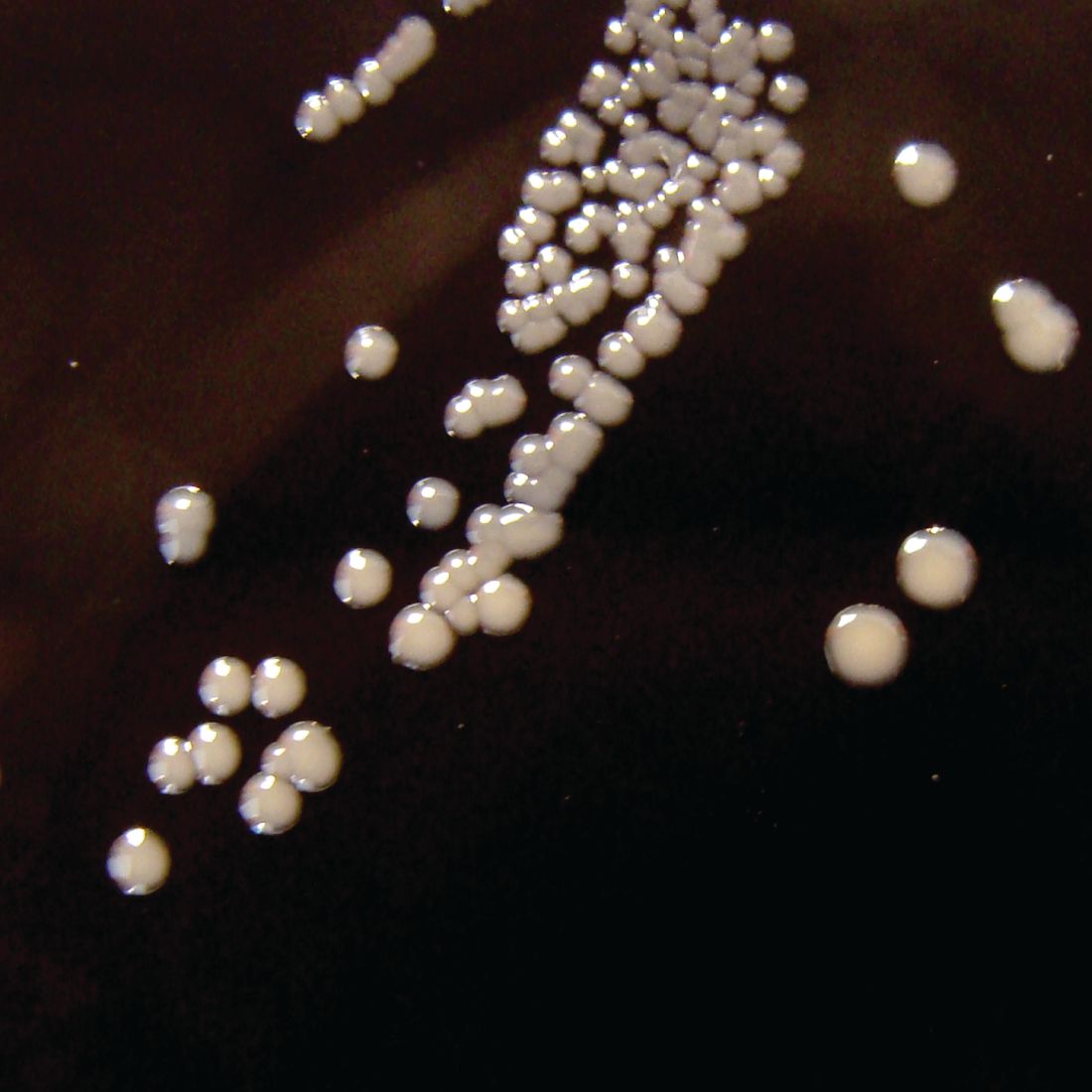
In the United States, investigators at Northern California Kaiser Permanente have shown that the effectiveness of acellular pertussis in the Tdap vaccine wanes rapidly in adolescents. Indeed, it plunged from 69% effectiveness in the first year after vaccination to less than 9% by year 4 (Pediatrics. 2016 Mar;137[3]:e20153326).
In contrast, whole-cell pertussis vaccines provide roughly 6-10 years of protection against infection, and native infection provides persistent protection against reinfection for 7-20 years, Dr. Plotkin noted.

He was senior coauthor of a recent study that addresses why acellular pertussis vaccine immunity wanes so quickly. He and his coinvestigators demonstrated that while whole-cell pertussis vaccines promote vigorous Th1 and Th17 responses, which discourage pharyngeal colonization, acellular pertussis vaccines orient the immune system toward a less salutary Th1/Th2 response (Cold Spring Harb Perspect Biol. 2017 Mar 13. doi: 10.1101/cshperspect.a029454).
In addition, other investigators have shown that repeated booster doses of acellular pertussis vaccine generate higher levels of antigen-specific IgG4, which doesn’t bind complement and results in impaired phagocytosis and a suboptimal inflammatory response. In contrast, priming of the immune system via administration of a whole-cell pertussis vaccine at birth followed by acellular pertussis boosters results in improved phagocytosis and complement-mediated microbial killing via preferential induction of IgG1(Cold Spring Harb Perspect Biol. 2017 Mar 13. doi: 10.1101/cshperspect.a029553).
Possible solutions to the pertussis problem
Infants don’t need a new vaccine; that’s not where the vaccine failures are occurring. “Again, I stress that the problem so far has not been in infants, it has been in adolescents and adults,” he said.
A new vaccine is a daunting prospect. Given the huge investment vaccine manufacturers made in the 1990s to bring the current acellular vaccines to the market, they are hardly eager to launch development programs for new pertussis vaccines. They have other vaccine development priorities.
Moreover, the regulatory challenges are huge unless the Food and Drug Administration and other licensing authorities are willing to forgo the large, long, and expensive clinical trials that have traditionally been required. In lieu of such efficacy studies, they would need to consider studies demonstrating better immunogenicity based upon antibody titers, or animal studies.
“The possibility of a human challenge study in adults is an idea I like; I’m not sure about the FDA,” the pediatrician said.
Until a new or improved vaccine becomes available, the most important strategy to control the resurgence of pertussis is acellular vaccination of pregnant women in their third trimester to provide passive protection to the newborn via transplacental antibody. That practice is already recommended in the United States and many other countries. And while it reduces the risk of pertussis in early infancy – the most serious form of the disease – that strategy won’t have any real impact on the adult burden of disease, which Dr. Plotkin estimated at more than 600,000 cases annually.
Cocooning – a strategy of vaccinating all of a newborn’s family contacts – has been promoted in guidelines but has proved difficult to implement. “I think cocooning strategies by and large have been a failure,” he declared.
More frequent boosters of current acellular pertussis vaccines would presumably increase effectiveness, but that would be costly and tough to put in place on a public health scale.
A return to using conventional whole-cell pertussis vaccines would be a tough sell to the public and is probably flat out unacceptable. Developing a less reactogenic whole-cell vaccine might be a work-around, but it hasn’t been done yet.
The easiest way to improve acellular pertussis vaccine for adolescents and adults is to improve the pertussis toxin antigen component. Increasing the dose of pertussis toxin could generate more and longer-lasting antibodies to it. An even more exciting possibility is based upon evidence more than a decade old that genetic inactivation of pertussis toxin results in antibody levels far higher and presumably more bactericidal than the formalin-inactivated pertussis toxin included in current vaccines, according to Dr. Plotkin.
Adding stronger adjuvants to a Tdap vaccine for adolescents is another appealing strategy. There are plenty to choose from, including some that would presumably have an easier pathway to regulatory approval because they are already contained in licensed vaccines. This beefed-up adjuvant strategy, like the notion of changing the antigens in acellular pertussis vaccines to those from currently circulating strains, is feasible albeit more difficult than simply improving the pertussis toxin component of existing vaccines, he said.
The Global Pertussis Initiative is sponsored by Sanofi Pasteur. Dr. Plotkin reported serving as a consultant to that vaccine manufacturer and numerous others but declared he had no financial conflicts regarding his presentation.
MADRID – The explanation for the ongoing resurgence in pertussis in adolescents and adults in the United States and other developed countries lies largely in the waning effectiveness of current acellular pertussis vaccines as early as 2-3 years post boosters, according to Stanley A. Plotkin, MD, chair of the steering committee for the Global Pertussis Initiative.
“The problem seems to lie in the lack of persistence of immunity after vaccination using the acellular pertussis vaccines. To say that this is not controversial would clearly be wrong, but that is my view,” he declared at the annual meeting of the European Society for Paediatric Infectious Diseases.
It’s a view supported by persuasive evidence, added Dr. Plotkin, emeritus professor of pediatrics at the University of Pennsylvania, Philadelphia.
In the United States, investigators at Northern California Kaiser Permanente have shown that the effectiveness of acellular pertussis in the Tdap vaccine wanes rapidly in adolescents. Indeed, it plunged from 69% effectiveness in the first year after vaccination to less than 9% by year 4 (Pediatrics. 2016 Mar;137[3]:e20153326).
In contrast, whole-cell pertussis vaccines provide roughly 6-10 years of protection against infection, and native infection provides persistent protection against reinfection for 7-20 years, Dr. Plotkin noted.
He was senior coauthor of a recent study that addresses why acellular pertussis vaccine immunity wanes so quickly. He and his coinvestigators demonstrated that while whole-cell pertussis vaccines promote vigorous Th1 and Th17 responses, which discourage pharyngeal colonization, acellular pertussis vaccines orient the immune system toward a less salutary Th1/Th2 response (Cold Spring Harb Perspect Biol. 2017 Mar 13. doi: 10.1101/cshperspect.a029454).
In addition, other investigators have shown that repeated booster doses of acellular pertussis vaccine generate higher levels of antigen-specific IgG4, which doesn’t bind complement and results in impaired phagocytosis and a suboptimal inflammatory response. In contrast, priming of the immune system via administration of a whole-cell pertussis vaccine at birth followed by acellular pertussis boosters results in improved phagocytosis and complement-mediated microbial killing via preferential induction of IgG1(Cold Spring Harb Perspect Biol. 2017 Mar 13. doi: 10.1101/cshperspect.a029553).
Possible solutions to the pertussis problem
Infants don’t need a new vaccine; that’s not where the vaccine failures are occurring. “Again, I stress that the problem so far has not been in infants, it has been in adolescents and adults,” he said.
A new vaccine is a daunting prospect. Given the huge investment vaccine manufacturers made in the 1990s to bring the current acellular vaccines to the market, they are hardly eager to launch development programs for new pertussis vaccines. They have other vaccine development priorities.
Moreover, the regulatory challenges are huge unless the Food and Drug Administration and other licensing authorities are willing to forgo the large, long, and expensive clinical trials that have traditionally been required. In lieu of such efficacy studies, they would need to consider studies demonstrating better immunogenicity based upon antibody titers, or animal studies.
“The possibility of a human challenge study in adults is an idea I like; I’m not sure about the FDA,” the pediatrician said.
Until a new or improved vaccine becomes available, the most important strategy to control the resurgence of pertussis is acellular vaccination of pregnant women in their third trimester to provide passive protection to the newborn via transplacental antibody. That practice is already recommended in the United States and many other countries. And while it reduces the risk of pertussis in early infancy – the most serious form of the disease – that strategy won’t have any real impact on the adult burden of disease, which Dr. Plotkin estimated at more than 600,000 cases annually.
Cocooning – a strategy of vaccinating all of a newborn’s family contacts – has been promoted in guidelines but has proved difficult to implement. “I think cocooning strategies by and large have been a failure,” he declared.
More frequent boosters of current acellular pertussis vaccines would presumably increase effectiveness, but that would be costly and tough to put in place on a public health scale.
A return to using conventional whole-cell pertussis vaccines would be a tough sell to the public and is probably flat out unacceptable. Developing a less reactogenic whole-cell vaccine might be a work-around, but it hasn’t been done yet.
The easiest way to improve acellular pertussis vaccine for adolescents and adults is to improve the pertussis toxin antigen component. Increasing the dose of pertussis toxin could generate more and longer-lasting antibodies to it. An even more exciting possibility is based upon evidence more than a decade old that genetic inactivation of pertussis toxin results in antibody levels far higher and presumably more bactericidal than the formalin-inactivated pertussis toxin included in current vaccines, according to Dr. Plotkin.
Adding stronger adjuvants to a Tdap vaccine for adolescents is another appealing strategy. There are plenty to choose from, including some that would presumably have an easier pathway to regulatory approval because they are already contained in licensed vaccines. This beefed-up adjuvant strategy, like the notion of changing the antigens in acellular pertussis vaccines to those from currently circulating strains, is feasible albeit more difficult than simply improving the pertussis toxin component of existing vaccines, he said.
The Global Pertussis Initiative is sponsored by Sanofi Pasteur. Dr. Plotkin reported serving as a consultant to that vaccine manufacturer and numerous others but declared he had no financial conflicts regarding his presentation.
MADRID – The explanation for the ongoing resurgence in pertussis in adolescents and adults in the United States and other developed countries lies largely in the waning effectiveness of current acellular pertussis vaccines as early as 2-3 years post boosters, according to Stanley A. Plotkin, MD, chair of the steering committee for the Global Pertussis Initiative.
“The problem seems to lie in the lack of persistence of immunity after vaccination using the acellular pertussis vaccines. To say that this is not controversial would clearly be wrong, but that is my view,” he declared at the annual meeting of the European Society for Paediatric Infectious Diseases.
It’s a view supported by persuasive evidence, added Dr. Plotkin, emeritus professor of pediatrics at the University of Pennsylvania, Philadelphia.
In the United States, investigators at Northern California Kaiser Permanente have shown that the effectiveness of acellular pertussis in the Tdap vaccine wanes rapidly in adolescents. Indeed, it plunged from 69% effectiveness in the first year after vaccination to less than 9% by year 4 (Pediatrics. 2016 Mar;137[3]:e20153326).
In contrast, whole-cell pertussis vaccines provide roughly 6-10 years of protection against infection, and native infection provides persistent protection against reinfection for 7-20 years, Dr. Plotkin noted.
He was senior coauthor of a recent study that addresses why acellular pertussis vaccine immunity wanes so quickly. He and his coinvestigators demonstrated that while whole-cell pertussis vaccines promote vigorous Th1 and Th17 responses, which discourage pharyngeal colonization, acellular pertussis vaccines orient the immune system toward a less salutary Th1/Th2 response (Cold Spring Harb Perspect Biol. 2017 Mar 13. doi: 10.1101/cshperspect.a029454).
In addition, other investigators have shown that repeated booster doses of acellular pertussis vaccine generate higher levels of antigen-specific IgG4, which doesn’t bind complement and results in impaired phagocytosis and a suboptimal inflammatory response. In contrast, priming of the immune system via administration of a whole-cell pertussis vaccine at birth followed by acellular pertussis boosters results in improved phagocytosis and complement-mediated microbial killing via preferential induction of IgG1(Cold Spring Harb Perspect Biol. 2017 Mar 13. doi: 10.1101/cshperspect.a029553).
Possible solutions to the pertussis problem
Infants don’t need a new vaccine; that’s not where the vaccine failures are occurring. “Again, I stress that the problem so far has not been in infants, it has been in adolescents and adults,” he said.
A new vaccine is a daunting prospect. Given the huge investment vaccine manufacturers made in the 1990s to bring the current acellular vaccines to the market, they are hardly eager to launch development programs for new pertussis vaccines. They have other vaccine development priorities.
Moreover, the regulatory challenges are huge unless the Food and Drug Administration and other licensing authorities are willing to forgo the large, long, and expensive clinical trials that have traditionally been required. In lieu of such efficacy studies, they would need to consider studies demonstrating better immunogenicity based upon antibody titers, or animal studies.
“The possibility of a human challenge study in adults is an idea I like; I’m not sure about the FDA,” the pediatrician said.
Until a new or improved vaccine becomes available, the most important strategy to control the resurgence of pertussis is acellular vaccination of pregnant women in their third trimester to provide passive protection to the newborn via transplacental antibody. That practice is already recommended in the United States and many other countries. And while it reduces the risk of pertussis in early infancy – the most serious form of the disease – that strategy won’t have any real impact on the adult burden of disease, which Dr. Plotkin estimated at more than 600,000 cases annually.
Cocooning – a strategy of vaccinating all of a newborn’s family contacts – has been promoted in guidelines but has proved difficult to implement. “I think cocooning strategies by and large have been a failure,” he declared.
More frequent boosters of current acellular pertussis vaccines would presumably increase effectiveness, but that would be costly and tough to put in place on a public health scale.
A return to using conventional whole-cell pertussis vaccines would be a tough sell to the public and is probably flat out unacceptable. Developing a less reactogenic whole-cell vaccine might be a work-around, but it hasn’t been done yet.
The easiest way to improve acellular pertussis vaccine for adolescents and adults is to improve the pertussis toxin antigen component. Increasing the dose of pertussis toxin could generate more and longer-lasting antibodies to it. An even more exciting possibility is based upon evidence more than a decade old that genetic inactivation of pertussis toxin results in antibody levels far higher and presumably more bactericidal than the formalin-inactivated pertussis toxin included in current vaccines, according to Dr. Plotkin.
Adding stronger adjuvants to a Tdap vaccine for adolescents is another appealing strategy. There are plenty to choose from, including some that would presumably have an easier pathway to regulatory approval because they are already contained in licensed vaccines. This beefed-up adjuvant strategy, like the notion of changing the antigens in acellular pertussis vaccines to those from currently circulating strains, is feasible albeit more difficult than simply improving the pertussis toxin component of existing vaccines, he said.
The Global Pertussis Initiative is sponsored by Sanofi Pasteur. Dr. Plotkin reported serving as a consultant to that vaccine manufacturer and numerous others but declared he had no financial conflicts regarding his presentation.
EXPERT ANALYSIS FROM ESPID 2017
Air pollution seen acting on stress hormones
Increases in stress hormone levels and other adverse metabolic changes accompany higher exposure to air pollution, Chinese researchers have found, while cutting indoor pollution levels appears to mitigate these effects.
Air pollution has been linked in epidemiological studies to increased risk of cardiovascular and metabolic diseases, but the mechanisms remain poorly understood. The new findings, published online Aug. 14 in Circulation, offer compelling evidence that air pollution may impact the central nervous system, and the hypothalamus-pituitary-adrenal axis especially (Circulation 2017 Aug 14;136:618-27).
The study design required that students spend as much time in their dorms as possible with the windows closed, though they could venture out for classes and exams. Fine particle concentration in the dorms treated by purifiers was 8.6 mcg per cubic meter during the study period, compared with a mean 101.4 outdoors. The researchers determined that the time-weighted average student exposure to fine particle pollutants was reduced by more than half when the dorm air was being purified, though average student exposure was estimated at 24 mcg per cubic meter at best. The World Health Organization considers levels below 10 mcg to be safe.
Students in untreated dorms had significant increases in cortisol, cortisone, epinephrine, norepinephrine, and biomarkers of oxidative stress at 9 days compared to those in treated ones. Glucose, insulin, measures of insulin resistance, amino acids, fatty acids, and lipids differed significantly between treatment assignments, and the untreated dorm groups also saw 2.61% higher systolic blood pressure (95% confidence interval [CI], 0.39-4.79).
Glucocorticoids are known to affect blood pressure, the investigators noted. Serum cortisol and cortisone levels were 1.3 and 1.2 times higher for the students in the sham-treated dorms, with each 10-mcg increase in pollutant exposure associated with a 7.8% increase in cortisol (95% CI, 4.75-10.91) and a nearly 3.8% increase in cortisone (95% CI, 1.84-5.71). Similar exposure-dependent increases were seen for norepinephrine, melatonin, phenylalanine, tyrosine, L-tryptophan and other compounds.
“To the best of our knowledge, this is the first study that used the untargeted metabolomics approach to investigate human global metabolic changes in relation to changes in ambient [air pollution] exposures,” the investigators wrote in their analysis, adding that the findings “provide insights into the potential mechanisms of the adverse health effects that have been found to be associated with [pollution] exposure.”
Mr. Li and Dr. Cai recommended the use of indoor air purification technology as a practical way to reduce harmful exposure, noting that the benefits of long-term use, particularly relating to cardiovascular and metabolic health, remain to be established.
The study was funded with grants from national and regional government agencies in China, and none of its authors declared conflicts of interest.
Although the past decade has seen much advancement in our knowledge of how air pollutants promote cardiovascular diseases, important questions remain.
There is a need to better understand the precise nature and systemic pathways whereby ambient air pollution elicits a multitude of adverse responses in the heart and vasculature anatomically remote from the site of inhalation. Also, what can (and should) an individual do to protect oneself against the hazards of air pollution, given that substantial improvements in air quality throughout many parts of the world are likely decades away?
Li and colleagues have provided some significant insights into both of these issues. Responses to short-term exposure to high levels of pollution include increased blood pressure and insulin resistance, along with alterations in a battery of circulating markers indicative of systemic inflammation, oxidative stress, and platelet activation.
A distinguishing feature of their work is the detailed exploration of health responses using state-of-the-art metabolomic profiling. Although similar outcomes after brief exposure to ozone have been shown, this was the first usage of an untargeted metabolomic approach to evaluate the impact of ambient air pollution. The results confirm and extend the growing body of evidence that air pollution elicits systemic perturbations favoring the development of the metabolic syndrome. The findings also add to the growing body of evidence that simple interventions such as air purifier systems with high-efficiency filters can help protect against adverse health impacts of air pollution. The reduction in estimated exposure afforded by filtration favorably influenced most of the health outcomes (blood pressure, insulin resistance, oxidative stress, inflammation), curtailed pollution-induced activation of the sympathetic nervous system and hypothalamic-pituitary-adrenal axis, and helped mitigate the ensuing metabolomic perturbations.
Robert D Brook, MD, of the University of Michigan in Ann Arbor, and Sanjay Rajagopalan, MD, of Cleveland Hospitals, made these comments in an editorial (Circulation. 2017 Aug 14;136:628-31). Dr. Brook receives research support from RB, Inc. Dr. Rajagopalan had no disclosures.
Although the past decade has seen much advancement in our knowledge of how air pollutants promote cardiovascular diseases, important questions remain.
There is a need to better understand the precise nature and systemic pathways whereby ambient air pollution elicits a multitude of adverse responses in the heart and vasculature anatomically remote from the site of inhalation. Also, what can (and should) an individual do to protect oneself against the hazards of air pollution, given that substantial improvements in air quality throughout many parts of the world are likely decades away?
Li and colleagues have provided some significant insights into both of these issues. Responses to short-term exposure to high levels of pollution include increased blood pressure and insulin resistance, along with alterations in a battery of circulating markers indicative of systemic inflammation, oxidative stress, and platelet activation.
A distinguishing feature of their work is the detailed exploration of health responses using state-of-the-art metabolomic profiling. Although similar outcomes after brief exposure to ozone have been shown, this was the first usage of an untargeted metabolomic approach to evaluate the impact of ambient air pollution. The results confirm and extend the growing body of evidence that air pollution elicits systemic perturbations favoring the development of the metabolic syndrome. The findings also add to the growing body of evidence that simple interventions such as air purifier systems with high-efficiency filters can help protect against adverse health impacts of air pollution. The reduction in estimated exposure afforded by filtration favorably influenced most of the health outcomes (blood pressure, insulin resistance, oxidative stress, inflammation), curtailed pollution-induced activation of the sympathetic nervous system and hypothalamic-pituitary-adrenal axis, and helped mitigate the ensuing metabolomic perturbations.
Robert D Brook, MD, of the University of Michigan in Ann Arbor, and Sanjay Rajagopalan, MD, of Cleveland Hospitals, made these comments in an editorial (Circulation. 2017 Aug 14;136:628-31). Dr. Brook receives research support from RB, Inc. Dr. Rajagopalan had no disclosures.
Although the past decade has seen much advancement in our knowledge of how air pollutants promote cardiovascular diseases, important questions remain.
There is a need to better understand the precise nature and systemic pathways whereby ambient air pollution elicits a multitude of adverse responses in the heart and vasculature anatomically remote from the site of inhalation. Also, what can (and should) an individual do to protect oneself against the hazards of air pollution, given that substantial improvements in air quality throughout many parts of the world are likely decades away?
Li and colleagues have provided some significant insights into both of these issues. Responses to short-term exposure to high levels of pollution include increased blood pressure and insulin resistance, along with alterations in a battery of circulating markers indicative of systemic inflammation, oxidative stress, and platelet activation.
A distinguishing feature of their work is the detailed exploration of health responses using state-of-the-art metabolomic profiling. Although similar outcomes after brief exposure to ozone have been shown, this was the first usage of an untargeted metabolomic approach to evaluate the impact of ambient air pollution. The results confirm and extend the growing body of evidence that air pollution elicits systemic perturbations favoring the development of the metabolic syndrome. The findings also add to the growing body of evidence that simple interventions such as air purifier systems with high-efficiency filters can help protect against adverse health impacts of air pollution. The reduction in estimated exposure afforded by filtration favorably influenced most of the health outcomes (blood pressure, insulin resistance, oxidative stress, inflammation), curtailed pollution-induced activation of the sympathetic nervous system and hypothalamic-pituitary-adrenal axis, and helped mitigate the ensuing metabolomic perturbations.
Robert D Brook, MD, of the University of Michigan in Ann Arbor, and Sanjay Rajagopalan, MD, of Cleveland Hospitals, made these comments in an editorial (Circulation. 2017 Aug 14;136:628-31). Dr. Brook receives research support from RB, Inc. Dr. Rajagopalan had no disclosures.
Increases in stress hormone levels and other adverse metabolic changes accompany higher exposure to air pollution, Chinese researchers have found, while cutting indoor pollution levels appears to mitigate these effects.
Air pollution has been linked in epidemiological studies to increased risk of cardiovascular and metabolic diseases, but the mechanisms remain poorly understood. The new findings, published online Aug. 14 in Circulation, offer compelling evidence that air pollution may impact the central nervous system, and the hypothalamus-pituitary-adrenal axis especially (Circulation 2017 Aug 14;136:618-27).
The study design required that students spend as much time in their dorms as possible with the windows closed, though they could venture out for classes and exams. Fine particle concentration in the dorms treated by purifiers was 8.6 mcg per cubic meter during the study period, compared with a mean 101.4 outdoors. The researchers determined that the time-weighted average student exposure to fine particle pollutants was reduced by more than half when the dorm air was being purified, though average student exposure was estimated at 24 mcg per cubic meter at best. The World Health Organization considers levels below 10 mcg to be safe.
Students in untreated dorms had significant increases in cortisol, cortisone, epinephrine, norepinephrine, and biomarkers of oxidative stress at 9 days compared to those in treated ones. Glucose, insulin, measures of insulin resistance, amino acids, fatty acids, and lipids differed significantly between treatment assignments, and the untreated dorm groups also saw 2.61% higher systolic blood pressure (95% confidence interval [CI], 0.39-4.79).
Glucocorticoids are known to affect blood pressure, the investigators noted. Serum cortisol and cortisone levels were 1.3 and 1.2 times higher for the students in the sham-treated dorms, with each 10-mcg increase in pollutant exposure associated with a 7.8% increase in cortisol (95% CI, 4.75-10.91) and a nearly 3.8% increase in cortisone (95% CI, 1.84-5.71). Similar exposure-dependent increases were seen for norepinephrine, melatonin, phenylalanine, tyrosine, L-tryptophan and other compounds.
“To the best of our knowledge, this is the first study that used the untargeted metabolomics approach to investigate human global metabolic changes in relation to changes in ambient [air pollution] exposures,” the investigators wrote in their analysis, adding that the findings “provide insights into the potential mechanisms of the adverse health effects that have been found to be associated with [pollution] exposure.”
Mr. Li and Dr. Cai recommended the use of indoor air purification technology as a practical way to reduce harmful exposure, noting that the benefits of long-term use, particularly relating to cardiovascular and metabolic health, remain to be established.
The study was funded with grants from national and regional government agencies in China, and none of its authors declared conflicts of interest.
Increases in stress hormone levels and other adverse metabolic changes accompany higher exposure to air pollution, Chinese researchers have found, while cutting indoor pollution levels appears to mitigate these effects.
Air pollution has been linked in epidemiological studies to increased risk of cardiovascular and metabolic diseases, but the mechanisms remain poorly understood. The new findings, published online Aug. 14 in Circulation, offer compelling evidence that air pollution may impact the central nervous system, and the hypothalamus-pituitary-adrenal axis especially (Circulation 2017 Aug 14;136:618-27).
The study design required that students spend as much time in their dorms as possible with the windows closed, though they could venture out for classes and exams. Fine particle concentration in the dorms treated by purifiers was 8.6 mcg per cubic meter during the study period, compared with a mean 101.4 outdoors. The researchers determined that the time-weighted average student exposure to fine particle pollutants was reduced by more than half when the dorm air was being purified, though average student exposure was estimated at 24 mcg per cubic meter at best. The World Health Organization considers levels below 10 mcg to be safe.
Students in untreated dorms had significant increases in cortisol, cortisone, epinephrine, norepinephrine, and biomarkers of oxidative stress at 9 days compared to those in treated ones. Glucose, insulin, measures of insulin resistance, amino acids, fatty acids, and lipids differed significantly between treatment assignments, and the untreated dorm groups also saw 2.61% higher systolic blood pressure (95% confidence interval [CI], 0.39-4.79).
Glucocorticoids are known to affect blood pressure, the investigators noted. Serum cortisol and cortisone levels were 1.3 and 1.2 times higher for the students in the sham-treated dorms, with each 10-mcg increase in pollutant exposure associated with a 7.8% increase in cortisol (95% CI, 4.75-10.91) and a nearly 3.8% increase in cortisone (95% CI, 1.84-5.71). Similar exposure-dependent increases were seen for norepinephrine, melatonin, phenylalanine, tyrosine, L-tryptophan and other compounds.
“To the best of our knowledge, this is the first study that used the untargeted metabolomics approach to investigate human global metabolic changes in relation to changes in ambient [air pollution] exposures,” the investigators wrote in their analysis, adding that the findings “provide insights into the potential mechanisms of the adverse health effects that have been found to be associated with [pollution] exposure.”
Mr. Li and Dr. Cai recommended the use of indoor air purification technology as a practical way to reduce harmful exposure, noting that the benefits of long-term use, particularly relating to cardiovascular and metabolic health, remain to be established.
The study was funded with grants from national and regional government agencies in China, and none of its authors declared conflicts of interest.
FROM CIRCULATION
Key clinical point: Air pollution exposure is associated with increases in stress hormones and a wide array of other biochemical changes.
Major finding: Increases in pollution exposure corresponded to increases in cortisol, cortisone, epinephrine, and norepinephrine.
Data source: A randomized, double-blinded crossover trial on 55 subjects in Shanghai, China.
Disclosures: Chinese national and regional governments supported the study, whose authors declared no conflicts of interest.
APAP improves aerophagia symptoms
Switching continuous positive airway pressure–treated patients to autotitrating positive airway pressure (APAP) systems resulted in reduced severity of patient-reported aerophagia symptoms, according to results from a double-blind, randomized study.
Aerophagia, the swallowing of air leading to gastrointestinal distress, is a frequently reported adverse effect among people treated for obstructive sleep apnea with continuous positive airway pressure (CPAP).
The APAP-treated group saw significantly reduced median therapeutic pressure levels compared with the CPAP-treated patients (9.8 vs. 14.0 cm H2O, P less than .001) and slight but statistically significant reductions in self-reported symptoms of bloating, flatulence, and belching. No significant difference was seen in compliance with therapy between the two treatment groups in this study, published in the August 2017 issue of Journal of Clinical Sleep Medicine (J Clin Sleep Med. 2017;13[7]:881-8).
For their research, Teresa Shirlaw and her colleagues in the sleep clinic at Princess Alexandra Hospital in Woolloongabba, Queensland, Australia, analyzed results from 56 adult patients with sleep apnea who had been recently treated with CPAP and reported bloating, flatulence, or belching following therapy.
Patients were randomized 1:1 to in-clinic nighttime CPAP or APAP for 2 weeks and blinded to treatment assignment, while investigators recorded therapy usage hours, pressure, leak, and residual apnea-hypopnea index across the study period. Most of the subjects (n = 39) used full face masks, while others used nasal-only systems.
The researchers considered differences in PAP therapy usage of at least 30 minutes per night to be statistically significant. The APAP group used the assigned therapy a mean 7 hours per night, vs. 6.8 for the CPAP group. Daytime sleepiness outcomes were also similar for the two treatment groups.
Ms. Shirlaw and her colleagues described the compliance findings as a surprise, noting that an earlier meta-analysis had shown slight improvements in compliance associated with APAP (Syst Rev. 2012;1[1]:20). In clinical practice, patients complaining of aerophagia associated with CPAP are frequently switched to APAP based on the belief that doing so “will lead to improved therapy acceptance and … improved compliance,” they wrote.
The investigators described the self-reporting of aerophagia symptoms as one of the study’s limitations. They surmised that the lack of difference seen for compliance measures might be explained in part by the 30-minute usage increments in the study design (compared with 10-minute increments used in some other studies), and the fact that the cohort had relatively high compliance with CPAP at baseline (5.5 hours/night), suggesting a motivated patient population at entry.
The study received some funding from the government of Queensland, and the authors disclosed no conflicts of interest related to their findings.

Switching continuous positive airway pressure–treated patients to autotitrating positive airway pressure (APAP) systems resulted in reduced severity of patient-reported aerophagia symptoms, according to results from a double-blind, randomized study.
Aerophagia, the swallowing of air leading to gastrointestinal distress, is a frequently reported adverse effect among people treated for obstructive sleep apnea with continuous positive airway pressure (CPAP).
The APAP-treated group saw significantly reduced median therapeutic pressure levels compared with the CPAP-treated patients (9.8 vs. 14.0 cm H2O, P less than .001) and slight but statistically significant reductions in self-reported symptoms of bloating, flatulence, and belching. No significant difference was seen in compliance with therapy between the two treatment groups in this study, published in the August 2017 issue of Journal of Clinical Sleep Medicine (J Clin Sleep Med. 2017;13[7]:881-8).
For their research, Teresa Shirlaw and her colleagues in the sleep clinic at Princess Alexandra Hospital in Woolloongabba, Queensland, Australia, analyzed results from 56 adult patients with sleep apnea who had been recently treated with CPAP and reported bloating, flatulence, or belching following therapy.
Patients were randomized 1:1 to in-clinic nighttime CPAP or APAP for 2 weeks and blinded to treatment assignment, while investigators recorded therapy usage hours, pressure, leak, and residual apnea-hypopnea index across the study period. Most of the subjects (n = 39) used full face masks, while others used nasal-only systems.
The researchers considered differences in PAP therapy usage of at least 30 minutes per night to be statistically significant. The APAP group used the assigned therapy a mean 7 hours per night, vs. 6.8 for the CPAP group. Daytime sleepiness outcomes were also similar for the two treatment groups.
Ms. Shirlaw and her colleagues described the compliance findings as a surprise, noting that an earlier meta-analysis had shown slight improvements in compliance associated with APAP (Syst Rev. 2012;1[1]:20). In clinical practice, patients complaining of aerophagia associated with CPAP are frequently switched to APAP based on the belief that doing so “will lead to improved therapy acceptance and … improved compliance,” they wrote.
The investigators described the self-reporting of aerophagia symptoms as one of the study’s limitations. They surmised that the lack of difference seen for compliance measures might be explained in part by the 30-minute usage increments in the study design (compared with 10-minute increments used in some other studies), and the fact that the cohort had relatively high compliance with CPAP at baseline (5.5 hours/night), suggesting a motivated patient population at entry.
The study received some funding from the government of Queensland, and the authors disclosed no conflicts of interest related to their findings.
Switching continuous positive airway pressure–treated patients to autotitrating positive airway pressure (APAP) systems resulted in reduced severity of patient-reported aerophagia symptoms, according to results from a double-blind, randomized study.
Aerophagia, the swallowing of air leading to gastrointestinal distress, is a frequently reported adverse effect among people treated for obstructive sleep apnea with continuous positive airway pressure (CPAP).
The APAP-treated group saw significantly reduced median therapeutic pressure levels compared with the CPAP-treated patients (9.8 vs. 14.0 cm H2O, P less than .001) and slight but statistically significant reductions in self-reported symptoms of bloating, flatulence, and belching. No significant difference was seen in compliance with therapy between the two treatment groups in this study, published in the August 2017 issue of Journal of Clinical Sleep Medicine (J Clin Sleep Med. 2017;13[7]:881-8).
For their research, Teresa Shirlaw and her colleagues in the sleep clinic at Princess Alexandra Hospital in Woolloongabba, Queensland, Australia, analyzed results from 56 adult patients with sleep apnea who had been recently treated with CPAP and reported bloating, flatulence, or belching following therapy.
Patients were randomized 1:1 to in-clinic nighttime CPAP or APAP for 2 weeks and blinded to treatment assignment, while investigators recorded therapy usage hours, pressure, leak, and residual apnea-hypopnea index across the study period. Most of the subjects (n = 39) used full face masks, while others used nasal-only systems.
The researchers considered differences in PAP therapy usage of at least 30 minutes per night to be statistically significant. The APAP group used the assigned therapy a mean 7 hours per night, vs. 6.8 for the CPAP group. Daytime sleepiness outcomes were also similar for the two treatment groups.
Ms. Shirlaw and her colleagues described the compliance findings as a surprise, noting that an earlier meta-analysis had shown slight improvements in compliance associated with APAP (Syst Rev. 2012;1[1]:20). In clinical practice, patients complaining of aerophagia associated with CPAP are frequently switched to APAP based on the belief that doing so “will lead to improved therapy acceptance and … improved compliance,” they wrote.
The investigators described the self-reporting of aerophagia symptoms as one of the study’s limitations. They surmised that the lack of difference seen for compliance measures might be explained in part by the 30-minute usage increments in the study design (compared with 10-minute increments used in some other studies), and the fact that the cohort had relatively high compliance with CPAP at baseline (5.5 hours/night), suggesting a motivated patient population at entry.
The study received some funding from the government of Queensland, and the authors disclosed no conflicts of interest related to their findings.
FROM THE JOURNAL OF CLINICAL SLEEP MEDICINE
Key clinical point: Sleep apnea patients complaining of aerophagia associated with continuous positive airway pressure may find relief using autotitrating positive airway pressure.
Major finding: The APAP-treated group saw significantly reduced median therapeutic pressure levels compared with the CPAP-treated patients (9.8 vs. 14.0 cm H2O, P less than .001) and slight but statistically significant reductions in self-reported symptoms of bloating, flatulence, and belching.
Data source: A randomized, double-blinded trial of 56 adult sleep apnea patients, with previous CPAP and aerophagia, treated at a hospital sleep clinic in Australia.
Disclosures: The government of Queensland helped fund the study. The authors disclosed no conflicts of interest.
Unexplained leukocytosis in a hospitalized patient
A 70-year-old man is evaluated for a persistent leukocytosis. He was hospitalized 10 days ago for a severe exacerbation of chronic obstructive pulmonary disease. He was intubated for 3 days, was diagnosed with a left lower lobe pneumonia, and was treated with antibiotics. His white blood cell count on admission was 20,000 per mcL. It dropped as low as 15,000 on day 6 but is now 25,000, with 23,000 polymorphonuclear leukocytes (10% band forms). He is on oral prednisone 15 mg once daily. Chest x-ray shows no infiltrate. Urinalysis without WBCs.
What is the most likely cause of his leukocytosis?
A) Pulmonary embolus.
B) Lung abscess.
C) Perinephric abscess.
D) Prednisone.
E) Clostridium difficile infection.

The most likely diagnosis in otherwise unexplained leukocytosis in a hospitalized patient is C. difficile.
Anna Wanahita, MD, of the St. John Clinic in Tulsa, Okla., and her colleagues prospectively studied 60 patients admitted to a VA hospital who had unexplained leukocytosis.1 All patients had stool specimens sent for C. difficile toxin; in addition, 26 hospitalized control patients without leukocytosis also had stool sent for C. difficile toxin. For study purposes, leukocytosis was defined as a WBC greater than 15,000 per mcL. Any patient for whom C. difficile toxin was sent because of clinical suspicion and who was positive was excluded from the study results.
Almost 60% of the patients with unexplained leukocytosis (35 of 60) had a positive C. difficile toxin, compared with 12% of the controls (P less than .001). More than half of the patients with a positive C. difficile test had the onset of leukocytosis prior to any symptoms of colitis. Leukocytosis responded to treatment with metronidazole in 83% of the patients with a positive C. difficile toxin, and 75% of the patients who had leukocytosis did not have a positive C. difficile toxin.
In another study, Mamatha Bulusu, and colleagues did a retrospective study of 70 hospitalized patients who had diarrhea and underwent testing for C. difficile.2 They evaluated the pattern of white blood cell counts in patients who were positive and negative for C. difficile toxin. The mean WBC for C. difficile–positive patients was 15,800, compared with 7,700 for the patients who were C. difficile negative (P less than .01). They described three patterns: one in which leukocytosis occurred at the onset of diarrhea; a pattern in which unexplained leukocytosis occurred days prior to diarrhea; and a pattern in which patients treated for infection with leukocytosis had a worsening of their leukocytosis at the onset of diarrheal symptoms. Treatment with metronidazole led to a resolution of leukocytosis in all the C. difficile–positive patients.
Another possibility in this case was WBC elevation because of the patient’s prednisone. Prednisone can increase WBC as early as the first day of therapy.3 The elevation and rapidity of increase are dose related. The important pearl is that steroid-induced leukocytosis involves an increase of polymorphonuclear white blood cells with a rise in monocytes and a decrease in eosinophils and lymphocytes.

Pearl: Think of underlying C. difficile infection in your hospitalized patient with unexplained leukocytosis.
Dr. Paauw is professor of medicine in the division of general internal medicine at the University of Washington, Seattle, and he serves as third-year medical student clerkship director at the University of Washington. Contact Dr. Paauw at [email protected].
References
1. Am J Med. 2003 Nov;115(7):543-6.
2. Am J Gastroenterol. 2000 Nov;95(11):3137-41.
3. J Clin Invest. 1975 Oct;56(4):808-13.
4. Am J Med. 1981 Nov;71(5):773-8.
A 70-year-old man is evaluated for a persistent leukocytosis. He was hospitalized 10 days ago for a severe exacerbation of chronic obstructive pulmonary disease. He was intubated for 3 days, was diagnosed with a left lower lobe pneumonia, and was treated with antibiotics. His white blood cell count on admission was 20,000 per mcL. It dropped as low as 15,000 on day 6 but is now 25,000, with 23,000 polymorphonuclear leukocytes (10% band forms). He is on oral prednisone 15 mg once daily. Chest x-ray shows no infiltrate. Urinalysis without WBCs.
What is the most likely cause of his leukocytosis?
A) Pulmonary embolus.
B) Lung abscess.
C) Perinephric abscess.
D) Prednisone.
E) Clostridium difficile infection.
The most likely diagnosis in otherwise unexplained leukocytosis in a hospitalized patient is C. difficile.
Anna Wanahita, MD, of the St. John Clinic in Tulsa, Okla., and her colleagues prospectively studied 60 patients admitted to a VA hospital who had unexplained leukocytosis.1 All patients had stool specimens sent for C. difficile toxin; in addition, 26 hospitalized control patients without leukocytosis also had stool sent for C. difficile toxin. For study purposes, leukocytosis was defined as a WBC greater than 15,000 per mcL. Any patient for whom C. difficile toxin was sent because of clinical suspicion and who was positive was excluded from the study results.
Almost 60% of the patients with unexplained leukocytosis (35 of 60) had a positive C. difficile toxin, compared with 12% of the controls (P less than .001). More than half of the patients with a positive C. difficile test had the onset of leukocytosis prior to any symptoms of colitis. Leukocytosis responded to treatment with metronidazole in 83% of the patients with a positive C. difficile toxin, and 75% of the patients who had leukocytosis did not have a positive C. difficile toxin.
In another study, Mamatha Bulusu, and colleagues did a retrospective study of 70 hospitalized patients who had diarrhea and underwent testing for C. difficile.2 They evaluated the pattern of white blood cell counts in patients who were positive and negative for C. difficile toxin. The mean WBC for C. difficile–positive patients was 15,800, compared with 7,700 for the patients who were C. difficile negative (P less than .01). They described three patterns: one in which leukocytosis occurred at the onset of diarrhea; a pattern in which unexplained leukocytosis occurred days prior to diarrhea; and a pattern in which patients treated for infection with leukocytosis had a worsening of their leukocytosis at the onset of diarrheal symptoms. Treatment with metronidazole led to a resolution of leukocytosis in all the C. difficile–positive patients.
Another possibility in this case was WBC elevation because of the patient’s prednisone. Prednisone can increase WBC as early as the first day of therapy.3 The elevation and rapidity of increase are dose related. The important pearl is that steroid-induced leukocytosis involves an increase of polymorphonuclear white blood cells with a rise in monocytes and a decrease in eosinophils and lymphocytes.
Pearl: Think of underlying C. difficile infection in your hospitalized patient with unexplained leukocytosis.
Dr. Paauw is professor of medicine in the division of general internal medicine at the University of Washington, Seattle, and he serves as third-year medical student clerkship director at the University of Washington. Contact Dr. Paauw at [email protected].
References
1. Am J Med. 2003 Nov;115(7):543-6.
2. Am J Gastroenterol. 2000 Nov;95(11):3137-41.
3. J Clin Invest. 1975 Oct;56(4):808-13.
4. Am J Med. 1981 Nov;71(5):773-8.
A 70-year-old man is evaluated for a persistent leukocytosis. He was hospitalized 10 days ago for a severe exacerbation of chronic obstructive pulmonary disease. He was intubated for 3 days, was diagnosed with a left lower lobe pneumonia, and was treated with antibiotics. His white blood cell count on admission was 20,000 per mcL. It dropped as low as 15,000 on day 6 but is now 25,000, with 23,000 polymorphonuclear leukocytes (10% band forms). He is on oral prednisone 15 mg once daily. Chest x-ray shows no infiltrate. Urinalysis without WBCs.
What is the most likely cause of his leukocytosis?
A) Pulmonary embolus.
B) Lung abscess.
C) Perinephric abscess.
D) Prednisone.
E) Clostridium difficile infection.
The most likely diagnosis in otherwise unexplained leukocytosis in a hospitalized patient is C. difficile.
Anna Wanahita, MD, of the St. John Clinic in Tulsa, Okla., and her colleagues prospectively studied 60 patients admitted to a VA hospital who had unexplained leukocytosis.1 All patients had stool specimens sent for C. difficile toxin; in addition, 26 hospitalized control patients without leukocytosis also had stool sent for C. difficile toxin. For study purposes, leukocytosis was defined as a WBC greater than 15,000 per mcL. Any patient for whom C. difficile toxin was sent because of clinical suspicion and who was positive was excluded from the study results.
Almost 60% of the patients with unexplained leukocytosis (35 of 60) had a positive C. difficile toxin, compared with 12% of the controls (P less than .001). More than half of the patients with a positive C. difficile test had the onset of leukocytosis prior to any symptoms of colitis. Leukocytosis responded to treatment with metronidazole in 83% of the patients with a positive C. difficile toxin, and 75% of the patients who had leukocytosis did not have a positive C. difficile toxin.
In another study, Mamatha Bulusu, and colleagues did a retrospective study of 70 hospitalized patients who had diarrhea and underwent testing for C. difficile.2 They evaluated the pattern of white blood cell counts in patients who were positive and negative for C. difficile toxin. The mean WBC for C. difficile–positive patients was 15,800, compared with 7,700 for the patients who were C. difficile negative (P less than .01). They described three patterns: one in which leukocytosis occurred at the onset of diarrhea; a pattern in which unexplained leukocytosis occurred days prior to diarrhea; and a pattern in which patients treated for infection with leukocytosis had a worsening of their leukocytosis at the onset of diarrheal symptoms. Treatment with metronidazole led to a resolution of leukocytosis in all the C. difficile–positive patients.
Another possibility in this case was WBC elevation because of the patient’s prednisone. Prednisone can increase WBC as early as the first day of therapy.3 The elevation and rapidity of increase are dose related. The important pearl is that steroid-induced leukocytosis involves an increase of polymorphonuclear white blood cells with a rise in monocytes and a decrease in eosinophils and lymphocytes.
Pearl: Think of underlying C. difficile infection in your hospitalized patient with unexplained leukocytosis.
Dr. Paauw is professor of medicine in the division of general internal medicine at the University of Washington, Seattle, and he serves as third-year medical student clerkship director at the University of Washington. Contact Dr. Paauw at [email protected].
References
1. Am J Med. 2003 Nov;115(7):543-6.
2. Am J Gastroenterol. 2000 Nov;95(11):3137-41.
3. J Clin Invest. 1975 Oct;56(4):808-13.
4. Am J Med. 1981 Nov;71(5):773-8.