User login
Letters to the Editor
Editors note: The following are a selection of responses from the SVS membership sent to Dr. Peter Lawrence based upon his article in a recent issue of Vascular Specialist on the topic of the abuse of peripheral artery disease stenting in Medicare patients.
Despite the unfortunate press, we as a more global medical vascular community are unable to police our own. I have been involved in two specific instances in which inappropriate and overuse of endovascular therapy has been addressed. Unfortunately, these practitioners continue to perform unindicated procedures while hospitals and state medical boards refuse to act.
What is Medicare to do when our own medical regulatory bodies fail to act on behalf of patients and the payor? The two routes of targeting practitioners through Medicare high outliers and legal recourse for poor outcome in unindicated procedures will remain until our societies (this includes SVIR and ACC) decide to collaborate and ensure appropriate practice. Simply stating that SVS has guidelines in place will not solve the problem.
Jason M. Johanning, M.D., Omaha, Neb.
My office of five vascular surgeons actually has an in-office procedure suite. We have converted about 30%-40% of our minimally invasive patient care to this setting. In review of what we have done, we have actually decreased the cost of patient care as there is no facility or hospital add-on charge. Our cost per patient is actually about one-third of what is typically charged by the hospital, and our quality based on our independent QA is the same in our office setting as it is in the hospital. These types of settings can significantly reduce health care costs if done in the proper fashion.
Dennis Fry, M.D., West Des Moines, Iowa
The comments in the article that hospitals confer a greater degree of oversight seems to come right from the AHA. The problem is not office-based procedures but the ethics of fraudulent practices, something that occurs in and among hospitals as well. Hospitals can be as much driven by case volume, even at academic centers, as are the practices of private outpatient procedures.
Paul Gagne, M.D., Darien, Conn.
I cannot help but wonder how our specialty’s lack of identity – and thus lack of appreciation of its responsibility and role in public awareness – has contributed to this scenario. Our inclusion under the umbrella of the American Heart Association, again without any designation of our separate identity, leads only to more confusion about our specialty in the eyes of the public.
The SVS must address its lack of a public identity in a more forceful manner. Unfortunately, it’s biggest hurdle in this may well be the hospital-employed vascular surgeons who cannot fight the administrators marketing theme of “Heart and Vascular,” implying to the public that we are all one, “like the cardiologists do” as many patients state. This is not to fault anyone, but it is to awaken our leadership to the need to establish a separate, independent “awareness” vehicle to better craft our identity as a separate specialty to the entire nation.
It will take time but will be a project which, when done properly, we will never regret. It calls for a board heavily weighted toward the independent vascular surgeons, who try daily, with limited resources, to accomplish this.
Carlo Dall’Olmo, M.D., Flint, Mich.
What the article misrepresents is that this happens only in outpatient labs. The same thing occurs, albeit to a lesser degree, in our hospitals. I am glad to see no vascular surgeons were named. I am also glad they are starting to shine a light on the massive ongoing fraud in EVLT and RF ablation procedures. This is particularly bad in Florida. I wonder if SVS can come up with some response to suggest ways to police this behavior. None of us want more government oversight, but it seems like something needs to be done at the state board level to better regulate these procedures.
Geoffrey L. Risley, M.D., Jacksonville, Fla.
I think most members of SVS have intimate knowledge of a handful of physicians in their communities whose practices would be considered abusive, if not overtly fraudulent. We have struggled locally with the belief that we, as ethical and well-reasoned providers, should have some obligation to report these providers to someone. However, there are no acceptable mechanisms with which to do so, and there is a sense that this would not be accepted well by our colleagues.
We also do not want to be written off as disgruntled competitors. Physicians have never done a good job of policing themselves. Maybe articles like this can be a springboard to discuss ways to reign in the outlier providers in our communities.
Steven Merrell, M.D., Murray, Utah
I agree with Dr. Lawrence 100%. We need the SVS to be a major speaker in this debate. We have to give patients the confidence that they are being cared for by physicians who are not only capable to diagnose the problem but are also able to care for it in the most appropriate fashion. We need to silence the naysayers and the media hogs by developing a method so that surgeons who care for vascular patients in an office-based vascular suite are certified by the Society in the form a Center of Excellence designation. Initial certification would be followed by ongoing proactive reviews on a serial basis. I would ask that the leaders of our society take a step toward developing the concept of this certification body as soon as possible. We need to police ourselves and this may be the way to do it.
Thank you in advance for your attention and ongoing vigilance for the vascular surgical community.
Khash Salartash, M.D., Galloway, N.J.
Editors note: The following are a selection of responses from the SVS membership sent to Dr. Peter Lawrence based upon his article in a recent issue of Vascular Specialist on the topic of the abuse of peripheral artery disease stenting in Medicare patients.
Despite the unfortunate press, we as a more global medical vascular community are unable to police our own. I have been involved in two specific instances in which inappropriate and overuse of endovascular therapy has been addressed. Unfortunately, these practitioners continue to perform unindicated procedures while hospitals and state medical boards refuse to act.
What is Medicare to do when our own medical regulatory bodies fail to act on behalf of patients and the payor? The two routes of targeting practitioners through Medicare high outliers and legal recourse for poor outcome in unindicated procedures will remain until our societies (this includes SVIR and ACC) decide to collaborate and ensure appropriate practice. Simply stating that SVS has guidelines in place will not solve the problem.
Jason M. Johanning, M.D., Omaha, Neb.
My office of five vascular surgeons actually has an in-office procedure suite. We have converted about 30%-40% of our minimally invasive patient care to this setting. In review of what we have done, we have actually decreased the cost of patient care as there is no facility or hospital add-on charge. Our cost per patient is actually about one-third of what is typically charged by the hospital, and our quality based on our independent QA is the same in our office setting as it is in the hospital. These types of settings can significantly reduce health care costs if done in the proper fashion.
Dennis Fry, M.D., West Des Moines, Iowa
The comments in the article that hospitals confer a greater degree of oversight seems to come right from the AHA. The problem is not office-based procedures but the ethics of fraudulent practices, something that occurs in and among hospitals as well. Hospitals can be as much driven by case volume, even at academic centers, as are the practices of private outpatient procedures.
Paul Gagne, M.D., Darien, Conn.
I cannot help but wonder how our specialty’s lack of identity – and thus lack of appreciation of its responsibility and role in public awareness – has contributed to this scenario. Our inclusion under the umbrella of the American Heart Association, again without any designation of our separate identity, leads only to more confusion about our specialty in the eyes of the public.
The SVS must address its lack of a public identity in a more forceful manner. Unfortunately, it’s biggest hurdle in this may well be the hospital-employed vascular surgeons who cannot fight the administrators marketing theme of “Heart and Vascular,” implying to the public that we are all one, “like the cardiologists do” as many patients state. This is not to fault anyone, but it is to awaken our leadership to the need to establish a separate, independent “awareness” vehicle to better craft our identity as a separate specialty to the entire nation.
It will take time but will be a project which, when done properly, we will never regret. It calls for a board heavily weighted toward the independent vascular surgeons, who try daily, with limited resources, to accomplish this.
Carlo Dall’Olmo, M.D., Flint, Mich.
What the article misrepresents is that this happens only in outpatient labs. The same thing occurs, albeit to a lesser degree, in our hospitals. I am glad to see no vascular surgeons were named. I am also glad they are starting to shine a light on the massive ongoing fraud in EVLT and RF ablation procedures. This is particularly bad in Florida. I wonder if SVS can come up with some response to suggest ways to police this behavior. None of us want more government oversight, but it seems like something needs to be done at the state board level to better regulate these procedures.
Geoffrey L. Risley, M.D., Jacksonville, Fla.
I think most members of SVS have intimate knowledge of a handful of physicians in their communities whose practices would be considered abusive, if not overtly fraudulent. We have struggled locally with the belief that we, as ethical and well-reasoned providers, should have some obligation to report these providers to someone. However, there are no acceptable mechanisms with which to do so, and there is a sense that this would not be accepted well by our colleagues.
We also do not want to be written off as disgruntled competitors. Physicians have never done a good job of policing themselves. Maybe articles like this can be a springboard to discuss ways to reign in the outlier providers in our communities.
Steven Merrell, M.D., Murray, Utah
I agree with Dr. Lawrence 100%. We need the SVS to be a major speaker in this debate. We have to give patients the confidence that they are being cared for by physicians who are not only capable to diagnose the problem but are also able to care for it in the most appropriate fashion. We need to silence the naysayers and the media hogs by developing a method so that surgeons who care for vascular patients in an office-based vascular suite are certified by the Society in the form a Center of Excellence designation. Initial certification would be followed by ongoing proactive reviews on a serial basis. I would ask that the leaders of our society take a step toward developing the concept of this certification body as soon as possible. We need to police ourselves and this may be the way to do it.
Thank you in advance for your attention and ongoing vigilance for the vascular surgical community.
Khash Salartash, M.D., Galloway, N.J.
Editors note: The following are a selection of responses from the SVS membership sent to Dr. Peter Lawrence based upon his article in a recent issue of Vascular Specialist on the topic of the abuse of peripheral artery disease stenting in Medicare patients.
Despite the unfortunate press, we as a more global medical vascular community are unable to police our own. I have been involved in two specific instances in which inappropriate and overuse of endovascular therapy has been addressed. Unfortunately, these practitioners continue to perform unindicated procedures while hospitals and state medical boards refuse to act.
What is Medicare to do when our own medical regulatory bodies fail to act on behalf of patients and the payor? The two routes of targeting practitioners through Medicare high outliers and legal recourse for poor outcome in unindicated procedures will remain until our societies (this includes SVIR and ACC) decide to collaborate and ensure appropriate practice. Simply stating that SVS has guidelines in place will not solve the problem.
Jason M. Johanning, M.D., Omaha, Neb.
My office of five vascular surgeons actually has an in-office procedure suite. We have converted about 30%-40% of our minimally invasive patient care to this setting. In review of what we have done, we have actually decreased the cost of patient care as there is no facility or hospital add-on charge. Our cost per patient is actually about one-third of what is typically charged by the hospital, and our quality based on our independent QA is the same in our office setting as it is in the hospital. These types of settings can significantly reduce health care costs if done in the proper fashion.
Dennis Fry, M.D., West Des Moines, Iowa
The comments in the article that hospitals confer a greater degree of oversight seems to come right from the AHA. The problem is not office-based procedures but the ethics of fraudulent practices, something that occurs in and among hospitals as well. Hospitals can be as much driven by case volume, even at academic centers, as are the practices of private outpatient procedures.
Paul Gagne, M.D., Darien, Conn.
I cannot help but wonder how our specialty’s lack of identity – and thus lack of appreciation of its responsibility and role in public awareness – has contributed to this scenario. Our inclusion under the umbrella of the American Heart Association, again without any designation of our separate identity, leads only to more confusion about our specialty in the eyes of the public.
The SVS must address its lack of a public identity in a more forceful manner. Unfortunately, it’s biggest hurdle in this may well be the hospital-employed vascular surgeons who cannot fight the administrators marketing theme of “Heart and Vascular,” implying to the public that we are all one, “like the cardiologists do” as many patients state. This is not to fault anyone, but it is to awaken our leadership to the need to establish a separate, independent “awareness” vehicle to better craft our identity as a separate specialty to the entire nation.
It will take time but will be a project which, when done properly, we will never regret. It calls for a board heavily weighted toward the independent vascular surgeons, who try daily, with limited resources, to accomplish this.
Carlo Dall’Olmo, M.D., Flint, Mich.
What the article misrepresents is that this happens only in outpatient labs. The same thing occurs, albeit to a lesser degree, in our hospitals. I am glad to see no vascular surgeons were named. I am also glad they are starting to shine a light on the massive ongoing fraud in EVLT and RF ablation procedures. This is particularly bad in Florida. I wonder if SVS can come up with some response to suggest ways to police this behavior. None of us want more government oversight, but it seems like something needs to be done at the state board level to better regulate these procedures.
Geoffrey L. Risley, M.D., Jacksonville, Fla.
I think most members of SVS have intimate knowledge of a handful of physicians in their communities whose practices would be considered abusive, if not overtly fraudulent. We have struggled locally with the belief that we, as ethical and well-reasoned providers, should have some obligation to report these providers to someone. However, there are no acceptable mechanisms with which to do so, and there is a sense that this would not be accepted well by our colleagues.
We also do not want to be written off as disgruntled competitors. Physicians have never done a good job of policing themselves. Maybe articles like this can be a springboard to discuss ways to reign in the outlier providers in our communities.
Steven Merrell, M.D., Murray, Utah
I agree with Dr. Lawrence 100%. We need the SVS to be a major speaker in this debate. We have to give patients the confidence that they are being cared for by physicians who are not only capable to diagnose the problem but are also able to care for it in the most appropriate fashion. We need to silence the naysayers and the media hogs by developing a method so that surgeons who care for vascular patients in an office-based vascular suite are certified by the Society in the form a Center of Excellence designation. Initial certification would be followed by ongoing proactive reviews on a serial basis. I would ask that the leaders of our society take a step toward developing the concept of this certification body as soon as possible. We need to police ourselves and this may be the way to do it.
Thank you in advance for your attention and ongoing vigilance for the vascular surgical community.
Khash Salartash, M.D., Galloway, N.J.
Gout management best practices require getting around misconceptions
MAUI, HAWAII – Urate-lowering therapy doesn’t have to be suspended while gout patients are treated for acute attacks, according to rheumatologist Orrin Troum of Santa Monica, Calif.
In fact, there are arguments against it; stopping allopurinol or other urate-lowering therapies (ULTs) during an attack doesn’t seem to help, and there’s a chance that patients might have another attack when it’s reintroduced. Still, the practice persists despite evidence and recommendations to the contrary, Dr. Troum said at the 2015 Rheumatology Winter Clinical Symposium.
Gout is a curable or at least eminently manageable condition, but it remains a tricky problem to treat. Part of that is because referring physicians might be using an out-of-date playbook before sending patients for a rheumatology consult; another issue is that optimal care requires follow-up visits, which might not always be possible.
Gout management guidelines from the European League Against Rheumatism (Ann. Rheum. Dis. 2006;65:1312-24) and the American College of Rheumatology (Arthritis Care Res. 2012;64:1431-46) now largely concur on how best to handle the condition, which might help bring uniformity to gout management if their message filters through to other branches of medicine, said rheumatologist and copresenter Martin Bergman of the department of rheumatology at Drexel University in Philadelphia.
Another persistent misconception is that ULT can’t be started during an acute attack. “There are some very good studies showing” that it can so long as antiflare drugs are on board and patients follow up to check for hypersensitivity reactions and other potential ULT problems, said Dr. Bergman, also chief of rheumatology at Taylor Hospital in Ridley Park, Pa.
Starting low and going slow, a key concept with ULT, hasn’t fully taken hold outside the rheumatology community, either. With allopurinol, that means starting at 100 mg/day – and 50 mg/day in those with chronic kidney disease – then titrating up slowly over several follow-up visits to an effective serum uric acid (SUA)–lowering dose. The idea is to lower serum uric acid slowly, to avoid precipitating an acute attack.
Even so, patients are still sometimes started on 300 mg/day, and although more than half will need more than 300 mg/day to reach SUA targets, that dose is still sometimes considered to be the maximum allowable.
Overall, the consensus on both sides of the Atlantic is that gout patients need to have serum urate levels below 6 mg/dL, and below 5 mg/dL if they have tophi.
“So the next question is, ‘How low do you go?’ ” It’s recently been found that “lifelong maintenance on very low levels of uric acid might actually increase the risk of neurodegenerative diseases, such as Parkinson’s, multiple sclerosis, and dementia.” Uric acid is a strong antioxidant that, perhaps, has protective effects in the central nervous system, Dr. Troum said.
It might be best to go below 5 mg/dL in severe gout for only 3-5 years, then loosen the target to 5-6 mg/dL (Nat. Rev. Rheumatol. 2014;10:271-83), he added.
Among other recent developments, it’s now known that psoriasis and psoriatic arthritis substantially increase the risk of gout (Ann. Rheum. Dis. 2014 March 20 [doi:10.1136/annrheumdis-2014-205212]), so it’s important to check for gout crystals when aspirating inflamed joints in those conditions. It remains unclear, however, if psoriasis or gout should take precedence when crystals are found, Dr. Bergman said.
Also, it makes sense to screen patients for their HLA-B genotype. Carriers of the variant allele HLA-B*5801 are at high risk for severe cutaneous adverse reactions with allopurinol, so another ULT is probably a better option. The variant is most common in individuals of Korean, Han Chinese, or Thai descent (Clin. Pharmacol. Ther. 2013;93:153-8).
Dr. Troum is an adviser, consultant, speaker, or grant recipient for several companies, including AbbVie, Amgen, Bristol-Myers Squibb, Centocor, Novartis, Pfizer, and Roche. He holds shares in Theralogix. Dr. Bergman is an adviser, speaker, or consultant for several companies, as well, including AbbVie, Celgene, Amgen, and Roche. He holds shares in Bristol-Myers Squibb, Pfizer, and Johnson & Johnson.
MAUI, HAWAII – Urate-lowering therapy doesn’t have to be suspended while gout patients are treated for acute attacks, according to rheumatologist Orrin Troum of Santa Monica, Calif.
In fact, there are arguments against it; stopping allopurinol or other urate-lowering therapies (ULTs) during an attack doesn’t seem to help, and there’s a chance that patients might have another attack when it’s reintroduced. Still, the practice persists despite evidence and recommendations to the contrary, Dr. Troum said at the 2015 Rheumatology Winter Clinical Symposium.
Gout is a curable or at least eminently manageable condition, but it remains a tricky problem to treat. Part of that is because referring physicians might be using an out-of-date playbook before sending patients for a rheumatology consult; another issue is that optimal care requires follow-up visits, which might not always be possible.
Gout management guidelines from the European League Against Rheumatism (Ann. Rheum. Dis. 2006;65:1312-24) and the American College of Rheumatology (Arthritis Care Res. 2012;64:1431-46) now largely concur on how best to handle the condition, which might help bring uniformity to gout management if their message filters through to other branches of medicine, said rheumatologist and copresenter Martin Bergman of the department of rheumatology at Drexel University in Philadelphia.
Another persistent misconception is that ULT can’t be started during an acute attack. “There are some very good studies showing” that it can so long as antiflare drugs are on board and patients follow up to check for hypersensitivity reactions and other potential ULT problems, said Dr. Bergman, also chief of rheumatology at Taylor Hospital in Ridley Park, Pa.
Starting low and going slow, a key concept with ULT, hasn’t fully taken hold outside the rheumatology community, either. With allopurinol, that means starting at 100 mg/day – and 50 mg/day in those with chronic kidney disease – then titrating up slowly over several follow-up visits to an effective serum uric acid (SUA)–lowering dose. The idea is to lower serum uric acid slowly, to avoid precipitating an acute attack.
Even so, patients are still sometimes started on 300 mg/day, and although more than half will need more than 300 mg/day to reach SUA targets, that dose is still sometimes considered to be the maximum allowable.
Overall, the consensus on both sides of the Atlantic is that gout patients need to have serum urate levels below 6 mg/dL, and below 5 mg/dL if they have tophi.
“So the next question is, ‘How low do you go?’ ” It’s recently been found that “lifelong maintenance on very low levels of uric acid might actually increase the risk of neurodegenerative diseases, such as Parkinson’s, multiple sclerosis, and dementia.” Uric acid is a strong antioxidant that, perhaps, has protective effects in the central nervous system, Dr. Troum said.
It might be best to go below 5 mg/dL in severe gout for only 3-5 years, then loosen the target to 5-6 mg/dL (Nat. Rev. Rheumatol. 2014;10:271-83), he added.
Among other recent developments, it’s now known that psoriasis and psoriatic arthritis substantially increase the risk of gout (Ann. Rheum. Dis. 2014 March 20 [doi:10.1136/annrheumdis-2014-205212]), so it’s important to check for gout crystals when aspirating inflamed joints in those conditions. It remains unclear, however, if psoriasis or gout should take precedence when crystals are found, Dr. Bergman said.
Also, it makes sense to screen patients for their HLA-B genotype. Carriers of the variant allele HLA-B*5801 are at high risk for severe cutaneous adverse reactions with allopurinol, so another ULT is probably a better option. The variant is most common in individuals of Korean, Han Chinese, or Thai descent (Clin. Pharmacol. Ther. 2013;93:153-8).
Dr. Troum is an adviser, consultant, speaker, or grant recipient for several companies, including AbbVie, Amgen, Bristol-Myers Squibb, Centocor, Novartis, Pfizer, and Roche. He holds shares in Theralogix. Dr. Bergman is an adviser, speaker, or consultant for several companies, as well, including AbbVie, Celgene, Amgen, and Roche. He holds shares in Bristol-Myers Squibb, Pfizer, and Johnson & Johnson.
MAUI, HAWAII – Urate-lowering therapy doesn’t have to be suspended while gout patients are treated for acute attacks, according to rheumatologist Orrin Troum of Santa Monica, Calif.
In fact, there are arguments against it; stopping allopurinol or other urate-lowering therapies (ULTs) during an attack doesn’t seem to help, and there’s a chance that patients might have another attack when it’s reintroduced. Still, the practice persists despite evidence and recommendations to the contrary, Dr. Troum said at the 2015 Rheumatology Winter Clinical Symposium.
Gout is a curable or at least eminently manageable condition, but it remains a tricky problem to treat. Part of that is because referring physicians might be using an out-of-date playbook before sending patients for a rheumatology consult; another issue is that optimal care requires follow-up visits, which might not always be possible.
Gout management guidelines from the European League Against Rheumatism (Ann. Rheum. Dis. 2006;65:1312-24) and the American College of Rheumatology (Arthritis Care Res. 2012;64:1431-46) now largely concur on how best to handle the condition, which might help bring uniformity to gout management if their message filters through to other branches of medicine, said rheumatologist and copresenter Martin Bergman of the department of rheumatology at Drexel University in Philadelphia.
Another persistent misconception is that ULT can’t be started during an acute attack. “There are some very good studies showing” that it can so long as antiflare drugs are on board and patients follow up to check for hypersensitivity reactions and other potential ULT problems, said Dr. Bergman, also chief of rheumatology at Taylor Hospital in Ridley Park, Pa.
Starting low and going slow, a key concept with ULT, hasn’t fully taken hold outside the rheumatology community, either. With allopurinol, that means starting at 100 mg/day – and 50 mg/day in those with chronic kidney disease – then titrating up slowly over several follow-up visits to an effective serum uric acid (SUA)–lowering dose. The idea is to lower serum uric acid slowly, to avoid precipitating an acute attack.
Even so, patients are still sometimes started on 300 mg/day, and although more than half will need more than 300 mg/day to reach SUA targets, that dose is still sometimes considered to be the maximum allowable.
Overall, the consensus on both sides of the Atlantic is that gout patients need to have serum urate levels below 6 mg/dL, and below 5 mg/dL if they have tophi.
“So the next question is, ‘How low do you go?’ ” It’s recently been found that “lifelong maintenance on very low levels of uric acid might actually increase the risk of neurodegenerative diseases, such as Parkinson’s, multiple sclerosis, and dementia.” Uric acid is a strong antioxidant that, perhaps, has protective effects in the central nervous system, Dr. Troum said.
It might be best to go below 5 mg/dL in severe gout for only 3-5 years, then loosen the target to 5-6 mg/dL (Nat. Rev. Rheumatol. 2014;10:271-83), he added.
Among other recent developments, it’s now known that psoriasis and psoriatic arthritis substantially increase the risk of gout (Ann. Rheum. Dis. 2014 March 20 [doi:10.1136/annrheumdis-2014-205212]), so it’s important to check for gout crystals when aspirating inflamed joints in those conditions. It remains unclear, however, if psoriasis or gout should take precedence when crystals are found, Dr. Bergman said.
Also, it makes sense to screen patients for their HLA-B genotype. Carriers of the variant allele HLA-B*5801 are at high risk for severe cutaneous adverse reactions with allopurinol, so another ULT is probably a better option. The variant is most common in individuals of Korean, Han Chinese, or Thai descent (Clin. Pharmacol. Ther. 2013;93:153-8).
Dr. Troum is an adviser, consultant, speaker, or grant recipient for several companies, including AbbVie, Amgen, Bristol-Myers Squibb, Centocor, Novartis, Pfizer, and Roche. He holds shares in Theralogix. Dr. Bergman is an adviser, speaker, or consultant for several companies, as well, including AbbVie, Celgene, Amgen, and Roche. He holds shares in Bristol-Myers Squibb, Pfizer, and Johnson & Johnson.
EXPERT ANALYSIS AT RWCS 2015
Cancer care spending doesn’t correlate to lives saved

Photo by Rhoda Baer
A new analysis suggests that although US spending on cancer treatment has increased greatly in recent years, cancer mortality rates have decreased only modestly.
The study showed that care in the US often failed to prevent cancer-related deaths as well as care in Western Europe.
And when deaths were averted in the US, there was a substantial cost attached, said study author Samir Soneji, PhD, of the Norris Cotton Cancer Center in Lebanon, New Hampshire.
He and JaeWon Yang, a former undergraduate at Dartmouth College in Hanover, New Hampshire, reported these findings in Health Affairs.
The researchers compared cancer deaths and money spent on cancer care in the US and Western Europe between 1982 and 2010. They found that costs were higher in the US than in Europe for all cancers analyzed.
And compared to Western Europe, the US had 64,560 excess leukemia deaths; 164,429 excess non-Hodgkin lymphoma (NHL) deaths; 1,119,599 excess lung cancer deaths; and 39,144 excess melanoma deaths.
On the other hand, the US averted 4859 Hodgkin lymphoma deaths; 66,797 breast cancer deaths; 4354 cervical/uterine cancer deaths; 264,632 colorectal cancer deaths; 59,882 prostate cancer deaths; 621,820 stomach cancer deaths; 3372 testicular cancer deaths; and 18,320 thyroid cancer deaths.
“The greatest number of deaths averted occurred in cancers for which decreasing mortality rates were more likely to be the result of successful prevention and screening rather than advancements in treatment,” Dr Soneji noted.
He and Yang also found that the ratio of incremental cost to quality-adjusted life years (QALYs) saved in the US was $156,045 for Hodgkin lymphoma; $402,369 for breast cancer; $110,009 for colorectal cancer; $1,978,542 for prostate cancer; $4635 for stomach cancer; $222,839 for testicular cancer; and $139,681 for thyroid cancer.
But the US lost QALYs despite additional spending for leukemia, NHL, and a few other cancers. The incremental cost divided by QALYs saved was -$30,790 for leukemia; -$41,362 for NHL; -$855,019 for cervical/uterine cancer; -$18,815 for lung cancer, and -$136,592 for melanoma.
Dr Soneji described these results as, “substantially contrary to previous findings, especially for breast and prostate cancer, despite using the same data” as a previous study published in Health Affairs.
Non-replicability is a serious problem throughout academia, Dr Soneji noted. So to promote open discussion, he makes his data and procedures available to all scholars on an open-access repository called Dataverse. 
Photo by Rhoda Baer
A new analysis suggests that although US spending on cancer treatment has increased greatly in recent years, cancer mortality rates have decreased only modestly.
The study showed that care in the US often failed to prevent cancer-related deaths as well as care in Western Europe.
And when deaths were averted in the US, there was a substantial cost attached, said study author Samir Soneji, PhD, of the Norris Cotton Cancer Center in Lebanon, New Hampshire.
He and JaeWon Yang, a former undergraduate at Dartmouth College in Hanover, New Hampshire, reported these findings in Health Affairs.
The researchers compared cancer deaths and money spent on cancer care in the US and Western Europe between 1982 and 2010. They found that costs were higher in the US than in Europe for all cancers analyzed.
And compared to Western Europe, the US had 64,560 excess leukemia deaths; 164,429 excess non-Hodgkin lymphoma (NHL) deaths; 1,119,599 excess lung cancer deaths; and 39,144 excess melanoma deaths.
On the other hand, the US averted 4859 Hodgkin lymphoma deaths; 66,797 breast cancer deaths; 4354 cervical/uterine cancer deaths; 264,632 colorectal cancer deaths; 59,882 prostate cancer deaths; 621,820 stomach cancer deaths; 3372 testicular cancer deaths; and 18,320 thyroid cancer deaths.
“The greatest number of deaths averted occurred in cancers for which decreasing mortality rates were more likely to be the result of successful prevention and screening rather than advancements in treatment,” Dr Soneji noted.
He and Yang also found that the ratio of incremental cost to quality-adjusted life years (QALYs) saved in the US was $156,045 for Hodgkin lymphoma; $402,369 for breast cancer; $110,009 for colorectal cancer; $1,978,542 for prostate cancer; $4635 for stomach cancer; $222,839 for testicular cancer; and $139,681 for thyroid cancer.
But the US lost QALYs despite additional spending for leukemia, NHL, and a few other cancers. The incremental cost divided by QALYs saved was -$30,790 for leukemia; -$41,362 for NHL; -$855,019 for cervical/uterine cancer; -$18,815 for lung cancer, and -$136,592 for melanoma.
Dr Soneji described these results as, “substantially contrary to previous findings, especially for breast and prostate cancer, despite using the same data” as a previous study published in Health Affairs.
Non-replicability is a serious problem throughout academia, Dr Soneji noted. So to promote open discussion, he makes his data and procedures available to all scholars on an open-access repository called Dataverse.
Photo by Rhoda Baer
A new analysis suggests that although US spending on cancer treatment has increased greatly in recent years, cancer mortality rates have decreased only modestly.
The study showed that care in the US often failed to prevent cancer-related deaths as well as care in Western Europe.
And when deaths were averted in the US, there was a substantial cost attached, said study author Samir Soneji, PhD, of the Norris Cotton Cancer Center in Lebanon, New Hampshire.
He and JaeWon Yang, a former undergraduate at Dartmouth College in Hanover, New Hampshire, reported these findings in Health Affairs.
The researchers compared cancer deaths and money spent on cancer care in the US and Western Europe between 1982 and 2010. They found that costs were higher in the US than in Europe for all cancers analyzed.
And compared to Western Europe, the US had 64,560 excess leukemia deaths; 164,429 excess non-Hodgkin lymphoma (NHL) deaths; 1,119,599 excess lung cancer deaths; and 39,144 excess melanoma deaths.
On the other hand, the US averted 4859 Hodgkin lymphoma deaths; 66,797 breast cancer deaths; 4354 cervical/uterine cancer deaths; 264,632 colorectal cancer deaths; 59,882 prostate cancer deaths; 621,820 stomach cancer deaths; 3372 testicular cancer deaths; and 18,320 thyroid cancer deaths.
“The greatest number of deaths averted occurred in cancers for which decreasing mortality rates were more likely to be the result of successful prevention and screening rather than advancements in treatment,” Dr Soneji noted.
He and Yang also found that the ratio of incremental cost to quality-adjusted life years (QALYs) saved in the US was $156,045 for Hodgkin lymphoma; $402,369 for breast cancer; $110,009 for colorectal cancer; $1,978,542 for prostate cancer; $4635 for stomach cancer; $222,839 for testicular cancer; and $139,681 for thyroid cancer.
But the US lost QALYs despite additional spending for leukemia, NHL, and a few other cancers. The incremental cost divided by QALYs saved was -$30,790 for leukemia; -$41,362 for NHL; -$855,019 for cervical/uterine cancer; -$18,815 for lung cancer, and -$136,592 for melanoma.
Dr Soneji described these results as, “substantially contrary to previous findings, especially for breast and prostate cancer, despite using the same data” as a previous study published in Health Affairs.
Non-replicability is a serious problem throughout academia, Dr Soneji noted. So to promote open discussion, he makes his data and procedures available to all scholars on an open-access repository called Dataverse.
Drug shows promise for treating VOD after HSCT

Photo by Chad McNeeley
SAN DIEGO—Results of 3 studies appear to support the use of defibrotide in patients who develop hepatic veno-occlusive disease (VOD) after hematopoietic stem cell transplant (HSCT).
Defibrotide is the sodium salt of a complex mixture of single-stranded oligodeoxyribonucleotides derived from porcine mucosal DNA. It has antithrombotic, anti-inflammatory, and anti-ischemic properties.
The drug is already approved in Europe to treat VOD and is under investigation for this indication in the US.
Researchers presented data from 3 studies showing promising results with defibrotide at the 2015 BMT Tandem Meetings. The studies were sponsored by Jazz Pharmaceuticals, the company developing defibrotide.
T-IND study
Paul G. Richardson, MD, of the Dana-Farber Cancer Institute in Boston, presented data from an ongoing treatment investigational new drug (T-IND) study (abstract 111*).
The study included 641 patients with VOD who received at least one dose of defibrotide—279 who had severe VOD with multi-organ failure (MOF), 247 who had VOD without MOF, and 526 who had undergone HSCT.
Twenty-one percent of patients had at least 1 treatment-related adverse event (AE). Common treatment-related AEs included hypotension (13%), respiratory failure (8%), diarrhea (8%), pyrexia (7%), pulmonary hemorrhage (7%), renal failure (7%), vomiting (6%), gastrointestinal hemorrhage (6%), hypoxia (6%), epistaxis (5%), and nausea (5%).
At day 100 in post-HSCT patients, the overall survival rate was 52%. The rate was 45% among patients with MOF, and 60% among patients without MOF.
Dr Richardson concluded that defibrotide was generally well-tolerated, and the survival results were favorable. He noted that the higher survival rate in patients without MOF indicates a need to study the impact of treatment earlier in the course of VOD.
NNT study
Dr Richardson also presented data from a number needed to treat (NNT) analysis from a historically controlled, phase 3 trial in patients undergoing HSCT (abstract 112).
For this study, researchers used data from the phase 3 trial to evaluate the NNT with defibrotide to achieve 1 complete response (CR) or to prevent 1 death at day 100 after HSCT in patients with severe VOD (n=102) compared with untreated, historical controls (n=32).
At 100 days, 23.5% of patients in the defibrotide cohort had a CR, compared to 9.4% of historical controls (P=0.013). Survival at 100 days was 38.2% in the defibrotide cohort and 25% among historical controls (P=0.034).
Based on these data, the NNT to achieve 1 CR with defibrotide by day 100 was 7, and the NNT to prevent 1 death at day 100 was 8.
Dr Richardson concluded that defibrotide demonstrated improved CR and survival in patients with severe VOD. And the NNTs with defibrotide are comparable to or lower than those with other therapeutic medical interventions in critical care.
Compassionate use program
Selim Corbacioglu, MD, of the University of Regensburg in Germany, presented final results of an international compassionate use program for defibrotide (abstract 109).
The program included 710 patients who received at least 1 documented dose of defibrotide. In all, 628 patients had undergone HSCT, 429 had severe VOD, and 292 had MOF.
Twenty-eight percent of patients discontinued treatment with defibrotide. Fifty-three percent of patients had AEs, 18% of which were possibly treatment-related. These were primarily gastrointestinal hemorrhage (2%), hemorrhage (1%), and pulmonary hemorrhage (1%).
At day 100 (post-HSCT, chemotherapy, or radiation), the survival rate was 54%. Survival varied according to defibrotide dose. It was 43% for the 10 mg/kg/day group, 58% for the 25 mg/kg/day group, 54% for the 40 mg/kg/day group, 61% for the 60/80 mg/kg/day group, and 51% for patients whose dose was unknown.
Dr Corbacioglu noted that the side-effect profile and the survival rates in this program were consistent with those observed in prior defibrotide studies. And these data support 25 mg/kg/day as the optimal dose of the drug.
*Information in the abstract differs from that presented at the meeting.
Photo by Chad McNeeley
SAN DIEGO—Results of 3 studies appear to support the use of defibrotide in patients who develop hepatic veno-occlusive disease (VOD) after hematopoietic stem cell transplant (HSCT).
Defibrotide is the sodium salt of a complex mixture of single-stranded oligodeoxyribonucleotides derived from porcine mucosal DNA. It has antithrombotic, anti-inflammatory, and anti-ischemic properties.
The drug is already approved in Europe to treat VOD and is under investigation for this indication in the US.
Researchers presented data from 3 studies showing promising results with defibrotide at the 2015 BMT Tandem Meetings. The studies were sponsored by Jazz Pharmaceuticals, the company developing defibrotide.
T-IND study
Paul G. Richardson, MD, of the Dana-Farber Cancer Institute in Boston, presented data from an ongoing treatment investigational new drug (T-IND) study (abstract 111*).
The study included 641 patients with VOD who received at least one dose of defibrotide—279 who had severe VOD with multi-organ failure (MOF), 247 who had VOD without MOF, and 526 who had undergone HSCT.
Twenty-one percent of patients had at least 1 treatment-related adverse event (AE). Common treatment-related AEs included hypotension (13%), respiratory failure (8%), diarrhea (8%), pyrexia (7%), pulmonary hemorrhage (7%), renal failure (7%), vomiting (6%), gastrointestinal hemorrhage (6%), hypoxia (6%), epistaxis (5%), and nausea (5%).
At day 100 in post-HSCT patients, the overall survival rate was 52%. The rate was 45% among patients with MOF, and 60% among patients without MOF.
Dr Richardson concluded that defibrotide was generally well-tolerated, and the survival results were favorable. He noted that the higher survival rate in patients without MOF indicates a need to study the impact of treatment earlier in the course of VOD.
NNT study
Dr Richardson also presented data from a number needed to treat (NNT) analysis from a historically controlled, phase 3 trial in patients undergoing HSCT (abstract 112).
For this study, researchers used data from the phase 3 trial to evaluate the NNT with defibrotide to achieve 1 complete response (CR) or to prevent 1 death at day 100 after HSCT in patients with severe VOD (n=102) compared with untreated, historical controls (n=32).
At 100 days, 23.5% of patients in the defibrotide cohort had a CR, compared to 9.4% of historical controls (P=0.013). Survival at 100 days was 38.2% in the defibrotide cohort and 25% among historical controls (P=0.034).
Based on these data, the NNT to achieve 1 CR with defibrotide by day 100 was 7, and the NNT to prevent 1 death at day 100 was 8.
Dr Richardson concluded that defibrotide demonstrated improved CR and survival in patients with severe VOD. And the NNTs with defibrotide are comparable to or lower than those with other therapeutic medical interventions in critical care.
Compassionate use program
Selim Corbacioglu, MD, of the University of Regensburg in Germany, presented final results of an international compassionate use program for defibrotide (abstract 109).
The program included 710 patients who received at least 1 documented dose of defibrotide. In all, 628 patients had undergone HSCT, 429 had severe VOD, and 292 had MOF.
Twenty-eight percent of patients discontinued treatment with defibrotide. Fifty-three percent of patients had AEs, 18% of which were possibly treatment-related. These were primarily gastrointestinal hemorrhage (2%), hemorrhage (1%), and pulmonary hemorrhage (1%).
At day 100 (post-HSCT, chemotherapy, or radiation), the survival rate was 54%. Survival varied according to defibrotide dose. It was 43% for the 10 mg/kg/day group, 58% for the 25 mg/kg/day group, 54% for the 40 mg/kg/day group, 61% for the 60/80 mg/kg/day group, and 51% for patients whose dose was unknown.
Dr Corbacioglu noted that the side-effect profile and the survival rates in this program were consistent with those observed in prior defibrotide studies. And these data support 25 mg/kg/day as the optimal dose of the drug.
*Information in the abstract differs from that presented at the meeting.
Photo by Chad McNeeley
SAN DIEGO—Results of 3 studies appear to support the use of defibrotide in patients who develop hepatic veno-occlusive disease (VOD) after hematopoietic stem cell transplant (HSCT).
Defibrotide is the sodium salt of a complex mixture of single-stranded oligodeoxyribonucleotides derived from porcine mucosal DNA. It has antithrombotic, anti-inflammatory, and anti-ischemic properties.
The drug is already approved in Europe to treat VOD and is under investigation for this indication in the US.
Researchers presented data from 3 studies showing promising results with defibrotide at the 2015 BMT Tandem Meetings. The studies were sponsored by Jazz Pharmaceuticals, the company developing defibrotide.
T-IND study
Paul G. Richardson, MD, of the Dana-Farber Cancer Institute in Boston, presented data from an ongoing treatment investigational new drug (T-IND) study (abstract 111*).
The study included 641 patients with VOD who received at least one dose of defibrotide—279 who had severe VOD with multi-organ failure (MOF), 247 who had VOD without MOF, and 526 who had undergone HSCT.
Twenty-one percent of patients had at least 1 treatment-related adverse event (AE). Common treatment-related AEs included hypotension (13%), respiratory failure (8%), diarrhea (8%), pyrexia (7%), pulmonary hemorrhage (7%), renal failure (7%), vomiting (6%), gastrointestinal hemorrhage (6%), hypoxia (6%), epistaxis (5%), and nausea (5%).
At day 100 in post-HSCT patients, the overall survival rate was 52%. The rate was 45% among patients with MOF, and 60% among patients without MOF.
Dr Richardson concluded that defibrotide was generally well-tolerated, and the survival results were favorable. He noted that the higher survival rate in patients without MOF indicates a need to study the impact of treatment earlier in the course of VOD.
NNT study
Dr Richardson also presented data from a number needed to treat (NNT) analysis from a historically controlled, phase 3 trial in patients undergoing HSCT (abstract 112).
For this study, researchers used data from the phase 3 trial to evaluate the NNT with defibrotide to achieve 1 complete response (CR) or to prevent 1 death at day 100 after HSCT in patients with severe VOD (n=102) compared with untreated, historical controls (n=32).
At 100 days, 23.5% of patients in the defibrotide cohort had a CR, compared to 9.4% of historical controls (P=0.013). Survival at 100 days was 38.2% in the defibrotide cohort and 25% among historical controls (P=0.034).
Based on these data, the NNT to achieve 1 CR with defibrotide by day 100 was 7, and the NNT to prevent 1 death at day 100 was 8.
Dr Richardson concluded that defibrotide demonstrated improved CR and survival in patients with severe VOD. And the NNTs with defibrotide are comparable to or lower than those with other therapeutic medical interventions in critical care.
Compassionate use program
Selim Corbacioglu, MD, of the University of Regensburg in Germany, presented final results of an international compassionate use program for defibrotide (abstract 109).
The program included 710 patients who received at least 1 documented dose of defibrotide. In all, 628 patients had undergone HSCT, 429 had severe VOD, and 292 had MOF.
Twenty-eight percent of patients discontinued treatment with defibrotide. Fifty-three percent of patients had AEs, 18% of which were possibly treatment-related. These were primarily gastrointestinal hemorrhage (2%), hemorrhage (1%), and pulmonary hemorrhage (1%).
At day 100 (post-HSCT, chemotherapy, or radiation), the survival rate was 54%. Survival varied according to defibrotide dose. It was 43% for the 10 mg/kg/day group, 58% for the 25 mg/kg/day group, 54% for the 40 mg/kg/day group, 61% for the 60/80 mg/kg/day group, and 51% for patients whose dose was unknown.
Dr Corbacioglu noted that the side-effect profile and the survival rates in this program were consistent with those observed in prior defibrotide studies. And these data support 25 mg/kg/day as the optimal dose of the drug.
*Information in the abstract differs from that presented at the meeting.
Combo can fight resistant lymphoma

Photo by Aaron Logan
Combining the Bruton’s tyrosine kinase (BTK) inhibitor ibrutinib with an anti-PD-L1 antibody can override resistance to ibrutinib, according to preclinical research.
Investigators found the combination of anti-PD-L1 and ibrutinib suppressed tumor growth in mouse models of lymphoma that are intrinsically insensitive to ibrutinib.
The combination also proved effective against 2 solid tumor malignancies—triple-negative breast cancer and colon cancer.
Ronald Levy, MD, of the Stanford University School of Medicine in California, and his colleagues described this work in PNAS.
The team first studied A20, a B-cell lymphoma in BALB/c mice that is insensitive to ibrutinib treatment even though A20 cells express BTK.
A20 cells also express high levels of PD-L1, so it follows that some of the mice responded to anti-PD-L1 treatment alone. However, the response eventually diminished over time.
When the investigators administered ibrutinib along with anti-PD-L1, half of the mice were cured. The other half experienced delays in tumor growth and prolonged survival.
Dr Levy and his colleagues also assessed ibrutinib plus anti-PD-L1 in 2 solid tumor models. They chose triple-negative breast cancer and colon cancer, which do not express BTK and have low levels of the PD-L1 protein.
When ibrutinib and the PD-L1 antibody were given as single agents, neither had any effect on tumor growth. However, combination treatment reduced the size of the primary tumors, improved survival, and resulted in fewer metastases in both breast and colon cancer.
In the case of the colon cancer model, approximately 30% of the mice were cured. The investigators decided to test whether these mice had developed long-term immune memory from the treatment.
So the team re-exposed the mice to colon cancer cells at 90 days post-cure. After 7 days of tumor growth, all the mice cleared the tumor by day 17 without any additional dosing of the ibrutinib and anti-PD-L1 combination.
“These findings are very encouraging and support our pursuit of a clinical development strategy that combines ibrutinib with anti-PD-L1 antibodies or other checkpoint inhibitors to maximize the effect that both drugs could have in treating cancer,” said Darrin Beaupre, MD, PhD, of Pharmacyclics, the company developing ibrutinib, which contributed funding for this research.
“Based on what we’ve seen preclinically, we are optimistic that combinations such as these may help to produce new treatment paradigms for patients with cancer.”
The investigators did not draw any conclusions about the safety of anti-PD-L1 and ibrutinib in combination.
They did note that both agents have been well-tolerated when given alone, but additional study of the combination is needed to fully understand the appropriate dosing, timing, and sequencing of combination treatment.
Investigators are planning clinical studies testing ibrutinib in combination with the anti-PD-L1 immune checkpoint inhibitor MEDI4736 (in hematologic and solid tumor malignancies) and with the PD-1-blocking antibody nivolumab (in hematologic malignancies). Enrollment is expected to begin in the coming months.
Photo by Aaron Logan
Combining the Bruton’s tyrosine kinase (BTK) inhibitor ibrutinib with an anti-PD-L1 antibody can override resistance to ibrutinib, according to preclinical research.
Investigators found the combination of anti-PD-L1 and ibrutinib suppressed tumor growth in mouse models of lymphoma that are intrinsically insensitive to ibrutinib.
The combination also proved effective against 2 solid tumor malignancies—triple-negative breast cancer and colon cancer.
Ronald Levy, MD, of the Stanford University School of Medicine in California, and his colleagues described this work in PNAS.
The team first studied A20, a B-cell lymphoma in BALB/c mice that is insensitive to ibrutinib treatment even though A20 cells express BTK.
A20 cells also express high levels of PD-L1, so it follows that some of the mice responded to anti-PD-L1 treatment alone. However, the response eventually diminished over time.
When the investigators administered ibrutinib along with anti-PD-L1, half of the mice were cured. The other half experienced delays in tumor growth and prolonged survival.
Dr Levy and his colleagues also assessed ibrutinib plus anti-PD-L1 in 2 solid tumor models. They chose triple-negative breast cancer and colon cancer, which do not express BTK and have low levels of the PD-L1 protein.
When ibrutinib and the PD-L1 antibody were given as single agents, neither had any effect on tumor growth. However, combination treatment reduced the size of the primary tumors, improved survival, and resulted in fewer metastases in both breast and colon cancer.
In the case of the colon cancer model, approximately 30% of the mice were cured. The investigators decided to test whether these mice had developed long-term immune memory from the treatment.
So the team re-exposed the mice to colon cancer cells at 90 days post-cure. After 7 days of tumor growth, all the mice cleared the tumor by day 17 without any additional dosing of the ibrutinib and anti-PD-L1 combination.
“These findings are very encouraging and support our pursuit of a clinical development strategy that combines ibrutinib with anti-PD-L1 antibodies or other checkpoint inhibitors to maximize the effect that both drugs could have in treating cancer,” said Darrin Beaupre, MD, PhD, of Pharmacyclics, the company developing ibrutinib, which contributed funding for this research.
“Based on what we’ve seen preclinically, we are optimistic that combinations such as these may help to produce new treatment paradigms for patients with cancer.”
The investigators did not draw any conclusions about the safety of anti-PD-L1 and ibrutinib in combination.
They did note that both agents have been well-tolerated when given alone, but additional study of the combination is needed to fully understand the appropriate dosing, timing, and sequencing of combination treatment.
Investigators are planning clinical studies testing ibrutinib in combination with the anti-PD-L1 immune checkpoint inhibitor MEDI4736 (in hematologic and solid tumor malignancies) and with the PD-1-blocking antibody nivolumab (in hematologic malignancies). Enrollment is expected to begin in the coming months.
Photo by Aaron Logan
Combining the Bruton’s tyrosine kinase (BTK) inhibitor ibrutinib with an anti-PD-L1 antibody can override resistance to ibrutinib, according to preclinical research.
Investigators found the combination of anti-PD-L1 and ibrutinib suppressed tumor growth in mouse models of lymphoma that are intrinsically insensitive to ibrutinib.
The combination also proved effective against 2 solid tumor malignancies—triple-negative breast cancer and colon cancer.
Ronald Levy, MD, of the Stanford University School of Medicine in California, and his colleagues described this work in PNAS.
The team first studied A20, a B-cell lymphoma in BALB/c mice that is insensitive to ibrutinib treatment even though A20 cells express BTK.
A20 cells also express high levels of PD-L1, so it follows that some of the mice responded to anti-PD-L1 treatment alone. However, the response eventually diminished over time.
When the investigators administered ibrutinib along with anti-PD-L1, half of the mice were cured. The other half experienced delays in tumor growth and prolonged survival.
Dr Levy and his colleagues also assessed ibrutinib plus anti-PD-L1 in 2 solid tumor models. They chose triple-negative breast cancer and colon cancer, which do not express BTK and have low levels of the PD-L1 protein.
When ibrutinib and the PD-L1 antibody were given as single agents, neither had any effect on tumor growth. However, combination treatment reduced the size of the primary tumors, improved survival, and resulted in fewer metastases in both breast and colon cancer.
In the case of the colon cancer model, approximately 30% of the mice were cured. The investigators decided to test whether these mice had developed long-term immune memory from the treatment.
So the team re-exposed the mice to colon cancer cells at 90 days post-cure. After 7 days of tumor growth, all the mice cleared the tumor by day 17 without any additional dosing of the ibrutinib and anti-PD-L1 combination.
“These findings are very encouraging and support our pursuit of a clinical development strategy that combines ibrutinib with anti-PD-L1 antibodies or other checkpoint inhibitors to maximize the effect that both drugs could have in treating cancer,” said Darrin Beaupre, MD, PhD, of Pharmacyclics, the company developing ibrutinib, which contributed funding for this research.
“Based on what we’ve seen preclinically, we are optimistic that combinations such as these may help to produce new treatment paradigms for patients with cancer.”
The investigators did not draw any conclusions about the safety of anti-PD-L1 and ibrutinib in combination.
They did note that both agents have been well-tolerated when given alone, but additional study of the combination is needed to fully understand the appropriate dosing, timing, and sequencing of combination treatment.
Investigators are planning clinical studies testing ibrutinib in combination with the anti-PD-L1 immune checkpoint inhibitor MEDI4736 (in hematologic and solid tumor malignancies) and with the PD-1-blocking antibody nivolumab (in hematologic malignancies). Enrollment is expected to begin in the coming months.
Agent decreases use of pain meds in SCD patients

and a normal one
Image by Betty Pace
An investigational agent may be able to treat vaso-occlusive crises (VOC) in patients with sickle cell disease (SCD), according to research published in Blood.
The drug, rivipansel (formerly GMI-1070), is designed to prevent cells from sticking together to improve blood flow.
In a phase 2 study, SCD patients who received rivipansel used significantly less pain medication than those who received placebo.
However, rivipansel did not significantly reduce the time to resolution of VOC.
Researchers said the study’s small size, as well as the wide variability in the length of time that all patients suffered painful vascular obstruction, may explain the lack of statistical significance. A larger, international study is set to begin later this year to provide greater clarity.
“We have not had good therapies for people with [sickle cell] disease,” said study author Marilyn J. Telen, MD, of Duke University in Durham, North Carolina.
“But this approach shows more promise than anything else I’ve seen in 34 years of treating sickle cell disease.”
She and her colleagues analyzed 76 SCD patients from 17 sites in the US. The patients were randomized to receive placebo or rivipansel. All patients also received the standard treatment for pain and symptom management.
For patients who received rivipansel, the effects tended to begin within 24 hours, and their painful crises passed sooner than those receiving only treatment for pain, but the statistical difference was not significant.
The least-squares mean time to resolution of VOC was 103.64 hours in the rivipansel arm and 144.60 hours in the placebo arm (P=0.192). The median times were 69.6 hours and 132.9 hours, respectively (P=0.187).
The researchers said the improvements seen in the amount of time to resolution would likely be clinically meaningful if they were verified in a larger trial.
The team also said the findings demonstrating lower use of pain medication among patients was a critical step forward. The team assessed cumulative parenteral opioid use, and the least-squares mean dose was 9.62 mg/kg in the rivipansel arm and 55.59 mg/kg in the placebo arm (P=0.010).
“The difference in pain medication use was statistically significant, and it occurred in the first 24 hours, which implies that the therapy may be interfering with the mechanism of the vaso-occlusion,” Dr Telen said. “For these patients, having less pain is very important.”
In addition, there were no significant differences between the treatment arms with regard to adverse events.
Dr Telen said the larger study of rivipansel is set to begin later this year, with a goal of enrolling more than 300 patients.
The company developing rivipansel, GlycoMimetics, Inc., funded the current study. And Dr Telen has received consulting fees from the company.
and a normal one
Image by Betty Pace
An investigational agent may be able to treat vaso-occlusive crises (VOC) in patients with sickle cell disease (SCD), according to research published in Blood.
The drug, rivipansel (formerly GMI-1070), is designed to prevent cells from sticking together to improve blood flow.
In a phase 2 study, SCD patients who received rivipansel used significantly less pain medication than those who received placebo.
However, rivipansel did not significantly reduce the time to resolution of VOC.
Researchers said the study’s small size, as well as the wide variability in the length of time that all patients suffered painful vascular obstruction, may explain the lack of statistical significance. A larger, international study is set to begin later this year to provide greater clarity.
“We have not had good therapies for people with [sickle cell] disease,” said study author Marilyn J. Telen, MD, of Duke University in Durham, North Carolina.
“But this approach shows more promise than anything else I’ve seen in 34 years of treating sickle cell disease.”
She and her colleagues analyzed 76 SCD patients from 17 sites in the US. The patients were randomized to receive placebo or rivipansel. All patients also received the standard treatment for pain and symptom management.
For patients who received rivipansel, the effects tended to begin within 24 hours, and their painful crises passed sooner than those receiving only treatment for pain, but the statistical difference was not significant.
The least-squares mean time to resolution of VOC was 103.64 hours in the rivipansel arm and 144.60 hours in the placebo arm (P=0.192). The median times were 69.6 hours and 132.9 hours, respectively (P=0.187).
The researchers said the improvements seen in the amount of time to resolution would likely be clinically meaningful if they were verified in a larger trial.
The team also said the findings demonstrating lower use of pain medication among patients was a critical step forward. The team assessed cumulative parenteral opioid use, and the least-squares mean dose was 9.62 mg/kg in the rivipansel arm and 55.59 mg/kg in the placebo arm (P=0.010).
“The difference in pain medication use was statistically significant, and it occurred in the first 24 hours, which implies that the therapy may be interfering with the mechanism of the vaso-occlusion,” Dr Telen said. “For these patients, having less pain is very important.”
In addition, there were no significant differences between the treatment arms with regard to adverse events.
Dr Telen said the larger study of rivipansel is set to begin later this year, with a goal of enrolling more than 300 patients.
The company developing rivipansel, GlycoMimetics, Inc., funded the current study. And Dr Telen has received consulting fees from the company.
and a normal one
Image by Betty Pace
An investigational agent may be able to treat vaso-occlusive crises (VOC) in patients with sickle cell disease (SCD), according to research published in Blood.
The drug, rivipansel (formerly GMI-1070), is designed to prevent cells from sticking together to improve blood flow.
In a phase 2 study, SCD patients who received rivipansel used significantly less pain medication than those who received placebo.
However, rivipansel did not significantly reduce the time to resolution of VOC.
Researchers said the study’s small size, as well as the wide variability in the length of time that all patients suffered painful vascular obstruction, may explain the lack of statistical significance. A larger, international study is set to begin later this year to provide greater clarity.
“We have not had good therapies for people with [sickle cell] disease,” said study author Marilyn J. Telen, MD, of Duke University in Durham, North Carolina.
“But this approach shows more promise than anything else I’ve seen in 34 years of treating sickle cell disease.”
She and her colleagues analyzed 76 SCD patients from 17 sites in the US. The patients were randomized to receive placebo or rivipansel. All patients also received the standard treatment for pain and symptom management.
For patients who received rivipansel, the effects tended to begin within 24 hours, and their painful crises passed sooner than those receiving only treatment for pain, but the statistical difference was not significant.
The least-squares mean time to resolution of VOC was 103.64 hours in the rivipansel arm and 144.60 hours in the placebo arm (P=0.192). The median times were 69.6 hours and 132.9 hours, respectively (P=0.187).
The researchers said the improvements seen in the amount of time to resolution would likely be clinically meaningful if they were verified in a larger trial.
The team also said the findings demonstrating lower use of pain medication among patients was a critical step forward. The team assessed cumulative parenteral opioid use, and the least-squares mean dose was 9.62 mg/kg in the rivipansel arm and 55.59 mg/kg in the placebo arm (P=0.010).
“The difference in pain medication use was statistically significant, and it occurred in the first 24 hours, which implies that the therapy may be interfering with the mechanism of the vaso-occlusion,” Dr Telen said. “For these patients, having less pain is very important.”
In addition, there were no significant differences between the treatment arms with regard to adverse events.
Dr Telen said the larger study of rivipansel is set to begin later this year, with a goal of enrolling more than 300 patients.
The company developing rivipansel, GlycoMimetics, Inc., funded the current study. And Dr Telen has received consulting fees from the company.
Clinical follow-up data promising for EVAR in AAA with angulated aortic neck
SCOTTSDALE, ARIZ. – Endovascular abdominal aortic aneurysm repair using a flexible endovascular stent graft in patients with infrarenal aortic neck angles of sixty degrees or greater had more favorable survival and major adverse event rates when compared with open repair, although the difference was not statistically significant, according to clinical, 2-year, postmarketing data.
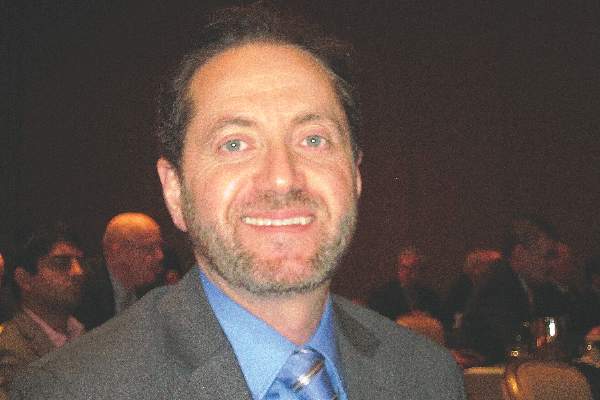
At this year’s annual Southern Association for Vascular Surgery meeting, Dr. Mahmoud B. Malas presented 2-year safety and efficacy follow-up data from the PYTHAGORAS trial to evaluate the Aorfix (Lombard Medical, U.K.). The device, approved in 2013 by the Food and Drug Administration, is an endovascular stent graft for use in patients whose aortic neck angulation of between 60 and 90 degrees typically has disqualified them from having endovascular aneurysm repair (EVAR) for AAA.
The device is placed within the aneurysm, where it conforms to the individual patient’s anatomy, creating an internal bypass of the aneurysm to reduce the risk of rupture.
“The freedom from major adverse events, despite this hostile neck anatomy, was excellent,” Dr. Malas said of the data.
The PYTHAGORAS study enrolled and treated 151 patients with aortic neck angles of 60 degrees or greater, and 67 patients with necks less than 60 degrees using EVAR. The primary control group consisted of 67 patients undergoing actual open surgical repair (OSR). A secondary control group was a meta-analysis of 323 patients taken from other U.S. EVAR studies (SVS Lifeline).
There were no statistically significant differences between major adverse event rates, nor 30-day and 1-year mortality rates between low- or high-angle EVAR groups when compared with controls. There also was no difference between low- and high-angle EVAR patients sac shrinkage, type I/III endoleaks, and endograft migration, according to Dr. Malas.
The median neck angle in the EVAR group was 71 degrees (standard deviation of ±23 degrees; P < .05), compared with 48 degrees (SD, ± 23 degrees; P < .05) in the OSR control group. There were twice as many women in the EVAR group (35% vs.17%; P < .0001). Patient demographics and comorbidities were similar between the entire EVAR cohort and control group, with the exception of age (76 years vs. 70 years, respectively; P < .05) and heart failure (13% vs. 7%, P = .015). Operative data favored EVAR for procedure duration, blood loss, and hospital length of stay (P < .05 for all).
Dr. Malas said that in the combined EVAR cohort, there was a tendency for the infrarenal area to dilate more rapidly than the suprarenal aorta. “If the neck dilated more than 10%, there was a significant increase in risk of migration and sac expansion, especially close to the renal, but it was not true as you went beyond 7 mm distal to the renal.”
He also noted that the suprarenal aorta does change in association with migration and that there is a “clear association between the degree of oversizing and neck dilation.”
The presentation’s discussant, Dr. Jean M. Panneton, a vascular surgeon at Sentara Heart Hospital in Norfolk, Va., challenged the findings.
“Unfortunately, this trial did suffer from a slow accrual. As a result, only a small proportion of patients have reached the 5-year follow-up, and any subanalysis of such a small study population divided into three groups reduces the n value to the point that a type II error can easily be introduced into your analysis.”
Among the issues he raised was that the mortality data at 30 days, 1 year, and 2 years for the patients with the highest neck angulations could be misleading. “The patients in this group had a threefold increase [in mortality] compared with the standard group. Could this difference have been significant with a larger number?”
To overcome the lack of follow-up time, Dr. Malas said he and his colleagues used statistical modeling that gave them 500 data points on which they based their analysis.
Dr. Panneton also wondered if in the realm of EVAR AAA outside of the study, patients whose aortic neck lengths he said would average between 10 and 15 mm, would enjoy the same success rates as those EVAR patients in the study whose median aortic neck size was 20 mm-25 mm. “Do you think that this long seal zone accounted partially for the performance of the Aorfix? And will this performance hold up in real life?”
Dr. Malas responded that the investigators mandated at least a 15-mm neck for patients in the EVAR arms “because the way the seal zone is in a severely angulated neck means the effective seal zone will be on the inner curve of the neck, which might end up being only 4 or 5 mm, even if you have a 15-mm neck. So, it is very important to get the message out that if you’re going to use the Aorfix in a standard neck – less than 60 degrees – that you have zero migration. If you’re going to place this at a 90-degree angle, it’s very important you do not put it in a patient who doesn’t have a 15-mm neck.”
Dr. Mahmoud was one of the lead site investigators for the PYTHAGORAS trial, sponsored by Lombard Medical.
On Twitter @whitneymcknight
SCOTTSDALE, ARIZ. – Endovascular abdominal aortic aneurysm repair using a flexible endovascular stent graft in patients with infrarenal aortic neck angles of sixty degrees or greater had more favorable survival and major adverse event rates when compared with open repair, although the difference was not statistically significant, according to clinical, 2-year, postmarketing data.
At this year’s annual Southern Association for Vascular Surgery meeting, Dr. Mahmoud B. Malas presented 2-year safety and efficacy follow-up data from the PYTHAGORAS trial to evaluate the Aorfix (Lombard Medical, U.K.). The device, approved in 2013 by the Food and Drug Administration, is an endovascular stent graft for use in patients whose aortic neck angulation of between 60 and 90 degrees typically has disqualified them from having endovascular aneurysm repair (EVAR) for AAA.
The device is placed within the aneurysm, where it conforms to the individual patient’s anatomy, creating an internal bypass of the aneurysm to reduce the risk of rupture.
“The freedom from major adverse events, despite this hostile neck anatomy, was excellent,” Dr. Malas said of the data.
The PYTHAGORAS study enrolled and treated 151 patients with aortic neck angles of 60 degrees or greater, and 67 patients with necks less than 60 degrees using EVAR. The primary control group consisted of 67 patients undergoing actual open surgical repair (OSR). A secondary control group was a meta-analysis of 323 patients taken from other U.S. EVAR studies (SVS Lifeline).
There were no statistically significant differences between major adverse event rates, nor 30-day and 1-year mortality rates between low- or high-angle EVAR groups when compared with controls. There also was no difference between low- and high-angle EVAR patients sac shrinkage, type I/III endoleaks, and endograft migration, according to Dr. Malas.
The median neck angle in the EVAR group was 71 degrees (standard deviation of ±23 degrees; P < .05), compared with 48 degrees (SD, ± 23 degrees; P < .05) in the OSR control group. There were twice as many women in the EVAR group (35% vs.17%; P < .0001). Patient demographics and comorbidities were similar between the entire EVAR cohort and control group, with the exception of age (76 years vs. 70 years, respectively; P < .05) and heart failure (13% vs. 7%, P = .015). Operative data favored EVAR for procedure duration, blood loss, and hospital length of stay (P < .05 for all).
Dr. Malas said that in the combined EVAR cohort, there was a tendency for the infrarenal area to dilate more rapidly than the suprarenal aorta. “If the neck dilated more than 10%, there was a significant increase in risk of migration and sac expansion, especially close to the renal, but it was not true as you went beyond 7 mm distal to the renal.”
He also noted that the suprarenal aorta does change in association with migration and that there is a “clear association between the degree of oversizing and neck dilation.”
The presentation’s discussant, Dr. Jean M. Panneton, a vascular surgeon at Sentara Heart Hospital in Norfolk, Va., challenged the findings.
“Unfortunately, this trial did suffer from a slow accrual. As a result, only a small proportion of patients have reached the 5-year follow-up, and any subanalysis of such a small study population divided into three groups reduces the n value to the point that a type II error can easily be introduced into your analysis.”
Among the issues he raised was that the mortality data at 30 days, 1 year, and 2 years for the patients with the highest neck angulations could be misleading. “The patients in this group had a threefold increase [in mortality] compared with the standard group. Could this difference have been significant with a larger number?”
To overcome the lack of follow-up time, Dr. Malas said he and his colleagues used statistical modeling that gave them 500 data points on which they based their analysis.
Dr. Panneton also wondered if in the realm of EVAR AAA outside of the study, patients whose aortic neck lengths he said would average between 10 and 15 mm, would enjoy the same success rates as those EVAR patients in the study whose median aortic neck size was 20 mm-25 mm. “Do you think that this long seal zone accounted partially for the performance of the Aorfix? And will this performance hold up in real life?”
Dr. Malas responded that the investigators mandated at least a 15-mm neck for patients in the EVAR arms “because the way the seal zone is in a severely angulated neck means the effective seal zone will be on the inner curve of the neck, which might end up being only 4 or 5 mm, even if you have a 15-mm neck. So, it is very important to get the message out that if you’re going to use the Aorfix in a standard neck – less than 60 degrees – that you have zero migration. If you’re going to place this at a 90-degree angle, it’s very important you do not put it in a patient who doesn’t have a 15-mm neck.”
Dr. Mahmoud was one of the lead site investigators for the PYTHAGORAS trial, sponsored by Lombard Medical.
On Twitter @whitneymcknight
SCOTTSDALE, ARIZ. – Endovascular abdominal aortic aneurysm repair using a flexible endovascular stent graft in patients with infrarenal aortic neck angles of sixty degrees or greater had more favorable survival and major adverse event rates when compared with open repair, although the difference was not statistically significant, according to clinical, 2-year, postmarketing data.
At this year’s annual Southern Association for Vascular Surgery meeting, Dr. Mahmoud B. Malas presented 2-year safety and efficacy follow-up data from the PYTHAGORAS trial to evaluate the Aorfix (Lombard Medical, U.K.). The device, approved in 2013 by the Food and Drug Administration, is an endovascular stent graft for use in patients whose aortic neck angulation of between 60 and 90 degrees typically has disqualified them from having endovascular aneurysm repair (EVAR) for AAA.
The device is placed within the aneurysm, where it conforms to the individual patient’s anatomy, creating an internal bypass of the aneurysm to reduce the risk of rupture.
“The freedom from major adverse events, despite this hostile neck anatomy, was excellent,” Dr. Malas said of the data.
The PYTHAGORAS study enrolled and treated 151 patients with aortic neck angles of 60 degrees or greater, and 67 patients with necks less than 60 degrees using EVAR. The primary control group consisted of 67 patients undergoing actual open surgical repair (OSR). A secondary control group was a meta-analysis of 323 patients taken from other U.S. EVAR studies (SVS Lifeline).
There were no statistically significant differences between major adverse event rates, nor 30-day and 1-year mortality rates between low- or high-angle EVAR groups when compared with controls. There also was no difference between low- and high-angle EVAR patients sac shrinkage, type I/III endoleaks, and endograft migration, according to Dr. Malas.
The median neck angle in the EVAR group was 71 degrees (standard deviation of ±23 degrees; P < .05), compared with 48 degrees (SD, ± 23 degrees; P < .05) in the OSR control group. There were twice as many women in the EVAR group (35% vs.17%; P < .0001). Patient demographics and comorbidities were similar between the entire EVAR cohort and control group, with the exception of age (76 years vs. 70 years, respectively; P < .05) and heart failure (13% vs. 7%, P = .015). Operative data favored EVAR for procedure duration, blood loss, and hospital length of stay (P < .05 for all).
Dr. Malas said that in the combined EVAR cohort, there was a tendency for the infrarenal area to dilate more rapidly than the suprarenal aorta. “If the neck dilated more than 10%, there was a significant increase in risk of migration and sac expansion, especially close to the renal, but it was not true as you went beyond 7 mm distal to the renal.”
He also noted that the suprarenal aorta does change in association with migration and that there is a “clear association between the degree of oversizing and neck dilation.”
The presentation’s discussant, Dr. Jean M. Panneton, a vascular surgeon at Sentara Heart Hospital in Norfolk, Va., challenged the findings.
“Unfortunately, this trial did suffer from a slow accrual. As a result, only a small proportion of patients have reached the 5-year follow-up, and any subanalysis of such a small study population divided into three groups reduces the n value to the point that a type II error can easily be introduced into your analysis.”
Among the issues he raised was that the mortality data at 30 days, 1 year, and 2 years for the patients with the highest neck angulations could be misleading. “The patients in this group had a threefold increase [in mortality] compared with the standard group. Could this difference have been significant with a larger number?”
To overcome the lack of follow-up time, Dr. Malas said he and his colleagues used statistical modeling that gave them 500 data points on which they based their analysis.
Dr. Panneton also wondered if in the realm of EVAR AAA outside of the study, patients whose aortic neck lengths he said would average between 10 and 15 mm, would enjoy the same success rates as those EVAR patients in the study whose median aortic neck size was 20 mm-25 mm. “Do you think that this long seal zone accounted partially for the performance of the Aorfix? And will this performance hold up in real life?”
Dr. Malas responded that the investigators mandated at least a 15-mm neck for patients in the EVAR arms “because the way the seal zone is in a severely angulated neck means the effective seal zone will be on the inner curve of the neck, which might end up being only 4 or 5 mm, even if you have a 15-mm neck. So, it is very important to get the message out that if you’re going to use the Aorfix in a standard neck – less than 60 degrees – that you have zero migration. If you’re going to place this at a 90-degree angle, it’s very important you do not put it in a patient who doesn’t have a 15-mm neck.”
Dr. Mahmoud was one of the lead site investigators for the PYTHAGORAS trial, sponsored by Lombard Medical.
On Twitter @whitneymcknight
AT THE SAVS ANNUAL MEETING 2015
Key clinical point: AAA patients with 60 degree or greater aortic neck angles may benefit from EVAR with flexible stent graft instead of open surgical repair.
Major finding: There was no statistical difference in rates of major adverse events between open repair and EVAR in AAA patients with a 60-90 degree aortic neck angulation .
Data source: Postmarketing safety and efficacy data from the controlled, prospective, nonrandomized, multicenter PYTHAGORAS study of 218 patients.
Disclosures: Dr. Mahmoud was one of the lead site investigators for the PYTHAGORAS trial, sponsored by Lombard Medical.
POINT/COUNTERPOINT: Renal artery occlusive disease – To treat or not to treat? ASTRAL and CORAL trials show no indication to treat percutaneously. There are still indications to treat renal artery occlusive disease.
Percutaneous treatment of renal artery occlusive disease is unnecessary and should be abandoned, except in pediatric cases.
BY GEORGE HAMILTON, M.D.
This position is supported by findings from both the ASTRAL trial (N. Engl. J. Med. 2009;361:1953-62) and the CORAL trial (N. Engl. J. Med. 2013 Nov. 18 [doi:10.1056/NEJMoa1310753]).
The ASTRAL trial, a prospective, randomized comparison of best medical therapy with and without stent angioplasty in more than 800 patients, was the largest trial to date when it began back in the 1990s. The well-known results showed no difference in time to first renal event, first vascular and cardiovascular events, and overall survival. Furthermore, there was no difference in these outcomes among patients with greater than 90% stenosis, with the exception of a possible difference in mortality, which trended toward improvement among those with high-grade stenosis.
We concluded that revascularization in the vast majority of patients is unlikely to improve hypertension control or renal function, and that renal artery stenosis is not pathophysiologically important. We also concluded that there is no point in screening for asymptomatic disease; this was back when every patient was getting screened, and treated primarily on the basis of finding a renal arterial stenosis.
Finally, we concluded that properly applied best medical therapy alone was an extremely good treatment.
Several flaws in the trial garnered extensive criticism, however, and the more rigidly designed CORAL trial was expected to address them. The findings confirmed those of the ASTRAL trial. In more than 900 patients from 88 centers, there was absolutely no benefit of intervention with respect to primary and secondary outcomes, including among those with high-grade stenosis.
We can now see on the basis of extensive level 1 evidence that when added to comprehensive, multifactorial medical therapy, intervention yielded no benefit.
So are there certain patient groups who might benefit more from intervention? Among listed indications are high-grade stenosis (which doesn’t apply any longer); short history of progressive failure (which is quite rare); ACE-induced renal failure (which is also quite rare); difficult-to-control hypertension (there really is no such thing now, except in a tiny percentage of patients); and – the least challenged indication – flash pulmonary edema. These remaining indications move our interventions into a very high risk group of patients.
The current debate is focused almost entirely on endovascular intervention, but a systematic review showed that there is long-term benefit in terms of renal function and hypertension with open procedures. Although overall there is increased mortality, this risk is minimized – and not significantly different from endovascular procedures – in those having only renal revascularization vs. those having concomitant aortic procedures. So open surgery remains a possible treatment option, indeed a recent level 1 study comparing stenting and open surgery, showed better long-term results with open surgery (J. Vasc. Surg. 2009;49:667-75). The authors concluded that surgical reconstruction remains the gold standard in treating renal artery stenosis. Although national data suggest an overall mortality of about 10%, it is much lower at specialist, high-volume centers with mortality rates similar to those of stent angioplasty.
Renal stenting is not a low-risk procedure. In all-comers the complication rates, serious complication rates, and mortality rates are significant with short-term equivalence between focused renal arterial surgery and percutaneous intervention.
Returning to the debate, are either methods of revascularization appropriate? Probably not.
Even in flash pulmonary edema, there is little evidence to support revascularization. Few papers exist suggesting a benefit of revascularization in reduction of flash pulmonary edema, but the patient numbers were small, and there was no benefit in terms of preservation of renal function.
The history of evolution and evaluation of the role of renal revascularization is remarkably similar to that of renal denervation, initially and with considerable conviction thought to be a cure for hypertension. However, when properly assessed by prospective randomized comparison there was found to be absolutely no benefit.
So, given the considerable objective evidence from two major trials and revisiting the basics of the pathophysiology of atherosclerotic renovascular disease, to expect benefit from treating the osteal component of renal artery occlusive disease is at best naive, in my opinion. There remains little clinical evidence of benefit for any indication, with the possible exceptions of ACE-induced renal failure and possibly flash pulmonary edema in the presence of bilateral renal arterial stenoses.
Dr. Hamilton is a professor at the Royal Free London Hospital, University College London, United Kingdom.
There are still indications to treat renal artery occlusive disease
BY MATTHEW A. CORRIERE, M.D.
Although renal artery revascularization has been grossly overutilized and is not indicated in the majority of patients with renal artery stenosis, I perform renal artery revascularization as part of my routine clinical practice and believe that there are many instances where revascularization should be considered, particularly when patients have severe symptoms despite aggressive medical therapy. While neither ASTRAL nor CORAL observed any benefit associated with revascularization, both have important limitations that should be kept in mind when interpreting the results of these trials.
These limitations can be broadly categorized as mismatch between indications for revascularization and clinical endpoints, selection biases favoring enrollment of patients with relatively mild symptoms, and inconsistencies between study protocols and contemporary decision-making strategies.
Given that ASTRAL’s primary outcome was change in renal function (defined by a 20% or greater reduction in the mean slope of the reciprocal of serum creatinine), it is important to remember that the inclusion criteria were renal artery stenosis with unexplained renal dysfunction or poorly controlled hypertension. Patients who had hypertension in the absence of significant renal dysfunction were therefore eligible, and 40% of the randomized participants had preserved baseline renal function (based on a serum creatinine of < 150 micromol/liter). Unlike patients with baseline renal dysfunction (which, in theory, might improve with revascularization), these patients with normal renal function who were treated with revascularization risked decline in renal function resulting from procedure-related adverse events without any real chance of renal function improvement. It would certainly be difficult to justify revascularization for the sake of renal function salvage in these patients, and their inclusion within a randomized trial with change in renal function as its primary outcome is problematic for the same reason.
ASTRAL also had an additional, somewhat unorthodox inclusion criterion: uncertainty on the part of the treating physician that the patient “definitely would have a worthwhile clinical benefit from revascularization.” Exclusion of patients considered likely to benefit from revascularization would seem to ensure a selection bias favoring the null hypothesis; this approach may also explain the large proportion of participants with relatively mild occlusive disease (40% had stenotic lesions that were < 70% in severity).
A high rate of both technical failure (12%) and adverse events (20%) associated with revascularization, asymmetric crossover between treatment groups (86 of the 110 patients who did not receive their randomized intervention were in the revascularization group), and lack of standardized protocol for medical therapy further limit the conclusions that can be drawn from the ASTRAL results.
Although this trial does not provide us with compelling evidence that renal revascularization should be abandoned for patients failing appropriate medical therapy, ASTRAL demonstrated that no benefit should be expected from nonselective use of revascularization, which can be associated with significant rates of both technical failure and major adverse events.
The CORAL trial overcame many of the design limitations for which ASTRAL drew criticism. CORAL’s primary endpoint (freedom from major adverse cardiovascular or renal events) allowed potential benefit for participants with either systolic hypertension or chronic kidney disease as their indication for treatment. Although participants with systolic hypertension as their inclusion criterion had to be on at least two antihypertensive medications, it is important to acknowledge the growing number of indications for these medications related to cardiovascular risk reduction in the setting of diabetes, heart disease, and other diagnoses that may be unrelated to any specific blood pressure target. Number of antihypertensive medications is therefore often a crude and potentially invalid indicator of hypertension severity or control.
In CORAL, the initial hypertension inclusion criterion of 155 mm Hg was subsequently abandoned during the trial, suggesting that hypertension in many of these patients may have been mild and/or well controlled. Although medical therapy in CORAL was standardized, it also is notable that all patients had their medical therapy adjusted prior to randomization during a roll-in phase to achieve target blood pressure goals of 130/80 in patients with CKD and/or diabetes or 140/90 otherwise. I would suggest that achievement of these blood pressure targets on the study medications (candesartan ± hydrochlorothiazide plus amlodipine-atorvastatin) might be appropriately considered success of medical therapy for patients with hypertension in the absence of renal dysfunction, making it challenging to defend proceeding with revascularization in this scenario.
The study protocol, although well designed from the perspective of attempting to isolate the effect of renal artery angioplasty and stenting, therefore did not uniformly reflect what would be considered responsible utilization of renal revascularization in a real-world environment.
Patient enrollment in CORAL was also very selective; only 947 of the 5,322 patients who were screened went on to be enrolled and randomized. It is likely that at least some of those patients who were not enrolled (especially those who declined to participate or were withdrawn by their physicians) were failing aggressive medical therapy and therefore unwilling to being excluded from angioplasty and stenting through randomization. These limitations aside, however, CORAL does provide some very useful observations that should inform treatment decisions. The results demonstrate the efficacy of contemporary medical therapy for many patients, and show that revascularization offers no additional benefit when medical therapy achieves an acceptable clinical response (defined by stable renal function and reasonable blood pressure control). Additional subgroup analyses of the CORAL data are anticipated, but will likely be underpowered to draw conclusions in the absence of identified revascularization effects.
So when should revascularization be considered for patients with atherosclerotic renal artery stenosis? In general, medical therapy is adequate for most patients and should be implemented prior to any consideration of procedural intervention. Revascularization should be considered only for patients who have failed appropriate, aggressive medical therapy; the medications used in CORAL can certainly be regarded as adequate initial therapy for symptomatic renal artery stenosis, but many providers (including myself) would argue that additional agents should be considered before proceeding with revascularization.
When decline in renal function is the indication for considering revascularization, alternative causes (such as intrinsic renal disease) should diminish enthusiasm for proceeding with angioplasty and stenting, particularly when the anatomic disease distribution does not affect the entire renal mass (as in patients with two kidneys and unilateral stenosis). Appropriate candidates for revascularization include patients with severely impaired renal function (particularly in the setting of a precipitous functional decline) or severe acute blood pressure elevation associated with hypertensive emergency (such as acute congestive heart failure, encephalopathy, acute coronary syndrome, or other signs and symptoms of target organ damage resulting from hypertension and/or volume overload). Continuation of failed medical therapy is often unacceptable to these “no-options” patients as well as their providers, both of whom presumably would be unlikely to accept randomization to ongoing medical management.
Other populations that are not represented within these trials include patients with renal artery restenosis and those with nonatherosclerotic disease; it is therefore important to exercise caution when generalizing these study results to these distinct groups of patients. Enrolling patients with severe symptoms who have failed medical therapy will likely remain challenging for future randomized studies in the absence of alternative treatment options. Although the benefits of renal angioplasty and stenting for these “no-options” patients remain to be proved, the uncertainty of response to revascularization is often easier to accept than the ongoing morbidity and mortality associated with staying the course when medical therapy has failed.
Dr. Matthew A. Corriere is a vascular surgeon at Wake Forest University School of Medicine, Winston-Salem, N.C.
This article developed from a debate held at the 2014 Vascular Annual Meeting.
Percutaneous treatment of renal artery occlusive disease is unnecessary and should be abandoned, except in pediatric cases.
BY GEORGE HAMILTON, M.D.
This position is supported by findings from both the ASTRAL trial (N. Engl. J. Med. 2009;361:1953-62) and the CORAL trial (N. Engl. J. Med. 2013 Nov. 18 [doi:10.1056/NEJMoa1310753]).
The ASTRAL trial, a prospective, randomized comparison of best medical therapy with and without stent angioplasty in more than 800 patients, was the largest trial to date when it began back in the 1990s. The well-known results showed no difference in time to first renal event, first vascular and cardiovascular events, and overall survival. Furthermore, there was no difference in these outcomes among patients with greater than 90% stenosis, with the exception of a possible difference in mortality, which trended toward improvement among those with high-grade stenosis.
We concluded that revascularization in the vast majority of patients is unlikely to improve hypertension control or renal function, and that renal artery stenosis is not pathophysiologically important. We also concluded that there is no point in screening for asymptomatic disease; this was back when every patient was getting screened, and treated primarily on the basis of finding a renal arterial stenosis.
Finally, we concluded that properly applied best medical therapy alone was an extremely good treatment.
Several flaws in the trial garnered extensive criticism, however, and the more rigidly designed CORAL trial was expected to address them. The findings confirmed those of the ASTRAL trial. In more than 900 patients from 88 centers, there was absolutely no benefit of intervention with respect to primary and secondary outcomes, including among those with high-grade stenosis.
We can now see on the basis of extensive level 1 evidence that when added to comprehensive, multifactorial medical therapy, intervention yielded no benefit.
So are there certain patient groups who might benefit more from intervention? Among listed indications are high-grade stenosis (which doesn’t apply any longer); short history of progressive failure (which is quite rare); ACE-induced renal failure (which is also quite rare); difficult-to-control hypertension (there really is no such thing now, except in a tiny percentage of patients); and – the least challenged indication – flash pulmonary edema. These remaining indications move our interventions into a very high risk group of patients.
The current debate is focused almost entirely on endovascular intervention, but a systematic review showed that there is long-term benefit in terms of renal function and hypertension with open procedures. Although overall there is increased mortality, this risk is minimized – and not significantly different from endovascular procedures – in those having only renal revascularization vs. those having concomitant aortic procedures. So open surgery remains a possible treatment option, indeed a recent level 1 study comparing stenting and open surgery, showed better long-term results with open surgery (J. Vasc. Surg. 2009;49:667-75). The authors concluded that surgical reconstruction remains the gold standard in treating renal artery stenosis. Although national data suggest an overall mortality of about 10%, it is much lower at specialist, high-volume centers with mortality rates similar to those of stent angioplasty.
Renal stenting is not a low-risk procedure. In all-comers the complication rates, serious complication rates, and mortality rates are significant with short-term equivalence between focused renal arterial surgery and percutaneous intervention.
Returning to the debate, are either methods of revascularization appropriate? Probably not.
Even in flash pulmonary edema, there is little evidence to support revascularization. Few papers exist suggesting a benefit of revascularization in reduction of flash pulmonary edema, but the patient numbers were small, and there was no benefit in terms of preservation of renal function.
The history of evolution and evaluation of the role of renal revascularization is remarkably similar to that of renal denervation, initially and with considerable conviction thought to be a cure for hypertension. However, when properly assessed by prospective randomized comparison there was found to be absolutely no benefit.
So, given the considerable objective evidence from two major trials and revisiting the basics of the pathophysiology of atherosclerotic renovascular disease, to expect benefit from treating the osteal component of renal artery occlusive disease is at best naive, in my opinion. There remains little clinical evidence of benefit for any indication, with the possible exceptions of ACE-induced renal failure and possibly flash pulmonary edema in the presence of bilateral renal arterial stenoses.
Dr. Hamilton is a professor at the Royal Free London Hospital, University College London, United Kingdom.
There are still indications to treat renal artery occlusive disease
BY MATTHEW A. CORRIERE, M.D.
Although renal artery revascularization has been grossly overutilized and is not indicated in the majority of patients with renal artery stenosis, I perform renal artery revascularization as part of my routine clinical practice and believe that there are many instances where revascularization should be considered, particularly when patients have severe symptoms despite aggressive medical therapy. While neither ASTRAL nor CORAL observed any benefit associated with revascularization, both have important limitations that should be kept in mind when interpreting the results of these trials.
These limitations can be broadly categorized as mismatch between indications for revascularization and clinical endpoints, selection biases favoring enrollment of patients with relatively mild symptoms, and inconsistencies between study protocols and contemporary decision-making strategies.
Given that ASTRAL’s primary outcome was change in renal function (defined by a 20% or greater reduction in the mean slope of the reciprocal of serum creatinine), it is important to remember that the inclusion criteria were renal artery stenosis with unexplained renal dysfunction or poorly controlled hypertension. Patients who had hypertension in the absence of significant renal dysfunction were therefore eligible, and 40% of the randomized participants had preserved baseline renal function (based on a serum creatinine of < 150 micromol/liter). Unlike patients with baseline renal dysfunction (which, in theory, might improve with revascularization), these patients with normal renal function who were treated with revascularization risked decline in renal function resulting from procedure-related adverse events without any real chance of renal function improvement. It would certainly be difficult to justify revascularization for the sake of renal function salvage in these patients, and their inclusion within a randomized trial with change in renal function as its primary outcome is problematic for the same reason.
ASTRAL also had an additional, somewhat unorthodox inclusion criterion: uncertainty on the part of the treating physician that the patient “definitely would have a worthwhile clinical benefit from revascularization.” Exclusion of patients considered likely to benefit from revascularization would seem to ensure a selection bias favoring the null hypothesis; this approach may also explain the large proportion of participants with relatively mild occlusive disease (40% had stenotic lesions that were < 70% in severity).
A high rate of both technical failure (12%) and adverse events (20%) associated with revascularization, asymmetric crossover between treatment groups (86 of the 110 patients who did not receive their randomized intervention were in the revascularization group), and lack of standardized protocol for medical therapy further limit the conclusions that can be drawn from the ASTRAL results.
Although this trial does not provide us with compelling evidence that renal revascularization should be abandoned for patients failing appropriate medical therapy, ASTRAL demonstrated that no benefit should be expected from nonselective use of revascularization, which can be associated with significant rates of both technical failure and major adverse events.
The CORAL trial overcame many of the design limitations for which ASTRAL drew criticism. CORAL’s primary endpoint (freedom from major adverse cardiovascular or renal events) allowed potential benefit for participants with either systolic hypertension or chronic kidney disease as their indication for treatment. Although participants with systolic hypertension as their inclusion criterion had to be on at least two antihypertensive medications, it is important to acknowledge the growing number of indications for these medications related to cardiovascular risk reduction in the setting of diabetes, heart disease, and other diagnoses that may be unrelated to any specific blood pressure target. Number of antihypertensive medications is therefore often a crude and potentially invalid indicator of hypertension severity or control.
In CORAL, the initial hypertension inclusion criterion of 155 mm Hg was subsequently abandoned during the trial, suggesting that hypertension in many of these patients may have been mild and/or well controlled. Although medical therapy in CORAL was standardized, it also is notable that all patients had their medical therapy adjusted prior to randomization during a roll-in phase to achieve target blood pressure goals of 130/80 in patients with CKD and/or diabetes or 140/90 otherwise. I would suggest that achievement of these blood pressure targets on the study medications (candesartan ± hydrochlorothiazide plus amlodipine-atorvastatin) might be appropriately considered success of medical therapy for patients with hypertension in the absence of renal dysfunction, making it challenging to defend proceeding with revascularization in this scenario.
The study protocol, although well designed from the perspective of attempting to isolate the effect of renal artery angioplasty and stenting, therefore did not uniformly reflect what would be considered responsible utilization of renal revascularization in a real-world environment.
Patient enrollment in CORAL was also very selective; only 947 of the 5,322 patients who were screened went on to be enrolled and randomized. It is likely that at least some of those patients who were not enrolled (especially those who declined to participate or were withdrawn by their physicians) were failing aggressive medical therapy and therefore unwilling to being excluded from angioplasty and stenting through randomization. These limitations aside, however, CORAL does provide some very useful observations that should inform treatment decisions. The results demonstrate the efficacy of contemporary medical therapy for many patients, and show that revascularization offers no additional benefit when medical therapy achieves an acceptable clinical response (defined by stable renal function and reasonable blood pressure control). Additional subgroup analyses of the CORAL data are anticipated, but will likely be underpowered to draw conclusions in the absence of identified revascularization effects.
So when should revascularization be considered for patients with atherosclerotic renal artery stenosis? In general, medical therapy is adequate for most patients and should be implemented prior to any consideration of procedural intervention. Revascularization should be considered only for patients who have failed appropriate, aggressive medical therapy; the medications used in CORAL can certainly be regarded as adequate initial therapy for symptomatic renal artery stenosis, but many providers (including myself) would argue that additional agents should be considered before proceeding with revascularization.
When decline in renal function is the indication for considering revascularization, alternative causes (such as intrinsic renal disease) should diminish enthusiasm for proceeding with angioplasty and stenting, particularly when the anatomic disease distribution does not affect the entire renal mass (as in patients with two kidneys and unilateral stenosis). Appropriate candidates for revascularization include patients with severely impaired renal function (particularly in the setting of a precipitous functional decline) or severe acute blood pressure elevation associated with hypertensive emergency (such as acute congestive heart failure, encephalopathy, acute coronary syndrome, or other signs and symptoms of target organ damage resulting from hypertension and/or volume overload). Continuation of failed medical therapy is often unacceptable to these “no-options” patients as well as their providers, both of whom presumably would be unlikely to accept randomization to ongoing medical management.
Other populations that are not represented within these trials include patients with renal artery restenosis and those with nonatherosclerotic disease; it is therefore important to exercise caution when generalizing these study results to these distinct groups of patients. Enrolling patients with severe symptoms who have failed medical therapy will likely remain challenging for future randomized studies in the absence of alternative treatment options. Although the benefits of renal angioplasty and stenting for these “no-options” patients remain to be proved, the uncertainty of response to revascularization is often easier to accept than the ongoing morbidity and mortality associated with staying the course when medical therapy has failed.
Dr. Matthew A. Corriere is a vascular surgeon at Wake Forest University School of Medicine, Winston-Salem, N.C.
This article developed from a debate held at the 2014 Vascular Annual Meeting.
Percutaneous treatment of renal artery occlusive disease is unnecessary and should be abandoned, except in pediatric cases.
BY GEORGE HAMILTON, M.D.
This position is supported by findings from both the ASTRAL trial (N. Engl. J. Med. 2009;361:1953-62) and the CORAL trial (N. Engl. J. Med. 2013 Nov. 18 [doi:10.1056/NEJMoa1310753]).
The ASTRAL trial, a prospective, randomized comparison of best medical therapy with and without stent angioplasty in more than 800 patients, was the largest trial to date when it began back in the 1990s. The well-known results showed no difference in time to first renal event, first vascular and cardiovascular events, and overall survival. Furthermore, there was no difference in these outcomes among patients with greater than 90% stenosis, with the exception of a possible difference in mortality, which trended toward improvement among those with high-grade stenosis.
We concluded that revascularization in the vast majority of patients is unlikely to improve hypertension control or renal function, and that renal artery stenosis is not pathophysiologically important. We also concluded that there is no point in screening for asymptomatic disease; this was back when every patient was getting screened, and treated primarily on the basis of finding a renal arterial stenosis.
Finally, we concluded that properly applied best medical therapy alone was an extremely good treatment.
Several flaws in the trial garnered extensive criticism, however, and the more rigidly designed CORAL trial was expected to address them. The findings confirmed those of the ASTRAL trial. In more than 900 patients from 88 centers, there was absolutely no benefit of intervention with respect to primary and secondary outcomes, including among those with high-grade stenosis.
We can now see on the basis of extensive level 1 evidence that when added to comprehensive, multifactorial medical therapy, intervention yielded no benefit.
So are there certain patient groups who might benefit more from intervention? Among listed indications are high-grade stenosis (which doesn’t apply any longer); short history of progressive failure (which is quite rare); ACE-induced renal failure (which is also quite rare); difficult-to-control hypertension (there really is no such thing now, except in a tiny percentage of patients); and – the least challenged indication – flash pulmonary edema. These remaining indications move our interventions into a very high risk group of patients.
The current debate is focused almost entirely on endovascular intervention, but a systematic review showed that there is long-term benefit in terms of renal function and hypertension with open procedures. Although overall there is increased mortality, this risk is minimized – and not significantly different from endovascular procedures – in those having only renal revascularization vs. those having concomitant aortic procedures. So open surgery remains a possible treatment option, indeed a recent level 1 study comparing stenting and open surgery, showed better long-term results with open surgery (J. Vasc. Surg. 2009;49:667-75). The authors concluded that surgical reconstruction remains the gold standard in treating renal artery stenosis. Although national data suggest an overall mortality of about 10%, it is much lower at specialist, high-volume centers with mortality rates similar to those of stent angioplasty.
Renal stenting is not a low-risk procedure. In all-comers the complication rates, serious complication rates, and mortality rates are significant with short-term equivalence between focused renal arterial surgery and percutaneous intervention.
Returning to the debate, are either methods of revascularization appropriate? Probably not.
Even in flash pulmonary edema, there is little evidence to support revascularization. Few papers exist suggesting a benefit of revascularization in reduction of flash pulmonary edema, but the patient numbers were small, and there was no benefit in terms of preservation of renal function.
The history of evolution and evaluation of the role of renal revascularization is remarkably similar to that of renal denervation, initially and with considerable conviction thought to be a cure for hypertension. However, when properly assessed by prospective randomized comparison there was found to be absolutely no benefit.
So, given the considerable objective evidence from two major trials and revisiting the basics of the pathophysiology of atherosclerotic renovascular disease, to expect benefit from treating the osteal component of renal artery occlusive disease is at best naive, in my opinion. There remains little clinical evidence of benefit for any indication, with the possible exceptions of ACE-induced renal failure and possibly flash pulmonary edema in the presence of bilateral renal arterial stenoses.
Dr. Hamilton is a professor at the Royal Free London Hospital, University College London, United Kingdom.
There are still indications to treat renal artery occlusive disease
BY MATTHEW A. CORRIERE, M.D.
Although renal artery revascularization has been grossly overutilized and is not indicated in the majority of patients with renal artery stenosis, I perform renal artery revascularization as part of my routine clinical practice and believe that there are many instances where revascularization should be considered, particularly when patients have severe symptoms despite aggressive medical therapy. While neither ASTRAL nor CORAL observed any benefit associated with revascularization, both have important limitations that should be kept in mind when interpreting the results of these trials.
These limitations can be broadly categorized as mismatch between indications for revascularization and clinical endpoints, selection biases favoring enrollment of patients with relatively mild symptoms, and inconsistencies between study protocols and contemporary decision-making strategies.
Given that ASTRAL’s primary outcome was change in renal function (defined by a 20% or greater reduction in the mean slope of the reciprocal of serum creatinine), it is important to remember that the inclusion criteria were renal artery stenosis with unexplained renal dysfunction or poorly controlled hypertension. Patients who had hypertension in the absence of significant renal dysfunction were therefore eligible, and 40% of the randomized participants had preserved baseline renal function (based on a serum creatinine of < 150 micromol/liter). Unlike patients with baseline renal dysfunction (which, in theory, might improve with revascularization), these patients with normal renal function who were treated with revascularization risked decline in renal function resulting from procedure-related adverse events without any real chance of renal function improvement. It would certainly be difficult to justify revascularization for the sake of renal function salvage in these patients, and their inclusion within a randomized trial with change in renal function as its primary outcome is problematic for the same reason.
ASTRAL also had an additional, somewhat unorthodox inclusion criterion: uncertainty on the part of the treating physician that the patient “definitely would have a worthwhile clinical benefit from revascularization.” Exclusion of patients considered likely to benefit from revascularization would seem to ensure a selection bias favoring the null hypothesis; this approach may also explain the large proportion of participants with relatively mild occlusive disease (40% had stenotic lesions that were < 70% in severity).
A high rate of both technical failure (12%) and adverse events (20%) associated with revascularization, asymmetric crossover between treatment groups (86 of the 110 patients who did not receive their randomized intervention were in the revascularization group), and lack of standardized protocol for medical therapy further limit the conclusions that can be drawn from the ASTRAL results.
Although this trial does not provide us with compelling evidence that renal revascularization should be abandoned for patients failing appropriate medical therapy, ASTRAL demonstrated that no benefit should be expected from nonselective use of revascularization, which can be associated with significant rates of both technical failure and major adverse events.
The CORAL trial overcame many of the design limitations for which ASTRAL drew criticism. CORAL’s primary endpoint (freedom from major adverse cardiovascular or renal events) allowed potential benefit for participants with either systolic hypertension or chronic kidney disease as their indication for treatment. Although participants with systolic hypertension as their inclusion criterion had to be on at least two antihypertensive medications, it is important to acknowledge the growing number of indications for these medications related to cardiovascular risk reduction in the setting of diabetes, heart disease, and other diagnoses that may be unrelated to any specific blood pressure target. Number of antihypertensive medications is therefore often a crude and potentially invalid indicator of hypertension severity or control.
In CORAL, the initial hypertension inclusion criterion of 155 mm Hg was subsequently abandoned during the trial, suggesting that hypertension in many of these patients may have been mild and/or well controlled. Although medical therapy in CORAL was standardized, it also is notable that all patients had their medical therapy adjusted prior to randomization during a roll-in phase to achieve target blood pressure goals of 130/80 in patients with CKD and/or diabetes or 140/90 otherwise. I would suggest that achievement of these blood pressure targets on the study medications (candesartan ± hydrochlorothiazide plus amlodipine-atorvastatin) might be appropriately considered success of medical therapy for patients with hypertension in the absence of renal dysfunction, making it challenging to defend proceeding with revascularization in this scenario.
The study protocol, although well designed from the perspective of attempting to isolate the effect of renal artery angioplasty and stenting, therefore did not uniformly reflect what would be considered responsible utilization of renal revascularization in a real-world environment.
Patient enrollment in CORAL was also very selective; only 947 of the 5,322 patients who were screened went on to be enrolled and randomized. It is likely that at least some of those patients who were not enrolled (especially those who declined to participate or were withdrawn by their physicians) were failing aggressive medical therapy and therefore unwilling to being excluded from angioplasty and stenting through randomization. These limitations aside, however, CORAL does provide some very useful observations that should inform treatment decisions. The results demonstrate the efficacy of contemporary medical therapy for many patients, and show that revascularization offers no additional benefit when medical therapy achieves an acceptable clinical response (defined by stable renal function and reasonable blood pressure control). Additional subgroup analyses of the CORAL data are anticipated, but will likely be underpowered to draw conclusions in the absence of identified revascularization effects.
So when should revascularization be considered for patients with atherosclerotic renal artery stenosis? In general, medical therapy is adequate for most patients and should be implemented prior to any consideration of procedural intervention. Revascularization should be considered only for patients who have failed appropriate, aggressive medical therapy; the medications used in CORAL can certainly be regarded as adequate initial therapy for symptomatic renal artery stenosis, but many providers (including myself) would argue that additional agents should be considered before proceeding with revascularization.
When decline in renal function is the indication for considering revascularization, alternative causes (such as intrinsic renal disease) should diminish enthusiasm for proceeding with angioplasty and stenting, particularly when the anatomic disease distribution does not affect the entire renal mass (as in patients with two kidneys and unilateral stenosis). Appropriate candidates for revascularization include patients with severely impaired renal function (particularly in the setting of a precipitous functional decline) or severe acute blood pressure elevation associated with hypertensive emergency (such as acute congestive heart failure, encephalopathy, acute coronary syndrome, or other signs and symptoms of target organ damage resulting from hypertension and/or volume overload). Continuation of failed medical therapy is often unacceptable to these “no-options” patients as well as their providers, both of whom presumably would be unlikely to accept randomization to ongoing medical management.
Other populations that are not represented within these trials include patients with renal artery restenosis and those with nonatherosclerotic disease; it is therefore important to exercise caution when generalizing these study results to these distinct groups of patients. Enrolling patients with severe symptoms who have failed medical therapy will likely remain challenging for future randomized studies in the absence of alternative treatment options. Although the benefits of renal angioplasty and stenting for these “no-options” patients remain to be proved, the uncertainty of response to revascularization is often easier to accept than the ongoing morbidity and mortality associated with staying the course when medical therapy has failed.
Dr. Matthew A. Corriere is a vascular surgeon at Wake Forest University School of Medicine, Winston-Salem, N.C.
This article developed from a debate held at the 2014 Vascular Annual Meeting.
FDA: Limit testosterone use to men with specific medical conditions
Testosterone therapy is not appropriate for men with age-related low testosterone because it may be associated with an increased risk of cardiovascular events, the Food and Drug Administration has determined.
The agency will now require labeling changes to all prescription testosterone products, clarifying their appropriate use, and warning about a possible increased risk of heart attack and stroke in any patient taking the hormone. Testosterone is approved only for men with specific medical conditions, but is widely used off label for men with age-related low testosterone.

“Health care professionals should make patients aware of this possible risk when deciding whether to start or continue a patient on testosterone therapy,” an FDA statement said. “We are also requiring manufacturers of approved testosterone products to conduct a well-designed clinical trial to more clearly address the question of whether an increased risk of heart attack or stroke exists among users of these products. We are encouraging these manufacturers to work together on a clinical trial, but they are allowed to work separately if they so choose.”
The statement arose from a September 2014 recommendation by the FDA’s Bone, Reproductive, and Urologic Drugs Advisory Committee and Drug Safety and Risk Management Advisory Committee. The groups reviewed studies of aging men using testosterone – some of which reported an increased risk of heart attack, stroke, or death associated with testosterone treatment – and voted 20-1 that the current indication, as worded in the labeling for all testosterone products, should be tightened to make it clear that testosterone therapy is not indicated for men with age-related reductions in testosterone.
Any clinician who prescribes testosterone to a patient who later experiences a cardiovascular event should report that toFDA’s MedWatch Safety Information and Adverse Event Reporting Program.
On Twitter @alz_gal
Testosterone therapy is not appropriate for men with age-related low testosterone because it may be associated with an increased risk of cardiovascular events, the Food and Drug Administration has determined.
The agency will now require labeling changes to all prescription testosterone products, clarifying their appropriate use, and warning about a possible increased risk of heart attack and stroke in any patient taking the hormone. Testosterone is approved only for men with specific medical conditions, but is widely used off label for men with age-related low testosterone.
“Health care professionals should make patients aware of this possible risk when deciding whether to start or continue a patient on testosterone therapy,” an FDA statement said. “We are also requiring manufacturers of approved testosterone products to conduct a well-designed clinical trial to more clearly address the question of whether an increased risk of heart attack or stroke exists among users of these products. We are encouraging these manufacturers to work together on a clinical trial, but they are allowed to work separately if they so choose.”
The statement arose from a September 2014 recommendation by the FDA’s Bone, Reproductive, and Urologic Drugs Advisory Committee and Drug Safety and Risk Management Advisory Committee. The groups reviewed studies of aging men using testosterone – some of which reported an increased risk of heart attack, stroke, or death associated with testosterone treatment – and voted 20-1 that the current indication, as worded in the labeling for all testosterone products, should be tightened to make it clear that testosterone therapy is not indicated for men with age-related reductions in testosterone.
Any clinician who prescribes testosterone to a patient who later experiences a cardiovascular event should report that toFDA’s MedWatch Safety Information and Adverse Event Reporting Program.
On Twitter @alz_gal
Testosterone therapy is not appropriate for men with age-related low testosterone because it may be associated with an increased risk of cardiovascular events, the Food and Drug Administration has determined.
The agency will now require labeling changes to all prescription testosterone products, clarifying their appropriate use, and warning about a possible increased risk of heart attack and stroke in any patient taking the hormone. Testosterone is approved only for men with specific medical conditions, but is widely used off label for men with age-related low testosterone.
“Health care professionals should make patients aware of this possible risk when deciding whether to start or continue a patient on testosterone therapy,” an FDA statement said. “We are also requiring manufacturers of approved testosterone products to conduct a well-designed clinical trial to more clearly address the question of whether an increased risk of heart attack or stroke exists among users of these products. We are encouraging these manufacturers to work together on a clinical trial, but they are allowed to work separately if they so choose.”
The statement arose from a September 2014 recommendation by the FDA’s Bone, Reproductive, and Urologic Drugs Advisory Committee and Drug Safety and Risk Management Advisory Committee. The groups reviewed studies of aging men using testosterone – some of which reported an increased risk of heart attack, stroke, or death associated with testosterone treatment – and voted 20-1 that the current indication, as worded in the labeling for all testosterone products, should be tightened to make it clear that testosterone therapy is not indicated for men with age-related reductions in testosterone.
Any clinician who prescribes testosterone to a patient who later experiences a cardiovascular event should report that toFDA’s MedWatch Safety Information and Adverse Event Reporting Program.
On Twitter @alz_gal

LISTEN NOW: Highlights of the March 2015 issue of The Hospitalist

http://www.the-hospitalist.org/wp-content/uploads/2015/03/2015-March-Hospitalist-Highlights.mp3
http://www.the-hospitalist.org/wp-content/uploads/2015/03/2015-March-Hospitalist-Highlights.mp3
http://www.the-hospitalist.org/wp-content/uploads/2015/03/2015-March-Hospitalist-Highlights.mp3