User login
Weight loss may improve fertility in anovulatory obese women
HELSINKI – A 6-month lifestyle intervention was associated with an increased natural conception rate in infertile anovulatory obese women, compared with infertile ovulatory obese women, although the rate of vaginal births of healthy singletons did not differ between the groups, according to subgroup analyses of the Lifestyle randomized controlled trial.
The findings, which confirm those in the overall study population and are likely explained by the beneficial effects of weight loss on the resumption of ovulation, have implications for managing obese women who are experiencing infertility, according to Anne van Oers, MD, of the University of Groningen (the Netherlands).
The Lifestyle trial – a multicenter study conducted in the Netherlands and published in 2016 – involved a 6-month lifestyle intervention preceding fertility treatment in obese infertile women. The intervention had no effect on the rate of vaginal births of healthy term singletons within 24 months versus immediate fertility treatment (relative risk, 0.77), although natural conceptions with an ongoing pregnancy did occur more often in the lifestyle intervention group (relative risk, 1.6).
For that study, conducted from 2009 to 2012, the investigators randomized 577 obese infertile women to either the 6-month lifestyle intervention followed by 18 months of infertility treatment or to immediate fertility treatment. Weight loss was 4.4 kg in the intervention group and 1.1 kg in the control group, Dr. van Oers said at the annual meeting of the European Society of Human Reproduction and Embryology.
For the subgroup analyses, the investigators focused on six groups based on age (those 36 years and older and those under age 36), ovulation status (those who were anovulatory and those who were ovulatory), and body mass index (those with a body-mass index (BMI) of 35 kg/m2 or greater and those with BMI under 35).
In the 564 women who completed follow-up, only the rate of natural conception was improved by the preconception lifestyle intervention: This was true in most of the subgroups, but was most pronounced among anovulatory women (28% vs. 11.4% in ovulatory women who received the intervention), she said.
Obese women are known to be at increased risk of infertility and are less likely than nonobese women to conceive after fertility treatment. In one prior study, ovulating subfertile women with a BMI of 29 kg/m2 or higher had a 4% lower pregnancy rate per kg/m2 increase per year, compared with ovulatory subfertile women with a BMI below 29, Dr. van Oers noted.
Although the current findings are limited by the nature of the subgroup analyses – the main study was not powered on analyses of subgroups or interaction tests – the findings do suggest a benefit of lifestyle intervention in some women, she noted.
“Our findings that lifestyle intervention in obese women more often leads to natural conception, specifically in anovulatory women, should be used in their counseling before fertility treatment and could reasonably be offered as first-line treatment for anovulation in obese women,” she said in a written statement.
Of note, 22% of the women in the main study were unable to adhere to the lifestyle intervention despite intensive coaching, according to the study’s project leader, Annemieke Hoek, MD, PhD, also from the University of Groningen.
The women who did not complete the program were significantly less likely to become pregnant, and those who did complete the program were more likely to conceive naturally, compared with the women in the control group who received immediate fertility treatment, Dr. Hoek said, noting that, again, this effect was most pronounced in anovulatory women.
Dr. van Oers and Dr. Hoek reported having no financial disclosures.
HELSINKI – A 6-month lifestyle intervention was associated with an increased natural conception rate in infertile anovulatory obese women, compared with infertile ovulatory obese women, although the rate of vaginal births of healthy singletons did not differ between the groups, according to subgroup analyses of the Lifestyle randomized controlled trial.
The findings, which confirm those in the overall study population and are likely explained by the beneficial effects of weight loss on the resumption of ovulation, have implications for managing obese women who are experiencing infertility, according to Anne van Oers, MD, of the University of Groningen (the Netherlands).
The Lifestyle trial – a multicenter study conducted in the Netherlands and published in 2016 – involved a 6-month lifestyle intervention preceding fertility treatment in obese infertile women. The intervention had no effect on the rate of vaginal births of healthy term singletons within 24 months versus immediate fertility treatment (relative risk, 0.77), although natural conceptions with an ongoing pregnancy did occur more often in the lifestyle intervention group (relative risk, 1.6).
For that study, conducted from 2009 to 2012, the investigators randomized 577 obese infertile women to either the 6-month lifestyle intervention followed by 18 months of infertility treatment or to immediate fertility treatment. Weight loss was 4.4 kg in the intervention group and 1.1 kg in the control group, Dr. van Oers said at the annual meeting of the European Society of Human Reproduction and Embryology.
For the subgroup analyses, the investigators focused on six groups based on age (those 36 years and older and those under age 36), ovulation status (those who were anovulatory and those who were ovulatory), and body mass index (those with a body-mass index (BMI) of 35 kg/m2 or greater and those with BMI under 35).
In the 564 women who completed follow-up, only the rate of natural conception was improved by the preconception lifestyle intervention: This was true in most of the subgroups, but was most pronounced among anovulatory women (28% vs. 11.4% in ovulatory women who received the intervention), she said.
Obese women are known to be at increased risk of infertility and are less likely than nonobese women to conceive after fertility treatment. In one prior study, ovulating subfertile women with a BMI of 29 kg/m2 or higher had a 4% lower pregnancy rate per kg/m2 increase per year, compared with ovulatory subfertile women with a BMI below 29, Dr. van Oers noted.
Although the current findings are limited by the nature of the subgroup analyses – the main study was not powered on analyses of subgroups or interaction tests – the findings do suggest a benefit of lifestyle intervention in some women, she noted.
“Our findings that lifestyle intervention in obese women more often leads to natural conception, specifically in anovulatory women, should be used in their counseling before fertility treatment and could reasonably be offered as first-line treatment for anovulation in obese women,” she said in a written statement.
Of note, 22% of the women in the main study were unable to adhere to the lifestyle intervention despite intensive coaching, according to the study’s project leader, Annemieke Hoek, MD, PhD, also from the University of Groningen.
The women who did not complete the program were significantly less likely to become pregnant, and those who did complete the program were more likely to conceive naturally, compared with the women in the control group who received immediate fertility treatment, Dr. Hoek said, noting that, again, this effect was most pronounced in anovulatory women.
Dr. van Oers and Dr. Hoek reported having no financial disclosures.
HELSINKI – A 6-month lifestyle intervention was associated with an increased natural conception rate in infertile anovulatory obese women, compared with infertile ovulatory obese women, although the rate of vaginal births of healthy singletons did not differ between the groups, according to subgroup analyses of the Lifestyle randomized controlled trial.
The findings, which confirm those in the overall study population and are likely explained by the beneficial effects of weight loss on the resumption of ovulation, have implications for managing obese women who are experiencing infertility, according to Anne van Oers, MD, of the University of Groningen (the Netherlands).
The Lifestyle trial – a multicenter study conducted in the Netherlands and published in 2016 – involved a 6-month lifestyle intervention preceding fertility treatment in obese infertile women. The intervention had no effect on the rate of vaginal births of healthy term singletons within 24 months versus immediate fertility treatment (relative risk, 0.77), although natural conceptions with an ongoing pregnancy did occur more often in the lifestyle intervention group (relative risk, 1.6).
For that study, conducted from 2009 to 2012, the investigators randomized 577 obese infertile women to either the 6-month lifestyle intervention followed by 18 months of infertility treatment or to immediate fertility treatment. Weight loss was 4.4 kg in the intervention group and 1.1 kg in the control group, Dr. van Oers said at the annual meeting of the European Society of Human Reproduction and Embryology.
For the subgroup analyses, the investigators focused on six groups based on age (those 36 years and older and those under age 36), ovulation status (those who were anovulatory and those who were ovulatory), and body mass index (those with a body-mass index (BMI) of 35 kg/m2 or greater and those with BMI under 35).
In the 564 women who completed follow-up, only the rate of natural conception was improved by the preconception lifestyle intervention: This was true in most of the subgroups, but was most pronounced among anovulatory women (28% vs. 11.4% in ovulatory women who received the intervention), she said.
Obese women are known to be at increased risk of infertility and are less likely than nonobese women to conceive after fertility treatment. In one prior study, ovulating subfertile women with a BMI of 29 kg/m2 or higher had a 4% lower pregnancy rate per kg/m2 increase per year, compared with ovulatory subfertile women with a BMI below 29, Dr. van Oers noted.
Although the current findings are limited by the nature of the subgroup analyses – the main study was not powered on analyses of subgroups or interaction tests – the findings do suggest a benefit of lifestyle intervention in some women, she noted.
“Our findings that lifestyle intervention in obese women more often leads to natural conception, specifically in anovulatory women, should be used in their counseling before fertility treatment and could reasonably be offered as first-line treatment for anovulation in obese women,” she said in a written statement.
Of note, 22% of the women in the main study were unable to adhere to the lifestyle intervention despite intensive coaching, according to the study’s project leader, Annemieke Hoek, MD, PhD, also from the University of Groningen.
The women who did not complete the program were significantly less likely to become pregnant, and those who did complete the program were more likely to conceive naturally, compared with the women in the control group who received immediate fertility treatment, Dr. Hoek said, noting that, again, this effect was most pronounced in anovulatory women.
Dr. van Oers and Dr. Hoek reported having no financial disclosures.
AT ESHRE 2016
Key clinical point: A lifestyle intervention involving weight loss was associated with an increased natural conception rate in infertile anovulatory obese women, compared with infertile ovulatory obese women.
Major finding: The postintervention natural conception rate was 28% in anovulatory obese women, compared with 11.4% in ovulatory obese women.
Data source: Subgroup analyses in 564 infertile obese women from a randomized controlled trial.
Disclosures: Dr. van Oers and Dr. Hoek reported having no financial disclosures.
Diabetes Prevalence in US Adolescents Is Under 1%
The prevalence of diabetes among adolescents in the United States is estimated to be 0.8%, with more than a quarter of that group being undiagnosed, according to a research letter published in JAMA.
Using data from the National Health and Nutrition Examination Survey 2005-2014, Andy Menke, PhD, and colleagues estimated the prevalence of diabetes overall, undiagnosed disease, and prediabetes in adolescents aged 12-19 years.

Of the 2,606 adolescents included in the analysis, 62 had diabetes, 20 were undiagnosed, and 512 had prediabetes. The weighted prevalence of diabetes was 0.8% (95% confidence interval, 0.6%-1.1%), of which 28.5% (95% CI, 16.4%-44.8%) was undiagnosed. The researchers defined undiagnosed diabetes as having no report of previous diagnosis but having a hemoglobin A1c level of 6.5% or greater, a fasting plasma glucose level of 126 mg/dL or greater, or a 2-hour plasma glucose level of 200 mg/dL or greater.
The prevalence of prediabetes among the adolescent sample was 17.7% (95% CI, 15.8%-19.8%). Prediabetes was defined as a hemoglobin A1c level of 5.7%-6.4%, a fasting plasma glucose level of 100-125 mg/dL, or a 2-hour plasma glucose level of 140-199 mg/dL among adolescents who did not have diagnosed or undiagnosed diabetes.
“A relatively large proportion was unaware of the condition, particularly among non-Hispanic black participants and Hispanic participants, indicating a need for improved diabetes screening among adolescents,” the researchers wrote. “These findings may have important public health implications because diabetes in youth is associated with early onset of risk factors and complications.”
The researchers were unable to distinguish between types of diabetes, but they noted that previous research in adolescents found that 87% had type 1.
Read the full research letter in JAMA (2016;316[3]:344-5. doi:10.1001/jama.2016.8544).
The prevalence of diabetes among adolescents in the United States is estimated to be 0.8%, with more than a quarter of that group being undiagnosed, according to a research letter published in JAMA.
Using data from the National Health and Nutrition Examination Survey 2005-2014, Andy Menke, PhD, and colleagues estimated the prevalence of diabetes overall, undiagnosed disease, and prediabetes in adolescents aged 12-19 years.
Of the 2,606 adolescents included in the analysis, 62 had diabetes, 20 were undiagnosed, and 512 had prediabetes. The weighted prevalence of diabetes was 0.8% (95% confidence interval, 0.6%-1.1%), of which 28.5% (95% CI, 16.4%-44.8%) was undiagnosed. The researchers defined undiagnosed diabetes as having no report of previous diagnosis but having a hemoglobin A1c level of 6.5% or greater, a fasting plasma glucose level of 126 mg/dL or greater, or a 2-hour plasma glucose level of 200 mg/dL or greater.
The prevalence of prediabetes among the adolescent sample was 17.7% (95% CI, 15.8%-19.8%). Prediabetes was defined as a hemoglobin A1c level of 5.7%-6.4%, a fasting plasma glucose level of 100-125 mg/dL, or a 2-hour plasma glucose level of 140-199 mg/dL among adolescents who did not have diagnosed or undiagnosed diabetes.
“A relatively large proportion was unaware of the condition, particularly among non-Hispanic black participants and Hispanic participants, indicating a need for improved diabetes screening among adolescents,” the researchers wrote. “These findings may have important public health implications because diabetes in youth is associated with early onset of risk factors and complications.”
The researchers were unable to distinguish between types of diabetes, but they noted that previous research in adolescents found that 87% had type 1.
Read the full research letter in JAMA (2016;316[3]:344-5. doi:10.1001/jama.2016.8544).
The prevalence of diabetes among adolescents in the United States is estimated to be 0.8%, with more than a quarter of that group being undiagnosed, according to a research letter published in JAMA.
Using data from the National Health and Nutrition Examination Survey 2005-2014, Andy Menke, PhD, and colleagues estimated the prevalence of diabetes overall, undiagnosed disease, and prediabetes in adolescents aged 12-19 years.
Of the 2,606 adolescents included in the analysis, 62 had diabetes, 20 were undiagnosed, and 512 had prediabetes. The weighted prevalence of diabetes was 0.8% (95% confidence interval, 0.6%-1.1%), of which 28.5% (95% CI, 16.4%-44.8%) was undiagnosed. The researchers defined undiagnosed diabetes as having no report of previous diagnosis but having a hemoglobin A1c level of 6.5% or greater, a fasting plasma glucose level of 126 mg/dL or greater, or a 2-hour plasma glucose level of 200 mg/dL or greater.
The prevalence of prediabetes among the adolescent sample was 17.7% (95% CI, 15.8%-19.8%). Prediabetes was defined as a hemoglobin A1c level of 5.7%-6.4%, a fasting plasma glucose level of 100-125 mg/dL, or a 2-hour plasma glucose level of 140-199 mg/dL among adolescents who did not have diagnosed or undiagnosed diabetes.
“A relatively large proportion was unaware of the condition, particularly among non-Hispanic black participants and Hispanic participants, indicating a need for improved diabetes screening among adolescents,” the researchers wrote. “These findings may have important public health implications because diabetes in youth is associated with early onset of risk factors and complications.”
The researchers were unable to distinguish between types of diabetes, but they noted that previous research in adolescents found that 87% had type 1.
Read the full research letter in JAMA (2016;316[3]:344-5. doi:10.1001/jama.2016.8544).
FROM JAMA

Diabetes prevalence in U.S. adolescents is under 1%
The prevalence of diabetes among adolescents in the United States is estimated to be 0.8%, with more than a quarter of that group being undiagnosed, according to a research letter published in JAMA.
Using data from the National Health and Nutrition Examination Survey 2005-2014, Andy Menke, PhD, and colleagues estimated the prevalence of diabetes overall, undiagnosed disease, and prediabetes in adolescents aged 12-19 years.

Of the 2,606 adolescents included in the analysis, 62 had diabetes, 20 were undiagnosed, and 512 had prediabetes. The weighted prevalence of diabetes was 0.8% (95% confidence interval, 0.6%-1.1%), of which 28.5% (95% CI, 16.4%-44.8%) was undiagnosed. The researchers defined undiagnosed diabetes as having no report of previous diagnosis but having a hemoglobin A1c level of 6.5% or greater, a fasting plasma glucose level of 126 mg/dL or greater, or a 2-hour plasma glucose level of 200 mg/dL or greater.
The prevalence of prediabetes among the adolescent sample was 17.7% (95% CI, 15.8%-19.8%). Prediabetes was defined as a hemoglobin A1c level of 5.7%-6.4%, a fasting plasma glucose level of 100-125 mg/dL, or a 2-hour plasma glucose level of 140-199 mg/dL among adolescents who did not have diagnosed or undiagnosed diabetes.
“A relatively large proportion was unaware of the condition, particularly among non-Hispanic black participants and Hispanic participants, indicating a need for improved diabetes screening among adolescents,” the researchers wrote. “These findings may have important public health implications because diabetes in youth is associated with early onset of risk factors and complications.”
The researchers were unable to distinguish between types of diabetes, but they noted that previous research in adolescents found that 87% had type 1.
Read the full research letter in JAMA (2016;316[3]:344-5. doi:10.1001/jama.2016.8544).
The prevalence of diabetes among adolescents in the United States is estimated to be 0.8%, with more than a quarter of that group being undiagnosed, according to a research letter published in JAMA.
Using data from the National Health and Nutrition Examination Survey 2005-2014, Andy Menke, PhD, and colleagues estimated the prevalence of diabetes overall, undiagnosed disease, and prediabetes in adolescents aged 12-19 years.
Of the 2,606 adolescents included in the analysis, 62 had diabetes, 20 were undiagnosed, and 512 had prediabetes. The weighted prevalence of diabetes was 0.8% (95% confidence interval, 0.6%-1.1%), of which 28.5% (95% CI, 16.4%-44.8%) was undiagnosed. The researchers defined undiagnosed diabetes as having no report of previous diagnosis but having a hemoglobin A1c level of 6.5% or greater, a fasting plasma glucose level of 126 mg/dL or greater, or a 2-hour plasma glucose level of 200 mg/dL or greater.
The prevalence of prediabetes among the adolescent sample was 17.7% (95% CI, 15.8%-19.8%). Prediabetes was defined as a hemoglobin A1c level of 5.7%-6.4%, a fasting plasma glucose level of 100-125 mg/dL, or a 2-hour plasma glucose level of 140-199 mg/dL among adolescents who did not have diagnosed or undiagnosed diabetes.
“A relatively large proportion was unaware of the condition, particularly among non-Hispanic black participants and Hispanic participants, indicating a need for improved diabetes screening among adolescents,” the researchers wrote. “These findings may have important public health implications because diabetes in youth is associated with early onset of risk factors and complications.”
The researchers were unable to distinguish between types of diabetes, but they noted that previous research in adolescents found that 87% had type 1.
Read the full research letter in JAMA (2016;316[3]:344-5. doi:10.1001/jama.2016.8544).
The prevalence of diabetes among adolescents in the United States is estimated to be 0.8%, with more than a quarter of that group being undiagnosed, according to a research letter published in JAMA.
Using data from the National Health and Nutrition Examination Survey 2005-2014, Andy Menke, PhD, and colleagues estimated the prevalence of diabetes overall, undiagnosed disease, and prediabetes in adolescents aged 12-19 years.
Of the 2,606 adolescents included in the analysis, 62 had diabetes, 20 were undiagnosed, and 512 had prediabetes. The weighted prevalence of diabetes was 0.8% (95% confidence interval, 0.6%-1.1%), of which 28.5% (95% CI, 16.4%-44.8%) was undiagnosed. The researchers defined undiagnosed diabetes as having no report of previous diagnosis but having a hemoglobin A1c level of 6.5% or greater, a fasting plasma glucose level of 126 mg/dL or greater, or a 2-hour plasma glucose level of 200 mg/dL or greater.
The prevalence of prediabetes among the adolescent sample was 17.7% (95% CI, 15.8%-19.8%). Prediabetes was defined as a hemoglobin A1c level of 5.7%-6.4%, a fasting plasma glucose level of 100-125 mg/dL, or a 2-hour plasma glucose level of 140-199 mg/dL among adolescents who did not have diagnosed or undiagnosed diabetes.
“A relatively large proportion was unaware of the condition, particularly among non-Hispanic black participants and Hispanic participants, indicating a need for improved diabetes screening among adolescents,” the researchers wrote. “These findings may have important public health implications because diabetes in youth is associated with early onset of risk factors and complications.”
The researchers were unable to distinguish between types of diabetes, but they noted that previous research in adolescents found that 87% had type 1.
Read the full research letter in JAMA (2016;316[3]:344-5. doi:10.1001/jama.2016.8544).
FROM JAMA

Weight loss boosts TNFi’s psoriatic arthritis efficacy
DENVER – Weight loss enhances responsiveness of patients with psoriatic arthritis to tumor necrosis factor inhibitors and should be part of routine care when using these drugs in this setting, Lianne Gensler, MD, said at an educational symposium organized by the Spondyloarthritis Research and Treatment Network.
She cited results from a randomized study conducted in Naples, Italy, with 138 patients and published in 2014, which showed the greater the weight loss of patients with psoriatic arthritis (PsA) during their first 6 months on treatment with a tumor necrosis factor (TNF) inhibitor, the greater their rate of achieving minimal disease activity by the end of the first 6 months.

Patients achieving a 5%-10% weight loss in the first 6 months on TNF-inhibitor treatment had a nearly fourfold increased rate of minimally active disease, compared with patients who had anything less than a 5% weight loss (including patients who may have had no weight change or gained weight). Those who lost more than 10% of their starting weight had a nearly sevenfold higher rate of achieving minimal disease activity, compared with those who had anything less than a 5% weight loss (Ann Rheum Dis. 2014 June;73[6]:1157-62).
“I use this result in my routine practice when starting patients on a TNF inhibitor or when patients are not responding to TNF-inhibitor treatment,” said Dr. Gensler, director of the ankylosing spondylitis clinic at the University of California, San Francisco.
“It’s a patient-centered approach to improving outcomes,” she said at the symposium, also organized by the Group for the Research and Assessment of Psoriasis and Psoriatic Arthritis (GRAPPA).
The 2015 guidelines (Arthritis Rheum. 2016 May;68[5]:1060-71) for managing psoriasis and PsA from GRAPPA cite the Naples data to recommend that all PsA patients be encouraged to achieve and maintain a healthy body weight, she noted.
The evidence that weight can affect TNF-inhibitor response in PsA patients first dates to a prior report from the same Naples group, which prospectively followed 270 PsA patients starting a TNF-inhibitor regimen, including 135 obese patients and 135 at normal weight. After 12 months, 36% of patients had minimal disease activity. The obese patients were nearly fivefold more likely to not achieve minimal disease activity during the first 12 months on treatment, compared with the normal-weight patients (Arthritis Care Res. 2013 Jan;65[1]:141-7). Obesity also was linked with a significantly increased risk that patients who achieved minimal disease activity after 1 year would relapse by 2-year follow-up.

“These studies have provided a new reason for [PsA] patients to lose weight,” agreed Atul A. Deodhar, MD, professor of medicine and medical director of the rheumatology clinics at the Oregon Health and Science University in Portland. “Before we counseled patients to lose weight for other reasons. Now there is a rheumatologic reason.”
Smoking cessation is another lifestyle step recently shown to improve TNF-inhibitor response in PsA patients, Dr. Deodhar added. For example, results from a recent Danish study of 1,388 PsA patients enrolled in the Danish national registry showed that smokers had significantly worse responses, compared with nonsmokers, during their first 6 months on a TNF-inhibitor regimen (Ann Rheum Dis. 2015 Dec;74[12]:2130-6).
Both weight loss and smoking cessation “have a powerful effect. I use these results in my practice to counsel patients to stop smoking and lose weight [for] those going on a TNF inhibitor, or when a TNF inhibitor is not working,” Dr. Deodhar said in an interview.
On Twitter @mitchelzoler
DENVER – Weight loss enhances responsiveness of patients with psoriatic arthritis to tumor necrosis factor inhibitors and should be part of routine care when using these drugs in this setting, Lianne Gensler, MD, said at an educational symposium organized by the Spondyloarthritis Research and Treatment Network.
She cited results from a randomized study conducted in Naples, Italy, with 138 patients and published in 2014, which showed the greater the weight loss of patients with psoriatic arthritis (PsA) during their first 6 months on treatment with a tumor necrosis factor (TNF) inhibitor, the greater their rate of achieving minimal disease activity by the end of the first 6 months.
Patients achieving a 5%-10% weight loss in the first 6 months on TNF-inhibitor treatment had a nearly fourfold increased rate of minimally active disease, compared with patients who had anything less than a 5% weight loss (including patients who may have had no weight change or gained weight). Those who lost more than 10% of their starting weight had a nearly sevenfold higher rate of achieving minimal disease activity, compared with those who had anything less than a 5% weight loss (Ann Rheum Dis. 2014 June;73[6]:1157-62).
“I use this result in my routine practice when starting patients on a TNF inhibitor or when patients are not responding to TNF-inhibitor treatment,” said Dr. Gensler, director of the ankylosing spondylitis clinic at the University of California, San Francisco.
“It’s a patient-centered approach to improving outcomes,” she said at the symposium, also organized by the Group for the Research and Assessment of Psoriasis and Psoriatic Arthritis (GRAPPA).
The 2015 guidelines (Arthritis Rheum. 2016 May;68[5]:1060-71) for managing psoriasis and PsA from GRAPPA cite the Naples data to recommend that all PsA patients be encouraged to achieve and maintain a healthy body weight, she noted.
The evidence that weight can affect TNF-inhibitor response in PsA patients first dates to a prior report from the same Naples group, which prospectively followed 270 PsA patients starting a TNF-inhibitor regimen, including 135 obese patients and 135 at normal weight. After 12 months, 36% of patients had minimal disease activity. The obese patients were nearly fivefold more likely to not achieve minimal disease activity during the first 12 months on treatment, compared with the normal-weight patients (Arthritis Care Res. 2013 Jan;65[1]:141-7). Obesity also was linked with a significantly increased risk that patients who achieved minimal disease activity after 1 year would relapse by 2-year follow-up.
“These studies have provided a new reason for [PsA] patients to lose weight,” agreed Atul A. Deodhar, MD, professor of medicine and medical director of the rheumatology clinics at the Oregon Health and Science University in Portland. “Before we counseled patients to lose weight for other reasons. Now there is a rheumatologic reason.”
Smoking cessation is another lifestyle step recently shown to improve TNF-inhibitor response in PsA patients, Dr. Deodhar added. For example, results from a recent Danish study of 1,388 PsA patients enrolled in the Danish national registry showed that smokers had significantly worse responses, compared with nonsmokers, during their first 6 months on a TNF-inhibitor regimen (Ann Rheum Dis. 2015 Dec;74[12]:2130-6).
Both weight loss and smoking cessation “have a powerful effect. I use these results in my practice to counsel patients to stop smoking and lose weight [for] those going on a TNF inhibitor, or when a TNF inhibitor is not working,” Dr. Deodhar said in an interview.
On Twitter @mitchelzoler
DENVER – Weight loss enhances responsiveness of patients with psoriatic arthritis to tumor necrosis factor inhibitors and should be part of routine care when using these drugs in this setting, Lianne Gensler, MD, said at an educational symposium organized by the Spondyloarthritis Research and Treatment Network.
She cited results from a randomized study conducted in Naples, Italy, with 138 patients and published in 2014, which showed the greater the weight loss of patients with psoriatic arthritis (PsA) during their first 6 months on treatment with a tumor necrosis factor (TNF) inhibitor, the greater their rate of achieving minimal disease activity by the end of the first 6 months.
Patients achieving a 5%-10% weight loss in the first 6 months on TNF-inhibitor treatment had a nearly fourfold increased rate of minimally active disease, compared with patients who had anything less than a 5% weight loss (including patients who may have had no weight change or gained weight). Those who lost more than 10% of their starting weight had a nearly sevenfold higher rate of achieving minimal disease activity, compared with those who had anything less than a 5% weight loss (Ann Rheum Dis. 2014 June;73[6]:1157-62).
“I use this result in my routine practice when starting patients on a TNF inhibitor or when patients are not responding to TNF-inhibitor treatment,” said Dr. Gensler, director of the ankylosing spondylitis clinic at the University of California, San Francisco.
“It’s a patient-centered approach to improving outcomes,” she said at the symposium, also organized by the Group for the Research and Assessment of Psoriasis and Psoriatic Arthritis (GRAPPA).
The 2015 guidelines (Arthritis Rheum. 2016 May;68[5]:1060-71) for managing psoriasis and PsA from GRAPPA cite the Naples data to recommend that all PsA patients be encouraged to achieve and maintain a healthy body weight, she noted.
The evidence that weight can affect TNF-inhibitor response in PsA patients first dates to a prior report from the same Naples group, which prospectively followed 270 PsA patients starting a TNF-inhibitor regimen, including 135 obese patients and 135 at normal weight. After 12 months, 36% of patients had minimal disease activity. The obese patients were nearly fivefold more likely to not achieve minimal disease activity during the first 12 months on treatment, compared with the normal-weight patients (Arthritis Care Res. 2013 Jan;65[1]:141-7). Obesity also was linked with a significantly increased risk that patients who achieved minimal disease activity after 1 year would relapse by 2-year follow-up.
“These studies have provided a new reason for [PsA] patients to lose weight,” agreed Atul A. Deodhar, MD, professor of medicine and medical director of the rheumatology clinics at the Oregon Health and Science University in Portland. “Before we counseled patients to lose weight for other reasons. Now there is a rheumatologic reason.”
Smoking cessation is another lifestyle step recently shown to improve TNF-inhibitor response in PsA patients, Dr. Deodhar added. For example, results from a recent Danish study of 1,388 PsA patients enrolled in the Danish national registry showed that smokers had significantly worse responses, compared with nonsmokers, during their first 6 months on a TNF-inhibitor regimen (Ann Rheum Dis. 2015 Dec;74[12]:2130-6).
Both weight loss and smoking cessation “have a powerful effect. I use these results in my practice to counsel patients to stop smoking and lose weight [for] those going on a TNF inhibitor, or when a TNF inhibitor is not working,” Dr. Deodhar said in an interview.
On Twitter @mitchelzoler
EXPERT ANALYSIS FROM A SPARTAN-GRAPPA SYMPOSIUM

DTaP/IPV plus bivalent rLP2086 vaccine deemed noninferior in adolescents
Concomitant administration of the meningococcal serogroup B vaccine bivalent rLP2086 with the diphtheria, tetanus, and acellular pertussis and inactivated poliovirus (DTaP/IPV) vaccine produced a immunologically noninferior response in adolescents, compared with administration of DTaP/IPV alone.
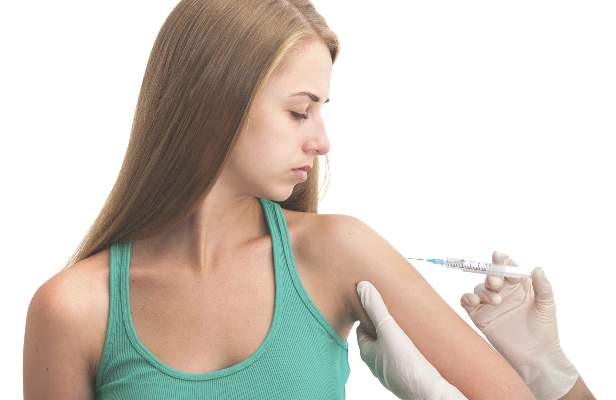
Timo Vesikari, MD, PhD, of the University of Tampere (Finland) Medical School and his associates randomized healthy adolescents aged 11-18 years to receive either bivalent rLP2086 plus DTaP/IPV (373 patients) or DTaP/IPV plus saline (376 patients). The researchers achieved the primary objective of the study – demonstrating the noninferiority of rLP2086 with DTaP/IPV. The lower bound of the two-sided 95% confidence interval for the difference in the proportion of responders between the two groups 1 month after the DTaP/IPV dose was greater than –10% for the nine DTaP/IPV antigens. Levels of antibodies to the DTaP/IPV antigens, measured as geometric means, also were similar between the vaccine groups for each antigen, according to the researchers.
There also were substantial immune responses to bivalent rLP2086 plus DTaP/IPV, as measured with serum bactericidal assays using human complement (hSBAs) 1 month after the second vaccination, which increased even more after the third vaccination. The proportions of bivalent rLP2086-plus-DTaP/IPV recipients with prespecified seroprotective hSBA titers to the four meningococcal serogroup B test strains were between 55.5% and 97.3% after vaccination two and between 81.5% and 100% after vaccination three.
“Bivalent rLP2086 was well tolerated and elicited substantial and broad bactericidal responses to diverse [meningococcal serogroup B] strains in a high proportion of recipients after 2 vaccinations, and these responses were further enhanced after 3 vaccinations,” the researchers wrote.
Read the full study in the Journal of the Pediatric Infectious Diseases Society (2016 Jun;5[2]:180-7. doi: 10.1093/jpids/piv064).
Concomitant administration of the meningococcal serogroup B vaccine bivalent rLP2086 with the diphtheria, tetanus, and acellular pertussis and inactivated poliovirus (DTaP/IPV) vaccine produced a immunologically noninferior response in adolescents, compared with administration of DTaP/IPV alone.
Timo Vesikari, MD, PhD, of the University of Tampere (Finland) Medical School and his associates randomized healthy adolescents aged 11-18 years to receive either bivalent rLP2086 plus DTaP/IPV (373 patients) or DTaP/IPV plus saline (376 patients). The researchers achieved the primary objective of the study – demonstrating the noninferiority of rLP2086 with DTaP/IPV. The lower bound of the two-sided 95% confidence interval for the difference in the proportion of responders between the two groups 1 month after the DTaP/IPV dose was greater than –10% for the nine DTaP/IPV antigens. Levels of antibodies to the DTaP/IPV antigens, measured as geometric means, also were similar between the vaccine groups for each antigen, according to the researchers.
There also were substantial immune responses to bivalent rLP2086 plus DTaP/IPV, as measured with serum bactericidal assays using human complement (hSBAs) 1 month after the second vaccination, which increased even more after the third vaccination. The proportions of bivalent rLP2086-plus-DTaP/IPV recipients with prespecified seroprotective hSBA titers to the four meningococcal serogroup B test strains were between 55.5% and 97.3% after vaccination two and between 81.5% and 100% after vaccination three.
“Bivalent rLP2086 was well tolerated and elicited substantial and broad bactericidal responses to diverse [meningococcal serogroup B] strains in a high proportion of recipients after 2 vaccinations, and these responses were further enhanced after 3 vaccinations,” the researchers wrote.
Read the full study in the Journal of the Pediatric Infectious Diseases Society (2016 Jun;5[2]:180-7. doi: 10.1093/jpids/piv064).
Concomitant administration of the meningococcal serogroup B vaccine bivalent rLP2086 with the diphtheria, tetanus, and acellular pertussis and inactivated poliovirus (DTaP/IPV) vaccine produced a immunologically noninferior response in adolescents, compared with administration of DTaP/IPV alone.
Timo Vesikari, MD, PhD, of the University of Tampere (Finland) Medical School and his associates randomized healthy adolescents aged 11-18 years to receive either bivalent rLP2086 plus DTaP/IPV (373 patients) or DTaP/IPV plus saline (376 patients). The researchers achieved the primary objective of the study – demonstrating the noninferiority of rLP2086 with DTaP/IPV. The lower bound of the two-sided 95% confidence interval for the difference in the proportion of responders between the two groups 1 month after the DTaP/IPV dose was greater than –10% for the nine DTaP/IPV antigens. Levels of antibodies to the DTaP/IPV antigens, measured as geometric means, also were similar between the vaccine groups for each antigen, according to the researchers.
There also were substantial immune responses to bivalent rLP2086 plus DTaP/IPV, as measured with serum bactericidal assays using human complement (hSBAs) 1 month after the second vaccination, which increased even more after the third vaccination. The proportions of bivalent rLP2086-plus-DTaP/IPV recipients with prespecified seroprotective hSBA titers to the four meningococcal serogroup B test strains were between 55.5% and 97.3% after vaccination two and between 81.5% and 100% after vaccination three.
“Bivalent rLP2086 was well tolerated and elicited substantial and broad bactericidal responses to diverse [meningococcal serogroup B] strains in a high proportion of recipients after 2 vaccinations, and these responses were further enhanced after 3 vaccinations,” the researchers wrote.
Read the full study in the Journal of the Pediatric Infectious Diseases Society (2016 Jun;5[2]:180-7. doi: 10.1093/jpids/piv064).
FROM THE JOURNAL OF THE PEDIATRIC INFECTIOUS DISEASES SOCIETY
Combo could treat young kids with malaria

Photo by Sarah Mattison
Combination therapy with artesunate and mefloquine can safely and effectively treat children younger than 5 years of age with uncomplicated, Plasmodium falciparum malaria, according to a phase 4 study.
Researchers compared the artesunate-mefloquine combination with artemether-lumefantrine in a group of malaria-infected children in Africa.
Both combinations produced a cure rate of about 90%, and the rates of side effects such as vomiting and neurologic events were similar.
These results were published in The Lancet Infectious Diseases.
The study included 944 African children, ages 6 months to 5 years, who tested positive for malaria.
Roughly half the children were assigned to treatment with artemether-lumefantrine (n=472), and the other half were assigned to artesunate-mefloquine (n=473). Both groups were treated for 2 or 3 days, with doses adjusted for age, not weight.
At 63 days of follow-up, the cure rates were similar between the treatment groups—89.7% for artemether-lumefantrine and 90.9% for artesunate-mefloquine. For both groups, no parasites were found in the blood at 72 hours after the start of treatment.
The rates of malaria recurrence were similar between the groups. Reinfection occurred in 43.8% of patients in the artesunate–mefloquine group and 43.0% in the artemether–lumefantrine group. Recrudescence occurred in 3.9% and 4.4%, respectively.
There were no psychiatric events in either treatment group, and the rates of neurologic events were low—2.1% in the artesunate-mefloquine group and 1.1% in the artemether-lumefantrine group.
The incidence of vomiting was 15.3% in the artesunate-mefloquine group and 16.8% in the artemether-lumefantrine group. Vomiting was a focus because it lowers patient adherence and limits how much of the medicine is absorbed.
The researchers noted that artesunate-mefloquine is not used in Africa at present, even though it’s 1 of the 5 artemisinin-based combination therapies approved for malaria treatment by the World Health Organization.
The team said the results of this study support the deployment of fixed-dose artesunate–mefloquine in young children in Africa. And the findings should have important implications for health policy in sub-Saharan Africa. 
Photo by Sarah Mattison
Combination therapy with artesunate and mefloquine can safely and effectively treat children younger than 5 years of age with uncomplicated, Plasmodium falciparum malaria, according to a phase 4 study.
Researchers compared the artesunate-mefloquine combination with artemether-lumefantrine in a group of malaria-infected children in Africa.
Both combinations produced a cure rate of about 90%, and the rates of side effects such as vomiting and neurologic events were similar.
These results were published in The Lancet Infectious Diseases.
The study included 944 African children, ages 6 months to 5 years, who tested positive for malaria.
Roughly half the children were assigned to treatment with artemether-lumefantrine (n=472), and the other half were assigned to artesunate-mefloquine (n=473). Both groups were treated for 2 or 3 days, with doses adjusted for age, not weight.
At 63 days of follow-up, the cure rates were similar between the treatment groups—89.7% for artemether-lumefantrine and 90.9% for artesunate-mefloquine. For both groups, no parasites were found in the blood at 72 hours after the start of treatment.
The rates of malaria recurrence were similar between the groups. Reinfection occurred in 43.8% of patients in the artesunate–mefloquine group and 43.0% in the artemether–lumefantrine group. Recrudescence occurred in 3.9% and 4.4%, respectively.
There were no psychiatric events in either treatment group, and the rates of neurologic events were low—2.1% in the artesunate-mefloquine group and 1.1% in the artemether-lumefantrine group.
The incidence of vomiting was 15.3% in the artesunate-mefloquine group and 16.8% in the artemether-lumefantrine group. Vomiting was a focus because it lowers patient adherence and limits how much of the medicine is absorbed.
The researchers noted that artesunate-mefloquine is not used in Africa at present, even though it’s 1 of the 5 artemisinin-based combination therapies approved for malaria treatment by the World Health Organization.
The team said the results of this study support the deployment of fixed-dose artesunate–mefloquine in young children in Africa. And the findings should have important implications for health policy in sub-Saharan Africa.
Photo by Sarah Mattison
Combination therapy with artesunate and mefloquine can safely and effectively treat children younger than 5 years of age with uncomplicated, Plasmodium falciparum malaria, according to a phase 4 study.
Researchers compared the artesunate-mefloquine combination with artemether-lumefantrine in a group of malaria-infected children in Africa.
Both combinations produced a cure rate of about 90%, and the rates of side effects such as vomiting and neurologic events were similar.
These results were published in The Lancet Infectious Diseases.
The study included 944 African children, ages 6 months to 5 years, who tested positive for malaria.
Roughly half the children were assigned to treatment with artemether-lumefantrine (n=472), and the other half were assigned to artesunate-mefloquine (n=473). Both groups were treated for 2 or 3 days, with doses adjusted for age, not weight.
At 63 days of follow-up, the cure rates were similar between the treatment groups—89.7% for artemether-lumefantrine and 90.9% for artesunate-mefloquine. For both groups, no parasites were found in the blood at 72 hours after the start of treatment.
The rates of malaria recurrence were similar between the groups. Reinfection occurred in 43.8% of patients in the artesunate–mefloquine group and 43.0% in the artemether–lumefantrine group. Recrudescence occurred in 3.9% and 4.4%, respectively.
There were no psychiatric events in either treatment group, and the rates of neurologic events were low—2.1% in the artesunate-mefloquine group and 1.1% in the artemether-lumefantrine group.
The incidence of vomiting was 15.3% in the artesunate-mefloquine group and 16.8% in the artemether-lumefantrine group. Vomiting was a focus because it lowers patient adherence and limits how much of the medicine is absorbed.
The researchers noted that artesunate-mefloquine is not used in Africa at present, even though it’s 1 of the 5 artemisinin-based combination therapies approved for malaria treatment by the World Health Organization.
The team said the results of this study support the deployment of fixed-dose artesunate–mefloquine in young children in Africa. And the findings should have important implications for health policy in sub-Saharan Africa.
CDC: Infants with Zika symptoms should get specialized care
Diagnostic testing of infants with suspected congenital Zika virus should include both immunoglobulin M (IgM) and polymerase chain reaction (PCR) testing, according to initial recommendations from a work group of federal health officials and pediatric specialists.
The group also called for infants with Zika virus symptoms to be transferred to facilities with pediatric subspecialty services.
Officials at the Centers for Disease Control and Prevention, along with pediatric specialists, reviewed the CDC’s existing guidelines for diagnosing, treating, and preventing Zika virus infections in both pregnant mothers and their infants during a 2-day meeting at the agency’s headquarters in Atlanta July 21-22.
“We want to make sure in the evaluation of symptomatic infants that we’re opening up a thorough differential, and that people are thinking about other things, particularly as we know that some of these issues, especially in terms of diagnosis, may be complex,” said Wanda D. Barfield, MD, director of the division of reproductive health at the CDC’s National Center for Chronic Disease Prevention and Health Promotion.
Although final recommendations are forthcoming, the consensus of the work group is that diagnostic testing of infants with suspected congenital Zika virus infection should include IgM and PCR testing of cerebrospinal fluid, urine, saliva and other infant specimens.
Asymptomatic infants should continue to receive care consistent with that of a normal, newborn infant, along with comprehensive physical exams, hearing tests, and head ultrasounds.
Symptomatic infants, however, should undergo different clinical and laboratory evaluations. Any symptomatic infant should be transferred to a pediatric subspecialty facility, which would allow for more specific care and services than would a primary care office. These services would include: neonatal/pediatric intensive care; endocrinologists to treat hypothyroidism, hypoaldosteronism, and growth hormone deficiency; orthopedists to treat arthrogryposis; neurologists to perform neuroimaging and EEGs, and to treat microcephaly and seizures; and other specialists to handle infectious disease, pulmonology, genetics, and feeding issues. These facilities would also offer family and social support, including palliative care options.
Infants with anomalies associated with congenital Zika virus infection should see a primary care physician every month for “routine care and increased surveillance,” said Janet Cragan, MD, of the CDC’s National Center on Birth Defects and Developmental Disorders. These visits should include measurements of weight, length, and head circumference, and should continue through 6 months of age. After that, the frequency of visits can be reevaluated.
During subsequent visits, providers should continue to monitor the infant’s development, as certain abnormalities take longer to become evident. These include sleep issues, excessive irritability, seizures, and “subtle symptoms” such as infantile spasms.
“In terms of coordination of care, there was discussion about the need to close the loop [to] ensure that the needed testing and consultations are done, [and] that the primary physician obtain those results,” Dr. Cragan said.
Similar monitoring – though less complex and stringent – should be done for children with congenital Zika virus infection who do not exhibit abnormalities and may not be symptomatic, the work group recommended. In addition, outpatient care is another critical component in managing congenital Zika virus infections, particularly in children who display no abnormalities at birth. Specifically, hearing evaluations should be performed regularly, and if any abnormalities are found, children should be referred for repeat hearing evaluations.
“We’re talking about a group of infants that we have very little to no information about,” said Kate Russell, MD, of Duke University, Durham, N.C. “Our discussion revolved around what’s known about infants who do have apparent abnormalities and are symptomatic, and trying to infer from that what could be done for these infants with asymptomatic infections.”
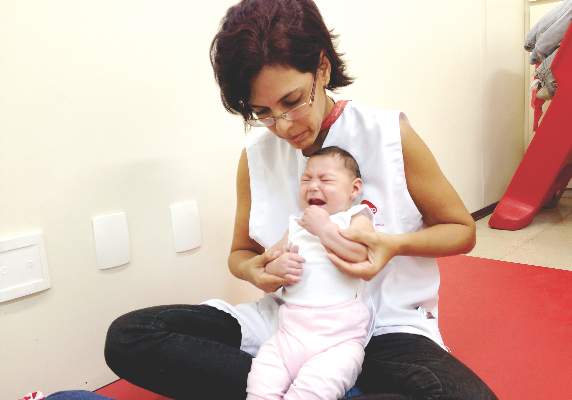
Telemedicine is another potentially powerful tool that physicians can use, “particularly in areas where there is limited direct access to pediatric subspecialty care,” Dr. Cragan said. Examples include taking videos of an infant and sending them to a neurologist to determine if symptoms were consistent with Zika, or sharing audio of the crying of Zika-infected children in Brazil so that primary care physicians can compare that with their patients.
“This is an area of very new and growing research and literature, and so this is going to be a continuous process [to] make sure that the people who are going to be seeing these infants on the front line are aware of what’s known,” Dr. Russell said.
Diagnostic testing of infants with suspected congenital Zika virus should include both immunoglobulin M (IgM) and polymerase chain reaction (PCR) testing, according to initial recommendations from a work group of federal health officials and pediatric specialists.
The group also called for infants with Zika virus symptoms to be transferred to facilities with pediatric subspecialty services.
Officials at the Centers for Disease Control and Prevention, along with pediatric specialists, reviewed the CDC’s existing guidelines for diagnosing, treating, and preventing Zika virus infections in both pregnant mothers and their infants during a 2-day meeting at the agency’s headquarters in Atlanta July 21-22.
“We want to make sure in the evaluation of symptomatic infants that we’re opening up a thorough differential, and that people are thinking about other things, particularly as we know that some of these issues, especially in terms of diagnosis, may be complex,” said Wanda D. Barfield, MD, director of the division of reproductive health at the CDC’s National Center for Chronic Disease Prevention and Health Promotion.
Although final recommendations are forthcoming, the consensus of the work group is that diagnostic testing of infants with suspected congenital Zika virus infection should include IgM and PCR testing of cerebrospinal fluid, urine, saliva and other infant specimens.
Asymptomatic infants should continue to receive care consistent with that of a normal, newborn infant, along with comprehensive physical exams, hearing tests, and head ultrasounds.
Symptomatic infants, however, should undergo different clinical and laboratory evaluations. Any symptomatic infant should be transferred to a pediatric subspecialty facility, which would allow for more specific care and services than would a primary care office. These services would include: neonatal/pediatric intensive care; endocrinologists to treat hypothyroidism, hypoaldosteronism, and growth hormone deficiency; orthopedists to treat arthrogryposis; neurologists to perform neuroimaging and EEGs, and to treat microcephaly and seizures; and other specialists to handle infectious disease, pulmonology, genetics, and feeding issues. These facilities would also offer family and social support, including palliative care options.
Infants with anomalies associated with congenital Zika virus infection should see a primary care physician every month for “routine care and increased surveillance,” said Janet Cragan, MD, of the CDC’s National Center on Birth Defects and Developmental Disorders. These visits should include measurements of weight, length, and head circumference, and should continue through 6 months of age. After that, the frequency of visits can be reevaluated.
During subsequent visits, providers should continue to monitor the infant’s development, as certain abnormalities take longer to become evident. These include sleep issues, excessive irritability, seizures, and “subtle symptoms” such as infantile spasms.
“In terms of coordination of care, there was discussion about the need to close the loop [to] ensure that the needed testing and consultations are done, [and] that the primary physician obtain those results,” Dr. Cragan said.
Similar monitoring – though less complex and stringent – should be done for children with congenital Zika virus infection who do not exhibit abnormalities and may not be symptomatic, the work group recommended. In addition, outpatient care is another critical component in managing congenital Zika virus infections, particularly in children who display no abnormalities at birth. Specifically, hearing evaluations should be performed regularly, and if any abnormalities are found, children should be referred for repeat hearing evaluations.
“We’re talking about a group of infants that we have very little to no information about,” said Kate Russell, MD, of Duke University, Durham, N.C. “Our discussion revolved around what’s known about infants who do have apparent abnormalities and are symptomatic, and trying to infer from that what could be done for these infants with asymptomatic infections.”
Telemedicine is another potentially powerful tool that physicians can use, “particularly in areas where there is limited direct access to pediatric subspecialty care,” Dr. Cragan said. Examples include taking videos of an infant and sending them to a neurologist to determine if symptoms were consistent with Zika, or sharing audio of the crying of Zika-infected children in Brazil so that primary care physicians can compare that with their patients.
“This is an area of very new and growing research and literature, and so this is going to be a continuous process [to] make sure that the people who are going to be seeing these infants on the front line are aware of what’s known,” Dr. Russell said.
Diagnostic testing of infants with suspected congenital Zika virus should include both immunoglobulin M (IgM) and polymerase chain reaction (PCR) testing, according to initial recommendations from a work group of federal health officials and pediatric specialists.
The group also called for infants with Zika virus symptoms to be transferred to facilities with pediatric subspecialty services.
Officials at the Centers for Disease Control and Prevention, along with pediatric specialists, reviewed the CDC’s existing guidelines for diagnosing, treating, and preventing Zika virus infections in both pregnant mothers and their infants during a 2-day meeting at the agency’s headquarters in Atlanta July 21-22.
“We want to make sure in the evaluation of symptomatic infants that we’re opening up a thorough differential, and that people are thinking about other things, particularly as we know that some of these issues, especially in terms of diagnosis, may be complex,” said Wanda D. Barfield, MD, director of the division of reproductive health at the CDC’s National Center for Chronic Disease Prevention and Health Promotion.
Although final recommendations are forthcoming, the consensus of the work group is that diagnostic testing of infants with suspected congenital Zika virus infection should include IgM and PCR testing of cerebrospinal fluid, urine, saliva and other infant specimens.
Asymptomatic infants should continue to receive care consistent with that of a normal, newborn infant, along with comprehensive physical exams, hearing tests, and head ultrasounds.
Symptomatic infants, however, should undergo different clinical and laboratory evaluations. Any symptomatic infant should be transferred to a pediatric subspecialty facility, which would allow for more specific care and services than would a primary care office. These services would include: neonatal/pediatric intensive care; endocrinologists to treat hypothyroidism, hypoaldosteronism, and growth hormone deficiency; orthopedists to treat arthrogryposis; neurologists to perform neuroimaging and EEGs, and to treat microcephaly and seizures; and other specialists to handle infectious disease, pulmonology, genetics, and feeding issues. These facilities would also offer family and social support, including palliative care options.
Infants with anomalies associated with congenital Zika virus infection should see a primary care physician every month for “routine care and increased surveillance,” said Janet Cragan, MD, of the CDC’s National Center on Birth Defects and Developmental Disorders. These visits should include measurements of weight, length, and head circumference, and should continue through 6 months of age. After that, the frequency of visits can be reevaluated.
During subsequent visits, providers should continue to monitor the infant’s development, as certain abnormalities take longer to become evident. These include sleep issues, excessive irritability, seizures, and “subtle symptoms” such as infantile spasms.
“In terms of coordination of care, there was discussion about the need to close the loop [to] ensure that the needed testing and consultations are done, [and] that the primary physician obtain those results,” Dr. Cragan said.
Similar monitoring – though less complex and stringent – should be done for children with congenital Zika virus infection who do not exhibit abnormalities and may not be symptomatic, the work group recommended. In addition, outpatient care is another critical component in managing congenital Zika virus infections, particularly in children who display no abnormalities at birth. Specifically, hearing evaluations should be performed regularly, and if any abnormalities are found, children should be referred for repeat hearing evaluations.
“We’re talking about a group of infants that we have very little to no information about,” said Kate Russell, MD, of Duke University, Durham, N.C. “Our discussion revolved around what’s known about infants who do have apparent abnormalities and are symptomatic, and trying to infer from that what could be done for these infants with asymptomatic infections.”
Telemedicine is another potentially powerful tool that physicians can use, “particularly in areas where there is limited direct access to pediatric subspecialty care,” Dr. Cragan said. Examples include taking videos of an infant and sending them to a neurologist to determine if symptoms were consistent with Zika, or sharing audio of the crying of Zika-infected children in Brazil so that primary care physicians can compare that with their patients.
“This is an area of very new and growing research and literature, and so this is going to be a continuous process [to] make sure that the people who are going to be seeing these infants on the front line are aware of what’s known,” Dr. Russell said.
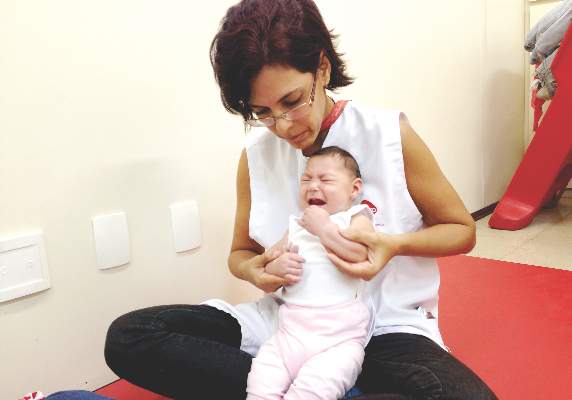
Disparities in prostate cancer treatment found at both academic and community centers
Academic and community cancer centers demonstrated similarly high rates of sociodemographic disparities in prostate cancer treatment patterns, a study showed.
Specifically, black, Hispanic, and uninsured patients were less likely to receive definitive therapy for high-risk prostate cancer at community and academic cancer centers than were white or privately insured patients. In addition, white patients began receiving therapy earlier than black and Hispanic patients at both community and academic medical centers.

“The finding that disparities exist across cancer care centers, regardless of academic versus community center structure, suggests that there may be something intrinsic about systemic, provider-level, or patient-level issues that may be interfering with treatment,” wrote Brandon Mahal, MD, of Brigham and Women’s Hospital in Boston and his associates (Cancer. July 2016. doi:10.1002/cncr.30205).
Dr. Mahal and associates identified 138,019 patients with high-risk prostate cancer who had a definitive treatment history available through the National Cancer Data Base. Definitive therapy was defined as either prostatectomy or radiation therapy plus androgen-deprivation therapy. High-risk disease was defined as having a prostate-specific antigen score above 20 ng/mL, a Gleason score of 8-10, or a clinical tumor classification of cT3a.
The investigators found black, Hispanic, and uninsured patients were less likely to receive definitive therapy at community cancer centers than were white or privately insured patients (adjusted odds ratios: 0.60, 0.69, and 0.25; 95% confidence intervals: 0.56-0.64, 0.61-0.78, and 0.22-0.30 for black, Hispanic, and uninsured patients; P less than .001). This finding was also true for patients who received treatment at academic cancer centers (AOR: 0.50, 0.56, and 0.31; 95% CI: 0.46-0.54, 0.50-0.64, and 0.28-0.36; P less than .001 for all).
At academic centers, the median time until receipt of definitive treatment was 83 days for white patients, 102 days for black patients, and 94 days for Hispanic patients. At community centers, the median time until receipt of treatment was 77 days for white patients, 92 days for black patients, and 87 days for Hispanic patients.
This study was supported by David and Cynthia Chapin, Hugh Simons, the Campbell Family, the Prostate Cancer Foundation, Fitz’s Cancer Warriors, the Scott Forbes and Gina Ventre Fund, and a grant from an anonymous foundation. Three investigators reported receiving financial compensation from multiple companies.
On Twitter @jessnicolecraig
Academic and community cancer centers demonstrated similarly high rates of sociodemographic disparities in prostate cancer treatment patterns, a study showed.
Specifically, black, Hispanic, and uninsured patients were less likely to receive definitive therapy for high-risk prostate cancer at community and academic cancer centers than were white or privately insured patients. In addition, white patients began receiving therapy earlier than black and Hispanic patients at both community and academic medical centers.
“The finding that disparities exist across cancer care centers, regardless of academic versus community center structure, suggests that there may be something intrinsic about systemic, provider-level, or patient-level issues that may be interfering with treatment,” wrote Brandon Mahal, MD, of Brigham and Women’s Hospital in Boston and his associates (Cancer. July 2016. doi:10.1002/cncr.30205).
Dr. Mahal and associates identified 138,019 patients with high-risk prostate cancer who had a definitive treatment history available through the National Cancer Data Base. Definitive therapy was defined as either prostatectomy or radiation therapy plus androgen-deprivation therapy. High-risk disease was defined as having a prostate-specific antigen score above 20 ng/mL, a Gleason score of 8-10, or a clinical tumor classification of cT3a.
The investigators found black, Hispanic, and uninsured patients were less likely to receive definitive therapy at community cancer centers than were white or privately insured patients (adjusted odds ratios: 0.60, 0.69, and 0.25; 95% confidence intervals: 0.56-0.64, 0.61-0.78, and 0.22-0.30 for black, Hispanic, and uninsured patients; P less than .001). This finding was also true for patients who received treatment at academic cancer centers (AOR: 0.50, 0.56, and 0.31; 95% CI: 0.46-0.54, 0.50-0.64, and 0.28-0.36; P less than .001 for all).
At academic centers, the median time until receipt of definitive treatment was 83 days for white patients, 102 days for black patients, and 94 days for Hispanic patients. At community centers, the median time until receipt of treatment was 77 days for white patients, 92 days for black patients, and 87 days for Hispanic patients.
This study was supported by David and Cynthia Chapin, Hugh Simons, the Campbell Family, the Prostate Cancer Foundation, Fitz’s Cancer Warriors, the Scott Forbes and Gina Ventre Fund, and a grant from an anonymous foundation. Three investigators reported receiving financial compensation from multiple companies.
On Twitter @jessnicolecraig
Academic and community cancer centers demonstrated similarly high rates of sociodemographic disparities in prostate cancer treatment patterns, a study showed.
Specifically, black, Hispanic, and uninsured patients were less likely to receive definitive therapy for high-risk prostate cancer at community and academic cancer centers than were white or privately insured patients. In addition, white patients began receiving therapy earlier than black and Hispanic patients at both community and academic medical centers.
“The finding that disparities exist across cancer care centers, regardless of academic versus community center structure, suggests that there may be something intrinsic about systemic, provider-level, or patient-level issues that may be interfering with treatment,” wrote Brandon Mahal, MD, of Brigham and Women’s Hospital in Boston and his associates (Cancer. July 2016. doi:10.1002/cncr.30205).
Dr. Mahal and associates identified 138,019 patients with high-risk prostate cancer who had a definitive treatment history available through the National Cancer Data Base. Definitive therapy was defined as either prostatectomy or radiation therapy plus androgen-deprivation therapy. High-risk disease was defined as having a prostate-specific antigen score above 20 ng/mL, a Gleason score of 8-10, or a clinical tumor classification of cT3a.
The investigators found black, Hispanic, and uninsured patients were less likely to receive definitive therapy at community cancer centers than were white or privately insured patients (adjusted odds ratios: 0.60, 0.69, and 0.25; 95% confidence intervals: 0.56-0.64, 0.61-0.78, and 0.22-0.30 for black, Hispanic, and uninsured patients; P less than .001). This finding was also true for patients who received treatment at academic cancer centers (AOR: 0.50, 0.56, and 0.31; 95% CI: 0.46-0.54, 0.50-0.64, and 0.28-0.36; P less than .001 for all).
At academic centers, the median time until receipt of definitive treatment was 83 days for white patients, 102 days for black patients, and 94 days for Hispanic patients. At community centers, the median time until receipt of treatment was 77 days for white patients, 92 days for black patients, and 87 days for Hispanic patients.
This study was supported by David and Cynthia Chapin, Hugh Simons, the Campbell Family, the Prostate Cancer Foundation, Fitz’s Cancer Warriors, the Scott Forbes and Gina Ventre Fund, and a grant from an anonymous foundation. Three investigators reported receiving financial compensation from multiple companies.
On Twitter @jessnicolecraig
FROM CANCER
Key clinical point: Academic and community cancer centers demonstrated similarly high rates of sociodemographic disparities in prostate cancer treatment patterns.
Major finding: Black, Hispanic, and uninsured patients were less likely to receive definitive therapy at community cancer centers than were white or privately insured patients (adjusted odds ratios: 0.60, 0.69, and 0.25; 95% confidence intervals: 0.56-0.64, 0.61-0.78, and 0.22-0.30 for black, Hispanic, and uninsured patients; P less than .001), and were less likely to receive definitive therapy at academic cancer centers (AOR: 0.50, 0.56, and 0.31; 95% CI: 0.46-0.54, 0.50-0.64, 0.28-0.36; P less than .001 for all).
Data source: A retrospective analysis of 138,019 patients with high-risk prostate cancer who had a definitive treatment history available in the National Cancer Data Base.
Disclosures: This study was supported by David and Cynthia Chapin, Hugh Simons, the Campbell Family, the Prostate Cancer Foundation, Fitz’s Cancer Warriors, the Scott Forbes and Gina Ventre Fund, and a grant from an anonymous foundation. Three investigators reported receiving financial compensation from multiple companies.

Abatacept autoinjector approved to treat rheumatoid arthritis
An autoinjector for subcutaneously administering abatacept (Orencia) has been approved by the Food and Drug Administration for the treatment of rheumatoid arthritis, making it the third delivery method available for patients to use the biologic.

Abatacept is also available for intravenous infusion and subcutaneous administration with a prefilled syringe. With a single button push, the new Orencia ClickJect autoinjector delivers 125 mg of the drug over the course of 15 seconds and also confirms the injection. The autoinjector’s design is meant to allow patients with rheumatoid arthritis to firmly hold, operate, and control the device, according to an announcement from the manufacturer, Bristol-Myers Squibb.
Although abatacept is approved to treat polyarticular juvenile idiopathic arthritis in patients aged 6 years and older, subcutaneous formulations of the drug have not been studied in patients younger than 18 years.
An autoinjector for subcutaneously administering abatacept (Orencia) has been approved by the Food and Drug Administration for the treatment of rheumatoid arthritis, making it the third delivery method available for patients to use the biologic.
Abatacept is also available for intravenous infusion and subcutaneous administration with a prefilled syringe. With a single button push, the new Orencia ClickJect autoinjector delivers 125 mg of the drug over the course of 15 seconds and also confirms the injection. The autoinjector’s design is meant to allow patients with rheumatoid arthritis to firmly hold, operate, and control the device, according to an announcement from the manufacturer, Bristol-Myers Squibb.
Although abatacept is approved to treat polyarticular juvenile idiopathic arthritis in patients aged 6 years and older, subcutaneous formulations of the drug have not been studied in patients younger than 18 years.
An autoinjector for subcutaneously administering abatacept (Orencia) has been approved by the Food and Drug Administration for the treatment of rheumatoid arthritis, making it the third delivery method available for patients to use the biologic.
Abatacept is also available for intravenous infusion and subcutaneous administration with a prefilled syringe. With a single button push, the new Orencia ClickJect autoinjector delivers 125 mg of the drug over the course of 15 seconds and also confirms the injection. The autoinjector’s design is meant to allow patients with rheumatoid arthritis to firmly hold, operate, and control the device, according to an announcement from the manufacturer, Bristol-Myers Squibb.
Although abatacept is approved to treat polyarticular juvenile idiopathic arthritis in patients aged 6 years and older, subcutaneous formulations of the drug have not been studied in patients younger than 18 years.

Blood management strategy leads to cost savings, less waste
SAN DIEGO – A process intended to optimize blood management led to a 30% reduction in blood use and a savings of $2 million, results from a single-center study showed.
“Blood is a limited resource and we have a responsibility as a health care provider to optimize the use of a resource that is difficult to get and only available through altruistic donations,” lead study author Barbara J. Martin, RN, said in a press release. The study was presented in a poster session at the American College of Surgeons/National Surgical Quality Improvement Program National Conference.
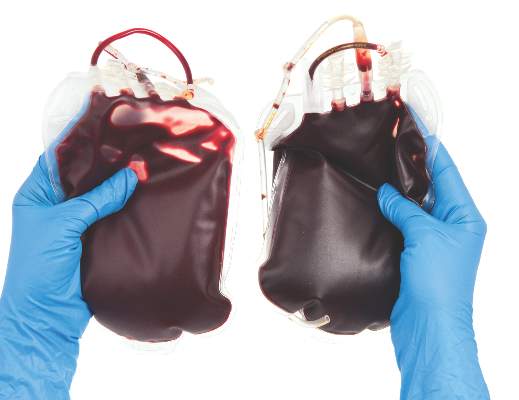
In an effort to evaluate how they could implement evidence-based guidelines around restrictive transfusion, Ms. Martin and her colleagues at Vanderbilt University Medical Center, Nashville, Tenn., first changed provider orders to support a single unit order and then follow-up order for more blood if necessary. The previous process was to order two units of blood, which was at times more blood than was needed. “The data on restrictive transfusion has been out for years documenting that patients have better outcomes with a more restrictive transfusion strategy,” Ms. Martin, of the Vanderbilt Center for Clinical Improvement, said in the press release. “We were looking at whether we could guide providers to treat symptomatic anemia with a single unit of blood rather than the usual two units.”
The researchers enhanced the Computerized Provider Order Entry (CPOE) system to allow blood ordering practices to be based on a specific assessment of each case rather than on a standard order of two units. As a result, red blood cell transfusions at Vanderbilt declined from 675 units per 1,000 discharges in 2011 to 432 units per 1,000 discharges in 2015, a decrease of more than 30%.
In an effort to reduce inefficiencies in the way blood is ordered, transported, and stored, Ms. Martin and her multidisciplinary team developed the following guidelines for perioperative handling:
• When more than one unit of blood is ordered, it is sent in a cooler rather than the pneumatic tube.
• Coolers are reconfigured to optimize temperature management.
• A specific staff member is tasked with “ownership” of the blood products, including returning unused product to the blood bank.
• Individual unit wastage is reported to clinical leaders for review; aggregate data are reported monthly.
After implementation of these practices, fewer than 80 units of blood were wasted at Vanderbilt in 2015, a drop from 300 in 2011. Collectively, the blood management strategies resulted in a savings of $2 million. Ms. Martin said that such guidelines can be implemented at other medical centers, but “you have to prioritize what your initiatives are. At Vanderbilt we had a lot of opportunities with blood transfusion and blood wastage and we made huge gains. Any incremental improvement would take additional resources.”
The researchers reported having no relevant disclosures.
SAN DIEGO – A process intended to optimize blood management led to a 30% reduction in blood use and a savings of $2 million, results from a single-center study showed.
“Blood is a limited resource and we have a responsibility as a health care provider to optimize the use of a resource that is difficult to get and only available through altruistic donations,” lead study author Barbara J. Martin, RN, said in a press release. The study was presented in a poster session at the American College of Surgeons/National Surgical Quality Improvement Program National Conference.
In an effort to evaluate how they could implement evidence-based guidelines around restrictive transfusion, Ms. Martin and her colleagues at Vanderbilt University Medical Center, Nashville, Tenn., first changed provider orders to support a single unit order and then follow-up order for more blood if necessary. The previous process was to order two units of blood, which was at times more blood than was needed. “The data on restrictive transfusion has been out for years documenting that patients have better outcomes with a more restrictive transfusion strategy,” Ms. Martin, of the Vanderbilt Center for Clinical Improvement, said in the press release. “We were looking at whether we could guide providers to treat symptomatic anemia with a single unit of blood rather than the usual two units.”
The researchers enhanced the Computerized Provider Order Entry (CPOE) system to allow blood ordering practices to be based on a specific assessment of each case rather than on a standard order of two units. As a result, red blood cell transfusions at Vanderbilt declined from 675 units per 1,000 discharges in 2011 to 432 units per 1,000 discharges in 2015, a decrease of more than 30%.
In an effort to reduce inefficiencies in the way blood is ordered, transported, and stored, Ms. Martin and her multidisciplinary team developed the following guidelines for perioperative handling:
• When more than one unit of blood is ordered, it is sent in a cooler rather than the pneumatic tube.
• Coolers are reconfigured to optimize temperature management.
• A specific staff member is tasked with “ownership” of the blood products, including returning unused product to the blood bank.
• Individual unit wastage is reported to clinical leaders for review; aggregate data are reported monthly.
After implementation of these practices, fewer than 80 units of blood were wasted at Vanderbilt in 2015, a drop from 300 in 2011. Collectively, the blood management strategies resulted in a savings of $2 million. Ms. Martin said that such guidelines can be implemented at other medical centers, but “you have to prioritize what your initiatives are. At Vanderbilt we had a lot of opportunities with blood transfusion and blood wastage and we made huge gains. Any incremental improvement would take additional resources.”
The researchers reported having no relevant disclosures.
SAN DIEGO – A process intended to optimize blood management led to a 30% reduction in blood use and a savings of $2 million, results from a single-center study showed.
“Blood is a limited resource and we have a responsibility as a health care provider to optimize the use of a resource that is difficult to get and only available through altruistic donations,” lead study author Barbara J. Martin, RN, said in a press release. The study was presented in a poster session at the American College of Surgeons/National Surgical Quality Improvement Program National Conference.
In an effort to evaluate how they could implement evidence-based guidelines around restrictive transfusion, Ms. Martin and her colleagues at Vanderbilt University Medical Center, Nashville, Tenn., first changed provider orders to support a single unit order and then follow-up order for more blood if necessary. The previous process was to order two units of blood, which was at times more blood than was needed. “The data on restrictive transfusion has been out for years documenting that patients have better outcomes with a more restrictive transfusion strategy,” Ms. Martin, of the Vanderbilt Center for Clinical Improvement, said in the press release. “We were looking at whether we could guide providers to treat symptomatic anemia with a single unit of blood rather than the usual two units.”
The researchers enhanced the Computerized Provider Order Entry (CPOE) system to allow blood ordering practices to be based on a specific assessment of each case rather than on a standard order of two units. As a result, red blood cell transfusions at Vanderbilt declined from 675 units per 1,000 discharges in 2011 to 432 units per 1,000 discharges in 2015, a decrease of more than 30%.
In an effort to reduce inefficiencies in the way blood is ordered, transported, and stored, Ms. Martin and her multidisciplinary team developed the following guidelines for perioperative handling:
• When more than one unit of blood is ordered, it is sent in a cooler rather than the pneumatic tube.
• Coolers are reconfigured to optimize temperature management.
• A specific staff member is tasked with “ownership” of the blood products, including returning unused product to the blood bank.
• Individual unit wastage is reported to clinical leaders for review; aggregate data are reported monthly.
After implementation of these practices, fewer than 80 units of blood were wasted at Vanderbilt in 2015, a drop from 300 in 2011. Collectively, the blood management strategies resulted in a savings of $2 million. Ms. Martin said that such guidelines can be implemented at other medical centers, but “you have to prioritize what your initiatives are. At Vanderbilt we had a lot of opportunities with blood transfusion and blood wastage and we made huge gains. Any incremental improvement would take additional resources.”
The researchers reported having no relevant disclosures.
AT THE ACS NSQIP NATIONAL CONFERENCE
Key clinical point: A multidisciplinary effort to improve the process of blood product management led to a significantly reduced use of blood products.
Major finding: Red blood cell transfusions declined from 675 units per 1,000 discharges in 2011 to 432 units per 1,000 discharges in 2015, a decrease of more than 30%.
Data source: An alteration of the Computerized Provider Order Entry (CPOE) system at Vanderbilt University Medical Center to allow blood ordering practices to be based on a specific assessment of each case rather than on a standard order of two units.
Disclosures: The researchers reported having no financial disclosures.