User login
Does congenital cardiac surgery training need a makeover?
Trainees in congenital cardiac surgery fellowship programs are doing more operations since the programs became accredited in 2007, but no clear parameters have emerged to determine if certification has improved the quality of training, according to an evaluation of fellowship training programs published in the June issue of the Journal of Thoracic and Cardiovascular Surgery (2016 Jun;151:1488-95).
Overall, the training has become standardized, the fellows’ operative experience is “robust,” and fellows are mostly satisfied since the Accreditation Council of Graduate Medical Education (ACGME) recognized congenital cardiac surgery as a fellowship in 2007, lead study author Dr. Brian Kogon of Emory University, Atlanta, said.
However, Dr. Kogon and his colleagues also found some shortcomings in fellowship training. They received survey responses from 36 of 44 fellows in 12 accredited programs nationwide. To determine if fellows were meeting minimum case requirements, they also reviewed operative logs of 38 of the 44 fellows. They compared their findings to a study of congenital cardiac surgery fellowship programs they did pre-ACGME accreditation (J Thorac Cardiovasc Surg. 2006 Dec;132:1280). “The number of operations performed by the fellows during their training was underwhelming, and most of the fellows were dissatisfied with their operative experience,” Dr. Kogon and his colleagues wrote in the earlier study.
The study found that all fellows achieved the minimum number of 75 total cases the standards require for graduation, with a median of 136; and the minimum standard of 36 specific qualifying cases with a median of 63. However, seven did not meet the minimum of five complex neonate cases. Among other types of operations for which fellows failed to meet the minimum cases were atrioventricular septal defect repair, arch reconstruction including coarctation procedures and systemic-to-pulmonary artery shunt procedures.
The comparative lack of adult cardiac surgery operations was also considered a potential problem, the authors noted, pointing out that “the number of adults who have congenital heart disease now exceeds the number of children who have the disease, and many of these patients will require an operation.”
Another shortcoming the study found was a drop-off in international fellowships since 2007. “This change places us at risk of becoming intellectually isolated and losing international relationships that are critical to the future of our specialty,” Dr. Kogon and his colleagues wrote. Graduated fellows also acknowledged dissatisfaction with their lack of exposure to neonate surgery.
The study also determined the following demographics of the fellows: 83% are men and the median age at graduation was 40 years, with a range of 35-48 years. Only 25% of graduates participated in nonsurgical rotations such as cardiac catheterization and echocardiography.
“Although the operative experience seems to be much more robust, and this finding has been corroborated in other surgical disciplines after the advent of ACGME accreditation, comparing training before and after the accreditation process came into existence is difficult,” Dr. Kogon and his colleagues said.
The study also noted that the Thoracic Surgery Directors Association developed a congenital curriculum for congenital cardiothoracic surgery fellows, but only 28% used that curriculum and only 61% used any formal curriculum. “Unfortunately, regardless of the curriculum, only 50% of the graduates found it helpful,” Dr. Kogon and his colleagues said.
And regardless of the curriculum, only half of the graduates have passed the written qualifying and oral certifying examinations after completing their fellowship. “Although the curriculum is quite robust, the latter statistic suggests that we need either more emphasis on education by the program directors or a better and/or different curriculum,” Dr. Kogon and his colleagues said. However, they added that “after training, former fellows have adequate case volumes and mixes and seem to be thriving in the field.”
Dr. Kogon and his study coauthors had no financial disclosures.
In his invited commentary, Dr. Charles D. Fraser Jr. of Texas Children’s Hospital, Baylor University, Houston, called the study findings that only 50% of congenital cardiac surgery fellowship graduates had passed the congenital examination “quite disturbing” and the demographic data and surgical and nonsurgical experience of the trainees “thought provoking” (J Thorac Cardiovasc Surg. 2016;151:1496-7)
“Is the bar too high or too low?” Dr. Fraser asked. He suggested the fellowship training system for congenital cardiac surgeons may be a work in progress. “For one, having a median age of 40 years for graduates is unacceptable,” he said. For half of trainees to not pass the examination “at this advanced age is tragic.” That 25% of fellows participate in nonsurgical rotations “also is concerning.”
|
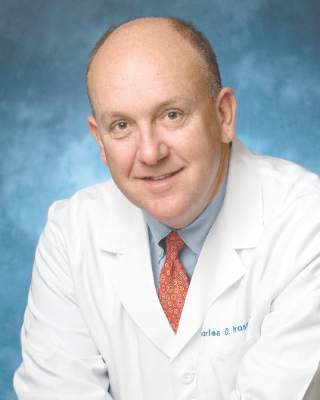
Dr. Charles D. Fraser |
A challenge is that after fellows complete their training in general and cardiothoracic surgery, opportunities to operate on newborns in a new fellowship setting are extremely limited, Dr. Fraser said. “To expect someone to be able to perform complex newborn heart surgery with excellent outcomes in a brand-new environment after just learning how to perform adult cardiac surgery is unrealistic,” he said.
Dr. Fraser said 1 formal year of training for congenital cardiac surgery fellows may not be enough. “Our colleagues in general pediatric surgery have a 2-year fellowship, and our specialty is every bit as complex as theirs,” he said. The basic American Board of Thoracic Surgery thoracic fellowship should have more latitude in its congenital heart surgery rotations, including exposure to pediatrics, neonatal/pediatric critical care, and the nonsurgical rotations the study referred to. Congenital heart surgery fellowships should also embrace adult congenital heart surgery with a more formalized experience requirement, he said.
“As a specialty, we owe it to our fine young surgeon candidates to offer the most robust and fair pathway to success while never compromising on the public trust and patient well-being,” Dr. Fraser said.
Dr. Fraser is chief of the division of congenital heart surgery at Baylor and codirector of the Texas Children’s Heart Center. He had no financial relationships to disclose.
In his invited commentary, Dr. Charles D. Fraser Jr. of Texas Children’s Hospital, Baylor University, Houston, called the study findings that only 50% of congenital cardiac surgery fellowship graduates had passed the congenital examination “quite disturbing” and the demographic data and surgical and nonsurgical experience of the trainees “thought provoking” (J Thorac Cardiovasc Surg. 2016;151:1496-7)
“Is the bar too high or too low?” Dr. Fraser asked. He suggested the fellowship training system for congenital cardiac surgeons may be a work in progress. “For one, having a median age of 40 years for graduates is unacceptable,” he said. For half of trainees to not pass the examination “at this advanced age is tragic.” That 25% of fellows participate in nonsurgical rotations “also is concerning.”
|
|
Dr. Charles D. Fraser |
A challenge is that after fellows complete their training in general and cardiothoracic surgery, opportunities to operate on newborns in a new fellowship setting are extremely limited, Dr. Fraser said. “To expect someone to be able to perform complex newborn heart surgery with excellent outcomes in a brand-new environment after just learning how to perform adult cardiac surgery is unrealistic,” he said.
Dr. Fraser said 1 formal year of training for congenital cardiac surgery fellows may not be enough. “Our colleagues in general pediatric surgery have a 2-year fellowship, and our specialty is every bit as complex as theirs,” he said. The basic American Board of Thoracic Surgery thoracic fellowship should have more latitude in its congenital heart surgery rotations, including exposure to pediatrics, neonatal/pediatric critical care, and the nonsurgical rotations the study referred to. Congenital heart surgery fellowships should also embrace adult congenital heart surgery with a more formalized experience requirement, he said.
“As a specialty, we owe it to our fine young surgeon candidates to offer the most robust and fair pathway to success while never compromising on the public trust and patient well-being,” Dr. Fraser said.
Dr. Fraser is chief of the division of congenital heart surgery at Baylor and codirector of the Texas Children’s Heart Center. He had no financial relationships to disclose.
In his invited commentary, Dr. Charles D. Fraser Jr. of Texas Children’s Hospital, Baylor University, Houston, called the study findings that only 50% of congenital cardiac surgery fellowship graduates had passed the congenital examination “quite disturbing” and the demographic data and surgical and nonsurgical experience of the trainees “thought provoking” (J Thorac Cardiovasc Surg. 2016;151:1496-7)
“Is the bar too high or too low?” Dr. Fraser asked. He suggested the fellowship training system for congenital cardiac surgeons may be a work in progress. “For one, having a median age of 40 years for graduates is unacceptable,” he said. For half of trainees to not pass the examination “at this advanced age is tragic.” That 25% of fellows participate in nonsurgical rotations “also is concerning.”
|
|
Dr. Charles D. Fraser |
A challenge is that after fellows complete their training in general and cardiothoracic surgery, opportunities to operate on newborns in a new fellowship setting are extremely limited, Dr. Fraser said. “To expect someone to be able to perform complex newborn heart surgery with excellent outcomes in a brand-new environment after just learning how to perform adult cardiac surgery is unrealistic,” he said.
Dr. Fraser said 1 formal year of training for congenital cardiac surgery fellows may not be enough. “Our colleagues in general pediatric surgery have a 2-year fellowship, and our specialty is every bit as complex as theirs,” he said. The basic American Board of Thoracic Surgery thoracic fellowship should have more latitude in its congenital heart surgery rotations, including exposure to pediatrics, neonatal/pediatric critical care, and the nonsurgical rotations the study referred to. Congenital heart surgery fellowships should also embrace adult congenital heart surgery with a more formalized experience requirement, he said.
“As a specialty, we owe it to our fine young surgeon candidates to offer the most robust and fair pathway to success while never compromising on the public trust and patient well-being,” Dr. Fraser said.
Dr. Fraser is chief of the division of congenital heart surgery at Baylor and codirector of the Texas Children’s Heart Center. He had no financial relationships to disclose.
Trainees in congenital cardiac surgery fellowship programs are doing more operations since the programs became accredited in 2007, but no clear parameters have emerged to determine if certification has improved the quality of training, according to an evaluation of fellowship training programs published in the June issue of the Journal of Thoracic and Cardiovascular Surgery (2016 Jun;151:1488-95).
Overall, the training has become standardized, the fellows’ operative experience is “robust,” and fellows are mostly satisfied since the Accreditation Council of Graduate Medical Education (ACGME) recognized congenital cardiac surgery as a fellowship in 2007, lead study author Dr. Brian Kogon of Emory University, Atlanta, said.
However, Dr. Kogon and his colleagues also found some shortcomings in fellowship training. They received survey responses from 36 of 44 fellows in 12 accredited programs nationwide. To determine if fellows were meeting minimum case requirements, they also reviewed operative logs of 38 of the 44 fellows. They compared their findings to a study of congenital cardiac surgery fellowship programs they did pre-ACGME accreditation (J Thorac Cardiovasc Surg. 2006 Dec;132:1280). “The number of operations performed by the fellows during their training was underwhelming, and most of the fellows were dissatisfied with their operative experience,” Dr. Kogon and his colleagues wrote in the earlier study.
The study found that all fellows achieved the minimum number of 75 total cases the standards require for graduation, with a median of 136; and the minimum standard of 36 specific qualifying cases with a median of 63. However, seven did not meet the minimum of five complex neonate cases. Among other types of operations for which fellows failed to meet the minimum cases were atrioventricular septal defect repair, arch reconstruction including coarctation procedures and systemic-to-pulmonary artery shunt procedures.
The comparative lack of adult cardiac surgery operations was also considered a potential problem, the authors noted, pointing out that “the number of adults who have congenital heart disease now exceeds the number of children who have the disease, and many of these patients will require an operation.”
Another shortcoming the study found was a drop-off in international fellowships since 2007. “This change places us at risk of becoming intellectually isolated and losing international relationships that are critical to the future of our specialty,” Dr. Kogon and his colleagues wrote. Graduated fellows also acknowledged dissatisfaction with their lack of exposure to neonate surgery.
The study also determined the following demographics of the fellows: 83% are men and the median age at graduation was 40 years, with a range of 35-48 years. Only 25% of graduates participated in nonsurgical rotations such as cardiac catheterization and echocardiography.
“Although the operative experience seems to be much more robust, and this finding has been corroborated in other surgical disciplines after the advent of ACGME accreditation, comparing training before and after the accreditation process came into existence is difficult,” Dr. Kogon and his colleagues said.
The study also noted that the Thoracic Surgery Directors Association developed a congenital curriculum for congenital cardiothoracic surgery fellows, but only 28% used that curriculum and only 61% used any formal curriculum. “Unfortunately, regardless of the curriculum, only 50% of the graduates found it helpful,” Dr. Kogon and his colleagues said.
And regardless of the curriculum, only half of the graduates have passed the written qualifying and oral certifying examinations after completing their fellowship. “Although the curriculum is quite robust, the latter statistic suggests that we need either more emphasis on education by the program directors or a better and/or different curriculum,” Dr. Kogon and his colleagues said. However, they added that “after training, former fellows have adequate case volumes and mixes and seem to be thriving in the field.”
Dr. Kogon and his study coauthors had no financial disclosures.
Trainees in congenital cardiac surgery fellowship programs are doing more operations since the programs became accredited in 2007, but no clear parameters have emerged to determine if certification has improved the quality of training, according to an evaluation of fellowship training programs published in the June issue of the Journal of Thoracic and Cardiovascular Surgery (2016 Jun;151:1488-95).
Overall, the training has become standardized, the fellows’ operative experience is “robust,” and fellows are mostly satisfied since the Accreditation Council of Graduate Medical Education (ACGME) recognized congenital cardiac surgery as a fellowship in 2007, lead study author Dr. Brian Kogon of Emory University, Atlanta, said.
However, Dr. Kogon and his colleagues also found some shortcomings in fellowship training. They received survey responses from 36 of 44 fellows in 12 accredited programs nationwide. To determine if fellows were meeting minimum case requirements, they also reviewed operative logs of 38 of the 44 fellows. They compared their findings to a study of congenital cardiac surgery fellowship programs they did pre-ACGME accreditation (J Thorac Cardiovasc Surg. 2006 Dec;132:1280). “The number of operations performed by the fellows during their training was underwhelming, and most of the fellows were dissatisfied with their operative experience,” Dr. Kogon and his colleagues wrote in the earlier study.
The study found that all fellows achieved the minimum number of 75 total cases the standards require for graduation, with a median of 136; and the minimum standard of 36 specific qualifying cases with a median of 63. However, seven did not meet the minimum of five complex neonate cases. Among other types of operations for which fellows failed to meet the minimum cases were atrioventricular septal defect repair, arch reconstruction including coarctation procedures and systemic-to-pulmonary artery shunt procedures.
The comparative lack of adult cardiac surgery operations was also considered a potential problem, the authors noted, pointing out that “the number of adults who have congenital heart disease now exceeds the number of children who have the disease, and many of these patients will require an operation.”
Another shortcoming the study found was a drop-off in international fellowships since 2007. “This change places us at risk of becoming intellectually isolated and losing international relationships that are critical to the future of our specialty,” Dr. Kogon and his colleagues wrote. Graduated fellows also acknowledged dissatisfaction with their lack of exposure to neonate surgery.
The study also determined the following demographics of the fellows: 83% are men and the median age at graduation was 40 years, with a range of 35-48 years. Only 25% of graduates participated in nonsurgical rotations such as cardiac catheterization and echocardiography.
“Although the operative experience seems to be much more robust, and this finding has been corroborated in other surgical disciplines after the advent of ACGME accreditation, comparing training before and after the accreditation process came into existence is difficult,” Dr. Kogon and his colleagues said.
The study also noted that the Thoracic Surgery Directors Association developed a congenital curriculum for congenital cardiothoracic surgery fellows, but only 28% used that curriculum and only 61% used any formal curriculum. “Unfortunately, regardless of the curriculum, only 50% of the graduates found it helpful,” Dr. Kogon and his colleagues said.
And regardless of the curriculum, only half of the graduates have passed the written qualifying and oral certifying examinations after completing their fellowship. “Although the curriculum is quite robust, the latter statistic suggests that we need either more emphasis on education by the program directors or a better and/or different curriculum,” Dr. Kogon and his colleagues said. However, they added that “after training, former fellows have adequate case volumes and mixes and seem to be thriving in the field.”
Dr. Kogon and his study coauthors had no financial disclosures.
FROM THE JOURNAL OF THORACIC AND CARDIOVASCULAR SURGERY
Key clinical point: Since congenital cardiac fellowship programs became accredited in 2007, training requirements have been standardized and the surgical experience robust.
Major finding: Recent graduates of fellowship programs are thriving in practice, but shortcomings with existing fellowship training exist, including only 50% gaining certification by passing the written and oral exams.
Data source: The study drew on survey responses from 36 of 44 fellows in 12 accredited programs and a review of operative logs of 38 of the 44 fellows.
Disclosures: Dr. Kogon and his study coauthors had no financial disclosures.
Subdermal mini-pump with exenatide superior to sitagliptin in reducing HbA1c
NEW ORLEANS – The second trial involving a sub-dermal matchstick-size osmotic mini-pump that releases exenatide over 6 months in people who have poorly controlled type 2 diabetes achieved superior blood glucose levels and weight loss after a year, compared with sitagliptin alone, Dr. Julio Rosenstock reported at the annual scientific sessions of the American Diabetes Association.
Dr. Rosenstock, director of the Dallas Diabetes and Endocrine Center, reported on the findings of the study, known as FREEDOM-2. The study randomized 535 adults with poorly controlled type 2 diabetes to either the mini-pump, known as the ITCA 650, that releases 60 μg of exenatide a day, or 100 mg of daily sitagliptin. This is a follow-on trial to FREEDOM-1 that compared the ICTA 650 mini-pump to twice-daily exenatide in people with type 2 diabetes who were taking metformin (Diabetes Care. 2013 Sep;36[9]:2559-65). All participants in FREEDOM-2 had been on metformin greater than or equal to 1,500 mg daily and had HbA1c greater than or equal to 7.5%.

“The continuous subcutaneous delivery of exenatide with ICTA 650 is a novel approach to improve glycemic control, ensuring adherence and consistent delivery of therapy for 6-12 months for people with type 2 diabetes,” Dr. Rosenstock said. The ICTA recipients first received a dose of 20 μg of exenatide daily for the first 12 weeks, then had that increased to 60 μg for the remainder of the study.
After 1 year, average reduction in HbA1c was 1.5% with ITCA 650 vs. 0.8% with sitagliptin, Dr. Rosenstock said. Sixty-one percent of those in the ITCA 650 group achieved greater than 0.5% reductions in HbA1c and more than 2 kg loss in body weight after a year, compared with 28% of the sitagliptin group.
Overall, the patients who receive the ITCA 650 achieved an average body weight reduction of 4 kg vs. 1.3 kg for the sitagliptin patients. Again, 61% of the ITCA patients achieved target HbA1c of less than 7% vs. 42% of the sitagliptin group. Rescue therapy was required in 15% with ITCA 650 and 35% with sitagliptin, and minor hypoglycemia occurred in 4.2% with ITCA 650 vs. 1.9% with sitagliptin.
The ICTA 650 group did have a higher incidence of adverse events, Dr. Rosenstock said, 82% vs. 74%. These included side effects at the application site like hematoma, bleeding, infection, or pain, as well as gastrointestinal (GI) problems such as nausea and vomiting. “The GI adverse events were similar to what we have seen with other GLP-1 receptor agonists,” Dr. Rosenstock said. “The incidence of nausea spiked at the initial insertion and then when we increased the dose from 20 μg to 60 μg, but the second time the ICTA 650 was replaced for 60 μg dosing, the nausea rates did not spike.” The ICTA 650 group had a discontinuation rate of 1%.
Each mini-pump inserted in the FREEDOM-2 trial had a duration of 6 months, but Dr. Rosenstock said the goal is to achieve extended-release dosing with a single mini-pump for 2 years.
Dr. Rosenstock disclosed he serves on the advisory panels of Boehringer Ingelheim Pharmaceuticals, Daiichi-Sankyo Co., Eli Lilly and Company, GlaxoSmithKline, Intarcia Therapeutics, Janssen Pharmaceuticals, Lexicon Pharmaceuticals, MannKind Corporation, Merck & Co., Novartis, Novo Nordisk, Sanofi U.S., and Takeda Pharmaceutical Company; and that he has received research support from Amylin Pharmaceuticals, AstraZeneca, Boehringer Ingelheim, Daiichi-Sankyo, Eli Lilly, GlaxoSmithKline, Intarcia Therapeutics, Janssen Pharmaceuticals, Lexicon Pharmaceuticals, MannKind Corporation, Merck & Co., Novartis, Novo Nordisk, Pfizer, Roche Pharmaceuticals, Sanofi U.S. and Takeda.
NEW ORLEANS – The second trial involving a sub-dermal matchstick-size osmotic mini-pump that releases exenatide over 6 months in people who have poorly controlled type 2 diabetes achieved superior blood glucose levels and weight loss after a year, compared with sitagliptin alone, Dr. Julio Rosenstock reported at the annual scientific sessions of the American Diabetes Association.
Dr. Rosenstock, director of the Dallas Diabetes and Endocrine Center, reported on the findings of the study, known as FREEDOM-2. The study randomized 535 adults with poorly controlled type 2 diabetes to either the mini-pump, known as the ITCA 650, that releases 60 μg of exenatide a day, or 100 mg of daily sitagliptin. This is a follow-on trial to FREEDOM-1 that compared the ICTA 650 mini-pump to twice-daily exenatide in people with type 2 diabetes who were taking metformin (Diabetes Care. 2013 Sep;36[9]:2559-65). All participants in FREEDOM-2 had been on metformin greater than or equal to 1,500 mg daily and had HbA1c greater than or equal to 7.5%.
“The continuous subcutaneous delivery of exenatide with ICTA 650 is a novel approach to improve glycemic control, ensuring adherence and consistent delivery of therapy for 6-12 months for people with type 2 diabetes,” Dr. Rosenstock said. The ICTA recipients first received a dose of 20 μg of exenatide daily for the first 12 weeks, then had that increased to 60 μg for the remainder of the study.
After 1 year, average reduction in HbA1c was 1.5% with ITCA 650 vs. 0.8% with sitagliptin, Dr. Rosenstock said. Sixty-one percent of those in the ITCA 650 group achieved greater than 0.5% reductions in HbA1c and more than 2 kg loss in body weight after a year, compared with 28% of the sitagliptin group.
Overall, the patients who receive the ITCA 650 achieved an average body weight reduction of 4 kg vs. 1.3 kg for the sitagliptin patients. Again, 61% of the ITCA patients achieved target HbA1c of less than 7% vs. 42% of the sitagliptin group. Rescue therapy was required in 15% with ITCA 650 and 35% with sitagliptin, and minor hypoglycemia occurred in 4.2% with ITCA 650 vs. 1.9% with sitagliptin.
The ICTA 650 group did have a higher incidence of adverse events, Dr. Rosenstock said, 82% vs. 74%. These included side effects at the application site like hematoma, bleeding, infection, or pain, as well as gastrointestinal (GI) problems such as nausea and vomiting. “The GI adverse events were similar to what we have seen with other GLP-1 receptor agonists,” Dr. Rosenstock said. “The incidence of nausea spiked at the initial insertion and then when we increased the dose from 20 μg to 60 μg, but the second time the ICTA 650 was replaced for 60 μg dosing, the nausea rates did not spike.” The ICTA 650 group had a discontinuation rate of 1%.
Each mini-pump inserted in the FREEDOM-2 trial had a duration of 6 months, but Dr. Rosenstock said the goal is to achieve extended-release dosing with a single mini-pump for 2 years.
Dr. Rosenstock disclosed he serves on the advisory panels of Boehringer Ingelheim Pharmaceuticals, Daiichi-Sankyo Co., Eli Lilly and Company, GlaxoSmithKline, Intarcia Therapeutics, Janssen Pharmaceuticals, Lexicon Pharmaceuticals, MannKind Corporation, Merck & Co., Novartis, Novo Nordisk, Sanofi U.S., and Takeda Pharmaceutical Company; and that he has received research support from Amylin Pharmaceuticals, AstraZeneca, Boehringer Ingelheim, Daiichi-Sankyo, Eli Lilly, GlaxoSmithKline, Intarcia Therapeutics, Janssen Pharmaceuticals, Lexicon Pharmaceuticals, MannKind Corporation, Merck & Co., Novartis, Novo Nordisk, Pfizer, Roche Pharmaceuticals, Sanofi U.S. and Takeda.
NEW ORLEANS – The second trial involving a sub-dermal matchstick-size osmotic mini-pump that releases exenatide over 6 months in people who have poorly controlled type 2 diabetes achieved superior blood glucose levels and weight loss after a year, compared with sitagliptin alone, Dr. Julio Rosenstock reported at the annual scientific sessions of the American Diabetes Association.
Dr. Rosenstock, director of the Dallas Diabetes and Endocrine Center, reported on the findings of the study, known as FREEDOM-2. The study randomized 535 adults with poorly controlled type 2 diabetes to either the mini-pump, known as the ITCA 650, that releases 60 μg of exenatide a day, or 100 mg of daily sitagliptin. This is a follow-on trial to FREEDOM-1 that compared the ICTA 650 mini-pump to twice-daily exenatide in people with type 2 diabetes who were taking metformin (Diabetes Care. 2013 Sep;36[9]:2559-65). All participants in FREEDOM-2 had been on metformin greater than or equal to 1,500 mg daily and had HbA1c greater than or equal to 7.5%.
“The continuous subcutaneous delivery of exenatide with ICTA 650 is a novel approach to improve glycemic control, ensuring adherence and consistent delivery of therapy for 6-12 months for people with type 2 diabetes,” Dr. Rosenstock said. The ICTA recipients first received a dose of 20 μg of exenatide daily for the first 12 weeks, then had that increased to 60 μg for the remainder of the study.
After 1 year, average reduction in HbA1c was 1.5% with ITCA 650 vs. 0.8% with sitagliptin, Dr. Rosenstock said. Sixty-one percent of those in the ITCA 650 group achieved greater than 0.5% reductions in HbA1c and more than 2 kg loss in body weight after a year, compared with 28% of the sitagliptin group.
Overall, the patients who receive the ITCA 650 achieved an average body weight reduction of 4 kg vs. 1.3 kg for the sitagliptin patients. Again, 61% of the ITCA patients achieved target HbA1c of less than 7% vs. 42% of the sitagliptin group. Rescue therapy was required in 15% with ITCA 650 and 35% with sitagliptin, and minor hypoglycemia occurred in 4.2% with ITCA 650 vs. 1.9% with sitagliptin.
The ICTA 650 group did have a higher incidence of adverse events, Dr. Rosenstock said, 82% vs. 74%. These included side effects at the application site like hematoma, bleeding, infection, or pain, as well as gastrointestinal (GI) problems such as nausea and vomiting. “The GI adverse events were similar to what we have seen with other GLP-1 receptor agonists,” Dr. Rosenstock said. “The incidence of nausea spiked at the initial insertion and then when we increased the dose from 20 μg to 60 μg, but the second time the ICTA 650 was replaced for 60 μg dosing, the nausea rates did not spike.” The ICTA 650 group had a discontinuation rate of 1%.
Each mini-pump inserted in the FREEDOM-2 trial had a duration of 6 months, but Dr. Rosenstock said the goal is to achieve extended-release dosing with a single mini-pump for 2 years.
Dr. Rosenstock disclosed he serves on the advisory panels of Boehringer Ingelheim Pharmaceuticals, Daiichi-Sankyo Co., Eli Lilly and Company, GlaxoSmithKline, Intarcia Therapeutics, Janssen Pharmaceuticals, Lexicon Pharmaceuticals, MannKind Corporation, Merck & Co., Novartis, Novo Nordisk, Sanofi U.S., and Takeda Pharmaceutical Company; and that he has received research support from Amylin Pharmaceuticals, AstraZeneca, Boehringer Ingelheim, Daiichi-Sankyo, Eli Lilly, GlaxoSmithKline, Intarcia Therapeutics, Janssen Pharmaceuticals, Lexicon Pharmaceuticals, MannKind Corporation, Merck & Co., Novartis, Novo Nordisk, Pfizer, Roche Pharmaceuticals, Sanofi U.S. and Takeda.
AT THE ADA ANNUAL SCIENTIFIC SESSIONS
Key clinical point: An osmotic mini-pump that releases exenatide over 6 months achieves superior blood glucose levels and weight loss after 1 year, compared with daily sitagliptin therapy.
Major finding: After 1 year, average reduction in HbA1c was 1.5% with the ITCA 650 mini-pump vs. 0.8% with sitagliptin.
Data source: Randomized trial of 535 patients with type 2 diabetes assigned to receive ICTA 650 mini-pump or sitagliptin greater than or equal to 1,500 mg daily.
Disclosures: Dr. Rosenstock disclosed he serves on the advisory panels of Boehringer Ingelheim Pharmaceuticals, Daiichi-Sankyo Co., Eli Lilly and Company, GlaxoSmithKline, Intarcia Therapeutics, Janssen Pharmaceuticals, Lexicon Pharmaceuticals, MannKind Corporation, Merck & Co., Novartis, Novo Nordisk, Sanofi U.S., and Takeda Pharmaceutical Company; and that he has received research support from Amylin Pharmaceuticals, AstraZeneca, Boehringer Ingelheim, Daiichi-Sankyo, Eli Lilly, GlaxoSmithKline, Intarcia Therapeutics, Janssen Pharmaceuticals, Lexicon Pharmaceuticals, MannKind Corporation, Merck & Co., Novartis, Novo Nordisk, Pfizer, Roche Pharmaceuticals, Sanofi U.S., and Takeda.

VIDEO: Bionic pancreas configurations may help control type 1 diabetes
NEW ORLEANS — The bionic pancreas, otherwise known as the closed-loop system, can effectively control blood glucose levels and hypoglycemia in adults with type 1 diabetes, according to three different early-stage studies presented at the annual scientific sessions of the American Diabetes Association.
Edward R. Damiano, Ph.D., professor of biomedical engineering at Boston University and co-developer of an iPhone-based bionic pancreas that releases both glucagon and insulin, reported results from the first study of the fully automated device.
Dr. Damiano described this bionic pancreas as a “cobbling together of components” – an iPhone with an app that uses algorithms to control continuous glucose monitor and a couple of pumps that use an unstable form of glucagon that has to be reconstituted every day. Since the study, he and his colleagues have created a company, Beta Bionics, to develop a fully integrated device that replaces the iPhone with a self-contained unit called the iLet that runs on two AA batteries.

The first study of the bionic pancreas was a randomized, cross-over study of 39 adults with type 1 diabetes who used the bionic pancreas for 11 consecutive days and then their own insulin pump for 11 days, or vice versa, while continuing their normal activity.
“What we found with the multi-center study relative to insulin pump therapy, the bionic pancreas is associated with a reduction in both the blood sugar level in the 20 mg/dL mean glucose range as well as the simultaneous reduction in hypoglycemia,” Dr. Damiano said. He added that the bionic pancreas also resulted in less variability in blood glucose levels in individual participants, with a standard deviation of ±10 mg/dL vs. ±30 mg/dL for the insulin pump.
“Our goal is to bring this into clinical trials later this year and start the final pivotal trial in the first half of next year,” Dr. Damiano said, with commercial availability expected by 2018.
Another study of a bionic pancreas investigated automated glucagon-only delivery to reduce the severity and frequency of hypoglycemia. Courtney Balliro of Massachusetts General Hospital, Boston, explained that the double-blind, randomized, placebo-controlled crossover trial involved 22 patients with type 1 diabetes who use an insulin pump or daily insulin injections, but had reduced awareness of hypoglycemia.
The patients wore an experimental closed-loop device to deliver glucagon or a placebo device. “Our study found that using automatic glucagon delivery reduced hypoglycemia by 75% during the day and 91% at night,” the registered nurse reported. The goal is to develop a device that delivers both insulin and glucagon for type 1 diabetics, but a glucagon-only version could be an option for people with type 1 diabetes who are already comfortable with an insulin regimen, either by pump or self-administration, and people with type 2 diabetes or those who have had bariatric surgery.
The third study compared the effectiveness of a bihormonal bionic pancreas – one that delivers both insulin and glucagon – with a system that uses the same insulin algorithm as the bihormonal system to deliver insulin only. Dr. Laya Ekhlaspour of MassGeneral Hospital for Children, Boston, explained the system was configured with a higher glucose target than the 100 mg/dL used in previous bionic pancreas trials to determine if the insulin-only version could both effectively control blood glucose levels and maintain low rates of hypoglycemia.
This random-order, crossover study, involved two insulin-only configurations of the bionic pancreas (at glucose targets of 130 mg/dL and 145 mg/dL), comparing them with three bihormonal configurations (glucose target of 130 mg/dL, 115 mg/dL, and 100 mg/dL) and to usual care (patient-managed, conventional insulin pump therapy) over 3 days. Twenty subjects completed the study.
Raising the blood glucose target to 130 mg/dL increased the mean glucose the bihormonal bionic pancreas achieved (156 mg/dL in the 130-mg/dL configuration vs. 146 mg/dL in the 115-mg/dL target configuration vs. 136 mg/dl in the 100-mg/dL configuration, P less than or equal to .016 for each comparison). But the target glucose of 130 mg/dl yielded no significant difference between the mean glucose achieved in the insulin-only configuration and the bihormonal configuration of the bionic pancreas (161 mg/dL vs.156 mg/dL, P greater than 0.28, respectively), and no difference in hypoglycemia between the two bionic pancreas configurations (0.8% vs. 0.6%, P greater than .28). Likewise, both bionic pancreas configurations at the 130-mg/dl target had similar mean glucose and hypoglycemia vs. the usual care arm.
Dr. Ekhlaspour explained that the goal now is to complete two more arms of the study with a blood glucose target of 110 mg/dL. “We’re hoping we can release the results in the next couple of months, and these results will inform us of what glucose target we can use in a much larger pivotal study with the insulin-only version of the bionic pancreas in 2017,” Dr. Ekhlaspour said.
Vincent Crabtree, Ph.D., director of research business development for the Juvenile Diabetes Research Foundation, said he is encouraged by the studies. “They reinforce everyone’s belief that artificial pancreas/bionic pancreas systems can make a tremendous difference in the lives of people with type 1 diabetes by both reducing the day-to-day unrelenting burden of managing the disease and simultaneously improving the long term outcomes.”
The iLet development team included Steven J. Russell, M.D., Ph.D., assistant professor of medicine at the Diabetes Research Center at Massachusetts General Hospital, Boston. In a video interview at the meeting, Dr. Russell discussed the iLet device and the results of the 39-patient study.
Besides Dr. Damiano’s commercial interest in Beta Bionics, he also disclosed relationships with Dexcom, Eli Lily, Tandem Diabetes Care, NOVA Biomedical, and Sweetspot Diabetes. Dr. Russell disclosed relationships with Abbott Diabetes Care, Beta Bionics, Companion Medical, Dexcom, Eli Lilly, Insulet, International Biomedical, Medtronic MiniMed, Sanofi U.S., and Tandem Diabetes Care. The other study authors had no financial relationships to disclose.
The video associated with this article is no longer available on this site. Please view all of our videos on the MDedge YouTube channel
NEW ORLEANS — The bionic pancreas, otherwise known as the closed-loop system, can effectively control blood glucose levels and hypoglycemia in adults with type 1 diabetes, according to three different early-stage studies presented at the annual scientific sessions of the American Diabetes Association.
Edward R. Damiano, Ph.D., professor of biomedical engineering at Boston University and co-developer of an iPhone-based bionic pancreas that releases both glucagon and insulin, reported results from the first study of the fully automated device.
Dr. Damiano described this bionic pancreas as a “cobbling together of components” – an iPhone with an app that uses algorithms to control continuous glucose monitor and a couple of pumps that use an unstable form of glucagon that has to be reconstituted every day. Since the study, he and his colleagues have created a company, Beta Bionics, to develop a fully integrated device that replaces the iPhone with a self-contained unit called the iLet that runs on two AA batteries.
The first study of the bionic pancreas was a randomized, cross-over study of 39 adults with type 1 diabetes who used the bionic pancreas for 11 consecutive days and then their own insulin pump for 11 days, or vice versa, while continuing their normal activity.
“What we found with the multi-center study relative to insulin pump therapy, the bionic pancreas is associated with a reduction in both the blood sugar level in the 20 mg/dL mean glucose range as well as the simultaneous reduction in hypoglycemia,” Dr. Damiano said. He added that the bionic pancreas also resulted in less variability in blood glucose levels in individual participants, with a standard deviation of ±10 mg/dL vs. ±30 mg/dL for the insulin pump.
“Our goal is to bring this into clinical trials later this year and start the final pivotal trial in the first half of next year,” Dr. Damiano said, with commercial availability expected by 2018.
Another study of a bionic pancreas investigated automated glucagon-only delivery to reduce the severity and frequency of hypoglycemia. Courtney Balliro of Massachusetts General Hospital, Boston, explained that the double-blind, randomized, placebo-controlled crossover trial involved 22 patients with type 1 diabetes who use an insulin pump or daily insulin injections, but had reduced awareness of hypoglycemia.
The patients wore an experimental closed-loop device to deliver glucagon or a placebo device. “Our study found that using automatic glucagon delivery reduced hypoglycemia by 75% during the day and 91% at night,” the registered nurse reported. The goal is to develop a device that delivers both insulin and glucagon for type 1 diabetics, but a glucagon-only version could be an option for people with type 1 diabetes who are already comfortable with an insulin regimen, either by pump or self-administration, and people with type 2 diabetes or those who have had bariatric surgery.
The third study compared the effectiveness of a bihormonal bionic pancreas – one that delivers both insulin and glucagon – with a system that uses the same insulin algorithm as the bihormonal system to deliver insulin only. Dr. Laya Ekhlaspour of MassGeneral Hospital for Children, Boston, explained the system was configured with a higher glucose target than the 100 mg/dL used in previous bionic pancreas trials to determine if the insulin-only version could both effectively control blood glucose levels and maintain low rates of hypoglycemia.
This random-order, crossover study, involved two insulin-only configurations of the bionic pancreas (at glucose targets of 130 mg/dL and 145 mg/dL), comparing them with three bihormonal configurations (glucose target of 130 mg/dL, 115 mg/dL, and 100 mg/dL) and to usual care (patient-managed, conventional insulin pump therapy) over 3 days. Twenty subjects completed the study.
Raising the blood glucose target to 130 mg/dL increased the mean glucose the bihormonal bionic pancreas achieved (156 mg/dL in the 130-mg/dL configuration vs. 146 mg/dL in the 115-mg/dL target configuration vs. 136 mg/dl in the 100-mg/dL configuration, P less than or equal to .016 for each comparison). But the target glucose of 130 mg/dl yielded no significant difference between the mean glucose achieved in the insulin-only configuration and the bihormonal configuration of the bionic pancreas (161 mg/dL vs.156 mg/dL, P greater than 0.28, respectively), and no difference in hypoglycemia between the two bionic pancreas configurations (0.8% vs. 0.6%, P greater than .28). Likewise, both bionic pancreas configurations at the 130-mg/dl target had similar mean glucose and hypoglycemia vs. the usual care arm.
Dr. Ekhlaspour explained that the goal now is to complete two more arms of the study with a blood glucose target of 110 mg/dL. “We’re hoping we can release the results in the next couple of months, and these results will inform us of what glucose target we can use in a much larger pivotal study with the insulin-only version of the bionic pancreas in 2017,” Dr. Ekhlaspour said.
Vincent Crabtree, Ph.D., director of research business development for the Juvenile Diabetes Research Foundation, said he is encouraged by the studies. “They reinforce everyone’s belief that artificial pancreas/bionic pancreas systems can make a tremendous difference in the lives of people with type 1 diabetes by both reducing the day-to-day unrelenting burden of managing the disease and simultaneously improving the long term outcomes.”
The iLet development team included Steven J. Russell, M.D., Ph.D., assistant professor of medicine at the Diabetes Research Center at Massachusetts General Hospital, Boston. In a video interview at the meeting, Dr. Russell discussed the iLet device and the results of the 39-patient study.
Besides Dr. Damiano’s commercial interest in Beta Bionics, he also disclosed relationships with Dexcom, Eli Lily, Tandem Diabetes Care, NOVA Biomedical, and Sweetspot Diabetes. Dr. Russell disclosed relationships with Abbott Diabetes Care, Beta Bionics, Companion Medical, Dexcom, Eli Lilly, Insulet, International Biomedical, Medtronic MiniMed, Sanofi U.S., and Tandem Diabetes Care. The other study authors had no financial relationships to disclose.
The video associated with this article is no longer available on this site. Please view all of our videos on the MDedge YouTube channel
NEW ORLEANS — The bionic pancreas, otherwise known as the closed-loop system, can effectively control blood glucose levels and hypoglycemia in adults with type 1 diabetes, according to three different early-stage studies presented at the annual scientific sessions of the American Diabetes Association.
Edward R. Damiano, Ph.D., professor of biomedical engineering at Boston University and co-developer of an iPhone-based bionic pancreas that releases both glucagon and insulin, reported results from the first study of the fully automated device.
Dr. Damiano described this bionic pancreas as a “cobbling together of components” – an iPhone with an app that uses algorithms to control continuous glucose monitor and a couple of pumps that use an unstable form of glucagon that has to be reconstituted every day. Since the study, he and his colleagues have created a company, Beta Bionics, to develop a fully integrated device that replaces the iPhone with a self-contained unit called the iLet that runs on two AA batteries.
The first study of the bionic pancreas was a randomized, cross-over study of 39 adults with type 1 diabetes who used the bionic pancreas for 11 consecutive days and then their own insulin pump for 11 days, or vice versa, while continuing their normal activity.
“What we found with the multi-center study relative to insulin pump therapy, the bionic pancreas is associated with a reduction in both the blood sugar level in the 20 mg/dL mean glucose range as well as the simultaneous reduction in hypoglycemia,” Dr. Damiano said. He added that the bionic pancreas also resulted in less variability in blood glucose levels in individual participants, with a standard deviation of ±10 mg/dL vs. ±30 mg/dL for the insulin pump.
“Our goal is to bring this into clinical trials later this year and start the final pivotal trial in the first half of next year,” Dr. Damiano said, with commercial availability expected by 2018.
Another study of a bionic pancreas investigated automated glucagon-only delivery to reduce the severity and frequency of hypoglycemia. Courtney Balliro of Massachusetts General Hospital, Boston, explained that the double-blind, randomized, placebo-controlled crossover trial involved 22 patients with type 1 diabetes who use an insulin pump or daily insulin injections, but had reduced awareness of hypoglycemia.
The patients wore an experimental closed-loop device to deliver glucagon or a placebo device. “Our study found that using automatic glucagon delivery reduced hypoglycemia by 75% during the day and 91% at night,” the registered nurse reported. The goal is to develop a device that delivers both insulin and glucagon for type 1 diabetics, but a glucagon-only version could be an option for people with type 1 diabetes who are already comfortable with an insulin regimen, either by pump or self-administration, and people with type 2 diabetes or those who have had bariatric surgery.
The third study compared the effectiveness of a bihormonal bionic pancreas – one that delivers both insulin and glucagon – with a system that uses the same insulin algorithm as the bihormonal system to deliver insulin only. Dr. Laya Ekhlaspour of MassGeneral Hospital for Children, Boston, explained the system was configured with a higher glucose target than the 100 mg/dL used in previous bionic pancreas trials to determine if the insulin-only version could both effectively control blood glucose levels and maintain low rates of hypoglycemia.
This random-order, crossover study, involved two insulin-only configurations of the bionic pancreas (at glucose targets of 130 mg/dL and 145 mg/dL), comparing them with three bihormonal configurations (glucose target of 130 mg/dL, 115 mg/dL, and 100 mg/dL) and to usual care (patient-managed, conventional insulin pump therapy) over 3 days. Twenty subjects completed the study.
Raising the blood glucose target to 130 mg/dL increased the mean glucose the bihormonal bionic pancreas achieved (156 mg/dL in the 130-mg/dL configuration vs. 146 mg/dL in the 115-mg/dL target configuration vs. 136 mg/dl in the 100-mg/dL configuration, P less than or equal to .016 for each comparison). But the target glucose of 130 mg/dl yielded no significant difference between the mean glucose achieved in the insulin-only configuration and the bihormonal configuration of the bionic pancreas (161 mg/dL vs.156 mg/dL, P greater than 0.28, respectively), and no difference in hypoglycemia between the two bionic pancreas configurations (0.8% vs. 0.6%, P greater than .28). Likewise, both bionic pancreas configurations at the 130-mg/dl target had similar mean glucose and hypoglycemia vs. the usual care arm.
Dr. Ekhlaspour explained that the goal now is to complete two more arms of the study with a blood glucose target of 110 mg/dL. “We’re hoping we can release the results in the next couple of months, and these results will inform us of what glucose target we can use in a much larger pivotal study with the insulin-only version of the bionic pancreas in 2017,” Dr. Ekhlaspour said.
Vincent Crabtree, Ph.D., director of research business development for the Juvenile Diabetes Research Foundation, said he is encouraged by the studies. “They reinforce everyone’s belief that artificial pancreas/bionic pancreas systems can make a tremendous difference in the lives of people with type 1 diabetes by both reducing the day-to-day unrelenting burden of managing the disease and simultaneously improving the long term outcomes.”
The iLet development team included Steven J. Russell, M.D., Ph.D., assistant professor of medicine at the Diabetes Research Center at Massachusetts General Hospital, Boston. In a video interview at the meeting, Dr. Russell discussed the iLet device and the results of the 39-patient study.
Besides Dr. Damiano’s commercial interest in Beta Bionics, he also disclosed relationships with Dexcom, Eli Lily, Tandem Diabetes Care, NOVA Biomedical, and Sweetspot Diabetes. Dr. Russell disclosed relationships with Abbott Diabetes Care, Beta Bionics, Companion Medical, Dexcom, Eli Lilly, Insulet, International Biomedical, Medtronic MiniMed, Sanofi U.S., and Tandem Diabetes Care. The other study authors had no financial relationships to disclose.
The video associated with this article is no longer available on this site. Please view all of our videos on the MDedge YouTube channel
AT THE ADA ANNUAL SCIENTIFIC SESSIONS
Key clinical point: Three studies have validated the safety and efficacy of different configurations of the bionic pancreas, also known as the closed-loop system, to control blood glucose levels and hypoglycemia in type 1 diabetes.
Major finding: Varied configurations of the bionic pancreas were found to reduce blood sugar around 20 mg/dL, and to reduce hypoglycemia by 75% during the day and 91% at night; the bihormonal bionic pancreas achieved results equivalent to traditional treatment.
Data source: Three early stage studies involving 81 adults with type 1 diabetes.
Disclosures: Dr. Damiano disclosed a commercial interest in Beta Bionics, and also disclosed relationships with Dexcom, Eli Lily, Tandem Diabetes Care, NOVA Biomedical, and Sweetspot Diabetes. Dr. Russell disclosed relationships with Abbott Diabetes Care, Beta Bionics, Companion Medical, Dexcom, Eli Lilly, Insulet, International Biomedical, Medtronic MiniMed, Sanofi U.S., and Tandem Diabetes Care. The other study authors had no financial relationships to disclose.

Potential new ways to supply islet cells to diabetes patients
NEW ORLEANS — Two researchers shared innovative ideas at the annual scientific sessions of the American Diabetes Association for tapping virtually unlimited supplies of islet cells with less risk of an immune reaction.
Transplanting pancreatic islet stem cells from deceased donors into patients with type 1 diabetes has long been known to be an effective way of improve blood-glucose levels and temporarily eliminate the need for insulin injections, but getting an adequate supply of islet cells to treat the 1 million-2 million Americans with Type 1 diabetes, not to mention the risk of rejection and the need for long-term immunosuppressive therapy, makes this approach challenging.

At the University of Pittsburgh, investigators have developed a way to harvest islet cells from genetically engineered pigs and implant them into monkeys, while at the Harvard Stem Cell Institute in Boston, researchers have used gene editing to grow islet cells from blood cells.
“Human islet cells are in very scarce supply and will never solve the problem of diabetes,” said Dr. David K.C. Cooper, professor at the Thomas E. Starzi Transplantation Institute at the University of Pittsburgh. But growing evidence has shown that islet cells harvested from pigs could provide a viable source.
The challenge with stem cells from deceased human donors is that they require long term immunosuppression therapy to prevent the host body from rejecting them. When Dr. Cooper and his team injected islet cells from genetically engineered pigs into the stomachs of monkeys, they found the monkeys were able to maintain blood glucose control for about a year while on “fairly basic immunosuppressive therapy.” Dr. Cooper explained that the immunosuppressive regimen is a nonthrombogenic, monoclonal antibody not yet approved by the Food and Drug Administration. He noted that work at the Seoul National University in Korea has found similar results in monkeys out to 2 years.
The concept involves raising genetically engineered pigs in a biosecure facility, of which there are “two or three” in the United States, to ensure the cells are infection free. “The pig will be the answer to our problems,” Dr. Cooper said.
At Harvard, meanwhile, researchers are developing a way to produce pluripotent stem cells using an individual’s own blood cells that function like embryonic stem cells, but can multiply in a virtually unlimited fashion, Chad Cowan, PhD, reported. The challenge with using stem cells produced from an individual’s own cells has been the “immune barrier” – that is, the person’s immune system would attack the new cells.
However, Dr. Cowan and his team have found a way around this so-called “immune barrier” by producing “universal donor” pluripotent stem cell lines.
“You have an unlimited supply of cells,” Dr. Cowan said. “The key, though, is to teach these cells to do something, and because they come from a very early stage in development, they have the ability to become any of the adult cells in the human body. Our mission has been to teach them to become insulin-producing beta cells.”
The idea is to grow an “off-the-shelf, quality-controlled” product that can be produced in large numbers. By editing the genes, the researchers aim to reduce the immunogenicity of these cells and induce tolerance.
The work is some time away from human trials. “Once created, the next step would be to test these universal donor pluripotent stem cell lines in a humanized mouse model of type 1 diabetes,” Dr. Cowan said.
This type of gene editing also could have implications beyond diabetes, Dr. Cowan said. “If successful, our proposed work could have an enormous impact on regenerative medicine,” he said. “It could lead the way to rigorously tested universal donor stem cells that could be grown and differentiated into very large numbers of cells, made widely available to all medical institutions and used on demand to treat patients suffering from type 1 diabetes and a variety of degenerative illnesses,” including Parkinson’s disease.
Dr. Cowan and Dr. Cooper reported having no financial disclosures.
NEW ORLEANS — Two researchers shared innovative ideas at the annual scientific sessions of the American Diabetes Association for tapping virtually unlimited supplies of islet cells with less risk of an immune reaction.
Transplanting pancreatic islet stem cells from deceased donors into patients with type 1 diabetes has long been known to be an effective way of improve blood-glucose levels and temporarily eliminate the need for insulin injections, but getting an adequate supply of islet cells to treat the 1 million-2 million Americans with Type 1 diabetes, not to mention the risk of rejection and the need for long-term immunosuppressive therapy, makes this approach challenging.
At the University of Pittsburgh, investigators have developed a way to harvest islet cells from genetically engineered pigs and implant them into monkeys, while at the Harvard Stem Cell Institute in Boston, researchers have used gene editing to grow islet cells from blood cells.
“Human islet cells are in very scarce supply and will never solve the problem of diabetes,” said Dr. David K.C. Cooper, professor at the Thomas E. Starzi Transplantation Institute at the University of Pittsburgh. But growing evidence has shown that islet cells harvested from pigs could provide a viable source.
The challenge with stem cells from deceased human donors is that they require long term immunosuppression therapy to prevent the host body from rejecting them. When Dr. Cooper and his team injected islet cells from genetically engineered pigs into the stomachs of monkeys, they found the monkeys were able to maintain blood glucose control for about a year while on “fairly basic immunosuppressive therapy.” Dr. Cooper explained that the immunosuppressive regimen is a nonthrombogenic, monoclonal antibody not yet approved by the Food and Drug Administration. He noted that work at the Seoul National University in Korea has found similar results in monkeys out to 2 years.
The concept involves raising genetically engineered pigs in a biosecure facility, of which there are “two or three” in the United States, to ensure the cells are infection free. “The pig will be the answer to our problems,” Dr. Cooper said.
At Harvard, meanwhile, researchers are developing a way to produce pluripotent stem cells using an individual’s own blood cells that function like embryonic stem cells, but can multiply in a virtually unlimited fashion, Chad Cowan, PhD, reported. The challenge with using stem cells produced from an individual’s own cells has been the “immune barrier” – that is, the person’s immune system would attack the new cells.
However, Dr. Cowan and his team have found a way around this so-called “immune barrier” by producing “universal donor” pluripotent stem cell lines.
“You have an unlimited supply of cells,” Dr. Cowan said. “The key, though, is to teach these cells to do something, and because they come from a very early stage in development, they have the ability to become any of the adult cells in the human body. Our mission has been to teach them to become insulin-producing beta cells.”
The idea is to grow an “off-the-shelf, quality-controlled” product that can be produced in large numbers. By editing the genes, the researchers aim to reduce the immunogenicity of these cells and induce tolerance.
The work is some time away from human trials. “Once created, the next step would be to test these universal donor pluripotent stem cell lines in a humanized mouse model of type 1 diabetes,” Dr. Cowan said.
This type of gene editing also could have implications beyond diabetes, Dr. Cowan said. “If successful, our proposed work could have an enormous impact on regenerative medicine,” he said. “It could lead the way to rigorously tested universal donor stem cells that could be grown and differentiated into very large numbers of cells, made widely available to all medical institutions and used on demand to treat patients suffering from type 1 diabetes and a variety of degenerative illnesses,” including Parkinson’s disease.
Dr. Cowan and Dr. Cooper reported having no financial disclosures.
NEW ORLEANS — Two researchers shared innovative ideas at the annual scientific sessions of the American Diabetes Association for tapping virtually unlimited supplies of islet cells with less risk of an immune reaction.
Transplanting pancreatic islet stem cells from deceased donors into patients with type 1 diabetes has long been known to be an effective way of improve blood-glucose levels and temporarily eliminate the need for insulin injections, but getting an adequate supply of islet cells to treat the 1 million-2 million Americans with Type 1 diabetes, not to mention the risk of rejection and the need for long-term immunosuppressive therapy, makes this approach challenging.
At the University of Pittsburgh, investigators have developed a way to harvest islet cells from genetically engineered pigs and implant them into monkeys, while at the Harvard Stem Cell Institute in Boston, researchers have used gene editing to grow islet cells from blood cells.
“Human islet cells are in very scarce supply and will never solve the problem of diabetes,” said Dr. David K.C. Cooper, professor at the Thomas E. Starzi Transplantation Institute at the University of Pittsburgh. But growing evidence has shown that islet cells harvested from pigs could provide a viable source.
The challenge with stem cells from deceased human donors is that they require long term immunosuppression therapy to prevent the host body from rejecting them. When Dr. Cooper and his team injected islet cells from genetically engineered pigs into the stomachs of monkeys, they found the monkeys were able to maintain blood glucose control for about a year while on “fairly basic immunosuppressive therapy.” Dr. Cooper explained that the immunosuppressive regimen is a nonthrombogenic, monoclonal antibody not yet approved by the Food and Drug Administration. He noted that work at the Seoul National University in Korea has found similar results in monkeys out to 2 years.
The concept involves raising genetically engineered pigs in a biosecure facility, of which there are “two or three” in the United States, to ensure the cells are infection free. “The pig will be the answer to our problems,” Dr. Cooper said.
At Harvard, meanwhile, researchers are developing a way to produce pluripotent stem cells using an individual’s own blood cells that function like embryonic stem cells, but can multiply in a virtually unlimited fashion, Chad Cowan, PhD, reported. The challenge with using stem cells produced from an individual’s own cells has been the “immune barrier” – that is, the person’s immune system would attack the new cells.
However, Dr. Cowan and his team have found a way around this so-called “immune barrier” by producing “universal donor” pluripotent stem cell lines.
“You have an unlimited supply of cells,” Dr. Cowan said. “The key, though, is to teach these cells to do something, and because they come from a very early stage in development, they have the ability to become any of the adult cells in the human body. Our mission has been to teach them to become insulin-producing beta cells.”
The idea is to grow an “off-the-shelf, quality-controlled” product that can be produced in large numbers. By editing the genes, the researchers aim to reduce the immunogenicity of these cells and induce tolerance.
The work is some time away from human trials. “Once created, the next step would be to test these universal donor pluripotent stem cell lines in a humanized mouse model of type 1 diabetes,” Dr. Cowan said.
This type of gene editing also could have implications beyond diabetes, Dr. Cowan said. “If successful, our proposed work could have an enormous impact on regenerative medicine,” he said. “It could lead the way to rigorously tested universal donor stem cells that could be grown and differentiated into very large numbers of cells, made widely available to all medical institutions and used on demand to treat patients suffering from type 1 diabetes and a variety of degenerative illnesses,” including Parkinson’s disease.
Dr. Cowan and Dr. Cooper reported having no financial disclosures.
AT THE ADA ANNUAL SCIENTIFIC SESSIONS
Key clinical point: Islet cells from pigs and “universal donor” cells offer potential to control blood-glucose in humans.
Major finding: Transplanted pig islet cells achieved blood glucose control in recipient monkeys for up to 2 years, and gene editing may enable researchers to create stem cells that may avoid the body’s natural immune response.
Data source: Animal studies of pig islet cell transplants and concept studies of universal donor stem cells.
Disclosures: Dr. Cowan and Dr. Cooper reported having no financial disclosures.

Resection of recurrence shows survival benefit for adrenocortical carcinoma
BALTIMORE – Patients who have recurrent adrenocortical carcinoma appear to have one option to increase their survival: surgery that includes complete tumor resection – but it may a viable path only if the recurrence occurred a year or more after the initial resection and diagnosis, according to an retrospective study of patients at five French university hospitals. “Adrenocortical carcinoma (ACC) is a rare, malignant tumor that has a poor prognosis, and recurrence of the tumor is considerable with 75% recurrence at 5 years,” Dr. Claire Blanchard of the Digestive and Endocrine Surgery Clinic at the Central University Hospital, Nantes, France, reported at the annual meeting of the American Association of Endocrine Surgeons. “Complete resection of recurrence is the only curative treatment.”
The researchers conducted a retrospective study of patients with at least one recurrence, diagnosed between 1980 and 2014, after initial resection of ACC, comparing outcomes in 29 patients who underwent surgery with 30 who had non-operative treatment, mainly chemotherapy and radiation.
Patients who had an operation for recurrence more often had local recurrence, 75% vs. 10% in the nonoperative group, and more frequently had a unique site of recurrence, 97% vs. 45%, than the nonoperative patients, Dr. Blanchard said.
These other demographic and tumor characteristics were similar between the operative and nonoperative groups, respectively: age, 49 years and 53 years; gender, 63% and 79% female; Weiss score, 6 and 7; Ki-67 protein index, 23% and 24%; tumor size, 99.2 mm and 115.5 mm; ENSAT stage, 65% and 45% stages I and II; and R0 resection status of the primary tumor at initial surgery, 83% and 71%.
The univariate analysis showed that appearance of the first recurrence more than 12 months after the initial diagnosis increased a patient’s chance of survival after treatment for recurrence, Dr. Blanchard said.
“Recurrences occurred at median delay of 12 months after the initial surgery,” Dr. Blanchard said. “In the 59 patients, 24 had local recurrences and 35 had distant metastases.”
Overall median survival after the first recurrence was 91 months for patients who had surgery vs. 15 months for those who did not. Overall median survival after initial resection of the primary tumor was 133 months, with a range of 14 to 252 months, in operated patients vs. 32 months, ranging from 21 to 43 months, in those who had no surgery, Dr. Blanchard said.
Of the 29 surgery patients in the surgery group, 22 had local-regional resections, 6 of whom had adjunctive radiation of the tumor bed.
“The type of resection in recurrent ACC depends on the location of the recurrence,” senior coauthor Dr. Eric Mirallié said. “In the case of local recurrence, we resected the adrenalectomy bed and all the adjacent invaded organs.”
In this series, 6 patients had resection of the tumor bed and 16 had adjacent organ resections; 8 patients (28%) had two or more operations for recurrences. These operations involved eight splenectomies, seven resections for abdominal nodules, six nephrectomies, three distal pancreatectomies, three segmental colectomies, and two minor hepatectomies. All operations were by laparotomy.
“In cases of distant recurrence, complete metastasectomy was performed,” Dr. Mirallié said. The series reported two right hepatectomies, one liver tumorectomy, one lung tumorectomy, and one brain tumorectomy.
“Nonoperative management is reserved for nonresectable patients with recurrent adrenocortical carcinoma,” Dr. Mirallié said. “Oral chemotherapy like mitotane was always given when possible. In cases of nonresectable local recurrence, radiotherapy can be used.”
During the discussion, Dr. Bradford K. Mitchell of Michigan State University, East Lansing, said that the benefit of improved survival in surgical patients in the study may have been a function of selection bias as patients who were not operated on may have had more advanced disease.
Dr. Blanchard and her coauthors had no financial relationships to disclose.
BALTIMORE – Patients who have recurrent adrenocortical carcinoma appear to have one option to increase their survival: surgery that includes complete tumor resection – but it may a viable path only if the recurrence occurred a year or more after the initial resection and diagnosis, according to an retrospective study of patients at five French university hospitals. “Adrenocortical carcinoma (ACC) is a rare, malignant tumor that has a poor prognosis, and recurrence of the tumor is considerable with 75% recurrence at 5 years,” Dr. Claire Blanchard of the Digestive and Endocrine Surgery Clinic at the Central University Hospital, Nantes, France, reported at the annual meeting of the American Association of Endocrine Surgeons. “Complete resection of recurrence is the only curative treatment.”
The researchers conducted a retrospective study of patients with at least one recurrence, diagnosed between 1980 and 2014, after initial resection of ACC, comparing outcomes in 29 patients who underwent surgery with 30 who had non-operative treatment, mainly chemotherapy and radiation.
Patients who had an operation for recurrence more often had local recurrence, 75% vs. 10% in the nonoperative group, and more frequently had a unique site of recurrence, 97% vs. 45%, than the nonoperative patients, Dr. Blanchard said.
These other demographic and tumor characteristics were similar between the operative and nonoperative groups, respectively: age, 49 years and 53 years; gender, 63% and 79% female; Weiss score, 6 and 7; Ki-67 protein index, 23% and 24%; tumor size, 99.2 mm and 115.5 mm; ENSAT stage, 65% and 45% stages I and II; and R0 resection status of the primary tumor at initial surgery, 83% and 71%.
The univariate analysis showed that appearance of the first recurrence more than 12 months after the initial diagnosis increased a patient’s chance of survival after treatment for recurrence, Dr. Blanchard said.
“Recurrences occurred at median delay of 12 months after the initial surgery,” Dr. Blanchard said. “In the 59 patients, 24 had local recurrences and 35 had distant metastases.”
Overall median survival after the first recurrence was 91 months for patients who had surgery vs. 15 months for those who did not. Overall median survival after initial resection of the primary tumor was 133 months, with a range of 14 to 252 months, in operated patients vs. 32 months, ranging from 21 to 43 months, in those who had no surgery, Dr. Blanchard said.
Of the 29 surgery patients in the surgery group, 22 had local-regional resections, 6 of whom had adjunctive radiation of the tumor bed.
“The type of resection in recurrent ACC depends on the location of the recurrence,” senior coauthor Dr. Eric Mirallié said. “In the case of local recurrence, we resected the adrenalectomy bed and all the adjacent invaded organs.”
In this series, 6 patients had resection of the tumor bed and 16 had adjacent organ resections; 8 patients (28%) had two or more operations for recurrences. These operations involved eight splenectomies, seven resections for abdominal nodules, six nephrectomies, three distal pancreatectomies, three segmental colectomies, and two minor hepatectomies. All operations were by laparotomy.
“In cases of distant recurrence, complete metastasectomy was performed,” Dr. Mirallié said. The series reported two right hepatectomies, one liver tumorectomy, one lung tumorectomy, and one brain tumorectomy.
“Nonoperative management is reserved for nonresectable patients with recurrent adrenocortical carcinoma,” Dr. Mirallié said. “Oral chemotherapy like mitotane was always given when possible. In cases of nonresectable local recurrence, radiotherapy can be used.”
During the discussion, Dr. Bradford K. Mitchell of Michigan State University, East Lansing, said that the benefit of improved survival in surgical patients in the study may have been a function of selection bias as patients who were not operated on may have had more advanced disease.
Dr. Blanchard and her coauthors had no financial relationships to disclose.
BALTIMORE – Patients who have recurrent adrenocortical carcinoma appear to have one option to increase their survival: surgery that includes complete tumor resection – but it may a viable path only if the recurrence occurred a year or more after the initial resection and diagnosis, according to an retrospective study of patients at five French university hospitals. “Adrenocortical carcinoma (ACC) is a rare, malignant tumor that has a poor prognosis, and recurrence of the tumor is considerable with 75% recurrence at 5 years,” Dr. Claire Blanchard of the Digestive and Endocrine Surgery Clinic at the Central University Hospital, Nantes, France, reported at the annual meeting of the American Association of Endocrine Surgeons. “Complete resection of recurrence is the only curative treatment.”
The researchers conducted a retrospective study of patients with at least one recurrence, diagnosed between 1980 and 2014, after initial resection of ACC, comparing outcomes in 29 patients who underwent surgery with 30 who had non-operative treatment, mainly chemotherapy and radiation.
Patients who had an operation for recurrence more often had local recurrence, 75% vs. 10% in the nonoperative group, and more frequently had a unique site of recurrence, 97% vs. 45%, than the nonoperative patients, Dr. Blanchard said.
These other demographic and tumor characteristics were similar between the operative and nonoperative groups, respectively: age, 49 years and 53 years; gender, 63% and 79% female; Weiss score, 6 and 7; Ki-67 protein index, 23% and 24%; tumor size, 99.2 mm and 115.5 mm; ENSAT stage, 65% and 45% stages I and II; and R0 resection status of the primary tumor at initial surgery, 83% and 71%.
The univariate analysis showed that appearance of the first recurrence more than 12 months after the initial diagnosis increased a patient’s chance of survival after treatment for recurrence, Dr. Blanchard said.
“Recurrences occurred at median delay of 12 months after the initial surgery,” Dr. Blanchard said. “In the 59 patients, 24 had local recurrences and 35 had distant metastases.”
Overall median survival after the first recurrence was 91 months for patients who had surgery vs. 15 months for those who did not. Overall median survival after initial resection of the primary tumor was 133 months, with a range of 14 to 252 months, in operated patients vs. 32 months, ranging from 21 to 43 months, in those who had no surgery, Dr. Blanchard said.
Of the 29 surgery patients in the surgery group, 22 had local-regional resections, 6 of whom had adjunctive radiation of the tumor bed.
“The type of resection in recurrent ACC depends on the location of the recurrence,” senior coauthor Dr. Eric Mirallié said. “In the case of local recurrence, we resected the adrenalectomy bed and all the adjacent invaded organs.”
In this series, 6 patients had resection of the tumor bed and 16 had adjacent organ resections; 8 patients (28%) had two or more operations for recurrences. These operations involved eight splenectomies, seven resections for abdominal nodules, six nephrectomies, three distal pancreatectomies, three segmental colectomies, and two minor hepatectomies. All operations were by laparotomy.
“In cases of distant recurrence, complete metastasectomy was performed,” Dr. Mirallié said. The series reported two right hepatectomies, one liver tumorectomy, one lung tumorectomy, and one brain tumorectomy.
“Nonoperative management is reserved for nonresectable patients with recurrent adrenocortical carcinoma,” Dr. Mirallié said. “Oral chemotherapy like mitotane was always given when possible. In cases of nonresectable local recurrence, radiotherapy can be used.”
During the discussion, Dr. Bradford K. Mitchell of Michigan State University, East Lansing, said that the benefit of improved survival in surgical patients in the study may have been a function of selection bias as patients who were not operated on may have had more advanced disease.
Dr. Blanchard and her coauthors had no financial relationships to disclose.
AT AAES 2016
Key clinical point: Surgery carries a significant survival benefit in patients with recurrent adrenocortical carcinoma (ACC).
Major finding: Overall median survival after the first recurrence was 91 months in patients who had surgery vs. 32 months in those who did not.
Data source: Retrospective case-control study of 59 patients at five French teaching hospitals who had treatment for recurrent ACC from 1980-2014.
Disclosures: Dr. Blanchard and her coauthors reported having no financial disclosures.
Accuracy of gene test for thyroid nodules questioned
BALTIMORE – Biopsy results from a commercially available genetic test for ruling out malignancy of thyroid nodules may not provide reliable answers to clinicians and patients.
When fine-needle aspiration biopsy of thyroid nodules comes back inconclusive, clinicians have increasingly utilized the Afirma gene expression classifier (GEC) to rule out malignancy, but a retrospective analysis of almost 200 patients with indeterminate biopsy results along with a pooled analysis of 11 previous studies has raised questions about the negative predictive value of the test.
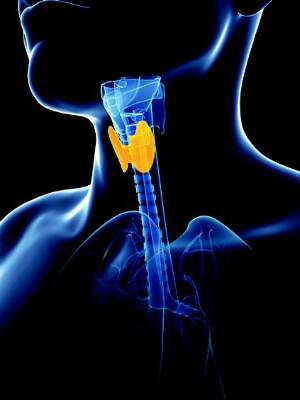
“The Afirma GEC test has substantial variability in performance,” said Dr. Zaid Al-Qurayshi of Tulane University, New Orleans, who reported the results at the annual meeting of the American Association of Endocrine Surgeons. “This variability cannot be explained based on differences in prevalence alone, but may also be the result of intrinsic test properties.”
The Afirma GEC measures the expression of 167 genes to more precisely determine the cancer risk of an indeterminate biopsied thyroid nodule and avoid unnecessary surgery. The test costs approximately $4,800 per nodule.
The researchers undertook the study in light of an American Thyroid Association (ATA) statement last year that concluded that test results are predicated on the clinician knowing the prevalence of malignancy within each indeterminate cytologic category at his/her own institution. Without this information, the performance of the diagnostic tests may vary substantially (Thyroid. 2015;25:760-8).
The single-center, retrospective cohort analysis included 192 patients with 210 indeterminate biopsy results, 145 of whom had surgery with 154 thyroid nodules. With a malignancy prevalence of 45%, the expected negative predictive value (NPV) of the test was estimated to be 85%, Dr. Al-Qurayshi said. However, the actual observed NPV was 69%. “If the prevalence was assumed to be 25%, the expected NPV was estimated to be 94%, while the observed NPV would have been 85%,” Dr. Al-Qurayshi said.
The researchers calculated the expected NPV by adopting the sensitivity and specificity rates of the test as reported in previous studies, while they calculated the observed NPV based on the actual negative rate among the Tulane cohort, Dr. Al-Qurayshi said.
Dr. Al-Qurayshi and colleagues then compared their results with pooled data from 11 other studies of the Afirma GEC. The pooled data analysis included 1,303 patients and yielded a malignancy prevalence of 31.1%, with a range of 29%-35%, and a pooled NPV of 92%, with a range of 87%-96%, Dr. Al-Qurayshi said.
“A lot of previously published studies took the sensitivity and specificity that were previously reported for granted, and now we are showing this sensitivity is all over the place,” Dr. Al-Qurayshi said. “Now, we don’t know which is the true one, and we need a larger clinical trial first to determine the true properties. Then we can ask how the prevalence in one’s institution is affecting the performance of the test.”
In an interview, Dr. Emad Kandil, senior study coauthor, also of Tulane, said the 69% NPV of the Tulane cohort puts the diagnostic scenario “back to ground zero, which is similar to what we had prior to the use of the new commercially available genetic tests.” He added, “A larger, randomized trial of the Afirma GEC test should answer those questions.”
The seminal study for the Afirma GEC, authored by Dr. Erik Alexander of Brigham and Women’s Hospital, Boston, in 2012, reported a 92% NPV with the test (N Engl J Med. 2012;367:705-15).
“The first thought was that they had different results because their population was different,” Dr. Al-Qurayshi said. “The ATA statement noted that it is the clinician’s responsibility to determine if this test is appropriate for their population or not, but the performance of the test doesn’t just depend on the population property, but it also depends on the intrinsic testing properties.”
Dr. Kandil disclosed that he has been a primary investigator in the ENHANCE multicenter study of the Afirma GEC. The other coauthors had no financial disclosures.
BALTIMORE – Biopsy results from a commercially available genetic test for ruling out malignancy of thyroid nodules may not provide reliable answers to clinicians and patients.
When fine-needle aspiration biopsy of thyroid nodules comes back inconclusive, clinicians have increasingly utilized the Afirma gene expression classifier (GEC) to rule out malignancy, but a retrospective analysis of almost 200 patients with indeterminate biopsy results along with a pooled analysis of 11 previous studies has raised questions about the negative predictive value of the test.
“The Afirma GEC test has substantial variability in performance,” said Dr. Zaid Al-Qurayshi of Tulane University, New Orleans, who reported the results at the annual meeting of the American Association of Endocrine Surgeons. “This variability cannot be explained based on differences in prevalence alone, but may also be the result of intrinsic test properties.”
The Afirma GEC measures the expression of 167 genes to more precisely determine the cancer risk of an indeterminate biopsied thyroid nodule and avoid unnecessary surgery. The test costs approximately $4,800 per nodule.
The researchers undertook the study in light of an American Thyroid Association (ATA) statement last year that concluded that test results are predicated on the clinician knowing the prevalence of malignancy within each indeterminate cytologic category at his/her own institution. Without this information, the performance of the diagnostic tests may vary substantially (Thyroid. 2015;25:760-8).
The single-center, retrospective cohort analysis included 192 patients with 210 indeterminate biopsy results, 145 of whom had surgery with 154 thyroid nodules. With a malignancy prevalence of 45%, the expected negative predictive value (NPV) of the test was estimated to be 85%, Dr. Al-Qurayshi said. However, the actual observed NPV was 69%. “If the prevalence was assumed to be 25%, the expected NPV was estimated to be 94%, while the observed NPV would have been 85%,” Dr. Al-Qurayshi said.
The researchers calculated the expected NPV by adopting the sensitivity and specificity rates of the test as reported in previous studies, while they calculated the observed NPV based on the actual negative rate among the Tulane cohort, Dr. Al-Qurayshi said.
Dr. Al-Qurayshi and colleagues then compared their results with pooled data from 11 other studies of the Afirma GEC. The pooled data analysis included 1,303 patients and yielded a malignancy prevalence of 31.1%, with a range of 29%-35%, and a pooled NPV of 92%, with a range of 87%-96%, Dr. Al-Qurayshi said.
“A lot of previously published studies took the sensitivity and specificity that were previously reported for granted, and now we are showing this sensitivity is all over the place,” Dr. Al-Qurayshi said. “Now, we don’t know which is the true one, and we need a larger clinical trial first to determine the true properties. Then we can ask how the prevalence in one’s institution is affecting the performance of the test.”
In an interview, Dr. Emad Kandil, senior study coauthor, also of Tulane, said the 69% NPV of the Tulane cohort puts the diagnostic scenario “back to ground zero, which is similar to what we had prior to the use of the new commercially available genetic tests.” He added, “A larger, randomized trial of the Afirma GEC test should answer those questions.”
The seminal study for the Afirma GEC, authored by Dr. Erik Alexander of Brigham and Women’s Hospital, Boston, in 2012, reported a 92% NPV with the test (N Engl J Med. 2012;367:705-15).
“The first thought was that they had different results because their population was different,” Dr. Al-Qurayshi said. “The ATA statement noted that it is the clinician’s responsibility to determine if this test is appropriate for their population or not, but the performance of the test doesn’t just depend on the population property, but it also depends on the intrinsic testing properties.”
Dr. Kandil disclosed that he has been a primary investigator in the ENHANCE multicenter study of the Afirma GEC. The other coauthors had no financial disclosures.
BALTIMORE – Biopsy results from a commercially available genetic test for ruling out malignancy of thyroid nodules may not provide reliable answers to clinicians and patients.
When fine-needle aspiration biopsy of thyroid nodules comes back inconclusive, clinicians have increasingly utilized the Afirma gene expression classifier (GEC) to rule out malignancy, but a retrospective analysis of almost 200 patients with indeterminate biopsy results along with a pooled analysis of 11 previous studies has raised questions about the negative predictive value of the test.
“The Afirma GEC test has substantial variability in performance,” said Dr. Zaid Al-Qurayshi of Tulane University, New Orleans, who reported the results at the annual meeting of the American Association of Endocrine Surgeons. “This variability cannot be explained based on differences in prevalence alone, but may also be the result of intrinsic test properties.”
The Afirma GEC measures the expression of 167 genes to more precisely determine the cancer risk of an indeterminate biopsied thyroid nodule and avoid unnecessary surgery. The test costs approximately $4,800 per nodule.
The researchers undertook the study in light of an American Thyroid Association (ATA) statement last year that concluded that test results are predicated on the clinician knowing the prevalence of malignancy within each indeterminate cytologic category at his/her own institution. Without this information, the performance of the diagnostic tests may vary substantially (Thyroid. 2015;25:760-8).
The single-center, retrospective cohort analysis included 192 patients with 210 indeterminate biopsy results, 145 of whom had surgery with 154 thyroid nodules. With a malignancy prevalence of 45%, the expected negative predictive value (NPV) of the test was estimated to be 85%, Dr. Al-Qurayshi said. However, the actual observed NPV was 69%. “If the prevalence was assumed to be 25%, the expected NPV was estimated to be 94%, while the observed NPV would have been 85%,” Dr. Al-Qurayshi said.
The researchers calculated the expected NPV by adopting the sensitivity and specificity rates of the test as reported in previous studies, while they calculated the observed NPV based on the actual negative rate among the Tulane cohort, Dr. Al-Qurayshi said.
Dr. Al-Qurayshi and colleagues then compared their results with pooled data from 11 other studies of the Afirma GEC. The pooled data analysis included 1,303 patients and yielded a malignancy prevalence of 31.1%, with a range of 29%-35%, and a pooled NPV of 92%, with a range of 87%-96%, Dr. Al-Qurayshi said.
“A lot of previously published studies took the sensitivity and specificity that were previously reported for granted, and now we are showing this sensitivity is all over the place,” Dr. Al-Qurayshi said. “Now, we don’t know which is the true one, and we need a larger clinical trial first to determine the true properties. Then we can ask how the prevalence in one’s institution is affecting the performance of the test.”
In an interview, Dr. Emad Kandil, senior study coauthor, also of Tulane, said the 69% NPV of the Tulane cohort puts the diagnostic scenario “back to ground zero, which is similar to what we had prior to the use of the new commercially available genetic tests.” He added, “A larger, randomized trial of the Afirma GEC test should answer those questions.”
The seminal study for the Afirma GEC, authored by Dr. Erik Alexander of Brigham and Women’s Hospital, Boston, in 2012, reported a 92% NPV with the test (N Engl J Med. 2012;367:705-15).
“The first thought was that they had different results because their population was different,” Dr. Al-Qurayshi said. “The ATA statement noted that it is the clinician’s responsibility to determine if this test is appropriate for their population or not, but the performance of the test doesn’t just depend on the population property, but it also depends on the intrinsic testing properties.”
Dr. Kandil disclosed that he has been a primary investigator in the ENHANCE multicenter study of the Afirma GEC. The other coauthors had no financial disclosures.
At AAES 2016
Key clinical point: Biopsy results from a commercially available genetic test for ruling out malignancy of thyroid nodules may not provide reliable answers to clinicians and patients.
Major finding: With a malignancy prevalence of 45%, the expected negative predictive value of the test was estimated to be 85%, but the actual observed NPV was 69%.
Data source: A single-center, retrospective cohort analysis involving 145 patients with 154 thyroid nodules.
Disclosures: Coauthor Dr. Emad Kandil disclosed that he has been a primary investigator in the ENHANCE multicenter study of the Afirma GEC. The other coauthors reported having no financial disclosures.
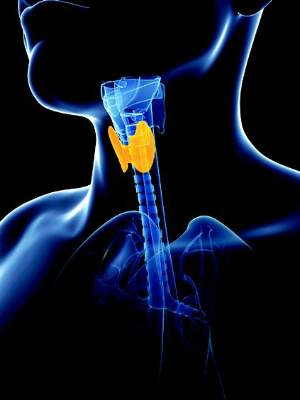
ECLS May Save Mother and Fetus
In pregnant women with acute respiratory distress syndrome, extracorporeal life support can be effective and safe for both the mother and fetus, according to a meta-analysis of 332 articles published in the April issue of the Journal of Thoracic and Cardiovascular Surgery (2016;151:1154-60).
Dr. Sarah A. Moore and her coauthors at the University of New Mexico, Albuquerque, reported that their literature search yielded a total of 45 patients treated with extracorporeal life support (ECLS) or extracorporeal membrane oxygenation (ECMO). The reports were published from 1991-2015.
Dr. Moore and her colleagues also reported on the first successful use of ECLS in a pregnant patient at their own institution with life-threatening hantavirus cardiopulmonary syndrome.
The researchers extrapolated from the literature were case reports and small case series. In the 45-patient study cohort, the survival rate was 77.8% after ECLS for mothers and 65.1% for the fetuses. The average gestational age was 26.5 weeks, ranging from 28 to 43 weeks, and the patients were on ECLS for an average of 12.2 days, with a range of one to 57 days.
The most common reason for ECLS in this cohort was severe H1N1 influenza, otherwise known as swine flu, complicated with acute respiratory distress syndrome (ARDS). The largest series, from France, involved 11 pregnant women treated with ECMO for severe ARDS secondary to severe H1N1 influenza (PLoS One. 2010;5:e13112). Unlike other reports, the New Mexico meta-analysis did not include postpartum patients.
The mitigating case for the study was a previously healthy 25-year-old pregnant woman who was in respiratory failure with hantavirus cardiopulmonary syndrome (HCPS) when she arrived at University of New Mexico Health Sciences Center. Despite mechanical ventilation, the patient remained severely hypoxic and developed worsening hypertension. “The patient was placed on venoarterial ECMO for 72 hours, recovered without complications, and delivered a healthy infant,” Dr. Moore and her colleagues said. “The mother and son remain asymptomatic 6 years later.”
Dr. Moore and her colleagues said strategies used in the nonpregnant population with ARDS might not be appropriate in pregnant mothers for two reasons: permissive hypercapnia may harm the fetus; and prone positioning can be difficult for women in late-term pregnancy. Also, corticosteroids for H1N1 influenza have been controversial.
That doesn’t mean ECLS in pregnant women is not without its complications; the most common was major bleeding, reported in seven of the reviewed articles. Other complications included hemolysis, cannula dislodgement, uterine compression causing ineffective flow rate that improved after emergency cesarean section, and nosocomial infections, including urinary tract and line-related infections.
The study also took a closer look at the use of ECMO in pregnant women during the 2009 H1N1 pandemic; 8 of 33 pregnant women placed on ECMO died, compared with two maternal deaths among the 12 pregnant women placed on ECLS for other reasons.
Dr. Moore and her coauthors acknowledged several limitations of their study, namely the likelihood of selection bias, “given that centers are less inclined to publish their bad outcomes.” Other limits the researchers noted are: the small cohort obviated a proper statistical analysis; there was no control group; and the survival rate in pregnant women with ARDS who do not have ECLS is unknown. Dr. Moore and her coauthors had no relationships to disclose.
The meta-analysis by Dr. Moore and her colleagues provides strong support for ECMO in pregnant women with ARDS. What is lacking, but was not the authors’ focus, is how to maximize survival.
When managing pregnant women with severe cardiopulmonary dysfunction, the decision matrix for extracorporeal support requires rapid assessment of cardiopulmonary function and involves multidisciplinary collaboration, including critical care teams, maternal-fetal medicine physicians, perfusion services, and cardiothoracic surgery.
|
| Mitchel L. Zoler/Frontline Medical News Dr. Nicholas Smedira |
Initially, a pulmonary artery catheter and transthoracic echocardiography are needed to determine cardiac output to direct the decision-making on whether venoarterial or venovenous support is indicated. An experienced perfusionist should be brought in to assess the ECMO cannula and circuit capabilities.
Lower-extremity venoarterial ECMO can cause cerebral and cardiac hypoxia in patients with mild cardiac dysfunction, usually of the right ventricle, secondary to hypoxia, acidosis, and hypercarbia. In the cohort Dr. Moore and her colleagues included in their study, venovenous ECMO is safest and most effective.
With the successful use of ECMO during pregnancy, the rewards can be spectacular: How often can we save two lives with one operation?
Dr. Nicholas G. Smedira is with the Cleveland Clinic. He made his remarks in an invited commentary (J Thorac Cardiovasc Surg. 2016;151:1161-2). Dr. Smedira had no disclosures.
The meta-analysis by Dr. Moore and her colleagues provides strong support for ECMO in pregnant women with ARDS. What is lacking, but was not the authors’ focus, is how to maximize survival.
When managing pregnant women with severe cardiopulmonary dysfunction, the decision matrix for extracorporeal support requires rapid assessment of cardiopulmonary function and involves multidisciplinary collaboration, including critical care teams, maternal-fetal medicine physicians, perfusion services, and cardiothoracic surgery.
|
|
| Mitchel L. Zoler/Frontline Medical News Dr. Nicholas Smedira |
Initially, a pulmonary artery catheter and transthoracic echocardiography are needed to determine cardiac output to direct the decision-making on whether venoarterial or venovenous support is indicated. An experienced perfusionist should be brought in to assess the ECMO cannula and circuit capabilities.
Lower-extremity venoarterial ECMO can cause cerebral and cardiac hypoxia in patients with mild cardiac dysfunction, usually of the right ventricle, secondary to hypoxia, acidosis, and hypercarbia. In the cohort Dr. Moore and her colleagues included in their study, venovenous ECMO is safest and most effective.
With the successful use of ECMO during pregnancy, the rewards can be spectacular: How often can we save two lives with one operation?
Dr. Nicholas G. Smedira is with the Cleveland Clinic. He made his remarks in an invited commentary (J Thorac Cardiovasc Surg. 2016;151:1161-2). Dr. Smedira had no disclosures.
The meta-analysis by Dr. Moore and her colleagues provides strong support for ECMO in pregnant women with ARDS. What is lacking, but was not the authors’ focus, is how to maximize survival.
When managing pregnant women with severe cardiopulmonary dysfunction, the decision matrix for extracorporeal support requires rapid assessment of cardiopulmonary function and involves multidisciplinary collaboration, including critical care teams, maternal-fetal medicine physicians, perfusion services, and cardiothoracic surgery.
|
|
| Mitchel L. Zoler/Frontline Medical News Dr. Nicholas Smedira |
Initially, a pulmonary artery catheter and transthoracic echocardiography are needed to determine cardiac output to direct the decision-making on whether venoarterial or venovenous support is indicated. An experienced perfusionist should be brought in to assess the ECMO cannula and circuit capabilities.
Lower-extremity venoarterial ECMO can cause cerebral and cardiac hypoxia in patients with mild cardiac dysfunction, usually of the right ventricle, secondary to hypoxia, acidosis, and hypercarbia. In the cohort Dr. Moore and her colleagues included in their study, venovenous ECMO is safest and most effective.
With the successful use of ECMO during pregnancy, the rewards can be spectacular: How often can we save two lives with one operation?
Dr. Nicholas G. Smedira is with the Cleveland Clinic. He made his remarks in an invited commentary (J Thorac Cardiovasc Surg. 2016;151:1161-2). Dr. Smedira had no disclosures.
In pregnant women with acute respiratory distress syndrome, extracorporeal life support can be effective and safe for both the mother and fetus, according to a meta-analysis of 332 articles published in the April issue of the Journal of Thoracic and Cardiovascular Surgery (2016;151:1154-60).
Dr. Sarah A. Moore and her coauthors at the University of New Mexico, Albuquerque, reported that their literature search yielded a total of 45 patients treated with extracorporeal life support (ECLS) or extracorporeal membrane oxygenation (ECMO). The reports were published from 1991-2015.
Dr. Moore and her colleagues also reported on the first successful use of ECLS in a pregnant patient at their own institution with life-threatening hantavirus cardiopulmonary syndrome.
The researchers extrapolated from the literature were case reports and small case series. In the 45-patient study cohort, the survival rate was 77.8% after ECLS for mothers and 65.1% for the fetuses. The average gestational age was 26.5 weeks, ranging from 28 to 43 weeks, and the patients were on ECLS for an average of 12.2 days, with a range of one to 57 days.
The most common reason for ECLS in this cohort was severe H1N1 influenza, otherwise known as swine flu, complicated with acute respiratory distress syndrome (ARDS). The largest series, from France, involved 11 pregnant women treated with ECMO for severe ARDS secondary to severe H1N1 influenza (PLoS One. 2010;5:e13112). Unlike other reports, the New Mexico meta-analysis did not include postpartum patients.
The mitigating case for the study was a previously healthy 25-year-old pregnant woman who was in respiratory failure with hantavirus cardiopulmonary syndrome (HCPS) when she arrived at University of New Mexico Health Sciences Center. Despite mechanical ventilation, the patient remained severely hypoxic and developed worsening hypertension. “The patient was placed on venoarterial ECMO for 72 hours, recovered without complications, and delivered a healthy infant,” Dr. Moore and her colleagues said. “The mother and son remain asymptomatic 6 years later.”
Dr. Moore and her colleagues said strategies used in the nonpregnant population with ARDS might not be appropriate in pregnant mothers for two reasons: permissive hypercapnia may harm the fetus; and prone positioning can be difficult for women in late-term pregnancy. Also, corticosteroids for H1N1 influenza have been controversial.
That doesn’t mean ECLS in pregnant women is not without its complications; the most common was major bleeding, reported in seven of the reviewed articles. Other complications included hemolysis, cannula dislodgement, uterine compression causing ineffective flow rate that improved after emergency cesarean section, and nosocomial infections, including urinary tract and line-related infections.
The study also took a closer look at the use of ECMO in pregnant women during the 2009 H1N1 pandemic; 8 of 33 pregnant women placed on ECMO died, compared with two maternal deaths among the 12 pregnant women placed on ECLS for other reasons.
Dr. Moore and her coauthors acknowledged several limitations of their study, namely the likelihood of selection bias, “given that centers are less inclined to publish their bad outcomes.” Other limits the researchers noted are: the small cohort obviated a proper statistical analysis; there was no control group; and the survival rate in pregnant women with ARDS who do not have ECLS is unknown. Dr. Moore and her coauthors had no relationships to disclose.
In pregnant women with acute respiratory distress syndrome, extracorporeal life support can be effective and safe for both the mother and fetus, according to a meta-analysis of 332 articles published in the April issue of the Journal of Thoracic and Cardiovascular Surgery (2016;151:1154-60).
Dr. Sarah A. Moore and her coauthors at the University of New Mexico, Albuquerque, reported that their literature search yielded a total of 45 patients treated with extracorporeal life support (ECLS) or extracorporeal membrane oxygenation (ECMO). The reports were published from 1991-2015.
Dr. Moore and her colleagues also reported on the first successful use of ECLS in a pregnant patient at their own institution with life-threatening hantavirus cardiopulmonary syndrome.
The researchers extrapolated from the literature were case reports and small case series. In the 45-patient study cohort, the survival rate was 77.8% after ECLS for mothers and 65.1% for the fetuses. The average gestational age was 26.5 weeks, ranging from 28 to 43 weeks, and the patients were on ECLS for an average of 12.2 days, with a range of one to 57 days.
The most common reason for ECLS in this cohort was severe H1N1 influenza, otherwise known as swine flu, complicated with acute respiratory distress syndrome (ARDS). The largest series, from France, involved 11 pregnant women treated with ECMO for severe ARDS secondary to severe H1N1 influenza (PLoS One. 2010;5:e13112). Unlike other reports, the New Mexico meta-analysis did not include postpartum patients.
The mitigating case for the study was a previously healthy 25-year-old pregnant woman who was in respiratory failure with hantavirus cardiopulmonary syndrome (HCPS) when she arrived at University of New Mexico Health Sciences Center. Despite mechanical ventilation, the patient remained severely hypoxic and developed worsening hypertension. “The patient was placed on venoarterial ECMO for 72 hours, recovered without complications, and delivered a healthy infant,” Dr. Moore and her colleagues said. “The mother and son remain asymptomatic 6 years later.”
Dr. Moore and her colleagues said strategies used in the nonpregnant population with ARDS might not be appropriate in pregnant mothers for two reasons: permissive hypercapnia may harm the fetus; and prone positioning can be difficult for women in late-term pregnancy. Also, corticosteroids for H1N1 influenza have been controversial.
That doesn’t mean ECLS in pregnant women is not without its complications; the most common was major bleeding, reported in seven of the reviewed articles. Other complications included hemolysis, cannula dislodgement, uterine compression causing ineffective flow rate that improved after emergency cesarean section, and nosocomial infections, including urinary tract and line-related infections.
The study also took a closer look at the use of ECMO in pregnant women during the 2009 H1N1 pandemic; 8 of 33 pregnant women placed on ECMO died, compared with two maternal deaths among the 12 pregnant women placed on ECLS for other reasons.
Dr. Moore and her coauthors acknowledged several limitations of their study, namely the likelihood of selection bias, “given that centers are less inclined to publish their bad outcomes.” Other limits the researchers noted are: the small cohort obviated a proper statistical analysis; there was no control group; and the survival rate in pregnant women with ARDS who do not have ECLS is unknown. Dr. Moore and her coauthors had no relationships to disclose.
Key clinical point: Extracorporeal life support (ECLS) during pregnancy is effective and relatively safe for both mother and fetus.
Major finding: Survival rates with ECLS were 77.8% for mothers and 65.1% for fetuses.
Data source: Meta-analysis of 332 articles and a total of 45 patients treated with ECLS during pregnancy.
Disclosures: The study investigators had no relationships to disclose.
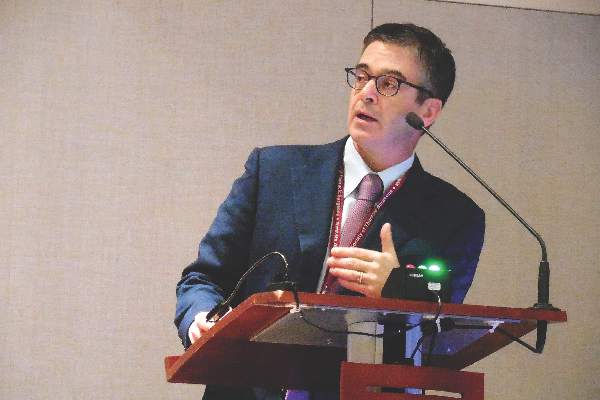
Parathyroidectomy before kidney transplant may reduce complications
BALTIMORE – Performing a parathyroidectomy in kidney transplant patients before their transplant can reduce the risk of graft failure and provide other benefits, the findings of a retrospective study of 913 patients suggest.
Uremic hyperparathyroidism (UHPT) is common in patients with end-stage kidney disease, and elevated parathyroid hormone (PTH) levels have been linked with delayed graft function after kidney transplants, but current guidelines for PTH levels may not go far enough to reduce the risk of graft failure and other post–kidney transplant complications in people with elevated PTH before transplant, according to Dr. Glenda G. Callender of Yale University, New Haven, Conn., and her colleagues.
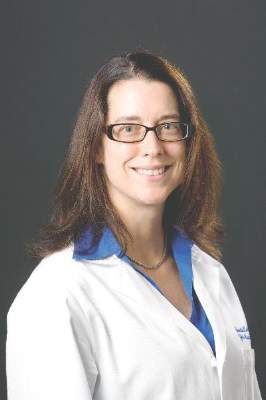
“Uremic hyperparathyroidism was associated with an increased risk of complications in the first year post kidney transplant,” Dr. Callender said at the annual meeting of the American Association of Endocrine Surgeons. “Pre–kidney transplant parathyroidectomy was associated with a decreased risk of post–kidney transplant graft failure. This implies that pre–kidney transplant reduction of PTH levels should be considered in patients with UPHT.”
The Yale researchers reviewed outcomes of 913 patients at their institution who had a kidney transplant from 2005 to 2014. They analyzed biochemical values before kidney transplant and at three intervals post transplant: at 1 month, 6 months, and 1 year. Among the outcomes they evaluated were calcium and PTH levels, estimated glomerular filtration rate, complications, delayed graft function, and graft failure. The overall graft survival rate was 97.8% 1 year after kidney transplantation.
Overall, 49.4% of patients (451) had a diagnosis with UHPT before kidney transplant; 6.2% of all patients (57) had parathyroidectomy before kidney transplant and another 2% (18) had parathyroidectomy at some point after their kidney transplant operations. Median baseline PTH levels were higher in the UHPT patients: 206 pg/mL vs. 159 pg/mL for the non-UHPT group, Dr. Callender reported.
The researchers captured complete data on 37 of the 57 patients who had pretransplant parathyroidectomy. Twenty-four (65% of the group) had subtotal parathyroidectomy in which 3.5 glands were removed, and 12 (32%) had fewer than 3.5 glands removed. One patient had total parathyroidectomy, she said.
Among the patients with UHPT, the median pre–kidney transplant PTH was similar between the pretransplant parathyroidectomy and the no-parathyroidectomy groups: 218 pg/mL and 180 pg/mL, respectively, Dr. Callender said.
Pre–kidney transplant diagnosis of UHPT had an odds ratio of 1.44 for complications in the first year after transplant surgery, but not necessarily a greater risk for graft function or graft failure, she said. However, those relative risks changed with the degree of PTH above normal. Patients with UHPT who had pretransplant parathyroidectomy had a lower risk of graft failure, with an odds ratio of 0.547.
Current Kidney Disease Improving Global Outcomes (KDIGO) guidelines recommend maintaining PTH levels in patients with UHPT before they have kidney transplant surgery at no more than nine times normal. To test the optimal PTH levels before kidney transplant, the researchers analyzed thresholds ranging from two to nine times the normal limit.
“A pre–kidney transplant [PTH] level greater than or equal to six times normal was associated with post-transplant graft failure but not with delayed graft function or complications in the first year post kidney transplant,” Dr. Callender said. “Although the thresholds at two and four times normal were statistically significant, there was a continued risk significant for graft failure above six times normal.”
This finding “suggests that perhaps the current KDIGO guideline of maintaining patient PTH at up to nine times normal is too liberal,” Dr. Callender said.
She acknowledged several limitations of the study: its retrospective nature, small sample size, and “many missing data points” because a wide variety of dialysis centers with varying documentation standards collected information.
“However,” Dr. Callender said, “we believe these findings support the design and implementation of a multi-institutional, prospective, randomized control trial to evaluate whether a change in management of patients with uremic hyperparathyroidism is warranted.”
Dr. Callender and her coauthors had no financial relationships to disclose.
BALTIMORE – Performing a parathyroidectomy in kidney transplant patients before their transplant can reduce the risk of graft failure and provide other benefits, the findings of a retrospective study of 913 patients suggest.
Uremic hyperparathyroidism (UHPT) is common in patients with end-stage kidney disease, and elevated parathyroid hormone (PTH) levels have been linked with delayed graft function after kidney transplants, but current guidelines for PTH levels may not go far enough to reduce the risk of graft failure and other post–kidney transplant complications in people with elevated PTH before transplant, according to Dr. Glenda G. Callender of Yale University, New Haven, Conn., and her colleagues.
“Uremic hyperparathyroidism was associated with an increased risk of complications in the first year post kidney transplant,” Dr. Callender said at the annual meeting of the American Association of Endocrine Surgeons. “Pre–kidney transplant parathyroidectomy was associated with a decreased risk of post–kidney transplant graft failure. This implies that pre–kidney transplant reduction of PTH levels should be considered in patients with UPHT.”
The Yale researchers reviewed outcomes of 913 patients at their institution who had a kidney transplant from 2005 to 2014. They analyzed biochemical values before kidney transplant and at three intervals post transplant: at 1 month, 6 months, and 1 year. Among the outcomes they evaluated were calcium and PTH levels, estimated glomerular filtration rate, complications, delayed graft function, and graft failure. The overall graft survival rate was 97.8% 1 year after kidney transplantation.
Overall, 49.4% of patients (451) had a diagnosis with UHPT before kidney transplant; 6.2% of all patients (57) had parathyroidectomy before kidney transplant and another 2% (18) had parathyroidectomy at some point after their kidney transplant operations. Median baseline PTH levels were higher in the UHPT patients: 206 pg/mL vs. 159 pg/mL for the non-UHPT group, Dr. Callender reported.
The researchers captured complete data on 37 of the 57 patients who had pretransplant parathyroidectomy. Twenty-four (65% of the group) had subtotal parathyroidectomy in which 3.5 glands were removed, and 12 (32%) had fewer than 3.5 glands removed. One patient had total parathyroidectomy, she said.
Among the patients with UHPT, the median pre–kidney transplant PTH was similar between the pretransplant parathyroidectomy and the no-parathyroidectomy groups: 218 pg/mL and 180 pg/mL, respectively, Dr. Callender said.
Pre–kidney transplant diagnosis of UHPT had an odds ratio of 1.44 for complications in the first year after transplant surgery, but not necessarily a greater risk for graft function or graft failure, she said. However, those relative risks changed with the degree of PTH above normal. Patients with UHPT who had pretransplant parathyroidectomy had a lower risk of graft failure, with an odds ratio of 0.547.
Current Kidney Disease Improving Global Outcomes (KDIGO) guidelines recommend maintaining PTH levels in patients with UHPT before they have kidney transplant surgery at no more than nine times normal. To test the optimal PTH levels before kidney transplant, the researchers analyzed thresholds ranging from two to nine times the normal limit.
“A pre–kidney transplant [PTH] level greater than or equal to six times normal was associated with post-transplant graft failure but not with delayed graft function or complications in the first year post kidney transplant,” Dr. Callender said. “Although the thresholds at two and four times normal were statistically significant, there was a continued risk significant for graft failure above six times normal.”
This finding “suggests that perhaps the current KDIGO guideline of maintaining patient PTH at up to nine times normal is too liberal,” Dr. Callender said.
She acknowledged several limitations of the study: its retrospective nature, small sample size, and “many missing data points” because a wide variety of dialysis centers with varying documentation standards collected information.
“However,” Dr. Callender said, “we believe these findings support the design and implementation of a multi-institutional, prospective, randomized control trial to evaluate whether a change in management of patients with uremic hyperparathyroidism is warranted.”
Dr. Callender and her coauthors had no financial relationships to disclose.
BALTIMORE – Performing a parathyroidectomy in kidney transplant patients before their transplant can reduce the risk of graft failure and provide other benefits, the findings of a retrospective study of 913 patients suggest.
Uremic hyperparathyroidism (UHPT) is common in patients with end-stage kidney disease, and elevated parathyroid hormone (PTH) levels have been linked with delayed graft function after kidney transplants, but current guidelines for PTH levels may not go far enough to reduce the risk of graft failure and other post–kidney transplant complications in people with elevated PTH before transplant, according to Dr. Glenda G. Callender of Yale University, New Haven, Conn., and her colleagues.
“Uremic hyperparathyroidism was associated with an increased risk of complications in the first year post kidney transplant,” Dr. Callender said at the annual meeting of the American Association of Endocrine Surgeons. “Pre–kidney transplant parathyroidectomy was associated with a decreased risk of post–kidney transplant graft failure. This implies that pre–kidney transplant reduction of PTH levels should be considered in patients with UPHT.”
The Yale researchers reviewed outcomes of 913 patients at their institution who had a kidney transplant from 2005 to 2014. They analyzed biochemical values before kidney transplant and at three intervals post transplant: at 1 month, 6 months, and 1 year. Among the outcomes they evaluated were calcium and PTH levels, estimated glomerular filtration rate, complications, delayed graft function, and graft failure. The overall graft survival rate was 97.8% 1 year after kidney transplantation.
Overall, 49.4% of patients (451) had a diagnosis with UHPT before kidney transplant; 6.2% of all patients (57) had parathyroidectomy before kidney transplant and another 2% (18) had parathyroidectomy at some point after their kidney transplant operations. Median baseline PTH levels were higher in the UHPT patients: 206 pg/mL vs. 159 pg/mL for the non-UHPT group, Dr. Callender reported.
The researchers captured complete data on 37 of the 57 patients who had pretransplant parathyroidectomy. Twenty-four (65% of the group) had subtotal parathyroidectomy in which 3.5 glands were removed, and 12 (32%) had fewer than 3.5 glands removed. One patient had total parathyroidectomy, she said.
Among the patients with UHPT, the median pre–kidney transplant PTH was similar between the pretransplant parathyroidectomy and the no-parathyroidectomy groups: 218 pg/mL and 180 pg/mL, respectively, Dr. Callender said.
Pre–kidney transplant diagnosis of UHPT had an odds ratio of 1.44 for complications in the first year after transplant surgery, but not necessarily a greater risk for graft function or graft failure, she said. However, those relative risks changed with the degree of PTH above normal. Patients with UHPT who had pretransplant parathyroidectomy had a lower risk of graft failure, with an odds ratio of 0.547.
Current Kidney Disease Improving Global Outcomes (KDIGO) guidelines recommend maintaining PTH levels in patients with UHPT before they have kidney transplant surgery at no more than nine times normal. To test the optimal PTH levels before kidney transplant, the researchers analyzed thresholds ranging from two to nine times the normal limit.
“A pre–kidney transplant [PTH] level greater than or equal to six times normal was associated with post-transplant graft failure but not with delayed graft function or complications in the first year post kidney transplant,” Dr. Callender said. “Although the thresholds at two and four times normal were statistically significant, there was a continued risk significant for graft failure above six times normal.”
This finding “suggests that perhaps the current KDIGO guideline of maintaining patient PTH at up to nine times normal is too liberal,” Dr. Callender said.
She acknowledged several limitations of the study: its retrospective nature, small sample size, and “many missing data points” because a wide variety of dialysis centers with varying documentation standards collected information.
“However,” Dr. Callender said, “we believe these findings support the design and implementation of a multi-institutional, prospective, randomized control trial to evaluate whether a change in management of patients with uremic hyperparathyroidism is warranted.”
Dr. Callender and her coauthors had no financial relationships to disclose.
AT AAES 2016
Key clinical point: Parathyroidectomy reduces graft failure in individuals with uremic hyperparathyroidism (UHPT) who undergo kidney transplant.
Major finding: Pre–kidney transplant diagnosis of UHPT had an odds ratio of 1.44 of complications a year after transplant; patients who had parathyroidectomy before transplant had a reduced 0.547 odds ratio risk of graft failure.
Data source: Review of 913 patients who had kidney transplant from 2005 to 2014 at a single institution.
Disclosures: Dr. Callender and her coauthors reported having no financial disclosures.
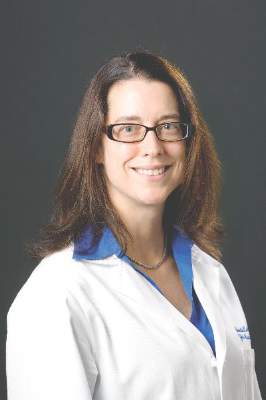
Surgery for PHPT Improves Sleep Quality
BALTIMORE – Research into how primary hyperparathyroidism and parathyroidectomy affect sleep quality has been limited, but investigators at the Medical College of Wisconsin, Milwaukee, reported that primary hyperparathyroidism does indeed disrupt sleep patterns and that curative surgery can improve sleep quality in a third of patients.
“Today, most patients with primary hyperparathyroidism have what is considered asymptomatic disease,” Justin La reported at the annual meeting of the American Association of Endocrine Surgeons. “However, recent studies demonstrate that many of these asymptomatic patients commonly exhibit neuropsychological problems, including sleep disturbances.” Mr. La is a fourth-year medical student at the Medical College of Wisconsin.
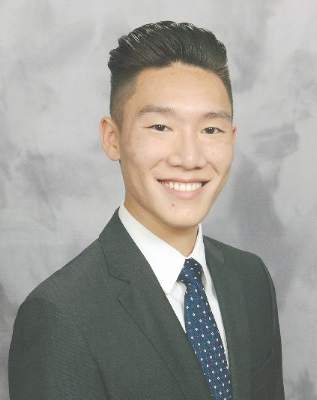
This prospective study, led by Dr. Tina Yen, recruited patients between June 2013 and September 2015 and compared 110 patients who had parathyroidectomy for primary hyperparathyroidism (PHPT) with 45 controls who had thyroidectomy for benign euthyroid disease between June 2013 and September 2015.
“Multiple studies, including recent meta-analyses, have demonstrated lower quality of life in patients with primary hyperparathyroidism and have suggested that patients, regardless of symptoms or degree of hypercalcemia, report varying degrees of improvement after parathyroidectomy,” Mr. La said. “In contrast there is a relative paucity of literature on the effects of primary hyperparathyroidism on sleep quality and changes after parathyroidectomy.”
He noted studies from both the University of Texas M.D. Anderson Cancer Center, Houston, and the University of Wisconsin–Madison had demonstrated a 44%-63% incidence of sleep disturbance preoperatively and improvement postoperatively in patients with PHPT who had parathyroidectomy (Endocr Pract. 2007 Jul-Aug;13:338-44; World J Surg. 2014 Mar;38:542-8; Surgery. 2009 Dec;146:1116-22).
“However, these studies were limited by small sample sizes and lack of a control group,” La said.
The latest study had subjects complete questionnaires inquiring about quality of life and sleep patterns at three different intervals: before surgery; and 1 and 6 months after surgery. The study used the Medical Outcomes Study SF-36 to assess quality of life and the Pittsburgh Sleep Quality Index (PSQI) to evaluate sleep quality. The PSQI rates sleep quality on a scale of 0 to 21; a score of 5 or higher indicates poor sleep quality.
“Compared to the preoperative scores, sleep scores after parathyroidectomy were lower, signifying better sleep quality among the 105 patients who completed 1-month postoperative surveys and the 94 patients who completed the 6-month surveys,” La said.
Before surgery, PHPT patients had worse sleep quality than their thyroid counterparts with PSQI scores of 8.1 vs. 5.3, respectively. After surgery, sleep quality scores between the two groups were similar, with mean PSQI scores of 6.3 vs. 5.3 at 1 month after surgery for the parathyroid and thyroid groups, respectively, and 5.8 vs. 4.6 for the two groups at 6 months.
Also, the proportion of patients in both groups who had poor sleep quality after surgery showed no statistical difference. At 1 month after surgery, 50% of patients in the parathyroid group and 40% in the thyroid group continued to have poor sleep quality, La said. However, when comparing preoperative with postoperative sleep scores, 37% in the parathyroid group had a noticeable improvement in their sleep scores, while only 10% of the thyroid group demonstrated improvement.
The researchers also evaluated physical and mental function in the two groups. “Preoperative overall health status was significantly worse in the parathyroid group,” La said. At 1 and 6 months after parathyroidectomy, only two physical components, physical functioning and bodily pain, remained worse in the PHPT patients. Compared with preoperative scores, PHPT patients showed statistically significant improvement in all four mental components at both postoperative periods. “In contrast, the thyroid group demonstrated no significant changes in the preoperative to postoperative scores in all eight components,” La said.
“Our study adds to the body of literature suggesting that asymptomatic patients with primary hyperparathyroidism are unlikely to be truly asymptomatic,” La said. “All patients with primary hyperparathyroidism should be referred for surgical consultation, particularly those with neurocognitive symptoms.”
He also said that patients should be counseled that improvement in sleep quality and quality of life, if they are to occur, typically are seen within 1 month after surgery.
Mr. La, Dr. Yen, and the study coauthors had no relationships to disclose.
BALTIMORE – Research into how primary hyperparathyroidism and parathyroidectomy affect sleep quality has been limited, but investigators at the Medical College of Wisconsin, Milwaukee, reported that primary hyperparathyroidism does indeed disrupt sleep patterns and that curative surgery can improve sleep quality in a third of patients.
“Today, most patients with primary hyperparathyroidism have what is considered asymptomatic disease,” Justin La reported at the annual meeting of the American Association of Endocrine Surgeons. “However, recent studies demonstrate that many of these asymptomatic patients commonly exhibit neuropsychological problems, including sleep disturbances.” Mr. La is a fourth-year medical student at the Medical College of Wisconsin.
This prospective study, led by Dr. Tina Yen, recruited patients between June 2013 and September 2015 and compared 110 patients who had parathyroidectomy for primary hyperparathyroidism (PHPT) with 45 controls who had thyroidectomy for benign euthyroid disease between June 2013 and September 2015.
“Multiple studies, including recent meta-analyses, have demonstrated lower quality of life in patients with primary hyperparathyroidism and have suggested that patients, regardless of symptoms or degree of hypercalcemia, report varying degrees of improvement after parathyroidectomy,” Mr. La said. “In contrast there is a relative paucity of literature on the effects of primary hyperparathyroidism on sleep quality and changes after parathyroidectomy.”
He noted studies from both the University of Texas M.D. Anderson Cancer Center, Houston, and the University of Wisconsin–Madison had demonstrated a 44%-63% incidence of sleep disturbance preoperatively and improvement postoperatively in patients with PHPT who had parathyroidectomy (Endocr Pract. 2007 Jul-Aug;13:338-44; World J Surg. 2014 Mar;38:542-8; Surgery. 2009 Dec;146:1116-22).
“However, these studies were limited by small sample sizes and lack of a control group,” La said.
The latest study had subjects complete questionnaires inquiring about quality of life and sleep patterns at three different intervals: before surgery; and 1 and 6 months after surgery. The study used the Medical Outcomes Study SF-36 to assess quality of life and the Pittsburgh Sleep Quality Index (PSQI) to evaluate sleep quality. The PSQI rates sleep quality on a scale of 0 to 21; a score of 5 or higher indicates poor sleep quality.
“Compared to the preoperative scores, sleep scores after parathyroidectomy were lower, signifying better sleep quality among the 105 patients who completed 1-month postoperative surveys and the 94 patients who completed the 6-month surveys,” La said.
Before surgery, PHPT patients had worse sleep quality than their thyroid counterparts with PSQI scores of 8.1 vs. 5.3, respectively. After surgery, sleep quality scores between the two groups were similar, with mean PSQI scores of 6.3 vs. 5.3 at 1 month after surgery for the parathyroid and thyroid groups, respectively, and 5.8 vs. 4.6 for the two groups at 6 months.
Also, the proportion of patients in both groups who had poor sleep quality after surgery showed no statistical difference. At 1 month after surgery, 50% of patients in the parathyroid group and 40% in the thyroid group continued to have poor sleep quality, La said. However, when comparing preoperative with postoperative sleep scores, 37% in the parathyroid group had a noticeable improvement in their sleep scores, while only 10% of the thyroid group demonstrated improvement.
The researchers also evaluated physical and mental function in the two groups. “Preoperative overall health status was significantly worse in the parathyroid group,” La said. At 1 and 6 months after parathyroidectomy, only two physical components, physical functioning and bodily pain, remained worse in the PHPT patients. Compared with preoperative scores, PHPT patients showed statistically significant improvement in all four mental components at both postoperative periods. “In contrast, the thyroid group demonstrated no significant changes in the preoperative to postoperative scores in all eight components,” La said.
“Our study adds to the body of literature suggesting that asymptomatic patients with primary hyperparathyroidism are unlikely to be truly asymptomatic,” La said. “All patients with primary hyperparathyroidism should be referred for surgical consultation, particularly those with neurocognitive symptoms.”
He also said that patients should be counseled that improvement in sleep quality and quality of life, if they are to occur, typically are seen within 1 month after surgery.
Mr. La, Dr. Yen, and the study coauthors had no relationships to disclose.
BALTIMORE – Research into how primary hyperparathyroidism and parathyroidectomy affect sleep quality has been limited, but investigators at the Medical College of Wisconsin, Milwaukee, reported that primary hyperparathyroidism does indeed disrupt sleep patterns and that curative surgery can improve sleep quality in a third of patients.
“Today, most patients with primary hyperparathyroidism have what is considered asymptomatic disease,” Justin La reported at the annual meeting of the American Association of Endocrine Surgeons. “However, recent studies demonstrate that many of these asymptomatic patients commonly exhibit neuropsychological problems, including sleep disturbances.” Mr. La is a fourth-year medical student at the Medical College of Wisconsin.
This prospective study, led by Dr. Tina Yen, recruited patients between June 2013 and September 2015 and compared 110 patients who had parathyroidectomy for primary hyperparathyroidism (PHPT) with 45 controls who had thyroidectomy for benign euthyroid disease between June 2013 and September 2015.
“Multiple studies, including recent meta-analyses, have demonstrated lower quality of life in patients with primary hyperparathyroidism and have suggested that patients, regardless of symptoms or degree of hypercalcemia, report varying degrees of improvement after parathyroidectomy,” Mr. La said. “In contrast there is a relative paucity of literature on the effects of primary hyperparathyroidism on sleep quality and changes after parathyroidectomy.”
He noted studies from both the University of Texas M.D. Anderson Cancer Center, Houston, and the University of Wisconsin–Madison had demonstrated a 44%-63% incidence of sleep disturbance preoperatively and improvement postoperatively in patients with PHPT who had parathyroidectomy (Endocr Pract. 2007 Jul-Aug;13:338-44; World J Surg. 2014 Mar;38:542-8; Surgery. 2009 Dec;146:1116-22).
“However, these studies were limited by small sample sizes and lack of a control group,” La said.
The latest study had subjects complete questionnaires inquiring about quality of life and sleep patterns at three different intervals: before surgery; and 1 and 6 months after surgery. The study used the Medical Outcomes Study SF-36 to assess quality of life and the Pittsburgh Sleep Quality Index (PSQI) to evaluate sleep quality. The PSQI rates sleep quality on a scale of 0 to 21; a score of 5 or higher indicates poor sleep quality.
“Compared to the preoperative scores, sleep scores after parathyroidectomy were lower, signifying better sleep quality among the 105 patients who completed 1-month postoperative surveys and the 94 patients who completed the 6-month surveys,” La said.
Before surgery, PHPT patients had worse sleep quality than their thyroid counterparts with PSQI scores of 8.1 vs. 5.3, respectively. After surgery, sleep quality scores between the two groups were similar, with mean PSQI scores of 6.3 vs. 5.3 at 1 month after surgery for the parathyroid and thyroid groups, respectively, and 5.8 vs. 4.6 for the two groups at 6 months.
Also, the proportion of patients in both groups who had poor sleep quality after surgery showed no statistical difference. At 1 month after surgery, 50% of patients in the parathyroid group and 40% in the thyroid group continued to have poor sleep quality, La said. However, when comparing preoperative with postoperative sleep scores, 37% in the parathyroid group had a noticeable improvement in their sleep scores, while only 10% of the thyroid group demonstrated improvement.
The researchers also evaluated physical and mental function in the two groups. “Preoperative overall health status was significantly worse in the parathyroid group,” La said. At 1 and 6 months after parathyroidectomy, only two physical components, physical functioning and bodily pain, remained worse in the PHPT patients. Compared with preoperative scores, PHPT patients showed statistically significant improvement in all four mental components at both postoperative periods. “In contrast, the thyroid group demonstrated no significant changes in the preoperative to postoperative scores in all eight components,” La said.
“Our study adds to the body of literature suggesting that asymptomatic patients with primary hyperparathyroidism are unlikely to be truly asymptomatic,” La said. “All patients with primary hyperparathyroidism should be referred for surgical consultation, particularly those with neurocognitive symptoms.”
He also said that patients should be counseled that improvement in sleep quality and quality of life, if they are to occur, typically are seen within 1 month after surgery.
Mr. La, Dr. Yen, and the study coauthors had no relationships to disclose.
AT AAES 2016
Surgery for PHPT improves sleep quality
BALTIMORE – Research into how primary hyperparathyroidism and parathyroidectomy affect sleep quality has been limited, but investigators at the Medical College of Wisconsin, Milwaukee, reported that primary hyperparathyroidism does indeed disrupt sleep patterns and that curative surgery can improve sleep quality in a third of patients.
“Today, most patients with primary hyperparathyroidism have what is considered asymptomatic disease,” Justin La reported at the annual meeting of the American Association of Endocrine Surgeons. “However, recent studies demonstrate that many of these asymptomatic patients commonly exhibit neuropsychological problems, including sleep disturbances.” Mr. La is a fourth-year medical student at the Medical College of Wisconsin.
This prospective study, led by Dr. Tina Yen, recruited patients between June 2013 and September 2015 and compared 110 patients who had parathyroidectomy for primary hyperparathyroidism (PHPT) with 45 controls who had thyroidectomy for benign euthyroid disease between June 2013 and September 2015.
“Multiple studies, including recent meta-analyses, have demonstrated lower quality of life in patients with primary hyperparathyroidism and have suggested that patients, regardless of symptoms or degree of hypercalcemia, report varying degrees of improvement after parathyroidectomy,” Mr. La said. “In contrast there is a relative paucity of literature on the effects of primary hyperparathyroidism on sleep quality and changes after parathyroidectomy.”
He noted studies from both the University of Texas M.D. Anderson Cancer Center, Houston, and the University of Wisconsin–Madison had demonstrated a 44%-63% incidence of sleep disturbance preoperatively and improvement postoperatively in patients with PHPT who had parathyroidectomy (Endocr Pract. 2007 Jul-Aug;13:338-44; World J Surg. 2014 Mar;38:542-8; Surgery. 2009 Dec;146:1116-22).
“However, these studies were limited by small sample sizes and lack of a control group,” La said.
The latest study had subjects complete questionnaires inquiring about quality of life and sleep patterns at three different intervals: before surgery; and 1 and 6 months after surgery. The study used the Medical Outcomes Study SF-36 to assess quality of life and the Pittsburgh Sleep Quality Index (PSQI) to evaluate sleep quality. The PSQI rates sleep quality on a scale of 0 to 21; a score of 5 or higher indicates poor sleep quality.
“Compared to the preoperative scores, sleep scores after parathyroidectomy were lower, signifying better sleep quality among the 105 patients who completed 1-month postoperative surveys and the 94 patients who completed the 6-month surveys,” La said.
Before surgery, PHPT patients had worse sleep quality than their thyroid counterparts with PSQI scores of 8.1 vs. 5.3, respectively. After surgery, sleep quality scores between the two groups were similar, with mean PSQI scores of 6.3 vs. 5.3 at 1 month after surgery for the parathyroid and thyroid groups, respectively, and 5.8 vs. 4.6 for the two groups at 6 months.
Also, the proportion of patients in both groups who had poor sleep quality after surgery showed no statistical difference. At 1 month after surgery, 50% of patients in the parathyroid group and 40% in the thyroid group continued to have poor sleep quality, La said. However, when comparing preoperative with postoperative sleep scores, 37% in the parathyroid group had a noticeable improvement in their sleep scores, while only 10% of the thyroid group demonstrated improvement.
The researchers also evaluated physical and mental function in the two groups. “Preoperative overall health status was significantly worse in the parathyroid group,” La said. At 1 and 6 months after parathyroidectomy, only two physical components, physical functioning and bodily pain, remained worse in the PHPT patients. Compared with preoperative scores, PHPT patients showed statistically significant improvement in all four mental components at both postoperative periods. “In contrast, the thyroid group demonstrated no significant changes in the preoperative to postoperative scores in all eight components,” La said.
“Our study adds to the body of literature suggesting that asymptomatic patients with primary hyperparathyroidism are unlikely to be truly asymptomatic,” La said. “All patients with primary hyperparathyroidism should be referred for surgical consultation, particularly those with neurocognitive symptoms.”
He also said that patients should be counseled that improvement in sleep quality and quality of life, if they are to occur, typically are seen within 1 month after surgery.
Mr. La, Dr. Yen, and the study coauthors had no relationships to disclose.
BALTIMORE – Research into how primary hyperparathyroidism and parathyroidectomy affect sleep quality has been limited, but investigators at the Medical College of Wisconsin, Milwaukee, reported that primary hyperparathyroidism does indeed disrupt sleep patterns and that curative surgery can improve sleep quality in a third of patients.
“Today, most patients with primary hyperparathyroidism have what is considered asymptomatic disease,” Justin La reported at the annual meeting of the American Association of Endocrine Surgeons. “However, recent studies demonstrate that many of these asymptomatic patients commonly exhibit neuropsychological problems, including sleep disturbances.” Mr. La is a fourth-year medical student at the Medical College of Wisconsin.
This prospective study, led by Dr. Tina Yen, recruited patients between June 2013 and September 2015 and compared 110 patients who had parathyroidectomy for primary hyperparathyroidism (PHPT) with 45 controls who had thyroidectomy for benign euthyroid disease between June 2013 and September 2015.
“Multiple studies, including recent meta-analyses, have demonstrated lower quality of life in patients with primary hyperparathyroidism and have suggested that patients, regardless of symptoms or degree of hypercalcemia, report varying degrees of improvement after parathyroidectomy,” Mr. La said. “In contrast there is a relative paucity of literature on the effects of primary hyperparathyroidism on sleep quality and changes after parathyroidectomy.”
He noted studies from both the University of Texas M.D. Anderson Cancer Center, Houston, and the University of Wisconsin–Madison had demonstrated a 44%-63% incidence of sleep disturbance preoperatively and improvement postoperatively in patients with PHPT who had parathyroidectomy (Endocr Pract. 2007 Jul-Aug;13:338-44; World J Surg. 2014 Mar;38:542-8; Surgery. 2009 Dec;146:1116-22).
“However, these studies were limited by small sample sizes and lack of a control group,” La said.
The latest study had subjects complete questionnaires inquiring about quality of life and sleep patterns at three different intervals: before surgery; and 1 and 6 months after surgery. The study used the Medical Outcomes Study SF-36 to assess quality of life and the Pittsburgh Sleep Quality Index (PSQI) to evaluate sleep quality. The PSQI rates sleep quality on a scale of 0 to 21; a score of 5 or higher indicates poor sleep quality.
“Compared to the preoperative scores, sleep scores after parathyroidectomy were lower, signifying better sleep quality among the 105 patients who completed 1-month postoperative surveys and the 94 patients who completed the 6-month surveys,” La said.
Before surgery, PHPT patients had worse sleep quality than their thyroid counterparts with PSQI scores of 8.1 vs. 5.3, respectively. After surgery, sleep quality scores between the two groups were similar, with mean PSQI scores of 6.3 vs. 5.3 at 1 month after surgery for the parathyroid and thyroid groups, respectively, and 5.8 vs. 4.6 for the two groups at 6 months.
Also, the proportion of patients in both groups who had poor sleep quality after surgery showed no statistical difference. At 1 month after surgery, 50% of patients in the parathyroid group and 40% in the thyroid group continued to have poor sleep quality, La said. However, when comparing preoperative with postoperative sleep scores, 37% in the parathyroid group had a noticeable improvement in their sleep scores, while only 10% of the thyroid group demonstrated improvement.
The researchers also evaluated physical and mental function in the two groups. “Preoperative overall health status was significantly worse in the parathyroid group,” La said. At 1 and 6 months after parathyroidectomy, only two physical components, physical functioning and bodily pain, remained worse in the PHPT patients. Compared with preoperative scores, PHPT patients showed statistically significant improvement in all four mental components at both postoperative periods. “In contrast, the thyroid group demonstrated no significant changes in the preoperative to postoperative scores in all eight components,” La said.
“Our study adds to the body of literature suggesting that asymptomatic patients with primary hyperparathyroidism are unlikely to be truly asymptomatic,” La said. “All patients with primary hyperparathyroidism should be referred for surgical consultation, particularly those with neurocognitive symptoms.”
He also said that patients should be counseled that improvement in sleep quality and quality of life, if they are to occur, typically are seen within 1 month after surgery.
Mr. La, Dr. Yen, and the study coauthors had no relationships to disclose.
BALTIMORE – Research into how primary hyperparathyroidism and parathyroidectomy affect sleep quality has been limited, but investigators at the Medical College of Wisconsin, Milwaukee, reported that primary hyperparathyroidism does indeed disrupt sleep patterns and that curative surgery can improve sleep quality in a third of patients.
“Today, most patients with primary hyperparathyroidism have what is considered asymptomatic disease,” Justin La reported at the annual meeting of the American Association of Endocrine Surgeons. “However, recent studies demonstrate that many of these asymptomatic patients commonly exhibit neuropsychological problems, including sleep disturbances.” Mr. La is a fourth-year medical student at the Medical College of Wisconsin.
This prospective study, led by Dr. Tina Yen, recruited patients between June 2013 and September 2015 and compared 110 patients who had parathyroidectomy for primary hyperparathyroidism (PHPT) with 45 controls who had thyroidectomy for benign euthyroid disease between June 2013 and September 2015.
“Multiple studies, including recent meta-analyses, have demonstrated lower quality of life in patients with primary hyperparathyroidism and have suggested that patients, regardless of symptoms or degree of hypercalcemia, report varying degrees of improvement after parathyroidectomy,” Mr. La said. “In contrast there is a relative paucity of literature on the effects of primary hyperparathyroidism on sleep quality and changes after parathyroidectomy.”
He noted studies from both the University of Texas M.D. Anderson Cancer Center, Houston, and the University of Wisconsin–Madison had demonstrated a 44%-63% incidence of sleep disturbance preoperatively and improvement postoperatively in patients with PHPT who had parathyroidectomy (Endocr Pract. 2007 Jul-Aug;13:338-44; World J Surg. 2014 Mar;38:542-8; Surgery. 2009 Dec;146:1116-22).
“However, these studies were limited by small sample sizes and lack of a control group,” La said.
The latest study had subjects complete questionnaires inquiring about quality of life and sleep patterns at three different intervals: before surgery; and 1 and 6 months after surgery. The study used the Medical Outcomes Study SF-36 to assess quality of life and the Pittsburgh Sleep Quality Index (PSQI) to evaluate sleep quality. The PSQI rates sleep quality on a scale of 0 to 21; a score of 5 or higher indicates poor sleep quality.
“Compared to the preoperative scores, sleep scores after parathyroidectomy were lower, signifying better sleep quality among the 105 patients who completed 1-month postoperative surveys and the 94 patients who completed the 6-month surveys,” La said.
Before surgery, PHPT patients had worse sleep quality than their thyroid counterparts with PSQI scores of 8.1 vs. 5.3, respectively. After surgery, sleep quality scores between the two groups were similar, with mean PSQI scores of 6.3 vs. 5.3 at 1 month after surgery for the parathyroid and thyroid groups, respectively, and 5.8 vs. 4.6 for the two groups at 6 months.
Also, the proportion of patients in both groups who had poor sleep quality after surgery showed no statistical difference. At 1 month after surgery, 50% of patients in the parathyroid group and 40% in the thyroid group continued to have poor sleep quality, La said. However, when comparing preoperative with postoperative sleep scores, 37% in the parathyroid group had a noticeable improvement in their sleep scores, while only 10% of the thyroid group demonstrated improvement.
The researchers also evaluated physical and mental function in the two groups. “Preoperative overall health status was significantly worse in the parathyroid group,” La said. At 1 and 6 months after parathyroidectomy, only two physical components, physical functioning and bodily pain, remained worse in the PHPT patients. Compared with preoperative scores, PHPT patients showed statistically significant improvement in all four mental components at both postoperative periods. “In contrast, the thyroid group demonstrated no significant changes in the preoperative to postoperative scores in all eight components,” La said.
“Our study adds to the body of literature suggesting that asymptomatic patients with primary hyperparathyroidism are unlikely to be truly asymptomatic,” La said. “All patients with primary hyperparathyroidism should be referred for surgical consultation, particularly those with neurocognitive symptoms.”
He also said that patients should be counseled that improvement in sleep quality and quality of life, if they are to occur, typically are seen within 1 month after surgery.
Mr. La, Dr. Yen, and the study coauthors had no relationships to disclose.
AT AAES 2016
Key clinical point: A large proportion of “asymptomatic” patients with primary hyperparathyroidism (PHPT) actually have sleep disturbances.
Major finding: Sleep scores a month after parathyroidectomy were found to improve in 50% of patients with PHPT.
Data source: Single institution, prospective study of 155 patients comparing sleep patterns in patients with PHPT and thyroid controls.
Disclosures: Mr. La and his coauthors reported having no financial disclosures.