User login
Richard Franki is the associate editor who writes and creates graphs. He started with the company in 1987, when it was known as the International Medical News Group. In his years as a journalist, Richard has worked for Cap Cities/ABC, Disney, Harcourt, Elsevier, Quadrant, Frontline, and Internet Brands. In the 1990s, he was a contributor to the ill-fated Indications column, predecessor of Livin' on the MDedge.
The Poké-sulcus, interchangeable hipsters, and worm PTSD
Gotta catch ‘em all
In a somewhat unsurprising turn of events, researchers have discovered the exact impact that late-1990s Pokémon obsession had on the human brain. Could Bulbasaur and Charmander really change the way your gray matter works? Pikachu says yes.

Researchers scanned the brains of adults who played Pokémon extensively as children (and possibly as not-children, with the advent of Pokémon Go). They found that, in these adults, the occipitotemporal sulcus region of the brain responded more to images of Pokémon – the original 150, of course – than any other type of image.
The researchers compared this result to “novices” (a.k.a. people who had other hobbies) and noted that novice brains did not have a preference for Pokémon.
Basically, the brain of these experienced players has built them an internal Pokédex, fulfilling the dream of every Pokémaster. Ash Ketchum would be proud.
Hipsters don’t all look the same! (Yes, they do)
Slouchy beanie, scruffy beard, maybe a pair of fake spectacles, and definitely flannel – the uniform of the male hipster. Today’s Beatnik-wannabes all praise nonconformism, but what happens when everyone nonconforms the same?

You get an extremely hilarious threat of lawsuit, that’s what.
The MIT Technology Review published an article about the studies from a mathematician from Brandeis University, who examines how information transmission influences the behavior of a population.
He found that, in general, hipsters in a society initially “act randomly but then undergo a phase transition into a synchronized state.” Despite all their best efforts to push against the mainstream, hipsters eventually sync up with one another and conform to each other.
The article was published with a photo of a man in a beanie, beard, and plaid shirt. The publication soon received an email from a man who claimed he was the person in the photo, and he hadn’t given his consent, and he was upset with the article, calling it a “bit of click-bait about why hipsters all look the same.”
The email-writer angrily threatened legal action … until a quick image check showed that he was not, in fact, the man in the stock photo.
The unnamed hipster slunk away to recover in shame, presumably with organic coffee and a Neutral Milk Hotel album on vinyl.
You don’t need a brain to feel fear
PTSD is normally not a laughing matter. It’s a real mental health disorder, and it deserves to be studied. But somehow, a group of researchers from the Hebrew University of Jerusalem found comedy gold researching the disorder by giving PTSD to ... worms.
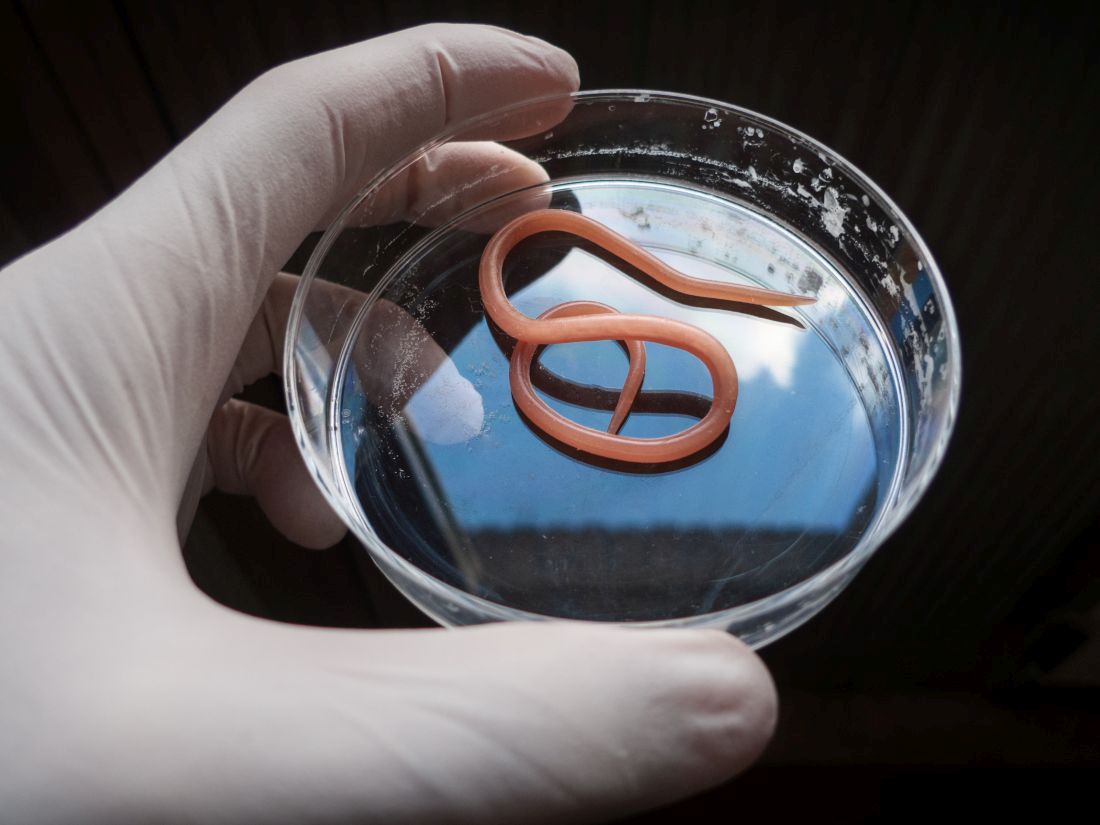
Specifically, to Caenorhabditis elegans, a workhorse of biological research. In a study published in Current Biology, the researchers starved their hapless test subjects for a day while spraying them with a scent they normally enjoy. The next day, the worms were fed properly, but when exposed to the same scent, the nematodes went into a defensive mode, showing C. elegans is capable of associative memory.
Because C. elegans only has 302 neurons, it was very simple to find which neurons were affecting their memory and genetically engineer future generations whose “fight or flight” impulse could be activated by switching a light on or off.
Obviously, determining which specific neurons carry associative memory has benefit for the potential treatment of PTSD. We have to wonder though, what do the researchers tell people they do for a living? “Ah, yes, I’m conducting very important research: I make small worms afraid of the light.”
Can’t imagine they get invited to too many parties.
Fly the organ-friendly skies
Much like the proverbial stork, a drone flew 2.8 miles over Baltimore during the early-morning hours of April 19 to deliver a precious cargo.

What? No, it was not a baby! Are you nuts?
This drone was, in fact, the first unmanned aircraft to deliver a human donor organ – in this case, a kidney. This next big step for medicine was taken by the team of Joseph Scalea, MD, of the University of Maryland in Baltimore, one of the surgeons who performed the transplant. In earlier test flights, Dr. Scalea’s team was the first to use a drone to transport medical supplies, such as saline and blood tubes, between the launch site and the helipad at the university medical center.
The custom-made drone “needed to meet the rigid medical, technical, and regulatory demands of carrying an unaccompanied deceased donor organ for human transplant.” It has backup propellers, backup motors, dual batteries, and a parachute recovery system, as well as an organ-tracking system, unlike current methods, according to the university.
Our regular reader (Thanks again, Dr Pepper) may remember that LOTME recently reported on San Francisco’s “Poop Patrol” and suggested that the media would hail it as “Uber, but for poop.” Care to take a guess at what Dr. Scalea called his drone?
That right. “Uber for organs.” Sigh. That’s supposed to be our job. No, wait a second!
Okay, here’s one: “organ droner.”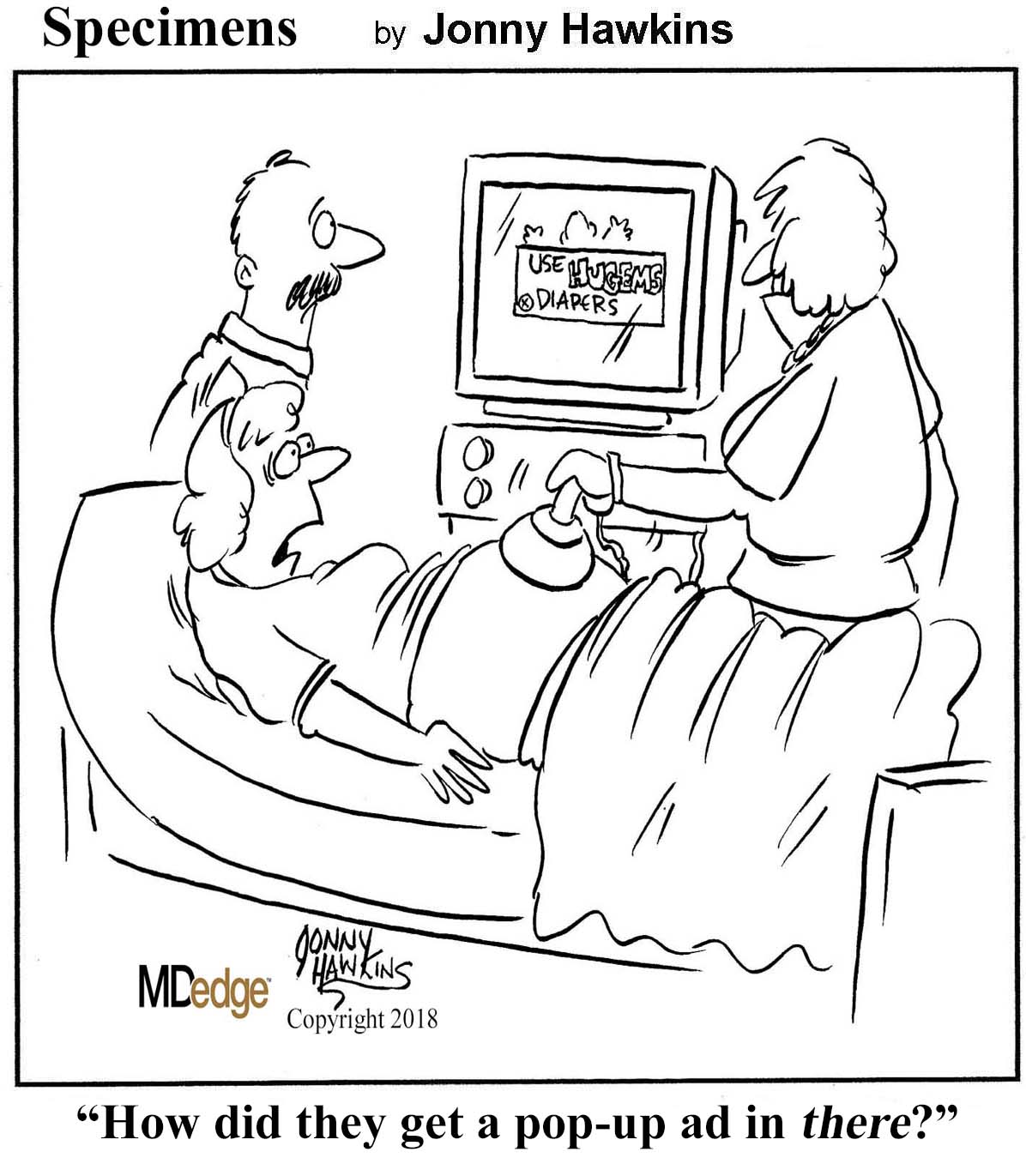
Gotta catch ‘em all
In a somewhat unsurprising turn of events, researchers have discovered the exact impact that late-1990s Pokémon obsession had on the human brain. Could Bulbasaur and Charmander really change the way your gray matter works? Pikachu says yes.
Researchers scanned the brains of adults who played Pokémon extensively as children (and possibly as not-children, with the advent of Pokémon Go). They found that, in these adults, the occipitotemporal sulcus region of the brain responded more to images of Pokémon – the original 150, of course – than any other type of image.
The researchers compared this result to “novices” (a.k.a. people who had other hobbies) and noted that novice brains did not have a preference for Pokémon.
Basically, the brain of these experienced players has built them an internal Pokédex, fulfilling the dream of every Pokémaster. Ash Ketchum would be proud.
Hipsters don’t all look the same! (Yes, they do)
Slouchy beanie, scruffy beard, maybe a pair of fake spectacles, and definitely flannel – the uniform of the male hipster. Today’s Beatnik-wannabes all praise nonconformism, but what happens when everyone nonconforms the same?
You get an extremely hilarious threat of lawsuit, that’s what.
The MIT Technology Review published an article about the studies from a mathematician from Brandeis University, who examines how information transmission influences the behavior of a population.
He found that, in general, hipsters in a society initially “act randomly but then undergo a phase transition into a synchronized state.” Despite all their best efforts to push against the mainstream, hipsters eventually sync up with one another and conform to each other.
The article was published with a photo of a man in a beanie, beard, and plaid shirt. The publication soon received an email from a man who claimed he was the person in the photo, and he hadn’t given his consent, and he was upset with the article, calling it a “bit of click-bait about why hipsters all look the same.”
The email-writer angrily threatened legal action … until a quick image check showed that he was not, in fact, the man in the stock photo.
The unnamed hipster slunk away to recover in shame, presumably with organic coffee and a Neutral Milk Hotel album on vinyl.
You don’t need a brain to feel fear
PTSD is normally not a laughing matter. It’s a real mental health disorder, and it deserves to be studied. But somehow, a group of researchers from the Hebrew University of Jerusalem found comedy gold researching the disorder by giving PTSD to ... worms.
Specifically, to Caenorhabditis elegans, a workhorse of biological research. In a study published in Current Biology, the researchers starved their hapless test subjects for a day while spraying them with a scent they normally enjoy. The next day, the worms were fed properly, but when exposed to the same scent, the nematodes went into a defensive mode, showing C. elegans is capable of associative memory.
Because C. elegans only has 302 neurons, it was very simple to find which neurons were affecting their memory and genetically engineer future generations whose “fight or flight” impulse could be activated by switching a light on or off.
Obviously, determining which specific neurons carry associative memory has benefit for the potential treatment of PTSD. We have to wonder though, what do the researchers tell people they do for a living? “Ah, yes, I’m conducting very important research: I make small worms afraid of the light.”
Can’t imagine they get invited to too many parties.
Fly the organ-friendly skies
Much like the proverbial stork, a drone flew 2.8 miles over Baltimore during the early-morning hours of April 19 to deliver a precious cargo.
What? No, it was not a baby! Are you nuts?
This drone was, in fact, the first unmanned aircraft to deliver a human donor organ – in this case, a kidney. This next big step for medicine was taken by the team of Joseph Scalea, MD, of the University of Maryland in Baltimore, one of the surgeons who performed the transplant. In earlier test flights, Dr. Scalea’s team was the first to use a drone to transport medical supplies, such as saline and blood tubes, between the launch site and the helipad at the university medical center.
The custom-made drone “needed to meet the rigid medical, technical, and regulatory demands of carrying an unaccompanied deceased donor organ for human transplant.” It has backup propellers, backup motors, dual batteries, and a parachute recovery system, as well as an organ-tracking system, unlike current methods, according to the university.
Our regular reader (Thanks again, Dr Pepper) may remember that LOTME recently reported on San Francisco’s “Poop Patrol” and suggested that the media would hail it as “Uber, but for poop.” Care to take a guess at what Dr. Scalea called his drone?
That right. “Uber for organs.” Sigh. That’s supposed to be our job. No, wait a second!
Okay, here’s one: “organ droner.”
Gotta catch ‘em all
In a somewhat unsurprising turn of events, researchers have discovered the exact impact that late-1990s Pokémon obsession had on the human brain. Could Bulbasaur and Charmander really change the way your gray matter works? Pikachu says yes.
Researchers scanned the brains of adults who played Pokémon extensively as children (and possibly as not-children, with the advent of Pokémon Go). They found that, in these adults, the occipitotemporal sulcus region of the brain responded more to images of Pokémon – the original 150, of course – than any other type of image.
The researchers compared this result to “novices” (a.k.a. people who had other hobbies) and noted that novice brains did not have a preference for Pokémon.
Basically, the brain of these experienced players has built them an internal Pokédex, fulfilling the dream of every Pokémaster. Ash Ketchum would be proud.
Hipsters don’t all look the same! (Yes, they do)
Slouchy beanie, scruffy beard, maybe a pair of fake spectacles, and definitely flannel – the uniform of the male hipster. Today’s Beatnik-wannabes all praise nonconformism, but what happens when everyone nonconforms the same?
You get an extremely hilarious threat of lawsuit, that’s what.
The MIT Technology Review published an article about the studies from a mathematician from Brandeis University, who examines how information transmission influences the behavior of a population.
He found that, in general, hipsters in a society initially “act randomly but then undergo a phase transition into a synchronized state.” Despite all their best efforts to push against the mainstream, hipsters eventually sync up with one another and conform to each other.
The article was published with a photo of a man in a beanie, beard, and plaid shirt. The publication soon received an email from a man who claimed he was the person in the photo, and he hadn’t given his consent, and he was upset with the article, calling it a “bit of click-bait about why hipsters all look the same.”
The email-writer angrily threatened legal action … until a quick image check showed that he was not, in fact, the man in the stock photo.
The unnamed hipster slunk away to recover in shame, presumably with organic coffee and a Neutral Milk Hotel album on vinyl.
You don’t need a brain to feel fear
PTSD is normally not a laughing matter. It’s a real mental health disorder, and it deserves to be studied. But somehow, a group of researchers from the Hebrew University of Jerusalem found comedy gold researching the disorder by giving PTSD to ... worms.
Specifically, to Caenorhabditis elegans, a workhorse of biological research. In a study published in Current Biology, the researchers starved their hapless test subjects for a day while spraying them with a scent they normally enjoy. The next day, the worms were fed properly, but when exposed to the same scent, the nematodes went into a defensive mode, showing C. elegans is capable of associative memory.
Because C. elegans only has 302 neurons, it was very simple to find which neurons were affecting their memory and genetically engineer future generations whose “fight or flight” impulse could be activated by switching a light on or off.
Obviously, determining which specific neurons carry associative memory has benefit for the potential treatment of PTSD. We have to wonder though, what do the researchers tell people they do for a living? “Ah, yes, I’m conducting very important research: I make small worms afraid of the light.”
Can’t imagine they get invited to too many parties.
Fly the organ-friendly skies
Much like the proverbial stork, a drone flew 2.8 miles over Baltimore during the early-morning hours of April 19 to deliver a precious cargo.
What? No, it was not a baby! Are you nuts?
This drone was, in fact, the first unmanned aircraft to deliver a human donor organ – in this case, a kidney. This next big step for medicine was taken by the team of Joseph Scalea, MD, of the University of Maryland in Baltimore, one of the surgeons who performed the transplant. In earlier test flights, Dr. Scalea’s team was the first to use a drone to transport medical supplies, such as saline and blood tubes, between the launch site and the helipad at the university medical center.
The custom-made drone “needed to meet the rigid medical, technical, and regulatory demands of carrying an unaccompanied deceased donor organ for human transplant.” It has backup propellers, backup motors, dual batteries, and a parachute recovery system, as well as an organ-tracking system, unlike current methods, according to the university.
Our regular reader (Thanks again, Dr Pepper) may remember that LOTME recently reported on San Francisco’s “Poop Patrol” and suggested that the media would hail it as “Uber, but for poop.” Care to take a guess at what Dr. Scalea called his drone?
That right. “Uber for organs.” Sigh. That’s supposed to be our job. No, wait a second!
Okay, here’s one: “organ droner.”
Most pregnancy-related deaths are preventable
according to the Centers for Disease Control and Prevention.
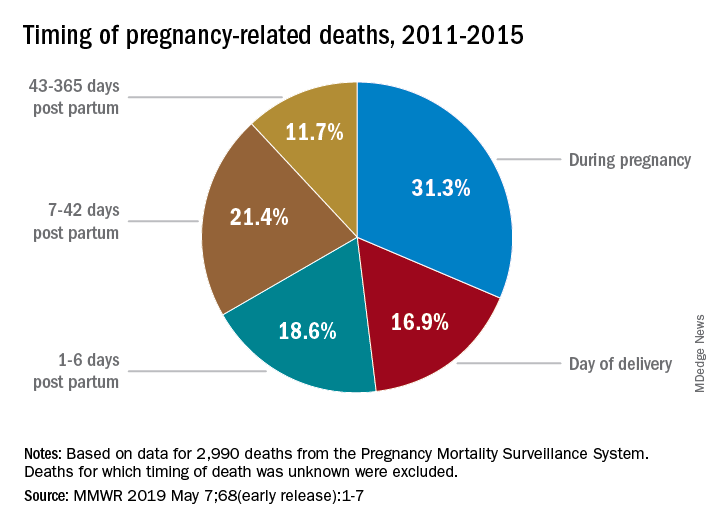
Deaths from pregnancy-related complications can occur “up to a year after delivery,” the CDC emphasized in a report released May 7. Indeed, 31% of pregnancy-related deaths happen during pregnancy, 36% happen at delivery or in the week after, and 33% happen 1 week to 1 year post partum. Yet detailed data from 13 state maternal mortality review committees (MMRCs) showed that 60% of such deaths are preventable.
There were 17 pregnancy-related deaths per 100,000 live births during 2011-2015, based on another data source: 3,410 pregnancy-related deaths (an average of 682 deaths per year) in the CDC’s Pregnancy Mortality Surveillance System. That pregnancy-related mortality ratio varied by race/ethnicity, Emily E. Peterson, MD, and the other CDC investigators reported in Morbidity and Mortality Weekly Report: Hispanic (11 deaths per 100,000), white (13), Asian/Pacific Islander (14), American Indian/Alaska Native (33), and black (43).
One aspect of the disparity was addressed by Wanda Barfield, MD, MPH, director of the CDC’s division of reproductive health and assistant surgeon general in the U.S. Public Health Service. “Recent studies have shown that racial and ethnic minority women deliver at different and lower-quality hospitals than white women and that these hospitals disproportionately care for black women at delivery,” she said at a CDC telebriefing.
Analysis of the timing of 2,990 deaths from the Pregnancy Mortality Surveillance System showed that almost a third (31.3%) occurred during pregnancy and 16.9% occurred on the day of delivery. Dr. Peterson and her CDC associates noted that more than half of pregnancy-related deaths, however, took place later: 1-6 days post partum (18.6%), 7-42 days (21.4%), and 43-365 days (11.7%).
The data on preventability were collected by the state MMRCs and included 232 deaths that occurred during 2013-2017. The MMRCs considered deaths preventable if they could be “averted by one or more reasonable changes to patient, community, provider, health facility, and/or system factors.”
“Our new analysis underscores the need for access to quality services, risk awareness, and early diagnosis, but it also highlights opportunities for preventing future pregnancy-related deaths,” Dr. Barfield said. “By identifying and promptly responding to warning signs not just during pregnancy, but even up to a year after delivery, we can save lives.”
according to the Centers for Disease Control and Prevention.
Deaths from pregnancy-related complications can occur “up to a year after delivery,” the CDC emphasized in a report released May 7. Indeed, 31% of pregnancy-related deaths happen during pregnancy, 36% happen at delivery or in the week after, and 33% happen 1 week to 1 year post partum. Yet detailed data from 13 state maternal mortality review committees (MMRCs) showed that 60% of such deaths are preventable.
There were 17 pregnancy-related deaths per 100,000 live births during 2011-2015, based on another data source: 3,410 pregnancy-related deaths (an average of 682 deaths per year) in the CDC’s Pregnancy Mortality Surveillance System. That pregnancy-related mortality ratio varied by race/ethnicity, Emily E. Peterson, MD, and the other CDC investigators reported in Morbidity and Mortality Weekly Report: Hispanic (11 deaths per 100,000), white (13), Asian/Pacific Islander (14), American Indian/Alaska Native (33), and black (43).
One aspect of the disparity was addressed by Wanda Barfield, MD, MPH, director of the CDC’s division of reproductive health and assistant surgeon general in the U.S. Public Health Service. “Recent studies have shown that racial and ethnic minority women deliver at different and lower-quality hospitals than white women and that these hospitals disproportionately care for black women at delivery,” she said at a CDC telebriefing.
Analysis of the timing of 2,990 deaths from the Pregnancy Mortality Surveillance System showed that almost a third (31.3%) occurred during pregnancy and 16.9% occurred on the day of delivery. Dr. Peterson and her CDC associates noted that more than half of pregnancy-related deaths, however, took place later: 1-6 days post partum (18.6%), 7-42 days (21.4%), and 43-365 days (11.7%).
The data on preventability were collected by the state MMRCs and included 232 deaths that occurred during 2013-2017. The MMRCs considered deaths preventable if they could be “averted by one or more reasonable changes to patient, community, provider, health facility, and/or system factors.”
“Our new analysis underscores the need for access to quality services, risk awareness, and early diagnosis, but it also highlights opportunities for preventing future pregnancy-related deaths,” Dr. Barfield said. “By identifying and promptly responding to warning signs not just during pregnancy, but even up to a year after delivery, we can save lives.”
according to the Centers for Disease Control and Prevention.
Deaths from pregnancy-related complications can occur “up to a year after delivery,” the CDC emphasized in a report released May 7. Indeed, 31% of pregnancy-related deaths happen during pregnancy, 36% happen at delivery or in the week after, and 33% happen 1 week to 1 year post partum. Yet detailed data from 13 state maternal mortality review committees (MMRCs) showed that 60% of such deaths are preventable.
There were 17 pregnancy-related deaths per 100,000 live births during 2011-2015, based on another data source: 3,410 pregnancy-related deaths (an average of 682 deaths per year) in the CDC’s Pregnancy Mortality Surveillance System. That pregnancy-related mortality ratio varied by race/ethnicity, Emily E. Peterson, MD, and the other CDC investigators reported in Morbidity and Mortality Weekly Report: Hispanic (11 deaths per 100,000), white (13), Asian/Pacific Islander (14), American Indian/Alaska Native (33), and black (43).
One aspect of the disparity was addressed by Wanda Barfield, MD, MPH, director of the CDC’s division of reproductive health and assistant surgeon general in the U.S. Public Health Service. “Recent studies have shown that racial and ethnic minority women deliver at different and lower-quality hospitals than white women and that these hospitals disproportionately care for black women at delivery,” she said at a CDC telebriefing.
Analysis of the timing of 2,990 deaths from the Pregnancy Mortality Surveillance System showed that almost a third (31.3%) occurred during pregnancy and 16.9% occurred on the day of delivery. Dr. Peterson and her CDC associates noted that more than half of pregnancy-related deaths, however, took place later: 1-6 days post partum (18.6%), 7-42 days (21.4%), and 43-365 days (11.7%).
The data on preventability were collected by the state MMRCs and included 232 deaths that occurred during 2013-2017. The MMRCs considered deaths preventable if they could be “averted by one or more reasonable changes to patient, community, provider, health facility, and/or system factors.”
“Our new analysis underscores the need for access to quality services, risk awareness, and early diagnosis, but it also highlights opportunities for preventing future pregnancy-related deaths,” Dr. Barfield said. “By identifying and promptly responding to warning signs not just during pregnancy, but even up to a year after delivery, we can save lives.”
United States up to 764 measles cases for the year
The number of U.S. measles cases in 2019 rose by 60 during the week ending May 3, which puts the new postelimination high at 764 cases for the year, according to the Centers for Disease Control and Prevention.
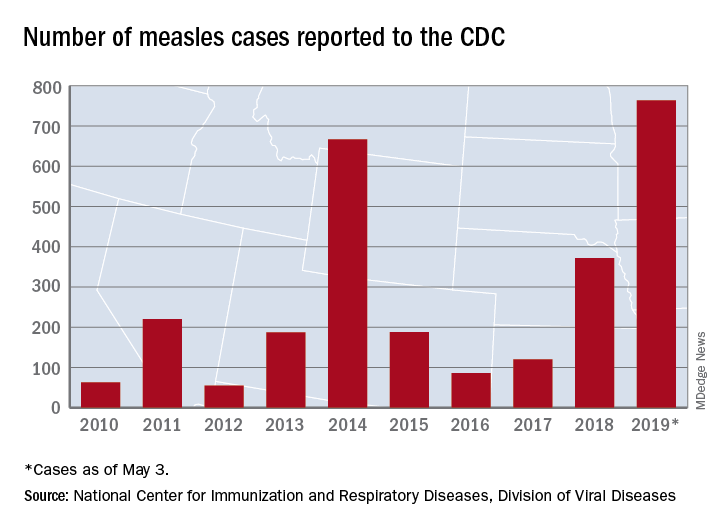
The CDC is currently tracking nine measles outbreaks in six states. The largest outbreak this year has been in New York City, mainly Brooklyn, which has almost half (367) of all cases in the country. An outbreak in New York’s Rockland County has resulted in another 109 cases so far this year. California is experiencing outbreaks in three counties – Butte, Los Angeles, and Sacramento – and the state was up to 40 confirmed cases as of May 1. The other states with outbreaks are Michigan, New Jersey, Georgia, and Maryland.
Twenty-three states now have reported measles cases in 2019, as officials in Pittsburgh reported Pennsylvania’s first case on April 30. Four additional cases in the area were reported on May 2 by the Allegheny County Health Department. A measles outbreak is “defined as three or more cases” by the CDC, but the situation in Pennsylvania is not yet being reported as such.
One Pennsylvania legislator in the state, Rep. Daryl Metcalfe (R) of Butler County, has authored a bill that would “bar health care practitioners and facilities and insurance companies from denying care if parents refuse or delay” recommended vaccinations, PennLive.com reported.
Pennsylvania Governor Tom Wolf (D) said that the “bill would put children, pregnant women, and vulnerable patients at risk of being exposed to horrific diseases – at the doctor’s office.”
The number of U.S. measles cases in 2019 rose by 60 during the week ending May 3, which puts the new postelimination high at 764 cases for the year, according to the Centers for Disease Control and Prevention.
The CDC is currently tracking nine measles outbreaks in six states. The largest outbreak this year has been in New York City, mainly Brooklyn, which has almost half (367) of all cases in the country. An outbreak in New York’s Rockland County has resulted in another 109 cases so far this year. California is experiencing outbreaks in three counties – Butte, Los Angeles, and Sacramento – and the state was up to 40 confirmed cases as of May 1. The other states with outbreaks are Michigan, New Jersey, Georgia, and Maryland.
Twenty-three states now have reported measles cases in 2019, as officials in Pittsburgh reported Pennsylvania’s first case on April 30. Four additional cases in the area were reported on May 2 by the Allegheny County Health Department. A measles outbreak is “defined as three or more cases” by the CDC, but the situation in Pennsylvania is not yet being reported as such.
One Pennsylvania legislator in the state, Rep. Daryl Metcalfe (R) of Butler County, has authored a bill that would “bar health care practitioners and facilities and insurance companies from denying care if parents refuse or delay” recommended vaccinations, PennLive.com reported.
Pennsylvania Governor Tom Wolf (D) said that the “bill would put children, pregnant women, and vulnerable patients at risk of being exposed to horrific diseases – at the doctor’s office.”
The number of U.S. measles cases in 2019 rose by 60 during the week ending May 3, which puts the new postelimination high at 764 cases for the year, according to the Centers for Disease Control and Prevention.
The CDC is currently tracking nine measles outbreaks in six states. The largest outbreak this year has been in New York City, mainly Brooklyn, which has almost half (367) of all cases in the country. An outbreak in New York’s Rockland County has resulted in another 109 cases so far this year. California is experiencing outbreaks in three counties – Butte, Los Angeles, and Sacramento – and the state was up to 40 confirmed cases as of May 1. The other states with outbreaks are Michigan, New Jersey, Georgia, and Maryland.
Twenty-three states now have reported measles cases in 2019, as officials in Pittsburgh reported Pennsylvania’s first case on April 30. Four additional cases in the area were reported on May 2 by the Allegheny County Health Department. A measles outbreak is “defined as three or more cases” by the CDC, but the situation in Pennsylvania is not yet being reported as such.
One Pennsylvania legislator in the state, Rep. Daryl Metcalfe (R) of Butler County, has authored a bill that would “bar health care practitioners and facilities and insurance companies from denying care if parents refuse or delay” recommended vaccinations, PennLive.com reported.
Pennsylvania Governor Tom Wolf (D) said that the “bill would put children, pregnant women, and vulnerable patients at risk of being exposed to horrific diseases – at the doctor’s office.”
Arthritis joint pain, inactivity vary greatly across U.S.
Almost 31% of the estimated 54 million adults in the United States with arthritis have severe joint pain, according to the Centers for Disease Control and Prevention.

Nationally, the prevalence of severe joint pain was 30.8% in adults with arthritis in 2017, but state-specific, age-standardized prevalences varied from a low of 20.8% in Colorado to 45.2% in Mississippi. Regionally, prevalences of both severe joint pain and physical inactivity in arthritis patients were highest in the Southeast, noted Dana Guglielmo, MPH, of the CDC’s National Center for Chronic Disease Prevention and Health Promotion, Atlanta, and associates (MMWR 2019 May 3;68(17):381-7).
The prevalence of arthritis itself was lowest in the District of Columbia at 15.7% and highest in West Virginia at 34.6%. Alabama, at 30.4%, was the only other state above 30%. Colorado had the lowest physical inactivity rate (23.2%), while Kentucky had the highest (44.4%), the investigators said.
The differences among arthritis patients were demographic as well as geographic in 2017. The prevalence of severe joint pain was 33.0% among those aged 18-44 years and 35.6% in those 45-64 but only 25.1% in those aged 65 and older. Whites had a 27.4% prevalence of severe joint pain, compared with 42.0% for Hispanics and 50.9% for blacks. For arthritis patients with a college degree, the age-standardized prevalence of severe joint pain was 15.1%, compared with 35.5% for high school graduates and 54.1% for those with less than a high school degree, based on data from the Behavioral Risk Factor Surveillance System.
“Although persons with arthritis report that pain, or fear of causing or worsening it, is a substantial barrier to exercising, physical activity is an inexpensive intervention that can reduce pain, prevent or delay disability and limitations, and improve mental health, physical functioning, and quality of life with few adverse effects,” wrote Ms. Guglielmo and associates. Adults with severe joint pain “should engage in regular physical activity according to their abilities and avoid physical inactivity [since] even small amounts of physical activity can improve physical functioning in adults with joint conditions.”
SOURCE: Guglielmo D et al. MMWR 2019 May 3;68(17):381-7.
Almost 31% of the estimated 54 million adults in the United States with arthritis have severe joint pain, according to the Centers for Disease Control and Prevention.
Nationally, the prevalence of severe joint pain was 30.8% in adults with arthritis in 2017, but state-specific, age-standardized prevalences varied from a low of 20.8% in Colorado to 45.2% in Mississippi. Regionally, prevalences of both severe joint pain and physical inactivity in arthritis patients were highest in the Southeast, noted Dana Guglielmo, MPH, of the CDC’s National Center for Chronic Disease Prevention and Health Promotion, Atlanta, and associates (MMWR 2019 May 3;68(17):381-7).
The prevalence of arthritis itself was lowest in the District of Columbia at 15.7% and highest in West Virginia at 34.6%. Alabama, at 30.4%, was the only other state above 30%. Colorado had the lowest physical inactivity rate (23.2%), while Kentucky had the highest (44.4%), the investigators said.
The differences among arthritis patients were demographic as well as geographic in 2017. The prevalence of severe joint pain was 33.0% among those aged 18-44 years and 35.6% in those 45-64 but only 25.1% in those aged 65 and older. Whites had a 27.4% prevalence of severe joint pain, compared with 42.0% for Hispanics and 50.9% for blacks. For arthritis patients with a college degree, the age-standardized prevalence of severe joint pain was 15.1%, compared with 35.5% for high school graduates and 54.1% for those with less than a high school degree, based on data from the Behavioral Risk Factor Surveillance System.
“Although persons with arthritis report that pain, or fear of causing or worsening it, is a substantial barrier to exercising, physical activity is an inexpensive intervention that can reduce pain, prevent or delay disability and limitations, and improve mental health, physical functioning, and quality of life with few adverse effects,” wrote Ms. Guglielmo and associates. Adults with severe joint pain “should engage in regular physical activity according to their abilities and avoid physical inactivity [since] even small amounts of physical activity can improve physical functioning in adults with joint conditions.”
SOURCE: Guglielmo D et al. MMWR 2019 May 3;68(17):381-7.
Almost 31% of the estimated 54 million adults in the United States with arthritis have severe joint pain, according to the Centers for Disease Control and Prevention.
Nationally, the prevalence of severe joint pain was 30.8% in adults with arthritis in 2017, but state-specific, age-standardized prevalences varied from a low of 20.8% in Colorado to 45.2% in Mississippi. Regionally, prevalences of both severe joint pain and physical inactivity in arthritis patients were highest in the Southeast, noted Dana Guglielmo, MPH, of the CDC’s National Center for Chronic Disease Prevention and Health Promotion, Atlanta, and associates (MMWR 2019 May 3;68(17):381-7).
The prevalence of arthritis itself was lowest in the District of Columbia at 15.7% and highest in West Virginia at 34.6%. Alabama, at 30.4%, was the only other state above 30%. Colorado had the lowest physical inactivity rate (23.2%), while Kentucky had the highest (44.4%), the investigators said.
The differences among arthritis patients were demographic as well as geographic in 2017. The prevalence of severe joint pain was 33.0% among those aged 18-44 years and 35.6% in those 45-64 but only 25.1% in those aged 65 and older. Whites had a 27.4% prevalence of severe joint pain, compared with 42.0% for Hispanics and 50.9% for blacks. For arthritis patients with a college degree, the age-standardized prevalence of severe joint pain was 15.1%, compared with 35.5% for high school graduates and 54.1% for those with less than a high school degree, based on data from the Behavioral Risk Factor Surveillance System.
“Although persons with arthritis report that pain, or fear of causing or worsening it, is a substantial barrier to exercising, physical activity is an inexpensive intervention that can reduce pain, prevent or delay disability and limitations, and improve mental health, physical functioning, and quality of life with few adverse effects,” wrote Ms. Guglielmo and associates. Adults with severe joint pain “should engage in regular physical activity according to their abilities and avoid physical inactivity [since] even small amounts of physical activity can improve physical functioning in adults with joint conditions.”
SOURCE: Guglielmo D et al. MMWR 2019 May 3;68(17):381-7.
FROM MMWR
Empty words, Captain Bacteria, and the perils of vampire facials
And now, 37 words from our sponsor
If you’re looking for gluten-free news of the health and medical sciences that’s low in sugar, we here at LOTME Farms promise to use no artificial colors or flavors to tell you about a study of the health claims on cereal boxes.
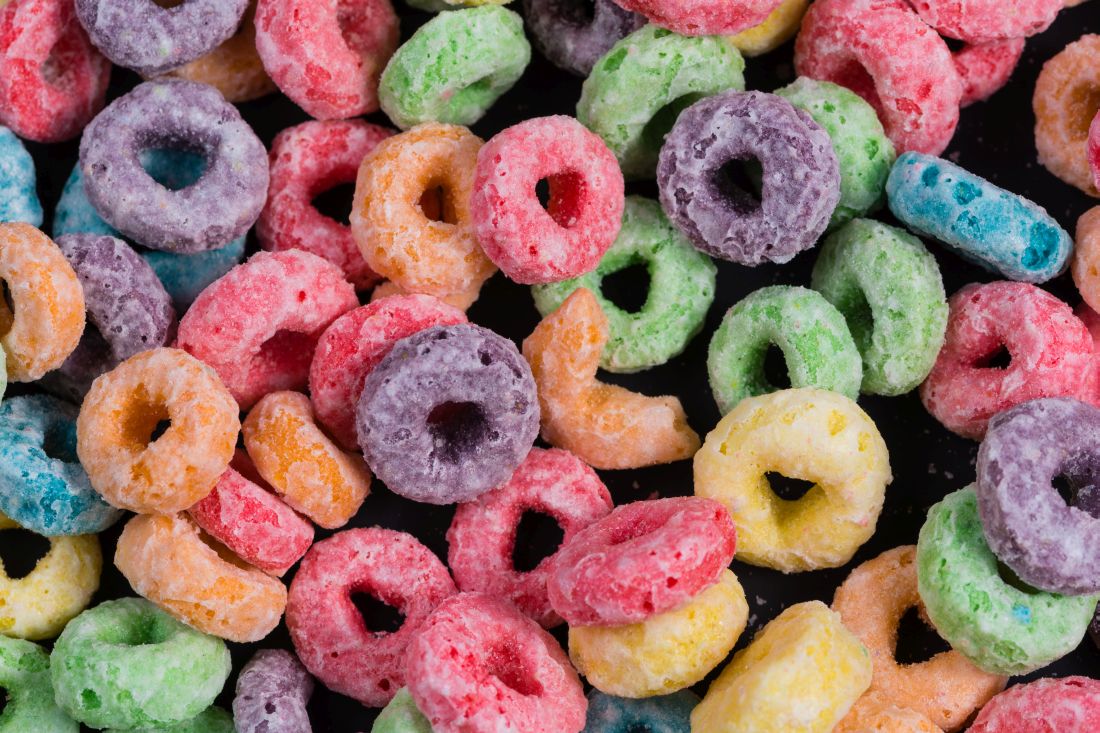
Researchers identified 37 such claims that appeared on the boxes of 460 different breakfast cereals and grouped them into four categories: adding positives (high fiber, probiotics), not adding negatives (GMO free, no high-fructose corn syrup), removing negatives (low cholesterol, no trans fat), and not removing positives (made with whole grains, fresh).
What they found is that words matter: None of the 37 claims explicitly said that the product inside would make people healthier or help them lose weight, but that was how respondents interpreted them. There is, of course, a reason none of the products claimed to improve health. “The correlation between the type of ‘healthy’ claim made and the actual nutritional quality of the breakfast cereal was almost zero,” investigator Pierre Chandon said.
This is, perhaps, not such a surprise. But we here at the pure, all-natural LOTME deal with facts, which are low in calories and contain no artificial growth hormones, and we would never insult (NEW LOTME LIGHT! NO ARTIFICIAL SWEETENERS!) our wholesome, low-fat readers by resorting (TRY FRESH LOTME ORGANIC!) to hyperbole or doublespeak. Not a chance (MMM … HOMEMADE LOTME).
Now, who’s up for a bowl of Froot Loops?
Captain Bacteria: Civil War
In the never-ending struggle of bacteria versus the world, Clostridium difficile has become a particularly stubborn foe. It is far more likely to be resistant to antibiotics, and the antibiotics that can do the job are either incredibly expensive or destroy the patient’s entire microbiota. However, we may have a new ally in the fight against C. diff: other bacteria.

Specifically, we’re talking about fecal transplants. According to an article published in the Journal of the American Osteopathic Association, the wide variety of bacteria that get transferred into the body along with the poop can block C. diff’s ability to germinate and produce the toxins that affect the human body. The treatment is especially beneficial for patients with C. diff whose microbiotas have been compromised by some other treatment, like chemotherapy, antibiotics, or proton pump inhibitors.
We here at LOTME would like to take a moment to salute the brave bacteria in our guts, fighting the good fight against those who would do us harm, and to the fecal transplants that let our own bacteria join the battle. Poop, you never let us down!
Dracula side effects
The Kim Kardashian effect is having dire ramifications. Back in 2013, the social media influencer posted a photo of herself getting a “vampire facial” – a dermatologic procedure in which a person’s own blood is injected into their face as a way to freshen and rejuvenate their skin. At least they aren’t drinking it.
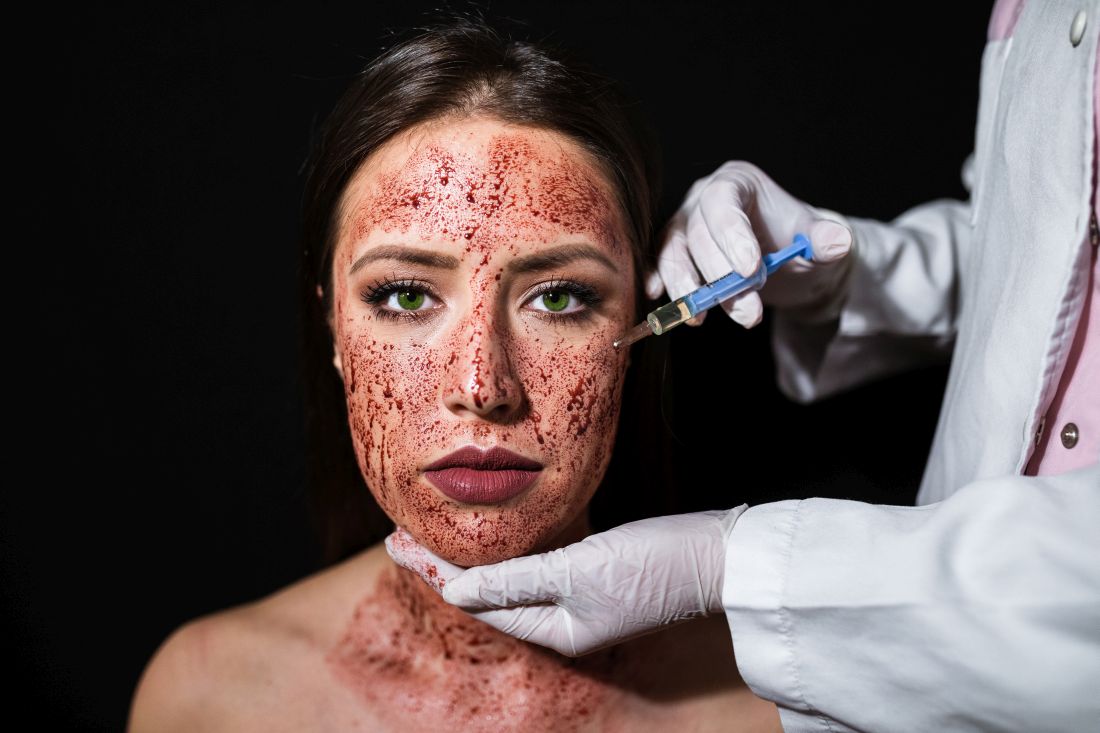
Vampire facials have skyrocketed in popularity since, despite the ick factor. Unfortunately, it seems to be as dangerous as an encounter with a real vampire: Recently, two people in New Mexico were diagnosed with HIV after getting vampire facials.
The New Mexico Department of Health noted that both cases have been traced to the same spa, which was shut down in 2018 after at least three government agencies noted its lack of attention to hygiene and cleanliness. Warning to all: Just because a Kardashian does it doesn’t mean you should, too.
Shave that beard, Fido
The adage “a dog’s mouth is cleaner than a person’s” is getting an upgrade and this time it’s backed by science. A clinic in Zurich looked at the pathogenic microorganisms that reside in men’s beards and dogs’ fur and guess what – the beards were dirtier.
Despite beards’ manly cache among Millennials and hipsters, the results many have some reaching for the razor. The clinicians took a look at the bacterial load of colony-forming units of human-pathogenic microorganisms, and compared samples of beards and dog’s necks (since dogs don’t have beards, but how cute would that be?). They found high microbial counts in all beard samples, but only 23 of 30 dogs’ hair samples. Half of the human subjects carried so much bacteria that they were in danger of illness, the researchers noted.
Does this mean men are dirty? Or are dogs clean? The clinicians didn’t survey the men on their habits so it could be likely that they spend lots of time rolling around in the grass or drinking water from the toilet. More research is definitely needed here.

And now, 37 words from our sponsor
If you’re looking for gluten-free news of the health and medical sciences that’s low in sugar, we here at LOTME Farms promise to use no artificial colors or flavors to tell you about a study of the health claims on cereal boxes.
Researchers identified 37 such claims that appeared on the boxes of 460 different breakfast cereals and grouped them into four categories: adding positives (high fiber, probiotics), not adding negatives (GMO free, no high-fructose corn syrup), removing negatives (low cholesterol, no trans fat), and not removing positives (made with whole grains, fresh).
What they found is that words matter: None of the 37 claims explicitly said that the product inside would make people healthier or help them lose weight, but that was how respondents interpreted them. There is, of course, a reason none of the products claimed to improve health. “The correlation between the type of ‘healthy’ claim made and the actual nutritional quality of the breakfast cereal was almost zero,” investigator Pierre Chandon said.
This is, perhaps, not such a surprise. But we here at the pure, all-natural LOTME deal with facts, which are low in calories and contain no artificial growth hormones, and we would never insult (NEW LOTME LIGHT! NO ARTIFICIAL SWEETENERS!) our wholesome, low-fat readers by resorting (TRY FRESH LOTME ORGANIC!) to hyperbole or doublespeak. Not a chance (MMM … HOMEMADE LOTME).
Now, who’s up for a bowl of Froot Loops?
Captain Bacteria: Civil War
In the never-ending struggle of bacteria versus the world, Clostridium difficile has become a particularly stubborn foe. It is far more likely to be resistant to antibiotics, and the antibiotics that can do the job are either incredibly expensive or destroy the patient’s entire microbiota. However, we may have a new ally in the fight against C. diff: other bacteria.
Specifically, we’re talking about fecal transplants. According to an article published in the Journal of the American Osteopathic Association, the wide variety of bacteria that get transferred into the body along with the poop can block C. diff’s ability to germinate and produce the toxins that affect the human body. The treatment is especially beneficial for patients with C. diff whose microbiotas have been compromised by some other treatment, like chemotherapy, antibiotics, or proton pump inhibitors.
We here at LOTME would like to take a moment to salute the brave bacteria in our guts, fighting the good fight against those who would do us harm, and to the fecal transplants that let our own bacteria join the battle. Poop, you never let us down!
Dracula side effects
The Kim Kardashian effect is having dire ramifications. Back in 2013, the social media influencer posted a photo of herself getting a “vampire facial” – a dermatologic procedure in which a person’s own blood is injected into their face as a way to freshen and rejuvenate their skin. At least they aren’t drinking it.
Vampire facials have skyrocketed in popularity since, despite the ick factor. Unfortunately, it seems to be as dangerous as an encounter with a real vampire: Recently, two people in New Mexico were diagnosed with HIV after getting vampire facials.
The New Mexico Department of Health noted that both cases have been traced to the same spa, which was shut down in 2018 after at least three government agencies noted its lack of attention to hygiene and cleanliness. Warning to all: Just because a Kardashian does it doesn’t mean you should, too.
Shave that beard, Fido
The adage “a dog’s mouth is cleaner than a person’s” is getting an upgrade and this time it’s backed by science. A clinic in Zurich looked at the pathogenic microorganisms that reside in men’s beards and dogs’ fur and guess what – the beards were dirtier.
Despite beards’ manly cache among Millennials and hipsters, the results many have some reaching for the razor. The clinicians took a look at the bacterial load of colony-forming units of human-pathogenic microorganisms, and compared samples of beards and dog’s necks (since dogs don’t have beards, but how cute would that be?). They found high microbial counts in all beard samples, but only 23 of 30 dogs’ hair samples. Half of the human subjects carried so much bacteria that they were in danger of illness, the researchers noted.
Does this mean men are dirty? Or are dogs clean? The clinicians didn’t survey the men on their habits so it could be likely that they spend lots of time rolling around in the grass or drinking water from the toilet. More research is definitely needed here.
And now, 37 words from our sponsor
If you’re looking for gluten-free news of the health and medical sciences that’s low in sugar, we here at LOTME Farms promise to use no artificial colors or flavors to tell you about a study of the health claims on cereal boxes.
Researchers identified 37 such claims that appeared on the boxes of 460 different breakfast cereals and grouped them into four categories: adding positives (high fiber, probiotics), not adding negatives (GMO free, no high-fructose corn syrup), removing negatives (low cholesterol, no trans fat), and not removing positives (made with whole grains, fresh).
What they found is that words matter: None of the 37 claims explicitly said that the product inside would make people healthier or help them lose weight, but that was how respondents interpreted them. There is, of course, a reason none of the products claimed to improve health. “The correlation between the type of ‘healthy’ claim made and the actual nutritional quality of the breakfast cereal was almost zero,” investigator Pierre Chandon said.
This is, perhaps, not such a surprise. But we here at the pure, all-natural LOTME deal with facts, which are low in calories and contain no artificial growth hormones, and we would never insult (NEW LOTME LIGHT! NO ARTIFICIAL SWEETENERS!) our wholesome, low-fat readers by resorting (TRY FRESH LOTME ORGANIC!) to hyperbole or doublespeak. Not a chance (MMM … HOMEMADE LOTME).
Now, who’s up for a bowl of Froot Loops?
Captain Bacteria: Civil War
In the never-ending struggle of bacteria versus the world, Clostridium difficile has become a particularly stubborn foe. It is far more likely to be resistant to antibiotics, and the antibiotics that can do the job are either incredibly expensive or destroy the patient’s entire microbiota. However, we may have a new ally in the fight against C. diff: other bacteria.
Specifically, we’re talking about fecal transplants. According to an article published in the Journal of the American Osteopathic Association, the wide variety of bacteria that get transferred into the body along with the poop can block C. diff’s ability to germinate and produce the toxins that affect the human body. The treatment is especially beneficial for patients with C. diff whose microbiotas have been compromised by some other treatment, like chemotherapy, antibiotics, or proton pump inhibitors.
We here at LOTME would like to take a moment to salute the brave bacteria in our guts, fighting the good fight against those who would do us harm, and to the fecal transplants that let our own bacteria join the battle. Poop, you never let us down!
Dracula side effects
The Kim Kardashian effect is having dire ramifications. Back in 2013, the social media influencer posted a photo of herself getting a “vampire facial” – a dermatologic procedure in which a person’s own blood is injected into their face as a way to freshen and rejuvenate their skin. At least they aren’t drinking it.
Vampire facials have skyrocketed in popularity since, despite the ick factor. Unfortunately, it seems to be as dangerous as an encounter with a real vampire: Recently, two people in New Mexico were diagnosed with HIV after getting vampire facials.
The New Mexico Department of Health noted that both cases have been traced to the same spa, which was shut down in 2018 after at least three government agencies noted its lack of attention to hygiene and cleanliness. Warning to all: Just because a Kardashian does it doesn’t mean you should, too.
Shave that beard, Fido
The adage “a dog’s mouth is cleaner than a person’s” is getting an upgrade and this time it’s backed by science. A clinic in Zurich looked at the pathogenic microorganisms that reside in men’s beards and dogs’ fur and guess what – the beards were dirtier.
Despite beards’ manly cache among Millennials and hipsters, the results many have some reaching for the razor. The clinicians took a look at the bacterial load of colony-forming units of human-pathogenic microorganisms, and compared samples of beards and dog’s necks (since dogs don’t have beards, but how cute would that be?). They found high microbial counts in all beard samples, but only 23 of 30 dogs’ hair samples. Half of the human subjects carried so much bacteria that they were in danger of illness, the researchers noted.
Does this mean men are dirty? Or are dogs clean? The clinicians didn’t survey the men on their habits so it could be likely that they spend lots of time rolling around in the grass or drinking water from the toilet. More research is definitely needed here.
Chronic urticaria population identified
Half a million people. That’s pretty close to the population of Sacramento. It’s also the estimated number of adults living with chronic urticaria in the United States, according to analysis of a database including over 55 million individuals.
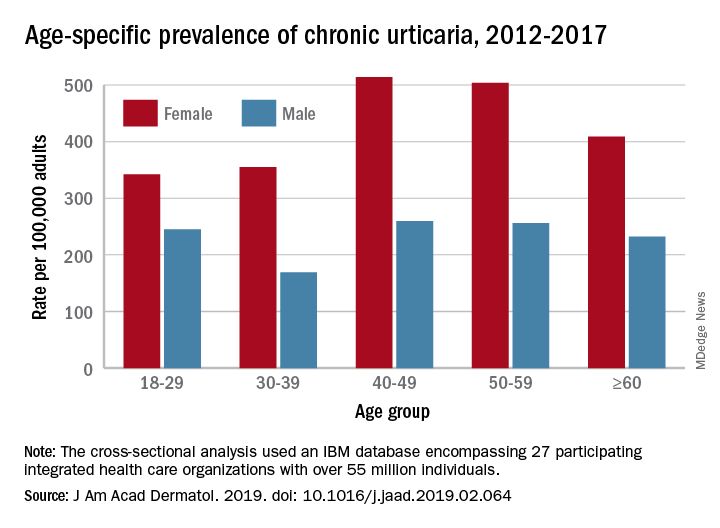
That cross-sectional analysis put the overall standardized at 309.3 per 100,000 (0.31%) and men well below at 145.5 per 100,000 (0.15%), Sara Wertenteil, BA, and her associates at Hofstra University, Hempstead, N.Y., wrote in the Journal of the American Academy of Dermatology.
Overall prevalence of chronic urticaria was similar for all age groups, ranging from 0.21% for those aged 18-29 years and those aged 30-39 years to 0.26% for those aged 40-49, and prevalence was higher for females than males in all age groups, the investigators reported.
“Epidemiologic studies estimating disease burden for chronic urticaria are sparse, [but this study] is based on one of the largest and most ethnically diversified population samples in the United States. It is also drawn from patients with all insurance types and self-pay patients across various types of health care settings and from all census regions,” Ms. Wertenteil and her associates wrote.
The study involved an IBM Watson Health database encompassing 27 participating integrated health care organizations and representing approximately 17% of the population. The analysis identified 69,570 adult patients with chronic urticaria, and the ratio of women to men was 2.7:1.
The senior author, Amit Garg, MD, has served as an advisor for AbbVie, Pfizer, Janssen, and Asana Biosciences.
SOURCE: Wertenteil S et al. J Am Acad Dermatol. 2019. doi: 10.1016/j.jaad.2019.02.064.
Half a million people. That’s pretty close to the population of Sacramento. It’s also the estimated number of adults living with chronic urticaria in the United States, according to analysis of a database including over 55 million individuals.
That cross-sectional analysis put the overall standardized at 309.3 per 100,000 (0.31%) and men well below at 145.5 per 100,000 (0.15%), Sara Wertenteil, BA, and her associates at Hofstra University, Hempstead, N.Y., wrote in the Journal of the American Academy of Dermatology.
Overall prevalence of chronic urticaria was similar for all age groups, ranging from 0.21% for those aged 18-29 years and those aged 30-39 years to 0.26% for those aged 40-49, and prevalence was higher for females than males in all age groups, the investigators reported.
“Epidemiologic studies estimating disease burden for chronic urticaria are sparse, [but this study] is based on one of the largest and most ethnically diversified population samples in the United States. It is also drawn from patients with all insurance types and self-pay patients across various types of health care settings and from all census regions,” Ms. Wertenteil and her associates wrote.
The study involved an IBM Watson Health database encompassing 27 participating integrated health care organizations and representing approximately 17% of the population. The analysis identified 69,570 adult patients with chronic urticaria, and the ratio of women to men was 2.7:1.
The senior author, Amit Garg, MD, has served as an advisor for AbbVie, Pfizer, Janssen, and Asana Biosciences.
SOURCE: Wertenteil S et al. J Am Acad Dermatol. 2019. doi: 10.1016/j.jaad.2019.02.064.
Half a million people. That’s pretty close to the population of Sacramento. It’s also the estimated number of adults living with chronic urticaria in the United States, according to analysis of a database including over 55 million individuals.
That cross-sectional analysis put the overall standardized at 309.3 per 100,000 (0.31%) and men well below at 145.5 per 100,000 (0.15%), Sara Wertenteil, BA, and her associates at Hofstra University, Hempstead, N.Y., wrote in the Journal of the American Academy of Dermatology.
Overall prevalence of chronic urticaria was similar for all age groups, ranging from 0.21% for those aged 18-29 years and those aged 30-39 years to 0.26% for those aged 40-49, and prevalence was higher for females than males in all age groups, the investigators reported.
“Epidemiologic studies estimating disease burden for chronic urticaria are sparse, [but this study] is based on one of the largest and most ethnically diversified population samples in the United States. It is also drawn from patients with all insurance types and self-pay patients across various types of health care settings and from all census regions,” Ms. Wertenteil and her associates wrote.
The study involved an IBM Watson Health database encompassing 27 participating integrated health care organizations and representing approximately 17% of the population. The analysis identified 69,570 adult patients with chronic urticaria, and the ratio of women to men was 2.7:1.
The senior author, Amit Garg, MD, has served as an advisor for AbbVie, Pfizer, Janssen, and Asana Biosciences.
SOURCE: Wertenteil S et al. J Am Acad Dermatol. 2019. doi: 10.1016/j.jaad.2019.02.064.
FROM THE JOURNAL OF THE AMERICAN ACADEMY OF DERMATOLOGY
Measles cases for 2019 now at postelimination high
according to the Centers for Disease Control and Prevention.
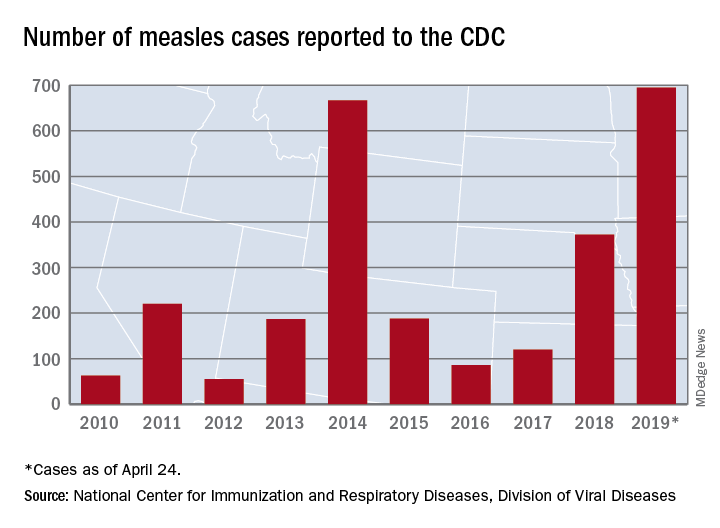
As of Wednesday, April 24, the case count for measles is 695, which eclipses the mark of 667 cases that had been the highest since the disease was declared to be eliminated from this country in 2000, the CDC reported.
“The high number of cases in 2019 is primarily the result of a few large outbreaks – one in Washington State and two large outbreaks in New York that started in late 2018. The outbreaks in New York City and New York State are among the largest and longest lasting since measles elimination in 2000. The longer these outbreaks continue, the greater the chance measles will again get a sustained foothold in the United States,” according to a written statement by the CDC.
Although these outbreaks began when the virus was brought into this country by unvaccinated travelers from other countries where there is widespread transmission, “a significant factor contributing to the outbreaks in New York is misinformation in the communities about the safety of the measles/mumps/rubella vaccine. Some organizations are deliberately targeting these communities with inaccurate and misleading information about vaccines,” according to the statement.
“Measles is not a harmless childhood illness, but a highly contagious, potentially life-threatening disease,” Health and Human Services Secretary Alex Azar said in a separate statement. “We have the ability to safely protect our children and our communities. Vaccines are a safe, highly effective public health solution that can prevent this disease. The measles vaccines are among the most extensively studied medical products we have, and their safety has been firmly established over many years in some of the largest vaccine studies ever undertaken. With a safe and effective vaccine that protects against measles, the suffering we are seeing is avoidable.”
according to the Centers for Disease Control and Prevention.
As of Wednesday, April 24, the case count for measles is 695, which eclipses the mark of 667 cases that had been the highest since the disease was declared to be eliminated from this country in 2000, the CDC reported.
“The high number of cases in 2019 is primarily the result of a few large outbreaks – one in Washington State and two large outbreaks in New York that started in late 2018. The outbreaks in New York City and New York State are among the largest and longest lasting since measles elimination in 2000. The longer these outbreaks continue, the greater the chance measles will again get a sustained foothold in the United States,” according to a written statement by the CDC.
Although these outbreaks began when the virus was brought into this country by unvaccinated travelers from other countries where there is widespread transmission, “a significant factor contributing to the outbreaks in New York is misinformation in the communities about the safety of the measles/mumps/rubella vaccine. Some organizations are deliberately targeting these communities with inaccurate and misleading information about vaccines,” according to the statement.
“Measles is not a harmless childhood illness, but a highly contagious, potentially life-threatening disease,” Health and Human Services Secretary Alex Azar said in a separate statement. “We have the ability to safely protect our children and our communities. Vaccines are a safe, highly effective public health solution that can prevent this disease. The measles vaccines are among the most extensively studied medical products we have, and their safety has been firmly established over many years in some of the largest vaccine studies ever undertaken. With a safe and effective vaccine that protects against measles, the suffering we are seeing is avoidable.”
according to the Centers for Disease Control and Prevention.
As of Wednesday, April 24, the case count for measles is 695, which eclipses the mark of 667 cases that had been the highest since the disease was declared to be eliminated from this country in 2000, the CDC reported.
“The high number of cases in 2019 is primarily the result of a few large outbreaks – one in Washington State and two large outbreaks in New York that started in late 2018. The outbreaks in New York City and New York State are among the largest and longest lasting since measles elimination in 2000. The longer these outbreaks continue, the greater the chance measles will again get a sustained foothold in the United States,” according to a written statement by the CDC.
Although these outbreaks began when the virus was brought into this country by unvaccinated travelers from other countries where there is widespread transmission, “a significant factor contributing to the outbreaks in New York is misinformation in the communities about the safety of the measles/mumps/rubella vaccine. Some organizations are deliberately targeting these communities with inaccurate and misleading information about vaccines,” according to the statement.
“Measles is not a harmless childhood illness, but a highly contagious, potentially life-threatening disease,” Health and Human Services Secretary Alex Azar said in a separate statement. “We have the ability to safely protect our children and our communities. Vaccines are a safe, highly effective public health solution that can prevent this disease. The measles vaccines are among the most extensively studied medical products we have, and their safety has been firmly established over many years in some of the largest vaccine studies ever undertaken. With a safe and effective vaccine that protects against measles, the suffering we are seeing is avoidable.”
Texans’ rattler diet, recycled humans, and, ahem, Puber
Endgame for arachnophobia
We think Tony Stark would like this creative solution for spider and ant phobias. Comic book movies have now infiltrated every aspect of culture, including serious scientific research. And let’s be honest – more than one scientist has been inspired to go into their fields by Bruce Banner, Stark, or maybe even Doctor Octopus (no judgment).

A group of (possibly mad) scientists has tested exposure therapy for spider and ant phobias in people by showing participants the Spider-Man and Ant-Man movies. While the viewing material may not be totally scientifically accurate, researchers found that watching seven seconds of Spider-Man 2 or Ant-Man reduced spider and ant phobia by 20%.
The participants were specifically exposed to ants and spiders in the context of the movies, so surprisingly the phobia reduction had nothing to do with Tobey Maguire or Paul Rudd.
Old poop, new discovery
Here at LOTME, we like us some good bathroom humor. And don’t worry, we won’t ever change. In this week’s edition of the Wonderful World of Poop, we take you to Texas, 1,500 years ago. The sky was bigger, the air was fresher, and the humans of the Lower Pecos region were as hardcore as you can get. A recent re-examination of coprolite samples taken from the region found one interesting chunk of poop-rock that contained an entire rattlesnake.

Now, the presence of snake bits in early human poo is not that crazy; people ate (and still eat) snakes. The appearance of a centimeter-long fang, scales, and bones, however, did take the researchers by surprise. Why would someone eat a snake? Was it an ancient way to inoculate against snake venom? Or perhaps crunchy snake fangs were the world’s earliest version of a Cheeto?
In fact, researchers hypothesized that this dietary behavior was not normal for the people of the Lower Pecos, and most likely was more ceremonial. You know, the casual eating-a-full-snake ceremony.
Will Texans embrace this ceremony of their past and start chomping on rattlers? Who’s to say? All we know is that poop is the gift that keeps on giving.
A new way to soil yourself
If you’re reading this, we can say with some certainty that you managed to survive another Tax Day. Congratulations! But there’s still Benjamin Franklin’s other ultimate certainty of life. You know … the big sleep, the last roundup, assume room temperature, buy the farm, shuffle off this mortal coil, give up the ghost, and so on.

What are you going to do about that?
A big question, for sure, so let’s just focus on the earthly remains. A company called Recompose has a new alternative to burial and cremation, something they’ve dubbed “natural organic reduction” and others have described as “human composting” or “accelerated decomposition.” In a pilot project last year at Washington State University in Pullman, the Recompose process transformed the bodies of six donors to soil in 4-7 weeks, AP reported.
The company says that natural organic reduction is much more environmentally friendly than current practices, creating a cubic yard of soil per person, and that “friends and family are welcome to take some (or all) home to grow a tree or a garden.”
A garden sounds nice, or maybe something indoors. Just think of the potted plant possibilities: daisies (to push up), a Venus flytrap (the organic reduction continues), some poison ivy (a gift for people you don’t like), or maybe roses. Who wouldn’t want to come out of death smelling like a rose?
San Francisco vs. illegal dumping
Maybe you’re not quite ready to commit to using human remains as compost to fertilize your garden. Perhaps you want to start off only using human poop as fertilizer, see how that goes before sprinkling Grandma all over your tulips.

Well, if you’re looking for a sweet deal, we’re certain San Francisco can work something out with you because, in the past 7 years, incidence of human feces in public places within the city has quintupled, rising from 5,500 reported cases in 2011 to 28,100 cases in 2018.
The problem, likely related to an increasing homeless population who can’t afford San Francisco’s exorbitant rental prices and have limited access to public restrooms, is so bad that the city commissioned a “Poop Patrol” in the summer of 2018 to wipe down some of the poorer, more suspect neighborhoods.
While the upstanding members of the Poop Patrol are almost certainly doing a fine job, it’s probably safe to say that human fecal clean-up is an industry ripe for disruption.
We look forward to the inevitable Silicon Valley start-up and for the media to hail it as “Uber, but for poop.”
Endgame for arachnophobia
We think Tony Stark would like this creative solution for spider and ant phobias. Comic book movies have now infiltrated every aspect of culture, including serious scientific research. And let’s be honest – more than one scientist has been inspired to go into their fields by Bruce Banner, Stark, or maybe even Doctor Octopus (no judgment).
A group of (possibly mad) scientists has tested exposure therapy for spider and ant phobias in people by showing participants the Spider-Man and Ant-Man movies. While the viewing material may not be totally scientifically accurate, researchers found that watching seven seconds of Spider-Man 2 or Ant-Man reduced spider and ant phobia by 20%.
The participants were specifically exposed to ants and spiders in the context of the movies, so surprisingly the phobia reduction had nothing to do with Tobey Maguire or Paul Rudd.
Old poop, new discovery
Here at LOTME, we like us some good bathroom humor. And don’t worry, we won’t ever change. In this week’s edition of the Wonderful World of Poop, we take you to Texas, 1,500 years ago. The sky was bigger, the air was fresher, and the humans of the Lower Pecos region were as hardcore as you can get. A recent re-examination of coprolite samples taken from the region found one interesting chunk of poop-rock that contained an entire rattlesnake.
Now, the presence of snake bits in early human poo is not that crazy; people ate (and still eat) snakes. The appearance of a centimeter-long fang, scales, and bones, however, did take the researchers by surprise. Why would someone eat a snake? Was it an ancient way to inoculate against snake venom? Or perhaps crunchy snake fangs were the world’s earliest version of a Cheeto?
In fact, researchers hypothesized that this dietary behavior was not normal for the people of the Lower Pecos, and most likely was more ceremonial. You know, the casual eating-a-full-snake ceremony.
Will Texans embrace this ceremony of their past and start chomping on rattlers? Who’s to say? All we know is that poop is the gift that keeps on giving.
A new way to soil yourself
If you’re reading this, we can say with some certainty that you managed to survive another Tax Day. Congratulations! But there’s still Benjamin Franklin’s other ultimate certainty of life. You know … the big sleep, the last roundup, assume room temperature, buy the farm, shuffle off this mortal coil, give up the ghost, and so on.
What are you going to do about that?
A big question, for sure, so let’s just focus on the earthly remains. A company called Recompose has a new alternative to burial and cremation, something they’ve dubbed “natural organic reduction” and others have described as “human composting” or “accelerated decomposition.” In a pilot project last year at Washington State University in Pullman, the Recompose process transformed the bodies of six donors to soil in 4-7 weeks, AP reported.
The company says that natural organic reduction is much more environmentally friendly than current practices, creating a cubic yard of soil per person, and that “friends and family are welcome to take some (or all) home to grow a tree or a garden.”
A garden sounds nice, or maybe something indoors. Just think of the potted plant possibilities: daisies (to push up), a Venus flytrap (the organic reduction continues), some poison ivy (a gift for people you don’t like), or maybe roses. Who wouldn’t want to come out of death smelling like a rose?
San Francisco vs. illegal dumping
Maybe you’re not quite ready to commit to using human remains as compost to fertilize your garden. Perhaps you want to start off only using human poop as fertilizer, see how that goes before sprinkling Grandma all over your tulips.
Well, if you’re looking for a sweet deal, we’re certain San Francisco can work something out with you because, in the past 7 years, incidence of human feces in public places within the city has quintupled, rising from 5,500 reported cases in 2011 to 28,100 cases in 2018.
The problem, likely related to an increasing homeless population who can’t afford San Francisco’s exorbitant rental prices and have limited access to public restrooms, is so bad that the city commissioned a “Poop Patrol” in the summer of 2018 to wipe down some of the poorer, more suspect neighborhoods.
While the upstanding members of the Poop Patrol are almost certainly doing a fine job, it’s probably safe to say that human fecal clean-up is an industry ripe for disruption.
We look forward to the inevitable Silicon Valley start-up and for the media to hail it as “Uber, but for poop.”
Endgame for arachnophobia
We think Tony Stark would like this creative solution for spider and ant phobias. Comic book movies have now infiltrated every aspect of culture, including serious scientific research. And let’s be honest – more than one scientist has been inspired to go into their fields by Bruce Banner, Stark, or maybe even Doctor Octopus (no judgment).
A group of (possibly mad) scientists has tested exposure therapy for spider and ant phobias in people by showing participants the Spider-Man and Ant-Man movies. While the viewing material may not be totally scientifically accurate, researchers found that watching seven seconds of Spider-Man 2 or Ant-Man reduced spider and ant phobia by 20%.
The participants were specifically exposed to ants and spiders in the context of the movies, so surprisingly the phobia reduction had nothing to do with Tobey Maguire or Paul Rudd.
Old poop, new discovery
Here at LOTME, we like us some good bathroom humor. And don’t worry, we won’t ever change. In this week’s edition of the Wonderful World of Poop, we take you to Texas, 1,500 years ago. The sky was bigger, the air was fresher, and the humans of the Lower Pecos region were as hardcore as you can get. A recent re-examination of coprolite samples taken from the region found one interesting chunk of poop-rock that contained an entire rattlesnake.
Now, the presence of snake bits in early human poo is not that crazy; people ate (and still eat) snakes. The appearance of a centimeter-long fang, scales, and bones, however, did take the researchers by surprise. Why would someone eat a snake? Was it an ancient way to inoculate against snake venom? Or perhaps crunchy snake fangs were the world’s earliest version of a Cheeto?
In fact, researchers hypothesized that this dietary behavior was not normal for the people of the Lower Pecos, and most likely was more ceremonial. You know, the casual eating-a-full-snake ceremony.
Will Texans embrace this ceremony of their past and start chomping on rattlers? Who’s to say? All we know is that poop is the gift that keeps on giving.
A new way to soil yourself
If you’re reading this, we can say with some certainty that you managed to survive another Tax Day. Congratulations! But there’s still Benjamin Franklin’s other ultimate certainty of life. You know … the big sleep, the last roundup, assume room temperature, buy the farm, shuffle off this mortal coil, give up the ghost, and so on.
What are you going to do about that?
A big question, for sure, so let’s just focus on the earthly remains. A company called Recompose has a new alternative to burial and cremation, something they’ve dubbed “natural organic reduction” and others have described as “human composting” or “accelerated decomposition.” In a pilot project last year at Washington State University in Pullman, the Recompose process transformed the bodies of six donors to soil in 4-7 weeks, AP reported.
The company says that natural organic reduction is much more environmentally friendly than current practices, creating a cubic yard of soil per person, and that “friends and family are welcome to take some (or all) home to grow a tree or a garden.”
A garden sounds nice, or maybe something indoors. Just think of the potted plant possibilities: daisies (to push up), a Venus flytrap (the organic reduction continues), some poison ivy (a gift for people you don’t like), or maybe roses. Who wouldn’t want to come out of death smelling like a rose?
San Francisco vs. illegal dumping
Maybe you’re not quite ready to commit to using human remains as compost to fertilize your garden. Perhaps you want to start off only using human poop as fertilizer, see how that goes before sprinkling Grandma all over your tulips.
Well, if you’re looking for a sweet deal, we’re certain San Francisco can work something out with you because, in the past 7 years, incidence of human feces in public places within the city has quintupled, rising from 5,500 reported cases in 2011 to 28,100 cases in 2018.
The problem, likely related to an increasing homeless population who can’t afford San Francisco’s exorbitant rental prices and have limited access to public restrooms, is so bad that the city commissioned a “Poop Patrol” in the summer of 2018 to wipe down some of the poorer, more suspect neighborhoods.
While the upstanding members of the Poop Patrol are almost certainly doing a fine job, it’s probably safe to say that human fecal clean-up is an industry ripe for disruption.
We look forward to the inevitable Silicon Valley start-up and for the media to hail it as “Uber, but for poop.”
U.S. measles cases nearing postelimination-era high
The United States has topped 600 cases of measles for 2019 and is likely to pass the postelimination high set in 2014 “in the coming weeks,” according to the Centers for Disease Control and Prevention.
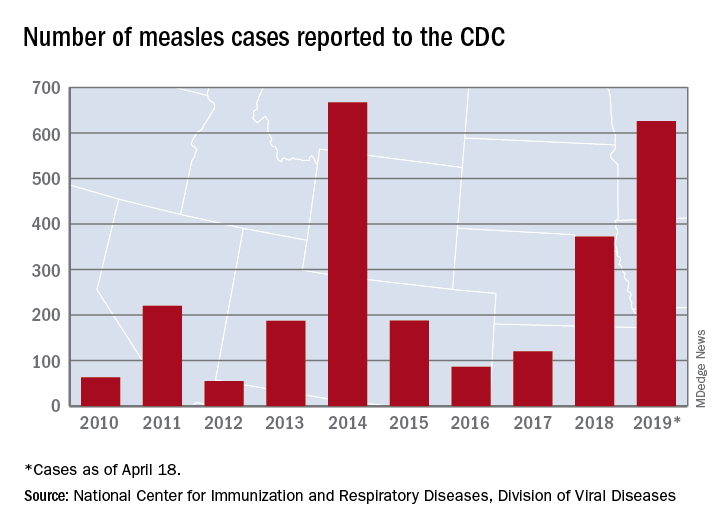
The 71 new measles cases reported during the week ending April 18 bring the total for the year to 626 in 22 states, the CDC reported April 22. Two states, Iowa and Tennessee, reported their first cases last week.
Outbreaks continue in five states: one in California (Butte County), one in Michigan (Oakland County/Wayne County/Detroit), one in New Jersey (Ocean County/Monmouth County), two in New York (New York City and Rockland County), and one in Washington (Clark County/King County), the CDC said.
The most active outbreak since mid-February has been the one occurring in New York City, mainly in Brooklyn, and last week was no exception as 50 of the 71 new U.S. cases were reported in the borough.
On April 18, a judge in Brooklyn “ruled against a group of parents who challenged New York City’s recently imposed mandatory measles vaccination order,” Reuters reported. That same day, the city issued a summons, subject to a fine of $1,000 each, to three people in Brooklyn who were still unvaccinated, according to NYC Health, which also said that four additional schools would be closed for not complying with an order to exclude unvaccinated students.
On April 15, the Iowa Department of Public Health confirmed the state’s first case of measles since 2011. The individual from Northeastern Iowa had not been vaccinated and had recently returned from Israel. The state’s second case of the year, a household contact of the first individual, was confirmed on April 18.
Also on April 18, the Tennessee Department of Health confirmed its first case of the year in a resident of the eastern part of the state. Meanwhile, media are reporting that state health officials in Mississippi are investigating possible exposures on April 9 and 10 in the Hattiesburg area by the infected Tennessee man.
Outside the United States, “many countries are in the midst of sizeable measles outbreaks, with all regions of the world experiencing sustained rises in cases,” the World Health Organization said. Current outbreaks include the Democratic Republic of the Congo, Ethiopia, Georgia, Kazakhstan, Kyrgyzstan, Madagascar, Myanmar, Philippines, Sudan, Thailand, and Ukraine.
Preliminary data for the first 3 months of 2019 show that cases worldwide were up by 300% over the first 3 months of 2018: 112,163 cases vs. 28,124. The actual numbers for 2019 are expected to be considerably higher than those reported so far, and WHO estimates that, globally, less than 1 in 10 cases are actually reported.
The United States has topped 600 cases of measles for 2019 and is likely to pass the postelimination high set in 2014 “in the coming weeks,” according to the Centers for Disease Control and Prevention.
The 71 new measles cases reported during the week ending April 18 bring the total for the year to 626 in 22 states, the CDC reported April 22. Two states, Iowa and Tennessee, reported their first cases last week.
Outbreaks continue in five states: one in California (Butte County), one in Michigan (Oakland County/Wayne County/Detroit), one in New Jersey (Ocean County/Monmouth County), two in New York (New York City and Rockland County), and one in Washington (Clark County/King County), the CDC said.
The most active outbreak since mid-February has been the one occurring in New York City, mainly in Brooklyn, and last week was no exception as 50 of the 71 new U.S. cases were reported in the borough.
On April 18, a judge in Brooklyn “ruled against a group of parents who challenged New York City’s recently imposed mandatory measles vaccination order,” Reuters reported. That same day, the city issued a summons, subject to a fine of $1,000 each, to three people in Brooklyn who were still unvaccinated, according to NYC Health, which also said that four additional schools would be closed for not complying with an order to exclude unvaccinated students.
On April 15, the Iowa Department of Public Health confirmed the state’s first case of measles since 2011. The individual from Northeastern Iowa had not been vaccinated and had recently returned from Israel. The state’s second case of the year, a household contact of the first individual, was confirmed on April 18.
Also on April 18, the Tennessee Department of Health confirmed its first case of the year in a resident of the eastern part of the state. Meanwhile, media are reporting that state health officials in Mississippi are investigating possible exposures on April 9 and 10 in the Hattiesburg area by the infected Tennessee man.
Outside the United States, “many countries are in the midst of sizeable measles outbreaks, with all regions of the world experiencing sustained rises in cases,” the World Health Organization said. Current outbreaks include the Democratic Republic of the Congo, Ethiopia, Georgia, Kazakhstan, Kyrgyzstan, Madagascar, Myanmar, Philippines, Sudan, Thailand, and Ukraine.
Preliminary data for the first 3 months of 2019 show that cases worldwide were up by 300% over the first 3 months of 2018: 112,163 cases vs. 28,124. The actual numbers for 2019 are expected to be considerably higher than those reported so far, and WHO estimates that, globally, less than 1 in 10 cases are actually reported.
The United States has topped 600 cases of measles for 2019 and is likely to pass the postelimination high set in 2014 “in the coming weeks,” according to the Centers for Disease Control and Prevention.
The 71 new measles cases reported during the week ending April 18 bring the total for the year to 626 in 22 states, the CDC reported April 22. Two states, Iowa and Tennessee, reported their first cases last week.
Outbreaks continue in five states: one in California (Butte County), one in Michigan (Oakland County/Wayne County/Detroit), one in New Jersey (Ocean County/Monmouth County), two in New York (New York City and Rockland County), and one in Washington (Clark County/King County), the CDC said.
The most active outbreak since mid-February has been the one occurring in New York City, mainly in Brooklyn, and last week was no exception as 50 of the 71 new U.S. cases were reported in the borough.
On April 18, a judge in Brooklyn “ruled against a group of parents who challenged New York City’s recently imposed mandatory measles vaccination order,” Reuters reported. That same day, the city issued a summons, subject to a fine of $1,000 each, to three people in Brooklyn who were still unvaccinated, according to NYC Health, which also said that four additional schools would be closed for not complying with an order to exclude unvaccinated students.
On April 15, the Iowa Department of Public Health confirmed the state’s first case of measles since 2011. The individual from Northeastern Iowa had not been vaccinated and had recently returned from Israel. The state’s second case of the year, a household contact of the first individual, was confirmed on April 18.
Also on April 18, the Tennessee Department of Health confirmed its first case of the year in a resident of the eastern part of the state. Meanwhile, media are reporting that state health officials in Mississippi are investigating possible exposures on April 9 and 10 in the Hattiesburg area by the infected Tennessee man.
Outside the United States, “many countries are in the midst of sizeable measles outbreaks, with all regions of the world experiencing sustained rises in cases,” the World Health Organization said. Current outbreaks include the Democratic Republic of the Congo, Ethiopia, Georgia, Kazakhstan, Kyrgyzstan, Madagascar, Myanmar, Philippines, Sudan, Thailand, and Ukraine.
Preliminary data for the first 3 months of 2019 show that cases worldwide were up by 300% over the first 3 months of 2018: 112,163 cases vs. 28,124. The actual numbers for 2019 are expected to be considerably higher than those reported so far, and WHO estimates that, globally, less than 1 in 10 cases are actually reported.
Teen junk-food rebels, 3-D printed hearts, and strategic java stockpiles
Sticking it to the (junk-food) man
Fight the power – the power, in this case, being Ronald McDonald and his brethren.

In a new effort to convince teens to reject junk food and make healthier choices, researchers found that one surefire way to achieve this was to play on the natural teen desire to reject authority and rebel. Parents of teens across the country don’t know whether to rejoice or groan.
The study, published this week, found that an effective way to combat junk food marketing was to frame companies as corporate overlords and figures of authority who take advantage of vulnerable populations (so, the truth). The teens, who value social justice and autonomy from adults, responded well to this reframing. Instead of snacking on Doritos at lunch, the study subjects chose to really stick it to the man and make healthy food choices instead.
Researchers reported that boys in particular responded positively to the idea of rejecting authority. Which will surprise no one who has ever known a teenage boy.
I heart 3-D printing
Fifty-two years ago, a South African surgeon named Dr. Christiaan Barnard took a heart from one (deceased) human and successfully transplanted it into another (live) human. Now, Israeli researchers could relegate Dr. Barnard’s recycled-cardiac-parts approach to the medical history museum’s hall of obsolete approaches, next to the leeches and the wax barber-surgeon.

In a claimed first, Tel Aviv University scientists have “printed” a fully vascularized, engineered human heart. The organ is crafted from a cellular slurry of a patient’s own fat cells turned into pluripotent stem cells. With collagen and glycoproteins as structural printing “ink,” the researchers mixed in the stem cells and printed their 3-D heart. The cells differentiated into cardiac and endothelial cells, complete with a medical first: vascularized and perfusable heart tissue.
Unlike Barnard’s allogeneic approach, building from a patient’s own cellular material can eliminate the risk of organ rejection, the heart’s creators say.
Next on the heart-printers’ punch list: getting the cells to contract in unison to form a pumping unit. Then testing it in animals. Oh, and creating something a bit larger than their initial rabbit-sized heart.
And then? Who knows? Perhaps even Dorothy’s friend the Tin Man can finally get an autologous, printed replacement for that allogeneic, heart-shaped clock.
Larger portions of food for thought
In the world of nutrition science, there’s a concept known as self-regulation, which suggests that people have an innate ability to consume only as many calories as they need. Studies have shown that, in adults anyway, self-regulation can be circumvented by something known as the portion-size effect, which is the tendency to eat more when larger portions are served.

But is the same thing true for small children? Let’s find out.
Researchers provided a group of 3- to 5-year-old children with all their meals and snacks for two 5-day periods. During one of the periods, the portions were 50% larger than the other period. The children were allowed to eat as much of each meal/snack as they wanted, and any leftovers were weighed to determine actual calorie intake.
The data showed that the children ate 16% more food and consumed 18% more calories when they were given the larger portions.
So, we already knew that if you give adults more food, they’ll eat more. And now we know that if you give children more food, they’ll eat more. Could this be the end of self-regulation?
Maybe it would work if you gave the little tykes something besides food. Maybe you could give them … money. Round up a few hundred children, put them together in a big room, and throw money at them.
Oh, right, that experiment is already underway. It’s called Congress.
It’s the end of the world as we ... zzzzz
Of all the countries to take refuge in during an apocalypse, Switzerland has to be at the top of the list. Its mountainous terrain is a natural barrier to any zombie horde that’s heard that Swiss brains are as delicious as their chocolate. Not only that, the Swiss government stockpiles essential resources to sustain its people during times of war or emergency.

All in all, it’s a pretty good deal.
Well, it’s a good deal so long as you don’t require a morning cup of coffee to stay fresh as you fight off armies of the undead, as the Swiss government has decreed that coffee is nonessential for life and will stop stockpiling it.
According to the Federal Office for National Economic Supply, “Coffee is not vital. ... that is, coffee contains almost no calories and therefore does not make any contribution to food security from a nutritional point of view.” Harsh words for a beverage that the Swiss consume at a rate of 9 kg per year, three times more than the British and twice that of Americans.
If the recommendation passes, the 3-month emergency supply, an amount topping 15,000 tons, would be returned to the corresponding manufacturers, who would pass the corresponding savings back to the consumer.
So, there’s some good news as the zombies breach your defenses because your guards fell asleep: At least the coffee was cheaper before the world ended.
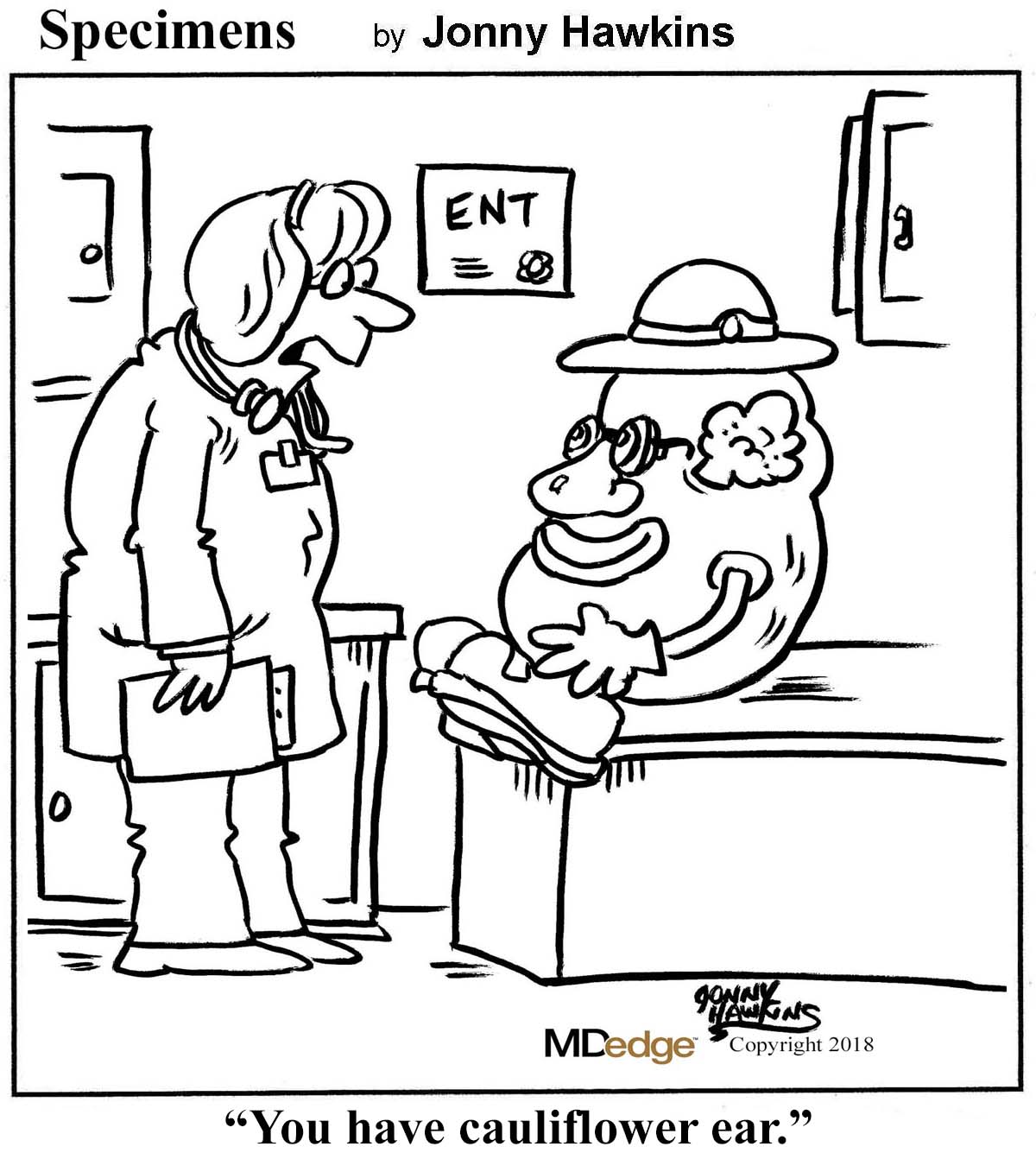
Sticking it to the (junk-food) man
Fight the power – the power, in this case, being Ronald McDonald and his brethren.
In a new effort to convince teens to reject junk food and make healthier choices, researchers found that one surefire way to achieve this was to play on the natural teen desire to reject authority and rebel. Parents of teens across the country don’t know whether to rejoice or groan.
The study, published this week, found that an effective way to combat junk food marketing was to frame companies as corporate overlords and figures of authority who take advantage of vulnerable populations (so, the truth). The teens, who value social justice and autonomy from adults, responded well to this reframing. Instead of snacking on Doritos at lunch, the study subjects chose to really stick it to the man and make healthy food choices instead.
Researchers reported that boys in particular responded positively to the idea of rejecting authority. Which will surprise no one who has ever known a teenage boy.
I heart 3-D printing
Fifty-two years ago, a South African surgeon named Dr. Christiaan Barnard took a heart from one (deceased) human and successfully transplanted it into another (live) human. Now, Israeli researchers could relegate Dr. Barnard’s recycled-cardiac-parts approach to the medical history museum’s hall of obsolete approaches, next to the leeches and the wax barber-surgeon.
In a claimed first, Tel Aviv University scientists have “printed” a fully vascularized, engineered human heart. The organ is crafted from a cellular slurry of a patient’s own fat cells turned into pluripotent stem cells. With collagen and glycoproteins as structural printing “ink,” the researchers mixed in the stem cells and printed their 3-D heart. The cells differentiated into cardiac and endothelial cells, complete with a medical first: vascularized and perfusable heart tissue.
Unlike Barnard’s allogeneic approach, building from a patient’s own cellular material can eliminate the risk of organ rejection, the heart’s creators say.
Next on the heart-printers’ punch list: getting the cells to contract in unison to form a pumping unit. Then testing it in animals. Oh, and creating something a bit larger than their initial rabbit-sized heart.
And then? Who knows? Perhaps even Dorothy’s friend the Tin Man can finally get an autologous, printed replacement for that allogeneic, heart-shaped clock.
Larger portions of food for thought
In the world of nutrition science, there’s a concept known as self-regulation, which suggests that people have an innate ability to consume only as many calories as they need. Studies have shown that, in adults anyway, self-regulation can be circumvented by something known as the portion-size effect, which is the tendency to eat more when larger portions are served.
But is the same thing true for small children? Let’s find out.
Researchers provided a group of 3- to 5-year-old children with all their meals and snacks for two 5-day periods. During one of the periods, the portions were 50% larger than the other period. The children were allowed to eat as much of each meal/snack as they wanted, and any leftovers were weighed to determine actual calorie intake.
The data showed that the children ate 16% more food and consumed 18% more calories when they were given the larger portions.
So, we already knew that if you give adults more food, they’ll eat more. And now we know that if you give children more food, they’ll eat more. Could this be the end of self-regulation?
Maybe it would work if you gave the little tykes something besides food. Maybe you could give them … money. Round up a few hundred children, put them together in a big room, and throw money at them.
Oh, right, that experiment is already underway. It’s called Congress.
It’s the end of the world as we ... zzzzz
Of all the countries to take refuge in during an apocalypse, Switzerland has to be at the top of the list. Its mountainous terrain is a natural barrier to any zombie horde that’s heard that Swiss brains are as delicious as their chocolate. Not only that, the Swiss government stockpiles essential resources to sustain its people during times of war or emergency.
All in all, it’s a pretty good deal.
Well, it’s a good deal so long as you don’t require a morning cup of coffee to stay fresh as you fight off armies of the undead, as the Swiss government has decreed that coffee is nonessential for life and will stop stockpiling it.
According to the Federal Office for National Economic Supply, “Coffee is not vital. ... that is, coffee contains almost no calories and therefore does not make any contribution to food security from a nutritional point of view.” Harsh words for a beverage that the Swiss consume at a rate of 9 kg per year, three times more than the British and twice that of Americans.
If the recommendation passes, the 3-month emergency supply, an amount topping 15,000 tons, would be returned to the corresponding manufacturers, who would pass the corresponding savings back to the consumer.
So, there’s some good news as the zombies breach your defenses because your guards fell asleep: At least the coffee was cheaper before the world ended.
Sticking it to the (junk-food) man
Fight the power – the power, in this case, being Ronald McDonald and his brethren.
In a new effort to convince teens to reject junk food and make healthier choices, researchers found that one surefire way to achieve this was to play on the natural teen desire to reject authority and rebel. Parents of teens across the country don’t know whether to rejoice or groan.
The study, published this week, found that an effective way to combat junk food marketing was to frame companies as corporate overlords and figures of authority who take advantage of vulnerable populations (so, the truth). The teens, who value social justice and autonomy from adults, responded well to this reframing. Instead of snacking on Doritos at lunch, the study subjects chose to really stick it to the man and make healthy food choices instead.
Researchers reported that boys in particular responded positively to the idea of rejecting authority. Which will surprise no one who has ever known a teenage boy.
I heart 3-D printing
Fifty-two years ago, a South African surgeon named Dr. Christiaan Barnard took a heart from one (deceased) human and successfully transplanted it into another (live) human. Now, Israeli researchers could relegate Dr. Barnard’s recycled-cardiac-parts approach to the medical history museum’s hall of obsolete approaches, next to the leeches and the wax barber-surgeon.
In a claimed first, Tel Aviv University scientists have “printed” a fully vascularized, engineered human heart. The organ is crafted from a cellular slurry of a patient’s own fat cells turned into pluripotent stem cells. With collagen and glycoproteins as structural printing “ink,” the researchers mixed in the stem cells and printed their 3-D heart. The cells differentiated into cardiac and endothelial cells, complete with a medical first: vascularized and perfusable heart tissue.
Unlike Barnard’s allogeneic approach, building from a patient’s own cellular material can eliminate the risk of organ rejection, the heart’s creators say.
Next on the heart-printers’ punch list: getting the cells to contract in unison to form a pumping unit. Then testing it in animals. Oh, and creating something a bit larger than their initial rabbit-sized heart.
And then? Who knows? Perhaps even Dorothy’s friend the Tin Man can finally get an autologous, printed replacement for that allogeneic, heart-shaped clock.
Larger portions of food for thought
In the world of nutrition science, there’s a concept known as self-regulation, which suggests that people have an innate ability to consume only as many calories as they need. Studies have shown that, in adults anyway, self-regulation can be circumvented by something known as the portion-size effect, which is the tendency to eat more when larger portions are served.
But is the same thing true for small children? Let’s find out.
Researchers provided a group of 3- to 5-year-old children with all their meals and snacks for two 5-day periods. During one of the periods, the portions were 50% larger than the other period. The children were allowed to eat as much of each meal/snack as they wanted, and any leftovers were weighed to determine actual calorie intake.
The data showed that the children ate 16% more food and consumed 18% more calories when they were given the larger portions.
So, we already knew that if you give adults more food, they’ll eat more. And now we know that if you give children more food, they’ll eat more. Could this be the end of self-regulation?
Maybe it would work if you gave the little tykes something besides food. Maybe you could give them … money. Round up a few hundred children, put them together in a big room, and throw money at them.
Oh, right, that experiment is already underway. It’s called Congress.
It’s the end of the world as we ... zzzzz
Of all the countries to take refuge in during an apocalypse, Switzerland has to be at the top of the list. Its mountainous terrain is a natural barrier to any zombie horde that’s heard that Swiss brains are as delicious as their chocolate. Not only that, the Swiss government stockpiles essential resources to sustain its people during times of war or emergency.
All in all, it’s a pretty good deal.
Well, it’s a good deal so long as you don’t require a morning cup of coffee to stay fresh as you fight off armies of the undead, as the Swiss government has decreed that coffee is nonessential for life and will stop stockpiling it.
According to the Federal Office for National Economic Supply, “Coffee is not vital. ... that is, coffee contains almost no calories and therefore does not make any contribution to food security from a nutritional point of view.” Harsh words for a beverage that the Swiss consume at a rate of 9 kg per year, three times more than the British and twice that of Americans.
If the recommendation passes, the 3-month emergency supply, an amount topping 15,000 tons, would be returned to the corresponding manufacturers, who would pass the corresponding savings back to the consumer.
So, there’s some good news as the zombies breach your defenses because your guards fell asleep: At least the coffee was cheaper before the world ended.