User login
CDC Panel: Child Under 9 Needs Two Flu Vaccines Doses
ATLANTA – The 2012-2013 influenza vaccination statement from the Centers for Disease Control and Prevention’s vaccine advisory panel is expected to contain a new algorithm for children aged 6 months through 8 years to determine whether they need one or two doses.
The CDC’s Advisory Committee on Immunization Practices voted to approve the same algorithm approved by the American Academy of Pediatrics’ Committee on Infectious Disease earlier this year:

• First, has the child ever received influenza vaccine?
• If yes, did the child receive two or more total doses of seasonal vaccine since July 2010?
• If yes, give one dose. If not, or if the information isn’t known, give two doses.
• If the child has never received influenza vaccine or the information isn’t known, give two doses.
The algorithm was necessary because children younger than 9 years of age need two doses of seasonal vaccine in order to establish immune system priming, and two out of the three influenza strains included in the 2012-2013 influenza vaccine – A/Victoria/361/2011 (H3N2) and B/Wisconsin/1/2010 – are different from those of the 2011-2012 vaccine. The one that remains the same is the 2009 pandemic strain A/California/7/2009, which was available in 2009 as a monovalent vaccine and then was included in the seasonal 2010-2011 and 2011-2012 flu vaccines, said Dr. Lisa Grohskopf of the CDC’s Influenza Division.
The algorithm was designed to be simple, the AAP’s liaison Dr. Michael T. Brady said in an interview. "Thirty-five percent or so of children receive vaccines outside of their medical home. That creates a problem with access to the information. Also, many pediatricians will set up vaccine clinics designed to move children through quickly. ... You’d like to make it so that any child who needs two gets two [doses of the flu vaccine]."

But, he said, if the information is available, then the option is still there to use it. "The option is, do you want to put the onus on the pediatrician to try to track everything down, or do you want to try to make it more fail-safe so that it’s easier? What this does in general is make it simple. But if you want to get the information and avoid an extra dose, that’s fine," said Dr. Brady, professor and chair of pediatrics at the Ohio State University and Nationwide Children’s Hospital, both in Columbus.
Once adopted by the CDC and published in the CDC’s Morbidity and Mortality Report, the influenza vaccine statement will also contain information about the strains selected for 2012-2013, a reiteration of the universal recommendation for flu vaccine for all individuals aged 6 months and older, and an acknowledgement of the recently-approved quadrivalent live attenuated vaccine, which is expected to be available for the 2013-2014.
The statement also will include an update of an investigation into an increased risk for febrile seizures associated with receipt of the trivalent inactivated influenza vaccine (TIV) in conjunction with the 13-valent pneumococcal conjugate vaccine. The elevated risk was seen for seizures following TIV in children aged 6-23 months in surveillance data for 2011-2012 among children aged 6-23 months, but not in those aged 24-59 months.
At the meeting, the committee also voted use of the vaccine via the new algorithm into the federal Vaccines for Children Program.
As a CDC employee, Dr. Grohskopf has no disclosures. Dr. Brady stated that he has no relevant financial disclosures.
ATLANTA – The 2012-2013 influenza vaccination statement from the Centers for Disease Control and Prevention’s vaccine advisory panel is expected to contain a new algorithm for children aged 6 months through 8 years to determine whether they need one or two doses.
The CDC’s Advisory Committee on Immunization Practices voted to approve the same algorithm approved by the American Academy of Pediatrics’ Committee on Infectious Disease earlier this year:
• First, has the child ever received influenza vaccine?
• If yes, did the child receive two or more total doses of seasonal vaccine since July 2010?
• If yes, give one dose. If not, or if the information isn’t known, give two doses.
• If the child has never received influenza vaccine or the information isn’t known, give two doses.
The algorithm was necessary because children younger than 9 years of age need two doses of seasonal vaccine in order to establish immune system priming, and two out of the three influenza strains included in the 2012-2013 influenza vaccine – A/Victoria/361/2011 (H3N2) and B/Wisconsin/1/2010 – are different from those of the 2011-2012 vaccine. The one that remains the same is the 2009 pandemic strain A/California/7/2009, which was available in 2009 as a monovalent vaccine and then was included in the seasonal 2010-2011 and 2011-2012 flu vaccines, said Dr. Lisa Grohskopf of the CDC’s Influenza Division.
The algorithm was designed to be simple, the AAP’s liaison Dr. Michael T. Brady said in an interview. "Thirty-five percent or so of children receive vaccines outside of their medical home. That creates a problem with access to the information. Also, many pediatricians will set up vaccine clinics designed to move children through quickly. ... You’d like to make it so that any child who needs two gets two [doses of the flu vaccine]."
But, he said, if the information is available, then the option is still there to use it. "The option is, do you want to put the onus on the pediatrician to try to track everything down, or do you want to try to make it more fail-safe so that it’s easier? What this does in general is make it simple. But if you want to get the information and avoid an extra dose, that’s fine," said Dr. Brady, professor and chair of pediatrics at the Ohio State University and Nationwide Children’s Hospital, both in Columbus.
Once adopted by the CDC and published in the CDC’s Morbidity and Mortality Report, the influenza vaccine statement will also contain information about the strains selected for 2012-2013, a reiteration of the universal recommendation for flu vaccine for all individuals aged 6 months and older, and an acknowledgement of the recently-approved quadrivalent live attenuated vaccine, which is expected to be available for the 2013-2014.
The statement also will include an update of an investigation into an increased risk for febrile seizures associated with receipt of the trivalent inactivated influenza vaccine (TIV) in conjunction with the 13-valent pneumococcal conjugate vaccine. The elevated risk was seen for seizures following TIV in children aged 6-23 months in surveillance data for 2011-2012 among children aged 6-23 months, but not in those aged 24-59 months.
At the meeting, the committee also voted use of the vaccine via the new algorithm into the federal Vaccines for Children Program.
As a CDC employee, Dr. Grohskopf has no disclosures. Dr. Brady stated that he has no relevant financial disclosures.
ATLANTA – The 2012-2013 influenza vaccination statement from the Centers for Disease Control and Prevention’s vaccine advisory panel is expected to contain a new algorithm for children aged 6 months through 8 years to determine whether they need one or two doses.
The CDC’s Advisory Committee on Immunization Practices voted to approve the same algorithm approved by the American Academy of Pediatrics’ Committee on Infectious Disease earlier this year:
• First, has the child ever received influenza vaccine?
• If yes, did the child receive two or more total doses of seasonal vaccine since July 2010?
• If yes, give one dose. If not, or if the information isn’t known, give two doses.
• If the child has never received influenza vaccine or the information isn’t known, give two doses.
The algorithm was necessary because children younger than 9 years of age need two doses of seasonal vaccine in order to establish immune system priming, and two out of the three influenza strains included in the 2012-2013 influenza vaccine – A/Victoria/361/2011 (H3N2) and B/Wisconsin/1/2010 – are different from those of the 2011-2012 vaccine. The one that remains the same is the 2009 pandemic strain A/California/7/2009, which was available in 2009 as a monovalent vaccine and then was included in the seasonal 2010-2011 and 2011-2012 flu vaccines, said Dr. Lisa Grohskopf of the CDC’s Influenza Division.
The algorithm was designed to be simple, the AAP’s liaison Dr. Michael T. Brady said in an interview. "Thirty-five percent or so of children receive vaccines outside of their medical home. That creates a problem with access to the information. Also, many pediatricians will set up vaccine clinics designed to move children through quickly. ... You’d like to make it so that any child who needs two gets two [doses of the flu vaccine]."
But, he said, if the information is available, then the option is still there to use it. "The option is, do you want to put the onus on the pediatrician to try to track everything down, or do you want to try to make it more fail-safe so that it’s easier? What this does in general is make it simple. But if you want to get the information and avoid an extra dose, that’s fine," said Dr. Brady, professor and chair of pediatrics at the Ohio State University and Nationwide Children’s Hospital, both in Columbus.
Once adopted by the CDC and published in the CDC’s Morbidity and Mortality Report, the influenza vaccine statement will also contain information about the strains selected for 2012-2013, a reiteration of the universal recommendation for flu vaccine for all individuals aged 6 months and older, and an acknowledgement of the recently-approved quadrivalent live attenuated vaccine, which is expected to be available for the 2013-2014.
The statement also will include an update of an investigation into an increased risk for febrile seizures associated with receipt of the trivalent inactivated influenza vaccine (TIV) in conjunction with the 13-valent pneumococcal conjugate vaccine. The elevated risk was seen for seizures following TIV in children aged 6-23 months in surveillance data for 2011-2012 among children aged 6-23 months, but not in those aged 24-59 months.
At the meeting, the committee also voted use of the vaccine via the new algorithm into the federal Vaccines for Children Program.
As a CDC employee, Dr. Grohskopf has no disclosures. Dr. Brady stated that he has no relevant financial disclosures.
AT A MEETING OF THE CENTERS FOR DISEASE CONTROL AND PREVENTION'S ADVISORY COMMITTEE ON IMMUNIZATION PRACTICES
FDA Approves Menhibrix to Protect Against Meningococcus, Hib
A new combination vaccine protects infants and children against both meningococcal and Haemophilus influenzae type b infections.
The Food and Drug Administration on June 14 approved GlaxoSmithKline Biologicals’ Menhibrix, a combination vaccine for infants and children aged 6 weeks through 18 months, for prevention of invasive disease caused by Neisseria meningitidis serogroups C and Y and Haemophilus influenzae type b. It is the first meningococcal vaccine that can be given starting as young as 6 weeks of age, Dr. Karen Midthun, director of the FDA’s Center for Biologics Evaluation and Research, said in a statement.
The effectiveness of Menhibrix was based on immune responses in several hundred U.S. infants and toddlers who received the vaccine. For the Hib component of the vaccine, immune responses in infants and toddlers following vaccination with Menhibrix were found to be comparable to immune responses in infants and toddlers who received another FDA-approved vaccine against invasive Hib disease. For the meningococcal component, data showed that the vaccine induced the production of antibodies at levels considered to be predictive of protection against invasive meningococcal disease caused by serogroups C and Y, the FDA said.
Safety data for Menhibrix were obtained from about 7,500 infants and toddlers in the United States, Mexico, and Australia. Common adverse reactions reported after administration of Menhibrix were pain, redness, and swelling at the injection site, irritability, and fever.
Menhibrix is given as a four-dose series at 2, 4, 6 and 12 through 15 months of age. The first dose may be given as early as 6 weeks of age, and the fourth dose may be given as late as 18 months of age.
The Advisory Committee on Immunization Practices of the Centers for Disease Control and Prevention is scheduled to address the subject of meningococcal vaccines at its meeting on June 20.
A new combination vaccine protects infants and children against both meningococcal and Haemophilus influenzae type b infections.
The Food and Drug Administration on June 14 approved GlaxoSmithKline Biologicals’ Menhibrix, a combination vaccine for infants and children aged 6 weeks through 18 months, for prevention of invasive disease caused by Neisseria meningitidis serogroups C and Y and Haemophilus influenzae type b. It is the first meningococcal vaccine that can be given starting as young as 6 weeks of age, Dr. Karen Midthun, director of the FDA’s Center for Biologics Evaluation and Research, said in a statement.
The effectiveness of Menhibrix was based on immune responses in several hundred U.S. infants and toddlers who received the vaccine. For the Hib component of the vaccine, immune responses in infants and toddlers following vaccination with Menhibrix were found to be comparable to immune responses in infants and toddlers who received another FDA-approved vaccine against invasive Hib disease. For the meningococcal component, data showed that the vaccine induced the production of antibodies at levels considered to be predictive of protection against invasive meningococcal disease caused by serogroups C and Y, the FDA said.
Safety data for Menhibrix were obtained from about 7,500 infants and toddlers in the United States, Mexico, and Australia. Common adverse reactions reported after administration of Menhibrix were pain, redness, and swelling at the injection site, irritability, and fever.
Menhibrix is given as a four-dose series at 2, 4, 6 and 12 through 15 months of age. The first dose may be given as early as 6 weeks of age, and the fourth dose may be given as late as 18 months of age.
The Advisory Committee on Immunization Practices of the Centers for Disease Control and Prevention is scheduled to address the subject of meningococcal vaccines at its meeting on June 20.
A new combination vaccine protects infants and children against both meningococcal and Haemophilus influenzae type b infections.
The Food and Drug Administration on June 14 approved GlaxoSmithKline Biologicals’ Menhibrix, a combination vaccine for infants and children aged 6 weeks through 18 months, for prevention of invasive disease caused by Neisseria meningitidis serogroups C and Y and Haemophilus influenzae type b. It is the first meningococcal vaccine that can be given starting as young as 6 weeks of age, Dr. Karen Midthun, director of the FDA’s Center for Biologics Evaluation and Research, said in a statement.
The effectiveness of Menhibrix was based on immune responses in several hundred U.S. infants and toddlers who received the vaccine. For the Hib component of the vaccine, immune responses in infants and toddlers following vaccination with Menhibrix were found to be comparable to immune responses in infants and toddlers who received another FDA-approved vaccine against invasive Hib disease. For the meningococcal component, data showed that the vaccine induced the production of antibodies at levels considered to be predictive of protection against invasive meningococcal disease caused by serogroups C and Y, the FDA said.
Safety data for Menhibrix were obtained from about 7,500 infants and toddlers in the United States, Mexico, and Australia. Common adverse reactions reported after administration of Menhibrix were pain, redness, and swelling at the injection site, irritability, and fever.
Menhibrix is given as a four-dose series at 2, 4, 6 and 12 through 15 months of age. The first dose may be given as early as 6 weeks of age, and the fourth dose may be given as late as 18 months of age.
The Advisory Committee on Immunization Practices of the Centers for Disease Control and Prevention is scheduled to address the subject of meningococcal vaccines at its meeting on June 20.
FROM THE U.S. FOOD AND DRUG ADMINISTRATION
ORIGIN: Glargine Doesn't Cut Cardiac Events
PHILADELPHIA – The primary end point may not have shown benefit, but some assurances about the safety of insulin glargine have emerged from Sanofi’s ORIGIN (Outcome Reduction With Initial Glargine Intervention) study.
In ORIGIN, neither insulin glargine nor n–3 fatty acid supplementation reduced the risk for adverse cardiovascular outcomes in a 6-year study of more than 12,000 adults with cardiovascular risk factors and either diabetes or prediabetes. However, the addition of basal insulin glargine in the prediabetes group did reduce the risk for progression to type 2 diabetes. And, there were no increased risks for cardiovascular end points with insulin glargine.
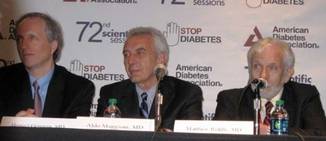
On the one hand, said Dr. Matthew C. Riddle Jr., head of the diabetes section at Oregon Health and Science University, Portland, the findings don’t support the use of insulin in people who don’t meet the criteria for diabetes. "Despite lower glucose levels, routine early use of basal insulin glargine is not better than guideline-based standard care in limiting important health outcomes in this population over this duration of treatment," he said at the annual scientific sessions of the American Diabetes Association.
But, Dr. Riddle said, "basal insulin glargine is now the best-studied glucose-lowering drug available, and no new safety concerns appear to limit its use in people with diagnosed diabetes when needed, including early in the course of diabetes and in the presence of significant cardiovascular risk."
And, although cancer incidence was not defined as a primary end point of the study, analyses in ORIGIN showed that cancer rates were identical between the insulin glargine and standard-care groups, at 1.32 per 100 person-years.
Concern about glargine and cancer was raised in September 2009 with a series of articles published in the journal Diabetologia, some of which suggested a link based primarily on population-based data.
Long before the issue of cancer risk, there had been concern about increased cardiovascular risk, ORIGIN principal investigator Dr. Hertzel C. Gerstein noted. "For 90 years there’s been debate in the literature, where many doctors have said that insulin causes cardiovascular disease. Wrong. It may do that in a rat, but it’s certainly not doing it in humans. A randomized trial is the best way to test these hypotheses," he noted.
In all, said Dr. Gerstein, professor of medicine and director of the division of endocrinology and metabolism at McMaster University, Ontario, "As a person who treats people with diabetes, I think this adds a huge amount of reassurance. We now know there is no reason to be worried about using insulin early in the course of diabetes."
In a 2 by 2 factorial design, ORIGIN randomized 12,537 patients with cardiovascular risk factors plus impaired fasting glucose, impaired glucose tolerance, or type 2 diabetes to receive insulin glargine titrated to achieve a target fasting blood glucose level of 95 mg/dL or less or to standard care (including routine use of antidiabetic, antihypertensive and antihyperlipidemic medications), and to either a 1-g daily capsule containing at least 900 mg of ethyl esters of n–3 fatty acids or placebo.
The co-primary outcomes for the insulin glargine arm of the study were nonfatal myocardial infarction, nonfatal stroke, or death from cardiovascular causes and these events plus revascularization or hospitalization for heart failure. For the n–3 fatty acids arm, the primary outcome was death from cardiovascular causes.
Results of the two study arms were published June 11 in separate articles in the New England Journal of Medicine (10.1056/NEJMoa1203859 and 10.1056/NEJMoa1203858).
At a median follow-up of 6.2 years, rates of incident cardiovascular outcomes were similar in the insulin glargine and standard-care groups, at 2.94 and 2.85 per 100 person-years, respectively. Rates for the second co-primary outcome were also not significantly different, at 5.52 versus 5.28 per 100 person-years, respectively. There were also no significant differences in mortality (hazard ratio, 0.98) or microvascular events (HR, 0.97), and the effect of the intervention on the two co-primary outcomes was similar across subgroups, Dr. Gerstein reported.
However, among the 1,456 study participants who did not have diabetes at baseline, the 737 who were randomized to insulin glargine were 28% less likely than were the 719 in the standard-care group to develop type 2 diabetes, based on an oral glucose tolerance test (OGTT) administered 3-4 weeks after glargine was stopped. The difference was 25% vs. 31% (P = .0006). At a second OGTT after 3 months, new diabetes had been diagnosed in 30% of the glargine group versus 35% of the standard-care group (odds ratio, 0.8).
The incidence of a first episode of severe hypoglycemia was 1.0 per 100 person-years in the glargine group versus 0.3 in the standard-care group (P less than .001). Rates of nonsevere hypoglycemia were 16.7 versus 5.2 per 100 person-years. The proportion of each group that experienced no symptomatic hypoglycemia was 43% with glargine versus 75% with standard care.
Participants in the glargine group gained a median weight of 1.6 kg, while those in the standard-care group lost a median of 0.5 kg.
In the n–3 fatty acid study arm, the incidence of the primary outcome, cardiovascular death, was 9.1% for those receiving the capsules versus 9.3% for those taking placebo at a median 6.2-year follow-up. Use of the supplements also had no impact on the rates of major cardiovascular events (16.5% vs. 16.3%, respectively), death from any cause (15.1% vs. 15.4%), or death from arrhythmia (4.6% vs. 4.1%).
However, use of n–3 fatty acids was associated with a greater reduction in triglyceride levels, 23.5 mg/dL, versus 9.0 mg/dL with placebo.
Several possibilities might account for the difference between these findings and those of previous large trials that have found a benefit of fish oil supplements. At least two of those trials used subjects with more severe cardiovascular disease. Also, ORIGIN participants were taking more concomitant medications for lowering cholesterol and blood pressure, noted Dr. Aldo P. Maggioni, director of the Research Centre, Italian Association of Hospital Cardiologists, Florence.
At least three other large trials are currently assessing the use of n–3 fatty acids to prevent cardiovascular disease in low-risk participants, Dr. Maggioni said.
According to Dr. Riddle, "Ninety years after insulin was first used to treat diabetes, we now know its long-term effect on important health outcomes. We believe the ORIGIN trial has added significantly to this understanding."
The ORIGIN study subjects will continue to be observed passively in an extension study called ORIGINALE (Outcome Reduction With an Initial Glargine Intervention and Legacy Effect).
The study was funded by Sanofi. Dr. Riddle is an adviser, consultant, or speaker for, and/or has received research support from, Amylin Pharmaceuticals, Eli Lilly, and Sanofi-Aventis. Dr. Gerstein has those same disclosures for Abbott Diabetes Care, AstraZeneca, Bristol-Myers Squibb, Eli Lilly, GlaxoSmithKline, Merck, Novo Nordisk, Roche Pharmaceuticals, Sanofi-Aventis, and Janssen Biotech. Dr. Maggioni is a board member of Sanofi-Aventis and has received research support from Boehringer Ingelheim.
I think the findings definitively show that cardiovascular risk is not reduced by early insulin treatment. So this will not change the guidelines in any way. Also, insulin glargine did not appear to increase cancer risk. I think this will finally put to bed the insulin and cancer story. The hazard ratio was as close to unity as possible. It will certainly provide reassurance in many people’s minds.
Dr. Naveed Sattar |

Whether early insulin use prevents diabetes is slightly interesting, but it’s not going to change anything in clinical practice. By 100 days, the difference in diabetes was less. People are wondering whether early insulin protects the pancreas, and I don’t think these data definitively confirm or refute that. From what we now know, the risks of early insulin – hypoglycemia and weight gain – are greater among those who don’t yet have diabetes.
The fish oil side is interesting. We would have liked to see a benefit in reducing cardiovascular death, which is what most people might have predicted. But the reality is that if you treat people with statins and ACE inhibitors, reduce their risk by those mechanisms, fish oil will provide no benefits above and beyond those things.
Dr. Naveed Sattar is professor of metabolic medicine at the University of Glasgow. He is on the advisory panel for AstraZeneca, Eli Lilly, Merck Sharp & Dohme, and Sanofi-Aventis.
I think the findings definitively show that cardiovascular risk is not reduced by early insulin treatment. So this will not change the guidelines in any way. Also, insulin glargine did not appear to increase cancer risk. I think this will finally put to bed the insulin and cancer story. The hazard ratio was as close to unity as possible. It will certainly provide reassurance in many people’s minds.
Dr. Naveed Sattar |
Whether early insulin use prevents diabetes is slightly interesting, but it’s not going to change anything in clinical practice. By 100 days, the difference in diabetes was less. People are wondering whether early insulin protects the pancreas, and I don’t think these data definitively confirm or refute that. From what we now know, the risks of early insulin – hypoglycemia and weight gain – are greater among those who don’t yet have diabetes.
The fish oil side is interesting. We would have liked to see a benefit in reducing cardiovascular death, which is what most people might have predicted. But the reality is that if you treat people with statins and ACE inhibitors, reduce their risk by those mechanisms, fish oil will provide no benefits above and beyond those things.
Dr. Naveed Sattar is professor of metabolic medicine at the University of Glasgow. He is on the advisory panel for AstraZeneca, Eli Lilly, Merck Sharp & Dohme, and Sanofi-Aventis.
I think the findings definitively show that cardiovascular risk is not reduced by early insulin treatment. So this will not change the guidelines in any way. Also, insulin glargine did not appear to increase cancer risk. I think this will finally put to bed the insulin and cancer story. The hazard ratio was as close to unity as possible. It will certainly provide reassurance in many people’s minds.
Dr. Naveed Sattar |
Whether early insulin use prevents diabetes is slightly interesting, but it’s not going to change anything in clinical practice. By 100 days, the difference in diabetes was less. People are wondering whether early insulin protects the pancreas, and I don’t think these data definitively confirm or refute that. From what we now know, the risks of early insulin – hypoglycemia and weight gain – are greater among those who don’t yet have diabetes.
The fish oil side is interesting. We would have liked to see a benefit in reducing cardiovascular death, which is what most people might have predicted. But the reality is that if you treat people with statins and ACE inhibitors, reduce their risk by those mechanisms, fish oil will provide no benefits above and beyond those things.
Dr. Naveed Sattar is professor of metabolic medicine at the University of Glasgow. He is on the advisory panel for AstraZeneca, Eli Lilly, Merck Sharp & Dohme, and Sanofi-Aventis.
PHILADELPHIA – The primary end point may not have shown benefit, but some assurances about the safety of insulin glargine have emerged from Sanofi’s ORIGIN (Outcome Reduction With Initial Glargine Intervention) study.
In ORIGIN, neither insulin glargine nor n–3 fatty acid supplementation reduced the risk for adverse cardiovascular outcomes in a 6-year study of more than 12,000 adults with cardiovascular risk factors and either diabetes or prediabetes. However, the addition of basal insulin glargine in the prediabetes group did reduce the risk for progression to type 2 diabetes. And, there were no increased risks for cardiovascular end points with insulin glargine.
On the one hand, said Dr. Matthew C. Riddle Jr., head of the diabetes section at Oregon Health and Science University, Portland, the findings don’t support the use of insulin in people who don’t meet the criteria for diabetes. "Despite lower glucose levels, routine early use of basal insulin glargine is not better than guideline-based standard care in limiting important health outcomes in this population over this duration of treatment," he said at the annual scientific sessions of the American Diabetes Association.
But, Dr. Riddle said, "basal insulin glargine is now the best-studied glucose-lowering drug available, and no new safety concerns appear to limit its use in people with diagnosed diabetes when needed, including early in the course of diabetes and in the presence of significant cardiovascular risk."
And, although cancer incidence was not defined as a primary end point of the study, analyses in ORIGIN showed that cancer rates were identical between the insulin glargine and standard-care groups, at 1.32 per 100 person-years.
Concern about glargine and cancer was raised in September 2009 with a series of articles published in the journal Diabetologia, some of which suggested a link based primarily on population-based data.
Long before the issue of cancer risk, there had been concern about increased cardiovascular risk, ORIGIN principal investigator Dr. Hertzel C. Gerstein noted. "For 90 years there’s been debate in the literature, where many doctors have said that insulin causes cardiovascular disease. Wrong. It may do that in a rat, but it’s certainly not doing it in humans. A randomized trial is the best way to test these hypotheses," he noted.
In all, said Dr. Gerstein, professor of medicine and director of the division of endocrinology and metabolism at McMaster University, Ontario, "As a person who treats people with diabetes, I think this adds a huge amount of reassurance. We now know there is no reason to be worried about using insulin early in the course of diabetes."
In a 2 by 2 factorial design, ORIGIN randomized 12,537 patients with cardiovascular risk factors plus impaired fasting glucose, impaired glucose tolerance, or type 2 diabetes to receive insulin glargine titrated to achieve a target fasting blood glucose level of 95 mg/dL or less or to standard care (including routine use of antidiabetic, antihypertensive and antihyperlipidemic medications), and to either a 1-g daily capsule containing at least 900 mg of ethyl esters of n–3 fatty acids or placebo.
The co-primary outcomes for the insulin glargine arm of the study were nonfatal myocardial infarction, nonfatal stroke, or death from cardiovascular causes and these events plus revascularization or hospitalization for heart failure. For the n–3 fatty acids arm, the primary outcome was death from cardiovascular causes.
Results of the two study arms were published June 11 in separate articles in the New England Journal of Medicine (10.1056/NEJMoa1203859 and 10.1056/NEJMoa1203858).
At a median follow-up of 6.2 years, rates of incident cardiovascular outcomes were similar in the insulin glargine and standard-care groups, at 2.94 and 2.85 per 100 person-years, respectively. Rates for the second co-primary outcome were also not significantly different, at 5.52 versus 5.28 per 100 person-years, respectively. There were also no significant differences in mortality (hazard ratio, 0.98) or microvascular events (HR, 0.97), and the effect of the intervention on the two co-primary outcomes was similar across subgroups, Dr. Gerstein reported.
However, among the 1,456 study participants who did not have diabetes at baseline, the 737 who were randomized to insulin glargine were 28% less likely than were the 719 in the standard-care group to develop type 2 diabetes, based on an oral glucose tolerance test (OGTT) administered 3-4 weeks after glargine was stopped. The difference was 25% vs. 31% (P = .0006). At a second OGTT after 3 months, new diabetes had been diagnosed in 30% of the glargine group versus 35% of the standard-care group (odds ratio, 0.8).
The incidence of a first episode of severe hypoglycemia was 1.0 per 100 person-years in the glargine group versus 0.3 in the standard-care group (P less than .001). Rates of nonsevere hypoglycemia were 16.7 versus 5.2 per 100 person-years. The proportion of each group that experienced no symptomatic hypoglycemia was 43% with glargine versus 75% with standard care.
Participants in the glargine group gained a median weight of 1.6 kg, while those in the standard-care group lost a median of 0.5 kg.
In the n–3 fatty acid study arm, the incidence of the primary outcome, cardiovascular death, was 9.1% for those receiving the capsules versus 9.3% for those taking placebo at a median 6.2-year follow-up. Use of the supplements also had no impact on the rates of major cardiovascular events (16.5% vs. 16.3%, respectively), death from any cause (15.1% vs. 15.4%), or death from arrhythmia (4.6% vs. 4.1%).
However, use of n–3 fatty acids was associated with a greater reduction in triglyceride levels, 23.5 mg/dL, versus 9.0 mg/dL with placebo.
Several possibilities might account for the difference between these findings and those of previous large trials that have found a benefit of fish oil supplements. At least two of those trials used subjects with more severe cardiovascular disease. Also, ORIGIN participants were taking more concomitant medications for lowering cholesterol and blood pressure, noted Dr. Aldo P. Maggioni, director of the Research Centre, Italian Association of Hospital Cardiologists, Florence.
At least three other large trials are currently assessing the use of n–3 fatty acids to prevent cardiovascular disease in low-risk participants, Dr. Maggioni said.
According to Dr. Riddle, "Ninety years after insulin was first used to treat diabetes, we now know its long-term effect on important health outcomes. We believe the ORIGIN trial has added significantly to this understanding."
The ORIGIN study subjects will continue to be observed passively in an extension study called ORIGINALE (Outcome Reduction With an Initial Glargine Intervention and Legacy Effect).
The study was funded by Sanofi. Dr. Riddle is an adviser, consultant, or speaker for, and/or has received research support from, Amylin Pharmaceuticals, Eli Lilly, and Sanofi-Aventis. Dr. Gerstein has those same disclosures for Abbott Diabetes Care, AstraZeneca, Bristol-Myers Squibb, Eli Lilly, GlaxoSmithKline, Merck, Novo Nordisk, Roche Pharmaceuticals, Sanofi-Aventis, and Janssen Biotech. Dr. Maggioni is a board member of Sanofi-Aventis and has received research support from Boehringer Ingelheim.
PHILADELPHIA – The primary end point may not have shown benefit, but some assurances about the safety of insulin glargine have emerged from Sanofi’s ORIGIN (Outcome Reduction With Initial Glargine Intervention) study.
In ORIGIN, neither insulin glargine nor n–3 fatty acid supplementation reduced the risk for adverse cardiovascular outcomes in a 6-year study of more than 12,000 adults with cardiovascular risk factors and either diabetes or prediabetes. However, the addition of basal insulin glargine in the prediabetes group did reduce the risk for progression to type 2 diabetes. And, there were no increased risks for cardiovascular end points with insulin glargine.
On the one hand, said Dr. Matthew C. Riddle Jr., head of the diabetes section at Oregon Health and Science University, Portland, the findings don’t support the use of insulin in people who don’t meet the criteria for diabetes. "Despite lower glucose levels, routine early use of basal insulin glargine is not better than guideline-based standard care in limiting important health outcomes in this population over this duration of treatment," he said at the annual scientific sessions of the American Diabetes Association.
But, Dr. Riddle said, "basal insulin glargine is now the best-studied glucose-lowering drug available, and no new safety concerns appear to limit its use in people with diagnosed diabetes when needed, including early in the course of diabetes and in the presence of significant cardiovascular risk."
And, although cancer incidence was not defined as a primary end point of the study, analyses in ORIGIN showed that cancer rates were identical between the insulin glargine and standard-care groups, at 1.32 per 100 person-years.
Concern about glargine and cancer was raised in September 2009 with a series of articles published in the journal Diabetologia, some of which suggested a link based primarily on population-based data.
Long before the issue of cancer risk, there had been concern about increased cardiovascular risk, ORIGIN principal investigator Dr. Hertzel C. Gerstein noted. "For 90 years there’s been debate in the literature, where many doctors have said that insulin causes cardiovascular disease. Wrong. It may do that in a rat, but it’s certainly not doing it in humans. A randomized trial is the best way to test these hypotheses," he noted.
In all, said Dr. Gerstein, professor of medicine and director of the division of endocrinology and metabolism at McMaster University, Ontario, "As a person who treats people with diabetes, I think this adds a huge amount of reassurance. We now know there is no reason to be worried about using insulin early in the course of diabetes."
In a 2 by 2 factorial design, ORIGIN randomized 12,537 patients with cardiovascular risk factors plus impaired fasting glucose, impaired glucose tolerance, or type 2 diabetes to receive insulin glargine titrated to achieve a target fasting blood glucose level of 95 mg/dL or less or to standard care (including routine use of antidiabetic, antihypertensive and antihyperlipidemic medications), and to either a 1-g daily capsule containing at least 900 mg of ethyl esters of n–3 fatty acids or placebo.
The co-primary outcomes for the insulin glargine arm of the study were nonfatal myocardial infarction, nonfatal stroke, or death from cardiovascular causes and these events plus revascularization or hospitalization for heart failure. For the n–3 fatty acids arm, the primary outcome was death from cardiovascular causes.
Results of the two study arms were published June 11 in separate articles in the New England Journal of Medicine (10.1056/NEJMoa1203859 and 10.1056/NEJMoa1203858).
At a median follow-up of 6.2 years, rates of incident cardiovascular outcomes were similar in the insulin glargine and standard-care groups, at 2.94 and 2.85 per 100 person-years, respectively. Rates for the second co-primary outcome were also not significantly different, at 5.52 versus 5.28 per 100 person-years, respectively. There were also no significant differences in mortality (hazard ratio, 0.98) or microvascular events (HR, 0.97), and the effect of the intervention on the two co-primary outcomes was similar across subgroups, Dr. Gerstein reported.
However, among the 1,456 study participants who did not have diabetes at baseline, the 737 who were randomized to insulin glargine were 28% less likely than were the 719 in the standard-care group to develop type 2 diabetes, based on an oral glucose tolerance test (OGTT) administered 3-4 weeks after glargine was stopped. The difference was 25% vs. 31% (P = .0006). At a second OGTT after 3 months, new diabetes had been diagnosed in 30% of the glargine group versus 35% of the standard-care group (odds ratio, 0.8).
The incidence of a first episode of severe hypoglycemia was 1.0 per 100 person-years in the glargine group versus 0.3 in the standard-care group (P less than .001). Rates of nonsevere hypoglycemia were 16.7 versus 5.2 per 100 person-years. The proportion of each group that experienced no symptomatic hypoglycemia was 43% with glargine versus 75% with standard care.
Participants in the glargine group gained a median weight of 1.6 kg, while those in the standard-care group lost a median of 0.5 kg.
In the n–3 fatty acid study arm, the incidence of the primary outcome, cardiovascular death, was 9.1% for those receiving the capsules versus 9.3% for those taking placebo at a median 6.2-year follow-up. Use of the supplements also had no impact on the rates of major cardiovascular events (16.5% vs. 16.3%, respectively), death from any cause (15.1% vs. 15.4%), or death from arrhythmia (4.6% vs. 4.1%).
However, use of n–3 fatty acids was associated with a greater reduction in triglyceride levels, 23.5 mg/dL, versus 9.0 mg/dL with placebo.
Several possibilities might account for the difference between these findings and those of previous large trials that have found a benefit of fish oil supplements. At least two of those trials used subjects with more severe cardiovascular disease. Also, ORIGIN participants were taking more concomitant medications for lowering cholesterol and blood pressure, noted Dr. Aldo P. Maggioni, director of the Research Centre, Italian Association of Hospital Cardiologists, Florence.
At least three other large trials are currently assessing the use of n–3 fatty acids to prevent cardiovascular disease in low-risk participants, Dr. Maggioni said.
According to Dr. Riddle, "Ninety years after insulin was first used to treat diabetes, we now know its long-term effect on important health outcomes. We believe the ORIGIN trial has added significantly to this understanding."
The ORIGIN study subjects will continue to be observed passively in an extension study called ORIGINALE (Outcome Reduction With an Initial Glargine Intervention and Legacy Effect).
The study was funded by Sanofi. Dr. Riddle is an adviser, consultant, or speaker for, and/or has received research support from, Amylin Pharmaceuticals, Eli Lilly, and Sanofi-Aventis. Dr. Gerstein has those same disclosures for Abbott Diabetes Care, AstraZeneca, Bristol-Myers Squibb, Eli Lilly, GlaxoSmithKline, Merck, Novo Nordisk, Roche Pharmaceuticals, Sanofi-Aventis, and Janssen Biotech. Dr. Maggioni is a board member of Sanofi-Aventis and has received research support from Boehringer Ingelheim.
FROM THE ANNUAL SCIENTIFIC SESSIONS OF THE AMERICAN DIABETES ASSOCIATION
Novel Long-Acting Insulin Causes Less Hypoglycemia
PHILADELPHIA – The investigational ultralong-acting insulin, degludec, improved glycemic control while incurring lower risks of hypoglycemia in several studies of diabetes patients, many of them obese with high insulin requirements.
Novo Nordisk’s insulin degludec (IDeg), which is under consideration for approval by the Food and Drug Administration, is a basal insulin that forms soluble multihexamers after subcutaneous injection, extending its half-life significantly longer than 24 hours. The resulting steady blood levels of insulin confer a significantly lower risk of hypoglycemia in type 1 and type 2 patients taking degludec, compared with those taking insulin glargine, the comparator in many clinical trials, according to Dr. Helena W. Rodbard, an endocrinologist who practices in Rockville, Md.
About a third of patients with type 2 diabetes in the United States require more than 60 U just as the basal component, with quite a few requiring 80 or 100 U of insulin, noted Dr. Richard M. Bergenstal, executive director of the International Diabetes Center at Park Nicollet, Minneapolis. This demand for ever-increasing units has led to the development of new basal insulins that are even longer-acting, smoother, and flatter in terms of their pharmacokinetic and pharmacodynamic profiles, he said.
Dr. Rodbard presented the results of a meta-analysis of five phase IIIA, open-label, randomized, treat-to-target, confirmatory, 26- or 52-week trials in which a total of 2,262 type 2 diabetes patients received degludec and 1,110 received glargine, both injected once daily. Among those, 35% of the degludec group and 34% of the glargine group required more than 60 U of basal insulin per day by the end of the trials.
At study completion, hemoglobin A1c values were similar in both groups, with an insignificant estimated treatment difference (ETD) of just 0.05% (P = .44). The mean fasting plasma glucose values at the end of the trials were lower with degludec than with glargine, with an ETD of –5.9 mg/dL, Dr. Rodbard reported.
Overall confirmed and nocturnal hypoglycemia rates were lower in patients requiring more than 60 U of insulin on degludec than on glargine, with confirmed hypoglycemia defined as self-measured blood glucose less than 56 mg/dL (plasma calibrated) or any episode requiring assistance. Nocturnal confirmed hypoglycemia was defined as any confirmed episode with onset between midnight and 6:00 a.m.
Compared with glargine, there was a 21% lower rate of overall confirmed hypoglycemic episodes with degludec (P = .02) and a 52% lower rate of nocturnal confirmed hypoglycemic episodes (P less than.0001).
The reduction of risk of hypoglycemia with degludec was particularly significant for nocturnal hypoglycemia, the "important area of concern," Dr. Rodbard said in an interview.
Novo Nordisk is also developing a 200 U/mL formulation of insulin degludec specifically for patients with high insulin requirements. This formulation, known as IDeg U200, contains equal units of insulin in half the volume of the 100-U/mL formulation, thus allowing larger insulin doses (up to 160 U) to be administered in a single injection with a prefilled pen device.
Dr. Bergenstal presented data from a 26-week, open-label, treat-to-target trial that compared the efficacy and safety of once-daily IDeg U200 vs. 100 U/mL of insulin glargine, both in combination with oral antidiabetic drugs, in a total of 457 insulin-naive type 2 diabetes patients who qualified for insulin treatment. They were randomized to either IDeg U200 or glargine, both in combination with metformin and some also using other medications.
By 26 weeks, IDeg U200 reduced HbA1c by 1.30 percentage points (from a baseline of 8.3%) and was noninferior to glargine, with an estimated treatment difference of 0.04 percentage points.
Fasting glucose levels were similarly equally reduced. Rates of overall confirmed hypoglycemia (defined as less than 56 mg/dL, or having an episode requiring assistance) were lower with IDeg U200, at 1.22 episodes per patient per year, compared with 1.42 for glargine.
Rates of nocturnal confirmed hypoglycemia (defined as occurring between midnight and 6:00 a.m.) also were lower with IDeg U200 (0.18 vs. 0.28 episodes per patient-year, respectively). There were no severe hypoglycemic reactions in either group.
Mean daily basal insulin dose was similar after 26 weeks (0.62 U/kg for IDeg U200; 0.66 U/Kg for glargine). Weight gain occurred with a reduction in HbA1c in both groups, by 1.9 kg with IDeg U200 and 1.5 kg with glargine. Adverse events were similar and infrequent in both groups, said Dr. Bergenstal, who is the president of medicine and science at the American Diabetes Association.
"Insulin degludec 200 U/mL allows patients who require larger daily doses of basal insulin [to] use prefilled pen devices to administer up to 160 U in a single injection," he concluded.
All of the reported studies were funded by Novo Nordisk.
PHILADELPHIA – The investigational ultralong-acting insulin, degludec, improved glycemic control while incurring lower risks of hypoglycemia in several studies of diabetes patients, many of them obese with high insulin requirements.
Novo Nordisk’s insulin degludec (IDeg), which is under consideration for approval by the Food and Drug Administration, is a basal insulin that forms soluble multihexamers after subcutaneous injection, extending its half-life significantly longer than 24 hours. The resulting steady blood levels of insulin confer a significantly lower risk of hypoglycemia in type 1 and type 2 patients taking degludec, compared with those taking insulin glargine, the comparator in many clinical trials, according to Dr. Helena W. Rodbard, an endocrinologist who practices in Rockville, Md.
About a third of patients with type 2 diabetes in the United States require more than 60 U just as the basal component, with quite a few requiring 80 or 100 U of insulin, noted Dr. Richard M. Bergenstal, executive director of the International Diabetes Center at Park Nicollet, Minneapolis. This demand for ever-increasing units has led to the development of new basal insulins that are even longer-acting, smoother, and flatter in terms of their pharmacokinetic and pharmacodynamic profiles, he said.
Dr. Rodbard presented the results of a meta-analysis of five phase IIIA, open-label, randomized, treat-to-target, confirmatory, 26- or 52-week trials in which a total of 2,262 type 2 diabetes patients received degludec and 1,110 received glargine, both injected once daily. Among those, 35% of the degludec group and 34% of the glargine group required more than 60 U of basal insulin per day by the end of the trials.
At study completion, hemoglobin A1c values were similar in both groups, with an insignificant estimated treatment difference (ETD) of just 0.05% (P = .44). The mean fasting plasma glucose values at the end of the trials were lower with degludec than with glargine, with an ETD of –5.9 mg/dL, Dr. Rodbard reported.
Overall confirmed and nocturnal hypoglycemia rates were lower in patients requiring more than 60 U of insulin on degludec than on glargine, with confirmed hypoglycemia defined as self-measured blood glucose less than 56 mg/dL (plasma calibrated) or any episode requiring assistance. Nocturnal confirmed hypoglycemia was defined as any confirmed episode with onset between midnight and 6:00 a.m.
Compared with glargine, there was a 21% lower rate of overall confirmed hypoglycemic episodes with degludec (P = .02) and a 52% lower rate of nocturnal confirmed hypoglycemic episodes (P less than.0001).
The reduction of risk of hypoglycemia with degludec was particularly significant for nocturnal hypoglycemia, the "important area of concern," Dr. Rodbard said in an interview.
Novo Nordisk is also developing a 200 U/mL formulation of insulin degludec specifically for patients with high insulin requirements. This formulation, known as IDeg U200, contains equal units of insulin in half the volume of the 100-U/mL formulation, thus allowing larger insulin doses (up to 160 U) to be administered in a single injection with a prefilled pen device.
Dr. Bergenstal presented data from a 26-week, open-label, treat-to-target trial that compared the efficacy and safety of once-daily IDeg U200 vs. 100 U/mL of insulin glargine, both in combination with oral antidiabetic drugs, in a total of 457 insulin-naive type 2 diabetes patients who qualified for insulin treatment. They were randomized to either IDeg U200 or glargine, both in combination with metformin and some also using other medications.
By 26 weeks, IDeg U200 reduced HbA1c by 1.30 percentage points (from a baseline of 8.3%) and was noninferior to glargine, with an estimated treatment difference of 0.04 percentage points.
Fasting glucose levels were similarly equally reduced. Rates of overall confirmed hypoglycemia (defined as less than 56 mg/dL, or having an episode requiring assistance) were lower with IDeg U200, at 1.22 episodes per patient per year, compared with 1.42 for glargine.
Rates of nocturnal confirmed hypoglycemia (defined as occurring between midnight and 6:00 a.m.) also were lower with IDeg U200 (0.18 vs. 0.28 episodes per patient-year, respectively). There were no severe hypoglycemic reactions in either group.
Mean daily basal insulin dose was similar after 26 weeks (0.62 U/kg for IDeg U200; 0.66 U/Kg for glargine). Weight gain occurred with a reduction in HbA1c in both groups, by 1.9 kg with IDeg U200 and 1.5 kg with glargine. Adverse events were similar and infrequent in both groups, said Dr. Bergenstal, who is the president of medicine and science at the American Diabetes Association.
"Insulin degludec 200 U/mL allows patients who require larger daily doses of basal insulin [to] use prefilled pen devices to administer up to 160 U in a single injection," he concluded.
All of the reported studies were funded by Novo Nordisk.
PHILADELPHIA – The investigational ultralong-acting insulin, degludec, improved glycemic control while incurring lower risks of hypoglycemia in several studies of diabetes patients, many of them obese with high insulin requirements.
Novo Nordisk’s insulin degludec (IDeg), which is under consideration for approval by the Food and Drug Administration, is a basal insulin that forms soluble multihexamers after subcutaneous injection, extending its half-life significantly longer than 24 hours. The resulting steady blood levels of insulin confer a significantly lower risk of hypoglycemia in type 1 and type 2 patients taking degludec, compared with those taking insulin glargine, the comparator in many clinical trials, according to Dr. Helena W. Rodbard, an endocrinologist who practices in Rockville, Md.
About a third of patients with type 2 diabetes in the United States require more than 60 U just as the basal component, with quite a few requiring 80 or 100 U of insulin, noted Dr. Richard M. Bergenstal, executive director of the International Diabetes Center at Park Nicollet, Minneapolis. This demand for ever-increasing units has led to the development of new basal insulins that are even longer-acting, smoother, and flatter in terms of their pharmacokinetic and pharmacodynamic profiles, he said.
Dr. Rodbard presented the results of a meta-analysis of five phase IIIA, open-label, randomized, treat-to-target, confirmatory, 26- or 52-week trials in which a total of 2,262 type 2 diabetes patients received degludec and 1,110 received glargine, both injected once daily. Among those, 35% of the degludec group and 34% of the glargine group required more than 60 U of basal insulin per day by the end of the trials.
At study completion, hemoglobin A1c values were similar in both groups, with an insignificant estimated treatment difference (ETD) of just 0.05% (P = .44). The mean fasting plasma glucose values at the end of the trials were lower with degludec than with glargine, with an ETD of –5.9 mg/dL, Dr. Rodbard reported.
Overall confirmed and nocturnal hypoglycemia rates were lower in patients requiring more than 60 U of insulin on degludec than on glargine, with confirmed hypoglycemia defined as self-measured blood glucose less than 56 mg/dL (plasma calibrated) or any episode requiring assistance. Nocturnal confirmed hypoglycemia was defined as any confirmed episode with onset between midnight and 6:00 a.m.
Compared with glargine, there was a 21% lower rate of overall confirmed hypoglycemic episodes with degludec (P = .02) and a 52% lower rate of nocturnal confirmed hypoglycemic episodes (P less than.0001).
The reduction of risk of hypoglycemia with degludec was particularly significant for nocturnal hypoglycemia, the "important area of concern," Dr. Rodbard said in an interview.
Novo Nordisk is also developing a 200 U/mL formulation of insulin degludec specifically for patients with high insulin requirements. This formulation, known as IDeg U200, contains equal units of insulin in half the volume of the 100-U/mL formulation, thus allowing larger insulin doses (up to 160 U) to be administered in a single injection with a prefilled pen device.
Dr. Bergenstal presented data from a 26-week, open-label, treat-to-target trial that compared the efficacy and safety of once-daily IDeg U200 vs. 100 U/mL of insulin glargine, both in combination with oral antidiabetic drugs, in a total of 457 insulin-naive type 2 diabetes patients who qualified for insulin treatment. They were randomized to either IDeg U200 or glargine, both in combination with metformin and some also using other medications.
By 26 weeks, IDeg U200 reduced HbA1c by 1.30 percentage points (from a baseline of 8.3%) and was noninferior to glargine, with an estimated treatment difference of 0.04 percentage points.
Fasting glucose levels were similarly equally reduced. Rates of overall confirmed hypoglycemia (defined as less than 56 mg/dL, or having an episode requiring assistance) were lower with IDeg U200, at 1.22 episodes per patient per year, compared with 1.42 for glargine.
Rates of nocturnal confirmed hypoglycemia (defined as occurring between midnight and 6:00 a.m.) also were lower with IDeg U200 (0.18 vs. 0.28 episodes per patient-year, respectively). There were no severe hypoglycemic reactions in either group.
Mean daily basal insulin dose was similar after 26 weeks (0.62 U/kg for IDeg U200; 0.66 U/Kg for glargine). Weight gain occurred with a reduction in HbA1c in both groups, by 1.9 kg with IDeg U200 and 1.5 kg with glargine. Adverse events were similar and infrequent in both groups, said Dr. Bergenstal, who is the president of medicine and science at the American Diabetes Association.
"Insulin degludec 200 U/mL allows patients who require larger daily doses of basal insulin [to] use prefilled pen devices to administer up to 160 U in a single injection," he concluded.
All of the reported studies were funded by Novo Nordisk.
FROM THE ANNUAL MEETING OF THE AMERICAN ASSOCIATION OF CLINICAL ENDOCRINOLOGISTS
Major Finding: Compared with glargine, there was a 21% lower rate of overall confirmed hypoglycemic episodes with degludec, and a 52% lower rate of nocturnal confirmed hypoglycemic episodes. In a separate study, rates of overall confirmed hypoglycemia (defined as less than 56 mg/dL, or requiring assistance) were lower with a new formulation of degludec (IDeg U200), at 1.22 episodes per patient per year, compared with 1.42 for glargine.
Data Source: Data were from multiple sources: A meta-analysis of five phase IIIA, open-label, randomized, treat-to-target confirmatory 26- or 52-week trials, and a 26-week, open-label, treat-to-target trial that compared a new formation of degludec (IDeg U200) with insulin glargine.
Disclosures: All of the reported studies were funded by Novo Nordisk.
Add-On Glargine Bests Sitagliptin for Regaining Glucose Control
PHILADELPHIA – Introduction of basal insulin glargine for patients with type 2 diabetes who were uncontrolled on metformin was associated with improved glycemic control compared with the addition of sitagliptin in a 24-week, multicenter, open-label trial of more than 500 patients.
However, glargine was associated with a greater degree of weight gain and significantly greater rates of hypoglycemia, although severe hypoglycemia rates were rare, Dr. Pablo J. Aschner reported.
The study, funded by Sanofi, is the first randomized trial to compare two glucose-lowering treatment options that are often considered as second-line add-on treatment to metformin, in real-world conditions. "The results of this study support the option of introduction of basal insulin in patients with type 2 diabetes inadequately controlled by metformin, with the potential for long-term benefits arising from the achievement of optimum glycemic control early in the course of the disease," said Dr. Aschner, an endocrinologist and clinical epidemiologist, and professor of endocrinology and director of research at Javeriana University Hospital, Bogotá, Colombia.
The findings were simultaneously published online (Lancet 2012 June 9 [doi:10.1016/S0140-6736(12)60439-5]).
In the Evaluation of Insulin Glargine Versus Sitagliptin in Insulin-Naive Patients (EASIE) study, 250 patients were randomized to glargine in doses starting at 0.2 units per kg of body weight injected at dinner or bedtime with a prefilled pen, and titrated up or down based on self-monitored blood glucose levels. The 265 patients in the sitagliptin group received a fixed oral dose of 100 mg once daily taken in the morning and no changes in dose were allowed during the trial. The patients, 480 of whom completed the trial (227 glargine/253 sitagliptin), were aged 35-70 years, diagnosed with type 2 diabetes for at least 6 months, and had hemoglobin A1c values between 7% and 11% while on metformin therapy.
HbA1c, 8.5% for both groups at baseline, was reduced to a significantly greater extent with insulin glargine than with sitagliptin throughout the study, with mean reductions of 1.72 versus 1.13 percentage points. At 24 weeks, more patients in the glargine group had achieved A1c levels below 7% (68% versus 42%) compared with those in the sitagliptin group. The story was similar for HbA1c levels of less than 6.5% (40% vs. 17%). Patients in the glargine group also had significantly greater reductions in self-monitored fasting plasma glucose, with an adjusted mean difference between groups of 41.2 mg/dL, Dr. Aschner reported.
Glargine doses increased throughout the study, from 0.19 units/kg at baseline to 0.45 units/kg at 12 weeks and then leveling off to 0.5 units/kg at 24 weeks, at which point patients were taking an average of 41.4 units/day.
Body weight increased by 0.44 kg in the insulin glargine group and decreased by 1.08 kg in the sitagliptin group, a significant difference. More patients in the glargine group had one or more episodes of symptomatic hypoglycemia (46% vs. 54%). Glargine was associated with 8.45 times more hypoglycemic events per patient-year than was sitagliptin (4.21 vs. 0.5 events/patient-year). Severe hypoglycemia was 3.4-fold more common with glargine, although it was rare in both groups (1% with glargine and less than 1% with sitagliptin). The incidence of other treatment-emergent adverse events did not differ between the groups.
In all, Dr. Aschner noted, these findings suggest that glycemic control can be achieved with an average supplementary dose of 0.5 units per kg of insulin glargine and a weight gain of less than 0.5 kg. The results of this study are in general agreement with previous results for both insulin glargine and sitagliptin, he added.
Intensive lowering of blood glucose should be accompanied by structured self-monitoring of blood glucose, especially in high-risk people with long disease duration, in an attempt to avoid hypoglycemia-related adverse effects such as cardiovascular disease and related death, Dr. Aschner advised.
"In view of the possible long-term benefits of intensive lowering of blood glucose and the superior efficacy of insulin to optimize glycemic control, strong arguments could be made to use insulin early when the dose is expected to be fairly low, with a reduced risk of hypoglycemia," he concluded.
This study was funded by Sanofi. Dr. Aschner has served on advisory boards for AstraZeneca, Eli Lilly & Co, GlaxoSmithKline, Janssen, Merck, Sharpe & Dohme, Novartis, and Sanofi and on speakers’ bureaus for AstraZeneca, Eli Lilly & Co, Merck, Sharpe & Dohme, Novartis, and Sanofi.
In type 2 diabetes, progressive decline of beta-cell function leads to deterioration of glycemic control, necessitating intensification of blood glucose–lowering therapy during the course of the disease. Existing treatment algorithms advocate stepwise escalation of therapy, starting with metformin and subsequently adding other oral agents or insulin when glycated hemoglobin A1c exceeds the treatment target. To date, however, there is insufficient evidence to guide clinicians in choice of the second agent after metformin.
|
|
An early start of insulin in type 2 diabetes has been advocated, because intensive insulin therapy immediately after diagnosis was shown to normalize blood glucose, preserve beta-cell function, and induce disease remission. In clinical practice, however, insulin treatment is often postponed because of barriers perceived by patients and health care providers to initiation of insulin. In these cases, various combinations of oral agents are prescribed, often at the cost of good glycemic control.
Since sulphonylurea use is associated with early treatment failure, weight gain, and hypoglycemia risk, dipeptidyl peptidase-4 (DPP-4) inhibitors are increasingly used. Presently, whether these agents can sustain glycemic control in the long term and improve outcomes in patients with type 2 diabetes is unknown.
In the current trial, insulin glargine resulted in a greater HbA1c reduction than did sitagliptin, with a mean adjusted difference of –0·59%. Significantly more patients in the insulin glargine group reached the prespecified HbA1c targets of both 7% and 6.5% than in the sitagliptin group.
A small increase in body weight was noted with insulin glargine use, whereas sitagliptin decreased body weight. The number of symptomatic as well as severe hypoglycemic episodes was greater with insulin glargine than with sitagliptin treatment.
With its very short duration and design, this study can only confirm the observations by others showing that addition of basal insulin, when dosed properly, to ongoing metformin monotherapy is more efficacious in lowering HbA1c than is any currently available oral agent.
Most patients and caregivers prefer to postpone insulin treatment as long as possible. At present, it is unclear whether initiation of basal insulin in the early stage of type 2 diabetes translates into longer term outcome benefits or whether its early use is ultimately offset by progressive weight gain and more hypoglycemic events, both of which could result in increased cardiovascular risk, higher cost, and poor quality of life.
The anticipated results of the Outcome Reduction with an Initial Glargine Intervention (ORIGIN) trial, comparing insulin glargine treatment in patients with dysglycemia and early type 2 diabetes with usual care for more than 7 years, will hopefully provide some answers to these questions.
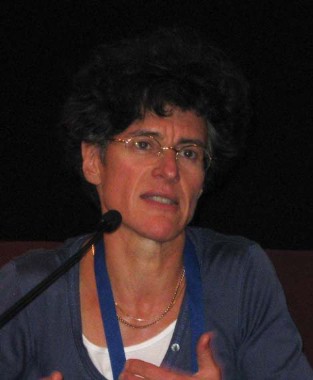
Michaela Diamant, M.D., of the Diabetes Centre, VU University Medical Centre, Amsterdam, disclosed that she serves on advisory boards for Abbott, Eli Lilly, Merck Sharp & Dohme (MSD), Novo Nordisk, and Poxel Pharma, is a consultant for Sanofi, and is a speaker for Eli Lilly, MSD, and Novo Nordisk. Through her, VU University Medical Centre receives research grants from Amylin/Eli Lilly, MSD, Novo Nordisk, and Sanofi, but she has received no personal payments in connection with any of these activities. The payments are transferred to an institutional research foundation.
In type 2 diabetes, progressive decline of beta-cell function leads to deterioration of glycemic control, necessitating intensification of blood glucose–lowering therapy during the course of the disease. Existing treatment algorithms advocate stepwise escalation of therapy, starting with metformin and subsequently adding other oral agents or insulin when glycated hemoglobin A1c exceeds the treatment target. To date, however, there is insufficient evidence to guide clinicians in choice of the second agent after metformin.
|
|
|
An early start of insulin in type 2 diabetes has been advocated, because intensive insulin therapy immediately after diagnosis was shown to normalize blood glucose, preserve beta-cell function, and induce disease remission. In clinical practice, however, insulin treatment is often postponed because of barriers perceived by patients and health care providers to initiation of insulin. In these cases, various combinations of oral agents are prescribed, often at the cost of good glycemic control.
Since sulphonylurea use is associated with early treatment failure, weight gain, and hypoglycemia risk, dipeptidyl peptidase-4 (DPP-4) inhibitors are increasingly used. Presently, whether these agents can sustain glycemic control in the long term and improve outcomes in patients with type 2 diabetes is unknown.
In the current trial, insulin glargine resulted in a greater HbA1c reduction than did sitagliptin, with a mean adjusted difference of –0·59%. Significantly more patients in the insulin glargine group reached the prespecified HbA1c targets of both 7% and 6.5% than in the sitagliptin group.
A small increase in body weight was noted with insulin glargine use, whereas sitagliptin decreased body weight. The number of symptomatic as well as severe hypoglycemic episodes was greater with insulin glargine than with sitagliptin treatment.
With its very short duration and design, this study can only confirm the observations by others showing that addition of basal insulin, when dosed properly, to ongoing metformin monotherapy is more efficacious in lowering HbA1c than is any currently available oral agent.
Most patients and caregivers prefer to postpone insulin treatment as long as possible. At present, it is unclear whether initiation of basal insulin in the early stage of type 2 diabetes translates into longer term outcome benefits or whether its early use is ultimately offset by progressive weight gain and more hypoglycemic events, both of which could result in increased cardiovascular risk, higher cost, and poor quality of life.
The anticipated results of the Outcome Reduction with an Initial Glargine Intervention (ORIGIN) trial, comparing insulin glargine treatment in patients with dysglycemia and early type 2 diabetes with usual care for more than 7 years, will hopefully provide some answers to these questions.
Michaela Diamant, M.D., of the Diabetes Centre, VU University Medical Centre, Amsterdam, disclosed that she serves on advisory boards for Abbott, Eli Lilly, Merck Sharp & Dohme (MSD), Novo Nordisk, and Poxel Pharma, is a consultant for Sanofi, and is a speaker for Eli Lilly, MSD, and Novo Nordisk. Through her, VU University Medical Centre receives research grants from Amylin/Eli Lilly, MSD, Novo Nordisk, and Sanofi, but she has received no personal payments in connection with any of these activities. The payments are transferred to an institutional research foundation.
In type 2 diabetes, progressive decline of beta-cell function leads to deterioration of glycemic control, necessitating intensification of blood glucose–lowering therapy during the course of the disease. Existing treatment algorithms advocate stepwise escalation of therapy, starting with metformin and subsequently adding other oral agents or insulin when glycated hemoglobin A1c exceeds the treatment target. To date, however, there is insufficient evidence to guide clinicians in choice of the second agent after metformin.
|
|
|
An early start of insulin in type 2 diabetes has been advocated, because intensive insulin therapy immediately after diagnosis was shown to normalize blood glucose, preserve beta-cell function, and induce disease remission. In clinical practice, however, insulin treatment is often postponed because of barriers perceived by patients and health care providers to initiation of insulin. In these cases, various combinations of oral agents are prescribed, often at the cost of good glycemic control.
Since sulphonylurea use is associated with early treatment failure, weight gain, and hypoglycemia risk, dipeptidyl peptidase-4 (DPP-4) inhibitors are increasingly used. Presently, whether these agents can sustain glycemic control in the long term and improve outcomes in patients with type 2 diabetes is unknown.
In the current trial, insulin glargine resulted in a greater HbA1c reduction than did sitagliptin, with a mean adjusted difference of –0·59%. Significantly more patients in the insulin glargine group reached the prespecified HbA1c targets of both 7% and 6.5% than in the sitagliptin group.
A small increase in body weight was noted with insulin glargine use, whereas sitagliptin decreased body weight. The number of symptomatic as well as severe hypoglycemic episodes was greater with insulin glargine than with sitagliptin treatment.
With its very short duration and design, this study can only confirm the observations by others showing that addition of basal insulin, when dosed properly, to ongoing metformin monotherapy is more efficacious in lowering HbA1c than is any currently available oral agent.
Most patients and caregivers prefer to postpone insulin treatment as long as possible. At present, it is unclear whether initiation of basal insulin in the early stage of type 2 diabetes translates into longer term outcome benefits or whether its early use is ultimately offset by progressive weight gain and more hypoglycemic events, both of which could result in increased cardiovascular risk, higher cost, and poor quality of life.
The anticipated results of the Outcome Reduction with an Initial Glargine Intervention (ORIGIN) trial, comparing insulin glargine treatment in patients with dysglycemia and early type 2 diabetes with usual care for more than 7 years, will hopefully provide some answers to these questions.
Michaela Diamant, M.D., of the Diabetes Centre, VU University Medical Centre, Amsterdam, disclosed that she serves on advisory boards for Abbott, Eli Lilly, Merck Sharp & Dohme (MSD), Novo Nordisk, and Poxel Pharma, is a consultant for Sanofi, and is a speaker for Eli Lilly, MSD, and Novo Nordisk. Through her, VU University Medical Centre receives research grants from Amylin/Eli Lilly, MSD, Novo Nordisk, and Sanofi, but she has received no personal payments in connection with any of these activities. The payments are transferred to an institutional research foundation.
PHILADELPHIA – Introduction of basal insulin glargine for patients with type 2 diabetes who were uncontrolled on metformin was associated with improved glycemic control compared with the addition of sitagliptin in a 24-week, multicenter, open-label trial of more than 500 patients.
However, glargine was associated with a greater degree of weight gain and significantly greater rates of hypoglycemia, although severe hypoglycemia rates were rare, Dr. Pablo J. Aschner reported.
The study, funded by Sanofi, is the first randomized trial to compare two glucose-lowering treatment options that are often considered as second-line add-on treatment to metformin, in real-world conditions. "The results of this study support the option of introduction of basal insulin in patients with type 2 diabetes inadequately controlled by metformin, with the potential for long-term benefits arising from the achievement of optimum glycemic control early in the course of the disease," said Dr. Aschner, an endocrinologist and clinical epidemiologist, and professor of endocrinology and director of research at Javeriana University Hospital, Bogotá, Colombia.
The findings were simultaneously published online (Lancet 2012 June 9 [doi:10.1016/S0140-6736(12)60439-5]).
In the Evaluation of Insulin Glargine Versus Sitagliptin in Insulin-Naive Patients (EASIE) study, 250 patients were randomized to glargine in doses starting at 0.2 units per kg of body weight injected at dinner or bedtime with a prefilled pen, and titrated up or down based on self-monitored blood glucose levels. The 265 patients in the sitagliptin group received a fixed oral dose of 100 mg once daily taken in the morning and no changes in dose were allowed during the trial. The patients, 480 of whom completed the trial (227 glargine/253 sitagliptin), were aged 35-70 years, diagnosed with type 2 diabetes for at least 6 months, and had hemoglobin A1c values between 7% and 11% while on metformin therapy.
HbA1c, 8.5% for both groups at baseline, was reduced to a significantly greater extent with insulin glargine than with sitagliptin throughout the study, with mean reductions of 1.72 versus 1.13 percentage points. At 24 weeks, more patients in the glargine group had achieved A1c levels below 7% (68% versus 42%) compared with those in the sitagliptin group. The story was similar for HbA1c levels of less than 6.5% (40% vs. 17%). Patients in the glargine group also had significantly greater reductions in self-monitored fasting plasma glucose, with an adjusted mean difference between groups of 41.2 mg/dL, Dr. Aschner reported.
Glargine doses increased throughout the study, from 0.19 units/kg at baseline to 0.45 units/kg at 12 weeks and then leveling off to 0.5 units/kg at 24 weeks, at which point patients were taking an average of 41.4 units/day.
Body weight increased by 0.44 kg in the insulin glargine group and decreased by 1.08 kg in the sitagliptin group, a significant difference. More patients in the glargine group had one or more episodes of symptomatic hypoglycemia (46% vs. 54%). Glargine was associated with 8.45 times more hypoglycemic events per patient-year than was sitagliptin (4.21 vs. 0.5 events/patient-year). Severe hypoglycemia was 3.4-fold more common with glargine, although it was rare in both groups (1% with glargine and less than 1% with sitagliptin). The incidence of other treatment-emergent adverse events did not differ between the groups.
In all, Dr. Aschner noted, these findings suggest that glycemic control can be achieved with an average supplementary dose of 0.5 units per kg of insulin glargine and a weight gain of less than 0.5 kg. The results of this study are in general agreement with previous results for both insulin glargine and sitagliptin, he added.
Intensive lowering of blood glucose should be accompanied by structured self-monitoring of blood glucose, especially in high-risk people with long disease duration, in an attempt to avoid hypoglycemia-related adverse effects such as cardiovascular disease and related death, Dr. Aschner advised.
"In view of the possible long-term benefits of intensive lowering of blood glucose and the superior efficacy of insulin to optimize glycemic control, strong arguments could be made to use insulin early when the dose is expected to be fairly low, with a reduced risk of hypoglycemia," he concluded.
This study was funded by Sanofi. Dr. Aschner has served on advisory boards for AstraZeneca, Eli Lilly & Co, GlaxoSmithKline, Janssen, Merck, Sharpe & Dohme, Novartis, and Sanofi and on speakers’ bureaus for AstraZeneca, Eli Lilly & Co, Merck, Sharpe & Dohme, Novartis, and Sanofi.
PHILADELPHIA – Introduction of basal insulin glargine for patients with type 2 diabetes who were uncontrolled on metformin was associated with improved glycemic control compared with the addition of sitagliptin in a 24-week, multicenter, open-label trial of more than 500 patients.
However, glargine was associated with a greater degree of weight gain and significantly greater rates of hypoglycemia, although severe hypoglycemia rates were rare, Dr. Pablo J. Aschner reported.
The study, funded by Sanofi, is the first randomized trial to compare two glucose-lowering treatment options that are often considered as second-line add-on treatment to metformin, in real-world conditions. "The results of this study support the option of introduction of basal insulin in patients with type 2 diabetes inadequately controlled by metformin, with the potential for long-term benefits arising from the achievement of optimum glycemic control early in the course of the disease," said Dr. Aschner, an endocrinologist and clinical epidemiologist, and professor of endocrinology and director of research at Javeriana University Hospital, Bogotá, Colombia.
The findings were simultaneously published online (Lancet 2012 June 9 [doi:10.1016/S0140-6736(12)60439-5]).
In the Evaluation of Insulin Glargine Versus Sitagliptin in Insulin-Naive Patients (EASIE) study, 250 patients were randomized to glargine in doses starting at 0.2 units per kg of body weight injected at dinner or bedtime with a prefilled pen, and titrated up or down based on self-monitored blood glucose levels. The 265 patients in the sitagliptin group received a fixed oral dose of 100 mg once daily taken in the morning and no changes in dose were allowed during the trial. The patients, 480 of whom completed the trial (227 glargine/253 sitagliptin), were aged 35-70 years, diagnosed with type 2 diabetes for at least 6 months, and had hemoglobin A1c values between 7% and 11% while on metformin therapy.
HbA1c, 8.5% for both groups at baseline, was reduced to a significantly greater extent with insulin glargine than with sitagliptin throughout the study, with mean reductions of 1.72 versus 1.13 percentage points. At 24 weeks, more patients in the glargine group had achieved A1c levels below 7% (68% versus 42%) compared with those in the sitagliptin group. The story was similar for HbA1c levels of less than 6.5% (40% vs. 17%). Patients in the glargine group also had significantly greater reductions in self-monitored fasting plasma glucose, with an adjusted mean difference between groups of 41.2 mg/dL, Dr. Aschner reported.
Glargine doses increased throughout the study, from 0.19 units/kg at baseline to 0.45 units/kg at 12 weeks and then leveling off to 0.5 units/kg at 24 weeks, at which point patients were taking an average of 41.4 units/day.
Body weight increased by 0.44 kg in the insulin glargine group and decreased by 1.08 kg in the sitagliptin group, a significant difference. More patients in the glargine group had one or more episodes of symptomatic hypoglycemia (46% vs. 54%). Glargine was associated with 8.45 times more hypoglycemic events per patient-year than was sitagliptin (4.21 vs. 0.5 events/patient-year). Severe hypoglycemia was 3.4-fold more common with glargine, although it was rare in both groups (1% with glargine and less than 1% with sitagliptin). The incidence of other treatment-emergent adverse events did not differ between the groups.
In all, Dr. Aschner noted, these findings suggest that glycemic control can be achieved with an average supplementary dose of 0.5 units per kg of insulin glargine and a weight gain of less than 0.5 kg. The results of this study are in general agreement with previous results for both insulin glargine and sitagliptin, he added.
Intensive lowering of blood glucose should be accompanied by structured self-monitoring of blood glucose, especially in high-risk people with long disease duration, in an attempt to avoid hypoglycemia-related adverse effects such as cardiovascular disease and related death, Dr. Aschner advised.
"In view of the possible long-term benefits of intensive lowering of blood glucose and the superior efficacy of insulin to optimize glycemic control, strong arguments could be made to use insulin early when the dose is expected to be fairly low, with a reduced risk of hypoglycemia," he concluded.
This study was funded by Sanofi. Dr. Aschner has served on advisory boards for AstraZeneca, Eli Lilly & Co, GlaxoSmithKline, Janssen, Merck, Sharpe & Dohme, Novartis, and Sanofi and on speakers’ bureaus for AstraZeneca, Eli Lilly & Co, Merck, Sharpe & Dohme, Novartis, and Sanofi.
FROM THE ANNUAL MEETING OF THE AMERICAN DIABETES ASSOCIATION
Major Finding: Hemoglobin A1c, 8.5% for both groups at baseline, was reduced to a significantly greater extent with insulin glargine than with sitagliptin throughout the study, with mean reductions of 1.72 versus 1.13 percentage points.
Data Source: The findings come from a multicenter, randomized open-label trial comparing insulin glargine with sitagliptin in insulin-naive patients with type 2 diabetes who were uncontrolled on metformin.
Disclosures: The study was funded by Sanofi. Dr. Aschner has served on advisory boards for AstraZeneca, Eli Lilly, GlaxoSmithKline, Janssen, Merck, Sharpe & Dohme, Novartis, and Sanofi, and on speakers bureaus for AstraZeneca, Eli Lilly, Merck, Sharpe & Dohme, Novartis, and Sanofi. Dr. Diamant disclosed that she serves on advisory boards for Abbott, Eli Lilly, Merck Sharp & Dohme (MSD), Novo Nordisk, and Poxel Pharma, is a consultant for Sanofi, and a speaker for Eli Lilly, MSD, and Novo Nordisk. VU University Medical Centre receives research grants from Amylin/Eli Lilly, MSD, Novo Nordisk, and Sanofi, but Dr. Diamant has received no personal payments in connection with any of these activities. The payments are transferred to an institutional research foundation.
Exenatide Bests Glimepiride as a Metformin Add-On
PHILADELPHIA – Exenatide twice daily prevented glycemic deterioration better than did glimepiride in type 2 diabetes patients who had metformin failure in an open label, randomized, controlled trial.
Common practice for patients with type 2 diabetes who are inadequately controlled by metformin has been to add a sulphonylurea to the treatment regimen. Although these agents have a rapid short-term effect and are low cost, they are associated with hypoglycemia and worsening glycemic control over time. Glucagonlike peptide–1 (GLP-1) receptor agonists, on the other hand, improve glycemic control with no increased risk of hypoglycemia, and are associated with weight loss and improvements in cardiovascular risk factors and can be used as alternative add-ons to metformin treatment, said Dr. Guntram Schernthaner at the annual scientific sessions of the American Diabetes Association.
"Up to now, EUREXA is the longest study undertaken with a GLP-1 receptor agonist, and could contribute substantially to decisions in clinical practice," said Dr. Schernthaner of Rudolfstiftung Hospital in Vienna.
In this open-label, randomized, controlled European trial, 1,029 patients from 128 centers in 14 countries were randomized to exenatide twice daily (starting at 5 mcg twice daily for 4 weeks, followed by 10 mcg twice daily for the remaining study period) or glimepiride per physician dosing practice. The intention-to-treat population comprised 490 patients in the exenatide group and 487 in the glimepiride group.
The study was simultaneously published in the Lancet (2012 June 9 [doi:10.1016/S0140-6736[12]60479-6]).
Patients were taking a median metformin dose of 2,000 mg/day. The mean exenatide dose was 17.4 mcg/day and the mean glimepiride dose was 2.0 mg/day. Average treatment time was about 2 years in both groups. Mean baseline hemoglobin A1c was 7.5% in the exenatide group and 7.4% in those randomized to glimepiride.
The primary outcome was time to inadequate glycemic control (defined as an HbA1c level greater than 9% after the first 3 months of treatment, or greater than 7% at two consecutive visits 3 months apart after the first 6 months). That end point was reached by 203 (41%) patients in the exenatide group, compared with 262 (54%) in the glimepiride group, a significant difference. These included 5 in the exenatide group and 7 in the glimepiride group who had an HbA1c of more than 9%, and 198 vs. 255 with HbA1c levels greater than 7% at two visits. The hazard ratio for inadequate glycemic control with exenatide, compared with glimepiride, was 0.75.
Median time to inadequate HbA1c control was 180 weeks with exenatide vs. 142 weeks with glimepiride. The risk of treatment failure was greater with higher baseline HbA1c, as was the reduction in risk with exenatide compared with glimepiride, Dr. Schernthaner reported.
Compared with those in the glimepiride group, significantly more patients in the exenatide group achieved HbA1c values lower than 7% (31% vs. 45%, respectively) and 6.5% or less (18% vs. 29%). Fasting glucose levels were also significantly lower in the exenatide group after year 1, year 2, and year 3 of treatment. There was an overall treatment effect in favor of the exenatide group, with significant differences between groups in mean HbA1c levels at years 2 and 3. Self-monitored postmeal excursions of blood glucose after meals were significantly lower in the exenatide group than in the glimepiride group.
Five patients in each treatment group died, but all deaths were from causes regarded as unrelated to the study treatment. Significantly more patients discontinued in the exenatide group than in the glimepiride group because of adverse events (49 vs. 17). However, discontinuations due to adverse events mostly gastrointestinal were significantly different between treatments only in the first 6 months of study, Dr. Schernthaner said.
Systolic blood pressure decreased in patients in the exenatide group but not in the glimepiride group, resulting in a significant, 3.1-mm Hg difference between groups from year 1 to year 3. Body weight fell from baseline to end point in the exenatide group by 3.32 kg, while it rose by 1.15 kg in the glimepiride group, also a significant difference.
The proportion of patients reporting hypoglycemia was lower in patients in the exenatide group than in those in the glimepiride group. For hypoglycemia of any type during the study, the estimated mean rate was 1.52 episodes per year in the exenatide group, compared with 5.32 episodes per year in the glimepiride group, he reported.
EUREXA was funded by Eli Lilly and Amylin Pharmaceuticals. Dr. Schernthaner disclosed that he has been a consultant for and received honoraria from Amgen, AstraZeneca, Bristol-Myers Squibb, Boehringer-Ingelheim, Eli Lilly, Merck, Novartis, Poxel, Roche, Sanofi-Aventis, Novo Nordisk, Servier, and Takeda. Dr. Madsbad has been a consultant for, adviser to, and/or speaker for Novartis Pharma, Novo Nordisk, Merck Sharp & Dohme, Sanofi-Aventis, AstraZeneca, Johnson & Johnson, Roche, Mannkind, Boehringer-Ingelheim, Zeeland, Lilly, Intarcia Therapeutics, Schering-Plough, and Bristol-Myers Squibb.
The stepwise approach to the management of type 2 diabetes starts with lifestyle interventions with the addition of one or more antidiabetic drugs. Most clinical guidelines indicate that metformin should be the first-line drug, but no consensus exists about additional use of other glucose-lowering drugs or insulin when glucose control deteriorates over time, wrote Dr. Sten Madsbad in an accompanying editorial.
Therefore, physicians typically chose the second drug based on factors such as effectiveness in HbA1c reduction, safety, cost, and patient-specific factors such as effect on weight and tolerability.
With a follow-up of 3 years, the current study is so far the longest randomized trial to compare a GLP-1 receptor agonist with a commonly used treatment in type 2 diabetes. Overall, it indicates that exenatide twice daily is more effective than glimepiride in terms of several clinical parameters related to treatment of patients with type 2 diabetes.
Strengths of the study are the long-term follow-up and the comparison between the frequently used glimepiride and a GLP-1 receptor agonist. Physicians are divided in their opinions about the safety and effectiveness of sulphonylureas, which potentiate insulin secretion and lead to a rapid improvement in glycemic control, but result in faster deterioration of glycemic control than do metformin or a glitazone. The adverse effects of sulphonylureas are predictable, with most patients gaining weight, and risk of hypoglycemia is higher than with metformin. Studies linking sulphonylureas with cardiovascular adverse effects are based on databases rather than on randomized trials.
As a drug class, GLP-1 receptor agonists improve glycemia by stimulating insulin secretion and the inhibition of glucagon release, but only when glucose concentrations are raised, thus conferring a lower risk of hypoglycemia than that noted with sulphonylureas. Moreover, exenatide twice daily reduces postprandial glucose excursions, and the GLP-1 receptor agonist class of agents induce weight loss in most patients; however, they are associated with gastrointestinal side effects and have been linked to pancreatitis, although those data conflict.
Analyses of phase II and phase III trials with exenatide twice daily vs. placebo or insulin showed no evidence of cardiovascular harm with exenatide, and some data suggest they may be associated with a reduction in cardiovascular events. The Food and Drug Administration now requires the assessment of cardiovascular risks of new glucose-lowering drugs both before and after approval, and results of cardiovascular outcome studies for the different GLP-1 receptor agonists are expected after 2015.
Dr. Madsbad is with the department of endocrinology at the University of Copenhagen and its Hvidovre University Hospital. Dr. Madsbad has been a consultant for, adviser to, and/or speaker for Novartis Pharma, Novo Nordisk, Merck Sharp & Dohme, Sanofi-Aventis, AstraZeneca, Johnson & Johnson, Roche, Mannkind, Boehringer-Ingelheim, Zeeland, Lilly, Intarcia Therapeutics, Schering-Plough, and Bristol-Myers Squibb.
The stepwise approach to the management of type 2 diabetes starts with lifestyle interventions with the addition of one or more antidiabetic drugs. Most clinical guidelines indicate that metformin should be the first-line drug, but no consensus exists about additional use of other glucose-lowering drugs or insulin when glucose control deteriorates over time, wrote Dr. Sten Madsbad in an accompanying editorial.
Therefore, physicians typically chose the second drug based on factors such as effectiveness in HbA1c reduction, safety, cost, and patient-specific factors such as effect on weight and tolerability.
With a follow-up of 3 years, the current study is so far the longest randomized trial to compare a GLP-1 receptor agonist with a commonly used treatment in type 2 diabetes. Overall, it indicates that exenatide twice daily is more effective than glimepiride in terms of several clinical parameters related to treatment of patients with type 2 diabetes.
Strengths of the study are the long-term follow-up and the comparison between the frequently used glimepiride and a GLP-1 receptor agonist. Physicians are divided in their opinions about the safety and effectiveness of sulphonylureas, which potentiate insulin secretion and lead to a rapid improvement in glycemic control, but result in faster deterioration of glycemic control than do metformin or a glitazone. The adverse effects of sulphonylureas are predictable, with most patients gaining weight, and risk of hypoglycemia is higher than with metformin. Studies linking sulphonylureas with cardiovascular adverse effects are based on databases rather than on randomized trials.
As a drug class, GLP-1 receptor agonists improve glycemia by stimulating insulin secretion and the inhibition of glucagon release, but only when glucose concentrations are raised, thus conferring a lower risk of hypoglycemia than that noted with sulphonylureas. Moreover, exenatide twice daily reduces postprandial glucose excursions, and the GLP-1 receptor agonist class of agents induce weight loss in most patients; however, they are associated with gastrointestinal side effects and have been linked to pancreatitis, although those data conflict.
Analyses of phase II and phase III trials with exenatide twice daily vs. placebo or insulin showed no evidence of cardiovascular harm with exenatide, and some data suggest they may be associated with a reduction in cardiovascular events. The Food and Drug Administration now requires the assessment of cardiovascular risks of new glucose-lowering drugs both before and after approval, and results of cardiovascular outcome studies for the different GLP-1 receptor agonists are expected after 2015.
Dr. Madsbad is with the department of endocrinology at the University of Copenhagen and its Hvidovre University Hospital. Dr. Madsbad has been a consultant for, adviser to, and/or speaker for Novartis Pharma, Novo Nordisk, Merck Sharp & Dohme, Sanofi-Aventis, AstraZeneca, Johnson & Johnson, Roche, Mannkind, Boehringer-Ingelheim, Zeeland, Lilly, Intarcia Therapeutics, Schering-Plough, and Bristol-Myers Squibb.
The stepwise approach to the management of type 2 diabetes starts with lifestyle interventions with the addition of one or more antidiabetic drugs. Most clinical guidelines indicate that metformin should be the first-line drug, but no consensus exists about additional use of other glucose-lowering drugs or insulin when glucose control deteriorates over time, wrote Dr. Sten Madsbad in an accompanying editorial.
Therefore, physicians typically chose the second drug based on factors such as effectiveness in HbA1c reduction, safety, cost, and patient-specific factors such as effect on weight and tolerability.
With a follow-up of 3 years, the current study is so far the longest randomized trial to compare a GLP-1 receptor agonist with a commonly used treatment in type 2 diabetes. Overall, it indicates that exenatide twice daily is more effective than glimepiride in terms of several clinical parameters related to treatment of patients with type 2 diabetes.
Strengths of the study are the long-term follow-up and the comparison between the frequently used glimepiride and a GLP-1 receptor agonist. Physicians are divided in their opinions about the safety and effectiveness of sulphonylureas, which potentiate insulin secretion and lead to a rapid improvement in glycemic control, but result in faster deterioration of glycemic control than do metformin or a glitazone. The adverse effects of sulphonylureas are predictable, with most patients gaining weight, and risk of hypoglycemia is higher than with metformin. Studies linking sulphonylureas with cardiovascular adverse effects are based on databases rather than on randomized trials.
As a drug class, GLP-1 receptor agonists improve glycemia by stimulating insulin secretion and the inhibition of glucagon release, but only when glucose concentrations are raised, thus conferring a lower risk of hypoglycemia than that noted with sulphonylureas. Moreover, exenatide twice daily reduces postprandial glucose excursions, and the GLP-1 receptor agonist class of agents induce weight loss in most patients; however, they are associated with gastrointestinal side effects and have been linked to pancreatitis, although those data conflict.
Analyses of phase II and phase III trials with exenatide twice daily vs. placebo or insulin showed no evidence of cardiovascular harm with exenatide, and some data suggest they may be associated with a reduction in cardiovascular events. The Food and Drug Administration now requires the assessment of cardiovascular risks of new glucose-lowering drugs both before and after approval, and results of cardiovascular outcome studies for the different GLP-1 receptor agonists are expected after 2015.
Dr. Madsbad is with the department of endocrinology at the University of Copenhagen and its Hvidovre University Hospital. Dr. Madsbad has been a consultant for, adviser to, and/or speaker for Novartis Pharma, Novo Nordisk, Merck Sharp & Dohme, Sanofi-Aventis, AstraZeneca, Johnson & Johnson, Roche, Mannkind, Boehringer-Ingelheim, Zeeland, Lilly, Intarcia Therapeutics, Schering-Plough, and Bristol-Myers Squibb.
PHILADELPHIA – Exenatide twice daily prevented glycemic deterioration better than did glimepiride in type 2 diabetes patients who had metformin failure in an open label, randomized, controlled trial.
Common practice for patients with type 2 diabetes who are inadequately controlled by metformin has been to add a sulphonylurea to the treatment regimen. Although these agents have a rapid short-term effect and are low cost, they are associated with hypoglycemia and worsening glycemic control over time. Glucagonlike peptide–1 (GLP-1) receptor agonists, on the other hand, improve glycemic control with no increased risk of hypoglycemia, and are associated with weight loss and improvements in cardiovascular risk factors and can be used as alternative add-ons to metformin treatment, said Dr. Guntram Schernthaner at the annual scientific sessions of the American Diabetes Association.
"Up to now, EUREXA is the longest study undertaken with a GLP-1 receptor agonist, and could contribute substantially to decisions in clinical practice," said Dr. Schernthaner of Rudolfstiftung Hospital in Vienna.
In this open-label, randomized, controlled European trial, 1,029 patients from 128 centers in 14 countries were randomized to exenatide twice daily (starting at 5 mcg twice daily for 4 weeks, followed by 10 mcg twice daily for the remaining study period) or glimepiride per physician dosing practice. The intention-to-treat population comprised 490 patients in the exenatide group and 487 in the glimepiride group.
The study was simultaneously published in the Lancet (2012 June 9 [doi:10.1016/S0140-6736[12]60479-6]).
Patients were taking a median metformin dose of 2,000 mg/day. The mean exenatide dose was 17.4 mcg/day and the mean glimepiride dose was 2.0 mg/day. Average treatment time was about 2 years in both groups. Mean baseline hemoglobin A1c was 7.5% in the exenatide group and 7.4% in those randomized to glimepiride.
The primary outcome was time to inadequate glycemic control (defined as an HbA1c level greater than 9% after the first 3 months of treatment, or greater than 7% at two consecutive visits 3 months apart after the first 6 months). That end point was reached by 203 (41%) patients in the exenatide group, compared with 262 (54%) in the glimepiride group, a significant difference. These included 5 in the exenatide group and 7 in the glimepiride group who had an HbA1c of more than 9%, and 198 vs. 255 with HbA1c levels greater than 7% at two visits. The hazard ratio for inadequate glycemic control with exenatide, compared with glimepiride, was 0.75.
Median time to inadequate HbA1c control was 180 weeks with exenatide vs. 142 weeks with glimepiride. The risk of treatment failure was greater with higher baseline HbA1c, as was the reduction in risk with exenatide compared with glimepiride, Dr. Schernthaner reported.
Compared with those in the glimepiride group, significantly more patients in the exenatide group achieved HbA1c values lower than 7% (31% vs. 45%, respectively) and 6.5% or less (18% vs. 29%). Fasting glucose levels were also significantly lower in the exenatide group after year 1, year 2, and year 3 of treatment. There was an overall treatment effect in favor of the exenatide group, with significant differences between groups in mean HbA1c levels at years 2 and 3. Self-monitored postmeal excursions of blood glucose after meals were significantly lower in the exenatide group than in the glimepiride group.
Five patients in each treatment group died, but all deaths were from causes regarded as unrelated to the study treatment. Significantly more patients discontinued in the exenatide group than in the glimepiride group because of adverse events (49 vs. 17). However, discontinuations due to adverse events mostly gastrointestinal were significantly different between treatments only in the first 6 months of study, Dr. Schernthaner said.
Systolic blood pressure decreased in patients in the exenatide group but not in the glimepiride group, resulting in a significant, 3.1-mm Hg difference between groups from year 1 to year 3. Body weight fell from baseline to end point in the exenatide group by 3.32 kg, while it rose by 1.15 kg in the glimepiride group, also a significant difference.
The proportion of patients reporting hypoglycemia was lower in patients in the exenatide group than in those in the glimepiride group. For hypoglycemia of any type during the study, the estimated mean rate was 1.52 episodes per year in the exenatide group, compared with 5.32 episodes per year in the glimepiride group, he reported.
EUREXA was funded by Eli Lilly and Amylin Pharmaceuticals. Dr. Schernthaner disclosed that he has been a consultant for and received honoraria from Amgen, AstraZeneca, Bristol-Myers Squibb, Boehringer-Ingelheim, Eli Lilly, Merck, Novartis, Poxel, Roche, Sanofi-Aventis, Novo Nordisk, Servier, and Takeda. Dr. Madsbad has been a consultant for, adviser to, and/or speaker for Novartis Pharma, Novo Nordisk, Merck Sharp & Dohme, Sanofi-Aventis, AstraZeneca, Johnson & Johnson, Roche, Mannkind, Boehringer-Ingelheim, Zeeland, Lilly, Intarcia Therapeutics, Schering-Plough, and Bristol-Myers Squibb.
PHILADELPHIA – Exenatide twice daily prevented glycemic deterioration better than did glimepiride in type 2 diabetes patients who had metformin failure in an open label, randomized, controlled trial.
Common practice for patients with type 2 diabetes who are inadequately controlled by metformin has been to add a sulphonylurea to the treatment regimen. Although these agents have a rapid short-term effect and are low cost, they are associated with hypoglycemia and worsening glycemic control over time. Glucagonlike peptide–1 (GLP-1) receptor agonists, on the other hand, improve glycemic control with no increased risk of hypoglycemia, and are associated with weight loss and improvements in cardiovascular risk factors and can be used as alternative add-ons to metformin treatment, said Dr. Guntram Schernthaner at the annual scientific sessions of the American Diabetes Association.
"Up to now, EUREXA is the longest study undertaken with a GLP-1 receptor agonist, and could contribute substantially to decisions in clinical practice," said Dr. Schernthaner of Rudolfstiftung Hospital in Vienna.
In this open-label, randomized, controlled European trial, 1,029 patients from 128 centers in 14 countries were randomized to exenatide twice daily (starting at 5 mcg twice daily for 4 weeks, followed by 10 mcg twice daily for the remaining study period) or glimepiride per physician dosing practice. The intention-to-treat population comprised 490 patients in the exenatide group and 487 in the glimepiride group.
The study was simultaneously published in the Lancet (2012 June 9 [doi:10.1016/S0140-6736[12]60479-6]).
Patients were taking a median metformin dose of 2,000 mg/day. The mean exenatide dose was 17.4 mcg/day and the mean glimepiride dose was 2.0 mg/day. Average treatment time was about 2 years in both groups. Mean baseline hemoglobin A1c was 7.5% in the exenatide group and 7.4% in those randomized to glimepiride.
The primary outcome was time to inadequate glycemic control (defined as an HbA1c level greater than 9% after the first 3 months of treatment, or greater than 7% at two consecutive visits 3 months apart after the first 6 months). That end point was reached by 203 (41%) patients in the exenatide group, compared with 262 (54%) in the glimepiride group, a significant difference. These included 5 in the exenatide group and 7 in the glimepiride group who had an HbA1c of more than 9%, and 198 vs. 255 with HbA1c levels greater than 7% at two visits. The hazard ratio for inadequate glycemic control with exenatide, compared with glimepiride, was 0.75.
Median time to inadequate HbA1c control was 180 weeks with exenatide vs. 142 weeks with glimepiride. The risk of treatment failure was greater with higher baseline HbA1c, as was the reduction in risk with exenatide compared with glimepiride, Dr. Schernthaner reported.
Compared with those in the glimepiride group, significantly more patients in the exenatide group achieved HbA1c values lower than 7% (31% vs. 45%, respectively) and 6.5% or less (18% vs. 29%). Fasting glucose levels were also significantly lower in the exenatide group after year 1, year 2, and year 3 of treatment. There was an overall treatment effect in favor of the exenatide group, with significant differences between groups in mean HbA1c levels at years 2 and 3. Self-monitored postmeal excursions of blood glucose after meals were significantly lower in the exenatide group than in the glimepiride group.
Five patients in each treatment group died, but all deaths were from causes regarded as unrelated to the study treatment. Significantly more patients discontinued in the exenatide group than in the glimepiride group because of adverse events (49 vs. 17). However, discontinuations due to adverse events mostly gastrointestinal were significantly different between treatments only in the first 6 months of study, Dr. Schernthaner said.
Systolic blood pressure decreased in patients in the exenatide group but not in the glimepiride group, resulting in a significant, 3.1-mm Hg difference between groups from year 1 to year 3. Body weight fell from baseline to end point in the exenatide group by 3.32 kg, while it rose by 1.15 kg in the glimepiride group, also a significant difference.
The proportion of patients reporting hypoglycemia was lower in patients in the exenatide group than in those in the glimepiride group. For hypoglycemia of any type during the study, the estimated mean rate was 1.52 episodes per year in the exenatide group, compared with 5.32 episodes per year in the glimepiride group, he reported.
EUREXA was funded by Eli Lilly and Amylin Pharmaceuticals. Dr. Schernthaner disclosed that he has been a consultant for and received honoraria from Amgen, AstraZeneca, Bristol-Myers Squibb, Boehringer-Ingelheim, Eli Lilly, Merck, Novartis, Poxel, Roche, Sanofi-Aventis, Novo Nordisk, Servier, and Takeda. Dr. Madsbad has been a consultant for, adviser to, and/or speaker for Novartis Pharma, Novo Nordisk, Merck Sharp & Dohme, Sanofi-Aventis, AstraZeneca, Johnson & Johnson, Roche, Mannkind, Boehringer-Ingelheim, Zeeland, Lilly, Intarcia Therapeutics, Schering-Plough, and Bristol-Myers Squibb.
FROM THE ANNUAL SCIENTIFIC SESSIONS OF THE AMERICAN DIABETES ASSOCIATION
Major Finding: Inadequate glycemic control was reached by 41% of patients on exenatide compared with 54% taking glimepiride, in addition to metformin, a significant difference (HR, 0.75).
Data Source: Data are from the EUREXA trial, which randomized 1,029 patients from 128 centers in 14 countries to exenatide twice daily or glimepiride per physician dosing practice.
Disclosures: EUREXA was funded by Eli Lilly and Amylin Pharmaceuticals. Dr. Schernthaner disclosed that he has been a consultant for and received honoraria from Amgen, AstraZeneca, Bristol-Myers Squibb, Boehringer-Ingelheim, Eli Lilly, Merck, Novartis, Poxel, Roche, Sanofi-Aventis, Novo Nordisk, Servier, and Takeda.
Statin Doesn't Impair Colesevelam's Glucose-Lowering Ability
PHILADELPHIA – Colesevelam significantly reduced hemoglobin A1c and LDL cholesterol levels in adults with type 2 diabetes regardless of statin use, according to the results of a post hoc analysis of data from a 26-week study.
The bile acid sequestrant colesevelam HCl (Welchol, Daiichi Sankyo) is the only lipid-lowering agent that is also approved by the Food and Drug Administration for glucose lowering. In February 2012, the FDA issued statin labeling changes that included a notation about increases in HbA1c and fasting serum glucose levels that have been reported with statin use. In fact, however, in this post hoc analysis of data from a Daiichi Sankyo trial, the reduction in HbA1c with colesevelam was numerically greater among statin users than in non–statin users, said Dr. Harold E. Bays at the annual meeting of the American Association of Clinical Endocrinologists.
The original study involved a total of 316 adults with type 2 diabetes who had HbA1c values of 7.5%-9.5% despite metformin therapy. They were randomized to receive 3.75 g/day colesevelam (159) or matching placebo (157). At 26 weeks, colesevelam lowered the mean HbA1c level by 0.54% and the mean LDL cholesterol by 15.9%, compared with placebo (Arch. Intern. Med. 2008;168:1975-83).
The post hoc study evaluated the 62 in the colesevelam group and 75 in the placebo group who were receiving prestudy statin therapy, which continued throughout the trial. Their baseline demographic characteristics and mean HbA1c (8.1%) were not different from those of the overall study population. At 26 weeks, HbA1c had dropped by 0.63% among the statin users and 0.49% in the non–statin users, both statistically significant differences.
"So, there certainly wasn’t any diminished effectiveness of this antidiabetes drug in those patients who had been treated with statins," said Dr. Bays, who is medical director and president of the Louisville Metabolic and Atherosclerosis Research Center in Louisville, Ky.
Colesevelam also reduced LDL cholesterol more than did placebo in both the statin and nonstatin groups (by 16.4% and 15.8%, respectively). "Whatever effect there may be of statins on glucose didn’t seem to adversely affect the cholesterol-lowering effect of colesevelam," he noted.
Total cholesterol, non-HDL cholesterol, apolipoprotein A1, and apolipoprotein B were also reduced with colesevelam in both groups, while HDL cholesterol did not change significantly. Triglycerides also did not change significantly from baseline in either group. Typically, bile acid resins increase triglycerides, but statins blunt that effect, so the result is no overall change, Dr. Bays commented.
"At minimum, there’s nothing in these data to suggest that being on a statin impairs the effectiveness of colesevelam. Thus, to whatever extent statins may affect glycemic parameters, this post hoc analysis did not support any attenuation of colesevelam efficacy based upon statin use or lack of statin use," he concluded.
In response to an audience member’s question about whether it might make sense to prescribe a lower dose of statins to patients who are on colesevelam, Dr. Bays showed additional data from a previous study suggesting that there were no differences in glucose levels by statin dose in patients taking fenofibric acid (Diabetes Care 2010;33:2113-6).
This study was funded by Daiichi Sankyo, for whom Dr. Bays has served as a clinical investigator, consultant, and speaker.
PHILADELPHIA – Colesevelam significantly reduced hemoglobin A1c and LDL cholesterol levels in adults with type 2 diabetes regardless of statin use, according to the results of a post hoc analysis of data from a 26-week study.
The bile acid sequestrant colesevelam HCl (Welchol, Daiichi Sankyo) is the only lipid-lowering agent that is also approved by the Food and Drug Administration for glucose lowering. In February 2012, the FDA issued statin labeling changes that included a notation about increases in HbA1c and fasting serum glucose levels that have been reported with statin use. In fact, however, in this post hoc analysis of data from a Daiichi Sankyo trial, the reduction in HbA1c with colesevelam was numerically greater among statin users than in non–statin users, said Dr. Harold E. Bays at the annual meeting of the American Association of Clinical Endocrinologists.
The original study involved a total of 316 adults with type 2 diabetes who had HbA1c values of 7.5%-9.5% despite metformin therapy. They were randomized to receive 3.75 g/day colesevelam (159) or matching placebo (157). At 26 weeks, colesevelam lowered the mean HbA1c level by 0.54% and the mean LDL cholesterol by 15.9%, compared with placebo (Arch. Intern. Med. 2008;168:1975-83).
The post hoc study evaluated the 62 in the colesevelam group and 75 in the placebo group who were receiving prestudy statin therapy, which continued throughout the trial. Their baseline demographic characteristics and mean HbA1c (8.1%) were not different from those of the overall study population. At 26 weeks, HbA1c had dropped by 0.63% among the statin users and 0.49% in the non–statin users, both statistically significant differences.
"So, there certainly wasn’t any diminished effectiveness of this antidiabetes drug in those patients who had been treated with statins," said Dr. Bays, who is medical director and president of the Louisville Metabolic and Atherosclerosis Research Center in Louisville, Ky.
Colesevelam also reduced LDL cholesterol more than did placebo in both the statin and nonstatin groups (by 16.4% and 15.8%, respectively). "Whatever effect there may be of statins on glucose didn’t seem to adversely affect the cholesterol-lowering effect of colesevelam," he noted.
Total cholesterol, non-HDL cholesterol, apolipoprotein A1, and apolipoprotein B were also reduced with colesevelam in both groups, while HDL cholesterol did not change significantly. Triglycerides also did not change significantly from baseline in either group. Typically, bile acid resins increase triglycerides, but statins blunt that effect, so the result is no overall change, Dr. Bays commented.
"At minimum, there’s nothing in these data to suggest that being on a statin impairs the effectiveness of colesevelam. Thus, to whatever extent statins may affect glycemic parameters, this post hoc analysis did not support any attenuation of colesevelam efficacy based upon statin use or lack of statin use," he concluded.
In response to an audience member’s question about whether it might make sense to prescribe a lower dose of statins to patients who are on colesevelam, Dr. Bays showed additional data from a previous study suggesting that there were no differences in glucose levels by statin dose in patients taking fenofibric acid (Diabetes Care 2010;33:2113-6).
This study was funded by Daiichi Sankyo, for whom Dr. Bays has served as a clinical investigator, consultant, and speaker.
PHILADELPHIA – Colesevelam significantly reduced hemoglobin A1c and LDL cholesterol levels in adults with type 2 diabetes regardless of statin use, according to the results of a post hoc analysis of data from a 26-week study.
The bile acid sequestrant colesevelam HCl (Welchol, Daiichi Sankyo) is the only lipid-lowering agent that is also approved by the Food and Drug Administration for glucose lowering. In February 2012, the FDA issued statin labeling changes that included a notation about increases in HbA1c and fasting serum glucose levels that have been reported with statin use. In fact, however, in this post hoc analysis of data from a Daiichi Sankyo trial, the reduction in HbA1c with colesevelam was numerically greater among statin users than in non–statin users, said Dr. Harold E. Bays at the annual meeting of the American Association of Clinical Endocrinologists.
The original study involved a total of 316 adults with type 2 diabetes who had HbA1c values of 7.5%-9.5% despite metformin therapy. They were randomized to receive 3.75 g/day colesevelam (159) or matching placebo (157). At 26 weeks, colesevelam lowered the mean HbA1c level by 0.54% and the mean LDL cholesterol by 15.9%, compared with placebo (Arch. Intern. Med. 2008;168:1975-83).
The post hoc study evaluated the 62 in the colesevelam group and 75 in the placebo group who were receiving prestudy statin therapy, which continued throughout the trial. Their baseline demographic characteristics and mean HbA1c (8.1%) were not different from those of the overall study population. At 26 weeks, HbA1c had dropped by 0.63% among the statin users and 0.49% in the non–statin users, both statistically significant differences.
"So, there certainly wasn’t any diminished effectiveness of this antidiabetes drug in those patients who had been treated with statins," said Dr. Bays, who is medical director and president of the Louisville Metabolic and Atherosclerosis Research Center in Louisville, Ky.
Colesevelam also reduced LDL cholesterol more than did placebo in both the statin and nonstatin groups (by 16.4% and 15.8%, respectively). "Whatever effect there may be of statins on glucose didn’t seem to adversely affect the cholesterol-lowering effect of colesevelam," he noted.
Total cholesterol, non-HDL cholesterol, apolipoprotein A1, and apolipoprotein B were also reduced with colesevelam in both groups, while HDL cholesterol did not change significantly. Triglycerides also did not change significantly from baseline in either group. Typically, bile acid resins increase triglycerides, but statins blunt that effect, so the result is no overall change, Dr. Bays commented.
"At minimum, there’s nothing in these data to suggest that being on a statin impairs the effectiveness of colesevelam. Thus, to whatever extent statins may affect glycemic parameters, this post hoc analysis did not support any attenuation of colesevelam efficacy based upon statin use or lack of statin use," he concluded.
In response to an audience member’s question about whether it might make sense to prescribe a lower dose of statins to patients who are on colesevelam, Dr. Bays showed additional data from a previous study suggesting that there were no differences in glucose levels by statin dose in patients taking fenofibric acid (Diabetes Care 2010;33:2113-6).
This study was funded by Daiichi Sankyo, for whom Dr. Bays has served as a clinical investigator, consultant, and speaker.
FROM THE ANNUAL MEETING OF THE AMERICAN ASSOCIATION OF CLINICAL ENDOCRINOLOGISTS
Hyperbaric Oxygen Improves Diabetic Ulcers Regardless of Glycemia
PHILADELPHIA – Diabetic lower-extremity wound response to hyperbaric oxygen treatment was unaffected by pretreatment glycemic control in a multicenter, prospective cohort study of 22 adults with lower-extremity ulcers.
The finding suggests that hyperbaric oxygen treatment should not be delayed in patients whose glycemic control is suboptimal at the time that the therapy is prescribed, said Dr. Owaise Mansuri, an endocrinology fellow at Southern Illinois University, Springfield.

Hyperbaric oxygen is increasingly used as an adjunct to antibiotics, debridement, and revascularization for therapy of chronic nonhealing wounds associated with diabetes mellitus. The treatment enhances wound healing pathways including phagocyte function, collagen synthesis, and angiogenesis. Results have been mixed, but studies show increased rates of ulcer healing (Diabetes Care 2003;26:2378-82) and decreased amputation rates (Wound Rep. Regen. 2008;16:513-9). The impact of glycemic control at time of treatment has not been studied, Dr. Mansuri said.
There were 12 patients with hemoglobin A1c values less than 7.5% ("controlled") and 10 with values of 7.5% or above ("uncontrolled"). Other than mean HbA1c (6.5% vs. 8.8%), there were no significant demographic or disease characteristic differences between the two groups.
Patients received 20 hyperbaric oxygen sessions and routine wound care over a 1-month period. No ulcers were superficial; all were Wagner grade 2-4.
Wound volume was reduced by 65% in the controlled group and 71% in the uncontrolled group, a nonsignificant difference. Wound healing also was unaffected by presence or absence of peripheral artery disease, hypertension, tobacco use, weight, duration of diabetes, or ulcer duration, Dr. Mansuri said.
Ulcer area and depth were similarly unaffected by glycemic status, with both groups experiencing an area reduction of 46% and a depth reduction of 47% for the "controlled" group and 48% for the "uncontrolled" patients. Similar numbers of patients from both groups experienced a 50% or greater reduction in ulcer size (4 and 3, respectively).
Asked how to reconcile these findings with those from numerous previous studies suggesting that hyperglycemia delays wound healing, Dr. Mansuri said "We suspect that the effect of hyperbaric oxygen therapy was potent enough to overcome the negative effect of hyperglycemia."
This study was funded by Nevada Idea Network of Biomedical Research Excellence. Dr. Mansuri had no other disclosures.
PHILADELPHIA – Diabetic lower-extremity wound response to hyperbaric oxygen treatment was unaffected by pretreatment glycemic control in a multicenter, prospective cohort study of 22 adults with lower-extremity ulcers.
The finding suggests that hyperbaric oxygen treatment should not be delayed in patients whose glycemic control is suboptimal at the time that the therapy is prescribed, said Dr. Owaise Mansuri, an endocrinology fellow at Southern Illinois University, Springfield.
Hyperbaric oxygen is increasingly used as an adjunct to antibiotics, debridement, and revascularization for therapy of chronic nonhealing wounds associated with diabetes mellitus. The treatment enhances wound healing pathways including phagocyte function, collagen synthesis, and angiogenesis. Results have been mixed, but studies show increased rates of ulcer healing (Diabetes Care 2003;26:2378-82) and decreased amputation rates (Wound Rep. Regen. 2008;16:513-9). The impact of glycemic control at time of treatment has not been studied, Dr. Mansuri said.
There were 12 patients with hemoglobin A1c values less than 7.5% ("controlled") and 10 with values of 7.5% or above ("uncontrolled"). Other than mean HbA1c (6.5% vs. 8.8%), there were no significant demographic or disease characteristic differences between the two groups.
Patients received 20 hyperbaric oxygen sessions and routine wound care over a 1-month period. No ulcers were superficial; all were Wagner grade 2-4.
Wound volume was reduced by 65% in the controlled group and 71% in the uncontrolled group, a nonsignificant difference. Wound healing also was unaffected by presence or absence of peripheral artery disease, hypertension, tobacco use, weight, duration of diabetes, or ulcer duration, Dr. Mansuri said.
Ulcer area and depth were similarly unaffected by glycemic status, with both groups experiencing an area reduction of 46% and a depth reduction of 47% for the "controlled" group and 48% for the "uncontrolled" patients. Similar numbers of patients from both groups experienced a 50% or greater reduction in ulcer size (4 and 3, respectively).
Asked how to reconcile these findings with those from numerous previous studies suggesting that hyperglycemia delays wound healing, Dr. Mansuri said "We suspect that the effect of hyperbaric oxygen therapy was potent enough to overcome the negative effect of hyperglycemia."
This study was funded by Nevada Idea Network of Biomedical Research Excellence. Dr. Mansuri had no other disclosures.
PHILADELPHIA – Diabetic lower-extremity wound response to hyperbaric oxygen treatment was unaffected by pretreatment glycemic control in a multicenter, prospective cohort study of 22 adults with lower-extremity ulcers.
The finding suggests that hyperbaric oxygen treatment should not be delayed in patients whose glycemic control is suboptimal at the time that the therapy is prescribed, said Dr. Owaise Mansuri, an endocrinology fellow at Southern Illinois University, Springfield.
Hyperbaric oxygen is increasingly used as an adjunct to antibiotics, debridement, and revascularization for therapy of chronic nonhealing wounds associated with diabetes mellitus. The treatment enhances wound healing pathways including phagocyte function, collagen synthesis, and angiogenesis. Results have been mixed, but studies show increased rates of ulcer healing (Diabetes Care 2003;26:2378-82) and decreased amputation rates (Wound Rep. Regen. 2008;16:513-9). The impact of glycemic control at time of treatment has not been studied, Dr. Mansuri said.
There were 12 patients with hemoglobin A1c values less than 7.5% ("controlled") and 10 with values of 7.5% or above ("uncontrolled"). Other than mean HbA1c (6.5% vs. 8.8%), there were no significant demographic or disease characteristic differences between the two groups.
Patients received 20 hyperbaric oxygen sessions and routine wound care over a 1-month period. No ulcers were superficial; all were Wagner grade 2-4.
Wound volume was reduced by 65% in the controlled group and 71% in the uncontrolled group, a nonsignificant difference. Wound healing also was unaffected by presence or absence of peripheral artery disease, hypertension, tobacco use, weight, duration of diabetes, or ulcer duration, Dr. Mansuri said.
Ulcer area and depth were similarly unaffected by glycemic status, with both groups experiencing an area reduction of 46% and a depth reduction of 47% for the "controlled" group and 48% for the "uncontrolled" patients. Similar numbers of patients from both groups experienced a 50% or greater reduction in ulcer size (4 and 3, respectively).
Asked how to reconcile these findings with those from numerous previous studies suggesting that hyperglycemia delays wound healing, Dr. Mansuri said "We suspect that the effect of hyperbaric oxygen therapy was potent enough to overcome the negative effect of hyperglycemia."
This study was funded by Nevada Idea Network of Biomedical Research Excellence. Dr. Mansuri had no other disclosures.
FROM THE ANNUAL MEETING OF THE AMERICAN ASSOCIATION OF CLINICAL ENDOCRINOLOGISTS
Major Finding: Wound volume was reduced by 65% among the 12 patients with hemoglobin A1c less than 7.5%, and by 71% among the 10 with Hb A1c 7.5% or above, a nonsignificant difference.
Data Source: The findings come from a multicenter, prospective cohort study of 22 adults with lower extremity ulcers.
Disclosures: This study was funded by Nevada Idea Network of Biomedical Research Excellence. Dr. Mansuri had no other disclosures.
Gene Expression Classifier Identifies Which 'Indeterminate' Thyroid Nodules are Benign
PHILADELPHIA – A novel gene expression classifier was successful in determining which "indeterminate" thyroid nodules are benign and which were "suspicious" in a prospective, multicenter trial.
Following fine-needle aspiration (FNA) analysis, 15%-30% of thyroid nodules are not clearly benign or malignant. These cytologically indeterminate nodules (including atypia or follicular lesions of undetermined significance [FLUS] and lesions suspicious for follicular/Hurthle cell neoplasm) are often referred for diagnostic surgery, which proves three-fourths to be benign, Dr. Richard Lanman, chief medical officer at Veracyte Inc., said at the annual meeting of the American Association of Clinical Endocrinologists.
Two previous validation studies – one published (J. Clin. Endocrinol. Metab. 2010;95:5296-304) and one presented at the 2010 International Thyroid Congress – showed high sensitivity and a negative predictive value of about 95%, similar to that of a benign cytology diagnosis. The test, Veracyte’s Afirma Thyroid FNA analysis, became commercially available in April of this year.
The test includes 142 genes, which were identified through whole-genome analyses of hundreds of thyroid samples to differentiate benignity from malignancy in indeterminate thyroid FNA samples. "Unlike the candidate malignancy marker approach to look for markers of cancer, our goal is to look for a pattern of benignity across multiple genes. The results are expressed either as benign or suspicious, so it doesn’t make the malignant call," he explained.
Development of the test has been an iterative process, with retraining for each new set of samples that presumably includes additional rare neoplasms. A prospective analysis of the diagnostic performance of the current iteration was conducted at 49 study sites – about one third academic and two-thirds community based – in 26 states. A variety of FNA collection techniques were used but 99% were ultrasound-guided, noted Dr. Lanman, who is co–principal investigator for the study.
Patients, physicians, surgeons, and endocrine pathologists were all blinded to the molecular results. Interestingly, the two endocrine pathologists, whose diagnosis was defined as "truth" for the purposes of the study, changed the surgical pathology diagnosis from malignant to benign, or vice versa, 14% of the time. "This shows the broad multicenter nature of the trial," Dr. Lanman commented.
Of the total 4,812 nodules of 1 cm or greater evaluated, 12% (577) from 532 patients were indeterminate. Of those, 72% (413) were surgically removed, thereby allowing for the endocrine pathologists’ assessment. Following exclusions for prespecified criteria (including inadequate or degraded RNA, excessive study site storage time, and unavailable reference standard), 265 indeterminate nodules remained.
Among the entire group of 265 indeterminate FNAs, 180 were benign and 85 malignant by cytology. The gene expression classifier correctly identified 78 of those 85 as "suspicious," for a sensitivity of 92%. Specificity was 52% and negative predictive value was 93%. There were seven false negatives, Dr. Lanman noted.
Sensitivity was high for each subcategory of cytology diagnosis of atypia/FLUS, follicular neoplasm, and suspicious for malignancy at 90%, 90%, and 94%, respectively. Negative predictive values were 95%, 94%, and 85% for each subcategory, respectively.
Dr. Lanman said that these data support consideration of a conservative observation approach for many patients with indeterminate FNA cytology and a benign gene expression classifier result. However, he noted, "no test is perfect. All of these patients with a gene expression classifier benign result need close follow-up sonographically and clinically."
In an interview, Dr. Rhoda Cobin said that her endocrinology practice has been using the Afirma assay for the last several months. So far they have had one suspicious nodule, but it was borderline in size (9 mm) and turned out benign at surgery, making it a possibly false-positive result. All other samples sent gave benign results and therefore are being followed conservatively.
"The assay is useful in helping to make clinical decisions, but I believe its true value will be determined when it is in wider use," said Dr. Cobin, clinical professor of endocrinology, diabetes, and bone disease at Mount Sinai School of Medicine, New York.
Dr. Lanman is an employee of Veracyte, which funded the study. Dr. Cobin has no disclosures.
PHILADELPHIA – A novel gene expression classifier was successful in determining which "indeterminate" thyroid nodules are benign and which were "suspicious" in a prospective, multicenter trial.
Following fine-needle aspiration (FNA) analysis, 15%-30% of thyroid nodules are not clearly benign or malignant. These cytologically indeterminate nodules (including atypia or follicular lesions of undetermined significance [FLUS] and lesions suspicious for follicular/Hurthle cell neoplasm) are often referred for diagnostic surgery, which proves three-fourths to be benign, Dr. Richard Lanman, chief medical officer at Veracyte Inc., said at the annual meeting of the American Association of Clinical Endocrinologists.
Two previous validation studies – one published (J. Clin. Endocrinol. Metab. 2010;95:5296-304) and one presented at the 2010 International Thyroid Congress – showed high sensitivity and a negative predictive value of about 95%, similar to that of a benign cytology diagnosis. The test, Veracyte’s Afirma Thyroid FNA analysis, became commercially available in April of this year.
The test includes 142 genes, which were identified through whole-genome analyses of hundreds of thyroid samples to differentiate benignity from malignancy in indeterminate thyroid FNA samples. "Unlike the candidate malignancy marker approach to look for markers of cancer, our goal is to look for a pattern of benignity across multiple genes. The results are expressed either as benign or suspicious, so it doesn’t make the malignant call," he explained.
Development of the test has been an iterative process, with retraining for each new set of samples that presumably includes additional rare neoplasms. A prospective analysis of the diagnostic performance of the current iteration was conducted at 49 study sites – about one third academic and two-thirds community based – in 26 states. A variety of FNA collection techniques were used but 99% were ultrasound-guided, noted Dr. Lanman, who is co–principal investigator for the study.
Patients, physicians, surgeons, and endocrine pathologists were all blinded to the molecular results. Interestingly, the two endocrine pathologists, whose diagnosis was defined as "truth" for the purposes of the study, changed the surgical pathology diagnosis from malignant to benign, or vice versa, 14% of the time. "This shows the broad multicenter nature of the trial," Dr. Lanman commented.
Of the total 4,812 nodules of 1 cm or greater evaluated, 12% (577) from 532 patients were indeterminate. Of those, 72% (413) were surgically removed, thereby allowing for the endocrine pathologists’ assessment. Following exclusions for prespecified criteria (including inadequate or degraded RNA, excessive study site storage time, and unavailable reference standard), 265 indeterminate nodules remained.
Among the entire group of 265 indeterminate FNAs, 180 were benign and 85 malignant by cytology. The gene expression classifier correctly identified 78 of those 85 as "suspicious," for a sensitivity of 92%. Specificity was 52% and negative predictive value was 93%. There were seven false negatives, Dr. Lanman noted.
Sensitivity was high for each subcategory of cytology diagnosis of atypia/FLUS, follicular neoplasm, and suspicious for malignancy at 90%, 90%, and 94%, respectively. Negative predictive values were 95%, 94%, and 85% for each subcategory, respectively.
Dr. Lanman said that these data support consideration of a conservative observation approach for many patients with indeterminate FNA cytology and a benign gene expression classifier result. However, he noted, "no test is perfect. All of these patients with a gene expression classifier benign result need close follow-up sonographically and clinically."
In an interview, Dr. Rhoda Cobin said that her endocrinology practice has been using the Afirma assay for the last several months. So far they have had one suspicious nodule, but it was borderline in size (9 mm) and turned out benign at surgery, making it a possibly false-positive result. All other samples sent gave benign results and therefore are being followed conservatively.
"The assay is useful in helping to make clinical decisions, but I believe its true value will be determined when it is in wider use," said Dr. Cobin, clinical professor of endocrinology, diabetes, and bone disease at Mount Sinai School of Medicine, New York.
Dr. Lanman is an employee of Veracyte, which funded the study. Dr. Cobin has no disclosures.
PHILADELPHIA – A novel gene expression classifier was successful in determining which "indeterminate" thyroid nodules are benign and which were "suspicious" in a prospective, multicenter trial.
Following fine-needle aspiration (FNA) analysis, 15%-30% of thyroid nodules are not clearly benign or malignant. These cytologically indeterminate nodules (including atypia or follicular lesions of undetermined significance [FLUS] and lesions suspicious for follicular/Hurthle cell neoplasm) are often referred for diagnostic surgery, which proves three-fourths to be benign, Dr. Richard Lanman, chief medical officer at Veracyte Inc., said at the annual meeting of the American Association of Clinical Endocrinologists.
Two previous validation studies – one published (J. Clin. Endocrinol. Metab. 2010;95:5296-304) and one presented at the 2010 International Thyroid Congress – showed high sensitivity and a negative predictive value of about 95%, similar to that of a benign cytology diagnosis. The test, Veracyte’s Afirma Thyroid FNA analysis, became commercially available in April of this year.
The test includes 142 genes, which were identified through whole-genome analyses of hundreds of thyroid samples to differentiate benignity from malignancy in indeterminate thyroid FNA samples. "Unlike the candidate malignancy marker approach to look for markers of cancer, our goal is to look for a pattern of benignity across multiple genes. The results are expressed either as benign or suspicious, so it doesn’t make the malignant call," he explained.
Development of the test has been an iterative process, with retraining for each new set of samples that presumably includes additional rare neoplasms. A prospective analysis of the diagnostic performance of the current iteration was conducted at 49 study sites – about one third academic and two-thirds community based – in 26 states. A variety of FNA collection techniques were used but 99% were ultrasound-guided, noted Dr. Lanman, who is co–principal investigator for the study.
Patients, physicians, surgeons, and endocrine pathologists were all blinded to the molecular results. Interestingly, the two endocrine pathologists, whose diagnosis was defined as "truth" for the purposes of the study, changed the surgical pathology diagnosis from malignant to benign, or vice versa, 14% of the time. "This shows the broad multicenter nature of the trial," Dr. Lanman commented.
Of the total 4,812 nodules of 1 cm or greater evaluated, 12% (577) from 532 patients were indeterminate. Of those, 72% (413) were surgically removed, thereby allowing for the endocrine pathologists’ assessment. Following exclusions for prespecified criteria (including inadequate or degraded RNA, excessive study site storage time, and unavailable reference standard), 265 indeterminate nodules remained.
Among the entire group of 265 indeterminate FNAs, 180 were benign and 85 malignant by cytology. The gene expression classifier correctly identified 78 of those 85 as "suspicious," for a sensitivity of 92%. Specificity was 52% and negative predictive value was 93%. There were seven false negatives, Dr. Lanman noted.
Sensitivity was high for each subcategory of cytology diagnosis of atypia/FLUS, follicular neoplasm, and suspicious for malignancy at 90%, 90%, and 94%, respectively. Negative predictive values were 95%, 94%, and 85% for each subcategory, respectively.
Dr. Lanman said that these data support consideration of a conservative observation approach for many patients with indeterminate FNA cytology and a benign gene expression classifier result. However, he noted, "no test is perfect. All of these patients with a gene expression classifier benign result need close follow-up sonographically and clinically."
In an interview, Dr. Rhoda Cobin said that her endocrinology practice has been using the Afirma assay for the last several months. So far they have had one suspicious nodule, but it was borderline in size (9 mm) and turned out benign at surgery, making it a possibly false-positive result. All other samples sent gave benign results and therefore are being followed conservatively.
"The assay is useful in helping to make clinical decisions, but I believe its true value will be determined when it is in wider use," said Dr. Cobin, clinical professor of endocrinology, diabetes, and bone disease at Mount Sinai School of Medicine, New York.
Dr. Lanman is an employee of Veracyte, which funded the study. Dr. Cobin has no disclosures.
FROM THE ANNUAL MEETING OF THE AMERICAN ASSOCIATION OF CLINICAL ENDOCRINOLOGISTS
Major Finding: Among the entire group of 265 indeterminate FNA analyses, 180 were benign and 85 malignant. The gene expression classifier correctly identified 78 of those 85 as "suspicious," for a sensitivity of 92%. Specificity was 52%, and negative predictive value 93%.
Data Source: : The findings come from a prospective multicenter analysis of the diagnostic performance of the current iteration of the Afirma at 49 study sites.
Disclosures: Dr. Lanman is an employee of Veracyte, which funded the study. Dr. Cobin has no disclosures.
'The Biggest Loser' Highlights Failings of Exercise Guidelines
PHILADELPHIA – "The Biggest Loser," the popular reality TV show that features morbidly obese contestants competing to shed transformational amounts of weight, provides on a national stage proof of principle that aggressive exercise and lifestyle interventions can have a dramatic effect, reversing diabetes-related risk markers and hypertension.
The implication of the show’s staggeringly successful results are that national exercise guidelines set inadequately aggressive targets for morbidly obese patients, the show’s medical consultant Dr. Robert Huizenga said at the annual meeting of the American Association of Clinical Endocrinologists.
"I think if we get away from dumbed-down exercise recommendations, we can see a whole new paradigm of treating diabetes in this country," said Dr. Huizenga of the department of medicine at the University of California, Los Angeles.
The show’s 24-week regimen consists of approximately 4 hours of daily exercise, including 1 hour of intense resistance, 1 hour of intense aerobic activity, and 2 hours moderate aerobic activity (for example, walking), along with a caloric intake of at least 70% of estimated resting daily energy expenditure, explained Dr. Huizenga, who is also a former team physician to the L.A. Raiders football team.
Among the show’s latest 35 participants, at baseline, 17 had normal glucose tolerance, 12 had prediabetes, and 6 had type 2 diabetes. Those with prediabetes and diabetes were slightly older than those with normoglycemia (44.2 and 44.0 years, respectively, vs. 35.5 years), and had higher body mass indexes (48.1 and 48.6 vs. 44.5 kg/m2). They also were more likely to be taking antihypertensive medications (15 and 7, vs. 2).
During the course of the 24-week regimen participants increased their daily exercise from 0.3 hours to 3.7 hr/day, with a concomitant reduction in sedentary TV and computer time from 5.6 to 2.4 hr/day.
The average body weight at baseline body weight (143 kg) for the entire group, dropped by 5 kg at week 1, 20 kg at week 6, and 52 kg at week 29 (all P less than .0001, compared with baseline). From baseline to week 29, BMI dropped from 46 to 29 kg/m2, waist circumference from 142 to 102 cm, and percent of body fat from 49% to 29%. That weight loss at 7 months is greater than what is typical of Roux-en-Y gastric bypass at 1 year, Dr. Huizenga noted.
Systolic blood pressures dropped from 138 mmHg at baseline to 118 mmHg at week 29, and diastolic blood pressure from 90 mmHg to 74 mmHg (P less than .0001 for both). All participants were taken off their antihypertensive medications by week 2 and were consuming salt, Dr. Huizenga reported.
While LDL cholesterol levels did not change significantly, HDL cholesterol rose from 44 to 51 mg/dL (P = .0005) and triglycerides dropped from 127 to 67 mg/dL (P less than .0001).
Among the 12 contestants with prediabetes, hemoglobin A1c dropped from 5.6% to 5.1% at week 29 (P less than .005). The drop also was significant for the six participants with type 2 diabetes, from 6.9% to 5.2% (P less than .005). The three who had been taking metformin discontinued it at week 1. Concomitant significant reductions also were seen in fasting glucose, fasting insulin, and the homeostasis model assessment-estimated insulin resistance index, he said.
Serum adiponectin rose from 8.6 mcg/mL at baseline to 13.1 mcg /mL at week 29. C-reactive protein actually rose initially, from 6.9 mg/L at baseline to 9.7 mg/dL at week 1, but then subsequently dropped to 3.0 mg/L by week 29. The reason for the initial CRP increase isn’t entirely clear, but Dr. Harold Bays, medical director of the Louisville (Ky.) Metabolic and Atherosclerosis Research Center, postulated that the likely mechanism is adipocyte hypertrophy resulting from the acute exercise. As people become accustomed to exercise, adipocyte hypertrophy is reduced and CRP declines. Dr. Huizenga concurred with that explanation.
There have been no deaths among the 371 total Biggest Loser contestants, compared with the 1% to 10% death rate associated with Roux-en-Y gastric bypass, Dr. Huizenga noted.
"There’s an urgent need for development, implementation, and payer coverage of aggressive exercise–centric programs for prevention and remission/cure of type 2 diabetes, hypertension and their associated comorbidities," he concluded.
In response to an audience member’s question about how realistic it is to expect people to spend 3-4 hours a day exercising, Dr. Huizenga responded, "If somebody is faced with a potentially life-threatening lymphoma, they somehow find time for 3 hours of chemotherapy ... We have people spending 5-6 hours of nonproductive leisure time [a day] on computers and television. I believe we have the time, what we don’t have is priority in this country. We don’t have the proper education or motivation."
Regarding long-term follow-up, Dr. Huizenga acknowledged that some former contestants have gained at least some of their weight back after the show. But, he said, "We have many anecdotal success cases." He said he is hoping to receive funding from the National Institutes of Health to follow all the contestants long term.
The study was funded by Tethys Bioscience and Dr. Huizenga’s two coinvestigators are employees of the company. He has no other disclosures. Dr. Bays has a many financial disclosures, which are listed on his website.
I think Dr. Robert Huizenga is correct that current exercise recommendations aren’t enough. For cardiovascular consequences of exercise, it’s clear that a minimum of 30 minutes a day of aerobic work is required. Most people shortcut the exercise.

|
|
But I think we need to ascertain what fraction of the obese population is that motivated and, unfortunately, I suspect it’s not the majority. ... It’s a very intensive program. It requires a lot of mid-level practitioners and allied-level professionals to make this work. To do it well is expensive. It’s not cheaper than prescribing medicines and probably not cheaper than doing a modest bariatric surgical intervention either.
This level of obesity is a lifetime problem. ... We need a better idea about the durability of the effect and about the adverse consequences. He needs long-term follow-up data. In the short run he’s produced major benefits. The question is whether these patients are able to sustain the emotional commitment and the effort involved in doing this long-tem.
Also, since mobility and joint issues are common in obese individuals, does this increased level of exercise put people at risk for further joint disease? I don’t know what happens to the cartilage in their knees and hips. ... Are you setting people up for hip replacements in 10 years? We require long-term follow-up data for everything we do now. This type of intervention should be no different.
Dr. Alan J. Garber, professor in the departments of medicine, biochemistry, and molecular biology and molecular and cellular biology at Baylor College of Medicine, Houston. He is a consultant/advisory board member for Novo Nordisk, Daiichi Sankyo, Merck, Takeda, LipoScience, Boehringer Ingelheim, Sekris, and Lexicon.
I think Dr. Robert Huizenga is correct that current exercise recommendations aren’t enough. For cardiovascular consequences of exercise, it’s clear that a minimum of 30 minutes a day of aerobic work is required. Most people shortcut the exercise.
|
|
|
But I think we need to ascertain what fraction of the obese population is that motivated and, unfortunately, I suspect it’s not the majority. ... It’s a very intensive program. It requires a lot of mid-level practitioners and allied-level professionals to make this work. To do it well is expensive. It’s not cheaper than prescribing medicines and probably not cheaper than doing a modest bariatric surgical intervention either.
This level of obesity is a lifetime problem. ... We need a better idea about the durability of the effect and about the adverse consequences. He needs long-term follow-up data. In the short run he’s produced major benefits. The question is whether these patients are able to sustain the emotional commitment and the effort involved in doing this long-tem.
Also, since mobility and joint issues are common in obese individuals, does this increased level of exercise put people at risk for further joint disease? I don’t know what happens to the cartilage in their knees and hips. ... Are you setting people up for hip replacements in 10 years? We require long-term follow-up data for everything we do now. This type of intervention should be no different.
Dr. Alan J. Garber, professor in the departments of medicine, biochemistry, and molecular biology and molecular and cellular biology at Baylor College of Medicine, Houston. He is a consultant/advisory board member for Novo Nordisk, Daiichi Sankyo, Merck, Takeda, LipoScience, Boehringer Ingelheim, Sekris, and Lexicon.
I think Dr. Robert Huizenga is correct that current exercise recommendations aren’t enough. For cardiovascular consequences of exercise, it’s clear that a minimum of 30 minutes a day of aerobic work is required. Most people shortcut the exercise.
|
|
|
But I think we need to ascertain what fraction of the obese population is that motivated and, unfortunately, I suspect it’s not the majority. ... It’s a very intensive program. It requires a lot of mid-level practitioners and allied-level professionals to make this work. To do it well is expensive. It’s not cheaper than prescribing medicines and probably not cheaper than doing a modest bariatric surgical intervention either.
This level of obesity is a lifetime problem. ... We need a better idea about the durability of the effect and about the adverse consequences. He needs long-term follow-up data. In the short run he’s produced major benefits. The question is whether these patients are able to sustain the emotional commitment and the effort involved in doing this long-tem.
Also, since mobility and joint issues are common in obese individuals, does this increased level of exercise put people at risk for further joint disease? I don’t know what happens to the cartilage in their knees and hips. ... Are you setting people up for hip replacements in 10 years? We require long-term follow-up data for everything we do now. This type of intervention should be no different.
Dr. Alan J. Garber, professor in the departments of medicine, biochemistry, and molecular biology and molecular and cellular biology at Baylor College of Medicine, Houston. He is a consultant/advisory board member for Novo Nordisk, Daiichi Sankyo, Merck, Takeda, LipoScience, Boehringer Ingelheim, Sekris, and Lexicon.
PHILADELPHIA – "The Biggest Loser," the popular reality TV show that features morbidly obese contestants competing to shed transformational amounts of weight, provides on a national stage proof of principle that aggressive exercise and lifestyle interventions can have a dramatic effect, reversing diabetes-related risk markers and hypertension.
The implication of the show’s staggeringly successful results are that national exercise guidelines set inadequately aggressive targets for morbidly obese patients, the show’s medical consultant Dr. Robert Huizenga said at the annual meeting of the American Association of Clinical Endocrinologists.
"I think if we get away from dumbed-down exercise recommendations, we can see a whole new paradigm of treating diabetes in this country," said Dr. Huizenga of the department of medicine at the University of California, Los Angeles.
The show’s 24-week regimen consists of approximately 4 hours of daily exercise, including 1 hour of intense resistance, 1 hour of intense aerobic activity, and 2 hours moderate aerobic activity (for example, walking), along with a caloric intake of at least 70% of estimated resting daily energy expenditure, explained Dr. Huizenga, who is also a former team physician to the L.A. Raiders football team.
Among the show’s latest 35 participants, at baseline, 17 had normal glucose tolerance, 12 had prediabetes, and 6 had type 2 diabetes. Those with prediabetes and diabetes were slightly older than those with normoglycemia (44.2 and 44.0 years, respectively, vs. 35.5 years), and had higher body mass indexes (48.1 and 48.6 vs. 44.5 kg/m2). They also were more likely to be taking antihypertensive medications (15 and 7, vs. 2).
During the course of the 24-week regimen participants increased their daily exercise from 0.3 hours to 3.7 hr/day, with a concomitant reduction in sedentary TV and computer time from 5.6 to 2.4 hr/day.
The average body weight at baseline body weight (143 kg) for the entire group, dropped by 5 kg at week 1, 20 kg at week 6, and 52 kg at week 29 (all P less than .0001, compared with baseline). From baseline to week 29, BMI dropped from 46 to 29 kg/m2, waist circumference from 142 to 102 cm, and percent of body fat from 49% to 29%. That weight loss at 7 months is greater than what is typical of Roux-en-Y gastric bypass at 1 year, Dr. Huizenga noted.
Systolic blood pressures dropped from 138 mmHg at baseline to 118 mmHg at week 29, and diastolic blood pressure from 90 mmHg to 74 mmHg (P less than .0001 for both). All participants were taken off their antihypertensive medications by week 2 and were consuming salt, Dr. Huizenga reported.
While LDL cholesterol levels did not change significantly, HDL cholesterol rose from 44 to 51 mg/dL (P = .0005) and triglycerides dropped from 127 to 67 mg/dL (P less than .0001).
Among the 12 contestants with prediabetes, hemoglobin A1c dropped from 5.6% to 5.1% at week 29 (P less than .005). The drop also was significant for the six participants with type 2 diabetes, from 6.9% to 5.2% (P less than .005). The three who had been taking metformin discontinued it at week 1. Concomitant significant reductions also were seen in fasting glucose, fasting insulin, and the homeostasis model assessment-estimated insulin resistance index, he said.
Serum adiponectin rose from 8.6 mcg/mL at baseline to 13.1 mcg /mL at week 29. C-reactive protein actually rose initially, from 6.9 mg/L at baseline to 9.7 mg/dL at week 1, but then subsequently dropped to 3.0 mg/L by week 29. The reason for the initial CRP increase isn’t entirely clear, but Dr. Harold Bays, medical director of the Louisville (Ky.) Metabolic and Atherosclerosis Research Center, postulated that the likely mechanism is adipocyte hypertrophy resulting from the acute exercise. As people become accustomed to exercise, adipocyte hypertrophy is reduced and CRP declines. Dr. Huizenga concurred with that explanation.
There have been no deaths among the 371 total Biggest Loser contestants, compared with the 1% to 10% death rate associated with Roux-en-Y gastric bypass, Dr. Huizenga noted.
"There’s an urgent need for development, implementation, and payer coverage of aggressive exercise–centric programs for prevention and remission/cure of type 2 diabetes, hypertension and their associated comorbidities," he concluded.
In response to an audience member’s question about how realistic it is to expect people to spend 3-4 hours a day exercising, Dr. Huizenga responded, "If somebody is faced with a potentially life-threatening lymphoma, they somehow find time for 3 hours of chemotherapy ... We have people spending 5-6 hours of nonproductive leisure time [a day] on computers and television. I believe we have the time, what we don’t have is priority in this country. We don’t have the proper education or motivation."
Regarding long-term follow-up, Dr. Huizenga acknowledged that some former contestants have gained at least some of their weight back after the show. But, he said, "We have many anecdotal success cases." He said he is hoping to receive funding from the National Institutes of Health to follow all the contestants long term.
The study was funded by Tethys Bioscience and Dr. Huizenga’s two coinvestigators are employees of the company. He has no other disclosures. Dr. Bays has a many financial disclosures, which are listed on his website.
PHILADELPHIA – "The Biggest Loser," the popular reality TV show that features morbidly obese contestants competing to shed transformational amounts of weight, provides on a national stage proof of principle that aggressive exercise and lifestyle interventions can have a dramatic effect, reversing diabetes-related risk markers and hypertension.
The implication of the show’s staggeringly successful results are that national exercise guidelines set inadequately aggressive targets for morbidly obese patients, the show’s medical consultant Dr. Robert Huizenga said at the annual meeting of the American Association of Clinical Endocrinologists.
"I think if we get away from dumbed-down exercise recommendations, we can see a whole new paradigm of treating diabetes in this country," said Dr. Huizenga of the department of medicine at the University of California, Los Angeles.
The show’s 24-week regimen consists of approximately 4 hours of daily exercise, including 1 hour of intense resistance, 1 hour of intense aerobic activity, and 2 hours moderate aerobic activity (for example, walking), along with a caloric intake of at least 70% of estimated resting daily energy expenditure, explained Dr. Huizenga, who is also a former team physician to the L.A. Raiders football team.
Among the show’s latest 35 participants, at baseline, 17 had normal glucose tolerance, 12 had prediabetes, and 6 had type 2 diabetes. Those with prediabetes and diabetes were slightly older than those with normoglycemia (44.2 and 44.0 years, respectively, vs. 35.5 years), and had higher body mass indexes (48.1 and 48.6 vs. 44.5 kg/m2). They also were more likely to be taking antihypertensive medications (15 and 7, vs. 2).
During the course of the 24-week regimen participants increased their daily exercise from 0.3 hours to 3.7 hr/day, with a concomitant reduction in sedentary TV and computer time from 5.6 to 2.4 hr/day.
The average body weight at baseline body weight (143 kg) for the entire group, dropped by 5 kg at week 1, 20 kg at week 6, and 52 kg at week 29 (all P less than .0001, compared with baseline). From baseline to week 29, BMI dropped from 46 to 29 kg/m2, waist circumference from 142 to 102 cm, and percent of body fat from 49% to 29%. That weight loss at 7 months is greater than what is typical of Roux-en-Y gastric bypass at 1 year, Dr. Huizenga noted.
Systolic blood pressures dropped from 138 mmHg at baseline to 118 mmHg at week 29, and diastolic blood pressure from 90 mmHg to 74 mmHg (P less than .0001 for both). All participants were taken off their antihypertensive medications by week 2 and were consuming salt, Dr. Huizenga reported.
While LDL cholesterol levels did not change significantly, HDL cholesterol rose from 44 to 51 mg/dL (P = .0005) and triglycerides dropped from 127 to 67 mg/dL (P less than .0001).
Among the 12 contestants with prediabetes, hemoglobin A1c dropped from 5.6% to 5.1% at week 29 (P less than .005). The drop also was significant for the six participants with type 2 diabetes, from 6.9% to 5.2% (P less than .005). The three who had been taking metformin discontinued it at week 1. Concomitant significant reductions also were seen in fasting glucose, fasting insulin, and the homeostasis model assessment-estimated insulin resistance index, he said.
Serum adiponectin rose from 8.6 mcg/mL at baseline to 13.1 mcg /mL at week 29. C-reactive protein actually rose initially, from 6.9 mg/L at baseline to 9.7 mg/dL at week 1, but then subsequently dropped to 3.0 mg/L by week 29. The reason for the initial CRP increase isn’t entirely clear, but Dr. Harold Bays, medical director of the Louisville (Ky.) Metabolic and Atherosclerosis Research Center, postulated that the likely mechanism is adipocyte hypertrophy resulting from the acute exercise. As people become accustomed to exercise, adipocyte hypertrophy is reduced and CRP declines. Dr. Huizenga concurred with that explanation.
There have been no deaths among the 371 total Biggest Loser contestants, compared with the 1% to 10% death rate associated with Roux-en-Y gastric bypass, Dr. Huizenga noted.
"There’s an urgent need for development, implementation, and payer coverage of aggressive exercise–centric programs for prevention and remission/cure of type 2 diabetes, hypertension and their associated comorbidities," he concluded.
In response to an audience member’s question about how realistic it is to expect people to spend 3-4 hours a day exercising, Dr. Huizenga responded, "If somebody is faced with a potentially life-threatening lymphoma, they somehow find time for 3 hours of chemotherapy ... We have people spending 5-6 hours of nonproductive leisure time [a day] on computers and television. I believe we have the time, what we don’t have is priority in this country. We don’t have the proper education or motivation."
Regarding long-term follow-up, Dr. Huizenga acknowledged that some former contestants have gained at least some of their weight back after the show. But, he said, "We have many anecdotal success cases." He said he is hoping to receive funding from the National Institutes of Health to follow all the contestants long term.
The study was funded by Tethys Bioscience and Dr. Huizenga’s two coinvestigators are employees of the company. He has no other disclosures. Dr. Bays has a many financial disclosures, which are listed on his website.
FROM THE ANNUAL MEETING OF THE AMERICAN ASSOCIATION OF CLINICAL ENDOCRINOLOGISTS
Major Finding: During the course of the 24-week program, participants increased their daily exercise from 0.3 hours to 3.7 hours/day, with a concomitant reduction in sedentary TV and computer time from 5.6 to 2.4 hr/day. The average baseline body weight (143 kg), dropped by 5 kg at week 1, 20 kg at week 6, and 52 kg at week 29 (all P less than.0001, compared with baseline).
Data Source: Findings are from a retrospective analysis of 35 participants in "The Biggest Loser" television program
Disclosures: The study was funded by Tethys Bioscience. Dr. Huizenga reported having no other financial disclosures. Dr. Bays has many financial disclosures.