User login
Pandemic continues to exact a high toll on gastroenterologists’ well-being
The COVID-19 pandemic continues to take a toll on the happiness, wellness, and lifestyles of many segments of the population, but especially those in the health care field, including gastroenterologists.
The newly released Medscape Gastroenterologist Lifestyle, Happiness & Burnout Report 2022 explores gastroenterologists’ level of happiness in their personal and professional lives and how they maintain their mental and physical health.
Prior to the global pandemic, 8 in 10 (80%) gastroenterologists said they were “very” or “somewhat” happy outside of work, similar to physicians overall (81%).
But as the pandemic has worn on, feelings have shifted, and there are clear signs of stress and strain on those in the health care field.
Now, the percentage of gastroenterologists who say they are currently “very” or “somewhat” happy outside of work has dropped to 60%, about the same as physicians overall (59%).
Buried in paperwork
In 2021’s report, 42% of gastroenterologists reported burnout; that’s risen to 47% this year.
When it comes to burnout, gastroenterologists remain in the middle range of burned-out physicians.
Perhaps not surprising given the challenges of the COVID-19 pandemic, burnout rates are highest among emergency medicine and critical care specialists.
About half of gastroenterologists (52%) report being more burned out now than during the initial quarantine months of the pandemic, similar to physicians overall (55%). About 4 in 10 (39%) said their burnout was the same.
Female gastroenterologists report burnout at a greater rate than their male colleagues – 57% versus 46%.
“There’s no question that women have reported far more role strain during the pandemic than men,” said Carol A. Bernstein, MD, a psychiatrist at Montefiore Health System and professor and vice chair for faculty development and well-being at Albert Einstein College of Medicine, New York.
“Often women assumed more of the childcare and home-schooling responsibilities in their households. As [a] result, we know that more women dropped out of the workforce. Also, past studies indicate that women are more likely to report feelings of burnout than men,” Dr. Bernstein noted.
The volume of bureaucratic tasks is the main driver of gastroenterologist burnout, similar to that for physicians overall. Lack of respect from colleagues and more time devoted to electronic health records were also selected as major factors in this year’s report.
Gastroenterologists’ top ways to quell burnout are reducing their hours on the job (24%), changing workflow or staffing to ease their workload (23%), and taking advantage of meditation or other stress-reduction methods (18%) – similar to physicians overall.
Roughly one-third (34%) of gastroenterologists feel that their personality type contributes to their burnout, similar to physicians overall. Six in 10 gastroenterologists (60%) say burnout affects their relationships, similar to physicians overall (68%).
Seeking better work-life balance
More than half of gastroenterologists (57%) said they are willing to take a cut in pay in order to achieve a better work-life balance or have more free time – similar among physicians overall (55%).
About 16% of gastroenterologists reported clinical depression (severe depression lasting some time and not caused by grief), while 71% reported colloquial depression (feeling down, blue, sad).
About half (53%) of depressed gastroenterologists said their depression does not have an impact on relationships with patients.
Among those who saw an impact, the major behaviors they reported included being easily exasperated with patients (44%) and feeling less motivated to take patient notes carefully (20%).
To maintain well-being, gastroenterologists often choose to spend their time with their loved ones (59%), do the things they enjoy (58%), exercise (57%), get plenty of sleep (42%), and eat right (35%).
Perhaps not surprisingly, more gastroenterologists were happy with their work-life balance before the pandemic than now (70% vs. 44%). The same holds for physicians overall.
Before the pandemic, 22% of gastroenterologists reported being unhappy with their work-life balance. That has risen to 39% this year.
Most gastroenterologists are currently in a committed relationship, with 90% either married or living with a partner, a somewhat higher percentage than physicians overall (83%).
About 83% of gastroenterologists say they are in a “very good” or “good” marriage. This is down somewhat from the 2021 report (89%).
Nearly 6 in 10 gastroenterologists have partners who do not work in medicine. This is similar to the proportion among all physicians.
Findings from Medscape’s latest happiness, wellness, and lifestyle survey are based on 13,069 Medscape member physicians (61% male) practicing in the United States who completed an online survey conducted between June 29, 2021, and Sept. 26, 2021. Most respondents were between 35 and 64 years old.
A version of this article first appeared on Medscape.com.
The COVID-19 pandemic continues to take a toll on the happiness, wellness, and lifestyles of many segments of the population, but especially those in the health care field, including gastroenterologists.
The newly released Medscape Gastroenterologist Lifestyle, Happiness & Burnout Report 2022 explores gastroenterologists’ level of happiness in their personal and professional lives and how they maintain their mental and physical health.
Prior to the global pandemic, 8 in 10 (80%) gastroenterologists said they were “very” or “somewhat” happy outside of work, similar to physicians overall (81%).
But as the pandemic has worn on, feelings have shifted, and there are clear signs of stress and strain on those in the health care field.
Now, the percentage of gastroenterologists who say they are currently “very” or “somewhat” happy outside of work has dropped to 60%, about the same as physicians overall (59%).
Buried in paperwork
In 2021’s report, 42% of gastroenterologists reported burnout; that’s risen to 47% this year.
When it comes to burnout, gastroenterologists remain in the middle range of burned-out physicians.
Perhaps not surprising given the challenges of the COVID-19 pandemic, burnout rates are highest among emergency medicine and critical care specialists.
About half of gastroenterologists (52%) report being more burned out now than during the initial quarantine months of the pandemic, similar to physicians overall (55%). About 4 in 10 (39%) said their burnout was the same.
Female gastroenterologists report burnout at a greater rate than their male colleagues – 57% versus 46%.
“There’s no question that women have reported far more role strain during the pandemic than men,” said Carol A. Bernstein, MD, a psychiatrist at Montefiore Health System and professor and vice chair for faculty development and well-being at Albert Einstein College of Medicine, New York.
“Often women assumed more of the childcare and home-schooling responsibilities in their households. As [a] result, we know that more women dropped out of the workforce. Also, past studies indicate that women are more likely to report feelings of burnout than men,” Dr. Bernstein noted.
The volume of bureaucratic tasks is the main driver of gastroenterologist burnout, similar to that for physicians overall. Lack of respect from colleagues and more time devoted to electronic health records were also selected as major factors in this year’s report.
Gastroenterologists’ top ways to quell burnout are reducing their hours on the job (24%), changing workflow or staffing to ease their workload (23%), and taking advantage of meditation or other stress-reduction methods (18%) – similar to physicians overall.
Roughly one-third (34%) of gastroenterologists feel that their personality type contributes to their burnout, similar to physicians overall. Six in 10 gastroenterologists (60%) say burnout affects their relationships, similar to physicians overall (68%).
Seeking better work-life balance
More than half of gastroenterologists (57%) said they are willing to take a cut in pay in order to achieve a better work-life balance or have more free time – similar among physicians overall (55%).
About 16% of gastroenterologists reported clinical depression (severe depression lasting some time and not caused by grief), while 71% reported colloquial depression (feeling down, blue, sad).
About half (53%) of depressed gastroenterologists said their depression does not have an impact on relationships with patients.
Among those who saw an impact, the major behaviors they reported included being easily exasperated with patients (44%) and feeling less motivated to take patient notes carefully (20%).
To maintain well-being, gastroenterologists often choose to spend their time with their loved ones (59%), do the things they enjoy (58%), exercise (57%), get plenty of sleep (42%), and eat right (35%).
Perhaps not surprisingly, more gastroenterologists were happy with their work-life balance before the pandemic than now (70% vs. 44%). The same holds for physicians overall.
Before the pandemic, 22% of gastroenterologists reported being unhappy with their work-life balance. That has risen to 39% this year.
Most gastroenterologists are currently in a committed relationship, with 90% either married or living with a partner, a somewhat higher percentage than physicians overall (83%).
About 83% of gastroenterologists say they are in a “very good” or “good” marriage. This is down somewhat from the 2021 report (89%).
Nearly 6 in 10 gastroenterologists have partners who do not work in medicine. This is similar to the proportion among all physicians.
Findings from Medscape’s latest happiness, wellness, and lifestyle survey are based on 13,069 Medscape member physicians (61% male) practicing in the United States who completed an online survey conducted between June 29, 2021, and Sept. 26, 2021. Most respondents were between 35 and 64 years old.
A version of this article first appeared on Medscape.com.
The COVID-19 pandemic continues to take a toll on the happiness, wellness, and lifestyles of many segments of the population, but especially those in the health care field, including gastroenterologists.
The newly released Medscape Gastroenterologist Lifestyle, Happiness & Burnout Report 2022 explores gastroenterologists’ level of happiness in their personal and professional lives and how they maintain their mental and physical health.
Prior to the global pandemic, 8 in 10 (80%) gastroenterologists said they were “very” or “somewhat” happy outside of work, similar to physicians overall (81%).
But as the pandemic has worn on, feelings have shifted, and there are clear signs of stress and strain on those in the health care field.
Now, the percentage of gastroenterologists who say they are currently “very” or “somewhat” happy outside of work has dropped to 60%, about the same as physicians overall (59%).
Buried in paperwork
In 2021’s report, 42% of gastroenterologists reported burnout; that’s risen to 47% this year.
When it comes to burnout, gastroenterologists remain in the middle range of burned-out physicians.
Perhaps not surprising given the challenges of the COVID-19 pandemic, burnout rates are highest among emergency medicine and critical care specialists.
About half of gastroenterologists (52%) report being more burned out now than during the initial quarantine months of the pandemic, similar to physicians overall (55%). About 4 in 10 (39%) said their burnout was the same.
Female gastroenterologists report burnout at a greater rate than their male colleagues – 57% versus 46%.
“There’s no question that women have reported far more role strain during the pandemic than men,” said Carol A. Bernstein, MD, a psychiatrist at Montefiore Health System and professor and vice chair for faculty development and well-being at Albert Einstein College of Medicine, New York.
“Often women assumed more of the childcare and home-schooling responsibilities in their households. As [a] result, we know that more women dropped out of the workforce. Also, past studies indicate that women are more likely to report feelings of burnout than men,” Dr. Bernstein noted.
The volume of bureaucratic tasks is the main driver of gastroenterologist burnout, similar to that for physicians overall. Lack of respect from colleagues and more time devoted to electronic health records were also selected as major factors in this year’s report.
Gastroenterologists’ top ways to quell burnout are reducing their hours on the job (24%), changing workflow or staffing to ease their workload (23%), and taking advantage of meditation or other stress-reduction methods (18%) – similar to physicians overall.
Roughly one-third (34%) of gastroenterologists feel that their personality type contributes to their burnout, similar to physicians overall. Six in 10 gastroenterologists (60%) say burnout affects their relationships, similar to physicians overall (68%).
Seeking better work-life balance
More than half of gastroenterologists (57%) said they are willing to take a cut in pay in order to achieve a better work-life balance or have more free time – similar among physicians overall (55%).
About 16% of gastroenterologists reported clinical depression (severe depression lasting some time and not caused by grief), while 71% reported colloquial depression (feeling down, blue, sad).
About half (53%) of depressed gastroenterologists said their depression does not have an impact on relationships with patients.
Among those who saw an impact, the major behaviors they reported included being easily exasperated with patients (44%) and feeling less motivated to take patient notes carefully (20%).
To maintain well-being, gastroenterologists often choose to spend their time with their loved ones (59%), do the things they enjoy (58%), exercise (57%), get plenty of sleep (42%), and eat right (35%).
Perhaps not surprisingly, more gastroenterologists were happy with their work-life balance before the pandemic than now (70% vs. 44%). The same holds for physicians overall.
Before the pandemic, 22% of gastroenterologists reported being unhappy with their work-life balance. That has risen to 39% this year.
Most gastroenterologists are currently in a committed relationship, with 90% either married or living with a partner, a somewhat higher percentage than physicians overall (83%).
About 83% of gastroenterologists say they are in a “very good” or “good” marriage. This is down somewhat from the 2021 report (89%).
Nearly 6 in 10 gastroenterologists have partners who do not work in medicine. This is similar to the proportion among all physicians.
Findings from Medscape’s latest happiness, wellness, and lifestyle survey are based on 13,069 Medscape member physicians (61% male) practicing in the United States who completed an online survey conducted between June 29, 2021, and Sept. 26, 2021. Most respondents were between 35 and 64 years old.
A version of this article first appeared on Medscape.com.
Mindfulness intervention curbs opioid misuse, chronic pain
In a randomized clinical trial, 250 adults with both opioid misuse and chronic pain received either the intervention, called mindfulness-oriented recovery enhancement (MORE), or supportive psychotherapy.
Results showed the first group was twice as likely to reduce opioid misuse after 9 months than the latter group.

The intervention was developed by Eric Garland, PhD, director of the Center on Mindfulness and Integrative Health Intervention Development (C-MIIND), University of Utah, Salt Lake City. “As the largest and longest-term clinical trial of MORE ever conducted, this study definitively establishes the efficacy of MORE as a treatment for chronic pain and opioid misuse,” he told this news organization.
The findings were published online Feb. 28 in JAMA Internal Medicine.
Self-regulation
Study participants included 250 adults (64% women; mean age, 51.8 years) with co-occurring opioid misuse and chronic pain who were randomly allocated to receive MORE or supportive psychotherapy, which served as a control group.
Both interventions were delivered by trained clinical social workers in six primary care clinics in Utah to groups of 6-12 participants across 8 weekly 2-hour sessions.
The MORE intervention, detailed on Dr. Garland’s website, provides sequenced training in mindfulness, reappraisal, and savoring skills.
Mindfulness consisted of meditation on breathing and body sensations to strengthen self-regulation of compulsive opioid use and to mitigate pain and opioid craving by reinterpreting these experiences as innocuous sensory information.
Reappraisal consisted of reframing maladaptive thoughts to decrease negative emotions and engender meaning in life.
Savoring consisted of training in focusing awareness on pleasurable events and sensations to amplify positive emotions and reward.
Fewer depressive symptoms
Through 9 months of follow-up, the MORE group had about a twofold greater likelihood than the supportive psychotherapy group for reduction in opioid misuse (odds ratio [OR], 2.06; 95% confidence interval, 1.17-3.61; P = .01)
“MORE reduced opioid misuse by 45% 9 months after the end of treatment, more than doubling the effect of standard supportive psychotherapy and exceeding the effect size of other therapies for opioid misuse among people with chronic pain,” Dr. Garland said.
Members of the MORE group experienced greater reduction in pain severity and pain-related functional interference compared with members of the control group.
“MORE’s effect size on chronic pain symptoms was greater than that observed for CBT, the current gold standard psychological treatment for chronic pain,” Dr. Garland noted.
Compared with supportive psychotherapy, MORE decreased emotional distress, depressive symptoms, and real-time reports of opioid craving in daily life.
“Although nearly 70% of participants met criteria for depression at the beginning of the trial, on average, patients in MORE no longer exhibited symptoms consistent with major depressive disorder by the end of the study,” Dr. Garland said.
The current study builds on prior studies of MORE showing similar results, as reported previously by this news organization.
MORE can be successfully delivered in routine primary care, Dr. Garland noted. “In this trial, we delivered MORE in conference rooms, break rooms, and lunch rooms at community primary care clinics,” he added.
‘Powerful program’
To date, Dr. Garland has trained more than 450 physicians, nurses, social workers, and psychologists in health care systems across the country to implement MORE as an insurance-reimbursable group visit for patients in need.
One of them is Nancy Sudak, MD, chief well-being officer and director of integrative health, Essentia Health, Duluth, Minn.
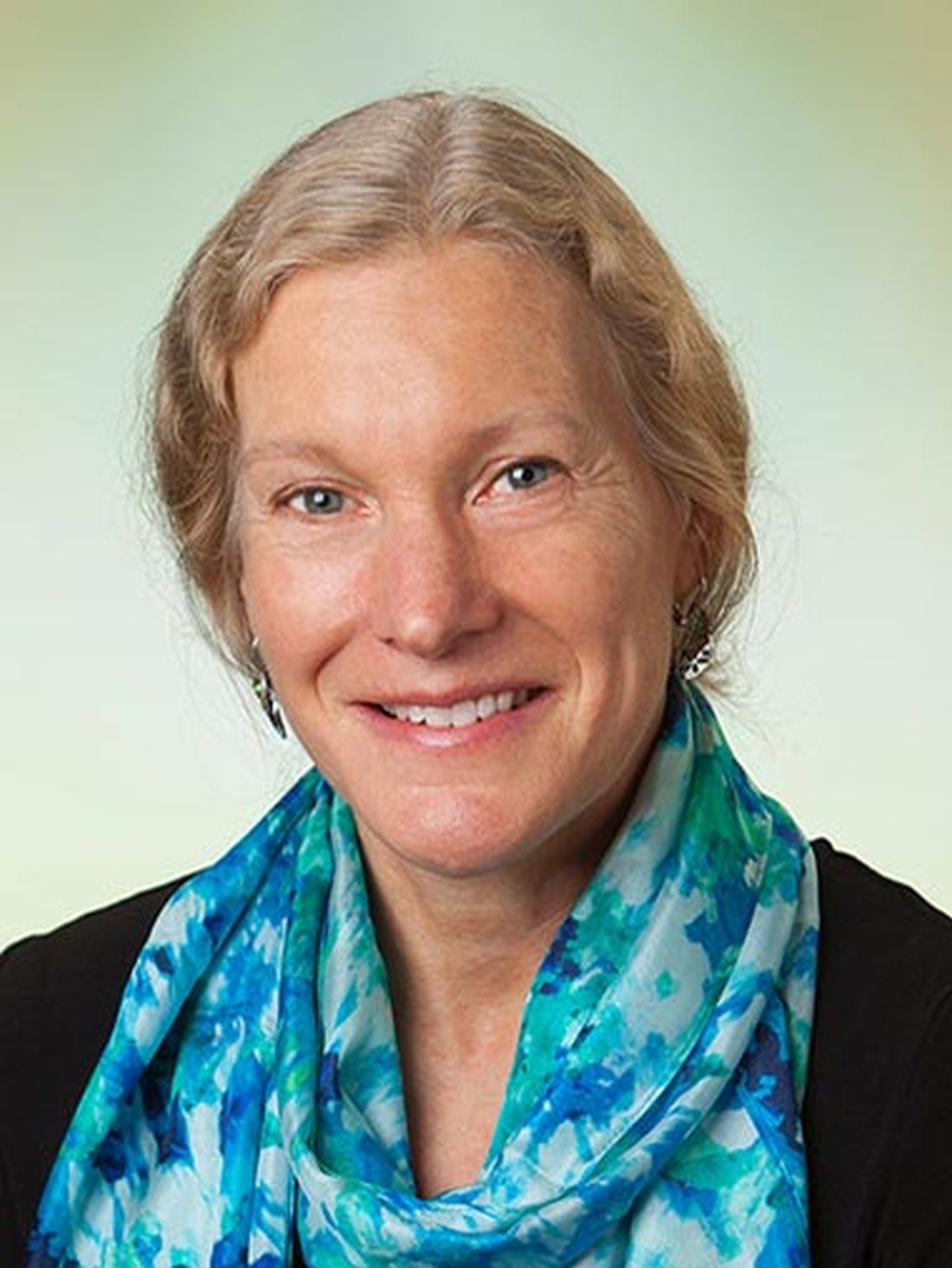
“MORE is a very powerful program that teaches patients how to turn down the volume of their pain. I’ve been quite impressed by the power of MORE,” Dr. Sudak told this news organization
She noted that “buy-in” from patients is key – and the more a clinician knows a patient, the easier the buy-in.
“I recruited most of the patients in my groups from my own practice, so I already knew the patients quite well and there wasn’t really a need to sell it,” Dr. Sudak said.
“We have tried to operationalize it through our system and find that, as long as our recruitment techniques are robust enough, it’s not that hard to find patients to fill the groups, especially because chronic pain is just so common,” she added.
Dr. Sudak has found that patients who participate in MORE “bond and learn with each other and support each other. Patients love it, providers love it, and it’s a way to address isolation and loneliness” that can come with certain conditions.
“There are really only upsides to the group visit model and I think we’ll be seeing quite a bit more of it in the future,” she added.
Evidence-based data
Anna Parisi, PhD, is also delivering MORE to patients. She told this news organization, she was “really drawn” to the MORE program because oftentimes patients who require the most sophisticated therapies receive the ones with the least evidence.
This is often “what folks in the community are getting when they’re struggling with substance use,” added Dr. Parisi, a postdoctoral research associate working with Dr. Garland at the University of Utah. Dr. Parisi was not a coauthor on the current study.
“With MORE, all of the strategies and techniques are tied to mechanistic studies of their efficacy, so you know that what you’re delivering has a rationale behind it,” she said.
Like Dr. Sudak, Dr. Parisi said her patients, for the most part, have been receptive to the program. Although at first some were skeptical about mindfulness – with one patient using the term “tree-hugging” – they found immediate benefit even after the first session.
“That really helps them stay motivated to finish the program,” Dr. Parisi said.
This work was supported by a grant from the National Institute on Drug Abuse. Dr. Garland serves as director of the Center on Mindfulness and Integrative Health Intervention Development, which provides MORE, mindfulness-based therapy, and CBT in the context of research trials for no cost to research participants. He receives honoraria and payment for delivering seminars, lectures, and teaching engagements related to training clinicians in MORE and mindfulness and receives royalties from BehaVR and from the sales of books related to MORE outside the submitted work. Dr. Sudak and Dr. Parisi have disclosed no relevant financial relationships.
A version of this article first appeared on Medscape.com.
In a randomized clinical trial, 250 adults with both opioid misuse and chronic pain received either the intervention, called mindfulness-oriented recovery enhancement (MORE), or supportive psychotherapy.
Results showed the first group was twice as likely to reduce opioid misuse after 9 months than the latter group.
The intervention was developed by Eric Garland, PhD, director of the Center on Mindfulness and Integrative Health Intervention Development (C-MIIND), University of Utah, Salt Lake City. “As the largest and longest-term clinical trial of MORE ever conducted, this study definitively establishes the efficacy of MORE as a treatment for chronic pain and opioid misuse,” he told this news organization.
The findings were published online Feb. 28 in JAMA Internal Medicine.
Self-regulation
Study participants included 250 adults (64% women; mean age, 51.8 years) with co-occurring opioid misuse and chronic pain who were randomly allocated to receive MORE or supportive psychotherapy, which served as a control group.
Both interventions were delivered by trained clinical social workers in six primary care clinics in Utah to groups of 6-12 participants across 8 weekly 2-hour sessions.
The MORE intervention, detailed on Dr. Garland’s website, provides sequenced training in mindfulness, reappraisal, and savoring skills.
Mindfulness consisted of meditation on breathing and body sensations to strengthen self-regulation of compulsive opioid use and to mitigate pain and opioid craving by reinterpreting these experiences as innocuous sensory information.
Reappraisal consisted of reframing maladaptive thoughts to decrease negative emotions and engender meaning in life.
Savoring consisted of training in focusing awareness on pleasurable events and sensations to amplify positive emotions and reward.
Fewer depressive symptoms
Through 9 months of follow-up, the MORE group had about a twofold greater likelihood than the supportive psychotherapy group for reduction in opioid misuse (odds ratio [OR], 2.06; 95% confidence interval, 1.17-3.61; P = .01)
“MORE reduced opioid misuse by 45% 9 months after the end of treatment, more than doubling the effect of standard supportive psychotherapy and exceeding the effect size of other therapies for opioid misuse among people with chronic pain,” Dr. Garland said.
Members of the MORE group experienced greater reduction in pain severity and pain-related functional interference compared with members of the control group.
“MORE’s effect size on chronic pain symptoms was greater than that observed for CBT, the current gold standard psychological treatment for chronic pain,” Dr. Garland noted.
Compared with supportive psychotherapy, MORE decreased emotional distress, depressive symptoms, and real-time reports of opioid craving in daily life.
“Although nearly 70% of participants met criteria for depression at the beginning of the trial, on average, patients in MORE no longer exhibited symptoms consistent with major depressive disorder by the end of the study,” Dr. Garland said.
The current study builds on prior studies of MORE showing similar results, as reported previously by this news organization.
MORE can be successfully delivered in routine primary care, Dr. Garland noted. “In this trial, we delivered MORE in conference rooms, break rooms, and lunch rooms at community primary care clinics,” he added.
‘Powerful program’
To date, Dr. Garland has trained more than 450 physicians, nurses, social workers, and psychologists in health care systems across the country to implement MORE as an insurance-reimbursable group visit for patients in need.
One of them is Nancy Sudak, MD, chief well-being officer and director of integrative health, Essentia Health, Duluth, Minn.
“MORE is a very powerful program that teaches patients how to turn down the volume of their pain. I’ve been quite impressed by the power of MORE,” Dr. Sudak told this news organization
She noted that “buy-in” from patients is key – and the more a clinician knows a patient, the easier the buy-in.
“I recruited most of the patients in my groups from my own practice, so I already knew the patients quite well and there wasn’t really a need to sell it,” Dr. Sudak said.
“We have tried to operationalize it through our system and find that, as long as our recruitment techniques are robust enough, it’s not that hard to find patients to fill the groups, especially because chronic pain is just so common,” she added.
Dr. Sudak has found that patients who participate in MORE “bond and learn with each other and support each other. Patients love it, providers love it, and it’s a way to address isolation and loneliness” that can come with certain conditions.
“There are really only upsides to the group visit model and I think we’ll be seeing quite a bit more of it in the future,” she added.
Evidence-based data
Anna Parisi, PhD, is also delivering MORE to patients. She told this news organization, she was “really drawn” to the MORE program because oftentimes patients who require the most sophisticated therapies receive the ones with the least evidence.
This is often “what folks in the community are getting when they’re struggling with substance use,” added Dr. Parisi, a postdoctoral research associate working with Dr. Garland at the University of Utah. Dr. Parisi was not a coauthor on the current study.
“With MORE, all of the strategies and techniques are tied to mechanistic studies of their efficacy, so you know that what you’re delivering has a rationale behind it,” she said.
Like Dr. Sudak, Dr. Parisi said her patients, for the most part, have been receptive to the program. Although at first some were skeptical about mindfulness – with one patient using the term “tree-hugging” – they found immediate benefit even after the first session.
“That really helps them stay motivated to finish the program,” Dr. Parisi said.
This work was supported by a grant from the National Institute on Drug Abuse. Dr. Garland serves as director of the Center on Mindfulness and Integrative Health Intervention Development, which provides MORE, mindfulness-based therapy, and CBT in the context of research trials for no cost to research participants. He receives honoraria and payment for delivering seminars, lectures, and teaching engagements related to training clinicians in MORE and mindfulness and receives royalties from BehaVR and from the sales of books related to MORE outside the submitted work. Dr. Sudak and Dr. Parisi have disclosed no relevant financial relationships.
A version of this article first appeared on Medscape.com.
In a randomized clinical trial, 250 adults with both opioid misuse and chronic pain received either the intervention, called mindfulness-oriented recovery enhancement (MORE), or supportive psychotherapy.
Results showed the first group was twice as likely to reduce opioid misuse after 9 months than the latter group.
The intervention was developed by Eric Garland, PhD, director of the Center on Mindfulness and Integrative Health Intervention Development (C-MIIND), University of Utah, Salt Lake City. “As the largest and longest-term clinical trial of MORE ever conducted, this study definitively establishes the efficacy of MORE as a treatment for chronic pain and opioid misuse,” he told this news organization.
The findings were published online Feb. 28 in JAMA Internal Medicine.
Self-regulation
Study participants included 250 adults (64% women; mean age, 51.8 years) with co-occurring opioid misuse and chronic pain who were randomly allocated to receive MORE or supportive psychotherapy, which served as a control group.
Both interventions were delivered by trained clinical social workers in six primary care clinics in Utah to groups of 6-12 participants across 8 weekly 2-hour sessions.
The MORE intervention, detailed on Dr. Garland’s website, provides sequenced training in mindfulness, reappraisal, and savoring skills.
Mindfulness consisted of meditation on breathing and body sensations to strengthen self-regulation of compulsive opioid use and to mitigate pain and opioid craving by reinterpreting these experiences as innocuous sensory information.
Reappraisal consisted of reframing maladaptive thoughts to decrease negative emotions and engender meaning in life.
Savoring consisted of training in focusing awareness on pleasurable events and sensations to amplify positive emotions and reward.
Fewer depressive symptoms
Through 9 months of follow-up, the MORE group had about a twofold greater likelihood than the supportive psychotherapy group for reduction in opioid misuse (odds ratio [OR], 2.06; 95% confidence interval, 1.17-3.61; P = .01)
“MORE reduced opioid misuse by 45% 9 months after the end of treatment, more than doubling the effect of standard supportive psychotherapy and exceeding the effect size of other therapies for opioid misuse among people with chronic pain,” Dr. Garland said.
Members of the MORE group experienced greater reduction in pain severity and pain-related functional interference compared with members of the control group.
“MORE’s effect size on chronic pain symptoms was greater than that observed for CBT, the current gold standard psychological treatment for chronic pain,” Dr. Garland noted.
Compared with supportive psychotherapy, MORE decreased emotional distress, depressive symptoms, and real-time reports of opioid craving in daily life.
“Although nearly 70% of participants met criteria for depression at the beginning of the trial, on average, patients in MORE no longer exhibited symptoms consistent with major depressive disorder by the end of the study,” Dr. Garland said.
The current study builds on prior studies of MORE showing similar results, as reported previously by this news organization.
MORE can be successfully delivered in routine primary care, Dr. Garland noted. “In this trial, we delivered MORE in conference rooms, break rooms, and lunch rooms at community primary care clinics,” he added.
‘Powerful program’
To date, Dr. Garland has trained more than 450 physicians, nurses, social workers, and psychologists in health care systems across the country to implement MORE as an insurance-reimbursable group visit for patients in need.
One of them is Nancy Sudak, MD, chief well-being officer and director of integrative health, Essentia Health, Duluth, Minn.
“MORE is a very powerful program that teaches patients how to turn down the volume of their pain. I’ve been quite impressed by the power of MORE,” Dr. Sudak told this news organization
She noted that “buy-in” from patients is key – and the more a clinician knows a patient, the easier the buy-in.
“I recruited most of the patients in my groups from my own practice, so I already knew the patients quite well and there wasn’t really a need to sell it,” Dr. Sudak said.
“We have tried to operationalize it through our system and find that, as long as our recruitment techniques are robust enough, it’s not that hard to find patients to fill the groups, especially because chronic pain is just so common,” she added.
Dr. Sudak has found that patients who participate in MORE “bond and learn with each other and support each other. Patients love it, providers love it, and it’s a way to address isolation and loneliness” that can come with certain conditions.
“There are really only upsides to the group visit model and I think we’ll be seeing quite a bit more of it in the future,” she added.
Evidence-based data
Anna Parisi, PhD, is also delivering MORE to patients. She told this news organization, she was “really drawn” to the MORE program because oftentimes patients who require the most sophisticated therapies receive the ones with the least evidence.
This is often “what folks in the community are getting when they’re struggling with substance use,” added Dr. Parisi, a postdoctoral research associate working with Dr. Garland at the University of Utah. Dr. Parisi was not a coauthor on the current study.
“With MORE, all of the strategies and techniques are tied to mechanistic studies of their efficacy, so you know that what you’re delivering has a rationale behind it,” she said.
Like Dr. Sudak, Dr. Parisi said her patients, for the most part, have been receptive to the program. Although at first some were skeptical about mindfulness – with one patient using the term “tree-hugging” – they found immediate benefit even after the first session.
“That really helps them stay motivated to finish the program,” Dr. Parisi said.
This work was supported by a grant from the National Institute on Drug Abuse. Dr. Garland serves as director of the Center on Mindfulness and Integrative Health Intervention Development, which provides MORE, mindfulness-based therapy, and CBT in the context of research trials for no cost to research participants. He receives honoraria and payment for delivering seminars, lectures, and teaching engagements related to training clinicians in MORE and mindfulness and receives royalties from BehaVR and from the sales of books related to MORE outside the submitted work. Dr. Sudak and Dr. Parisi have disclosed no relevant financial relationships.
A version of this article first appeared on Medscape.com.
ASGE, Medtronic partner to provide AI-assisted colonoscopy to underserved areas
Through the Medtronic Health Equity Assistance Program for colon cancer screening, the company will donate 50 GI Genius intelligent endoscopy modules to endoscopy centers across the country.
The Medtronic program will provide selected facilities with GI Genius modules at no cost, so they can be used to assist colonoscopy procedures, a spokesperson for Medtronic told this news organization.
These procedures include screening, diagnostic, or surveillance colonoscopy, and coverage can vary from Medicare, Medicaid, and private insurers.
The use of GI Genius during such procedures does not affect the cost or coverage of the procedure; it simply ensures they receive improved polyp detection compared to non–artificial intelligence (AI)-assisted procedures, the spokesperson explained.
The U.S. Food and Drug Administration authorized GI Genius in April 2021. The system uses AI to improve detection of colorectal polyps or suspected tumors in real time during colonoscopies.
In the pivotal clinical trial, the combination of standard colonoscopy and the GI Genius module identified laboratory-confirmed adenomas or carcinomas in 54.8% patients, compared with 40.4% of patients who underwent colonoscopy alone – an improvement of 14%.
Addressing gaps in screening
CRC remains the third most common and third deadliest cancer among adults in the United States. However, when caught early, certain types of CRC have a 5-year survival rate of up to 91%.
Donation of 50 GI Genius systems to endoscopy centers in low-income and underserved areas could potentially benefit more than 350,000 patients over 3 years, Medtronic said in a news release.
“Addressing gaps in colorectal cancer screening is complex. We know that Black adults are more likely to be diagnosed and subsequently die from this disease. There are also disparities in screenings among different groups, including adults in rural communities,” ASGE President Douglas K. Rex, MD, said in the release.
“Colonoscopy is critical in preventing colorectal cancer, and as the global leader in gastrointestinal endoscopy, ASGE is working together with Medtronic to ensure that providers receive screening technology and are able to use them in communities where they are most needed,” Dr. Rex added.
ASGE is independently leading the application and selection process for the devices. To apply, visit the ASGE program website. Initial recipients will be announced in March 2022 during Colorectal Cancer Awareness Month.
AWS is providing the computing credits to fund the program and continues to work with Medtronic on health equity.
“Individual health outcomes should not depend on socioeconomic status, race, ethnicity, or neighborhood,” Maggie Carter, global lead for social impact at AWS, said in the release.
“We are pleased to support Medtronic and ASGE as part of AWS’ recently launched health equity program to help these organizations bring effective screening tools to the communities that need them most,” said Ms. Carter.
“The crisis of health inequities cannot be solved without expanding access to health care technologies that put people first,” added Geoff Martha, Medtronic chairman and chief executive officer.
“We must begin with local efforts that consider the needs of the community. This program is an important step towards ensuring that our powerful technologies help reduce disparities, improve care, and enhance patient outcomes,” Mr. Martha said.
A version of this article first appeared on Medscape.com.
Through the Medtronic Health Equity Assistance Program for colon cancer screening, the company will donate 50 GI Genius intelligent endoscopy modules to endoscopy centers across the country.
The Medtronic program will provide selected facilities with GI Genius modules at no cost, so they can be used to assist colonoscopy procedures, a spokesperson for Medtronic told this news organization.
These procedures include screening, diagnostic, or surveillance colonoscopy, and coverage can vary from Medicare, Medicaid, and private insurers.
The use of GI Genius during such procedures does not affect the cost or coverage of the procedure; it simply ensures they receive improved polyp detection compared to non–artificial intelligence (AI)-assisted procedures, the spokesperson explained.
The U.S. Food and Drug Administration authorized GI Genius in April 2021. The system uses AI to improve detection of colorectal polyps or suspected tumors in real time during colonoscopies.
In the pivotal clinical trial, the combination of standard colonoscopy and the GI Genius module identified laboratory-confirmed adenomas or carcinomas in 54.8% patients, compared with 40.4% of patients who underwent colonoscopy alone – an improvement of 14%.
Addressing gaps in screening
CRC remains the third most common and third deadliest cancer among adults in the United States. However, when caught early, certain types of CRC have a 5-year survival rate of up to 91%.
Donation of 50 GI Genius systems to endoscopy centers in low-income and underserved areas could potentially benefit more than 350,000 patients over 3 years, Medtronic said in a news release.
“Addressing gaps in colorectal cancer screening is complex. We know that Black adults are more likely to be diagnosed and subsequently die from this disease. There are also disparities in screenings among different groups, including adults in rural communities,” ASGE President Douglas K. Rex, MD, said in the release.
“Colonoscopy is critical in preventing colorectal cancer, and as the global leader in gastrointestinal endoscopy, ASGE is working together with Medtronic to ensure that providers receive screening technology and are able to use them in communities where they are most needed,” Dr. Rex added.
ASGE is independently leading the application and selection process for the devices. To apply, visit the ASGE program website. Initial recipients will be announced in March 2022 during Colorectal Cancer Awareness Month.
AWS is providing the computing credits to fund the program and continues to work with Medtronic on health equity.
“Individual health outcomes should not depend on socioeconomic status, race, ethnicity, or neighborhood,” Maggie Carter, global lead for social impact at AWS, said in the release.
“We are pleased to support Medtronic and ASGE as part of AWS’ recently launched health equity program to help these organizations bring effective screening tools to the communities that need them most,” said Ms. Carter.
“The crisis of health inequities cannot be solved without expanding access to health care technologies that put people first,” added Geoff Martha, Medtronic chairman and chief executive officer.
“We must begin with local efforts that consider the needs of the community. This program is an important step towards ensuring that our powerful technologies help reduce disparities, improve care, and enhance patient outcomes,” Mr. Martha said.
A version of this article first appeared on Medscape.com.
Through the Medtronic Health Equity Assistance Program for colon cancer screening, the company will donate 50 GI Genius intelligent endoscopy modules to endoscopy centers across the country.
The Medtronic program will provide selected facilities with GI Genius modules at no cost, so they can be used to assist colonoscopy procedures, a spokesperson for Medtronic told this news organization.
These procedures include screening, diagnostic, or surveillance colonoscopy, and coverage can vary from Medicare, Medicaid, and private insurers.
The use of GI Genius during such procedures does not affect the cost or coverage of the procedure; it simply ensures they receive improved polyp detection compared to non–artificial intelligence (AI)-assisted procedures, the spokesperson explained.
The U.S. Food and Drug Administration authorized GI Genius in April 2021. The system uses AI to improve detection of colorectal polyps or suspected tumors in real time during colonoscopies.
In the pivotal clinical trial, the combination of standard colonoscopy and the GI Genius module identified laboratory-confirmed adenomas or carcinomas in 54.8% patients, compared with 40.4% of patients who underwent colonoscopy alone – an improvement of 14%.
Addressing gaps in screening
CRC remains the third most common and third deadliest cancer among adults in the United States. However, when caught early, certain types of CRC have a 5-year survival rate of up to 91%.
Donation of 50 GI Genius systems to endoscopy centers in low-income and underserved areas could potentially benefit more than 350,000 patients over 3 years, Medtronic said in a news release.
“Addressing gaps in colorectal cancer screening is complex. We know that Black adults are more likely to be diagnosed and subsequently die from this disease. There are also disparities in screenings among different groups, including adults in rural communities,” ASGE President Douglas K. Rex, MD, said in the release.
“Colonoscopy is critical in preventing colorectal cancer, and as the global leader in gastrointestinal endoscopy, ASGE is working together with Medtronic to ensure that providers receive screening technology and are able to use them in communities where they are most needed,” Dr. Rex added.
ASGE is independently leading the application and selection process for the devices. To apply, visit the ASGE program website. Initial recipients will be announced in March 2022 during Colorectal Cancer Awareness Month.
AWS is providing the computing credits to fund the program and continues to work with Medtronic on health equity.
“Individual health outcomes should not depend on socioeconomic status, race, ethnicity, or neighborhood,” Maggie Carter, global lead for social impact at AWS, said in the release.
“We are pleased to support Medtronic and ASGE as part of AWS’ recently launched health equity program to help these organizations bring effective screening tools to the communities that need them most,” said Ms. Carter.
“The crisis of health inequities cannot be solved without expanding access to health care technologies that put people first,” added Geoff Martha, Medtronic chairman and chief executive officer.
“We must begin with local efforts that consider the needs of the community. This program is an important step towards ensuring that our powerful technologies help reduce disparities, improve care, and enhance patient outcomes,” Mr. Martha said.
A version of this article first appeared on Medscape.com.
Sublingual dexmedetomidine may rapidly calm bipolar agitation
The phase 3 SERENITY II trial included almost 400 adults with bipolar I or II disorder and acute agitation.
Results showed relief from acute agitation kicked in beginning at 20 minutes after administration of the treatment and continued to 120 minutes, principal investigator Sheldon H. Preskorn, MD, professor, department of psychiatry and behavioral sciences, University of Kansas, Wichita, and colleagues reported.
“Patients who are mild to moderately agitated in whom there is the potential for escalation to more severe agitation,” are good candidates for sublingual dexmedetomidine, Dr. Preskorn told this news organization.
He noted that, while “comparative claims require comparative studies,” a key advantage is that it “can be self-administered by patients reliably because of the adherence of the film to the mucosa.”
The findings were published online Feb. 22, 2022 in JAMA.
Tough-to-manage symptom
Preliminary results were presented at the 2021 annual meeting of the American Psychiatric Association and reported by this news organization at that time.
Agitation is a common and tough-to-manage symptom associated with multiple neuropsychiatric conditions, including bipolar disorder.
The phase 3 SERENITY II trial enrolled 380 adults (mean age, 45 years; 55% women) with bipolar I or II disorder and acute agitation in the emergency department.
All participants had a total score of 14 or greater on the five items of the Positive and Negative Syndrome Scale–Excited Component (PEC) scale at baseline and a score of 4 or greater on at least one PEC item.
Patients were randomly allocated to a single dose of sublingual dexmedetomidine (120 mcg or 180 mcg) or placebo. All but two patients completed the study.
Baseline agitation was mild to moderate, with an overall mean PEC total score of 18.
Rapid relief
Mean change from baseline in the PEC total score at 2 hours (primary endpoint) was –9 and –10.4 with the 120-mcg and 180-mcg doses of sublingual dexmedetomidine, respectively, versus –4.9 for placebo.
Least-square mean differences from placebo in the sublingual dexmedetomidine groups at 2 hours were statistically significant for both doses (both, P < .001 vs. placebo).
Statistically significant treatment effects were first evident 20 minutes after dosing for both of the dexmedetomidine doses versus placebo.
Patients in both active-treatment groups showed greater improvement in PEC total score than patients in the placebo group at all subsequent time points through 2 hours post dosing.
Sublingual dexmedetomidine was also associated with significant improvement on the secondary outcomes of Clinical Global Impressions–Improvement and Agitation-Calmness Evaluation Scale.
Adverse events occurred in 35.7% and 34.9% of patients taking 180 mcg and 120 mcg sublingual dexmedetomidine, respectively, compared with 17.5% of patients taking placebo. The most commonly reported adverse events were somnolence, dry mouth, hypotension, and dizziness. No treatment-related serious or severe adverse events were reported.
FDA action date: April 5
In an accompanying editorial, John K. Hsiao, MD, National Institutes of Health, Bethesda, Md., noted that an “out-of-control, agitated, possibly aggressive patient in a medical setting is a crisis demanding swift and safe resolution.
“Today, emergency departments now rival and perhaps surpass psychiatric units as settings where out-of-control, agitated patients must be managed,” Dr. Hsiao said.
The current study “provides evidence to support a novel, potentially important addition to the armamentarium for managing behavioral agitation,” he wrote.
BioXcel Therapeutics has submitted a new drug application to the Food and Drug Administration. The Prescription Drug User Fee Act target action date is April 5.
In a statement, Frank D. Yocca, PhD, chief scientific officer of BioXcel Therapeutics, said the company is looking forward to potential FDA approval of the treatment for agitation associated with bipolar disorders and schizophrenia.
“Building on the strength of these compelling data, we are also confidently progressing BXCL501 as a potential acute treatment for agitation associated with Alzheimer’s disease,” Dr. Yocca added.
The study was funded by BioXcel Therapeutics. Dr. Preskorn reported receiving consulting fees from BioXcel and receiving research grants from, serving as a consultant for, on advisory boards of, and on the speakers bureau of Alkermes, BioXcel Therapeutics, Eisai, Janssen, Novartis, Otsuka, Sunovion, and Usona Institute. Dr. Hsiao has disclosed no relevant financial relationships.
A version of this article first appeared on Medscape.com.
The phase 3 SERENITY II trial included almost 400 adults with bipolar I or II disorder and acute agitation.
Results showed relief from acute agitation kicked in beginning at 20 minutes after administration of the treatment and continued to 120 minutes, principal investigator Sheldon H. Preskorn, MD, professor, department of psychiatry and behavioral sciences, University of Kansas, Wichita, and colleagues reported.
“Patients who are mild to moderately agitated in whom there is the potential for escalation to more severe agitation,” are good candidates for sublingual dexmedetomidine, Dr. Preskorn told this news organization.
He noted that, while “comparative claims require comparative studies,” a key advantage is that it “can be self-administered by patients reliably because of the adherence of the film to the mucosa.”
The findings were published online Feb. 22, 2022 in JAMA.
Tough-to-manage symptom
Preliminary results were presented at the 2021 annual meeting of the American Psychiatric Association and reported by this news organization at that time.
Agitation is a common and tough-to-manage symptom associated with multiple neuropsychiatric conditions, including bipolar disorder.
The phase 3 SERENITY II trial enrolled 380 adults (mean age, 45 years; 55% women) with bipolar I or II disorder and acute agitation in the emergency department.
All participants had a total score of 14 or greater on the five items of the Positive and Negative Syndrome Scale–Excited Component (PEC) scale at baseline and a score of 4 or greater on at least one PEC item.
Patients were randomly allocated to a single dose of sublingual dexmedetomidine (120 mcg or 180 mcg) or placebo. All but two patients completed the study.
Baseline agitation was mild to moderate, with an overall mean PEC total score of 18.
Rapid relief
Mean change from baseline in the PEC total score at 2 hours (primary endpoint) was –9 and –10.4 with the 120-mcg and 180-mcg doses of sublingual dexmedetomidine, respectively, versus –4.9 for placebo.
Least-square mean differences from placebo in the sublingual dexmedetomidine groups at 2 hours were statistically significant for both doses (both, P < .001 vs. placebo).
Statistically significant treatment effects were first evident 20 minutes after dosing for both of the dexmedetomidine doses versus placebo.
Patients in both active-treatment groups showed greater improvement in PEC total score than patients in the placebo group at all subsequent time points through 2 hours post dosing.
Sublingual dexmedetomidine was also associated with significant improvement on the secondary outcomes of Clinical Global Impressions–Improvement and Agitation-Calmness Evaluation Scale.
Adverse events occurred in 35.7% and 34.9% of patients taking 180 mcg and 120 mcg sublingual dexmedetomidine, respectively, compared with 17.5% of patients taking placebo. The most commonly reported adverse events were somnolence, dry mouth, hypotension, and dizziness. No treatment-related serious or severe adverse events were reported.
FDA action date: April 5
In an accompanying editorial, John K. Hsiao, MD, National Institutes of Health, Bethesda, Md., noted that an “out-of-control, agitated, possibly aggressive patient in a medical setting is a crisis demanding swift and safe resolution.
“Today, emergency departments now rival and perhaps surpass psychiatric units as settings where out-of-control, agitated patients must be managed,” Dr. Hsiao said.
The current study “provides evidence to support a novel, potentially important addition to the armamentarium for managing behavioral agitation,” he wrote.
BioXcel Therapeutics has submitted a new drug application to the Food and Drug Administration. The Prescription Drug User Fee Act target action date is April 5.
In a statement, Frank D. Yocca, PhD, chief scientific officer of BioXcel Therapeutics, said the company is looking forward to potential FDA approval of the treatment for agitation associated with bipolar disorders and schizophrenia.
“Building on the strength of these compelling data, we are also confidently progressing BXCL501 as a potential acute treatment for agitation associated with Alzheimer’s disease,” Dr. Yocca added.
The study was funded by BioXcel Therapeutics. Dr. Preskorn reported receiving consulting fees from BioXcel and receiving research grants from, serving as a consultant for, on advisory boards of, and on the speakers bureau of Alkermes, BioXcel Therapeutics, Eisai, Janssen, Novartis, Otsuka, Sunovion, and Usona Institute. Dr. Hsiao has disclosed no relevant financial relationships.
A version of this article first appeared on Medscape.com.
The phase 3 SERENITY II trial included almost 400 adults with bipolar I or II disorder and acute agitation.
Results showed relief from acute agitation kicked in beginning at 20 minutes after administration of the treatment and continued to 120 minutes, principal investigator Sheldon H. Preskorn, MD, professor, department of psychiatry and behavioral sciences, University of Kansas, Wichita, and colleagues reported.
“Patients who are mild to moderately agitated in whom there is the potential for escalation to more severe agitation,” are good candidates for sublingual dexmedetomidine, Dr. Preskorn told this news organization.
He noted that, while “comparative claims require comparative studies,” a key advantage is that it “can be self-administered by patients reliably because of the adherence of the film to the mucosa.”
The findings were published online Feb. 22, 2022 in JAMA.
Tough-to-manage symptom
Preliminary results were presented at the 2021 annual meeting of the American Psychiatric Association and reported by this news organization at that time.
Agitation is a common and tough-to-manage symptom associated with multiple neuropsychiatric conditions, including bipolar disorder.
The phase 3 SERENITY II trial enrolled 380 adults (mean age, 45 years; 55% women) with bipolar I or II disorder and acute agitation in the emergency department.
All participants had a total score of 14 or greater on the five items of the Positive and Negative Syndrome Scale–Excited Component (PEC) scale at baseline and a score of 4 or greater on at least one PEC item.
Patients were randomly allocated to a single dose of sublingual dexmedetomidine (120 mcg or 180 mcg) or placebo. All but two patients completed the study.
Baseline agitation was mild to moderate, with an overall mean PEC total score of 18.
Rapid relief
Mean change from baseline in the PEC total score at 2 hours (primary endpoint) was –9 and –10.4 with the 120-mcg and 180-mcg doses of sublingual dexmedetomidine, respectively, versus –4.9 for placebo.
Least-square mean differences from placebo in the sublingual dexmedetomidine groups at 2 hours were statistically significant for both doses (both, P < .001 vs. placebo).
Statistically significant treatment effects were first evident 20 minutes after dosing for both of the dexmedetomidine doses versus placebo.
Patients in both active-treatment groups showed greater improvement in PEC total score than patients in the placebo group at all subsequent time points through 2 hours post dosing.
Sublingual dexmedetomidine was also associated with significant improvement on the secondary outcomes of Clinical Global Impressions–Improvement and Agitation-Calmness Evaluation Scale.
Adverse events occurred in 35.7% and 34.9% of patients taking 180 mcg and 120 mcg sublingual dexmedetomidine, respectively, compared with 17.5% of patients taking placebo. The most commonly reported adverse events were somnolence, dry mouth, hypotension, and dizziness. No treatment-related serious or severe adverse events were reported.
FDA action date: April 5
In an accompanying editorial, John K. Hsiao, MD, National Institutes of Health, Bethesda, Md., noted that an “out-of-control, agitated, possibly aggressive patient in a medical setting is a crisis demanding swift and safe resolution.
“Today, emergency departments now rival and perhaps surpass psychiatric units as settings where out-of-control, agitated patients must be managed,” Dr. Hsiao said.
The current study “provides evidence to support a novel, potentially important addition to the armamentarium for managing behavioral agitation,” he wrote.
BioXcel Therapeutics has submitted a new drug application to the Food and Drug Administration. The Prescription Drug User Fee Act target action date is April 5.
In a statement, Frank D. Yocca, PhD, chief scientific officer of BioXcel Therapeutics, said the company is looking forward to potential FDA approval of the treatment for agitation associated with bipolar disorders and schizophrenia.
“Building on the strength of these compelling data, we are also confidently progressing BXCL501 as a potential acute treatment for agitation associated with Alzheimer’s disease,” Dr. Yocca added.
The study was funded by BioXcel Therapeutics. Dr. Preskorn reported receiving consulting fees from BioXcel and receiving research grants from, serving as a consultant for, on advisory boards of, and on the speakers bureau of Alkermes, BioXcel Therapeutics, Eisai, Janssen, Novartis, Otsuka, Sunovion, and Usona Institute. Dr. Hsiao has disclosed no relevant financial relationships.
A version of this article first appeared on Medscape.com.
FROM JAMA
Excess sodium in soluble acetaminophen tied to CVD risk, death
a large observational study of more than 300,000 adults suggests.
“Numerous studies have reported that high sodium intake is associated with increased risks of cardiovascular disease,” Yuqing Zhang, DSc, with Massachusetts General Hospital and Harvard Medical School, Boston, told this news organization. “Given that the pain relief effect of non–sodium-containing acetaminophen is similar to that of sodium-containing acetaminophen, clinicians may prescribe non–sodium-containing acetaminophen to their patients to minimize the risk of CVD and mortality,” Dr. Zhang said.
The study was published online Feb. 24 in the European Heart Journal.
‘Compelling results’
Dr. Zhang and colleagues note that the effervescent and soluble formulations of 0.5 g acetaminophen contain 0.44 and 0.39 g of sodium, respectively.
Therefore, the intake of maximum daily dose (4 g/day) of sodium-containing acetaminophen corresponds to the ingestion of more than 3 g of sodium, a dose that alone exceeds the recommended total daily sodium intake allowance of the World Health Organization (2 g/day).
“This hidden extra sodium intake is often overlooked,” Dr. Zhang told this news organization.
Using data from the Health Improvement Network, a U.K. primary care database, the researchers examined 4,532 patients with hypertension taking sodium-containing acetaminophen and compared them with 146,866 patients with hypertension taking non–sodium-containing acetaminophen (tablet, capsule, or oral suspension formulations).
After 1 year, the risk of incident CVD (myocardial infarction, stroke, and heart failure) was 5.6% in those taking sodium-containing acetaminophen, compared with 4.6% in those taking non–sodium-containing acetaminophen (average weighted hazard ratio, 1.59; 95% confidence interval, 1.32-1.92).
A separate analysis of normotensive patients taking sodium-containing acetaminophen (n = 5,351) or non–sodium-containing acetaminophen (n = 141,948) gave similar results.
The 1-year risk of incident CVD was 4.4% in those taking sodium-containing acetaminophen vs. 3.7% among those taking non–sodium-containing acetaminophen (average weighted HR, 1.45; 95% CI, 1.18-1.79).
There was also evidence of a dose-response relationship.
In those with hypertension, CVD risk increased by roughly one-quarter (odds ratio, 1.26) for those with one prescription of sodium-containing acetaminophen and by nearly one half (OR, 1.45) for those with five or more prescriptions of sodium-containing acetaminophen. Similar findings were observed among adults without hypertension.
Mortality at 1 year was also higher in those taking sodium-containing acetaminophen than non–sodium-containing acetaminophen, in patients with hypertension (7.6% vs. 6.1%) and without hypertension (7.3% vs. 5.9%).
“The results are compelling,” write the authors of an editorial published with the study.
“The direct message from this study is clear – there are likely to be millions of people worldwide taking paracetamol on a daily basis in a ‘fast-acting’ effervescent or soluble formulation who are increasing their risks of cardiovascular disease and premature death,” say Aletta Schutte, PhD, and Bruce Neal, MBChB, PhD, of the George Institute for Global Health, Sydney.
“The weight of the evidence makes ongoing inaction on sodium-containing medications untenable. The widespread use of effervescent medication in the general population, and the enormous doses of sodium that can be consumed inadvertently by unsuspecting consumers requires urgent action,” Dr. Schutte and Dr. Neal say.
The study was supported by the National Natural Science Foundation of China, the National Key Research and Development Project, the Project Program of National Clinical Research Center for Geriatric Disorders, the Key Research and Development Program of Hunan Province, and the Science and Technology Program of Hunan Province. Dr. Zhang, Dr. Schutte, and Dr. Neal have disclosed no relevant financial relationships.
A version of this article first appeared on Medscape.com.
a large observational study of more than 300,000 adults suggests.
“Numerous studies have reported that high sodium intake is associated with increased risks of cardiovascular disease,” Yuqing Zhang, DSc, with Massachusetts General Hospital and Harvard Medical School, Boston, told this news organization. “Given that the pain relief effect of non–sodium-containing acetaminophen is similar to that of sodium-containing acetaminophen, clinicians may prescribe non–sodium-containing acetaminophen to their patients to minimize the risk of CVD and mortality,” Dr. Zhang said.
The study was published online Feb. 24 in the European Heart Journal.
‘Compelling results’
Dr. Zhang and colleagues note that the effervescent and soluble formulations of 0.5 g acetaminophen contain 0.44 and 0.39 g of sodium, respectively.
Therefore, the intake of maximum daily dose (4 g/day) of sodium-containing acetaminophen corresponds to the ingestion of more than 3 g of sodium, a dose that alone exceeds the recommended total daily sodium intake allowance of the World Health Organization (2 g/day).
“This hidden extra sodium intake is often overlooked,” Dr. Zhang told this news organization.
Using data from the Health Improvement Network, a U.K. primary care database, the researchers examined 4,532 patients with hypertension taking sodium-containing acetaminophen and compared them with 146,866 patients with hypertension taking non–sodium-containing acetaminophen (tablet, capsule, or oral suspension formulations).
After 1 year, the risk of incident CVD (myocardial infarction, stroke, and heart failure) was 5.6% in those taking sodium-containing acetaminophen, compared with 4.6% in those taking non–sodium-containing acetaminophen (average weighted hazard ratio, 1.59; 95% confidence interval, 1.32-1.92).
A separate analysis of normotensive patients taking sodium-containing acetaminophen (n = 5,351) or non–sodium-containing acetaminophen (n = 141,948) gave similar results.
The 1-year risk of incident CVD was 4.4% in those taking sodium-containing acetaminophen vs. 3.7% among those taking non–sodium-containing acetaminophen (average weighted HR, 1.45; 95% CI, 1.18-1.79).
There was also evidence of a dose-response relationship.
In those with hypertension, CVD risk increased by roughly one-quarter (odds ratio, 1.26) for those with one prescription of sodium-containing acetaminophen and by nearly one half (OR, 1.45) for those with five or more prescriptions of sodium-containing acetaminophen. Similar findings were observed among adults without hypertension.
Mortality at 1 year was also higher in those taking sodium-containing acetaminophen than non–sodium-containing acetaminophen, in patients with hypertension (7.6% vs. 6.1%) and without hypertension (7.3% vs. 5.9%).
“The results are compelling,” write the authors of an editorial published with the study.
“The direct message from this study is clear – there are likely to be millions of people worldwide taking paracetamol on a daily basis in a ‘fast-acting’ effervescent or soluble formulation who are increasing their risks of cardiovascular disease and premature death,” say Aletta Schutte, PhD, and Bruce Neal, MBChB, PhD, of the George Institute for Global Health, Sydney.
“The weight of the evidence makes ongoing inaction on sodium-containing medications untenable. The widespread use of effervescent medication in the general population, and the enormous doses of sodium that can be consumed inadvertently by unsuspecting consumers requires urgent action,” Dr. Schutte and Dr. Neal say.
The study was supported by the National Natural Science Foundation of China, the National Key Research and Development Project, the Project Program of National Clinical Research Center for Geriatric Disorders, the Key Research and Development Program of Hunan Province, and the Science and Technology Program of Hunan Province. Dr. Zhang, Dr. Schutte, and Dr. Neal have disclosed no relevant financial relationships.
A version of this article first appeared on Medscape.com.
a large observational study of more than 300,000 adults suggests.
“Numerous studies have reported that high sodium intake is associated with increased risks of cardiovascular disease,” Yuqing Zhang, DSc, with Massachusetts General Hospital and Harvard Medical School, Boston, told this news organization. “Given that the pain relief effect of non–sodium-containing acetaminophen is similar to that of sodium-containing acetaminophen, clinicians may prescribe non–sodium-containing acetaminophen to their patients to minimize the risk of CVD and mortality,” Dr. Zhang said.
The study was published online Feb. 24 in the European Heart Journal.
‘Compelling results’
Dr. Zhang and colleagues note that the effervescent and soluble formulations of 0.5 g acetaminophen contain 0.44 and 0.39 g of sodium, respectively.
Therefore, the intake of maximum daily dose (4 g/day) of sodium-containing acetaminophen corresponds to the ingestion of more than 3 g of sodium, a dose that alone exceeds the recommended total daily sodium intake allowance of the World Health Organization (2 g/day).
“This hidden extra sodium intake is often overlooked,” Dr. Zhang told this news organization.
Using data from the Health Improvement Network, a U.K. primary care database, the researchers examined 4,532 patients with hypertension taking sodium-containing acetaminophen and compared them with 146,866 patients with hypertension taking non–sodium-containing acetaminophen (tablet, capsule, or oral suspension formulations).
After 1 year, the risk of incident CVD (myocardial infarction, stroke, and heart failure) was 5.6% in those taking sodium-containing acetaminophen, compared with 4.6% in those taking non–sodium-containing acetaminophen (average weighted hazard ratio, 1.59; 95% confidence interval, 1.32-1.92).
A separate analysis of normotensive patients taking sodium-containing acetaminophen (n = 5,351) or non–sodium-containing acetaminophen (n = 141,948) gave similar results.
The 1-year risk of incident CVD was 4.4% in those taking sodium-containing acetaminophen vs. 3.7% among those taking non–sodium-containing acetaminophen (average weighted HR, 1.45; 95% CI, 1.18-1.79).
There was also evidence of a dose-response relationship.
In those with hypertension, CVD risk increased by roughly one-quarter (odds ratio, 1.26) for those with one prescription of sodium-containing acetaminophen and by nearly one half (OR, 1.45) for those with five or more prescriptions of sodium-containing acetaminophen. Similar findings were observed among adults without hypertension.
Mortality at 1 year was also higher in those taking sodium-containing acetaminophen than non–sodium-containing acetaminophen, in patients with hypertension (7.6% vs. 6.1%) and without hypertension (7.3% vs. 5.9%).
“The results are compelling,” write the authors of an editorial published with the study.
“The direct message from this study is clear – there are likely to be millions of people worldwide taking paracetamol on a daily basis in a ‘fast-acting’ effervescent or soluble formulation who are increasing their risks of cardiovascular disease and premature death,” say Aletta Schutte, PhD, and Bruce Neal, MBChB, PhD, of the George Institute for Global Health, Sydney.
“The weight of the evidence makes ongoing inaction on sodium-containing medications untenable. The widespread use of effervescent medication in the general population, and the enormous doses of sodium that can be consumed inadvertently by unsuspecting consumers requires urgent action,” Dr. Schutte and Dr. Neal say.
The study was supported by the National Natural Science Foundation of China, the National Key Research and Development Project, the Project Program of National Clinical Research Center for Geriatric Disorders, the Key Research and Development Program of Hunan Province, and the Science and Technology Program of Hunan Province. Dr. Zhang, Dr. Schutte, and Dr. Neal have disclosed no relevant financial relationships.
A version of this article first appeared on Medscape.com.
FROM THE EUROPEAN HEART JOURNAL
AHA targets ‘low-value’ heart care in new scientific statement
Low-value health care services that provide little or no benefit to patients are “common, potentially harmful, and costly,” and there is a critical need to reduce this kind of care, the American Heart Association said in a newly released scientific statement.
Each year, nearly half of patients in the United States will receive at least one low-value test or procedure, with the attendant risk of avoidable complications from cascades of care and excess costs to individuals and society, the authors noted. Reducing low-value care is particularly important in cardiology, given the high prevalence and costs of cardiovascular disease in the United States.
The statement was published online Feb. 22, 2022, in Circulation: Cardiovascular Quality and Outcomes.
High burden with uncertain benefit
“Cardiovascular disease is common and can present suddenly, such as a heart attack or abnormal heart rhythm,” Vinay Kini, MD, chair of the statement writing group and assistant professor of medicine at Weill Cornell Medicine, New York, said in a news release.

“Our desire to be vigilant about treating and preventing cardiovascular disease may sometimes lead to use of tests and procedures where the benefits to patients may be uncertain,” Dr. Kini said. “This may impose burdens on patients, in the form of increased risk of physical harm from the low-value procedure or potential complications, as well as follow-up care and out-of-pocket financial costs.”
For example, studies have shown that up to one in five echocardiograms and up to half of all stress tests performed in the United States may be rated as rarely appropriate, based on established guidelines for their use.
In addition, up to 15% of percutaneous coronary interventions (PCIs) are classified as rarely appropriate, the writing group said.
Annually, among Medicare fee-for-service beneficiaries, low-value stress testing in patients with stable coronary artery disease is estimated to cost between $212 million and $2.1 billion, while costs of PCI for stable CAD range from $212 million to $2.8 billion, the writing group noted.
“At best, spending on low-value care potentially diverts resources from higher-value services that would benefit patients more effectively at the same or reduced cost. At worst, low-value care results in physical harm in the form of preventable morbidity and mortality,” they said.
“Thus, reducing low-value care is one of the few patient-centered solutions that directly address both the need to control health care spending and the societal imperative to devote its limited resources to beneficial health care services that improve health,” they added.
The group outlines several ways to reduce low-value cardiovascular care targeting patients, providers, and payers/policymakers.
For patients, education and shared decision-making may help reduce low-value care and dispel misconceptions about the intended purpose of test or treatment, they suggested.
For clinicians, a “layered” approach to reducing low-value care may be most effective, such as through education, audit and feedback, and behavioral science tools (“nudges”) to shift behaviors and practices, they said.
For payers and policy leaders, interventions to reduce low-value care include national insurance coverage determinations; prior authorization; alternative payment models that reward lower costs and higher-quality health care; value-based insurance designs that financially penalize low-value care; and medical liability reform to reduce defensive medical practices.
Low-value cardiovascular care is a complex problem, the writing group acknowledged, and achieving meaningful reductions in low-value cardiovascular care will require a multidisciplinary approach that includes continuous research, implementation, evaluation, and adjustment while ensuring equitable access to care.
“Each approach has benefits and drawbacks,” Dr. Kini said. “For example, prior authorization imposes a large burden on health care professionals to obtain insurance approval for tests and treatments. Prior authorization and some value-based payment models may unintentionally worsen existing racial and ethnic health care disparities.
“A one-size-fits-all approach to reducing low-value care is unlikely to succeed; rather, acting through multiple perspectives and frequently measuring impacts and potential unintended consequences is critical,” he concluded.
The scientific statement was prepared by the volunteer writing group on behalf of the AHA’s Council on Quality of Care and Outcomes Research.
The research had no commercial funding. Dr. Kini disclosed no relevant financial relationships.
A version of this article first appeared on Medscape.com.
Low-value health care services that provide little or no benefit to patients are “common, potentially harmful, and costly,” and there is a critical need to reduce this kind of care, the American Heart Association said in a newly released scientific statement.
Each year, nearly half of patients in the United States will receive at least one low-value test or procedure, with the attendant risk of avoidable complications from cascades of care and excess costs to individuals and society, the authors noted. Reducing low-value care is particularly important in cardiology, given the high prevalence and costs of cardiovascular disease in the United States.
The statement was published online Feb. 22, 2022, in Circulation: Cardiovascular Quality and Outcomes.
High burden with uncertain benefit
“Cardiovascular disease is common and can present suddenly, such as a heart attack or abnormal heart rhythm,” Vinay Kini, MD, chair of the statement writing group and assistant professor of medicine at Weill Cornell Medicine, New York, said in a news release.
“Our desire to be vigilant about treating and preventing cardiovascular disease may sometimes lead to use of tests and procedures where the benefits to patients may be uncertain,” Dr. Kini said. “This may impose burdens on patients, in the form of increased risk of physical harm from the low-value procedure or potential complications, as well as follow-up care and out-of-pocket financial costs.”
For example, studies have shown that up to one in five echocardiograms and up to half of all stress tests performed in the United States may be rated as rarely appropriate, based on established guidelines for their use.
In addition, up to 15% of percutaneous coronary interventions (PCIs) are classified as rarely appropriate, the writing group said.
Annually, among Medicare fee-for-service beneficiaries, low-value stress testing in patients with stable coronary artery disease is estimated to cost between $212 million and $2.1 billion, while costs of PCI for stable CAD range from $212 million to $2.8 billion, the writing group noted.
“At best, spending on low-value care potentially diverts resources from higher-value services that would benefit patients more effectively at the same or reduced cost. At worst, low-value care results in physical harm in the form of preventable morbidity and mortality,” they said.
“Thus, reducing low-value care is one of the few patient-centered solutions that directly address both the need to control health care spending and the societal imperative to devote its limited resources to beneficial health care services that improve health,” they added.
The group outlines several ways to reduce low-value cardiovascular care targeting patients, providers, and payers/policymakers.
For patients, education and shared decision-making may help reduce low-value care and dispel misconceptions about the intended purpose of test or treatment, they suggested.
For clinicians, a “layered” approach to reducing low-value care may be most effective, such as through education, audit and feedback, and behavioral science tools (“nudges”) to shift behaviors and practices, they said.
For payers and policy leaders, interventions to reduce low-value care include national insurance coverage determinations; prior authorization; alternative payment models that reward lower costs and higher-quality health care; value-based insurance designs that financially penalize low-value care; and medical liability reform to reduce defensive medical practices.
Low-value cardiovascular care is a complex problem, the writing group acknowledged, and achieving meaningful reductions in low-value cardiovascular care will require a multidisciplinary approach that includes continuous research, implementation, evaluation, and adjustment while ensuring equitable access to care.
“Each approach has benefits and drawbacks,” Dr. Kini said. “For example, prior authorization imposes a large burden on health care professionals to obtain insurance approval for tests and treatments. Prior authorization and some value-based payment models may unintentionally worsen existing racial and ethnic health care disparities.
“A one-size-fits-all approach to reducing low-value care is unlikely to succeed; rather, acting through multiple perspectives and frequently measuring impacts and potential unintended consequences is critical,” he concluded.
The scientific statement was prepared by the volunteer writing group on behalf of the AHA’s Council on Quality of Care and Outcomes Research.
The research had no commercial funding. Dr. Kini disclosed no relevant financial relationships.
A version of this article first appeared on Medscape.com.
Low-value health care services that provide little or no benefit to patients are “common, potentially harmful, and costly,” and there is a critical need to reduce this kind of care, the American Heart Association said in a newly released scientific statement.
Each year, nearly half of patients in the United States will receive at least one low-value test or procedure, with the attendant risk of avoidable complications from cascades of care and excess costs to individuals and society, the authors noted. Reducing low-value care is particularly important in cardiology, given the high prevalence and costs of cardiovascular disease in the United States.
The statement was published online Feb. 22, 2022, in Circulation: Cardiovascular Quality and Outcomes.
High burden with uncertain benefit
“Cardiovascular disease is common and can present suddenly, such as a heart attack or abnormal heart rhythm,” Vinay Kini, MD, chair of the statement writing group and assistant professor of medicine at Weill Cornell Medicine, New York, said in a news release.
“Our desire to be vigilant about treating and preventing cardiovascular disease may sometimes lead to use of tests and procedures where the benefits to patients may be uncertain,” Dr. Kini said. “This may impose burdens on patients, in the form of increased risk of physical harm from the low-value procedure or potential complications, as well as follow-up care and out-of-pocket financial costs.”
For example, studies have shown that up to one in five echocardiograms and up to half of all stress tests performed in the United States may be rated as rarely appropriate, based on established guidelines for their use.
In addition, up to 15% of percutaneous coronary interventions (PCIs) are classified as rarely appropriate, the writing group said.
Annually, among Medicare fee-for-service beneficiaries, low-value stress testing in patients with stable coronary artery disease is estimated to cost between $212 million and $2.1 billion, while costs of PCI for stable CAD range from $212 million to $2.8 billion, the writing group noted.
“At best, spending on low-value care potentially diverts resources from higher-value services that would benefit patients more effectively at the same or reduced cost. At worst, low-value care results in physical harm in the form of preventable morbidity and mortality,” they said.
“Thus, reducing low-value care is one of the few patient-centered solutions that directly address both the need to control health care spending and the societal imperative to devote its limited resources to beneficial health care services that improve health,” they added.
The group outlines several ways to reduce low-value cardiovascular care targeting patients, providers, and payers/policymakers.
For patients, education and shared decision-making may help reduce low-value care and dispel misconceptions about the intended purpose of test or treatment, they suggested.
For clinicians, a “layered” approach to reducing low-value care may be most effective, such as through education, audit and feedback, and behavioral science tools (“nudges”) to shift behaviors and practices, they said.
For payers and policy leaders, interventions to reduce low-value care include national insurance coverage determinations; prior authorization; alternative payment models that reward lower costs and higher-quality health care; value-based insurance designs that financially penalize low-value care; and medical liability reform to reduce defensive medical practices.
Low-value cardiovascular care is a complex problem, the writing group acknowledged, and achieving meaningful reductions in low-value cardiovascular care will require a multidisciplinary approach that includes continuous research, implementation, evaluation, and adjustment while ensuring equitable access to care.
“Each approach has benefits and drawbacks,” Dr. Kini said. “For example, prior authorization imposes a large burden on health care professionals to obtain insurance approval for tests and treatments. Prior authorization and some value-based payment models may unintentionally worsen existing racial and ethnic health care disparities.
“A one-size-fits-all approach to reducing low-value care is unlikely to succeed; rather, acting through multiple perspectives and frequently measuring impacts and potential unintended consequences is critical,” he concluded.
The scientific statement was prepared by the volunteer writing group on behalf of the AHA’s Council on Quality of Care and Outcomes Research.
The research had no commercial funding. Dr. Kini disclosed no relevant financial relationships.
A version of this article first appeared on Medscape.com.
FROM CIRCULATION: CARDIOVASCULAR QUALITY AND OUTCOMES
Poor trial representation tied to worse breast cancer survival
Women with early-stage breast cancer who are poorly represented in clinical trials have worse survival than their well-represented peers, according to a real-world analysis.
The study shows that more than half of women with early breast cancer are not well represented in clinical trials because of age, comorbidities, or race, yet they receive therapies based on the results of these trials.
“The most interesting finding is that patients with comorbidities resulting in lab abnormalities that would typically exclude them from receiving medication on a trial are still frequently receiving these medications and have an almost threefold higher mortality,” Gabrielle Rocque, MD, with the division of hematology and oncology, University of Alabama at Birmingham, told this news organization.
“We need to do a deeper dive to better understand what is driving this mortality difference and test specific medications in patients with these conditions to understand the optimal treatment for this population,” Dr. Rocque added.
The study was published Feb. 1 in JCO Oncology Practice.
Many patient groups are not well represented in clinical trials, including patients of color, older patients, and those with comorbidities, and it remains unclear how treatment outcomes may differ among these patients, compared with those who are well represented in trials.
To investigate, Dr. Rocque and colleagues looked at 11,770 women diagnosed with stage I-III breast cancer between 2005 and 2015 in the American Society of Clinical Oncology CancerLinQ database.
White women between 45 and 69 years of age with no comorbid conditions were considered well represented and made up 48% of the cohort.
Non-White women and/or those younger than 45 years or older than 70 were considered under represented and made up 45% of the cohort. The unrepresented group (7%) included women with comorbidities – such as liver disease, renal insufficiency, thrombocytopenia, anemia, or uncontrolled diabetes – or concurrent cancer.
The majority of the women received a high-intensity chemotherapy regimen, including 58% of unrepresented, 66% of underrepresented, and 63% of well-represented patients.
Compared with well-represented women, unrepresented women had a higher risk of death at 5 years (adjusted hazard ratio, 2.71; 95% confidence interval, 2.08-3.52).
Overall, the team found no significant increase in the risk of death at 5 years in underrepresented vs. well-represented women (aHR, 1.19; 95% CI, 0.98-1.45). However, that risk varied with age. Among underrepresented women, those aged 70 and older had more than a twofold higher risk of 5-year mortality (aHR, 2.21), while those younger than 45 had a lower risk of 5-year mortality (aHR, 0.63), compared with those aged 45-69 years.
For three cancer subtypes, unrepresented patients had a greater than twofold higher risk of 5-year mortality, compared with well-represented patients (aHR, 2.50 for HER2-positive disease; aHR, 2.54 for HR-positive/HER2-negative disease; and aHR, 2.75 for triple-negative disease).
Underrepresented patients with HR-positive/HER2-negative disease had a 38% increased risk of 5-year mortality, compared with their well-represented peers (aHR, 1.38). However, there were no significant differences in 5-year mortality for underrepresented vs. well-represented patients with HER2-positive or triple-negative subtypes.
Risky business?
This analysis shows that unrepresented populations receive common treatment regimens at a similar rate as well-represented patients, the researchers note.
“By excluding patients with differing clinical conditions from trials but including them in the population to which drugs can be disseminated, one runs the risk of inadvertently causing injury,” the authors caution.
“To inform the practice of evidence-based medicine in an equitable manner, our findings support a need to both expand clinical trial inclusion criteria and report on clinical trial outcomes by clinical and demographic characteristics,” Dr. Rocque and colleagues conclude.
Charles Shapiro, MD, professor of medicine, hematology, and medical oncology, Icahn School of Medicine at Mount Sinai, New York, is not surprised by the findings of this study.
“We know that clinical trials are too restrictive and include only a selected population largely without comorbidities, but in the real world, people have comorbidities,” Dr. Shapiro, who was not involved in the research, told this news organization.
The study “starkly illustrates” the poorer survival of populations not represented in clinical trials.
“It could be that we need to change clinical trials, maybe ask fewer questions or maybe ask more important questions and loosen the eligibility up, because in the real world, there are people with comorbidities and people who are over 70,” Dr. Shapiro stated.
Are strides being made to change that? “Not really,” Dr. Shapiro said in an interview.
The study was supported by grants from the Robert Wood Johnson Foundation and the American Cancer Society. Dr. Rocque has served as a consultant or advisor for Pfizer; has received research funding from Carevive Systems, Genentech, and Pfizer; and has received travel, accommodations, and expenses from Carevive. Dr. Shapiro has financial relationships with UptoDate, 2nd MD, and Anthenum.
A version of this article first appeared on Medscape.com.
Women with early-stage breast cancer who are poorly represented in clinical trials have worse survival than their well-represented peers, according to a real-world analysis.
The study shows that more than half of women with early breast cancer are not well represented in clinical trials because of age, comorbidities, or race, yet they receive therapies based on the results of these trials.
“The most interesting finding is that patients with comorbidities resulting in lab abnormalities that would typically exclude them from receiving medication on a trial are still frequently receiving these medications and have an almost threefold higher mortality,” Gabrielle Rocque, MD, with the division of hematology and oncology, University of Alabama at Birmingham, told this news organization.
“We need to do a deeper dive to better understand what is driving this mortality difference and test specific medications in patients with these conditions to understand the optimal treatment for this population,” Dr. Rocque added.
The study was published Feb. 1 in JCO Oncology Practice.
Many patient groups are not well represented in clinical trials, including patients of color, older patients, and those with comorbidities, and it remains unclear how treatment outcomes may differ among these patients, compared with those who are well represented in trials.
To investigate, Dr. Rocque and colleagues looked at 11,770 women diagnosed with stage I-III breast cancer between 2005 and 2015 in the American Society of Clinical Oncology CancerLinQ database.
White women between 45 and 69 years of age with no comorbid conditions were considered well represented and made up 48% of the cohort.
Non-White women and/or those younger than 45 years or older than 70 were considered under represented and made up 45% of the cohort. The unrepresented group (7%) included women with comorbidities – such as liver disease, renal insufficiency, thrombocytopenia, anemia, or uncontrolled diabetes – or concurrent cancer.
The majority of the women received a high-intensity chemotherapy regimen, including 58% of unrepresented, 66% of underrepresented, and 63% of well-represented patients.
Compared with well-represented women, unrepresented women had a higher risk of death at 5 years (adjusted hazard ratio, 2.71; 95% confidence interval, 2.08-3.52).
Overall, the team found no significant increase in the risk of death at 5 years in underrepresented vs. well-represented women (aHR, 1.19; 95% CI, 0.98-1.45). However, that risk varied with age. Among underrepresented women, those aged 70 and older had more than a twofold higher risk of 5-year mortality (aHR, 2.21), while those younger than 45 had a lower risk of 5-year mortality (aHR, 0.63), compared with those aged 45-69 years.
For three cancer subtypes, unrepresented patients had a greater than twofold higher risk of 5-year mortality, compared with well-represented patients (aHR, 2.50 for HER2-positive disease; aHR, 2.54 for HR-positive/HER2-negative disease; and aHR, 2.75 for triple-negative disease).
Underrepresented patients with HR-positive/HER2-negative disease had a 38% increased risk of 5-year mortality, compared with their well-represented peers (aHR, 1.38). However, there were no significant differences in 5-year mortality for underrepresented vs. well-represented patients with HER2-positive or triple-negative subtypes.
Risky business?
This analysis shows that unrepresented populations receive common treatment regimens at a similar rate as well-represented patients, the researchers note.
“By excluding patients with differing clinical conditions from trials but including them in the population to which drugs can be disseminated, one runs the risk of inadvertently causing injury,” the authors caution.
“To inform the practice of evidence-based medicine in an equitable manner, our findings support a need to both expand clinical trial inclusion criteria and report on clinical trial outcomes by clinical and demographic characteristics,” Dr. Rocque and colleagues conclude.
Charles Shapiro, MD, professor of medicine, hematology, and medical oncology, Icahn School of Medicine at Mount Sinai, New York, is not surprised by the findings of this study.
“We know that clinical trials are too restrictive and include only a selected population largely without comorbidities, but in the real world, people have comorbidities,” Dr. Shapiro, who was not involved in the research, told this news organization.
The study “starkly illustrates” the poorer survival of populations not represented in clinical trials.
“It could be that we need to change clinical trials, maybe ask fewer questions or maybe ask more important questions and loosen the eligibility up, because in the real world, there are people with comorbidities and people who are over 70,” Dr. Shapiro stated.
Are strides being made to change that? “Not really,” Dr. Shapiro said in an interview.
The study was supported by grants from the Robert Wood Johnson Foundation and the American Cancer Society. Dr. Rocque has served as a consultant or advisor for Pfizer; has received research funding from Carevive Systems, Genentech, and Pfizer; and has received travel, accommodations, and expenses from Carevive. Dr. Shapiro has financial relationships with UptoDate, 2nd MD, and Anthenum.
A version of this article first appeared on Medscape.com.
Women with early-stage breast cancer who are poorly represented in clinical trials have worse survival than their well-represented peers, according to a real-world analysis.
The study shows that more than half of women with early breast cancer are not well represented in clinical trials because of age, comorbidities, or race, yet they receive therapies based on the results of these trials.
“The most interesting finding is that patients with comorbidities resulting in lab abnormalities that would typically exclude them from receiving medication on a trial are still frequently receiving these medications and have an almost threefold higher mortality,” Gabrielle Rocque, MD, with the division of hematology and oncology, University of Alabama at Birmingham, told this news organization.
“We need to do a deeper dive to better understand what is driving this mortality difference and test specific medications in patients with these conditions to understand the optimal treatment for this population,” Dr. Rocque added.
The study was published Feb. 1 in JCO Oncology Practice.
Many patient groups are not well represented in clinical trials, including patients of color, older patients, and those with comorbidities, and it remains unclear how treatment outcomes may differ among these patients, compared with those who are well represented in trials.
To investigate, Dr. Rocque and colleagues looked at 11,770 women diagnosed with stage I-III breast cancer between 2005 and 2015 in the American Society of Clinical Oncology CancerLinQ database.
White women between 45 and 69 years of age with no comorbid conditions were considered well represented and made up 48% of the cohort.
Non-White women and/or those younger than 45 years or older than 70 were considered under represented and made up 45% of the cohort. The unrepresented group (7%) included women with comorbidities – such as liver disease, renal insufficiency, thrombocytopenia, anemia, or uncontrolled diabetes – or concurrent cancer.
The majority of the women received a high-intensity chemotherapy regimen, including 58% of unrepresented, 66% of underrepresented, and 63% of well-represented patients.
Compared with well-represented women, unrepresented women had a higher risk of death at 5 years (adjusted hazard ratio, 2.71; 95% confidence interval, 2.08-3.52).
Overall, the team found no significant increase in the risk of death at 5 years in underrepresented vs. well-represented women (aHR, 1.19; 95% CI, 0.98-1.45). However, that risk varied with age. Among underrepresented women, those aged 70 and older had more than a twofold higher risk of 5-year mortality (aHR, 2.21), while those younger than 45 had a lower risk of 5-year mortality (aHR, 0.63), compared with those aged 45-69 years.
For three cancer subtypes, unrepresented patients had a greater than twofold higher risk of 5-year mortality, compared with well-represented patients (aHR, 2.50 for HER2-positive disease; aHR, 2.54 for HR-positive/HER2-negative disease; and aHR, 2.75 for triple-negative disease).
Underrepresented patients with HR-positive/HER2-negative disease had a 38% increased risk of 5-year mortality, compared with their well-represented peers (aHR, 1.38). However, there were no significant differences in 5-year mortality for underrepresented vs. well-represented patients with HER2-positive or triple-negative subtypes.
Risky business?
This analysis shows that unrepresented populations receive common treatment regimens at a similar rate as well-represented patients, the researchers note.
“By excluding patients with differing clinical conditions from trials but including them in the population to which drugs can be disseminated, one runs the risk of inadvertently causing injury,” the authors caution.
“To inform the practice of evidence-based medicine in an equitable manner, our findings support a need to both expand clinical trial inclusion criteria and report on clinical trial outcomes by clinical and demographic characteristics,” Dr. Rocque and colleagues conclude.
Charles Shapiro, MD, professor of medicine, hematology, and medical oncology, Icahn School of Medicine at Mount Sinai, New York, is not surprised by the findings of this study.
“We know that clinical trials are too restrictive and include only a selected population largely without comorbidities, but in the real world, people have comorbidities,” Dr. Shapiro, who was not involved in the research, told this news organization.
The study “starkly illustrates” the poorer survival of populations not represented in clinical trials.
“It could be that we need to change clinical trials, maybe ask fewer questions or maybe ask more important questions and loosen the eligibility up, because in the real world, there are people with comorbidities and people who are over 70,” Dr. Shapiro stated.
Are strides being made to change that? “Not really,” Dr. Shapiro said in an interview.
The study was supported by grants from the Robert Wood Johnson Foundation and the American Cancer Society. Dr. Rocque has served as a consultant or advisor for Pfizer; has received research funding from Carevive Systems, Genentech, and Pfizer; and has received travel, accommodations, and expenses from Carevive. Dr. Shapiro has financial relationships with UptoDate, 2nd MD, and Anthenum.
A version of this article first appeared on Medscape.com.
FROM JCO ONCOLOGY PRACTICE
Burnout rates rising among psychiatrists
The lingering effects of the COVID-19 pandemic continue to take a toll on the happiness, well-being, and lifestyles of many segments of the population, especially those in the health care field, including psychiatrists.
The newly released Medscape Psychiatrist Lifestyle, Happiness & Burnout Report 2022 explores psychiatrists’ happiness in their personal and professional lives and how they are maintaining mental and physical health.
Prior to the global pandemic, 79% of psychiatrists said they were “very” or “somewhat” happy outside of work, like physicians overall (81%).
But as the pandemic has worn on, feelings have shifted, and there are clear signs of stress and strain on those in the health care field.
Higher in women
In last year’s report, overall 42% of psychiatrists reported burnout; that’s risen to 47% this year.
When it comes to burnout, psychiatrists are in the lower range of burned-out physicians. Perhaps not surprising, given the challenges of the COVID-19 pandemic, burnout rates are highest in emergency medicine and critical care specialists.
About half of psychiatrists (52%) reported that they were more burned out now than during the initial quarantine months of the pandemic, similar to physicians overall (55%). About one-third said their burnout was the same.
Female psychiatrists reported being burned out at a greater rate than their male colleagues (46% vs. 30%).
“There’s no question that women have reported far more role strain during the pandemic than men,” said Carol A. Bernstein, MD, psychiatrist at Montefiore Health System and professor and vice chair for faculty development and well-being at Albert Einstein College of Medicine, New York.
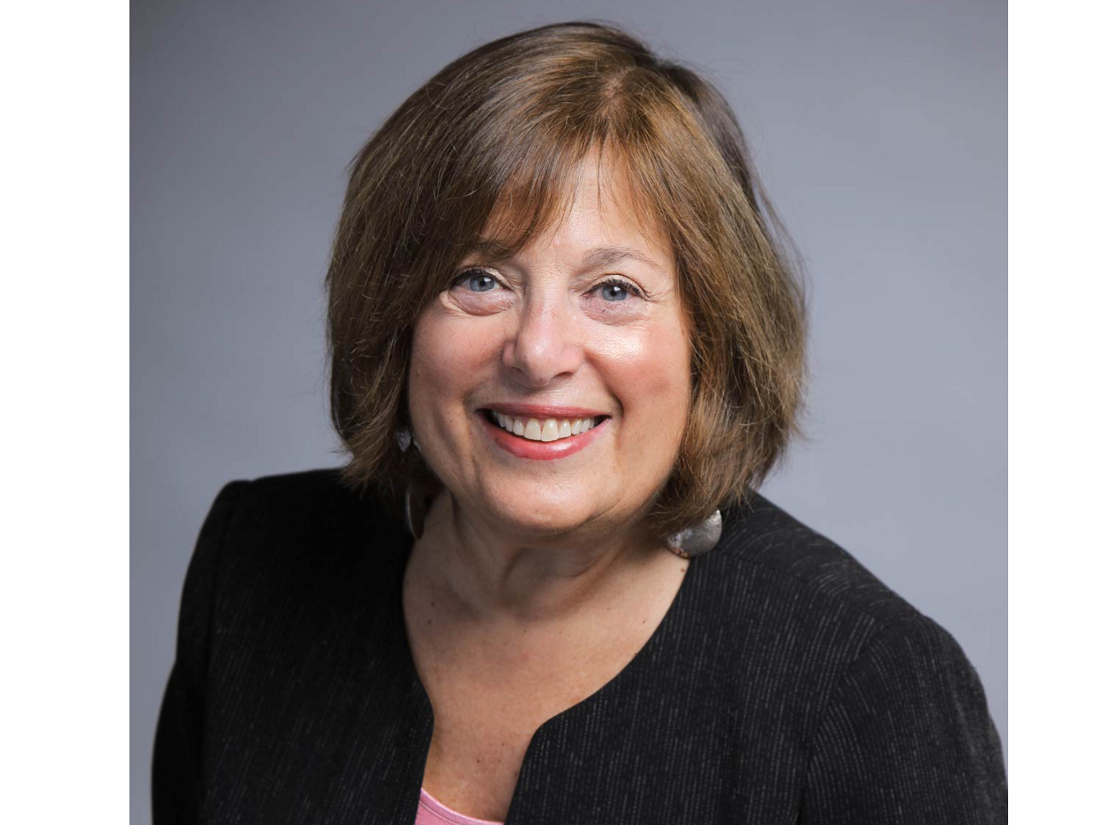
“Often women assumed more of the childcare and home schooling responsibilities in their households. As [a] result, we know that more women dropped out of the workforce. Also, past studies indicate that women are more likely to report feelings of burnout than men,” Dr. Bernstein noted.
The volume of bureaucratic tasks is the main contributor to psychiatrist burnout (69%), even more so than for physicians overall (60%).
Too many work hours, lack of respect from colleagues, lack of control or autonomy, and increasing use of electronic health records (EHRs) and other technology are also major drivers of burnout in this year’s report.
To quell burnout, psychiatrists reduce their hours on the job and participate in meditation or other stress-reduction techniques.
Thirty-eight percent of psychiatrists feel that their personality type contributes to their burnout. Nearly seven in 10 psychiatrists say burnout affects their relationships, about the same proportion as for physicians overall (68%).
Work-life balance
More than half of psychiatrists (53%) report they are willing to take a cut in pay in order to achieve a better work-life balance or have more free time. This is similar among physicians overall (55%).
More than one-third (39%) of psychiatrists reported clinical depression (severe depression lasting some time and not caused by grief), while 44% reported colloquial depression (feeling down, blue, sad).
About half of depressed psychiatrists said their depression does not have an impact on relationships with patients. Of those who saw an impact, the major behaviors they reported were being easily exasperated with patients and feeling less motivated to take patient notes carefully.
To maintain happiness and mental health, psychiatrists choose to spend time with loved ones, do the things they enjoy, exercise, and get plenty of sleep.
Perhaps not surprisingly, more psychiatrists were happy with their work-life balance before the pandemic (68% vs. 54%). The same holds for physicians overall.
Before the pandemic, 17% of psychiatrists reported being unhappy with their work-life balance. That has risen to 29% this year.
The vast majority of psychiatrists are currently in a committed relationship, with 76% either married or living with a partner. A somewhat higher percentage (83%) of physicians overall report being in a committed relationship.
About eight in 10 psychiatrists (81%) describe their marriage as good or very good – the same as last year.
A little more than half of psychiatrists have life partners who do not work in medicine. This is similar to the proportion among all physicians (56%).
Among psychiatrists balancing parenthood and a medical career, female psychiatrists noted feeling conflicted more often than their male counterparts (36% vs. 22% were “very conflicted” or “conflicted”).
This general attitude is reflected in almost all occupations, according to a Pew Research survey, which found that larger shares of mothers than fathers struggled with childcare responsibilities during the pandemic.
Findings from Medscape’s latest happiness, wellness, and lifestyle survey are based on 13,069 Medscape member physicians (61% male) practicing in the United States who completed an online survey conducted between June 29 and Sept. 26, 2021. Most respondents were between 35 and 64 years old.
A version of this article first appeared on Medscape.com.
The lingering effects of the COVID-19 pandemic continue to take a toll on the happiness, well-being, and lifestyles of many segments of the population, especially those in the health care field, including psychiatrists.
The newly released Medscape Psychiatrist Lifestyle, Happiness & Burnout Report 2022 explores psychiatrists’ happiness in their personal and professional lives and how they are maintaining mental and physical health.
Prior to the global pandemic, 79% of psychiatrists said they were “very” or “somewhat” happy outside of work, like physicians overall (81%).
But as the pandemic has worn on, feelings have shifted, and there are clear signs of stress and strain on those in the health care field.
Higher in women
In last year’s report, overall 42% of psychiatrists reported burnout; that’s risen to 47% this year.
When it comes to burnout, psychiatrists are in the lower range of burned-out physicians. Perhaps not surprising, given the challenges of the COVID-19 pandemic, burnout rates are highest in emergency medicine and critical care specialists.
About half of psychiatrists (52%) reported that they were more burned out now than during the initial quarantine months of the pandemic, similar to physicians overall (55%). About one-third said their burnout was the same.
Female psychiatrists reported being burned out at a greater rate than their male colleagues (46% vs. 30%).
“There’s no question that women have reported far more role strain during the pandemic than men,” said Carol A. Bernstein, MD, psychiatrist at Montefiore Health System and professor and vice chair for faculty development and well-being at Albert Einstein College of Medicine, New York.
“Often women assumed more of the childcare and home schooling responsibilities in their households. As [a] result, we know that more women dropped out of the workforce. Also, past studies indicate that women are more likely to report feelings of burnout than men,” Dr. Bernstein noted.
The volume of bureaucratic tasks is the main contributor to psychiatrist burnout (69%), even more so than for physicians overall (60%).
Too many work hours, lack of respect from colleagues, lack of control or autonomy, and increasing use of electronic health records (EHRs) and other technology are also major drivers of burnout in this year’s report.
To quell burnout, psychiatrists reduce their hours on the job and participate in meditation or other stress-reduction techniques.
Thirty-eight percent of psychiatrists feel that their personality type contributes to their burnout. Nearly seven in 10 psychiatrists say burnout affects their relationships, about the same proportion as for physicians overall (68%).
Work-life balance
More than half of psychiatrists (53%) report they are willing to take a cut in pay in order to achieve a better work-life balance or have more free time. This is similar among physicians overall (55%).
More than one-third (39%) of psychiatrists reported clinical depression (severe depression lasting some time and not caused by grief), while 44% reported colloquial depression (feeling down, blue, sad).
About half of depressed psychiatrists said their depression does not have an impact on relationships with patients. Of those who saw an impact, the major behaviors they reported were being easily exasperated with patients and feeling less motivated to take patient notes carefully.
To maintain happiness and mental health, psychiatrists choose to spend time with loved ones, do the things they enjoy, exercise, and get plenty of sleep.
Perhaps not surprisingly, more psychiatrists were happy with their work-life balance before the pandemic (68% vs. 54%). The same holds for physicians overall.
Before the pandemic, 17% of psychiatrists reported being unhappy with their work-life balance. That has risen to 29% this year.
The vast majority of psychiatrists are currently in a committed relationship, with 76% either married or living with a partner. A somewhat higher percentage (83%) of physicians overall report being in a committed relationship.
About eight in 10 psychiatrists (81%) describe their marriage as good or very good – the same as last year.
A little more than half of psychiatrists have life partners who do not work in medicine. This is similar to the proportion among all physicians (56%).
Among psychiatrists balancing parenthood and a medical career, female psychiatrists noted feeling conflicted more often than their male counterparts (36% vs. 22% were “very conflicted” or “conflicted”).
This general attitude is reflected in almost all occupations, according to a Pew Research survey, which found that larger shares of mothers than fathers struggled with childcare responsibilities during the pandemic.
Findings from Medscape’s latest happiness, wellness, and lifestyle survey are based on 13,069 Medscape member physicians (61% male) practicing in the United States who completed an online survey conducted between June 29 and Sept. 26, 2021. Most respondents were between 35 and 64 years old.
A version of this article first appeared on Medscape.com.
The lingering effects of the COVID-19 pandemic continue to take a toll on the happiness, well-being, and lifestyles of many segments of the population, especially those in the health care field, including psychiatrists.
The newly released Medscape Psychiatrist Lifestyle, Happiness & Burnout Report 2022 explores psychiatrists’ happiness in their personal and professional lives and how they are maintaining mental and physical health.
Prior to the global pandemic, 79% of psychiatrists said they were “very” or “somewhat” happy outside of work, like physicians overall (81%).
But as the pandemic has worn on, feelings have shifted, and there are clear signs of stress and strain on those in the health care field.
Higher in women
In last year’s report, overall 42% of psychiatrists reported burnout; that’s risen to 47% this year.
When it comes to burnout, psychiatrists are in the lower range of burned-out physicians. Perhaps not surprising, given the challenges of the COVID-19 pandemic, burnout rates are highest in emergency medicine and critical care specialists.
About half of psychiatrists (52%) reported that they were more burned out now than during the initial quarantine months of the pandemic, similar to physicians overall (55%). About one-third said their burnout was the same.
Female psychiatrists reported being burned out at a greater rate than their male colleagues (46% vs. 30%).
“There’s no question that women have reported far more role strain during the pandemic than men,” said Carol A. Bernstein, MD, psychiatrist at Montefiore Health System and professor and vice chair for faculty development and well-being at Albert Einstein College of Medicine, New York.
“Often women assumed more of the childcare and home schooling responsibilities in their households. As [a] result, we know that more women dropped out of the workforce. Also, past studies indicate that women are more likely to report feelings of burnout than men,” Dr. Bernstein noted.
The volume of bureaucratic tasks is the main contributor to psychiatrist burnout (69%), even more so than for physicians overall (60%).
Too many work hours, lack of respect from colleagues, lack of control or autonomy, and increasing use of electronic health records (EHRs) and other technology are also major drivers of burnout in this year’s report.
To quell burnout, psychiatrists reduce their hours on the job and participate in meditation or other stress-reduction techniques.
Thirty-eight percent of psychiatrists feel that their personality type contributes to their burnout. Nearly seven in 10 psychiatrists say burnout affects their relationships, about the same proportion as for physicians overall (68%).
Work-life balance
More than half of psychiatrists (53%) report they are willing to take a cut in pay in order to achieve a better work-life balance or have more free time. This is similar among physicians overall (55%).
More than one-third (39%) of psychiatrists reported clinical depression (severe depression lasting some time and not caused by grief), while 44% reported colloquial depression (feeling down, blue, sad).
About half of depressed psychiatrists said their depression does not have an impact on relationships with patients. Of those who saw an impact, the major behaviors they reported were being easily exasperated with patients and feeling less motivated to take patient notes carefully.
To maintain happiness and mental health, psychiatrists choose to spend time with loved ones, do the things they enjoy, exercise, and get plenty of sleep.
Perhaps not surprisingly, more psychiatrists were happy with their work-life balance before the pandemic (68% vs. 54%). The same holds for physicians overall.
Before the pandemic, 17% of psychiatrists reported being unhappy with their work-life balance. That has risen to 29% this year.
The vast majority of psychiatrists are currently in a committed relationship, with 76% either married or living with a partner. A somewhat higher percentage (83%) of physicians overall report being in a committed relationship.
About eight in 10 psychiatrists (81%) describe their marriage as good or very good – the same as last year.
A little more than half of psychiatrists have life partners who do not work in medicine. This is similar to the proportion among all physicians (56%).
Among psychiatrists balancing parenthood and a medical career, female psychiatrists noted feeling conflicted more often than their male counterparts (36% vs. 22% were “very conflicted” or “conflicted”).
This general attitude is reflected in almost all occupations, according to a Pew Research survey, which found that larger shares of mothers than fathers struggled with childcare responsibilities during the pandemic.
Findings from Medscape’s latest happiness, wellness, and lifestyle survey are based on 13,069 Medscape member physicians (61% male) practicing in the United States who completed an online survey conducted between June 29 and Sept. 26, 2021. Most respondents were between 35 and 64 years old.
A version of this article first appeared on Medscape.com.
Psilocybin’s antidepressant effects rapid, durable
The substantial antidepressant effects of psilocybin-assisted therapy may be durable up to at least 1 year in some patients with major depressive disorder (MDD), new research indicates.
, report researchers with the Center for Psychedelic and Consciousness Research at Johns Hopkins University School of Medicine, Baltimore.
“We have not yet collected formal data past 1 year in our sample, [but] some participants in our study have stayed in touch and report continued improvements in mood,” study investigator Natalie Gukasyan, MD, told this news organization.
“A previous study of psilocybin-assisted therapy in patients with cancer-related depression and anxiety symptoms found that improvements in mood and well-being may persist up to 4.5 years following treatment,” Dr. Gukasyan noted.
The study was published online Feb. 15 in the Journal of Psychopharmacology.
Enduring benefit
Preliminary data suggest that psilocybin-assisted treatment produces substantial and rapid antidepressant effects in patients with MDD, but the durability of the effects are unclear.
Investigators examined the efficacy and safety of psilocybin through 12 months in 24 adults who met criteria for a moderate to severe episode of MDD as defined by a score of 17 or greater on the GRID-Hamilton Depression Rating Scale (GRID-HAMD) assessed by blinded clinician raters.
Following 6-8 hours of preparatory meetings, participants received two doses of psilocybin at 20 mg/70 kg and 30 mg/70 kg spaced roughly 2 weeks apart. Psilocybin was administered in a comfortable room under supervision following established safety guidelines.
Depression, as measured by GRID-HAMD, decreased substantially after treatment and remained low through 12 months post-treatment, the investigators report.
For most participants, GRID-HAMD scores decreased from 22.8 at baseline to 8.7 at 1 week, 8.9 at 4 weeks, 9.3 at 3 months, 7 at 6 months, and 7.7 at 12 months after treatment.
“The effect size at 12 months was very large (Cohen d = 2.4). Likewise, high and stable rates of response and remission occurred throughout the follow-up period (75% response and 58% remission at 12 months),” the investigators note.
Two patient-rated measures of depression – the Quick Inventory of Depressive Symptoms (QIDS) and the Beck Depression Inventory II (BDI-II) – showed similar “large magnitude and stable” antidepressant effects on mean scores and on response and remission rates, they add.
Response and remission rates at 12 months on the QIDS were 79% and 67%, respectively, and 83% and 75%, respectively, on the BDI-II.
“Psilocybin not only produces significant and immediate effects, it also has a long duration, which suggests that it may be a uniquely useful new treatment for depression,” study investigator Roland Griffiths, PhD, founding director of the Center for Psychedelic and Consciousness Research, says in a statement.
“Compared to standard antidepressants, which must be taken for long stretches of time, psilocybin has the potential to enduringly relieve the symptoms of depression with one or two treatments,” Dr. Griffiths adds.
Better than ketamine?
There were no serious adverse events judged to be related to psilocybin during long-term follow-up. Depression symptoms were not significantly exacerbated in any participant, and there was no reported use of psilocybin or other psychedelic drug use during the follow-up period.
The finding that two doses of psilocybin provides antidepressant effects that last through at least 12 months is well beyond the duration of effects reported to date with ketamine, the investigators write.
“In general, treatment with ketamine requires a greater number of drug administrations, and it may be more challenging to get durable therapeutic efficacy without repeated dosing. The longer-term risks of repeated ketamine use are not well characterized,” Dr. Gukasyan told this news organization.
She noted that psilocybin and related compounds are still not available for clinical use under the controlled substances act.
“Some clinics are currently offering ketamine, or ketamine-assisted therapy in a manner that resembles the treatment approach used with psilocybin, but there is less high-quality research to support that practice,” she said.
The study was funded in part by a crowdsourced campaign organized by Tim Ferriss and by grants from the Riverstyx Foundation and Dave Morin. Other support was provided by a grant from the National Institutes of Health and the Center for Psychedelic and Consciousness Research. Dr. Gukasyan is an investigator for a multisite trial of psilocybin-assisted therapy for major depressive disorder sponsored by Usona Institute. A complete list of author disclosures is available with the original article.
A version of this article first appeared on Medscape.com.
The substantial antidepressant effects of psilocybin-assisted therapy may be durable up to at least 1 year in some patients with major depressive disorder (MDD), new research indicates.
, report researchers with the Center for Psychedelic and Consciousness Research at Johns Hopkins University School of Medicine, Baltimore.
“We have not yet collected formal data past 1 year in our sample, [but] some participants in our study have stayed in touch and report continued improvements in mood,” study investigator Natalie Gukasyan, MD, told this news organization.
“A previous study of psilocybin-assisted therapy in patients with cancer-related depression and anxiety symptoms found that improvements in mood and well-being may persist up to 4.5 years following treatment,” Dr. Gukasyan noted.
The study was published online Feb. 15 in the Journal of Psychopharmacology.
Enduring benefit
Preliminary data suggest that psilocybin-assisted treatment produces substantial and rapid antidepressant effects in patients with MDD, but the durability of the effects are unclear.
Investigators examined the efficacy and safety of psilocybin through 12 months in 24 adults who met criteria for a moderate to severe episode of MDD as defined by a score of 17 or greater on the GRID-Hamilton Depression Rating Scale (GRID-HAMD) assessed by blinded clinician raters.
Following 6-8 hours of preparatory meetings, participants received two doses of psilocybin at 20 mg/70 kg and 30 mg/70 kg spaced roughly 2 weeks apart. Psilocybin was administered in a comfortable room under supervision following established safety guidelines.
Depression, as measured by GRID-HAMD, decreased substantially after treatment and remained low through 12 months post-treatment, the investigators report.
For most participants, GRID-HAMD scores decreased from 22.8 at baseline to 8.7 at 1 week, 8.9 at 4 weeks, 9.3 at 3 months, 7 at 6 months, and 7.7 at 12 months after treatment.
“The effect size at 12 months was very large (Cohen d = 2.4). Likewise, high and stable rates of response and remission occurred throughout the follow-up period (75% response and 58% remission at 12 months),” the investigators note.
Two patient-rated measures of depression – the Quick Inventory of Depressive Symptoms (QIDS) and the Beck Depression Inventory II (BDI-II) – showed similar “large magnitude and stable” antidepressant effects on mean scores and on response and remission rates, they add.
Response and remission rates at 12 months on the QIDS were 79% and 67%, respectively, and 83% and 75%, respectively, on the BDI-II.
“Psilocybin not only produces significant and immediate effects, it also has a long duration, which suggests that it may be a uniquely useful new treatment for depression,” study investigator Roland Griffiths, PhD, founding director of the Center for Psychedelic and Consciousness Research, says in a statement.
“Compared to standard antidepressants, which must be taken for long stretches of time, psilocybin has the potential to enduringly relieve the symptoms of depression with one or two treatments,” Dr. Griffiths adds.
Better than ketamine?
There were no serious adverse events judged to be related to psilocybin during long-term follow-up. Depression symptoms were not significantly exacerbated in any participant, and there was no reported use of psilocybin or other psychedelic drug use during the follow-up period.
The finding that two doses of psilocybin provides antidepressant effects that last through at least 12 months is well beyond the duration of effects reported to date with ketamine, the investigators write.
“In general, treatment with ketamine requires a greater number of drug administrations, and it may be more challenging to get durable therapeutic efficacy without repeated dosing. The longer-term risks of repeated ketamine use are not well characterized,” Dr. Gukasyan told this news organization.
She noted that psilocybin and related compounds are still not available for clinical use under the controlled substances act.
“Some clinics are currently offering ketamine, or ketamine-assisted therapy in a manner that resembles the treatment approach used with psilocybin, but there is less high-quality research to support that practice,” she said.
The study was funded in part by a crowdsourced campaign organized by Tim Ferriss and by grants from the Riverstyx Foundation and Dave Morin. Other support was provided by a grant from the National Institutes of Health and the Center for Psychedelic and Consciousness Research. Dr. Gukasyan is an investigator for a multisite trial of psilocybin-assisted therapy for major depressive disorder sponsored by Usona Institute. A complete list of author disclosures is available with the original article.
A version of this article first appeared on Medscape.com.
The substantial antidepressant effects of psilocybin-assisted therapy may be durable up to at least 1 year in some patients with major depressive disorder (MDD), new research indicates.
, report researchers with the Center for Psychedelic and Consciousness Research at Johns Hopkins University School of Medicine, Baltimore.
“We have not yet collected formal data past 1 year in our sample, [but] some participants in our study have stayed in touch and report continued improvements in mood,” study investigator Natalie Gukasyan, MD, told this news organization.
“A previous study of psilocybin-assisted therapy in patients with cancer-related depression and anxiety symptoms found that improvements in mood and well-being may persist up to 4.5 years following treatment,” Dr. Gukasyan noted.
The study was published online Feb. 15 in the Journal of Psychopharmacology.
Enduring benefit
Preliminary data suggest that psilocybin-assisted treatment produces substantial and rapid antidepressant effects in patients with MDD, but the durability of the effects are unclear.
Investigators examined the efficacy and safety of psilocybin through 12 months in 24 adults who met criteria for a moderate to severe episode of MDD as defined by a score of 17 or greater on the GRID-Hamilton Depression Rating Scale (GRID-HAMD) assessed by blinded clinician raters.
Following 6-8 hours of preparatory meetings, participants received two doses of psilocybin at 20 mg/70 kg and 30 mg/70 kg spaced roughly 2 weeks apart. Psilocybin was administered in a comfortable room under supervision following established safety guidelines.
Depression, as measured by GRID-HAMD, decreased substantially after treatment and remained low through 12 months post-treatment, the investigators report.
For most participants, GRID-HAMD scores decreased from 22.8 at baseline to 8.7 at 1 week, 8.9 at 4 weeks, 9.3 at 3 months, 7 at 6 months, and 7.7 at 12 months after treatment.
“The effect size at 12 months was very large (Cohen d = 2.4). Likewise, high and stable rates of response and remission occurred throughout the follow-up period (75% response and 58% remission at 12 months),” the investigators note.
Two patient-rated measures of depression – the Quick Inventory of Depressive Symptoms (QIDS) and the Beck Depression Inventory II (BDI-II) – showed similar “large magnitude and stable” antidepressant effects on mean scores and on response and remission rates, they add.
Response and remission rates at 12 months on the QIDS were 79% and 67%, respectively, and 83% and 75%, respectively, on the BDI-II.
“Psilocybin not only produces significant and immediate effects, it also has a long duration, which suggests that it may be a uniquely useful new treatment for depression,” study investigator Roland Griffiths, PhD, founding director of the Center for Psychedelic and Consciousness Research, says in a statement.
“Compared to standard antidepressants, which must be taken for long stretches of time, psilocybin has the potential to enduringly relieve the symptoms of depression with one or two treatments,” Dr. Griffiths adds.
Better than ketamine?
There were no serious adverse events judged to be related to psilocybin during long-term follow-up. Depression symptoms were not significantly exacerbated in any participant, and there was no reported use of psilocybin or other psychedelic drug use during the follow-up period.
The finding that two doses of psilocybin provides antidepressant effects that last through at least 12 months is well beyond the duration of effects reported to date with ketamine, the investigators write.
“In general, treatment with ketamine requires a greater number of drug administrations, and it may be more challenging to get durable therapeutic efficacy without repeated dosing. The longer-term risks of repeated ketamine use are not well characterized,” Dr. Gukasyan told this news organization.
She noted that psilocybin and related compounds are still not available for clinical use under the controlled substances act.
“Some clinics are currently offering ketamine, or ketamine-assisted therapy in a manner that resembles the treatment approach used with psilocybin, but there is less high-quality research to support that practice,” she said.
The study was funded in part by a crowdsourced campaign organized by Tim Ferriss and by grants from the Riverstyx Foundation and Dave Morin. Other support was provided by a grant from the National Institutes of Health and the Center for Psychedelic and Consciousness Research. Dr. Gukasyan is an investigator for a multisite trial of psilocybin-assisted therapy for major depressive disorder sponsored by Usona Institute. A complete list of author disclosures is available with the original article.
A version of this article first appeared on Medscape.com.
Statin intolerance ‘overestimated and overdiagnosed’
Statin intolerance is far less common than previously reported, according to a new meta-analysis, with data on more than 4 million adults from around the world, looking at reported statin adverse effects.
The study puts the prevalence of statin intolerance at 6% to 10%, meaning that statin intolerance is “overestimated and overdiagnosed” in most cases, Maciej Banach, MD, PhD, from the Medical University of Lodz and the University of Zielona Góra, Poland, said in a news release.
It also means that “around 93% of patients on statin therapy can be treated effectively, with very good tolerability and without any safety issues,” Dr. Banach added.
The study, conducted on behalf of the Lipid and Blood Pressure Meta-Analysis Collaboration and the International Lipid Expert Panel, was published online Feb. 16 in the European Heart Journal.
Reassuring data
In a statement from the British nonprofit Science Media Center, Sir Nilesh J. Samani, MBChB, MD, medical director of the British Heart Foundation, said: “Decades of evidence have proven that statins save lives. This latest analysis, showing that the risk of side effects from statins are less than previously thought, should provide reassurance to those who are recommended this medicine to reduce their risk of a heart attack or stroke.”
The reported prevalence of statin intolerance varies widely, from 2% to 3% to as high as 50%, chiefly because “there is still a lack of a clear and easy way to apply the definition of statin intolerance,” Dr. Banach told this news organization.
“The ones we use in lipid clinics – by National Lipid Association (NLA), European Atherosclerosis Society (EAS), and International Lipid Expert Panel (ILEP) – are not used or are rarely used in everyday clinical practice by GPs and other specialists,” Dr. Banach explained.
He also blames “physician inertia: When they listen to a patient complain of muscle pain, or see elevated alanine aminotransferase (ALT), in most of the cases, they will immediately discontinue statins, without any further investigations. One should remember that there are many secondary causes of statin intolerance,” Dr. Banach said.
To get a better handle on the true prevalence of statin intolerance, the study team did a meta-analysis of 4,143,517 patients worldwide from 176 studies: 112 randomized controlled trials and 64 cohort studies.
The overall prevalence of statin intolerance was 9.1% (95% confidence interval, 8.0%-10.0%).
The prevalence of statin intolerance was even lower when assessed with diagnostic criteria from the NLA (7.0%; 95% CI, 6.0%-8.0%), the ILEP (6.7%; 95% CI, 5.0%-8.0%), and the EAS (5.9%; 95% CI, 4.0%-7.0%).
The main factors associated with an increased risk for statin intolerance are female gender, hypothyroidism, high statin dose, advanced age, concomitant use of anti-arrhythmic drugs, and obesity. Other factors include race (being Asian or African American), type 2 diabetes, alcohol use, and chronic liver and renal diseases.
“Our findings mean that we should evaluate patients’ symptoms very carefully, firstly to see whether symptoms are indeed caused by statins, and secondly to evaluate whether it might be patients’ perceptions that statins are harmful – so called nocebo or drucebo effect – which could be responsible for more than 50% of all symptoms, rather than the drug itself,” Dr. Banach said.
He encourages use of the Statin-Associated Muscle Symptom Clinical Index (SAMS-CI) to assess the likelihood that a patient’s muscle symptoms are caused or worsened by statin use.
Substantial analysis, valid results
“This is a substantial analysis [and], based on what we know about statin side effects to date, the results are likely to be broadly valid and indicate that we should not overestimate statin side effects or be too quick to stop statins without due consideration,” Riyaz Patel, MBBS, professor of cardiology, University College London, told the Science Media Center.
“Some patients do experience real side effects, and we do our best to help them with alternative therapies, as with any other medicine. However, for the vast majority of people experiencing statin side effects, we can usually work with the patient to understand the symptoms, use proven strategies to manage these, and ensure they do not miss out on the well-established benefits of statins,” Mr. Patel said.
“This is especially important for people who have already had a heart attack or stroke, where statin therapy is really important in preventing further events,” Mr. Patel added.
Also weighing in on the results, Peter Sever, MB BChir, professor of clinical pharmacology and therapeutics, Imperial College London, said: “The importance for clinicians and patients is to realize that commonly reported symptoms, such as muscle aches and pains and lethargy, are not due to the chemistry of the drug.”
“These ‘nocebo’ symptoms may be psychological in origin, but they are no less real than pharmacological symptoms in how they affect quality of life,” Mr. Sever told the Science Media Center.
“However, it’s important to note that as they are not directly caused by the drug, they should not override the decision to prescribe and take statins on account of their proven benefit in reducing death and disability from heart attacks, strokes, and other cardiovascular conditions,” he added.
This meta-analysis was conducted independently; no company or institution supported it financially. Dr. Banach is on the speakers bureau for Amgen, Herbapol, Kogen, KRKA, Polpharma, Mylan/Viatris, Novartis, Novo Nordisk, Sanofi-Aventis, Teva, and Zentiva; is a consultant to Abbott Vascular, Amgen, Daichii Sankyo, Esperion, FreiaPharmaceuticals, Novartis, Polfarmex, and Sanofi-Aventis; has received grants from Amgen, Mylan/Viatris, Sanofi, and Valeant; and serves as CMO for Nomi Biotech Corporation. Dr. Samani has no relevant disclosures. Mr. Patel has received past honoraria and consulting fees from drug companies manufacturing new cholesterol-lowering drugs and currently works with NICE as a topic advisor for CVD prevention. Mr. Sever has received research grants and consultancy from Pfizer and Amgen.
A version of this article first appeared on Medscape.com.
Statin intolerance is far less common than previously reported, according to a new meta-analysis, with data on more than 4 million adults from around the world, looking at reported statin adverse effects.
The study puts the prevalence of statin intolerance at 6% to 10%, meaning that statin intolerance is “overestimated and overdiagnosed” in most cases, Maciej Banach, MD, PhD, from the Medical University of Lodz and the University of Zielona Góra, Poland, said in a news release.
It also means that “around 93% of patients on statin therapy can be treated effectively, with very good tolerability and without any safety issues,” Dr. Banach added.
The study, conducted on behalf of the Lipid and Blood Pressure Meta-Analysis Collaboration and the International Lipid Expert Panel, was published online Feb. 16 in the European Heart Journal.
Reassuring data
In a statement from the British nonprofit Science Media Center, Sir Nilesh J. Samani, MBChB, MD, medical director of the British Heart Foundation, said: “Decades of evidence have proven that statins save lives. This latest analysis, showing that the risk of side effects from statins are less than previously thought, should provide reassurance to those who are recommended this medicine to reduce their risk of a heart attack or stroke.”
The reported prevalence of statin intolerance varies widely, from 2% to 3% to as high as 50%, chiefly because “there is still a lack of a clear and easy way to apply the definition of statin intolerance,” Dr. Banach told this news organization.
“The ones we use in lipid clinics – by National Lipid Association (NLA), European Atherosclerosis Society (EAS), and International Lipid Expert Panel (ILEP) – are not used or are rarely used in everyday clinical practice by GPs and other specialists,” Dr. Banach explained.
He also blames “physician inertia: When they listen to a patient complain of muscle pain, or see elevated alanine aminotransferase (ALT), in most of the cases, they will immediately discontinue statins, without any further investigations. One should remember that there are many secondary causes of statin intolerance,” Dr. Banach said.
To get a better handle on the true prevalence of statin intolerance, the study team did a meta-analysis of 4,143,517 patients worldwide from 176 studies: 112 randomized controlled trials and 64 cohort studies.
The overall prevalence of statin intolerance was 9.1% (95% confidence interval, 8.0%-10.0%).
The prevalence of statin intolerance was even lower when assessed with diagnostic criteria from the NLA (7.0%; 95% CI, 6.0%-8.0%), the ILEP (6.7%; 95% CI, 5.0%-8.0%), and the EAS (5.9%; 95% CI, 4.0%-7.0%).
The main factors associated with an increased risk for statin intolerance are female gender, hypothyroidism, high statin dose, advanced age, concomitant use of anti-arrhythmic drugs, and obesity. Other factors include race (being Asian or African American), type 2 diabetes, alcohol use, and chronic liver and renal diseases.
“Our findings mean that we should evaluate patients’ symptoms very carefully, firstly to see whether symptoms are indeed caused by statins, and secondly to evaluate whether it might be patients’ perceptions that statins are harmful – so called nocebo or drucebo effect – which could be responsible for more than 50% of all symptoms, rather than the drug itself,” Dr. Banach said.
He encourages use of the Statin-Associated Muscle Symptom Clinical Index (SAMS-CI) to assess the likelihood that a patient’s muscle symptoms are caused or worsened by statin use.
Substantial analysis, valid results
“This is a substantial analysis [and], based on what we know about statin side effects to date, the results are likely to be broadly valid and indicate that we should not overestimate statin side effects or be too quick to stop statins without due consideration,” Riyaz Patel, MBBS, professor of cardiology, University College London, told the Science Media Center.
“Some patients do experience real side effects, and we do our best to help them with alternative therapies, as with any other medicine. However, for the vast majority of people experiencing statin side effects, we can usually work with the patient to understand the symptoms, use proven strategies to manage these, and ensure they do not miss out on the well-established benefits of statins,” Mr. Patel said.
“This is especially important for people who have already had a heart attack or stroke, where statin therapy is really important in preventing further events,” Mr. Patel added.
Also weighing in on the results, Peter Sever, MB BChir, professor of clinical pharmacology and therapeutics, Imperial College London, said: “The importance for clinicians and patients is to realize that commonly reported symptoms, such as muscle aches and pains and lethargy, are not due to the chemistry of the drug.”
“These ‘nocebo’ symptoms may be psychological in origin, but they are no less real than pharmacological symptoms in how they affect quality of life,” Mr. Sever told the Science Media Center.
“However, it’s important to note that as they are not directly caused by the drug, they should not override the decision to prescribe and take statins on account of their proven benefit in reducing death and disability from heart attacks, strokes, and other cardiovascular conditions,” he added.
This meta-analysis was conducted independently; no company or institution supported it financially. Dr. Banach is on the speakers bureau for Amgen, Herbapol, Kogen, KRKA, Polpharma, Mylan/Viatris, Novartis, Novo Nordisk, Sanofi-Aventis, Teva, and Zentiva; is a consultant to Abbott Vascular, Amgen, Daichii Sankyo, Esperion, FreiaPharmaceuticals, Novartis, Polfarmex, and Sanofi-Aventis; has received grants from Amgen, Mylan/Viatris, Sanofi, and Valeant; and serves as CMO for Nomi Biotech Corporation. Dr. Samani has no relevant disclosures. Mr. Patel has received past honoraria and consulting fees from drug companies manufacturing new cholesterol-lowering drugs and currently works with NICE as a topic advisor for CVD prevention. Mr. Sever has received research grants and consultancy from Pfizer and Amgen.
A version of this article first appeared on Medscape.com.
Statin intolerance is far less common than previously reported, according to a new meta-analysis, with data on more than 4 million adults from around the world, looking at reported statin adverse effects.
The study puts the prevalence of statin intolerance at 6% to 10%, meaning that statin intolerance is “overestimated and overdiagnosed” in most cases, Maciej Banach, MD, PhD, from the Medical University of Lodz and the University of Zielona Góra, Poland, said in a news release.
It also means that “around 93% of patients on statin therapy can be treated effectively, with very good tolerability and without any safety issues,” Dr. Banach added.
The study, conducted on behalf of the Lipid and Blood Pressure Meta-Analysis Collaboration and the International Lipid Expert Panel, was published online Feb. 16 in the European Heart Journal.
Reassuring data
In a statement from the British nonprofit Science Media Center, Sir Nilesh J. Samani, MBChB, MD, medical director of the British Heart Foundation, said: “Decades of evidence have proven that statins save lives. This latest analysis, showing that the risk of side effects from statins are less than previously thought, should provide reassurance to those who are recommended this medicine to reduce their risk of a heart attack or stroke.”
The reported prevalence of statin intolerance varies widely, from 2% to 3% to as high as 50%, chiefly because “there is still a lack of a clear and easy way to apply the definition of statin intolerance,” Dr. Banach told this news organization.
“The ones we use in lipid clinics – by National Lipid Association (NLA), European Atherosclerosis Society (EAS), and International Lipid Expert Panel (ILEP) – are not used or are rarely used in everyday clinical practice by GPs and other specialists,” Dr. Banach explained.
He also blames “physician inertia: When they listen to a patient complain of muscle pain, or see elevated alanine aminotransferase (ALT), in most of the cases, they will immediately discontinue statins, without any further investigations. One should remember that there are many secondary causes of statin intolerance,” Dr. Banach said.
To get a better handle on the true prevalence of statin intolerance, the study team did a meta-analysis of 4,143,517 patients worldwide from 176 studies: 112 randomized controlled trials and 64 cohort studies.
The overall prevalence of statin intolerance was 9.1% (95% confidence interval, 8.0%-10.0%).
The prevalence of statin intolerance was even lower when assessed with diagnostic criteria from the NLA (7.0%; 95% CI, 6.0%-8.0%), the ILEP (6.7%; 95% CI, 5.0%-8.0%), and the EAS (5.9%; 95% CI, 4.0%-7.0%).
The main factors associated with an increased risk for statin intolerance are female gender, hypothyroidism, high statin dose, advanced age, concomitant use of anti-arrhythmic drugs, and obesity. Other factors include race (being Asian or African American), type 2 diabetes, alcohol use, and chronic liver and renal diseases.
“Our findings mean that we should evaluate patients’ symptoms very carefully, firstly to see whether symptoms are indeed caused by statins, and secondly to evaluate whether it might be patients’ perceptions that statins are harmful – so called nocebo or drucebo effect – which could be responsible for more than 50% of all symptoms, rather than the drug itself,” Dr. Banach said.
He encourages use of the Statin-Associated Muscle Symptom Clinical Index (SAMS-CI) to assess the likelihood that a patient’s muscle symptoms are caused or worsened by statin use.
Substantial analysis, valid results
“This is a substantial analysis [and], based on what we know about statin side effects to date, the results are likely to be broadly valid and indicate that we should not overestimate statin side effects or be too quick to stop statins without due consideration,” Riyaz Patel, MBBS, professor of cardiology, University College London, told the Science Media Center.
“Some patients do experience real side effects, and we do our best to help them with alternative therapies, as with any other medicine. However, for the vast majority of people experiencing statin side effects, we can usually work with the patient to understand the symptoms, use proven strategies to manage these, and ensure they do not miss out on the well-established benefits of statins,” Mr. Patel said.
“This is especially important for people who have already had a heart attack or stroke, where statin therapy is really important in preventing further events,” Mr. Patel added.
Also weighing in on the results, Peter Sever, MB BChir, professor of clinical pharmacology and therapeutics, Imperial College London, said: “The importance for clinicians and patients is to realize that commonly reported symptoms, such as muscle aches and pains and lethargy, are not due to the chemistry of the drug.”
“These ‘nocebo’ symptoms may be psychological in origin, but they are no less real than pharmacological symptoms in how they affect quality of life,” Mr. Sever told the Science Media Center.
“However, it’s important to note that as they are not directly caused by the drug, they should not override the decision to prescribe and take statins on account of their proven benefit in reducing death and disability from heart attacks, strokes, and other cardiovascular conditions,” he added.
This meta-analysis was conducted independently; no company or institution supported it financially. Dr. Banach is on the speakers bureau for Amgen, Herbapol, Kogen, KRKA, Polpharma, Mylan/Viatris, Novartis, Novo Nordisk, Sanofi-Aventis, Teva, and Zentiva; is a consultant to Abbott Vascular, Amgen, Daichii Sankyo, Esperion, FreiaPharmaceuticals, Novartis, Polfarmex, and Sanofi-Aventis; has received grants from Amgen, Mylan/Viatris, Sanofi, and Valeant; and serves as CMO for Nomi Biotech Corporation. Dr. Samani has no relevant disclosures. Mr. Patel has received past honoraria and consulting fees from drug companies manufacturing new cholesterol-lowering drugs and currently works with NICE as a topic advisor for CVD prevention. Mr. Sever has received research grants and consultancy from Pfizer and Amgen.
A version of this article first appeared on Medscape.com.