User login
Believing in conspiracy theories is not delusional
When many people across the country, not to mention in public office, believe that the world is run by a group of Satanic pedophiles that includes top Democrats and Hollywood elites, and that former President Trump is leading a secret mission to bring these evildoers to justice, one can’t help but ask if they’re at least to some degree mentally impaired.

Conspiracy theories are often received with psychiatric connotations; associated with paranoid plan-hatchers, and nonbelieving outsiders. But whereas theories such as QAnon strain credibility for many people, we would argue that they are likely not the product of psychosis or mental illness; nor do conspiracy theories in general represent delusions.
For one thing, surveys have consistently revealed that about 50% of the population believes in at least one conspiracy theory. Furthermore, there are several substantive differences between conspiracy theory beliefs and delusions.
Some researchers consider conspiracy theories to be “a subset of false beliefs,” but most scholars, ourselves included, do not prejudge their validity or veracity. Real-life conspiracies, such as the CIA’s MK-Ultra program, have clearly occurred throughout history.
Our central contention is that belief in conspiracy theories is distinct from psychosis, and more closely resembles extreme but subculturally sanctioned religious or political beliefs. However, the line between believing in conspiracies and being delusional becomes blurred when the believer becomes part of the conspiracy theory and feels compelled to act on the belief as part of a personal mission.
Take Edgar Maddison Welch, a 28-year-old man who firmly believed the so-called “Pizzagate” conspiracy theory – the baseless claim that Hillary Clinton and Democratic elites were running a child sex-trafficking ring out of a Washington, DC, pizzeria. Seeing himself a potential savior of children, Mr. Welch drove 350 miles to the pizza shop from his home in North Carolina in December 2016 and fired three shots from an AR-15 style rifle into a locked closet door, ultimately surrendering to police. However, on questioning he quickly conceded, “The intel on this wasn’t 100%.”
Who believes in conspiracy theories?
Given that half the population believes in at least one conspiracy theory, it should come as little surprise that there is no reliable “profile” for believers. Although some studies have suggested associations with low education, right-wing political orientation, and certain personality traits like subclinical paranoia and schizotypy, such findings have been inconsistent and may vary across specific conspiracy theory. Associations between conspiracy belief and paranoia suggest overlap within a “conspiratorial mindset,” with recent evidence that “distrust of officialdom” is a key mediator between believing in conspiracies and political ideology.

Other quantitative “cognitive quirks” reported in those who believe in conspiracies are a need for certainty and control, a need for uniqueness, illusory pattern perception, and lack of analytical thinking. It’s unclear which of these factors may represent universal cognitive explanations for conspiratorial beliefs, vs. those that might be related to specific beliefs, such as the need for certainty during times of crisis and societal upheaval, when conspiracy theories tend to flourish.
Much of the research on conspiracy theory belief is based on the questionable premise that it’s best understood at the level of the individual’s psychopathology, or the “deficit model,” as it’s called. One of us (JMP) has instead proposed a two-component model that includes social and informational contexts. The first component – epistemic mistrust – involves mistrusting conventional, “authoritative” knowledge. The second involves biased information processing and exposure to misinformation, often transmitted by word of mouth, or through social networks. With this model, believing in conspiracy theories could be conceived as involving “delusion-like beliefs,” but not frank psychosis or full-blown delusions, as one might see, for example, in schizophrenia.
Indeed, many of the cognitive characteristics associated with conspiracy theory belief are universal, continuously distributed traits, varying in quantity, rather than all-or-none variables or distinct symptoms of mental illness.
Essentially, delusions are fixed, false, usually unshared beliefs, often based on subjective “inner” experience. (One rare exception is the so-called folie à deux, in which two people appear to “share” the same delusion; however, psychiatrists have long debated whether both individuals should be considered truly delusional). The delusion’s content is often “self-referential”; i.e., focused primarily on the believer.
In contrast, conspiracy theories are usually, but not necessarily, false. They are typically shared beliefs that don’t explicitly or directly involve the believer, and are based on evidence that one finds “out there,” such as on the Internet. This speaks to the highly communal nature of so many conspiracy theories – networks of like-minded individuals reinforcing one another’s beliefs in a particular socio-cultural context.
Conspiracy theory belief, COVID-19, and medical intervention
As for medical conspiracy theories, none have flourished recently more so than those involving the COVID-19 pandemic. As a recent editorial by Stein and colleagues noted, “Some conspiratorial claims include assertions that COVID‐19 is a hoax; arguments that the virus was created artificially and spread on purpose as a bioweapon; or allegations that governments are using the emergency situation to pursue their antidemocratic goals. … Other conspiracies argued that people in power are taking advantage of the pandemic as a plan to inject microchip quantum-dot spy software and monitor people.”
Stein and colleagues make the important point that a “key difference between COVID‐19 and the 1918 flu pandemic ... is that [now] a highly interconnected world, to a great extent on social media, is setting the stage for distributing information and misinformation about COVID‐19.”
Consider the following composite vignette: Mr. A is a 70-year-old retiree with a history of COPD who has been advised by his PCP to get vaccinated against COVID-19. He is extremely reluctant to do so, fearing that “the vaccine is going to change my DNA” and “might even give me COVID.” He has heard from friends on social media that vaccine developers “faked the results” and are “in cahoots with the federal government.” Mr. A has heard “experts” declare the vaccines safe, but does not trust them. Mr. A has no psychiatric or substance abuse history, and there are no cognitive, perceptual, or other abnormalities in Mr. A’s mental status exam.
Mr. A’s beliefs qualify as a “conspiracy theory,” but probably represent widely held misconceptions about COVID-19 vaccines, as well as widespread mistrust of pharmaceutical companies and the federal government. Based on the information provided, there is no basis for concluding that Mr. A is psychotic or delusional. His beliefs appear to be the result of “epistemic mistrust” of authoritative informational accounts, biased information processing, and exposure to misinformation.
How should the physician manage and care for patients like Mr. A? Absent frank delusions, there is no role for antipsychotic medication, though . In addition to providing accurate medical information to the patient, the physician should avoid arguing, or trying to “talk the patient out of” his or her belief. Instead, the focus should be on sustaining and strengthening the physician-patient alliance, establishing an atmosphere of respect and safety, clarifying differences in trusted sources of medical information, and allowing the patient time to process the physician’s recommendations.
One-to-one engagement with health care providers has proved effective in reducing vaccine hesitancy and correcting misinformation. For patients with less fixed conspiracy theory beliefs, it may sometimes be helpful to gently offer alternative hypotheses to the patient’s conspiracy theory, using elements of cognitive-behavioral therapy (CBT). For example, a physician might ask, “Is it possible that the online source you read was mistaken about the vaccine changing your DNA?” while reminding patients that – contrary to popular belief – mRNA vaccines have been in development against cancer for several decades.
Challenging beliefs collaboratively and acknowledging areas of uncertainty, rather than confronting or arguing about false beliefs, can foster trust between physician and patient and, at the very least, open a dialogue regarding potential exposure to medical misinformation. “Inoculation” strategies that present and then dispel misinformation before patients become aware of it are among the best supported strategies for mitigating conspiracy theory belief. Ideally, physicians and health care systems should maintain an ongoing “inventory” of medical misinformation circulating online and “beat it to the punch” with reliable information.
Finally, because believing in conspiracy theories is often associated with a sense of uncertainty, and feeling that one’s life is “out of control,” medical interventions can be framed as ways of regaining control and appealing to patients’ values; for example, saying, “By getting the vaccine, you’ll be more likely to stay in good health, protect your family, and do all the things you want to do.”
Dr. Pies is professor of psychiatry and a lecturer on bioethics and humanities at State University of New York, Syracuse. Dr. Pierre is a health sciences clinical professor in the department of psychiatry and biobehavioral sciences at the University of California, Los Angeles. A version of this article first appeared on Medscape.com.
When many people across the country, not to mention in public office, believe that the world is run by a group of Satanic pedophiles that includes top Democrats and Hollywood elites, and that former President Trump is leading a secret mission to bring these evildoers to justice, one can’t help but ask if they’re at least to some degree mentally impaired.
Conspiracy theories are often received with psychiatric connotations; associated with paranoid plan-hatchers, and nonbelieving outsiders. But whereas theories such as QAnon strain credibility for many people, we would argue that they are likely not the product of psychosis or mental illness; nor do conspiracy theories in general represent delusions.
For one thing, surveys have consistently revealed that about 50% of the population believes in at least one conspiracy theory. Furthermore, there are several substantive differences between conspiracy theory beliefs and delusions.
Some researchers consider conspiracy theories to be “a subset of false beliefs,” but most scholars, ourselves included, do not prejudge their validity or veracity. Real-life conspiracies, such as the CIA’s MK-Ultra program, have clearly occurred throughout history.
Our central contention is that belief in conspiracy theories is distinct from psychosis, and more closely resembles extreme but subculturally sanctioned religious or political beliefs. However, the line between believing in conspiracies and being delusional becomes blurred when the believer becomes part of the conspiracy theory and feels compelled to act on the belief as part of a personal mission.
Take Edgar Maddison Welch, a 28-year-old man who firmly believed the so-called “Pizzagate” conspiracy theory – the baseless claim that Hillary Clinton and Democratic elites were running a child sex-trafficking ring out of a Washington, DC, pizzeria. Seeing himself a potential savior of children, Mr. Welch drove 350 miles to the pizza shop from his home in North Carolina in December 2016 and fired three shots from an AR-15 style rifle into a locked closet door, ultimately surrendering to police. However, on questioning he quickly conceded, “The intel on this wasn’t 100%.”
Who believes in conspiracy theories?
Given that half the population believes in at least one conspiracy theory, it should come as little surprise that there is no reliable “profile” for believers. Although some studies have suggested associations with low education, right-wing political orientation, and certain personality traits like subclinical paranoia and schizotypy, such findings have been inconsistent and may vary across specific conspiracy theory. Associations between conspiracy belief and paranoia suggest overlap within a “conspiratorial mindset,” with recent evidence that “distrust of officialdom” is a key mediator between believing in conspiracies and political ideology.
Other quantitative “cognitive quirks” reported in those who believe in conspiracies are a need for certainty and control, a need for uniqueness, illusory pattern perception, and lack of analytical thinking. It’s unclear which of these factors may represent universal cognitive explanations for conspiratorial beliefs, vs. those that might be related to specific beliefs, such as the need for certainty during times of crisis and societal upheaval, when conspiracy theories tend to flourish.
Much of the research on conspiracy theory belief is based on the questionable premise that it’s best understood at the level of the individual’s psychopathology, or the “deficit model,” as it’s called. One of us (JMP) has instead proposed a two-component model that includes social and informational contexts. The first component – epistemic mistrust – involves mistrusting conventional, “authoritative” knowledge. The second involves biased information processing and exposure to misinformation, often transmitted by word of mouth, or through social networks. With this model, believing in conspiracy theories could be conceived as involving “delusion-like beliefs,” but not frank psychosis or full-blown delusions, as one might see, for example, in schizophrenia.
Indeed, many of the cognitive characteristics associated with conspiracy theory belief are universal, continuously distributed traits, varying in quantity, rather than all-or-none variables or distinct symptoms of mental illness.
Essentially, delusions are fixed, false, usually unshared beliefs, often based on subjective “inner” experience. (One rare exception is the so-called folie à deux, in which two people appear to “share” the same delusion; however, psychiatrists have long debated whether both individuals should be considered truly delusional). The delusion’s content is often “self-referential”; i.e., focused primarily on the believer.
In contrast, conspiracy theories are usually, but not necessarily, false. They are typically shared beliefs that don’t explicitly or directly involve the believer, and are based on evidence that one finds “out there,” such as on the Internet. This speaks to the highly communal nature of so many conspiracy theories – networks of like-minded individuals reinforcing one another’s beliefs in a particular socio-cultural context.
Conspiracy theory belief, COVID-19, and medical intervention
As for medical conspiracy theories, none have flourished recently more so than those involving the COVID-19 pandemic. As a recent editorial by Stein and colleagues noted, “Some conspiratorial claims include assertions that COVID‐19 is a hoax; arguments that the virus was created artificially and spread on purpose as a bioweapon; or allegations that governments are using the emergency situation to pursue their antidemocratic goals. … Other conspiracies argued that people in power are taking advantage of the pandemic as a plan to inject microchip quantum-dot spy software and monitor people.”
Stein and colleagues make the important point that a “key difference between COVID‐19 and the 1918 flu pandemic ... is that [now] a highly interconnected world, to a great extent on social media, is setting the stage for distributing information and misinformation about COVID‐19.”
Consider the following composite vignette: Mr. A is a 70-year-old retiree with a history of COPD who has been advised by his PCP to get vaccinated against COVID-19. He is extremely reluctant to do so, fearing that “the vaccine is going to change my DNA” and “might even give me COVID.” He has heard from friends on social media that vaccine developers “faked the results” and are “in cahoots with the federal government.” Mr. A has heard “experts” declare the vaccines safe, but does not trust them. Mr. A has no psychiatric or substance abuse history, and there are no cognitive, perceptual, or other abnormalities in Mr. A’s mental status exam.
Mr. A’s beliefs qualify as a “conspiracy theory,” but probably represent widely held misconceptions about COVID-19 vaccines, as well as widespread mistrust of pharmaceutical companies and the federal government. Based on the information provided, there is no basis for concluding that Mr. A is psychotic or delusional. His beliefs appear to be the result of “epistemic mistrust” of authoritative informational accounts, biased information processing, and exposure to misinformation.
How should the physician manage and care for patients like Mr. A? Absent frank delusions, there is no role for antipsychotic medication, though . In addition to providing accurate medical information to the patient, the physician should avoid arguing, or trying to “talk the patient out of” his or her belief. Instead, the focus should be on sustaining and strengthening the physician-patient alliance, establishing an atmosphere of respect and safety, clarifying differences in trusted sources of medical information, and allowing the patient time to process the physician’s recommendations.
One-to-one engagement with health care providers has proved effective in reducing vaccine hesitancy and correcting misinformation. For patients with less fixed conspiracy theory beliefs, it may sometimes be helpful to gently offer alternative hypotheses to the patient’s conspiracy theory, using elements of cognitive-behavioral therapy (CBT). For example, a physician might ask, “Is it possible that the online source you read was mistaken about the vaccine changing your DNA?” while reminding patients that – contrary to popular belief – mRNA vaccines have been in development against cancer for several decades.
Challenging beliefs collaboratively and acknowledging areas of uncertainty, rather than confronting or arguing about false beliefs, can foster trust between physician and patient and, at the very least, open a dialogue regarding potential exposure to medical misinformation. “Inoculation” strategies that present and then dispel misinformation before patients become aware of it are among the best supported strategies for mitigating conspiracy theory belief. Ideally, physicians and health care systems should maintain an ongoing “inventory” of medical misinformation circulating online and “beat it to the punch” with reliable information.
Finally, because believing in conspiracy theories is often associated with a sense of uncertainty, and feeling that one’s life is “out of control,” medical interventions can be framed as ways of regaining control and appealing to patients’ values; for example, saying, “By getting the vaccine, you’ll be more likely to stay in good health, protect your family, and do all the things you want to do.”
Dr. Pies is professor of psychiatry and a lecturer on bioethics and humanities at State University of New York, Syracuse. Dr. Pierre is a health sciences clinical professor in the department of psychiatry and biobehavioral sciences at the University of California, Los Angeles. A version of this article first appeared on Medscape.com.
When many people across the country, not to mention in public office, believe that the world is run by a group of Satanic pedophiles that includes top Democrats and Hollywood elites, and that former President Trump is leading a secret mission to bring these evildoers to justice, one can’t help but ask if they’re at least to some degree mentally impaired.
Conspiracy theories are often received with psychiatric connotations; associated with paranoid plan-hatchers, and nonbelieving outsiders. But whereas theories such as QAnon strain credibility for many people, we would argue that they are likely not the product of psychosis or mental illness; nor do conspiracy theories in general represent delusions.
For one thing, surveys have consistently revealed that about 50% of the population believes in at least one conspiracy theory. Furthermore, there are several substantive differences between conspiracy theory beliefs and delusions.
Some researchers consider conspiracy theories to be “a subset of false beliefs,” but most scholars, ourselves included, do not prejudge their validity or veracity. Real-life conspiracies, such as the CIA’s MK-Ultra program, have clearly occurred throughout history.
Our central contention is that belief in conspiracy theories is distinct from psychosis, and more closely resembles extreme but subculturally sanctioned religious or political beliefs. However, the line between believing in conspiracies and being delusional becomes blurred when the believer becomes part of the conspiracy theory and feels compelled to act on the belief as part of a personal mission.
Take Edgar Maddison Welch, a 28-year-old man who firmly believed the so-called “Pizzagate” conspiracy theory – the baseless claim that Hillary Clinton and Democratic elites were running a child sex-trafficking ring out of a Washington, DC, pizzeria. Seeing himself a potential savior of children, Mr. Welch drove 350 miles to the pizza shop from his home in North Carolina in December 2016 and fired three shots from an AR-15 style rifle into a locked closet door, ultimately surrendering to police. However, on questioning he quickly conceded, “The intel on this wasn’t 100%.”
Who believes in conspiracy theories?
Given that half the population believes in at least one conspiracy theory, it should come as little surprise that there is no reliable “profile” for believers. Although some studies have suggested associations with low education, right-wing political orientation, and certain personality traits like subclinical paranoia and schizotypy, such findings have been inconsistent and may vary across specific conspiracy theory. Associations between conspiracy belief and paranoia suggest overlap within a “conspiratorial mindset,” with recent evidence that “distrust of officialdom” is a key mediator between believing in conspiracies and political ideology.
Other quantitative “cognitive quirks” reported in those who believe in conspiracies are a need for certainty and control, a need for uniqueness, illusory pattern perception, and lack of analytical thinking. It’s unclear which of these factors may represent universal cognitive explanations for conspiratorial beliefs, vs. those that might be related to specific beliefs, such as the need for certainty during times of crisis and societal upheaval, when conspiracy theories tend to flourish.
Much of the research on conspiracy theory belief is based on the questionable premise that it’s best understood at the level of the individual’s psychopathology, or the “deficit model,” as it’s called. One of us (JMP) has instead proposed a two-component model that includes social and informational contexts. The first component – epistemic mistrust – involves mistrusting conventional, “authoritative” knowledge. The second involves biased information processing and exposure to misinformation, often transmitted by word of mouth, or through social networks. With this model, believing in conspiracy theories could be conceived as involving “delusion-like beliefs,” but not frank psychosis or full-blown delusions, as one might see, for example, in schizophrenia.
Indeed, many of the cognitive characteristics associated with conspiracy theory belief are universal, continuously distributed traits, varying in quantity, rather than all-or-none variables or distinct symptoms of mental illness.
Essentially, delusions are fixed, false, usually unshared beliefs, often based on subjective “inner” experience. (One rare exception is the so-called folie à deux, in which two people appear to “share” the same delusion; however, psychiatrists have long debated whether both individuals should be considered truly delusional). The delusion’s content is often “self-referential”; i.e., focused primarily on the believer.
In contrast, conspiracy theories are usually, but not necessarily, false. They are typically shared beliefs that don’t explicitly or directly involve the believer, and are based on evidence that one finds “out there,” such as on the Internet. This speaks to the highly communal nature of so many conspiracy theories – networks of like-minded individuals reinforcing one another’s beliefs in a particular socio-cultural context.
Conspiracy theory belief, COVID-19, and medical intervention
As for medical conspiracy theories, none have flourished recently more so than those involving the COVID-19 pandemic. As a recent editorial by Stein and colleagues noted, “Some conspiratorial claims include assertions that COVID‐19 is a hoax; arguments that the virus was created artificially and spread on purpose as a bioweapon; or allegations that governments are using the emergency situation to pursue their antidemocratic goals. … Other conspiracies argued that people in power are taking advantage of the pandemic as a plan to inject microchip quantum-dot spy software and monitor people.”
Stein and colleagues make the important point that a “key difference between COVID‐19 and the 1918 flu pandemic ... is that [now] a highly interconnected world, to a great extent on social media, is setting the stage for distributing information and misinformation about COVID‐19.”
Consider the following composite vignette: Mr. A is a 70-year-old retiree with a history of COPD who has been advised by his PCP to get vaccinated against COVID-19. He is extremely reluctant to do so, fearing that “the vaccine is going to change my DNA” and “might even give me COVID.” He has heard from friends on social media that vaccine developers “faked the results” and are “in cahoots with the federal government.” Mr. A has heard “experts” declare the vaccines safe, but does not trust them. Mr. A has no psychiatric or substance abuse history, and there are no cognitive, perceptual, or other abnormalities in Mr. A’s mental status exam.
Mr. A’s beliefs qualify as a “conspiracy theory,” but probably represent widely held misconceptions about COVID-19 vaccines, as well as widespread mistrust of pharmaceutical companies and the federal government. Based on the information provided, there is no basis for concluding that Mr. A is psychotic or delusional. His beliefs appear to be the result of “epistemic mistrust” of authoritative informational accounts, biased information processing, and exposure to misinformation.
How should the physician manage and care for patients like Mr. A? Absent frank delusions, there is no role for antipsychotic medication, though . In addition to providing accurate medical information to the patient, the physician should avoid arguing, or trying to “talk the patient out of” his or her belief. Instead, the focus should be on sustaining and strengthening the physician-patient alliance, establishing an atmosphere of respect and safety, clarifying differences in trusted sources of medical information, and allowing the patient time to process the physician’s recommendations.
One-to-one engagement with health care providers has proved effective in reducing vaccine hesitancy and correcting misinformation. For patients with less fixed conspiracy theory beliefs, it may sometimes be helpful to gently offer alternative hypotheses to the patient’s conspiracy theory, using elements of cognitive-behavioral therapy (CBT). For example, a physician might ask, “Is it possible that the online source you read was mistaken about the vaccine changing your DNA?” while reminding patients that – contrary to popular belief – mRNA vaccines have been in development against cancer for several decades.
Challenging beliefs collaboratively and acknowledging areas of uncertainty, rather than confronting or arguing about false beliefs, can foster trust between physician and patient and, at the very least, open a dialogue regarding potential exposure to medical misinformation. “Inoculation” strategies that present and then dispel misinformation before patients become aware of it are among the best supported strategies for mitigating conspiracy theory belief. Ideally, physicians and health care systems should maintain an ongoing “inventory” of medical misinformation circulating online and “beat it to the punch” with reliable information.
Finally, because believing in conspiracy theories is often associated with a sense of uncertainty, and feeling that one’s life is “out of control,” medical interventions can be framed as ways of regaining control and appealing to patients’ values; for example, saying, “By getting the vaccine, you’ll be more likely to stay in good health, protect your family, and do all the things you want to do.”
Dr. Pies is professor of psychiatry and a lecturer on bioethics and humanities at State University of New York, Syracuse. Dr. Pierre is a health sciences clinical professor in the department of psychiatry and biobehavioral sciences at the University of California, Los Angeles. A version of this article first appeared on Medscape.com.
Nature or nurture in primary care?
Does the name Bruce Lipton sound familiar to you? Until a few years ago the only bell that it rang with me was that I had a high school classmate named Bruce Lipton. I recall that his father owned the local grocery store and he was one of the most prolific pranksters in a class with a long history of prank playing. If the name dredges up any associations for you it may because you have heard of a PhD biologist who has written and lectured extensively on epigenetics. You may have even read his most widely published book, “The Biology of Belief.” It turns out the Epigenetics Guy and my high school prankster classmate are one and the same.

After decades of separation – he is in California and I’m here in Maine – we have reconnected via Zoom mini reunions that our class has organized to combat the isolation that has descended on us with the pandemic. While I haven’t read his books, I have watched and listened to some of his podcasts and lectures. The devilish twinkle in his eye in the 1950s and 1960s has provided the scaffolding on which he has built a charismatic and persuasive presentation style.
Bruce was no dummy in school but his early career as a cell biologist doing research in stem-cell function was a surprise to all of us. But then high school reunions are often full of surprises and should serve as good reminders of the danger of profiling and pigeon-holing adolescents.
Professor Lipton’s take on epigenetics boils down to the notion that our genome should merely be considered a blueprint and not the final determinant of who we are and what illnesses befall us. His research and observations suggest to him that there are an uncountable number extragenomic factors, including environmental conditions and our belief systems, that can influence how that blueprint is read and the resulting expression of the genes we have inherited.
At face value, Bruce’s basic premise falls very close to some of the conclusions I have toyed with in an attempt to explain what I have observed doing primary care pediatrics. For example, I have trouble blaming the meteoric rise of the ADHD phenomenon on a genetic mutation. I suspect there are likely to be extragenomic forces coming into play, such as sleep deprivation and changing child-rearing practices. In my Oct. 9, 2020, Letters from Maine column I referred to a Swedish twins study that suggested children from a family with a strong history of depression were more likely to develop depression when raised in an adopted family that experienced domestic turmoil. His philosophy also fits with my sense that I have more control over my own health outcomes than many other people.
However, Professor Lipton and I part company (just philosophically that is) when he slips into hyperbole and applies what he terms as the New Biology too broadly. He may be correct that the revolutionary changes which came in the wake of Watson and Crick’s double helix discovery have resulted in a view of pathophysiology that is overly focused on what we are learning about our genome. On the other hand it is refreshing to hear someone with his charismatic and persuasive skills question the status quo.
If you haven’t listened to what he has to say I urge you to browse the Internet and sample some of his talks. I am sure you will find what he has to say stimulating. I doubt you will buy his whole package but I suspect you may find some bits you can agree with.
It still boils down to the old nature versus nurture argument. He’s all in for nurture. I’m still more comfortable straddling the fence.
Dr. Wilkoff practiced primary care pediatrics in Brunswick, Maine for nearly 40 years. He has authored several books on behavioral pediatrics, including “How to Say No to Your Toddler.” Other than a Littman stethoscope he accepted as a first-year medical student in 1966, Dr. Wilkoff reports having nothing to disclose. Email him at [email protected].
Does the name Bruce Lipton sound familiar to you? Until a few years ago the only bell that it rang with me was that I had a high school classmate named Bruce Lipton. I recall that his father owned the local grocery store and he was one of the most prolific pranksters in a class with a long history of prank playing. If the name dredges up any associations for you it may because you have heard of a PhD biologist who has written and lectured extensively on epigenetics. You may have even read his most widely published book, “The Biology of Belief.” It turns out the Epigenetics Guy and my high school prankster classmate are one and the same.
After decades of separation – he is in California and I’m here in Maine – we have reconnected via Zoom mini reunions that our class has organized to combat the isolation that has descended on us with the pandemic. While I haven’t read his books, I have watched and listened to some of his podcasts and lectures. The devilish twinkle in his eye in the 1950s and 1960s has provided the scaffolding on which he has built a charismatic and persuasive presentation style.
Bruce was no dummy in school but his early career as a cell biologist doing research in stem-cell function was a surprise to all of us. But then high school reunions are often full of surprises and should serve as good reminders of the danger of profiling and pigeon-holing adolescents.
Professor Lipton’s take on epigenetics boils down to the notion that our genome should merely be considered a blueprint and not the final determinant of who we are and what illnesses befall us. His research and observations suggest to him that there are an uncountable number extragenomic factors, including environmental conditions and our belief systems, that can influence how that blueprint is read and the resulting expression of the genes we have inherited.
At face value, Bruce’s basic premise falls very close to some of the conclusions I have toyed with in an attempt to explain what I have observed doing primary care pediatrics. For example, I have trouble blaming the meteoric rise of the ADHD phenomenon on a genetic mutation. I suspect there are likely to be extragenomic forces coming into play, such as sleep deprivation and changing child-rearing practices. In my Oct. 9, 2020, Letters from Maine column I referred to a Swedish twins study that suggested children from a family with a strong history of depression were more likely to develop depression when raised in an adopted family that experienced domestic turmoil. His philosophy also fits with my sense that I have more control over my own health outcomes than many other people.
However, Professor Lipton and I part company (just philosophically that is) when he slips into hyperbole and applies what he terms as the New Biology too broadly. He may be correct that the revolutionary changes which came in the wake of Watson and Crick’s double helix discovery have resulted in a view of pathophysiology that is overly focused on what we are learning about our genome. On the other hand it is refreshing to hear someone with his charismatic and persuasive skills question the status quo.
If you haven’t listened to what he has to say I urge you to browse the Internet and sample some of his talks. I am sure you will find what he has to say stimulating. I doubt you will buy his whole package but I suspect you may find some bits you can agree with.
It still boils down to the old nature versus nurture argument. He’s all in for nurture. I’m still more comfortable straddling the fence.
Dr. Wilkoff practiced primary care pediatrics in Brunswick, Maine for nearly 40 years. He has authored several books on behavioral pediatrics, including “How to Say No to Your Toddler.” Other than a Littman stethoscope he accepted as a first-year medical student in 1966, Dr. Wilkoff reports having nothing to disclose. Email him at [email protected].
Does the name Bruce Lipton sound familiar to you? Until a few years ago the only bell that it rang with me was that I had a high school classmate named Bruce Lipton. I recall that his father owned the local grocery store and he was one of the most prolific pranksters in a class with a long history of prank playing. If the name dredges up any associations for you it may because you have heard of a PhD biologist who has written and lectured extensively on epigenetics. You may have even read his most widely published book, “The Biology of Belief.” It turns out the Epigenetics Guy and my high school prankster classmate are one and the same.
After decades of separation – he is in California and I’m here in Maine – we have reconnected via Zoom mini reunions that our class has organized to combat the isolation that has descended on us with the pandemic. While I haven’t read his books, I have watched and listened to some of his podcasts and lectures. The devilish twinkle in his eye in the 1950s and 1960s has provided the scaffolding on which he has built a charismatic and persuasive presentation style.
Bruce was no dummy in school but his early career as a cell biologist doing research in stem-cell function was a surprise to all of us. But then high school reunions are often full of surprises and should serve as good reminders of the danger of profiling and pigeon-holing adolescents.
Professor Lipton’s take on epigenetics boils down to the notion that our genome should merely be considered a blueprint and not the final determinant of who we are and what illnesses befall us. His research and observations suggest to him that there are an uncountable number extragenomic factors, including environmental conditions and our belief systems, that can influence how that blueprint is read and the resulting expression of the genes we have inherited.
At face value, Bruce’s basic premise falls very close to some of the conclusions I have toyed with in an attempt to explain what I have observed doing primary care pediatrics. For example, I have trouble blaming the meteoric rise of the ADHD phenomenon on a genetic mutation. I suspect there are likely to be extragenomic forces coming into play, such as sleep deprivation and changing child-rearing practices. In my Oct. 9, 2020, Letters from Maine column I referred to a Swedish twins study that suggested children from a family with a strong history of depression were more likely to develop depression when raised in an adopted family that experienced domestic turmoil. His philosophy also fits with my sense that I have more control over my own health outcomes than many other people.
However, Professor Lipton and I part company (just philosophically that is) when he slips into hyperbole and applies what he terms as the New Biology too broadly. He may be correct that the revolutionary changes which came in the wake of Watson and Crick’s double helix discovery have resulted in a view of pathophysiology that is overly focused on what we are learning about our genome. On the other hand it is refreshing to hear someone with his charismatic and persuasive skills question the status quo.
If you haven’t listened to what he has to say I urge you to browse the Internet and sample some of his talks. I am sure you will find what he has to say stimulating. I doubt you will buy his whole package but I suspect you may find some bits you can agree with.
It still boils down to the old nature versus nurture argument. He’s all in for nurture. I’m still more comfortable straddling the fence.
Dr. Wilkoff practiced primary care pediatrics in Brunswick, Maine for nearly 40 years. He has authored several books on behavioral pediatrics, including “How to Say No to Your Toddler.” Other than a Littman stethoscope he accepted as a first-year medical student in 1966, Dr. Wilkoff reports having nothing to disclose. Email him at [email protected].
The Blitz and COVID-19
Lessons from history for hospitalists
The Blitz was a Nazi bombing campaign targeting London. It was designed to break the spirit of the British. Knowing London would be the centerpiece of the campaign, the British rather hastily established several psychiatric hospitals for the expected panic in the streets. However, despite 9 months of bombing, 43,000 civilians killed and 139,000 more wounded, the predicted chaos in the streets did not manifest. Civilians continued to work, industry continued to churn, and eventually, Hitler’s eye turned east toward Russia.

The surprising lack of pandemonium in London inspired Dr. John T. MacCurdy, who chronicled his findings in a book The Structure of Morale, more recently popularized in Malcolm Gladwell’s David and Goliath. A brief summary of Dr. MacCurdy’s theory divides the targeted Londoners into the following categories:
- Direct hit
- Near miss
- Remote miss
The direct hit group was defined as those killed by the bombing. However, As Dr. MacCurdy stated, “The morale of the community depends on the reaction of the survivors…Put this way, the fact is obvious, corpses do not run about spreading panic.”
A near miss were those for whom wounds were inflicted or loved ones were killed. This group felt the real repercussions of the bombing. However, with 139,000 wounded out of a city of 8 million people, they were a small minority.
The majority of Londoners, then, fit into the third group – the remote miss. These people faced a serious fear, but survived, often totally unscathed. The process of facing that fear without having panicked or having been harmed, then, led to “a feeling of excitement with a flavour of invulnerability.”
Therefore, rather than a city of millions running in fear in the streets, requiring military presence to control the chaos, London became a city of people who felt themselves, perhaps, invincible.
A similar threat passed through the world in the first several months of the COVID-19 pandemic. Hospitals were expected to be overrun, and ethics committees convened to discuss allocation of scarce ventilators. However, due, at least in part, to the impressive efforts of the populace of the United States, the majority of civilians did not feel the burden of this frightening disease. Certainly, in a few places, hospitals were overwhelmed, and resources were unavailable due to sheer numbers. These places saw those who suffered direct hits with the highest frequency. However, a disease with an infection fatality ratio recently estimated at 0.5-1%, with a relatively high rate of asymptomatic disease, led to a large majority of people who experienced the first wave of COVID-19 in the United States as a remote miss. COVID-19’s flattened first peak gave much of the population a sense of relief, and, perhaps, a “flavour of invulnerability.”
An anonymous, but concerned, household contact wrote The New York Times and illustrated perfectly the invulnerable feelings of a remote miss:
“I’m doing my best to avoid social contact, along with two other members of my household. We have sufficient supplies for a month. Despite that, one member insists on going out for trivial reasons, such as not liking the kind of apples we have. He’s 92. I’ve tried explaining and cajoling, using graphs and anecdotes to make the danger to all of us seem ‘real.’ It doesn’t take. His risk of death is many times greater than mine, and he’s poking holes in a lifeboat we all have to rely on. What is the correct path?”
American culture expects certainty from science. Therein lies the problem with a new disease no medical provider or researcher had seen prior to November 2019. Action was required in the effort to slow the spread with little to no data as a guide. Therefore, messages that seemed contradictory reached the public. “A mask less than N-95 grade will not protect you,” evolved to, “everyone should wear a homemade cloth mask.” As the pandemic evolved and data was gathered, new recommendations were presented. Unfortunately, such well-meaning and necessary changes led to confusion, mistrust, and conspiracy theories.
Psychologists have weighed in regarding other aspects of our culture that allow for the flourishing of misinformation. A photograph even loosely related to the information presented has been shown to increase the initial sense of trustworthiness. Simple repetition can also make a point seem more trustworthy. As social media pushes the daily deluge of information (with pictures!) to new heights, it is a small wonder misinformation remains in circulation.
Medicine’s response
The science of COVID-19 carries phenomenal uncertainties, but the psychology of those who have suffered direct hits or near misses are the daily bedside challenge of all physicians, but particularly of hospitalists. We live at the front lines of disease – as one colleague put it to me, “we are the watchers on the wall.” Though we do not yet have our hoped-for, evidence-based treatment for this virus, we are familiar with acute illness. We know the rapid change of health to disease, and we know the chronically ill who suffer exacerbations of such illness. Supporting patients and their loved ones through those times is our daily practice.
On the other hand, those who have experienced only remote misses remain vulnerable in this pandemic, despite their feelings of invincibility. Those that feel invincible may be the least interested in our advice. This, too, is no strange position for a physician. We have tools to reach patients who do not reach out to us. Traditional media outlets have been saturated with headlines and talking points about this disease. Physicians who have taken to social media have been met with appreciation in some situations, but ignored, doubted, or shunned in others. In May 2020, NBC News reported an ED doctor’s attempt to dispel some COVID myths on social media. Unfortunately, his remarks were summarily dismissed. Through the frustration, we persevere.
Out of the many responsible authorities who help battle misinformation, the World Health Organization’s mythbusting website (www.who.int/emergencies/diseases/novel-coronavirus-2019/advice-for-public/myth-busters) directly confronts many incorrect circulating ideas. My personal favorite at the time of this writing is: “Being able to hold your breath for 10 seconds or more without coughing or feeling discomfort DOES NOT mean you are free from COVID-19.”
For the policy and communication side of medicine in the midst of this pandemic, I will not claim to have a silver bullet. There are many intelligent, policy-minded people who are working on that very problem. However, as individual practitioners and as individual citizens, I can see two powerful tools that may help us move forward.
1) Confidence and humility: We live in a world of uncertainty, and we struggle against that every day. This pandemic has put our uncertainty clearly on display. However, we may also be confident in providing the best currently known care, even while holding the humility that what we know will likely change. Before COVID-19, we have all seen patients who received multiple different answers from multiple different providers. When I am willing to admit my uncertainty, I have witnessed patients’ skepticism transform into assuming an active role in their care.
For those who have suffered a direct hit or a near miss, honest conversations are vital to build a trusting physician-patient relationship. For the remote miss group, speaking candidly about our uncertainty displays our authenticity and helps combat conspiracy-type theories of ulterior motives. This becomes all the more crucial when new technologies are being deployed – for instance, a September 2020 CBS News survey showed only 21% of Americans planned to get a COVID-19 vaccine “as soon as possible.”
2) Insight into our driving emotions: While the near miss patients are likely ready to continue prevention measures, the remote miss group is often more difficult. When we do have the opportunity to discuss actions to impede the virus’ spread with the remote miss group, understanding their potentially unrecognized motivations helps with that conversation. I have shared the story of the London Blitz and the remote miss and seen people connect the dots with their own emotions. Effective counseling – expecting the feelings of invulnerability amongst the remote miss group – can support endurance with prevention measures amongst that group and help flatten the curve.
Communicating our strengths, transparently discussing our weaknesses, and better understanding underlying emotions for ourselves and our patients may help save lives. As physicians, that is our daily practice, unchanged even as medicine takes center stage in our national conversation.
Dr. Walthall completed his internal medicine residency at the Medical University of South Carolina in Charleston, SC. After residency, he joined the faculty at MUSC in the Division of Hospital Medicine. He is also interested in systems-based care and has taken on the role of physician advisor. This essay appeared first on The Hospital Leader, the official blog of SHM.
Lessons from history for hospitalists
Lessons from history for hospitalists
The Blitz was a Nazi bombing campaign targeting London. It was designed to break the spirit of the British. Knowing London would be the centerpiece of the campaign, the British rather hastily established several psychiatric hospitals for the expected panic in the streets. However, despite 9 months of bombing, 43,000 civilians killed and 139,000 more wounded, the predicted chaos in the streets did not manifest. Civilians continued to work, industry continued to churn, and eventually, Hitler’s eye turned east toward Russia.
The surprising lack of pandemonium in London inspired Dr. John T. MacCurdy, who chronicled his findings in a book The Structure of Morale, more recently popularized in Malcolm Gladwell’s David and Goliath. A brief summary of Dr. MacCurdy’s theory divides the targeted Londoners into the following categories:
- Direct hit
- Near miss
- Remote miss
The direct hit group was defined as those killed by the bombing. However, As Dr. MacCurdy stated, “The morale of the community depends on the reaction of the survivors…Put this way, the fact is obvious, corpses do not run about spreading panic.”
A near miss were those for whom wounds were inflicted or loved ones were killed. This group felt the real repercussions of the bombing. However, with 139,000 wounded out of a city of 8 million people, they were a small minority.
The majority of Londoners, then, fit into the third group – the remote miss. These people faced a serious fear, but survived, often totally unscathed. The process of facing that fear without having panicked or having been harmed, then, led to “a feeling of excitement with a flavour of invulnerability.”
Therefore, rather than a city of millions running in fear in the streets, requiring military presence to control the chaos, London became a city of people who felt themselves, perhaps, invincible.
A similar threat passed through the world in the first several months of the COVID-19 pandemic. Hospitals were expected to be overrun, and ethics committees convened to discuss allocation of scarce ventilators. However, due, at least in part, to the impressive efforts of the populace of the United States, the majority of civilians did not feel the burden of this frightening disease. Certainly, in a few places, hospitals were overwhelmed, and resources were unavailable due to sheer numbers. These places saw those who suffered direct hits with the highest frequency. However, a disease with an infection fatality ratio recently estimated at 0.5-1%, with a relatively high rate of asymptomatic disease, led to a large majority of people who experienced the first wave of COVID-19 in the United States as a remote miss. COVID-19’s flattened first peak gave much of the population a sense of relief, and, perhaps, a “flavour of invulnerability.”
An anonymous, but concerned, household contact wrote The New York Times and illustrated perfectly the invulnerable feelings of a remote miss:
“I’m doing my best to avoid social contact, along with two other members of my household. We have sufficient supplies for a month. Despite that, one member insists on going out for trivial reasons, such as not liking the kind of apples we have. He’s 92. I’ve tried explaining and cajoling, using graphs and anecdotes to make the danger to all of us seem ‘real.’ It doesn’t take. His risk of death is many times greater than mine, and he’s poking holes in a lifeboat we all have to rely on. What is the correct path?”
American culture expects certainty from science. Therein lies the problem with a new disease no medical provider or researcher had seen prior to November 2019. Action was required in the effort to slow the spread with little to no data as a guide. Therefore, messages that seemed contradictory reached the public. “A mask less than N-95 grade will not protect you,” evolved to, “everyone should wear a homemade cloth mask.” As the pandemic evolved and data was gathered, new recommendations were presented. Unfortunately, such well-meaning and necessary changes led to confusion, mistrust, and conspiracy theories.
Psychologists have weighed in regarding other aspects of our culture that allow for the flourishing of misinformation. A photograph even loosely related to the information presented has been shown to increase the initial sense of trustworthiness. Simple repetition can also make a point seem more trustworthy. As social media pushes the daily deluge of information (with pictures!) to new heights, it is a small wonder misinformation remains in circulation.
Medicine’s response
The science of COVID-19 carries phenomenal uncertainties, but the psychology of those who have suffered direct hits or near misses are the daily bedside challenge of all physicians, but particularly of hospitalists. We live at the front lines of disease – as one colleague put it to me, “we are the watchers on the wall.” Though we do not yet have our hoped-for, evidence-based treatment for this virus, we are familiar with acute illness. We know the rapid change of health to disease, and we know the chronically ill who suffer exacerbations of such illness. Supporting patients and their loved ones through those times is our daily practice.
On the other hand, those who have experienced only remote misses remain vulnerable in this pandemic, despite their feelings of invincibility. Those that feel invincible may be the least interested in our advice. This, too, is no strange position for a physician. We have tools to reach patients who do not reach out to us. Traditional media outlets have been saturated with headlines and talking points about this disease. Physicians who have taken to social media have been met with appreciation in some situations, but ignored, doubted, or shunned in others. In May 2020, NBC News reported an ED doctor’s attempt to dispel some COVID myths on social media. Unfortunately, his remarks were summarily dismissed. Through the frustration, we persevere.
Out of the many responsible authorities who help battle misinformation, the World Health Organization’s mythbusting website (www.who.int/emergencies/diseases/novel-coronavirus-2019/advice-for-public/myth-busters) directly confronts many incorrect circulating ideas. My personal favorite at the time of this writing is: “Being able to hold your breath for 10 seconds or more without coughing or feeling discomfort DOES NOT mean you are free from COVID-19.”
For the policy and communication side of medicine in the midst of this pandemic, I will not claim to have a silver bullet. There are many intelligent, policy-minded people who are working on that very problem. However, as individual practitioners and as individual citizens, I can see two powerful tools that may help us move forward.
1) Confidence and humility: We live in a world of uncertainty, and we struggle against that every day. This pandemic has put our uncertainty clearly on display. However, we may also be confident in providing the best currently known care, even while holding the humility that what we know will likely change. Before COVID-19, we have all seen patients who received multiple different answers from multiple different providers. When I am willing to admit my uncertainty, I have witnessed patients’ skepticism transform into assuming an active role in their care.
For those who have suffered a direct hit or a near miss, honest conversations are vital to build a trusting physician-patient relationship. For the remote miss group, speaking candidly about our uncertainty displays our authenticity and helps combat conspiracy-type theories of ulterior motives. This becomes all the more crucial when new technologies are being deployed – for instance, a September 2020 CBS News survey showed only 21% of Americans planned to get a COVID-19 vaccine “as soon as possible.”
2) Insight into our driving emotions: While the near miss patients are likely ready to continue prevention measures, the remote miss group is often more difficult. When we do have the opportunity to discuss actions to impede the virus’ spread with the remote miss group, understanding their potentially unrecognized motivations helps with that conversation. I have shared the story of the London Blitz and the remote miss and seen people connect the dots with their own emotions. Effective counseling – expecting the feelings of invulnerability amongst the remote miss group – can support endurance with prevention measures amongst that group and help flatten the curve.
Communicating our strengths, transparently discussing our weaknesses, and better understanding underlying emotions for ourselves and our patients may help save lives. As physicians, that is our daily practice, unchanged even as medicine takes center stage in our national conversation.
Dr. Walthall completed his internal medicine residency at the Medical University of South Carolina in Charleston, SC. After residency, he joined the faculty at MUSC in the Division of Hospital Medicine. He is also interested in systems-based care and has taken on the role of physician advisor. This essay appeared first on The Hospital Leader, the official blog of SHM.
The Blitz was a Nazi bombing campaign targeting London. It was designed to break the spirit of the British. Knowing London would be the centerpiece of the campaign, the British rather hastily established several psychiatric hospitals for the expected panic in the streets. However, despite 9 months of bombing, 43,000 civilians killed and 139,000 more wounded, the predicted chaos in the streets did not manifest. Civilians continued to work, industry continued to churn, and eventually, Hitler’s eye turned east toward Russia.
The surprising lack of pandemonium in London inspired Dr. John T. MacCurdy, who chronicled his findings in a book The Structure of Morale, more recently popularized in Malcolm Gladwell’s David and Goliath. A brief summary of Dr. MacCurdy’s theory divides the targeted Londoners into the following categories:
- Direct hit
- Near miss
- Remote miss
The direct hit group was defined as those killed by the bombing. However, As Dr. MacCurdy stated, “The morale of the community depends on the reaction of the survivors…Put this way, the fact is obvious, corpses do not run about spreading panic.”
A near miss were those for whom wounds were inflicted or loved ones were killed. This group felt the real repercussions of the bombing. However, with 139,000 wounded out of a city of 8 million people, they were a small minority.
The majority of Londoners, then, fit into the third group – the remote miss. These people faced a serious fear, but survived, often totally unscathed. The process of facing that fear without having panicked or having been harmed, then, led to “a feeling of excitement with a flavour of invulnerability.”
Therefore, rather than a city of millions running in fear in the streets, requiring military presence to control the chaos, London became a city of people who felt themselves, perhaps, invincible.
A similar threat passed through the world in the first several months of the COVID-19 pandemic. Hospitals were expected to be overrun, and ethics committees convened to discuss allocation of scarce ventilators. However, due, at least in part, to the impressive efforts of the populace of the United States, the majority of civilians did not feel the burden of this frightening disease. Certainly, in a few places, hospitals were overwhelmed, and resources were unavailable due to sheer numbers. These places saw those who suffered direct hits with the highest frequency. However, a disease with an infection fatality ratio recently estimated at 0.5-1%, with a relatively high rate of asymptomatic disease, led to a large majority of people who experienced the first wave of COVID-19 in the United States as a remote miss. COVID-19’s flattened first peak gave much of the population a sense of relief, and, perhaps, a “flavour of invulnerability.”
An anonymous, but concerned, household contact wrote The New York Times and illustrated perfectly the invulnerable feelings of a remote miss:
“I’m doing my best to avoid social contact, along with two other members of my household. We have sufficient supplies for a month. Despite that, one member insists on going out for trivial reasons, such as not liking the kind of apples we have. He’s 92. I’ve tried explaining and cajoling, using graphs and anecdotes to make the danger to all of us seem ‘real.’ It doesn’t take. His risk of death is many times greater than mine, and he’s poking holes in a lifeboat we all have to rely on. What is the correct path?”
American culture expects certainty from science. Therein lies the problem with a new disease no medical provider or researcher had seen prior to November 2019. Action was required in the effort to slow the spread with little to no data as a guide. Therefore, messages that seemed contradictory reached the public. “A mask less than N-95 grade will not protect you,” evolved to, “everyone should wear a homemade cloth mask.” As the pandemic evolved and data was gathered, new recommendations were presented. Unfortunately, such well-meaning and necessary changes led to confusion, mistrust, and conspiracy theories.
Psychologists have weighed in regarding other aspects of our culture that allow for the flourishing of misinformation. A photograph even loosely related to the information presented has been shown to increase the initial sense of trustworthiness. Simple repetition can also make a point seem more trustworthy. As social media pushes the daily deluge of information (with pictures!) to new heights, it is a small wonder misinformation remains in circulation.
Medicine’s response
The science of COVID-19 carries phenomenal uncertainties, but the psychology of those who have suffered direct hits or near misses are the daily bedside challenge of all physicians, but particularly of hospitalists. We live at the front lines of disease – as one colleague put it to me, “we are the watchers on the wall.” Though we do not yet have our hoped-for, evidence-based treatment for this virus, we are familiar with acute illness. We know the rapid change of health to disease, and we know the chronically ill who suffer exacerbations of such illness. Supporting patients and their loved ones through those times is our daily practice.
On the other hand, those who have experienced only remote misses remain vulnerable in this pandemic, despite their feelings of invincibility. Those that feel invincible may be the least interested in our advice. This, too, is no strange position for a physician. We have tools to reach patients who do not reach out to us. Traditional media outlets have been saturated with headlines and talking points about this disease. Physicians who have taken to social media have been met with appreciation in some situations, but ignored, doubted, or shunned in others. In May 2020, NBC News reported an ED doctor’s attempt to dispel some COVID myths on social media. Unfortunately, his remarks were summarily dismissed. Through the frustration, we persevere.
Out of the many responsible authorities who help battle misinformation, the World Health Organization’s mythbusting website (www.who.int/emergencies/diseases/novel-coronavirus-2019/advice-for-public/myth-busters) directly confronts many incorrect circulating ideas. My personal favorite at the time of this writing is: “Being able to hold your breath for 10 seconds or more without coughing or feeling discomfort DOES NOT mean you are free from COVID-19.”
For the policy and communication side of medicine in the midst of this pandemic, I will not claim to have a silver bullet. There are many intelligent, policy-minded people who are working on that very problem. However, as individual practitioners and as individual citizens, I can see two powerful tools that may help us move forward.
1) Confidence and humility: We live in a world of uncertainty, and we struggle against that every day. This pandemic has put our uncertainty clearly on display. However, we may also be confident in providing the best currently known care, even while holding the humility that what we know will likely change. Before COVID-19, we have all seen patients who received multiple different answers from multiple different providers. When I am willing to admit my uncertainty, I have witnessed patients’ skepticism transform into assuming an active role in their care.
For those who have suffered a direct hit or a near miss, honest conversations are vital to build a trusting physician-patient relationship. For the remote miss group, speaking candidly about our uncertainty displays our authenticity and helps combat conspiracy-type theories of ulterior motives. This becomes all the more crucial when new technologies are being deployed – for instance, a September 2020 CBS News survey showed only 21% of Americans planned to get a COVID-19 vaccine “as soon as possible.”
2) Insight into our driving emotions: While the near miss patients are likely ready to continue prevention measures, the remote miss group is often more difficult. When we do have the opportunity to discuss actions to impede the virus’ spread with the remote miss group, understanding their potentially unrecognized motivations helps with that conversation. I have shared the story of the London Blitz and the remote miss and seen people connect the dots with their own emotions. Effective counseling – expecting the feelings of invulnerability amongst the remote miss group – can support endurance with prevention measures amongst that group and help flatten the curve.
Communicating our strengths, transparently discussing our weaknesses, and better understanding underlying emotions for ourselves and our patients may help save lives. As physicians, that is our daily practice, unchanged even as medicine takes center stage in our national conversation.
Dr. Walthall completed his internal medicine residency at the Medical University of South Carolina in Charleston, SC. After residency, he joined the faculty at MUSC in the Division of Hospital Medicine. He is also interested in systems-based care and has taken on the role of physician advisor. This essay appeared first on The Hospital Leader, the official blog of SHM.
New year, new hopes
Dear colleagues,
I’m pleased to introduce the winter edition of The New Gastroenterologist – the first issue of 2021! The start of the new year has been very much anticipated because many hope that this year will bring some resolution to the challenges we faced in 2020.

With the pandemic came the widespread use of telemedicine, a feature of patient care that is likely here to stay. As physicians, it is imperative that we understand the legal implications of virtual medicine. Experienced medical malpractice lawyers Ashton Hyde and Grace Johnson (Younker Hyde Macfarlane) offer advice on this rapidly evolving realm of medicine.
Early career gastroenterologists often fall victim to self-doubt in a phenomenon referred to as impostor syndrome. Dr. Kimberly Brown (Wayne State University) discusses this important topic: what it is, how to recognize it, and how to mitigate it. One way to temper the effects of impostor syndrome is utilizing the art of coaching. Dr. Ami N. Shah (Rush) takes us through her journey and reviews the personal and professional benefits of implementing coaching in medicine.
Consults about feedings tubes can be daunting because experience with the placement and management of feeding tubes can be limited during training. This quarter’s “In Focus” article, written by Dr. John Fang and Dr. Gregory Toy (University of Utah) reviews the indications for placement, type of tubes available, and common complications and how to troubleshoot them. This is an absolute must-read for any new gastroenterologist.
How do you approach the patient who shows up for an open access endoscopy, but a quick chart review leads you to the realization that the procedure, is in fact, not indicated? There tends to be a lot of inertia which prevents cancellation of cases like this because the patient is already in the endoscopy suite, prepped, and has planned for this procedure in the preceding weeks or months. Dr. Laurel R. Fisher (University of Pennsylvania) unpacks the ethical considerations of this familiar scenario in this fantastic addition to our ethics case series.
In our postfellowship pathways section, Dr. Rena Yadlapati (University of California San Diego) and Dr. Kelli DeLay (University of Colorado) guide us through the path to becoming an esophagologist. In the DHPA Private Practice Perspectives article this quarter, Dr. Nadeem Baig (Allied Digestive Care) and Kevin Harlen (Capital Digestive Care) explain how clinical productivity is measured and how this translates into compensation in practice.
A silver lining of the pandemic is the way in which social media has been used to connect colleagues around the world in fostering medical education. Dr. Sultan Mahmood (State University of New York at Buffalo), Dr. Atoosa Rabiee (Washington DC VA Medical Center), Dr. Sunil Amin (University of Miami), Dr. Allon Kahn (Mayo Clinic Scottsdale), and Dr. Ijlal Akbar Ali (University of Oklahoma) discuss the inception of @GIJournal, a Twitter-based online journal club, and how it has gained popularity in recent months.
The AGA launched a new podcast, “Small Talk, Big Topics,” geared toward trainees and early career gastroenterologists, and through a brief question and answer session, we get to know the hosts: Dr. Matthew Whitson (Zucker School of Medicine at Hofstra-Northwell), Dr. Nina Nandy (Presbyterian Medical Group), and Dr. C.S. Tse (Brown University).
Lastly, I’d like to take a moment to recognize Lora McGlade, who has been instrumental in The New Gastroenterologist as the Medical Communications Editor for our publisher, Frontline. She assumed a new role at the end of last year, and I cannot thank her enough for her contributions in making this publication a success.
If you have interest in contributing or have ideas for future TNG topics, please contact me ([email protected]) or Ryan Farrell ([email protected]), managing editor of TNG.
Stay well,
Vijaya L. Rao, MD
Editor-in-Chief
Assistant Professor of Medicine, University of Chicago, Section of Gastroenterology, Hepatology & Nutrition
Dear colleagues,
I’m pleased to introduce the winter edition of The New Gastroenterologist – the first issue of 2021! The start of the new year has been very much anticipated because many hope that this year will bring some resolution to the challenges we faced in 2020.
With the pandemic came the widespread use of telemedicine, a feature of patient care that is likely here to stay. As physicians, it is imperative that we understand the legal implications of virtual medicine. Experienced medical malpractice lawyers Ashton Hyde and Grace Johnson (Younker Hyde Macfarlane) offer advice on this rapidly evolving realm of medicine.
Early career gastroenterologists often fall victim to self-doubt in a phenomenon referred to as impostor syndrome. Dr. Kimberly Brown (Wayne State University) discusses this important topic: what it is, how to recognize it, and how to mitigate it. One way to temper the effects of impostor syndrome is utilizing the art of coaching. Dr. Ami N. Shah (Rush) takes us through her journey and reviews the personal and professional benefits of implementing coaching in medicine.
Consults about feedings tubes can be daunting because experience with the placement and management of feeding tubes can be limited during training. This quarter’s “In Focus” article, written by Dr. John Fang and Dr. Gregory Toy (University of Utah) reviews the indications for placement, type of tubes available, and common complications and how to troubleshoot them. This is an absolute must-read for any new gastroenterologist.
How do you approach the patient who shows up for an open access endoscopy, but a quick chart review leads you to the realization that the procedure, is in fact, not indicated? There tends to be a lot of inertia which prevents cancellation of cases like this because the patient is already in the endoscopy suite, prepped, and has planned for this procedure in the preceding weeks or months. Dr. Laurel R. Fisher (University of Pennsylvania) unpacks the ethical considerations of this familiar scenario in this fantastic addition to our ethics case series.
In our postfellowship pathways section, Dr. Rena Yadlapati (University of California San Diego) and Dr. Kelli DeLay (University of Colorado) guide us through the path to becoming an esophagologist. In the DHPA Private Practice Perspectives article this quarter, Dr. Nadeem Baig (Allied Digestive Care) and Kevin Harlen (Capital Digestive Care) explain how clinical productivity is measured and how this translates into compensation in practice.
A silver lining of the pandemic is the way in which social media has been used to connect colleagues around the world in fostering medical education. Dr. Sultan Mahmood (State University of New York at Buffalo), Dr. Atoosa Rabiee (Washington DC VA Medical Center), Dr. Sunil Amin (University of Miami), Dr. Allon Kahn (Mayo Clinic Scottsdale), and Dr. Ijlal Akbar Ali (University of Oklahoma) discuss the inception of @GIJournal, a Twitter-based online journal club, and how it has gained popularity in recent months.
The AGA launched a new podcast, “Small Talk, Big Topics,” geared toward trainees and early career gastroenterologists, and through a brief question and answer session, we get to know the hosts: Dr. Matthew Whitson (Zucker School of Medicine at Hofstra-Northwell), Dr. Nina Nandy (Presbyterian Medical Group), and Dr. C.S. Tse (Brown University).
Lastly, I’d like to take a moment to recognize Lora McGlade, who has been instrumental in The New Gastroenterologist as the Medical Communications Editor for our publisher, Frontline. She assumed a new role at the end of last year, and I cannot thank her enough for her contributions in making this publication a success.
If you have interest in contributing or have ideas for future TNG topics, please contact me ([email protected]) or Ryan Farrell ([email protected]), managing editor of TNG.
Stay well,
Vijaya L. Rao, MD
Editor-in-Chief
Assistant Professor of Medicine, University of Chicago, Section of Gastroenterology, Hepatology & Nutrition
Dear colleagues,
I’m pleased to introduce the winter edition of The New Gastroenterologist – the first issue of 2021! The start of the new year has been very much anticipated because many hope that this year will bring some resolution to the challenges we faced in 2020.
With the pandemic came the widespread use of telemedicine, a feature of patient care that is likely here to stay. As physicians, it is imperative that we understand the legal implications of virtual medicine. Experienced medical malpractice lawyers Ashton Hyde and Grace Johnson (Younker Hyde Macfarlane) offer advice on this rapidly evolving realm of medicine.
Early career gastroenterologists often fall victim to self-doubt in a phenomenon referred to as impostor syndrome. Dr. Kimberly Brown (Wayne State University) discusses this important topic: what it is, how to recognize it, and how to mitigate it. One way to temper the effects of impostor syndrome is utilizing the art of coaching. Dr. Ami N. Shah (Rush) takes us through her journey and reviews the personal and professional benefits of implementing coaching in medicine.
Consults about feedings tubes can be daunting because experience with the placement and management of feeding tubes can be limited during training. This quarter’s “In Focus” article, written by Dr. John Fang and Dr. Gregory Toy (University of Utah) reviews the indications for placement, type of tubes available, and common complications and how to troubleshoot them. This is an absolute must-read for any new gastroenterologist.
How do you approach the patient who shows up for an open access endoscopy, but a quick chart review leads you to the realization that the procedure, is in fact, not indicated? There tends to be a lot of inertia which prevents cancellation of cases like this because the patient is already in the endoscopy suite, prepped, and has planned for this procedure in the preceding weeks or months. Dr. Laurel R. Fisher (University of Pennsylvania) unpacks the ethical considerations of this familiar scenario in this fantastic addition to our ethics case series.
In our postfellowship pathways section, Dr. Rena Yadlapati (University of California San Diego) and Dr. Kelli DeLay (University of Colorado) guide us through the path to becoming an esophagologist. In the DHPA Private Practice Perspectives article this quarter, Dr. Nadeem Baig (Allied Digestive Care) and Kevin Harlen (Capital Digestive Care) explain how clinical productivity is measured and how this translates into compensation in practice.
A silver lining of the pandemic is the way in which social media has been used to connect colleagues around the world in fostering medical education. Dr. Sultan Mahmood (State University of New York at Buffalo), Dr. Atoosa Rabiee (Washington DC VA Medical Center), Dr. Sunil Amin (University of Miami), Dr. Allon Kahn (Mayo Clinic Scottsdale), and Dr. Ijlal Akbar Ali (University of Oklahoma) discuss the inception of @GIJournal, a Twitter-based online journal club, and how it has gained popularity in recent months.
The AGA launched a new podcast, “Small Talk, Big Topics,” geared toward trainees and early career gastroenterologists, and through a brief question and answer session, we get to know the hosts: Dr. Matthew Whitson (Zucker School of Medicine at Hofstra-Northwell), Dr. Nina Nandy (Presbyterian Medical Group), and Dr. C.S. Tse (Brown University).
Lastly, I’d like to take a moment to recognize Lora McGlade, who has been instrumental in The New Gastroenterologist as the Medical Communications Editor for our publisher, Frontline. She assumed a new role at the end of last year, and I cannot thank her enough for her contributions in making this publication a success.
If you have interest in contributing or have ideas for future TNG topics, please contact me ([email protected]) or Ryan Farrell ([email protected]), managing editor of TNG.
Stay well,
Vijaya L. Rao, MD
Editor-in-Chief
Assistant Professor of Medicine, University of Chicago, Section of Gastroenterology, Hepatology & Nutrition
The brother’s keeper: A psychiatrist writes about his career treating physicians and their families
I started reading “Becoming a Doctors’ Doctor: A Memoir” by Michael F. Myers, MD, with high expectations and enthusiasm. Dr. Myers is a Canadian psychiatrist who has devoted his career to caring for physicians in his half-time private practice; he turns all other comers away.
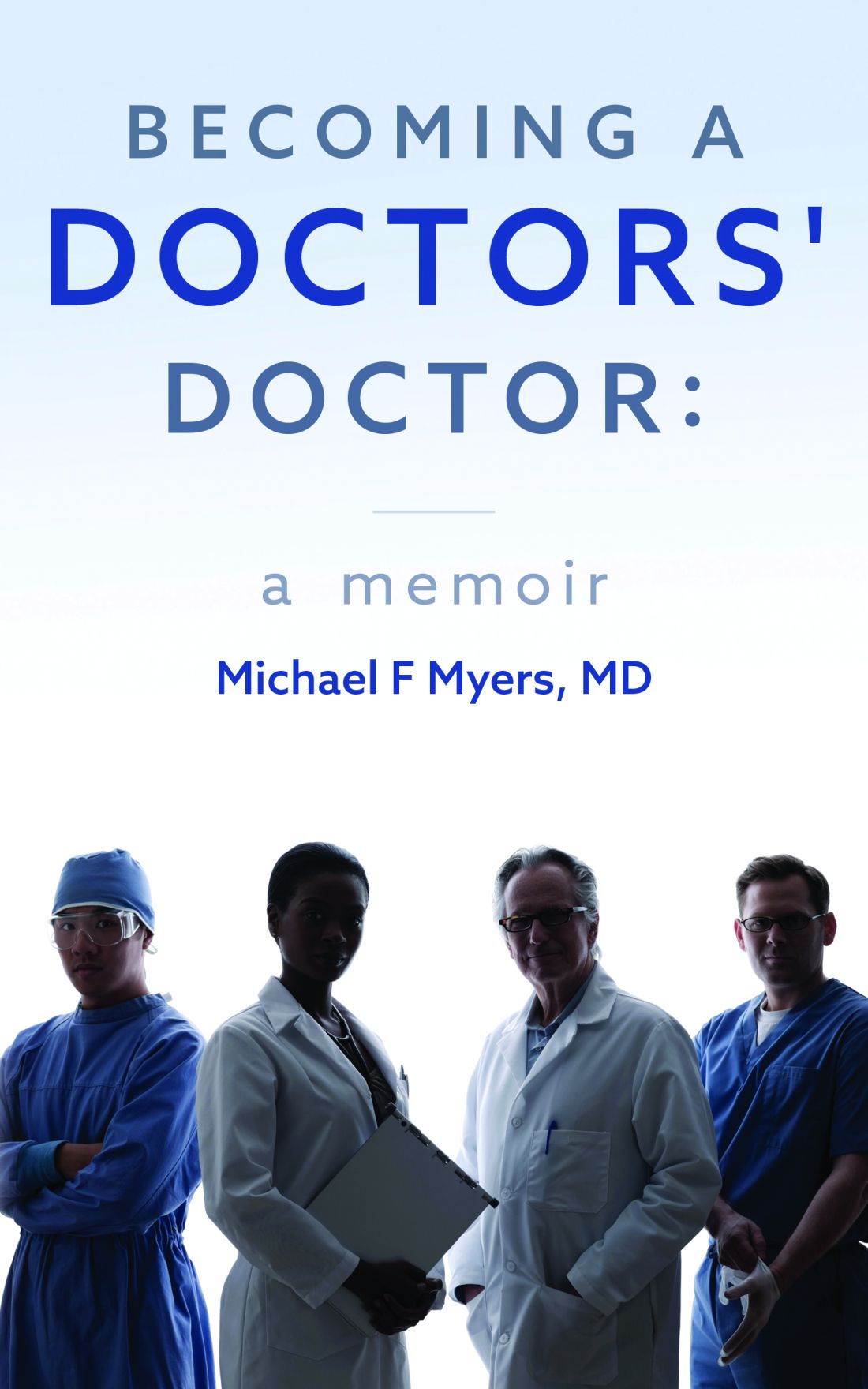
This career path began in 1962 during his first year in medical school when Dr. Myers returned to his apartment after Thanksgiving break to be greeted with tragic news: One of the young men he shared the apartment with had died of suicide. The tragedy marked him – along with the silence about what had transpired – and he would later look back to realize it was the beginning of his journey to becoming a psychiatrist, one who cares for other physicians.
The book is filled with patient vignettes, gentle musings that Dr. Myers recounts with warmth, adding what he has learned from them.
There is, for example, the heart-wrenching account of “DJ,” a lonely medical student who is emergently hospitalized for depression, after the worried author anxiously drove the patient from his office to the hospital. DJ is all alone, and he writes to a friend and offers to pay for her transportation if she will come visit him in the hospital, a fact Dr. Myers knows only because he was later shown a letter DJ had written to his friend.
“He has been diminished and altered by his disease and the requisite hospital treatment, factors that we as mental health caregivers must never forget – or minimize. Visits from friends become visits of the representatives from the outside world, the link to normality, sanity, and anticipated return. These encounters are precious,” Dr. Myers writes.
As the book progressed, I began to wonder more about the author as a person. It is a memoir, so stated on the cover, but very little about his life is revealed. There are résumé-style facts: where he studied, or worked, or went to conferences, what he learned and what he spoke about, but I wanted to know more about how his experiences intertwined with his life. In the foreword, he talks about having an alcoholic mother. He tells the reader that being a husband and father was important to him, and that his conversion to Judaism – his wife’s religion – was meaningful, but there is no backstory, and I was looking for more. A quick reference is made to visiting a therapist, but those few sentences are the total of what I knew about Michael Myers midway through his memoir.

I looked for a photo of the author. I found it at the back of the book with a brief biography beneath it, ending with the fact that he lives with his husband. I had gotten halfway through the memoir, including chapters about how Myers had treated gay physicians, gay couples, and physicians with AIDS, and yet there was no mention of his husband, and how his sexual orientation influenced these encounters. I didn’t quite know what to think.
And then, in a section called “Getting Personal,” suddenly the tone of the book changed. Dr. Myers talked about his own sexual confusion as a young man and about the decision to marry a woman, knowing he was bisexual. He wrote about the shame he felt concerning his sexual desires at a time when homosexuality was still classified as a psychiatric disorder, the fear of judgment, and the sense that this – his ninth book – was his first genuine book.
“And so, I come full circle. It is my otherness that fundamentally – but not with full awareness – attracted me to psychiatry, and ultimately to becoming a doctors’ doctor. I’ve been able to empathize with my doctor patients’ burden with the scourge of mental illness, coping with brokenness, and struggling for acceptance and belonging in a profession of perfection and stature. And I understand what it’s like to feel a bit of a misfit, less than, unclean and tattered. But as a wounded healer, I know the restorative value of listening, acceptance, caring, doggedness, and hope.” And so I found Dr. Myers.
These few pages in the middle of the book pulled everything else into focus. The writing opened and the rest of the book flowed. The author’s insights about physician-patients became even more insightful. It’s almost as though he was anxious about revealing himself, and his writing infused itself with this worry, so that once his secret was revealed, he was free to be genuine in a way that makes this book a gem of a read.
His insights about treating troubled physicians are invaluable. He talks of their struggles with loss, and of their flawed roles as patients.
“At the point that they become a patient these individuals may already be quite ill, and this needs to be recognized and accepted by the treating psychiatrist. Judging the doctor for so many self-defeating behaviors is unacceptable and unprofessional. I have found it best to simply accept the old adage ‘It is what it is.’ And I try my best to be patient and understanding with such difficult and interwoven issues, in that for physicians becoming a patient is a process not an event.”
Written with empathy, warmth, and vulnerability, “Becoming a Doctors’ Doctor” is a worthwhile read for any psychiatrist who treats other physicians.
Dr. Miller is coauthor of “Committed: The Battle over Involuntary Psychiatric Care” (Baltimore: Johns Hopkins University Press, 2016). She has a private practice and is assistant professor of psychiatry and behavioral sciences at Johns Hopkins, both in Baltimore. Dr. Miller has no conflicts of interest.
I started reading “Becoming a Doctors’ Doctor: A Memoir” by Michael F. Myers, MD, with high expectations and enthusiasm. Dr. Myers is a Canadian psychiatrist who has devoted his career to caring for physicians in his half-time private practice; he turns all other comers away.
This career path began in 1962 during his first year in medical school when Dr. Myers returned to his apartment after Thanksgiving break to be greeted with tragic news: One of the young men he shared the apartment with had died of suicide. The tragedy marked him – along with the silence about what had transpired – and he would later look back to realize it was the beginning of his journey to becoming a psychiatrist, one who cares for other physicians.
The book is filled with patient vignettes, gentle musings that Dr. Myers recounts with warmth, adding what he has learned from them.
There is, for example, the heart-wrenching account of “DJ,” a lonely medical student who is emergently hospitalized for depression, after the worried author anxiously drove the patient from his office to the hospital. DJ is all alone, and he writes to a friend and offers to pay for her transportation if she will come visit him in the hospital, a fact Dr. Myers knows only because he was later shown a letter DJ had written to his friend.
“He has been diminished and altered by his disease and the requisite hospital treatment, factors that we as mental health caregivers must never forget – or minimize. Visits from friends become visits of the representatives from the outside world, the link to normality, sanity, and anticipated return. These encounters are precious,” Dr. Myers writes.
As the book progressed, I began to wonder more about the author as a person. It is a memoir, so stated on the cover, but very little about his life is revealed. There are résumé-style facts: where he studied, or worked, or went to conferences, what he learned and what he spoke about, but I wanted to know more about how his experiences intertwined with his life. In the foreword, he talks about having an alcoholic mother. He tells the reader that being a husband and father was important to him, and that his conversion to Judaism – his wife’s religion – was meaningful, but there is no backstory, and I was looking for more. A quick reference is made to visiting a therapist, but those few sentences are the total of what I knew about Michael Myers midway through his memoir.
I looked for a photo of the author. I found it at the back of the book with a brief biography beneath it, ending with the fact that he lives with his husband. I had gotten halfway through the memoir, including chapters about how Myers had treated gay physicians, gay couples, and physicians with AIDS, and yet there was no mention of his husband, and how his sexual orientation influenced these encounters. I didn’t quite know what to think.
And then, in a section called “Getting Personal,” suddenly the tone of the book changed. Dr. Myers talked about his own sexual confusion as a young man and about the decision to marry a woman, knowing he was bisexual. He wrote about the shame he felt concerning his sexual desires at a time when homosexuality was still classified as a psychiatric disorder, the fear of judgment, and the sense that this – his ninth book – was his first genuine book.
“And so, I come full circle. It is my otherness that fundamentally – but not with full awareness – attracted me to psychiatry, and ultimately to becoming a doctors’ doctor. I’ve been able to empathize with my doctor patients’ burden with the scourge of mental illness, coping with brokenness, and struggling for acceptance and belonging in a profession of perfection and stature. And I understand what it’s like to feel a bit of a misfit, less than, unclean and tattered. But as a wounded healer, I know the restorative value of listening, acceptance, caring, doggedness, and hope.” And so I found Dr. Myers.
These few pages in the middle of the book pulled everything else into focus. The writing opened and the rest of the book flowed. The author’s insights about physician-patients became even more insightful. It’s almost as though he was anxious about revealing himself, and his writing infused itself with this worry, so that once his secret was revealed, he was free to be genuine in a way that makes this book a gem of a read.
His insights about treating troubled physicians are invaluable. He talks of their struggles with loss, and of their flawed roles as patients.
“At the point that they become a patient these individuals may already be quite ill, and this needs to be recognized and accepted by the treating psychiatrist. Judging the doctor for so many self-defeating behaviors is unacceptable and unprofessional. I have found it best to simply accept the old adage ‘It is what it is.’ And I try my best to be patient and understanding with such difficult and interwoven issues, in that for physicians becoming a patient is a process not an event.”
Written with empathy, warmth, and vulnerability, “Becoming a Doctors’ Doctor” is a worthwhile read for any psychiatrist who treats other physicians.
Dr. Miller is coauthor of “Committed: The Battle over Involuntary Psychiatric Care” (Baltimore: Johns Hopkins University Press, 2016). She has a private practice and is assistant professor of psychiatry and behavioral sciences at Johns Hopkins, both in Baltimore. Dr. Miller has no conflicts of interest.
I started reading “Becoming a Doctors’ Doctor: A Memoir” by Michael F. Myers, MD, with high expectations and enthusiasm. Dr. Myers is a Canadian psychiatrist who has devoted his career to caring for physicians in his half-time private practice; he turns all other comers away.
This career path began in 1962 during his first year in medical school when Dr. Myers returned to his apartment after Thanksgiving break to be greeted with tragic news: One of the young men he shared the apartment with had died of suicide. The tragedy marked him – along with the silence about what had transpired – and he would later look back to realize it was the beginning of his journey to becoming a psychiatrist, one who cares for other physicians.
The book is filled with patient vignettes, gentle musings that Dr. Myers recounts with warmth, adding what he has learned from them.
There is, for example, the heart-wrenching account of “DJ,” a lonely medical student who is emergently hospitalized for depression, after the worried author anxiously drove the patient from his office to the hospital. DJ is all alone, and he writes to a friend and offers to pay for her transportation if she will come visit him in the hospital, a fact Dr. Myers knows only because he was later shown a letter DJ had written to his friend.
“He has been diminished and altered by his disease and the requisite hospital treatment, factors that we as mental health caregivers must never forget – or minimize. Visits from friends become visits of the representatives from the outside world, the link to normality, sanity, and anticipated return. These encounters are precious,” Dr. Myers writes.
As the book progressed, I began to wonder more about the author as a person. It is a memoir, so stated on the cover, but very little about his life is revealed. There are résumé-style facts: where he studied, or worked, or went to conferences, what he learned and what he spoke about, but I wanted to know more about how his experiences intertwined with his life. In the foreword, he talks about having an alcoholic mother. He tells the reader that being a husband and father was important to him, and that his conversion to Judaism – his wife’s religion – was meaningful, but there is no backstory, and I was looking for more. A quick reference is made to visiting a therapist, but those few sentences are the total of what I knew about Michael Myers midway through his memoir.
I looked for a photo of the author. I found it at the back of the book with a brief biography beneath it, ending with the fact that he lives with his husband. I had gotten halfway through the memoir, including chapters about how Myers had treated gay physicians, gay couples, and physicians with AIDS, and yet there was no mention of his husband, and how his sexual orientation influenced these encounters. I didn’t quite know what to think.
And then, in a section called “Getting Personal,” suddenly the tone of the book changed. Dr. Myers talked about his own sexual confusion as a young man and about the decision to marry a woman, knowing he was bisexual. He wrote about the shame he felt concerning his sexual desires at a time when homosexuality was still classified as a psychiatric disorder, the fear of judgment, and the sense that this – his ninth book – was his first genuine book.
“And so, I come full circle. It is my otherness that fundamentally – but not with full awareness – attracted me to psychiatry, and ultimately to becoming a doctors’ doctor. I’ve been able to empathize with my doctor patients’ burden with the scourge of mental illness, coping with brokenness, and struggling for acceptance and belonging in a profession of perfection and stature. And I understand what it’s like to feel a bit of a misfit, less than, unclean and tattered. But as a wounded healer, I know the restorative value of listening, acceptance, caring, doggedness, and hope.” And so I found Dr. Myers.
These few pages in the middle of the book pulled everything else into focus. The writing opened and the rest of the book flowed. The author’s insights about physician-patients became even more insightful. It’s almost as though he was anxious about revealing himself, and his writing infused itself with this worry, so that once his secret was revealed, he was free to be genuine in a way that makes this book a gem of a read.
His insights about treating troubled physicians are invaluable. He talks of their struggles with loss, and of their flawed roles as patients.
“At the point that they become a patient these individuals may already be quite ill, and this needs to be recognized and accepted by the treating psychiatrist. Judging the doctor for so many self-defeating behaviors is unacceptable and unprofessional. I have found it best to simply accept the old adage ‘It is what it is.’ And I try my best to be patient and understanding with such difficult and interwoven issues, in that for physicians becoming a patient is a process not an event.”
Written with empathy, warmth, and vulnerability, “Becoming a Doctors’ Doctor” is a worthwhile read for any psychiatrist who treats other physicians.
Dr. Miller is coauthor of “Committed: The Battle over Involuntary Psychiatric Care” (Baltimore: Johns Hopkins University Press, 2016). She has a private practice and is assistant professor of psychiatry and behavioral sciences at Johns Hopkins, both in Baltimore. Dr. Miller has no conflicts of interest.
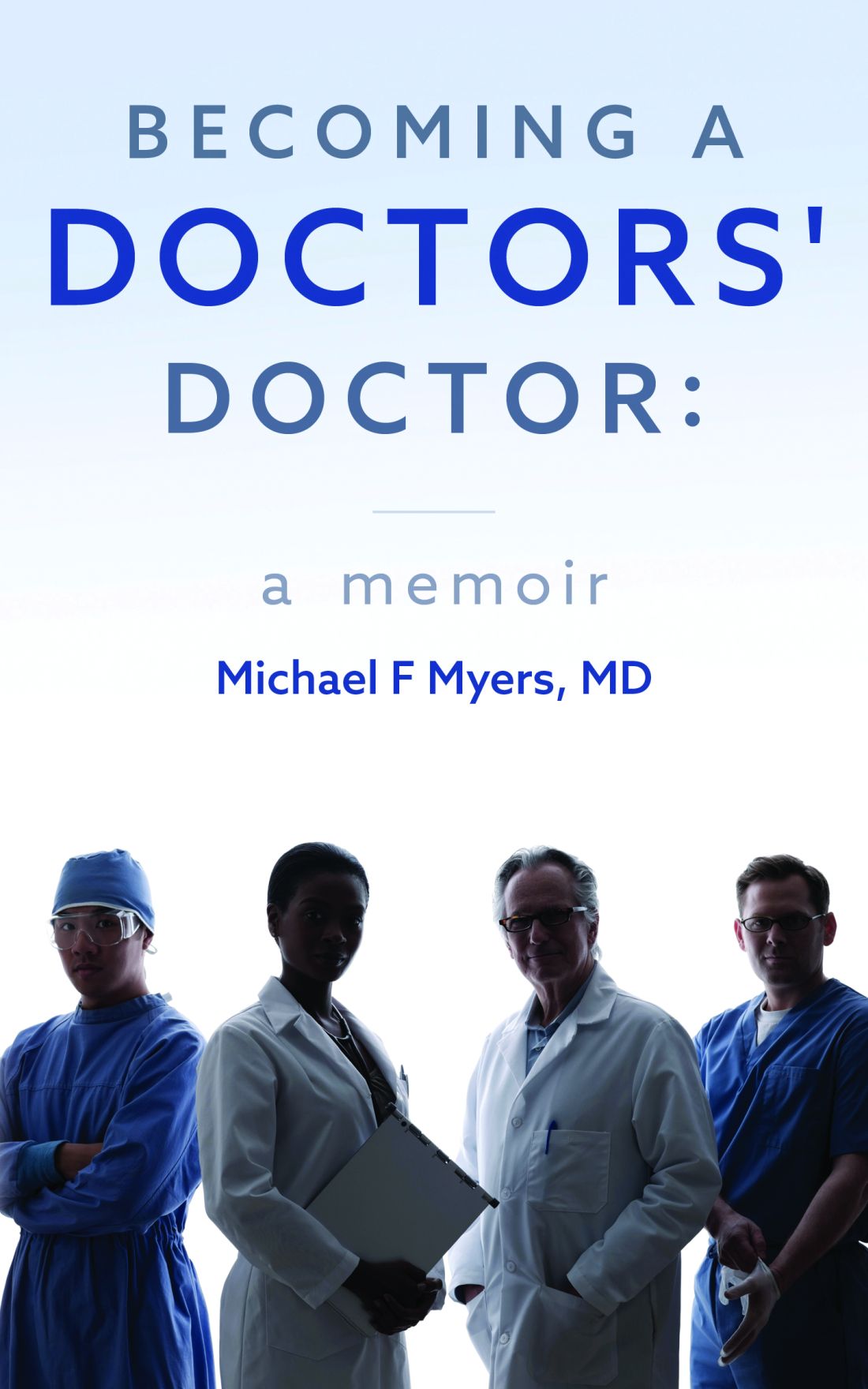
Mental health illness needs appropriate care
The January 2021 issue of JAMA Neurology had an article that stated that the current U.S. spending on emergency room (ER) and inpatient costs for patients with functional neurological disorders is $1.2 billion and climbing. That doesn’t include, obviously, the costs of treating functional disorders in other specialties.
Now, $1.2 billion is a pittance when you compare it with, say, the total costs of Alzheimer’s disease ($277 billion/year), but it’s still a lot of money. Especially when you consider that, unlike Alzheimer’s disease, a lot of the spending associated with functional disorders is avoidable.
The problem is that getting good psychiatric care isn’t easy, and that’s what many of these people really need. A lot of psychiatrists, including the excellent one my son sees, don’t take insurance. We’re fortunate to be able to pay for the visits, but most people aren’t. So the psychiatrists and mental health professionals who do accept insurance get rapidly overwhelmed and burned out, end up seeing their own psychiatrists, and then drop insurance plans, too.
Not only that, but insurers are willing to pay for these patients to go to ER and get labs and pricey imaging. At the same time mental health benefits are often limited or nonexistent, even when considerably less costly than the ER visits and imaging.
I don’t fault the ER doctors or hospitalists for ordering expensive tests on these patients. They often don’t know the patient and have to take them at face value. I’ve been there, too, when I’ve taken inpatient call. Someone comes in with a group of symptoms. You may be 99.999% sure they’re functional, but at the same time it’s not worth risking your medical license or malpractice premiums to just say that. Defensive medicine will always win that argument.
The trouble is that ER, and the inpatient setting, are often the worst possible places to be managing functional disorders. This is really a case where a stitch in time saves nine. The cost of their getting appropriate care to prevent underlying issues from driving them to ER is going to be less than the inevitable visit when they don’t.
That’s not to say these people might have a legitimate medical issue that should be evaluated – sometimes urgently. But once that’s off the table repeated ER visits and testing quickly become an exercise in futility and diminishing returns.
Many health care system payers need to recognize that, so these people can be treated appropriately from the beginning, and not end up shuttling between ERs, looking for an answer and help they aren’t equipped to provide at a cost that’s not sustainable.
Dr. Block has a solo neurology practice in Scottsdale, Ariz.
The January 2021 issue of JAMA Neurology had an article that stated that the current U.S. spending on emergency room (ER) and inpatient costs for patients with functional neurological disorders is $1.2 billion and climbing. That doesn’t include, obviously, the costs of treating functional disorders in other specialties.
Now, $1.2 billion is a pittance when you compare it with, say, the total costs of Alzheimer’s disease ($277 billion/year), but it’s still a lot of money. Especially when you consider that, unlike Alzheimer’s disease, a lot of the spending associated with functional disorders is avoidable.
The problem is that getting good psychiatric care isn’t easy, and that’s what many of these people really need. A lot of psychiatrists, including the excellent one my son sees, don’t take insurance. We’re fortunate to be able to pay for the visits, but most people aren’t. So the psychiatrists and mental health professionals who do accept insurance get rapidly overwhelmed and burned out, end up seeing their own psychiatrists, and then drop insurance plans, too.
Not only that, but insurers are willing to pay for these patients to go to ER and get labs and pricey imaging. At the same time mental health benefits are often limited or nonexistent, even when considerably less costly than the ER visits and imaging.
I don’t fault the ER doctors or hospitalists for ordering expensive tests on these patients. They often don’t know the patient and have to take them at face value. I’ve been there, too, when I’ve taken inpatient call. Someone comes in with a group of symptoms. You may be 99.999% sure they’re functional, but at the same time it’s not worth risking your medical license or malpractice premiums to just say that. Defensive medicine will always win that argument.
The trouble is that ER, and the inpatient setting, are often the worst possible places to be managing functional disorders. This is really a case where a stitch in time saves nine. The cost of their getting appropriate care to prevent underlying issues from driving them to ER is going to be less than the inevitable visit when they don’t.
That’s not to say these people might have a legitimate medical issue that should be evaluated – sometimes urgently. But once that’s off the table repeated ER visits and testing quickly become an exercise in futility and diminishing returns.
Many health care system payers need to recognize that, so these people can be treated appropriately from the beginning, and not end up shuttling between ERs, looking for an answer and help they aren’t equipped to provide at a cost that’s not sustainable.
Dr. Block has a solo neurology practice in Scottsdale, Ariz.
The January 2021 issue of JAMA Neurology had an article that stated that the current U.S. spending on emergency room (ER) and inpatient costs for patients with functional neurological disorders is $1.2 billion and climbing. That doesn’t include, obviously, the costs of treating functional disorders in other specialties.
Now, $1.2 billion is a pittance when you compare it with, say, the total costs of Alzheimer’s disease ($277 billion/year), but it’s still a lot of money. Especially when you consider that, unlike Alzheimer’s disease, a lot of the spending associated with functional disorders is avoidable.
The problem is that getting good psychiatric care isn’t easy, and that’s what many of these people really need. A lot of psychiatrists, including the excellent one my son sees, don’t take insurance. We’re fortunate to be able to pay for the visits, but most people aren’t. So the psychiatrists and mental health professionals who do accept insurance get rapidly overwhelmed and burned out, end up seeing their own psychiatrists, and then drop insurance plans, too.
Not only that, but insurers are willing to pay for these patients to go to ER and get labs and pricey imaging. At the same time mental health benefits are often limited or nonexistent, even when considerably less costly than the ER visits and imaging.
I don’t fault the ER doctors or hospitalists for ordering expensive tests on these patients. They often don’t know the patient and have to take them at face value. I’ve been there, too, when I’ve taken inpatient call. Someone comes in with a group of symptoms. You may be 99.999% sure they’re functional, but at the same time it’s not worth risking your medical license or malpractice premiums to just say that. Defensive medicine will always win that argument.
The trouble is that ER, and the inpatient setting, are often the worst possible places to be managing functional disorders. This is really a case where a stitch in time saves nine. The cost of their getting appropriate care to prevent underlying issues from driving them to ER is going to be less than the inevitable visit when they don’t.
That’s not to say these people might have a legitimate medical issue that should be evaluated – sometimes urgently. But once that’s off the table repeated ER visits and testing quickly become an exercise in futility and diminishing returns.
Many health care system payers need to recognize that, so these people can be treated appropriately from the beginning, and not end up shuttling between ERs, looking for an answer and help they aren’t equipped to provide at a cost that’s not sustainable.
Dr. Block has a solo neurology practice in Scottsdale, Ariz.
Finding common purpose, or else
I am composing this editorial 4 days after the U.S. Capitol was invaded and 10 days before the presidential inauguration. It is impossible to ignore what is happening in our country, but I hesitate to add my thoughts to the overwhelming sea of opinions circulating in standard media, social media, and the dark web. I hope, as do many, that we return to a civil discourse, recognize the voices of all people, respect each other, and return to a belief in science and facts.
SARS-CoV-2 has devastated the world and will continue to cause preventable deaths until we adopt stricter mitigation measures, vaccinate most people, and develop widespread immunity. We are gaining immense knowledge about this virus, and as gastroenterologists, we are on the front lines in many aspects. A recent article in American Journal of Gastroenterology, among others, emphasized that mild GI symptoms may be the only presenting complaint for people with COVID-19. Responses to COVID-19, such as limits on elective procedures and social distancing, have upended our endoscopic processes and even altered the business models of GI practice. We will never go back to pre-COVID models.
The front page of this month’s GI & Hepatology News features important articles for our practice. One article delves into an extensive guideline from the American Gastroenterological Association on medical management of colonic diverticulitis. In another article, they also describe how efforts to encourage our patients with nonalcoholic fatty liver disease to exercise and manage their diet can make a real difference in their health. Finally, another explores how and why your immunocompromised patients (including those with inflammatory bowel disease) should and can be safely vaccinated for COVID-19.
Meanwhile, we need civility, science, and community. Without common purpose, we will experience the William Forster Lloyd’s Tragedy of the Commons. Incivility has economic and emotional costs, according to the Harvard Business Review. “Weathering,” the deterioration of Black women’s health over time that’s related to continued socioeconomic disadvantage, has multigenerational impacts; for example the Department of Health & Human Services reports that infant mortality among African American women is 2.3 times that of non-Hispanic Whites. Late effects of redlining continue to cause economic, health, and emotional harms (Badger E. “How Redlining’s Racist Effects Lasted for Decades” The New York Times. 2017 Aug 24).
“If Men were angels, no government would be necessary,” James Madison wrote. “In framing a government which is to be administered by men over men, the great difficulty lies in this: you must first enable the government to control the governed; and the next place, oblige it to control itself.”
John I. Allen, MD, MBA, AGAF
Editor in Chief
I am composing this editorial 4 days after the U.S. Capitol was invaded and 10 days before the presidential inauguration. It is impossible to ignore what is happening in our country, but I hesitate to add my thoughts to the overwhelming sea of opinions circulating in standard media, social media, and the dark web. I hope, as do many, that we return to a civil discourse, recognize the voices of all people, respect each other, and return to a belief in science and facts.
SARS-CoV-2 has devastated the world and will continue to cause preventable deaths until we adopt stricter mitigation measures, vaccinate most people, and develop widespread immunity. We are gaining immense knowledge about this virus, and as gastroenterologists, we are on the front lines in many aspects. A recent article in American Journal of Gastroenterology, among others, emphasized that mild GI symptoms may be the only presenting complaint for people with COVID-19. Responses to COVID-19, such as limits on elective procedures and social distancing, have upended our endoscopic processes and even altered the business models of GI practice. We will never go back to pre-COVID models.
The front page of this month’s GI & Hepatology News features important articles for our practice. One article delves into an extensive guideline from the American Gastroenterological Association on medical management of colonic diverticulitis. In another article, they also describe how efforts to encourage our patients with nonalcoholic fatty liver disease to exercise and manage their diet can make a real difference in their health. Finally, another explores how and why your immunocompromised patients (including those with inflammatory bowel disease) should and can be safely vaccinated for COVID-19.
Meanwhile, we need civility, science, and community. Without common purpose, we will experience the William Forster Lloyd’s Tragedy of the Commons. Incivility has economic and emotional costs, according to the Harvard Business Review. “Weathering,” the deterioration of Black women’s health over time that’s related to continued socioeconomic disadvantage, has multigenerational impacts; for example the Department of Health & Human Services reports that infant mortality among African American women is 2.3 times that of non-Hispanic Whites. Late effects of redlining continue to cause economic, health, and emotional harms (Badger E. “How Redlining’s Racist Effects Lasted for Decades” The New York Times. 2017 Aug 24).
“If Men were angels, no government would be necessary,” James Madison wrote. “In framing a government which is to be administered by men over men, the great difficulty lies in this: you must first enable the government to control the governed; and the next place, oblige it to control itself.”
John I. Allen, MD, MBA, AGAF
Editor in Chief
I am composing this editorial 4 days after the U.S. Capitol was invaded and 10 days before the presidential inauguration. It is impossible to ignore what is happening in our country, but I hesitate to add my thoughts to the overwhelming sea of opinions circulating in standard media, social media, and the dark web. I hope, as do many, that we return to a civil discourse, recognize the voices of all people, respect each other, and return to a belief in science and facts.
SARS-CoV-2 has devastated the world and will continue to cause preventable deaths until we adopt stricter mitigation measures, vaccinate most people, and develop widespread immunity. We are gaining immense knowledge about this virus, and as gastroenterologists, we are on the front lines in many aspects. A recent article in American Journal of Gastroenterology, among others, emphasized that mild GI symptoms may be the only presenting complaint for people with COVID-19. Responses to COVID-19, such as limits on elective procedures and social distancing, have upended our endoscopic processes and even altered the business models of GI practice. We will never go back to pre-COVID models.
The front page of this month’s GI & Hepatology News features important articles for our practice. One article delves into an extensive guideline from the American Gastroenterological Association on medical management of colonic diverticulitis. In another article, they also describe how efforts to encourage our patients with nonalcoholic fatty liver disease to exercise and manage their diet can make a real difference in their health. Finally, another explores how and why your immunocompromised patients (including those with inflammatory bowel disease) should and can be safely vaccinated for COVID-19.
Meanwhile, we need civility, science, and community. Without common purpose, we will experience the William Forster Lloyd’s Tragedy of the Commons. Incivility has economic and emotional costs, according to the Harvard Business Review. “Weathering,” the deterioration of Black women’s health over time that’s related to continued socioeconomic disadvantage, has multigenerational impacts; for example the Department of Health & Human Services reports that infant mortality among African American women is 2.3 times that of non-Hispanic Whites. Late effects of redlining continue to cause economic, health, and emotional harms (Badger E. “How Redlining’s Racist Effects Lasted for Decades” The New York Times. 2017 Aug 24).
“If Men were angels, no government would be necessary,” James Madison wrote. “In framing a government which is to be administered by men over men, the great difficulty lies in this: you must first enable the government to control the governed; and the next place, oblige it to control itself.”
John I. Allen, MD, MBA, AGAF
Editor in Chief
Dermatology history: University Hospital ‘Saint Louis,’ Paris
The Hospital “Saint Louis” was founded in 1607 by King Henry IV of France to relieve overcrowding of Parisian hospitals during the plague epidemic of 1605-1606. He named it Saint-Louis in memory of his grandfather, King Louis IX.
Today, the Hospital Saint-Louis, a registered historic monument, is used for administrative activities.

Since 1980, a modern building has hosted all the activities of the University Hospital Center, which belongs to the University of Paris 7.

In addition to dermatology, the main departments include hematology and bone marrow transplantation, hemato-oncology, general surgery, endocrinology, gastroenterology, clinical immunology, internal medicine, and nephrology. Saint-Louis Hospital employs 2,500 people, including a medical staff of 1,000. It houses the Institute Inserm U976 – a public research unit that is part of the National Health and Medical Research Institute, which focuses on human immunology, physiopathology and immunotherapy – as well as the René-Touraine Foundation, a private non-profit organization that brings together dermatologists, scientists, pharmaceutical companies, and health authorities to support therapeutic progress in dermatology.
Saint-Louis Hospital is known for its long tradition in hematology; it is the site of the first successful allogeneic bone marrow transplant in 1958, performed by Georges Mathé, MD, Professor Jean Bernard, and one of the recipients of the 1980 Nobel Prize in Medicine, Professor Jean Dausset. The hospital is known for not only its activity in dermatology care and research (such as oncodermatology and inflammatory diseases) but also its long tradition of teaching in dermatology and venereology.
Over the last four centuries, great physicians have practiced their art here and many professors, and clinicians at Saint-Louis Hospital have authored publications and developed manuals of dermatology that have been translated across five continents. Many diseases and semiology signs in dermatology were first described by physicians from this hospital, their names familiar to dermatologists worldwide: Jean-Louis-Marc Alibert, MD; Jean Guillaume Auguste Lugol, MD; Laurent-Théodore Biett, MD; Pierre-Antoine-Ernest Bazin, MD; Pierre Louis Alphée Cazenave, MD; François Henri Hallopeau, MD; Léon Lortat-Jacob, MD; Henri-Alexandre Danlos, MD; Ernest Besnier, MD; Jean Baptiste Emile Vidal, MD; Ferdinand-Jean Darier, MD; Louis Brocq, MD; Bernard Felix Duperrat, MD; Gaston Auguste Milian, MD; Albert Sézary, MD; Achille Civatte, MD; Raymond Sabouraud, MD; Henri Gougerot, MD; Albert Touraine, MD; Arnault Tzanck, MD; and Robert Degos, MD, among others.
The Henri-Feulard library – known as the “Dermatology Wax Museum” – is a fascinating place that houses the world’s largest collection of 4,807 wax casts dedicated to teaching skin diseases and venereal diseases.

The library next to the museum contains numerous outstanding ancient works on dermatology and sexually transmitted diseases, including first issues of dermatology journals from the 19th century and rare dermatology textbooks published in the last 2 centuries.
The recently renovated museum hosts national and international dermatological meetings and is also where the hospital’s dermatology staff meets weekly.
In the dermatology department at Saint-Louis Hospital, patient care is provided in two hospital areas with 18 beds each and a day hospital with 8 beds for patients with inflammatory and dysimmune dermatoses, including a special room with a bathtub for the management of patients with severe genodermatoses. The department is a referral center for genodermatoses and a dedicated center for autoimmune bullous diseases.
Patients with all types of skin tumors, particularly melanomas, carcinomas, sarcomas, and cutaneous lymphomas, are treated at the oncodermatology center, which has a 10-bed day hospital and a very active consultation service. The Saint-Louis Hospital dermatology department is also a National Reference Center for cutaneous lymphomas, providing four Multidisciplinary Consultation Meetings, a national MCM for cutaneous lymphomas, and a multidisciplinary MCM for the diagnosis and treatment of side effects of new targeted therapies and immunotherapies for cancers.
The dermatology polyclinic, an outpatient clinic, provides 54,000 consultations per year. It includes a very active general consultation service, including a wide variety of specialized consultations for atopic dermatitis, psoriasis, hand dermatitis, hidradenitis suppurativa, internal medicine/dermatology, bullous diseases, keloids, angiomas, leprosy, genodermatoses, and medical mycology.
Anonymous, free screening services are available at the Sexually Transmitted Diseases Center through “CeGIDD,” a free center for HIV/AIDS screening and specialized consultations in venereology and mucosal pathologies.
The surgical activity of the department is provided in the Center of Dermo-Surgery. Dedicated medical and paramedical consultations ensure the management of ulcers and therapeutic baths for patients and families with refractory scabies.
The technical platform includes an allergology consultation, a phototherapy center, a Fotofinder diagnosis, a photodynamic therapy unit, and a confocal microscopy unit. The department, completed in September 2019 with a laser center with four devices, also works in close collaboration with the Sabouraud Center, created by Dr. Sabouraud and dedicated to the investigation and treatment of scalp diseases.
We are absolutely aware that working in a hospital so rich in past personalities and discoveries and part of the history of dermatology is not only a huge honor requiring a special commitment to continue the tradition of research and excellence in dermatology initiated hundreds of years ago, but also an important responsibility to focus all our efforts on teaching dermatology to next generations in France and around the world. It is also our responsibility to pursue this historic tradition of excellence by developing dynamic translational research activities that lead to innovations in the field of dermatology.
Professor Bagot is head of the dermatology department of University Hospital Saint-Louis, Paris. Dr. Ionescu is a specialist in dermatology and venereology in the department of dermatology at University Hospital Saint-Louis in Paris and is a member of the Dermatology News editorial board. Write to them at [email protected].
The Hospital “Saint Louis” was founded in 1607 by King Henry IV of France to relieve overcrowding of Parisian hospitals during the plague epidemic of 1605-1606. He named it Saint-Louis in memory of his grandfather, King Louis IX.
Today, the Hospital Saint-Louis, a registered historic monument, is used for administrative activities.
Since 1980, a modern building has hosted all the activities of the University Hospital Center, which belongs to the University of Paris 7.
In addition to dermatology, the main departments include hematology and bone marrow transplantation, hemato-oncology, general surgery, endocrinology, gastroenterology, clinical immunology, internal medicine, and nephrology. Saint-Louis Hospital employs 2,500 people, including a medical staff of 1,000. It houses the Institute Inserm U976 – a public research unit that is part of the National Health and Medical Research Institute, which focuses on human immunology, physiopathology and immunotherapy – as well as the René-Touraine Foundation, a private non-profit organization that brings together dermatologists, scientists, pharmaceutical companies, and health authorities to support therapeutic progress in dermatology.
Saint-Louis Hospital is known for its long tradition in hematology; it is the site of the first successful allogeneic bone marrow transplant in 1958, performed by Georges Mathé, MD, Professor Jean Bernard, and one of the recipients of the 1980 Nobel Prize in Medicine, Professor Jean Dausset. The hospital is known for not only its activity in dermatology care and research (such as oncodermatology and inflammatory diseases) but also its long tradition of teaching in dermatology and venereology.
Over the last four centuries, great physicians have practiced their art here and many professors, and clinicians at Saint-Louis Hospital have authored publications and developed manuals of dermatology that have been translated across five continents. Many diseases and semiology signs in dermatology were first described by physicians from this hospital, their names familiar to dermatologists worldwide: Jean-Louis-Marc Alibert, MD; Jean Guillaume Auguste Lugol, MD; Laurent-Théodore Biett, MD; Pierre-Antoine-Ernest Bazin, MD; Pierre Louis Alphée Cazenave, MD; François Henri Hallopeau, MD; Léon Lortat-Jacob, MD; Henri-Alexandre Danlos, MD; Ernest Besnier, MD; Jean Baptiste Emile Vidal, MD; Ferdinand-Jean Darier, MD; Louis Brocq, MD; Bernard Felix Duperrat, MD; Gaston Auguste Milian, MD; Albert Sézary, MD; Achille Civatte, MD; Raymond Sabouraud, MD; Henri Gougerot, MD; Albert Touraine, MD; Arnault Tzanck, MD; and Robert Degos, MD, among others.
The Henri-Feulard library – known as the “Dermatology Wax Museum” – is a fascinating place that houses the world’s largest collection of 4,807 wax casts dedicated to teaching skin diseases and venereal diseases.
The library next to the museum contains numerous outstanding ancient works on dermatology and sexually transmitted diseases, including first issues of dermatology journals from the 19th century and rare dermatology textbooks published in the last 2 centuries.
The recently renovated museum hosts national and international dermatological meetings and is also where the hospital’s dermatology staff meets weekly.
In the dermatology department at Saint-Louis Hospital, patient care is provided in two hospital areas with 18 beds each and a day hospital with 8 beds for patients with inflammatory and dysimmune dermatoses, including a special room with a bathtub for the management of patients with severe genodermatoses. The department is a referral center for genodermatoses and a dedicated center for autoimmune bullous diseases.
Patients with all types of skin tumors, particularly melanomas, carcinomas, sarcomas, and cutaneous lymphomas, are treated at the oncodermatology center, which has a 10-bed day hospital and a very active consultation service. The Saint-Louis Hospital dermatology department is also a National Reference Center for cutaneous lymphomas, providing four Multidisciplinary Consultation Meetings, a national MCM for cutaneous lymphomas, and a multidisciplinary MCM for the diagnosis and treatment of side effects of new targeted therapies and immunotherapies for cancers.
The dermatology polyclinic, an outpatient clinic, provides 54,000 consultations per year. It includes a very active general consultation service, including a wide variety of specialized consultations for atopic dermatitis, psoriasis, hand dermatitis, hidradenitis suppurativa, internal medicine/dermatology, bullous diseases, keloids, angiomas, leprosy, genodermatoses, and medical mycology.
Anonymous, free screening services are available at the Sexually Transmitted Diseases Center through “CeGIDD,” a free center for HIV/AIDS screening and specialized consultations in venereology and mucosal pathologies.
The surgical activity of the department is provided in the Center of Dermo-Surgery. Dedicated medical and paramedical consultations ensure the management of ulcers and therapeutic baths for patients and families with refractory scabies.
The technical platform includes an allergology consultation, a phototherapy center, a Fotofinder diagnosis, a photodynamic therapy unit, and a confocal microscopy unit. The department, completed in September 2019 with a laser center with four devices, also works in close collaboration with the Sabouraud Center, created by Dr. Sabouraud and dedicated to the investigation and treatment of scalp diseases.
We are absolutely aware that working in a hospital so rich in past personalities and discoveries and part of the history of dermatology is not only a huge honor requiring a special commitment to continue the tradition of research and excellence in dermatology initiated hundreds of years ago, but also an important responsibility to focus all our efforts on teaching dermatology to next generations in France and around the world. It is also our responsibility to pursue this historic tradition of excellence by developing dynamic translational research activities that lead to innovations in the field of dermatology.
Professor Bagot is head of the dermatology department of University Hospital Saint-Louis, Paris. Dr. Ionescu is a specialist in dermatology and venereology in the department of dermatology at University Hospital Saint-Louis in Paris and is a member of the Dermatology News editorial board. Write to them at [email protected].
The Hospital “Saint Louis” was founded in 1607 by King Henry IV of France to relieve overcrowding of Parisian hospitals during the plague epidemic of 1605-1606. He named it Saint-Louis in memory of his grandfather, King Louis IX.
Today, the Hospital Saint-Louis, a registered historic monument, is used for administrative activities.
Since 1980, a modern building has hosted all the activities of the University Hospital Center, which belongs to the University of Paris 7.
In addition to dermatology, the main departments include hematology and bone marrow transplantation, hemato-oncology, general surgery, endocrinology, gastroenterology, clinical immunology, internal medicine, and nephrology. Saint-Louis Hospital employs 2,500 people, including a medical staff of 1,000. It houses the Institute Inserm U976 – a public research unit that is part of the National Health and Medical Research Institute, which focuses on human immunology, physiopathology and immunotherapy – as well as the René-Touraine Foundation, a private non-profit organization that brings together dermatologists, scientists, pharmaceutical companies, and health authorities to support therapeutic progress in dermatology.
Saint-Louis Hospital is known for its long tradition in hematology; it is the site of the first successful allogeneic bone marrow transplant in 1958, performed by Georges Mathé, MD, Professor Jean Bernard, and one of the recipients of the 1980 Nobel Prize in Medicine, Professor Jean Dausset. The hospital is known for not only its activity in dermatology care and research (such as oncodermatology and inflammatory diseases) but also its long tradition of teaching in dermatology and venereology.
Over the last four centuries, great physicians have practiced their art here and many professors, and clinicians at Saint-Louis Hospital have authored publications and developed manuals of dermatology that have been translated across five continents. Many diseases and semiology signs in dermatology were first described by physicians from this hospital, their names familiar to dermatologists worldwide: Jean-Louis-Marc Alibert, MD; Jean Guillaume Auguste Lugol, MD; Laurent-Théodore Biett, MD; Pierre-Antoine-Ernest Bazin, MD; Pierre Louis Alphée Cazenave, MD; François Henri Hallopeau, MD; Léon Lortat-Jacob, MD; Henri-Alexandre Danlos, MD; Ernest Besnier, MD; Jean Baptiste Emile Vidal, MD; Ferdinand-Jean Darier, MD; Louis Brocq, MD; Bernard Felix Duperrat, MD; Gaston Auguste Milian, MD; Albert Sézary, MD; Achille Civatte, MD; Raymond Sabouraud, MD; Henri Gougerot, MD; Albert Touraine, MD; Arnault Tzanck, MD; and Robert Degos, MD, among others.
The Henri-Feulard library – known as the “Dermatology Wax Museum” – is a fascinating place that houses the world’s largest collection of 4,807 wax casts dedicated to teaching skin diseases and venereal diseases.
The library next to the museum contains numerous outstanding ancient works on dermatology and sexually transmitted diseases, including first issues of dermatology journals from the 19th century and rare dermatology textbooks published in the last 2 centuries.
The recently renovated museum hosts national and international dermatological meetings and is also where the hospital’s dermatology staff meets weekly.
In the dermatology department at Saint-Louis Hospital, patient care is provided in two hospital areas with 18 beds each and a day hospital with 8 beds for patients with inflammatory and dysimmune dermatoses, including a special room with a bathtub for the management of patients with severe genodermatoses. The department is a referral center for genodermatoses and a dedicated center for autoimmune bullous diseases.
Patients with all types of skin tumors, particularly melanomas, carcinomas, sarcomas, and cutaneous lymphomas, are treated at the oncodermatology center, which has a 10-bed day hospital and a very active consultation service. The Saint-Louis Hospital dermatology department is also a National Reference Center for cutaneous lymphomas, providing four Multidisciplinary Consultation Meetings, a national MCM for cutaneous lymphomas, and a multidisciplinary MCM for the diagnosis and treatment of side effects of new targeted therapies and immunotherapies for cancers.
The dermatology polyclinic, an outpatient clinic, provides 54,000 consultations per year. It includes a very active general consultation service, including a wide variety of specialized consultations for atopic dermatitis, psoriasis, hand dermatitis, hidradenitis suppurativa, internal medicine/dermatology, bullous diseases, keloids, angiomas, leprosy, genodermatoses, and medical mycology.
Anonymous, free screening services are available at the Sexually Transmitted Diseases Center through “CeGIDD,” a free center for HIV/AIDS screening and specialized consultations in venereology and mucosal pathologies.
The surgical activity of the department is provided in the Center of Dermo-Surgery. Dedicated medical and paramedical consultations ensure the management of ulcers and therapeutic baths for patients and families with refractory scabies.
The technical platform includes an allergology consultation, a phototherapy center, a Fotofinder diagnosis, a photodynamic therapy unit, and a confocal microscopy unit. The department, completed in September 2019 with a laser center with four devices, also works in close collaboration with the Sabouraud Center, created by Dr. Sabouraud and dedicated to the investigation and treatment of scalp diseases.
We are absolutely aware that working in a hospital so rich in past personalities and discoveries and part of the history of dermatology is not only a huge honor requiring a special commitment to continue the tradition of research and excellence in dermatology initiated hundreds of years ago, but also an important responsibility to focus all our efforts on teaching dermatology to next generations in France and around the world. It is also our responsibility to pursue this historic tradition of excellence by developing dynamic translational research activities that lead to innovations in the field of dermatology.
Professor Bagot is head of the dermatology department of University Hospital Saint-Louis, Paris. Dr. Ionescu is a specialist in dermatology and venereology in the department of dermatology at University Hospital Saint-Louis in Paris and is a member of the Dermatology News editorial board. Write to them at [email protected].
Lessons learned from battlefield can help civilian psychiatrists
COVID has changed our world very rapidly. There are good changes, such as cleaner air and the ability to use telehealth widely. But there are devastating changes. As we are all aware, we have lost more than 400,000 people in America, and that number is climbing.
How can we mitigate some of the psychological effects of the pandemic? It is time to bring lessons learned on the battlefield to civilian psychiatrists and health care systems.
Despite having participated in mass casualty drills, no health system was trained or psychologically prepared for this once-in-a-century event.
The military dictum, “train like you fight; fight like you train” falls short considering the speed of viral replication, the serious flaws and disparities in our health care system revealed by COVID-19, and the public’s disturbingly variable adherence to preventive measures.
Like combat troops, health care workers put the needs of others ahead of their own. They suck up strain and step back from their own needs in favor of the mission.

Whether in combat or pandemic, leaders have valuable opportunities to promote the effectiveness of those on the front lines by caring for them. Those in charge may, themselves, be profoundly affected. While other team members focus on defined roles, leaders are forced to deal with many unknowns. They must often act without adequate information or resources.
Some of us have worked at hospitals treating many COVID patients and have been on “the front lines” for almost a year. We are asked a lot of questions, to which we often answer, "I don't know" or "there are no good choices."
All leaders work hard to model strength, but a difficult lesson that the military has had to learn is that leaders may strengthen cohesion by showing their grief, modeling self-care, drawing attention to even small successes in the face of overwhelming loss, and, when necessary, finding words for those losses.
Peer support is particularly important in high-stress situations. Mental health providers are uniquely qualified to share information, pick up on signs of severe stress, and provide support at the point of need.
Its key elements are:
- Confidence in leadership at all levels – requiring visibility (“battlespace circulation”) of leaders who listen and share timely, accurate information.
- Realistic training – especially for those who, because of staff shortages, assume unfamiliar duties.
- Self-care – including regular meals, adequate sleep, and ongoing contact with family and friends. Here of course, the contact should be virtual as much as possible.
- Belief in the Mission – compassion satisfaction is a buffer against burnout.
- Esprit de corps – cohesive teams suffer significantly fewer combat stress casualties.
It is true that these principles have more often been tested in short-term crisis rather than the long slog that is COVID-19. This pandemic is more like an ongoing civil war than a distant battlefield because your home and those close to you share the risk.
There is no easy path ahead for America’s civilian health care system. These military principles, tested under fire, offer valuable opportunities in the ongoing battle against COVID-19.
Dr. Ritchie practices psychiatry in Washington. She has no disclosures.
Dr. Kudler is associate consulting professor of psychiatry and behavioral sciences at Duke University in Durham. N.C., and recently retired from his post as chief consultant for mental health, at the Department of Veterans Affairs. He has no relevant financial relationships.
Dr. Yehuda is professor of psychiatry and neuroscience and director of the traumatic stress studies division at the Mount Sinai School of Medicine, New York. She also serves as director of mental health at the James J. Peters Veterans Affairs Medical Center, also in New York. Dr. Yehuda has no disclosures.
Dr. Koffman is the senior consultant for Integrative Medicine & Behavioral Health at the National Intrepid Center of Excellence, Bethesda, Md. He has no disclosures.
COVID has changed our world very rapidly. There are good changes, such as cleaner air and the ability to use telehealth widely. But there are devastating changes. As we are all aware, we have lost more than 400,000 people in America, and that number is climbing.
How can we mitigate some of the psychological effects of the pandemic? It is time to bring lessons learned on the battlefield to civilian psychiatrists and health care systems.
Despite having participated in mass casualty drills, no health system was trained or psychologically prepared for this once-in-a-century event.
The military dictum, “train like you fight; fight like you train” falls short considering the speed of viral replication, the serious flaws and disparities in our health care system revealed by COVID-19, and the public’s disturbingly variable adherence to preventive measures.
Like combat troops, health care workers put the needs of others ahead of their own. They suck up strain and step back from their own needs in favor of the mission.
Whether in combat or pandemic, leaders have valuable opportunities to promote the effectiveness of those on the front lines by caring for them. Those in charge may, themselves, be profoundly affected. While other team members focus on defined roles, leaders are forced to deal with many unknowns. They must often act without adequate information or resources.
Some of us have worked at hospitals treating many COVID patients and have been on “the front lines” for almost a year. We are asked a lot of questions, to which we often answer, "I don't know" or "there are no good choices."
All leaders work hard to model strength, but a difficult lesson that the military has had to learn is that leaders may strengthen cohesion by showing their grief, modeling self-care, drawing attention to even small successes in the face of overwhelming loss, and, when necessary, finding words for those losses.
Peer support is particularly important in high-stress situations. Mental health providers are uniquely qualified to share information, pick up on signs of severe stress, and provide support at the point of need.
Its key elements are:
- Confidence in leadership at all levels – requiring visibility (“battlespace circulation”) of leaders who listen and share timely, accurate information.
- Realistic training – especially for those who, because of staff shortages, assume unfamiliar duties.
- Self-care – including regular meals, adequate sleep, and ongoing contact with family and friends. Here of course, the contact should be virtual as much as possible.
- Belief in the Mission – compassion satisfaction is a buffer against burnout.
- Esprit de corps – cohesive teams suffer significantly fewer combat stress casualties.
It is true that these principles have more often been tested in short-term crisis rather than the long slog that is COVID-19. This pandemic is more like an ongoing civil war than a distant battlefield because your home and those close to you share the risk.
There is no easy path ahead for America’s civilian health care system. These military principles, tested under fire, offer valuable opportunities in the ongoing battle against COVID-19.
Dr. Ritchie practices psychiatry in Washington. She has no disclosures.
Dr. Kudler is associate consulting professor of psychiatry and behavioral sciences at Duke University in Durham. N.C., and recently retired from his post as chief consultant for mental health, at the Department of Veterans Affairs. He has no relevant financial relationships.
Dr. Yehuda is professor of psychiatry and neuroscience and director of the traumatic stress studies division at the Mount Sinai School of Medicine, New York. She also serves as director of mental health at the James J. Peters Veterans Affairs Medical Center, also in New York. Dr. Yehuda has no disclosures.
Dr. Koffman is the senior consultant for Integrative Medicine & Behavioral Health at the National Intrepid Center of Excellence, Bethesda, Md. He has no disclosures.
COVID has changed our world very rapidly. There are good changes, such as cleaner air and the ability to use telehealth widely. But there are devastating changes. As we are all aware, we have lost more than 400,000 people in America, and that number is climbing.
How can we mitigate some of the psychological effects of the pandemic? It is time to bring lessons learned on the battlefield to civilian psychiatrists and health care systems.
Despite having participated in mass casualty drills, no health system was trained or psychologically prepared for this once-in-a-century event.
The military dictum, “train like you fight; fight like you train” falls short considering the speed of viral replication, the serious flaws and disparities in our health care system revealed by COVID-19, and the public’s disturbingly variable adherence to preventive measures.
Like combat troops, health care workers put the needs of others ahead of their own. They suck up strain and step back from their own needs in favor of the mission.
Whether in combat or pandemic, leaders have valuable opportunities to promote the effectiveness of those on the front lines by caring for them. Those in charge may, themselves, be profoundly affected. While other team members focus on defined roles, leaders are forced to deal with many unknowns. They must often act without adequate information or resources.
Some of us have worked at hospitals treating many COVID patients and have been on “the front lines” for almost a year. We are asked a lot of questions, to which we often answer, "I don't know" or "there are no good choices."
All leaders work hard to model strength, but a difficult lesson that the military has had to learn is that leaders may strengthen cohesion by showing their grief, modeling self-care, drawing attention to even small successes in the face of overwhelming loss, and, when necessary, finding words for those losses.
Peer support is particularly important in high-stress situations. Mental health providers are uniquely qualified to share information, pick up on signs of severe stress, and provide support at the point of need.
Its key elements are:
- Confidence in leadership at all levels – requiring visibility (“battlespace circulation”) of leaders who listen and share timely, accurate information.
- Realistic training – especially for those who, because of staff shortages, assume unfamiliar duties.
- Self-care – including regular meals, adequate sleep, and ongoing contact with family and friends. Here of course, the contact should be virtual as much as possible.
- Belief in the Mission – compassion satisfaction is a buffer against burnout.
- Esprit de corps – cohesive teams suffer significantly fewer combat stress casualties.
It is true that these principles have more often been tested in short-term crisis rather than the long slog that is COVID-19. This pandemic is more like an ongoing civil war than a distant battlefield because your home and those close to you share the risk.
There is no easy path ahead for America’s civilian health care system. These military principles, tested under fire, offer valuable opportunities in the ongoing battle against COVID-19.
Dr. Ritchie practices psychiatry in Washington. She has no disclosures.
Dr. Kudler is associate consulting professor of psychiatry and behavioral sciences at Duke University in Durham. N.C., and recently retired from his post as chief consultant for mental health, at the Department of Veterans Affairs. He has no relevant financial relationships.
Dr. Yehuda is professor of psychiatry and neuroscience and director of the traumatic stress studies division at the Mount Sinai School of Medicine, New York. She also serves as director of mental health at the James J. Peters Veterans Affairs Medical Center, also in New York. Dr. Yehuda has no disclosures.
Dr. Koffman is the senior consultant for Integrative Medicine & Behavioral Health at the National Intrepid Center of Excellence, Bethesda, Md. He has no disclosures.
Pandemic binge-watching: Is excessive screen time undermining mental health?
During the ongoing COVID-19 pandemic, many people are spending endless hours at home looking at computer, phone, and television screens. Our population has turned to Internet use and television watching as a coping mechanism to deal with their isolation, boredom, stress, and fear of the virus. Indeed, some people have become addicted to watching television and binge-watching entire series in a single sitting on subscription streaming services.

A U.K. study showed that, during the lockdown, adults averaged spending 40% of their waking hours in front of a screen. After a long binge-watch, folks often forget what happened in the episodes or even the name of the program they viewed. When someone finds himself in this situation and can’t remember very much about what he actually watched, he feels as though he has wasted his own time and might become dysphoric and depressed. This type of viewer feels disconnected and forgets what he watched because he is experiencing passive enjoyment, rather than actively relating to the world.
So should television binge-watching give people feelings of guilt?
Fortunately, there are some positive factors about spending excessive time engrossed in these screens during a pandemic; some people use television viewing as a coping mechanism to deal with the reality and the fear of the coronavirus. Some beneficial aspects of television watching include:
- Escaping from the reality and stress of the pandemic in an emotionally safe, isolated cocoon.
- Experiencing safety from contracting COVID-19 by sheltering in place, isolating, and physical distancing from other people in the outside world.
- Experiencing a subdued, private, and mentally relaxing environment.
- Being productive and multitasking while watching television, for example, knit, sew, fold clothes, pay bills, write a letter, etc.
Despite many beneficial aspects of excessive television watching during the pandemic, we have to ask: Can too much television prove detrimental to our mental or physical well-being?
Associated mental, and physical problems
Cause and effect between excessive screen time and sleep disturbances is scientifically unproven, but there is an association between those factors.
Excessive screen time is associated with a sleep deficit, and a proper amount of sleep is necessary for optimal brain function, a healthy immune system, good memory, and overall well-being. Sleep cleans out the short-term memory stage from the information learned that day to make room for new memories. This allows us to store memories every day. An inadequate amount of sleep causes memory problems and cognitive deficits because we are not storing as many memories from days when we are sleep deprived. A good night’s sleep will prevent stress from one day to be carried over to the next day.
Lack of sleep affects people differently, but in some cases, a shortage of sleep can cause feelings of depression and isolation. Television, computer, and phone screens convey excessive damaging LED and blue light, detrimentally affecting our melatonin production and circadian rhythm. Blue light has wavelengths between 380 nm and 500 nm, and although blue wavelengths are beneficial in the day and increase positive mental mood, attention, and reaction times, blue wavelengths are destructive at night. Blue-light exposure suppresses the secretion of melatonin, which, as we know, is a hormone that influences circadian rhythms. The negative disruption of circadian rhythm throws the body’s biological clock in disarray and makes it more difficult for the mind to shut down at night.
Unfortunately, electronics with LED screens increase the amount of exposure to these blue wavelengths. In addition, the U.S. National Toxicology Program has suggested that a link exists between blue-light exposure at night to diabetes, heart disease, cancer, and obesity (Sci Tot Environ. 2017 Dec 31;[607-8]:1073-84).
Advice for patients and clinicians
Time spent watching television and using the Internet should be done in moderation. Make sure that patients understand that they should not feel guilty about watching television during these periods of isolation.
Encourage patients to be selective in their television viewing and to research available programs on streaming services and TV – and limit their screen time only to programs that truly interest them. Discourage them from watching television endlessly, hour after hour. Also, discourage patients from watching too much news. Instead, tell them to limit news to 1 hour per day, because news they perceive as bad might increase their overall anxiety.
Tell patients to engage in physical exercise every day; walk or run outside if possible. When inside, advise them to get up and walk around at least once per hour. Other advice we would like to offer patients and clinicians alike are:
- Put yourself on a schedule and go to sleep the same time each night and try to get 8 hours of sleep in a 24-hour period.
- Put away your devices 1 hour before going to bed or at least use dark mode, and wear blue-block glasses, since they are easier on the eyes and brain. Do not use television to put yourself to sleep. Spending too much time reading news stories is not a good idea, either, because doing so is mentally stimulating and can cause more uncertainty – making it difficult to sleep.
- Protect your eye health by purchasing and installing light bulbs with more internal red coating than blue. These bulbs will produce a warmer tone than the blue, and warmer tones will be less likely to shift circadian rhythm and suppress melatonin, thus reducing blue-light exposure. Blink your eyes often, and use eye solution for dry eyes.
- Sleep in total darkness to reduce your exposure to blue light. Take supplements with lutein and zeaxanthin, which may reduce the oxidative effects of blue light.
Encouraging patients to follow these guidelines – and adhering to them ourselves – should help us emerge from the COVID-19 pandemic mentally and physically healthy.
Dr. Cohen is board certified in psychiatry and has had a private practice in Philadelphia for more than 35 years. His areas of specialty include sports psychiatry, agoraphobia, depression, and substance abuse. In addition, Dr. Cohen is a former professor of psychiatry, family medicine, and otolaryngology at Thomas Jefferson University, Philadelphia. He has no conflicts of interest.
Ms. Cohen holds an MBA from Temple University, Philadelphia, with a focus on health care administration. Previously, Ms. Cohen was an associate administrator at Hahnemann University Hospital and an executive at the Health Services Council, both in Philadelphia. She currently writes biographical summaries of notable 18th- and 19th-century women. Ms. Cohen has no conflicts of interest.
During the ongoing COVID-19 pandemic, many people are spending endless hours at home looking at computer, phone, and television screens. Our population has turned to Internet use and television watching as a coping mechanism to deal with their isolation, boredom, stress, and fear of the virus. Indeed, some people have become addicted to watching television and binge-watching entire series in a single sitting on subscription streaming services.
A U.K. study showed that, during the lockdown, adults averaged spending 40% of their waking hours in front of a screen. After a long binge-watch, folks often forget what happened in the episodes or even the name of the program they viewed. When someone finds himself in this situation and can’t remember very much about what he actually watched, he feels as though he has wasted his own time and might become dysphoric and depressed. This type of viewer feels disconnected and forgets what he watched because he is experiencing passive enjoyment, rather than actively relating to the world.
So should television binge-watching give people feelings of guilt?
Fortunately, there are some positive factors about spending excessive time engrossed in these screens during a pandemic; some people use television viewing as a coping mechanism to deal with the reality and the fear of the coronavirus. Some beneficial aspects of television watching include:
- Escaping from the reality and stress of the pandemic in an emotionally safe, isolated cocoon.
- Experiencing safety from contracting COVID-19 by sheltering in place, isolating, and physical distancing from other people in the outside world.
- Experiencing a subdued, private, and mentally relaxing environment.
- Being productive and multitasking while watching television, for example, knit, sew, fold clothes, pay bills, write a letter, etc.
Despite many beneficial aspects of excessive television watching during the pandemic, we have to ask: Can too much television prove detrimental to our mental or physical well-being?
Associated mental, and physical problems
Cause and effect between excessive screen time and sleep disturbances is scientifically unproven, but there is an association between those factors.
Excessive screen time is associated with a sleep deficit, and a proper amount of sleep is necessary for optimal brain function, a healthy immune system, good memory, and overall well-being. Sleep cleans out the short-term memory stage from the information learned that day to make room for new memories. This allows us to store memories every day. An inadequate amount of sleep causes memory problems and cognitive deficits because we are not storing as many memories from days when we are sleep deprived. A good night’s sleep will prevent stress from one day to be carried over to the next day.
Lack of sleep affects people differently, but in some cases, a shortage of sleep can cause feelings of depression and isolation. Television, computer, and phone screens convey excessive damaging LED and blue light, detrimentally affecting our melatonin production and circadian rhythm. Blue light has wavelengths between 380 nm and 500 nm, and although blue wavelengths are beneficial in the day and increase positive mental mood, attention, and reaction times, blue wavelengths are destructive at night. Blue-light exposure suppresses the secretion of melatonin, which, as we know, is a hormone that influences circadian rhythms. The negative disruption of circadian rhythm throws the body’s biological clock in disarray and makes it more difficult for the mind to shut down at night.
Unfortunately, electronics with LED screens increase the amount of exposure to these blue wavelengths. In addition, the U.S. National Toxicology Program has suggested that a link exists between blue-light exposure at night to diabetes, heart disease, cancer, and obesity (Sci Tot Environ. 2017 Dec 31;[607-8]:1073-84).
Advice for patients and clinicians
Time spent watching television and using the Internet should be done in moderation. Make sure that patients understand that they should not feel guilty about watching television during these periods of isolation.
Encourage patients to be selective in their television viewing and to research available programs on streaming services and TV – and limit their screen time only to programs that truly interest them. Discourage them from watching television endlessly, hour after hour. Also, discourage patients from watching too much news. Instead, tell them to limit news to 1 hour per day, because news they perceive as bad might increase their overall anxiety.
Tell patients to engage in physical exercise every day; walk or run outside if possible. When inside, advise them to get up and walk around at least once per hour. Other advice we would like to offer patients and clinicians alike are:
- Put yourself on a schedule and go to sleep the same time each night and try to get 8 hours of sleep in a 24-hour period.
- Put away your devices 1 hour before going to bed or at least use dark mode, and wear blue-block glasses, since they are easier on the eyes and brain. Do not use television to put yourself to sleep. Spending too much time reading news stories is not a good idea, either, because doing so is mentally stimulating and can cause more uncertainty – making it difficult to sleep.
- Protect your eye health by purchasing and installing light bulbs with more internal red coating than blue. These bulbs will produce a warmer tone than the blue, and warmer tones will be less likely to shift circadian rhythm and suppress melatonin, thus reducing blue-light exposure. Blink your eyes often, and use eye solution for dry eyes.
- Sleep in total darkness to reduce your exposure to blue light. Take supplements with lutein and zeaxanthin, which may reduce the oxidative effects of blue light.
Encouraging patients to follow these guidelines – and adhering to them ourselves – should help us emerge from the COVID-19 pandemic mentally and physically healthy.
Dr. Cohen is board certified in psychiatry and has had a private practice in Philadelphia for more than 35 years. His areas of specialty include sports psychiatry, agoraphobia, depression, and substance abuse. In addition, Dr. Cohen is a former professor of psychiatry, family medicine, and otolaryngology at Thomas Jefferson University, Philadelphia. He has no conflicts of interest.
Ms. Cohen holds an MBA from Temple University, Philadelphia, with a focus on health care administration. Previously, Ms. Cohen was an associate administrator at Hahnemann University Hospital and an executive at the Health Services Council, both in Philadelphia. She currently writes biographical summaries of notable 18th- and 19th-century women. Ms. Cohen has no conflicts of interest.
During the ongoing COVID-19 pandemic, many people are spending endless hours at home looking at computer, phone, and television screens. Our population has turned to Internet use and television watching as a coping mechanism to deal with their isolation, boredom, stress, and fear of the virus. Indeed, some people have become addicted to watching television and binge-watching entire series in a single sitting on subscription streaming services.
A U.K. study showed that, during the lockdown, adults averaged spending 40% of their waking hours in front of a screen. After a long binge-watch, folks often forget what happened in the episodes or even the name of the program they viewed. When someone finds himself in this situation and can’t remember very much about what he actually watched, he feels as though he has wasted his own time and might become dysphoric and depressed. This type of viewer feels disconnected and forgets what he watched because he is experiencing passive enjoyment, rather than actively relating to the world.
So should television binge-watching give people feelings of guilt?
Fortunately, there are some positive factors about spending excessive time engrossed in these screens during a pandemic; some people use television viewing as a coping mechanism to deal with the reality and the fear of the coronavirus. Some beneficial aspects of television watching include:
- Escaping from the reality and stress of the pandemic in an emotionally safe, isolated cocoon.
- Experiencing safety from contracting COVID-19 by sheltering in place, isolating, and physical distancing from other people in the outside world.
- Experiencing a subdued, private, and mentally relaxing environment.
- Being productive and multitasking while watching television, for example, knit, sew, fold clothes, pay bills, write a letter, etc.
Despite many beneficial aspects of excessive television watching during the pandemic, we have to ask: Can too much television prove detrimental to our mental or physical well-being?
Associated mental, and physical problems
Cause and effect between excessive screen time and sleep disturbances is scientifically unproven, but there is an association between those factors.
Excessive screen time is associated with a sleep deficit, and a proper amount of sleep is necessary for optimal brain function, a healthy immune system, good memory, and overall well-being. Sleep cleans out the short-term memory stage from the information learned that day to make room for new memories. This allows us to store memories every day. An inadequate amount of sleep causes memory problems and cognitive deficits because we are not storing as many memories from days when we are sleep deprived. A good night’s sleep will prevent stress from one day to be carried over to the next day.
Lack of sleep affects people differently, but in some cases, a shortage of sleep can cause feelings of depression and isolation. Television, computer, and phone screens convey excessive damaging LED and blue light, detrimentally affecting our melatonin production and circadian rhythm. Blue light has wavelengths between 380 nm and 500 nm, and although blue wavelengths are beneficial in the day and increase positive mental mood, attention, and reaction times, blue wavelengths are destructive at night. Blue-light exposure suppresses the secretion of melatonin, which, as we know, is a hormone that influences circadian rhythms. The negative disruption of circadian rhythm throws the body’s biological clock in disarray and makes it more difficult for the mind to shut down at night.
Unfortunately, electronics with LED screens increase the amount of exposure to these blue wavelengths. In addition, the U.S. National Toxicology Program has suggested that a link exists between blue-light exposure at night to diabetes, heart disease, cancer, and obesity (Sci Tot Environ. 2017 Dec 31;[607-8]:1073-84).
Advice for patients and clinicians
Time spent watching television and using the Internet should be done in moderation. Make sure that patients understand that they should not feel guilty about watching television during these periods of isolation.
Encourage patients to be selective in their television viewing and to research available programs on streaming services and TV – and limit their screen time only to programs that truly interest them. Discourage them from watching television endlessly, hour after hour. Also, discourage patients from watching too much news. Instead, tell them to limit news to 1 hour per day, because news they perceive as bad might increase their overall anxiety.
Tell patients to engage in physical exercise every day; walk or run outside if possible. When inside, advise them to get up and walk around at least once per hour. Other advice we would like to offer patients and clinicians alike are:
- Put yourself on a schedule and go to sleep the same time each night and try to get 8 hours of sleep in a 24-hour period.
- Put away your devices 1 hour before going to bed or at least use dark mode, and wear blue-block glasses, since they are easier on the eyes and brain. Do not use television to put yourself to sleep. Spending too much time reading news stories is not a good idea, either, because doing so is mentally stimulating and can cause more uncertainty – making it difficult to sleep.
- Protect your eye health by purchasing and installing light bulbs with more internal red coating than blue. These bulbs will produce a warmer tone than the blue, and warmer tones will be less likely to shift circadian rhythm and suppress melatonin, thus reducing blue-light exposure. Blink your eyes often, and use eye solution for dry eyes.
- Sleep in total darkness to reduce your exposure to blue light. Take supplements with lutein and zeaxanthin, which may reduce the oxidative effects of blue light.
Encouraging patients to follow these guidelines – and adhering to them ourselves – should help us emerge from the COVID-19 pandemic mentally and physically healthy.
Dr. Cohen is board certified in psychiatry and has had a private practice in Philadelphia for more than 35 years. His areas of specialty include sports psychiatry, agoraphobia, depression, and substance abuse. In addition, Dr. Cohen is a former professor of psychiatry, family medicine, and otolaryngology at Thomas Jefferson University, Philadelphia. He has no conflicts of interest.
Ms. Cohen holds an MBA from Temple University, Philadelphia, with a focus on health care administration. Previously, Ms. Cohen was an associate administrator at Hahnemann University Hospital and an executive at the Health Services Council, both in Philadelphia. She currently writes biographical summaries of notable 18th- and 19th-century women. Ms. Cohen has no conflicts of interest.