User login
VIDEO: Andexanet alfa effectively reverses factor Xa anticoagulant
ORLANDO – Andexanet alfa, a new agent that reverses the anticoagulant effect of direct factor Xa inhibitors, showed an acceptable level of efficacy and safety in 227 patients who received the drug in the agent’s pivotal trial.
These results, which placed andexanet in the same ballpark for efficacy and safety as idarucizumab (Praxbind), approved in 2015 for reversing the anticoagulant dabigatran (Pradaxa), suggest that andexanet is likely on track for its own Food and Drug Administration marketing approval, Stuart Connolly, MD, said at the annual meeting of the American College of Cardiology.

Portola Pharmaceuticals, the company developing andexanet alfa (AndexXa) previously announced that it expected Food and Drug Administration action on its marketing application by May 2018.
Andexanet reversal “has similar efficacy and safety as seen with other reversal agents” for other types of anticoagulants, said Dr. Connolly, a professor of medicine and an electrophysiologist at McMaster University in Hamilton, Ont. In the trial results he reported, andexanet treatment of patients who were bleeding while on treatment with a direct factor Xa inhibitor had an 83% rate of hemostatic efficacy and an 11% rate of thrombotic events. By comparison, idarucizumab, the FDA-approved reversal agent for the anticoagulant dabigatran, produced a 68% hemostatic efficacy and a 6% rate of thrombotic events in the idarucizumab pivotal trial, RE-VERSE AD (N Engl J Med. 2015 Aug 6;373[6]:511-20).

The Prospective, Open-Label Study of Andexanet Alfa in Patients Receiving a Factor Xa Inhibitor Who Have Acute Major Bleeding (ANNEXA-4) enrolled 227 patients at any of 60 centers, with efficacy data available from 132 of the patients. About 60% of the patients had an intracranial bleed, and about 30% had a gastrointestinal bleed, and their average age was 77 years. Roughly three-quarters of patients were on an anticoagulant for atrial fibrillation, with the rest treated for venous thromboembolism, with 4% having both conditions. The most commonly used direct factor Xa inhbitors in these patients were apixaban (Eliquis) in 105 and rivaroxaban (Xarelto) in 75. The ANNEXA-4 study has not enrolled patients treated with a direct factor Xa inhibitor anticoagulant and undergoing surgery, a setting that will be the subject of a future study, Dr. Connolly said.
Clinicians administered andexanet alfa as a bolus followed by a 2-hour continuous infusion, with hemostatic efficacy assessed 12 hours after the start of treatment. The results showed that factor Xa inhibition fell by about 75%-90% within minutes of starting the bolus and remained depressed at that level during the infusion but then began recovering by 2 hours after the stop of infusion. Andexanet is a factor Xa “decoy” molecule that acts by latching onto the inhibitor molecules and thereby preventing them from interacting with actual factor Xa, but andexanet also has a short half life and hence the effect quickly reduces once treatment stops.
“There is no doubt that andexanet rapidly decreases anti–factor Xa activity,” he said.
Adjudicated efficacy results were available for 132 patients and showed good or excellent hemostasis achieved on andexanet in 109 patients (83%), Dr. Connolly reported. The effect on hemostasis was consistent regardless of patient age, sex, bleeding site, type of anticoagulant, and dosage tested.
Thrombotic events during the 30 days following treatment occurred in 24 of 227 patients (11%) who received andexanet and were evaluable for safety. Notably, no clustering of thrombotic events occurred early, even among the 129 patients who restarted on an anticoagulant during the 30 days after treatment. Among the 129 patients who restarted on an anticoagulant, 9 (7%) had a thrombotic event during the 30-day follow-up, compared with 15 events among 98 patients (15%) who did not restart on an anticoagulant.
Dr. Connolly acknowledged that a limitation of the ANNEXA-4 study is the absence of a control group, but he added that he and his associates believed randomizing patients with a serious bleed to placebo control would not have been “practical, feasible, or ethical.”
ANNEXA-4 is sponsored by Portola Pharmaceuticals, the company developing andexanet alfa (AndexXa). Dr. Connolly has been a consultant to Portola, and also to Bayer, Boehringer-Ingelheim, Bristol-Myers Squibb, and Sanofi-Aventis. Dr. Kirtane has received research support from several device manufacturers.
SOURCE: Connolly S. ACC 2018.
Treatment with andexanet alfa produced good or excellent hemostasis in 83% of patients in the ANNEXA-4 study, which is what matters when patients are bleeding. Clinicians want to know that you can restore coagulation to a level where you can stop bleeding, and that’s what the results show.
The lack of a reversal agent until now for direct-acting factor Xa inhibitor drugs has probably been a modest but real obstacle to widespread adoption of these agents. We can look at the example of another new oral anticoagulant, dabigatran (Pradaxa), which works by a different mechanism, specifically by inhibiting thrombin. After a reversal agent for dabigatran, idarucizumab (Praxbind) received Food and Drug Administration approval and became available in late 2015, an uptick in dabigatran prescriptions occurred. That experience shows that patients and providers want the safety net of a reversal agent. They want to know that, if there is bleeding or need for urgent surgery, there is a way to facilitate restoration of hemostasis.
It’s the same with direct factor Xa inhibitors: Some patients are concerned about the lack of a reversal agent, and having such an agent may help increase access to these agents for such patients. I think that, once andexanet becomes available for routine U.S. practice, we’ll see an uptick in prescribing of direct factor Xa inhibitors. Also, some patients who have opted for treatment with warfarin will switch to a safer class of drugs, the direct factor X a inhibitors. A myth exists that reversal agents can easily negate the anticoagulant effect of warfarin. The reality is that, despite having treatments that reverse warfarin’s effect, this is often not an easy process in actual practice.
On the safety side, there was no indication in the ANNEXA-4 results of rebound thrombosis with andexanet alfa treatment. Patients receiving a direct factor Xa inhibitor are prothrombotic – that’s why they are on an anticoagulant – so their risk for a thrombotic event is always there, especially when they are not fully anticoagulated, such as when a reversal agent is administered. We need to look to restarting treatment with an anticoagulant because these patients have a high thrombotic risk.
Gregory Piazza, MD , is a cardiologist at Brigham and Women’s Hospital in Boston. He has been an advisor to Portola Pharmaceuticals, the company developing andexanet alfa, as well as to Bayer and Pfizer, and he has received research funding from Bristol-Myers Squibb, Janssen, and Daiichi Sankyo. He made these comments in an interview .
Treatment with andexanet alfa produced good or excellent hemostasis in 83% of patients in the ANNEXA-4 study, which is what matters when patients are bleeding. Clinicians want to know that you can restore coagulation to a level where you can stop bleeding, and that’s what the results show.
The lack of a reversal agent until now for direct-acting factor Xa inhibitor drugs has probably been a modest but real obstacle to widespread adoption of these agents. We can look at the example of another new oral anticoagulant, dabigatran (Pradaxa), which works by a different mechanism, specifically by inhibiting thrombin. After a reversal agent for dabigatran, idarucizumab (Praxbind) received Food and Drug Administration approval and became available in late 2015, an uptick in dabigatran prescriptions occurred. That experience shows that patients and providers want the safety net of a reversal agent. They want to know that, if there is bleeding or need for urgent surgery, there is a way to facilitate restoration of hemostasis.
It’s the same with direct factor Xa inhibitors: Some patients are concerned about the lack of a reversal agent, and having such an agent may help increase access to these agents for such patients. I think that, once andexanet becomes available for routine U.S. practice, we’ll see an uptick in prescribing of direct factor Xa inhibitors. Also, some patients who have opted for treatment with warfarin will switch to a safer class of drugs, the direct factor X a inhibitors. A myth exists that reversal agents can easily negate the anticoagulant effect of warfarin. The reality is that, despite having treatments that reverse warfarin’s effect, this is often not an easy process in actual practice.
On the safety side, there was no indication in the ANNEXA-4 results of rebound thrombosis with andexanet alfa treatment. Patients receiving a direct factor Xa inhibitor are prothrombotic – that’s why they are on an anticoagulant – so their risk for a thrombotic event is always there, especially when they are not fully anticoagulated, such as when a reversal agent is administered. We need to look to restarting treatment with an anticoagulant because these patients have a high thrombotic risk.
Gregory Piazza, MD , is a cardiologist at Brigham and Women’s Hospital in Boston. He has been an advisor to Portola Pharmaceuticals, the company developing andexanet alfa, as well as to Bayer and Pfizer, and he has received research funding from Bristol-Myers Squibb, Janssen, and Daiichi Sankyo. He made these comments in an interview .
Treatment with andexanet alfa produced good or excellent hemostasis in 83% of patients in the ANNEXA-4 study, which is what matters when patients are bleeding. Clinicians want to know that you can restore coagulation to a level where you can stop bleeding, and that’s what the results show.
The lack of a reversal agent until now for direct-acting factor Xa inhibitor drugs has probably been a modest but real obstacle to widespread adoption of these agents. We can look at the example of another new oral anticoagulant, dabigatran (Pradaxa), which works by a different mechanism, specifically by inhibiting thrombin. After a reversal agent for dabigatran, idarucizumab (Praxbind) received Food and Drug Administration approval and became available in late 2015, an uptick in dabigatran prescriptions occurred. That experience shows that patients and providers want the safety net of a reversal agent. They want to know that, if there is bleeding or need for urgent surgery, there is a way to facilitate restoration of hemostasis.
It’s the same with direct factor Xa inhibitors: Some patients are concerned about the lack of a reversal agent, and having such an agent may help increase access to these agents for such patients. I think that, once andexanet becomes available for routine U.S. practice, we’ll see an uptick in prescribing of direct factor Xa inhibitors. Also, some patients who have opted for treatment with warfarin will switch to a safer class of drugs, the direct factor X a inhibitors. A myth exists that reversal agents can easily negate the anticoagulant effect of warfarin. The reality is that, despite having treatments that reverse warfarin’s effect, this is often not an easy process in actual practice.
On the safety side, there was no indication in the ANNEXA-4 results of rebound thrombosis with andexanet alfa treatment. Patients receiving a direct factor Xa inhibitor are prothrombotic – that’s why they are on an anticoagulant – so their risk for a thrombotic event is always there, especially when they are not fully anticoagulated, such as when a reversal agent is administered. We need to look to restarting treatment with an anticoagulant because these patients have a high thrombotic risk.
Gregory Piazza, MD , is a cardiologist at Brigham and Women’s Hospital in Boston. He has been an advisor to Portola Pharmaceuticals, the company developing andexanet alfa, as well as to Bayer and Pfizer, and he has received research funding from Bristol-Myers Squibb, Janssen, and Daiichi Sankyo. He made these comments in an interview .
ORLANDO – Andexanet alfa, a new agent that reverses the anticoagulant effect of direct factor Xa inhibitors, showed an acceptable level of efficacy and safety in 227 patients who received the drug in the agent’s pivotal trial.
These results, which placed andexanet in the same ballpark for efficacy and safety as idarucizumab (Praxbind), approved in 2015 for reversing the anticoagulant dabigatran (Pradaxa), suggest that andexanet is likely on track for its own Food and Drug Administration marketing approval, Stuart Connolly, MD, said at the annual meeting of the American College of Cardiology.
Portola Pharmaceuticals, the company developing andexanet alfa (AndexXa) previously announced that it expected Food and Drug Administration action on its marketing application by May 2018.
Andexanet reversal “has similar efficacy and safety as seen with other reversal agents” for other types of anticoagulants, said Dr. Connolly, a professor of medicine and an electrophysiologist at McMaster University in Hamilton, Ont. In the trial results he reported, andexanet treatment of patients who were bleeding while on treatment with a direct factor Xa inhibitor had an 83% rate of hemostatic efficacy and an 11% rate of thrombotic events. By comparison, idarucizumab, the FDA-approved reversal agent for the anticoagulant dabigatran, produced a 68% hemostatic efficacy and a 6% rate of thrombotic events in the idarucizumab pivotal trial, RE-VERSE AD (N Engl J Med. 2015 Aug 6;373[6]:511-20).
The Prospective, Open-Label Study of Andexanet Alfa in Patients Receiving a Factor Xa Inhibitor Who Have Acute Major Bleeding (ANNEXA-4) enrolled 227 patients at any of 60 centers, with efficacy data available from 132 of the patients. About 60% of the patients had an intracranial bleed, and about 30% had a gastrointestinal bleed, and their average age was 77 years. Roughly three-quarters of patients were on an anticoagulant for atrial fibrillation, with the rest treated for venous thromboembolism, with 4% having both conditions. The most commonly used direct factor Xa inhbitors in these patients were apixaban (Eliquis) in 105 and rivaroxaban (Xarelto) in 75. The ANNEXA-4 study has not enrolled patients treated with a direct factor Xa inhibitor anticoagulant and undergoing surgery, a setting that will be the subject of a future study, Dr. Connolly said.
Clinicians administered andexanet alfa as a bolus followed by a 2-hour continuous infusion, with hemostatic efficacy assessed 12 hours after the start of treatment. The results showed that factor Xa inhibition fell by about 75%-90% within minutes of starting the bolus and remained depressed at that level during the infusion but then began recovering by 2 hours after the stop of infusion. Andexanet is a factor Xa “decoy” molecule that acts by latching onto the inhibitor molecules and thereby preventing them from interacting with actual factor Xa, but andexanet also has a short half life and hence the effect quickly reduces once treatment stops.
“There is no doubt that andexanet rapidly decreases anti–factor Xa activity,” he said.
Adjudicated efficacy results were available for 132 patients and showed good or excellent hemostasis achieved on andexanet in 109 patients (83%), Dr. Connolly reported. The effect on hemostasis was consistent regardless of patient age, sex, bleeding site, type of anticoagulant, and dosage tested.
Thrombotic events during the 30 days following treatment occurred in 24 of 227 patients (11%) who received andexanet and were evaluable for safety. Notably, no clustering of thrombotic events occurred early, even among the 129 patients who restarted on an anticoagulant during the 30 days after treatment. Among the 129 patients who restarted on an anticoagulant, 9 (7%) had a thrombotic event during the 30-day follow-up, compared with 15 events among 98 patients (15%) who did not restart on an anticoagulant.
Dr. Connolly acknowledged that a limitation of the ANNEXA-4 study is the absence of a control group, but he added that he and his associates believed randomizing patients with a serious bleed to placebo control would not have been “practical, feasible, or ethical.”
ANNEXA-4 is sponsored by Portola Pharmaceuticals, the company developing andexanet alfa (AndexXa). Dr. Connolly has been a consultant to Portola, and also to Bayer, Boehringer-Ingelheim, Bristol-Myers Squibb, and Sanofi-Aventis. Dr. Kirtane has received research support from several device manufacturers.
SOURCE: Connolly S. ACC 2018.
ORLANDO – Andexanet alfa, a new agent that reverses the anticoagulant effect of direct factor Xa inhibitors, showed an acceptable level of efficacy and safety in 227 patients who received the drug in the agent’s pivotal trial.
These results, which placed andexanet in the same ballpark for efficacy and safety as idarucizumab (Praxbind), approved in 2015 for reversing the anticoagulant dabigatran (Pradaxa), suggest that andexanet is likely on track for its own Food and Drug Administration marketing approval, Stuart Connolly, MD, said at the annual meeting of the American College of Cardiology.
Portola Pharmaceuticals, the company developing andexanet alfa (AndexXa) previously announced that it expected Food and Drug Administration action on its marketing application by May 2018.
Andexanet reversal “has similar efficacy and safety as seen with other reversal agents” for other types of anticoagulants, said Dr. Connolly, a professor of medicine and an electrophysiologist at McMaster University in Hamilton, Ont. In the trial results he reported, andexanet treatment of patients who were bleeding while on treatment with a direct factor Xa inhibitor had an 83% rate of hemostatic efficacy and an 11% rate of thrombotic events. By comparison, idarucizumab, the FDA-approved reversal agent for the anticoagulant dabigatran, produced a 68% hemostatic efficacy and a 6% rate of thrombotic events in the idarucizumab pivotal trial, RE-VERSE AD (N Engl J Med. 2015 Aug 6;373[6]:511-20).
The Prospective, Open-Label Study of Andexanet Alfa in Patients Receiving a Factor Xa Inhibitor Who Have Acute Major Bleeding (ANNEXA-4) enrolled 227 patients at any of 60 centers, with efficacy data available from 132 of the patients. About 60% of the patients had an intracranial bleed, and about 30% had a gastrointestinal bleed, and their average age was 77 years. Roughly three-quarters of patients were on an anticoagulant for atrial fibrillation, with the rest treated for venous thromboembolism, with 4% having both conditions. The most commonly used direct factor Xa inhbitors in these patients were apixaban (Eliquis) in 105 and rivaroxaban (Xarelto) in 75. The ANNEXA-4 study has not enrolled patients treated with a direct factor Xa inhibitor anticoagulant and undergoing surgery, a setting that will be the subject of a future study, Dr. Connolly said.
Clinicians administered andexanet alfa as a bolus followed by a 2-hour continuous infusion, with hemostatic efficacy assessed 12 hours after the start of treatment. The results showed that factor Xa inhibition fell by about 75%-90% within minutes of starting the bolus and remained depressed at that level during the infusion but then began recovering by 2 hours after the stop of infusion. Andexanet is a factor Xa “decoy” molecule that acts by latching onto the inhibitor molecules and thereby preventing them from interacting with actual factor Xa, but andexanet also has a short half life and hence the effect quickly reduces once treatment stops.
“There is no doubt that andexanet rapidly decreases anti–factor Xa activity,” he said.
Adjudicated efficacy results were available for 132 patients and showed good or excellent hemostasis achieved on andexanet in 109 patients (83%), Dr. Connolly reported. The effect on hemostasis was consistent regardless of patient age, sex, bleeding site, type of anticoagulant, and dosage tested.
Thrombotic events during the 30 days following treatment occurred in 24 of 227 patients (11%) who received andexanet and were evaluable for safety. Notably, no clustering of thrombotic events occurred early, even among the 129 patients who restarted on an anticoagulant during the 30 days after treatment. Among the 129 patients who restarted on an anticoagulant, 9 (7%) had a thrombotic event during the 30-day follow-up, compared with 15 events among 98 patients (15%) who did not restart on an anticoagulant.
Dr. Connolly acknowledged that a limitation of the ANNEXA-4 study is the absence of a control group, but he added that he and his associates believed randomizing patients with a serious bleed to placebo control would not have been “practical, feasible, or ethical.”
ANNEXA-4 is sponsored by Portola Pharmaceuticals, the company developing andexanet alfa (AndexXa). Dr. Connolly has been a consultant to Portola, and also to Bayer, Boehringer-Ingelheim, Bristol-Myers Squibb, and Sanofi-Aventis. Dr. Kirtane has received research support from several device manufacturers.
SOURCE: Connolly S. ACC 2018.
REPORTING FROM ACC 18
Key clinical point:
Major finding: Hemostatic efficacy of andexanet alfa was 83%, and thrombotic events occurred in 11%.
Study details: ANNEXA-4, a single arm cohort study with 227 patients.
Disclosures: ANNEXA-4 is sponsored by Portola Pharmaceuticals, the company developing andexanet alfa (AndexXa). Dr. Connolly has been a consultant to Portola and also to Bayer, Boehringer-Ingelheim, Bristol-Myers Squibb, and Sanofi-Aventis.
Source: Connolly S. ACC 2018.
VIDEO: Researchers closing in on the elusive ‘male pill’
CHICAGO –
It blocks gonadotropin signaling and testosterone production in the testes. When capsules ranging in dose from 100 mg to 400 mg were given once daily to 100 men in a randomized, placebo controlled trial, the drop in testosterone was more than sufficient to block sperm production. Testosterone levels jumped back up to normal after the end of the 28-day trial, all without inducing liver toxicity or other serious problems.
“We are very excited [about] the results. It’s a big step forward in the development of the male pill. Our last great advance in male contraception was over 300 years ago with the development of the condom,” said senior investigator Stephanie Page, MD, PhD, head of the division of metabolism, endocrinology, and nutrition at the University of Washington, Seattle.
Some men reported a drop in libido that resolved by the end of the study. There was also mild weight gain and small reductions in HDL cholesterol. A few tweaks to the formulation or dosing might fix those problems. “Overall, we were very encouraged about the safety profile,” Dr. Page said.
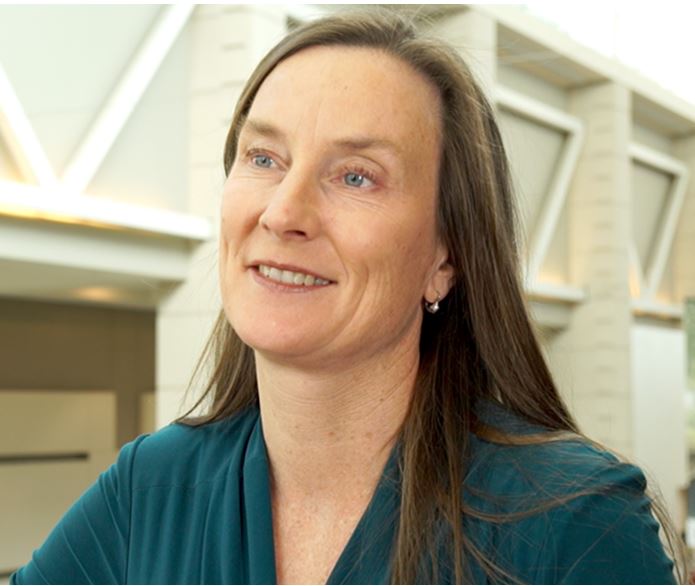
She explained the work, its promise, and the next steps in a video interview at the Endocrine Society’s annual meeting. The National Institutes of Health is funding development. Dr. Page didn’t have any relevant disclosures.
SOURCE: Page S et al. ENDO 2018, Abstract OR15-2.
CHICAGO –
It blocks gonadotropin signaling and testosterone production in the testes. When capsules ranging in dose from 100 mg to 400 mg were given once daily to 100 men in a randomized, placebo controlled trial, the drop in testosterone was more than sufficient to block sperm production. Testosterone levels jumped back up to normal after the end of the 28-day trial, all without inducing liver toxicity or other serious problems.
“We are very excited [about] the results. It’s a big step forward in the development of the male pill. Our last great advance in male contraception was over 300 years ago with the development of the condom,” said senior investigator Stephanie Page, MD, PhD, head of the division of metabolism, endocrinology, and nutrition at the University of Washington, Seattle.
Some men reported a drop in libido that resolved by the end of the study. There was also mild weight gain and small reductions in HDL cholesterol. A few tweaks to the formulation or dosing might fix those problems. “Overall, we were very encouraged about the safety profile,” Dr. Page said.
She explained the work, its promise, and the next steps in a video interview at the Endocrine Society’s annual meeting. The National Institutes of Health is funding development. Dr. Page didn’t have any relevant disclosures.
SOURCE: Page S et al. ENDO 2018, Abstract OR15-2.
CHICAGO –
It blocks gonadotropin signaling and testosterone production in the testes. When capsules ranging in dose from 100 mg to 400 mg were given once daily to 100 men in a randomized, placebo controlled trial, the drop in testosterone was more than sufficient to block sperm production. Testosterone levels jumped back up to normal after the end of the 28-day trial, all without inducing liver toxicity or other serious problems.
“We are very excited [about] the results. It’s a big step forward in the development of the male pill. Our last great advance in male contraception was over 300 years ago with the development of the condom,” said senior investigator Stephanie Page, MD, PhD, head of the division of metabolism, endocrinology, and nutrition at the University of Washington, Seattle.
Some men reported a drop in libido that resolved by the end of the study. There was also mild weight gain and small reductions in HDL cholesterol. A few tweaks to the formulation or dosing might fix those problems. “Overall, we were very encouraged about the safety profile,” Dr. Page said.
She explained the work, its promise, and the next steps in a video interview at the Endocrine Society’s annual meeting. The National Institutes of Health is funding development. Dr. Page didn’t have any relevant disclosures.
SOURCE: Page S et al. ENDO 2018, Abstract OR15-2.
REPORTING FROM ENDO 2018
VIDEO: Stem cells may reverse premature menopause, restore fertility
CHICAGO –
Neither of the women had menstruated for about 5 years; both were in premature menopause and wanted desperately to start a family. Estrogen levels began increasing soon after treatment, and night sweats and other symptoms of menopause almost disappeared. After a year, the treated ovary was almost the size of a normal premenopausal ovary. There weren’t any complications or side effects, and both women are now pursuing pregnancy.
The results are “very exciting, very encouraging,” said senior investigator Ayman Al-Hendy, MD, PhD, a gynecology professor at the University of Illinois at Chicago.
“The eggs are there, but they are not active.” Something about the stem cells seems “to activate these eggs to become fertilizable,” he said.
Far more work is planned on the project, and there’s no shortage of volunteers; premature menopause is a devastating diagnosis to young women hoping to start families.

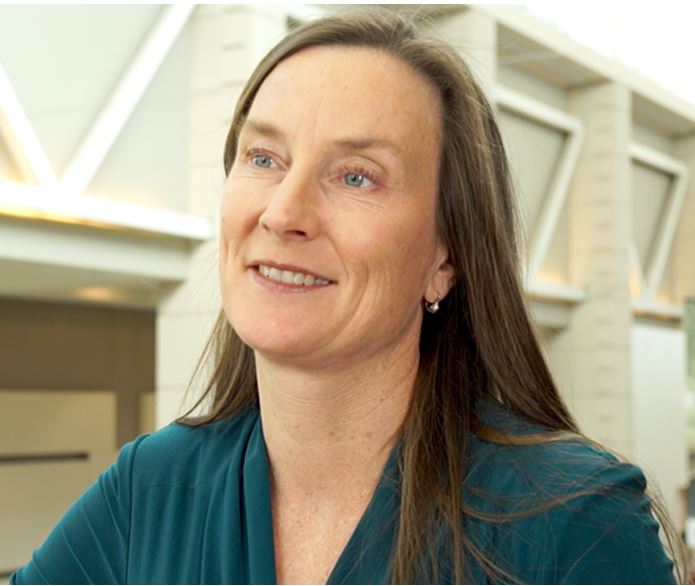
Dr. Al-Hendy explained the procedure and the next steps in a video interview at the Endocrine Society annual meeting.
The work is supported by MD Stem Cells and the National Institutes of Health. Dr. Al-Hendy didn’t have any relevant disclosures.
SOURCE: Al-Hendy A et al. ENDO 2018, Abstract OR33-6.
CHICAGO –
Neither of the women had menstruated for about 5 years; both were in premature menopause and wanted desperately to start a family. Estrogen levels began increasing soon after treatment, and night sweats and other symptoms of menopause almost disappeared. After a year, the treated ovary was almost the size of a normal premenopausal ovary. There weren’t any complications or side effects, and both women are now pursuing pregnancy.
The results are “very exciting, very encouraging,” said senior investigator Ayman Al-Hendy, MD, PhD, a gynecology professor at the University of Illinois at Chicago.
“The eggs are there, but they are not active.” Something about the stem cells seems “to activate these eggs to become fertilizable,” he said.
Far more work is planned on the project, and there’s no shortage of volunteers; premature menopause is a devastating diagnosis to young women hoping to start families.
Dr. Al-Hendy explained the procedure and the next steps in a video interview at the Endocrine Society annual meeting.
The work is supported by MD Stem Cells and the National Institutes of Health. Dr. Al-Hendy didn’t have any relevant disclosures.
SOURCE: Al-Hendy A et al. ENDO 2018, Abstract OR33-6.
CHICAGO –
Neither of the women had menstruated for about 5 years; both were in premature menopause and wanted desperately to start a family. Estrogen levels began increasing soon after treatment, and night sweats and other symptoms of menopause almost disappeared. After a year, the treated ovary was almost the size of a normal premenopausal ovary. There weren’t any complications or side effects, and both women are now pursuing pregnancy.
The results are “very exciting, very encouraging,” said senior investigator Ayman Al-Hendy, MD, PhD, a gynecology professor at the University of Illinois at Chicago.
“The eggs are there, but they are not active.” Something about the stem cells seems “to activate these eggs to become fertilizable,” he said.
Far more work is planned on the project, and there’s no shortage of volunteers; premature menopause is a devastating diagnosis to young women hoping to start families.
Dr. Al-Hendy explained the procedure and the next steps in a video interview at the Endocrine Society annual meeting.
The work is supported by MD Stem Cells and the National Institutes of Health. Dr. Al-Hendy didn’t have any relevant disclosures.
SOURCE: Al-Hendy A et al. ENDO 2018, Abstract OR33-6.
REPORTING FROM ENDO 2018
VIDEO: Fezolinetant drops testosterone levels in PCOS
CHICAGO – currently in development. The proof-of-concept phase 2 trial, which saw no concerning safety signals for the medication, fezolinetant, sets the stage for a larger, and perhaps longer, study to learn more about the neurokinin 3 receptor antagonist’s efficacy against PCOS.
“The primary outcome for this phase 2 trial was to see if we could lower testosterone levels in these PCOS patients,” said Graeme Fraser, PhD, chief scientific officer for Ogeda, discussing the poster he and his colleagues presented at the annual meeting of the Endocrine Society.
The video associated with this article is no longer available on this site. Please view all of our videos on the MDedge YouTube channel
“Testosterone levels decreased: Measured at about 3 hours postdose, which is the approximate pharmacokinetic Cmax [maximum serum concentration], there was … a more than 30% decrease in testosterone levels,” said Dr. Fraser. By week 12, he said, “there was a very consistent decrease of 30% of testosterone levels. So that was quite good; we successfully hit the primary outcome.”
At 12 weeks, the higher dose of fezolinetant decreased testosterone by 0.64 nmol/L, compared with the 0.04 nmol/L seen with placebo (P less than .01).
Fezolinetant downregulates the activity of candy neurons in the hypothalamus, said Dr. Fraser in an interview. In turn, gonadotropin-releasing hormone (GNRH) pulse frequency is reduced, lowering luteinizing hormone (LH) levels. Since LH drives testosterone levels, this drops as well – a beneficial effect in PCOS, with its cardinal symptom of hyperandrogenism.
The double-blind, placebo-controlled study was conducted in Western Europe; 73 participants were randomized into three groups: 27 to a placebo group, 23 to a treatment group given 60 mg of fezolinetant once daily, and 23 to a treatment group given 180 mg of fezolinetant once daily. All groups received treatment for 12 weeks.
A total of 26 patients on placebo, 21 on 60-mg fezolinetant, and 17 on 180-mg fezolinetant completed the study. Patients who completed the study were included in the safety analysis, while all who took the study medication were included in the intent-to-treat analysis for primary and secondary outcome measures.
All participants had PCOS with hyperandrogenism, mean age was about 31 years, and about three quarters of enrollees were white, though local regulations restricted the collection of race and ethnicity data in some cases. One secondary outcome measure of the study was how fezolinetant affected the LH:FSH (follicle-stimulating hormone) ratio. “Patients with PCOS tend to have a very high GNRH [gonadotropin-releasing hormone] pulse frequency, which leads to a very high LH:FSH ratio,” said Dr. Fraser.
At baseline, the LH:FSH ratio was about 3. “With treatment, that ratio normalized to about 1, which is where it is in healthy women,” he said. The decrease in LH:FSH ratio occurred in a dose-dependent fashion and was statistically significant (P less than .001 for 180 mg fezolinetant versus placebo).
Dr. Fraser and his collaborators also tracked anti-müllerian hormone (AMH) levels, ovarian volume, and number of follicles. Although the investigators saw trends toward reduction in AMH levels and toward smaller ovarian volumes, these trends weren’t significant. “It was somewhat ambitious, I guess, to consider we’d hit these endpoints within 12 weeks,” he said. There were no serious drug-related adverse events.
“Most importantly, I would say, we did not get an increase in menses frequency, and, of course, that’s an important marker for fertility,” said Dr. Fraser. “There’s a debate in PCOS about whether this disease is driven by a malfunction in the brain or a malfunction in the ovaries. I guess on face value, perhaps this problem is in the ovaries.”
With the trends toward lower AMH and ovarian volumes, the research team is left wondering what would happen if the duration of therapy were extended. “Perhaps, the system would have been reset, and the frequency would have been restored. … So one thought that we have is to prolong the study in future trials and see if that could lead to an increase in fertility in PCOS,” said Dr. Fraser.
Fezolinetant is also being studied for menopause-related hot flashes in the United States and Europe.
Dr. Fraser is an employee of Ogeda, which sponsored the trial. Ogeda is a wholly owned subsidiary of Astelas.
SOURCE: Fraser G et al. ENDO 2018, Abstract SAT-305-LB.
CHICAGO – currently in development. The proof-of-concept phase 2 trial, which saw no concerning safety signals for the medication, fezolinetant, sets the stage for a larger, and perhaps longer, study to learn more about the neurokinin 3 receptor antagonist’s efficacy against PCOS.
“The primary outcome for this phase 2 trial was to see if we could lower testosterone levels in these PCOS patients,” said Graeme Fraser, PhD, chief scientific officer for Ogeda, discussing the poster he and his colleagues presented at the annual meeting of the Endocrine Society.
The video associated with this article is no longer available on this site. Please view all of our videos on the MDedge YouTube channel
“Testosterone levels decreased: Measured at about 3 hours postdose, which is the approximate pharmacokinetic Cmax [maximum serum concentration], there was … a more than 30% decrease in testosterone levels,” said Dr. Fraser. By week 12, he said, “there was a very consistent decrease of 30% of testosterone levels. So that was quite good; we successfully hit the primary outcome.”
At 12 weeks, the higher dose of fezolinetant decreased testosterone by 0.64 nmol/L, compared with the 0.04 nmol/L seen with placebo (P less than .01).
Fezolinetant downregulates the activity of candy neurons in the hypothalamus, said Dr. Fraser in an interview. In turn, gonadotropin-releasing hormone (GNRH) pulse frequency is reduced, lowering luteinizing hormone (LH) levels. Since LH drives testosterone levels, this drops as well – a beneficial effect in PCOS, with its cardinal symptom of hyperandrogenism.
The double-blind, placebo-controlled study was conducted in Western Europe; 73 participants were randomized into three groups: 27 to a placebo group, 23 to a treatment group given 60 mg of fezolinetant once daily, and 23 to a treatment group given 180 mg of fezolinetant once daily. All groups received treatment for 12 weeks.
A total of 26 patients on placebo, 21 on 60-mg fezolinetant, and 17 on 180-mg fezolinetant completed the study. Patients who completed the study were included in the safety analysis, while all who took the study medication were included in the intent-to-treat analysis for primary and secondary outcome measures.
All participants had PCOS with hyperandrogenism, mean age was about 31 years, and about three quarters of enrollees were white, though local regulations restricted the collection of race and ethnicity data in some cases. One secondary outcome measure of the study was how fezolinetant affected the LH:FSH (follicle-stimulating hormone) ratio. “Patients with PCOS tend to have a very high GNRH [gonadotropin-releasing hormone] pulse frequency, which leads to a very high LH:FSH ratio,” said Dr. Fraser.
At baseline, the LH:FSH ratio was about 3. “With treatment, that ratio normalized to about 1, which is where it is in healthy women,” he said. The decrease in LH:FSH ratio occurred in a dose-dependent fashion and was statistically significant (P less than .001 for 180 mg fezolinetant versus placebo).
Dr. Fraser and his collaborators also tracked anti-müllerian hormone (AMH) levels, ovarian volume, and number of follicles. Although the investigators saw trends toward reduction in AMH levels and toward smaller ovarian volumes, these trends weren’t significant. “It was somewhat ambitious, I guess, to consider we’d hit these endpoints within 12 weeks,” he said. There were no serious drug-related adverse events.
“Most importantly, I would say, we did not get an increase in menses frequency, and, of course, that’s an important marker for fertility,” said Dr. Fraser. “There’s a debate in PCOS about whether this disease is driven by a malfunction in the brain or a malfunction in the ovaries. I guess on face value, perhaps this problem is in the ovaries.”
With the trends toward lower AMH and ovarian volumes, the research team is left wondering what would happen if the duration of therapy were extended. “Perhaps, the system would have been reset, and the frequency would have been restored. … So one thought that we have is to prolong the study in future trials and see if that could lead to an increase in fertility in PCOS,” said Dr. Fraser.
Fezolinetant is also being studied for menopause-related hot flashes in the United States and Europe.
Dr. Fraser is an employee of Ogeda, which sponsored the trial. Ogeda is a wholly owned subsidiary of Astelas.
SOURCE: Fraser G et al. ENDO 2018, Abstract SAT-305-LB.
CHICAGO – currently in development. The proof-of-concept phase 2 trial, which saw no concerning safety signals for the medication, fezolinetant, sets the stage for a larger, and perhaps longer, study to learn more about the neurokinin 3 receptor antagonist’s efficacy against PCOS.
“The primary outcome for this phase 2 trial was to see if we could lower testosterone levels in these PCOS patients,” said Graeme Fraser, PhD, chief scientific officer for Ogeda, discussing the poster he and his colleagues presented at the annual meeting of the Endocrine Society.
The video associated with this article is no longer available on this site. Please view all of our videos on the MDedge YouTube channel
“Testosterone levels decreased: Measured at about 3 hours postdose, which is the approximate pharmacokinetic Cmax [maximum serum concentration], there was … a more than 30% decrease in testosterone levels,” said Dr. Fraser. By week 12, he said, “there was a very consistent decrease of 30% of testosterone levels. So that was quite good; we successfully hit the primary outcome.”
At 12 weeks, the higher dose of fezolinetant decreased testosterone by 0.64 nmol/L, compared with the 0.04 nmol/L seen with placebo (P less than .01).
Fezolinetant downregulates the activity of candy neurons in the hypothalamus, said Dr. Fraser in an interview. In turn, gonadotropin-releasing hormone (GNRH) pulse frequency is reduced, lowering luteinizing hormone (LH) levels. Since LH drives testosterone levels, this drops as well – a beneficial effect in PCOS, with its cardinal symptom of hyperandrogenism.
The double-blind, placebo-controlled study was conducted in Western Europe; 73 participants were randomized into three groups: 27 to a placebo group, 23 to a treatment group given 60 mg of fezolinetant once daily, and 23 to a treatment group given 180 mg of fezolinetant once daily. All groups received treatment for 12 weeks.
A total of 26 patients on placebo, 21 on 60-mg fezolinetant, and 17 on 180-mg fezolinetant completed the study. Patients who completed the study were included in the safety analysis, while all who took the study medication were included in the intent-to-treat analysis for primary and secondary outcome measures.
All participants had PCOS with hyperandrogenism, mean age was about 31 years, and about three quarters of enrollees were white, though local regulations restricted the collection of race and ethnicity data in some cases. One secondary outcome measure of the study was how fezolinetant affected the LH:FSH (follicle-stimulating hormone) ratio. “Patients with PCOS tend to have a very high GNRH [gonadotropin-releasing hormone] pulse frequency, which leads to a very high LH:FSH ratio,” said Dr. Fraser.
At baseline, the LH:FSH ratio was about 3. “With treatment, that ratio normalized to about 1, which is where it is in healthy women,” he said. The decrease in LH:FSH ratio occurred in a dose-dependent fashion and was statistically significant (P less than .001 for 180 mg fezolinetant versus placebo).
Dr. Fraser and his collaborators also tracked anti-müllerian hormone (AMH) levels, ovarian volume, and number of follicles. Although the investigators saw trends toward reduction in AMH levels and toward smaller ovarian volumes, these trends weren’t significant. “It was somewhat ambitious, I guess, to consider we’d hit these endpoints within 12 weeks,” he said. There were no serious drug-related adverse events.
“Most importantly, I would say, we did not get an increase in menses frequency, and, of course, that’s an important marker for fertility,” said Dr. Fraser. “There’s a debate in PCOS about whether this disease is driven by a malfunction in the brain or a malfunction in the ovaries. I guess on face value, perhaps this problem is in the ovaries.”
With the trends toward lower AMH and ovarian volumes, the research team is left wondering what would happen if the duration of therapy were extended. “Perhaps, the system would have been reset, and the frequency would have been restored. … So one thought that we have is to prolong the study in future trials and see if that could lead to an increase in fertility in PCOS,” said Dr. Fraser.
Fezolinetant is also being studied for menopause-related hot flashes in the United States and Europe.
Dr. Fraser is an employee of Ogeda, which sponsored the trial. Ogeda is a wholly owned subsidiary of Astelas.
SOURCE: Fraser G et al. ENDO 2018, Abstract SAT-305-LB.
REPORTING FROM ENDO 2018

Balance risk with reality for pre-conception diabetic counseling
CHICAGO – In particular, “several retrospective studies have shown that the risk for congenital malformations is increased with higher hemoglobin A1c levels,” said Susan Kirk, MD, speaking at a “Meet the Professor” session at the annual meeting of the Endocrine Society.
However, pointed out Dr. Kirk, fact-based counseling about pregnancy risks for women with type 1 or type 2 diabetes can – and should – occur within the framework of a strong and accepting physician-patient relationship.
Most women with diabetes have received pre-conception counseling about the risks of pregnancy with diabetes and the importance of glycemic control. “Despite that, I think many of us are often surprised by the percentage of unplanned pregnancies,” said Dr. Kirk, of the University of Virginia, Charlottesville, in an interview.
“What I have learned is that the desire to become pregnant is so strong, and the contemplation of all the adverse events that can happen … is really scary, not only to the woman but to her partner as well.”
The video associated with this article is no longer available on this site. Please view all of our videos on the MDedge YouTube channel
Dr. Kirk continued, “The more compassion you can show, and the more emphasis that you can place on the fact that she’s most likely to have a healthy baby, the chances are she’ll work with you from the beginning to get her control where she needs to be.”
Target numbers for hemoglobin A1c have become lower over the past several years, with the American Diabetes Association now recommending pre-conception levels below 6.5%. “There’s no randomized controlled trial that defines what that ideal number should be, but with the passage of time and some larger studies, we now know that ‘as close to normal as possible’ should be the goal,” Dr. Kirk said. This means that if women can tolerate the lower blood glucose levels without serious symptoms of hypoglycemia, a level of less than 6% is more preferable still, she said.
In terms of medication management for women with diabetes who become pregnant, physicians need to think about angiotensin converting enzyme inhibitors and statins, both of which are contraindicated for use during pregnancy. If a patient is pregnant or trying for a pregnancy, “I will stop those, and either leave them off all medicine entirely, or transition them to something that’s safe for use during pregnancy,” said Dr. Kirk.
It’s important to know if women have any microvascular complications because these are likely to progress during pregnancy, said Dr. Kirk. “The good news is, it all goes back to where she started before pregnancy after she has the baby,” though pre-existing advanced renal disease or eye disease may still cause concern for permanent damage. “If there are changes in the back of the eye that are suggestive of proliferative retinopathy, she should absolutely try to get that taken care of before she gets pregnant.”
The use of prenatal vitamins is another area where strong evidence is lacking, said Dr. Kirk. What is known is the folic acid supplementation “has been proven beyond a doubt to lower the rate of neural tube complications. And it’s cheap, and it’s easy to take. So any woman who’s even hinting at getting pregnant should be placed on those,” she said.
Dr. Kirk had no financial disclosures.
SOURCE: Kirk S. ENDO 2018, Session M-02-3.
CHICAGO – In particular, “several retrospective studies have shown that the risk for congenital malformations is increased with higher hemoglobin A1c levels,” said Susan Kirk, MD, speaking at a “Meet the Professor” session at the annual meeting of the Endocrine Society.
However, pointed out Dr. Kirk, fact-based counseling about pregnancy risks for women with type 1 or type 2 diabetes can – and should – occur within the framework of a strong and accepting physician-patient relationship.
Most women with diabetes have received pre-conception counseling about the risks of pregnancy with diabetes and the importance of glycemic control. “Despite that, I think many of us are often surprised by the percentage of unplanned pregnancies,” said Dr. Kirk, of the University of Virginia, Charlottesville, in an interview.
“What I have learned is that the desire to become pregnant is so strong, and the contemplation of all the adverse events that can happen … is really scary, not only to the woman but to her partner as well.”
The video associated with this article is no longer available on this site. Please view all of our videos on the MDedge YouTube channel
Dr. Kirk continued, “The more compassion you can show, and the more emphasis that you can place on the fact that she’s most likely to have a healthy baby, the chances are she’ll work with you from the beginning to get her control where she needs to be.”
Target numbers for hemoglobin A1c have become lower over the past several years, with the American Diabetes Association now recommending pre-conception levels below 6.5%. “There’s no randomized controlled trial that defines what that ideal number should be, but with the passage of time and some larger studies, we now know that ‘as close to normal as possible’ should be the goal,” Dr. Kirk said. This means that if women can tolerate the lower blood glucose levels without serious symptoms of hypoglycemia, a level of less than 6% is more preferable still, she said.
In terms of medication management for women with diabetes who become pregnant, physicians need to think about angiotensin converting enzyme inhibitors and statins, both of which are contraindicated for use during pregnancy. If a patient is pregnant or trying for a pregnancy, “I will stop those, and either leave them off all medicine entirely, or transition them to something that’s safe for use during pregnancy,” said Dr. Kirk.
It’s important to know if women have any microvascular complications because these are likely to progress during pregnancy, said Dr. Kirk. “The good news is, it all goes back to where she started before pregnancy after she has the baby,” though pre-existing advanced renal disease or eye disease may still cause concern for permanent damage. “If there are changes in the back of the eye that are suggestive of proliferative retinopathy, she should absolutely try to get that taken care of before she gets pregnant.”
The use of prenatal vitamins is another area where strong evidence is lacking, said Dr. Kirk. What is known is the folic acid supplementation “has been proven beyond a doubt to lower the rate of neural tube complications. And it’s cheap, and it’s easy to take. So any woman who’s even hinting at getting pregnant should be placed on those,” she said.
Dr. Kirk had no financial disclosures.
SOURCE: Kirk S. ENDO 2018, Session M-02-3.
CHICAGO – In particular, “several retrospective studies have shown that the risk for congenital malformations is increased with higher hemoglobin A1c levels,” said Susan Kirk, MD, speaking at a “Meet the Professor” session at the annual meeting of the Endocrine Society.
However, pointed out Dr. Kirk, fact-based counseling about pregnancy risks for women with type 1 or type 2 diabetes can – and should – occur within the framework of a strong and accepting physician-patient relationship.
Most women with diabetes have received pre-conception counseling about the risks of pregnancy with diabetes and the importance of glycemic control. “Despite that, I think many of us are often surprised by the percentage of unplanned pregnancies,” said Dr. Kirk, of the University of Virginia, Charlottesville, in an interview.
“What I have learned is that the desire to become pregnant is so strong, and the contemplation of all the adverse events that can happen … is really scary, not only to the woman but to her partner as well.”
The video associated with this article is no longer available on this site. Please view all of our videos on the MDedge YouTube channel
Dr. Kirk continued, “The more compassion you can show, and the more emphasis that you can place on the fact that she’s most likely to have a healthy baby, the chances are she’ll work with you from the beginning to get her control where she needs to be.”
Target numbers for hemoglobin A1c have become lower over the past several years, with the American Diabetes Association now recommending pre-conception levels below 6.5%. “There’s no randomized controlled trial that defines what that ideal number should be, but with the passage of time and some larger studies, we now know that ‘as close to normal as possible’ should be the goal,” Dr. Kirk said. This means that if women can tolerate the lower blood glucose levels without serious symptoms of hypoglycemia, a level of less than 6% is more preferable still, she said.
In terms of medication management for women with diabetes who become pregnant, physicians need to think about angiotensin converting enzyme inhibitors and statins, both of which are contraindicated for use during pregnancy. If a patient is pregnant or trying for a pregnancy, “I will stop those, and either leave them off all medicine entirely, or transition them to something that’s safe for use during pregnancy,” said Dr. Kirk.
It’s important to know if women have any microvascular complications because these are likely to progress during pregnancy, said Dr. Kirk. “The good news is, it all goes back to where she started before pregnancy after she has the baby,” though pre-existing advanced renal disease or eye disease may still cause concern for permanent damage. “If there are changes in the back of the eye that are suggestive of proliferative retinopathy, she should absolutely try to get that taken care of before she gets pregnant.”
The use of prenatal vitamins is another area where strong evidence is lacking, said Dr. Kirk. What is known is the folic acid supplementation “has been proven beyond a doubt to lower the rate of neural tube complications. And it’s cheap, and it’s easy to take. So any woman who’s even hinting at getting pregnant should be placed on those,” she said.
Dr. Kirk had no financial disclosures.
SOURCE: Kirk S. ENDO 2018, Session M-02-3.
REPORTING FROM ENDO 2018

High-normal TSH linked to unexplained infertility
CHICAGO – Levels of thyroid stimulating hormone were significantly higher in women with unexplained infertility than in a cohort whose partners had severe male factor infertility, though TSH levels still fell within the reference range.
For women with unexplained infertility, thyroid stimulating hormone (TSH) averaged 1.95 mIU/mL (95% confidence interval, 1.54-2.61), compared with 1.66 mIU/mL for the group of women with severe male factor infertility, such as severe oligospermia or azoospermia (95% CI, 1.25-2.17; P = .003).
“We found, very interestingly, that in the unexplained group, TSH was higher in those women, compared with women whose partners had severe male factor infertility,” suggesting that , the study’s first author, Lindsay T. Fourman, MD, said in an interview at the annual meeting of the Endocrine Society.
In terms of TSH levels, “clearly, the cutoff of the upper limit of the normal range is controversial,” said Dr. Fourman. “Some studies have shown that 95% of the population has a TSH of less than 2.5.”
However, the numbers that guide treatment for hypothyroidism are different. “We use a cutoff, generally, of 4 or 5, but maybe that cutoff should be 2.5, and maybe that’s significant for some people,” Dr. Fourman said.
“Current guidelines do not recommend treatment of subclinical hypothyroidism among auto-antibody negative women attempting to conceive naturally,” wrote Dr. Fourman and her collaborators in the poster presenting their finding.
Twice as many women in the group with unexplained infertility had TSH levels in the upper half of the normal range – above 2.5 mIU/mL – than in the male factor infertility group, “again, suggesting this association with TSH and unexplained infertility,” Dr. Fourman said. The thyroid axis is known to play a role in oocyte development. Of women with unexplained infertility, 26.9% had a TSH above 5 mIU/mL, compared with 13.5% of those with severe male factor infertility (P less than .05).

The chart review of records from 187 women with unexplained fertility and 52 women whose partners had severe male factor infertility included women aged 18-39. The unexplained cohort included women for whom all causes of infertility were excluded “in the setting of a very thorough workup – and that would include any ovulatory issues, male factor issues, and by definition, these women had to have a normal FSH, TSH and prolactin,” said Dr. Fourman, an endocrine fellow at Massachusetts General Hospital, Boston.
Control patients were those who had TSH and prolactin levels available and whose partners were being seen for severe male factor infertility, meaning that their partner had severe oligospermia or azoospermia.
Dr. Fourman acknowledged that she and her and her collaborators couldn’t exclude some female factor infertility among the control group. “That is an assumption, but it’s an assumption that would bias us to the null,” strengthening the study’s findings.
Clinical characteristics were similar between study groups, though women with unexplained infertility were slightly older than those with severe male factor infertility (mean 31.5 years versus 30.1 years, P = .01); they also had slightly lower body mass indices (median 23 versus 24.4 kg/m2; P less than .04).
No association was found between prolactin levels, “which suggests that prolactin may not contribute to unexplained infertility in these women,” Dr. Fourman said.
The investigators were able to control for such potentially confounding variables as age, tobacco use, BMI; they excluded from analysis women who had positive thyroid peroxidase antibodies.
“This is very interesting, because it really raises the question of whether we should be treating TSH, even to the lower half of the normal range, to see if that can improve outcomes,” she said. “We are looking for modifiable things that we can treat to try to improve fertility, so if we can identify some cause – like a hormonal cause – we may be able to improve conception outcomes and reduce the need for invasive treatment.”
Based in part on the strength of these findings, Dr. Fourman said she and her collaborators are planning a prospective study to see whether treating women with infertility to achieve a TSH of less than 2.5 can speed time to conception and reduce the need for invasive infertility treatment.
Dr. Fourman reported no conflicts of interest and no external sources of funding.
SOURCE: Fourman, L, et al. ENDO 2018, Abstract SAT-288.
CHICAGO – Levels of thyroid stimulating hormone were significantly higher in women with unexplained infertility than in a cohort whose partners had severe male factor infertility, though TSH levels still fell within the reference range.
For women with unexplained infertility, thyroid stimulating hormone (TSH) averaged 1.95 mIU/mL (95% confidence interval, 1.54-2.61), compared with 1.66 mIU/mL for the group of women with severe male factor infertility, such as severe oligospermia or azoospermia (95% CI, 1.25-2.17; P = .003).
“We found, very interestingly, that in the unexplained group, TSH was higher in those women, compared with women whose partners had severe male factor infertility,” suggesting that , the study’s first author, Lindsay T. Fourman, MD, said in an interview at the annual meeting of the Endocrine Society.
In terms of TSH levels, “clearly, the cutoff of the upper limit of the normal range is controversial,” said Dr. Fourman. “Some studies have shown that 95% of the population has a TSH of less than 2.5.”
However, the numbers that guide treatment for hypothyroidism are different. “We use a cutoff, generally, of 4 or 5, but maybe that cutoff should be 2.5, and maybe that’s significant for some people,” Dr. Fourman said.
“Current guidelines do not recommend treatment of subclinical hypothyroidism among auto-antibody negative women attempting to conceive naturally,” wrote Dr. Fourman and her collaborators in the poster presenting their finding.
Twice as many women in the group with unexplained infertility had TSH levels in the upper half of the normal range – above 2.5 mIU/mL – than in the male factor infertility group, “again, suggesting this association with TSH and unexplained infertility,” Dr. Fourman said. The thyroid axis is known to play a role in oocyte development. Of women with unexplained infertility, 26.9% had a TSH above 5 mIU/mL, compared with 13.5% of those with severe male factor infertility (P less than .05).
The chart review of records from 187 women with unexplained fertility and 52 women whose partners had severe male factor infertility included women aged 18-39. The unexplained cohort included women for whom all causes of infertility were excluded “in the setting of a very thorough workup – and that would include any ovulatory issues, male factor issues, and by definition, these women had to have a normal FSH, TSH and prolactin,” said Dr. Fourman, an endocrine fellow at Massachusetts General Hospital, Boston.
Control patients were those who had TSH and prolactin levels available and whose partners were being seen for severe male factor infertility, meaning that their partner had severe oligospermia or azoospermia.
Dr. Fourman acknowledged that she and her and her collaborators couldn’t exclude some female factor infertility among the control group. “That is an assumption, but it’s an assumption that would bias us to the null,” strengthening the study’s findings.
Clinical characteristics were similar between study groups, though women with unexplained infertility were slightly older than those with severe male factor infertility (mean 31.5 years versus 30.1 years, P = .01); they also had slightly lower body mass indices (median 23 versus 24.4 kg/m2; P less than .04).
No association was found between prolactin levels, “which suggests that prolactin may not contribute to unexplained infertility in these women,” Dr. Fourman said.
The investigators were able to control for such potentially confounding variables as age, tobacco use, BMI; they excluded from analysis women who had positive thyroid peroxidase antibodies.
“This is very interesting, because it really raises the question of whether we should be treating TSH, even to the lower half of the normal range, to see if that can improve outcomes,” she said. “We are looking for modifiable things that we can treat to try to improve fertility, so if we can identify some cause – like a hormonal cause – we may be able to improve conception outcomes and reduce the need for invasive treatment.”
Based in part on the strength of these findings, Dr. Fourman said she and her collaborators are planning a prospective study to see whether treating women with infertility to achieve a TSH of less than 2.5 can speed time to conception and reduce the need for invasive infertility treatment.
Dr. Fourman reported no conflicts of interest and no external sources of funding.
SOURCE: Fourman, L, et al. ENDO 2018, Abstract SAT-288.
CHICAGO – Levels of thyroid stimulating hormone were significantly higher in women with unexplained infertility than in a cohort whose partners had severe male factor infertility, though TSH levels still fell within the reference range.
For women with unexplained infertility, thyroid stimulating hormone (TSH) averaged 1.95 mIU/mL (95% confidence interval, 1.54-2.61), compared with 1.66 mIU/mL for the group of women with severe male factor infertility, such as severe oligospermia or azoospermia (95% CI, 1.25-2.17; P = .003).
“We found, very interestingly, that in the unexplained group, TSH was higher in those women, compared with women whose partners had severe male factor infertility,” suggesting that , the study’s first author, Lindsay T. Fourman, MD, said in an interview at the annual meeting of the Endocrine Society.
In terms of TSH levels, “clearly, the cutoff of the upper limit of the normal range is controversial,” said Dr. Fourman. “Some studies have shown that 95% of the population has a TSH of less than 2.5.”
However, the numbers that guide treatment for hypothyroidism are different. “We use a cutoff, generally, of 4 or 5, but maybe that cutoff should be 2.5, and maybe that’s significant for some people,” Dr. Fourman said.
“Current guidelines do not recommend treatment of subclinical hypothyroidism among auto-antibody negative women attempting to conceive naturally,” wrote Dr. Fourman and her collaborators in the poster presenting their finding.
Twice as many women in the group with unexplained infertility had TSH levels in the upper half of the normal range – above 2.5 mIU/mL – than in the male factor infertility group, “again, suggesting this association with TSH and unexplained infertility,” Dr. Fourman said. The thyroid axis is known to play a role in oocyte development. Of women with unexplained infertility, 26.9% had a TSH above 5 mIU/mL, compared with 13.5% of those with severe male factor infertility (P less than .05).
The chart review of records from 187 women with unexplained fertility and 52 women whose partners had severe male factor infertility included women aged 18-39. The unexplained cohort included women for whom all causes of infertility were excluded “in the setting of a very thorough workup – and that would include any ovulatory issues, male factor issues, and by definition, these women had to have a normal FSH, TSH and prolactin,” said Dr. Fourman, an endocrine fellow at Massachusetts General Hospital, Boston.
Control patients were those who had TSH and prolactin levels available and whose partners were being seen for severe male factor infertility, meaning that their partner had severe oligospermia or azoospermia.
Dr. Fourman acknowledged that she and her and her collaborators couldn’t exclude some female factor infertility among the control group. “That is an assumption, but it’s an assumption that would bias us to the null,” strengthening the study’s findings.
Clinical characteristics were similar between study groups, though women with unexplained infertility were slightly older than those with severe male factor infertility (mean 31.5 years versus 30.1 years, P = .01); they also had slightly lower body mass indices (median 23 versus 24.4 kg/m2; P less than .04).
No association was found between prolactin levels, “which suggests that prolactin may not contribute to unexplained infertility in these women,” Dr. Fourman said.
The investigators were able to control for such potentially confounding variables as age, tobacco use, BMI; they excluded from analysis women who had positive thyroid peroxidase antibodies.
“This is very interesting, because it really raises the question of whether we should be treating TSH, even to the lower half of the normal range, to see if that can improve outcomes,” she said. “We are looking for modifiable things that we can treat to try to improve fertility, so if we can identify some cause – like a hormonal cause – we may be able to improve conception outcomes and reduce the need for invasive treatment.”
Based in part on the strength of these findings, Dr. Fourman said she and her collaborators are planning a prospective study to see whether treating women with infertility to achieve a TSH of less than 2.5 can speed time to conception and reduce the need for invasive infertility treatment.
Dr. Fourman reported no conflicts of interest and no external sources of funding.
SOURCE: Fourman, L, et al. ENDO 2018, Abstract SAT-288.
REPORTING FROM ENDO 2018

Barbershop intervention cuts blood pressure in black men
ORLANDO – Black men who received a pharmacist-led intervention in their local barbershops showed significantly improved blood pressure after 6 months, compared with controls, in a randomized trial of 319 individuals.
“Non-Hispanic black men still have the highest hypertension death rate of any group in the country. Something like 60% of black men have blood pressure of 140/90 or higher,” but they have relatively low rates of physician interaction for blood pressure management, compared with other groups, Ronald G. Victor, MD, of Cedars-Sinai Medical Center, Los Angeles, said in a video interview at the annual meeting of the American College of Cardiology.
The video associated with this article is no longer available on this site. Please view all of our videos on the MDedge YouTube channel
“Health outreach to barbershops has been well established in the lay press, but they only scratch the surface in terms of a scientific evaluation, and that’s what we did,” he noted.
The primary outcome was a change in systolic blood pressure at 6 months. The average decrease was 27.0 mm Hg in the intervention group, compared with 9.3 mm Hg in the control group.
Dr. Victor and colleagues identified a study population of non-Hispanic black men aged 35-79 years with a baseline blood pressure of at least 140 mm Hg who were regular patrons of their local barbershops. Of these, 139 were randomized to a pharmacist-led intervention in 28 barbershops, and 180 served as controls in 24 barbershops.
The intervention included monthly checkups with a pharmacist in the barbershop setting, along with blood pressure readings, medication management, electrolyte monitoring, and progress notes sent to each man’s primary care provider. In addition, the barbers encouraged blood pressure management and a healthy lifestyle during the men’s regular haircut visits, occurring about every 2 weeks. The control group received encouragement from their barbers and usual care from their primary care providers.
The average baseline systolic blood pressure was 152.8 mm Hg in the intervention group, which dropped to 125.8 mm Hg at 6 months. The controls’ average systolic blood pressure was 154.6 mm Hg at baseline and 145.4 at 6 months.
Dr. Victor said he was thrilled with the results, and that the intervention group’s improvement was roughly three times that seen in many blood pressure intervention studies. “We lost very few men to follow-up,” Dr. Victor said. “I can’t underestimate how important the buy-in of the barbers was,” he emphasized. The primary analysis included 132 intervention men and 171 controls with complete 6 months data.
The between-group difference for the primary outcome was 21.6 mm Hg in favor of the intervention,” Dr. Victor said. As a secondary outcome, the between-group difference in diastolic blood pressure was 14.9 mm Hg in favor of the intervention.
In addition, 64% and 12% of the intervention and control groups, respectively, achieved the blood pressure target of 130/80.
“We think the intervention effect is multifaceted,” said Dr. Victor. The pharmacists were doctorate level with specialty training, and prescribed more intense therapy than did a community clinic. In addition, the convenience and comfort of the community barbershop setting, and the endorsement by the barbers, who are significant figures in the community, contributed to the success of the study, he said.
“We think the whole package was important,” he emphasized.
The intervention was safe and well tolerated, with no adverse events. A total of three cases of reversible acute kidney injury occurred in the intervention group that were related to indapamide and resolved when it was discontinued.
“This [study] is a home run,” discussant Eileen Handberg, MD, said in a press conference, “This is taking care where patients live; this is ‘high-touch’ medicine,” she said. Also, the 9-mm Hg improvement in the control group was comparable with improvements in many previous blood pressure control trials, she noted.
Dr. Victor said he plans to expand the study by establishing similar protocols in other communities. Additional next steps for research include extending the current study for another 6 months, expanding the research criteria to include men with mild hypertension, and conducting a cost analysis, he said.
The study was funded by the National Heart, Lung, and Blood Institute and others. Dr. Victor had no financial conflicts to disclose. Dr. Handberg disclosed relationships with multiple companies including Amgen, AstraZeneca, Boehringer Ingelheim, Daiichi Sankyo, Gilead Sciences, Ionis, and Relypsa.
The findings were published online simultaneously with Dr. Victor’s report (N Engl J Med. 2018 Mar 11; doi: 10.1056/NEJMoa1717250).
SOURCE: Victor R et al. ACC 2018.
ORLANDO – Black men who received a pharmacist-led intervention in their local barbershops showed significantly improved blood pressure after 6 months, compared with controls, in a randomized trial of 319 individuals.
“Non-Hispanic black men still have the highest hypertension death rate of any group in the country. Something like 60% of black men have blood pressure of 140/90 or higher,” but they have relatively low rates of physician interaction for blood pressure management, compared with other groups, Ronald G. Victor, MD, of Cedars-Sinai Medical Center, Los Angeles, said in a video interview at the annual meeting of the American College of Cardiology.
The video associated with this article is no longer available on this site. Please view all of our videos on the MDedge YouTube channel
“Health outreach to barbershops has been well established in the lay press, but they only scratch the surface in terms of a scientific evaluation, and that’s what we did,” he noted.
The primary outcome was a change in systolic blood pressure at 6 months. The average decrease was 27.0 mm Hg in the intervention group, compared with 9.3 mm Hg in the control group.
Dr. Victor and colleagues identified a study population of non-Hispanic black men aged 35-79 years with a baseline blood pressure of at least 140 mm Hg who were regular patrons of their local barbershops. Of these, 139 were randomized to a pharmacist-led intervention in 28 barbershops, and 180 served as controls in 24 barbershops.
The intervention included monthly checkups with a pharmacist in the barbershop setting, along with blood pressure readings, medication management, electrolyte monitoring, and progress notes sent to each man’s primary care provider. In addition, the barbers encouraged blood pressure management and a healthy lifestyle during the men’s regular haircut visits, occurring about every 2 weeks. The control group received encouragement from their barbers and usual care from their primary care providers.
The average baseline systolic blood pressure was 152.8 mm Hg in the intervention group, which dropped to 125.8 mm Hg at 6 months. The controls’ average systolic blood pressure was 154.6 mm Hg at baseline and 145.4 at 6 months.
Dr. Victor said he was thrilled with the results, and that the intervention group’s improvement was roughly three times that seen in many blood pressure intervention studies. “We lost very few men to follow-up,” Dr. Victor said. “I can’t underestimate how important the buy-in of the barbers was,” he emphasized. The primary analysis included 132 intervention men and 171 controls with complete 6 months data.
The between-group difference for the primary outcome was 21.6 mm Hg in favor of the intervention,” Dr. Victor said. As a secondary outcome, the between-group difference in diastolic blood pressure was 14.9 mm Hg in favor of the intervention.
In addition, 64% and 12% of the intervention and control groups, respectively, achieved the blood pressure target of 130/80.
“We think the intervention effect is multifaceted,” said Dr. Victor. The pharmacists were doctorate level with specialty training, and prescribed more intense therapy than did a community clinic. In addition, the convenience and comfort of the community barbershop setting, and the endorsement by the barbers, who are significant figures in the community, contributed to the success of the study, he said.
“We think the whole package was important,” he emphasized.
The intervention was safe and well tolerated, with no adverse events. A total of three cases of reversible acute kidney injury occurred in the intervention group that were related to indapamide and resolved when it was discontinued.
“This [study] is a home run,” discussant Eileen Handberg, MD, said in a press conference, “This is taking care where patients live; this is ‘high-touch’ medicine,” she said. Also, the 9-mm Hg improvement in the control group was comparable with improvements in many previous blood pressure control trials, she noted.
Dr. Victor said he plans to expand the study by establishing similar protocols in other communities. Additional next steps for research include extending the current study for another 6 months, expanding the research criteria to include men with mild hypertension, and conducting a cost analysis, he said.
The study was funded by the National Heart, Lung, and Blood Institute and others. Dr. Victor had no financial conflicts to disclose. Dr. Handberg disclosed relationships with multiple companies including Amgen, AstraZeneca, Boehringer Ingelheim, Daiichi Sankyo, Gilead Sciences, Ionis, and Relypsa.
The findings were published online simultaneously with Dr. Victor’s report (N Engl J Med. 2018 Mar 11; doi: 10.1056/NEJMoa1717250).
SOURCE: Victor R et al. ACC 2018.
ORLANDO – Black men who received a pharmacist-led intervention in their local barbershops showed significantly improved blood pressure after 6 months, compared with controls, in a randomized trial of 319 individuals.
“Non-Hispanic black men still have the highest hypertension death rate of any group in the country. Something like 60% of black men have blood pressure of 140/90 or higher,” but they have relatively low rates of physician interaction for blood pressure management, compared with other groups, Ronald G. Victor, MD, of Cedars-Sinai Medical Center, Los Angeles, said in a video interview at the annual meeting of the American College of Cardiology.
The video associated with this article is no longer available on this site. Please view all of our videos on the MDedge YouTube channel
“Health outreach to barbershops has been well established in the lay press, but they only scratch the surface in terms of a scientific evaluation, and that’s what we did,” he noted.
The primary outcome was a change in systolic blood pressure at 6 months. The average decrease was 27.0 mm Hg in the intervention group, compared with 9.3 mm Hg in the control group.
Dr. Victor and colleagues identified a study population of non-Hispanic black men aged 35-79 years with a baseline blood pressure of at least 140 mm Hg who were regular patrons of their local barbershops. Of these, 139 were randomized to a pharmacist-led intervention in 28 barbershops, and 180 served as controls in 24 barbershops.
The intervention included monthly checkups with a pharmacist in the barbershop setting, along with blood pressure readings, medication management, electrolyte monitoring, and progress notes sent to each man’s primary care provider. In addition, the barbers encouraged blood pressure management and a healthy lifestyle during the men’s regular haircut visits, occurring about every 2 weeks. The control group received encouragement from their barbers and usual care from their primary care providers.
The average baseline systolic blood pressure was 152.8 mm Hg in the intervention group, which dropped to 125.8 mm Hg at 6 months. The controls’ average systolic blood pressure was 154.6 mm Hg at baseline and 145.4 at 6 months.
Dr. Victor said he was thrilled with the results, and that the intervention group’s improvement was roughly three times that seen in many blood pressure intervention studies. “We lost very few men to follow-up,” Dr. Victor said. “I can’t underestimate how important the buy-in of the barbers was,” he emphasized. The primary analysis included 132 intervention men and 171 controls with complete 6 months data.
The between-group difference for the primary outcome was 21.6 mm Hg in favor of the intervention,” Dr. Victor said. As a secondary outcome, the between-group difference in diastolic blood pressure was 14.9 mm Hg in favor of the intervention.
In addition, 64% and 12% of the intervention and control groups, respectively, achieved the blood pressure target of 130/80.
“We think the intervention effect is multifaceted,” said Dr. Victor. The pharmacists were doctorate level with specialty training, and prescribed more intense therapy than did a community clinic. In addition, the convenience and comfort of the community barbershop setting, and the endorsement by the barbers, who are significant figures in the community, contributed to the success of the study, he said.
“We think the whole package was important,” he emphasized.
The intervention was safe and well tolerated, with no adverse events. A total of three cases of reversible acute kidney injury occurred in the intervention group that were related to indapamide and resolved when it was discontinued.
“This [study] is a home run,” discussant Eileen Handberg, MD, said in a press conference, “This is taking care where patients live; this is ‘high-touch’ medicine,” she said. Also, the 9-mm Hg improvement in the control group was comparable with improvements in many previous blood pressure control trials, she noted.
Dr. Victor said he plans to expand the study by establishing similar protocols in other communities. Additional next steps for research include extending the current study for another 6 months, expanding the research criteria to include men with mild hypertension, and conducting a cost analysis, he said.
The study was funded by the National Heart, Lung, and Blood Institute and others. Dr. Victor had no financial conflicts to disclose. Dr. Handberg disclosed relationships with multiple companies including Amgen, AstraZeneca, Boehringer Ingelheim, Daiichi Sankyo, Gilead Sciences, Ionis, and Relypsa.
The findings were published online simultaneously with Dr. Victor’s report (N Engl J Med. 2018 Mar 11; doi: 10.1056/NEJMoa1717250).
SOURCE: Victor R et al. ACC 2018.
REPORTING FROM ACC 18
Key clinical point: Major finding: After 6 months, mean systolic blood pressure among men who received intervention dropped an average of 27 mm Hg, compared with 9 mm Hg in controls.
Study details: The data come from a cluster randomized trial including 319 black men who visited 52 barbershops.
Disclosures: The study was funded by the National Heart, Lung, and Blood Institute and others.
Source: Victor R et al. ACC 2018.

VIDEO: Dabigatran effective for myocardial injury after noncardiac surgery
ORLANDO – Treating patients who developed myocardial injury after noncardiac surgery with the anticoagulant dabigatran significantly cut the rate of subsequent major vascular complications in a randomized, multicenter trial with 1,754 patients, a result that gives surgeons and physicians the first evidence-based intervention for treating a common postsurgical condition.
“Because we have not systematically followed noncardiac surgery patients, it’s easy to presume that everyone is okay, but all the epidemiology data show that these patients [who develop myocardial injury after noncardiac surgery] don’t do okay. We need to be aggressive with secondary prophylaxis,” P.J. Devereaux, MD, said at the annual meeting of the American College of Cardiology. “The unfortunate thing is that right now, we don’t do much for these patients,” said Dr. Devereaux, professor of medicine and director of cardiology at McMaster University in Hamilton, Ont.
Results from prior epidemiology studies have shown that, among the roughly 200 million patients who undergo noncardiac surgery worldwide each year, 8% will develop MINS (myocardial injury after noncardiac surgery) (Anesthesiology. 2014 March;120[3]:564-78). The myocardial injury that defines MINS is identified by either an overt MI that meets the universal definition, or an otherwise unexplained rise in serum troponin levels from baseline in the first couple of days after surgery. In the new study, Dr. Devereaux and his associates identified 80% of MINS by a troponin rise and 20% by a diagnosed MI.
The challenge in diagnosing MINS and then administering dabigatran will be implementation of this strategy into routine practice, commented Erin A. Bohula May, MD, a cardiologist at Brigham and Women’s Hospital in Boston. “The problem is, troponin is not routinely measured in postoperative patients. It will be hard to change practice,” she noted.
Dr. Devereaux agreed that a significant barrier is convincing clinicians, especially surgeons, to routinely measure a patient’s troponin levels just before and immediately after surgery. “People are lulled into a false sense of security because patients [who develop MINS] usually don’t have chest pain,” he said in a video interview. “When we first showed that patients with MINS have bad outcomes, that convinced some [surgeons] to measure troponin after surgery. “Showing we can do something about it” is another important step toward fostering more awareness of and interest in diagnosing and treating MINS.
The Management of Myocardial Injury After Noncardiac Surgery Trial (MANAGE) enrolled 1,754 patients at 82 centers in 19 countries. Researchers randomized patients to treatment with either 110 mg dabigatran b.i.d. or placebo. A majority of patients in both arms also received aspirin and a statin, treatments that Dr. Devereaux should be used along with dabigatran in routine practice, based on observational findings, although the efficacy of these drugs for MINS patients has not been tested in randomized studies. The study’s primary endpoint was the incidence of major vascular complications, a composite that included vascular mortality, nonfatal MI, nonfatal and nonhemorrhagic stroke, peripheral arterial thrombosis, amputation, or symptomatic venous thromboembolism.
After an average follow-up of 16 months, the primary endpoint occurred in 11% of the dabigatran-treated patients and in 15% of controls, which represented a 28% risk reduction that was statistically significant. The study’s primary safety endpoint was a composite of life-threatening, major, and critical organ bleeds, which occurred in 3% of the dabigatran-treated patients and in 4% of controls, a nonsignificant difference. The dabigatran-treated patients showed a significant excess of both minor bleeds – 15% compared with 10% in controls – and “nonsignificant” lower gastrointestinal bleeds, 4% with dabigatran and 1% in the controls. The dabigatran-treated patients also had a significantly higher incidence of dyspepsia.
MANAGE was funded by the Population Health Research Institute and had no commercial funding. Dr. Devereaux has received research support from Abbott Diagnostics, Boehringer Ingelheim, Philips Healthcare, and Roche Diagnostics. Dr. May has been a consultant to Daiichi Sankyo, Merck, and Servier and has received research funding from Eisai.
SOURCE: Devereaux P et al. ACC 18.
Dr. Devereaux and his associates are to be congratulated on identifying a new disease entity, MINS (myocardial injury after noncardiac surgery), and now giving us a way to treat it. MINS is extremely common and quite morbid, and there had never before been a trial that studied its treatment. Identifying patients with MINS is extremely important. These are very-high-risk patients, and they are very hard to find. The results from MANAGE give us a way to do something about MINS and an opportunity to improve patient outcomes.

Pamela S. Douglas, MD , is a cardiologist and professor of medicine at Duke University in Durham, N.C. She had no disclosures. She made these comments as a discussant for MANAGE and in an interview.
Dr. Devereaux and his associates are to be congratulated on identifying a new disease entity, MINS (myocardial injury after noncardiac surgery), and now giving us a way to treat it. MINS is extremely common and quite morbid, and there had never before been a trial that studied its treatment. Identifying patients with MINS is extremely important. These are very-high-risk patients, and they are very hard to find. The results from MANAGE give us a way to do something about MINS and an opportunity to improve patient outcomes.
Pamela S. Douglas, MD , is a cardiologist and professor of medicine at Duke University in Durham, N.C. She had no disclosures. She made these comments as a discussant for MANAGE and in an interview.
Dr. Devereaux and his associates are to be congratulated on identifying a new disease entity, MINS (myocardial injury after noncardiac surgery), and now giving us a way to treat it. MINS is extremely common and quite morbid, and there had never before been a trial that studied its treatment. Identifying patients with MINS is extremely important. These are very-high-risk patients, and they are very hard to find. The results from MANAGE give us a way to do something about MINS and an opportunity to improve patient outcomes.
Pamela S. Douglas, MD , is a cardiologist and professor of medicine at Duke University in Durham, N.C. She had no disclosures. She made these comments as a discussant for MANAGE and in an interview.
ORLANDO – Treating patients who developed myocardial injury after noncardiac surgery with the anticoagulant dabigatran significantly cut the rate of subsequent major vascular complications in a randomized, multicenter trial with 1,754 patients, a result that gives surgeons and physicians the first evidence-based intervention for treating a common postsurgical condition.
“Because we have not systematically followed noncardiac surgery patients, it’s easy to presume that everyone is okay, but all the epidemiology data show that these patients [who develop myocardial injury after noncardiac surgery] don’t do okay. We need to be aggressive with secondary prophylaxis,” P.J. Devereaux, MD, said at the annual meeting of the American College of Cardiology. “The unfortunate thing is that right now, we don’t do much for these patients,” said Dr. Devereaux, professor of medicine and director of cardiology at McMaster University in Hamilton, Ont.
Results from prior epidemiology studies have shown that, among the roughly 200 million patients who undergo noncardiac surgery worldwide each year, 8% will develop MINS (myocardial injury after noncardiac surgery) (Anesthesiology. 2014 March;120[3]:564-78). The myocardial injury that defines MINS is identified by either an overt MI that meets the universal definition, or an otherwise unexplained rise in serum troponin levels from baseline in the first couple of days after surgery. In the new study, Dr. Devereaux and his associates identified 80% of MINS by a troponin rise and 20% by a diagnosed MI.
The challenge in diagnosing MINS and then administering dabigatran will be implementation of this strategy into routine practice, commented Erin A. Bohula May, MD, a cardiologist at Brigham and Women’s Hospital in Boston. “The problem is, troponin is not routinely measured in postoperative patients. It will be hard to change practice,” she noted.
Dr. Devereaux agreed that a significant barrier is convincing clinicians, especially surgeons, to routinely measure a patient’s troponin levels just before and immediately after surgery. “People are lulled into a false sense of security because patients [who develop MINS] usually don’t have chest pain,” he said in a video interview. “When we first showed that patients with MINS have bad outcomes, that convinced some [surgeons] to measure troponin after surgery. “Showing we can do something about it” is another important step toward fostering more awareness of and interest in diagnosing and treating MINS.
The Management of Myocardial Injury After Noncardiac Surgery Trial (MANAGE) enrolled 1,754 patients at 82 centers in 19 countries. Researchers randomized patients to treatment with either 110 mg dabigatran b.i.d. or placebo. A majority of patients in both arms also received aspirin and a statin, treatments that Dr. Devereaux should be used along with dabigatran in routine practice, based on observational findings, although the efficacy of these drugs for MINS patients has not been tested in randomized studies. The study’s primary endpoint was the incidence of major vascular complications, a composite that included vascular mortality, nonfatal MI, nonfatal and nonhemorrhagic stroke, peripheral arterial thrombosis, amputation, or symptomatic venous thromboembolism.
After an average follow-up of 16 months, the primary endpoint occurred in 11% of the dabigatran-treated patients and in 15% of controls, which represented a 28% risk reduction that was statistically significant. The study’s primary safety endpoint was a composite of life-threatening, major, and critical organ bleeds, which occurred in 3% of the dabigatran-treated patients and in 4% of controls, a nonsignificant difference. The dabigatran-treated patients showed a significant excess of both minor bleeds – 15% compared with 10% in controls – and “nonsignificant” lower gastrointestinal bleeds, 4% with dabigatran and 1% in the controls. The dabigatran-treated patients also had a significantly higher incidence of dyspepsia.
MANAGE was funded by the Population Health Research Institute and had no commercial funding. Dr. Devereaux has received research support from Abbott Diagnostics, Boehringer Ingelheim, Philips Healthcare, and Roche Diagnostics. Dr. May has been a consultant to Daiichi Sankyo, Merck, and Servier and has received research funding from Eisai.
SOURCE: Devereaux P et al. ACC 18.
ORLANDO – Treating patients who developed myocardial injury after noncardiac surgery with the anticoagulant dabigatran significantly cut the rate of subsequent major vascular complications in a randomized, multicenter trial with 1,754 patients, a result that gives surgeons and physicians the first evidence-based intervention for treating a common postsurgical condition.
“Because we have not systematically followed noncardiac surgery patients, it’s easy to presume that everyone is okay, but all the epidemiology data show that these patients [who develop myocardial injury after noncardiac surgery] don’t do okay. We need to be aggressive with secondary prophylaxis,” P.J. Devereaux, MD, said at the annual meeting of the American College of Cardiology. “The unfortunate thing is that right now, we don’t do much for these patients,” said Dr. Devereaux, professor of medicine and director of cardiology at McMaster University in Hamilton, Ont.
Results from prior epidemiology studies have shown that, among the roughly 200 million patients who undergo noncardiac surgery worldwide each year, 8% will develop MINS (myocardial injury after noncardiac surgery) (Anesthesiology. 2014 March;120[3]:564-78). The myocardial injury that defines MINS is identified by either an overt MI that meets the universal definition, or an otherwise unexplained rise in serum troponin levels from baseline in the first couple of days after surgery. In the new study, Dr. Devereaux and his associates identified 80% of MINS by a troponin rise and 20% by a diagnosed MI.
The challenge in diagnosing MINS and then administering dabigatran will be implementation of this strategy into routine practice, commented Erin A. Bohula May, MD, a cardiologist at Brigham and Women’s Hospital in Boston. “The problem is, troponin is not routinely measured in postoperative patients. It will be hard to change practice,” she noted.
Dr. Devereaux agreed that a significant barrier is convincing clinicians, especially surgeons, to routinely measure a patient’s troponin levels just before and immediately after surgery. “People are lulled into a false sense of security because patients [who develop MINS] usually don’t have chest pain,” he said in a video interview. “When we first showed that patients with MINS have bad outcomes, that convinced some [surgeons] to measure troponin after surgery. “Showing we can do something about it” is another important step toward fostering more awareness of and interest in diagnosing and treating MINS.
The Management of Myocardial Injury After Noncardiac Surgery Trial (MANAGE) enrolled 1,754 patients at 82 centers in 19 countries. Researchers randomized patients to treatment with either 110 mg dabigatran b.i.d. or placebo. A majority of patients in both arms also received aspirin and a statin, treatments that Dr. Devereaux should be used along with dabigatran in routine practice, based on observational findings, although the efficacy of these drugs for MINS patients has not been tested in randomized studies. The study’s primary endpoint was the incidence of major vascular complications, a composite that included vascular mortality, nonfatal MI, nonfatal and nonhemorrhagic stroke, peripheral arterial thrombosis, amputation, or symptomatic venous thromboembolism.
After an average follow-up of 16 months, the primary endpoint occurred in 11% of the dabigatran-treated patients and in 15% of controls, which represented a 28% risk reduction that was statistically significant. The study’s primary safety endpoint was a composite of life-threatening, major, and critical organ bleeds, which occurred in 3% of the dabigatran-treated patients and in 4% of controls, a nonsignificant difference. The dabigatran-treated patients showed a significant excess of both minor bleeds – 15% compared with 10% in controls – and “nonsignificant” lower gastrointestinal bleeds, 4% with dabigatran and 1% in the controls. The dabigatran-treated patients also had a significantly higher incidence of dyspepsia.
MANAGE was funded by the Population Health Research Institute and had no commercial funding. Dr. Devereaux has received research support from Abbott Diagnostics, Boehringer Ingelheim, Philips Healthcare, and Roche Diagnostics. Dr. May has been a consultant to Daiichi Sankyo, Merck, and Servier and has received research funding from Eisai.
SOURCE: Devereaux P et al. ACC 18.
REPORTING FROM ACC 18
Key clinical point: Dabigatran is the first intervention proven to benefit patients with MINS.
Major finding: Major vascular complications occurred in 11% of patients on dabigatran and 15% on placebo.
Study details: MANAGE, a multicenter, randomized trial with 1,754 patients.
Disclosures: MANAGE was funded by the Population Health Research Institute and had no commercial funding. Dr. Devereaux has received research support from Abbott Diagnostics, Boehringer Ingelheim, Philips Healthcare, and Roche Diagnostics. Dr. May has been a consultant to Daiichi Sankyo, Merck, and Servier and has received research funding from Eisai.
Source: Devereaux P et al. ACC 18.

CECCY: Carvedilol didn’t curb cardiotoxicity in breast cancer patients
ORLANDO – Anthracycline chemotherapy was associated with a cardiotoxicity incidence of roughly 14% of breast cancer patients regardless of treatment with carvedilol, based on data from a randomized trial of 200 patients.
“Cardio-oncology has been neglected,” Monica Samuel Avila, MD, of Hospital das Clínicas da Faculdade de Medicina da Universidade in São Paulo, Brazil, said in a video interview at the annual meeting of the American College of Cardiology. “We have seen improvement of survival in patients with cancer, but with that comes complications related to treatment. I think that the interactions between cardiologists and oncologists are increasing in a more important way,” she said.
In the Carvedilol for Prevention of Chemotherapy-Induced Cardiotoxicity (CECCY) Trial, Dr. Avila and colleagues evaluated primary prevention of cardiotoxicity in women with normal hearts who were undergoing chemotherapy for breast cancer.
Patients in the treatment group received a median carvedilol dose of 18.4 mg/day. The primary endpoint of cardiotoxicity, defined as a decrease in left ventricular ejection fraction (LVEF) of at least 10% at 6 months, occurred in 15% of carvedilol patients and 14% placebo patients, a nonsignificant difference. No significant differences occurred in diastolic dysfunction or in B-type natriuretic peptide (BNP) levels at 6 weeks, 12 weeks, or 24 weeks between the groups.
However, carvedilol patients showed significantly reduced troponin 1 levels compared with placebo, which suggests protection against myocardial injury, Dr. Avila said.
“In short follow up, we can see cardiotoxicity appearing, and we know we have to treat it promptly to prevent cardiac events,” she said.
Dr. Avila and colleagues identified 200 women older than 18 years with HER2-negative breast cancer tumor status and normal left ventricular ejection fraction. The patients were undergoing chemotherapy with 240 mg/m2 of anthracycline and were randomized to treatment with carvedilol or a placebo. Baseline characteristics were similar between the two groups.
Adverse effects were not significantly different between the groups, and the most common events in each group included dizziness, dry mouth, symptomatic hypertension, stomachache, and nausea. Although the results suggest that carvedilol can reduce the risk of myocardial injury, more research is needed to address the question of the increase in troponin without change in the LVEF, Dr. Avila noted. The study is ongoing and the research team intends to follow the low-risk patient population for a total of 2 years. “For high-risk patients, I am already giving carvedilol,” she said. “We believe if we find a difference in LVEF or clinical events, we could encourage cardiologists to give carvedilol in a low-risk population,” she said.
“This study highlights that there is no safe dose of anthracycline,” commented Bonnie Ky, MD of the University of Pennsylvania, Philadelphia, at a press briefing. She emphasized the value of carvedilol for a high-risk population, and stressed the importance of following long-term changes in heart injury markers after 1-2 years for low-risk patients.
Dr. Avila had no financial conflicts to disclose. Dr. Ky disclosed relationships with multiple companies including Bioinvent and Bristol Myers.
The findings were published simultaneously in the Journal of the American College of Cardiology.
SOURCE: Avila, M. ACC 18
ORLANDO – Anthracycline chemotherapy was associated with a cardiotoxicity incidence of roughly 14% of breast cancer patients regardless of treatment with carvedilol, based on data from a randomized trial of 200 patients.
“Cardio-oncology has been neglected,” Monica Samuel Avila, MD, of Hospital das Clínicas da Faculdade de Medicina da Universidade in São Paulo, Brazil, said in a video interview at the annual meeting of the American College of Cardiology. “We have seen improvement of survival in patients with cancer, but with that comes complications related to treatment. I think that the interactions between cardiologists and oncologists are increasing in a more important way,” she said.
In the Carvedilol for Prevention of Chemotherapy-Induced Cardiotoxicity (CECCY) Trial, Dr. Avila and colleagues evaluated primary prevention of cardiotoxicity in women with normal hearts who were undergoing chemotherapy for breast cancer.
Patients in the treatment group received a median carvedilol dose of 18.4 mg/day. The primary endpoint of cardiotoxicity, defined as a decrease in left ventricular ejection fraction (LVEF) of at least 10% at 6 months, occurred in 15% of carvedilol patients and 14% placebo patients, a nonsignificant difference. No significant differences occurred in diastolic dysfunction or in B-type natriuretic peptide (BNP) levels at 6 weeks, 12 weeks, or 24 weeks between the groups.
However, carvedilol patients showed significantly reduced troponin 1 levels compared with placebo, which suggests protection against myocardial injury, Dr. Avila said.
“In short follow up, we can see cardiotoxicity appearing, and we know we have to treat it promptly to prevent cardiac events,” she said.
Dr. Avila and colleagues identified 200 women older than 18 years with HER2-negative breast cancer tumor status and normal left ventricular ejection fraction. The patients were undergoing chemotherapy with 240 mg/m2 of anthracycline and were randomized to treatment with carvedilol or a placebo. Baseline characteristics were similar between the two groups.
Adverse effects were not significantly different between the groups, and the most common events in each group included dizziness, dry mouth, symptomatic hypertension, stomachache, and nausea. Although the results suggest that carvedilol can reduce the risk of myocardial injury, more research is needed to address the question of the increase in troponin without change in the LVEF, Dr. Avila noted. The study is ongoing and the research team intends to follow the low-risk patient population for a total of 2 years. “For high-risk patients, I am already giving carvedilol,” she said. “We believe if we find a difference in LVEF or clinical events, we could encourage cardiologists to give carvedilol in a low-risk population,” she said.
“This study highlights that there is no safe dose of anthracycline,” commented Bonnie Ky, MD of the University of Pennsylvania, Philadelphia, at a press briefing. She emphasized the value of carvedilol for a high-risk population, and stressed the importance of following long-term changes in heart injury markers after 1-2 years for low-risk patients.
Dr. Avila had no financial conflicts to disclose. Dr. Ky disclosed relationships with multiple companies including Bioinvent and Bristol Myers.
The findings were published simultaneously in the Journal of the American College of Cardiology.
SOURCE: Avila, M. ACC 18
ORLANDO – Anthracycline chemotherapy was associated with a cardiotoxicity incidence of roughly 14% of breast cancer patients regardless of treatment with carvedilol, based on data from a randomized trial of 200 patients.
“Cardio-oncology has been neglected,” Monica Samuel Avila, MD, of Hospital das Clínicas da Faculdade de Medicina da Universidade in São Paulo, Brazil, said in a video interview at the annual meeting of the American College of Cardiology. “We have seen improvement of survival in patients with cancer, but with that comes complications related to treatment. I think that the interactions between cardiologists and oncologists are increasing in a more important way,” she said.
In the Carvedilol for Prevention of Chemotherapy-Induced Cardiotoxicity (CECCY) Trial, Dr. Avila and colleagues evaluated primary prevention of cardiotoxicity in women with normal hearts who were undergoing chemotherapy for breast cancer.
Patients in the treatment group received a median carvedilol dose of 18.4 mg/day. The primary endpoint of cardiotoxicity, defined as a decrease in left ventricular ejection fraction (LVEF) of at least 10% at 6 months, occurred in 15% of carvedilol patients and 14% placebo patients, a nonsignificant difference. No significant differences occurred in diastolic dysfunction or in B-type natriuretic peptide (BNP) levels at 6 weeks, 12 weeks, or 24 weeks between the groups.
However, carvedilol patients showed significantly reduced troponin 1 levels compared with placebo, which suggests protection against myocardial injury, Dr. Avila said.
“In short follow up, we can see cardiotoxicity appearing, and we know we have to treat it promptly to prevent cardiac events,” she said.
Dr. Avila and colleagues identified 200 women older than 18 years with HER2-negative breast cancer tumor status and normal left ventricular ejection fraction. The patients were undergoing chemotherapy with 240 mg/m2 of anthracycline and were randomized to treatment with carvedilol or a placebo. Baseline characteristics were similar between the two groups.
Adverse effects were not significantly different between the groups, and the most common events in each group included dizziness, dry mouth, symptomatic hypertension, stomachache, and nausea. Although the results suggest that carvedilol can reduce the risk of myocardial injury, more research is needed to address the question of the increase in troponin without change in the LVEF, Dr. Avila noted. The study is ongoing and the research team intends to follow the low-risk patient population for a total of 2 years. “For high-risk patients, I am already giving carvedilol,” she said. “We believe if we find a difference in LVEF or clinical events, we could encourage cardiologists to give carvedilol in a low-risk population,” she said.
“This study highlights that there is no safe dose of anthracycline,” commented Bonnie Ky, MD of the University of Pennsylvania, Philadelphia, at a press briefing. She emphasized the value of carvedilol for a high-risk population, and stressed the importance of following long-term changes in heart injury markers after 1-2 years for low-risk patients.
Dr. Avila had no financial conflicts to disclose. Dr. Ky disclosed relationships with multiple companies including Bioinvent and Bristol Myers.
The findings were published simultaneously in the Journal of the American College of Cardiology.
SOURCE: Avila, M. ACC 18
REPORTING FROM ACC 18
Key clinical point:
Major finding: Cardiotoxicity was roughly 14% in breast cancer patients treated with anthracycline whether they received carvedilol or placebo.
Study details: CECCY was a randomized, placebo-controlled trial of 200 patients with HER2-negative breast cancer tumor status.
Disclosures: Dr. Avila had no financial conflicts to disclose.
Source: Avila M. ACC 2018.

ODYSSEY Outcomes results build on FOURIER
ORLANDO – , but all-cause mortality, Prakash Deedwania, MD, said in an interview at the annual meeting of the American College of Cardiology.
That mortality reduction builds on the FOURIER trial results, which showed last year that evolocumab significantly reduced cardiovascular events in patients with stable atherosclerotic cardiovascular disease who were still at residual risk based on elevated LDL cholesterol levels said Dr. Deedwania, professor of medicine at the University of California, San Francisco, in Fresno, who was not involved with ODYSSEY Outcomes.
However, one finding about mortality in ODYSSEY Outcomes was disappointing: LDL levels increase slightly over time in both the treatment and placebo groups.
Source: Deedwania P ACC 18.
ORLANDO – , but all-cause mortality, Prakash Deedwania, MD, said in an interview at the annual meeting of the American College of Cardiology.
That mortality reduction builds on the FOURIER trial results, which showed last year that evolocumab significantly reduced cardiovascular events in patients with stable atherosclerotic cardiovascular disease who were still at residual risk based on elevated LDL cholesterol levels said Dr. Deedwania, professor of medicine at the University of California, San Francisco, in Fresno, who was not involved with ODYSSEY Outcomes.
However, one finding about mortality in ODYSSEY Outcomes was disappointing: LDL levels increase slightly over time in both the treatment and placebo groups.
Source: Deedwania P ACC 18.
ORLANDO – , but all-cause mortality, Prakash Deedwania, MD, said in an interview at the annual meeting of the American College of Cardiology.
That mortality reduction builds on the FOURIER trial results, which showed last year that evolocumab significantly reduced cardiovascular events in patients with stable atherosclerotic cardiovascular disease who were still at residual risk based on elevated LDL cholesterol levels said Dr. Deedwania, professor of medicine at the University of California, San Francisco, in Fresno, who was not involved with ODYSSEY Outcomes.
However, one finding about mortality in ODYSSEY Outcomes was disappointing: LDL levels increase slightly over time in both the treatment and placebo groups.
Source: Deedwania P ACC 18.
REPORTING FROM acc 18