User login
Drafts of new classification criteria presented for GCA, Takayasu’s arteritis
CHICAGO – Drafts of new classification criteria for giant cell arteritis and Takayasu’s arteritis developed by the American College of Rheumatology and the European League Against Rheumatism (EULAR) reflect the increasingly important role of advanced vascular imaging in the diagnosis and management of large-vessel vasculitis, according to Peter A. Merkel, MD.
The drafts, which are the result of a multiyear collaboration between the ACR and EULAR, were presented at the annual meeting of the ACR and will be submitted to the ACR/EULAR committee overseeing the work for comprehensive review and possible revisions. Once endorsed, the new criteria will replace the “extremely important,” but outdated, existing classification criteria, which were published in 1990.
“What we’ve done is, rather than purely revise the 1990 [criteria], we’ve started again from scratch ... with a great number of cases from a wide variety of centers throughout the world. This was a very large international effort ... really a great community effort in the field of rheumatology,” Dr. Merkel, professor and chief of the division of rheumatology at the University of Pennsylvania, Philadelphia, and one of the chief investigators for the project, said in a video interview.
The new criteria will allow for better classification of patients with giant cell arteritis versus Takayasu’s arteritis versus another form of vasculitis, he said, noting that advances in imaging that allow for “more enriched data with which to make decisions” play a large role.
However, the new criteria are not meant to be used for diagnosis, but to “sort out among the different types of vasculitis,” he said.
“It provides awareness and it provides a tool, especially for research investigation, but that seeps out into the broader community,” he added.
Dr. Merkel reported having no disclosures.
SOURCE: Merkel PA et al. ACR Annual Meeting, Presentation 5T116.
CHICAGO – Drafts of new classification criteria for giant cell arteritis and Takayasu’s arteritis developed by the American College of Rheumatology and the European League Against Rheumatism (EULAR) reflect the increasingly important role of advanced vascular imaging in the diagnosis and management of large-vessel vasculitis, according to Peter A. Merkel, MD.
The drafts, which are the result of a multiyear collaboration between the ACR and EULAR, were presented at the annual meeting of the ACR and will be submitted to the ACR/EULAR committee overseeing the work for comprehensive review and possible revisions. Once endorsed, the new criteria will replace the “extremely important,” but outdated, existing classification criteria, which were published in 1990.
“What we’ve done is, rather than purely revise the 1990 [criteria], we’ve started again from scratch ... with a great number of cases from a wide variety of centers throughout the world. This was a very large international effort ... really a great community effort in the field of rheumatology,” Dr. Merkel, professor and chief of the division of rheumatology at the University of Pennsylvania, Philadelphia, and one of the chief investigators for the project, said in a video interview.
The new criteria will allow for better classification of patients with giant cell arteritis versus Takayasu’s arteritis versus another form of vasculitis, he said, noting that advances in imaging that allow for “more enriched data with which to make decisions” play a large role.
However, the new criteria are not meant to be used for diagnosis, but to “sort out among the different types of vasculitis,” he said.
“It provides awareness and it provides a tool, especially for research investigation, but that seeps out into the broader community,” he added.
Dr. Merkel reported having no disclosures.
SOURCE: Merkel PA et al. ACR Annual Meeting, Presentation 5T116.
CHICAGO – Drafts of new classification criteria for giant cell arteritis and Takayasu’s arteritis developed by the American College of Rheumatology and the European League Against Rheumatism (EULAR) reflect the increasingly important role of advanced vascular imaging in the diagnosis and management of large-vessel vasculitis, according to Peter A. Merkel, MD.
The drafts, which are the result of a multiyear collaboration between the ACR and EULAR, were presented at the annual meeting of the ACR and will be submitted to the ACR/EULAR committee overseeing the work for comprehensive review and possible revisions. Once endorsed, the new criteria will replace the “extremely important,” but outdated, existing classification criteria, which were published in 1990.
“What we’ve done is, rather than purely revise the 1990 [criteria], we’ve started again from scratch ... with a great number of cases from a wide variety of centers throughout the world. This was a very large international effort ... really a great community effort in the field of rheumatology,” Dr. Merkel, professor and chief of the division of rheumatology at the University of Pennsylvania, Philadelphia, and one of the chief investigators for the project, said in a video interview.
The new criteria will allow for better classification of patients with giant cell arteritis versus Takayasu’s arteritis versus another form of vasculitis, he said, noting that advances in imaging that allow for “more enriched data with which to make decisions” play a large role.
However, the new criteria are not meant to be used for diagnosis, but to “sort out among the different types of vasculitis,” he said.
“It provides awareness and it provides a tool, especially for research investigation, but that seeps out into the broader community,” he added.
Dr. Merkel reported having no disclosures.
SOURCE: Merkel PA et al. ACR Annual Meeting, Presentation 5T116.
REPORTING FROM THE ACR ANNUAL MEETING

FFR by wire may soon be obsolete
SAN DIEGO – Angiograms can be deceiving, so it’s best to measure fractional flow reserve (FFR) across coronary obstructions to gauge patients’ true need for intervention. That’s hardly news to cardiologists, but FFR is not often done. The problem is that traditional measurement requires threading wires down coronary arteries; the technique is a bit risky and takes time and training. It also has to be repeated for each lesion.
But now, several companies are developing noninvasive ways to measure FFR.
Findings from one of them, CathWorks, were presented at the Transcatheter Cardiovascular Therapeutics annual meeting sponsored by the Cardiovascular Research Foundation. Its FFRangio system uses high-quality angiograms and an algorithm to estimate resistance and flow across stenoses. After a few cases, the process takes less than 5 minutes (Circulation. 2018 Sep 24. doi: 10.1161/CIRCULATIONAHA.118.037350).
“I think this is a big breakthrough. ... Ultimately, it should lead to better patient outcomes,” said lead investigator William Fearon, MD, professor of cardiology at Stanford University, Calif.
In an interview at TCT 2018, Dr. Fearon explained the importance of FFR, the data for FFRangio, and what’s coming down the pike from other companies. He disclosed institutional research grants from the company.
SAN DIEGO – Angiograms can be deceiving, so it’s best to measure fractional flow reserve (FFR) across coronary obstructions to gauge patients’ true need for intervention. That’s hardly news to cardiologists, but FFR is not often done. The problem is that traditional measurement requires threading wires down coronary arteries; the technique is a bit risky and takes time and training. It also has to be repeated for each lesion.
But now, several companies are developing noninvasive ways to measure FFR.
Findings from one of them, CathWorks, were presented at the Transcatheter Cardiovascular Therapeutics annual meeting sponsored by the Cardiovascular Research Foundation. Its FFRangio system uses high-quality angiograms and an algorithm to estimate resistance and flow across stenoses. After a few cases, the process takes less than 5 minutes (Circulation. 2018 Sep 24. doi: 10.1161/CIRCULATIONAHA.118.037350).
“I think this is a big breakthrough. ... Ultimately, it should lead to better patient outcomes,” said lead investigator William Fearon, MD, professor of cardiology at Stanford University, Calif.
In an interview at TCT 2018, Dr. Fearon explained the importance of FFR, the data for FFRangio, and what’s coming down the pike from other companies. He disclosed institutional research grants from the company.
SAN DIEGO – Angiograms can be deceiving, so it’s best to measure fractional flow reserve (FFR) across coronary obstructions to gauge patients’ true need for intervention. That’s hardly news to cardiologists, but FFR is not often done. The problem is that traditional measurement requires threading wires down coronary arteries; the technique is a bit risky and takes time and training. It also has to be repeated for each lesion.
But now, several companies are developing noninvasive ways to measure FFR.
Findings from one of them, CathWorks, were presented at the Transcatheter Cardiovascular Therapeutics annual meeting sponsored by the Cardiovascular Research Foundation. Its FFRangio system uses high-quality angiograms and an algorithm to estimate resistance and flow across stenoses. After a few cases, the process takes less than 5 minutes (Circulation. 2018 Sep 24. doi: 10.1161/CIRCULATIONAHA.118.037350).
“I think this is a big breakthrough. ... Ultimately, it should lead to better patient outcomes,” said lead investigator William Fearon, MD, professor of cardiology at Stanford University, Calif.
In an interview at TCT 2018, Dr. Fearon explained the importance of FFR, the data for FFRangio, and what’s coming down the pike from other companies. He disclosed institutional research grants from the company.
REPORTING FROM TCT 2018

Ablation plus transplant for severe scleroderma shows 11-year benefits
CHICAGO – Follow-up out to as long as 11 years from treatment confirmed the long-term efficacy and safety of myeloablative autologous stem cell transplantation for patients with severe scleroderma.
This extended follow-up comprised 43 survivors from the 75 patients originally randomized in a controlled, 6-year trial. Follow-up showed that, among the patients who underwent myeloablation and autologous transplant with hematopoietic stem cells, there were no long-term deaths or cancers, there was an 88% survival rate, and 92% remained off disease-modifying treatment, Keith M. Sullivan, MD, said at the annual meeting of the American College of Rheumatology.
Long-term survival among patients randomized to the study’s control arm, who received treatment with cyclophosphamide, was 53%.
Patients with severe scleroderma with significant internal organ damage who “are improved and off of disease-modifying antirheumatic drugs after 10 or more years from treatment is something new in autoimmune disease,” said Dr. Sullivan, a professor of medicine at Duke University, Durham, N.C.
Based on accumulated data from this randomized trial and other studies, the American Society for Blood and Marrow Transplantation issued a position statement in June 2018 that endorsed autologous hematopoietic stem cell transplantation as “standard of care” for systemic sclerosis (Biol Blood Marrow Transplant. 2018 June 25. doi: 10.1016/j.bbmt.2018.06.025), Dr. Sullivan noted in a video interview.
The SCOT (Scleroderma: Cyclophosphamide or Transplantation) trial randomized 75 patients with severe scleroderma and substantial internal organ involvement to receive treatment with either cyclophosphamide or myeloablative radiation followed by immune reconstitution with an autologous hematopoietic stem cell transplant. The trial’s primary endpoint, the global rank composite score at 54 months, showed the superiority of transplantation over standard treatment (N Engl J Med. 2018 Jan 4;378[1]:35-47).
Dr. Sullivan and his associates ran their long-term follow-up study on 43 of these 75 patients (25 from the transplanted group and 18 controls), excluding 21 patients who died during the original study, 4 additional patients from the control arm who died following the end of the original SCOT protocol, and 7 patients either lost to follow-up or who refused to participate in follow-up. Among the 25 transplanted patients, none died during the extended follow-up, 2 experienced cardiac failure, and 23 remained off of any disease-modifying antirheumatic drugs. Among the 18 survivors in the control arm, 3 had cardiac failure, 3 had respiratory failure, and 7 were on treatment with disease-modifying drugs, Dr. Sullivan reported.
In addition, 23 of the 25 (92%) transplanted patients had normal performance status by the Eastern Cooperative Oncology Group criteria, compared with 11 of the 18 controls (61%). A total of 14 (56%) transplant patients were employed, compared with 6 of the 18 controls (33%).
Patients who were transplanted “have their life back, are doing well, and are off treatment,” Dr. Sullivan noted.
Myeloablation and transplant is appropriate for scleroderma patients with significant internal organ involvement, about half of all patients with this disease. The best gauge of severe organ involvement is a pulmonary function test, with a forced vital capacity of 70% or less of predicted as a flag for patients who should consider transplantation, Dr. Sullivan said. He recommended monitoring lung function every 3 months in scleroderma patients because it can deteriorate very suddenly and quickly.
SCOT received no commercial funding. Dr. Sullivan had no disclosures to report.
SOURCE: Sullivan KM et al. ACR Annual Meeting, Abstract 1820.
CHICAGO – Follow-up out to as long as 11 years from treatment confirmed the long-term efficacy and safety of myeloablative autologous stem cell transplantation for patients with severe scleroderma.
This extended follow-up comprised 43 survivors from the 75 patients originally randomized in a controlled, 6-year trial. Follow-up showed that, among the patients who underwent myeloablation and autologous transplant with hematopoietic stem cells, there were no long-term deaths or cancers, there was an 88% survival rate, and 92% remained off disease-modifying treatment, Keith M. Sullivan, MD, said at the annual meeting of the American College of Rheumatology.
Long-term survival among patients randomized to the study’s control arm, who received treatment with cyclophosphamide, was 53%.
Patients with severe scleroderma with significant internal organ damage who “are improved and off of disease-modifying antirheumatic drugs after 10 or more years from treatment is something new in autoimmune disease,” said Dr. Sullivan, a professor of medicine at Duke University, Durham, N.C.
Based on accumulated data from this randomized trial and other studies, the American Society for Blood and Marrow Transplantation issued a position statement in June 2018 that endorsed autologous hematopoietic stem cell transplantation as “standard of care” for systemic sclerosis (Biol Blood Marrow Transplant. 2018 June 25. doi: 10.1016/j.bbmt.2018.06.025), Dr. Sullivan noted in a video interview.
The SCOT (Scleroderma: Cyclophosphamide or Transplantation) trial randomized 75 patients with severe scleroderma and substantial internal organ involvement to receive treatment with either cyclophosphamide or myeloablative radiation followed by immune reconstitution with an autologous hematopoietic stem cell transplant. The trial’s primary endpoint, the global rank composite score at 54 months, showed the superiority of transplantation over standard treatment (N Engl J Med. 2018 Jan 4;378[1]:35-47).
Dr. Sullivan and his associates ran their long-term follow-up study on 43 of these 75 patients (25 from the transplanted group and 18 controls), excluding 21 patients who died during the original study, 4 additional patients from the control arm who died following the end of the original SCOT protocol, and 7 patients either lost to follow-up or who refused to participate in follow-up. Among the 25 transplanted patients, none died during the extended follow-up, 2 experienced cardiac failure, and 23 remained off of any disease-modifying antirheumatic drugs. Among the 18 survivors in the control arm, 3 had cardiac failure, 3 had respiratory failure, and 7 were on treatment with disease-modifying drugs, Dr. Sullivan reported.
In addition, 23 of the 25 (92%) transplanted patients had normal performance status by the Eastern Cooperative Oncology Group criteria, compared with 11 of the 18 controls (61%). A total of 14 (56%) transplant patients were employed, compared with 6 of the 18 controls (33%).
Patients who were transplanted “have their life back, are doing well, and are off treatment,” Dr. Sullivan noted.
Myeloablation and transplant is appropriate for scleroderma patients with significant internal organ involvement, about half of all patients with this disease. The best gauge of severe organ involvement is a pulmonary function test, with a forced vital capacity of 70% or less of predicted as a flag for patients who should consider transplantation, Dr. Sullivan said. He recommended monitoring lung function every 3 months in scleroderma patients because it can deteriorate very suddenly and quickly.
SCOT received no commercial funding. Dr. Sullivan had no disclosures to report.
SOURCE: Sullivan KM et al. ACR Annual Meeting, Abstract 1820.
CHICAGO – Follow-up out to as long as 11 years from treatment confirmed the long-term efficacy and safety of myeloablative autologous stem cell transplantation for patients with severe scleroderma.
This extended follow-up comprised 43 survivors from the 75 patients originally randomized in a controlled, 6-year trial. Follow-up showed that, among the patients who underwent myeloablation and autologous transplant with hematopoietic stem cells, there were no long-term deaths or cancers, there was an 88% survival rate, and 92% remained off disease-modifying treatment, Keith M. Sullivan, MD, said at the annual meeting of the American College of Rheumatology.
Long-term survival among patients randomized to the study’s control arm, who received treatment with cyclophosphamide, was 53%.
Patients with severe scleroderma with significant internal organ damage who “are improved and off of disease-modifying antirheumatic drugs after 10 or more years from treatment is something new in autoimmune disease,” said Dr. Sullivan, a professor of medicine at Duke University, Durham, N.C.
Based on accumulated data from this randomized trial and other studies, the American Society for Blood and Marrow Transplantation issued a position statement in June 2018 that endorsed autologous hematopoietic stem cell transplantation as “standard of care” for systemic sclerosis (Biol Blood Marrow Transplant. 2018 June 25. doi: 10.1016/j.bbmt.2018.06.025), Dr. Sullivan noted in a video interview.
The SCOT (Scleroderma: Cyclophosphamide or Transplantation) trial randomized 75 patients with severe scleroderma and substantial internal organ involvement to receive treatment with either cyclophosphamide or myeloablative radiation followed by immune reconstitution with an autologous hematopoietic stem cell transplant. The trial’s primary endpoint, the global rank composite score at 54 months, showed the superiority of transplantation over standard treatment (N Engl J Med. 2018 Jan 4;378[1]:35-47).
Dr. Sullivan and his associates ran their long-term follow-up study on 43 of these 75 patients (25 from the transplanted group and 18 controls), excluding 21 patients who died during the original study, 4 additional patients from the control arm who died following the end of the original SCOT protocol, and 7 patients either lost to follow-up or who refused to participate in follow-up. Among the 25 transplanted patients, none died during the extended follow-up, 2 experienced cardiac failure, and 23 remained off of any disease-modifying antirheumatic drugs. Among the 18 survivors in the control arm, 3 had cardiac failure, 3 had respiratory failure, and 7 were on treatment with disease-modifying drugs, Dr. Sullivan reported.
In addition, 23 of the 25 (92%) transplanted patients had normal performance status by the Eastern Cooperative Oncology Group criteria, compared with 11 of the 18 controls (61%). A total of 14 (56%) transplant patients were employed, compared with 6 of the 18 controls (33%).
Patients who were transplanted “have their life back, are doing well, and are off treatment,” Dr. Sullivan noted.
Myeloablation and transplant is appropriate for scleroderma patients with significant internal organ involvement, about half of all patients with this disease. The best gauge of severe organ involvement is a pulmonary function test, with a forced vital capacity of 70% or less of predicted as a flag for patients who should consider transplantation, Dr. Sullivan said. He recommended monitoring lung function every 3 months in scleroderma patients because it can deteriorate very suddenly and quickly.
SCOT received no commercial funding. Dr. Sullivan had no disclosures to report.
SOURCE: Sullivan KM et al. ACR Annual Meeting, Abstract 1820.
REPORTING FROM THE ACR ANNUAL MEETING
Key clinical point:
Major finding: Survival after 11 years was 88% among transplanted patients and 53% among control patients treated with cyclophosphamide.
Study details: A long-term follow-up of 43 of the 75 patients enrolled in the SCOT trial.
Disclosures: SCOT received no commercial funding. Dr. Sullivan had no disclosures to report.
Source: Sullivan KM et al. ACR Annual Meeting, Abstract 1820.

High-dose flu vaccine in RA patients beats standard dose
CHICAGO – The administration of high-dose vs. standard-dose influenza vaccine provided substantially better immune responses in seropositive rheumatoid arthritis patients in a randomized, active-controlled trial.
High-dose trivalent influenza vaccine is known to improve immune responses in the elderly, but the current findings, which were presented at the annual meeting of the American College of Rheumatology, are the first to document a successful intervention to enhance vaccine responses in immunocompromised patients, according to Inés Colmegna, MD, of McGill University, Montreal.
Dr. Colmegna and her colleagues assessed antibody responses to either standard-dose (15 mcg of hemagglutinin per strain) quadrivalent inactivated influenza vaccine (SD-QIV) or high-dose (60 mcg of hemagglutinin per strain) trivalent inactivated influenza vaccine (HD-TIV) in 140 and 139 patients, respectively.
Seroprotection rates prior to vaccination were comparable in the two groups, but the high-dose recipients had consistently higher overall responses to vaccination.
Seroconversion rates were 22.3% vs. 8.6% (odds ratio, 2.93) for the H3N2 strain (A/HongKong/4801/2014), and 44.6% vs. 28.6% (OR, 1.93) for the B Victoria Lin strain (B/Brisbane/60/2008). For the H1N1 strain A/California/7/2009 in 2016-2017 and closely related A/Michigan/45/2015 in 2017-2018, the seroconversion rates were 51.1% vs. 30.0% (OR, 2.91) and 46.4% vs. 24.6% (OR, 2.79), respectively. Seroprotection rates for the H3N2 strain were 48.5% vs. 30.9%, and for the B Victoria Lin strain, 60.0% vs. 50.7%. The seroprotection rates for the H1N1 strains together were and 80.4% vs. 73.5%, Dr. Colmegna said.
Seroconversion was defined as at least a fourfold serum hemagglutination inhibition (HI) antibody increase from prevaccination level (day 0), and seroprotection was defined as percent with HI titers of 1:40 or greater at postvaccination day 28.
After the researchers controlled for age, vaccine type, treatment type in the 3 months prior to vaccination and during the study period, Charlson comorbidity index, and RA duration, the only significant predictors of vaccine seroresponse were vaccine dose and age.
The findings are notable because RA patients have a nearly threefold increase in the risk of contracting influenza infection or related illness, compared with age-matched healthy controls, because of “inherent immune dysfunction associated with RA, comorbidities, the age of our patients, and immunosuppressive therapy,” Dr. Colmegna said.
For this reason, RA patients are a priority group for annual vaccination. However, while vaccination remains the most effective method for preventing influenza and its associated complications, vaccine-induced antibody responses and protection in RA are suboptimal, she explained, noting that this puts them at increased risk for severe influenza.
“There is a high priority to develop new approaches to try to decrease this risk,” she said.
It was unknown whether HD-TIV – the only currently available high-dose influenza vaccine – would safely enhance antibody production in RA as it does in the elderly, so she and her colleagues recruited patients from a tertiary care center during the 2016-2017 and 2017-2018 Northern Hemisphere influenza seasons for this study.
The mean age of the patients was 61 years, and 80% were women. All were on stable treatment with either disease-modifying antirheumatic drugs (DMARDs) or biologics for at least 3 months prior to vaccination; treatment types included DMARDs in 138 patients (49.5%), anticytokine therapy in 92 patients (33%), and anti-B-cell therapy and small molecules in 49 patients (17.6%). An analysis by treatment type showed a possible reduction in the rate of seroconversion in patients who received anti-B-cell therapy and small molecules, but the number of patients in the group was too small to make definitive conclusions, Dr. Colmegna said.
Treatment in all groups was safe, with no differences in adverse events between those receiving high- or standard-dose vaccine, and none of the adverse events were related to treatment.
Further, the high-dose vaccine was not associated with an increase in disease activity.
“We believe that these results will likely change clinical practice,” she concluded.
Dr. Colmegna reported having no disclosures.
SOURCE: Colmegna I et al. Arthritis Rheumatol. 2018;70(Suppl 10): Abstract 837.
CHICAGO – The administration of high-dose vs. standard-dose influenza vaccine provided substantially better immune responses in seropositive rheumatoid arthritis patients in a randomized, active-controlled trial.
High-dose trivalent influenza vaccine is known to improve immune responses in the elderly, but the current findings, which were presented at the annual meeting of the American College of Rheumatology, are the first to document a successful intervention to enhance vaccine responses in immunocompromised patients, according to Inés Colmegna, MD, of McGill University, Montreal.
Dr. Colmegna and her colleagues assessed antibody responses to either standard-dose (15 mcg of hemagglutinin per strain) quadrivalent inactivated influenza vaccine (SD-QIV) or high-dose (60 mcg of hemagglutinin per strain) trivalent inactivated influenza vaccine (HD-TIV) in 140 and 139 patients, respectively.
Seroprotection rates prior to vaccination were comparable in the two groups, but the high-dose recipients had consistently higher overall responses to vaccination.
Seroconversion rates were 22.3% vs. 8.6% (odds ratio, 2.93) for the H3N2 strain (A/HongKong/4801/2014), and 44.6% vs. 28.6% (OR, 1.93) for the B Victoria Lin strain (B/Brisbane/60/2008). For the H1N1 strain A/California/7/2009 in 2016-2017 and closely related A/Michigan/45/2015 in 2017-2018, the seroconversion rates were 51.1% vs. 30.0% (OR, 2.91) and 46.4% vs. 24.6% (OR, 2.79), respectively. Seroprotection rates for the H3N2 strain were 48.5% vs. 30.9%, and for the B Victoria Lin strain, 60.0% vs. 50.7%. The seroprotection rates for the H1N1 strains together were and 80.4% vs. 73.5%, Dr. Colmegna said.
Seroconversion was defined as at least a fourfold serum hemagglutination inhibition (HI) antibody increase from prevaccination level (day 0), and seroprotection was defined as percent with HI titers of 1:40 or greater at postvaccination day 28.
After the researchers controlled for age, vaccine type, treatment type in the 3 months prior to vaccination and during the study period, Charlson comorbidity index, and RA duration, the only significant predictors of vaccine seroresponse were vaccine dose and age.
The findings are notable because RA patients have a nearly threefold increase in the risk of contracting influenza infection or related illness, compared with age-matched healthy controls, because of “inherent immune dysfunction associated with RA, comorbidities, the age of our patients, and immunosuppressive therapy,” Dr. Colmegna said.
For this reason, RA patients are a priority group for annual vaccination. However, while vaccination remains the most effective method for preventing influenza and its associated complications, vaccine-induced antibody responses and protection in RA are suboptimal, she explained, noting that this puts them at increased risk for severe influenza.
“There is a high priority to develop new approaches to try to decrease this risk,” she said.
It was unknown whether HD-TIV – the only currently available high-dose influenza vaccine – would safely enhance antibody production in RA as it does in the elderly, so she and her colleagues recruited patients from a tertiary care center during the 2016-2017 and 2017-2018 Northern Hemisphere influenza seasons for this study.
The mean age of the patients was 61 years, and 80% were women. All were on stable treatment with either disease-modifying antirheumatic drugs (DMARDs) or biologics for at least 3 months prior to vaccination; treatment types included DMARDs in 138 patients (49.5%), anticytokine therapy in 92 patients (33%), and anti-B-cell therapy and small molecules in 49 patients (17.6%). An analysis by treatment type showed a possible reduction in the rate of seroconversion in patients who received anti-B-cell therapy and small molecules, but the number of patients in the group was too small to make definitive conclusions, Dr. Colmegna said.
Treatment in all groups was safe, with no differences in adverse events between those receiving high- or standard-dose vaccine, and none of the adverse events were related to treatment.
Further, the high-dose vaccine was not associated with an increase in disease activity.
“We believe that these results will likely change clinical practice,” she concluded.
Dr. Colmegna reported having no disclosures.
SOURCE: Colmegna I et al. Arthritis Rheumatol. 2018;70(Suppl 10): Abstract 837.
CHICAGO – The administration of high-dose vs. standard-dose influenza vaccine provided substantially better immune responses in seropositive rheumatoid arthritis patients in a randomized, active-controlled trial.
High-dose trivalent influenza vaccine is known to improve immune responses in the elderly, but the current findings, which were presented at the annual meeting of the American College of Rheumatology, are the first to document a successful intervention to enhance vaccine responses in immunocompromised patients, according to Inés Colmegna, MD, of McGill University, Montreal.
Dr. Colmegna and her colleagues assessed antibody responses to either standard-dose (15 mcg of hemagglutinin per strain) quadrivalent inactivated influenza vaccine (SD-QIV) or high-dose (60 mcg of hemagglutinin per strain) trivalent inactivated influenza vaccine (HD-TIV) in 140 and 139 patients, respectively.
Seroprotection rates prior to vaccination were comparable in the two groups, but the high-dose recipients had consistently higher overall responses to vaccination.
Seroconversion rates were 22.3% vs. 8.6% (odds ratio, 2.93) for the H3N2 strain (A/HongKong/4801/2014), and 44.6% vs. 28.6% (OR, 1.93) for the B Victoria Lin strain (B/Brisbane/60/2008). For the H1N1 strain A/California/7/2009 in 2016-2017 and closely related A/Michigan/45/2015 in 2017-2018, the seroconversion rates were 51.1% vs. 30.0% (OR, 2.91) and 46.4% vs. 24.6% (OR, 2.79), respectively. Seroprotection rates for the H3N2 strain were 48.5% vs. 30.9%, and for the B Victoria Lin strain, 60.0% vs. 50.7%. The seroprotection rates for the H1N1 strains together were and 80.4% vs. 73.5%, Dr. Colmegna said.
Seroconversion was defined as at least a fourfold serum hemagglutination inhibition (HI) antibody increase from prevaccination level (day 0), and seroprotection was defined as percent with HI titers of 1:40 or greater at postvaccination day 28.
After the researchers controlled for age, vaccine type, treatment type in the 3 months prior to vaccination and during the study period, Charlson comorbidity index, and RA duration, the only significant predictors of vaccine seroresponse were vaccine dose and age.
The findings are notable because RA patients have a nearly threefold increase in the risk of contracting influenza infection or related illness, compared with age-matched healthy controls, because of “inherent immune dysfunction associated with RA, comorbidities, the age of our patients, and immunosuppressive therapy,” Dr. Colmegna said.
For this reason, RA patients are a priority group for annual vaccination. However, while vaccination remains the most effective method for preventing influenza and its associated complications, vaccine-induced antibody responses and protection in RA are suboptimal, she explained, noting that this puts them at increased risk for severe influenza.
“There is a high priority to develop new approaches to try to decrease this risk,” she said.
It was unknown whether HD-TIV – the only currently available high-dose influenza vaccine – would safely enhance antibody production in RA as it does in the elderly, so she and her colleagues recruited patients from a tertiary care center during the 2016-2017 and 2017-2018 Northern Hemisphere influenza seasons for this study.
The mean age of the patients was 61 years, and 80% were women. All were on stable treatment with either disease-modifying antirheumatic drugs (DMARDs) or biologics for at least 3 months prior to vaccination; treatment types included DMARDs in 138 patients (49.5%), anticytokine therapy in 92 patients (33%), and anti-B-cell therapy and small molecules in 49 patients (17.6%). An analysis by treatment type showed a possible reduction in the rate of seroconversion in patients who received anti-B-cell therapy and small molecules, but the number of patients in the group was too small to make definitive conclusions, Dr. Colmegna said.
Treatment in all groups was safe, with no differences in adverse events between those receiving high- or standard-dose vaccine, and none of the adverse events were related to treatment.
Further, the high-dose vaccine was not associated with an increase in disease activity.
“We believe that these results will likely change clinical practice,” she concluded.
Dr. Colmegna reported having no disclosures.
SOURCE: Colmegna I et al. Arthritis Rheumatol. 2018;70(Suppl 10): Abstract 837.
REPORTING FROM THE ACR ANNUAL MEETING
Key clinical point: High- vs. standard-dose flu vaccine improves immune responses in RA patients.
Major finding: High-dose trivalent inactivated influenza vaccine was associated with greater odds of H3N2, B Victoria Lin, and H1N1 seroconversion.
Study details: A randomized, active-controlled trial of 279 RA patients
Disclosures: Dr. Colmegna reported having no disclosures.
Source: Colmegna I et al. Arthritis Rheumatol. 2018;70(Suppl 10): Abstract 837.

Multiple interventions boost RA treat-to-target success
CHICAGO – A novel disease-management approach that paired routine monitoring of the clinical status of patients with RA and training for their rheumatologists on how to refine their treat-to-target practices led to a modest but meaningful boost in the achievement of treat-to-target goals in a single-center study with 2,549 patients.
After 1 year, patients assigned to the intervention program had a 12% improvement in their treat-to-target implementation score, compared with patients who received standard care, an increase that was “clinically meaningful,” Cianna L. Leatherwood, MD, said while presenting a poster at the annual meeting of the American College of Rheumatology.
This increased score represented improvements in its four components: measuring disease activity, using a disease activity score in treatment decision making, documenting evidence for creating a treatment goal, and making shared decisions, Dr. Leatherwood explained in a video interview. Some of Dr. Leatherwood’s collaborators in this study from Brigham and Women’s Hospital in Boston developed and first introduced the treat-to-target implementation score a few years ago (Arthritis Rheum. 2017 July;69[7]:1374-80).
The major interventions used in this program included having patients complete the Routine Assessment of Patient Index Data 3 index (Rheum Dis Clin North Am. 2009 Nov;35[4]:773-8) at every clinic encounter, focus-group discussions with panels of patients both prior to and during the year-long program, and monthly “learning collaborative sessions” for the nine rheumatologists in the intervention arm to discuss and develop treat-to-target practices, said Dr. Leatherwood, a rheumatologist at Kaiser Permanente in Oakland, Calif. The physicians in the intervention group also received frequent email reminders about adopting a treat-to-target approach. The control arm of the study included 11 rheumatologists who did not participate in these sessions or receive the reminders.
Dr. Leatherwood expressed confidence that other health systems could now adapt and use the treatment model she and her associates developed and tested after tailoring it to better match their local conditions.
The study received partial funding from Pfizer. Dr. Leatherwood had no disclosures to report.
SOURCE: Leatherwood CL et al. ACR Annual Meeting, Abstract 326.
CHICAGO – A novel disease-management approach that paired routine monitoring of the clinical status of patients with RA and training for their rheumatologists on how to refine their treat-to-target practices led to a modest but meaningful boost in the achievement of treat-to-target goals in a single-center study with 2,549 patients.
After 1 year, patients assigned to the intervention program had a 12% improvement in their treat-to-target implementation score, compared with patients who received standard care, an increase that was “clinically meaningful,” Cianna L. Leatherwood, MD, said while presenting a poster at the annual meeting of the American College of Rheumatology.
This increased score represented improvements in its four components: measuring disease activity, using a disease activity score in treatment decision making, documenting evidence for creating a treatment goal, and making shared decisions, Dr. Leatherwood explained in a video interview. Some of Dr. Leatherwood’s collaborators in this study from Brigham and Women’s Hospital in Boston developed and first introduced the treat-to-target implementation score a few years ago (Arthritis Rheum. 2017 July;69[7]:1374-80).
The major interventions used in this program included having patients complete the Routine Assessment of Patient Index Data 3 index (Rheum Dis Clin North Am. 2009 Nov;35[4]:773-8) at every clinic encounter, focus-group discussions with panels of patients both prior to and during the year-long program, and monthly “learning collaborative sessions” for the nine rheumatologists in the intervention arm to discuss and develop treat-to-target practices, said Dr. Leatherwood, a rheumatologist at Kaiser Permanente in Oakland, Calif. The physicians in the intervention group also received frequent email reminders about adopting a treat-to-target approach. The control arm of the study included 11 rheumatologists who did not participate in these sessions or receive the reminders.
Dr. Leatherwood expressed confidence that other health systems could now adapt and use the treatment model she and her associates developed and tested after tailoring it to better match their local conditions.
The study received partial funding from Pfizer. Dr. Leatherwood had no disclosures to report.
SOURCE: Leatherwood CL et al. ACR Annual Meeting, Abstract 326.
CHICAGO – A novel disease-management approach that paired routine monitoring of the clinical status of patients with RA and training for their rheumatologists on how to refine their treat-to-target practices led to a modest but meaningful boost in the achievement of treat-to-target goals in a single-center study with 2,549 patients.
After 1 year, patients assigned to the intervention program had a 12% improvement in their treat-to-target implementation score, compared with patients who received standard care, an increase that was “clinically meaningful,” Cianna L. Leatherwood, MD, said while presenting a poster at the annual meeting of the American College of Rheumatology.
This increased score represented improvements in its four components: measuring disease activity, using a disease activity score in treatment decision making, documenting evidence for creating a treatment goal, and making shared decisions, Dr. Leatherwood explained in a video interview. Some of Dr. Leatherwood’s collaborators in this study from Brigham and Women’s Hospital in Boston developed and first introduced the treat-to-target implementation score a few years ago (Arthritis Rheum. 2017 July;69[7]:1374-80).
The major interventions used in this program included having patients complete the Routine Assessment of Patient Index Data 3 index (Rheum Dis Clin North Am. 2009 Nov;35[4]:773-8) at every clinic encounter, focus-group discussions with panels of patients both prior to and during the year-long program, and monthly “learning collaborative sessions” for the nine rheumatologists in the intervention arm to discuss and develop treat-to-target practices, said Dr. Leatherwood, a rheumatologist at Kaiser Permanente in Oakland, Calif. The physicians in the intervention group also received frequent email reminders about adopting a treat-to-target approach. The control arm of the study included 11 rheumatologists who did not participate in these sessions or receive the reminders.
Dr. Leatherwood expressed confidence that other health systems could now adapt and use the treatment model she and her associates developed and tested after tailoring it to better match their local conditions.
The study received partial funding from Pfizer. Dr. Leatherwood had no disclosures to report.
SOURCE: Leatherwood CL et al. ACR Annual Meeting, Abstract 326.
REPORTING FROM THE ACR ANNUAL MEETING
Key clinical point:
Major finding: After 1 year, the treat-to-target implementation score in the intervention patients was 12% higher than among the control patients.
Study details: A single-center, controlled study with 2,549 RA patients and 22 rheumatologists.
Disclosures: The study received partial funding from Pfizer. Dr. Leatherwood had no disclosures to report.
Source: Leatherwood CL et al. ACR Annual Meeting, Abstract 326.

PET/CT has good accuracy for diagnosing GCA
CHICAGO – Combined PET/CT has good diagnostic accuracy, including a 98% negative predictive value, when compared with temporal artery biopsy for suspected giant cell arteritis, according to findings from a study of 64 patients.
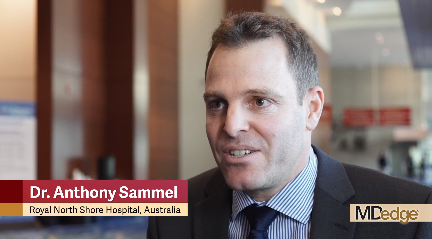
Study participants included patients with newly suspected giant cell arteritis (GCA) and all underwent PET/CT from the vertex to the diaphragm within 72 hours of starting corticosteroid therapy and prior to undergoing temporal artery biopsy (TAB). Two nuclear medicine physicians blinded to clinical and biopsy data identified GCA in the scans of 12 of 58 patients (21%) who ultimately underwent both PET/CT and TAB, Anthony M. Sammel, MBBS, reported at the annual meeting of the American College of Rheumatology.
Compared with TAB, which is the standard of care for diagnosing GCA in most centers, global GCA assessment by PET/CT had a sensitivity of 92%, specificity of 85%, and positive predictive value of 61%, said Dr. Sammel, a rheumatologist at Royal North Shore Hospital in Sydney.
The findings, and particularly the 98% negative predictive value, suggest that PET/CT could be used first line to rule out suspected GCA, although the sample size in the study was modest, he noted.
“I believe [the findings] would support PET/CT, when we include the head, neck, and chest, as a first-line test for patients newly suspected of having giant cell arteritis. I think we do need to be mindful that it’s not perfect,” he said, explaining that a TAB is warranted in a patient with a negative scan despite a clinician’s sense that there is a high likelihood of GCA.
However, the findings suggest that a negative study in a low to moderate risk patient would be “very, very reassuring,” and as such patients probably do not need a biopsy, he said in a video interview in which he also discussed cost-benefit issues with respect to PET/CT in this setting.
Of note, PET/CT diagnosed alternative conditions, including cancer and infections, that can mimic GCA in 13 study participants. At least one of those patients “may well have come to serious harm” on immunosuppressive therapy had his cervical spine infection gone undiagnosed, he said.
This study was funded by Arthritis Australia. Dr. Sammel reported having no relevant disclosures.
SOURCE: Sammel AM et al. ACR Annual Meeting, Abstract L15.
CHICAGO – Combined PET/CT has good diagnostic accuracy, including a 98% negative predictive value, when compared with temporal artery biopsy for suspected giant cell arteritis, according to findings from a study of 64 patients.
Study participants included patients with newly suspected giant cell arteritis (GCA) and all underwent PET/CT from the vertex to the diaphragm within 72 hours of starting corticosteroid therapy and prior to undergoing temporal artery biopsy (TAB). Two nuclear medicine physicians blinded to clinical and biopsy data identified GCA in the scans of 12 of 58 patients (21%) who ultimately underwent both PET/CT and TAB, Anthony M. Sammel, MBBS, reported at the annual meeting of the American College of Rheumatology.
Compared with TAB, which is the standard of care for diagnosing GCA in most centers, global GCA assessment by PET/CT had a sensitivity of 92%, specificity of 85%, and positive predictive value of 61%, said Dr. Sammel, a rheumatologist at Royal North Shore Hospital in Sydney.
The findings, and particularly the 98% negative predictive value, suggest that PET/CT could be used first line to rule out suspected GCA, although the sample size in the study was modest, he noted.
“I believe [the findings] would support PET/CT, when we include the head, neck, and chest, as a first-line test for patients newly suspected of having giant cell arteritis. I think we do need to be mindful that it’s not perfect,” he said, explaining that a TAB is warranted in a patient with a negative scan despite a clinician’s sense that there is a high likelihood of GCA.
However, the findings suggest that a negative study in a low to moderate risk patient would be “very, very reassuring,” and as such patients probably do not need a biopsy, he said in a video interview in which he also discussed cost-benefit issues with respect to PET/CT in this setting.
Of note, PET/CT diagnosed alternative conditions, including cancer and infections, that can mimic GCA in 13 study participants. At least one of those patients “may well have come to serious harm” on immunosuppressive therapy had his cervical spine infection gone undiagnosed, he said.
This study was funded by Arthritis Australia. Dr. Sammel reported having no relevant disclosures.
SOURCE: Sammel AM et al. ACR Annual Meeting, Abstract L15.
CHICAGO – Combined PET/CT has good diagnostic accuracy, including a 98% negative predictive value, when compared with temporal artery biopsy for suspected giant cell arteritis, according to findings from a study of 64 patients.
Study participants included patients with newly suspected giant cell arteritis (GCA) and all underwent PET/CT from the vertex to the diaphragm within 72 hours of starting corticosteroid therapy and prior to undergoing temporal artery biopsy (TAB). Two nuclear medicine physicians blinded to clinical and biopsy data identified GCA in the scans of 12 of 58 patients (21%) who ultimately underwent both PET/CT and TAB, Anthony M. Sammel, MBBS, reported at the annual meeting of the American College of Rheumatology.
Compared with TAB, which is the standard of care for diagnosing GCA in most centers, global GCA assessment by PET/CT had a sensitivity of 92%, specificity of 85%, and positive predictive value of 61%, said Dr. Sammel, a rheumatologist at Royal North Shore Hospital in Sydney.
The findings, and particularly the 98% negative predictive value, suggest that PET/CT could be used first line to rule out suspected GCA, although the sample size in the study was modest, he noted.
“I believe [the findings] would support PET/CT, when we include the head, neck, and chest, as a first-line test for patients newly suspected of having giant cell arteritis. I think we do need to be mindful that it’s not perfect,” he said, explaining that a TAB is warranted in a patient with a negative scan despite a clinician’s sense that there is a high likelihood of GCA.
However, the findings suggest that a negative study in a low to moderate risk patient would be “very, very reassuring,” and as such patients probably do not need a biopsy, he said in a video interview in which he also discussed cost-benefit issues with respect to PET/CT in this setting.
Of note, PET/CT diagnosed alternative conditions, including cancer and infections, that can mimic GCA in 13 study participants. At least one of those patients “may well have come to serious harm” on immunosuppressive therapy had his cervical spine infection gone undiagnosed, he said.
This study was funded by Arthritis Australia. Dr. Sammel reported having no relevant disclosures.
SOURCE: Sammel AM et al. ACR Annual Meeting, Abstract L15.
REPORTING FROM THE ACR ANNUAL MEETING
Key clinical point:
Major finding: PET/CT had 92% sensitivity, 85% specificity, 61% positive predictive value, and 98% negative predictive value.
Study details: A study of diagnostic accuracy of PET/CT for giant cell arteritis in 64 patients.
Disclosures: This study was funded by Arthritis Australia. Dr. Sammel reported having no relevant disclosures.
Source: Sammel AM et al. ACR Annual Meeting, Abstract L15.
PURE Healthy Diet Score validated
MUNICH – A formula for scoring diet quality that during its development phase significantly correlated with overall survival received validation when tested using three independent, large data sets that together included almost 80,000 people.

With these new findings the PURE Healthy Diet Score had now shown consistent, significant correlations with overall survival and the incidence of MI and stroke in a total of about 218,000 people from 50 countries who had been followed in any of four separate studies. This new validation is especially notable because the optimal diet identified by the scoring system diverged from current American diet recommendations in two important ways: Optimal food consumption included three daily servings of full-fat dairy and 1.5 servings daily of unprocessed red meat Andrew Mente, PhD, reported at the annual congress of the European Society of Cardiology. He explained this finding as possibly related to the global scope of the study, which included many people from low- or middle-income countries where average diets are usually low in important nutrients.
The PURE Healthy Diet Score should now be “considered for broad, global dietary recommendations,” Dr. Mente said in a video interview. Testing a diet profile in a large, randomized trial would be ideal, but also difficult to run. Until then, the only alternative for defining an evidence-based optimal diet is observational data, as in the current study. The PURE Healthy Diet Score “is ready for routine use,” said Dr. Mente, a clinical epidemiologist at McMaster University in Hamilton, Canada.

Dr. Mente and his associates developed the Pure Healthy Diet Score with data taken from 138,527 people enrolled in the Prospective Urban Rural Epidemiology (PURE) study. They published a pair of reports in 2017 with their initial findings that also included some of their first steps toward developing the score (Lancet. 2017 Nov 4; 380[10107]:2037-49; 380[10107]:2050-62). The PURE analysis identified seven food groups for which daily intake levels significantly linked with survival: fruits, vegetables, nuts, legumes, dairy, red meat, and fish. Based on this, they devised a scoring formula that gives a person a rating of 1-5 for each of these seven food types, from the lowest quintile of consumption, which scores 1, to the highest quintile, which scores 5. The result is a score than can range from 7 to 35. They then divided the PURE participants into quintiles based on their intakes of all seven food types and found the highest survival rate among people in the quintile with the highest intake level for all of the food groups.
The best-outcome quintile consumed on average about eight servings of fruits and vegetables daily, 2.5 servings of legumes and nuts, three servings of full-fat daily, 1.5 servings of unprocessed red meat, and 0.3 servings of fish (or about two servings of fish weekly). Energy consumption in the best-outcome quintile received 54% of calories as carbohydrates, 28% as fat, and 18% as protein. In contrast, the worst-outcomes quintile received 69% of calories from carbohydrates, 19% from fat, and 12% from protein.
In a model that adjusted for all measured confounders the people in PURE with the best-outcome diet had a statistically significant, 25% reduced all-cause mortality, compared with people in the quintile with the worst diet.
To validate the formula the researchers used data collected from three other trials run by their group at McMaster University:
- The ONTARGET and TRANSCEND studies (N Engl J Med. 2008 Apr 10;358[15]:1547-58), which together included diet and outcomes data for 31,546 patients with vascular disease. Diet analysis and scoring showed that enrolled people in the quintile with the highest score had a statistically significant 24% relative reduction in mortality, compared with the quintile with the worst score after adjusting for measured confounders.
- The INTERHEART study (Lancet. 2004 Sep 11;364[9438]:937-52), which had data for 27,098 people and showed that the primary outcome of incident MI was a statistically significant 22% lower after adjustment in the quintile with the best diet score, compared with the quintile with the worst score.
- The INTERSTROKE study (Lancet. 2016 Aug 20;388[10046]:761-75), with data for 20,834 people, showed that the rate of stroke was a statistically significant 25% lower after adjustment in the quintile with the highest diet score, compared with those with the lowest score.
Dr. Mente had no financial disclosures.
Dr. Mente and his associates have validated the PURE Healthy Diet Score. However, it remains unclear whether the score captures all of the many facets of diet, and it’s also uncertain whether the score is sensitive to changes in diet.

Another issue with the quintile analysis that the researchers used to derive the formula was that the spread between the median scores of the bottom, worst-outcome quartile and the top, best-outcome quartile was only 7 points on a scale that ranged from 7 to 35. The small magnitude of the difference in scores between the bottom and top quintiles might limit the discriminatory power of this scoring system.
Eva Prescott, MD, is a cardiologist at Bispebjerg Hospital in Copenhagen. She has been an advisor to AstraZeneca, NovoNordisk, and Sanofi. She made these comments as designated discussant for the report.
Dr. Mente and his associates have validated the PURE Healthy Diet Score. However, it remains unclear whether the score captures all of the many facets of diet, and it’s also uncertain whether the score is sensitive to changes in diet.
Another issue with the quintile analysis that the researchers used to derive the formula was that the spread between the median scores of the bottom, worst-outcome quartile and the top, best-outcome quartile was only 7 points on a scale that ranged from 7 to 35. The small magnitude of the difference in scores between the bottom and top quintiles might limit the discriminatory power of this scoring system.
Eva Prescott, MD, is a cardiologist at Bispebjerg Hospital in Copenhagen. She has been an advisor to AstraZeneca, NovoNordisk, and Sanofi. She made these comments as designated discussant for the report.
Dr. Mente and his associates have validated the PURE Healthy Diet Score. However, it remains unclear whether the score captures all of the many facets of diet, and it’s also uncertain whether the score is sensitive to changes in diet.
Another issue with the quintile analysis that the researchers used to derive the formula was that the spread between the median scores of the bottom, worst-outcome quartile and the top, best-outcome quartile was only 7 points on a scale that ranged from 7 to 35. The small magnitude of the difference in scores between the bottom and top quintiles might limit the discriminatory power of this scoring system.
Eva Prescott, MD, is a cardiologist at Bispebjerg Hospital in Copenhagen. She has been an advisor to AstraZeneca, NovoNordisk, and Sanofi. She made these comments as designated discussant for the report.
MUNICH – A formula for scoring diet quality that during its development phase significantly correlated with overall survival received validation when tested using three independent, large data sets that together included almost 80,000 people.
With these new findings the PURE Healthy Diet Score had now shown consistent, significant correlations with overall survival and the incidence of MI and stroke in a total of about 218,000 people from 50 countries who had been followed in any of four separate studies. This new validation is especially notable because the optimal diet identified by the scoring system diverged from current American diet recommendations in two important ways: Optimal food consumption included three daily servings of full-fat dairy and 1.5 servings daily of unprocessed red meat Andrew Mente, PhD, reported at the annual congress of the European Society of Cardiology. He explained this finding as possibly related to the global scope of the study, which included many people from low- or middle-income countries where average diets are usually low in important nutrients.
The PURE Healthy Diet Score should now be “considered for broad, global dietary recommendations,” Dr. Mente said in a video interview. Testing a diet profile in a large, randomized trial would be ideal, but also difficult to run. Until then, the only alternative for defining an evidence-based optimal diet is observational data, as in the current study. The PURE Healthy Diet Score “is ready for routine use,” said Dr. Mente, a clinical epidemiologist at McMaster University in Hamilton, Canada.
Dr. Mente and his associates developed the Pure Healthy Diet Score with data taken from 138,527 people enrolled in the Prospective Urban Rural Epidemiology (PURE) study. They published a pair of reports in 2017 with their initial findings that also included some of their first steps toward developing the score (Lancet. 2017 Nov 4; 380[10107]:2037-49; 380[10107]:2050-62). The PURE analysis identified seven food groups for which daily intake levels significantly linked with survival: fruits, vegetables, nuts, legumes, dairy, red meat, and fish. Based on this, they devised a scoring formula that gives a person a rating of 1-5 for each of these seven food types, from the lowest quintile of consumption, which scores 1, to the highest quintile, which scores 5. The result is a score than can range from 7 to 35. They then divided the PURE participants into quintiles based on their intakes of all seven food types and found the highest survival rate among people in the quintile with the highest intake level for all of the food groups.
The best-outcome quintile consumed on average about eight servings of fruits and vegetables daily, 2.5 servings of legumes and nuts, three servings of full-fat daily, 1.5 servings of unprocessed red meat, and 0.3 servings of fish (or about two servings of fish weekly). Energy consumption in the best-outcome quintile received 54% of calories as carbohydrates, 28% as fat, and 18% as protein. In contrast, the worst-outcomes quintile received 69% of calories from carbohydrates, 19% from fat, and 12% from protein.
In a model that adjusted for all measured confounders the people in PURE with the best-outcome diet had a statistically significant, 25% reduced all-cause mortality, compared with people in the quintile with the worst diet.
To validate the formula the researchers used data collected from three other trials run by their group at McMaster University:
- The ONTARGET and TRANSCEND studies (N Engl J Med. 2008 Apr 10;358[15]:1547-58), which together included diet and outcomes data for 31,546 patients with vascular disease. Diet analysis and scoring showed that enrolled people in the quintile with the highest score had a statistically significant 24% relative reduction in mortality, compared with the quintile with the worst score after adjusting for measured confounders.
- The INTERHEART study (Lancet. 2004 Sep 11;364[9438]:937-52), which had data for 27,098 people and showed that the primary outcome of incident MI was a statistically significant 22% lower after adjustment in the quintile with the best diet score, compared with the quintile with the worst score.
- The INTERSTROKE study (Lancet. 2016 Aug 20;388[10046]:761-75), with data for 20,834 people, showed that the rate of stroke was a statistically significant 25% lower after adjustment in the quintile with the highest diet score, compared with those with the lowest score.
Dr. Mente had no financial disclosures.
MUNICH – A formula for scoring diet quality that during its development phase significantly correlated with overall survival received validation when tested using three independent, large data sets that together included almost 80,000 people.
With these new findings the PURE Healthy Diet Score had now shown consistent, significant correlations with overall survival and the incidence of MI and stroke in a total of about 218,000 people from 50 countries who had been followed in any of four separate studies. This new validation is especially notable because the optimal diet identified by the scoring system diverged from current American diet recommendations in two important ways: Optimal food consumption included three daily servings of full-fat dairy and 1.5 servings daily of unprocessed red meat Andrew Mente, PhD, reported at the annual congress of the European Society of Cardiology. He explained this finding as possibly related to the global scope of the study, which included many people from low- or middle-income countries where average diets are usually low in important nutrients.
The PURE Healthy Diet Score should now be “considered for broad, global dietary recommendations,” Dr. Mente said in a video interview. Testing a diet profile in a large, randomized trial would be ideal, but also difficult to run. Until then, the only alternative for defining an evidence-based optimal diet is observational data, as in the current study. The PURE Healthy Diet Score “is ready for routine use,” said Dr. Mente, a clinical epidemiologist at McMaster University in Hamilton, Canada.
Dr. Mente and his associates developed the Pure Healthy Diet Score with data taken from 138,527 people enrolled in the Prospective Urban Rural Epidemiology (PURE) study. They published a pair of reports in 2017 with their initial findings that also included some of their first steps toward developing the score (Lancet. 2017 Nov 4; 380[10107]:2037-49; 380[10107]:2050-62). The PURE analysis identified seven food groups for which daily intake levels significantly linked with survival: fruits, vegetables, nuts, legumes, dairy, red meat, and fish. Based on this, they devised a scoring formula that gives a person a rating of 1-5 for each of these seven food types, from the lowest quintile of consumption, which scores 1, to the highest quintile, which scores 5. The result is a score than can range from 7 to 35. They then divided the PURE participants into quintiles based on their intakes of all seven food types and found the highest survival rate among people in the quintile with the highest intake level for all of the food groups.
The best-outcome quintile consumed on average about eight servings of fruits and vegetables daily, 2.5 servings of legumes and nuts, three servings of full-fat daily, 1.5 servings of unprocessed red meat, and 0.3 servings of fish (or about two servings of fish weekly). Energy consumption in the best-outcome quintile received 54% of calories as carbohydrates, 28% as fat, and 18% as protein. In contrast, the worst-outcomes quintile received 69% of calories from carbohydrates, 19% from fat, and 12% from protein.
In a model that adjusted for all measured confounders the people in PURE with the best-outcome diet had a statistically significant, 25% reduced all-cause mortality, compared with people in the quintile with the worst diet.
To validate the formula the researchers used data collected from three other trials run by their group at McMaster University:
- The ONTARGET and TRANSCEND studies (N Engl J Med. 2008 Apr 10;358[15]:1547-58), which together included diet and outcomes data for 31,546 patients with vascular disease. Diet analysis and scoring showed that enrolled people in the quintile with the highest score had a statistically significant 24% relative reduction in mortality, compared with the quintile with the worst score after adjusting for measured confounders.
- The INTERHEART study (Lancet. 2004 Sep 11;364[9438]:937-52), which had data for 27,098 people and showed that the primary outcome of incident MI was a statistically significant 22% lower after adjustment in the quintile with the best diet score, compared with the quintile with the worst score.
- The INTERSTROKE study (Lancet. 2016 Aug 20;388[10046]:761-75), with data for 20,834 people, showed that the rate of stroke was a statistically significant 25% lower after adjustment in the quintile with the highest diet score, compared with those with the lowest score.
Dr. Mente had no financial disclosures.
REPORTING FROM THE ESC CONGRESS 2018
Key clinical point:
Major finding: The highest-scoring quintiles had about 25% fewer deaths, MIs, and strokes, compared with the lowest-scoring quintiles.
Study details: The PURE Healthy Diet Score underwent validation using three independent data sets with a total of 79,478 people.
Disclosures: Dr. Mente had no financial disclosures.
Two-thirds of COPD patients not using inhalers correctly
SAN ANTONIO – Two-thirds of U.S. adults with (MDIs), according to new research. About half of patients failed to inhale slowly and deeply to ensure they received the appropriate dose, and about 40% of patients failed to hold their breath for 5-10 seconds afterward so that the medication made its way to their lungs, the findings show.
“There’s a need to educate patients on proper inhalation technique to optimize the appropriate delivery of medication,” Maryam Navaie, DrPH, of Advance Health Solutions in New York told attendees at the annual meeting of the American College of Chest Physicians. She also urged practitioners to think more carefully about what devices to prescribe to patients based on their own personal attributes.
“Nebulizer devices may be a better consideration for patients who have difficulty performing the necessary steps required by handheld inhalers,” Dr. Navaie said.
She and fellow researchers conducted a systematic review to gain more insights into the errors and difficulties experienced by U.S. adults using MDIs for COPD or asthma. They combed through PubMed, EMBASE, PsycINFO, Cochrane, and Google Scholar databases for English language studies about MDI-related errors in U.S. adult COPD or asthma patients published between January 2003 and February 2017.
The researchers included only randomized controlled trials and cross-sectional and observational studies, and they excluded studies with combined error rates across multiple devices so they could better parse out the data. They also used baseline rates only in studies that involved an intervention to reduce errors.
The researchers defined the proportion of overall MDI errors as “the percentage of patients who made errors in equal to or greater than 20% of inhalation steps.” They computed pooled estimates and created forest plots for both overall errors and for errors according to each step in using an MDI.
The eight studies they identified involved 1,221 patients, with ages ranging from a mean 48 to 82 years, 53% of whom were female. Nearly two-thirds of the patients had COPD (63.6%) while 36.4% had asthma. Most of the devices studied were MDIs alone (68.8%), while 31.2% included a spacer.
The pooled weighted average revealed a 66.5% error rate, that is, two-thirds of all the patients were making at least two errors during the 10 steps involved in using their device. The researchers then used individual error rates data in five studies to calculate the overall error rate for each step in using MDIs. The most common error, made by 73.8% of people in those five studies, was failing to attach the inhaler to the spacer. In addition, 68.7% of patients were failing to exhale fully and away from the inhaler before inhaling, and 47.8% were inhaling too fast instead of inhaling deeply.
“So these [findings] actually give you [some specific] ideas of how we could help improve patients’ ability to use the device properly,” Dr. Navaie told attendees, adding that these data can inform patient education needs and interventions.
Based on the data from those five studies, the error rates for all 10 steps to using an MDI were as follows:
- Failed to shake inhaler before use (37.9%).
- Failed to attach inhaler to spacer (73.8%).
- Failed to exhale fully and away from inhaler before inhalation (68.7%).
- Failed to place mouthpiece between teeth and sealed lips (7.4%).
- Failed to actuate once during inhalation (24.4%).
- Inhalation too fast, not deep (47.8%).
- Failed to hold breath for 5-10 seconds (40.1%).
- Failed to remove the inhaler/spacer from mouth (11.3%).
- Failed to exhale after inhalation (33.2%).
- Failed to repeat steps for second puff (36.7%).
Dr. Navaie also noted the investigators were surprised to learn that physicians themselves sometimes make several of these errors in explaining to patients how to use their devices.
“I think for the reps and other people who go out and visit doctors, it’s important to think about making sure the clinicians are using the devices properly,” Dr. Navaie said. She pointed out the potential for patients to forget steps between visits.
“One of the things a lot of our clinicians and key opinion leaders told us during the course of this study is that you shouldn’t just educate the patient at the time you are scripting the device but repeatedly because patients forget,” she said. She recommended having patients demonstrate their use of the device at each visit. If patients continue to struggle, it may be worth considering other therapies, such as a nebulizer, for patients unable to regularly use their devices correctly.
The meta-analysis was limited by the sparse research available in general on MDI errors in the U.S. adult population, so the data on error rates for each individual step may not be broadly generalizable. The studies also did not distinguish between rates among users with asthma vs. users with COPD. Further, too few data exist on associations between MDI errors and health outcomes to have a clear picture of the clinical implications of regularly making multiple errors in MDI use.
Dr. Navaie is employed by Advance Health Solutions, which received Sunovion Pharmaceuticals funding for the study.
SOURCE: Navaie M et al. CHEST 2018. doi: 10.1016/j.chest.2018.08.705.
SAN ANTONIO – Two-thirds of U.S. adults with (MDIs), according to new research. About half of patients failed to inhale slowly and deeply to ensure they received the appropriate dose, and about 40% of patients failed to hold their breath for 5-10 seconds afterward so that the medication made its way to their lungs, the findings show.
“There’s a need to educate patients on proper inhalation technique to optimize the appropriate delivery of medication,” Maryam Navaie, DrPH, of Advance Health Solutions in New York told attendees at the annual meeting of the American College of Chest Physicians. She also urged practitioners to think more carefully about what devices to prescribe to patients based on their own personal attributes.
“Nebulizer devices may be a better consideration for patients who have difficulty performing the necessary steps required by handheld inhalers,” Dr. Navaie said.
She and fellow researchers conducted a systematic review to gain more insights into the errors and difficulties experienced by U.S. adults using MDIs for COPD or asthma. They combed through PubMed, EMBASE, PsycINFO, Cochrane, and Google Scholar databases for English language studies about MDI-related errors in U.S. adult COPD or asthma patients published between January 2003 and February 2017.
The researchers included only randomized controlled trials and cross-sectional and observational studies, and they excluded studies with combined error rates across multiple devices so they could better parse out the data. They also used baseline rates only in studies that involved an intervention to reduce errors.
The researchers defined the proportion of overall MDI errors as “the percentage of patients who made errors in equal to or greater than 20% of inhalation steps.” They computed pooled estimates and created forest plots for both overall errors and for errors according to each step in using an MDI.
The eight studies they identified involved 1,221 patients, with ages ranging from a mean 48 to 82 years, 53% of whom were female. Nearly two-thirds of the patients had COPD (63.6%) while 36.4% had asthma. Most of the devices studied were MDIs alone (68.8%), while 31.2% included a spacer.
The pooled weighted average revealed a 66.5% error rate, that is, two-thirds of all the patients were making at least two errors during the 10 steps involved in using their device. The researchers then used individual error rates data in five studies to calculate the overall error rate for each step in using MDIs. The most common error, made by 73.8% of people in those five studies, was failing to attach the inhaler to the spacer. In addition, 68.7% of patients were failing to exhale fully and away from the inhaler before inhaling, and 47.8% were inhaling too fast instead of inhaling deeply.
“So these [findings] actually give you [some specific] ideas of how we could help improve patients’ ability to use the device properly,” Dr. Navaie told attendees, adding that these data can inform patient education needs and interventions.
Based on the data from those five studies, the error rates for all 10 steps to using an MDI were as follows:
- Failed to shake inhaler before use (37.9%).
- Failed to attach inhaler to spacer (73.8%).
- Failed to exhale fully and away from inhaler before inhalation (68.7%).
- Failed to place mouthpiece between teeth and sealed lips (7.4%).
- Failed to actuate once during inhalation (24.4%).
- Inhalation too fast, not deep (47.8%).
- Failed to hold breath for 5-10 seconds (40.1%).
- Failed to remove the inhaler/spacer from mouth (11.3%).
- Failed to exhale after inhalation (33.2%).
- Failed to repeat steps for second puff (36.7%).
Dr. Navaie also noted the investigators were surprised to learn that physicians themselves sometimes make several of these errors in explaining to patients how to use their devices.
“I think for the reps and other people who go out and visit doctors, it’s important to think about making sure the clinicians are using the devices properly,” Dr. Navaie said. She pointed out the potential for patients to forget steps between visits.
“One of the things a lot of our clinicians and key opinion leaders told us during the course of this study is that you shouldn’t just educate the patient at the time you are scripting the device but repeatedly because patients forget,” she said. She recommended having patients demonstrate their use of the device at each visit. If patients continue to struggle, it may be worth considering other therapies, such as a nebulizer, for patients unable to regularly use their devices correctly.
The meta-analysis was limited by the sparse research available in general on MDI errors in the U.S. adult population, so the data on error rates for each individual step may not be broadly generalizable. The studies also did not distinguish between rates among users with asthma vs. users with COPD. Further, too few data exist on associations between MDI errors and health outcomes to have a clear picture of the clinical implications of regularly making multiple errors in MDI use.
Dr. Navaie is employed by Advance Health Solutions, which received Sunovion Pharmaceuticals funding for the study.
SOURCE: Navaie M et al. CHEST 2018. doi: 10.1016/j.chest.2018.08.705.
SAN ANTONIO – Two-thirds of U.S. adults with (MDIs), according to new research. About half of patients failed to inhale slowly and deeply to ensure they received the appropriate dose, and about 40% of patients failed to hold their breath for 5-10 seconds afterward so that the medication made its way to their lungs, the findings show.
“There’s a need to educate patients on proper inhalation technique to optimize the appropriate delivery of medication,” Maryam Navaie, DrPH, of Advance Health Solutions in New York told attendees at the annual meeting of the American College of Chest Physicians. She also urged practitioners to think more carefully about what devices to prescribe to patients based on their own personal attributes.
“Nebulizer devices may be a better consideration for patients who have difficulty performing the necessary steps required by handheld inhalers,” Dr. Navaie said.
She and fellow researchers conducted a systematic review to gain more insights into the errors and difficulties experienced by U.S. adults using MDIs for COPD or asthma. They combed through PubMed, EMBASE, PsycINFO, Cochrane, and Google Scholar databases for English language studies about MDI-related errors in U.S. adult COPD or asthma patients published between January 2003 and February 2017.
The researchers included only randomized controlled trials and cross-sectional and observational studies, and they excluded studies with combined error rates across multiple devices so they could better parse out the data. They also used baseline rates only in studies that involved an intervention to reduce errors.
The researchers defined the proportion of overall MDI errors as “the percentage of patients who made errors in equal to or greater than 20% of inhalation steps.” They computed pooled estimates and created forest plots for both overall errors and for errors according to each step in using an MDI.
The eight studies they identified involved 1,221 patients, with ages ranging from a mean 48 to 82 years, 53% of whom were female. Nearly two-thirds of the patients had COPD (63.6%) while 36.4% had asthma. Most of the devices studied were MDIs alone (68.8%), while 31.2% included a spacer.
The pooled weighted average revealed a 66.5% error rate, that is, two-thirds of all the patients were making at least two errors during the 10 steps involved in using their device. The researchers then used individual error rates data in five studies to calculate the overall error rate for each step in using MDIs. The most common error, made by 73.8% of people in those five studies, was failing to attach the inhaler to the spacer. In addition, 68.7% of patients were failing to exhale fully and away from the inhaler before inhaling, and 47.8% were inhaling too fast instead of inhaling deeply.
“So these [findings] actually give you [some specific] ideas of how we could help improve patients’ ability to use the device properly,” Dr. Navaie told attendees, adding that these data can inform patient education needs and interventions.
Based on the data from those five studies, the error rates for all 10 steps to using an MDI were as follows:
- Failed to shake inhaler before use (37.9%).
- Failed to attach inhaler to spacer (73.8%).
- Failed to exhale fully and away from inhaler before inhalation (68.7%).
- Failed to place mouthpiece between teeth and sealed lips (7.4%).
- Failed to actuate once during inhalation (24.4%).
- Inhalation too fast, not deep (47.8%).
- Failed to hold breath for 5-10 seconds (40.1%).
- Failed to remove the inhaler/spacer from mouth (11.3%).
- Failed to exhale after inhalation (33.2%).
- Failed to repeat steps for second puff (36.7%).
Dr. Navaie also noted the investigators were surprised to learn that physicians themselves sometimes make several of these errors in explaining to patients how to use their devices.
“I think for the reps and other people who go out and visit doctors, it’s important to think about making sure the clinicians are using the devices properly,” Dr. Navaie said. She pointed out the potential for patients to forget steps between visits.
“One of the things a lot of our clinicians and key opinion leaders told us during the course of this study is that you shouldn’t just educate the patient at the time you are scripting the device but repeatedly because patients forget,” she said. She recommended having patients demonstrate their use of the device at each visit. If patients continue to struggle, it may be worth considering other therapies, such as a nebulizer, for patients unable to regularly use their devices correctly.
The meta-analysis was limited by the sparse research available in general on MDI errors in the U.S. adult population, so the data on error rates for each individual step may not be broadly generalizable. The studies also did not distinguish between rates among users with asthma vs. users with COPD. Further, too few data exist on associations between MDI errors and health outcomes to have a clear picture of the clinical implications of regularly making multiple errors in MDI use.
Dr. Navaie is employed by Advance Health Solutions, which received Sunovion Pharmaceuticals funding for the study.
SOURCE: Navaie M et al. CHEST 2018. doi: 10.1016/j.chest.2018.08.705.
REPORTING FROM CHEST 2018
Key clinical point: 67% of US adult patients with COPD or asthma report making errors in using metered-dose inhalers.
Major finding: 69% of patients do not exhale fully and away from the inhaler before inhalation; 50% do not inhale slowly and deeply.
Study details: Meta-analysis of eight studies involving 1,221 U.S. adult patients with COPD or asthma who use metered-dose inhalers.
Disclosures: Dr. Navaie is employed by Advance Health Solutions, which received Sunovion Pharmaceuticals funding for the study.
Source: Navaie M et al. CHEST 2018. doi: 10.1016/j.chest.2018.08.705.
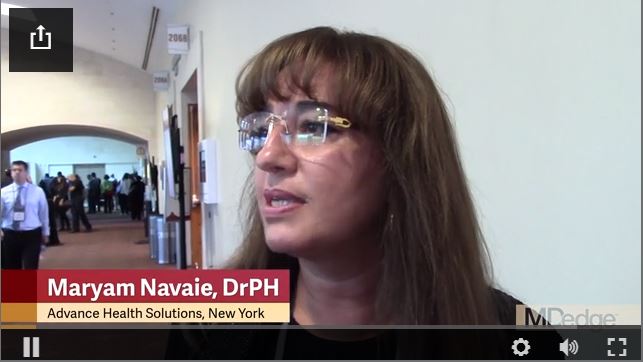
Early childhood developmental screening differs in the U.S., Scandinavia
Nearly every parent gets excited about their child’s first smile, steps, and words. Developmental and behavioral screening helps to better track young children’s progress in areas like communication, motor, cognitive, and social/emotional skills. Approximately one in four or five children are at risk for a developmental/behavioral delay, which might indicate an emerging developmental disability or mental health disorder.

Regular screenings raise awareness of children’s development, which makes it easier for parents to expect and celebrate milestones. They encourage parents and doctors to avoid the common pitfall of taking a “wait and see” approach. Regular screenings might even help doctors more easily diagnose co-occurring conditions like autism, sleep disorders, iron deficiencies, hearing impairment, metabolic disorders, genetic disorders, in utero drug/alcohol exposure, or child maltreatment.

High-quality interventions for children aged 0-5 years can decrease rates of special education, substance abuse, criminality/incarceration, suicidal attempts, and unemployment or welfare dependency. The trick is to swiftly identify and refer at-risk and delayed children to the most effective resources in a family-centered manner.
Our new study, which has been published online in Developmental Medicine and Child Neurology, investigated early childhood screening practices across the United States and Scandinavia (Denmark, Norway, and Sweden), which lie relatively far apart on the spectrum of preventive care models (2018 Sep 23. doi: 10.1111/dmcn.14044).
Just like many other developed areas of the world, the United States and Scandinavia are increasingly using two accurate, parent-reported screening tools – the Ages & Stages Questionnaire (ASQ) and ASQ:Social-Emotional (ASQ:SE) – to measure developmental and behavioral skills in children aged 0-5 years. We found that routine and periodic ASQ and/or ASQ:SE screening is low cost, feasible, and increases early detection and referral rates, plus they connect at-risk children to early intervention programs at significantly younger ages.
Surprisingly, the United States and Scandinavia tend to use these same two screening questionnaires quite differently. U.S. pediatricians and family physicians commonly use the ASQ and/or ASQ:SE in clinic settings to swiftly identify developmental/behavioral red flags in children from general and at-risk populations (See video at end of article). Scandinavian studies more commonly report the use of the ASQ and ASQ:SE to track developmental/behavioral differences in children in an intervention/exposure group and how they compare with children in a control group over time. In other words, the United States uses these screens clinically, and Scandinavia mostly uses them for research purposes.
In Scandinavia, home visit nurses and general practitioners commonly administer more narrowly focused, “hands-on” screens during infancy. Different municipalities use different screens. Language-focused screening typically is not performed until ages 2.5-3 years in preschools or child health centers. That’s probably too late. Scandinavian countries, which boast bountiful and equitable early childhood resources, are not routinely using parent-centered screening tools that measure all of a child’s developmental domains, including social/emotional skills. One reason is probably that Danish and Swedish ASQ and ASQ:SE norming (standardization) and validation (reliability and accuracy) studies are lacking and because Norwegian norms are out-of-date. Therefore, they are primarily used just for research. Every decade, the “good” screening questionnaires have to be scientifically tweaked and improved as the characteristics of populations (like ethnicity, socioeconomic status, or percentage of new immigrants) and cultural norms (like rotary versus cell phones) change over time.
Scandinavia likely would benefit from nationwide screening initiatives, which played key roles in implementing and sustaining developmental and social/emotional screening in numerous U.S. states. The American Academy of Pediatrics recommends routinely administering a standardized developmental screening tool at ages 9, 18, and 24-30 months, along with many other action steps and decision-making points. In reality, only 30% of U.S. children received a parent-centered, standardized developmental screening, and state-level screening rates varied wildly from 59% (Oregon) to 17% (Mississippi) in 2017-2018 (JAMA Pediatr. 2018;172[9]:857-66). Statewide screening initiatives made a big difference.
One implementation lesson is that U.S. and Scandinavian health care clinics probably should not bother mailing out the ASQ or ASQ:SE paper questionnaires to family’s homes. They will end up getting suboptimal return rates, most especially for preschoolers. Instead, clinics should instruct parents to complete the online ASQ or ASQ:SE at home 1-2 weeks before the office visit or, alternatively, the paper ASQ or ASQ:SE about 20 minutes before the clinician walks into the exam room. A number of study results support this.
According to U.S. studies, when primary care doctors share office space with developmental specialists or psychologists, children with concerning screens are more reliably connected to early interventions. Children and families can benefit from care coordinators, who supervise and bring doctors together with different specialists while monitoring and evaluating the care delivered.
According to Scandinavian studies, when mothers screen positive for depression, their at-risk children generally benefit from a social-emotional/behavioral (ASQ:SE) screening at 2 years old or younger. Currently, this is not routinely happening in U.S. primary care practices.
America could do a much better job of screening, and as it turns out, ditto with Scandinavia. We hope our systematic review inspires policy makers, medical professionals, early childhood educators, mental health providers, social workers, and parents, to learn more about developmental and behavioral screening and to perform ongoing, high-quality research in the United States, Scandinavia, and many other developed nations.
Here is a video Dr. Marks has developed showing how to integrate ASQ screening into your practice.
Dr. Marks is a pediatrician, clinical researcher, and coauthor of Developmental Screening in Your Community. Dr. Madsen Sjö is a certified pediatric neuropsychologist in Copenhagen. Dr. Marks and his family moved from the United States to Denmark in 2017. Email him at [email protected].
Nearly every parent gets excited about their child’s first smile, steps, and words. Developmental and behavioral screening helps to better track young children’s progress in areas like communication, motor, cognitive, and social/emotional skills. Approximately one in four or five children are at risk for a developmental/behavioral delay, which might indicate an emerging developmental disability or mental health disorder.
Regular screenings raise awareness of children’s development, which makes it easier for parents to expect and celebrate milestones. They encourage parents and doctors to avoid the common pitfall of taking a “wait and see” approach. Regular screenings might even help doctors more easily diagnose co-occurring conditions like autism, sleep disorders, iron deficiencies, hearing impairment, metabolic disorders, genetic disorders, in utero drug/alcohol exposure, or child maltreatment.
High-quality interventions for children aged 0-5 years can decrease rates of special education, substance abuse, criminality/incarceration, suicidal attempts, and unemployment or welfare dependency. The trick is to swiftly identify and refer at-risk and delayed children to the most effective resources in a family-centered manner.
Our new study, which has been published online in Developmental Medicine and Child Neurology, investigated early childhood screening practices across the United States and Scandinavia (Denmark, Norway, and Sweden), which lie relatively far apart on the spectrum of preventive care models (2018 Sep 23. doi: 10.1111/dmcn.14044).
Just like many other developed areas of the world, the United States and Scandinavia are increasingly using two accurate, parent-reported screening tools – the Ages & Stages Questionnaire (ASQ) and ASQ:Social-Emotional (ASQ:SE) – to measure developmental and behavioral skills in children aged 0-5 years. We found that routine and periodic ASQ and/or ASQ:SE screening is low cost, feasible, and increases early detection and referral rates, plus they connect at-risk children to early intervention programs at significantly younger ages.
Surprisingly, the United States and Scandinavia tend to use these same two screening questionnaires quite differently. U.S. pediatricians and family physicians commonly use the ASQ and/or ASQ:SE in clinic settings to swiftly identify developmental/behavioral red flags in children from general and at-risk populations (See video at end of article). Scandinavian studies more commonly report the use of the ASQ and ASQ:SE to track developmental/behavioral differences in children in an intervention/exposure group and how they compare with children in a control group over time. In other words, the United States uses these screens clinically, and Scandinavia mostly uses them for research purposes.
In Scandinavia, home visit nurses and general practitioners commonly administer more narrowly focused, “hands-on” screens during infancy. Different municipalities use different screens. Language-focused screening typically is not performed until ages 2.5-3 years in preschools or child health centers. That’s probably too late. Scandinavian countries, which boast bountiful and equitable early childhood resources, are not routinely using parent-centered screening tools that measure all of a child’s developmental domains, including social/emotional skills. One reason is probably that Danish and Swedish ASQ and ASQ:SE norming (standardization) and validation (reliability and accuracy) studies are lacking and because Norwegian norms are out-of-date. Therefore, they are primarily used just for research. Every decade, the “good” screening questionnaires have to be scientifically tweaked and improved as the characteristics of populations (like ethnicity, socioeconomic status, or percentage of new immigrants) and cultural norms (like rotary versus cell phones) change over time.
Scandinavia likely would benefit from nationwide screening initiatives, which played key roles in implementing and sustaining developmental and social/emotional screening in numerous U.S. states. The American Academy of Pediatrics recommends routinely administering a standardized developmental screening tool at ages 9, 18, and 24-30 months, along with many other action steps and decision-making points. In reality, only 30% of U.S. children received a parent-centered, standardized developmental screening, and state-level screening rates varied wildly from 59% (Oregon) to 17% (Mississippi) in 2017-2018 (JAMA Pediatr. 2018;172[9]:857-66). Statewide screening initiatives made a big difference.
One implementation lesson is that U.S. and Scandinavian health care clinics probably should not bother mailing out the ASQ or ASQ:SE paper questionnaires to family’s homes. They will end up getting suboptimal return rates, most especially for preschoolers. Instead, clinics should instruct parents to complete the online ASQ or ASQ:SE at home 1-2 weeks before the office visit or, alternatively, the paper ASQ or ASQ:SE about 20 minutes before the clinician walks into the exam room. A number of study results support this.
According to U.S. studies, when primary care doctors share office space with developmental specialists or psychologists, children with concerning screens are more reliably connected to early interventions. Children and families can benefit from care coordinators, who supervise and bring doctors together with different specialists while monitoring and evaluating the care delivered.
According to Scandinavian studies, when mothers screen positive for depression, their at-risk children generally benefit from a social-emotional/behavioral (ASQ:SE) screening at 2 years old or younger. Currently, this is not routinely happening in U.S. primary care practices.
America could do a much better job of screening, and as it turns out, ditto with Scandinavia. We hope our systematic review inspires policy makers, medical professionals, early childhood educators, mental health providers, social workers, and parents, to learn more about developmental and behavioral screening and to perform ongoing, high-quality research in the United States, Scandinavia, and many other developed nations.
Here is a video Dr. Marks has developed showing how to integrate ASQ screening into your practice.
Dr. Marks is a pediatrician, clinical researcher, and coauthor of Developmental Screening in Your Community. Dr. Madsen Sjö is a certified pediatric neuropsychologist in Copenhagen. Dr. Marks and his family moved from the United States to Denmark in 2017. Email him at [email protected].
Nearly every parent gets excited about their child’s first smile, steps, and words. Developmental and behavioral screening helps to better track young children’s progress in areas like communication, motor, cognitive, and social/emotional skills. Approximately one in four or five children are at risk for a developmental/behavioral delay, which might indicate an emerging developmental disability or mental health disorder.
Regular screenings raise awareness of children’s development, which makes it easier for parents to expect and celebrate milestones. They encourage parents and doctors to avoid the common pitfall of taking a “wait and see” approach. Regular screenings might even help doctors more easily diagnose co-occurring conditions like autism, sleep disorders, iron deficiencies, hearing impairment, metabolic disorders, genetic disorders, in utero drug/alcohol exposure, or child maltreatment.
High-quality interventions for children aged 0-5 years can decrease rates of special education, substance abuse, criminality/incarceration, suicidal attempts, and unemployment or welfare dependency. The trick is to swiftly identify and refer at-risk and delayed children to the most effective resources in a family-centered manner.
Our new study, which has been published online in Developmental Medicine and Child Neurology, investigated early childhood screening practices across the United States and Scandinavia (Denmark, Norway, and Sweden), which lie relatively far apart on the spectrum of preventive care models (2018 Sep 23. doi: 10.1111/dmcn.14044).
Just like many other developed areas of the world, the United States and Scandinavia are increasingly using two accurate, parent-reported screening tools – the Ages & Stages Questionnaire (ASQ) and ASQ:Social-Emotional (ASQ:SE) – to measure developmental and behavioral skills in children aged 0-5 years. We found that routine and periodic ASQ and/or ASQ:SE screening is low cost, feasible, and increases early detection and referral rates, plus they connect at-risk children to early intervention programs at significantly younger ages.
Surprisingly, the United States and Scandinavia tend to use these same two screening questionnaires quite differently. U.S. pediatricians and family physicians commonly use the ASQ and/or ASQ:SE in clinic settings to swiftly identify developmental/behavioral red flags in children from general and at-risk populations (See video at end of article). Scandinavian studies more commonly report the use of the ASQ and ASQ:SE to track developmental/behavioral differences in children in an intervention/exposure group and how they compare with children in a control group over time. In other words, the United States uses these screens clinically, and Scandinavia mostly uses them for research purposes.
In Scandinavia, home visit nurses and general practitioners commonly administer more narrowly focused, “hands-on” screens during infancy. Different municipalities use different screens. Language-focused screening typically is not performed until ages 2.5-3 years in preschools or child health centers. That’s probably too late. Scandinavian countries, which boast bountiful and equitable early childhood resources, are not routinely using parent-centered screening tools that measure all of a child’s developmental domains, including social/emotional skills. One reason is probably that Danish and Swedish ASQ and ASQ:SE norming (standardization) and validation (reliability and accuracy) studies are lacking and because Norwegian norms are out-of-date. Therefore, they are primarily used just for research. Every decade, the “good” screening questionnaires have to be scientifically tweaked and improved as the characteristics of populations (like ethnicity, socioeconomic status, or percentage of new immigrants) and cultural norms (like rotary versus cell phones) change over time.
Scandinavia likely would benefit from nationwide screening initiatives, which played key roles in implementing and sustaining developmental and social/emotional screening in numerous U.S. states. The American Academy of Pediatrics recommends routinely administering a standardized developmental screening tool at ages 9, 18, and 24-30 months, along with many other action steps and decision-making points. In reality, only 30% of U.S. children received a parent-centered, standardized developmental screening, and state-level screening rates varied wildly from 59% (Oregon) to 17% (Mississippi) in 2017-2018 (JAMA Pediatr. 2018;172[9]:857-66). Statewide screening initiatives made a big difference.
One implementation lesson is that U.S. and Scandinavian health care clinics probably should not bother mailing out the ASQ or ASQ:SE paper questionnaires to family’s homes. They will end up getting suboptimal return rates, most especially for preschoolers. Instead, clinics should instruct parents to complete the online ASQ or ASQ:SE at home 1-2 weeks before the office visit or, alternatively, the paper ASQ or ASQ:SE about 20 minutes before the clinician walks into the exam room. A number of study results support this.
According to U.S. studies, when primary care doctors share office space with developmental specialists or psychologists, children with concerning screens are more reliably connected to early interventions. Children and families can benefit from care coordinators, who supervise and bring doctors together with different specialists while monitoring and evaluating the care delivered.
According to Scandinavian studies, when mothers screen positive for depression, their at-risk children generally benefit from a social-emotional/behavioral (ASQ:SE) screening at 2 years old or younger. Currently, this is not routinely happening in U.S. primary care practices.
America could do a much better job of screening, and as it turns out, ditto with Scandinavia. We hope our systematic review inspires policy makers, medical professionals, early childhood educators, mental health providers, social workers, and parents, to learn more about developmental and behavioral screening and to perform ongoing, high-quality research in the United States, Scandinavia, and many other developed nations.
Here is a video Dr. Marks has developed showing how to integrate ASQ screening into your practice.
Dr. Marks is a pediatrician, clinical researcher, and coauthor of Developmental Screening in Your Community. Dr. Madsen Sjö is a certified pediatric neuropsychologist in Copenhagen. Dr. Marks and his family moved from the United States to Denmark in 2017. Email him at [email protected].
Bias in the clinical setting can impact patient care
SAN ANTONIO – Physicians and other health care providers may harbor implicit, or unconscious, biases that contribute to health care disparities, patient communication researcher Stacey Passalacqua, PhD, said here at the annual meeting of the American College of Chest Physicians.
Implicit biases are beliefs or attitudes, for example, about certain social groups, that exist outside of a health care provider’s conscious awareness, said Dr. Passalacqua of the department of communication at the University of Texas, San Antonio. If bias is implicit, it can be difficult self-assess.
among other social, ethnic, and racial groups, Dr. Passalacqua told attendees in workshops at the meeting.
“If a health care provider has negative biases toward a particular patient – maybe they think that these patients doesn’t care that much about their health or that they really have no interest in participating – then obviously that health care provider is far less likely to engage that patient in shared decision making,” she said in a video interview.
Diagnosis and treatment are subject to influence by the bias that physicians have toward certain patient groups, according to Dr. Passalacqua. For example, she said women with heart disease are less likely to be accurately diagnosed.
The bias in the medical setting might be mitigated by the presence of more individuals from the at-risk groups in the health care workforce, she added. In one recent retrospective study, investigators found that after an MI, a woman treated by a male physician was associated with higher mortality, while women and men had similar outcomes when treated by female physicians.
“That is one of the reasons why it is so important to have a diverse workforce, to have health care providers of different ethnicities, of different genders, or different backgrounds, because they are less subject to some of these implicit biases that we know are highly problematic in health care,” she said in the interview.
Dr. Passalacqua had no disclosures related to her presentation.
SAN ANTONIO – Physicians and other health care providers may harbor implicit, or unconscious, biases that contribute to health care disparities, patient communication researcher Stacey Passalacqua, PhD, said here at the annual meeting of the American College of Chest Physicians.
Implicit biases are beliefs or attitudes, for example, about certain social groups, that exist outside of a health care provider’s conscious awareness, said Dr. Passalacqua of the department of communication at the University of Texas, San Antonio. If bias is implicit, it can be difficult self-assess.
among other social, ethnic, and racial groups, Dr. Passalacqua told attendees in workshops at the meeting.
“If a health care provider has negative biases toward a particular patient – maybe they think that these patients doesn’t care that much about their health or that they really have no interest in participating – then obviously that health care provider is far less likely to engage that patient in shared decision making,” she said in a video interview.
Diagnosis and treatment are subject to influence by the bias that physicians have toward certain patient groups, according to Dr. Passalacqua. For example, she said women with heart disease are less likely to be accurately diagnosed.
The bias in the medical setting might be mitigated by the presence of more individuals from the at-risk groups in the health care workforce, she added. In one recent retrospective study, investigators found that after an MI, a woman treated by a male physician was associated with higher mortality, while women and men had similar outcomes when treated by female physicians.
“That is one of the reasons why it is so important to have a diverse workforce, to have health care providers of different ethnicities, of different genders, or different backgrounds, because they are less subject to some of these implicit biases that we know are highly problematic in health care,” she said in the interview.
Dr. Passalacqua had no disclosures related to her presentation.
SAN ANTONIO – Physicians and other health care providers may harbor implicit, or unconscious, biases that contribute to health care disparities, patient communication researcher Stacey Passalacqua, PhD, said here at the annual meeting of the American College of Chest Physicians.
Implicit biases are beliefs or attitudes, for example, about certain social groups, that exist outside of a health care provider’s conscious awareness, said Dr. Passalacqua of the department of communication at the University of Texas, San Antonio. If bias is implicit, it can be difficult self-assess.
among other social, ethnic, and racial groups, Dr. Passalacqua told attendees in workshops at the meeting.
“If a health care provider has negative biases toward a particular patient – maybe they think that these patients doesn’t care that much about their health or that they really have no interest in participating – then obviously that health care provider is far less likely to engage that patient in shared decision making,” she said in a video interview.
Diagnosis and treatment are subject to influence by the bias that physicians have toward certain patient groups, according to Dr. Passalacqua. For example, she said women with heart disease are less likely to be accurately diagnosed.
The bias in the medical setting might be mitigated by the presence of more individuals from the at-risk groups in the health care workforce, she added. In one recent retrospective study, investigators found that after an MI, a woman treated by a male physician was associated with higher mortality, while women and men had similar outcomes when treated by female physicians.
“That is one of the reasons why it is so important to have a diverse workforce, to have health care providers of different ethnicities, of different genders, or different backgrounds, because they are less subject to some of these implicit biases that we know are highly problematic in health care,” she said in the interview.
Dr. Passalacqua had no disclosures related to her presentation.
REPORTING FROM CHEST 2018