User login
Dramatic rise in hallucinogen use among young adults
With the exception of lysergic acid diethylamide,
In 2018, the prevalence of young adults’ past-year use of non-LSD hallucinogens was 3.4%. By 2021, it had jumped to 6.6%.
The increase in non-LSD hallucinogen use occurred while LSD use remained stable at around 4% in 2018 and 2021.
“While non-LSD hallucinogen use remains substantially less prevalent than use of substances such as alcohol and cannabis, a doubling of prevalence in just three years is a dramatic increase and raises possible public health concerns,” co-author Megan Patrick, PhD, with the University of Michigan Institute for Social Research, Ann Arbor, said in a news release.
The results were published online in the journal Addiction.
Health concerns
The estimates are derived from the Monitoring the Future study, which includes annual assessments of adolescent and adult health in the United States.
The analysis focused on 11,304 persons (52% female) aged 9-30 years from the U.S. general population who were interviewed between 2018 and 2021.
Participants were asked about past 12-month use of LSD, as well as use of non-LSD hallucinogens, such as psilocybin.
From 2018 to 2021, past 12-month use of LSD remained relatively stable; it was 3.7% in 2018 and 4.2% in 2021.
However, non-LSD hallucinogen use increased in prevalence from 3.4% to 6.6% from 2018 to 2021.
Across years, the odds of non-LSD use were higher among males, White people, and individuals from households with higher parental education – a proxy for higher socioeconomic status.
The most commonly used non-LSD hallucinogen was psilocybin.
The survey did not ask whether young adults used non-LSD hallucinogens for therapeutic or medical reasons.
“The use of psychedelic and hallucinogenic drugs for a range of therapeutic uses is increasing, given accumulating yet still preliminary data from randomized trials on clinical effectiveness,” lead author Katherine Keyes, PhD, with Columbia University Mailman School of Public Health, New York, said in the release.
“With increased visibility for medical and therapeutic use, however, potentially comes diversion and unregulated product availability, as well as a lack of understanding among the public of potential risks,” Dr. Keyes added.
“However, approved therapeutic use of psychedelics under a trained health professional’s care remains uncommon in the United States, thus the trends we observe here are undoubtedly in nonmedical and nontherapeutic use,” Dr. Keyes noted.
Dr. Patrick said the increased use of hallucinogens raises “concern for young adult health” and is not without risk. While hallucinogen dependence has historically been rare in the U.S. population, it could become more common as use increases, she noted.
The researchers will continue to track these trends to see whether the increases continue.
“We need additional research, including about the motives for hallucinogen use and how young adults are using these substances, in order to be able to mitigate the associated negative consequences,” Dr. Patrick said.
The study was funded by the National Institute on Drug Abuse, part of the National Institutes of Health. Dr. Keyes and Dr. Patrick have disclosed no relevant financial relationships.
A version of this article first appeared on Medscape.com.
With the exception of lysergic acid diethylamide,
In 2018, the prevalence of young adults’ past-year use of non-LSD hallucinogens was 3.4%. By 2021, it had jumped to 6.6%.
The increase in non-LSD hallucinogen use occurred while LSD use remained stable at around 4% in 2018 and 2021.
“While non-LSD hallucinogen use remains substantially less prevalent than use of substances such as alcohol and cannabis, a doubling of prevalence in just three years is a dramatic increase and raises possible public health concerns,” co-author Megan Patrick, PhD, with the University of Michigan Institute for Social Research, Ann Arbor, said in a news release.
The results were published online in the journal Addiction.
Health concerns
The estimates are derived from the Monitoring the Future study, which includes annual assessments of adolescent and adult health in the United States.
The analysis focused on 11,304 persons (52% female) aged 9-30 years from the U.S. general population who were interviewed between 2018 and 2021.
Participants were asked about past 12-month use of LSD, as well as use of non-LSD hallucinogens, such as psilocybin.
From 2018 to 2021, past 12-month use of LSD remained relatively stable; it was 3.7% in 2018 and 4.2% in 2021.
However, non-LSD hallucinogen use increased in prevalence from 3.4% to 6.6% from 2018 to 2021.
Across years, the odds of non-LSD use were higher among males, White people, and individuals from households with higher parental education – a proxy for higher socioeconomic status.
The most commonly used non-LSD hallucinogen was psilocybin.
The survey did not ask whether young adults used non-LSD hallucinogens for therapeutic or medical reasons.
“The use of psychedelic and hallucinogenic drugs for a range of therapeutic uses is increasing, given accumulating yet still preliminary data from randomized trials on clinical effectiveness,” lead author Katherine Keyes, PhD, with Columbia University Mailman School of Public Health, New York, said in the release.
“With increased visibility for medical and therapeutic use, however, potentially comes diversion and unregulated product availability, as well as a lack of understanding among the public of potential risks,” Dr. Keyes added.
“However, approved therapeutic use of psychedelics under a trained health professional’s care remains uncommon in the United States, thus the trends we observe here are undoubtedly in nonmedical and nontherapeutic use,” Dr. Keyes noted.
Dr. Patrick said the increased use of hallucinogens raises “concern for young adult health” and is not without risk. While hallucinogen dependence has historically been rare in the U.S. population, it could become more common as use increases, she noted.
The researchers will continue to track these trends to see whether the increases continue.
“We need additional research, including about the motives for hallucinogen use and how young adults are using these substances, in order to be able to mitigate the associated negative consequences,” Dr. Patrick said.
The study was funded by the National Institute on Drug Abuse, part of the National Institutes of Health. Dr. Keyes and Dr. Patrick have disclosed no relevant financial relationships.
A version of this article first appeared on Medscape.com.
With the exception of lysergic acid diethylamide,
In 2018, the prevalence of young adults’ past-year use of non-LSD hallucinogens was 3.4%. By 2021, it had jumped to 6.6%.
The increase in non-LSD hallucinogen use occurred while LSD use remained stable at around 4% in 2018 and 2021.
“While non-LSD hallucinogen use remains substantially less prevalent than use of substances such as alcohol and cannabis, a doubling of prevalence in just three years is a dramatic increase and raises possible public health concerns,” co-author Megan Patrick, PhD, with the University of Michigan Institute for Social Research, Ann Arbor, said in a news release.
The results were published online in the journal Addiction.
Health concerns
The estimates are derived from the Monitoring the Future study, which includes annual assessments of adolescent and adult health in the United States.
The analysis focused on 11,304 persons (52% female) aged 9-30 years from the U.S. general population who were interviewed between 2018 and 2021.
Participants were asked about past 12-month use of LSD, as well as use of non-LSD hallucinogens, such as psilocybin.
From 2018 to 2021, past 12-month use of LSD remained relatively stable; it was 3.7% in 2018 and 4.2% in 2021.
However, non-LSD hallucinogen use increased in prevalence from 3.4% to 6.6% from 2018 to 2021.
Across years, the odds of non-LSD use were higher among males, White people, and individuals from households with higher parental education – a proxy for higher socioeconomic status.
The most commonly used non-LSD hallucinogen was psilocybin.
The survey did not ask whether young adults used non-LSD hallucinogens for therapeutic or medical reasons.
“The use of psychedelic and hallucinogenic drugs for a range of therapeutic uses is increasing, given accumulating yet still preliminary data from randomized trials on clinical effectiveness,” lead author Katherine Keyes, PhD, with Columbia University Mailman School of Public Health, New York, said in the release.
“With increased visibility for medical and therapeutic use, however, potentially comes diversion and unregulated product availability, as well as a lack of understanding among the public of potential risks,” Dr. Keyes added.
“However, approved therapeutic use of psychedelics under a trained health professional’s care remains uncommon in the United States, thus the trends we observe here are undoubtedly in nonmedical and nontherapeutic use,” Dr. Keyes noted.
Dr. Patrick said the increased use of hallucinogens raises “concern for young adult health” and is not without risk. While hallucinogen dependence has historically been rare in the U.S. population, it could become more common as use increases, she noted.
The researchers will continue to track these trends to see whether the increases continue.
“We need additional research, including about the motives for hallucinogen use and how young adults are using these substances, in order to be able to mitigate the associated negative consequences,” Dr. Patrick said.
The study was funded by the National Institute on Drug Abuse, part of the National Institutes of Health. Dr. Keyes and Dr. Patrick have disclosed no relevant financial relationships.
A version of this article first appeared on Medscape.com.
FROM ADDICTION
Less therapy may suit older patients with breast cancer
CHICAGO – By definition, all clinical care is – or should be – patient-centered care, and that is especially true for older women with early stage breast cancer.
“Older women need to be informed of the benefits and risks of their treatment options, including the option of omitting a treatment,” said Mara Schonberg, MD, MPH, of the division of general medicine and primary care at Beth Israel Deaconess Medical Center in Boston.
“High quality shared decision-making considers a woman’s risk of recurrence, her tumor characteristics, her overall prognosis based on her general health, the lag-time to benefit from the treatment – how long will it take for this treatment to likely have an effect or a real chance of having any benefit for her – and her values and preferences,” she explained. Dr. Schonberg was speaking at a session on the management of care for older women with breast cancer held during the recent American Society of Clinical Oncology (ASCO) annual meeting.
, Dr. Schonberg said.
For example, patients may need to choose between mastectomy or breast conserving surgery (BCS), whether to have radiotherapy after BCS, what type of radiotherapy (e.g., whole breast, partial breast, accelerated partial breast irradiation, boost dose) to have, whether to undergo a lymph node biopsy, and whether to opt for primary endocrine therapy instead of surgery or radiation.
“It is really important that we think about all these decisions that older women face in their preference-sensitive decisions and that we include them in the decision-making, probably even starting at the time of mammography,” Dr. Schonberg said.
Decision-making partnership
Doctor–patient shared decision making improves patient care by helping the patients understand the best available evidence on the risks and benefits of specific choices and their alternatives, Dr. Schonberg said. Discussing and considering all the available options allows the doctor and patient to arrive together at an informed decision based on the individual patient’s needs and preferences, she emphasized.
“It’s particularly useful when there are multiple treatment options, when there’s uncertainty regarding the evidence or uncertainty regarding which patients may benefit or on the outcome, when there are both treatment advantages and disadvantages that patients must weigh, and when the decision is high impact, like for breast cancer treatment,” she said.
Shared decision-making can be complicated by barriers of time, how care is organized, lack of clinician training in patient-centered communication, and mistaken assumptions on the part of clinicians about a particular patient’s preferences or willingness to participate in the process.
Dr. Schonberg and colleagues created the website ePrognosis to consolidate prognostic indices designed to aid clinical decision-making for older adults who do not have a dominant terminal diagnosis. The site contains links to prognostic calculators, information about time to benefit for various cancer screening programs based on life expectancy, and helpful information about communicating information about prognosis, risks, and benefits to patients.
De-escalating surgery
Also at the session, Jennifer Tseng, MD, medical director of breast surgery at City of Hope Orange County Cancer Center, Irvine, Calif., discussed de-escalation of locoregional therapy. For some patients, this may mean skipping surgery or radiation.
“How do we de-escalate the extent of surgery, the extent of morbidity that we are imparting on our patients with surgery but still maximizing and preserving oncological outcomes?” she asked.
Currently more than 30% of new breast cancer diagnoses are in women age 70 and older, and estrogen receptor positive, HER2-negative disease is the majority biomarker profile.
At present, more than 70% of women with breast cancer in this older population will receive axillary surgery and/or radiation.
But for many patients with early, node-negative breast cancers with favorable tumor characteristics, less extensive surgery may be an appropriate option, especially for patients who have other significant comorbidities, Dr. Tseng said.
“Just at baseline, we know that mastectomy is a harder operation, it’s a harder recovery. You may be incorporating additional surgery such as reconstructive surgery, so breast-conserving surgery is always considered less invasive, less morbid,” she said.
“Do we absolutely have to do a mastectomy for a patient who has a second episode of cancer in the same breast? The answer is no,” she said, adding that omitting axillary surgery in early-stage disease may also be safe for some older patients.
De-escalating radiotherapy
Options for de-escalating radiation therapy include shortening the course of treatment with hypofractionation or ultra hypofractionation, reduction of treatment volumes with partial breast radiation, reducing radiation dose to normal tissues, or even in appropriate cases eliminating radiation entirely, Dr. Tseng said.
“My radiation oncologist turned to me and said, ‘This patient is now eligible for 3 days [or radiation] based on the latest trial we have open at City of Hope.’ I was like, wow, we went from 6 weeks to 3 days of radiation, but that is in the appropriate patient population with those early stage, really more favorable tumor characteristics,” she said.
Moving forward, the debate in radiation oncology is likely to focus on the option of ultra hypofractionation vs no radiation, she added.
Regarding reducing radiation volume, Dr. Tseng noted that most in-breast tumor recurrences happen within 1 cm of the original tumor bed, and partial breast irradiation targets the tumor bed with a 1- to 2-cm margin and provides excellent clinical outcomes with minimal adverse events, allowing for rapid recovery.
Deep inspiration breath holds and prone-positioning of patients with left-side tumors during beam delivery can also significantly decrease the dose to normal tissues, an especially important consideration for patients with cardiopulmonary comorbidities, she said.
Radiation may also be deferred in many older patients who may benefit from endocrine therapy alone and in those who have a very early stage and less aggressive tumor type.
Systemic therapy in the older patient
Etienne GC Brain, PhD, of the department of medical oncology at the Curie Institute in Paris and Saint-Cloud, France, reviewed evidence regarding systemic therapy in older patients with high-risk breast cancers.
For patients with triple-negative breast cancer pathologic stage T1b or greater he usually advises adjuvant chemotherapy with the option of neoadjuvant chemotherapy if breast-conserving surgery is a goal; for patients with HER2-positive disease, he advises 1 year of therapy with an anti-HER2 agent.
Shorter HER2 regimens may be possible for older patients, and frail older adults may have good outcomes with HER2 therapy alone, as shown recently by Japanese investigators, Dr. Brain noted.
“For lumimal disease, endocrine therapy remains the standard of treatment for me, and chemo, of course can be considered in higher risk, but the problem is we don’t know how to define this high risk, given the poor guidance provided by gene expression profiles,” he said.
For older patients, longer follow-up is needed to assess treatment benefit vs. life expectancy, Dr. Brain said, warning that the standard of care established in younger patients cannot be easily extrapolated to the care of older patients.
Dr. Schonberg disclosed authorship of review pages on preventive health for older adults for UpToDate. Dr. Tseng disclosed that she is a breast surgeon and that her discussion of radiation therapy may reflect personal bias. Dr. Brain disclosed honoraria from Lilly, Pfizer, and Seagen, consulting/advising for Daiichi Sankyo, AstraZeneca, Pfizer, and Sandoz-Novartis, and travel expenses from Pfizer.
A version of this article first appeared on Medscape.com.
CHICAGO – By definition, all clinical care is – or should be – patient-centered care, and that is especially true for older women with early stage breast cancer.
“Older women need to be informed of the benefits and risks of their treatment options, including the option of omitting a treatment,” said Mara Schonberg, MD, MPH, of the division of general medicine and primary care at Beth Israel Deaconess Medical Center in Boston.
“High quality shared decision-making considers a woman’s risk of recurrence, her tumor characteristics, her overall prognosis based on her general health, the lag-time to benefit from the treatment – how long will it take for this treatment to likely have an effect or a real chance of having any benefit for her – and her values and preferences,” she explained. Dr. Schonberg was speaking at a session on the management of care for older women with breast cancer held during the recent American Society of Clinical Oncology (ASCO) annual meeting.
, Dr. Schonberg said.
For example, patients may need to choose between mastectomy or breast conserving surgery (BCS), whether to have radiotherapy after BCS, what type of radiotherapy (e.g., whole breast, partial breast, accelerated partial breast irradiation, boost dose) to have, whether to undergo a lymph node biopsy, and whether to opt for primary endocrine therapy instead of surgery or radiation.
“It is really important that we think about all these decisions that older women face in their preference-sensitive decisions and that we include them in the decision-making, probably even starting at the time of mammography,” Dr. Schonberg said.
Decision-making partnership
Doctor–patient shared decision making improves patient care by helping the patients understand the best available evidence on the risks and benefits of specific choices and their alternatives, Dr. Schonberg said. Discussing and considering all the available options allows the doctor and patient to arrive together at an informed decision based on the individual patient’s needs and preferences, she emphasized.
“It’s particularly useful when there are multiple treatment options, when there’s uncertainty regarding the evidence or uncertainty regarding which patients may benefit or on the outcome, when there are both treatment advantages and disadvantages that patients must weigh, and when the decision is high impact, like for breast cancer treatment,” she said.
Shared decision-making can be complicated by barriers of time, how care is organized, lack of clinician training in patient-centered communication, and mistaken assumptions on the part of clinicians about a particular patient’s preferences or willingness to participate in the process.
Dr. Schonberg and colleagues created the website ePrognosis to consolidate prognostic indices designed to aid clinical decision-making for older adults who do not have a dominant terminal diagnosis. The site contains links to prognostic calculators, information about time to benefit for various cancer screening programs based on life expectancy, and helpful information about communicating information about prognosis, risks, and benefits to patients.
De-escalating surgery
Also at the session, Jennifer Tseng, MD, medical director of breast surgery at City of Hope Orange County Cancer Center, Irvine, Calif., discussed de-escalation of locoregional therapy. For some patients, this may mean skipping surgery or radiation.
“How do we de-escalate the extent of surgery, the extent of morbidity that we are imparting on our patients with surgery but still maximizing and preserving oncological outcomes?” she asked.
Currently more than 30% of new breast cancer diagnoses are in women age 70 and older, and estrogen receptor positive, HER2-negative disease is the majority biomarker profile.
At present, more than 70% of women with breast cancer in this older population will receive axillary surgery and/or radiation.
But for many patients with early, node-negative breast cancers with favorable tumor characteristics, less extensive surgery may be an appropriate option, especially for patients who have other significant comorbidities, Dr. Tseng said.
“Just at baseline, we know that mastectomy is a harder operation, it’s a harder recovery. You may be incorporating additional surgery such as reconstructive surgery, so breast-conserving surgery is always considered less invasive, less morbid,” she said.
“Do we absolutely have to do a mastectomy for a patient who has a second episode of cancer in the same breast? The answer is no,” she said, adding that omitting axillary surgery in early-stage disease may also be safe for some older patients.
De-escalating radiotherapy
Options for de-escalating radiation therapy include shortening the course of treatment with hypofractionation or ultra hypofractionation, reduction of treatment volumes with partial breast radiation, reducing radiation dose to normal tissues, or even in appropriate cases eliminating radiation entirely, Dr. Tseng said.
“My radiation oncologist turned to me and said, ‘This patient is now eligible for 3 days [or radiation] based on the latest trial we have open at City of Hope.’ I was like, wow, we went from 6 weeks to 3 days of radiation, but that is in the appropriate patient population with those early stage, really more favorable tumor characteristics,” she said.
Moving forward, the debate in radiation oncology is likely to focus on the option of ultra hypofractionation vs no radiation, she added.
Regarding reducing radiation volume, Dr. Tseng noted that most in-breast tumor recurrences happen within 1 cm of the original tumor bed, and partial breast irradiation targets the tumor bed with a 1- to 2-cm margin and provides excellent clinical outcomes with minimal adverse events, allowing for rapid recovery.
Deep inspiration breath holds and prone-positioning of patients with left-side tumors during beam delivery can also significantly decrease the dose to normal tissues, an especially important consideration for patients with cardiopulmonary comorbidities, she said.
Radiation may also be deferred in many older patients who may benefit from endocrine therapy alone and in those who have a very early stage and less aggressive tumor type.
Systemic therapy in the older patient
Etienne GC Brain, PhD, of the department of medical oncology at the Curie Institute in Paris and Saint-Cloud, France, reviewed evidence regarding systemic therapy in older patients with high-risk breast cancers.
For patients with triple-negative breast cancer pathologic stage T1b or greater he usually advises adjuvant chemotherapy with the option of neoadjuvant chemotherapy if breast-conserving surgery is a goal; for patients with HER2-positive disease, he advises 1 year of therapy with an anti-HER2 agent.
Shorter HER2 regimens may be possible for older patients, and frail older adults may have good outcomes with HER2 therapy alone, as shown recently by Japanese investigators, Dr. Brain noted.
“For lumimal disease, endocrine therapy remains the standard of treatment for me, and chemo, of course can be considered in higher risk, but the problem is we don’t know how to define this high risk, given the poor guidance provided by gene expression profiles,” he said.
For older patients, longer follow-up is needed to assess treatment benefit vs. life expectancy, Dr. Brain said, warning that the standard of care established in younger patients cannot be easily extrapolated to the care of older patients.
Dr. Schonberg disclosed authorship of review pages on preventive health for older adults for UpToDate. Dr. Tseng disclosed that she is a breast surgeon and that her discussion of radiation therapy may reflect personal bias. Dr. Brain disclosed honoraria from Lilly, Pfizer, and Seagen, consulting/advising for Daiichi Sankyo, AstraZeneca, Pfizer, and Sandoz-Novartis, and travel expenses from Pfizer.
A version of this article first appeared on Medscape.com.
CHICAGO – By definition, all clinical care is – or should be – patient-centered care, and that is especially true for older women with early stage breast cancer.
“Older women need to be informed of the benefits and risks of their treatment options, including the option of omitting a treatment,” said Mara Schonberg, MD, MPH, of the division of general medicine and primary care at Beth Israel Deaconess Medical Center in Boston.
“High quality shared decision-making considers a woman’s risk of recurrence, her tumor characteristics, her overall prognosis based on her general health, the lag-time to benefit from the treatment – how long will it take for this treatment to likely have an effect or a real chance of having any benefit for her – and her values and preferences,” she explained. Dr. Schonberg was speaking at a session on the management of care for older women with breast cancer held during the recent American Society of Clinical Oncology (ASCO) annual meeting.
, Dr. Schonberg said.
For example, patients may need to choose between mastectomy or breast conserving surgery (BCS), whether to have radiotherapy after BCS, what type of radiotherapy (e.g., whole breast, partial breast, accelerated partial breast irradiation, boost dose) to have, whether to undergo a lymph node biopsy, and whether to opt for primary endocrine therapy instead of surgery or radiation.
“It is really important that we think about all these decisions that older women face in their preference-sensitive decisions and that we include them in the decision-making, probably even starting at the time of mammography,” Dr. Schonberg said.
Decision-making partnership
Doctor–patient shared decision making improves patient care by helping the patients understand the best available evidence on the risks and benefits of specific choices and their alternatives, Dr. Schonberg said. Discussing and considering all the available options allows the doctor and patient to arrive together at an informed decision based on the individual patient’s needs and preferences, she emphasized.
“It’s particularly useful when there are multiple treatment options, when there’s uncertainty regarding the evidence or uncertainty regarding which patients may benefit or on the outcome, when there are both treatment advantages and disadvantages that patients must weigh, and when the decision is high impact, like for breast cancer treatment,” she said.
Shared decision-making can be complicated by barriers of time, how care is organized, lack of clinician training in patient-centered communication, and mistaken assumptions on the part of clinicians about a particular patient’s preferences or willingness to participate in the process.
Dr. Schonberg and colleagues created the website ePrognosis to consolidate prognostic indices designed to aid clinical decision-making for older adults who do not have a dominant terminal diagnosis. The site contains links to prognostic calculators, information about time to benefit for various cancer screening programs based on life expectancy, and helpful information about communicating information about prognosis, risks, and benefits to patients.
De-escalating surgery
Also at the session, Jennifer Tseng, MD, medical director of breast surgery at City of Hope Orange County Cancer Center, Irvine, Calif., discussed de-escalation of locoregional therapy. For some patients, this may mean skipping surgery or radiation.
“How do we de-escalate the extent of surgery, the extent of morbidity that we are imparting on our patients with surgery but still maximizing and preserving oncological outcomes?” she asked.
Currently more than 30% of new breast cancer diagnoses are in women age 70 and older, and estrogen receptor positive, HER2-negative disease is the majority biomarker profile.
At present, more than 70% of women with breast cancer in this older population will receive axillary surgery and/or radiation.
But for many patients with early, node-negative breast cancers with favorable tumor characteristics, less extensive surgery may be an appropriate option, especially for patients who have other significant comorbidities, Dr. Tseng said.
“Just at baseline, we know that mastectomy is a harder operation, it’s a harder recovery. You may be incorporating additional surgery such as reconstructive surgery, so breast-conserving surgery is always considered less invasive, less morbid,” she said.
“Do we absolutely have to do a mastectomy for a patient who has a second episode of cancer in the same breast? The answer is no,” she said, adding that omitting axillary surgery in early-stage disease may also be safe for some older patients.
De-escalating radiotherapy
Options for de-escalating radiation therapy include shortening the course of treatment with hypofractionation or ultra hypofractionation, reduction of treatment volumes with partial breast radiation, reducing radiation dose to normal tissues, or even in appropriate cases eliminating radiation entirely, Dr. Tseng said.
“My radiation oncologist turned to me and said, ‘This patient is now eligible for 3 days [or radiation] based on the latest trial we have open at City of Hope.’ I was like, wow, we went from 6 weeks to 3 days of radiation, but that is in the appropriate patient population with those early stage, really more favorable tumor characteristics,” she said.
Moving forward, the debate in radiation oncology is likely to focus on the option of ultra hypofractionation vs no radiation, she added.
Regarding reducing radiation volume, Dr. Tseng noted that most in-breast tumor recurrences happen within 1 cm of the original tumor bed, and partial breast irradiation targets the tumor bed with a 1- to 2-cm margin and provides excellent clinical outcomes with minimal adverse events, allowing for rapid recovery.
Deep inspiration breath holds and prone-positioning of patients with left-side tumors during beam delivery can also significantly decrease the dose to normal tissues, an especially important consideration for patients with cardiopulmonary comorbidities, she said.
Radiation may also be deferred in many older patients who may benefit from endocrine therapy alone and in those who have a very early stage and less aggressive tumor type.
Systemic therapy in the older patient
Etienne GC Brain, PhD, of the department of medical oncology at the Curie Institute in Paris and Saint-Cloud, France, reviewed evidence regarding systemic therapy in older patients with high-risk breast cancers.
For patients with triple-negative breast cancer pathologic stage T1b or greater he usually advises adjuvant chemotherapy with the option of neoadjuvant chemotherapy if breast-conserving surgery is a goal; for patients with HER2-positive disease, he advises 1 year of therapy with an anti-HER2 agent.
Shorter HER2 regimens may be possible for older patients, and frail older adults may have good outcomes with HER2 therapy alone, as shown recently by Japanese investigators, Dr. Brain noted.
“For lumimal disease, endocrine therapy remains the standard of treatment for me, and chemo, of course can be considered in higher risk, but the problem is we don’t know how to define this high risk, given the poor guidance provided by gene expression profiles,” he said.
For older patients, longer follow-up is needed to assess treatment benefit vs. life expectancy, Dr. Brain said, warning that the standard of care established in younger patients cannot be easily extrapolated to the care of older patients.
Dr. Schonberg disclosed authorship of review pages on preventive health for older adults for UpToDate. Dr. Tseng disclosed that she is a breast surgeon and that her discussion of radiation therapy may reflect personal bias. Dr. Brain disclosed honoraria from Lilly, Pfizer, and Seagen, consulting/advising for Daiichi Sankyo, AstraZeneca, Pfizer, and Sandoz-Novartis, and travel expenses from Pfizer.
A version of this article first appeared on Medscape.com.
AT ASCO 2023
New insight into drivers of self-harm in teens
TOPLINE:
METHODOLOGY:
The analysis included 64 mostly White and middle class or upper middle class female patients in Minneapolis, Minnesota (mean age, 16.2 years) who were part of a larger study of the neurobiology of NSSI.
Before the pandemic, researchers assessed the presence of NSSI and measured cortisol levels in saliva while the participant was experiencing stress, such as when giving a speech (less cortisol in response to stress is a sign of HPA axis hyporeactivity); adolescents were assessed for depression and underwent neuroimaging.
In the early stages of the pandemic, adolescents were assessed for recent engagement in NSSI.
Researchers classified adolescents into three NSSI groups: never (n = 17), desist (a history of NSSI but did not report it during the pandemic; n = 26), or persist (a history of NSSI and reported it during the pandemic; n = 21).
TAKEAWAY:
Lower prepandemic levels of under the curve ground (AUCg), an index of overall activation of cortisol levels (B = −0.250; standard error, 0.109; P = .022) and lower prepandemic amygdala activation (B = −0.789; SE = 0.352; P = .025) predicted desistance of NSSI, compared to persistence of NSSI, during the pandemic.
This remained significant after controlling for pandemic-related stressors that could exacerbate underlying risk factors
When depression was included as a covariate, decreased cortisol AUCg and amygdala activation remained significantly predictive of desistance. Decreased medial prefrontal cortex resting state functional connectivity and decreased depressive symptoms were also predictive of desistance of NSSI.
IN PRACTICE:
The results “may give insight into predictors of maladaptive patterns of coping with negative emotions” for those with a history of NSSI, the authors noted.
STUDY DETAILS:
The study was conducted by Katherine A. Carosella, department of psychology, University of Minnesota, Minneapolis, and colleagues. It was published online in Psychoneuroendocrinology.
LIMITATIONS:
The study was relatively small, and the investigators could not make causal inferences or rule out the possibility that different stages of development affected the data. Measures employed during COVID were not identical to those used in the prepandemic assessment.
DISCLOSURES:
The study received support from the National Institute of Mental Health and the University of Minnesota. The authors have disclosed no relevant financial relationships.
A version of this article first appeared on Medscape.com.
TOPLINE:
METHODOLOGY:
The analysis included 64 mostly White and middle class or upper middle class female patients in Minneapolis, Minnesota (mean age, 16.2 years) who were part of a larger study of the neurobiology of NSSI.
Before the pandemic, researchers assessed the presence of NSSI and measured cortisol levels in saliva while the participant was experiencing stress, such as when giving a speech (less cortisol in response to stress is a sign of HPA axis hyporeactivity); adolescents were assessed for depression and underwent neuroimaging.
In the early stages of the pandemic, adolescents were assessed for recent engagement in NSSI.
Researchers classified adolescents into three NSSI groups: never (n = 17), desist (a history of NSSI but did not report it during the pandemic; n = 26), or persist (a history of NSSI and reported it during the pandemic; n = 21).
TAKEAWAY:
Lower prepandemic levels of under the curve ground (AUCg), an index of overall activation of cortisol levels (B = −0.250; standard error, 0.109; P = .022) and lower prepandemic amygdala activation (B = −0.789; SE = 0.352; P = .025) predicted desistance of NSSI, compared to persistence of NSSI, during the pandemic.
This remained significant after controlling for pandemic-related stressors that could exacerbate underlying risk factors
When depression was included as a covariate, decreased cortisol AUCg and amygdala activation remained significantly predictive of desistance. Decreased medial prefrontal cortex resting state functional connectivity and decreased depressive symptoms were also predictive of desistance of NSSI.
IN PRACTICE:
The results “may give insight into predictors of maladaptive patterns of coping with negative emotions” for those with a history of NSSI, the authors noted.
STUDY DETAILS:
The study was conducted by Katherine A. Carosella, department of psychology, University of Minnesota, Minneapolis, and colleagues. It was published online in Psychoneuroendocrinology.
LIMITATIONS:
The study was relatively small, and the investigators could not make causal inferences or rule out the possibility that different stages of development affected the data. Measures employed during COVID were not identical to those used in the prepandemic assessment.
DISCLOSURES:
The study received support from the National Institute of Mental Health and the University of Minnesota. The authors have disclosed no relevant financial relationships.
A version of this article first appeared on Medscape.com.
TOPLINE:
METHODOLOGY:
The analysis included 64 mostly White and middle class or upper middle class female patients in Minneapolis, Minnesota (mean age, 16.2 years) who were part of a larger study of the neurobiology of NSSI.
Before the pandemic, researchers assessed the presence of NSSI and measured cortisol levels in saliva while the participant was experiencing stress, such as when giving a speech (less cortisol in response to stress is a sign of HPA axis hyporeactivity); adolescents were assessed for depression and underwent neuroimaging.
In the early stages of the pandemic, adolescents were assessed for recent engagement in NSSI.
Researchers classified adolescents into three NSSI groups: never (n = 17), desist (a history of NSSI but did not report it during the pandemic; n = 26), or persist (a history of NSSI and reported it during the pandemic; n = 21).
TAKEAWAY:
Lower prepandemic levels of under the curve ground (AUCg), an index of overall activation of cortisol levels (B = −0.250; standard error, 0.109; P = .022) and lower prepandemic amygdala activation (B = −0.789; SE = 0.352; P = .025) predicted desistance of NSSI, compared to persistence of NSSI, during the pandemic.
This remained significant after controlling for pandemic-related stressors that could exacerbate underlying risk factors
When depression was included as a covariate, decreased cortisol AUCg and amygdala activation remained significantly predictive of desistance. Decreased medial prefrontal cortex resting state functional connectivity and decreased depressive symptoms were also predictive of desistance of NSSI.
IN PRACTICE:
The results “may give insight into predictors of maladaptive patterns of coping with negative emotions” for those with a history of NSSI, the authors noted.
STUDY DETAILS:
The study was conducted by Katherine A. Carosella, department of psychology, University of Minnesota, Minneapolis, and colleagues. It was published online in Psychoneuroendocrinology.
LIMITATIONS:
The study was relatively small, and the investigators could not make causal inferences or rule out the possibility that different stages of development affected the data. Measures employed during COVID were not identical to those used in the prepandemic assessment.
DISCLOSURES:
The study received support from the National Institute of Mental Health and the University of Minnesota. The authors have disclosed no relevant financial relationships.
A version of this article first appeared on Medscape.com.
Women hematologists advance MM research, give back
Inspired in childhood to study medicine, Dr. Madduri chose to specialize in oncology after losing a grandparent to cancer. After moving to the United States as a fifth grader, she went back to India every summer. While visiting as a college student, Dr. Madduri found her grandmother pale, with symptoms such as blood in the stool. Diagnosed with stage IV colon cancer, the grandmother died 6 months later.

“I realized I really wanted to be an oncologist because I wanted to see what I could have done to help my grandma,” Dr. Madduri said in an interview.
Today, as a senior medical director at Janssen Oncology, Dr. Madduri joins her colleague Lisa Kallenbach, MD, and others on a team of hematologist oncologists who are working to advance the treatment of multiple myeloma with chimeric antigen receptor (CAR) T-cell therapy. She and Dr. Kallenbach also mentor other blood cancer specialists through a company-sponsored Women in Hematology program.
Dr. Kallenbach, group medical director at the firm, had also long wanted to become a doctor. Unlike Dr. Madduri, however, Dr. Kallenbach took a “long and winding road” and didn’t start med school until age 30.
Put off by college premed requirements, Dr. Kallenbach majored in anthropology and suppressed her desire to study medicine while she got a master’s degree in public administration, worked in public health, and volunteered with the Peace Corps. Ultimately, she decided to do a postbaccalaureate program, entered Brown University in Providence, R.I., and loved it.
“No one in my family was a doctor, so it was all very mystical to me,” she said. “It wasn’t until I worked for a doctor where it was demystified, and I thought, ‘Ah, they’re not any smarter. They just work really hard, and I can work hard. I always do.’”
Time for a change
Hard work brought both Dr. Kallenbach and Dr. Madduri to Janssen at roughly the same time, for similar reasons.
Dr. Madduri had been a junior faculty member at Mount Sinai, where she followed her mentor’s advice and fought hard to become principal investigator of the CARTITUDE-1 trial, which she presented at the annual meetings of the American Society of Hematology in 2019 and 2020. This research led to the Food and Drug Administration’s approval of the CAR T therapy Carvykti for multiple myeloma. Dr. Madduri also launched the CAR T program at Mount Sinai and quickly gained prominence in her field, despite being the hospital’s youngest faculty member for myeloma. But when the pandemic hit, she decided to try something different.
“I was helping one person at a time as a physician, but [Janssen] gave me the opportunity to help people in a much broader sense,” said Dr. Madduri, who joined the firm in April 2021. “I’m now the one designing the trials and looking at what the needs are in myeloma.”
“Janssen’s CAR T product [Carvykti] revolutionized the space because after a one-time treatment, patients are in a deep and durable remission and living much longer,” she said. Furthermore, Janssen offered Dr. Madduri the chance to design the trials toward that long-held goal.
“I want to be part of the team where they’re really dedicated to curing myeloma,” Dr. Madduri said. And she continues to see patients as an adjunct assistant professor at Stanford (Calif.) University, where she did a blood & marrow transplantation fellowship.
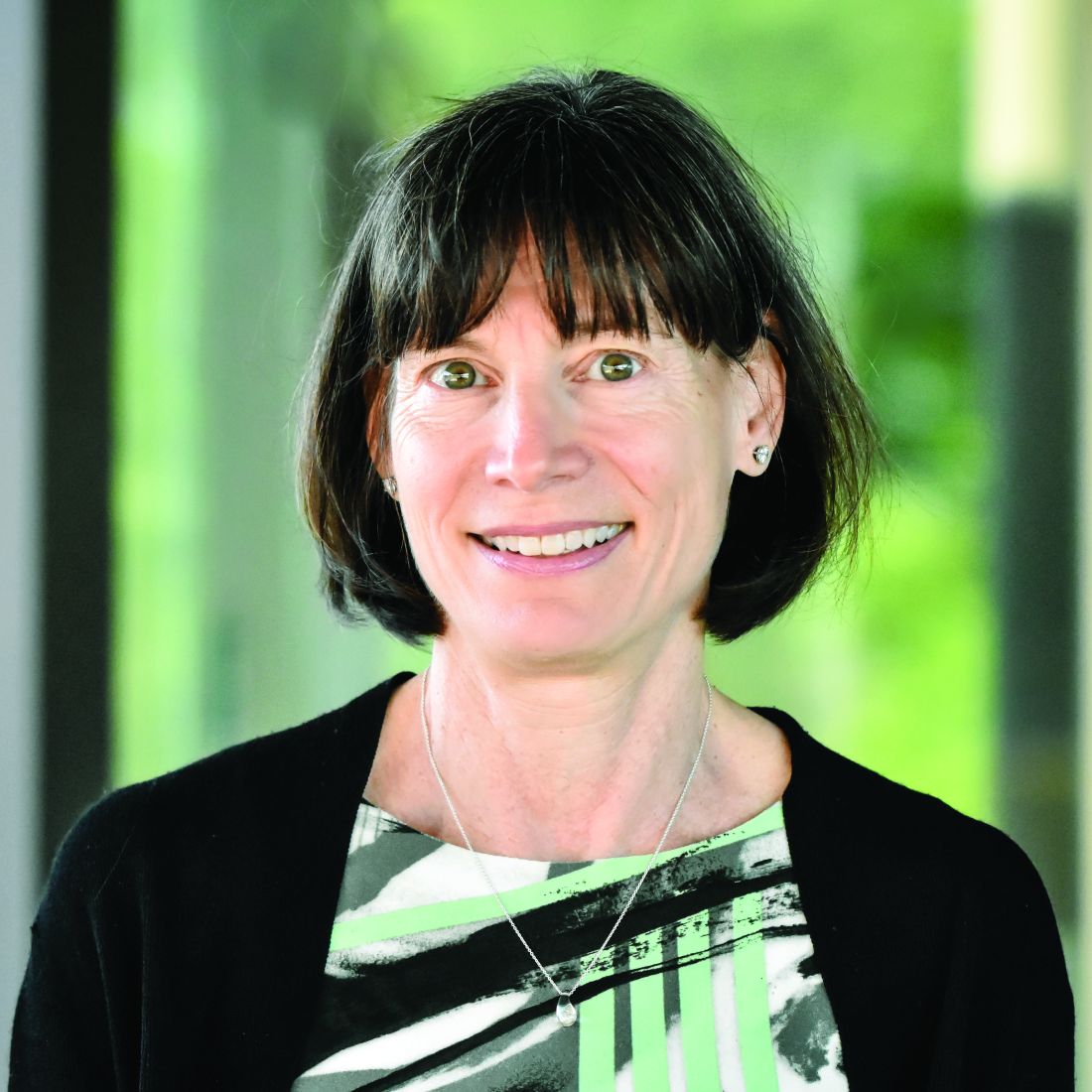
Dr. Kallenbach was also drawn to Janssen because of her pandemic experiences – and the promise of broader opportunities, including a better work-life balance. One patient at a time, she was treating a variety of hematologic disorders and malignancies. Although she enjoyed it, she just needed a change.
“It had been 9 months of COVID, and it was just a really busy time and stressful,” Dr. Kallenbach said. When a friend shared the Janssen job posting, she took it as a sign. “I thought, I could really make an impact here. Now I’ve gone from treating one patient at a time to treating tons of patients and helping to get this drug [Carvykti] to patients who can really use it.”
A cancer field with potential
While it was Dr. Madduri’s grandmother’s illness that drew her to study oncology, she chose not to work on the colon cancer that killed her grandmother. It felt too personal, and she didn’t foresee being able to help patients in the ways she wanted. Instead of sending them to hospice when treatment options ran out, Dr. Madduri saw the myeloma landscape advancing rapidly, with more drugs becoming available.
“What really interests me is that this field is going somewhere, and we can potentially find something to cure these patients,” Dr. Madduri said. “There’s great need, but there’s rapid advancement happening as well. I wanted to go into something where I could really make a difference and help these patients that I couldn’t help before.”
She’s currently managing CARTITUDE-6, a head-to-head frontline trial testing CAR T-cell therapy (Carvykti) in patients eligible for transplant. “Right now the standard of care is transplant, so there’s a lot of excitement” with the idea of replacing transplant with CAR T in newly diagnosed patients, something that’s never been done. Dr. Madduri hopes this will move patients into deeper remission and eventually help pave the path to a cure. “We have to change the landscape. We have to push the boundaries, right?”
Similarly, Dr. Kallenbach was drawn to myeloma because of the rush of new therapies.
“From the time I was training to the time I was practicing, the treatments completely changed,” she said. “That’s always exciting when you’re making that much progress on a disease, to see these enormous changes. Now you’re actually seeing people who’ve had tons of prior therapies have responses that I’ve just never seen before.”
Dr. Kallenbach also found fulfillment through patient care. “People really connect with their oncologist, and that relationship is really special,” she said. “The other thing is that you really learn from cancer patients how to live your life, like what’s important. People’s priorities become very clear.”
Importance of mentorship
Both women credit part of their success to finding excellent mentors early on, and both are paying it forward by mentoring other women in their field.
Dr. Madduri met her mentor, Sundar Jagannath, MBBS, when he interviewed her at Icahn School of Medicine’s Tisch Cancer Institute in New York, where he’s director of the multiple myeloma program and the Myeloma Center of Excellence. Noting her enthusiasm and excellent training, Dr. Jagannath recruited Dr. Madduri and quickly discovered her organizational skills. When she expressed interest in running the CAR T program, he let her run with it, while advising her on how to ensure that she got respect and credit for her work.
“You have to do your part, but if you don’t have the right mentor telling you, it’d be really hard for someone who’s just starting out to know what to do,” Dr. Madduri said.
Dr. Jagannath’s guidance paid off. “When she made the ASH presentation, everybody was impressed,” he said. “She captured the attention of my peers who have been in the field for a long time, so she immediately made a national splash.”
Just a few years out of her own fellowship, Dr. Madduri had already begun mentoring other fellows. Through Women in Hematology, she helps gather data about the roles women play in her field and how to further their advancement. “The myeloma field is slowly starting to shift” toward more gender balance, she said – progress she feels happy to support.
Dr. Kallenbach’s mentoring is less formal, yet it makes a deep impact on those she takes under her wing. Her mentees are mostly the students she’s met on the Bryn Mawr College campus where she walks her two Labradors. That’s how she met Louise Breen, who, after a postbaccalaureate there, just graduated from University of Pennsylvania, Philadelphia, and is headed for residency at Mass General Hospital, Boston.
Dr. Breen said her mentor’s greatest gift has been “showing many of us that it’s possible to do it and what life could look like.” While fostering students’ self-confidence as they wrangle with imposter syndrome, Dr. Kallenbach has also demonstrated what a work-life balance in medicine can look like. She learned that from her own mentor, Hedy Smith, MD, PhD, now clinical director of inpatient hematology/oncology at MedStar Washington Hospital Center, and previously an associate professor at Tufts Medical Center.
Dr. Kallenbach quickly made an impression on Dr. Smith by coming to her door in tears one day.
“She was so devastated at the additions I made in her notes,” recalled Dr. Smith. “She felt that she had presented me with this less-than-adequate document. ... I told her, ‘this really says the world about who you are, who you’re going to become in oncology.’ I was struck by her character, a dedication to her work, and her desire to perfect it.”
Three years later, Dr. Smith remembers Dr. Kallenbach coming to her office with a big smile and saying: “Look at this. You didn’t make any changes.” Then Dr. Smith knew that her mentee was ready for the next chapter of her career.
They have kept in touch, with Dr. Kallenbach periodically calling to discuss a difficult case or to plan to meet up at conferences. “It always puts a smile on my face because this person who was once my student has now undergone this metamorphosis, and here we are, now truly equals and colleagues attending the meetings together,” Dr. Smith remarked.
Dr. Kallenbach feels grateful about finding a strong female mentor early in her medical career, especially given some of the everyday sexism she has encountered. A male colleague at a conference once expressed shock that she was practicing medicine full time while also being a mother. Dr. Kallenbach hasn’t encountered such attitudes while working in the pharmaceutical industry.
“I feel more valued as a doctor now than I ever did in practice,” she said. While before, she felt respected, “here, I feel like your expertise is valued, and you can actually help shape programs and inform how doctors practice.”
Dr. Madduri, too, feels like she’s where she’s supposed to be. “I went into the field because I really wanted to help people and make a difference,” she said. “I’m doing everything that I wanted to do.”
Inspired in childhood to study medicine, Dr. Madduri chose to specialize in oncology after losing a grandparent to cancer. After moving to the United States as a fifth grader, she went back to India every summer. While visiting as a college student, Dr. Madduri found her grandmother pale, with symptoms such as blood in the stool. Diagnosed with stage IV colon cancer, the grandmother died 6 months later.
“I realized I really wanted to be an oncologist because I wanted to see what I could have done to help my grandma,” Dr. Madduri said in an interview.
Today, as a senior medical director at Janssen Oncology, Dr. Madduri joins her colleague Lisa Kallenbach, MD, and others on a team of hematologist oncologists who are working to advance the treatment of multiple myeloma with chimeric antigen receptor (CAR) T-cell therapy. She and Dr. Kallenbach also mentor other blood cancer specialists through a company-sponsored Women in Hematology program.
Dr. Kallenbach, group medical director at the firm, had also long wanted to become a doctor. Unlike Dr. Madduri, however, Dr. Kallenbach took a “long and winding road” and didn’t start med school until age 30.
Put off by college premed requirements, Dr. Kallenbach majored in anthropology and suppressed her desire to study medicine while she got a master’s degree in public administration, worked in public health, and volunteered with the Peace Corps. Ultimately, she decided to do a postbaccalaureate program, entered Brown University in Providence, R.I., and loved it.
“No one in my family was a doctor, so it was all very mystical to me,” she said. “It wasn’t until I worked for a doctor where it was demystified, and I thought, ‘Ah, they’re not any smarter. They just work really hard, and I can work hard. I always do.’”
Time for a change
Hard work brought both Dr. Kallenbach and Dr. Madduri to Janssen at roughly the same time, for similar reasons.
Dr. Madduri had been a junior faculty member at Mount Sinai, where she followed her mentor’s advice and fought hard to become principal investigator of the CARTITUDE-1 trial, which she presented at the annual meetings of the American Society of Hematology in 2019 and 2020. This research led to the Food and Drug Administration’s approval of the CAR T therapy Carvykti for multiple myeloma. Dr. Madduri also launched the CAR T program at Mount Sinai and quickly gained prominence in her field, despite being the hospital’s youngest faculty member for myeloma. But when the pandemic hit, she decided to try something different.
“I was helping one person at a time as a physician, but [Janssen] gave me the opportunity to help people in a much broader sense,” said Dr. Madduri, who joined the firm in April 2021. “I’m now the one designing the trials and looking at what the needs are in myeloma.”
“Janssen’s CAR T product [Carvykti] revolutionized the space because after a one-time treatment, patients are in a deep and durable remission and living much longer,” she said. Furthermore, Janssen offered Dr. Madduri the chance to design the trials toward that long-held goal.
“I want to be part of the team where they’re really dedicated to curing myeloma,” Dr. Madduri said. And she continues to see patients as an adjunct assistant professor at Stanford (Calif.) University, where she did a blood & marrow transplantation fellowship.
Dr. Kallenbach was also drawn to Janssen because of her pandemic experiences – and the promise of broader opportunities, including a better work-life balance. One patient at a time, she was treating a variety of hematologic disorders and malignancies. Although she enjoyed it, she just needed a change.
“It had been 9 months of COVID, and it was just a really busy time and stressful,” Dr. Kallenbach said. When a friend shared the Janssen job posting, she took it as a sign. “I thought, I could really make an impact here. Now I’ve gone from treating one patient at a time to treating tons of patients and helping to get this drug [Carvykti] to patients who can really use it.”
A cancer field with potential
While it was Dr. Madduri’s grandmother’s illness that drew her to study oncology, she chose not to work on the colon cancer that killed her grandmother. It felt too personal, and she didn’t foresee being able to help patients in the ways she wanted. Instead of sending them to hospice when treatment options ran out, Dr. Madduri saw the myeloma landscape advancing rapidly, with more drugs becoming available.
“What really interests me is that this field is going somewhere, and we can potentially find something to cure these patients,” Dr. Madduri said. “There’s great need, but there’s rapid advancement happening as well. I wanted to go into something where I could really make a difference and help these patients that I couldn’t help before.”
She’s currently managing CARTITUDE-6, a head-to-head frontline trial testing CAR T-cell therapy (Carvykti) in patients eligible for transplant. “Right now the standard of care is transplant, so there’s a lot of excitement” with the idea of replacing transplant with CAR T in newly diagnosed patients, something that’s never been done. Dr. Madduri hopes this will move patients into deeper remission and eventually help pave the path to a cure. “We have to change the landscape. We have to push the boundaries, right?”
Similarly, Dr. Kallenbach was drawn to myeloma because of the rush of new therapies.
“From the time I was training to the time I was practicing, the treatments completely changed,” she said. “That’s always exciting when you’re making that much progress on a disease, to see these enormous changes. Now you’re actually seeing people who’ve had tons of prior therapies have responses that I’ve just never seen before.”
Dr. Kallenbach also found fulfillment through patient care. “People really connect with their oncologist, and that relationship is really special,” she said. “The other thing is that you really learn from cancer patients how to live your life, like what’s important. People’s priorities become very clear.”
Importance of mentorship
Both women credit part of their success to finding excellent mentors early on, and both are paying it forward by mentoring other women in their field.
Dr. Madduri met her mentor, Sundar Jagannath, MBBS, when he interviewed her at Icahn School of Medicine’s Tisch Cancer Institute in New York, where he’s director of the multiple myeloma program and the Myeloma Center of Excellence. Noting her enthusiasm and excellent training, Dr. Jagannath recruited Dr. Madduri and quickly discovered her organizational skills. When she expressed interest in running the CAR T program, he let her run with it, while advising her on how to ensure that she got respect and credit for her work.
“You have to do your part, but if you don’t have the right mentor telling you, it’d be really hard for someone who’s just starting out to know what to do,” Dr. Madduri said.
Dr. Jagannath’s guidance paid off. “When she made the ASH presentation, everybody was impressed,” he said. “She captured the attention of my peers who have been in the field for a long time, so she immediately made a national splash.”
Just a few years out of her own fellowship, Dr. Madduri had already begun mentoring other fellows. Through Women in Hematology, she helps gather data about the roles women play in her field and how to further their advancement. “The myeloma field is slowly starting to shift” toward more gender balance, she said – progress she feels happy to support.
Dr. Kallenbach’s mentoring is less formal, yet it makes a deep impact on those she takes under her wing. Her mentees are mostly the students she’s met on the Bryn Mawr College campus where she walks her two Labradors. That’s how she met Louise Breen, who, after a postbaccalaureate there, just graduated from University of Pennsylvania, Philadelphia, and is headed for residency at Mass General Hospital, Boston.
Dr. Breen said her mentor’s greatest gift has been “showing many of us that it’s possible to do it and what life could look like.” While fostering students’ self-confidence as they wrangle with imposter syndrome, Dr. Kallenbach has also demonstrated what a work-life balance in medicine can look like. She learned that from her own mentor, Hedy Smith, MD, PhD, now clinical director of inpatient hematology/oncology at MedStar Washington Hospital Center, and previously an associate professor at Tufts Medical Center.
Dr. Kallenbach quickly made an impression on Dr. Smith by coming to her door in tears one day.
“She was so devastated at the additions I made in her notes,” recalled Dr. Smith. “She felt that she had presented me with this less-than-adequate document. ... I told her, ‘this really says the world about who you are, who you’re going to become in oncology.’ I was struck by her character, a dedication to her work, and her desire to perfect it.”
Three years later, Dr. Smith remembers Dr. Kallenbach coming to her office with a big smile and saying: “Look at this. You didn’t make any changes.” Then Dr. Smith knew that her mentee was ready for the next chapter of her career.
They have kept in touch, with Dr. Kallenbach periodically calling to discuss a difficult case or to plan to meet up at conferences. “It always puts a smile on my face because this person who was once my student has now undergone this metamorphosis, and here we are, now truly equals and colleagues attending the meetings together,” Dr. Smith remarked.
Dr. Kallenbach feels grateful about finding a strong female mentor early in her medical career, especially given some of the everyday sexism she has encountered. A male colleague at a conference once expressed shock that she was practicing medicine full time while also being a mother. Dr. Kallenbach hasn’t encountered such attitudes while working in the pharmaceutical industry.
“I feel more valued as a doctor now than I ever did in practice,” she said. While before, she felt respected, “here, I feel like your expertise is valued, and you can actually help shape programs and inform how doctors practice.”
Dr. Madduri, too, feels like she’s where she’s supposed to be. “I went into the field because I really wanted to help people and make a difference,” she said. “I’m doing everything that I wanted to do.”
Inspired in childhood to study medicine, Dr. Madduri chose to specialize in oncology after losing a grandparent to cancer. After moving to the United States as a fifth grader, she went back to India every summer. While visiting as a college student, Dr. Madduri found her grandmother pale, with symptoms such as blood in the stool. Diagnosed with stage IV colon cancer, the grandmother died 6 months later.
“I realized I really wanted to be an oncologist because I wanted to see what I could have done to help my grandma,” Dr. Madduri said in an interview.
Today, as a senior medical director at Janssen Oncology, Dr. Madduri joins her colleague Lisa Kallenbach, MD, and others on a team of hematologist oncologists who are working to advance the treatment of multiple myeloma with chimeric antigen receptor (CAR) T-cell therapy. She and Dr. Kallenbach also mentor other blood cancer specialists through a company-sponsored Women in Hematology program.
Dr. Kallenbach, group medical director at the firm, had also long wanted to become a doctor. Unlike Dr. Madduri, however, Dr. Kallenbach took a “long and winding road” and didn’t start med school until age 30.
Put off by college premed requirements, Dr. Kallenbach majored in anthropology and suppressed her desire to study medicine while she got a master’s degree in public administration, worked in public health, and volunteered with the Peace Corps. Ultimately, she decided to do a postbaccalaureate program, entered Brown University in Providence, R.I., and loved it.
“No one in my family was a doctor, so it was all very mystical to me,” she said. “It wasn’t until I worked for a doctor where it was demystified, and I thought, ‘Ah, they’re not any smarter. They just work really hard, and I can work hard. I always do.’”
Time for a change
Hard work brought both Dr. Kallenbach and Dr. Madduri to Janssen at roughly the same time, for similar reasons.
Dr. Madduri had been a junior faculty member at Mount Sinai, where she followed her mentor’s advice and fought hard to become principal investigator of the CARTITUDE-1 trial, which she presented at the annual meetings of the American Society of Hematology in 2019 and 2020. This research led to the Food and Drug Administration’s approval of the CAR T therapy Carvykti for multiple myeloma. Dr. Madduri also launched the CAR T program at Mount Sinai and quickly gained prominence in her field, despite being the hospital’s youngest faculty member for myeloma. But when the pandemic hit, she decided to try something different.
“I was helping one person at a time as a physician, but [Janssen] gave me the opportunity to help people in a much broader sense,” said Dr. Madduri, who joined the firm in April 2021. “I’m now the one designing the trials and looking at what the needs are in myeloma.”
“Janssen’s CAR T product [Carvykti] revolutionized the space because after a one-time treatment, patients are in a deep and durable remission and living much longer,” she said. Furthermore, Janssen offered Dr. Madduri the chance to design the trials toward that long-held goal.
“I want to be part of the team where they’re really dedicated to curing myeloma,” Dr. Madduri said. And she continues to see patients as an adjunct assistant professor at Stanford (Calif.) University, where she did a blood & marrow transplantation fellowship.
Dr. Kallenbach was also drawn to Janssen because of her pandemic experiences – and the promise of broader opportunities, including a better work-life balance. One patient at a time, she was treating a variety of hematologic disorders and malignancies. Although she enjoyed it, she just needed a change.
“It had been 9 months of COVID, and it was just a really busy time and stressful,” Dr. Kallenbach said. When a friend shared the Janssen job posting, she took it as a sign. “I thought, I could really make an impact here. Now I’ve gone from treating one patient at a time to treating tons of patients and helping to get this drug [Carvykti] to patients who can really use it.”
A cancer field with potential
While it was Dr. Madduri’s grandmother’s illness that drew her to study oncology, she chose not to work on the colon cancer that killed her grandmother. It felt too personal, and she didn’t foresee being able to help patients in the ways she wanted. Instead of sending them to hospice when treatment options ran out, Dr. Madduri saw the myeloma landscape advancing rapidly, with more drugs becoming available.
“What really interests me is that this field is going somewhere, and we can potentially find something to cure these patients,” Dr. Madduri said. “There’s great need, but there’s rapid advancement happening as well. I wanted to go into something where I could really make a difference and help these patients that I couldn’t help before.”
She’s currently managing CARTITUDE-6, a head-to-head frontline trial testing CAR T-cell therapy (Carvykti) in patients eligible for transplant. “Right now the standard of care is transplant, so there’s a lot of excitement” with the idea of replacing transplant with CAR T in newly diagnosed patients, something that’s never been done. Dr. Madduri hopes this will move patients into deeper remission and eventually help pave the path to a cure. “We have to change the landscape. We have to push the boundaries, right?”
Similarly, Dr. Kallenbach was drawn to myeloma because of the rush of new therapies.
“From the time I was training to the time I was practicing, the treatments completely changed,” she said. “That’s always exciting when you’re making that much progress on a disease, to see these enormous changes. Now you’re actually seeing people who’ve had tons of prior therapies have responses that I’ve just never seen before.”
Dr. Kallenbach also found fulfillment through patient care. “People really connect with their oncologist, and that relationship is really special,” she said. “The other thing is that you really learn from cancer patients how to live your life, like what’s important. People’s priorities become very clear.”
Importance of mentorship
Both women credit part of their success to finding excellent mentors early on, and both are paying it forward by mentoring other women in their field.
Dr. Madduri met her mentor, Sundar Jagannath, MBBS, when he interviewed her at Icahn School of Medicine’s Tisch Cancer Institute in New York, where he’s director of the multiple myeloma program and the Myeloma Center of Excellence. Noting her enthusiasm and excellent training, Dr. Jagannath recruited Dr. Madduri and quickly discovered her organizational skills. When she expressed interest in running the CAR T program, he let her run with it, while advising her on how to ensure that she got respect and credit for her work.
“You have to do your part, but if you don’t have the right mentor telling you, it’d be really hard for someone who’s just starting out to know what to do,” Dr. Madduri said.
Dr. Jagannath’s guidance paid off. “When she made the ASH presentation, everybody was impressed,” he said. “She captured the attention of my peers who have been in the field for a long time, so she immediately made a national splash.”
Just a few years out of her own fellowship, Dr. Madduri had already begun mentoring other fellows. Through Women in Hematology, she helps gather data about the roles women play in her field and how to further their advancement. “The myeloma field is slowly starting to shift” toward more gender balance, she said – progress she feels happy to support.
Dr. Kallenbach’s mentoring is less formal, yet it makes a deep impact on those she takes under her wing. Her mentees are mostly the students she’s met on the Bryn Mawr College campus where she walks her two Labradors. That’s how she met Louise Breen, who, after a postbaccalaureate there, just graduated from University of Pennsylvania, Philadelphia, and is headed for residency at Mass General Hospital, Boston.
Dr. Breen said her mentor’s greatest gift has been “showing many of us that it’s possible to do it and what life could look like.” While fostering students’ self-confidence as they wrangle with imposter syndrome, Dr. Kallenbach has also demonstrated what a work-life balance in medicine can look like. She learned that from her own mentor, Hedy Smith, MD, PhD, now clinical director of inpatient hematology/oncology at MedStar Washington Hospital Center, and previously an associate professor at Tufts Medical Center.
Dr. Kallenbach quickly made an impression on Dr. Smith by coming to her door in tears one day.
“She was so devastated at the additions I made in her notes,” recalled Dr. Smith. “She felt that she had presented me with this less-than-adequate document. ... I told her, ‘this really says the world about who you are, who you’re going to become in oncology.’ I was struck by her character, a dedication to her work, and her desire to perfect it.”
Three years later, Dr. Smith remembers Dr. Kallenbach coming to her office with a big smile and saying: “Look at this. You didn’t make any changes.” Then Dr. Smith knew that her mentee was ready for the next chapter of her career.
They have kept in touch, with Dr. Kallenbach periodically calling to discuss a difficult case or to plan to meet up at conferences. “It always puts a smile on my face because this person who was once my student has now undergone this metamorphosis, and here we are, now truly equals and colleagues attending the meetings together,” Dr. Smith remarked.
Dr. Kallenbach feels grateful about finding a strong female mentor early in her medical career, especially given some of the everyday sexism she has encountered. A male colleague at a conference once expressed shock that she was practicing medicine full time while also being a mother. Dr. Kallenbach hasn’t encountered such attitudes while working in the pharmaceutical industry.
“I feel more valued as a doctor now than I ever did in practice,” she said. While before, she felt respected, “here, I feel like your expertise is valued, and you can actually help shape programs and inform how doctors practice.”
Dr. Madduri, too, feels like she’s where she’s supposed to be. “I went into the field because I really wanted to help people and make a difference,” she said. “I’m doing everything that I wanted to do.”
Ibrutinib + venetoclax: High-risk features don’t lessen CLL response
In the new analysis, published in Clinical Cancer Research, investigators compared outcomes in 66 adults without genetic risk factors to 129 with deletion of 17p, mutated TP53, and/or unmutated immunoglobulin heavy chain, all of which are associated with poor outcomes and poor responses to chemoimmunotherapy.
Over 95% of patients responded regardless of risk factors, with complete response in 61% of patients with and 53% of subjects without high-risk features. Progression free-survival (PFS) lasted at least 3 years in 88% of the high-risk group and 92% of low-risk patients, with over 95% of patients in both groups alive at 3 years
“Since high-risk genetic features inform treatment selection, understanding the efficacy of fixed-duration ibrutinib plus venetoclax in patients with high-risk CLL is important to determine how this regimen fits in the first-line treatment algorithm for the disease,” hematologic oncologist John Allan, MD, a CLL specialist at Weill Cornell Medical Center in New York and the lead investigator, said in a press release from American Association for Cancer Research, publisher of CCR.
Although the analysis was not powered to perform statistical comparisons between the two groups, Dr. Allan said the results “support fixed-duration ibrutinib plus venetoclax as a treatment approach for this patient population.”
The press release also noted that the outcomes “compare favorably” to other upfront targeted therapy approaches for CLL.
Experts respond
Asked for comment, Thomas LeBlanc, MD, a hematologic oncologist at Duke University in Durham, N.C., said “the advent of some fixed duration regimens with novel therapies has been an exciting thing for patients especially, recognizing that at the start of treatment one already knows the completion date, and one can also thus forgo much of the potentially cumulative physical, psychological, and financial toxicity of an indefinite oral therapy.”
As for the new findings, he said they show “that even in this high-risk population ... we can achieve remarkable remission rates and levels of [minimal residual disease] negativity by combining the two best drug classes to date in CLL: BTK inhibitors and venetoclax.”
Another expert, hematologic oncologist John Byrd, MD, a leukemia specialist at the University of Cincinnati, was more cautious.
“These findings confirm the results of many other prior studies of targeted therapies where high complete response rates with absence of detectable disease is observed,” he said.
However, while “such therapeutic combinations for sure enable treatment discontinuation,” Dr. Byrd noted, they “lack long-term follow-up. Given the added toxicities associated with these combinations and lack of long-term follow up, use of treatments such as those brought forth in the CAPTIVATE trial should be considered only in the context of a well-designed clinical trial.”
Study details
The new findings follow previous reports of CAPTIVATE, which found strong first-line response across CLL patients but did not focus as specifically on patients with high-risk genetic features.
Subjects received three 28-day cycles of ibrutinib 420 mg/day followed by twelve 28-day cycles of ibrutinib plus venetoclax, with a 5-week venetoclax ramp-up to 400 mg/day.
Side effects were similar regardless of high-risk features and included, most commonly, diarrhea, neutropenia, nausea, and arthralgia. The most common grade 3/4 treatment-emergent adverse events were neutropenia in 36% of patients in both groups and hypertension in 9% of patients with and 3% of patients without high-risk features.
The study was funded by Pharmacyclics/AbbVie, maker/marketer of both ibrutinib and venetoclax. Investigators had numerous ties to the companies, including Dr. Allan, who reported grants and/or personal fees. Dr. LeBlanc reported speaker/consulting honoraria from AbbVie as well as institutional research funding. Dr. Byrd did not have any connections to the companies.
In the new analysis, published in Clinical Cancer Research, investigators compared outcomes in 66 adults without genetic risk factors to 129 with deletion of 17p, mutated TP53, and/or unmutated immunoglobulin heavy chain, all of which are associated with poor outcomes and poor responses to chemoimmunotherapy.
Over 95% of patients responded regardless of risk factors, with complete response in 61% of patients with and 53% of subjects without high-risk features. Progression free-survival (PFS) lasted at least 3 years in 88% of the high-risk group and 92% of low-risk patients, with over 95% of patients in both groups alive at 3 years
“Since high-risk genetic features inform treatment selection, understanding the efficacy of fixed-duration ibrutinib plus venetoclax in patients with high-risk CLL is important to determine how this regimen fits in the first-line treatment algorithm for the disease,” hematologic oncologist John Allan, MD, a CLL specialist at Weill Cornell Medical Center in New York and the lead investigator, said in a press release from American Association for Cancer Research, publisher of CCR.
Although the analysis was not powered to perform statistical comparisons between the two groups, Dr. Allan said the results “support fixed-duration ibrutinib plus venetoclax as a treatment approach for this patient population.”
The press release also noted that the outcomes “compare favorably” to other upfront targeted therapy approaches for CLL.
Experts respond
Asked for comment, Thomas LeBlanc, MD, a hematologic oncologist at Duke University in Durham, N.C., said “the advent of some fixed duration regimens with novel therapies has been an exciting thing for patients especially, recognizing that at the start of treatment one already knows the completion date, and one can also thus forgo much of the potentially cumulative physical, psychological, and financial toxicity of an indefinite oral therapy.”
As for the new findings, he said they show “that even in this high-risk population ... we can achieve remarkable remission rates and levels of [minimal residual disease] negativity by combining the two best drug classes to date in CLL: BTK inhibitors and venetoclax.”
Another expert, hematologic oncologist John Byrd, MD, a leukemia specialist at the University of Cincinnati, was more cautious.
“These findings confirm the results of many other prior studies of targeted therapies where high complete response rates with absence of detectable disease is observed,” he said.
However, while “such therapeutic combinations for sure enable treatment discontinuation,” Dr. Byrd noted, they “lack long-term follow-up. Given the added toxicities associated with these combinations and lack of long-term follow up, use of treatments such as those brought forth in the CAPTIVATE trial should be considered only in the context of a well-designed clinical trial.”
Study details
The new findings follow previous reports of CAPTIVATE, which found strong first-line response across CLL patients but did not focus as specifically on patients with high-risk genetic features.
Subjects received three 28-day cycles of ibrutinib 420 mg/day followed by twelve 28-day cycles of ibrutinib plus venetoclax, with a 5-week venetoclax ramp-up to 400 mg/day.
Side effects were similar regardless of high-risk features and included, most commonly, diarrhea, neutropenia, nausea, and arthralgia. The most common grade 3/4 treatment-emergent adverse events were neutropenia in 36% of patients in both groups and hypertension in 9% of patients with and 3% of patients without high-risk features.
The study was funded by Pharmacyclics/AbbVie, maker/marketer of both ibrutinib and venetoclax. Investigators had numerous ties to the companies, including Dr. Allan, who reported grants and/or personal fees. Dr. LeBlanc reported speaker/consulting honoraria from AbbVie as well as institutional research funding. Dr. Byrd did not have any connections to the companies.
In the new analysis, published in Clinical Cancer Research, investigators compared outcomes in 66 adults without genetic risk factors to 129 with deletion of 17p, mutated TP53, and/or unmutated immunoglobulin heavy chain, all of which are associated with poor outcomes and poor responses to chemoimmunotherapy.
Over 95% of patients responded regardless of risk factors, with complete response in 61% of patients with and 53% of subjects without high-risk features. Progression free-survival (PFS) lasted at least 3 years in 88% of the high-risk group and 92% of low-risk patients, with over 95% of patients in both groups alive at 3 years
“Since high-risk genetic features inform treatment selection, understanding the efficacy of fixed-duration ibrutinib plus venetoclax in patients with high-risk CLL is important to determine how this regimen fits in the first-line treatment algorithm for the disease,” hematologic oncologist John Allan, MD, a CLL specialist at Weill Cornell Medical Center in New York and the lead investigator, said in a press release from American Association for Cancer Research, publisher of CCR.
Although the analysis was not powered to perform statistical comparisons between the two groups, Dr. Allan said the results “support fixed-duration ibrutinib plus venetoclax as a treatment approach for this patient population.”
The press release also noted that the outcomes “compare favorably” to other upfront targeted therapy approaches for CLL.
Experts respond
Asked for comment, Thomas LeBlanc, MD, a hematologic oncologist at Duke University in Durham, N.C., said “the advent of some fixed duration regimens with novel therapies has been an exciting thing for patients especially, recognizing that at the start of treatment one already knows the completion date, and one can also thus forgo much of the potentially cumulative physical, psychological, and financial toxicity of an indefinite oral therapy.”
As for the new findings, he said they show “that even in this high-risk population ... we can achieve remarkable remission rates and levels of [minimal residual disease] negativity by combining the two best drug classes to date in CLL: BTK inhibitors and venetoclax.”
Another expert, hematologic oncologist John Byrd, MD, a leukemia specialist at the University of Cincinnati, was more cautious.
“These findings confirm the results of many other prior studies of targeted therapies where high complete response rates with absence of detectable disease is observed,” he said.
However, while “such therapeutic combinations for sure enable treatment discontinuation,” Dr. Byrd noted, they “lack long-term follow-up. Given the added toxicities associated with these combinations and lack of long-term follow up, use of treatments such as those brought forth in the CAPTIVATE trial should be considered only in the context of a well-designed clinical trial.”
Study details
The new findings follow previous reports of CAPTIVATE, which found strong first-line response across CLL patients but did not focus as specifically on patients with high-risk genetic features.
Subjects received three 28-day cycles of ibrutinib 420 mg/day followed by twelve 28-day cycles of ibrutinib plus venetoclax, with a 5-week venetoclax ramp-up to 400 mg/day.
Side effects were similar regardless of high-risk features and included, most commonly, diarrhea, neutropenia, nausea, and arthralgia. The most common grade 3/4 treatment-emergent adverse events were neutropenia in 36% of patients in both groups and hypertension in 9% of patients with and 3% of patients without high-risk features.
The study was funded by Pharmacyclics/AbbVie, maker/marketer of both ibrutinib and venetoclax. Investigators had numerous ties to the companies, including Dr. Allan, who reported grants and/or personal fees. Dr. LeBlanc reported speaker/consulting honoraria from AbbVie as well as institutional research funding. Dr. Byrd did not have any connections to the companies.
FROM CLINICAL CANCER RESEARCH
New bill would provide greater length of time to sue doctors
A bill in the Maine legislature would have the medical malpractice statute of limitations clock start running when a patient discovers the negligence, which could be years after treatment took place. And other states could follow suit with similar bills. What danger does this pose for doctors?
As it stands, the time limit for patients to be able to bring a medical malpractice lawsuit varies by state. For physicians, this extends their period of liability and could potentially increase the number of lawsuits against them.
“The theory behind a statute of limitations is that states want to provide a reasonable, but not indefinite, amount of time for someone to bring a case to court,” says Patrick T. O’Rourke, Esq., adjunct professor at University of Colorado School of Law, Boulder.
Without a statute of limitations, people could bring claims many years after the fact, which makes it harder to obtain and preserve evidence, Mr. O’Rourke says.
In most cases, it isn’t necessary for a patient to know the full extent of their injury or that their physician acted wrongfully or negligently for the statute of limitations to begin running.
Time of injury versus time of discovery
Most states’ laws dictate that the statute of limitations begins at a set time “after the cause of action accrues.” That means that the clock starts ticking from the date of the procedure, surgery, or treatment. In most states, that time is 2 or 3 years.
This can bar some patients from taking any action at all because the statute of limitations ran out. Because of these hurdles, the proposed bill in Maine would extend the statute of limitations.
Proponents of the bill say that patients would still have 3 years to file suit; it just changes when the clock starts. But opponents feel it could open the door to a limitless system in which people have an indefinite time to sue.
Many states already have discovery rules that extend the statute of limitations when the harm was not immediately obvious to the patient. The legal expectation is that patients who have significant pain or unexpected health conditions will seek medical treatment to investigate what’s wrong. Patients who don’t address the situation promptly are not protected by the discovery rule.
“It is the injured person’s obligation, once learning of the injury, to take action to protect their rights,” says Mr. O’Rourke.
Some states have also enacted other claims requirements in medical malpractice cases that are prerequisites for bringing lawsuits that have periods attached to them. For instance, in Florida, parties have 10 days to provide relevant medical records during the investigation period for a malpractice suit, and in Maine, before filing any malpractice action, a plaintiff must file a complaint with a prelitigation screening panel.
Medical malpractice statutes of limitations by state
Although each state has a basic statute of limitations, many states also include clauses for discovery rules. For example, in Vermont, in addition to the 3-year statute of limitations, a patient can pursue legal recourse “2 years from the date the injury is or reasonably should have been discovered, whichever occurs later, but not later than 7 years from the date of the incident.”
In some states, such as Virginia, special extensions apply in cases in which fraud, concealment, or intentional misrepresentation prevented discovery of the injury within the statute of limitations. And in most states, the statute of limitations is much longer for cases in which medical malpractice involves a child, usually at least until the child turns 18.
Statutes of limitations by state
1 Year: California, Kentucky, Louisiana, Ohio, Tennessee
2 Years: Alabama, Alaska, Arizona, Arkansas, Colorado, Connecticut, Delaware, Florida, Georgia, Hawaii, Idaho, Illinois, Indiana, Iowa, Kansas, Michigan, Mississippi, Missouri, Nebraska, New Hampshire, New Jersey, North Dakota, Oklahoma, Oregon, Pennsylvania, South Dakota, Texas, Utah, Virginia, West Virginia, Wyoming
2.5 Years: New York
3 Years: Washington D.C., Maine, Maryland, Massachusetts, Montana, Nevada, New Mexico, North Carolina, Rhode Island, South Carolina, Vermont, Washington, Wisconsin
4 Years: Minnesota
To protect yourself
Mr. O’Rourke says that if your state enacts a law that extends the statute of limitations for medical malpractice, there aren’t any proactive changes you need to make in terms of your day-to-day practice of medicine.
“Physicians should continue to provide care that is consistent with the standards of care for their specialty and ensure that the documentation accurately reflects the care they rendered,” he says.
Always be candid and up-front about a patient’s condition, Mr. O’Rourke says, especially if malpractice is on the table.
“If a physician misleads a patient about the nature or extent of an injury, that could prevent the statute of limitations from beginning to run,” he says. “Being open and honest about an injury doesn’t mean that a physician must admit any fault. The patient is owed timely, accurate, and candid information about their condition.”
Keep good records
If the statute of limitations increases, you’ll need to have access to the medical records for as long as the statute is in place, but this shouldn’t have an effect on your records keeping if you’re up to date with HIPAA compliance, says Mr. O’Rourke.
“I don’t think an extension of the statute should cause physicians to change their practices, particularly with the retention of medical records, which should be maintained consistently with HIPAA requirements irrespective of the limitations period in a particular state,” he adds.
Keep an eye on malpractice insurance rates
It’s possible that your malpractice insurance could go up as a result of laws that increase the statute of limitations. But Mr. O’Rourke thinks it likely won’t be a significant amount.
He says it’s “theoretically possible” that an increase in a limitations period could result in an increase in your malpractice insurance, since some claims that would otherwise have been barred because of time could then proceed, but the increase would be nominal.
“I would expect any increase to be fairly marginal because the majority of claims will already be accounted for on an actuarial basis,” he says. “I also don’t think that the extension of a limitations period would increase the award of damages in a particular case. The injuries should be the same under either limitations period, so the compensable loss should not increase.”
Anything that makes it easier for patients to recover should increase the cost of professional liability insurance, and vice versa, says Charles Silver, McDonald Endowed Chair in Civil Procedure at University of Texas at Austin School of Law and coauthor of “Medical Malpractice Litigation: How It Works – Why Tort Reform Hasn’t Helped.” But the long-term trend across the country is toward declining rates of liability and declining payouts on claims.
“The likelihood of being sued successfully by a former patient is low, as is the risk of having to pay out of pocket to settle a claim,” he says. In 2022, the number of adverse reports nationally was 38,938, and out of those, 10,807 resulted in a payout.
In his research on medical malpractice in Texas, Mr. Silver says physicians who carried $1 million in coverage essentially never faced any personal liability on medical malpractice claims. “[This means] that they never had to write a check to a victim,” he says. “Insurers provided all the money. I suspect that the same is true nationwide.”
Key takeaways
Ultimately, to protect yourself and your practice, you can do the following:
- Know the statute of limitations and discovery rules for your state.
- Review your coverage with your insurer to better understand your liability.
- Keep accurate records for as long as your statute requires.
- Notify your insurer or risk management department as soon as possible in the event of an adverse outcome with a patient, Mr. O’Rourke advises.
“The most important thing a physician can do to avoid being sued, even when negligent, is to treat patients with kindness and respect,” says Mr. Silver. “Patients don’t expect doctors to be perfect, and they rarely sue doctors they like.”
A version of this article first appeared on Medscape.com.
A bill in the Maine legislature would have the medical malpractice statute of limitations clock start running when a patient discovers the negligence, which could be years after treatment took place. And other states could follow suit with similar bills. What danger does this pose for doctors?
As it stands, the time limit for patients to be able to bring a medical malpractice lawsuit varies by state. For physicians, this extends their period of liability and could potentially increase the number of lawsuits against them.
“The theory behind a statute of limitations is that states want to provide a reasonable, but not indefinite, amount of time for someone to bring a case to court,” says Patrick T. O’Rourke, Esq., adjunct professor at University of Colorado School of Law, Boulder.
Without a statute of limitations, people could bring claims many years after the fact, which makes it harder to obtain and preserve evidence, Mr. O’Rourke says.
In most cases, it isn’t necessary for a patient to know the full extent of their injury or that their physician acted wrongfully or negligently for the statute of limitations to begin running.
Time of injury versus time of discovery
Most states’ laws dictate that the statute of limitations begins at a set time “after the cause of action accrues.” That means that the clock starts ticking from the date of the procedure, surgery, or treatment. In most states, that time is 2 or 3 years.
This can bar some patients from taking any action at all because the statute of limitations ran out. Because of these hurdles, the proposed bill in Maine would extend the statute of limitations.
Proponents of the bill say that patients would still have 3 years to file suit; it just changes when the clock starts. But opponents feel it could open the door to a limitless system in which people have an indefinite time to sue.
Many states already have discovery rules that extend the statute of limitations when the harm was not immediately obvious to the patient. The legal expectation is that patients who have significant pain or unexpected health conditions will seek medical treatment to investigate what’s wrong. Patients who don’t address the situation promptly are not protected by the discovery rule.
“It is the injured person’s obligation, once learning of the injury, to take action to protect their rights,” says Mr. O’Rourke.
Some states have also enacted other claims requirements in medical malpractice cases that are prerequisites for bringing lawsuits that have periods attached to them. For instance, in Florida, parties have 10 days to provide relevant medical records during the investigation period for a malpractice suit, and in Maine, before filing any malpractice action, a plaintiff must file a complaint with a prelitigation screening panel.
Medical malpractice statutes of limitations by state
Although each state has a basic statute of limitations, many states also include clauses for discovery rules. For example, in Vermont, in addition to the 3-year statute of limitations, a patient can pursue legal recourse “2 years from the date the injury is or reasonably should have been discovered, whichever occurs later, but not later than 7 years from the date of the incident.”
In some states, such as Virginia, special extensions apply in cases in which fraud, concealment, or intentional misrepresentation prevented discovery of the injury within the statute of limitations. And in most states, the statute of limitations is much longer for cases in which medical malpractice involves a child, usually at least until the child turns 18.
Statutes of limitations by state
1 Year: California, Kentucky, Louisiana, Ohio, Tennessee
2 Years: Alabama, Alaska, Arizona, Arkansas, Colorado, Connecticut, Delaware, Florida, Georgia, Hawaii, Idaho, Illinois, Indiana, Iowa, Kansas, Michigan, Mississippi, Missouri, Nebraska, New Hampshire, New Jersey, North Dakota, Oklahoma, Oregon, Pennsylvania, South Dakota, Texas, Utah, Virginia, West Virginia, Wyoming
2.5 Years: New York
3 Years: Washington D.C., Maine, Maryland, Massachusetts, Montana, Nevada, New Mexico, North Carolina, Rhode Island, South Carolina, Vermont, Washington, Wisconsin
4 Years: Minnesota
To protect yourself
Mr. O’Rourke says that if your state enacts a law that extends the statute of limitations for medical malpractice, there aren’t any proactive changes you need to make in terms of your day-to-day practice of medicine.
“Physicians should continue to provide care that is consistent with the standards of care for their specialty and ensure that the documentation accurately reflects the care they rendered,” he says.
Always be candid and up-front about a patient’s condition, Mr. O’Rourke says, especially if malpractice is on the table.
“If a physician misleads a patient about the nature or extent of an injury, that could prevent the statute of limitations from beginning to run,” he says. “Being open and honest about an injury doesn’t mean that a physician must admit any fault. The patient is owed timely, accurate, and candid information about their condition.”
Keep good records
If the statute of limitations increases, you’ll need to have access to the medical records for as long as the statute is in place, but this shouldn’t have an effect on your records keeping if you’re up to date with HIPAA compliance, says Mr. O’Rourke.
“I don’t think an extension of the statute should cause physicians to change their practices, particularly with the retention of medical records, which should be maintained consistently with HIPAA requirements irrespective of the limitations period in a particular state,” he adds.
Keep an eye on malpractice insurance rates
It’s possible that your malpractice insurance could go up as a result of laws that increase the statute of limitations. But Mr. O’Rourke thinks it likely won’t be a significant amount.
He says it’s “theoretically possible” that an increase in a limitations period could result in an increase in your malpractice insurance, since some claims that would otherwise have been barred because of time could then proceed, but the increase would be nominal.
“I would expect any increase to be fairly marginal because the majority of claims will already be accounted for on an actuarial basis,” he says. “I also don’t think that the extension of a limitations period would increase the award of damages in a particular case. The injuries should be the same under either limitations period, so the compensable loss should not increase.”
Anything that makes it easier for patients to recover should increase the cost of professional liability insurance, and vice versa, says Charles Silver, McDonald Endowed Chair in Civil Procedure at University of Texas at Austin School of Law and coauthor of “Medical Malpractice Litigation: How It Works – Why Tort Reform Hasn’t Helped.” But the long-term trend across the country is toward declining rates of liability and declining payouts on claims.
“The likelihood of being sued successfully by a former patient is low, as is the risk of having to pay out of pocket to settle a claim,” he says. In 2022, the number of adverse reports nationally was 38,938, and out of those, 10,807 resulted in a payout.
In his research on medical malpractice in Texas, Mr. Silver says physicians who carried $1 million in coverage essentially never faced any personal liability on medical malpractice claims. “[This means] that they never had to write a check to a victim,” he says. “Insurers provided all the money. I suspect that the same is true nationwide.”
Key takeaways
Ultimately, to protect yourself and your practice, you can do the following:
- Know the statute of limitations and discovery rules for your state.
- Review your coverage with your insurer to better understand your liability.
- Keep accurate records for as long as your statute requires.
- Notify your insurer or risk management department as soon as possible in the event of an adverse outcome with a patient, Mr. O’Rourke advises.
“The most important thing a physician can do to avoid being sued, even when negligent, is to treat patients with kindness and respect,” says Mr. Silver. “Patients don’t expect doctors to be perfect, and they rarely sue doctors they like.”
A version of this article first appeared on Medscape.com.
A bill in the Maine legislature would have the medical malpractice statute of limitations clock start running when a patient discovers the negligence, which could be years after treatment took place. And other states could follow suit with similar bills. What danger does this pose for doctors?
As it stands, the time limit for patients to be able to bring a medical malpractice lawsuit varies by state. For physicians, this extends their period of liability and could potentially increase the number of lawsuits against them.
“The theory behind a statute of limitations is that states want to provide a reasonable, but not indefinite, amount of time for someone to bring a case to court,” says Patrick T. O’Rourke, Esq., adjunct professor at University of Colorado School of Law, Boulder.
Without a statute of limitations, people could bring claims many years after the fact, which makes it harder to obtain and preserve evidence, Mr. O’Rourke says.
In most cases, it isn’t necessary for a patient to know the full extent of their injury or that their physician acted wrongfully or negligently for the statute of limitations to begin running.
Time of injury versus time of discovery
Most states’ laws dictate that the statute of limitations begins at a set time “after the cause of action accrues.” That means that the clock starts ticking from the date of the procedure, surgery, or treatment. In most states, that time is 2 or 3 years.
This can bar some patients from taking any action at all because the statute of limitations ran out. Because of these hurdles, the proposed bill in Maine would extend the statute of limitations.
Proponents of the bill say that patients would still have 3 years to file suit; it just changes when the clock starts. But opponents feel it could open the door to a limitless system in which people have an indefinite time to sue.
Many states already have discovery rules that extend the statute of limitations when the harm was not immediately obvious to the patient. The legal expectation is that patients who have significant pain or unexpected health conditions will seek medical treatment to investigate what’s wrong. Patients who don’t address the situation promptly are not protected by the discovery rule.
“It is the injured person’s obligation, once learning of the injury, to take action to protect their rights,” says Mr. O’Rourke.
Some states have also enacted other claims requirements in medical malpractice cases that are prerequisites for bringing lawsuits that have periods attached to them. For instance, in Florida, parties have 10 days to provide relevant medical records during the investigation period for a malpractice suit, and in Maine, before filing any malpractice action, a plaintiff must file a complaint with a prelitigation screening panel.
Medical malpractice statutes of limitations by state
Although each state has a basic statute of limitations, many states also include clauses for discovery rules. For example, in Vermont, in addition to the 3-year statute of limitations, a patient can pursue legal recourse “2 years from the date the injury is or reasonably should have been discovered, whichever occurs later, but not later than 7 years from the date of the incident.”
In some states, such as Virginia, special extensions apply in cases in which fraud, concealment, or intentional misrepresentation prevented discovery of the injury within the statute of limitations. And in most states, the statute of limitations is much longer for cases in which medical malpractice involves a child, usually at least until the child turns 18.
Statutes of limitations by state
1 Year: California, Kentucky, Louisiana, Ohio, Tennessee
2 Years: Alabama, Alaska, Arizona, Arkansas, Colorado, Connecticut, Delaware, Florida, Georgia, Hawaii, Idaho, Illinois, Indiana, Iowa, Kansas, Michigan, Mississippi, Missouri, Nebraska, New Hampshire, New Jersey, North Dakota, Oklahoma, Oregon, Pennsylvania, South Dakota, Texas, Utah, Virginia, West Virginia, Wyoming
2.5 Years: New York
3 Years: Washington D.C., Maine, Maryland, Massachusetts, Montana, Nevada, New Mexico, North Carolina, Rhode Island, South Carolina, Vermont, Washington, Wisconsin
4 Years: Minnesota
To protect yourself
Mr. O’Rourke says that if your state enacts a law that extends the statute of limitations for medical malpractice, there aren’t any proactive changes you need to make in terms of your day-to-day practice of medicine.
“Physicians should continue to provide care that is consistent with the standards of care for their specialty and ensure that the documentation accurately reflects the care they rendered,” he says.
Always be candid and up-front about a patient’s condition, Mr. O’Rourke says, especially if malpractice is on the table.
“If a physician misleads a patient about the nature or extent of an injury, that could prevent the statute of limitations from beginning to run,” he says. “Being open and honest about an injury doesn’t mean that a physician must admit any fault. The patient is owed timely, accurate, and candid information about their condition.”
Keep good records
If the statute of limitations increases, you’ll need to have access to the medical records for as long as the statute is in place, but this shouldn’t have an effect on your records keeping if you’re up to date with HIPAA compliance, says Mr. O’Rourke.
“I don’t think an extension of the statute should cause physicians to change their practices, particularly with the retention of medical records, which should be maintained consistently with HIPAA requirements irrespective of the limitations period in a particular state,” he adds.
Keep an eye on malpractice insurance rates
It’s possible that your malpractice insurance could go up as a result of laws that increase the statute of limitations. But Mr. O’Rourke thinks it likely won’t be a significant amount.
He says it’s “theoretically possible” that an increase in a limitations period could result in an increase in your malpractice insurance, since some claims that would otherwise have been barred because of time could then proceed, but the increase would be nominal.
“I would expect any increase to be fairly marginal because the majority of claims will already be accounted for on an actuarial basis,” he says. “I also don’t think that the extension of a limitations period would increase the award of damages in a particular case. The injuries should be the same under either limitations period, so the compensable loss should not increase.”
Anything that makes it easier for patients to recover should increase the cost of professional liability insurance, and vice versa, says Charles Silver, McDonald Endowed Chair in Civil Procedure at University of Texas at Austin School of Law and coauthor of “Medical Malpractice Litigation: How It Works – Why Tort Reform Hasn’t Helped.” But the long-term trend across the country is toward declining rates of liability and declining payouts on claims.
“The likelihood of being sued successfully by a former patient is low, as is the risk of having to pay out of pocket to settle a claim,” he says. In 2022, the number of adverse reports nationally was 38,938, and out of those, 10,807 resulted in a payout.
In his research on medical malpractice in Texas, Mr. Silver says physicians who carried $1 million in coverage essentially never faced any personal liability on medical malpractice claims. “[This means] that they never had to write a check to a victim,” he says. “Insurers provided all the money. I suspect that the same is true nationwide.”
Key takeaways
Ultimately, to protect yourself and your practice, you can do the following:
- Know the statute of limitations and discovery rules for your state.
- Review your coverage with your insurer to better understand your liability.
- Keep accurate records for as long as your statute requires.
- Notify your insurer or risk management department as soon as possible in the event of an adverse outcome with a patient, Mr. O’Rourke advises.
“The most important thing a physician can do to avoid being sued, even when negligent, is to treat patients with kindness and respect,” says Mr. Silver. “Patients don’t expect doctors to be perfect, and they rarely sue doctors they like.”
A version of this article first appeared on Medscape.com.
Esophageal diseases: Key new concepts
CHICAGO – These include novel care approaches for esophageal diseases that were published in recent AGA best practice updates on gastroesophageal reflux disease (GERD), extraesophageal reflux, and Barrett’s esophagus, as well as randomized clinical trial data examining therapeutic approaches for erosive esophagitis and eosinophilic esophagitis.

Here are a few highlights: Complications of chronic gastroesophageal reflux include erosive esophagitis for which healing and maintenance of healing is crucial to reduce further erosive sequelae. Healing is typically achieved with pump inhibitor (PPI) therapy. Potassium competitive acid blockers are active prodrugs that bind to the H+/K+ ATPase and have been demonstrated to have a more potent and faster onset in suppressing gastric acid secretion, compared with PPIs.
In a recent phase 3 randomized trial of more than 1,000 adults with erosive esophagitis, the potassium competitive acid blocker vonoprazan was found to be noninferior to lansoprazole in inducing and maintaining healing of erosive esophagitis. Overall, the proportions of subjects that achieved healing by week 8 and maintained healing up to 24 weeks were higher with vonoprazan, when compared with lansoprazole, with a greater treatment effect seen in subjects with severe erosive esophagitis (Los Angeles grade C or D) (Laine L et al. Gastroenterology. Jan 2023;164[1]:61-71).
Screening patients at risk of Barrett’s esophagus (BE), another erosive sequelae of chronic GERD, is critical for early detection and prevention of esophageal cancer. Upper GI endoscopy is standard for Barrett’s screening; however, screening rates of at-risk populations are suboptimal.
In a recent retrospective analysis of a multipractice health care network, only 39% of a screen-eligible population were noted to have undergone upper GI endoscopy. These findings highlight the critical need to improve screening for Barrett’s, including potential of the newer nonendoscopic screening modalities such as swallowable capsule devices combined with a biomarker or cell-collection devices, as well as the need for risk stratification/prediction tools and collaboration with primary care physicians (Eluri S et al. Am J Gastroenterol. Nov 2022;117[11]:1764-71).
Therapeutic options for eosinophilic esophagitis (EoE) have expanded over the past year. Randomized trials demonstrate the efficacy of varied therapeutic approaches including the monoclonal antibody dupilumab as well as topical corticosteroids such as fluticasone propionate orally disintegrated tablet and budesonide oral suspension.
In terms of food elimination diets, a recent multicenter randomized open-label trial identified comparable rates of partial histologic remission with both a traditional six-food elimination diet and a one-food animal milk elimination diet in patients with EoE, though those treated with a six-food elimination were more likely to achieve complete remission (< 1 eosinophil/high power field). Results suggest elimination of animal milk alone is an acceptable initial dietary therapy for EoE, with potential to convert to six-food elimination or alternative therapy when histologic response is not achieved (Kliewer K. Lancet Gastroenterol Hepatol. [published online Feb 2023]).
Dr. Yadlapati is an associate professor in gastroenterology at the University of California, San Diego. She disclosed relationships with Medtronic (Institutional), Ironwood Pharmaceuticals (Institutional), Phathom Pharmaceuticals, and Ironwood Pharmaceuticals. She serves on the advisory board with stock options for RJS Mediagnostix.
These remarks were made during one of the AGA Postgraduate Course sessions held at DDW 2023.
DDW is sponsored by the American Association for the Study of Liver Diseases (AASLD), the American Gastroenterological Association (AGA), the American Society for Gastrointestinal Endoscopy (ASGE) and The Society for Surgery of the Alimentary Tract (SSAT).
CHICAGO – These include novel care approaches for esophageal diseases that were published in recent AGA best practice updates on gastroesophageal reflux disease (GERD), extraesophageal reflux, and Barrett’s esophagus, as well as randomized clinical trial data examining therapeutic approaches for erosive esophagitis and eosinophilic esophagitis.
Here are a few highlights: Complications of chronic gastroesophageal reflux include erosive esophagitis for which healing and maintenance of healing is crucial to reduce further erosive sequelae. Healing is typically achieved with pump inhibitor (PPI) therapy. Potassium competitive acid blockers are active prodrugs that bind to the H+/K+ ATPase and have been demonstrated to have a more potent and faster onset in suppressing gastric acid secretion, compared with PPIs.
In a recent phase 3 randomized trial of more than 1,000 adults with erosive esophagitis, the potassium competitive acid blocker vonoprazan was found to be noninferior to lansoprazole in inducing and maintaining healing of erosive esophagitis. Overall, the proportions of subjects that achieved healing by week 8 and maintained healing up to 24 weeks were higher with vonoprazan, when compared with lansoprazole, with a greater treatment effect seen in subjects with severe erosive esophagitis (Los Angeles grade C or D) (Laine L et al. Gastroenterology. Jan 2023;164[1]:61-71).
Screening patients at risk of Barrett’s esophagus (BE), another erosive sequelae of chronic GERD, is critical for early detection and prevention of esophageal cancer. Upper GI endoscopy is standard for Barrett’s screening; however, screening rates of at-risk populations are suboptimal.
In a recent retrospective analysis of a multipractice health care network, only 39% of a screen-eligible population were noted to have undergone upper GI endoscopy. These findings highlight the critical need to improve screening for Barrett’s, including potential of the newer nonendoscopic screening modalities such as swallowable capsule devices combined with a biomarker or cell-collection devices, as well as the need for risk stratification/prediction tools and collaboration with primary care physicians (Eluri S et al. Am J Gastroenterol. Nov 2022;117[11]:1764-71).
Therapeutic options for eosinophilic esophagitis (EoE) have expanded over the past year. Randomized trials demonstrate the efficacy of varied therapeutic approaches including the monoclonal antibody dupilumab as well as topical corticosteroids such as fluticasone propionate orally disintegrated tablet and budesonide oral suspension.
In terms of food elimination diets, a recent multicenter randomized open-label trial identified comparable rates of partial histologic remission with both a traditional six-food elimination diet and a one-food animal milk elimination diet in patients with EoE, though those treated with a six-food elimination were more likely to achieve complete remission (< 1 eosinophil/high power field). Results suggest elimination of animal milk alone is an acceptable initial dietary therapy for EoE, with potential to convert to six-food elimination or alternative therapy when histologic response is not achieved (Kliewer K. Lancet Gastroenterol Hepatol. [published online Feb 2023]).
Dr. Yadlapati is an associate professor in gastroenterology at the University of California, San Diego. She disclosed relationships with Medtronic (Institutional), Ironwood Pharmaceuticals (Institutional), Phathom Pharmaceuticals, and Ironwood Pharmaceuticals. She serves on the advisory board with stock options for RJS Mediagnostix.
These remarks were made during one of the AGA Postgraduate Course sessions held at DDW 2023.
DDW is sponsored by the American Association for the Study of Liver Diseases (AASLD), the American Gastroenterological Association (AGA), the American Society for Gastrointestinal Endoscopy (ASGE) and The Society for Surgery of the Alimentary Tract (SSAT).
CHICAGO – These include novel care approaches for esophageal diseases that were published in recent AGA best practice updates on gastroesophageal reflux disease (GERD), extraesophageal reflux, and Barrett’s esophagus, as well as randomized clinical trial data examining therapeutic approaches for erosive esophagitis and eosinophilic esophagitis.
Here are a few highlights: Complications of chronic gastroesophageal reflux include erosive esophagitis for which healing and maintenance of healing is crucial to reduce further erosive sequelae. Healing is typically achieved with pump inhibitor (PPI) therapy. Potassium competitive acid blockers are active prodrugs that bind to the H+/K+ ATPase and have been demonstrated to have a more potent and faster onset in suppressing gastric acid secretion, compared with PPIs.
In a recent phase 3 randomized trial of more than 1,000 adults with erosive esophagitis, the potassium competitive acid blocker vonoprazan was found to be noninferior to lansoprazole in inducing and maintaining healing of erosive esophagitis. Overall, the proportions of subjects that achieved healing by week 8 and maintained healing up to 24 weeks were higher with vonoprazan, when compared with lansoprazole, with a greater treatment effect seen in subjects with severe erosive esophagitis (Los Angeles grade C or D) (Laine L et al. Gastroenterology. Jan 2023;164[1]:61-71).
Screening patients at risk of Barrett’s esophagus (BE), another erosive sequelae of chronic GERD, is critical for early detection and prevention of esophageal cancer. Upper GI endoscopy is standard for Barrett’s screening; however, screening rates of at-risk populations are suboptimal.
In a recent retrospective analysis of a multipractice health care network, only 39% of a screen-eligible population were noted to have undergone upper GI endoscopy. These findings highlight the critical need to improve screening for Barrett’s, including potential of the newer nonendoscopic screening modalities such as swallowable capsule devices combined with a biomarker or cell-collection devices, as well as the need for risk stratification/prediction tools and collaboration with primary care physicians (Eluri S et al. Am J Gastroenterol. Nov 2022;117[11]:1764-71).
Therapeutic options for eosinophilic esophagitis (EoE) have expanded over the past year. Randomized trials demonstrate the efficacy of varied therapeutic approaches including the monoclonal antibody dupilumab as well as topical corticosteroids such as fluticasone propionate orally disintegrated tablet and budesonide oral suspension.
In terms of food elimination diets, a recent multicenter randomized open-label trial identified comparable rates of partial histologic remission with both a traditional six-food elimination diet and a one-food animal milk elimination diet in patients with EoE, though those treated with a six-food elimination were more likely to achieve complete remission (< 1 eosinophil/high power field). Results suggest elimination of animal milk alone is an acceptable initial dietary therapy for EoE, with potential to convert to six-food elimination or alternative therapy when histologic response is not achieved (Kliewer K. Lancet Gastroenterol Hepatol. [published online Feb 2023]).
Dr. Yadlapati is an associate professor in gastroenterology at the University of California, San Diego. She disclosed relationships with Medtronic (Institutional), Ironwood Pharmaceuticals (Institutional), Phathom Pharmaceuticals, and Ironwood Pharmaceuticals. She serves on the advisory board with stock options for RJS Mediagnostix.
These remarks were made during one of the AGA Postgraduate Course sessions held at DDW 2023.
DDW is sponsored by the American Association for the Study of Liver Diseases (AASLD), the American Gastroenterological Association (AGA), the American Society for Gastrointestinal Endoscopy (ASGE) and The Society for Surgery of the Alimentary Tract (SSAT).
AT DDW 2023
Smart-bed technology reveals insomnia, flu risk link
The study of smart-bed sleepers found that there was a statistically significant correlation between a higher number of episodes of influenza-like illnesses (ILI) per year with longer duration compared to people without insomnia.
However, more research is needed to determine causality and whether insomnia may predispose to ILI or whether ILI affects long-term sleep behavior, the researchers noted.
“Several lines of evidence make me think that it’s more likely that insomnia makes one more vulnerable to influenza through pathways that involve decreased immune function,” study investigator Gary Garcia-Molina, PhD, with Sleep Number Labs, San Jose, Calif., said in an interview.
Sleep disorders, including insomnia, can dampen immune function and an individual’s ability to fight off illness, he noted.
The findings were presented at the annual meeting of the Associated Professional Sleep Societies.
Smart, connected devices
Pathophysiological responses to respiratory viral infection affect sleep duration and quality in addition to breathing function. “Smart” and “connected” devices that monitor biosignals over time have shown promise for monitoring infectious disease.
In an earlier study presented at SLEEP 2021, Dr. Garcia-Molina and colleagues found that real-world biometric data obtained from a smart bed can help predict and track symptoms of COVID-19 and other respiratory infections. They showed that worsening of COVID-19 symptoms correlated with an increase in sleep duration, breathing rate, and heart rate and a decrease in sleep quality.
In the new study, the researchers evaluated vulnerability to ILI in people with insomnia.
They quantified insomnia over time using the insomnia severity index (ISI). They quantified ILI vulnerability using an established artificial intelligence model they developed that estimates the daily probability of ILI symptoms from a Sleep Number smart bed using ballistocardiograph sensors.
Smart bed data – including daily and restful sleep duration, sleep latency, sleep quality, heart rate, breathing rate and motion level – were queried from 2019 (pre-COVID) and 2021.
A total of 1,680 smart sleepers had nearly constant ISI scores over the study period, with 249 having insomnia and 1,431 not having insomnia.
Data from both 2019 and 2021 show that smart sleepers with insomnia had significantly more and longer ILI episodes per year, compared with peers without insomnia.
For 2019, individuals without insomnia had 1.2 ILI episodes on average, which was significantly less (P < .01) than individuals with insomnia, at 1.5 episodes. The average ILI episode duration for those without insomnia was 4.3 days, which was significantly lower (P < .01) in those with insomnia group, at 6.1 days.
The data for 2021 show similar results, with the no-insomnia group having significantly fewer (P < .01) ILI episodes (about 1.2), compared with the insomnia group (about 1.5).
The average ILI episode duration for the no-insomnia group was 5 days, which was significantly less (P < .01) than the insomnia group, at 6.1 days.
The researchers said their study adds to other data on the relationship between sleep and overall health and well-being. It also highlights the potential health risk of insomnia and the importance of identifying and treating sleep disorders.
“Sleep has such a profound influence on health and wellness and the ability to capture these data unobtrusively in such an easy way and with such a large number of participants paves the way to investigate different aspects of health and disease,” Dr. Garcia-Molina said.
Rich data source
In a comment, Adam C. Powell, PhD, president of Payer+Provider Syndicate, a management advisory and operational consulting firm, said “smart beds provide a new data source for passively monitoring the health of individuals.”
“Unlike active monitoring methods requiring self-report, passive monitoring enables data to be captured without an individual taking any action. This data can be potentially integrated with data from other sources, such as pedometers, smart scales, and smart blood pressure cuffs, to gain a more holistic understanding of how an individual’s activities and behaviors impact their well-being,” said Dr. Powell, who wasn’t involved in the study.
There are some methodological limitations to the study, he noted.
“While the dependent variables examined were the duration and presence of episodes of influenza-like illness, they did not directly measure these episodes. Instead, they calculated the daily probability of influenza-like illness symptoms using a model that received input from the ballistocardiograph sensors in the smart beds,” Dr. Powell noted.
“The model used to calculate daily probability of influenza-like illness was created by examining associations between individuals’ smart-bed sensor data and population-level trends in influenza-like illness reported by the Centers for Disease Control and Prevention,” he explained.
Nonetheless, the findings are “consistent with the literature. It has been established by other researchers that impaired sleep is associated with greater risk of influenza, as well as other illnesses,” Dr. Powell said.
Funding for the study was provided by Sleep Number. Dr. Garcia-Molina and five coauthors are employed by Sleep Number. Dr. Powell reported no relevant financial relationships.
A version of this article first appeared on Medscape.com.
The study of smart-bed sleepers found that there was a statistically significant correlation between a higher number of episodes of influenza-like illnesses (ILI) per year with longer duration compared to people without insomnia.
However, more research is needed to determine causality and whether insomnia may predispose to ILI or whether ILI affects long-term sleep behavior, the researchers noted.
“Several lines of evidence make me think that it’s more likely that insomnia makes one more vulnerable to influenza through pathways that involve decreased immune function,” study investigator Gary Garcia-Molina, PhD, with Sleep Number Labs, San Jose, Calif., said in an interview.
Sleep disorders, including insomnia, can dampen immune function and an individual’s ability to fight off illness, he noted.
The findings were presented at the annual meeting of the Associated Professional Sleep Societies.
Smart, connected devices
Pathophysiological responses to respiratory viral infection affect sleep duration and quality in addition to breathing function. “Smart” and “connected” devices that monitor biosignals over time have shown promise for monitoring infectious disease.
In an earlier study presented at SLEEP 2021, Dr. Garcia-Molina and colleagues found that real-world biometric data obtained from a smart bed can help predict and track symptoms of COVID-19 and other respiratory infections. They showed that worsening of COVID-19 symptoms correlated with an increase in sleep duration, breathing rate, and heart rate and a decrease in sleep quality.
In the new study, the researchers evaluated vulnerability to ILI in people with insomnia.
They quantified insomnia over time using the insomnia severity index (ISI). They quantified ILI vulnerability using an established artificial intelligence model they developed that estimates the daily probability of ILI symptoms from a Sleep Number smart bed using ballistocardiograph sensors.
Smart bed data – including daily and restful sleep duration, sleep latency, sleep quality, heart rate, breathing rate and motion level – were queried from 2019 (pre-COVID) and 2021.
A total of 1,680 smart sleepers had nearly constant ISI scores over the study period, with 249 having insomnia and 1,431 not having insomnia.
Data from both 2019 and 2021 show that smart sleepers with insomnia had significantly more and longer ILI episodes per year, compared with peers without insomnia.
For 2019, individuals without insomnia had 1.2 ILI episodes on average, which was significantly less (P < .01) than individuals with insomnia, at 1.5 episodes. The average ILI episode duration for those without insomnia was 4.3 days, which was significantly lower (P < .01) in those with insomnia group, at 6.1 days.
The data for 2021 show similar results, with the no-insomnia group having significantly fewer (P < .01) ILI episodes (about 1.2), compared with the insomnia group (about 1.5).
The average ILI episode duration for the no-insomnia group was 5 days, which was significantly less (P < .01) than the insomnia group, at 6.1 days.
The researchers said their study adds to other data on the relationship between sleep and overall health and well-being. It also highlights the potential health risk of insomnia and the importance of identifying and treating sleep disorders.
“Sleep has such a profound influence on health and wellness and the ability to capture these data unobtrusively in such an easy way and with such a large number of participants paves the way to investigate different aspects of health and disease,” Dr. Garcia-Molina said.
Rich data source
In a comment, Adam C. Powell, PhD, president of Payer+Provider Syndicate, a management advisory and operational consulting firm, said “smart beds provide a new data source for passively monitoring the health of individuals.”
“Unlike active monitoring methods requiring self-report, passive monitoring enables data to be captured without an individual taking any action. This data can be potentially integrated with data from other sources, such as pedometers, smart scales, and smart blood pressure cuffs, to gain a more holistic understanding of how an individual’s activities and behaviors impact their well-being,” said Dr. Powell, who wasn’t involved in the study.
There are some methodological limitations to the study, he noted.
“While the dependent variables examined were the duration and presence of episodes of influenza-like illness, they did not directly measure these episodes. Instead, they calculated the daily probability of influenza-like illness symptoms using a model that received input from the ballistocardiograph sensors in the smart beds,” Dr. Powell noted.
“The model used to calculate daily probability of influenza-like illness was created by examining associations between individuals’ smart-bed sensor data and population-level trends in influenza-like illness reported by the Centers for Disease Control and Prevention,” he explained.
Nonetheless, the findings are “consistent with the literature. It has been established by other researchers that impaired sleep is associated with greater risk of influenza, as well as other illnesses,” Dr. Powell said.
Funding for the study was provided by Sleep Number. Dr. Garcia-Molina and five coauthors are employed by Sleep Number. Dr. Powell reported no relevant financial relationships.
A version of this article first appeared on Medscape.com.
The study of smart-bed sleepers found that there was a statistically significant correlation between a higher number of episodes of influenza-like illnesses (ILI) per year with longer duration compared to people without insomnia.
However, more research is needed to determine causality and whether insomnia may predispose to ILI or whether ILI affects long-term sleep behavior, the researchers noted.
“Several lines of evidence make me think that it’s more likely that insomnia makes one more vulnerable to influenza through pathways that involve decreased immune function,” study investigator Gary Garcia-Molina, PhD, with Sleep Number Labs, San Jose, Calif., said in an interview.
Sleep disorders, including insomnia, can dampen immune function and an individual’s ability to fight off illness, he noted.
The findings were presented at the annual meeting of the Associated Professional Sleep Societies.
Smart, connected devices
Pathophysiological responses to respiratory viral infection affect sleep duration and quality in addition to breathing function. “Smart” and “connected” devices that monitor biosignals over time have shown promise for monitoring infectious disease.
In an earlier study presented at SLEEP 2021, Dr. Garcia-Molina and colleagues found that real-world biometric data obtained from a smart bed can help predict and track symptoms of COVID-19 and other respiratory infections. They showed that worsening of COVID-19 symptoms correlated with an increase in sleep duration, breathing rate, and heart rate and a decrease in sleep quality.
In the new study, the researchers evaluated vulnerability to ILI in people with insomnia.
They quantified insomnia over time using the insomnia severity index (ISI). They quantified ILI vulnerability using an established artificial intelligence model they developed that estimates the daily probability of ILI symptoms from a Sleep Number smart bed using ballistocardiograph sensors.
Smart bed data – including daily and restful sleep duration, sleep latency, sleep quality, heart rate, breathing rate and motion level – were queried from 2019 (pre-COVID) and 2021.
A total of 1,680 smart sleepers had nearly constant ISI scores over the study period, with 249 having insomnia and 1,431 not having insomnia.
Data from both 2019 and 2021 show that smart sleepers with insomnia had significantly more and longer ILI episodes per year, compared with peers without insomnia.
For 2019, individuals without insomnia had 1.2 ILI episodes on average, which was significantly less (P < .01) than individuals with insomnia, at 1.5 episodes. The average ILI episode duration for those without insomnia was 4.3 days, which was significantly lower (P < .01) in those with insomnia group, at 6.1 days.
The data for 2021 show similar results, with the no-insomnia group having significantly fewer (P < .01) ILI episodes (about 1.2), compared with the insomnia group (about 1.5).
The average ILI episode duration for the no-insomnia group was 5 days, which was significantly less (P < .01) than the insomnia group, at 6.1 days.
The researchers said their study adds to other data on the relationship between sleep and overall health and well-being. It also highlights the potential health risk of insomnia and the importance of identifying and treating sleep disorders.
“Sleep has such a profound influence on health and wellness and the ability to capture these data unobtrusively in such an easy way and with such a large number of participants paves the way to investigate different aspects of health and disease,” Dr. Garcia-Molina said.
Rich data source
In a comment, Adam C. Powell, PhD, president of Payer+Provider Syndicate, a management advisory and operational consulting firm, said “smart beds provide a new data source for passively monitoring the health of individuals.”
“Unlike active monitoring methods requiring self-report, passive monitoring enables data to be captured without an individual taking any action. This data can be potentially integrated with data from other sources, such as pedometers, smart scales, and smart blood pressure cuffs, to gain a more holistic understanding of how an individual’s activities and behaviors impact their well-being,” said Dr. Powell, who wasn’t involved in the study.
There are some methodological limitations to the study, he noted.
“While the dependent variables examined were the duration and presence of episodes of influenza-like illness, they did not directly measure these episodes. Instead, they calculated the daily probability of influenza-like illness symptoms using a model that received input from the ballistocardiograph sensors in the smart beds,” Dr. Powell noted.
“The model used to calculate daily probability of influenza-like illness was created by examining associations between individuals’ smart-bed sensor data and population-level trends in influenza-like illness reported by the Centers for Disease Control and Prevention,” he explained.
Nonetheless, the findings are “consistent with the literature. It has been established by other researchers that impaired sleep is associated with greater risk of influenza, as well as other illnesses,” Dr. Powell said.
Funding for the study was provided by Sleep Number. Dr. Garcia-Molina and five coauthors are employed by Sleep Number. Dr. Powell reported no relevant financial relationships.
A version of this article first appeared on Medscape.com.
FROM SLEEP 2023
Investing in the future of GI
This leads to promising investigators walking away from GI research frustrated by a lack of support. Investigators in the early stages of their careers are particularly hard hit.
Decades of research have revolutionized the care of many digestive disease patients. These patients, as well as everyone in the GI field – clinicians and researchers alike – have benefited from discoveries made by dedicated investigators, past and present.
Creative young researchers are poised to make groundbreaking discoveries that will shape the future of gastroenterology. Unfortunately, declining government funding for biomedical research puts this potential in jeopardy. We’re at risk of losing an entire generation of researchers if we don’t act now.
To fill this gap, the AGA Research Foundation invites you to support young investigators’ research careers, allowing them to make discoveries that could ultimately improve patient care and even cure diseases.
“We are at the threshold of key research advances that will cure digestive diseases. We have the manpower, we have trained the people, now we need to have the security that they can stay in research and advance these cures,” said Kim Elaine Barrett, PhD, AGAF, AGA legacy society donor and AGA governing board member.
By joining others in supporting the AGA Research Foundation, you will ensure that young researchers have opportunities to continue their life-saving work.
Learn more or make a contribution at www.foundation.gastro.org.
This leads to promising investigators walking away from GI research frustrated by a lack of support. Investigators in the early stages of their careers are particularly hard hit.
Decades of research have revolutionized the care of many digestive disease patients. These patients, as well as everyone in the GI field – clinicians and researchers alike – have benefited from discoveries made by dedicated investigators, past and present.
Creative young researchers are poised to make groundbreaking discoveries that will shape the future of gastroenterology. Unfortunately, declining government funding for biomedical research puts this potential in jeopardy. We’re at risk of losing an entire generation of researchers if we don’t act now.
To fill this gap, the AGA Research Foundation invites you to support young investigators’ research careers, allowing them to make discoveries that could ultimately improve patient care and even cure diseases.
“We are at the threshold of key research advances that will cure digestive diseases. We have the manpower, we have trained the people, now we need to have the security that they can stay in research and advance these cures,” said Kim Elaine Barrett, PhD, AGAF, AGA legacy society donor and AGA governing board member.
By joining others in supporting the AGA Research Foundation, you will ensure that young researchers have opportunities to continue their life-saving work.
Learn more or make a contribution at www.foundation.gastro.org.
This leads to promising investigators walking away from GI research frustrated by a lack of support. Investigators in the early stages of their careers are particularly hard hit.
Decades of research have revolutionized the care of many digestive disease patients. These patients, as well as everyone in the GI field – clinicians and researchers alike – have benefited from discoveries made by dedicated investigators, past and present.
Creative young researchers are poised to make groundbreaking discoveries that will shape the future of gastroenterology. Unfortunately, declining government funding for biomedical research puts this potential in jeopardy. We’re at risk of losing an entire generation of researchers if we don’t act now.
To fill this gap, the AGA Research Foundation invites you to support young investigators’ research careers, allowing them to make discoveries that could ultimately improve patient care and even cure diseases.
“We are at the threshold of key research advances that will cure digestive diseases. We have the manpower, we have trained the people, now we need to have the security that they can stay in research and advance these cures,” said Kim Elaine Barrett, PhD, AGAF, AGA legacy society donor and AGA governing board member.
By joining others in supporting the AGA Research Foundation, you will ensure that young researchers have opportunities to continue their life-saving work.
Learn more or make a contribution at www.foundation.gastro.org.
Trailblazer for women in gastroenterology, Dr. Barbara H. Jung takes over as AGA president
She currently serves as the first woman Robert G. Petersdorf professor and chair of internal medicine at the University of Washington, Seattle, and is the fourth woman to lead the American Gastroenterological Association as its president.
Dr. Jung is an international expert in the field of transforming growth factor–beta superfamily signaling in colon cancer and has made significant contributions at AGA prior to becoming president, most recently as a member of the finance and operations committee, chair-elect of the audit committee and vice chair of the AGA Research Foundation.
Born in Portland, Ore., and raised in Munich, Germany, Dr. Jung’s parents provided unconditional support for her career choice in medicine and nurtured her leadership skills throughout her childhood.
Her academic career began at Ludwig Maximilians University of Munich followed by postdoctoral studies in colon cancer at the Sidney Kimmel Cancer Center in San Diego and eventually culminating in an internal medicine residency at the University of California, San Diego.
Dr. Jung joined the AGA Governing Board in June 2021 as vice president and served as president-elect prior to assuming the top leadership role. Over her time as an AGA member (which started during fellowship), Dr. Jung has also served on the AGA Audit Committee, AGA Registry Research and Publications Committee, AGA Research Policy Committee, and AGA Innovation and Technology Task Force. In 2017, she co-organized the AGA Academic Skills Workshop to train the next generation of gastroenterologists.
She currently serves as the first woman Robert G. Petersdorf professor and chair of internal medicine at the University of Washington, Seattle, and is the fourth woman to lead the American Gastroenterological Association as its president.
Dr. Jung is an international expert in the field of transforming growth factor–beta superfamily signaling in colon cancer and has made significant contributions at AGA prior to becoming president, most recently as a member of the finance and operations committee, chair-elect of the audit committee and vice chair of the AGA Research Foundation.
Born in Portland, Ore., and raised in Munich, Germany, Dr. Jung’s parents provided unconditional support for her career choice in medicine and nurtured her leadership skills throughout her childhood.
Her academic career began at Ludwig Maximilians University of Munich followed by postdoctoral studies in colon cancer at the Sidney Kimmel Cancer Center in San Diego and eventually culminating in an internal medicine residency at the University of California, San Diego.
Dr. Jung joined the AGA Governing Board in June 2021 as vice president and served as president-elect prior to assuming the top leadership role. Over her time as an AGA member (which started during fellowship), Dr. Jung has also served on the AGA Audit Committee, AGA Registry Research and Publications Committee, AGA Research Policy Committee, and AGA Innovation and Technology Task Force. In 2017, she co-organized the AGA Academic Skills Workshop to train the next generation of gastroenterologists.
She currently serves as the first woman Robert G. Petersdorf professor and chair of internal medicine at the University of Washington, Seattle, and is the fourth woman to lead the American Gastroenterological Association as its president.
Dr. Jung is an international expert in the field of transforming growth factor–beta superfamily signaling in colon cancer and has made significant contributions at AGA prior to becoming president, most recently as a member of the finance and operations committee, chair-elect of the audit committee and vice chair of the AGA Research Foundation.
Born in Portland, Ore., and raised in Munich, Germany, Dr. Jung’s parents provided unconditional support for her career choice in medicine and nurtured her leadership skills throughout her childhood.
Her academic career began at Ludwig Maximilians University of Munich followed by postdoctoral studies in colon cancer at the Sidney Kimmel Cancer Center in San Diego and eventually culminating in an internal medicine residency at the University of California, San Diego.
Dr. Jung joined the AGA Governing Board in June 2021 as vice president and served as president-elect prior to assuming the top leadership role. Over her time as an AGA member (which started during fellowship), Dr. Jung has also served on the AGA Audit Committee, AGA Registry Research and Publications Committee, AGA Research Policy Committee, and AGA Innovation and Technology Task Force. In 2017, she co-organized the AGA Academic Skills Workshop to train the next generation of gastroenterologists.