User login
Your practice was bought out by private equity: Now what?
After her emergency medicine group was acquired by a staffing firm backed by a large private equity (PE) firm, Michelle Wiener, MD, said the workflow changes came swiftly.
“Our staffing has been greatly reduced,” the Detroit physician said. “At this point, we have no say in anything. We have no say in the scheduling. We aren’t allowed to see what is billed under our name. The morale has really gone down.”
Dr. Wiener, who practices at Ascension St. John Hospital, said she and fellow physicians have repeatedly brought their concerns to TeamHealth, which in 2015 took over St. John Emergency Services PC. TeamHealth is owned by PE giant Blackstone.
“It’s very frustrating,” Dr. Wiener said. “We’re taking it from all sides.”
Blackstone and Ascension St. John did not respond to this news organization’s request for comment.
TeamHealth would not respond directly to questions about the Ascension St. John Hospital physicians or their concerns.
Spokesman Josh Hopson provided only a general statement: “TeamHealth is committed to making sure that clinicians have the resources and support needed to provide first-class care to patients, particularly with regard to staffing and compensation. TeamHealth has and will always put patient care first, and that is not impacted by its ownership model.”
Acquisitions of medical practices and hospitals by PE firms are rapidly growing, with more than 1,400 PE deals in health care in 2021 totaling upwards of $208 billion, according to PitchBook Data Inc., a Seattle-based firm that tracks mergers and acquisitions.
Some physicians praise the partnerships as an opportunity to improve technology and efficiency, whereas others decry them as raising patient costs and lowering the quality of care. A recent UC Berkeley study found that PE ownership of medical practices was linked to consumer price increases for 8 of 10 specialties, most notably oncology and gastroenterology.
What should you expect after PE acquisition?
Since his practice partnered with a PE firm in 2020, Milwaukee-based otolaryngologist Madan Kandula, MD, said he has found the changes positive. The practice has grown and improved operations in finance, accounting, compliance, and information technology, said Dr. Kandula, founder and CEO of Advent, an ENT practice with 15 clinics in four Midwestern states.
Dr. Kandula said his group already had a sound business practice, and that the goal of partnering with a PE firm wasn’t to change day-to-day operations but to propel the organization forward.
“From patient load to visit time to how we staff our clinics, there has been no change,” he said. “My private equity firm does not, [and] cannot, impose their will on our clinical decisions.”
Experts say the impact of PE acquisitions on individual physicians often depends on where a doctor ranks in the organization, what stage they are in their career, and how much control they had over the deal.
“It’s the older physicians who are usually selling the practice and getting the big payout,” said Anjali Dooley, a St. Louis–based health law attorney who counsels physicians about PE deals. “The younger doctors are usually not part of the deal, as they may still be employees. They don’t have any negotiating power. Hopefully, there is some transparency, but sometimes there is not, and they are blindsided by the deal.”
When it comes to workload, most PE-owned groups are put on a production-based model, such as a wRVU-based model, said Roger Strode, a Chicago-based health law attorney who focuses on health care mergers and acquisitions. Most already operate under such a model, but there might be some changes after a buyout.
Staffing may also change, added Ms. Dooley. The PE firms may want to add partners or companies already in their portfolios to create efficiencies, causing training or workflow changes.
In a hospital buyout, changes may depend on whether a department is a significant revenue generator for the hospital, Ms. Dooley noted.
PE firms frequently favor higher revenue–generating specialties, such as neurosurgery, cardiology, orthopedics, gastroenterology, and plastic surgery. They closely scrutinize departments said that make less money, such as the emergency department or primary care, Ms. Dooley said. Physicians or teams that don’t fit the firm’s cost-efficiency plans may be terminated or replaced.
On the other hand, Mr. Strode said physicians may see improved electronic health records and collections.
“Some of your overall overhead costs may be reduced, because they’re better at it,” Mr. Strode said. “When you’ve got more scale, the cost per patient, the cost per hour, the cost per procedure, goes down, and the cost that’s applied against your production will go down. As [practices grow], they have more bargaining power with payers and you can potentially get better rates. At least, that’s the promise.”
Analysts note that PE health care acquisitions show no signs of slowing and that it pays for physicians to know what to expect and how to cope if their practice or hospital is acquired. Whether physicians have some control over a buyout or are blindsided by the transition, it’s critical to know what to consider, how workloads might change, and your options for settling in or settling up.
The PE industry has about $2 trillion lined up for potential investments in 2023, said Ms. Dooley.
“PE firms are looking at health care to expend some of this dry powder,” Ms. Dooley continued. “If done correctly, PE firms that are aware of health care regulations, compliance, and patient care issues can ... remove redundant services and improve ... efficiencies, but the bad is when that doesn’t happen, and the quality of care goes down or there are patient safety risks.”
How to prepare for and cope with PE partnerships
If your practice is considering a PE partnership, it’s important to explore the terms and conditions and carefully weigh the pros and cons, said Gary Herschman, a Newark, N.J.–based attorney who advises PE-owned physician groups.
“My recommendation is that physicians at a minimum conduct due diligence on all potential strategic options for their groups, and then make an informed decision regarding whether a partnership transaction is right for their group, as it’s not right for every group,” he said.
When Texas cardiologist Rick Snyder, MD, was considering PE partnerships, he spoke with physicians who made similar deals to determine whether they were satisfied years later, he said. In April, Snyder’s practice, HeartPlace, the largest physician-owned cardiology practice in Texas, was acquired by US Heart & Vascular, a practice management platform backed by PE firm Ares Management.
“I called every group that I knew that had done private equity for any meaningful amount of time,” Dr. Snyder said. “For the first year or two, everybody is in the honeymoon period. If the model is going to succeed or break down, it’s not going to be in the first year or two. So I wanted to talk to groups that had done this for a longer amount of time and find out what their pitfalls were. What would they have done differently? Has it been a productive relationship? Did they grow?”
Dr. Snyder, president of the Texas Medical Association, said his practice met with seven or eight firms before choosing one that best met their needs. His group wanted a platform that preserved their clinical autonomy, governance, and culture, he said. They also wanted to ensure they were not entering into a “buy and flip” scenario, but rather a “buy and build” plan.
“Thus, financial capital was not sufficient, they also had to have intellectual capital and relationship capital on their bench,” he said. “When we found the partner that embraced all of these factors as well as a history of buying and long-term building, we pulled the trigger and partnered with Ares and US Heart & Vascular Management. The partner we chose did not offer us the most money. We put a premium on these other criteria.”
“I always tell docs, know the culture of your group and your vision,” he said. “Before you go down that route, ask yourself what you want to accomplish and if it makes sense having a private equity partner to accomplish that vision with.”
For younger physicians or those with little control over buyouts, experts recommend they review their contracts and consider consulting with an attorney to better understand how the deal may affect their earnings and career prospects.
Those who have a much longer career runway need to weigh whether they want to work for a PE-linked practice, Mr. Strode said. For some, it’s time to check when their noncompete agreements end and find a position elsewhere.
Also, physicians should know their rights and the laws in their states regarding the corporate practice of medicine. Statutes vary by state, and knowing the provisions in your state helps doctors recognize their legal rights, learn possible exceptions to the requirements, and know the penalties for violations.
In Michigan, a group of physicians and other health professionals at Ascension St. John has voted to unionize. Doctors hope that the union, which includes advanced practice clinicians, nurse practitioners, and physician assistants, will help improve patient care and protect working conditions for staff, Dr. Wiener said.
She advises physicians who are unhappy after acquisitions to speak up and stick together.
“That’s the biggest thing I think physicians should start doing,” she said. “Support each other and stand up. You are stronger together.”
Why is PE so attracted to health care?
PE firms typically buy practices or hospitals, work to make the entities more profitable, and then sell them, with the goal of doubling or tripling their investment over a short period. In general, PE firms aim for annual returns exceeding 20% after 3-7 years.
These firms know that health care is relatively recession-proof, that providers have third-party payers, and that the industry is fragmented and requires more efficiency, Ms. Dooley said.
When PE practice acquisitions started gaining momentum about 12 years ago, traditional hospital-based specialties such as anesthesiology and radiology were prime targets, said Mr. Strode.
At the same time, increasing challenges in private practice, such as declining compensation from payers, pressure to participate in value-based care programs, and rising regional competitors have fueled more physician groups to partner with PE firms, Mr. Herschman noted.
Physicians who partner with PE firms often benefit by having new access to capital to grow their practices, cost savings through group purchasing, and the ability to compete with larger health groups, Mr. Herschman said.
Questions remain, however, about how PE involvement affects health care use and spending. An April 2023 JAMA Viewpoint article called out the lack of oversight and regulation in the health care/PE space, suggesting that a stronger framework for regulation and transparency is needed.
A 2022 study in JAMA Health Forum that examined changes in prices and utilization associated with the PE acquisitions of 578 dermatology, gastroenterology, and ophthalmology physician practices from 2016 to 2020 found that prices increased by an average of 11%, and volume rose by 16%, after acquisition.
“We found that acquisitions were associated with increases in health care spending and utilization, as well as some other patterns of care like potential upcoding,” said Jane M. Zhu, MD, an author of the study and assistant professor at Oregon Health & Science University in Portland.
Another recent study that Dr. Zhu coauthored, published in Health Affairs, found that physician practices acquired by PE firms experience greater staff turnover and rely more heavily on advanced practice professionals than doctors.
“To the extent that that turnover indicates physicians are dissatisfied after private equity comes in, that’s really important to investigate further,” Dr. Zhu said.
PE firms owned 4% of U.S. hospitals in 2021 and 11% of nursing homes, according to a Medicare Payment Advisory Commission (MedPAC) report. The report does not include 2021 data on medical practices but notes that from 2013 to 2016, PE firms acquired at least 2% of physician practices. Estimates of PE deals are probably lower than actual numbers because of the lack of comprehensive information sources, according to the MedPAC report.
A version of this article appeared on Medscape.com.
After her emergency medicine group was acquired by a staffing firm backed by a large private equity (PE) firm, Michelle Wiener, MD, said the workflow changes came swiftly.
“Our staffing has been greatly reduced,” the Detroit physician said. “At this point, we have no say in anything. We have no say in the scheduling. We aren’t allowed to see what is billed under our name. The morale has really gone down.”
Dr. Wiener, who practices at Ascension St. John Hospital, said she and fellow physicians have repeatedly brought their concerns to TeamHealth, which in 2015 took over St. John Emergency Services PC. TeamHealth is owned by PE giant Blackstone.
“It’s very frustrating,” Dr. Wiener said. “We’re taking it from all sides.”
Blackstone and Ascension St. John did not respond to this news organization’s request for comment.
TeamHealth would not respond directly to questions about the Ascension St. John Hospital physicians or their concerns.
Spokesman Josh Hopson provided only a general statement: “TeamHealth is committed to making sure that clinicians have the resources and support needed to provide first-class care to patients, particularly with regard to staffing and compensation. TeamHealth has and will always put patient care first, and that is not impacted by its ownership model.”
Acquisitions of medical practices and hospitals by PE firms are rapidly growing, with more than 1,400 PE deals in health care in 2021 totaling upwards of $208 billion, according to PitchBook Data Inc., a Seattle-based firm that tracks mergers and acquisitions.
Some physicians praise the partnerships as an opportunity to improve technology and efficiency, whereas others decry them as raising patient costs and lowering the quality of care. A recent UC Berkeley study found that PE ownership of medical practices was linked to consumer price increases for 8 of 10 specialties, most notably oncology and gastroenterology.
What should you expect after PE acquisition?
Since his practice partnered with a PE firm in 2020, Milwaukee-based otolaryngologist Madan Kandula, MD, said he has found the changes positive. The practice has grown and improved operations in finance, accounting, compliance, and information technology, said Dr. Kandula, founder and CEO of Advent, an ENT practice with 15 clinics in four Midwestern states.
Dr. Kandula said his group already had a sound business practice, and that the goal of partnering with a PE firm wasn’t to change day-to-day operations but to propel the organization forward.
“From patient load to visit time to how we staff our clinics, there has been no change,” he said. “My private equity firm does not, [and] cannot, impose their will on our clinical decisions.”
Experts say the impact of PE acquisitions on individual physicians often depends on where a doctor ranks in the organization, what stage they are in their career, and how much control they had over the deal.
“It’s the older physicians who are usually selling the practice and getting the big payout,” said Anjali Dooley, a St. Louis–based health law attorney who counsels physicians about PE deals. “The younger doctors are usually not part of the deal, as they may still be employees. They don’t have any negotiating power. Hopefully, there is some transparency, but sometimes there is not, and they are blindsided by the deal.”
When it comes to workload, most PE-owned groups are put on a production-based model, such as a wRVU-based model, said Roger Strode, a Chicago-based health law attorney who focuses on health care mergers and acquisitions. Most already operate under such a model, but there might be some changes after a buyout.
Staffing may also change, added Ms. Dooley. The PE firms may want to add partners or companies already in their portfolios to create efficiencies, causing training or workflow changes.
In a hospital buyout, changes may depend on whether a department is a significant revenue generator for the hospital, Ms. Dooley noted.
PE firms frequently favor higher revenue–generating specialties, such as neurosurgery, cardiology, orthopedics, gastroenterology, and plastic surgery. They closely scrutinize departments said that make less money, such as the emergency department or primary care, Ms. Dooley said. Physicians or teams that don’t fit the firm’s cost-efficiency plans may be terminated or replaced.
On the other hand, Mr. Strode said physicians may see improved electronic health records and collections.
“Some of your overall overhead costs may be reduced, because they’re better at it,” Mr. Strode said. “When you’ve got more scale, the cost per patient, the cost per hour, the cost per procedure, goes down, and the cost that’s applied against your production will go down. As [practices grow], they have more bargaining power with payers and you can potentially get better rates. At least, that’s the promise.”
Analysts note that PE health care acquisitions show no signs of slowing and that it pays for physicians to know what to expect and how to cope if their practice or hospital is acquired. Whether physicians have some control over a buyout or are blindsided by the transition, it’s critical to know what to consider, how workloads might change, and your options for settling in or settling up.
The PE industry has about $2 trillion lined up for potential investments in 2023, said Ms. Dooley.
“PE firms are looking at health care to expend some of this dry powder,” Ms. Dooley continued. “If done correctly, PE firms that are aware of health care regulations, compliance, and patient care issues can ... remove redundant services and improve ... efficiencies, but the bad is when that doesn’t happen, and the quality of care goes down or there are patient safety risks.”
How to prepare for and cope with PE partnerships
If your practice is considering a PE partnership, it’s important to explore the terms and conditions and carefully weigh the pros and cons, said Gary Herschman, a Newark, N.J.–based attorney who advises PE-owned physician groups.
“My recommendation is that physicians at a minimum conduct due diligence on all potential strategic options for their groups, and then make an informed decision regarding whether a partnership transaction is right for their group, as it’s not right for every group,” he said.
When Texas cardiologist Rick Snyder, MD, was considering PE partnerships, he spoke with physicians who made similar deals to determine whether they were satisfied years later, he said. In April, Snyder’s practice, HeartPlace, the largest physician-owned cardiology practice in Texas, was acquired by US Heart & Vascular, a practice management platform backed by PE firm Ares Management.
“I called every group that I knew that had done private equity for any meaningful amount of time,” Dr. Snyder said. “For the first year or two, everybody is in the honeymoon period. If the model is going to succeed or break down, it’s not going to be in the first year or two. So I wanted to talk to groups that had done this for a longer amount of time and find out what their pitfalls were. What would they have done differently? Has it been a productive relationship? Did they grow?”
Dr. Snyder, president of the Texas Medical Association, said his practice met with seven or eight firms before choosing one that best met their needs. His group wanted a platform that preserved their clinical autonomy, governance, and culture, he said. They also wanted to ensure they were not entering into a “buy and flip” scenario, but rather a “buy and build” plan.
“Thus, financial capital was not sufficient, they also had to have intellectual capital and relationship capital on their bench,” he said. “When we found the partner that embraced all of these factors as well as a history of buying and long-term building, we pulled the trigger and partnered with Ares and US Heart & Vascular Management. The partner we chose did not offer us the most money. We put a premium on these other criteria.”
“I always tell docs, know the culture of your group and your vision,” he said. “Before you go down that route, ask yourself what you want to accomplish and if it makes sense having a private equity partner to accomplish that vision with.”
For younger physicians or those with little control over buyouts, experts recommend they review their contracts and consider consulting with an attorney to better understand how the deal may affect their earnings and career prospects.
Those who have a much longer career runway need to weigh whether they want to work for a PE-linked practice, Mr. Strode said. For some, it’s time to check when their noncompete agreements end and find a position elsewhere.
Also, physicians should know their rights and the laws in their states regarding the corporate practice of medicine. Statutes vary by state, and knowing the provisions in your state helps doctors recognize their legal rights, learn possible exceptions to the requirements, and know the penalties for violations.
In Michigan, a group of physicians and other health professionals at Ascension St. John has voted to unionize. Doctors hope that the union, which includes advanced practice clinicians, nurse practitioners, and physician assistants, will help improve patient care and protect working conditions for staff, Dr. Wiener said.
She advises physicians who are unhappy after acquisitions to speak up and stick together.
“That’s the biggest thing I think physicians should start doing,” she said. “Support each other and stand up. You are stronger together.”
Why is PE so attracted to health care?
PE firms typically buy practices or hospitals, work to make the entities more profitable, and then sell them, with the goal of doubling or tripling their investment over a short period. In general, PE firms aim for annual returns exceeding 20% after 3-7 years.
These firms know that health care is relatively recession-proof, that providers have third-party payers, and that the industry is fragmented and requires more efficiency, Ms. Dooley said.
When PE practice acquisitions started gaining momentum about 12 years ago, traditional hospital-based specialties such as anesthesiology and radiology were prime targets, said Mr. Strode.
At the same time, increasing challenges in private practice, such as declining compensation from payers, pressure to participate in value-based care programs, and rising regional competitors have fueled more physician groups to partner with PE firms, Mr. Herschman noted.
Physicians who partner with PE firms often benefit by having new access to capital to grow their practices, cost savings through group purchasing, and the ability to compete with larger health groups, Mr. Herschman said.
Questions remain, however, about how PE involvement affects health care use and spending. An April 2023 JAMA Viewpoint article called out the lack of oversight and regulation in the health care/PE space, suggesting that a stronger framework for regulation and transparency is needed.
A 2022 study in JAMA Health Forum that examined changes in prices and utilization associated with the PE acquisitions of 578 dermatology, gastroenterology, and ophthalmology physician practices from 2016 to 2020 found that prices increased by an average of 11%, and volume rose by 16%, after acquisition.
“We found that acquisitions were associated with increases in health care spending and utilization, as well as some other patterns of care like potential upcoding,” said Jane M. Zhu, MD, an author of the study and assistant professor at Oregon Health & Science University in Portland.
Another recent study that Dr. Zhu coauthored, published in Health Affairs, found that physician practices acquired by PE firms experience greater staff turnover and rely more heavily on advanced practice professionals than doctors.
“To the extent that that turnover indicates physicians are dissatisfied after private equity comes in, that’s really important to investigate further,” Dr. Zhu said.
PE firms owned 4% of U.S. hospitals in 2021 and 11% of nursing homes, according to a Medicare Payment Advisory Commission (MedPAC) report. The report does not include 2021 data on medical practices but notes that from 2013 to 2016, PE firms acquired at least 2% of physician practices. Estimates of PE deals are probably lower than actual numbers because of the lack of comprehensive information sources, according to the MedPAC report.
A version of this article appeared on Medscape.com.
After her emergency medicine group was acquired by a staffing firm backed by a large private equity (PE) firm, Michelle Wiener, MD, said the workflow changes came swiftly.
“Our staffing has been greatly reduced,” the Detroit physician said. “At this point, we have no say in anything. We have no say in the scheduling. We aren’t allowed to see what is billed under our name. The morale has really gone down.”
Dr. Wiener, who practices at Ascension St. John Hospital, said she and fellow physicians have repeatedly brought their concerns to TeamHealth, which in 2015 took over St. John Emergency Services PC. TeamHealth is owned by PE giant Blackstone.
“It’s very frustrating,” Dr. Wiener said. “We’re taking it from all sides.”
Blackstone and Ascension St. John did not respond to this news organization’s request for comment.
TeamHealth would not respond directly to questions about the Ascension St. John Hospital physicians or their concerns.
Spokesman Josh Hopson provided only a general statement: “TeamHealth is committed to making sure that clinicians have the resources and support needed to provide first-class care to patients, particularly with regard to staffing and compensation. TeamHealth has and will always put patient care first, and that is not impacted by its ownership model.”
Acquisitions of medical practices and hospitals by PE firms are rapidly growing, with more than 1,400 PE deals in health care in 2021 totaling upwards of $208 billion, according to PitchBook Data Inc., a Seattle-based firm that tracks mergers and acquisitions.
Some physicians praise the partnerships as an opportunity to improve technology and efficiency, whereas others decry them as raising patient costs and lowering the quality of care. A recent UC Berkeley study found that PE ownership of medical practices was linked to consumer price increases for 8 of 10 specialties, most notably oncology and gastroenterology.
What should you expect after PE acquisition?
Since his practice partnered with a PE firm in 2020, Milwaukee-based otolaryngologist Madan Kandula, MD, said he has found the changes positive. The practice has grown and improved operations in finance, accounting, compliance, and information technology, said Dr. Kandula, founder and CEO of Advent, an ENT practice with 15 clinics in four Midwestern states.
Dr. Kandula said his group already had a sound business practice, and that the goal of partnering with a PE firm wasn’t to change day-to-day operations but to propel the organization forward.
“From patient load to visit time to how we staff our clinics, there has been no change,” he said. “My private equity firm does not, [and] cannot, impose their will on our clinical decisions.”
Experts say the impact of PE acquisitions on individual physicians often depends on where a doctor ranks in the organization, what stage they are in their career, and how much control they had over the deal.
“It’s the older physicians who are usually selling the practice and getting the big payout,” said Anjali Dooley, a St. Louis–based health law attorney who counsels physicians about PE deals. “The younger doctors are usually not part of the deal, as they may still be employees. They don’t have any negotiating power. Hopefully, there is some transparency, but sometimes there is not, and they are blindsided by the deal.”
When it comes to workload, most PE-owned groups are put on a production-based model, such as a wRVU-based model, said Roger Strode, a Chicago-based health law attorney who focuses on health care mergers and acquisitions. Most already operate under such a model, but there might be some changes after a buyout.
Staffing may also change, added Ms. Dooley. The PE firms may want to add partners or companies already in their portfolios to create efficiencies, causing training or workflow changes.
In a hospital buyout, changes may depend on whether a department is a significant revenue generator for the hospital, Ms. Dooley noted.
PE firms frequently favor higher revenue–generating specialties, such as neurosurgery, cardiology, orthopedics, gastroenterology, and plastic surgery. They closely scrutinize departments said that make less money, such as the emergency department or primary care, Ms. Dooley said. Physicians or teams that don’t fit the firm’s cost-efficiency plans may be terminated or replaced.
On the other hand, Mr. Strode said physicians may see improved electronic health records and collections.
“Some of your overall overhead costs may be reduced, because they’re better at it,” Mr. Strode said. “When you’ve got more scale, the cost per patient, the cost per hour, the cost per procedure, goes down, and the cost that’s applied against your production will go down. As [practices grow], they have more bargaining power with payers and you can potentially get better rates. At least, that’s the promise.”
Analysts note that PE health care acquisitions show no signs of slowing and that it pays for physicians to know what to expect and how to cope if their practice or hospital is acquired. Whether physicians have some control over a buyout or are blindsided by the transition, it’s critical to know what to consider, how workloads might change, and your options for settling in or settling up.
The PE industry has about $2 trillion lined up for potential investments in 2023, said Ms. Dooley.
“PE firms are looking at health care to expend some of this dry powder,” Ms. Dooley continued. “If done correctly, PE firms that are aware of health care regulations, compliance, and patient care issues can ... remove redundant services and improve ... efficiencies, but the bad is when that doesn’t happen, and the quality of care goes down or there are patient safety risks.”
How to prepare for and cope with PE partnerships
If your practice is considering a PE partnership, it’s important to explore the terms and conditions and carefully weigh the pros and cons, said Gary Herschman, a Newark, N.J.–based attorney who advises PE-owned physician groups.
“My recommendation is that physicians at a minimum conduct due diligence on all potential strategic options for their groups, and then make an informed decision regarding whether a partnership transaction is right for their group, as it’s not right for every group,” he said.
When Texas cardiologist Rick Snyder, MD, was considering PE partnerships, he spoke with physicians who made similar deals to determine whether they were satisfied years later, he said. In April, Snyder’s practice, HeartPlace, the largest physician-owned cardiology practice in Texas, was acquired by US Heart & Vascular, a practice management platform backed by PE firm Ares Management.
“I called every group that I knew that had done private equity for any meaningful amount of time,” Dr. Snyder said. “For the first year or two, everybody is in the honeymoon period. If the model is going to succeed or break down, it’s not going to be in the first year or two. So I wanted to talk to groups that had done this for a longer amount of time and find out what their pitfalls were. What would they have done differently? Has it been a productive relationship? Did they grow?”
Dr. Snyder, president of the Texas Medical Association, said his practice met with seven or eight firms before choosing one that best met their needs. His group wanted a platform that preserved their clinical autonomy, governance, and culture, he said. They also wanted to ensure they were not entering into a “buy and flip” scenario, but rather a “buy and build” plan.
“Thus, financial capital was not sufficient, they also had to have intellectual capital and relationship capital on their bench,” he said. “When we found the partner that embraced all of these factors as well as a history of buying and long-term building, we pulled the trigger and partnered with Ares and US Heart & Vascular Management. The partner we chose did not offer us the most money. We put a premium on these other criteria.”
“I always tell docs, know the culture of your group and your vision,” he said. “Before you go down that route, ask yourself what you want to accomplish and if it makes sense having a private equity partner to accomplish that vision with.”
For younger physicians or those with little control over buyouts, experts recommend they review their contracts and consider consulting with an attorney to better understand how the deal may affect their earnings and career prospects.
Those who have a much longer career runway need to weigh whether they want to work for a PE-linked practice, Mr. Strode said. For some, it’s time to check when their noncompete agreements end and find a position elsewhere.
Also, physicians should know their rights and the laws in their states regarding the corporate practice of medicine. Statutes vary by state, and knowing the provisions in your state helps doctors recognize their legal rights, learn possible exceptions to the requirements, and know the penalties for violations.
In Michigan, a group of physicians and other health professionals at Ascension St. John has voted to unionize. Doctors hope that the union, which includes advanced practice clinicians, nurse practitioners, and physician assistants, will help improve patient care and protect working conditions for staff, Dr. Wiener said.
She advises physicians who are unhappy after acquisitions to speak up and stick together.
“That’s the biggest thing I think physicians should start doing,” she said. “Support each other and stand up. You are stronger together.”
Why is PE so attracted to health care?
PE firms typically buy practices or hospitals, work to make the entities more profitable, and then sell them, with the goal of doubling or tripling their investment over a short period. In general, PE firms aim for annual returns exceeding 20% after 3-7 years.
These firms know that health care is relatively recession-proof, that providers have third-party payers, and that the industry is fragmented and requires more efficiency, Ms. Dooley said.
When PE practice acquisitions started gaining momentum about 12 years ago, traditional hospital-based specialties such as anesthesiology and radiology were prime targets, said Mr. Strode.
At the same time, increasing challenges in private practice, such as declining compensation from payers, pressure to participate in value-based care programs, and rising regional competitors have fueled more physician groups to partner with PE firms, Mr. Herschman noted.
Physicians who partner with PE firms often benefit by having new access to capital to grow their practices, cost savings through group purchasing, and the ability to compete with larger health groups, Mr. Herschman said.
Questions remain, however, about how PE involvement affects health care use and spending. An April 2023 JAMA Viewpoint article called out the lack of oversight and regulation in the health care/PE space, suggesting that a stronger framework for regulation and transparency is needed.
A 2022 study in JAMA Health Forum that examined changes in prices and utilization associated with the PE acquisitions of 578 dermatology, gastroenterology, and ophthalmology physician practices from 2016 to 2020 found that prices increased by an average of 11%, and volume rose by 16%, after acquisition.
“We found that acquisitions were associated with increases in health care spending and utilization, as well as some other patterns of care like potential upcoding,” said Jane M. Zhu, MD, an author of the study and assistant professor at Oregon Health & Science University in Portland.
Another recent study that Dr. Zhu coauthored, published in Health Affairs, found that physician practices acquired by PE firms experience greater staff turnover and rely more heavily on advanced practice professionals than doctors.
“To the extent that that turnover indicates physicians are dissatisfied after private equity comes in, that’s really important to investigate further,” Dr. Zhu said.
PE firms owned 4% of U.S. hospitals in 2021 and 11% of nursing homes, according to a Medicare Payment Advisory Commission (MedPAC) report. The report does not include 2021 data on medical practices but notes that from 2013 to 2016, PE firms acquired at least 2% of physician practices. Estimates of PE deals are probably lower than actual numbers because of the lack of comprehensive information sources, according to the MedPAC report.
A version of this article appeared on Medscape.com.
Do the data support psychedelics in addiction therapy?
PARIS – “We need to develop new therapies to treat addiction because of the related cost to society, which is extremely high,” said Bruno Roméo, MD, psychiatrist and addiction specialist at Paul Brousse Hospital in Villejuif, France, at the Paris-based Neuroscience, Psychiatry and Neurology Conference. Dr. Roméo spoke about the current place of psychedelics in the treatment of addiction.
“Smoking and alcohol consumption are the two main preventable causes of death in France,” he said. “Current management strategies for these addictions rarely involve pharmacological therapies, which are not very effective, in any case. We have massive relapse rates, signaling the need to develop other treatments, like psychedelic drugs.”
But what data are available on the efficacy of psychedelics in treating addiction?
Alcohol use disorder
There are few data concerning the role of psychedelics in the treatment of alcohol use disorder, but one controlled, randomized trial evaluated the efficacy of psilocybin. That trial was published in JAMA Psychiatry in 2022.
That study included 95 patients with alcohol use disorder; 49 were treated with psilocybin, and 46 were treated with diphenhydramine.
An initial medication session of psilocybin was given in week 4, then another in week 8 at a higher dose. The number of drinking days, the number of heavy drinking days, and the number of drinks consumed between weeks 32 and 36 were assessed.
The investigators showed that, after two sessions with psilocybin, there was a significant reduction in the number of heavy drinking days. In the control group, between weeks 5 and 36, 20% of days involved heavy drinking, whereas in the psilocybin group, 10% of days involved heavy drinking.
There was also a significant and rapid reduction in the number of drinking days, and this was maintained over time. Between weeks 5 and 36, just over 40% of days were reported as drinking days in the control group versus slightly more than 30% in the psilocybin group.
Similarly, the number of glasses per day was drastically reduced after taking psilocybin, and the effect occurred extremely quickly. Consumption went from six drinks to less than one drink between weeks 5 and 8. Overall, between weeks 5 and 36, the number of drinks consumed per day was more than two in the placebo group and more than one in the psilocybin group.
“Psilocybin was seen as having potential efficacy in treating alcohol use disorder. But we must tread carefully with these results; the profile of the patients enrolled in this study is different to that of the patients we regularly see in our addiction clinics. The patients enrolled in the study reported less than 60% of days as heavy drinking days,” said Dr. Romeo.
Candidates for psilocybin
According to a retrospective survey of 160 respondents that was conducted online at Paul Brousse Hospital, patients with the most severe cases of alcohol use disorder who have the most mystical psychedelic experiences seem to respond best to psilocybin and to reduce their alcohol use. It also appears that patients whose alcohol use decreased the most had lower psychological flexibility on enrollment in the study. (Psychological flexibility is the ability to adapt to change and to cope with positive and negative experiences in real time without being fazed or trying to flee from the situation.) “It’s as if they had a broader capacity for change, and psychedelics helped them more,” said Dr. Roméo.
Smoking cessation
“There are even fewer studies for smoking,” said Dr. Roméo. In a pilot study with 15 patients, the researchers gave two or three doses of psilocybin at 20-30 mg in combination with cognitive-behavioral therapy one session per week for 10 weeks. Thereafter, patients were assessed three times: after 6 months, 12 months, and 30 months.
The results showed a significant reduction in smoking. Patients went from smoking more than 15 cigarettes per day to smoking one to two cigarettes per day before going back up to six cigarettes daily.
Regarding abstinence rates, 12 of 15 patients had stopped smoking after 6 months, 8 of 15 after 1 year, and 7 of 15 after 30 months. “This study produced some interesting results, although caution must obviously be taken due to the very low number of patients enrolled,” said Dr. Roméo.
As is the case for alcohol, a retrospective survey conducted via questionnaire at Paul Brousse Hospital showed that the patients who smoked the most and who had the most mystical psychedelic experiences seemed to respond best to psilocybin and therefore to reduce their tobacco use. It also seemed to be the case that patients who reduced tobacco use the most had lower psychological flexibility on enrollment in the study.
Constraints on psychedelics
“Psychedelics are somewhat effective in treating addiction, but there are various limitations to their use,” said Dr. Roméo.
One of those limitations is societal. Laurence Bézo, MD, of the addiction services clinic at Paul Brousse Hospital, asked doctors to respond to a questionnaire to determine what they thought about psychedelics. To date, 407 have responded, including 280 general practitioners, 50 addiction specialists, and 50 specialist physicians. Overall, 50% think that psychedelics have no therapeutic potential. Three of five doctors also said that psychedelics are dangerous. Just over half thought that their use is associated with a severe risk of aggression aimed at oneself and toward others. Likewise, half think that the risk of dependency is very high and that there is a risk of co-occurring psychiatric disorders. “From the pool of physicians queried, the consensus is that psychedelics are pretty dangerous. People also seem to frown upon prescribing psychedelics in France,” said Dr. Roméo.
Participants went as far as to classify psychedelics as some of the most dangerous drugs out there.
Using a 7-point scale, they classified psychedelics below heroin and cocaine in terms of dangerousness. They are deemed much more harmful than alcohol, tobacco, and cannabis.
“A survey of the public carried out several years ago by leading French market research group IFOP had the exact same findings. Nevertheless, a number of studies have set out to determine how dangerous psychedelics are, and their findings point to this class of drugs as being among the least harmful for the individual patient and those around them. On the contrary, alcohol, heroin, crack cocaine (or even cocaine),methamphetamine, and tobacco were shown to be the most harmful. Additionally, psychedelics have a very low risk of dependency and the lowest risk of lethality. There is complete dissonance between what recent studies show us and what society, and some doctors, think,” said Dr. Roméo.
Besides these assumptions, another constraint to the use of psychedelics relates to methods adopted in related clinical studies. “Due to the effect psychedelics have, in the trials conducted, 9 participants and 9 doctors out of 10 are aware of what they have taken or given, respectively. This is a very important limitation. Nowadays, researchers don’t know how to conduct accurate double-blind studies,” said Dr. Roméo.
In sum, for psychiatrists, psychedelics are promising in addiction therapy, but health care professionals, public authorities, and society as a whole must be better informed about their use, and received ideas must be dispelled.
“The findings need to be replicated, but overall, psychedelics are really quite promising in treating both alcohol and tobacco use disorder. They are generally well tolerated with few serious side effects. There is no deterioration in patients with psychiatric conditions while they are taking psychedelics. And if persistent symptoms of psychosis do occur, which is extremely rare, it’s probably because there are preexisting underlying issues at play. We also don’t see increased blood pressure or any other serious physical anomalies. In a supervised setting, as is the case with studies involving psychotherapeutic support, we can no longer say, in this day and age, that psychedelics are harmful,” said Dr. Roméo.
Dr. Roméo reported no conflicts of interest regarding the content of this article.
This article was translated from the Medscape French Edition and a version appeared on Medscape.com.
PARIS – “We need to develop new therapies to treat addiction because of the related cost to society, which is extremely high,” said Bruno Roméo, MD, psychiatrist and addiction specialist at Paul Brousse Hospital in Villejuif, France, at the Paris-based Neuroscience, Psychiatry and Neurology Conference. Dr. Roméo spoke about the current place of psychedelics in the treatment of addiction.
“Smoking and alcohol consumption are the two main preventable causes of death in France,” he said. “Current management strategies for these addictions rarely involve pharmacological therapies, which are not very effective, in any case. We have massive relapse rates, signaling the need to develop other treatments, like psychedelic drugs.”
But what data are available on the efficacy of psychedelics in treating addiction?
Alcohol use disorder
There are few data concerning the role of psychedelics in the treatment of alcohol use disorder, but one controlled, randomized trial evaluated the efficacy of psilocybin. That trial was published in JAMA Psychiatry in 2022.
That study included 95 patients with alcohol use disorder; 49 were treated with psilocybin, and 46 were treated with diphenhydramine.
An initial medication session of psilocybin was given in week 4, then another in week 8 at a higher dose. The number of drinking days, the number of heavy drinking days, and the number of drinks consumed between weeks 32 and 36 were assessed.
The investigators showed that, after two sessions with psilocybin, there was a significant reduction in the number of heavy drinking days. In the control group, between weeks 5 and 36, 20% of days involved heavy drinking, whereas in the psilocybin group, 10% of days involved heavy drinking.
There was also a significant and rapid reduction in the number of drinking days, and this was maintained over time. Between weeks 5 and 36, just over 40% of days were reported as drinking days in the control group versus slightly more than 30% in the psilocybin group.
Similarly, the number of glasses per day was drastically reduced after taking psilocybin, and the effect occurred extremely quickly. Consumption went from six drinks to less than one drink between weeks 5 and 8. Overall, between weeks 5 and 36, the number of drinks consumed per day was more than two in the placebo group and more than one in the psilocybin group.
“Psilocybin was seen as having potential efficacy in treating alcohol use disorder. But we must tread carefully with these results; the profile of the patients enrolled in this study is different to that of the patients we regularly see in our addiction clinics. The patients enrolled in the study reported less than 60% of days as heavy drinking days,” said Dr. Romeo.
Candidates for psilocybin
According to a retrospective survey of 160 respondents that was conducted online at Paul Brousse Hospital, patients with the most severe cases of alcohol use disorder who have the most mystical psychedelic experiences seem to respond best to psilocybin and to reduce their alcohol use. It also appears that patients whose alcohol use decreased the most had lower psychological flexibility on enrollment in the study. (Psychological flexibility is the ability to adapt to change and to cope with positive and negative experiences in real time without being fazed or trying to flee from the situation.) “It’s as if they had a broader capacity for change, and psychedelics helped them more,” said Dr. Roméo.
Smoking cessation
“There are even fewer studies for smoking,” said Dr. Roméo. In a pilot study with 15 patients, the researchers gave two or three doses of psilocybin at 20-30 mg in combination with cognitive-behavioral therapy one session per week for 10 weeks. Thereafter, patients were assessed three times: after 6 months, 12 months, and 30 months.
The results showed a significant reduction in smoking. Patients went from smoking more than 15 cigarettes per day to smoking one to two cigarettes per day before going back up to six cigarettes daily.
Regarding abstinence rates, 12 of 15 patients had stopped smoking after 6 months, 8 of 15 after 1 year, and 7 of 15 after 30 months. “This study produced some interesting results, although caution must obviously be taken due to the very low number of patients enrolled,” said Dr. Roméo.
As is the case for alcohol, a retrospective survey conducted via questionnaire at Paul Brousse Hospital showed that the patients who smoked the most and who had the most mystical psychedelic experiences seemed to respond best to psilocybin and therefore to reduce their tobacco use. It also seemed to be the case that patients who reduced tobacco use the most had lower psychological flexibility on enrollment in the study.
Constraints on psychedelics
“Psychedelics are somewhat effective in treating addiction, but there are various limitations to their use,” said Dr. Roméo.
One of those limitations is societal. Laurence Bézo, MD, of the addiction services clinic at Paul Brousse Hospital, asked doctors to respond to a questionnaire to determine what they thought about psychedelics. To date, 407 have responded, including 280 general practitioners, 50 addiction specialists, and 50 specialist physicians. Overall, 50% think that psychedelics have no therapeutic potential. Three of five doctors also said that psychedelics are dangerous. Just over half thought that their use is associated with a severe risk of aggression aimed at oneself and toward others. Likewise, half think that the risk of dependency is very high and that there is a risk of co-occurring psychiatric disorders. “From the pool of physicians queried, the consensus is that psychedelics are pretty dangerous. People also seem to frown upon prescribing psychedelics in France,” said Dr. Roméo.
Participants went as far as to classify psychedelics as some of the most dangerous drugs out there.
Using a 7-point scale, they classified psychedelics below heroin and cocaine in terms of dangerousness. They are deemed much more harmful than alcohol, tobacco, and cannabis.
“A survey of the public carried out several years ago by leading French market research group IFOP had the exact same findings. Nevertheless, a number of studies have set out to determine how dangerous psychedelics are, and their findings point to this class of drugs as being among the least harmful for the individual patient and those around them. On the contrary, alcohol, heroin, crack cocaine (or even cocaine),methamphetamine, and tobacco were shown to be the most harmful. Additionally, psychedelics have a very low risk of dependency and the lowest risk of lethality. There is complete dissonance between what recent studies show us and what society, and some doctors, think,” said Dr. Roméo.
Besides these assumptions, another constraint to the use of psychedelics relates to methods adopted in related clinical studies. “Due to the effect psychedelics have, in the trials conducted, 9 participants and 9 doctors out of 10 are aware of what they have taken or given, respectively. This is a very important limitation. Nowadays, researchers don’t know how to conduct accurate double-blind studies,” said Dr. Roméo.
In sum, for psychiatrists, psychedelics are promising in addiction therapy, but health care professionals, public authorities, and society as a whole must be better informed about their use, and received ideas must be dispelled.
“The findings need to be replicated, but overall, psychedelics are really quite promising in treating both alcohol and tobacco use disorder. They are generally well tolerated with few serious side effects. There is no deterioration in patients with psychiatric conditions while they are taking psychedelics. And if persistent symptoms of psychosis do occur, which is extremely rare, it’s probably because there are preexisting underlying issues at play. We also don’t see increased blood pressure or any other serious physical anomalies. In a supervised setting, as is the case with studies involving psychotherapeutic support, we can no longer say, in this day and age, that psychedelics are harmful,” said Dr. Roméo.
Dr. Roméo reported no conflicts of interest regarding the content of this article.
This article was translated from the Medscape French Edition and a version appeared on Medscape.com.
PARIS – “We need to develop new therapies to treat addiction because of the related cost to society, which is extremely high,” said Bruno Roméo, MD, psychiatrist and addiction specialist at Paul Brousse Hospital in Villejuif, France, at the Paris-based Neuroscience, Psychiatry and Neurology Conference. Dr. Roméo spoke about the current place of psychedelics in the treatment of addiction.
“Smoking and alcohol consumption are the two main preventable causes of death in France,” he said. “Current management strategies for these addictions rarely involve pharmacological therapies, which are not very effective, in any case. We have massive relapse rates, signaling the need to develop other treatments, like psychedelic drugs.”
But what data are available on the efficacy of psychedelics in treating addiction?
Alcohol use disorder
There are few data concerning the role of psychedelics in the treatment of alcohol use disorder, but one controlled, randomized trial evaluated the efficacy of psilocybin. That trial was published in JAMA Psychiatry in 2022.
That study included 95 patients with alcohol use disorder; 49 were treated with psilocybin, and 46 were treated with diphenhydramine.
An initial medication session of psilocybin was given in week 4, then another in week 8 at a higher dose. The number of drinking days, the number of heavy drinking days, and the number of drinks consumed between weeks 32 and 36 were assessed.
The investigators showed that, after two sessions with psilocybin, there was a significant reduction in the number of heavy drinking days. In the control group, between weeks 5 and 36, 20% of days involved heavy drinking, whereas in the psilocybin group, 10% of days involved heavy drinking.
There was also a significant and rapid reduction in the number of drinking days, and this was maintained over time. Between weeks 5 and 36, just over 40% of days were reported as drinking days in the control group versus slightly more than 30% in the psilocybin group.
Similarly, the number of glasses per day was drastically reduced after taking psilocybin, and the effect occurred extremely quickly. Consumption went from six drinks to less than one drink between weeks 5 and 8. Overall, between weeks 5 and 36, the number of drinks consumed per day was more than two in the placebo group and more than one in the psilocybin group.
“Psilocybin was seen as having potential efficacy in treating alcohol use disorder. But we must tread carefully with these results; the profile of the patients enrolled in this study is different to that of the patients we regularly see in our addiction clinics. The patients enrolled in the study reported less than 60% of days as heavy drinking days,” said Dr. Romeo.
Candidates for psilocybin
According to a retrospective survey of 160 respondents that was conducted online at Paul Brousse Hospital, patients with the most severe cases of alcohol use disorder who have the most mystical psychedelic experiences seem to respond best to psilocybin and to reduce their alcohol use. It also appears that patients whose alcohol use decreased the most had lower psychological flexibility on enrollment in the study. (Psychological flexibility is the ability to adapt to change and to cope with positive and negative experiences in real time without being fazed or trying to flee from the situation.) “It’s as if they had a broader capacity for change, and psychedelics helped them more,” said Dr. Roméo.
Smoking cessation
“There are even fewer studies for smoking,” said Dr. Roméo. In a pilot study with 15 patients, the researchers gave two or three doses of psilocybin at 20-30 mg in combination with cognitive-behavioral therapy one session per week for 10 weeks. Thereafter, patients were assessed three times: after 6 months, 12 months, and 30 months.
The results showed a significant reduction in smoking. Patients went from smoking more than 15 cigarettes per day to smoking one to two cigarettes per day before going back up to six cigarettes daily.
Regarding abstinence rates, 12 of 15 patients had stopped smoking after 6 months, 8 of 15 after 1 year, and 7 of 15 after 30 months. “This study produced some interesting results, although caution must obviously be taken due to the very low number of patients enrolled,” said Dr. Roméo.
As is the case for alcohol, a retrospective survey conducted via questionnaire at Paul Brousse Hospital showed that the patients who smoked the most and who had the most mystical psychedelic experiences seemed to respond best to psilocybin and therefore to reduce their tobacco use. It also seemed to be the case that patients who reduced tobacco use the most had lower psychological flexibility on enrollment in the study.
Constraints on psychedelics
“Psychedelics are somewhat effective in treating addiction, but there are various limitations to their use,” said Dr. Roméo.
One of those limitations is societal. Laurence Bézo, MD, of the addiction services clinic at Paul Brousse Hospital, asked doctors to respond to a questionnaire to determine what they thought about psychedelics. To date, 407 have responded, including 280 general practitioners, 50 addiction specialists, and 50 specialist physicians. Overall, 50% think that psychedelics have no therapeutic potential. Three of five doctors also said that psychedelics are dangerous. Just over half thought that their use is associated with a severe risk of aggression aimed at oneself and toward others. Likewise, half think that the risk of dependency is very high and that there is a risk of co-occurring psychiatric disorders. “From the pool of physicians queried, the consensus is that psychedelics are pretty dangerous. People also seem to frown upon prescribing psychedelics in France,” said Dr. Roméo.
Participants went as far as to classify psychedelics as some of the most dangerous drugs out there.
Using a 7-point scale, they classified psychedelics below heroin and cocaine in terms of dangerousness. They are deemed much more harmful than alcohol, tobacco, and cannabis.
“A survey of the public carried out several years ago by leading French market research group IFOP had the exact same findings. Nevertheless, a number of studies have set out to determine how dangerous psychedelics are, and their findings point to this class of drugs as being among the least harmful for the individual patient and those around them. On the contrary, alcohol, heroin, crack cocaine (or even cocaine),methamphetamine, and tobacco were shown to be the most harmful. Additionally, psychedelics have a very low risk of dependency and the lowest risk of lethality. There is complete dissonance between what recent studies show us and what society, and some doctors, think,” said Dr. Roméo.
Besides these assumptions, another constraint to the use of psychedelics relates to methods adopted in related clinical studies. “Due to the effect psychedelics have, in the trials conducted, 9 participants and 9 doctors out of 10 are aware of what they have taken or given, respectively. This is a very important limitation. Nowadays, researchers don’t know how to conduct accurate double-blind studies,” said Dr. Roméo.
In sum, for psychiatrists, psychedelics are promising in addiction therapy, but health care professionals, public authorities, and society as a whole must be better informed about their use, and received ideas must be dispelled.
“The findings need to be replicated, but overall, psychedelics are really quite promising in treating both alcohol and tobacco use disorder. They are generally well tolerated with few serious side effects. There is no deterioration in patients with psychiatric conditions while they are taking psychedelics. And if persistent symptoms of psychosis do occur, which is extremely rare, it’s probably because there are preexisting underlying issues at play. We also don’t see increased blood pressure or any other serious physical anomalies. In a supervised setting, as is the case with studies involving psychotherapeutic support, we can no longer say, in this day and age, that psychedelics are harmful,” said Dr. Roméo.
Dr. Roméo reported no conflicts of interest regarding the content of this article.
This article was translated from the Medscape French Edition and a version appeared on Medscape.com.
Ob.gyn. organizations opt for new residency application platform
In a recent joint announcement, the American College of Obstetricians and Gynecologists and the Association of Professors of Gynecology and Obstetrics said the new system, ResidencyCAS, offered by Liaison Centralized Application Service, will replace the Electronic Residency Application Service (ERAS). ERAS was implemented some 25 years ago by the Association of American Medical Colleges.
Efficiencies and lower costs
Potential startup glitches aside, the transition will allegedly lower skyrocketing application fees and provide enhanced efficiencies and a better user experience than ERAS. So far, ob.gyn. is first and the only specialty to jump ship from the established platform. But if other specialties follow suit making the new software the norm, that will have a serious impact on ERAS’s revenues, said J. Bryan Carmody, MD, MPH, a pediatric nephrologist at the Children’s Hospital of the King’s Daughters, Norfolk, Va., who closely monitors and writes about residency selection and discussed the coming transition in a recent blog posting.
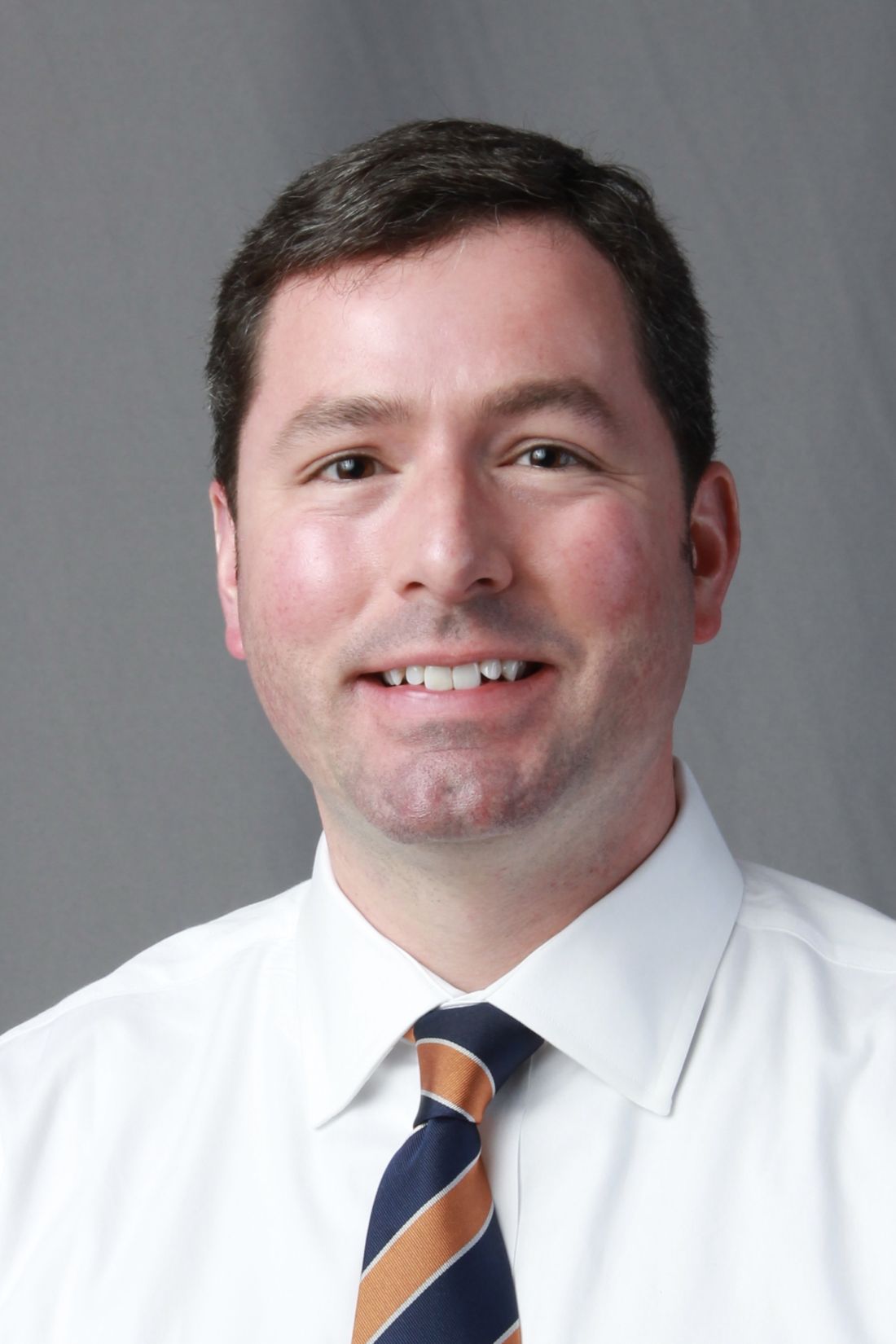
“My feeling is that the average program director thinks that ERAS is functional but there are not many, if any, who are in love with ERAS,” Dr. Carmody said in an interview. “I think ERAS will benefit from having a competitor.”
A major drawback for applicants with the removal of ob.gyn. from ERAS, which handles almost all medical specialties, is that those seeking acceptance in more than one specialty will now need to apply twice and incur two sets of costs. “A substantial fraction of applicants do that and now they’ll have to navigate two different systems and collect and format all their documents for both, which will be burdensome,” he said.
Holistic review
According to the ACOG announcement, the new technology promises to manage the deluge of applications more efficiently and, most important, to allow program directors to evaluate candidates holistically in order to better meet the specific needs of different communities.
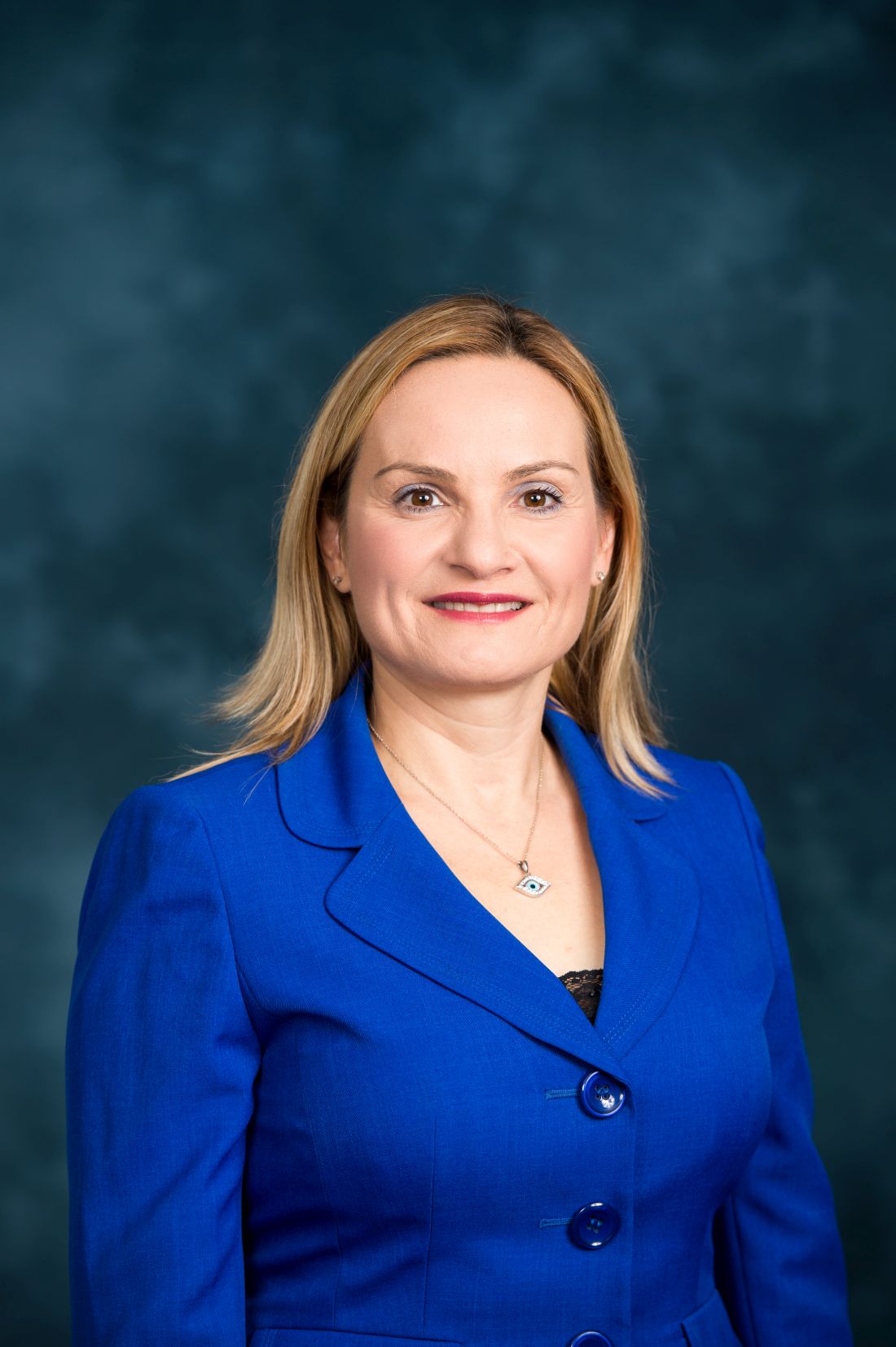
“The platform makes it much easier to review applicants for important characteristics other than academic, and It will cost applicants about 20% less,” said Maya M. Hammoud, MD, MBA, professor and association chair for education, obstetrics, and gynecology at the University of Michigan, Ann Arbor, and past president of APGO.
So far the announced switch has been positively received. “People are very excited about the change, especially when they see the video,” Dr. Hammoud said.
For Adi Katz, MD, director of gynecology and director of the obstetrics and gynecology residency program at Lenox Hill Hospital, New York, the change signals a step in the right direction, especially when it comes to application reviewing. “The number of applications has been increasing tremendously in the past few years. We have four residency spots and we get almost 900 applications for them, ” she said. “Under the present system it’s hard to give a fair review to all the applicants, and we hope that with change we’ll be able to give each one the attention they deserve.”
An important feature, added Dr. Katz, is that the new software will allow directors to do intuitive, “gut-level” screenings with the help of AI. In this approach, large numbers of candidates can be screened based on intuition in relation to their formal criteria.
Residency program administrators have long sought more holistic ways of screening applicants, and AI has the potential to provide insights into who’s a good fit by finding patterns in very complex data.
“Of course, we won’t know for sure if it’s the right move until we start using the platform,” Dr. Katz said.
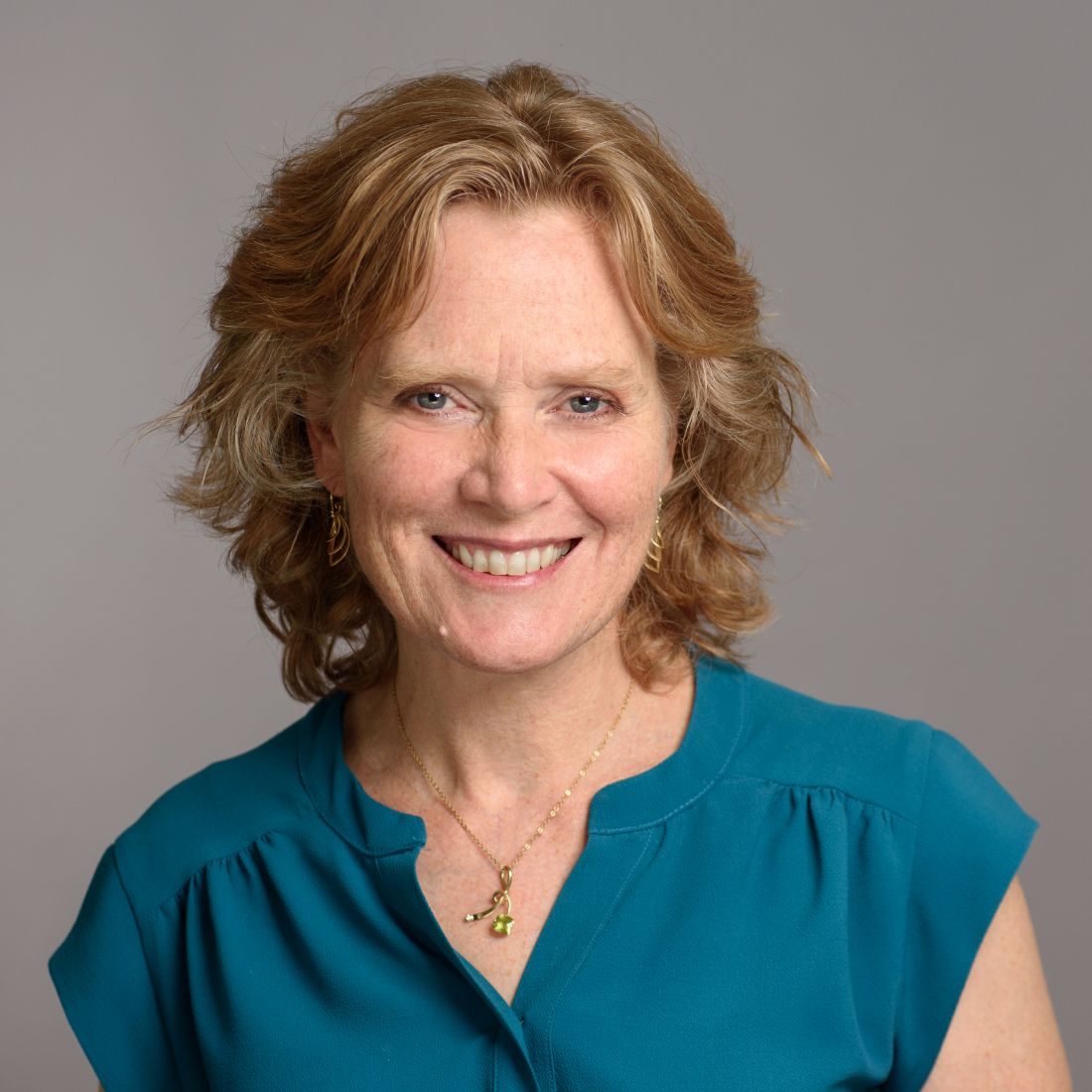
“There are many factors beyond academic standing that can help determine which individual applicants would be the best fit for each unique program,” AnnaMarie Connolly, MD, chief of education and academic affairs at ACOG, said in an interview. ”In particular, improved holistic review will allow programs and applicants to better ensure alignment that, for example, considers factors such as applicants’ clinical interests, academic interests, and past life experiences.”
Updated data science is expected better align ob.gyn. programs and applicants, and improve staff efficiency at no cost to programs, Dr. Connolly added. Good alignment of residents with programs is especially important in a patient-interactive specialty such as ob.gyn. Webinars will prepare users to apply the new system.
According to the promotional video, ResidencyCAS integrates all components of application from candidates’ letters and credentials to lists of program directors, applicant reviews, and specialty data analytics. Collecting recommendations and credentials is expected to be streamlined. The software is currently used by 31 U.S. health care professions and across 31,000 programs.
“It’s clear that ob.gyn. residency applicants and ob.gyn. programs have been frustrated by certain aspects of the former application system, one of which being high costs,” Dr. Connolly added. “The feedback we’ve received indicates that programs are excited about a more streamlined process.”
AAMC strikes back
Not all groups are so enthusiastic, however, including, understandably, the AAMC, which expressed “surprise and dismay” at the switch.
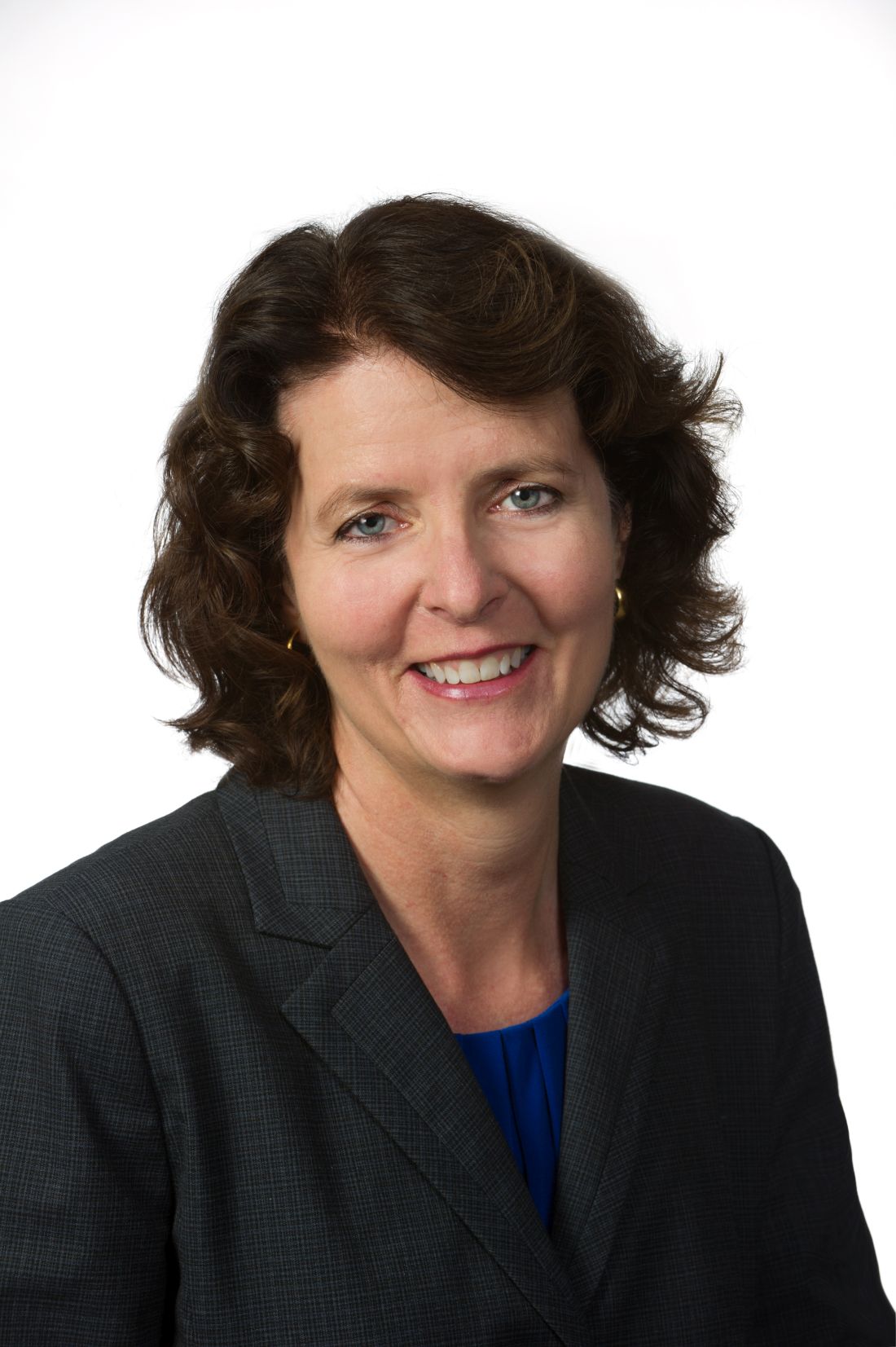
“While it is too early to fully understand the consequences of this development – intended and unintended – the AAMC remains committed to creating a fair and equitable process for learners, medical schools, and programs,” wrote AAMC spokespersons David J. Skorton, MD, AAMC’s CEO, and Alison J. Whelan, MD, chief academic officer in a statement. “We are concerned that ob.gyn. program data will no longer be part of the numerous and longstanding AAMC data and research efforts.”
Those efforts include the Residency Readiness Survey, multidecade institution-level data and analytics, and future cross-specialty innovations. Lost with the changeover, the AAMC warned, may be the cross-specialty data it has collected, analyzed, and shared since ERAS’s inception, in particular its advocacy, research, and data support for the ob.gyn. community following the 2022 Supreme Court ruling in Dobbs v. Jackson.
Evolution of specialty application
In a blog posting, Dr. Carmody outlined the evolution of the specialty residency application process. Pre-ERAS application was slow, cumbersome, and done by mail. With the introduction of ERAS, applicants were able to put their information on floppy discs and submit them to the dean’s office, hopefully triggering interview offers via email. The new approach was originally piloted in partnership with ob.gyn. program directors and now ERAS finds itself in a first-in, first-out situation.
Over the years, program directors suffocating under the weight of applications have periodically asked the AAMC to share data or make changes to ERAS protocols or policies, including those on the sharing of collected information. “Its my perception that frustration about the AAMC’s data sharing was one of the things that led to the change,” Dr. Carmody said. While acknowledging that data sharing must be carefully done, he noted that, when program directors asked to see ERAS data to answer important questions, they were often refused.
While it appears that AAMC’s improvement efforts have not gone far or fast enough, the association pointed to significant efforts to streamline applications. It stressed its ongoing commitment to cooperation “with learners, medical schools, and the ERAS program community to further consider the implications of ACOG’s announcement.” It recently announced a collaboration with Thalamus-connecting the docs, a new interview-management software system the AAMC expects will accelerate innovation across the transition-to-residency process.
“We have many questions and few answers at this time,” Dr. Skorton and Dr. Whelan wrote, “and we will work diligently to fully understand the consequences and keep open communication with all of our constituents.”
Financial impact
Ob.gyn., an important but relatively small specialty, represented only 2.8% of the 2022 residency applications on ERAS and $3,362,760 of its $120 million in revenue that year, Dr. Carmody noted. That’s with 2,613 ob.gyn. applicants submitting an average of 63-83 applications depending on their background.
But if the defection of ob.gyn. starts a stampede among program directors in other branches of medicine to ResidencyCAS or some other new platform, that would cost ERAS substantially more.
“The next few years are going to be very telling,” said Dr. Carmody. Although competition may act as a catalyst for needed improvements to ERAS, if momentum grows, the comfortable inertia of staying with a known system may soon be overcome. “And the more specialties that switch, the more that will deprive the AAMC of the revenue it needs to improve the product.”
Dr. Carmody and Dr. Katz disclosed no relevant conflicts of interest with regard to their comments.
In a recent joint announcement, the American College of Obstetricians and Gynecologists and the Association of Professors of Gynecology and Obstetrics said the new system, ResidencyCAS, offered by Liaison Centralized Application Service, will replace the Electronic Residency Application Service (ERAS). ERAS was implemented some 25 years ago by the Association of American Medical Colleges.
Efficiencies and lower costs
Potential startup glitches aside, the transition will allegedly lower skyrocketing application fees and provide enhanced efficiencies and a better user experience than ERAS. So far, ob.gyn. is first and the only specialty to jump ship from the established platform. But if other specialties follow suit making the new software the norm, that will have a serious impact on ERAS’s revenues, said J. Bryan Carmody, MD, MPH, a pediatric nephrologist at the Children’s Hospital of the King’s Daughters, Norfolk, Va., who closely monitors and writes about residency selection and discussed the coming transition in a recent blog posting.
“My feeling is that the average program director thinks that ERAS is functional but there are not many, if any, who are in love with ERAS,” Dr. Carmody said in an interview. “I think ERAS will benefit from having a competitor.”
A major drawback for applicants with the removal of ob.gyn. from ERAS, which handles almost all medical specialties, is that those seeking acceptance in more than one specialty will now need to apply twice and incur two sets of costs. “A substantial fraction of applicants do that and now they’ll have to navigate two different systems and collect and format all their documents for both, which will be burdensome,” he said.
Holistic review
According to the ACOG announcement, the new technology promises to manage the deluge of applications more efficiently and, most important, to allow program directors to evaluate candidates holistically in order to better meet the specific needs of different communities.
“The platform makes it much easier to review applicants for important characteristics other than academic, and It will cost applicants about 20% less,” said Maya M. Hammoud, MD, MBA, professor and association chair for education, obstetrics, and gynecology at the University of Michigan, Ann Arbor, and past president of APGO.
So far the announced switch has been positively received. “People are very excited about the change, especially when they see the video,” Dr. Hammoud said.
For Adi Katz, MD, director of gynecology and director of the obstetrics and gynecology residency program at Lenox Hill Hospital, New York, the change signals a step in the right direction, especially when it comes to application reviewing. “The number of applications has been increasing tremendously in the past few years. We have four residency spots and we get almost 900 applications for them, ” she said. “Under the present system it’s hard to give a fair review to all the applicants, and we hope that with change we’ll be able to give each one the attention they deserve.”
An important feature, added Dr. Katz, is that the new software will allow directors to do intuitive, “gut-level” screenings with the help of AI. In this approach, large numbers of candidates can be screened based on intuition in relation to their formal criteria.
Residency program administrators have long sought more holistic ways of screening applicants, and AI has the potential to provide insights into who’s a good fit by finding patterns in very complex data.
“Of course, we won’t know for sure if it’s the right move until we start using the platform,” Dr. Katz said.
“There are many factors beyond academic standing that can help determine which individual applicants would be the best fit for each unique program,” AnnaMarie Connolly, MD, chief of education and academic affairs at ACOG, said in an interview. ”In particular, improved holistic review will allow programs and applicants to better ensure alignment that, for example, considers factors such as applicants’ clinical interests, academic interests, and past life experiences.”
Updated data science is expected better align ob.gyn. programs and applicants, and improve staff efficiency at no cost to programs, Dr. Connolly added. Good alignment of residents with programs is especially important in a patient-interactive specialty such as ob.gyn. Webinars will prepare users to apply the new system.
According to the promotional video, ResidencyCAS integrates all components of application from candidates’ letters and credentials to lists of program directors, applicant reviews, and specialty data analytics. Collecting recommendations and credentials is expected to be streamlined. The software is currently used by 31 U.S. health care professions and across 31,000 programs.
“It’s clear that ob.gyn. residency applicants and ob.gyn. programs have been frustrated by certain aspects of the former application system, one of which being high costs,” Dr. Connolly added. “The feedback we’ve received indicates that programs are excited about a more streamlined process.”
AAMC strikes back
Not all groups are so enthusiastic, however, including, understandably, the AAMC, which expressed “surprise and dismay” at the switch.
“While it is too early to fully understand the consequences of this development – intended and unintended – the AAMC remains committed to creating a fair and equitable process for learners, medical schools, and programs,” wrote AAMC spokespersons David J. Skorton, MD, AAMC’s CEO, and Alison J. Whelan, MD, chief academic officer in a statement. “We are concerned that ob.gyn. program data will no longer be part of the numerous and longstanding AAMC data and research efforts.”
Those efforts include the Residency Readiness Survey, multidecade institution-level data and analytics, and future cross-specialty innovations. Lost with the changeover, the AAMC warned, may be the cross-specialty data it has collected, analyzed, and shared since ERAS’s inception, in particular its advocacy, research, and data support for the ob.gyn. community following the 2022 Supreme Court ruling in Dobbs v. Jackson.
Evolution of specialty application
In a blog posting, Dr. Carmody outlined the evolution of the specialty residency application process. Pre-ERAS application was slow, cumbersome, and done by mail. With the introduction of ERAS, applicants were able to put their information on floppy discs and submit them to the dean’s office, hopefully triggering interview offers via email. The new approach was originally piloted in partnership with ob.gyn. program directors and now ERAS finds itself in a first-in, first-out situation.
Over the years, program directors suffocating under the weight of applications have periodically asked the AAMC to share data or make changes to ERAS protocols or policies, including those on the sharing of collected information. “Its my perception that frustration about the AAMC’s data sharing was one of the things that led to the change,” Dr. Carmody said. While acknowledging that data sharing must be carefully done, he noted that, when program directors asked to see ERAS data to answer important questions, they were often refused.
While it appears that AAMC’s improvement efforts have not gone far or fast enough, the association pointed to significant efforts to streamline applications. It stressed its ongoing commitment to cooperation “with learners, medical schools, and the ERAS program community to further consider the implications of ACOG’s announcement.” It recently announced a collaboration with Thalamus-connecting the docs, a new interview-management software system the AAMC expects will accelerate innovation across the transition-to-residency process.
“We have many questions and few answers at this time,” Dr. Skorton and Dr. Whelan wrote, “and we will work diligently to fully understand the consequences and keep open communication with all of our constituents.”
Financial impact
Ob.gyn., an important but relatively small specialty, represented only 2.8% of the 2022 residency applications on ERAS and $3,362,760 of its $120 million in revenue that year, Dr. Carmody noted. That’s with 2,613 ob.gyn. applicants submitting an average of 63-83 applications depending on their background.
But if the defection of ob.gyn. starts a stampede among program directors in other branches of medicine to ResidencyCAS or some other new platform, that would cost ERAS substantially more.
“The next few years are going to be very telling,” said Dr. Carmody. Although competition may act as a catalyst for needed improvements to ERAS, if momentum grows, the comfortable inertia of staying with a known system may soon be overcome. “And the more specialties that switch, the more that will deprive the AAMC of the revenue it needs to improve the product.”
Dr. Carmody and Dr. Katz disclosed no relevant conflicts of interest with regard to their comments.
In a recent joint announcement, the American College of Obstetricians and Gynecologists and the Association of Professors of Gynecology and Obstetrics said the new system, ResidencyCAS, offered by Liaison Centralized Application Service, will replace the Electronic Residency Application Service (ERAS). ERAS was implemented some 25 years ago by the Association of American Medical Colleges.
Efficiencies and lower costs
Potential startup glitches aside, the transition will allegedly lower skyrocketing application fees and provide enhanced efficiencies and a better user experience than ERAS. So far, ob.gyn. is first and the only specialty to jump ship from the established platform. But if other specialties follow suit making the new software the norm, that will have a serious impact on ERAS’s revenues, said J. Bryan Carmody, MD, MPH, a pediatric nephrologist at the Children’s Hospital of the King’s Daughters, Norfolk, Va., who closely monitors and writes about residency selection and discussed the coming transition in a recent blog posting.
“My feeling is that the average program director thinks that ERAS is functional but there are not many, if any, who are in love with ERAS,” Dr. Carmody said in an interview. “I think ERAS will benefit from having a competitor.”
A major drawback for applicants with the removal of ob.gyn. from ERAS, which handles almost all medical specialties, is that those seeking acceptance in more than one specialty will now need to apply twice and incur two sets of costs. “A substantial fraction of applicants do that and now they’ll have to navigate two different systems and collect and format all their documents for both, which will be burdensome,” he said.
Holistic review
According to the ACOG announcement, the new technology promises to manage the deluge of applications more efficiently and, most important, to allow program directors to evaluate candidates holistically in order to better meet the specific needs of different communities.
“The platform makes it much easier to review applicants for important characteristics other than academic, and It will cost applicants about 20% less,” said Maya M. Hammoud, MD, MBA, professor and association chair for education, obstetrics, and gynecology at the University of Michigan, Ann Arbor, and past president of APGO.
So far the announced switch has been positively received. “People are very excited about the change, especially when they see the video,” Dr. Hammoud said.
For Adi Katz, MD, director of gynecology and director of the obstetrics and gynecology residency program at Lenox Hill Hospital, New York, the change signals a step in the right direction, especially when it comes to application reviewing. “The number of applications has been increasing tremendously in the past few years. We have four residency spots and we get almost 900 applications for them, ” she said. “Under the present system it’s hard to give a fair review to all the applicants, and we hope that with change we’ll be able to give each one the attention they deserve.”
An important feature, added Dr. Katz, is that the new software will allow directors to do intuitive, “gut-level” screenings with the help of AI. In this approach, large numbers of candidates can be screened based on intuition in relation to their formal criteria.
Residency program administrators have long sought more holistic ways of screening applicants, and AI has the potential to provide insights into who’s a good fit by finding patterns in very complex data.
“Of course, we won’t know for sure if it’s the right move until we start using the platform,” Dr. Katz said.
“There are many factors beyond academic standing that can help determine which individual applicants would be the best fit for each unique program,” AnnaMarie Connolly, MD, chief of education and academic affairs at ACOG, said in an interview. ”In particular, improved holistic review will allow programs and applicants to better ensure alignment that, for example, considers factors such as applicants’ clinical interests, academic interests, and past life experiences.”
Updated data science is expected better align ob.gyn. programs and applicants, and improve staff efficiency at no cost to programs, Dr. Connolly added. Good alignment of residents with programs is especially important in a patient-interactive specialty such as ob.gyn. Webinars will prepare users to apply the new system.
According to the promotional video, ResidencyCAS integrates all components of application from candidates’ letters and credentials to lists of program directors, applicant reviews, and specialty data analytics. Collecting recommendations and credentials is expected to be streamlined. The software is currently used by 31 U.S. health care professions and across 31,000 programs.
“It’s clear that ob.gyn. residency applicants and ob.gyn. programs have been frustrated by certain aspects of the former application system, one of which being high costs,” Dr. Connolly added. “The feedback we’ve received indicates that programs are excited about a more streamlined process.”
AAMC strikes back
Not all groups are so enthusiastic, however, including, understandably, the AAMC, which expressed “surprise and dismay” at the switch.
“While it is too early to fully understand the consequences of this development – intended and unintended – the AAMC remains committed to creating a fair and equitable process for learners, medical schools, and programs,” wrote AAMC spokespersons David J. Skorton, MD, AAMC’s CEO, and Alison J. Whelan, MD, chief academic officer in a statement. “We are concerned that ob.gyn. program data will no longer be part of the numerous and longstanding AAMC data and research efforts.”
Those efforts include the Residency Readiness Survey, multidecade institution-level data and analytics, and future cross-specialty innovations. Lost with the changeover, the AAMC warned, may be the cross-specialty data it has collected, analyzed, and shared since ERAS’s inception, in particular its advocacy, research, and data support for the ob.gyn. community following the 2022 Supreme Court ruling in Dobbs v. Jackson.
Evolution of specialty application
In a blog posting, Dr. Carmody outlined the evolution of the specialty residency application process. Pre-ERAS application was slow, cumbersome, and done by mail. With the introduction of ERAS, applicants were able to put their information on floppy discs and submit them to the dean’s office, hopefully triggering interview offers via email. The new approach was originally piloted in partnership with ob.gyn. program directors and now ERAS finds itself in a first-in, first-out situation.
Over the years, program directors suffocating under the weight of applications have periodically asked the AAMC to share data or make changes to ERAS protocols or policies, including those on the sharing of collected information. “Its my perception that frustration about the AAMC’s data sharing was one of the things that led to the change,” Dr. Carmody said. While acknowledging that data sharing must be carefully done, he noted that, when program directors asked to see ERAS data to answer important questions, they were often refused.
While it appears that AAMC’s improvement efforts have not gone far or fast enough, the association pointed to significant efforts to streamline applications. It stressed its ongoing commitment to cooperation “with learners, medical schools, and the ERAS program community to further consider the implications of ACOG’s announcement.” It recently announced a collaboration with Thalamus-connecting the docs, a new interview-management software system the AAMC expects will accelerate innovation across the transition-to-residency process.
“We have many questions and few answers at this time,” Dr. Skorton and Dr. Whelan wrote, “and we will work diligently to fully understand the consequences and keep open communication with all of our constituents.”
Financial impact
Ob.gyn., an important but relatively small specialty, represented only 2.8% of the 2022 residency applications on ERAS and $3,362,760 of its $120 million in revenue that year, Dr. Carmody noted. That’s with 2,613 ob.gyn. applicants submitting an average of 63-83 applications depending on their background.
But if the defection of ob.gyn. starts a stampede among program directors in other branches of medicine to ResidencyCAS or some other new platform, that would cost ERAS substantially more.
“The next few years are going to be very telling,” said Dr. Carmody. Although competition may act as a catalyst for needed improvements to ERAS, if momentum grows, the comfortable inertia of staying with a known system may soon be overcome. “And the more specialties that switch, the more that will deprive the AAMC of the revenue it needs to improve the product.”
Dr. Carmody and Dr. Katz disclosed no relevant conflicts of interest with regard to their comments.
Better than dialysis? Artificial kidney could be the future
Nearly 90,000 patients in the United States are waiting for a lifesaving kidney transplant, yet only about 25,000 kidney transplants were performed last year. Thousands die each year while they wait. Others are not suitable transplant candidates.
Half a million people are on dialysis, the only transplant alternative for those with kidney failure. This greatly impacts their work, relationships, and quality of life.
Researchers from The Kidney Project hope to solve this public health crisis with a futuristic approach: an implantable bioartificial kidney. That hope is slowly approaching reality. Early prototypes have been tested successfully in preclinical research and clinical trials could lie ahead.
This news organization spoke with two researchers who came up with the idea: nephrologist William Dr. Fissell, MD, of Vanderbilt University in Nashville, Tenn., and Shuvo Dr. Roy, PhD, a biomedical engineer at the University of California, San Francisco. This interview has been edited for length and clarity.
Question: Could you summarize the clinical problem with chronic kidney disease?
Dr. Fissell: Dialysis treatment, although lifesaving, is incomplete. Healthy kidneys do a variety of things that dialysis cannot provide. Transplant is absolutely the best remedy, but donor organs are vanishingly scarce.
Do you envision your implantable, bioartificial kidney as a bridge to transplantation? Or can it be even more, like a bionic organ, as good as a natural organ and thus better than a transplant?
Dr. Roy: We see it initially as a bridge to transplantation or as a better option than dialysis for those who will never get a transplant. We’re not trying to create the “Six Million Dollar Man.” The goal is to keep patients off dialysis – to deliver some, but probably not all, of the benefits of a kidney transplant in a mass-produced device that anybody can receive.
Dr. Fissell: The technology is aimed at people in stage 5 renal disease, the final stage, when kidneys are failing, and dialysis is the only option to maintain life. We want to make dialysis a thing of the past, put dialysis machines in museums like the iron lung, which was so vital to keeping people alive several decades ago but is mostly obsolete today.
How did you two come up with this idea? How did you get started working together?
Dr. Roy: I had just begun my career as a research biomedical engineer when I met Dr. William Fissell, who was then contemplating a career in nephrology. He opened my eyes to the problems faced by patients affected by kidney failure. Through our discussions, we quickly realized that while we could improve dialysis machines, patients needed and deserved something better – a treatment that improves their health while also allowing them to keep a job, travel readily, and consume food and drink without restrictions. Basically, something that works more like a kidney transplant.
How does the artificial kidney differ from dialysis?
Dr. Fissell: Dialysis is an intermittent stop-and-start treatment. The artificial kidney is continuous, around-the-clock treatment. There are a couple of advantages to that. The first is that you can maintain your body’s fluid balance. In dialysis, you get rid of 2-3 days’ worth of fluid in a couple of hours, and that’s very stressful to the heart and maybe to the brain as well. Second advantage is that patients will be able to eat a normal diet. Some waste products that are byproducts of our nutritional intake are slow to leave the body. So in dialysis, we restrict the diet severely and add medicines to soak up extra phosphorus. With a continuous treatment, you can balance excretion and intake.
The other aspect is that dialysis requires an immense amount of disposables. Hundreds of liters of water per patient per treatment, hundreds of thousands of dialysis cartridges and IV bags every year. The artificial kidney doesn’t need a water supply, disposable sorbent, or cartridges.
How does the artificial kidney work?
Dr. Fissell: Just like a healthy kidney. We have a unit that filters the blood so that red blood cells, white blood cells, platelets, antibodies, albumin – all the good stuff that your body worked hard to synthesize – stays in the blood, but a watery soup of toxins and waste is separated out. In a second unit, called the bioreactor, kidney cells concentrate those wastes and toxins into urine.
Dr. Roy: We used a technology called silicon micro-machining to invent an entirely new membrane that mimics a healthy kidney’s filters. It filters the blood just using the patient’s heart as a pump. No electric motors, no batteries, no wires. This lets us have something that’s completely implanted.
We also developed a cell culture of kidney cells that function in an artificial kidney. Normally, cells in a dish don’t fully adopt the features of a cell in the body. We looked at the literature around 3-D printing of organs. We learned that, in addition to fluid flow, stiff scaffolds, like cell culture dishes, trigger specific signals that keep the cells from functioning. We overcame that by looking at the physical microenvironment of the cells – not the hormones and proteins, but instead the fundamentals of the laboratory environment. For example, most organs are soft, yet plastic lab dishes are hard. By using tools that replicated the softness and fluid flow of a healthy kidney, remarkably, these cells functioned better than on a plastic dish.
Would patients need immunosuppressive or anticoagulation medication?
Dr. Fissell: They wouldn’t need either. The structure and chemistry of the device prevents blood from clotting. And the membranes in the device are a physical barrier between the host immune system and the donor cells, so the body won’t reject the device.
What is the state of the technology now?
Dr. Fissell: We have shown the function of the filters and the function of the cells, both separately and together, in preclinical in vivo testing. What we now need to do is construct clinical-grade devices and complete sterility and biocompatibility testing to initiate a human trial. That’s going to take between $12 million and $15 million in device manufacturing.
So it’s more a matter of money than time until the first clinical trials?
Dr. Roy: Yes, exactly. We don’t like to say that a clinical trial will start by such-and-such year. From the very start of the project, we have been resource limited.
A version of this article first appeared on Medscape.com.
Nearly 90,000 patients in the United States are waiting for a lifesaving kidney transplant, yet only about 25,000 kidney transplants were performed last year. Thousands die each year while they wait. Others are not suitable transplant candidates.
Half a million people are on dialysis, the only transplant alternative for those with kidney failure. This greatly impacts their work, relationships, and quality of life.
Researchers from The Kidney Project hope to solve this public health crisis with a futuristic approach: an implantable bioartificial kidney. That hope is slowly approaching reality. Early prototypes have been tested successfully in preclinical research and clinical trials could lie ahead.
This news organization spoke with two researchers who came up with the idea: nephrologist William Dr. Fissell, MD, of Vanderbilt University in Nashville, Tenn., and Shuvo Dr. Roy, PhD, a biomedical engineer at the University of California, San Francisco. This interview has been edited for length and clarity.
Question: Could you summarize the clinical problem with chronic kidney disease?
Dr. Fissell: Dialysis treatment, although lifesaving, is incomplete. Healthy kidneys do a variety of things that dialysis cannot provide. Transplant is absolutely the best remedy, but donor organs are vanishingly scarce.
Do you envision your implantable, bioartificial kidney as a bridge to transplantation? Or can it be even more, like a bionic organ, as good as a natural organ and thus better than a transplant?
Dr. Roy: We see it initially as a bridge to transplantation or as a better option than dialysis for those who will never get a transplant. We’re not trying to create the “Six Million Dollar Man.” The goal is to keep patients off dialysis – to deliver some, but probably not all, of the benefits of a kidney transplant in a mass-produced device that anybody can receive.
Dr. Fissell: The technology is aimed at people in stage 5 renal disease, the final stage, when kidneys are failing, and dialysis is the only option to maintain life. We want to make dialysis a thing of the past, put dialysis machines in museums like the iron lung, which was so vital to keeping people alive several decades ago but is mostly obsolete today.
How did you two come up with this idea? How did you get started working together?
Dr. Roy: I had just begun my career as a research biomedical engineer when I met Dr. William Fissell, who was then contemplating a career in nephrology. He opened my eyes to the problems faced by patients affected by kidney failure. Through our discussions, we quickly realized that while we could improve dialysis machines, patients needed and deserved something better – a treatment that improves their health while also allowing them to keep a job, travel readily, and consume food and drink without restrictions. Basically, something that works more like a kidney transplant.
How does the artificial kidney differ from dialysis?
Dr. Fissell: Dialysis is an intermittent stop-and-start treatment. The artificial kidney is continuous, around-the-clock treatment. There are a couple of advantages to that. The first is that you can maintain your body’s fluid balance. In dialysis, you get rid of 2-3 days’ worth of fluid in a couple of hours, and that’s very stressful to the heart and maybe to the brain as well. Second advantage is that patients will be able to eat a normal diet. Some waste products that are byproducts of our nutritional intake are slow to leave the body. So in dialysis, we restrict the diet severely and add medicines to soak up extra phosphorus. With a continuous treatment, you can balance excretion and intake.
The other aspect is that dialysis requires an immense amount of disposables. Hundreds of liters of water per patient per treatment, hundreds of thousands of dialysis cartridges and IV bags every year. The artificial kidney doesn’t need a water supply, disposable sorbent, or cartridges.
How does the artificial kidney work?
Dr. Fissell: Just like a healthy kidney. We have a unit that filters the blood so that red blood cells, white blood cells, platelets, antibodies, albumin – all the good stuff that your body worked hard to synthesize – stays in the blood, but a watery soup of toxins and waste is separated out. In a second unit, called the bioreactor, kidney cells concentrate those wastes and toxins into urine.
Dr. Roy: We used a technology called silicon micro-machining to invent an entirely new membrane that mimics a healthy kidney’s filters. It filters the blood just using the patient’s heart as a pump. No electric motors, no batteries, no wires. This lets us have something that’s completely implanted.
We also developed a cell culture of kidney cells that function in an artificial kidney. Normally, cells in a dish don’t fully adopt the features of a cell in the body. We looked at the literature around 3-D printing of organs. We learned that, in addition to fluid flow, stiff scaffolds, like cell culture dishes, trigger specific signals that keep the cells from functioning. We overcame that by looking at the physical microenvironment of the cells – not the hormones and proteins, but instead the fundamentals of the laboratory environment. For example, most organs are soft, yet plastic lab dishes are hard. By using tools that replicated the softness and fluid flow of a healthy kidney, remarkably, these cells functioned better than on a plastic dish.
Would patients need immunosuppressive or anticoagulation medication?
Dr. Fissell: They wouldn’t need either. The structure and chemistry of the device prevents blood from clotting. And the membranes in the device are a physical barrier between the host immune system and the donor cells, so the body won’t reject the device.
What is the state of the technology now?
Dr. Fissell: We have shown the function of the filters and the function of the cells, both separately and together, in preclinical in vivo testing. What we now need to do is construct clinical-grade devices and complete sterility and biocompatibility testing to initiate a human trial. That’s going to take between $12 million and $15 million in device manufacturing.
So it’s more a matter of money than time until the first clinical trials?
Dr. Roy: Yes, exactly. We don’t like to say that a clinical trial will start by such-and-such year. From the very start of the project, we have been resource limited.
A version of this article first appeared on Medscape.com.
Nearly 90,000 patients in the United States are waiting for a lifesaving kidney transplant, yet only about 25,000 kidney transplants were performed last year. Thousands die each year while they wait. Others are not suitable transplant candidates.
Half a million people are on dialysis, the only transplant alternative for those with kidney failure. This greatly impacts their work, relationships, and quality of life.
Researchers from The Kidney Project hope to solve this public health crisis with a futuristic approach: an implantable bioartificial kidney. That hope is slowly approaching reality. Early prototypes have been tested successfully in preclinical research and clinical trials could lie ahead.
This news organization spoke with two researchers who came up with the idea: nephrologist William Dr. Fissell, MD, of Vanderbilt University in Nashville, Tenn., and Shuvo Dr. Roy, PhD, a biomedical engineer at the University of California, San Francisco. This interview has been edited for length and clarity.
Question: Could you summarize the clinical problem with chronic kidney disease?
Dr. Fissell: Dialysis treatment, although lifesaving, is incomplete. Healthy kidneys do a variety of things that dialysis cannot provide. Transplant is absolutely the best remedy, but donor organs are vanishingly scarce.
Do you envision your implantable, bioartificial kidney as a bridge to transplantation? Or can it be even more, like a bionic organ, as good as a natural organ and thus better than a transplant?
Dr. Roy: We see it initially as a bridge to transplantation or as a better option than dialysis for those who will never get a transplant. We’re not trying to create the “Six Million Dollar Man.” The goal is to keep patients off dialysis – to deliver some, but probably not all, of the benefits of a kidney transplant in a mass-produced device that anybody can receive.
Dr. Fissell: The technology is aimed at people in stage 5 renal disease, the final stage, when kidneys are failing, and dialysis is the only option to maintain life. We want to make dialysis a thing of the past, put dialysis machines in museums like the iron lung, which was so vital to keeping people alive several decades ago but is mostly obsolete today.
How did you two come up with this idea? How did you get started working together?
Dr. Roy: I had just begun my career as a research biomedical engineer when I met Dr. William Fissell, who was then contemplating a career in nephrology. He opened my eyes to the problems faced by patients affected by kidney failure. Through our discussions, we quickly realized that while we could improve dialysis machines, patients needed and deserved something better – a treatment that improves their health while also allowing them to keep a job, travel readily, and consume food and drink without restrictions. Basically, something that works more like a kidney transplant.
How does the artificial kidney differ from dialysis?
Dr. Fissell: Dialysis is an intermittent stop-and-start treatment. The artificial kidney is continuous, around-the-clock treatment. There are a couple of advantages to that. The first is that you can maintain your body’s fluid balance. In dialysis, you get rid of 2-3 days’ worth of fluid in a couple of hours, and that’s very stressful to the heart and maybe to the brain as well. Second advantage is that patients will be able to eat a normal diet. Some waste products that are byproducts of our nutritional intake are slow to leave the body. So in dialysis, we restrict the diet severely and add medicines to soak up extra phosphorus. With a continuous treatment, you can balance excretion and intake.
The other aspect is that dialysis requires an immense amount of disposables. Hundreds of liters of water per patient per treatment, hundreds of thousands of dialysis cartridges and IV bags every year. The artificial kidney doesn’t need a water supply, disposable sorbent, or cartridges.
How does the artificial kidney work?
Dr. Fissell: Just like a healthy kidney. We have a unit that filters the blood so that red blood cells, white blood cells, platelets, antibodies, albumin – all the good stuff that your body worked hard to synthesize – stays in the blood, but a watery soup of toxins and waste is separated out. In a second unit, called the bioreactor, kidney cells concentrate those wastes and toxins into urine.
Dr. Roy: We used a technology called silicon micro-machining to invent an entirely new membrane that mimics a healthy kidney’s filters. It filters the blood just using the patient’s heart as a pump. No electric motors, no batteries, no wires. This lets us have something that’s completely implanted.
We also developed a cell culture of kidney cells that function in an artificial kidney. Normally, cells in a dish don’t fully adopt the features of a cell in the body. We looked at the literature around 3-D printing of organs. We learned that, in addition to fluid flow, stiff scaffolds, like cell culture dishes, trigger specific signals that keep the cells from functioning. We overcame that by looking at the physical microenvironment of the cells – not the hormones and proteins, but instead the fundamentals of the laboratory environment. For example, most organs are soft, yet plastic lab dishes are hard. By using tools that replicated the softness and fluid flow of a healthy kidney, remarkably, these cells functioned better than on a plastic dish.
Would patients need immunosuppressive or anticoagulation medication?
Dr. Fissell: They wouldn’t need either. The structure and chemistry of the device prevents blood from clotting. And the membranes in the device are a physical barrier between the host immune system and the donor cells, so the body won’t reject the device.
What is the state of the technology now?
Dr. Fissell: We have shown the function of the filters and the function of the cells, both separately and together, in preclinical in vivo testing. What we now need to do is construct clinical-grade devices and complete sterility and biocompatibility testing to initiate a human trial. That’s going to take between $12 million and $15 million in device manufacturing.
So it’s more a matter of money than time until the first clinical trials?
Dr. Roy: Yes, exactly. We don’t like to say that a clinical trial will start by such-and-such year. From the very start of the project, we have been resource limited.
A version of this article first appeared on Medscape.com.
What causes sudden cardiac arrest in young people?
Sudden cardiac arrest is the term given to death that results from a cardiac cause and occurs within an hour of symptoms being observed. If no witnesses are present, sudden cardiac arrest is present if the person had been in apparently good health 24 hours before cardiac death. Fatality is usually a result of sustained ventricular fibrillation or sustained ventricular tachycardia that leads to cardiac arrest.
Recognizing warning signs
Warning signs that should prompt physicians to consider an increased risk of sudden cardiac arrest include the following:
- Unexplained, brief fainting episodes that above all occur with stress, physical activity, or loud noises (for example, alarm ringing)
- Seizures without a clear pathologic EEG result (for example, epilepsy)
- Unexplained accidents or car crashes
- Heart failure or pacemaker dependency before age 50 years
“These are all indications that could point to an underlying heart disease that should be investigated by a medical professional,” explained Silke Kauferstein, PhD, head of the Center for Sudden Cardiac Arrest and Familial Arrhythmia Syndrome at the Institute of Forensic Medicine of the University Frankfurt am Main (Germany), in a podcast by the German Heart Foundation.
Sports rarely responsible
Sudden cardiac arrest has numerous causes. Sudden cardiac arrests in a professional sports environment always attract attention. Yet sports play a less important role in sudden cardiac arrest than is often assumed, even in young individuals.
“The incidence of sudden cardiac arrest is on average 0.7-3 per 100,000 sports players from all age groups,” said Thomas Voigtländer, MD, chair of the German Heart Foundation, in an interview. Men make up 95% of those affected, and 90% of these events occur during recreational sports.
Inherited disorders
The most significant risk factor for sudden cardiac arrest is age; it is often associated with coronary heart disease. This factor can be significant from as early as age 35 years. Among young individuals, sudden cardiac arrest is often a result of congenital heart diseases, such as hypertrophic cardiomyopathy or arrhythmogenic right ventricular cardiomyopathy. Diseases such as long QT syndrome and Brugada syndrome can also lead to sudden cardiac arrest.
Among young sports players who experience sudden cardiac arrest, the cause is often an overlooked hereditary factor. “Cardiac screening is recommended in particular for young, high-performance athletes from around 14 years old,” said Dr. Voigtländer, who is also a cardiologist and medical director of the Agaplesion Bethanien Hospital in Frankfurt.
Testing of family
“If sudden cardiac arrest or an unexplained sudden death occurs at a young age in the family, the primary care practitioner must be aware that this could be due to heart diseases that could affect the rest of the family,” said Dr. Voigtländer.
In these cases, primary care practitioners must connect the other family members to specialist outpatient departments that can test for genetic factors, he added. “Many of these genetic diseases can be treated successfully if they are diagnosed promptly.”
Lack of knowledge
Dr. Kauferstein, who runs such a specialist outpatient department, said, “unfortunately, many affected families do not know that they should be tested as well. This lack of knowledge can also lead to fatal consequences for relatives.”
For this reason, she believes that it is crucial to provide more information to the general population. Sudden cardiac arrest is often the first sign of an underlying heart disease in young, healthy individuals. “We do see warning signals in our in-depth testing of sudden cardiac arrest cases that have often been overlooked,” said Dr. Kauferstein.
This article was translated from the Medscape German Edition. A version appeared on Medscape.com.
Sudden cardiac arrest is the term given to death that results from a cardiac cause and occurs within an hour of symptoms being observed. If no witnesses are present, sudden cardiac arrest is present if the person had been in apparently good health 24 hours before cardiac death. Fatality is usually a result of sustained ventricular fibrillation or sustained ventricular tachycardia that leads to cardiac arrest.
Recognizing warning signs
Warning signs that should prompt physicians to consider an increased risk of sudden cardiac arrest include the following:
- Unexplained, brief fainting episodes that above all occur with stress, physical activity, or loud noises (for example, alarm ringing)
- Seizures without a clear pathologic EEG result (for example, epilepsy)
- Unexplained accidents or car crashes
- Heart failure or pacemaker dependency before age 50 years
“These are all indications that could point to an underlying heart disease that should be investigated by a medical professional,” explained Silke Kauferstein, PhD, head of the Center for Sudden Cardiac Arrest and Familial Arrhythmia Syndrome at the Institute of Forensic Medicine of the University Frankfurt am Main (Germany), in a podcast by the German Heart Foundation.
Sports rarely responsible
Sudden cardiac arrest has numerous causes. Sudden cardiac arrests in a professional sports environment always attract attention. Yet sports play a less important role in sudden cardiac arrest than is often assumed, even in young individuals.
“The incidence of sudden cardiac arrest is on average 0.7-3 per 100,000 sports players from all age groups,” said Thomas Voigtländer, MD, chair of the German Heart Foundation, in an interview. Men make up 95% of those affected, and 90% of these events occur during recreational sports.
Inherited disorders
The most significant risk factor for sudden cardiac arrest is age; it is often associated with coronary heart disease. This factor can be significant from as early as age 35 years. Among young individuals, sudden cardiac arrest is often a result of congenital heart diseases, such as hypertrophic cardiomyopathy or arrhythmogenic right ventricular cardiomyopathy. Diseases such as long QT syndrome and Brugada syndrome can also lead to sudden cardiac arrest.
Among young sports players who experience sudden cardiac arrest, the cause is often an overlooked hereditary factor. “Cardiac screening is recommended in particular for young, high-performance athletes from around 14 years old,” said Dr. Voigtländer, who is also a cardiologist and medical director of the Agaplesion Bethanien Hospital in Frankfurt.
Testing of family
“If sudden cardiac arrest or an unexplained sudden death occurs at a young age in the family, the primary care practitioner must be aware that this could be due to heart diseases that could affect the rest of the family,” said Dr. Voigtländer.
In these cases, primary care practitioners must connect the other family members to specialist outpatient departments that can test for genetic factors, he added. “Many of these genetic diseases can be treated successfully if they are diagnosed promptly.”
Lack of knowledge
Dr. Kauferstein, who runs such a specialist outpatient department, said, “unfortunately, many affected families do not know that they should be tested as well. This lack of knowledge can also lead to fatal consequences for relatives.”
For this reason, she believes that it is crucial to provide more information to the general population. Sudden cardiac arrest is often the first sign of an underlying heart disease in young, healthy individuals. “We do see warning signals in our in-depth testing of sudden cardiac arrest cases that have often been overlooked,” said Dr. Kauferstein.
This article was translated from the Medscape German Edition. A version appeared on Medscape.com.
Sudden cardiac arrest is the term given to death that results from a cardiac cause and occurs within an hour of symptoms being observed. If no witnesses are present, sudden cardiac arrest is present if the person had been in apparently good health 24 hours before cardiac death. Fatality is usually a result of sustained ventricular fibrillation or sustained ventricular tachycardia that leads to cardiac arrest.
Recognizing warning signs
Warning signs that should prompt physicians to consider an increased risk of sudden cardiac arrest include the following:
- Unexplained, brief fainting episodes that above all occur with stress, physical activity, or loud noises (for example, alarm ringing)
- Seizures without a clear pathologic EEG result (for example, epilepsy)
- Unexplained accidents or car crashes
- Heart failure or pacemaker dependency before age 50 years
“These are all indications that could point to an underlying heart disease that should be investigated by a medical professional,” explained Silke Kauferstein, PhD, head of the Center for Sudden Cardiac Arrest and Familial Arrhythmia Syndrome at the Institute of Forensic Medicine of the University Frankfurt am Main (Germany), in a podcast by the German Heart Foundation.
Sports rarely responsible
Sudden cardiac arrest has numerous causes. Sudden cardiac arrests in a professional sports environment always attract attention. Yet sports play a less important role in sudden cardiac arrest than is often assumed, even in young individuals.
“The incidence of sudden cardiac arrest is on average 0.7-3 per 100,000 sports players from all age groups,” said Thomas Voigtländer, MD, chair of the German Heart Foundation, in an interview. Men make up 95% of those affected, and 90% of these events occur during recreational sports.
Inherited disorders
The most significant risk factor for sudden cardiac arrest is age; it is often associated with coronary heart disease. This factor can be significant from as early as age 35 years. Among young individuals, sudden cardiac arrest is often a result of congenital heart diseases, such as hypertrophic cardiomyopathy or arrhythmogenic right ventricular cardiomyopathy. Diseases such as long QT syndrome and Brugada syndrome can also lead to sudden cardiac arrest.
Among young sports players who experience sudden cardiac arrest, the cause is often an overlooked hereditary factor. “Cardiac screening is recommended in particular for young, high-performance athletes from around 14 years old,” said Dr. Voigtländer, who is also a cardiologist and medical director of the Agaplesion Bethanien Hospital in Frankfurt.
Testing of family
“If sudden cardiac arrest or an unexplained sudden death occurs at a young age in the family, the primary care practitioner must be aware that this could be due to heart diseases that could affect the rest of the family,” said Dr. Voigtländer.
In these cases, primary care practitioners must connect the other family members to specialist outpatient departments that can test for genetic factors, he added. “Many of these genetic diseases can be treated successfully if they are diagnosed promptly.”
Lack of knowledge
Dr. Kauferstein, who runs such a specialist outpatient department, said, “unfortunately, many affected families do not know that they should be tested as well. This lack of knowledge can also lead to fatal consequences for relatives.”
For this reason, she believes that it is crucial to provide more information to the general population. Sudden cardiac arrest is often the first sign of an underlying heart disease in young, healthy individuals. “We do see warning signals in our in-depth testing of sudden cardiac arrest cases that have often been overlooked,” said Dr. Kauferstein.
This article was translated from the Medscape German Edition. A version appeared on Medscape.com.
Axial spondyloarthritis: Does visibility with x-rays make a difference in management?
Knowing whether a patient has radiographic or nonradiographic axial spondyloarthritis will not change management, experts say.
Out with the old, in with the new
Axial spondyloarthritis is characterized by chronic inflammation of the sacroiliac (SI) joints, and spine. It’s a modern term that includes ankylosing spondylitis (AS) and that refers to opposite ends of a disease spectrum.
Nonradiographic axial spondyloarthritis (nr-axSpA) is so termed because there are no definitive visible changes on plain x-rays, although inflammatory changes may be seen on MRI.
Radiographic axial spondyloarthritis (r-axSpA) is the same as AS to some extent and is associated with clear signs of joint damage (that is, of past inflammation) on x-rays.
“Axial spondyloarthritis is one disease, and whether it is radiographic or nonradiographic makes zero difference in the management of the patient,” says Atul Deodhar, MD, professor of medicine and medical director of rheumatology clinics at Oregon Health and Science University, Portland. The distinction came about in 2009 to facilitate scientific and clinical research, he explains, and to enable the use of tumor necrosis factor inhibitors, which were new at the time, for patients who could not be classified as having AS.
“We have known what ankylosing spondylitis is for a long time because we have been doing plain x-rays of the sacroiliac joints, and if we see classical changes of sacroiliitis, we have the diagnosis. However, MRI changed everything,” Dr. Deodhar says. Now it’s possible to see inflammatory changes in the SI joints and early joint damage, which was not possible to see on x-ray until many years later.
Reassuring for patients?
“Currently, we don’t really have different treatments,” Dr. Deodhar notes. Perhaps the only benefit is that it might be reassuring for patients to know that they have the nonradiographic form. Receiving a diagnosis of axial spondyloarthritis comes as quite a shock. It’s a diagnosis that is potentially going to affect them for the rest of their lives, and some patients worry that they’ll develop the classic “bamboo” spine of AS, he adds. So, being able to tell patients that they have nr-axSpA and that they are going to be treated early and aggressively may be somewhat comforting.
“It’s a continuum of a disease state, but a lot of people will stay at the nonradiographic stage,” points out Portland-based internist Beth Smith, DO, associate professor of medicine at OHSU.
“A good portion of individuals who may have an MRI that’s positive will either go into remission or just stay at that stage of the disease; they won’t necessarily progress to radiographic sacroiliitis,” she adds.
Spotting nr-axSpA in practice
Nr-axSpA can be tricky to spot in clinical practice, and its diagnosis in primary care largely relies on patients’ clinical presentation and identifying IBP. This is the key symptom. When someone younger than 45 years experiences back pain that is characterized by insidious and chronic onset and that improves with anti-inflammatory agents and activity but that worsens with rest and is worse at night, then imaging of the SI joints may be appropriate.
“You have to have that index of suspicion in order to even think about ordering the appropriate imaging test,” Dr. Smith says. IBP may be the big clue, but patients may also return on separate occasions with multiple associated complaints, such as plantar fasciitis, tennis elbow, or other conditions, such as psoriasis, she says.
Ordering HLA-B27 and C-reactive protein tests may be useful prior to conducting any imaging, Dr. Smith says, “and if imaging is ordered, make sure it is an x-ray of the sacroiliac joint, not the lumbar spine.”
Dr. Deodhar cautions: “A single anterior-posterior view of the pelvis is enough to look at the sacroiliac joint.” There is no need to order separate views of the right and left SI joints; doing so will provide no additional useful information and exposes the patient to unnecessary radiation.
Importantly, consider whether an x-ray of the lumbar spine is needed for a patient with chronic back pain, he says. “You should do an investigation that is going to make a difference to your management. If you take 100 patients with back pain, 95% of the time, it is going to be mechanical back pain. Why do an x-ray of the lumbar spine?” Dr. Deodhar asks rhetorically.
It should also be borne in mind that x-rays can be nonspecific, and several conditions may mimic sacroiliitis, such as osteitis condensans ilii in women who have given birth, osteoarthritis of the SI joints, and old infection of the SI joints.
MRIs need specialist interpretation
MRIs of the lumbar spine are overused to diagnose back pain, and while they might be sensitive to early inflammatory changes in SI joints, they require an expert eye for interpretation.
“MRI of the SI joints is to be used wisely in patients when there is enough clinical suspicion,” Dr. Deodhar advises. Even when an MRI is negative for sacroiliitis, patients could still have axial spondyloarthritis.
MRIs of the SI joints are needed, but not of the lumbar spine, he stresses. Views of the lumbar spine may show only signs of disk degeneration and perhaps osteoarthritis.
Moreover, Dr. Deodhar says, “MRI is so sensitive that we used to think that bone marrow edema is good enough for telling us there is sacroiliitis.” However, even people without IBP can have bone marrow edema; “exercise can show bone marrow edema,” he says.
So, “If there’s a suspicion of axial spondyloarthritis, the patient should be referred to a rheumatologist,” who will discuss the interpretation with highly specialized musculoskeletal radiologists.
Take-home messages
Whether it is nr-axSpA or r-axSpA, “the burden of disease for the patient is the same; treatment is the same,” says Dr. Deodhar. Patients should be referred to a rheumatologist as soon as possible if axial spondyloarthritis is suspected. A single x-ray of the pelvis should be performed to see the SI joints, but MRIs should be left to secondary care, he suggests.
Dr. Smith notes: “Having that index of suspicion of an inflammatory etiology for the back pain is essential.” It ensures that “patients can get early and appropriate treatment for a disease that’s very different from the mechanical back pain that we mostly see in primary care.”
Dr. Deodhar has received research grants or has acted as a consultant to multiple pharmaceutical companies, including AbbVie, Bristol-Myers Squibb, Celgene, Janssen, UCB, Novartis, Pfizer, and Eli Lilly. Dr. Smith reports no relevant financial relationships.
A version of this article first appeared on Medscape.com.
Knowing whether a patient has radiographic or nonradiographic axial spondyloarthritis will not change management, experts say.
Out with the old, in with the new
Axial spondyloarthritis is characterized by chronic inflammation of the sacroiliac (SI) joints, and spine. It’s a modern term that includes ankylosing spondylitis (AS) and that refers to opposite ends of a disease spectrum.
Nonradiographic axial spondyloarthritis (nr-axSpA) is so termed because there are no definitive visible changes on plain x-rays, although inflammatory changes may be seen on MRI.
Radiographic axial spondyloarthritis (r-axSpA) is the same as AS to some extent and is associated with clear signs of joint damage (that is, of past inflammation) on x-rays.
“Axial spondyloarthritis is one disease, and whether it is radiographic or nonradiographic makes zero difference in the management of the patient,” says Atul Deodhar, MD, professor of medicine and medical director of rheumatology clinics at Oregon Health and Science University, Portland. The distinction came about in 2009 to facilitate scientific and clinical research, he explains, and to enable the use of tumor necrosis factor inhibitors, which were new at the time, for patients who could not be classified as having AS.
“We have known what ankylosing spondylitis is for a long time because we have been doing plain x-rays of the sacroiliac joints, and if we see classical changes of sacroiliitis, we have the diagnosis. However, MRI changed everything,” Dr. Deodhar says. Now it’s possible to see inflammatory changes in the SI joints and early joint damage, which was not possible to see on x-ray until many years later.
Reassuring for patients?
“Currently, we don’t really have different treatments,” Dr. Deodhar notes. Perhaps the only benefit is that it might be reassuring for patients to know that they have the nonradiographic form. Receiving a diagnosis of axial spondyloarthritis comes as quite a shock. It’s a diagnosis that is potentially going to affect them for the rest of their lives, and some patients worry that they’ll develop the classic “bamboo” spine of AS, he adds. So, being able to tell patients that they have nr-axSpA and that they are going to be treated early and aggressively may be somewhat comforting.
“It’s a continuum of a disease state, but a lot of people will stay at the nonradiographic stage,” points out Portland-based internist Beth Smith, DO, associate professor of medicine at OHSU.
“A good portion of individuals who may have an MRI that’s positive will either go into remission or just stay at that stage of the disease; they won’t necessarily progress to radiographic sacroiliitis,” she adds.
Spotting nr-axSpA in practice
Nr-axSpA can be tricky to spot in clinical practice, and its diagnosis in primary care largely relies on patients’ clinical presentation and identifying IBP. This is the key symptom. When someone younger than 45 years experiences back pain that is characterized by insidious and chronic onset and that improves with anti-inflammatory agents and activity but that worsens with rest and is worse at night, then imaging of the SI joints may be appropriate.
“You have to have that index of suspicion in order to even think about ordering the appropriate imaging test,” Dr. Smith says. IBP may be the big clue, but patients may also return on separate occasions with multiple associated complaints, such as plantar fasciitis, tennis elbow, or other conditions, such as psoriasis, she says.
Ordering HLA-B27 and C-reactive protein tests may be useful prior to conducting any imaging, Dr. Smith says, “and if imaging is ordered, make sure it is an x-ray of the sacroiliac joint, not the lumbar spine.”
Dr. Deodhar cautions: “A single anterior-posterior view of the pelvis is enough to look at the sacroiliac joint.” There is no need to order separate views of the right and left SI joints; doing so will provide no additional useful information and exposes the patient to unnecessary radiation.
Importantly, consider whether an x-ray of the lumbar spine is needed for a patient with chronic back pain, he says. “You should do an investigation that is going to make a difference to your management. If you take 100 patients with back pain, 95% of the time, it is going to be mechanical back pain. Why do an x-ray of the lumbar spine?” Dr. Deodhar asks rhetorically.
It should also be borne in mind that x-rays can be nonspecific, and several conditions may mimic sacroiliitis, such as osteitis condensans ilii in women who have given birth, osteoarthritis of the SI joints, and old infection of the SI joints.
MRIs need specialist interpretation
MRIs of the lumbar spine are overused to diagnose back pain, and while they might be sensitive to early inflammatory changes in SI joints, they require an expert eye for interpretation.
“MRI of the SI joints is to be used wisely in patients when there is enough clinical suspicion,” Dr. Deodhar advises. Even when an MRI is negative for sacroiliitis, patients could still have axial spondyloarthritis.
MRIs of the SI joints are needed, but not of the lumbar spine, he stresses. Views of the lumbar spine may show only signs of disk degeneration and perhaps osteoarthritis.
Moreover, Dr. Deodhar says, “MRI is so sensitive that we used to think that bone marrow edema is good enough for telling us there is sacroiliitis.” However, even people without IBP can have bone marrow edema; “exercise can show bone marrow edema,” he says.
So, “If there’s a suspicion of axial spondyloarthritis, the patient should be referred to a rheumatologist,” who will discuss the interpretation with highly specialized musculoskeletal radiologists.
Take-home messages
Whether it is nr-axSpA or r-axSpA, “the burden of disease for the patient is the same; treatment is the same,” says Dr. Deodhar. Patients should be referred to a rheumatologist as soon as possible if axial spondyloarthritis is suspected. A single x-ray of the pelvis should be performed to see the SI joints, but MRIs should be left to secondary care, he suggests.
Dr. Smith notes: “Having that index of suspicion of an inflammatory etiology for the back pain is essential.” It ensures that “patients can get early and appropriate treatment for a disease that’s very different from the mechanical back pain that we mostly see in primary care.”
Dr. Deodhar has received research grants or has acted as a consultant to multiple pharmaceutical companies, including AbbVie, Bristol-Myers Squibb, Celgene, Janssen, UCB, Novartis, Pfizer, and Eli Lilly. Dr. Smith reports no relevant financial relationships.
A version of this article first appeared on Medscape.com.
Knowing whether a patient has radiographic or nonradiographic axial spondyloarthritis will not change management, experts say.
Out with the old, in with the new
Axial spondyloarthritis is characterized by chronic inflammation of the sacroiliac (SI) joints, and spine. It’s a modern term that includes ankylosing spondylitis (AS) and that refers to opposite ends of a disease spectrum.
Nonradiographic axial spondyloarthritis (nr-axSpA) is so termed because there are no definitive visible changes on plain x-rays, although inflammatory changes may be seen on MRI.
Radiographic axial spondyloarthritis (r-axSpA) is the same as AS to some extent and is associated with clear signs of joint damage (that is, of past inflammation) on x-rays.
“Axial spondyloarthritis is one disease, and whether it is radiographic or nonradiographic makes zero difference in the management of the patient,” says Atul Deodhar, MD, professor of medicine and medical director of rheumatology clinics at Oregon Health and Science University, Portland. The distinction came about in 2009 to facilitate scientific and clinical research, he explains, and to enable the use of tumor necrosis factor inhibitors, which were new at the time, for patients who could not be classified as having AS.
“We have known what ankylosing spondylitis is for a long time because we have been doing plain x-rays of the sacroiliac joints, and if we see classical changes of sacroiliitis, we have the diagnosis. However, MRI changed everything,” Dr. Deodhar says. Now it’s possible to see inflammatory changes in the SI joints and early joint damage, which was not possible to see on x-ray until many years later.
Reassuring for patients?
“Currently, we don’t really have different treatments,” Dr. Deodhar notes. Perhaps the only benefit is that it might be reassuring for patients to know that they have the nonradiographic form. Receiving a diagnosis of axial spondyloarthritis comes as quite a shock. It’s a diagnosis that is potentially going to affect them for the rest of their lives, and some patients worry that they’ll develop the classic “bamboo” spine of AS, he adds. So, being able to tell patients that they have nr-axSpA and that they are going to be treated early and aggressively may be somewhat comforting.
“It’s a continuum of a disease state, but a lot of people will stay at the nonradiographic stage,” points out Portland-based internist Beth Smith, DO, associate professor of medicine at OHSU.
“A good portion of individuals who may have an MRI that’s positive will either go into remission or just stay at that stage of the disease; they won’t necessarily progress to radiographic sacroiliitis,” she adds.
Spotting nr-axSpA in practice
Nr-axSpA can be tricky to spot in clinical practice, and its diagnosis in primary care largely relies on patients’ clinical presentation and identifying IBP. This is the key symptom. When someone younger than 45 years experiences back pain that is characterized by insidious and chronic onset and that improves with anti-inflammatory agents and activity but that worsens with rest and is worse at night, then imaging of the SI joints may be appropriate.
“You have to have that index of suspicion in order to even think about ordering the appropriate imaging test,” Dr. Smith says. IBP may be the big clue, but patients may also return on separate occasions with multiple associated complaints, such as plantar fasciitis, tennis elbow, or other conditions, such as psoriasis, she says.
Ordering HLA-B27 and C-reactive protein tests may be useful prior to conducting any imaging, Dr. Smith says, “and if imaging is ordered, make sure it is an x-ray of the sacroiliac joint, not the lumbar spine.”
Dr. Deodhar cautions: “A single anterior-posterior view of the pelvis is enough to look at the sacroiliac joint.” There is no need to order separate views of the right and left SI joints; doing so will provide no additional useful information and exposes the patient to unnecessary radiation.
Importantly, consider whether an x-ray of the lumbar spine is needed for a patient with chronic back pain, he says. “You should do an investigation that is going to make a difference to your management. If you take 100 patients with back pain, 95% of the time, it is going to be mechanical back pain. Why do an x-ray of the lumbar spine?” Dr. Deodhar asks rhetorically.
It should also be borne in mind that x-rays can be nonspecific, and several conditions may mimic sacroiliitis, such as osteitis condensans ilii in women who have given birth, osteoarthritis of the SI joints, and old infection of the SI joints.
MRIs need specialist interpretation
MRIs of the lumbar spine are overused to diagnose back pain, and while they might be sensitive to early inflammatory changes in SI joints, they require an expert eye for interpretation.
“MRI of the SI joints is to be used wisely in patients when there is enough clinical suspicion,” Dr. Deodhar advises. Even when an MRI is negative for sacroiliitis, patients could still have axial spondyloarthritis.
MRIs of the SI joints are needed, but not of the lumbar spine, he stresses. Views of the lumbar spine may show only signs of disk degeneration and perhaps osteoarthritis.
Moreover, Dr. Deodhar says, “MRI is so sensitive that we used to think that bone marrow edema is good enough for telling us there is sacroiliitis.” However, even people without IBP can have bone marrow edema; “exercise can show bone marrow edema,” he says.
So, “If there’s a suspicion of axial spondyloarthritis, the patient should be referred to a rheumatologist,” who will discuss the interpretation with highly specialized musculoskeletal radiologists.
Take-home messages
Whether it is nr-axSpA or r-axSpA, “the burden of disease for the patient is the same; treatment is the same,” says Dr. Deodhar. Patients should be referred to a rheumatologist as soon as possible if axial spondyloarthritis is suspected. A single x-ray of the pelvis should be performed to see the SI joints, but MRIs should be left to secondary care, he suggests.
Dr. Smith notes: “Having that index of suspicion of an inflammatory etiology for the back pain is essential.” It ensures that “patients can get early and appropriate treatment for a disease that’s very different from the mechanical back pain that we mostly see in primary care.”
Dr. Deodhar has received research grants or has acted as a consultant to multiple pharmaceutical companies, including AbbVie, Bristol-Myers Squibb, Celgene, Janssen, UCB, Novartis, Pfizer, and Eli Lilly. Dr. Smith reports no relevant financial relationships.
A version of this article first appeared on Medscape.com.
Diagnosing chronic back pain: When to suspect axial spondyloarthritis
, according to several experts who are championing the need for the earlier diagnosis of the condition.
AxSpA is an inflammatory condition of the spine and joints that often goes undiagnosed for many years. Worldwide, the average time to diagnosis was found to be up to 6 years in a recent systematic review. But patient advocacy groups in both the United Kingdom and United States say that the delay can be much longer, possibly up to 10 years or more.
Being aware is key
“We know people get significant pain and functional difficulties if it’s not picked up early, and that impacts on patients financially,” said Toby Wallace, MBChB, a general practitioner based at the Derwent Practice in Malton, North Yorkshire, England, and one of 12 Champions in Primary Care for the National Axial Spondyloarthritis Society in the United Kingdom.
Being aware of the condition is vital to improving the time to patients getting diagnosed and treated, Dr. Wallace said in an interview. The quicker patients can be identified and referred onward on to a specialist rheumatology colleague means the sooner they will receive the appropriate care.
Chronic back pain
One of the key symptoms of axSpA is back pain, said Dr. Wallace. Back pain is an “extremely common” symptom seen in primary care – an estimated 60% or more of adults will have a back problem in their lifetime – but with axSpA, “it’s more about it being a persistent pain that is not going away.”
Fellow NASS Primary Care Champion and advanced practice physiotherapist Sam Bhide, MSc, calls them the “frequent flyers.”
As a first-contact practitioner, much of her practice consists of seeing people presenting with back pain, many of whom may have already been seen by other professionals but diagnosed with mechanical back pain.
“These patients return due to lack of improvement in their ongoing back pain symptoms,” Ms. Bhide noted. But how do you know if it is axSpA causing the pain?
“Normally, we would look for people who have had back pain for more than 3 months, or that gradually progresses on and off over weeks, months, or years, and their symptoms ease but do not resolve completely,” she said.
Eased by exercise and medication
“Essentially we are looking for people with inflammatory back pain,” Ms. Bhide explains.
The pain is often eased with anti-inflammatory medication and with exercise, “which is why these people get missed because they are managing their symptoms with exercises and their anti-inflammatories,” she said.
Sleep disturbance and morning stiffness
Sleep disturbance and feeling stiff in the spine for at least 30 minutes upon waking in the morning are other big indicators that chronic back pain may be due to axSpA, Dr. Wallace said.
“Waking in the early hours of the morning with pain or stiffness and having to get up and move around is fairly usual.”
Signs and symptoms
- Age < 45 years.
- Chronic back pain (3+ months).
- Morning stiffness (> 30 minutes).
- Improvement with exercise, not rest.
- Responds to anti-inflammatory medications.
- Night awakenings due to pain.
- Alternating buttock pain.
- Enthesitis and tendonitis.
- Swollen fingers or toes (dactylitis).
Aged under 45 years
AxSpA typically occurs in younger people, but it can be diagnosed at a later age, said Raj Sengupta, MBBS, a consultant rheumatologist and clinical lead for axSpA at the Royal National Hospital for Rheumatic Diseases in Bath, England.
“In someone who’s under the age of 45, if they’ve had more than 3 months of back pain, then you should be thinking about axial spondyloarthritis already,” he said.
“The proviso is that in someone who’s older, actually asking them when their back pain started is relevant, because that person may have had symptoms that started at age 20, but for whatever reason, they didn’t seek help,” said Dr. Sengupta. “They could still have undiagnosed axial spondyloarthritis.”
Women can be affected as much as men
Importantly, it appears that women can be just as affected as men, particularly in the early stages of the disease, said Dr. Sengupta.
“In the old days, people just thought of it as a ‘men-only’ disease, but what we’ve learned is that the earlier stage of the disease, the prevalence is much more 50:50,” he said.
“The sad part is that over the years women have been really underdiagnosed because of this false message that has gone about, saying women can’t get it. So, sadly, you see greater delays in diagnosis in women because of that.”
Other symptoms and associated conditions
In people with early axSpA, “pain tends to be over the sacroiliac joints, which is over the buttocks, so it’s often confused with sciatica,” explains Dr. Sengupta. Alternating buttock pain is something to take note of, as is tendonitis and enthesitis. The latter is inflammation where the tendons or ligaments are inserted into bone, so it means that people may have problems such as Achilles heel, tennis elbow, or even musculoskeletal chest pain. Dactylitis – swollen fingers or toes – is another sign seen in some people with axSpA.
Associated conditions (including family history)
- Psoriasis.
- Inflammatory bowel disease.
- Eye inflammation (uveitis or iritis).
“Family history is also really important,” although not essential, Dr. Sengupta said. And not only if there is axSpA in the family, but also if there are other conditions such as psoriasis or inflammatory bowel disease. Another commonly associated condition is eye inflammation, which can be uveitis or iritis.
What about tests and tools?
Testing for HLA-B27 – which has a known association with axSpA – and measuring blood levels of C-reactive protein may be helpful, but “even if they are normal, that shouldn’t be reassuring you that this can’t be ankylosing spondylitis [in a patient with a] strong inflammatory back pain story.”
Ordering an MRI scan may be possible within primary care, depending on where you are in the world, but the results do need to be interpreted with expert eyes, Dr. Sengupta advises.
There are online tools available to help with the diagnosis of axSpA, Dr. Sengupta said, such as the Spondyloarthritis Diagnosis Evaluation Tool (SPADE). Efforts are also underway to create online systems that help to flag symptoms in general practice.
Tests and tools
- HLA-B27 association.
- Elevated C-reactive protein.
- Sacroiliitis on MRI.
- SPADE tool.
The bottom line is that many more patients could potentially be identified earlier in primary care by careful assessment of the clinical symptoms and asking about the family history and associated conditions.
At its simplest, if you see “someone under the age of 45, if they’ve had 3 months of back pain, and they keep on coming back to say, ‘My back’s really bad,’ think about axial spondyloarthritis,” said Dr. Sengupta.
A version of this article first appeared on Medscape.com.
, according to several experts who are championing the need for the earlier diagnosis of the condition.
AxSpA is an inflammatory condition of the spine and joints that often goes undiagnosed for many years. Worldwide, the average time to diagnosis was found to be up to 6 years in a recent systematic review. But patient advocacy groups in both the United Kingdom and United States say that the delay can be much longer, possibly up to 10 years or more.
Being aware is key
“We know people get significant pain and functional difficulties if it’s not picked up early, and that impacts on patients financially,” said Toby Wallace, MBChB, a general practitioner based at the Derwent Practice in Malton, North Yorkshire, England, and one of 12 Champions in Primary Care for the National Axial Spondyloarthritis Society in the United Kingdom.
Being aware of the condition is vital to improving the time to patients getting diagnosed and treated, Dr. Wallace said in an interview. The quicker patients can be identified and referred onward on to a specialist rheumatology colleague means the sooner they will receive the appropriate care.
Chronic back pain
One of the key symptoms of axSpA is back pain, said Dr. Wallace. Back pain is an “extremely common” symptom seen in primary care – an estimated 60% or more of adults will have a back problem in their lifetime – but with axSpA, “it’s more about it being a persistent pain that is not going away.”
Fellow NASS Primary Care Champion and advanced practice physiotherapist Sam Bhide, MSc, calls them the “frequent flyers.”
As a first-contact practitioner, much of her practice consists of seeing people presenting with back pain, many of whom may have already been seen by other professionals but diagnosed with mechanical back pain.
“These patients return due to lack of improvement in their ongoing back pain symptoms,” Ms. Bhide noted. But how do you know if it is axSpA causing the pain?
“Normally, we would look for people who have had back pain for more than 3 months, or that gradually progresses on and off over weeks, months, or years, and their symptoms ease but do not resolve completely,” she said.
Eased by exercise and medication
“Essentially we are looking for people with inflammatory back pain,” Ms. Bhide explains.
The pain is often eased with anti-inflammatory medication and with exercise, “which is why these people get missed because they are managing their symptoms with exercises and their anti-inflammatories,” she said.
Sleep disturbance and morning stiffness
Sleep disturbance and feeling stiff in the spine for at least 30 minutes upon waking in the morning are other big indicators that chronic back pain may be due to axSpA, Dr. Wallace said.
“Waking in the early hours of the morning with pain or stiffness and having to get up and move around is fairly usual.”
Signs and symptoms
- Age < 45 years.
- Chronic back pain (3+ months).
- Morning stiffness (> 30 minutes).
- Improvement with exercise, not rest.
- Responds to anti-inflammatory medications.
- Night awakenings due to pain.
- Alternating buttock pain.
- Enthesitis and tendonitis.
- Swollen fingers or toes (dactylitis).
Aged under 45 years
AxSpA typically occurs in younger people, but it can be diagnosed at a later age, said Raj Sengupta, MBBS, a consultant rheumatologist and clinical lead for axSpA at the Royal National Hospital for Rheumatic Diseases in Bath, England.
“In someone who’s under the age of 45, if they’ve had more than 3 months of back pain, then you should be thinking about axial spondyloarthritis already,” he said.
“The proviso is that in someone who’s older, actually asking them when their back pain started is relevant, because that person may have had symptoms that started at age 20, but for whatever reason, they didn’t seek help,” said Dr. Sengupta. “They could still have undiagnosed axial spondyloarthritis.”
Women can be affected as much as men
Importantly, it appears that women can be just as affected as men, particularly in the early stages of the disease, said Dr. Sengupta.
“In the old days, people just thought of it as a ‘men-only’ disease, but what we’ve learned is that the earlier stage of the disease, the prevalence is much more 50:50,” he said.
“The sad part is that over the years women have been really underdiagnosed because of this false message that has gone about, saying women can’t get it. So, sadly, you see greater delays in diagnosis in women because of that.”
Other symptoms and associated conditions
In people with early axSpA, “pain tends to be over the sacroiliac joints, which is over the buttocks, so it’s often confused with sciatica,” explains Dr. Sengupta. Alternating buttock pain is something to take note of, as is tendonitis and enthesitis. The latter is inflammation where the tendons or ligaments are inserted into bone, so it means that people may have problems such as Achilles heel, tennis elbow, or even musculoskeletal chest pain. Dactylitis – swollen fingers or toes – is another sign seen in some people with axSpA.
Associated conditions (including family history)
- Psoriasis.
- Inflammatory bowel disease.
- Eye inflammation (uveitis or iritis).
“Family history is also really important,” although not essential, Dr. Sengupta said. And not only if there is axSpA in the family, but also if there are other conditions such as psoriasis or inflammatory bowel disease. Another commonly associated condition is eye inflammation, which can be uveitis or iritis.
What about tests and tools?
Testing for HLA-B27 – which has a known association with axSpA – and measuring blood levels of C-reactive protein may be helpful, but “even if they are normal, that shouldn’t be reassuring you that this can’t be ankylosing spondylitis [in a patient with a] strong inflammatory back pain story.”
Ordering an MRI scan may be possible within primary care, depending on where you are in the world, but the results do need to be interpreted with expert eyes, Dr. Sengupta advises.
There are online tools available to help with the diagnosis of axSpA, Dr. Sengupta said, such as the Spondyloarthritis Diagnosis Evaluation Tool (SPADE). Efforts are also underway to create online systems that help to flag symptoms in general practice.
Tests and tools
- HLA-B27 association.
- Elevated C-reactive protein.
- Sacroiliitis on MRI.
- SPADE tool.
The bottom line is that many more patients could potentially be identified earlier in primary care by careful assessment of the clinical symptoms and asking about the family history and associated conditions.
At its simplest, if you see “someone under the age of 45, if they’ve had 3 months of back pain, and they keep on coming back to say, ‘My back’s really bad,’ think about axial spondyloarthritis,” said Dr. Sengupta.
A version of this article first appeared on Medscape.com.
, according to several experts who are championing the need for the earlier diagnosis of the condition.
AxSpA is an inflammatory condition of the spine and joints that often goes undiagnosed for many years. Worldwide, the average time to diagnosis was found to be up to 6 years in a recent systematic review. But patient advocacy groups in both the United Kingdom and United States say that the delay can be much longer, possibly up to 10 years or more.
Being aware is key
“We know people get significant pain and functional difficulties if it’s not picked up early, and that impacts on patients financially,” said Toby Wallace, MBChB, a general practitioner based at the Derwent Practice in Malton, North Yorkshire, England, and one of 12 Champions in Primary Care for the National Axial Spondyloarthritis Society in the United Kingdom.
Being aware of the condition is vital to improving the time to patients getting diagnosed and treated, Dr. Wallace said in an interview. The quicker patients can be identified and referred onward on to a specialist rheumatology colleague means the sooner they will receive the appropriate care.
Chronic back pain
One of the key symptoms of axSpA is back pain, said Dr. Wallace. Back pain is an “extremely common” symptom seen in primary care – an estimated 60% or more of adults will have a back problem in their lifetime – but with axSpA, “it’s more about it being a persistent pain that is not going away.”
Fellow NASS Primary Care Champion and advanced practice physiotherapist Sam Bhide, MSc, calls them the “frequent flyers.”
As a first-contact practitioner, much of her practice consists of seeing people presenting with back pain, many of whom may have already been seen by other professionals but diagnosed with mechanical back pain.
“These patients return due to lack of improvement in their ongoing back pain symptoms,” Ms. Bhide noted. But how do you know if it is axSpA causing the pain?
“Normally, we would look for people who have had back pain for more than 3 months, or that gradually progresses on and off over weeks, months, or years, and their symptoms ease but do not resolve completely,” she said.
Eased by exercise and medication
“Essentially we are looking for people with inflammatory back pain,” Ms. Bhide explains.
The pain is often eased with anti-inflammatory medication and with exercise, “which is why these people get missed because they are managing their symptoms with exercises and their anti-inflammatories,” she said.
Sleep disturbance and morning stiffness
Sleep disturbance and feeling stiff in the spine for at least 30 minutes upon waking in the morning are other big indicators that chronic back pain may be due to axSpA, Dr. Wallace said.
“Waking in the early hours of the morning with pain or stiffness and having to get up and move around is fairly usual.”
Signs and symptoms
- Age < 45 years.
- Chronic back pain (3+ months).
- Morning stiffness (> 30 minutes).
- Improvement with exercise, not rest.
- Responds to anti-inflammatory medications.
- Night awakenings due to pain.
- Alternating buttock pain.
- Enthesitis and tendonitis.
- Swollen fingers or toes (dactylitis).
Aged under 45 years
AxSpA typically occurs in younger people, but it can be diagnosed at a later age, said Raj Sengupta, MBBS, a consultant rheumatologist and clinical lead for axSpA at the Royal National Hospital for Rheumatic Diseases in Bath, England.
“In someone who’s under the age of 45, if they’ve had more than 3 months of back pain, then you should be thinking about axial spondyloarthritis already,” he said.
“The proviso is that in someone who’s older, actually asking them when their back pain started is relevant, because that person may have had symptoms that started at age 20, but for whatever reason, they didn’t seek help,” said Dr. Sengupta. “They could still have undiagnosed axial spondyloarthritis.”
Women can be affected as much as men
Importantly, it appears that women can be just as affected as men, particularly in the early stages of the disease, said Dr. Sengupta.
“In the old days, people just thought of it as a ‘men-only’ disease, but what we’ve learned is that the earlier stage of the disease, the prevalence is much more 50:50,” he said.
“The sad part is that over the years women have been really underdiagnosed because of this false message that has gone about, saying women can’t get it. So, sadly, you see greater delays in diagnosis in women because of that.”
Other symptoms and associated conditions
In people with early axSpA, “pain tends to be over the sacroiliac joints, which is over the buttocks, so it’s often confused with sciatica,” explains Dr. Sengupta. Alternating buttock pain is something to take note of, as is tendonitis and enthesitis. The latter is inflammation where the tendons or ligaments are inserted into bone, so it means that people may have problems such as Achilles heel, tennis elbow, or even musculoskeletal chest pain. Dactylitis – swollen fingers or toes – is another sign seen in some people with axSpA.
Associated conditions (including family history)
- Psoriasis.
- Inflammatory bowel disease.
- Eye inflammation (uveitis or iritis).
“Family history is also really important,” although not essential, Dr. Sengupta said. And not only if there is axSpA in the family, but also if there are other conditions such as psoriasis or inflammatory bowel disease. Another commonly associated condition is eye inflammation, which can be uveitis or iritis.
What about tests and tools?
Testing for HLA-B27 – which has a known association with axSpA – and measuring blood levels of C-reactive protein may be helpful, but “even if they are normal, that shouldn’t be reassuring you that this can’t be ankylosing spondylitis [in a patient with a] strong inflammatory back pain story.”
Ordering an MRI scan may be possible within primary care, depending on where you are in the world, but the results do need to be interpreted with expert eyes, Dr. Sengupta advises.
There are online tools available to help with the diagnosis of axSpA, Dr. Sengupta said, such as the Spondyloarthritis Diagnosis Evaluation Tool (SPADE). Efforts are also underway to create online systems that help to flag symptoms in general practice.
Tests and tools
- HLA-B27 association.
- Elevated C-reactive protein.
- Sacroiliitis on MRI.
- SPADE tool.
The bottom line is that many more patients could potentially be identified earlier in primary care by careful assessment of the clinical symptoms and asking about the family history and associated conditions.
At its simplest, if you see “someone under the age of 45, if they’ve had 3 months of back pain, and they keep on coming back to say, ‘My back’s really bad,’ think about axial spondyloarthritis,” said Dr. Sengupta.
A version of this article first appeared on Medscape.com.
What did you learn in med school that you disagree with now?
Medical education has changed drastically over the years. As theories and practices continue to change, what was once standard 10 or 20 years ago has been replaced with newer ideologies, processes, or technology. It seems likely, then, that you may disagree with some of the things that you learned as medical school has evolved.
Many of their answers include newer philosophies and practice methods.
Treat appropriately for pain
Jacqui O’Kane, DO, a 2013 med school graduate, was taught to avoid prescribing controlled medications whenever possible.
“Initially this attitude made sense to me,” says Dr. O’Kane, “but as I became an experienced physician – and patient – I saw the harm that such an attitude could cause. Patients on controlled medication long-term were often viewed as drug-seekers and treated as such, even if their regimen was largely regarded as appropriate. Likewise, those who could benefit from short-term controlled prescriptions were sometimes denied them because of their clinician’s fear.”
Today, Dr. O’Kane believes controlled medications should seldom be the first option for patients suffering pain, anxiety, or insomnia. But, she says, “they should remain on the table and without judgment for those who fail first-line treatment or for whom alternatives are contraindicated.”
Amy Baxter, MD, believes that the amount of time spent on pain education in school needs to change.
“Doctors in the U.S. get only 12 hours of pain education, and most of it is on pharmacology,” says Dr. Baxter, who graduated from med school in 1995. “In addition to incorrect information on home opioids and addiction, I was left with the impression that medication could treat chronic pain. I now have a completely different understanding of pain as a whole-brain warning system. The goal shouldn’t be pain-free, just more comfortable.”
Practice lifestyle and preventive medicine
Dolapo Babalola, MD, went to medical school eager to learn how to care for the human body and her family members’ illnesses, such as the debilitating effects of arthritic pain and other chronic diseases.
“I was taught the pathology behind arthritic pain, symptoms, signs, and treatment – that it has a genetic component and is inevitable to avoid – but nothing about how to prevent it,” says Dr. Babalola, a 2000 graduate.
Twenty years later, she discovered lifestyle medicine when she began to experience knee pain.
“I was introduced to the power of health restoration by discovering the root cause of diseases such as inflammation, hormonal imbalance, and insulin resistance due to poor lifestyle choices such as diet, inactivity, stress, inadequate sleep, and substance abuse,” she says.
Adebisi Alli, DO, who graduated in 2011, remembers being taught to treat type 2 diabetes by delaying progression rather than aiming for remission. But today, “lifestyle-led, team-based approaches are steadily becoming a first prescription across medical training with the goal to put diabetes in remission,” she says.
Patient care is at the core of medicine
Tracey O’Connell, MD, recalls her radiology residency in the early to mid-90s, when radiologists were integral to the health care team.
“We interacted with referrers and followed the course of patients’ diseases,” says Dr. O’Connell. “We knew patient histories, their stories. We were connected to other humans, doctors, nurses, teams, and the patients themselves.”
But with the advent of picture archiving and communication systems, high-speed CT and MRI, digital radiography, and voice recognition, the practice of radiology has changed dramatically.
“There’s no time to review or discuss cases anymore,” she says. “Reports went from eloquent and articulate documents with lists of differential diagnoses to short checklists and templates. The whole field of patient care has become dehumanizing, exactly the opposite of what humans need.”
Mache Seibel, MD, who graduated almost 50 years ago, agrees that patient care has lost its focus, to the detriment of patients.
“What I learned in medical school that is forgotten today is how to listen to patients, take a history, and do an examination using my hands and a stethoscope,” says Dr. Seibel. “Today with technology and time constraints, the focus is too much on the symptom without context, ordering a test, and getting the EMR boxes filled out.”
Physician, heal thyself
Priya Radhakrishnan, MD, remembers learning that a physician’s well-being was their responsibility. “We now know that well-being is the health system’s responsibility and that we need to diagnose ourselves and support each other, especially our trainees,” says Dr. Radhakrishna. She graduated in 1992. “Destigmatizing mental health is essential to well-being.”
Rachel Miller, MD, a 2009 med school graduate was taught that learning about health care systems and policy wasn’t necessary. Dr. Miller says they learned that policy knowledge would come in time. “I currently disagree. It is vital to understand aspects of health care systems and policy. Not knowing these things has partly contributed to the pervasiveness of burnout among physicians and other health care providers.”
Practice with gender at the forefront
Janice L. Werbinski, MD, an ob.gyn., and Elizabeth Anne Comen, MD, a breast cancer oncologist, remember when nearly all medical research was performed on the 140-lb White man. Doctors learned to treat patients through that male lens.
“The majority of the anatomy we saw in medical school was on a male figure,” says Dr. Comen, author of “All in Her Head,” a HarperCollins book slated to be released in February 2024. She graduated from med school in 2004. “The only time we saw anatomy for females was in the female reproductive system. That’s changing for the better.”
Dr. Werbinski chose a residency in obstetrics and gynecology in 1975 because she thought it was the only way she could serve female patients.
“I really thought that was the place for women’s health,” says Dr. Werbinski, cochair of the American Medical Women’s Association Sex & Gender Health Coalition.
“I am happy to say that significant awareness has grown since I graduated from medical school. I hope that when this question is asked of current medical students, they will be able to say that they know to practice with a sex- and gender-focused lens.”
Talk about racial disparities
John McHugh, MD, an ob.gyn., recalls learning little about the social determinants of health when he attended med school more than 30 years ago.
“We saw disparities in outcomes based on race and class but assumed that we would overcome them when we were in practice,” says Dr. McHugh, an AMWA Action Coalition for Equity member. “We didn’t understand the root causes of disparities and had never heard of concepts like epigenetics or weathering. I’m hopeful current research will help our understanding and today’s medical students will serve a safer, healthier, and more equitable world.”
Curtiland Deville, MD, an associate professor of radiation oncology, recalls having few conversations around race; racial disparities; and diversity, equity, and inclusion.
“When I went to medical school, it often felt like you weren’t supposed to talk about the differences in race,” says Dr. Deville, who graduated in 2005. But today, in the post-2020 era between COVID, during which health disparities got highlighted, and calls for racial justice taking center stage, Dr. Deville says many of the things they didn’t talk about have come to the forefront in our medical institutions.
Information at your fingertips
For Paru David, MD, a 1996 graduate, the most significant change is the amount of health and medical information available today. “Before, the information that was taught in medical school was obtained through textbooks or within journal articles,” says Dr. David.
“Now, we have databases of information. The key to success is being able to navigate the information available to us, digest it with a keen eye, and then apply it to patient care in a timely manner.”
A version of this article first appeared on Medscape.com.
Medical education has changed drastically over the years. As theories and practices continue to change, what was once standard 10 or 20 years ago has been replaced with newer ideologies, processes, or technology. It seems likely, then, that you may disagree with some of the things that you learned as medical school has evolved.
Many of their answers include newer philosophies and practice methods.
Treat appropriately for pain
Jacqui O’Kane, DO, a 2013 med school graduate, was taught to avoid prescribing controlled medications whenever possible.
“Initially this attitude made sense to me,” says Dr. O’Kane, “but as I became an experienced physician – and patient – I saw the harm that such an attitude could cause. Patients on controlled medication long-term were often viewed as drug-seekers and treated as such, even if their regimen was largely regarded as appropriate. Likewise, those who could benefit from short-term controlled prescriptions were sometimes denied them because of their clinician’s fear.”
Today, Dr. O’Kane believes controlled medications should seldom be the first option for patients suffering pain, anxiety, or insomnia. But, she says, “they should remain on the table and without judgment for those who fail first-line treatment or for whom alternatives are contraindicated.”
Amy Baxter, MD, believes that the amount of time spent on pain education in school needs to change.
“Doctors in the U.S. get only 12 hours of pain education, and most of it is on pharmacology,” says Dr. Baxter, who graduated from med school in 1995. “In addition to incorrect information on home opioids and addiction, I was left with the impression that medication could treat chronic pain. I now have a completely different understanding of pain as a whole-brain warning system. The goal shouldn’t be pain-free, just more comfortable.”
Practice lifestyle and preventive medicine
Dolapo Babalola, MD, went to medical school eager to learn how to care for the human body and her family members’ illnesses, such as the debilitating effects of arthritic pain and other chronic diseases.
“I was taught the pathology behind arthritic pain, symptoms, signs, and treatment – that it has a genetic component and is inevitable to avoid – but nothing about how to prevent it,” says Dr. Babalola, a 2000 graduate.
Twenty years later, she discovered lifestyle medicine when she began to experience knee pain.
“I was introduced to the power of health restoration by discovering the root cause of diseases such as inflammation, hormonal imbalance, and insulin resistance due to poor lifestyle choices such as diet, inactivity, stress, inadequate sleep, and substance abuse,” she says.
Adebisi Alli, DO, who graduated in 2011, remembers being taught to treat type 2 diabetes by delaying progression rather than aiming for remission. But today, “lifestyle-led, team-based approaches are steadily becoming a first prescription across medical training with the goal to put diabetes in remission,” she says.
Patient care is at the core of medicine
Tracey O’Connell, MD, recalls her radiology residency in the early to mid-90s, when radiologists were integral to the health care team.
“We interacted with referrers and followed the course of patients’ diseases,” says Dr. O’Connell. “We knew patient histories, their stories. We were connected to other humans, doctors, nurses, teams, and the patients themselves.”
But with the advent of picture archiving and communication systems, high-speed CT and MRI, digital radiography, and voice recognition, the practice of radiology has changed dramatically.
“There’s no time to review or discuss cases anymore,” she says. “Reports went from eloquent and articulate documents with lists of differential diagnoses to short checklists and templates. The whole field of patient care has become dehumanizing, exactly the opposite of what humans need.”
Mache Seibel, MD, who graduated almost 50 years ago, agrees that patient care has lost its focus, to the detriment of patients.
“What I learned in medical school that is forgotten today is how to listen to patients, take a history, and do an examination using my hands and a stethoscope,” says Dr. Seibel. “Today with technology and time constraints, the focus is too much on the symptom without context, ordering a test, and getting the EMR boxes filled out.”
Physician, heal thyself
Priya Radhakrishnan, MD, remembers learning that a physician’s well-being was their responsibility. “We now know that well-being is the health system’s responsibility and that we need to diagnose ourselves and support each other, especially our trainees,” says Dr. Radhakrishna. She graduated in 1992. “Destigmatizing mental health is essential to well-being.”
Rachel Miller, MD, a 2009 med school graduate was taught that learning about health care systems and policy wasn’t necessary. Dr. Miller says they learned that policy knowledge would come in time. “I currently disagree. It is vital to understand aspects of health care systems and policy. Not knowing these things has partly contributed to the pervasiveness of burnout among physicians and other health care providers.”
Practice with gender at the forefront
Janice L. Werbinski, MD, an ob.gyn., and Elizabeth Anne Comen, MD, a breast cancer oncologist, remember when nearly all medical research was performed on the 140-lb White man. Doctors learned to treat patients through that male lens.
“The majority of the anatomy we saw in medical school was on a male figure,” says Dr. Comen, author of “All in Her Head,” a HarperCollins book slated to be released in February 2024. She graduated from med school in 2004. “The only time we saw anatomy for females was in the female reproductive system. That’s changing for the better.”
Dr. Werbinski chose a residency in obstetrics and gynecology in 1975 because she thought it was the only way she could serve female patients.
“I really thought that was the place for women’s health,” says Dr. Werbinski, cochair of the American Medical Women’s Association Sex & Gender Health Coalition.
“I am happy to say that significant awareness has grown since I graduated from medical school. I hope that when this question is asked of current medical students, they will be able to say that they know to practice with a sex- and gender-focused lens.”
Talk about racial disparities
John McHugh, MD, an ob.gyn., recalls learning little about the social determinants of health when he attended med school more than 30 years ago.
“We saw disparities in outcomes based on race and class but assumed that we would overcome them when we were in practice,” says Dr. McHugh, an AMWA Action Coalition for Equity member. “We didn’t understand the root causes of disparities and had never heard of concepts like epigenetics or weathering. I’m hopeful current research will help our understanding and today’s medical students will serve a safer, healthier, and more equitable world.”
Curtiland Deville, MD, an associate professor of radiation oncology, recalls having few conversations around race; racial disparities; and diversity, equity, and inclusion.
“When I went to medical school, it often felt like you weren’t supposed to talk about the differences in race,” says Dr. Deville, who graduated in 2005. But today, in the post-2020 era between COVID, during which health disparities got highlighted, and calls for racial justice taking center stage, Dr. Deville says many of the things they didn’t talk about have come to the forefront in our medical institutions.
Information at your fingertips
For Paru David, MD, a 1996 graduate, the most significant change is the amount of health and medical information available today. “Before, the information that was taught in medical school was obtained through textbooks or within journal articles,” says Dr. David.
“Now, we have databases of information. The key to success is being able to navigate the information available to us, digest it with a keen eye, and then apply it to patient care in a timely manner.”
A version of this article first appeared on Medscape.com.
Medical education has changed drastically over the years. As theories and practices continue to change, what was once standard 10 or 20 years ago has been replaced with newer ideologies, processes, or technology. It seems likely, then, that you may disagree with some of the things that you learned as medical school has evolved.
Many of their answers include newer philosophies and practice methods.
Treat appropriately for pain
Jacqui O’Kane, DO, a 2013 med school graduate, was taught to avoid prescribing controlled medications whenever possible.
“Initially this attitude made sense to me,” says Dr. O’Kane, “but as I became an experienced physician – and patient – I saw the harm that such an attitude could cause. Patients on controlled medication long-term were often viewed as drug-seekers and treated as such, even if their regimen was largely regarded as appropriate. Likewise, those who could benefit from short-term controlled prescriptions were sometimes denied them because of their clinician’s fear.”
Today, Dr. O’Kane believes controlled medications should seldom be the first option for patients suffering pain, anxiety, or insomnia. But, she says, “they should remain on the table and without judgment for those who fail first-line treatment or for whom alternatives are contraindicated.”
Amy Baxter, MD, believes that the amount of time spent on pain education in school needs to change.
“Doctors in the U.S. get only 12 hours of pain education, and most of it is on pharmacology,” says Dr. Baxter, who graduated from med school in 1995. “In addition to incorrect information on home opioids and addiction, I was left with the impression that medication could treat chronic pain. I now have a completely different understanding of pain as a whole-brain warning system. The goal shouldn’t be pain-free, just more comfortable.”
Practice lifestyle and preventive medicine
Dolapo Babalola, MD, went to medical school eager to learn how to care for the human body and her family members’ illnesses, such as the debilitating effects of arthritic pain and other chronic diseases.
“I was taught the pathology behind arthritic pain, symptoms, signs, and treatment – that it has a genetic component and is inevitable to avoid – but nothing about how to prevent it,” says Dr. Babalola, a 2000 graduate.
Twenty years later, she discovered lifestyle medicine when she began to experience knee pain.
“I was introduced to the power of health restoration by discovering the root cause of diseases such as inflammation, hormonal imbalance, and insulin resistance due to poor lifestyle choices such as diet, inactivity, stress, inadequate sleep, and substance abuse,” she says.
Adebisi Alli, DO, who graduated in 2011, remembers being taught to treat type 2 diabetes by delaying progression rather than aiming for remission. But today, “lifestyle-led, team-based approaches are steadily becoming a first prescription across medical training with the goal to put diabetes in remission,” she says.
Patient care is at the core of medicine
Tracey O’Connell, MD, recalls her radiology residency in the early to mid-90s, when radiologists were integral to the health care team.
“We interacted with referrers and followed the course of patients’ diseases,” says Dr. O’Connell. “We knew patient histories, their stories. We were connected to other humans, doctors, nurses, teams, and the patients themselves.”
But with the advent of picture archiving and communication systems, high-speed CT and MRI, digital radiography, and voice recognition, the practice of radiology has changed dramatically.
“There’s no time to review or discuss cases anymore,” she says. “Reports went from eloquent and articulate documents with lists of differential diagnoses to short checklists and templates. The whole field of patient care has become dehumanizing, exactly the opposite of what humans need.”
Mache Seibel, MD, who graduated almost 50 years ago, agrees that patient care has lost its focus, to the detriment of patients.
“What I learned in medical school that is forgotten today is how to listen to patients, take a history, and do an examination using my hands and a stethoscope,” says Dr. Seibel. “Today with technology and time constraints, the focus is too much on the symptom without context, ordering a test, and getting the EMR boxes filled out.”
Physician, heal thyself
Priya Radhakrishnan, MD, remembers learning that a physician’s well-being was their responsibility. “We now know that well-being is the health system’s responsibility and that we need to diagnose ourselves and support each other, especially our trainees,” says Dr. Radhakrishna. She graduated in 1992. “Destigmatizing mental health is essential to well-being.”
Rachel Miller, MD, a 2009 med school graduate was taught that learning about health care systems and policy wasn’t necessary. Dr. Miller says they learned that policy knowledge would come in time. “I currently disagree. It is vital to understand aspects of health care systems and policy. Not knowing these things has partly contributed to the pervasiveness of burnout among physicians and other health care providers.”
Practice with gender at the forefront
Janice L. Werbinski, MD, an ob.gyn., and Elizabeth Anne Comen, MD, a breast cancer oncologist, remember when nearly all medical research was performed on the 140-lb White man. Doctors learned to treat patients through that male lens.
“The majority of the anatomy we saw in medical school was on a male figure,” says Dr. Comen, author of “All in Her Head,” a HarperCollins book slated to be released in February 2024. She graduated from med school in 2004. “The only time we saw anatomy for females was in the female reproductive system. That’s changing for the better.”
Dr. Werbinski chose a residency in obstetrics and gynecology in 1975 because she thought it was the only way she could serve female patients.
“I really thought that was the place for women’s health,” says Dr. Werbinski, cochair of the American Medical Women’s Association Sex & Gender Health Coalition.
“I am happy to say that significant awareness has grown since I graduated from medical school. I hope that when this question is asked of current medical students, they will be able to say that they know to practice with a sex- and gender-focused lens.”
Talk about racial disparities
John McHugh, MD, an ob.gyn., recalls learning little about the social determinants of health when he attended med school more than 30 years ago.
“We saw disparities in outcomes based on race and class but assumed that we would overcome them when we were in practice,” says Dr. McHugh, an AMWA Action Coalition for Equity member. “We didn’t understand the root causes of disparities and had never heard of concepts like epigenetics or weathering. I’m hopeful current research will help our understanding and today’s medical students will serve a safer, healthier, and more equitable world.”
Curtiland Deville, MD, an associate professor of radiation oncology, recalls having few conversations around race; racial disparities; and diversity, equity, and inclusion.
“When I went to medical school, it often felt like you weren’t supposed to talk about the differences in race,” says Dr. Deville, who graduated in 2005. But today, in the post-2020 era between COVID, during which health disparities got highlighted, and calls for racial justice taking center stage, Dr. Deville says many of the things they didn’t talk about have come to the forefront in our medical institutions.
Information at your fingertips
For Paru David, MD, a 1996 graduate, the most significant change is the amount of health and medical information available today. “Before, the information that was taught in medical school was obtained through textbooks or within journal articles,” says Dr. David.
“Now, we have databases of information. The key to success is being able to navigate the information available to us, digest it with a keen eye, and then apply it to patient care in a timely manner.”
A version of this article first appeared on Medscape.com.
Physician-assisted suicide for mental illness – right or wrong?
Until recently, this contentious issue applied only to patients with physical illnesses who want to end their suffering and who seek out a physician willing to assist with that objective. In the United States and other countries, this is the patient population who may be able to avail themselves of this option.
However, newly proposed legislation in Canada – which has the largest number of physician-assisted deaths worldwide – would expand the indication for MAID to include serious mental illness. Originally set to be passed in March 2023, the law has been deferred for final decision until March 2024.
A recent commentary by psychiatrist Dinah Miller, MD, explored the ethics of this proposed legislation for mental health professionals. “To offer the option of death facilitated by the very person who is trying to get [patients with serious mental illness] better seems so counter to everything I have learned and contradicts our role as psychiatrists who work so hard to prevent suicide,” Dr. Miller wrote. “As psychiatrists, do we offer hope to our most vulnerable patients, or do we offer death? Do we rail against suicide, or do we facilitate it?”
Dr. Miller’s piece garnered a huge amount of reader response that included many laudatory comments: a “nuanced and open-ended inquiry here,” “timely and honest,” and “beautifully written.” One reader thanked the author for “this thoughtful, questioning, and open reflection on what it means to be a psychiatrist facing a thorny and deeply personal practice and philosophical question.”
Cognitive distortion or objective reality?
Many readers were opposed to any type of physician involvement in hastening a patient’s death, regardless of whether the condition is medical or psychiatric. “Let others who wish to die make their own arrangement without the aid of the medical profession,” one reader wrote.
But others felt that for those with terminal physical illnesses or intractable pain, it is justified for medical professionals to either facilitate death or, at the very least, withhold life-prolonging treatments.
A critical-care physician described responding to families’ accusations that withdrawal of life-sustaining measures means “playing God.” On the contrary, the physician wrote, “there is a limit to our abilities; and withdrawing those life-prolonging interventions allows nature or God or whatever to play a role and take its course.”
Another U.S. reader pointed out that “multiple polls in this country have shown that the majority of the general public, physicians in general and psychiatrists in particular, support the option of MAID for the terminally ill. They do not find it at variance with their calling as physicians.”
“I and many of my elderly friends don’t fear death but fear prolonged dementia with its dependency and lack of quality of life,” one reader wrote. “We would be much more at peace if we could put in our advanced directive that we request MAID once some point of dependency has been reached.”
Another wrote that in the event of entering a state of “degrading dependency and hardship on the family, please let me go peacefully, without burdening others, into that good night [of death].”
Many felt that not only physical illness but also the prospect of cognitive degeneration – specifically dementia – also justifies assisting patient death.
“Enormous suffering”
One Canadian reader noted that provisions for advance consent are now in place in Canada for those facing the prospect of neurodegenerative disease and who are still mentally competent to make such decisions.
But therein lies the rub – the concept of an advanced directive goes to the question of decisional capacity. Dr. Miller noted that “depression distorts cognition and leads many patients to believe that they would be better off dead and that their loves ones would be better off without them.”
The concept of “cognitive distortion” implies that the illness itself may impede the decisional capacity required for an advanced directive or a decision made in the moment, in the absence of such a directive. Dr. Miller asked, “How do we determine whether patients with serious mental illness are competent to make such a decision or whether it is mental illness that is driving their perception of a future without hope?”
One reader attested to this from personal experience. “As both a physician and a sufferer of severe, often profound depression for 50 years, I can confidently say that ... the pursuit of death is the result of an impaired mental state, which simultaneously prevents a rational decision.”
Another agreed. “As a psychiatrist, I treated suicidal patients almost every day of my 27-year career. I believe in making every effort to prevent the suicide of a healthy depressed person and I do not support MAID for psychiatric conditions. But I do support MAID for the terminally ill.”
Other readers disagreed. In the words of one commentator, “I think that if we are going to help mentally ill people, we have to consider their choices. The stress imposed by a severe/intractable mental illness is as bad as any other devastating medical illness. If no one is going to hold their hand in life (as support services are limited and psychiatric treatments often fail), allow a medical professional to hold their hand through their final moments.”
A psychiatrist described very ill patients with treatment-resistant bipolar disorder who had not only received medications, including ketamine, but had also received electroconvulsive therapy and still did not respond.
“Their suffering is enormous and the truth is that there is no improvement for more than a few days or weeks and later they return to their hell. Appreciating that they would be better off dead for themselves and their families is not always a cognitive distortion but an objective evaluation of their reality.”
However, as another reader pointed out, an issue with the argument presented here is that it presupposes that MAID requires “clinical justification.” But in Canada, “MAID ... is understood as an expression of personal autonomy. Rooted in liberal political philosophy of individualism ... approval for death need not be based on a clinical assessment.” Instead, “death is seen as a ‘right’ that the state must therefore provide.”
Another form of eugenics?
Dr. Miller raised the ethical implications of racial and socioeconomic factors playing a role in the consideration of MAID for those with psychiatric illness.
“Might those who are poor, who have less access to expensive treatment options and social support, be more likely to request facilitated death?” she asks. “Do we risk facilitating a patient’s demise when other options are unavailable because of a lack of access to treatment or when social and financial struggles exacerbate a person’s hopelessness? Should we worry that psychiatric euthanasia will turn into a form of eugenics where those who can’t contribute are made to feel that they should bow out?”
Several readers agreed. “Looking at the disproportionate burden of illness, rates of imprisonment, and application of the death penalty indicates to me that race and socioeconomic status will be an immediate factor in how, where, and with whom MAID for mental illness would be practice in much, if not all, of the U.S.,” wrote one physician.
A Canadian reader expressed similar concerns. “I’ve seen a handful of people, including someone I considered a good friend, opt for MAID because it was easier than living as a disabled person in poverty without adequate mental health care.”
Another Canadian clinician noted that offering people good care can make all the difference. “As a Canadian mental health clinician who served youth with severe mental illness for over 20 years through our socialized medical network, I can attest to the difference good care usually makes in shifting clients from despair and a commitment to death to embracing life once again. Let’s not, as clinicians, embrace easing a government/state-sanctioned pathway to death.”
Some readers believe that these types of issues can’t be solved with a blanket approach, noting that each case is different. “Real life is always more complicated than academic discussions. Having served on a hospital ethics committee, I know that each case is unique,” one reader noted.
Another reader added, “I think all we can do as physicians is to let people decide for themselves and participate only if our conscience allows.”
A version of this article first appeared on Medscape.com.
Until recently, this contentious issue applied only to patients with physical illnesses who want to end their suffering and who seek out a physician willing to assist with that objective. In the United States and other countries, this is the patient population who may be able to avail themselves of this option.
However, newly proposed legislation in Canada – which has the largest number of physician-assisted deaths worldwide – would expand the indication for MAID to include serious mental illness. Originally set to be passed in March 2023, the law has been deferred for final decision until March 2024.
A recent commentary by psychiatrist Dinah Miller, MD, explored the ethics of this proposed legislation for mental health professionals. “To offer the option of death facilitated by the very person who is trying to get [patients with serious mental illness] better seems so counter to everything I have learned and contradicts our role as psychiatrists who work so hard to prevent suicide,” Dr. Miller wrote. “As psychiatrists, do we offer hope to our most vulnerable patients, or do we offer death? Do we rail against suicide, or do we facilitate it?”
Dr. Miller’s piece garnered a huge amount of reader response that included many laudatory comments: a “nuanced and open-ended inquiry here,” “timely and honest,” and “beautifully written.” One reader thanked the author for “this thoughtful, questioning, and open reflection on what it means to be a psychiatrist facing a thorny and deeply personal practice and philosophical question.”
Cognitive distortion or objective reality?
Many readers were opposed to any type of physician involvement in hastening a patient’s death, regardless of whether the condition is medical or psychiatric. “Let others who wish to die make their own arrangement without the aid of the medical profession,” one reader wrote.
But others felt that for those with terminal physical illnesses or intractable pain, it is justified for medical professionals to either facilitate death or, at the very least, withhold life-prolonging treatments.
A critical-care physician described responding to families’ accusations that withdrawal of life-sustaining measures means “playing God.” On the contrary, the physician wrote, “there is a limit to our abilities; and withdrawing those life-prolonging interventions allows nature or God or whatever to play a role and take its course.”
Another U.S. reader pointed out that “multiple polls in this country have shown that the majority of the general public, physicians in general and psychiatrists in particular, support the option of MAID for the terminally ill. They do not find it at variance with their calling as physicians.”
“I and many of my elderly friends don’t fear death but fear prolonged dementia with its dependency and lack of quality of life,” one reader wrote. “We would be much more at peace if we could put in our advanced directive that we request MAID once some point of dependency has been reached.”
Another wrote that in the event of entering a state of “degrading dependency and hardship on the family, please let me go peacefully, without burdening others, into that good night [of death].”
Many felt that not only physical illness but also the prospect of cognitive degeneration – specifically dementia – also justifies assisting patient death.
“Enormous suffering”
One Canadian reader noted that provisions for advance consent are now in place in Canada for those facing the prospect of neurodegenerative disease and who are still mentally competent to make such decisions.
But therein lies the rub – the concept of an advanced directive goes to the question of decisional capacity. Dr. Miller noted that “depression distorts cognition and leads many patients to believe that they would be better off dead and that their loves ones would be better off without them.”
The concept of “cognitive distortion” implies that the illness itself may impede the decisional capacity required for an advanced directive or a decision made in the moment, in the absence of such a directive. Dr. Miller asked, “How do we determine whether patients with serious mental illness are competent to make such a decision or whether it is mental illness that is driving their perception of a future without hope?”
One reader attested to this from personal experience. “As both a physician and a sufferer of severe, often profound depression for 50 years, I can confidently say that ... the pursuit of death is the result of an impaired mental state, which simultaneously prevents a rational decision.”
Another agreed. “As a psychiatrist, I treated suicidal patients almost every day of my 27-year career. I believe in making every effort to prevent the suicide of a healthy depressed person and I do not support MAID for psychiatric conditions. But I do support MAID for the terminally ill.”
Other readers disagreed. In the words of one commentator, “I think that if we are going to help mentally ill people, we have to consider their choices. The stress imposed by a severe/intractable mental illness is as bad as any other devastating medical illness. If no one is going to hold their hand in life (as support services are limited and psychiatric treatments often fail), allow a medical professional to hold their hand through their final moments.”
A psychiatrist described very ill patients with treatment-resistant bipolar disorder who had not only received medications, including ketamine, but had also received electroconvulsive therapy and still did not respond.
“Their suffering is enormous and the truth is that there is no improvement for more than a few days or weeks and later they return to their hell. Appreciating that they would be better off dead for themselves and their families is not always a cognitive distortion but an objective evaluation of their reality.”
However, as another reader pointed out, an issue with the argument presented here is that it presupposes that MAID requires “clinical justification.” But in Canada, “MAID ... is understood as an expression of personal autonomy. Rooted in liberal political philosophy of individualism ... approval for death need not be based on a clinical assessment.” Instead, “death is seen as a ‘right’ that the state must therefore provide.”
Another form of eugenics?
Dr. Miller raised the ethical implications of racial and socioeconomic factors playing a role in the consideration of MAID for those with psychiatric illness.
“Might those who are poor, who have less access to expensive treatment options and social support, be more likely to request facilitated death?” she asks. “Do we risk facilitating a patient’s demise when other options are unavailable because of a lack of access to treatment or when social and financial struggles exacerbate a person’s hopelessness? Should we worry that psychiatric euthanasia will turn into a form of eugenics where those who can’t contribute are made to feel that they should bow out?”
Several readers agreed. “Looking at the disproportionate burden of illness, rates of imprisonment, and application of the death penalty indicates to me that race and socioeconomic status will be an immediate factor in how, where, and with whom MAID for mental illness would be practice in much, if not all, of the U.S.,” wrote one physician.
A Canadian reader expressed similar concerns. “I’ve seen a handful of people, including someone I considered a good friend, opt for MAID because it was easier than living as a disabled person in poverty without adequate mental health care.”
Another Canadian clinician noted that offering people good care can make all the difference. “As a Canadian mental health clinician who served youth with severe mental illness for over 20 years through our socialized medical network, I can attest to the difference good care usually makes in shifting clients from despair and a commitment to death to embracing life once again. Let’s not, as clinicians, embrace easing a government/state-sanctioned pathway to death.”
Some readers believe that these types of issues can’t be solved with a blanket approach, noting that each case is different. “Real life is always more complicated than academic discussions. Having served on a hospital ethics committee, I know that each case is unique,” one reader noted.
Another reader added, “I think all we can do as physicians is to let people decide for themselves and participate only if our conscience allows.”
A version of this article first appeared on Medscape.com.
Until recently, this contentious issue applied only to patients with physical illnesses who want to end their suffering and who seek out a physician willing to assist with that objective. In the United States and other countries, this is the patient population who may be able to avail themselves of this option.
However, newly proposed legislation in Canada – which has the largest number of physician-assisted deaths worldwide – would expand the indication for MAID to include serious mental illness. Originally set to be passed in March 2023, the law has been deferred for final decision until March 2024.
A recent commentary by psychiatrist Dinah Miller, MD, explored the ethics of this proposed legislation for mental health professionals. “To offer the option of death facilitated by the very person who is trying to get [patients with serious mental illness] better seems so counter to everything I have learned and contradicts our role as psychiatrists who work so hard to prevent suicide,” Dr. Miller wrote. “As psychiatrists, do we offer hope to our most vulnerable patients, or do we offer death? Do we rail against suicide, or do we facilitate it?”
Dr. Miller’s piece garnered a huge amount of reader response that included many laudatory comments: a “nuanced and open-ended inquiry here,” “timely and honest,” and “beautifully written.” One reader thanked the author for “this thoughtful, questioning, and open reflection on what it means to be a psychiatrist facing a thorny and deeply personal practice and philosophical question.”
Cognitive distortion or objective reality?
Many readers were opposed to any type of physician involvement in hastening a patient’s death, regardless of whether the condition is medical or psychiatric. “Let others who wish to die make their own arrangement without the aid of the medical profession,” one reader wrote.
But others felt that for those with terminal physical illnesses or intractable pain, it is justified for medical professionals to either facilitate death or, at the very least, withhold life-prolonging treatments.
A critical-care physician described responding to families’ accusations that withdrawal of life-sustaining measures means “playing God.” On the contrary, the physician wrote, “there is a limit to our abilities; and withdrawing those life-prolonging interventions allows nature or God or whatever to play a role and take its course.”
Another U.S. reader pointed out that “multiple polls in this country have shown that the majority of the general public, physicians in general and psychiatrists in particular, support the option of MAID for the terminally ill. They do not find it at variance with their calling as physicians.”
“I and many of my elderly friends don’t fear death but fear prolonged dementia with its dependency and lack of quality of life,” one reader wrote. “We would be much more at peace if we could put in our advanced directive that we request MAID once some point of dependency has been reached.”
Another wrote that in the event of entering a state of “degrading dependency and hardship on the family, please let me go peacefully, without burdening others, into that good night [of death].”
Many felt that not only physical illness but also the prospect of cognitive degeneration – specifically dementia – also justifies assisting patient death.
“Enormous suffering”
One Canadian reader noted that provisions for advance consent are now in place in Canada for those facing the prospect of neurodegenerative disease and who are still mentally competent to make such decisions.
But therein lies the rub – the concept of an advanced directive goes to the question of decisional capacity. Dr. Miller noted that “depression distorts cognition and leads many patients to believe that they would be better off dead and that their loves ones would be better off without them.”
The concept of “cognitive distortion” implies that the illness itself may impede the decisional capacity required for an advanced directive or a decision made in the moment, in the absence of such a directive. Dr. Miller asked, “How do we determine whether patients with serious mental illness are competent to make such a decision or whether it is mental illness that is driving their perception of a future without hope?”
One reader attested to this from personal experience. “As both a physician and a sufferer of severe, often profound depression for 50 years, I can confidently say that ... the pursuit of death is the result of an impaired mental state, which simultaneously prevents a rational decision.”
Another agreed. “As a psychiatrist, I treated suicidal patients almost every day of my 27-year career. I believe in making every effort to prevent the suicide of a healthy depressed person and I do not support MAID for psychiatric conditions. But I do support MAID for the terminally ill.”
Other readers disagreed. In the words of one commentator, “I think that if we are going to help mentally ill people, we have to consider their choices. The stress imposed by a severe/intractable mental illness is as bad as any other devastating medical illness. If no one is going to hold their hand in life (as support services are limited and psychiatric treatments often fail), allow a medical professional to hold their hand through their final moments.”
A psychiatrist described very ill patients with treatment-resistant bipolar disorder who had not only received medications, including ketamine, but had also received electroconvulsive therapy and still did not respond.
“Their suffering is enormous and the truth is that there is no improvement for more than a few days or weeks and later they return to their hell. Appreciating that they would be better off dead for themselves and their families is not always a cognitive distortion but an objective evaluation of their reality.”
However, as another reader pointed out, an issue with the argument presented here is that it presupposes that MAID requires “clinical justification.” But in Canada, “MAID ... is understood as an expression of personal autonomy. Rooted in liberal political philosophy of individualism ... approval for death need not be based on a clinical assessment.” Instead, “death is seen as a ‘right’ that the state must therefore provide.”
Another form of eugenics?
Dr. Miller raised the ethical implications of racial and socioeconomic factors playing a role in the consideration of MAID for those with psychiatric illness.
“Might those who are poor, who have less access to expensive treatment options and social support, be more likely to request facilitated death?” she asks. “Do we risk facilitating a patient’s demise when other options are unavailable because of a lack of access to treatment or when social and financial struggles exacerbate a person’s hopelessness? Should we worry that psychiatric euthanasia will turn into a form of eugenics where those who can’t contribute are made to feel that they should bow out?”
Several readers agreed. “Looking at the disproportionate burden of illness, rates of imprisonment, and application of the death penalty indicates to me that race and socioeconomic status will be an immediate factor in how, where, and with whom MAID for mental illness would be practice in much, if not all, of the U.S.,” wrote one physician.
A Canadian reader expressed similar concerns. “I’ve seen a handful of people, including someone I considered a good friend, opt for MAID because it was easier than living as a disabled person in poverty without adequate mental health care.”
Another Canadian clinician noted that offering people good care can make all the difference. “As a Canadian mental health clinician who served youth with severe mental illness for over 20 years through our socialized medical network, I can attest to the difference good care usually makes in shifting clients from despair and a commitment to death to embracing life once again. Let’s not, as clinicians, embrace easing a government/state-sanctioned pathway to death.”
Some readers believe that these types of issues can’t be solved with a blanket approach, noting that each case is different. “Real life is always more complicated than academic discussions. Having served on a hospital ethics committee, I know that each case is unique,” one reader noted.
Another reader added, “I think all we can do as physicians is to let people decide for themselves and participate only if our conscience allows.”
A version of this article first appeared on Medscape.com.
AI in pulmonary medicine – imaging and beyond
The utility of artificial intelligence in pulmonology has focused mainly on using image datasets to detect and diagnose lung malignancies, but now a growing number of AI models are emerging that apply machine learning to improve predictability for other pulmonary conditions, including pulmonary infections, pulmonary fibrosis, and chronic obstructive pulmonary disease (COPD).
These applications are moving beyond the traditional AI model of collecting data from a multitude of images to cast a wider data net that includes electronic health records.
Also on the horizon, ChatGPT technology is poised to have an impact. But pulmonologists and their practices have a number of barriers to clear before they feel a meaningful impact from AI.
The imperative, said AI researcher Ishanu Chattopadhyay, PhD, is to create transformative models that can detect lung disease early on. Dr. Chattopadhyay, an assistant professor of medicine at the University of Chicago and its Institute for Genomics and Systems Biology, and fellow researchers developed an AI algorithm that uses comorbidity signatures in electronic health records to screen for idiopathic pulmonary fibrosis (IPF) (Nature Med. 2022 Sep 29. doi: 10.1038/s41591-022-02010-y).
“If you could do this when somebody walks into a primary care setting and they are barely suspecting something is going on with them or when they don’t have the typical risk factors, there is a certain fraction of these people who do have IPF and they will almost invariably be diagnosed late and/or misdiagnosed,” Dr. Chattopadhyay said, citing a study that found 55% of patients with IPF have had at least one misdiagnosis and 38% have two or more misdiagnoses (BMC Pulm Med. 2018 Jan 17. doi: 10.1186/s12890-017-0560-x).
Harnessing massive data sets
AI models cull data sets, whether banks of radiographic images or files in an EHR, to extract telltale signatures of a disease state. Dr. Chattopadhyay and his team’s model used three databases with almost 3 million participants and 54,247 positive cases of IPF. Hospitals in Scotland have deployed what they’ve claimed are the first AI models to predict COPD built with 55,000 patient records from a regional National Health Service database. Another AI model for staging COPD, developed by researchers in the United States and Romania, used more than 18,000 medical records from 588 patients to identify physiological signals predictive of COPD (Advanced Sci. 2023 Feb 19. doi: 10.1002/advs.202203485).
Said Dr. Chattopadhyay: “If I can bring in AI which doesn’t just look at radiological images but actually gets it back where someone walks into primary care using only the information that is available at that point in the patient files and asking for nothing more, it raises a flag reliably that gets you a pulmonary referral that will hopefully reduce the misdiagnosis and late diagnosis.”
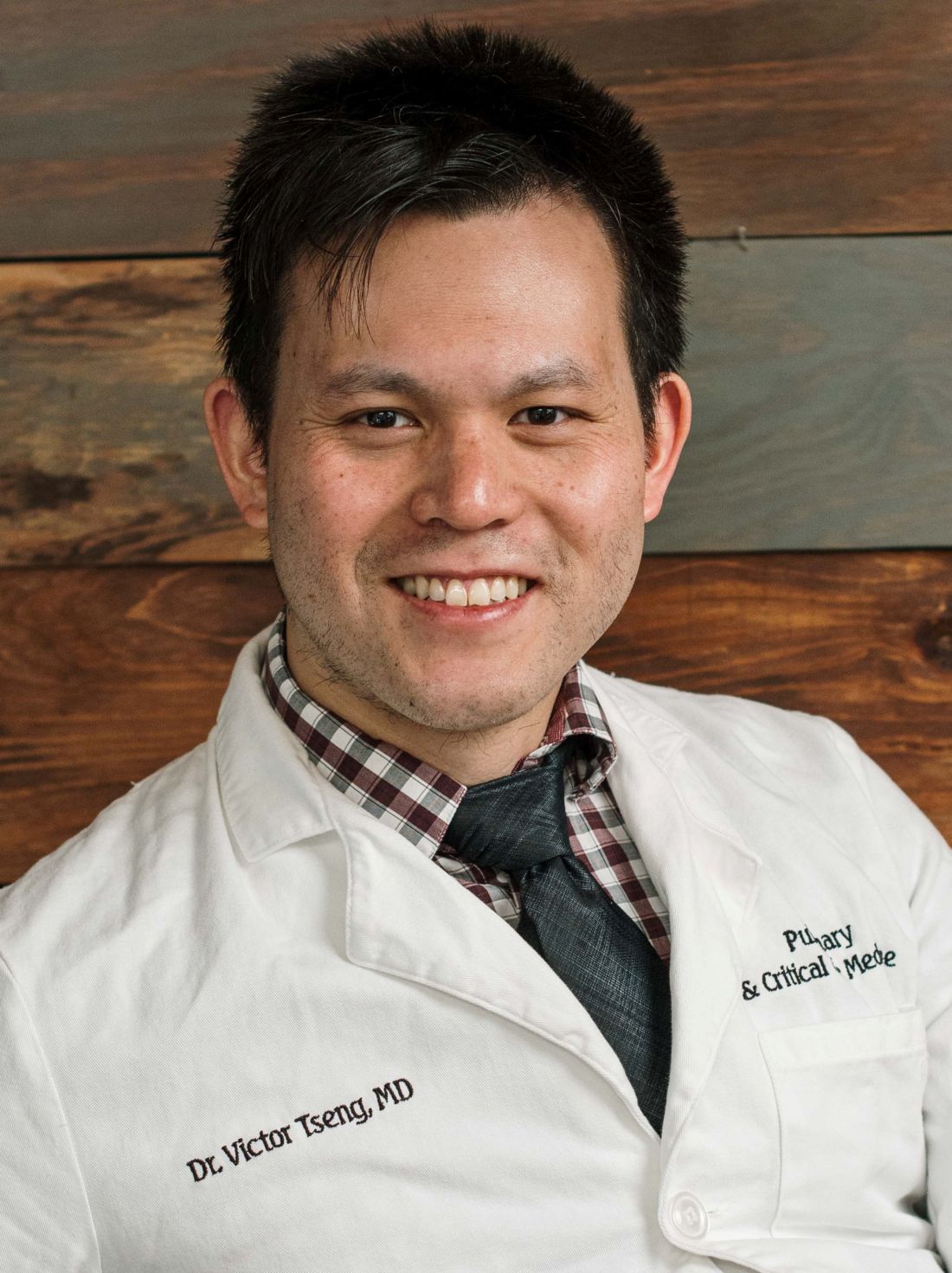
Victor Tseng, MD, medical director for pulmonology at Ansible Health in Mountain View, Calif., who’s researching the potential of AI in pulmonology, speculated on what functions AI can perform in the clinic. “I think you will start to see much more interventional sort of clinically patient care–facing applications,” he said. That would include acting as a triage layer to direct patient queries to a nurse, physician, or another practitioner, providing patient instructions, serving as therapeutic software, coordinating care, integrating supply chain issues,” he said.
AI vs. spirometry for COPD
Researchers in the United States and Romania, led by Paul Bogdan, PhD, at the University of Southern California Viterbi School of Engineering, developed a model that predicted COPD with an accuracy of almost 99% (98.66%) and avoids many of the shortcomings of spirometry, Dr. Bogdan said.
The models developed by Dr. Bogdan and collaborators use a different principle than existing AI platforms, Dr. Bogdan said. They analyze the properties of the data. As he explained it, they exploit what he called the “geometry of these data” to make inferences and decisions on a patient’s risk for COPD.
“Deep learning is very good for images, for videos, but it doesn’t work that well for signals,” said Mihai Udrescu, PhD, one of the Romanian collaborators. “But if we process the data with the technique brought up by Paul [Bogdan] and his team at USC, deep learning also works well on physiological signals.”

Said Dr. Bogdan, “Nobody thought about using physiological signals to predict COPD before this work. They used spirometry, but spirometry is cumbersome and several steps have to be performed in order to have an accurate spirometry.” His team’s AI models extract and analyze risk data based on 10 minutes of monitoring.
This technology also has the potential to improve accessibility of COPD screening, Dr. Udrescu said. “It can democratize the access to the health care because you don’t need to travel for 100 or 200 miles to see a specialist,” he said. “You just send an app to the mobile phone of a patient, the person puts on a smart watch and wears it for a couple of minutes and the data is either recorded locally or is transmitted and it is analyzed.” The computations can be done locally and in a matter of minutes, he said.
In Scotland, a 12-month feasibility study is underway to evaluate an AI model to identify COPD patients at greatest risk for adverse events. A press release from Lenus, the company developing the technology, said the study will use a COPD multidisciplinary team to consider real-time AI model outputs to enable proactive patient encounters and reduce emergency care visits.
Researchers in Paris built an AI model that showed a 68% accuracy in distinguishing people with asthma from people with COPD in administrative medical databases (BMC Pulmon Med. 2022 Sep 20. doi: 10.1186/s12890-022-02144-2). They found that asthma patients were younger than those with COPD (a mean of 49.9 vs. 72.1 years) and that COPD occurred mostly in men (68% vs. 33%). And an international team of researchers reported that an AI model that used chest CT scans determined that ever-smokers with COPD who met the imaging criteria for bronchiectasis were more prone to disease exacerbations (Radiology. 2022 Dec 13. doi: 10.1148/radiol.221109).
AI in idiopathic pulmonary fibrosis
The AI model that Dr. Chattopadhyay and collaborators developed had an 88% accuracy in predicting IPF. The model, known as the zero-burden comorbidity risk score for IPF (ZCoR-IPF), identified IPF cases in adults age 45 and older 1-4 years sooner than in a variety of pulmonology practice settings.
The model accounted for about 700 different features of IPF, Dr. Chattopadhyay said, but it deviated from standard AI risk models in that it used a machine learning algorithm to extract disease features that aren’t well understood or even known. “We do not know what all the risk factors of IPF are,” he said. “People who don’t have all the risk factors still get IPF. So we have to step back from the raw EHR data from where the features are being generated automatically, and then you can apply standard ML tools.”
Researchers at Nagoya University in Japan also reported on an AI algorithm for predicting IPF that used 646,800 high-resolution CT images and medical records data from 1,068 patients. Their algorithm had an average diagnostic accuracy of 83.6% and, they reported, demonstrated good accuracy even in patients with signs of interstitial pneumonia or who had surgical lung biopsies (Respirology. 2022 Dec 13. doi: 10.1111/resp.14310).
Chat GPT: The next frontier in AI
Dr. Tseng last year led a group of researchers that fed questions from the United States Medical Licensing Exam to a ChatGPT model, which found it answered 60%-65% of questions correctly (PLOS Digit Health. 2023 Feb 9. doi: 10.1371/journal.pdig.0000198). As Dr. Tseng pointed out, that’s good enough to get a medical license.
It may be a matter of time before ChatGPT technology finds its way into the clinic, Dr. Tseng said. A quick ChatGPT query of how it could be used in medicine yielded 12 different answers, from patient triage to providing basic first aid instructions in an emergency.
Dr. Tseng, who’s pulmonology practice places an emphasis on virtual care delivery, went deeper than the ChatGPT answer. “If you’re a respiratory therapist and you’re trying to execute a complicated medical care plan written by a physician, there’s a natural disconnect between our language and their language,” he said. “What we have found is that GPT has significantly harmonized the care plan. And that’s amazing because you end up with this single-stream understanding of the care plan, where the language is halfway between a bedside clinician, like the respiratory therapist or nurse, and is also something that a physician can understand and take the bigger sort of direction of care from.”
Barriers to AI in clinic
Numerous barriers face widespread adoption of AI tools in the clinic, Dr. Tseng said, including physician and staff anxiety about learning new technology. “AI tools, for all purposes, are supposed to allay the cognitive burden and the tedium burden on clinicians, but end up actually costing more time,” he said.
Health care organizations will also need to retool for AI, a group of medical informatics and digital health experts, led by Laurie Lovett Novak, PhD, reported (JAMIA Open. 2023 May 3. doi: 10.1093/jamiaopen/ooad028). But it’s coming nonetheless, Dr. Novak, an associate professor of biomedical informatics at Vanderbilt University Medical Center in Nashville, Tenn., said in an interview.
“In the near future, managers in clinics and inpatient units will be overseeing care that involves numerous AI-based technologies, including predictive analytics, imaging tools, language models, and others,” she said. “Organizations need to support managers by implementing capabilities for algorithmo-vigilance.”
That would include dealing with what she called “algorithmic drift” – when the accuracy of an AI model wanes because of changes in the underlying data – and ensuring that models are unbiased and aren’t used in a way that contributes to inequities in health care. “These new organizational capabilities will demand new tools and new competencies,” she said. That would include policies and processes drawing guidance from medical societies for legal and regulatory direction for managers, staff training, and software documentation.
Dr. Tseng envisioned how AI would work in the clinic. “I personally think that, at some time in the near future, AI-driven care coordination, where the AI basically handles appointment scheduling, patient motivation, patient engagement and acts as their health navigator, will be superior to any human health navigator on the whole, only for the reason that AI is indefatigable,” Dr. Tseng said. “It doesn’t get tired, it doesn’t get burned out, and these health navigation care coordination roles are notoriously difficult.”
The physicians and researchers interviewed for this report had no relevant relationships to disclose.
The utility of artificial intelligence in pulmonology has focused mainly on using image datasets to detect and diagnose lung malignancies, but now a growing number of AI models are emerging that apply machine learning to improve predictability for other pulmonary conditions, including pulmonary infections, pulmonary fibrosis, and chronic obstructive pulmonary disease (COPD).
These applications are moving beyond the traditional AI model of collecting data from a multitude of images to cast a wider data net that includes electronic health records.
Also on the horizon, ChatGPT technology is poised to have an impact. But pulmonologists and their practices have a number of barriers to clear before they feel a meaningful impact from AI.
The imperative, said AI researcher Ishanu Chattopadhyay, PhD, is to create transformative models that can detect lung disease early on. Dr. Chattopadhyay, an assistant professor of medicine at the University of Chicago and its Institute for Genomics and Systems Biology, and fellow researchers developed an AI algorithm that uses comorbidity signatures in electronic health records to screen for idiopathic pulmonary fibrosis (IPF) (Nature Med. 2022 Sep 29. doi: 10.1038/s41591-022-02010-y).
“If you could do this when somebody walks into a primary care setting and they are barely suspecting something is going on with them or when they don’t have the typical risk factors, there is a certain fraction of these people who do have IPF and they will almost invariably be diagnosed late and/or misdiagnosed,” Dr. Chattopadhyay said, citing a study that found 55% of patients with IPF have had at least one misdiagnosis and 38% have two or more misdiagnoses (BMC Pulm Med. 2018 Jan 17. doi: 10.1186/s12890-017-0560-x).
Harnessing massive data sets
AI models cull data sets, whether banks of radiographic images or files in an EHR, to extract telltale signatures of a disease state. Dr. Chattopadhyay and his team’s model used three databases with almost 3 million participants and 54,247 positive cases of IPF. Hospitals in Scotland have deployed what they’ve claimed are the first AI models to predict COPD built with 55,000 patient records from a regional National Health Service database. Another AI model for staging COPD, developed by researchers in the United States and Romania, used more than 18,000 medical records from 588 patients to identify physiological signals predictive of COPD (Advanced Sci. 2023 Feb 19. doi: 10.1002/advs.202203485).
Said Dr. Chattopadhyay: “If I can bring in AI which doesn’t just look at radiological images but actually gets it back where someone walks into primary care using only the information that is available at that point in the patient files and asking for nothing more, it raises a flag reliably that gets you a pulmonary referral that will hopefully reduce the misdiagnosis and late diagnosis.”
Victor Tseng, MD, medical director for pulmonology at Ansible Health in Mountain View, Calif., who’s researching the potential of AI in pulmonology, speculated on what functions AI can perform in the clinic. “I think you will start to see much more interventional sort of clinically patient care–facing applications,” he said. That would include acting as a triage layer to direct patient queries to a nurse, physician, or another practitioner, providing patient instructions, serving as therapeutic software, coordinating care, integrating supply chain issues,” he said.
AI vs. spirometry for COPD
Researchers in the United States and Romania, led by Paul Bogdan, PhD, at the University of Southern California Viterbi School of Engineering, developed a model that predicted COPD with an accuracy of almost 99% (98.66%) and avoids many of the shortcomings of spirometry, Dr. Bogdan said.
The models developed by Dr. Bogdan and collaborators use a different principle than existing AI platforms, Dr. Bogdan said. They analyze the properties of the data. As he explained it, they exploit what he called the “geometry of these data” to make inferences and decisions on a patient’s risk for COPD.
“Deep learning is very good for images, for videos, but it doesn’t work that well for signals,” said Mihai Udrescu, PhD, one of the Romanian collaborators. “But if we process the data with the technique brought up by Paul [Bogdan] and his team at USC, deep learning also works well on physiological signals.”
Said Dr. Bogdan, “Nobody thought about using physiological signals to predict COPD before this work. They used spirometry, but spirometry is cumbersome and several steps have to be performed in order to have an accurate spirometry.” His team’s AI models extract and analyze risk data based on 10 minutes of monitoring.
This technology also has the potential to improve accessibility of COPD screening, Dr. Udrescu said. “It can democratize the access to the health care because you don’t need to travel for 100 or 200 miles to see a specialist,” he said. “You just send an app to the mobile phone of a patient, the person puts on a smart watch and wears it for a couple of minutes and the data is either recorded locally or is transmitted and it is analyzed.” The computations can be done locally and in a matter of minutes, he said.
In Scotland, a 12-month feasibility study is underway to evaluate an AI model to identify COPD patients at greatest risk for adverse events. A press release from Lenus, the company developing the technology, said the study will use a COPD multidisciplinary team to consider real-time AI model outputs to enable proactive patient encounters and reduce emergency care visits.
Researchers in Paris built an AI model that showed a 68% accuracy in distinguishing people with asthma from people with COPD in administrative medical databases (BMC Pulmon Med. 2022 Sep 20. doi: 10.1186/s12890-022-02144-2). They found that asthma patients were younger than those with COPD (a mean of 49.9 vs. 72.1 years) and that COPD occurred mostly in men (68% vs. 33%). And an international team of researchers reported that an AI model that used chest CT scans determined that ever-smokers with COPD who met the imaging criteria for bronchiectasis were more prone to disease exacerbations (Radiology. 2022 Dec 13. doi: 10.1148/radiol.221109).
AI in idiopathic pulmonary fibrosis
The AI model that Dr. Chattopadhyay and collaborators developed had an 88% accuracy in predicting IPF. The model, known as the zero-burden comorbidity risk score for IPF (ZCoR-IPF), identified IPF cases in adults age 45 and older 1-4 years sooner than in a variety of pulmonology practice settings.
The model accounted for about 700 different features of IPF, Dr. Chattopadhyay said, but it deviated from standard AI risk models in that it used a machine learning algorithm to extract disease features that aren’t well understood or even known. “We do not know what all the risk factors of IPF are,” he said. “People who don’t have all the risk factors still get IPF. So we have to step back from the raw EHR data from where the features are being generated automatically, and then you can apply standard ML tools.”
Researchers at Nagoya University in Japan also reported on an AI algorithm for predicting IPF that used 646,800 high-resolution CT images and medical records data from 1,068 patients. Their algorithm had an average diagnostic accuracy of 83.6% and, they reported, demonstrated good accuracy even in patients with signs of interstitial pneumonia or who had surgical lung biopsies (Respirology. 2022 Dec 13. doi: 10.1111/resp.14310).
Chat GPT: The next frontier in AI
Dr. Tseng last year led a group of researchers that fed questions from the United States Medical Licensing Exam to a ChatGPT model, which found it answered 60%-65% of questions correctly (PLOS Digit Health. 2023 Feb 9. doi: 10.1371/journal.pdig.0000198). As Dr. Tseng pointed out, that’s good enough to get a medical license.
It may be a matter of time before ChatGPT technology finds its way into the clinic, Dr. Tseng said. A quick ChatGPT query of how it could be used in medicine yielded 12 different answers, from patient triage to providing basic first aid instructions in an emergency.
Dr. Tseng, who’s pulmonology practice places an emphasis on virtual care delivery, went deeper than the ChatGPT answer. “If you’re a respiratory therapist and you’re trying to execute a complicated medical care plan written by a physician, there’s a natural disconnect between our language and their language,” he said. “What we have found is that GPT has significantly harmonized the care plan. And that’s amazing because you end up with this single-stream understanding of the care plan, where the language is halfway between a bedside clinician, like the respiratory therapist or nurse, and is also something that a physician can understand and take the bigger sort of direction of care from.”
Barriers to AI in clinic
Numerous barriers face widespread adoption of AI tools in the clinic, Dr. Tseng said, including physician and staff anxiety about learning new technology. “AI tools, for all purposes, are supposed to allay the cognitive burden and the tedium burden on clinicians, but end up actually costing more time,” he said.
Health care organizations will also need to retool for AI, a group of medical informatics and digital health experts, led by Laurie Lovett Novak, PhD, reported (JAMIA Open. 2023 May 3. doi: 10.1093/jamiaopen/ooad028). But it’s coming nonetheless, Dr. Novak, an associate professor of biomedical informatics at Vanderbilt University Medical Center in Nashville, Tenn., said in an interview.
“In the near future, managers in clinics and inpatient units will be overseeing care that involves numerous AI-based technologies, including predictive analytics, imaging tools, language models, and others,” she said. “Organizations need to support managers by implementing capabilities for algorithmo-vigilance.”
That would include dealing with what she called “algorithmic drift” – when the accuracy of an AI model wanes because of changes in the underlying data – and ensuring that models are unbiased and aren’t used in a way that contributes to inequities in health care. “These new organizational capabilities will demand new tools and new competencies,” she said. That would include policies and processes drawing guidance from medical societies for legal and regulatory direction for managers, staff training, and software documentation.
Dr. Tseng envisioned how AI would work in the clinic. “I personally think that, at some time in the near future, AI-driven care coordination, where the AI basically handles appointment scheduling, patient motivation, patient engagement and acts as their health navigator, will be superior to any human health navigator on the whole, only for the reason that AI is indefatigable,” Dr. Tseng said. “It doesn’t get tired, it doesn’t get burned out, and these health navigation care coordination roles are notoriously difficult.”
The physicians and researchers interviewed for this report had no relevant relationships to disclose.
The utility of artificial intelligence in pulmonology has focused mainly on using image datasets to detect and diagnose lung malignancies, but now a growing number of AI models are emerging that apply machine learning to improve predictability for other pulmonary conditions, including pulmonary infections, pulmonary fibrosis, and chronic obstructive pulmonary disease (COPD).
These applications are moving beyond the traditional AI model of collecting data from a multitude of images to cast a wider data net that includes electronic health records.
Also on the horizon, ChatGPT technology is poised to have an impact. But pulmonologists and their practices have a number of barriers to clear before they feel a meaningful impact from AI.
The imperative, said AI researcher Ishanu Chattopadhyay, PhD, is to create transformative models that can detect lung disease early on. Dr. Chattopadhyay, an assistant professor of medicine at the University of Chicago and its Institute for Genomics and Systems Biology, and fellow researchers developed an AI algorithm that uses comorbidity signatures in electronic health records to screen for idiopathic pulmonary fibrosis (IPF) (Nature Med. 2022 Sep 29. doi: 10.1038/s41591-022-02010-y).
“If you could do this when somebody walks into a primary care setting and they are barely suspecting something is going on with them or when they don’t have the typical risk factors, there is a certain fraction of these people who do have IPF and they will almost invariably be diagnosed late and/or misdiagnosed,” Dr. Chattopadhyay said, citing a study that found 55% of patients with IPF have had at least one misdiagnosis and 38% have two or more misdiagnoses (BMC Pulm Med. 2018 Jan 17. doi: 10.1186/s12890-017-0560-x).
Harnessing massive data sets
AI models cull data sets, whether banks of radiographic images or files in an EHR, to extract telltale signatures of a disease state. Dr. Chattopadhyay and his team’s model used three databases with almost 3 million participants and 54,247 positive cases of IPF. Hospitals in Scotland have deployed what they’ve claimed are the first AI models to predict COPD built with 55,000 patient records from a regional National Health Service database. Another AI model for staging COPD, developed by researchers in the United States and Romania, used more than 18,000 medical records from 588 patients to identify physiological signals predictive of COPD (Advanced Sci. 2023 Feb 19. doi: 10.1002/advs.202203485).
Said Dr. Chattopadhyay: “If I can bring in AI which doesn’t just look at radiological images but actually gets it back where someone walks into primary care using only the information that is available at that point in the patient files and asking for nothing more, it raises a flag reliably that gets you a pulmonary referral that will hopefully reduce the misdiagnosis and late diagnosis.”
Victor Tseng, MD, medical director for pulmonology at Ansible Health in Mountain View, Calif., who’s researching the potential of AI in pulmonology, speculated on what functions AI can perform in the clinic. “I think you will start to see much more interventional sort of clinically patient care–facing applications,” he said. That would include acting as a triage layer to direct patient queries to a nurse, physician, or another practitioner, providing patient instructions, serving as therapeutic software, coordinating care, integrating supply chain issues,” he said.
AI vs. spirometry for COPD
Researchers in the United States and Romania, led by Paul Bogdan, PhD, at the University of Southern California Viterbi School of Engineering, developed a model that predicted COPD with an accuracy of almost 99% (98.66%) and avoids many of the shortcomings of spirometry, Dr. Bogdan said.
The models developed by Dr. Bogdan and collaborators use a different principle than existing AI platforms, Dr. Bogdan said. They analyze the properties of the data. As he explained it, they exploit what he called the “geometry of these data” to make inferences and decisions on a patient’s risk for COPD.
“Deep learning is very good for images, for videos, but it doesn’t work that well for signals,” said Mihai Udrescu, PhD, one of the Romanian collaborators. “But if we process the data with the technique brought up by Paul [Bogdan] and his team at USC, deep learning also works well on physiological signals.”
Said Dr. Bogdan, “Nobody thought about using physiological signals to predict COPD before this work. They used spirometry, but spirometry is cumbersome and several steps have to be performed in order to have an accurate spirometry.” His team’s AI models extract and analyze risk data based on 10 minutes of monitoring.
This technology also has the potential to improve accessibility of COPD screening, Dr. Udrescu said. “It can democratize the access to the health care because you don’t need to travel for 100 or 200 miles to see a specialist,” he said. “You just send an app to the mobile phone of a patient, the person puts on a smart watch and wears it for a couple of minutes and the data is either recorded locally or is transmitted and it is analyzed.” The computations can be done locally and in a matter of minutes, he said.
In Scotland, a 12-month feasibility study is underway to evaluate an AI model to identify COPD patients at greatest risk for adverse events. A press release from Lenus, the company developing the technology, said the study will use a COPD multidisciplinary team to consider real-time AI model outputs to enable proactive patient encounters and reduce emergency care visits.
Researchers in Paris built an AI model that showed a 68% accuracy in distinguishing people with asthma from people with COPD in administrative medical databases (BMC Pulmon Med. 2022 Sep 20. doi: 10.1186/s12890-022-02144-2). They found that asthma patients were younger than those with COPD (a mean of 49.9 vs. 72.1 years) and that COPD occurred mostly in men (68% vs. 33%). And an international team of researchers reported that an AI model that used chest CT scans determined that ever-smokers with COPD who met the imaging criteria for bronchiectasis were more prone to disease exacerbations (Radiology. 2022 Dec 13. doi: 10.1148/radiol.221109).
AI in idiopathic pulmonary fibrosis
The AI model that Dr. Chattopadhyay and collaborators developed had an 88% accuracy in predicting IPF. The model, known as the zero-burden comorbidity risk score for IPF (ZCoR-IPF), identified IPF cases in adults age 45 and older 1-4 years sooner than in a variety of pulmonology practice settings.
The model accounted for about 700 different features of IPF, Dr. Chattopadhyay said, but it deviated from standard AI risk models in that it used a machine learning algorithm to extract disease features that aren’t well understood or even known. “We do not know what all the risk factors of IPF are,” he said. “People who don’t have all the risk factors still get IPF. So we have to step back from the raw EHR data from where the features are being generated automatically, and then you can apply standard ML tools.”
Researchers at Nagoya University in Japan also reported on an AI algorithm for predicting IPF that used 646,800 high-resolution CT images and medical records data from 1,068 patients. Their algorithm had an average diagnostic accuracy of 83.6% and, they reported, demonstrated good accuracy even in patients with signs of interstitial pneumonia or who had surgical lung biopsies (Respirology. 2022 Dec 13. doi: 10.1111/resp.14310).
Chat GPT: The next frontier in AI
Dr. Tseng last year led a group of researchers that fed questions from the United States Medical Licensing Exam to a ChatGPT model, which found it answered 60%-65% of questions correctly (PLOS Digit Health. 2023 Feb 9. doi: 10.1371/journal.pdig.0000198). As Dr. Tseng pointed out, that’s good enough to get a medical license.
It may be a matter of time before ChatGPT technology finds its way into the clinic, Dr. Tseng said. A quick ChatGPT query of how it could be used in medicine yielded 12 different answers, from patient triage to providing basic first aid instructions in an emergency.
Dr. Tseng, who’s pulmonology practice places an emphasis on virtual care delivery, went deeper than the ChatGPT answer. “If you’re a respiratory therapist and you’re trying to execute a complicated medical care plan written by a physician, there’s a natural disconnect between our language and their language,” he said. “What we have found is that GPT has significantly harmonized the care plan. And that’s amazing because you end up with this single-stream understanding of the care plan, where the language is halfway between a bedside clinician, like the respiratory therapist or nurse, and is also something that a physician can understand and take the bigger sort of direction of care from.”
Barriers to AI in clinic
Numerous barriers face widespread adoption of AI tools in the clinic, Dr. Tseng said, including physician and staff anxiety about learning new technology. “AI tools, for all purposes, are supposed to allay the cognitive burden and the tedium burden on clinicians, but end up actually costing more time,” he said.
Health care organizations will also need to retool for AI, a group of medical informatics and digital health experts, led by Laurie Lovett Novak, PhD, reported (JAMIA Open. 2023 May 3. doi: 10.1093/jamiaopen/ooad028). But it’s coming nonetheless, Dr. Novak, an associate professor of biomedical informatics at Vanderbilt University Medical Center in Nashville, Tenn., said in an interview.
“In the near future, managers in clinics and inpatient units will be overseeing care that involves numerous AI-based technologies, including predictive analytics, imaging tools, language models, and others,” she said. “Organizations need to support managers by implementing capabilities for algorithmo-vigilance.”
That would include dealing with what she called “algorithmic drift” – when the accuracy of an AI model wanes because of changes in the underlying data – and ensuring that models are unbiased and aren’t used in a way that contributes to inequities in health care. “These new organizational capabilities will demand new tools and new competencies,” she said. That would include policies and processes drawing guidance from medical societies for legal and regulatory direction for managers, staff training, and software documentation.
Dr. Tseng envisioned how AI would work in the clinic. “I personally think that, at some time in the near future, AI-driven care coordination, where the AI basically handles appointment scheduling, patient motivation, patient engagement and acts as their health navigator, will be superior to any human health navigator on the whole, only for the reason that AI is indefatigable,” Dr. Tseng said. “It doesn’t get tired, it doesn’t get burned out, and these health navigation care coordination roles are notoriously difficult.”
The physicians and researchers interviewed for this report had no relevant relationships to disclose.