User login
Many new additions in ESC’s latest guidelines for PE
The European Society of Cardiology (ESC) has published new guidelines for managing patients with pulmonary embolism (PE).
The guidelines now include recommendations for all new oral anticoagulants, a risk-stratification algorithm, new advice on managing PE in specific patient populations, and age-specific D-dimer cutoffs, among other additions.
The guidelines were presented at the ESC Congress 2014 and published in the European Heart Journal and on the ESC website.
Previous ESC Guidelines on acute PE were published in 2000 and 2008.
“These are the first major international guidelines with a complete set of recommendations on the use of new oral anticoagulants in VTE [venous thromboembolism],” said guidelines author Stavros Konstantinides, MD, PhD, of the Johannes Gutenberg University Mainz in Germany.
“For each drug, we provide detailed recommendations on how and when to use it, and whether it should be first-line treatment or an alternative to standard treatment.”
Managing specific patients
For the first time, the guidelines include formal recommendations for managing PE in pregnancy and in cancer patients.
The guidelines also highlight recently identified risk factors for VTE, including in vitro fertilization, which increases the risk of VTE in early pregnancy.
And the guidelines include a new chapter on the diagnosis and treatment of chronic thromboembolic pulmonary hypertension.
Risk stratification
Another first with the new guidelines is the inclusion of an algorithm for risk stratification. It incorporates all available tools and provides recommendations for managing patients according to risk.
“Patients with PE or suspected PE who are in shock are at high risk, but at least 95% of patients are at intermediate or low risk, and defining how to manage them has not been clear,” Dr Konstantinides said.
“Previously, we used echocardiography and/or a CT scan to evaluate the right ventricle but did not combine this information with clinical data. These topics have advanced in the past 6 years, and now we can integrate clinical scores of severity, imaging with echo and CT, and biomarkers to define levels of risk.”
“And, more importantly, we now have solid evidence to give recommendations on rescue rather than primary thrombolysis in patients at intermediate risk of early adverse outcome. We are also now able to recommend how to identify low-risk patients [who] may be considered for early discharge despite a confirmed PE episode.”
D-dimer cutoffs
Another new addition to the guidelines is age-adjusted D-dimer cutoffs, which have been introduced to identify patients of all ages who do not require anticoagulation.
Until now, anticoagulation could be withheld in patients with D-dimer levels less than 500 µg/L, but D-dimer rises naturally with age.
The guidelines reference evidence suggesting that, for patients older than 50, the cutoff may now be their age times 10. For example, in a 65-year-old, the cutoff would be 650 µg/L.
“These guidelines provide the most comprehensive recommendations ever for the diagnosis and treatment of PE,” Dr Konstantinides concluded. “Clinicians can confidently risk-stratify their patients with suspected PE and provide appropriate treatment including the new oral anticoagulants.” 
The European Society of Cardiology (ESC) has published new guidelines for managing patients with pulmonary embolism (PE).
The guidelines now include recommendations for all new oral anticoagulants, a risk-stratification algorithm, new advice on managing PE in specific patient populations, and age-specific D-dimer cutoffs, among other additions.
The guidelines were presented at the ESC Congress 2014 and published in the European Heart Journal and on the ESC website.
Previous ESC Guidelines on acute PE were published in 2000 and 2008.
“These are the first major international guidelines with a complete set of recommendations on the use of new oral anticoagulants in VTE [venous thromboembolism],” said guidelines author Stavros Konstantinides, MD, PhD, of the Johannes Gutenberg University Mainz in Germany.
“For each drug, we provide detailed recommendations on how and when to use it, and whether it should be first-line treatment or an alternative to standard treatment.”
Managing specific patients
For the first time, the guidelines include formal recommendations for managing PE in pregnancy and in cancer patients.
The guidelines also highlight recently identified risk factors for VTE, including in vitro fertilization, which increases the risk of VTE in early pregnancy.
And the guidelines include a new chapter on the diagnosis and treatment of chronic thromboembolic pulmonary hypertension.
Risk stratification
Another first with the new guidelines is the inclusion of an algorithm for risk stratification. It incorporates all available tools and provides recommendations for managing patients according to risk.
“Patients with PE or suspected PE who are in shock are at high risk, but at least 95% of patients are at intermediate or low risk, and defining how to manage them has not been clear,” Dr Konstantinides said.
“Previously, we used echocardiography and/or a CT scan to evaluate the right ventricle but did not combine this information with clinical data. These topics have advanced in the past 6 years, and now we can integrate clinical scores of severity, imaging with echo and CT, and biomarkers to define levels of risk.”
“And, more importantly, we now have solid evidence to give recommendations on rescue rather than primary thrombolysis in patients at intermediate risk of early adverse outcome. We are also now able to recommend how to identify low-risk patients [who] may be considered for early discharge despite a confirmed PE episode.”
D-dimer cutoffs
Another new addition to the guidelines is age-adjusted D-dimer cutoffs, which have been introduced to identify patients of all ages who do not require anticoagulation.
Until now, anticoagulation could be withheld in patients with D-dimer levels less than 500 µg/L, but D-dimer rises naturally with age.
The guidelines reference evidence suggesting that, for patients older than 50, the cutoff may now be their age times 10. For example, in a 65-year-old, the cutoff would be 650 µg/L.
“These guidelines provide the most comprehensive recommendations ever for the diagnosis and treatment of PE,” Dr Konstantinides concluded. “Clinicians can confidently risk-stratify their patients with suspected PE and provide appropriate treatment including the new oral anticoagulants.”
The European Society of Cardiology (ESC) has published new guidelines for managing patients with pulmonary embolism (PE).
The guidelines now include recommendations for all new oral anticoagulants, a risk-stratification algorithm, new advice on managing PE in specific patient populations, and age-specific D-dimer cutoffs, among other additions.
The guidelines were presented at the ESC Congress 2014 and published in the European Heart Journal and on the ESC website.
Previous ESC Guidelines on acute PE were published in 2000 and 2008.
“These are the first major international guidelines with a complete set of recommendations on the use of new oral anticoagulants in VTE [venous thromboembolism],” said guidelines author Stavros Konstantinides, MD, PhD, of the Johannes Gutenberg University Mainz in Germany.
“For each drug, we provide detailed recommendations on how and when to use it, and whether it should be first-line treatment or an alternative to standard treatment.”
Managing specific patients
For the first time, the guidelines include formal recommendations for managing PE in pregnancy and in cancer patients.
The guidelines also highlight recently identified risk factors for VTE, including in vitro fertilization, which increases the risk of VTE in early pregnancy.
And the guidelines include a new chapter on the diagnosis and treatment of chronic thromboembolic pulmonary hypertension.
Risk stratification
Another first with the new guidelines is the inclusion of an algorithm for risk stratification. It incorporates all available tools and provides recommendations for managing patients according to risk.
“Patients with PE or suspected PE who are in shock are at high risk, but at least 95% of patients are at intermediate or low risk, and defining how to manage them has not been clear,” Dr Konstantinides said.
“Previously, we used echocardiography and/or a CT scan to evaluate the right ventricle but did not combine this information with clinical data. These topics have advanced in the past 6 years, and now we can integrate clinical scores of severity, imaging with echo and CT, and biomarkers to define levels of risk.”
“And, more importantly, we now have solid evidence to give recommendations on rescue rather than primary thrombolysis in patients at intermediate risk of early adverse outcome. We are also now able to recommend how to identify low-risk patients [who] may be considered for early discharge despite a confirmed PE episode.”
D-dimer cutoffs
Another new addition to the guidelines is age-adjusted D-dimer cutoffs, which have been introduced to identify patients of all ages who do not require anticoagulation.
Until now, anticoagulation could be withheld in patients with D-dimer levels less than 500 µg/L, but D-dimer rises naturally with age.
The guidelines reference evidence suggesting that, for patients older than 50, the cutoff may now be their age times 10. For example, in a 65-year-old, the cutoff would be 650 µg/L.
“These guidelines provide the most comprehensive recommendations ever for the diagnosis and treatment of PE,” Dr Konstantinides concluded. “Clinicians can confidently risk-stratify their patients with suspected PE and provide appropriate treatment including the new oral anticoagulants.”
Fusion proteins enable expansion of HSPCs

Credit: Chad McNeeley
A new technique has allowed researchers to expand hematopoietic stem and progenitor cells (HSPCs) from multiple sources.
The team developed fusion proteins and introduced them to HSPCs ex vivo.
This approach expanded cell populations whether HSPCs were derived from cord blood, bone marrow, or peripheral blood.
The potential clinical applications for this work range from immunodeficiency disorders to hematologic and other malignancies, according to the researchers.
Yosef Refaeli, PhD, of Taiga Biotechnologies, Inc. in Aurora, Colorado, and his colleagues described this work in PLOS ONE.
The team first cultured human or murine HSPCs with a pair of fusion proteins—the protein transduction domain of the HIV-1 transactivation protein (Tat) and either the Open Reading Frame for human MYC or a truncated form of human Bcl-2 that was deleted for the unstructured loop domain.
With this technique, the researchers were able to elicit an 87-fold expansion of HSPCs from mouse bone marrow, a 16.6-fold expansion of HSPCs from human cord blood, a 13.6-fold expansion of HSPCs from human peripheral blood cells mobilized by G-CSF, and a 10-fold expansion of HSPCs from human bone marrow.
The team then tested the biological function of the expanded cells, and they found the cells gave rise to BFU-E, CFU-M, CFU-G, and CFU-GM colonies in vitro.
When transplanted into irradiated mice, the expanded cells gave rise to mature hematopoietic populations and a self-renewing cell population that was able to support hematopoiesis upon serial transplantation.
The researchers said these results suggest their technique may be an attractive approach to expand human HSPCs ex vivo for clinical use.
The team’s goal now is to move the technology from the lab into clinical trials. Taiga Biotechnologies is in the process of setting up clinical trials testing this approach.
Credit: Chad McNeeley
A new technique has allowed researchers to expand hematopoietic stem and progenitor cells (HSPCs) from multiple sources.
The team developed fusion proteins and introduced them to HSPCs ex vivo.
This approach expanded cell populations whether HSPCs were derived from cord blood, bone marrow, or peripheral blood.
The potential clinical applications for this work range from immunodeficiency disorders to hematologic and other malignancies, according to the researchers.
Yosef Refaeli, PhD, of Taiga Biotechnologies, Inc. in Aurora, Colorado, and his colleagues described this work in PLOS ONE.
The team first cultured human or murine HSPCs with a pair of fusion proteins—the protein transduction domain of the HIV-1 transactivation protein (Tat) and either the Open Reading Frame for human MYC or a truncated form of human Bcl-2 that was deleted for the unstructured loop domain.
With this technique, the researchers were able to elicit an 87-fold expansion of HSPCs from mouse bone marrow, a 16.6-fold expansion of HSPCs from human cord blood, a 13.6-fold expansion of HSPCs from human peripheral blood cells mobilized by G-CSF, and a 10-fold expansion of HSPCs from human bone marrow.
The team then tested the biological function of the expanded cells, and they found the cells gave rise to BFU-E, CFU-M, CFU-G, and CFU-GM colonies in vitro.
When transplanted into irradiated mice, the expanded cells gave rise to mature hematopoietic populations and a self-renewing cell population that was able to support hematopoiesis upon serial transplantation.
The researchers said these results suggest their technique may be an attractive approach to expand human HSPCs ex vivo for clinical use.
The team’s goal now is to move the technology from the lab into clinical trials. Taiga Biotechnologies is in the process of setting up clinical trials testing this approach.
Credit: Chad McNeeley
A new technique has allowed researchers to expand hematopoietic stem and progenitor cells (HSPCs) from multiple sources.
The team developed fusion proteins and introduced them to HSPCs ex vivo.
This approach expanded cell populations whether HSPCs were derived from cord blood, bone marrow, or peripheral blood.
The potential clinical applications for this work range from immunodeficiency disorders to hematologic and other malignancies, according to the researchers.
Yosef Refaeli, PhD, of Taiga Biotechnologies, Inc. in Aurora, Colorado, and his colleagues described this work in PLOS ONE.
The team first cultured human or murine HSPCs with a pair of fusion proteins—the protein transduction domain of the HIV-1 transactivation protein (Tat) and either the Open Reading Frame for human MYC or a truncated form of human Bcl-2 that was deleted for the unstructured loop domain.
With this technique, the researchers were able to elicit an 87-fold expansion of HSPCs from mouse bone marrow, a 16.6-fold expansion of HSPCs from human cord blood, a 13.6-fold expansion of HSPCs from human peripheral blood cells mobilized by G-CSF, and a 10-fold expansion of HSPCs from human bone marrow.
The team then tested the biological function of the expanded cells, and they found the cells gave rise to BFU-E, CFU-M, CFU-G, and CFU-GM colonies in vitro.
When transplanted into irradiated mice, the expanded cells gave rise to mature hematopoietic populations and a self-renewing cell population that was able to support hematopoiesis upon serial transplantation.
The researchers said these results suggest their technique may be an attractive approach to expand human HSPCs ex vivo for clinical use.
The team’s goal now is to move the technology from the lab into clinical trials. Taiga Biotechnologies is in the process of setting up clinical trials testing this approach.
Studies advance understanding of plasma cells
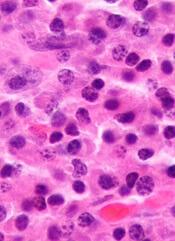
Murine studies have revealed signaling molecules that appear to play crucial roles in plasma cell development and survival.
Investigators found the adaptor protein DOK3 promotes the differentiation of plasma cells, and the protein-tyrosine phosphatase SHP1 enables plasma cell migration.
The team said these discoveries advance our understanding of plasma cells and may help us improve treatment for multiple myeloma and autoimmune disorders.
In PNAS, Kong-Peng Lam, PhD, of the Bioprocessing Technology Institute in Singapore, and his colleagues reported their discovery that DOK3 plays an important role in the formation of plasma cells.
The team found that calcium signaling inhibits the expression of PDL1 and PDL2, membrane proteins that are essential for plasma cell formation.
But DOK3 can promote the production of plasma cells by reducing the effects of calcium signaling on these proteins. And conversely, the absence of DOK3 results in defective plasma cell formation.
In Nature Communications, Dr Lam and his colleagues reported their discovery that SHP1 signaling is important for the long-term survival of plasma cells.
The researchers found that, in the absence of SHP1, plasma cells fail to migrate from the spleen to the bone marrow. This can impair the body’s immune response and increase susceptibility to infections and diseases.
However, Dr Lam and his colleagues were able to rectify the defective immune response caused by SHP1 deletion with antibody injections, a result that might aid the development of therapeutics for autoimmune disorders.
On the other hand, targeting SHP1 might be a strategy to treat multiple myeloma, in which the accumulation of cancerous plasma cells in the bone marrow is undesirable.
“These findings allow better understanding of plasma cells and their role in the immune system,” Dr Lam said. “The identification of these targets not only paves the way for development of therapeutics for those with autoimmune diseases and multiple myeloma but also impacts the development of immunological agents for combating infections.”
Murine studies have revealed signaling molecules that appear to play crucial roles in plasma cell development and survival.
Investigators found the adaptor protein DOK3 promotes the differentiation of plasma cells, and the protein-tyrosine phosphatase SHP1 enables plasma cell migration.
The team said these discoveries advance our understanding of plasma cells and may help us improve treatment for multiple myeloma and autoimmune disorders.
In PNAS, Kong-Peng Lam, PhD, of the Bioprocessing Technology Institute in Singapore, and his colleagues reported their discovery that DOK3 plays an important role in the formation of plasma cells.
The team found that calcium signaling inhibits the expression of PDL1 and PDL2, membrane proteins that are essential for plasma cell formation.
But DOK3 can promote the production of plasma cells by reducing the effects of calcium signaling on these proteins. And conversely, the absence of DOK3 results in defective plasma cell formation.
In Nature Communications, Dr Lam and his colleagues reported their discovery that SHP1 signaling is important for the long-term survival of plasma cells.
The researchers found that, in the absence of SHP1, plasma cells fail to migrate from the spleen to the bone marrow. This can impair the body’s immune response and increase susceptibility to infections and diseases.
However, Dr Lam and his colleagues were able to rectify the defective immune response caused by SHP1 deletion with antibody injections, a result that might aid the development of therapeutics for autoimmune disorders.
On the other hand, targeting SHP1 might be a strategy to treat multiple myeloma, in which the accumulation of cancerous plasma cells in the bone marrow is undesirable.
“These findings allow better understanding of plasma cells and their role in the immune system,” Dr Lam said. “The identification of these targets not only paves the way for development of therapeutics for those with autoimmune diseases and multiple myeloma but also impacts the development of immunological agents for combating infections.”
Murine studies have revealed signaling molecules that appear to play crucial roles in plasma cell development and survival.
Investigators found the adaptor protein DOK3 promotes the differentiation of plasma cells, and the protein-tyrosine phosphatase SHP1 enables plasma cell migration.
The team said these discoveries advance our understanding of plasma cells and may help us improve treatment for multiple myeloma and autoimmune disorders.
In PNAS, Kong-Peng Lam, PhD, of the Bioprocessing Technology Institute in Singapore, and his colleagues reported their discovery that DOK3 plays an important role in the formation of plasma cells.
The team found that calcium signaling inhibits the expression of PDL1 and PDL2, membrane proteins that are essential for plasma cell formation.
But DOK3 can promote the production of plasma cells by reducing the effects of calcium signaling on these proteins. And conversely, the absence of DOK3 results in defective plasma cell formation.
In Nature Communications, Dr Lam and his colleagues reported their discovery that SHP1 signaling is important for the long-term survival of plasma cells.
The researchers found that, in the absence of SHP1, plasma cells fail to migrate from the spleen to the bone marrow. This can impair the body’s immune response and increase susceptibility to infections and diseases.
However, Dr Lam and his colleagues were able to rectify the defective immune response caused by SHP1 deletion with antibody injections, a result that might aid the development of therapeutics for autoimmune disorders.
On the other hand, targeting SHP1 might be a strategy to treat multiple myeloma, in which the accumulation of cancerous plasma cells in the bone marrow is undesirable.
“These findings allow better understanding of plasma cells and their role in the immune system,” Dr Lam said. “The identification of these targets not only paves the way for development of therapeutics for those with autoimmune diseases and multiple myeloma but also impacts the development of immunological agents for combating infections.”
Negotiation Skills for Physicians

Summary
Physicians suffer from “arrested development,” said Dr. Chiang, a hospitalist and chief of inpatient services at Boston Children’s Hospital, during a PHM2014 workshop on the basics of negotiation. Dr. Chiang was referring to the fact that in several professional realms, including negotiation, most physicians have not had the traditional experience of interviewing and negotiating for jobs after high school or college.
An understanding of several negotiation concepts can help the negotiator achieve an agreeable solution. Awareness of values and limits prior to the actual discussion or negotiation will increase the chance of a successful negotiation. Examples of some of these concepts are:
- Best alternative to a negotiation agreement (BATNA). This is the course of action if negotiations fail. The negotiator should not accept a worse resolution than the BATNA.
- Reservation value (RV). This is the lowest value a negotiator will accept in a deal.
- Zone of possible agreement (ZOPA). This is the intellectual zone between two parties in a negotiation where an agreement can be reached.
The twin tasks of negotiation are a) learning about the true ZOPA in advance and b) determining how to influence the other person’s perception of this zone.
There are several negotiation methods and strategies of influence that can be used to support your position or goals. For example, status quo bias is very common. Addressing the specific reason a person is not willing to change from the status quo enables progress.
While it is important to advocate for one’s position, fairness is an important variable in reaching an agreement. Fairness often is not universally defined. Communication is essential in understanding each group’s position.
Summary
Physicians suffer from “arrested development,” said Dr. Chiang, a hospitalist and chief of inpatient services at Boston Children’s Hospital, during a PHM2014 workshop on the basics of negotiation. Dr. Chiang was referring to the fact that in several professional realms, including negotiation, most physicians have not had the traditional experience of interviewing and negotiating for jobs after high school or college.
An understanding of several negotiation concepts can help the negotiator achieve an agreeable solution. Awareness of values and limits prior to the actual discussion or negotiation will increase the chance of a successful negotiation. Examples of some of these concepts are:
- Best alternative to a negotiation agreement (BATNA). This is the course of action if negotiations fail. The negotiator should not accept a worse resolution than the BATNA.
- Reservation value (RV). This is the lowest value a negotiator will accept in a deal.
- Zone of possible agreement (ZOPA). This is the intellectual zone between two parties in a negotiation where an agreement can be reached.
The twin tasks of negotiation are a) learning about the true ZOPA in advance and b) determining how to influence the other person’s perception of this zone.
There are several negotiation methods and strategies of influence that can be used to support your position or goals. For example, status quo bias is very common. Addressing the specific reason a person is not willing to change from the status quo enables progress.
While it is important to advocate for one’s position, fairness is an important variable in reaching an agreement. Fairness often is not universally defined. Communication is essential in understanding each group’s position.
Summary
Physicians suffer from “arrested development,” said Dr. Chiang, a hospitalist and chief of inpatient services at Boston Children’s Hospital, during a PHM2014 workshop on the basics of negotiation. Dr. Chiang was referring to the fact that in several professional realms, including negotiation, most physicians have not had the traditional experience of interviewing and negotiating for jobs after high school or college.
An understanding of several negotiation concepts can help the negotiator achieve an agreeable solution. Awareness of values and limits prior to the actual discussion or negotiation will increase the chance of a successful negotiation. Examples of some of these concepts are:
- Best alternative to a negotiation agreement (BATNA). This is the course of action if negotiations fail. The negotiator should not accept a worse resolution than the BATNA.
- Reservation value (RV). This is the lowest value a negotiator will accept in a deal.
- Zone of possible agreement (ZOPA). This is the intellectual zone between two parties in a negotiation where an agreement can be reached.
The twin tasks of negotiation are a) learning about the true ZOPA in advance and b) determining how to influence the other person’s perception of this zone.
There are several negotiation methods and strategies of influence that can be used to support your position or goals. For example, status quo bias is very common. Addressing the specific reason a person is not willing to change from the status quo enables progress.
While it is important to advocate for one’s position, fairness is an important variable in reaching an agreement. Fairness often is not universally defined. Communication is essential in understanding each group’s position.
Best Practices in Pulsed Dye Laser Treatment
For more information, access Dr. Ezra's article from the August 2014 issue, "Linear Scarring Following Treatment With a 595-nm Pulsed Dye Laser."
For more information, access Dr. Ezra's article from the August 2014 issue, "Linear Scarring Following Treatment With a 595-nm Pulsed Dye Laser."
For more information, access Dr. Ezra's article from the August 2014 issue, "Linear Scarring Following Treatment With a 595-nm Pulsed Dye Laser."
Tests use cell density to diagnose sickle cell disease

and a sickled cell
Credit: Betty Pace
Two new tests can diagnose sickle cell disease (SCD) quickly, simply, and cheaply, researchers have reported in PNAS.
The tests separate red blood cells based on density and can provide an SCD diagnosis in less than 12 minutes for as little as 50 cents.
When run against clinical samples, both tests showed high sensitivity and specificity for SCD. And one of the tests could distinguish between the two main subclasses of SCD.
Ashok A. Kumar, PhD, of Harvard University in Cambridge, Massachusetts, and his colleagues developed the tests by connecting two ideas scientists have understood for decades.
The first is the notion that blood cells affected by SCD are denser than normal cells, and the second is that many polymers, when mixed in water, automatically separate into layers ordered by density.
Dr Kumar and his colleagues discovered the layers could be used to separate red blood cells by density.
So the researchers designed 2 tests to separate red blood cells into multiple bins of density. The presence or absence of cells in the bins distinguished individuals with the most prevalent forms of SCD (Hb SS or Hb SC) from individuals with either normal hemoglobin (Hb AA) or sickle-cell trait (Hb AS).
“We wanted to make the test[s] as simple as possible,” Dr Kumar noted. “The idea was to make [them] something you could run from just a finger prick. Because these gradients assemble on their own, that meant we could make them in whatever volume we wanted, even a small capillary tube.”
The design the team settled on is barely larger than a toothpick. Running the tests is as simple as uncapping a tube, pricking a patient’s finger, and allowing the blood to wick into the tube.
The researchers evaluated the tests in 59 subjects, 33 who were negative for SCD and 26 who were positive for SCD. Both tests identified SCD-positive samples with a sensitivity greater than 90% and a specificity greater than 88%.
The simpler test, called SCD-AMPS-2, involves 2 phases. It identified Hb SS and Hb SC with a sensitivity of 90% (73%–98%) and a specificity of 97% (86%–100%).
The higher-resolution test, called SCD-AMPS-3, involves 3 phases. It identified the 2 types of SCD with a sensitivity of 91% (78%–98%) and a specificity of 88% (74%–98%). This test could also distinguish between Hb SS and Hb SC.
Despite these promising results, Dr Kumar said additional testing will be needed to determine whether the tests are truly accurate enough to use in the field.
and a sickled cell
Credit: Betty Pace
Two new tests can diagnose sickle cell disease (SCD) quickly, simply, and cheaply, researchers have reported in PNAS.
The tests separate red blood cells based on density and can provide an SCD diagnosis in less than 12 minutes for as little as 50 cents.
When run against clinical samples, both tests showed high sensitivity and specificity for SCD. And one of the tests could distinguish between the two main subclasses of SCD.
Ashok A. Kumar, PhD, of Harvard University in Cambridge, Massachusetts, and his colleagues developed the tests by connecting two ideas scientists have understood for decades.
The first is the notion that blood cells affected by SCD are denser than normal cells, and the second is that many polymers, when mixed in water, automatically separate into layers ordered by density.
Dr Kumar and his colleagues discovered the layers could be used to separate red blood cells by density.
So the researchers designed 2 tests to separate red blood cells into multiple bins of density. The presence or absence of cells in the bins distinguished individuals with the most prevalent forms of SCD (Hb SS or Hb SC) from individuals with either normal hemoglobin (Hb AA) or sickle-cell trait (Hb AS).
“We wanted to make the test[s] as simple as possible,” Dr Kumar noted. “The idea was to make [them] something you could run from just a finger prick. Because these gradients assemble on their own, that meant we could make them in whatever volume we wanted, even a small capillary tube.”
The design the team settled on is barely larger than a toothpick. Running the tests is as simple as uncapping a tube, pricking a patient’s finger, and allowing the blood to wick into the tube.
The researchers evaluated the tests in 59 subjects, 33 who were negative for SCD and 26 who were positive for SCD. Both tests identified SCD-positive samples with a sensitivity greater than 90% and a specificity greater than 88%.
The simpler test, called SCD-AMPS-2, involves 2 phases. It identified Hb SS and Hb SC with a sensitivity of 90% (73%–98%) and a specificity of 97% (86%–100%).
The higher-resolution test, called SCD-AMPS-3, involves 3 phases. It identified the 2 types of SCD with a sensitivity of 91% (78%–98%) and a specificity of 88% (74%–98%). This test could also distinguish between Hb SS and Hb SC.
Despite these promising results, Dr Kumar said additional testing will be needed to determine whether the tests are truly accurate enough to use in the field.
and a sickled cell
Credit: Betty Pace
Two new tests can diagnose sickle cell disease (SCD) quickly, simply, and cheaply, researchers have reported in PNAS.
The tests separate red blood cells based on density and can provide an SCD diagnosis in less than 12 minutes for as little as 50 cents.
When run against clinical samples, both tests showed high sensitivity and specificity for SCD. And one of the tests could distinguish between the two main subclasses of SCD.
Ashok A. Kumar, PhD, of Harvard University in Cambridge, Massachusetts, and his colleagues developed the tests by connecting two ideas scientists have understood for decades.
The first is the notion that blood cells affected by SCD are denser than normal cells, and the second is that many polymers, when mixed in water, automatically separate into layers ordered by density.
Dr Kumar and his colleagues discovered the layers could be used to separate red blood cells by density.
So the researchers designed 2 tests to separate red blood cells into multiple bins of density. The presence or absence of cells in the bins distinguished individuals with the most prevalent forms of SCD (Hb SS or Hb SC) from individuals with either normal hemoglobin (Hb AA) or sickle-cell trait (Hb AS).
“We wanted to make the test[s] as simple as possible,” Dr Kumar noted. “The idea was to make [them] something you could run from just a finger prick. Because these gradients assemble on their own, that meant we could make them in whatever volume we wanted, even a small capillary tube.”
The design the team settled on is barely larger than a toothpick. Running the tests is as simple as uncapping a tube, pricking a patient’s finger, and allowing the blood to wick into the tube.
The researchers evaluated the tests in 59 subjects, 33 who were negative for SCD and 26 who were positive for SCD. Both tests identified SCD-positive samples with a sensitivity greater than 90% and a specificity greater than 88%.
The simpler test, called SCD-AMPS-2, involves 2 phases. It identified Hb SS and Hb SC with a sensitivity of 90% (73%–98%) and a specificity of 97% (86%–100%).
The higher-resolution test, called SCD-AMPS-3, involves 3 phases. It identified the 2 types of SCD with a sensitivity of 91% (78%–98%) and a specificity of 88% (74%–98%). This test could also distinguish between Hb SS and Hb SC.
Despite these promising results, Dr Kumar said additional testing will be needed to determine whether the tests are truly accurate enough to use in the field.
Medical Billing Protocol for Discharge Summary Preparation, Signoff

I just read your article regarding billing. My supervising physician is a surgeon. She and I are both employed by the same hospital. Can she have me dictate the discharge summary before she signs off on it? Or does she have to dictate it because it is in the global post-op period and she is paid for the surgery? If she has me perform an inpatient consult one afternoon/evening, but she doesn't lay eyes on the patient until the following morning, can she bill for the initial consult? Or does she bill for the first subsequent consult? Where is the information to back up your responses, please?
—Concerned with Coding
Dr. Hospitalist responds:
You don’t say so, but I’m assuming you work as a physician assistant (PA) or a nurse practitioner (NP). Since you and your supervising physician are employed by the same hospital, I also assume your fees are assigned to the hospital and you are both considered members of the same “surgical group.”
Just so we’re all on the same page, let’s further define “global surgical” period. Even though there are three types of global surgical packages, they are all based on the number of expected post-operative days. In general, there are the zero- and 10-day post-op periods (for minor procedures) and the 90-day post-op period (for most major procedures). Almost all services, supplies, wound management, and follow-up visits related to the procedure are included in the global surgery payment.
The discharge summary also is part of the global surgery package. When your supervising physician co-signs and validates your note, she can bill as though she did the note herself as defined in the scope of practice and credentialing process at your hospital.
If allowed by your state and sanctioned by your hospital, you can bill separately; however, the global surgery payment would be decreased as per the Medicare Claims Processing Manual (Chapter 12, Sections 40 and 40.1-Physician/Nonphysician Practitioners), which states that “when a NP, PA, or CNS furnish services to a patient during a global surgical period, contractors shall determine the level of NP [nurse practitioner], PA [physician assistant], or CNS [clinical nurse specialist] involvement in furnishing part of the surgeon’s global surgical package consistent with their current practice of processing such claims.” The manual goes on to say that those NP, PA, or CNS services furnished are paid at 80% of the lesser of the actual charge or 85% of what a physician is paid under the Medicare Physician Fee Schedule.
Now you see why it’s more lucrative for the physician to bill than the NP/PA, especially if the extender is working under the “supervision” of the physician.
As I’m sure you’re aware, effective Jan. 1, 2010, the consultation codes were no longer recognized for Medicare Part B payment. Practitioners are directed to code patient evaluation and management (E/M) visits with E/M codes that represent where the visit occurs and identify the complexity of the visit performed.
Medicare directives are pretty clear that in order to bill for a visit, the physician or clinician must have a “face-to-face” encounter with the patient on the day of service billed. There is an opportunity for the physician and NP/PA from the same group practice to bill a split/shared E/M code under either unique physician identification number (UPIN), but the physician must still have a face-to-face encounter on the day of service or the bill must be submitted using the NP/PA’s UPIN (Medicare Claims Processing Manual, Chapter 12 – Physician/Nonphysician Practitioners. Section 30.6.1-Selection of Level of Evaluation and Management Service. Implemented: 01-04-10).
Therefore, in the situation that you describe, the supervising physician must bill for a subsequent visit E/M code.
Occasionally, teaching institutions with residents have formalized agreements with insurers that allow residents to see patients one day, with the attending physician allowed to bill for that day without seeing the patient. You should check with your group’s billing specialist to see if such arrangements have been made for your group.
After taking all this into consideration, however, I perceive the bigger issue as underlying tension or mistrust between you and the supervising physician. I suggest sitting down and having a conversation about scope of practice and expectations, and then you can better determine if you are the right person for that position.
Do you have a problem or concern that you’d like Dr. Hospitalist to address? Email your questions to [email protected].
I just read your article regarding billing. My supervising physician is a surgeon. She and I are both employed by the same hospital. Can she have me dictate the discharge summary before she signs off on it? Or does she have to dictate it because it is in the global post-op period and she is paid for the surgery? If she has me perform an inpatient consult one afternoon/evening, but she doesn't lay eyes on the patient until the following morning, can she bill for the initial consult? Or does she bill for the first subsequent consult? Where is the information to back up your responses, please?
—Concerned with Coding
Dr. Hospitalist responds:
You don’t say so, but I’m assuming you work as a physician assistant (PA) or a nurse practitioner (NP). Since you and your supervising physician are employed by the same hospital, I also assume your fees are assigned to the hospital and you are both considered members of the same “surgical group.”
Just so we’re all on the same page, let’s further define “global surgical” period. Even though there are three types of global surgical packages, they are all based on the number of expected post-operative days. In general, there are the zero- and 10-day post-op periods (for minor procedures) and the 90-day post-op period (for most major procedures). Almost all services, supplies, wound management, and follow-up visits related to the procedure are included in the global surgery payment.
The discharge summary also is part of the global surgery package. When your supervising physician co-signs and validates your note, she can bill as though she did the note herself as defined in the scope of practice and credentialing process at your hospital.
If allowed by your state and sanctioned by your hospital, you can bill separately; however, the global surgery payment would be decreased as per the Medicare Claims Processing Manual (Chapter 12, Sections 40 and 40.1-Physician/Nonphysician Practitioners), which states that “when a NP, PA, or CNS furnish services to a patient during a global surgical period, contractors shall determine the level of NP [nurse practitioner], PA [physician assistant], or CNS [clinical nurse specialist] involvement in furnishing part of the surgeon’s global surgical package consistent with their current practice of processing such claims.” The manual goes on to say that those NP, PA, or CNS services furnished are paid at 80% of the lesser of the actual charge or 85% of what a physician is paid under the Medicare Physician Fee Schedule.
Now you see why it’s more lucrative for the physician to bill than the NP/PA, especially if the extender is working under the “supervision” of the physician.
As I’m sure you’re aware, effective Jan. 1, 2010, the consultation codes were no longer recognized for Medicare Part B payment. Practitioners are directed to code patient evaluation and management (E/M) visits with E/M codes that represent where the visit occurs and identify the complexity of the visit performed.
Medicare directives are pretty clear that in order to bill for a visit, the physician or clinician must have a “face-to-face” encounter with the patient on the day of service billed. There is an opportunity for the physician and NP/PA from the same group practice to bill a split/shared E/M code under either unique physician identification number (UPIN), but the physician must still have a face-to-face encounter on the day of service or the bill must be submitted using the NP/PA’s UPIN (Medicare Claims Processing Manual, Chapter 12 – Physician/Nonphysician Practitioners. Section 30.6.1-Selection of Level of Evaluation and Management Service. Implemented: 01-04-10).
Therefore, in the situation that you describe, the supervising physician must bill for a subsequent visit E/M code.
Occasionally, teaching institutions with residents have formalized agreements with insurers that allow residents to see patients one day, with the attending physician allowed to bill for that day without seeing the patient. You should check with your group’s billing specialist to see if such arrangements have been made for your group.
After taking all this into consideration, however, I perceive the bigger issue as underlying tension or mistrust between you and the supervising physician. I suggest sitting down and having a conversation about scope of practice and expectations, and then you can better determine if you are the right person for that position.
Do you have a problem or concern that you’d like Dr. Hospitalist to address? Email your questions to [email protected].
I just read your article regarding billing. My supervising physician is a surgeon. She and I are both employed by the same hospital. Can she have me dictate the discharge summary before she signs off on it? Or does she have to dictate it because it is in the global post-op period and she is paid for the surgery? If she has me perform an inpatient consult one afternoon/evening, but she doesn't lay eyes on the patient until the following morning, can she bill for the initial consult? Or does she bill for the first subsequent consult? Where is the information to back up your responses, please?
—Concerned with Coding
Dr. Hospitalist responds:
You don’t say so, but I’m assuming you work as a physician assistant (PA) or a nurse practitioner (NP). Since you and your supervising physician are employed by the same hospital, I also assume your fees are assigned to the hospital and you are both considered members of the same “surgical group.”
Just so we’re all on the same page, let’s further define “global surgical” period. Even though there are three types of global surgical packages, they are all based on the number of expected post-operative days. In general, there are the zero- and 10-day post-op periods (for minor procedures) and the 90-day post-op period (for most major procedures). Almost all services, supplies, wound management, and follow-up visits related to the procedure are included in the global surgery payment.
The discharge summary also is part of the global surgery package. When your supervising physician co-signs and validates your note, she can bill as though she did the note herself as defined in the scope of practice and credentialing process at your hospital.
If allowed by your state and sanctioned by your hospital, you can bill separately; however, the global surgery payment would be decreased as per the Medicare Claims Processing Manual (Chapter 12, Sections 40 and 40.1-Physician/Nonphysician Practitioners), which states that “when a NP, PA, or CNS furnish services to a patient during a global surgical period, contractors shall determine the level of NP [nurse practitioner], PA [physician assistant], or CNS [clinical nurse specialist] involvement in furnishing part of the surgeon’s global surgical package consistent with their current practice of processing such claims.” The manual goes on to say that those NP, PA, or CNS services furnished are paid at 80% of the lesser of the actual charge or 85% of what a physician is paid under the Medicare Physician Fee Schedule.
Now you see why it’s more lucrative for the physician to bill than the NP/PA, especially if the extender is working under the “supervision” of the physician.
As I’m sure you’re aware, effective Jan. 1, 2010, the consultation codes were no longer recognized for Medicare Part B payment. Practitioners are directed to code patient evaluation and management (E/M) visits with E/M codes that represent where the visit occurs and identify the complexity of the visit performed.
Medicare directives are pretty clear that in order to bill for a visit, the physician or clinician must have a “face-to-face” encounter with the patient on the day of service billed. There is an opportunity for the physician and NP/PA from the same group practice to bill a split/shared E/M code under either unique physician identification number (UPIN), but the physician must still have a face-to-face encounter on the day of service or the bill must be submitted using the NP/PA’s UPIN (Medicare Claims Processing Manual, Chapter 12 – Physician/Nonphysician Practitioners. Section 30.6.1-Selection of Level of Evaluation and Management Service. Implemented: 01-04-10).
Therefore, in the situation that you describe, the supervising physician must bill for a subsequent visit E/M code.
Occasionally, teaching institutions with residents have formalized agreements with insurers that allow residents to see patients one day, with the attending physician allowed to bill for that day without seeing the patient. You should check with your group’s billing specialist to see if such arrangements have been made for your group.
After taking all this into consideration, however, I perceive the bigger issue as underlying tension or mistrust between you and the supervising physician. I suggest sitting down and having a conversation about scope of practice and expectations, and then you can better determine if you are the right person for that position.
Do you have a problem or concern that you’d like Dr. Hospitalist to address? Email your questions to [email protected].
Put Key Principles, Characteristics of Effective Hospital Medicine Groups to Work


I hope you’re already familiar with “The Key Principles and Characteristics of an Effective Hospital Medicine Group: An Assessment Guide for Hospitals and Hospitalists” [www.hospitalmedicine.org/keychar] and have spent at least a few minutes reviewing the list of 10 “principles” and 47 “characteristics” thought to be associated with effective hospital medicine groups (HMGs). (Full disclosure: I was one of the authors of the article published in February 2014 in the Journal of Hospital Medicine.) Most of us are very busy, so the temptation might be high to set the article aside and risk forgetting it. But I hope many in our field, both clinicians and administrators, will look at it more carefully. There are a number of ways you could use the guide to stimulate thinking or change in your practice.
Grading Our Specialty
I just returned from a meeting of about 10 hospitalist leaders from different organizations around the country. Attendees represented the diversity of our field, including hospital-employed HMGs, large hospitalist management companies, and academic programs. We spent a portion of the meeting discussing what grade we as a group would give the whole specialty of hospital medicine on each of the 10 “principles.” Essentially, we generated a report card for the U.S. hospitalist movement.
This wasn’t a rigorous scientific exercise; instead, it was a robust and thought-provoking discussion around what grade to assign. Opinions regarding the appropriate grade varied significantly, but a common theme was that our specialty really “owns” the importance of pursuing many or most of the principles listed in the article and is devoting time and resources to them even if many individual HMGs might have a long way to go to perform optimally.
For example, meeting attendees thought our field has for a long time worked diligently to “support care coordination across the care continuum” (Principle 6). No one thought that all HMGs do this optimally, but the consensus was that most HMGs have invested effort to do it well. And most were concerned that many HMGs still lack “adequate resources” (Principle 3) and sufficiently “engaged hospitalists” (Principle 2)—and that the former contributes to the latter.
The opinion of the hospitalist leaders who happened to attend the meeting where this conversation took place doesn’t represent the final word on how our specialty is performing, but I think all involved found value in having the conversation, hearing different perspectives about what we’re doing well and where we should focus energy and resources to improve.
Grading Your HM Group
You might want to do something similar within your own group, but make it more relevant by grading how your own practice performs on each of the 10 principles. You could do this on your own just to stimulate your thinking, or you could have each member of your HMG generate a report card of your group’s performance—then discuss where there is agreement or disagreement within the group.
You could structure this sort of individual or group assessment simply as an exercise to generate ideas and conversation about the practice, or your group could take a more formal approach and use it as part of a planning process to determine future practice management-related goals. I know of some groups that scheduled strategic planning meetings specifically to discuss which of the elements to make a priority.
Discussion Document for Leadership
In addition to using the article to generate conversation among hospitalists within your group, it can be a really valuable tool in guiding conversations with hospital leaders and the entity that employs the hospitalists. For example, you could use the article to generate or update the job description of the lead hospitalist or practice manager. Or during annual budgeting for the hospitalist practice, the guide could be used as a checklist to think about whether there are important areas that would benefit from more resources.
Of course, there is a risk that hospital leaders or those who employ the hospitalists could use the article primarily to criticize a hospitalist group and its leader for not already having excellent performance on every one of the principles and characteristics listed. That would be pretty unfortunate; there probably isn’t a single group that performs well on every domain, and the real value of the article is to “be aspirational, helping to raise the bar” for each HMG and our specialty as a whole.
And, as discussed in the article, an HMG doesn’t need to be a stellar performer on all 47 characteristics to be effective. Some of the characteristics listed in the article may not apply to all groups, so all involved in the management of any individual HMG should think about whether to set some aside when assessing their own group.
Where to Go from Here
The article is based on expert opinion, with the help of many more people than those listed as author, and I’m hopeful it will stimulate researchers to study some of these principles and characteristics. For many reasons, we will probably never have robust data, but I’d be happy for whatever we can get.
There is a pretty good chance that the evolution in the work we do and the nature of the hospital setting mean that the principles and characteristics may need to be revised periodically. I would love to know how they might be different in 10 or 20 years.
Dr. Nelson has been a practicing hospitalist since 1988. He is co-founder and past president of SHM, and principal in Nelson Flores Hospital Medicine Consultants. He is co-director for SHM’s “Best Practices in Managing a Hospital Medicine Program” course. Write to him at [email protected].
I hope you’re already familiar with “The Key Principles and Characteristics of an Effective Hospital Medicine Group: An Assessment Guide for Hospitals and Hospitalists” [www.hospitalmedicine.org/keychar] and have spent at least a few minutes reviewing the list of 10 “principles” and 47 “characteristics” thought to be associated with effective hospital medicine groups (HMGs). (Full disclosure: I was one of the authors of the article published in February 2014 in the Journal of Hospital Medicine.) Most of us are very busy, so the temptation might be high to set the article aside and risk forgetting it. But I hope many in our field, both clinicians and administrators, will look at it more carefully. There are a number of ways you could use the guide to stimulate thinking or change in your practice.
Grading Our Specialty
I just returned from a meeting of about 10 hospitalist leaders from different organizations around the country. Attendees represented the diversity of our field, including hospital-employed HMGs, large hospitalist management companies, and academic programs. We spent a portion of the meeting discussing what grade we as a group would give the whole specialty of hospital medicine on each of the 10 “principles.” Essentially, we generated a report card for the U.S. hospitalist movement.
This wasn’t a rigorous scientific exercise; instead, it was a robust and thought-provoking discussion around what grade to assign. Opinions regarding the appropriate grade varied significantly, but a common theme was that our specialty really “owns” the importance of pursuing many or most of the principles listed in the article and is devoting time and resources to them even if many individual HMGs might have a long way to go to perform optimally.
For example, meeting attendees thought our field has for a long time worked diligently to “support care coordination across the care continuum” (Principle 6). No one thought that all HMGs do this optimally, but the consensus was that most HMGs have invested effort to do it well. And most were concerned that many HMGs still lack “adequate resources” (Principle 3) and sufficiently “engaged hospitalists” (Principle 2)—and that the former contributes to the latter.
The opinion of the hospitalist leaders who happened to attend the meeting where this conversation took place doesn’t represent the final word on how our specialty is performing, but I think all involved found value in having the conversation, hearing different perspectives about what we’re doing well and where we should focus energy and resources to improve.
Grading Your HM Group
You might want to do something similar within your own group, but make it more relevant by grading how your own practice performs on each of the 10 principles. You could do this on your own just to stimulate your thinking, or you could have each member of your HMG generate a report card of your group’s performance—then discuss where there is agreement or disagreement within the group.
You could structure this sort of individual or group assessment simply as an exercise to generate ideas and conversation about the practice, or your group could take a more formal approach and use it as part of a planning process to determine future practice management-related goals. I know of some groups that scheduled strategic planning meetings specifically to discuss which of the elements to make a priority.
Discussion Document for Leadership
In addition to using the article to generate conversation among hospitalists within your group, it can be a really valuable tool in guiding conversations with hospital leaders and the entity that employs the hospitalists. For example, you could use the article to generate or update the job description of the lead hospitalist or practice manager. Or during annual budgeting for the hospitalist practice, the guide could be used as a checklist to think about whether there are important areas that would benefit from more resources.
Of course, there is a risk that hospital leaders or those who employ the hospitalists could use the article primarily to criticize a hospitalist group and its leader for not already having excellent performance on every one of the principles and characteristics listed. That would be pretty unfortunate; there probably isn’t a single group that performs well on every domain, and the real value of the article is to “be aspirational, helping to raise the bar” for each HMG and our specialty as a whole.
And, as discussed in the article, an HMG doesn’t need to be a stellar performer on all 47 characteristics to be effective. Some of the characteristics listed in the article may not apply to all groups, so all involved in the management of any individual HMG should think about whether to set some aside when assessing their own group.
Where to Go from Here
The article is based on expert opinion, with the help of many more people than those listed as author, and I’m hopeful it will stimulate researchers to study some of these principles and characteristics. For many reasons, we will probably never have robust data, but I’d be happy for whatever we can get.
There is a pretty good chance that the evolution in the work we do and the nature of the hospital setting mean that the principles and characteristics may need to be revised periodically. I would love to know how they might be different in 10 or 20 years.
Dr. Nelson has been a practicing hospitalist since 1988. He is co-founder and past president of SHM, and principal in Nelson Flores Hospital Medicine Consultants. He is co-director for SHM’s “Best Practices in Managing a Hospital Medicine Program” course. Write to him at [email protected].
I hope you’re already familiar with “The Key Principles and Characteristics of an Effective Hospital Medicine Group: An Assessment Guide for Hospitals and Hospitalists” [www.hospitalmedicine.org/keychar] and have spent at least a few minutes reviewing the list of 10 “principles” and 47 “characteristics” thought to be associated with effective hospital medicine groups (HMGs). (Full disclosure: I was one of the authors of the article published in February 2014 in the Journal of Hospital Medicine.) Most of us are very busy, so the temptation might be high to set the article aside and risk forgetting it. But I hope many in our field, both clinicians and administrators, will look at it more carefully. There are a number of ways you could use the guide to stimulate thinking or change in your practice.
Grading Our Specialty
I just returned from a meeting of about 10 hospitalist leaders from different organizations around the country. Attendees represented the diversity of our field, including hospital-employed HMGs, large hospitalist management companies, and academic programs. We spent a portion of the meeting discussing what grade we as a group would give the whole specialty of hospital medicine on each of the 10 “principles.” Essentially, we generated a report card for the U.S. hospitalist movement.
This wasn’t a rigorous scientific exercise; instead, it was a robust and thought-provoking discussion around what grade to assign. Opinions regarding the appropriate grade varied significantly, but a common theme was that our specialty really “owns” the importance of pursuing many or most of the principles listed in the article and is devoting time and resources to them even if many individual HMGs might have a long way to go to perform optimally.
For example, meeting attendees thought our field has for a long time worked diligently to “support care coordination across the care continuum” (Principle 6). No one thought that all HMGs do this optimally, but the consensus was that most HMGs have invested effort to do it well. And most were concerned that many HMGs still lack “adequate resources” (Principle 3) and sufficiently “engaged hospitalists” (Principle 2)—and that the former contributes to the latter.
The opinion of the hospitalist leaders who happened to attend the meeting where this conversation took place doesn’t represent the final word on how our specialty is performing, but I think all involved found value in having the conversation, hearing different perspectives about what we’re doing well and where we should focus energy and resources to improve.
Grading Your HM Group
You might want to do something similar within your own group, but make it more relevant by grading how your own practice performs on each of the 10 principles. You could do this on your own just to stimulate your thinking, or you could have each member of your HMG generate a report card of your group’s performance—then discuss where there is agreement or disagreement within the group.
You could structure this sort of individual or group assessment simply as an exercise to generate ideas and conversation about the practice, or your group could take a more formal approach and use it as part of a planning process to determine future practice management-related goals. I know of some groups that scheduled strategic planning meetings specifically to discuss which of the elements to make a priority.
Discussion Document for Leadership
In addition to using the article to generate conversation among hospitalists within your group, it can be a really valuable tool in guiding conversations with hospital leaders and the entity that employs the hospitalists. For example, you could use the article to generate or update the job description of the lead hospitalist or practice manager. Or during annual budgeting for the hospitalist practice, the guide could be used as a checklist to think about whether there are important areas that would benefit from more resources.
Of course, there is a risk that hospital leaders or those who employ the hospitalists could use the article primarily to criticize a hospitalist group and its leader for not already having excellent performance on every one of the principles and characteristics listed. That would be pretty unfortunate; there probably isn’t a single group that performs well on every domain, and the real value of the article is to “be aspirational, helping to raise the bar” for each HMG and our specialty as a whole.
And, as discussed in the article, an HMG doesn’t need to be a stellar performer on all 47 characteristics to be effective. Some of the characteristics listed in the article may not apply to all groups, so all involved in the management of any individual HMG should think about whether to set some aside when assessing their own group.
Where to Go from Here
The article is based on expert opinion, with the help of many more people than those listed as author, and I’m hopeful it will stimulate researchers to study some of these principles and characteristics. For many reasons, we will probably never have robust data, but I’d be happy for whatever we can get.
There is a pretty good chance that the evolution in the work we do and the nature of the hospital setting mean that the principles and characteristics may need to be revised periodically. I would love to know how they might be different in 10 or 20 years.
Dr. Nelson has been a practicing hospitalist since 1988. He is co-founder and past president of SHM, and principal in Nelson Flores Hospital Medicine Consultants. He is co-director for SHM’s “Best Practices in Managing a Hospital Medicine Program” course. Write to him at [email protected].
Chris LaChance, MD, Plans Lifelong Career in Hospital Medicine

Editor’s note: Together with SHM’s Physicians In Training Committee, The Hospitalist is publishing articles that can help guide medical students and residents to careers as hospitalists. This profile is intended to give perspective on one of the many career options in the HM movement. Please share this with the students and residents you know.
Chris LaChance, MD, attended medical school at the University of Rochester (N.Y.) and in 2003 completed his residency at Baystate Medical Center in Springfield, Mass. He’s been a hospitalist ever since. In 2011, he became an academic hospitalist and now spends most of his time working with residents. He plans a lifelong career in hospital medicine.
Colleagues at Baystate voted Dr. LaChance the 2011 Hospitalist of the Year. He’s received numerous resident teaching awards in his career.
Question: What influenced your decision to become a hospitalist?
Answer: I did a rotation in residency where I actually performed the function of a primary care doctor doing inpatient and primary care at the same time. I realized it didn’t allow me to practice in the way I wanted. I really wanted to focus on one aspect. I like the challenge of working in the hospital. I also was exposed to a few people practicing at the time.
Q: What steps in your career do you think were the most significant in leading you to where you are today?
A: My initial job was at a startup program, which didn’t seem to have a lot of buy-in from the docs. They were being taken advantage of; everyone wanted them to be everything to everyone, including the subspecialists and the surgeons. It wasn’t well established, so I left and came back to Baystate, where I trained.
Q: What drew you to teaching?
A: I initially practiced for six years in a nonacademic attending. To be an academic hospitalist, you need a firm base of expertise in the nonacademic side. It helps that I’m able to do the work and help the residents with their efficiency in the teaching aspect. The fact that I was able to spend so much time developing myself as a good clinician made me a better educator.
Now that I have a great deal of practical experience, I think it really enhances my teaching. I enjoy making the residents enthusiastic about the medical literature and applying what they learn to practice. Watching their progression from timid interns to confident, knowledgeable senior residents is particularly rewarding.
Q: I know you have a particular interest in evidence-based medicine and that it is a focus of your teaching. Can you explain why that is?
A: I am encouraging the residents to focus on practical, high-yield articles and to utilize technology to allow diagnoses that are effective in expanding their knowledge. Practice guidelines, review articles, and resources—reading for general knowledge and understanding has been lost for some. I am trying to make a culture change to bring this back to residents.
Q: Do you see this as a sustainable career? What makes it sustainable?
A: I think the fact that I have so many different roles keeps it interesting and fresh—and the fact that things are constantly changing. Being a hospitalist in a larger institution allows for those variant roles. I’m not the type of person who likes to do the same thing day after day. I like that I’m not confined to one space during the course of the day, and I don’t have to be confined to a timeline.
Q: How has the practice of hospital medicine changed since you began?
A: Patients and families have become much more accepting of hospital medicine; they know their PCP won’t be coming in. For the most part, they are aware of hospitalists and [are] expecting us.
Q: Would you recommend hospital medicine as a career choice for a student or resident? Is there any specific advice you would provide them?
A: I would recommend it. I certainly find it worthwhile. The person who does well needs to be accepting of some uncertainty. [You] need to work well with other people, and you need some level of humility. If someone really likes spending time reading and being current and having lots of roles, it’s a good choice.
Q: Can you tell me about a patient encounter or teaching moment that stands out to you?
A: I had a patient who was on comfort measures only. I developed a good relationship with his wife. I was able to spend a lot of time with them and was able to help them with end-of-life decision-making. I was actually present when he took his last breath. I saw him open his eyes and look at his wife one last time and then he passed away.
He was unresponsive and on supplemental oxygen. I talked to his wife and said, “Let’s take it off, it’s not doing anything.” I knew it would be quick after that. It also gave her some measure of control. She wanted to be there. We took the oxygen off, and I sat in the corner. She talked to him, [and] he opened his eyes and gave her a quick smile and died.
Q: What are your major interests outside of the hospital, and how do you ensure you have time to do them?
A: I have five children, which takes a lot of my time. One of the nice benefits of HM is that it’s shift work, so there’s a defined amount of time that I’m working. I also try to be as efficient as I can at work so that I don’t need to work at home. As far as my interests at home, it’s time with the kids. Summer water sports are what we enjoy, so I try and take my vacations during the summer.
Q: What do you see as the future of hospital medicine?
A: Hospital medicine is here to stay. When I first started, there were questions as to whether HM would stick around. I think there are going to be more and more roles for hospitalists, and probably hospitalists that define certain areas of practice, especially in large institutions. I think subspecialist and surgery co-management will be developed further.
Q: Can you think of an HM “myth” that you feel your own experience has proven wrong?
A: There’s a common misperception that you don’t have continuity and don’t get to know patients. I have to say, every day when I’m walking in the hall, I have a patient I’ve cared for in the past call out to me and want to update me. I think [when you are] rounding on a daily basis on these patients, you get a few years’ worth of PCP visits. It’s a really concentrated interaction.
Dr. Bryson is a hospitalist, medical director of teaching services, and associate program director for internal medicine residency at Baystate Medical Center in Springfield, Mass. She is also an assistant professor of medicine at Tufts University.
Editor’s note: Together with SHM’s Physicians In Training Committee, The Hospitalist is publishing articles that can help guide medical students and residents to careers as hospitalists. This profile is intended to give perspective on one of the many career options in the HM movement. Please share this with the students and residents you know.
Chris LaChance, MD, attended medical school at the University of Rochester (N.Y.) and in 2003 completed his residency at Baystate Medical Center in Springfield, Mass. He’s been a hospitalist ever since. In 2011, he became an academic hospitalist and now spends most of his time working with residents. He plans a lifelong career in hospital medicine.
Colleagues at Baystate voted Dr. LaChance the 2011 Hospitalist of the Year. He’s received numerous resident teaching awards in his career.
Question: What influenced your decision to become a hospitalist?
Answer: I did a rotation in residency where I actually performed the function of a primary care doctor doing inpatient and primary care at the same time. I realized it didn’t allow me to practice in the way I wanted. I really wanted to focus on one aspect. I like the challenge of working in the hospital. I also was exposed to a few people practicing at the time.
Q: What steps in your career do you think were the most significant in leading you to where you are today?
A: My initial job was at a startup program, which didn’t seem to have a lot of buy-in from the docs. They were being taken advantage of; everyone wanted them to be everything to everyone, including the subspecialists and the surgeons. It wasn’t well established, so I left and came back to Baystate, where I trained.
Q: What drew you to teaching?
A: I initially practiced for six years in a nonacademic attending. To be an academic hospitalist, you need a firm base of expertise in the nonacademic side. It helps that I’m able to do the work and help the residents with their efficiency in the teaching aspect. The fact that I was able to spend so much time developing myself as a good clinician made me a better educator.
Now that I have a great deal of practical experience, I think it really enhances my teaching. I enjoy making the residents enthusiastic about the medical literature and applying what they learn to practice. Watching their progression from timid interns to confident, knowledgeable senior residents is particularly rewarding.
Q: I know you have a particular interest in evidence-based medicine and that it is a focus of your teaching. Can you explain why that is?
A: I am encouraging the residents to focus on practical, high-yield articles and to utilize technology to allow diagnoses that are effective in expanding their knowledge. Practice guidelines, review articles, and resources—reading for general knowledge and understanding has been lost for some. I am trying to make a culture change to bring this back to residents.
Q: Do you see this as a sustainable career? What makes it sustainable?
A: I think the fact that I have so many different roles keeps it interesting and fresh—and the fact that things are constantly changing. Being a hospitalist in a larger institution allows for those variant roles. I’m not the type of person who likes to do the same thing day after day. I like that I’m not confined to one space during the course of the day, and I don’t have to be confined to a timeline.
Q: How has the practice of hospital medicine changed since you began?
A: Patients and families have become much more accepting of hospital medicine; they know their PCP won’t be coming in. For the most part, they are aware of hospitalists and [are] expecting us.
Q: Would you recommend hospital medicine as a career choice for a student or resident? Is there any specific advice you would provide them?
A: I would recommend it. I certainly find it worthwhile. The person who does well needs to be accepting of some uncertainty. [You] need to work well with other people, and you need some level of humility. If someone really likes spending time reading and being current and having lots of roles, it’s a good choice.
Q: Can you tell me about a patient encounter or teaching moment that stands out to you?
A: I had a patient who was on comfort measures only. I developed a good relationship with his wife. I was able to spend a lot of time with them and was able to help them with end-of-life decision-making. I was actually present when he took his last breath. I saw him open his eyes and look at his wife one last time and then he passed away.
He was unresponsive and on supplemental oxygen. I talked to his wife and said, “Let’s take it off, it’s not doing anything.” I knew it would be quick after that. It also gave her some measure of control. She wanted to be there. We took the oxygen off, and I sat in the corner. She talked to him, [and] he opened his eyes and gave her a quick smile and died.
Q: What are your major interests outside of the hospital, and how do you ensure you have time to do them?
A: I have five children, which takes a lot of my time. One of the nice benefits of HM is that it’s shift work, so there’s a defined amount of time that I’m working. I also try to be as efficient as I can at work so that I don’t need to work at home. As far as my interests at home, it’s time with the kids. Summer water sports are what we enjoy, so I try and take my vacations during the summer.
Q: What do you see as the future of hospital medicine?
A: Hospital medicine is here to stay. When I first started, there were questions as to whether HM would stick around. I think there are going to be more and more roles for hospitalists, and probably hospitalists that define certain areas of practice, especially in large institutions. I think subspecialist and surgery co-management will be developed further.
Q: Can you think of an HM “myth” that you feel your own experience has proven wrong?
A: There’s a common misperception that you don’t have continuity and don’t get to know patients. I have to say, every day when I’m walking in the hall, I have a patient I’ve cared for in the past call out to me and want to update me. I think [when you are] rounding on a daily basis on these patients, you get a few years’ worth of PCP visits. It’s a really concentrated interaction.
Dr. Bryson is a hospitalist, medical director of teaching services, and associate program director for internal medicine residency at Baystate Medical Center in Springfield, Mass. She is also an assistant professor of medicine at Tufts University.
Editor’s note: Together with SHM’s Physicians In Training Committee, The Hospitalist is publishing articles that can help guide medical students and residents to careers as hospitalists. This profile is intended to give perspective on one of the many career options in the HM movement. Please share this with the students and residents you know.
Chris LaChance, MD, attended medical school at the University of Rochester (N.Y.) and in 2003 completed his residency at Baystate Medical Center in Springfield, Mass. He’s been a hospitalist ever since. In 2011, he became an academic hospitalist and now spends most of his time working with residents. He plans a lifelong career in hospital medicine.
Colleagues at Baystate voted Dr. LaChance the 2011 Hospitalist of the Year. He’s received numerous resident teaching awards in his career.
Question: What influenced your decision to become a hospitalist?
Answer: I did a rotation in residency where I actually performed the function of a primary care doctor doing inpatient and primary care at the same time. I realized it didn’t allow me to practice in the way I wanted. I really wanted to focus on one aspect. I like the challenge of working in the hospital. I also was exposed to a few people practicing at the time.
Q: What steps in your career do you think were the most significant in leading you to where you are today?
A: My initial job was at a startup program, which didn’t seem to have a lot of buy-in from the docs. They were being taken advantage of; everyone wanted them to be everything to everyone, including the subspecialists and the surgeons. It wasn’t well established, so I left and came back to Baystate, where I trained.
Q: What drew you to teaching?
A: I initially practiced for six years in a nonacademic attending. To be an academic hospitalist, you need a firm base of expertise in the nonacademic side. It helps that I’m able to do the work and help the residents with their efficiency in the teaching aspect. The fact that I was able to spend so much time developing myself as a good clinician made me a better educator.
Now that I have a great deal of practical experience, I think it really enhances my teaching. I enjoy making the residents enthusiastic about the medical literature and applying what they learn to practice. Watching their progression from timid interns to confident, knowledgeable senior residents is particularly rewarding.
Q: I know you have a particular interest in evidence-based medicine and that it is a focus of your teaching. Can you explain why that is?
A: I am encouraging the residents to focus on practical, high-yield articles and to utilize technology to allow diagnoses that are effective in expanding their knowledge. Practice guidelines, review articles, and resources—reading for general knowledge and understanding has been lost for some. I am trying to make a culture change to bring this back to residents.
Q: Do you see this as a sustainable career? What makes it sustainable?
A: I think the fact that I have so many different roles keeps it interesting and fresh—and the fact that things are constantly changing. Being a hospitalist in a larger institution allows for those variant roles. I’m not the type of person who likes to do the same thing day after day. I like that I’m not confined to one space during the course of the day, and I don’t have to be confined to a timeline.
Q: How has the practice of hospital medicine changed since you began?
A: Patients and families have become much more accepting of hospital medicine; they know their PCP won’t be coming in. For the most part, they are aware of hospitalists and [are] expecting us.
Q: Would you recommend hospital medicine as a career choice for a student or resident? Is there any specific advice you would provide them?
A: I would recommend it. I certainly find it worthwhile. The person who does well needs to be accepting of some uncertainty. [You] need to work well with other people, and you need some level of humility. If someone really likes spending time reading and being current and having lots of roles, it’s a good choice.
Q: Can you tell me about a patient encounter or teaching moment that stands out to you?
A: I had a patient who was on comfort measures only. I developed a good relationship with his wife. I was able to spend a lot of time with them and was able to help them with end-of-life decision-making. I was actually present when he took his last breath. I saw him open his eyes and look at his wife one last time and then he passed away.
He was unresponsive and on supplemental oxygen. I talked to his wife and said, “Let’s take it off, it’s not doing anything.” I knew it would be quick after that. It also gave her some measure of control. She wanted to be there. We took the oxygen off, and I sat in the corner. She talked to him, [and] he opened his eyes and gave her a quick smile and died.
Q: What are your major interests outside of the hospital, and how do you ensure you have time to do them?
A: I have five children, which takes a lot of my time. One of the nice benefits of HM is that it’s shift work, so there’s a defined amount of time that I’m working. I also try to be as efficient as I can at work so that I don’t need to work at home. As far as my interests at home, it’s time with the kids. Summer water sports are what we enjoy, so I try and take my vacations during the summer.
Q: What do you see as the future of hospital medicine?
A: Hospital medicine is here to stay. When I first started, there were questions as to whether HM would stick around. I think there are going to be more and more roles for hospitalists, and probably hospitalists that define certain areas of practice, especially in large institutions. I think subspecialist and surgery co-management will be developed further.
Q: Can you think of an HM “myth” that you feel your own experience has proven wrong?
A: There’s a common misperception that you don’t have continuity and don’t get to know patients. I have to say, every day when I’m walking in the hall, I have a patient I’ve cared for in the past call out to me and want to update me. I think [when you are] rounding on a daily basis on these patients, you get a few years’ worth of PCP visits. It’s a really concentrated interaction.
Dr. Bryson is a hospitalist, medical director of teaching services, and associate program director for internal medicine residency at Baystate Medical Center in Springfield, Mass. She is also an assistant professor of medicine at Tufts University.
Hospitalist Ann Sheehy, MD, MS, FHM, Testifies Before Congress About Medicare
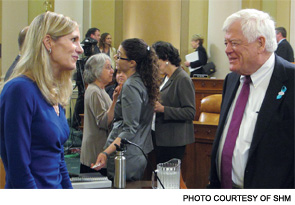
Twice in the past four months, Society of Hospital Medicine (SHM) member Ann Sheehy, MD, MS, FHM, found herself on Capitol Hill, testifying before Congressional committees focused on the U.S. healthcare system.
A physician at the University of Wisconsin (UW) School of Medicine and Public Health and a member of SHM’s Public Policy Committee, Dr. Sheehy was invited to speak about issues related to Medicare’s two-midnight rule, patient observation status, and the Recovery Audit Contractor (RAC) program.
These issues are “so important, and I am passionate about it,” Dr. Sheehy says. “I saw what was happening to patients and it just did not make any sense at all.”
Medicare’s two-midnight rule classifies most patients who stay in the hospital fewer than two midnights as outpatient or under observation. Observation status leaves patients on the hook for the costs of any chronic condition medications they receive in the hospital; additionally, patients under observation or considered outpatient are not eligible for skilled nursing facility (SNF) coverage.
SHM actively supports the Improving Access to Medicare Coverage Act, a bipartisan bill sponsored by Rep. Joe Courtney (D-CT) aimed at ensuring Medicare beneficiaries classified as under observation are considered inpatient for the purposes of accessing SNF care, even if their stay spanned fewer than two midnights.
At the Congressional hearings (watch video of the testimony at www.c-span.org/video/?319488-1/medicare-hospital-coverage committee and http://www.aging.senate.gov/hearings/admitted-or-not-the-impact-of-medicare-observation-status-on-seniors), Dr. Sheehy used her experience at UW Hospital and findings she and colleagues published in JAMA Internal Medicine to build a backstory around the issues. Based on the transcript of the testimony, Dr. Sheehy told the House Ways and Means Subcommittee on Health: “Because of our clinical work and extensive experience in the hospital setting, hospitalists have a firsthand view of what observation care looks like to patients, physicians, and hospitals.”
“Medicare policy, should be aligned with clinical realities and should also be rooted in allowing physicians to provide the care patients need.
—Ann Sheehy, MD, MS, FHM
She argues in her testimony that observation status harms the patient-physician relationship and does not make clinical sense.
For instance, the time of day a patient gets sick can impact their designation under the two-midnight rule. In one 2013 JAMA Internal Medicine publication [http://archinte.jamanetwork.com/article.aspx?articleid=1731964], Dr. Sheehy and colleagues found nearly half of UW Hospital patients would have been assigned observation status rather than inpatient under the two-midnight rule by virtue of the time they arrived at the hospital.
Additionally, Dr. Sheehy addressed the issue of the private contractors, or RACs, which were established under the Tax Relief and Health Care Act of 2006 to audit patient records for appropriate hospital status. Dr. Sheehy, in her testimony, said the RACs are aggressive and nontransparent in their audits. Additionally, the RACs are paid a percentage of the money they recover on Medicare’s behalf but are not held financially accountable for decisions that are subsequently appealed and overturned.
Nationally, roughly 40% of RAC audits are appealed, and 70% of these are overturned. Dr. Sheehy told the Congressional committee that at UW Hospital from Oct. 1, 2012 through Sept. 30, 2013, RAC audits determined that 21% of 299 patient charts had received improper payments. The hospital appealed 58 of the 63 audit decisions and had won each of them as of mid-May 2014.
Dr. Sheehy believes changes to the auditing programs enforcing observation rule compliance are necessary for the success of any observation reform, whether it comes through legislation or regulation. In her testimony closing, Dr. Sheehy told the House committee the two-midnight rule is not the answer to the need for observation status change. Medicare policy, she said, “should be aligned with clinical realities and should also be rooted in allowing physicians to provide the care patients need.”
In addition to addressing the arbitrary time cutoff, Dr. Sheehy made the case that the two-midnight rule puts short-stay, acutely ill patients at a disadvantage, may add cost and waste to the healthcare system, and is challenging for providers, who must estimate patient time of stay upon patient hospitalization.
But, Dr. Sheehy believes meaningful change is possible and hopes her testimony is helpful in the endeavor.
“Our understanding is that [Ways and Means committee members] were going to draft legislation out of the hearing, and we hope we have comprehensively addressed [patient] observation and the auditing programs that enforce it,” she says. “Hopefully, we provided the backstory and evidence for a comprehensive bill everyone can get behind.”
For SHM, Dr. Sheehy’s testimony demonstrates that hospitalists are taking leadership when it comes to critical issues that impact patients, physicians, and hospitals.
“The hearings shows the strength of hospital medicine as a specialty and a movement in healthcare: Hospitalists and SHM are not standing on the sidelines when it comes to flawed Medicare policies such as the two-midnight rule and observation care in general,” says SHM President Burke Kealey, MD, SFHM, medical director of hospital specialties at HealthPartners Medical Group in St. Paul, Minn. “These policy discussions are critical to the care our patients receive. Congress is clearly interested in listening to the hospitalist perspective. Dr. Sheehy represented the nation’s 44,000 hospitalists with the expertise, confidence, and compassion that are hallmarks of the specialty.”
Kelly April Tyrrell is a freelance writer in Wisconsin.
Twice in the past four months, Society of Hospital Medicine (SHM) member Ann Sheehy, MD, MS, FHM, found herself on Capitol Hill, testifying before Congressional committees focused on the U.S. healthcare system.
A physician at the University of Wisconsin (UW) School of Medicine and Public Health and a member of SHM’s Public Policy Committee, Dr. Sheehy was invited to speak about issues related to Medicare’s two-midnight rule, patient observation status, and the Recovery Audit Contractor (RAC) program.
These issues are “so important, and I am passionate about it,” Dr. Sheehy says. “I saw what was happening to patients and it just did not make any sense at all.”
Medicare’s two-midnight rule classifies most patients who stay in the hospital fewer than two midnights as outpatient or under observation. Observation status leaves patients on the hook for the costs of any chronic condition medications they receive in the hospital; additionally, patients under observation or considered outpatient are not eligible for skilled nursing facility (SNF) coverage.
SHM actively supports the Improving Access to Medicare Coverage Act, a bipartisan bill sponsored by Rep. Joe Courtney (D-CT) aimed at ensuring Medicare beneficiaries classified as under observation are considered inpatient for the purposes of accessing SNF care, even if their stay spanned fewer than two midnights.
At the Congressional hearings (watch video of the testimony at www.c-span.org/video/?319488-1/medicare-hospital-coverage committee and http://www.aging.senate.gov/hearings/admitted-or-not-the-impact-of-medicare-observation-status-on-seniors), Dr. Sheehy used her experience at UW Hospital and findings she and colleagues published in JAMA Internal Medicine to build a backstory around the issues. Based on the transcript of the testimony, Dr. Sheehy told the House Ways and Means Subcommittee on Health: “Because of our clinical work and extensive experience in the hospital setting, hospitalists have a firsthand view of what observation care looks like to patients, physicians, and hospitals.”
“Medicare policy, should be aligned with clinical realities and should also be rooted in allowing physicians to provide the care patients need.
—Ann Sheehy, MD, MS, FHM
She argues in her testimony that observation status harms the patient-physician relationship and does not make clinical sense.
For instance, the time of day a patient gets sick can impact their designation under the two-midnight rule. In one 2013 JAMA Internal Medicine publication [http://archinte.jamanetwork.com/article.aspx?articleid=1731964], Dr. Sheehy and colleagues found nearly half of UW Hospital patients would have been assigned observation status rather than inpatient under the two-midnight rule by virtue of the time they arrived at the hospital.
Additionally, Dr. Sheehy addressed the issue of the private contractors, or RACs, which were established under the Tax Relief and Health Care Act of 2006 to audit patient records for appropriate hospital status. Dr. Sheehy, in her testimony, said the RACs are aggressive and nontransparent in their audits. Additionally, the RACs are paid a percentage of the money they recover on Medicare’s behalf but are not held financially accountable for decisions that are subsequently appealed and overturned.
Nationally, roughly 40% of RAC audits are appealed, and 70% of these are overturned. Dr. Sheehy told the Congressional committee that at UW Hospital from Oct. 1, 2012 through Sept. 30, 2013, RAC audits determined that 21% of 299 patient charts had received improper payments. The hospital appealed 58 of the 63 audit decisions and had won each of them as of mid-May 2014.
Dr. Sheehy believes changes to the auditing programs enforcing observation rule compliance are necessary for the success of any observation reform, whether it comes through legislation or regulation. In her testimony closing, Dr. Sheehy told the House committee the two-midnight rule is not the answer to the need for observation status change. Medicare policy, she said, “should be aligned with clinical realities and should also be rooted in allowing physicians to provide the care patients need.”
In addition to addressing the arbitrary time cutoff, Dr. Sheehy made the case that the two-midnight rule puts short-stay, acutely ill patients at a disadvantage, may add cost and waste to the healthcare system, and is challenging for providers, who must estimate patient time of stay upon patient hospitalization.
But, Dr. Sheehy believes meaningful change is possible and hopes her testimony is helpful in the endeavor.
“Our understanding is that [Ways and Means committee members] were going to draft legislation out of the hearing, and we hope we have comprehensively addressed [patient] observation and the auditing programs that enforce it,” she says. “Hopefully, we provided the backstory and evidence for a comprehensive bill everyone can get behind.”
For SHM, Dr. Sheehy’s testimony demonstrates that hospitalists are taking leadership when it comes to critical issues that impact patients, physicians, and hospitals.
“The hearings shows the strength of hospital medicine as a specialty and a movement in healthcare: Hospitalists and SHM are not standing on the sidelines when it comes to flawed Medicare policies such as the two-midnight rule and observation care in general,” says SHM President Burke Kealey, MD, SFHM, medical director of hospital specialties at HealthPartners Medical Group in St. Paul, Minn. “These policy discussions are critical to the care our patients receive. Congress is clearly interested in listening to the hospitalist perspective. Dr. Sheehy represented the nation’s 44,000 hospitalists with the expertise, confidence, and compassion that are hallmarks of the specialty.”
Kelly April Tyrrell is a freelance writer in Wisconsin.
Twice in the past four months, Society of Hospital Medicine (SHM) member Ann Sheehy, MD, MS, FHM, found herself on Capitol Hill, testifying before Congressional committees focused on the U.S. healthcare system.
A physician at the University of Wisconsin (UW) School of Medicine and Public Health and a member of SHM’s Public Policy Committee, Dr. Sheehy was invited to speak about issues related to Medicare’s two-midnight rule, patient observation status, and the Recovery Audit Contractor (RAC) program.
These issues are “so important, and I am passionate about it,” Dr. Sheehy says. “I saw what was happening to patients and it just did not make any sense at all.”
Medicare’s two-midnight rule classifies most patients who stay in the hospital fewer than two midnights as outpatient or under observation. Observation status leaves patients on the hook for the costs of any chronic condition medications they receive in the hospital; additionally, patients under observation or considered outpatient are not eligible for skilled nursing facility (SNF) coverage.
SHM actively supports the Improving Access to Medicare Coverage Act, a bipartisan bill sponsored by Rep. Joe Courtney (D-CT) aimed at ensuring Medicare beneficiaries classified as under observation are considered inpatient for the purposes of accessing SNF care, even if their stay spanned fewer than two midnights.
At the Congressional hearings (watch video of the testimony at www.c-span.org/video/?319488-1/medicare-hospital-coverage committee and http://www.aging.senate.gov/hearings/admitted-or-not-the-impact-of-medicare-observation-status-on-seniors), Dr. Sheehy used her experience at UW Hospital and findings she and colleagues published in JAMA Internal Medicine to build a backstory around the issues. Based on the transcript of the testimony, Dr. Sheehy told the House Ways and Means Subcommittee on Health: “Because of our clinical work and extensive experience in the hospital setting, hospitalists have a firsthand view of what observation care looks like to patients, physicians, and hospitals.”
“Medicare policy, should be aligned with clinical realities and should also be rooted in allowing physicians to provide the care patients need.
—Ann Sheehy, MD, MS, FHM
She argues in her testimony that observation status harms the patient-physician relationship and does not make clinical sense.
For instance, the time of day a patient gets sick can impact their designation under the two-midnight rule. In one 2013 JAMA Internal Medicine publication [http://archinte.jamanetwork.com/article.aspx?articleid=1731964], Dr. Sheehy and colleagues found nearly half of UW Hospital patients would have been assigned observation status rather than inpatient under the two-midnight rule by virtue of the time they arrived at the hospital.
Additionally, Dr. Sheehy addressed the issue of the private contractors, or RACs, which were established under the Tax Relief and Health Care Act of 2006 to audit patient records for appropriate hospital status. Dr. Sheehy, in her testimony, said the RACs are aggressive and nontransparent in their audits. Additionally, the RACs are paid a percentage of the money they recover on Medicare’s behalf but are not held financially accountable for decisions that are subsequently appealed and overturned.
Nationally, roughly 40% of RAC audits are appealed, and 70% of these are overturned. Dr. Sheehy told the Congressional committee that at UW Hospital from Oct. 1, 2012 through Sept. 30, 2013, RAC audits determined that 21% of 299 patient charts had received improper payments. The hospital appealed 58 of the 63 audit decisions and had won each of them as of mid-May 2014.
Dr. Sheehy believes changes to the auditing programs enforcing observation rule compliance are necessary for the success of any observation reform, whether it comes through legislation or regulation. In her testimony closing, Dr. Sheehy told the House committee the two-midnight rule is not the answer to the need for observation status change. Medicare policy, she said, “should be aligned with clinical realities and should also be rooted in allowing physicians to provide the care patients need.”
In addition to addressing the arbitrary time cutoff, Dr. Sheehy made the case that the two-midnight rule puts short-stay, acutely ill patients at a disadvantage, may add cost and waste to the healthcare system, and is challenging for providers, who must estimate patient time of stay upon patient hospitalization.
But, Dr. Sheehy believes meaningful change is possible and hopes her testimony is helpful in the endeavor.
“Our understanding is that [Ways and Means committee members] were going to draft legislation out of the hearing, and we hope we have comprehensively addressed [patient] observation and the auditing programs that enforce it,” she says. “Hopefully, we provided the backstory and evidence for a comprehensive bill everyone can get behind.”
For SHM, Dr. Sheehy’s testimony demonstrates that hospitalists are taking leadership when it comes to critical issues that impact patients, physicians, and hospitals.
“The hearings shows the strength of hospital medicine as a specialty and a movement in healthcare: Hospitalists and SHM are not standing on the sidelines when it comes to flawed Medicare policies such as the two-midnight rule and observation care in general,” says SHM President Burke Kealey, MD, SFHM, medical director of hospital specialties at HealthPartners Medical Group in St. Paul, Minn. “These policy discussions are critical to the care our patients receive. Congress is clearly interested in listening to the hospitalist perspective. Dr. Sheehy represented the nation’s 44,000 hospitalists with the expertise, confidence, and compassion that are hallmarks of the specialty.”
Kelly April Tyrrell is a freelance writer in Wisconsin.