User login
Nonalcohol substance use disorder tied to bariatric surgery
Nonalcohol substance use disorder (SUD) was 2.5 times more common in people who had gastric bypass surgery, compared with a control group who received usual obesity care, a new prospective study has found.
The findings suggest that the risk for nonalcohol SUD should be carefully explained to patients getting a gastric bypass and that the risk should be considered in care before and after the surgery, said the study authors and editorialists.
Though alcohol use disorder is a well-known side effect for some bariatric procedures, little is known about the link between the procedures and other substance abuse, wrote the study authors, led by Per-Arne Svensson, PhD, with the department of molecular and clinical medicine, Institute of Medicine, at the University of Gothenburg (Sweden).
The study was published online in Obesity.
The researchers analyzed data from the SOS study. It was originally designed to compare bariatric surgery with usual obesity care, with overall mortality as the primary outcome. The protocol also called for reporting negative effects of included treatments.
The study was conducted throughout Sweden at 25 public surgical departments and 480 primary health centers. Participants were between ages 37 and 60 years and had a body mass index of at least 34 kg/m2 for men and 38 for women.
After people with previous nonalcoholic SUD were excluded, the study population included 1,990 patients who had undergone bariatric surgery between September 1987 and January 2001, as well as 2,030 matched controls who received usual obesity care. The three types of bariatric surgery were gastric bypass (264 patients), vertical banded gastroplasty (1,353), and gastric banding (373), as chosen by the surgeons.
The follow-up was nearly 24 years.
Link found only with gastric bypass
The researchers identified participants who had nonalcoholic SUDs using the ICD from the Swedish National Patient Register covering hospital treatment (hospital stays or hospital-based outpatient care) but not primary care.
Only gastric bypass was associated with an increased incidence of nonalcoholic SUD (adjusted hazard ratio, 2.54; 95% confidence interval, 1.14-5.65), compared with controls during the follow-up period.
Among those who had gastric bypass surgery, three developed opioid-related disorders; three had sedative-, hypnotic-, or anxiolytic-related disorders; and three had other psychoactive substance–related disorders, the study authors wrote.
The researchers found no statistical difference in the incidence of nonalcoholic SUD when the groups who had undergone different surgical procedures were compared with each other.
“It is important to acknowledge that the number of affected patients was relatively low, in the single digits,” Jihad Kudsi, MD, a bariatric surgeon and chairman of surgery at Duly Health and Care, Oak Brook, Ill., said in a press release.
The findings “highlight the critical role of bariatric behavioral health clinicians in the comprehensive evaluation and care of patients both before and after weight loss surgery,” added Dr. Kudsi, who was not associated with the research.
Bariatric surgery candidates should be warned, monitored
The data indicate that patients who are candidates for bariatric surgery should be “carefully warned” about risks for nonalcoholic SUD and be monitored after the procedure, wrote James E. Mitchell, MD, a psychiatrist with the department of psychiatry and behavioral science, University of North Dakota, Fargo, and Devika Umashanker, MD, with Obesity Medicine, Hartford (Conn.) Health Care, in an accompanying editorial.
They acknowledged, however, that monitoring can be difficult given the typical low rate of follow-up of these patients.
Though the reasons for the rise in nonalcoholic SUD are not clear, Dr. Mitchell and Dr. Umashanker said biologic and psychosocial issues may be contributors to the increase.
The persistence of medical comorbidities and a lack of noted improvement in quality of life or physical mobility after the surgery has been addressed in a paper on suicide risk after bariatric surgery, the study authors also noted.
Dr. Svensson said in an interview that a mechanism for alcohol abuse after gastric bypass surgery is more evident, as measured by “increased blood alcohol levels after the surgery for a given amount of alcohol.” However, for other addictive substances, the mechanism is not obvious and needs further study.
The editorialists reminded clinicians that measuring phosphatidylethanol can be very useful in identifying and quantifying recent alcohol intake, suggesting that all clinicians, not just those in bariatric surgery clinics, should be aware of the connection between the procedures and subsequent alcohol abuse and monitor those patients carefully.
Both the study authors and the editorialists pointed out that the SOS cohort was recruited when vertical banded gastroplasty and banding were commonly used, and both methods are now rarely, if ever, used. Gastric sleeve procedures are now the most common approach, and those patients were not included in the study.
“However, gastric bypass surgery patients were included, albeit in a minority of the sample,” Dr. Mitchell and Dr. Umashanker wrote. In addition, the sample size of patients with SUD was too small to determine the drugs that were being abused.
Dr. Svensson said in an interview the main limitation is that SUD events were identified in the Swedish National Patient Register, which misses nonhospitalized patients.
“This register is very complete for hospitals, but it does not include SUD events detected in the primary health care setting,” he said. “Hence, the absolute number of events is probably a clear underestimation. However, it is unlikely that this limitation would affect the study groups (control group vs. groups with different surgical procedures) in different ways and hence the conclusions from this study are most likely valid.”
The study authors and the editorialists reported no relevant financial relationships.
A version of this article first appeared on Medscape.com.
Nonalcohol substance use disorder (SUD) was 2.5 times more common in people who had gastric bypass surgery, compared with a control group who received usual obesity care, a new prospective study has found.
The findings suggest that the risk for nonalcohol SUD should be carefully explained to patients getting a gastric bypass and that the risk should be considered in care before and after the surgery, said the study authors and editorialists.
Though alcohol use disorder is a well-known side effect for some bariatric procedures, little is known about the link between the procedures and other substance abuse, wrote the study authors, led by Per-Arne Svensson, PhD, with the department of molecular and clinical medicine, Institute of Medicine, at the University of Gothenburg (Sweden).
The study was published online in Obesity.
The researchers analyzed data from the SOS study. It was originally designed to compare bariatric surgery with usual obesity care, with overall mortality as the primary outcome. The protocol also called for reporting negative effects of included treatments.
The study was conducted throughout Sweden at 25 public surgical departments and 480 primary health centers. Participants were between ages 37 and 60 years and had a body mass index of at least 34 kg/m2 for men and 38 for women.
After people with previous nonalcoholic SUD were excluded, the study population included 1,990 patients who had undergone bariatric surgery between September 1987 and January 2001, as well as 2,030 matched controls who received usual obesity care. The three types of bariatric surgery were gastric bypass (264 patients), vertical banded gastroplasty (1,353), and gastric banding (373), as chosen by the surgeons.
The follow-up was nearly 24 years.
Link found only with gastric bypass
The researchers identified participants who had nonalcoholic SUDs using the ICD from the Swedish National Patient Register covering hospital treatment (hospital stays or hospital-based outpatient care) but not primary care.
Only gastric bypass was associated with an increased incidence of nonalcoholic SUD (adjusted hazard ratio, 2.54; 95% confidence interval, 1.14-5.65), compared with controls during the follow-up period.
Among those who had gastric bypass surgery, three developed opioid-related disorders; three had sedative-, hypnotic-, or anxiolytic-related disorders; and three had other psychoactive substance–related disorders, the study authors wrote.
The researchers found no statistical difference in the incidence of nonalcoholic SUD when the groups who had undergone different surgical procedures were compared with each other.
“It is important to acknowledge that the number of affected patients was relatively low, in the single digits,” Jihad Kudsi, MD, a bariatric surgeon and chairman of surgery at Duly Health and Care, Oak Brook, Ill., said in a press release.
The findings “highlight the critical role of bariatric behavioral health clinicians in the comprehensive evaluation and care of patients both before and after weight loss surgery,” added Dr. Kudsi, who was not associated with the research.
Bariatric surgery candidates should be warned, monitored
The data indicate that patients who are candidates for bariatric surgery should be “carefully warned” about risks for nonalcoholic SUD and be monitored after the procedure, wrote James E. Mitchell, MD, a psychiatrist with the department of psychiatry and behavioral science, University of North Dakota, Fargo, and Devika Umashanker, MD, with Obesity Medicine, Hartford (Conn.) Health Care, in an accompanying editorial.
They acknowledged, however, that monitoring can be difficult given the typical low rate of follow-up of these patients.
Though the reasons for the rise in nonalcoholic SUD are not clear, Dr. Mitchell and Dr. Umashanker said biologic and psychosocial issues may be contributors to the increase.
The persistence of medical comorbidities and a lack of noted improvement in quality of life or physical mobility after the surgery has been addressed in a paper on suicide risk after bariatric surgery, the study authors also noted.
Dr. Svensson said in an interview that a mechanism for alcohol abuse after gastric bypass surgery is more evident, as measured by “increased blood alcohol levels after the surgery for a given amount of alcohol.” However, for other addictive substances, the mechanism is not obvious and needs further study.
The editorialists reminded clinicians that measuring phosphatidylethanol can be very useful in identifying and quantifying recent alcohol intake, suggesting that all clinicians, not just those in bariatric surgery clinics, should be aware of the connection between the procedures and subsequent alcohol abuse and monitor those patients carefully.
Both the study authors and the editorialists pointed out that the SOS cohort was recruited when vertical banded gastroplasty and banding were commonly used, and both methods are now rarely, if ever, used. Gastric sleeve procedures are now the most common approach, and those patients were not included in the study.
“However, gastric bypass surgery patients were included, albeit in a minority of the sample,” Dr. Mitchell and Dr. Umashanker wrote. In addition, the sample size of patients with SUD was too small to determine the drugs that were being abused.
Dr. Svensson said in an interview the main limitation is that SUD events were identified in the Swedish National Patient Register, which misses nonhospitalized patients.
“This register is very complete for hospitals, but it does not include SUD events detected in the primary health care setting,” he said. “Hence, the absolute number of events is probably a clear underestimation. However, it is unlikely that this limitation would affect the study groups (control group vs. groups with different surgical procedures) in different ways and hence the conclusions from this study are most likely valid.”
The study authors and the editorialists reported no relevant financial relationships.
A version of this article first appeared on Medscape.com.
Nonalcohol substance use disorder (SUD) was 2.5 times more common in people who had gastric bypass surgery, compared with a control group who received usual obesity care, a new prospective study has found.
The findings suggest that the risk for nonalcohol SUD should be carefully explained to patients getting a gastric bypass and that the risk should be considered in care before and after the surgery, said the study authors and editorialists.
Though alcohol use disorder is a well-known side effect for some bariatric procedures, little is known about the link between the procedures and other substance abuse, wrote the study authors, led by Per-Arne Svensson, PhD, with the department of molecular and clinical medicine, Institute of Medicine, at the University of Gothenburg (Sweden).
The study was published online in Obesity.
The researchers analyzed data from the SOS study. It was originally designed to compare bariatric surgery with usual obesity care, with overall mortality as the primary outcome. The protocol also called for reporting negative effects of included treatments.
The study was conducted throughout Sweden at 25 public surgical departments and 480 primary health centers. Participants were between ages 37 and 60 years and had a body mass index of at least 34 kg/m2 for men and 38 for women.
After people with previous nonalcoholic SUD were excluded, the study population included 1,990 patients who had undergone bariatric surgery between September 1987 and January 2001, as well as 2,030 matched controls who received usual obesity care. The three types of bariatric surgery were gastric bypass (264 patients), vertical banded gastroplasty (1,353), and gastric banding (373), as chosen by the surgeons.
The follow-up was nearly 24 years.
Link found only with gastric bypass
The researchers identified participants who had nonalcoholic SUDs using the ICD from the Swedish National Patient Register covering hospital treatment (hospital stays or hospital-based outpatient care) but not primary care.
Only gastric bypass was associated with an increased incidence of nonalcoholic SUD (adjusted hazard ratio, 2.54; 95% confidence interval, 1.14-5.65), compared with controls during the follow-up period.
Among those who had gastric bypass surgery, three developed opioid-related disorders; three had sedative-, hypnotic-, or anxiolytic-related disorders; and three had other psychoactive substance–related disorders, the study authors wrote.
The researchers found no statistical difference in the incidence of nonalcoholic SUD when the groups who had undergone different surgical procedures were compared with each other.
“It is important to acknowledge that the number of affected patients was relatively low, in the single digits,” Jihad Kudsi, MD, a bariatric surgeon and chairman of surgery at Duly Health and Care, Oak Brook, Ill., said in a press release.
The findings “highlight the critical role of bariatric behavioral health clinicians in the comprehensive evaluation and care of patients both before and after weight loss surgery,” added Dr. Kudsi, who was not associated with the research.
Bariatric surgery candidates should be warned, monitored
The data indicate that patients who are candidates for bariatric surgery should be “carefully warned” about risks for nonalcoholic SUD and be monitored after the procedure, wrote James E. Mitchell, MD, a psychiatrist with the department of psychiatry and behavioral science, University of North Dakota, Fargo, and Devika Umashanker, MD, with Obesity Medicine, Hartford (Conn.) Health Care, in an accompanying editorial.
They acknowledged, however, that monitoring can be difficult given the typical low rate of follow-up of these patients.
Though the reasons for the rise in nonalcoholic SUD are not clear, Dr. Mitchell and Dr. Umashanker said biologic and psychosocial issues may be contributors to the increase.
The persistence of medical comorbidities and a lack of noted improvement in quality of life or physical mobility after the surgery has been addressed in a paper on suicide risk after bariatric surgery, the study authors also noted.
Dr. Svensson said in an interview that a mechanism for alcohol abuse after gastric bypass surgery is more evident, as measured by “increased blood alcohol levels after the surgery for a given amount of alcohol.” However, for other addictive substances, the mechanism is not obvious and needs further study.
The editorialists reminded clinicians that measuring phosphatidylethanol can be very useful in identifying and quantifying recent alcohol intake, suggesting that all clinicians, not just those in bariatric surgery clinics, should be aware of the connection between the procedures and subsequent alcohol abuse and monitor those patients carefully.
Both the study authors and the editorialists pointed out that the SOS cohort was recruited when vertical banded gastroplasty and banding were commonly used, and both methods are now rarely, if ever, used. Gastric sleeve procedures are now the most common approach, and those patients were not included in the study.
“However, gastric bypass surgery patients were included, albeit in a minority of the sample,” Dr. Mitchell and Dr. Umashanker wrote. In addition, the sample size of patients with SUD was too small to determine the drugs that were being abused.
Dr. Svensson said in an interview the main limitation is that SUD events were identified in the Swedish National Patient Register, which misses nonhospitalized patients.
“This register is very complete for hospitals, but it does not include SUD events detected in the primary health care setting,” he said. “Hence, the absolute number of events is probably a clear underestimation. However, it is unlikely that this limitation would affect the study groups (control group vs. groups with different surgical procedures) in different ways and hence the conclusions from this study are most likely valid.”
The study authors and the editorialists reported no relevant financial relationships.
A version of this article first appeared on Medscape.com.
FROM OBESITY
Folic acid supplementation for birth defects reaffirmed
Taking folic acid supplements before conception and in the first trimester of pregnancy continues to be a major line of defense against neural tube defects.
In a statement published in JAMA, the U.S. Preventive Services Task Force recommended that all people planning on becoming pregnant or who could become pregnant take a daily supplement of 0.4-0.8 mg (400-800 mcg) of folic acid to prevent neural tube defects.
The task force also found that folic acid is not associated with maternal cancer or autism, which were the concerns of some researchers. The current findings regarding potential harm align with earlier evidence examining possible risks.
The recommendation also aligns with previous recommendations from the USPSTF and is supported by 12 more recent observational studies. Neural tube defects occur in an estimated 3,000 pregnancies per year.
Folic acid deficiency is common due to diet, impaired folate metabolism, and poor nutrient uptake as a result of medications or bariatric surgery.
“As much as we’ve been trying to get the word out there, we still need to get it out there even more,” Wanda Nicholson, MD, MPH, MBA, vice chair of the USPSTF, told this news organization. “It’s so simple and straightforward and can be so impactful for the health of the baby.”
Neural tube formation occurs 26-28 days after fertilization. Folic acid supplementation is essential for all people who may become pregnant, considering half of the pregnancies in the United States are unplanned, according to the USPSTF.
“In many cases, neural tube formation has already occurred, or not occurred appropriately, before someone realizes that they’re pregnant,” Dr. Nicholson said. “That’s why it’s so important to start taking folic acid one month prior to conception if you’re planning on becoming pregnant, and if you’re capable of being pregnant but not planning pregnancy, yes, we’re advocating that you also proceed with folic acid supplementation.”
Primary care physicians play a key role in patient education and ensuring that all patients receive adequate folic acid, according to Spencer McClelland, MD, an obstetrician-gynecologist at Denver Health, who was not involved in the statement. Dr. McClelland advised that clinicians recommend patients who are or could get pregnant take a multivitamin, because most brands will contain the recommended dosage of folic acid.
“There’s some confusion about folic acid,” he said. “Many patients know that they should be on a prenatal vitamin, but most don’t know that the reason we’re recommending a prenatal vitamin is almost entirely because of the value of folic acid, and everything else in the prenatal vitamin is kind of icing on the cake.”
For patients trying to get pregnant, the risk for neural tube defects “is one of many examples of the importance of preconception counseling,” Dr. McClelland said.
Dr. Nicholson noted that the recommended 0.4-0.8 mg of folic acid per day is for patients without heightened deficiency due to medications or bariatric surgery. At-risk patients should receive counseling from their physician to determine the correct amount to take.
The authors report no conflicts of interest, financial or otherwise.
A version of this article first appeared on Medscape.com.
Taking folic acid supplements before conception and in the first trimester of pregnancy continues to be a major line of defense against neural tube defects.
In a statement published in JAMA, the U.S. Preventive Services Task Force recommended that all people planning on becoming pregnant or who could become pregnant take a daily supplement of 0.4-0.8 mg (400-800 mcg) of folic acid to prevent neural tube defects.
The task force also found that folic acid is not associated with maternal cancer or autism, which were the concerns of some researchers. The current findings regarding potential harm align with earlier evidence examining possible risks.
The recommendation also aligns with previous recommendations from the USPSTF and is supported by 12 more recent observational studies. Neural tube defects occur in an estimated 3,000 pregnancies per year.
Folic acid deficiency is common due to diet, impaired folate metabolism, and poor nutrient uptake as a result of medications or bariatric surgery.
“As much as we’ve been trying to get the word out there, we still need to get it out there even more,” Wanda Nicholson, MD, MPH, MBA, vice chair of the USPSTF, told this news organization. “It’s so simple and straightforward and can be so impactful for the health of the baby.”
Neural tube formation occurs 26-28 days after fertilization. Folic acid supplementation is essential for all people who may become pregnant, considering half of the pregnancies in the United States are unplanned, according to the USPSTF.
“In many cases, neural tube formation has already occurred, or not occurred appropriately, before someone realizes that they’re pregnant,” Dr. Nicholson said. “That’s why it’s so important to start taking folic acid one month prior to conception if you’re planning on becoming pregnant, and if you’re capable of being pregnant but not planning pregnancy, yes, we’re advocating that you also proceed with folic acid supplementation.”
Primary care physicians play a key role in patient education and ensuring that all patients receive adequate folic acid, according to Spencer McClelland, MD, an obstetrician-gynecologist at Denver Health, who was not involved in the statement. Dr. McClelland advised that clinicians recommend patients who are or could get pregnant take a multivitamin, because most brands will contain the recommended dosage of folic acid.
“There’s some confusion about folic acid,” he said. “Many patients know that they should be on a prenatal vitamin, but most don’t know that the reason we’re recommending a prenatal vitamin is almost entirely because of the value of folic acid, and everything else in the prenatal vitamin is kind of icing on the cake.”
For patients trying to get pregnant, the risk for neural tube defects “is one of many examples of the importance of preconception counseling,” Dr. McClelland said.
Dr. Nicholson noted that the recommended 0.4-0.8 mg of folic acid per day is for patients without heightened deficiency due to medications or bariatric surgery. At-risk patients should receive counseling from their physician to determine the correct amount to take.
The authors report no conflicts of interest, financial or otherwise.
A version of this article first appeared on Medscape.com.
Taking folic acid supplements before conception and in the first trimester of pregnancy continues to be a major line of defense against neural tube defects.
In a statement published in JAMA, the U.S. Preventive Services Task Force recommended that all people planning on becoming pregnant or who could become pregnant take a daily supplement of 0.4-0.8 mg (400-800 mcg) of folic acid to prevent neural tube defects.
The task force also found that folic acid is not associated with maternal cancer or autism, which were the concerns of some researchers. The current findings regarding potential harm align with earlier evidence examining possible risks.
The recommendation also aligns with previous recommendations from the USPSTF and is supported by 12 more recent observational studies. Neural tube defects occur in an estimated 3,000 pregnancies per year.
Folic acid deficiency is common due to diet, impaired folate metabolism, and poor nutrient uptake as a result of medications or bariatric surgery.
“As much as we’ve been trying to get the word out there, we still need to get it out there even more,” Wanda Nicholson, MD, MPH, MBA, vice chair of the USPSTF, told this news organization. “It’s so simple and straightforward and can be so impactful for the health of the baby.”
Neural tube formation occurs 26-28 days after fertilization. Folic acid supplementation is essential for all people who may become pregnant, considering half of the pregnancies in the United States are unplanned, according to the USPSTF.
“In many cases, neural tube formation has already occurred, or not occurred appropriately, before someone realizes that they’re pregnant,” Dr. Nicholson said. “That’s why it’s so important to start taking folic acid one month prior to conception if you’re planning on becoming pregnant, and if you’re capable of being pregnant but not planning pregnancy, yes, we’re advocating that you also proceed with folic acid supplementation.”
Primary care physicians play a key role in patient education and ensuring that all patients receive adequate folic acid, according to Spencer McClelland, MD, an obstetrician-gynecologist at Denver Health, who was not involved in the statement. Dr. McClelland advised that clinicians recommend patients who are or could get pregnant take a multivitamin, because most brands will contain the recommended dosage of folic acid.
“There’s some confusion about folic acid,” he said. “Many patients know that they should be on a prenatal vitamin, but most don’t know that the reason we’re recommending a prenatal vitamin is almost entirely because of the value of folic acid, and everything else in the prenatal vitamin is kind of icing on the cake.”
For patients trying to get pregnant, the risk for neural tube defects “is one of many examples of the importance of preconception counseling,” Dr. McClelland said.
Dr. Nicholson noted that the recommended 0.4-0.8 mg of folic acid per day is for patients without heightened deficiency due to medications or bariatric surgery. At-risk patients should receive counseling from their physician to determine the correct amount to take.
The authors report no conflicts of interest, financial or otherwise.
A version of this article first appeared on Medscape.com.
FROM JAMA
Will this trial help solve chronic back pain?
Chronic pain, and back pain in particular, is among the most frequent concerns for patients in the primary care setting. Roughly 8% of adults in the United States say they suffer from chronic low back pain, and many of them say the pain is significant enough to impair their ability to move, work, and otherwise enjoy life. All this, despite decades of research and countless millions in funding to find the optimal approach to treating chronic pain.
As the United States crawls out of the opioid epidemic, a group of pain specialists is hoping to identify effective, personalized approaches to managing back pain. Daniel Clauw, MD, professor of anesthesiology, internal medicine, and psychiatry at the University of Michigan, Ann Arbor, is helping lead the BEST trial. With projected enrollment of nearly 800 patients, BEST will be the largest federally funded clinical trial of interventions to treat chronic low back pain.
In an interview, The interview has been edited for length and clarity.
What are your thoughts on the current state of primary care physicians’ understanding and management of pain?
Primary care physicians need a lot of help in demystifying the diagnosis and treatment of any kind of pain, but back pain is a really good place to start. When it comes to back pain, most primary care physicians are not any more knowledgeable than a layperson.
What has the opioid debacle-cum-tragedy taught you about pain management, particular as regards people with chronic pain?
I don’t feel opioids should ever be used to treat chronic low back pain. The few long-term studies that have been performed using opioids for longer than 3 months suggest that they often make pain worse rather than just failing to make pain better – and we know they are associated with a significantly increased all-cause mortality with increased deaths from myocardial infarction, accidents, and suicides, in addition to overdose.
Given how many patients experience back pain, how did we come to the point at which primary care physicians are so ill equipped?
We’ve had terrible pain curricula in medical schools. To give you an example: I’m one of the leading pain experts in the world and I’m not allowed to teach our medical students their pain curriculum. The students learn about neurophysiology and the anatomy of the nerves, not what’s relevant in pain.
This is notorious in medical school: Curricula are almost impossible to modify and change. So it starts with poor training in medical school. And then, regardless of what education they do or don’t get in medical school, a lot of their education about pain management is through our residencies – mainly in inpatient settings, where you’re really seeing the management of acute pain and not the management of chronic pain.
People get more accustomed to managing acute pain, where opioids are a reasonable option. It’s just that when you start managing subacute or chronic pain, opioids don’t work as well.
The other big problem is that historically, most people trained in medicine think that if you have pain in your elbow, there’s got to be something wrong in your elbow. This third mechanism of pain, central sensitization – or nociplastic pain – the kind of pain that we see in fibromyalgia, headache, and low back pain, where the pain is coming from the brain – that’s confusing to people. People can have pain without any damage or inflammation to that region of the body.
Physicians are trained that if there’s pain, there’s something wrong and we have to do surgery or there’s been some trauma. Most chronic pain is none of that. There’s a big disconnect between how people are trained, and then when they go out and are seeing a tremendous number of people with chronic pain.
What are the different types of pain, and how should they inform clinicians’ understanding about what approaches might work for managing their patients in pain?
The way the central nervous system responds to pain is analogous to the loudness of an electric guitar. You can make an electric guitar louder either by strumming the strings harder or by turning up the amplifier. For many people with fibromyalgia, low back pain, and endometriosis, for example, the problem is really more that the amplifier is turned up too high rather than its being that the guitar is strummed too strongly. That kind of pain where the pain is not due to anatomic damage or inflammation is particularly flummoxing for providers.
Can you explain the design of the new study?
It’s a 13-site study looking at four treatments: enhanced self-care, cognitive-behavioral therapy, physical therapy, and duloxetine. It’s a big precision medicine trial, trying to take everything we’ve learned and putting it all into one big study.
We’re using a SMART design, which randomizes people to two of those treatments, unless they are very much improved from the first treatment. To be eligible for the trial, you have to be able to be randomized to three of the four treatments, and people can’t choose which of the four they get.
We give them one of those treatments for 12 weeks, and at the end of 12 weeks we make the call – “Did you respond or not respond?” – and then we go back to the phenotypic data we collected at the beginning of that trial and say, “What information at baseline that we collected predicts that someone is going to respond better to duloxetine or worse to duloxetine?” And then we create the phenotype that responds best to each of those four treatments.
None of our treatments works so well that someone doesn’t end up getting randomized to a second treatment. About 85% of people so far need a second treatment because they still have enough pain that they want more relief. But the nice thing about that is we’ve already done all the functional brain imaging and all these really expensive and time-consuming things.
We’re hoping to have around 700-800 people total in this trial, which means that around 170 people will get randomized to each of the four initial treatments. No one’s ever done a study that has functional brain imaging and all these other things in it with more than 80 or 100 people. The scale of this is totally unprecedented.
Given that the individual therapies don’t appear to be all that successful on their own, what is your goal?
The primary aim is to match the phenotypic characteristics of a patient with chronic low back pain with treatment response to each of these four treatments. So at the end, we can give clinicians information on which of the patients is going to respond to physical therapy, for instance.
Right now, about one out of three people respond to most treatments for pain. We think by doing a trial like this, we can take treatments that work in one out of three people and make them work in one out of two or two out of three people just by using them in the right people.
How do you differentiate between these types of pain in your study?
We phenotype people by asking them a number of questions. We also do brain imaging, look at their back with MRI, test biomechanics, and then give them four different treatments that we know work in groups of people with low back pain.
We think one of the first parts of the phenotype is, do they have pain just in their back? Or do they have pain in their back plus a lot of other body regions? Because the more body regions that people have pain in, the more likely it is that this is an amplifier problem rather than a guitar problem.
Treatments like physical therapy, surgery, and injections are going to work better for people in whom the pain is a guitar problem rather than an amplifier problem. And drugs like duloxetine, which works in the brain, and cognitive-behavioral therapy are going to work a lot better in the people with pain in multiple sites besides the back.
To pick up on your metaphor, do any symptoms help clinicians differentiate between the guitar and the amplifier?
Sleep problems, fatigue, memory problems, and mood problems are common in patients with chronic pain and are more common with amplifier pain. Because again, those are all central nervous system problems. And so we see that the people that have anxiety, depression, and a lot of distress are more likely to have this kind of pain.
Does medical imaging help?
There’s a terrible relationship between what you see on an MRI of the back and whether someone has pain or how severe the pain is going to be. There’s always going to be individuals that have a lot of anatomic damage who don’t have any pain because they happen to be on the other end of the continuum from fibromyalgia; they’re actually pain-insensitive people.
What are your thoughts about ketamine as a possible treatment for chronic pain?
I have a mentee who’s doing a ketamine trial. We’re doing psilocybin trials in patients with fibromyalgia. Ketamine is such a dirty drug; it has so many different mechanisms of action. It does have some psychedelic effects, but it also is an NMDA blocker. It really has so many different effects.
I think it’s being thrown around like water in settings where we don’t yet know it to be efficacious. Even the data in treatment-refractory depression are pretty weak, but we’re so desperate to do something for those patients. If you’re trying to harness the psychedelic properties of ketamine, I think there’s other psychedelics that are a lot more interesting, which is why we’re using psilocybin for a subset of patients. Most of us in the pain field think that the psychedelics will work best for the people with chronic pain who have a lot of comorbid psychiatric illness, especially the ones with a lot of trauma. These drugs will allow us therapeutically to get at a lot of these patients with the side-by-side psychotherapy that’s being done as people are getting care in the medicalized setting.
Dr. Clauw reported conflicts of interest with Pfizer, Tonix, Theravance, Zynerba, Samumed, Aptinyx, Daiichi Sankyo, Intec, Regeneron, Teva, Lundbeck, Virios, and Cerephex.
A version of this article first appeared on Medscape.com.
Chronic pain, and back pain in particular, is among the most frequent concerns for patients in the primary care setting. Roughly 8% of adults in the United States say they suffer from chronic low back pain, and many of them say the pain is significant enough to impair their ability to move, work, and otherwise enjoy life. All this, despite decades of research and countless millions in funding to find the optimal approach to treating chronic pain.
As the United States crawls out of the opioid epidemic, a group of pain specialists is hoping to identify effective, personalized approaches to managing back pain. Daniel Clauw, MD, professor of anesthesiology, internal medicine, and psychiatry at the University of Michigan, Ann Arbor, is helping lead the BEST trial. With projected enrollment of nearly 800 patients, BEST will be the largest federally funded clinical trial of interventions to treat chronic low back pain.
In an interview, The interview has been edited for length and clarity.
What are your thoughts on the current state of primary care physicians’ understanding and management of pain?
Primary care physicians need a lot of help in demystifying the diagnosis and treatment of any kind of pain, but back pain is a really good place to start. When it comes to back pain, most primary care physicians are not any more knowledgeable than a layperson.
What has the opioid debacle-cum-tragedy taught you about pain management, particular as regards people with chronic pain?
I don’t feel opioids should ever be used to treat chronic low back pain. The few long-term studies that have been performed using opioids for longer than 3 months suggest that they often make pain worse rather than just failing to make pain better – and we know they are associated with a significantly increased all-cause mortality with increased deaths from myocardial infarction, accidents, and suicides, in addition to overdose.
Given how many patients experience back pain, how did we come to the point at which primary care physicians are so ill equipped?
We’ve had terrible pain curricula in medical schools. To give you an example: I’m one of the leading pain experts in the world and I’m not allowed to teach our medical students their pain curriculum. The students learn about neurophysiology and the anatomy of the nerves, not what’s relevant in pain.
This is notorious in medical school: Curricula are almost impossible to modify and change. So it starts with poor training in medical school. And then, regardless of what education they do or don’t get in medical school, a lot of their education about pain management is through our residencies – mainly in inpatient settings, where you’re really seeing the management of acute pain and not the management of chronic pain.
People get more accustomed to managing acute pain, where opioids are a reasonable option. It’s just that when you start managing subacute or chronic pain, opioids don’t work as well.
The other big problem is that historically, most people trained in medicine think that if you have pain in your elbow, there’s got to be something wrong in your elbow. This third mechanism of pain, central sensitization – or nociplastic pain – the kind of pain that we see in fibromyalgia, headache, and low back pain, where the pain is coming from the brain – that’s confusing to people. People can have pain without any damage or inflammation to that region of the body.
Physicians are trained that if there’s pain, there’s something wrong and we have to do surgery or there’s been some trauma. Most chronic pain is none of that. There’s a big disconnect between how people are trained, and then when they go out and are seeing a tremendous number of people with chronic pain.
What are the different types of pain, and how should they inform clinicians’ understanding about what approaches might work for managing their patients in pain?
The way the central nervous system responds to pain is analogous to the loudness of an electric guitar. You can make an electric guitar louder either by strumming the strings harder or by turning up the amplifier. For many people with fibromyalgia, low back pain, and endometriosis, for example, the problem is really more that the amplifier is turned up too high rather than its being that the guitar is strummed too strongly. That kind of pain where the pain is not due to anatomic damage or inflammation is particularly flummoxing for providers.
Can you explain the design of the new study?
It’s a 13-site study looking at four treatments: enhanced self-care, cognitive-behavioral therapy, physical therapy, and duloxetine. It’s a big precision medicine trial, trying to take everything we’ve learned and putting it all into one big study.
We’re using a SMART design, which randomizes people to two of those treatments, unless they are very much improved from the first treatment. To be eligible for the trial, you have to be able to be randomized to three of the four treatments, and people can’t choose which of the four they get.
We give them one of those treatments for 12 weeks, and at the end of 12 weeks we make the call – “Did you respond or not respond?” – and then we go back to the phenotypic data we collected at the beginning of that trial and say, “What information at baseline that we collected predicts that someone is going to respond better to duloxetine or worse to duloxetine?” And then we create the phenotype that responds best to each of those four treatments.
None of our treatments works so well that someone doesn’t end up getting randomized to a second treatment. About 85% of people so far need a second treatment because they still have enough pain that they want more relief. But the nice thing about that is we’ve already done all the functional brain imaging and all these really expensive and time-consuming things.
We’re hoping to have around 700-800 people total in this trial, which means that around 170 people will get randomized to each of the four initial treatments. No one’s ever done a study that has functional brain imaging and all these other things in it with more than 80 or 100 people. The scale of this is totally unprecedented.
Given that the individual therapies don’t appear to be all that successful on their own, what is your goal?
The primary aim is to match the phenotypic characteristics of a patient with chronic low back pain with treatment response to each of these four treatments. So at the end, we can give clinicians information on which of the patients is going to respond to physical therapy, for instance.
Right now, about one out of three people respond to most treatments for pain. We think by doing a trial like this, we can take treatments that work in one out of three people and make them work in one out of two or two out of three people just by using them in the right people.
How do you differentiate between these types of pain in your study?
We phenotype people by asking them a number of questions. We also do brain imaging, look at their back with MRI, test biomechanics, and then give them four different treatments that we know work in groups of people with low back pain.
We think one of the first parts of the phenotype is, do they have pain just in their back? Or do they have pain in their back plus a lot of other body regions? Because the more body regions that people have pain in, the more likely it is that this is an amplifier problem rather than a guitar problem.
Treatments like physical therapy, surgery, and injections are going to work better for people in whom the pain is a guitar problem rather than an amplifier problem. And drugs like duloxetine, which works in the brain, and cognitive-behavioral therapy are going to work a lot better in the people with pain in multiple sites besides the back.
To pick up on your metaphor, do any symptoms help clinicians differentiate between the guitar and the amplifier?
Sleep problems, fatigue, memory problems, and mood problems are common in patients with chronic pain and are more common with amplifier pain. Because again, those are all central nervous system problems. And so we see that the people that have anxiety, depression, and a lot of distress are more likely to have this kind of pain.
Does medical imaging help?
There’s a terrible relationship between what you see on an MRI of the back and whether someone has pain or how severe the pain is going to be. There’s always going to be individuals that have a lot of anatomic damage who don’t have any pain because they happen to be on the other end of the continuum from fibromyalgia; they’re actually pain-insensitive people.
What are your thoughts about ketamine as a possible treatment for chronic pain?
I have a mentee who’s doing a ketamine trial. We’re doing psilocybin trials in patients with fibromyalgia. Ketamine is such a dirty drug; it has so many different mechanisms of action. It does have some psychedelic effects, but it also is an NMDA blocker. It really has so many different effects.
I think it’s being thrown around like water in settings where we don’t yet know it to be efficacious. Even the data in treatment-refractory depression are pretty weak, but we’re so desperate to do something for those patients. If you’re trying to harness the psychedelic properties of ketamine, I think there’s other psychedelics that are a lot more interesting, which is why we’re using psilocybin for a subset of patients. Most of us in the pain field think that the psychedelics will work best for the people with chronic pain who have a lot of comorbid psychiatric illness, especially the ones with a lot of trauma. These drugs will allow us therapeutically to get at a lot of these patients with the side-by-side psychotherapy that’s being done as people are getting care in the medicalized setting.
Dr. Clauw reported conflicts of interest with Pfizer, Tonix, Theravance, Zynerba, Samumed, Aptinyx, Daiichi Sankyo, Intec, Regeneron, Teva, Lundbeck, Virios, and Cerephex.
A version of this article first appeared on Medscape.com.
Chronic pain, and back pain in particular, is among the most frequent concerns for patients in the primary care setting. Roughly 8% of adults in the United States say they suffer from chronic low back pain, and many of them say the pain is significant enough to impair their ability to move, work, and otherwise enjoy life. All this, despite decades of research and countless millions in funding to find the optimal approach to treating chronic pain.
As the United States crawls out of the opioid epidemic, a group of pain specialists is hoping to identify effective, personalized approaches to managing back pain. Daniel Clauw, MD, professor of anesthesiology, internal medicine, and psychiatry at the University of Michigan, Ann Arbor, is helping lead the BEST trial. With projected enrollment of nearly 800 patients, BEST will be the largest federally funded clinical trial of interventions to treat chronic low back pain.
In an interview, The interview has been edited for length and clarity.
What are your thoughts on the current state of primary care physicians’ understanding and management of pain?
Primary care physicians need a lot of help in demystifying the diagnosis and treatment of any kind of pain, but back pain is a really good place to start. When it comes to back pain, most primary care physicians are not any more knowledgeable than a layperson.
What has the opioid debacle-cum-tragedy taught you about pain management, particular as regards people with chronic pain?
I don’t feel opioids should ever be used to treat chronic low back pain. The few long-term studies that have been performed using opioids for longer than 3 months suggest that they often make pain worse rather than just failing to make pain better – and we know they are associated with a significantly increased all-cause mortality with increased deaths from myocardial infarction, accidents, and suicides, in addition to overdose.
Given how many patients experience back pain, how did we come to the point at which primary care physicians are so ill equipped?
We’ve had terrible pain curricula in medical schools. To give you an example: I’m one of the leading pain experts in the world and I’m not allowed to teach our medical students their pain curriculum. The students learn about neurophysiology and the anatomy of the nerves, not what’s relevant in pain.
This is notorious in medical school: Curricula are almost impossible to modify and change. So it starts with poor training in medical school. And then, regardless of what education they do or don’t get in medical school, a lot of their education about pain management is through our residencies – mainly in inpatient settings, where you’re really seeing the management of acute pain and not the management of chronic pain.
People get more accustomed to managing acute pain, where opioids are a reasonable option. It’s just that when you start managing subacute or chronic pain, opioids don’t work as well.
The other big problem is that historically, most people trained in medicine think that if you have pain in your elbow, there’s got to be something wrong in your elbow. This third mechanism of pain, central sensitization – or nociplastic pain – the kind of pain that we see in fibromyalgia, headache, and low back pain, where the pain is coming from the brain – that’s confusing to people. People can have pain without any damage or inflammation to that region of the body.
Physicians are trained that if there’s pain, there’s something wrong and we have to do surgery or there’s been some trauma. Most chronic pain is none of that. There’s a big disconnect between how people are trained, and then when they go out and are seeing a tremendous number of people with chronic pain.
What are the different types of pain, and how should they inform clinicians’ understanding about what approaches might work for managing their patients in pain?
The way the central nervous system responds to pain is analogous to the loudness of an electric guitar. You can make an electric guitar louder either by strumming the strings harder or by turning up the amplifier. For many people with fibromyalgia, low back pain, and endometriosis, for example, the problem is really more that the amplifier is turned up too high rather than its being that the guitar is strummed too strongly. That kind of pain where the pain is not due to anatomic damage or inflammation is particularly flummoxing for providers.
Can you explain the design of the new study?
It’s a 13-site study looking at four treatments: enhanced self-care, cognitive-behavioral therapy, physical therapy, and duloxetine. It’s a big precision medicine trial, trying to take everything we’ve learned and putting it all into one big study.
We’re using a SMART design, which randomizes people to two of those treatments, unless they are very much improved from the first treatment. To be eligible for the trial, you have to be able to be randomized to three of the four treatments, and people can’t choose which of the four they get.
We give them one of those treatments for 12 weeks, and at the end of 12 weeks we make the call – “Did you respond or not respond?” – and then we go back to the phenotypic data we collected at the beginning of that trial and say, “What information at baseline that we collected predicts that someone is going to respond better to duloxetine or worse to duloxetine?” And then we create the phenotype that responds best to each of those four treatments.
None of our treatments works so well that someone doesn’t end up getting randomized to a second treatment. About 85% of people so far need a second treatment because they still have enough pain that they want more relief. But the nice thing about that is we’ve already done all the functional brain imaging and all these really expensive and time-consuming things.
We’re hoping to have around 700-800 people total in this trial, which means that around 170 people will get randomized to each of the four initial treatments. No one’s ever done a study that has functional brain imaging and all these other things in it with more than 80 or 100 people. The scale of this is totally unprecedented.
Given that the individual therapies don’t appear to be all that successful on their own, what is your goal?
The primary aim is to match the phenotypic characteristics of a patient with chronic low back pain with treatment response to each of these four treatments. So at the end, we can give clinicians information on which of the patients is going to respond to physical therapy, for instance.
Right now, about one out of three people respond to most treatments for pain. We think by doing a trial like this, we can take treatments that work in one out of three people and make them work in one out of two or two out of three people just by using them in the right people.
How do you differentiate between these types of pain in your study?
We phenotype people by asking them a number of questions. We also do brain imaging, look at their back with MRI, test biomechanics, and then give them four different treatments that we know work in groups of people with low back pain.
We think one of the first parts of the phenotype is, do they have pain just in their back? Or do they have pain in their back plus a lot of other body regions? Because the more body regions that people have pain in, the more likely it is that this is an amplifier problem rather than a guitar problem.
Treatments like physical therapy, surgery, and injections are going to work better for people in whom the pain is a guitar problem rather than an amplifier problem. And drugs like duloxetine, which works in the brain, and cognitive-behavioral therapy are going to work a lot better in the people with pain in multiple sites besides the back.
To pick up on your metaphor, do any symptoms help clinicians differentiate between the guitar and the amplifier?
Sleep problems, fatigue, memory problems, and mood problems are common in patients with chronic pain and are more common with amplifier pain. Because again, those are all central nervous system problems. And so we see that the people that have anxiety, depression, and a lot of distress are more likely to have this kind of pain.
Does medical imaging help?
There’s a terrible relationship between what you see on an MRI of the back and whether someone has pain or how severe the pain is going to be. There’s always going to be individuals that have a lot of anatomic damage who don’t have any pain because they happen to be on the other end of the continuum from fibromyalgia; they’re actually pain-insensitive people.
What are your thoughts about ketamine as a possible treatment for chronic pain?
I have a mentee who’s doing a ketamine trial. We’re doing psilocybin trials in patients with fibromyalgia. Ketamine is such a dirty drug; it has so many different mechanisms of action. It does have some psychedelic effects, but it also is an NMDA blocker. It really has so many different effects.
I think it’s being thrown around like water in settings where we don’t yet know it to be efficacious. Even the data in treatment-refractory depression are pretty weak, but we’re so desperate to do something for those patients. If you’re trying to harness the psychedelic properties of ketamine, I think there’s other psychedelics that are a lot more interesting, which is why we’re using psilocybin for a subset of patients. Most of us in the pain field think that the psychedelics will work best for the people with chronic pain who have a lot of comorbid psychiatric illness, especially the ones with a lot of trauma. These drugs will allow us therapeutically to get at a lot of these patients with the side-by-side psychotherapy that’s being done as people are getting care in the medicalized setting.
Dr. Clauw reported conflicts of interest with Pfizer, Tonix, Theravance, Zynerba, Samumed, Aptinyx, Daiichi Sankyo, Intec, Regeneron, Teva, Lundbeck, Virios, and Cerephex.
A version of this article first appeared on Medscape.com.
Oncologists challenge ‘burdensome’ MOC requirements
garnering nearly 7,500 signatures in 10 days.
The MOC program, “originally intended to uphold the standards of medical practice and promote lifelong learning, has evolved into a complex and time-consuming process that poses significant challenges to practicing physicians,” according to the petition launched on July 21 by hematologist-oncologist Aaron Goodman, MD. The MOC “has become burdensome, costly, and lacks evidence to support its effectiveness in improving patient care or physician competence.”
Dr. Goodman, assistant professor at the University of California, San Diego, is scheduled to debate the matter with ABIM President and Chief Executive Officer Richard J. Baron, MD, during a Healthcare Unfiltered podcast recorded and hosted by Chadi Nabhan, MD. In the August 3 podcast, Dr. Goodman and Dr. Baron will respond to questions posed via tweets, Dr. Goodman said.
A Twitter survey posted by Dr. Nabhan in advance of the debate asked physicians whether the cost of the MOC, the time required for testing, or data sharing by ABIM is most bothersome. Of 158 respondents, 71% selected “all of the above.”
ABIM touts MOC ‘values’
The ABIM requires an initial certification assessment that costs thousands of dollars and must be repeated every 10 years. The annual MOC requirements, which were tacked on within the last decade, involve tests that cost $220 for the first certificate a physician holds and about $120 for each subsequent one.
Over the course of his career, Dr. Goodman estimates he will spend over $40,000 to maintain his three ABIM boards in medicine, hematology, and oncology.
The ABIM did not immediately respond to a request for comment on the petition and debate, but a page on the ABIM website touts the “values of MOC” and says there is “compelling evidence” that the MOC improves the value of care without sacrificing quality and that board-certified physicians earn more.
According to the website, the MOC program “provides doctors with a pathway to know that they are staying current in the medical knowledge they use to treat patients and make important care decisions daily.” The ABIM also says that the “program has evolved to include new assessment options and an increased recognition of the work doctors do every day” and that the ABIM “continuously collaborates with doctors to increase the relevance of exams.”
Aniruddha Singh, MD, also weighed in on the value of MOC in a July 13 ABIM blog post. Dr. Singh is a member of this year’s Cardiovascular Disease Traditional, 10-Year MOC Exam Approval Committee and program director for the General Cardiovascular Fellowship at Drexel University College of Medicine, Reading, Pa.
In his post, Dr. Singh states that the MOC “facilitates a broader perspective on a range of topics [and] enables me to delve deeper into relevant areas, fostering a comprehensive understanding that enhances my quality of care.”
Growing resistance
Although Dr. Goodman acknowledged the merit of board testing every decade or so, physicians already do continuing medical education (CME) to keep up-to-date on their specialties. Dr. Goodman believes that most physicians, other than those who work for ABIM, would agree that MOC is a waste of time and money.
“It’s a pain-in-the-ass module that you sit at home and Google – it’s not really any sort of assessment,” nor does it help protect the public, said Goodman. The MOC is ultimately “just a money grab.”
According to the ABIM’s website, the nonprofit has net assets of more than $73.2 million as of June 30, 2022. Last year, the ABIM’s revenue hit $71.9 million, with more than half coming from MOC fees and 48% from certification.
The ABIM also says it spent $58 million in 2022. A breakdown shows about 63% of that money went to administering (28%), researching (13%), overseeing (4%), and developing (18%) the certification and MOC exams and program. ABIM’s CEO Dr. Baron makes about $1.2 million a year, according to recent tax filings. The COO makes about $550,000 from the ABIM and “related” organizations.
Fed up with the requirements and cost, Dr. Goodman decided to launch the petition to see if others agreed and how many.
His petition, addressed to the ABIM, expresses “deep dissatisfaction” with the ABIM MOC program and “respectfully request[s] that the ABIM take immediate action to eliminate the MOC program and adopt alternative, less burdensome methods of ensuring physician competence and continuous professional development.” Dr. Goodman, alongside Vinay Prasad, MD, a hematologist-oncologist and professor at the University of California, San Francisco, reiterated these points in a piece highlighting the petition.
Shortly before the petition went public but after he had been vocal on Twitter about issues with the MOC, Dr. Goodman said he received an invitation to join the ABIM Board of Governors. “My hypothesis is they are trying to ‘friend’ me, so I get credentialed, and they get me to stop yelling. It just made me more pissed off. I don’t want to be any part of that,” he said.
H. Jack West, MD, a thoracic oncologist and associate professor at City of Hope Comprehensive Cancer Center, signed the petition without hesitation.
Dr. West agreed with Dr. Goodman that the 10-year ABIM recertification is sufficient. He also denounced the ABIM testing process, costs, and content, saying he found the questions “so ambiguous that even knowing everything about the subject, I found the assignment of the ‘best’ answer to be a Talmudic interpretation.”
“The questions seem to have a sadistic level of complexity and ambiguity baked into them, rather than being a direct assessment of knowledge,” he explained.
The ABIM is also “completely opaque” about their process of developing questions and defining answers, Dr. West said. And “the ABIM offers no data to support that their processes improve any clinical outcomes.”
Yet, the MOC “forces physicians to spend several hundred dollars every year as well as an incredible amount of their time jumping through hoops at the behest of ABIM to satisfy these imposed requirements,” Dr. West said. The time spent satisfying these requirements is also “strip-mining physician morale” by taking time away from families and personal lives.
As for ABIM finances, Dr. West said the organization offers no justification for “the extortionate costs imposed by this de facto monopoly.”
The glimpses we do see, however, “indicate an organization spending on a lavish condominium and offering conspicuously generous remuneration to its own leadership. The only thing that is assured by the ABIM’s MOC program is that it is wildly profitable for the ABIM,” he added.
In a tweet, he called on physicians to take a stand: “If you think MOC is good, say it. Otherwise, if you don’t sign [the petition], ask yourself why you don’t have the courage & character to do so.”
Next steps?
Dr. Goodman’s petition lays out potential alternatives to the MOC that “would better support physician competence and continuing education without imposing unnecessary hurdles.”
Alternatives include encouraging voluntary, accessible, and evidence-based CME programs to promote lifelong learning among physicians, establishing a system for peer evaluation and feedback, encouraging self-assessment, and fostering a culture of continuous quality improvement.
Dr. Goodman’s goal is to garner at least 10,000 signatures and reach out to credentialing committees around the country with the results to promote alternatives to MOC. As of the morning of August 1, the petition had more than 7,900 signatures.
He also gives Dr. Baron credit for his willingness to have a conversation about the MOC and intends for that conversation to be a civil, respectful debate.
“I can’t think of anything he could say that will convince me [MOC] is the right thing to do, but we’ll see what he has to say,” Dr. Goodman said.
A version of this article appeared on Medscape.com.
garnering nearly 7,500 signatures in 10 days.
The MOC program, “originally intended to uphold the standards of medical practice and promote lifelong learning, has evolved into a complex and time-consuming process that poses significant challenges to practicing physicians,” according to the petition launched on July 21 by hematologist-oncologist Aaron Goodman, MD. The MOC “has become burdensome, costly, and lacks evidence to support its effectiveness in improving patient care or physician competence.”
Dr. Goodman, assistant professor at the University of California, San Diego, is scheduled to debate the matter with ABIM President and Chief Executive Officer Richard J. Baron, MD, during a Healthcare Unfiltered podcast recorded and hosted by Chadi Nabhan, MD. In the August 3 podcast, Dr. Goodman and Dr. Baron will respond to questions posed via tweets, Dr. Goodman said.
A Twitter survey posted by Dr. Nabhan in advance of the debate asked physicians whether the cost of the MOC, the time required for testing, or data sharing by ABIM is most bothersome. Of 158 respondents, 71% selected “all of the above.”
ABIM touts MOC ‘values’
The ABIM requires an initial certification assessment that costs thousands of dollars and must be repeated every 10 years. The annual MOC requirements, which were tacked on within the last decade, involve tests that cost $220 for the first certificate a physician holds and about $120 for each subsequent one.
Over the course of his career, Dr. Goodman estimates he will spend over $40,000 to maintain his three ABIM boards in medicine, hematology, and oncology.
The ABIM did not immediately respond to a request for comment on the petition and debate, but a page on the ABIM website touts the “values of MOC” and says there is “compelling evidence” that the MOC improves the value of care without sacrificing quality and that board-certified physicians earn more.
According to the website, the MOC program “provides doctors with a pathway to know that they are staying current in the medical knowledge they use to treat patients and make important care decisions daily.” The ABIM also says that the “program has evolved to include new assessment options and an increased recognition of the work doctors do every day” and that the ABIM “continuously collaborates with doctors to increase the relevance of exams.”
Aniruddha Singh, MD, also weighed in on the value of MOC in a July 13 ABIM blog post. Dr. Singh is a member of this year’s Cardiovascular Disease Traditional, 10-Year MOC Exam Approval Committee and program director for the General Cardiovascular Fellowship at Drexel University College of Medicine, Reading, Pa.
In his post, Dr. Singh states that the MOC “facilitates a broader perspective on a range of topics [and] enables me to delve deeper into relevant areas, fostering a comprehensive understanding that enhances my quality of care.”
Growing resistance
Although Dr. Goodman acknowledged the merit of board testing every decade or so, physicians already do continuing medical education (CME) to keep up-to-date on their specialties. Dr. Goodman believes that most physicians, other than those who work for ABIM, would agree that MOC is a waste of time and money.
“It’s a pain-in-the-ass module that you sit at home and Google – it’s not really any sort of assessment,” nor does it help protect the public, said Goodman. The MOC is ultimately “just a money grab.”
According to the ABIM’s website, the nonprofit has net assets of more than $73.2 million as of June 30, 2022. Last year, the ABIM’s revenue hit $71.9 million, with more than half coming from MOC fees and 48% from certification.
The ABIM also says it spent $58 million in 2022. A breakdown shows about 63% of that money went to administering (28%), researching (13%), overseeing (4%), and developing (18%) the certification and MOC exams and program. ABIM’s CEO Dr. Baron makes about $1.2 million a year, according to recent tax filings. The COO makes about $550,000 from the ABIM and “related” organizations.
Fed up with the requirements and cost, Dr. Goodman decided to launch the petition to see if others agreed and how many.
His petition, addressed to the ABIM, expresses “deep dissatisfaction” with the ABIM MOC program and “respectfully request[s] that the ABIM take immediate action to eliminate the MOC program and adopt alternative, less burdensome methods of ensuring physician competence and continuous professional development.” Dr. Goodman, alongside Vinay Prasad, MD, a hematologist-oncologist and professor at the University of California, San Francisco, reiterated these points in a piece highlighting the petition.
Shortly before the petition went public but after he had been vocal on Twitter about issues with the MOC, Dr. Goodman said he received an invitation to join the ABIM Board of Governors. “My hypothesis is they are trying to ‘friend’ me, so I get credentialed, and they get me to stop yelling. It just made me more pissed off. I don’t want to be any part of that,” he said.
H. Jack West, MD, a thoracic oncologist and associate professor at City of Hope Comprehensive Cancer Center, signed the petition without hesitation.
Dr. West agreed with Dr. Goodman that the 10-year ABIM recertification is sufficient. He also denounced the ABIM testing process, costs, and content, saying he found the questions “so ambiguous that even knowing everything about the subject, I found the assignment of the ‘best’ answer to be a Talmudic interpretation.”
“The questions seem to have a sadistic level of complexity and ambiguity baked into them, rather than being a direct assessment of knowledge,” he explained.
The ABIM is also “completely opaque” about their process of developing questions and defining answers, Dr. West said. And “the ABIM offers no data to support that their processes improve any clinical outcomes.”
Yet, the MOC “forces physicians to spend several hundred dollars every year as well as an incredible amount of their time jumping through hoops at the behest of ABIM to satisfy these imposed requirements,” Dr. West said. The time spent satisfying these requirements is also “strip-mining physician morale” by taking time away from families and personal lives.
As for ABIM finances, Dr. West said the organization offers no justification for “the extortionate costs imposed by this de facto monopoly.”
The glimpses we do see, however, “indicate an organization spending on a lavish condominium and offering conspicuously generous remuneration to its own leadership. The only thing that is assured by the ABIM’s MOC program is that it is wildly profitable for the ABIM,” he added.
In a tweet, he called on physicians to take a stand: “If you think MOC is good, say it. Otherwise, if you don’t sign [the petition], ask yourself why you don’t have the courage & character to do so.”
Next steps?
Dr. Goodman’s petition lays out potential alternatives to the MOC that “would better support physician competence and continuing education without imposing unnecessary hurdles.”
Alternatives include encouraging voluntary, accessible, and evidence-based CME programs to promote lifelong learning among physicians, establishing a system for peer evaluation and feedback, encouraging self-assessment, and fostering a culture of continuous quality improvement.
Dr. Goodman’s goal is to garner at least 10,000 signatures and reach out to credentialing committees around the country with the results to promote alternatives to MOC. As of the morning of August 1, the petition had more than 7,900 signatures.
He also gives Dr. Baron credit for his willingness to have a conversation about the MOC and intends for that conversation to be a civil, respectful debate.
“I can’t think of anything he could say that will convince me [MOC] is the right thing to do, but we’ll see what he has to say,” Dr. Goodman said.
A version of this article appeared on Medscape.com.
garnering nearly 7,500 signatures in 10 days.
The MOC program, “originally intended to uphold the standards of medical practice and promote lifelong learning, has evolved into a complex and time-consuming process that poses significant challenges to practicing physicians,” according to the petition launched on July 21 by hematologist-oncologist Aaron Goodman, MD. The MOC “has become burdensome, costly, and lacks evidence to support its effectiveness in improving patient care or physician competence.”
Dr. Goodman, assistant professor at the University of California, San Diego, is scheduled to debate the matter with ABIM President and Chief Executive Officer Richard J. Baron, MD, during a Healthcare Unfiltered podcast recorded and hosted by Chadi Nabhan, MD. In the August 3 podcast, Dr. Goodman and Dr. Baron will respond to questions posed via tweets, Dr. Goodman said.
A Twitter survey posted by Dr. Nabhan in advance of the debate asked physicians whether the cost of the MOC, the time required for testing, or data sharing by ABIM is most bothersome. Of 158 respondents, 71% selected “all of the above.”
ABIM touts MOC ‘values’
The ABIM requires an initial certification assessment that costs thousands of dollars and must be repeated every 10 years. The annual MOC requirements, which were tacked on within the last decade, involve tests that cost $220 for the first certificate a physician holds and about $120 for each subsequent one.
Over the course of his career, Dr. Goodman estimates he will spend over $40,000 to maintain his three ABIM boards in medicine, hematology, and oncology.
The ABIM did not immediately respond to a request for comment on the petition and debate, but a page on the ABIM website touts the “values of MOC” and says there is “compelling evidence” that the MOC improves the value of care without sacrificing quality and that board-certified physicians earn more.
According to the website, the MOC program “provides doctors with a pathway to know that they are staying current in the medical knowledge they use to treat patients and make important care decisions daily.” The ABIM also says that the “program has evolved to include new assessment options and an increased recognition of the work doctors do every day” and that the ABIM “continuously collaborates with doctors to increase the relevance of exams.”
Aniruddha Singh, MD, also weighed in on the value of MOC in a July 13 ABIM blog post. Dr. Singh is a member of this year’s Cardiovascular Disease Traditional, 10-Year MOC Exam Approval Committee and program director for the General Cardiovascular Fellowship at Drexel University College of Medicine, Reading, Pa.
In his post, Dr. Singh states that the MOC “facilitates a broader perspective on a range of topics [and] enables me to delve deeper into relevant areas, fostering a comprehensive understanding that enhances my quality of care.”
Growing resistance
Although Dr. Goodman acknowledged the merit of board testing every decade or so, physicians already do continuing medical education (CME) to keep up-to-date on their specialties. Dr. Goodman believes that most physicians, other than those who work for ABIM, would agree that MOC is a waste of time and money.
“It’s a pain-in-the-ass module that you sit at home and Google – it’s not really any sort of assessment,” nor does it help protect the public, said Goodman. The MOC is ultimately “just a money grab.”
According to the ABIM’s website, the nonprofit has net assets of more than $73.2 million as of June 30, 2022. Last year, the ABIM’s revenue hit $71.9 million, with more than half coming from MOC fees and 48% from certification.
The ABIM also says it spent $58 million in 2022. A breakdown shows about 63% of that money went to administering (28%), researching (13%), overseeing (4%), and developing (18%) the certification and MOC exams and program. ABIM’s CEO Dr. Baron makes about $1.2 million a year, according to recent tax filings. The COO makes about $550,000 from the ABIM and “related” organizations.
Fed up with the requirements and cost, Dr. Goodman decided to launch the petition to see if others agreed and how many.
His petition, addressed to the ABIM, expresses “deep dissatisfaction” with the ABIM MOC program and “respectfully request[s] that the ABIM take immediate action to eliminate the MOC program and adopt alternative, less burdensome methods of ensuring physician competence and continuous professional development.” Dr. Goodman, alongside Vinay Prasad, MD, a hematologist-oncologist and professor at the University of California, San Francisco, reiterated these points in a piece highlighting the petition.
Shortly before the petition went public but after he had been vocal on Twitter about issues with the MOC, Dr. Goodman said he received an invitation to join the ABIM Board of Governors. “My hypothesis is they are trying to ‘friend’ me, so I get credentialed, and they get me to stop yelling. It just made me more pissed off. I don’t want to be any part of that,” he said.
H. Jack West, MD, a thoracic oncologist and associate professor at City of Hope Comprehensive Cancer Center, signed the petition without hesitation.
Dr. West agreed with Dr. Goodman that the 10-year ABIM recertification is sufficient. He also denounced the ABIM testing process, costs, and content, saying he found the questions “so ambiguous that even knowing everything about the subject, I found the assignment of the ‘best’ answer to be a Talmudic interpretation.”
“The questions seem to have a sadistic level of complexity and ambiguity baked into them, rather than being a direct assessment of knowledge,” he explained.
The ABIM is also “completely opaque” about their process of developing questions and defining answers, Dr. West said. And “the ABIM offers no data to support that their processes improve any clinical outcomes.”
Yet, the MOC “forces physicians to spend several hundred dollars every year as well as an incredible amount of their time jumping through hoops at the behest of ABIM to satisfy these imposed requirements,” Dr. West said. The time spent satisfying these requirements is also “strip-mining physician morale” by taking time away from families and personal lives.
As for ABIM finances, Dr. West said the organization offers no justification for “the extortionate costs imposed by this de facto monopoly.”
The glimpses we do see, however, “indicate an organization spending on a lavish condominium and offering conspicuously generous remuneration to its own leadership. The only thing that is assured by the ABIM’s MOC program is that it is wildly profitable for the ABIM,” he added.
In a tweet, he called on physicians to take a stand: “If you think MOC is good, say it. Otherwise, if you don’t sign [the petition], ask yourself why you don’t have the courage & character to do so.”
Next steps?
Dr. Goodman’s petition lays out potential alternatives to the MOC that “would better support physician competence and continuing education without imposing unnecessary hurdles.”
Alternatives include encouraging voluntary, accessible, and evidence-based CME programs to promote lifelong learning among physicians, establishing a system for peer evaluation and feedback, encouraging self-assessment, and fostering a culture of continuous quality improvement.
Dr. Goodman’s goal is to garner at least 10,000 signatures and reach out to credentialing committees around the country with the results to promote alternatives to MOC. As of the morning of August 1, the petition had more than 7,900 signatures.
He also gives Dr. Baron credit for his willingness to have a conversation about the MOC and intends for that conversation to be a civil, respectful debate.
“I can’t think of anything he could say that will convince me [MOC] is the right thing to do, but we’ll see what he has to say,” Dr. Goodman said.
A version of this article appeared on Medscape.com.
Are AI-powered skin-check tools on the horizon for dermatologists, PCPs?
.
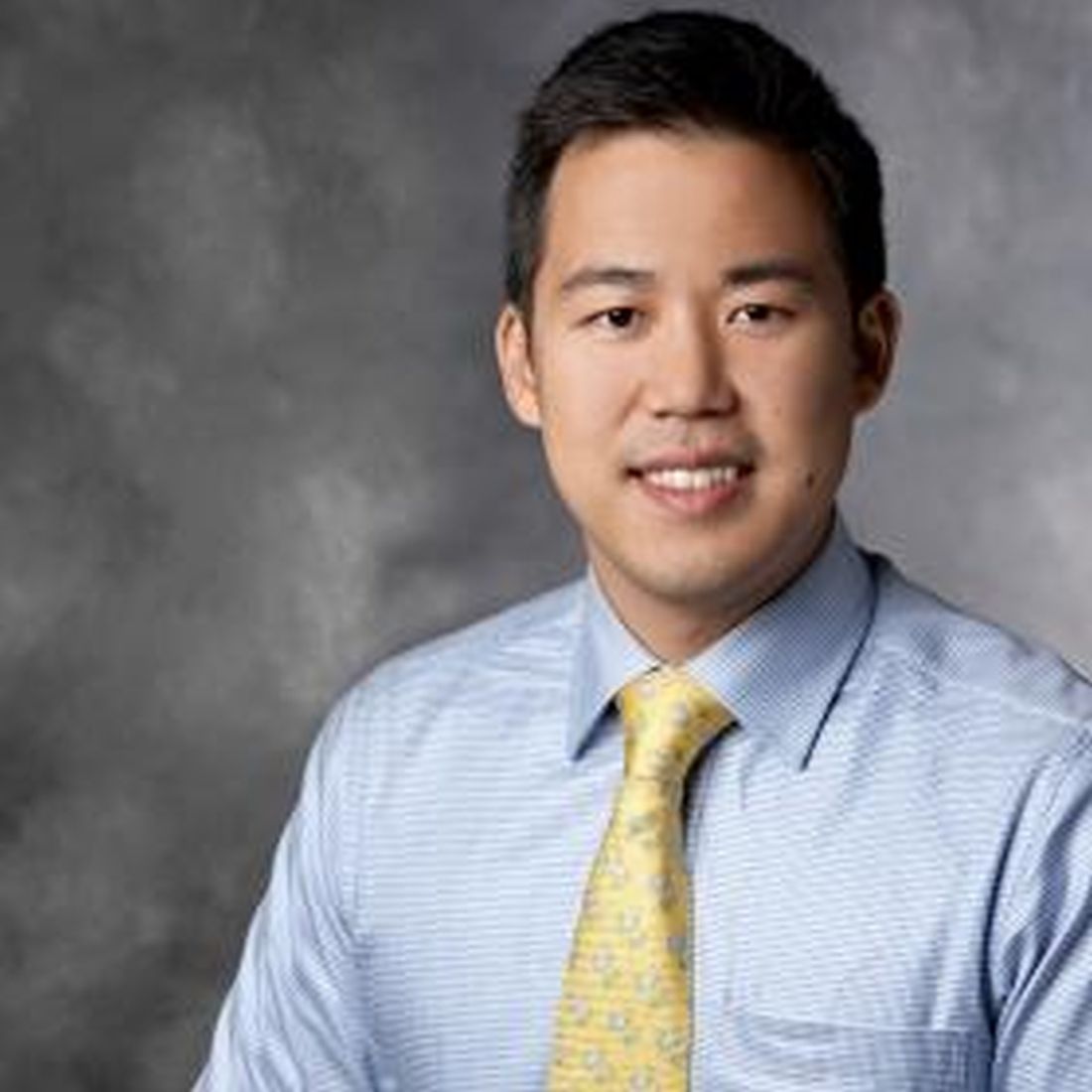
Given that about 6.3 billion smartphones would soon be in use, this AI approach could provide a gateway for “low-cost universal access to vital diagnostic care,” wrote Justin M. Ko, MD, MBA, a dermatologist, and colleagues from Stanford (Calif.) University that included other dermatologists and engineers.
Dr. Ko and his coauthors described how they trained a computer system to identify both benign and cancerous skin lesions. They used an approach known as a convolutional neural network, often deployed for projects seeking to train computers to “see” through image analysis. They said that their test of this system found it to be on par with the performance of 21 board-certified dermatologists.
“This fast, scalable method is deployable on mobile devices and holds the potential for substantial clinical impact, including broadening the scope of primary care practice and augmenting clinical decision-making for dermatology specialists,” they wrote in their paper.
More than 6 years later, there are signs that companies are making progress toward moving skin checks using this technology into U.S. primary care settings – but only with devices that employ special tools.
It may prove tougher for companies to eventually secure the sign-off of the U.S. Food and Drug Administration for mobile apps intended to let consumers handle this task with smartphones.
Such tools would need to be proven highly accurate before release, because too many false positives mean that people would be needlessly exposed to biopsies, said Sancy A. Leachman, MD, PhD, director of the melanoma research program and chair of the department of dermatology at Oregon Health & Science University, Portland.
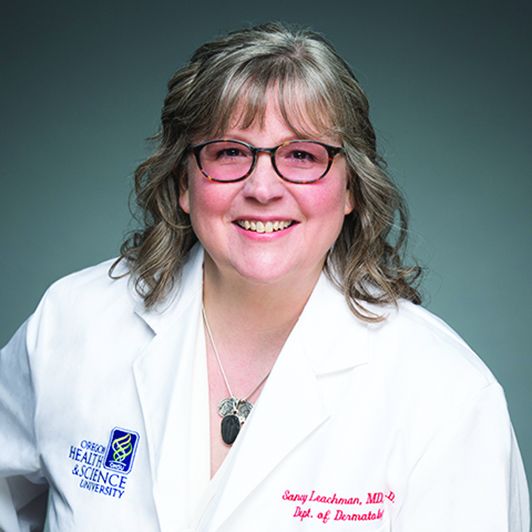
And false-negative readings would allow melanoma to advance and even be fatal, Dr. Leachman told this news organization.
Roxana Daneshjou, MD, PhD, a dermatologist at Stanford who has studied the promise and the pitfalls of AI in medicine, said that developers of a consumer skin-check app would need to know how people would react to their readings. That includes a good sense of how often they would appropriately seek medical care for a concerning reading. (She was not an author of the previously cited Nature paper but has published widely on AI.)
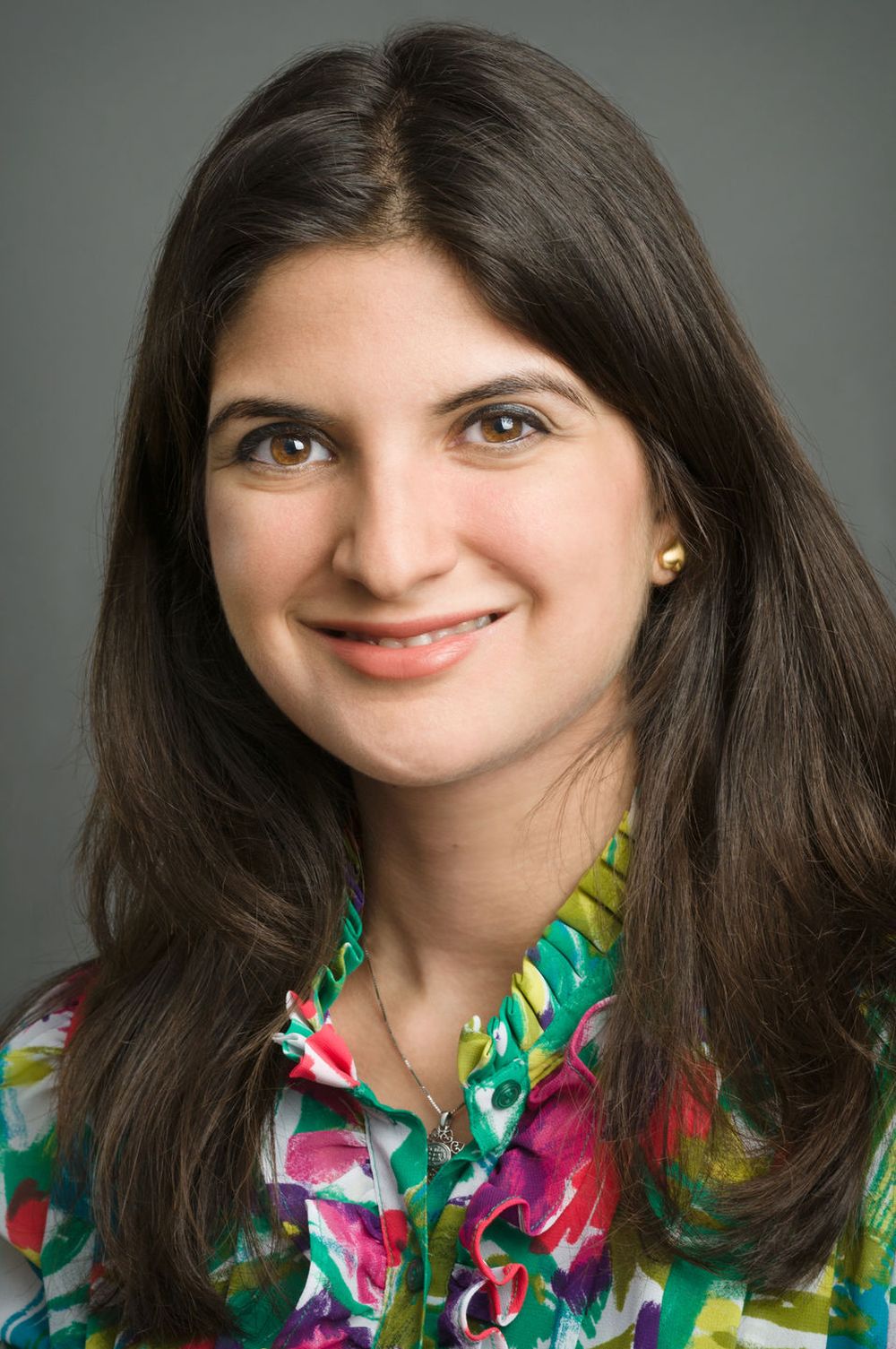
“The direct-to-consumer diagnostic space makes me nervous,” Dr. Daneshjou said in an interview. “In order to do it, you really need to have good studies in consumer populations prior to release. You need to show how effective it is with follow up.”
FDA shows interest – and reservations
As of July, the FDA had not yet given its okay for marketing of any consumer apps intended to help people detect signs of skin cancer, an agency spokesperson told this news organization.
To date, the agency has only cleared two AI-based products for this task, both meant to be used by dermatologists. And only one of these two products, Scibase’s Nevisense, remains in use in the United States. The other, MelaFind, has been discontinued. In 2017, Strata Skin Sciences said that the product did not win “a significant enough level of acceptance by dermatologists to justify the continued investment” in it. And the company said it notified the 90 owners of MelaFind devices in the United States that it would no longer support the device.
But another company, DermaSensor, said in a 2021 press release that it expects its AI-powered tool, also named DermaSensor, to be the “first ever FDA cleared or approved skin cancer detection device for primary care providers.”
The Miami-based firm said that the FDA had granted its product a “breakthrough” device designation. A breakthrough designation means that agency staff will offer extra help and guidance to companies in developing a product, because of its expected benefit for patients.
In a 2020 press release, 3Derm Systems, now owned by Digital Diagnostics, made a similar announcement about winning FDA breakthrough designation for an AI-powered tool intended to allow skin checks in primary care settings.
(The FDA generally does not comment on its reviews of experimental drugs and devices, but companies can do so. Several other companies have announced FDA breakthrough designations for AI-driven products intended to check for skin lesions, but these might be used in settings other than primary care.)
Both DermaSensor and Digital Diagnostics have chairs with notable track records for winning FDA approvals of other devices. DermaSensor’s Maurice Ferre, MD, also is the chairman of Insightec, which in 2016 won the first FDA approval for a device with a breakthrough designation device that uses ultrasound to treat tremors.
In 2018, the FDA allowed Digital Diagnostics, then called IDx, to introduce in the United States the first medical device using AI in primary care offices to check for signs of diabetic retinopathy. This product also had an FDA breakthrough designation. The executive chairman and founder of Digital Diagnostics is Michael Abramoff, MD, PhD, professor of engineering and ophthalmology at the University of Iowa, Iowa City. Dr. Abramoff and the team behind the AI tool for retinopathy, now called the LumineticsCore system, also scored a notable win with Medicare, which agreed to cover use of the product through a dedicated CPT code.
FDA draft guidance
The FDA has acknowledged the interest in broadening access to skin checks via AI.
This was a topic of discussion at a 2-day advisory committee meeting the FDA held last year. In April 2023, the FDA outlined some of its expectations for future regulation of skin-analyzing tools as part of a wide-ranging draft guidance document intended to aid companies in their efforts to develop products using a form of AI known as machine learning.
In the document, the FDA described how it might approach applications for “hypothetical” devices using this kind of AI, such as a special tool to help primary care clinicians identify lesions in need of further investigation. Such a product would use a specific camera for gathering data for its initial clearance, in the FDA’s hypothetical scenario.
The FDA staff offered technical suggestions about what the developer of this hypothetical device would have to do to extend its use to smartphones and tablets while keeping clinicians as the intended users.
Some of these expanded uses could fall within the bounds of the FDA’s initial clearance and thus not trigger a need for a new marketing submission, the agency said. But seeking to shift this hypothetical product to “patient-facing” use would require a new marketing submission to the FDA, the agency said.
In this scenario, a company would expect people to follow up with a dermatologist after receiving a report suggesting cancer. Thus, this kind of a change could expose patients to “many new, unconsidered risks,” the FDA said.
Reality check?
The state of current efforts to develop consumer apps for checking for skin cancer seems to be summarized well on the website for the MoleMapper. The app was developed by researchers at OHSU to help people track how their moles change over time.
“Mole Mapper is NOT designed to provide medical advice, professional diagnosis, opinion, or treatment. Currently, there is not enough data to develop an app that can diagnose melanoma, but if enough data is collected through Mole Mapper and shared with researchers, it may be possible in the future,” the app’s website says.
OHSU released MoleMapper as an iPhone app in 2015. The aim of this project was to help people track the moles on their skin while also fostering an experiment in “citizen science,” OHSU’s Dr. Leachman told this news organization.
OHSU researchers hoped that the digital images taken by members of the public on cell phones could one day be used to develop diagnostic algorithms for melanoma.
But around 2017, the MoleMapper team realized that they would not be able to create a diagnostic app at this time, Dr. Leachman explained. They could not collect enough data of adequate quality.
And by 2021, it was clear that they could not even develop a successful app to triage patients to assess who needs to be seen quickly. The amount of data required was, at this point, beyond what the team could collect, Dr. Leachman said in an interview.
That was a disappointment because the team had successfully completed the difficult task of creating a confidential pathway for collecting these images via both iPhones and smartphones run on Android.
“We thought if we built it, people would come, but that’s not what happened,” Dr. Leachman said. Many patients didn’t want their images used for research or would fail to follow up with details of biopsy reports. Sometimes images were not captured well enough to be of use.
“You need at least hundreds of thousands, if not millions, of data points that have been verified with pathologies, and nobody was giving us back that data. That was the reality,” Dr. Leachman said.
There were valuable lessons in that setback. The OHSU team now has a better grasp of the challenges of trying to build a data-collection system that could prove helpful in assessing skin lesions.
“If you don’t build it, you don’t know” what can go wrong, she said.
Dr. Leachman said other scientists who have worked on similar projects to build skin-analyzing apps have probably encountered the same difficulties, although they may not reveal these issues. “I think that a lot of people build these things and then they try to make it into something that it’s not,” she said.
In addition to the challenges with gathering images, dermatologists frequently need to rely on touch and other clues from in-person visits when diagnosing a suspicious lesion. “There’s something about seeing and feeling the skin in person that can’t be captured completely with an image,” Dr. Leachman said.
Public demand
Still, regulators must face the strong and immediate interest consumers have in using AI to check on moles and skin conditions, despite continuing questions about how well this approach might work.
In June, Google announced in a blog post that its Google Lens tool can help people research skin conditions.
“Just take a picture or upload a photo through Lens, and you’ll find visual matches to inform your search,” Google said in a blog post. “This feature also works if you’re not sure how to describe something else on your body, like a bump on your lip, a line on your nails or hair loss on your head. This feature is currently available in the U.S.”
Google also continues work on DermAssist, an app that’s intended to help people get personalized information about skin concerns using three photos. It is not currently publicly available, a Google spokesperson told this news organization.
Several skin-analyzing apps are already available in the Apple and Google Play stores. The British Association of Dermatologists last year issued a press release warning consumers that these apps may not be safe or effective and thus may put patients at risk for misdiagnosis.
“Unfortunately, AI-based apps which do not appear to meet regulatory requirements crop up more often than we would like,” the association said. “Additionally, the evidence to support the use of AI to diagnose skin conditions is weak which means that when it is used, it may not be safe or effective and it is possible that AI is putting patients at risk of misdiagnosis.”
Delicate and difficult balancing act
At this time, regulators, entrepreneurs, and the medical community face a delicate balancing act in considering how best to deploy AI in skin care, Dr. Ko said in an interview. (In addition to being one of the authors on the widely cited 2017 Nature paper mentioned above, Dr. Ko served until March as the initial chair of the American Academy of Dermatology’s Augmented Intelligence Committee.)
There are many solid reasons why there hasn’t been speedy progress to deploy AI in dermatology, as many envisioned a few years ago, Dr. Ko said.
Some of those reasons are specific to dermatology; this field doesn’t have a ready set of robust data from which to build AI-driven tools. In this aspect, dermatology is decades behind specialties like radiology, pathology, and ophthalmology, where clinicians have long been accumulating and storing images and other data in more standardized ways, Dr. Ko said.
“If you went to most dermatology practices and said, ‘Hey, let me learn from the data accumulated over the course of your 30-year practice to help us develop new tools,’” there may not be a whole lot there,” Dr. Ko said.
Beyond the start-up hurdles is the larger concern Dr. Ko shares with other dermatologists who work in this field, such as Dr. Daneshjou and Dr. Leachman. What would clinicians without much dermatology training and patients do with the readings from AI-driven tools and apps?
There would need to be significant research to show that such products actually help get people treated for skin diseases, including skin cancer.
Dr. Ko praised Google for being open about the stumbles with its efforts to use its AI tool for identifying diabetic retinopathy in a test in Thailand. Real-world hitches included poor Internet connections and poor image quality.
Developing reliable systems, processes, and workflows will be paramount for eventual widespread use of AI-driven tools, Dr. Ko said.
“It’s all those hidden things that are not sexy,” as are announcements about algorithms working about as well as clinicians in diagnosis, Dr. Ko said. “They don’t get the media attention, but they’re going to be make or break for AI, not just in our field but [for] AI in general.”
But he added that there also needs to be a recognition that AI-driven tools and products, even if somewhat imperfect, can help people get access to care.
In many cases, shortages of specialists prevent people from getting screened for treatable conditions such as skin cancer and retinopathy. The challenge is setting an appropriate standard to make sure that AI-driven products would help most patients in practice, without raising it so high that no such products emerge.
“There’s a risk of holding too high of a bar,” Dr. Ko said. “There is harm in not moving forward as well.”
A version of this article first appeared on Medscape.com.
.
Given that about 6.3 billion smartphones would soon be in use, this AI approach could provide a gateway for “low-cost universal access to vital diagnostic care,” wrote Justin M. Ko, MD, MBA, a dermatologist, and colleagues from Stanford (Calif.) University that included other dermatologists and engineers.
Dr. Ko and his coauthors described how they trained a computer system to identify both benign and cancerous skin lesions. They used an approach known as a convolutional neural network, often deployed for projects seeking to train computers to “see” through image analysis. They said that their test of this system found it to be on par with the performance of 21 board-certified dermatologists.
“This fast, scalable method is deployable on mobile devices and holds the potential for substantial clinical impact, including broadening the scope of primary care practice and augmenting clinical decision-making for dermatology specialists,” they wrote in their paper.
More than 6 years later, there are signs that companies are making progress toward moving skin checks using this technology into U.S. primary care settings – but only with devices that employ special tools.
It may prove tougher for companies to eventually secure the sign-off of the U.S. Food and Drug Administration for mobile apps intended to let consumers handle this task with smartphones.
Such tools would need to be proven highly accurate before release, because too many false positives mean that people would be needlessly exposed to biopsies, said Sancy A. Leachman, MD, PhD, director of the melanoma research program and chair of the department of dermatology at Oregon Health & Science University, Portland.
And false-negative readings would allow melanoma to advance and even be fatal, Dr. Leachman told this news organization.
Roxana Daneshjou, MD, PhD, a dermatologist at Stanford who has studied the promise and the pitfalls of AI in medicine, said that developers of a consumer skin-check app would need to know how people would react to their readings. That includes a good sense of how often they would appropriately seek medical care for a concerning reading. (She was not an author of the previously cited Nature paper but has published widely on AI.)
“The direct-to-consumer diagnostic space makes me nervous,” Dr. Daneshjou said in an interview. “In order to do it, you really need to have good studies in consumer populations prior to release. You need to show how effective it is with follow up.”
FDA shows interest – and reservations
As of July, the FDA had not yet given its okay for marketing of any consumer apps intended to help people detect signs of skin cancer, an agency spokesperson told this news organization.
To date, the agency has only cleared two AI-based products for this task, both meant to be used by dermatologists. And only one of these two products, Scibase’s Nevisense, remains in use in the United States. The other, MelaFind, has been discontinued. In 2017, Strata Skin Sciences said that the product did not win “a significant enough level of acceptance by dermatologists to justify the continued investment” in it. And the company said it notified the 90 owners of MelaFind devices in the United States that it would no longer support the device.
But another company, DermaSensor, said in a 2021 press release that it expects its AI-powered tool, also named DermaSensor, to be the “first ever FDA cleared or approved skin cancer detection device for primary care providers.”
The Miami-based firm said that the FDA had granted its product a “breakthrough” device designation. A breakthrough designation means that agency staff will offer extra help and guidance to companies in developing a product, because of its expected benefit for patients.
In a 2020 press release, 3Derm Systems, now owned by Digital Diagnostics, made a similar announcement about winning FDA breakthrough designation for an AI-powered tool intended to allow skin checks in primary care settings.
(The FDA generally does not comment on its reviews of experimental drugs and devices, but companies can do so. Several other companies have announced FDA breakthrough designations for AI-driven products intended to check for skin lesions, but these might be used in settings other than primary care.)
Both DermaSensor and Digital Diagnostics have chairs with notable track records for winning FDA approvals of other devices. DermaSensor’s Maurice Ferre, MD, also is the chairman of Insightec, which in 2016 won the first FDA approval for a device with a breakthrough designation device that uses ultrasound to treat tremors.
In 2018, the FDA allowed Digital Diagnostics, then called IDx, to introduce in the United States the first medical device using AI in primary care offices to check for signs of diabetic retinopathy. This product also had an FDA breakthrough designation. The executive chairman and founder of Digital Diagnostics is Michael Abramoff, MD, PhD, professor of engineering and ophthalmology at the University of Iowa, Iowa City. Dr. Abramoff and the team behind the AI tool for retinopathy, now called the LumineticsCore system, also scored a notable win with Medicare, which agreed to cover use of the product through a dedicated CPT code.
FDA draft guidance
The FDA has acknowledged the interest in broadening access to skin checks via AI.
This was a topic of discussion at a 2-day advisory committee meeting the FDA held last year. In April 2023, the FDA outlined some of its expectations for future regulation of skin-analyzing tools as part of a wide-ranging draft guidance document intended to aid companies in their efforts to develop products using a form of AI known as machine learning.
In the document, the FDA described how it might approach applications for “hypothetical” devices using this kind of AI, such as a special tool to help primary care clinicians identify lesions in need of further investigation. Such a product would use a specific camera for gathering data for its initial clearance, in the FDA’s hypothetical scenario.
The FDA staff offered technical suggestions about what the developer of this hypothetical device would have to do to extend its use to smartphones and tablets while keeping clinicians as the intended users.
Some of these expanded uses could fall within the bounds of the FDA’s initial clearance and thus not trigger a need for a new marketing submission, the agency said. But seeking to shift this hypothetical product to “patient-facing” use would require a new marketing submission to the FDA, the agency said.
In this scenario, a company would expect people to follow up with a dermatologist after receiving a report suggesting cancer. Thus, this kind of a change could expose patients to “many new, unconsidered risks,” the FDA said.
Reality check?
The state of current efforts to develop consumer apps for checking for skin cancer seems to be summarized well on the website for the MoleMapper. The app was developed by researchers at OHSU to help people track how their moles change over time.
“Mole Mapper is NOT designed to provide medical advice, professional diagnosis, opinion, or treatment. Currently, there is not enough data to develop an app that can diagnose melanoma, but if enough data is collected through Mole Mapper and shared with researchers, it may be possible in the future,” the app’s website says.
OHSU released MoleMapper as an iPhone app in 2015. The aim of this project was to help people track the moles on their skin while also fostering an experiment in “citizen science,” OHSU’s Dr. Leachman told this news organization.
OHSU researchers hoped that the digital images taken by members of the public on cell phones could one day be used to develop diagnostic algorithms for melanoma.
But around 2017, the MoleMapper team realized that they would not be able to create a diagnostic app at this time, Dr. Leachman explained. They could not collect enough data of adequate quality.
And by 2021, it was clear that they could not even develop a successful app to triage patients to assess who needs to be seen quickly. The amount of data required was, at this point, beyond what the team could collect, Dr. Leachman said in an interview.
That was a disappointment because the team had successfully completed the difficult task of creating a confidential pathway for collecting these images via both iPhones and smartphones run on Android.
“We thought if we built it, people would come, but that’s not what happened,” Dr. Leachman said. Many patients didn’t want their images used for research or would fail to follow up with details of biopsy reports. Sometimes images were not captured well enough to be of use.
“You need at least hundreds of thousands, if not millions, of data points that have been verified with pathologies, and nobody was giving us back that data. That was the reality,” Dr. Leachman said.
There were valuable lessons in that setback. The OHSU team now has a better grasp of the challenges of trying to build a data-collection system that could prove helpful in assessing skin lesions.
“If you don’t build it, you don’t know” what can go wrong, she said.
Dr. Leachman said other scientists who have worked on similar projects to build skin-analyzing apps have probably encountered the same difficulties, although they may not reveal these issues. “I think that a lot of people build these things and then they try to make it into something that it’s not,” she said.
In addition to the challenges with gathering images, dermatologists frequently need to rely on touch and other clues from in-person visits when diagnosing a suspicious lesion. “There’s something about seeing and feeling the skin in person that can’t be captured completely with an image,” Dr. Leachman said.
Public demand
Still, regulators must face the strong and immediate interest consumers have in using AI to check on moles and skin conditions, despite continuing questions about how well this approach might work.
In June, Google announced in a blog post that its Google Lens tool can help people research skin conditions.
“Just take a picture or upload a photo through Lens, and you’ll find visual matches to inform your search,” Google said in a blog post. “This feature also works if you’re not sure how to describe something else on your body, like a bump on your lip, a line on your nails or hair loss on your head. This feature is currently available in the U.S.”
Google also continues work on DermAssist, an app that’s intended to help people get personalized information about skin concerns using three photos. It is not currently publicly available, a Google spokesperson told this news organization.
Several skin-analyzing apps are already available in the Apple and Google Play stores. The British Association of Dermatologists last year issued a press release warning consumers that these apps may not be safe or effective and thus may put patients at risk for misdiagnosis.
“Unfortunately, AI-based apps which do not appear to meet regulatory requirements crop up more often than we would like,” the association said. “Additionally, the evidence to support the use of AI to diagnose skin conditions is weak which means that when it is used, it may not be safe or effective and it is possible that AI is putting patients at risk of misdiagnosis.”
Delicate and difficult balancing act
At this time, regulators, entrepreneurs, and the medical community face a delicate balancing act in considering how best to deploy AI in skin care, Dr. Ko said in an interview. (In addition to being one of the authors on the widely cited 2017 Nature paper mentioned above, Dr. Ko served until March as the initial chair of the American Academy of Dermatology’s Augmented Intelligence Committee.)
There are many solid reasons why there hasn’t been speedy progress to deploy AI in dermatology, as many envisioned a few years ago, Dr. Ko said.
Some of those reasons are specific to dermatology; this field doesn’t have a ready set of robust data from which to build AI-driven tools. In this aspect, dermatology is decades behind specialties like radiology, pathology, and ophthalmology, where clinicians have long been accumulating and storing images and other data in more standardized ways, Dr. Ko said.
“If you went to most dermatology practices and said, ‘Hey, let me learn from the data accumulated over the course of your 30-year practice to help us develop new tools,’” there may not be a whole lot there,” Dr. Ko said.
Beyond the start-up hurdles is the larger concern Dr. Ko shares with other dermatologists who work in this field, such as Dr. Daneshjou and Dr. Leachman. What would clinicians without much dermatology training and patients do with the readings from AI-driven tools and apps?
There would need to be significant research to show that such products actually help get people treated for skin diseases, including skin cancer.
Dr. Ko praised Google for being open about the stumbles with its efforts to use its AI tool for identifying diabetic retinopathy in a test in Thailand. Real-world hitches included poor Internet connections and poor image quality.
Developing reliable systems, processes, and workflows will be paramount for eventual widespread use of AI-driven tools, Dr. Ko said.
“It’s all those hidden things that are not sexy,” as are announcements about algorithms working about as well as clinicians in diagnosis, Dr. Ko said. “They don’t get the media attention, but they’re going to be make or break for AI, not just in our field but [for] AI in general.”
But he added that there also needs to be a recognition that AI-driven tools and products, even if somewhat imperfect, can help people get access to care.
In many cases, shortages of specialists prevent people from getting screened for treatable conditions such as skin cancer and retinopathy. The challenge is setting an appropriate standard to make sure that AI-driven products would help most patients in practice, without raising it so high that no such products emerge.
“There’s a risk of holding too high of a bar,” Dr. Ko said. “There is harm in not moving forward as well.”
A version of this article first appeared on Medscape.com.
.
Given that about 6.3 billion smartphones would soon be in use, this AI approach could provide a gateway for “low-cost universal access to vital diagnostic care,” wrote Justin M. Ko, MD, MBA, a dermatologist, and colleagues from Stanford (Calif.) University that included other dermatologists and engineers.
Dr. Ko and his coauthors described how they trained a computer system to identify both benign and cancerous skin lesions. They used an approach known as a convolutional neural network, often deployed for projects seeking to train computers to “see” through image analysis. They said that their test of this system found it to be on par with the performance of 21 board-certified dermatologists.
“This fast, scalable method is deployable on mobile devices and holds the potential for substantial clinical impact, including broadening the scope of primary care practice and augmenting clinical decision-making for dermatology specialists,” they wrote in their paper.
More than 6 years later, there are signs that companies are making progress toward moving skin checks using this technology into U.S. primary care settings – but only with devices that employ special tools.
It may prove tougher for companies to eventually secure the sign-off of the U.S. Food and Drug Administration for mobile apps intended to let consumers handle this task with smartphones.
Such tools would need to be proven highly accurate before release, because too many false positives mean that people would be needlessly exposed to biopsies, said Sancy A. Leachman, MD, PhD, director of the melanoma research program and chair of the department of dermatology at Oregon Health & Science University, Portland.
And false-negative readings would allow melanoma to advance and even be fatal, Dr. Leachman told this news organization.
Roxana Daneshjou, MD, PhD, a dermatologist at Stanford who has studied the promise and the pitfalls of AI in medicine, said that developers of a consumer skin-check app would need to know how people would react to their readings. That includes a good sense of how often they would appropriately seek medical care for a concerning reading. (She was not an author of the previously cited Nature paper but has published widely on AI.)
“The direct-to-consumer diagnostic space makes me nervous,” Dr. Daneshjou said in an interview. “In order to do it, you really need to have good studies in consumer populations prior to release. You need to show how effective it is with follow up.”
FDA shows interest – and reservations
As of July, the FDA had not yet given its okay for marketing of any consumer apps intended to help people detect signs of skin cancer, an agency spokesperson told this news organization.
To date, the agency has only cleared two AI-based products for this task, both meant to be used by dermatologists. And only one of these two products, Scibase’s Nevisense, remains in use in the United States. The other, MelaFind, has been discontinued. In 2017, Strata Skin Sciences said that the product did not win “a significant enough level of acceptance by dermatologists to justify the continued investment” in it. And the company said it notified the 90 owners of MelaFind devices in the United States that it would no longer support the device.
But another company, DermaSensor, said in a 2021 press release that it expects its AI-powered tool, also named DermaSensor, to be the “first ever FDA cleared or approved skin cancer detection device for primary care providers.”
The Miami-based firm said that the FDA had granted its product a “breakthrough” device designation. A breakthrough designation means that agency staff will offer extra help and guidance to companies in developing a product, because of its expected benefit for patients.
In a 2020 press release, 3Derm Systems, now owned by Digital Diagnostics, made a similar announcement about winning FDA breakthrough designation for an AI-powered tool intended to allow skin checks in primary care settings.
(The FDA generally does not comment on its reviews of experimental drugs and devices, but companies can do so. Several other companies have announced FDA breakthrough designations for AI-driven products intended to check for skin lesions, but these might be used in settings other than primary care.)
Both DermaSensor and Digital Diagnostics have chairs with notable track records for winning FDA approvals of other devices. DermaSensor’s Maurice Ferre, MD, also is the chairman of Insightec, which in 2016 won the first FDA approval for a device with a breakthrough designation device that uses ultrasound to treat tremors.
In 2018, the FDA allowed Digital Diagnostics, then called IDx, to introduce in the United States the first medical device using AI in primary care offices to check for signs of diabetic retinopathy. This product also had an FDA breakthrough designation. The executive chairman and founder of Digital Diagnostics is Michael Abramoff, MD, PhD, professor of engineering and ophthalmology at the University of Iowa, Iowa City. Dr. Abramoff and the team behind the AI tool for retinopathy, now called the LumineticsCore system, also scored a notable win with Medicare, which agreed to cover use of the product through a dedicated CPT code.
FDA draft guidance
The FDA has acknowledged the interest in broadening access to skin checks via AI.
This was a topic of discussion at a 2-day advisory committee meeting the FDA held last year. In April 2023, the FDA outlined some of its expectations for future regulation of skin-analyzing tools as part of a wide-ranging draft guidance document intended to aid companies in their efforts to develop products using a form of AI known as machine learning.
In the document, the FDA described how it might approach applications for “hypothetical” devices using this kind of AI, such as a special tool to help primary care clinicians identify lesions in need of further investigation. Such a product would use a specific camera for gathering data for its initial clearance, in the FDA’s hypothetical scenario.
The FDA staff offered technical suggestions about what the developer of this hypothetical device would have to do to extend its use to smartphones and tablets while keeping clinicians as the intended users.
Some of these expanded uses could fall within the bounds of the FDA’s initial clearance and thus not trigger a need for a new marketing submission, the agency said. But seeking to shift this hypothetical product to “patient-facing” use would require a new marketing submission to the FDA, the agency said.
In this scenario, a company would expect people to follow up with a dermatologist after receiving a report suggesting cancer. Thus, this kind of a change could expose patients to “many new, unconsidered risks,” the FDA said.
Reality check?
The state of current efforts to develop consumer apps for checking for skin cancer seems to be summarized well on the website for the MoleMapper. The app was developed by researchers at OHSU to help people track how their moles change over time.
“Mole Mapper is NOT designed to provide medical advice, professional diagnosis, opinion, or treatment. Currently, there is not enough data to develop an app that can diagnose melanoma, but if enough data is collected through Mole Mapper and shared with researchers, it may be possible in the future,” the app’s website says.
OHSU released MoleMapper as an iPhone app in 2015. The aim of this project was to help people track the moles on their skin while also fostering an experiment in “citizen science,” OHSU’s Dr. Leachman told this news organization.
OHSU researchers hoped that the digital images taken by members of the public on cell phones could one day be used to develop diagnostic algorithms for melanoma.
But around 2017, the MoleMapper team realized that they would not be able to create a diagnostic app at this time, Dr. Leachman explained. They could not collect enough data of adequate quality.
And by 2021, it was clear that they could not even develop a successful app to triage patients to assess who needs to be seen quickly. The amount of data required was, at this point, beyond what the team could collect, Dr. Leachman said in an interview.
That was a disappointment because the team had successfully completed the difficult task of creating a confidential pathway for collecting these images via both iPhones and smartphones run on Android.
“We thought if we built it, people would come, but that’s not what happened,” Dr. Leachman said. Many patients didn’t want their images used for research or would fail to follow up with details of biopsy reports. Sometimes images were not captured well enough to be of use.
“You need at least hundreds of thousands, if not millions, of data points that have been verified with pathologies, and nobody was giving us back that data. That was the reality,” Dr. Leachman said.
There were valuable lessons in that setback. The OHSU team now has a better grasp of the challenges of trying to build a data-collection system that could prove helpful in assessing skin lesions.
“If you don’t build it, you don’t know” what can go wrong, she said.
Dr. Leachman said other scientists who have worked on similar projects to build skin-analyzing apps have probably encountered the same difficulties, although they may not reveal these issues. “I think that a lot of people build these things and then they try to make it into something that it’s not,” she said.
In addition to the challenges with gathering images, dermatologists frequently need to rely on touch and other clues from in-person visits when diagnosing a suspicious lesion. “There’s something about seeing and feeling the skin in person that can’t be captured completely with an image,” Dr. Leachman said.
Public demand
Still, regulators must face the strong and immediate interest consumers have in using AI to check on moles and skin conditions, despite continuing questions about how well this approach might work.
In June, Google announced in a blog post that its Google Lens tool can help people research skin conditions.
“Just take a picture or upload a photo through Lens, and you’ll find visual matches to inform your search,” Google said in a blog post. “This feature also works if you’re not sure how to describe something else on your body, like a bump on your lip, a line on your nails or hair loss on your head. This feature is currently available in the U.S.”
Google also continues work on DermAssist, an app that’s intended to help people get personalized information about skin concerns using three photos. It is not currently publicly available, a Google spokesperson told this news organization.
Several skin-analyzing apps are already available in the Apple and Google Play stores. The British Association of Dermatologists last year issued a press release warning consumers that these apps may not be safe or effective and thus may put patients at risk for misdiagnosis.
“Unfortunately, AI-based apps which do not appear to meet regulatory requirements crop up more often than we would like,” the association said. “Additionally, the evidence to support the use of AI to diagnose skin conditions is weak which means that when it is used, it may not be safe or effective and it is possible that AI is putting patients at risk of misdiagnosis.”
Delicate and difficult balancing act
At this time, regulators, entrepreneurs, and the medical community face a delicate balancing act in considering how best to deploy AI in skin care, Dr. Ko said in an interview. (In addition to being one of the authors on the widely cited 2017 Nature paper mentioned above, Dr. Ko served until March as the initial chair of the American Academy of Dermatology’s Augmented Intelligence Committee.)
There are many solid reasons why there hasn’t been speedy progress to deploy AI in dermatology, as many envisioned a few years ago, Dr. Ko said.
Some of those reasons are specific to dermatology; this field doesn’t have a ready set of robust data from which to build AI-driven tools. In this aspect, dermatology is decades behind specialties like radiology, pathology, and ophthalmology, where clinicians have long been accumulating and storing images and other data in more standardized ways, Dr. Ko said.
“If you went to most dermatology practices and said, ‘Hey, let me learn from the data accumulated over the course of your 30-year practice to help us develop new tools,’” there may not be a whole lot there,” Dr. Ko said.
Beyond the start-up hurdles is the larger concern Dr. Ko shares with other dermatologists who work in this field, such as Dr. Daneshjou and Dr. Leachman. What would clinicians without much dermatology training and patients do with the readings from AI-driven tools and apps?
There would need to be significant research to show that such products actually help get people treated for skin diseases, including skin cancer.
Dr. Ko praised Google for being open about the stumbles with its efforts to use its AI tool for identifying diabetic retinopathy in a test in Thailand. Real-world hitches included poor Internet connections and poor image quality.
Developing reliable systems, processes, and workflows will be paramount for eventual widespread use of AI-driven tools, Dr. Ko said.
“It’s all those hidden things that are not sexy,” as are announcements about algorithms working about as well as clinicians in diagnosis, Dr. Ko said. “They don’t get the media attention, but they’re going to be make or break for AI, not just in our field but [for] AI in general.”
But he added that there also needs to be a recognition that AI-driven tools and products, even if somewhat imperfect, can help people get access to care.
In many cases, shortages of specialists prevent people from getting screened for treatable conditions such as skin cancer and retinopathy. The challenge is setting an appropriate standard to make sure that AI-driven products would help most patients in practice, without raising it so high that no such products emerge.
“There’s a risk of holding too high of a bar,” Dr. Ko said. “There is harm in not moving forward as well.”
A version of this article first appeared on Medscape.com.
Rheumatoid arthritis may raise risk for aortic stenosis
Adults with rheumatoid arthritis had a significantly higher risk than do those without RA for developing aortic stenosis (AS), according to a large national cohort of patients.
RA has been associated with an increased risk for ischemic cardiovascular disease, but the association of RA with the risk for AS remains unclear, Tate M. Johnson, MD, of VA Nebraska–Western Iowa Health Care System, Omaha, and colleagues wrote.
In a study published in JAMA Internal Medicine, the researchers identified 73,070 adults with RA and 639,268 matched control individuals without RA using data from Veterans Affairs and Centers for Medicare & Medicaid Services from 2000 to 2019.
The patients and control individuals were predominantly men (about 87%), and most were White (72.3% of patients and 61.7% of control individuals). The mean ages of the patients and control individuals were similar (63.0 vs. 61.9, respectively).
The main outcome of incident AS was defined as a composite of inpatient or outpatient AS diagnoses, surgical or transcatheter aortic valve intervention, or AS-related death.
Over a mean follow-up period of 7.9 years in patients with RA and 8.8 years in control individuals, the researchers found 16,109 composite AS outcomes over a period of 6,223,150 person-years, with 2,303 that occurred in patients with RA.
The multivariate model adjusted for race, ethnicity, smoking status, body mass index (BMI), rural versus urban residence, comorbidities, and health care use.
Overall, RA was associated with an increased risk for the composite AS outcome (hazard ratio, 1.66).
After adjusting for confounders, RA remained associated with an increased risk for composite AS diagnoses, aortic valve intervention, and AS-related death (adjusted HRs, 1.48, 1.34, and 1.26, respectively). Altogether, the incidence of composite AS events was 3.97 per 1,000 person-years in patients with RA versus 2.45 per 1,000 person-years in control individuals, with an absolute difference of 1.52 composite AS events per 1,000 person-years.
The results “emphasize that valvular heart disease may be an underrecognized contributor to the persistent CVD [cardiovascular disease]-related mortality gap in RA, particularly given the lack of improvement in AS-specific risk over time,” the researchers wrote.
Several traditional CVD risk factors (for example, smoking status, diabetes, and coronary artery disease) were not independently associated with AS onset in patients with RA. However, male sex, hypertension, stroke, and other noncoronary CVDs were associated with incident AS in the patients with RA, and increasing age and BMI were associated with stepwise increases in AS risk.
The findings were limited by several factors including the infrequency of AS-related events and consequent modest differences in absolute risk, the researchers noted. The predominantly male cohort may limit generalizability of results because RA is more common in women. Other limitations included the predominantly male population and possible misclassification of RA status.
Overall, the results demonstrate an increased risk for AS, AS-related intervention, and AS-related death in people with RA. More research is needed to examine AS and valvular heart disease as potential complications in this population, they concluded.
The study was supported by the Center of Excellence for Suicide Prevention, Joint Department of Veterans Affairs, and Department of Defense Mortality Data Repository National Death Index. Dr. Johnson disclosed grants from the Rheumatology Research Foundation during the conduct of the study but had no other financial conflicts to disclose. Other authors disclosed fees and honoraria from pharmaceutical companies outside the submitted work.
A version of this article appeared on Medscape.com.
Adults with rheumatoid arthritis had a significantly higher risk than do those without RA for developing aortic stenosis (AS), according to a large national cohort of patients.
RA has been associated with an increased risk for ischemic cardiovascular disease, but the association of RA with the risk for AS remains unclear, Tate M. Johnson, MD, of VA Nebraska–Western Iowa Health Care System, Omaha, and colleagues wrote.
In a study published in JAMA Internal Medicine, the researchers identified 73,070 adults with RA and 639,268 matched control individuals without RA using data from Veterans Affairs and Centers for Medicare & Medicaid Services from 2000 to 2019.
The patients and control individuals were predominantly men (about 87%), and most were White (72.3% of patients and 61.7% of control individuals). The mean ages of the patients and control individuals were similar (63.0 vs. 61.9, respectively).
The main outcome of incident AS was defined as a composite of inpatient or outpatient AS diagnoses, surgical or transcatheter aortic valve intervention, or AS-related death.
Over a mean follow-up period of 7.9 years in patients with RA and 8.8 years in control individuals, the researchers found 16,109 composite AS outcomes over a period of 6,223,150 person-years, with 2,303 that occurred in patients with RA.
The multivariate model adjusted for race, ethnicity, smoking status, body mass index (BMI), rural versus urban residence, comorbidities, and health care use.
Overall, RA was associated with an increased risk for the composite AS outcome (hazard ratio, 1.66).
After adjusting for confounders, RA remained associated with an increased risk for composite AS diagnoses, aortic valve intervention, and AS-related death (adjusted HRs, 1.48, 1.34, and 1.26, respectively). Altogether, the incidence of composite AS events was 3.97 per 1,000 person-years in patients with RA versus 2.45 per 1,000 person-years in control individuals, with an absolute difference of 1.52 composite AS events per 1,000 person-years.
The results “emphasize that valvular heart disease may be an underrecognized contributor to the persistent CVD [cardiovascular disease]-related mortality gap in RA, particularly given the lack of improvement in AS-specific risk over time,” the researchers wrote.
Several traditional CVD risk factors (for example, smoking status, diabetes, and coronary artery disease) were not independently associated with AS onset in patients with RA. However, male sex, hypertension, stroke, and other noncoronary CVDs were associated with incident AS in the patients with RA, and increasing age and BMI were associated with stepwise increases in AS risk.
The findings were limited by several factors including the infrequency of AS-related events and consequent modest differences in absolute risk, the researchers noted. The predominantly male cohort may limit generalizability of results because RA is more common in women. Other limitations included the predominantly male population and possible misclassification of RA status.
Overall, the results demonstrate an increased risk for AS, AS-related intervention, and AS-related death in people with RA. More research is needed to examine AS and valvular heart disease as potential complications in this population, they concluded.
The study was supported by the Center of Excellence for Suicide Prevention, Joint Department of Veterans Affairs, and Department of Defense Mortality Data Repository National Death Index. Dr. Johnson disclosed grants from the Rheumatology Research Foundation during the conduct of the study but had no other financial conflicts to disclose. Other authors disclosed fees and honoraria from pharmaceutical companies outside the submitted work.
A version of this article appeared on Medscape.com.
Adults with rheumatoid arthritis had a significantly higher risk than do those without RA for developing aortic stenosis (AS), according to a large national cohort of patients.
RA has been associated with an increased risk for ischemic cardiovascular disease, but the association of RA with the risk for AS remains unclear, Tate M. Johnson, MD, of VA Nebraska–Western Iowa Health Care System, Omaha, and colleagues wrote.
In a study published in JAMA Internal Medicine, the researchers identified 73,070 adults with RA and 639,268 matched control individuals without RA using data from Veterans Affairs and Centers for Medicare & Medicaid Services from 2000 to 2019.
The patients and control individuals were predominantly men (about 87%), and most were White (72.3% of patients and 61.7% of control individuals). The mean ages of the patients and control individuals were similar (63.0 vs. 61.9, respectively).
The main outcome of incident AS was defined as a composite of inpatient or outpatient AS diagnoses, surgical or transcatheter aortic valve intervention, or AS-related death.
Over a mean follow-up period of 7.9 years in patients with RA and 8.8 years in control individuals, the researchers found 16,109 composite AS outcomes over a period of 6,223,150 person-years, with 2,303 that occurred in patients with RA.
The multivariate model adjusted for race, ethnicity, smoking status, body mass index (BMI), rural versus urban residence, comorbidities, and health care use.
Overall, RA was associated with an increased risk for the composite AS outcome (hazard ratio, 1.66).
After adjusting for confounders, RA remained associated with an increased risk for composite AS diagnoses, aortic valve intervention, and AS-related death (adjusted HRs, 1.48, 1.34, and 1.26, respectively). Altogether, the incidence of composite AS events was 3.97 per 1,000 person-years in patients with RA versus 2.45 per 1,000 person-years in control individuals, with an absolute difference of 1.52 composite AS events per 1,000 person-years.
The results “emphasize that valvular heart disease may be an underrecognized contributor to the persistent CVD [cardiovascular disease]-related mortality gap in RA, particularly given the lack of improvement in AS-specific risk over time,” the researchers wrote.
Several traditional CVD risk factors (for example, smoking status, diabetes, and coronary artery disease) were not independently associated with AS onset in patients with RA. However, male sex, hypertension, stroke, and other noncoronary CVDs were associated with incident AS in the patients with RA, and increasing age and BMI were associated with stepwise increases in AS risk.
The findings were limited by several factors including the infrequency of AS-related events and consequent modest differences in absolute risk, the researchers noted. The predominantly male cohort may limit generalizability of results because RA is more common in women. Other limitations included the predominantly male population and possible misclassification of RA status.
Overall, the results demonstrate an increased risk for AS, AS-related intervention, and AS-related death in people with RA. More research is needed to examine AS and valvular heart disease as potential complications in this population, they concluded.
The study was supported by the Center of Excellence for Suicide Prevention, Joint Department of Veterans Affairs, and Department of Defense Mortality Data Repository National Death Index. Dr. Johnson disclosed grants from the Rheumatology Research Foundation during the conduct of the study but had no other financial conflicts to disclose. Other authors disclosed fees and honoraria from pharmaceutical companies outside the submitted work.
A version of this article appeared on Medscape.com.
FROM JAMA INTERNAL MEDICINE
Why doctors should take end-of-life decisions back from insurers, says physician
Sadly, the medical business has descended to this: Some insurers are combing health records to find and target customers with a 50% chance of dying in the next 18 months. Those companies then work to persuade customers to switch into palliative and hospice care.
And more of this automated end-of-life medicine appears to be on the way.
What’s gained is cost savings. What’s lost is empathy and humanity.
Doctor colleagues have warned for decades about the rise of the bean-counters in medicine. Yes, health care is a business, but it should be a higher calling, too. We serve, we heal, we protect, and we comfort.
There are times, however, when the people who try to squeeze the most money out of medicine try to gain too much influence over the people who actually engage in medicine. I think the rise of phone bank boiler rooms, built on business incentives to move patients into cheaper hospice care, should be a bridge too far for our profession.
End-of-life care is one of the most sensitive and emotionally rewarding things a doctor can do. Hospice can be an excellent choice for fully informed patients and families, but we should not be turning over these decisions to artificial intelligence, spreadsheets, and crunchers of big data.
At the same time, we should realize that the end-of-life phone banks have not evolved from nowhere. The reality is that dying is expensive. The last year of life accounts for 13%-25% of all spending on Medicare, according to numerous studies. That’s more than $200 billion a year for just one part of one federal health care program. Much of that money goes to hospitals, where end-of-life patients amass average charges of $6,000 per day.
All this spending runs counter to the wishes of most Americans. According to a Kaiser Family Foundation poll, 9 out of 10 adults say they don’t want their families to be burdened financially by their end-of-life medical care. Given the choice, 7 out of 10 Americans say they want to die at home; fewer than 1 in 10 say they want to die in a hospital.
And far more people (71%) think it’s more important to die without pain or stress than to extend life as long as possible (19%).
It’s crucial for us to get this right. Within 11 years, the U.S. Census projects that seniors will outnumber kids for the first time in history: We’ll have 77 million people age 65 or older and 76.5 million age 18 or under. And many of those seniors have medical and functional conditions that signal they are nearing end of life.
As chief medical officer of a complete senior health company, and as a physician with more than 3 decades of personal experience in geriatrics, I know we can improve the final chapter of life for our older adults and our taxpayers. If medical professionals don’t do a better job with patients at the end of life, then key decisions increasingly will be driven by the money-centered phone banks.
The single biggest improvement is having a frank and direct talk with senior patients about end-of-life wishes. Remarkably, only 1 in 10 Americans say they’ve ever had an end-of-life conversation with their doctor or health care provider – no heartfelt talk about what quality of life looks like under different treatment options. Only half ever discussed the topic with a spouse or loved one.
As a result, the default end-of-life care regimen for many is to extend life at any cost, even though most Americans tell pollsters they don’t truly want that. Doctors must focus on thorough informed consent with patients before major medical crises hurt patient cognition.
Another key is for specialists and general care doctors to do a better job consulting with each other. Two of every 3 seniors have several chronic conditions, or multimorbidities; that status worsens to include 8 of every 10 seniors after age 80. That means seniors often have multiple doctors who work in their own silos and fail to communicate the competing risks and benefits of diagnostic and treatment options. The result is fragmented plans that are difficult to follow and often as likely to harm complex patients as help them.
We all know that 90-year-old people shouldn’t be on 15 drugs, and yet too many are. Big Pharma has made it easy for doctors to add new medications, but I don’t think there’s even a class in medical school to teach clinicians how to trim the medicine list. When a drug is causing side effects, the sad reality is that most doctors add another medication to treat the side effect, as opposed to removing the offending agent. We need to end this practice known as drug cascading.
Doctors need training on how to unwind prescriptions. For example, too many seniors are being prescribed atypical antipsychotics off label for dementia. Overtreatment of geriatric diabetes and hypertension causes weakness and falls. Overprescribing antibiotics for frail patients whose bladders are colonized with bacteria too often leads to colitis. We need to question why our seniors are on so many drugs.
Doctors, patients, and families should be discussing quality of life as much as quantity of life.
I’ve spent my career taking care of older people. It’s rare for me to get a phone call saying an older person died and nobody expected it. We all know that we will die, but we spend so little time talking about it and preparing for it. A great disservice will be done to patients, doctors, and the medical profession if we let the phone banks take over.
Dr. Schneeman is a geriatrician and chief medical officer for Lifespark, a senior health company based in Minneapolis.
A version of this article appeared on Medscape.com.
Sadly, the medical business has descended to this: Some insurers are combing health records to find and target customers with a 50% chance of dying in the next 18 months. Those companies then work to persuade customers to switch into palliative and hospice care.
And more of this automated end-of-life medicine appears to be on the way.
What’s gained is cost savings. What’s lost is empathy and humanity.
Doctor colleagues have warned for decades about the rise of the bean-counters in medicine. Yes, health care is a business, but it should be a higher calling, too. We serve, we heal, we protect, and we comfort.
There are times, however, when the people who try to squeeze the most money out of medicine try to gain too much influence over the people who actually engage in medicine. I think the rise of phone bank boiler rooms, built on business incentives to move patients into cheaper hospice care, should be a bridge too far for our profession.
End-of-life care is one of the most sensitive and emotionally rewarding things a doctor can do. Hospice can be an excellent choice for fully informed patients and families, but we should not be turning over these decisions to artificial intelligence, spreadsheets, and crunchers of big data.
At the same time, we should realize that the end-of-life phone banks have not evolved from nowhere. The reality is that dying is expensive. The last year of life accounts for 13%-25% of all spending on Medicare, according to numerous studies. That’s more than $200 billion a year for just one part of one federal health care program. Much of that money goes to hospitals, where end-of-life patients amass average charges of $6,000 per day.
All this spending runs counter to the wishes of most Americans. According to a Kaiser Family Foundation poll, 9 out of 10 adults say they don’t want their families to be burdened financially by their end-of-life medical care. Given the choice, 7 out of 10 Americans say they want to die at home; fewer than 1 in 10 say they want to die in a hospital.
And far more people (71%) think it’s more important to die without pain or stress than to extend life as long as possible (19%).
It’s crucial for us to get this right. Within 11 years, the U.S. Census projects that seniors will outnumber kids for the first time in history: We’ll have 77 million people age 65 or older and 76.5 million age 18 or under. And many of those seniors have medical and functional conditions that signal they are nearing end of life.
As chief medical officer of a complete senior health company, and as a physician with more than 3 decades of personal experience in geriatrics, I know we can improve the final chapter of life for our older adults and our taxpayers. If medical professionals don’t do a better job with patients at the end of life, then key decisions increasingly will be driven by the money-centered phone banks.
The single biggest improvement is having a frank and direct talk with senior patients about end-of-life wishes. Remarkably, only 1 in 10 Americans say they’ve ever had an end-of-life conversation with their doctor or health care provider – no heartfelt talk about what quality of life looks like under different treatment options. Only half ever discussed the topic with a spouse or loved one.
As a result, the default end-of-life care regimen for many is to extend life at any cost, even though most Americans tell pollsters they don’t truly want that. Doctors must focus on thorough informed consent with patients before major medical crises hurt patient cognition.
Another key is for specialists and general care doctors to do a better job consulting with each other. Two of every 3 seniors have several chronic conditions, or multimorbidities; that status worsens to include 8 of every 10 seniors after age 80. That means seniors often have multiple doctors who work in their own silos and fail to communicate the competing risks and benefits of diagnostic and treatment options. The result is fragmented plans that are difficult to follow and often as likely to harm complex patients as help them.
We all know that 90-year-old people shouldn’t be on 15 drugs, and yet too many are. Big Pharma has made it easy for doctors to add new medications, but I don’t think there’s even a class in medical school to teach clinicians how to trim the medicine list. When a drug is causing side effects, the sad reality is that most doctors add another medication to treat the side effect, as opposed to removing the offending agent. We need to end this practice known as drug cascading.
Doctors need training on how to unwind prescriptions. For example, too many seniors are being prescribed atypical antipsychotics off label for dementia. Overtreatment of geriatric diabetes and hypertension causes weakness and falls. Overprescribing antibiotics for frail patients whose bladders are colonized with bacteria too often leads to colitis. We need to question why our seniors are on so many drugs.
Doctors, patients, and families should be discussing quality of life as much as quantity of life.
I’ve spent my career taking care of older people. It’s rare for me to get a phone call saying an older person died and nobody expected it. We all know that we will die, but we spend so little time talking about it and preparing for it. A great disservice will be done to patients, doctors, and the medical profession if we let the phone banks take over.
Dr. Schneeman is a geriatrician and chief medical officer for Lifespark, a senior health company based in Minneapolis.
A version of this article appeared on Medscape.com.
Sadly, the medical business has descended to this: Some insurers are combing health records to find and target customers with a 50% chance of dying in the next 18 months. Those companies then work to persuade customers to switch into palliative and hospice care.
And more of this automated end-of-life medicine appears to be on the way.
What’s gained is cost savings. What’s lost is empathy and humanity.
Doctor colleagues have warned for decades about the rise of the bean-counters in medicine. Yes, health care is a business, but it should be a higher calling, too. We serve, we heal, we protect, and we comfort.
There are times, however, when the people who try to squeeze the most money out of medicine try to gain too much influence over the people who actually engage in medicine. I think the rise of phone bank boiler rooms, built on business incentives to move patients into cheaper hospice care, should be a bridge too far for our profession.
End-of-life care is one of the most sensitive and emotionally rewarding things a doctor can do. Hospice can be an excellent choice for fully informed patients and families, but we should not be turning over these decisions to artificial intelligence, spreadsheets, and crunchers of big data.
At the same time, we should realize that the end-of-life phone banks have not evolved from nowhere. The reality is that dying is expensive. The last year of life accounts for 13%-25% of all spending on Medicare, according to numerous studies. That’s more than $200 billion a year for just one part of one federal health care program. Much of that money goes to hospitals, where end-of-life patients amass average charges of $6,000 per day.
All this spending runs counter to the wishes of most Americans. According to a Kaiser Family Foundation poll, 9 out of 10 adults say they don’t want their families to be burdened financially by their end-of-life medical care. Given the choice, 7 out of 10 Americans say they want to die at home; fewer than 1 in 10 say they want to die in a hospital.
And far more people (71%) think it’s more important to die without pain or stress than to extend life as long as possible (19%).
It’s crucial for us to get this right. Within 11 years, the U.S. Census projects that seniors will outnumber kids for the first time in history: We’ll have 77 million people age 65 or older and 76.5 million age 18 or under. And many of those seniors have medical and functional conditions that signal they are nearing end of life.
As chief medical officer of a complete senior health company, and as a physician with more than 3 decades of personal experience in geriatrics, I know we can improve the final chapter of life for our older adults and our taxpayers. If medical professionals don’t do a better job with patients at the end of life, then key decisions increasingly will be driven by the money-centered phone banks.
The single biggest improvement is having a frank and direct talk with senior patients about end-of-life wishes. Remarkably, only 1 in 10 Americans say they’ve ever had an end-of-life conversation with their doctor or health care provider – no heartfelt talk about what quality of life looks like under different treatment options. Only half ever discussed the topic with a spouse or loved one.
As a result, the default end-of-life care regimen for many is to extend life at any cost, even though most Americans tell pollsters they don’t truly want that. Doctors must focus on thorough informed consent with patients before major medical crises hurt patient cognition.
Another key is for specialists and general care doctors to do a better job consulting with each other. Two of every 3 seniors have several chronic conditions, or multimorbidities; that status worsens to include 8 of every 10 seniors after age 80. That means seniors often have multiple doctors who work in their own silos and fail to communicate the competing risks and benefits of diagnostic and treatment options. The result is fragmented plans that are difficult to follow and often as likely to harm complex patients as help them.
We all know that 90-year-old people shouldn’t be on 15 drugs, and yet too many are. Big Pharma has made it easy for doctors to add new medications, but I don’t think there’s even a class in medical school to teach clinicians how to trim the medicine list. When a drug is causing side effects, the sad reality is that most doctors add another medication to treat the side effect, as opposed to removing the offending agent. We need to end this practice known as drug cascading.
Doctors need training on how to unwind prescriptions. For example, too many seniors are being prescribed atypical antipsychotics off label for dementia. Overtreatment of geriatric diabetes and hypertension causes weakness and falls. Overprescribing antibiotics for frail patients whose bladders are colonized with bacteria too often leads to colitis. We need to question why our seniors are on so many drugs.
Doctors, patients, and families should be discussing quality of life as much as quantity of life.
I’ve spent my career taking care of older people. It’s rare for me to get a phone call saying an older person died and nobody expected it. We all know that we will die, but we spend so little time talking about it and preparing for it. A great disservice will be done to patients, doctors, and the medical profession if we let the phone banks take over.
Dr. Schneeman is a geriatrician and chief medical officer for Lifespark, a senior health company based in Minneapolis.
A version of this article appeared on Medscape.com.
Who owns your genes?
Who owns your genes? The assumption of any sane person would be that he or she owns his or her own genes. I mean, how dumb a question is that?
Yet, in 2007, Dov Michaeli, MD, PhD, described how an American company had claimed ownership of genetic materials and believed that it had the right to commercialize those naturally occurring bits of DNA. Myriad Genetics began by patenting mutations of BRCA. Dr. Michaeli issued a call for action to support early efforts to pass legislation to restore and preserve individual ownership of one’s own genes. This is a historically important quick read/watch/listen. Give it a click.
In related legislation, the Genetic Information Nondiscrimination Act (GINA), originally introduced by New York Rep. Louise Slaughter in 1995, was ultimately spearheaded by California Rep. Xavier Becerra (now Secretary of Health & Human Services) to passage by the House of Representatives on April 25, 2007, by a vote of 420-9-3. Led by Sen. Edward Kennedy of Massachusetts, it was passed by the Senate on April 24, 2008, by a vote of 95-0. President George W. Bush signed the bill into law on May 21, 2008.
GINA is a landmark piece of legislation that protects Americans. It prohibits employers and health insurers from discriminating against people on the basis of their genetic information, and it also prohibits the use of genetic information in life insurance and long-term care insurance.
Its impact has been immense. GINA has been indispensable in promoting progress in the field of human genetics. By safeguarding individuals against discrimination based on genetic information, it has encouraged broader participation in research, built public trust, and stimulated advancements in genetic testing and personalized medicine. GINA’s impact extends beyond borders and has influenced much of the rest of the world.
As important as GINA was to the field, more was needed. National legislation to protect ownership of genetic materials has, despite many attempts, still not become law in the United States. However, in our system of divided government and balance of power, we also have independent courts.
June 13, 2023, was the 10th anniversary of another landmark event. The legal case is that of the Association for Molecular Pathology v. Myriad Genetics, a Salt Lake City–based biotech company that held patents on isolated DNA sequences associated with breast and ovarian cancer. The AMP, joined by several other organizations and researchers, challenged Myriad’s gene patents, arguing that human genes are naturally occurring and, therefore, should not be subject to patenting. In a unanimous decision, the Supreme Court held that naturally occurring DNA segments are products of nature and therefore are not eligible for patent protection.
This was a pivotal decision in the field of human genetics and had a broad impact on genetic research. The decision clarified that naturally occurring DNA sequences cannot be patented, which means that researchers are free to use these sequences in their research without fear of patent infringement. This has led to a vast increase in the amount of genetic research being conducted, and it has also led to the development of new genetic tests and treatments.
The numbers of genetic research papers published in scientific journals and of genetic tests available to consumers have increased significantly, while the cost of genetic testing has decreased significantly. The AMP v. Myriad decision is likely to continue to have an impact for many years to come.
Thank you, common sense, activist American molecular pathologists, Congress, the President, and the Supreme Court for siding with the people.Dr. Lundbert is editor in chief of Cancer Commons. He has disclosed no relevant financial relationships.
A version of this article first appeared on Medscape.com.
Who owns your genes? The assumption of any sane person would be that he or she owns his or her own genes. I mean, how dumb a question is that?
Yet, in 2007, Dov Michaeli, MD, PhD, described how an American company had claimed ownership of genetic materials and believed that it had the right to commercialize those naturally occurring bits of DNA. Myriad Genetics began by patenting mutations of BRCA. Dr. Michaeli issued a call for action to support early efforts to pass legislation to restore and preserve individual ownership of one’s own genes. This is a historically important quick read/watch/listen. Give it a click.
In related legislation, the Genetic Information Nondiscrimination Act (GINA), originally introduced by New York Rep. Louise Slaughter in 1995, was ultimately spearheaded by California Rep. Xavier Becerra (now Secretary of Health & Human Services) to passage by the House of Representatives on April 25, 2007, by a vote of 420-9-3. Led by Sen. Edward Kennedy of Massachusetts, it was passed by the Senate on April 24, 2008, by a vote of 95-0. President George W. Bush signed the bill into law on May 21, 2008.
GINA is a landmark piece of legislation that protects Americans. It prohibits employers and health insurers from discriminating against people on the basis of their genetic information, and it also prohibits the use of genetic information in life insurance and long-term care insurance.
Its impact has been immense. GINA has been indispensable in promoting progress in the field of human genetics. By safeguarding individuals against discrimination based on genetic information, it has encouraged broader participation in research, built public trust, and stimulated advancements in genetic testing and personalized medicine. GINA’s impact extends beyond borders and has influenced much of the rest of the world.
As important as GINA was to the field, more was needed. National legislation to protect ownership of genetic materials has, despite many attempts, still not become law in the United States. However, in our system of divided government and balance of power, we also have independent courts.
June 13, 2023, was the 10th anniversary of another landmark event. The legal case is that of the Association for Molecular Pathology v. Myriad Genetics, a Salt Lake City–based biotech company that held patents on isolated DNA sequences associated with breast and ovarian cancer. The AMP, joined by several other organizations and researchers, challenged Myriad’s gene patents, arguing that human genes are naturally occurring and, therefore, should not be subject to patenting. In a unanimous decision, the Supreme Court held that naturally occurring DNA segments are products of nature and therefore are not eligible for patent protection.
This was a pivotal decision in the field of human genetics and had a broad impact on genetic research. The decision clarified that naturally occurring DNA sequences cannot be patented, which means that researchers are free to use these sequences in their research without fear of patent infringement. This has led to a vast increase in the amount of genetic research being conducted, and it has also led to the development of new genetic tests and treatments.
The numbers of genetic research papers published in scientific journals and of genetic tests available to consumers have increased significantly, while the cost of genetic testing has decreased significantly. The AMP v. Myriad decision is likely to continue to have an impact for many years to come.
Thank you, common sense, activist American molecular pathologists, Congress, the President, and the Supreme Court for siding with the people.Dr. Lundbert is editor in chief of Cancer Commons. He has disclosed no relevant financial relationships.
A version of this article first appeared on Medscape.com.
Who owns your genes? The assumption of any sane person would be that he or she owns his or her own genes. I mean, how dumb a question is that?
Yet, in 2007, Dov Michaeli, MD, PhD, described how an American company had claimed ownership of genetic materials and believed that it had the right to commercialize those naturally occurring bits of DNA. Myriad Genetics began by patenting mutations of BRCA. Dr. Michaeli issued a call for action to support early efforts to pass legislation to restore and preserve individual ownership of one’s own genes. This is a historically important quick read/watch/listen. Give it a click.
In related legislation, the Genetic Information Nondiscrimination Act (GINA), originally introduced by New York Rep. Louise Slaughter in 1995, was ultimately spearheaded by California Rep. Xavier Becerra (now Secretary of Health & Human Services) to passage by the House of Representatives on April 25, 2007, by a vote of 420-9-3. Led by Sen. Edward Kennedy of Massachusetts, it was passed by the Senate on April 24, 2008, by a vote of 95-0. President George W. Bush signed the bill into law on May 21, 2008.
GINA is a landmark piece of legislation that protects Americans. It prohibits employers and health insurers from discriminating against people on the basis of their genetic information, and it also prohibits the use of genetic information in life insurance and long-term care insurance.
Its impact has been immense. GINA has been indispensable in promoting progress in the field of human genetics. By safeguarding individuals against discrimination based on genetic information, it has encouraged broader participation in research, built public trust, and stimulated advancements in genetic testing and personalized medicine. GINA’s impact extends beyond borders and has influenced much of the rest of the world.
As important as GINA was to the field, more was needed. National legislation to protect ownership of genetic materials has, despite many attempts, still not become law in the United States. However, in our system of divided government and balance of power, we also have independent courts.
June 13, 2023, was the 10th anniversary of another landmark event. The legal case is that of the Association for Molecular Pathology v. Myriad Genetics, a Salt Lake City–based biotech company that held patents on isolated DNA sequences associated with breast and ovarian cancer. The AMP, joined by several other organizations and researchers, challenged Myriad’s gene patents, arguing that human genes are naturally occurring and, therefore, should not be subject to patenting. In a unanimous decision, the Supreme Court held that naturally occurring DNA segments are products of nature and therefore are not eligible for patent protection.
This was a pivotal decision in the field of human genetics and had a broad impact on genetic research. The decision clarified that naturally occurring DNA sequences cannot be patented, which means that researchers are free to use these sequences in their research without fear of patent infringement. This has led to a vast increase in the amount of genetic research being conducted, and it has also led to the development of new genetic tests and treatments.
The numbers of genetic research papers published in scientific journals and of genetic tests available to consumers have increased significantly, while the cost of genetic testing has decreased significantly. The AMP v. Myriad decision is likely to continue to have an impact for many years to come.
Thank you, common sense, activist American molecular pathologists, Congress, the President, and the Supreme Court for siding with the people.Dr. Lundbert is editor in chief of Cancer Commons. He has disclosed no relevant financial relationships.
A version of this article first appeared on Medscape.com.
Ten tips for boosting patient communication
This transcript has been edited for clarity.
Here are 10 ways to improve health communication with patients.
No. 1: Be an active listener
The first tip is to be an active listener and help guide the history-taking process by asking for clarification when needed.
Quickly figure out the patient’s chief complaint. Which symptom is the most severe?
Ask them for symptom-modifying factors, such as onset, duration, frequency, and a pain description. Is the abdominal pain sharp or crampy, dull and achy, or pressure-like? What makes the symptoms better or worse?
As many of us were taught in medical school, 80% of the diagnosis is in a patient’s history and description.
No. 2: Ask questions that resonate with patients
What can we do to help elicit an accurate history from the patient when they’re not providing the needed information or being helpful enough?
The easiest way is to ask your patient in a completely different way but one that resonates with them. For instance, ask how the abdominal pain is affecting their quality of life. That will help focus the history taking and encourage the patient to share details.
Does the pain keep them awake at night? Are they able to eat a normal-sized meal? Or are they forced to eat tiny snacks? Is the pain interfering with work or school?
By providing a framework, the patient will be more passionate about sharing the details of their history.
No. 3: Help patients organize their story
Sometimes, patients provide details in a nonchronological order, jumping all over the place.
A super helpful technique is to explain to the patient that you have a story to write for your computer note, and for them to think back to when they first started noticing their abdominal pain or rectal bleeding symptoms. When were the most-severe episodes? How frequent are the episodes? What’s the volume of their rectal bleeding?
If the patient realizes that you’re trying to write a story synopsis, they will provide information in a much more organized way.
No. 4: Determine patient’s language preference
Quickly determine the patient’s language preference. We want patients to feel extremely comfortable.
Whenever possible, use a certified interpreter. Language phone lines, in-person interpreters, and video conferencing are widely available today. It’s worth investing in this technology so that we can provide the best possible care to immigrants and refugees.
Conversely, avoid using family members as interpreters because they may not be adequately trained in medical vocabulary.
No. 5: Use simple language
When providing explanations, use simple language that your patient can understand and identify with.
For example, use analogies like “the heart is a pump” or the diverticula are thin areas of the colon that can bleed if the blood vessel is too close to the surface.
No. 6: Determine level of medical literacy
Determine your patient’s level of medical literacy. Some of our patients did not graduate from high school. Some patients can’t read very well. Therefore, your discharge instructions and handouts should sometimes be written on a third-grade level.
If patients can’t read, write medication instructions with symbols. Draw a sun for medications that are supposed to be taken in the morning and draw a moon if a medication is supposed to be taken at night.
Always very carefully review the instructions with the patient.
No. 7: Check in with the patient
During the visit, frequently check in with the patient to make sure that they understand what you’re asking or what you’re trying to explain to them.
No. 8: Include family member as patient advocate
If the patient is accompanied by a family member, help them serve in the important role as a patient advocate.
If the family member wants to take notes, encourage them because that provides an awesome value.
Sometimes patients can forget clinic and hospital medical conversations, and that family member might be the key to improving your patient’s health.
No. 9: Follow-up with the patient
If your clinic has the capability, follow up with a patient the next day to make sure that they understood everything.
Check to make sure the patient was able to pick up all of the medications that you prescribed.
Check that laboratory tests are arranged or completed.
Check that important procedures, such as esophagogastroduodenoscopy and colonoscopy, and imaging, such as ultrasounds and CTs, are scheduled.
No. 10: Identify barriers to care
Have fun talking with a patient. Find out what they do for a living. Build a rapport. Listen to their stressors in life.
Try to identify any barriers to care or external stressors, like taking care of a sick parent, which might interfere with their scheduling an important diagnostic colonoscopy for rectal bleeding.
Good luck incorporating these communication strategies into your clinic and hospital work. Together, we can help improve the delivery of health care.
Dr. Levy is a gastroenterologist at the University of Chicago. In 2017, Dr. Levy, a previous Fulbright Fellow in France, also started a gastroenterology clinic for refugees resettling in Chicago. His clinical projects focus on the development of colorectal cancer screening campaigns. Dr. Levy, who recently gave a TEDx Talk about building health education campaigns using music and concerts, organizes Tune It Up: A Concert To Raise Colorectal Cancer Awareness with the American College of Gastroenterology (ACG). He frequently publishes on a variety of gastroenterology topics and serves on ACG’s Public Relations Committee and FDA-Related Matters Committee. He has disclosed no relevant financial relationships.
A version of this article first appeared on Medscape.com.
This transcript has been edited for clarity.
Here are 10 ways to improve health communication with patients.
No. 1: Be an active listener
The first tip is to be an active listener and help guide the history-taking process by asking for clarification when needed.
Quickly figure out the patient’s chief complaint. Which symptom is the most severe?
Ask them for symptom-modifying factors, such as onset, duration, frequency, and a pain description. Is the abdominal pain sharp or crampy, dull and achy, or pressure-like? What makes the symptoms better or worse?
As many of us were taught in medical school, 80% of the diagnosis is in a patient’s history and description.
No. 2: Ask questions that resonate with patients
What can we do to help elicit an accurate history from the patient when they’re not providing the needed information or being helpful enough?
The easiest way is to ask your patient in a completely different way but one that resonates with them. For instance, ask how the abdominal pain is affecting their quality of life. That will help focus the history taking and encourage the patient to share details.
Does the pain keep them awake at night? Are they able to eat a normal-sized meal? Or are they forced to eat tiny snacks? Is the pain interfering with work or school?
By providing a framework, the patient will be more passionate about sharing the details of their history.
No. 3: Help patients organize their story
Sometimes, patients provide details in a nonchronological order, jumping all over the place.
A super helpful technique is to explain to the patient that you have a story to write for your computer note, and for them to think back to when they first started noticing their abdominal pain or rectal bleeding symptoms. When were the most-severe episodes? How frequent are the episodes? What’s the volume of their rectal bleeding?
If the patient realizes that you’re trying to write a story synopsis, they will provide information in a much more organized way.
No. 4: Determine patient’s language preference
Quickly determine the patient’s language preference. We want patients to feel extremely comfortable.
Whenever possible, use a certified interpreter. Language phone lines, in-person interpreters, and video conferencing are widely available today. It’s worth investing in this technology so that we can provide the best possible care to immigrants and refugees.
Conversely, avoid using family members as interpreters because they may not be adequately trained in medical vocabulary.
No. 5: Use simple language
When providing explanations, use simple language that your patient can understand and identify with.
For example, use analogies like “the heart is a pump” or the diverticula are thin areas of the colon that can bleed if the blood vessel is too close to the surface.
No. 6: Determine level of medical literacy
Determine your patient’s level of medical literacy. Some of our patients did not graduate from high school. Some patients can’t read very well. Therefore, your discharge instructions and handouts should sometimes be written on a third-grade level.
If patients can’t read, write medication instructions with symbols. Draw a sun for medications that are supposed to be taken in the morning and draw a moon if a medication is supposed to be taken at night.
Always very carefully review the instructions with the patient.
No. 7: Check in with the patient
During the visit, frequently check in with the patient to make sure that they understand what you’re asking or what you’re trying to explain to them.
No. 8: Include family member as patient advocate
If the patient is accompanied by a family member, help them serve in the important role as a patient advocate.
If the family member wants to take notes, encourage them because that provides an awesome value.
Sometimes patients can forget clinic and hospital medical conversations, and that family member might be the key to improving your patient’s health.
No. 9: Follow-up with the patient
If your clinic has the capability, follow up with a patient the next day to make sure that they understood everything.
Check to make sure the patient was able to pick up all of the medications that you prescribed.
Check that laboratory tests are arranged or completed.
Check that important procedures, such as esophagogastroduodenoscopy and colonoscopy, and imaging, such as ultrasounds and CTs, are scheduled.
No. 10: Identify barriers to care
Have fun talking with a patient. Find out what they do for a living. Build a rapport. Listen to their stressors in life.
Try to identify any barriers to care or external stressors, like taking care of a sick parent, which might interfere with their scheduling an important diagnostic colonoscopy for rectal bleeding.
Good luck incorporating these communication strategies into your clinic and hospital work. Together, we can help improve the delivery of health care.
Dr. Levy is a gastroenterologist at the University of Chicago. In 2017, Dr. Levy, a previous Fulbright Fellow in France, also started a gastroenterology clinic for refugees resettling in Chicago. His clinical projects focus on the development of colorectal cancer screening campaigns. Dr. Levy, who recently gave a TEDx Talk about building health education campaigns using music and concerts, organizes Tune It Up: A Concert To Raise Colorectal Cancer Awareness with the American College of Gastroenterology (ACG). He frequently publishes on a variety of gastroenterology topics and serves on ACG’s Public Relations Committee and FDA-Related Matters Committee. He has disclosed no relevant financial relationships.
A version of this article first appeared on Medscape.com.
This transcript has been edited for clarity.
Here are 10 ways to improve health communication with patients.
No. 1: Be an active listener
The first tip is to be an active listener and help guide the history-taking process by asking for clarification when needed.
Quickly figure out the patient’s chief complaint. Which symptom is the most severe?
Ask them for symptom-modifying factors, such as onset, duration, frequency, and a pain description. Is the abdominal pain sharp or crampy, dull and achy, or pressure-like? What makes the symptoms better or worse?
As many of us were taught in medical school, 80% of the diagnosis is in a patient’s history and description.
No. 2: Ask questions that resonate with patients
What can we do to help elicit an accurate history from the patient when they’re not providing the needed information or being helpful enough?
The easiest way is to ask your patient in a completely different way but one that resonates with them. For instance, ask how the abdominal pain is affecting their quality of life. That will help focus the history taking and encourage the patient to share details.
Does the pain keep them awake at night? Are they able to eat a normal-sized meal? Or are they forced to eat tiny snacks? Is the pain interfering with work or school?
By providing a framework, the patient will be more passionate about sharing the details of their history.
No. 3: Help patients organize their story
Sometimes, patients provide details in a nonchronological order, jumping all over the place.
A super helpful technique is to explain to the patient that you have a story to write for your computer note, and for them to think back to when they first started noticing their abdominal pain or rectal bleeding symptoms. When were the most-severe episodes? How frequent are the episodes? What’s the volume of their rectal bleeding?
If the patient realizes that you’re trying to write a story synopsis, they will provide information in a much more organized way.
No. 4: Determine patient’s language preference
Quickly determine the patient’s language preference. We want patients to feel extremely comfortable.
Whenever possible, use a certified interpreter. Language phone lines, in-person interpreters, and video conferencing are widely available today. It’s worth investing in this technology so that we can provide the best possible care to immigrants and refugees.
Conversely, avoid using family members as interpreters because they may not be adequately trained in medical vocabulary.
No. 5: Use simple language
When providing explanations, use simple language that your patient can understand and identify with.
For example, use analogies like “the heart is a pump” or the diverticula are thin areas of the colon that can bleed if the blood vessel is too close to the surface.
No. 6: Determine level of medical literacy
Determine your patient’s level of medical literacy. Some of our patients did not graduate from high school. Some patients can’t read very well. Therefore, your discharge instructions and handouts should sometimes be written on a third-grade level.
If patients can’t read, write medication instructions with symbols. Draw a sun for medications that are supposed to be taken in the morning and draw a moon if a medication is supposed to be taken at night.
Always very carefully review the instructions with the patient.
No. 7: Check in with the patient
During the visit, frequently check in with the patient to make sure that they understand what you’re asking or what you’re trying to explain to them.
No. 8: Include family member as patient advocate
If the patient is accompanied by a family member, help them serve in the important role as a patient advocate.
If the family member wants to take notes, encourage them because that provides an awesome value.
Sometimes patients can forget clinic and hospital medical conversations, and that family member might be the key to improving your patient’s health.
No. 9: Follow-up with the patient
If your clinic has the capability, follow up with a patient the next day to make sure that they understood everything.
Check to make sure the patient was able to pick up all of the medications that you prescribed.
Check that laboratory tests are arranged or completed.
Check that important procedures, such as esophagogastroduodenoscopy and colonoscopy, and imaging, such as ultrasounds and CTs, are scheduled.
No. 10: Identify barriers to care
Have fun talking with a patient. Find out what they do for a living. Build a rapport. Listen to their stressors in life.
Try to identify any barriers to care or external stressors, like taking care of a sick parent, which might interfere with their scheduling an important diagnostic colonoscopy for rectal bleeding.
Good luck incorporating these communication strategies into your clinic and hospital work. Together, we can help improve the delivery of health care.
Dr. Levy is a gastroenterologist at the University of Chicago. In 2017, Dr. Levy, a previous Fulbright Fellow in France, also started a gastroenterology clinic for refugees resettling in Chicago. His clinical projects focus on the development of colorectal cancer screening campaigns. Dr. Levy, who recently gave a TEDx Talk about building health education campaigns using music and concerts, organizes Tune It Up: A Concert To Raise Colorectal Cancer Awareness with the American College of Gastroenterology (ACG). He frequently publishes on a variety of gastroenterology topics and serves on ACG’s Public Relations Committee and FDA-Related Matters Committee. He has disclosed no relevant financial relationships.
A version of this article first appeared on Medscape.com.
Study evaluating in utero treatment for hypohidrotic ectodermal dysplasia seeks enrollees
A multicenter, international phase 2 trial known as EDELIFE is underway to investigate the safety and efficacy of an in utero treatment for developing males with X-linked hypohidrotic ectodermal dysplasia (XLHED).
This condition is caused by mutations in the gene coding for ectodysplasin A (EDA), a protein that signals the epithelial-mesenchymal transition during embryogenesis. EDA loss or dysfunction precludes binding to its endogenous EDA1 receptor (EDAR), and downstream development of teeth, hair, nails, and skin adnexae, most notably eccrine glands.
The treatment, ER004, is a first-in-class signaling protein EDA replacement molecule now under investigation by the EspeRare Foundation, with support from the Pierre Fabre Foundation. The pioneering clinical trial is evaluating the delivery of ER004 protein replacement in utero to affected fetuses, allowing antenatal binding to the EDAR. According to the EDELIFE web site, when ER004 is administered to XLHED-affected males in utero, it “should act as a replacement for the missing EDA and trigger the process that leads to the normal development of a baby’s skin, teeth, hair, and sweat glands, leading to better formation of these structures.”
The protein is delivered into the amniotic fluid via a needle and syringe under ultrasound guidance. In a report on this treatment used in a pair of affected twins and a third XLHED-affected male published in 2018, the authors reported that the three babies were able to sweat normally after birth, “and XLHED-related illness had not developed by 14-22 months of age.”
The goal of the prospective, open-label, genotype match–controlled EDELIFE trial is to confirm the efficacy and safety results for ER004 in a larger group of boys, and to determine if it can lead to robust, and long-lasting improvement in XLHED-associated defects.
In the United States, the first pregnant woman to join the study received the treatment in February 2023 at Washington University in St. Louis. Other clinical sites are located in France, Germany, Italy, Spain, and the United Kingdom. Led by principal investigator Holm Schneider, MD, of the University Erlanger-Nurnberg (Germany), researchers are seeking to enroll mothers aged 18 years and older who are genetically confirmed carriers of the XLHED mutation and pregnant with a boy or considering pregnancy. The control group will include XLHED-affected males, 6 months to 60 years old, who are blood relatives of the pregnant woman participating in the study.
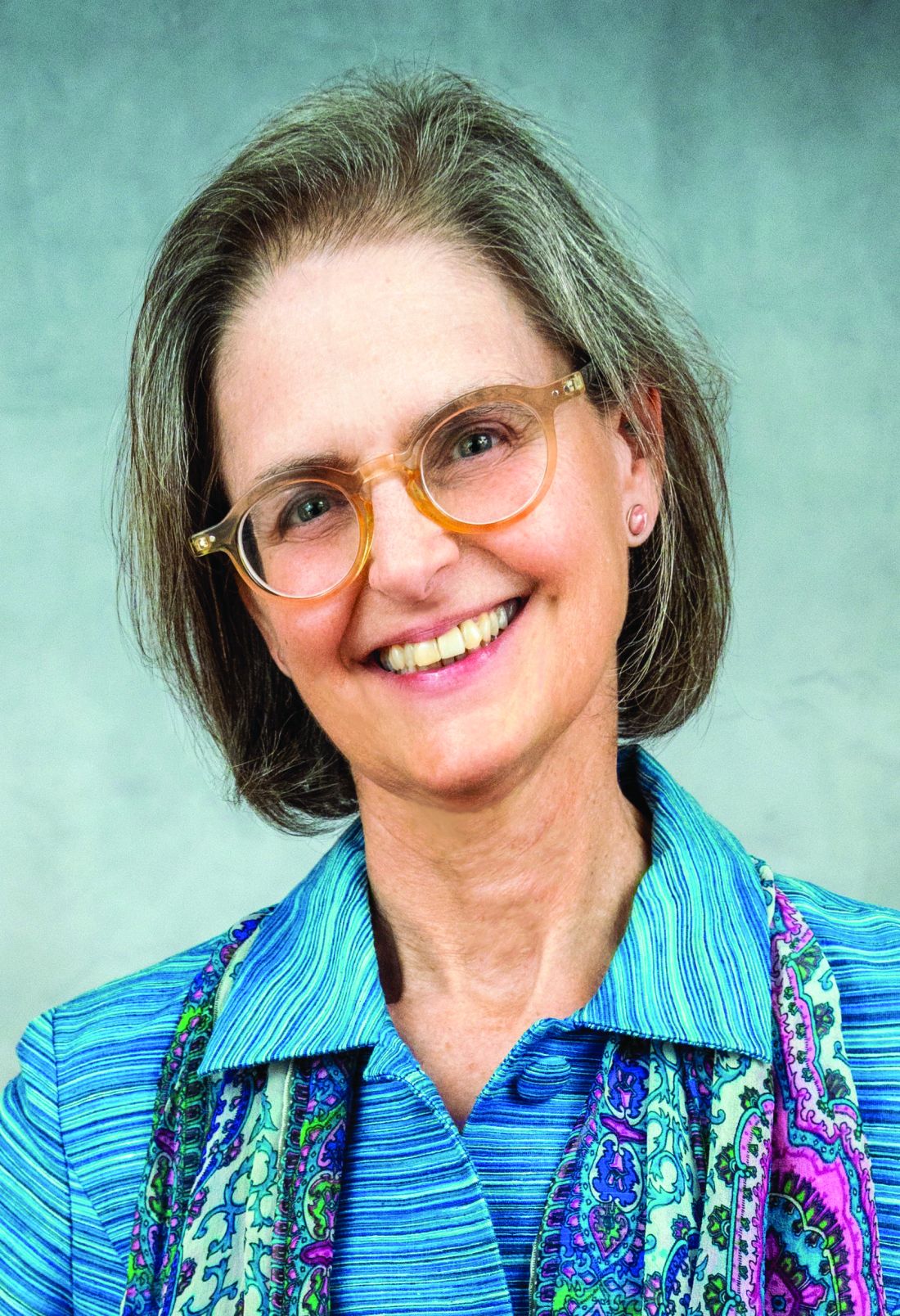
“This is an unprecedented approach to preventing a significant morbidity affecting boys with XLHED, and a potential model for in utero correction of genetic defects involving embryogenesis,” Elaine Siegfried, MD, professor of pediatrics and dermatology at Saint Louis University, said in an interview. Dr. Siegfried, who has served on the scientific advisory board of the National Foundation for Ectodermal Dysplasias since 1997, added that many years of effort “has finally yielded sufficient funding and identified an international network of experts to support this ambitious trial. We are now seeking participation of the most important collaborators: mothers willing to help establish safety and efficacy of this approach.”
Mary Fete, MSN, RN, executive director of the NFED, said that the EDELIFE clinical trial “provides enormous hope for our families affected by XLHED. It’s extraordinary to think that the baby boys affected by XLHED who have received ER004 are sweating normally and have other improved symptoms. The NFED is proud to have begun and fostered the research for 30-plus years that developed ER004.”
Dr. Siegfried is a member of the independent data monitoring committee for the EDELIFE trial.
Clinicians treating affected families or potentially eligible subjects are encouraged to contact the trial investigators at this link.
A multicenter, international phase 2 trial known as EDELIFE is underway to investigate the safety and efficacy of an in utero treatment for developing males with X-linked hypohidrotic ectodermal dysplasia (XLHED).
This condition is caused by mutations in the gene coding for ectodysplasin A (EDA), a protein that signals the epithelial-mesenchymal transition during embryogenesis. EDA loss or dysfunction precludes binding to its endogenous EDA1 receptor (EDAR), and downstream development of teeth, hair, nails, and skin adnexae, most notably eccrine glands.
The treatment, ER004, is a first-in-class signaling protein EDA replacement molecule now under investigation by the EspeRare Foundation, with support from the Pierre Fabre Foundation. The pioneering clinical trial is evaluating the delivery of ER004 protein replacement in utero to affected fetuses, allowing antenatal binding to the EDAR. According to the EDELIFE web site, when ER004 is administered to XLHED-affected males in utero, it “should act as a replacement for the missing EDA and trigger the process that leads to the normal development of a baby’s skin, teeth, hair, and sweat glands, leading to better formation of these structures.”
The protein is delivered into the amniotic fluid via a needle and syringe under ultrasound guidance. In a report on this treatment used in a pair of affected twins and a third XLHED-affected male published in 2018, the authors reported that the three babies were able to sweat normally after birth, “and XLHED-related illness had not developed by 14-22 months of age.”
The goal of the prospective, open-label, genotype match–controlled EDELIFE trial is to confirm the efficacy and safety results for ER004 in a larger group of boys, and to determine if it can lead to robust, and long-lasting improvement in XLHED-associated defects.
In the United States, the first pregnant woman to join the study received the treatment in February 2023 at Washington University in St. Louis. Other clinical sites are located in France, Germany, Italy, Spain, and the United Kingdom. Led by principal investigator Holm Schneider, MD, of the University Erlanger-Nurnberg (Germany), researchers are seeking to enroll mothers aged 18 years and older who are genetically confirmed carriers of the XLHED mutation and pregnant with a boy or considering pregnancy. The control group will include XLHED-affected males, 6 months to 60 years old, who are blood relatives of the pregnant woman participating in the study.
“This is an unprecedented approach to preventing a significant morbidity affecting boys with XLHED, and a potential model for in utero correction of genetic defects involving embryogenesis,” Elaine Siegfried, MD, professor of pediatrics and dermatology at Saint Louis University, said in an interview. Dr. Siegfried, who has served on the scientific advisory board of the National Foundation for Ectodermal Dysplasias since 1997, added that many years of effort “has finally yielded sufficient funding and identified an international network of experts to support this ambitious trial. We are now seeking participation of the most important collaborators: mothers willing to help establish safety and efficacy of this approach.”
Mary Fete, MSN, RN, executive director of the NFED, said that the EDELIFE clinical trial “provides enormous hope for our families affected by XLHED. It’s extraordinary to think that the baby boys affected by XLHED who have received ER004 are sweating normally and have other improved symptoms. The NFED is proud to have begun and fostered the research for 30-plus years that developed ER004.”
Dr. Siegfried is a member of the independent data monitoring committee for the EDELIFE trial.
Clinicians treating affected families or potentially eligible subjects are encouraged to contact the trial investigators at this link.
A multicenter, international phase 2 trial known as EDELIFE is underway to investigate the safety and efficacy of an in utero treatment for developing males with X-linked hypohidrotic ectodermal dysplasia (XLHED).
This condition is caused by mutations in the gene coding for ectodysplasin A (EDA), a protein that signals the epithelial-mesenchymal transition during embryogenesis. EDA loss or dysfunction precludes binding to its endogenous EDA1 receptor (EDAR), and downstream development of teeth, hair, nails, and skin adnexae, most notably eccrine glands.
The treatment, ER004, is a first-in-class signaling protein EDA replacement molecule now under investigation by the EspeRare Foundation, with support from the Pierre Fabre Foundation. The pioneering clinical trial is evaluating the delivery of ER004 protein replacement in utero to affected fetuses, allowing antenatal binding to the EDAR. According to the EDELIFE web site, when ER004 is administered to XLHED-affected males in utero, it “should act as a replacement for the missing EDA and trigger the process that leads to the normal development of a baby’s skin, teeth, hair, and sweat glands, leading to better formation of these structures.”
The protein is delivered into the amniotic fluid via a needle and syringe under ultrasound guidance. In a report on this treatment used in a pair of affected twins and a third XLHED-affected male published in 2018, the authors reported that the three babies were able to sweat normally after birth, “and XLHED-related illness had not developed by 14-22 months of age.”
The goal of the prospective, open-label, genotype match–controlled EDELIFE trial is to confirm the efficacy and safety results for ER004 in a larger group of boys, and to determine if it can lead to robust, and long-lasting improvement in XLHED-associated defects.
In the United States, the first pregnant woman to join the study received the treatment in February 2023 at Washington University in St. Louis. Other clinical sites are located in France, Germany, Italy, Spain, and the United Kingdom. Led by principal investigator Holm Schneider, MD, of the University Erlanger-Nurnberg (Germany), researchers are seeking to enroll mothers aged 18 years and older who are genetically confirmed carriers of the XLHED mutation and pregnant with a boy or considering pregnancy. The control group will include XLHED-affected males, 6 months to 60 years old, who are blood relatives of the pregnant woman participating in the study.
“This is an unprecedented approach to preventing a significant morbidity affecting boys with XLHED, and a potential model for in utero correction of genetic defects involving embryogenesis,” Elaine Siegfried, MD, professor of pediatrics and dermatology at Saint Louis University, said in an interview. Dr. Siegfried, who has served on the scientific advisory board of the National Foundation for Ectodermal Dysplasias since 1997, added that many years of effort “has finally yielded sufficient funding and identified an international network of experts to support this ambitious trial. We are now seeking participation of the most important collaborators: mothers willing to help establish safety and efficacy of this approach.”
Mary Fete, MSN, RN, executive director of the NFED, said that the EDELIFE clinical trial “provides enormous hope for our families affected by XLHED. It’s extraordinary to think that the baby boys affected by XLHED who have received ER004 are sweating normally and have other improved symptoms. The NFED is proud to have begun and fostered the research for 30-plus years that developed ER004.”
Dr. Siegfried is a member of the independent data monitoring committee for the EDELIFE trial.
Clinicians treating affected families or potentially eligible subjects are encouraged to contact the trial investigators at this link.