User login
Carol Bernstein Part II

Telemedicine not widely used
Also today, you ought to be judicious with empiric antibiotics for febrile neutropenia, home-based exercise is better than supervised treadmill exercise for peripheral arterial disease, and brain injury in sickle cell merits more attention.
Amazon Alexa
Apple Podcasts
Google Podcasts
Spotify
Also today, you ought to be judicious with empiric antibiotics for febrile neutropenia, home-based exercise is better than supervised treadmill exercise for peripheral arterial disease, and brain injury in sickle cell merits more attention.
Amazon Alexa
Apple Podcasts
Google Podcasts
Spotify
Also today, you ought to be judicious with empiric antibiotics for febrile neutropenia, home-based exercise is better than supervised treadmill exercise for peripheral arterial disease, and brain injury in sickle cell merits more attention.
Amazon Alexa
Apple Podcasts
Google Podcasts
Spotify

Test proves accurate for sickle cell screening

SAN DIEGO—An inexpensive, rapid, and easy-to-use blood test accurately detected sickle cell disease in young children in Uganda, according to a speaker at the 2018 ASH Annual Meeting.
The test, called HemoTypeSC, uses monoclonal antibodies to detect hemoglobins A, S, and C in a drop of whole blood.
HemoTypeSC costs less than $2 to the end user and delivers results in about 10 minutes.
“This is ideal for use in resource-constrained regions of high prevalence, such as Africa and central India,” said Erik Serrao, PhD, of Silver Lake Research in Azusa, California.
“Early screening plus treatment plus counseling equals saving millions of lives over the coming decades, and we believe HemoTypeSC can form an integral part of the initial part of this equation.”
Dr. Serrao reported results from a study of HemoTypeSC during the late-breaking abstracts session at ASH (abstract LBA-3).
He and his colleagues compared results with the HemoTypeSC test to results with hemoglobin electrophoresis for detection of the phenotypes HbAA (normal), HbAS (sickle cell trait), and HbSS (sickle cell disease).
The investigators compared these two testing methods in 1,000 children between the ages of 1 month and 5 years who were prospectively recruited from hospital wards and outpatient clinics in Uganda.
Results
The initial analysis suggested HemoTypeSC had an overall accuracy of 99.8%, correctly identifying 998 of 1,000 phenotypes as initially determined by electrophoresis.
HemoTypeSC correctly identified 100% of the 720 HbAA specimens and 100% of 182 HbAS specimens.
HemoTypeSC identified as HbSS 98% (96/98) of specimens that were identified as HbSS by electrophoresis. This left two discordant samples, both of which HemoTypeSC identified as HbAS.
Investigators subsequently discovered that both individuals with the discordant samples had previously been diagnosed with sickle cell disease and had received recent transfusions with HbAA blood.
“Therefore, the true phenotype at the time of testing for these samples was HbAS, as hemoglobin A and S were both in the blood,” Dr. Serrao said.
This brought the accuracy rate of HemoTypeSC up to 100%.
Dr. Serrao noted that this study excluded newborns. However, a different study of HemoTypeSC, recently published in the American Journal of Hematology, demonstrated 100% accuracy across multiple phenotypes in the setting of newborn screening.
Implications
Of all the late-breaking abstracts at ASH this year, the study by Dr. Serrao and his colleagues is the one with the potential to save the most lives, according to Mark Crowther, MD, of McMaster University in Hamilton, Ontario, Canada.
He said using current gold-standard methods for diagnosing sickle cell disease is, at minimum, challenging and “frankly impossible” in many low-resource settings because of the cost and the requirement for sophisticated equipment and reliable electricity.
However, he believes HemoTypeSC could change that.
“The ability to diagnose sickle cell disease early and intervene early will result in potentially thousands of infants, who would otherwise die in infancy or early childhood, surviving into adulthood,” Dr. Crowther said.
Dr. Serrao noted that sickle cell disease screening programs have been projected to be cost-effective in Africa. Such programs could even save money for governments over time as budgets are reallocated toward screening, with less money needed for treatment of patients presenting with severe complications in hospitals.
Dr. Serrao reported that he is an employee of Silver Lake Research, which funded this study, approved the study design, and donated HemoTypeSC tests.
SAN DIEGO—An inexpensive, rapid, and easy-to-use blood test accurately detected sickle cell disease in young children in Uganda, according to a speaker at the 2018 ASH Annual Meeting.
The test, called HemoTypeSC, uses monoclonal antibodies to detect hemoglobins A, S, and C in a drop of whole blood.
HemoTypeSC costs less than $2 to the end user and delivers results in about 10 minutes.
“This is ideal for use in resource-constrained regions of high prevalence, such as Africa and central India,” said Erik Serrao, PhD, of Silver Lake Research in Azusa, California.
“Early screening plus treatment plus counseling equals saving millions of lives over the coming decades, and we believe HemoTypeSC can form an integral part of the initial part of this equation.”
Dr. Serrao reported results from a study of HemoTypeSC during the late-breaking abstracts session at ASH (abstract LBA-3).
He and his colleagues compared results with the HemoTypeSC test to results with hemoglobin electrophoresis for detection of the phenotypes HbAA (normal), HbAS (sickle cell trait), and HbSS (sickle cell disease).
The investigators compared these two testing methods in 1,000 children between the ages of 1 month and 5 years who were prospectively recruited from hospital wards and outpatient clinics in Uganda.
Results
The initial analysis suggested HemoTypeSC had an overall accuracy of 99.8%, correctly identifying 998 of 1,000 phenotypes as initially determined by electrophoresis.
HemoTypeSC correctly identified 100% of the 720 HbAA specimens and 100% of 182 HbAS specimens.
HemoTypeSC identified as HbSS 98% (96/98) of specimens that were identified as HbSS by electrophoresis. This left two discordant samples, both of which HemoTypeSC identified as HbAS.
Investigators subsequently discovered that both individuals with the discordant samples had previously been diagnosed with sickle cell disease and had received recent transfusions with HbAA blood.
“Therefore, the true phenotype at the time of testing for these samples was HbAS, as hemoglobin A and S were both in the blood,” Dr. Serrao said.
This brought the accuracy rate of HemoTypeSC up to 100%.
Dr. Serrao noted that this study excluded newborns. However, a different study of HemoTypeSC, recently published in the American Journal of Hematology, demonstrated 100% accuracy across multiple phenotypes in the setting of newborn screening.
Implications
Of all the late-breaking abstracts at ASH this year, the study by Dr. Serrao and his colleagues is the one with the potential to save the most lives, according to Mark Crowther, MD, of McMaster University in Hamilton, Ontario, Canada.
He said using current gold-standard methods for diagnosing sickle cell disease is, at minimum, challenging and “frankly impossible” in many low-resource settings because of the cost and the requirement for sophisticated equipment and reliable electricity.
However, he believes HemoTypeSC could change that.
“The ability to diagnose sickle cell disease early and intervene early will result in potentially thousands of infants, who would otherwise die in infancy or early childhood, surviving into adulthood,” Dr. Crowther said.
Dr. Serrao noted that sickle cell disease screening programs have been projected to be cost-effective in Africa. Such programs could even save money for governments over time as budgets are reallocated toward screening, with less money needed for treatment of patients presenting with severe complications in hospitals.
Dr. Serrao reported that he is an employee of Silver Lake Research, which funded this study, approved the study design, and donated HemoTypeSC tests.
SAN DIEGO—An inexpensive, rapid, and easy-to-use blood test accurately detected sickle cell disease in young children in Uganda, according to a speaker at the 2018 ASH Annual Meeting.
The test, called HemoTypeSC, uses monoclonal antibodies to detect hemoglobins A, S, and C in a drop of whole blood.
HemoTypeSC costs less than $2 to the end user and delivers results in about 10 minutes.
“This is ideal for use in resource-constrained regions of high prevalence, such as Africa and central India,” said Erik Serrao, PhD, of Silver Lake Research in Azusa, California.
“Early screening plus treatment plus counseling equals saving millions of lives over the coming decades, and we believe HemoTypeSC can form an integral part of the initial part of this equation.”
Dr. Serrao reported results from a study of HemoTypeSC during the late-breaking abstracts session at ASH (abstract LBA-3).
He and his colleagues compared results with the HemoTypeSC test to results with hemoglobin electrophoresis for detection of the phenotypes HbAA (normal), HbAS (sickle cell trait), and HbSS (sickle cell disease).
The investigators compared these two testing methods in 1,000 children between the ages of 1 month and 5 years who were prospectively recruited from hospital wards and outpatient clinics in Uganda.
Results
The initial analysis suggested HemoTypeSC had an overall accuracy of 99.8%, correctly identifying 998 of 1,000 phenotypes as initially determined by electrophoresis.
HemoTypeSC correctly identified 100% of the 720 HbAA specimens and 100% of 182 HbAS specimens.
HemoTypeSC identified as HbSS 98% (96/98) of specimens that were identified as HbSS by electrophoresis. This left two discordant samples, both of which HemoTypeSC identified as HbAS.
Investigators subsequently discovered that both individuals with the discordant samples had previously been diagnosed with sickle cell disease and had received recent transfusions with HbAA blood.
“Therefore, the true phenotype at the time of testing for these samples was HbAS, as hemoglobin A and S were both in the blood,” Dr. Serrao said.
This brought the accuracy rate of HemoTypeSC up to 100%.
Dr. Serrao noted that this study excluded newborns. However, a different study of HemoTypeSC, recently published in the American Journal of Hematology, demonstrated 100% accuracy across multiple phenotypes in the setting of newborn screening.
Implications
Of all the late-breaking abstracts at ASH this year, the study by Dr. Serrao and his colleagues is the one with the potential to save the most lives, according to Mark Crowther, MD, of McMaster University in Hamilton, Ontario, Canada.
He said using current gold-standard methods for diagnosing sickle cell disease is, at minimum, challenging and “frankly impossible” in many low-resource settings because of the cost and the requirement for sophisticated equipment and reliable electricity.
However, he believes HemoTypeSC could change that.
“The ability to diagnose sickle cell disease early and intervene early will result in potentially thousands of infants, who would otherwise die in infancy or early childhood, surviving into adulthood,” Dr. Crowther said.
Dr. Serrao noted that sickle cell disease screening programs have been projected to be cost-effective in Africa. Such programs could even save money for governments over time as budgets are reallocated toward screening, with less money needed for treatment of patients presenting with severe complications in hospitals.
Dr. Serrao reported that he is an employee of Silver Lake Research, which funded this study, approved the study design, and donated HemoTypeSC tests.

ACS Academy of Master Surgeon Educators admits inaugural class of members
A total of 91 surgeons from seven countries comprised the inaugural class of esteemed surgeon educators who were admitted into the new American College of Surgeons (ACS) Academy of Master Surgeon Educators™ as Members or Associate Members. The Academy’s inaugural induction ceremony occurred on October 3 at the John B. Murphy Memorial Auditorium in Chicago, IL. Academy Members and Associate Members in attendance were publicly recognized at the annual Convocation Sunday, October 21, at the ACS Clinical Congress 2018 in Boston, MA.
Developed under the auspices of the ACS Division of Education, the Academy recognizes surgeon educators who have devoted their careers to surgical education. Individuals are selected as Members or Associate Members following stringent peer review. The Academy’s mission is to play a leadership role in advancing the science and practice of education across all surgical specialties, promoting the highest achievements in the lifetimes of surgeons. Academy membership carries an obligation for commitment to the Academy’s goals, which are to identify, recognize, and recruit innovators and thought leaders committed to advancing lifelong surgical education; translate innovation into actions; offer mentorship to surgeon educators; foster exchange of creative ideas; disseminate advances in surgical education; and positively impact the quality of surgical care and patient safety.
In addition to supporting the mission and goals of the Academy, members must actively participate in Academy programs and activities. “To start, small groups of Members and Associate Members will be assembled to work on addressing these goals. We also plan to publish an annual publication, Proceedings of the American College of Surgeons Academy of Master Surgeon Educators, which will be launched in late 2019,” said Ajit K. Sachdeva, MD, FACS, FRCSC, FSACME, Director of the ACS Division of Education and Co-Chair of the Steering Committee of the Academy.
“With highest quality patient care through education being the paramount theme of the American College of Surgeons, the establishment of the Academy of Master Surgeon Educators is an important new chapter for the ACS, the world’s largest organization for surgeons,” explained L.D. Britt, MD, MPH, DSc(Hon), FACS, FCCM, FRCSEng(Hon), FRCSEd(Hon), FWACS(Hon), FRCSI(Hon), FCS(SA)(Hon), FRCSGlasg(Hon), Past-President of the ACS and Co-Chair of the Steering Committee of the Academy.
A complete list of selected Members and Associate Members is available at www.facs.org/education/academy/2018selection.
A total of 91 surgeons from seven countries comprised the inaugural class of esteemed surgeon educators who were admitted into the new American College of Surgeons (ACS) Academy of Master Surgeon Educators™ as Members or Associate Members. The Academy’s inaugural induction ceremony occurred on October 3 at the John B. Murphy Memorial Auditorium in Chicago, IL. Academy Members and Associate Members in attendance were publicly recognized at the annual Convocation Sunday, October 21, at the ACS Clinical Congress 2018 in Boston, MA.
Developed under the auspices of the ACS Division of Education, the Academy recognizes surgeon educators who have devoted their careers to surgical education. Individuals are selected as Members or Associate Members following stringent peer review. The Academy’s mission is to play a leadership role in advancing the science and practice of education across all surgical specialties, promoting the highest achievements in the lifetimes of surgeons. Academy membership carries an obligation for commitment to the Academy’s goals, which are to identify, recognize, and recruit innovators and thought leaders committed to advancing lifelong surgical education; translate innovation into actions; offer mentorship to surgeon educators; foster exchange of creative ideas; disseminate advances in surgical education; and positively impact the quality of surgical care and patient safety.
In addition to supporting the mission and goals of the Academy, members must actively participate in Academy programs and activities. “To start, small groups of Members and Associate Members will be assembled to work on addressing these goals. We also plan to publish an annual publication, Proceedings of the American College of Surgeons Academy of Master Surgeon Educators, which will be launched in late 2019,” said Ajit K. Sachdeva, MD, FACS, FRCSC, FSACME, Director of the ACS Division of Education and Co-Chair of the Steering Committee of the Academy.
“With highest quality patient care through education being the paramount theme of the American College of Surgeons, the establishment of the Academy of Master Surgeon Educators is an important new chapter for the ACS, the world’s largest organization for surgeons,” explained L.D. Britt, MD, MPH, DSc(Hon), FACS, FCCM, FRCSEng(Hon), FRCSEd(Hon), FWACS(Hon), FRCSI(Hon), FCS(SA)(Hon), FRCSGlasg(Hon), Past-President of the ACS and Co-Chair of the Steering Committee of the Academy.
A complete list of selected Members and Associate Members is available at www.facs.org/education/academy/2018selection.
A total of 91 surgeons from seven countries comprised the inaugural class of esteemed surgeon educators who were admitted into the new American College of Surgeons (ACS) Academy of Master Surgeon Educators™ as Members or Associate Members. The Academy’s inaugural induction ceremony occurred on October 3 at the John B. Murphy Memorial Auditorium in Chicago, IL. Academy Members and Associate Members in attendance were publicly recognized at the annual Convocation Sunday, October 21, at the ACS Clinical Congress 2018 in Boston, MA.
Developed under the auspices of the ACS Division of Education, the Academy recognizes surgeon educators who have devoted their careers to surgical education. Individuals are selected as Members or Associate Members following stringent peer review. The Academy’s mission is to play a leadership role in advancing the science and practice of education across all surgical specialties, promoting the highest achievements in the lifetimes of surgeons. Academy membership carries an obligation for commitment to the Academy’s goals, which are to identify, recognize, and recruit innovators and thought leaders committed to advancing lifelong surgical education; translate innovation into actions; offer mentorship to surgeon educators; foster exchange of creative ideas; disseminate advances in surgical education; and positively impact the quality of surgical care and patient safety.
In addition to supporting the mission and goals of the Academy, members must actively participate in Academy programs and activities. “To start, small groups of Members and Associate Members will be assembled to work on addressing these goals. We also plan to publish an annual publication, Proceedings of the American College of Surgeons Academy of Master Surgeon Educators, which will be launched in late 2019,” said Ajit K. Sachdeva, MD, FACS, FRCSC, FSACME, Director of the ACS Division of Education and Co-Chair of the Steering Committee of the Academy.
“With highest quality patient care through education being the paramount theme of the American College of Surgeons, the establishment of the Academy of Master Surgeon Educators is an important new chapter for the ACS, the world’s largest organization for surgeons,” explained L.D. Britt, MD, MPH, DSc(Hon), FACS, FCCM, FRCSEng(Hon), FRCSEd(Hon), FWACS(Hon), FRCSI(Hon), FCS(SA)(Hon), FRCSGlasg(Hon), Past-President of the ACS and Co-Chair of the Steering Committee of the Academy.
A complete list of selected Members and Associate Members is available at www.facs.org/education/academy/2018selection.
Letter to the Editor: Strengthening the relationships between transferring and accepting surgeons
“Nobody is happy when a patient needs to be transferred.” As the general surgery group who receives requests for transfer of patients to our tertiary care hospital, we understand and sympathize with many of the issues raised in Dr. Puls’ article (“Rural Surgery – A view from the front lines” ‘I need to transfer this patient,” ACS Surgery News, September 2018, p. 7).
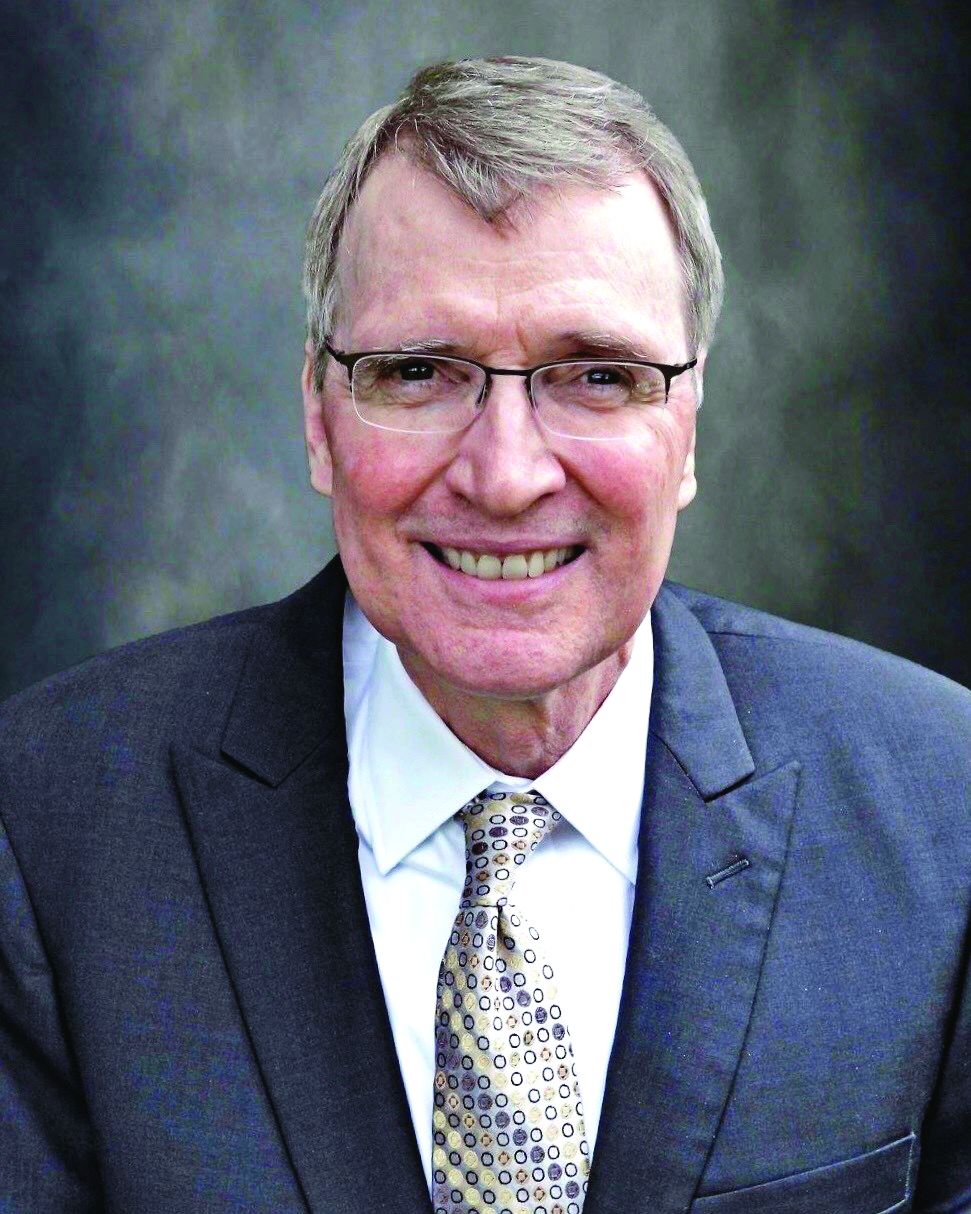
There is no doubt that sometimes patients benefit from support only available at a tertiary care center. The need can be for subspeciality surgical expertise, but many times it is driven by other available hospital-level support (critical care, interventional radiology, etc.).
Transfers are time consuming for physicians on both ends – while referring physicians have the responsibility of reaching out, accepting physicians have the responsibility of timely response to a request, regardless of other demands on their time and attention. We agree wholeheartedly with Dr. Puls’s argument that the phone call process “should not be delegated to the hospitalist or anyone else.” The benefit of speaking directly to the surgeon who has personally evaluated the patient cannot be overemphasized. When referrals for surgical care are initiated by the hospitalist or emergency department physician caring for a patient, there is almost always a lack of clarity around the surgical history, reason for transfer, and ongoing needs of the patient. It is our practice to request to speak to the surgeon who has evaluated and cared for the patient so we can fully understand the clinical course. It is the rare, typically life-threatening, situation in which we transfer patients without this crucial conversation.
Another crucial conversation, one in which the receiving physicians have room for improvement, is that of closing the loop after transfer. Dr. Puls recommended that there be periodic communication between the referring physician and the accepting physician, as well as closing the loop at the time the patient is discharged. There is a lack of “best practice” and infrastructure to support this work in many institutions, including ours, in part complicated by the variable EHRs utilized by individual hospitals. We believe the burden of this communication is shared by both parties and critical to optimal patient outcomes. At our hospital, we are currently working on standardizing this process and hope it will continue to strengthen the relationships we are building with our community surgeons.
At the end of the day, referring physicians and accepting physicians should function as team members with a shared goal – to always provide excellent surgical care to patients, by optimally matching patient needs with appropriate resources. or this reason, we disagree with Dr. Puls’ statement that “accepting physicians at larger hospitals should be treated like gold.” The work of “networking” should not be placed solely on the shoulders of rural surgeons. We believe it is best practice for the tertiary care hospital team to visit their community hospitals to better understand their resources, rather than the other way around. The Atrium Health National Surgical Quality Improvement Program Collaborative has been a valuable platform for making these connections for hospitals within our system and provides infrastructure for ongoing collaboration. Surgeons at tertiary care centers should also make themselves available for phone consultation for the complicated patient for whom a surgeon may simply need a second opinion. Not all “transfer calls” result in a transfer, and if both parties agree that the patient can continue to receive the same care at the local hospital that is often in his or her best interest.
Strengthening relationships with our community surgeons will allow surgeons at tertiary care centers to partner with them to optimally match patient needs to available resources. We truly appreciate our referring surgeons and thank them for the incredible work they do in serving our communities. Without their care on the front lines, we would not be able to provide the complex care and support to patients who need it most.
I very much appreciate the comments made by Drs. Reinke, Matthews, Paton, and Schiffern of the Carolinas Medical Center, Atrium Health, regarding my commentary on a rural surgeon’s take on transferring patients. They have provided the important perspective of the surgeon at a tertiary care center accepting a transferred patient. They also point out some of the important responsibilities that accepting surgeons have regarding the patient transfer process. If all tertiary facilities had the philosophy described by Drs. Reinke, Matthews, Paton, and Schiffern regarding patient transfers, many more patients would benefit
I agree that more easily arranged phone consultations between a rural surgeon and a tertiary surgeon regarding the need for a potential patient transfer would be helpful. Sometimes the simple reassurance from a tertiary care surgeon that the rural surgeon is doing the right thing, and the comfort the patient and his/her family derives from knowing that their surgeon has spoken with a surgeon at a tertiary care center, can be enough to prevent the need for an immediate transfer.
I also agree that “closing the loop” after a transfer is an important responsibility of both the transferring surgeon and the accepting surgeon. This is difficult partly because everyone is busy, but also because of factors such as the incompatibility of EHRs. Perhaps if part of the transfer process involved the transferring surgeon and accepting surgeon exchanging cell phone numbers and email addresses, then a quick phone call, text, or email every couple of days could help to “close the loop.
I accept their mild criticism of my statement that “accepting physicians at larger hospitals should be treated like gold” since they really are saying that there is a shared responsibility between tertiary care surgeons and rural surgeons to develop relationships that allow for the optimal care of transferred patients. I couldn’t agree more with their statement that “referring physicians and accepting physicians should function as team members with a shared goal – to always provide excellent surgical care to patients.” When we do this, we are treating the patient like gold, which is our ultimate objective.
Mark Puls, MD, FACS, is a general surgeon in Alpena, Mich. He serves as vice chair of the ACS Advisory Council for Rural Surgery. octor’s Name and Bio
I very much appreciate the comments made by Drs. Reinke, Matthews, Paton, and Schiffern of the Carolinas Medical Center, Atrium Health, regarding my commentary on a rural surgeon’s take on transferring patients. They have provided the important perspective of the surgeon at a tertiary care center accepting a transferred patient. They also point out some of the important responsibilities that accepting surgeons have regarding the patient transfer process. If all tertiary facilities had the philosophy described by Drs. Reinke, Matthews, Paton, and Schiffern regarding patient transfers, many more patients would benefit
I agree that more easily arranged phone consultations between a rural surgeon and a tertiary surgeon regarding the need for a potential patient transfer would be helpful. Sometimes the simple reassurance from a tertiary care surgeon that the rural surgeon is doing the right thing, and the comfort the patient and his/her family derives from knowing that their surgeon has spoken with a surgeon at a tertiary care center, can be enough to prevent the need for an immediate transfer.
I also agree that “closing the loop” after a transfer is an important responsibility of both the transferring surgeon and the accepting surgeon. This is difficult partly because everyone is busy, but also because of factors such as the incompatibility of EHRs. Perhaps if part of the transfer process involved the transferring surgeon and accepting surgeon exchanging cell phone numbers and email addresses, then a quick phone call, text, or email every couple of days could help to “close the loop.
I accept their mild criticism of my statement that “accepting physicians at larger hospitals should be treated like gold” since they really are saying that there is a shared responsibility between tertiary care surgeons and rural surgeons to develop relationships that allow for the optimal care of transferred patients. I couldn’t agree more with their statement that “referring physicians and accepting physicians should function as team members with a shared goal – to always provide excellent surgical care to patients.” When we do this, we are treating the patient like gold, which is our ultimate objective.
Mark Puls, MD, FACS, is a general surgeon in Alpena, Mich. He serves as vice chair of the ACS Advisory Council for Rural Surgery. octor’s Name and Bio
I very much appreciate the comments made by Drs. Reinke, Matthews, Paton, and Schiffern of the Carolinas Medical Center, Atrium Health, regarding my commentary on a rural surgeon’s take on transferring patients. They have provided the important perspective of the surgeon at a tertiary care center accepting a transferred patient. They also point out some of the important responsibilities that accepting surgeons have regarding the patient transfer process. If all tertiary facilities had the philosophy described by Drs. Reinke, Matthews, Paton, and Schiffern regarding patient transfers, many more patients would benefit
I agree that more easily arranged phone consultations between a rural surgeon and a tertiary surgeon regarding the need for a potential patient transfer would be helpful. Sometimes the simple reassurance from a tertiary care surgeon that the rural surgeon is doing the right thing, and the comfort the patient and his/her family derives from knowing that their surgeon has spoken with a surgeon at a tertiary care center, can be enough to prevent the need for an immediate transfer.
I also agree that “closing the loop” after a transfer is an important responsibility of both the transferring surgeon and the accepting surgeon. This is difficult partly because everyone is busy, but also because of factors such as the incompatibility of EHRs. Perhaps if part of the transfer process involved the transferring surgeon and accepting surgeon exchanging cell phone numbers and email addresses, then a quick phone call, text, or email every couple of days could help to “close the loop.
I accept their mild criticism of my statement that “accepting physicians at larger hospitals should be treated like gold” since they really are saying that there is a shared responsibility between tertiary care surgeons and rural surgeons to develop relationships that allow for the optimal care of transferred patients. I couldn’t agree more with their statement that “referring physicians and accepting physicians should function as team members with a shared goal – to always provide excellent surgical care to patients.” When we do this, we are treating the patient like gold, which is our ultimate objective.
Mark Puls, MD, FACS, is a general surgeon in Alpena, Mich. He serves as vice chair of the ACS Advisory Council for Rural Surgery. octor’s Name and Bio
“Nobody is happy when a patient needs to be transferred.” As the general surgery group who receives requests for transfer of patients to our tertiary care hospital, we understand and sympathize with many of the issues raised in Dr. Puls’ article (“Rural Surgery – A view from the front lines” ‘I need to transfer this patient,” ACS Surgery News, September 2018, p. 7).
There is no doubt that sometimes patients benefit from support only available at a tertiary care center. The need can be for subspeciality surgical expertise, but many times it is driven by other available hospital-level support (critical care, interventional radiology, etc.).
Transfers are time consuming for physicians on both ends – while referring physicians have the responsibility of reaching out, accepting physicians have the responsibility of timely response to a request, regardless of other demands on their time and attention. We agree wholeheartedly with Dr. Puls’s argument that the phone call process “should not be delegated to the hospitalist or anyone else.” The benefit of speaking directly to the surgeon who has personally evaluated the patient cannot be overemphasized. When referrals for surgical care are initiated by the hospitalist or emergency department physician caring for a patient, there is almost always a lack of clarity around the surgical history, reason for transfer, and ongoing needs of the patient. It is our practice to request to speak to the surgeon who has evaluated and cared for the patient so we can fully understand the clinical course. It is the rare, typically life-threatening, situation in which we transfer patients without this crucial conversation.
Another crucial conversation, one in which the receiving physicians have room for improvement, is that of closing the loop after transfer. Dr. Puls recommended that there be periodic communication between the referring physician and the accepting physician, as well as closing the loop at the time the patient is discharged. There is a lack of “best practice” and infrastructure to support this work in many institutions, including ours, in part complicated by the variable EHRs utilized by individual hospitals. We believe the burden of this communication is shared by both parties and critical to optimal patient outcomes. At our hospital, we are currently working on standardizing this process and hope it will continue to strengthen the relationships we are building with our community surgeons.
At the end of the day, referring physicians and accepting physicians should function as team members with a shared goal – to always provide excellent surgical care to patients, by optimally matching patient needs with appropriate resources. or this reason, we disagree with Dr. Puls’ statement that “accepting physicians at larger hospitals should be treated like gold.” The work of “networking” should not be placed solely on the shoulders of rural surgeons. We believe it is best practice for the tertiary care hospital team to visit their community hospitals to better understand their resources, rather than the other way around. The Atrium Health National Surgical Quality Improvement Program Collaborative has been a valuable platform for making these connections for hospitals within our system and provides infrastructure for ongoing collaboration. Surgeons at tertiary care centers should also make themselves available for phone consultation for the complicated patient for whom a surgeon may simply need a second opinion. Not all “transfer calls” result in a transfer, and if both parties agree that the patient can continue to receive the same care at the local hospital that is often in his or her best interest.
Strengthening relationships with our community surgeons will allow surgeons at tertiary care centers to partner with them to optimally match patient needs to available resources. We truly appreciate our referring surgeons and thank them for the incredible work they do in serving our communities. Without their care on the front lines, we would not be able to provide the complex care and support to patients who need it most.
“Nobody is happy when a patient needs to be transferred.” As the general surgery group who receives requests for transfer of patients to our tertiary care hospital, we understand and sympathize with many of the issues raised in Dr. Puls’ article (“Rural Surgery – A view from the front lines” ‘I need to transfer this patient,” ACS Surgery News, September 2018, p. 7).
There is no doubt that sometimes patients benefit from support only available at a tertiary care center. The need can be for subspeciality surgical expertise, but many times it is driven by other available hospital-level support (critical care, interventional radiology, etc.).
Transfers are time consuming for physicians on both ends – while referring physicians have the responsibility of reaching out, accepting physicians have the responsibility of timely response to a request, regardless of other demands on their time and attention. We agree wholeheartedly with Dr. Puls’s argument that the phone call process “should not be delegated to the hospitalist or anyone else.” The benefit of speaking directly to the surgeon who has personally evaluated the patient cannot be overemphasized. When referrals for surgical care are initiated by the hospitalist or emergency department physician caring for a patient, there is almost always a lack of clarity around the surgical history, reason for transfer, and ongoing needs of the patient. It is our practice to request to speak to the surgeon who has evaluated and cared for the patient so we can fully understand the clinical course. It is the rare, typically life-threatening, situation in which we transfer patients without this crucial conversation.
Another crucial conversation, one in which the receiving physicians have room for improvement, is that of closing the loop after transfer. Dr. Puls recommended that there be periodic communication between the referring physician and the accepting physician, as well as closing the loop at the time the patient is discharged. There is a lack of “best practice” and infrastructure to support this work in many institutions, including ours, in part complicated by the variable EHRs utilized by individual hospitals. We believe the burden of this communication is shared by both parties and critical to optimal patient outcomes. At our hospital, we are currently working on standardizing this process and hope it will continue to strengthen the relationships we are building with our community surgeons.
At the end of the day, referring physicians and accepting physicians should function as team members with a shared goal – to always provide excellent surgical care to patients, by optimally matching patient needs with appropriate resources. or this reason, we disagree with Dr. Puls’ statement that “accepting physicians at larger hospitals should be treated like gold.” The work of “networking” should not be placed solely on the shoulders of rural surgeons. We believe it is best practice for the tertiary care hospital team to visit their community hospitals to better understand their resources, rather than the other way around. The Atrium Health National Surgical Quality Improvement Program Collaborative has been a valuable platform for making these connections for hospitals within our system and provides infrastructure for ongoing collaboration. Surgeons at tertiary care centers should also make themselves available for phone consultation for the complicated patient for whom a surgeon may simply need a second opinion. Not all “transfer calls” result in a transfer, and if both parties agree that the patient can continue to receive the same care at the local hospital that is often in his or her best interest.
Strengthening relationships with our community surgeons will allow surgeons at tertiary care centers to partner with them to optimally match patient needs to available resources. We truly appreciate our referring surgeons and thank them for the incredible work they do in serving our communities. Without their care on the front lines, we would not be able to provide the complex care and support to patients who need it most.
The Right Choice? A New Chapter
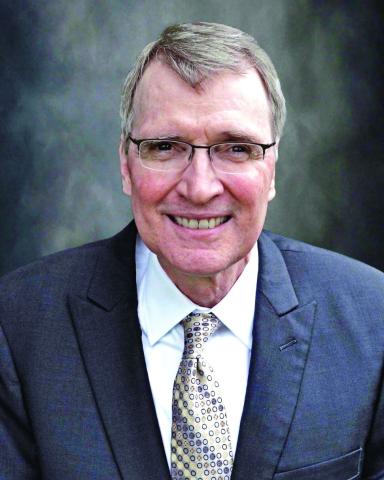
As I write this last installment of “The Right Choice?” for ACS Surgery News, a number of different emotions are going through my mind all at the same time. I am surprised at how quickly the time has passed since I wrote my first surgical ethics column for SN in 2011. In the 33 columns that I have written since then, I have tried to focus on aspects of surgical practice that emphasize the ethical dimension. I have tried to write columns that would be of interest to practicing surgeons in any setting and not only to academic surgeons that practice in urban environments such as I practice in. This is the last column and thus the end of a chapter of my life and the beginning of a new one.

Over the last 7 years, I have been flattered by the comments from fellow surgeons who report that they actually read the column. I have always said that I wrote this column with the expectation that no one would actually read them. I have to confess that this is not completely true. As I wrote each column, I did so as though I was writing them for my father to read. My father, S. Peter Angelos, MD, FACS, was a general surgeon who spent his entire career practicing in the town of Plattsburgh, N.Y., where he grew up. My father’s practice was very different from mine. I work at an urban academic medical center where I have a very narrow subspecialty practice in endocrine surgery. My father had a small-town community practice of “bread and butter” general surgery. Yet, when he and I would talk about patients, the commonality of the relationship between a surgeon and a patient transcended these differences. I realize that in many ways, I wrote this column as a way of organizing my own thoughts and then presenting them to my father in the hopes that he would find them of some value.
For several years, I would send drafts of my column to my parents, and both my father and mother would read them and give me suggestions. Many of the earlier columns were changed for the better by their comments. In recent years, my father’s health declined and he was no longer able to give me comments. Nevertheless, I continued to compose them as though writing for him. Approximately 6 weeks ago, my father passed away. It has been sad for my mother and my entire family. We all realized that it was the end of one chapter of our lives and the start of a new one without my father.
I find the concept of “beginning a new chapter” to be an important one for surgeons to reflect upon. There are certain events, such as the death of a parent, that force us to think about the end of one phase of life and the beginning of another phase. However, the division of one’s experience into phases or chapters, is somewhat arbitrary. This past summer I became a patient and had surgery myself for the first time. I cannot help but think of that operation as the start of a new chapter for me. I am convinced that although all patients may not reflect upon surgery in the same way that I did, nevertheless, an operation is a dramatic event that most people remember for a long time. In this context, many people will see their interactions with their surgeon and their operation as the end of one chapter and the beginning of a new one.
In this context, it is critical for surgeons to be fully cognizant of the great impact that we may have on our patient’s internal narratives of their lives. When we operate on someone, we run the risk of that person’s functional status changing forever. We may be the means by which our patient is cured of cancer or suffers a debilitating complication. As surgeons, we therefore, occupy a potentially significant role in the trajectory of our patients’ lives. I believe that the relationship between a surgeon and a patient is distinctive and central in the narrative that so many patients create about their lives. It is essential that surgeons continue to appreciate the value of the quality of that relationship with our patients and the impact—potentially positive or negative—that it can have upon our patients.
Throughout medicine, in general, and in surgery in particular, one cannot go a week without hearing about the problem of burnout. Although there is no single cure for burnout, I do believe that paying attention to the ethical dimension of our interactions with our patients and the impact that surgery can have on their lives will go a long way to reducing the risks of burnout among surgeons.
In an era in which we are often pushed to increase RVUs at the expense of spending time with individual patients, we must not forget how significant our relationships with our patients can be. I believe that attention to this relationship will be beneficial to patients and also to us as we help our patients start new chapters in their lives.
Dr. Angelos is the Linda Kohler Anderson Professor of Surgery and Surgical Ethics, chief of endocrine surgery, and associate director of the MacLean Center for Clinical Medical Ethics at the University of Chicago.
As I write this last installment of “The Right Choice?” for ACS Surgery News, a number of different emotions are going through my mind all at the same time. I am surprised at how quickly the time has passed since I wrote my first surgical ethics column for SN in 2011. In the 33 columns that I have written since then, I have tried to focus on aspects of surgical practice that emphasize the ethical dimension. I have tried to write columns that would be of interest to practicing surgeons in any setting and not only to academic surgeons that practice in urban environments such as I practice in. This is the last column and thus the end of a chapter of my life and the beginning of a new one.
Over the last 7 years, I have been flattered by the comments from fellow surgeons who report that they actually read the column. I have always said that I wrote this column with the expectation that no one would actually read them. I have to confess that this is not completely true. As I wrote each column, I did so as though I was writing them for my father to read. My father, S. Peter Angelos, MD, FACS, was a general surgeon who spent his entire career practicing in the town of Plattsburgh, N.Y., where he grew up. My father’s practice was very different from mine. I work at an urban academic medical center where I have a very narrow subspecialty practice in endocrine surgery. My father had a small-town community practice of “bread and butter” general surgery. Yet, when he and I would talk about patients, the commonality of the relationship between a surgeon and a patient transcended these differences. I realize that in many ways, I wrote this column as a way of organizing my own thoughts and then presenting them to my father in the hopes that he would find them of some value.
For several years, I would send drafts of my column to my parents, and both my father and mother would read them and give me suggestions. Many of the earlier columns were changed for the better by their comments. In recent years, my father’s health declined and he was no longer able to give me comments. Nevertheless, I continued to compose them as though writing for him. Approximately 6 weeks ago, my father passed away. It has been sad for my mother and my entire family. We all realized that it was the end of one chapter of our lives and the start of a new one without my father.
I find the concept of “beginning a new chapter” to be an important one for surgeons to reflect upon. There are certain events, such as the death of a parent, that force us to think about the end of one phase of life and the beginning of another phase. However, the division of one’s experience into phases or chapters, is somewhat arbitrary. This past summer I became a patient and had surgery myself for the first time. I cannot help but think of that operation as the start of a new chapter for me. I am convinced that although all patients may not reflect upon surgery in the same way that I did, nevertheless, an operation is a dramatic event that most people remember for a long time. In this context, many people will see their interactions with their surgeon and their operation as the end of one chapter and the beginning of a new one.
In this context, it is critical for surgeons to be fully cognizant of the great impact that we may have on our patient’s internal narratives of their lives. When we operate on someone, we run the risk of that person’s functional status changing forever. We may be the means by which our patient is cured of cancer or suffers a debilitating complication. As surgeons, we therefore, occupy a potentially significant role in the trajectory of our patients’ lives. I believe that the relationship between a surgeon and a patient is distinctive and central in the narrative that so many patients create about their lives. It is essential that surgeons continue to appreciate the value of the quality of that relationship with our patients and the impact—potentially positive or negative—that it can have upon our patients.
Throughout medicine, in general, and in surgery in particular, one cannot go a week without hearing about the problem of burnout. Although there is no single cure for burnout, I do believe that paying attention to the ethical dimension of our interactions with our patients and the impact that surgery can have on their lives will go a long way to reducing the risks of burnout among surgeons.
In an era in which we are often pushed to increase RVUs at the expense of spending time with individual patients, we must not forget how significant our relationships with our patients can be. I believe that attention to this relationship will be beneficial to patients and also to us as we help our patients start new chapters in their lives.
Dr. Angelos is the Linda Kohler Anderson Professor of Surgery and Surgical Ethics, chief of endocrine surgery, and associate director of the MacLean Center for Clinical Medical Ethics at the University of Chicago.
As I write this last installment of “The Right Choice?” for ACS Surgery News, a number of different emotions are going through my mind all at the same time. I am surprised at how quickly the time has passed since I wrote my first surgical ethics column for SN in 2011. In the 33 columns that I have written since then, I have tried to focus on aspects of surgical practice that emphasize the ethical dimension. I have tried to write columns that would be of interest to practicing surgeons in any setting and not only to academic surgeons that practice in urban environments such as I practice in. This is the last column and thus the end of a chapter of my life and the beginning of a new one.
Over the last 7 years, I have been flattered by the comments from fellow surgeons who report that they actually read the column. I have always said that I wrote this column with the expectation that no one would actually read them. I have to confess that this is not completely true. As I wrote each column, I did so as though I was writing them for my father to read. My father, S. Peter Angelos, MD, FACS, was a general surgeon who spent his entire career practicing in the town of Plattsburgh, N.Y., where he grew up. My father’s practice was very different from mine. I work at an urban academic medical center where I have a very narrow subspecialty practice in endocrine surgery. My father had a small-town community practice of “bread and butter” general surgery. Yet, when he and I would talk about patients, the commonality of the relationship between a surgeon and a patient transcended these differences. I realize that in many ways, I wrote this column as a way of organizing my own thoughts and then presenting them to my father in the hopes that he would find them of some value.
For several years, I would send drafts of my column to my parents, and both my father and mother would read them and give me suggestions. Many of the earlier columns were changed for the better by their comments. In recent years, my father’s health declined and he was no longer able to give me comments. Nevertheless, I continued to compose them as though writing for him. Approximately 6 weeks ago, my father passed away. It has been sad for my mother and my entire family. We all realized that it was the end of one chapter of our lives and the start of a new one without my father.
I find the concept of “beginning a new chapter” to be an important one for surgeons to reflect upon. There are certain events, such as the death of a parent, that force us to think about the end of one phase of life and the beginning of another phase. However, the division of one’s experience into phases or chapters, is somewhat arbitrary. This past summer I became a patient and had surgery myself for the first time. I cannot help but think of that operation as the start of a new chapter for me. I am convinced that although all patients may not reflect upon surgery in the same way that I did, nevertheless, an operation is a dramatic event that most people remember for a long time. In this context, many people will see their interactions with their surgeon and their operation as the end of one chapter and the beginning of a new one.
In this context, it is critical for surgeons to be fully cognizant of the great impact that we may have on our patient’s internal narratives of their lives. When we operate on someone, we run the risk of that person’s functional status changing forever. We may be the means by which our patient is cured of cancer or suffers a debilitating complication. As surgeons, we therefore, occupy a potentially significant role in the trajectory of our patients’ lives. I believe that the relationship between a surgeon and a patient is distinctive and central in the narrative that so many patients create about their lives. It is essential that surgeons continue to appreciate the value of the quality of that relationship with our patients and the impact—potentially positive or negative—that it can have upon our patients.
Throughout medicine, in general, and in surgery in particular, one cannot go a week without hearing about the problem of burnout. Although there is no single cure for burnout, I do believe that paying attention to the ethical dimension of our interactions with our patients and the impact that surgery can have on their lives will go a long way to reducing the risks of burnout among surgeons.
In an era in which we are often pushed to increase RVUs at the expense of spending time with individual patients, we must not forget how significant our relationships with our patients can be. I believe that attention to this relationship will be beneficial to patients and also to us as we help our patients start new chapters in their lives.
Dr. Angelos is the Linda Kohler Anderson Professor of Surgery and Surgical Ethics, chief of endocrine surgery, and associate director of the MacLean Center for Clinical Medical Ethics at the University of Chicago.
Palliative Care: Ave atque vale
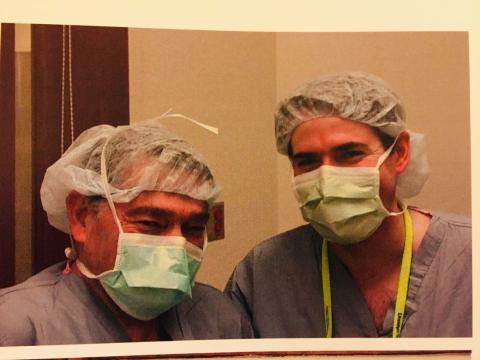
Dame Cicely Saunders, the founder of the modern hospice movement, gave me this advice early in my palliative medicine career: “Never stop thanking those who help you along.” There are many to thank and much to be thankful for since the palliative care series in ACS Surgery News commenced in September 2012. The series proposal was enthusiastically endorsed by the then Editor, Layton F. Rikkers, and promptly launched owing to the personal interest of the first series editor, Elizabeth Wood. Their strong advocacy continues with the current co-editors, Karen Deveney and Tyler Hughes and the ever-watchful eye and assistance of managing editor, Therese Borden.

The purpose of the series was to keep the concept of surgical palliative care visible to the Fellowship through the reflections of surgeons and surgeons in training, while commenting on timely issues relevant to palliative care. We were fortunate to be coupled with Peter Angelos’s astute, widely read series on ethics. Our respective areas of interest widely overlap and have come into sharper focus for the surgical community over roughly the same period of time.
It was my hope that our contributions on palliative care would emulate the qualities and quality of Dr. Angelos’s articles – commentaries that would be of interest to the entire spectrum of surgical specialties and venues of practice. While the ethics column focused on doing the right thing, we would be focused on how to do the right thing in our response to suffering. Thanks are due to ACS Surgery News for its consistent representation of the new specialty of surgical palliative care on a par with other surgical specialties. It is culturally significant that this advocacy included strong support from laypeople.
I have been gratified and am thankful for the frequent uplifting discussions and debates triggered by palliative care columns in well-thumbed copies of ACS Surgery News in our OR lounge.
I didn’t have to look far to find inspiration and direction for the advocacy of palliative care in surgical practice. My father, David D. Dunn, MD, FACS, who represented everything noble, humane, and sensible in surgery, was a community-based general surgeon practicing in an era when the “general surgeon” performed thoracic, vascular, trauma, pediatric, and plastic surgery in addition to abdominal surgery. He had extensive experience with responding to suffering in a fundamentally affirmative way. He founded the first hospice in our community to meet the needs of a proud, cantankerous, elderly man septic with a gangrenous leg who declined amputation. He also witnessed mass suffering when he commanded a field hospital tasked with the resuscitation of survivors of a liberated Nazi concentration camp. The experience could have easily destroyed him from the resulting cynicism about humanity or PTSD. But instead he claimed he learned the first step in responding to mass calamity is the resuscitation of hope. He recalled a rescued physician who was given a clean lab coat and a stethoscope even before he was given his first real meal in years. He believed the hallmarks of steadfastness and non-abandonment are the core of the surgical persona. Late in his long life that ended just before this series launched, he observed, “It’s all palliative when you get right down to it. You [meaning the next generation] have to figure out the details and do your bit.”
The future is bright to “figure out the details and do your bit” for surgeons interested in palliative care. A number of young surgeons and surgeons in training, some who have done fellowships and become ABS certified in Hospice and Palliative Medicine, have had the opportunity to be heard and their specialty field be recognized by the greater surgical community because of ACS Surgery News.
I once asked a physically and emotionally exhausted family member of an “ICU to nowhere” patient why he thought patients get “stuck” in the ICU. He answered eloquently, “People just don’t think they should die.” The prevailing biophysical and increasingly “corporate” framework for care of the seriously ill is handicapped by its inability to effectively respond to the psychological and spiritual questions raised by this comment. Inability of surgeons to reconcile personal moral imperatives with big data and corporate medicine may be contributing to burnout, one of the most frequently acknowledged problems for surgeons today. Disease management alone, even if completely evidence-based, will not break this type of gridlock nor leave patients, families, and practitioners with a lasting sense of support. We will always need a broader framework that gives us a lens through which we can see and a voice with which we can answer the serious concerns that trouble our seriously ill patients and their families. I thank ACS Surgery News for conscientiously providing us a lens and a voice over the past 7 years.
Dr. Dunn was formerly the medical director of the palliative care consultation service at the University of Pittsburgh Medical Center Hamot in Erie, Pa., and Chair of the ACS Committee on Surgical Palliative Care.
Dame Cicely Saunders, the founder of the modern hospice movement, gave me this advice early in my palliative medicine career: “Never stop thanking those who help you along.” There are many to thank and much to be thankful for since the palliative care series in ACS Surgery News commenced in September 2012. The series proposal was enthusiastically endorsed by the then Editor, Layton F. Rikkers, and promptly launched owing to the personal interest of the first series editor, Elizabeth Wood. Their strong advocacy continues with the current co-editors, Karen Deveney and Tyler Hughes and the ever-watchful eye and assistance of managing editor, Therese Borden.
The purpose of the series was to keep the concept of surgical palliative care visible to the Fellowship through the reflections of surgeons and surgeons in training, while commenting on timely issues relevant to palliative care. We were fortunate to be coupled with Peter Angelos’s astute, widely read series on ethics. Our respective areas of interest widely overlap and have come into sharper focus for the surgical community over roughly the same period of time.
It was my hope that our contributions on palliative care would emulate the qualities and quality of Dr. Angelos’s articles – commentaries that would be of interest to the entire spectrum of surgical specialties and venues of practice. While the ethics column focused on doing the right thing, we would be focused on how to do the right thing in our response to suffering. Thanks are due to ACS Surgery News for its consistent representation of the new specialty of surgical palliative care on a par with other surgical specialties. It is culturally significant that this advocacy included strong support from laypeople.
I have been gratified and am thankful for the frequent uplifting discussions and debates triggered by palliative care columns in well-thumbed copies of ACS Surgery News in our OR lounge.
I didn’t have to look far to find inspiration and direction for the advocacy of palliative care in surgical practice. My father, David D. Dunn, MD, FACS, who represented everything noble, humane, and sensible in surgery, was a community-based general surgeon practicing in an era when the “general surgeon” performed thoracic, vascular, trauma, pediatric, and plastic surgery in addition to abdominal surgery. He had extensive experience with responding to suffering in a fundamentally affirmative way. He founded the first hospice in our community to meet the needs of a proud, cantankerous, elderly man septic with a gangrenous leg who declined amputation. He also witnessed mass suffering when he commanded a field hospital tasked with the resuscitation of survivors of a liberated Nazi concentration camp. The experience could have easily destroyed him from the resulting cynicism about humanity or PTSD. But instead he claimed he learned the first step in responding to mass calamity is the resuscitation of hope. He recalled a rescued physician who was given a clean lab coat and a stethoscope even before he was given his first real meal in years. He believed the hallmarks of steadfastness and non-abandonment are the core of the surgical persona. Late in his long life that ended just before this series launched, he observed, “It’s all palliative when you get right down to it. You [meaning the next generation] have to figure out the details and do your bit.”
The future is bright to “figure out the details and do your bit” for surgeons interested in palliative care. A number of young surgeons and surgeons in training, some who have done fellowships and become ABS certified in Hospice and Palliative Medicine, have had the opportunity to be heard and their specialty field be recognized by the greater surgical community because of ACS Surgery News.
I once asked a physically and emotionally exhausted family member of an “ICU to nowhere” patient why he thought patients get “stuck” in the ICU. He answered eloquently, “People just don’t think they should die.” The prevailing biophysical and increasingly “corporate” framework for care of the seriously ill is handicapped by its inability to effectively respond to the psychological and spiritual questions raised by this comment. Inability of surgeons to reconcile personal moral imperatives with big data and corporate medicine may be contributing to burnout, one of the most frequently acknowledged problems for surgeons today. Disease management alone, even if completely evidence-based, will not break this type of gridlock nor leave patients, families, and practitioners with a lasting sense of support. We will always need a broader framework that gives us a lens through which we can see and a voice with which we can answer the serious concerns that trouble our seriously ill patients and their families. I thank ACS Surgery News for conscientiously providing us a lens and a voice over the past 7 years.
Dr. Dunn was formerly the medical director of the palliative care consultation service at the University of Pittsburgh Medical Center Hamot in Erie, Pa., and Chair of the ACS Committee on Surgical Palliative Care.
Dame Cicely Saunders, the founder of the modern hospice movement, gave me this advice early in my palliative medicine career: “Never stop thanking those who help you along.” There are many to thank and much to be thankful for since the palliative care series in ACS Surgery News commenced in September 2012. The series proposal was enthusiastically endorsed by the then Editor, Layton F. Rikkers, and promptly launched owing to the personal interest of the first series editor, Elizabeth Wood. Their strong advocacy continues with the current co-editors, Karen Deveney and Tyler Hughes and the ever-watchful eye and assistance of managing editor, Therese Borden.
The purpose of the series was to keep the concept of surgical palliative care visible to the Fellowship through the reflections of surgeons and surgeons in training, while commenting on timely issues relevant to palliative care. We were fortunate to be coupled with Peter Angelos’s astute, widely read series on ethics. Our respective areas of interest widely overlap and have come into sharper focus for the surgical community over roughly the same period of time.
It was my hope that our contributions on palliative care would emulate the qualities and quality of Dr. Angelos’s articles – commentaries that would be of interest to the entire spectrum of surgical specialties and venues of practice. While the ethics column focused on doing the right thing, we would be focused on how to do the right thing in our response to suffering. Thanks are due to ACS Surgery News for its consistent representation of the new specialty of surgical palliative care on a par with other surgical specialties. It is culturally significant that this advocacy included strong support from laypeople.
I have been gratified and am thankful for the frequent uplifting discussions and debates triggered by palliative care columns in well-thumbed copies of ACS Surgery News in our OR lounge.
I didn’t have to look far to find inspiration and direction for the advocacy of palliative care in surgical practice. My father, David D. Dunn, MD, FACS, who represented everything noble, humane, and sensible in surgery, was a community-based general surgeon practicing in an era when the “general surgeon” performed thoracic, vascular, trauma, pediatric, and plastic surgery in addition to abdominal surgery. He had extensive experience with responding to suffering in a fundamentally affirmative way. He founded the first hospice in our community to meet the needs of a proud, cantankerous, elderly man septic with a gangrenous leg who declined amputation. He also witnessed mass suffering when he commanded a field hospital tasked with the resuscitation of survivors of a liberated Nazi concentration camp. The experience could have easily destroyed him from the resulting cynicism about humanity or PTSD. But instead he claimed he learned the first step in responding to mass calamity is the resuscitation of hope. He recalled a rescued physician who was given a clean lab coat and a stethoscope even before he was given his first real meal in years. He believed the hallmarks of steadfastness and non-abandonment are the core of the surgical persona. Late in his long life that ended just before this series launched, he observed, “It’s all palliative when you get right down to it. You [meaning the next generation] have to figure out the details and do your bit.”
The future is bright to “figure out the details and do your bit” for surgeons interested in palliative care. A number of young surgeons and surgeons in training, some who have done fellowships and become ABS certified in Hospice and Palliative Medicine, have had the opportunity to be heard and their specialty field be recognized by the greater surgical community because of ACS Surgery News.
I once asked a physically and emotionally exhausted family member of an “ICU to nowhere” patient why he thought patients get “stuck” in the ICU. He answered eloquently, “People just don’t think they should die.” The prevailing biophysical and increasingly “corporate” framework for care of the seriously ill is handicapped by its inability to effectively respond to the psychological and spiritual questions raised by this comment. Inability of surgeons to reconcile personal moral imperatives with big data and corporate medicine may be contributing to burnout, one of the most frequently acknowledged problems for surgeons today. Disease management alone, even if completely evidence-based, will not break this type of gridlock nor leave patients, families, and practitioners with a lasting sense of support. We will always need a broader framework that gives us a lens through which we can see and a voice with which we can answer the serious concerns that trouble our seriously ill patients and their families. I thank ACS Surgery News for conscientiously providing us a lens and a voice over the past 7 years.
Dr. Dunn was formerly the medical director of the palliative care consultation service at the University of Pittsburgh Medical Center Hamot in Erie, Pa., and Chair of the ACS Committee on Surgical Palliative Care.
All good things ...
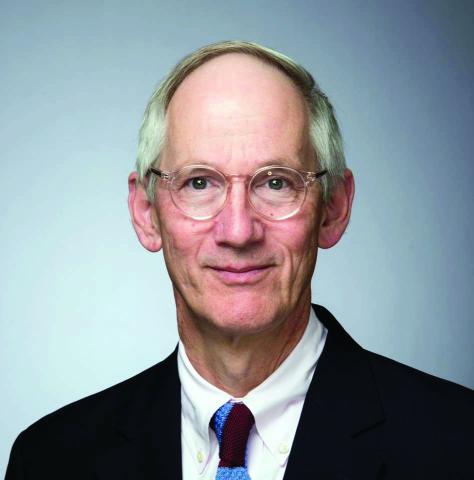
The last few years have flown by for us as coeditors of the ACS Surgery News. It is often said that the perceived acceleration of time is a phenomenon of age as each year that goes by represents an ever decreasing percentage of one’s remaining time on earth.
As we age, we may come to feel that we have outlived our time and culture. What was certain yesterday is indeterminate today and likely completely wrong tomorrow. Among those things is the economic viability of print media. Some of you may remember the line from the old movie “Ghostbusters” (old: 1984!) in which Egon makes the statement, “Print is dead.” He was a few decades off, but even Gutenberg would have to admit that technology trumps almost everything when it comes to the written word.
So, ACS Surgery News comes to an end with this issue. We would like to believe that the editors past and present – Lazar Greenfield, Bing Rikkers, Karen Deveney, and Tyler Hughes – all aided you as surgeons in some small way. Our intent was always to inform and occasionally to entertain lightly.
The fact that the “Official Newspaper of the American College of Surgeons” is passing from the scene is, we hope, a reflection of technology and economics and not that our efforts were in vain. Behind the scenes were dozens of skilled reporters who did interviews and summarized papers. Our managing editor during our time as coeditors has been Therese Borden, who has been largely responsible for the quality and integrity of what was reported herein. If you have learned something unexpectedly in our newspaper, Therese has actually been the one behind the scenes making that accessible to you. Both of us are deeply grateful for her superb expertise and eternally positive attitude.
Of course, the American College of Surgeons was always the moving force behind this paper. We like to think that the value of the newspaper was largely because the college, with its dedication to surgery with skill and fidelity to all, gave us the credibility other such newspapers just don’t have. As editors, our primary goal has always been to report without concern for anything other than what is useful to the surgeon.
Although ACS has many other publications and products that serve the practicing surgeon, we do feel that ACS Surgery News provided seamless access for surgeons to learn about emerging techniques and ideas. The ACS leadership agrees. After considerable thought and discussion about possible digital replacements, we have agreed to use a platform that is already available to us and easy to use: the ACS Communities. A new Community, named the ACS Emerging News Community, is born.
We will continue as coeditors and offer a commentary every other month. The Editorial Board, the invaluable consultants to ACS Surgery News, will contribute short articles describing the best presentation that they have heard at a recent major surgical meeting and describe why it is important or summarize an article of importance from a recent major journal. Surgeons already on the General Surgery Community will receive the new community monthly unless they choose to unsubscribe. Community members can also respond to or query the authors of the articles and commentaries if they so desire. The ACS Emerging News Community will commence early in 2019, so look for it in your inbox then.
Many thanks to all of you for reading the ACS Surgery News when you had the time and special thanks to those who wrote in the paper or wrote to the paper to tell us how we were doing. As ACS Surgery News sunsets, we have no final words of great import that you can laminate and put in your wallets, purses, or on your computers. Whatever transpires in that as-yet-undiscovered country (the future), surgery will always boil down to those willing to care for a patient enough to cut to the cure with compassion, regardless of all other considerations. Good luck to you all. We’ll see you in the cloud.
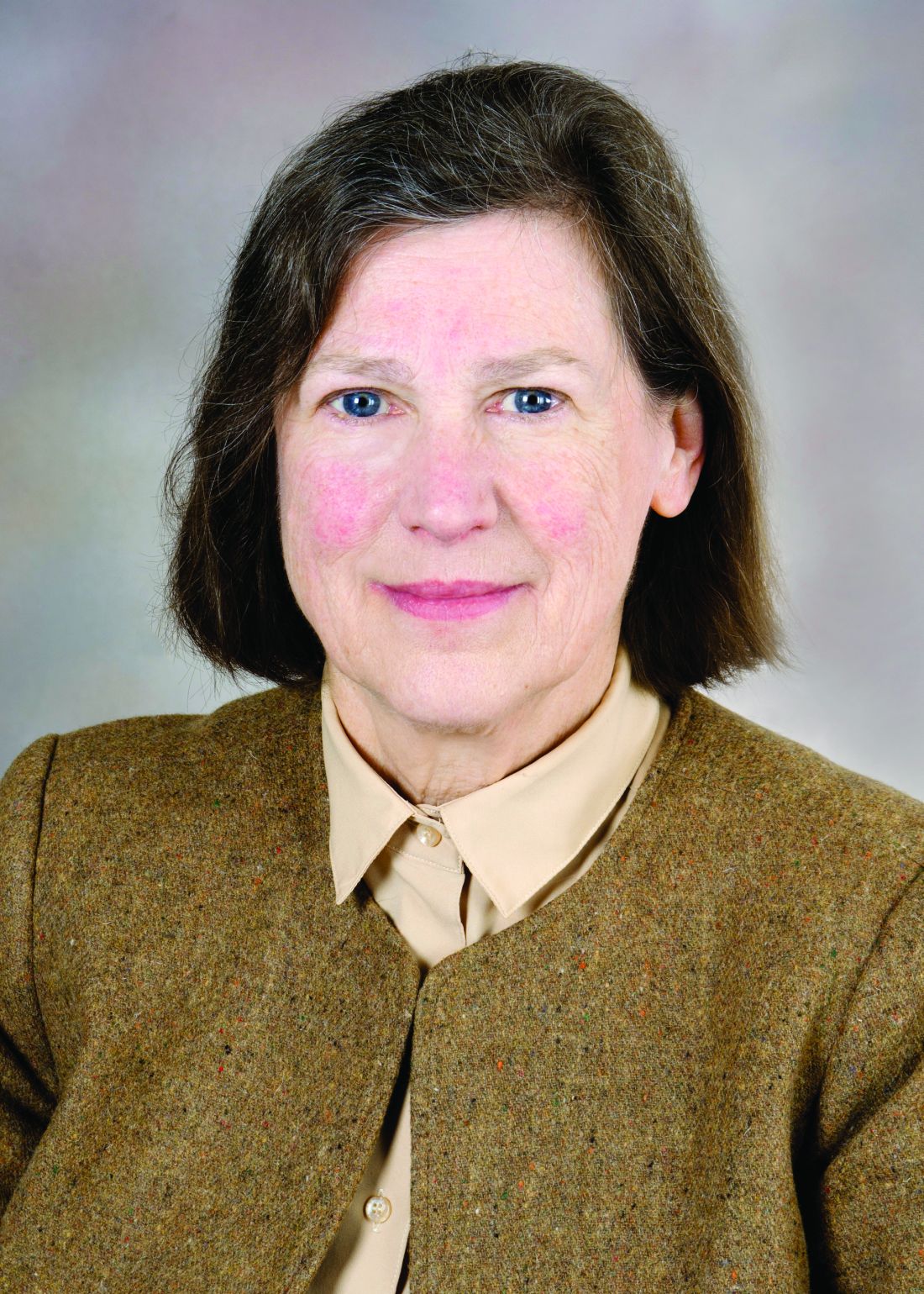
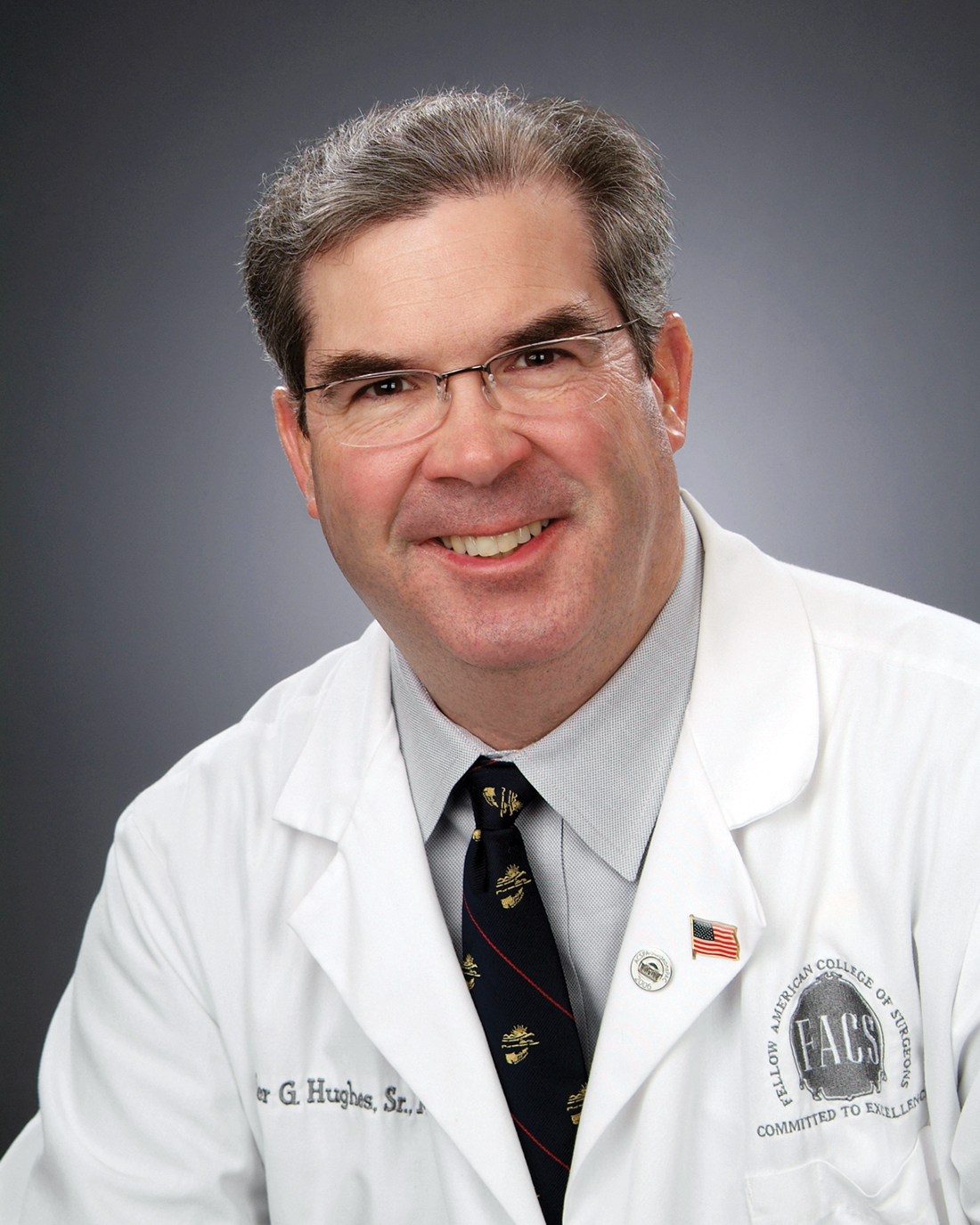
Dr. Deveney is professor of surgery emerita in the department of surgery at Oregon Health & Science University, Portland. She is the coeditor of ACS Surgery News. Dr. Hughes is a clinical professor in the department of surgery and the director of medical education at the University of Kansas, Salina, and coeditor of ACS Surgery News.
The last few years have flown by for us as coeditors of the ACS Surgery News. It is often said that the perceived acceleration of time is a phenomenon of age as each year that goes by represents an ever decreasing percentage of one’s remaining time on earth.
As we age, we may come to feel that we have outlived our time and culture. What was certain yesterday is indeterminate today and likely completely wrong tomorrow. Among those things is the economic viability of print media. Some of you may remember the line from the old movie “Ghostbusters” (old: 1984!) in which Egon makes the statement, “Print is dead.” He was a few decades off, but even Gutenberg would have to admit that technology trumps almost everything when it comes to the written word.
So, ACS Surgery News comes to an end with this issue. We would like to believe that the editors past and present – Lazar Greenfield, Bing Rikkers, Karen Deveney, and Tyler Hughes – all aided you as surgeons in some small way. Our intent was always to inform and occasionally to entertain lightly.
The fact that the “Official Newspaper of the American College of Surgeons” is passing from the scene is, we hope, a reflection of technology and economics and not that our efforts were in vain. Behind the scenes were dozens of skilled reporters who did interviews and summarized papers. Our managing editor during our time as coeditors has been Therese Borden, who has been largely responsible for the quality and integrity of what was reported herein. If you have learned something unexpectedly in our newspaper, Therese has actually been the one behind the scenes making that accessible to you. Both of us are deeply grateful for her superb expertise and eternally positive attitude.
Of course, the American College of Surgeons was always the moving force behind this paper. We like to think that the value of the newspaper was largely because the college, with its dedication to surgery with skill and fidelity to all, gave us the credibility other such newspapers just don’t have. As editors, our primary goal has always been to report without concern for anything other than what is useful to the surgeon.
Although ACS has many other publications and products that serve the practicing surgeon, we do feel that ACS Surgery News provided seamless access for surgeons to learn about emerging techniques and ideas. The ACS leadership agrees. After considerable thought and discussion about possible digital replacements, we have agreed to use a platform that is already available to us and easy to use: the ACS Communities. A new Community, named the ACS Emerging News Community, is born.
We will continue as coeditors and offer a commentary every other month. The Editorial Board, the invaluable consultants to ACS Surgery News, will contribute short articles describing the best presentation that they have heard at a recent major surgical meeting and describe why it is important or summarize an article of importance from a recent major journal. Surgeons already on the General Surgery Community will receive the new community monthly unless they choose to unsubscribe. Community members can also respond to or query the authors of the articles and commentaries if they so desire. The ACS Emerging News Community will commence early in 2019, so look for it in your inbox then.
Many thanks to all of you for reading the ACS Surgery News when you had the time and special thanks to those who wrote in the paper or wrote to the paper to tell us how we were doing. As ACS Surgery News sunsets, we have no final words of great import that you can laminate and put in your wallets, purses, or on your computers. Whatever transpires in that as-yet-undiscovered country (the future), surgery will always boil down to those willing to care for a patient enough to cut to the cure with compassion, regardless of all other considerations. Good luck to you all. We’ll see you in the cloud.
Dr. Deveney is professor of surgery emerita in the department of surgery at Oregon Health & Science University, Portland. She is the coeditor of ACS Surgery News. Dr. Hughes is a clinical professor in the department of surgery and the director of medical education at the University of Kansas, Salina, and coeditor of ACS Surgery News.
The last few years have flown by for us as coeditors of the ACS Surgery News. It is often said that the perceived acceleration of time is a phenomenon of age as each year that goes by represents an ever decreasing percentage of one’s remaining time on earth.
As we age, we may come to feel that we have outlived our time and culture. What was certain yesterday is indeterminate today and likely completely wrong tomorrow. Among those things is the economic viability of print media. Some of you may remember the line from the old movie “Ghostbusters” (old: 1984!) in which Egon makes the statement, “Print is dead.” He was a few decades off, but even Gutenberg would have to admit that technology trumps almost everything when it comes to the written word.
So, ACS Surgery News comes to an end with this issue. We would like to believe that the editors past and present – Lazar Greenfield, Bing Rikkers, Karen Deveney, and Tyler Hughes – all aided you as surgeons in some small way. Our intent was always to inform and occasionally to entertain lightly.
The fact that the “Official Newspaper of the American College of Surgeons” is passing from the scene is, we hope, a reflection of technology and economics and not that our efforts were in vain. Behind the scenes were dozens of skilled reporters who did interviews and summarized papers. Our managing editor during our time as coeditors has been Therese Borden, who has been largely responsible for the quality and integrity of what was reported herein. If you have learned something unexpectedly in our newspaper, Therese has actually been the one behind the scenes making that accessible to you. Both of us are deeply grateful for her superb expertise and eternally positive attitude.
Of course, the American College of Surgeons was always the moving force behind this paper. We like to think that the value of the newspaper was largely because the college, with its dedication to surgery with skill and fidelity to all, gave us the credibility other such newspapers just don’t have. As editors, our primary goal has always been to report without concern for anything other than what is useful to the surgeon.
Although ACS has many other publications and products that serve the practicing surgeon, we do feel that ACS Surgery News provided seamless access for surgeons to learn about emerging techniques and ideas. The ACS leadership agrees. After considerable thought and discussion about possible digital replacements, we have agreed to use a platform that is already available to us and easy to use: the ACS Communities. A new Community, named the ACS Emerging News Community, is born.
We will continue as coeditors and offer a commentary every other month. The Editorial Board, the invaluable consultants to ACS Surgery News, will contribute short articles describing the best presentation that they have heard at a recent major surgical meeting and describe why it is important or summarize an article of importance from a recent major journal. Surgeons already on the General Surgery Community will receive the new community monthly unless they choose to unsubscribe. Community members can also respond to or query the authors of the articles and commentaries if they so desire. The ACS Emerging News Community will commence early in 2019, so look for it in your inbox then.
Many thanks to all of you for reading the ACS Surgery News when you had the time and special thanks to those who wrote in the paper or wrote to the paper to tell us how we were doing. As ACS Surgery News sunsets, we have no final words of great import that you can laminate and put in your wallets, purses, or on your computers. Whatever transpires in that as-yet-undiscovered country (the future), surgery will always boil down to those willing to care for a patient enough to cut to the cure with compassion, regardless of all other considerations. Good luck to you all. We’ll see you in the cloud.
Dr. Deveney is professor of surgery emerita in the department of surgery at Oregon Health & Science University, Portland. She is the coeditor of ACS Surgery News. Dr. Hughes is a clinical professor in the department of surgery and the director of medical education at the University of Kansas, Salina, and coeditor of ACS Surgery News.
Key takeaways regarding MPFS and QPP final rule posted
The American College of Surgeons (ACS) has posted a document that outlines key changes in the Centers for Medicare & Medicaid Services (CMS) final rule for the 2019 Medicare Physician Fee Schedule (MPFS) and the 2019 Quality Payment Program (QPP). The final rule and its effects on payment to surgeons will be described in greater detail in the January 2019 issue of the Bulletin, and the ACS will continue to develop resources to assist Fellows in meeting the requirements for these programs.
The document is available at bit.ly/2PH566U.
For more information, contact the Regulatory and Quality Affairs team, ACS Division of Advocacy and Health Policy, at [email protected].
The American College of Surgeons (ACS) has posted a document that outlines key changes in the Centers for Medicare & Medicaid Services (CMS) final rule for the 2019 Medicare Physician Fee Schedule (MPFS) and the 2019 Quality Payment Program (QPP). The final rule and its effects on payment to surgeons will be described in greater detail in the January 2019 issue of the Bulletin, and the ACS will continue to develop resources to assist Fellows in meeting the requirements for these programs.
The document is available at bit.ly/2PH566U.
For more information, contact the Regulatory and Quality Affairs team, ACS Division of Advocacy and Health Policy, at [email protected].
The American College of Surgeons (ACS) has posted a document that outlines key changes in the Centers for Medicare & Medicaid Services (CMS) final rule for the 2019 Medicare Physician Fee Schedule (MPFS) and the 2019 Quality Payment Program (QPP). The final rule and its effects on payment to surgeons will be described in greater detail in the January 2019 issue of the Bulletin, and the ACS will continue to develop resources to assist Fellows in meeting the requirements for these programs.
The document is available at bit.ly/2PH566U.
For more information, contact the Regulatory and Quality Affairs team, ACS Division of Advocacy and Health Policy, at [email protected].
ACS Introduces New Video: The Future. Through the Eyes of a Surgeon
As health care changes, it is critical that surgeons continue to have a strong voice and seat at the table in all patient care decisions. A video encouraging Fellows to become actively involved in helping the American College of Surgeons (ACS) take bold steps and speak with a unified voice on behalf of patients was released during Clinical Congress. The ACS encourages Fellows to share the video with colleagues and at your chapter meetings.

View the video on the ACS website at facs.org/member-services/through-the-eyes.
As health care changes, it is critical that surgeons continue to have a strong voice and seat at the table in all patient care decisions. A video encouraging Fellows to become actively involved in helping the American College of Surgeons (ACS) take bold steps and speak with a unified voice on behalf of patients was released during Clinical Congress. The ACS encourages Fellows to share the video with colleagues and at your chapter meetings.
View the video on the ACS website at facs.org/member-services/through-the-eyes.
As health care changes, it is critical that surgeons continue to have a strong voice and seat at the table in all patient care decisions. A video encouraging Fellows to become actively involved in helping the American College of Surgeons (ACS) take bold steps and speak with a unified voice on behalf of patients was released during Clinical Congress. The ACS encourages Fellows to share the video with colleagues and at your chapter meetings.
View the video on the ACS website at facs.org/member-services/through-the-eyes.