User login
When is your patient a candidate for ECT?
LAS VEGAS – How do you know when a patient is a candidate for electroconvulsive therapy (ECT)?
In the opinion of Mark S. George, MD, it depends on the level of treatment resistance, other treatments the person may be receiving for severe depression or bipolar disorder, and the level of acuity.

“Acute ECT is also useful for catatonia that does not resolve with benzodiazepines, and it also works well for acute suicidality,” Dr. George, distinguished professor of psychiatry, radiology, and neurology at the Medical University of South Carolina, Charleston, said during an annual psychopharmacology update held by the Nevada Psychiatric Association. “The other reason you would go straight to ECT would be if someone has had good prior ECT response.”
It is lifesaving. Some studies suggests that ECT is effective in Parkinson’s disease and schizophrenia. Antidepressant effects generally take 2-3 weeks, but quicker responses are sometimes seen, especially in patients with bipolar depression.”
In the past 20 years of research studies involving ECT, investigators have discovered that a generalized seizure of adequate duration is necessary for adequate antidepressant effects; reduced therapeutic effects are seen with parietal placement, meaning that proper scalp placement matters; a dose titration over the 12 treatments improves efficacy, and smaller pulse widths are more effective and may result in fewer toxic side effects. “ECT is still relatively spatially crude compared with the other brain stimulation treatments,” said Dr. George, editor-in-chief of Brain Stimulation. “It’s also invasive, requiring repeated anesthesia, and sometimes has possible side effects including impacts on short-term memory.”
An emerging adjunct to ECT is cervical invasive vagus nerve stimulation (VNS) therapy, in which mild electrical pulses applied to the left vagus nerve in the neck send signals to the brain. “Surgeons wrap a wire around the vagus nerve and connect the wire to a generator which is embedded in the chest wall,” Dr. George explained. “The generator sends out a signal through the vagus nerve intermittently. You can program how it does that.”
A device from LivaNova known as the VNS Pulse Model 102 Generator was granted clearance for depression based on a comparative study, but in the absence of class I evidence. The generator is about the size of a quarter, is embedded under the skin, and its battery lasts for 8-10 years. “Patients are given a static magnet to use to turn the device off if they’re having side effects, as a safety precaution,” said Dr. George, a staff physician at the Ralph H. Johnson VA Medical Center in Charleston. “The side effects are mainly stimulation-based and typically decrease over time. There is a low rate of treatment discontinuation and no signal for treatment-related emergence of suicidal ideation/behavior. Sometimes you can get emergent mania or hypermania, but it’s rare. It’s pretty safe, but the insurance companies have been very slow to pay. You only get about 30% remission, this takes several months to years to achieve, and there’s no way to tell who’s going to respond before you place the device.”
However, results from a 5-year observational study of patients with treatment-resistant depression who were treated at 61 sites with VNS or treatment as usual found that the antidepressant effects built over time compared with treatment as usual (Am J Psychiatry 2017;174[7]:640-8). “There is remarkable durability but it’s not very fast,” he said. “It’s three months before you start seeing any differences.”
According to Dr. George, data from an informal registry of Medicare patients who received VNS treatment “did so much better” than untreated patients. “They didn’t need as much ECT and didn’t require as many hospitalizations,” he said. “They weren’t changing medications nearly as much. They found that VNS was saving money and saving people’s lives.” As a result, in September of 2019 LivaNova launched a prospective, multicenter, randomized, controlled, blinded trial of subjects implanted with VNS therapy, called RECOVER. Active treatment and no stimulation control are randomized at least 2 weeks after implantation and observed for 12 months. The study is ongoing with results expected in 2022 or 2023.
Dr. George disclosed that he is a paid consultant for Neurolief, Microtransponder, and Sooma and that he has been a paid consultant for GSK, Cyberonics, NeuroPace, and Jazz. He is an unpaid consultant to Brainsway, Neuronetics, Neostim, Neosync, and Magnus Medical.
LAS VEGAS – How do you know when a patient is a candidate for electroconvulsive therapy (ECT)?
In the opinion of Mark S. George, MD, it depends on the level of treatment resistance, other treatments the person may be receiving for severe depression or bipolar disorder, and the level of acuity.
“Acute ECT is also useful for catatonia that does not resolve with benzodiazepines, and it also works well for acute suicidality,” Dr. George, distinguished professor of psychiatry, radiology, and neurology at the Medical University of South Carolina, Charleston, said during an annual psychopharmacology update held by the Nevada Psychiatric Association. “The other reason you would go straight to ECT would be if someone has had good prior ECT response.”
It is lifesaving. Some studies suggests that ECT is effective in Parkinson’s disease and schizophrenia. Antidepressant effects generally take 2-3 weeks, but quicker responses are sometimes seen, especially in patients with bipolar depression.”
In the past 20 years of research studies involving ECT, investigators have discovered that a generalized seizure of adequate duration is necessary for adequate antidepressant effects; reduced therapeutic effects are seen with parietal placement, meaning that proper scalp placement matters; a dose titration over the 12 treatments improves efficacy, and smaller pulse widths are more effective and may result in fewer toxic side effects. “ECT is still relatively spatially crude compared with the other brain stimulation treatments,” said Dr. George, editor-in-chief of Brain Stimulation. “It’s also invasive, requiring repeated anesthesia, and sometimes has possible side effects including impacts on short-term memory.”
An emerging adjunct to ECT is cervical invasive vagus nerve stimulation (VNS) therapy, in which mild electrical pulses applied to the left vagus nerve in the neck send signals to the brain. “Surgeons wrap a wire around the vagus nerve and connect the wire to a generator which is embedded in the chest wall,” Dr. George explained. “The generator sends out a signal through the vagus nerve intermittently. You can program how it does that.”
A device from LivaNova known as the VNS Pulse Model 102 Generator was granted clearance for depression based on a comparative study, but in the absence of class I evidence. The generator is about the size of a quarter, is embedded under the skin, and its battery lasts for 8-10 years. “Patients are given a static magnet to use to turn the device off if they’re having side effects, as a safety precaution,” said Dr. George, a staff physician at the Ralph H. Johnson VA Medical Center in Charleston. “The side effects are mainly stimulation-based and typically decrease over time. There is a low rate of treatment discontinuation and no signal for treatment-related emergence of suicidal ideation/behavior. Sometimes you can get emergent mania or hypermania, but it’s rare. It’s pretty safe, but the insurance companies have been very slow to pay. You only get about 30% remission, this takes several months to years to achieve, and there’s no way to tell who’s going to respond before you place the device.”
However, results from a 5-year observational study of patients with treatment-resistant depression who were treated at 61 sites with VNS or treatment as usual found that the antidepressant effects built over time compared with treatment as usual (Am J Psychiatry 2017;174[7]:640-8). “There is remarkable durability but it’s not very fast,” he said. “It’s three months before you start seeing any differences.”
According to Dr. George, data from an informal registry of Medicare patients who received VNS treatment “did so much better” than untreated patients. “They didn’t need as much ECT and didn’t require as many hospitalizations,” he said. “They weren’t changing medications nearly as much. They found that VNS was saving money and saving people’s lives.” As a result, in September of 2019 LivaNova launched a prospective, multicenter, randomized, controlled, blinded trial of subjects implanted with VNS therapy, called RECOVER. Active treatment and no stimulation control are randomized at least 2 weeks after implantation and observed for 12 months. The study is ongoing with results expected in 2022 or 2023.
Dr. George disclosed that he is a paid consultant for Neurolief, Microtransponder, and Sooma and that he has been a paid consultant for GSK, Cyberonics, NeuroPace, and Jazz. He is an unpaid consultant to Brainsway, Neuronetics, Neostim, Neosync, and Magnus Medical.
LAS VEGAS – How do you know when a patient is a candidate for electroconvulsive therapy (ECT)?
In the opinion of Mark S. George, MD, it depends on the level of treatment resistance, other treatments the person may be receiving for severe depression or bipolar disorder, and the level of acuity.
“Acute ECT is also useful for catatonia that does not resolve with benzodiazepines, and it also works well for acute suicidality,” Dr. George, distinguished professor of psychiatry, radiology, and neurology at the Medical University of South Carolina, Charleston, said during an annual psychopharmacology update held by the Nevada Psychiatric Association. “The other reason you would go straight to ECT would be if someone has had good prior ECT response.”
It is lifesaving. Some studies suggests that ECT is effective in Parkinson’s disease and schizophrenia. Antidepressant effects generally take 2-3 weeks, but quicker responses are sometimes seen, especially in patients with bipolar depression.”
In the past 20 years of research studies involving ECT, investigators have discovered that a generalized seizure of adequate duration is necessary for adequate antidepressant effects; reduced therapeutic effects are seen with parietal placement, meaning that proper scalp placement matters; a dose titration over the 12 treatments improves efficacy, and smaller pulse widths are more effective and may result in fewer toxic side effects. “ECT is still relatively spatially crude compared with the other brain stimulation treatments,” said Dr. George, editor-in-chief of Brain Stimulation. “It’s also invasive, requiring repeated anesthesia, and sometimes has possible side effects including impacts on short-term memory.”
An emerging adjunct to ECT is cervical invasive vagus nerve stimulation (VNS) therapy, in which mild electrical pulses applied to the left vagus nerve in the neck send signals to the brain. “Surgeons wrap a wire around the vagus nerve and connect the wire to a generator which is embedded in the chest wall,” Dr. George explained. “The generator sends out a signal through the vagus nerve intermittently. You can program how it does that.”
A device from LivaNova known as the VNS Pulse Model 102 Generator was granted clearance for depression based on a comparative study, but in the absence of class I evidence. The generator is about the size of a quarter, is embedded under the skin, and its battery lasts for 8-10 years. “Patients are given a static magnet to use to turn the device off if they’re having side effects, as a safety precaution,” said Dr. George, a staff physician at the Ralph H. Johnson VA Medical Center in Charleston. “The side effects are mainly stimulation-based and typically decrease over time. There is a low rate of treatment discontinuation and no signal for treatment-related emergence of suicidal ideation/behavior. Sometimes you can get emergent mania or hypermania, but it’s rare. It’s pretty safe, but the insurance companies have been very slow to pay. You only get about 30% remission, this takes several months to years to achieve, and there’s no way to tell who’s going to respond before you place the device.”
However, results from a 5-year observational study of patients with treatment-resistant depression who were treated at 61 sites with VNS or treatment as usual found that the antidepressant effects built over time compared with treatment as usual (Am J Psychiatry 2017;174[7]:640-8). “There is remarkable durability but it’s not very fast,” he said. “It’s three months before you start seeing any differences.”
According to Dr. George, data from an informal registry of Medicare patients who received VNS treatment “did so much better” than untreated patients. “They didn’t need as much ECT and didn’t require as many hospitalizations,” he said. “They weren’t changing medications nearly as much. They found that VNS was saving money and saving people’s lives.” As a result, in September of 2019 LivaNova launched a prospective, multicenter, randomized, controlled, blinded trial of subjects implanted with VNS therapy, called RECOVER. Active treatment and no stimulation control are randomized at least 2 weeks after implantation and observed for 12 months. The study is ongoing with results expected in 2022 or 2023.
Dr. George disclosed that he is a paid consultant for Neurolief, Microtransponder, and Sooma and that he has been a paid consultant for GSK, Cyberonics, NeuroPace, and Jazz. He is an unpaid consultant to Brainsway, Neuronetics, Neostim, Neosync, and Magnus Medical.
FROM NPA 2022
Triaging neurocognitive screening after SARS-CoV-2 infection
The study covered in this summary was published in Research Square as a preprint and has not yet been peer reviewed.
Key takeaways
- Focal cognitive deficits are more prevalent in hospitalized patients than ambulatory patients.
- Objective neurocognitive measures can supply crucial information to guide clinical decisions regarding the need for further imaging or neurologic workup and should be included as endpoints in clinical trials.
Why this matters
- Cognitive complaints commonly occur in patients convalescing from COVID-19, although their cause is frequently unclear.
- The researchers evaluated factors that play a role in cognitive impairment in ambulatory versus hospitalized patients during the subacute stage of recovery.
- These results underscore the significance of assessing both subjective and objective complaints in ascertaining the prevalence of cognitive impairment in recovering patients and research participants.
- The drivers of cognitive complaints are likely different in hospitalized COVID-19 patients in comparison with ambulatory COVID-19 patients, so it’s important to understand these factors in making treatment decisions.
- Biopsychosocial factors appear to be a powerful driver of cognitive complaints in recovering ambulatory patients. They can be treated with interventions targeting anxiety, depression, sleep disturbances, and pain, which may prove to be the most efficient and cost-effective approach to prevent disability in individuals with mild manifestations of COVID-19.
- Objective neurocognitive deficits were more prevalent in hospitalized patients – a marker of greater disease severity – with mainly deficits in memory and psychomotor speed. Factors that contribute to focal cognitive deficits in these individuals are emerging and represent a noteworthy realm for future investigation.
Study design
- The trial prospectively recruited patients from a hospital-wide registry at the Mayo Clinic in Jacksonville, Fla.
- All patients tested positive for SARS-CoV-2 infection on a real-time reverse transcriptase polymerase chain-reaction assay between June 2020 and March 2021.
- Patients were 18 years of age or older.
- The researchers excluded those with a pre-existing major neurocognitive disorder.
- To participate, patients needed access to a desktop or laptop computer to complete a test and survey.
- They responded to a comprehensive neuropsychological questionnaire and a computerized cognitive screen using a remote telemedicine platform.
- The researchers compared rates of subjective and objective neuropsychological impairment between the ambulatory and hospitalized groups. Factors linked to impairment were analyzed separately within each group.
Key results
- After laboratory confirmation of SARS-CoV-2 infection, a total of 102 patients (76 ambulatory, 26 hospitalized) completed the symptom inventory and neurocognitive tests in 24 ± 22 days.
- Hospitalized and ambulatory patients self-reported high rates of cognitive impairment (27%-40%). There were no variations between the groups.
- However, hospitalized patients had more significant rates of objective impairment in visual memory (30% vs. 4%; P = .001) and psychomotor speed (41% vs. 15%; P = .008).
- Objective cognitive test performance was linked to anxiety, depression, fatigue, and pain in the ambulatory but not the hospitalized group.
Limitations
- The sample size of hospitalized patients was small.
- A larger fraction of hospitalized patients in the sample completed outcome assessments, compared with ambulatory patients, indicating that remote computerized testing did not present a disproportionate access barrier for patients with more severe illness.
- Owing to limited instances of delirium, seizures, and stroke, it was not possible to directly consider the contributions of these events to post–COVID-19 subjective complaints and objective impairment.
- The researchers depended on a 45-minute computerized test battery, which eliminates exposure risk and is available to patients in remote locations, but it necessitates computer literacy and access to a home desktop computer. While this requirement may have skewed the sample toward a more socioeconomically advantaged and younger population, there were no differences in age, race, or ethnicity between those who completed the computerized outcome assessments and those who did not. For patients who are able to give consent electronically, computerized testing does not pose an additional barrier.
- As a result of this study’s cross-sectional nature, the researchers could not comment on the natural history and long-term risk of COVID-19 cognitive impairment. It will be crucial to monitor cognitive progression at future time points to assess the rate and predictors of cognitive normalization versus decline.
Study disclosures
- Gregory S. Day, a coauthor, owns stock (greater than $10,000) in ANI Pharmaceuticals, a generic pharmaceutical company. He serves as a topic editor for DynaMed (EBSCO), overseeing development of evidence-based educational content, a consultant for Parabon Nanolabs (advice relevant to National Institutes of Health small business grant submission), and as the clinical director of the Anti-NMDA Receptor Encephalitis Foundation, Canada (uncompensated). The other authors have disclosed no relevant financial relationships.
This is a summary of a preprint research study, “Neurocognitive Screening in Patients Following SARS-CoV-2 Infection: Tools for Triage,” written by Karen Blackmon from Mayo Clinic in Florida, on medRxiv. This study has not yet been peer reviewed. The full text of the study can be found on medRxiv.org. A version of this article first appeared on Medscape.com.
The study covered in this summary was published in Research Square as a preprint and has not yet been peer reviewed.
Key takeaways
- Focal cognitive deficits are more prevalent in hospitalized patients than ambulatory patients.
- Objective neurocognitive measures can supply crucial information to guide clinical decisions regarding the need for further imaging or neurologic workup and should be included as endpoints in clinical trials.
Why this matters
- Cognitive complaints commonly occur in patients convalescing from COVID-19, although their cause is frequently unclear.
- The researchers evaluated factors that play a role in cognitive impairment in ambulatory versus hospitalized patients during the subacute stage of recovery.
- These results underscore the significance of assessing both subjective and objective complaints in ascertaining the prevalence of cognitive impairment in recovering patients and research participants.
- The drivers of cognitive complaints are likely different in hospitalized COVID-19 patients in comparison with ambulatory COVID-19 patients, so it’s important to understand these factors in making treatment decisions.
- Biopsychosocial factors appear to be a powerful driver of cognitive complaints in recovering ambulatory patients. They can be treated with interventions targeting anxiety, depression, sleep disturbances, and pain, which may prove to be the most efficient and cost-effective approach to prevent disability in individuals with mild manifestations of COVID-19.
- Objective neurocognitive deficits were more prevalent in hospitalized patients – a marker of greater disease severity – with mainly deficits in memory and psychomotor speed. Factors that contribute to focal cognitive deficits in these individuals are emerging and represent a noteworthy realm for future investigation.
Study design
- The trial prospectively recruited patients from a hospital-wide registry at the Mayo Clinic in Jacksonville, Fla.
- All patients tested positive for SARS-CoV-2 infection on a real-time reverse transcriptase polymerase chain-reaction assay between June 2020 and March 2021.
- Patients were 18 years of age or older.
- The researchers excluded those with a pre-existing major neurocognitive disorder.
- To participate, patients needed access to a desktop or laptop computer to complete a test and survey.
- They responded to a comprehensive neuropsychological questionnaire and a computerized cognitive screen using a remote telemedicine platform.
- The researchers compared rates of subjective and objective neuropsychological impairment between the ambulatory and hospitalized groups. Factors linked to impairment were analyzed separately within each group.
Key results
- After laboratory confirmation of SARS-CoV-2 infection, a total of 102 patients (76 ambulatory, 26 hospitalized) completed the symptom inventory and neurocognitive tests in 24 ± 22 days.
- Hospitalized and ambulatory patients self-reported high rates of cognitive impairment (27%-40%). There were no variations between the groups.
- However, hospitalized patients had more significant rates of objective impairment in visual memory (30% vs. 4%; P = .001) and psychomotor speed (41% vs. 15%; P = .008).
- Objective cognitive test performance was linked to anxiety, depression, fatigue, and pain in the ambulatory but not the hospitalized group.
Limitations
- The sample size of hospitalized patients was small.
- A larger fraction of hospitalized patients in the sample completed outcome assessments, compared with ambulatory patients, indicating that remote computerized testing did not present a disproportionate access barrier for patients with more severe illness.
- Owing to limited instances of delirium, seizures, and stroke, it was not possible to directly consider the contributions of these events to post–COVID-19 subjective complaints and objective impairment.
- The researchers depended on a 45-minute computerized test battery, which eliminates exposure risk and is available to patients in remote locations, but it necessitates computer literacy and access to a home desktop computer. While this requirement may have skewed the sample toward a more socioeconomically advantaged and younger population, there were no differences in age, race, or ethnicity between those who completed the computerized outcome assessments and those who did not. For patients who are able to give consent electronically, computerized testing does not pose an additional barrier.
- As a result of this study’s cross-sectional nature, the researchers could not comment on the natural history and long-term risk of COVID-19 cognitive impairment. It will be crucial to monitor cognitive progression at future time points to assess the rate and predictors of cognitive normalization versus decline.
Study disclosures
- Gregory S. Day, a coauthor, owns stock (greater than $10,000) in ANI Pharmaceuticals, a generic pharmaceutical company. He serves as a topic editor for DynaMed (EBSCO), overseeing development of evidence-based educational content, a consultant for Parabon Nanolabs (advice relevant to National Institutes of Health small business grant submission), and as the clinical director of the Anti-NMDA Receptor Encephalitis Foundation, Canada (uncompensated). The other authors have disclosed no relevant financial relationships.
This is a summary of a preprint research study, “Neurocognitive Screening in Patients Following SARS-CoV-2 Infection: Tools for Triage,” written by Karen Blackmon from Mayo Clinic in Florida, on medRxiv. This study has not yet been peer reviewed. The full text of the study can be found on medRxiv.org. A version of this article first appeared on Medscape.com.
The study covered in this summary was published in Research Square as a preprint and has not yet been peer reviewed.
Key takeaways
- Focal cognitive deficits are more prevalent in hospitalized patients than ambulatory patients.
- Objective neurocognitive measures can supply crucial information to guide clinical decisions regarding the need for further imaging or neurologic workup and should be included as endpoints in clinical trials.
Why this matters
- Cognitive complaints commonly occur in patients convalescing from COVID-19, although their cause is frequently unclear.
- The researchers evaluated factors that play a role in cognitive impairment in ambulatory versus hospitalized patients during the subacute stage of recovery.
- These results underscore the significance of assessing both subjective and objective complaints in ascertaining the prevalence of cognitive impairment in recovering patients and research participants.
- The drivers of cognitive complaints are likely different in hospitalized COVID-19 patients in comparison with ambulatory COVID-19 patients, so it’s important to understand these factors in making treatment decisions.
- Biopsychosocial factors appear to be a powerful driver of cognitive complaints in recovering ambulatory patients. They can be treated with interventions targeting anxiety, depression, sleep disturbances, and pain, which may prove to be the most efficient and cost-effective approach to prevent disability in individuals with mild manifestations of COVID-19.
- Objective neurocognitive deficits were more prevalent in hospitalized patients – a marker of greater disease severity – with mainly deficits in memory and psychomotor speed. Factors that contribute to focal cognitive deficits in these individuals are emerging and represent a noteworthy realm for future investigation.
Study design
- The trial prospectively recruited patients from a hospital-wide registry at the Mayo Clinic in Jacksonville, Fla.
- All patients tested positive for SARS-CoV-2 infection on a real-time reverse transcriptase polymerase chain-reaction assay between June 2020 and March 2021.
- Patients were 18 years of age or older.
- The researchers excluded those with a pre-existing major neurocognitive disorder.
- To participate, patients needed access to a desktop or laptop computer to complete a test and survey.
- They responded to a comprehensive neuropsychological questionnaire and a computerized cognitive screen using a remote telemedicine platform.
- The researchers compared rates of subjective and objective neuropsychological impairment between the ambulatory and hospitalized groups. Factors linked to impairment were analyzed separately within each group.
Key results
- After laboratory confirmation of SARS-CoV-2 infection, a total of 102 patients (76 ambulatory, 26 hospitalized) completed the symptom inventory and neurocognitive tests in 24 ± 22 days.
- Hospitalized and ambulatory patients self-reported high rates of cognitive impairment (27%-40%). There were no variations between the groups.
- However, hospitalized patients had more significant rates of objective impairment in visual memory (30% vs. 4%; P = .001) and psychomotor speed (41% vs. 15%; P = .008).
- Objective cognitive test performance was linked to anxiety, depression, fatigue, and pain in the ambulatory but not the hospitalized group.
Limitations
- The sample size of hospitalized patients was small.
- A larger fraction of hospitalized patients in the sample completed outcome assessments, compared with ambulatory patients, indicating that remote computerized testing did not present a disproportionate access barrier for patients with more severe illness.
- Owing to limited instances of delirium, seizures, and stroke, it was not possible to directly consider the contributions of these events to post–COVID-19 subjective complaints and objective impairment.
- The researchers depended on a 45-minute computerized test battery, which eliminates exposure risk and is available to patients in remote locations, but it necessitates computer literacy and access to a home desktop computer. While this requirement may have skewed the sample toward a more socioeconomically advantaged and younger population, there were no differences in age, race, or ethnicity between those who completed the computerized outcome assessments and those who did not. For patients who are able to give consent electronically, computerized testing does not pose an additional barrier.
- As a result of this study’s cross-sectional nature, the researchers could not comment on the natural history and long-term risk of COVID-19 cognitive impairment. It will be crucial to monitor cognitive progression at future time points to assess the rate and predictors of cognitive normalization versus decline.
Study disclosures
- Gregory S. Day, a coauthor, owns stock (greater than $10,000) in ANI Pharmaceuticals, a generic pharmaceutical company. He serves as a topic editor for DynaMed (EBSCO), overseeing development of evidence-based educational content, a consultant for Parabon Nanolabs (advice relevant to National Institutes of Health small business grant submission), and as the clinical director of the Anti-NMDA Receptor Encephalitis Foundation, Canada (uncompensated). The other authors have disclosed no relevant financial relationships.
This is a summary of a preprint research study, “Neurocognitive Screening in Patients Following SARS-CoV-2 Infection: Tools for Triage,” written by Karen Blackmon from Mayo Clinic in Florida, on medRxiv. This study has not yet been peer reviewed. The full text of the study can be found on medRxiv.org. A version of this article first appeared on Medscape.com.
‘Superdonor’ samples don’t increase FMT success in ulcerative colitis
The success of fecal microbiota transplantation (FMT) in people with active ulcerative colitis (UC) was not improved by using highly standardized and controlled “superdonor” samples versus control samples, according to results reported at the 17th congress of the European Crohn’s and Colitis Organisation.
Indeed, a similar percentage (10% and 13.9%, respectively; P = .72) of patients achieved combined steroid-free endoscopic and clinical remission at 8 weeks, which was the primary endpoint of the randomized, controlled, RESTORE-UC trial.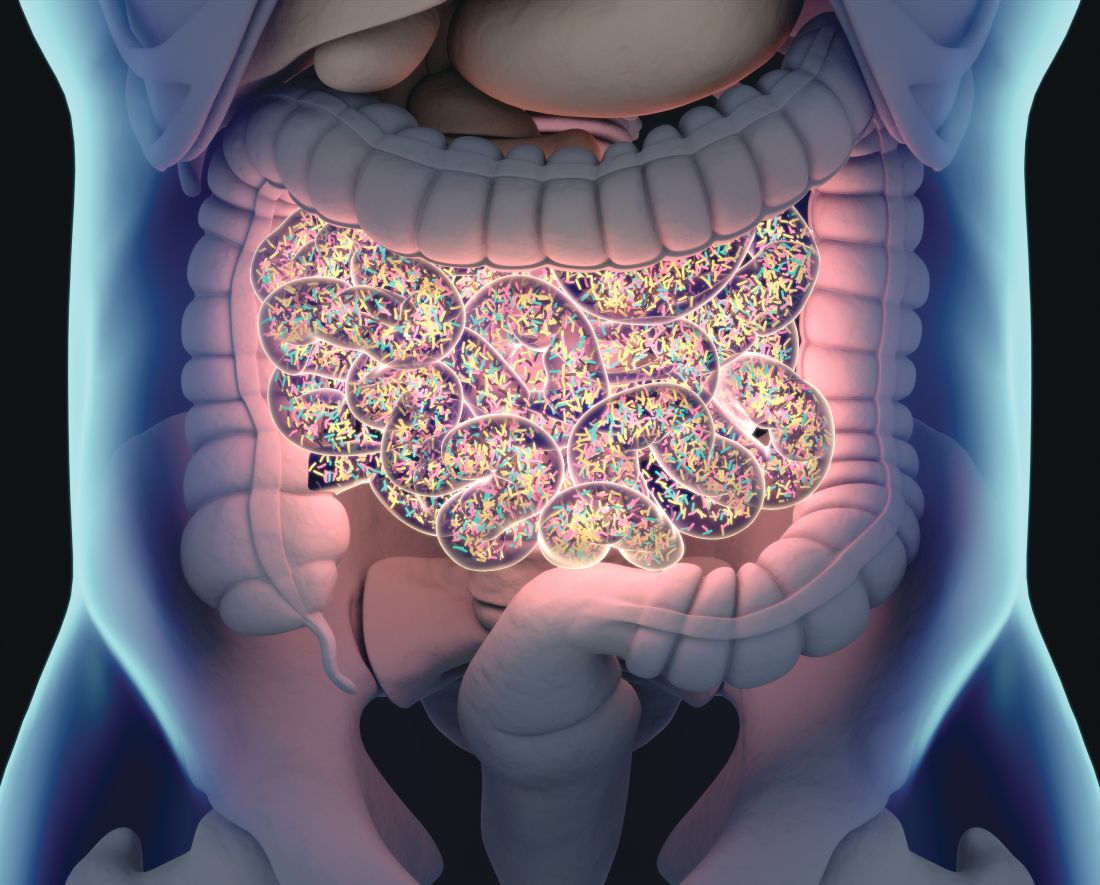
“Maybe we were too bold to say we will go for steroid-free endoscopic remission and response,” said Clara Caenepeel, MD, who was the presenting study investigator. “It’s a very strict endpoint.”
The reasoning for such a strict endpoint, however, was so that the trials’ findings could be compared with some of the other studies that have been done with FMT in UC. Importantly, all those trials have all been positive, making the results of the RESTORE-UC trial at odds with their findings.
“I think in the analysis that we will do now is definitely look at how many steps we went into the right direction,” noted Dr. Caenepeel, who is a doctoral researcher at IBD Leuven (Belgium).
Response to results
Although this is a negative trial, its findings are still important for future work looking at the role of FMT in managing patients with inflammatory bowel disease and identifying the best donor material and ways to deliver it.
While some have suggested it was back to the bench to explore negative results, others such as Michael A. Kamm, MBBS, MD, FRCP, FRACP, congratulated the investigators for undertaking the study, saying that “these studies are very hard to do!”
Dr. Kamm, who is professor of gastroenterology and leads the Kamm Gut Research Group at the University of Melbourne, was part of the Australian team that conducted the FOCUS (Faecal Microbiota Transplantation in Ulcerative Colitis) study. That study used the same primary endpoint of steroid-free endoscopic and clinical remission at 8 weeks but reported positive results – 27% of patients who had FMT versus just 8% of those who had a saline enema as a placebo achieved the endpoint (P = .021). Similarly positive findings have also been reported from five other studies.
“To understand why [RESTORE-UC] study is negative, coming after several positive studies, one needs to explore the differences in study design,” Dr. Kamm observed in an interview. Those differences include how donors were selected, how the FMT was delivered, and how patients were selected.
“All the early studies made no presumption about a favorable donor profile,” Dr. Kamm noted with regard to the selection of donors based on their microbial profile. Moreover “the mode of delivery – sigmoidoscopy without any colonoscopic whole-colon delivery, in contrast to previous studies – as well as patient selection, [with] no information on the anatomical extent of their disease,” could be important.
“There are enough robust positive studies of FMT in ulcerative colitis to believe that this therapy can be effective,” said Dr. Kamm. “Analysis of negative studies like this one should help us to understand what factors are needed to achieve a positive outcome.”
RESTORE-UC trial
“Fecal microbiota transplantation is a new emerging strategy in the treatment of active ulcerative colitis,” Dr. Caenepeel observed during her presentation. At the time the study was started in 2017 there had been four other studies, with “very heterogeneous” designs in terms of the samples used, the placebos given, the delivery of FMT, and the primary endpoints. The idea of superdonor samples also came out of those trials.
So the aim was to try to standardize practice and set up a trial “to examine if we could increase the FMT success rate in our active ulcerative colitis patients by strictly preselecting our donors; by standardized FMT preparation; and a standardized and repeated FMT administration,” Dr. Caenepeel said.
RESTORE-UC was a multicenter, randomized, double-blind, and sham-controlled trial conducted in seven Belgian hospitals. A predefined futility analysis was performed when 66% (n = 72) of the proposed 108 patients had been recruited. Of these, 36 receive autologous FMT and 30 received superdonor FMT.
“We put the emphasis on standardization. This started already with our donor selection,” Dr. Caenepeel said. From a potential 57 healthy donors, 15 were selected and altogether provided more than 500 samples that were then whittled down to the ones that provided the “best” microbial content.
FMT or autologous samples delivered four times – first by sigmoidoscopy and then at weekly intervals by rectal enema. Every patient received the same donor material, Dr. Caenepeel stressed, containing the same enterotype and concentration.
In addition to the primary endpoint of steroid-free endoscopic and clinical remission at Week 8, secondary endpoints included steroid-free clinical remission, steroid-free clinical response, steroid-free endoscopic remission, and steroid-free endoscopic response. Again, however, no significant differences were seen between the two study arms.
Two serious adverse events were seen in the trial, both occurring in the autologous sample group; these were dysuria/constipation and a worsening of colitis that needed surgery.
In discussion, Walter Reinisch, MD, the director of the inflammatory bowel disease study group at the Medical University of Vienna, picked up on why the study may have been negative. He observed that using a steroid-free endoscopic endpoint, where the Mayo score was zero, may have been a factor. A result of 19% at week 8 was not insignificant, he said, observing “if studies from big sponsors would get these results, they would be very happy.”
Perhaps the trials to date have been a little too simplistic by looking at the donor’s microbiota, Dr. Caenepeel. “It goes much further than microbiota,” she said. Thus, future work will perhaps look at the genetics and immunity of those undergoing FMT, she suggested.
Dr. Caenepeel, Dr. Kamm, and Dr. Reinisch had no conflicts of interest to disclose.
The success of fecal microbiota transplantation (FMT) in people with active ulcerative colitis (UC) was not improved by using highly standardized and controlled “superdonor” samples versus control samples, according to results reported at the 17th congress of the European Crohn’s and Colitis Organisation.
Indeed, a similar percentage (10% and 13.9%, respectively; P = .72) of patients achieved combined steroid-free endoscopic and clinical remission at 8 weeks, which was the primary endpoint of the randomized, controlled, RESTORE-UC trial.
“Maybe we were too bold to say we will go for steroid-free endoscopic remission and response,” said Clara Caenepeel, MD, who was the presenting study investigator. “It’s a very strict endpoint.”
The reasoning for such a strict endpoint, however, was so that the trials’ findings could be compared with some of the other studies that have been done with FMT in UC. Importantly, all those trials have all been positive, making the results of the RESTORE-UC trial at odds with their findings.
“I think in the analysis that we will do now is definitely look at how many steps we went into the right direction,” noted Dr. Caenepeel, who is a doctoral researcher at IBD Leuven (Belgium).
Response to results
Although this is a negative trial, its findings are still important for future work looking at the role of FMT in managing patients with inflammatory bowel disease and identifying the best donor material and ways to deliver it.
While some have suggested it was back to the bench to explore negative results, others such as Michael A. Kamm, MBBS, MD, FRCP, FRACP, congratulated the investigators for undertaking the study, saying that “these studies are very hard to do!”
Dr. Kamm, who is professor of gastroenterology and leads the Kamm Gut Research Group at the University of Melbourne, was part of the Australian team that conducted the FOCUS (Faecal Microbiota Transplantation in Ulcerative Colitis) study. That study used the same primary endpoint of steroid-free endoscopic and clinical remission at 8 weeks but reported positive results – 27% of patients who had FMT versus just 8% of those who had a saline enema as a placebo achieved the endpoint (P = .021). Similarly positive findings have also been reported from five other studies.
“To understand why [RESTORE-UC] study is negative, coming after several positive studies, one needs to explore the differences in study design,” Dr. Kamm observed in an interview. Those differences include how donors were selected, how the FMT was delivered, and how patients were selected.
“All the early studies made no presumption about a favorable donor profile,” Dr. Kamm noted with regard to the selection of donors based on their microbial profile. Moreover “the mode of delivery – sigmoidoscopy without any colonoscopic whole-colon delivery, in contrast to previous studies – as well as patient selection, [with] no information on the anatomical extent of their disease,” could be important.
“There are enough robust positive studies of FMT in ulcerative colitis to believe that this therapy can be effective,” said Dr. Kamm. “Analysis of negative studies like this one should help us to understand what factors are needed to achieve a positive outcome.”
RESTORE-UC trial
“Fecal microbiota transplantation is a new emerging strategy in the treatment of active ulcerative colitis,” Dr. Caenepeel observed during her presentation. At the time the study was started in 2017 there had been four other studies, with “very heterogeneous” designs in terms of the samples used, the placebos given, the delivery of FMT, and the primary endpoints. The idea of superdonor samples also came out of those trials.
So the aim was to try to standardize practice and set up a trial “to examine if we could increase the FMT success rate in our active ulcerative colitis patients by strictly preselecting our donors; by standardized FMT preparation; and a standardized and repeated FMT administration,” Dr. Caenepeel said.
RESTORE-UC was a multicenter, randomized, double-blind, and sham-controlled trial conducted in seven Belgian hospitals. A predefined futility analysis was performed when 66% (n = 72) of the proposed 108 patients had been recruited. Of these, 36 receive autologous FMT and 30 received superdonor FMT.
“We put the emphasis on standardization. This started already with our donor selection,” Dr. Caenepeel said. From a potential 57 healthy donors, 15 were selected and altogether provided more than 500 samples that were then whittled down to the ones that provided the “best” microbial content.
FMT or autologous samples delivered four times – first by sigmoidoscopy and then at weekly intervals by rectal enema. Every patient received the same donor material, Dr. Caenepeel stressed, containing the same enterotype and concentration.
In addition to the primary endpoint of steroid-free endoscopic and clinical remission at Week 8, secondary endpoints included steroid-free clinical remission, steroid-free clinical response, steroid-free endoscopic remission, and steroid-free endoscopic response. Again, however, no significant differences were seen between the two study arms.
Two serious adverse events were seen in the trial, both occurring in the autologous sample group; these were dysuria/constipation and a worsening of colitis that needed surgery.
In discussion, Walter Reinisch, MD, the director of the inflammatory bowel disease study group at the Medical University of Vienna, picked up on why the study may have been negative. He observed that using a steroid-free endoscopic endpoint, where the Mayo score was zero, may have been a factor. A result of 19% at week 8 was not insignificant, he said, observing “if studies from big sponsors would get these results, they would be very happy.”
Perhaps the trials to date have been a little too simplistic by looking at the donor’s microbiota, Dr. Caenepeel. “It goes much further than microbiota,” she said. Thus, future work will perhaps look at the genetics and immunity of those undergoing FMT, she suggested.
Dr. Caenepeel, Dr. Kamm, and Dr. Reinisch had no conflicts of interest to disclose.
The success of fecal microbiota transplantation (FMT) in people with active ulcerative colitis (UC) was not improved by using highly standardized and controlled “superdonor” samples versus control samples, according to results reported at the 17th congress of the European Crohn’s and Colitis Organisation.
Indeed, a similar percentage (10% and 13.9%, respectively; P = .72) of patients achieved combined steroid-free endoscopic and clinical remission at 8 weeks, which was the primary endpoint of the randomized, controlled, RESTORE-UC trial.
“Maybe we were too bold to say we will go for steroid-free endoscopic remission and response,” said Clara Caenepeel, MD, who was the presenting study investigator. “It’s a very strict endpoint.”
The reasoning for such a strict endpoint, however, was so that the trials’ findings could be compared with some of the other studies that have been done with FMT in UC. Importantly, all those trials have all been positive, making the results of the RESTORE-UC trial at odds with their findings.
“I think in the analysis that we will do now is definitely look at how many steps we went into the right direction,” noted Dr. Caenepeel, who is a doctoral researcher at IBD Leuven (Belgium).
Response to results
Although this is a negative trial, its findings are still important for future work looking at the role of FMT in managing patients with inflammatory bowel disease and identifying the best donor material and ways to deliver it.
While some have suggested it was back to the bench to explore negative results, others such as Michael A. Kamm, MBBS, MD, FRCP, FRACP, congratulated the investigators for undertaking the study, saying that “these studies are very hard to do!”
Dr. Kamm, who is professor of gastroenterology and leads the Kamm Gut Research Group at the University of Melbourne, was part of the Australian team that conducted the FOCUS (Faecal Microbiota Transplantation in Ulcerative Colitis) study. That study used the same primary endpoint of steroid-free endoscopic and clinical remission at 8 weeks but reported positive results – 27% of patients who had FMT versus just 8% of those who had a saline enema as a placebo achieved the endpoint (P = .021). Similarly positive findings have also been reported from five other studies.
“To understand why [RESTORE-UC] study is negative, coming after several positive studies, one needs to explore the differences in study design,” Dr. Kamm observed in an interview. Those differences include how donors were selected, how the FMT was delivered, and how patients were selected.
“All the early studies made no presumption about a favorable donor profile,” Dr. Kamm noted with regard to the selection of donors based on their microbial profile. Moreover “the mode of delivery – sigmoidoscopy without any colonoscopic whole-colon delivery, in contrast to previous studies – as well as patient selection, [with] no information on the anatomical extent of their disease,” could be important.
“There are enough robust positive studies of FMT in ulcerative colitis to believe that this therapy can be effective,” said Dr. Kamm. “Analysis of negative studies like this one should help us to understand what factors are needed to achieve a positive outcome.”
RESTORE-UC trial
“Fecal microbiota transplantation is a new emerging strategy in the treatment of active ulcerative colitis,” Dr. Caenepeel observed during her presentation. At the time the study was started in 2017 there had been four other studies, with “very heterogeneous” designs in terms of the samples used, the placebos given, the delivery of FMT, and the primary endpoints. The idea of superdonor samples also came out of those trials.
So the aim was to try to standardize practice and set up a trial “to examine if we could increase the FMT success rate in our active ulcerative colitis patients by strictly preselecting our donors; by standardized FMT preparation; and a standardized and repeated FMT administration,” Dr. Caenepeel said.
RESTORE-UC was a multicenter, randomized, double-blind, and sham-controlled trial conducted in seven Belgian hospitals. A predefined futility analysis was performed when 66% (n = 72) of the proposed 108 patients had been recruited. Of these, 36 receive autologous FMT and 30 received superdonor FMT.
“We put the emphasis on standardization. This started already with our donor selection,” Dr. Caenepeel said. From a potential 57 healthy donors, 15 were selected and altogether provided more than 500 samples that were then whittled down to the ones that provided the “best” microbial content.
FMT or autologous samples delivered four times – first by sigmoidoscopy and then at weekly intervals by rectal enema. Every patient received the same donor material, Dr. Caenepeel stressed, containing the same enterotype and concentration.
In addition to the primary endpoint of steroid-free endoscopic and clinical remission at Week 8, secondary endpoints included steroid-free clinical remission, steroid-free clinical response, steroid-free endoscopic remission, and steroid-free endoscopic response. Again, however, no significant differences were seen between the two study arms.
Two serious adverse events were seen in the trial, both occurring in the autologous sample group; these were dysuria/constipation and a worsening of colitis that needed surgery.
In discussion, Walter Reinisch, MD, the director of the inflammatory bowel disease study group at the Medical University of Vienna, picked up on why the study may have been negative. He observed that using a steroid-free endoscopic endpoint, where the Mayo score was zero, may have been a factor. A result of 19% at week 8 was not insignificant, he said, observing “if studies from big sponsors would get these results, they would be very happy.”
Perhaps the trials to date have been a little too simplistic by looking at the donor’s microbiota, Dr. Caenepeel. “It goes much further than microbiota,” she said. Thus, future work will perhaps look at the genetics and immunity of those undergoing FMT, she suggested.
Dr. Caenepeel, Dr. Kamm, and Dr. Reinisch had no conflicts of interest to disclose.
FROM ECCO 2022
Industry payments linked with rheumatologists’ prescribing
Payments to rheumatologists by pharmaceutical companies, whether through food and beverages or consulting fees, are linked with a higher likelihood of prescribing drugs and higher Medicare spending, according to a new study published Feb. 2 in Mayo Clinic Proceedings.
Alí Duarte-García, MD, of the division of rheumatology in the department of medicine at the Mayo Clinic in Rochester, Minn., led the study.
Researchers conducted a cross-sectional analysis of Medicare Part B Public Use File, Medicare Part D Public Use File, and Open Payments data for 2013-2015. They included prescription drugs that accounted for 80% of the total Medicare pharmaceutical expenditures in rheumatology.
They then calculated annual average drug cost per beneficiary per year, the percentage of rheumatologists who received payments, and the average payment per physician per drug per year. Industry payments were categorized as either food/beverage or consulting/compensation.
Multivariable regression models were used to assess links between industry payments, prescribing patterns, and prescription drug spending.
‘Directly associated’ with prescribing probability
The authors concluded that “pharmaceutical company payments to rheumatologists were directly associated with the probability of the physician’s prescribing a drug marketed by that company, the proportion of prescriptions that are for that drug, and the resulting Medicare expenditures.”

The authors noted that food and beverage payments were associated with increased Medicare reimbursement amounts for all drugs except rituximab.
The article includes examples that help quantify the link between payments and prescribing.
The authors wrote that for each $100 in food/beverage payments, Medicare reimbursement increased 6% to 44%. The increases were particularly high for infliximab and rACTH (repository corticotropin injection), “whereby a payment of $100 to a prescriber of these drugs was associated with increases of approximately $72,000 and $30,000 in Medicare reimbursements, respectively. For most of the other drugs, for every $100 in payments, the Medicare reimbursement increased by $8,000 to $13,000.”
The associations were strongest for food and beverage payments even though those were for lower dollar amounts.
The researchers found that every $100 in food and beverage payments, which also include gifts, entertainment, or educational materials, was linked with more than twofold higher probability of prescribing and higher Medicare reimbursements than for every $1,000 paid in consulting fees and compensation.
That finding and findings from previous studies, they say, “suggest that the current approach to regulating industry influence, which focuses on disclosure of large payments, may be inadequate.”
Aaron P. Mitchell, MD, a medical oncologist and health services researcher with Memorial Sloan Kettering Cancer Center in New York, told this news organization that the findings regarding rACTH show the potential harm of industry payments that are linked with prescribing.
The drug is a naturally produced hormone used for both rheumatologic and neurologic conditions. “Since it is an unpatentable drug – really just a hormone – it’s kind of grandfathered in and never had to get [Food and Drug Administration] approval for its current indications,” Dr. Mitchell said.
The drug, which costs nearly $230,000 per Medicare beneficiary, hasn’t been tested head to head in large randomized trials against much cheaper rheumatology drugs, such as prednisone.
In the case of infliximab, he noted, for every $100 in food/beverage payments, there was an increase of $72,000 in Medicare spending.
Dr. Mitchell studies industry influence in a variety of specialties and said rheumatology follows the universal pattern, although the drugs used in the specialty are more expensive than in many specialties.
He agrees with the authors that focusing on disclosures to address the problem is probably not enough.
“We’ve been in this period of full and open disclosure for going on 10 years, and we haven’t really seen a decline in these payments,” he said.
Results won’t surprise rheumatologists
Karen Onel, MD, a pediatric rheumatologist at the Hospital for Special Surgery, New York, and chair of the American College of Rheumatology’s Ethics and Conflict of Interest Committee, who said she was speaking only for herself and not on behalf of the committee, told this news organization that the study will not be surprising to rheumatologists or to physicians in other specialties who are aware of the plethora of studies that concluded that industry payments influence prescribing.*
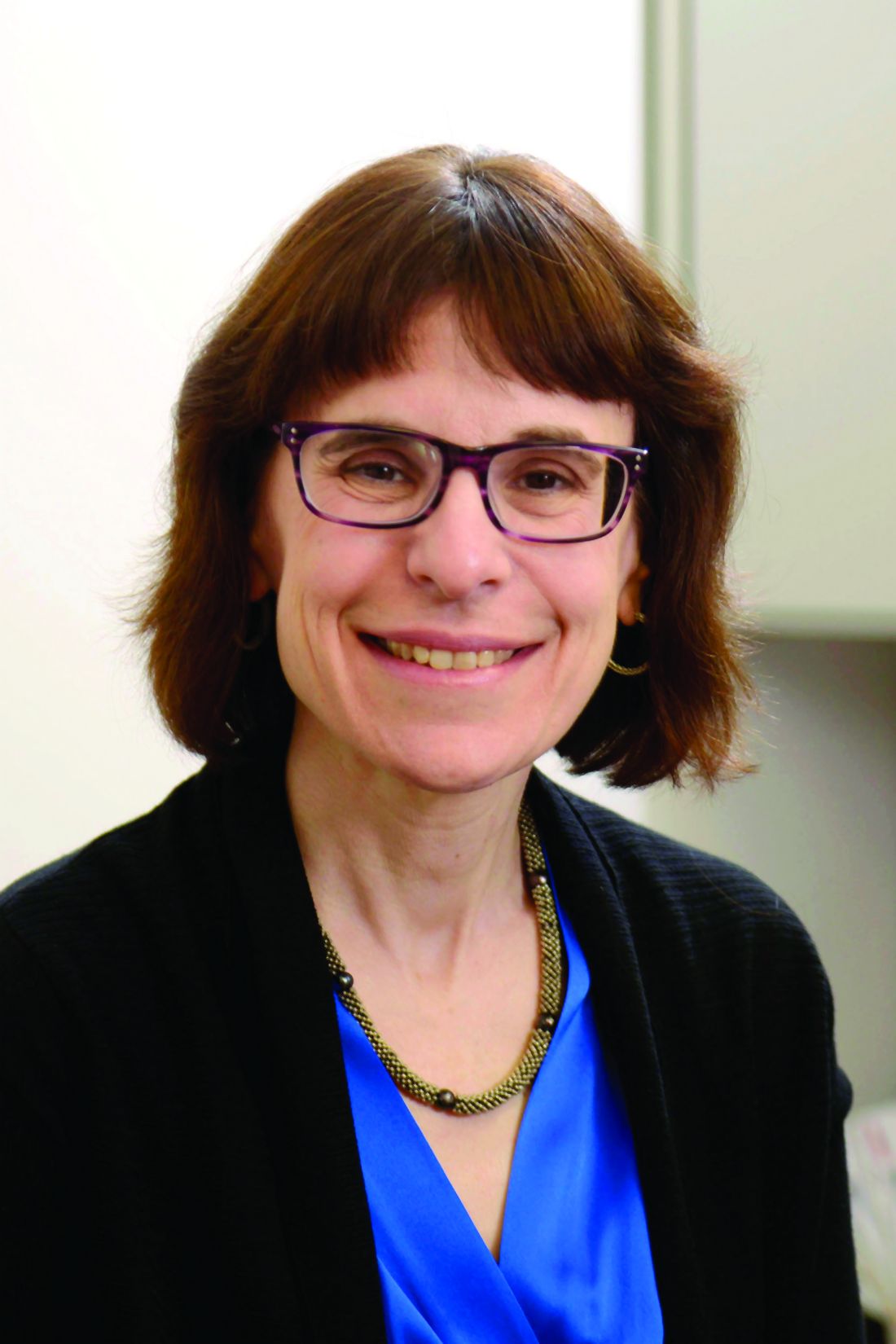
Physicians are well aware of the problem, but “they all think it’s not them,” she said.
She said a shortcoming of this study is that it is unclear what the payments were for, because many things are lumped together in the categories. In the case of food and beverage payments, she said that could include payments physicians don’t realize are going on their open payments profile.
Dr. Onel gives a personal example. When she goes to a medical conference, she says, “I don’t eat on pharma’s dime.” But because badge numbers are scanned, it appears she accepted the food provided by the pharmaceutical sponsor when she enters a room where food or coffee is being served.
She said that although there are outliers like rACTH that often get highlighted, “the numbers are very low of the physicians who had [industry] money, and the change in prescribing patterns actually was very low.”
She pointed to an important limitation that the authors list: The study was limited to patients with fee-for-service Medicare coverage and did not include those with private insurance.
“For example, Aetna, Cigna, and UnitedHealthcare have restricted reimbursement for rACTH in recent years, citing its lack of proven efficacy and the availability of more affordable options, and rACTH is not in the Veterans Affairs formulary,” the authors wrote.
Rapid development of specialty drugs
Still, the authors wrote, the associations described in this article are of high interest because even though rheumatologists make up a small proportion of the physician workforce, they have among the highest costs per prescription in Medicare drug claims.
“Rheumatology, second only to oncology, has entered an era of rapid development of specialty drugs, including biologic disease-modifying antirheumatic drugs (DMARDs),” the authors wrote.
The complex drugs are expensive to produce and require expertise in handling. Most are under patent with no generic or approved biosimilar equivalent.
Nearly half of all U.S. rheumatologists received some payment from a pharmaceutical company in the study period, and most payments to rheumatologists were for low dollar amounts.
The highest per-year annual expenditures were attributed to etanercept ($741 million), adalimumab ($620 million), and infliximab ($539 million).
These drugs were expensive per beneficiary ($20,728 for etanercept, $21,492 for adalimumab, and $15,941 for infliximab) and were prescribed by a large number of rheumatologists (4,068, 3,872, and 1,349, respectively).
Addressing the problem
Dr. Mitchell says the leaders of individual societies need to fill the gaps that leave busy clinicians searching for easy ways to get up-to-date information on drugs.
He says in all specialties, “Industry should not be the most easily and readily available source of information.
“We’re in the age of Zoom now,” he said. “There’s no reason you have to be sitting for an hour at lunch with a sales rep and not a brown-bag lunch getting a 1-hour update from a society on a new drug indication.
“We will get higher-quality information if we’re doing the education ourselves, and we’d be removing the sense of obligation to pay back the industry gift givers,” Dr. Mitchell said.
Dr. Onel said among the most critical work is making sure that the leadership of ACR is free of conflicts of interest.
“They are making decisions for the entire organization. We need to feel safe and comfortable that they are acting in the best interest of the rheumatologists and patients versus corporate partners,” she said.
Guidelines must strictly follow the standards from the Institute of Medicine that fewer than 50% of the regular guideline committee members may have commercial conflicts, Dr. Onel said.
She added that training on real or apparent conflicts of interest must start in medical school, residency, and fellowship, before physicians start to think they know their own practice patterns and that the results don’t apply to them.
However, the reality is that the industry and physicians will always need each other, she said.
Dr. Onel describes a tension between rheumatologists needing industry’s help for research and education, especially when federal money for research can be difficult to get, and managing those relationships to avoid real or apparent conflicts.
“We want the public’s trust,” she said.
A study coauthor has served on advisory boards of Boehringer Ingelheim (> $10,000) and Gilead Sciences (> $10,000); has served on speakers bureaus for Simply Speaking (> $10,000) and Boehringer Ingelheim (< $10,000); and has received royalties from UpToDate (> $10,000). Dr. Mitchell and Dr. Onel reported no relevant financial relationships.
* Update, 2/25/22: This article, which originally attributed comments to Dr. Karen Onel personally, has been updated to further emphasize that these comments were not on behalf of the committee that she leads.
A version of this article first appeared on Medscape.com.
Payments to rheumatologists by pharmaceutical companies, whether through food and beverages or consulting fees, are linked with a higher likelihood of prescribing drugs and higher Medicare spending, according to a new study published Feb. 2 in Mayo Clinic Proceedings.
Alí Duarte-García, MD, of the division of rheumatology in the department of medicine at the Mayo Clinic in Rochester, Minn., led the study.
Researchers conducted a cross-sectional analysis of Medicare Part B Public Use File, Medicare Part D Public Use File, and Open Payments data for 2013-2015. They included prescription drugs that accounted for 80% of the total Medicare pharmaceutical expenditures in rheumatology.
They then calculated annual average drug cost per beneficiary per year, the percentage of rheumatologists who received payments, and the average payment per physician per drug per year. Industry payments were categorized as either food/beverage or consulting/compensation.
Multivariable regression models were used to assess links between industry payments, prescribing patterns, and prescription drug spending.
‘Directly associated’ with prescribing probability
The authors concluded that “pharmaceutical company payments to rheumatologists were directly associated with the probability of the physician’s prescribing a drug marketed by that company, the proportion of prescriptions that are for that drug, and the resulting Medicare expenditures.”
The authors noted that food and beverage payments were associated with increased Medicare reimbursement amounts for all drugs except rituximab.
The article includes examples that help quantify the link between payments and prescribing.
The authors wrote that for each $100 in food/beverage payments, Medicare reimbursement increased 6% to 44%. The increases were particularly high for infliximab and rACTH (repository corticotropin injection), “whereby a payment of $100 to a prescriber of these drugs was associated with increases of approximately $72,000 and $30,000 in Medicare reimbursements, respectively. For most of the other drugs, for every $100 in payments, the Medicare reimbursement increased by $8,000 to $13,000.”
The associations were strongest for food and beverage payments even though those were for lower dollar amounts.
The researchers found that every $100 in food and beverage payments, which also include gifts, entertainment, or educational materials, was linked with more than twofold higher probability of prescribing and higher Medicare reimbursements than for every $1,000 paid in consulting fees and compensation.
That finding and findings from previous studies, they say, “suggest that the current approach to regulating industry influence, which focuses on disclosure of large payments, may be inadequate.”
Aaron P. Mitchell, MD, a medical oncologist and health services researcher with Memorial Sloan Kettering Cancer Center in New York, told this news organization that the findings regarding rACTH show the potential harm of industry payments that are linked with prescribing.
The drug is a naturally produced hormone used for both rheumatologic and neurologic conditions. “Since it is an unpatentable drug – really just a hormone – it’s kind of grandfathered in and never had to get [Food and Drug Administration] approval for its current indications,” Dr. Mitchell said.
The drug, which costs nearly $230,000 per Medicare beneficiary, hasn’t been tested head to head in large randomized trials against much cheaper rheumatology drugs, such as prednisone.
In the case of infliximab, he noted, for every $100 in food/beverage payments, there was an increase of $72,000 in Medicare spending.
Dr. Mitchell studies industry influence in a variety of specialties and said rheumatology follows the universal pattern, although the drugs used in the specialty are more expensive than in many specialties.
He agrees with the authors that focusing on disclosures to address the problem is probably not enough.
“We’ve been in this period of full and open disclosure for going on 10 years, and we haven’t really seen a decline in these payments,” he said.
Results won’t surprise rheumatologists
Karen Onel, MD, a pediatric rheumatologist at the Hospital for Special Surgery, New York, and chair of the American College of Rheumatology’s Ethics and Conflict of Interest Committee, who said she was speaking only for herself and not on behalf of the committee, told this news organization that the study will not be surprising to rheumatologists or to physicians in other specialties who are aware of the plethora of studies that concluded that industry payments influence prescribing.*
Physicians are well aware of the problem, but “they all think it’s not them,” she said.
She said a shortcoming of this study is that it is unclear what the payments were for, because many things are lumped together in the categories. In the case of food and beverage payments, she said that could include payments physicians don’t realize are going on their open payments profile.
Dr. Onel gives a personal example. When she goes to a medical conference, she says, “I don’t eat on pharma’s dime.” But because badge numbers are scanned, it appears she accepted the food provided by the pharmaceutical sponsor when she enters a room where food or coffee is being served.
She said that although there are outliers like rACTH that often get highlighted, “the numbers are very low of the physicians who had [industry] money, and the change in prescribing patterns actually was very low.”
She pointed to an important limitation that the authors list: The study was limited to patients with fee-for-service Medicare coverage and did not include those with private insurance.
“For example, Aetna, Cigna, and UnitedHealthcare have restricted reimbursement for rACTH in recent years, citing its lack of proven efficacy and the availability of more affordable options, and rACTH is not in the Veterans Affairs formulary,” the authors wrote.
Rapid development of specialty drugs
Still, the authors wrote, the associations described in this article are of high interest because even though rheumatologists make up a small proportion of the physician workforce, they have among the highest costs per prescription in Medicare drug claims.
“Rheumatology, second only to oncology, has entered an era of rapid development of specialty drugs, including biologic disease-modifying antirheumatic drugs (DMARDs),” the authors wrote.
The complex drugs are expensive to produce and require expertise in handling. Most are under patent with no generic or approved biosimilar equivalent.
Nearly half of all U.S. rheumatologists received some payment from a pharmaceutical company in the study period, and most payments to rheumatologists were for low dollar amounts.
The highest per-year annual expenditures were attributed to etanercept ($741 million), adalimumab ($620 million), and infliximab ($539 million).
These drugs were expensive per beneficiary ($20,728 for etanercept, $21,492 for adalimumab, and $15,941 for infliximab) and were prescribed by a large number of rheumatologists (4,068, 3,872, and 1,349, respectively).
Addressing the problem
Dr. Mitchell says the leaders of individual societies need to fill the gaps that leave busy clinicians searching for easy ways to get up-to-date information on drugs.
He says in all specialties, “Industry should not be the most easily and readily available source of information.
“We’re in the age of Zoom now,” he said. “There’s no reason you have to be sitting for an hour at lunch with a sales rep and not a brown-bag lunch getting a 1-hour update from a society on a new drug indication.
“We will get higher-quality information if we’re doing the education ourselves, and we’d be removing the sense of obligation to pay back the industry gift givers,” Dr. Mitchell said.
Dr. Onel said among the most critical work is making sure that the leadership of ACR is free of conflicts of interest.
“They are making decisions for the entire organization. We need to feel safe and comfortable that they are acting in the best interest of the rheumatologists and patients versus corporate partners,” she said.
Guidelines must strictly follow the standards from the Institute of Medicine that fewer than 50% of the regular guideline committee members may have commercial conflicts, Dr. Onel said.
She added that training on real or apparent conflicts of interest must start in medical school, residency, and fellowship, before physicians start to think they know their own practice patterns and that the results don’t apply to them.
However, the reality is that the industry and physicians will always need each other, she said.
Dr. Onel describes a tension between rheumatologists needing industry’s help for research and education, especially when federal money for research can be difficult to get, and managing those relationships to avoid real or apparent conflicts.
“We want the public’s trust,” she said.
A study coauthor has served on advisory boards of Boehringer Ingelheim (> $10,000) and Gilead Sciences (> $10,000); has served on speakers bureaus for Simply Speaking (> $10,000) and Boehringer Ingelheim (< $10,000); and has received royalties from UpToDate (> $10,000). Dr. Mitchell and Dr. Onel reported no relevant financial relationships.
* Update, 2/25/22: This article, which originally attributed comments to Dr. Karen Onel personally, has been updated to further emphasize that these comments were not on behalf of the committee that she leads.
A version of this article first appeared on Medscape.com.
Payments to rheumatologists by pharmaceutical companies, whether through food and beverages or consulting fees, are linked with a higher likelihood of prescribing drugs and higher Medicare spending, according to a new study published Feb. 2 in Mayo Clinic Proceedings.
Alí Duarte-García, MD, of the division of rheumatology in the department of medicine at the Mayo Clinic in Rochester, Minn., led the study.
Researchers conducted a cross-sectional analysis of Medicare Part B Public Use File, Medicare Part D Public Use File, and Open Payments data for 2013-2015. They included prescription drugs that accounted for 80% of the total Medicare pharmaceutical expenditures in rheumatology.
They then calculated annual average drug cost per beneficiary per year, the percentage of rheumatologists who received payments, and the average payment per physician per drug per year. Industry payments were categorized as either food/beverage or consulting/compensation.
Multivariable regression models were used to assess links between industry payments, prescribing patterns, and prescription drug spending.
‘Directly associated’ with prescribing probability
The authors concluded that “pharmaceutical company payments to rheumatologists were directly associated with the probability of the physician’s prescribing a drug marketed by that company, the proportion of prescriptions that are for that drug, and the resulting Medicare expenditures.”
The authors noted that food and beverage payments were associated with increased Medicare reimbursement amounts for all drugs except rituximab.
The article includes examples that help quantify the link between payments and prescribing.
The authors wrote that for each $100 in food/beverage payments, Medicare reimbursement increased 6% to 44%. The increases were particularly high for infliximab and rACTH (repository corticotropin injection), “whereby a payment of $100 to a prescriber of these drugs was associated with increases of approximately $72,000 and $30,000 in Medicare reimbursements, respectively. For most of the other drugs, for every $100 in payments, the Medicare reimbursement increased by $8,000 to $13,000.”
The associations were strongest for food and beverage payments even though those were for lower dollar amounts.
The researchers found that every $100 in food and beverage payments, which also include gifts, entertainment, or educational materials, was linked with more than twofold higher probability of prescribing and higher Medicare reimbursements than for every $1,000 paid in consulting fees and compensation.
That finding and findings from previous studies, they say, “suggest that the current approach to regulating industry influence, which focuses on disclosure of large payments, may be inadequate.”
Aaron P. Mitchell, MD, a medical oncologist and health services researcher with Memorial Sloan Kettering Cancer Center in New York, told this news organization that the findings regarding rACTH show the potential harm of industry payments that are linked with prescribing.
The drug is a naturally produced hormone used for both rheumatologic and neurologic conditions. “Since it is an unpatentable drug – really just a hormone – it’s kind of grandfathered in and never had to get [Food and Drug Administration] approval for its current indications,” Dr. Mitchell said.
The drug, which costs nearly $230,000 per Medicare beneficiary, hasn’t been tested head to head in large randomized trials against much cheaper rheumatology drugs, such as prednisone.
In the case of infliximab, he noted, for every $100 in food/beverage payments, there was an increase of $72,000 in Medicare spending.
Dr. Mitchell studies industry influence in a variety of specialties and said rheumatology follows the universal pattern, although the drugs used in the specialty are more expensive than in many specialties.
He agrees with the authors that focusing on disclosures to address the problem is probably not enough.
“We’ve been in this period of full and open disclosure for going on 10 years, and we haven’t really seen a decline in these payments,” he said.
Results won’t surprise rheumatologists
Karen Onel, MD, a pediatric rheumatologist at the Hospital for Special Surgery, New York, and chair of the American College of Rheumatology’s Ethics and Conflict of Interest Committee, who said she was speaking only for herself and not on behalf of the committee, told this news organization that the study will not be surprising to rheumatologists or to physicians in other specialties who are aware of the plethora of studies that concluded that industry payments influence prescribing.*
Physicians are well aware of the problem, but “they all think it’s not them,” she said.
She said a shortcoming of this study is that it is unclear what the payments were for, because many things are lumped together in the categories. In the case of food and beverage payments, she said that could include payments physicians don’t realize are going on their open payments profile.
Dr. Onel gives a personal example. When she goes to a medical conference, she says, “I don’t eat on pharma’s dime.” But because badge numbers are scanned, it appears she accepted the food provided by the pharmaceutical sponsor when she enters a room where food or coffee is being served.
She said that although there are outliers like rACTH that often get highlighted, “the numbers are very low of the physicians who had [industry] money, and the change in prescribing patterns actually was very low.”
She pointed to an important limitation that the authors list: The study was limited to patients with fee-for-service Medicare coverage and did not include those with private insurance.
“For example, Aetna, Cigna, and UnitedHealthcare have restricted reimbursement for rACTH in recent years, citing its lack of proven efficacy and the availability of more affordable options, and rACTH is not in the Veterans Affairs formulary,” the authors wrote.
Rapid development of specialty drugs
Still, the authors wrote, the associations described in this article are of high interest because even though rheumatologists make up a small proportion of the physician workforce, they have among the highest costs per prescription in Medicare drug claims.
“Rheumatology, second only to oncology, has entered an era of rapid development of specialty drugs, including biologic disease-modifying antirheumatic drugs (DMARDs),” the authors wrote.
The complex drugs are expensive to produce and require expertise in handling. Most are under patent with no generic or approved biosimilar equivalent.
Nearly half of all U.S. rheumatologists received some payment from a pharmaceutical company in the study period, and most payments to rheumatologists were for low dollar amounts.
The highest per-year annual expenditures were attributed to etanercept ($741 million), adalimumab ($620 million), and infliximab ($539 million).
These drugs were expensive per beneficiary ($20,728 for etanercept, $21,492 for adalimumab, and $15,941 for infliximab) and were prescribed by a large number of rheumatologists (4,068, 3,872, and 1,349, respectively).
Addressing the problem
Dr. Mitchell says the leaders of individual societies need to fill the gaps that leave busy clinicians searching for easy ways to get up-to-date information on drugs.
He says in all specialties, “Industry should not be the most easily and readily available source of information.
“We’re in the age of Zoom now,” he said. “There’s no reason you have to be sitting for an hour at lunch with a sales rep and not a brown-bag lunch getting a 1-hour update from a society on a new drug indication.
“We will get higher-quality information if we’re doing the education ourselves, and we’d be removing the sense of obligation to pay back the industry gift givers,” Dr. Mitchell said.
Dr. Onel said among the most critical work is making sure that the leadership of ACR is free of conflicts of interest.
“They are making decisions for the entire organization. We need to feel safe and comfortable that they are acting in the best interest of the rheumatologists and patients versus corporate partners,” she said.
Guidelines must strictly follow the standards from the Institute of Medicine that fewer than 50% of the regular guideline committee members may have commercial conflicts, Dr. Onel said.
She added that training on real or apparent conflicts of interest must start in medical school, residency, and fellowship, before physicians start to think they know their own practice patterns and that the results don’t apply to them.
However, the reality is that the industry and physicians will always need each other, she said.
Dr. Onel describes a tension between rheumatologists needing industry’s help for research and education, especially when federal money for research can be difficult to get, and managing those relationships to avoid real or apparent conflicts.
“We want the public’s trust,” she said.
A study coauthor has served on advisory boards of Boehringer Ingelheim (> $10,000) and Gilead Sciences (> $10,000); has served on speakers bureaus for Simply Speaking (> $10,000) and Boehringer Ingelheim (< $10,000); and has received royalties from UpToDate (> $10,000). Dr. Mitchell and Dr. Onel reported no relevant financial relationships.
* Update, 2/25/22: This article, which originally attributed comments to Dr. Karen Onel personally, has been updated to further emphasize that these comments were not on behalf of the committee that she leads.
A version of this article first appeared on Medscape.com.
Excess sodium in soluble acetaminophen tied to CVD risk, death
a large observational study of more than 300,000 adults suggests.
“Numerous studies have reported that high sodium intake is associated with increased risks of cardiovascular disease,” Yuqing Zhang, DSc, with Massachusetts General Hospital and Harvard Medical School, Boston, told this news organization. “Given that the pain relief effect of non–sodium-containing acetaminophen is similar to that of sodium-containing acetaminophen, clinicians may prescribe non–sodium-containing acetaminophen to their patients to minimize the risk of CVD and mortality,” Dr. Zhang said.
The study was published online Feb. 24 in the European Heart Journal.
‘Compelling results’
Dr. Zhang and colleagues note that the effervescent and soluble formulations of 0.5 g acetaminophen contain 0.44 and 0.39 g of sodium, respectively.
Therefore, the intake of maximum daily dose (4 g/day) of sodium-containing acetaminophen corresponds to the ingestion of more than 3 g of sodium, a dose that alone exceeds the recommended total daily sodium intake allowance of the World Health Organization (2 g/day).
“This hidden extra sodium intake is often overlooked,” Dr. Zhang told this news organization.
Using data from the Health Improvement Network, a U.K. primary care database, the researchers examined 4,532 patients with hypertension taking sodium-containing acetaminophen and compared them with 146,866 patients with hypertension taking non–sodium-containing acetaminophen (tablet, capsule, or oral suspension formulations).
After 1 year, the risk of incident CVD (myocardial infarction, stroke, and heart failure) was 5.6% in those taking sodium-containing acetaminophen, compared with 4.6% in those taking non–sodium-containing acetaminophen (average weighted hazard ratio, 1.59; 95% confidence interval, 1.32-1.92).
A separate analysis of normotensive patients taking sodium-containing acetaminophen (n = 5,351) or non–sodium-containing acetaminophen (n = 141,948) gave similar results.
The 1-year risk of incident CVD was 4.4% in those taking sodium-containing acetaminophen vs. 3.7% among those taking non–sodium-containing acetaminophen (average weighted HR, 1.45; 95% CI, 1.18-1.79).
There was also evidence of a dose-response relationship.
In those with hypertension, CVD risk increased by roughly one-quarter (odds ratio, 1.26) for those with one prescription of sodium-containing acetaminophen and by nearly one half (OR, 1.45) for those with five or more prescriptions of sodium-containing acetaminophen. Similar findings were observed among adults without hypertension.
Mortality at 1 year was also higher in those taking sodium-containing acetaminophen than non–sodium-containing acetaminophen, in patients with hypertension (7.6% vs. 6.1%) and without hypertension (7.3% vs. 5.9%).
“The results are compelling,” write the authors of an editorial published with the study.
“The direct message from this study is clear – there are likely to be millions of people worldwide taking paracetamol on a daily basis in a ‘fast-acting’ effervescent or soluble formulation who are increasing their risks of cardiovascular disease and premature death,” say Aletta Schutte, PhD, and Bruce Neal, MBChB, PhD, of the George Institute for Global Health, Sydney.
“The weight of the evidence makes ongoing inaction on sodium-containing medications untenable. The widespread use of effervescent medication in the general population, and the enormous doses of sodium that can be consumed inadvertently by unsuspecting consumers requires urgent action,” Dr. Schutte and Dr. Neal say.
The study was supported by the National Natural Science Foundation of China, the National Key Research and Development Project, the Project Program of National Clinical Research Center for Geriatric Disorders, the Key Research and Development Program of Hunan Province, and the Science and Technology Program of Hunan Province. Dr. Zhang, Dr. Schutte, and Dr. Neal have disclosed no relevant financial relationships.
A version of this article first appeared on Medscape.com.
a large observational study of more than 300,000 adults suggests.
“Numerous studies have reported that high sodium intake is associated with increased risks of cardiovascular disease,” Yuqing Zhang, DSc, with Massachusetts General Hospital and Harvard Medical School, Boston, told this news organization. “Given that the pain relief effect of non–sodium-containing acetaminophen is similar to that of sodium-containing acetaminophen, clinicians may prescribe non–sodium-containing acetaminophen to their patients to minimize the risk of CVD and mortality,” Dr. Zhang said.
The study was published online Feb. 24 in the European Heart Journal.
‘Compelling results’
Dr. Zhang and colleagues note that the effervescent and soluble formulations of 0.5 g acetaminophen contain 0.44 and 0.39 g of sodium, respectively.
Therefore, the intake of maximum daily dose (4 g/day) of sodium-containing acetaminophen corresponds to the ingestion of more than 3 g of sodium, a dose that alone exceeds the recommended total daily sodium intake allowance of the World Health Organization (2 g/day).
“This hidden extra sodium intake is often overlooked,” Dr. Zhang told this news organization.
Using data from the Health Improvement Network, a U.K. primary care database, the researchers examined 4,532 patients with hypertension taking sodium-containing acetaminophen and compared them with 146,866 patients with hypertension taking non–sodium-containing acetaminophen (tablet, capsule, or oral suspension formulations).
After 1 year, the risk of incident CVD (myocardial infarction, stroke, and heart failure) was 5.6% in those taking sodium-containing acetaminophen, compared with 4.6% in those taking non–sodium-containing acetaminophen (average weighted hazard ratio, 1.59; 95% confidence interval, 1.32-1.92).
A separate analysis of normotensive patients taking sodium-containing acetaminophen (n = 5,351) or non–sodium-containing acetaminophen (n = 141,948) gave similar results.
The 1-year risk of incident CVD was 4.4% in those taking sodium-containing acetaminophen vs. 3.7% among those taking non–sodium-containing acetaminophen (average weighted HR, 1.45; 95% CI, 1.18-1.79).
There was also evidence of a dose-response relationship.
In those with hypertension, CVD risk increased by roughly one-quarter (odds ratio, 1.26) for those with one prescription of sodium-containing acetaminophen and by nearly one half (OR, 1.45) for those with five or more prescriptions of sodium-containing acetaminophen. Similar findings were observed among adults without hypertension.
Mortality at 1 year was also higher in those taking sodium-containing acetaminophen than non–sodium-containing acetaminophen, in patients with hypertension (7.6% vs. 6.1%) and without hypertension (7.3% vs. 5.9%).
“The results are compelling,” write the authors of an editorial published with the study.
“The direct message from this study is clear – there are likely to be millions of people worldwide taking paracetamol on a daily basis in a ‘fast-acting’ effervescent or soluble formulation who are increasing their risks of cardiovascular disease and premature death,” say Aletta Schutte, PhD, and Bruce Neal, MBChB, PhD, of the George Institute for Global Health, Sydney.
“The weight of the evidence makes ongoing inaction on sodium-containing medications untenable. The widespread use of effervescent medication in the general population, and the enormous doses of sodium that can be consumed inadvertently by unsuspecting consumers requires urgent action,” Dr. Schutte and Dr. Neal say.
The study was supported by the National Natural Science Foundation of China, the National Key Research and Development Project, the Project Program of National Clinical Research Center for Geriatric Disorders, the Key Research and Development Program of Hunan Province, and the Science and Technology Program of Hunan Province. Dr. Zhang, Dr. Schutte, and Dr. Neal have disclosed no relevant financial relationships.
A version of this article first appeared on Medscape.com.
a large observational study of more than 300,000 adults suggests.
“Numerous studies have reported that high sodium intake is associated with increased risks of cardiovascular disease,” Yuqing Zhang, DSc, with Massachusetts General Hospital and Harvard Medical School, Boston, told this news organization. “Given that the pain relief effect of non–sodium-containing acetaminophen is similar to that of sodium-containing acetaminophen, clinicians may prescribe non–sodium-containing acetaminophen to their patients to minimize the risk of CVD and mortality,” Dr. Zhang said.
The study was published online Feb. 24 in the European Heart Journal.
‘Compelling results’
Dr. Zhang and colleagues note that the effervescent and soluble formulations of 0.5 g acetaminophen contain 0.44 and 0.39 g of sodium, respectively.
Therefore, the intake of maximum daily dose (4 g/day) of sodium-containing acetaminophen corresponds to the ingestion of more than 3 g of sodium, a dose that alone exceeds the recommended total daily sodium intake allowance of the World Health Organization (2 g/day).
“This hidden extra sodium intake is often overlooked,” Dr. Zhang told this news organization.
Using data from the Health Improvement Network, a U.K. primary care database, the researchers examined 4,532 patients with hypertension taking sodium-containing acetaminophen and compared them with 146,866 patients with hypertension taking non–sodium-containing acetaminophen (tablet, capsule, or oral suspension formulations).
After 1 year, the risk of incident CVD (myocardial infarction, stroke, and heart failure) was 5.6% in those taking sodium-containing acetaminophen, compared with 4.6% in those taking non–sodium-containing acetaminophen (average weighted hazard ratio, 1.59; 95% confidence interval, 1.32-1.92).
A separate analysis of normotensive patients taking sodium-containing acetaminophen (n = 5,351) or non–sodium-containing acetaminophen (n = 141,948) gave similar results.
The 1-year risk of incident CVD was 4.4% in those taking sodium-containing acetaminophen vs. 3.7% among those taking non–sodium-containing acetaminophen (average weighted HR, 1.45; 95% CI, 1.18-1.79).
There was also evidence of a dose-response relationship.
In those with hypertension, CVD risk increased by roughly one-quarter (odds ratio, 1.26) for those with one prescription of sodium-containing acetaminophen and by nearly one half (OR, 1.45) for those with five or more prescriptions of sodium-containing acetaminophen. Similar findings were observed among adults without hypertension.
Mortality at 1 year was also higher in those taking sodium-containing acetaminophen than non–sodium-containing acetaminophen, in patients with hypertension (7.6% vs. 6.1%) and without hypertension (7.3% vs. 5.9%).
“The results are compelling,” write the authors of an editorial published with the study.
“The direct message from this study is clear – there are likely to be millions of people worldwide taking paracetamol on a daily basis in a ‘fast-acting’ effervescent or soluble formulation who are increasing their risks of cardiovascular disease and premature death,” say Aletta Schutte, PhD, and Bruce Neal, MBChB, PhD, of the George Institute for Global Health, Sydney.
“The weight of the evidence makes ongoing inaction on sodium-containing medications untenable. The widespread use of effervescent medication in the general population, and the enormous doses of sodium that can be consumed inadvertently by unsuspecting consumers requires urgent action,” Dr. Schutte and Dr. Neal say.
The study was supported by the National Natural Science Foundation of China, the National Key Research and Development Project, the Project Program of National Clinical Research Center for Geriatric Disorders, the Key Research and Development Program of Hunan Province, and the Science and Technology Program of Hunan Province. Dr. Zhang, Dr. Schutte, and Dr. Neal have disclosed no relevant financial relationships.
A version of this article first appeared on Medscape.com.
FROM THE EUROPEAN HEART JOURNAL
Violence in the workplace: The hidden dangers of a medical career
On Oct. 4, staff, patients, and medical students at my institution received word that a fatal shooting had occurred inside the campus hospital. For staff, this was a painful event compounding the already stressful pandemic times, while for students, it was a harsh introduction to the emerging dangers of practicing medicine.
Sure, . Unfortunately, acts of violence targeting health care workers occur at surprisingly high rates.
Reports following the shooting indicated that the gunman had a personal conflict with a coworker, and thankfully, larger numbers of people had not been targeted. While this may seem like a one-off incident, any shooting inside a hospital is a serious matter. Hospitals should be places of healing. Yes, they are inevitably places of suffering as well, but this pain should never be human-inflicted.
Health care workers are widely admired in the community, and increasingly so due to their sacrifices during the COVID-19 pandemic. Even though there is more attention to our health care spaces, the epidemic of occupational violence against our country’s health care workers has gone largely unrecognized, and this danger has only worsened since the onset of the pandemic.
Acts of violence against health care workers not only include fatal shootings or stabbings but may also include physical or verbal aggressions by frustrated patients and visitors. It is likely that students entering the health care field will encounter such danger during their careers.
Health care workers have four times the likelihood of being assaulted on the job, compared with those working in private industry. The World Health Organization reports that 38% of health workers can expect to experience physical violence at some point in their careers, while verbal threatening was reportedly even more common. It is plausible that the true rate of violence surpasses these rates, as reporting them is entirely voluntary.
In fact, the American Journal of Managed Care reported in 2019 that 75% of workplace assaults occur in health care, yet only 30% of nurses and 26% of emergency department physicians report such experiences.
Anecdotally, many of my own physician mentors have shared stories of troubling or threatening situations they have faced throughout their careers. These types of situations can be difficult to avoid, as providers are trained and naturally inclined to empathize with their patients and help as much as possible, making it difficult to turn away potentially violent individuals.
Since the start of the COVID-19 pandemic, as the public became more fatigued, incidents of violence rose. Facing staffing shortages, visitor restrictions, and high-acuity patients, health care workers found it increasingly difficult to manage large caseloads. High levels of stress were affecting not only patients, who were facing some of the toughest times of their lives, but also staff, who experienced rising demands.
Meanwhile, gun violence in our country has profoundly increased during the pandemic, creating an unstable backdrop to this tension.
Obviously, acts of violence against health care workers are unacceptable. Such events can pose real physical harms to providers, possibly resulting in irreversible injury, health problems, or even death. Additionally, they can yield long-term psychological harms, increase burnout, and impact job satisfaction.
Health care providers already make huge personal sacrifices to pursue their profession, and this threat of violence is an additional burden they unfortunately face.
In addition to the direct harm to employees, violence also has broader systemic detriments to patient outcomes and health care economics. Acts of violence against health care workers can lower the quality of care provided to patients – either directly, by virtue of being present during such dangerous situations, or indirectly, as stressed or burned-out providers may understandably be unable to provide optimal care. Rates of avoidable errors naturally rise in the presence of such stressors.
Unfortunately, regulations protecting health care workers from violence are sparse, and hospitals are not currently required to implement prevention plans for workplace violence. There are certainly some common-sense changes that institutions have begun implementing, including the use of metal detectors upon entry or the increased presence of security staff, but generally, it is questionable whether these measures alone can fully eliminate violence.
The first step in addressing this unacceptably common issue is to boost awareness and brainstorm creative solutions. Health care workers and medical students should at least be made aware of this widely prevalent threat, and safety training can be implemented to parallel that of our nation’s other schools, which have unfortunately faced a similar plight for decades.
However, similar to most issues in medicine, prevention is certainly the best strategy. By highlighting the unbelievably prevalent nature of this issue, along with its severe human and financial costs, hopefully we can draw the attention of policymakers to catalyze lasting change with a preventative focus.
The Thomas Jefferson University community responded to this tragic event with a message of resilience, offering mental health services, increasing its law enforcement presence, and promising to revisit physical security measures. This all-too-familiar pattern has been seen with previous acts of violence, but it has not yet yielded a true solution. Yet there’s not too much more an individual hospital can do without broader systemic change.
We must improve our awareness and understanding of the deep-rooted factors underlying this public health crisis and adapt how we communicate about them to achieve real progress.
Yash Shah is a first-year medical student at Thomas Jefferson University in Philadelphia. He has disclosed no relevant financial relationships.
A version of this article first appeared on Medscape.com.
On Oct. 4, staff, patients, and medical students at my institution received word that a fatal shooting had occurred inside the campus hospital. For staff, this was a painful event compounding the already stressful pandemic times, while for students, it was a harsh introduction to the emerging dangers of practicing medicine.
Sure, . Unfortunately, acts of violence targeting health care workers occur at surprisingly high rates.
Reports following the shooting indicated that the gunman had a personal conflict with a coworker, and thankfully, larger numbers of people had not been targeted. While this may seem like a one-off incident, any shooting inside a hospital is a serious matter. Hospitals should be places of healing. Yes, they are inevitably places of suffering as well, but this pain should never be human-inflicted.
Health care workers are widely admired in the community, and increasingly so due to their sacrifices during the COVID-19 pandemic. Even though there is more attention to our health care spaces, the epidemic of occupational violence against our country’s health care workers has gone largely unrecognized, and this danger has only worsened since the onset of the pandemic.
Acts of violence against health care workers not only include fatal shootings or stabbings but may also include physical or verbal aggressions by frustrated patients and visitors. It is likely that students entering the health care field will encounter such danger during their careers.
Health care workers have four times the likelihood of being assaulted on the job, compared with those working in private industry. The World Health Organization reports that 38% of health workers can expect to experience physical violence at some point in their careers, while verbal threatening was reportedly even more common. It is plausible that the true rate of violence surpasses these rates, as reporting them is entirely voluntary.
In fact, the American Journal of Managed Care reported in 2019 that 75% of workplace assaults occur in health care, yet only 30% of nurses and 26% of emergency department physicians report such experiences.
Anecdotally, many of my own physician mentors have shared stories of troubling or threatening situations they have faced throughout their careers. These types of situations can be difficult to avoid, as providers are trained and naturally inclined to empathize with their patients and help as much as possible, making it difficult to turn away potentially violent individuals.
Since the start of the COVID-19 pandemic, as the public became more fatigued, incidents of violence rose. Facing staffing shortages, visitor restrictions, and high-acuity patients, health care workers found it increasingly difficult to manage large caseloads. High levels of stress were affecting not only patients, who were facing some of the toughest times of their lives, but also staff, who experienced rising demands.
Meanwhile, gun violence in our country has profoundly increased during the pandemic, creating an unstable backdrop to this tension.
Obviously, acts of violence against health care workers are unacceptable. Such events can pose real physical harms to providers, possibly resulting in irreversible injury, health problems, or even death. Additionally, they can yield long-term psychological harms, increase burnout, and impact job satisfaction.
Health care providers already make huge personal sacrifices to pursue their profession, and this threat of violence is an additional burden they unfortunately face.
In addition to the direct harm to employees, violence also has broader systemic detriments to patient outcomes and health care economics. Acts of violence against health care workers can lower the quality of care provided to patients – either directly, by virtue of being present during such dangerous situations, or indirectly, as stressed or burned-out providers may understandably be unable to provide optimal care. Rates of avoidable errors naturally rise in the presence of such stressors.
Unfortunately, regulations protecting health care workers from violence are sparse, and hospitals are not currently required to implement prevention plans for workplace violence. There are certainly some common-sense changes that institutions have begun implementing, including the use of metal detectors upon entry or the increased presence of security staff, but generally, it is questionable whether these measures alone can fully eliminate violence.
The first step in addressing this unacceptably common issue is to boost awareness and brainstorm creative solutions. Health care workers and medical students should at least be made aware of this widely prevalent threat, and safety training can be implemented to parallel that of our nation’s other schools, which have unfortunately faced a similar plight for decades.
However, similar to most issues in medicine, prevention is certainly the best strategy. By highlighting the unbelievably prevalent nature of this issue, along with its severe human and financial costs, hopefully we can draw the attention of policymakers to catalyze lasting change with a preventative focus.
The Thomas Jefferson University community responded to this tragic event with a message of resilience, offering mental health services, increasing its law enforcement presence, and promising to revisit physical security measures. This all-too-familiar pattern has been seen with previous acts of violence, but it has not yet yielded a true solution. Yet there’s not too much more an individual hospital can do without broader systemic change.
We must improve our awareness and understanding of the deep-rooted factors underlying this public health crisis and adapt how we communicate about them to achieve real progress.
Yash Shah is a first-year medical student at Thomas Jefferson University in Philadelphia. He has disclosed no relevant financial relationships.
A version of this article first appeared on Medscape.com.
On Oct. 4, staff, patients, and medical students at my institution received word that a fatal shooting had occurred inside the campus hospital. For staff, this was a painful event compounding the already stressful pandemic times, while for students, it was a harsh introduction to the emerging dangers of practicing medicine.
Sure, . Unfortunately, acts of violence targeting health care workers occur at surprisingly high rates.
Reports following the shooting indicated that the gunman had a personal conflict with a coworker, and thankfully, larger numbers of people had not been targeted. While this may seem like a one-off incident, any shooting inside a hospital is a serious matter. Hospitals should be places of healing. Yes, they are inevitably places of suffering as well, but this pain should never be human-inflicted.
Health care workers are widely admired in the community, and increasingly so due to their sacrifices during the COVID-19 pandemic. Even though there is more attention to our health care spaces, the epidemic of occupational violence against our country’s health care workers has gone largely unrecognized, and this danger has only worsened since the onset of the pandemic.
Acts of violence against health care workers not only include fatal shootings or stabbings but may also include physical or verbal aggressions by frustrated patients and visitors. It is likely that students entering the health care field will encounter such danger during their careers.
Health care workers have four times the likelihood of being assaulted on the job, compared with those working in private industry. The World Health Organization reports that 38% of health workers can expect to experience physical violence at some point in their careers, while verbal threatening was reportedly even more common. It is plausible that the true rate of violence surpasses these rates, as reporting them is entirely voluntary.
In fact, the American Journal of Managed Care reported in 2019 that 75% of workplace assaults occur in health care, yet only 30% of nurses and 26% of emergency department physicians report such experiences.
Anecdotally, many of my own physician mentors have shared stories of troubling or threatening situations they have faced throughout their careers. These types of situations can be difficult to avoid, as providers are trained and naturally inclined to empathize with their patients and help as much as possible, making it difficult to turn away potentially violent individuals.
Since the start of the COVID-19 pandemic, as the public became more fatigued, incidents of violence rose. Facing staffing shortages, visitor restrictions, and high-acuity patients, health care workers found it increasingly difficult to manage large caseloads. High levels of stress were affecting not only patients, who were facing some of the toughest times of their lives, but also staff, who experienced rising demands.
Meanwhile, gun violence in our country has profoundly increased during the pandemic, creating an unstable backdrop to this tension.
Obviously, acts of violence against health care workers are unacceptable. Such events can pose real physical harms to providers, possibly resulting in irreversible injury, health problems, or even death. Additionally, they can yield long-term psychological harms, increase burnout, and impact job satisfaction.
Health care providers already make huge personal sacrifices to pursue their profession, and this threat of violence is an additional burden they unfortunately face.
In addition to the direct harm to employees, violence also has broader systemic detriments to patient outcomes and health care economics. Acts of violence against health care workers can lower the quality of care provided to patients – either directly, by virtue of being present during such dangerous situations, or indirectly, as stressed or burned-out providers may understandably be unable to provide optimal care. Rates of avoidable errors naturally rise in the presence of such stressors.
Unfortunately, regulations protecting health care workers from violence are sparse, and hospitals are not currently required to implement prevention plans for workplace violence. There are certainly some common-sense changes that institutions have begun implementing, including the use of metal detectors upon entry or the increased presence of security staff, but generally, it is questionable whether these measures alone can fully eliminate violence.
The first step in addressing this unacceptably common issue is to boost awareness and brainstorm creative solutions. Health care workers and medical students should at least be made aware of this widely prevalent threat, and safety training can be implemented to parallel that of our nation’s other schools, which have unfortunately faced a similar plight for decades.
However, similar to most issues in medicine, prevention is certainly the best strategy. By highlighting the unbelievably prevalent nature of this issue, along with its severe human and financial costs, hopefully we can draw the attention of policymakers to catalyze lasting change with a preventative focus.
The Thomas Jefferson University community responded to this tragic event with a message of resilience, offering mental health services, increasing its law enforcement presence, and promising to revisit physical security measures. This all-too-familiar pattern has been seen with previous acts of violence, but it has not yet yielded a true solution. Yet there’s not too much more an individual hospital can do without broader systemic change.
We must improve our awareness and understanding of the deep-rooted factors underlying this public health crisis and adapt how we communicate about them to achieve real progress.
Yash Shah is a first-year medical student at Thomas Jefferson University in Philadelphia. He has disclosed no relevant financial relationships.
A version of this article first appeared on Medscape.com.
When physicians are the plaintiffs
Have you experienced malpractice?
No, I’m not asking whether you have experienced litigation. I’m asking whether you, as a physician, have actually experienced substandard care from a colleague. I have heard many such experiences over the years, and mistreatment doesn’t seem to be getting any less frequent.
The first is that, unlike the Pope, who has a dedicated confessor trained to minister to his spiritual needs, no one formally trains physicians to treat physicians. As a result, most of us feel slightly uneasy at treating other physicians. We naturally wish to keep our colleagues well, but at the same time realize that our clinical skills are being very closely scrutinized. What if they are found to be wanting? This discomfiture can make a physician treating a physician overly compulsive, or worse, overtly dismissive.
Second, we physicians are famously poor patients. We pretend we don’t need the advice we give others, to monitor our health and promptly seek care when something feels amiss. And, for the period during which we delay a medical encounter, we often attempt to diagnose and treat ourselves.
Sometimes we are successful, which reinforces this approach. Other times, we fail at being our own caregiver and present to someone else either too late, or with avoidable complications. In the former instance, we congratulate ourselves and learn nothing from the experience. In the latter, we may heap shame upon ourselves for our folly, and we may learn; but it could be a lethal lesson. In the worst scenario, our colleague gives in to frustration (or angst), and heaps even more shame onto their late-presenting physician patient.
Third, when we do submit to being a patient, we often demand VIP treatment. This is probably in response to our anxiety that some of the worst things we have seen happen to patients might happen to us if we are not vigilant to ensure we receive a higher level of care. But of course, such hypervigilance can lead to excessive care and testing, with all the attendant hazards, or alternatively to dilution of care if our caregivers decide we are just too much trouble.
Fourth, as a fifth-generation physician myself, I am convinced that physicians and physician family members are either prone to unusual manifestations of common diseases or unusual diseases, or that rare disease entities and complications are actually more common than literature suggests, and they simply aren’t pursued or diagnosed in nonphysician families.
No matter how we may have arrived in a position to need medical care, how often is such care substandard? And how do we respond when we suspect, or know, this to be the case? Are physicians more, or less, likely to take legal action in the face of it?
I certainly don’t know any statistics. Physicians are in an excellent position to take such action, because judges and juries will likely believe that a doctor can recognize negligence when we fall victim to it. But we may also be reluctant to publicly admit the way (or ways) in which we may have contributed to substandard care or outcome.
Based on decades of working with physician clients who have been sued, and having been sued myself (thus witnessing and also experiencing the effects of litigation), I am probably more reluctant than normal patients or physicians to consider taking legal action. This, despite the fact that I am also a lawyer and (through organized medicine) know many colleagues in all specialties who might serve as expert witnesses.
I have experienced serial substandard care, which has left me highly conflicted about the efficacy of my chosen profession. As a resident, I had my first odd pain condition and consulted an “elder statesperson” from my institution, whom I assumed to be a “doctor’s doctor” because he was a superb teacher (wrong!)
He completely missed the diagnosis and further belittled (indeed, libeled) me in the medical record. (Some years later, I learned that, during that period, he was increasingly demented and tended to view all female patients as having “wandering uterus” equivalents.) Fortunately, I found a better diagnostician, or at least one more willing to lend credence to my complaints, who successfully removed the first of several “zebra” lesions I have experienced.
As a young faculty member, I had an odd presentation of a recurring gynecologic condition, which was treated surgically, successfully, except that my fertility was cut in half – a possibility about which I had not been informed when giving operative consent. Would I have sued this fellow faculty member for that? Never, because she invariably treated me with respect as a colleague.
Later in my career after leaving academia, the same condition recurred in a new location. My old-school gynecologist desired to do an extensive procedure, to which I demurred unless specific pathology was found intraoperatively. Affronted, he subjected me to laparoscopy, did nothing but look, and then left the hospital leaving me and the PACU nurse to try to decipher his instructions (which said, basically, “I didn’t find anything; don’t bother me again.”). Several years of pain later, a younger gynecologist performed the correct procedure to address my problem, which has never recurred. Would I have sued him? No, because I believe he had a disability.
At age 59, I developed a new mole. My beloved general practitioner, in the waning years of his practice, forgot to consult a colleague to remove it for several months. When I forced the issue, the mole was removed and turned out to be a rare pediatric condition considered a precursor to melanoma. The same general practitioner had told me I needn’t worry about my “mild hypercalcemia.”
Ten years later I diagnosed my own parathyroid adenoma, in the interim losing 10% of my bone density. Would I have sued him? No, for he always showed he cared. (Though maybe, if I had fractured my spine or hip.)
If you have been the victim of physician malpractice, how did you respond?
Do we serve our profession well by how we handle substandard care – upon ourselves (or our loved ones)?
Dr. Andrew is a former assistant professor in the department of emergency medicine, Johns Hopkins University, Baltimore, and founder and principal of MDMentor, Victoria, B.C.
A version of this article first appeared on Medscape.com.
Have you experienced malpractice?
No, I’m not asking whether you have experienced litigation. I’m asking whether you, as a physician, have actually experienced substandard care from a colleague. I have heard many such experiences over the years, and mistreatment doesn’t seem to be getting any less frequent.
The first is that, unlike the Pope, who has a dedicated confessor trained to minister to his spiritual needs, no one formally trains physicians to treat physicians. As a result, most of us feel slightly uneasy at treating other physicians. We naturally wish to keep our colleagues well, but at the same time realize that our clinical skills are being very closely scrutinized. What if they are found to be wanting? This discomfiture can make a physician treating a physician overly compulsive, or worse, overtly dismissive.
Second, we physicians are famously poor patients. We pretend we don’t need the advice we give others, to monitor our health and promptly seek care when something feels amiss. And, for the period during which we delay a medical encounter, we often attempt to diagnose and treat ourselves.
Sometimes we are successful, which reinforces this approach. Other times, we fail at being our own caregiver and present to someone else either too late, or with avoidable complications. In the former instance, we congratulate ourselves and learn nothing from the experience. In the latter, we may heap shame upon ourselves for our folly, and we may learn; but it could be a lethal lesson. In the worst scenario, our colleague gives in to frustration (or angst), and heaps even more shame onto their late-presenting physician patient.
Third, when we do submit to being a patient, we often demand VIP treatment. This is probably in response to our anxiety that some of the worst things we have seen happen to patients might happen to us if we are not vigilant to ensure we receive a higher level of care. But of course, such hypervigilance can lead to excessive care and testing, with all the attendant hazards, or alternatively to dilution of care if our caregivers decide we are just too much trouble.
Fourth, as a fifth-generation physician myself, I am convinced that physicians and physician family members are either prone to unusual manifestations of common diseases or unusual diseases, or that rare disease entities and complications are actually more common than literature suggests, and they simply aren’t pursued or diagnosed in nonphysician families.
No matter how we may have arrived in a position to need medical care, how often is such care substandard? And how do we respond when we suspect, or know, this to be the case? Are physicians more, or less, likely to take legal action in the face of it?
I certainly don’t know any statistics. Physicians are in an excellent position to take such action, because judges and juries will likely believe that a doctor can recognize negligence when we fall victim to it. But we may also be reluctant to publicly admit the way (or ways) in which we may have contributed to substandard care or outcome.
Based on decades of working with physician clients who have been sued, and having been sued myself (thus witnessing and also experiencing the effects of litigation), I am probably more reluctant than normal patients or physicians to consider taking legal action. This, despite the fact that I am also a lawyer and (through organized medicine) know many colleagues in all specialties who might serve as expert witnesses.
I have experienced serial substandard care, which has left me highly conflicted about the efficacy of my chosen profession. As a resident, I had my first odd pain condition and consulted an “elder statesperson” from my institution, whom I assumed to be a “doctor’s doctor” because he was a superb teacher (wrong!)
He completely missed the diagnosis and further belittled (indeed, libeled) me in the medical record. (Some years later, I learned that, during that period, he was increasingly demented and tended to view all female patients as having “wandering uterus” equivalents.) Fortunately, I found a better diagnostician, or at least one more willing to lend credence to my complaints, who successfully removed the first of several “zebra” lesions I have experienced.
As a young faculty member, I had an odd presentation of a recurring gynecologic condition, which was treated surgically, successfully, except that my fertility was cut in half – a possibility about which I had not been informed when giving operative consent. Would I have sued this fellow faculty member for that? Never, because she invariably treated me with respect as a colleague.
Later in my career after leaving academia, the same condition recurred in a new location. My old-school gynecologist desired to do an extensive procedure, to which I demurred unless specific pathology was found intraoperatively. Affronted, he subjected me to laparoscopy, did nothing but look, and then left the hospital leaving me and the PACU nurse to try to decipher his instructions (which said, basically, “I didn’t find anything; don’t bother me again.”). Several years of pain later, a younger gynecologist performed the correct procedure to address my problem, which has never recurred. Would I have sued him? No, because I believe he had a disability.
At age 59, I developed a new mole. My beloved general practitioner, in the waning years of his practice, forgot to consult a colleague to remove it for several months. When I forced the issue, the mole was removed and turned out to be a rare pediatric condition considered a precursor to melanoma. The same general practitioner had told me I needn’t worry about my “mild hypercalcemia.”
Ten years later I diagnosed my own parathyroid adenoma, in the interim losing 10% of my bone density. Would I have sued him? No, for he always showed he cared. (Though maybe, if I had fractured my spine or hip.)
If you have been the victim of physician malpractice, how did you respond?
Do we serve our profession well by how we handle substandard care – upon ourselves (or our loved ones)?
Dr. Andrew is a former assistant professor in the department of emergency medicine, Johns Hopkins University, Baltimore, and founder and principal of MDMentor, Victoria, B.C.
A version of this article first appeared on Medscape.com.
Have you experienced malpractice?
No, I’m not asking whether you have experienced litigation. I’m asking whether you, as a physician, have actually experienced substandard care from a colleague. I have heard many such experiences over the years, and mistreatment doesn’t seem to be getting any less frequent.
The first is that, unlike the Pope, who has a dedicated confessor trained to minister to his spiritual needs, no one formally trains physicians to treat physicians. As a result, most of us feel slightly uneasy at treating other physicians. We naturally wish to keep our colleagues well, but at the same time realize that our clinical skills are being very closely scrutinized. What if they are found to be wanting? This discomfiture can make a physician treating a physician overly compulsive, or worse, overtly dismissive.
Second, we physicians are famously poor patients. We pretend we don’t need the advice we give others, to monitor our health and promptly seek care when something feels amiss. And, for the period during which we delay a medical encounter, we often attempt to diagnose and treat ourselves.
Sometimes we are successful, which reinforces this approach. Other times, we fail at being our own caregiver and present to someone else either too late, or with avoidable complications. In the former instance, we congratulate ourselves and learn nothing from the experience. In the latter, we may heap shame upon ourselves for our folly, and we may learn; but it could be a lethal lesson. In the worst scenario, our colleague gives in to frustration (or angst), and heaps even more shame onto their late-presenting physician patient.
Third, when we do submit to being a patient, we often demand VIP treatment. This is probably in response to our anxiety that some of the worst things we have seen happen to patients might happen to us if we are not vigilant to ensure we receive a higher level of care. But of course, such hypervigilance can lead to excessive care and testing, with all the attendant hazards, or alternatively to dilution of care if our caregivers decide we are just too much trouble.
Fourth, as a fifth-generation physician myself, I am convinced that physicians and physician family members are either prone to unusual manifestations of common diseases or unusual diseases, or that rare disease entities and complications are actually more common than literature suggests, and they simply aren’t pursued or diagnosed in nonphysician families.
No matter how we may have arrived in a position to need medical care, how often is such care substandard? And how do we respond when we suspect, or know, this to be the case? Are physicians more, or less, likely to take legal action in the face of it?
I certainly don’t know any statistics. Physicians are in an excellent position to take such action, because judges and juries will likely believe that a doctor can recognize negligence when we fall victim to it. But we may also be reluctant to publicly admit the way (or ways) in which we may have contributed to substandard care or outcome.
Based on decades of working with physician clients who have been sued, and having been sued myself (thus witnessing and also experiencing the effects of litigation), I am probably more reluctant than normal patients or physicians to consider taking legal action. This, despite the fact that I am also a lawyer and (through organized medicine) know many colleagues in all specialties who might serve as expert witnesses.
I have experienced serial substandard care, which has left me highly conflicted about the efficacy of my chosen profession. As a resident, I had my first odd pain condition and consulted an “elder statesperson” from my institution, whom I assumed to be a “doctor’s doctor” because he was a superb teacher (wrong!)
He completely missed the diagnosis and further belittled (indeed, libeled) me in the medical record. (Some years later, I learned that, during that period, he was increasingly demented and tended to view all female patients as having “wandering uterus” equivalents.) Fortunately, I found a better diagnostician, or at least one more willing to lend credence to my complaints, who successfully removed the first of several “zebra” lesions I have experienced.
As a young faculty member, I had an odd presentation of a recurring gynecologic condition, which was treated surgically, successfully, except that my fertility was cut in half – a possibility about which I had not been informed when giving operative consent. Would I have sued this fellow faculty member for that? Never, because she invariably treated me with respect as a colleague.
Later in my career after leaving academia, the same condition recurred in a new location. My old-school gynecologist desired to do an extensive procedure, to which I demurred unless specific pathology was found intraoperatively. Affronted, he subjected me to laparoscopy, did nothing but look, and then left the hospital leaving me and the PACU nurse to try to decipher his instructions (which said, basically, “I didn’t find anything; don’t bother me again.”). Several years of pain later, a younger gynecologist performed the correct procedure to address my problem, which has never recurred. Would I have sued him? No, because I believe he had a disability.
At age 59, I developed a new mole. My beloved general practitioner, in the waning years of his practice, forgot to consult a colleague to remove it for several months. When I forced the issue, the mole was removed and turned out to be a rare pediatric condition considered a precursor to melanoma. The same general practitioner had told me I needn’t worry about my “mild hypercalcemia.”
Ten years later I diagnosed my own parathyroid adenoma, in the interim losing 10% of my bone density. Would I have sued him? No, for he always showed he cared. (Though maybe, if I had fractured my spine or hip.)
If you have been the victim of physician malpractice, how did you respond?
Do we serve our profession well by how we handle substandard care – upon ourselves (or our loved ones)?
Dr. Andrew is a former assistant professor in the department of emergency medicine, Johns Hopkins University, Baltimore, and founder and principal of MDMentor, Victoria, B.C.
A version of this article first appeared on Medscape.com.
First recording of dying brain shows memory, meditation patterns
Although only a single case study, researchers say the recording raises the possibility that as we die, our lives really do flash before our eyes.
“The same neurophysiological activity patterns that occur in our brains when we dream, remember, meditate, concentrate – these same patterns also appear just before we die,” study investigator Ajmal Zemmar, MD, PhD, assistant professor of neurosurgery at the University of Louisville (Ky.), said in an interview.
The research was published online Feb. 22, 2022, in the Frontiers in Aging Neuroscience.
Accidental finding
The recording of brain activity was captured inadvertently in 2016 when neuroscientists used continuous EEG to detect and treat seizures in an 87-year-old man who had developed epilepsy after a traumatic brain injury, While undergoing the EEG, the patient had a cardiac arrest and died.
In the 30 seconds before and after blood flow to the brain stopped, the EEG showed an increase in gamma oscillations. These are brain waves known to be involved in high cognitive functions, including conscious perception and memory flashbacks.
Researchers also noted changes in alpha, theta, delta, and beta wave activity just before and just after cardiac arrest, and that changes in one type modulated changes in others. That suggests a coordinated rhythm, which further suggests the activity is more than just the firing of neurons as they die.
“When you observe this and you observe the rhythmic oscillation, you are inclined to think this may be a coordinated activity pattern of the brain rather than a mere discharge when the brain dies,” Dr. Zemmar said.
Although they’ve had the data since 2016, Dr. Zemmar and colleagues held off on publishing in the hopes of finding similar recordings in other individuals. That their 5-year search yielded no results illustrates just how difficult a study like this is to conduct, Dr. Zemmar noted. “We’re trying to figure out how to do this in a predictable way, but obtaining datasets like this is going to be challenging,” he said.
Although Dr. Zemmar was unable to find recordings of activity in the dying brains of other humans, he did find a similar study conducted with rats in 2013. In that research, investigators reported a surge of brain activity in rats just prior to and immediately after experimental cardiac arrest. Changes in high- and low-frequency brain waves mirrored those documented in the current case study.
Bringing a picture together
Commenting on the new study, George Mashour, MD, PhD, professor and chair of anesthesiology and professor of neurosurgery and pharmacology at the University of Michigan, Ann Arbor, said the results are eerily similar to a 2013 study that he coauthored.
Although the current research is just a single case study, Dr. Mashour said when taken with his team’s findings in rats and other work, the new findings are “starting to put a picture together of what might be going on in the dying brain.”
“They were able to record throughout the process of cardiac arrest and death and what they found was strikingly similar to what we found in our highly controlled animal study,” said Dr. Mashour, who is also the founding director of the Center for Consciousness Science at the University of Michigan.
“There was a surge of higher-frequency activity and there was coherence across different parts of the brain,” he added. “That suggests that what we found in the rigorous controlled setting of a laboratory actually translates to humans who are undergoing the clinical process of dying.”
What remains unclear is whether this brain activity explains the near-death experiences described in the literature, which include “life recall” of memories, Dr. Mashour said. “This higher-frequency surge that’s happening around the time of death, is that correlated with experiencing something like this near-death experience? Or is it just a neural feature that can just as easily happen in an unconscious brain?”
The study was funded by the Heidi Demetriades Foundation, the ETH Zürich Foundation, and the Henan Provincial People’s Hospital Outstanding Talents Founding Grant Project. Dr. Zemmar and Dr. Mashour disclosed no relevant financial relationships.
A version of this article first appeared on Medscape.com.
Although only a single case study, researchers say the recording raises the possibility that as we die, our lives really do flash before our eyes.
“The same neurophysiological activity patterns that occur in our brains when we dream, remember, meditate, concentrate – these same patterns also appear just before we die,” study investigator Ajmal Zemmar, MD, PhD, assistant professor of neurosurgery at the University of Louisville (Ky.), said in an interview.
The research was published online Feb. 22, 2022, in the Frontiers in Aging Neuroscience.
Accidental finding
The recording of brain activity was captured inadvertently in 2016 when neuroscientists used continuous EEG to detect and treat seizures in an 87-year-old man who had developed epilepsy after a traumatic brain injury, While undergoing the EEG, the patient had a cardiac arrest and died.
In the 30 seconds before and after blood flow to the brain stopped, the EEG showed an increase in gamma oscillations. These are brain waves known to be involved in high cognitive functions, including conscious perception and memory flashbacks.
Researchers also noted changes in alpha, theta, delta, and beta wave activity just before and just after cardiac arrest, and that changes in one type modulated changes in others. That suggests a coordinated rhythm, which further suggests the activity is more than just the firing of neurons as they die.
“When you observe this and you observe the rhythmic oscillation, you are inclined to think this may be a coordinated activity pattern of the brain rather than a mere discharge when the brain dies,” Dr. Zemmar said.
Although they’ve had the data since 2016, Dr. Zemmar and colleagues held off on publishing in the hopes of finding similar recordings in other individuals. That their 5-year search yielded no results illustrates just how difficult a study like this is to conduct, Dr. Zemmar noted. “We’re trying to figure out how to do this in a predictable way, but obtaining datasets like this is going to be challenging,” he said.
Although Dr. Zemmar was unable to find recordings of activity in the dying brains of other humans, he did find a similar study conducted with rats in 2013. In that research, investigators reported a surge of brain activity in rats just prior to and immediately after experimental cardiac arrest. Changes in high- and low-frequency brain waves mirrored those documented in the current case study.
Bringing a picture together
Commenting on the new study, George Mashour, MD, PhD, professor and chair of anesthesiology and professor of neurosurgery and pharmacology at the University of Michigan, Ann Arbor, said the results are eerily similar to a 2013 study that he coauthored.
Although the current research is just a single case study, Dr. Mashour said when taken with his team’s findings in rats and other work, the new findings are “starting to put a picture together of what might be going on in the dying brain.”
“They were able to record throughout the process of cardiac arrest and death and what they found was strikingly similar to what we found in our highly controlled animal study,” said Dr. Mashour, who is also the founding director of the Center for Consciousness Science at the University of Michigan.
“There was a surge of higher-frequency activity and there was coherence across different parts of the brain,” he added. “That suggests that what we found in the rigorous controlled setting of a laboratory actually translates to humans who are undergoing the clinical process of dying.”
What remains unclear is whether this brain activity explains the near-death experiences described in the literature, which include “life recall” of memories, Dr. Mashour said. “This higher-frequency surge that’s happening around the time of death, is that correlated with experiencing something like this near-death experience? Or is it just a neural feature that can just as easily happen in an unconscious brain?”
The study was funded by the Heidi Demetriades Foundation, the ETH Zürich Foundation, and the Henan Provincial People’s Hospital Outstanding Talents Founding Grant Project. Dr. Zemmar and Dr. Mashour disclosed no relevant financial relationships.
A version of this article first appeared on Medscape.com.
Although only a single case study, researchers say the recording raises the possibility that as we die, our lives really do flash before our eyes.
“The same neurophysiological activity patterns that occur in our brains when we dream, remember, meditate, concentrate – these same patterns also appear just before we die,” study investigator Ajmal Zemmar, MD, PhD, assistant professor of neurosurgery at the University of Louisville (Ky.), said in an interview.
The research was published online Feb. 22, 2022, in the Frontiers in Aging Neuroscience.
Accidental finding
The recording of brain activity was captured inadvertently in 2016 when neuroscientists used continuous EEG to detect and treat seizures in an 87-year-old man who had developed epilepsy after a traumatic brain injury, While undergoing the EEG, the patient had a cardiac arrest and died.
In the 30 seconds before and after blood flow to the brain stopped, the EEG showed an increase in gamma oscillations. These are brain waves known to be involved in high cognitive functions, including conscious perception and memory flashbacks.
Researchers also noted changes in alpha, theta, delta, and beta wave activity just before and just after cardiac arrest, and that changes in one type modulated changes in others. That suggests a coordinated rhythm, which further suggests the activity is more than just the firing of neurons as they die.
“When you observe this and you observe the rhythmic oscillation, you are inclined to think this may be a coordinated activity pattern of the brain rather than a mere discharge when the brain dies,” Dr. Zemmar said.
Although they’ve had the data since 2016, Dr. Zemmar and colleagues held off on publishing in the hopes of finding similar recordings in other individuals. That their 5-year search yielded no results illustrates just how difficult a study like this is to conduct, Dr. Zemmar noted. “We’re trying to figure out how to do this in a predictable way, but obtaining datasets like this is going to be challenging,” he said.
Although Dr. Zemmar was unable to find recordings of activity in the dying brains of other humans, he did find a similar study conducted with rats in 2013. In that research, investigators reported a surge of brain activity in rats just prior to and immediately after experimental cardiac arrest. Changes in high- and low-frequency brain waves mirrored those documented in the current case study.
Bringing a picture together
Commenting on the new study, George Mashour, MD, PhD, professor and chair of anesthesiology and professor of neurosurgery and pharmacology at the University of Michigan, Ann Arbor, said the results are eerily similar to a 2013 study that he coauthored.
Although the current research is just a single case study, Dr. Mashour said when taken with his team’s findings in rats and other work, the new findings are “starting to put a picture together of what might be going on in the dying brain.”
“They were able to record throughout the process of cardiac arrest and death and what they found was strikingly similar to what we found in our highly controlled animal study,” said Dr. Mashour, who is also the founding director of the Center for Consciousness Science at the University of Michigan.
“There was a surge of higher-frequency activity and there was coherence across different parts of the brain,” he added. “That suggests that what we found in the rigorous controlled setting of a laboratory actually translates to humans who are undergoing the clinical process of dying.”
What remains unclear is whether this brain activity explains the near-death experiences described in the literature, which include “life recall” of memories, Dr. Mashour said. “This higher-frequency surge that’s happening around the time of death, is that correlated with experiencing something like this near-death experience? Or is it just a neural feature that can just as easily happen in an unconscious brain?”
The study was funded by the Heidi Demetriades Foundation, the ETH Zürich Foundation, and the Henan Provincial People’s Hospital Outstanding Talents Founding Grant Project. Dr. Zemmar and Dr. Mashour disclosed no relevant financial relationships.
A version of this article first appeared on Medscape.com.
FROM FRONTIERS IN AGING NEUROSCIENCE
In-hospital detox or not, anti-CGRPs show efficacy for medication overuse headache
, according to investigators.
Abruptly discontinuing overused analgesics with health care provider oversight – a frequently resource-intensive and challenging process – is no more effective for controlling medication overuse headache than simply advising patients to stop, reported lead author Umberto Pensato, MD, of the University of Bologna, Italy, and colleagues.
“[C]urrently, the abrupt discontinuation of the overused painkiller(s), accompanied by the start of a pharmacological preventive therapy, is the most recommended strategy [for medication overuse headache],” the investigators wrote in Cephalalgia. “While painkiller(s) withdrawal could be accomplished on an outpatient basis in most cases, an in-hospital setting may be required to achieve successful discontinuation in a subgroup of patients with medication overuse headache, further weighing on individual and hospital costs. Additionally hampering this approach, the abrupt discontinuation of the overused painkiller(s) invariably results in disabling withdrawal symptoms for up to 2 weeks, including a transitory worsening of headache, the so-called ‘rebound headache.’ ”
Inpatient or outpatient: Does it matter?
According to Dr. Pensato and colleagues, early evidence suggests that previous painkiller withdrawal does not impact the efficacy of anti-CGRPs for medication overuse headache, yet relevant data remain scarce. To address this knowledge gap, they conducted a prospective, real-world study exploring the relationship between detoxification and outcomes after starting anti-CGRP therapy.
Out of 401 patients enrolled based on initiation of erenumab or galcanezumab, 111 satisfied inclusion criteria, including diagnosis of chronic migraine and medication overuse headache, at least 28 days of analgesic usage and headache days per month in the preceding 3 months, and other factors. Of these 111 patients, 83 underwent in-hospital detox, while the remaining 28 patients, who declined detox based on personal reasons or COVID-19–related bed shortage, were advised to discontinue overused medication on an outpatient basis (without oversight).
The primary endpoint was medication overuse headache responder rate after 3 months, as defined by ICHD-3 diagnostic criteria. Secondary endpoints included 6-item headache impact test (HIT-6), monthly headache days (MHD), migraine disability assessment score (MIDAS), mean pain intensity (MPI), monthly pain medication intake (MPMI), baseline predictors of response/refractoriness, and safety.
Three months after starting anti-CGRP therapy, 59% of patients had resolution of medication overuse headache, including 57% in the inpatient detox group and 64% in the outpatient group, a difference that was not statistically significant (P = .4788). Approximately half of the patients (51%) had at least 50% reduction in monthly headache days; although the rate was numerically lower in the inpatient group compared with the outpatient group, the difference was again not significant (51% vs. 54%; P = .8393).
“Our results support the emerging evidence that anti-CGRP drugs may be effective in these patients irrespective of the detoxification program,” the investigators concluded. “Further studies are needed to definitively confirm these results, potentially leading to a paradigm shift in the management of medication overuse headache.”
Abrupt or gradual detox?
According to Alan M. Rapoport, MD, clinical professor of neurology at the University of California, Los Angeles, and editor-in-chief of Neurology Reviews, the study was hampered by two major design limitations.
“The biggest problem I see is that the two groups were treated very differently for their detoxification,” Dr. Rapoport said. “One group was detoxified abruptly in the hospital, so the authors were sure that the patients were off acute-care medication before they started their preventives. The other group was advised to stop their medication on an outpatient basis. The issue is that we have no follow-up as to whether the outpatients did or did not abruptly detoxify. A bigger issue was that the two groups were not randomized so there are many other variables that may have come into consideration.”
Still, Dr. Rapoport, a past president of the International Headache Society (IHS), noted that the findings strengthen a growing body of evidence supporting the efficacy of monoclonal antibodies for medication overuse headache regardless of detoxification strategy. He cited a 2020 study by Carlsen and colleagues conducted at the Danish Headache Center in Copenhagen, which reported similar medication overuse headache outcomes across three randomized cohorts whether they received preventive therapy with detoxification, preventive therapy without detoxification, or detoxification followed 2 months later by preventive therapy.
“What I have noticed since we have had monoclonal antibodies in our armamentarium is that these drugs work very well even when the patient has not fully detoxified,” Dr. Rapoport said. “What I do with my patients is not teach them how to detoxify now, but simply educate them to take fewer acute care medications as their headaches get better from the monoclonal antibodies; they should try to take fewer acute care medications for milder, shorter headaches, and just let them go away on their own. Previous research suggests that even when a patient is not educated at all about medication overuse headache and the reason for detoxification, monoclonal antibodies still work in the presence of medication overuse headache, and improve it.”
The investigators disclosed relationships with Allergan, Novartis, Teva, and others. Dr. Rapoport is on the speakers bureau for AbbVie.
, according to investigators.
Abruptly discontinuing overused analgesics with health care provider oversight – a frequently resource-intensive and challenging process – is no more effective for controlling medication overuse headache than simply advising patients to stop, reported lead author Umberto Pensato, MD, of the University of Bologna, Italy, and colleagues.
“[C]urrently, the abrupt discontinuation of the overused painkiller(s), accompanied by the start of a pharmacological preventive therapy, is the most recommended strategy [for medication overuse headache],” the investigators wrote in Cephalalgia. “While painkiller(s) withdrawal could be accomplished on an outpatient basis in most cases, an in-hospital setting may be required to achieve successful discontinuation in a subgroup of patients with medication overuse headache, further weighing on individual and hospital costs. Additionally hampering this approach, the abrupt discontinuation of the overused painkiller(s) invariably results in disabling withdrawal symptoms for up to 2 weeks, including a transitory worsening of headache, the so-called ‘rebound headache.’ ”
Inpatient or outpatient: Does it matter?
According to Dr. Pensato and colleagues, early evidence suggests that previous painkiller withdrawal does not impact the efficacy of anti-CGRPs for medication overuse headache, yet relevant data remain scarce. To address this knowledge gap, they conducted a prospective, real-world study exploring the relationship between detoxification and outcomes after starting anti-CGRP therapy.
Out of 401 patients enrolled based on initiation of erenumab or galcanezumab, 111 satisfied inclusion criteria, including diagnosis of chronic migraine and medication overuse headache, at least 28 days of analgesic usage and headache days per month in the preceding 3 months, and other factors. Of these 111 patients, 83 underwent in-hospital detox, while the remaining 28 patients, who declined detox based on personal reasons or COVID-19–related bed shortage, were advised to discontinue overused medication on an outpatient basis (without oversight).
The primary endpoint was medication overuse headache responder rate after 3 months, as defined by ICHD-3 diagnostic criteria. Secondary endpoints included 6-item headache impact test (HIT-6), monthly headache days (MHD), migraine disability assessment score (MIDAS), mean pain intensity (MPI), monthly pain medication intake (MPMI), baseline predictors of response/refractoriness, and safety.
Three months after starting anti-CGRP therapy, 59% of patients had resolution of medication overuse headache, including 57% in the inpatient detox group and 64% in the outpatient group, a difference that was not statistically significant (P = .4788). Approximately half of the patients (51%) had at least 50% reduction in monthly headache days; although the rate was numerically lower in the inpatient group compared with the outpatient group, the difference was again not significant (51% vs. 54%; P = .8393).
“Our results support the emerging evidence that anti-CGRP drugs may be effective in these patients irrespective of the detoxification program,” the investigators concluded. “Further studies are needed to definitively confirm these results, potentially leading to a paradigm shift in the management of medication overuse headache.”
Abrupt or gradual detox?
According to Alan M. Rapoport, MD, clinical professor of neurology at the University of California, Los Angeles, and editor-in-chief of Neurology Reviews, the study was hampered by two major design limitations.
“The biggest problem I see is that the two groups were treated very differently for their detoxification,” Dr. Rapoport said. “One group was detoxified abruptly in the hospital, so the authors were sure that the patients were off acute-care medication before they started their preventives. The other group was advised to stop their medication on an outpatient basis. The issue is that we have no follow-up as to whether the outpatients did or did not abruptly detoxify. A bigger issue was that the two groups were not randomized so there are many other variables that may have come into consideration.”
Still, Dr. Rapoport, a past president of the International Headache Society (IHS), noted that the findings strengthen a growing body of evidence supporting the efficacy of monoclonal antibodies for medication overuse headache regardless of detoxification strategy. He cited a 2020 study by Carlsen and colleagues conducted at the Danish Headache Center in Copenhagen, which reported similar medication overuse headache outcomes across three randomized cohorts whether they received preventive therapy with detoxification, preventive therapy without detoxification, or detoxification followed 2 months later by preventive therapy.
“What I have noticed since we have had monoclonal antibodies in our armamentarium is that these drugs work very well even when the patient has not fully detoxified,” Dr. Rapoport said. “What I do with my patients is not teach them how to detoxify now, but simply educate them to take fewer acute care medications as their headaches get better from the monoclonal antibodies; they should try to take fewer acute care medications for milder, shorter headaches, and just let them go away on their own. Previous research suggests that even when a patient is not educated at all about medication overuse headache and the reason for detoxification, monoclonal antibodies still work in the presence of medication overuse headache, and improve it.”
The investigators disclosed relationships with Allergan, Novartis, Teva, and others. Dr. Rapoport is on the speakers bureau for AbbVie.
, according to investigators.
Abruptly discontinuing overused analgesics with health care provider oversight – a frequently resource-intensive and challenging process – is no more effective for controlling medication overuse headache than simply advising patients to stop, reported lead author Umberto Pensato, MD, of the University of Bologna, Italy, and colleagues.
“[C]urrently, the abrupt discontinuation of the overused painkiller(s), accompanied by the start of a pharmacological preventive therapy, is the most recommended strategy [for medication overuse headache],” the investigators wrote in Cephalalgia. “While painkiller(s) withdrawal could be accomplished on an outpatient basis in most cases, an in-hospital setting may be required to achieve successful discontinuation in a subgroup of patients with medication overuse headache, further weighing on individual and hospital costs. Additionally hampering this approach, the abrupt discontinuation of the overused painkiller(s) invariably results in disabling withdrawal symptoms for up to 2 weeks, including a transitory worsening of headache, the so-called ‘rebound headache.’ ”
Inpatient or outpatient: Does it matter?
According to Dr. Pensato and colleagues, early evidence suggests that previous painkiller withdrawal does not impact the efficacy of anti-CGRPs for medication overuse headache, yet relevant data remain scarce. To address this knowledge gap, they conducted a prospective, real-world study exploring the relationship between detoxification and outcomes after starting anti-CGRP therapy.
Out of 401 patients enrolled based on initiation of erenumab or galcanezumab, 111 satisfied inclusion criteria, including diagnosis of chronic migraine and medication overuse headache, at least 28 days of analgesic usage and headache days per month in the preceding 3 months, and other factors. Of these 111 patients, 83 underwent in-hospital detox, while the remaining 28 patients, who declined detox based on personal reasons or COVID-19–related bed shortage, were advised to discontinue overused medication on an outpatient basis (without oversight).
The primary endpoint was medication overuse headache responder rate after 3 months, as defined by ICHD-3 diagnostic criteria. Secondary endpoints included 6-item headache impact test (HIT-6), monthly headache days (MHD), migraine disability assessment score (MIDAS), mean pain intensity (MPI), monthly pain medication intake (MPMI), baseline predictors of response/refractoriness, and safety.
Three months after starting anti-CGRP therapy, 59% of patients had resolution of medication overuse headache, including 57% in the inpatient detox group and 64% in the outpatient group, a difference that was not statistically significant (P = .4788). Approximately half of the patients (51%) had at least 50% reduction in monthly headache days; although the rate was numerically lower in the inpatient group compared with the outpatient group, the difference was again not significant (51% vs. 54%; P = .8393).
“Our results support the emerging evidence that anti-CGRP drugs may be effective in these patients irrespective of the detoxification program,” the investigators concluded. “Further studies are needed to definitively confirm these results, potentially leading to a paradigm shift in the management of medication overuse headache.”
Abrupt or gradual detox?
According to Alan M. Rapoport, MD, clinical professor of neurology at the University of California, Los Angeles, and editor-in-chief of Neurology Reviews, the study was hampered by two major design limitations.
“The biggest problem I see is that the two groups were treated very differently for their detoxification,” Dr. Rapoport said. “One group was detoxified abruptly in the hospital, so the authors were sure that the patients were off acute-care medication before they started their preventives. The other group was advised to stop their medication on an outpatient basis. The issue is that we have no follow-up as to whether the outpatients did or did not abruptly detoxify. A bigger issue was that the two groups were not randomized so there are many other variables that may have come into consideration.”
Still, Dr. Rapoport, a past president of the International Headache Society (IHS), noted that the findings strengthen a growing body of evidence supporting the efficacy of monoclonal antibodies for medication overuse headache regardless of detoxification strategy. He cited a 2020 study by Carlsen and colleagues conducted at the Danish Headache Center in Copenhagen, which reported similar medication overuse headache outcomes across three randomized cohorts whether they received preventive therapy with detoxification, preventive therapy without detoxification, or detoxification followed 2 months later by preventive therapy.
“What I have noticed since we have had monoclonal antibodies in our armamentarium is that these drugs work very well even when the patient has not fully detoxified,” Dr. Rapoport said. “What I do with my patients is not teach them how to detoxify now, but simply educate them to take fewer acute care medications as their headaches get better from the monoclonal antibodies; they should try to take fewer acute care medications for milder, shorter headaches, and just let them go away on their own. Previous research suggests that even when a patient is not educated at all about medication overuse headache and the reason for detoxification, monoclonal antibodies still work in the presence of medication overuse headache, and improve it.”
The investigators disclosed relationships with Allergan, Novartis, Teva, and others. Dr. Rapoport is on the speakers bureau for AbbVie.
FROM CEPHALALGIA
Rheumatology patients seek guidance on CBD, cannabis products
Although there is a lack of evidence for use of cannabidiol (CBD) products and cannabis in rheumatology, many patients are using them anyway and want to discuss the use of these products with their rheumatologists, according to a speaker at the 2022 Rheumatology Winter Clinical Symposium.
While cannabis is still regulated as a Schedule I drug in the United States, CBD products are “all over the place,” Orrin Troum, MD, a rheumatologist at the University of Southern California, Los Angeles, said in his presentation. “You can get it at the pharmacy; you can get it at the dispensaries.”
Patients in rheumatology are also increasingly using cannabis across the United States, Dr. Troum said. In an abstract from the 2019 American College of Rheumatology annual meeting, researchers examined data from FORWARD, the National Databank for Rheumatic Diseases, and found 17.6% of 11,006 respondents reported using cannabis in 2017, an increase from 6.3% of respondents in 2014.
“Putting your personal biases aside, you have to be able to discuss this, and I try to do that openly with my patients,” he said.
According to a 2018 report from the World Health Organization, CBD is “generally well tolerated with a good safety profile.” While CBD itself is safe, CBD products offered over the counter as pills, lotions, foods, drinks, shampoos, cosmetics, oils, and other products carry the risk of being manufactured with “unverified contents” because they are not subject to regulatory oversight.
“There may be heavy metals, pesticides, microbes, [and] mycotoxins that are in these substances that you’re recommending to patients,” Dr. Troum said. There may also be tetrahydrocannabinol (THC) in certain CBD products, he added. Other concerns about CBD products include potential drug-drug interactions with medications used in rheumatology, and potential inhibition of drug metabolism through the CYP450 pathway.
Rheumatologists should be careful when recommending CBD products for this reason, Dr. Troum cautioned. In the absence of products approved by the Food and Drug Administration, “try to get at least products that have a good manufacturing practices certification.”
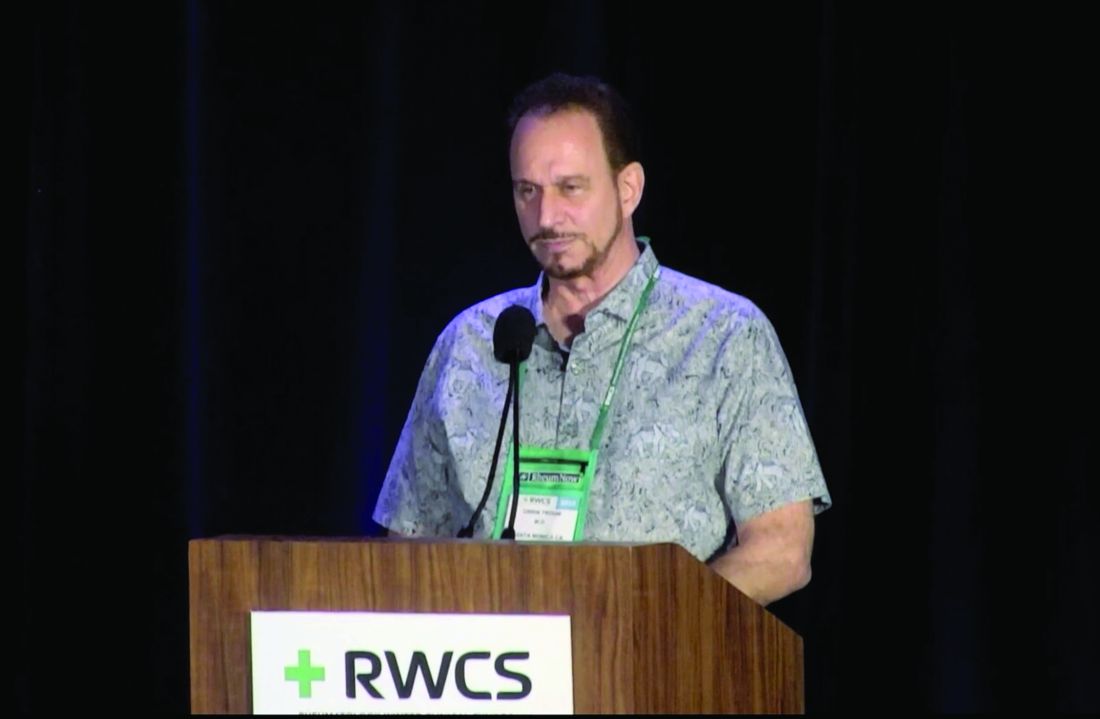
Dr. Troum highlighted the additional problem of dispensaries recommending specific products, and emphasized that treatment shouldn’t be managed by dispensary personnel without a medical background. “Our patients are being promoted this, either from the dispensaries or even in some clinicians’ offices, without the real true knowledge as to what we’re dealing with,” he said.
Evidence of health effects of CBD, cannabis
When it comes to actual evidence of clinical benefit, “I can tell you there’s lacking data for the majority of what we’re being asked every day in our practices,” Dr. Troum said.
The greatest evidence for the health benefits of cannabinoids appears to be for chronic pain, according to a 2017 report from the National Academies of Sciences, Engineering, and Medicine. Within rheumatology, a position statement released by the Canadian Rheumatology Association in 2019 found insufficient evidence to recommend cannabinoids for use in fibromyalgia, osteoarthritis, RA, or back pain, but acknowledged medical cannabis may relieve symptoms based on evidence from other conditions.
There is some preliminary evidence that cannabis can be used as a substitute for opioids when treating chronic pain, to improve symptoms of fibromyalgia and inflammatory bowel disease, and although a trial of patients with Crohn’s disease failed its primary outcome of disease remission, 10 of 11 patients who smoked cigarettes with THC saw significant improvements in clinical outcomes (P = .028).
In RA, “clinical research focusing on the cannabinoids’ disease-modifying qualities is still lacking,” Dr. Troum said, although an active randomized, controlled trial led by researchers at the University of California, Los Angeles, is testing patients for clinical response to CBD. A separate randomized, double-blind, placebo-controlled trial in Denmark is evaluating whether CBD, followed by open-label add-on of THC, improves chronic pain for patients with RA or ankylosing spondylitis.
The lack of data in this area largely has to do with how cannabis is regulated at the federal level and the differing regulations between U.S. states. “There’s a lot of hurdles you have to go through, and therefore, I think, really has decreased the availability of good studies,” he said.
Overarching principles for medical cannabis in rheumatology
For the rheumatologist counseling a patient who either is self-medicating or wants to start using medical cannabis, the Canadian Rheumatology Association created overarching principles as part of their position statement to guide decision-making for clinicians.
First, clinicians should know that cannabis shouldn’t be used as an alternative treatment for standard of care in rheumatology, and the CRA noted that patients aged under 25 years should not use cannabis. CRA also recommended that clinicians try currently available treatment strategies for common reasons patients seek to use medical cannabis, such as pain relief or a sleep aid, before attempting to use medical cannabis. The CRA noted long-term effects of medical cannabis are not known for patients with rheumatic diseases.
In an interview, Arthur Kavanaugh, MD, professor of medicine at the University of California, San Diego, and director of RWCS, said that CBD and cannabis “come up quite frequently” at his clinic. “Many patients have already tried CBD, especially the topical formulation, prior to discussing it with me. In general, I do not dissuade patients from trying CBD, especially topical.”
Typically, he said his practice situation gives him access to a counselor from the anesthesia department with “significant expertise” in dosing and formulations. “It would be great if there were proper controlled trials of specific formulations to allow us to have real scientific data that may help the patients make optimal choices.”
One issue that is brought up by patients is cost. “These preparations can be relatively expensive,” Dr. Kavanaugh said, but noted that this is also a consideration when patients decide to use any therapy.
Dr. Troum reported having financial relationships with eight pharmaceutical companies.
Although there is a lack of evidence for use of cannabidiol (CBD) products and cannabis in rheumatology, many patients are using them anyway and want to discuss the use of these products with their rheumatologists, according to a speaker at the 2022 Rheumatology Winter Clinical Symposium.
While cannabis is still regulated as a Schedule I drug in the United States, CBD products are “all over the place,” Orrin Troum, MD, a rheumatologist at the University of Southern California, Los Angeles, said in his presentation. “You can get it at the pharmacy; you can get it at the dispensaries.”
Patients in rheumatology are also increasingly using cannabis across the United States, Dr. Troum said. In an abstract from the 2019 American College of Rheumatology annual meeting, researchers examined data from FORWARD, the National Databank for Rheumatic Diseases, and found 17.6% of 11,006 respondents reported using cannabis in 2017, an increase from 6.3% of respondents in 2014.
“Putting your personal biases aside, you have to be able to discuss this, and I try to do that openly with my patients,” he said.
According to a 2018 report from the World Health Organization, CBD is “generally well tolerated with a good safety profile.” While CBD itself is safe, CBD products offered over the counter as pills, lotions, foods, drinks, shampoos, cosmetics, oils, and other products carry the risk of being manufactured with “unverified contents” because they are not subject to regulatory oversight.
“There may be heavy metals, pesticides, microbes, [and] mycotoxins that are in these substances that you’re recommending to patients,” Dr. Troum said. There may also be tetrahydrocannabinol (THC) in certain CBD products, he added. Other concerns about CBD products include potential drug-drug interactions with medications used in rheumatology, and potential inhibition of drug metabolism through the CYP450 pathway.
Rheumatologists should be careful when recommending CBD products for this reason, Dr. Troum cautioned. In the absence of products approved by the Food and Drug Administration, “try to get at least products that have a good manufacturing practices certification.”
Dr. Troum highlighted the additional problem of dispensaries recommending specific products, and emphasized that treatment shouldn’t be managed by dispensary personnel without a medical background. “Our patients are being promoted this, either from the dispensaries or even in some clinicians’ offices, without the real true knowledge as to what we’re dealing with,” he said.
Evidence of health effects of CBD, cannabis
When it comes to actual evidence of clinical benefit, “I can tell you there’s lacking data for the majority of what we’re being asked every day in our practices,” Dr. Troum said.
The greatest evidence for the health benefits of cannabinoids appears to be for chronic pain, according to a 2017 report from the National Academies of Sciences, Engineering, and Medicine. Within rheumatology, a position statement released by the Canadian Rheumatology Association in 2019 found insufficient evidence to recommend cannabinoids for use in fibromyalgia, osteoarthritis, RA, or back pain, but acknowledged medical cannabis may relieve symptoms based on evidence from other conditions.
There is some preliminary evidence that cannabis can be used as a substitute for opioids when treating chronic pain, to improve symptoms of fibromyalgia and inflammatory bowel disease, and although a trial of patients with Crohn’s disease failed its primary outcome of disease remission, 10 of 11 patients who smoked cigarettes with THC saw significant improvements in clinical outcomes (P = .028).
In RA, “clinical research focusing on the cannabinoids’ disease-modifying qualities is still lacking,” Dr. Troum said, although an active randomized, controlled trial led by researchers at the University of California, Los Angeles, is testing patients for clinical response to CBD. A separate randomized, double-blind, placebo-controlled trial in Denmark is evaluating whether CBD, followed by open-label add-on of THC, improves chronic pain for patients with RA or ankylosing spondylitis.
The lack of data in this area largely has to do with how cannabis is regulated at the federal level and the differing regulations between U.S. states. “There’s a lot of hurdles you have to go through, and therefore, I think, really has decreased the availability of good studies,” he said.
Overarching principles for medical cannabis in rheumatology
For the rheumatologist counseling a patient who either is self-medicating or wants to start using medical cannabis, the Canadian Rheumatology Association created overarching principles as part of their position statement to guide decision-making for clinicians.
First, clinicians should know that cannabis shouldn’t be used as an alternative treatment for standard of care in rheumatology, and the CRA noted that patients aged under 25 years should not use cannabis. CRA also recommended that clinicians try currently available treatment strategies for common reasons patients seek to use medical cannabis, such as pain relief or a sleep aid, before attempting to use medical cannabis. The CRA noted long-term effects of medical cannabis are not known for patients with rheumatic diseases.
In an interview, Arthur Kavanaugh, MD, professor of medicine at the University of California, San Diego, and director of RWCS, said that CBD and cannabis “come up quite frequently” at his clinic. “Many patients have already tried CBD, especially the topical formulation, prior to discussing it with me. In general, I do not dissuade patients from trying CBD, especially topical.”
Typically, he said his practice situation gives him access to a counselor from the anesthesia department with “significant expertise” in dosing and formulations. “It would be great if there were proper controlled trials of specific formulations to allow us to have real scientific data that may help the patients make optimal choices.”
One issue that is brought up by patients is cost. “These preparations can be relatively expensive,” Dr. Kavanaugh said, but noted that this is also a consideration when patients decide to use any therapy.
Dr. Troum reported having financial relationships with eight pharmaceutical companies.
Although there is a lack of evidence for use of cannabidiol (CBD) products and cannabis in rheumatology, many patients are using them anyway and want to discuss the use of these products with their rheumatologists, according to a speaker at the 2022 Rheumatology Winter Clinical Symposium.
While cannabis is still regulated as a Schedule I drug in the United States, CBD products are “all over the place,” Orrin Troum, MD, a rheumatologist at the University of Southern California, Los Angeles, said in his presentation. “You can get it at the pharmacy; you can get it at the dispensaries.”
Patients in rheumatology are also increasingly using cannabis across the United States, Dr. Troum said. In an abstract from the 2019 American College of Rheumatology annual meeting, researchers examined data from FORWARD, the National Databank for Rheumatic Diseases, and found 17.6% of 11,006 respondents reported using cannabis in 2017, an increase from 6.3% of respondents in 2014.
“Putting your personal biases aside, you have to be able to discuss this, and I try to do that openly with my patients,” he said.
According to a 2018 report from the World Health Organization, CBD is “generally well tolerated with a good safety profile.” While CBD itself is safe, CBD products offered over the counter as pills, lotions, foods, drinks, shampoos, cosmetics, oils, and other products carry the risk of being manufactured with “unverified contents” because they are not subject to regulatory oversight.
“There may be heavy metals, pesticides, microbes, [and] mycotoxins that are in these substances that you’re recommending to patients,” Dr. Troum said. There may also be tetrahydrocannabinol (THC) in certain CBD products, he added. Other concerns about CBD products include potential drug-drug interactions with medications used in rheumatology, and potential inhibition of drug metabolism through the CYP450 pathway.
Rheumatologists should be careful when recommending CBD products for this reason, Dr. Troum cautioned. In the absence of products approved by the Food and Drug Administration, “try to get at least products that have a good manufacturing practices certification.”
Dr. Troum highlighted the additional problem of dispensaries recommending specific products, and emphasized that treatment shouldn’t be managed by dispensary personnel without a medical background. “Our patients are being promoted this, either from the dispensaries or even in some clinicians’ offices, without the real true knowledge as to what we’re dealing with,” he said.
Evidence of health effects of CBD, cannabis
When it comes to actual evidence of clinical benefit, “I can tell you there’s lacking data for the majority of what we’re being asked every day in our practices,” Dr. Troum said.
The greatest evidence for the health benefits of cannabinoids appears to be for chronic pain, according to a 2017 report from the National Academies of Sciences, Engineering, and Medicine. Within rheumatology, a position statement released by the Canadian Rheumatology Association in 2019 found insufficient evidence to recommend cannabinoids for use in fibromyalgia, osteoarthritis, RA, or back pain, but acknowledged medical cannabis may relieve symptoms based on evidence from other conditions.
There is some preliminary evidence that cannabis can be used as a substitute for opioids when treating chronic pain, to improve symptoms of fibromyalgia and inflammatory bowel disease, and although a trial of patients with Crohn’s disease failed its primary outcome of disease remission, 10 of 11 patients who smoked cigarettes with THC saw significant improvements in clinical outcomes (P = .028).
In RA, “clinical research focusing on the cannabinoids’ disease-modifying qualities is still lacking,” Dr. Troum said, although an active randomized, controlled trial led by researchers at the University of California, Los Angeles, is testing patients for clinical response to CBD. A separate randomized, double-blind, placebo-controlled trial in Denmark is evaluating whether CBD, followed by open-label add-on of THC, improves chronic pain for patients with RA or ankylosing spondylitis.
The lack of data in this area largely has to do with how cannabis is regulated at the federal level and the differing regulations between U.S. states. “There’s a lot of hurdles you have to go through, and therefore, I think, really has decreased the availability of good studies,” he said.
Overarching principles for medical cannabis in rheumatology
For the rheumatologist counseling a patient who either is self-medicating or wants to start using medical cannabis, the Canadian Rheumatology Association created overarching principles as part of their position statement to guide decision-making for clinicians.
First, clinicians should know that cannabis shouldn’t be used as an alternative treatment for standard of care in rheumatology, and the CRA noted that patients aged under 25 years should not use cannabis. CRA also recommended that clinicians try currently available treatment strategies for common reasons patients seek to use medical cannabis, such as pain relief or a sleep aid, before attempting to use medical cannabis. The CRA noted long-term effects of medical cannabis are not known for patients with rheumatic diseases.
In an interview, Arthur Kavanaugh, MD, professor of medicine at the University of California, San Diego, and director of RWCS, said that CBD and cannabis “come up quite frequently” at his clinic. “Many patients have already tried CBD, especially the topical formulation, prior to discussing it with me. In general, I do not dissuade patients from trying CBD, especially topical.”
Typically, he said his practice situation gives him access to a counselor from the anesthesia department with “significant expertise” in dosing and formulations. “It would be great if there were proper controlled trials of specific formulations to allow us to have real scientific data that may help the patients make optimal choices.”
One issue that is brought up by patients is cost. “These preparations can be relatively expensive,” Dr. Kavanaugh said, but noted that this is also a consideration when patients decide to use any therapy.
Dr. Troum reported having financial relationships with eight pharmaceutical companies.
FROM RWCS 2022