User login
Intensive BP, lipid control didn’t alter cognitive decline in type 2 diabetes
Neither intensive blood pressure control nor intensive lipid management slowed cognitive decline in adults with long-standing type 2 diabetes.
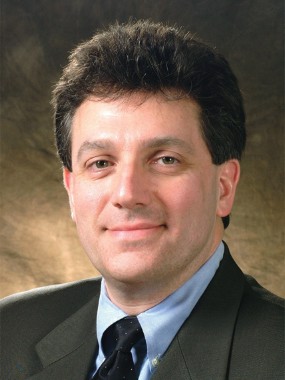
Additionally, after 40 months, patients in the ACCORD MIND trial on intensive blood pressure treatment showed significantly more decline in total brain volume than those on a standard blood pressure control program. But it will take much more study to determine exactly what that finding means, Dr. Jeff Williamson and his colleagues reportedon Feb. 3 in JAMA Internal Medicine.
"Although a greater decline in total brain volume is associated with early cognitive impairment, a precursor to dementia, the long-term implications are unknown and remain a focus of ongoing investigation and analyses" wrote Dr. Williamson of Wake Forest University, Winston-Salem, N.C., and his coauthors "Our finding suggests that total brain volume and white matter lesion burden cannot, to date, be used as surrogate markers for cognitive outcomes."

The team reported outcomes from a substudy of Memory in Diabetes (MIND). MIND itself was a substudy of the Action to Control Cardiovascular Risk in Diabetes (ACCORD) study and comprised 2,977 participants who had been randomly assigned to receive either intensive glycemic treatment targeting hemoglobin A1c to less than 6.0% or standard treatment targeting HbA1c to 7.0%-7.9%. They were also assigned to either intensive or standard lipid- and blood pressure–lowering treatment arms.
In 2011, the MIND investigators reported that intensive glycemic management didn’t alter the trajectory of cognitive decline.
They did, however, see that total brain volume had declined significantly less in the intensive-therapy group. This led the investigators to suggest that structural changes were preceding cognitive decline and that if the therapy had been extended, a treatment difference might have emerged. The point was moot, however. ACCORD was halted early because those in the intensive therapy group had increased overall mortality, increased hypoglycemic events, weight gain, and no evidence of reaping a cardiovascular benefit.
The newly published data focus on the blood pressure and lipid treatment arms of MIND. The 2x2 design randomized patients to intensive or standard blood pressure control (120 vs. 140 mmHg), or to a statin plus fibrate or statin plus placebo treatment.
Cognition was assessed at baseline, 20, and 40 months. The main measure was the Digit Symbol Substitution Test (DSST), a measure of psychomotor speed and working memory.
Secondary measures included the Stoop Test, the Rey Auditory Verbal Learning Test, and the Mini Mental State Exam.
By 40 months, the DSST scores declined similarly in the standard and intensive treatment groups of both the blood pressure and lipid cohorts. Nor were there any significant between-group differences in any of the other three cognitive measures (JAMA Int. Med. 2014 [doi:10.1001/jamainternmed.2013.13656]).
A subset of patients (378 from the blood pressure arm and 236 from the lipid arm) also underwent magnetic resonance imaging of the brain at baseline and at 40 months. Those in the intensive blood pressure therapy group showed a significantly lower total brain volume than did those in the standard therapy group – a mean of about 4.4 cm3 less. There were no significant brain volume differences in the lipid management cohort.
The team then analyzed this finding in relation to the MRI results of the glycemic control study, which had shown preserved brain volume associated with intensive management in both the blood pressure and lipid therapy groups. "Participants receiving the combination of standard antihypertensive therapy and intensive glycemic control experienced approximately 50% of the decline in total brain volume observed in the other blood pressure trial groups," the authors noted.
The results seem to reinforce the idea that earlier is better when it comes to controlling the cognitive effects of diabetes, they said.
"During the past two decades, the belief that more intensive treatment strategies for controlling type 2 diabetes-related comorbidities, such as hyperglycemia, hyperlipidemia, and hypertension, would reduce clinical complications has driven large investment in new medications for this disease syndrome. However, these results from the ACCORD MIND substudy, along with the other recent ACCORD results, make clear the decreasing returns of intensive medication-based therapy for advanced type 2 diabetes and add further evidence to the need for increased investment in disease prevention and early intervention."
The study was funded by the National Heart, Lung, and Blood Institute. Dr. Williamson had no financial disclosures. Of the other 18 investigators, one reported financial relationships with multiple pharmaceutical companies and one reported receiving consulting fees from Roche.
On Twitter @alz_gal
Neither intensive blood pressure control nor intensive lipid management slowed cognitive decline in adults with long-standing type 2 diabetes.
Additionally, after 40 months, patients in the ACCORD MIND trial on intensive blood pressure treatment showed significantly more decline in total brain volume than those on a standard blood pressure control program. But it will take much more study to determine exactly what that finding means, Dr. Jeff Williamson and his colleagues reportedon Feb. 3 in JAMA Internal Medicine.
"Although a greater decline in total brain volume is associated with early cognitive impairment, a precursor to dementia, the long-term implications are unknown and remain a focus of ongoing investigation and analyses" wrote Dr. Williamson of Wake Forest University, Winston-Salem, N.C., and his coauthors "Our finding suggests that total brain volume and white matter lesion burden cannot, to date, be used as surrogate markers for cognitive outcomes."
The team reported outcomes from a substudy of Memory in Diabetes (MIND). MIND itself was a substudy of the Action to Control Cardiovascular Risk in Diabetes (ACCORD) study and comprised 2,977 participants who had been randomly assigned to receive either intensive glycemic treatment targeting hemoglobin A1c to less than 6.0% or standard treatment targeting HbA1c to 7.0%-7.9%. They were also assigned to either intensive or standard lipid- and blood pressure–lowering treatment arms.
In 2011, the MIND investigators reported that intensive glycemic management didn’t alter the trajectory of cognitive decline.
They did, however, see that total brain volume had declined significantly less in the intensive-therapy group. This led the investigators to suggest that structural changes were preceding cognitive decline and that if the therapy had been extended, a treatment difference might have emerged. The point was moot, however. ACCORD was halted early because those in the intensive therapy group had increased overall mortality, increased hypoglycemic events, weight gain, and no evidence of reaping a cardiovascular benefit.
The newly published data focus on the blood pressure and lipid treatment arms of MIND. The 2x2 design randomized patients to intensive or standard blood pressure control (120 vs. 140 mmHg), or to a statin plus fibrate or statin plus placebo treatment.
Cognition was assessed at baseline, 20, and 40 months. The main measure was the Digit Symbol Substitution Test (DSST), a measure of psychomotor speed and working memory.
Secondary measures included the Stoop Test, the Rey Auditory Verbal Learning Test, and the Mini Mental State Exam.
By 40 months, the DSST scores declined similarly in the standard and intensive treatment groups of both the blood pressure and lipid cohorts. Nor were there any significant between-group differences in any of the other three cognitive measures (JAMA Int. Med. 2014 [doi:10.1001/jamainternmed.2013.13656]).
A subset of patients (378 from the blood pressure arm and 236 from the lipid arm) also underwent magnetic resonance imaging of the brain at baseline and at 40 months. Those in the intensive blood pressure therapy group showed a significantly lower total brain volume than did those in the standard therapy group – a mean of about 4.4 cm3 less. There were no significant brain volume differences in the lipid management cohort.
The team then analyzed this finding in relation to the MRI results of the glycemic control study, which had shown preserved brain volume associated with intensive management in both the blood pressure and lipid therapy groups. "Participants receiving the combination of standard antihypertensive therapy and intensive glycemic control experienced approximately 50% of the decline in total brain volume observed in the other blood pressure trial groups," the authors noted.
The results seem to reinforce the idea that earlier is better when it comes to controlling the cognitive effects of diabetes, they said.
"During the past two decades, the belief that more intensive treatment strategies for controlling type 2 diabetes-related comorbidities, such as hyperglycemia, hyperlipidemia, and hypertension, would reduce clinical complications has driven large investment in new medications for this disease syndrome. However, these results from the ACCORD MIND substudy, along with the other recent ACCORD results, make clear the decreasing returns of intensive medication-based therapy for advanced type 2 diabetes and add further evidence to the need for increased investment in disease prevention and early intervention."
The study was funded by the National Heart, Lung, and Blood Institute. Dr. Williamson had no financial disclosures. Of the other 18 investigators, one reported financial relationships with multiple pharmaceutical companies and one reported receiving consulting fees from Roche.
On Twitter @alz_gal
Neither intensive blood pressure control nor intensive lipid management slowed cognitive decline in adults with long-standing type 2 diabetes.
Additionally, after 40 months, patients in the ACCORD MIND trial on intensive blood pressure treatment showed significantly more decline in total brain volume than those on a standard blood pressure control program. But it will take much more study to determine exactly what that finding means, Dr. Jeff Williamson and his colleagues reportedon Feb. 3 in JAMA Internal Medicine.
"Although a greater decline in total brain volume is associated with early cognitive impairment, a precursor to dementia, the long-term implications are unknown and remain a focus of ongoing investigation and analyses" wrote Dr. Williamson of Wake Forest University, Winston-Salem, N.C., and his coauthors "Our finding suggests that total brain volume and white matter lesion burden cannot, to date, be used as surrogate markers for cognitive outcomes."
The team reported outcomes from a substudy of Memory in Diabetes (MIND). MIND itself was a substudy of the Action to Control Cardiovascular Risk in Diabetes (ACCORD) study and comprised 2,977 participants who had been randomly assigned to receive either intensive glycemic treatment targeting hemoglobin A1c to less than 6.0% or standard treatment targeting HbA1c to 7.0%-7.9%. They were also assigned to either intensive or standard lipid- and blood pressure–lowering treatment arms.
In 2011, the MIND investigators reported that intensive glycemic management didn’t alter the trajectory of cognitive decline.
They did, however, see that total brain volume had declined significantly less in the intensive-therapy group. This led the investigators to suggest that structural changes were preceding cognitive decline and that if the therapy had been extended, a treatment difference might have emerged. The point was moot, however. ACCORD was halted early because those in the intensive therapy group had increased overall mortality, increased hypoglycemic events, weight gain, and no evidence of reaping a cardiovascular benefit.
The newly published data focus on the blood pressure and lipid treatment arms of MIND. The 2x2 design randomized patients to intensive or standard blood pressure control (120 vs. 140 mmHg), or to a statin plus fibrate or statin plus placebo treatment.
Cognition was assessed at baseline, 20, and 40 months. The main measure was the Digit Symbol Substitution Test (DSST), a measure of psychomotor speed and working memory.
Secondary measures included the Stoop Test, the Rey Auditory Verbal Learning Test, and the Mini Mental State Exam.
By 40 months, the DSST scores declined similarly in the standard and intensive treatment groups of both the blood pressure and lipid cohorts. Nor were there any significant between-group differences in any of the other three cognitive measures (JAMA Int. Med. 2014 [doi:10.1001/jamainternmed.2013.13656]).
A subset of patients (378 from the blood pressure arm and 236 from the lipid arm) also underwent magnetic resonance imaging of the brain at baseline and at 40 months. Those in the intensive blood pressure therapy group showed a significantly lower total brain volume than did those in the standard therapy group – a mean of about 4.4 cm3 less. There were no significant brain volume differences in the lipid management cohort.
The team then analyzed this finding in relation to the MRI results of the glycemic control study, which had shown preserved brain volume associated with intensive management in both the blood pressure and lipid therapy groups. "Participants receiving the combination of standard antihypertensive therapy and intensive glycemic control experienced approximately 50% of the decline in total brain volume observed in the other blood pressure trial groups," the authors noted.
The results seem to reinforce the idea that earlier is better when it comes to controlling the cognitive effects of diabetes, they said.
"During the past two decades, the belief that more intensive treatment strategies for controlling type 2 diabetes-related comorbidities, such as hyperglycemia, hyperlipidemia, and hypertension, would reduce clinical complications has driven large investment in new medications for this disease syndrome. However, these results from the ACCORD MIND substudy, along with the other recent ACCORD results, make clear the decreasing returns of intensive medication-based therapy for advanced type 2 diabetes and add further evidence to the need for increased investment in disease prevention and early intervention."
The study was funded by the National Heart, Lung, and Blood Institute. Dr. Williamson had no financial disclosures. Of the other 18 investigators, one reported financial relationships with multiple pharmaceutical companies and one reported receiving consulting fees from Roche.
On Twitter @alz_gal
FROM JAMA INTERNAL MEDICINE
Major finding: Among patients with type 2 diabetes, cognitive scores did not differ whether they received intensive or standard blood pressure or lipid therapy. However, total brain volume was 4.4 cm3 less in patients who had intensive blood pressure management
Data source: The randomized trial comprised 2,977 patients.
Disclosures: The study was funded by the National Heart, Lung, and Blood Institute. Dr. Williamson had no financial disclosures. Of the other 18 investigators, one reported financial relationships with multiple pharmaceutical companies and one reported receiving consulting fees from Roche.
Adding aripiprazole can reduce stubborn prolactin
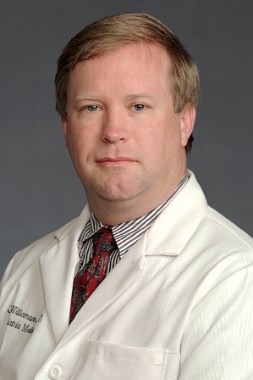
NEW YORK – A bit of aripiprazole could be just enough to bring down stubborn prolactin levels for a patient who is otherwise responding well to a specific antipsychotic, according to Dr. Harold E. Carlson.
Unlike most antipsychotics, which have antagonistic activity at the dopamine-2 receptors, aripiprazole is a dopamine receptor agonist. As such, it does not have the same dopamine-blocking effect – which allows dopamine to continue regulating prolactin production in the pituitary gland, Dr. Carlson said at a psychopharmacology update held by the American Academy of Child and Adolescent Psychiatry.

"This gives it the ability to actually lower prolactin, which is something we can use therapeutically," said Dr. Carlson, chief of the division of endocrinology at Stony Brook (N.Y.) University.
Hyperprolactinemia is a common side effect of many antipsychotic medications. Risperidone, paliperidone, and haloperidol are almost certain to cause it. The easiest way to address this hormonal imbalance is simply by switching to a different antipsychotic, he said. Ziprasidone is less likely to provoke a prolactin increase than the three older medications. Others – in order of decreasing probability – are lurasidone, iloperidone, quetiapine, asenapine, clozapine, and finally, aripiprazole.
But it’s not necessary to measure everyone’s prolactin, he cautioned. Many patients tolerate an increased level with no symptoms at all.
"If things are normal, don’t bother," he said. "It will lead you down the garden path. If you measure it and it’s mildly elevated, then you are committed to monitor it forever."
Having said that, he cautioned, it is important to ask patients about any issues – menses, for example. "If a young lady says she has missed her period, then I measure it." It also is important to perform a pregnancy test, he said.
Unpublished data collected by Dr. Christoph U. Correll show how effectively an antipsychotic switch can modulate prolactin, Dr. Carlson said. Dr. Correll of the Zucker Hillside Hospital, Glen Oaks, N.Y., found that patients who switched from aripiprazole to quetiapine had an increase in prolactin level. Prolactin decreased in those who switched to quetiapine from olanzapine, risperidone, or ziprasidone.
"You can often switch to a great benefit, assuming that the drug you switch to is as beneficial as the one you switched from," Dr. Carlson said. But if the most effective antipsychotic is also one of the big prolactin-increasers, "you’re better off to combine it with another drug like aripiprazole, which will minimize the degree of hyperprolactinemia."
The seminal study of this technique was published in 2007 (Am. J. Psychiatry 2007;164:1404-10).It comprised 56 adults who developed hyperprolactinemia while taking haloperidol. Patients were randomized to stay on haloperidol alone or to add aripiprazole (15 mg/day for 4 weeks followed by 30 mg/day for 8 weeks).
By week 8, 88% of those taking aripiprazole had normal prolactin levels, compared with about 4% of those in the placebo group. Seven of the 11 nonmenstruating women in the study resumed menses. There was no clinically significant interaction of the two medications, and haloperidol serum levels were stable.
Last year, a smaller study looked at augmenting long-acting injectable risperidone with 5 mg/day aripiprazole in patients with hyperprolactinemia (J. Clin. Psychopharmacol. 2013;33:538-41). The open-label trial continued for 3 months.
Of the 13 patients, 12 had a significant decrease in prolactin level by the end of the first month, with two patients reaching normal levels. The decrease was maintained in the eight patients who continued through the end of the study. Again, there were no clinical adverse effects of adding the medication.
While lowering prolactin is generally safe, Dr. Carlson did caution against it in one circumstance – a woman who is trying to breastfeed. "If someone is post partum and trying to nurse, this is not the time to give aripiprazole, because she will have difficulty maintaining milk production."
Dr. Carlson disclosed that he has received research support from numerous pharmaceutical companies.
NEW YORK – A bit of aripiprazole could be just enough to bring down stubborn prolactin levels for a patient who is otherwise responding well to a specific antipsychotic, according to Dr. Harold E. Carlson.
Unlike most antipsychotics, which have antagonistic activity at the dopamine-2 receptors, aripiprazole is a dopamine receptor agonist. As such, it does not have the same dopamine-blocking effect – which allows dopamine to continue regulating prolactin production in the pituitary gland, Dr. Carlson said at a psychopharmacology update held by the American Academy of Child and Adolescent Psychiatry.
"This gives it the ability to actually lower prolactin, which is something we can use therapeutically," said Dr. Carlson, chief of the division of endocrinology at Stony Brook (N.Y.) University.
Hyperprolactinemia is a common side effect of many antipsychotic medications. Risperidone, paliperidone, and haloperidol are almost certain to cause it. The easiest way to address this hormonal imbalance is simply by switching to a different antipsychotic, he said. Ziprasidone is less likely to provoke a prolactin increase than the three older medications. Others – in order of decreasing probability – are lurasidone, iloperidone, quetiapine, asenapine, clozapine, and finally, aripiprazole.
But it’s not necessary to measure everyone’s prolactin, he cautioned. Many patients tolerate an increased level with no symptoms at all.
"If things are normal, don’t bother," he said. "It will lead you down the garden path. If you measure it and it’s mildly elevated, then you are committed to monitor it forever."
Having said that, he cautioned, it is important to ask patients about any issues – menses, for example. "If a young lady says she has missed her period, then I measure it." It also is important to perform a pregnancy test, he said.
Unpublished data collected by Dr. Christoph U. Correll show how effectively an antipsychotic switch can modulate prolactin, Dr. Carlson said. Dr. Correll of the Zucker Hillside Hospital, Glen Oaks, N.Y., found that patients who switched from aripiprazole to quetiapine had an increase in prolactin level. Prolactin decreased in those who switched to quetiapine from olanzapine, risperidone, or ziprasidone.
"You can often switch to a great benefit, assuming that the drug you switch to is as beneficial as the one you switched from," Dr. Carlson said. But if the most effective antipsychotic is also one of the big prolactin-increasers, "you’re better off to combine it with another drug like aripiprazole, which will minimize the degree of hyperprolactinemia."
The seminal study of this technique was published in 2007 (Am. J. Psychiatry 2007;164:1404-10).It comprised 56 adults who developed hyperprolactinemia while taking haloperidol. Patients were randomized to stay on haloperidol alone or to add aripiprazole (15 mg/day for 4 weeks followed by 30 mg/day for 8 weeks).
By week 8, 88% of those taking aripiprazole had normal prolactin levels, compared with about 4% of those in the placebo group. Seven of the 11 nonmenstruating women in the study resumed menses. There was no clinically significant interaction of the two medications, and haloperidol serum levels were stable.
Last year, a smaller study looked at augmenting long-acting injectable risperidone with 5 mg/day aripiprazole in patients with hyperprolactinemia (J. Clin. Psychopharmacol. 2013;33:538-41). The open-label trial continued for 3 months.
Of the 13 patients, 12 had a significant decrease in prolactin level by the end of the first month, with two patients reaching normal levels. The decrease was maintained in the eight patients who continued through the end of the study. Again, there were no clinical adverse effects of adding the medication.
While lowering prolactin is generally safe, Dr. Carlson did caution against it in one circumstance – a woman who is trying to breastfeed. "If someone is post partum and trying to nurse, this is not the time to give aripiprazole, because she will have difficulty maintaining milk production."
Dr. Carlson disclosed that he has received research support from numerous pharmaceutical companies.
NEW YORK – A bit of aripiprazole could be just enough to bring down stubborn prolactin levels for a patient who is otherwise responding well to a specific antipsychotic, according to Dr. Harold E. Carlson.
Unlike most antipsychotics, which have antagonistic activity at the dopamine-2 receptors, aripiprazole is a dopamine receptor agonist. As such, it does not have the same dopamine-blocking effect – which allows dopamine to continue regulating prolactin production in the pituitary gland, Dr. Carlson said at a psychopharmacology update held by the American Academy of Child and Adolescent Psychiatry.
"This gives it the ability to actually lower prolactin, which is something we can use therapeutically," said Dr. Carlson, chief of the division of endocrinology at Stony Brook (N.Y.) University.
Hyperprolactinemia is a common side effect of many antipsychotic medications. Risperidone, paliperidone, and haloperidol are almost certain to cause it. The easiest way to address this hormonal imbalance is simply by switching to a different antipsychotic, he said. Ziprasidone is less likely to provoke a prolactin increase than the three older medications. Others – in order of decreasing probability – are lurasidone, iloperidone, quetiapine, asenapine, clozapine, and finally, aripiprazole.
But it’s not necessary to measure everyone’s prolactin, he cautioned. Many patients tolerate an increased level with no symptoms at all.
"If things are normal, don’t bother," he said. "It will lead you down the garden path. If you measure it and it’s mildly elevated, then you are committed to monitor it forever."
Having said that, he cautioned, it is important to ask patients about any issues – menses, for example. "If a young lady says she has missed her period, then I measure it." It also is important to perform a pregnancy test, he said.
Unpublished data collected by Dr. Christoph U. Correll show how effectively an antipsychotic switch can modulate prolactin, Dr. Carlson said. Dr. Correll of the Zucker Hillside Hospital, Glen Oaks, N.Y., found that patients who switched from aripiprazole to quetiapine had an increase in prolactin level. Prolactin decreased in those who switched to quetiapine from olanzapine, risperidone, or ziprasidone.
"You can often switch to a great benefit, assuming that the drug you switch to is as beneficial as the one you switched from," Dr. Carlson said. But if the most effective antipsychotic is also one of the big prolactin-increasers, "you’re better off to combine it with another drug like aripiprazole, which will minimize the degree of hyperprolactinemia."
The seminal study of this technique was published in 2007 (Am. J. Psychiatry 2007;164:1404-10).It comprised 56 adults who developed hyperprolactinemia while taking haloperidol. Patients were randomized to stay on haloperidol alone or to add aripiprazole (15 mg/day for 4 weeks followed by 30 mg/day for 8 weeks).
By week 8, 88% of those taking aripiprazole had normal prolactin levels, compared with about 4% of those in the placebo group. Seven of the 11 nonmenstruating women in the study resumed menses. There was no clinically significant interaction of the two medications, and haloperidol serum levels were stable.
Last year, a smaller study looked at augmenting long-acting injectable risperidone with 5 mg/day aripiprazole in patients with hyperprolactinemia (J. Clin. Psychopharmacol. 2013;33:538-41). The open-label trial continued for 3 months.
Of the 13 patients, 12 had a significant decrease in prolactin level by the end of the first month, with two patients reaching normal levels. The decrease was maintained in the eight patients who continued through the end of the study. Again, there were no clinical adverse effects of adding the medication.
While lowering prolactin is generally safe, Dr. Carlson did caution against it in one circumstance – a woman who is trying to breastfeed. "If someone is post partum and trying to nurse, this is not the time to give aripiprazole, because she will have difficulty maintaining milk production."
Dr. Carlson disclosed that he has received research support from numerous pharmaceutical companies.
EXPERT ANALYSIS FROM THE PSYCHOPHARMACOLOGY UPDATE INSTITUTE

Women surgeons use more ART, have fewer children
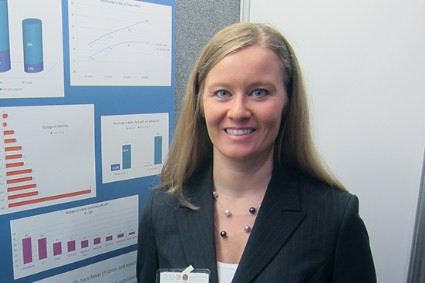
WASHINGTON – Women surgeons have significantly fewer children, bear them later, and are three times more likely to use assisted reproductive techniques to achieve pregnancy, compared with the general U.S. population.
The findings probably speak to the time it takes to launch a surgical career, leading to delayed childbearing and the physiologic problems that accompany advanced maternal age, Dr. Elizabeth A. Phillips said in a poster at the annual clinical congress of the American College of Surgeons.
"Our survey found that 32% of women surgeons had difficulty with fertility at some point in their childbearing career, compared with 11% of women in the general population," said Dr. Phillips of Boston Medical Center. "When we compared the rates of fertility services to [national] data, we saw that 15% of women surgeons used assisted reproduction, compared to just 5% of the U.S. population."
She conducted an anonymous, 199-question survey on reproductive health, which was distributed to female surgeon interest groups in the areas of general surgery, gynecology, neurosurgery, ophthalmology, orthopedics, otolaryngology, plastic surgery, podiatry, and urology. She received 1,021 replies, which she compared with data from the CDC National Survey for Family Growth for 2006-2010, and the National Institutes of Health.
Of the total responses, 784 women had attempted to become pregnant. Of these, 251 (32%) reported fertility problems. Most of these (210; 84%) underwent a fertility work-up; 76% then attempted pregnancy using some form of assisted reproductive technology (ART). These women bore 185 children.
Most surgeons reported unexplained infertility (70%). Other causes were anovulation (23%); advanced maternal age or premature ovarian failure (22%); polycystic ovarian disease (19%); endometriosis (13%); and recurrent miscarriage (12%). Male factor infertility contributed to 19% of the cases.
Surgeons conceived at a significantly older age than did the general population (33 vs. 23 years) and had significantly fewer children (1.4 vs. 2.6 national average). Among those who used ART, the average maternal age at birth was even older – 35 years.
There may be several reasons why women surgeons may turn to ART more frequently than nonsurgeons, Dr. Phillips said in an interview. "One theory is that female surgeons have different relationships with fertility specialists, where they are receiving treatment that would not be offered for another 45-year-old who walked into the office. They also may have the financial means to pay for this treatment."
How should women surgeons factor childbearing into their lives? she asked. "With so many more women going into surgical subspecialties, should we have family planning tracks? Is there some way to encourage women who want to become pregnant to do so during training, or shortly thereafter?"
"I’ve talked to surgeons who have been pregnant during training, residency, and practice, and by far, the best time to have a child seemed to be during residency, when there were more people to absorb the absence. But most women will say, ‘There’s never a perfect time.’ If it’s a goal in life, you simply have to make it a priority."
Dr. Phillips had no financial disclosures.
I have several major problems with this article (and I ran this by two of our senior fellows to be sure I’m not just an old fogey).
Comparing female surgeons to the general U.S. population is ridiculous. No one would suggest that women with careers have the same opportunities to have children than those who don’t. So right from the start, I feel that it is unfair to specifically apply the findings to female surgeons. If they compared the results with other physicians or even other professional women, there might be something to talk about. It’s also just silly to say that as surgeons we have some kind of connection to fertility specialists. I don’t know any at all! And the fact that female surgeons had fewer children and conceived at an older age compared to all other U.S. women doesn’t have much meaning for me. I’m sure that this finding would be true for all career women. I actually do agree that pregnancy during residency might be the best time for many women since this is very well accepted. However, I think a family planning track is absurd; this hasn’t even been suggested by specialties such as Family Medicine and Pediatrics. As we all know, the best time to have a family is very individual, and depends on your own personal development, your partner, your career, as well as many other factors. Overall, I think this study detracts from our understanding of the issue by being inflammatory and oversimplifying the issue.
It can’t be denied that surgery is a demanding profession, both for men and women. As women who are parents, we have the added responsibility (and blessing) of both carrying and raising our children. No wonder, then, that we might find it challenging to fit this into our careers easily. The good news is that women surgeons ARE finding successful ways to have a family and that this is being embraced by the surgical community at large.
Dr. Cynthia Shortell is chief of vascular surgery at Duke University Medical Center, Durham, N.C., and an associate medical editor of Vascular Specialist.
I have several major problems with this article (and I ran this by two of our senior fellows to be sure I’m not just an old fogey).
Comparing female surgeons to the general U.S. population is ridiculous. No one would suggest that women with careers have the same opportunities to have children than those who don’t. So right from the start, I feel that it is unfair to specifically apply the findings to female surgeons. If they compared the results with other physicians or even other professional women, there might be something to talk about. It’s also just silly to say that as surgeons we have some kind of connection to fertility specialists. I don’t know any at all! And the fact that female surgeons had fewer children and conceived at an older age compared to all other U.S. women doesn’t have much meaning for me. I’m sure that this finding would be true for all career women. I actually do agree that pregnancy during residency might be the best time for many women since this is very well accepted. However, I think a family planning track is absurd; this hasn’t even been suggested by specialties such as Family Medicine and Pediatrics. As we all know, the best time to have a family is very individual, and depends on your own personal development, your partner, your career, as well as many other factors. Overall, I think this study detracts from our understanding of the issue by being inflammatory and oversimplifying the issue.
It can’t be denied that surgery is a demanding profession, both for men and women. As women who are parents, we have the added responsibility (and blessing) of both carrying and raising our children. No wonder, then, that we might find it challenging to fit this into our careers easily. The good news is that women surgeons ARE finding successful ways to have a family and that this is being embraced by the surgical community at large.
Dr. Cynthia Shortell is chief of vascular surgery at Duke University Medical Center, Durham, N.C., and an associate medical editor of Vascular Specialist.
I have several major problems with this article (and I ran this by two of our senior fellows to be sure I’m not just an old fogey).
Comparing female surgeons to the general U.S. population is ridiculous. No one would suggest that women with careers have the same opportunities to have children than those who don’t. So right from the start, I feel that it is unfair to specifically apply the findings to female surgeons. If they compared the results with other physicians or even other professional women, there might be something to talk about. It’s also just silly to say that as surgeons we have some kind of connection to fertility specialists. I don’t know any at all! And the fact that female surgeons had fewer children and conceived at an older age compared to all other U.S. women doesn’t have much meaning for me. I’m sure that this finding would be true for all career women. I actually do agree that pregnancy during residency might be the best time for many women since this is very well accepted. However, I think a family planning track is absurd; this hasn’t even been suggested by specialties such as Family Medicine and Pediatrics. As we all know, the best time to have a family is very individual, and depends on your own personal development, your partner, your career, as well as many other factors. Overall, I think this study detracts from our understanding of the issue by being inflammatory and oversimplifying the issue.
It can’t be denied that surgery is a demanding profession, both for men and women. As women who are parents, we have the added responsibility (and blessing) of both carrying and raising our children. No wonder, then, that we might find it challenging to fit this into our careers easily. The good news is that women surgeons ARE finding successful ways to have a family and that this is being embraced by the surgical community at large.
Dr. Cynthia Shortell is chief of vascular surgery at Duke University Medical Center, Durham, N.C., and an associate medical editor of Vascular Specialist.
WASHINGTON – Women surgeons have significantly fewer children, bear them later, and are three times more likely to use assisted reproductive techniques to achieve pregnancy, compared with the general U.S. population.
The findings probably speak to the time it takes to launch a surgical career, leading to delayed childbearing and the physiologic problems that accompany advanced maternal age, Dr. Elizabeth A. Phillips said in a poster at the annual clinical congress of the American College of Surgeons.
"Our survey found that 32% of women surgeons had difficulty with fertility at some point in their childbearing career, compared with 11% of women in the general population," said Dr. Phillips of Boston Medical Center. "When we compared the rates of fertility services to [national] data, we saw that 15% of women surgeons used assisted reproduction, compared to just 5% of the U.S. population."
She conducted an anonymous, 199-question survey on reproductive health, which was distributed to female surgeon interest groups in the areas of general surgery, gynecology, neurosurgery, ophthalmology, orthopedics, otolaryngology, plastic surgery, podiatry, and urology. She received 1,021 replies, which she compared with data from the CDC National Survey for Family Growth for 2006-2010, and the National Institutes of Health.
Of the total responses, 784 women had attempted to become pregnant. Of these, 251 (32%) reported fertility problems. Most of these (210; 84%) underwent a fertility work-up; 76% then attempted pregnancy using some form of assisted reproductive technology (ART). These women bore 185 children.
Most surgeons reported unexplained infertility (70%). Other causes were anovulation (23%); advanced maternal age or premature ovarian failure (22%); polycystic ovarian disease (19%); endometriosis (13%); and recurrent miscarriage (12%). Male factor infertility contributed to 19% of the cases.
Surgeons conceived at a significantly older age than did the general population (33 vs. 23 years) and had significantly fewer children (1.4 vs. 2.6 national average). Among those who used ART, the average maternal age at birth was even older – 35 years.
There may be several reasons why women surgeons may turn to ART more frequently than nonsurgeons, Dr. Phillips said in an interview. "One theory is that female surgeons have different relationships with fertility specialists, where they are receiving treatment that would not be offered for another 45-year-old who walked into the office. They also may have the financial means to pay for this treatment."
How should women surgeons factor childbearing into their lives? she asked. "With so many more women going into surgical subspecialties, should we have family planning tracks? Is there some way to encourage women who want to become pregnant to do so during training, or shortly thereafter?"
"I’ve talked to surgeons who have been pregnant during training, residency, and practice, and by far, the best time to have a child seemed to be during residency, when there were more people to absorb the absence. But most women will say, ‘There’s never a perfect time.’ If it’s a goal in life, you simply have to make it a priority."
Dr. Phillips had no financial disclosures.
WASHINGTON – Women surgeons have significantly fewer children, bear them later, and are three times more likely to use assisted reproductive techniques to achieve pregnancy, compared with the general U.S. population.
The findings probably speak to the time it takes to launch a surgical career, leading to delayed childbearing and the physiologic problems that accompany advanced maternal age, Dr. Elizabeth A. Phillips said in a poster at the annual clinical congress of the American College of Surgeons.
"Our survey found that 32% of women surgeons had difficulty with fertility at some point in their childbearing career, compared with 11% of women in the general population," said Dr. Phillips of Boston Medical Center. "When we compared the rates of fertility services to [national] data, we saw that 15% of women surgeons used assisted reproduction, compared to just 5% of the U.S. population."
She conducted an anonymous, 199-question survey on reproductive health, which was distributed to female surgeon interest groups in the areas of general surgery, gynecology, neurosurgery, ophthalmology, orthopedics, otolaryngology, plastic surgery, podiatry, and urology. She received 1,021 replies, which she compared with data from the CDC National Survey for Family Growth for 2006-2010, and the National Institutes of Health.
Of the total responses, 784 women had attempted to become pregnant. Of these, 251 (32%) reported fertility problems. Most of these (210; 84%) underwent a fertility work-up; 76% then attempted pregnancy using some form of assisted reproductive technology (ART). These women bore 185 children.
Most surgeons reported unexplained infertility (70%). Other causes were anovulation (23%); advanced maternal age or premature ovarian failure (22%); polycystic ovarian disease (19%); endometriosis (13%); and recurrent miscarriage (12%). Male factor infertility contributed to 19% of the cases.
Surgeons conceived at a significantly older age than did the general population (33 vs. 23 years) and had significantly fewer children (1.4 vs. 2.6 national average). Among those who used ART, the average maternal age at birth was even older – 35 years.
There may be several reasons why women surgeons may turn to ART more frequently than nonsurgeons, Dr. Phillips said in an interview. "One theory is that female surgeons have different relationships with fertility specialists, where they are receiving treatment that would not be offered for another 45-year-old who walked into the office. They also may have the financial means to pay for this treatment."
How should women surgeons factor childbearing into their lives? she asked. "With so many more women going into surgical subspecialties, should we have family planning tracks? Is there some way to encourage women who want to become pregnant to do so during training, or shortly thereafter?"
"I’ve talked to surgeons who have been pregnant during training, residency, and practice, and by far, the best time to have a child seemed to be during residency, when there were more people to absorb the absence. But most women will say, ‘There’s never a perfect time.’ If it’s a goal in life, you simply have to make it a priority."
Dr. Phillips had no financial disclosures.
For successful inpatient video EEG monitoring, timing is everything
Video electroencephalograms are more likely to capture an event of interest if there have been quite frequent past events, if the last event was within 24 hours of admission, and if the patient has an intellectual disability, according to findings from a retrospective study of 213 children who underwent prolonged inpatient monitoring during a recent 3-year period at one institution.
The procedure probably wouldn’t be as fruitful for developmentally normal children or for those who have less frequent spells with more time between them, Kirk D. Wyatt and his coauthors at the Mayo Clinic, Rochester, Minn., reported (Pediatr. Neurol. 2014 Jan. 27 [doi:10.1016/j.pediatrneurol.2014.01.038]).
The findings of their study can be used to counsel families about the likelihood of having a successful admission – and even as a basis to suggest that they try to capture an event on their own, said the investigators, who were led by senior author Dr. Elaine C. Wirrell, a professor of neurology and director of the pediatric epilepsy fellowship program at Mayo.

"The utility of [video EEG] monitoring for events that do not occur at least on a weekly basis is limited, even in the context of identifiable provocative factors," the colleagues wrote. "With the ubiquity of cellular phone video cameras, asking parents to make a recording of a rare event when it occurs in vivo so that a child neurologist may review it in conjunction with the remainder of the clinical history and a routine EEG may be higher yield than video EEG monitoring, at least as an initial step."
The inpatient stay of the children, aged 2-13 years, was intended to capture a physical event related to EEG changes. Overall, the median recording duration was 25 hours, but that ranged from 22 to 48 hours.
The procedure captured at least one event in 66% of the children at a median monitoring duration of 4.5 hours. The median time to capturing an EEG-related event was directly related to how often they occurred before admission. For those who had daily events, the median time to capture was about 4 hours. That jumped to 24 hours for children who had events at least three times a week, and to almost 23 hours for those who had them once or twice a week. The median time to capture was about 8 hours for children whose events occurred less than once a week.
Events that occurred most frequently (at least three times a week) were recorded during admission 72% of the time. That dropped to 41% of the time for events that occurred at frequencies ranging from less than three times a week to monthly, and 26% of the time for those that occurred less than monthly.
Getting a child in for monitoring soon after an event also affected the success of the procedure. The median time to capture was almost 4 hours if the last event happened less than 24 hours before admission, but it jumped to 22.4 hours if the last event had happened 24-72 hours prior and to 22.7 hours of it had occurred between 72 hours and 1 week earlier. But the median time to capture was nearly 15 hours if the last event had occurred more than a week before admission.
Events were captured 71% of the time when the last event had occurred less than 24 hours before admission. Success dropped to 52% for events that had occurred 24-72 hours before admission and to 32% when they had occurred more than 72 hours before admission.
The highest preadmission event frequency significantly increased the chance of capturing an event (odds ratio, 3.77), as did the shortest event latency (OR, 2.31).
Intellectual disability in the patient significantly increased the likelihood of capturing an EEG-related event (OR, 3.26). But the common practices of sleep deprivation and antiepileptic medication withdrawal didn’t increase the likelihood of capturing one, the authors noted. In fact, medication withdrawal or dose change actually decreased the chance of an event capture (OR, 0.46).
That finding "came as a surprise," the investigators noted, but it might have been spurious, because it was not an a priori outcome and because there were not many patients in these subgroups. However, they added, "It typically takes five half-lives to reach a new steady state of each medication adjustment. Therefore, depending upon the half-life duration of the medications, levels may not become subtherapeutic for several days after discontinuation or dose reduction."
A family history of epilepsy, a prior interictal discharge on routine EEG, and a prior diagnosis of possible epilepsy all also significantly increased the chance that a captured event would be EEG related.
"This suggests greater urgency for arranging [video EEG] for patients with these characteristics, to make the diagnosis and promptly initiate antiepileptic treatment," the authors wrote.
None of the authors had any financial disclosures.
On Twitter @alz_gal
Video electroencephalograms are more likely to capture an event of interest if there have been quite frequent past events, if the last event was within 24 hours of admission, and if the patient has an intellectual disability, according to findings from a retrospective study of 213 children who underwent prolonged inpatient monitoring during a recent 3-year period at one institution.
The procedure probably wouldn’t be as fruitful for developmentally normal children or for those who have less frequent spells with more time between them, Kirk D. Wyatt and his coauthors at the Mayo Clinic, Rochester, Minn., reported (Pediatr. Neurol. 2014 Jan. 27 [doi:10.1016/j.pediatrneurol.2014.01.038]).
The findings of their study can be used to counsel families about the likelihood of having a successful admission – and even as a basis to suggest that they try to capture an event on their own, said the investigators, who were led by senior author Dr. Elaine C. Wirrell, a professor of neurology and director of the pediatric epilepsy fellowship program at Mayo.
"The utility of [video EEG] monitoring for events that do not occur at least on a weekly basis is limited, even in the context of identifiable provocative factors," the colleagues wrote. "With the ubiquity of cellular phone video cameras, asking parents to make a recording of a rare event when it occurs in vivo so that a child neurologist may review it in conjunction with the remainder of the clinical history and a routine EEG may be higher yield than video EEG monitoring, at least as an initial step."
The inpatient stay of the children, aged 2-13 years, was intended to capture a physical event related to EEG changes. Overall, the median recording duration was 25 hours, but that ranged from 22 to 48 hours.
The procedure captured at least one event in 66% of the children at a median monitoring duration of 4.5 hours. The median time to capturing an EEG-related event was directly related to how often they occurred before admission. For those who had daily events, the median time to capture was about 4 hours. That jumped to 24 hours for children who had events at least three times a week, and to almost 23 hours for those who had them once or twice a week. The median time to capture was about 8 hours for children whose events occurred less than once a week.
Events that occurred most frequently (at least three times a week) were recorded during admission 72% of the time. That dropped to 41% of the time for events that occurred at frequencies ranging from less than three times a week to monthly, and 26% of the time for those that occurred less than monthly.
Getting a child in for monitoring soon after an event also affected the success of the procedure. The median time to capture was almost 4 hours if the last event happened less than 24 hours before admission, but it jumped to 22.4 hours if the last event had happened 24-72 hours prior and to 22.7 hours of it had occurred between 72 hours and 1 week earlier. But the median time to capture was nearly 15 hours if the last event had occurred more than a week before admission.
Events were captured 71% of the time when the last event had occurred less than 24 hours before admission. Success dropped to 52% for events that had occurred 24-72 hours before admission and to 32% when they had occurred more than 72 hours before admission.
The highest preadmission event frequency significantly increased the chance of capturing an event (odds ratio, 3.77), as did the shortest event latency (OR, 2.31).
Intellectual disability in the patient significantly increased the likelihood of capturing an EEG-related event (OR, 3.26). But the common practices of sleep deprivation and antiepileptic medication withdrawal didn’t increase the likelihood of capturing one, the authors noted. In fact, medication withdrawal or dose change actually decreased the chance of an event capture (OR, 0.46).
That finding "came as a surprise," the investigators noted, but it might have been spurious, because it was not an a priori outcome and because there were not many patients in these subgroups. However, they added, "It typically takes five half-lives to reach a new steady state of each medication adjustment. Therefore, depending upon the half-life duration of the medications, levels may not become subtherapeutic for several days after discontinuation or dose reduction."
A family history of epilepsy, a prior interictal discharge on routine EEG, and a prior diagnosis of possible epilepsy all also significantly increased the chance that a captured event would be EEG related.
"This suggests greater urgency for arranging [video EEG] for patients with these characteristics, to make the diagnosis and promptly initiate antiepileptic treatment," the authors wrote.
None of the authors had any financial disclosures.
On Twitter @alz_gal
Video electroencephalograms are more likely to capture an event of interest if there have been quite frequent past events, if the last event was within 24 hours of admission, and if the patient has an intellectual disability, according to findings from a retrospective study of 213 children who underwent prolonged inpatient monitoring during a recent 3-year period at one institution.
The procedure probably wouldn’t be as fruitful for developmentally normal children or for those who have less frequent spells with more time between them, Kirk D. Wyatt and his coauthors at the Mayo Clinic, Rochester, Minn., reported (Pediatr. Neurol. 2014 Jan. 27 [doi:10.1016/j.pediatrneurol.2014.01.038]).
The findings of their study can be used to counsel families about the likelihood of having a successful admission – and even as a basis to suggest that they try to capture an event on their own, said the investigators, who were led by senior author Dr. Elaine C. Wirrell, a professor of neurology and director of the pediatric epilepsy fellowship program at Mayo.
"The utility of [video EEG] monitoring for events that do not occur at least on a weekly basis is limited, even in the context of identifiable provocative factors," the colleagues wrote. "With the ubiquity of cellular phone video cameras, asking parents to make a recording of a rare event when it occurs in vivo so that a child neurologist may review it in conjunction with the remainder of the clinical history and a routine EEG may be higher yield than video EEG monitoring, at least as an initial step."
The inpatient stay of the children, aged 2-13 years, was intended to capture a physical event related to EEG changes. Overall, the median recording duration was 25 hours, but that ranged from 22 to 48 hours.
The procedure captured at least one event in 66% of the children at a median monitoring duration of 4.5 hours. The median time to capturing an EEG-related event was directly related to how often they occurred before admission. For those who had daily events, the median time to capture was about 4 hours. That jumped to 24 hours for children who had events at least three times a week, and to almost 23 hours for those who had them once or twice a week. The median time to capture was about 8 hours for children whose events occurred less than once a week.
Events that occurred most frequently (at least three times a week) were recorded during admission 72% of the time. That dropped to 41% of the time for events that occurred at frequencies ranging from less than three times a week to monthly, and 26% of the time for those that occurred less than monthly.
Getting a child in for monitoring soon after an event also affected the success of the procedure. The median time to capture was almost 4 hours if the last event happened less than 24 hours before admission, but it jumped to 22.4 hours if the last event had happened 24-72 hours prior and to 22.7 hours of it had occurred between 72 hours and 1 week earlier. But the median time to capture was nearly 15 hours if the last event had occurred more than a week before admission.
Events were captured 71% of the time when the last event had occurred less than 24 hours before admission. Success dropped to 52% for events that had occurred 24-72 hours before admission and to 32% when they had occurred more than 72 hours before admission.
The highest preadmission event frequency significantly increased the chance of capturing an event (odds ratio, 3.77), as did the shortest event latency (OR, 2.31).
Intellectual disability in the patient significantly increased the likelihood of capturing an EEG-related event (OR, 3.26). But the common practices of sleep deprivation and antiepileptic medication withdrawal didn’t increase the likelihood of capturing one, the authors noted. In fact, medication withdrawal or dose change actually decreased the chance of an event capture (OR, 0.46).
That finding "came as a surprise," the investigators noted, but it might have been spurious, because it was not an a priori outcome and because there were not many patients in these subgroups. However, they added, "It typically takes five half-lives to reach a new steady state of each medication adjustment. Therefore, depending upon the half-life duration of the medications, levels may not become subtherapeutic for several days after discontinuation or dose reduction."
A family history of epilepsy, a prior interictal discharge on routine EEG, and a prior diagnosis of possible epilepsy all also significantly increased the chance that a captured event would be EEG related.
"This suggests greater urgency for arranging [video EEG] for patients with these characteristics, to make the diagnosis and promptly initiate antiepileptic treatment," the authors wrote.
None of the authors had any financial disclosures.
On Twitter @alz_gal
FROM PEDIATRIC NEUROLOGY
Major finding: Video EEGs were more often successful if the last suspicious event occurred within 24 hours of admission (72%) and if they had occurred on a daily basis before admission (71%).
Data source: A retrospective study of 213 children seen during a 3-year period at one institution.
Disclosures: None of the authors had any financial disclosures.

Bad breakfasts cast a long shadow
Moms have a new weapon in the Breakfast Wars: Eat now or you’ll be sorry when you’re (kind of) old.
A new study based on 27 years of regular follow-up exams determined that teens who skip breakfast – or who fill up on sweets every morning – are almost twice as likely to have metabolic syndrome at age 43 than are those who chow down in the morning, according to Maria Wennberg of Umeå (Sweden) University and her colleagues (Public Health Nutr. 2014 Jan. 28 [doi:10.1017/S1368980013003509]).

The findings are from the Northern Swedish Cohort, which is a 27-year prospective study of more than 1,000 subjects – the breakfast study included 889 of these. All were in the ninth grade when they enrolled. Since then, they’ve had interviews and full medical exams at ages 18, 21, 30, and 43 years.
At 16, the kids were asked, "What did you have for breakfast?" Skippers had nothing (66). Another 22 said that they only had a sweet drink or treat, like a bun or cookie. The others reported consuming something that at least approached healthy: eggs, meat, or fish; milk products; cereal or dark bread; fruit or vegetables.
When these youngsters reached the ripe old age of 43 years, they underwent a detailed physical exam that included weight, height, and girth measures; blood pressure; and a lipid profile. They also answered lifestyle questions. More than a quarter (27%) had metabolic syndrome. Men were more likely to have it than women (34% vs. 19%).
Compared with the breakfast-eaters, the skippers and sweets-eaters had significantly higher alcohol and tobacco intake and exercised significantly less. Their levels of central obesity, triglycerides, and fasting glucose were higher, as was blood pressure. In the unadjusted analysis, they were more than twice as likely to have metabolic syndrome (odds ratio, 2.25).
The adjusted analysis controlled for gender, smoking and alcohol, exercise, and family history of diabetes, but even then the breakfast-averse were still significantly more likely to have adult metabolic syndrome (odds ratio, 1.68).
Better habits in adulthood, like exercising and eating lots of fruits and veggies, eliminated the increased risk. So the good news – in this study at least – is that bad-breakfasters are not always irredeemable.
On Twitter @alz_gal
Moms have a new weapon in the Breakfast Wars: Eat now or you’ll be sorry when you’re (kind of) old.
A new study based on 27 years of regular follow-up exams determined that teens who skip breakfast – or who fill up on sweets every morning – are almost twice as likely to have metabolic syndrome at age 43 than are those who chow down in the morning, according to Maria Wennberg of Umeå (Sweden) University and her colleagues (Public Health Nutr. 2014 Jan. 28 [doi:10.1017/S1368980013003509]).
The findings are from the Northern Swedish Cohort, which is a 27-year prospective study of more than 1,000 subjects – the breakfast study included 889 of these. All were in the ninth grade when they enrolled. Since then, they’ve had interviews and full medical exams at ages 18, 21, 30, and 43 years.
At 16, the kids were asked, "What did you have for breakfast?" Skippers had nothing (66). Another 22 said that they only had a sweet drink or treat, like a bun or cookie. The others reported consuming something that at least approached healthy: eggs, meat, or fish; milk products; cereal or dark bread; fruit or vegetables.
When these youngsters reached the ripe old age of 43 years, they underwent a detailed physical exam that included weight, height, and girth measures; blood pressure; and a lipid profile. They also answered lifestyle questions. More than a quarter (27%) had metabolic syndrome. Men were more likely to have it than women (34% vs. 19%).
Compared with the breakfast-eaters, the skippers and sweets-eaters had significantly higher alcohol and tobacco intake and exercised significantly less. Their levels of central obesity, triglycerides, and fasting glucose were higher, as was blood pressure. In the unadjusted analysis, they were more than twice as likely to have metabolic syndrome (odds ratio, 2.25).
The adjusted analysis controlled for gender, smoking and alcohol, exercise, and family history of diabetes, but even then the breakfast-averse were still significantly more likely to have adult metabolic syndrome (odds ratio, 1.68).
Better habits in adulthood, like exercising and eating lots of fruits and veggies, eliminated the increased risk. So the good news – in this study at least – is that bad-breakfasters are not always irredeemable.
On Twitter @alz_gal
Moms have a new weapon in the Breakfast Wars: Eat now or you’ll be sorry when you’re (kind of) old.
A new study based on 27 years of regular follow-up exams determined that teens who skip breakfast – or who fill up on sweets every morning – are almost twice as likely to have metabolic syndrome at age 43 than are those who chow down in the morning, according to Maria Wennberg of Umeå (Sweden) University and her colleagues (Public Health Nutr. 2014 Jan. 28 [doi:10.1017/S1368980013003509]).
The findings are from the Northern Swedish Cohort, which is a 27-year prospective study of more than 1,000 subjects – the breakfast study included 889 of these. All were in the ninth grade when they enrolled. Since then, they’ve had interviews and full medical exams at ages 18, 21, 30, and 43 years.
At 16, the kids were asked, "What did you have for breakfast?" Skippers had nothing (66). Another 22 said that they only had a sweet drink or treat, like a bun or cookie. The others reported consuming something that at least approached healthy: eggs, meat, or fish; milk products; cereal or dark bread; fruit or vegetables.
When these youngsters reached the ripe old age of 43 years, they underwent a detailed physical exam that included weight, height, and girth measures; blood pressure; and a lipid profile. They also answered lifestyle questions. More than a quarter (27%) had metabolic syndrome. Men were more likely to have it than women (34% vs. 19%).
Compared with the breakfast-eaters, the skippers and sweets-eaters had significantly higher alcohol and tobacco intake and exercised significantly less. Their levels of central obesity, triglycerides, and fasting glucose were higher, as was blood pressure. In the unadjusted analysis, they were more than twice as likely to have metabolic syndrome (odds ratio, 2.25).
The adjusted analysis controlled for gender, smoking and alcohol, exercise, and family history of diabetes, but even then the breakfast-averse were still significantly more likely to have adult metabolic syndrome (odds ratio, 1.68).
Better habits in adulthood, like exercising and eating lots of fruits and veggies, eliminated the increased risk. So the good news – in this study at least – is that bad-breakfasters are not always irredeemable.
On Twitter @alz_gal

Treating youngsters’ depression means going off the FDA grid
NEW YORK – Cognitive-behavioral therapy seems to ramp up the beneficial effect of antidepressant treatment for children and teens.
About 60% of youngsters will respond favorably to their first antidepressant medication – generally a selective serotonin reuptake inhibitor (SSRI), Dr. Karen D. Wagner said at a psychopharmacology update held by the American Academy of Child and Adolescent Psychiatry.
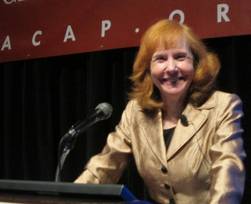
Switching to a different antidepressant will help about 50% of those who don’t respond. But adding psychotherapy will grab about 10% more – bringing the total response rate up to around 70%, said Dr. Wagner of the University of Texas Medical Branch, Galveston.
The landmark TORDIA (Treatment of Resistant Depression in Adolescents) study showed very clearly that piggybacking both treatments is more effective than using medication alone (JAMA 2008;299:785-92).
The study was published in 2008 but remains a key piece of clinical evidence for helping youngsters with treatment-resistant depression. It included about 300 teens who failed their initial 8-week SSRI therapy. They were then randomized to 12 weeks of switching to a different SSRI alone; switching to venlafaxine alone; or switching to either of the drugs plus cognitive-behavioral therapy (CBT).
Adding CBT to either medication showed a higher response rate (55%) than did the medication alone (40%). The new drugs alone were equally effective (new SSRI, 47%; venlafaxine, 48%).
TORDIA could give the impression that psychotherapy might be the best choice for initial treatment, Dr. Wagner said. While it is a great add-on, the timing of CBT response is a big consideration.
"CBT certainly increases the pool of patients who will respond, but it is not as effective initially as medication. CBT eventually does catch up, but if you have a child with moderate to severe depression, the question is: Do we have the time for that? I tend to encourage parents to think about medication first if we don’t have many months to wait for a child to get well."
Choosing among off-label medications
Venlafaxine is one of many antidepressants that are not approved for use in children and teens. Treating depression in youngsters almost always means off-label prescribing. Only two antidepressants – fluoxetine and escitalopram – are Food and Drug Administration–approved for children and teens, and only fluoxetine is approved for children younger than 12 years. And data are actually mixed about fluoxetine; a recent published study showed it was no different from placebo over 6 months.
Of the older, more well-known antidepressants, only two have positive data for youngsters. One randomized study of citalopram posted positive findings for its primary endpoint (Am. J. Psychiatry 2004;161:1079-83). The other is sertraline, which had positive overall findings in a pooled analysis, although the individual studies were negative (JAMA 2003;290:1033-41).
Studies on all of the other drugs were negative, including mirtazapine (two studies), nefazodone (two), paroxetine (three), and venlafaxine (two). This doesn’t mean the medications won’t work – they do benefit some children, Dr. Wagner said. But parents need to know that the studies in children were not positive. However, she added, the safety profiles were all reasonably good.
There are no pediatric safety or efficacy data on any of the new antidepressants. That list includes vilazodone, desvenlafaxine, levomilnacipran, vortioxetine, as well as the less-traditional choices of l-methylfolate and ketamine.
"When you’re thinking about a treatment algorithm, these should be very, very low on the list," Dr. Wagner said. "And make sure to let parents know there are some safety and efficacy data in adults, but they have never been studied in children or adolescents."
Duloxetine disappoints in latest studies
The newest evidence for duloxetine in youngsters with depression looks lousy.
In two highly anticipated, yet-unpublished, phase III trials, duloxetine and fluoxetine – which is already approved for kids – completely fell apart relative to placebo, Dr. Wagner said.
The studies were both sponsored by Eli Lilly; they comprised a total of about 1,000 children and teens. Both included 10-week acute treatment phases followed by 6-month extensions.
The first study randomized patients to up to 120 mg of duloxetine, up to 40 mg of fluoxetine, or placebo for 10 weeks. After that, those who were taking placebo crossed over to up to 120 mg of duloxetine for 6 months. The other regimens remained stable.
By 10 weeks, the mean decrease in the Children’s Depression Rating Scale was 24.3 points for duloxetine, 23.7 points for fluoxetine, and 24.3 points for placebo. By 36 weeks, the CDRS for children still taking duloxetine had decreased another 7 points. It decreased by an additional 9.9 points in those who continued fluoxetine, and by 9.6 points in those who crossed over to duloxetine. None of the between-group differences were significant.
The second trial compared duloxetine 60 mg followed by up to 120 mg; duloxetine 30 mg followed by up to 120 mg; fluoxetine 20 mg followed by up to 40 mg; and placebo followed by up to 120 mg duloxetine.
At 10 weeks, the CDRS had fallen by 24.6 points in the duloxetine groups, 22.6 points in the fluoxetine group, and 21.6 points in the placebo group.
By 36 weeks, the CDRS had fallen an additional 7.8 points in the 30 mg duloxetine group; 7.4 points in the 60 mg duloxetine group; and 10 points in the fluoxetine group.
"This is really sad news," Dr. Wagner said. "You just couldn’t make these numbers any closer. Based on the results of these two studies, are we going to see duloxetine approved for children and adolescents? No. Will there be more studies done? Perhaps, but they take a long time to do."
However, she stressed, "even though there was no separation from placebo, some children do respond. Duloxetine still could be an okay choice, but parents need to know these studies were negative."
Dr. Wagner has no financial relationships with pharmaceutical companies.
NEW YORK – Cognitive-behavioral therapy seems to ramp up the beneficial effect of antidepressant treatment for children and teens.
About 60% of youngsters will respond favorably to their first antidepressant medication – generally a selective serotonin reuptake inhibitor (SSRI), Dr. Karen D. Wagner said at a psychopharmacology update held by the American Academy of Child and Adolescent Psychiatry.
Switching to a different antidepressant will help about 50% of those who don’t respond. But adding psychotherapy will grab about 10% more – bringing the total response rate up to around 70%, said Dr. Wagner of the University of Texas Medical Branch, Galveston.
The landmark TORDIA (Treatment of Resistant Depression in Adolescents) study showed very clearly that piggybacking both treatments is more effective than using medication alone (JAMA 2008;299:785-92).
The study was published in 2008 but remains a key piece of clinical evidence for helping youngsters with treatment-resistant depression. It included about 300 teens who failed their initial 8-week SSRI therapy. They were then randomized to 12 weeks of switching to a different SSRI alone; switching to venlafaxine alone; or switching to either of the drugs plus cognitive-behavioral therapy (CBT).
Adding CBT to either medication showed a higher response rate (55%) than did the medication alone (40%). The new drugs alone were equally effective (new SSRI, 47%; venlafaxine, 48%).
TORDIA could give the impression that psychotherapy might be the best choice for initial treatment, Dr. Wagner said. While it is a great add-on, the timing of CBT response is a big consideration.
"CBT certainly increases the pool of patients who will respond, but it is not as effective initially as medication. CBT eventually does catch up, but if you have a child with moderate to severe depression, the question is: Do we have the time for that? I tend to encourage parents to think about medication first if we don’t have many months to wait for a child to get well."
Choosing among off-label medications
Venlafaxine is one of many antidepressants that are not approved for use in children and teens. Treating depression in youngsters almost always means off-label prescribing. Only two antidepressants – fluoxetine and escitalopram – are Food and Drug Administration–approved for children and teens, and only fluoxetine is approved for children younger than 12 years. And data are actually mixed about fluoxetine; a recent published study showed it was no different from placebo over 6 months.
Of the older, more well-known antidepressants, only two have positive data for youngsters. One randomized study of citalopram posted positive findings for its primary endpoint (Am. J. Psychiatry 2004;161:1079-83). The other is sertraline, which had positive overall findings in a pooled analysis, although the individual studies were negative (JAMA 2003;290:1033-41).
Studies on all of the other drugs were negative, including mirtazapine (two studies), nefazodone (two), paroxetine (three), and venlafaxine (two). This doesn’t mean the medications won’t work – they do benefit some children, Dr. Wagner said. But parents need to know that the studies in children were not positive. However, she added, the safety profiles were all reasonably good.
There are no pediatric safety or efficacy data on any of the new antidepressants. That list includes vilazodone, desvenlafaxine, levomilnacipran, vortioxetine, as well as the less-traditional choices of l-methylfolate and ketamine.
"When you’re thinking about a treatment algorithm, these should be very, very low on the list," Dr. Wagner said. "And make sure to let parents know there are some safety and efficacy data in adults, but they have never been studied in children or adolescents."
Duloxetine disappoints in latest studies
The newest evidence for duloxetine in youngsters with depression looks lousy.
In two highly anticipated, yet-unpublished, phase III trials, duloxetine and fluoxetine – which is already approved for kids – completely fell apart relative to placebo, Dr. Wagner said.
The studies were both sponsored by Eli Lilly; they comprised a total of about 1,000 children and teens. Both included 10-week acute treatment phases followed by 6-month extensions.
The first study randomized patients to up to 120 mg of duloxetine, up to 40 mg of fluoxetine, or placebo for 10 weeks. After that, those who were taking placebo crossed over to up to 120 mg of duloxetine for 6 months. The other regimens remained stable.
By 10 weeks, the mean decrease in the Children’s Depression Rating Scale was 24.3 points for duloxetine, 23.7 points for fluoxetine, and 24.3 points for placebo. By 36 weeks, the CDRS for children still taking duloxetine had decreased another 7 points. It decreased by an additional 9.9 points in those who continued fluoxetine, and by 9.6 points in those who crossed over to duloxetine. None of the between-group differences were significant.
The second trial compared duloxetine 60 mg followed by up to 120 mg; duloxetine 30 mg followed by up to 120 mg; fluoxetine 20 mg followed by up to 40 mg; and placebo followed by up to 120 mg duloxetine.
At 10 weeks, the CDRS had fallen by 24.6 points in the duloxetine groups, 22.6 points in the fluoxetine group, and 21.6 points in the placebo group.
By 36 weeks, the CDRS had fallen an additional 7.8 points in the 30 mg duloxetine group; 7.4 points in the 60 mg duloxetine group; and 10 points in the fluoxetine group.
"This is really sad news," Dr. Wagner said. "You just couldn’t make these numbers any closer. Based on the results of these two studies, are we going to see duloxetine approved for children and adolescents? No. Will there be more studies done? Perhaps, but they take a long time to do."
However, she stressed, "even though there was no separation from placebo, some children do respond. Duloxetine still could be an okay choice, but parents need to know these studies were negative."
Dr. Wagner has no financial relationships with pharmaceutical companies.
NEW YORK – Cognitive-behavioral therapy seems to ramp up the beneficial effect of antidepressant treatment for children and teens.
About 60% of youngsters will respond favorably to their first antidepressant medication – generally a selective serotonin reuptake inhibitor (SSRI), Dr. Karen D. Wagner said at a psychopharmacology update held by the American Academy of Child and Adolescent Psychiatry.
Switching to a different antidepressant will help about 50% of those who don’t respond. But adding psychotherapy will grab about 10% more – bringing the total response rate up to around 70%, said Dr. Wagner of the University of Texas Medical Branch, Galveston.
The landmark TORDIA (Treatment of Resistant Depression in Adolescents) study showed very clearly that piggybacking both treatments is more effective than using medication alone (JAMA 2008;299:785-92).
The study was published in 2008 but remains a key piece of clinical evidence for helping youngsters with treatment-resistant depression. It included about 300 teens who failed their initial 8-week SSRI therapy. They were then randomized to 12 weeks of switching to a different SSRI alone; switching to venlafaxine alone; or switching to either of the drugs plus cognitive-behavioral therapy (CBT).
Adding CBT to either medication showed a higher response rate (55%) than did the medication alone (40%). The new drugs alone were equally effective (new SSRI, 47%; venlafaxine, 48%).
TORDIA could give the impression that psychotherapy might be the best choice for initial treatment, Dr. Wagner said. While it is a great add-on, the timing of CBT response is a big consideration.
"CBT certainly increases the pool of patients who will respond, but it is not as effective initially as medication. CBT eventually does catch up, but if you have a child with moderate to severe depression, the question is: Do we have the time for that? I tend to encourage parents to think about medication first if we don’t have many months to wait for a child to get well."
Choosing among off-label medications
Venlafaxine is one of many antidepressants that are not approved for use in children and teens. Treating depression in youngsters almost always means off-label prescribing. Only two antidepressants – fluoxetine and escitalopram – are Food and Drug Administration–approved for children and teens, and only fluoxetine is approved for children younger than 12 years. And data are actually mixed about fluoxetine; a recent published study showed it was no different from placebo over 6 months.
Of the older, more well-known antidepressants, only two have positive data for youngsters. One randomized study of citalopram posted positive findings for its primary endpoint (Am. J. Psychiatry 2004;161:1079-83). The other is sertraline, which had positive overall findings in a pooled analysis, although the individual studies were negative (JAMA 2003;290:1033-41).
Studies on all of the other drugs were negative, including mirtazapine (two studies), nefazodone (two), paroxetine (three), and venlafaxine (two). This doesn’t mean the medications won’t work – they do benefit some children, Dr. Wagner said. But parents need to know that the studies in children were not positive. However, she added, the safety profiles were all reasonably good.
There are no pediatric safety or efficacy data on any of the new antidepressants. That list includes vilazodone, desvenlafaxine, levomilnacipran, vortioxetine, as well as the less-traditional choices of l-methylfolate and ketamine.
"When you’re thinking about a treatment algorithm, these should be very, very low on the list," Dr. Wagner said. "And make sure to let parents know there are some safety and efficacy data in adults, but they have never been studied in children or adolescents."
Duloxetine disappoints in latest studies
The newest evidence for duloxetine in youngsters with depression looks lousy.
In two highly anticipated, yet-unpublished, phase III trials, duloxetine and fluoxetine – which is already approved for kids – completely fell apart relative to placebo, Dr. Wagner said.
The studies were both sponsored by Eli Lilly; they comprised a total of about 1,000 children and teens. Both included 10-week acute treatment phases followed by 6-month extensions.
The first study randomized patients to up to 120 mg of duloxetine, up to 40 mg of fluoxetine, or placebo for 10 weeks. After that, those who were taking placebo crossed over to up to 120 mg of duloxetine for 6 months. The other regimens remained stable.
By 10 weeks, the mean decrease in the Children’s Depression Rating Scale was 24.3 points for duloxetine, 23.7 points for fluoxetine, and 24.3 points for placebo. By 36 weeks, the CDRS for children still taking duloxetine had decreased another 7 points. It decreased by an additional 9.9 points in those who continued fluoxetine, and by 9.6 points in those who crossed over to duloxetine. None of the between-group differences were significant.
The second trial compared duloxetine 60 mg followed by up to 120 mg; duloxetine 30 mg followed by up to 120 mg; fluoxetine 20 mg followed by up to 40 mg; and placebo followed by up to 120 mg duloxetine.
At 10 weeks, the CDRS had fallen by 24.6 points in the duloxetine groups, 22.6 points in the fluoxetine group, and 21.6 points in the placebo group.
By 36 weeks, the CDRS had fallen an additional 7.8 points in the 30 mg duloxetine group; 7.4 points in the 60 mg duloxetine group; and 10 points in the fluoxetine group.
"This is really sad news," Dr. Wagner said. "You just couldn’t make these numbers any closer. Based on the results of these two studies, are we going to see duloxetine approved for children and adolescents? No. Will there be more studies done? Perhaps, but they take a long time to do."
However, she stressed, "even though there was no separation from placebo, some children do respond. Duloxetine still could be an okay choice, but parents need to know these studies were negative."
Dr. Wagner has no financial relationships with pharmaceutical companies.
EXPERT ANALYSIS FROM THE PSYCHOPHARMACOLOGY UPDATE INSTITUTE
Treating childhood anxiety requires patience, persistence
NEW YORK – Effectively managing children with refractory anxiety disorders isn’t easy – and decisions made during treatment can set the tone for a lifetime, according to Dr. John T. Walkup.
"It’s really hard to medicate kids," Dr. Walkup said at a psychopharmacology update held by the American Academy of Child and Adolescent Psychiatry. "It takes a lot of work, a lot of time, and a lot of persuasion and convincing. Sometimes the family is resistant, so we just don’t put in the effort to make it happen. And these kids will sputter and not do very well."
That’s a shame, said Dr. Walkup, a child psychiatrist at New York Presbyterian Hospital, because pediatric anxiety can respond very well to the right treatment. But if children are left to flounder, the risk of long-term disengagement is very high.
"Many times adult psychiatric disorders start in childhood. If we fumble the first couple of attempts at treatment, this is a youngster who may grow into adulthood with no confidence in psychiatric care."
Dr. Walkup said he often sees patients labeled as refractory, who simply haven’t been appropriately treated. A common problem is having no real plan for reaching a goal. "I hear clinicians say, ‘Let’s just start at this dose and see how it goes.’ I guarantee if you don’t know where you’re going, you’re not going to go anywhere."
The "start low, go slow" method can be problematic if the dose never gets high enough.
"We want to be cautious, and we don’t want to do harm, but there’s a potential problem here. You can build treatment nihilism in the family. Because while you think you’re being prudent and thoughtful, the patient and family think: ‘I’m taking this thing and not getting better. Who is this person, and why should I trust him?’ "
Suicidality is a legitimate concern, but a very rare occurrence. According to the National Institutes of Health, Dr. Walkup said, the number needed to harm for suicidality is around 143. "If you examine that further, most of those are not deaths or attempts, but increased or new ideation."
Activation happens with some children on selective serotonin reuptake inhibitors. It’s extremely uncomfortable for patients and families, but usually occurs at low doses, is transient, and almost always has nothing to do with the long-term prognosis. Activation is sometimes misidentified as bipolar switching to mania, which is actually very rare. Of the 12% of treated children who experience activation, just 1% become manic.
When SSRIs are associated with activation severe enough to switch drugs, "I like mirtazapine," Dr. Walkup said. "It comes in an orally disintegrating tablet, which is good for kids who can’t swallow pills. It’s sedating, so it helps anxious kids sleep. And anxious undereaters who take it sometimes begin to chow down a little."
Switching to or adding another drug is a balancing act that, if not done carefully, can result in symptom resurgence. "The traditional switching strategy is to discontinue the first med and wait for it to clear and then start the second. During that period, children can have a return of symptoms, so this is not something you want to do when the kid is at summer camp, or over a winter holiday.
"I actually don’t do it that way any more," he added. "I prefer a cross-taper."
A common mistake in cross-tapering is, again, stopping the old medication too soon – before the second one has had a chance to kick in. "People get uncomfortable with having two drugs on board. It’s not for the faint of heart, but you have to keep on with the first one until you have a sense that the second one is going to work."
Sometimes luck kicks in, too. "I have experienced a few times – and sometimes hoped for– a kind of augmentation response. The child has an abrupt improvement with the addition of the new drug. When people see this, it can free them up to discontinue the old one, again too early. The problem here is that the old drug is the substrate that the new one is working on.
"If I have a patient who does get better like this, I just leave him on the two meds. Sometimes the improvement is very brisk, and it can really bring families into the fold with using medication."
Dr. Walkup said he had no relevant financial disclosures.
On Twitter @alz_gal
NEW YORK – Effectively managing children with refractory anxiety disorders isn’t easy – and decisions made during treatment can set the tone for a lifetime, according to Dr. John T. Walkup.
"It’s really hard to medicate kids," Dr. Walkup said at a psychopharmacology update held by the American Academy of Child and Adolescent Psychiatry. "It takes a lot of work, a lot of time, and a lot of persuasion and convincing. Sometimes the family is resistant, so we just don’t put in the effort to make it happen. And these kids will sputter and not do very well."
That’s a shame, said Dr. Walkup, a child psychiatrist at New York Presbyterian Hospital, because pediatric anxiety can respond very well to the right treatment. But if children are left to flounder, the risk of long-term disengagement is very high.
"Many times adult psychiatric disorders start in childhood. If we fumble the first couple of attempts at treatment, this is a youngster who may grow into adulthood with no confidence in psychiatric care."
Dr. Walkup said he often sees patients labeled as refractory, who simply haven’t been appropriately treated. A common problem is having no real plan for reaching a goal. "I hear clinicians say, ‘Let’s just start at this dose and see how it goes.’ I guarantee if you don’t know where you’re going, you’re not going to go anywhere."
The "start low, go slow" method can be problematic if the dose never gets high enough.
"We want to be cautious, and we don’t want to do harm, but there’s a potential problem here. You can build treatment nihilism in the family. Because while you think you’re being prudent and thoughtful, the patient and family think: ‘I’m taking this thing and not getting better. Who is this person, and why should I trust him?’ "
Suicidality is a legitimate concern, but a very rare occurrence. According to the National Institutes of Health, Dr. Walkup said, the number needed to harm for suicidality is around 143. "If you examine that further, most of those are not deaths or attempts, but increased or new ideation."
Activation happens with some children on selective serotonin reuptake inhibitors. It’s extremely uncomfortable for patients and families, but usually occurs at low doses, is transient, and almost always has nothing to do with the long-term prognosis. Activation is sometimes misidentified as bipolar switching to mania, which is actually very rare. Of the 12% of treated children who experience activation, just 1% become manic.
When SSRIs are associated with activation severe enough to switch drugs, "I like mirtazapine," Dr. Walkup said. "It comes in an orally disintegrating tablet, which is good for kids who can’t swallow pills. It’s sedating, so it helps anxious kids sleep. And anxious undereaters who take it sometimes begin to chow down a little."
Switching to or adding another drug is a balancing act that, if not done carefully, can result in symptom resurgence. "The traditional switching strategy is to discontinue the first med and wait for it to clear and then start the second. During that period, children can have a return of symptoms, so this is not something you want to do when the kid is at summer camp, or over a winter holiday.
"I actually don’t do it that way any more," he added. "I prefer a cross-taper."
A common mistake in cross-tapering is, again, stopping the old medication too soon – before the second one has had a chance to kick in. "People get uncomfortable with having two drugs on board. It’s not for the faint of heart, but you have to keep on with the first one until you have a sense that the second one is going to work."
Sometimes luck kicks in, too. "I have experienced a few times – and sometimes hoped for– a kind of augmentation response. The child has an abrupt improvement with the addition of the new drug. When people see this, it can free them up to discontinue the old one, again too early. The problem here is that the old drug is the substrate that the new one is working on.
"If I have a patient who does get better like this, I just leave him on the two meds. Sometimes the improvement is very brisk, and it can really bring families into the fold with using medication."
Dr. Walkup said he had no relevant financial disclosures.
On Twitter @alz_gal
NEW YORK – Effectively managing children with refractory anxiety disorders isn’t easy – and decisions made during treatment can set the tone for a lifetime, according to Dr. John T. Walkup.
"It’s really hard to medicate kids," Dr. Walkup said at a psychopharmacology update held by the American Academy of Child and Adolescent Psychiatry. "It takes a lot of work, a lot of time, and a lot of persuasion and convincing. Sometimes the family is resistant, so we just don’t put in the effort to make it happen. And these kids will sputter and not do very well."
That’s a shame, said Dr. Walkup, a child psychiatrist at New York Presbyterian Hospital, because pediatric anxiety can respond very well to the right treatment. But if children are left to flounder, the risk of long-term disengagement is very high.
"Many times adult psychiatric disorders start in childhood. If we fumble the first couple of attempts at treatment, this is a youngster who may grow into adulthood with no confidence in psychiatric care."
Dr. Walkup said he often sees patients labeled as refractory, who simply haven’t been appropriately treated. A common problem is having no real plan for reaching a goal. "I hear clinicians say, ‘Let’s just start at this dose and see how it goes.’ I guarantee if you don’t know where you’re going, you’re not going to go anywhere."
The "start low, go slow" method can be problematic if the dose never gets high enough.
"We want to be cautious, and we don’t want to do harm, but there’s a potential problem here. You can build treatment nihilism in the family. Because while you think you’re being prudent and thoughtful, the patient and family think: ‘I’m taking this thing and not getting better. Who is this person, and why should I trust him?’ "
Suicidality is a legitimate concern, but a very rare occurrence. According to the National Institutes of Health, Dr. Walkup said, the number needed to harm for suicidality is around 143. "If you examine that further, most of those are not deaths or attempts, but increased or new ideation."
Activation happens with some children on selective serotonin reuptake inhibitors. It’s extremely uncomfortable for patients and families, but usually occurs at low doses, is transient, and almost always has nothing to do with the long-term prognosis. Activation is sometimes misidentified as bipolar switching to mania, which is actually very rare. Of the 12% of treated children who experience activation, just 1% become manic.
When SSRIs are associated with activation severe enough to switch drugs, "I like mirtazapine," Dr. Walkup said. "It comes in an orally disintegrating tablet, which is good for kids who can’t swallow pills. It’s sedating, so it helps anxious kids sleep. And anxious undereaters who take it sometimes begin to chow down a little."
Switching to or adding another drug is a balancing act that, if not done carefully, can result in symptom resurgence. "The traditional switching strategy is to discontinue the first med and wait for it to clear and then start the second. During that period, children can have a return of symptoms, so this is not something you want to do when the kid is at summer camp, or over a winter holiday.
"I actually don’t do it that way any more," he added. "I prefer a cross-taper."
A common mistake in cross-tapering is, again, stopping the old medication too soon – before the second one has had a chance to kick in. "People get uncomfortable with having two drugs on board. It’s not for the faint of heart, but you have to keep on with the first one until you have a sense that the second one is going to work."
Sometimes luck kicks in, too. "I have experienced a few times – and sometimes hoped for– a kind of augmentation response. The child has an abrupt improvement with the addition of the new drug. When people see this, it can free them up to discontinue the old one, again too early. The problem here is that the old drug is the substrate that the new one is working on.
"If I have a patient who does get better like this, I just leave him on the two meds. Sometimes the improvement is very brisk, and it can really bring families into the fold with using medication."
Dr. Walkup said he had no relevant financial disclosures.
On Twitter @alz_gal
EXPERT ANALYSIS FROM THE PSYCHOPHARMACOLOGY UPDATE INSTITUTE
DDT metabolite may be associated with risk for Alzheimer’s
A metabolite of the pesticide DDT – banned in the United States since 1972 – was associated with late-onset Alzheimer’s disease in a small, case-control study.
Levels of the chemical dichlorodiphenyldichloroethylene (DDE) were nearly four times higher in the serum of Alzheimer’s disease patients than in controls. That translated to almost fourfold higher odds of developing the disease, Jason R. Richardson, Ph.D., of Robert Wood Johnson Medical School, Piscataway, N.J., and his colleagues reported (JAMA Neurol. 2014 Jan. 27 [doi:10.1001/jamaneurol.2013.6030]).
The level of the chemical also showed a strong interaction with the high-risk apolipoprotein E (apo E) epsilon-4 allele in influencing Mini-Mental State Examination (MMSE) scores, wrote Dr. Richardson and his coauthors.
"This suggests that exposure to [the chemical] may contribute to Alzheimer’s disease only in a subset of cases, perhaps those with genetic polymorphisms that render them more susceptible to DDT/DDE exposure."
In 2009, the team reported a significant increase in the risk of Alzheimer’s corresponding with increased levels of DDE in a small cohort of 20 Alzheimer’s patients, compared with controls (Arch. Neurol. 2009;66:870-5 [doi:10.1001/archneurol.2009.89]).
That finding prompted this larger study, which comprised 86 Alzheimer’s patients and 79 control participants from two centers, all of whom provided blood serum for testing. A subset of 11 patient samples also provided brain tissue.
DDE, which concentrates in fat, was found in 70% of controls and 80% of cases. But the mean serum level was 3.8 times higher in cases than in controls (2.64 vs. 0.69 ng/mg cholesterol).
The authors divided the group into tertiles according to DDE level. They performed a multivariate regression that controlled for age, sex, race/ethnicity, and location. Compared with those with the lowest DDE level, those with the highest had significantly higher odds of Alzheimer’s (odds ratio, 4.18). MMSE scores were also significantly lower in the highest tertile than in the lowest.
The presence of an apo E–epsilon-4 allele alone nearly quadrupled the odds of an Alzheimer’s diagnosis (OR, 3.70), and when researchers adjusted for the risk marker, it did not change the association between DDE and Alzheimer’s.
However, MMSE scores were the worst in apo E–epsilon-4 carriers who also had the highest DDE levels. Since DDE levels didn’t differ by genotype, "this is a functional interaction," the investigators concluded.
In matched serum and brain tissue samples from 11 Alzheimer’s patients, DDE levels were similar in both brain and serum. In a separate experiment with cultured neurons, exposure of the cells to DDE or DDT for 48 hours increased levels of amyloid precursor protein by nearly 50%. (Genetic overexpression of amyloid precursor protein is a known risk factor for Alzheimer’s disease.)
Although levels of DDT and DDE have declined significantly over the past 3 decades in the United States, both it and DDE are still found in up to 80% of serum samples in the United States, Dr. Richardson and his team noted. "This is likely the result of the exceptionally long half-life of DDE (approximately 8-10 years) and continuing exposure from the import of food from countries where DDT is still used or from legacy contamination of soil and waterways in the United States. ... Serum concentrations of DDE are much higher elsewhere in the world, where DDT was phased out later or is still used, such as Spain and India."
The study was funded by the National Institutes of Health. None of the authors had any financial disclosures.
On Twitter @alz_gal
The reported association between DDE and Alzheimer’s risk is fascinating but should be considered preliminary, Dr. Steven T. DeKosky and Dr. Samuel Gandy wrote in an accompanying editorial (JAMA Neurol. 2014 Jan. 27 [doi:10.1001/jamaneurol.2013.6031]).
The association was driven by just one set of patients – those from the University of Texas Southwestern Medical Center, Dallas, databank. No significant association existed in the samples from the Emory University, Atlanta, data set.
"While the authors proposed that the lack of significant difference in the Emory group was likely owing to the small number of cases, one might reasonably and logically ask why the strong relationship of levels of DDE to Alzheimer’s diagnosis in the Texas cohort was not equally likely to be spurious because of its small sample size," they wrote.
They also noted that no case clustering has ever been observed in Spain or India, two places the study authors cited as still using DDT. Those reasons suggest that Dr. Richardson and his colleagues’ report "should be considered as preliminary until there is independent confirmation in other populations," they said.
Filling in the picture might not be too difficult, because an enormous number of samples are being preserved in several databases. Additionally, since brain levels correlated with serum levels, investigators could track any association through imaging data that is likewise being collected.
"In this context, Dr. Richardson and his colleagues have provided both a wake-up call to explore environmental influences and pointed us to a first area to assess – pesticides, which have already been implicated in other human illnesses," they wrote.
Dr. DeKosky is the James C. Flippin Professor of Medical Science in the departments of neurology and psychiatry and neurobehavioral sciences at the University of Virginia, Charlottesville. Dr. Gandy is Professor of Alzheimer’s Disease Research at the Icahn School of Medicine at Mount Sinai, New York. Both reported financial relationships with numerous pharmaceutical companies.
The reported association between DDE and Alzheimer’s risk is fascinating but should be considered preliminary, Dr. Steven T. DeKosky and Dr. Samuel Gandy wrote in an accompanying editorial (JAMA Neurol. 2014 Jan. 27 [doi:10.1001/jamaneurol.2013.6031]).
The association was driven by just one set of patients – those from the University of Texas Southwestern Medical Center, Dallas, databank. No significant association existed in the samples from the Emory University, Atlanta, data set.
"While the authors proposed that the lack of significant difference in the Emory group was likely owing to the small number of cases, one might reasonably and logically ask why the strong relationship of levels of DDE to Alzheimer’s diagnosis in the Texas cohort was not equally likely to be spurious because of its small sample size," they wrote.
They also noted that no case clustering has ever been observed in Spain or India, two places the study authors cited as still using DDT. Those reasons suggest that Dr. Richardson and his colleagues’ report "should be considered as preliminary until there is independent confirmation in other populations," they said.
Filling in the picture might not be too difficult, because an enormous number of samples are being preserved in several databases. Additionally, since brain levels correlated with serum levels, investigators could track any association through imaging data that is likewise being collected.
"In this context, Dr. Richardson and his colleagues have provided both a wake-up call to explore environmental influences and pointed us to a first area to assess – pesticides, which have already been implicated in other human illnesses," they wrote.
Dr. DeKosky is the James C. Flippin Professor of Medical Science in the departments of neurology and psychiatry and neurobehavioral sciences at the University of Virginia, Charlottesville. Dr. Gandy is Professor of Alzheimer’s Disease Research at the Icahn School of Medicine at Mount Sinai, New York. Both reported financial relationships with numerous pharmaceutical companies.
The reported association between DDE and Alzheimer’s risk is fascinating but should be considered preliminary, Dr. Steven T. DeKosky and Dr. Samuel Gandy wrote in an accompanying editorial (JAMA Neurol. 2014 Jan. 27 [doi:10.1001/jamaneurol.2013.6031]).
The association was driven by just one set of patients – those from the University of Texas Southwestern Medical Center, Dallas, databank. No significant association existed in the samples from the Emory University, Atlanta, data set.
"While the authors proposed that the lack of significant difference in the Emory group was likely owing to the small number of cases, one might reasonably and logically ask why the strong relationship of levels of DDE to Alzheimer’s diagnosis in the Texas cohort was not equally likely to be spurious because of its small sample size," they wrote.
They also noted that no case clustering has ever been observed in Spain or India, two places the study authors cited as still using DDT. Those reasons suggest that Dr. Richardson and his colleagues’ report "should be considered as preliminary until there is independent confirmation in other populations," they said.
Filling in the picture might not be too difficult, because an enormous number of samples are being preserved in several databases. Additionally, since brain levels correlated with serum levels, investigators could track any association through imaging data that is likewise being collected.
"In this context, Dr. Richardson and his colleagues have provided both a wake-up call to explore environmental influences and pointed us to a first area to assess – pesticides, which have already been implicated in other human illnesses," they wrote.
Dr. DeKosky is the James C. Flippin Professor of Medical Science in the departments of neurology and psychiatry and neurobehavioral sciences at the University of Virginia, Charlottesville. Dr. Gandy is Professor of Alzheimer’s Disease Research at the Icahn School of Medicine at Mount Sinai, New York. Both reported financial relationships with numerous pharmaceutical companies.
A metabolite of the pesticide DDT – banned in the United States since 1972 – was associated with late-onset Alzheimer’s disease in a small, case-control study.
Levels of the chemical dichlorodiphenyldichloroethylene (DDE) were nearly four times higher in the serum of Alzheimer’s disease patients than in controls. That translated to almost fourfold higher odds of developing the disease, Jason R. Richardson, Ph.D., of Robert Wood Johnson Medical School, Piscataway, N.J., and his colleagues reported (JAMA Neurol. 2014 Jan. 27 [doi:10.1001/jamaneurol.2013.6030]).
The level of the chemical also showed a strong interaction with the high-risk apolipoprotein E (apo E) epsilon-4 allele in influencing Mini-Mental State Examination (MMSE) scores, wrote Dr. Richardson and his coauthors.
"This suggests that exposure to [the chemical] may contribute to Alzheimer’s disease only in a subset of cases, perhaps those with genetic polymorphisms that render them more susceptible to DDT/DDE exposure."
In 2009, the team reported a significant increase in the risk of Alzheimer’s corresponding with increased levels of DDE in a small cohort of 20 Alzheimer’s patients, compared with controls (Arch. Neurol. 2009;66:870-5 [doi:10.1001/archneurol.2009.89]).
That finding prompted this larger study, which comprised 86 Alzheimer’s patients and 79 control participants from two centers, all of whom provided blood serum for testing. A subset of 11 patient samples also provided brain tissue.
DDE, which concentrates in fat, was found in 70% of controls and 80% of cases. But the mean serum level was 3.8 times higher in cases than in controls (2.64 vs. 0.69 ng/mg cholesterol).
The authors divided the group into tertiles according to DDE level. They performed a multivariate regression that controlled for age, sex, race/ethnicity, and location. Compared with those with the lowest DDE level, those with the highest had significantly higher odds of Alzheimer’s (odds ratio, 4.18). MMSE scores were also significantly lower in the highest tertile than in the lowest.
The presence of an apo E–epsilon-4 allele alone nearly quadrupled the odds of an Alzheimer’s diagnosis (OR, 3.70), and when researchers adjusted for the risk marker, it did not change the association between DDE and Alzheimer’s.
However, MMSE scores were the worst in apo E–epsilon-4 carriers who also had the highest DDE levels. Since DDE levels didn’t differ by genotype, "this is a functional interaction," the investigators concluded.
In matched serum and brain tissue samples from 11 Alzheimer’s patients, DDE levels were similar in both brain and serum. In a separate experiment with cultured neurons, exposure of the cells to DDE or DDT for 48 hours increased levels of amyloid precursor protein by nearly 50%. (Genetic overexpression of amyloid precursor protein is a known risk factor for Alzheimer’s disease.)
Although levels of DDT and DDE have declined significantly over the past 3 decades in the United States, both it and DDE are still found in up to 80% of serum samples in the United States, Dr. Richardson and his team noted. "This is likely the result of the exceptionally long half-life of DDE (approximately 8-10 years) and continuing exposure from the import of food from countries where DDT is still used or from legacy contamination of soil and waterways in the United States. ... Serum concentrations of DDE are much higher elsewhere in the world, where DDT was phased out later or is still used, such as Spain and India."
The study was funded by the National Institutes of Health. None of the authors had any financial disclosures.
On Twitter @alz_gal
A metabolite of the pesticide DDT – banned in the United States since 1972 – was associated with late-onset Alzheimer’s disease in a small, case-control study.
Levels of the chemical dichlorodiphenyldichloroethylene (DDE) were nearly four times higher in the serum of Alzheimer’s disease patients than in controls. That translated to almost fourfold higher odds of developing the disease, Jason R. Richardson, Ph.D., of Robert Wood Johnson Medical School, Piscataway, N.J., and his colleagues reported (JAMA Neurol. 2014 Jan. 27 [doi:10.1001/jamaneurol.2013.6030]).
The level of the chemical also showed a strong interaction with the high-risk apolipoprotein E (apo E) epsilon-4 allele in influencing Mini-Mental State Examination (MMSE) scores, wrote Dr. Richardson and his coauthors.
"This suggests that exposure to [the chemical] may contribute to Alzheimer’s disease only in a subset of cases, perhaps those with genetic polymorphisms that render them more susceptible to DDT/DDE exposure."
In 2009, the team reported a significant increase in the risk of Alzheimer’s corresponding with increased levels of DDE in a small cohort of 20 Alzheimer’s patients, compared with controls (Arch. Neurol. 2009;66:870-5 [doi:10.1001/archneurol.2009.89]).
That finding prompted this larger study, which comprised 86 Alzheimer’s patients and 79 control participants from two centers, all of whom provided blood serum for testing. A subset of 11 patient samples also provided brain tissue.
DDE, which concentrates in fat, was found in 70% of controls and 80% of cases. But the mean serum level was 3.8 times higher in cases than in controls (2.64 vs. 0.69 ng/mg cholesterol).
The authors divided the group into tertiles according to DDE level. They performed a multivariate regression that controlled for age, sex, race/ethnicity, and location. Compared with those with the lowest DDE level, those with the highest had significantly higher odds of Alzheimer’s (odds ratio, 4.18). MMSE scores were also significantly lower in the highest tertile than in the lowest.
The presence of an apo E–epsilon-4 allele alone nearly quadrupled the odds of an Alzheimer’s diagnosis (OR, 3.70), and when researchers adjusted for the risk marker, it did not change the association between DDE and Alzheimer’s.
However, MMSE scores were the worst in apo E–epsilon-4 carriers who also had the highest DDE levels. Since DDE levels didn’t differ by genotype, "this is a functional interaction," the investigators concluded.
In matched serum and brain tissue samples from 11 Alzheimer’s patients, DDE levels were similar in both brain and serum. In a separate experiment with cultured neurons, exposure of the cells to DDE or DDT for 48 hours increased levels of amyloid precursor protein by nearly 50%. (Genetic overexpression of amyloid precursor protein is a known risk factor for Alzheimer’s disease.)
Although levels of DDT and DDE have declined significantly over the past 3 decades in the United States, both it and DDE are still found in up to 80% of serum samples in the United States, Dr. Richardson and his team noted. "This is likely the result of the exceptionally long half-life of DDE (approximately 8-10 years) and continuing exposure from the import of food from countries where DDT is still used or from legacy contamination of soil and waterways in the United States. ... Serum concentrations of DDE are much higher elsewhere in the world, where DDT was phased out later or is still used, such as Spain and India."
The study was funded by the National Institutes of Health. None of the authors had any financial disclosures.
On Twitter @alz_gal
FROM JAMA NEUROLOGY
Major finding: A metabolite of the banned pesticide DDT was associated with a fourfold increase in the risk of Alzheimer’s disease.
Data source: A retrospective, case-control study comprising 86 Alzheimer’s disease patients and 79 control participants
Disclosures: The study was funded by the National Institutes of Health. None of the authors reported any financial conflicts.
Address toxic stress to shape a child’s lifelong health
Pediatricians can sometimes feel like frustrated lifeguards, Dr Andrew Garner mused.
"We hear someone drowning and jump in to help them. And then we hear another and another, and keep jumping in over and over again to pull them out. But maybe what we really need to do is swim upstream, find out why people keep falling in, and fix that."
In an interview, Dr. Garner discussed the effects of chronic, unremitting stress, which, he said, can destroy a child’s potential for lifelong health.
Physical problems like cardiovascular disease, obesity, diabetes, cancer, and even dementia have been directly linked to chronic childhood stress.
However, stress isn’t always a bad thing, said Dr. Garner, lead author of an American Academy of Pediatrics technical paper on the enduring effects of early childhood adversity (Pediatrics 2012;129:e232-46). Stress can be a teacher instead of an attacker. Stressful changes in an infant’s environment, for example, trigger the responses that very quickly teach a baby how to get what she needs.
"The only way a young baby can be nurtured is by an outside force. But that’s the beginning of affect regulation. The first social smile is a great example. When that infant realizes, ‘Every time I smile and coo, mom’s face is there,’ then he’ll get the attention he needs by smiling and cooing." Thus, the first link between adversity and positive coping is formed.
"Positive stress is adversity that is brief, and shut off by social and emotional buffers," like responsive caregivers, said Dr. Garner, a pediatrician in Westlake, Ohio. "It builds motivation, resiliency, and competency."

Toxic stress, however, can’t be turned off. There’s nothing to buffer its impact – no grown-up to absorb its power and reassure a child that the world hasn’t really turned upside down. The situation is almost always the result of a dysfunctional environment: prolonged economic hardship or a caregiver affected by depression, substance abuse, violence, or sexual abuse – perhaps related to her own childhood experiences.
In an ongoing situation like that, a child’s physical stress response never really turns off. "Allostatic loading is always being pushed, making it harder and harder for the body to recover," and very difficult to return to a normal physiologic baseline, Dr. Garner said.
There’s now little doubt that toxic stress can set a child on a lifelong rocky road. In addition to the physical problems that have been directly linked to chronic childhood stress, mental health can suffer as well, according to Terrie Moffitt, Ph.D. Her recent paper examined the relationship between lifelong health and exposure to another kind of toxic stress – exposure to violence (Dev. Psychopathol. 2013;25:1619-34).
"Taken together, the evidence shows that childhood violence victimization is associated with the risk for many different kinds of psychiatric illness, comorbidity, unfavorable course of illness, and poor treatment response," wrote Dr. Moffitt, the Knut Schmidt Nielsen Professor of Psychology and Neuroscience at Duke University, Durham, N.C. "It is difficult to identify a disorder to which childhood victimization is not linked." The list includes disorders of mood, anxiety, behavior, and substance abuse. Recent studies have even linked violence exposure to significant declines in adult IQ, she noted.
There is also now very good human neuroimaging evidence that chronic stress in childhood is directly related to physical changes in the developing brain, including the hippocampus, amygdala, striatum, prefrontal cortex, orbitofrontal cortex, and anterior cingulate gyrus (Front. Hum. Neurosci. 2012;6:52-130).
Emerging research is uncovering the pathophysiology that links toxic childhood stress and poor adult health. Perhaps most familiar is the effect of chronic inflammation. Inflammatory cytokines released during stress response prepare the body to meet an immediate physical threat. But over years, those proteins damage tissues, increasing the risk for disease. More recent findings center on genetic changes – like the erosion of the DNA telomeres, leading to impaired cellular replication – and epigenetic changes – like DNA methylation and histone acetylation – that determine which genes are turned off or on,
But although there’s abundant evidence of long-term damage from toxic stress, there is also evidence that a stressful environment doesn’t necessarily doom any child, said Dr. Garner. "There is plenty of research showing that a dependable, nurturing relationship can mitigate some of the effects."
A 2013 study from the United Kingdom is an example. It included 1,116 families who had participated in the Environmental Risk Longitudinal Twin Study (E-Risk). It assessed the mothers’ childhood history of any maltreatment, and any reports of physical maltreatment of the children enrolled. The researchers compared families in which mothers, but not children, had experienced maltreatment with families in which both mothers and children had experienced it, and also with families without maltreatment (J. Adolesc. Health 2013;53 (suppl.):S4-10).
The study determined that supportive and trusting relationships with intimate partners, high levels of maternal warmth toward children, and low levels of partner violence between adults characterized families in which mothers but not children experienced maltreatment from those in which mothers and children both experienced maltreatment.
"Safe, stable nurturing relationships between intimate partners and between mothers and children are associated with breaking the cycle of abuse in families," the authors wrote.
And that, Dr. Garner said, is where pediatricians can make a difference: By getting involved with families early, staying involved consistently, and advocating not only for children’s health, but for the health of the family unit, pediatricians can protect every child’s right to lifelong health.
The AAP report urges clinicians to assign themselves the crucial task of identifying children threatened by toxic stress, and offering families the tools they need to stave off its damaging effects. The paper calls on pediatricians to become "more than checkers of throats and ears," Dr. Garner said. "It elevates us to becoming guardians of the life-course trajectory. We have always known in our hearts that we work best when we partner with families to help children. But it’s a transformational view to see our role as also helping the environment in which the child lives."
As in any long-term health assessment, the first step should be screening, Dr. Garner said. That process can start with seeing a child who is already showing problem behaviors – a sign that something upstream might be the real issue. But screening can also start much earlier – in some cases, before birth.
Prospective parents who come in "shopping" for a pediatrician, and parents-to-be who already have a child in the practice, offer a crucial window to assess family stressors. Stepping in with guidance even that early may improve things not only for the current child, but also for the one to come.
"The data tell us that most parents are willing to give you this information," Dr. Garner said. "Families are often looking for help. Most want to do a good job, and when the discussion revolves around helping them do that, they are usually receptive."
What gets uncovered could be daunting, though. "Spousal abuse, parental depression, unemployment, substance abuse, housing are just a few," he said.
Identifying problems is one thing – the next big question is what to do about it. "It will be a tremendous challenge and require an unprecedented level of collaboration between the medical home and all systems of early child care, education, and even child protective services."
It’s going to take some time, too, he said. And time means money.
"We are working on reimbursement," Dr. Garner said. "AAP has already endorsed a specific code that assesses environmental risk for maternal depression, and some states do reimburse for that."
Others don’t however, maintaining that screening for maternal depression represents treatment for the mother, not the child. "That attitude right there is part of the whole problem – not seeing the importance of the mother-child dyad," Dr. Garner said.
He and other proponents of this new paradigm said that implementing it will stimulate "trickle-up" economic gains. "If we do a good job of addressing toxic stress, we’ll spend less time treating somatic illness, which takes a lot of time out of any practice. And if we can prevent some of the long-term effects of toxic stress – like drinking, smoking, drugs, promiscuity – that will be a huge value to the entire health care system. The effects won’t be seen tomorrow. But they will be seen. And that’s where the real value is," Dr. Garner said.
Pediatricians can sometimes feel like frustrated lifeguards, Dr Andrew Garner mused.
"We hear someone drowning and jump in to help them. And then we hear another and another, and keep jumping in over and over again to pull them out. But maybe what we really need to do is swim upstream, find out why people keep falling in, and fix that."
In an interview, Dr. Garner discussed the effects of chronic, unremitting stress, which, he said, can destroy a child’s potential for lifelong health.
Physical problems like cardiovascular disease, obesity, diabetes, cancer, and even dementia have been directly linked to chronic childhood stress.
However, stress isn’t always a bad thing, said Dr. Garner, lead author of an American Academy of Pediatrics technical paper on the enduring effects of early childhood adversity (Pediatrics 2012;129:e232-46). Stress can be a teacher instead of an attacker. Stressful changes in an infant’s environment, for example, trigger the responses that very quickly teach a baby how to get what she needs.
"The only way a young baby can be nurtured is by an outside force. But that’s the beginning of affect regulation. The first social smile is a great example. When that infant realizes, ‘Every time I smile and coo, mom’s face is there,’ then he’ll get the attention he needs by smiling and cooing." Thus, the first link between adversity and positive coping is formed.
"Positive stress is adversity that is brief, and shut off by social and emotional buffers," like responsive caregivers, said Dr. Garner, a pediatrician in Westlake, Ohio. "It builds motivation, resiliency, and competency."
Toxic stress, however, can’t be turned off. There’s nothing to buffer its impact – no grown-up to absorb its power and reassure a child that the world hasn’t really turned upside down. The situation is almost always the result of a dysfunctional environment: prolonged economic hardship or a caregiver affected by depression, substance abuse, violence, or sexual abuse – perhaps related to her own childhood experiences.
In an ongoing situation like that, a child’s physical stress response never really turns off. "Allostatic loading is always being pushed, making it harder and harder for the body to recover," and very difficult to return to a normal physiologic baseline, Dr. Garner said.
There’s now little doubt that toxic stress can set a child on a lifelong rocky road. In addition to the physical problems that have been directly linked to chronic childhood stress, mental health can suffer as well, according to Terrie Moffitt, Ph.D. Her recent paper examined the relationship between lifelong health and exposure to another kind of toxic stress – exposure to violence (Dev. Psychopathol. 2013;25:1619-34).
"Taken together, the evidence shows that childhood violence victimization is associated with the risk for many different kinds of psychiatric illness, comorbidity, unfavorable course of illness, and poor treatment response," wrote Dr. Moffitt, the Knut Schmidt Nielsen Professor of Psychology and Neuroscience at Duke University, Durham, N.C. "It is difficult to identify a disorder to which childhood victimization is not linked." The list includes disorders of mood, anxiety, behavior, and substance abuse. Recent studies have even linked violence exposure to significant declines in adult IQ, she noted.
There is also now very good human neuroimaging evidence that chronic stress in childhood is directly related to physical changes in the developing brain, including the hippocampus, amygdala, striatum, prefrontal cortex, orbitofrontal cortex, and anterior cingulate gyrus (Front. Hum. Neurosci. 2012;6:52-130).
Emerging research is uncovering the pathophysiology that links toxic childhood stress and poor adult health. Perhaps most familiar is the effect of chronic inflammation. Inflammatory cytokines released during stress response prepare the body to meet an immediate physical threat. But over years, those proteins damage tissues, increasing the risk for disease. More recent findings center on genetic changes – like the erosion of the DNA telomeres, leading to impaired cellular replication – and epigenetic changes – like DNA methylation and histone acetylation – that determine which genes are turned off or on,
But although there’s abundant evidence of long-term damage from toxic stress, there is also evidence that a stressful environment doesn’t necessarily doom any child, said Dr. Garner. "There is plenty of research showing that a dependable, nurturing relationship can mitigate some of the effects."
A 2013 study from the United Kingdom is an example. It included 1,116 families who had participated in the Environmental Risk Longitudinal Twin Study (E-Risk). It assessed the mothers’ childhood history of any maltreatment, and any reports of physical maltreatment of the children enrolled. The researchers compared families in which mothers, but not children, had experienced maltreatment with families in which both mothers and children had experienced it, and also with families without maltreatment (J. Adolesc. Health 2013;53 (suppl.):S4-10).
The study determined that supportive and trusting relationships with intimate partners, high levels of maternal warmth toward children, and low levels of partner violence between adults characterized families in which mothers but not children experienced maltreatment from those in which mothers and children both experienced maltreatment.
"Safe, stable nurturing relationships between intimate partners and between mothers and children are associated with breaking the cycle of abuse in families," the authors wrote.
And that, Dr. Garner said, is where pediatricians can make a difference: By getting involved with families early, staying involved consistently, and advocating not only for children’s health, but for the health of the family unit, pediatricians can protect every child’s right to lifelong health.
The AAP report urges clinicians to assign themselves the crucial task of identifying children threatened by toxic stress, and offering families the tools they need to stave off its damaging effects. The paper calls on pediatricians to become "more than checkers of throats and ears," Dr. Garner said. "It elevates us to becoming guardians of the life-course trajectory. We have always known in our hearts that we work best when we partner with families to help children. But it’s a transformational view to see our role as also helping the environment in which the child lives."
As in any long-term health assessment, the first step should be screening, Dr. Garner said. That process can start with seeing a child who is already showing problem behaviors – a sign that something upstream might be the real issue. But screening can also start much earlier – in some cases, before birth.
Prospective parents who come in "shopping" for a pediatrician, and parents-to-be who already have a child in the practice, offer a crucial window to assess family stressors. Stepping in with guidance even that early may improve things not only for the current child, but also for the one to come.
"The data tell us that most parents are willing to give you this information," Dr. Garner said. "Families are often looking for help. Most want to do a good job, and when the discussion revolves around helping them do that, they are usually receptive."
What gets uncovered could be daunting, though. "Spousal abuse, parental depression, unemployment, substance abuse, housing are just a few," he said.
Identifying problems is one thing – the next big question is what to do about it. "It will be a tremendous challenge and require an unprecedented level of collaboration between the medical home and all systems of early child care, education, and even child protective services."
It’s going to take some time, too, he said. And time means money.
"We are working on reimbursement," Dr. Garner said. "AAP has already endorsed a specific code that assesses environmental risk for maternal depression, and some states do reimburse for that."
Others don’t however, maintaining that screening for maternal depression represents treatment for the mother, not the child. "That attitude right there is part of the whole problem – not seeing the importance of the mother-child dyad," Dr. Garner said.
He and other proponents of this new paradigm said that implementing it will stimulate "trickle-up" economic gains. "If we do a good job of addressing toxic stress, we’ll spend less time treating somatic illness, which takes a lot of time out of any practice. And if we can prevent some of the long-term effects of toxic stress – like drinking, smoking, drugs, promiscuity – that will be a huge value to the entire health care system. The effects won’t be seen tomorrow. But they will be seen. And that’s where the real value is," Dr. Garner said.
Pediatricians can sometimes feel like frustrated lifeguards, Dr Andrew Garner mused.
"We hear someone drowning and jump in to help them. And then we hear another and another, and keep jumping in over and over again to pull them out. But maybe what we really need to do is swim upstream, find out why people keep falling in, and fix that."
In an interview, Dr. Garner discussed the effects of chronic, unremitting stress, which, he said, can destroy a child’s potential for lifelong health.
Physical problems like cardiovascular disease, obesity, diabetes, cancer, and even dementia have been directly linked to chronic childhood stress.
However, stress isn’t always a bad thing, said Dr. Garner, lead author of an American Academy of Pediatrics technical paper on the enduring effects of early childhood adversity (Pediatrics 2012;129:e232-46). Stress can be a teacher instead of an attacker. Stressful changes in an infant’s environment, for example, trigger the responses that very quickly teach a baby how to get what she needs.
"The only way a young baby can be nurtured is by an outside force. But that’s the beginning of affect regulation. The first social smile is a great example. When that infant realizes, ‘Every time I smile and coo, mom’s face is there,’ then he’ll get the attention he needs by smiling and cooing." Thus, the first link between adversity and positive coping is formed.
"Positive stress is adversity that is brief, and shut off by social and emotional buffers," like responsive caregivers, said Dr. Garner, a pediatrician in Westlake, Ohio. "It builds motivation, resiliency, and competency."
Toxic stress, however, can’t be turned off. There’s nothing to buffer its impact – no grown-up to absorb its power and reassure a child that the world hasn’t really turned upside down. The situation is almost always the result of a dysfunctional environment: prolonged economic hardship or a caregiver affected by depression, substance abuse, violence, or sexual abuse – perhaps related to her own childhood experiences.
In an ongoing situation like that, a child’s physical stress response never really turns off. "Allostatic loading is always being pushed, making it harder and harder for the body to recover," and very difficult to return to a normal physiologic baseline, Dr. Garner said.
There’s now little doubt that toxic stress can set a child on a lifelong rocky road. In addition to the physical problems that have been directly linked to chronic childhood stress, mental health can suffer as well, according to Terrie Moffitt, Ph.D. Her recent paper examined the relationship between lifelong health and exposure to another kind of toxic stress – exposure to violence (Dev. Psychopathol. 2013;25:1619-34).
"Taken together, the evidence shows that childhood violence victimization is associated with the risk for many different kinds of psychiatric illness, comorbidity, unfavorable course of illness, and poor treatment response," wrote Dr. Moffitt, the Knut Schmidt Nielsen Professor of Psychology and Neuroscience at Duke University, Durham, N.C. "It is difficult to identify a disorder to which childhood victimization is not linked." The list includes disorders of mood, anxiety, behavior, and substance abuse. Recent studies have even linked violence exposure to significant declines in adult IQ, she noted.
There is also now very good human neuroimaging evidence that chronic stress in childhood is directly related to physical changes in the developing brain, including the hippocampus, amygdala, striatum, prefrontal cortex, orbitofrontal cortex, and anterior cingulate gyrus (Front. Hum. Neurosci. 2012;6:52-130).
Emerging research is uncovering the pathophysiology that links toxic childhood stress and poor adult health. Perhaps most familiar is the effect of chronic inflammation. Inflammatory cytokines released during stress response prepare the body to meet an immediate physical threat. But over years, those proteins damage tissues, increasing the risk for disease. More recent findings center on genetic changes – like the erosion of the DNA telomeres, leading to impaired cellular replication – and epigenetic changes – like DNA methylation and histone acetylation – that determine which genes are turned off or on,
But although there’s abundant evidence of long-term damage from toxic stress, there is also evidence that a stressful environment doesn’t necessarily doom any child, said Dr. Garner. "There is plenty of research showing that a dependable, nurturing relationship can mitigate some of the effects."
A 2013 study from the United Kingdom is an example. It included 1,116 families who had participated in the Environmental Risk Longitudinal Twin Study (E-Risk). It assessed the mothers’ childhood history of any maltreatment, and any reports of physical maltreatment of the children enrolled. The researchers compared families in which mothers, but not children, had experienced maltreatment with families in which both mothers and children had experienced it, and also with families without maltreatment (J. Adolesc. Health 2013;53 (suppl.):S4-10).
The study determined that supportive and trusting relationships with intimate partners, high levels of maternal warmth toward children, and low levels of partner violence between adults characterized families in which mothers but not children experienced maltreatment from those in which mothers and children both experienced maltreatment.
"Safe, stable nurturing relationships between intimate partners and between mothers and children are associated with breaking the cycle of abuse in families," the authors wrote.
And that, Dr. Garner said, is where pediatricians can make a difference: By getting involved with families early, staying involved consistently, and advocating not only for children’s health, but for the health of the family unit, pediatricians can protect every child’s right to lifelong health.
The AAP report urges clinicians to assign themselves the crucial task of identifying children threatened by toxic stress, and offering families the tools they need to stave off its damaging effects. The paper calls on pediatricians to become "more than checkers of throats and ears," Dr. Garner said. "It elevates us to becoming guardians of the life-course trajectory. We have always known in our hearts that we work best when we partner with families to help children. But it’s a transformational view to see our role as also helping the environment in which the child lives."
As in any long-term health assessment, the first step should be screening, Dr. Garner said. That process can start with seeing a child who is already showing problem behaviors – a sign that something upstream might be the real issue. But screening can also start much earlier – in some cases, before birth.
Prospective parents who come in "shopping" for a pediatrician, and parents-to-be who already have a child in the practice, offer a crucial window to assess family stressors. Stepping in with guidance even that early may improve things not only for the current child, but also for the one to come.
"The data tell us that most parents are willing to give you this information," Dr. Garner said. "Families are often looking for help. Most want to do a good job, and when the discussion revolves around helping them do that, they are usually receptive."
What gets uncovered could be daunting, though. "Spousal abuse, parental depression, unemployment, substance abuse, housing are just a few," he said.
Identifying problems is one thing – the next big question is what to do about it. "It will be a tremendous challenge and require an unprecedented level of collaboration between the medical home and all systems of early child care, education, and even child protective services."
It’s going to take some time, too, he said. And time means money.
"We are working on reimbursement," Dr. Garner said. "AAP has already endorsed a specific code that assesses environmental risk for maternal depression, and some states do reimburse for that."
Others don’t however, maintaining that screening for maternal depression represents treatment for the mother, not the child. "That attitude right there is part of the whole problem – not seeing the importance of the mother-child dyad," Dr. Garner said.
He and other proponents of this new paradigm said that implementing it will stimulate "trickle-up" economic gains. "If we do a good job of addressing toxic stress, we’ll spend less time treating somatic illness, which takes a lot of time out of any practice. And if we can prevent some of the long-term effects of toxic stress – like drinking, smoking, drugs, promiscuity – that will be a huge value to the entire health care system. The effects won’t be seen tomorrow. But they will be seen. And that’s where the real value is," Dr. Garner said.

Two Alzheimer’s immunotherapy drugs flunk in four studies
Two investigational Alzheimer’s immunotherapies failed to show any benefit in a series of phase III trials comprising more than 4,000 patients.
Neither bapineuzumab, which targets soluble and aggregated amyloid-beta (Abeta), nor solanezumab, which targets soluble Abeta, achieved the primary endpoints in their overall cohorts, investigators wrote Jan. 23 in the New England Journal of Medicine.
No clinical gains were detected with either drug on the primary endpoints of change in the 11- or 14-item cognitive subscale of the Alzheimer’s Disease Assessment Scale, as well as the Disability Assessment for Dementia and the Alzheimer’s Disease Cooperative Study–Activities of Daily Living scale.
The two failed bapineuzumab studies were each 78 weeks long and were completed in 2012. Pfizer, which was developing the drug in collaboration with Janssen Alzheimer Immunotherapy, released top-line results in July 2012. A few weeks later, the company canceled the entire bapineuzumab development program.
The newly published bapineuzumab studies contain all the final data, including several a priori subanalyses that were designed to tease out any possible treatment effect (N. Engl. J. Med. 2014;370:322-33). Although bapineuzumab didn’t show any clinical benefits, it did apparently engage its main target: brain plaques composed of aggregated Abeta.
In one trial involving patients who carried the high-risk apolipoprotein E epsilon-4 allele (APOE-epsilon-4), positron emission tomography (PET) brain scans with Pittsburgh compound B (PiB) showed no increase in Abeta plaque burden in bapineuzumab-treated patients, compared with increases seen among those who had placebo infusions.
APOE-epsilon-4 carriers also showed significant changes in two biomarkers of plaque dissolution. Phosphorylated tau, a marker of neuronal damage, decreased in serum and cerebrospinal fluid (CSF). Abeta in CSF increased, suggesting that the protein bound in plaques was being freed. In the other trial, noncarriers didn’t show these changes.
Amyloid-related imaging abnormalities with edema (an adverse event associated with immune response directed toward plaques) occurred in up to 27% of APOE-epsilon-4 carriers, depending on their zygosity. It also appeared in up to 14% of noncarriers; the relationship was dose dependent.
The picture was similarly bleak in the two solanezumab studies sponsored by Eli Lilly (N. Engl. J. Med. 2014;370:311-21). EXPEDITION 1 and EXPEDITION 2 each lasted 18 months and comprised about 2,000 patients. They were initially reported at the 2013 Alzheimer’s Association International Conference.
The newly published data are more detailed, and include numerous biomarker findings. Solanezumab increased Abeta in plasma and CSF, a sign that the protein had stopped clumping in the brain. These findings, however, were not consistently significant in either of the two studies.
Solanezumab didn’t have any significant effect on plaque burden or brain pathophysiology. Because it’s designed to prevent plaques from forming, investigators didn’t expect that it would attack existing plaques.
The drug was a bust in terms of cognitive and functional gains. Unlike with bapineuzumab, a signal of benefit with solanezumab in patients with mild disease prompted Eli Lilly to launch EXPEDITION 3. The study is now recruiting patients who have both cognitive changes consistent with Alzheimer’s and brain plaques detected with 18F-florbetapir Abeta imaging.
These more stringent entry requirements should ensure a purer cohort. Investigators on prior EXPEDITION studies said that up to 25% of the mild participants didn’t actually have Alzheimer’s, which they said could have diluted or negated any treatment effect.
If EXPEDITION 3 can reconcile its potentially positive biomarker data with solidly positive clinical benefit, it might have some future as a preventive agent, Dr. Samuel E. Gandy said in an interview.
"Perhaps the most discouraging bottom line here is the absence of an obvious relationship between biomarker trends and hints at benefit," said Dr. Gandy, professor of Alzheimer’s disease research at the Icahn School of Medicine at Mount Sinai, New York. He was not involved in the four studies.
"There are currently two pathways to FDA [Food and Drug Administration] registration of a new Alzheimer’s drug," he said. The first is proof of cognitive and functional benefit. "Since solanezumab has failed to meet that bar in multiple studies, that avenue is extremely unlikely."
That leaves the potential for approval as a preventive agent, which means providing both biomarker and neuropsychological benefit.
"This seems the most attractive pathway, until we consider the dissociation between biomarker benefit and clinical benefit. If the two do not go hand in hand, it is hard to imagine that the Food and Drug Administration would be supportive."
Pfizer and Janssen Alzheimer Immunotherapy sponsored the bapineuzumab studies. Eli Lilly sponsored the solanezumab studies. Dr. Gandy has been an adviser to or received research support from several pharmaceutical companies, including Pfizer and Lilly.
On Twitter @Alz_Gal
Although they provided valuable insight, the four failed immunotherapy trials didn’t adequately test the theory that clearing amyloid – whether by dissolving plaques or preventing further aggregation – could benefit Alzheimer’s patients, Eric Karran, Ph.D., and John Hardy, Ph.D., wrote in an accompanying editorial (N. Engl. J. Med. 2014;370:377-8).
During the first bapineuzumab study, its upper dosing range was limited by the occurrence of brain edema, and sometimes microhemorrhages, associated with higher doses, the authors said. And the inclusion of patients with "mild Alzheimer’s," who probably had non-Alzheimer’s dementia, may have tainted the study pool and subsequent results of both trials.
"A common finding in the trials of bapineuzumab and solanezumab was that approximately 25% of patients with mild Alzheimer’s disease tested negative by means of PET amyloid imaging; they most probably did not have Alzheimer’s disease. In EXPEDITION 3, positivity on PET amyloid imaging is an inclusion criterion, and this will greatly increase the potential to show efficacy," they wrote.
Although bapineuzumab research is dead, work on solanezumab continues. Building on a signal of possible benefit in patients with mild disease, EXPEDITION 3 will focus solely on those patients. Investigators hope to reconcile the drug’s dichotomy – a hint of clinical effect in the absence of biomarker evidence.
"Possibly, in mild Alzheimer’s disease, solanezumab reduces the process of ongoing Abeta aggregation, and it is this – rather than the presence of plaques – that triggers downstream pathologic processes that later become Abeta-independent ... . We advocate continuing to investigate ways to modulate Abeta levels in the brain while accepting that we lack clarity on the roles that different forms of Abeta play in the disease," the authors wrote.
Dr. Karran is the director of research at Alzheimer’s Research UK, the country’s leading dementia research charity. He was previously chief scientific officer at Janssen Pharmaceuticals in Belgium. He had nothing to disclose. Dr. Hardy is a geneticist and molecular biologist at University College London. He first posited the amyloid cascade theory of Alzheimer’s pathophysiology. He has received fees for serving on a speakers bureau for Eli Lilly and consulting for Eisai.
Although they provided valuable insight, the four failed immunotherapy trials didn’t adequately test the theory that clearing amyloid – whether by dissolving plaques or preventing further aggregation – could benefit Alzheimer’s patients, Eric Karran, Ph.D., and John Hardy, Ph.D., wrote in an accompanying editorial (N. Engl. J. Med. 2014;370:377-8).
During the first bapineuzumab study, its upper dosing range was limited by the occurrence of brain edema, and sometimes microhemorrhages, associated with higher doses, the authors said. And the inclusion of patients with "mild Alzheimer’s," who probably had non-Alzheimer’s dementia, may have tainted the study pool and subsequent results of both trials.
"A common finding in the trials of bapineuzumab and solanezumab was that approximately 25% of patients with mild Alzheimer’s disease tested negative by means of PET amyloid imaging; they most probably did not have Alzheimer’s disease. In EXPEDITION 3, positivity on PET amyloid imaging is an inclusion criterion, and this will greatly increase the potential to show efficacy," they wrote.
Although bapineuzumab research is dead, work on solanezumab continues. Building on a signal of possible benefit in patients with mild disease, EXPEDITION 3 will focus solely on those patients. Investigators hope to reconcile the drug’s dichotomy – a hint of clinical effect in the absence of biomarker evidence.
"Possibly, in mild Alzheimer’s disease, solanezumab reduces the process of ongoing Abeta aggregation, and it is this – rather than the presence of plaques – that triggers downstream pathologic processes that later become Abeta-independent ... . We advocate continuing to investigate ways to modulate Abeta levels in the brain while accepting that we lack clarity on the roles that different forms of Abeta play in the disease," the authors wrote.
Dr. Karran is the director of research at Alzheimer’s Research UK, the country’s leading dementia research charity. He was previously chief scientific officer at Janssen Pharmaceuticals in Belgium. He had nothing to disclose. Dr. Hardy is a geneticist and molecular biologist at University College London. He first posited the amyloid cascade theory of Alzheimer’s pathophysiology. He has received fees for serving on a speakers bureau for Eli Lilly and consulting for Eisai.
Although they provided valuable insight, the four failed immunotherapy trials didn’t adequately test the theory that clearing amyloid – whether by dissolving plaques or preventing further aggregation – could benefit Alzheimer’s patients, Eric Karran, Ph.D., and John Hardy, Ph.D., wrote in an accompanying editorial (N. Engl. J. Med. 2014;370:377-8).
During the first bapineuzumab study, its upper dosing range was limited by the occurrence of brain edema, and sometimes microhemorrhages, associated with higher doses, the authors said. And the inclusion of patients with "mild Alzheimer’s," who probably had non-Alzheimer’s dementia, may have tainted the study pool and subsequent results of both trials.
"A common finding in the trials of bapineuzumab and solanezumab was that approximately 25% of patients with mild Alzheimer’s disease tested negative by means of PET amyloid imaging; they most probably did not have Alzheimer’s disease. In EXPEDITION 3, positivity on PET amyloid imaging is an inclusion criterion, and this will greatly increase the potential to show efficacy," they wrote.
Although bapineuzumab research is dead, work on solanezumab continues. Building on a signal of possible benefit in patients with mild disease, EXPEDITION 3 will focus solely on those patients. Investigators hope to reconcile the drug’s dichotomy – a hint of clinical effect in the absence of biomarker evidence.
"Possibly, in mild Alzheimer’s disease, solanezumab reduces the process of ongoing Abeta aggregation, and it is this – rather than the presence of plaques – that triggers downstream pathologic processes that later become Abeta-independent ... . We advocate continuing to investigate ways to modulate Abeta levels in the brain while accepting that we lack clarity on the roles that different forms of Abeta play in the disease," the authors wrote.
Dr. Karran is the director of research at Alzheimer’s Research UK, the country’s leading dementia research charity. He was previously chief scientific officer at Janssen Pharmaceuticals in Belgium. He had nothing to disclose. Dr. Hardy is a geneticist and molecular biologist at University College London. He first posited the amyloid cascade theory of Alzheimer’s pathophysiology. He has received fees for serving on a speakers bureau for Eli Lilly and consulting for Eisai.
Two investigational Alzheimer’s immunotherapies failed to show any benefit in a series of phase III trials comprising more than 4,000 patients.
Neither bapineuzumab, which targets soluble and aggregated amyloid-beta (Abeta), nor solanezumab, which targets soluble Abeta, achieved the primary endpoints in their overall cohorts, investigators wrote Jan. 23 in the New England Journal of Medicine.
No clinical gains were detected with either drug on the primary endpoints of change in the 11- or 14-item cognitive subscale of the Alzheimer’s Disease Assessment Scale, as well as the Disability Assessment for Dementia and the Alzheimer’s Disease Cooperative Study–Activities of Daily Living scale.
The two failed bapineuzumab studies were each 78 weeks long and were completed in 2012. Pfizer, which was developing the drug in collaboration with Janssen Alzheimer Immunotherapy, released top-line results in July 2012. A few weeks later, the company canceled the entire bapineuzumab development program.
The newly published bapineuzumab studies contain all the final data, including several a priori subanalyses that were designed to tease out any possible treatment effect (N. Engl. J. Med. 2014;370:322-33). Although bapineuzumab didn’t show any clinical benefits, it did apparently engage its main target: brain plaques composed of aggregated Abeta.
In one trial involving patients who carried the high-risk apolipoprotein E epsilon-4 allele (APOE-epsilon-4), positron emission tomography (PET) brain scans with Pittsburgh compound B (PiB) showed no increase in Abeta plaque burden in bapineuzumab-treated patients, compared with increases seen among those who had placebo infusions.
APOE-epsilon-4 carriers also showed significant changes in two biomarkers of plaque dissolution. Phosphorylated tau, a marker of neuronal damage, decreased in serum and cerebrospinal fluid (CSF). Abeta in CSF increased, suggesting that the protein bound in plaques was being freed. In the other trial, noncarriers didn’t show these changes.
Amyloid-related imaging abnormalities with edema (an adverse event associated with immune response directed toward plaques) occurred in up to 27% of APOE-epsilon-4 carriers, depending on their zygosity. It also appeared in up to 14% of noncarriers; the relationship was dose dependent.
The picture was similarly bleak in the two solanezumab studies sponsored by Eli Lilly (N. Engl. J. Med. 2014;370:311-21). EXPEDITION 1 and EXPEDITION 2 each lasted 18 months and comprised about 2,000 patients. They were initially reported at the 2013 Alzheimer’s Association International Conference.
The newly published data are more detailed, and include numerous biomarker findings. Solanezumab increased Abeta in plasma and CSF, a sign that the protein had stopped clumping in the brain. These findings, however, were not consistently significant in either of the two studies.
Solanezumab didn’t have any significant effect on plaque burden or brain pathophysiology. Because it’s designed to prevent plaques from forming, investigators didn’t expect that it would attack existing plaques.
The drug was a bust in terms of cognitive and functional gains. Unlike with bapineuzumab, a signal of benefit with solanezumab in patients with mild disease prompted Eli Lilly to launch EXPEDITION 3. The study is now recruiting patients who have both cognitive changes consistent with Alzheimer’s and brain plaques detected with 18F-florbetapir Abeta imaging.
These more stringent entry requirements should ensure a purer cohort. Investigators on prior EXPEDITION studies said that up to 25% of the mild participants didn’t actually have Alzheimer’s, which they said could have diluted or negated any treatment effect.
If EXPEDITION 3 can reconcile its potentially positive biomarker data with solidly positive clinical benefit, it might have some future as a preventive agent, Dr. Samuel E. Gandy said in an interview.
"Perhaps the most discouraging bottom line here is the absence of an obvious relationship between biomarker trends and hints at benefit," said Dr. Gandy, professor of Alzheimer’s disease research at the Icahn School of Medicine at Mount Sinai, New York. He was not involved in the four studies.
"There are currently two pathways to FDA [Food and Drug Administration] registration of a new Alzheimer’s drug," he said. The first is proof of cognitive and functional benefit. "Since solanezumab has failed to meet that bar in multiple studies, that avenue is extremely unlikely."
That leaves the potential for approval as a preventive agent, which means providing both biomarker and neuropsychological benefit.
"This seems the most attractive pathway, until we consider the dissociation between biomarker benefit and clinical benefit. If the two do not go hand in hand, it is hard to imagine that the Food and Drug Administration would be supportive."
Pfizer and Janssen Alzheimer Immunotherapy sponsored the bapineuzumab studies. Eli Lilly sponsored the solanezumab studies. Dr. Gandy has been an adviser to or received research support from several pharmaceutical companies, including Pfizer and Lilly.
On Twitter @Alz_Gal
Two investigational Alzheimer’s immunotherapies failed to show any benefit in a series of phase III trials comprising more than 4,000 patients.
Neither bapineuzumab, which targets soluble and aggregated amyloid-beta (Abeta), nor solanezumab, which targets soluble Abeta, achieved the primary endpoints in their overall cohorts, investigators wrote Jan. 23 in the New England Journal of Medicine.
No clinical gains were detected with either drug on the primary endpoints of change in the 11- or 14-item cognitive subscale of the Alzheimer’s Disease Assessment Scale, as well as the Disability Assessment for Dementia and the Alzheimer’s Disease Cooperative Study–Activities of Daily Living scale.
The two failed bapineuzumab studies were each 78 weeks long and were completed in 2012. Pfizer, which was developing the drug in collaboration with Janssen Alzheimer Immunotherapy, released top-line results in July 2012. A few weeks later, the company canceled the entire bapineuzumab development program.
The newly published bapineuzumab studies contain all the final data, including several a priori subanalyses that were designed to tease out any possible treatment effect (N. Engl. J. Med. 2014;370:322-33). Although bapineuzumab didn’t show any clinical benefits, it did apparently engage its main target: brain plaques composed of aggregated Abeta.
In one trial involving patients who carried the high-risk apolipoprotein E epsilon-4 allele (APOE-epsilon-4), positron emission tomography (PET) brain scans with Pittsburgh compound B (PiB) showed no increase in Abeta plaque burden in bapineuzumab-treated patients, compared with increases seen among those who had placebo infusions.
APOE-epsilon-4 carriers also showed significant changes in two biomarkers of plaque dissolution. Phosphorylated tau, a marker of neuronal damage, decreased in serum and cerebrospinal fluid (CSF). Abeta in CSF increased, suggesting that the protein bound in plaques was being freed. In the other trial, noncarriers didn’t show these changes.
Amyloid-related imaging abnormalities with edema (an adverse event associated with immune response directed toward plaques) occurred in up to 27% of APOE-epsilon-4 carriers, depending on their zygosity. It also appeared in up to 14% of noncarriers; the relationship was dose dependent.
The picture was similarly bleak in the two solanezumab studies sponsored by Eli Lilly (N. Engl. J. Med. 2014;370:311-21). EXPEDITION 1 and EXPEDITION 2 each lasted 18 months and comprised about 2,000 patients. They were initially reported at the 2013 Alzheimer’s Association International Conference.
The newly published data are more detailed, and include numerous biomarker findings. Solanezumab increased Abeta in plasma and CSF, a sign that the protein had stopped clumping in the brain. These findings, however, were not consistently significant in either of the two studies.
Solanezumab didn’t have any significant effect on plaque burden or brain pathophysiology. Because it’s designed to prevent plaques from forming, investigators didn’t expect that it would attack existing plaques.
The drug was a bust in terms of cognitive and functional gains. Unlike with bapineuzumab, a signal of benefit with solanezumab in patients with mild disease prompted Eli Lilly to launch EXPEDITION 3. The study is now recruiting patients who have both cognitive changes consistent with Alzheimer’s and brain plaques detected with 18F-florbetapir Abeta imaging.
These more stringent entry requirements should ensure a purer cohort. Investigators on prior EXPEDITION studies said that up to 25% of the mild participants didn’t actually have Alzheimer’s, which they said could have diluted or negated any treatment effect.
If EXPEDITION 3 can reconcile its potentially positive biomarker data with solidly positive clinical benefit, it might have some future as a preventive agent, Dr. Samuel E. Gandy said in an interview.
"Perhaps the most discouraging bottom line here is the absence of an obvious relationship between biomarker trends and hints at benefit," said Dr. Gandy, professor of Alzheimer’s disease research at the Icahn School of Medicine at Mount Sinai, New York. He was not involved in the four studies.
"There are currently two pathways to FDA [Food and Drug Administration] registration of a new Alzheimer’s drug," he said. The first is proof of cognitive and functional benefit. "Since solanezumab has failed to meet that bar in multiple studies, that avenue is extremely unlikely."
That leaves the potential for approval as a preventive agent, which means providing both biomarker and neuropsychological benefit.
"This seems the most attractive pathway, until we consider the dissociation between biomarker benefit and clinical benefit. If the two do not go hand in hand, it is hard to imagine that the Food and Drug Administration would be supportive."
Pfizer and Janssen Alzheimer Immunotherapy sponsored the bapineuzumab studies. Eli Lilly sponsored the solanezumab studies. Dr. Gandy has been an adviser to or received research support from several pharmaceutical companies, including Pfizer and Lilly.
On Twitter @Alz_Gal
FROM THE NEW ENGLAND JOURNAL OF MEDICINE
Major finding: No clinical gains were detected with either bapineuzumab or solanezumab among Alzheimer’s patients on the primary endpoints of change in the 11- or 14-item cognitive subscale of the Alzheimer’s Disease Assessment Scale, as well as the Disability Assessment for Dementia and the Alzheimer’s Disease Cooperative Study–Activities of Daily Living scale.
Data source: Four randomized, placebo-controlled, phase III studies comprising a total of about 4,000 patients with mild to moderate Alzheimer’s disease.
Disclosures: Pfizer and Janssen Alzheimer Immunotherapy sponsored the bapineuzumab studies. Eli Lilly sponsored the solanezumab studies. Dr. Gandy has been an adviser to or received research support from several pharmaceutical companies, including Pfizer and Lilly.