User login
Doug Brunk is a San Diego-based award-winning reporter who began covering health care in 1991. Before joining the company, he wrote for the health sciences division of Columbia University and was an associate editor at Contemporary Long Term Care magazine when it won a Jesse H. Neal Award. His work has been syndicated by the Los Angeles Times and he is the author of two books related to the University of Kentucky Wildcats men's basketball program. Doug has a master’s degree in magazine journalism from the S.I. Newhouse School of Public Communications at Syracuse University. Follow him on Twitter @dougbrunk.
PAS: Texting beats phone reminders for HPV vaccine completion
AT THE PAS ANNUAL MEETING
SAN DIEGO – Text message reminders sent to parents on human papillomavirus (HPV) vaccine series completion were more effective than were phone call reminders, in a study of three urban practices.
“Practices should offer patients preferences for how to be reached for reminders, and consider using text messaging if they are not already doing so,” Dr. Cynthia M. Rand said in an interview prior to a poster session at the annual meeting of the Pediatric Academic Societies.

In what she said is the first study of its kind, Dr. Rand of the University of Rochester (N.Y.) Medical Center, and her associates, set out to examine the effect of phone or text message reminders to parents regarding HPV vaccine series completion for inner-city adolescents aged 11-17 years in Rochester, N.Y.
The adolescents had already started the HPV vaccine series at one of three area primary care clinics. The parents chose which method they preferred (phone call or text message), and were randomized to receive or not receive a reminder. As many as three reminders for each dose due were sent to the phone and text intervention groups. The main outcome measure was time to receipt of three doses of HPV vaccine.
The researchers enrolled 178 adolescents and 180 age-matched controls in the phone intervention group, and 191 participants and 200 controls in the text intervention group. Their mean age was 14 years. Two-thirds of the adolescents (66%) were black, 66% were male, and 80% were publicly insured.
At the end of the study, 48% of those in the phone intervention group (vs. 40% of controls) had received three HPV vaccine doses, compared with 49% of adolescents in the text intervention group (vs. 31% of controls). In a multivariate survival analysis controlled for gender, age, type of practice, and insurance, there was no significant difference in time from enrollment to receipt of the third HPV vaccine dose for those receiving a phone reminder, compared with controls (hazard ratio 1.26; P =.16), but there was a significant difference in those receiving a text reminder, compared with controls (HR 2.28; P less than .0001).
“Practice differences occurred, with significantly higher rates of HPV vaccine completion for those receiving phone reminders in the pediatric and family medicine practices compared to the combined medicine-pediatrics practices,” the researchers wrote in their abstract. “Compared to males, females were 77% more likely to complete the HPV vaccine series in the text intervention arm of the study.”
The study was funded by the Agency for Healthcare Research and Quality. Dr. Rand reported having no relevant financial disclosures.
On Twitter @dougbrunk
AT THE PAS ANNUAL MEETING
SAN DIEGO – Text message reminders sent to parents on human papillomavirus (HPV) vaccine series completion were more effective than were phone call reminders, in a study of three urban practices.
“Practices should offer patients preferences for how to be reached for reminders, and consider using text messaging if they are not already doing so,” Dr. Cynthia M. Rand said in an interview prior to a poster session at the annual meeting of the Pediatric Academic Societies.
In what she said is the first study of its kind, Dr. Rand of the University of Rochester (N.Y.) Medical Center, and her associates, set out to examine the effect of phone or text message reminders to parents regarding HPV vaccine series completion for inner-city adolescents aged 11-17 years in Rochester, N.Y.
The adolescents had already started the HPV vaccine series at one of three area primary care clinics. The parents chose which method they preferred (phone call or text message), and were randomized to receive or not receive a reminder. As many as three reminders for each dose due were sent to the phone and text intervention groups. The main outcome measure was time to receipt of three doses of HPV vaccine.
The researchers enrolled 178 adolescents and 180 age-matched controls in the phone intervention group, and 191 participants and 200 controls in the text intervention group. Their mean age was 14 years. Two-thirds of the adolescents (66%) were black, 66% were male, and 80% were publicly insured.
At the end of the study, 48% of those in the phone intervention group (vs. 40% of controls) had received three HPV vaccine doses, compared with 49% of adolescents in the text intervention group (vs. 31% of controls). In a multivariate survival analysis controlled for gender, age, type of practice, and insurance, there was no significant difference in time from enrollment to receipt of the third HPV vaccine dose for those receiving a phone reminder, compared with controls (hazard ratio 1.26; P =.16), but there was a significant difference in those receiving a text reminder, compared with controls (HR 2.28; P less than .0001).
“Practice differences occurred, with significantly higher rates of HPV vaccine completion for those receiving phone reminders in the pediatric and family medicine practices compared to the combined medicine-pediatrics practices,” the researchers wrote in their abstract. “Compared to males, females were 77% more likely to complete the HPV vaccine series in the text intervention arm of the study.”
The study was funded by the Agency for Healthcare Research and Quality. Dr. Rand reported having no relevant financial disclosures.
On Twitter @dougbrunk
AT THE PAS ANNUAL MEETING
SAN DIEGO – Text message reminders sent to parents on human papillomavirus (HPV) vaccine series completion were more effective than were phone call reminders, in a study of three urban practices.
“Practices should offer patients preferences for how to be reached for reminders, and consider using text messaging if they are not already doing so,” Dr. Cynthia M. Rand said in an interview prior to a poster session at the annual meeting of the Pediatric Academic Societies.
In what she said is the first study of its kind, Dr. Rand of the University of Rochester (N.Y.) Medical Center, and her associates, set out to examine the effect of phone or text message reminders to parents regarding HPV vaccine series completion for inner-city adolescents aged 11-17 years in Rochester, N.Y.
The adolescents had already started the HPV vaccine series at one of three area primary care clinics. The parents chose which method they preferred (phone call or text message), and were randomized to receive or not receive a reminder. As many as three reminders for each dose due were sent to the phone and text intervention groups. The main outcome measure was time to receipt of three doses of HPV vaccine.
The researchers enrolled 178 adolescents and 180 age-matched controls in the phone intervention group, and 191 participants and 200 controls in the text intervention group. Their mean age was 14 years. Two-thirds of the adolescents (66%) were black, 66% were male, and 80% were publicly insured.
At the end of the study, 48% of those in the phone intervention group (vs. 40% of controls) had received three HPV vaccine doses, compared with 49% of adolescents in the text intervention group (vs. 31% of controls). In a multivariate survival analysis controlled for gender, age, type of practice, and insurance, there was no significant difference in time from enrollment to receipt of the third HPV vaccine dose for those receiving a phone reminder, compared with controls (hazard ratio 1.26; P =.16), but there was a significant difference in those receiving a text reminder, compared with controls (HR 2.28; P less than .0001).
“Practice differences occurred, with significantly higher rates of HPV vaccine completion for those receiving phone reminders in the pediatric and family medicine practices compared to the combined medicine-pediatrics practices,” the researchers wrote in their abstract. “Compared to males, females were 77% more likely to complete the HPV vaccine series in the text intervention arm of the study.”
The study was funded by the Agency for Healthcare Research and Quality. Dr. Rand reported having no relevant financial disclosures.
On Twitter @dougbrunk
Key clinical point: Text message reminders for HPV vaccine completion for those who had already started the series were effective.
Major finding: Adolescents of parents who received text message reminders were 2.28 times more likely to receive a third dose of HPV vaccine, compared with controls.
Data source: A study of 749 inner-city adolescents examining the effect of phone or text message reminders to parents regarding HPV vaccine series completion.
Disclosures:The Agency for Healthcare Research and Quality funded the study. Dr. Rand reported having no conflicts of interest.

PAS: Flu shots increasing among children with asthma
SAN DIEGO – The proportion of children with asthma receiving the influenza vaccine has continued to increase in the past decade or so, though not as quickly as for children without asthma, results from national survey data found.
While the influenza vaccine is recommended for all children aged 6 months and older, trends in influenza vaccination for early (August-October) versus late (November-May) vaccination in children with asthma have not been examined, lead study author Dr. Alan E. Simon said during a poster session at the annual meeting of the Pediatric Academic Societies.
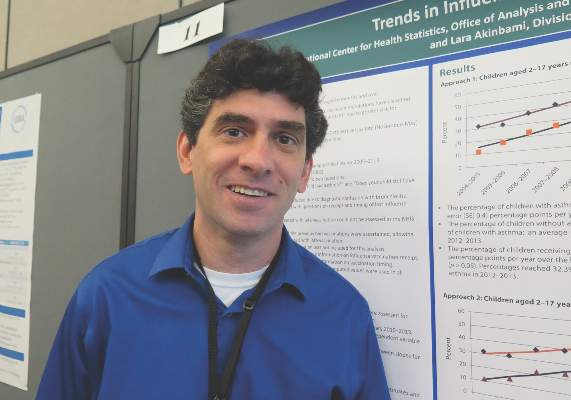
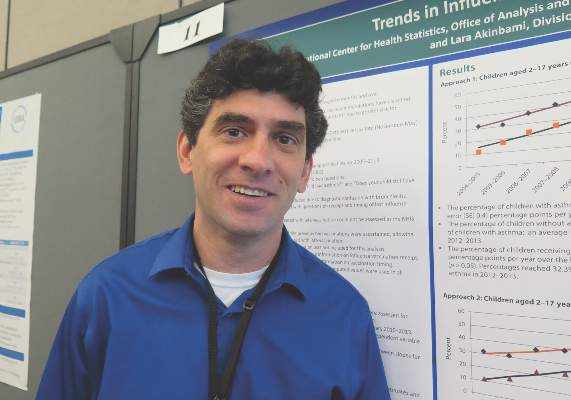
Dr. Simon, a medical officer with the office of analysis and epidemiology at the National Center for Health Statistics, Hyattsville, Md., and his associates evaluated National Health Interview Survey (NHIS) sample child files for 2005-2013. They limited the analysis to children aged 2-17 years and defined current asthma as a “yes” response to two questions: “Has your doctor ever told you that your child has asthma?” and “Does your child still have asthma?” A total of 31,668 NHIS interviews conducted between April and July 2005-2013 were assessed for vaccine receipt between August and May of the previous flu season. The researchers conducted logistic regression with predictive margins with receipt of flu shot as the dependent variable, and year, current asthma, and the interaction between year and asthma as dependent variables.
Dr. Simon reported that the percentage of children with asthma who received a flu shot increased an average of 3.2 percentage points per year during the time period, reaching 55% in 2012-2013. At the same time, the percentage of children without asthma who received a flu shot increased an average of 4.2 percentage points per year, reaching 45% in 2012-2013. Meanwhile, the percentage of children in both groups who received early vaccination increased about 1.5% per year, reaching 32% in children with asthma and 27% among children without asthma in 2012-2013.
The researchers also found that over the last three flu seasons, the following characteristics were predictive of children with asthma having a longer time to vaccination or a lower probability of vaccination: being aged 12-17 years vs. 2-5 years (adjusted hazard ratio of 0.75; P less than .01); being uninsured vs. privately insured (aHR 0.52; P less than .01), and living in the South or the West vs. the Northeast (aHR 0.79; P less than .05).
Dr. Simon said that similar overall results were observed when he and his associates conducted a separate analysis that assessed 85,087 NHIS interviews from 2005 to 2013 and used Kaplan-Meier survival statistics to estimate yearly vaccination estimates and early vaccination estimates.
The study was funded by the Centers for Disease Control and Prevention. Dr. Simon reported having no relevant financial conflicts.
On Twitter @dougbrunk
SAN DIEGO – The proportion of children with asthma receiving the influenza vaccine has continued to increase in the past decade or so, though not as quickly as for children without asthma, results from national survey data found.
While the influenza vaccine is recommended for all children aged 6 months and older, trends in influenza vaccination for early (August-October) versus late (November-May) vaccination in children with asthma have not been examined, lead study author Dr. Alan E. Simon said during a poster session at the annual meeting of the Pediatric Academic Societies.
Dr. Simon, a medical officer with the office of analysis and epidemiology at the National Center for Health Statistics, Hyattsville, Md., and his associates evaluated National Health Interview Survey (NHIS) sample child files for 2005-2013. They limited the analysis to children aged 2-17 years and defined current asthma as a “yes” response to two questions: “Has your doctor ever told you that your child has asthma?” and “Does your child still have asthma?” A total of 31,668 NHIS interviews conducted between April and July 2005-2013 were assessed for vaccine receipt between August and May of the previous flu season. The researchers conducted logistic regression with predictive margins with receipt of flu shot as the dependent variable, and year, current asthma, and the interaction between year and asthma as dependent variables.
Dr. Simon reported that the percentage of children with asthma who received a flu shot increased an average of 3.2 percentage points per year during the time period, reaching 55% in 2012-2013. At the same time, the percentage of children without asthma who received a flu shot increased an average of 4.2 percentage points per year, reaching 45% in 2012-2013. Meanwhile, the percentage of children in both groups who received early vaccination increased about 1.5% per year, reaching 32% in children with asthma and 27% among children without asthma in 2012-2013.
The researchers also found that over the last three flu seasons, the following characteristics were predictive of children with asthma having a longer time to vaccination or a lower probability of vaccination: being aged 12-17 years vs. 2-5 years (adjusted hazard ratio of 0.75; P less than .01); being uninsured vs. privately insured (aHR 0.52; P less than .01), and living in the South or the West vs. the Northeast (aHR 0.79; P less than .05).
Dr. Simon said that similar overall results were observed when he and his associates conducted a separate analysis that assessed 85,087 NHIS interviews from 2005 to 2013 and used Kaplan-Meier survival statistics to estimate yearly vaccination estimates and early vaccination estimates.
The study was funded by the Centers for Disease Control and Prevention. Dr. Simon reported having no relevant financial conflicts.
On Twitter @dougbrunk
SAN DIEGO – The proportion of children with asthma receiving the influenza vaccine has continued to increase in the past decade or so, though not as quickly as for children without asthma, results from national survey data found.
While the influenza vaccine is recommended for all children aged 6 months and older, trends in influenza vaccination for early (August-October) versus late (November-May) vaccination in children with asthma have not been examined, lead study author Dr. Alan E. Simon said during a poster session at the annual meeting of the Pediatric Academic Societies.
Dr. Simon, a medical officer with the office of analysis and epidemiology at the National Center for Health Statistics, Hyattsville, Md., and his associates evaluated National Health Interview Survey (NHIS) sample child files for 2005-2013. They limited the analysis to children aged 2-17 years and defined current asthma as a “yes” response to two questions: “Has your doctor ever told you that your child has asthma?” and “Does your child still have asthma?” A total of 31,668 NHIS interviews conducted between April and July 2005-2013 were assessed for vaccine receipt between August and May of the previous flu season. The researchers conducted logistic regression with predictive margins with receipt of flu shot as the dependent variable, and year, current asthma, and the interaction between year and asthma as dependent variables.
Dr. Simon reported that the percentage of children with asthma who received a flu shot increased an average of 3.2 percentage points per year during the time period, reaching 55% in 2012-2013. At the same time, the percentage of children without asthma who received a flu shot increased an average of 4.2 percentage points per year, reaching 45% in 2012-2013. Meanwhile, the percentage of children in both groups who received early vaccination increased about 1.5% per year, reaching 32% in children with asthma and 27% among children without asthma in 2012-2013.
The researchers also found that over the last three flu seasons, the following characteristics were predictive of children with asthma having a longer time to vaccination or a lower probability of vaccination: being aged 12-17 years vs. 2-5 years (adjusted hazard ratio of 0.75; P less than .01); being uninsured vs. privately insured (aHR 0.52; P less than .01), and living in the South or the West vs. the Northeast (aHR 0.79; P less than .05).
Dr. Simon said that similar overall results were observed when he and his associates conducted a separate analysis that assessed 85,087 NHIS interviews from 2005 to 2013 and used Kaplan-Meier survival statistics to estimate yearly vaccination estimates and early vaccination estimates.
The study was funded by the Centers for Disease Control and Prevention. Dr. Simon reported having no relevant financial conflicts.
On Twitter @dougbrunk
AT THE PAS ANNUAL MEETING
Key clinical point: Influenza vaccination among children with asthma has continued to increase in recent years.
Major finding: The percentage of children with asthma who received a flu shot increased an average of 3.2 percentage points per year from 2005 to 2013, reaching 55% in 2012-2013.
Data source: An analysis of 31,668 National Health Interview Survey sample child files for 2005-2013.
Disclosures: The study was funded by the Centers for Disease Control and Prevention. Dr. Simon reported having no relevant financial conflicts.
PAS: Vaccine refusal in first year of life relatively uncommon
SAN DIEGO – Specific patterns of undervaccination in the first year of life, which may indicate parental vaccine refusal, are relatively uncommon, a large study showed.
“We should be encouraged, because it doesn’t seem like this is a problem greatly increasing in magnitude,” lead study author Dr. Matthew F. Daley said in an interview during a poster session at the annual meeting of the Pediatric Academic Societies. “But it still takes a lot of time and effort on the part of frontline clinicians to talk to these families and convince them to vaccinate. That goes on day in and day out, but at least the rates of parents who are deliberately refusing or spacing out vaccines seems stable over time.”

For the study, Dr. Daley, a pediatrician and senior investigator at Kaiser Permanente Colorado, Denver, and his associates evaluated the records of all children born from 2004 through 2013 who were part of six managed care organizations (MCOs) participating in the Vaccine Safety Datalink: Kaiser Permanente Colorado, Group Health Cooperative, Kaiser Permanente Northwest, Kaiser Permanente Southern California, Marshfield Clinic, and Kaiser Permanente Northern California. To be eligible, the children had to be enrolled continuously in their MCO from 6 weeks of age to their first birthday and have at least one well-child visit during the first year of life. The goal of the study ”was to identify nonstandard approaches to vaccination commonly endorsed by vaccine-hesitant parents,” the researchers wrote in their abstract. “There are many causes of undervaccination other than parental vaccine hesitancy; these were not the focus of the current study.”
The investigators focused on identifying five patterns: no vaccines (completely unvaccinated); first vaccine at 4-5 months of age; first vaccine at 6-11 months of age; pneumococcal conjugate (PCV7 or PCV13) and Haemophilus influenzae type b vaccines given on different days from diphtheria, tetanus, and acellular pertussis vaccine; and consistent limiting of vaccines (two or fewer vaccines per visit).

After data on patients with vaccine data errors and those without a well-child visit in the first year of life were excluded from the analysis, the final cohort included 444,679 patients. Dr. Daley and his associates found that from 2006 through 2008, all patients had a significant increasing trend for each pattern (P less than .01). From 2009 through 2013, there was no change for most trends (P greater than .05), except for the number of children with no vaccines (increasing, with a P value of less than .0001), and the number of children who received their first vaccine at 4-5 months of age (decreasing, P =.01).
Specific patterns of undervaccination occurred in about 515/10,000 children born in 2013, “which seems to indicate that parental hesitancy to vaccinate their children is still uncommon,” Dr. Daley said. “The one trend that’s increasing is the no vaccines received [pattern]. That seems like it’s still going up, but it’s still a slow change, and it’s still rare – about 1.5% of the total population. That’s a trend to keep an eye on, though, because those are kids who haven’t received any vaccines at all.”
Dr. Daley acknowledged certain limitations of the study, including the potential for misclassification, as children could have received their vaccines outside of the participating MCOs. He also said that the findings are likely to differ in an underinsured or uninsured population.
The study was funded by the Centers for Disease Control and Prevention. Dr. Daley reported having no relevant financial conflicts.
[email protected]
On Twitter @dougbrunk
SAN DIEGO – Specific patterns of undervaccination in the first year of life, which may indicate parental vaccine refusal, are relatively uncommon, a large study showed.
“We should be encouraged, because it doesn’t seem like this is a problem greatly increasing in magnitude,” lead study author Dr. Matthew F. Daley said in an interview during a poster session at the annual meeting of the Pediatric Academic Societies. “But it still takes a lot of time and effort on the part of frontline clinicians to talk to these families and convince them to vaccinate. That goes on day in and day out, but at least the rates of parents who are deliberately refusing or spacing out vaccines seems stable over time.”
For the study, Dr. Daley, a pediatrician and senior investigator at Kaiser Permanente Colorado, Denver, and his associates evaluated the records of all children born from 2004 through 2013 who were part of six managed care organizations (MCOs) participating in the Vaccine Safety Datalink: Kaiser Permanente Colorado, Group Health Cooperative, Kaiser Permanente Northwest, Kaiser Permanente Southern California, Marshfield Clinic, and Kaiser Permanente Northern California. To be eligible, the children had to be enrolled continuously in their MCO from 6 weeks of age to their first birthday and have at least one well-child visit during the first year of life. The goal of the study ”was to identify nonstandard approaches to vaccination commonly endorsed by vaccine-hesitant parents,” the researchers wrote in their abstract. “There are many causes of undervaccination other than parental vaccine hesitancy; these were not the focus of the current study.”
The investigators focused on identifying five patterns: no vaccines (completely unvaccinated); first vaccine at 4-5 months of age; first vaccine at 6-11 months of age; pneumococcal conjugate (PCV7 or PCV13) and Haemophilus influenzae type b vaccines given on different days from diphtheria, tetanus, and acellular pertussis vaccine; and consistent limiting of vaccines (two or fewer vaccines per visit).
After data on patients with vaccine data errors and those without a well-child visit in the first year of life were excluded from the analysis, the final cohort included 444,679 patients. Dr. Daley and his associates found that from 2006 through 2008, all patients had a significant increasing trend for each pattern (P less than .01). From 2009 through 2013, there was no change for most trends (P greater than .05), except for the number of children with no vaccines (increasing, with a P value of less than .0001), and the number of children who received their first vaccine at 4-5 months of age (decreasing, P =.01).
Specific patterns of undervaccination occurred in about 515/10,000 children born in 2013, “which seems to indicate that parental hesitancy to vaccinate their children is still uncommon,” Dr. Daley said. “The one trend that’s increasing is the no vaccines received [pattern]. That seems like it’s still going up, but it’s still a slow change, and it’s still rare – about 1.5% of the total population. That’s a trend to keep an eye on, though, because those are kids who haven’t received any vaccines at all.”
Dr. Daley acknowledged certain limitations of the study, including the potential for misclassification, as children could have received their vaccines outside of the participating MCOs. He also said that the findings are likely to differ in an underinsured or uninsured population.
The study was funded by the Centers for Disease Control and Prevention. Dr. Daley reported having no relevant financial conflicts.
[email protected]
On Twitter @dougbrunk
SAN DIEGO – Specific patterns of undervaccination in the first year of life, which may indicate parental vaccine refusal, are relatively uncommon, a large study showed.
“We should be encouraged, because it doesn’t seem like this is a problem greatly increasing in magnitude,” lead study author Dr. Matthew F. Daley said in an interview during a poster session at the annual meeting of the Pediatric Academic Societies. “But it still takes a lot of time and effort on the part of frontline clinicians to talk to these families and convince them to vaccinate. That goes on day in and day out, but at least the rates of parents who are deliberately refusing or spacing out vaccines seems stable over time.”
For the study, Dr. Daley, a pediatrician and senior investigator at Kaiser Permanente Colorado, Denver, and his associates evaluated the records of all children born from 2004 through 2013 who were part of six managed care organizations (MCOs) participating in the Vaccine Safety Datalink: Kaiser Permanente Colorado, Group Health Cooperative, Kaiser Permanente Northwest, Kaiser Permanente Southern California, Marshfield Clinic, and Kaiser Permanente Northern California. To be eligible, the children had to be enrolled continuously in their MCO from 6 weeks of age to their first birthday and have at least one well-child visit during the first year of life. The goal of the study ”was to identify nonstandard approaches to vaccination commonly endorsed by vaccine-hesitant parents,” the researchers wrote in their abstract. “There are many causes of undervaccination other than parental vaccine hesitancy; these were not the focus of the current study.”
The investigators focused on identifying five patterns: no vaccines (completely unvaccinated); first vaccine at 4-5 months of age; first vaccine at 6-11 months of age; pneumococcal conjugate (PCV7 or PCV13) and Haemophilus influenzae type b vaccines given on different days from diphtheria, tetanus, and acellular pertussis vaccine; and consistent limiting of vaccines (two or fewer vaccines per visit).
After data on patients with vaccine data errors and those without a well-child visit in the first year of life were excluded from the analysis, the final cohort included 444,679 patients. Dr. Daley and his associates found that from 2006 through 2008, all patients had a significant increasing trend for each pattern (P less than .01). From 2009 through 2013, there was no change for most trends (P greater than .05), except for the number of children with no vaccines (increasing, with a P value of less than .0001), and the number of children who received their first vaccine at 4-5 months of age (decreasing, P =.01).
Specific patterns of undervaccination occurred in about 515/10,000 children born in 2013, “which seems to indicate that parental hesitancy to vaccinate their children is still uncommon,” Dr. Daley said. “The one trend that’s increasing is the no vaccines received [pattern]. That seems like it’s still going up, but it’s still a slow change, and it’s still rare – about 1.5% of the total population. That’s a trend to keep an eye on, though, because those are kids who haven’t received any vaccines at all.”
Dr. Daley acknowledged certain limitations of the study, including the potential for misclassification, as children could have received their vaccines outside of the participating MCOs. He also said that the findings are likely to differ in an underinsured or uninsured population.
The study was funded by the Centers for Disease Control and Prevention. Dr. Daley reported having no relevant financial conflicts.
[email protected]
On Twitter @dougbrunk
AT THE PAS ANNUAL MEETING
Key clinical point: Undervaccination during the first year of life is uncommon.
Major finding: From 2009 through 2013, there was no change for most vaccination trends, except for the number of children with no vaccines (increasing, with a P value of less than .0001), and the number of children who received their first vaccine at 4-5 months of age (decreasing, P = .01).
Data source: An analysis of 444,679 children born from 2004 through 2013 who were part of six managed care organizations participating in the Vaccine Safety Datalink.
Disclosures: The study was funded by the Centers for Disease Control and Prevention. Dr. Daley reported having no relevant financial conflicts.

PAS: Intervention eases transition from pediatric to adult care
SAN DIEGO – A dedicated care coordination intervention had a positive impact on facilitating the transition from pediatric to adult care among youth with special health care needs, a single-center randomized trial showed.
In an interview in advance of the annual meeting of the Pediatric Academic Societies, Dr. Lisa K. Tuchman said that coordination interventions in the existing literature have had mixed results. The current study is unique, she said, because it focuses on urban-based, publicly insured youth aged 16-22 years with special health care needs. “Other studies focus primarily on either pediatric or adult patients, not this in-between age group who is very vulnerable to dropping out of care,” explained Dr. Tuchman of the division of adolescent and young adult medicine at Children’s National Health System, Washington.

“Young adulthood is a time of many transitions; in this study we are focusing on transition between the pediatric and adult health care system – or when youth ‘age out’ of pediatric primary care and need to establish a new adult-oriented medical home – often in a different health system. This gap in care is known as a high-risk time for all youth, but especially for those youth with complex chronic conditions who may have adherence challenges, are navigating taking on more responsibility for their medical care, and often have a high rate of emergency department usage without a stable medical home.”
The current study also serves as a proof-of-effectiveness study. The health care transition recommendations published in Pediatrics in July 2011 are based on expert consensus, as evidence and data have been slow to evolve in this area (Pediatrics 2011;128:182-200). According to Dr. Tuchman, the current study is the first to demonstrate that these recommended guidelines improve quality and perception of care coordination, compared with a control group.
She and her colleagues recruited 210 patients aged 16-22 years from Children’s National Health System and randomly assigned them to a health care transition care coordination intervention (n = 105) or to a control group (n = 105).
The transition care coordination intervention consisted of implementing the Six Core Elements of Health Care Transition 2.0: transition policy, tracking and monitoring, transition readiness, planning, transfer of care, and completion. The last steps include communicating with the adult practice prior to planned transfer, confirming completion of transfer, and offering consultation assistance as needed.
The control group underwent usual care.
At baseline, and at 6 and 12 months, patients in both groups completed the Patient Assessment of Care for Chronic Conditions (PACIC), which assesses five domains (patient activation, delivery system design, goal setting, problem solving, and coordination/follow-up), as well as the Client Perceptions of Coordination Questionnaire (CPCQ), which assesses perception of patient-centered care and care coordination.
The study participants also completed a self-rating Likert scale (ranging from 1 to 10), a measurement of how ready they feel to transfer to adult care.
Dr. Tuchman reported that there were no statistically significant differences in PACIC, CPCQ, or readiness scores between the two groups at baseline. At 6 months, however, patients in the care coordination intervention group, compared with their counterparts in the control group, rated the quality of their chronic illness higher (P = .065) and reported receiving less conflicting advice from care providers (P = .018).
At 12 months, patients in the care coordination intervention group rated the following PACIC domains higher, compared with those in the control group: patient activation (P = .015), goal setting (P = .034), problem solving (P = .009), and coordination/follow-up (P = .016). Patients in the care coordination intervention group also reported more often receiving services they thought they needed (P = .03), were less confused about the role of providers (P = .012), and reported having more frequent discussions with providers about future care (P = .05).
The researchers observed no differences between the two groups in self-rating of transition readiness throughout the study period.
“[It was] surprising that this perceived higher quality care coordination and quality of care did not change perception of readiness to transfer from pediatrics to adult care,” Dr. Tuchman said. “This likely means that readiness is difficult to measure, and not related to care quality.”
She acknowledged certain limitations of the analysis, including the fact it “was a predominately African American, urban, publicly insured population of adolescents with special health care needs, and therefore may not be generalizable to other populations. But [it’s] still very important as Washington, D.C., has the fourth highest rate of unmet transition needs nationally.”
Maternal and Child Health, a bureau of the Department of Health and Human Services’ Health Resources and Services Administration, funded the study. Dr. Tuchman reported having no relevant financial disclosures.
On Twitter @dougbrunk
This article was updated 4/30/2015.
SAN DIEGO – A dedicated care coordination intervention had a positive impact on facilitating the transition from pediatric to adult care among youth with special health care needs, a single-center randomized trial showed.
In an interview in advance of the annual meeting of the Pediatric Academic Societies, Dr. Lisa K. Tuchman said that coordination interventions in the existing literature have had mixed results. The current study is unique, she said, because it focuses on urban-based, publicly insured youth aged 16-22 years with special health care needs. “Other studies focus primarily on either pediatric or adult patients, not this in-between age group who is very vulnerable to dropping out of care,” explained Dr. Tuchman of the division of adolescent and young adult medicine at Children’s National Health System, Washington.
“Young adulthood is a time of many transitions; in this study we are focusing on transition between the pediatric and adult health care system – or when youth ‘age out’ of pediatric primary care and need to establish a new adult-oriented medical home – often in a different health system. This gap in care is known as a high-risk time for all youth, but especially for those youth with complex chronic conditions who may have adherence challenges, are navigating taking on more responsibility for their medical care, and often have a high rate of emergency department usage without a stable medical home.”
The current study also serves as a proof-of-effectiveness study. The health care transition recommendations published in Pediatrics in July 2011 are based on expert consensus, as evidence and data have been slow to evolve in this area (Pediatrics 2011;128:182-200). According to Dr. Tuchman, the current study is the first to demonstrate that these recommended guidelines improve quality and perception of care coordination, compared with a control group.
She and her colleagues recruited 210 patients aged 16-22 years from Children’s National Health System and randomly assigned them to a health care transition care coordination intervention (n = 105) or to a control group (n = 105).
The transition care coordination intervention consisted of implementing the Six Core Elements of Health Care Transition 2.0: transition policy, tracking and monitoring, transition readiness, planning, transfer of care, and completion. The last steps include communicating with the adult practice prior to planned transfer, confirming completion of transfer, and offering consultation assistance as needed.
The control group underwent usual care.
At baseline, and at 6 and 12 months, patients in both groups completed the Patient Assessment of Care for Chronic Conditions (PACIC), which assesses five domains (patient activation, delivery system design, goal setting, problem solving, and coordination/follow-up), as well as the Client Perceptions of Coordination Questionnaire (CPCQ), which assesses perception of patient-centered care and care coordination.
The study participants also completed a self-rating Likert scale (ranging from 1 to 10), a measurement of how ready they feel to transfer to adult care.
Dr. Tuchman reported that there were no statistically significant differences in PACIC, CPCQ, or readiness scores between the two groups at baseline. At 6 months, however, patients in the care coordination intervention group, compared with their counterparts in the control group, rated the quality of their chronic illness higher (P = .065) and reported receiving less conflicting advice from care providers (P = .018).
At 12 months, patients in the care coordination intervention group rated the following PACIC domains higher, compared with those in the control group: patient activation (P = .015), goal setting (P = .034), problem solving (P = .009), and coordination/follow-up (P = .016). Patients in the care coordination intervention group also reported more often receiving services they thought they needed (P = .03), were less confused about the role of providers (P = .012), and reported having more frequent discussions with providers about future care (P = .05).
The researchers observed no differences between the two groups in self-rating of transition readiness throughout the study period.
“[It was] surprising that this perceived higher quality care coordination and quality of care did not change perception of readiness to transfer from pediatrics to adult care,” Dr. Tuchman said. “This likely means that readiness is difficult to measure, and not related to care quality.”
She acknowledged certain limitations of the analysis, including the fact it “was a predominately African American, urban, publicly insured population of adolescents with special health care needs, and therefore may not be generalizable to other populations. But [it’s] still very important as Washington, D.C., has the fourth highest rate of unmet transition needs nationally.”
Maternal and Child Health, a bureau of the Department of Health and Human Services’ Health Resources and Services Administration, funded the study. Dr. Tuchman reported having no relevant financial disclosures.
On Twitter @dougbrunk
This article was updated 4/30/2015.
SAN DIEGO – A dedicated care coordination intervention had a positive impact on facilitating the transition from pediatric to adult care among youth with special health care needs, a single-center randomized trial showed.
In an interview in advance of the annual meeting of the Pediatric Academic Societies, Dr. Lisa K. Tuchman said that coordination interventions in the existing literature have had mixed results. The current study is unique, she said, because it focuses on urban-based, publicly insured youth aged 16-22 years with special health care needs. “Other studies focus primarily on either pediatric or adult patients, not this in-between age group who is very vulnerable to dropping out of care,” explained Dr. Tuchman of the division of adolescent and young adult medicine at Children’s National Health System, Washington.
“Young adulthood is a time of many transitions; in this study we are focusing on transition between the pediatric and adult health care system – or when youth ‘age out’ of pediatric primary care and need to establish a new adult-oriented medical home – often in a different health system. This gap in care is known as a high-risk time for all youth, but especially for those youth with complex chronic conditions who may have adherence challenges, are navigating taking on more responsibility for their medical care, and often have a high rate of emergency department usage without a stable medical home.”
The current study also serves as a proof-of-effectiveness study. The health care transition recommendations published in Pediatrics in July 2011 are based on expert consensus, as evidence and data have been slow to evolve in this area (Pediatrics 2011;128:182-200). According to Dr. Tuchman, the current study is the first to demonstrate that these recommended guidelines improve quality and perception of care coordination, compared with a control group.
She and her colleagues recruited 210 patients aged 16-22 years from Children’s National Health System and randomly assigned them to a health care transition care coordination intervention (n = 105) or to a control group (n = 105).
The transition care coordination intervention consisted of implementing the Six Core Elements of Health Care Transition 2.0: transition policy, tracking and monitoring, transition readiness, planning, transfer of care, and completion. The last steps include communicating with the adult practice prior to planned transfer, confirming completion of transfer, and offering consultation assistance as needed.
The control group underwent usual care.
At baseline, and at 6 and 12 months, patients in both groups completed the Patient Assessment of Care for Chronic Conditions (PACIC), which assesses five domains (patient activation, delivery system design, goal setting, problem solving, and coordination/follow-up), as well as the Client Perceptions of Coordination Questionnaire (CPCQ), which assesses perception of patient-centered care and care coordination.
The study participants also completed a self-rating Likert scale (ranging from 1 to 10), a measurement of how ready they feel to transfer to adult care.
Dr. Tuchman reported that there were no statistically significant differences in PACIC, CPCQ, or readiness scores between the two groups at baseline. At 6 months, however, patients in the care coordination intervention group, compared with their counterparts in the control group, rated the quality of their chronic illness higher (P = .065) and reported receiving less conflicting advice from care providers (P = .018).
At 12 months, patients in the care coordination intervention group rated the following PACIC domains higher, compared with those in the control group: patient activation (P = .015), goal setting (P = .034), problem solving (P = .009), and coordination/follow-up (P = .016). Patients in the care coordination intervention group also reported more often receiving services they thought they needed (P = .03), were less confused about the role of providers (P = .012), and reported having more frequent discussions with providers about future care (P = .05).
The researchers observed no differences between the two groups in self-rating of transition readiness throughout the study period.
“[It was] surprising that this perceived higher quality care coordination and quality of care did not change perception of readiness to transfer from pediatrics to adult care,” Dr. Tuchman said. “This likely means that readiness is difficult to measure, and not related to care quality.”
She acknowledged certain limitations of the analysis, including the fact it “was a predominately African American, urban, publicly insured population of adolescents with special health care needs, and therefore may not be generalizable to other populations. But [it’s] still very important as Washington, D.C., has the fourth highest rate of unmet transition needs nationally.”
Maternal and Child Health, a bureau of the Department of Health and Human Services’ Health Resources and Services Administration, funded the study. Dr. Tuchman reported having no relevant financial disclosures.
On Twitter @dougbrunk
This article was updated 4/30/2015.
AT THE PAS ANNUAL MEETING
Key clinical point: A coordinated health care transition intervention improved many aspects of quality care for youth with chronic illnesses.
Major finding: At 12 months, compared with the control group, patients in the transition care coordination intervention group reported more often receiving services they thought they needed (P = .03), were less confused about the role of providers (P = .012), and reported having more frequent discussions with providers about future care (P = .05).
Data source: A study of 210 patients aged 16-22 years with special health care needs who were randomly assigned to a health care transition care coordination intervention or a control group.
Disclosures: Maternal and Child Health, a bureau of the Department of Health and Human Services’ Health Resources and Services Administration, funded the study. Dr. Tuchman reported having no relevant financial disclosures.

PAS: Even slight preterm/low-weight births increase infection risk
SAN DIEGO – Infants born even slightly preterm or of marginally low birth weight are at significantly increased risk of being readmitted to the hospital with infection throughout childhood and adolescence, results from a large, long-term Australian study demonstrated.
“These children are a large and previously unrecognized group at increased risk of infection, who may benefit from targeted prevention,” co-lead study author David Burgner, Ph.D., a pediatric infectious diseases expert at Murdoch Children’s Research Institute in Melbourne, said in an interview in advance of the annual meeting of the Pediatric Academic Societies. “This may be particularly important in resource-limited populations, where low-birth-weight and late-preterm birth is particularly common.”

In an effort to determine the effect of gestational age and birth weight on rehospitalization with infection, Dr. Tobias Strunk, who co-led the study with Dr. Burgner, said they retrospectively evaluated 719,311 non-Aboriginal singleton births in Western Australia from 1980-2010.
“We focused on readmission to hospital after discharge from the initial birth-related admission, so the focus was more on post neonatal infections,” said Dr. Strunk, a neonatologist with King Edward Memorial Hospital for Women and Princess Margaret Hospital for Children, which are both in Subiaco, Western Australia. “Infants were followed to the age of 18 years; that is over 6.5 million person-years of follow-up. We were therefore able to look at the risk of infection in those born very close to term and close to normal birth weight, as well as the most preterm and lowest-birth-weight infants, and to look at this risk all the way through childhood and adolescence.”
After reviewing 30 years of data the researchers observed significantly increased rates of rehospitalization with infection, even among infants born late preterm (defined as 34-36 weeks’ gestational age) and early term (defined as 37-38 weeks’ gestational age), and in those born close to normal birth weight (defined as 2.5-2.9 kg). “Although the risk was less than in the extremely preterm infants and very-low-birth-weight infants, it was still increased, right up until the age of 18 years,” said Dr. Strunk, who is also a faculty member at the University of Western Australia Centre for Research Excellence for Improving Outcomes for Preterm Infants. “In fact, for every week decrease in gestational age less than 40 weeks, there was a 10.5% increased risk in hospitalization with infection. And for every 500 g reduction in birth weight below 3 kg, there was a 19.7% increased risk.”
Rates of rehospitalization with infection were highest for the most preterm infants (defined as those less than 28 weeks’ gestational age) and those with the lowest birth weights (defined as less those weighing less than 1,000 g). Specifically, these infants faced a 13-fold increased risk of lower respiratory tract infection, an 8.5-fold increased risk of viral infection, and a 4.5-fold increased risk of invasive bacterial infection, compared with infants born at term and those born at normal birth weight.
The researchers were surprised to find that the increased risk of hospitalization with infection persisted in all groups up until age 18 years. “So overall, even in infants born near term or near normal birth weight, previously considered at low or no risk, there is an unrecognized increased risk of severe infection right through childhood and the teenage years,” Dr. Strunk said. “The risk is increased for all common types of infection, including lower respiratory tract infections, bacterial infections, and viral infections.”
The researchers acknowledged certain limitations of the study, including the fact that the researchers were unable to assess individual admissions, “so it relies on statutory data from all hospitalizations. These data are less biased by differences in health-seeking behavior and individual physician practice than emergency department visits and office visits, but the study cannot capture the total burden of infection that is managed outside hospital.” Dr. Strunk also noted that the study did not include data from Aboriginal children, “who have higher rates of infectious diseases and in whom social disadvantage contributes to poor health. The study should be repeated in other populations, where we would expect similar results. We are currently collaborating to identify datasets in resource-poor settings globally to assess the possible impact of low birth weight and prematurity on childhood infection in these populations.”
The researchers reported having no relevant financial conflicts of interest.
On Twitter @dougbrunk
SAN DIEGO – Infants born even slightly preterm or of marginally low birth weight are at significantly increased risk of being readmitted to the hospital with infection throughout childhood and adolescence, results from a large, long-term Australian study demonstrated.
“These children are a large and previously unrecognized group at increased risk of infection, who may benefit from targeted prevention,” co-lead study author David Burgner, Ph.D., a pediatric infectious diseases expert at Murdoch Children’s Research Institute in Melbourne, said in an interview in advance of the annual meeting of the Pediatric Academic Societies. “This may be particularly important in resource-limited populations, where low-birth-weight and late-preterm birth is particularly common.”
In an effort to determine the effect of gestational age and birth weight on rehospitalization with infection, Dr. Tobias Strunk, who co-led the study with Dr. Burgner, said they retrospectively evaluated 719,311 non-Aboriginal singleton births in Western Australia from 1980-2010.
“We focused on readmission to hospital after discharge from the initial birth-related admission, so the focus was more on post neonatal infections,” said Dr. Strunk, a neonatologist with King Edward Memorial Hospital for Women and Princess Margaret Hospital for Children, which are both in Subiaco, Western Australia. “Infants were followed to the age of 18 years; that is over 6.5 million person-years of follow-up. We were therefore able to look at the risk of infection in those born very close to term and close to normal birth weight, as well as the most preterm and lowest-birth-weight infants, and to look at this risk all the way through childhood and adolescence.”
After reviewing 30 years of data the researchers observed significantly increased rates of rehospitalization with infection, even among infants born late preterm (defined as 34-36 weeks’ gestational age) and early term (defined as 37-38 weeks’ gestational age), and in those born close to normal birth weight (defined as 2.5-2.9 kg). “Although the risk was less than in the extremely preterm infants and very-low-birth-weight infants, it was still increased, right up until the age of 18 years,” said Dr. Strunk, who is also a faculty member at the University of Western Australia Centre for Research Excellence for Improving Outcomes for Preterm Infants. “In fact, for every week decrease in gestational age less than 40 weeks, there was a 10.5% increased risk in hospitalization with infection. And for every 500 g reduction in birth weight below 3 kg, there was a 19.7% increased risk.”
Rates of rehospitalization with infection were highest for the most preterm infants (defined as those less than 28 weeks’ gestational age) and those with the lowest birth weights (defined as less those weighing less than 1,000 g). Specifically, these infants faced a 13-fold increased risk of lower respiratory tract infection, an 8.5-fold increased risk of viral infection, and a 4.5-fold increased risk of invasive bacterial infection, compared with infants born at term and those born at normal birth weight.
The researchers were surprised to find that the increased risk of hospitalization with infection persisted in all groups up until age 18 years. “So overall, even in infants born near term or near normal birth weight, previously considered at low or no risk, there is an unrecognized increased risk of severe infection right through childhood and the teenage years,” Dr. Strunk said. “The risk is increased for all common types of infection, including lower respiratory tract infections, bacterial infections, and viral infections.”
The researchers acknowledged certain limitations of the study, including the fact that the researchers were unable to assess individual admissions, “so it relies on statutory data from all hospitalizations. These data are less biased by differences in health-seeking behavior and individual physician practice than emergency department visits and office visits, but the study cannot capture the total burden of infection that is managed outside hospital.” Dr. Strunk also noted that the study did not include data from Aboriginal children, “who have higher rates of infectious diseases and in whom social disadvantage contributes to poor health. The study should be repeated in other populations, where we would expect similar results. We are currently collaborating to identify datasets in resource-poor settings globally to assess the possible impact of low birth weight and prematurity on childhood infection in these populations.”
The researchers reported having no relevant financial conflicts of interest.
On Twitter @dougbrunk
SAN DIEGO – Infants born even slightly preterm or of marginally low birth weight are at significantly increased risk of being readmitted to the hospital with infection throughout childhood and adolescence, results from a large, long-term Australian study demonstrated.
“These children are a large and previously unrecognized group at increased risk of infection, who may benefit from targeted prevention,” co-lead study author David Burgner, Ph.D., a pediatric infectious diseases expert at Murdoch Children’s Research Institute in Melbourne, said in an interview in advance of the annual meeting of the Pediatric Academic Societies. “This may be particularly important in resource-limited populations, where low-birth-weight and late-preterm birth is particularly common.”
In an effort to determine the effect of gestational age and birth weight on rehospitalization with infection, Dr. Tobias Strunk, who co-led the study with Dr. Burgner, said they retrospectively evaluated 719,311 non-Aboriginal singleton births in Western Australia from 1980-2010.
“We focused on readmission to hospital after discharge from the initial birth-related admission, so the focus was more on post neonatal infections,” said Dr. Strunk, a neonatologist with King Edward Memorial Hospital for Women and Princess Margaret Hospital for Children, which are both in Subiaco, Western Australia. “Infants were followed to the age of 18 years; that is over 6.5 million person-years of follow-up. We were therefore able to look at the risk of infection in those born very close to term and close to normal birth weight, as well as the most preterm and lowest-birth-weight infants, and to look at this risk all the way through childhood and adolescence.”
After reviewing 30 years of data the researchers observed significantly increased rates of rehospitalization with infection, even among infants born late preterm (defined as 34-36 weeks’ gestational age) and early term (defined as 37-38 weeks’ gestational age), and in those born close to normal birth weight (defined as 2.5-2.9 kg). “Although the risk was less than in the extremely preterm infants and very-low-birth-weight infants, it was still increased, right up until the age of 18 years,” said Dr. Strunk, who is also a faculty member at the University of Western Australia Centre for Research Excellence for Improving Outcomes for Preterm Infants. “In fact, for every week decrease in gestational age less than 40 weeks, there was a 10.5% increased risk in hospitalization with infection. And for every 500 g reduction in birth weight below 3 kg, there was a 19.7% increased risk.”
Rates of rehospitalization with infection were highest for the most preterm infants (defined as those less than 28 weeks’ gestational age) and those with the lowest birth weights (defined as less those weighing less than 1,000 g). Specifically, these infants faced a 13-fold increased risk of lower respiratory tract infection, an 8.5-fold increased risk of viral infection, and a 4.5-fold increased risk of invasive bacterial infection, compared with infants born at term and those born at normal birth weight.
The researchers were surprised to find that the increased risk of hospitalization with infection persisted in all groups up until age 18 years. “So overall, even in infants born near term or near normal birth weight, previously considered at low or no risk, there is an unrecognized increased risk of severe infection right through childhood and the teenage years,” Dr. Strunk said. “The risk is increased for all common types of infection, including lower respiratory tract infections, bacterial infections, and viral infections.”
The researchers acknowledged certain limitations of the study, including the fact that the researchers were unable to assess individual admissions, “so it relies on statutory data from all hospitalizations. These data are less biased by differences in health-seeking behavior and individual physician practice than emergency department visits and office visits, but the study cannot capture the total burden of infection that is managed outside hospital.” Dr. Strunk also noted that the study did not include data from Aboriginal children, “who have higher rates of infectious diseases and in whom social disadvantage contributes to poor health. The study should be repeated in other populations, where we would expect similar results. We are currently collaborating to identify datasets in resource-poor settings globally to assess the possible impact of low birth weight and prematurity on childhood infection in these populations.”
The researchers reported having no relevant financial conflicts of interest.
On Twitter @dougbrunk
AT THE PAS ANNUAL MEETING
Key clinical point: The rate of infection is significantly increased in those born preterm and/or with a low birth weight, and persists into late adolescence.
Major finding: For every week decrease in gestational age less than 40 weeks, there was a 10.5% increased risk in hospitalization with infection. For every 500 g reduction in birth weight below 3 kg, there was a 19.7% increased risk.
Data source: A retrospective evaluation of 719,311 non-Aboriginal singleton births in Western Australia from 1980-2010.
Disclosures: The researchers reported having no relevant financial conflicts.

PAS: Antibiotic risk factors for recurrent C. difficile unique in children
SAN DIEGO – Unlike in adults, inpatient administration of “high-risk” antibiotics such as cephalosporins, clindamycin, and aminopenicillins are not risk factors for recurrent Clostridium difficile infection in children, results from a multicenter study demonstrated.
“There are previous studies in which recurrent Clostridium difficile infection risk prediction models have been compiled for adult hospitalized patients,” lead study author Anthony Goudie, Ph.D., said in an interview in advance of the annual meeting of the Pediatric Academic Societies. “Our work is the first known risk prediction model specifically looking at the pediatric population.”

Dr. Goudie of the Center for Applied Research and Evaluation in the department of pediatrics at the University of Arkansas for Medical Sciences, Little Rock, said that an adult risk prediction model (J. Hosp. Med. 2014;9:418-23) for recurrent Clostridium difficile infection (rCDI) found no association between clinical diagnoses during hospitalization for the incident CDI (iCDI). However, the model did find a strong positive association between rCDI and increasing patient age, number of recent prior hospitalizations, and the administration of gastric acid suppressors, high-risk antibiotics, or fluoroquinolones during the iCDI hospitalization.
To test the validity of adult rCDI risk factors in a pediatric population, Dr. Goudie and his associates conducted a secondary analysis of data from 43 children’s hospitals in the United States reporting to the Pediatric Health Information System between 2009 and 2013. They defined iCDI by the discharge ICD-9 code 00.845 and the administration of metronidazole or oral vancomycin during the hospital stay, and they defined rCDI as readmission with CDI within 42 days of the end of iCDI treatment. Next, the researchers statistically modeled all cases of iCDI for rCDI and tested for predictors among several factors including age, race/ethnicity, insurance status, use of antibiotics including cephalosporins, clindamycin, and aminopenicillins, and all of the predictors associated with rCDI in the adult risk prediction model.
Of 7,798 iCDI cases reported during the study period, 567 (7.3%), experienced a subsequent rCDI. No association between rCDI was seen among children who were administered histamine-2 receptor blocker (H2RB) gastric acid suppressors (P = .81), or any of all generations of cephalosporins, clindamycin, aminopenicillins, aminoglycosides, carbapenems, and fluoroquinolone antibiotics (all P greater than .10). A positive association (P less than .05) was seen among children 1-3 years, those covered by Medicaid insurance, those who had community-acquired iCDI, those who had a prior hospitalization, those administered tetracycline antibiotics, and those who were administered proton pump inhibitors.
In addition, rCDI was significantly associated with a number of iCDI comorbid diagnoses, including Hodgkin’s disease; non-Hodgkin’s lymphoma; spondylosis, intervertebral disk disorders, or other back problems; cancer of bone or connective tissue; cancer of the brain or nervous system; maintenance chemotherapy and radiotherapy; and leukemia (P less than .05 for all).
“Of all of our results, we were especially surprised to find that compared to children covered by private health insurance, those covered by Medicaid had higher odds of having rCDI,” Dr. Goudie said. “While more study is needed, we think that Medicaid in this context may be a proxy for socioeconomic status and at least a part of the solution to reducing rCDI may lie outside the control of hospital-based quality improvement interventions.”
He acknowledged certain limitations of study, including the fact the researchers “have no clinical data on children who may have been seen at other hospitals before or after the incident or rCDI [was] identified at the children’s hospital.”
The researchers reported having no relevant financial conflicts.
On Twitter @dougbrunk
SAN DIEGO – Unlike in adults, inpatient administration of “high-risk” antibiotics such as cephalosporins, clindamycin, and aminopenicillins are not risk factors for recurrent Clostridium difficile infection in children, results from a multicenter study demonstrated.
“There are previous studies in which recurrent Clostridium difficile infection risk prediction models have been compiled for adult hospitalized patients,” lead study author Anthony Goudie, Ph.D., said in an interview in advance of the annual meeting of the Pediatric Academic Societies. “Our work is the first known risk prediction model specifically looking at the pediatric population.”
Dr. Goudie of the Center for Applied Research and Evaluation in the department of pediatrics at the University of Arkansas for Medical Sciences, Little Rock, said that an adult risk prediction model (J. Hosp. Med. 2014;9:418-23) for recurrent Clostridium difficile infection (rCDI) found no association between clinical diagnoses during hospitalization for the incident CDI (iCDI). However, the model did find a strong positive association between rCDI and increasing patient age, number of recent prior hospitalizations, and the administration of gastric acid suppressors, high-risk antibiotics, or fluoroquinolones during the iCDI hospitalization.
To test the validity of adult rCDI risk factors in a pediatric population, Dr. Goudie and his associates conducted a secondary analysis of data from 43 children’s hospitals in the United States reporting to the Pediatric Health Information System between 2009 and 2013. They defined iCDI by the discharge ICD-9 code 00.845 and the administration of metronidazole or oral vancomycin during the hospital stay, and they defined rCDI as readmission with CDI within 42 days of the end of iCDI treatment. Next, the researchers statistically modeled all cases of iCDI for rCDI and tested for predictors among several factors including age, race/ethnicity, insurance status, use of antibiotics including cephalosporins, clindamycin, and aminopenicillins, and all of the predictors associated with rCDI in the adult risk prediction model.
Of 7,798 iCDI cases reported during the study period, 567 (7.3%), experienced a subsequent rCDI. No association between rCDI was seen among children who were administered histamine-2 receptor blocker (H2RB) gastric acid suppressors (P = .81), or any of all generations of cephalosporins, clindamycin, aminopenicillins, aminoglycosides, carbapenems, and fluoroquinolone antibiotics (all P greater than .10). A positive association (P less than .05) was seen among children 1-3 years, those covered by Medicaid insurance, those who had community-acquired iCDI, those who had a prior hospitalization, those administered tetracycline antibiotics, and those who were administered proton pump inhibitors.
In addition, rCDI was significantly associated with a number of iCDI comorbid diagnoses, including Hodgkin’s disease; non-Hodgkin’s lymphoma; spondylosis, intervertebral disk disorders, or other back problems; cancer of bone or connective tissue; cancer of the brain or nervous system; maintenance chemotherapy and radiotherapy; and leukemia (P less than .05 for all).
“Of all of our results, we were especially surprised to find that compared to children covered by private health insurance, those covered by Medicaid had higher odds of having rCDI,” Dr. Goudie said. “While more study is needed, we think that Medicaid in this context may be a proxy for socioeconomic status and at least a part of the solution to reducing rCDI may lie outside the control of hospital-based quality improvement interventions.”
He acknowledged certain limitations of study, including the fact the researchers “have no clinical data on children who may have been seen at other hospitals before or after the incident or rCDI [was] identified at the children’s hospital.”
The researchers reported having no relevant financial conflicts.
On Twitter @dougbrunk
SAN DIEGO – Unlike in adults, inpatient administration of “high-risk” antibiotics such as cephalosporins, clindamycin, and aminopenicillins are not risk factors for recurrent Clostridium difficile infection in children, results from a multicenter study demonstrated.
“There are previous studies in which recurrent Clostridium difficile infection risk prediction models have been compiled for adult hospitalized patients,” lead study author Anthony Goudie, Ph.D., said in an interview in advance of the annual meeting of the Pediatric Academic Societies. “Our work is the first known risk prediction model specifically looking at the pediatric population.”
Dr. Goudie of the Center for Applied Research and Evaluation in the department of pediatrics at the University of Arkansas for Medical Sciences, Little Rock, said that an adult risk prediction model (J. Hosp. Med. 2014;9:418-23) for recurrent Clostridium difficile infection (rCDI) found no association between clinical diagnoses during hospitalization for the incident CDI (iCDI). However, the model did find a strong positive association between rCDI and increasing patient age, number of recent prior hospitalizations, and the administration of gastric acid suppressors, high-risk antibiotics, or fluoroquinolones during the iCDI hospitalization.
To test the validity of adult rCDI risk factors in a pediatric population, Dr. Goudie and his associates conducted a secondary analysis of data from 43 children’s hospitals in the United States reporting to the Pediatric Health Information System between 2009 and 2013. They defined iCDI by the discharge ICD-9 code 00.845 and the administration of metronidazole or oral vancomycin during the hospital stay, and they defined rCDI as readmission with CDI within 42 days of the end of iCDI treatment. Next, the researchers statistically modeled all cases of iCDI for rCDI and tested for predictors among several factors including age, race/ethnicity, insurance status, use of antibiotics including cephalosporins, clindamycin, and aminopenicillins, and all of the predictors associated with rCDI in the adult risk prediction model.
Of 7,798 iCDI cases reported during the study period, 567 (7.3%), experienced a subsequent rCDI. No association between rCDI was seen among children who were administered histamine-2 receptor blocker (H2RB) gastric acid suppressors (P = .81), or any of all generations of cephalosporins, clindamycin, aminopenicillins, aminoglycosides, carbapenems, and fluoroquinolone antibiotics (all P greater than .10). A positive association (P less than .05) was seen among children 1-3 years, those covered by Medicaid insurance, those who had community-acquired iCDI, those who had a prior hospitalization, those administered tetracycline antibiotics, and those who were administered proton pump inhibitors.
In addition, rCDI was significantly associated with a number of iCDI comorbid diagnoses, including Hodgkin’s disease; non-Hodgkin’s lymphoma; spondylosis, intervertebral disk disorders, or other back problems; cancer of bone or connective tissue; cancer of the brain or nervous system; maintenance chemotherapy and radiotherapy; and leukemia (P less than .05 for all).
“Of all of our results, we were especially surprised to find that compared to children covered by private health insurance, those covered by Medicaid had higher odds of having rCDI,” Dr. Goudie said. “While more study is needed, we think that Medicaid in this context may be a proxy for socioeconomic status and at least a part of the solution to reducing rCDI may lie outside the control of hospital-based quality improvement interventions.”
He acknowledged certain limitations of study, including the fact the researchers “have no clinical data on children who may have been seen at other hospitals before or after the incident or rCDI [was] identified at the children’s hospital.”
The researchers reported having no relevant financial conflicts.
On Twitter @dougbrunk
AT THE PAS ANNUAL MEETING
Key clinical point: Some predictors of recurrent C. difficile infection (rCDI) are different in children, compared with adults.
Major finding: No association between rCDI was observed among children who were treated with histamine-2 receptor blocker (H2RB) gastric acid suppressors (P = .81), or any of all generations of cephalosporins, clindamycin, aminopenicillins, aminoglycosides, carbapenems, and fluoroquinolone antibiotics (all P greater than .10).
Data source: A secondary analysis of data from 43 children’s hospitals in the United States reporting to the Pediatric Health Information System between 2009 and 2013.
Disclosures: The researchers reported having no relevant financial conflicts.

PAS: Iron supplementation found to benefit low-birth-weight infants
SAN DIEGO – The administration of iron supplements to marginally low-birth-weight children during infancy may have a positive effect on cognitive development and behavioral problems by the time they reach the age of 7 years, results from a novel randomized study demonstrated.
“It is known that iron is essential for brain development and it is known that low-birth-weight infants are at risk of iron deficiency and they are also at risk of cognitive-behavioral problems,” Dr. Magnus Domellöf, one of the study authors, said in an interview in advance of the annual meeting of the Pediatric Academic Societies. “However, this is the first randomized, controlled intervention trial to show that early iron supplementation of low-birth-weight infants improves brain function at school age. Our focus has been infants with marginally low-birth-weight (2,000-2,500 g), which constitutes about 5% of newborns in the United States, so it is a large group which is seldom studied.”
For the randomized controlled trial, Dr. Domellöf, professor and head of pediatrics in the department of clinical sciences at Umea University, Sweden, and his associates enrolled 285 healthy, marginally low-birth-weight (MLBW) infants to receive 0, 1, or 2 mg/kg per day of iron supplements from 6 weeks to 6 months of age. An additional 95 normal-birth-weight controls were included at 3 years of age. When the cohort reached the age 7, a pediatric psychologist assessed 70 controls and 186 MLBW children with the Wechsler Intelligence Scale of Children (WISC-IV), while parents of 74 controls and 189 MLBW children completed the validated Child Behavior Checklist (CBCL), a widely used tool to identify problem behavior in children.
The researchers found that MLBW children showed signficantly lower WISC-IV scores, compared with controls, in verbal comprehension (104.9 vs. 107.7; P = .039), but not in perceptual reasoning (P = .402), working memory (P = .560), processing speed (P = .896), or full-scale IQ (100.4 vs. 102.9; P = .236). The differences in verbal comprehension remained after controlling for maternal age and education and were not related to iron supplementation in infancy.
Dr. Domellöf went on to report that the CBCL externalizing score was significantly higher in the placebo group, compared with the two iron groups (median scores of 49 and 44, respectively; P = .015). The proportion of children with a total CBCL score above the cut-off for clinical problems was higher in MLBW children than for controls (5.6% vs 2.7%) and the proportion of children in the placebo group was higher than in the 1-mg and 2-mg supplementation groups (10% vs. 1.8% and 4.2%), but these differences did not reach statistical significance.
“Our study suggests that it is actually possible to prevent some behavioral problems at school age in low-birth-weight infants by giving them iron supplements during infancy,” Dr. Domellöf said. “All low-birth-weight infants [less than 2,500 g] should receive iron supplements during the first 6 months of life.”
Dr. Domellöf reported having no relevant financial disclosures.
On Twitter @dougbrunk
SAN DIEGO – The administration of iron supplements to marginally low-birth-weight children during infancy may have a positive effect on cognitive development and behavioral problems by the time they reach the age of 7 years, results from a novel randomized study demonstrated.
“It is known that iron is essential for brain development and it is known that low-birth-weight infants are at risk of iron deficiency and they are also at risk of cognitive-behavioral problems,” Dr. Magnus Domellöf, one of the study authors, said in an interview in advance of the annual meeting of the Pediatric Academic Societies. “However, this is the first randomized, controlled intervention trial to show that early iron supplementation of low-birth-weight infants improves brain function at school age. Our focus has been infants with marginally low-birth-weight (2,000-2,500 g), which constitutes about 5% of newborns in the United States, so it is a large group which is seldom studied.”
For the randomized controlled trial, Dr. Domellöf, professor and head of pediatrics in the department of clinical sciences at Umea University, Sweden, and his associates enrolled 285 healthy, marginally low-birth-weight (MLBW) infants to receive 0, 1, or 2 mg/kg per day of iron supplements from 6 weeks to 6 months of age. An additional 95 normal-birth-weight controls were included at 3 years of age. When the cohort reached the age 7, a pediatric psychologist assessed 70 controls and 186 MLBW children with the Wechsler Intelligence Scale of Children (WISC-IV), while parents of 74 controls and 189 MLBW children completed the validated Child Behavior Checklist (CBCL), a widely used tool to identify problem behavior in children.
The researchers found that MLBW children showed signficantly lower WISC-IV scores, compared with controls, in verbal comprehension (104.9 vs. 107.7; P = .039), but not in perceptual reasoning (P = .402), working memory (P = .560), processing speed (P = .896), or full-scale IQ (100.4 vs. 102.9; P = .236). The differences in verbal comprehension remained after controlling for maternal age and education and were not related to iron supplementation in infancy.
Dr. Domellöf went on to report that the CBCL externalizing score was significantly higher in the placebo group, compared with the two iron groups (median scores of 49 and 44, respectively; P = .015). The proportion of children with a total CBCL score above the cut-off for clinical problems was higher in MLBW children than for controls (5.6% vs 2.7%) and the proportion of children in the placebo group was higher than in the 1-mg and 2-mg supplementation groups (10% vs. 1.8% and 4.2%), but these differences did not reach statistical significance.
“Our study suggests that it is actually possible to prevent some behavioral problems at school age in low-birth-weight infants by giving them iron supplements during infancy,” Dr. Domellöf said. “All low-birth-weight infants [less than 2,500 g] should receive iron supplements during the first 6 months of life.”
Dr. Domellöf reported having no relevant financial disclosures.
On Twitter @dougbrunk
SAN DIEGO – The administration of iron supplements to marginally low-birth-weight children during infancy may have a positive effect on cognitive development and behavioral problems by the time they reach the age of 7 years, results from a novel randomized study demonstrated.
“It is known that iron is essential for brain development and it is known that low-birth-weight infants are at risk of iron deficiency and they are also at risk of cognitive-behavioral problems,” Dr. Magnus Domellöf, one of the study authors, said in an interview in advance of the annual meeting of the Pediatric Academic Societies. “However, this is the first randomized, controlled intervention trial to show that early iron supplementation of low-birth-weight infants improves brain function at school age. Our focus has been infants with marginally low-birth-weight (2,000-2,500 g), which constitutes about 5% of newborns in the United States, so it is a large group which is seldom studied.”
For the randomized controlled trial, Dr. Domellöf, professor and head of pediatrics in the department of clinical sciences at Umea University, Sweden, and his associates enrolled 285 healthy, marginally low-birth-weight (MLBW) infants to receive 0, 1, or 2 mg/kg per day of iron supplements from 6 weeks to 6 months of age. An additional 95 normal-birth-weight controls were included at 3 years of age. When the cohort reached the age 7, a pediatric psychologist assessed 70 controls and 186 MLBW children with the Wechsler Intelligence Scale of Children (WISC-IV), while parents of 74 controls and 189 MLBW children completed the validated Child Behavior Checklist (CBCL), a widely used tool to identify problem behavior in children.
The researchers found that MLBW children showed signficantly lower WISC-IV scores, compared with controls, in verbal comprehension (104.9 vs. 107.7; P = .039), but not in perceptual reasoning (P = .402), working memory (P = .560), processing speed (P = .896), or full-scale IQ (100.4 vs. 102.9; P = .236). The differences in verbal comprehension remained after controlling for maternal age and education and were not related to iron supplementation in infancy.
Dr. Domellöf went on to report that the CBCL externalizing score was significantly higher in the placebo group, compared with the two iron groups (median scores of 49 and 44, respectively; P = .015). The proportion of children with a total CBCL score above the cut-off for clinical problems was higher in MLBW children than for controls (5.6% vs 2.7%) and the proportion of children in the placebo group was higher than in the 1-mg and 2-mg supplementation groups (10% vs. 1.8% and 4.2%), but these differences did not reach statistical significance.
“Our study suggests that it is actually possible to prevent some behavioral problems at school age in low-birth-weight infants by giving them iron supplements during infancy,” Dr. Domellöf said. “All low-birth-weight infants [less than 2,500 g] should receive iron supplements during the first 6 months of life.”
Dr. Domellöf reported having no relevant financial disclosures.
On Twitter @dougbrunk
AT THE PAS ANNUAL MEETING
Key clinical point: MLBW children have lower verbal scores on the Wechsler Intelligence Scale of Children (WISC-IV) at age 7 years, compared with children born at term with normal birth weight.
Major finding: At age 7 years, MLBW children showed significantly lower WISC-IV scores, compared with controls in verbal comprehension (104.9 vs. 107.7; P = .039).
Data source: A randomized controlled trial of 285 healthy MLBW infants who received 0, 1, or 2 mg/kg per day of iron supplements from 6 weeks to 6 months of age.
Disclosures: Dr. Domellof reported having no relevant financial disclosures.
PAS: Vaccination coverage limited in teens with chronic medical conditions
SAN DIEGO – Missed vaccination opportunities are common among adolescents with chronic medical conditions, especially for the first human papillomavirus (HPV) vaccine dose and for those who require the pneumococcal polysaccharide vaccination, an urban-based retrospective analysis showed.
“There are surprisingly little data describing routine vaccination coverage and missed opportunities for vaccination among the growing population of adolescents with chronic medical conditions,” Dr. Annika M. Hofstetter said in an interview in advance of the annual meeting of the Pediatric Academic Societies. “This study was unique in that it examined all recommended vaccines for adolescents with chronic medical conditions. A particular strength was the use of a large hospital immunization information system linked with other databases containing demographic, visit, and clinical information relevant to vaccination.”

Dr. Hofstetter, who conducted the study with colleagues while a faculty member in the department of pediatrics at Columbia University, New York, evaluated the records of 3,989 patients aged 11-17 years who received care at one of four clinics affiliated with the university between August 2011 and June 2013. The researchers used ICD-9 codes to identify adolescents with chronic medical conditions and chi square analysis to compare vaccination coverage and missed opportunities for vaccination among those with and without chronic medical conditions. They also used multivariable logistic regression to evaluate the impact of demographic and visit characteristics on vaccination outcomes.
Dr. Hofstetter, now a pediatrician at Seattle Children’s Hospital and the University of Washington, reported that 97% of the adolescents were nonwhite, 60% spoke Spanish, and 82% were publicly insured.
Fewer adolescents with chronic medical conditions had initiated HPV vaccination, compared with their healthy counterparts (81% vs. 85%, respectively), yet a higher percentage had received influenza vaccine during the 2012-2013 season (74% vs. 64%), “although still suboptimal,” the researchers wrote in their abstract. Other routine vaccination coverage was similar between groups (about 97% for tetanus/diphtheria/pertussis; 94% for meningococcal vaccine, and 58% for three or more doses of HPV vaccine).
Missed opportunities for routine vaccination were higher among adolescents with chronic medical conditions, compared with their healthy counterparts (47% vs. 41%), as were missed opportunities for initiating HPV vaccination at visits where other needed vaccines were administered (63% vs. 52%).
When the researchers limited the analysis to adolescents with chronic medical conditions, they found that subspecialty care was inversely associated with HPV vaccination and had no impact on influenza vaccination. Among those who required a pneumococcal polysaccharide vaccination as per Advisory Committee of Immunization Practices recommendations, only 36% had received a dose in their lifetime. Most (91%) had one or more missed opportunities to receive the pneumococcal polysaccharide vaccine.
“Missed opportunities for vaccination of adolescents with chronic medical conditions were common,” Dr. Hofstetter concluded. “Strategies that act to reduce missed opportunities and enhance uptake for these at-risk adolescents are needed. Specifically, it will be important to focus on: 1) improving rates of HPV vaccination initiation among boys with chronic medical conditions; 2) optimizing influenza vaccination of adolescents with chronic medical conditions since, although they had higher rates than their healthy counterparts, they are at increased risk of influenza-associated complications; and 3) increasing the markedly low pneumococcal polysaccharide vaccination coverage of eligible patients.”
She acknowledged certain limitations of the study, including the fact that it focused solely on low-income minority patients attending four urban pediatric clinics with high baseline vaccination coverage. “Thus, the findings may be less generalizable to other populations and settings across the country,” she said.
This investigator-initiated study was supported in part by the Pfizer Medical Education Group. Dr. Hofstetter disclosed that she previously received research support for another investigator-initiated study from the Merck Investigator Studies Program.
On Twitter @dougbrunk
SAN DIEGO – Missed vaccination opportunities are common among adolescents with chronic medical conditions, especially for the first human papillomavirus (HPV) vaccine dose and for those who require the pneumococcal polysaccharide vaccination, an urban-based retrospective analysis showed.
“There are surprisingly little data describing routine vaccination coverage and missed opportunities for vaccination among the growing population of adolescents with chronic medical conditions,” Dr. Annika M. Hofstetter said in an interview in advance of the annual meeting of the Pediatric Academic Societies. “This study was unique in that it examined all recommended vaccines for adolescents with chronic medical conditions. A particular strength was the use of a large hospital immunization information system linked with other databases containing demographic, visit, and clinical information relevant to vaccination.”
Dr. Hofstetter, who conducted the study with colleagues while a faculty member in the department of pediatrics at Columbia University, New York, evaluated the records of 3,989 patients aged 11-17 years who received care at one of four clinics affiliated with the university between August 2011 and June 2013. The researchers used ICD-9 codes to identify adolescents with chronic medical conditions and chi square analysis to compare vaccination coverage and missed opportunities for vaccination among those with and without chronic medical conditions. They also used multivariable logistic regression to evaluate the impact of demographic and visit characteristics on vaccination outcomes.
Dr. Hofstetter, now a pediatrician at Seattle Children’s Hospital and the University of Washington, reported that 97% of the adolescents were nonwhite, 60% spoke Spanish, and 82% were publicly insured.
Fewer adolescents with chronic medical conditions had initiated HPV vaccination, compared with their healthy counterparts (81% vs. 85%, respectively), yet a higher percentage had received influenza vaccine during the 2012-2013 season (74% vs. 64%), “although still suboptimal,” the researchers wrote in their abstract. Other routine vaccination coverage was similar between groups (about 97% for tetanus/diphtheria/pertussis; 94% for meningococcal vaccine, and 58% for three or more doses of HPV vaccine).
Missed opportunities for routine vaccination were higher among adolescents with chronic medical conditions, compared with their healthy counterparts (47% vs. 41%), as were missed opportunities for initiating HPV vaccination at visits where other needed vaccines were administered (63% vs. 52%).
When the researchers limited the analysis to adolescents with chronic medical conditions, they found that subspecialty care was inversely associated with HPV vaccination and had no impact on influenza vaccination. Among those who required a pneumococcal polysaccharide vaccination as per Advisory Committee of Immunization Practices recommendations, only 36% had received a dose in their lifetime. Most (91%) had one or more missed opportunities to receive the pneumococcal polysaccharide vaccine.
“Missed opportunities for vaccination of adolescents with chronic medical conditions were common,” Dr. Hofstetter concluded. “Strategies that act to reduce missed opportunities and enhance uptake for these at-risk adolescents are needed. Specifically, it will be important to focus on: 1) improving rates of HPV vaccination initiation among boys with chronic medical conditions; 2) optimizing influenza vaccination of adolescents with chronic medical conditions since, although they had higher rates than their healthy counterparts, they are at increased risk of influenza-associated complications; and 3) increasing the markedly low pneumococcal polysaccharide vaccination coverage of eligible patients.”
She acknowledged certain limitations of the study, including the fact that it focused solely on low-income minority patients attending four urban pediatric clinics with high baseline vaccination coverage. “Thus, the findings may be less generalizable to other populations and settings across the country,” she said.
This investigator-initiated study was supported in part by the Pfizer Medical Education Group. Dr. Hofstetter disclosed that she previously received research support for another investigator-initiated study from the Merck Investigator Studies Program.
On Twitter @dougbrunk
SAN DIEGO – Missed vaccination opportunities are common among adolescents with chronic medical conditions, especially for the first human papillomavirus (HPV) vaccine dose and for those who require the pneumococcal polysaccharide vaccination, an urban-based retrospective analysis showed.
“There are surprisingly little data describing routine vaccination coverage and missed opportunities for vaccination among the growing population of adolescents with chronic medical conditions,” Dr. Annika M. Hofstetter said in an interview in advance of the annual meeting of the Pediatric Academic Societies. “This study was unique in that it examined all recommended vaccines for adolescents with chronic medical conditions. A particular strength was the use of a large hospital immunization information system linked with other databases containing demographic, visit, and clinical information relevant to vaccination.”
Dr. Hofstetter, who conducted the study with colleagues while a faculty member in the department of pediatrics at Columbia University, New York, evaluated the records of 3,989 patients aged 11-17 years who received care at one of four clinics affiliated with the university between August 2011 and June 2013. The researchers used ICD-9 codes to identify adolescents with chronic medical conditions and chi square analysis to compare vaccination coverage and missed opportunities for vaccination among those with and without chronic medical conditions. They also used multivariable logistic regression to evaluate the impact of demographic and visit characteristics on vaccination outcomes.
Dr. Hofstetter, now a pediatrician at Seattle Children’s Hospital and the University of Washington, reported that 97% of the adolescents were nonwhite, 60% spoke Spanish, and 82% were publicly insured.
Fewer adolescents with chronic medical conditions had initiated HPV vaccination, compared with their healthy counterparts (81% vs. 85%, respectively), yet a higher percentage had received influenza vaccine during the 2012-2013 season (74% vs. 64%), “although still suboptimal,” the researchers wrote in their abstract. Other routine vaccination coverage was similar between groups (about 97% for tetanus/diphtheria/pertussis; 94% for meningococcal vaccine, and 58% for three or more doses of HPV vaccine).
Missed opportunities for routine vaccination were higher among adolescents with chronic medical conditions, compared with their healthy counterparts (47% vs. 41%), as were missed opportunities for initiating HPV vaccination at visits where other needed vaccines were administered (63% vs. 52%).
When the researchers limited the analysis to adolescents with chronic medical conditions, they found that subspecialty care was inversely associated with HPV vaccination and had no impact on influenza vaccination. Among those who required a pneumococcal polysaccharide vaccination as per Advisory Committee of Immunization Practices recommendations, only 36% had received a dose in their lifetime. Most (91%) had one or more missed opportunities to receive the pneumococcal polysaccharide vaccine.
“Missed opportunities for vaccination of adolescents with chronic medical conditions were common,” Dr. Hofstetter concluded. “Strategies that act to reduce missed opportunities and enhance uptake for these at-risk adolescents are needed. Specifically, it will be important to focus on: 1) improving rates of HPV vaccination initiation among boys with chronic medical conditions; 2) optimizing influenza vaccination of adolescents with chronic medical conditions since, although they had higher rates than their healthy counterparts, they are at increased risk of influenza-associated complications; and 3) increasing the markedly low pneumococcal polysaccharide vaccination coverage of eligible patients.”
She acknowledged certain limitations of the study, including the fact that it focused solely on low-income minority patients attending four urban pediatric clinics with high baseline vaccination coverage. “Thus, the findings may be less generalizable to other populations and settings across the country,” she said.
This investigator-initiated study was supported in part by the Pfizer Medical Education Group. Dr. Hofstetter disclosed that she previously received research support for another investigator-initiated study from the Merck Investigator Studies Program.
On Twitter @dougbrunk
AT THE PAS ANNUAL MEETING
Key clinical point: Missed vaccination opportunities are common among adolescents with chronic medical conditions.
Major finding: Missed opportunities for routine vaccination were higher among adolescents with chronic medical conditions, compared with their healthy counterparts (47% vs. 41%), as were missed opportunities for initiating HPV vaccination at visits where other needed vaccines were administered (63% vs. 52%).
Data source: A study of 3,989 patients aged 11-17 years who received care at one of four clinics affiliated with Columbia University between August 2011 and June 2013.
Disclosures: This investigator-initiated study was supported in part by the Pfizer Medical Education Group. Dr. Hofstetter disclosed that she previously received research support for another investigator-initiated study from the Merck Investigator Studies Program.

Guidelines for adults with congenital heart disease note changing landscape
New recommendations from the American Heart Association focus on the treatment of people older than age 40 years with congenital heart disease (CHD), a population that was believed to number about 850,000 in the year 2000 and is estimated to increase 5% each year.
“This improved longevity is leading to increased use of the medical system for both routine and episodic care, and caregivers need to be prepared to diagnose, follow-up, and treat the older adult with congenital heart disease,” authors led by Dr. Ami B. Bhatt wrote in a scientific statement published online April 20, 2015 in Circulation. “The predictable natural progression of CHD entities and sequelae of previous interventions must now be treated in the setting of late complications, acquired cardiac disease, multiorgan effects of lifelong processes, and the unrelenting process of aging. Despite the advances in this field, death rates in the population from 20 to [more than] 70 years of age may be twice to 7 times higher for the [adults] with CHD population than for their peers.”

Intended as a complement to the 2008 American College of Cardiology/AHA guidelines for ACHD (Circulation 2008;118:e714-833), the new recommendations cover the diagnosis and management of CHD in adults over the age of 40 years to summarize what is currently known “and to outline areas in which additional knowledge is critical to their care.” The scientific statement is limited to structural CHD, including coronary artery anomalies and aortopathy associated with bicuspid aortic valve disease (Circulation 2015 April 20; doi:10.1161/CIR.0000000000000204).
Working on behalf of the American Heart Association Council on Clinical Cardiology, Dr. Bhatt, who directs the adult congenital heart disease program at Massachusetts General Hospital, Boston, and her coauthors emphasized that the exposure to cardiovascular risk factors among ACHD patients is “no less problematic than with the non-CHD population. The ACHD individual may have abnormal myocardial substrate, abnormal cardiovascular physiology, abnormal anatomy, or any combination of the 3. The adverse impact of superimposed cardiovascular risk factors may well be amplified in this group, who also may already be at risk for systemic ventricular dysfunction, rhythm disturbances, and heart failure.”
In an interview, Dr. Bhatt noted that the ACHD population is distinct from both the pediatric and young adult populations with CHD and has many interactions with the health care system outside of adult congenital cardiac visits. “Therefore, this statement is written to serve as a reference for the many caregivers who will increasingly come across this population in their practice,” she said. “This includes general adult and pediatric cardiologists, electrophysiologists, interventionalists (percutaneous and surgical), cardiac imagers, as well as primary care physicians, hospitalists, and emergency medicine colleagues who need to understand and easily reference the issues and clinical challenges pertinent to this segment of the CHD population.”
The statement addresses diagnosis and management of late presentation of native disease, evolving long-term complications in disease diagnosed and/or intervened upon in childhood, and the additional burden of multiorgan dysfunction and acquired cardiovascular disease with age. Special attention is given to noncardiac involvement, including hepatic and renal disease screening and management, issues of aging including cognitive decline and sexual dysfunction, and challenging populations including those with coronary artery anomalies or superimposed pulmonary hypertension. The statement includes thorough discussions of diagnostic imaging, arrhythmia management, and surgical options in the older adult.
Among the issues addressed in the statement:
• Patient medical records, especially cardiac catheterization reports, should be obtained from primary sources. “This allow[s] comprehensive evaluation of these patients,” the authors wrote. They also emphasized the importance of multidisciplinary care when needed, in a medical center where other illnesses can be managed in a setting that also is knowledgeable about CHD.
• Psychosocial screening should be part of routine care of ACHD patients. This includes a team approach involving physicians, advanced practice nurses, physician assistants, psychologists, and social workers.
• Physical activity is encouraged. Sedentary lifestyle is a risk factor for many older adults with CHD. Cardiopulmonary exercise testing can be used in ACHD patients to help physicians create an individualized exercise plan. Research demonstrates that a structured regimen can improve exercise tolerance in this population.
• Sexual activity is reasonable for most ACHD patients. Exceptions include those who have decompensated or advanced heart failure, severe and/or significantly symptomatic valvular disease, or uncontrolled arrhythmias. Counseling must be provided by health care providers and “is useful to assist in resumption of sexual activity [especially] after an acute cardiac event, new cardiovascular disease diagnosis, or [implantable cardioverter defibrillator] implantation.”
• Many men with ACHD can take erectile dysfunction drugs as long as they are not taking nitrates and as long as their condition does not preclude sexual activity. However, “the effectiveness of phosphodiesterase type 5 inhibitors has not been established in the presence of severe ventricular outflow tract obstruction.”
• The use of hormone replacement therapy by women with ACHD must consider the risk for thromboembolic disease as well as the severity of menopausal symptoms. “For example, women with Fontan surgery have a high risk of venous thromboembolism and should avoid HRT, whereas women with [tetralogy of Fallot] repair and good RV function have a low risk and could probably receive HRT for symptoms,” the authors wrote.
The statement also includes recommendations for clinicians treating ACHD patients regarding screening for and management of concomitant lung, kidney, or liver disease. For example, it recommends serial evaluation of liver function for all patients with a history of previous palliation with the Fontan procedure and routine assessment of renal function for all adults with moderate-to-complex CHD.
The information provided in the AHA statement is based on scientific research and combined clinical experience from longitudinal care, Dr. Bhatt said in the interview. “The authors engaged in a truly multidisciplinary effort as pediatric and adult cardiologists, cardiac subspecialists, radiologists, and surgeons worked together to create a document to assist caregivers in meeting the needs of this challenging and growing population,” she said. “Importantly, by sharing the clinical trajectory of the older adult with CHD, the authors hope this statement and future versions will inform pediatric and young adult care and research as we strive to together improve lifelong care in congenital heart disease.”
Five of the coauthors disclosed relevant financial relationships. Dr. Michael C. Earing has received honoraria from Actelion Pharmaceuticals. Dr. Elyse Foster has received a research grant from Abbott Vascular and is a consultant or advisory board member for Gilead. Dr. Brian B. Ghoshhajra is a consultant or advisory board member for Siemens Healthcare. Dr. Seema Mital is a consultant or advisory board member for Novartis. Dr. Zian H. Tseng has received honoraria from Biotronik. The remaining authors reported having no relevant financial disclosures.
On Twitter @dougbrunk
Diagnosis and treatment of congenital heart disease has improved dramatically over the last 5 decades, such that there is a growing population of adults with CHD. By some estimates, there are over a million adults with CHD and the population is growing by 5% per year. Despite the significant improvement in outcomes in children with CHD, there are significant sequelae of underlying CHD and necessary repairs that affect adults with CHD (ACHD). Common problems include arrhythmias, heart failure, sudden death, premature mortality, and complications related to other affected organs, such as hepatic or renal dysfunction. While understanding of these issues in ACHD patients as a whole is increasing steadily, most ACHD patients are young adults, thus the understanding of how CHD will impact older adults is less clear. Many of the issues related to CHD would be expected to progressively worsen through the lifespan, such that arrhythmias and heart failure may be even more prevalent in older adults, yet due to the underlying CHD may not respond to treatment in the ways expected in other adults with acquired cardiovascular disease. Additionally, the impact of comorbid diseases commonly encountered in older adults on underlying CHD will add a layer of complexity to both the CHD and the other comorbid diseases.

|
| Dr. Karen Stout |
The scientific statement from Dr. Bhatt and her colleagues is a comprehensive, detailed discussion of the issues anticipated in older adults with CHD. The statement reviews the breadth of issues in older adults with CHD, beginning with CHD-related complications that occur regardless of the specific type of CHD and followed by a discussion on issues of specific types of CHD, such as transposition of the great arteries and shunt lesions. They discuss both unoperated and operated CHD in the older adult. An important part of the document is the sections reviewing the acquired cardiovascular risks and diseases in the ACHD patient and the noncardiac issues that are important in older adults with CHD.
Throughout the document, there is an overarching theme that ACHD cardiology expertise is needed in the care of these patients. There also is a call to arms that more data are needed to better care for these patients, and that we must develop registries and larger clinical trials to improve outcomes for these patients.
Dr. Karen K. Stout is a cardiologist and professor of medicine at the University of Washington, Seattle.
Diagnosis and treatment of congenital heart disease has improved dramatically over the last 5 decades, such that there is a growing population of adults with CHD. By some estimates, there are over a million adults with CHD and the population is growing by 5% per year. Despite the significant improvement in outcomes in children with CHD, there are significant sequelae of underlying CHD and necessary repairs that affect adults with CHD (ACHD). Common problems include arrhythmias, heart failure, sudden death, premature mortality, and complications related to other affected organs, such as hepatic or renal dysfunction. While understanding of these issues in ACHD patients as a whole is increasing steadily, most ACHD patients are young adults, thus the understanding of how CHD will impact older adults is less clear. Many of the issues related to CHD would be expected to progressively worsen through the lifespan, such that arrhythmias and heart failure may be even more prevalent in older adults, yet due to the underlying CHD may not respond to treatment in the ways expected in other adults with acquired cardiovascular disease. Additionally, the impact of comorbid diseases commonly encountered in older adults on underlying CHD will add a layer of complexity to both the CHD and the other comorbid diseases.
|
|
| Dr. Karen Stout |
The scientific statement from Dr. Bhatt and her colleagues is a comprehensive, detailed discussion of the issues anticipated in older adults with CHD. The statement reviews the breadth of issues in older adults with CHD, beginning with CHD-related complications that occur regardless of the specific type of CHD and followed by a discussion on issues of specific types of CHD, such as transposition of the great arteries and shunt lesions. They discuss both unoperated and operated CHD in the older adult. An important part of the document is the sections reviewing the acquired cardiovascular risks and diseases in the ACHD patient and the noncardiac issues that are important in older adults with CHD.
Throughout the document, there is an overarching theme that ACHD cardiology expertise is needed in the care of these patients. There also is a call to arms that more data are needed to better care for these patients, and that we must develop registries and larger clinical trials to improve outcomes for these patients.
Dr. Karen K. Stout is a cardiologist and professor of medicine at the University of Washington, Seattle.
Diagnosis and treatment of congenital heart disease has improved dramatically over the last 5 decades, such that there is a growing population of adults with CHD. By some estimates, there are over a million adults with CHD and the population is growing by 5% per year. Despite the significant improvement in outcomes in children with CHD, there are significant sequelae of underlying CHD and necessary repairs that affect adults with CHD (ACHD). Common problems include arrhythmias, heart failure, sudden death, premature mortality, and complications related to other affected organs, such as hepatic or renal dysfunction. While understanding of these issues in ACHD patients as a whole is increasing steadily, most ACHD patients are young adults, thus the understanding of how CHD will impact older adults is less clear. Many of the issues related to CHD would be expected to progressively worsen through the lifespan, such that arrhythmias and heart failure may be even more prevalent in older adults, yet due to the underlying CHD may not respond to treatment in the ways expected in other adults with acquired cardiovascular disease. Additionally, the impact of comorbid diseases commonly encountered in older adults on underlying CHD will add a layer of complexity to both the CHD and the other comorbid diseases.
|
|
| Dr. Karen Stout |
The scientific statement from Dr. Bhatt and her colleagues is a comprehensive, detailed discussion of the issues anticipated in older adults with CHD. The statement reviews the breadth of issues in older adults with CHD, beginning with CHD-related complications that occur regardless of the specific type of CHD and followed by a discussion on issues of specific types of CHD, such as transposition of the great arteries and shunt lesions. They discuss both unoperated and operated CHD in the older adult. An important part of the document is the sections reviewing the acquired cardiovascular risks and diseases in the ACHD patient and the noncardiac issues that are important in older adults with CHD.
Throughout the document, there is an overarching theme that ACHD cardiology expertise is needed in the care of these patients. There also is a call to arms that more data are needed to better care for these patients, and that we must develop registries and larger clinical trials to improve outcomes for these patients.
Dr. Karen K. Stout is a cardiologist and professor of medicine at the University of Washington, Seattle.
New recommendations from the American Heart Association focus on the treatment of people older than age 40 years with congenital heart disease (CHD), a population that was believed to number about 850,000 in the year 2000 and is estimated to increase 5% each year.
“This improved longevity is leading to increased use of the medical system for both routine and episodic care, and caregivers need to be prepared to diagnose, follow-up, and treat the older adult with congenital heart disease,” authors led by Dr. Ami B. Bhatt wrote in a scientific statement published online April 20, 2015 in Circulation. “The predictable natural progression of CHD entities and sequelae of previous interventions must now be treated in the setting of late complications, acquired cardiac disease, multiorgan effects of lifelong processes, and the unrelenting process of aging. Despite the advances in this field, death rates in the population from 20 to [more than] 70 years of age may be twice to 7 times higher for the [adults] with CHD population than for their peers.”
Intended as a complement to the 2008 American College of Cardiology/AHA guidelines for ACHD (Circulation 2008;118:e714-833), the new recommendations cover the diagnosis and management of CHD in adults over the age of 40 years to summarize what is currently known “and to outline areas in which additional knowledge is critical to their care.” The scientific statement is limited to structural CHD, including coronary artery anomalies and aortopathy associated with bicuspid aortic valve disease (Circulation 2015 April 20; doi:10.1161/CIR.0000000000000204).
Working on behalf of the American Heart Association Council on Clinical Cardiology, Dr. Bhatt, who directs the adult congenital heart disease program at Massachusetts General Hospital, Boston, and her coauthors emphasized that the exposure to cardiovascular risk factors among ACHD patients is “no less problematic than with the non-CHD population. The ACHD individual may have abnormal myocardial substrate, abnormal cardiovascular physiology, abnormal anatomy, or any combination of the 3. The adverse impact of superimposed cardiovascular risk factors may well be amplified in this group, who also may already be at risk for systemic ventricular dysfunction, rhythm disturbances, and heart failure.”
In an interview, Dr. Bhatt noted that the ACHD population is distinct from both the pediatric and young adult populations with CHD and has many interactions with the health care system outside of adult congenital cardiac visits. “Therefore, this statement is written to serve as a reference for the many caregivers who will increasingly come across this population in their practice,” she said. “This includes general adult and pediatric cardiologists, electrophysiologists, interventionalists (percutaneous and surgical), cardiac imagers, as well as primary care physicians, hospitalists, and emergency medicine colleagues who need to understand and easily reference the issues and clinical challenges pertinent to this segment of the CHD population.”
The statement addresses diagnosis and management of late presentation of native disease, evolving long-term complications in disease diagnosed and/or intervened upon in childhood, and the additional burden of multiorgan dysfunction and acquired cardiovascular disease with age. Special attention is given to noncardiac involvement, including hepatic and renal disease screening and management, issues of aging including cognitive decline and sexual dysfunction, and challenging populations including those with coronary artery anomalies or superimposed pulmonary hypertension. The statement includes thorough discussions of diagnostic imaging, arrhythmia management, and surgical options in the older adult.
Among the issues addressed in the statement:
• Patient medical records, especially cardiac catheterization reports, should be obtained from primary sources. “This allow[s] comprehensive evaluation of these patients,” the authors wrote. They also emphasized the importance of multidisciplinary care when needed, in a medical center where other illnesses can be managed in a setting that also is knowledgeable about CHD.
• Psychosocial screening should be part of routine care of ACHD patients. This includes a team approach involving physicians, advanced practice nurses, physician assistants, psychologists, and social workers.
• Physical activity is encouraged. Sedentary lifestyle is a risk factor for many older adults with CHD. Cardiopulmonary exercise testing can be used in ACHD patients to help physicians create an individualized exercise plan. Research demonstrates that a structured regimen can improve exercise tolerance in this population.
• Sexual activity is reasonable for most ACHD patients. Exceptions include those who have decompensated or advanced heart failure, severe and/or significantly symptomatic valvular disease, or uncontrolled arrhythmias. Counseling must be provided by health care providers and “is useful to assist in resumption of sexual activity [especially] after an acute cardiac event, new cardiovascular disease diagnosis, or [implantable cardioverter defibrillator] implantation.”
• Many men with ACHD can take erectile dysfunction drugs as long as they are not taking nitrates and as long as their condition does not preclude sexual activity. However, “the effectiveness of phosphodiesterase type 5 inhibitors has not been established in the presence of severe ventricular outflow tract obstruction.”
• The use of hormone replacement therapy by women with ACHD must consider the risk for thromboembolic disease as well as the severity of menopausal symptoms. “For example, women with Fontan surgery have a high risk of venous thromboembolism and should avoid HRT, whereas women with [tetralogy of Fallot] repair and good RV function have a low risk and could probably receive HRT for symptoms,” the authors wrote.
The statement also includes recommendations for clinicians treating ACHD patients regarding screening for and management of concomitant lung, kidney, or liver disease. For example, it recommends serial evaluation of liver function for all patients with a history of previous palliation with the Fontan procedure and routine assessment of renal function for all adults with moderate-to-complex CHD.
The information provided in the AHA statement is based on scientific research and combined clinical experience from longitudinal care, Dr. Bhatt said in the interview. “The authors engaged in a truly multidisciplinary effort as pediatric and adult cardiologists, cardiac subspecialists, radiologists, and surgeons worked together to create a document to assist caregivers in meeting the needs of this challenging and growing population,” she said. “Importantly, by sharing the clinical trajectory of the older adult with CHD, the authors hope this statement and future versions will inform pediatric and young adult care and research as we strive to together improve lifelong care in congenital heart disease.”
Five of the coauthors disclosed relevant financial relationships. Dr. Michael C. Earing has received honoraria from Actelion Pharmaceuticals. Dr. Elyse Foster has received a research grant from Abbott Vascular and is a consultant or advisory board member for Gilead. Dr. Brian B. Ghoshhajra is a consultant or advisory board member for Siemens Healthcare. Dr. Seema Mital is a consultant or advisory board member for Novartis. Dr. Zian H. Tseng has received honoraria from Biotronik. The remaining authors reported having no relevant financial disclosures.
On Twitter @dougbrunk
New recommendations from the American Heart Association focus on the treatment of people older than age 40 years with congenital heart disease (CHD), a population that was believed to number about 850,000 in the year 2000 and is estimated to increase 5% each year.
“This improved longevity is leading to increased use of the medical system for both routine and episodic care, and caregivers need to be prepared to diagnose, follow-up, and treat the older adult with congenital heart disease,” authors led by Dr. Ami B. Bhatt wrote in a scientific statement published online April 20, 2015 in Circulation. “The predictable natural progression of CHD entities and sequelae of previous interventions must now be treated in the setting of late complications, acquired cardiac disease, multiorgan effects of lifelong processes, and the unrelenting process of aging. Despite the advances in this field, death rates in the population from 20 to [more than] 70 years of age may be twice to 7 times higher for the [adults] with CHD population than for their peers.”
Intended as a complement to the 2008 American College of Cardiology/AHA guidelines for ACHD (Circulation 2008;118:e714-833), the new recommendations cover the diagnosis and management of CHD in adults over the age of 40 years to summarize what is currently known “and to outline areas in which additional knowledge is critical to their care.” The scientific statement is limited to structural CHD, including coronary artery anomalies and aortopathy associated with bicuspid aortic valve disease (Circulation 2015 April 20; doi:10.1161/CIR.0000000000000204).
Working on behalf of the American Heart Association Council on Clinical Cardiology, Dr. Bhatt, who directs the adult congenital heart disease program at Massachusetts General Hospital, Boston, and her coauthors emphasized that the exposure to cardiovascular risk factors among ACHD patients is “no less problematic than with the non-CHD population. The ACHD individual may have abnormal myocardial substrate, abnormal cardiovascular physiology, abnormal anatomy, or any combination of the 3. The adverse impact of superimposed cardiovascular risk factors may well be amplified in this group, who also may already be at risk for systemic ventricular dysfunction, rhythm disturbances, and heart failure.”
In an interview, Dr. Bhatt noted that the ACHD population is distinct from both the pediatric and young adult populations with CHD and has many interactions with the health care system outside of adult congenital cardiac visits. “Therefore, this statement is written to serve as a reference for the many caregivers who will increasingly come across this population in their practice,” she said. “This includes general adult and pediatric cardiologists, electrophysiologists, interventionalists (percutaneous and surgical), cardiac imagers, as well as primary care physicians, hospitalists, and emergency medicine colleagues who need to understand and easily reference the issues and clinical challenges pertinent to this segment of the CHD population.”
The statement addresses diagnosis and management of late presentation of native disease, evolving long-term complications in disease diagnosed and/or intervened upon in childhood, and the additional burden of multiorgan dysfunction and acquired cardiovascular disease with age. Special attention is given to noncardiac involvement, including hepatic and renal disease screening and management, issues of aging including cognitive decline and sexual dysfunction, and challenging populations including those with coronary artery anomalies or superimposed pulmonary hypertension. The statement includes thorough discussions of diagnostic imaging, arrhythmia management, and surgical options in the older adult.
Among the issues addressed in the statement:
• Patient medical records, especially cardiac catheterization reports, should be obtained from primary sources. “This allow[s] comprehensive evaluation of these patients,” the authors wrote. They also emphasized the importance of multidisciplinary care when needed, in a medical center where other illnesses can be managed in a setting that also is knowledgeable about CHD.
• Psychosocial screening should be part of routine care of ACHD patients. This includes a team approach involving physicians, advanced practice nurses, physician assistants, psychologists, and social workers.
• Physical activity is encouraged. Sedentary lifestyle is a risk factor for many older adults with CHD. Cardiopulmonary exercise testing can be used in ACHD patients to help physicians create an individualized exercise plan. Research demonstrates that a structured regimen can improve exercise tolerance in this population.
• Sexual activity is reasonable for most ACHD patients. Exceptions include those who have decompensated or advanced heart failure, severe and/or significantly symptomatic valvular disease, or uncontrolled arrhythmias. Counseling must be provided by health care providers and “is useful to assist in resumption of sexual activity [especially] after an acute cardiac event, new cardiovascular disease diagnosis, or [implantable cardioverter defibrillator] implantation.”
• Many men with ACHD can take erectile dysfunction drugs as long as they are not taking nitrates and as long as their condition does not preclude sexual activity. However, “the effectiveness of phosphodiesterase type 5 inhibitors has not been established in the presence of severe ventricular outflow tract obstruction.”
• The use of hormone replacement therapy by women with ACHD must consider the risk for thromboembolic disease as well as the severity of menopausal symptoms. “For example, women with Fontan surgery have a high risk of venous thromboembolism and should avoid HRT, whereas women with [tetralogy of Fallot] repair and good RV function have a low risk and could probably receive HRT for symptoms,” the authors wrote.
The statement also includes recommendations for clinicians treating ACHD patients regarding screening for and management of concomitant lung, kidney, or liver disease. For example, it recommends serial evaluation of liver function for all patients with a history of previous palliation with the Fontan procedure and routine assessment of renal function for all adults with moderate-to-complex CHD.
The information provided in the AHA statement is based on scientific research and combined clinical experience from longitudinal care, Dr. Bhatt said in the interview. “The authors engaged in a truly multidisciplinary effort as pediatric and adult cardiologists, cardiac subspecialists, radiologists, and surgeons worked together to create a document to assist caregivers in meeting the needs of this challenging and growing population,” she said. “Importantly, by sharing the clinical trajectory of the older adult with CHD, the authors hope this statement and future versions will inform pediatric and young adult care and research as we strive to together improve lifelong care in congenital heart disease.”
Five of the coauthors disclosed relevant financial relationships. Dr. Michael C. Earing has received honoraria from Actelion Pharmaceuticals. Dr. Elyse Foster has received a research grant from Abbott Vascular and is a consultant or advisory board member for Gilead. Dr. Brian B. Ghoshhajra is a consultant or advisory board member for Siemens Healthcare. Dr. Seema Mital is a consultant or advisory board member for Novartis. Dr. Zian H. Tseng has received honoraria from Biotronik. The remaining authors reported having no relevant financial disclosures.
On Twitter @dougbrunk
FROM CIRCULATION

Stem cells may provide long-term relief from Crohn’s fistula
Three-quarters of Crohn’s fistula patients who were treated with one or two doses of autologous mesenchymal stem cells derived from adipose tissue achieved complete closure at 2 years of follow-up, a retrospective analysis showed.
“Crohn’s fistula is one of the most distressing diseases because it decreases patient’s quality of life and frequently recurs,” South Korean researchers led by Dr. Yong Beom Cho wrote in a study published online March 31, 2015, in Stem Cells Translational Medicine. “It has been reported to occur in 13%-38% of patients with Crohn’s disease and a proctectomy is required in 10%-18% of Crohn’s patients over the course of the disease.” To date, they continued, treatment with antibiotics and biological agents remain unsatisfactory “because they fail to achieve complete closure, lower recurrence, and limit adverse effects.”
Over the past several years, researchers have been evaluating the efficacy of stem cell therapy for treating Crohn’s fistula, including those derived from bone marrow and adipose tissue. An earlier phase II trial conducted by Dr. Cho of the department of surgery at Samsung Medical Center, Seoul, South Korea, and associates found that using mesenchymal stem cells derived from adipose tissue (ASCs) resulted in favorable efficacy and complete healing in 82% of 43 patients at 1 year (Stem Cells Trans. Med. 2013;31:2575-81). The purpose of the current trial was to evaluate the outcome of this approach by following the patients for an additional year.
For the current phase II trial, the researchers followed 41 of the 43 patients from the initial trial, which took place at five hospitals in South Korea from January 2010 to August 2012 and involved one or two injections of ASCs into the tract of fistulae associated with Crohn’s disease (Stem Cells Trans. Med. 2015 March 31 [doi:10.5966/sctm.2014-0199]). At baseline the mean age of patients was 26 years, 68% were male, the mean fistula length was 4.6 cm, and the average duration of Crohn’s disease was 58 months. Modified intention-to-treat (mITT) and modified per protocol (mPP) analysis were used to assess efficacy. Patients who received other surgical procedures or operations involving the injection site were excluded from the mPP analysis, while the mITT analysis included patients who received ASC treatment and had efficacy data at month 24.
At 24 months, complete fistula healing was observed in 81% of patients in the mPP analysis and 75% of patients in the mITT analysis. Furthermore, 83% of patients who showed complete closure at week 8 after ASC injection still showed complete closure at 24 months. No adverse events related to the administration of ASCs were observed.
“ASCs represent a novel therapeutic option for Crohn’s fistulae with a high risk of recurrence, showing durable efficacy with low recurrence, even in cases in which healing cannot be achieved with biologics or in which conventional surgical procedures cannot be performed,” the researchers concluded. “Such refractory patients should be referred to tertiary centers where optimal therapy, including stem cell implants, can be offered.”
The work was supported by the National Institutes of Health Clinical Trials. Two of the study authors are employees of Anterogen Co. The remaining researchers reported having no relevant financial conflicts.
On Twitter @dougbrunk
Three-quarters of Crohn’s fistula patients who were treated with one or two doses of autologous mesenchymal stem cells derived from adipose tissue achieved complete closure at 2 years of follow-up, a retrospective analysis showed.
“Crohn’s fistula is one of the most distressing diseases because it decreases patient’s quality of life and frequently recurs,” South Korean researchers led by Dr. Yong Beom Cho wrote in a study published online March 31, 2015, in Stem Cells Translational Medicine. “It has been reported to occur in 13%-38% of patients with Crohn’s disease and a proctectomy is required in 10%-18% of Crohn’s patients over the course of the disease.” To date, they continued, treatment with antibiotics and biological agents remain unsatisfactory “because they fail to achieve complete closure, lower recurrence, and limit adverse effects.”
Over the past several years, researchers have been evaluating the efficacy of stem cell therapy for treating Crohn’s fistula, including those derived from bone marrow and adipose tissue. An earlier phase II trial conducted by Dr. Cho of the department of surgery at Samsung Medical Center, Seoul, South Korea, and associates found that using mesenchymal stem cells derived from adipose tissue (ASCs) resulted in favorable efficacy and complete healing in 82% of 43 patients at 1 year (Stem Cells Trans. Med. 2013;31:2575-81). The purpose of the current trial was to evaluate the outcome of this approach by following the patients for an additional year.
For the current phase II trial, the researchers followed 41 of the 43 patients from the initial trial, which took place at five hospitals in South Korea from January 2010 to August 2012 and involved one or two injections of ASCs into the tract of fistulae associated with Crohn’s disease (Stem Cells Trans. Med. 2015 March 31 [doi:10.5966/sctm.2014-0199]). At baseline the mean age of patients was 26 years, 68% were male, the mean fistula length was 4.6 cm, and the average duration of Crohn’s disease was 58 months. Modified intention-to-treat (mITT) and modified per protocol (mPP) analysis were used to assess efficacy. Patients who received other surgical procedures or operations involving the injection site were excluded from the mPP analysis, while the mITT analysis included patients who received ASC treatment and had efficacy data at month 24.
At 24 months, complete fistula healing was observed in 81% of patients in the mPP analysis and 75% of patients in the mITT analysis. Furthermore, 83% of patients who showed complete closure at week 8 after ASC injection still showed complete closure at 24 months. No adverse events related to the administration of ASCs were observed.
“ASCs represent a novel therapeutic option for Crohn’s fistulae with a high risk of recurrence, showing durable efficacy with low recurrence, even in cases in which healing cannot be achieved with biologics or in which conventional surgical procedures cannot be performed,” the researchers concluded. “Such refractory patients should be referred to tertiary centers where optimal therapy, including stem cell implants, can be offered.”
The work was supported by the National Institutes of Health Clinical Trials. Two of the study authors are employees of Anterogen Co. The remaining researchers reported having no relevant financial conflicts.
On Twitter @dougbrunk
Three-quarters of Crohn’s fistula patients who were treated with one or two doses of autologous mesenchymal stem cells derived from adipose tissue achieved complete closure at 2 years of follow-up, a retrospective analysis showed.
“Crohn’s fistula is one of the most distressing diseases because it decreases patient’s quality of life and frequently recurs,” South Korean researchers led by Dr. Yong Beom Cho wrote in a study published online March 31, 2015, in Stem Cells Translational Medicine. “It has been reported to occur in 13%-38% of patients with Crohn’s disease and a proctectomy is required in 10%-18% of Crohn’s patients over the course of the disease.” To date, they continued, treatment with antibiotics and biological agents remain unsatisfactory “because they fail to achieve complete closure, lower recurrence, and limit adverse effects.”
Over the past several years, researchers have been evaluating the efficacy of stem cell therapy for treating Crohn’s fistula, including those derived from bone marrow and adipose tissue. An earlier phase II trial conducted by Dr. Cho of the department of surgery at Samsung Medical Center, Seoul, South Korea, and associates found that using mesenchymal stem cells derived from adipose tissue (ASCs) resulted in favorable efficacy and complete healing in 82% of 43 patients at 1 year (Stem Cells Trans. Med. 2013;31:2575-81). The purpose of the current trial was to evaluate the outcome of this approach by following the patients for an additional year.
For the current phase II trial, the researchers followed 41 of the 43 patients from the initial trial, which took place at five hospitals in South Korea from January 2010 to August 2012 and involved one or two injections of ASCs into the tract of fistulae associated with Crohn’s disease (Stem Cells Trans. Med. 2015 March 31 [doi:10.5966/sctm.2014-0199]). At baseline the mean age of patients was 26 years, 68% were male, the mean fistula length was 4.6 cm, and the average duration of Crohn’s disease was 58 months. Modified intention-to-treat (mITT) and modified per protocol (mPP) analysis were used to assess efficacy. Patients who received other surgical procedures or operations involving the injection site were excluded from the mPP analysis, while the mITT analysis included patients who received ASC treatment and had efficacy data at month 24.
At 24 months, complete fistula healing was observed in 81% of patients in the mPP analysis and 75% of patients in the mITT analysis. Furthermore, 83% of patients who showed complete closure at week 8 after ASC injection still showed complete closure at 24 months. No adverse events related to the administration of ASCs were observed.
“ASCs represent a novel therapeutic option for Crohn’s fistulae with a high risk of recurrence, showing durable efficacy with low recurrence, even in cases in which healing cannot be achieved with biologics or in which conventional surgical procedures cannot be performed,” the researchers concluded. “Such refractory patients should be referred to tertiary centers where optimal therapy, including stem cell implants, can be offered.”
The work was supported by the National Institutes of Health Clinical Trials. Two of the study authors are employees of Anterogen Co. The remaining researchers reported having no relevant financial conflicts.
On Twitter @dougbrunk
FROM STEM CELLS TRANSLATIONAL MEDICINE
Key clinical point: Autologous adipose-derived stem cells (ASCs) may be a novel treatment for Crohn’s fistula.
Major finding: At 24 months, complete fistula healing was observed in 81% of patients in the modified per protocol analysis and in 75% of patients in the modified intention-to-treat analysis.
Data source: A phase II follow-up study of 41 patients with Crohn’s fistula who received one or two doses of ASC therapy in South Korea.
Disclosures: The work was supported by the National Institutes of Health Clinical Trials NCT01011244 and NCT01314079. Two of the study authors are employees of Anterogen Co. Ltd. The remaining researchers reported having no relevant financial conflicts.