User login
VIDEO: When atopic dermatitis and contact dermatitis collide
LAS VEGAS– Atopic dermatitis patients may be at increased risk for contact as well, Dr. Joseph Fowler said at Skin Disease Education Foundation’s annual Las Vegas dermatology seminar.
In an interview at the meeting, Dr. Fowler reviewed several emerging allergens, explained how contact dermatitis and atopic dermatitis interact, and shared some tips for identifying and managing both conditions when they occur simultaneously.
Dr. Fowler disclosed relationships with multiple pharmaceutical companies, none of which were relevant to the content of this video. SDEF and this news organization are owned by Frontline Medical Communications.
The video associated with this article is no longer available on this site. Please view all of our videos on the MDedge YouTube channel
LAS VEGAS– Atopic dermatitis patients may be at increased risk for contact as well, Dr. Joseph Fowler said at Skin Disease Education Foundation’s annual Las Vegas dermatology seminar.
In an interview at the meeting, Dr. Fowler reviewed several emerging allergens, explained how contact dermatitis and atopic dermatitis interact, and shared some tips for identifying and managing both conditions when they occur simultaneously.
Dr. Fowler disclosed relationships with multiple pharmaceutical companies, none of which were relevant to the content of this video. SDEF and this news organization are owned by Frontline Medical Communications.
The video associated with this article is no longer available on this site. Please view all of our videos on the MDedge YouTube channel
LAS VEGAS– Atopic dermatitis patients may be at increased risk for contact as well, Dr. Joseph Fowler said at Skin Disease Education Foundation’s annual Las Vegas dermatology seminar.
In an interview at the meeting, Dr. Fowler reviewed several emerging allergens, explained how contact dermatitis and atopic dermatitis interact, and shared some tips for identifying and managing both conditions when they occur simultaneously.
Dr. Fowler disclosed relationships with multiple pharmaceutical companies, none of which were relevant to the content of this video. SDEF and this news organization are owned by Frontline Medical Communications.
The video associated with this article is no longer available on this site. Please view all of our videos on the MDedge YouTube channel
AT SDEF LAS VEGAS DERMATOLOGY SEMINAR
VIDEO: How to negotiate the robotic surgery learning curve
SAN FRANCISCO– Before attempting robotic surgery, it’s important to be comfortable with both the open and laparoscopic versions of the procedure, according to Dr. Kenneth Meredith, director of robotic surgery at the University of Wisconsin, Madison.
In experienced hands, robotic results can be good. In a case series of 138 robotic-assisted Ivor Lewis esophagectomies at the university for esophageal cancer, the median intensive care unit stay was 2 days and median hospital stay 9 days, Dr. Meredith. Complications occurred in about a quarter of patients.
In a video interview at the American College of Surgeons Clinical Congress, Dr. Meredith explained the significance of the findings and gave tips on how to negotiate the robotic surgery learning curve.
The video associated with this article is no longer available on this site. Please view all of our videos on the MDedge YouTube channel
SAN FRANCISCO– Before attempting robotic surgery, it’s important to be comfortable with both the open and laparoscopic versions of the procedure, according to Dr. Kenneth Meredith, director of robotic surgery at the University of Wisconsin, Madison.
In experienced hands, robotic results can be good. In a case series of 138 robotic-assisted Ivor Lewis esophagectomies at the university for esophageal cancer, the median intensive care unit stay was 2 days and median hospital stay 9 days, Dr. Meredith. Complications occurred in about a quarter of patients.
In a video interview at the American College of Surgeons Clinical Congress, Dr. Meredith explained the significance of the findings and gave tips on how to negotiate the robotic surgery learning curve.
The video associated with this article is no longer available on this site. Please view all of our videos on the MDedge YouTube channel
SAN FRANCISCO– Before attempting robotic surgery, it’s important to be comfortable with both the open and laparoscopic versions of the procedure, according to Dr. Kenneth Meredith, director of robotic surgery at the University of Wisconsin, Madison.
In experienced hands, robotic results can be good. In a case series of 138 robotic-assisted Ivor Lewis esophagectomies at the university for esophageal cancer, the median intensive care unit stay was 2 days and median hospital stay 9 days, Dr. Meredith. Complications occurred in about a quarter of patients.
In a video interview at the American College of Surgeons Clinical Congress, Dr. Meredith explained the significance of the findings and gave tips on how to negotiate the robotic surgery learning curve.
The video associated with this article is no longer available on this site. Please view all of our videos on the MDedge YouTube channel
AT THE AMERICAN COLLEGE OF SURGEONS CLINICAL CONGRESS
Manage Your Dermatology Practice: Creating a Strong Online Presence
Managing a dermatology practice involves having a strong online presence that utilizes your practice's Web site and social media. Dr. Gary Goldenberg provides insight on creating content for your Web site, remaining HIPAA compliant, and keeping your social media posts relevant.
Managing a dermatology practice involves having a strong online presence that utilizes your practice's Web site and social media. Dr. Gary Goldenberg provides insight on creating content for your Web site, remaining HIPAA compliant, and keeping your social media posts relevant.
Managing a dermatology practice involves having a strong online presence that utilizes your practice's Web site and social media. Dr. Gary Goldenberg provides insight on creating content for your Web site, remaining HIPAA compliant, and keeping your social media posts relevant.

VIDEO: How the latest topical antifungals are working for patients
LAS VEGAS – The latest topical treatments “are going to change the way we treat onychomycosis,” Dr. David Pariser said at the Skin Disease Education Foundation’s annual Las Vegas dermatology seminar.
In an interview at the meeting, Dr. Pariser of Eastern Virginia Medical School, Norfolk, explained how the newly approved topical onychomycosis drugs work and shared some treatment strategies. Do they work even when patients are wearing nail polish? Tune in and find out.
SDEF and this news organization are owned by Frontline Medical Communications. Dr. Pariser has served as an investigator and consultant for Valeant and an investigator for Anacor.
The video associated with this article is no longer available on this site. Please view all of our videos on the MDedge YouTube channel
LAS VEGAS – The latest topical treatments “are going to change the way we treat onychomycosis,” Dr. David Pariser said at the Skin Disease Education Foundation’s annual Las Vegas dermatology seminar.
In an interview at the meeting, Dr. Pariser of Eastern Virginia Medical School, Norfolk, explained how the newly approved topical onychomycosis drugs work and shared some treatment strategies. Do they work even when patients are wearing nail polish? Tune in and find out.
SDEF and this news organization are owned by Frontline Medical Communications. Dr. Pariser has served as an investigator and consultant for Valeant and an investigator for Anacor.
The video associated with this article is no longer available on this site. Please view all of our videos on the MDedge YouTube channel
LAS VEGAS – The latest topical treatments “are going to change the way we treat onychomycosis,” Dr. David Pariser said at the Skin Disease Education Foundation’s annual Las Vegas dermatology seminar.
In an interview at the meeting, Dr. Pariser of Eastern Virginia Medical School, Norfolk, explained how the newly approved topical onychomycosis drugs work and shared some treatment strategies. Do they work even when patients are wearing nail polish? Tune in and find out.
SDEF and this news organization are owned by Frontline Medical Communications. Dr. Pariser has served as an investigator and consultant for Valeant and an investigator for Anacor.
The video associated with this article is no longer available on this site. Please view all of our videos on the MDedge YouTube channel
AT SDEF LAS VEGAS DERMATOLOGY SEMINAR

Jess Thoene, MD
The video associated with this article is no longer available on this site. Please view all of our videos on the MDedge YouTube channel
The video associated with this article is no longer available on this site. Please view all of our videos on the MDedge YouTube channel
The video associated with this article is no longer available on this site. Please view all of our videos on the MDedge YouTube channel

Hank Fuchs, MD
The video associated with this article is no longer available on this site. Please view all of our videos on the MDedge YouTube channel
The video associated with this article is no longer available on this site. Please view all of our videos on the MDedge YouTube channel
The video associated with this article is no longer available on this site. Please view all of our videos on the MDedge YouTube channel

VIDEO: Should physicians reevaluate the role of clopidogrel?
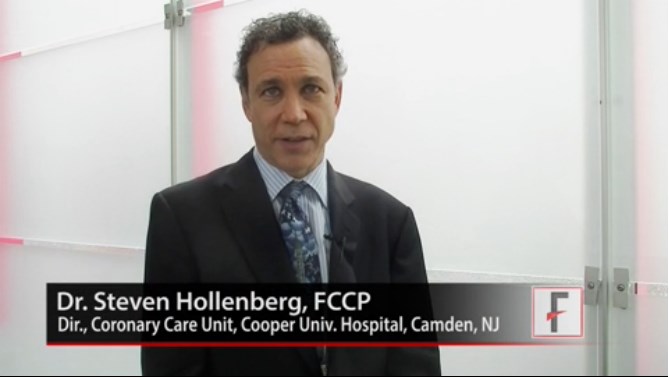
AUSTIN, TEX.– Genetic testing holds promise for guiding the prescribing of antiplatelet therapies, particularly clopidogrel, but “we’re not there yet,” according to Dr. Steven Hollenberg, director of the coronary care unit at Cooper University Hospital in Camden, N.J.Genetic testing for clopidogrel responsiveness “certainly makes good sense, but I think we’re going to have to wait for good data” that better informs clinical decision making.Dr. Hollenberg discussed the implications of the negative results of the ARCTIC trial, which showed platelet function testing with antiplatelet therapy adjustment failed to improve clinical outcomes compared with standard unmonitored thienopyridine therapy in elective PCI. He also analyzed the results of other studies relevant to optimal antiplatelet and anticoagulant therapy, including the surprising outcomes of the WOEST trial.
The video associated with this article is no longer available on this site. Please view all of our videos on the MDedge YouTube channel
On Twitter @whitneymcknight
AUSTIN, TEX.– Genetic testing holds promise for guiding the prescribing of antiplatelet therapies, particularly clopidogrel, but “we’re not there yet,” according to Dr. Steven Hollenberg, director of the coronary care unit at Cooper University Hospital in Camden, N.J.Genetic testing for clopidogrel responsiveness “certainly makes good sense, but I think we’re going to have to wait for good data” that better informs clinical decision making.Dr. Hollenberg discussed the implications of the negative results of the ARCTIC trial, which showed platelet function testing with antiplatelet therapy adjustment failed to improve clinical outcomes compared with standard unmonitored thienopyridine therapy in elective PCI. He also analyzed the results of other studies relevant to optimal antiplatelet and anticoagulant therapy, including the surprising outcomes of the WOEST trial.
The video associated with this article is no longer available on this site. Please view all of our videos on the MDedge YouTube channel
On Twitter @whitneymcknight
AUSTIN, TEX.– Genetic testing holds promise for guiding the prescribing of antiplatelet therapies, particularly clopidogrel, but “we’re not there yet,” according to Dr. Steven Hollenberg, director of the coronary care unit at Cooper University Hospital in Camden, N.J.Genetic testing for clopidogrel responsiveness “certainly makes good sense, but I think we’re going to have to wait for good data” that better informs clinical decision making.Dr. Hollenberg discussed the implications of the negative results of the ARCTIC trial, which showed platelet function testing with antiplatelet therapy adjustment failed to improve clinical outcomes compared with standard unmonitored thienopyridine therapy in elective PCI. He also analyzed the results of other studies relevant to optimal antiplatelet and anticoagulant therapy, including the surprising outcomes of the WOEST trial.
The video associated with this article is no longer available on this site. Please view all of our videos on the MDedge YouTube channel
On Twitter @whitneymcknight
AT CHEST 2014
Marc Walton, MD, PhD
The video associated with this article is no longer available on this site. Please view all of our videos on the MDedge YouTube channel
The video associated with this article is no longer available on this site. Please view all of our videos on the MDedge YouTube channel
The video associated with this article is no longer available on this site. Please view all of our videos on the MDedge YouTube channel

VIDEO: SERMs move beyond osteoporosis, breast cancer prevention
HONOLULU– Uses for selective estrogen receptor modulators have grown beyond prevention of breast cancer or osteoporosis to treatment of postmenopausal symptoms.
Dr. Cynthia Stuenkel spoke about selective estrogen receptor modifiers (SERMs) and menopause in a keynote address at the annual meeting of the American Society for Reproductive Medicine.
In a video interview, Dr. Stuenkel talks about two of the newer SERM options – ospemifene for dyspareunia and a combination of the SERM bazedoxifene and conjugated equine estrogens that’s available outside of the United States to treat vasomotor symptoms or for prevention of bone loss.
These new tools expand clinical options – but, as with any new therapy – longer and larger studies of the newer agents are needed to more carefully assess long-term safety, said Dr. Stuenkel of the University of California, San Diego.
She reported having no financial disclosures.
The video associated with this article is no longer available on this site. Please view all of our videos on the MDedge YouTube channel
On Twitter @sherryboschert
HONOLULU– Uses for selective estrogen receptor modulators have grown beyond prevention of breast cancer or osteoporosis to treatment of postmenopausal symptoms.
Dr. Cynthia Stuenkel spoke about selective estrogen receptor modifiers (SERMs) and menopause in a keynote address at the annual meeting of the American Society for Reproductive Medicine.
In a video interview, Dr. Stuenkel talks about two of the newer SERM options – ospemifene for dyspareunia and a combination of the SERM bazedoxifene and conjugated equine estrogens that’s available outside of the United States to treat vasomotor symptoms or for prevention of bone loss.
These new tools expand clinical options – but, as with any new therapy – longer and larger studies of the newer agents are needed to more carefully assess long-term safety, said Dr. Stuenkel of the University of California, San Diego.
She reported having no financial disclosures.
The video associated with this article is no longer available on this site. Please view all of our videos on the MDedge YouTube channel
On Twitter @sherryboschert
HONOLULU– Uses for selective estrogen receptor modulators have grown beyond prevention of breast cancer or osteoporosis to treatment of postmenopausal symptoms.
Dr. Cynthia Stuenkel spoke about selective estrogen receptor modifiers (SERMs) and menopause in a keynote address at the annual meeting of the American Society for Reproductive Medicine.
In a video interview, Dr. Stuenkel talks about two of the newer SERM options – ospemifene for dyspareunia and a combination of the SERM bazedoxifene and conjugated equine estrogens that’s available outside of the United States to treat vasomotor symptoms or for prevention of bone loss.
These new tools expand clinical options – but, as with any new therapy – longer and larger studies of the newer agents are needed to more carefully assess long-term safety, said Dr. Stuenkel of the University of California, San Diego.
She reported having no financial disclosures.
The video associated with this article is no longer available on this site. Please view all of our videos on the MDedge YouTube channel
On Twitter @sherryboschert
EXPERT ANALYSIS FROM 2014 ASRM