User login
VIDEO: Sapien 3 TAVR bests surgery in intermediate-risk patients
CHICAGO – Transcatheter aortic valve replacement (TAVR) using Sapien 3 – the latest-generation valve – is associated with low mortality, stroke, and paravalvular regurgitation rates at 1 year in intermediate-risk patients, and is superior to surgical valve replacement, according to findings from the SAPIEN 3 study.
The mortality rate at 1 year in the 1,077 patients in the observational study was 7.4% overall and 6.5% in a transfemoral access subgroup, the disabling stroke rate was 2.3%, the aortic valve reintervention rate was 0.6%, and the moderate/severe paravalvular regurgitation rate was 1.5%, Dr. Vinod H. Thourani reported on behalf of the PARTNER trial investigators at the annual meeting of the American College of Cardiology. The findings were published simultaneously in The Lancet (2016 Apr 3. doi: 10.1016/So140-6736[19]30073-3).
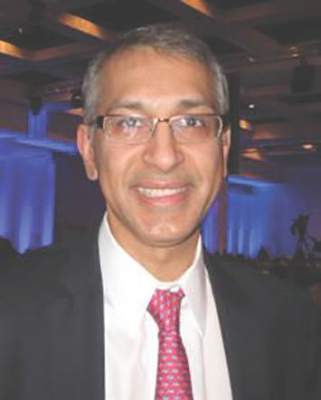
A prespecified propensity score analysis comparing 963 SAPIEN 3 patients with 747 similar intermediate-risk patients from the PARTNER 2A trial who underwent surgical valve replacement showed that not only was Sapien 3 TAVR noninferior to surgery for the primary composite endpoint of mortality, strokes, and moderate or severe aortic regurgitation, it was also superior to surgery (pooled weighted proportion difference, –9.2% for each). The differences were highly statistically significant.
In fact, Sapien 3 TAVR “blew it out of the water” for both noninferiority and superiority vs. surgery, Dr. Thourani of Emory University, Atlanta said.
The propensity score incorporated 22 characteristics, and the analysis was conducted by blinded investigators. Even using the most conservative strategy for the analysis as approved by the Food and Drug Administration, with the heaviest weighting against TAVR, Sapien 3 TAVR was superior to surgery for the primary composite endpoint, he noted.
Of note, while Sapien 3 TAVR was superior for the individual components of mortality and stroke from the composite endpoint, surgery was superior to Sapien 3 TAVR for the component of moderate or greater aortic regurgitation, he said.
However, the findings represent “strong evidence that in intermediate-risk patients with severe aortic stenosis, SAPIEN 3, compared to surgery, improves clinical outcomes and is the preferred therapy,” he concluded.
In a video interview, he said that if approved by the FDA, “this will become the impetus for [use in] a lower-risk population of patients. Currently we have the inoperative and high-risk patients, and this will open up the intermediate-risk patients for having transcatheter valve therapies, and I think it becomes exceedingly powerful.”
Two ongoing industry-sponsored randomized trials in low-risk patients (those with a Society of Thoracic Surgeons score of less than 4) are underway, he noted.
Sapien 3 TAVR was previously shown to improve 30-day outcomes in intermediate-risk patients with severe aortic stenosis (Eur Heart J. 2016 Mar 31. doi: 10.1093/eurheartj/ehw112), but longer-term data were lacking, and no comparisons with surgery in intermediate-risk patients were available.
For the current study, patients with a mean age of 82 years were evaluated at 51 centers in the United States and Canada during February-September 2014. Subjects had a median Society of Thoracic Surgeons score of 5.2% (range, 4-8) and 73% had New York Heart Association class III/IV heart failure. Almost 90% were treated via the transfemoral route, Dr. Thourani said.
The Sapien 3 device is a balloon expandable valve that differs from prior-generation devices in that it has improved geometry of the trileaflet bovine pericardial valve, a longer cobalt alloy frame with more open outlet cells and denser inlet cells, a polyethylene terephthalate fabric skirt that provides an external circumferential seal to reduce paravalvular leak, four valve sizes, and lower-profile delivery catheters with more precise valve positioning inserted through 14 or 16 French sheaths for increased use of transfemoral access.
Discussant Dr. David E. Kandzari, director of interventional cardiology and chief scientific officer at Piedmont Heart Institute, Atlanta, congratulated Dr. Thourani and his colleagues on “a terrific trial and impactful result.”
“There are, with regard to the Sapien 3 technology, many reasons to believe that this could be an advancement above existing predicate technologies,” he said, specifically mentioning the improvements in the device, compared with prior generations, such as the modification to reduce paravalvular leak, which has been associated with worse outcomes for patients.
“In parallel, there were changes in practice, and one of them implemented in the context of SAPIEN 3 was the use of [computed tomography] imaging to help guide and inform the procedure itself,” he said, adding that the results of the trial “really open the door for at least two very broad pathways.”
First, they expand TAVR to intermediate-risk patients.
“Secondly, they lead the way even further with greater reassurance toward two large ongoing clinical trials in patients considered at low risk, as well,” he said.
The remarkable outcomes in regard to mortality and stroke are “clinically meaningful and some of the best outcomes we’ve ever witnessed with transcatheter therapy,” he said.
This study was funded by Edwards Lifesciences. Dr. Thourani disclosed that he has received consulting fees and/or research grants from Edwards Lifesciences, St. Jude Medical, Abbott Medical, Boston Scientific, Claret Medical, DirectFlow, Medtronic, and Sorin. Dr. Kandzari has received consultant fees and honoraria from Boston Scientific, The Medicines Company, and Medtronic.
The video associated with this article is no longer available on this site. Please view all of our videos on the MDedge YouTube channel
CHICAGO – Transcatheter aortic valve replacement (TAVR) using Sapien 3 – the latest-generation valve – is associated with low mortality, stroke, and paravalvular regurgitation rates at 1 year in intermediate-risk patients, and is superior to surgical valve replacement, according to findings from the SAPIEN 3 study.
The mortality rate at 1 year in the 1,077 patients in the observational study was 7.4% overall and 6.5% in a transfemoral access subgroup, the disabling stroke rate was 2.3%, the aortic valve reintervention rate was 0.6%, and the moderate/severe paravalvular regurgitation rate was 1.5%, Dr. Vinod H. Thourani reported on behalf of the PARTNER trial investigators at the annual meeting of the American College of Cardiology. The findings were published simultaneously in The Lancet (2016 Apr 3. doi: 10.1016/So140-6736[19]30073-3).
A prespecified propensity score analysis comparing 963 SAPIEN 3 patients with 747 similar intermediate-risk patients from the PARTNER 2A trial who underwent surgical valve replacement showed that not only was Sapien 3 TAVR noninferior to surgery for the primary composite endpoint of mortality, strokes, and moderate or severe aortic regurgitation, it was also superior to surgery (pooled weighted proportion difference, –9.2% for each). The differences were highly statistically significant.
In fact, Sapien 3 TAVR “blew it out of the water” for both noninferiority and superiority vs. surgery, Dr. Thourani of Emory University, Atlanta said.
The propensity score incorporated 22 characteristics, and the analysis was conducted by blinded investigators. Even using the most conservative strategy for the analysis as approved by the Food and Drug Administration, with the heaviest weighting against TAVR, Sapien 3 TAVR was superior to surgery for the primary composite endpoint, he noted.
Of note, while Sapien 3 TAVR was superior for the individual components of mortality and stroke from the composite endpoint, surgery was superior to Sapien 3 TAVR for the component of moderate or greater aortic regurgitation, he said.
However, the findings represent “strong evidence that in intermediate-risk patients with severe aortic stenosis, SAPIEN 3, compared to surgery, improves clinical outcomes and is the preferred therapy,” he concluded.
In a video interview, he said that if approved by the FDA, “this will become the impetus for [use in] a lower-risk population of patients. Currently we have the inoperative and high-risk patients, and this will open up the intermediate-risk patients for having transcatheter valve therapies, and I think it becomes exceedingly powerful.”
Two ongoing industry-sponsored randomized trials in low-risk patients (those with a Society of Thoracic Surgeons score of less than 4) are underway, he noted.
Sapien 3 TAVR was previously shown to improve 30-day outcomes in intermediate-risk patients with severe aortic stenosis (Eur Heart J. 2016 Mar 31. doi: 10.1093/eurheartj/ehw112), but longer-term data were lacking, and no comparisons with surgery in intermediate-risk patients were available.
For the current study, patients with a mean age of 82 years were evaluated at 51 centers in the United States and Canada during February-September 2014. Subjects had a median Society of Thoracic Surgeons score of 5.2% (range, 4-8) and 73% had New York Heart Association class III/IV heart failure. Almost 90% were treated via the transfemoral route, Dr. Thourani said.
The Sapien 3 device is a balloon expandable valve that differs from prior-generation devices in that it has improved geometry of the trileaflet bovine pericardial valve, a longer cobalt alloy frame with more open outlet cells and denser inlet cells, a polyethylene terephthalate fabric skirt that provides an external circumferential seal to reduce paravalvular leak, four valve sizes, and lower-profile delivery catheters with more precise valve positioning inserted through 14 or 16 French sheaths for increased use of transfemoral access.
Discussant Dr. David E. Kandzari, director of interventional cardiology and chief scientific officer at Piedmont Heart Institute, Atlanta, congratulated Dr. Thourani and his colleagues on “a terrific trial and impactful result.”
“There are, with regard to the Sapien 3 technology, many reasons to believe that this could be an advancement above existing predicate technologies,” he said, specifically mentioning the improvements in the device, compared with prior generations, such as the modification to reduce paravalvular leak, which has been associated with worse outcomes for patients.
“In parallel, there were changes in practice, and one of them implemented in the context of SAPIEN 3 was the use of [computed tomography] imaging to help guide and inform the procedure itself,” he said, adding that the results of the trial “really open the door for at least two very broad pathways.”
First, they expand TAVR to intermediate-risk patients.
“Secondly, they lead the way even further with greater reassurance toward two large ongoing clinical trials in patients considered at low risk, as well,” he said.
The remarkable outcomes in regard to mortality and stroke are “clinically meaningful and some of the best outcomes we’ve ever witnessed with transcatheter therapy,” he said.
This study was funded by Edwards Lifesciences. Dr. Thourani disclosed that he has received consulting fees and/or research grants from Edwards Lifesciences, St. Jude Medical, Abbott Medical, Boston Scientific, Claret Medical, DirectFlow, Medtronic, and Sorin. Dr. Kandzari has received consultant fees and honoraria from Boston Scientific, The Medicines Company, and Medtronic.
The video associated with this article is no longer available on this site. Please view all of our videos on the MDedge YouTube channel
CHICAGO – Transcatheter aortic valve replacement (TAVR) using Sapien 3 – the latest-generation valve – is associated with low mortality, stroke, and paravalvular regurgitation rates at 1 year in intermediate-risk patients, and is superior to surgical valve replacement, according to findings from the SAPIEN 3 study.
The mortality rate at 1 year in the 1,077 patients in the observational study was 7.4% overall and 6.5% in a transfemoral access subgroup, the disabling stroke rate was 2.3%, the aortic valve reintervention rate was 0.6%, and the moderate/severe paravalvular regurgitation rate was 1.5%, Dr. Vinod H. Thourani reported on behalf of the PARTNER trial investigators at the annual meeting of the American College of Cardiology. The findings were published simultaneously in The Lancet (2016 Apr 3. doi: 10.1016/So140-6736[19]30073-3).
A prespecified propensity score analysis comparing 963 SAPIEN 3 patients with 747 similar intermediate-risk patients from the PARTNER 2A trial who underwent surgical valve replacement showed that not only was Sapien 3 TAVR noninferior to surgery for the primary composite endpoint of mortality, strokes, and moderate or severe aortic regurgitation, it was also superior to surgery (pooled weighted proportion difference, –9.2% for each). The differences were highly statistically significant.
In fact, Sapien 3 TAVR “blew it out of the water” for both noninferiority and superiority vs. surgery, Dr. Thourani of Emory University, Atlanta said.
The propensity score incorporated 22 characteristics, and the analysis was conducted by blinded investigators. Even using the most conservative strategy for the analysis as approved by the Food and Drug Administration, with the heaviest weighting against TAVR, Sapien 3 TAVR was superior to surgery for the primary composite endpoint, he noted.
Of note, while Sapien 3 TAVR was superior for the individual components of mortality and stroke from the composite endpoint, surgery was superior to Sapien 3 TAVR for the component of moderate or greater aortic regurgitation, he said.
However, the findings represent “strong evidence that in intermediate-risk patients with severe aortic stenosis, SAPIEN 3, compared to surgery, improves clinical outcomes and is the preferred therapy,” he concluded.
In a video interview, he said that if approved by the FDA, “this will become the impetus for [use in] a lower-risk population of patients. Currently we have the inoperative and high-risk patients, and this will open up the intermediate-risk patients for having transcatheter valve therapies, and I think it becomes exceedingly powerful.”
Two ongoing industry-sponsored randomized trials in low-risk patients (those with a Society of Thoracic Surgeons score of less than 4) are underway, he noted.
Sapien 3 TAVR was previously shown to improve 30-day outcomes in intermediate-risk patients with severe aortic stenosis (Eur Heart J. 2016 Mar 31. doi: 10.1093/eurheartj/ehw112), but longer-term data were lacking, and no comparisons with surgery in intermediate-risk patients were available.
For the current study, patients with a mean age of 82 years were evaluated at 51 centers in the United States and Canada during February-September 2014. Subjects had a median Society of Thoracic Surgeons score of 5.2% (range, 4-8) and 73% had New York Heart Association class III/IV heart failure. Almost 90% were treated via the transfemoral route, Dr. Thourani said.
The Sapien 3 device is a balloon expandable valve that differs from prior-generation devices in that it has improved geometry of the trileaflet bovine pericardial valve, a longer cobalt alloy frame with more open outlet cells and denser inlet cells, a polyethylene terephthalate fabric skirt that provides an external circumferential seal to reduce paravalvular leak, four valve sizes, and lower-profile delivery catheters with more precise valve positioning inserted through 14 or 16 French sheaths for increased use of transfemoral access.
Discussant Dr. David E. Kandzari, director of interventional cardiology and chief scientific officer at Piedmont Heart Institute, Atlanta, congratulated Dr. Thourani and his colleagues on “a terrific trial and impactful result.”
“There are, with regard to the Sapien 3 technology, many reasons to believe that this could be an advancement above existing predicate technologies,” he said, specifically mentioning the improvements in the device, compared with prior generations, such as the modification to reduce paravalvular leak, which has been associated with worse outcomes for patients.
“In parallel, there were changes in practice, and one of them implemented in the context of SAPIEN 3 was the use of [computed tomography] imaging to help guide and inform the procedure itself,” he said, adding that the results of the trial “really open the door for at least two very broad pathways.”
First, they expand TAVR to intermediate-risk patients.
“Secondly, they lead the way even further with greater reassurance toward two large ongoing clinical trials in patients considered at low risk, as well,” he said.
The remarkable outcomes in regard to mortality and stroke are “clinically meaningful and some of the best outcomes we’ve ever witnessed with transcatheter therapy,” he said.
This study was funded by Edwards Lifesciences. Dr. Thourani disclosed that he has received consulting fees and/or research grants from Edwards Lifesciences, St. Jude Medical, Abbott Medical, Boston Scientific, Claret Medical, DirectFlow, Medtronic, and Sorin. Dr. Kandzari has received consultant fees and honoraria from Boston Scientific, The Medicines Company, and Medtronic.
The video associated with this article is no longer available on this site. Please view all of our videos on the MDedge YouTube channel
AT ACC 16
Key clinical point: Transcatheter aortic valve replacement using Sapien 3 is associated with low mortality, stroke, and paravalvular regurgitation rates at 1 year in intermediate-risk patients, and is superior to surgical valve replacement.
Major finding: A propensity score analysis showed that Sapien 3 TAVR was superior to surgical valve replacement (pooled weighted proportion difference, –9.2%).
Data source: An observational study of 1,077 SAPIEN 3 patients, and a propensity score analysis comparing 963 SAPIEN 3 patients and 747 surgical valve replacement patients.
Disclosures: SAPIEN 3 was funded by Edwards Lifesciences. Dr. Thourani disclosed that he has received consulting fees from Edwards Lifesciences and St. Jude Medical, and research grants from Abbott Medical, Boston Scientific, Claret Medical, DirectFlow, Medtronic, and Sorin.
VIDEO: Unraveling Alzheimer’s pathogenesis while testing lifestyle interventions
BETHESDA, MD. – Alzheimer’s disease is not the failure of a single type of cell – or even a single physiologic system, so while the search for effective treatments goes on, basic research must continue to unravel many of its fundamental mechanisms, according to Dr. Ronald Petersen, director of the Mayo Clinic Alzheimer’s Disease Research Center in Rochester, Minn.
But in lieu of available treatments that target the underlying pathology of Alzheimer’s, trials must continue to test lifestyle interventions with diet and exercise that in preliminary studies have started proving their worth in decreasing the risk of cognitive decline or delaying its onset.
Dr. Petersen discussed these issues in an interview at the Alzheimer’s Disease–Related Dementias 2016 Summit, sponsored by the National Institutes of Health.
The video associated with this article is no longer available on this site. Please view all of our videos on the MDedge YouTube channel
On Twitter @alz_gal
BETHESDA, MD. – Alzheimer’s disease is not the failure of a single type of cell – or even a single physiologic system, so while the search for effective treatments goes on, basic research must continue to unravel many of its fundamental mechanisms, according to Dr. Ronald Petersen, director of the Mayo Clinic Alzheimer’s Disease Research Center in Rochester, Minn.
But in lieu of available treatments that target the underlying pathology of Alzheimer’s, trials must continue to test lifestyle interventions with diet and exercise that in preliminary studies have started proving their worth in decreasing the risk of cognitive decline or delaying its onset.
Dr. Petersen discussed these issues in an interview at the Alzheimer’s Disease–Related Dementias 2016 Summit, sponsored by the National Institutes of Health.
The video associated with this article is no longer available on this site. Please view all of our videos on the MDedge YouTube channel
On Twitter @alz_gal
BETHESDA, MD. – Alzheimer’s disease is not the failure of a single type of cell – or even a single physiologic system, so while the search for effective treatments goes on, basic research must continue to unravel many of its fundamental mechanisms, according to Dr. Ronald Petersen, director of the Mayo Clinic Alzheimer’s Disease Research Center in Rochester, Minn.
But in lieu of available treatments that target the underlying pathology of Alzheimer’s, trials must continue to test lifestyle interventions with diet and exercise that in preliminary studies have started proving their worth in decreasing the risk of cognitive decline or delaying its onset.
Dr. Petersen discussed these issues in an interview at the Alzheimer’s Disease–Related Dementias 2016 Summit, sponsored by the National Institutes of Health.
The video associated with this article is no longer available on this site. Please view all of our videos on the MDedge YouTube channel
On Twitter @alz_gal
EXPERT ANALYSIS FROM THE ADRD SUMMIT 2016

VIDEO: Myths and truths of gluten-free diets
PHILADELPHIA – Do you have patients with undiagnosed celiac disease or legitimate gluten sensitivity, or are they self-diagnosing with the need to steer clear of gluten, only to find themselves in danger of nutritional deficiencies and other health concerns?
Of the roughly 1% of Americans who have celiac disease, only about 17% ever receive a diagnosis, leaving the remainder at risk for serious health complications, according to Dr. Peter H.R. Green, director of the Celiac Disease Center at Columbia University, New York.
Meanwhile, many people choose to go gluten free, which Dr. Green calls the most popular “fad” diet in the country. Aside from this trend being more expensive, and often inconvenient, it’s also a health risk. “It’s ironic that so many people who should be on a gluten-free diet aren’t, and those who are don’t need to be, and might even be harming their health,” he said in an interview.
In this video, Dr. Green discusses how to determine whether patients have celiac disease or another diagnosis, and how to counsel those who do have the disease and those who don’t.
The video was recorded at this year’s Digestive Diseases: New Advances, held by Global Academy for Medical Education and Rutgers, the State University of New Jersey. Global Academy and this news organization are owned by the same company.
On Twitter @whitneymcknight
PHILADELPHIA – Do you have patients with undiagnosed celiac disease or legitimate gluten sensitivity, or are they self-diagnosing with the need to steer clear of gluten, only to find themselves in danger of nutritional deficiencies and other health concerns?
Of the roughly 1% of Americans who have celiac disease, only about 17% ever receive a diagnosis, leaving the remainder at risk for serious health complications, according to Dr. Peter H.R. Green, director of the Celiac Disease Center at Columbia University, New York.
Meanwhile, many people choose to go gluten free, which Dr. Green calls the most popular “fad” diet in the country. Aside from this trend being more expensive, and often inconvenient, it’s also a health risk. “It’s ironic that so many people who should be on a gluten-free diet aren’t, and those who are don’t need to be, and might even be harming their health,” he said in an interview.
In this video, Dr. Green discusses how to determine whether patients have celiac disease or another diagnosis, and how to counsel those who do have the disease and those who don’t.
The video was recorded at this year’s Digestive Diseases: New Advances, held by Global Academy for Medical Education and Rutgers, the State University of New Jersey. Global Academy and this news organization are owned by the same company.
On Twitter @whitneymcknight
PHILADELPHIA – Do you have patients with undiagnosed celiac disease or legitimate gluten sensitivity, or are they self-diagnosing with the need to steer clear of gluten, only to find themselves in danger of nutritional deficiencies and other health concerns?
Of the roughly 1% of Americans who have celiac disease, only about 17% ever receive a diagnosis, leaving the remainder at risk for serious health complications, according to Dr. Peter H.R. Green, director of the Celiac Disease Center at Columbia University, New York.
Meanwhile, many people choose to go gluten free, which Dr. Green calls the most popular “fad” diet in the country. Aside from this trend being more expensive, and often inconvenient, it’s also a health risk. “It’s ironic that so many people who should be on a gluten-free diet aren’t, and those who are don’t need to be, and might even be harming their health,” he said in an interview.
In this video, Dr. Green discusses how to determine whether patients have celiac disease or another diagnosis, and how to counsel those who do have the disease and those who don’t.
The video was recorded at this year’s Digestive Diseases: New Advances, held by Global Academy for Medical Education and Rutgers, the State University of New Jersey. Global Academy and this news organization are owned by the same company.
On Twitter @whitneymcknight
EXPERT ANALYSIS FROM DIGESTIVE DISEASES: NEW ADVANCES

VIDEO: Fire and Ice - Which catheter ablation approach is best in AF?
CHICAGO – The largest-ever randomized trial of catheter ablation for atrial fibrillation ended in a draw, but there may be a clear winner for some patients.
Safety and 1-year efficacy of radiofrequency ablation and cryoballoon ablation were roughly 65% in both treatment arms of the 769-patient Fire and Ice trial.
However, in an interview at the annual meeting of the American College of Cardiology, principal investigator Dr. Karl-Heinz Kuck of Asklepios Klinik St. Georg, Hamburg, Germany, explains why the results are actually a victory for cryoablation.
CHICAGO – The largest-ever randomized trial of catheter ablation for atrial fibrillation ended in a draw, but there may be a clear winner for some patients.
Safety and 1-year efficacy of radiofrequency ablation and cryoballoon ablation were roughly 65% in both treatment arms of the 769-patient Fire and Ice trial.
However, in an interview at the annual meeting of the American College of Cardiology, principal investigator Dr. Karl-Heinz Kuck of Asklepios Klinik St. Georg, Hamburg, Germany, explains why the results are actually a victory for cryoablation.
CHICAGO – The largest-ever randomized trial of catheter ablation for atrial fibrillation ended in a draw, but there may be a clear winner for some patients.
Safety and 1-year efficacy of radiofrequency ablation and cryoballoon ablation were roughly 65% in both treatment arms of the 769-patient Fire and Ice trial.
However, in an interview at the annual meeting of the American College of Cardiology, principal investigator Dr. Karl-Heinz Kuck of Asklepios Klinik St. Georg, Hamburg, Germany, explains why the results are actually a victory for cryoablation.
AT ACC 16
VIDEO: Low thyroid function increases odds of type 2 diabetes
BOSTON – Results of a population-based study involving more than 8,000 adults from the Netherlands who were diabetes free at baseline has implicated low thyroid function with a 13% increased likelihood of developing type 2 diabetes, and up to 40% higher in individuals with prediabetes.
The heightened risk exists even for individuals with subclinical hypothyroidism, in whom thyroid-stimulating hormone (TSH) in the blood is still in the normal concentration range.
“These findings suggest we should consider screening people with prediabetes for low thyroid function,” Dr. Layal Chaker of Erasmus Medical Center, Rotterdam, the Netherlands, said at the annual meeting of the Endocrine Society.
Thyroid screening is recommended for patients with type 1 diabetes, since they are at increased risk of thyroid disease. An association between thyroid dysfunction in the form of hypothyroidism and type 2 diabetes has been surmised, since type 2 diabetes and hypothyroidism tend to be more prevalent in older adults, and since hypothyroidism has been linked with weight gain and reduced sensitivity to insulin.
To further study the link between thyroid function and diabetes, Dr. Chaker and her colleagues studied data from 8,452 participants aged 45 years and above (mean age 62 years, 58% female) from the Rotterdam Study, a prospective, longitudinal cohort study in the Ommoord district of Rotterdam that was undertaken to investigate the risk factors of cardiovascular, neurological, ophthalmologic, and endocrine diseases in the elderly. The cohort was considered representative of the general population in the Netherlands. All participants had blood tests to measure blood glucose, TSH, and free thyroxine (FT4). Normal blood glucose was considered to be under 5.9 mmol/L, prediabetes as over 5.9 to less than 7.0 mmol/L glucose, and diabetes as above 7.0 mmol/L.
Prediabetes and type 2 diabetes developed in 1,100 and 798 subjects, respectively, during a mean follow-up of 7.9 years. Higher TSH levels increased the risk of development of type 2 diabetes risk (hazard ratio [HR] 1.13, 95% confidence interval [CI], 1.08-1.18, per logTSH). This risk held even for subjects whose TSH levels were at the lower end of the reference range of thyroid function (HR 1.24, CI, 1.06-1.45). The risk of diabetes was reduced in subjects with FT4 levels that were elevated (HR 0.96, CI, 0.93-0.99, per pmol/L) and for those whose FT4 levels were in the reference range (HR 0.96, CI, 0.92-0.99). Low thyroid function, even within the normal range, was associated with a 1.4 times risk of progression from prediabetes to type 2 diabetes (P = .002).
“Low and, surprisingly, low-normal thyroid function are risk factors for incident diabetes, especially in individuals with prediabetes,” said Dr. Chaker.
The data point to the need to clarify whether screening for and treatment of subclinical hypothyroidism can help curb the development of diabetes, she added.
Dr. Chaker had no disclosures.
BOSTON – Results of a population-based study involving more than 8,000 adults from the Netherlands who were diabetes free at baseline has implicated low thyroid function with a 13% increased likelihood of developing type 2 diabetes, and up to 40% higher in individuals with prediabetes.
The heightened risk exists even for individuals with subclinical hypothyroidism, in whom thyroid-stimulating hormone (TSH) in the blood is still in the normal concentration range.
“These findings suggest we should consider screening people with prediabetes for low thyroid function,” Dr. Layal Chaker of Erasmus Medical Center, Rotterdam, the Netherlands, said at the annual meeting of the Endocrine Society.
Thyroid screening is recommended for patients with type 1 diabetes, since they are at increased risk of thyroid disease. An association between thyroid dysfunction in the form of hypothyroidism and type 2 diabetes has been surmised, since type 2 diabetes and hypothyroidism tend to be more prevalent in older adults, and since hypothyroidism has been linked with weight gain and reduced sensitivity to insulin.
To further study the link between thyroid function and diabetes, Dr. Chaker and her colleagues studied data from 8,452 participants aged 45 years and above (mean age 62 years, 58% female) from the Rotterdam Study, a prospective, longitudinal cohort study in the Ommoord district of Rotterdam that was undertaken to investigate the risk factors of cardiovascular, neurological, ophthalmologic, and endocrine diseases in the elderly. The cohort was considered representative of the general population in the Netherlands. All participants had blood tests to measure blood glucose, TSH, and free thyroxine (FT4). Normal blood glucose was considered to be under 5.9 mmol/L, prediabetes as over 5.9 to less than 7.0 mmol/L glucose, and diabetes as above 7.0 mmol/L.
Prediabetes and type 2 diabetes developed in 1,100 and 798 subjects, respectively, during a mean follow-up of 7.9 years. Higher TSH levels increased the risk of development of type 2 diabetes risk (hazard ratio [HR] 1.13, 95% confidence interval [CI], 1.08-1.18, per logTSH). This risk held even for subjects whose TSH levels were at the lower end of the reference range of thyroid function (HR 1.24, CI, 1.06-1.45). The risk of diabetes was reduced in subjects with FT4 levels that were elevated (HR 0.96, CI, 0.93-0.99, per pmol/L) and for those whose FT4 levels were in the reference range (HR 0.96, CI, 0.92-0.99). Low thyroid function, even within the normal range, was associated with a 1.4 times risk of progression from prediabetes to type 2 diabetes (P = .002).
“Low and, surprisingly, low-normal thyroid function are risk factors for incident diabetes, especially in individuals with prediabetes,” said Dr. Chaker.
The data point to the need to clarify whether screening for and treatment of subclinical hypothyroidism can help curb the development of diabetes, she added.
Dr. Chaker had no disclosures.
BOSTON – Results of a population-based study involving more than 8,000 adults from the Netherlands who were diabetes free at baseline has implicated low thyroid function with a 13% increased likelihood of developing type 2 diabetes, and up to 40% higher in individuals with prediabetes.
The heightened risk exists even for individuals with subclinical hypothyroidism, in whom thyroid-stimulating hormone (TSH) in the blood is still in the normal concentration range.
“These findings suggest we should consider screening people with prediabetes for low thyroid function,” Dr. Layal Chaker of Erasmus Medical Center, Rotterdam, the Netherlands, said at the annual meeting of the Endocrine Society.
Thyroid screening is recommended for patients with type 1 diabetes, since they are at increased risk of thyroid disease. An association between thyroid dysfunction in the form of hypothyroidism and type 2 diabetes has been surmised, since type 2 diabetes and hypothyroidism tend to be more prevalent in older adults, and since hypothyroidism has been linked with weight gain and reduced sensitivity to insulin.
To further study the link between thyroid function and diabetes, Dr. Chaker and her colleagues studied data from 8,452 participants aged 45 years and above (mean age 62 years, 58% female) from the Rotterdam Study, a prospective, longitudinal cohort study in the Ommoord district of Rotterdam that was undertaken to investigate the risk factors of cardiovascular, neurological, ophthalmologic, and endocrine diseases in the elderly. The cohort was considered representative of the general population in the Netherlands. All participants had blood tests to measure blood glucose, TSH, and free thyroxine (FT4). Normal blood glucose was considered to be under 5.9 mmol/L, prediabetes as over 5.9 to less than 7.0 mmol/L glucose, and diabetes as above 7.0 mmol/L.
Prediabetes and type 2 diabetes developed in 1,100 and 798 subjects, respectively, during a mean follow-up of 7.9 years. Higher TSH levels increased the risk of development of type 2 diabetes risk (hazard ratio [HR] 1.13, 95% confidence interval [CI], 1.08-1.18, per logTSH). This risk held even for subjects whose TSH levels were at the lower end of the reference range of thyroid function (HR 1.24, CI, 1.06-1.45). The risk of diabetes was reduced in subjects with FT4 levels that were elevated (HR 0.96, CI, 0.93-0.99, per pmol/L) and for those whose FT4 levels were in the reference range (HR 0.96, CI, 0.92-0.99). Low thyroid function, even within the normal range, was associated with a 1.4 times risk of progression from prediabetes to type 2 diabetes (P = .002).
“Low and, surprisingly, low-normal thyroid function are risk factors for incident diabetes, especially in individuals with prediabetes,” said Dr. Chaker.
The data point to the need to clarify whether screening for and treatment of subclinical hypothyroidism can help curb the development of diabetes, she added.
Dr. Chaker had no disclosures.
AT ENDO 2016
Key clinical point: Hypothyroidism increases the risk of developing type 2 diabetes.
Major finding: Higher TSH levels increased the risk of development of type 2 diabetes risk (hazard ratio 1.13, 95% confidence interval, 1.08-1.18, per logTSH).
Data source: Population-based study of 8,452 adult from the Netherlands
Disclosures: Dr. Chaker had no disclosures.
VIDEO: Management of difficult-to-treat IBD cases
PHILADELPHIA – The lack of evidence-based management strategies for the treatment of difficult inflammatory bowel disease cases, such as with Crohn’s disease, can lead to confusion for some clinicians.
Dr. Mark T. Osterman, assistant professor of medicine at the University of Pennsylvania, Philadelphia, discusses when to use antibiotics in Crohn’s disease and when to consider antibiotics in combination with draining fistulae. He also discusses available pharmacotherapies, and the value of bowel rest.
“The best treatment of all for difficult inflammatory bowel disease is aggressive and early, so that the condition doesn’t go from bad to worse,” Dr. Osterman said.
The video was recorded at this year’s meeting of Digestive Diseases: New Advances, a meeting held by Global Academy for Medical Education and Rutgers, the State University of New Jersey. Global Academy and this news organization are owned by the same company.
The video associated with this article is no longer available on this site. Please view all of our videos on the MDedge YouTube channel
On Twitter @whitneymcknight
PHILADELPHIA – The lack of evidence-based management strategies for the treatment of difficult inflammatory bowel disease cases, such as with Crohn’s disease, can lead to confusion for some clinicians.
Dr. Mark T. Osterman, assistant professor of medicine at the University of Pennsylvania, Philadelphia, discusses when to use antibiotics in Crohn’s disease and when to consider antibiotics in combination with draining fistulae. He also discusses available pharmacotherapies, and the value of bowel rest.
“The best treatment of all for difficult inflammatory bowel disease is aggressive and early, so that the condition doesn’t go from bad to worse,” Dr. Osterman said.
The video was recorded at this year’s meeting of Digestive Diseases: New Advances, a meeting held by Global Academy for Medical Education and Rutgers, the State University of New Jersey. Global Academy and this news organization are owned by the same company.
The video associated with this article is no longer available on this site. Please view all of our videos on the MDedge YouTube channel
On Twitter @whitneymcknight
PHILADELPHIA – The lack of evidence-based management strategies for the treatment of difficult inflammatory bowel disease cases, such as with Crohn’s disease, can lead to confusion for some clinicians.
Dr. Mark T. Osterman, assistant professor of medicine at the University of Pennsylvania, Philadelphia, discusses when to use antibiotics in Crohn’s disease and when to consider antibiotics in combination with draining fistulae. He also discusses available pharmacotherapies, and the value of bowel rest.
“The best treatment of all for difficult inflammatory bowel disease is aggressive and early, so that the condition doesn’t go from bad to worse,” Dr. Osterman said.
The video was recorded at this year’s meeting of Digestive Diseases: New Advances, a meeting held by Global Academy for Medical Education and Rutgers, the State University of New Jersey. Global Academy and this news organization are owned by the same company.
The video associated with this article is no longer available on this site. Please view all of our videos on the MDedge YouTube channel
On Twitter @whitneymcknight
EXPERT ANALYSIS FROM DIGESTIVE DISEASES: NEW ADVANCES

VIDEO: New ACC consensus guidance addresses nonstatin therapies
CHICAGO – A new American College of Cardiology expert consensus decision pathway for the use of nonstatin therapies to lower cholesterol in high-risk patients addresses situations not covered by an evidence-based 2013 guideline on managing atherosclerotic cardiovascular disease risk.
Like the 2013 guideline (the 2013 American College of Cardiology/American Heart Association Guideline on the Treatment of Blood Cholesterol to Reduce Atherosclerotic Cardiovascular Disease Risk in Adults), the new guidance emphasizes the importance of a healthy lifestyle, but also addresses the use of two monoclonal antibodies–proprotein convertase subtilisin/kexon 9 (PCSK9) inhibitors–approved for certain patient groups since the 2013 guideline was released, as well as other nonstatin therapies, including ezetimibe and bile acid sequestrants.
“At the time [the 2013 guideline was published] the only really good outcomes data ... were for statin medication and there were no data from clinical trials that showed additional benefit of medications over and above being on the maximally tolerated dose of a statin,” according to Dr. Donald M. Lloyd-Jones, a professor at Northwestern University, Chicago and chair of the writing committee for the new guidance. “However, since 2013, a number of trials have been published that actually move the field forward in our understanding of which patients might benefit from adding non statin therapy on top of effective statin therapy.”
The guidance was developed to address gaps in care until the guidelines can be updated, which will likely take a few years.
Based on findings from recent studies, including the IMPROVE IT trial, which examined ezetimibe as statin add-on therapy after acute coronary syndromes, the HPS2-THRIVE study, which examined use of niacin in high-risk patients, and short-term outcomes studies of PCSK9 inhibitors, which have been shown to dramatically reduce low-density lipoprotein cholesterol levels beyond the lowering provided by statin therapy, the committee developed algorithms for the four main high-risk statin benefit patient groups:
•Adults aged 21 years and older with clinical atherosclerotic cardiovascular disease (ASCVD), on statin for secondary prevention.
•Adults aged 21 years and older with LDL-C greater than or equal to 190 mg/dL not due to secondary modifiable causes, on statin for primary prevention.
•Adults aged 40-75 years without ASCVD but with diabetes and LDL-C of 70-189 mg/dL, on statin for primary prevention.
•Adults aged 40-75 years without clinical ASCVD or diabetes, with LDL-C of 70-189 mg/dL and an estimated 10-year risk for ASCVD of at least 7.5%, on statin for primary prevention.
The guidance suggests a number of steps to take with patients who fail to achieve treatment goals (such as addressing treatment adherence, intensifying lifestyle modifications, using a high-intensity stain, and evaluating for statin intolerance), and lists “clinician-patient discussion factors” to consider for each of a number of patient scenarios (including the potential benefits and risks associated with nonstatin therapies, as well as patient preferences).
Included for each of the patient scenarios is an algorithm for which nonstatin therapies to use in which order, building on the “rock-solid confidence” that for the four statin benefit groups, statins remain the starting point, Dr. Lloyd-Jones said. He discussed the guidance in a video interview.
In general, ezetimibe for those patients who are not achieving the types of reduction in LDL or the amount of risk reduction desired, “should probably be the first choice,” he said.
Bile acid sequestrants can be considered in those who are ezetimibe intolerant and who have triglycerides less than 300 mg/dL.
PCSK9 inhibitors are suggested for consideration only in very high-risk patients with ASCVD or with the familial hypercholesterolemia phenotype who are still not achieving the goal (ideally, a 50% reduction in LDL cholesterol), he said.
The committee did not recommend use of niacin, stating that there is no clear indication for the routine use of niacin preparations as additional nonstatin therapies due to an unfavorable risk-benefit profile.
Additionally, PCSK9 inhibitors are not recommended in any primary prevention scenarios, he noted.
Dr. Neil J. Stone, chair of the 2013 guideline writing committee, said the new guidance provides a useful tool for clinicians, extending, in a practical way, the current guideline as the field awaits the long-term outcomes data for PCSK9 inhibitors.
Despite some backlash in the wake of the 2013 guideline, which marked a move away from specific cholesterol treatment targets to a cardiovascular disease risk-based approach, the cardiovascular risk calculation formula introduced in that guideline has been shown to be useful and accurate, said Dr. Stone, also of Northwestern University.
“[The new guidance] is simply an amplification and extension of the guideline,” he said, adding that “it’s about a risk discussion, not automatic treatment.”
Dr. Lloyd-Jones and Dr. Stone each reported having no disclosures.
The video associated with this article is no longer available on this site. Please view all of our videos on the MDedge YouTube channel
CHICAGO – A new American College of Cardiology expert consensus decision pathway for the use of nonstatin therapies to lower cholesterol in high-risk patients addresses situations not covered by an evidence-based 2013 guideline on managing atherosclerotic cardiovascular disease risk.
Like the 2013 guideline (the 2013 American College of Cardiology/American Heart Association Guideline on the Treatment of Blood Cholesterol to Reduce Atherosclerotic Cardiovascular Disease Risk in Adults), the new guidance emphasizes the importance of a healthy lifestyle, but also addresses the use of two monoclonal antibodies–proprotein convertase subtilisin/kexon 9 (PCSK9) inhibitors–approved for certain patient groups since the 2013 guideline was released, as well as other nonstatin therapies, including ezetimibe and bile acid sequestrants.
“At the time [the 2013 guideline was published] the only really good outcomes data ... were for statin medication and there were no data from clinical trials that showed additional benefit of medications over and above being on the maximally tolerated dose of a statin,” according to Dr. Donald M. Lloyd-Jones, a professor at Northwestern University, Chicago and chair of the writing committee for the new guidance. “However, since 2013, a number of trials have been published that actually move the field forward in our understanding of which patients might benefit from adding non statin therapy on top of effective statin therapy.”
The guidance was developed to address gaps in care until the guidelines can be updated, which will likely take a few years.
Based on findings from recent studies, including the IMPROVE IT trial, which examined ezetimibe as statin add-on therapy after acute coronary syndromes, the HPS2-THRIVE study, which examined use of niacin in high-risk patients, and short-term outcomes studies of PCSK9 inhibitors, which have been shown to dramatically reduce low-density lipoprotein cholesterol levels beyond the lowering provided by statin therapy, the committee developed algorithms for the four main high-risk statin benefit patient groups:
•Adults aged 21 years and older with clinical atherosclerotic cardiovascular disease (ASCVD), on statin for secondary prevention.
•Adults aged 21 years and older with LDL-C greater than or equal to 190 mg/dL not due to secondary modifiable causes, on statin for primary prevention.
•Adults aged 40-75 years without ASCVD but with diabetes and LDL-C of 70-189 mg/dL, on statin for primary prevention.
•Adults aged 40-75 years without clinical ASCVD or diabetes, with LDL-C of 70-189 mg/dL and an estimated 10-year risk for ASCVD of at least 7.5%, on statin for primary prevention.
The guidance suggests a number of steps to take with patients who fail to achieve treatment goals (such as addressing treatment adherence, intensifying lifestyle modifications, using a high-intensity stain, and evaluating for statin intolerance), and lists “clinician-patient discussion factors” to consider for each of a number of patient scenarios (including the potential benefits and risks associated with nonstatin therapies, as well as patient preferences).
Included for each of the patient scenarios is an algorithm for which nonstatin therapies to use in which order, building on the “rock-solid confidence” that for the four statin benefit groups, statins remain the starting point, Dr. Lloyd-Jones said. He discussed the guidance in a video interview.
In general, ezetimibe for those patients who are not achieving the types of reduction in LDL or the amount of risk reduction desired, “should probably be the first choice,” he said.
Bile acid sequestrants can be considered in those who are ezetimibe intolerant and who have triglycerides less than 300 mg/dL.
PCSK9 inhibitors are suggested for consideration only in very high-risk patients with ASCVD or with the familial hypercholesterolemia phenotype who are still not achieving the goal (ideally, a 50% reduction in LDL cholesterol), he said.
The committee did not recommend use of niacin, stating that there is no clear indication for the routine use of niacin preparations as additional nonstatin therapies due to an unfavorable risk-benefit profile.
Additionally, PCSK9 inhibitors are not recommended in any primary prevention scenarios, he noted.
Dr. Neil J. Stone, chair of the 2013 guideline writing committee, said the new guidance provides a useful tool for clinicians, extending, in a practical way, the current guideline as the field awaits the long-term outcomes data for PCSK9 inhibitors.
Despite some backlash in the wake of the 2013 guideline, which marked a move away from specific cholesterol treatment targets to a cardiovascular disease risk-based approach, the cardiovascular risk calculation formula introduced in that guideline has been shown to be useful and accurate, said Dr. Stone, also of Northwestern University.
“[The new guidance] is simply an amplification and extension of the guideline,” he said, adding that “it’s about a risk discussion, not automatic treatment.”
Dr. Lloyd-Jones and Dr. Stone each reported having no disclosures.
The video associated with this article is no longer available on this site. Please view all of our videos on the MDedge YouTube channel
CHICAGO – A new American College of Cardiology expert consensus decision pathway for the use of nonstatin therapies to lower cholesterol in high-risk patients addresses situations not covered by an evidence-based 2013 guideline on managing atherosclerotic cardiovascular disease risk.
Like the 2013 guideline (the 2013 American College of Cardiology/American Heart Association Guideline on the Treatment of Blood Cholesterol to Reduce Atherosclerotic Cardiovascular Disease Risk in Adults), the new guidance emphasizes the importance of a healthy lifestyle, but also addresses the use of two monoclonal antibodies–proprotein convertase subtilisin/kexon 9 (PCSK9) inhibitors–approved for certain patient groups since the 2013 guideline was released, as well as other nonstatin therapies, including ezetimibe and bile acid sequestrants.
“At the time [the 2013 guideline was published] the only really good outcomes data ... were for statin medication and there were no data from clinical trials that showed additional benefit of medications over and above being on the maximally tolerated dose of a statin,” according to Dr. Donald M. Lloyd-Jones, a professor at Northwestern University, Chicago and chair of the writing committee for the new guidance. “However, since 2013, a number of trials have been published that actually move the field forward in our understanding of which patients might benefit from adding non statin therapy on top of effective statin therapy.”
The guidance was developed to address gaps in care until the guidelines can be updated, which will likely take a few years.
Based on findings from recent studies, including the IMPROVE IT trial, which examined ezetimibe as statin add-on therapy after acute coronary syndromes, the HPS2-THRIVE study, which examined use of niacin in high-risk patients, and short-term outcomes studies of PCSK9 inhibitors, which have been shown to dramatically reduce low-density lipoprotein cholesterol levels beyond the lowering provided by statin therapy, the committee developed algorithms for the four main high-risk statin benefit patient groups:
•Adults aged 21 years and older with clinical atherosclerotic cardiovascular disease (ASCVD), on statin for secondary prevention.
•Adults aged 21 years and older with LDL-C greater than or equal to 190 mg/dL not due to secondary modifiable causes, on statin for primary prevention.
•Adults aged 40-75 years without ASCVD but with diabetes and LDL-C of 70-189 mg/dL, on statin for primary prevention.
•Adults aged 40-75 years without clinical ASCVD or diabetes, with LDL-C of 70-189 mg/dL and an estimated 10-year risk for ASCVD of at least 7.5%, on statin for primary prevention.
The guidance suggests a number of steps to take with patients who fail to achieve treatment goals (such as addressing treatment adherence, intensifying lifestyle modifications, using a high-intensity stain, and evaluating for statin intolerance), and lists “clinician-patient discussion factors” to consider for each of a number of patient scenarios (including the potential benefits and risks associated with nonstatin therapies, as well as patient preferences).
Included for each of the patient scenarios is an algorithm for which nonstatin therapies to use in which order, building on the “rock-solid confidence” that for the four statin benefit groups, statins remain the starting point, Dr. Lloyd-Jones said. He discussed the guidance in a video interview.
In general, ezetimibe for those patients who are not achieving the types of reduction in LDL or the amount of risk reduction desired, “should probably be the first choice,” he said.
Bile acid sequestrants can be considered in those who are ezetimibe intolerant and who have triglycerides less than 300 mg/dL.
PCSK9 inhibitors are suggested for consideration only in very high-risk patients with ASCVD or with the familial hypercholesterolemia phenotype who are still not achieving the goal (ideally, a 50% reduction in LDL cholesterol), he said.
The committee did not recommend use of niacin, stating that there is no clear indication for the routine use of niacin preparations as additional nonstatin therapies due to an unfavorable risk-benefit profile.
Additionally, PCSK9 inhibitors are not recommended in any primary prevention scenarios, he noted.
Dr. Neil J. Stone, chair of the 2013 guideline writing committee, said the new guidance provides a useful tool for clinicians, extending, in a practical way, the current guideline as the field awaits the long-term outcomes data for PCSK9 inhibitors.
Despite some backlash in the wake of the 2013 guideline, which marked a move away from specific cholesterol treatment targets to a cardiovascular disease risk-based approach, the cardiovascular risk calculation formula introduced in that guideline has been shown to be useful and accurate, said Dr. Stone, also of Northwestern University.
“[The new guidance] is simply an amplification and extension of the guideline,” he said, adding that “it’s about a risk discussion, not automatic treatment.”
Dr. Lloyd-Jones and Dr. Stone each reported having no disclosures.
The video associated with this article is no longer available on this site. Please view all of our videos on the MDedge YouTube channel
AT ACC 16
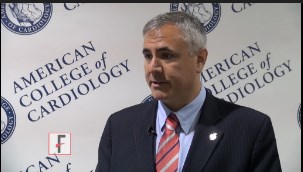
VIDEO: PARTNER 2 results extend TAVR to intermediate-risk patients
CHICAGO – The “groundbreaking” results from the PARTNER 2 trial of transcatheter aortic valve replacement in patients at intermediate risk for death or complications from surgical replacement of a stenotic aortic valve provide substantially increased certainty that the transcatheter approach is at least as good as surgical valve replacement, commented Dr. Roxana Mehran in a video interview at the annual meeting of the American College of Cardiology.
In addition to providing important new data on the equivalence of surgical and transcatheter aortic valve replacement (TAVR) in a new target population--intermediate-risk patients, the findings from the randomized, multicenter PARTNER trial, which enrolled 2,032 patients, may also lead to expansion of the Food and Drug Administration labeling of the balloon-expandable TAVR device used in the study, the Sapien XT, to intermediate-risk patients. This expanded indication may also apply to the newer, smaller and more advanced iteration of this device, the Sapien 3, which has largely replaced the XT in U.S. practice, Dr. Mehran suggested.
Although the results came from the XT TAVR system, “these results have big relevance” to current U.S. practice said Dr. Mehran, professor and director of interventional cardiovascular research at Mount Sinai Hospital in New York.
The primary outcome of the Placement of Aortic Transcatheter Valves (PARTNER) 2 trial showed that all-cause mortality or disabling stroke after 2 years follow-up occurred in 21.2% (695) of the surgery patients and 19.3% (775) of the TAVR patients, meeting the prespecified noninferiority endpoint, with a P value of .001. Full results from the study were published online concurrent with their presentation at the meeting (New Engl J Med 2016;doi:10.1056/NEJMoa1514616).
Dr. Mehran has received consultant fees and honoraria from Abbott Vascular, AstraZeneca, and Bayer.
The video associated with this article is no longer available on this site. Please view all of our videos on the MDedge YouTube channel
On Twitter @mitchelzoler
CHICAGO – The “groundbreaking” results from the PARTNER 2 trial of transcatheter aortic valve replacement in patients at intermediate risk for death or complications from surgical replacement of a stenotic aortic valve provide substantially increased certainty that the transcatheter approach is at least as good as surgical valve replacement, commented Dr. Roxana Mehran in a video interview at the annual meeting of the American College of Cardiology.
In addition to providing important new data on the equivalence of surgical and transcatheter aortic valve replacement (TAVR) in a new target population--intermediate-risk patients, the findings from the randomized, multicenter PARTNER trial, which enrolled 2,032 patients, may also lead to expansion of the Food and Drug Administration labeling of the balloon-expandable TAVR device used in the study, the Sapien XT, to intermediate-risk patients. This expanded indication may also apply to the newer, smaller and more advanced iteration of this device, the Sapien 3, which has largely replaced the XT in U.S. practice, Dr. Mehran suggested.
Although the results came from the XT TAVR system, “these results have big relevance” to current U.S. practice said Dr. Mehran, professor and director of interventional cardiovascular research at Mount Sinai Hospital in New York.
The primary outcome of the Placement of Aortic Transcatheter Valves (PARTNER) 2 trial showed that all-cause mortality or disabling stroke after 2 years follow-up occurred in 21.2% (695) of the surgery patients and 19.3% (775) of the TAVR patients, meeting the prespecified noninferiority endpoint, with a P value of .001. Full results from the study were published online concurrent with their presentation at the meeting (New Engl J Med 2016;doi:10.1056/NEJMoa1514616).
Dr. Mehran has received consultant fees and honoraria from Abbott Vascular, AstraZeneca, and Bayer.
The video associated with this article is no longer available on this site. Please view all of our videos on the MDedge YouTube channel
On Twitter @mitchelzoler
CHICAGO – The “groundbreaking” results from the PARTNER 2 trial of transcatheter aortic valve replacement in patients at intermediate risk for death or complications from surgical replacement of a stenotic aortic valve provide substantially increased certainty that the transcatheter approach is at least as good as surgical valve replacement, commented Dr. Roxana Mehran in a video interview at the annual meeting of the American College of Cardiology.
In addition to providing important new data on the equivalence of surgical and transcatheter aortic valve replacement (TAVR) in a new target population--intermediate-risk patients, the findings from the randomized, multicenter PARTNER trial, which enrolled 2,032 patients, may also lead to expansion of the Food and Drug Administration labeling of the balloon-expandable TAVR device used in the study, the Sapien XT, to intermediate-risk patients. This expanded indication may also apply to the newer, smaller and more advanced iteration of this device, the Sapien 3, which has largely replaced the XT in U.S. practice, Dr. Mehran suggested.
Although the results came from the XT TAVR system, “these results have big relevance” to current U.S. practice said Dr. Mehran, professor and director of interventional cardiovascular research at Mount Sinai Hospital in New York.
The primary outcome of the Placement of Aortic Transcatheter Valves (PARTNER) 2 trial showed that all-cause mortality or disabling stroke after 2 years follow-up occurred in 21.2% (695) of the surgery patients and 19.3% (775) of the TAVR patients, meeting the prespecified noninferiority endpoint, with a P value of .001. Full results from the study were published online concurrent with their presentation at the meeting (New Engl J Med 2016;doi:10.1056/NEJMoa1514616).
Dr. Mehran has received consultant fees and honoraria from Abbott Vascular, AstraZeneca, and Bayer.
The video associated with this article is no longer available on this site. Please view all of our videos on the MDedge YouTube channel
On Twitter @mitchelzoler
AT ACC 16
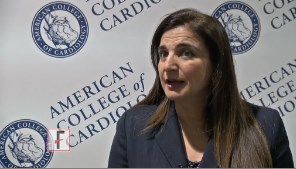
VIDEO: The future of personalized medicine in GI is in the hands of GI physicians
BOSTON – Personalized medicine is being used the most in oncology for diagnosis and it is showing us, for example, that there is not one type of leukemia but about 40, said Mara Aspinall, keynote speaker and executive chairman of GenePeeks. Gastroenterology is just beginning to use personalized medicine by using metabolites of gut microbiota and patient biomarkers to subtype disease and aid treatment. The nature of this kind of medicine is data driven and requires gastroenterologists to work together to accumulate data to analyze on a large scale, said Ms. Aspinall at the AGA Tech Summit, sponsored by the AGA Center for GI Innovation and Technology.
The video associated with this article is no longer available on this site. Please view all of our videos on the MDedge YouTube channel
BOSTON – Personalized medicine is being used the most in oncology for diagnosis and it is showing us, for example, that there is not one type of leukemia but about 40, said Mara Aspinall, keynote speaker and executive chairman of GenePeeks. Gastroenterology is just beginning to use personalized medicine by using metabolites of gut microbiota and patient biomarkers to subtype disease and aid treatment. The nature of this kind of medicine is data driven and requires gastroenterologists to work together to accumulate data to analyze on a large scale, said Ms. Aspinall at the AGA Tech Summit, sponsored by the AGA Center for GI Innovation and Technology.
The video associated with this article is no longer available on this site. Please view all of our videos on the MDedge YouTube channel
BOSTON – Personalized medicine is being used the most in oncology for diagnosis and it is showing us, for example, that there is not one type of leukemia but about 40, said Mara Aspinall, keynote speaker and executive chairman of GenePeeks. Gastroenterology is just beginning to use personalized medicine by using metabolites of gut microbiota and patient biomarkers to subtype disease and aid treatment. The nature of this kind of medicine is data driven and requires gastroenterologists to work together to accumulate data to analyze on a large scale, said Ms. Aspinall at the AGA Tech Summit, sponsored by the AGA Center for GI Innovation and Technology.
The video associated with this article is no longer available on this site. Please view all of our videos on the MDedge YouTube channel
2016 AGA TECH SUMMIT
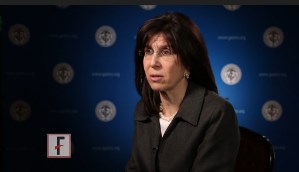
VIDEO: How to make a value proposition for your device
Dr. Thomas Shehab, speaking at the 2016 AGA Tech Summit, which is sponsored by the AGA Center for GI Innovation and Technology, said that if he had one tip to offer a company working on a value proposition for their medical device, it would be to put it in the context of this dramatic time of change in health care. It doesn’t matter what the device is. It has to address changing realities in payment. The AGA Center for GI Innovation and Technology is a unique resource for innovators, he said, because it brings together groups that wouldn’t otherwise meet, like CEOs of startups, doctors, government stakeholders, and business interests such as his venture capital firm Arboretum Ventures.
The video associated with this article is no longer available on this site. Please view all of our videos on the MDedge YouTube channel
Dr. Thomas Shehab, speaking at the 2016 AGA Tech Summit, which is sponsored by the AGA Center for GI Innovation and Technology, said that if he had one tip to offer a company working on a value proposition for their medical device, it would be to put it in the context of this dramatic time of change in health care. It doesn’t matter what the device is. It has to address changing realities in payment. The AGA Center for GI Innovation and Technology is a unique resource for innovators, he said, because it brings together groups that wouldn’t otherwise meet, like CEOs of startups, doctors, government stakeholders, and business interests such as his venture capital firm Arboretum Ventures.
The video associated with this article is no longer available on this site. Please view all of our videos on the MDedge YouTube channel
Dr. Thomas Shehab, speaking at the 2016 AGA Tech Summit, which is sponsored by the AGA Center for GI Innovation and Technology, said that if he had one tip to offer a company working on a value proposition for their medical device, it would be to put it in the context of this dramatic time of change in health care. It doesn’t matter what the device is. It has to address changing realities in payment. The AGA Center for GI Innovation and Technology is a unique resource for innovators, he said, because it brings together groups that wouldn’t otherwise meet, like CEOs of startups, doctors, government stakeholders, and business interests such as his venture capital firm Arboretum Ventures.
The video associated with this article is no longer available on this site. Please view all of our videos on the MDedge YouTube channel
EXPERT ANALYSIS FROM THE AGA 2016 TECH SUMMIT