User login
Time to end direct-to-consumer ads, says physician
One has to be living off the grid to not be bombarded with direct-to-consumer (DTC) pharmaceutical advertising. Since 1997, when the Food and Drug Administration eased restrictions on this prohibition and allowed pharmaceutical companies to promote prescription-only medications to the public, there has been a deluge of ads in magazines, on the Internet, and, most annoying, on commercial television.
These television ads are quite formulaic:
We are initially introduced to a number of highly functioning patients (typically actors) who are engaged in rewarding pursuits. A voiceover narration then presents the pharmaceutical to be promoted, suggesting (not so subtly) to consumers that taking the advertised drug will improve one’s disease outlook or quality of life such that they too, just like the actors in the minidrama, can lead such highly productive lives.
The potential best-case scenarios of these new treatments may be stated. There then follows a litany of side effects – some of them life threatening – warnings, and contraindications. We’re again treated to another 5 or 10 seconds of patients leading “the good life,” and almost all of the ads end with the narrator concluding: “Ask your doctor (sometimes ‘provider’) if _____ is right for you.”
Americans spend more money on their prescriptions than do citizens of any other highly developed nation. I have personally heard from patients who get their prescriptions from other countries, where they are more affordable. These patients will also cut their pills in half or take a medication every other day instead of every day, to economize on drug costs.
Another “trick” they use to save money – and I have heard pharmacists and pharmaceutical reps themselves recommend this – is to ask for a higher dose of a medication, usually double, and then use a pill cutter to divide a tablet in half, thus making their prescription last twice as long. Why do Americans have to resort to such “workarounds”?
Many of the medications advertised are for relatively rare conditions, such as thyroid eye disease or myasthenia gravis (which affects up to about 60,000 patients in the United States). Why not spend these advertising dollars on programs to make drugs taken by the millions of Americans with common conditions (for example, hypertension, diabetes, heart failure) more affordable?
Very often the television ads contain medical jargon, such as: “If you have the EGFR mutation, or if your cancer is HER2 negative ...”
Do most patients truly understand what these terms mean? And what happens when a patient’s physician doesn’t prescribe a medication that a patient has seen on TV and asks for, or when the physician believes that a generic (nonadvertised) medication might work just as well? This creates conflict and potential discord, adversely affecting the doctor-patient relationship.
An oncologist colleague related to me that he often has to spend time correcting patients’ misperceptions of potential miracle cures offered by these ads, and that several patients have left his practice because he would not prescribe a drug they saw advertised.
Further, while these ads urge patients to try expensive “newest and latest” treatments, pharmacy benefit plans are working with health care insurance conglomerates to reduce costs of pharmaceuticals.
How does this juxtaposition of opposing forces make any sense?
It is time for us to put an end to DTC advertising, at least on television. It will require legislative action by our federal government to end this practice (legal, by the way, only in the United States and New Zealand), and hence the willingness of our politicians to get behind legislation to do so.
Just as a law was passed to prohibit tobacco advertising on television, so should a law be passed to regulate DTC pharmaceutical advertising.
The time to end DTC advertising has come!
Lloyd Alterman, MD, is a retired physician and chairman of the New Jersey Universal Healthcare Coalition. He disclosed having no relevant financial relationships.
A version of this article first appeared on Medscape.com.
One has to be living off the grid to not be bombarded with direct-to-consumer (DTC) pharmaceutical advertising. Since 1997, when the Food and Drug Administration eased restrictions on this prohibition and allowed pharmaceutical companies to promote prescription-only medications to the public, there has been a deluge of ads in magazines, on the Internet, and, most annoying, on commercial television.
These television ads are quite formulaic:
We are initially introduced to a number of highly functioning patients (typically actors) who are engaged in rewarding pursuits. A voiceover narration then presents the pharmaceutical to be promoted, suggesting (not so subtly) to consumers that taking the advertised drug will improve one’s disease outlook or quality of life such that they too, just like the actors in the minidrama, can lead such highly productive lives.
The potential best-case scenarios of these new treatments may be stated. There then follows a litany of side effects – some of them life threatening – warnings, and contraindications. We’re again treated to another 5 or 10 seconds of patients leading “the good life,” and almost all of the ads end with the narrator concluding: “Ask your doctor (sometimes ‘provider’) if _____ is right for you.”
Americans spend more money on their prescriptions than do citizens of any other highly developed nation. I have personally heard from patients who get their prescriptions from other countries, where they are more affordable. These patients will also cut their pills in half or take a medication every other day instead of every day, to economize on drug costs.
Another “trick” they use to save money – and I have heard pharmacists and pharmaceutical reps themselves recommend this – is to ask for a higher dose of a medication, usually double, and then use a pill cutter to divide a tablet in half, thus making their prescription last twice as long. Why do Americans have to resort to such “workarounds”?
Many of the medications advertised are for relatively rare conditions, such as thyroid eye disease or myasthenia gravis (which affects up to about 60,000 patients in the United States). Why not spend these advertising dollars on programs to make drugs taken by the millions of Americans with common conditions (for example, hypertension, diabetes, heart failure) more affordable?
Very often the television ads contain medical jargon, such as: “If you have the EGFR mutation, or if your cancer is HER2 negative ...”
Do most patients truly understand what these terms mean? And what happens when a patient’s physician doesn’t prescribe a medication that a patient has seen on TV and asks for, or when the physician believes that a generic (nonadvertised) medication might work just as well? This creates conflict and potential discord, adversely affecting the doctor-patient relationship.
An oncologist colleague related to me that he often has to spend time correcting patients’ misperceptions of potential miracle cures offered by these ads, and that several patients have left his practice because he would not prescribe a drug they saw advertised.
Further, while these ads urge patients to try expensive “newest and latest” treatments, pharmacy benefit plans are working with health care insurance conglomerates to reduce costs of pharmaceuticals.
How does this juxtaposition of opposing forces make any sense?
It is time for us to put an end to DTC advertising, at least on television. It will require legislative action by our federal government to end this practice (legal, by the way, only in the United States and New Zealand), and hence the willingness of our politicians to get behind legislation to do so.
Just as a law was passed to prohibit tobacco advertising on television, so should a law be passed to regulate DTC pharmaceutical advertising.
The time to end DTC advertising has come!
Lloyd Alterman, MD, is a retired physician and chairman of the New Jersey Universal Healthcare Coalition. He disclosed having no relevant financial relationships.
A version of this article first appeared on Medscape.com.
One has to be living off the grid to not be bombarded with direct-to-consumer (DTC) pharmaceutical advertising. Since 1997, when the Food and Drug Administration eased restrictions on this prohibition and allowed pharmaceutical companies to promote prescription-only medications to the public, there has been a deluge of ads in magazines, on the Internet, and, most annoying, on commercial television.
These television ads are quite formulaic:
We are initially introduced to a number of highly functioning patients (typically actors) who are engaged in rewarding pursuits. A voiceover narration then presents the pharmaceutical to be promoted, suggesting (not so subtly) to consumers that taking the advertised drug will improve one’s disease outlook or quality of life such that they too, just like the actors in the minidrama, can lead such highly productive lives.
The potential best-case scenarios of these new treatments may be stated. There then follows a litany of side effects – some of them life threatening – warnings, and contraindications. We’re again treated to another 5 or 10 seconds of patients leading “the good life,” and almost all of the ads end with the narrator concluding: “Ask your doctor (sometimes ‘provider’) if _____ is right for you.”
Americans spend more money on their prescriptions than do citizens of any other highly developed nation. I have personally heard from patients who get their prescriptions from other countries, where they are more affordable. These patients will also cut their pills in half or take a medication every other day instead of every day, to economize on drug costs.
Another “trick” they use to save money – and I have heard pharmacists and pharmaceutical reps themselves recommend this – is to ask for a higher dose of a medication, usually double, and then use a pill cutter to divide a tablet in half, thus making their prescription last twice as long. Why do Americans have to resort to such “workarounds”?
Many of the medications advertised are for relatively rare conditions, such as thyroid eye disease or myasthenia gravis (which affects up to about 60,000 patients in the United States). Why not spend these advertising dollars on programs to make drugs taken by the millions of Americans with common conditions (for example, hypertension, diabetes, heart failure) more affordable?
Very often the television ads contain medical jargon, such as: “If you have the EGFR mutation, or if your cancer is HER2 negative ...”
Do most patients truly understand what these terms mean? And what happens when a patient’s physician doesn’t prescribe a medication that a patient has seen on TV and asks for, or when the physician believes that a generic (nonadvertised) medication might work just as well? This creates conflict and potential discord, adversely affecting the doctor-patient relationship.
An oncologist colleague related to me that he often has to spend time correcting patients’ misperceptions of potential miracle cures offered by these ads, and that several patients have left his practice because he would not prescribe a drug they saw advertised.
Further, while these ads urge patients to try expensive “newest and latest” treatments, pharmacy benefit plans are working with health care insurance conglomerates to reduce costs of pharmaceuticals.
How does this juxtaposition of opposing forces make any sense?
It is time for us to put an end to DTC advertising, at least on television. It will require legislative action by our federal government to end this practice (legal, by the way, only in the United States and New Zealand), and hence the willingness of our politicians to get behind legislation to do so.
Just as a law was passed to prohibit tobacco advertising on television, so should a law be passed to regulate DTC pharmaceutical advertising.
The time to end DTC advertising has come!
Lloyd Alterman, MD, is a retired physician and chairman of the New Jersey Universal Healthcare Coalition. He disclosed having no relevant financial relationships.
A version of this article first appeared on Medscape.com.
25 years of Viagra: A huge change in attitudes about ED
This transcript has been edited for clarity.
Incredibly, 25 years ago, Bob Dole, a senator from Kansas at the time and former presidential candidate, went on national television in a commercial and discussed the fact that he was sexually impotent. You might be thinking, “What was happening then? Was this an early Jerry Springer experience or reality TV gone haywire?” No. Viagra was approved as a treatment 25 years ago this year.
Bob Dole was recruited by Pfizer, the manufacturer of Viagra, to do commercials in which he discussed his sexual dysfunction. He was recruited for a very specific set of reasons. First, he was a distinguished, prominent, respected national figure. Second, he was conservative.
For those of you who don’t remember, when 25 years ago Viagra first appeared, Pfizer was terrified that they would get attacked for promoting promiscuity by introducing a sex pill onto the market. Bob Dole was basically saying, “I have a medical problem. It’s tough to talk about, but there is a treatment. I’m going to discuss the fact that I, among many other men, could use this to help that problem.”
He was used in a way to deflect conservative or religious critics worried about the promotion of sex outside of marriage. Bob Dole was also well known to be married to Elizabeth Dole. This wasn’t somebody who was out on the dating market. Bob Dole was a family man, and his selection was no accident. For all these reasons, Bob Dole was the first spokesperson for Viagra.
Now, as it happens, I had a role to play with this drug. Pfizer called me up and asked me to come and do a consult with them about the ethics of this brand-new treatment. I had never been asked by a drug company to do anything like this. I didn’t know what I was doing. I thought about it and said: “I’ll do it if you let me sit in on discussions and meetings at your New York headquarters about this drug. I want open access.”
I assume they gave me open access. I went to many meetings before the Food and Drug Administration approved Viagra, and many discussions took place about how to roll it out. Once I got there, the one thing I insisted upon was that they had to be treating a disease. If they didn’t want to get involved in criticisms about this new miracle solution to the age-old problem of sexual dysfunction, impotence wouldn’t do. It wasn’t a medical diagnosis, and it was kind of a very undefined situation.
Erectile dysfunction was the answer. They met with urologists, sex experts, and individuals within the company and came up with the idea that if you were unable to have an erection after trying for 6 months or more, you suffered from erectile dysfunction, and that was the group for whom they should market Viagra. I fully agreed with that.
What happened was that probably hundreds of millions of men worldwide came forward for the first time and said, “I’m ashamed and guilty. I feel stigmatized. Now, with something that might help me, I’m going to say to my doctor, I have this problem.”
It’s a very important lesson because 25 years later, it’s still difficult for people – men and women – to discuss sexual problems, sexual dysfunction, and unhappiness with their sex life. I know we’ve gotten better at asking about this, but it’s still difficult for patients to go into it, bring it up, and talk about it. It’s something that we have to think hard about how we bring forward, honest, frank conversation and make people comfortable so they can tell us.
One thing that Viagra proved to the world is that not only is there a large amount of sexual dysfunction – some numbers as high as 35% of men over age 65 – but that sexual dysfunction is related to diseases. It’s caused by hypertension, hardening of the arteries, and diabetes. It may be caused by psychological anxiety or even just a poor relationship where things are falling apart.
I think it’s important that, when Viagra first appeared, what Pfizer tried to do and with the marketing oriented around it was treating it as a disease, trying to treat erectile dysfunction as a symptom, and then trying to explore the underlying possible causes for that symptom.
Sadly, if we look today, we have come a long way – and not always a good way – from where Viagra started. Viagra is easily available online. Many companies say, just get online and a doctor will talk with you about a prescription. They do, but they don’t explore the underlying causes anymore online of what might be causing the erectile dysfunction. They certainly may have a checkbox and ask somebody about this or that, but I’ve gone and tested the sites, and you can get a prescription in about 30 seconds.
It’s not really gone with the old medical model that accompanied the appearance of Viagra. We now treat it as a recreational drug or an aphrodisiac, none of which is true. If your body is working properly, blood will flow where it’s going to go. Taking Viagra or any of the other treatments will not help improve that or enhance that.
The other problem I see today with where we are with these impotence and erectile dysfunction drugs is that we still have not developed a full array of interventions for women. It’s true that men have Viagra, and it’s true that that’s often reimbursed. We still have women complaining that they have sexual dysfunction or loss of interest or whatever the problem might be, and we haven’t been able to develop drugs that will help them.
Since Viagra’s approval 25 years ago until the patent ran out in 2019, $40 billion worth of the drug has been sold. Its advertising has shifted so that
Doctors always need to be thinking about exploring that and trying to get a vision or a view of the health of their patients. It’s still hard for many people to speak up and say if they’re having problems in bed, and we want to make sure that we try our best to make that happen.
Overall, I think the approval of Viagra 25 years ago was a very good thing. It brought a terrible problem out into the open. It helped enhance the quality of life for many men. Despite where we are today, I think the introduction of that pill was actually a major achievement in pharmacology.
Dr. Kaplan is director, division of medical ethics, New York University Langone Medical Center, New York. He reported conflicts of interest with Johnson & Johnson, Medscape, and Pfizer.
A version of this article first appeared on Medscape.com.
This transcript has been edited for clarity.
Incredibly, 25 years ago, Bob Dole, a senator from Kansas at the time and former presidential candidate, went on national television in a commercial and discussed the fact that he was sexually impotent. You might be thinking, “What was happening then? Was this an early Jerry Springer experience or reality TV gone haywire?” No. Viagra was approved as a treatment 25 years ago this year.
Bob Dole was recruited by Pfizer, the manufacturer of Viagra, to do commercials in which he discussed his sexual dysfunction. He was recruited for a very specific set of reasons. First, he was a distinguished, prominent, respected national figure. Second, he was conservative.
For those of you who don’t remember, when 25 years ago Viagra first appeared, Pfizer was terrified that they would get attacked for promoting promiscuity by introducing a sex pill onto the market. Bob Dole was basically saying, “I have a medical problem. It’s tough to talk about, but there is a treatment. I’m going to discuss the fact that I, among many other men, could use this to help that problem.”
He was used in a way to deflect conservative or religious critics worried about the promotion of sex outside of marriage. Bob Dole was also well known to be married to Elizabeth Dole. This wasn’t somebody who was out on the dating market. Bob Dole was a family man, and his selection was no accident. For all these reasons, Bob Dole was the first spokesperson for Viagra.
Now, as it happens, I had a role to play with this drug. Pfizer called me up and asked me to come and do a consult with them about the ethics of this brand-new treatment. I had never been asked by a drug company to do anything like this. I didn’t know what I was doing. I thought about it and said: “I’ll do it if you let me sit in on discussions and meetings at your New York headquarters about this drug. I want open access.”
I assume they gave me open access. I went to many meetings before the Food and Drug Administration approved Viagra, and many discussions took place about how to roll it out. Once I got there, the one thing I insisted upon was that they had to be treating a disease. If they didn’t want to get involved in criticisms about this new miracle solution to the age-old problem of sexual dysfunction, impotence wouldn’t do. It wasn’t a medical diagnosis, and it was kind of a very undefined situation.
Erectile dysfunction was the answer. They met with urologists, sex experts, and individuals within the company and came up with the idea that if you were unable to have an erection after trying for 6 months or more, you suffered from erectile dysfunction, and that was the group for whom they should market Viagra. I fully agreed with that.
What happened was that probably hundreds of millions of men worldwide came forward for the first time and said, “I’m ashamed and guilty. I feel stigmatized. Now, with something that might help me, I’m going to say to my doctor, I have this problem.”
It’s a very important lesson because 25 years later, it’s still difficult for people – men and women – to discuss sexual problems, sexual dysfunction, and unhappiness with their sex life. I know we’ve gotten better at asking about this, but it’s still difficult for patients to go into it, bring it up, and talk about it. It’s something that we have to think hard about how we bring forward, honest, frank conversation and make people comfortable so they can tell us.
One thing that Viagra proved to the world is that not only is there a large amount of sexual dysfunction – some numbers as high as 35% of men over age 65 – but that sexual dysfunction is related to diseases. It’s caused by hypertension, hardening of the arteries, and diabetes. It may be caused by psychological anxiety or even just a poor relationship where things are falling apart.
I think it’s important that, when Viagra first appeared, what Pfizer tried to do and with the marketing oriented around it was treating it as a disease, trying to treat erectile dysfunction as a symptom, and then trying to explore the underlying possible causes for that symptom.
Sadly, if we look today, we have come a long way – and not always a good way – from where Viagra started. Viagra is easily available online. Many companies say, just get online and a doctor will talk with you about a prescription. They do, but they don’t explore the underlying causes anymore online of what might be causing the erectile dysfunction. They certainly may have a checkbox and ask somebody about this or that, but I’ve gone and tested the sites, and you can get a prescription in about 30 seconds.
It’s not really gone with the old medical model that accompanied the appearance of Viagra. We now treat it as a recreational drug or an aphrodisiac, none of which is true. If your body is working properly, blood will flow where it’s going to go. Taking Viagra or any of the other treatments will not help improve that or enhance that.
The other problem I see today with where we are with these impotence and erectile dysfunction drugs is that we still have not developed a full array of interventions for women. It’s true that men have Viagra, and it’s true that that’s often reimbursed. We still have women complaining that they have sexual dysfunction or loss of interest or whatever the problem might be, and we haven’t been able to develop drugs that will help them.
Since Viagra’s approval 25 years ago until the patent ran out in 2019, $40 billion worth of the drug has been sold. Its advertising has shifted so that
Doctors always need to be thinking about exploring that and trying to get a vision or a view of the health of their patients. It’s still hard for many people to speak up and say if they’re having problems in bed, and we want to make sure that we try our best to make that happen.
Overall, I think the approval of Viagra 25 years ago was a very good thing. It brought a terrible problem out into the open. It helped enhance the quality of life for many men. Despite where we are today, I think the introduction of that pill was actually a major achievement in pharmacology.
Dr. Kaplan is director, division of medical ethics, New York University Langone Medical Center, New York. He reported conflicts of interest with Johnson & Johnson, Medscape, and Pfizer.
A version of this article first appeared on Medscape.com.
This transcript has been edited for clarity.
Incredibly, 25 years ago, Bob Dole, a senator from Kansas at the time and former presidential candidate, went on national television in a commercial and discussed the fact that he was sexually impotent. You might be thinking, “What was happening then? Was this an early Jerry Springer experience or reality TV gone haywire?” No. Viagra was approved as a treatment 25 years ago this year.
Bob Dole was recruited by Pfizer, the manufacturer of Viagra, to do commercials in which he discussed his sexual dysfunction. He was recruited for a very specific set of reasons. First, he was a distinguished, prominent, respected national figure. Second, he was conservative.
For those of you who don’t remember, when 25 years ago Viagra first appeared, Pfizer was terrified that they would get attacked for promoting promiscuity by introducing a sex pill onto the market. Bob Dole was basically saying, “I have a medical problem. It’s tough to talk about, but there is a treatment. I’m going to discuss the fact that I, among many other men, could use this to help that problem.”
He was used in a way to deflect conservative or religious critics worried about the promotion of sex outside of marriage. Bob Dole was also well known to be married to Elizabeth Dole. This wasn’t somebody who was out on the dating market. Bob Dole was a family man, and his selection was no accident. For all these reasons, Bob Dole was the first spokesperson for Viagra.
Now, as it happens, I had a role to play with this drug. Pfizer called me up and asked me to come and do a consult with them about the ethics of this brand-new treatment. I had never been asked by a drug company to do anything like this. I didn’t know what I was doing. I thought about it and said: “I’ll do it if you let me sit in on discussions and meetings at your New York headquarters about this drug. I want open access.”
I assume they gave me open access. I went to many meetings before the Food and Drug Administration approved Viagra, and many discussions took place about how to roll it out. Once I got there, the one thing I insisted upon was that they had to be treating a disease. If they didn’t want to get involved in criticisms about this new miracle solution to the age-old problem of sexual dysfunction, impotence wouldn’t do. It wasn’t a medical diagnosis, and it was kind of a very undefined situation.
Erectile dysfunction was the answer. They met with urologists, sex experts, and individuals within the company and came up with the idea that if you were unable to have an erection after trying for 6 months or more, you suffered from erectile dysfunction, and that was the group for whom they should market Viagra. I fully agreed with that.
What happened was that probably hundreds of millions of men worldwide came forward for the first time and said, “I’m ashamed and guilty. I feel stigmatized. Now, with something that might help me, I’m going to say to my doctor, I have this problem.”
It’s a very important lesson because 25 years later, it’s still difficult for people – men and women – to discuss sexual problems, sexual dysfunction, and unhappiness with their sex life. I know we’ve gotten better at asking about this, but it’s still difficult for patients to go into it, bring it up, and talk about it. It’s something that we have to think hard about how we bring forward, honest, frank conversation and make people comfortable so they can tell us.
One thing that Viagra proved to the world is that not only is there a large amount of sexual dysfunction – some numbers as high as 35% of men over age 65 – but that sexual dysfunction is related to diseases. It’s caused by hypertension, hardening of the arteries, and diabetes. It may be caused by psychological anxiety or even just a poor relationship where things are falling apart.
I think it’s important that, when Viagra first appeared, what Pfizer tried to do and with the marketing oriented around it was treating it as a disease, trying to treat erectile dysfunction as a symptom, and then trying to explore the underlying possible causes for that symptom.
Sadly, if we look today, we have come a long way – and not always a good way – from where Viagra started. Viagra is easily available online. Many companies say, just get online and a doctor will talk with you about a prescription. They do, but they don’t explore the underlying causes anymore online of what might be causing the erectile dysfunction. They certainly may have a checkbox and ask somebody about this or that, but I’ve gone and tested the sites, and you can get a prescription in about 30 seconds.
It’s not really gone with the old medical model that accompanied the appearance of Viagra. We now treat it as a recreational drug or an aphrodisiac, none of which is true. If your body is working properly, blood will flow where it’s going to go. Taking Viagra or any of the other treatments will not help improve that or enhance that.
The other problem I see today with where we are with these impotence and erectile dysfunction drugs is that we still have not developed a full array of interventions for women. It’s true that men have Viagra, and it’s true that that’s often reimbursed. We still have women complaining that they have sexual dysfunction or loss of interest or whatever the problem might be, and we haven’t been able to develop drugs that will help them.
Since Viagra’s approval 25 years ago until the patent ran out in 2019, $40 billion worth of the drug has been sold. Its advertising has shifted so that
Doctors always need to be thinking about exploring that and trying to get a vision or a view of the health of their patients. It’s still hard for many people to speak up and say if they’re having problems in bed, and we want to make sure that we try our best to make that happen.
Overall, I think the approval of Viagra 25 years ago was a very good thing. It brought a terrible problem out into the open. It helped enhance the quality of life for many men. Despite where we are today, I think the introduction of that pill was actually a major achievement in pharmacology.
Dr. Kaplan is director, division of medical ethics, New York University Langone Medical Center, New York. He reported conflicts of interest with Johnson & Johnson, Medscape, and Pfizer.
A version of this article first appeared on Medscape.com.
Goodbye, finger sticks; hello, CGMs
Nearly 90% of diabetes management in the United States is provided by primary care clinicians; diabetes is the fifth most common reason for a primary care visit. State-of-the-art technology such as continuous glucose monitors (CGMs) will inevitably transform the management of diabetes in primary care. Clinicians and staff must be ready to educate, counsel, and support primary care patients in the use of CGMs.
CGMs (also called glucose sensors) are small, minimally invasive devices that attach to the skin of the upper arm or trunk. A tiny electrode in the subcutaneous space prompts an enzyme reaction that measures the interstitial (rather than blood) glucose concentration, typically every 5 minutes. The results are displayed on an accompanying reader or transmitted to an app on the user’s mobile phone.
CGMs could eliminate the need for finger-stick blood glucose testing, which until now, has been the much-despised gold standard for self-monitoring of glucose levels in diabetes. Despite being relatively inexpensive and accurate, finger-stick glucose tests are inconvenient and often painful. But of greater significance is this downside: Finger-stick monitoring reveals the patient’s blood glucose concentration at a single point in time, which can be difficult to interpret. Is the blood glucose rising or falling? Multiple finger-stick tests are required to determine the trend of a patient’s glucose levels or the response to food or exercise.
In contrast, the graphic display from a CGM sensor is more like a movie, telling a story as it unfolds. Uninterrupted data provide valuable feedback to patients about the effects of diet, physical activity, stress, or pain on their glucose levels. And for the first time, it’s easy to determine the proportion of time the patient spends in or out of the target glucose range.
Incorporating new technology into your practice may seem like a burden, but the reward is better information that leads to better management of diabetes. If you’re new to glucose sensors, many excellent resources are available to learn how to use them.
I recommend starting with a website called diabeteswise.org, which has both a patient-facing and clinician-facing version. This unbranded site serves as a kind of Consumer Reports for diabetes technology, allowing both patients and professionals to compare and contrast currently available CGM devices.
DiabetesWisePro has information ranging from CGM device fundamentals and best practices to CGM prescribing and reimbursement.
Clinical Diabetes also provides multiple tools to help incorporate these devices into primary care clinical practice, including:
• Continuous Glucose Monitoring: Optimizing Diabetes Care (CME course).
• Diabetes Technology in Primary Care.
The next article in this series will cover two types of CGMs used in primary care: professional and personal devices.
Dr. Shubrook is a professor in the department of primary care, Touro University California College of Osteopathic Medicine, Vallejo, Calif., and director of diabetes services, Solano County Family Health Services, Fairfield, Calif. He disclosed ties with Abbott, Astra Zeneca, Bayer, Nevro, and Novo Nordisk.
A version of this article first appeared on Medscape.com.
Nearly 90% of diabetes management in the United States is provided by primary care clinicians; diabetes is the fifth most common reason for a primary care visit. State-of-the-art technology such as continuous glucose monitors (CGMs) will inevitably transform the management of diabetes in primary care. Clinicians and staff must be ready to educate, counsel, and support primary care patients in the use of CGMs.
CGMs (also called glucose sensors) are small, minimally invasive devices that attach to the skin of the upper arm or trunk. A tiny electrode in the subcutaneous space prompts an enzyme reaction that measures the interstitial (rather than blood) glucose concentration, typically every 5 minutes. The results are displayed on an accompanying reader or transmitted to an app on the user’s mobile phone.
CGMs could eliminate the need for finger-stick blood glucose testing, which until now, has been the much-despised gold standard for self-monitoring of glucose levels in diabetes. Despite being relatively inexpensive and accurate, finger-stick glucose tests are inconvenient and often painful. But of greater significance is this downside: Finger-stick monitoring reveals the patient’s blood glucose concentration at a single point in time, which can be difficult to interpret. Is the blood glucose rising or falling? Multiple finger-stick tests are required to determine the trend of a patient’s glucose levels or the response to food or exercise.
In contrast, the graphic display from a CGM sensor is more like a movie, telling a story as it unfolds. Uninterrupted data provide valuable feedback to patients about the effects of diet, physical activity, stress, or pain on their glucose levels. And for the first time, it’s easy to determine the proportion of time the patient spends in or out of the target glucose range.
Incorporating new technology into your practice may seem like a burden, but the reward is better information that leads to better management of diabetes. If you’re new to glucose sensors, many excellent resources are available to learn how to use them.
I recommend starting with a website called diabeteswise.org, which has both a patient-facing and clinician-facing version. This unbranded site serves as a kind of Consumer Reports for diabetes technology, allowing both patients and professionals to compare and contrast currently available CGM devices.
DiabetesWisePro has information ranging from CGM device fundamentals and best practices to CGM prescribing and reimbursement.
Clinical Diabetes also provides multiple tools to help incorporate these devices into primary care clinical practice, including:
• Continuous Glucose Monitoring: Optimizing Diabetes Care (CME course).
• Diabetes Technology in Primary Care.
The next article in this series will cover two types of CGMs used in primary care: professional and personal devices.
Dr. Shubrook is a professor in the department of primary care, Touro University California College of Osteopathic Medicine, Vallejo, Calif., and director of diabetes services, Solano County Family Health Services, Fairfield, Calif. He disclosed ties with Abbott, Astra Zeneca, Bayer, Nevro, and Novo Nordisk.
A version of this article first appeared on Medscape.com.
Nearly 90% of diabetes management in the United States is provided by primary care clinicians; diabetes is the fifth most common reason for a primary care visit. State-of-the-art technology such as continuous glucose monitors (CGMs) will inevitably transform the management of diabetes in primary care. Clinicians and staff must be ready to educate, counsel, and support primary care patients in the use of CGMs.
CGMs (also called glucose sensors) are small, minimally invasive devices that attach to the skin of the upper arm or trunk. A tiny electrode in the subcutaneous space prompts an enzyme reaction that measures the interstitial (rather than blood) glucose concentration, typically every 5 minutes. The results are displayed on an accompanying reader or transmitted to an app on the user’s mobile phone.
CGMs could eliminate the need for finger-stick blood glucose testing, which until now, has been the much-despised gold standard for self-monitoring of glucose levels in diabetes. Despite being relatively inexpensive and accurate, finger-stick glucose tests are inconvenient and often painful. But of greater significance is this downside: Finger-stick monitoring reveals the patient’s blood glucose concentration at a single point in time, which can be difficult to interpret. Is the blood glucose rising or falling? Multiple finger-stick tests are required to determine the trend of a patient’s glucose levels or the response to food or exercise.
In contrast, the graphic display from a CGM sensor is more like a movie, telling a story as it unfolds. Uninterrupted data provide valuable feedback to patients about the effects of diet, physical activity, stress, or pain on their glucose levels. And for the first time, it’s easy to determine the proportion of time the patient spends in or out of the target glucose range.
Incorporating new technology into your practice may seem like a burden, but the reward is better information that leads to better management of diabetes. If you’re new to glucose sensors, many excellent resources are available to learn how to use them.
I recommend starting with a website called diabeteswise.org, which has both a patient-facing and clinician-facing version. This unbranded site serves as a kind of Consumer Reports for diabetes technology, allowing both patients and professionals to compare and contrast currently available CGM devices.
DiabetesWisePro has information ranging from CGM device fundamentals and best practices to CGM prescribing and reimbursement.
Clinical Diabetes also provides multiple tools to help incorporate these devices into primary care clinical practice, including:
• Continuous Glucose Monitoring: Optimizing Diabetes Care (CME course).
• Diabetes Technology in Primary Care.
The next article in this series will cover two types of CGMs used in primary care: professional and personal devices.
Dr. Shubrook is a professor in the department of primary care, Touro University California College of Osteopathic Medicine, Vallejo, Calif., and director of diabetes services, Solano County Family Health Services, Fairfield, Calif. He disclosed ties with Abbott, Astra Zeneca, Bayer, Nevro, and Novo Nordisk.
A version of this article first appeared on Medscape.com.
The sacred office space
Church architecture describes visually the idea of the sacred, which is a fundamental need of man.
– Mario Botta, Swiss architect
My parents are visiting the Holy See today – prima volta in Italia! My mom waited years for this. She isn’t meeting the Pope or attending Mass. Yet, in the Whatsapp pics they sent me, you can see tears well up as she experiences St. Peter’s Basilica. It’s a visceral response to what is just a building and a poignant example of the significance of spaces.
More than just appreciating an edifice’s grandeur or exquisiteness, we are wired to connect with spaces emotionally. Beautiful or significant buildings move us, they make us feel something. Churches, synagogues, or mosques are good examples. They combine spiritual and aesthetic allure. But so too do gorgeous hotels, Apple stores, and posh restaurants. We crave the richness of an environment experienced through our five senses. The glory of sunlight through stained glass, the smell of luxurious scent pumped into a lobby, the weight of a silky new iPhone in your hand. We also have a sixth sense, that feeling we get from knowing that we are standing in a sacred place. A physical space that connects us with something wider and deeper than ourselves.

Virtual may be the peak of convenience, but in-real-life is the pinnacle of experience. Patients will be inconvenienced and pay higher costs to experience their appointment in person. This should not be surprising. Contemplate this: Every year, millions of people will travel across the globe to stand before a wall or walk seven times around a stone building. And millions everyday will perambulate around an Apple Store, willingly paying a higher price for the same product they can buy for less elsewhere. The willingness to pay for certain experiences is remarkably high.
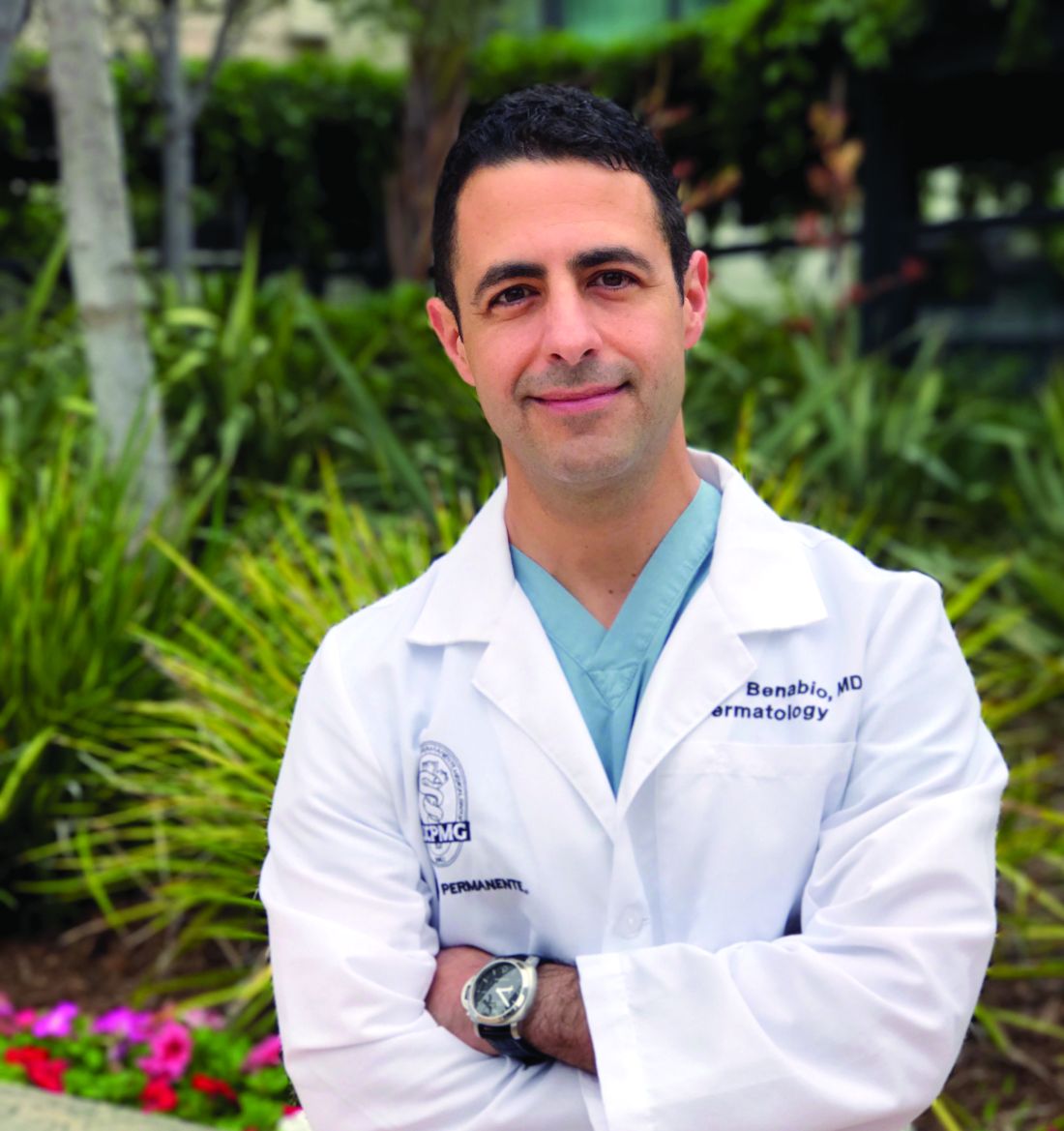
Every day when I cover patient messages, I offer some patients an immediate, free solution to their problem. Just today I exchanged emails with a patient thinking I had addressed her concern by reassuring her that it was a benign seborrheic keratosis. Done. She then replied, “Thanks so much, Dr. Benabio! I still would like to schedule an appointment to come in person.” So much for the efficiency of digital medicine.
Before dismissing these patients as Luddites, understand what they want is the doctor’s office experience. The sights, the smells, the sacredness of what happens here. It is no coincidence that the first clinics were temples. In ancient Greece and Rome, the sick and the gashed made pilgrimages to one of at least 300 Asclepieia, temples of healing. During the medieval period, monasteries doubled as housing for the sick until the church began constructing stand-alone hospitals, often in cross-shaped design with an altar in the middle (eventually that became the nurses station, but without the wine).
Patients entrust us with their lives and their loved ones’ lives and a visit takes on far more significance than a simple service transaction. Forty years on, I can recall visits to Dr. Bellin’s office. He saw pediatric patients out of his Victorian home office with broad, creaky hardwood floors, stained glass, and cast iron radiators. The scent of isopropyl soaked cotton balls and typewriter ink is unforgettable. Far from sterile, it was warm, safe. It was a sacred place, one for which we still sometimes drive by when doing the tour of where I grew up.
We shall forge ahead and continue to offer virtual channels to serve our patients just as any service industry. But don’t force them there. At the same time Starbucks has been building its digital app, it is also building Starbucks Reserve Roasteries. Immense cathedral edifices with warm woods and luxurious brass, the smell of roasting coffee and warm leather perfuming the air. It is where patrons will travel long distances and endure long waits to pay a lot more for a cup of coffee.
Dr. Benabio is director of Healthcare Transformation and chief of dermatology at Kaiser Permanente San Diego. The opinions expressed in this column are his own and do not represent those of Kaiser Permanente. Dr. Benabio is @Dermdoc on Twitter. Write to him at [email protected].
Church architecture describes visually the idea of the sacred, which is a fundamental need of man.
– Mario Botta, Swiss architect
My parents are visiting the Holy See today – prima volta in Italia! My mom waited years for this. She isn’t meeting the Pope or attending Mass. Yet, in the Whatsapp pics they sent me, you can see tears well up as she experiences St. Peter’s Basilica. It’s a visceral response to what is just a building and a poignant example of the significance of spaces.
More than just appreciating an edifice’s grandeur or exquisiteness, we are wired to connect with spaces emotionally. Beautiful or significant buildings move us, they make us feel something. Churches, synagogues, or mosques are good examples. They combine spiritual and aesthetic allure. But so too do gorgeous hotels, Apple stores, and posh restaurants. We crave the richness of an environment experienced through our five senses. The glory of sunlight through stained glass, the smell of luxurious scent pumped into a lobby, the weight of a silky new iPhone in your hand. We also have a sixth sense, that feeling we get from knowing that we are standing in a sacred place. A physical space that connects us with something wider and deeper than ourselves.
Virtual may be the peak of convenience, but in-real-life is the pinnacle of experience. Patients will be inconvenienced and pay higher costs to experience their appointment in person. This should not be surprising. Contemplate this: Every year, millions of people will travel across the globe to stand before a wall or walk seven times around a stone building. And millions everyday will perambulate around an Apple Store, willingly paying a higher price for the same product they can buy for less elsewhere. The willingness to pay for certain experiences is remarkably high.
Every day when I cover patient messages, I offer some patients an immediate, free solution to their problem. Just today I exchanged emails with a patient thinking I had addressed her concern by reassuring her that it was a benign seborrheic keratosis. Done. She then replied, “Thanks so much, Dr. Benabio! I still would like to schedule an appointment to come in person.” So much for the efficiency of digital medicine.
Before dismissing these patients as Luddites, understand what they want is the doctor’s office experience. The sights, the smells, the sacredness of what happens here. It is no coincidence that the first clinics were temples. In ancient Greece and Rome, the sick and the gashed made pilgrimages to one of at least 300 Asclepieia, temples of healing. During the medieval period, monasteries doubled as housing for the sick until the church began constructing stand-alone hospitals, often in cross-shaped design with an altar in the middle (eventually that became the nurses station, but without the wine).
Patients entrust us with their lives and their loved ones’ lives and a visit takes on far more significance than a simple service transaction. Forty years on, I can recall visits to Dr. Bellin’s office. He saw pediatric patients out of his Victorian home office with broad, creaky hardwood floors, stained glass, and cast iron radiators. The scent of isopropyl soaked cotton balls and typewriter ink is unforgettable. Far from sterile, it was warm, safe. It was a sacred place, one for which we still sometimes drive by when doing the tour of where I grew up.
We shall forge ahead and continue to offer virtual channels to serve our patients just as any service industry. But don’t force them there. At the same time Starbucks has been building its digital app, it is also building Starbucks Reserve Roasteries. Immense cathedral edifices with warm woods and luxurious brass, the smell of roasting coffee and warm leather perfuming the air. It is where patrons will travel long distances and endure long waits to pay a lot more for a cup of coffee.
Dr. Benabio is director of Healthcare Transformation and chief of dermatology at Kaiser Permanente San Diego. The opinions expressed in this column are his own and do not represent those of Kaiser Permanente. Dr. Benabio is @Dermdoc on Twitter. Write to him at [email protected].
Church architecture describes visually the idea of the sacred, which is a fundamental need of man.
– Mario Botta, Swiss architect
My parents are visiting the Holy See today – prima volta in Italia! My mom waited years for this. She isn’t meeting the Pope or attending Mass. Yet, in the Whatsapp pics they sent me, you can see tears well up as she experiences St. Peter’s Basilica. It’s a visceral response to what is just a building and a poignant example of the significance of spaces.
More than just appreciating an edifice’s grandeur or exquisiteness, we are wired to connect with spaces emotionally. Beautiful or significant buildings move us, they make us feel something. Churches, synagogues, or mosques are good examples. They combine spiritual and aesthetic allure. But so too do gorgeous hotels, Apple stores, and posh restaurants. We crave the richness of an environment experienced through our five senses. The glory of sunlight through stained glass, the smell of luxurious scent pumped into a lobby, the weight of a silky new iPhone in your hand. We also have a sixth sense, that feeling we get from knowing that we are standing in a sacred place. A physical space that connects us with something wider and deeper than ourselves.
Virtual may be the peak of convenience, but in-real-life is the pinnacle of experience. Patients will be inconvenienced and pay higher costs to experience their appointment in person. This should not be surprising. Contemplate this: Every year, millions of people will travel across the globe to stand before a wall or walk seven times around a stone building. And millions everyday will perambulate around an Apple Store, willingly paying a higher price for the same product they can buy for less elsewhere. The willingness to pay for certain experiences is remarkably high.
Every day when I cover patient messages, I offer some patients an immediate, free solution to their problem. Just today I exchanged emails with a patient thinking I had addressed her concern by reassuring her that it was a benign seborrheic keratosis. Done. She then replied, “Thanks so much, Dr. Benabio! I still would like to schedule an appointment to come in person.” So much for the efficiency of digital medicine.
Before dismissing these patients as Luddites, understand what they want is the doctor’s office experience. The sights, the smells, the sacredness of what happens here. It is no coincidence that the first clinics were temples. In ancient Greece and Rome, the sick and the gashed made pilgrimages to one of at least 300 Asclepieia, temples of healing. During the medieval period, monasteries doubled as housing for the sick until the church began constructing stand-alone hospitals, often in cross-shaped design with an altar in the middle (eventually that became the nurses station, but without the wine).
Patients entrust us with their lives and their loved ones’ lives and a visit takes on far more significance than a simple service transaction. Forty years on, I can recall visits to Dr. Bellin’s office. He saw pediatric patients out of his Victorian home office with broad, creaky hardwood floors, stained glass, and cast iron radiators. The scent of isopropyl soaked cotton balls and typewriter ink is unforgettable. Far from sterile, it was warm, safe. It was a sacred place, one for which we still sometimes drive by when doing the tour of where I grew up.
We shall forge ahead and continue to offer virtual channels to serve our patients just as any service industry. But don’t force them there. At the same time Starbucks has been building its digital app, it is also building Starbucks Reserve Roasteries. Immense cathedral edifices with warm woods and luxurious brass, the smell of roasting coffee and warm leather perfuming the air. It is where patrons will travel long distances and endure long waits to pay a lot more for a cup of coffee.
Dr. Benabio is director of Healthcare Transformation and chief of dermatology at Kaiser Permanente San Diego. The opinions expressed in this column are his own and do not represent those of Kaiser Permanente. Dr. Benabio is @Dermdoc on Twitter. Write to him at [email protected].
Creating a fair time-off policy
It’s interesting how questions often arrive in clusters. This week, my inbox is packed with queries about paid sick leave and paid time off (PTO); what is the difference, which is preferable, what is required, and how does one implement a fair and legal time-off policy for a medical office?

First, the difference: Paid sick leave is the time off allotted to each employee for illness or injury, whereas PTO is an all-encompassing bundle that includes vacation and any other miscellaneous time benefits in addition to sick leave.
Which is preferable? That depends on whom you ask, and sometimes, on the legal situation in your state. Employees generally like the PTO concept, because most never use all of their sick leave. The ability to take the difference as extra vacation time makes them happy and makes your office more attractive to excellent prospects. They also appreciate making their own decisions about taking time off.
. Reasons for absences are now irrelevant, so feigned illnesses are a thing of the past. If an employee requests a day off with adequate notice, and there is adequate coverage of that employee’s duties, you don’t need to know (or care) about the reason for the request.
Critics of PTO say employees are absent more often, since employees who never used their full allotment of sick leave will typically use all of their PTO; but that, in a sense, is the idea. Time off is necessary and important for good office morale, and should be taken by all employees, as well as by all employers. (Remember Eastern’s First Law: Your last words will NOT be, “I wish I had spent more time in the office.”)
Moreover, you should be suspicious of any employee who refuses to take vacations. They may be embezzlers who fear that their illicit modus operandi will be discovered during their absence.
Another common criticism of PTO is the possibility that employees will not stay home when they are truly sick because some employees may view all PTO as vacation time, and don’t want to “waste” any of it on illness. You should make it very clear that sick employees should stay home – and will be sent home if they come to work sick. You have an obligation to protect your other employees – and of course your patients, particularly those who are elderly or immunocompromised – from a staff member with a potentially communicable illness.
The legal requirements of time off are variable. There are currently no federal laws requiring employers to offer paid time off, but each state has its own PTO and sick leave requirements, so you will need to check your state’s specific guidelines before creating or updating a time off policy.
When drafting your policy, make sure everyone knows they will have to request PTO in advance, except for emergencies. Start with defining “in advance” (72 hours? A week?), and then “emergency”; and put these definitions in writing. Illnesses are emergencies, of course, but what about waking up with a bad hangover? A sick child qualifies if your employee is the only available caregiver, but what if the employee’s car has broken down? Some circumstances will have to be decided on a case-by-case basis; but you will have fewer hassles if you anticipate and settle more situations in advance.
What about allowing employees to take salary in exchange for unused PTO, or to roll it over into the next year? We don’t permit either in my office, but some states (for instance, California, Montana, and Nebraska) prohibit use-it-or-lose-it policies.
When an employee leaves or is terminated, do you have to pay accrued PTO? No federal law requires it, but some states do.
What about employees who use up their allotted PTO and request unpaid time off? In my office, we require employees to submit a written request, explaining why they need it, and why it’s a special situation and won’t be a regular occurrence. Even if you (almost) always approve such requests, forcing your employees to jump through a hoop or two makes it less likely that anyone will abuse the privilege. Moreover, this allows you to make judgments on a case-by-case basis, while still being able to honestly say you offer it as a blanket policy to all your employees.
Dr. Eastern practices dermatology and dermatologic surgery in Belleville, N.J. He is the author of numerous articles and textbook chapters, and is a longtime monthly columnist for Dermatology News. Write to him at [email protected].
It’s interesting how questions often arrive in clusters. This week, my inbox is packed with queries about paid sick leave and paid time off (PTO); what is the difference, which is preferable, what is required, and how does one implement a fair and legal time-off policy for a medical office?
First, the difference: Paid sick leave is the time off allotted to each employee for illness or injury, whereas PTO is an all-encompassing bundle that includes vacation and any other miscellaneous time benefits in addition to sick leave.
Which is preferable? That depends on whom you ask, and sometimes, on the legal situation in your state. Employees generally like the PTO concept, because most never use all of their sick leave. The ability to take the difference as extra vacation time makes them happy and makes your office more attractive to excellent prospects. They also appreciate making their own decisions about taking time off.
. Reasons for absences are now irrelevant, so feigned illnesses are a thing of the past. If an employee requests a day off with adequate notice, and there is adequate coverage of that employee’s duties, you don’t need to know (or care) about the reason for the request.
Critics of PTO say employees are absent more often, since employees who never used their full allotment of sick leave will typically use all of their PTO; but that, in a sense, is the idea. Time off is necessary and important for good office morale, and should be taken by all employees, as well as by all employers. (Remember Eastern’s First Law: Your last words will NOT be, “I wish I had spent more time in the office.”)
Moreover, you should be suspicious of any employee who refuses to take vacations. They may be embezzlers who fear that their illicit modus operandi will be discovered during their absence.
Another common criticism of PTO is the possibility that employees will not stay home when they are truly sick because some employees may view all PTO as vacation time, and don’t want to “waste” any of it on illness. You should make it very clear that sick employees should stay home – and will be sent home if they come to work sick. You have an obligation to protect your other employees – and of course your patients, particularly those who are elderly or immunocompromised – from a staff member with a potentially communicable illness.
The legal requirements of time off are variable. There are currently no federal laws requiring employers to offer paid time off, but each state has its own PTO and sick leave requirements, so you will need to check your state’s specific guidelines before creating or updating a time off policy.
When drafting your policy, make sure everyone knows they will have to request PTO in advance, except for emergencies. Start with defining “in advance” (72 hours? A week?), and then “emergency”; and put these definitions in writing. Illnesses are emergencies, of course, but what about waking up with a bad hangover? A sick child qualifies if your employee is the only available caregiver, but what if the employee’s car has broken down? Some circumstances will have to be decided on a case-by-case basis; but you will have fewer hassles if you anticipate and settle more situations in advance.
What about allowing employees to take salary in exchange for unused PTO, or to roll it over into the next year? We don’t permit either in my office, but some states (for instance, California, Montana, and Nebraska) prohibit use-it-or-lose-it policies.
When an employee leaves or is terminated, do you have to pay accrued PTO? No federal law requires it, but some states do.
What about employees who use up their allotted PTO and request unpaid time off? In my office, we require employees to submit a written request, explaining why they need it, and why it’s a special situation and won’t be a regular occurrence. Even if you (almost) always approve such requests, forcing your employees to jump through a hoop or two makes it less likely that anyone will abuse the privilege. Moreover, this allows you to make judgments on a case-by-case basis, while still being able to honestly say you offer it as a blanket policy to all your employees.
Dr. Eastern practices dermatology and dermatologic surgery in Belleville, N.J. He is the author of numerous articles and textbook chapters, and is a longtime monthly columnist for Dermatology News. Write to him at [email protected].
It’s interesting how questions often arrive in clusters. This week, my inbox is packed with queries about paid sick leave and paid time off (PTO); what is the difference, which is preferable, what is required, and how does one implement a fair and legal time-off policy for a medical office?
First, the difference: Paid sick leave is the time off allotted to each employee for illness or injury, whereas PTO is an all-encompassing bundle that includes vacation and any other miscellaneous time benefits in addition to sick leave.
Which is preferable? That depends on whom you ask, and sometimes, on the legal situation in your state. Employees generally like the PTO concept, because most never use all of their sick leave. The ability to take the difference as extra vacation time makes them happy and makes your office more attractive to excellent prospects. They also appreciate making their own decisions about taking time off.
. Reasons for absences are now irrelevant, so feigned illnesses are a thing of the past. If an employee requests a day off with adequate notice, and there is adequate coverage of that employee’s duties, you don’t need to know (or care) about the reason for the request.
Critics of PTO say employees are absent more often, since employees who never used their full allotment of sick leave will typically use all of their PTO; but that, in a sense, is the idea. Time off is necessary and important for good office morale, and should be taken by all employees, as well as by all employers. (Remember Eastern’s First Law: Your last words will NOT be, “I wish I had spent more time in the office.”)
Moreover, you should be suspicious of any employee who refuses to take vacations. They may be embezzlers who fear that their illicit modus operandi will be discovered during their absence.
Another common criticism of PTO is the possibility that employees will not stay home when they are truly sick because some employees may view all PTO as vacation time, and don’t want to “waste” any of it on illness. You should make it very clear that sick employees should stay home – and will be sent home if they come to work sick. You have an obligation to protect your other employees – and of course your patients, particularly those who are elderly or immunocompromised – from a staff member with a potentially communicable illness.
The legal requirements of time off are variable. There are currently no federal laws requiring employers to offer paid time off, but each state has its own PTO and sick leave requirements, so you will need to check your state’s specific guidelines before creating or updating a time off policy.
When drafting your policy, make sure everyone knows they will have to request PTO in advance, except for emergencies. Start with defining “in advance” (72 hours? A week?), and then “emergency”; and put these definitions in writing. Illnesses are emergencies, of course, but what about waking up with a bad hangover? A sick child qualifies if your employee is the only available caregiver, but what if the employee’s car has broken down? Some circumstances will have to be decided on a case-by-case basis; but you will have fewer hassles if you anticipate and settle more situations in advance.
What about allowing employees to take salary in exchange for unused PTO, or to roll it over into the next year? We don’t permit either in my office, but some states (for instance, California, Montana, and Nebraska) prohibit use-it-or-lose-it policies.
When an employee leaves or is terminated, do you have to pay accrued PTO? No federal law requires it, but some states do.
What about employees who use up their allotted PTO and request unpaid time off? In my office, we require employees to submit a written request, explaining why they need it, and why it’s a special situation and won’t be a regular occurrence. Even if you (almost) always approve such requests, forcing your employees to jump through a hoop or two makes it less likely that anyone will abuse the privilege. Moreover, this allows you to make judgments on a case-by-case basis, while still being able to honestly say you offer it as a blanket policy to all your employees.
Dr. Eastern practices dermatology and dermatologic surgery in Belleville, N.J. He is the author of numerous articles and textbook chapters, and is a longtime monthly columnist for Dermatology News. Write to him at [email protected].
Alzheimer’s disease and the primary care physician
Recent news highlights advancements in the understanding of Alzheimer’s disease: Increased information on biomarkers to be used for evaluation and diagnosis and recent studies on lifestyle factors or medications that do and do not correlate with Alzheimer’s disease.
It is helpful for family medicine physicians and other primary care physicians to be aware of this information to better help our patients and their families. When we have patients with strong family history of cognitive decline, they often will ask us for an early assessment or help with next steps and requests for treatment. Patients and their families want to understand what testing will be done by the neurologist they will likely be seeing.
An article published in Alzheimer’s and Dementia put forward a consensus statement by 11 European scientific societies on diagnosis and management of the disease. These societies defined work flows for processes to utilize biomarkers to diagnose Alzheimer’s disease. Although these work flows may help with diagnosis, they are not able to definitively rule out other causes of dementia. However, they may lead to consistency in how treatments are determined.1 More consistency will be helpful in counseling patients and their families on the next steps in the treatment plan.
Another study evaluated the correlation between lean mass and dementia. This study demonstrated a decreased risk of dementia in patients with higher lean mass. It is unclear from this study whether the higher lean mass is protective or if decreased cognitive function decreases the amount of lean mass. However, this study does provide hope in two possible ways: it provides potentially predictive information on who may be more at risk of declining cognitive function as well as a modifiable risk factor to address.2 Family physicians may use this as part of their counseling for patients who are concerned about their potential risk of dementia. It is yet another reason why we may counsel on healthy diet and weight-bearing exercise to help maintain lean mass.
Other associations related to dementia have been disproven. An article in Gastroenterology discussed the association between cognitive decline and use of proton pump inhibitors and H2 blockers – indicating that there is no association.3 Although there are reasons why we want to limit the use of these medications – particularly when they are not needed, it is a relief that they are not causing cognitive decline in patients.
Most of these studies provide information that is helpful for both family medicine physicians and patients. We are learning more about cognitive decline and Alzheimer’s disease. This gives hope to patients with strong family history that we may be able to reduce their risks. These studies also give us possible risk factors on which we can counsel our patients.
Developments in Alzheimer’s disease research are speeding ahead and give family physicians a bit more information to discuss with patients and their families as they face the challenging symptoms of cognitive decline. Future research, it is hoped, will help with treatment plans and modifiable risk factors to improve the outcomes for patients at high risk of cognitive decline.
Dr. Wheat is associate professor of family and community medicine at Northwestern University in Chicago. She has no conflicts of interest.
References
1. Massa F et al. Alzheimer’s and Dementia. 2023;19(S2):e062216.
2. Daghlas I et al. BMJ Medicine. 2023;2(1):e000354.
3. Mehta R et al. Gastroenterology. 2023 Jun 12. doi: 10.1053/j.gastro.2023.05.052.
Recent news highlights advancements in the understanding of Alzheimer’s disease: Increased information on biomarkers to be used for evaluation and diagnosis and recent studies on lifestyle factors or medications that do and do not correlate with Alzheimer’s disease.
It is helpful for family medicine physicians and other primary care physicians to be aware of this information to better help our patients and their families. When we have patients with strong family history of cognitive decline, they often will ask us for an early assessment or help with next steps and requests for treatment. Patients and their families want to understand what testing will be done by the neurologist they will likely be seeing.
An article published in Alzheimer’s and Dementia put forward a consensus statement by 11 European scientific societies on diagnosis and management of the disease. These societies defined work flows for processes to utilize biomarkers to diagnose Alzheimer’s disease. Although these work flows may help with diagnosis, they are not able to definitively rule out other causes of dementia. However, they may lead to consistency in how treatments are determined.1 More consistency will be helpful in counseling patients and their families on the next steps in the treatment plan.
Another study evaluated the correlation between lean mass and dementia. This study demonstrated a decreased risk of dementia in patients with higher lean mass. It is unclear from this study whether the higher lean mass is protective or if decreased cognitive function decreases the amount of lean mass. However, this study does provide hope in two possible ways: it provides potentially predictive information on who may be more at risk of declining cognitive function as well as a modifiable risk factor to address.2 Family physicians may use this as part of their counseling for patients who are concerned about their potential risk of dementia. It is yet another reason why we may counsel on healthy diet and weight-bearing exercise to help maintain lean mass.
Other associations related to dementia have been disproven. An article in Gastroenterology discussed the association between cognitive decline and use of proton pump inhibitors and H2 blockers – indicating that there is no association.3 Although there are reasons why we want to limit the use of these medications – particularly when they are not needed, it is a relief that they are not causing cognitive decline in patients.
Most of these studies provide information that is helpful for both family medicine physicians and patients. We are learning more about cognitive decline and Alzheimer’s disease. This gives hope to patients with strong family history that we may be able to reduce their risks. These studies also give us possible risk factors on which we can counsel our patients.
Developments in Alzheimer’s disease research are speeding ahead and give family physicians a bit more information to discuss with patients and their families as they face the challenging symptoms of cognitive decline. Future research, it is hoped, will help with treatment plans and modifiable risk factors to improve the outcomes for patients at high risk of cognitive decline.
Dr. Wheat is associate professor of family and community medicine at Northwestern University in Chicago. She has no conflicts of interest.
References
1. Massa F et al. Alzheimer’s and Dementia. 2023;19(S2):e062216.
2. Daghlas I et al. BMJ Medicine. 2023;2(1):e000354.
3. Mehta R et al. Gastroenterology. 2023 Jun 12. doi: 10.1053/j.gastro.2023.05.052.
Recent news highlights advancements in the understanding of Alzheimer’s disease: Increased information on biomarkers to be used for evaluation and diagnosis and recent studies on lifestyle factors or medications that do and do not correlate with Alzheimer’s disease.
It is helpful for family medicine physicians and other primary care physicians to be aware of this information to better help our patients and their families. When we have patients with strong family history of cognitive decline, they often will ask us for an early assessment or help with next steps and requests for treatment. Patients and their families want to understand what testing will be done by the neurologist they will likely be seeing.
An article published in Alzheimer’s and Dementia put forward a consensus statement by 11 European scientific societies on diagnosis and management of the disease. These societies defined work flows for processes to utilize biomarkers to diagnose Alzheimer’s disease. Although these work flows may help with diagnosis, they are not able to definitively rule out other causes of dementia. However, they may lead to consistency in how treatments are determined.1 More consistency will be helpful in counseling patients and their families on the next steps in the treatment plan.
Another study evaluated the correlation between lean mass and dementia. This study demonstrated a decreased risk of dementia in patients with higher lean mass. It is unclear from this study whether the higher lean mass is protective or if decreased cognitive function decreases the amount of lean mass. However, this study does provide hope in two possible ways: it provides potentially predictive information on who may be more at risk of declining cognitive function as well as a modifiable risk factor to address.2 Family physicians may use this as part of their counseling for patients who are concerned about their potential risk of dementia. It is yet another reason why we may counsel on healthy diet and weight-bearing exercise to help maintain lean mass.
Other associations related to dementia have been disproven. An article in Gastroenterology discussed the association between cognitive decline and use of proton pump inhibitors and H2 blockers – indicating that there is no association.3 Although there are reasons why we want to limit the use of these medications – particularly when they are not needed, it is a relief that they are not causing cognitive decline in patients.
Most of these studies provide information that is helpful for both family medicine physicians and patients. We are learning more about cognitive decline and Alzheimer’s disease. This gives hope to patients with strong family history that we may be able to reduce their risks. These studies also give us possible risk factors on which we can counsel our patients.
Developments in Alzheimer’s disease research are speeding ahead and give family physicians a bit more information to discuss with patients and their families as they face the challenging symptoms of cognitive decline. Future research, it is hoped, will help with treatment plans and modifiable risk factors to improve the outcomes for patients at high risk of cognitive decline.
Dr. Wheat is associate professor of family and community medicine at Northwestern University in Chicago. She has no conflicts of interest.
References
1. Massa F et al. Alzheimer’s and Dementia. 2023;19(S2):e062216.
2. Daghlas I et al. BMJ Medicine. 2023;2(1):e000354.
3. Mehta R et al. Gastroenterology. 2023 Jun 12. doi: 10.1053/j.gastro.2023.05.052.
How the new depression screening guidelines in adults do little to address our mental health care crisis
According to the World Health Organization (WHO), approximately 5% of adults (or 280 million people) suffer from depression globally. Although depression is more common in women, it can affect anyone. It is seen in all socioeconomic classes, ages, and races. In response, the WHO developed the Mental Health Gap Action Programme to bring mental health care services to those in need.
Depression can lead to severe consequences, such as loss of employment, relationships difficulties, and suicide. In fact, suicide is the 10th leading cause of death in the United States.
The U.S. Preventive Services Task Force (USPSTF), in past years, concluded that there was insufficient evidence to screen adolescents and adults for depression, However, new guidelines were issued this year in which the task force concluded there was a moderate benefit to screening adults for depression but insufficient evidence to screen for suicide risk. The agency now recommends screening for depression in all adults, even in the absence of risk factors, by using brief screening instruments such as the PHQ (Patient Health Questionnaire).
As family doctors, we have witnessed the burden of depression in our practices. The previous recommendations neglected the fact that mental health disorders were often purposely hidden because of stigma. Many patients do not readily come for treatment for mental illness and sometimes do not even accept these diagnoses. It is good that screening is now recommended, but we need to do more to tear down the stigma attached to mental illness.
These new guidelines do not address the effect that the lack of available mental health services has on treatment. It can take months to get an appointment for a patient with a mental health disorder, even if that person is potentially suicidal. Primary care physicians are often left treating these disorders; sometimes we are treating mental illness whether we feel comfortable doing so or not. Patients may not receive the best care but it is better than no care at all.
Although treating anxiety and depression is common for primary care doctors, specialists should be contacted when cases get more complicated. Even a call to crisis intervention can lead to an emergency department visit with discharge back to the family doctor because there is nowhere else to send the patient. The burden falls on us when we are already burdened by many other things, such as the rising rates of obesity with the resultant consequences of diabetes and heart disease. We simply do not have the time or expertise to treat complicated mental illness.
Creating guidelines to diagnose more undetected cases of depression without increasing the infrastructure to handle it is only going to lead to more pressure on family doctors. Many of us are already burnt out and at our limits. Yes, we want to diagnose every case of depression we can and to treat these patients for these disorders, but we need help.
Another problem with the guidelines is the recommendation to screen for depression and not suicide risk. As family doctors, we ask all patients who are depressed if they have thoughts of hurting themselves or others. Also, some people who commit suicide are not clinically depressed. These questions are simple to ask on an intake form.
Screening for depression is a pretty simple process. A patient can complete a screening tool or the clinician can directly ask the questions. It is a quick, noninvasive process. The Diagnostic and Statistical Manual of Mental Disorders criteria for diagnosing depression are pretty rigid and straightforward so misdiagnoses are not likely to be common.
The new guidelines do not make recommendations for treatment. In the real world, we often see patients unable to get the medications we prescribe because their insurance won’t cover it. Having guidelines supporting medication use would be very helpful.
In the area where I practice, it is difficult to refer a patient for counseling despite there being a plethora of counselors, therapists, and psychologists. These mental health providers often take only cash-paying patients, which eliminates access for many patients.
If we truly want to address the ever-increasing rates of depression in our country, we need to do much more than create new screening guidelines (screening that many family doctors were already doing). We must remove stigma, especially in the health care setting, fund mental health services, make them more readily available, and provide care that is affordable and covered by insurance. Until then, we are just going to add to the load of family doctors until we either break or leave our profession. Patients deserve better.
Dr. Girgis practices family medicine in South River, N.J., and is a clinical assistant professor of family medicine at Robert Wood Johnson Medical School, New Brunswick, N.J. She was paid by Pfizer as a consultant on Paxlovid and is the editor in chief of Physician’s Weekly.
According to the World Health Organization (WHO), approximately 5% of adults (or 280 million people) suffer from depression globally. Although depression is more common in women, it can affect anyone. It is seen in all socioeconomic classes, ages, and races. In response, the WHO developed the Mental Health Gap Action Programme to bring mental health care services to those in need.
Depression can lead to severe consequences, such as loss of employment, relationships difficulties, and suicide. In fact, suicide is the 10th leading cause of death in the United States.
The U.S. Preventive Services Task Force (USPSTF), in past years, concluded that there was insufficient evidence to screen adolescents and adults for depression, However, new guidelines were issued this year in which the task force concluded there was a moderate benefit to screening adults for depression but insufficient evidence to screen for suicide risk. The agency now recommends screening for depression in all adults, even in the absence of risk factors, by using brief screening instruments such as the PHQ (Patient Health Questionnaire).
As family doctors, we have witnessed the burden of depression in our practices. The previous recommendations neglected the fact that mental health disorders were often purposely hidden because of stigma. Many patients do not readily come for treatment for mental illness and sometimes do not even accept these diagnoses. It is good that screening is now recommended, but we need to do more to tear down the stigma attached to mental illness.
These new guidelines do not address the effect that the lack of available mental health services has on treatment. It can take months to get an appointment for a patient with a mental health disorder, even if that person is potentially suicidal. Primary care physicians are often left treating these disorders; sometimes we are treating mental illness whether we feel comfortable doing so or not. Patients may not receive the best care but it is better than no care at all.
Although treating anxiety and depression is common for primary care doctors, specialists should be contacted when cases get more complicated. Even a call to crisis intervention can lead to an emergency department visit with discharge back to the family doctor because there is nowhere else to send the patient. The burden falls on us when we are already burdened by many other things, such as the rising rates of obesity with the resultant consequences of diabetes and heart disease. We simply do not have the time or expertise to treat complicated mental illness.
Creating guidelines to diagnose more undetected cases of depression without increasing the infrastructure to handle it is only going to lead to more pressure on family doctors. Many of us are already burnt out and at our limits. Yes, we want to diagnose every case of depression we can and to treat these patients for these disorders, but we need help.
Another problem with the guidelines is the recommendation to screen for depression and not suicide risk. As family doctors, we ask all patients who are depressed if they have thoughts of hurting themselves or others. Also, some people who commit suicide are not clinically depressed. These questions are simple to ask on an intake form.
Screening for depression is a pretty simple process. A patient can complete a screening tool or the clinician can directly ask the questions. It is a quick, noninvasive process. The Diagnostic and Statistical Manual of Mental Disorders criteria for diagnosing depression are pretty rigid and straightforward so misdiagnoses are not likely to be common.
The new guidelines do not make recommendations for treatment. In the real world, we often see patients unable to get the medications we prescribe because their insurance won’t cover it. Having guidelines supporting medication use would be very helpful.
In the area where I practice, it is difficult to refer a patient for counseling despite there being a plethora of counselors, therapists, and psychologists. These mental health providers often take only cash-paying patients, which eliminates access for many patients.
If we truly want to address the ever-increasing rates of depression in our country, we need to do much more than create new screening guidelines (screening that many family doctors were already doing). We must remove stigma, especially in the health care setting, fund mental health services, make them more readily available, and provide care that is affordable and covered by insurance. Until then, we are just going to add to the load of family doctors until we either break or leave our profession. Patients deserve better.
Dr. Girgis practices family medicine in South River, N.J., and is a clinical assistant professor of family medicine at Robert Wood Johnson Medical School, New Brunswick, N.J. She was paid by Pfizer as a consultant on Paxlovid and is the editor in chief of Physician’s Weekly.
According to the World Health Organization (WHO), approximately 5% of adults (or 280 million people) suffer from depression globally. Although depression is more common in women, it can affect anyone. It is seen in all socioeconomic classes, ages, and races. In response, the WHO developed the Mental Health Gap Action Programme to bring mental health care services to those in need.
Depression can lead to severe consequences, such as loss of employment, relationships difficulties, and suicide. In fact, suicide is the 10th leading cause of death in the United States.
The U.S. Preventive Services Task Force (USPSTF), in past years, concluded that there was insufficient evidence to screen adolescents and adults for depression, However, new guidelines were issued this year in which the task force concluded there was a moderate benefit to screening adults for depression but insufficient evidence to screen for suicide risk. The agency now recommends screening for depression in all adults, even in the absence of risk factors, by using brief screening instruments such as the PHQ (Patient Health Questionnaire).
As family doctors, we have witnessed the burden of depression in our practices. The previous recommendations neglected the fact that mental health disorders were often purposely hidden because of stigma. Many patients do not readily come for treatment for mental illness and sometimes do not even accept these diagnoses. It is good that screening is now recommended, but we need to do more to tear down the stigma attached to mental illness.
These new guidelines do not address the effect that the lack of available mental health services has on treatment. It can take months to get an appointment for a patient with a mental health disorder, even if that person is potentially suicidal. Primary care physicians are often left treating these disorders; sometimes we are treating mental illness whether we feel comfortable doing so or not. Patients may not receive the best care but it is better than no care at all.
Although treating anxiety and depression is common for primary care doctors, specialists should be contacted when cases get more complicated. Even a call to crisis intervention can lead to an emergency department visit with discharge back to the family doctor because there is nowhere else to send the patient. The burden falls on us when we are already burdened by many other things, such as the rising rates of obesity with the resultant consequences of diabetes and heart disease. We simply do not have the time or expertise to treat complicated mental illness.
Creating guidelines to diagnose more undetected cases of depression without increasing the infrastructure to handle it is only going to lead to more pressure on family doctors. Many of us are already burnt out and at our limits. Yes, we want to diagnose every case of depression we can and to treat these patients for these disorders, but we need help.
Another problem with the guidelines is the recommendation to screen for depression and not suicide risk. As family doctors, we ask all patients who are depressed if they have thoughts of hurting themselves or others. Also, some people who commit suicide are not clinically depressed. These questions are simple to ask on an intake form.
Screening for depression is a pretty simple process. A patient can complete a screening tool or the clinician can directly ask the questions. It is a quick, noninvasive process. The Diagnostic and Statistical Manual of Mental Disorders criteria for diagnosing depression are pretty rigid and straightforward so misdiagnoses are not likely to be common.
The new guidelines do not make recommendations for treatment. In the real world, we often see patients unable to get the medications we prescribe because their insurance won’t cover it. Having guidelines supporting medication use would be very helpful.
In the area where I practice, it is difficult to refer a patient for counseling despite there being a plethora of counselors, therapists, and psychologists. These mental health providers often take only cash-paying patients, which eliminates access for many patients.
If we truly want to address the ever-increasing rates of depression in our country, we need to do much more than create new screening guidelines (screening that many family doctors were already doing). We must remove stigma, especially in the health care setting, fund mental health services, make them more readily available, and provide care that is affordable and covered by insurance. Until then, we are just going to add to the load of family doctors until we either break or leave our profession. Patients deserve better.
Dr. Girgis practices family medicine in South River, N.J., and is a clinical assistant professor of family medicine at Robert Wood Johnson Medical School, New Brunswick, N.J. She was paid by Pfizer as a consultant on Paxlovid and is the editor in chief of Physician’s Weekly.
The biggest mistake we could make with obesity drugs
A new generation of medications designed to help individuals lose weight is in the news and stirring considerable debate within medical, insurer, and employer circles. Indeed, these drugs show striking results, compared with weight loss drugs of the past, with some research reporting a 15%-20% loss in body weight when used as an adjunct to intensive behavior therapy and intensive lifestyle intervention.
Obesity and associated chronic diseases are at an epidemic level in the United States and carry enormous personal, family, and societal burdens. As an exercise physiologist and a dual board-certified cardiologist and lifestyle medicine specialist, I am grateful for modern medicine and have leveraged the efficacy of many medications in patient care. I also recognize that it is in my patients’ and my own best interests to strive for health restoration rather than default to a lifetime of disease management. This is especially urgent when it comes to children.
That’s why as physicians
As a matter of fact, too often lost in news stories about the success of obesity drugs like tirzepatide and semaglutide is that research study participants also received intensive lifestyle interventions. Regardless of whether clinicians ultimately prescribe weight loss medications, it is important that they first engage in patient-centered discussions that provide information about all the available treatment options and explore with patients an adequate dose of lifestyle intervention before pronouncing this approach a failure.
Merely advising a patient to eat better or exercise more is rarely sufficient information, much less sufficient dosing information, for significant weight loss. As a recent American College of Lifestyle Medicine position statement on the treatment of obesity put it: “While adequately dosed lifestyle interventions may unilaterally achieve success, obesity is a complex, multifactorial disease wherein patients may require approaches beyond lifestyle alone. However, lifestyle interventions are too often not adequately ‘dosed’ for success.”
Appetite suppression may reduce food intake, but optimal health requires eating nutrient-dense foods high in fiber and healthy fats, and preserving muscle mass through physical activity. Simply reducing the portion size of the same unhealthy, ultraprocessed foods that the patient ate before starting medication does not achieve optimal health, no matter what the scale says. ACLM’s position statement emphasizes that “a comprehensive lifestyle medicine approach prevents and treats many other comorbidities associated with overweight and obesity, including, but not limited to, hypertension, high cholesterol, heart disease, type 2 diabetes, and arthritis, and a lifestyle medicine approach can also reduce the risk of many types of cancer.”
This is even more critical in children, who may not fully understand how to eat healthfully. Furthermore, the long-term effects of weight loss medication on their still-developing bodies are unclear. Decades ago, we didn’t face an epidemic of childhood obesity; type 2 diabetes was called “adult-onset” because it was a lifestyle-related chronic disease that didn’t manifest until adulthood. We would never have considered weight-loss medications for children or gastric bypass for teens. Yet, this lifestyle-related chronic disease is now afflicting our youth.
We have allowed an abnormal food environment to fester, with nearly 60% of the American diet now consisting of ultraprocessed foods. Obesity within families may be related to shared genetics but may also be due to shared food, lifestyle, and environmental factors passed down through generations. A successful obesity treatment plan should address as many of those drivers of obesity as possible, as well as access to healthy food, transportation, and other social determinants of health.
Cost is a major consideration in clinical decision-making for weight loss treatment. The new obesity drugs are expensive, and patients probably must continue to take them throughout their lives to avoid regaining lost weight. With 70% of Americans and 90% of seniors already taking prescription drugs, the United States already spends more on pharmaceuticals than the rest of the world combined. Not all insurance plans cover these medications for the treatment of obesity, and as patients covered through one insurance plan may lose coverage on their next plan, they could be forced to stop the medications and pay out of pocket or experience fluctuations in their weight. Health care providers should consider the physical and emotional burden of weight cycling and strategically advance lifestyle measures to mitigate weight fluctuations in such patients.
Shared decisions between patients and their families and health care providers will become even more important in the rollout of new medications and obesity management guidelines. I’m hopeful that the elevated attention to obesity solutions will shepherd in thoughtful collaborations among board-certified obesity specialists, lifestyle medicine specialists, and primary care providers. ACLM, in support of the White House Conference on Hunger, Nutrition and Health, has offered 5.5 hours of complimentary CE/CME coursework in nutrition and food as medicine to 100,000 health professionals. This free opportunity (valued at $220) is an excellent step toward establishing a foundation of lifestyle medicine knowledge for health professionals treating patients for obesity. Clinicians can register here.
Let’s all get this right: Lifestyle behavior is the foundation of patients’ health and wellness at every stage of life, with or without adjunctive medication therapy. New tools like weight loss medications will arise but cannot truly achieve optimal health without lifestyle medicine as a continuum throughout a patient’s life.
A version of this article first appeared on Medscape.com.
A new generation of medications designed to help individuals lose weight is in the news and stirring considerable debate within medical, insurer, and employer circles. Indeed, these drugs show striking results, compared with weight loss drugs of the past, with some research reporting a 15%-20% loss in body weight when used as an adjunct to intensive behavior therapy and intensive lifestyle intervention.
Obesity and associated chronic diseases are at an epidemic level in the United States and carry enormous personal, family, and societal burdens. As an exercise physiologist and a dual board-certified cardiologist and lifestyle medicine specialist, I am grateful for modern medicine and have leveraged the efficacy of many medications in patient care. I also recognize that it is in my patients’ and my own best interests to strive for health restoration rather than default to a lifetime of disease management. This is especially urgent when it comes to children.
That’s why as physicians
As a matter of fact, too often lost in news stories about the success of obesity drugs like tirzepatide and semaglutide is that research study participants also received intensive lifestyle interventions. Regardless of whether clinicians ultimately prescribe weight loss medications, it is important that they first engage in patient-centered discussions that provide information about all the available treatment options and explore with patients an adequate dose of lifestyle intervention before pronouncing this approach a failure.
Merely advising a patient to eat better or exercise more is rarely sufficient information, much less sufficient dosing information, for significant weight loss. As a recent American College of Lifestyle Medicine position statement on the treatment of obesity put it: “While adequately dosed lifestyle interventions may unilaterally achieve success, obesity is a complex, multifactorial disease wherein patients may require approaches beyond lifestyle alone. However, lifestyle interventions are too often not adequately ‘dosed’ for success.”
Appetite suppression may reduce food intake, but optimal health requires eating nutrient-dense foods high in fiber and healthy fats, and preserving muscle mass through physical activity. Simply reducing the portion size of the same unhealthy, ultraprocessed foods that the patient ate before starting medication does not achieve optimal health, no matter what the scale says. ACLM’s position statement emphasizes that “a comprehensive lifestyle medicine approach prevents and treats many other comorbidities associated with overweight and obesity, including, but not limited to, hypertension, high cholesterol, heart disease, type 2 diabetes, and arthritis, and a lifestyle medicine approach can also reduce the risk of many types of cancer.”
This is even more critical in children, who may not fully understand how to eat healthfully. Furthermore, the long-term effects of weight loss medication on their still-developing bodies are unclear. Decades ago, we didn’t face an epidemic of childhood obesity; type 2 diabetes was called “adult-onset” because it was a lifestyle-related chronic disease that didn’t manifest until adulthood. We would never have considered weight-loss medications for children or gastric bypass for teens. Yet, this lifestyle-related chronic disease is now afflicting our youth.
We have allowed an abnormal food environment to fester, with nearly 60% of the American diet now consisting of ultraprocessed foods. Obesity within families may be related to shared genetics but may also be due to shared food, lifestyle, and environmental factors passed down through generations. A successful obesity treatment plan should address as many of those drivers of obesity as possible, as well as access to healthy food, transportation, and other social determinants of health.
Cost is a major consideration in clinical decision-making for weight loss treatment. The new obesity drugs are expensive, and patients probably must continue to take them throughout their lives to avoid regaining lost weight. With 70% of Americans and 90% of seniors already taking prescription drugs, the United States already spends more on pharmaceuticals than the rest of the world combined. Not all insurance plans cover these medications for the treatment of obesity, and as patients covered through one insurance plan may lose coverage on their next plan, they could be forced to stop the medications and pay out of pocket or experience fluctuations in their weight. Health care providers should consider the physical and emotional burden of weight cycling and strategically advance lifestyle measures to mitigate weight fluctuations in such patients.
Shared decisions between patients and their families and health care providers will become even more important in the rollout of new medications and obesity management guidelines. I’m hopeful that the elevated attention to obesity solutions will shepherd in thoughtful collaborations among board-certified obesity specialists, lifestyle medicine specialists, and primary care providers. ACLM, in support of the White House Conference on Hunger, Nutrition and Health, has offered 5.5 hours of complimentary CE/CME coursework in nutrition and food as medicine to 100,000 health professionals. This free opportunity (valued at $220) is an excellent step toward establishing a foundation of lifestyle medicine knowledge for health professionals treating patients for obesity. Clinicians can register here.
Let’s all get this right: Lifestyle behavior is the foundation of patients’ health and wellness at every stage of life, with or without adjunctive medication therapy. New tools like weight loss medications will arise but cannot truly achieve optimal health without lifestyle medicine as a continuum throughout a patient’s life.
A version of this article first appeared on Medscape.com.
A new generation of medications designed to help individuals lose weight is in the news and stirring considerable debate within medical, insurer, and employer circles. Indeed, these drugs show striking results, compared with weight loss drugs of the past, with some research reporting a 15%-20% loss in body weight when used as an adjunct to intensive behavior therapy and intensive lifestyle intervention.
Obesity and associated chronic diseases are at an epidemic level in the United States and carry enormous personal, family, and societal burdens. As an exercise physiologist and a dual board-certified cardiologist and lifestyle medicine specialist, I am grateful for modern medicine and have leveraged the efficacy of many medications in patient care. I also recognize that it is in my patients’ and my own best interests to strive for health restoration rather than default to a lifetime of disease management. This is especially urgent when it comes to children.
That’s why as physicians
As a matter of fact, too often lost in news stories about the success of obesity drugs like tirzepatide and semaglutide is that research study participants also received intensive lifestyle interventions. Regardless of whether clinicians ultimately prescribe weight loss medications, it is important that they first engage in patient-centered discussions that provide information about all the available treatment options and explore with patients an adequate dose of lifestyle intervention before pronouncing this approach a failure.
Merely advising a patient to eat better or exercise more is rarely sufficient information, much less sufficient dosing information, for significant weight loss. As a recent American College of Lifestyle Medicine position statement on the treatment of obesity put it: “While adequately dosed lifestyle interventions may unilaterally achieve success, obesity is a complex, multifactorial disease wherein patients may require approaches beyond lifestyle alone. However, lifestyle interventions are too often not adequately ‘dosed’ for success.”
Appetite suppression may reduce food intake, but optimal health requires eating nutrient-dense foods high in fiber and healthy fats, and preserving muscle mass through physical activity. Simply reducing the portion size of the same unhealthy, ultraprocessed foods that the patient ate before starting medication does not achieve optimal health, no matter what the scale says. ACLM’s position statement emphasizes that “a comprehensive lifestyle medicine approach prevents and treats many other comorbidities associated with overweight and obesity, including, but not limited to, hypertension, high cholesterol, heart disease, type 2 diabetes, and arthritis, and a lifestyle medicine approach can also reduce the risk of many types of cancer.”
This is even more critical in children, who may not fully understand how to eat healthfully. Furthermore, the long-term effects of weight loss medication on their still-developing bodies are unclear. Decades ago, we didn’t face an epidemic of childhood obesity; type 2 diabetes was called “adult-onset” because it was a lifestyle-related chronic disease that didn’t manifest until adulthood. We would never have considered weight-loss medications for children or gastric bypass for teens. Yet, this lifestyle-related chronic disease is now afflicting our youth.
We have allowed an abnormal food environment to fester, with nearly 60% of the American diet now consisting of ultraprocessed foods. Obesity within families may be related to shared genetics but may also be due to shared food, lifestyle, and environmental factors passed down through generations. A successful obesity treatment plan should address as many of those drivers of obesity as possible, as well as access to healthy food, transportation, and other social determinants of health.
Cost is a major consideration in clinical decision-making for weight loss treatment. The new obesity drugs are expensive, and patients probably must continue to take them throughout their lives to avoid regaining lost weight. With 70% of Americans and 90% of seniors already taking prescription drugs, the United States already spends more on pharmaceuticals than the rest of the world combined. Not all insurance plans cover these medications for the treatment of obesity, and as patients covered through one insurance plan may lose coverage on their next plan, they could be forced to stop the medications and pay out of pocket or experience fluctuations in their weight. Health care providers should consider the physical and emotional burden of weight cycling and strategically advance lifestyle measures to mitigate weight fluctuations in such patients.
Shared decisions between patients and their families and health care providers will become even more important in the rollout of new medications and obesity management guidelines. I’m hopeful that the elevated attention to obesity solutions will shepherd in thoughtful collaborations among board-certified obesity specialists, lifestyle medicine specialists, and primary care providers. ACLM, in support of the White House Conference on Hunger, Nutrition and Health, has offered 5.5 hours of complimentary CE/CME coursework in nutrition and food as medicine to 100,000 health professionals. This free opportunity (valued at $220) is an excellent step toward establishing a foundation of lifestyle medicine knowledge for health professionals treating patients for obesity. Clinicians can register here.
Let’s all get this right: Lifestyle behavior is the foundation of patients’ health and wellness at every stage of life, with or without adjunctive medication therapy. New tools like weight loss medications will arise but cannot truly achieve optimal health without lifestyle medicine as a continuum throughout a patient’s life.
A version of this article first appeared on Medscape.com.
10 ways docs sabotage their patients’ weight loss journeys
Are there medical conditions other than obesity where physicians, if even inadvertently, regularly sabotage their patients’ efforts at managing them? Because
No doubt this list will be nonexhaustive, but here are what I see as the top 10 ways doctors sabotage their patients’ weight loss journeys.
- 1. Having an office that is anxiety provoking, exclusionary, and/or fat phobic for people with obesity, which in turn may remove trust and preclude conversation. Examples of this would be offices without chairs in the waiting room that are suitable for people with obesity; with reading materials such as glossy magazines like Men’s Health and Shape, glorifying unhealthy dieting and body ideals; or where the scale is in a nonprivate area or has a very narrow platform, or maxes out at a weight lower than many patients’.
- 2. Not taking an actual history. Meaning, physicians regularly launch into a “you should really lose weight” speech without exploring a patient’s history of weight loss and social determinants of health. In some cases, that patient may have a history of disordered eating or body dysmorphia, and then this discussion needs to be approached carefully with those facts underwriting its tenor and direction. In other cases, patients’ social determinants of health would make intentional behavior change efforts in the name of weight management an impossible luxury. And sometimes that same patient may in fact be maintaining a clinically meaningful weight loss from their peak weight already. In all cases, not speaking with your patients and instead speaking at your patients will not increase their likelihood to trust or follow or seek your advice.
- 3. Pushing useless diet advice. The most common and most useless are some variation on needing to just eat less and move more. That’s about as useful as telling someone that making money requires them to buy low and sell high. Or telling someone with depression that they should just cheer up and look at the bright side of things.
- 4. Pushing specific diet advice (intermittent fasting, keto, low carb, vegan, low fat, whatever) as if it’s the only way or the best way to lose weight. The research is clear: There is no one best dietary approach, and one person’s best diet is another person’s worst. Yet, some clinicians are themselves diet zealots and preach one diet over all others. Of course, many of their patients may well have already tried that approach, while others won’t enjoy it, and so promoting it above all others will fail a great many people.
- 5. Refusing to prescribe medications to patients who meet the clinical criteria for use, especially now that there are truly effective and useful medications. Do these same clinicians refuse to prescribe antihypertensives or oral hypoglycemics to patients whose blood pressures or blood sugars are risking their health? Related would be those clinicians who don’t bother to learn enough about pharmaceutical options for obesity to feel comfortable prescribing them. This, despite the fact that statistically, well over 30% of their patients have obesity, and polls suggest that at least half of those embark on weight loss efforts annually. If a patient meets clinical criteria for a medication’s approved indication and a doctor won’t prescribe it because of their personal beliefs, in my opinion that’s grounds for a regulatory complaint.
- 6. Fearmongering around medications regarding adverse or unknown effects. The media’s coverage of new antiobesity medications is alarmist, to say the least, and for reasons I can’t fathom, given how well tolerated these medications are when dose titration is slow, monitored, and adjusted appropriately. Many physicians are not only buying into media narratives but are also spreading them.
- 7. Stopping medications for obesity when weight is lost. Do you also stop blood pressure medications when they normalize a patient’s blood pressure? Chronic conditions require ongoing long-term treatment. And yet I hear about this in my practice regularly.
- 8. Prescribing medications that cause weight gain rather than alternatives that don’t, or without discussion of same, or without the concomitant prescription of medication to counter it. From atypical antipsychotics to antidepressants to certain antiseizure medications to some blood pressure medications, there are those that have been shown to lead to, at times, dramatic weight gain. Yet, physicians will still regularly prescribe them to patients with obesity without first trying patients on available alternatives that don’t lead to weight gain, or without at least monitoring and then considering the prescription of an antiobesity medication to try to mitigate iatrogenic gain.
- 9. Setting ridiculous and unrealistic weight loss goals with patients. Without medication, the average person may lose 10% of their weight with purely behavioral efforts, 15%-20% with the addition of medications to those behavioral efforts, and 30% with the addition of bariatric surgery to their behavioral efforts. So why do so many physicians suggest goals that greatly exceed those averages? Imagine being committed to learning to run and having your running coach tell you at your training outset that your goal is to run a marathon within a Boston Marathon qualifying time. The goal should be whatever weight a person reaches living the healthiest life that they can honestly enjoy, not the Boston Marathon of weight loss.
- 10. Not discussing all options with all patients. Yes, food and fitness levers can affect weight, but that doesn’t mean that patients who meet the medical criteria for antiobesity medication or bariatric surgery shouldn’t be informed of their options. Our job as physicians is to fully inform our patients about the risks and benefits of all treatment options and then to support our patients’ decisions as to what option they want to pursue (including none, by the way). Our job is not to exclude discussion of proven and available options because our weight biases see us personally not believing in them – or worse, thinking that patients haven’t tried food and fitness umpteen times before, and that we require them to fail those efforts yet again before we stop gatekeeping their access to effective adjunctive therapeutic interventions.
Until recently, underwriting weight bias in medicine has been the dearth of effective treatments which in turn probably contributed to the overall lack of education for physicians in obesity management despite its extremely high prevalence. The times, though, are definitely a-changin’. Consequent to these new generations of medications rapidly coming online, by necessity we will see improvements in medical education around obesity management. Meanwhile, their efficacy will help dispel the bias that underlies much of this list. A decade or 2 from now, we will see obesity treated as we do every other chronic noncommunicable disease with lifestyle levers – with patient-centered care free from judgment and blame, and with a myriad of therapeutic options that physicians objectively, not subjectively, inform and prescribe to their patients.
Dr. Freedhoff is associate professor, department of family medicine, University of Ottawa, and medical director, Bariatric Medical Institute, also in Ottawa. He reported conflicts of interest with Constant Health and Novo Nordisk.
A version of this article first appeared on Medscape.com.
Are there medical conditions other than obesity where physicians, if even inadvertently, regularly sabotage their patients’ efforts at managing them? Because
No doubt this list will be nonexhaustive, but here are what I see as the top 10 ways doctors sabotage their patients’ weight loss journeys.
- 1. Having an office that is anxiety provoking, exclusionary, and/or fat phobic for people with obesity, which in turn may remove trust and preclude conversation. Examples of this would be offices without chairs in the waiting room that are suitable for people with obesity; with reading materials such as glossy magazines like Men’s Health and Shape, glorifying unhealthy dieting and body ideals; or where the scale is in a nonprivate area or has a very narrow platform, or maxes out at a weight lower than many patients’.
- 2. Not taking an actual history. Meaning, physicians regularly launch into a “you should really lose weight” speech without exploring a patient’s history of weight loss and social determinants of health. In some cases, that patient may have a history of disordered eating or body dysmorphia, and then this discussion needs to be approached carefully with those facts underwriting its tenor and direction. In other cases, patients’ social determinants of health would make intentional behavior change efforts in the name of weight management an impossible luxury. And sometimes that same patient may in fact be maintaining a clinically meaningful weight loss from their peak weight already. In all cases, not speaking with your patients and instead speaking at your patients will not increase their likelihood to trust or follow or seek your advice.
- 3. Pushing useless diet advice. The most common and most useless are some variation on needing to just eat less and move more. That’s about as useful as telling someone that making money requires them to buy low and sell high. Or telling someone with depression that they should just cheer up and look at the bright side of things.
- 4. Pushing specific diet advice (intermittent fasting, keto, low carb, vegan, low fat, whatever) as if it’s the only way or the best way to lose weight. The research is clear: There is no one best dietary approach, and one person’s best diet is another person’s worst. Yet, some clinicians are themselves diet zealots and preach one diet over all others. Of course, many of their patients may well have already tried that approach, while others won’t enjoy it, and so promoting it above all others will fail a great many people.
- 5. Refusing to prescribe medications to patients who meet the clinical criteria for use, especially now that there are truly effective and useful medications. Do these same clinicians refuse to prescribe antihypertensives or oral hypoglycemics to patients whose blood pressures or blood sugars are risking their health? Related would be those clinicians who don’t bother to learn enough about pharmaceutical options for obesity to feel comfortable prescribing them. This, despite the fact that statistically, well over 30% of their patients have obesity, and polls suggest that at least half of those embark on weight loss efforts annually. If a patient meets clinical criteria for a medication’s approved indication and a doctor won’t prescribe it because of their personal beliefs, in my opinion that’s grounds for a regulatory complaint.
- 6. Fearmongering around medications regarding adverse or unknown effects. The media’s coverage of new antiobesity medications is alarmist, to say the least, and for reasons I can’t fathom, given how well tolerated these medications are when dose titration is slow, monitored, and adjusted appropriately. Many physicians are not only buying into media narratives but are also spreading them.
- 7. Stopping medications for obesity when weight is lost. Do you also stop blood pressure medications when they normalize a patient’s blood pressure? Chronic conditions require ongoing long-term treatment. And yet I hear about this in my practice regularly.
- 8. Prescribing medications that cause weight gain rather than alternatives that don’t, or without discussion of same, or without the concomitant prescription of medication to counter it. From atypical antipsychotics to antidepressants to certain antiseizure medications to some blood pressure medications, there are those that have been shown to lead to, at times, dramatic weight gain. Yet, physicians will still regularly prescribe them to patients with obesity without first trying patients on available alternatives that don’t lead to weight gain, or without at least monitoring and then considering the prescription of an antiobesity medication to try to mitigate iatrogenic gain.
- 9. Setting ridiculous and unrealistic weight loss goals with patients. Without medication, the average person may lose 10% of their weight with purely behavioral efforts, 15%-20% with the addition of medications to those behavioral efforts, and 30% with the addition of bariatric surgery to their behavioral efforts. So why do so many physicians suggest goals that greatly exceed those averages? Imagine being committed to learning to run and having your running coach tell you at your training outset that your goal is to run a marathon within a Boston Marathon qualifying time. The goal should be whatever weight a person reaches living the healthiest life that they can honestly enjoy, not the Boston Marathon of weight loss.
- 10. Not discussing all options with all patients. Yes, food and fitness levers can affect weight, but that doesn’t mean that patients who meet the medical criteria for antiobesity medication or bariatric surgery shouldn’t be informed of their options. Our job as physicians is to fully inform our patients about the risks and benefits of all treatment options and then to support our patients’ decisions as to what option they want to pursue (including none, by the way). Our job is not to exclude discussion of proven and available options because our weight biases see us personally not believing in them – or worse, thinking that patients haven’t tried food and fitness umpteen times before, and that we require them to fail those efforts yet again before we stop gatekeeping their access to effective adjunctive therapeutic interventions.
Until recently, underwriting weight bias in medicine has been the dearth of effective treatments which in turn probably contributed to the overall lack of education for physicians in obesity management despite its extremely high prevalence. The times, though, are definitely a-changin’. Consequent to these new generations of medications rapidly coming online, by necessity we will see improvements in medical education around obesity management. Meanwhile, their efficacy will help dispel the bias that underlies much of this list. A decade or 2 from now, we will see obesity treated as we do every other chronic noncommunicable disease with lifestyle levers – with patient-centered care free from judgment and blame, and with a myriad of therapeutic options that physicians objectively, not subjectively, inform and prescribe to their patients.
Dr. Freedhoff is associate professor, department of family medicine, University of Ottawa, and medical director, Bariatric Medical Institute, also in Ottawa. He reported conflicts of interest with Constant Health and Novo Nordisk.
A version of this article first appeared on Medscape.com.
Are there medical conditions other than obesity where physicians, if even inadvertently, regularly sabotage their patients’ efforts at managing them? Because
No doubt this list will be nonexhaustive, but here are what I see as the top 10 ways doctors sabotage their patients’ weight loss journeys.
- 1. Having an office that is anxiety provoking, exclusionary, and/or fat phobic for people with obesity, which in turn may remove trust and preclude conversation. Examples of this would be offices without chairs in the waiting room that are suitable for people with obesity; with reading materials such as glossy magazines like Men’s Health and Shape, glorifying unhealthy dieting and body ideals; or where the scale is in a nonprivate area or has a very narrow platform, or maxes out at a weight lower than many patients’.
- 2. Not taking an actual history. Meaning, physicians regularly launch into a “you should really lose weight” speech without exploring a patient’s history of weight loss and social determinants of health. In some cases, that patient may have a history of disordered eating or body dysmorphia, and then this discussion needs to be approached carefully with those facts underwriting its tenor and direction. In other cases, patients’ social determinants of health would make intentional behavior change efforts in the name of weight management an impossible luxury. And sometimes that same patient may in fact be maintaining a clinically meaningful weight loss from their peak weight already. In all cases, not speaking with your patients and instead speaking at your patients will not increase their likelihood to trust or follow or seek your advice.
- 3. Pushing useless diet advice. The most common and most useless are some variation on needing to just eat less and move more. That’s about as useful as telling someone that making money requires them to buy low and sell high. Or telling someone with depression that they should just cheer up and look at the bright side of things.
- 4. Pushing specific diet advice (intermittent fasting, keto, low carb, vegan, low fat, whatever) as if it’s the only way or the best way to lose weight. The research is clear: There is no one best dietary approach, and one person’s best diet is another person’s worst. Yet, some clinicians are themselves diet zealots and preach one diet over all others. Of course, many of their patients may well have already tried that approach, while others won’t enjoy it, and so promoting it above all others will fail a great many people.
- 5. Refusing to prescribe medications to patients who meet the clinical criteria for use, especially now that there are truly effective and useful medications. Do these same clinicians refuse to prescribe antihypertensives or oral hypoglycemics to patients whose blood pressures or blood sugars are risking their health? Related would be those clinicians who don’t bother to learn enough about pharmaceutical options for obesity to feel comfortable prescribing them. This, despite the fact that statistically, well over 30% of their patients have obesity, and polls suggest that at least half of those embark on weight loss efforts annually. If a patient meets clinical criteria for a medication’s approved indication and a doctor won’t prescribe it because of their personal beliefs, in my opinion that’s grounds for a regulatory complaint.
- 6. Fearmongering around medications regarding adverse or unknown effects. The media’s coverage of new antiobesity medications is alarmist, to say the least, and for reasons I can’t fathom, given how well tolerated these medications are when dose titration is slow, monitored, and adjusted appropriately. Many physicians are not only buying into media narratives but are also spreading them.
- 7. Stopping medications for obesity when weight is lost. Do you also stop blood pressure medications when they normalize a patient’s blood pressure? Chronic conditions require ongoing long-term treatment. And yet I hear about this in my practice regularly.
- 8. Prescribing medications that cause weight gain rather than alternatives that don’t, or without discussion of same, or without the concomitant prescription of medication to counter it. From atypical antipsychotics to antidepressants to certain antiseizure medications to some blood pressure medications, there are those that have been shown to lead to, at times, dramatic weight gain. Yet, physicians will still regularly prescribe them to patients with obesity without first trying patients on available alternatives that don’t lead to weight gain, or without at least monitoring and then considering the prescription of an antiobesity medication to try to mitigate iatrogenic gain.
- 9. Setting ridiculous and unrealistic weight loss goals with patients. Without medication, the average person may lose 10% of their weight with purely behavioral efforts, 15%-20% with the addition of medications to those behavioral efforts, and 30% with the addition of bariatric surgery to their behavioral efforts. So why do so many physicians suggest goals that greatly exceed those averages? Imagine being committed to learning to run and having your running coach tell you at your training outset that your goal is to run a marathon within a Boston Marathon qualifying time. The goal should be whatever weight a person reaches living the healthiest life that they can honestly enjoy, not the Boston Marathon of weight loss.
- 10. Not discussing all options with all patients. Yes, food and fitness levers can affect weight, but that doesn’t mean that patients who meet the medical criteria for antiobesity medication or bariatric surgery shouldn’t be informed of their options. Our job as physicians is to fully inform our patients about the risks and benefits of all treatment options and then to support our patients’ decisions as to what option they want to pursue (including none, by the way). Our job is not to exclude discussion of proven and available options because our weight biases see us personally not believing in them – or worse, thinking that patients haven’t tried food and fitness umpteen times before, and that we require them to fail those efforts yet again before we stop gatekeeping their access to effective adjunctive therapeutic interventions.
Until recently, underwriting weight bias in medicine has been the dearth of effective treatments which in turn probably contributed to the overall lack of education for physicians in obesity management despite its extremely high prevalence. The times, though, are definitely a-changin’. Consequent to these new generations of medications rapidly coming online, by necessity we will see improvements in medical education around obesity management. Meanwhile, their efficacy will help dispel the bias that underlies much of this list. A decade or 2 from now, we will see obesity treated as we do every other chronic noncommunicable disease with lifestyle levers – with patient-centered care free from judgment and blame, and with a myriad of therapeutic options that physicians objectively, not subjectively, inform and prescribe to their patients.
Dr. Freedhoff is associate professor, department of family medicine, University of Ottawa, and medical director, Bariatric Medical Institute, also in Ottawa. He reported conflicts of interest with Constant Health and Novo Nordisk.
A version of this article first appeared on Medscape.com.